Karl Hubbuch
Karl Hubbuch was born in Karlsruhe on November 21, 1891. He studied at the art academy in Karlsruhe and continued his training in graphic art in Berlin, where his circle included Rudolf Schlichter, Georg Scholz and George Grosz. After military service during the First World War, he returned to Karlsruhe and completed his studies.
A painter, printmaker and draftsman, Hubbuch became a leading representative of the critical, verist current within Neue Sachlichkeit. His sharply observed portraits and scenes of modern life scrutinized the social tensions of the Weimar Republic. He participated in the landmark Neue Sachlichkeit exhibition in Mannheim in 1925 and was appointed professor at the Karlsruhe academy in 1928.
The National Socialist government dismissed Hubbuch from his teaching position in 1933. He supported himself through decorative and commercial work until he was reinstated at the academy after the Second World War, teaching there until 1957. His later work included subjects inspired by travel, especially in France. Hubbuch died in Karlsruhe on December 26, 1979.


John Crome
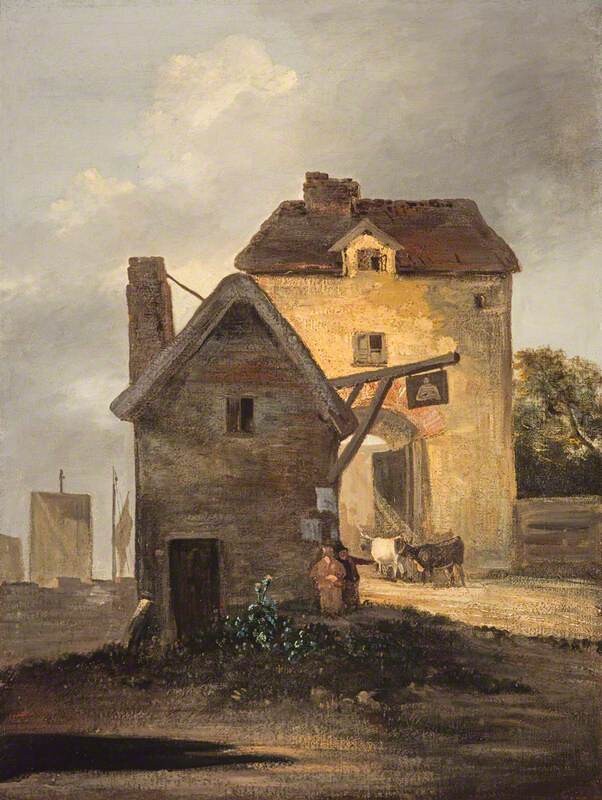
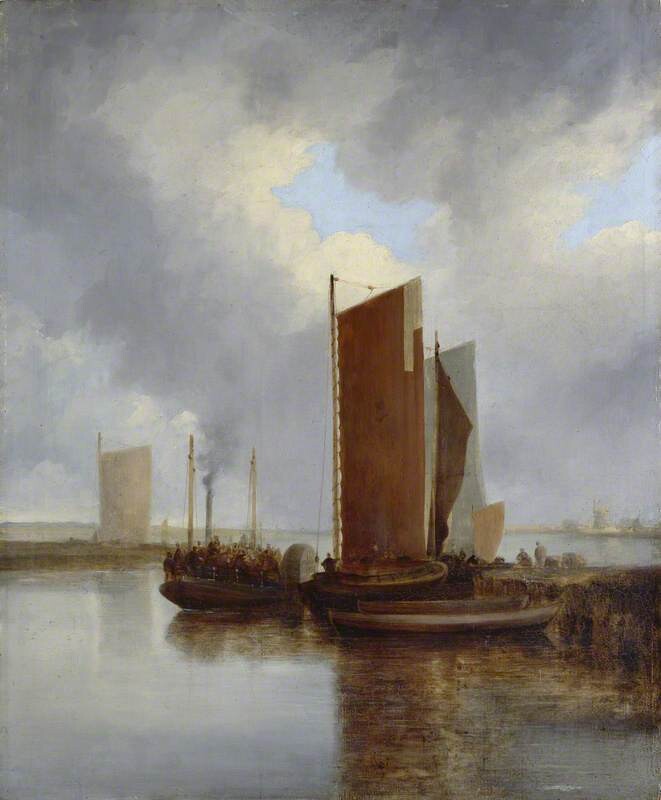
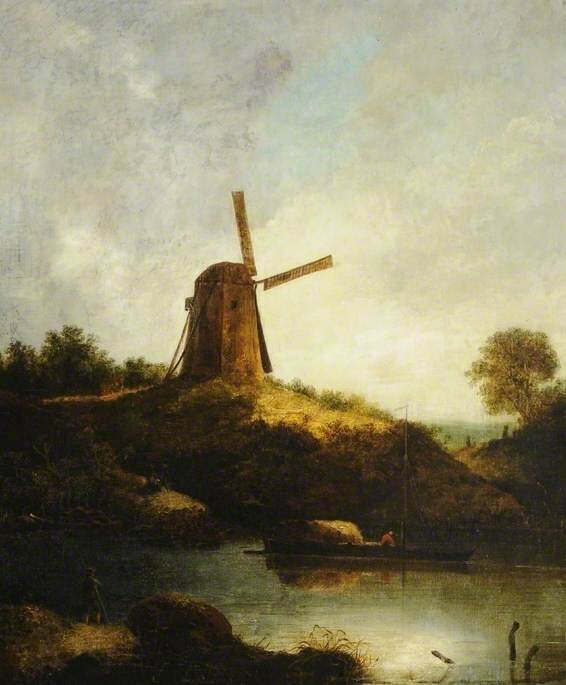
John Crome, December 22, 1768–April 22, 1821, was an English landscape painter and etcher born in Norwich. Apprenticed to the coach and sign painter Francis Whisler, he later worked as a drawing master and studied the work of Dutch landscape painters.
Crome and Robert Ladbrooke founded the Norwich Society of Artists in 1803. He served repeatedly as its president, taught artists including James Stark and Edward Thomas Daniell, and painted landscapes centered on Norwich and the Norfolk countryside.
Crome remained in Norwich until his death in 1821. His work is held by Tate, the Yale Center for British Art, the National Galleries of Scotland, Norfolk Museums Collections and other British and American collections, and he is regarded as a principal founder of the Norwich School of painters.






John White
John White, active 1577–1593, was an English artist, mapmaker, explorer, and colonial governor. His early life and artistic training are uncertain, although he may have belonged to London’s Painter-Stainers’ Company.
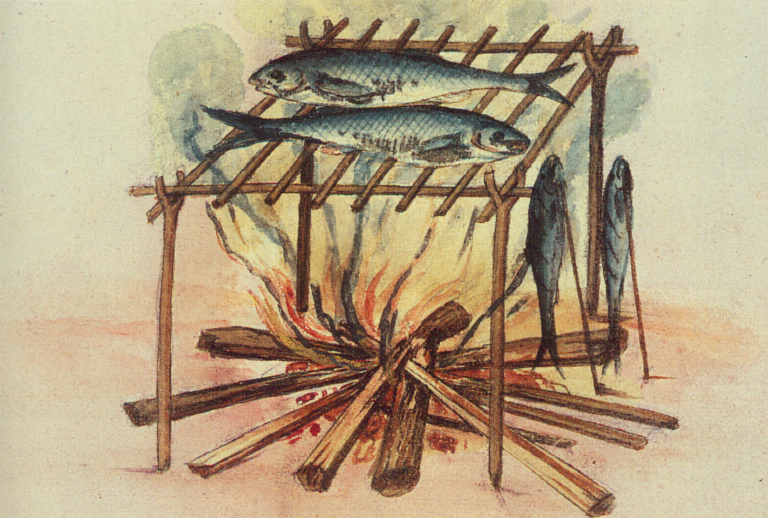
White may have accompanied Martin Frobisher’s 1577 Arctic voyage and served as artist and mapmaker on the 1585 expedition to Roanoke Island. Working with Thomas Harriot, he made watercolours recording Indigenous people, settlements, ceremonies, foodways, plants, and animals. Theodor de Bry later adapted many of these images as engravings.
White became governor of the Roanoke Colony in 1587. Delayed in England while seeking supplies, he returned in 1590 to find the settlement abandoned. He was last documented in 1593; the principal collection of his surviving watercolours is in the British Museum, London.




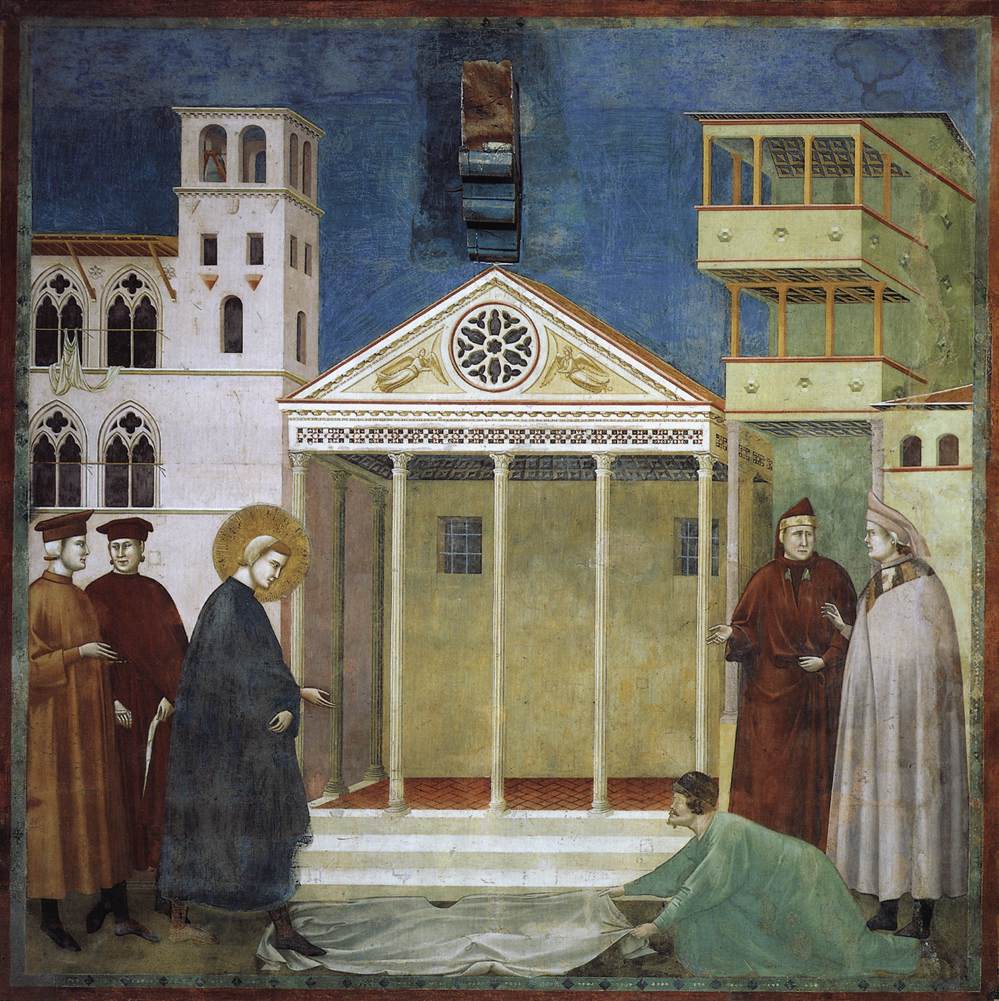
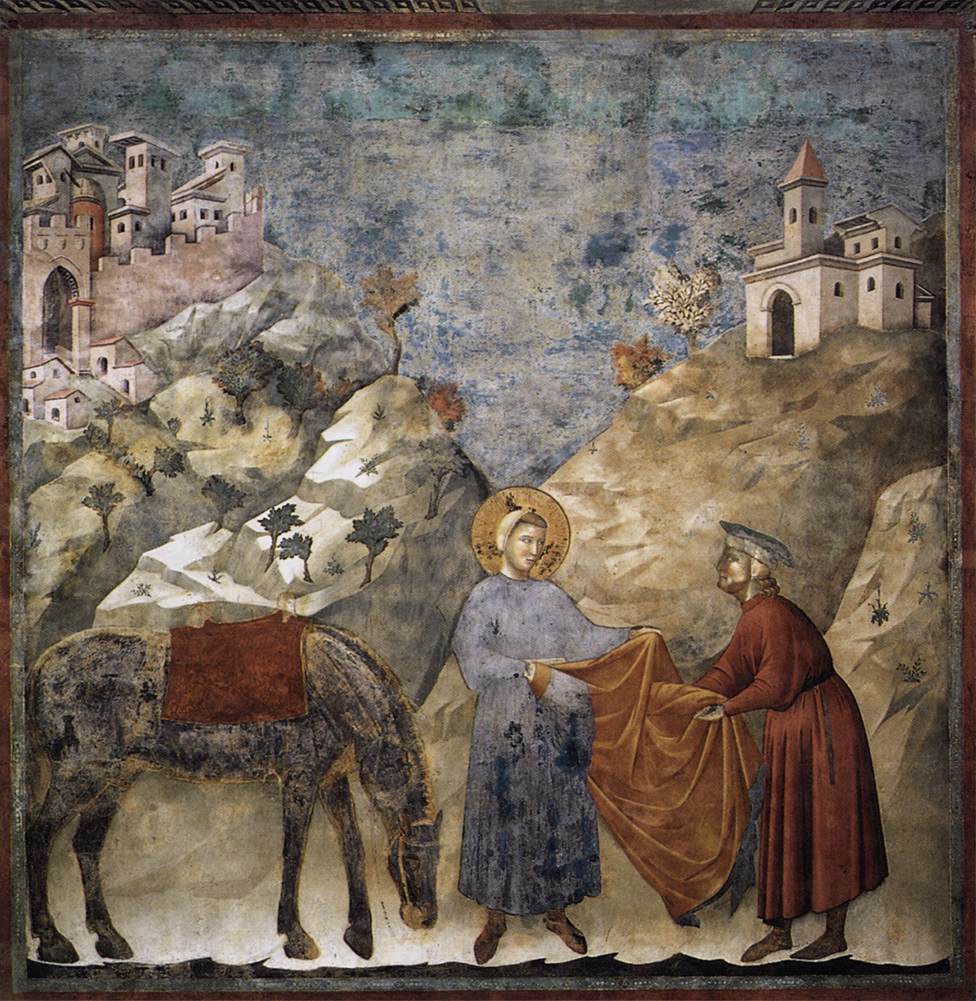
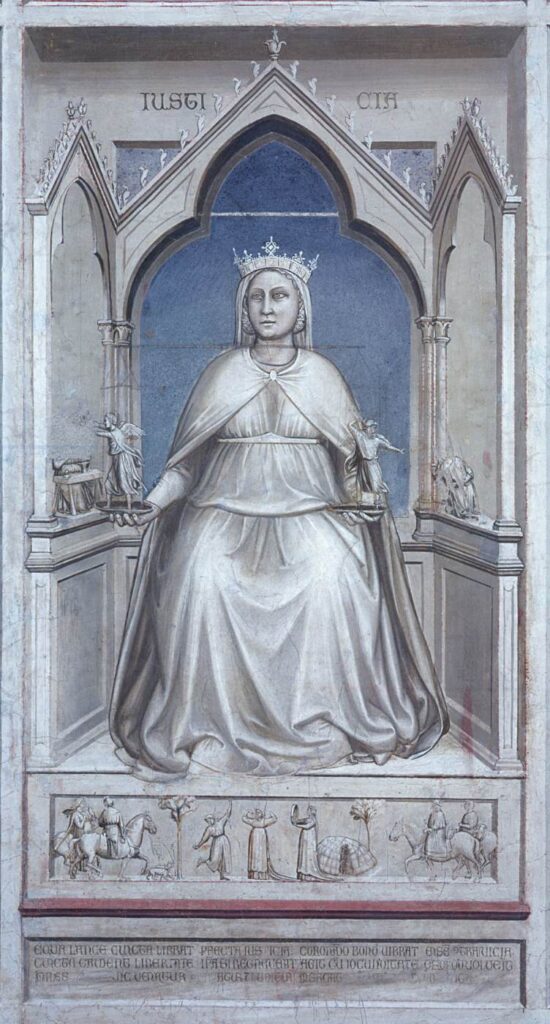
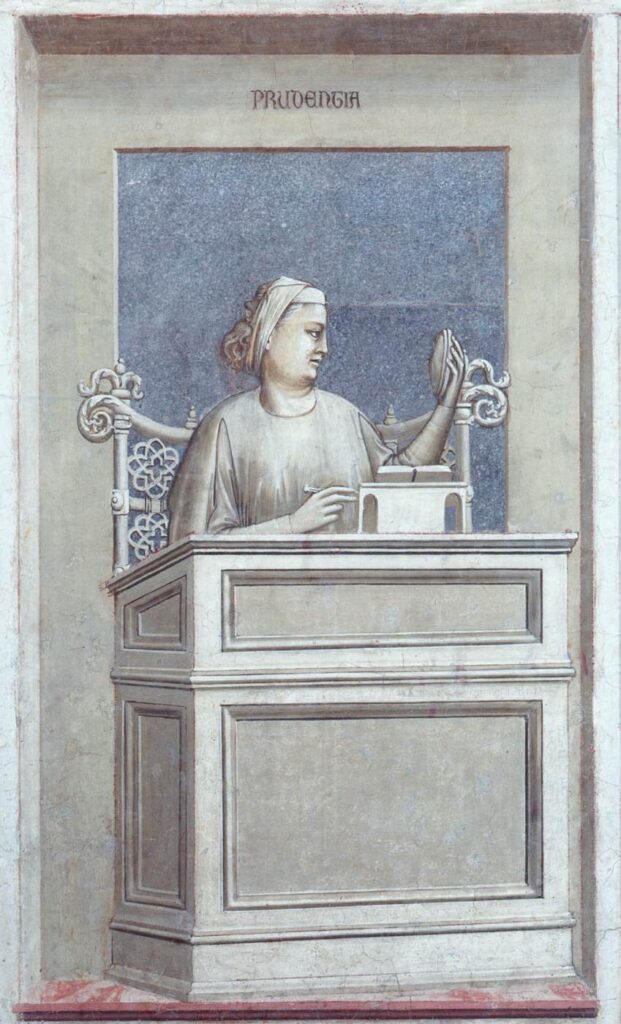
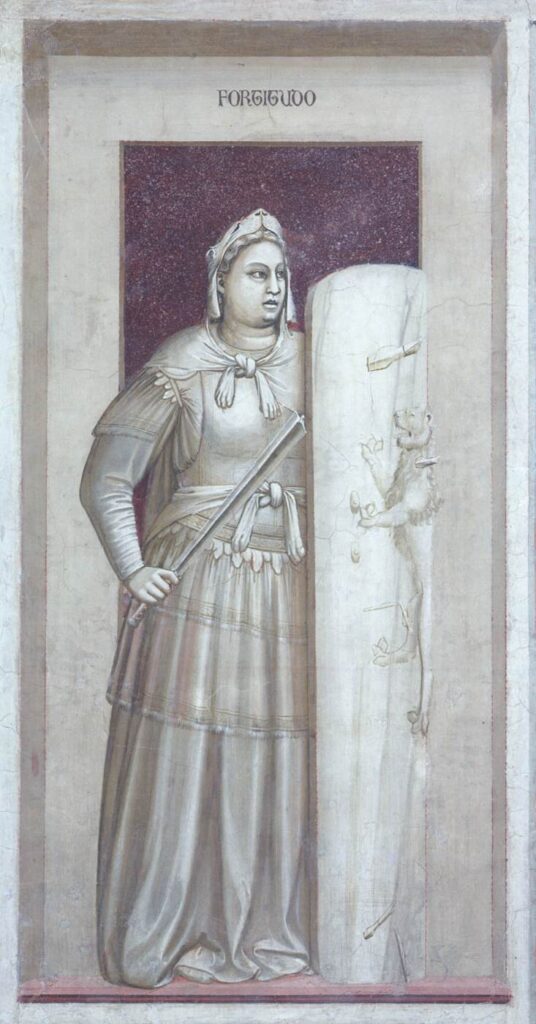
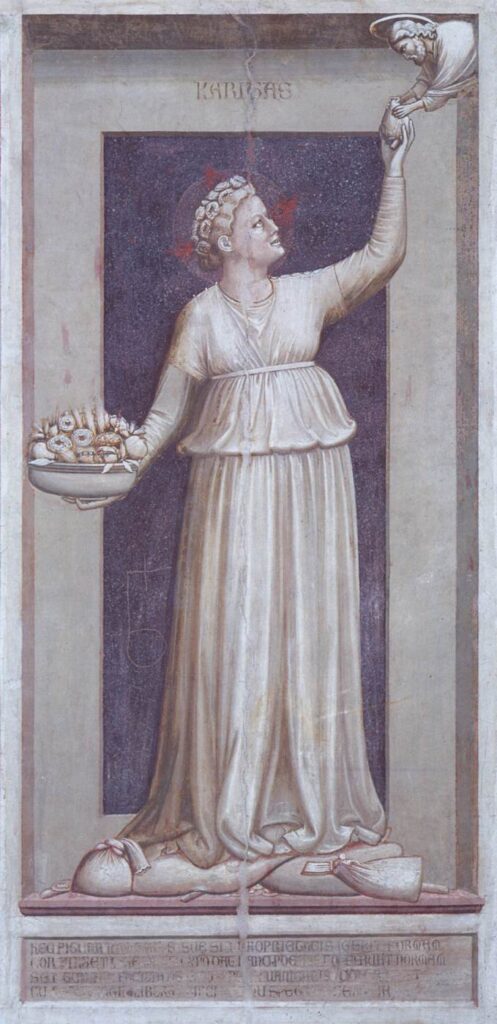
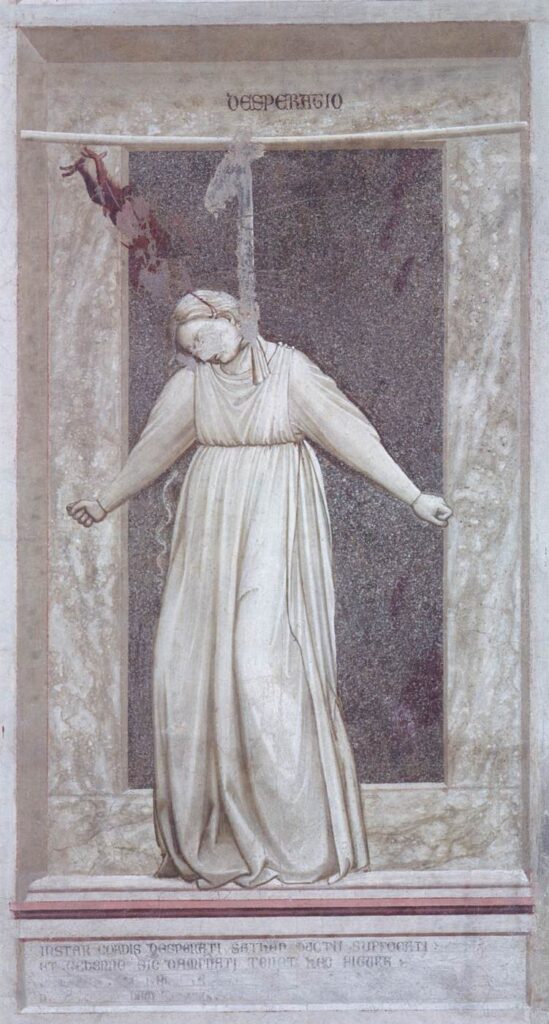
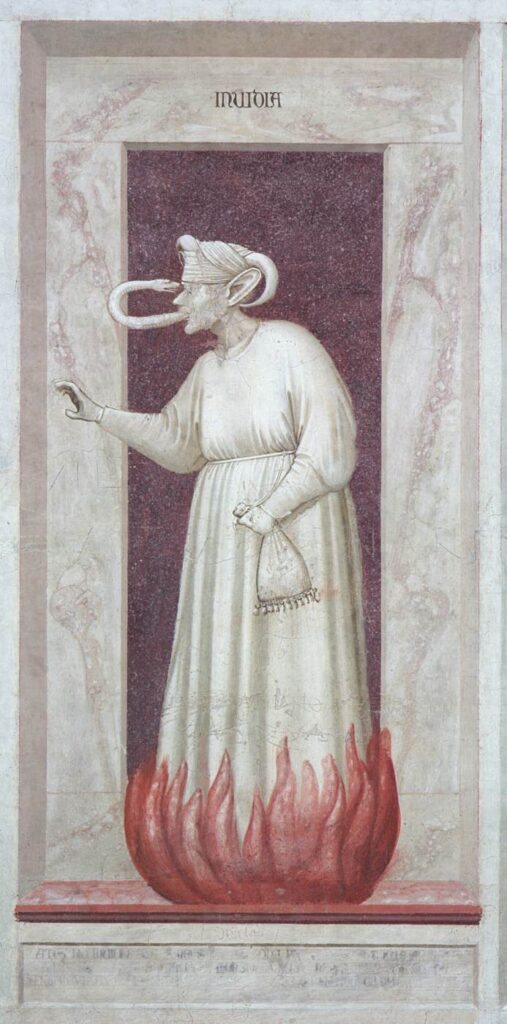
Giotto di Bondone
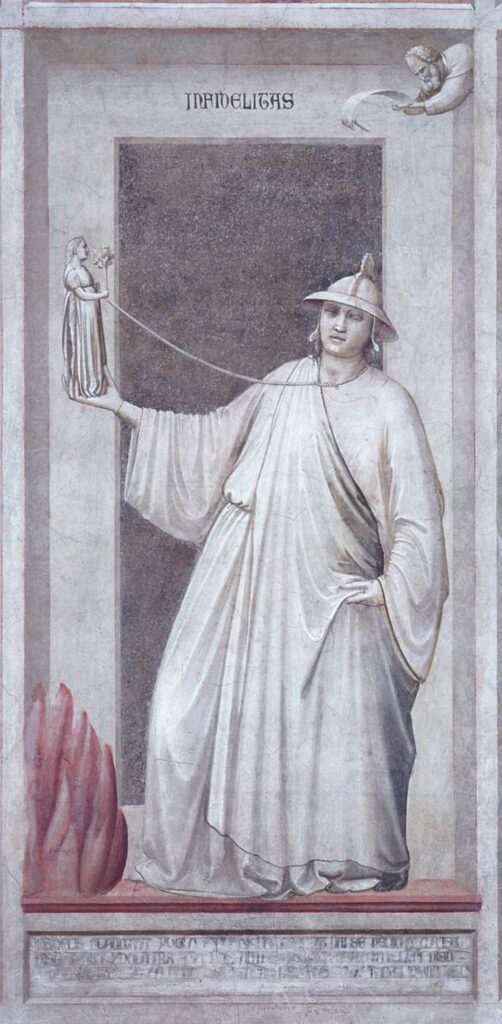
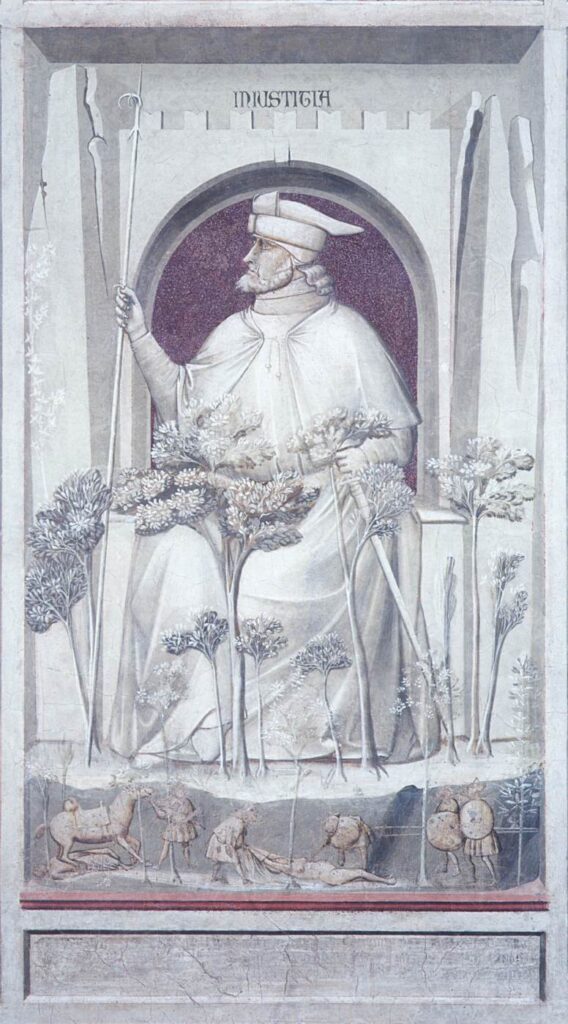
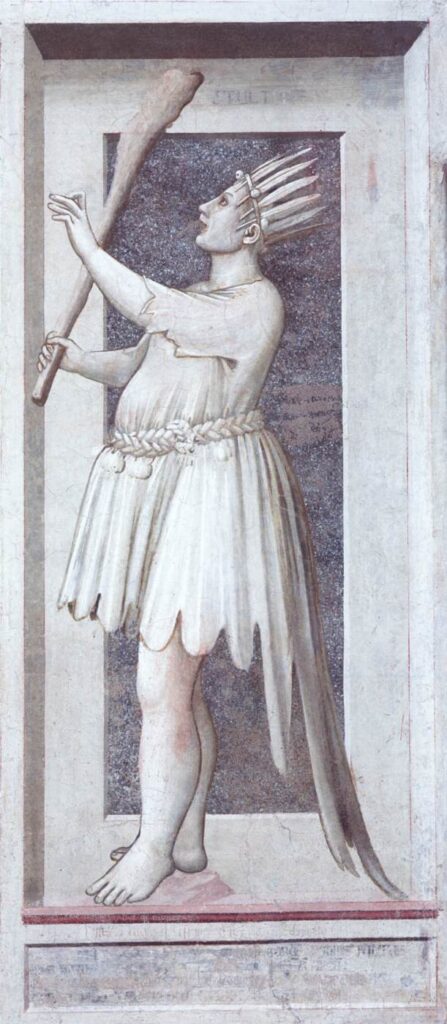
Giotto di Bondone, c 1265 – January 1337, was a Florentine painter. Earlier sources identify Cimabue as his teacher, while modern scholarship also recognizes the importance of a formative period in Rome.
By the mid-1290s Giotto had received the commission for the cycle of stories of Saint Francis in the Basilica of Saint Francis at Assisi. He also worked in Rome, Florence, Padua, Rimini, Naples, and other Italian cities.
Giotto died in Florence in January 1337. His surviving works include fresco cycles in the Basilica of Saint Francis, Assisi, and the Cappella degli Scrovegni, Padua; panel paintings in the National Gallery, London; the Uffizi, Florence; and the Metropolitan Museum of Art, New York.


Hans von Bartels
Hans von Bartels, December 25, 1856–October 5, 1913, was a German painter and watercolorist born in Hamburg. He trained in Hamburg with Rudolf Hardorff and Carl Oesterley and also studied in Düsseldorf with Adolf Schweitzer before traveling in Italy and elsewhere in Europe.
Bartels settled in Munich in 1885 and was appointed professor of painting in 1891. He worked in oil and watercolor and became particularly associated with marine subjects, fishing communities, harbors, and coastal life; from the late 1880s he repeatedly worked on the Dutch coast, especially at Katwijk.
Bartels died in Munich in 1913. His work is represented in collections including Hamburger Kunsthalle and Nationalmuseum, Stockholm, as well as other German and European public collections.


Aristide Maillol
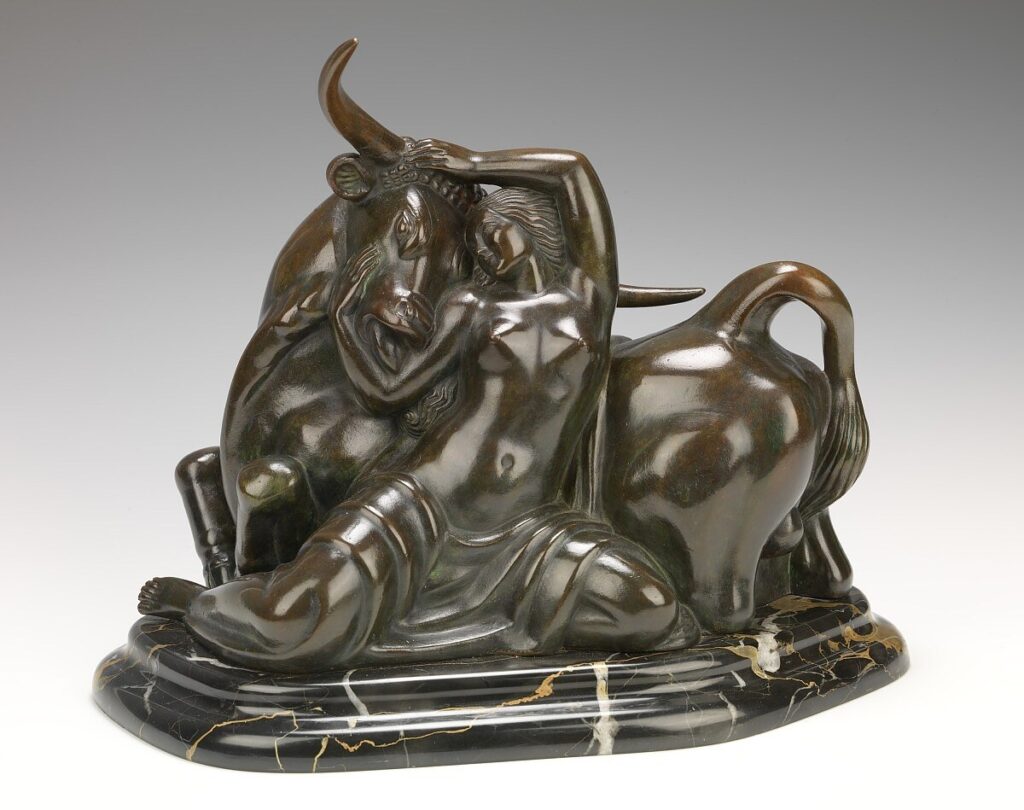
Aristide Maillol, December 8, 1861–September 27, 1944, was a French sculptor, painter, and tapestry designer from Banyuls-sur-Mer. After several unsuccessful applications, he entered the École des Beaux-Arts in Paris in 1885, where Jean-Léon Gérôme and Alexandre Cabanel were among his teachers.
Maillol worked with the Nabis and first gained notice for tapestry. By about 1900 he turned principally to sculpture, while continuing to paint and draw; his simplified, monumental female figures became the central subject of his work.
Maillol died at Banyuls-sur-Mer following injuries from an automobile accident. His work is represented in the Musée d’Orsay, the Louvre Museum, the Metropolitan Museum of Art, and the Museum of Modern Art.


Paul Manship
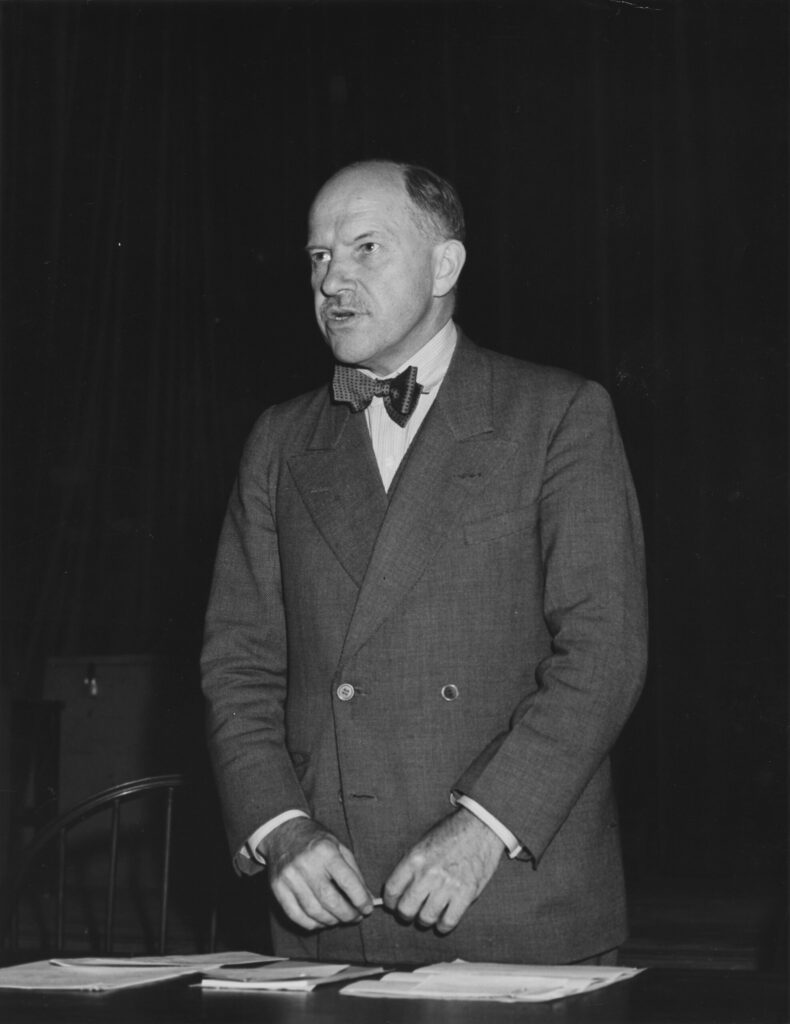
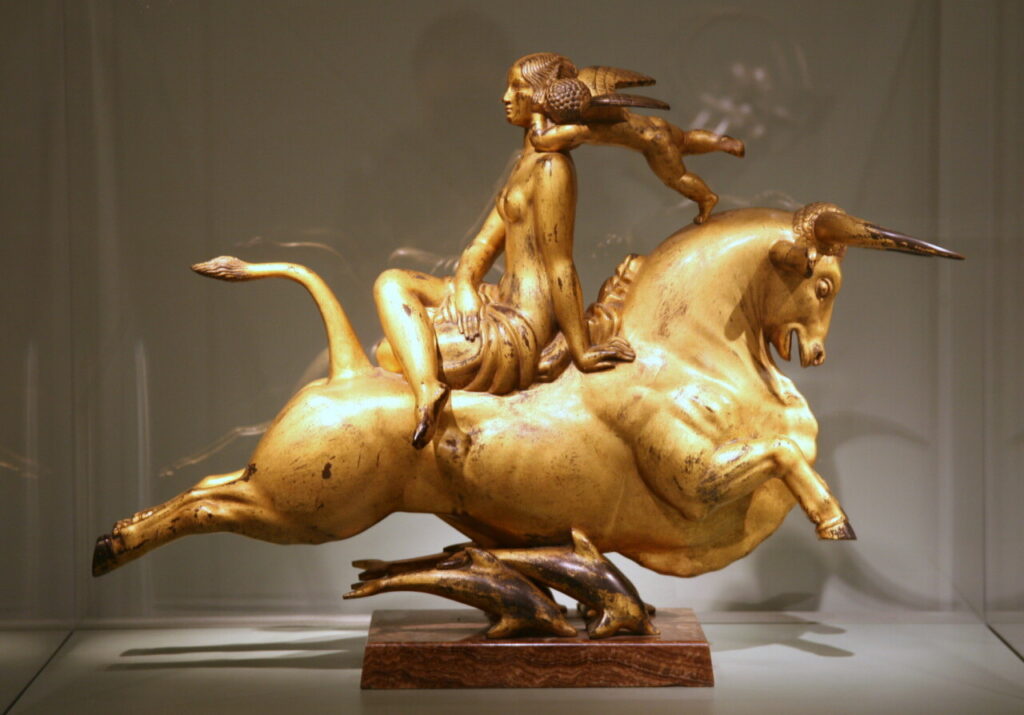
Paul Manship, December 25, 1885–January 28, 1966, was an American sculptor born in Saint Paul, Minnesota. He studied at the St. Paul School of Art, the Pennsylvania Academy of the Fine Arts, and the Art Students League in New York, and held the Rome Prize at the American Academy in Rome from 1909 to 1912.
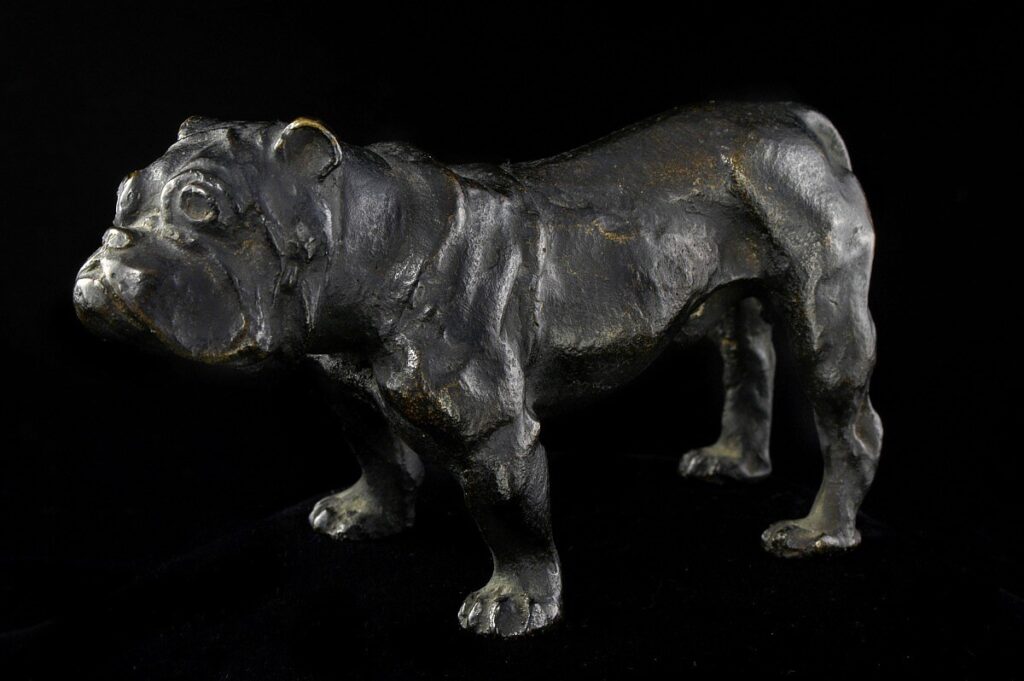
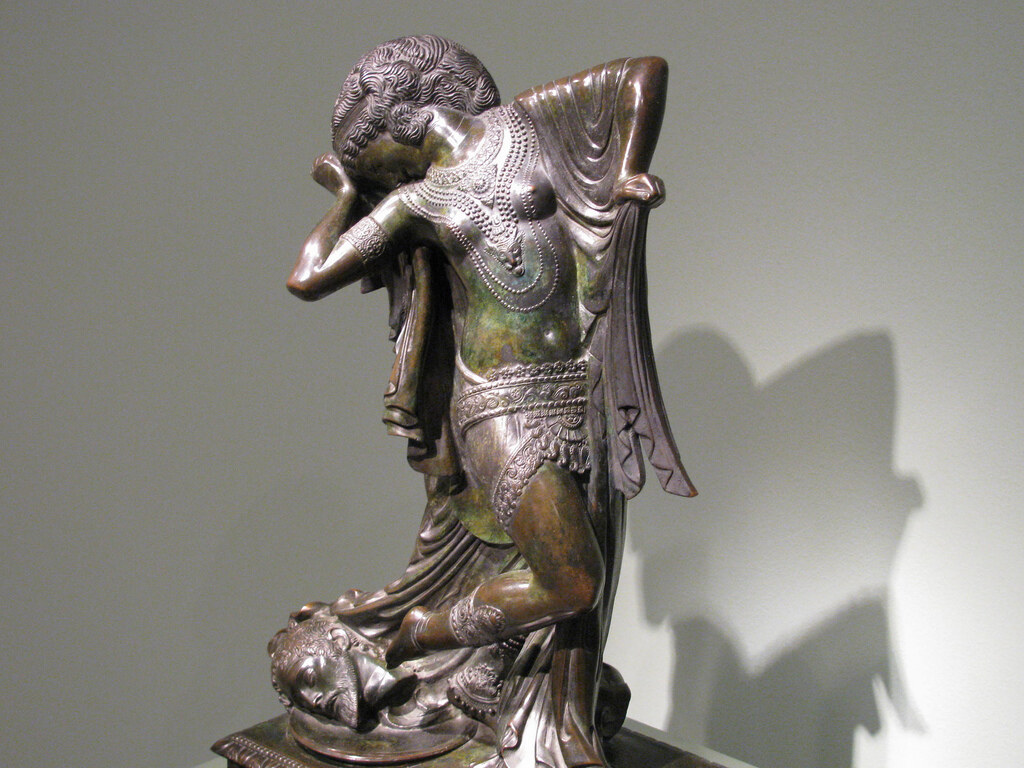
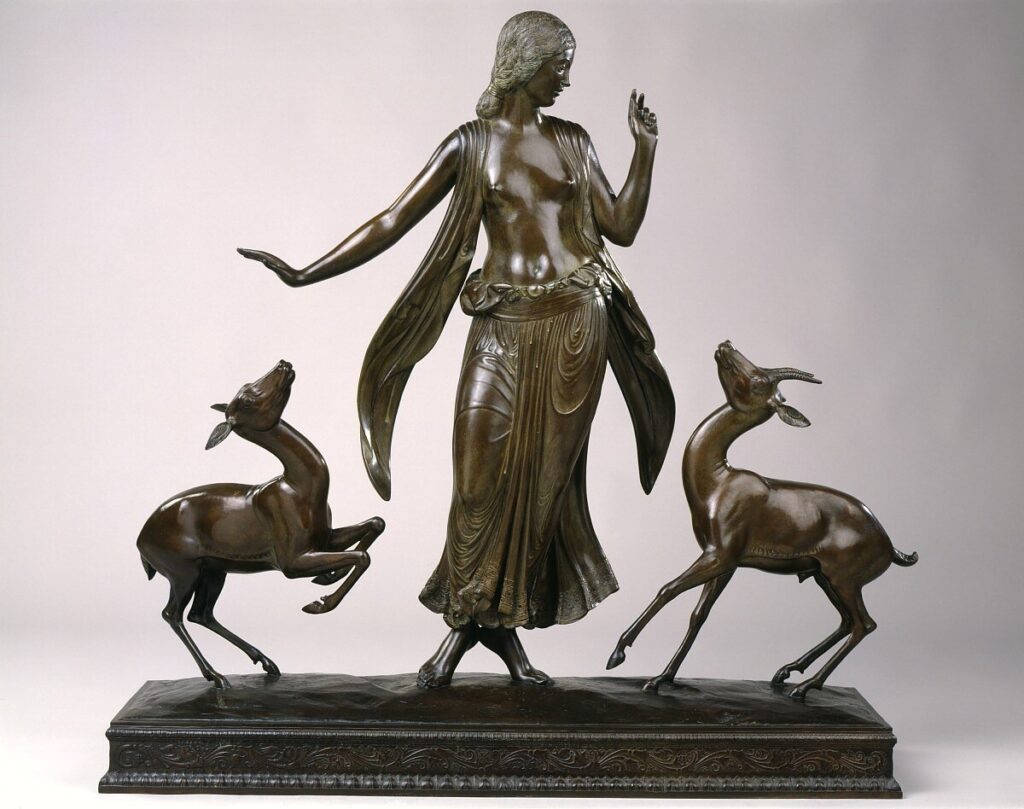
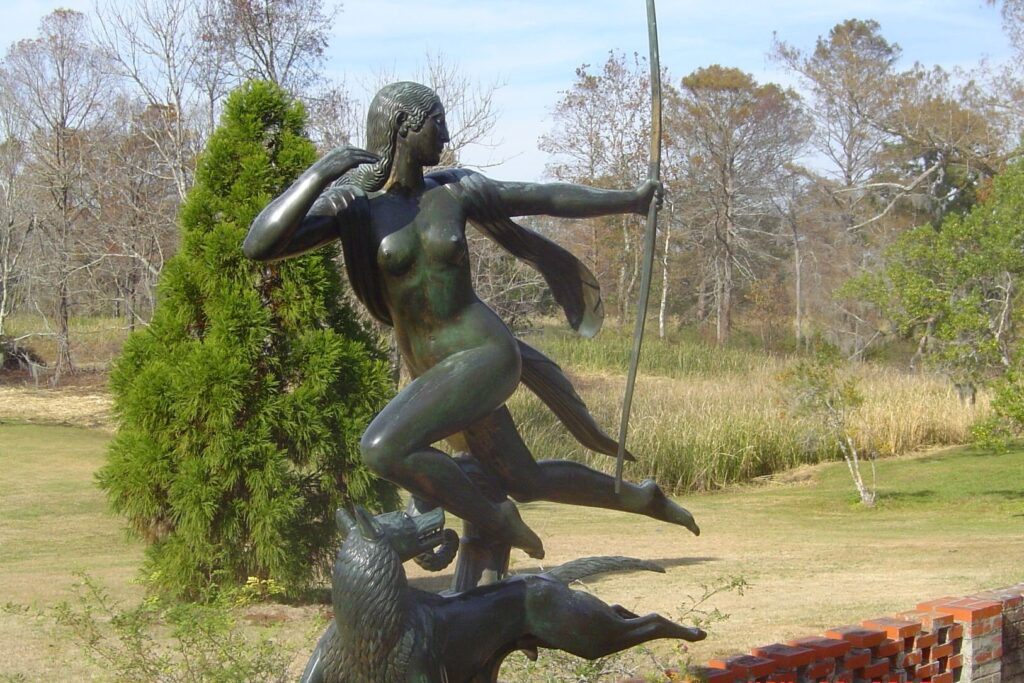
Manship established a career in New York as a sculptor of bronzes, architectural reliefs, fountains, monuments, and medals. His work drew on Greek, Roman, Egyptian, Assyrian, and South Asian art; he served on the U.S. Commission of Fine Arts and was associated with the National Academy of Design, the National Sculpture Society, and the American Academy of Arts and Letters.
His major public commissions included The Four Elements for 195 Broadway, Prometheus at Rockefeller Center, the Rainey Memorial Gates at the Bronx Zoo, and the Celestial Sphere at the Palais des Nations in Geneva. Manship died in New York; substantial holdings of his work and papers are preserved by the Smithsonian American Art Museum and the Archives of American Art.





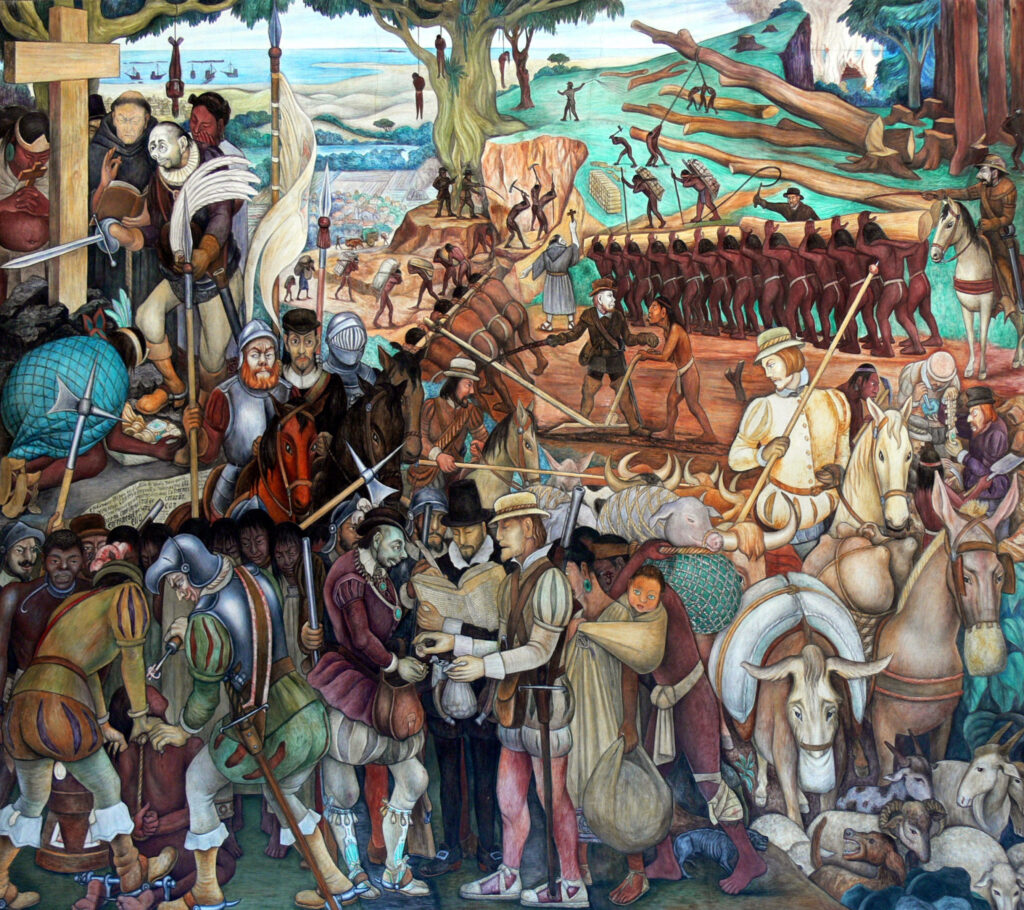
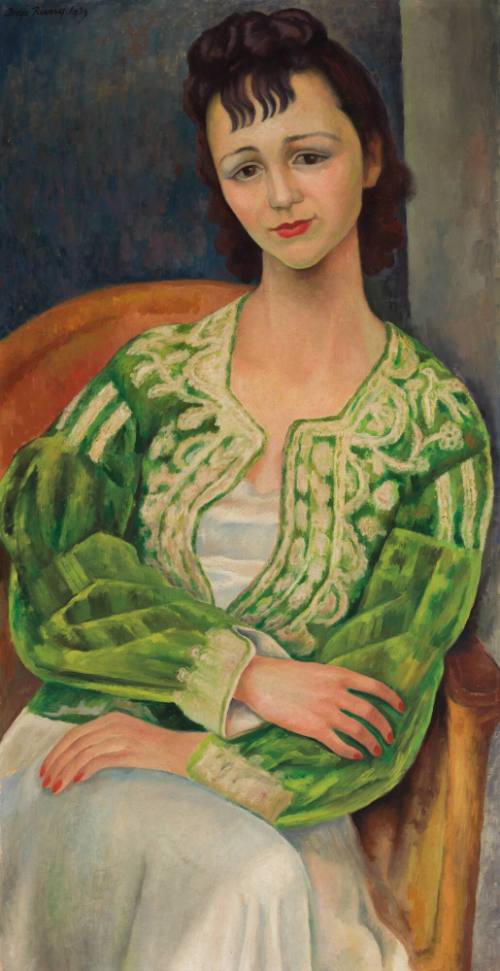
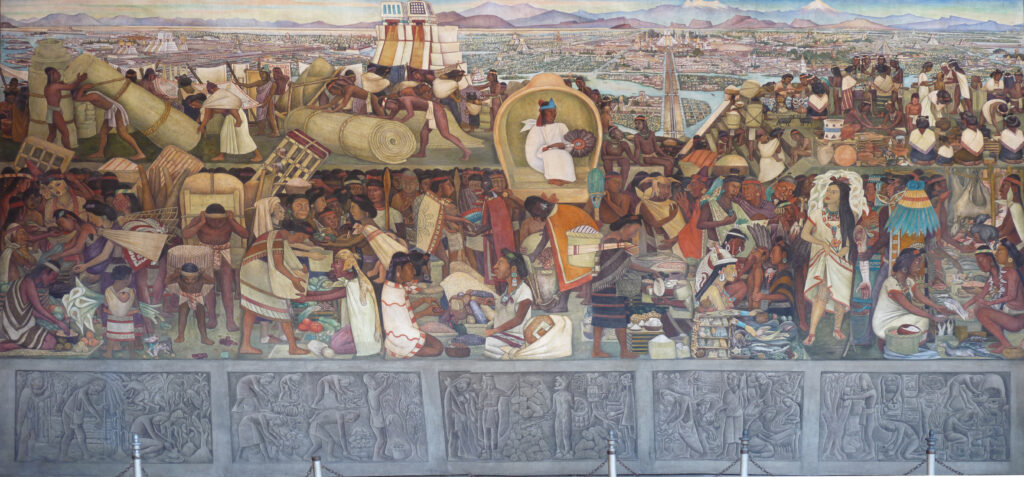
Diego Rivera
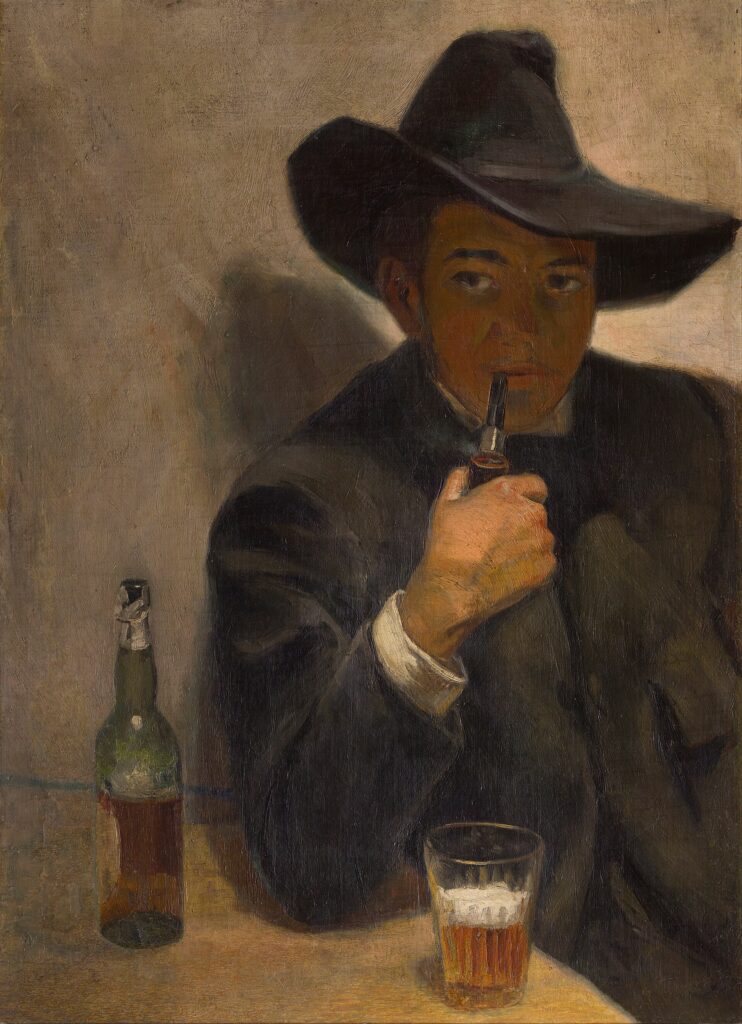
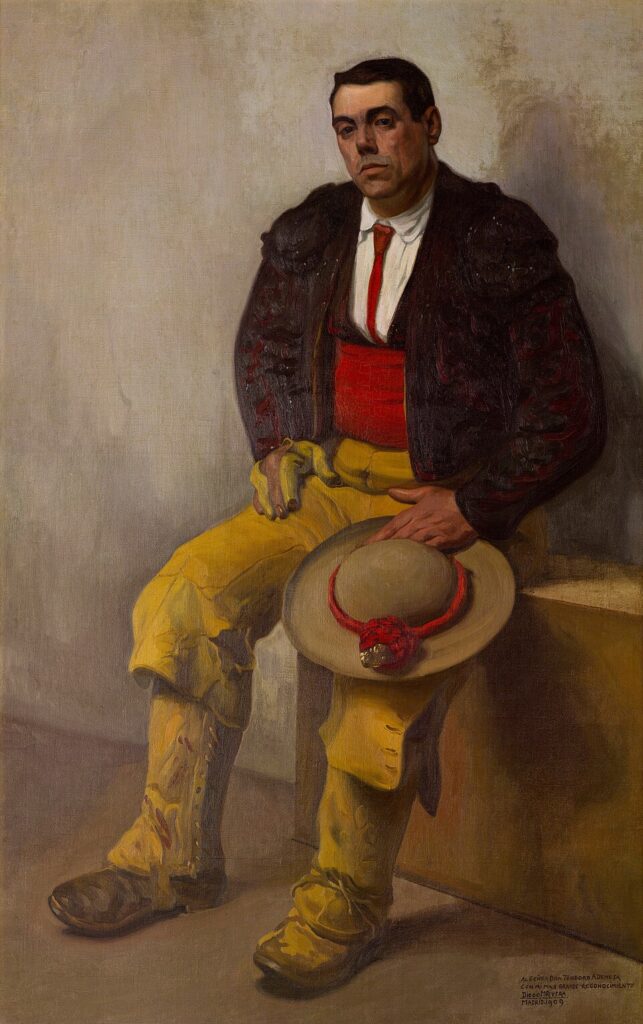
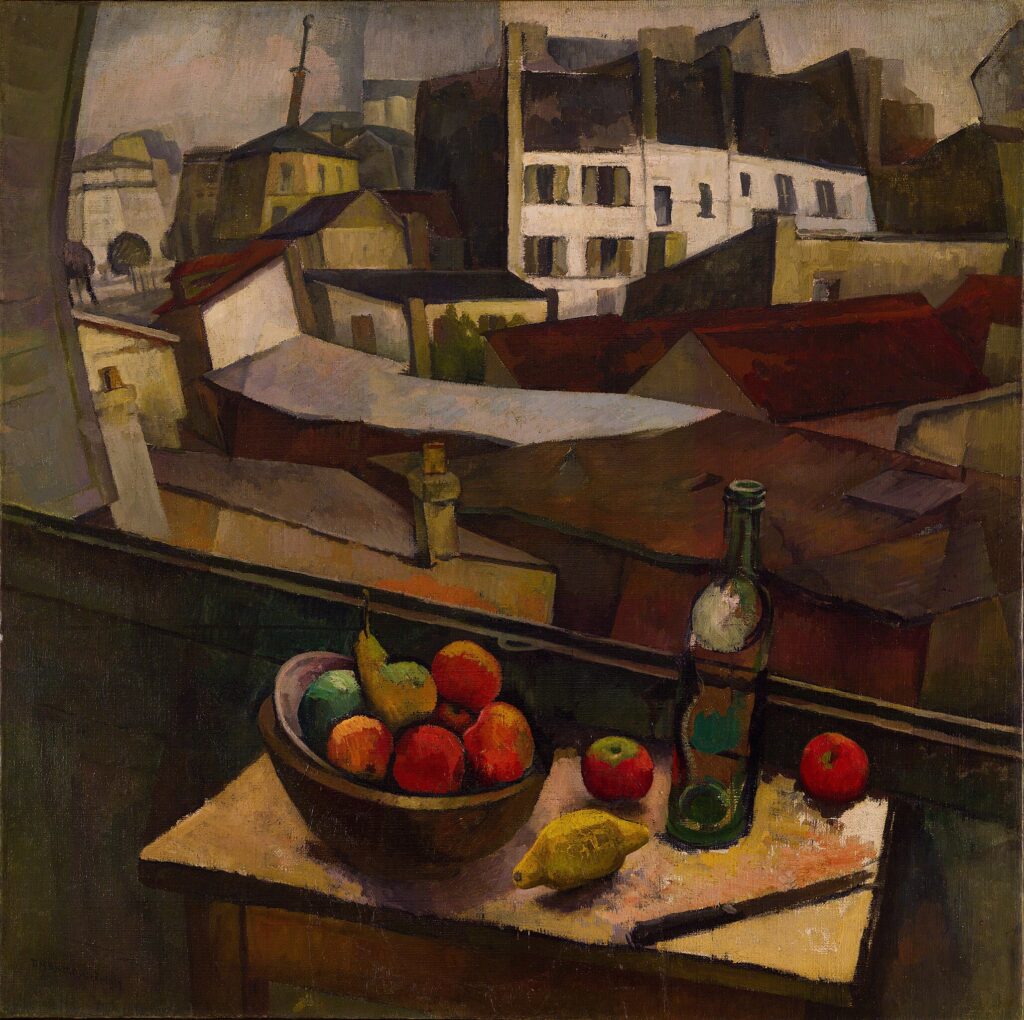
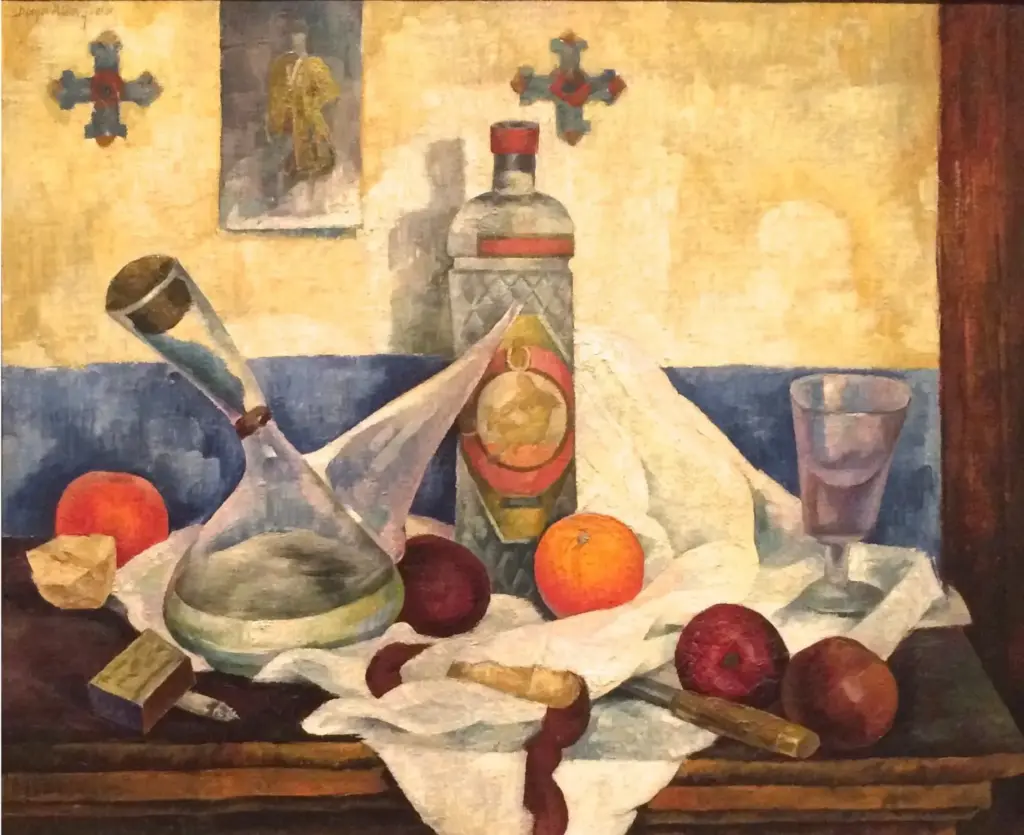
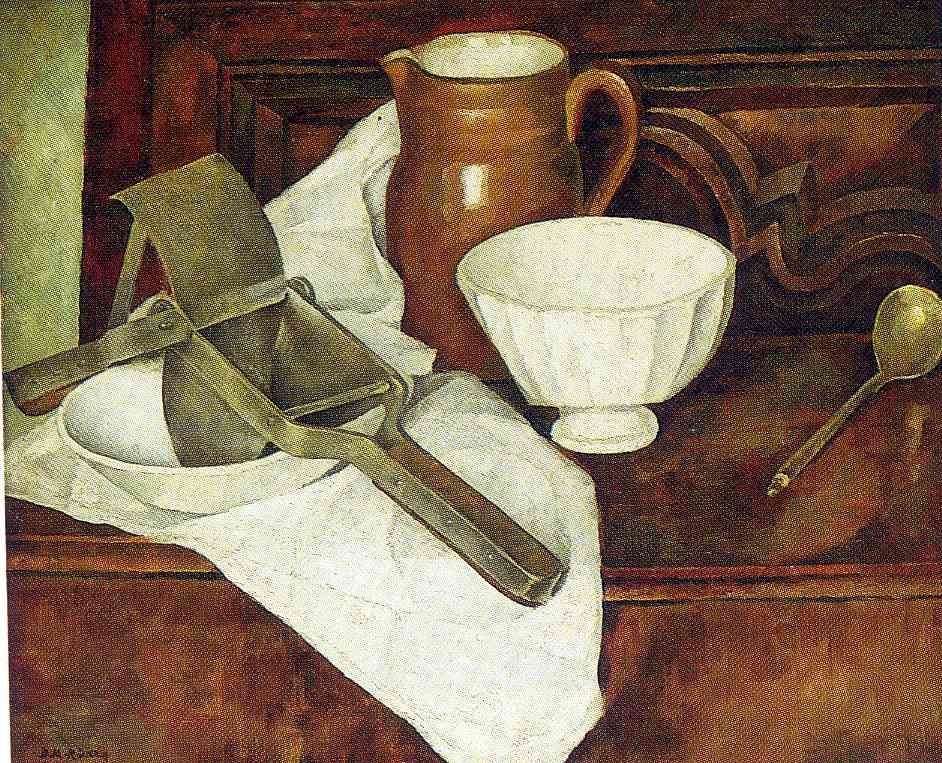
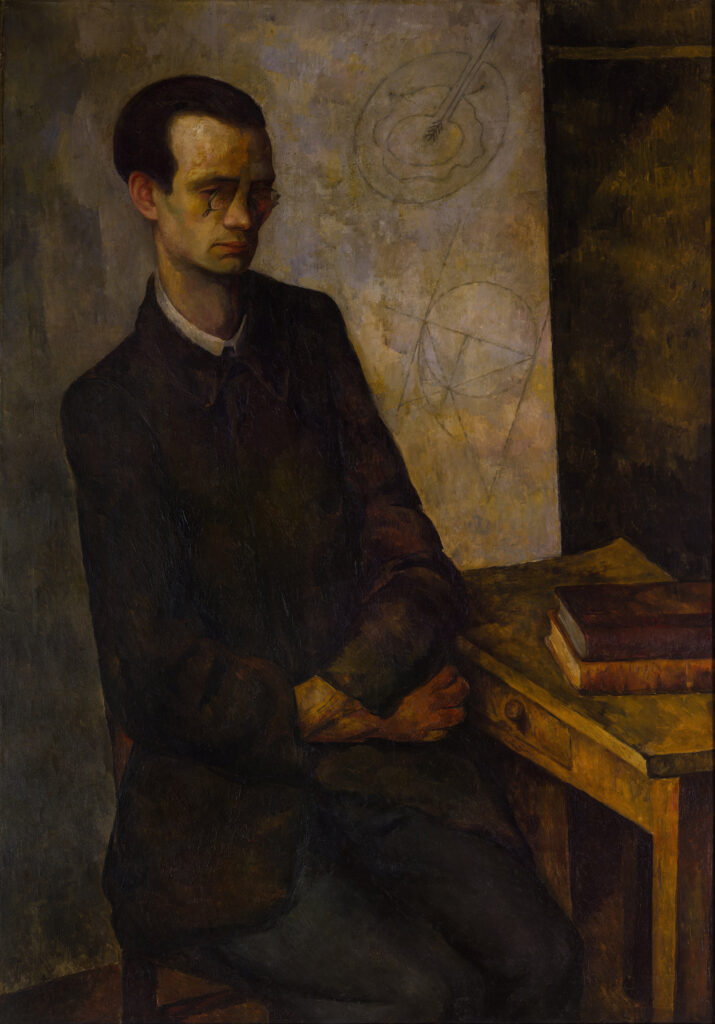
Diego Rivera, December 8, 1886–November 24, 1957, was a Mexican painter born in Guanajuato. He studied at the Academy of San Carlos in Mexico City and, from 1907, spent extended periods in Spain and France, where he encountered modern European painting and Cubism.
Rivera returned to Mexico in 1921 and became a leading mural painter of the post-revolutionary period. He executed large public fresco cycles in Mexico City, Chapingo, Detroit, San Francisco, and New York, while continuing to paint portraits, landscapes, and still lifes.
He married Frida Kahlo in 1929; their relationship, with an interruption in 1939–1940, remained central to both artists’ lives. Rivera died in Mexico City in 1957. His murals and easel paintings are held in major collections in Mexico and abroad.










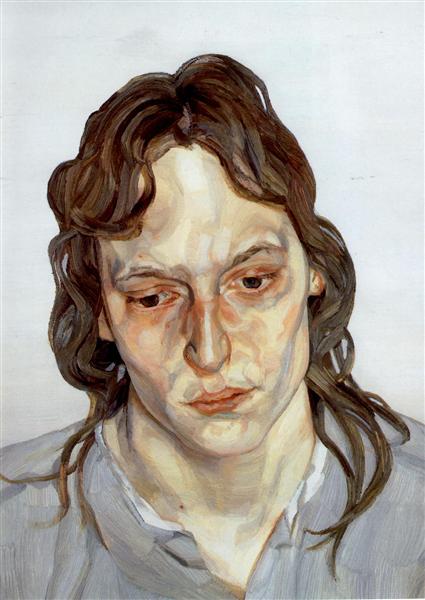
Luis Egidio Meléndez
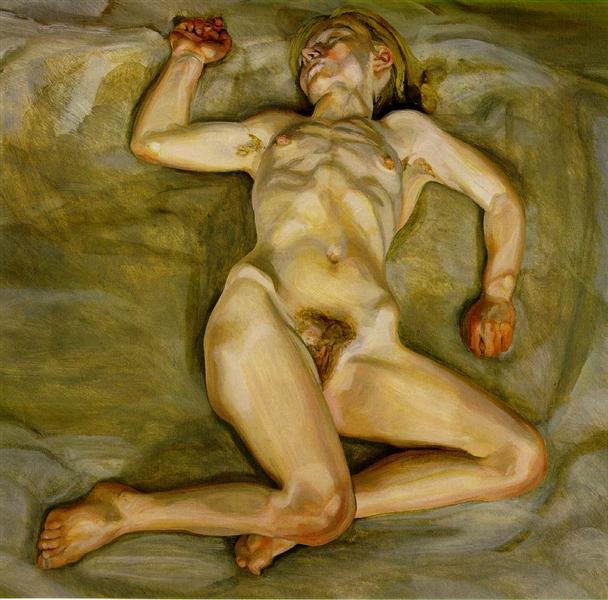
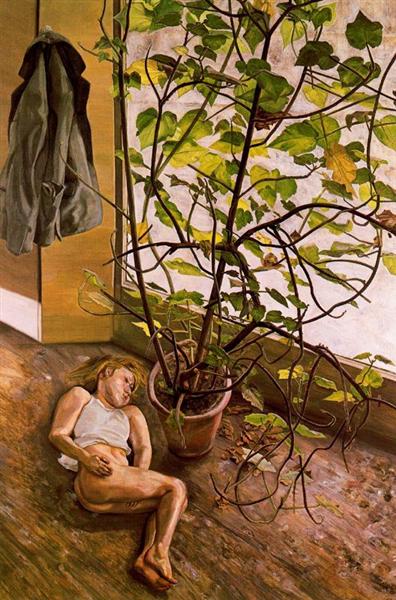
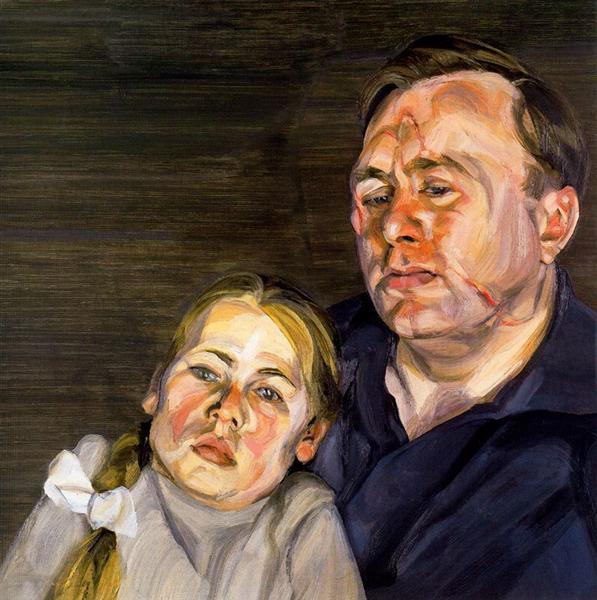
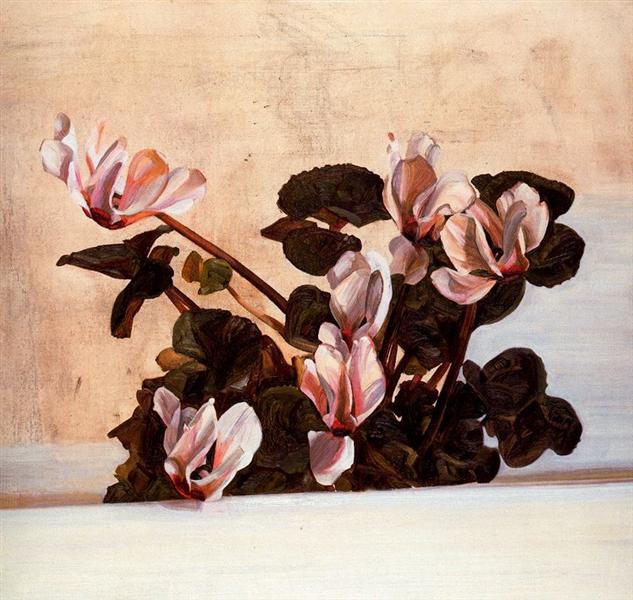
Luis Egidio Meléndez, Spanish painter, 1716–1780


