Henri Fantin-Latour
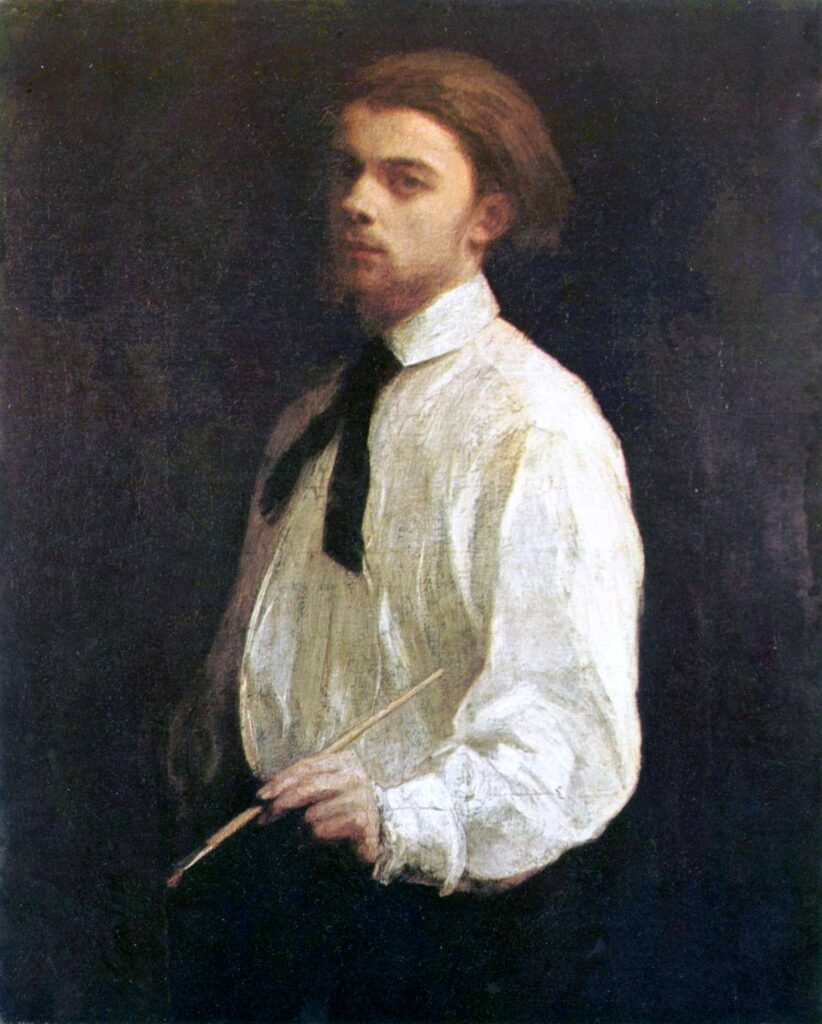
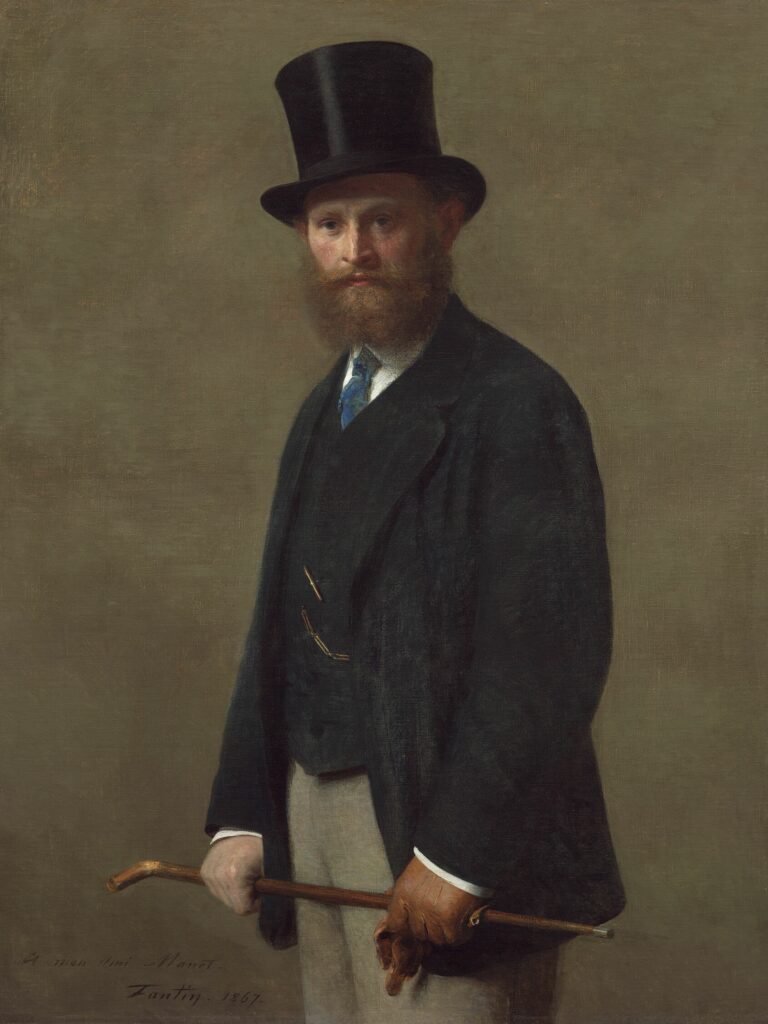
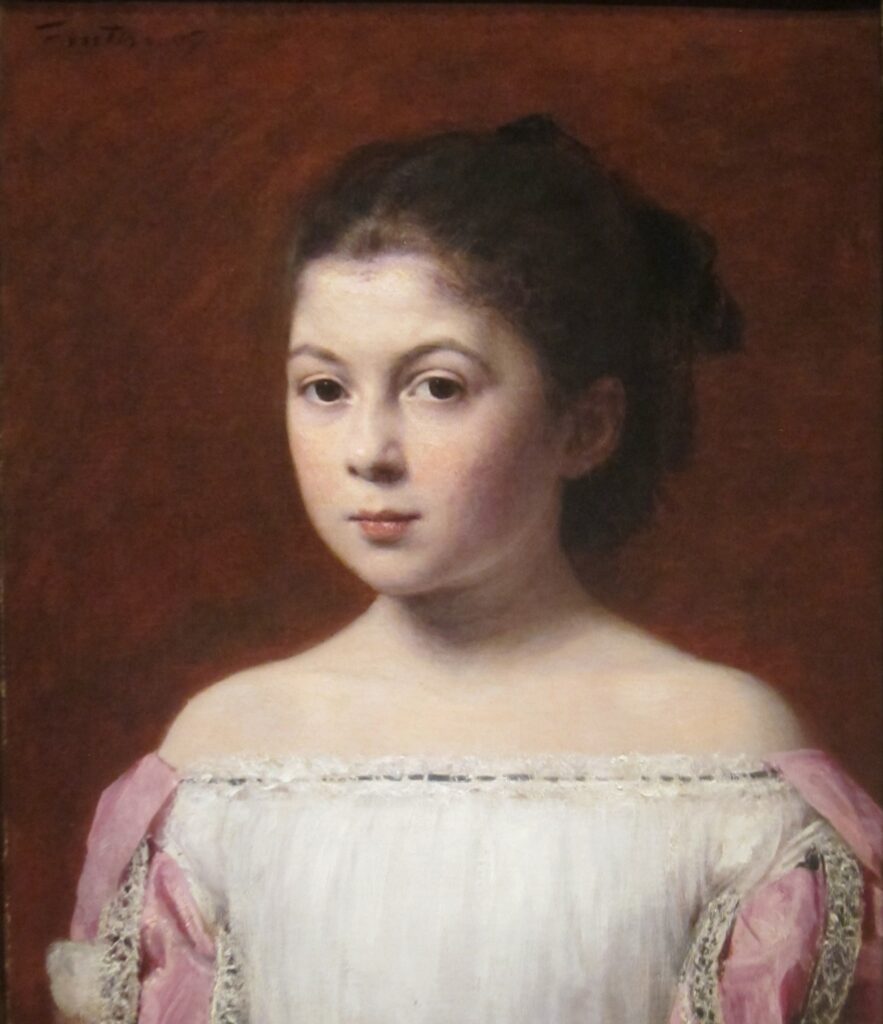
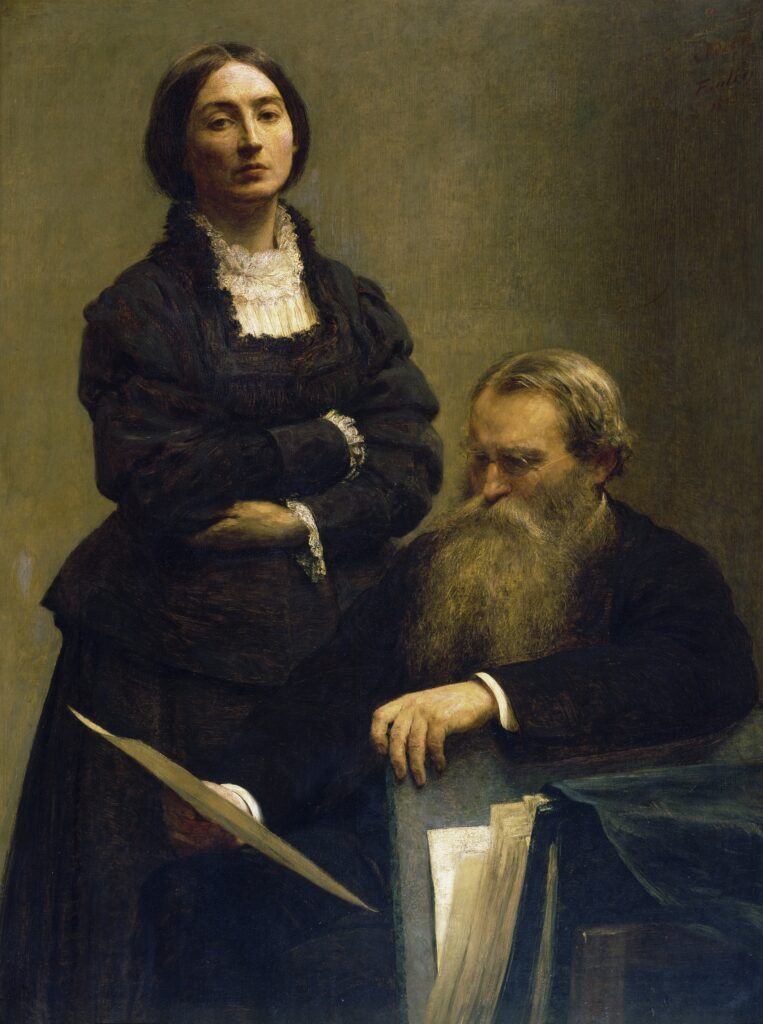
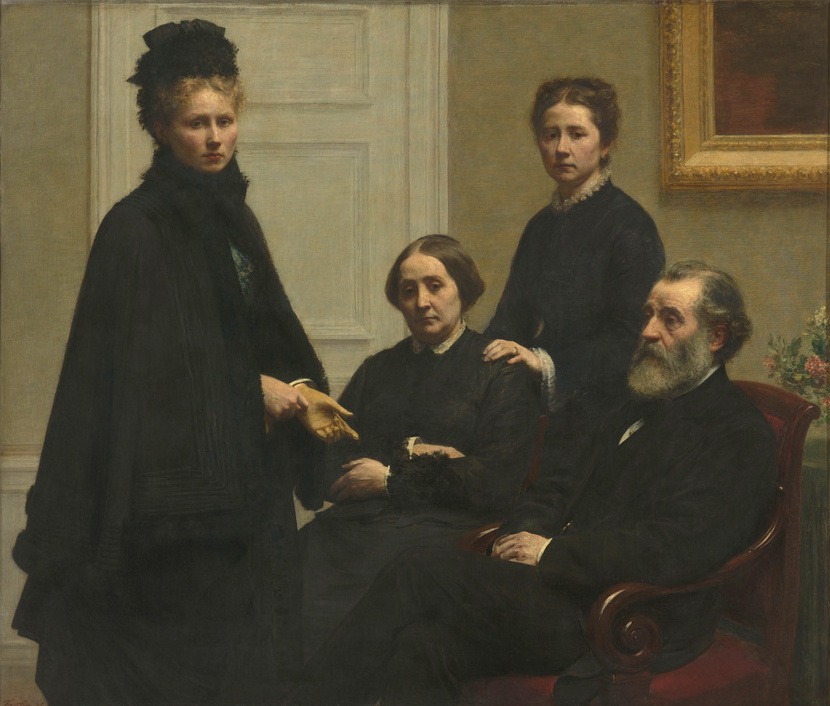
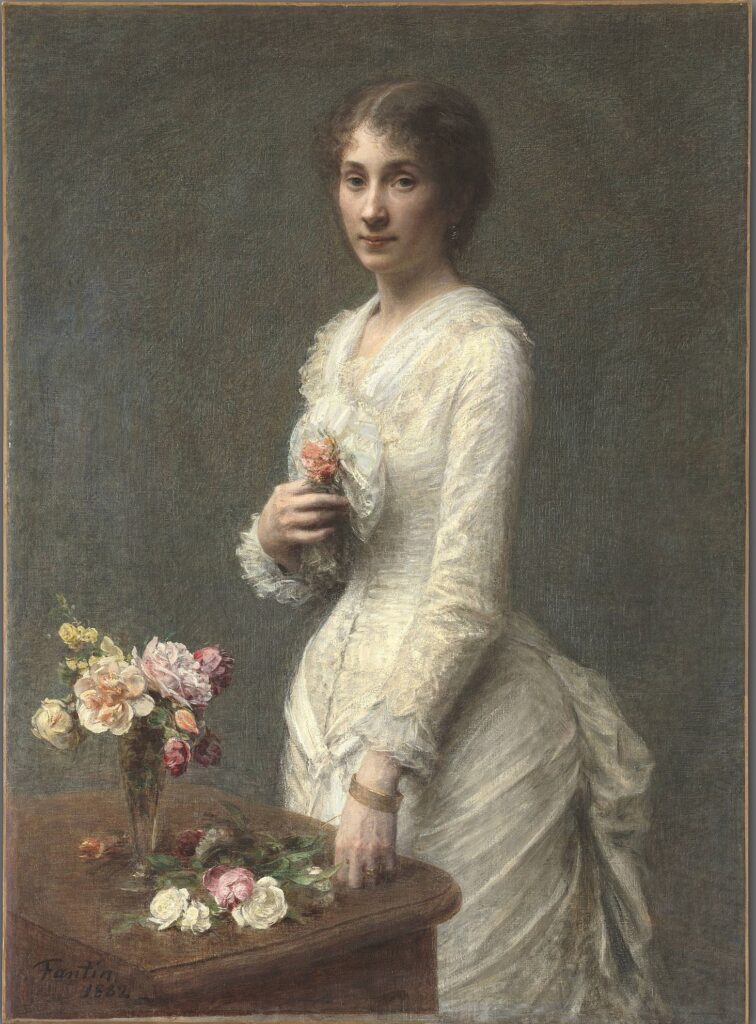
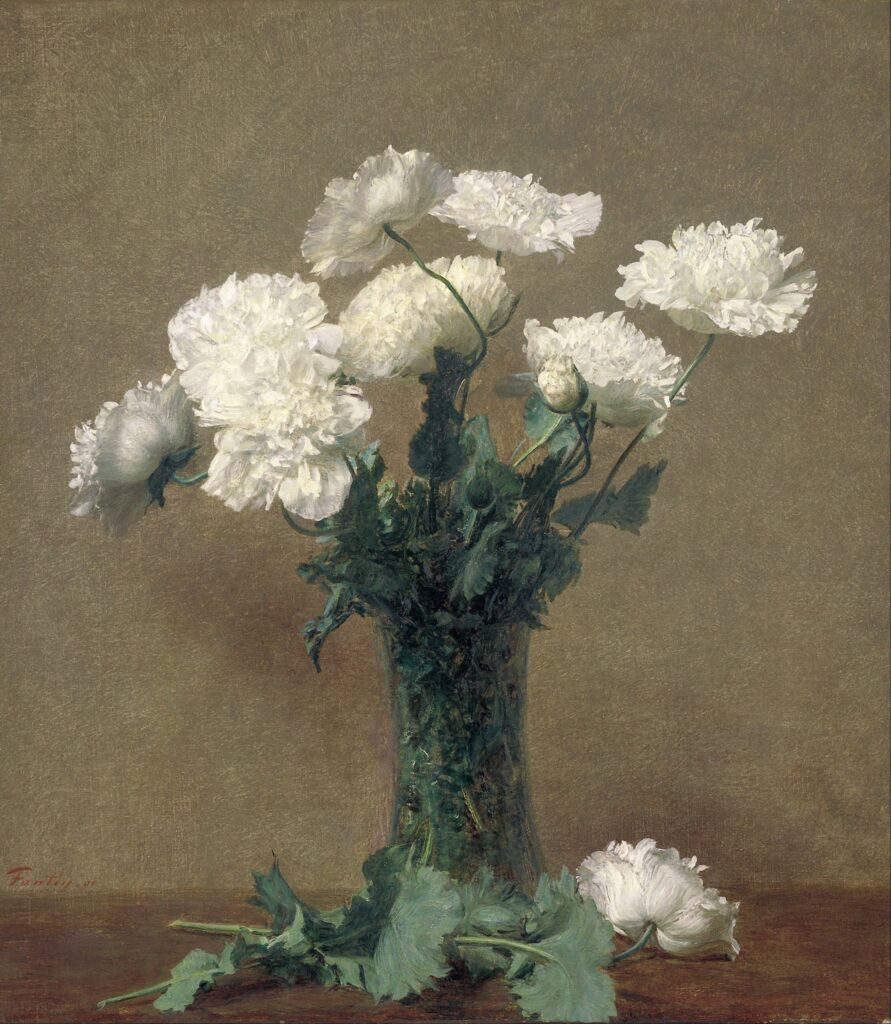
Henri Fantin-Latour, January 14, 1836–August 25, 1904, was a French painter and lithographer born in Grenoble. He first studied with his father, the painter Théodore Fantin-Latour, then trained in Paris with Horace Lecoq de Boisbaudran and briefly at the École des Beaux-Arts while copying Old Masters in the Louvre.
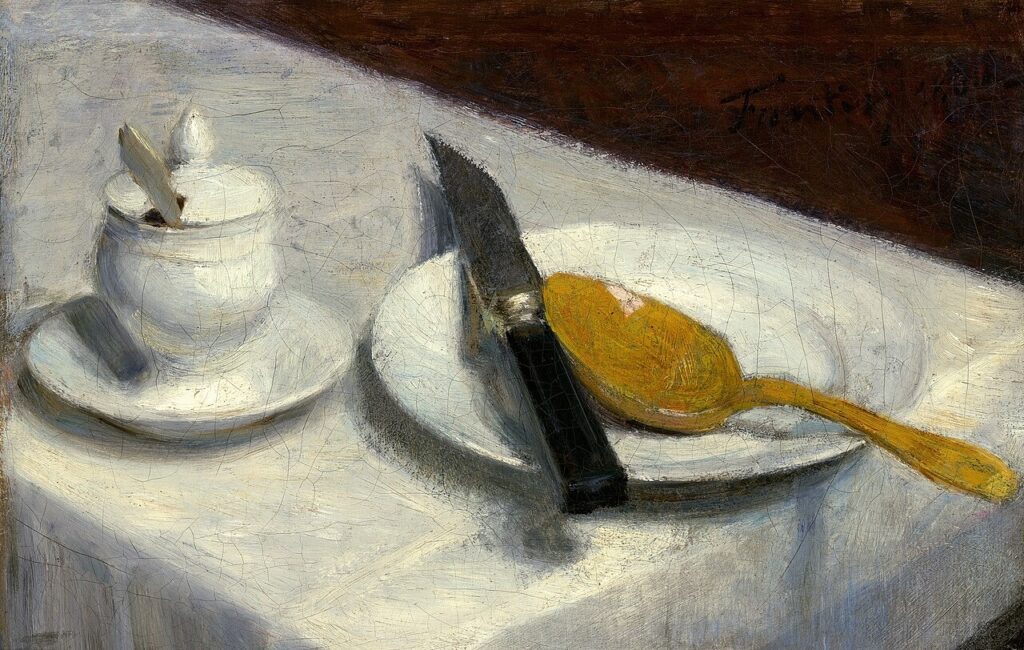
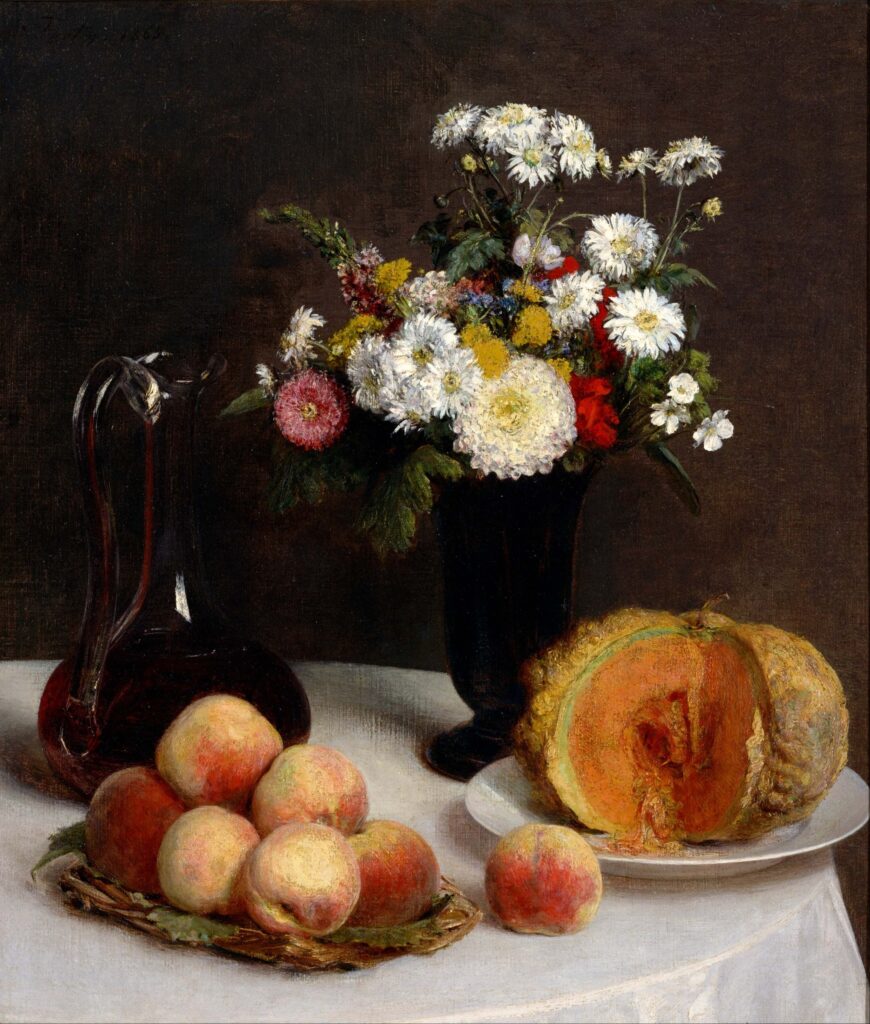
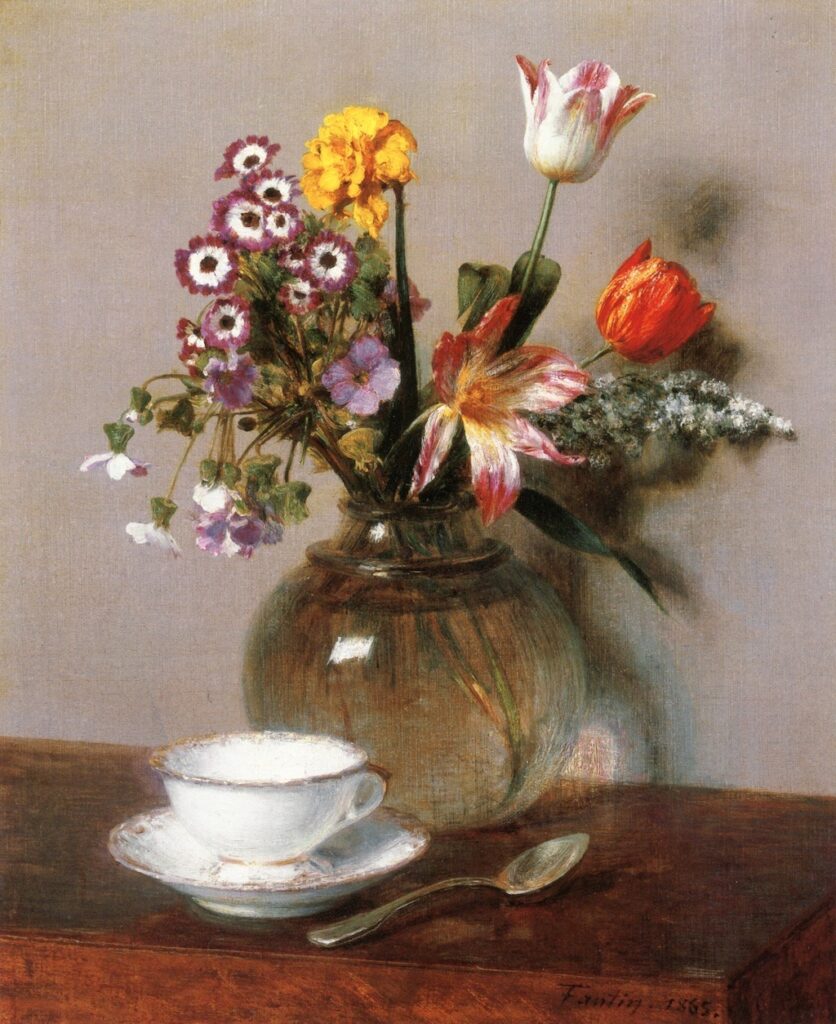
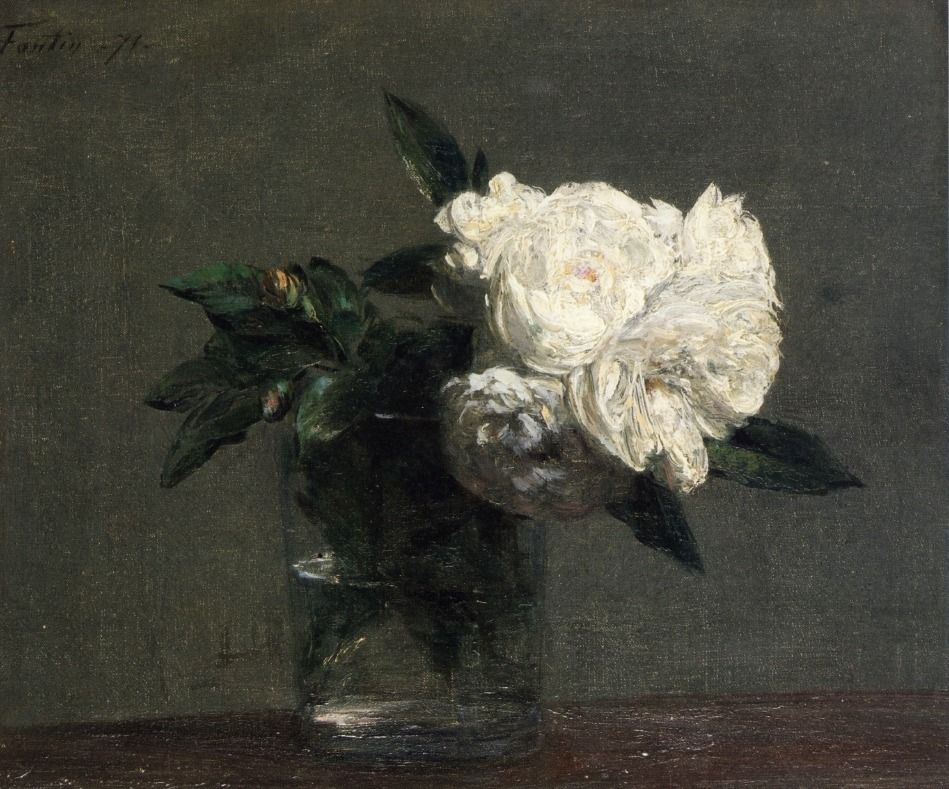
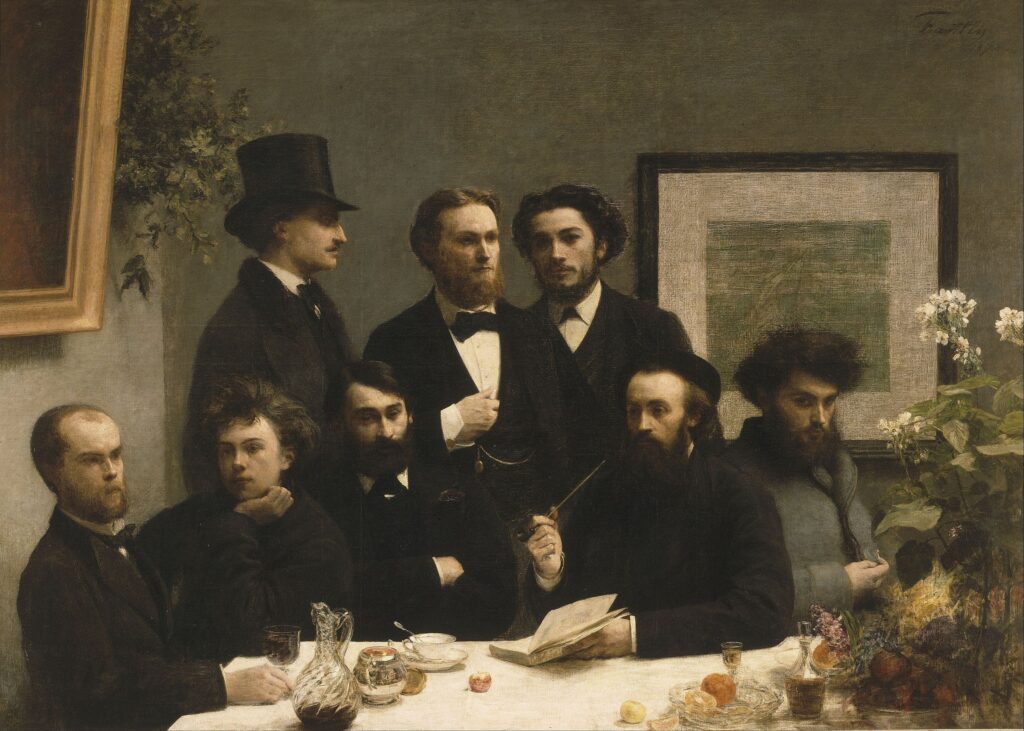
Fantin-Latour associated with Édouard Manet, James McNeill Whistler, and artists later linked to Impressionism, while maintaining an independent and more traditional practice. He became known for flower still lifes, portraits and group portraits of artists and writers, and imaginative paintings and lithographs inspired by music.
He married the painter Victoria Dubourg in 1876 and spent his later summers at her family home in Buré, where he died in 1904. His work is held by the Musée de Grenoble, Musée d’Orsay, National Gallery of Art, Art Institute of Chicago, Cleveland Museum of Art, Tate, and other major collections.
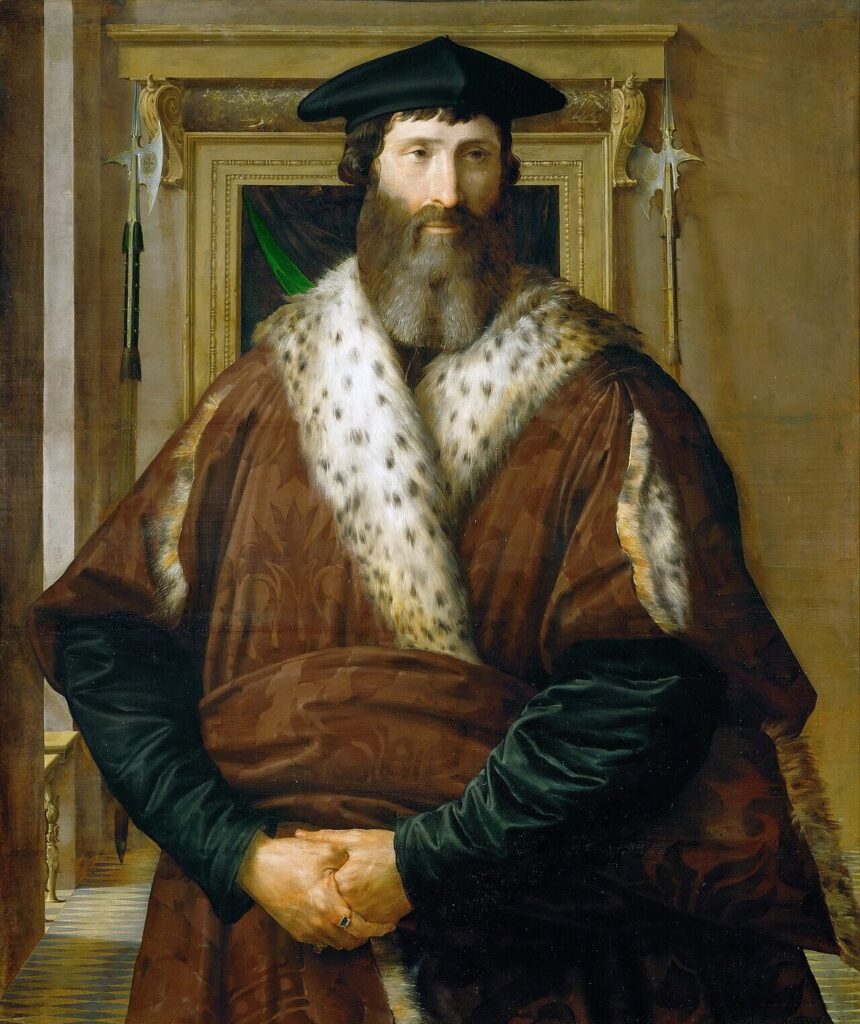
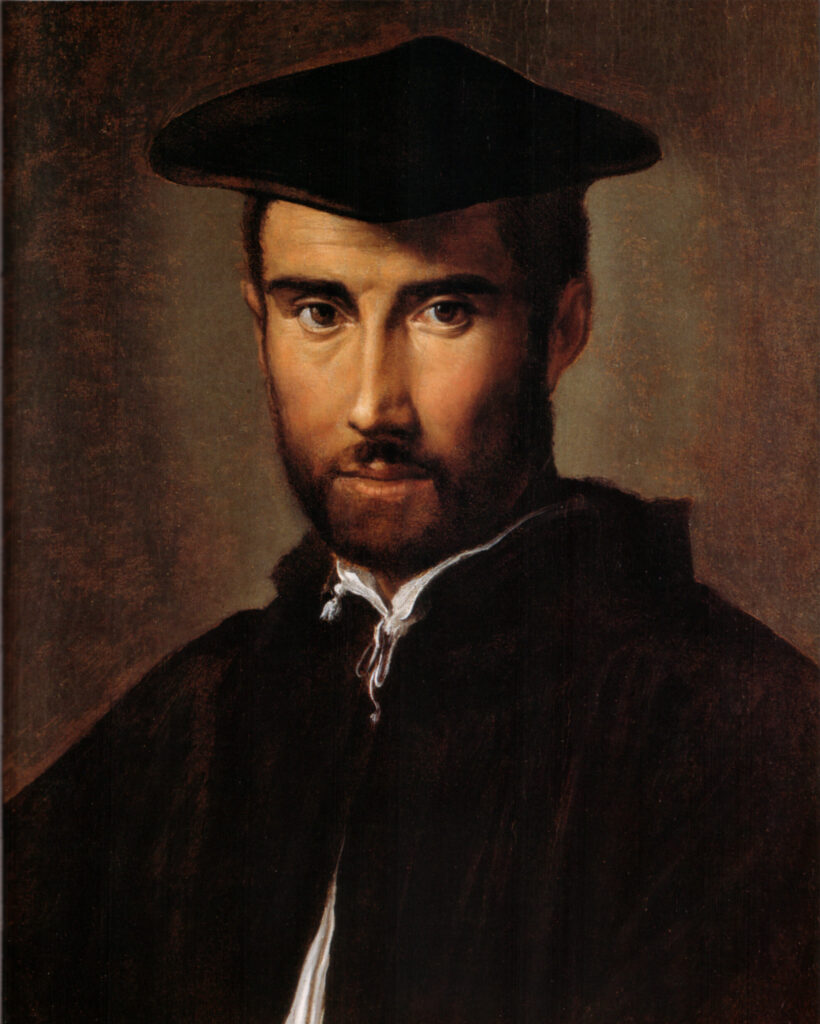
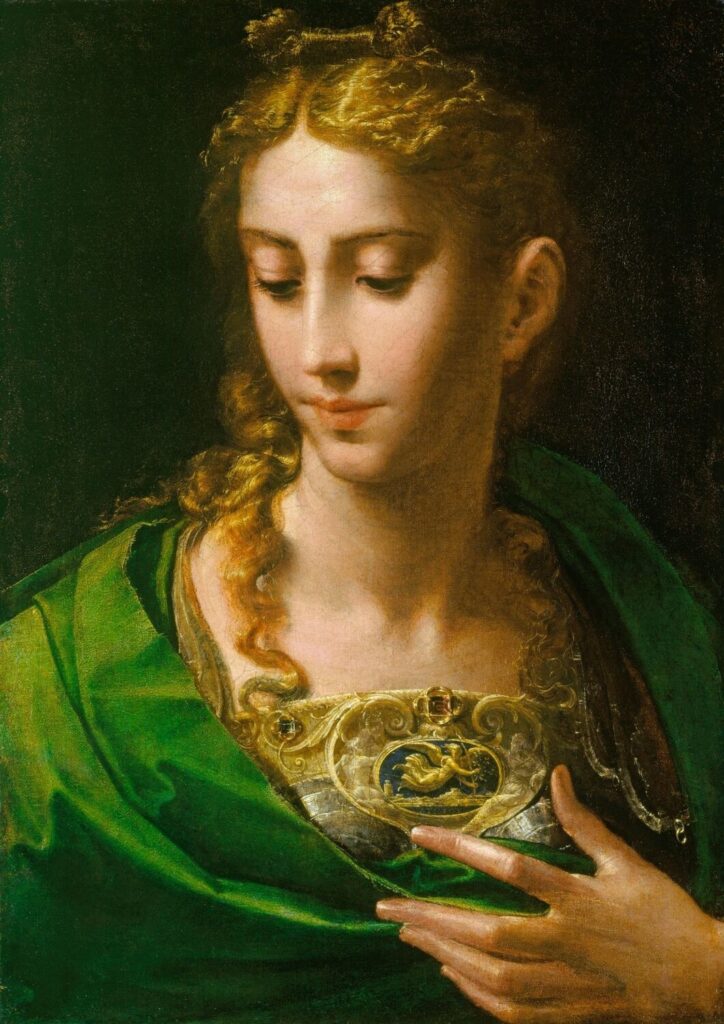
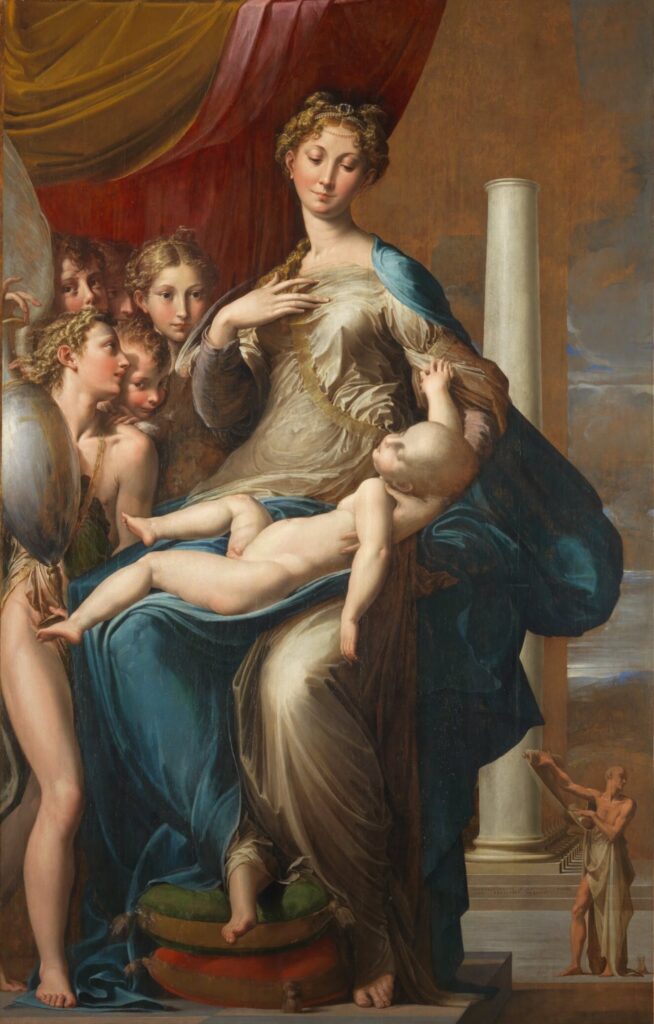
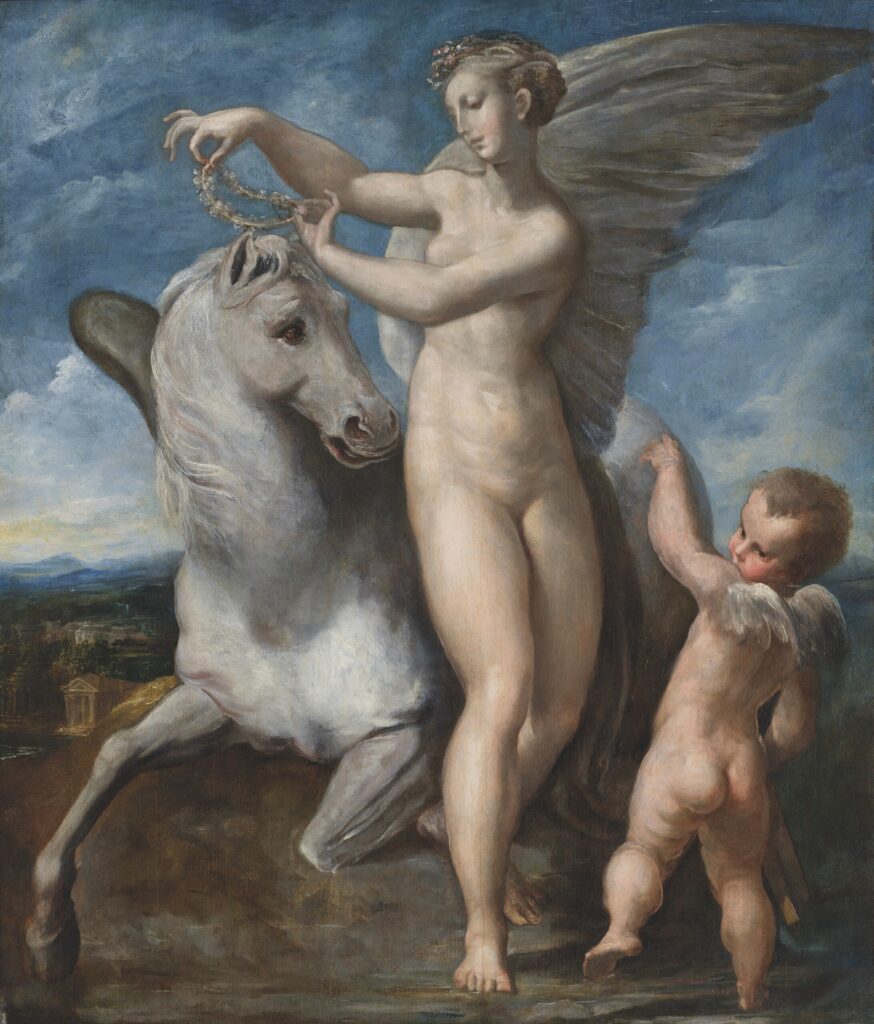
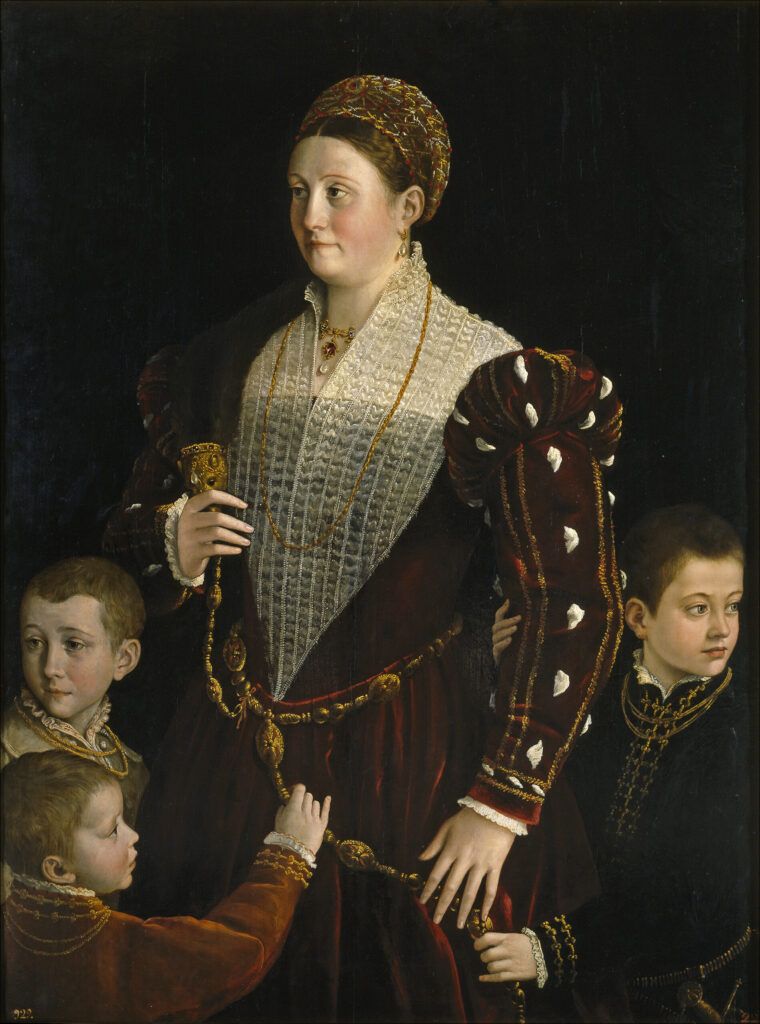
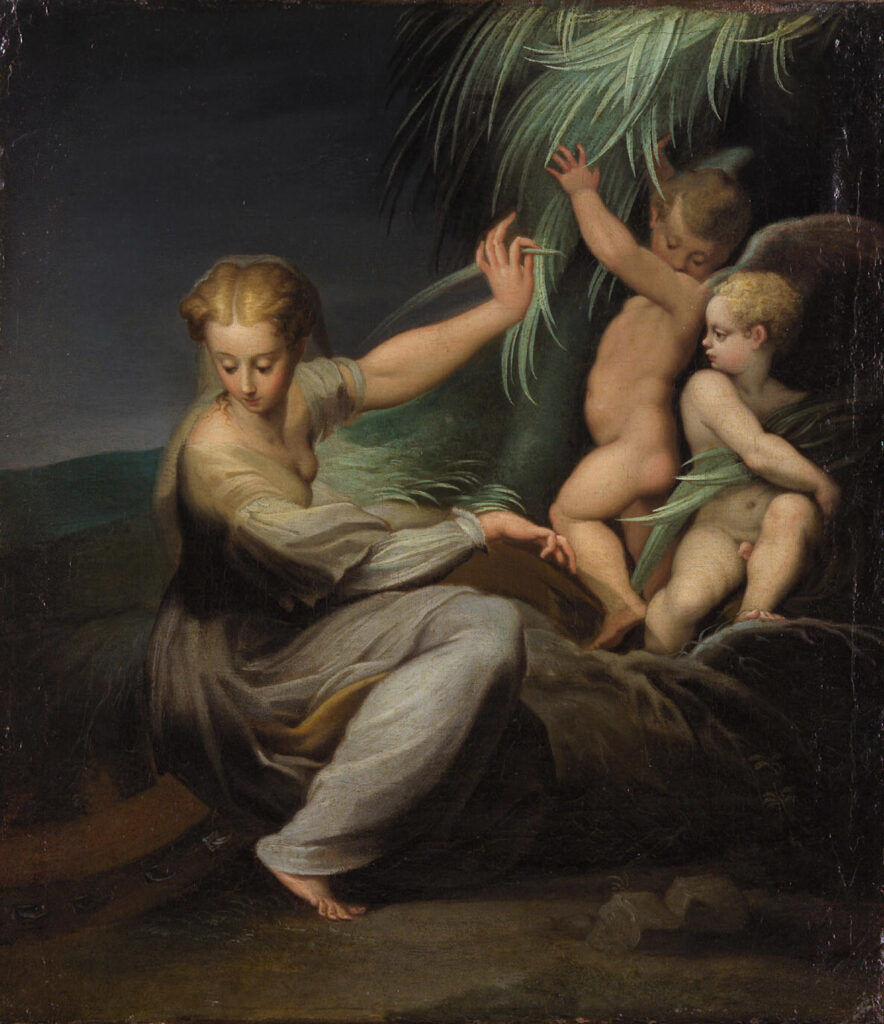
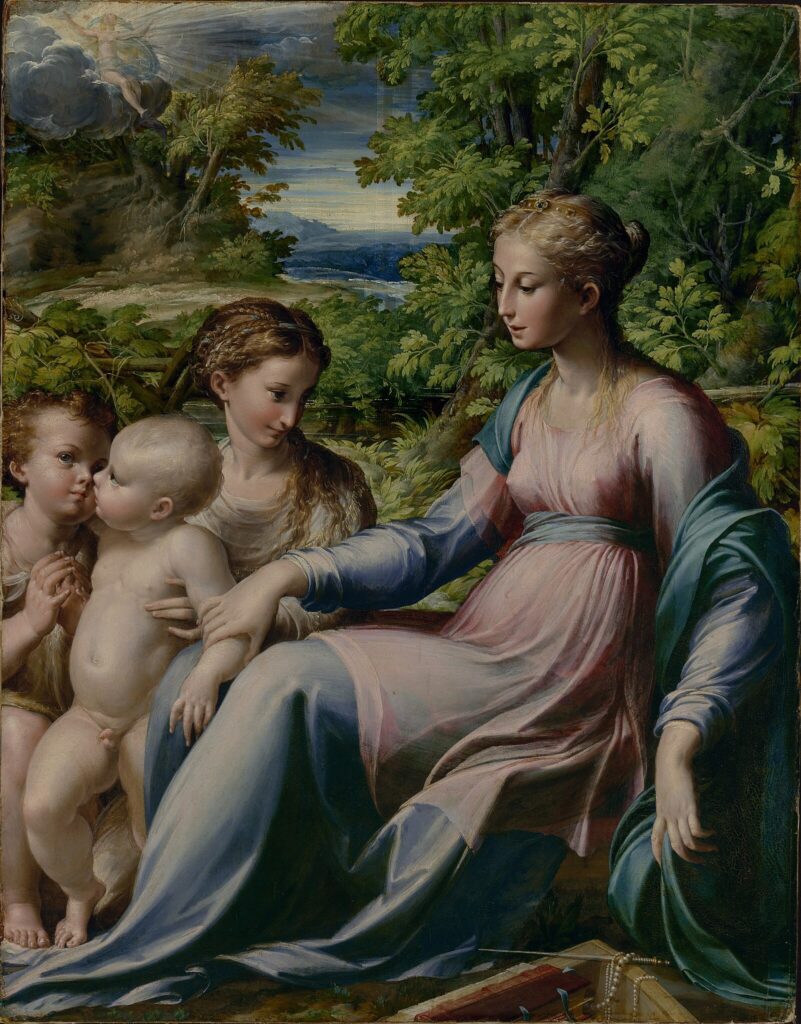
Parmigianino
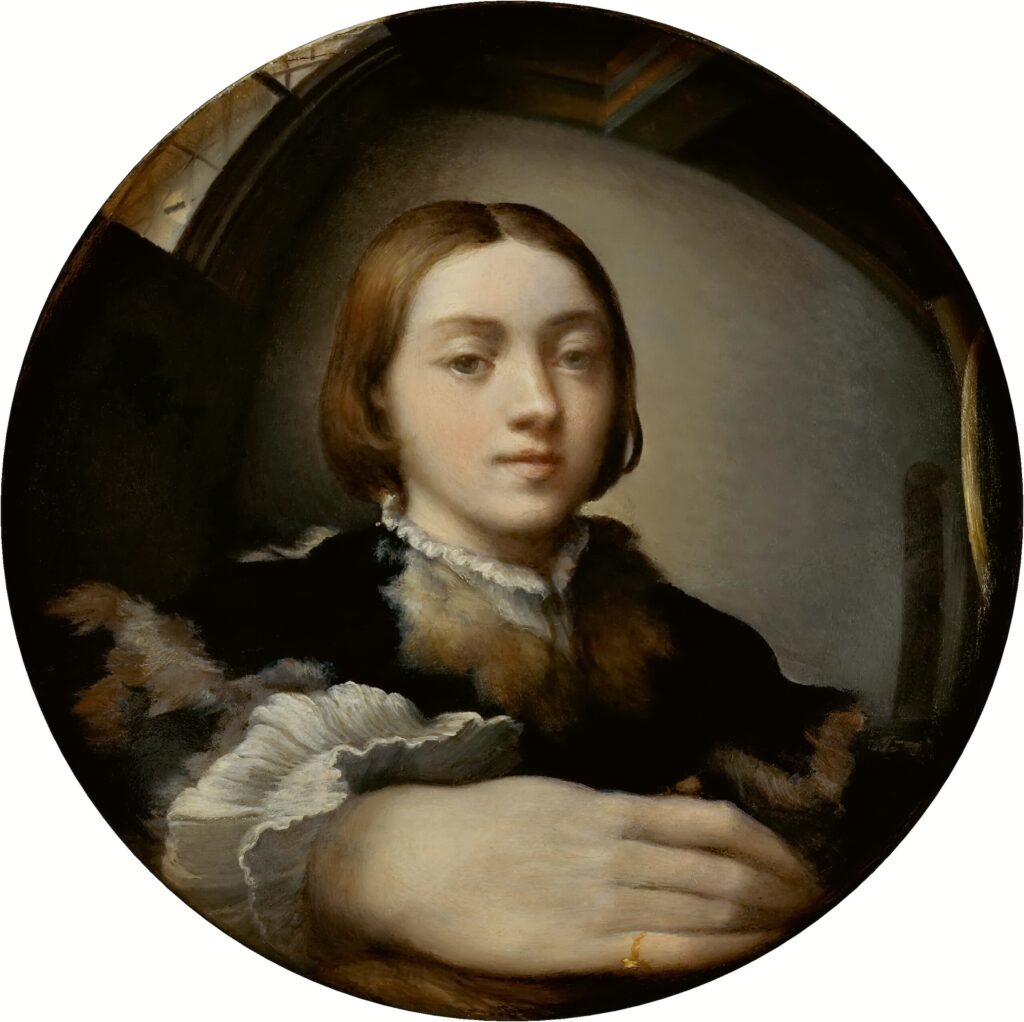
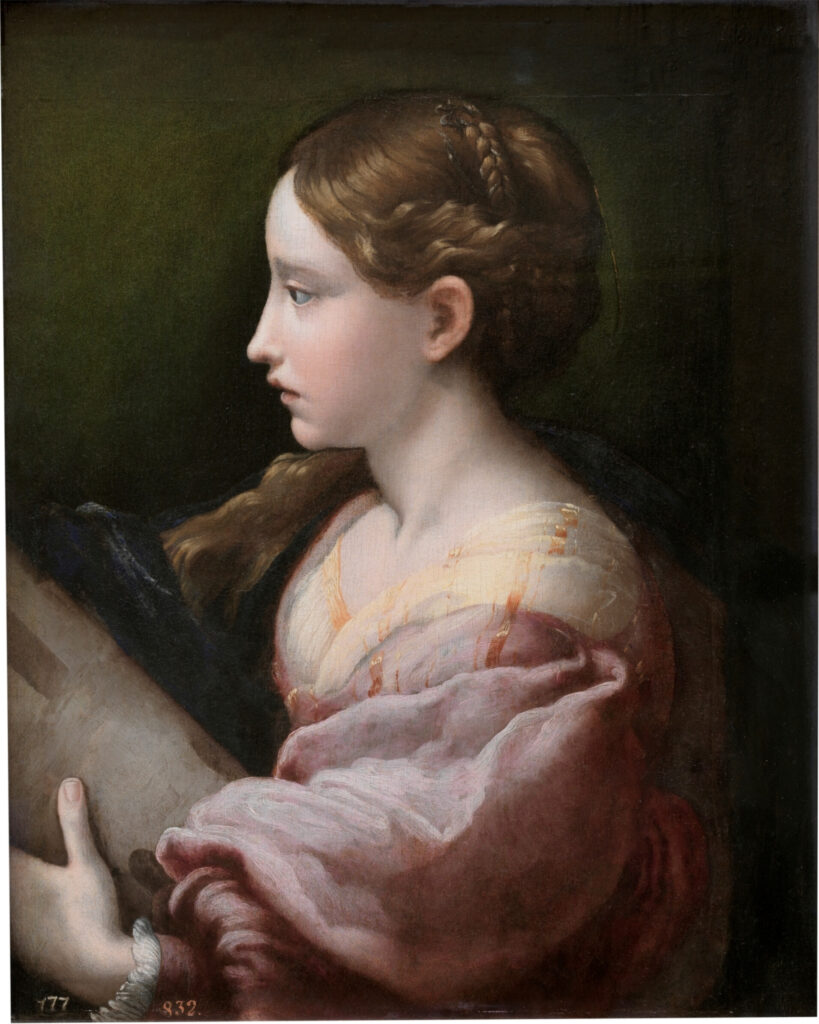
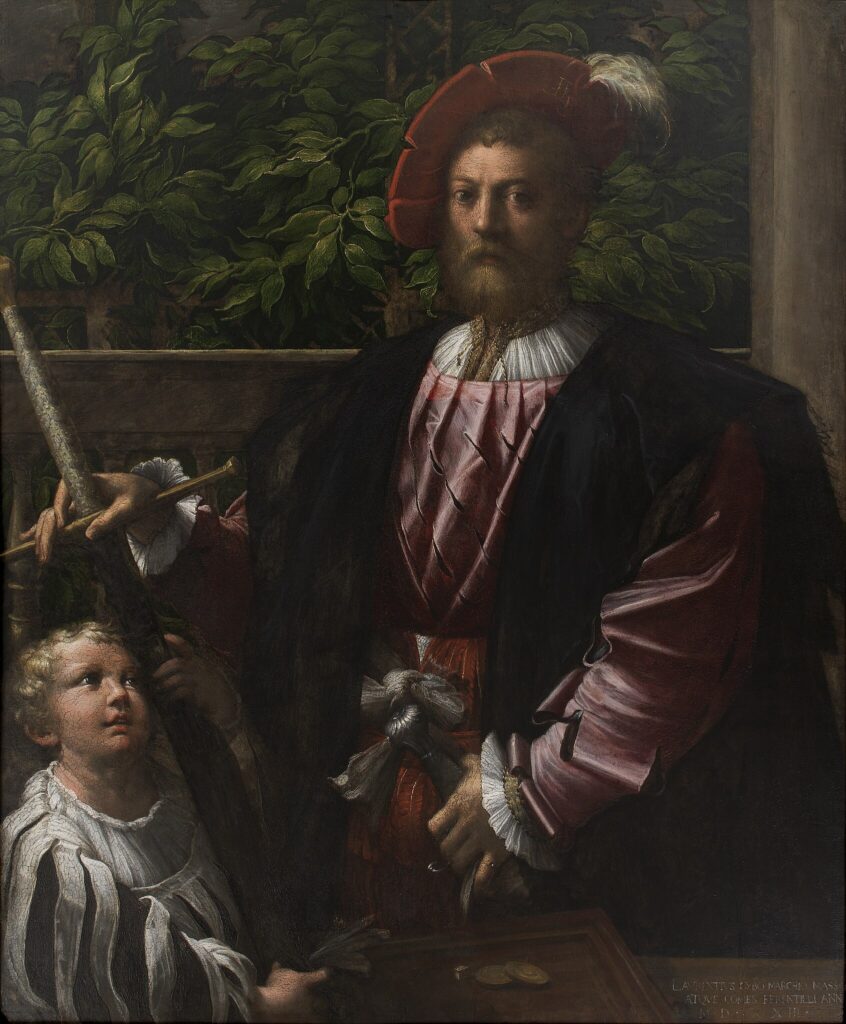
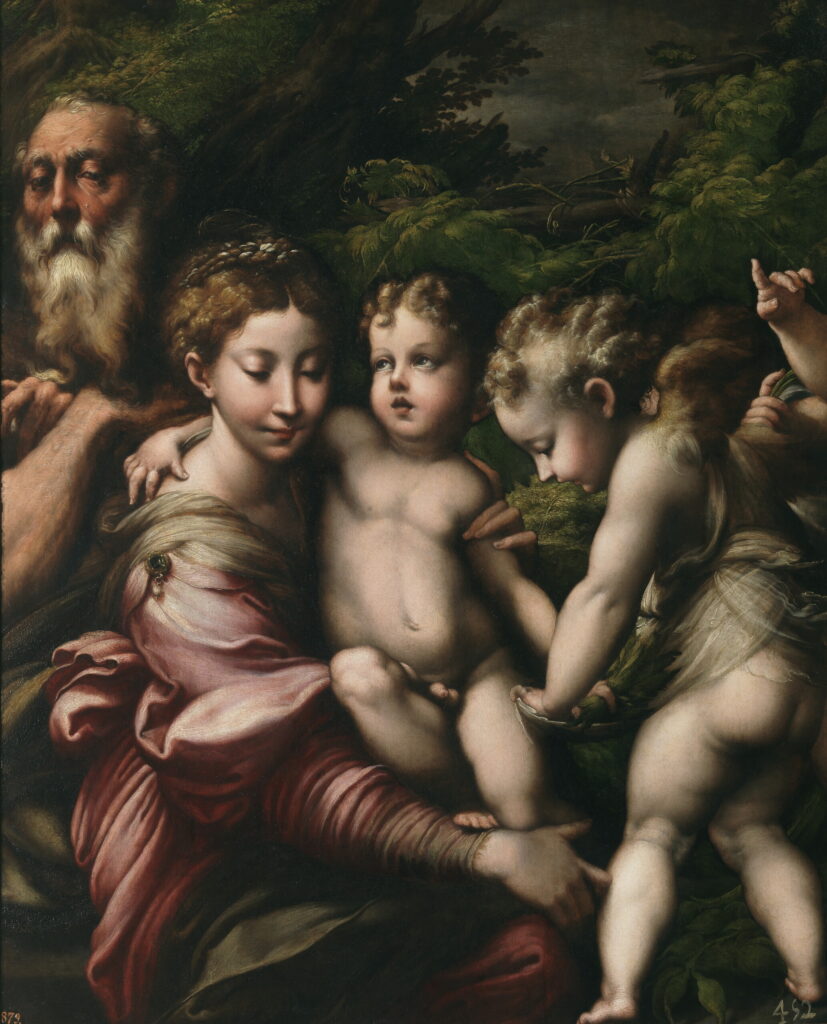
Parmigianino, January 11, 1503–August 24, 1540, was an Italian painter, draftsman, and printmaker born Girolamo Francesco Maria Mazzola in Parma. After his father’s early death, he was raised and trained by his painter uncles Michele and Pier Ilario Mazzola and encountered Correggio’s work in Parma.
He moved to Rome in 1524, studied the work of Raphael and Michelangelo, and became associated with the development of Mannerism. After the Sack of Rome in 1527, he worked in Bologna before returning to Parma, producing portraits, altarpieces, frescoes, drawings, and etchings.
His later projects included the decorations of Santa Maria della Steccata and Madonna and Child with Angels/Madonna with the Long Neck, both unfinished at his death in Casalmaggiore at age thirty-seven. His works are held by the Kunsthistorisches Museum, Museo del Prado, National Gallery, Uffizi Galleries, Royal Collection, and J. Paul Getty Museum.

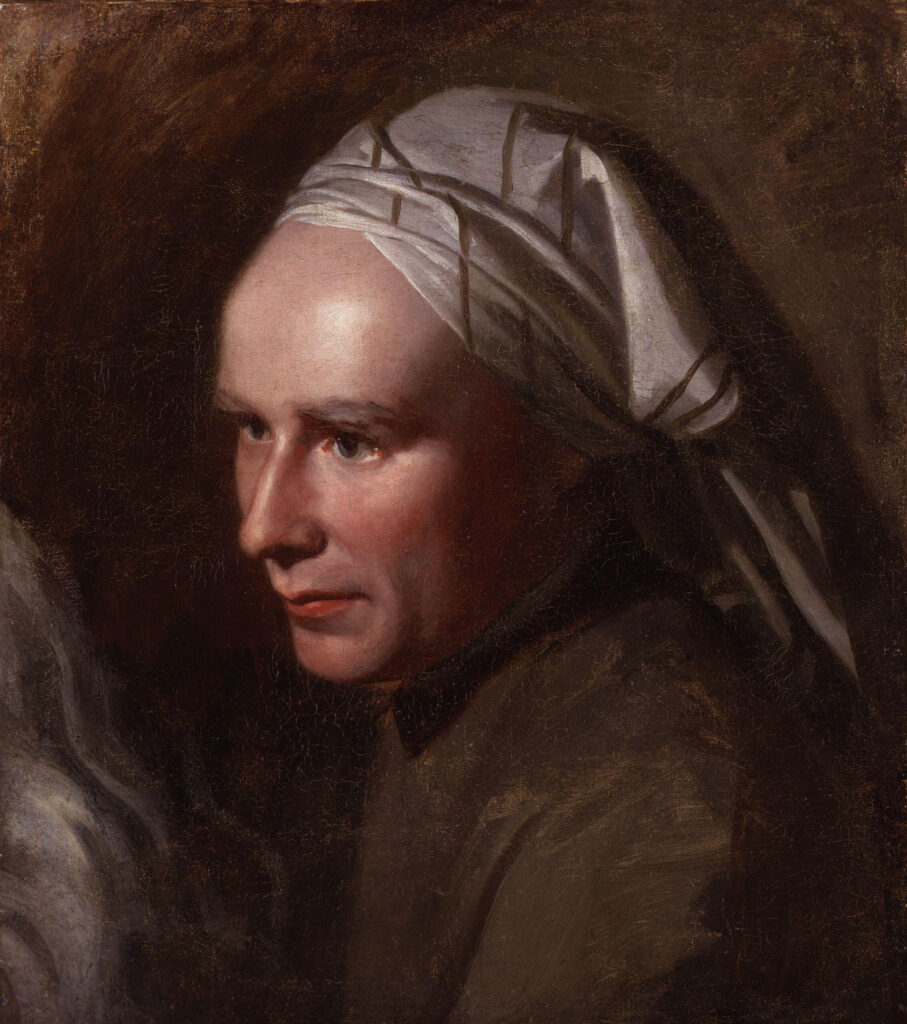
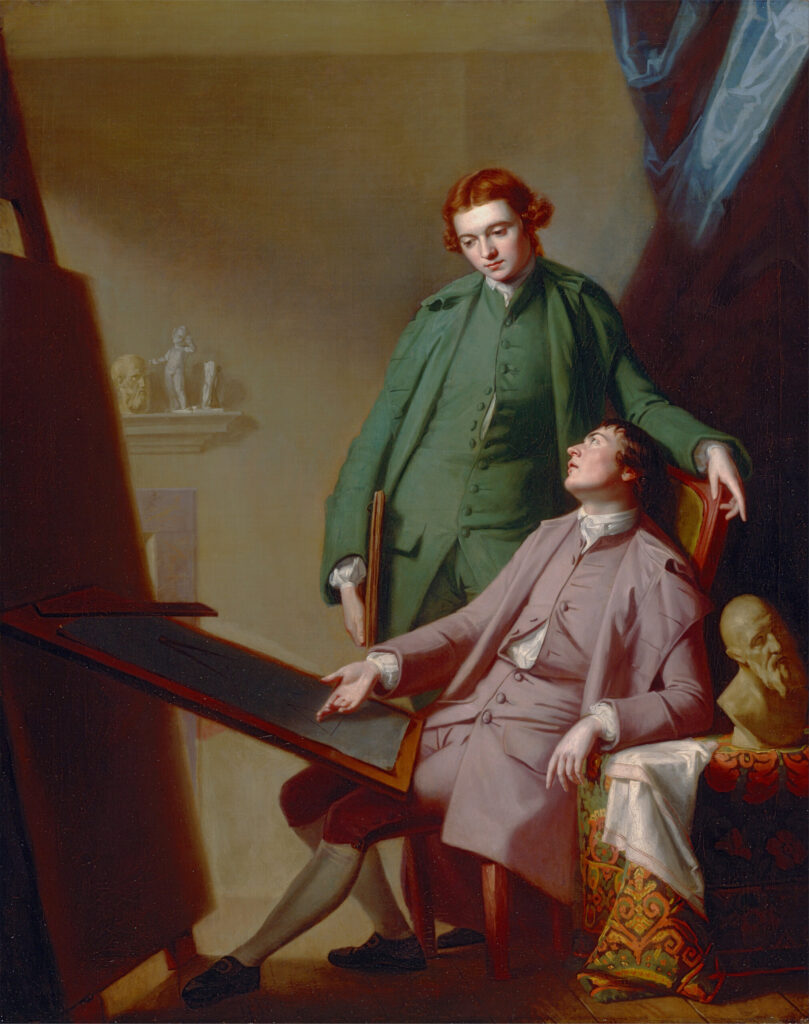
George Romney
George Romney, December 26, 1734–November 15, 1802, was an English painter best known for portraits. Born at Beckside near Dalton-in-Furness, Lancashire, he was apprenticed to the portrait painter Christopher Steele in Kendal before moving to London in 1762.
Romney won early recognition from the Society of Arts and studied in Italy from 1773 to 1775. After returning to London, he became one of the leading portraitists of his generation; Emma Hart, later Lady Hamilton, was his most celebrated model.
Although he was a contemporary and rival of Joshua Reynolds and Thomas Gainsborough, Romney never joined the Royal Academy. Ill health led him back to Kendal in 1799, where his wife Mary cared for him until his death in 1802.



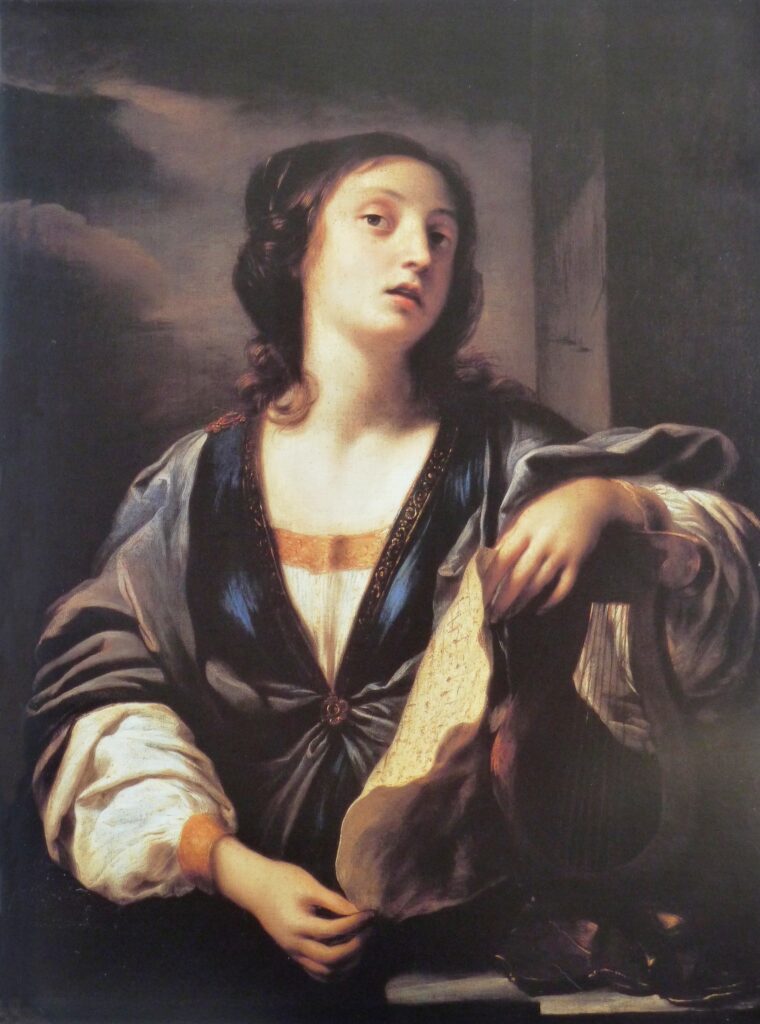
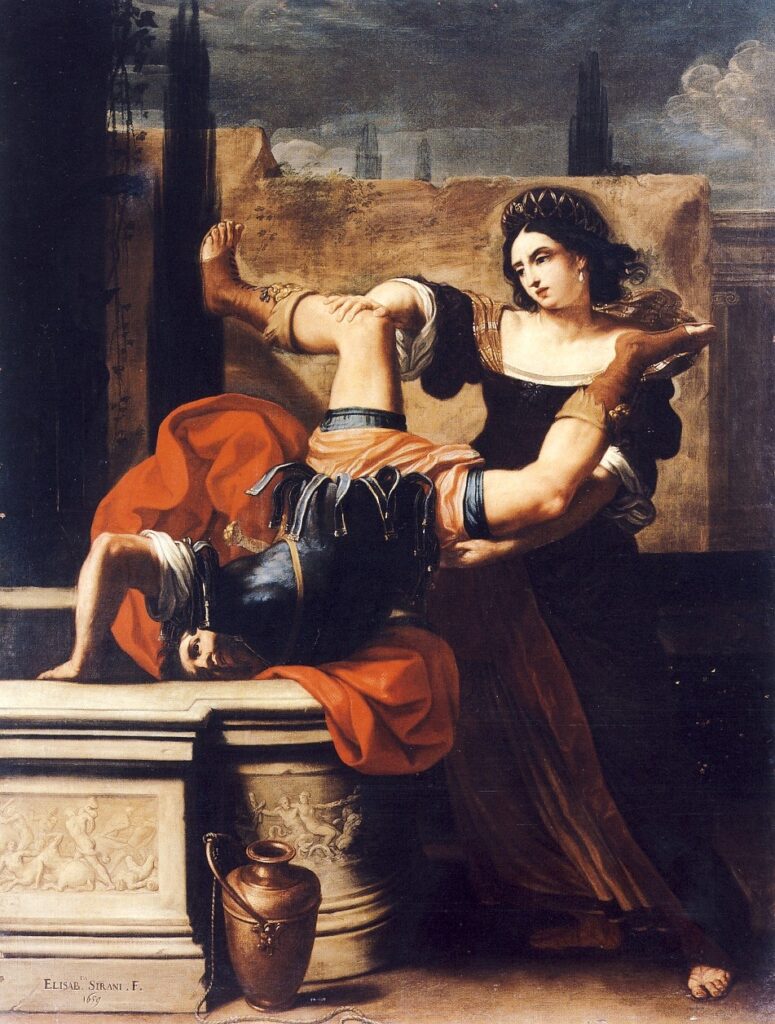
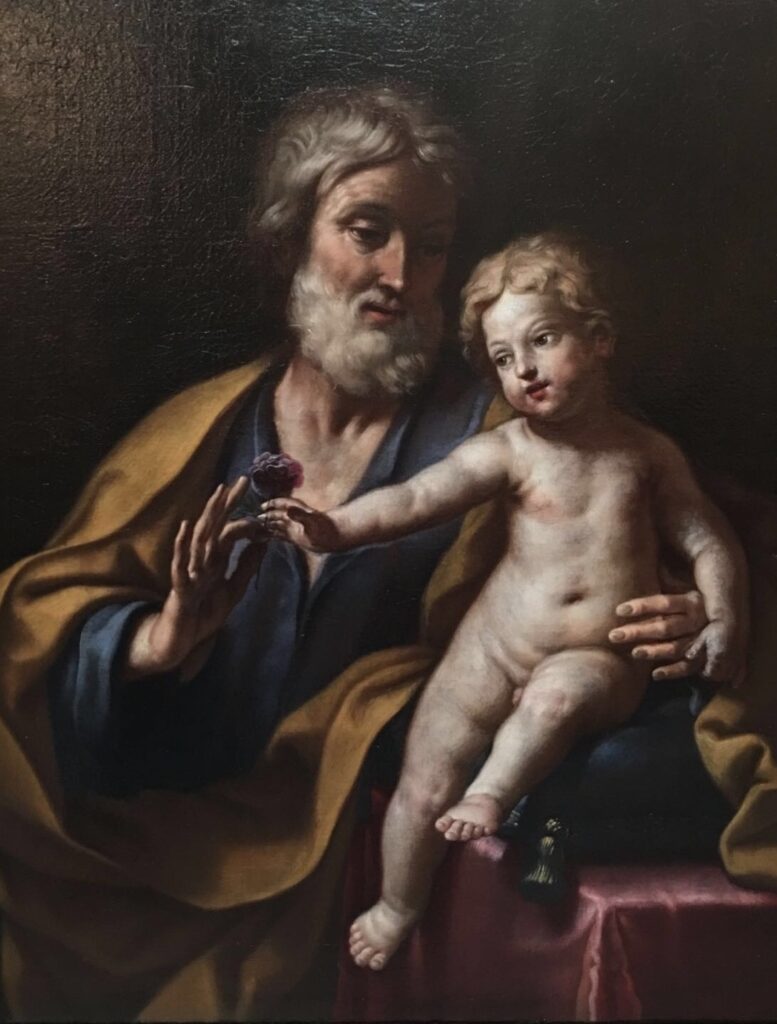
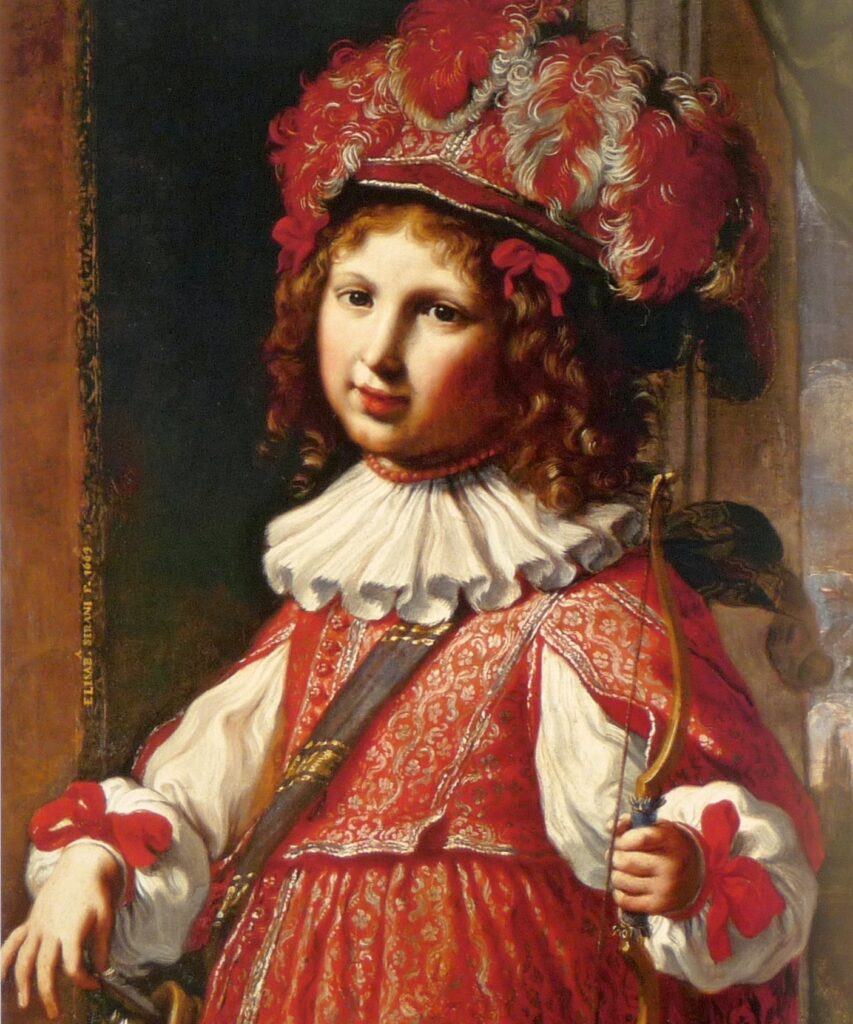
Elisabetta Sirani
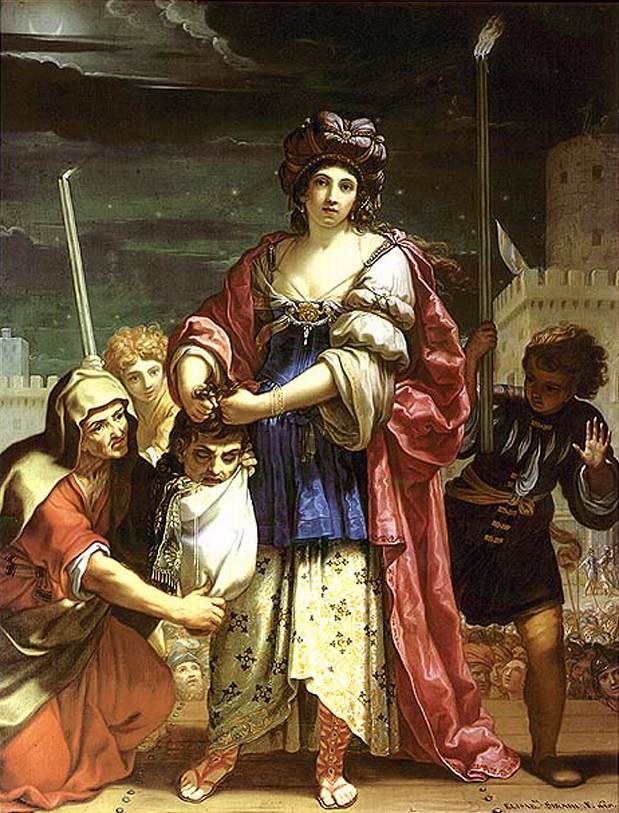
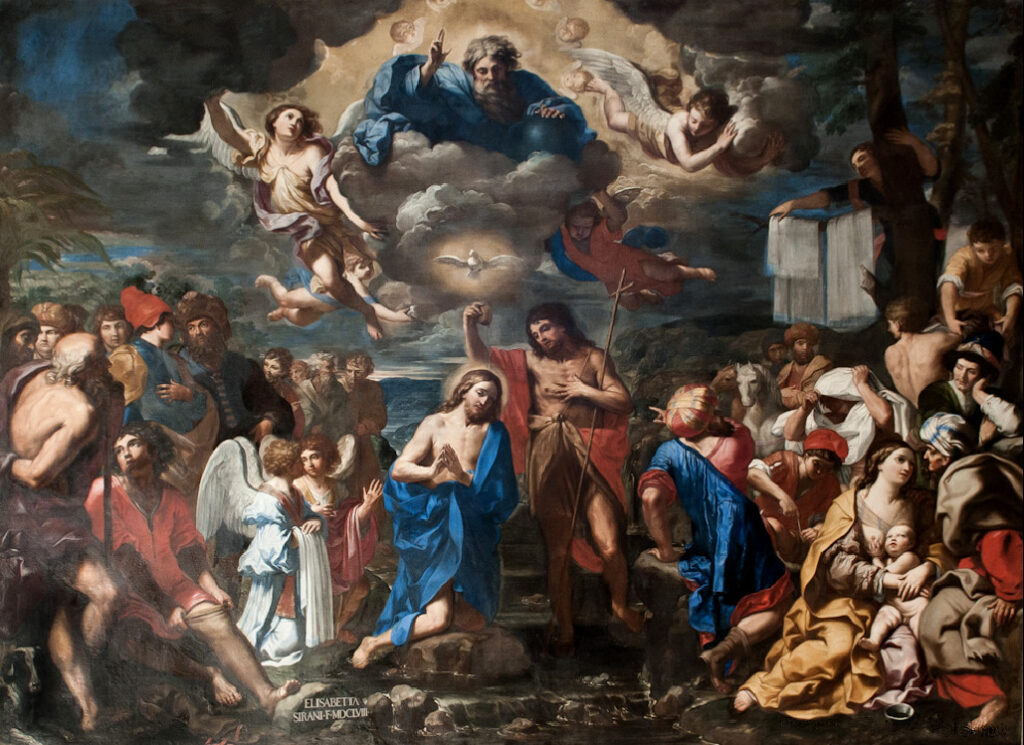
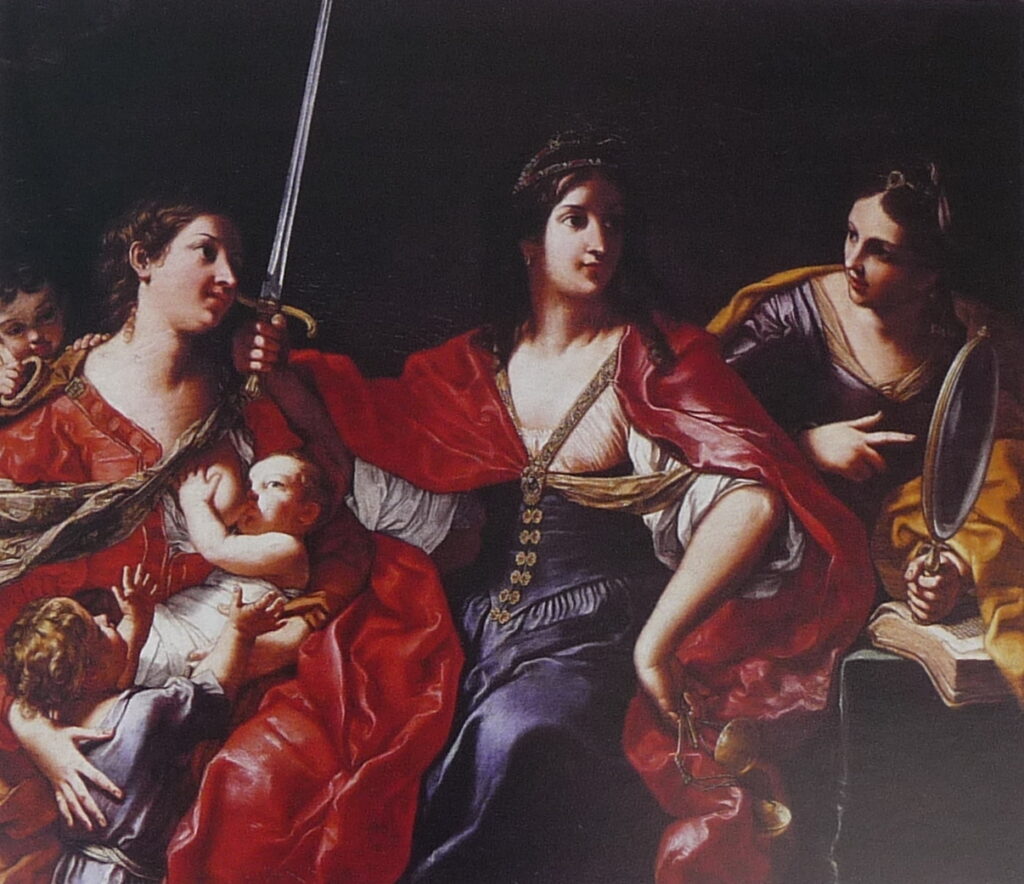
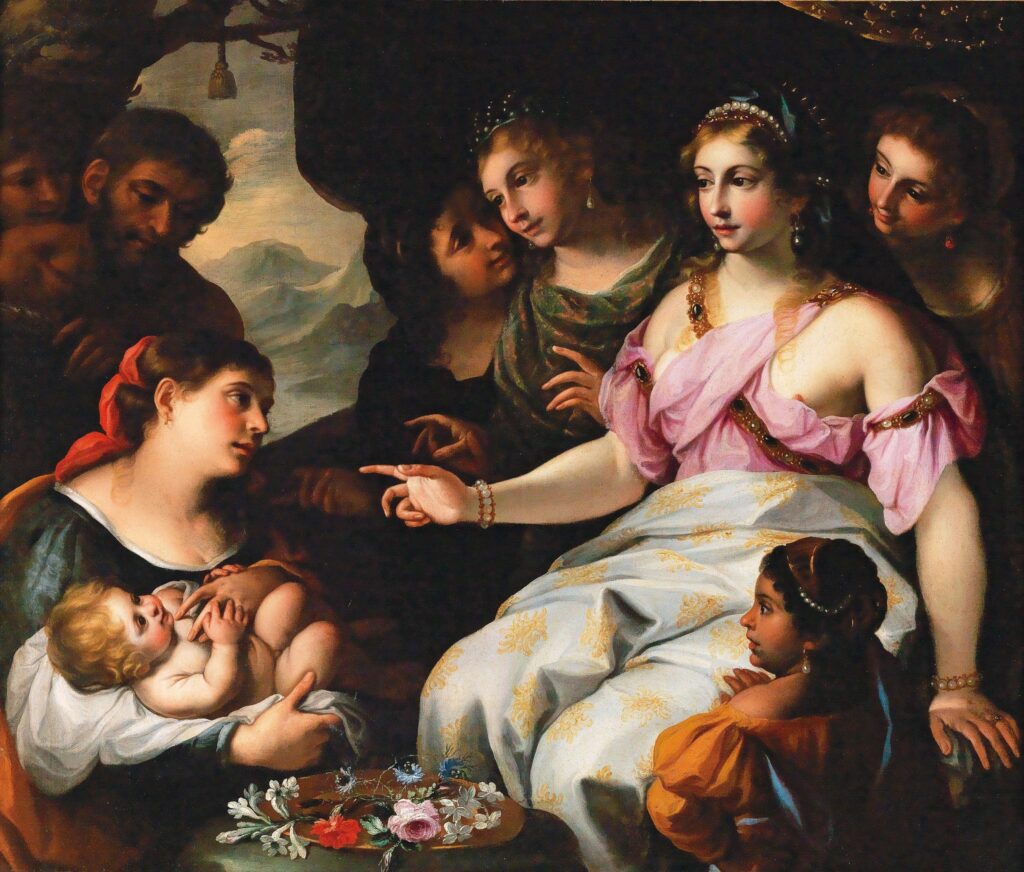
Elisabetta Sirani, January 8, 1638–August 28, 1665, was an Italian painter, draftsman, and printmaker of the Bolognese school. She trained in Bologna in the workshop of her father, Giovanni Andrea Sirani, a painter and former assistant of Guido Reni.
Sirani became a professional artist while still in her teens and later directed the family workshop when illness limited her father’s work. She also taught women artists, including her sisters Barbara and Anna Maria Sirani, and maintained records of her commissions.
Her paintings, drawings, and prints are represented in the Pinacoteca Nazionale di Bologna, Museo e Real Bosco di Capodimonte, The Pushkin State Museum of Fine Arts, National Museum in Warsaw, National Museum of Women in the Arts, and other public and private collections




Gustave Doré
Gustave Doré was born in Strasbourg on January 6, 1832. He moved to Paris as a teenager and began publishing caricatures for Le Journal pour rire at the age of fifteen.
Doré worked as an illustrator, draughtsman, caricaturist, painter, watercolorist, and sculptor. He became internationally known for illustrations of works by Dante, Rabelais, Cervantes, Milton, Perrault, and other writers, as well as the Bible and studies of contemporary London.
Doré died in Paris on January 23, 1883, aged fifty-one. His widely circulated illustrations shaped the popular imagery of major literary and biblical texts and influenced later illustration, comics, and film.


Marsden Hartley
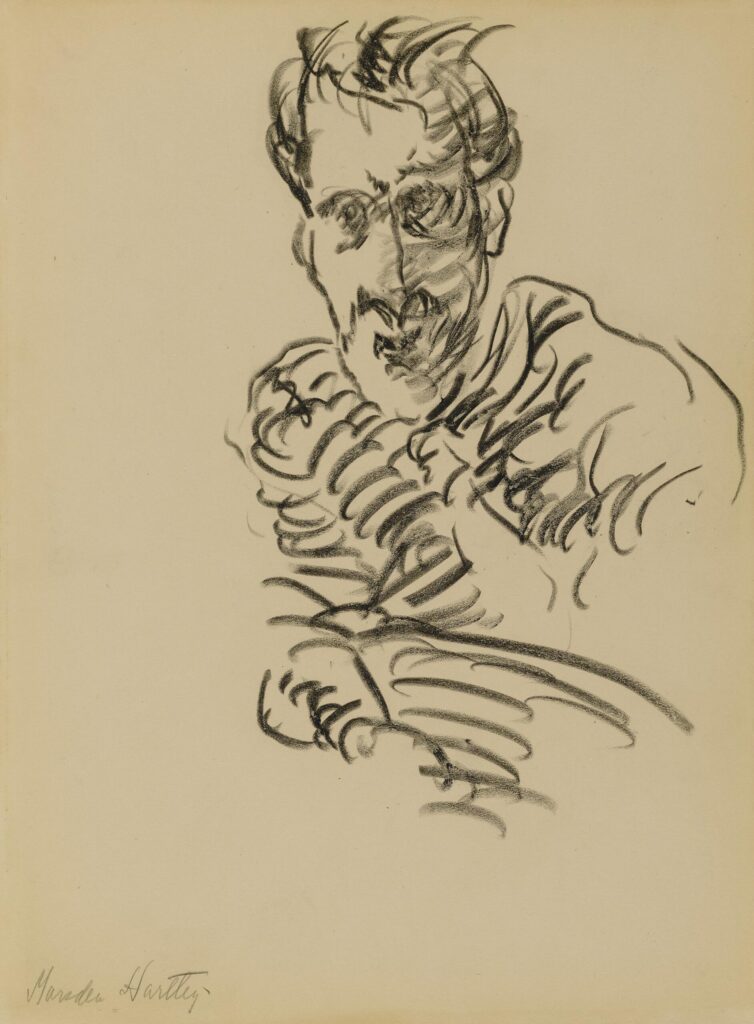
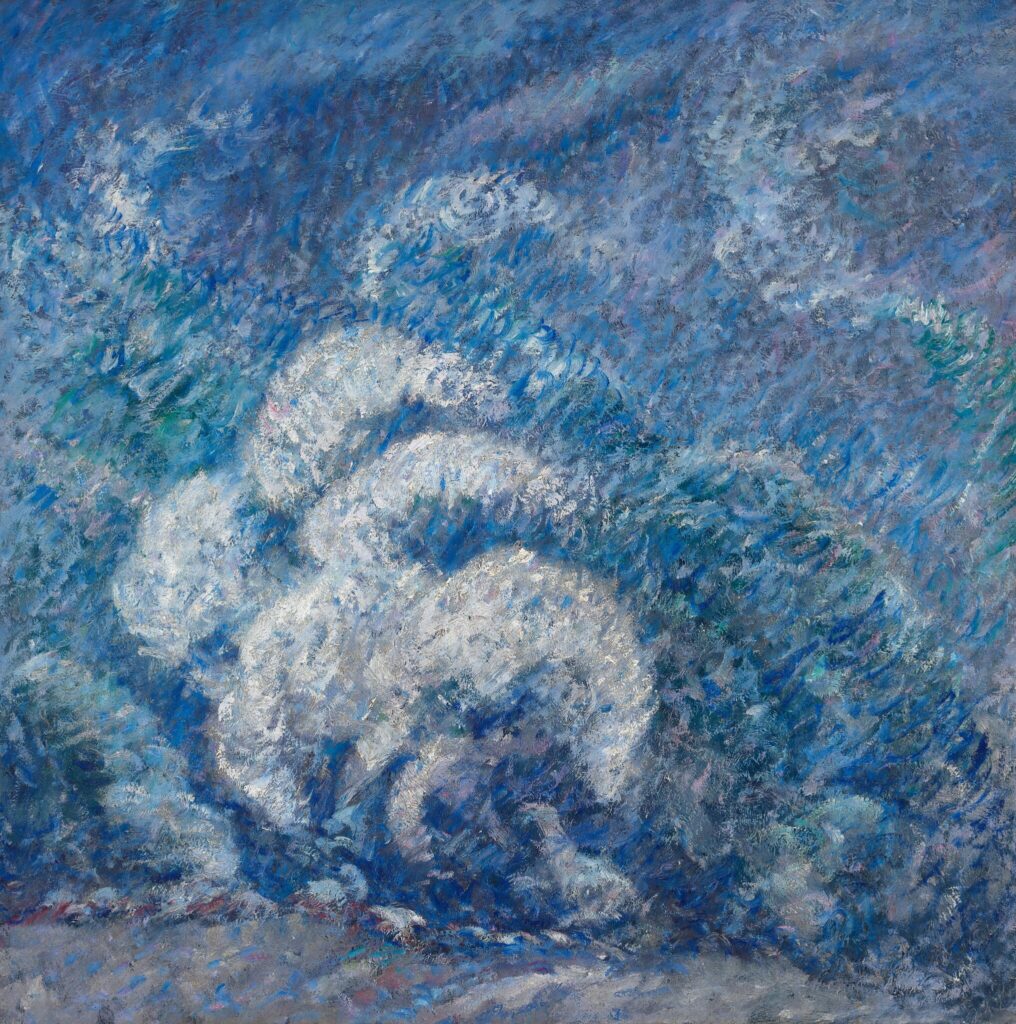
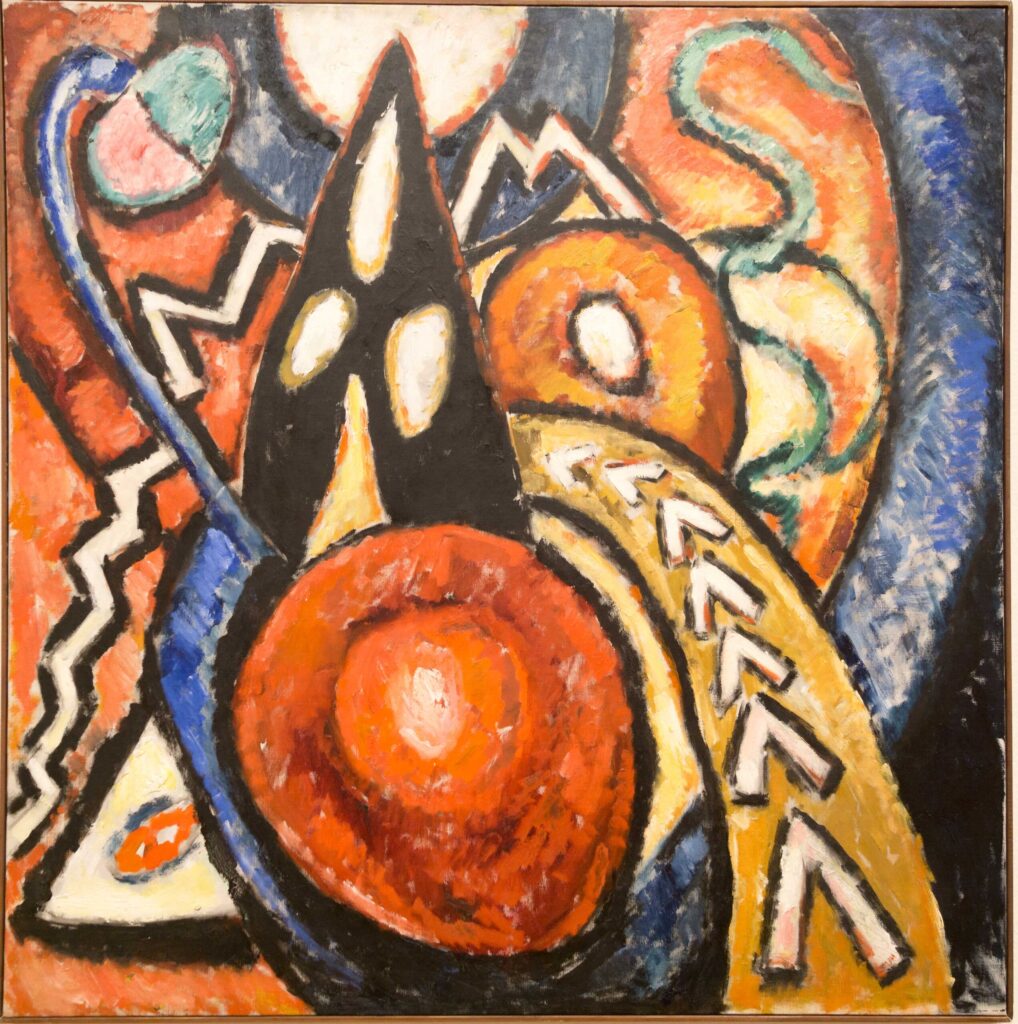
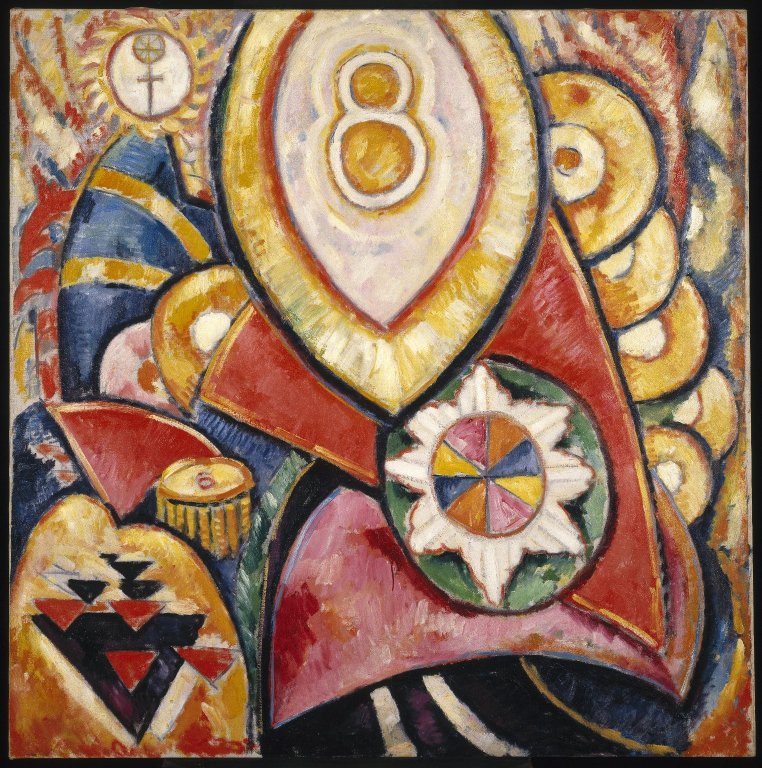
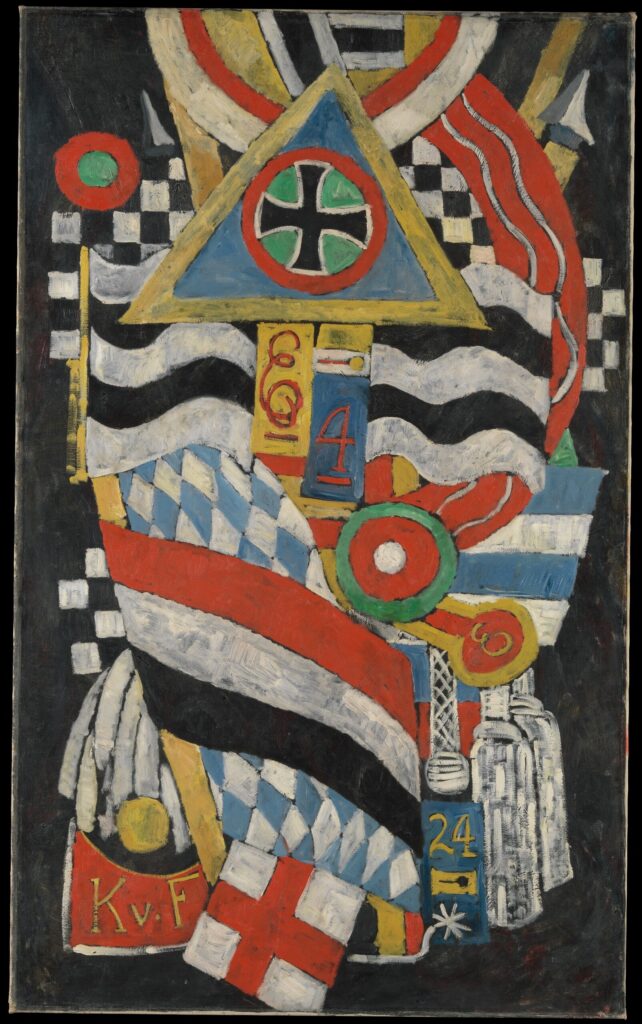
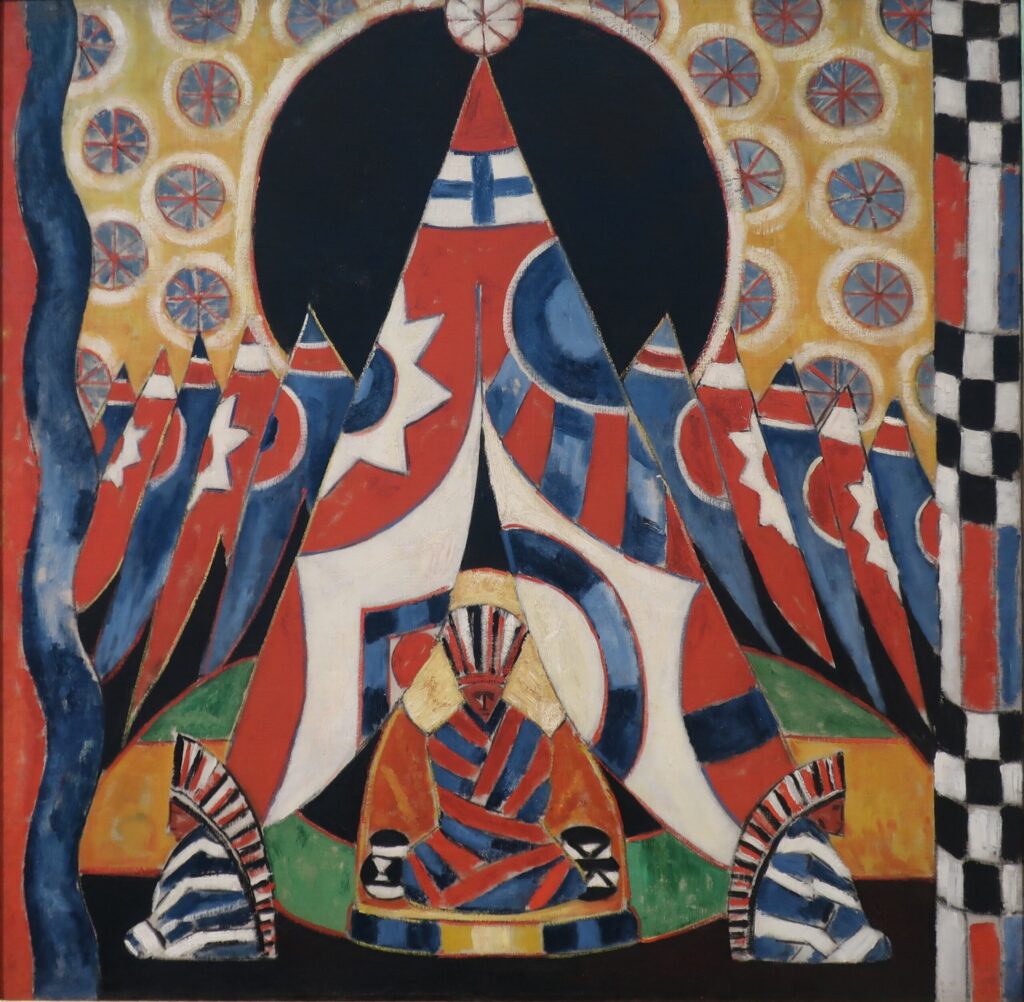
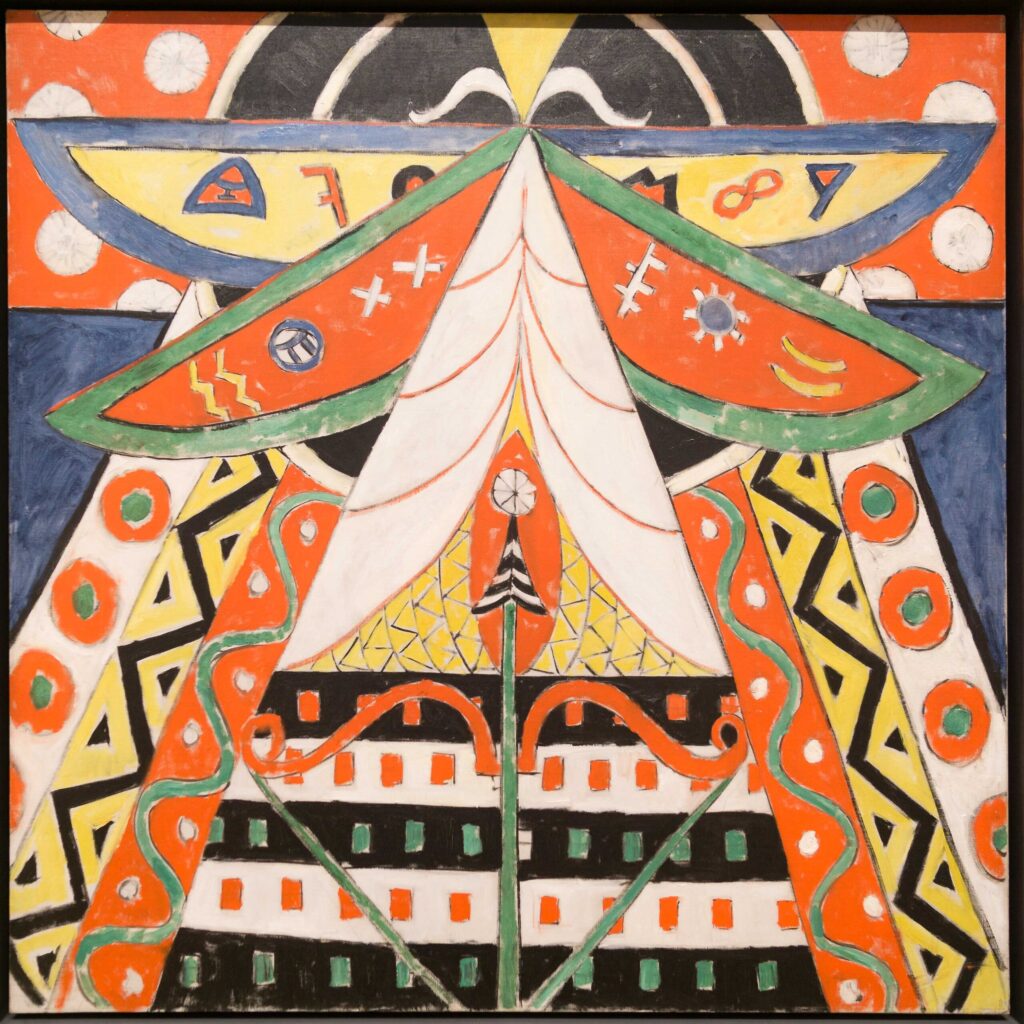
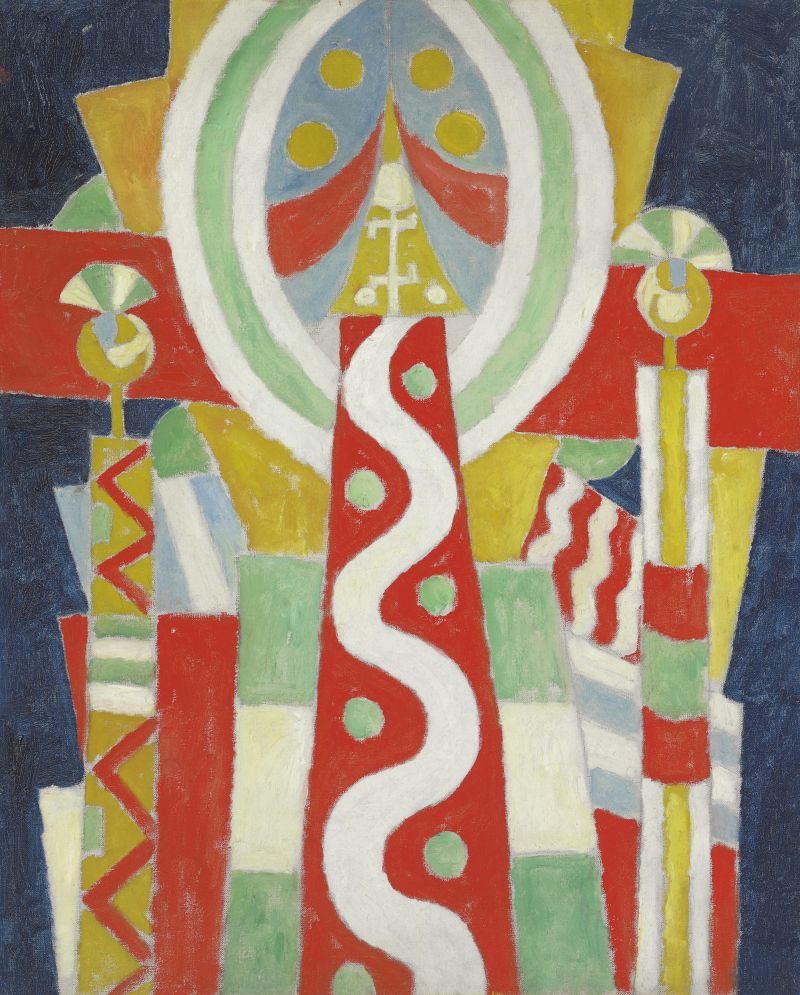
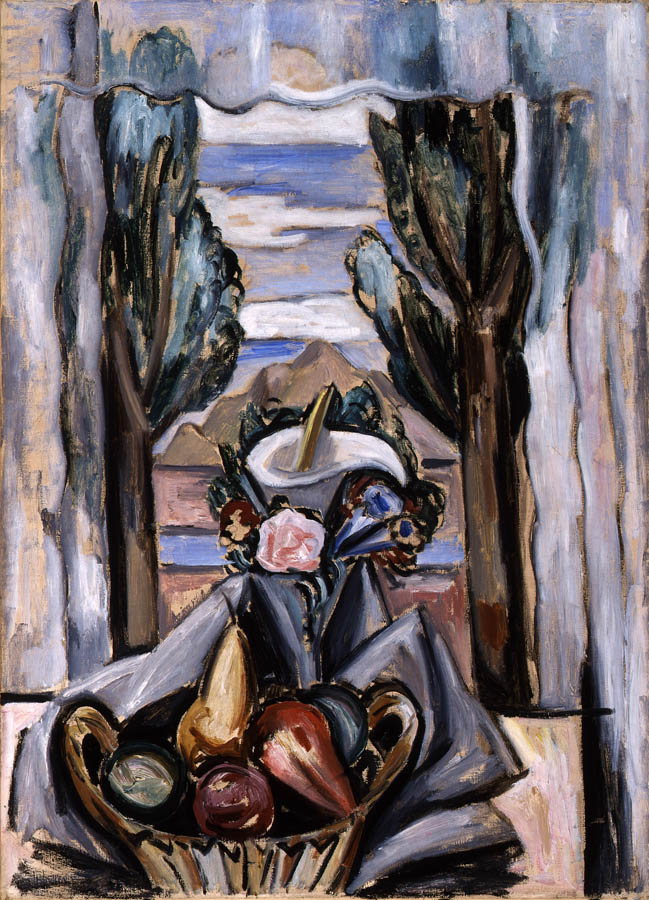
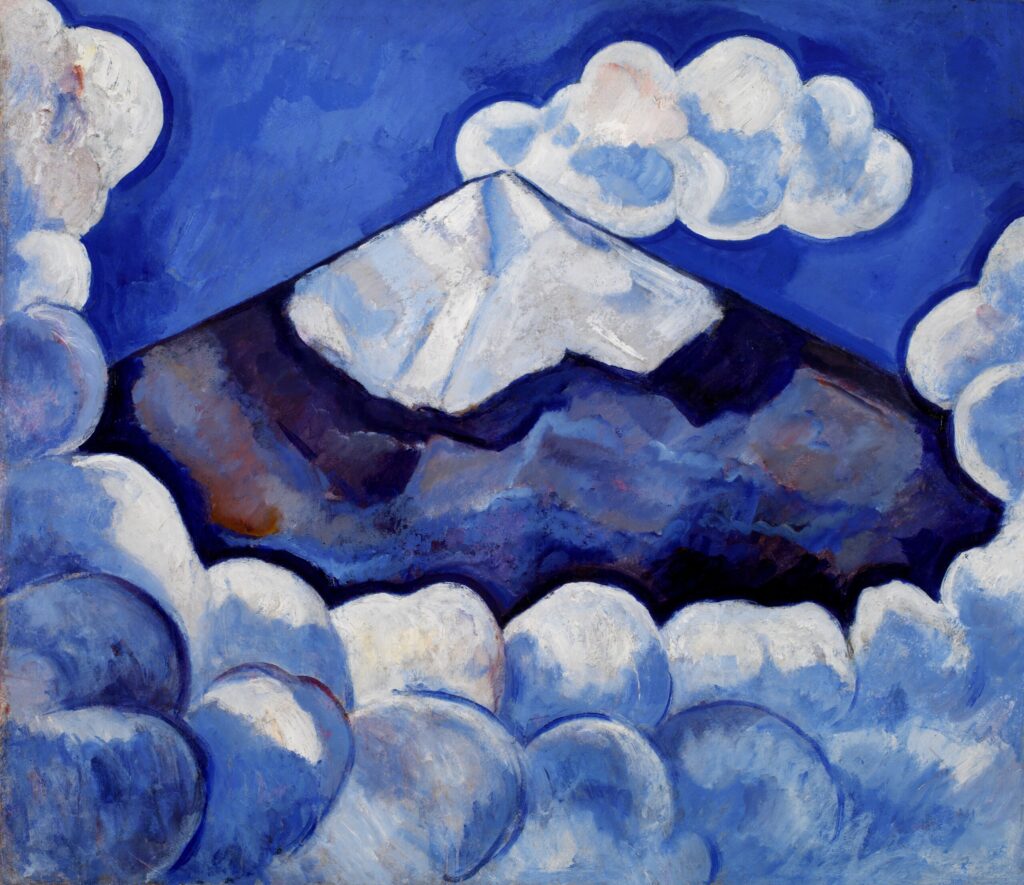
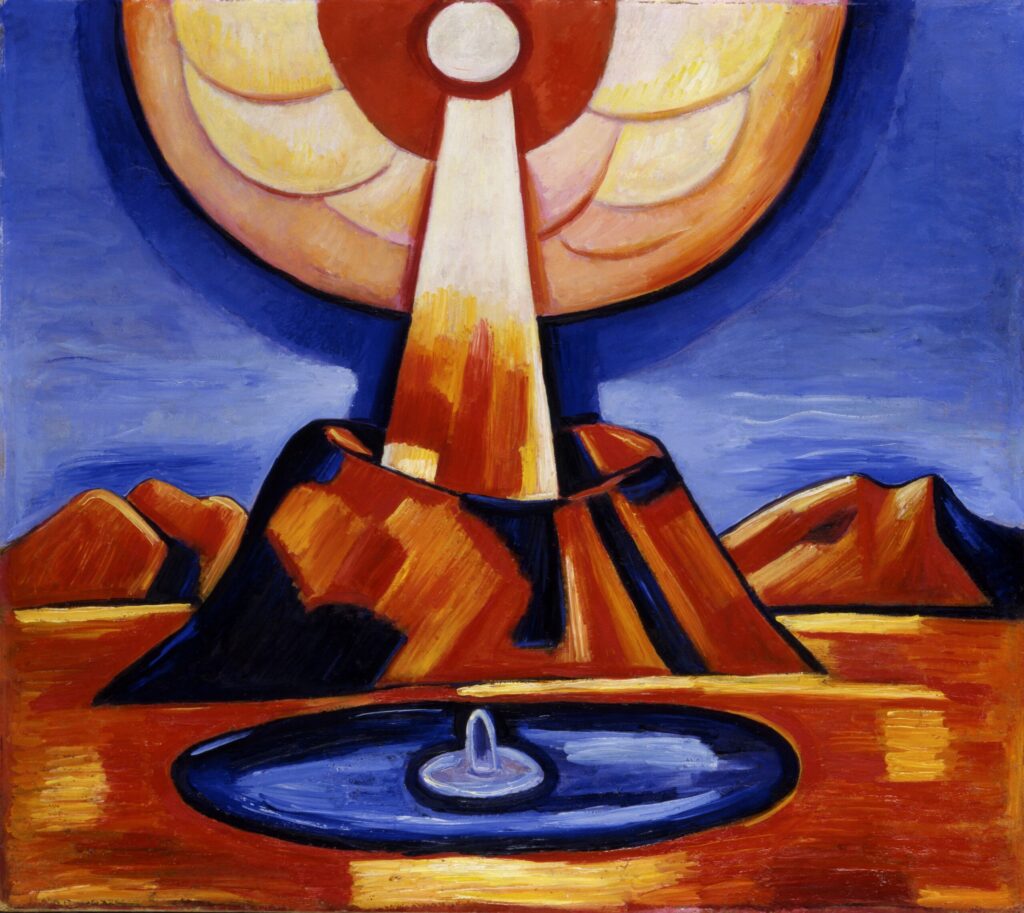
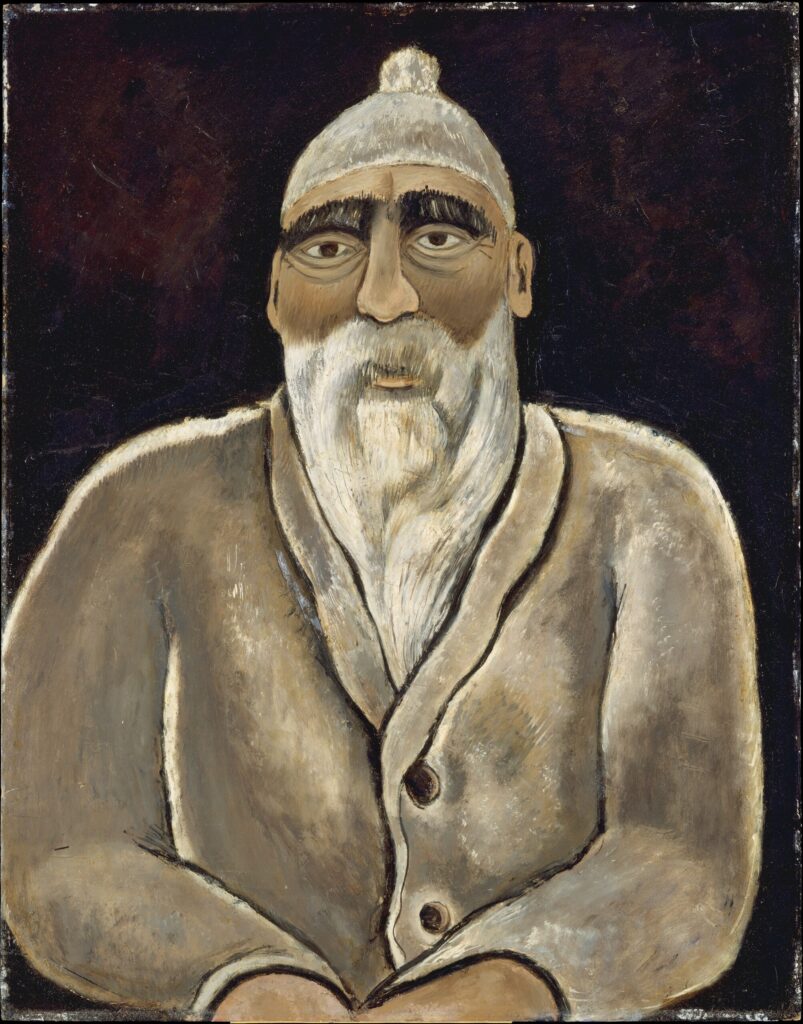
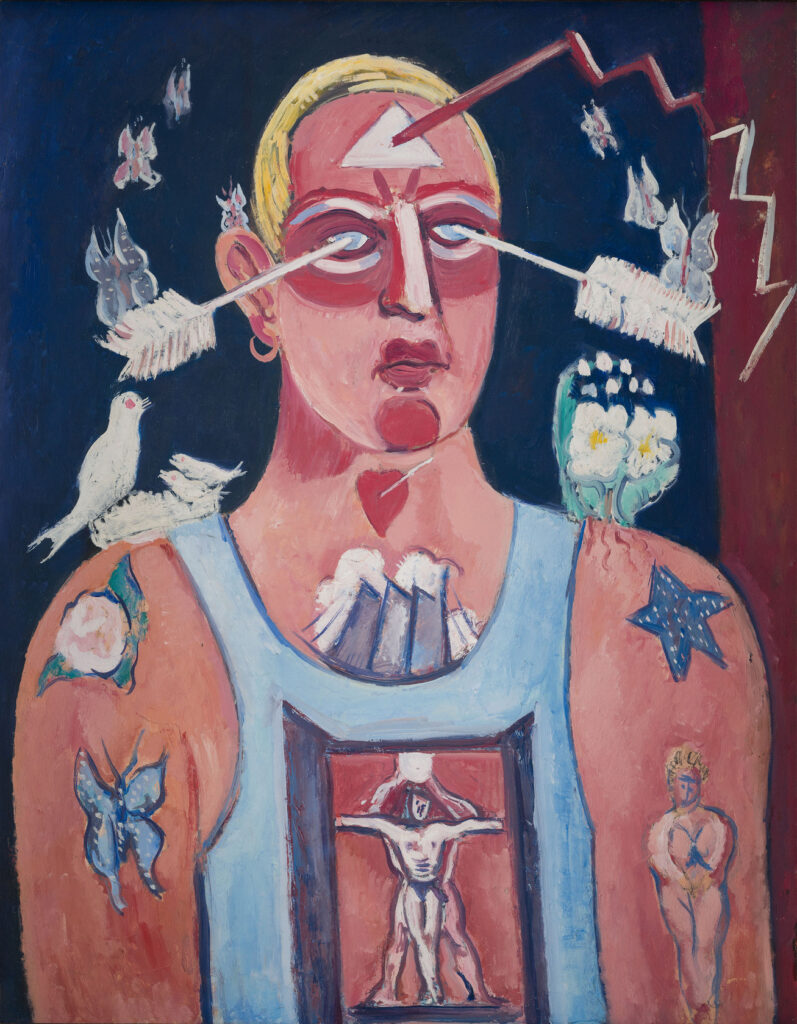
Marsden Hartley, January 4, 1877–September 2, 1943, was an American painter, poet, and essayist. Born in Lewiston, Maine, he studied at the Cleveland School of Art, William Merritt Chase’s New York School of Art, and the National Academy of Design.
His teachers included John Semon, Cullen Yates, and William Merritt Chase. Alfred Stieglitz presented Hartley’s first solo exhibition in New York at the 291 gallery in 1909, and Hartley became associated with the artists promoted by Stieglitz. He worked in the United States and Europe, including extended periods in Paris and Berlin, and returned to Maine during the final years of his life.
Hartley’s work is represented in the Metropolitan Museum of Art, Museum of Modern Art, Whitney Museum of American Art, National Gallery of Art, Smithsonian American Art Museum, Art Institute of Chicago, and other major public collections.
Jacques-Émile Blanche
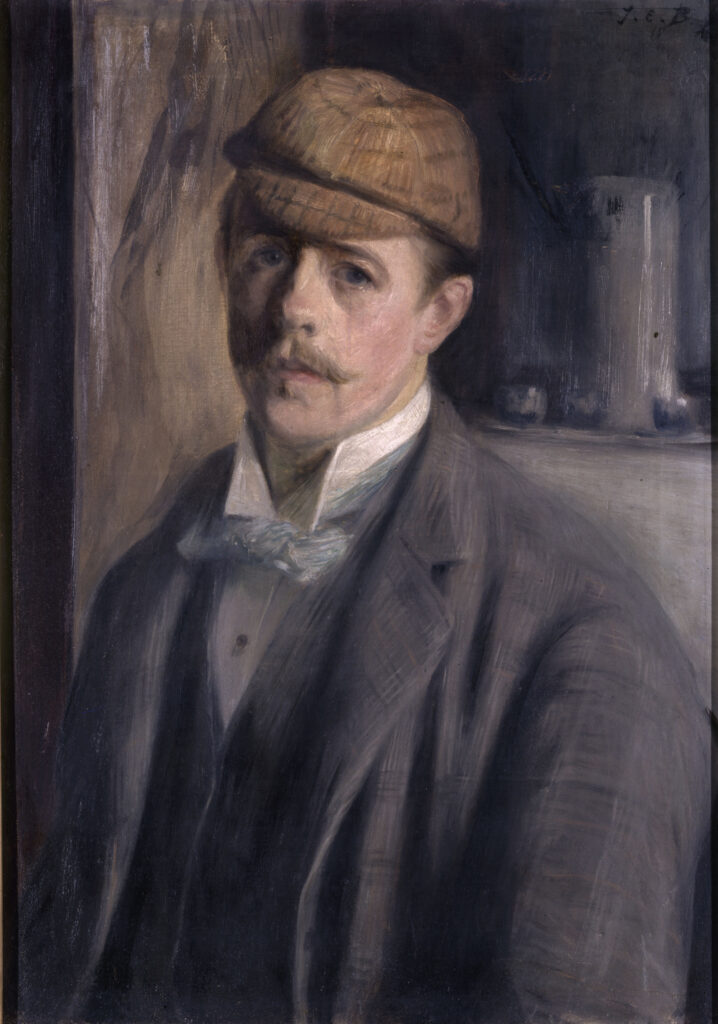
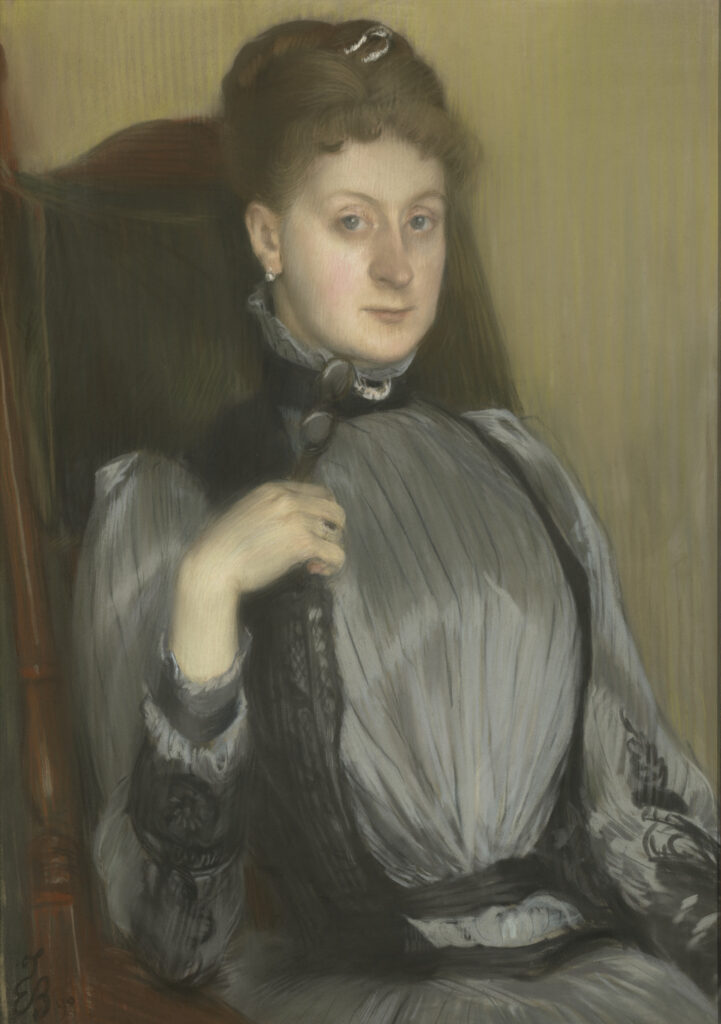
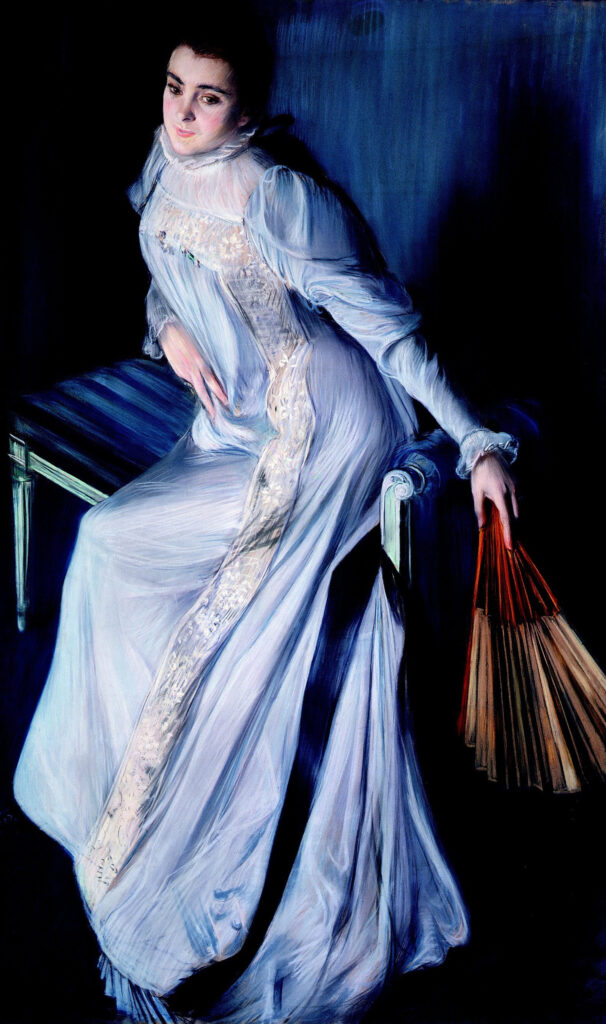
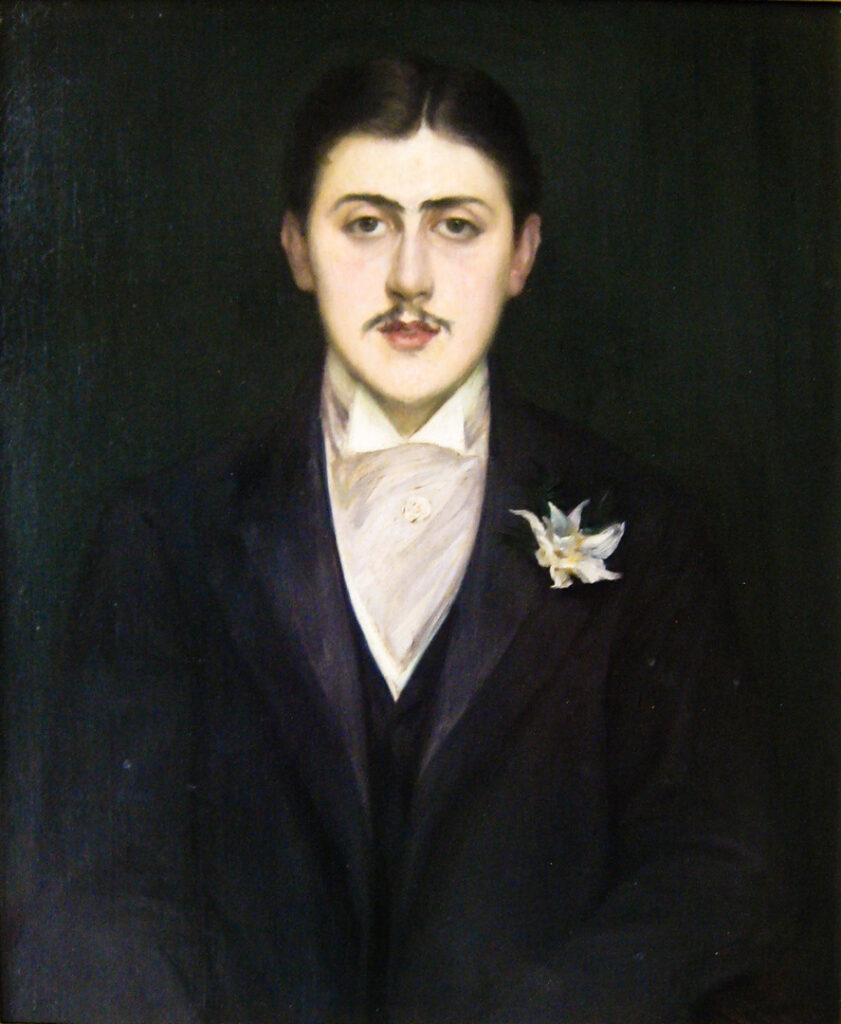
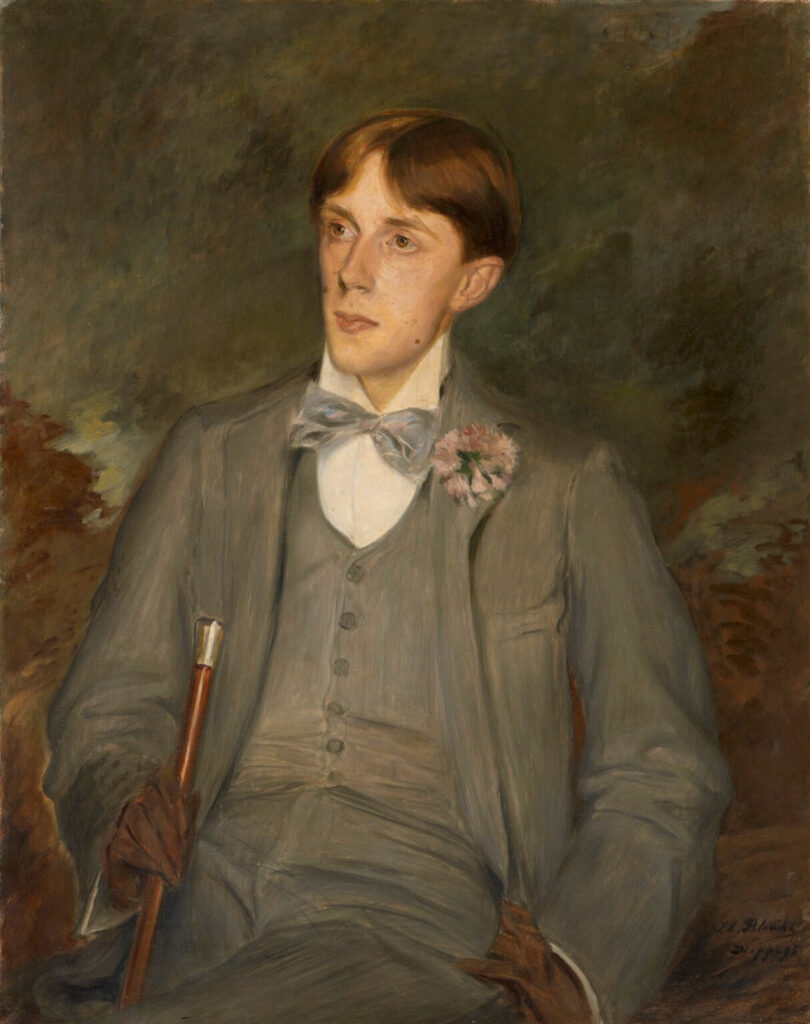
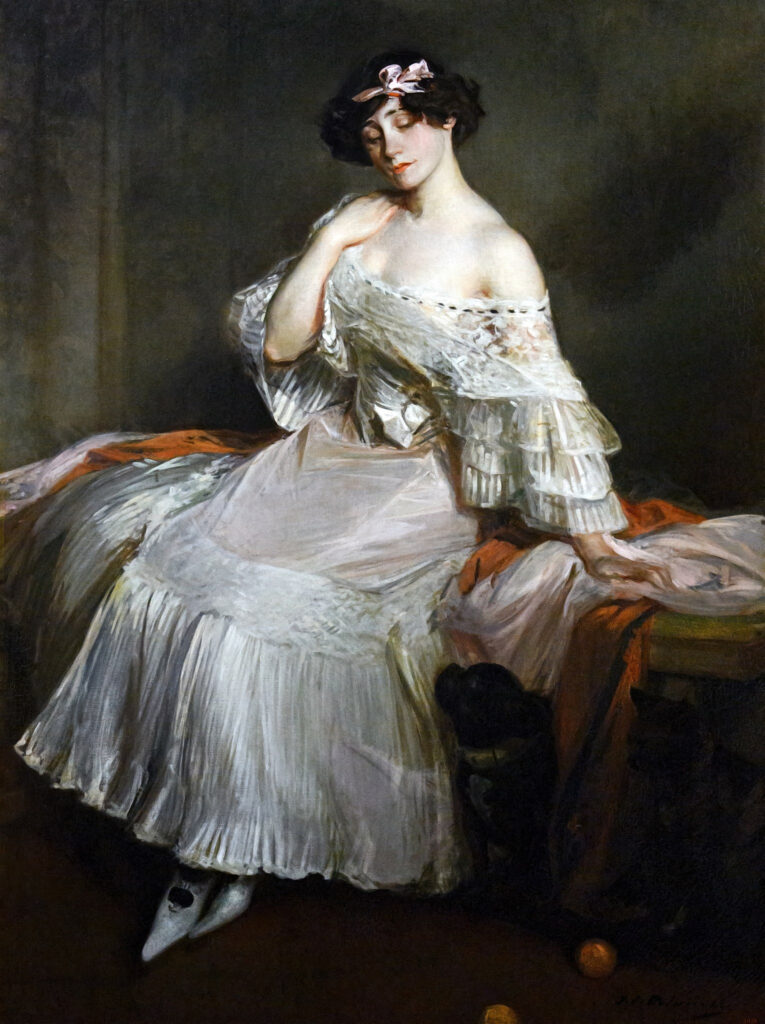
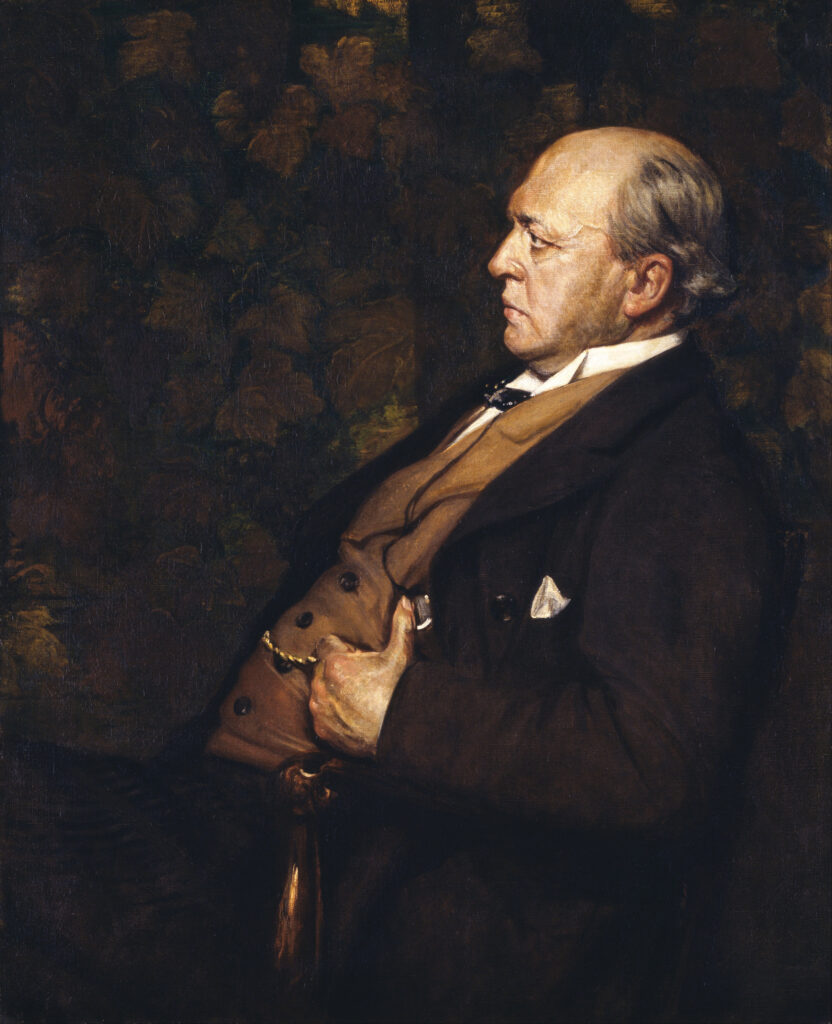
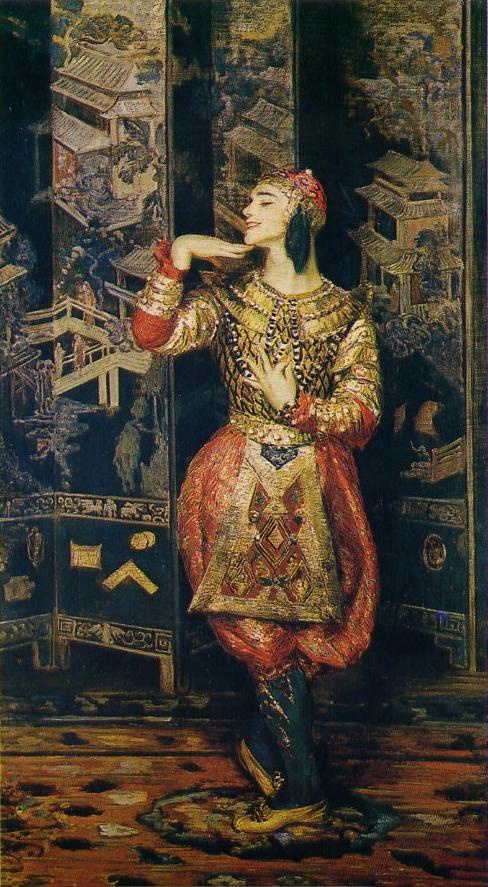
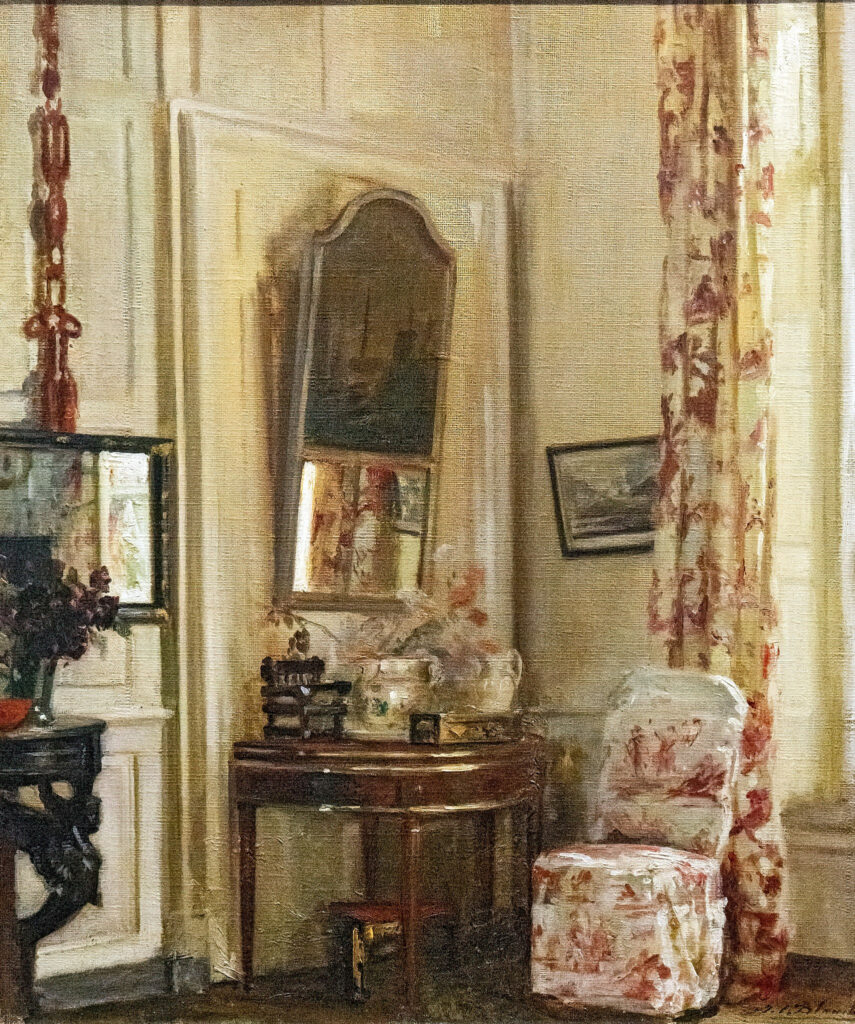
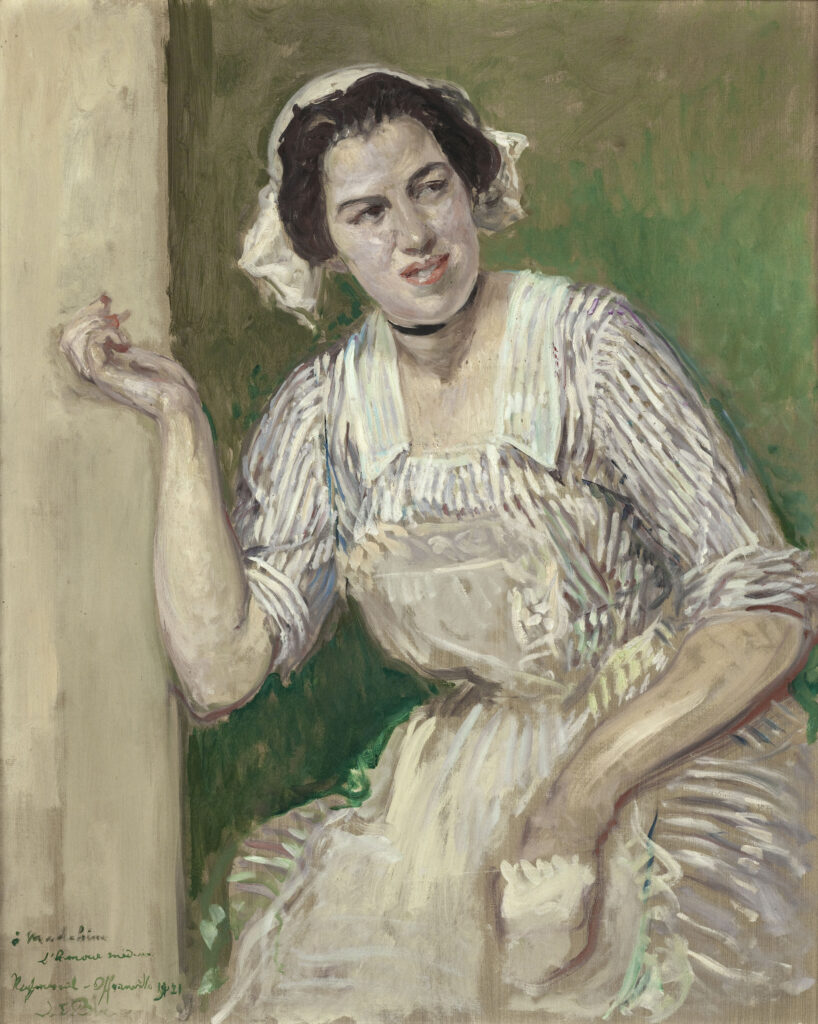
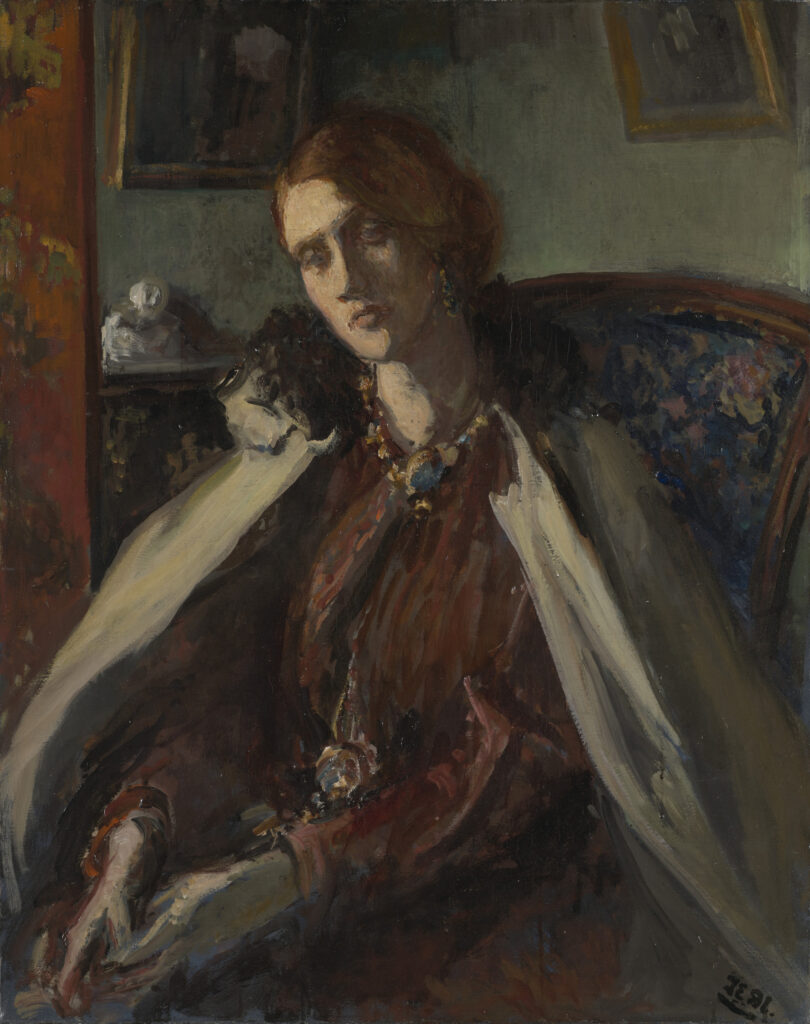
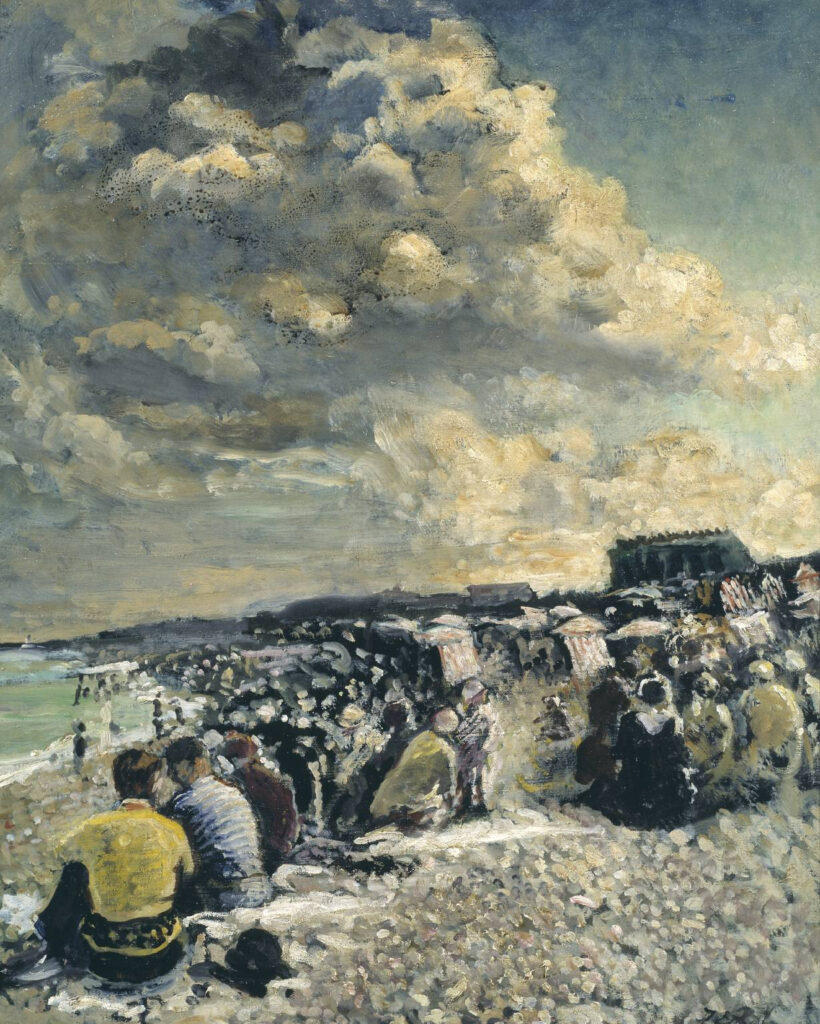
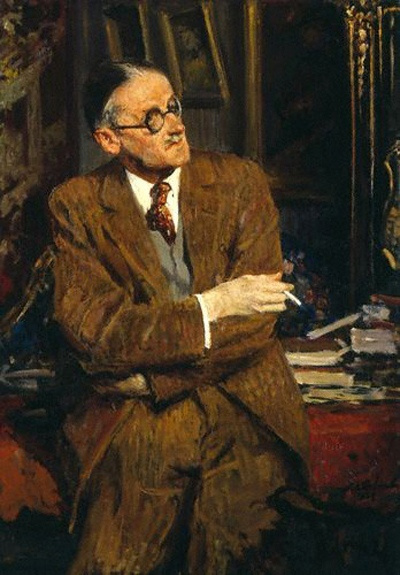
Jacques-Émile Blanche, January 31, 1861–September 30, 1942, was a French painter, printmaker, writer, and art critic known principally as a portraitist. He was educated at the Lycée Condorcet in Paris and was largely self-taught as an artist, although he received instruction from Henri Gervex and Ferdinand Humbert.
Blanche exhibited at the Paris Salon from 1882 to 1889 and at the Société Nationale des Beaux-Arts from 1890. He was associated with the New English Art Club and artistic and literary circles in Paris, London, and Dieppe; he later directed the Académie de La Palette and taught at the Académie Vitti.
His work is represented in the Musée d’Orsay and Petit Palais in Paris, Tate Britain and the National Portrait Gallery in London, the National Portrait Gallery in Washington DC, the Clark Art Institute, and the Museu Nacional d’Art de Catalunya.
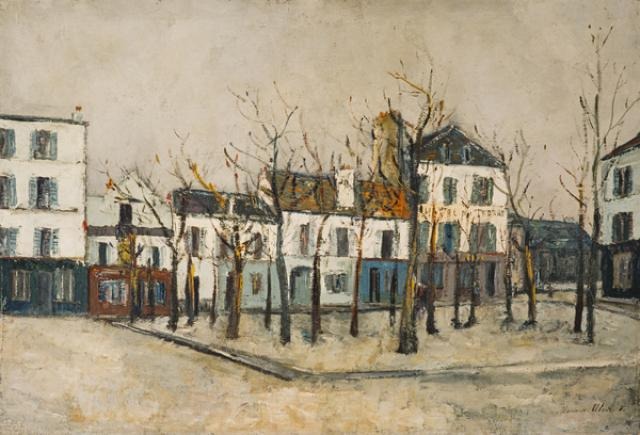
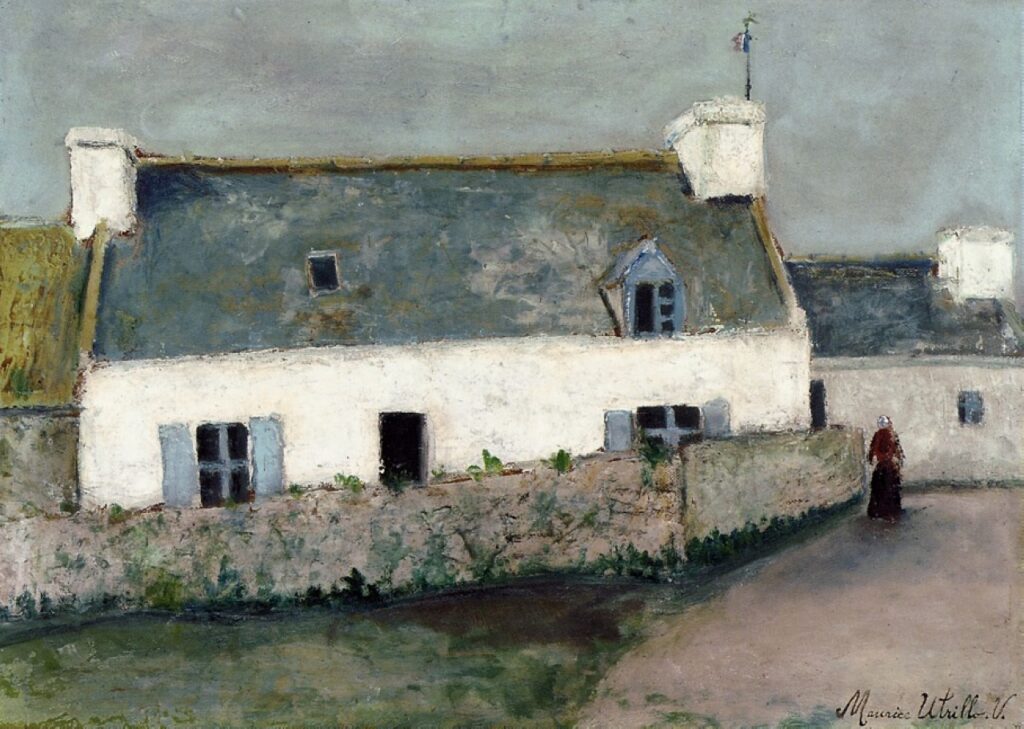
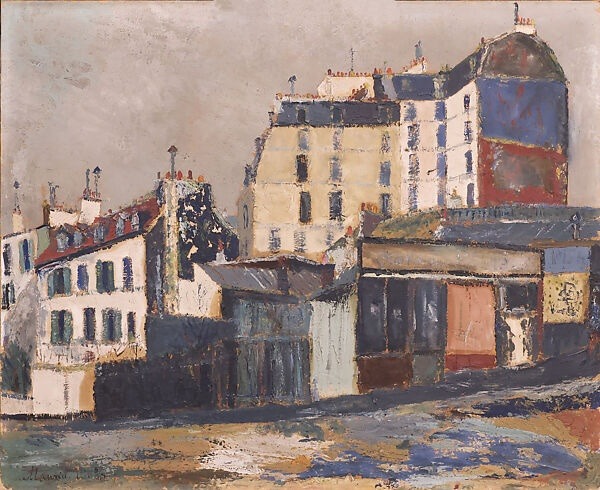
Maurice Utrillo
Maurice Utrillo was born Maurice Valadon in Montmartre, Paris, on December 26, 1883. He was the son of the painter and former artist’s model Suzanne Valadon; the Spanish artist and writer Miquel Utrillo legally acknowledged him in 1891. Largely self-taught, Utrillo began painting with encouragement and instruction from his mother.
Utrillo specialized in views of Montmartre and the suburbs of Paris, depicting streets, churches, cafés, and modest buildings with an atmosphere of solitude and melancholy. His celebrated “white period,” approximately 1909–1914, is distinguished by pale colors and heavily textured surfaces. He often worked from postcards and memory as well as direct observation.
Utrillo achieved international recognition during the 1920s and received the Cross of the Légion d’honneur in 1928. He married the painter Lucie Valore in 1935 and settled at Le Vésinet. He died in Dax on November 5, 1955, and was buried in the Cimetière Saint-Vincent in Montmartre.





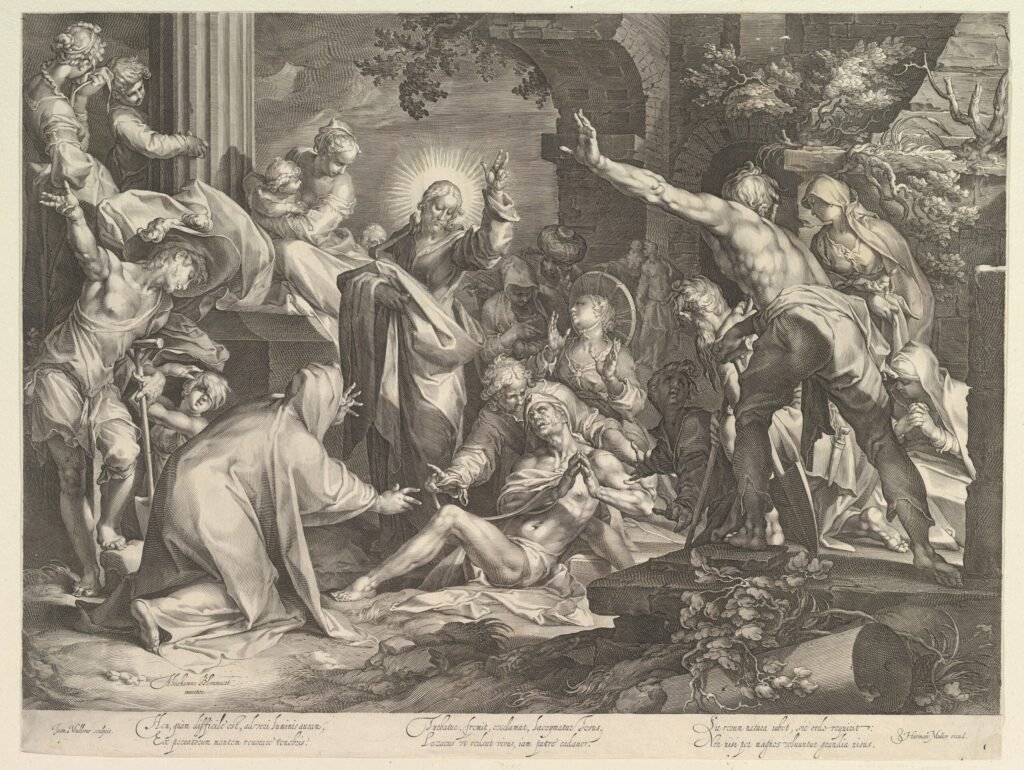
Abraham Bloemaert
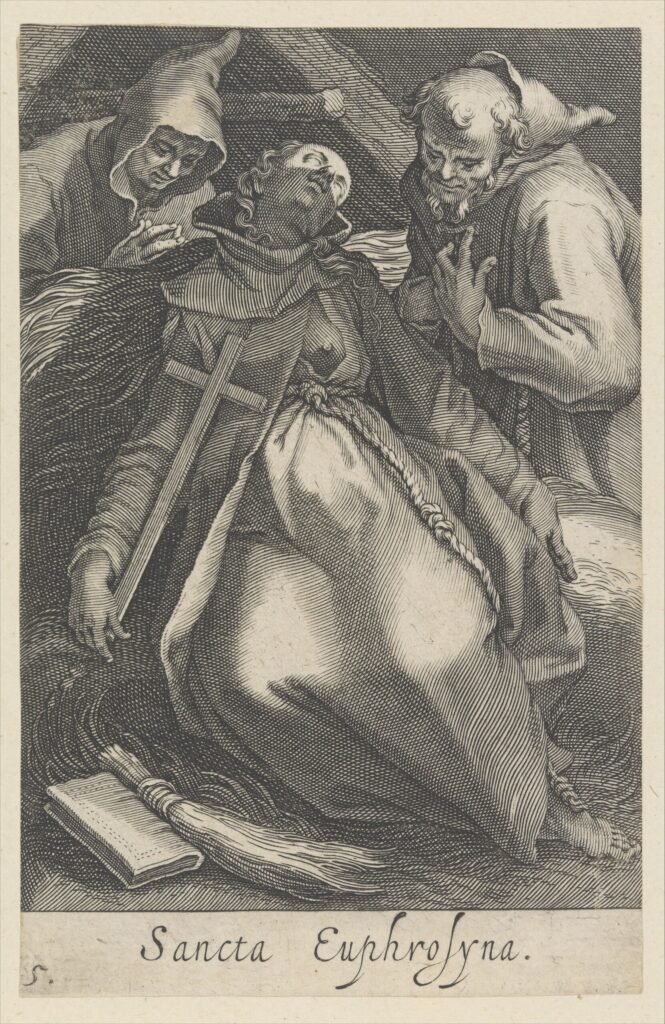
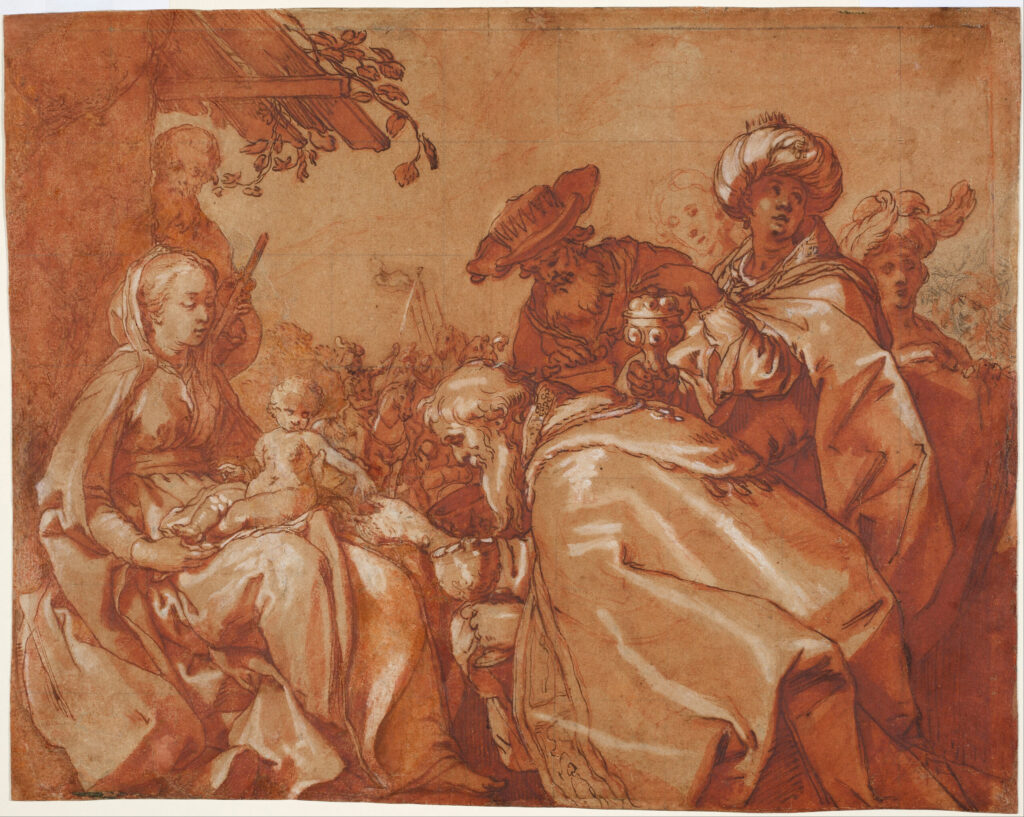
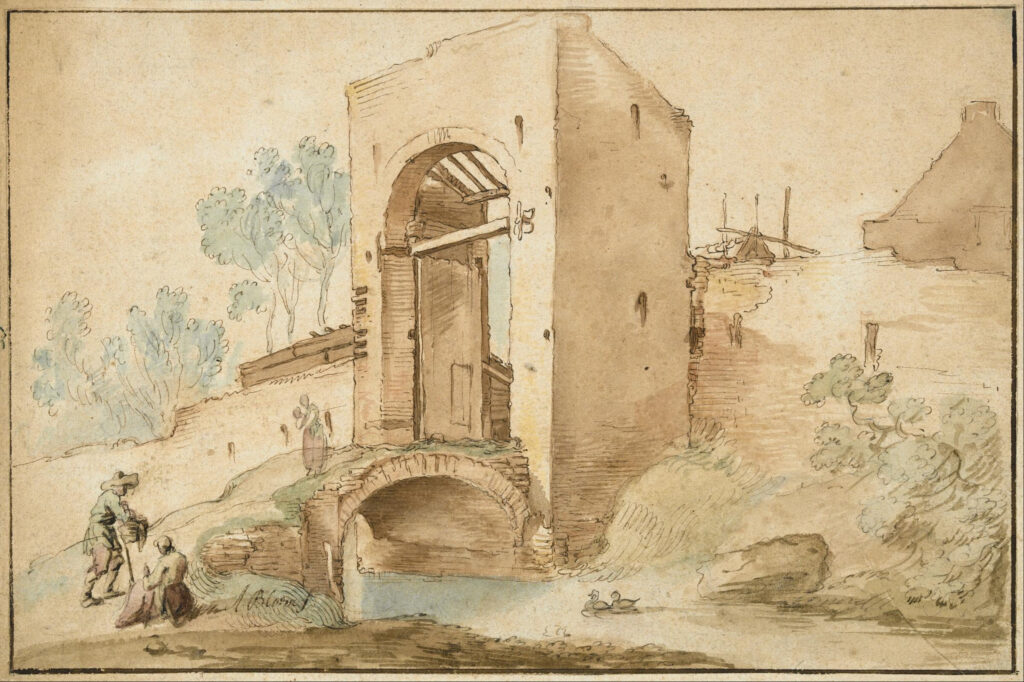
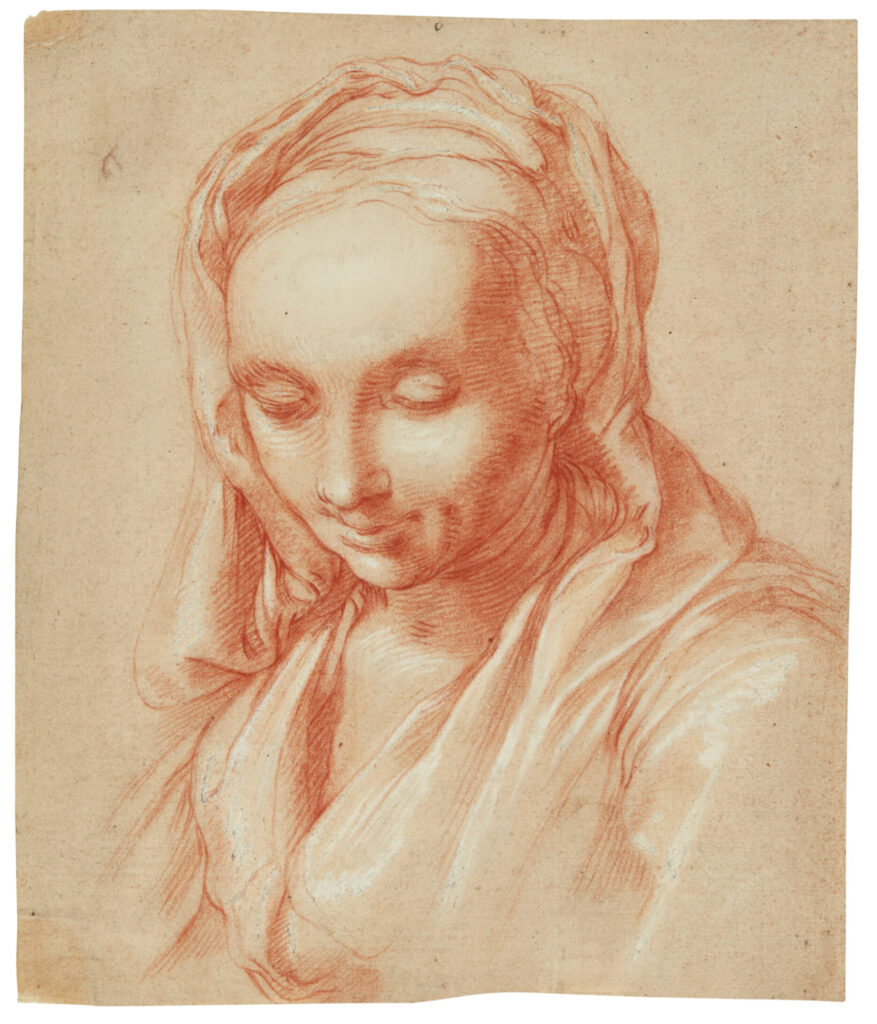
Abraham Bloemaert, December 25, 1566–January 27, 1651, was a Dutch painter, draftsman, and print designer. Born in Gorinchem, he moved with his family to Utrecht in 1575 and trained there with Gerrit Splinter and Joos de Beer before studying in Paris and Fontainebleau, including with Hieronymus Francken.
Bloemaert settled permanently in Utrecht, where he became a leading history painter and a prolific designer of landscapes and devotional images. He served in the painters’ guild and, with Paulus Moreelse, helped establish a drawing academy; his long career moved from late Mannerism toward a more naturalistic Baroque style influenced by the Utrecht Caravaggists.
His pupils included Gerard van Honthorst, Hendrick ter Brugghen, and Cornelis van Poelenburch, as well as his artist sons Hendrick, Cornelis, Adriaen, and Frederik. Bloemaert remained active into old age, and the wide circulation of prints after his designs extended his influence well beyond Utrecht.




Joseph Cornell
Joseph Cornell, December 24, 1903–December 29, 1972, was an American artist and filmmaker born in Nyack, New York. He attended Phillips Academy in Andover but did not graduate and received no formal artistic training.
Cornell began making collages and assemblages in the early 1930s after encountering Surrealist art at Julien Levy’s New York gallery. He became known for glass-fronted box constructions assembled from found objects and printed ephemera, and he also made experimental films, including Rose Hobart.
Cornell lived and worked for most of his life in Flushing, Queens, where he cared for his mother and his brother Robert. Major holdings of his work are in the Museum of Modern Art, National Gallery of Art, Smithsonian American Art Museum, Metropolitan Museum of Art, Art Institute of Chicago, Menil Collection, Tate and Solomon R. Guggenheim Museum.


