Arkhip Kuindzhi
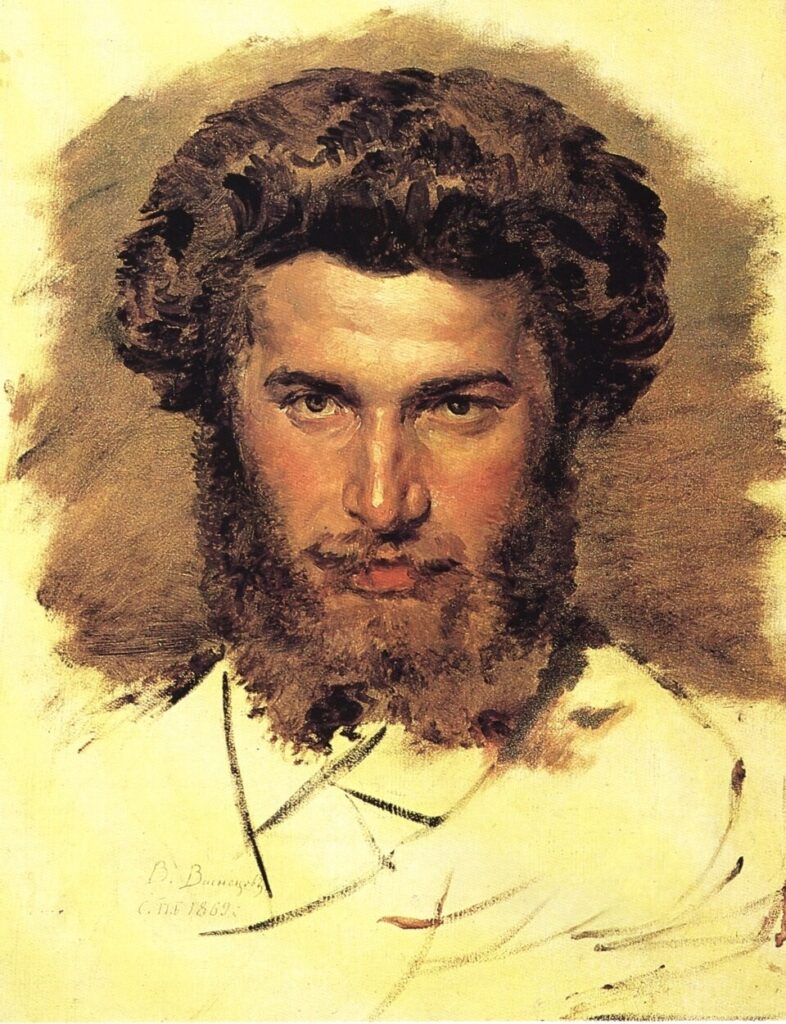
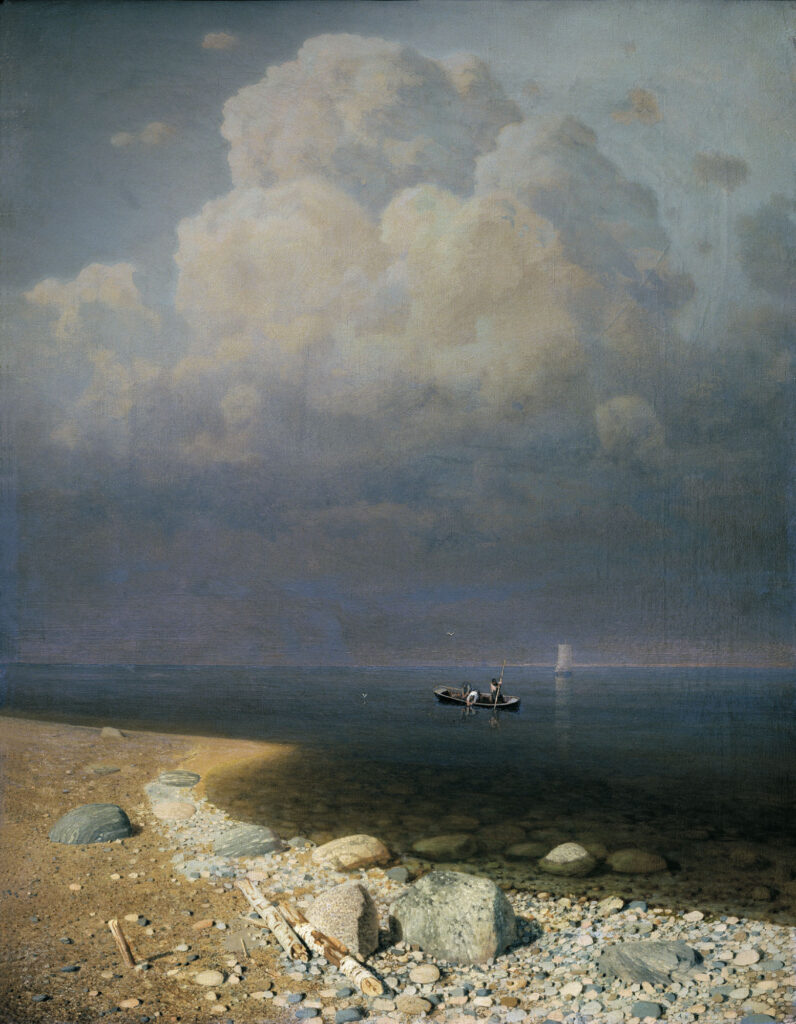
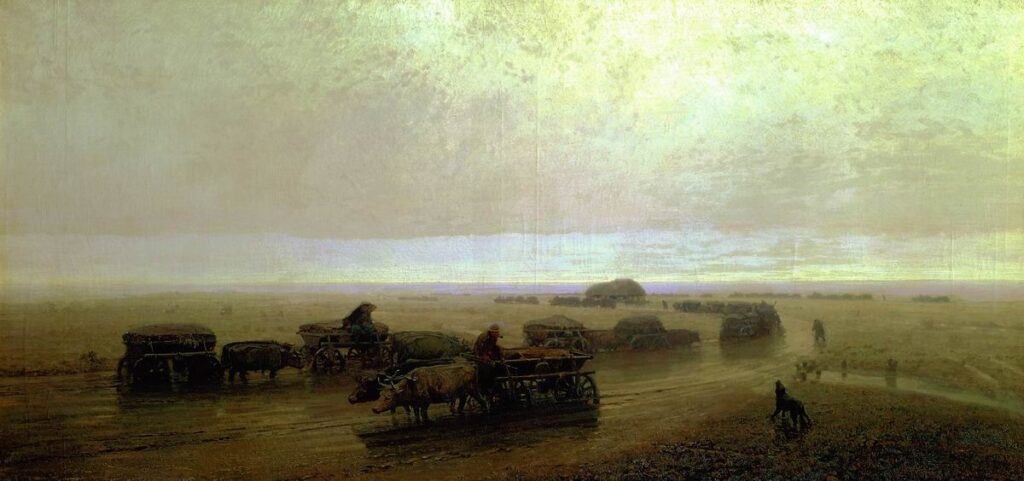
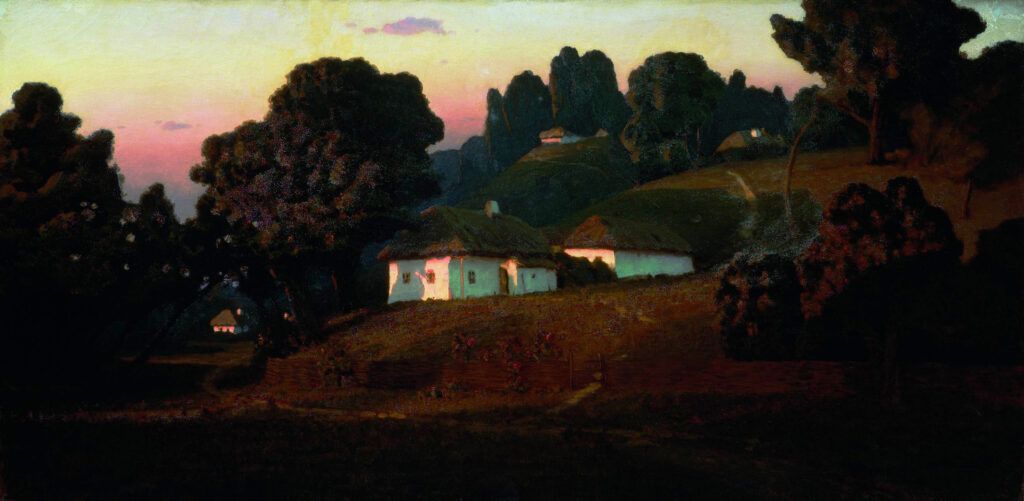
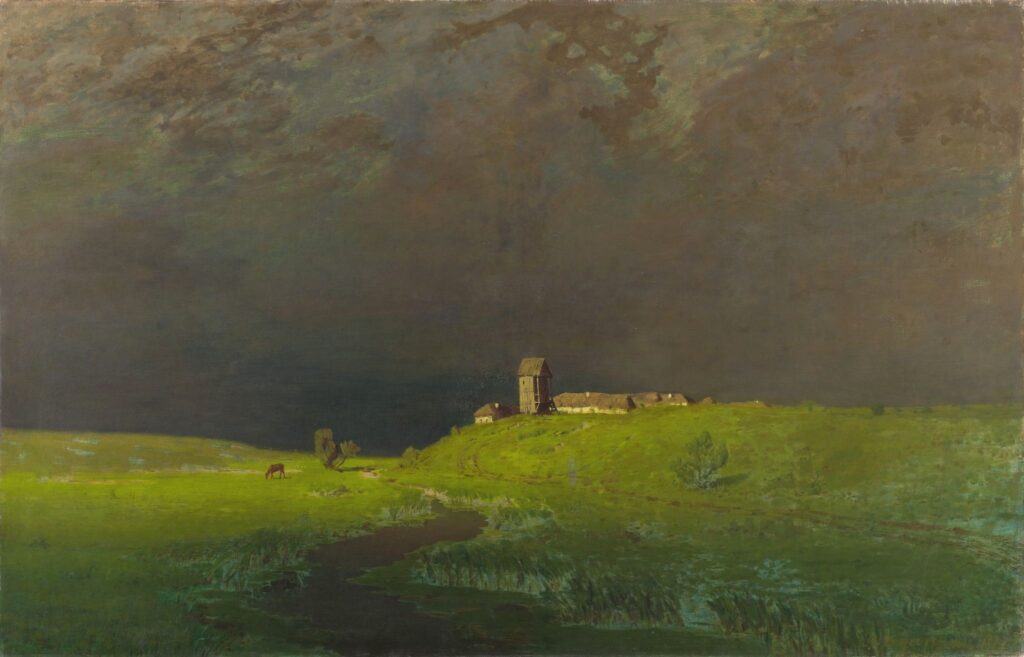
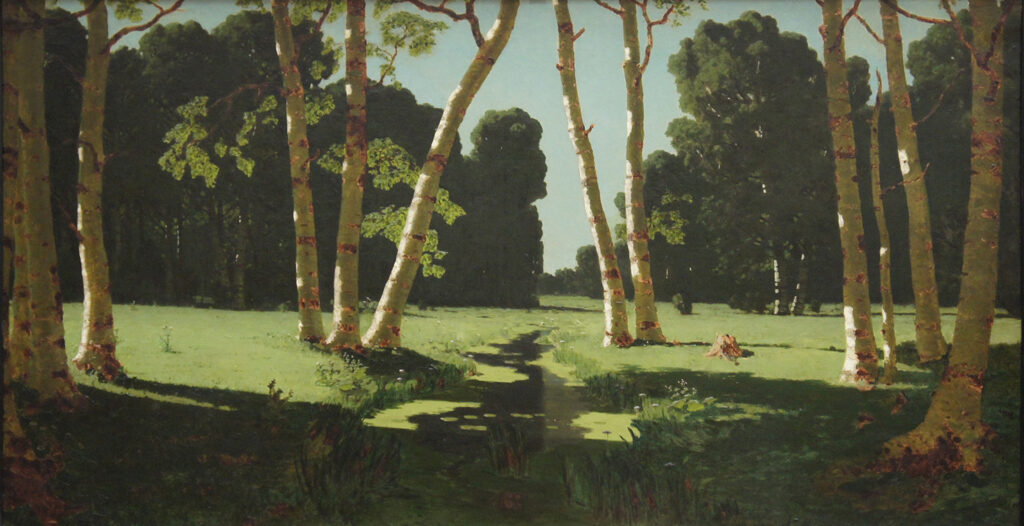
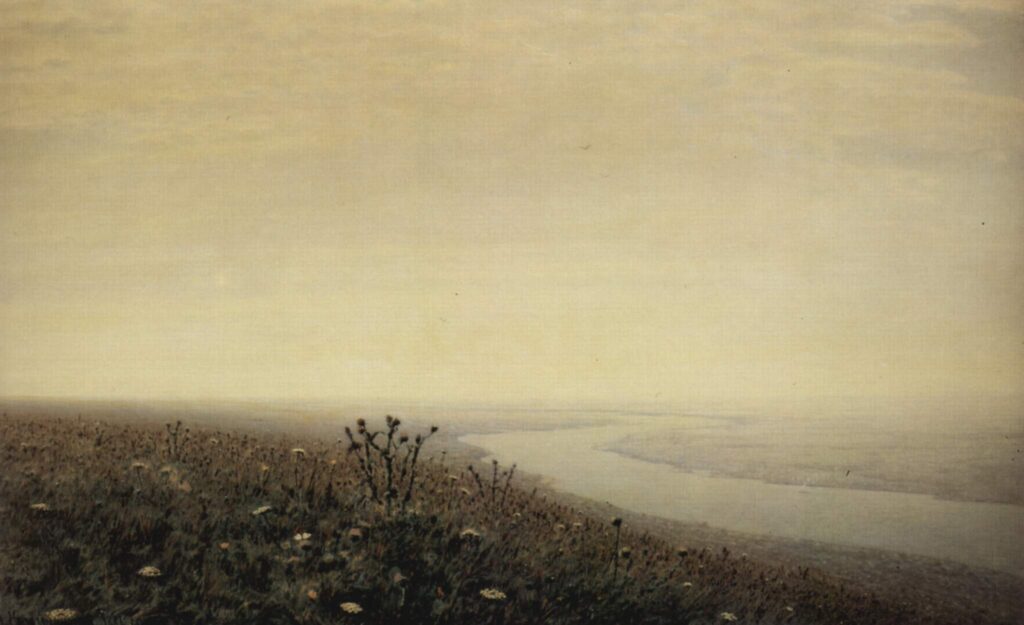
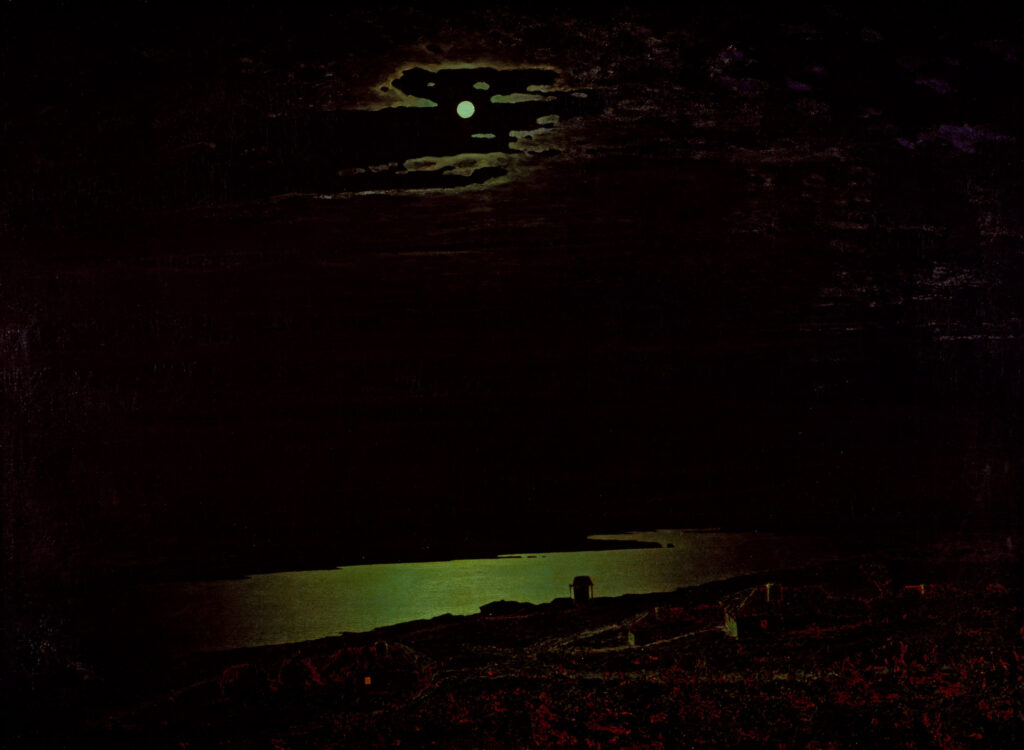
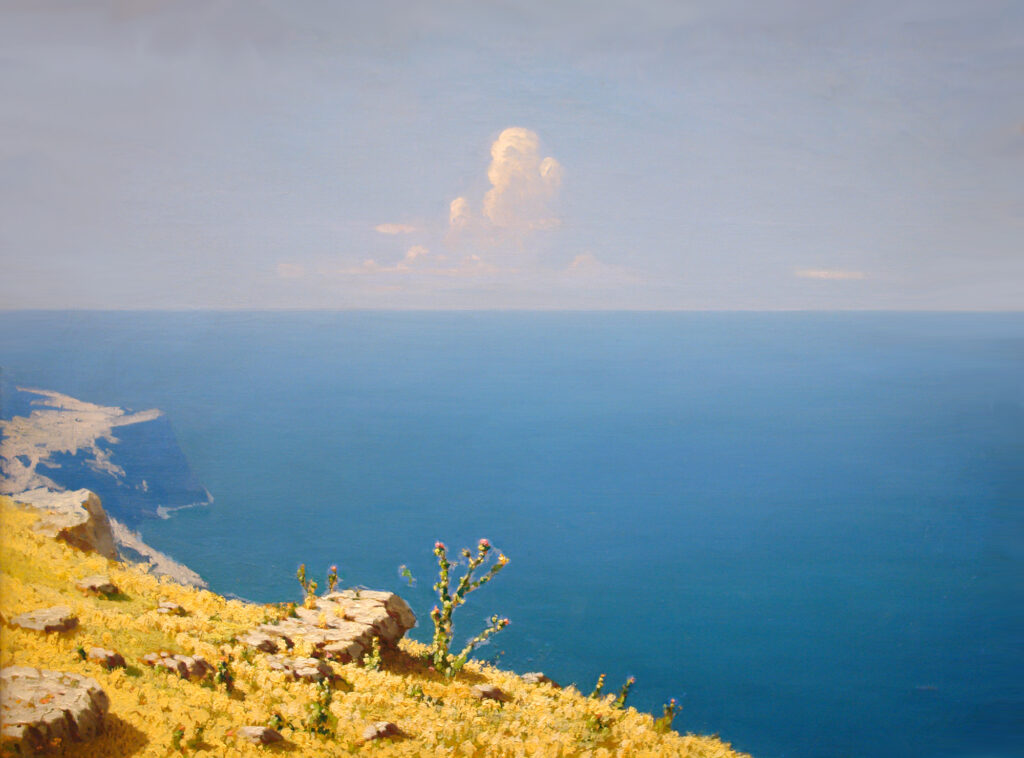
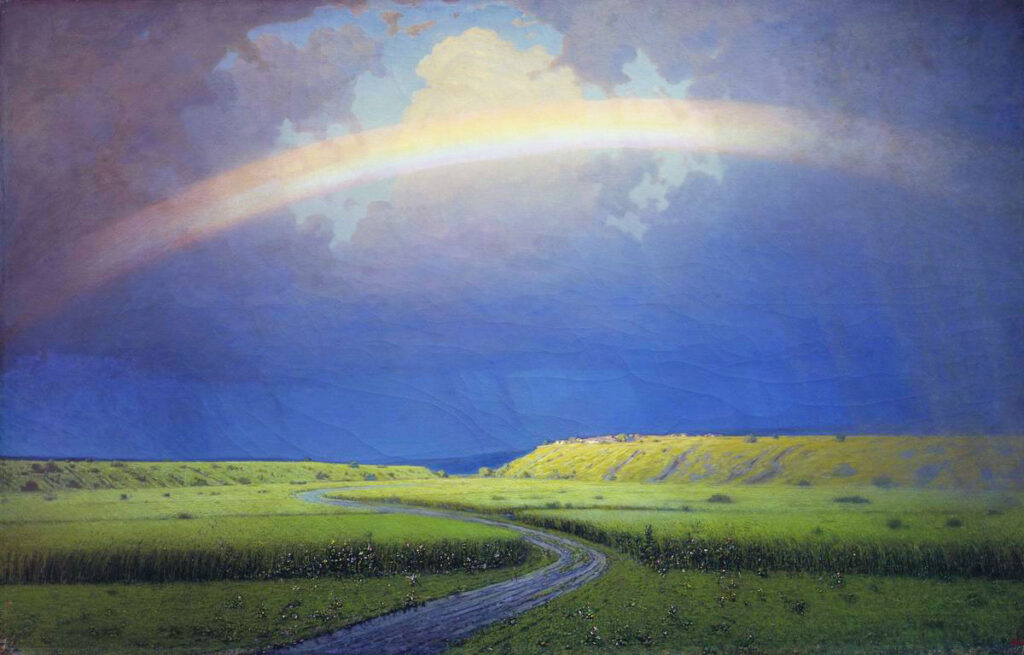
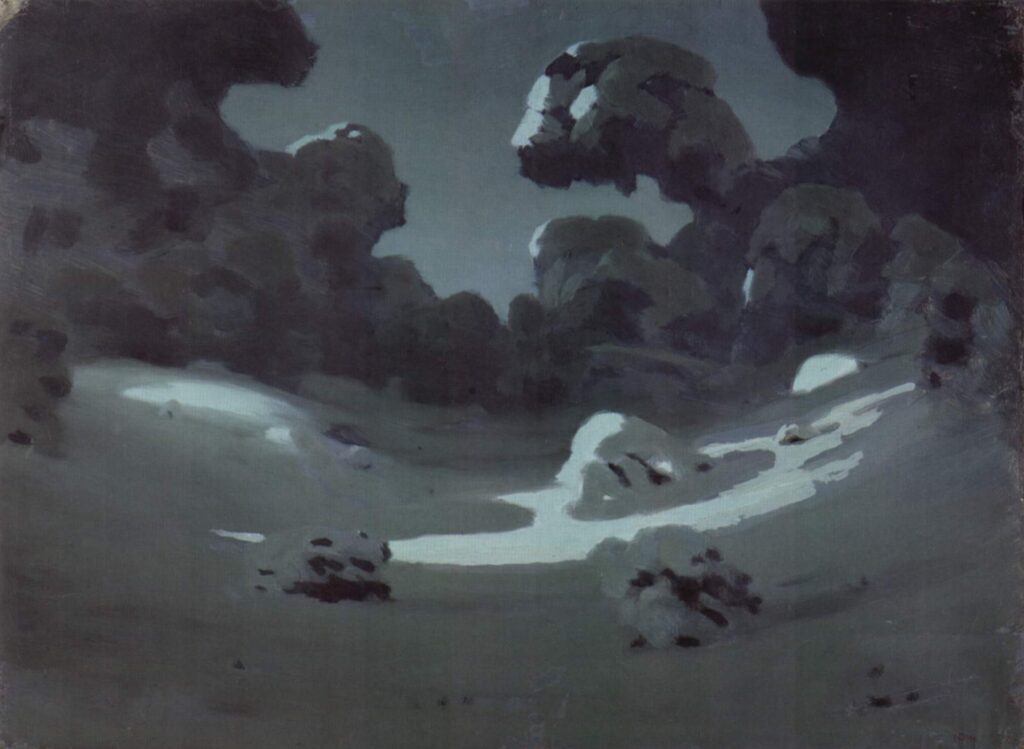
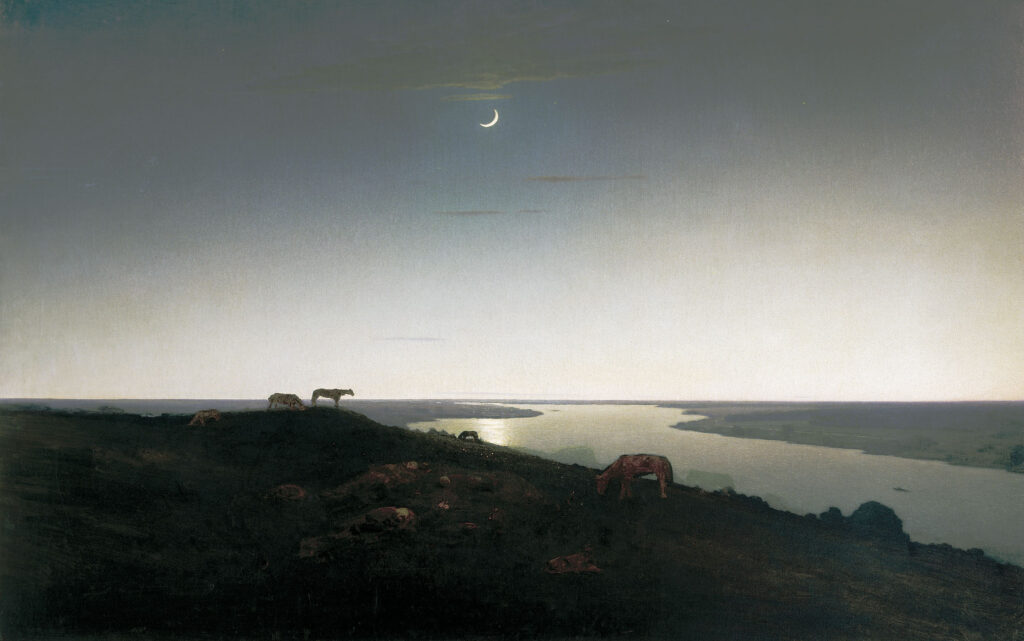
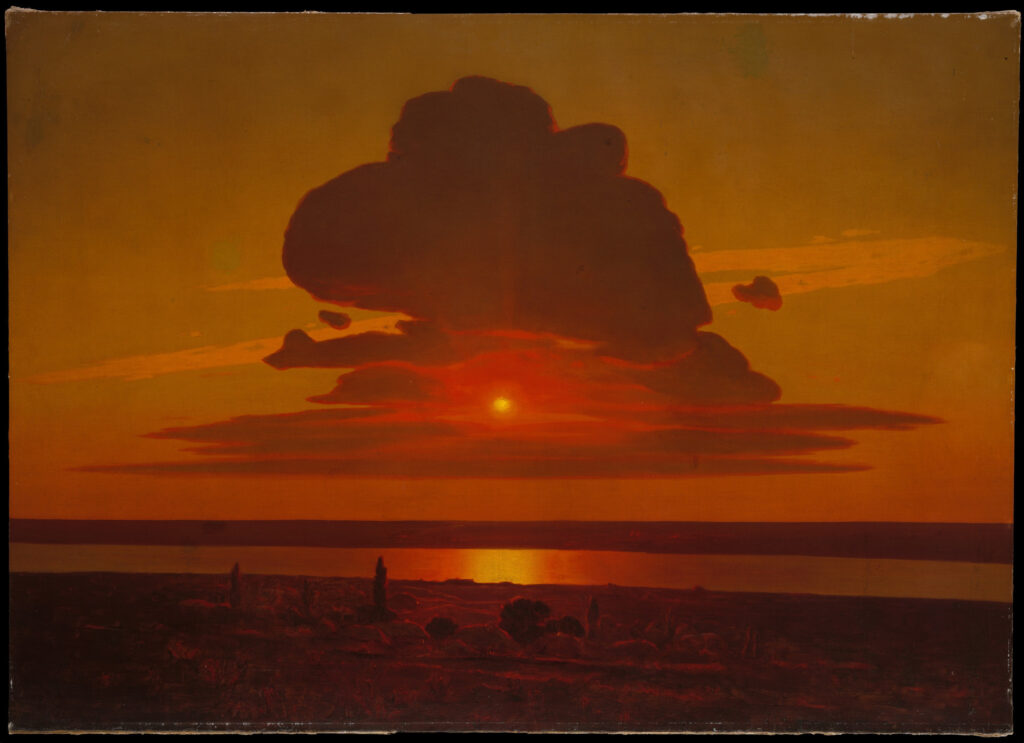
Arkhip Kuindzhi, January 27, 1842–July 24, 1910, was a Ukrainian landscape painter of Pontic Greek ancestry, born near Mariupol in the Russian Empire. He received limited formal schooling, traveled to Feodosia intending to study with Ivan Aivazovsky, worked with Aivazovsky’s student Adolf Fessler, and entered the Imperial Academy of Arts in Saint Petersburg as a non-matriculated student in 1868.
Kuindzhi exhibited with the Peredvizhniki during the 1870s and became known for landscapes structured around strong effects of light, color, and atmosphere. He ceased public exhibition after 1882 but continued painting. He became a professor at the Imperial Academy of Arts in 1892 and directed its landscape workshop from 1894 to 1897; his students included Arkady Rylov, Nicholas Roerich, and Konstantin Bogaevsky.
In his final years Kuindzhi helped establish the Society of Artists that later bore his name and left much of his estate to support artists. He died in Saint Petersburg. Principal public collections of his work include the Russian Museum, the Tretyakov Gallery, and the Metropolitan Museum of Art.
Govert Flinck
Govert Flinck, January 25, 1615 – February 2, 1660, was a Dutch painter of portraits, history paintings, and civic commissions. Born in Cleves, he was first trained by Lambert Jacobsz in Leeuwarden and later worked in Amsterdam, where he became one of Rembrandt’s pupils and adapted Rembrandt’s handling of light, costume, and biblical subject matter.
Flinck painted portraits, tronies, biblical scenes, and large civic works. His early paintings closely follow Rembrandt’s manner, while his later work became smoother and more public in character, suited to Amsterdam regents and civic commissions. He received major commissions for the Amsterdam Town Hall, including The Incorruptible Consul Marcus Curius Dentatus and Solomon Praying for Wisdom.
Flinck’s work is held by the Rijksmuseum, Amsterdam Museum, Louvre, Kelvingrove Art Gallery and Museum, Mauritshuis, Royal Palace Amsterdam, and other public collections.


Valentin Serov
Valentin Alexandrovich Serov, January 19, 1865–December 5, 1911, was a Russian painter and draftsman.
He studied privately with Ilya Repin and entered the Imperial Academy of Arts in Saint Petersburg in 1880, where he studied under Pavel Chistyakov. Serov exhibited with the Peredvizhniki and was associated with the World of Art circle.
From 1897 to 1909 he taught at the Moscow School of Painting, Sculpture and Architecture; his students included Pavel Kuznetsov, Nikolai Sapunov, Martiros Saryan, and Kuzma Petrov-Vodkin. His works are held principally by the Tretyakov Gallery in Moscow and the Russian Museum in Saint Petersburg, as well as other Russian and international collections.


Guido Cagnacci
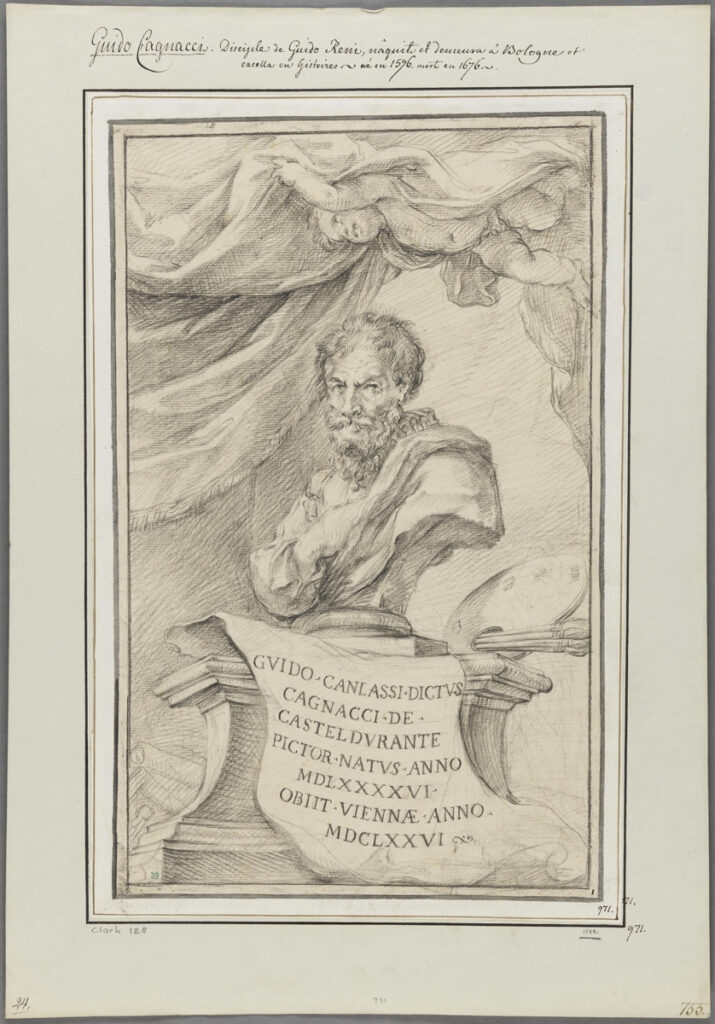
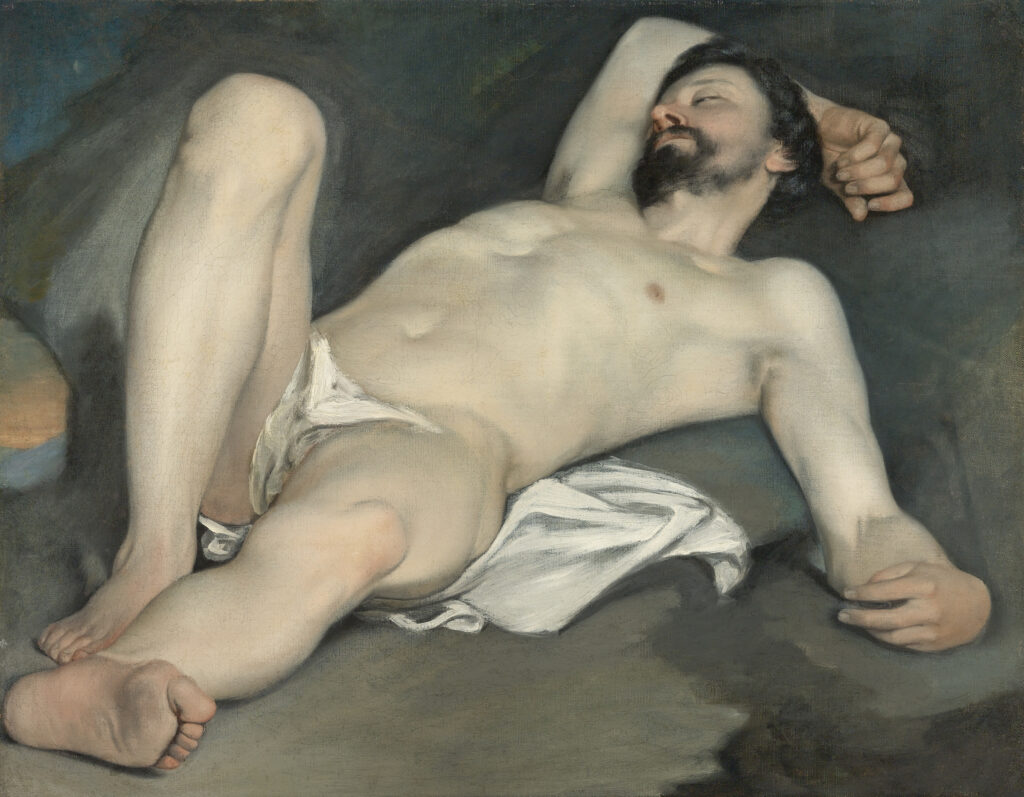
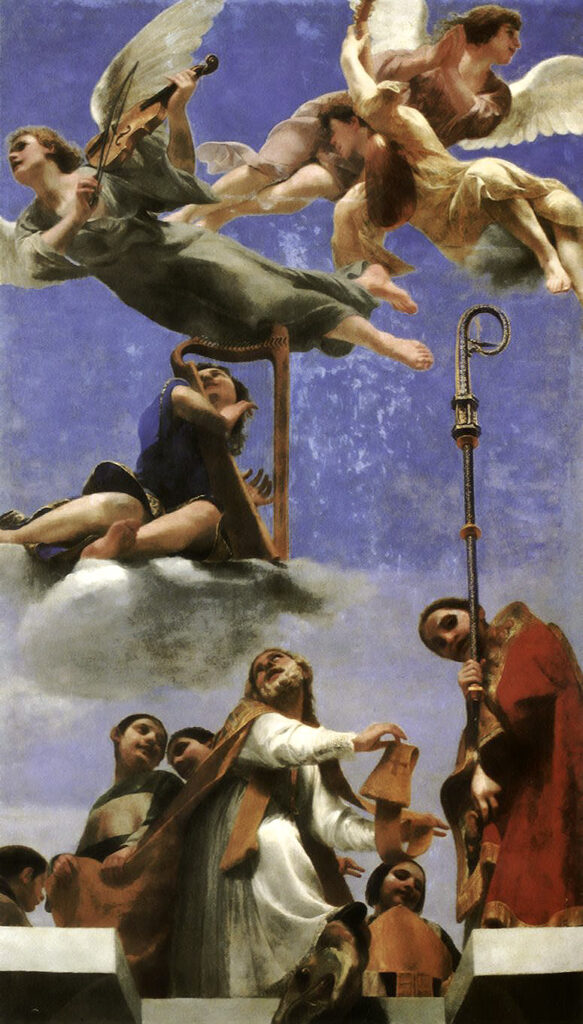
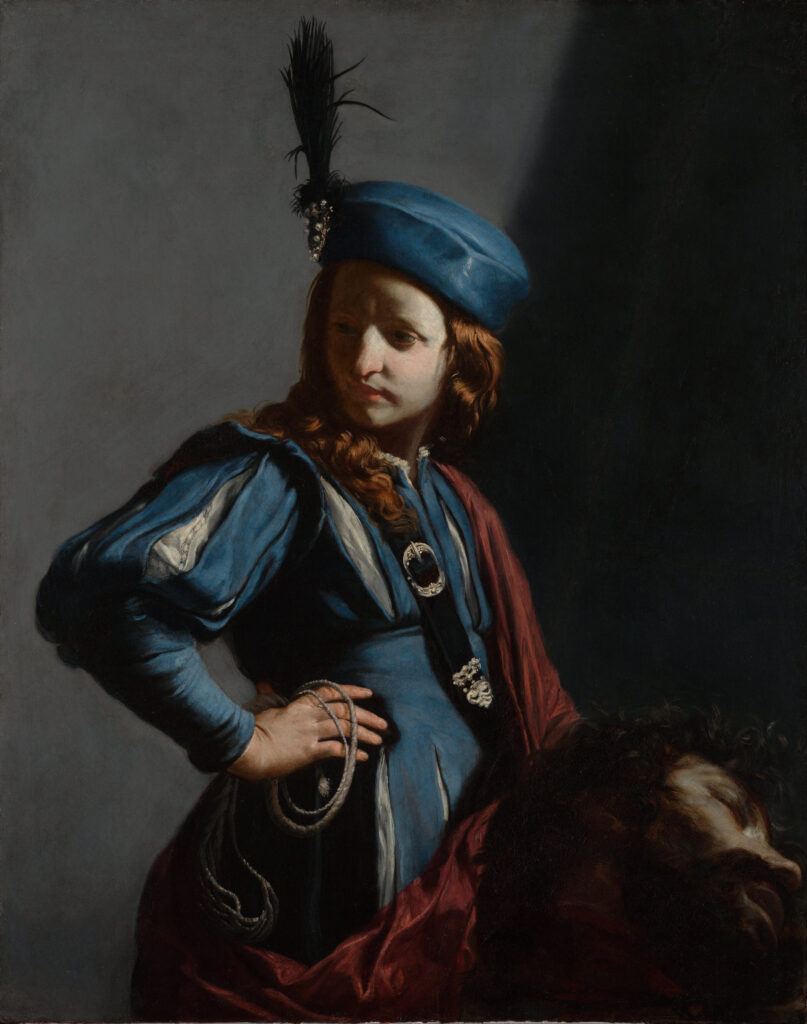
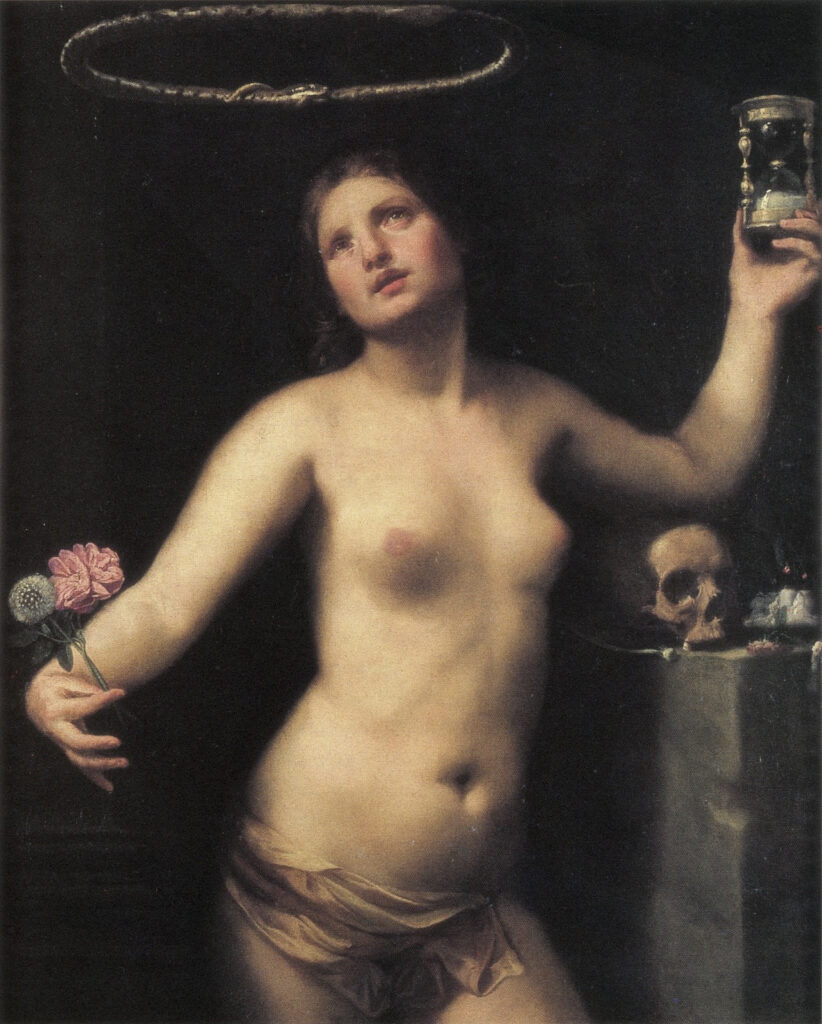
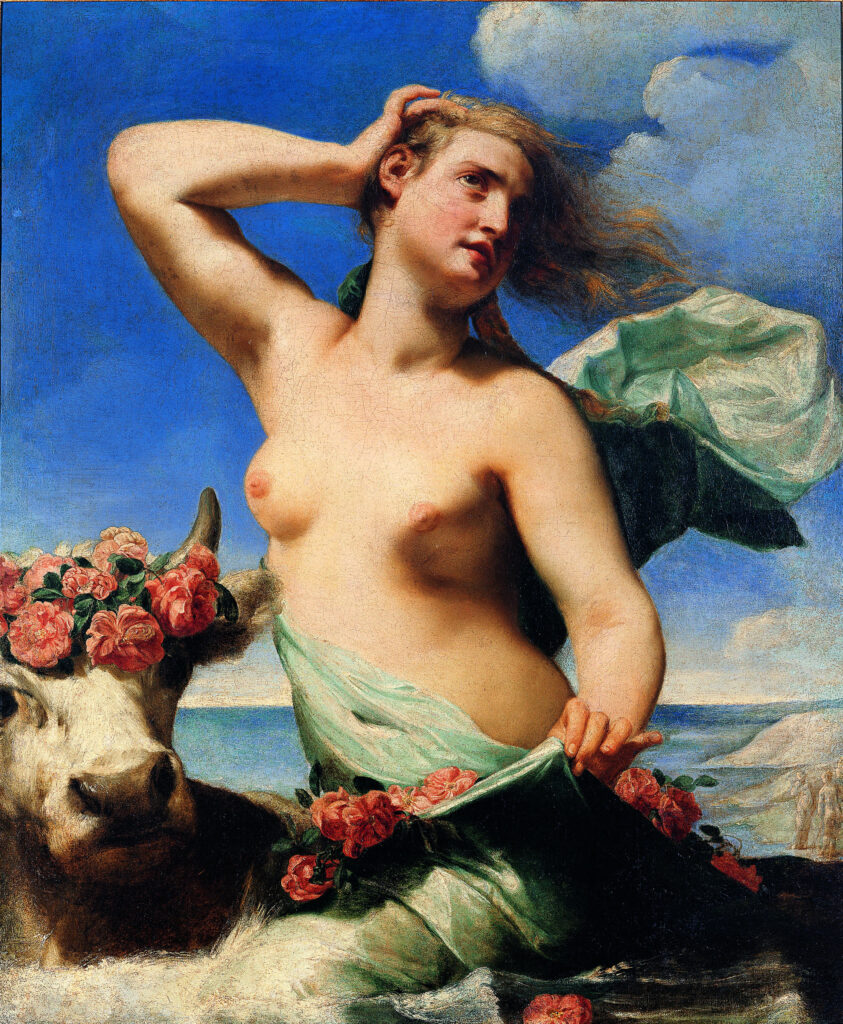
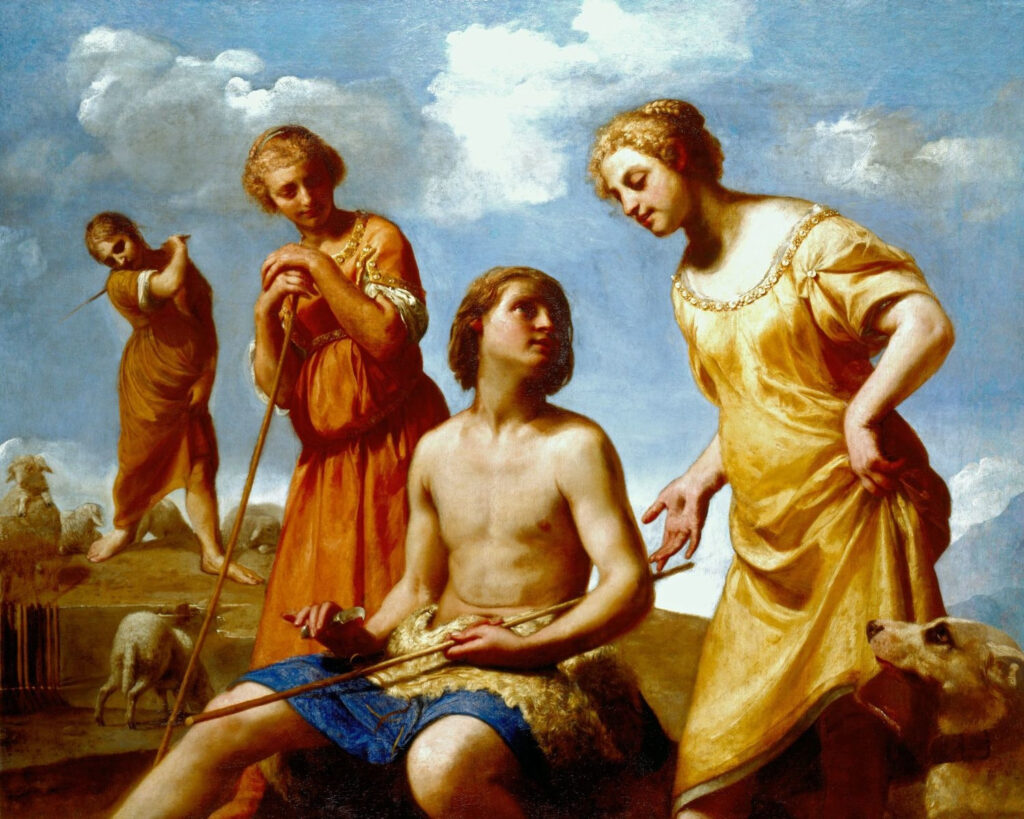
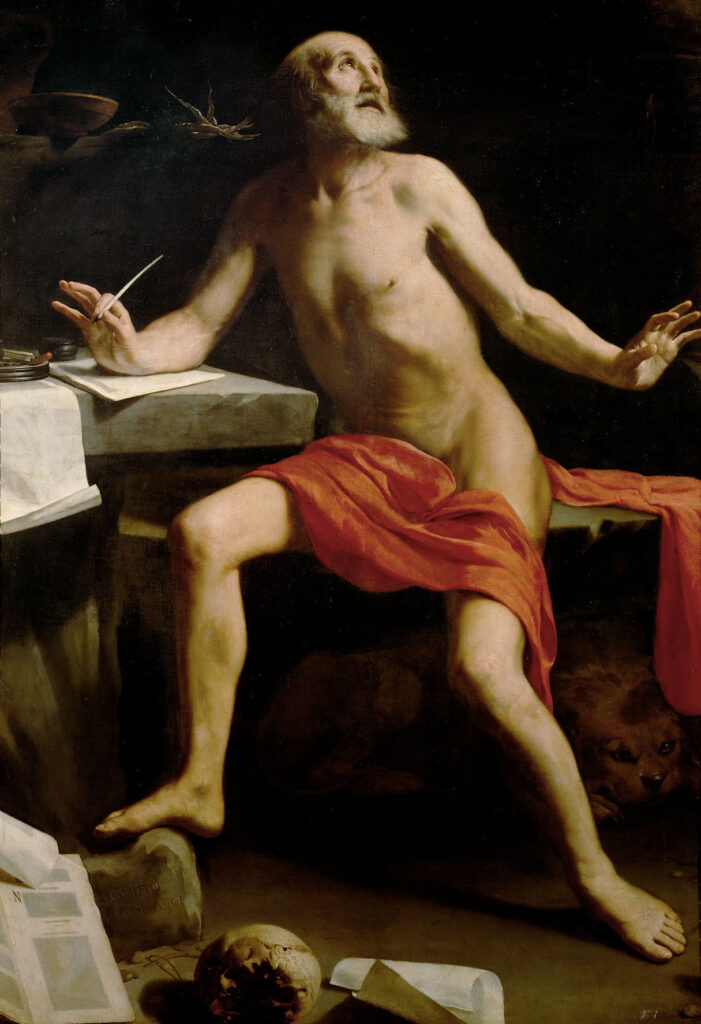
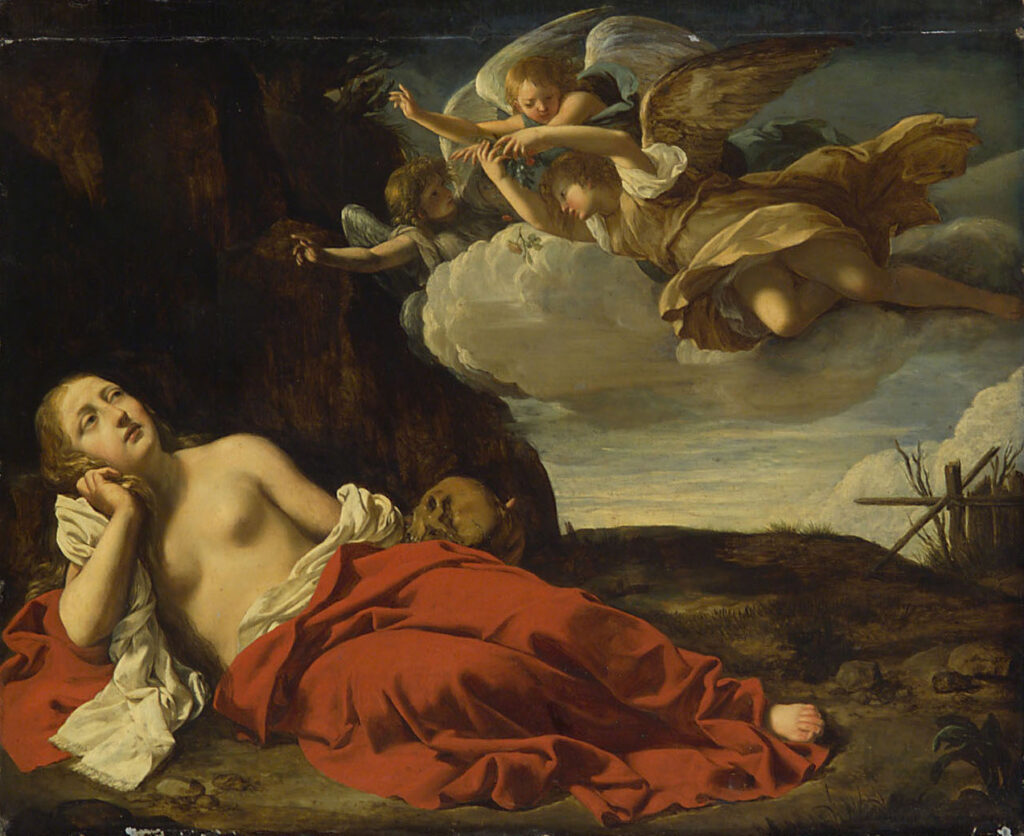
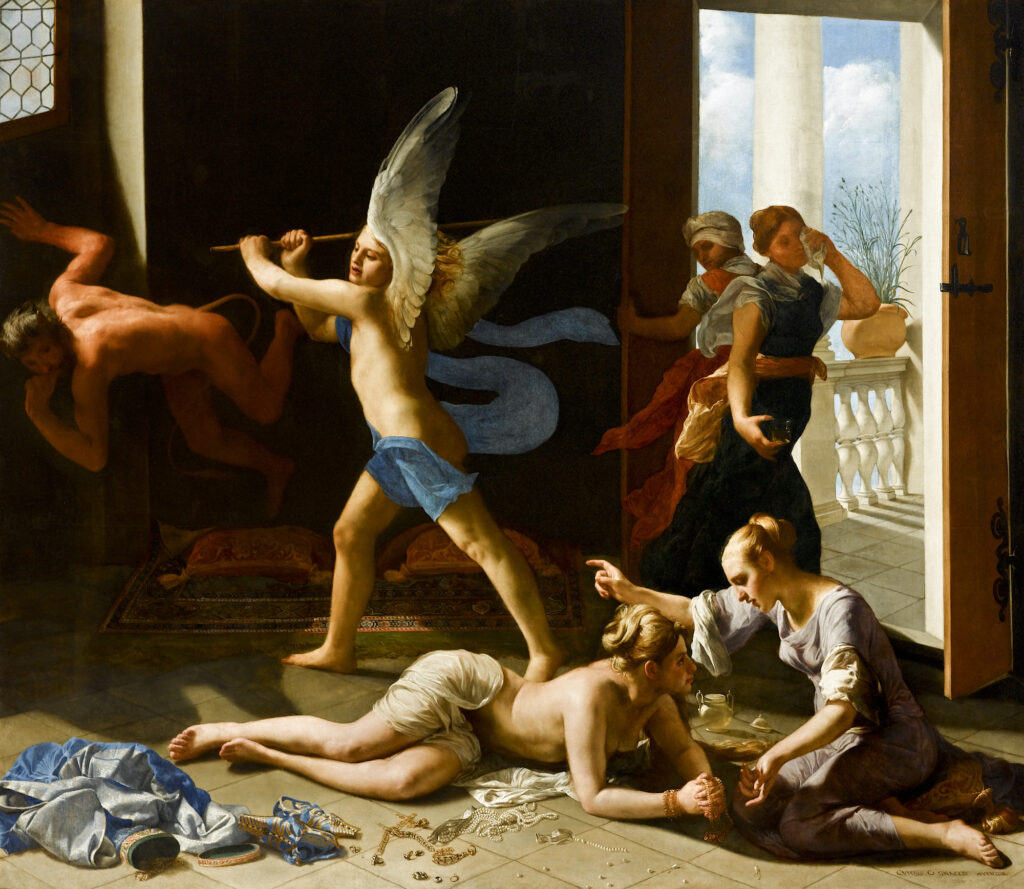
Guido Cagnacci, January 13, 1601 – 1663, was an Italian Baroque painter born in Santarcangelo di Romagna. By 1618 he was studying in Bologna, and in the early 1620s he lived in Rome; his training connected him with Ludovico Carracci and Guercino.
By the mid-1620s Cagnacci had returned to Romagna, where he worked for religious and aristocratic patrons in Rimini, Forlì, Faenza, and neighboring towns. Around 1649 he moved to Venice, adopted the name Guido Canlassi da Bologna, and worked chiefly for private patrons.
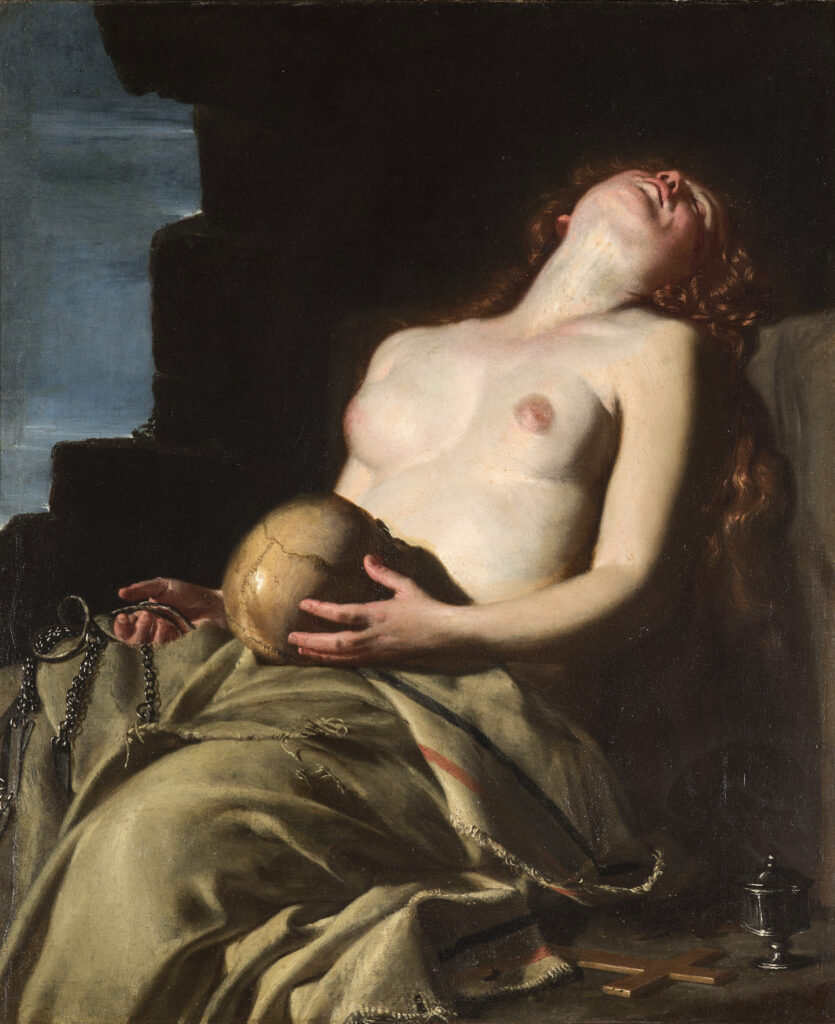
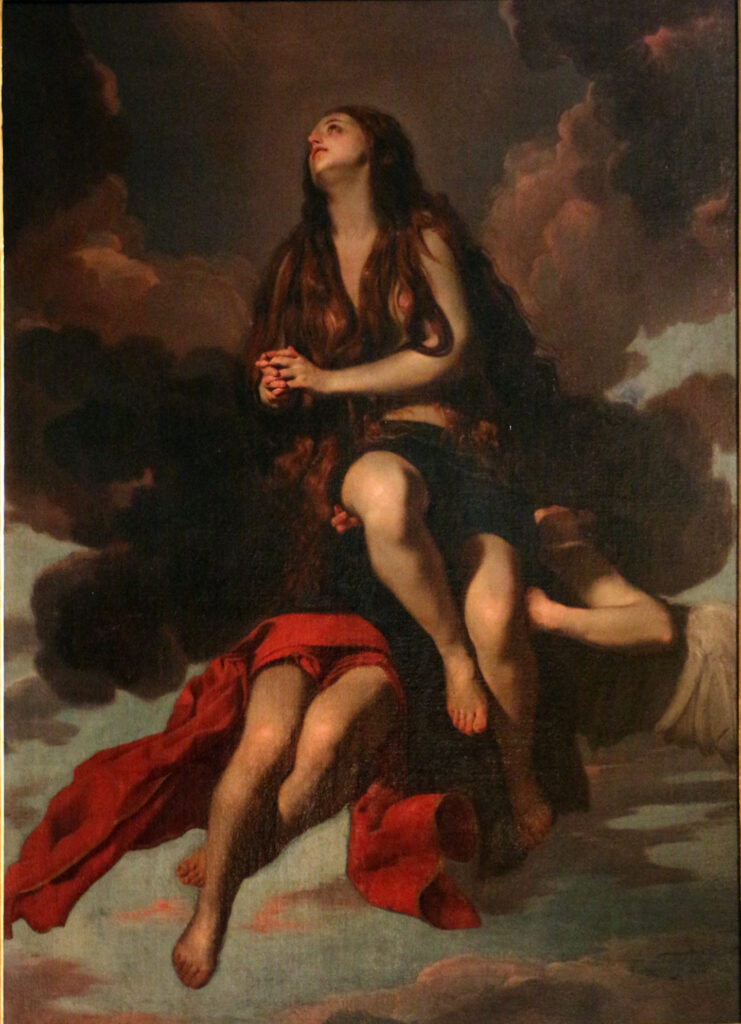
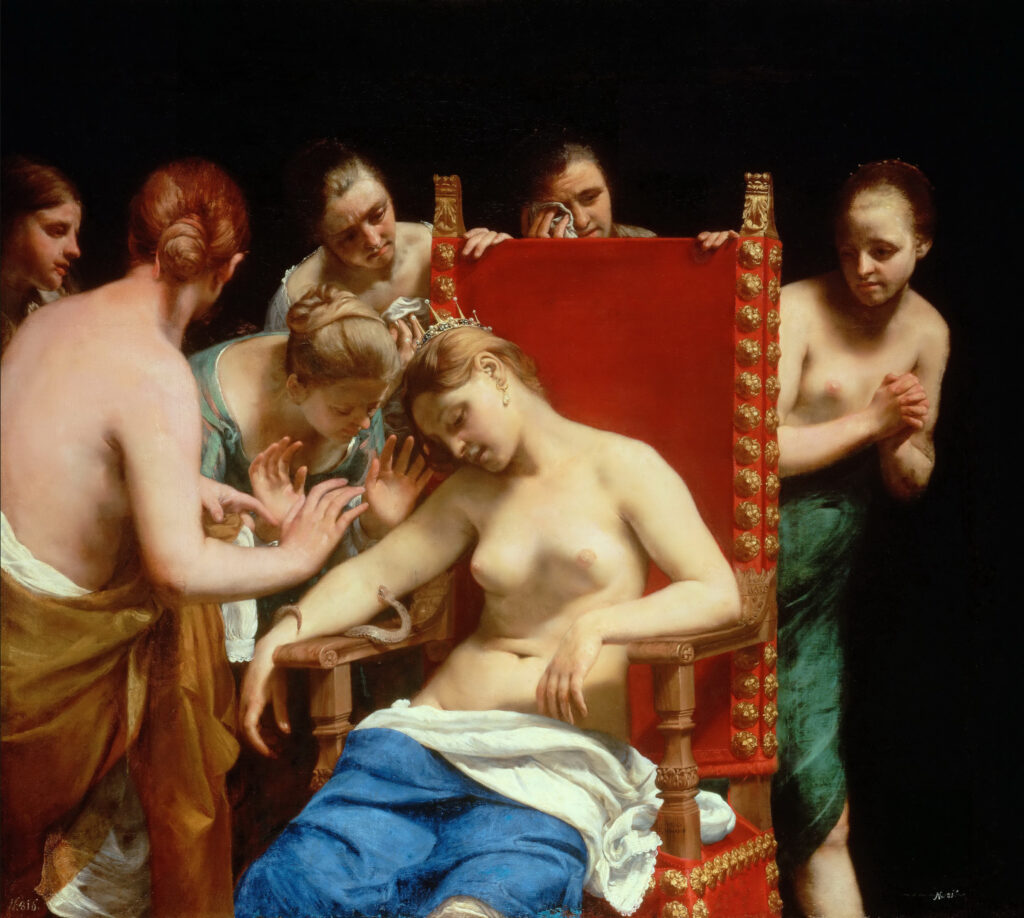
In 1658 Cagnacci moved to Vienna, where he worked at the court of Emperor Leopold I and produced major late paintings including The Death of Cleopatra and The Conversion of Mary Magdalene. He died in Vienna in 1663.
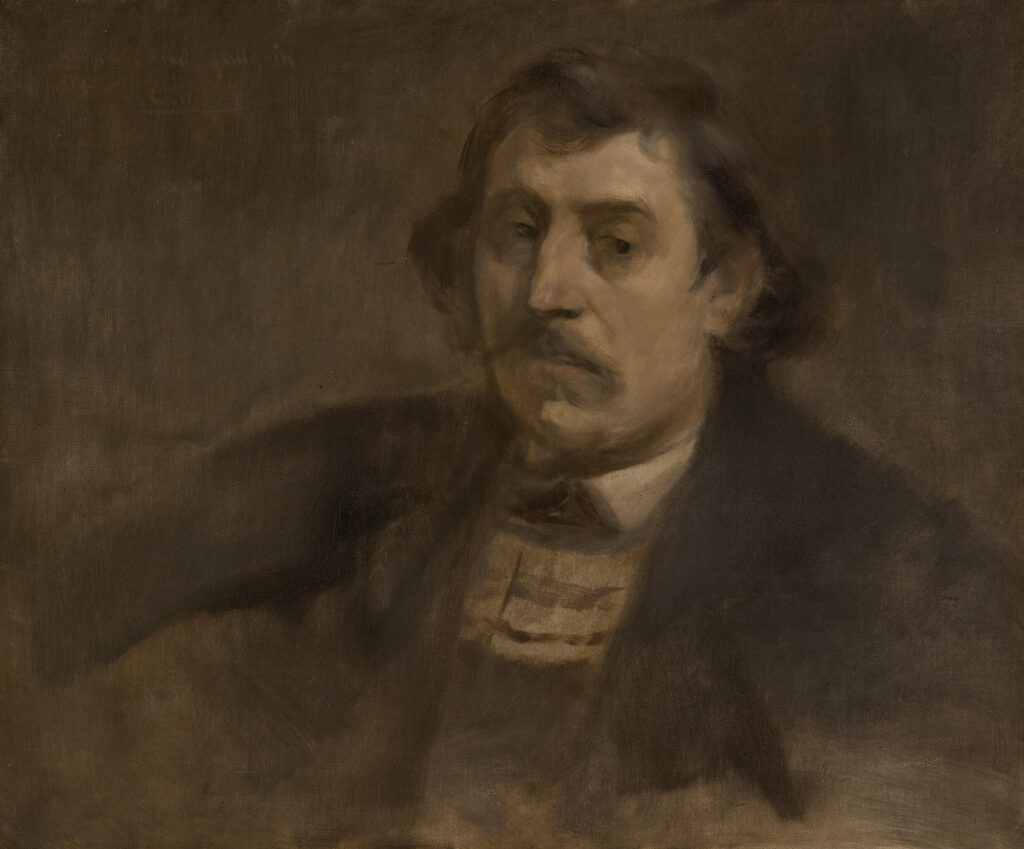
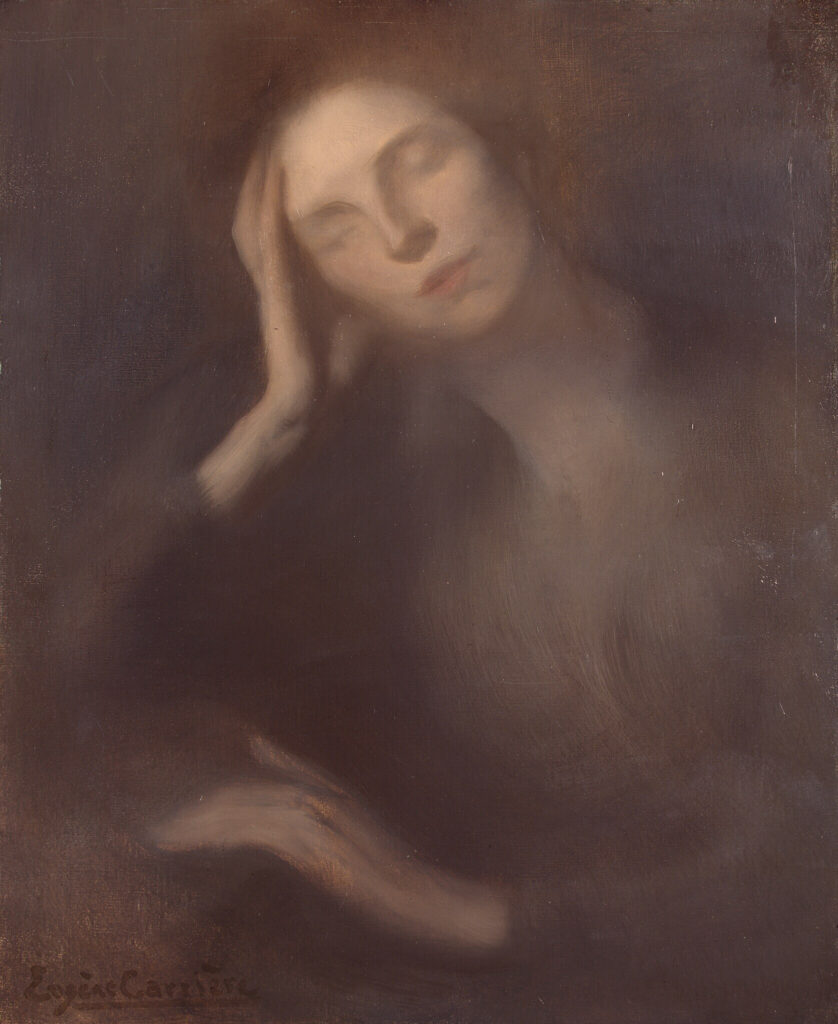
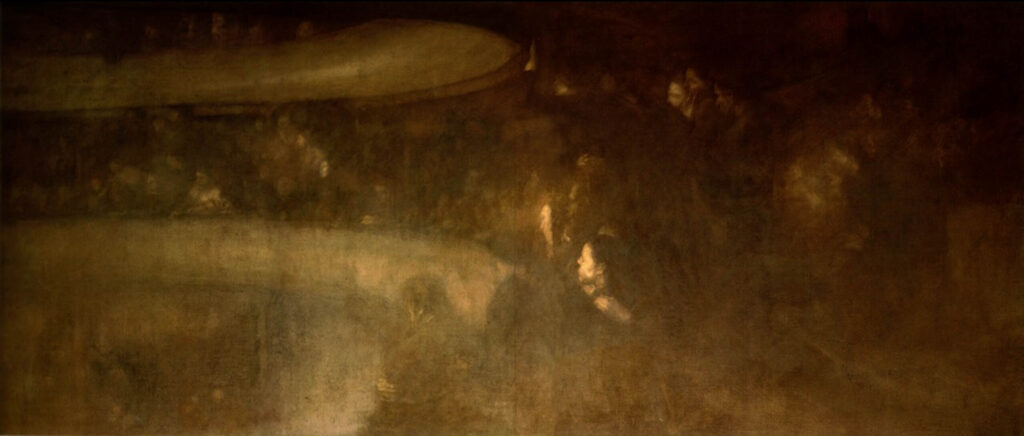
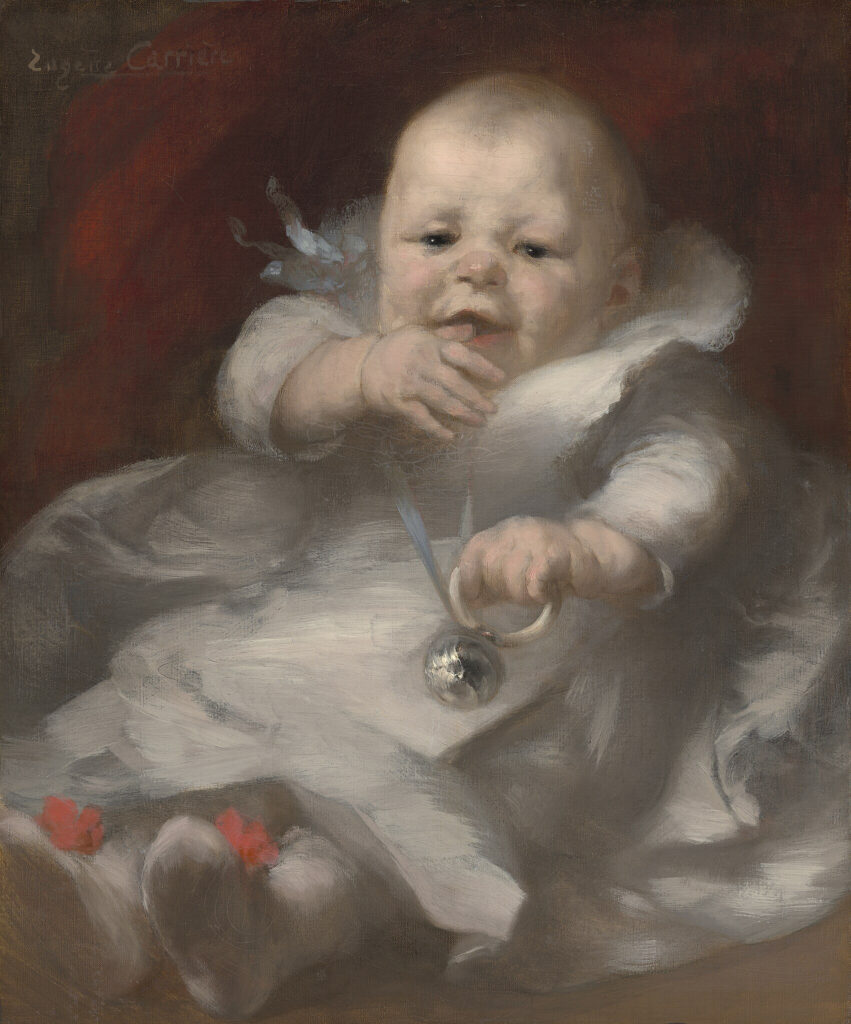
Eugène Carrière
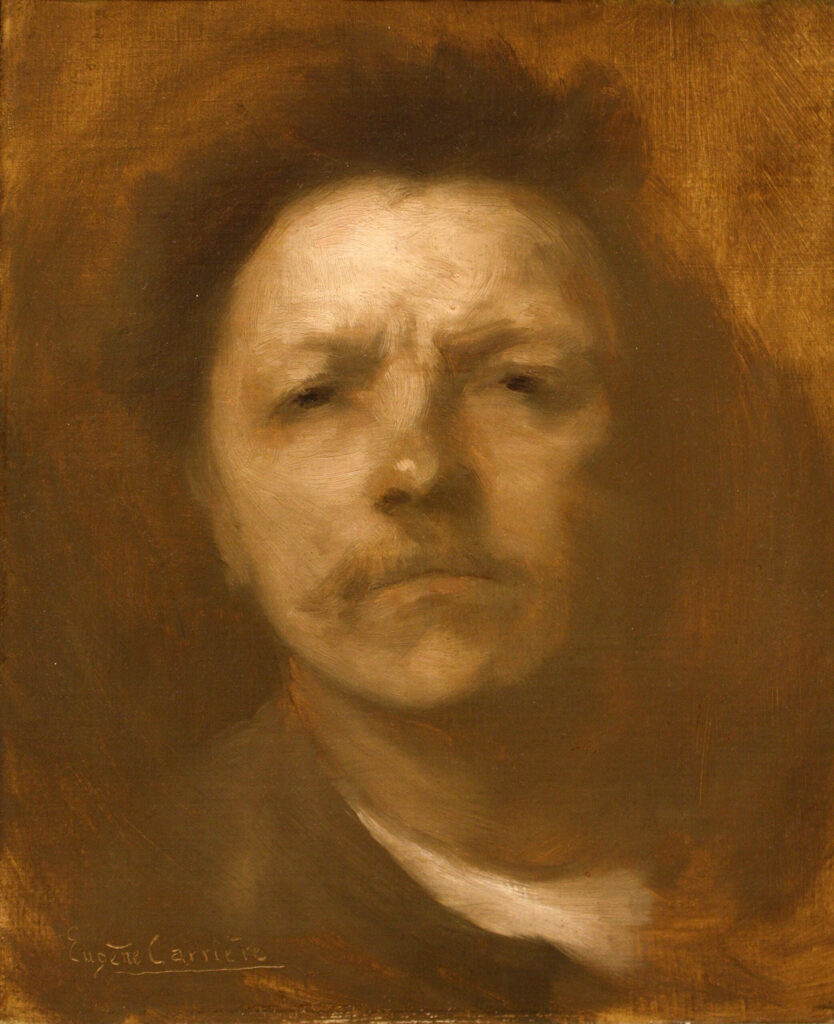
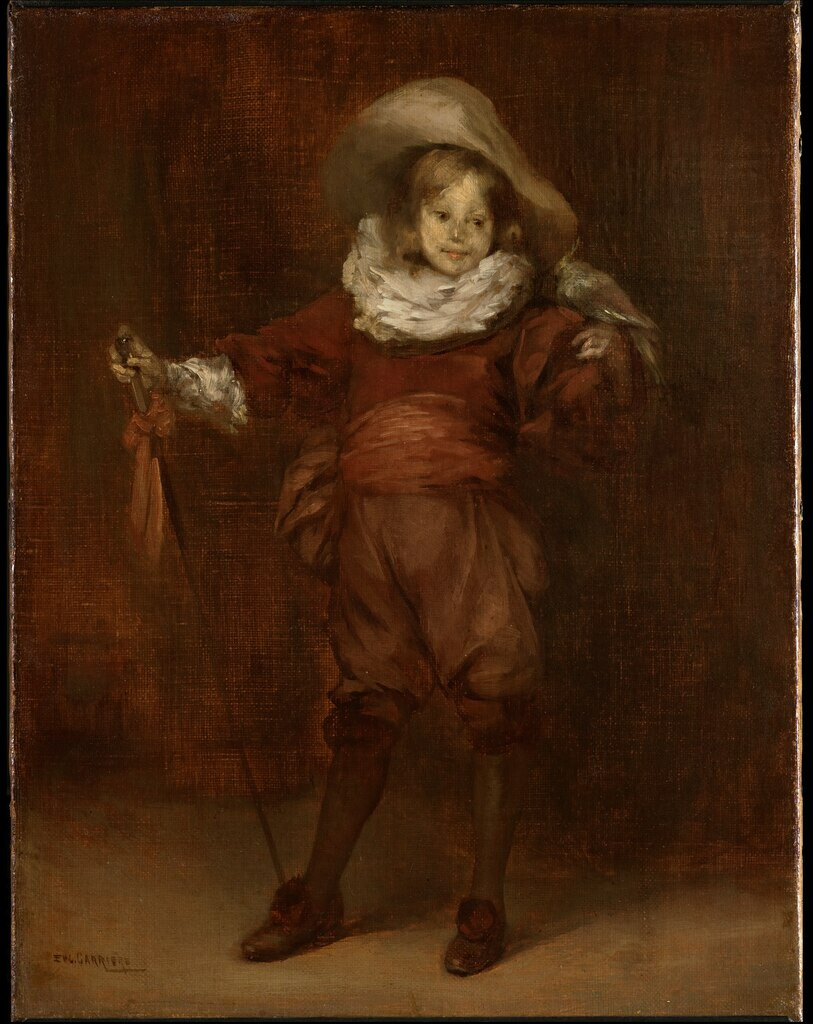
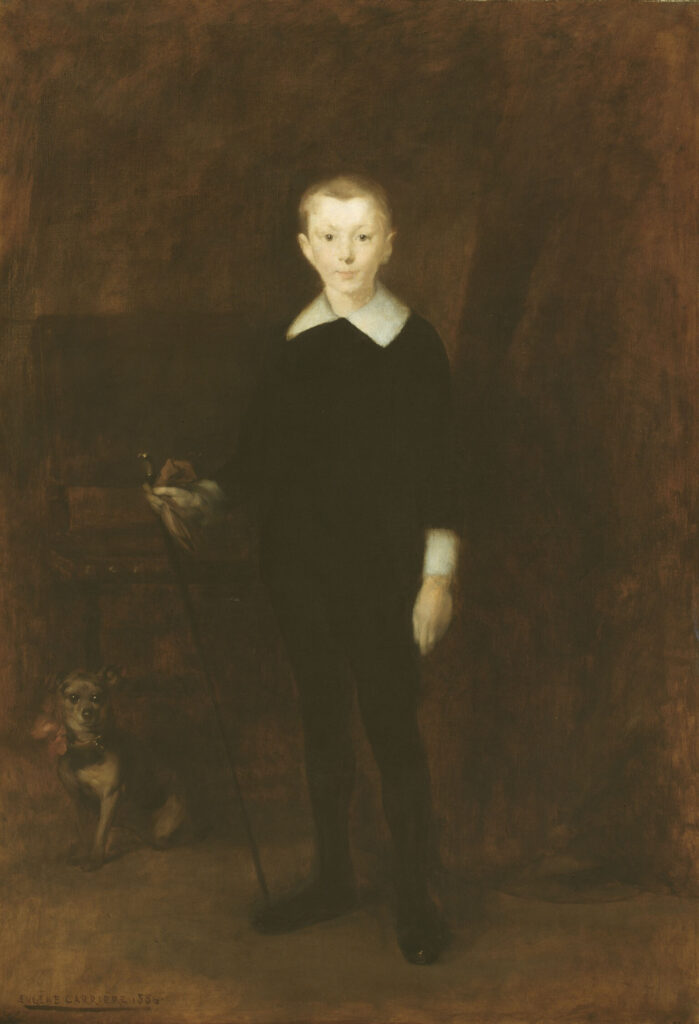
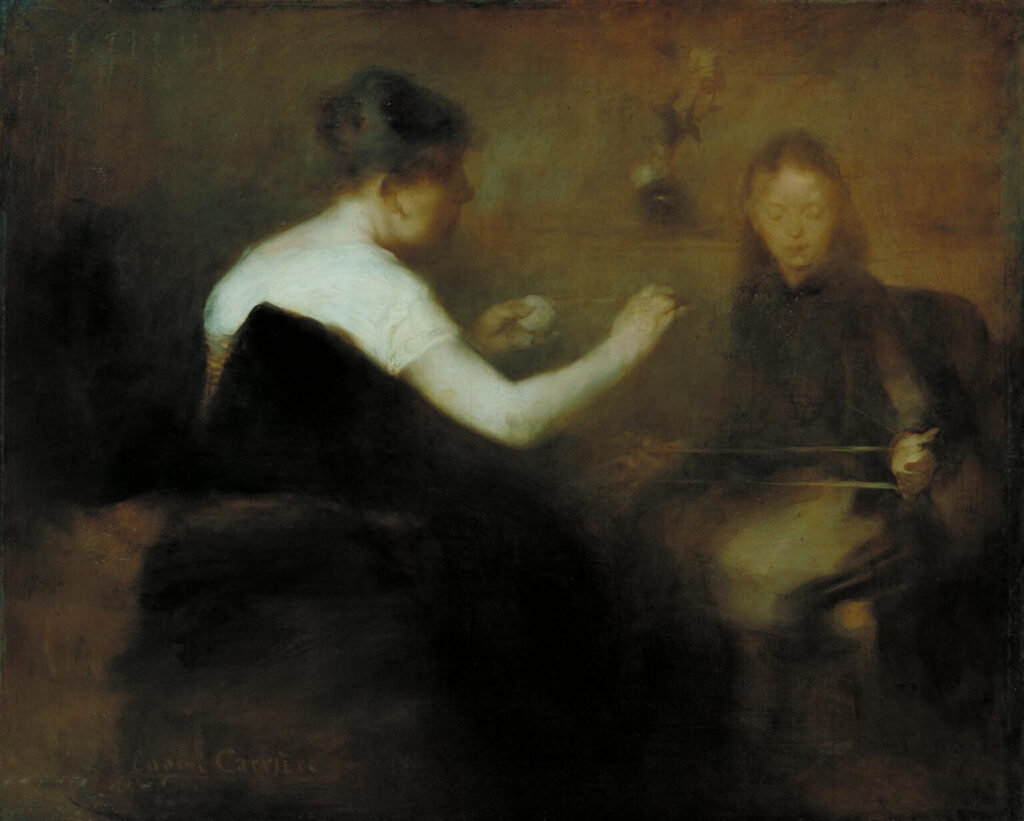
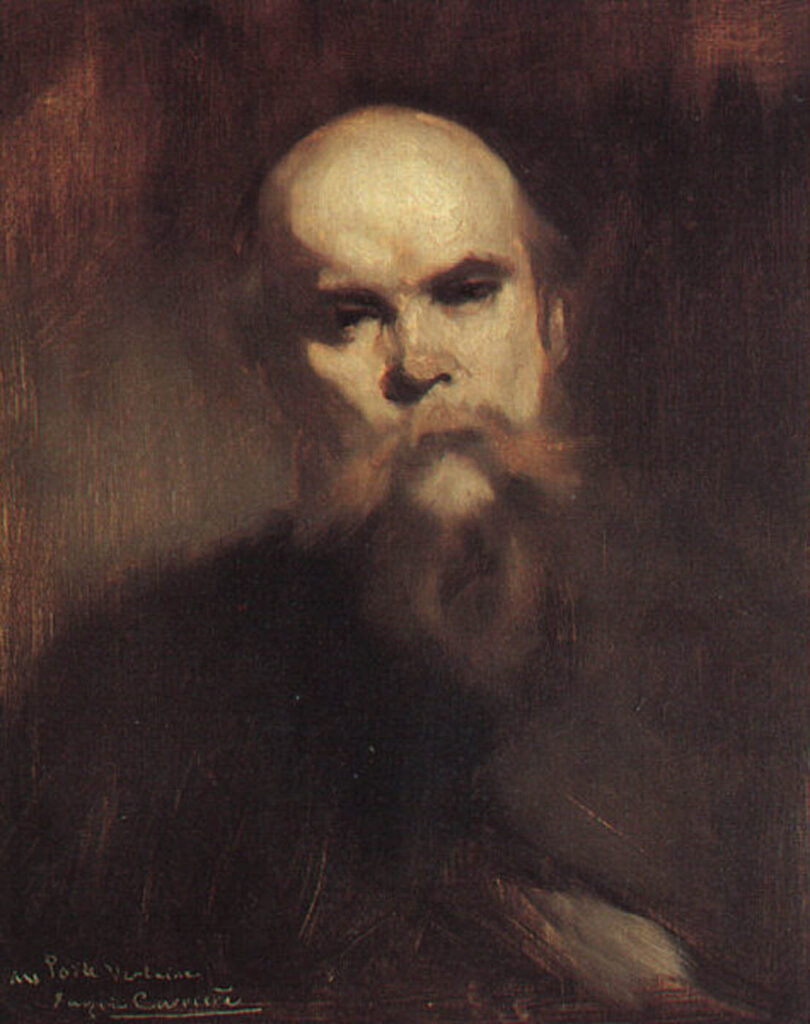
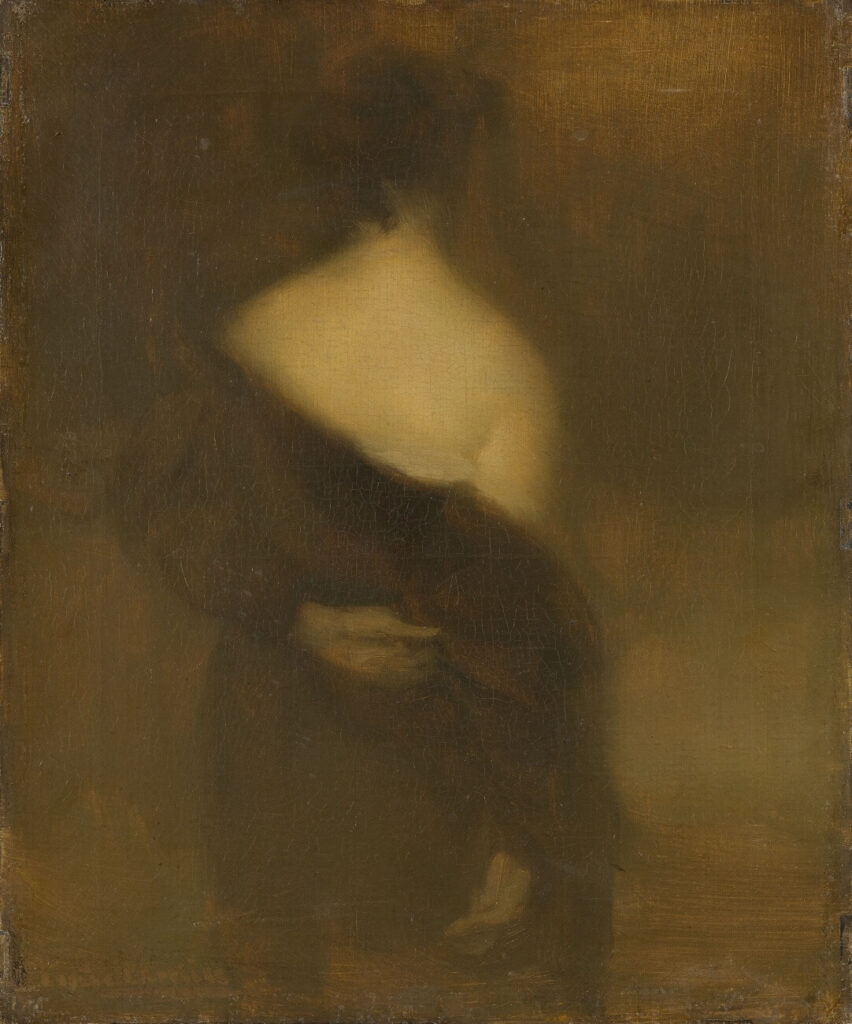
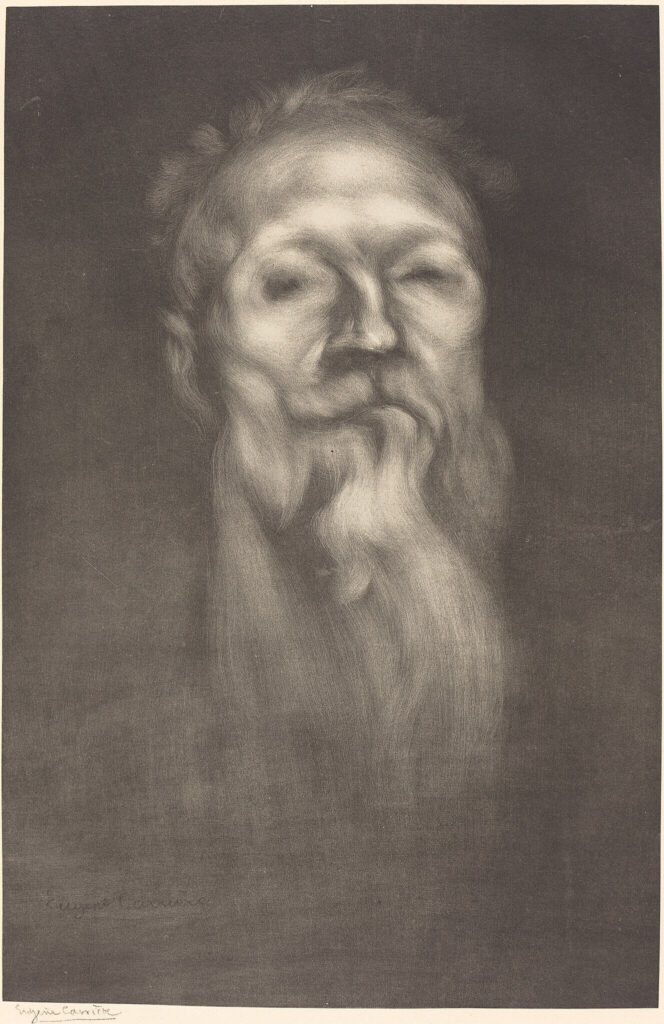
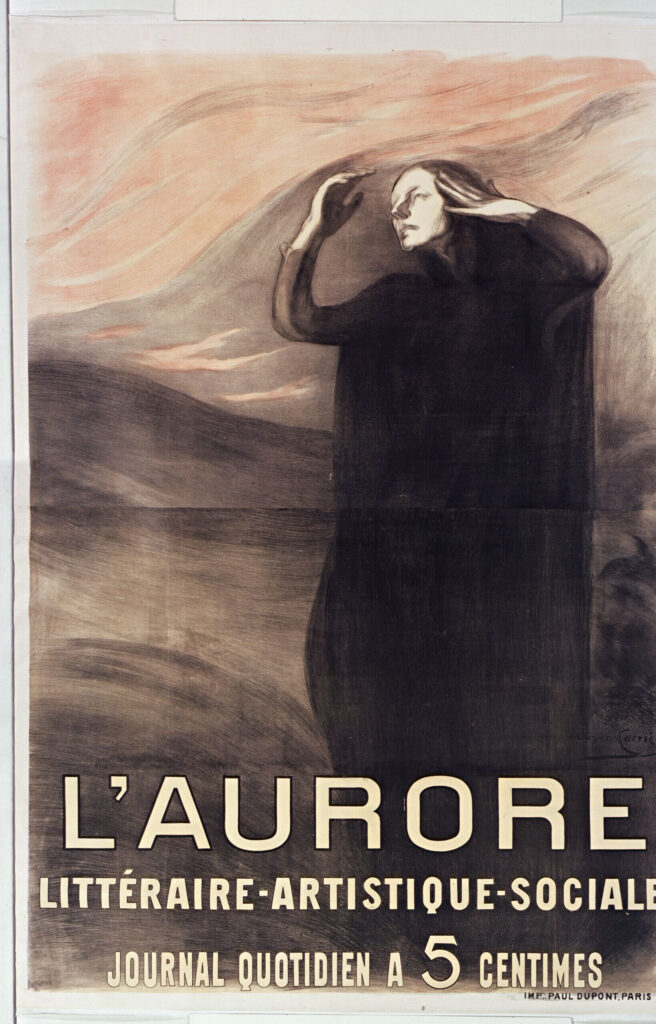
Eugène Carrière, January 16, 1849–March 27, 1906, was a French painter, lithographer, and teacher. Raised in Strasbourg, he attended the municipal drawing school there and trained as a commercial lithographer before entering the École des Beaux-Arts in Paris, where he studied under Alexandre Cabanel.
Carrière exhibited at the Paris Salon and was a founding member of the Société Nationale des Beaux-Arts and the Salon d'Automne. He was closely associated with Auguste Rodin and with writers including Paul Verlaine, Stéphane Mallarmé, and Charles Morice. He taught at the Académie de La Palette; Henri Matisse and André Derain were among the artists who attended his academy.
His works are held by the Musée d'Orsay and Musée Rodin in Paris, Tate in London, the Metropolitan Museum of Art in New York, the National Gallery of Art in Washington, the Art Institute of Chicago, and the Yale University Art Gallery.
Frances Benjamin Johnston
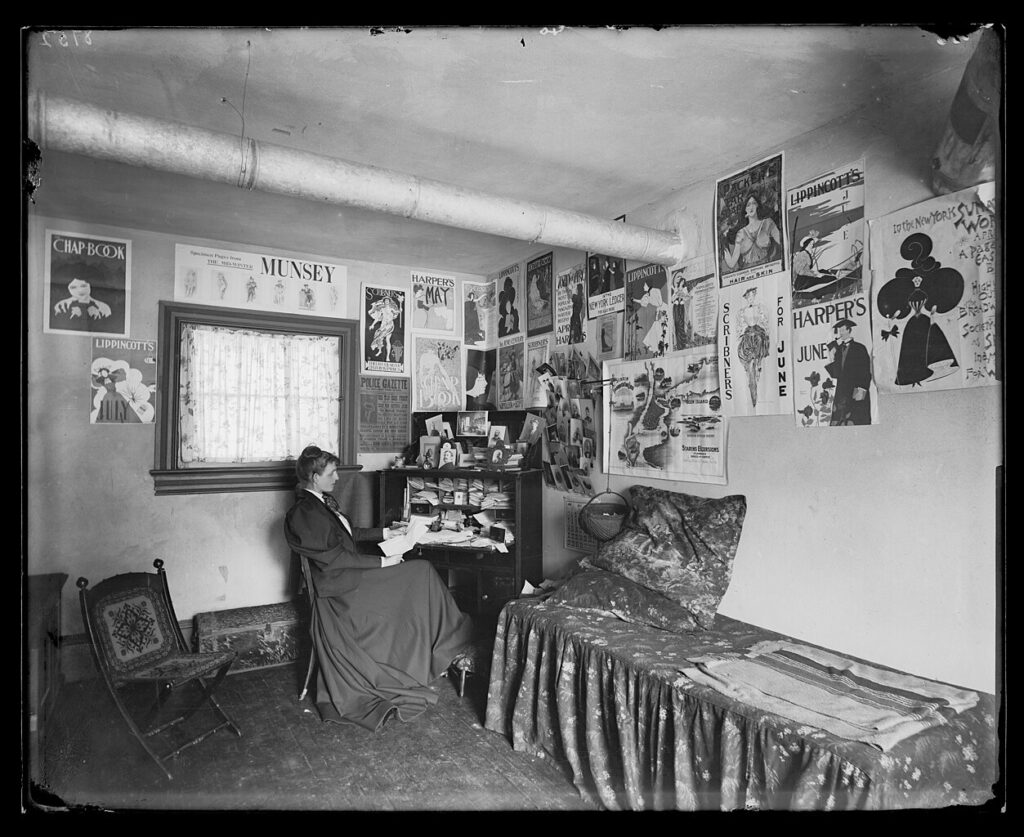
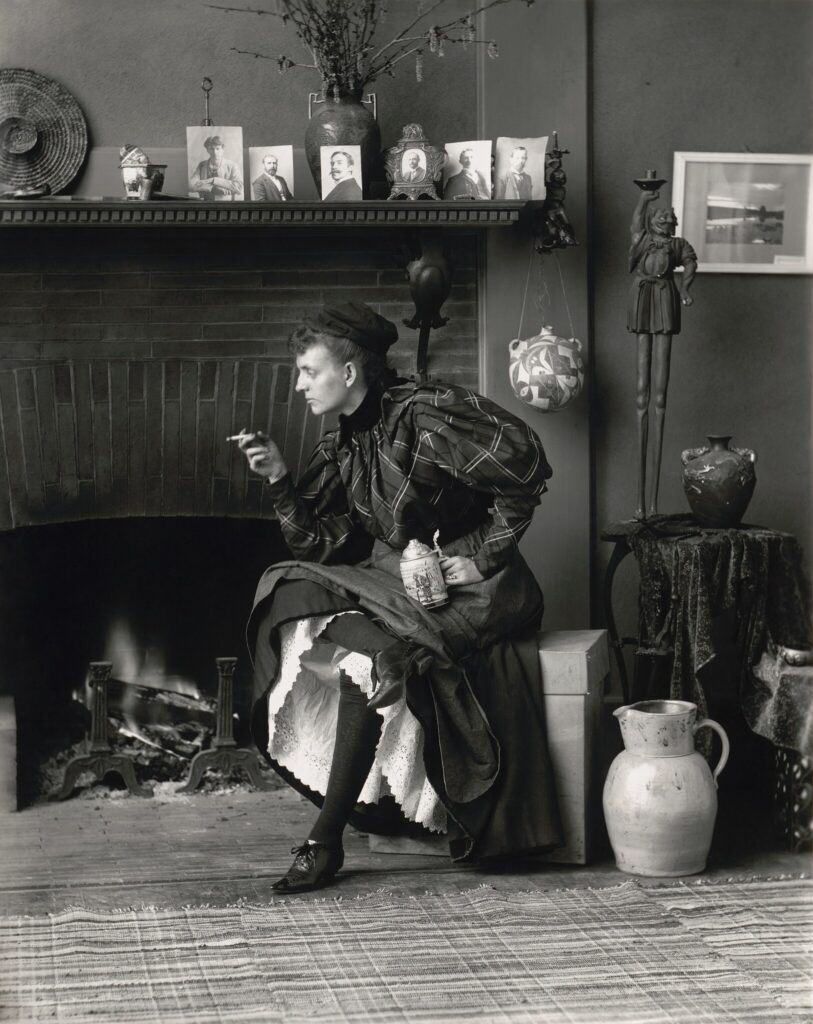
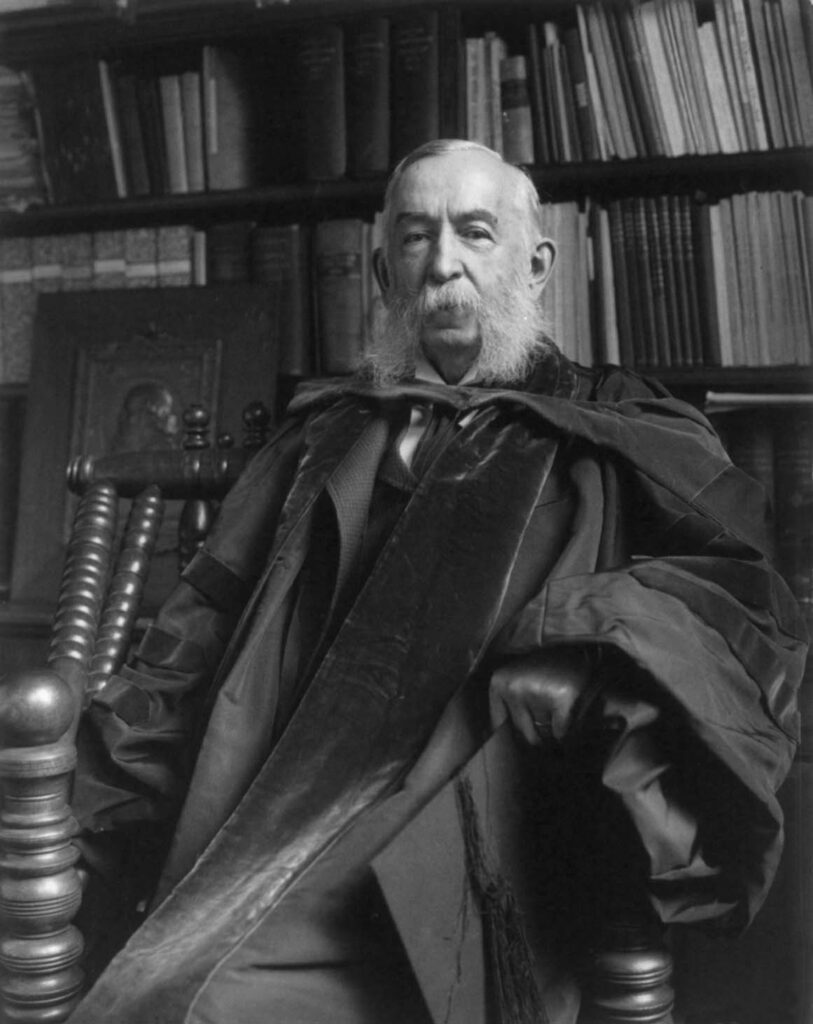
Frances Benjamin Johnston, January 15, 1864–May 16, 1952, was an American photographer. Born in Grafton, West Virginia, and raised in Washington DC, she studied art in Paris and Washington before learning photography and opening a Washington studio in the 1890s.
Johnston built a career as a portraitist and photojournalist, photographing political and cultural figures as well as the White House. Her work also documented education at Hampton and Tuskegee Institutes, and in 1900 she organized an exhibition of photographs by American women for the Paris Exposition.
In later decades Johnston specialized in gardens and historic architecture across the American South. She settled in New Orleans in 1940 and died there in 1952; major holdings of her work are preserved by the Library of Congress.




Ferdinand Waldmüller
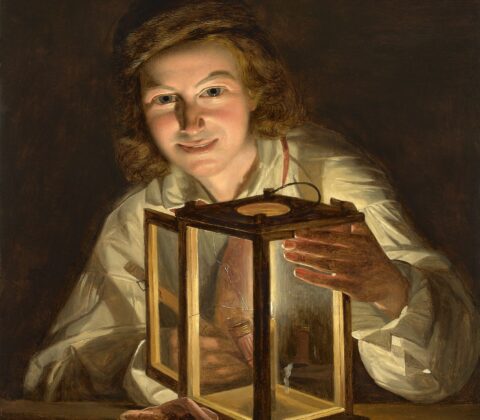
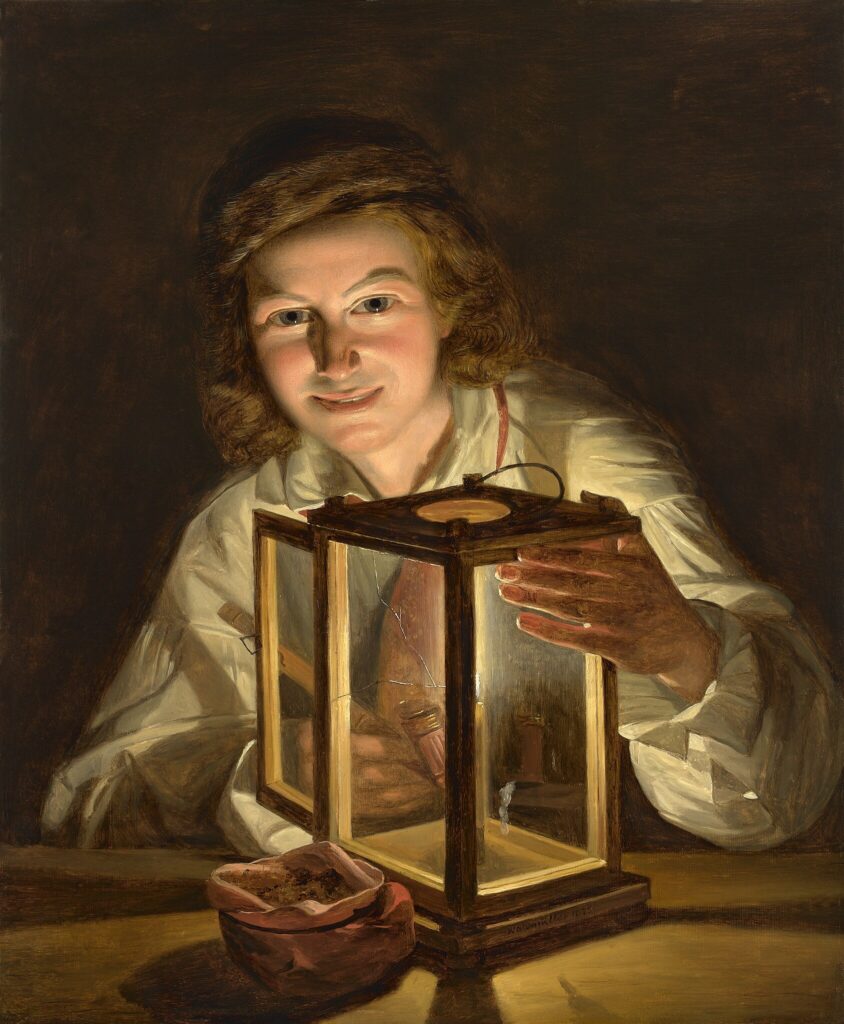
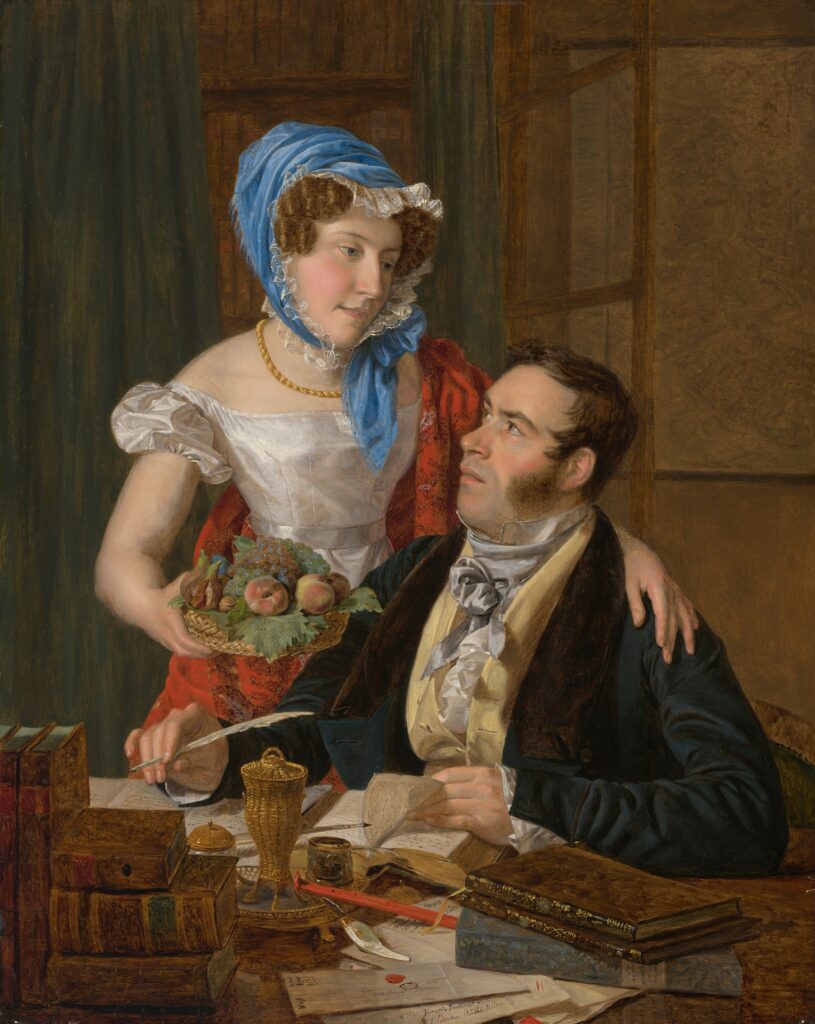
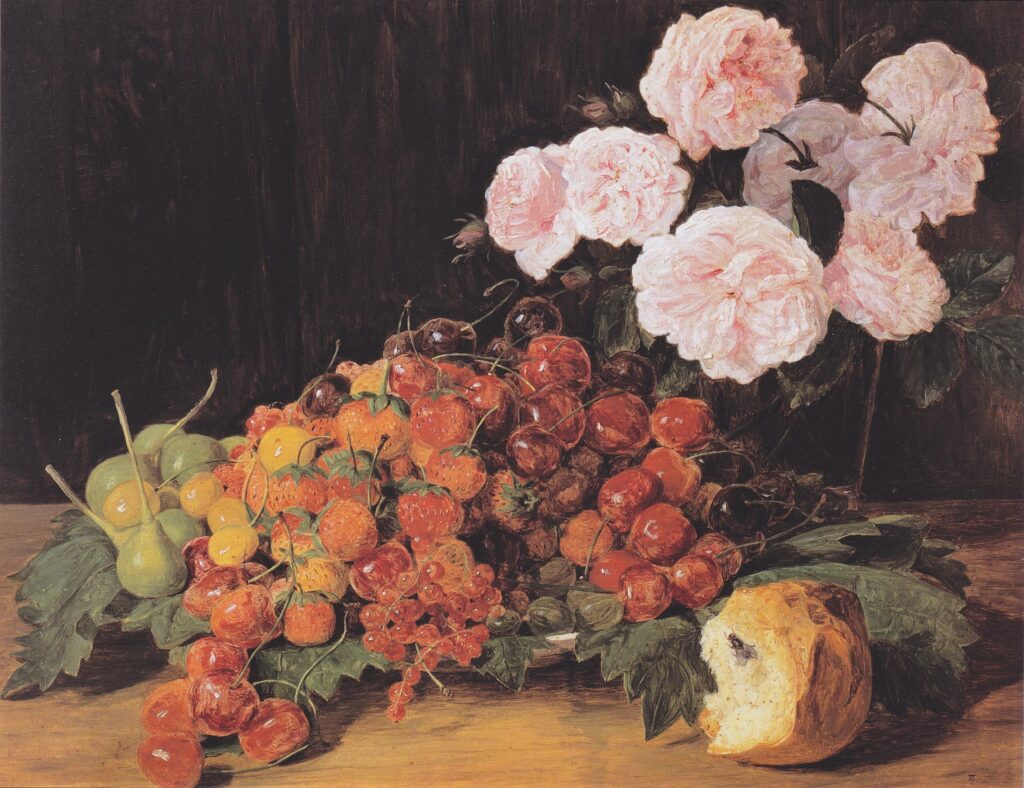
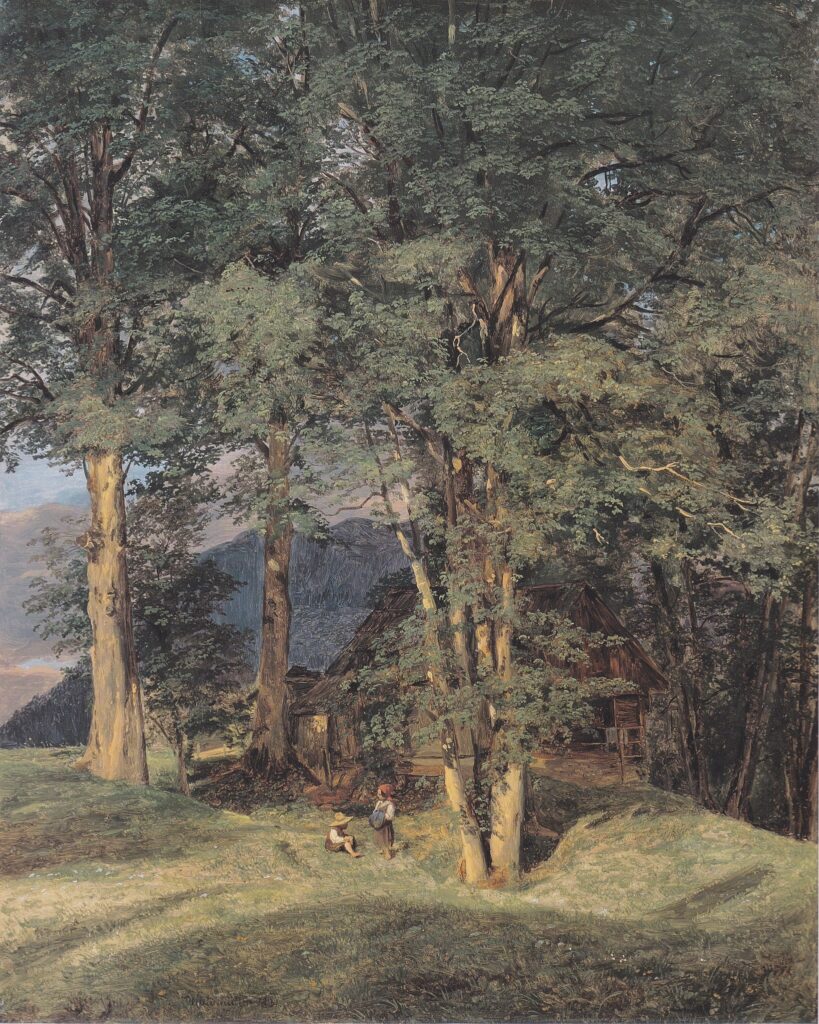
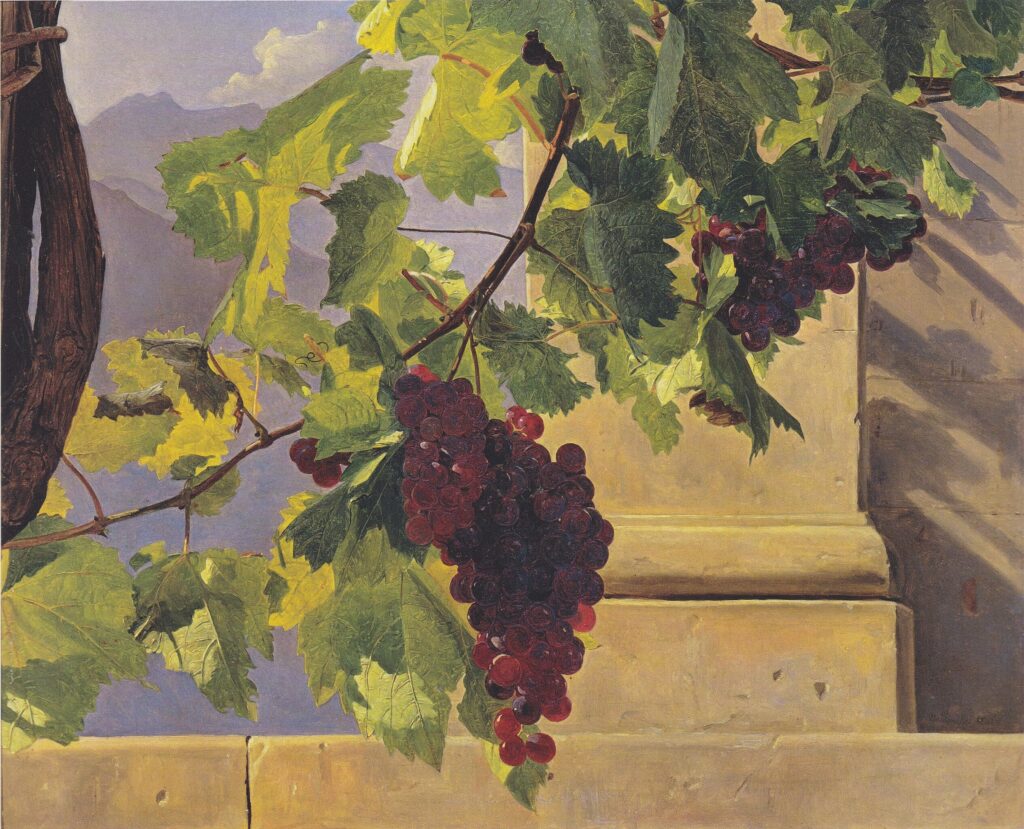
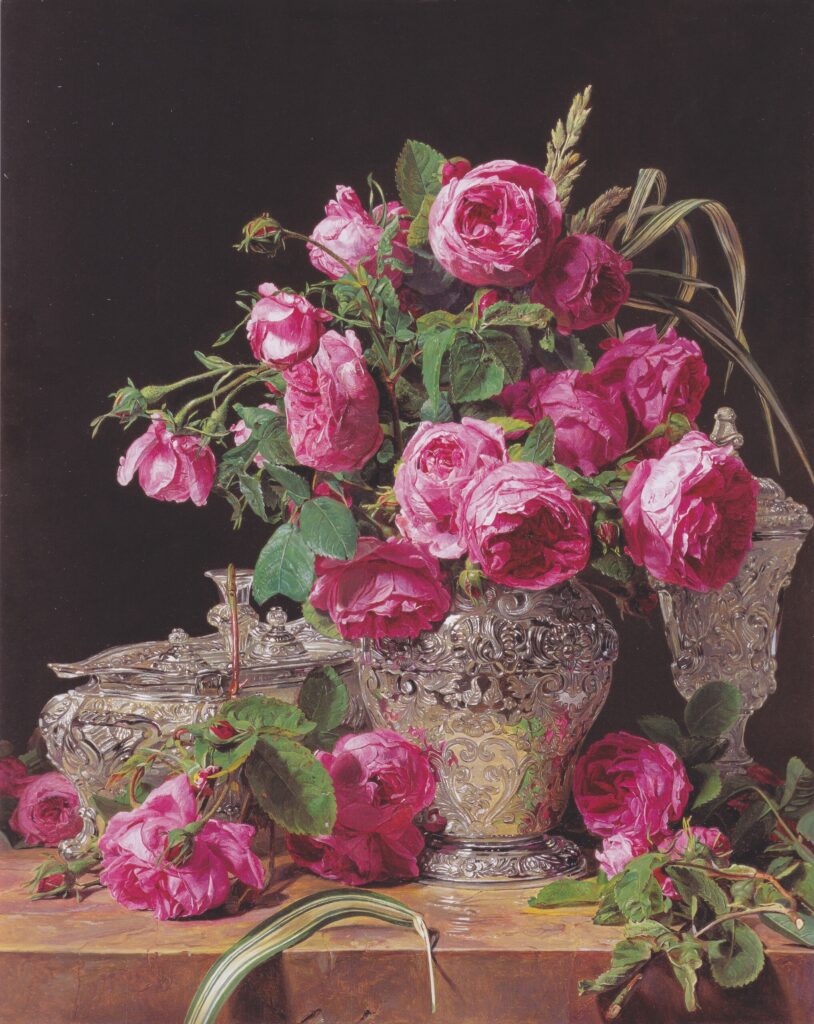
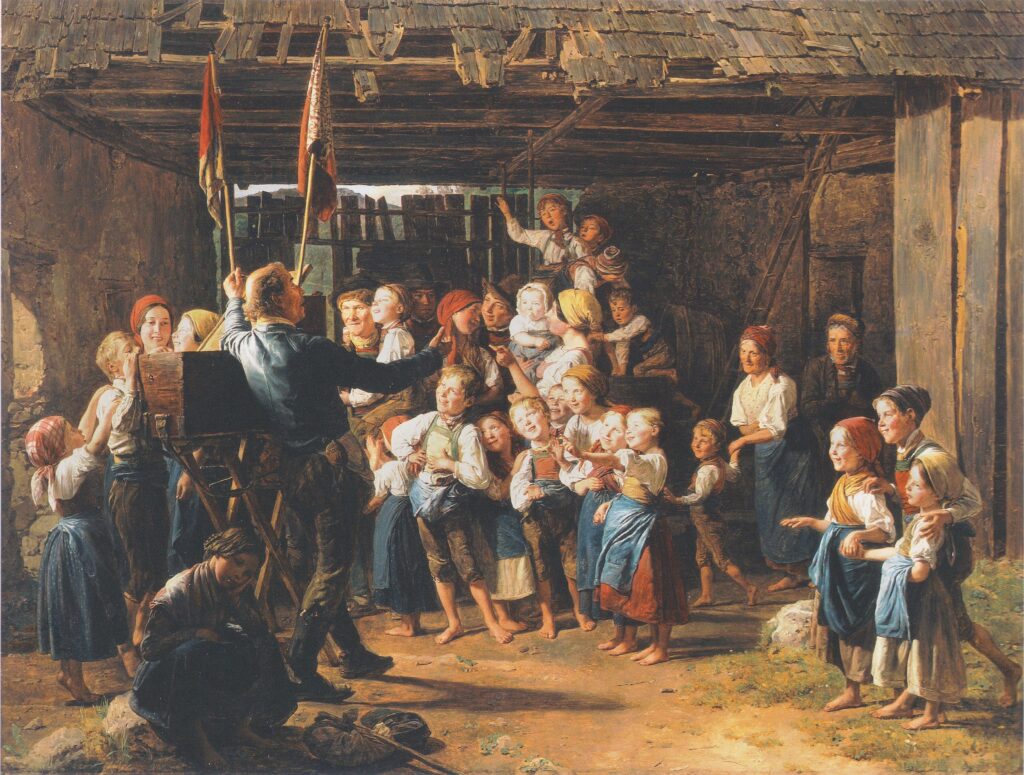
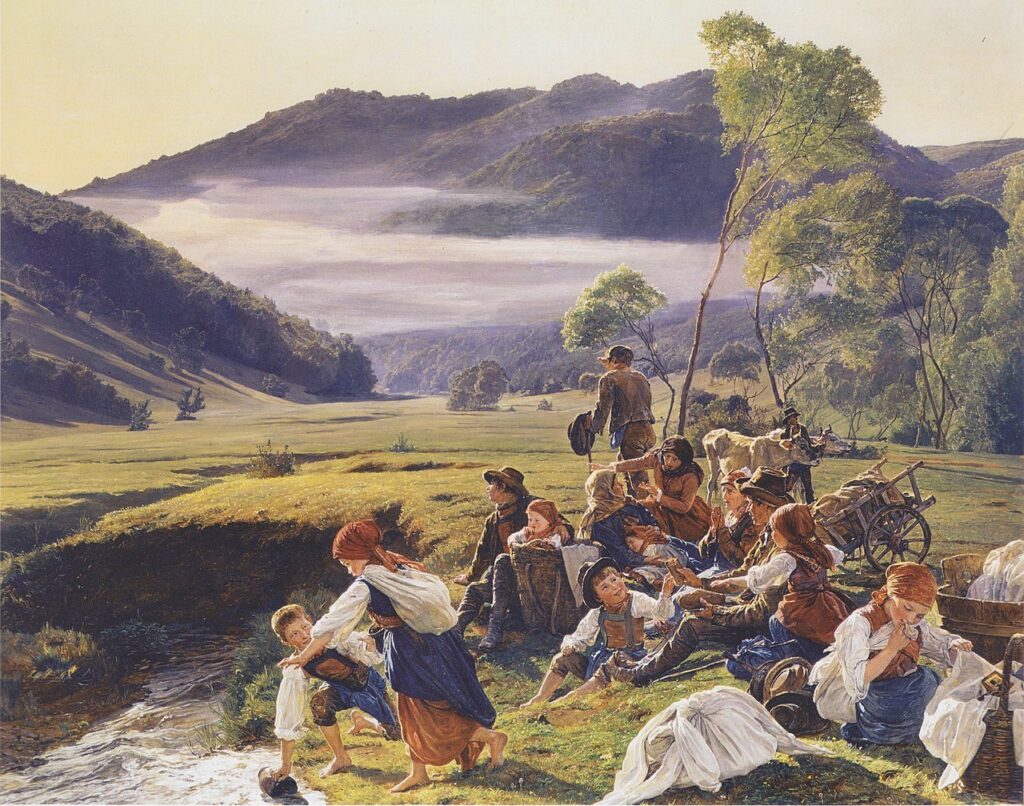
Ferdinand Georg Waldmüller, January 15, 1793–August 23, 1865, was an Austrian painter born in Vienna. He studied intermittently at the Academy of Fine Arts Vienna from 1807 to 1813 under Hubert Maurer and Johann Baptist Lampi, supported himself as a portrait miniaturist, and worked as a drawing teacher and theatrical scene painter.
He returned to Vienna in 1817 and painted portraits, landscapes, genre scenes, and still lifes. He joined the teaching staff of the Academy of Fine Arts Vienna, advocated direct study of nature, and also taught privately; his students included Hans Canon, Anton Romako, and Adam Brenner.
His proposals to reform academic instruction brought him into conflict with the Academy; he lost his studio in 1850 and was suspended in 1857. After renewed international exhibitions, Emperor Franz Joseph rehabilitated him in 1864; Waldmüller died in Hinterbrühl in 1865, and major holdings of his work are preserved at the Belvedere and Wien Museum.




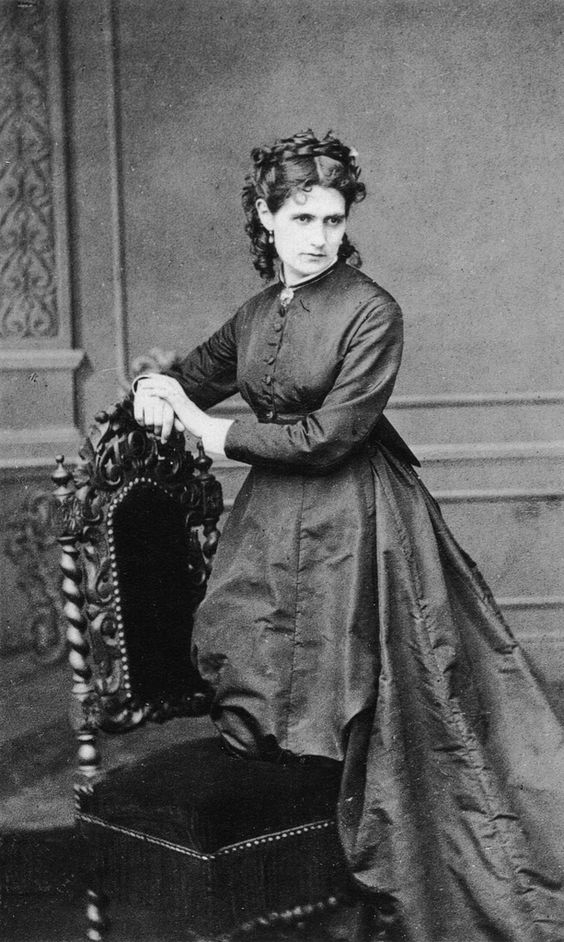
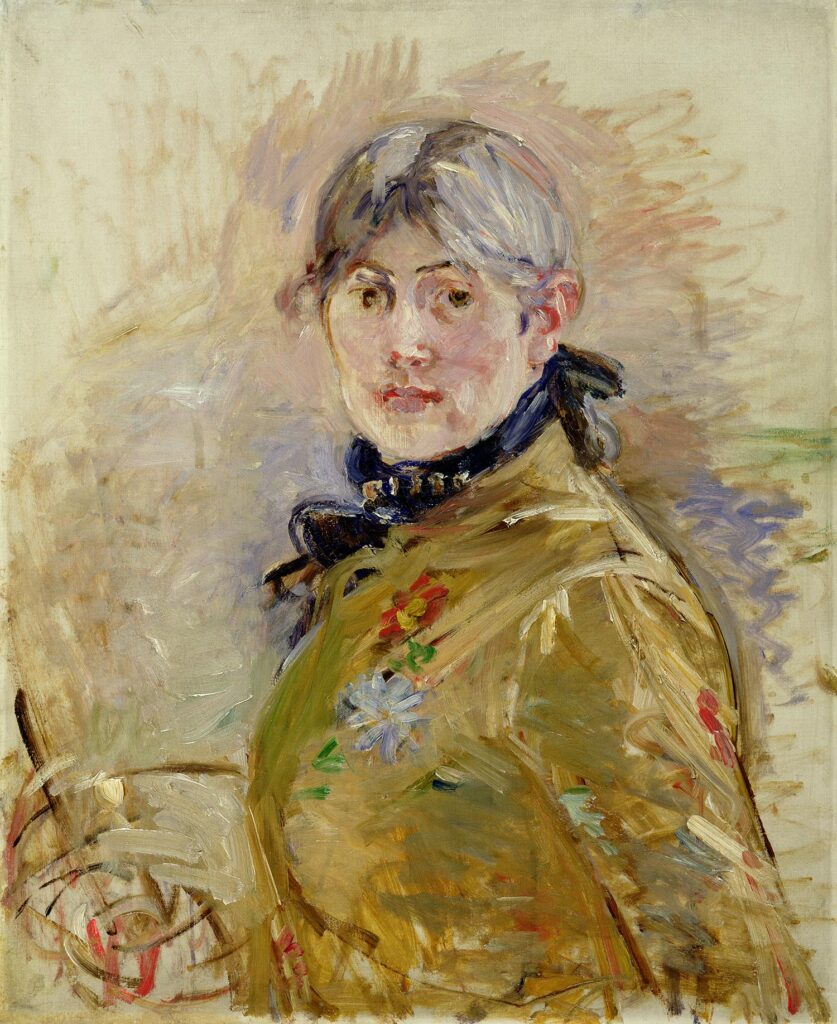
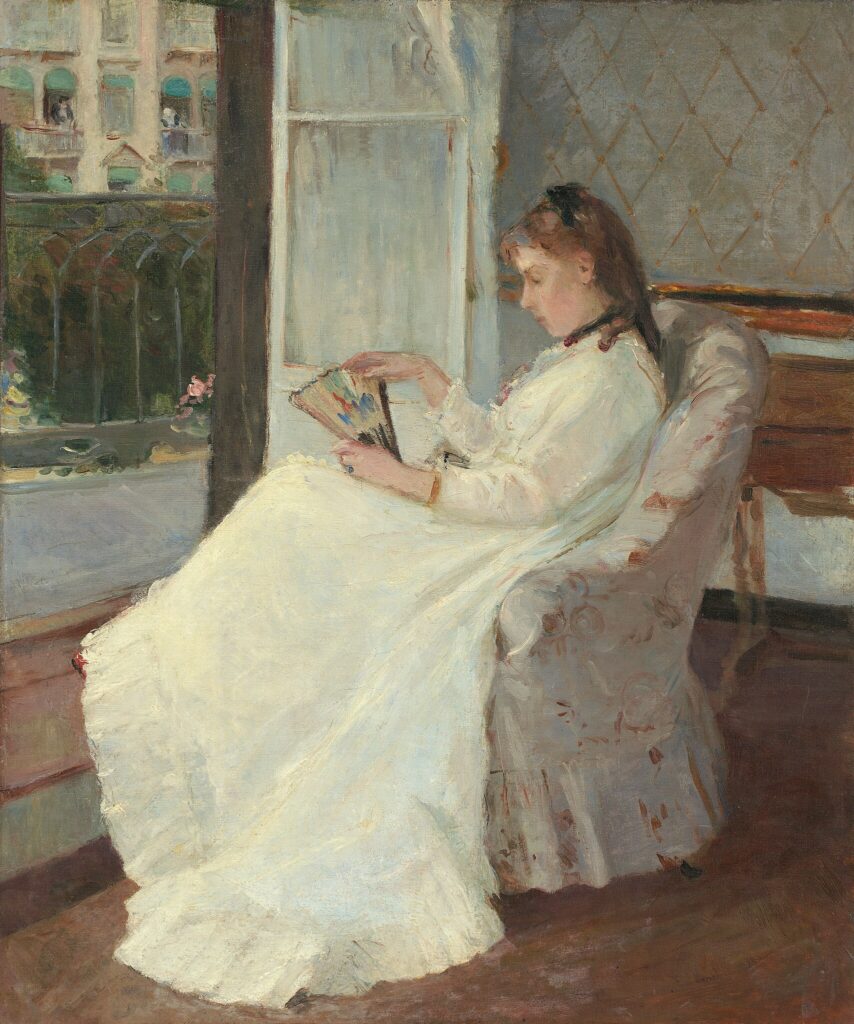
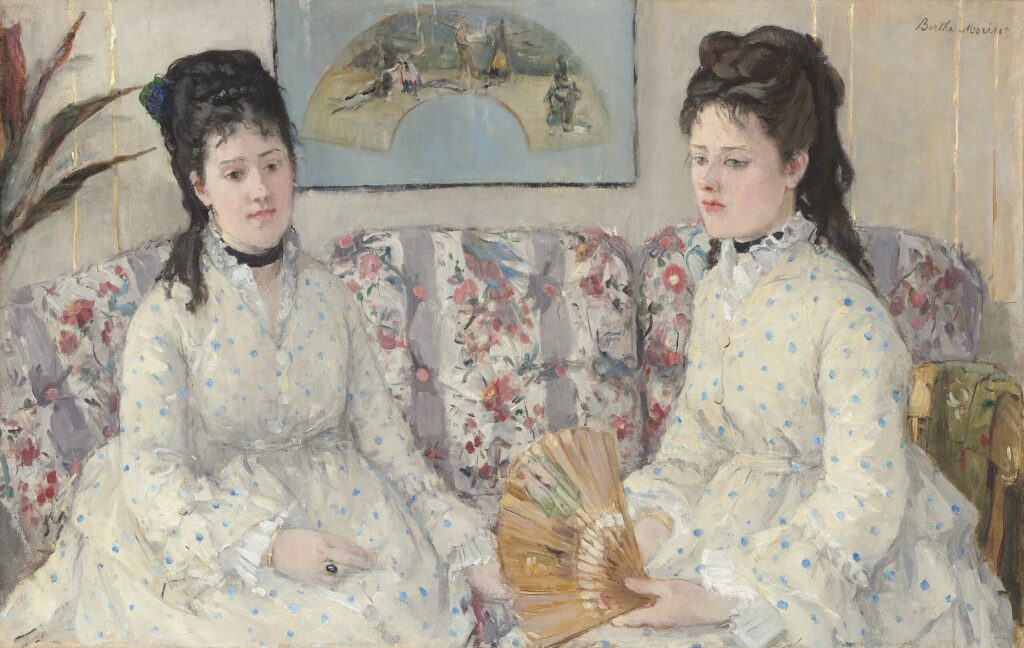
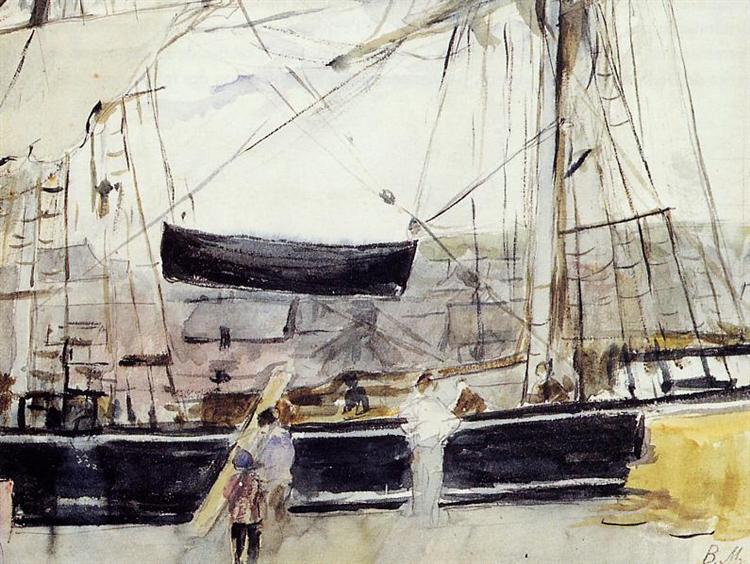
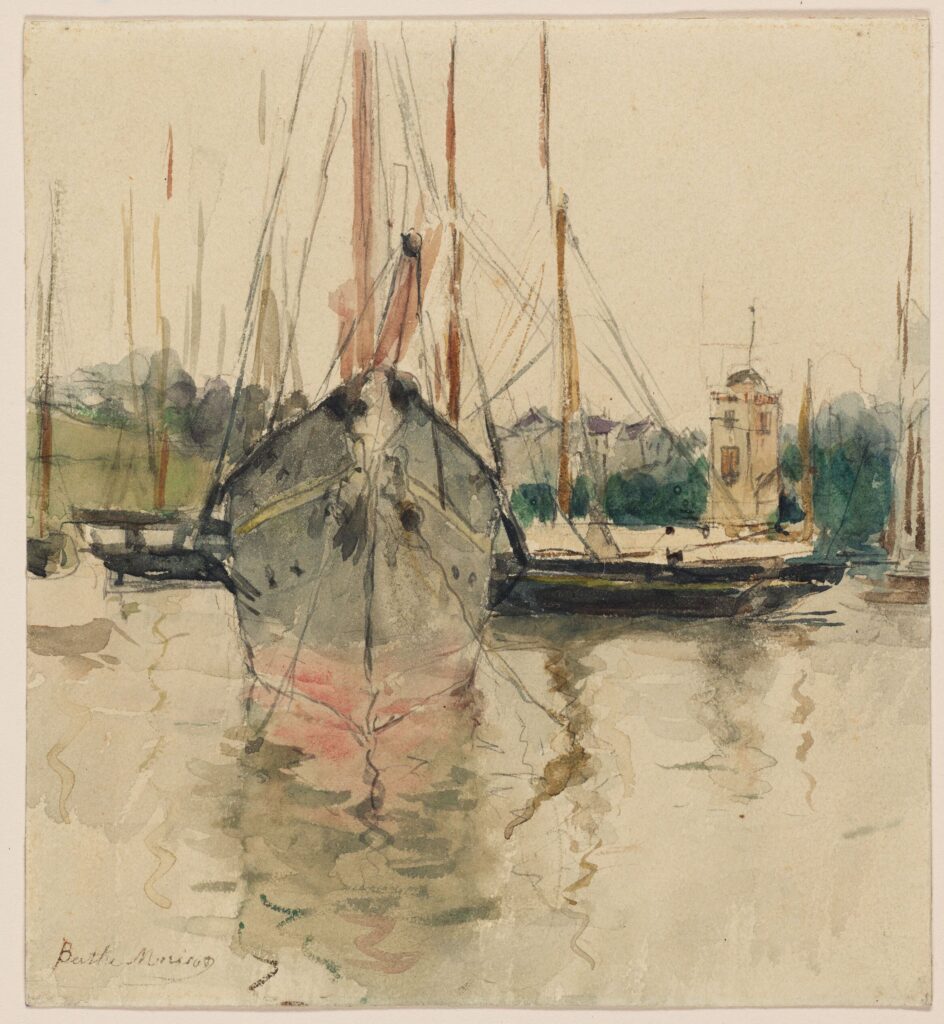
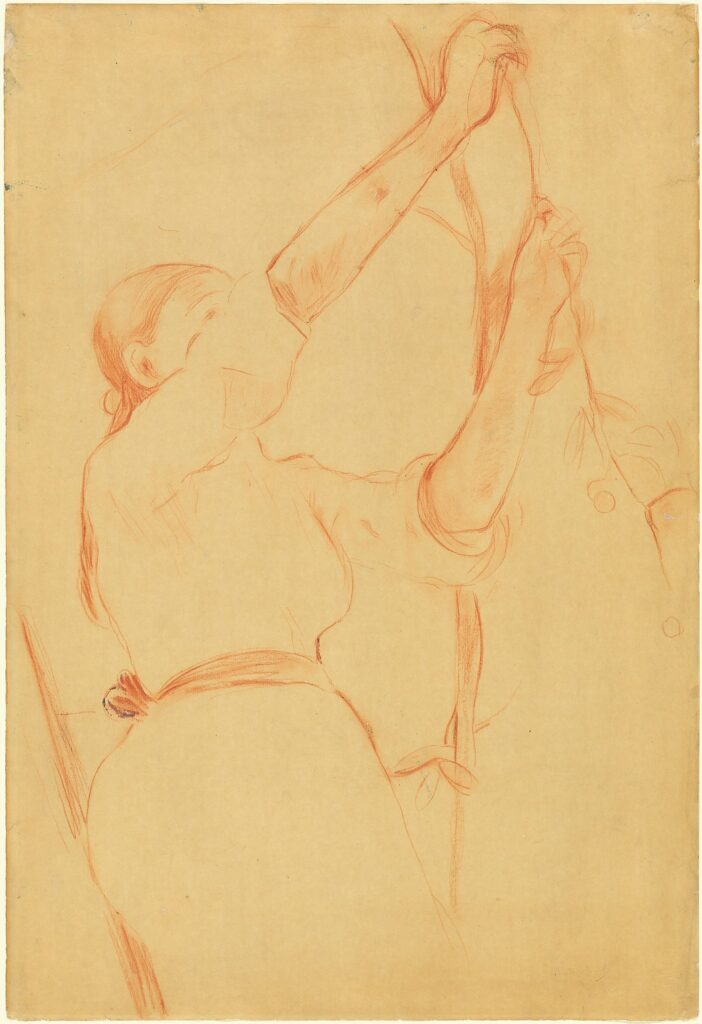
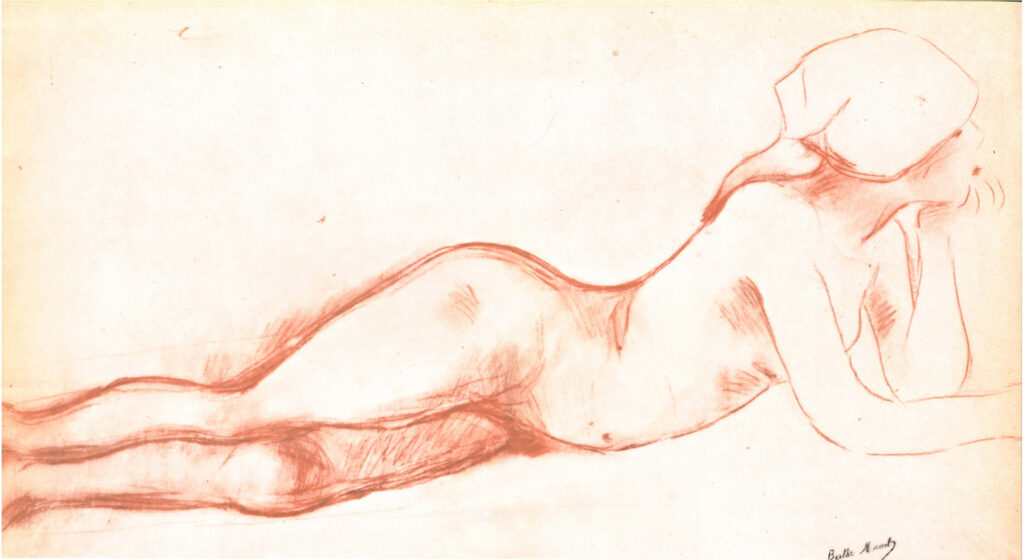
Berthe Morisot
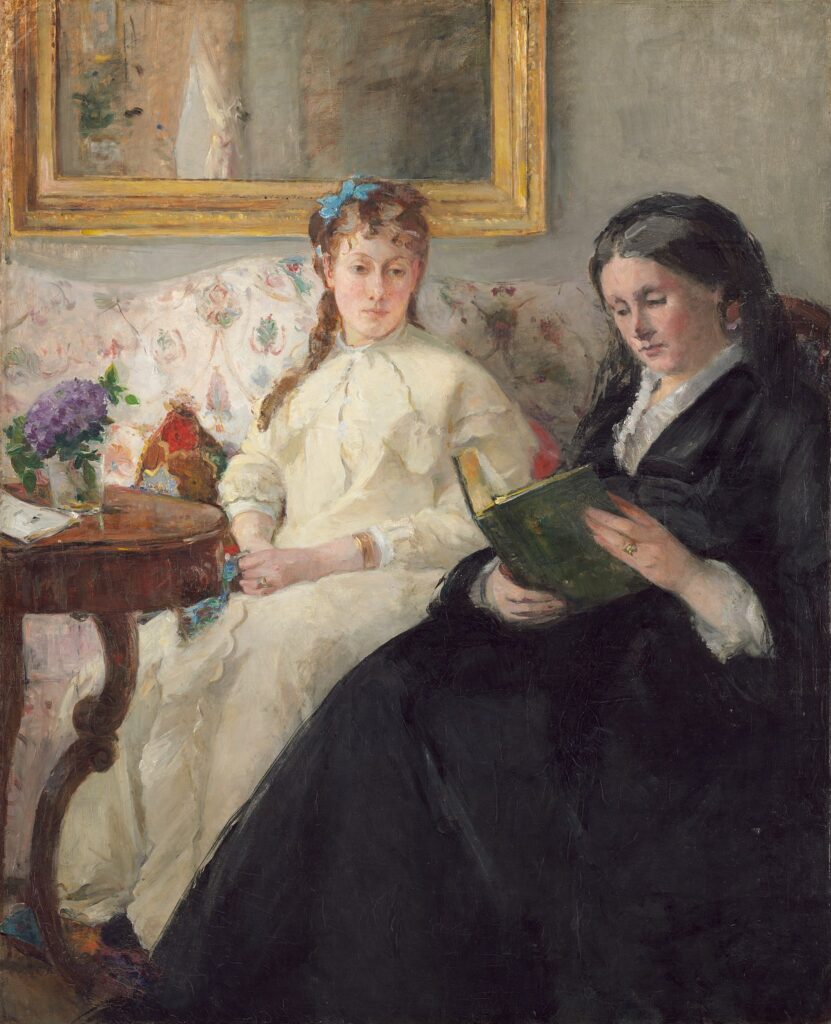
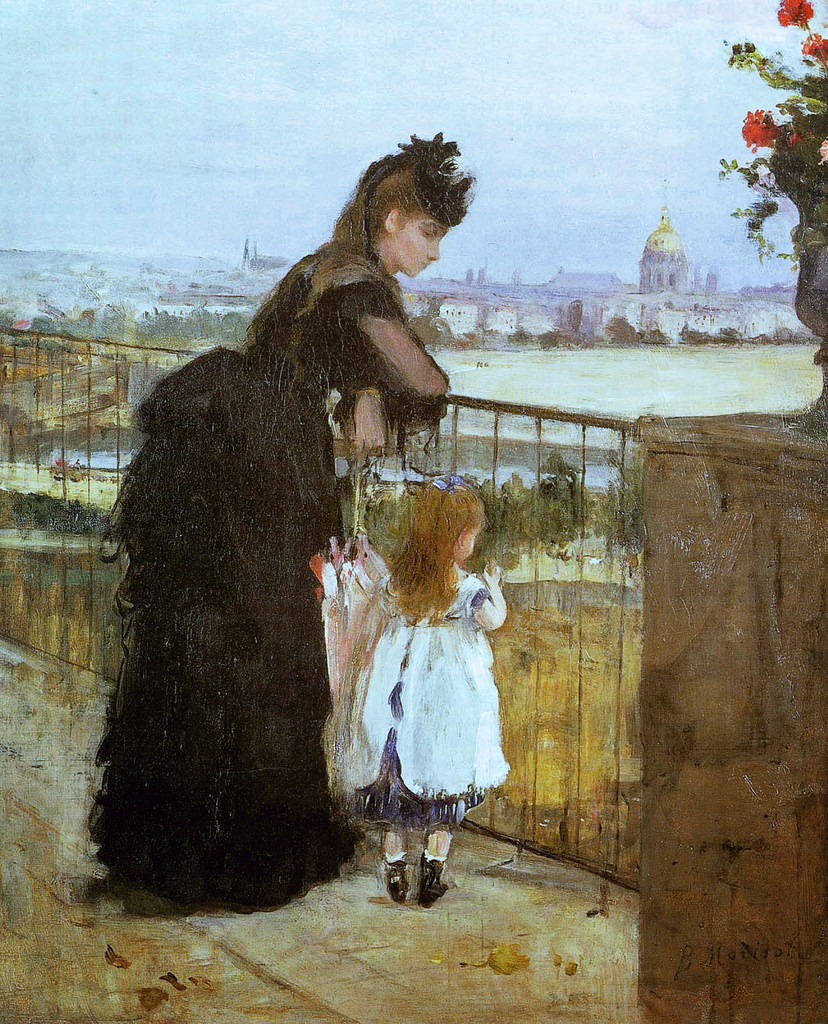
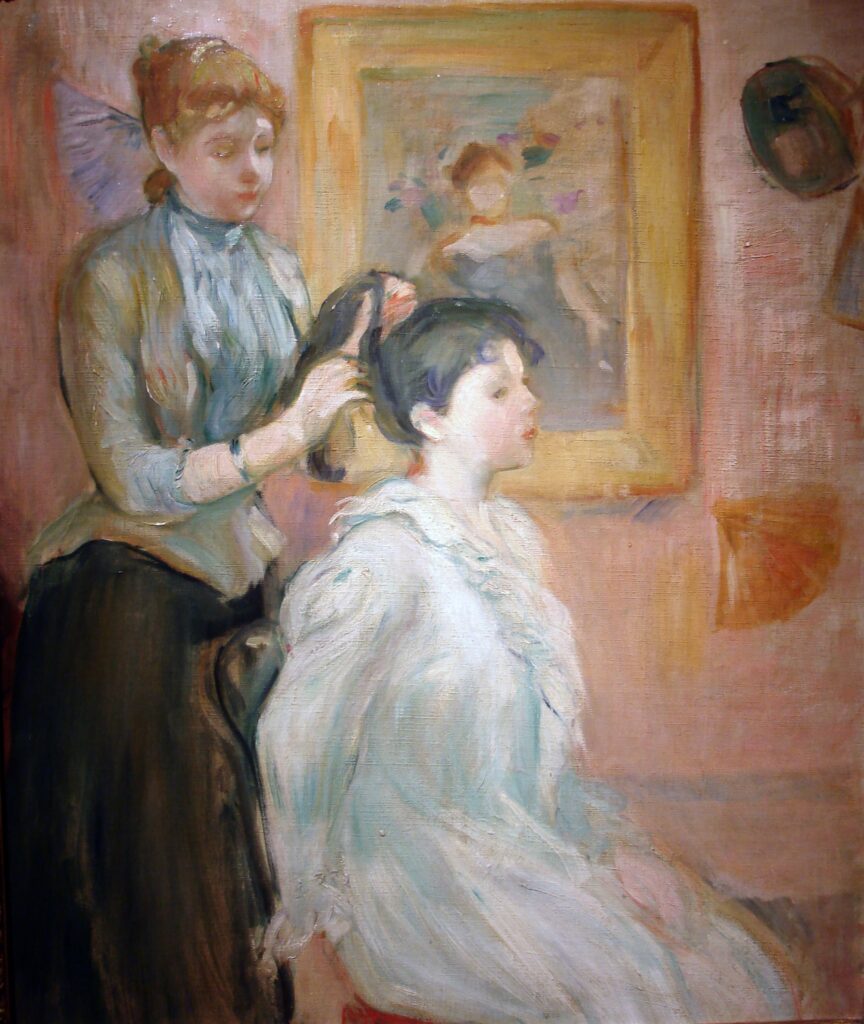
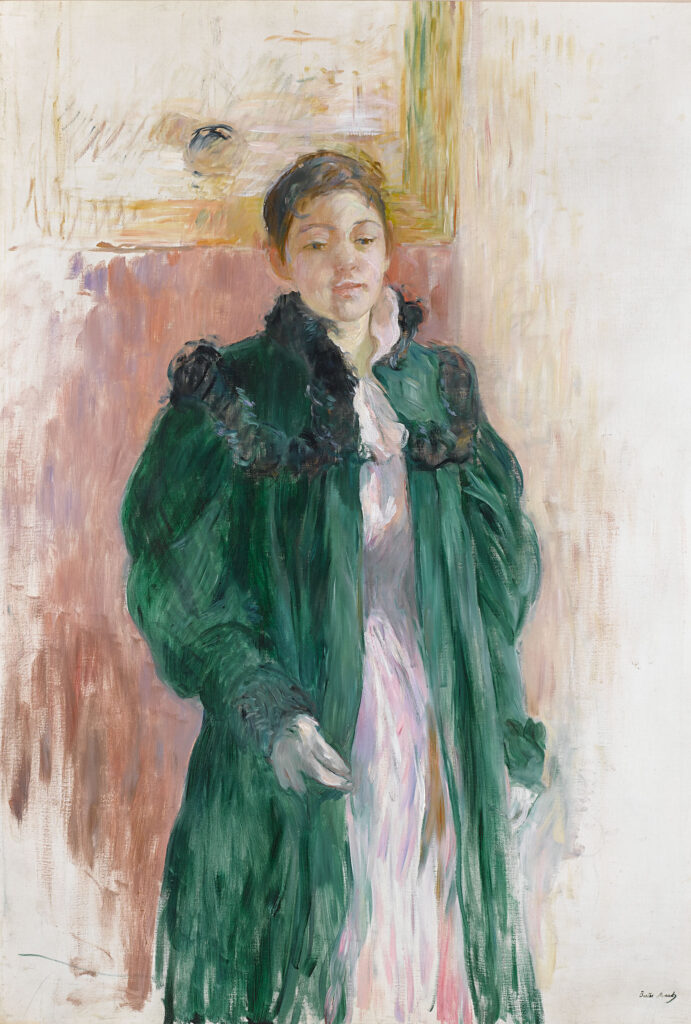
Berthe Morisot, January 14, 1841–March 2, 1895, was a French painter and printmaker born in Bourges. After her family settled in Paris, she studied privately with Geoffroy-Alphonse Chocarne and Joseph Guichard, copied paintings at the Louvre, and received landscape instruction from Jean-Baptiste-Camille Corot and Achille Oudinot.
Morisot first exhibited at the Paris Salon in 1864. She participated in the first Impressionist exhibition in 1874 and in seven of the group’s eight exhibitions, alongside artists including Claude Monet, Edgar Degas, Pierre-Auguste Renoir, and Camille Pissarro. She married Eugène Manet, the brother of Édouard Manet, in 1874.
Her works are held by the Musée Marmottan Monet, Musée d’Orsay, Metropolitan Museum of Art, National Gallery of Art, Art Institute of Chicago, and other major public collections. The Musée Marmottan Monet holds the largest public collection of her work.