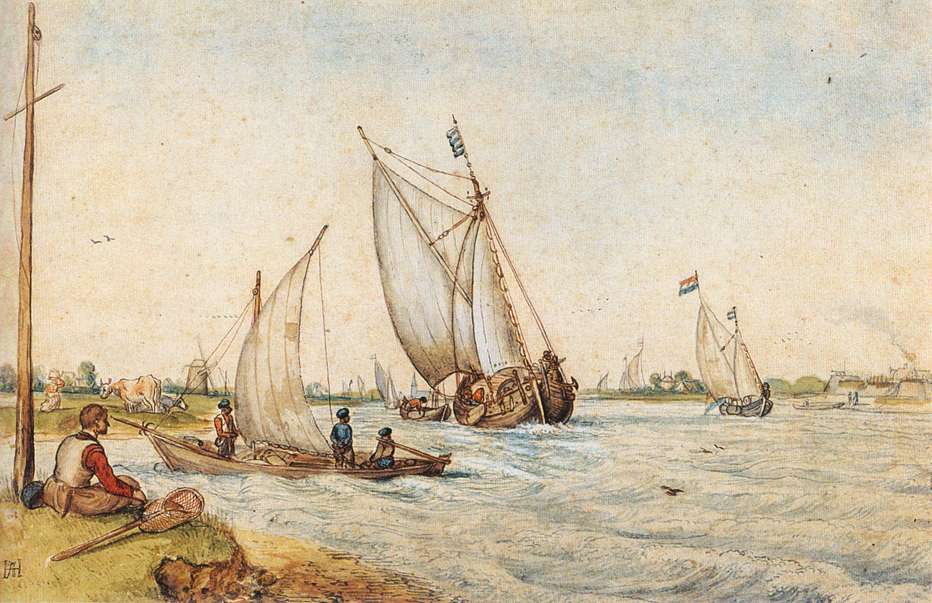
Henry Fuseli
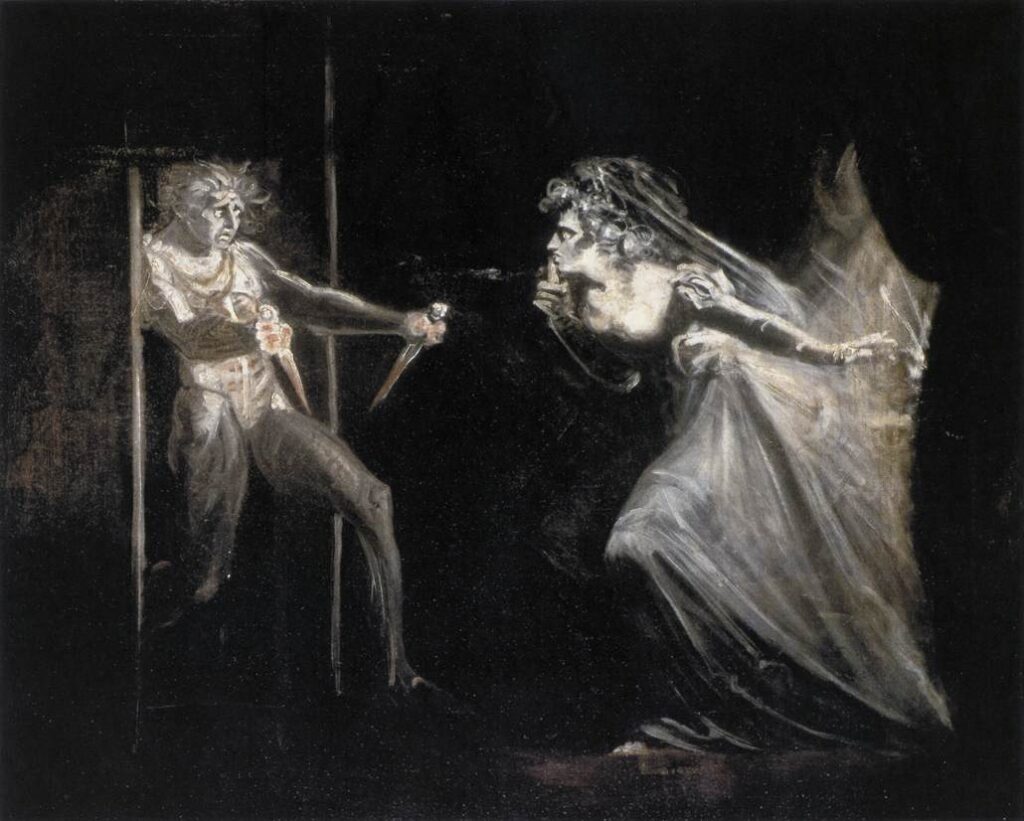
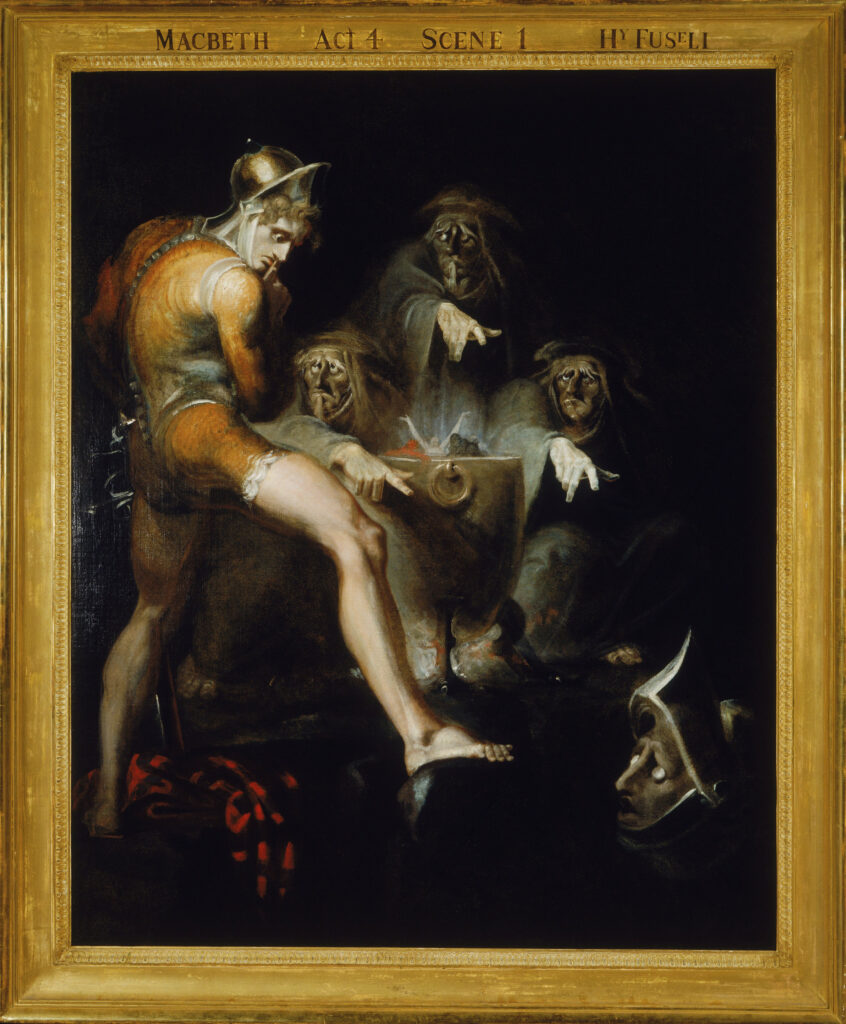
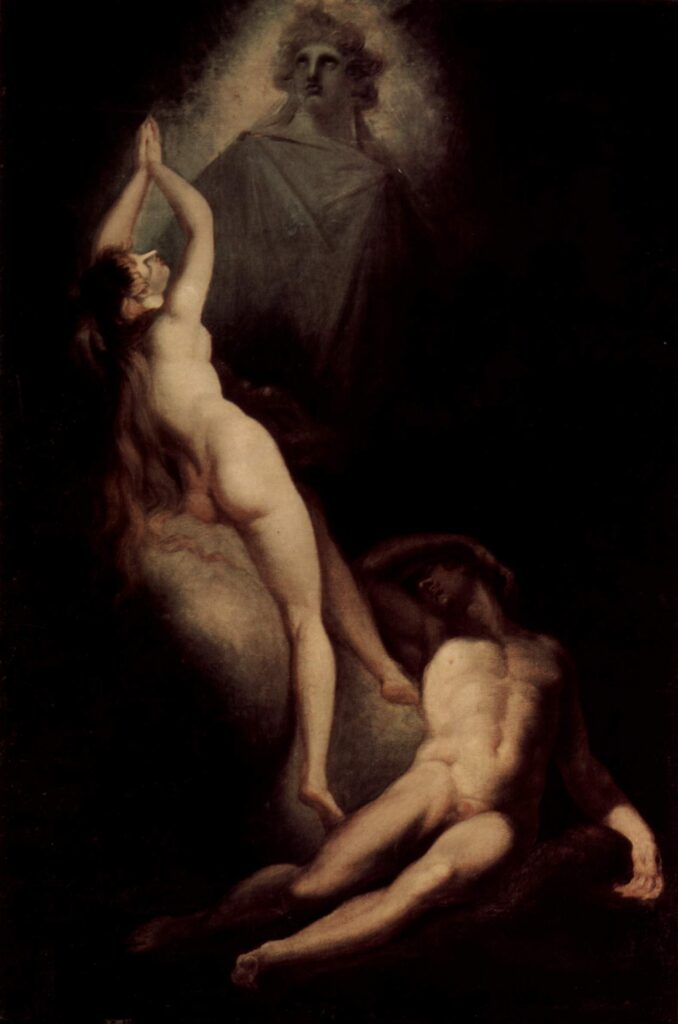
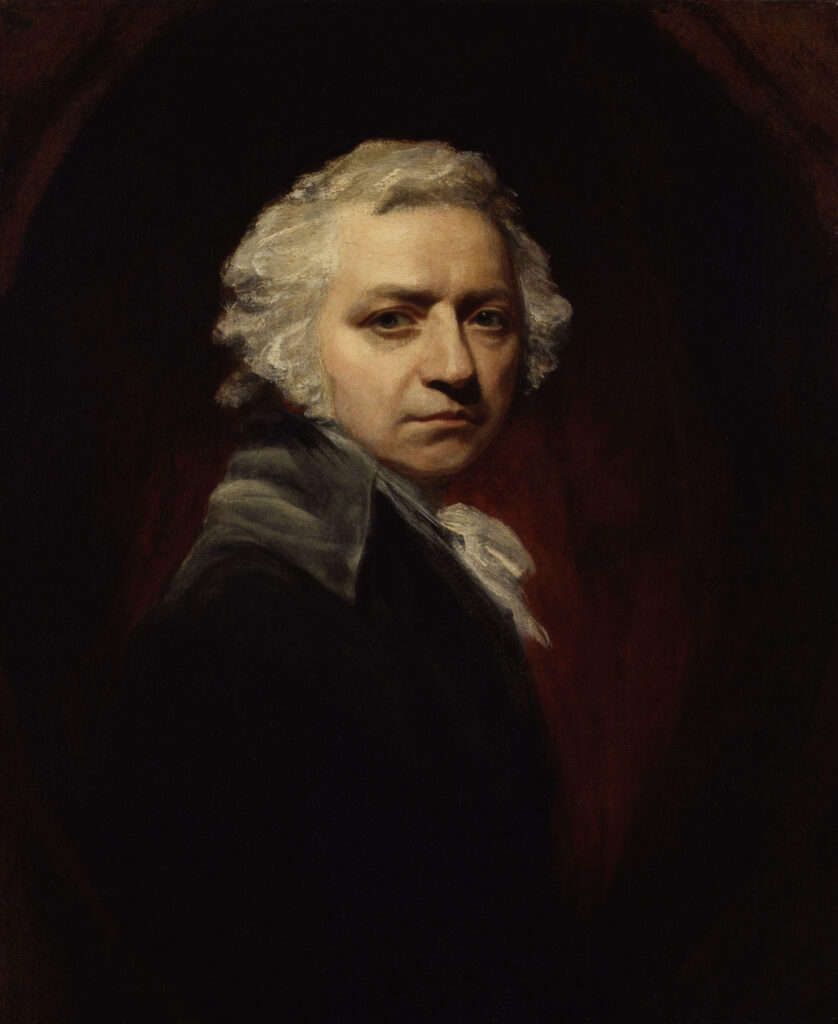
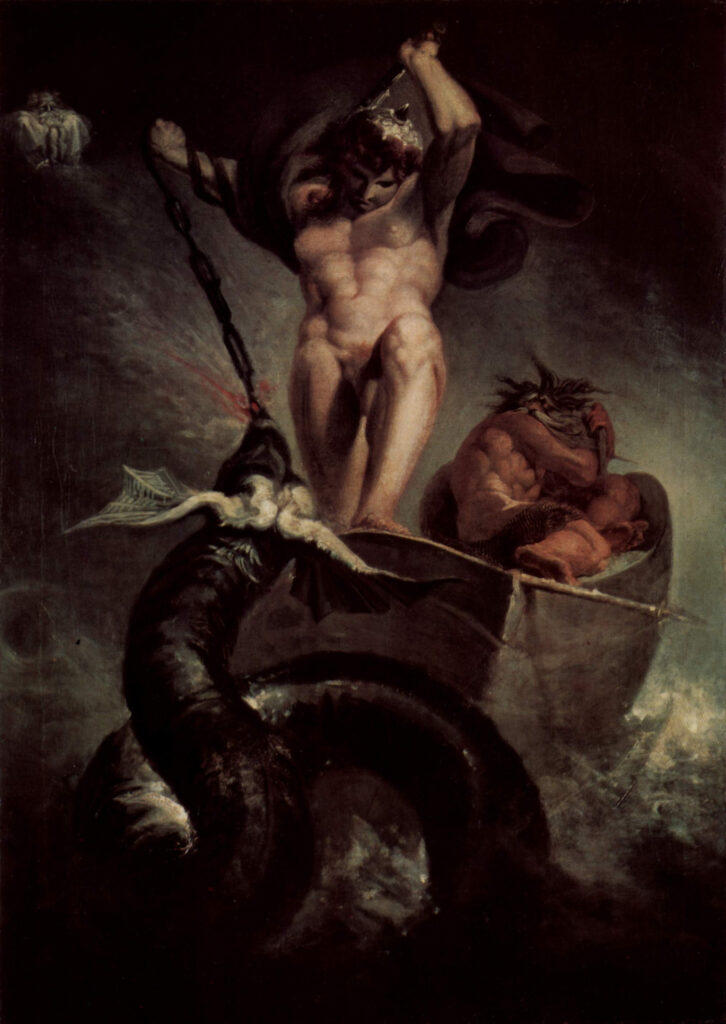
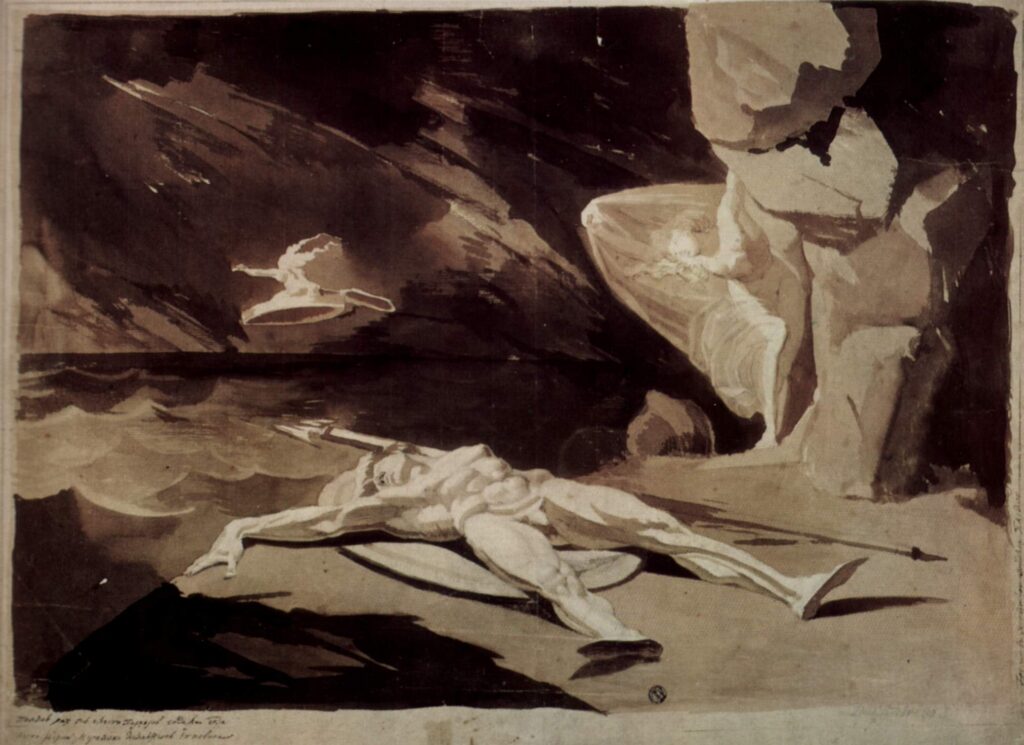
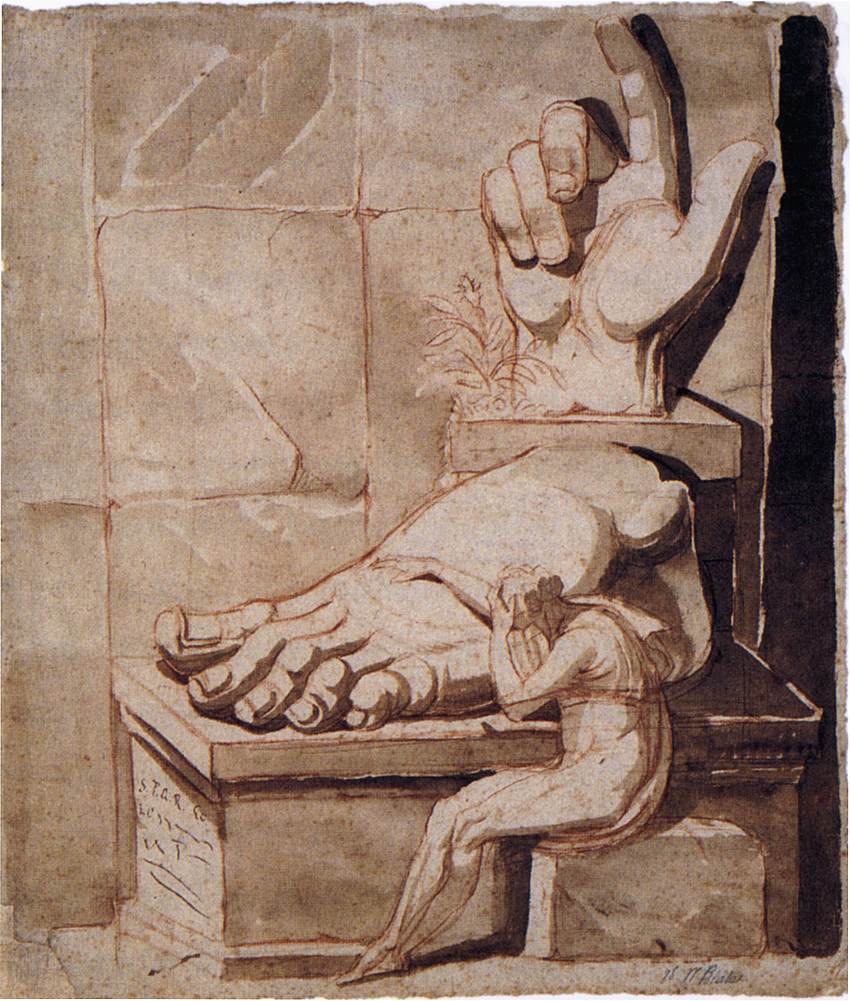
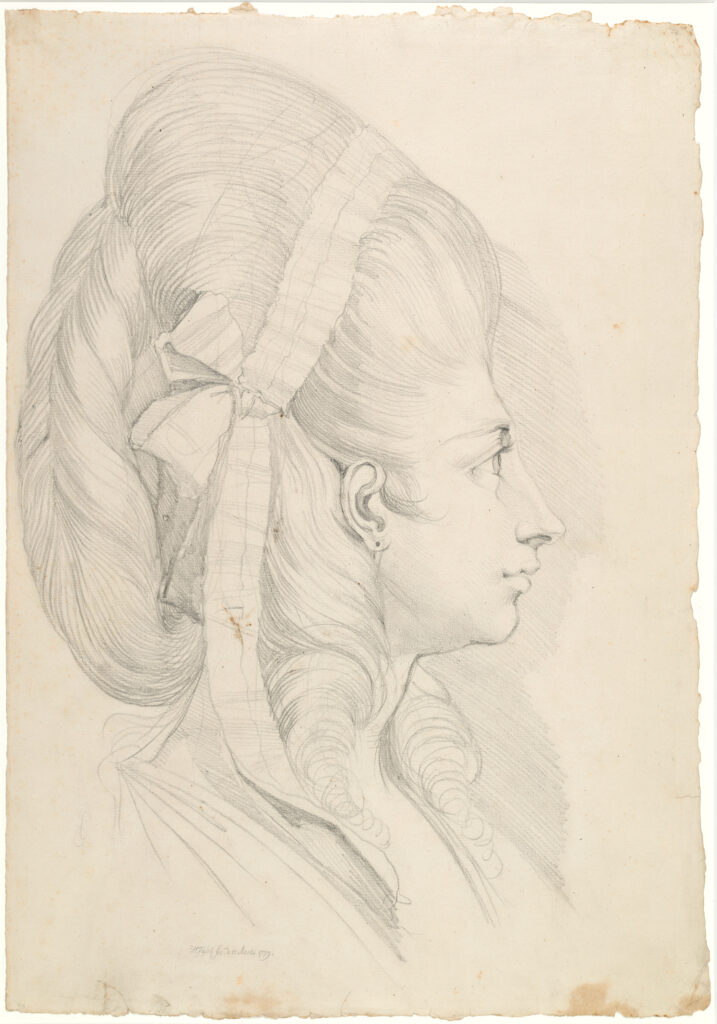
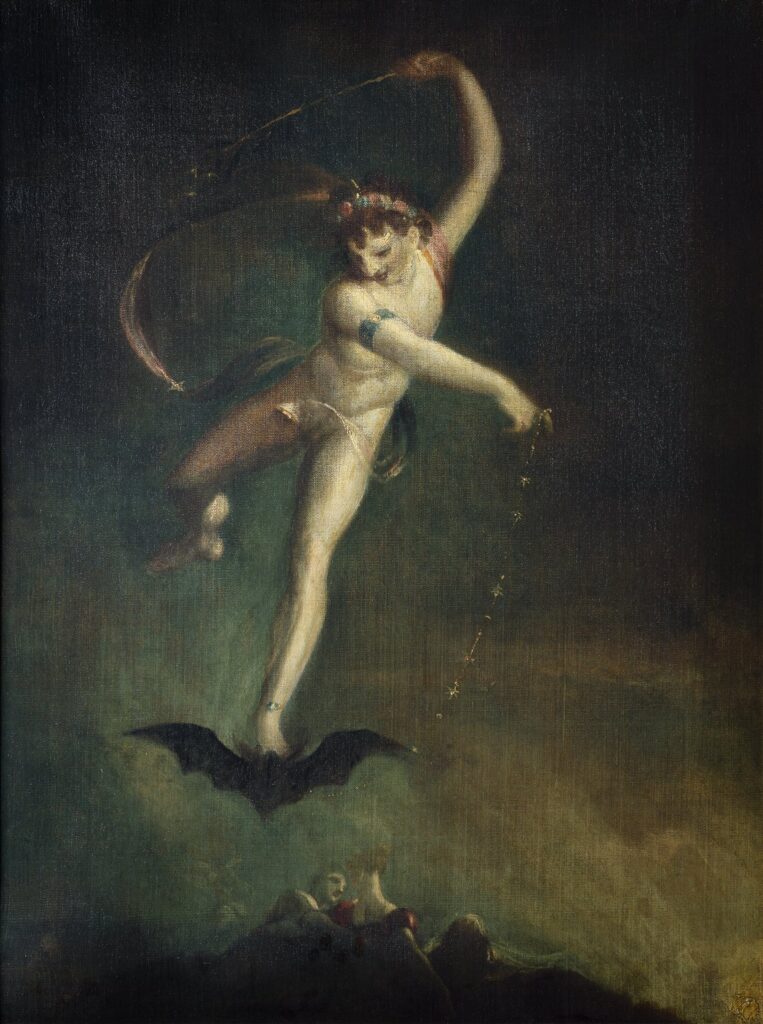
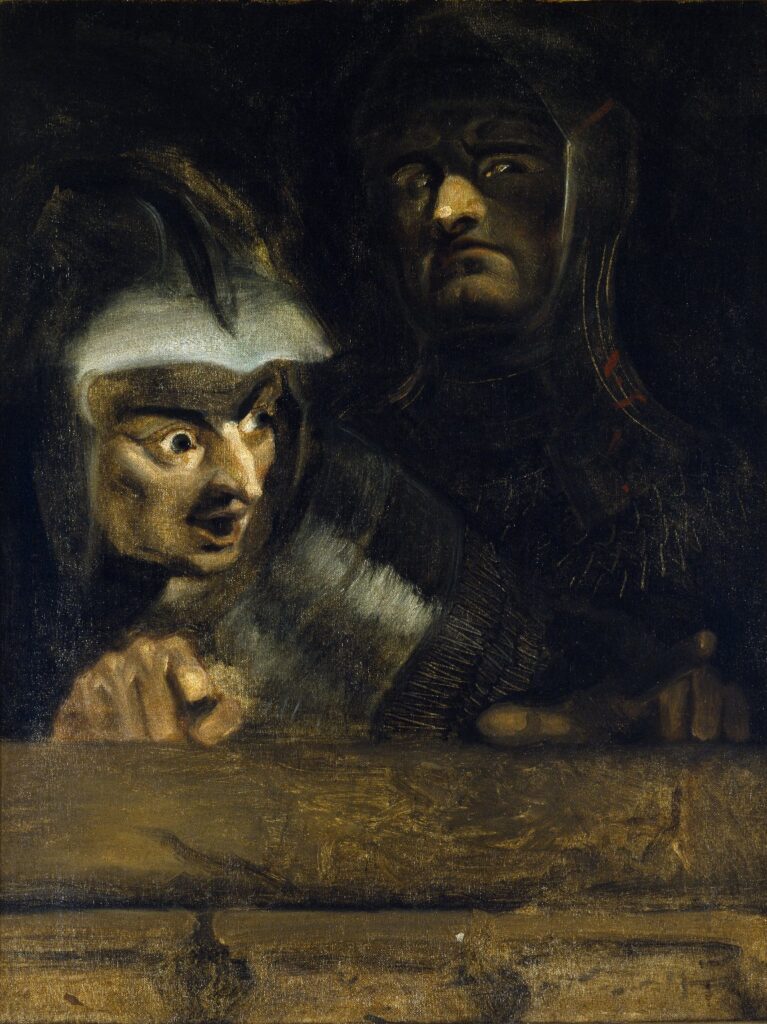
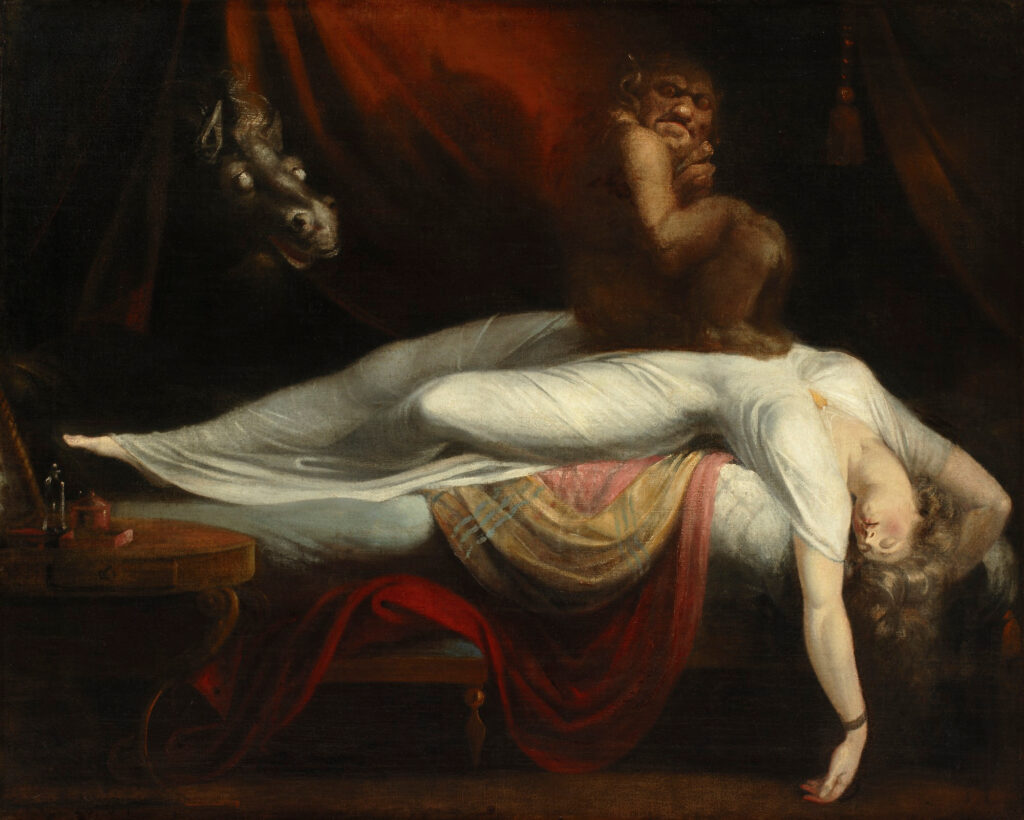
Henry Fuseli, February 7, 1741–April 17, 1825, was a Swiss painter, draughtsman and writer who worked chiefly in Britain. Born Johann Heinrich Füssli in Zürich, he received a classical and theological education before leaving Switzerland. In London, Joshua Reynolds encouraged him to pursue painting; he then spent several years studying art in Rome.
Fuseli returned to London in 1779. He made paintings for John Boydell’s Shakespeare Gallery and exhibited a series of subjects from John Milton. He was elected to the Royal Academy and later served as its Professor of Painting and Keeper.
His work is held by the Detroit Institute of Arts, Tate, the Folger Shakespeare Library, the Royal Academy of Arts and Kunsthaus Zürich, among other collections.


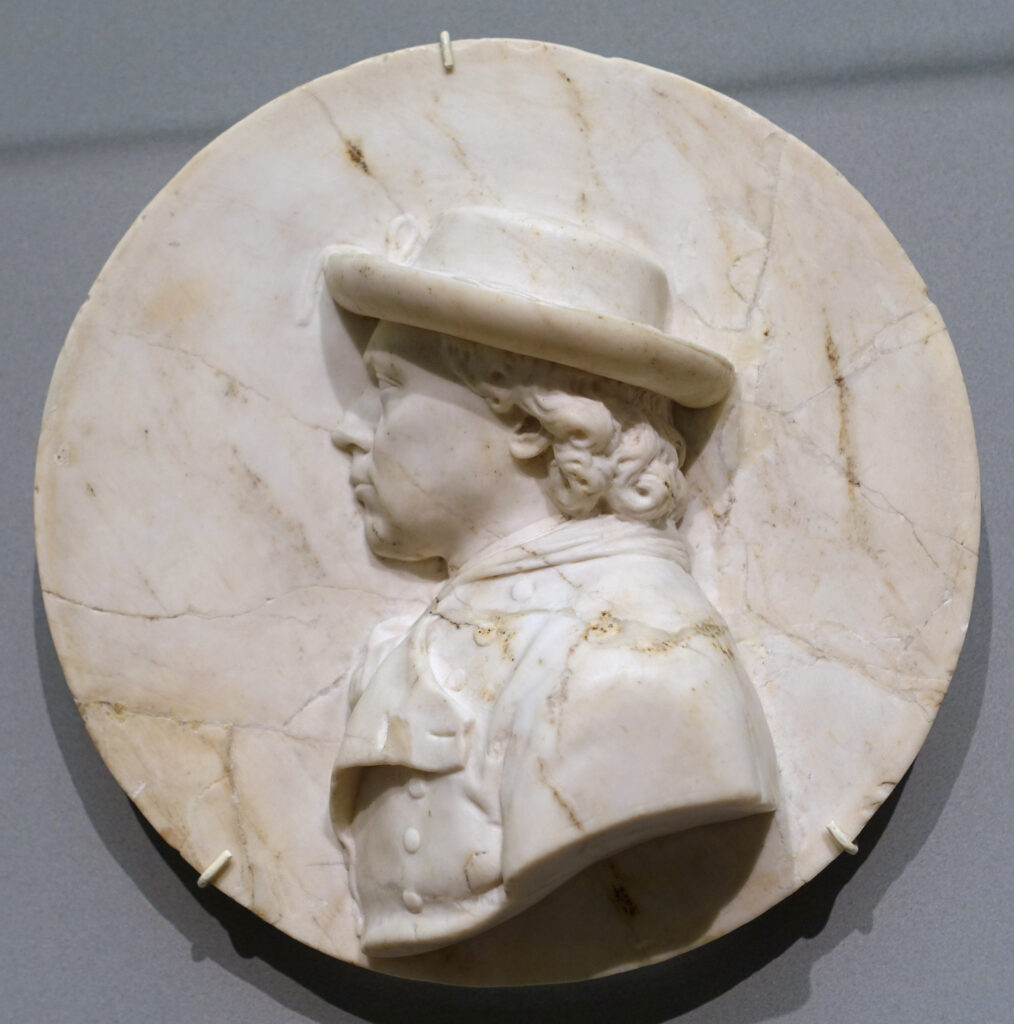
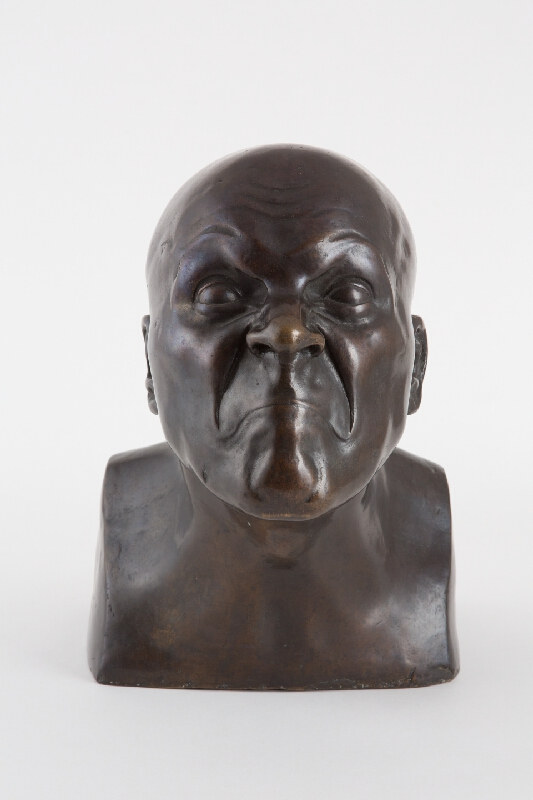
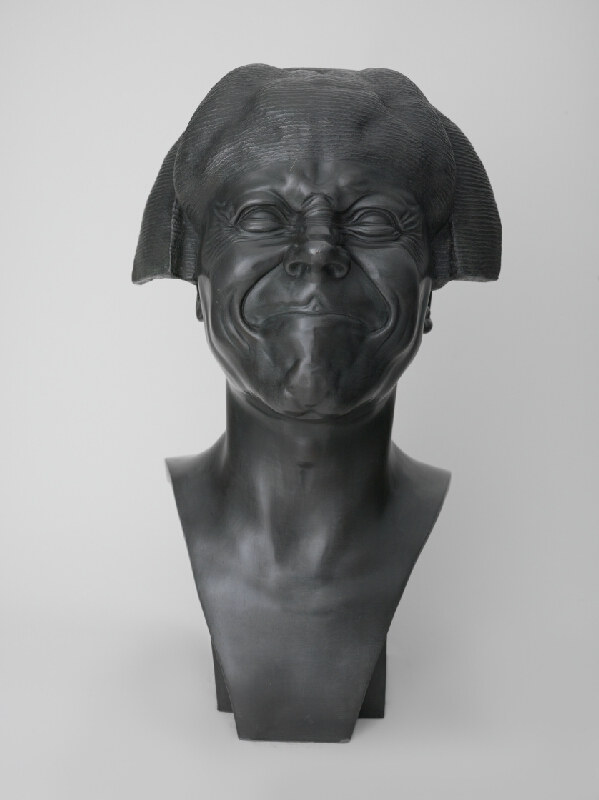
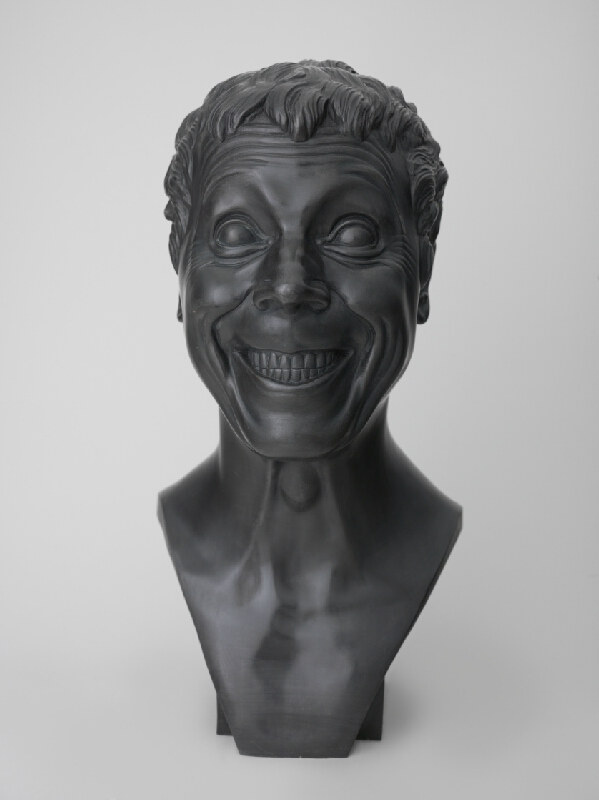
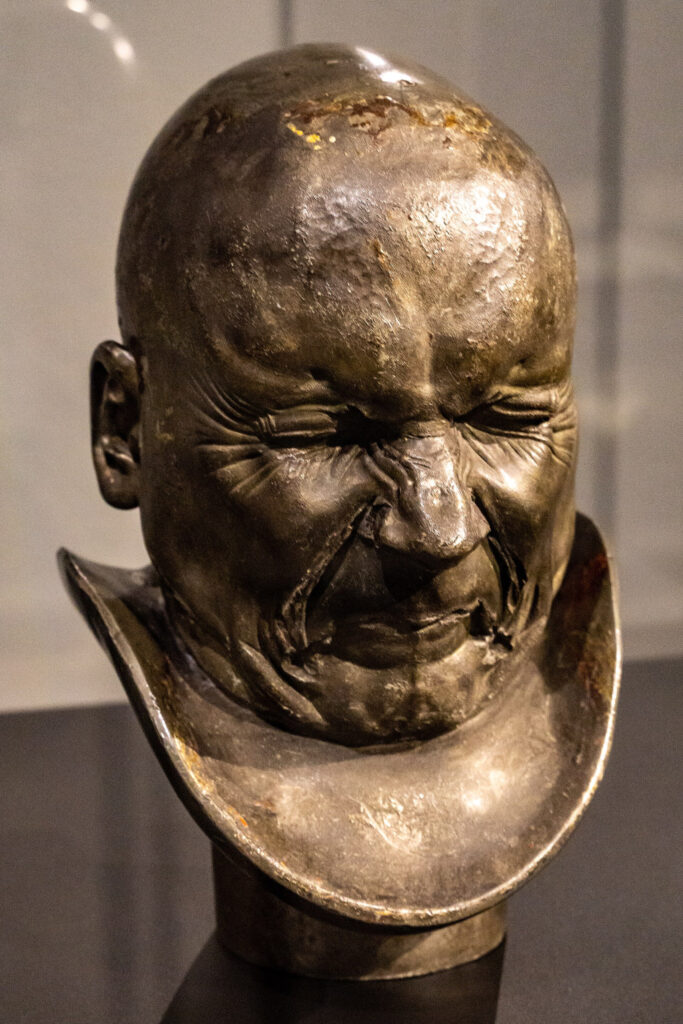
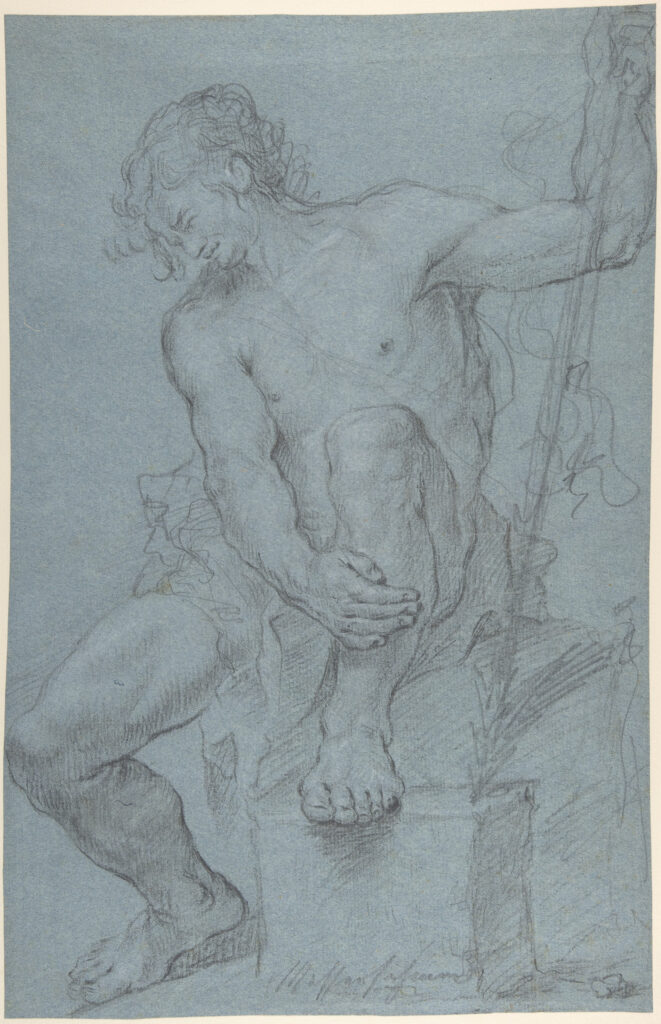
Franz Xaver Messerschmidt
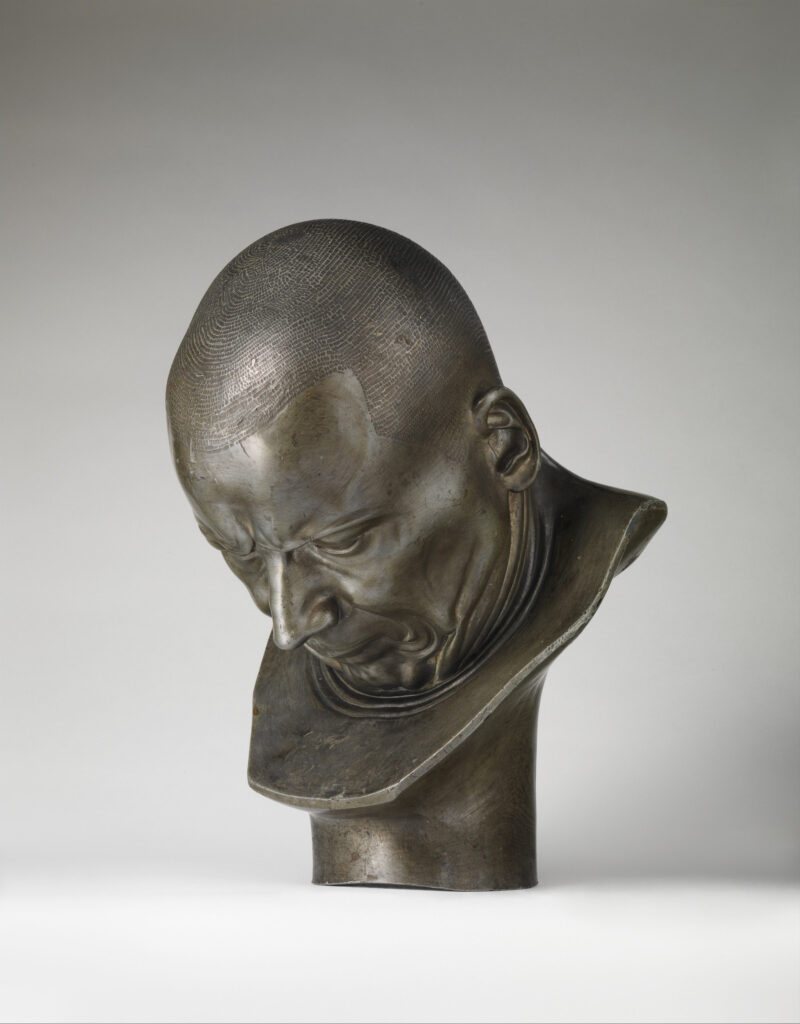
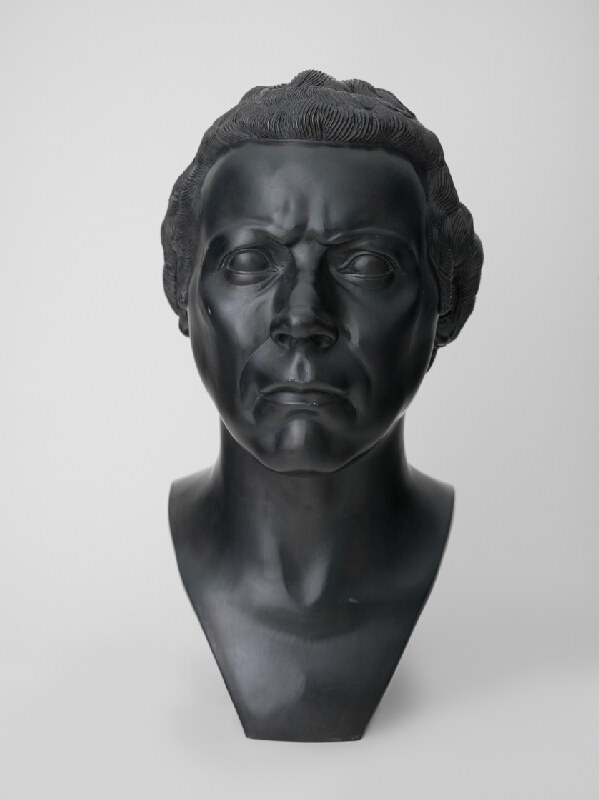
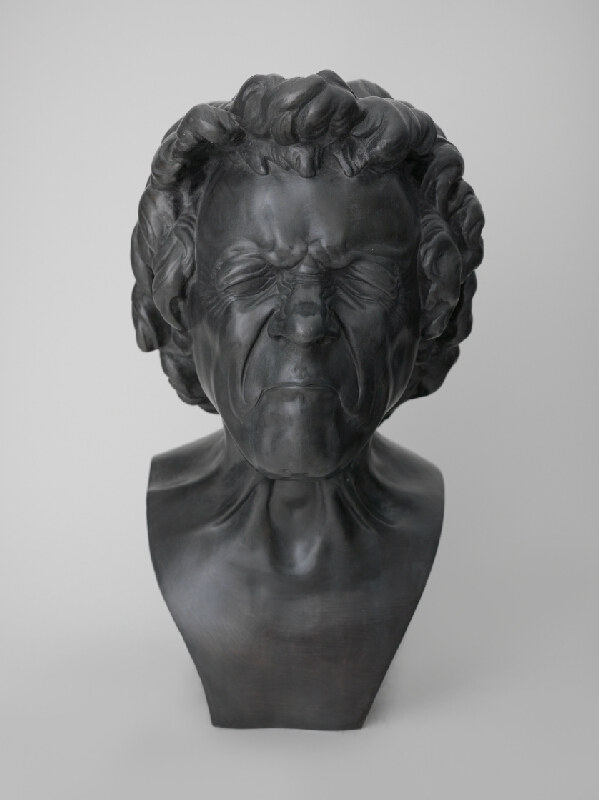
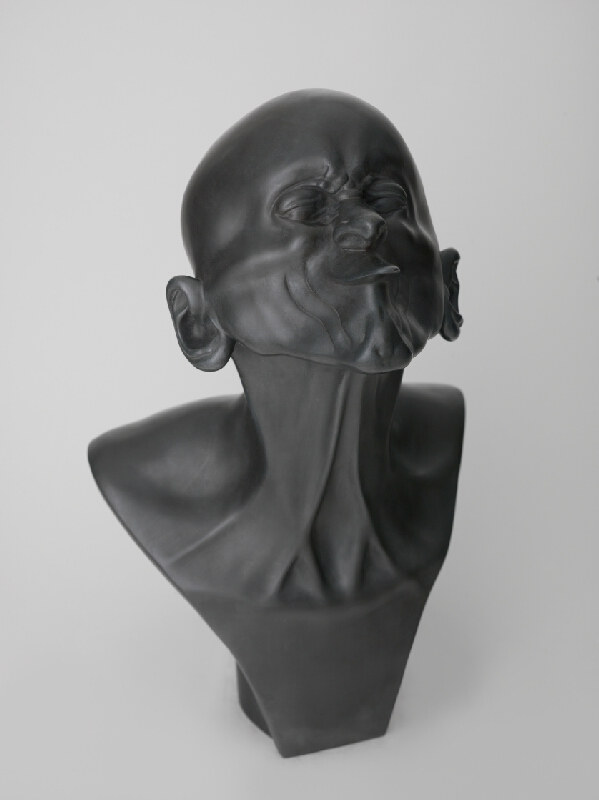
Franz Xaver Messerschmidt, February 6, 1736–August 19, 1783, was a German-born sculptor active in Austria and Pressburg, now Bratislava. He trained with his uncles Johann Baptist Straub in Munich and Philipp Jakob Straub in Graz, then studied at the Vienna Academy of Fine Arts.
Working independently from 1760, Messerschmidt made portraits and other sculptures for aristocratic, imperial, and middle-class patrons. His commissions included work for the Habsburg court. He visited Rome in 1765 and later taught at the Vienna academy as a substitute professor.
Messerschmidt began his series of character heads around 1770. After leaving Vienna in 1775, he spent time in Wiesensteig and Munich before settling in Pressburg in 1777, where he continued making character heads and portraits until his death. Original heads and later casts are held by the Belvedere in Vienna, the Slovak National Gallery, the Metropolitan Museum of Art, and other collections.


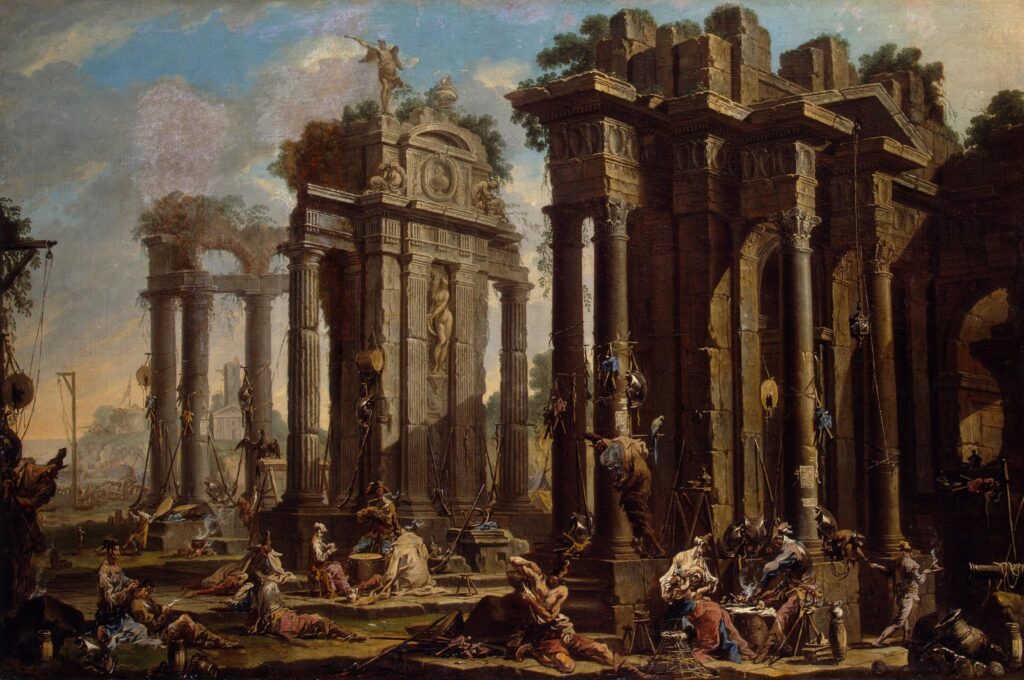
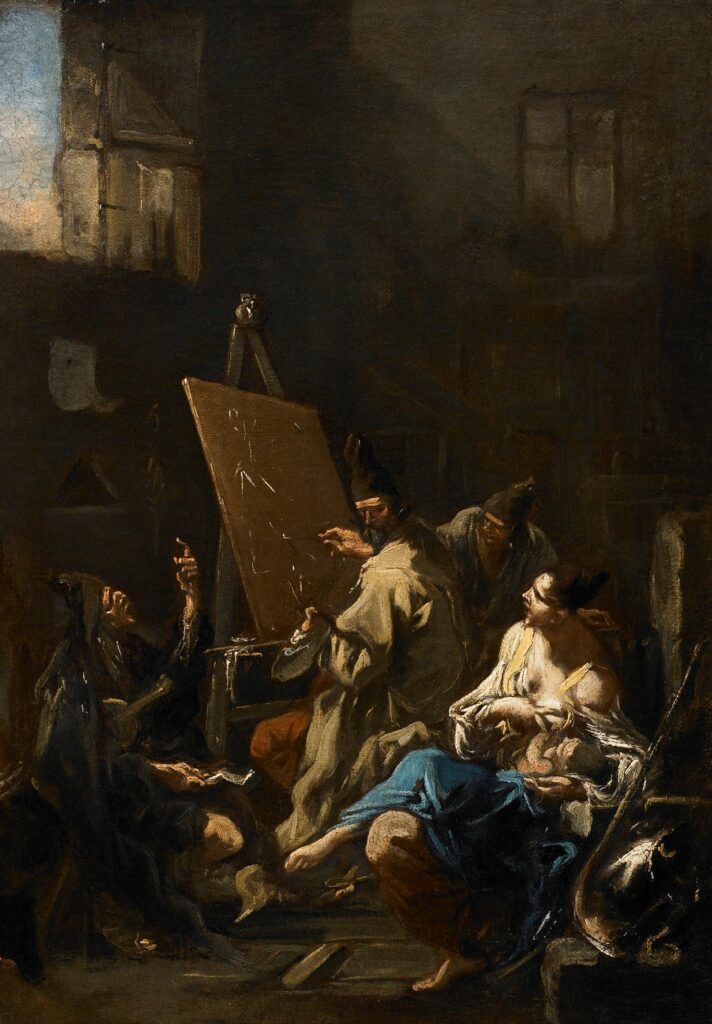
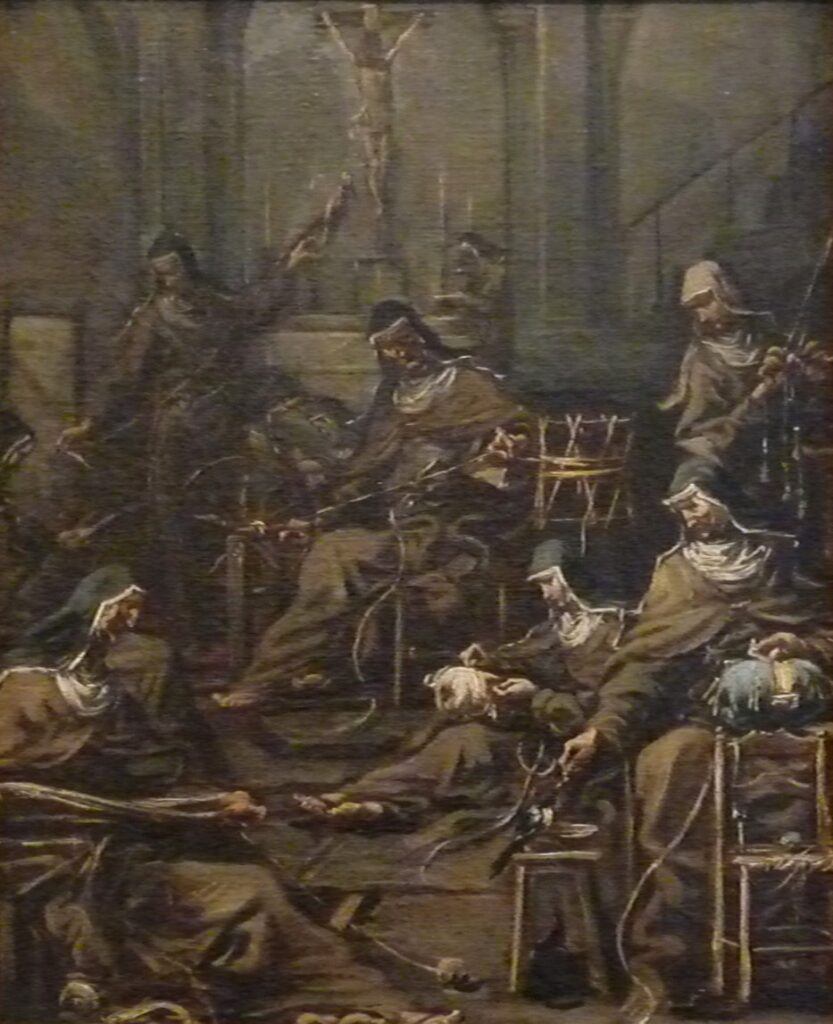
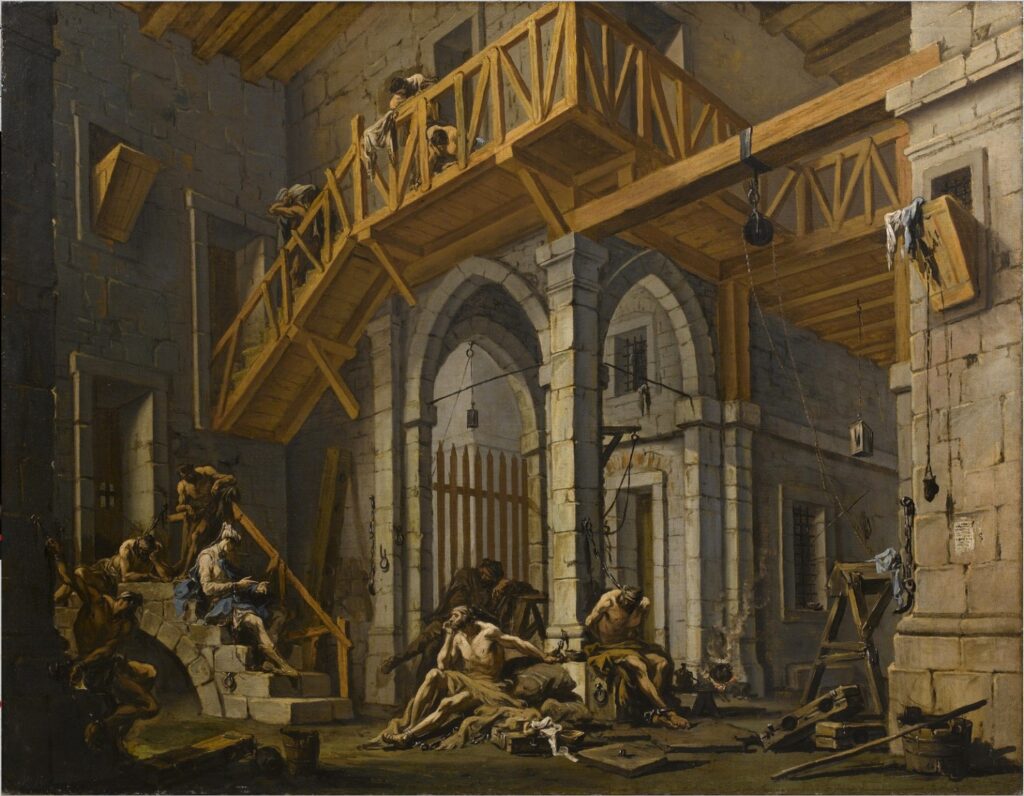
Alessandro Magnasco
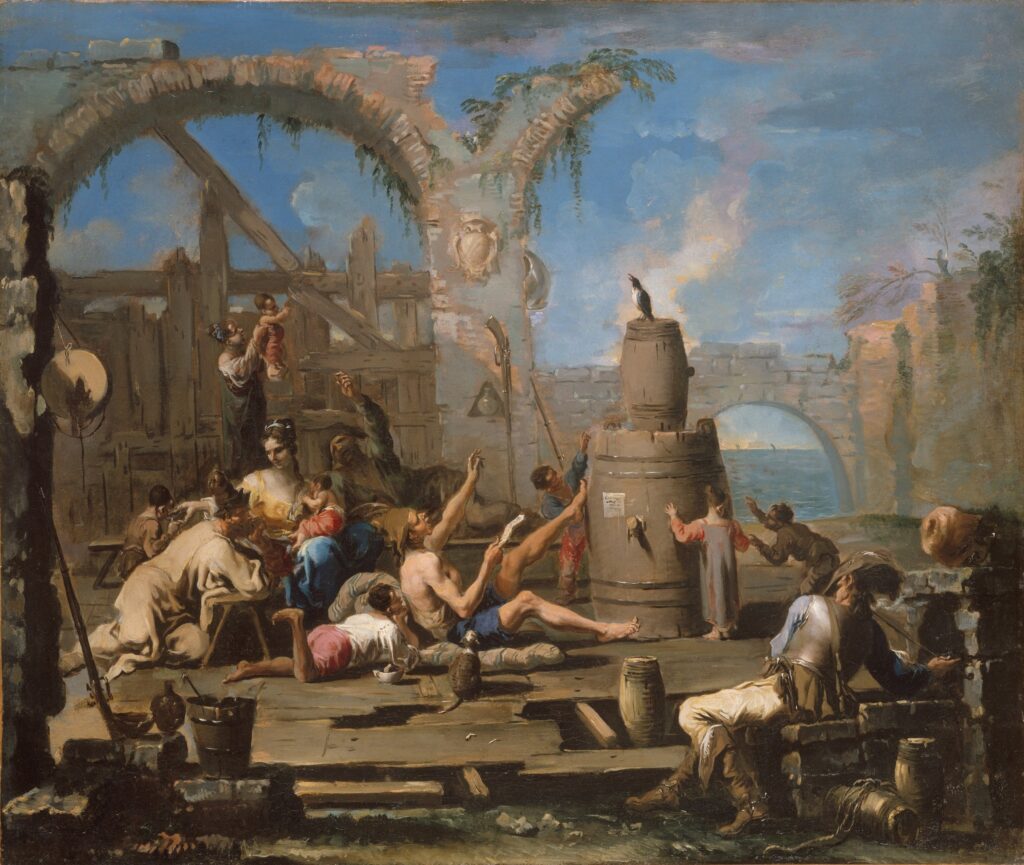
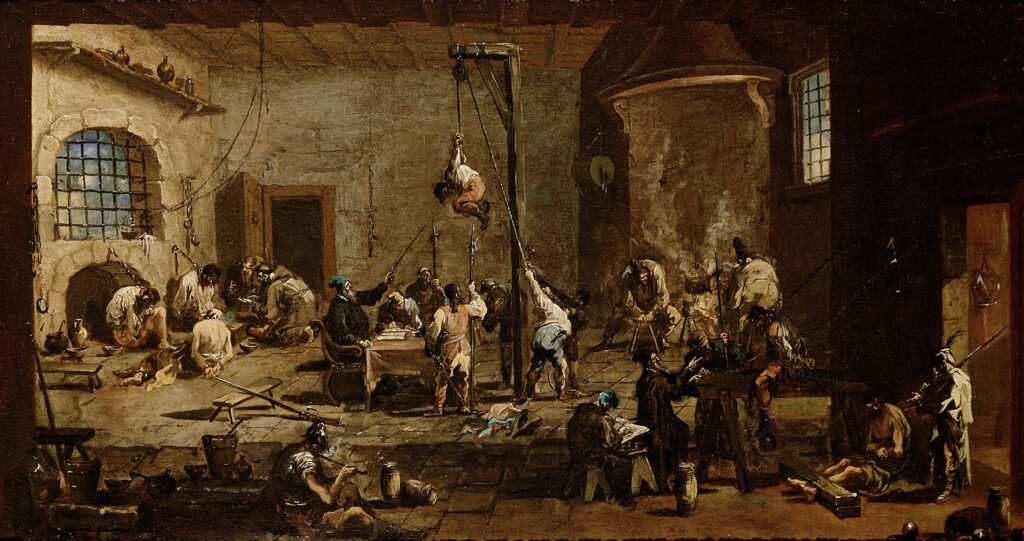
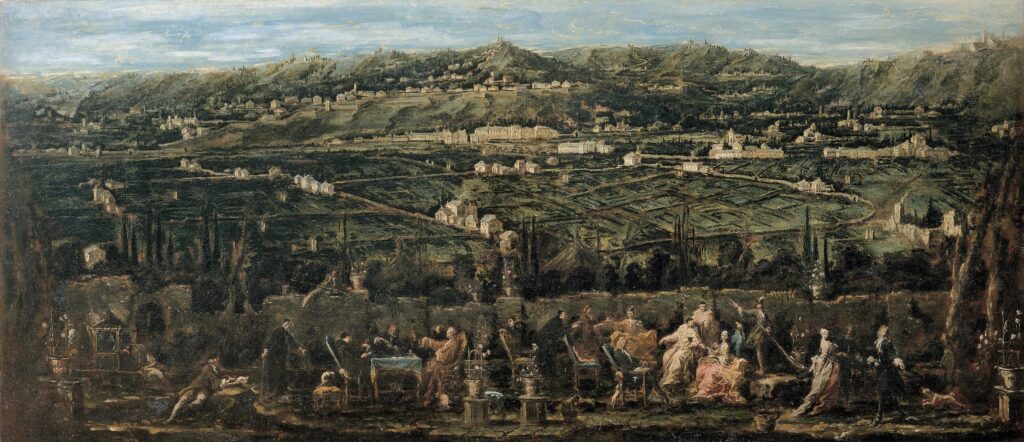
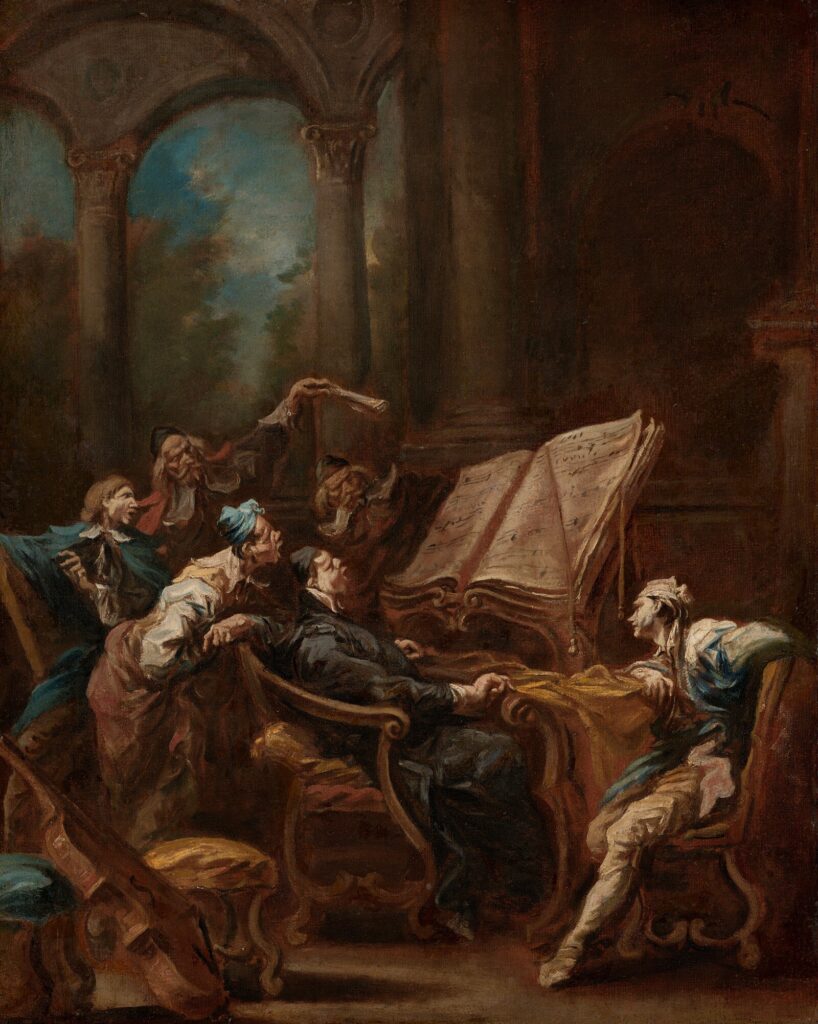
Alessandro Magnasco, February 4, 1667–March 12, 1749, was an Italian painter born and deceased in Genoa. He began his training with his father, Stefano Magnasco, and later studied with Filippo Abbiati in Milan.
Magnasco worked in Milan, Florence, and Genoa. He collaborated on paintings with landscape and architectural specialists, including Francesco Peruzzini and Clemente Spera. He returned to Genoa in 1735.
His works are held by the Metropolitan Museum of Art, the National Gallery of Art, the Kunsthistorisches Museum, and museums in Genoa, among other collections.




Sébastien Bourdon
Sébastien Bourdon, February 2, 1616–May 8, 1671, was a French painter and engraver. Born in Montpellier to a Protestant family, he was apprenticed in Paris to the painter Jean Barthélemy. He later worked in Rome, where he studied the art of Nicolas Poussin, Claude Lorrain, Caravaggio and Pieter van Laer.
Bourdon returned to Paris by 1638 and developed a varied practice encompassing religious and mythological subjects, portraits, landscapes and scenes of everyday life. In 1648 he became one of the twelve founding members of the Académie royale de peinture et de sculpture. Queen Christina of Sweden appointed him her first court painter in 1652.
Bourdon maintained a substantial workshop; his pupils included Nicolas-Pierre Loir and Pierre Mosnier. His paintings are held by the Louvre Museum, the National Gallery of Art, the Metropolitan Museum of Art, Nationalmuseum in Stockholm, the Musée Fabre, the Musée des Augustins and other major European and American collections.


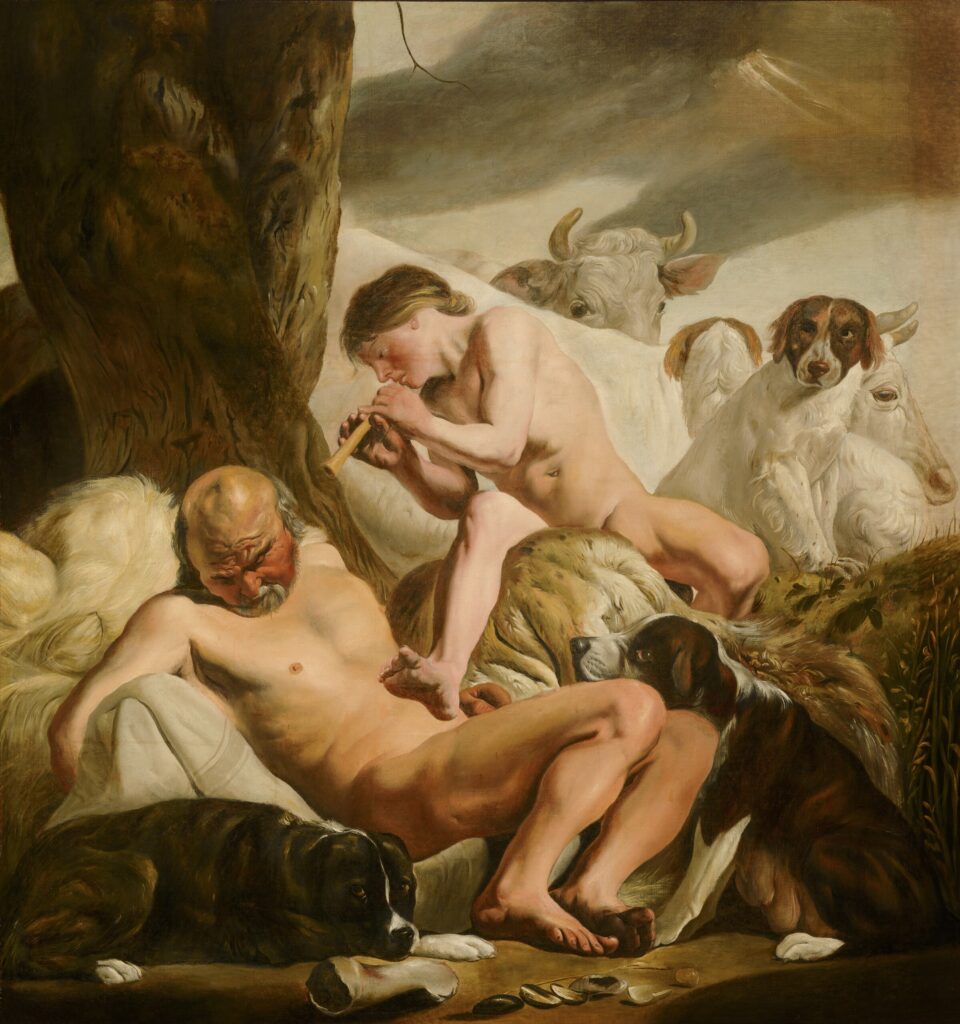
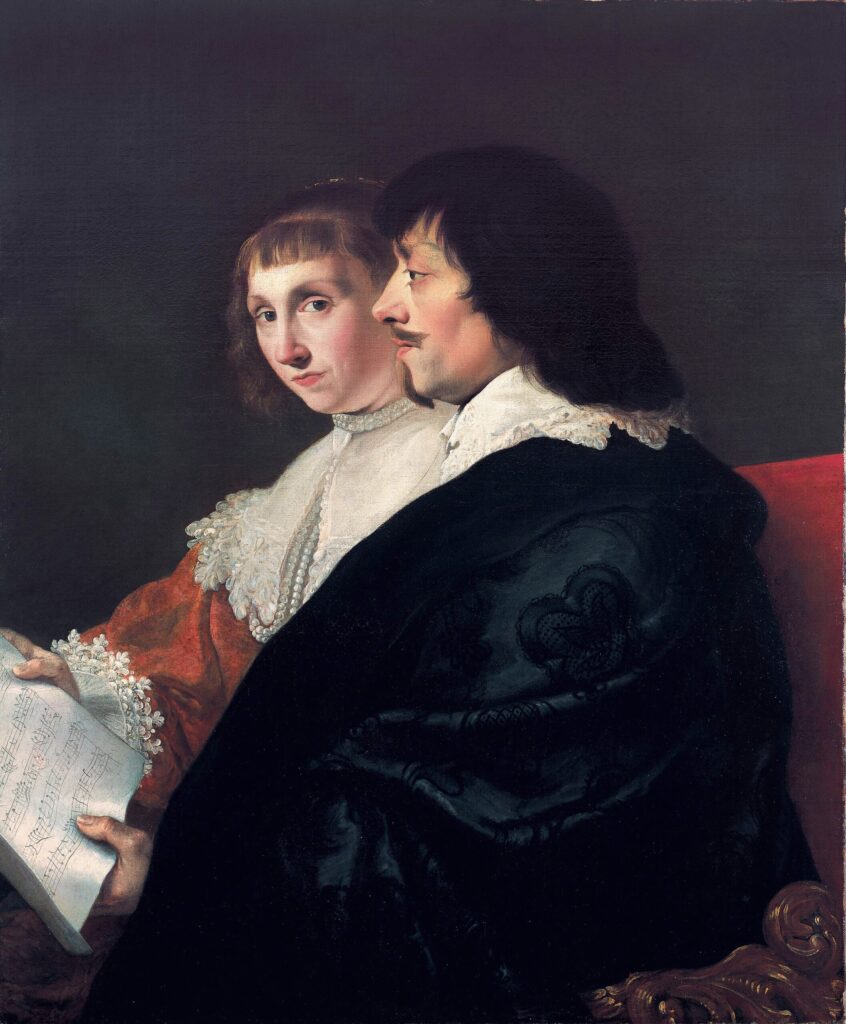
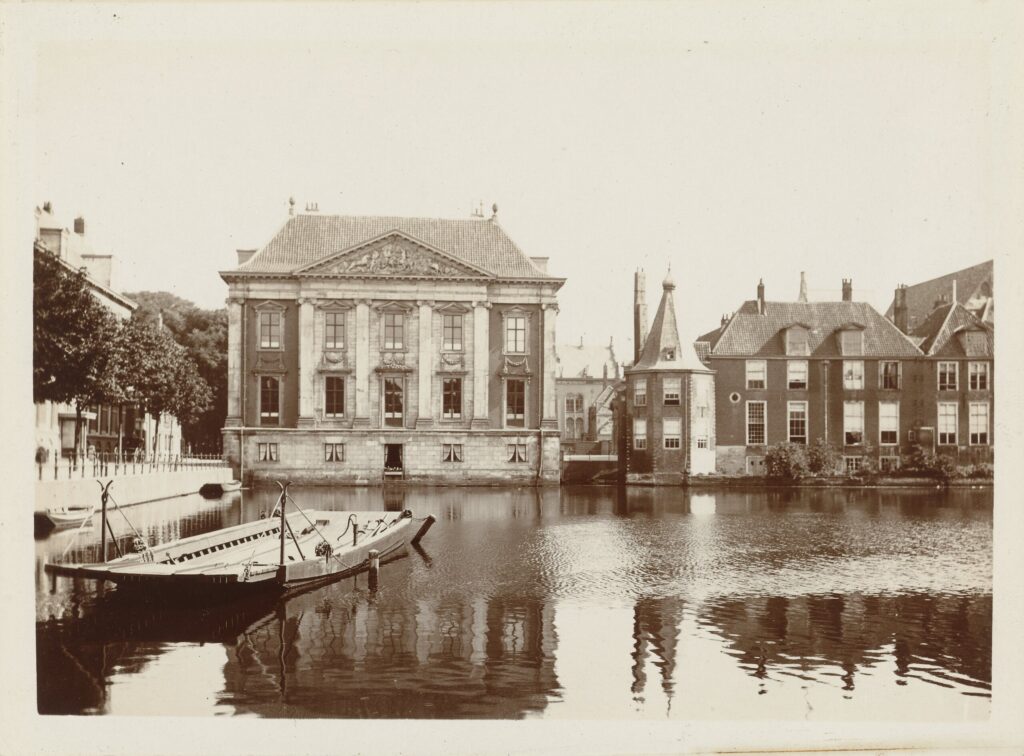
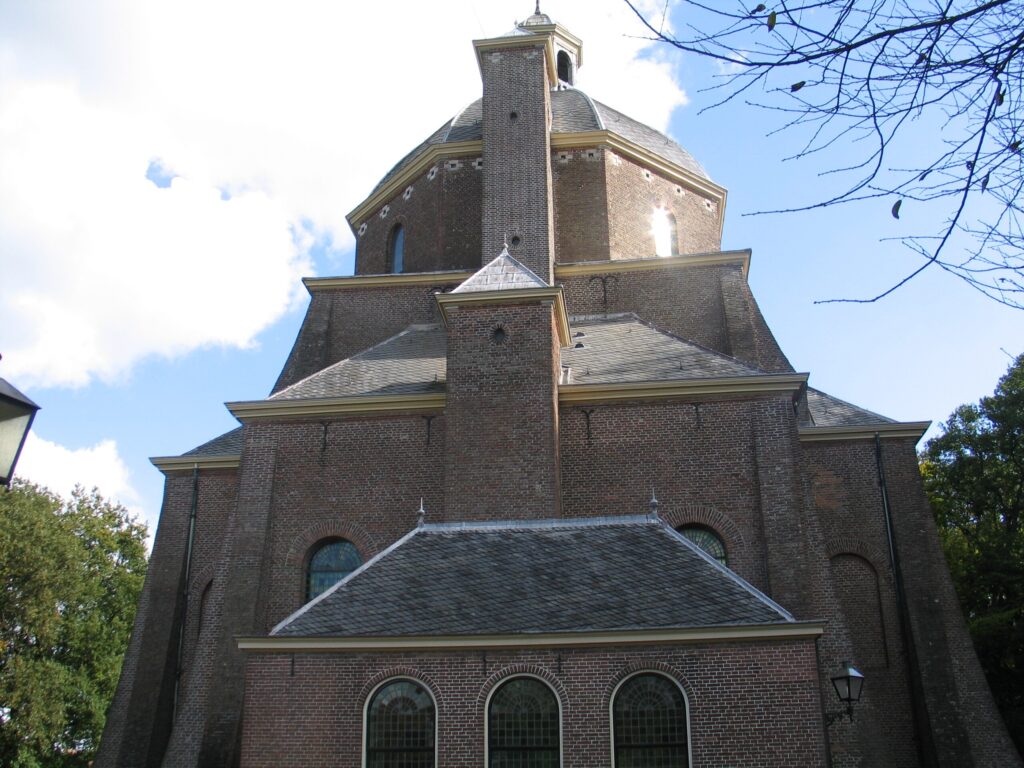
Jacob van Campen
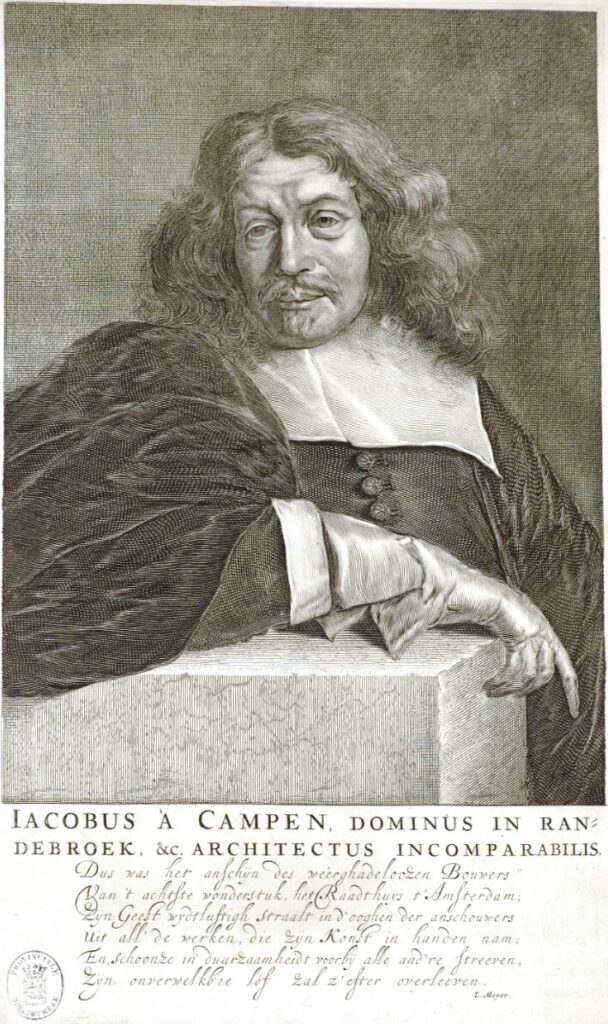
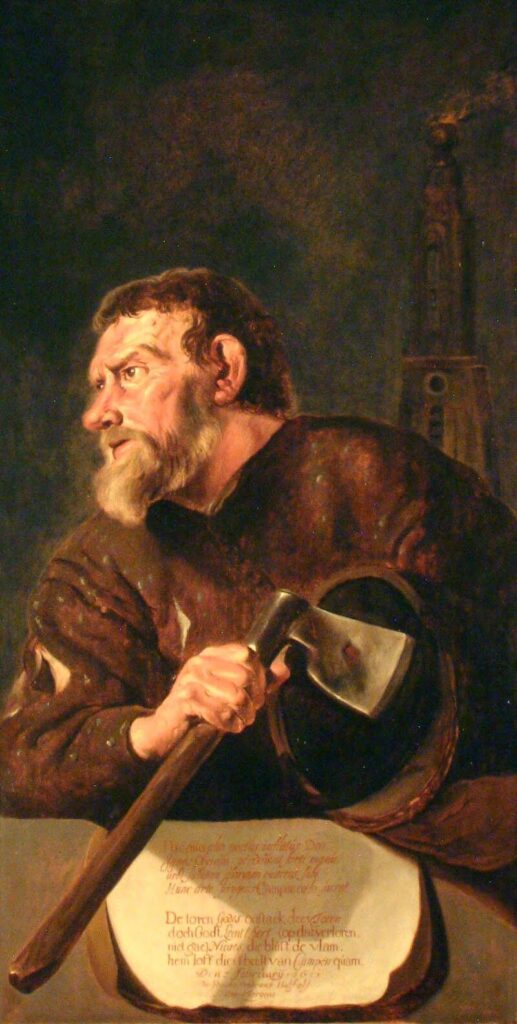
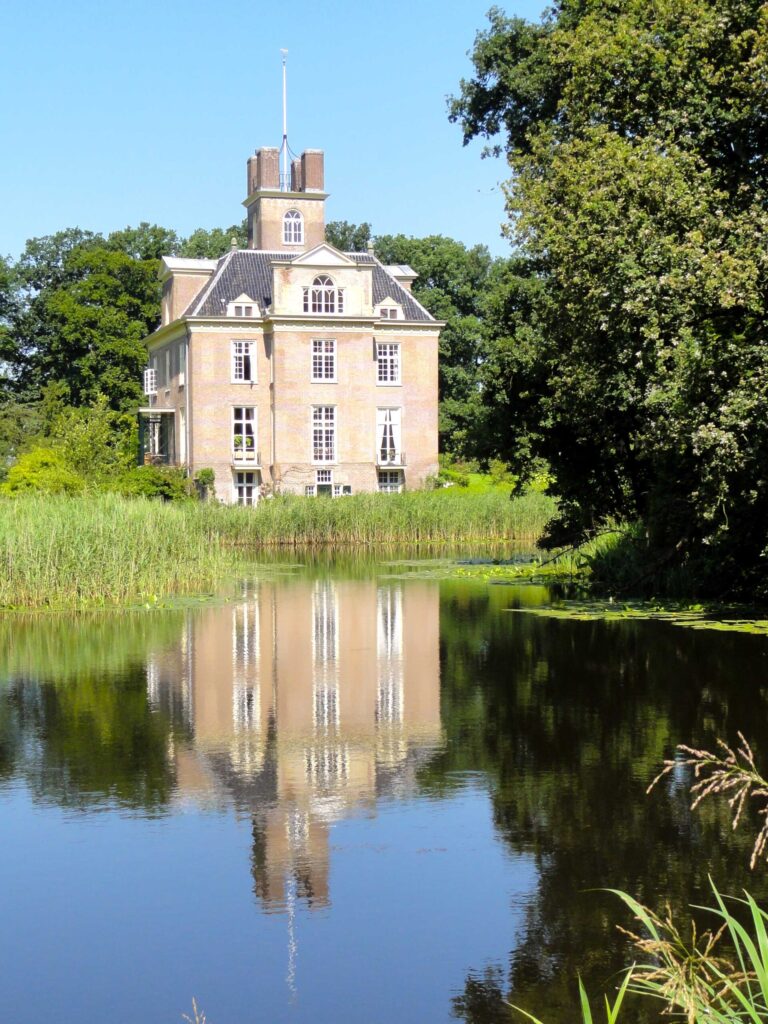
Jacob van Campen, February 2, 1596–September 13, 1657, was a Dutch painter and architect. Born in Haarlem, he entered the city’s Guild of Saint Luke in 1614 and is believed to have studied painting with Frans de Grebber. A period in Italy introduced him to the architecture of Andrea Palladio, Vincenzo Scamozzi, and classical antiquity.
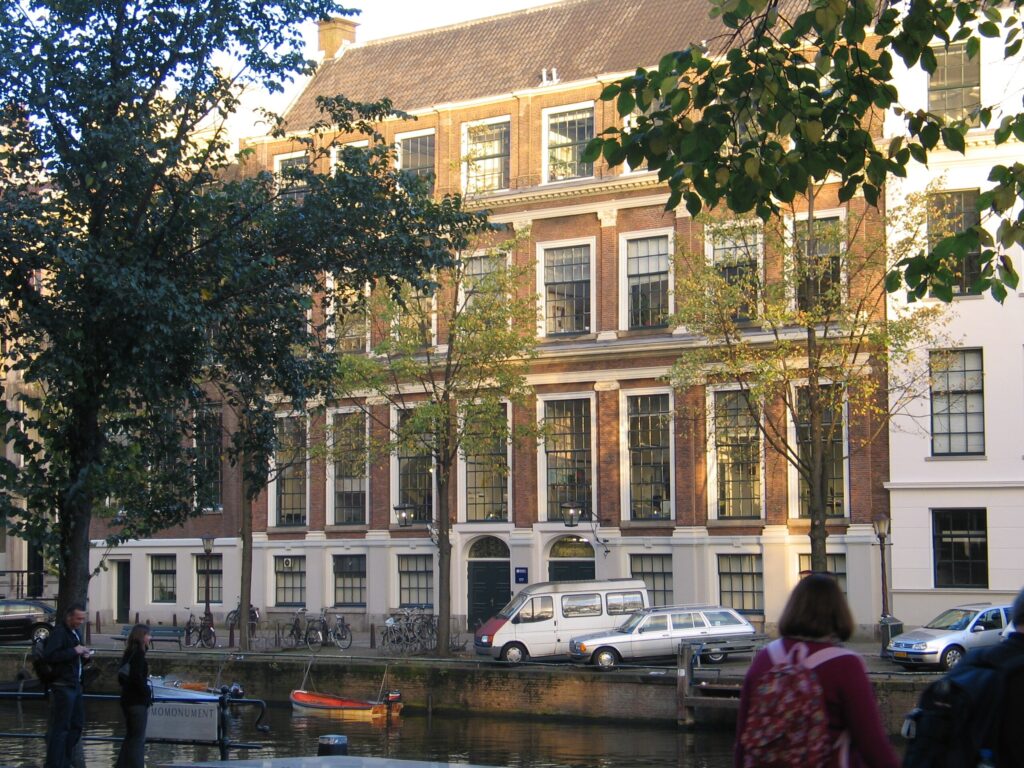
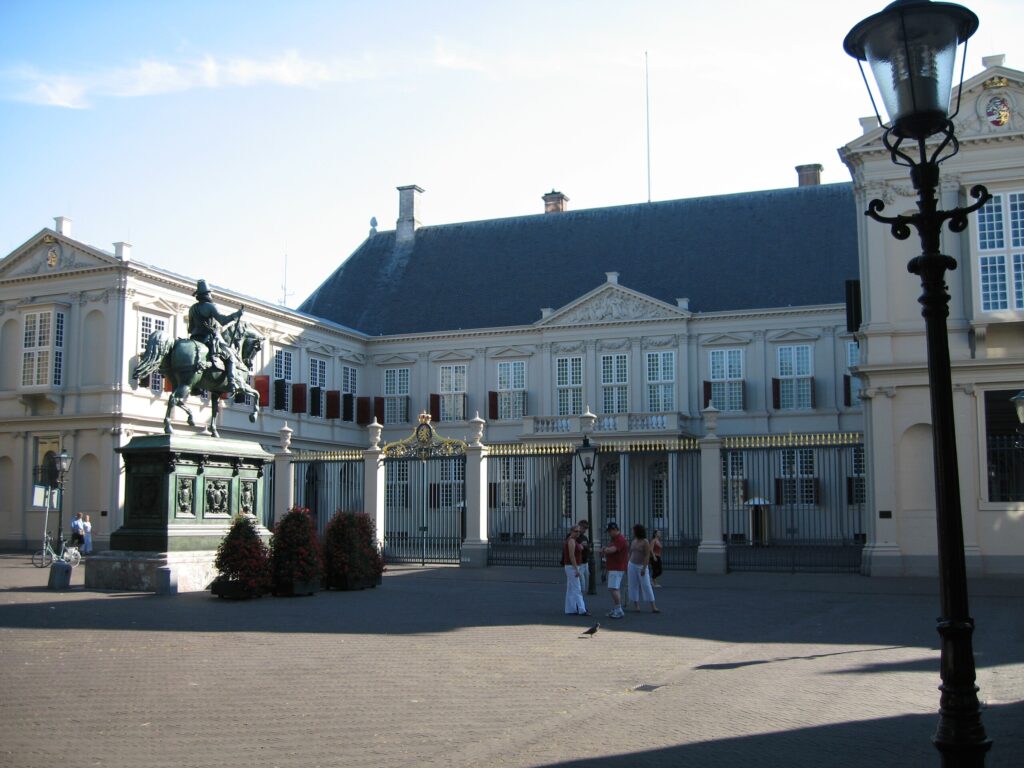
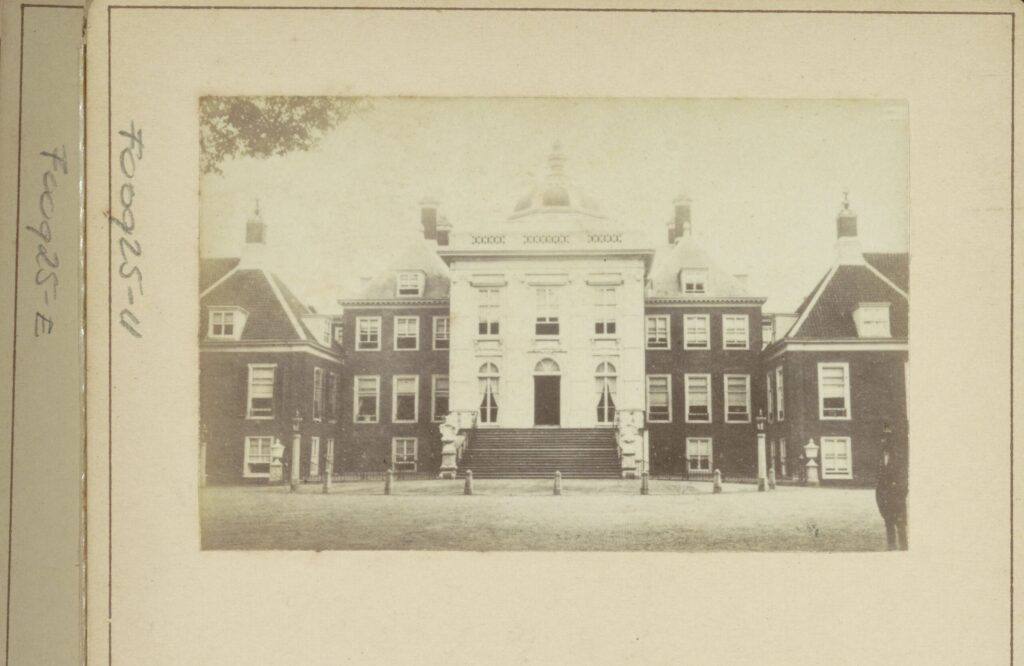
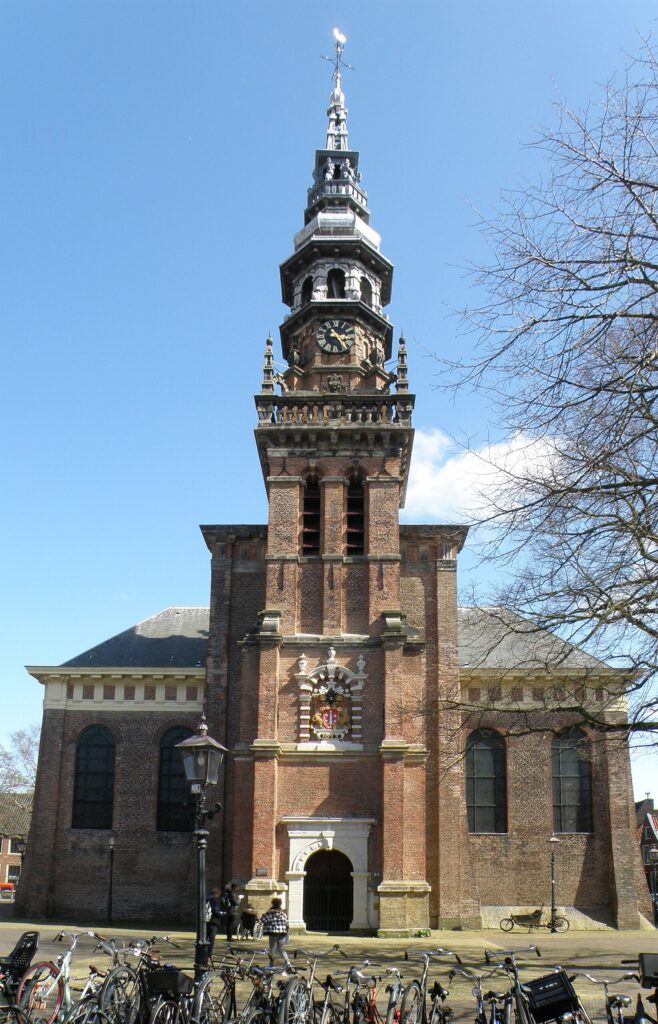
After returning to the Netherlands, Van Campen became a principal founder of Dutch Classicism. He worked with Pieter Post and was associated with Constantijn Huygens; his major architectural projects included the Mauritshuis, Huis ten Bosch Palace, the Nieuwe Kerk in Haarlem, and Amsterdam’s former town hall, now the Royal Palace.
Van Campen also painted portraits, history subjects, and decorative works, including contributions to the Oranjezaal at Huis ten Bosch. Matthias Withoos was among the artists who worked with him. His paintings are held by the Rijksmuseum, the Mauritshuis, and Museum Amersfoort, while many of his buildings remain prominent monuments in the Netherlands.

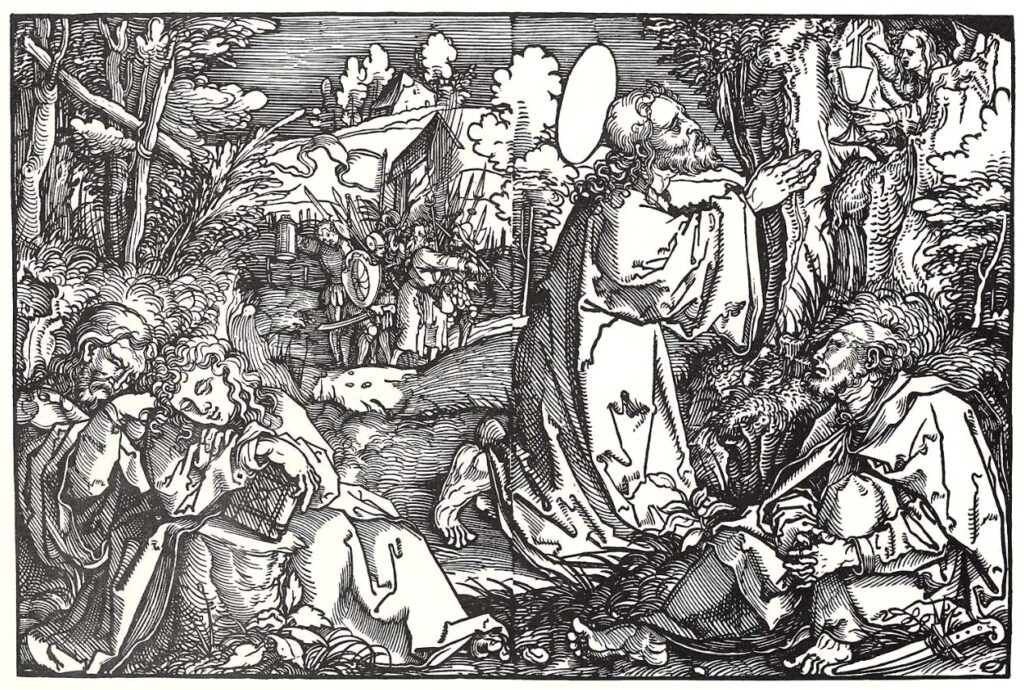
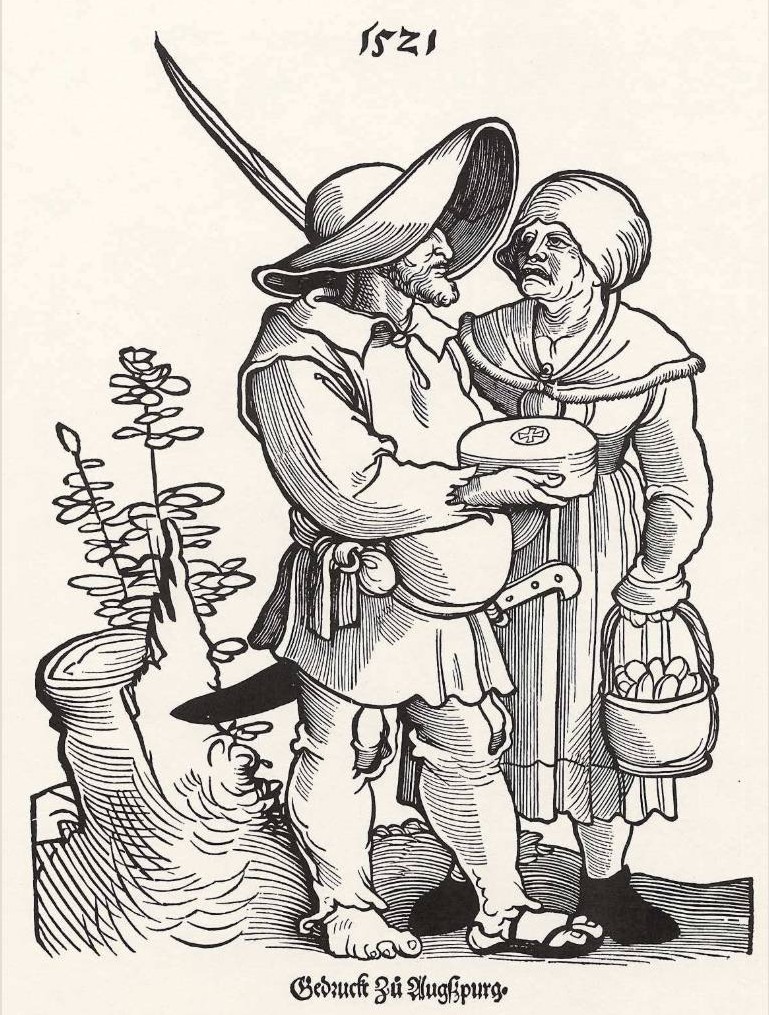
Hans Weiditz the Younger
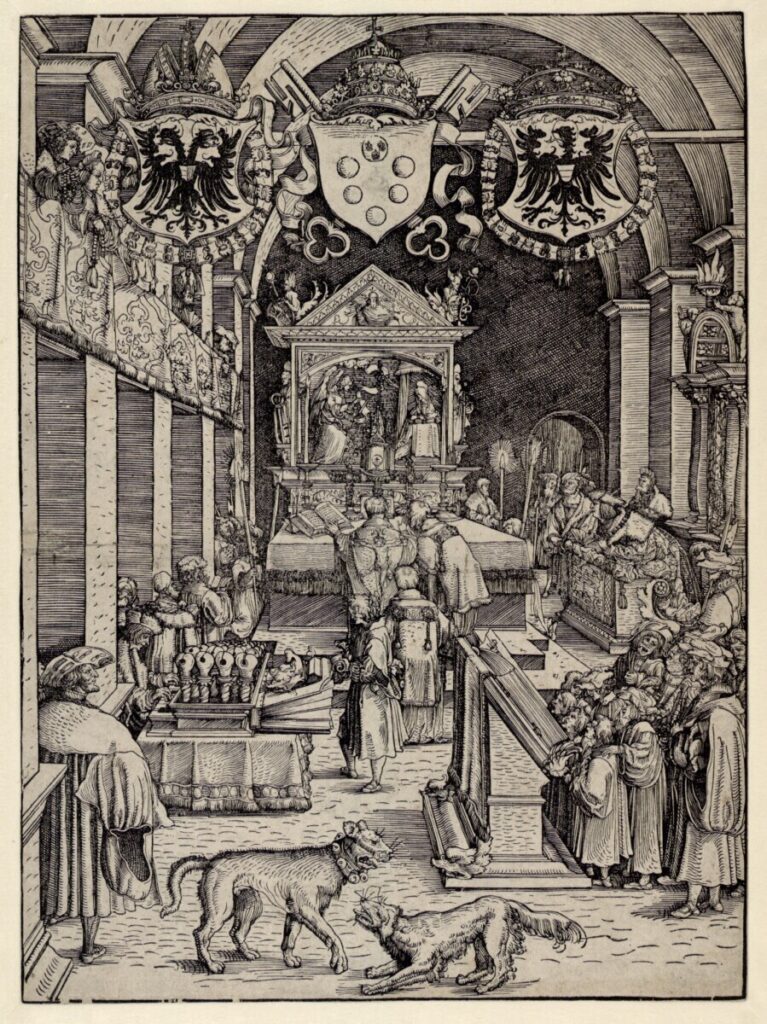
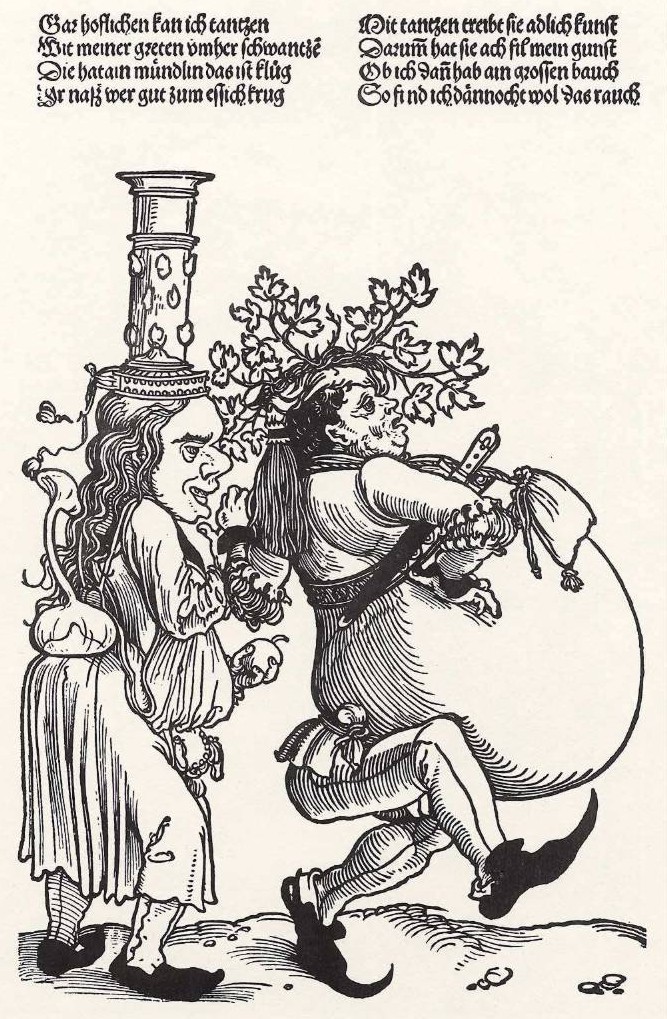
Hans Weiditz the Younger, German artist, 1495 – c 1537 Bern






Jan Steen
Jan Steen, Dutch painter, c 1626 – February 3, 1679


Massimo Stanzione
Massimo Stanzione, Italian painter, 1585 – 1656


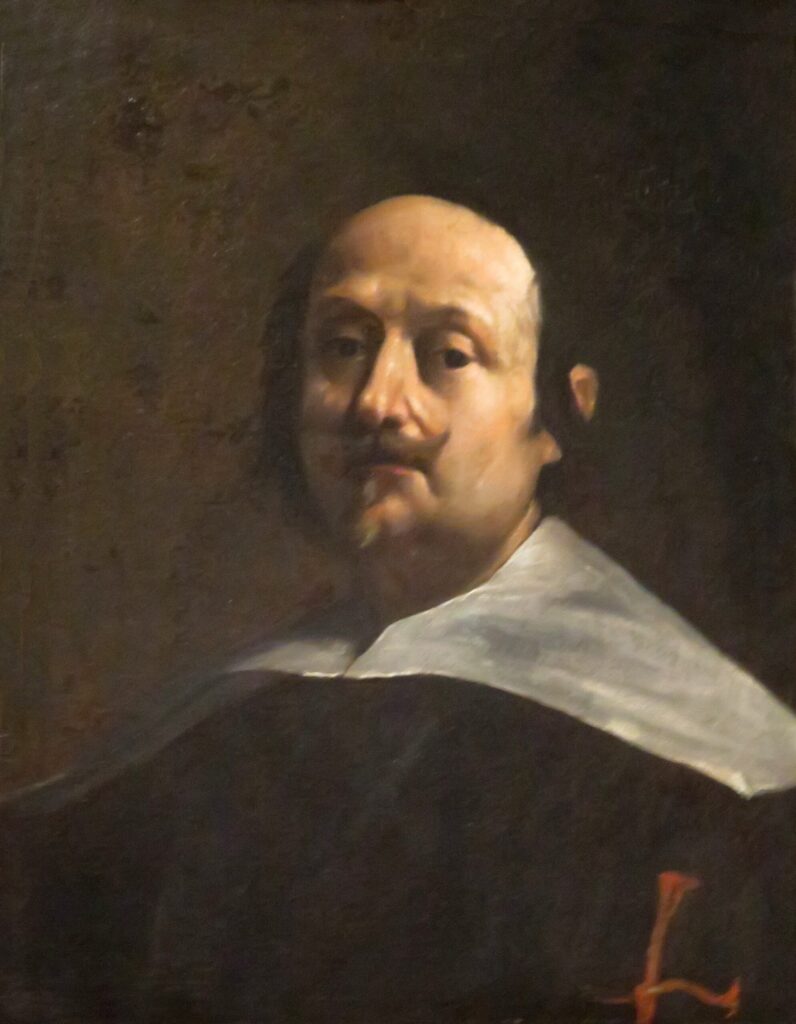
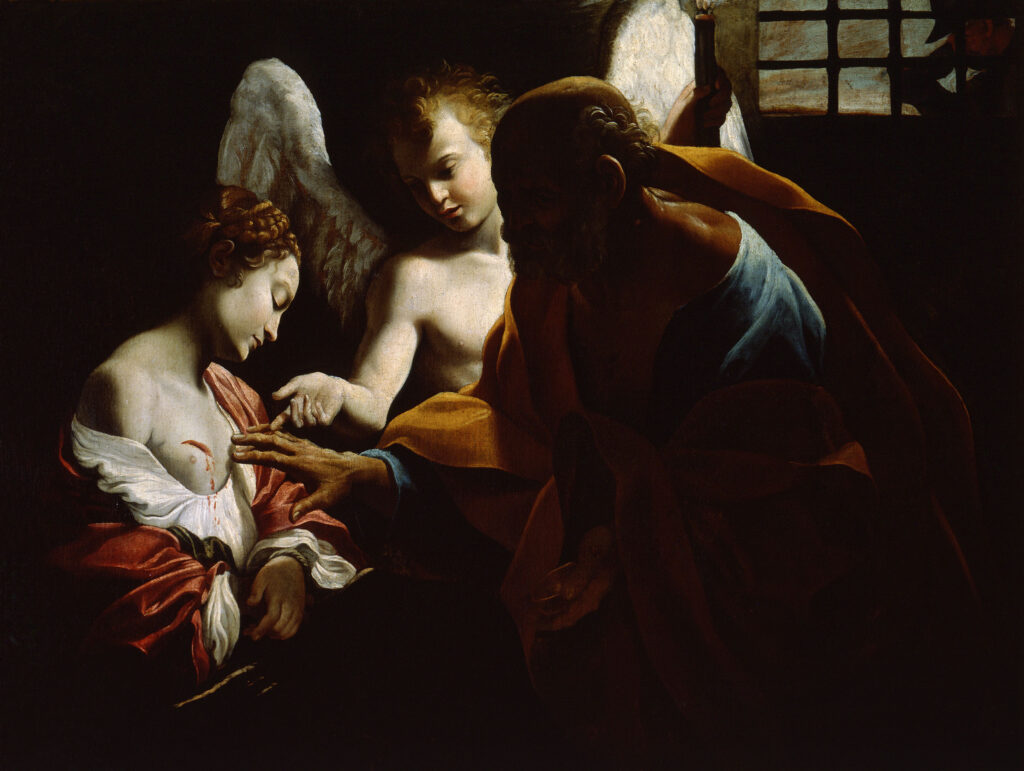
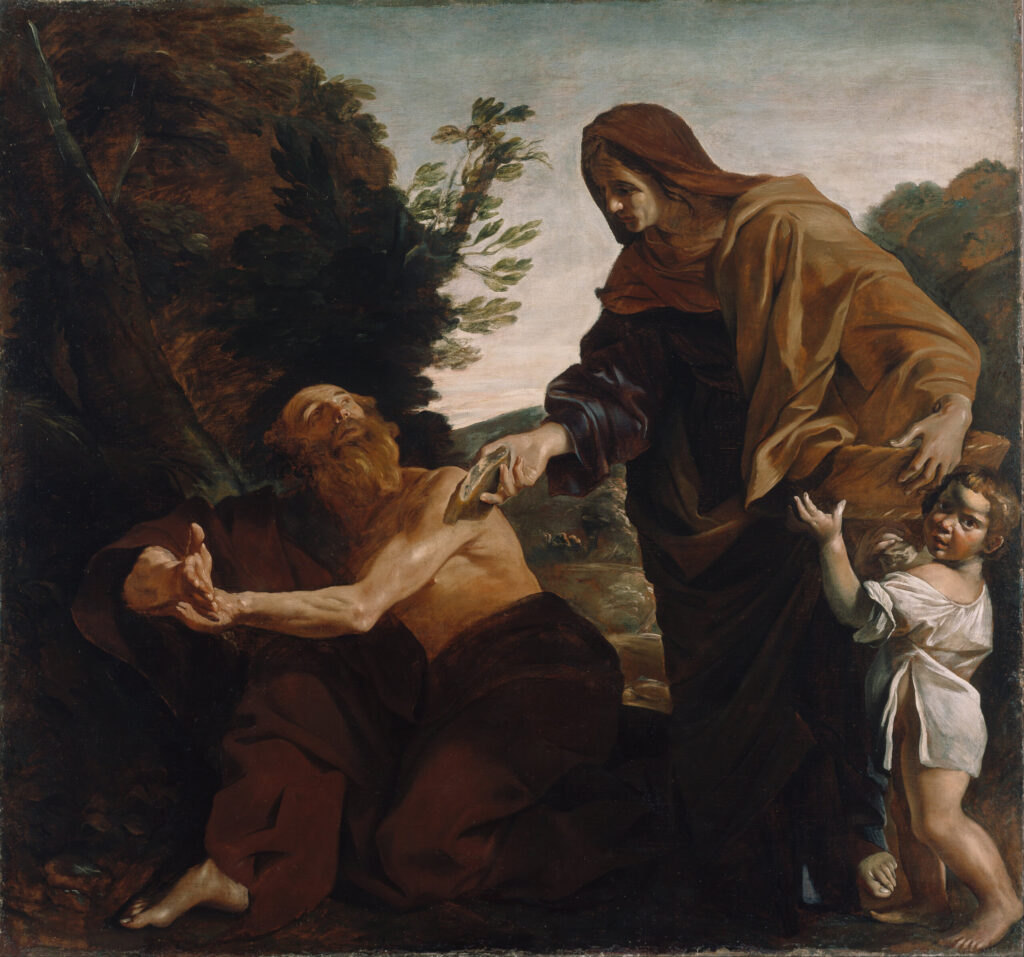
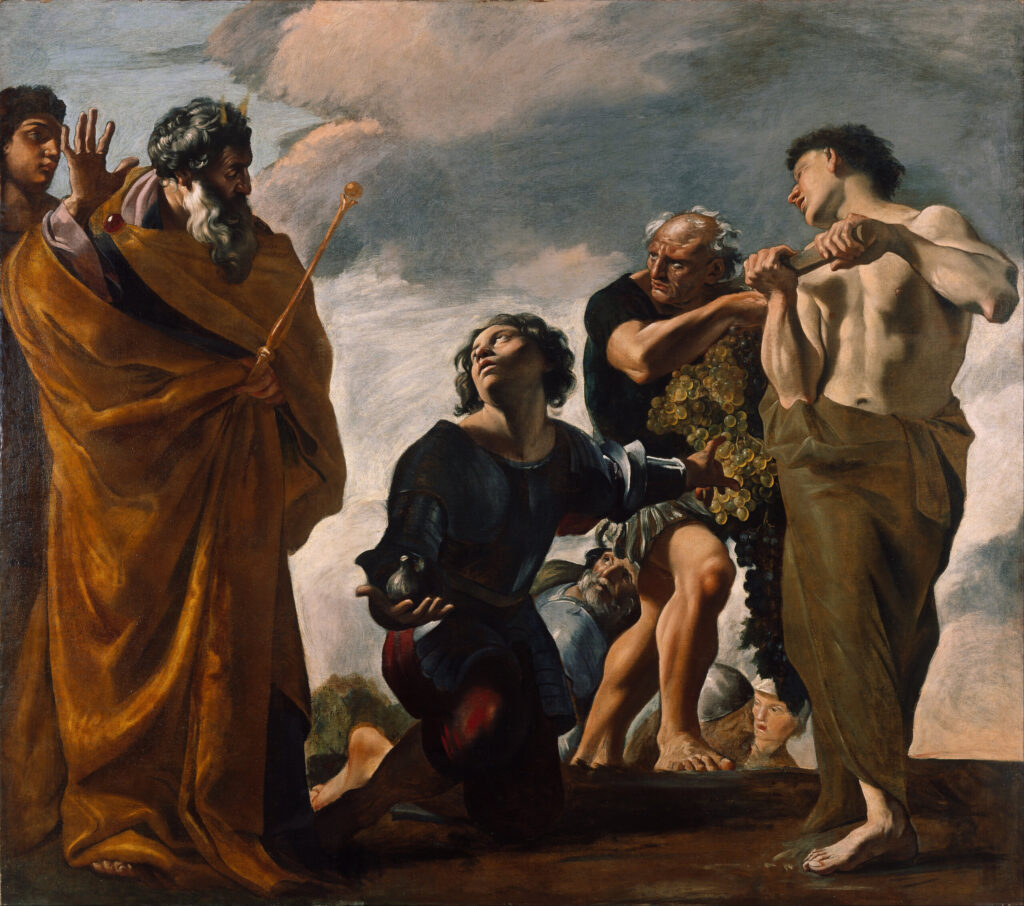
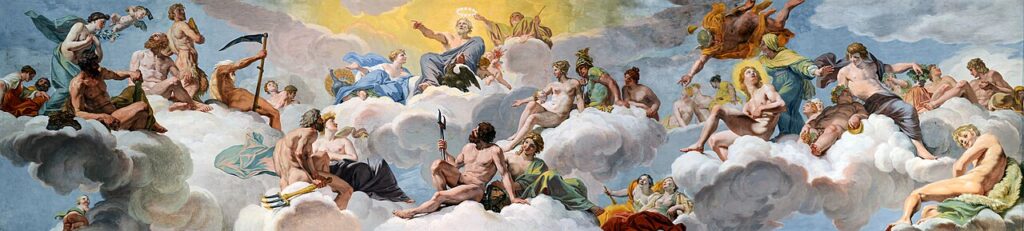
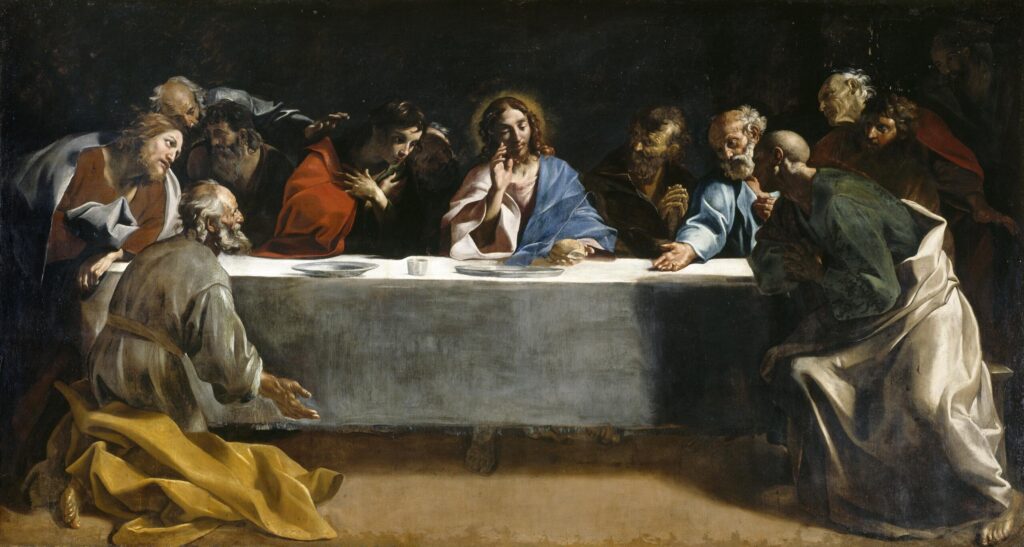
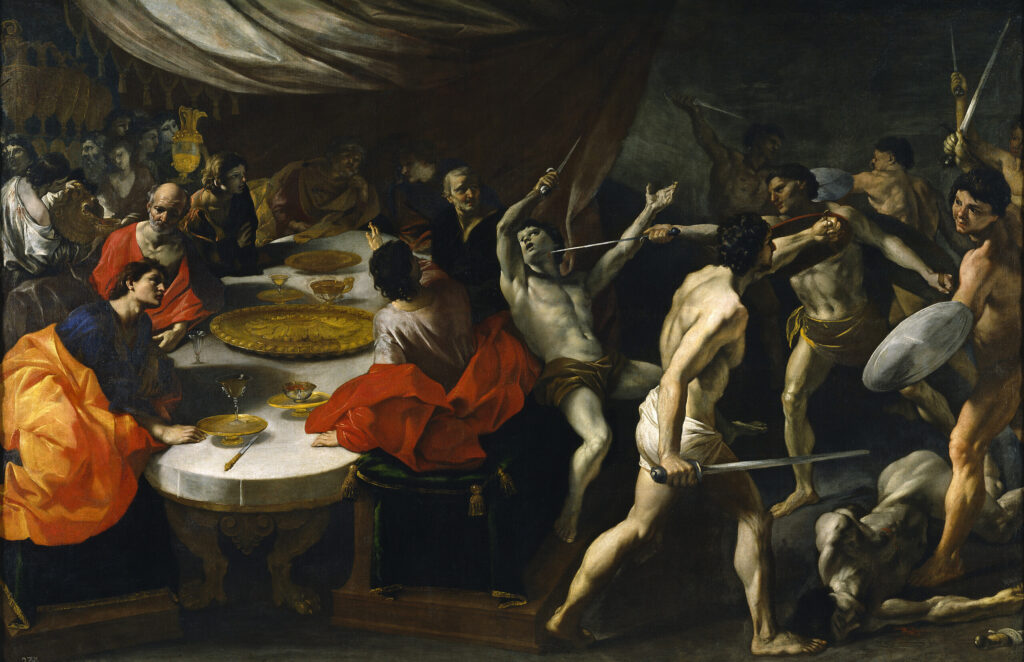
Giovanni Lanfranco
Giovanni Lanfranco, January 26, 1582–November 30, 1647, was an Italian painter born in Parma. He worked principally in Parma, Rome, and Naples.
Lanfranco trained with Agostino Carracci in Parma and later joined Annibale Carracci’s workshop in Rome. He worked with artists including Domenichino, Francesco Albani, and Guido Reni on the decoration of the Palazzo Farnese, and subsequently received major church and palace commissions in Rome and Naples.
His principal commissions included the dome of Sant’Andrea della Valle in Rome and fresco decorations at the Gesù Nuovo, the Certosa di San Martino, and Naples Cathedral. His paintings are held by the Museo del Prado, the Louvre, the J. Paul Getty Museum, the National Gallery of Ireland, the Palace of Versailles, and other major collections.





Hendrick Avercamp
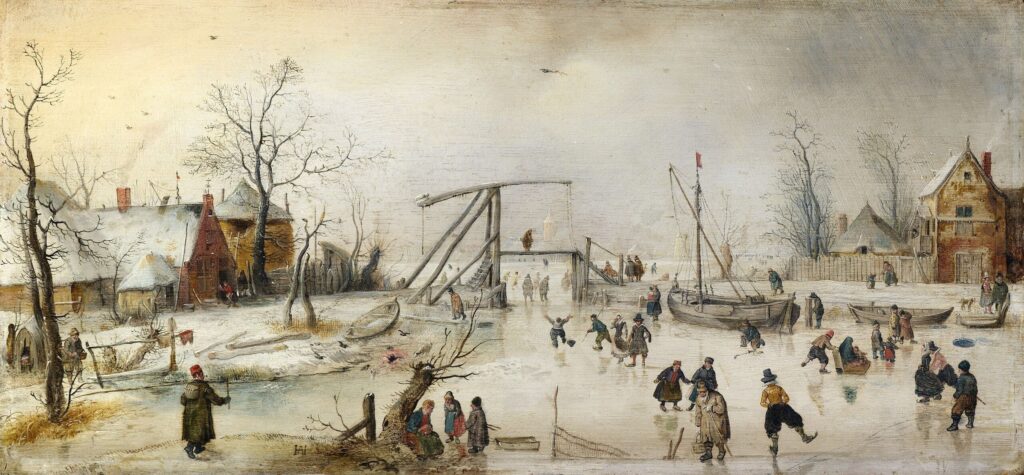
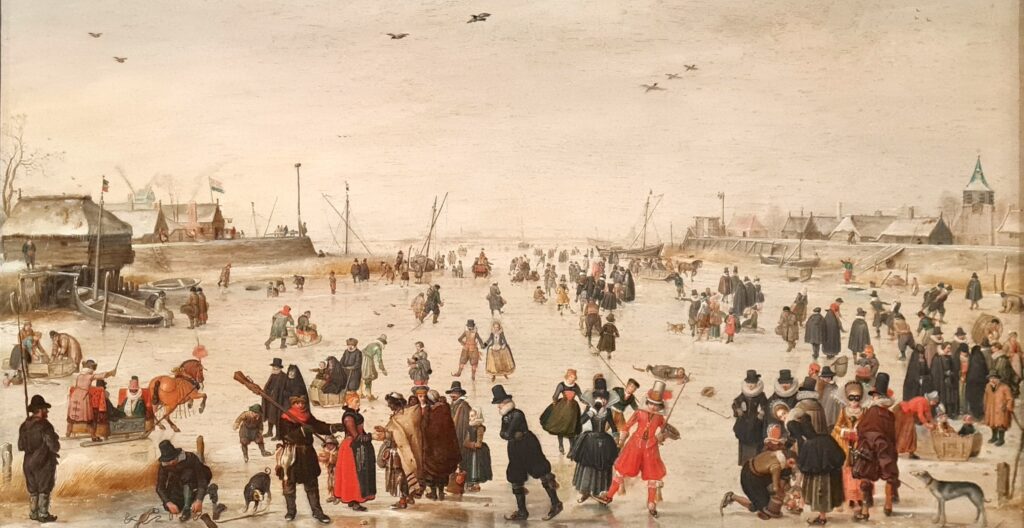
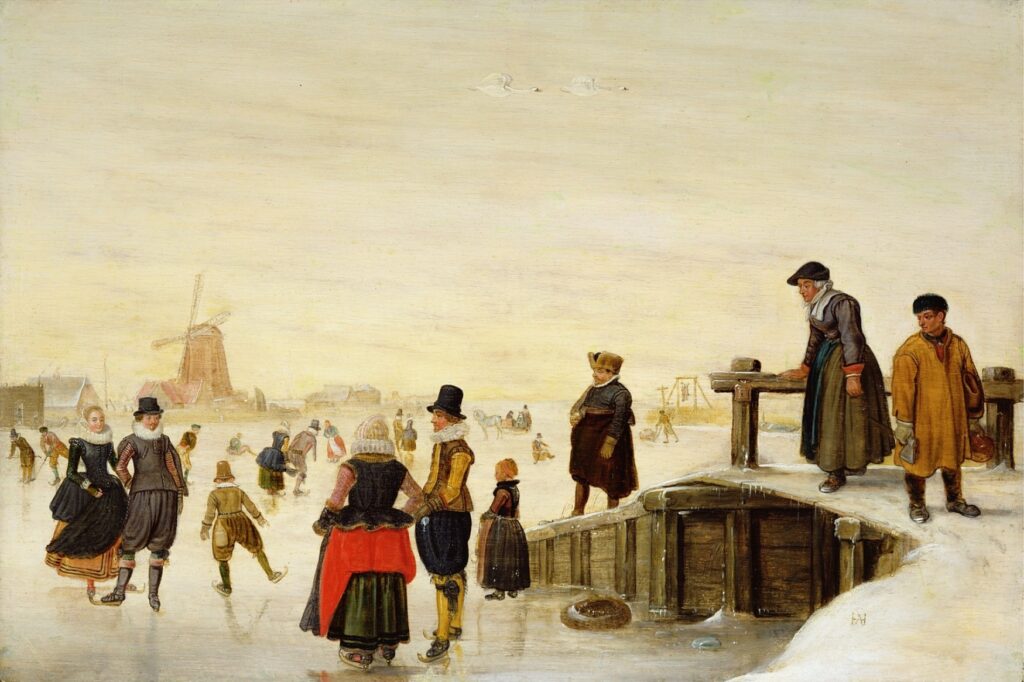
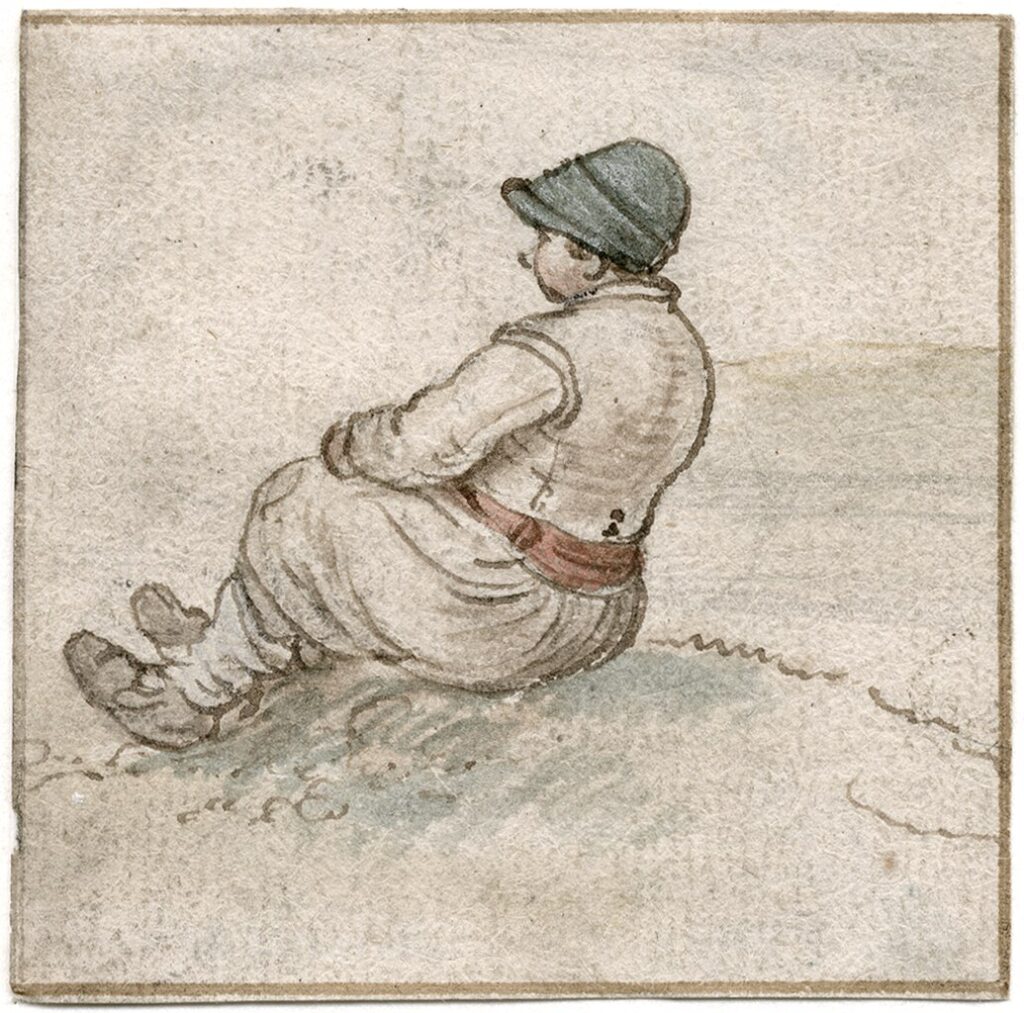
Hendrick Avercamp, January 27, 1585–May 15, 1634, was a Dutch painter and draftsman known for winter landscapes. Born in Amsterdam and raised in Kampen, he was deaf and unable to speak from childhood.
His formal training is not documented with certainty. He probably studied in Amsterdam with the Danish-born painter Pieter Isaacks and was influenced by Flemish landscape traditions before returning to Kampen, where he spent most of his career. His nephew Barent Avercamp continued his manner of painting winter scenes.
Avercamp’s paintings and drawings are held in major collections including the Rijksmuseum, the National Gallery in London, the Mauritshuis, the Kunsthistorisches Museum in Vienna, the National Gallery of Art in Washington, and other European and American museums.