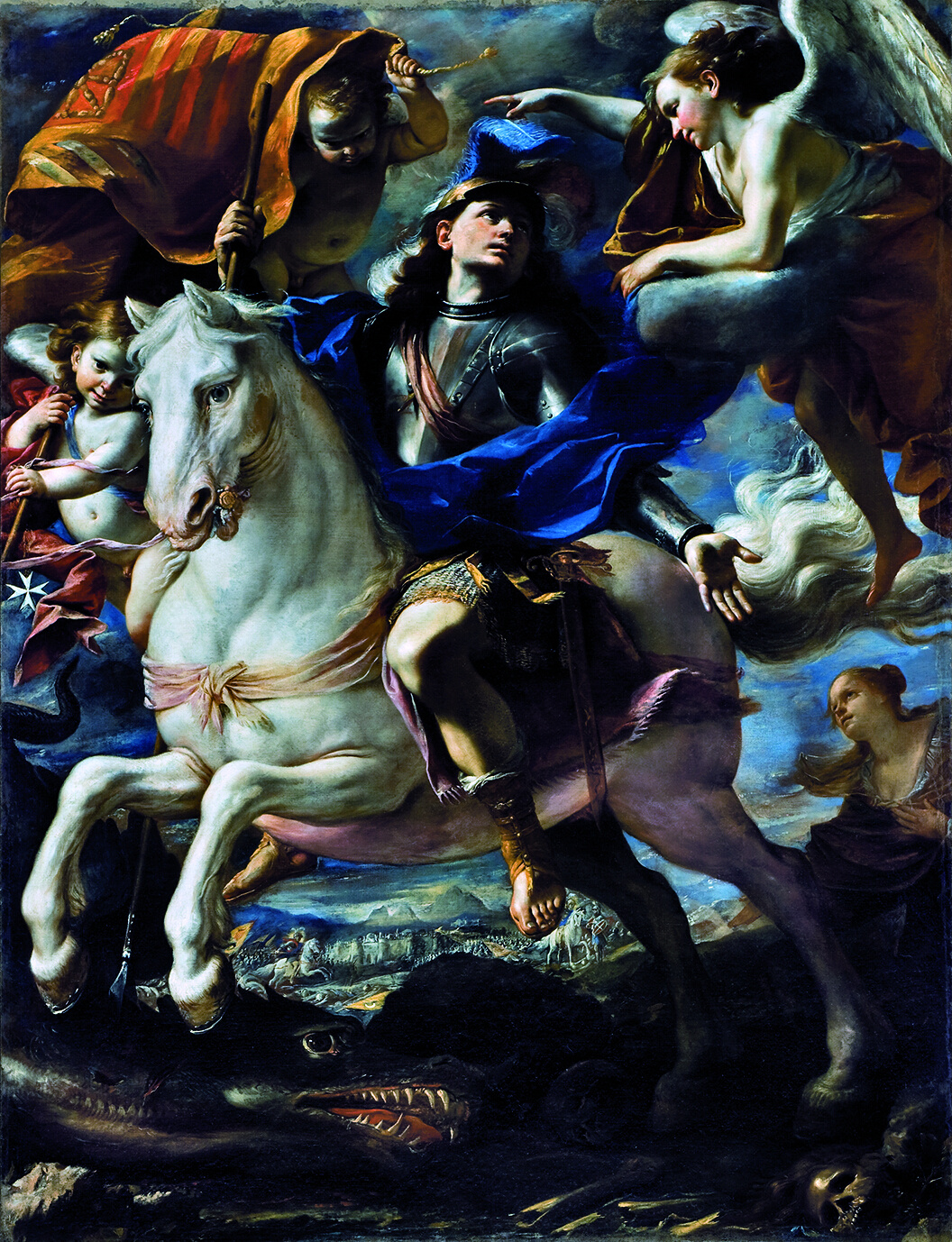

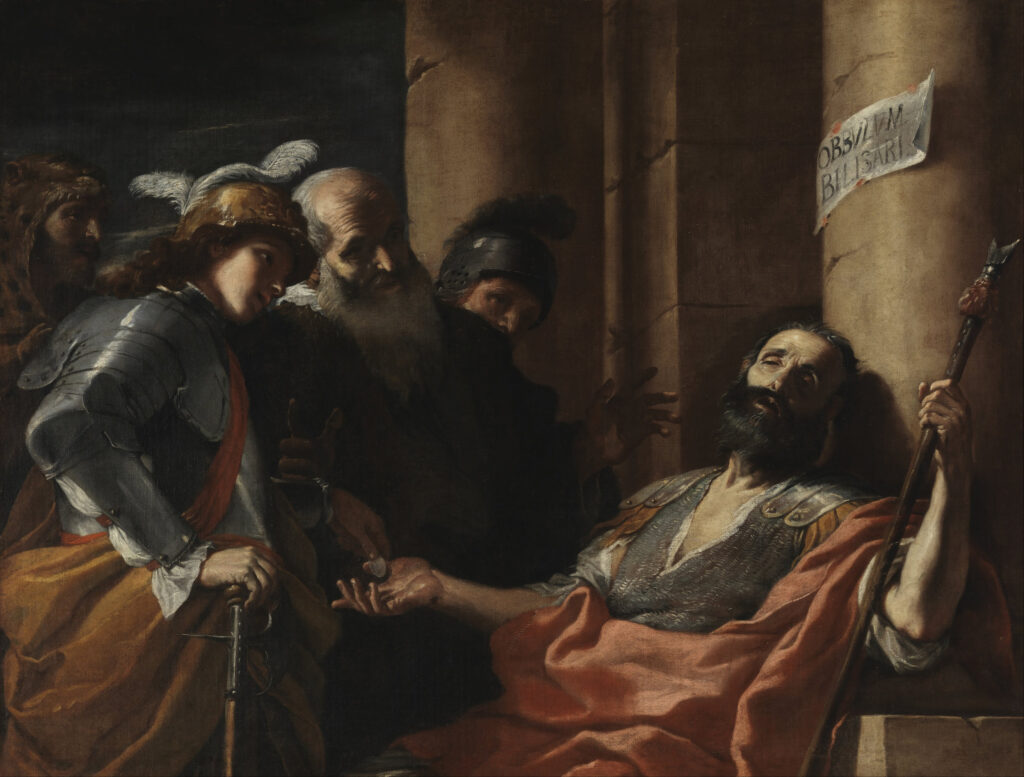
Mattia Preti
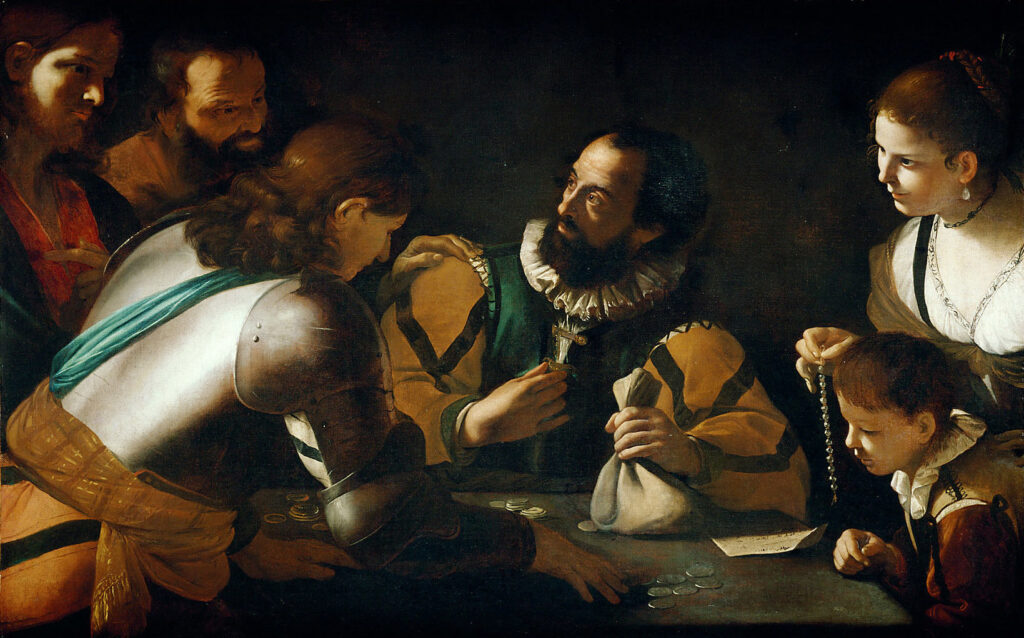
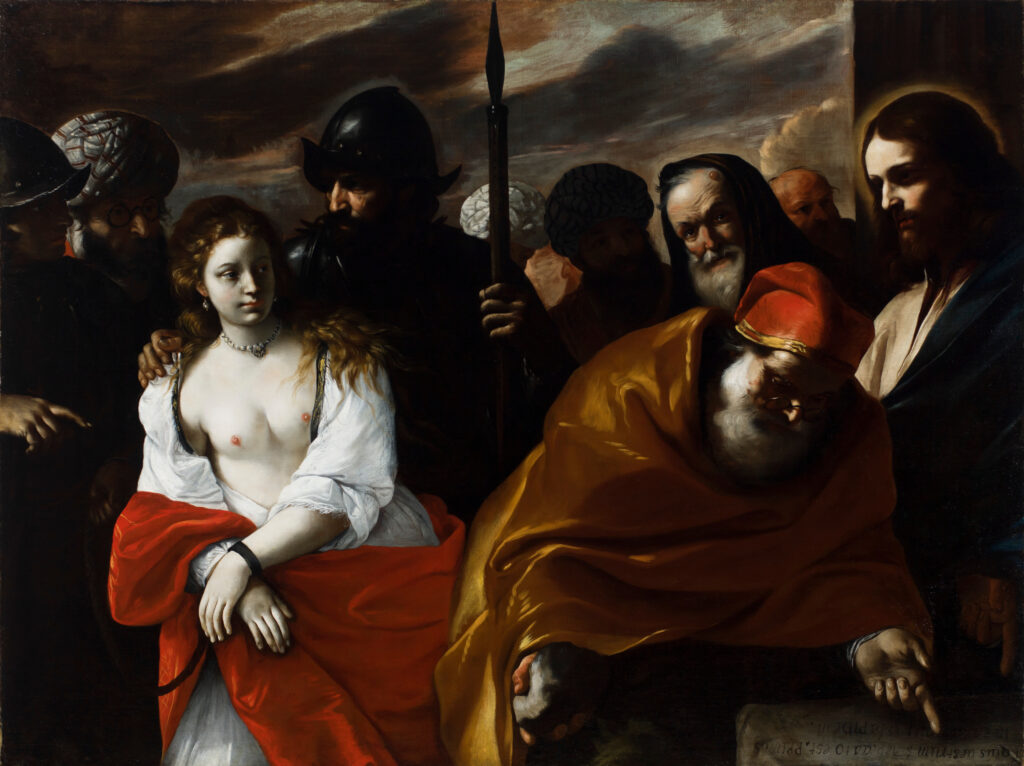
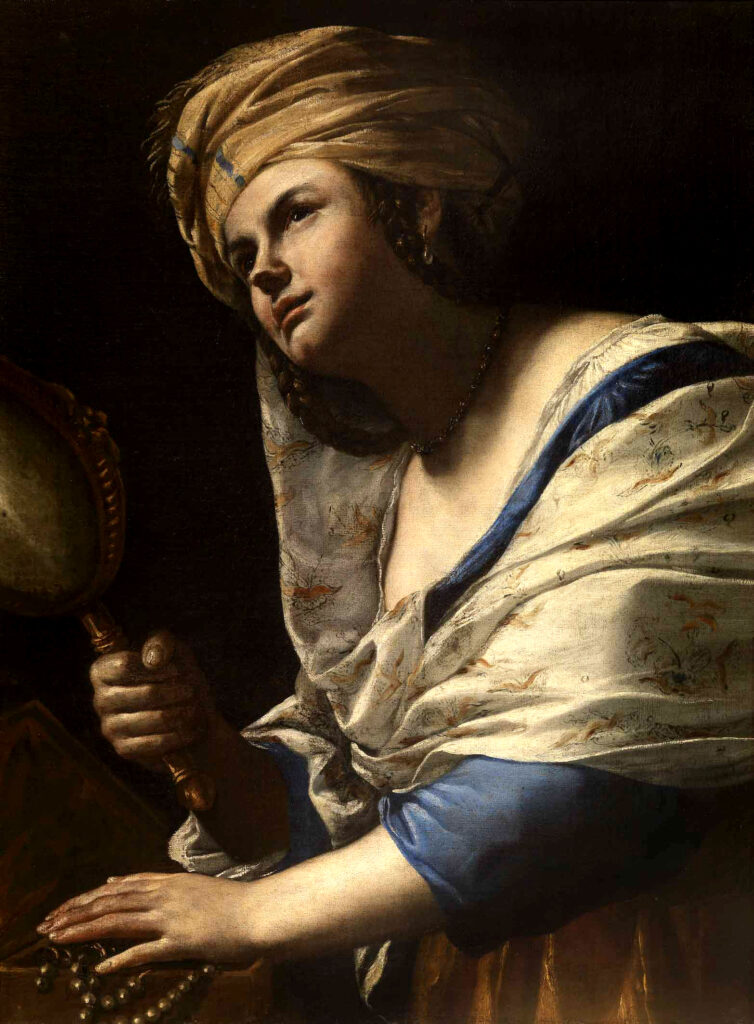
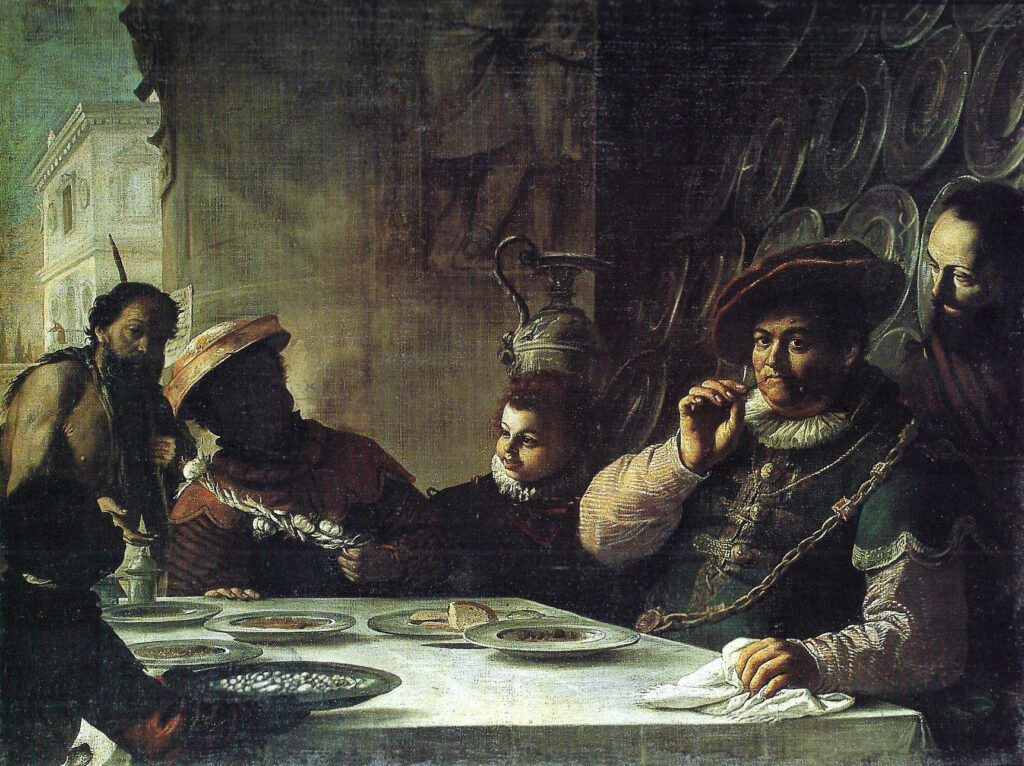
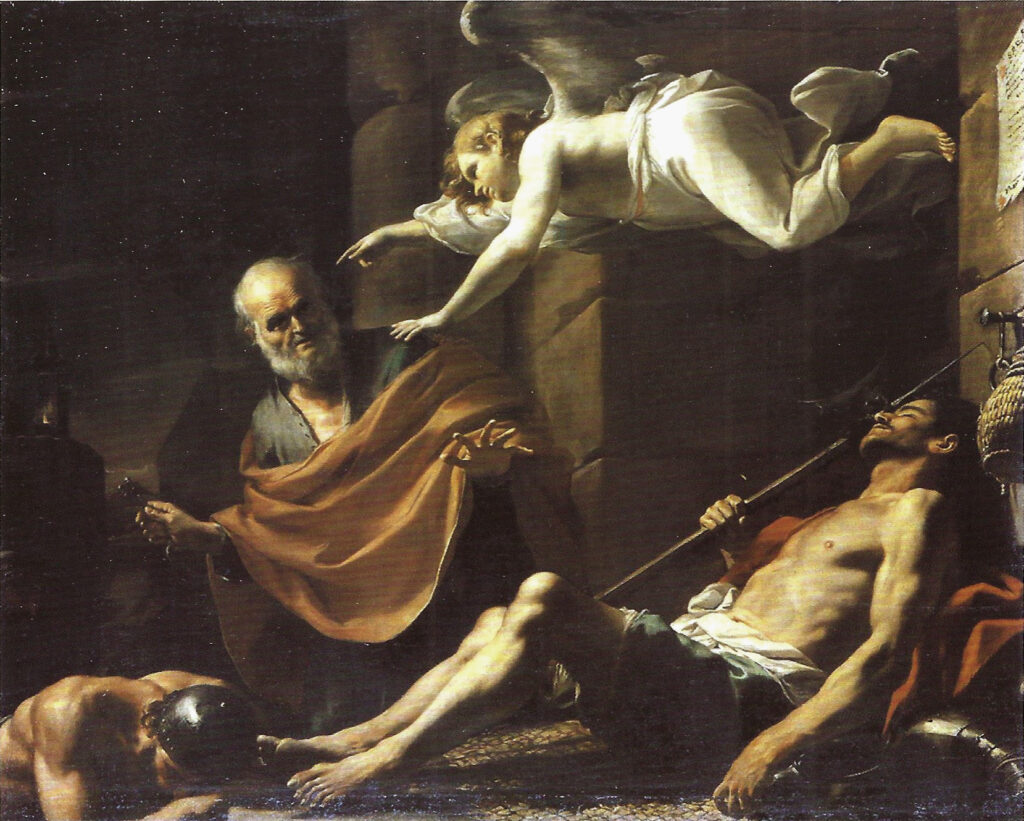
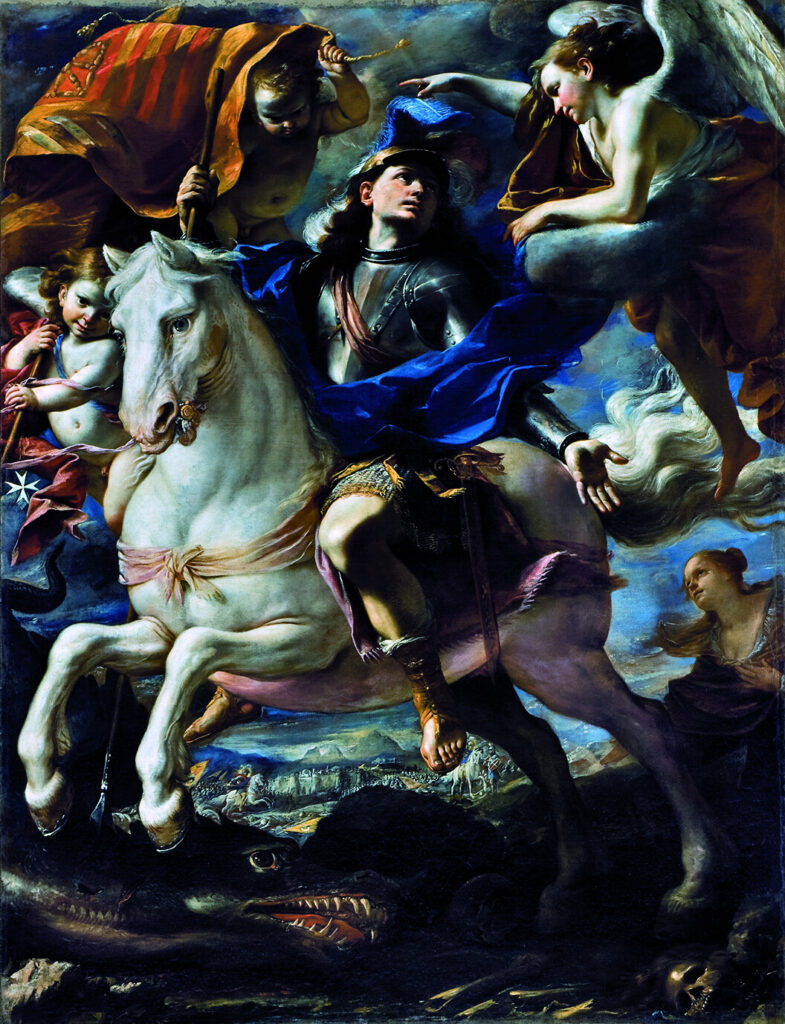
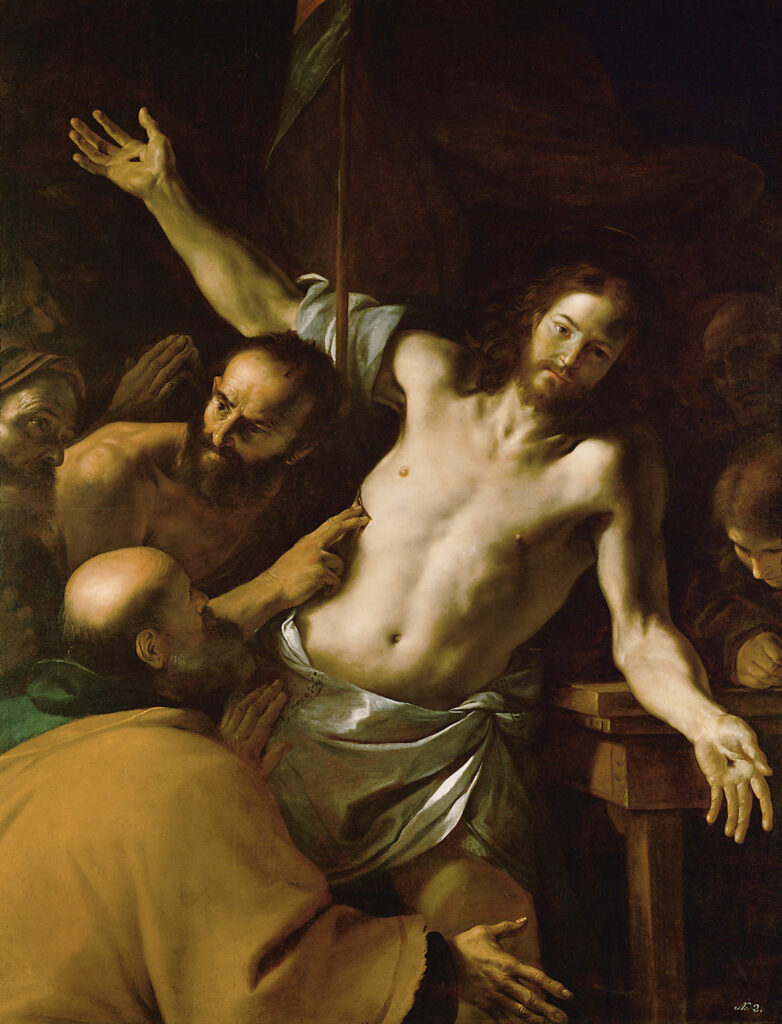
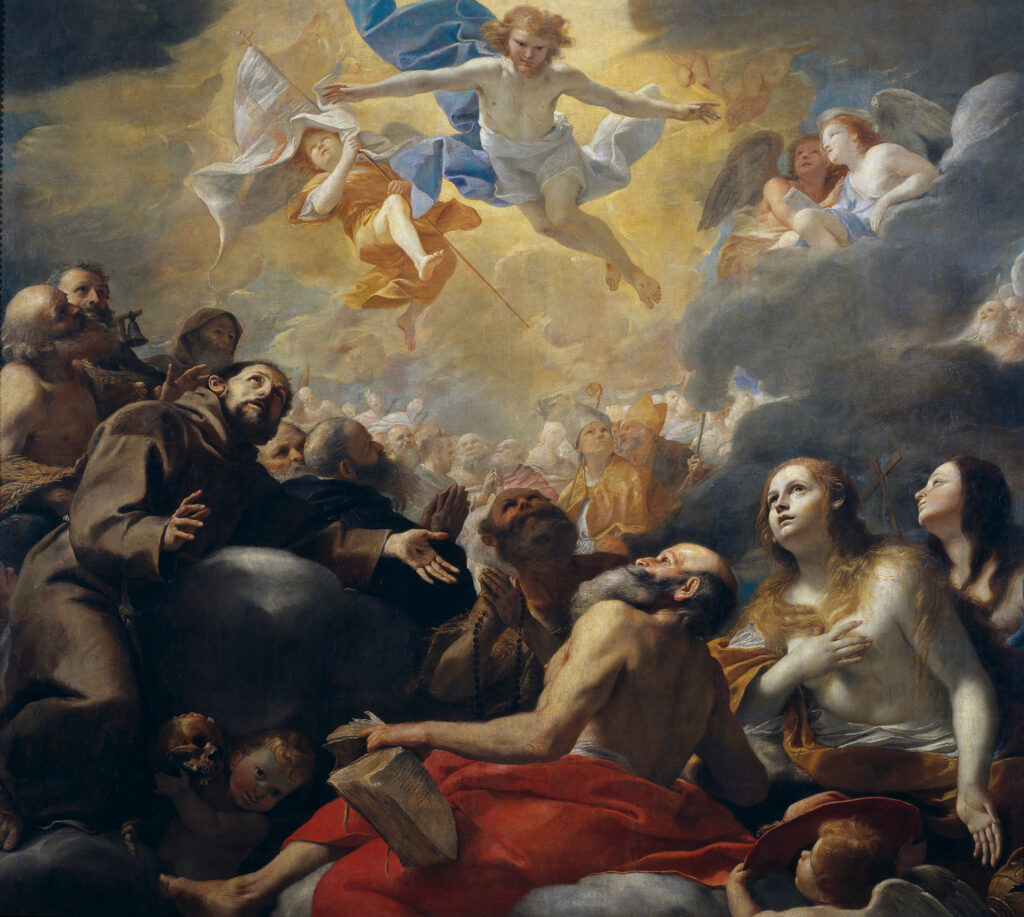
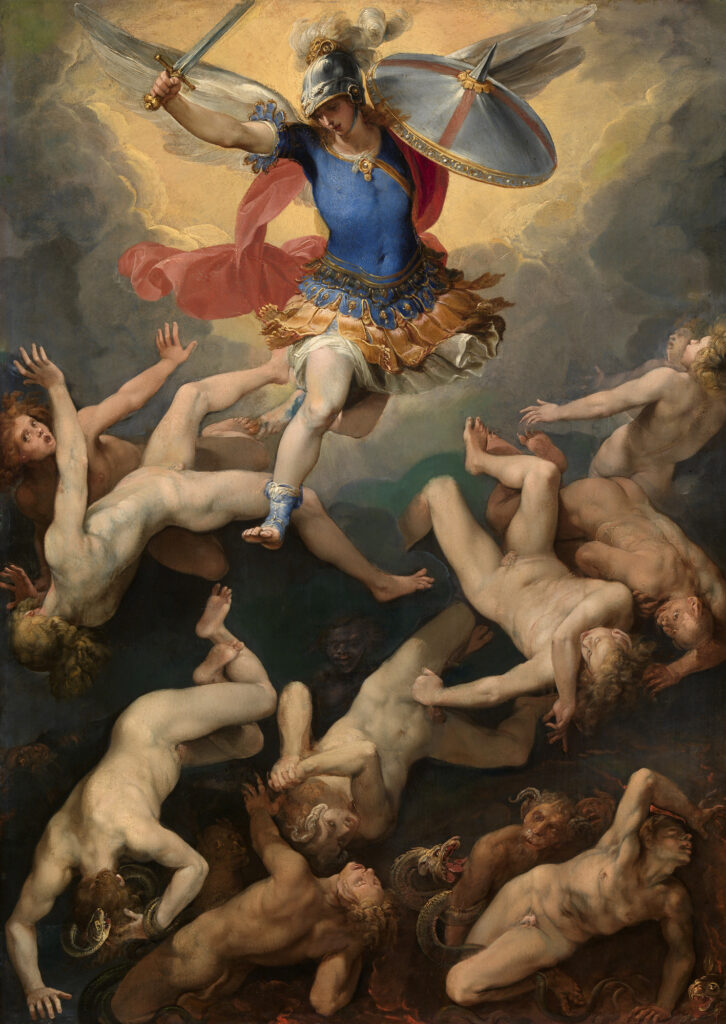
Mattia Preti, February 24, 1613–January 3, 1699, was an Italian painter born in Taverna, Calabria. He trained in Rome with his elder brother, Gregorio Preti, and studied paintings by Caravaggio and Paolo Veronese.
He worked in Rome and Naples before settling in Malta in 1661. A knight of the Order of St John, he received numerous church commissions, including the painted ceiling of St John’s Co-Cathedral in Valletta.
His paintings are held by the Kunsthistorisches Museum in Vienna, Museo Nacional del Prado in Madrid, Gallerie dell’Accademia in Venice, and Museum Boijmans Van Beuningen in Rotterdam.
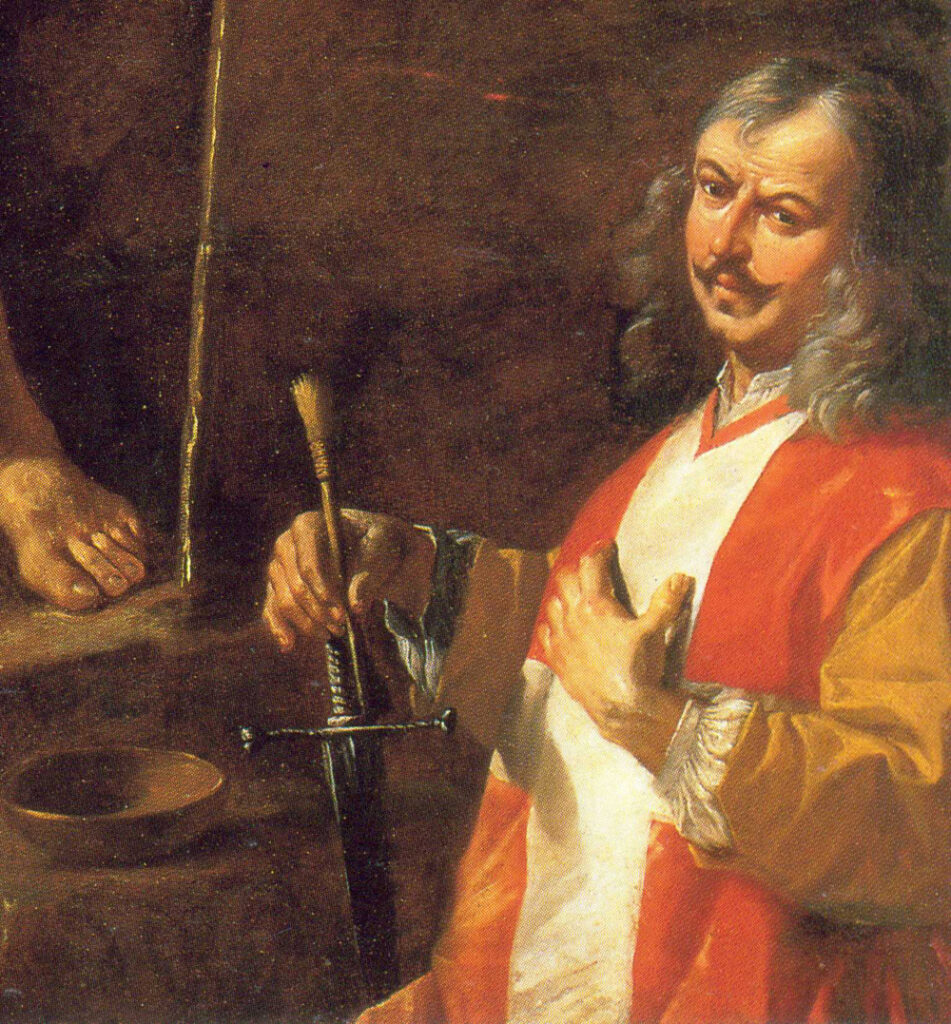
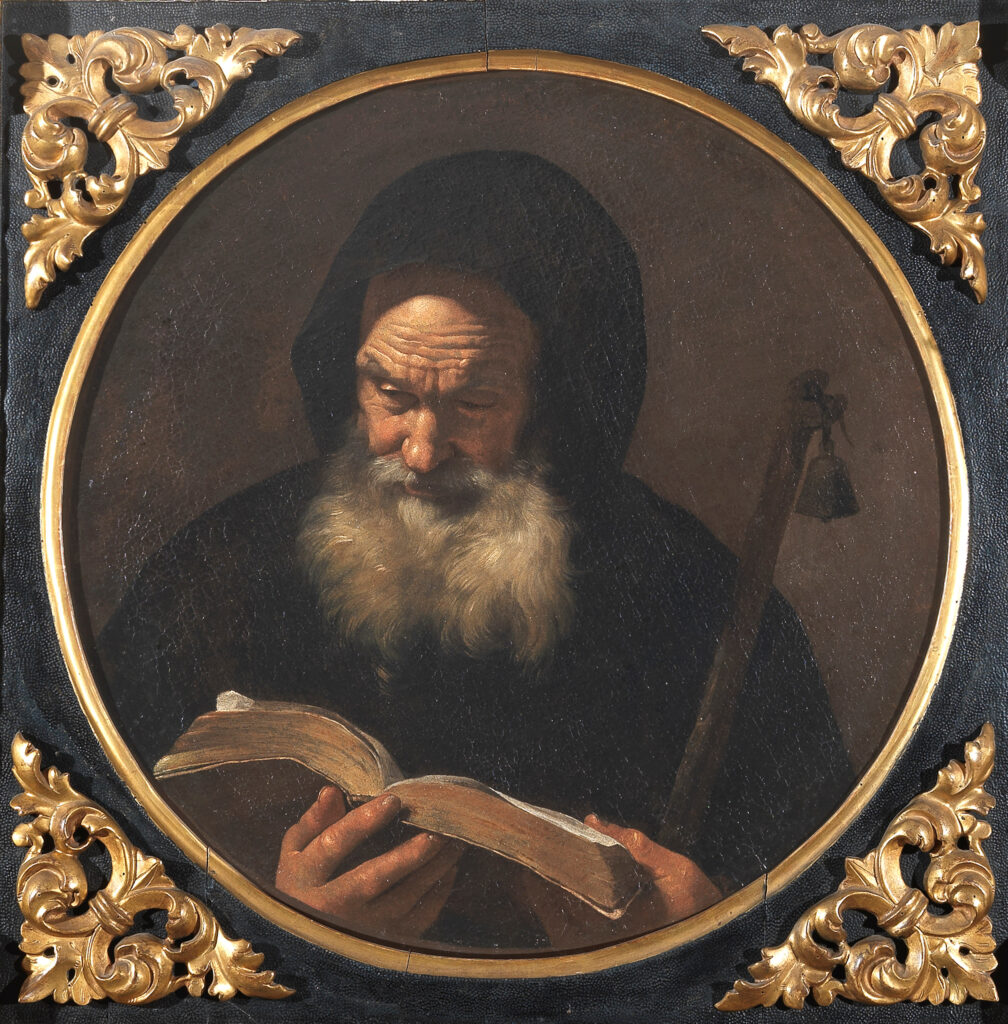
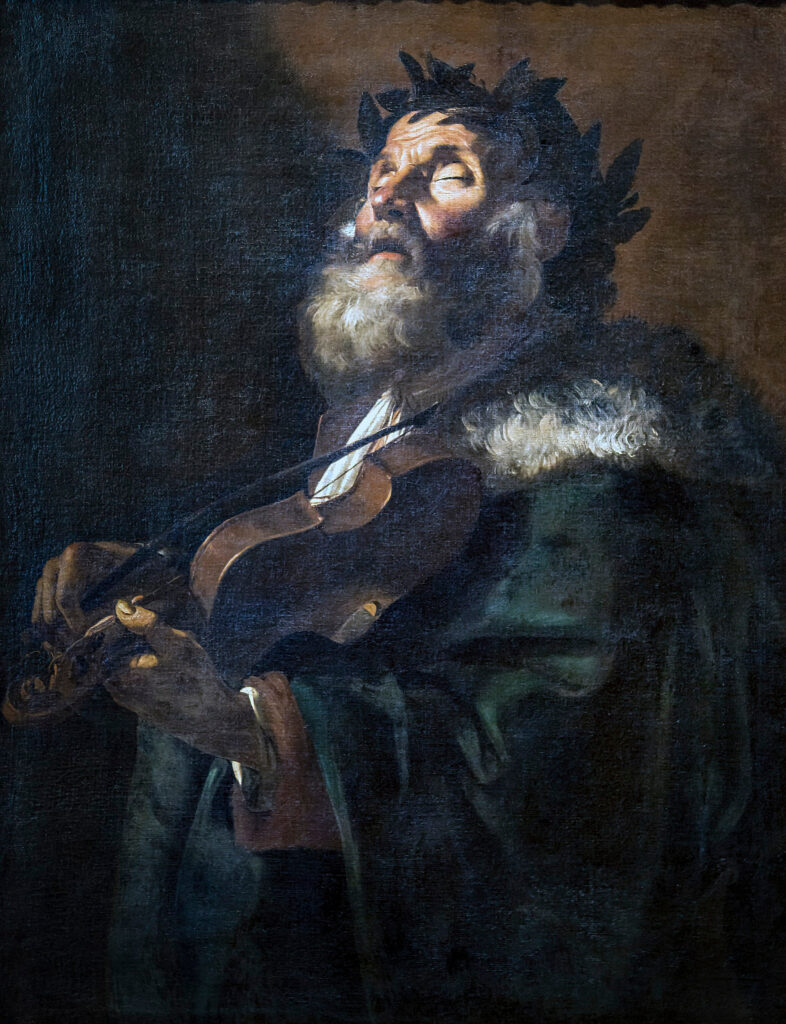

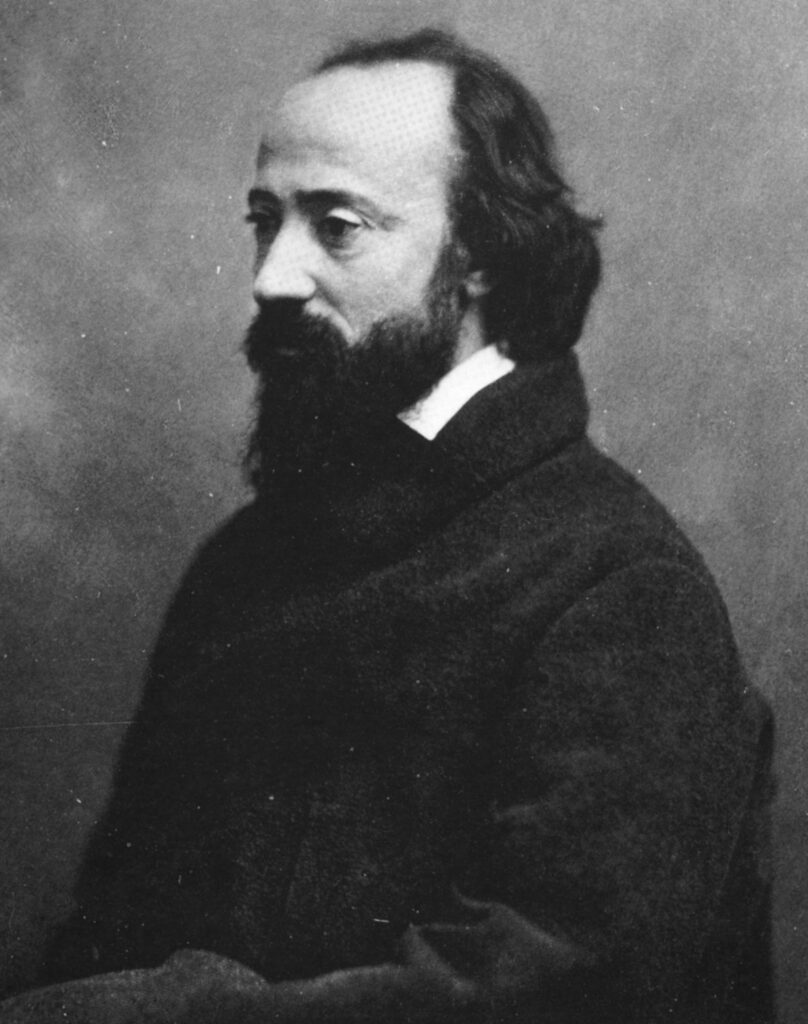
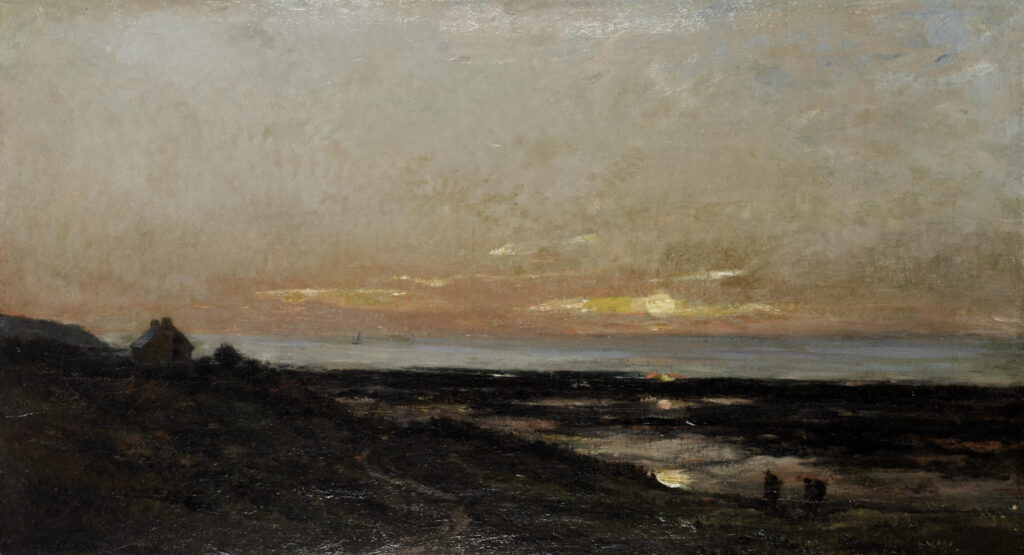
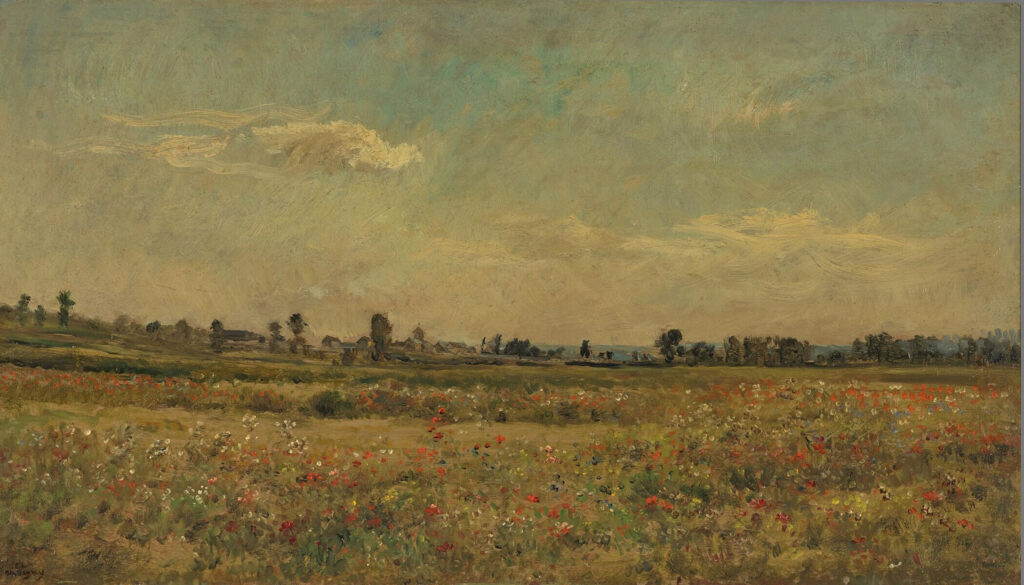
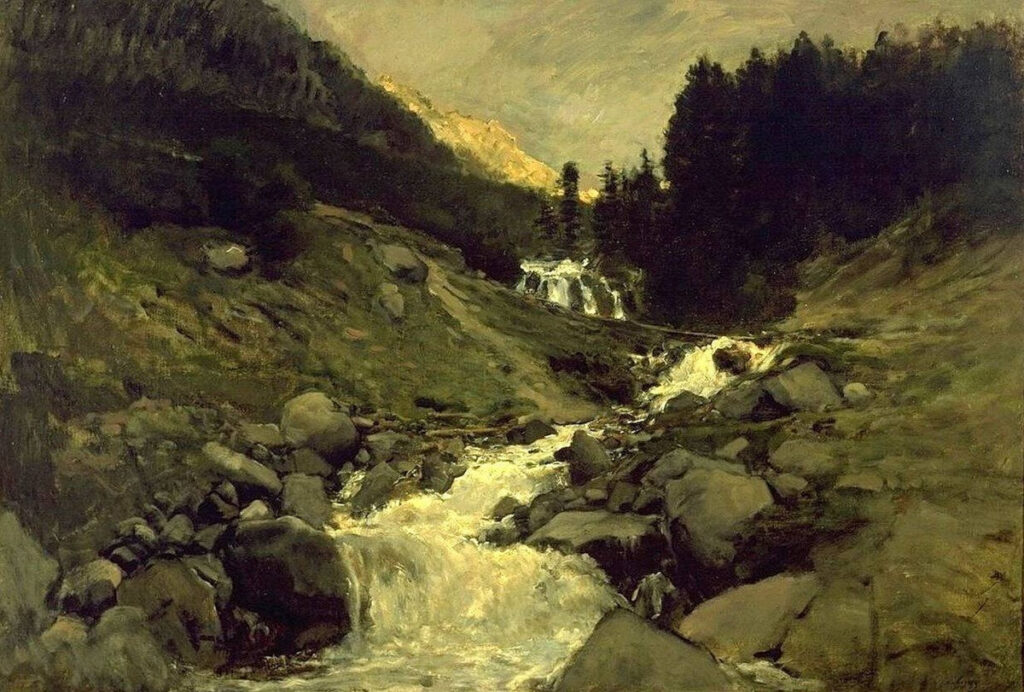
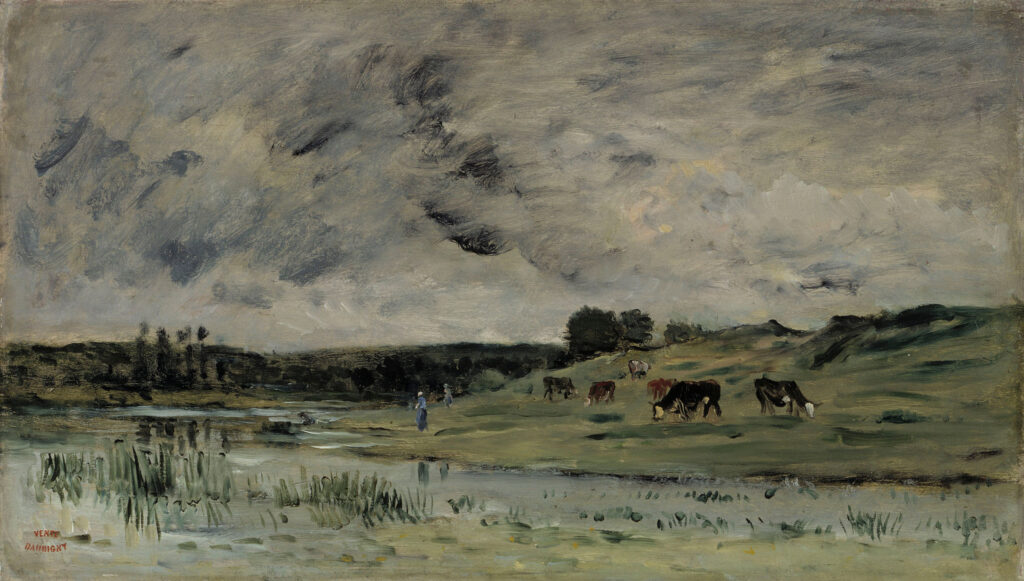
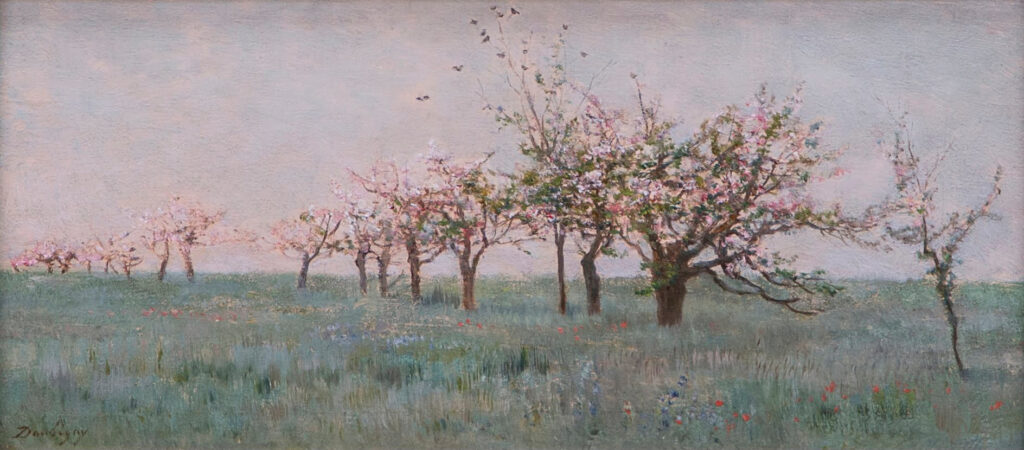
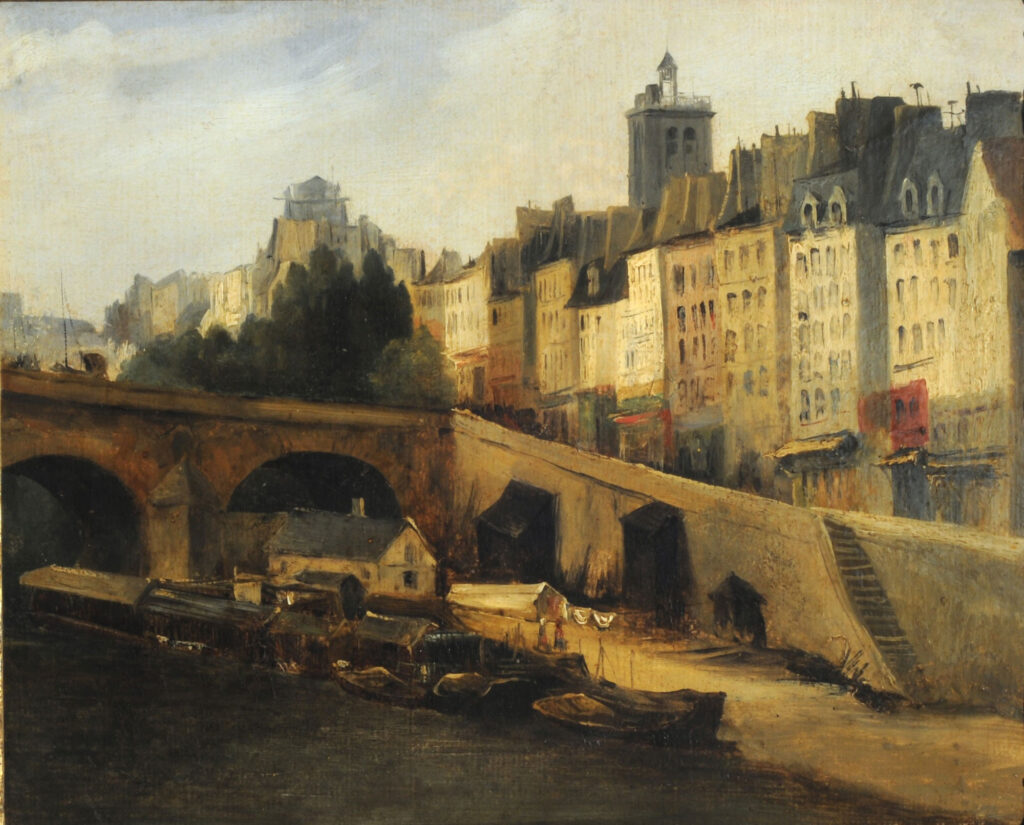
Charles-François Daubigny
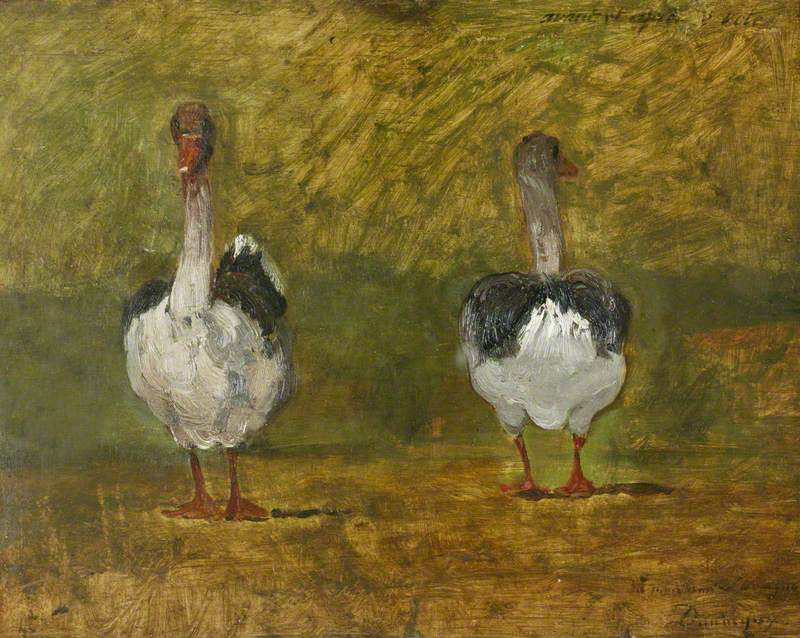
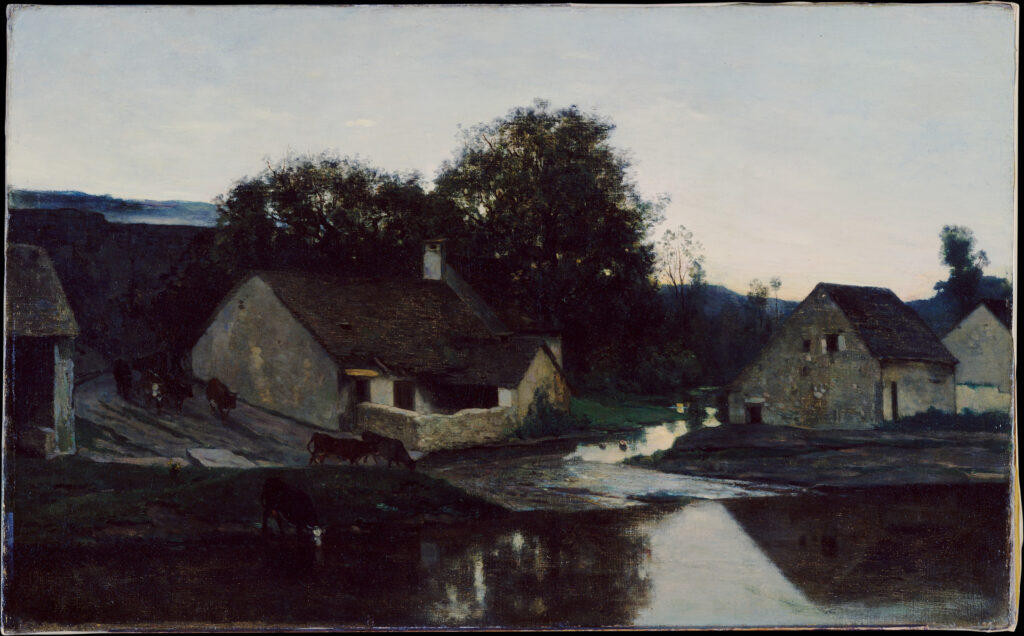
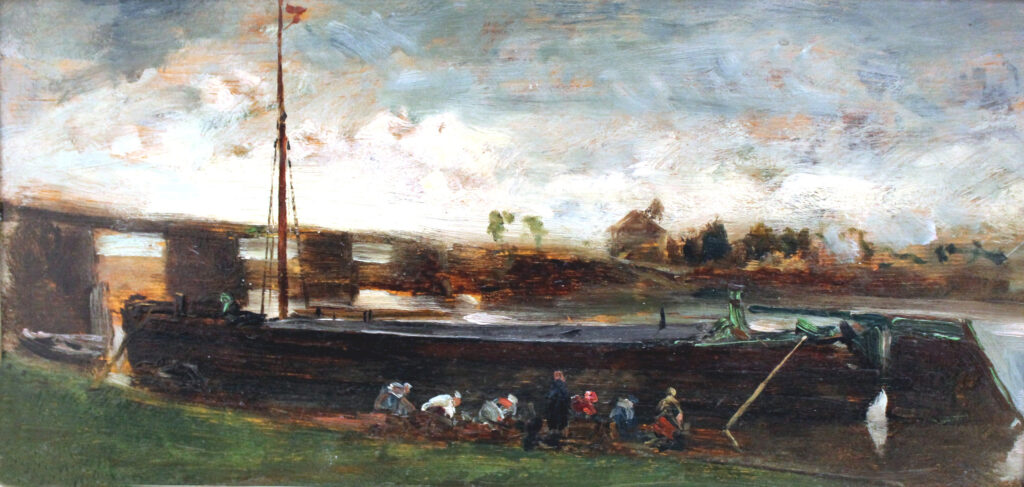
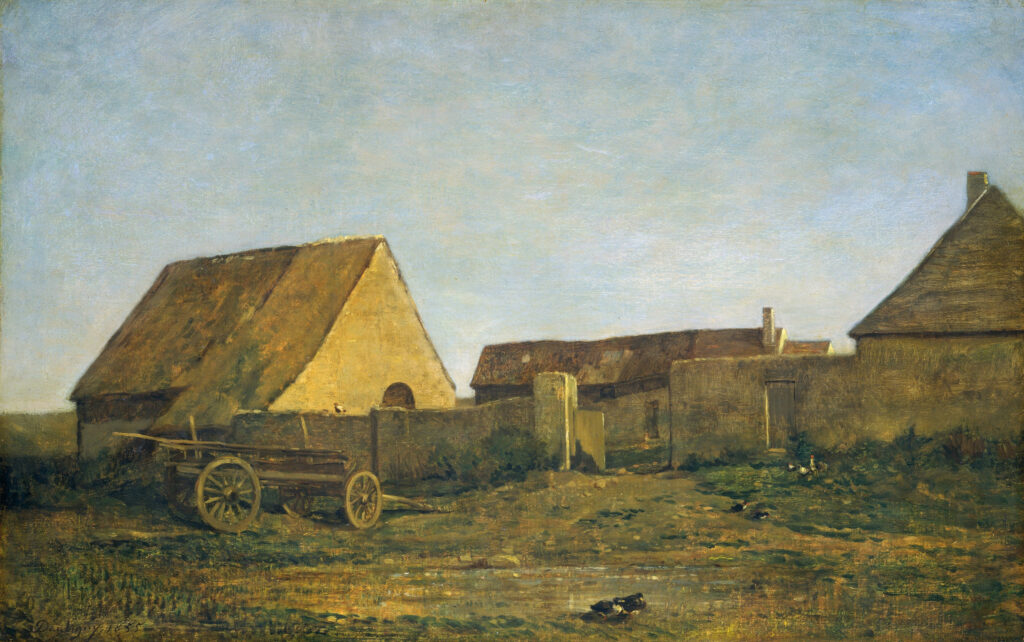
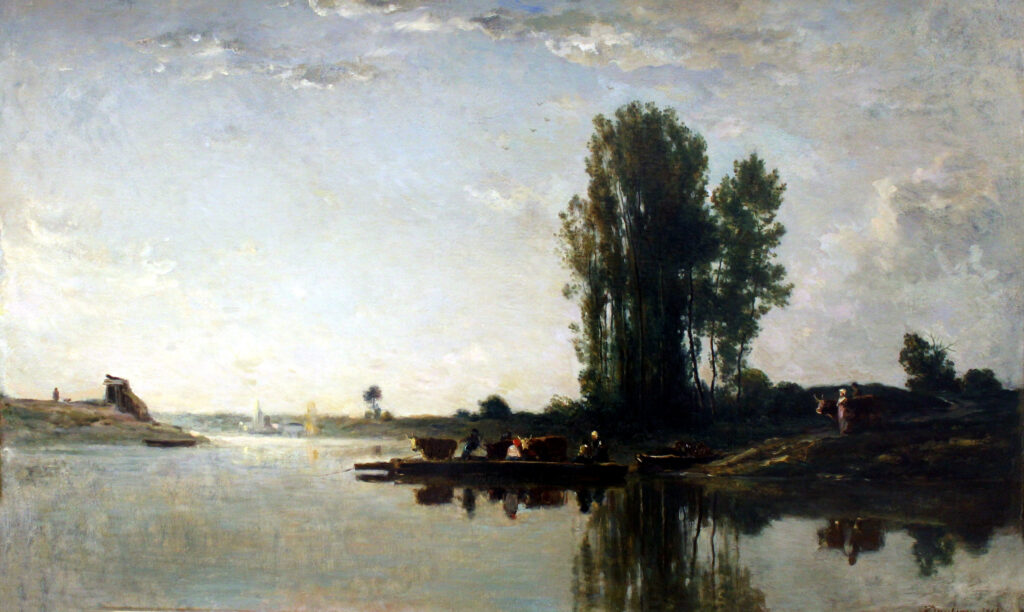
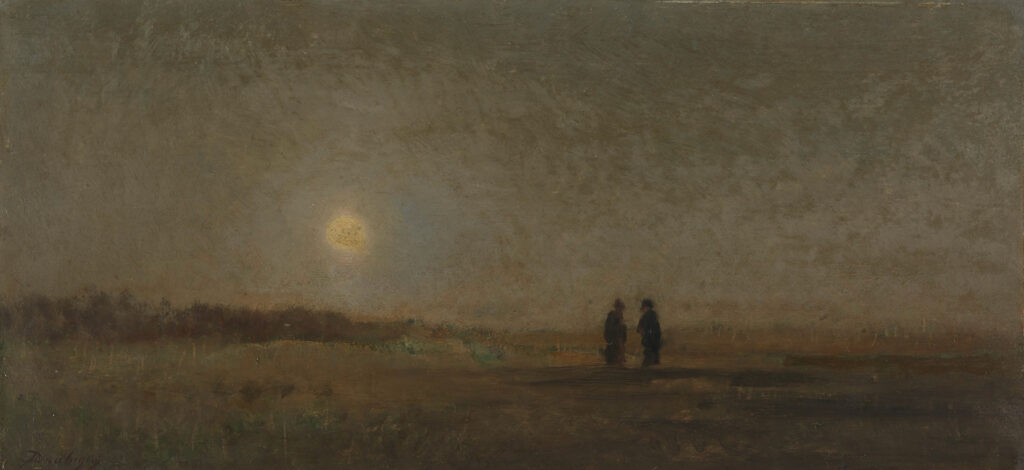
Charles-François Daubigny, February 15, 1817–February 19, 1878, was a French landscape painter and printmaker born in Paris. He trained with his father, the landscape painter Edmond-François Daubigny, apprenticed to an engraver, and studied in Italy. He first exhibited at the Paris Salon in 1838.
Associated with the Barbizon painters, Daubigny worked with Camille Corot and painted landscapes directly from nature. In 1857 he acquired the studio boat Le Botin, which he used on the Seine, Marne, and Oise. He settled in Auvers-sur-Oise in 1860 and continued to paint river scenes, fields, orchards, and coastal landscapes.
Daubigny spent time in London during the Franco-Prussian War and introduced Claude Monet to the dealer Paul Durand-Ruel. He died in Paris in 1878. His outdoor painting methods influenced the Impressionists. His works are held by the National Gallery in London, the National Gallery of Art in Washington DC, and the Metropolitan Museum of Art in New York.
Cavaliere d’Arpino
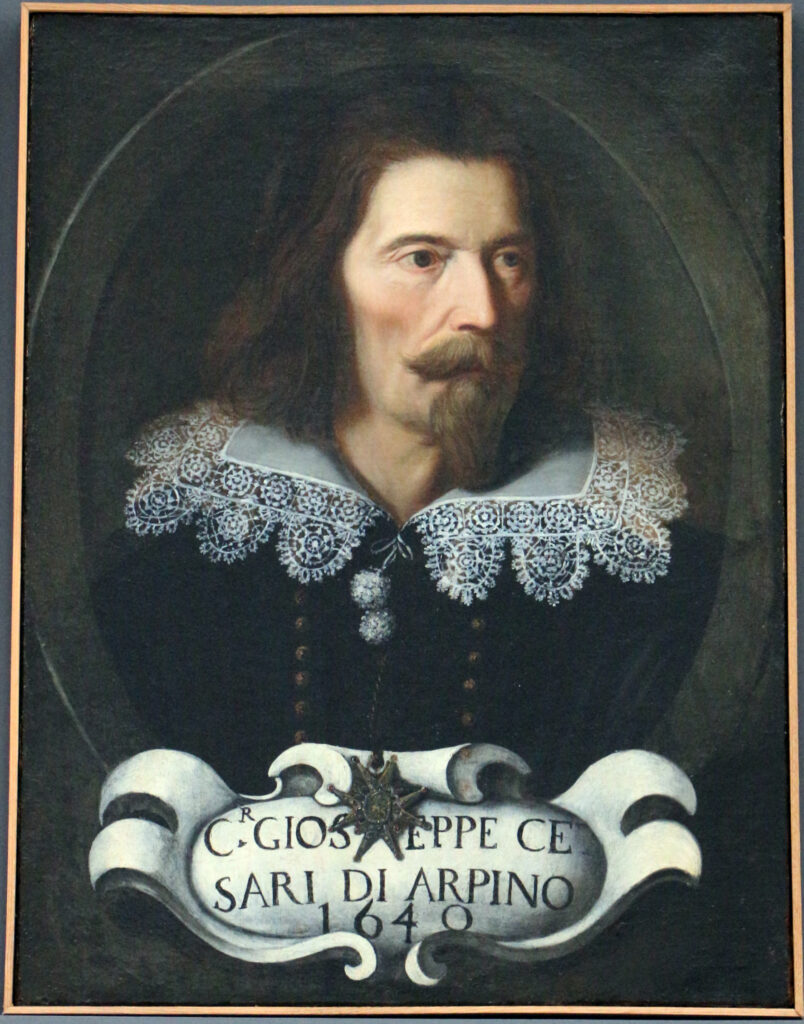
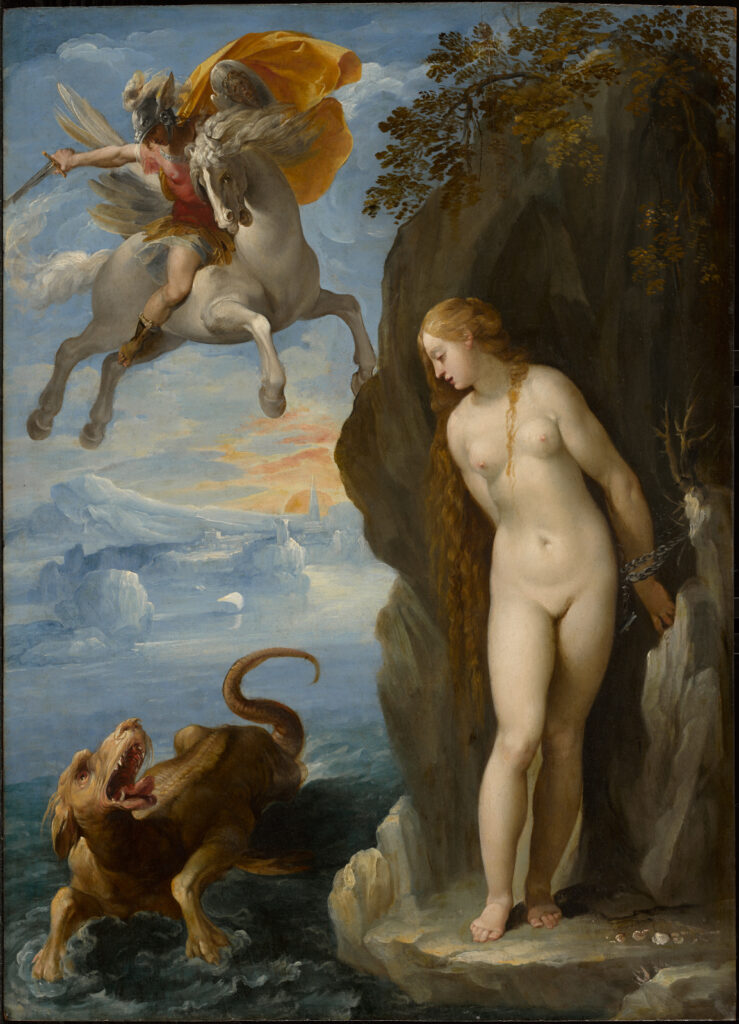
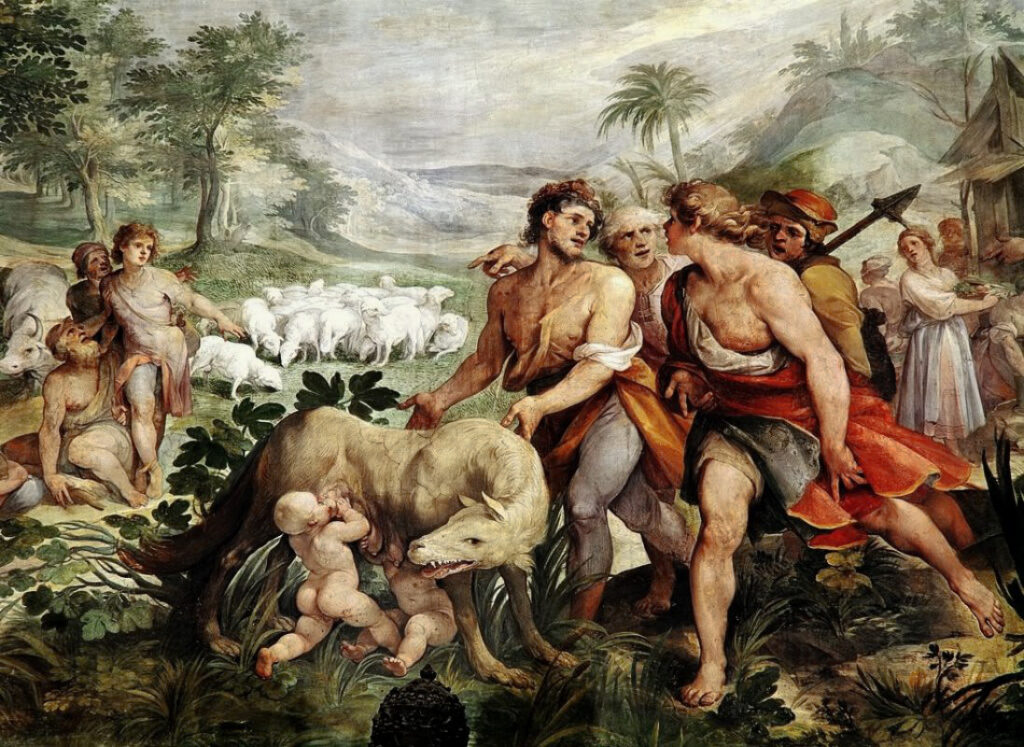
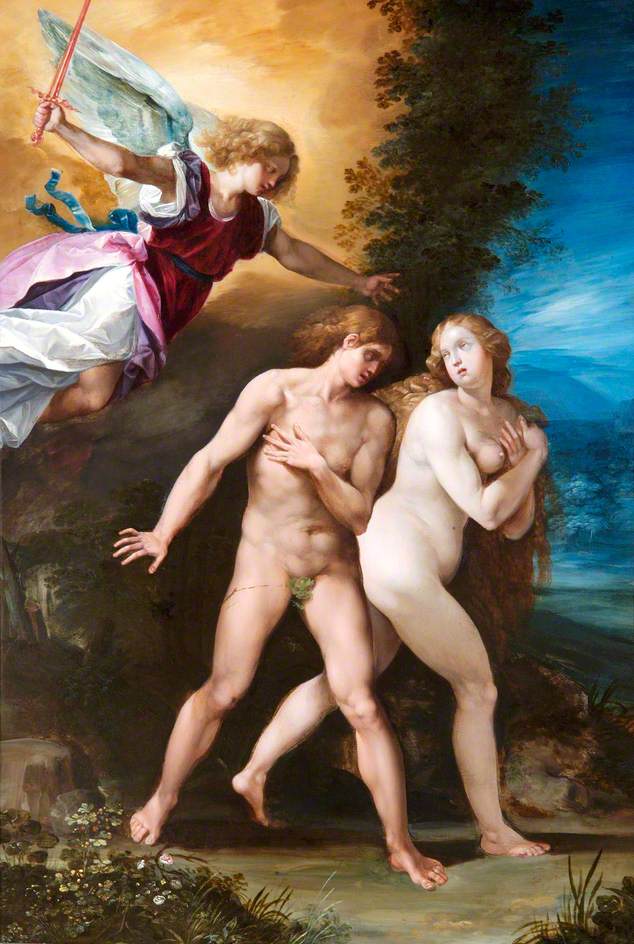
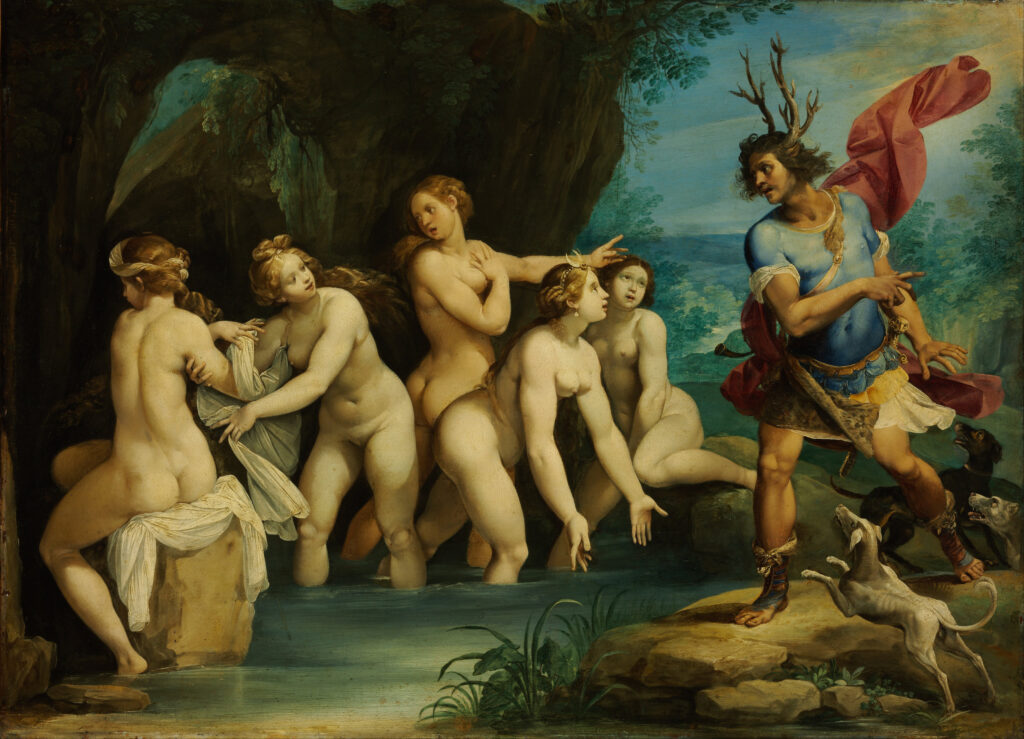
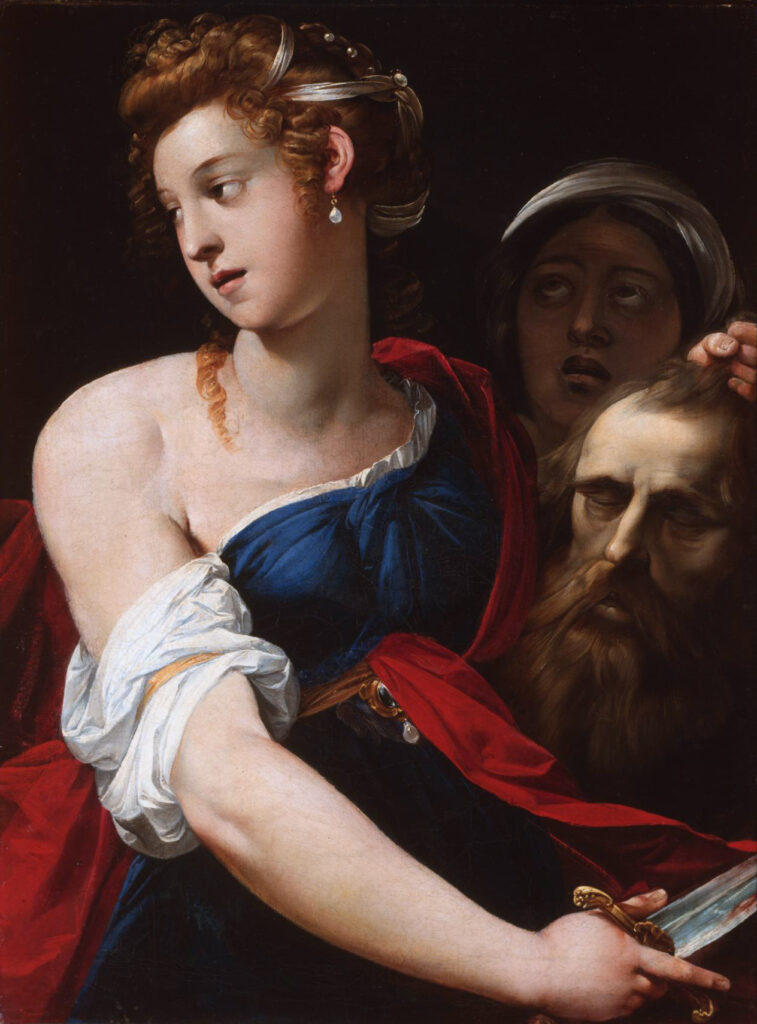
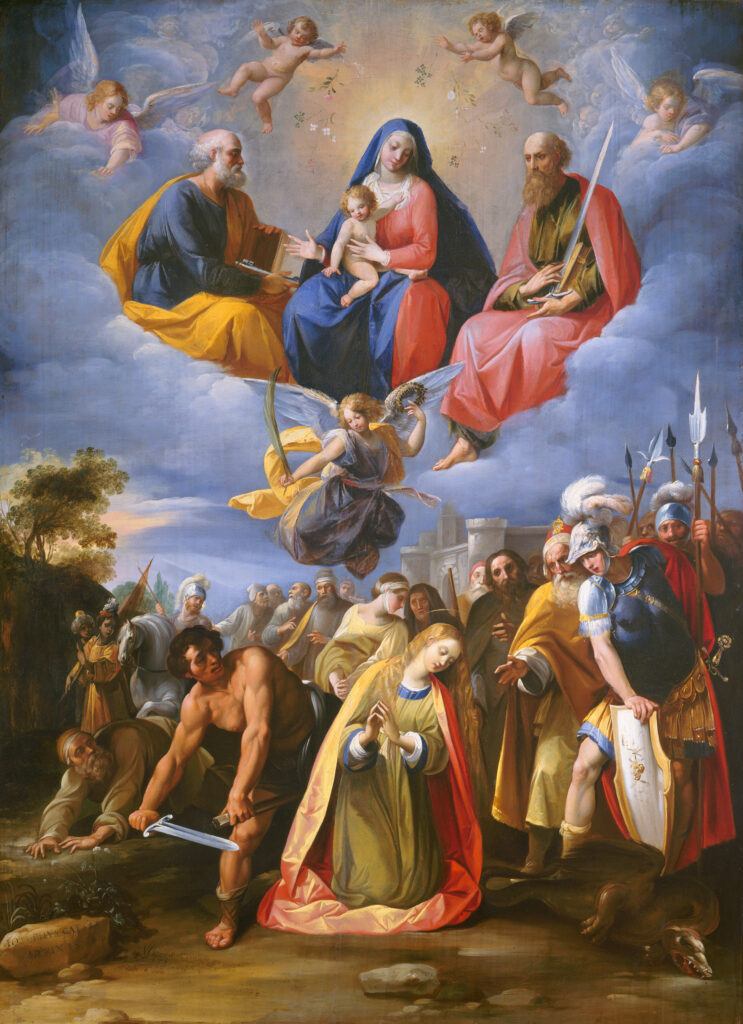
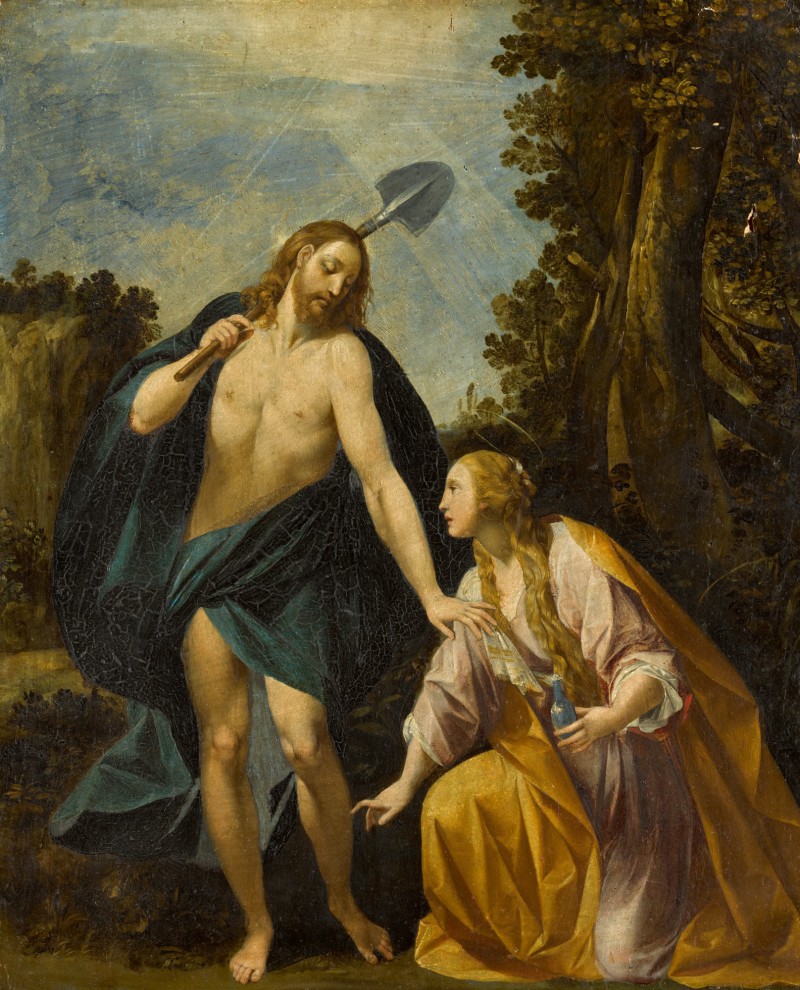
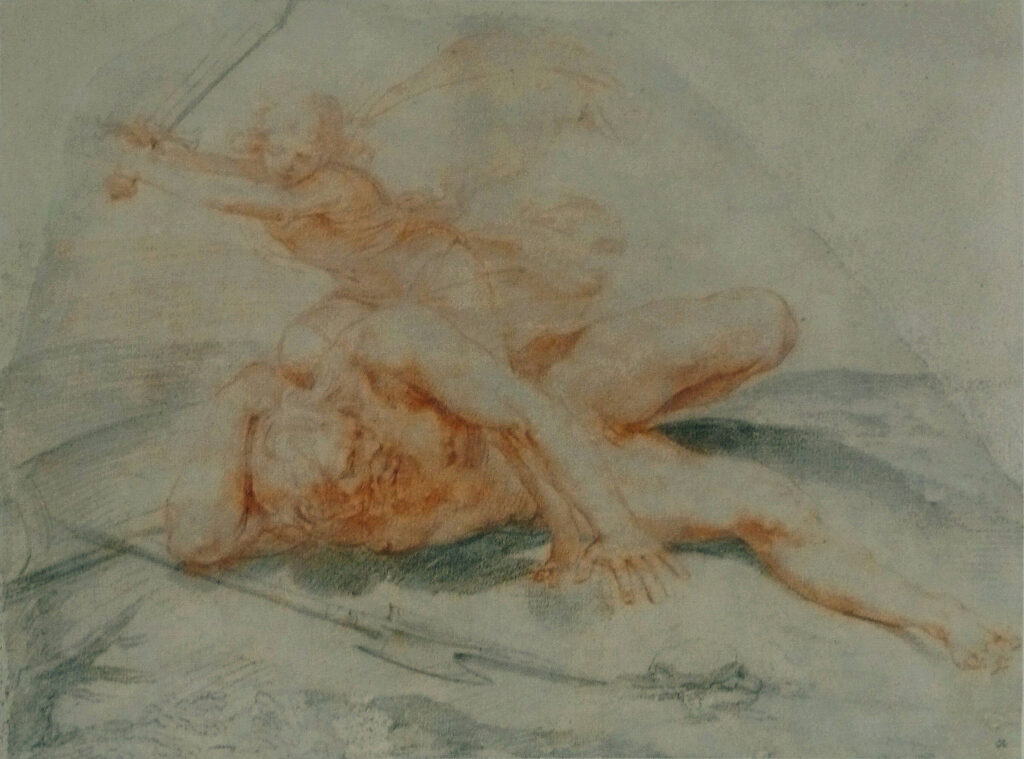
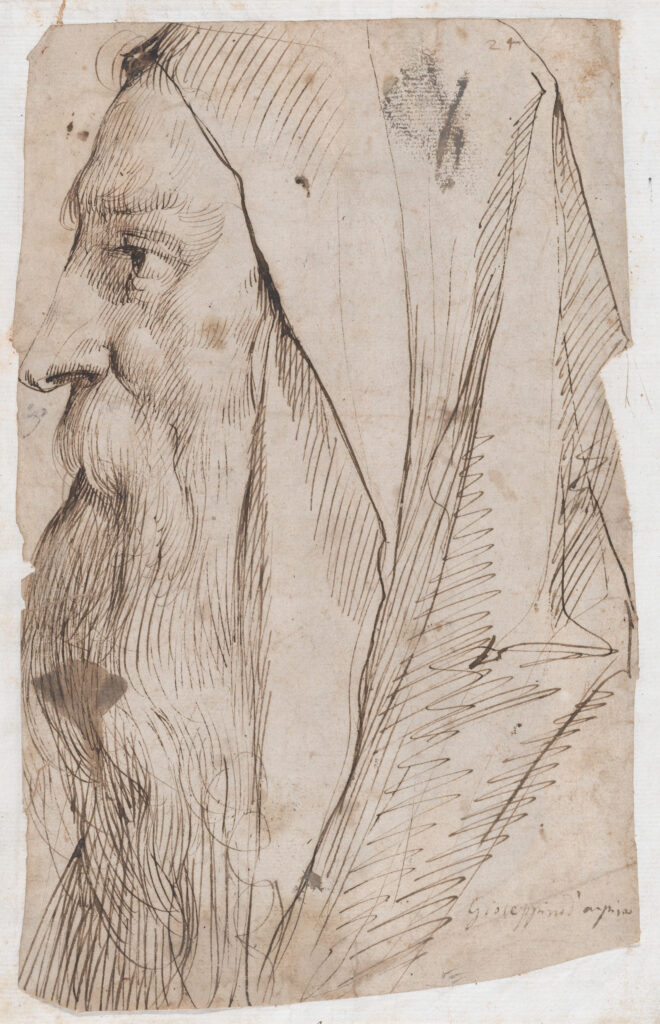
Giuseppe Cesari (1568–1640), known as Cavaliere d’Arpino, was an Italian painter and draftsman associated with late Roman Mannerism. He began working in Rome as a teenager in Niccolò Circignani’s workshop and participated in decorative projects at the Vatican.
Under Pope Clement VIII, Cesari became a leading painter of religious and civic commissions. His projects included the fresco cycle in the Palazzo dei Conservatori and the Ascension at San Giovanni in Laterano. Clement VIII awarded him the title of Cavaliere di Cristo in 1600.
Cesari also produced small religious and mythological paintings and drawings in chalk and ink. Caravaggio worked in his studio early in his Roman career. Cesari served as head of the Accademia di San Luca and continued painting in Rome until his death in 1640.

Max Beckmann
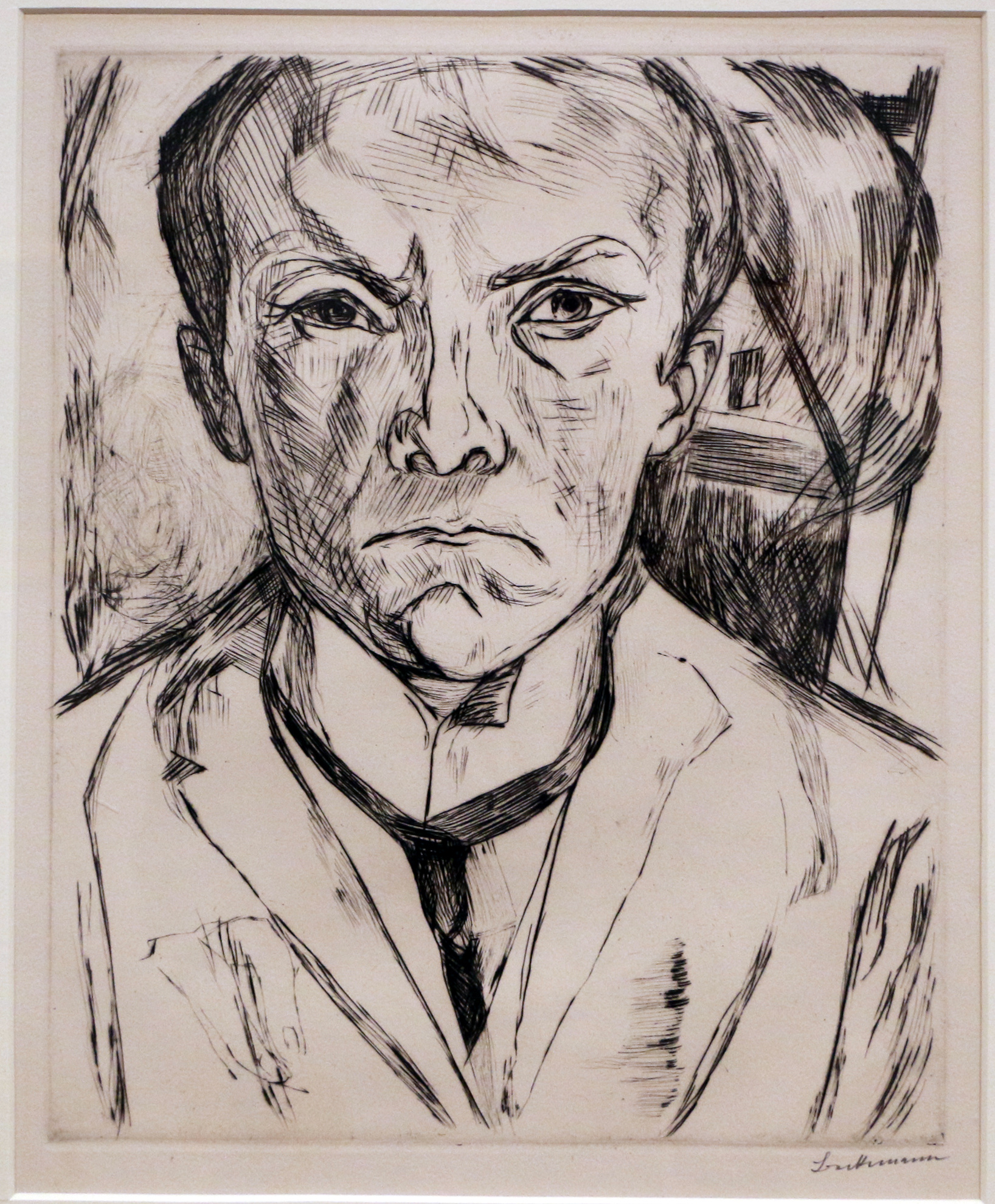
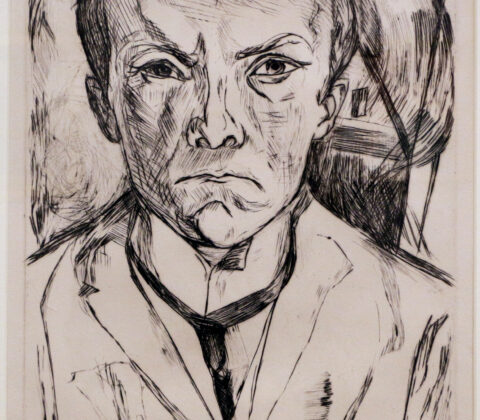
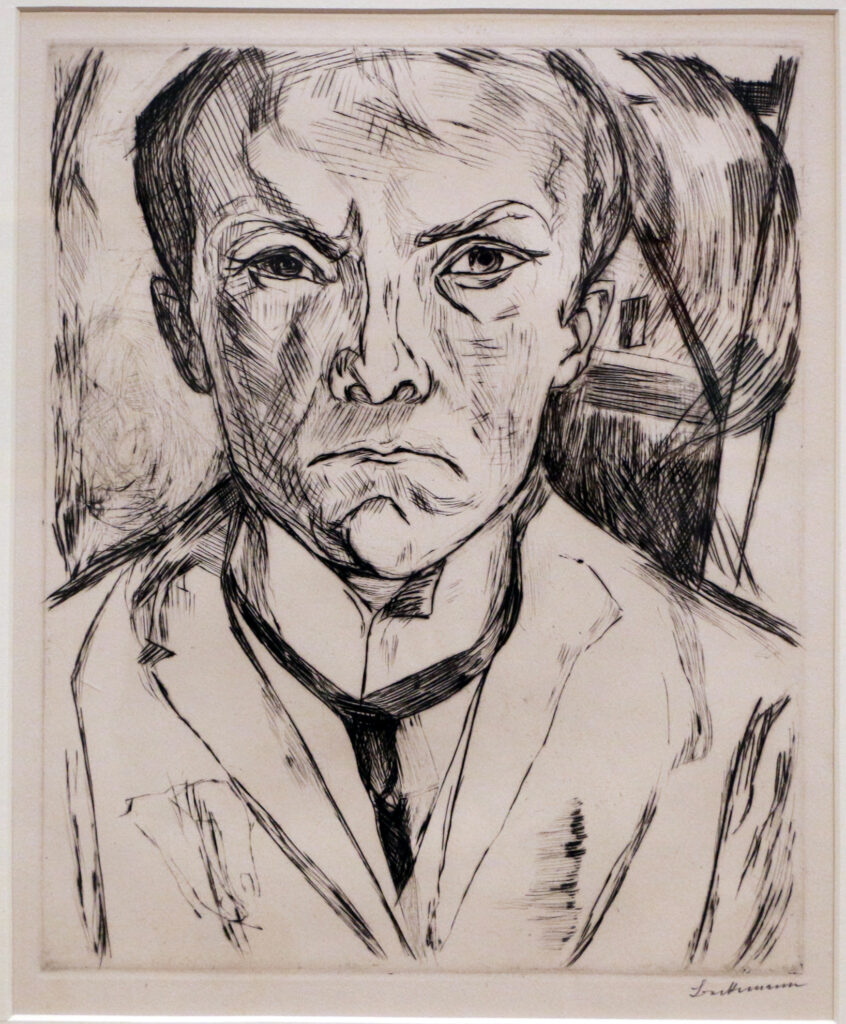
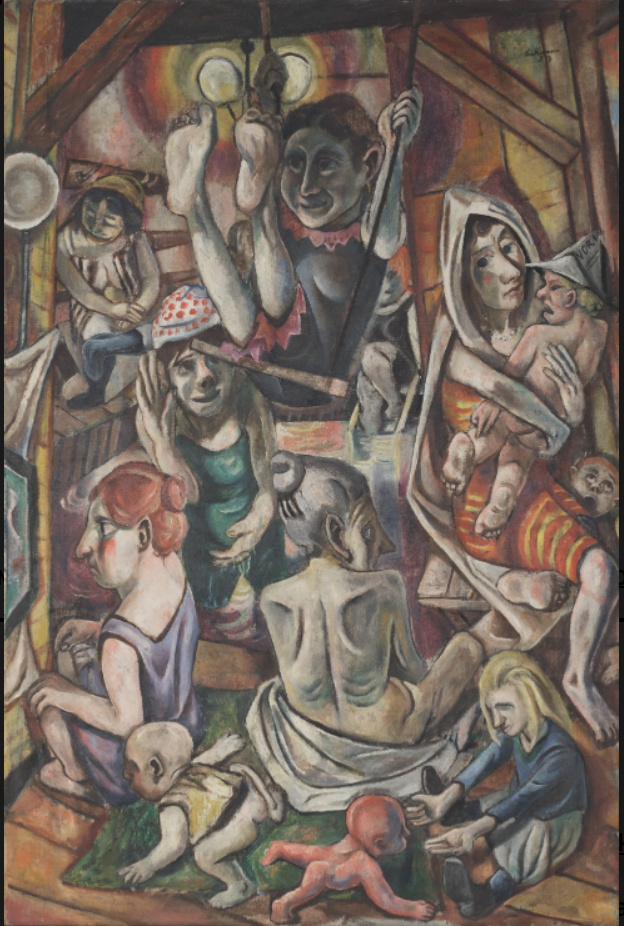
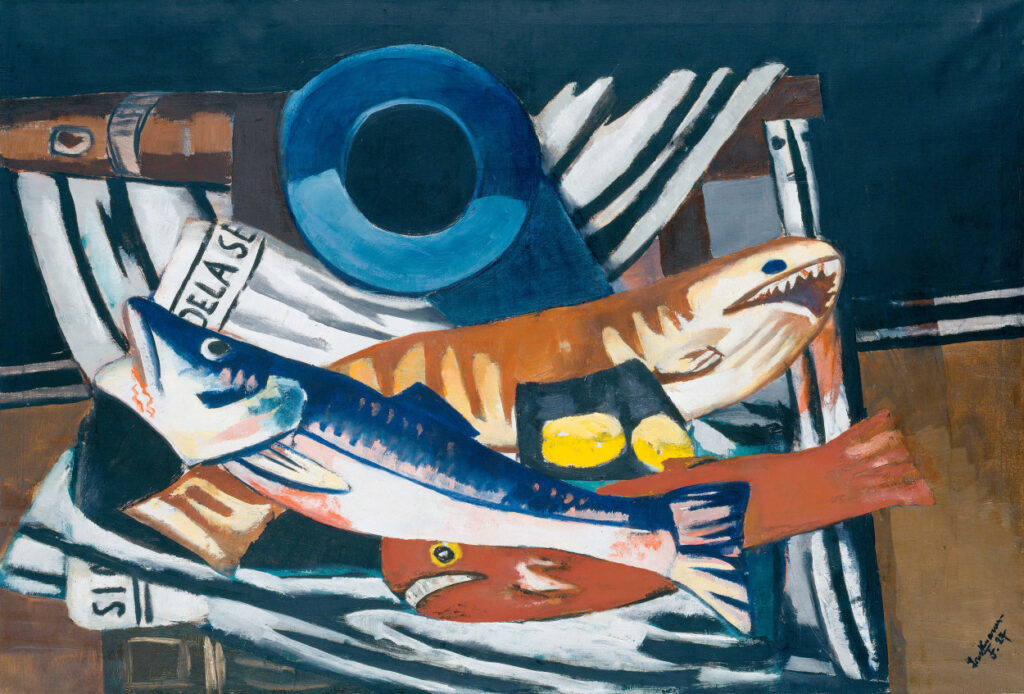
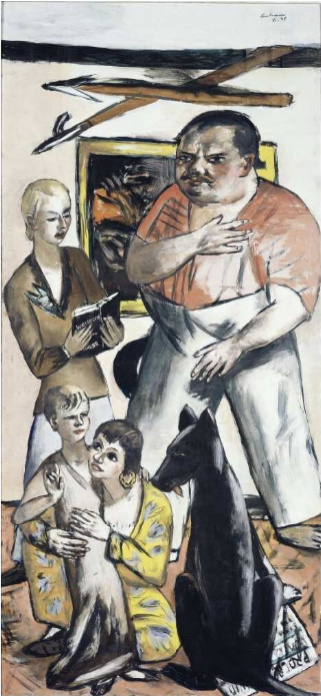
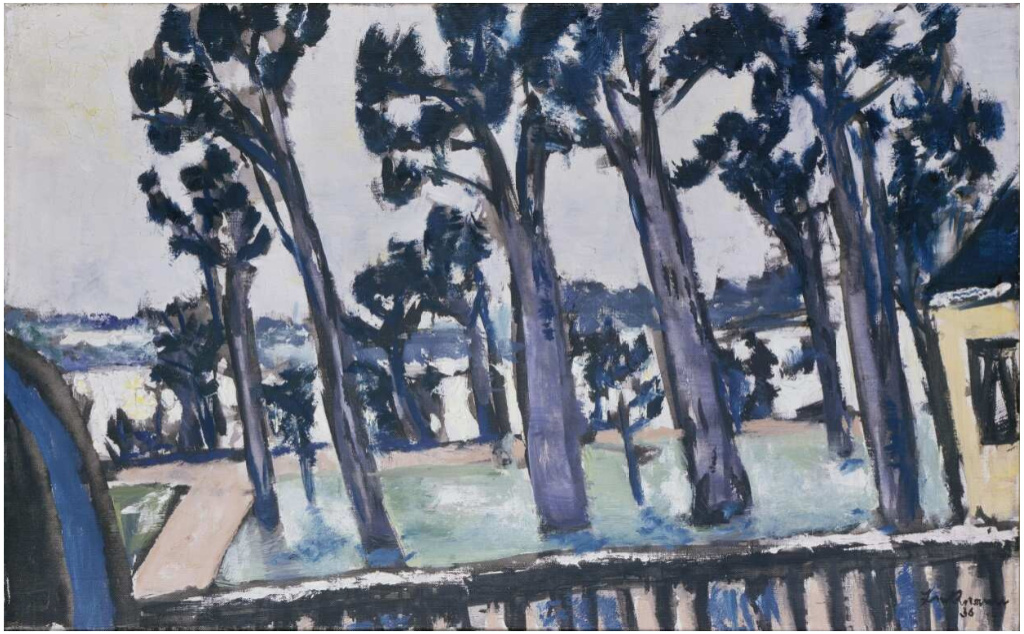
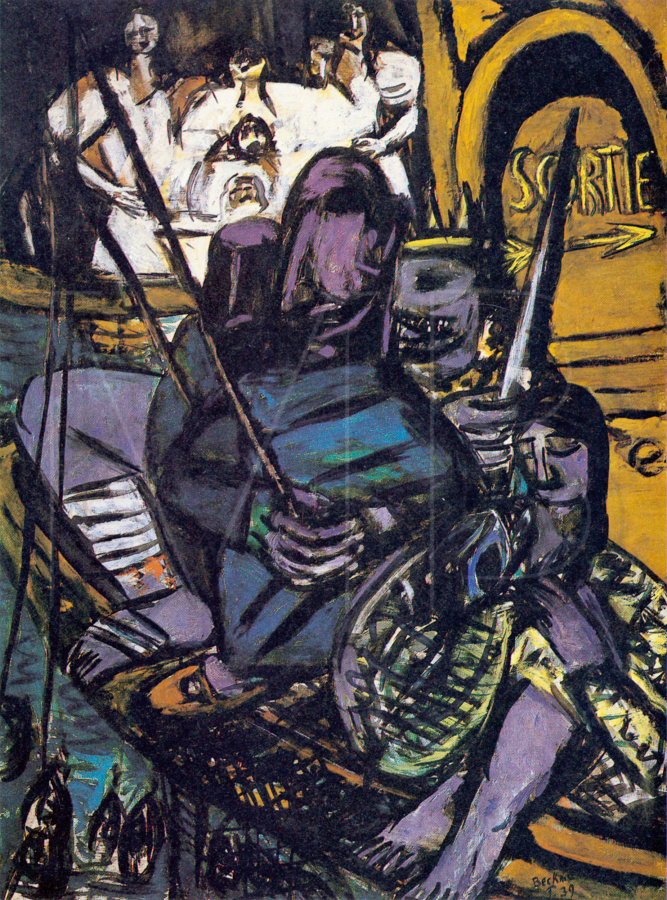
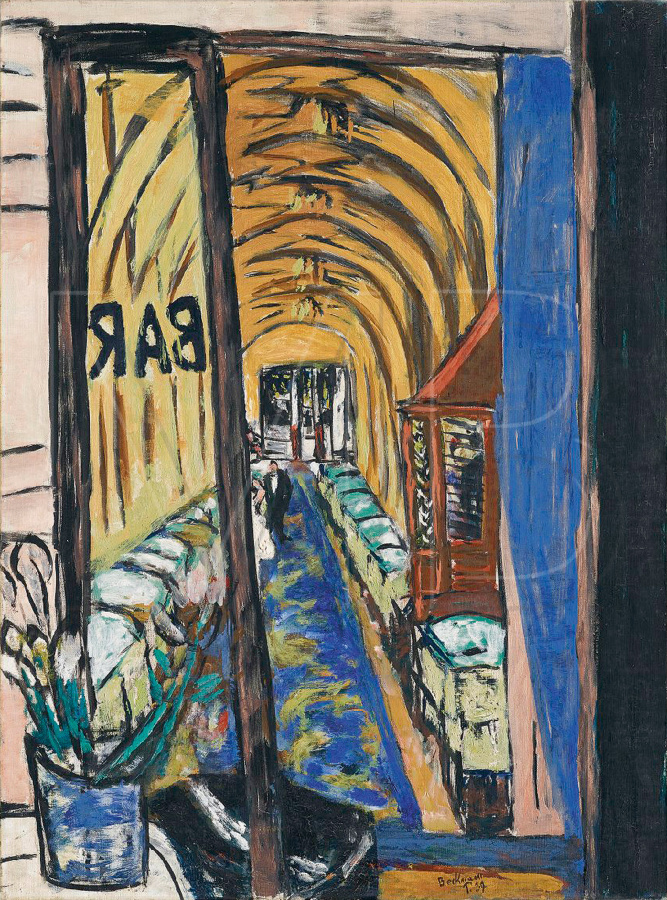
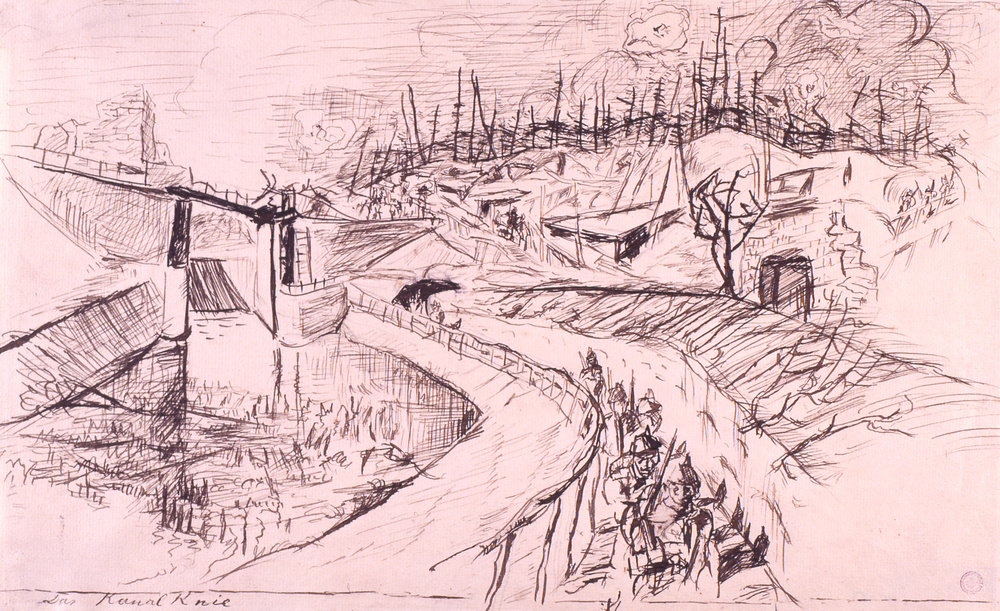
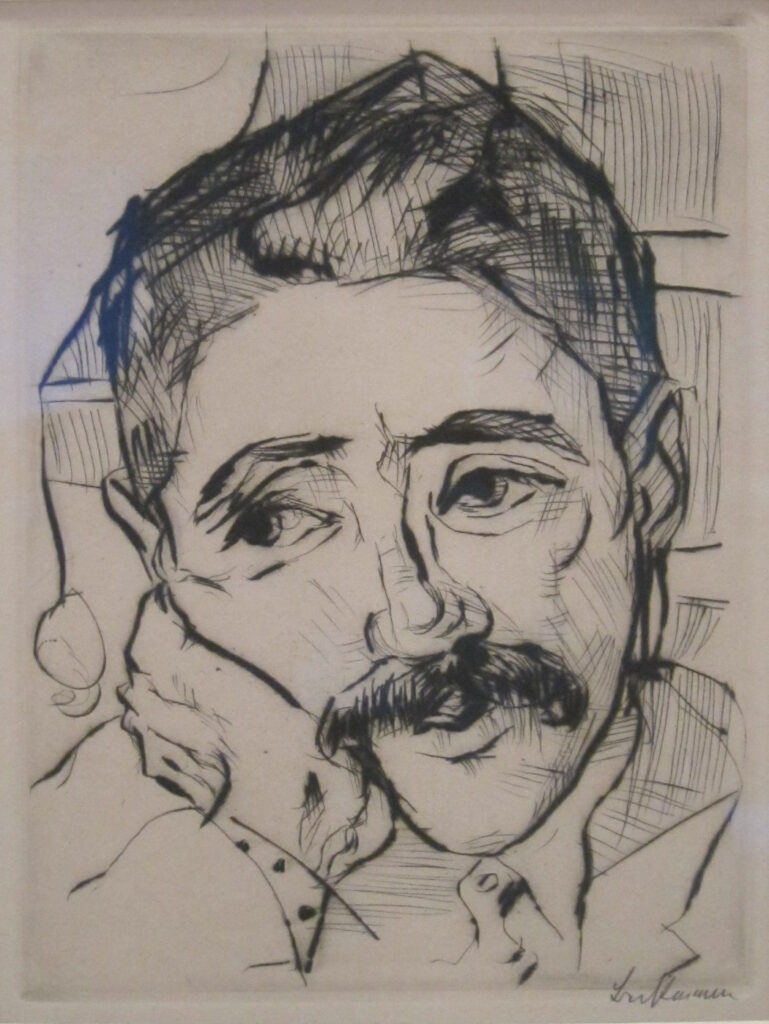
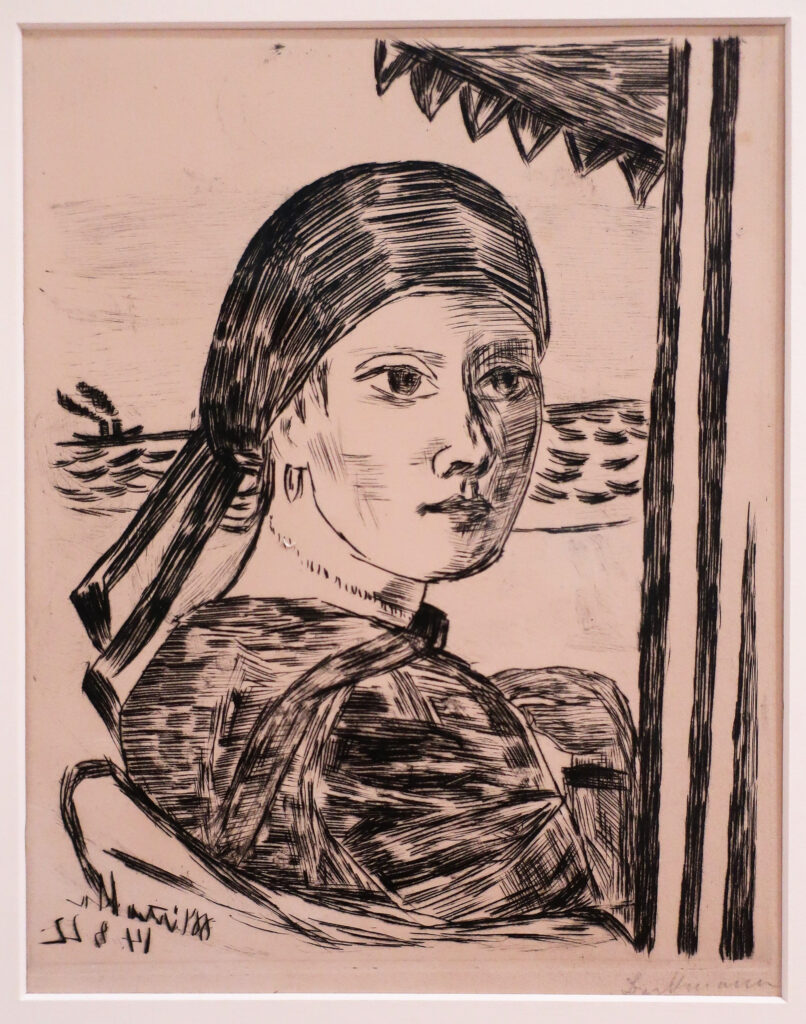
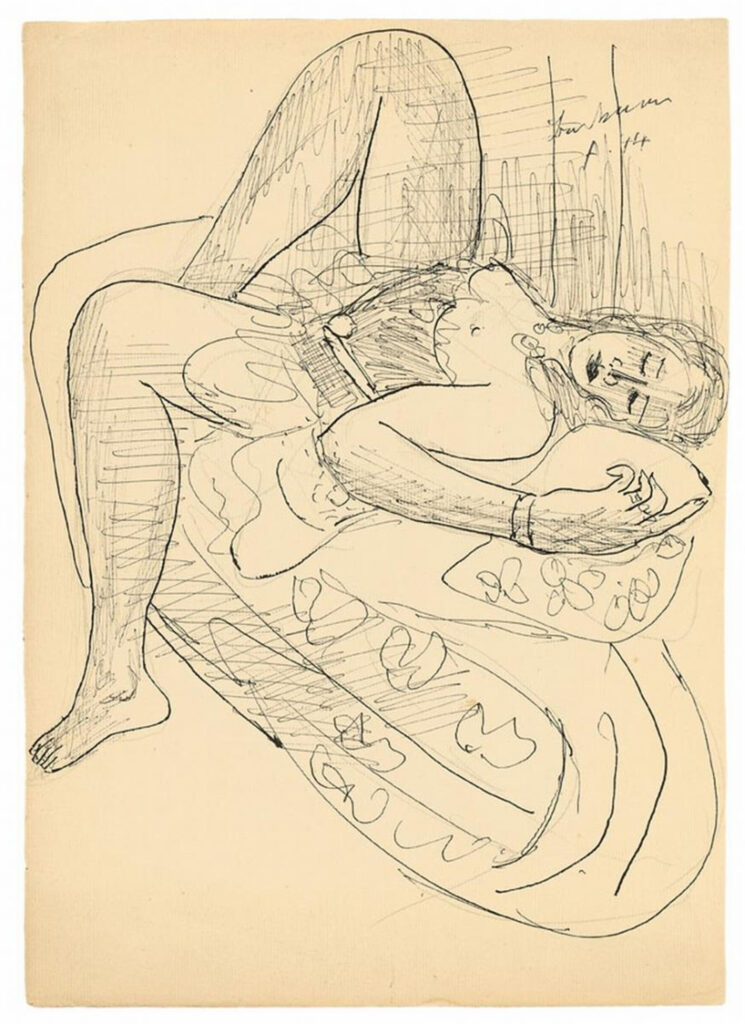
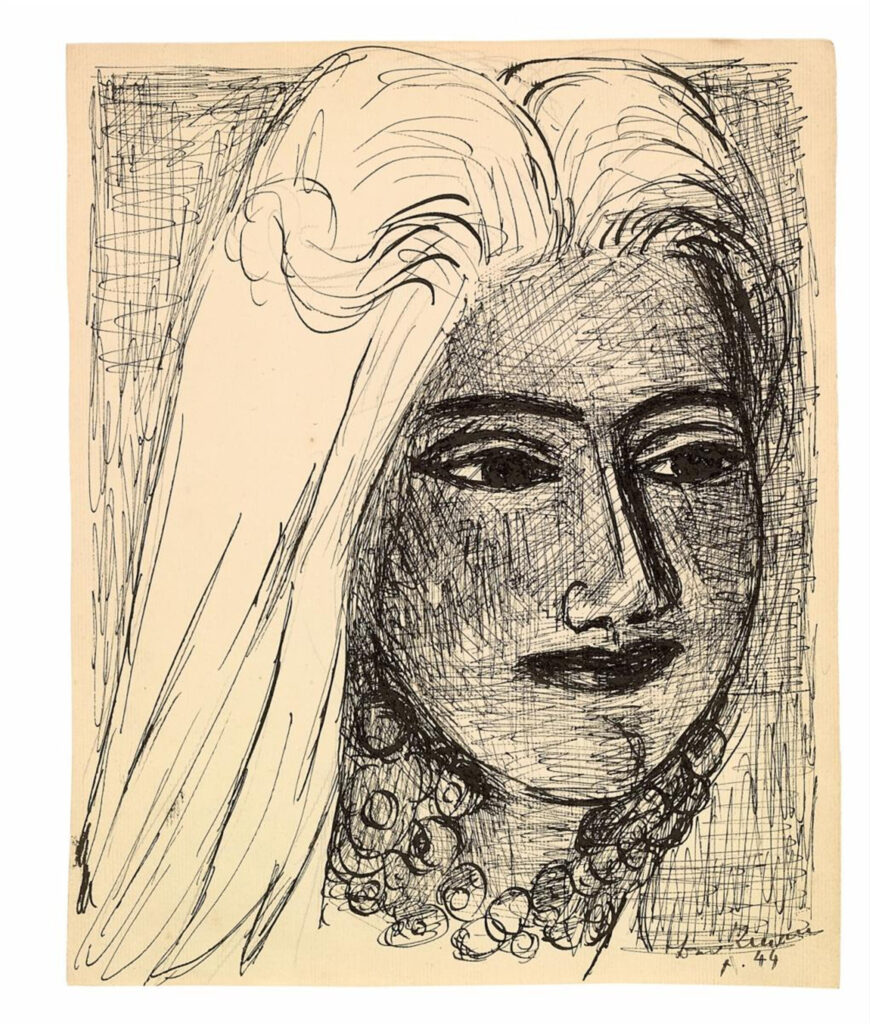
Max Beckmann, February 12, 1884–December 27, 1950, was a German painter, printmaker and sculptor, born in Leipzig. He studied at the Grand Ducal Saxon Art School in Weimar from 1900, first with Otto Rasch and then with Carl Frithjof Smith. In 1903 he moved to Paris and enrolled at the Académie Colarossi, where he attended classes infrequently.
Beckmann joined the Berlin Secession in 1907 and helped found the Free Secession in 1914. From 1925 he taught at Frankfurt’s School of Fine and Applied Arts, now the Städelschule. His students included Theo Garve, Karl Tratt and Marie Louise von Motesiczky. He moved to Amsterdam in 1937 and to the United States in 1947.
He taught at Washington University in Saint Louis and, from 1949, at the Brooklyn Museum Art School in New York. His works are held by the Neue Nationalgalerie in Berlin, Hamburger Kunsthalle and Museum of Modern Art in New York. He died in New York in 1950.
Eugène Atget
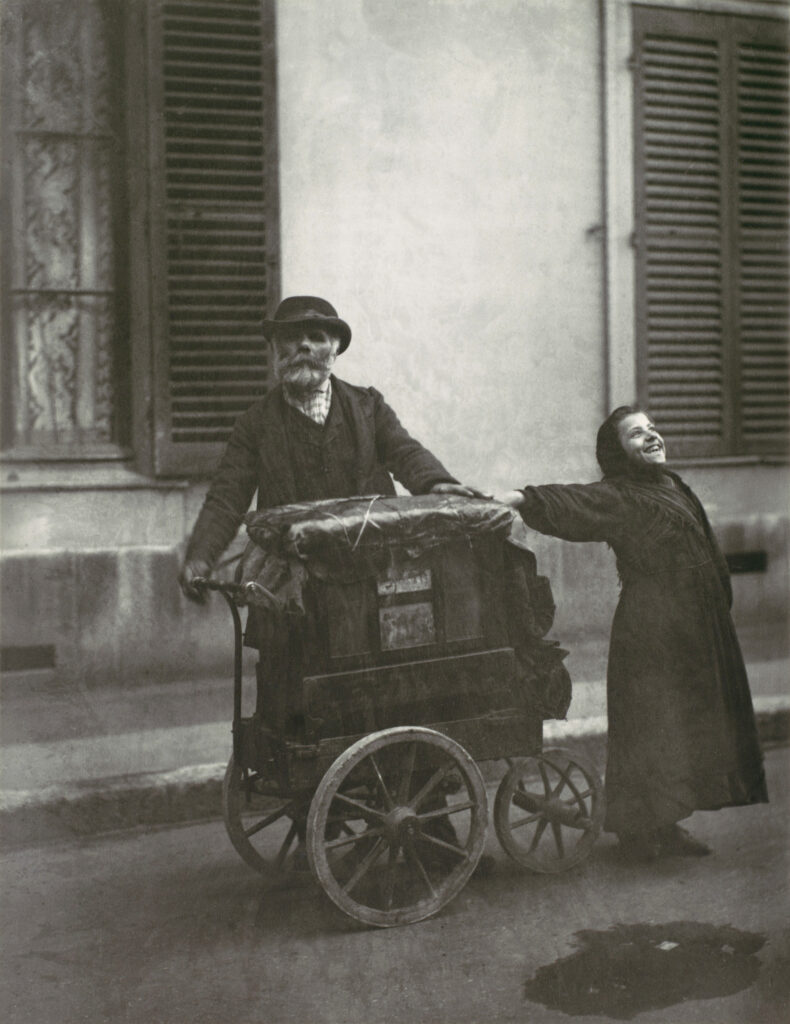
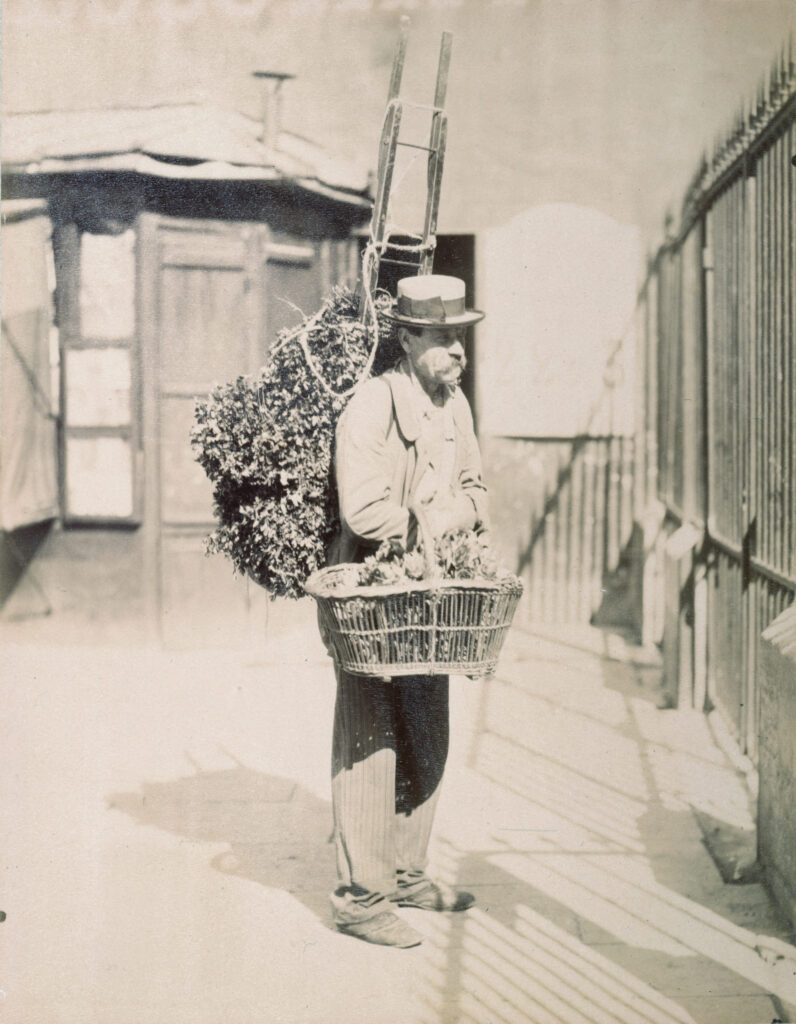
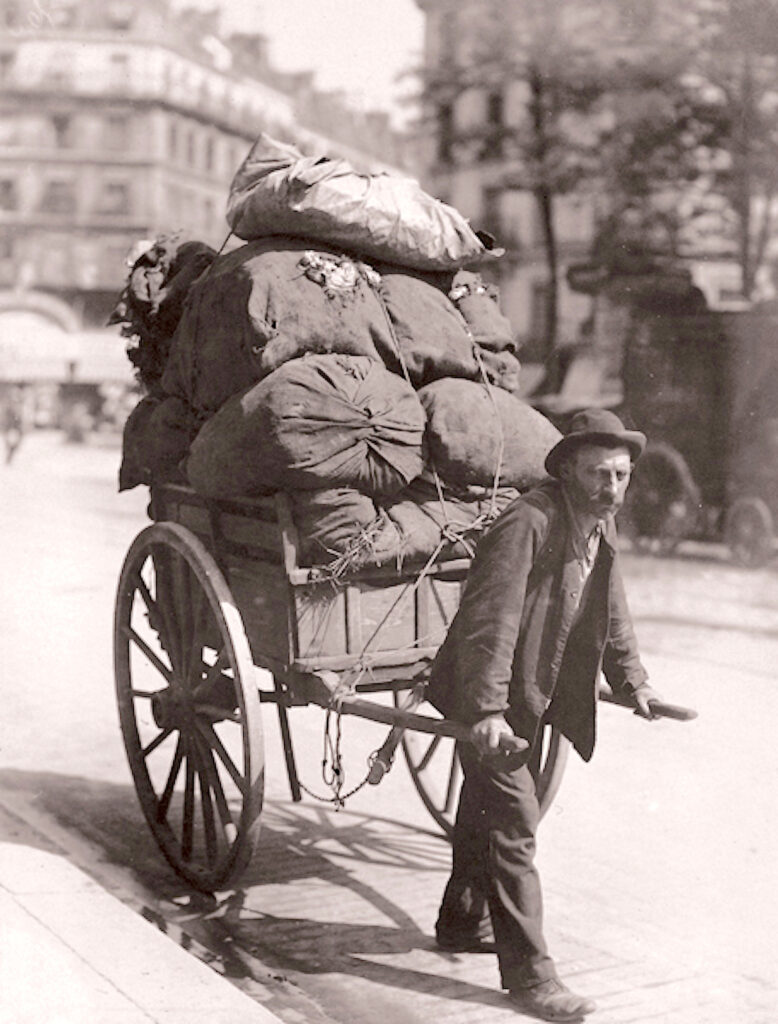
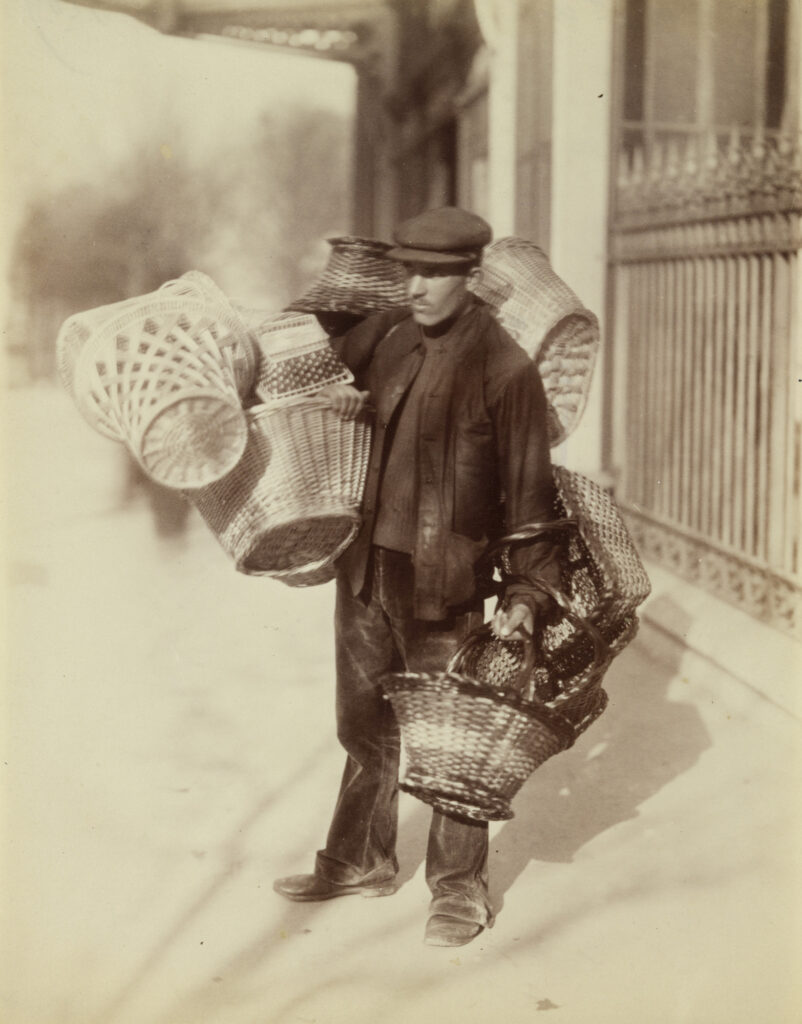
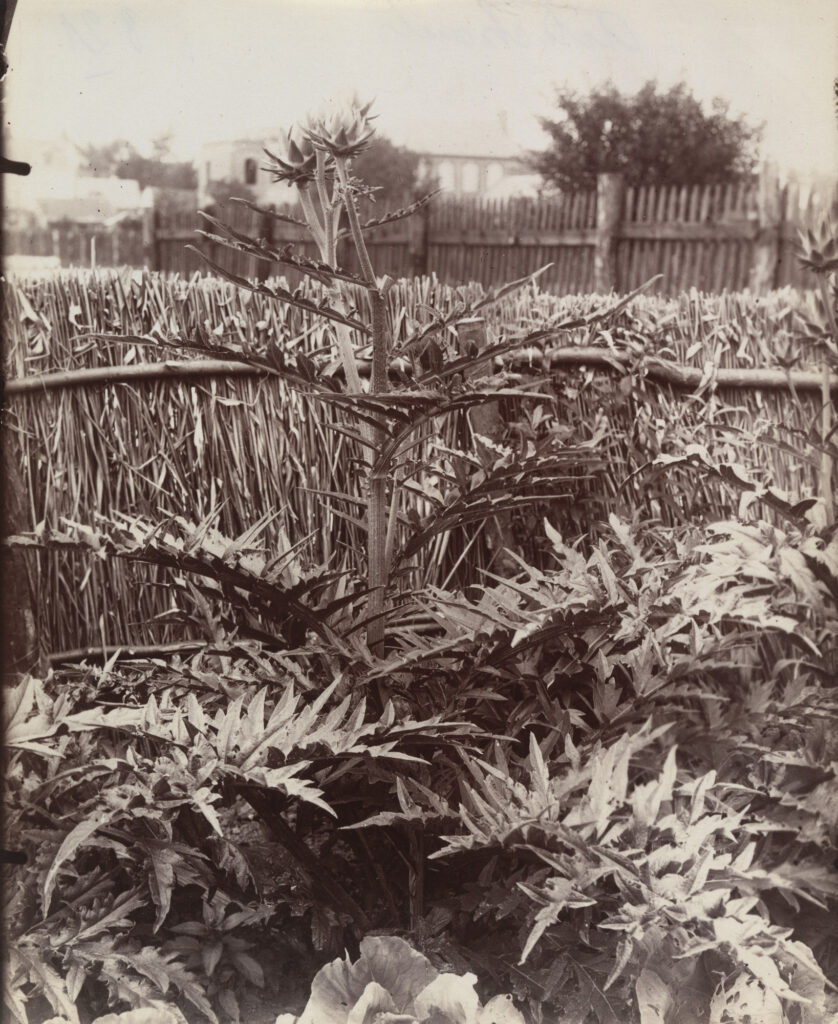
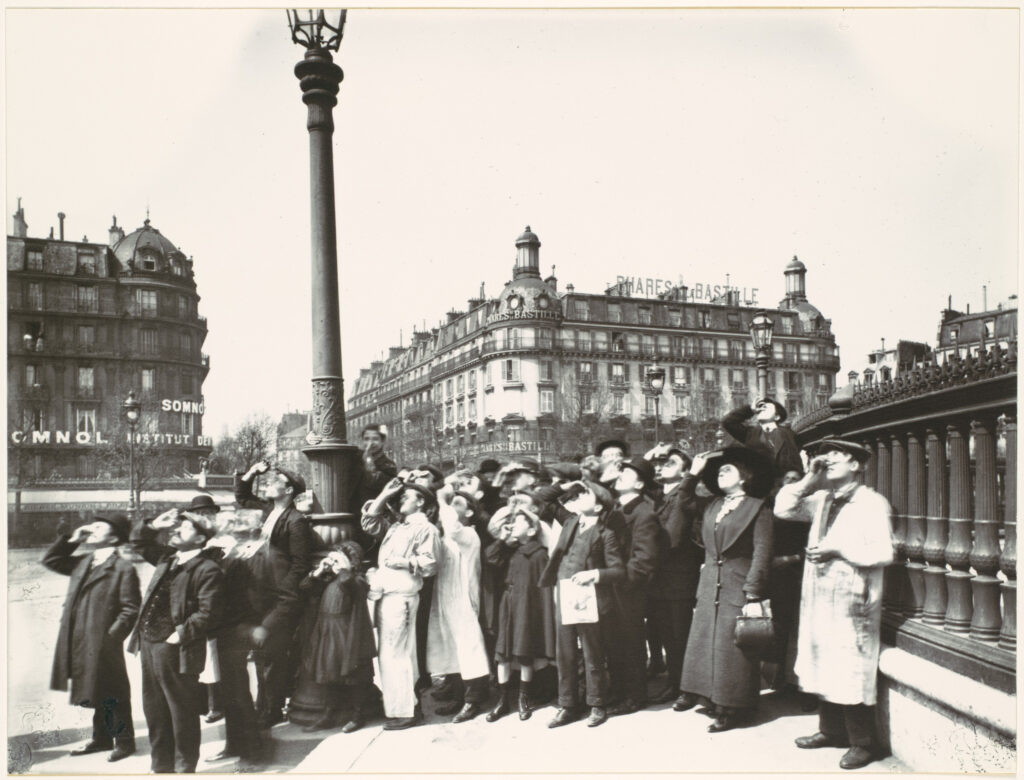
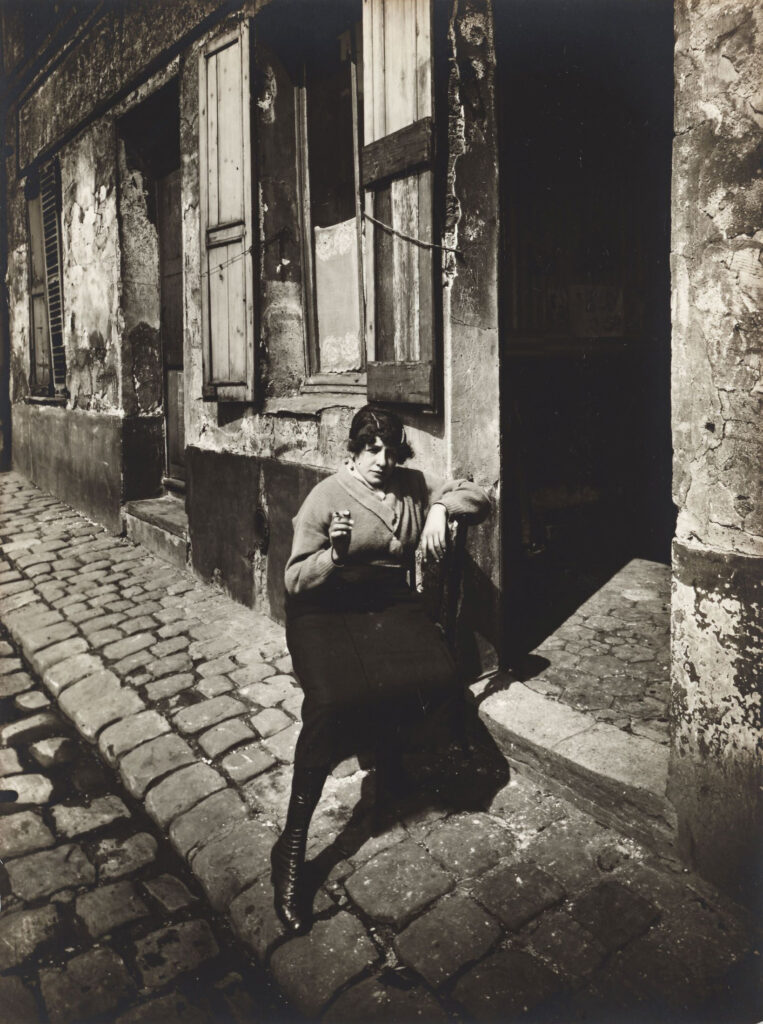
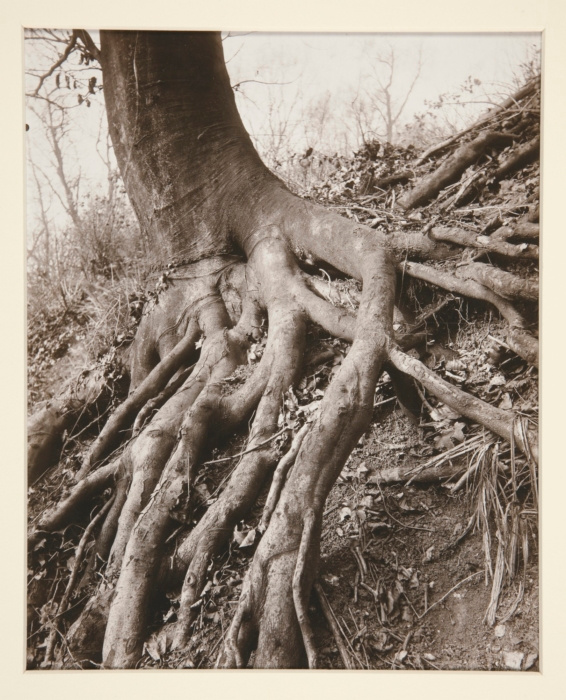
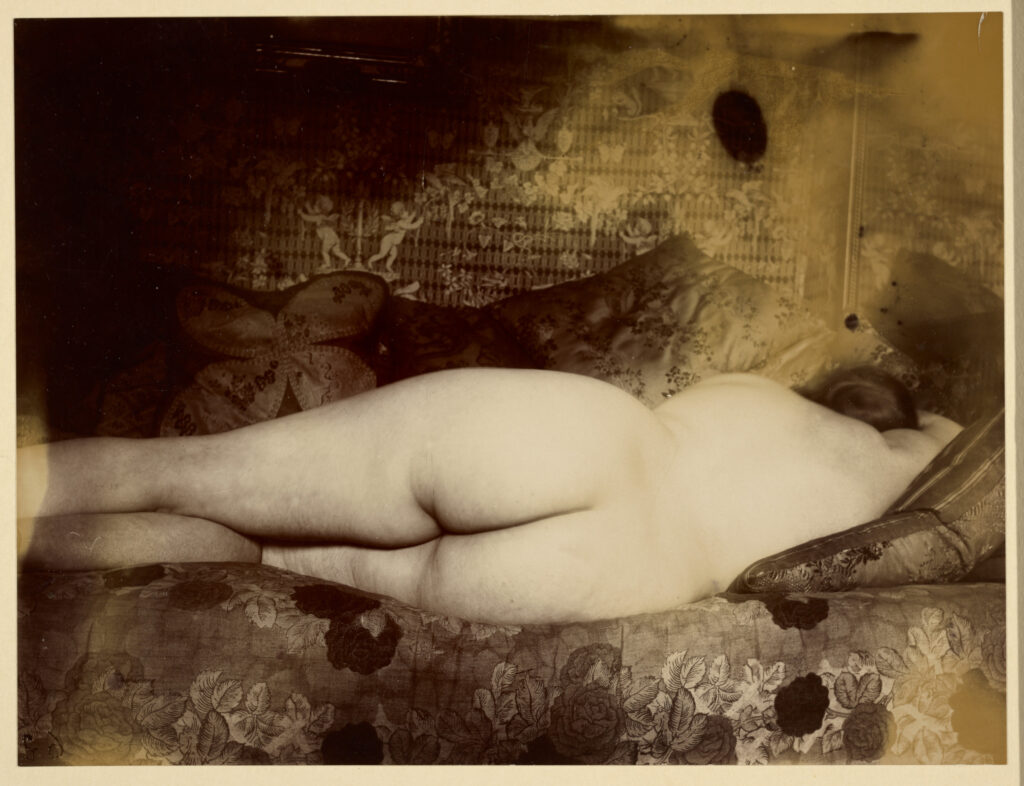
Eugène Atget, February 12, 1857–August 4, 1927, was a French photographer born in Libourne. He studied drama at the Paris Conservatory and worked as an actor before taking up commercial photography in the late 1880s. He subsequently worked in Paris and its surrounding districts.
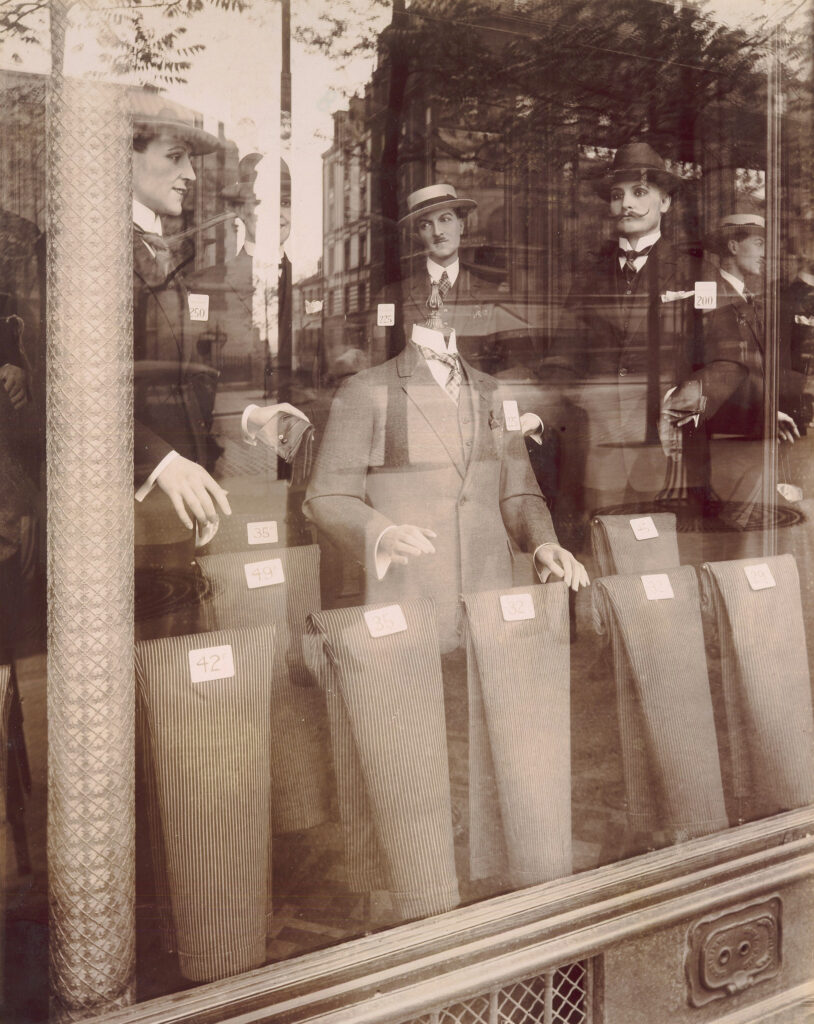
Atget photographed streets, buildings, shopwindows, gardens, and street trades, supplying documentary images to artists and public institutions. In Paris he became acquainted with Man Ray and Berenice Abbott. After his death, Abbott acquired and promoted a substantial archive of his photographs and negatives; the Museum of Modern Art acquired that collection in 1968.
His photographs are held by the Museum of Modern Art and the Metropolitan Museum of Art in New York, the J. Paul Getty Museum in Los Angeles, the Carnavalet Museum – History of Paris, the Bibliothèque nationale de France, and Yale University Art Gallery in New Haven.

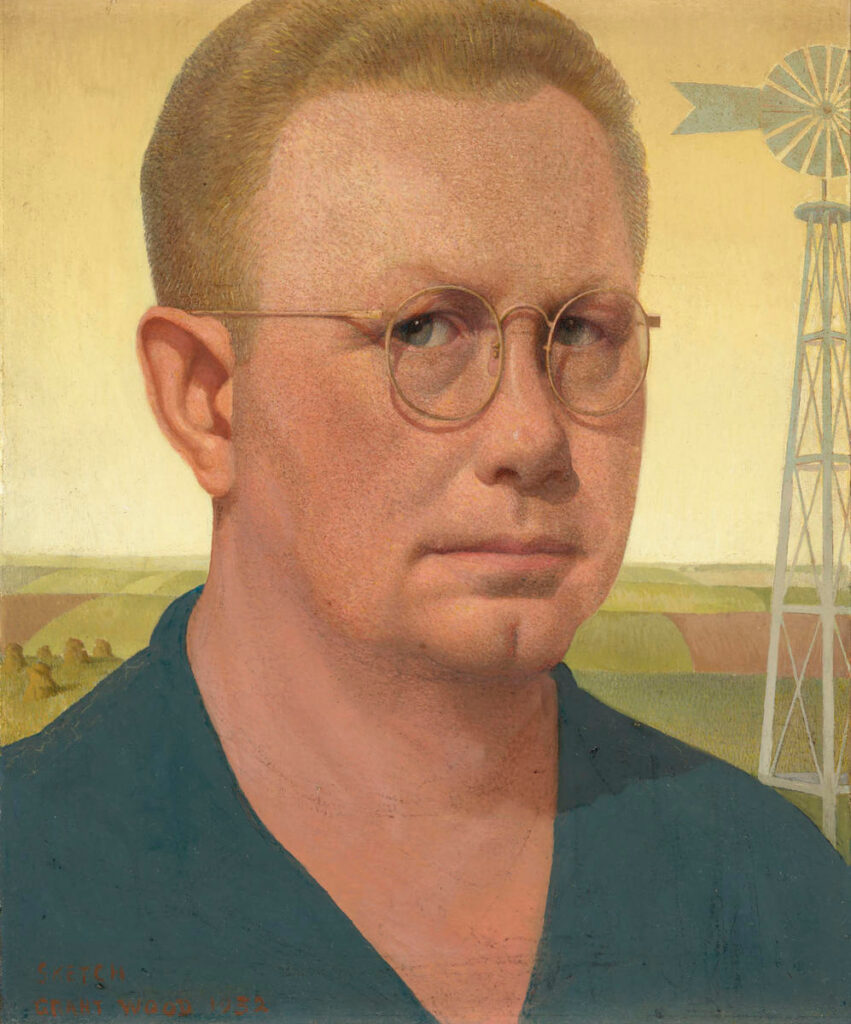
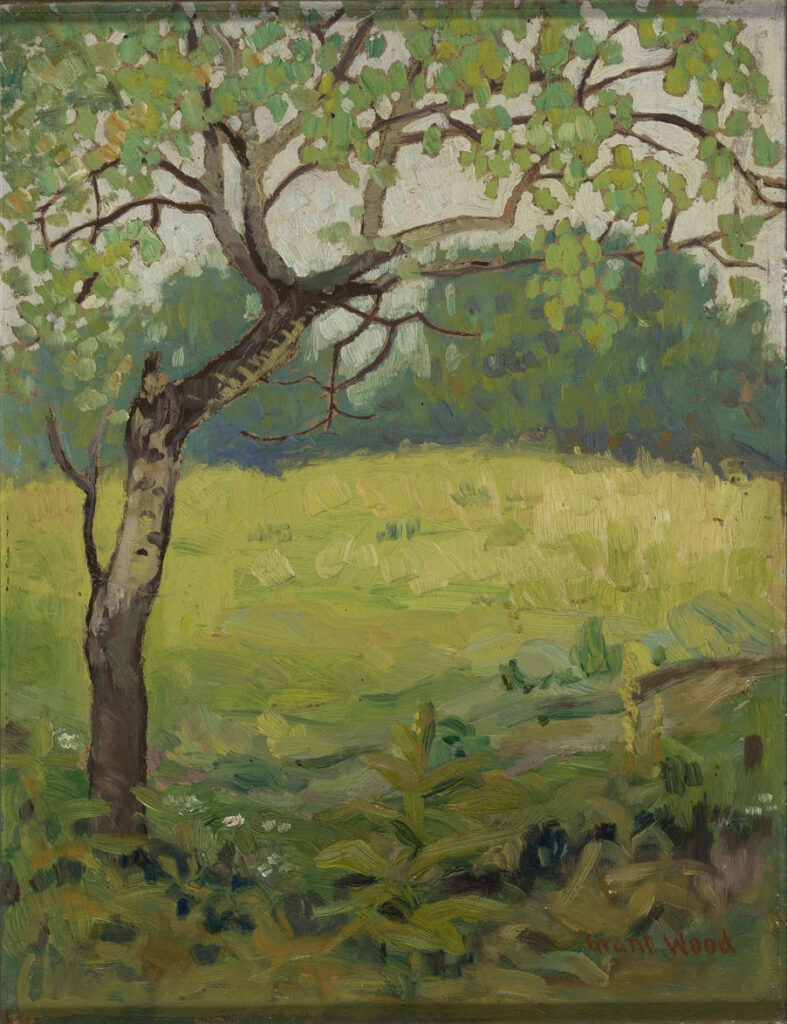
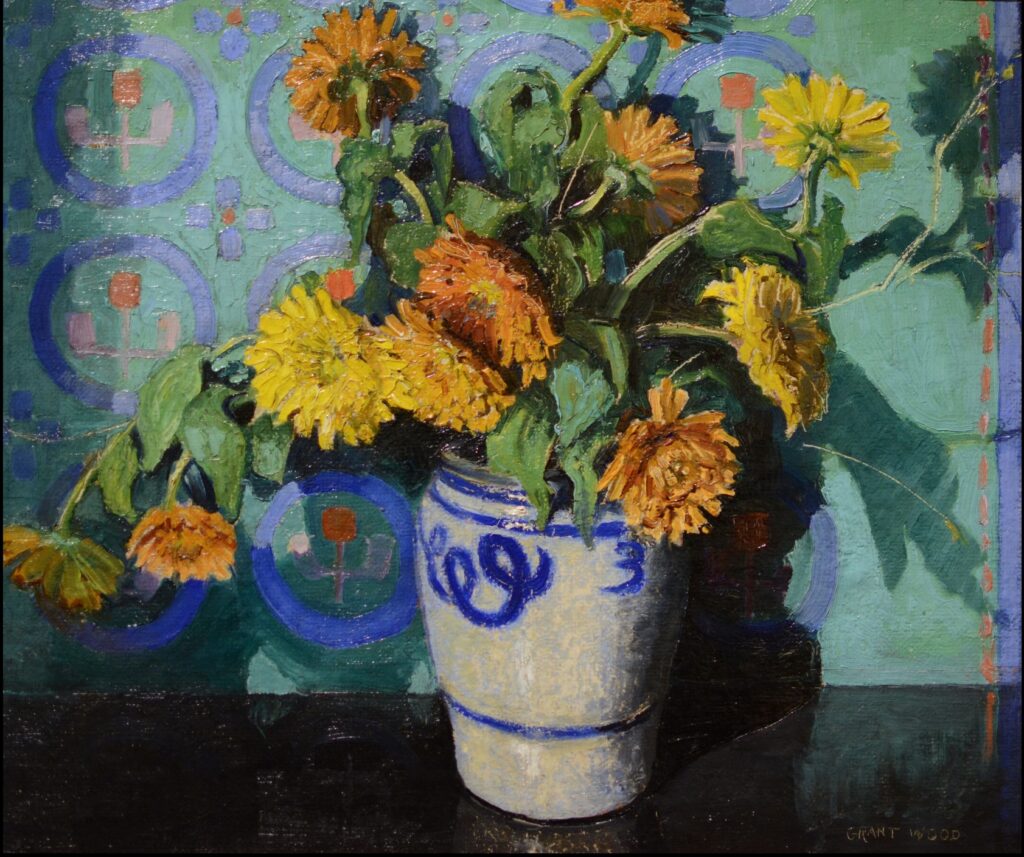
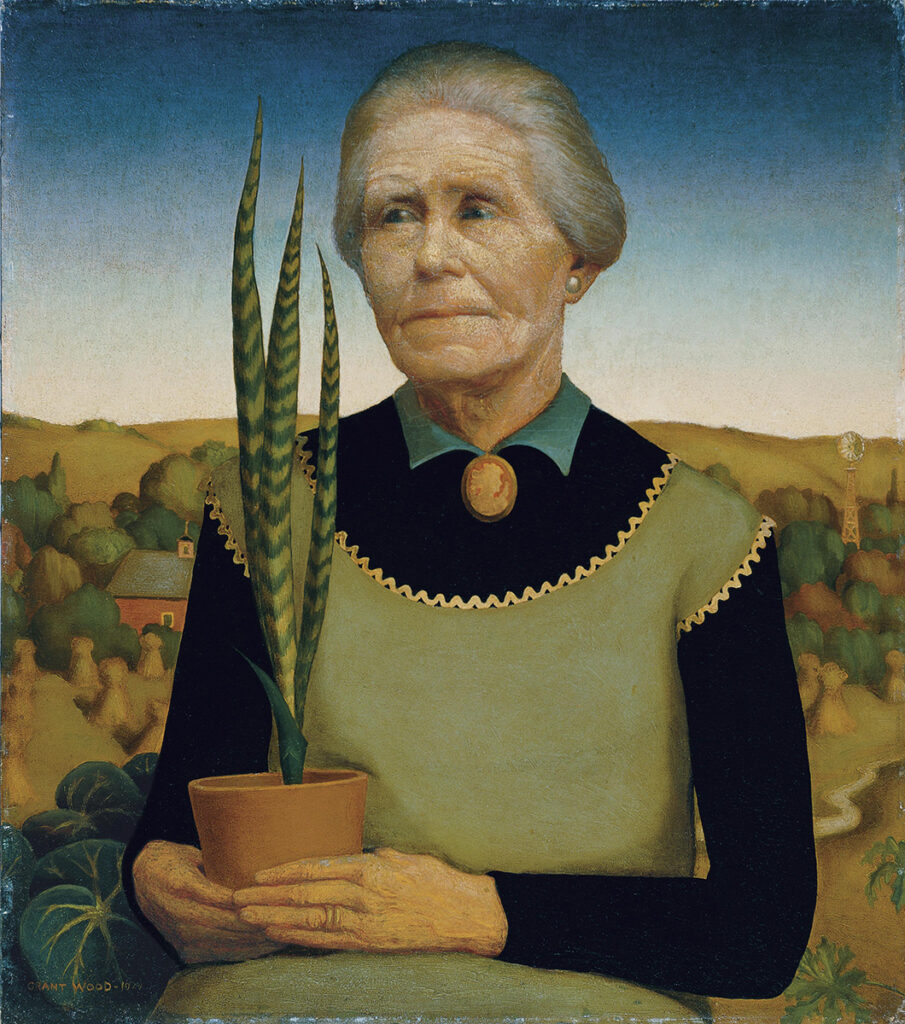
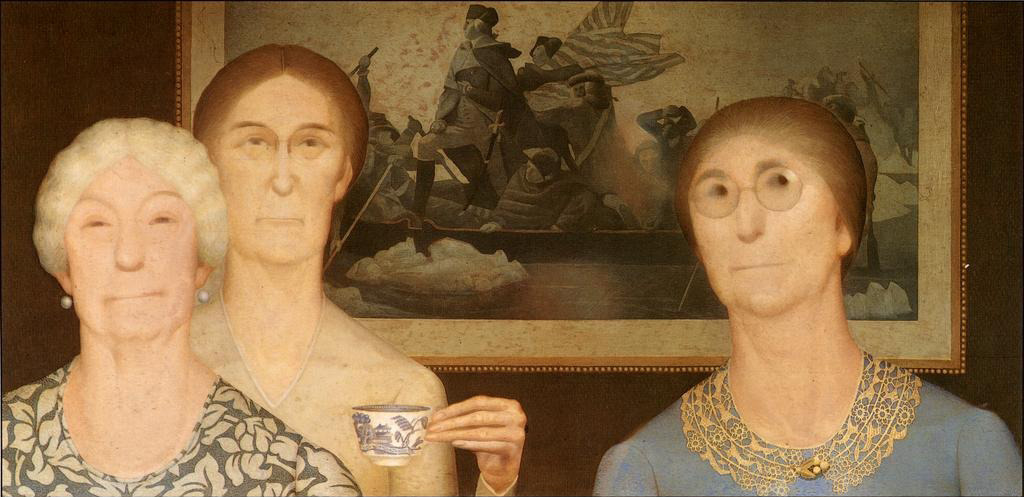
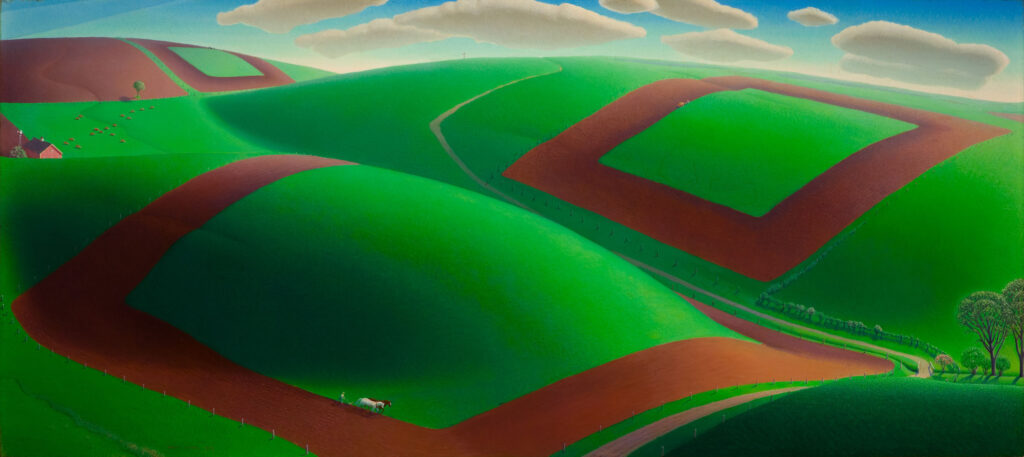
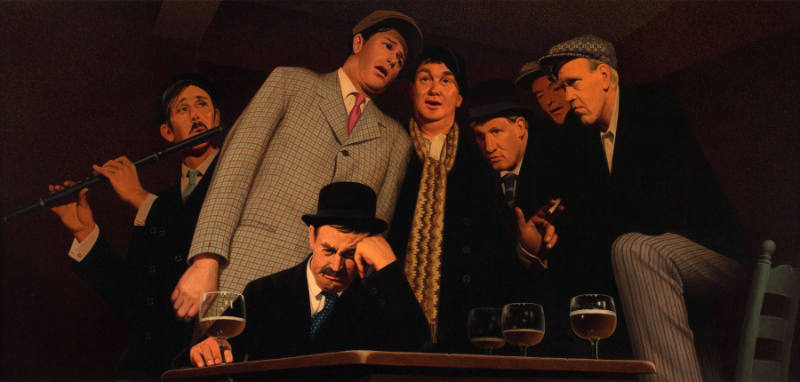
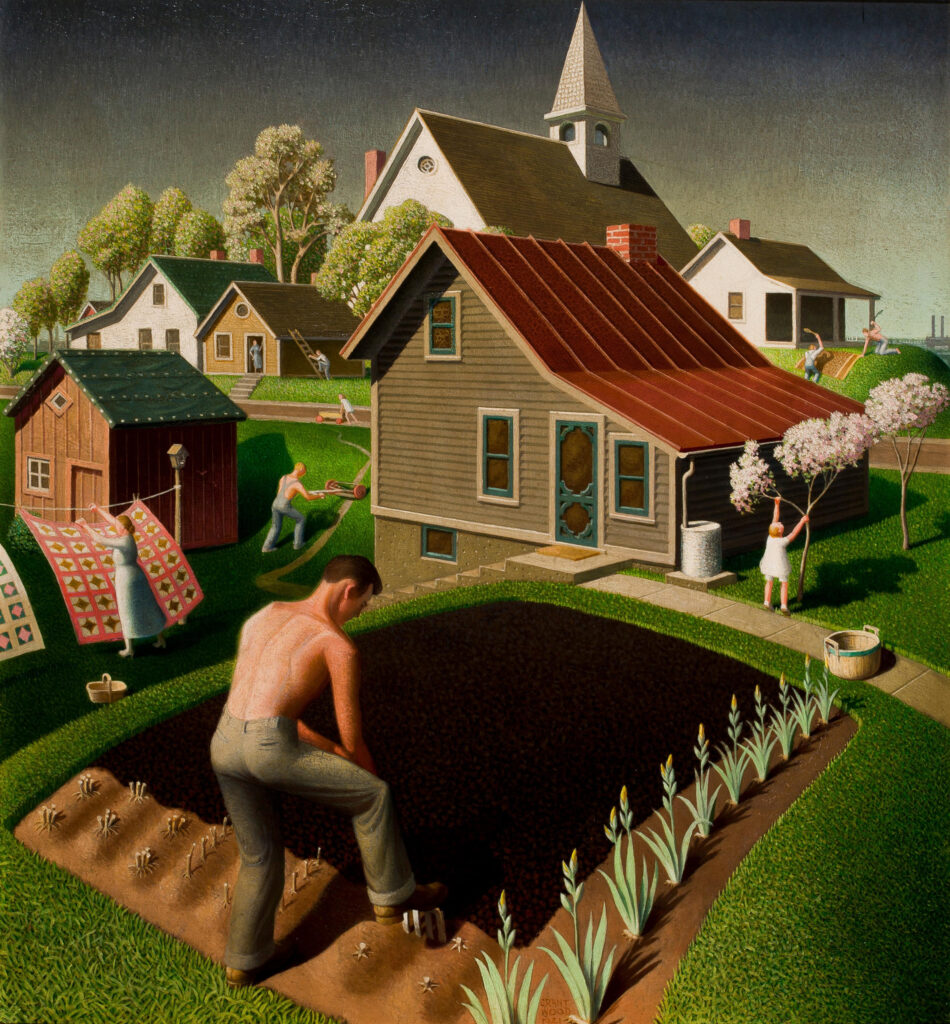
Grant Wood
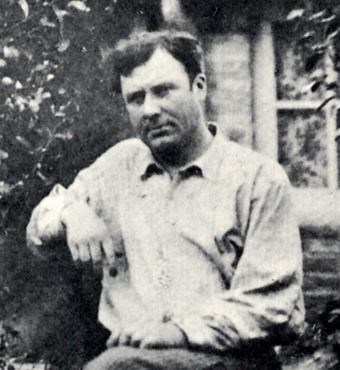
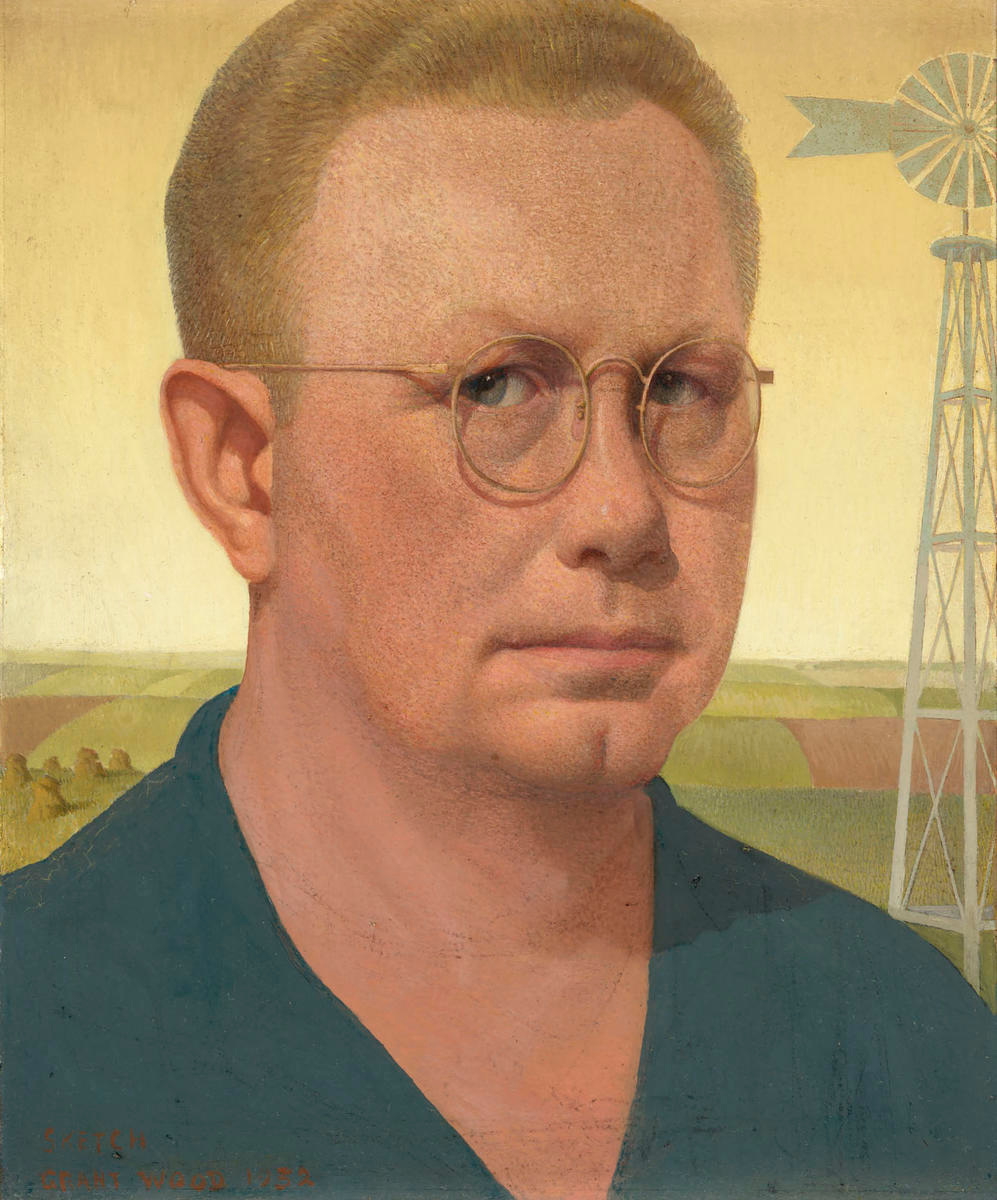
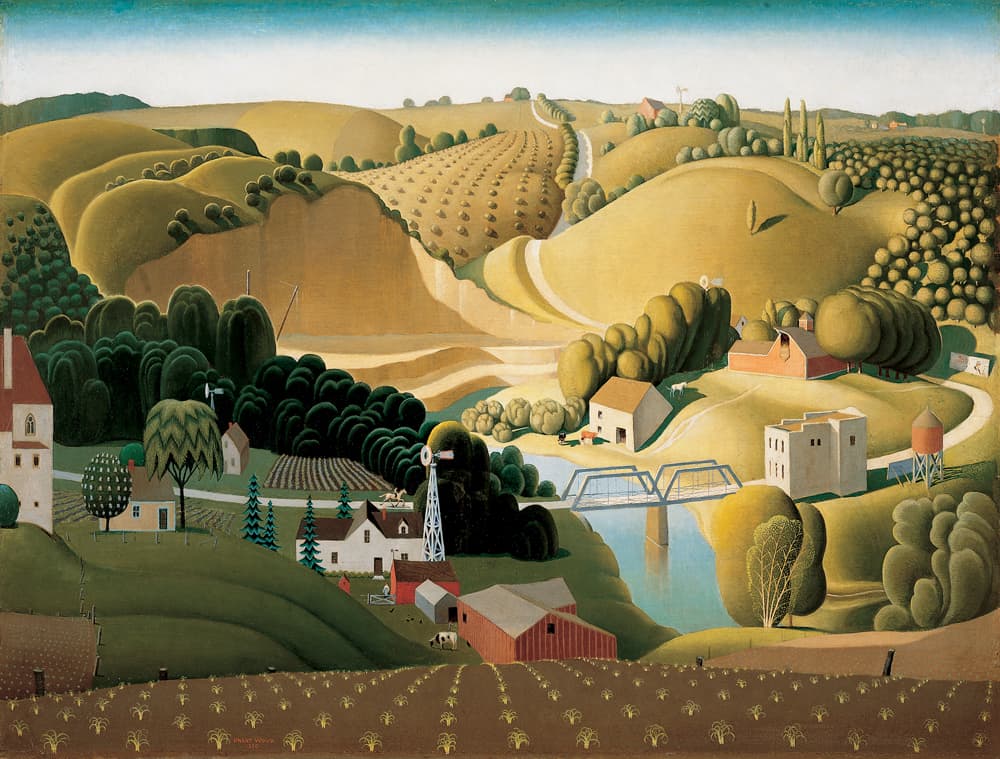
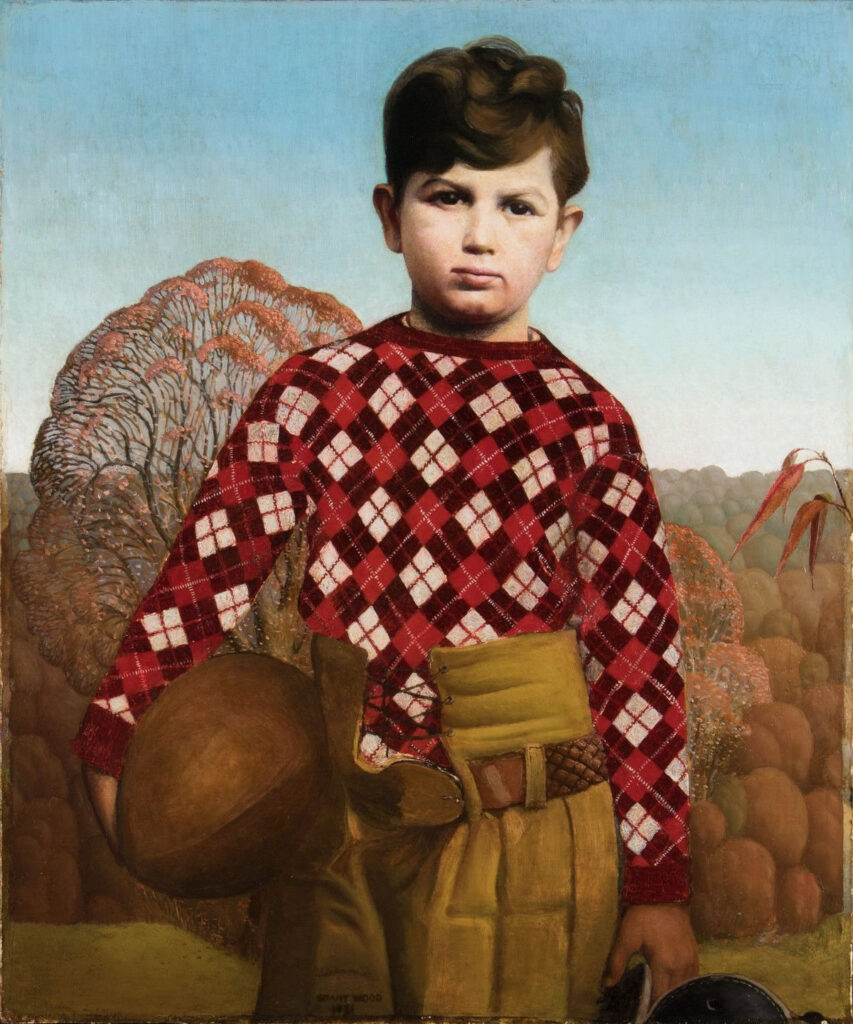
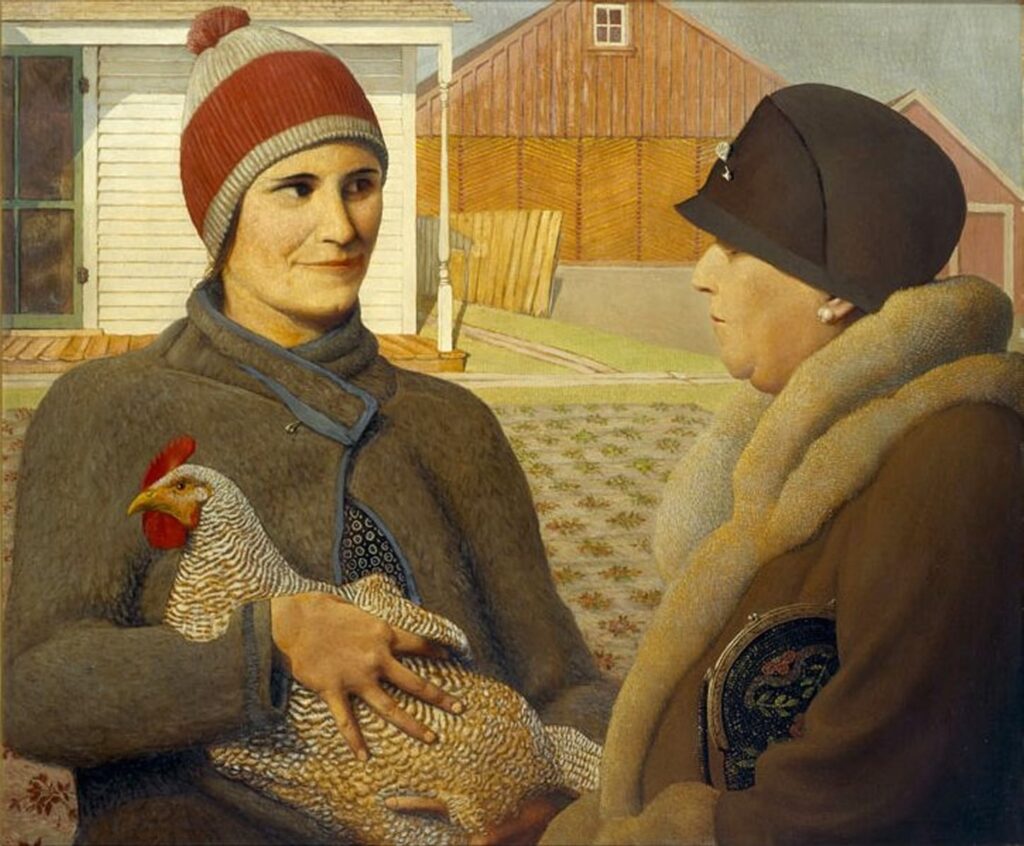
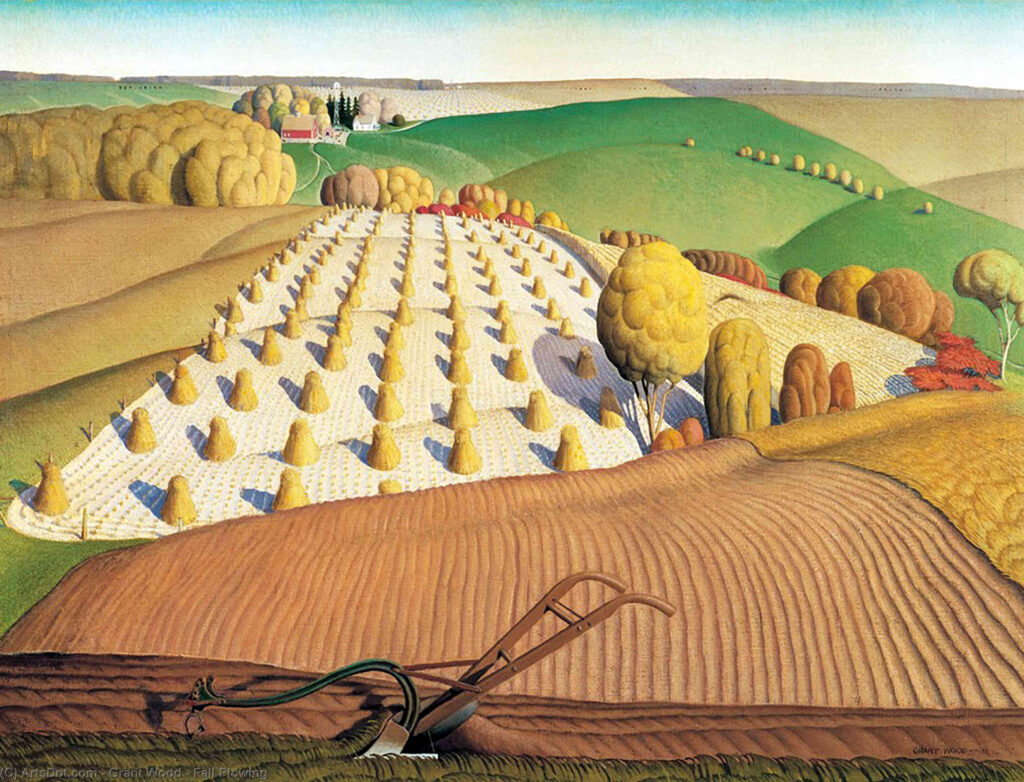
Grant Wood, February 13, 1891–February 12, 1942, was an American painter born near Anamosa, Iowa. He studied with Ernest A. Batchelder at the Minneapolis School of Design, Handicraft, and Normal Art, took life-drawing classes with Charles Cumming at the University of Iowa, and attended the School of the Art Institute of Chicago and the Académie Julian in Paris.
Wood was associated with American Regionalism alongside Thomas Hart Benton and John Steuart Curry. With his friend and fellow painter Marvin Cone, he established the Stone City Art Colony in Iowa in 1932. He taught at the University of Iowa from 1934 until his death in 1942.
His work is held by the Cedar Rapids Museum of Art and the Figge Art Museum in Iowa, the Art Institute of Chicago, the Whitney Museum of American Art in New York, and the National Gallery of Art in Washington, D.C.
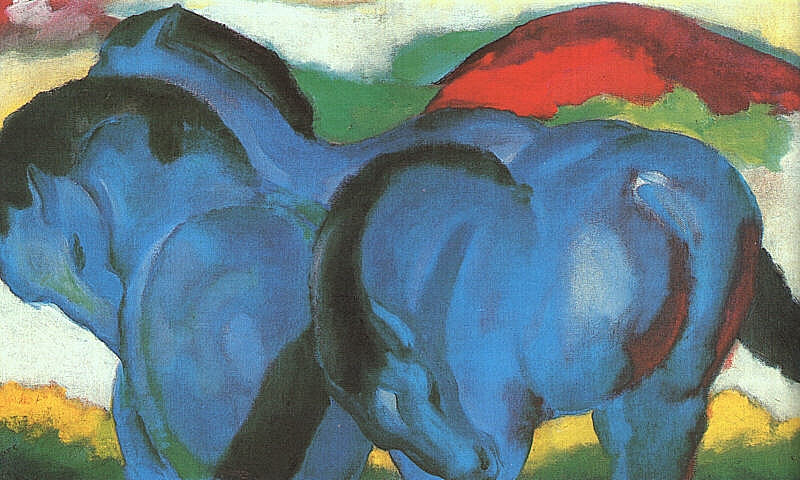
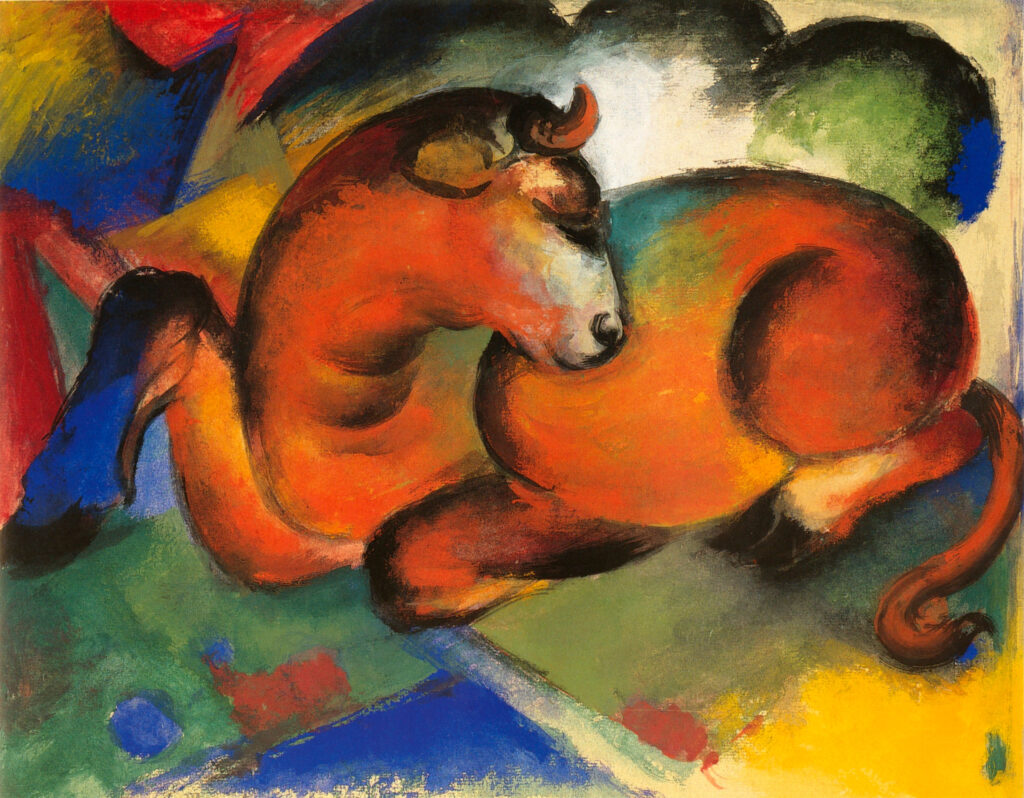
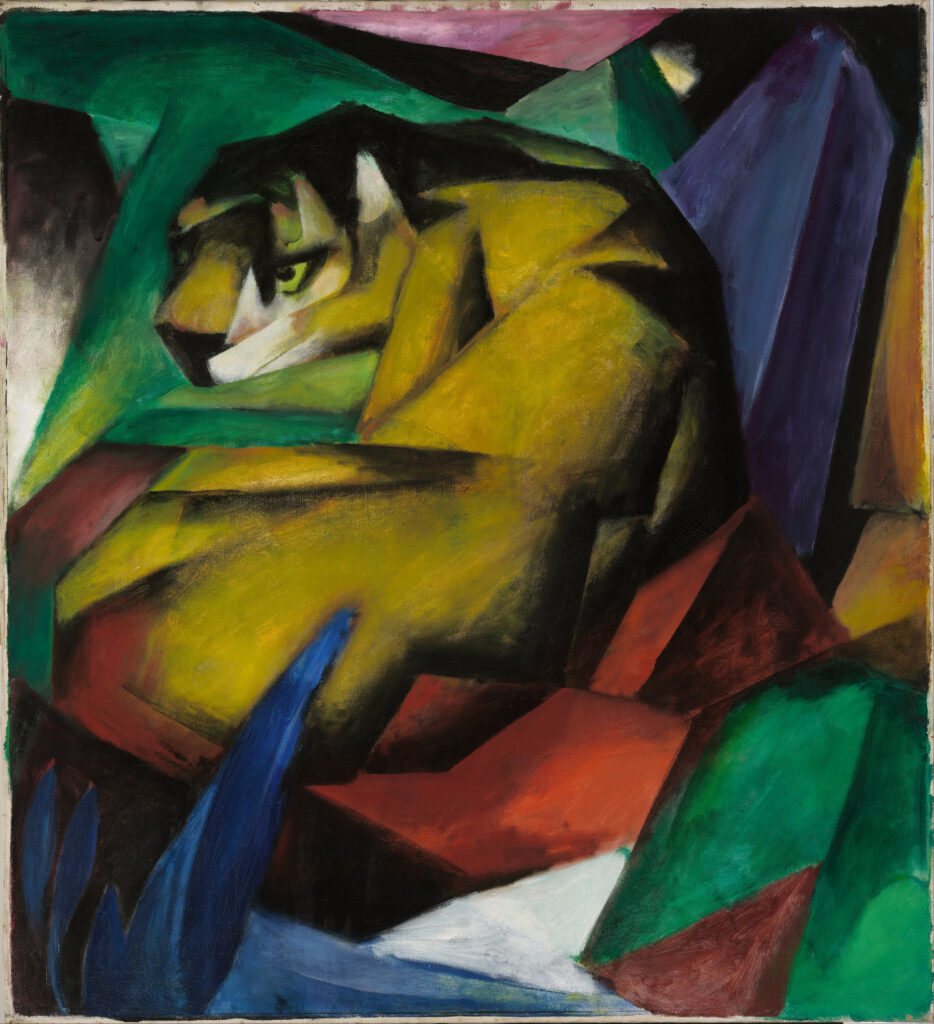
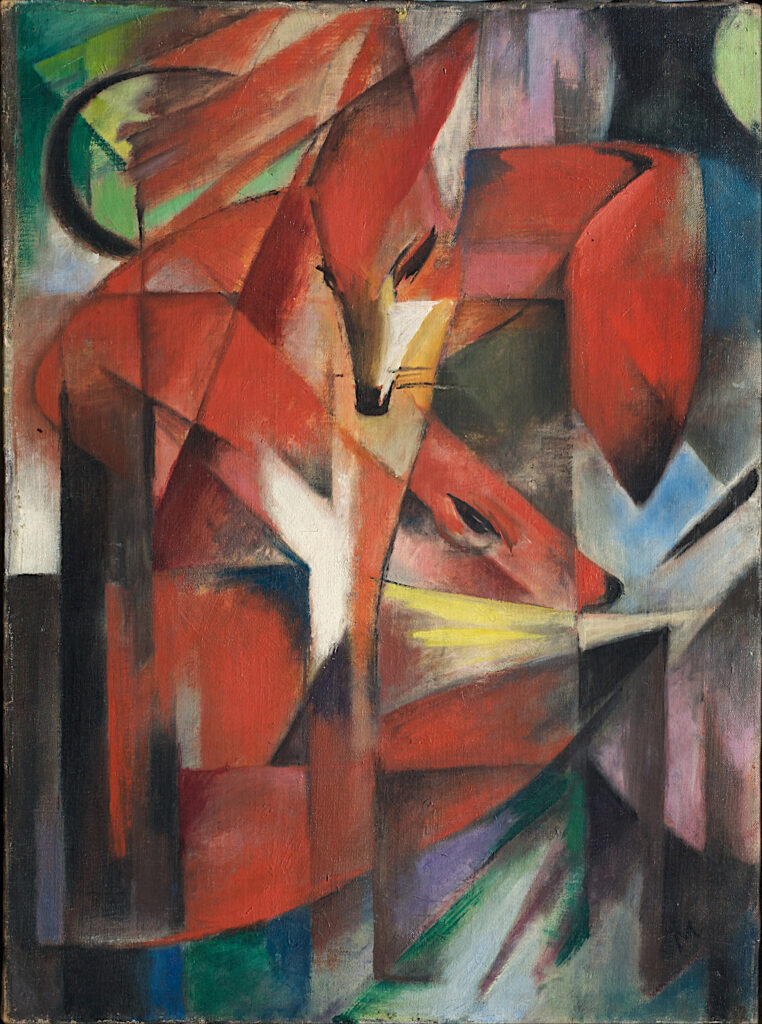
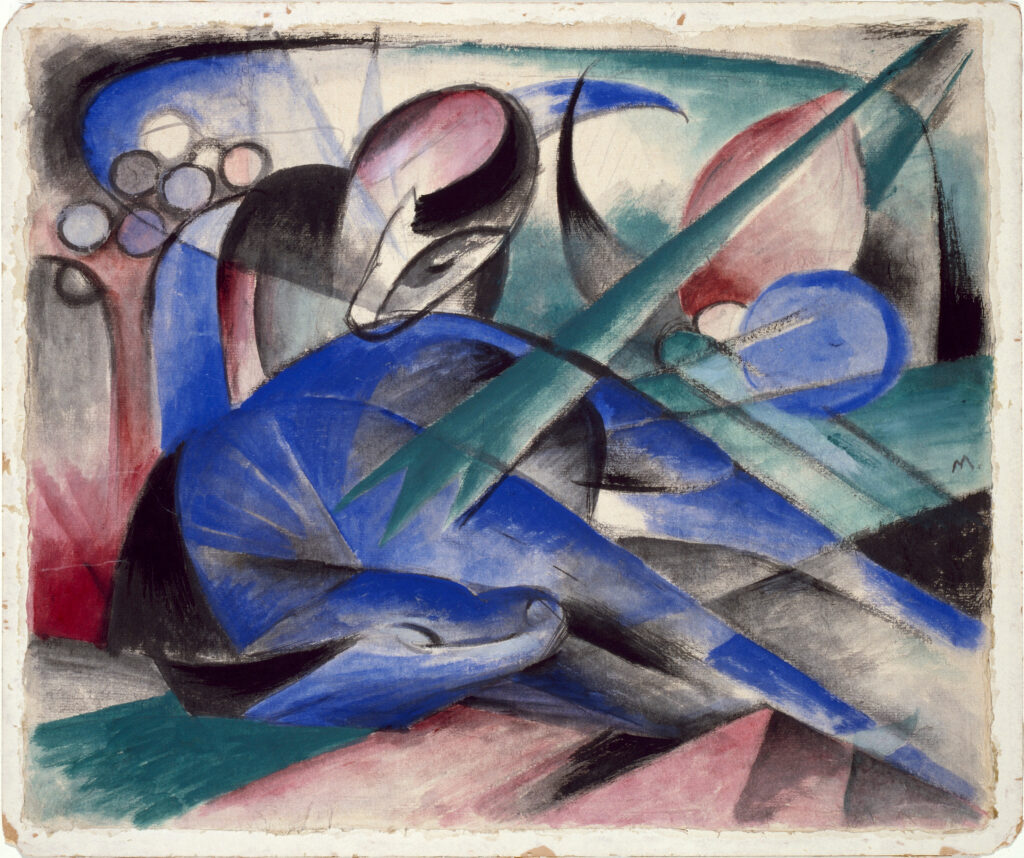
Franz Marc
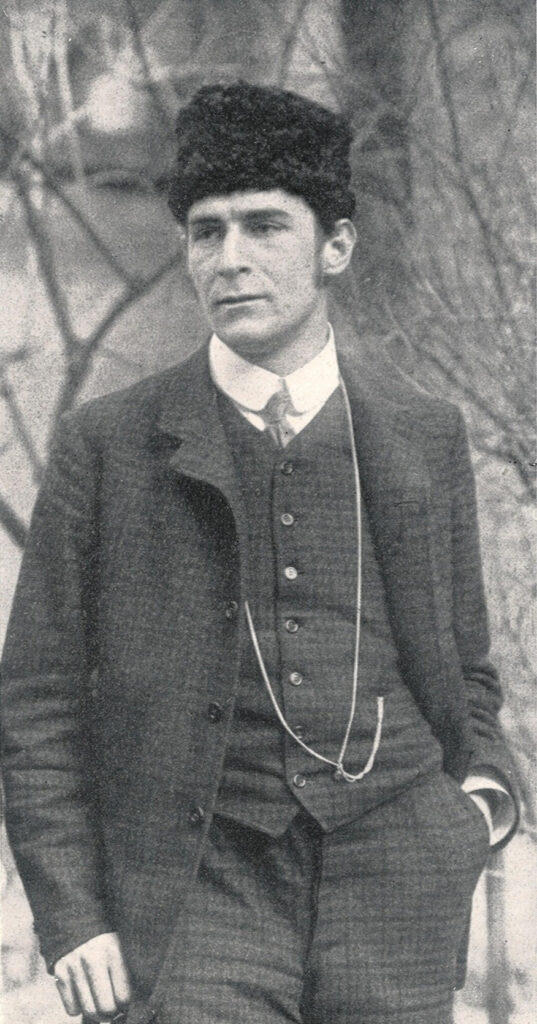
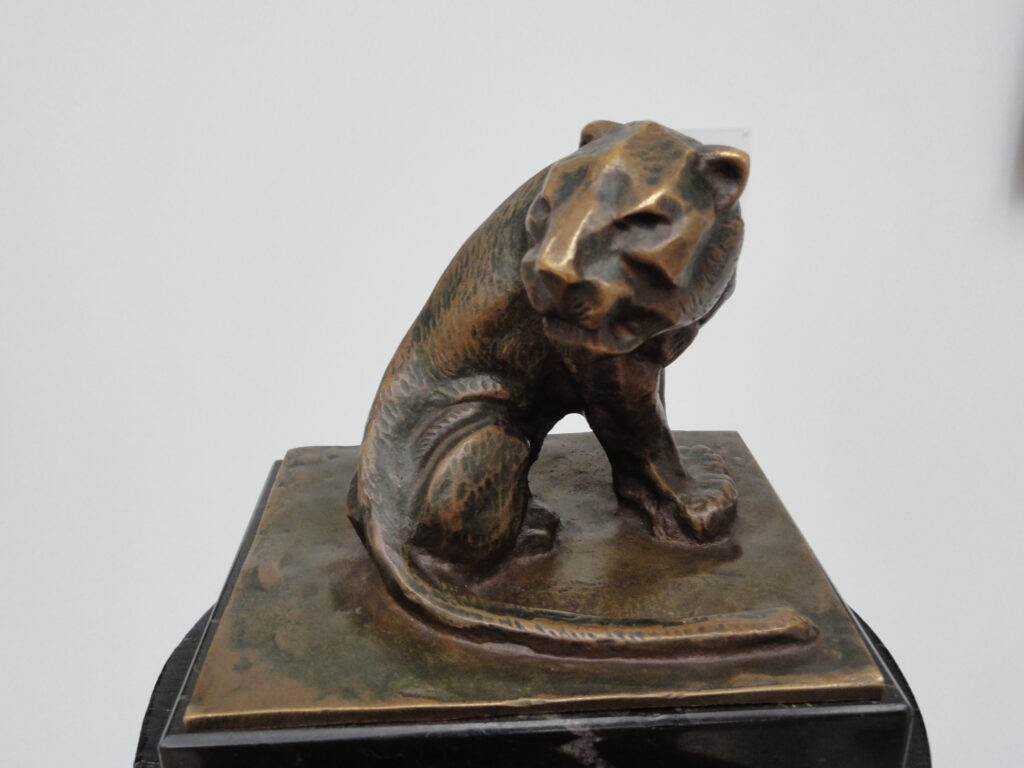
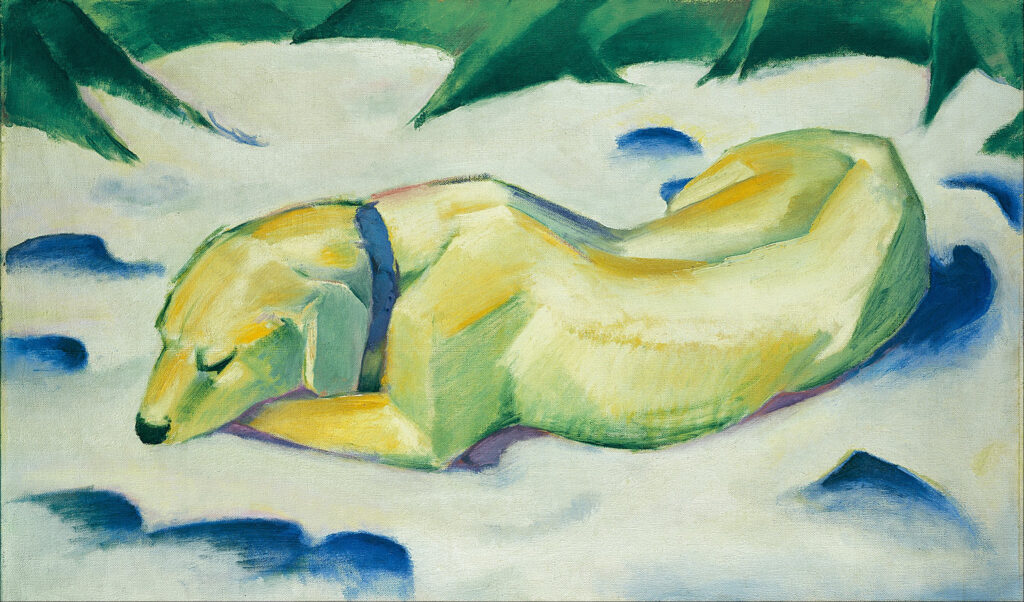
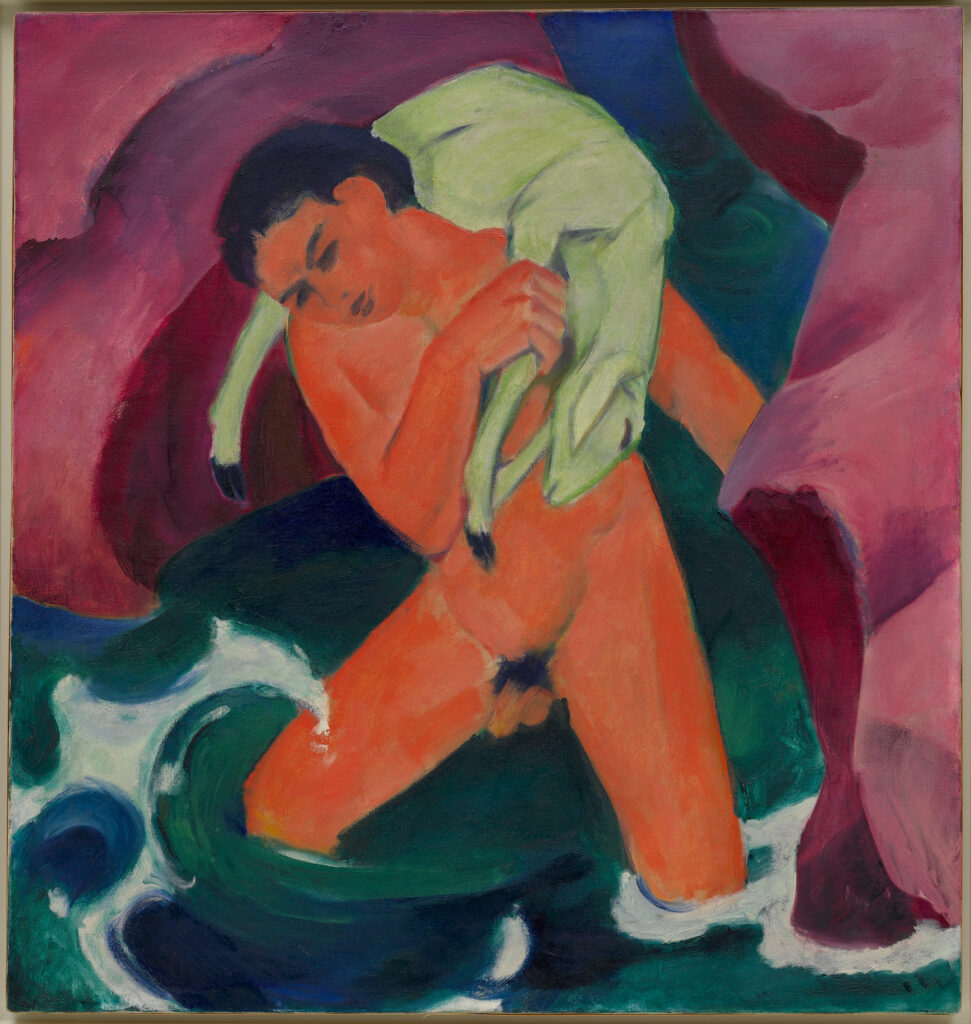
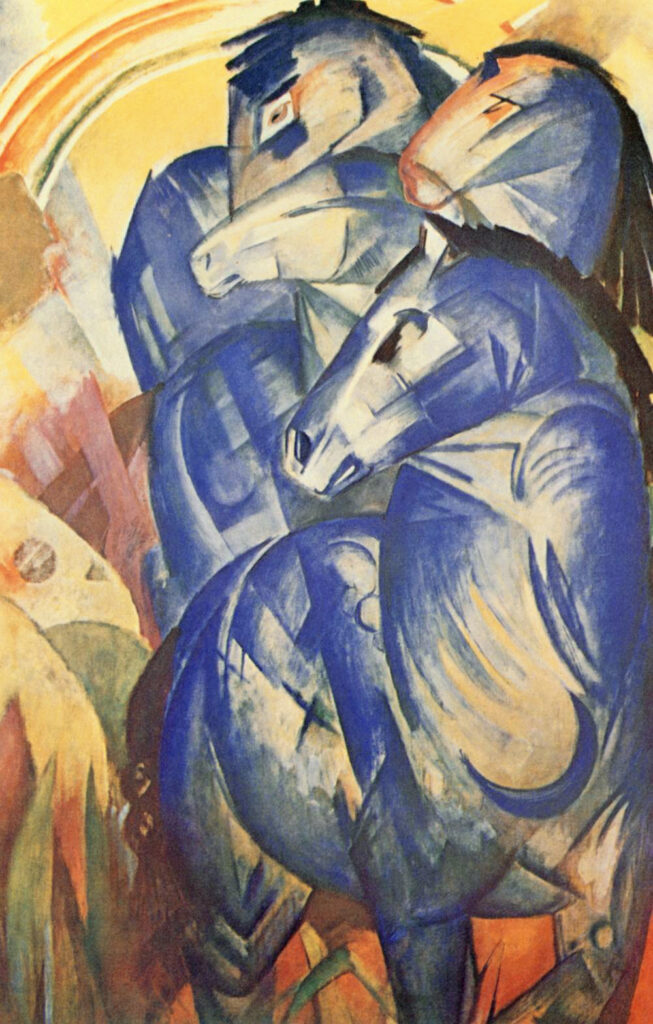
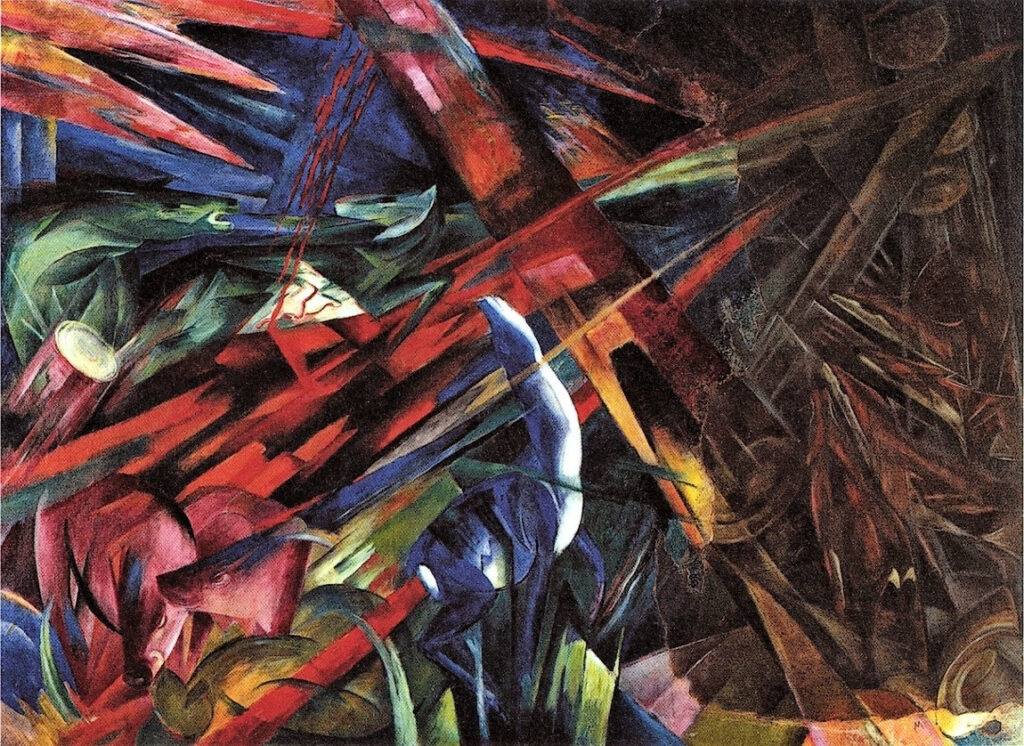
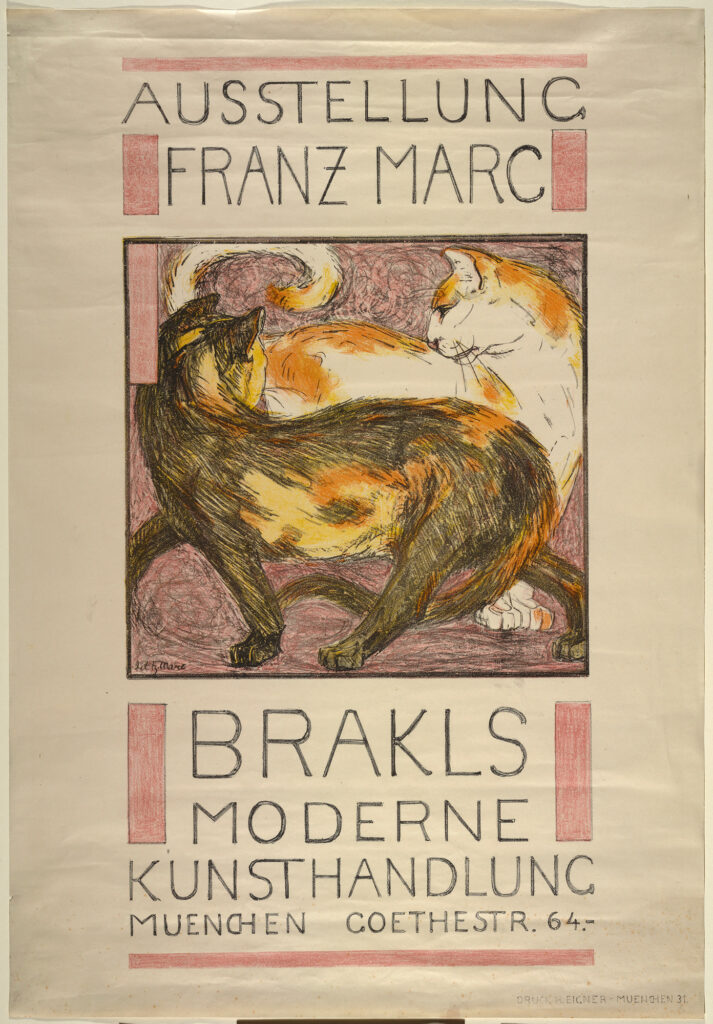
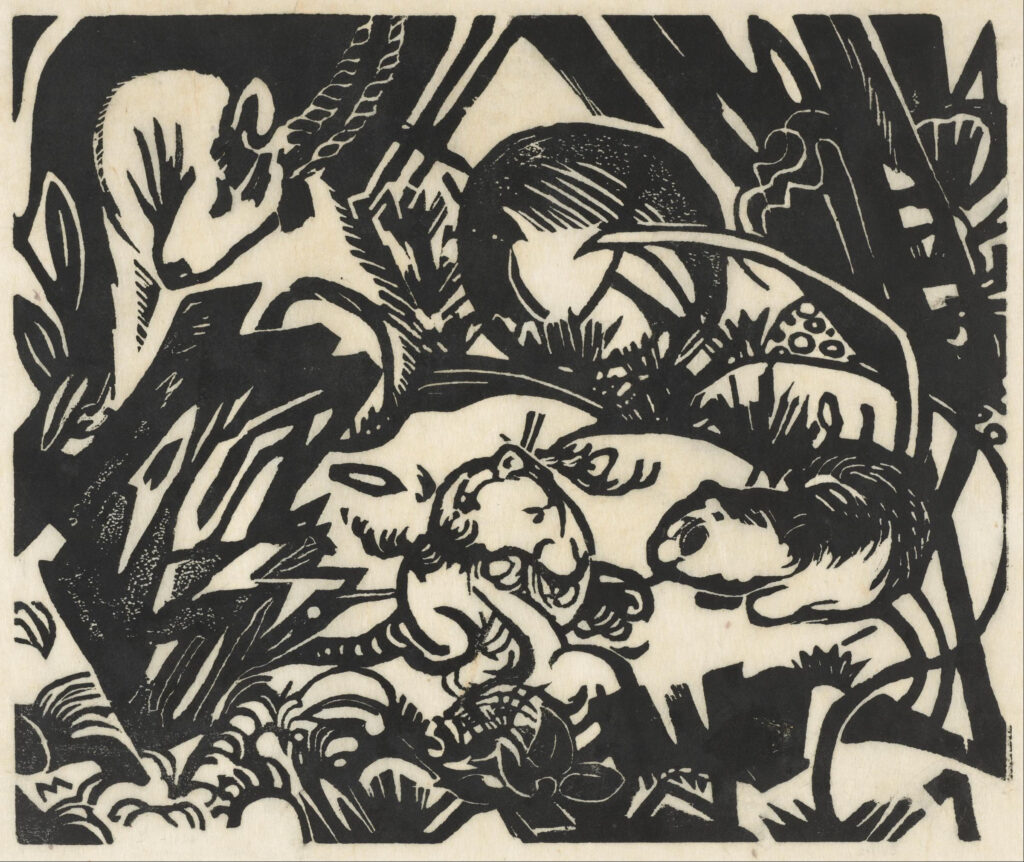
Franz Marc, February 8, 1880–March 4, 1916, was a German painter and printmaker born in Munich. His father, Wilhelm Marc, was a painter. Marc studied at the Munich Academy of Fine Arts with Gabriel von Hackl and Wilhelm von Diez. He traveled to Paris during his early career and became especially interested in depicting animals.
Marc met August Macke and Wassily Kandinsky and, with Kandinsky, founded the Der Blaue Reiter group in 1911. The two artists edited its almanac, published in 1912. Marc also worked in drawing and printmaking.
He served in the German army during the First World War and was killed near Verdun in 1916. Major holdings of his work are at the Lenbachhaus in Munich and the Franz Marc Museum in Kochel am See; examples are also in the Solomon R. Guggenheim Museum, New York, and the Kunstmuseum Basel
Guercino
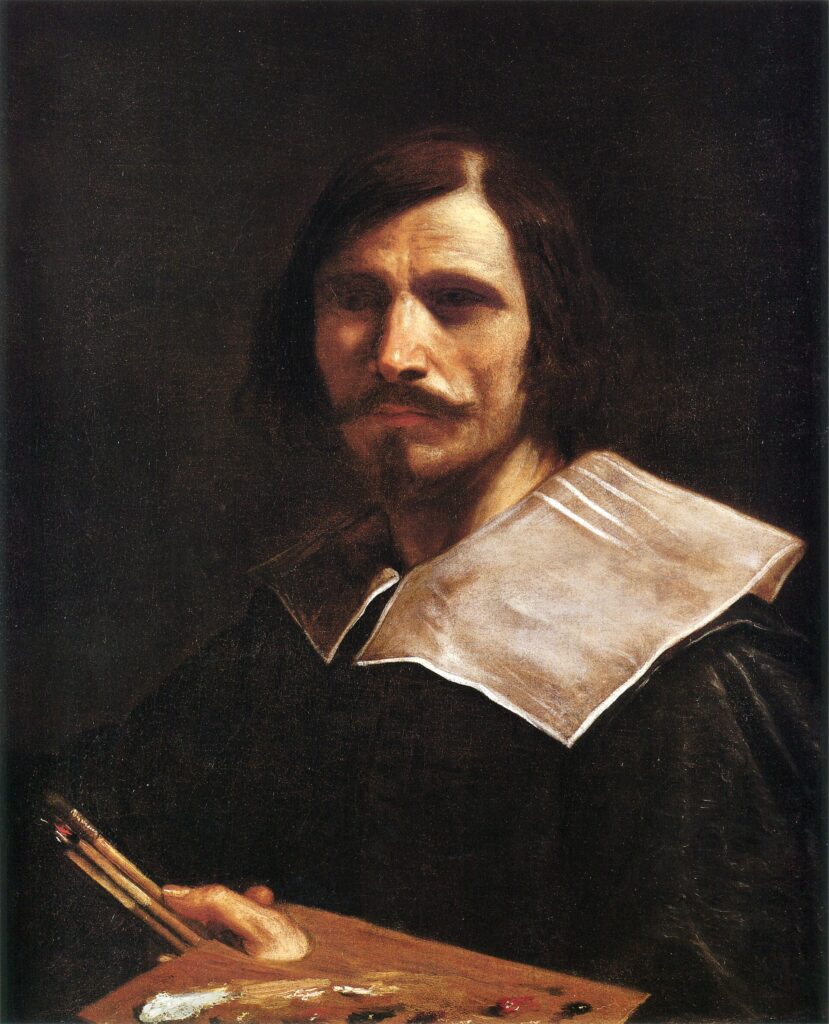
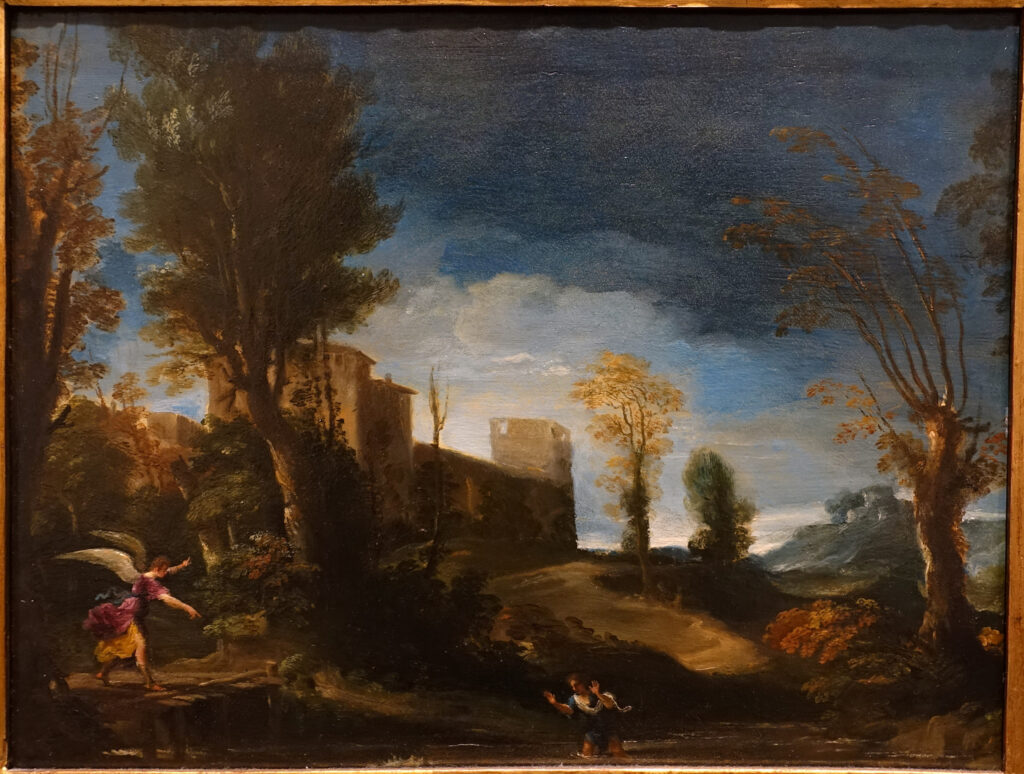
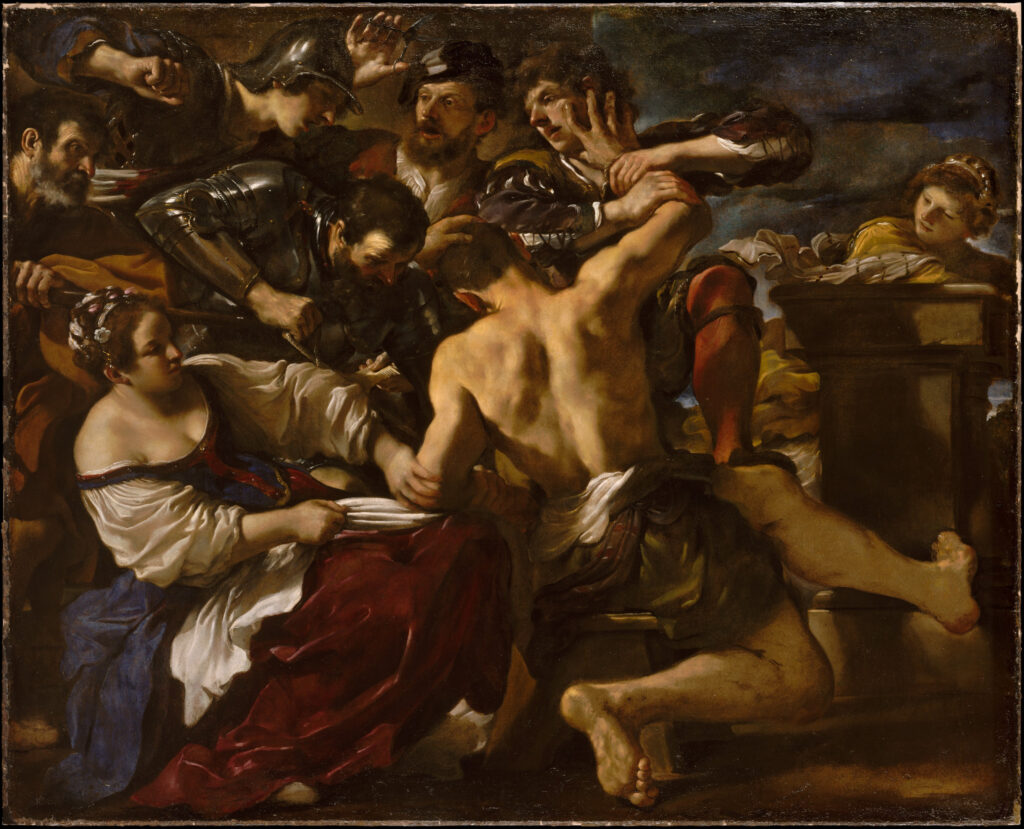
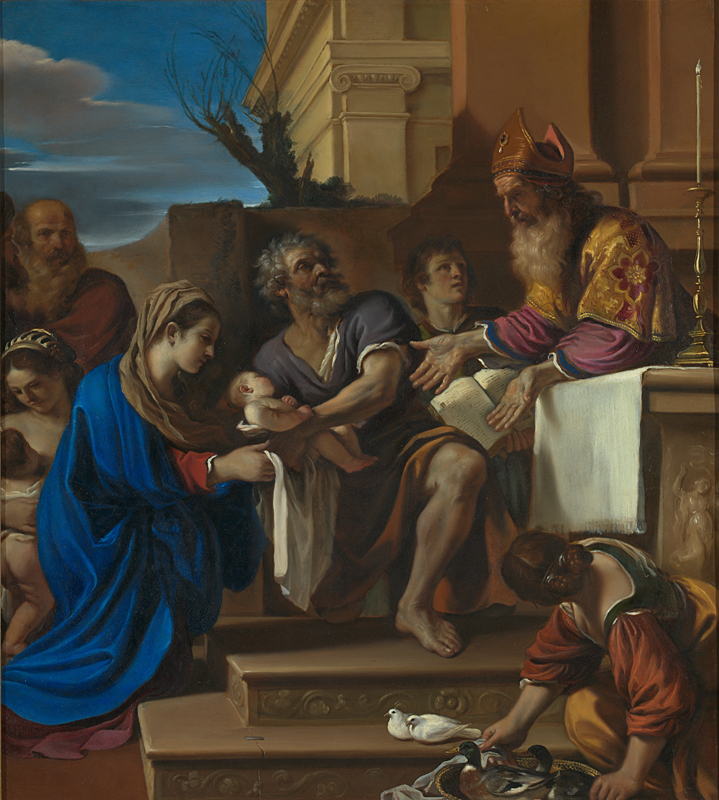
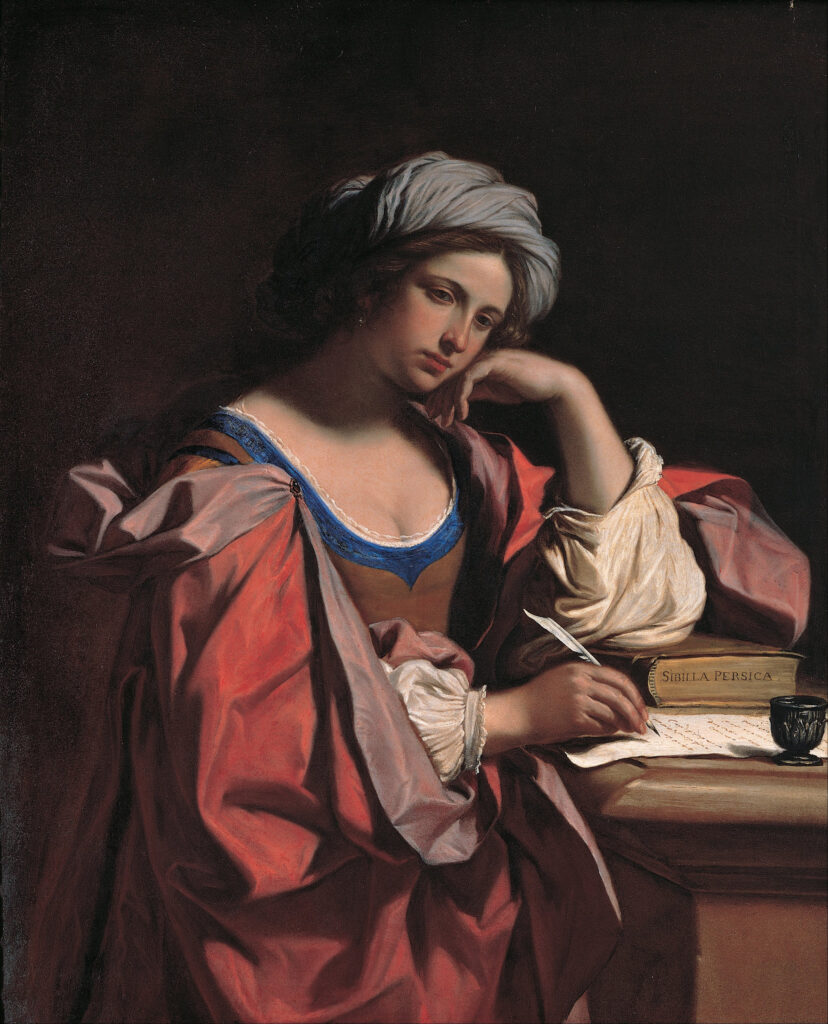
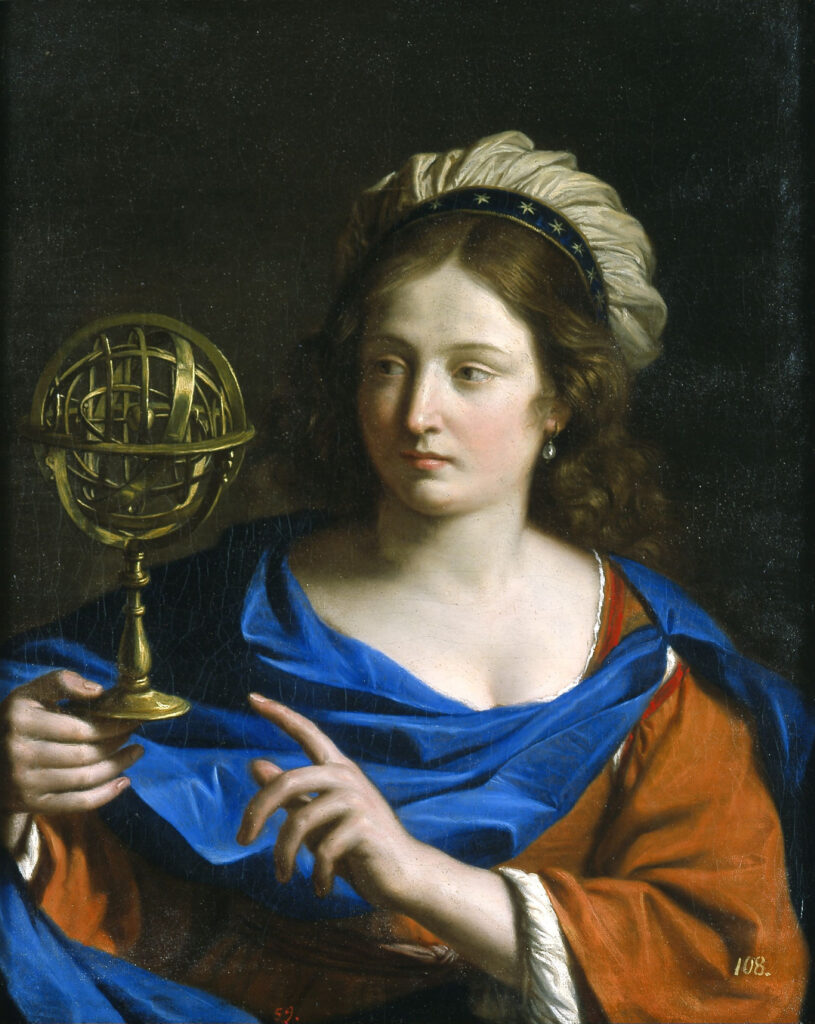
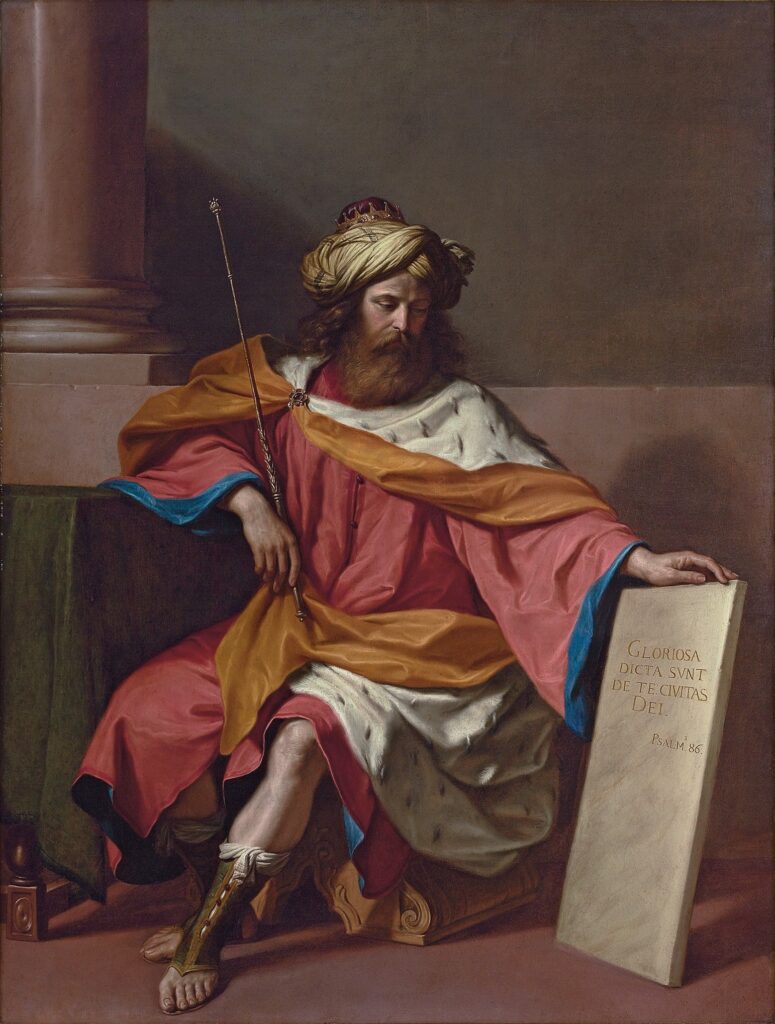
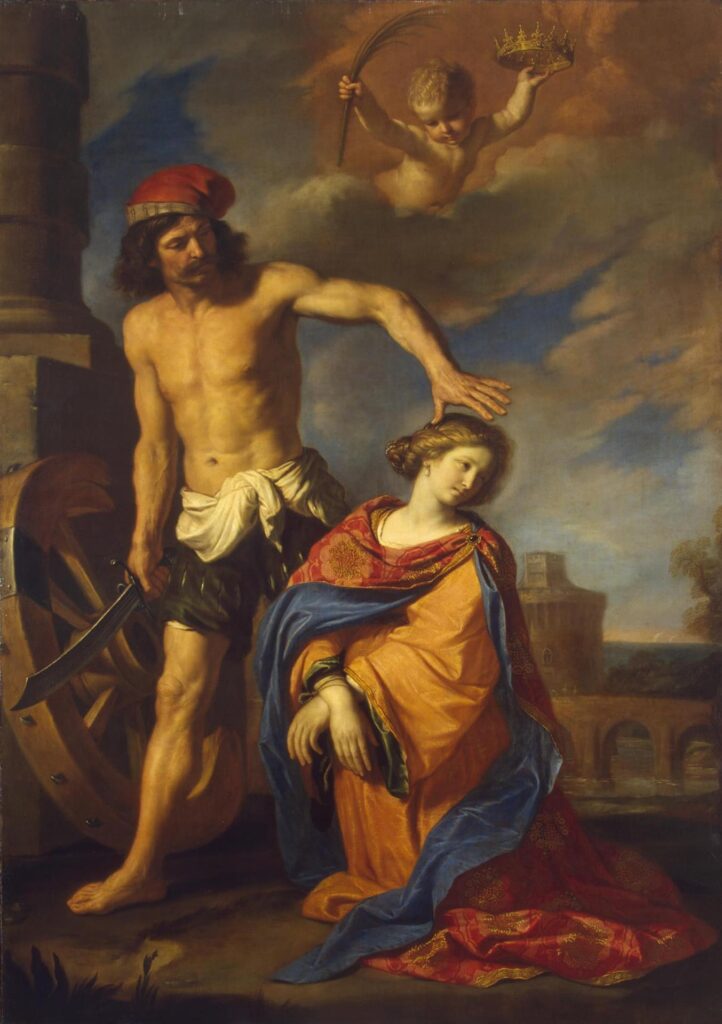
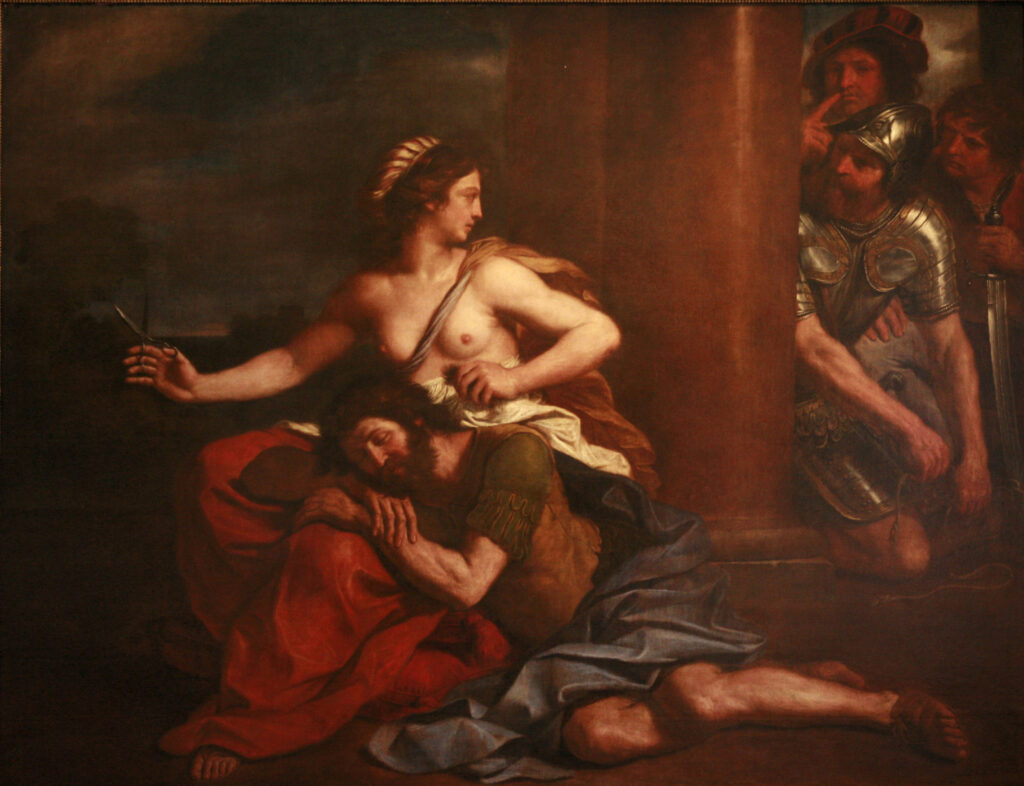
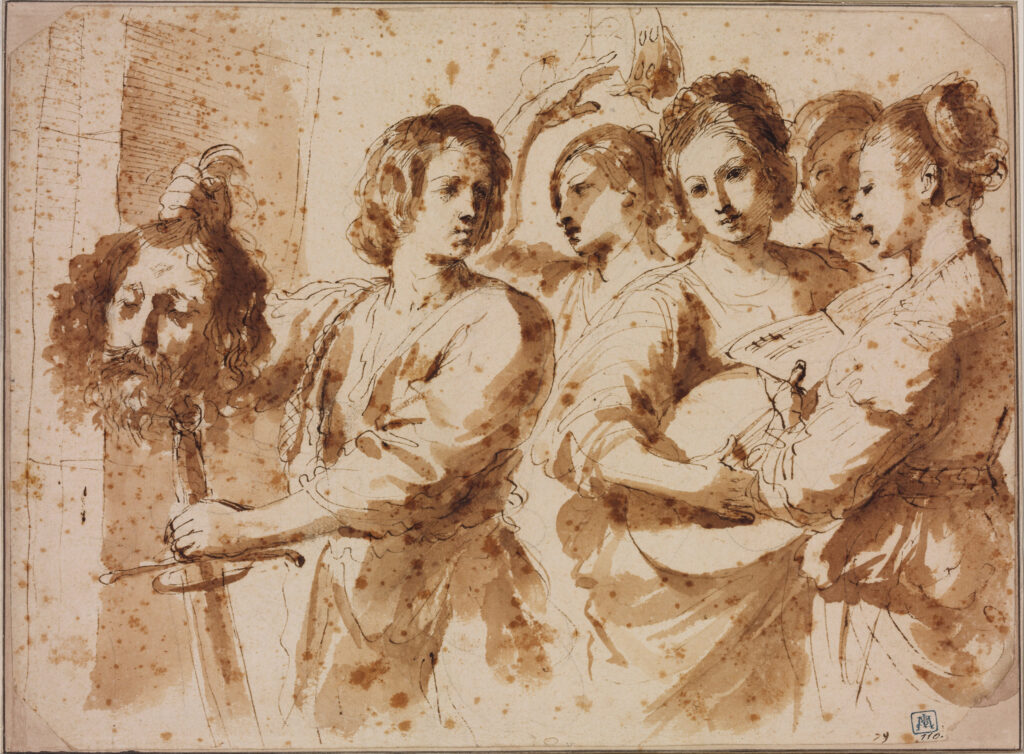
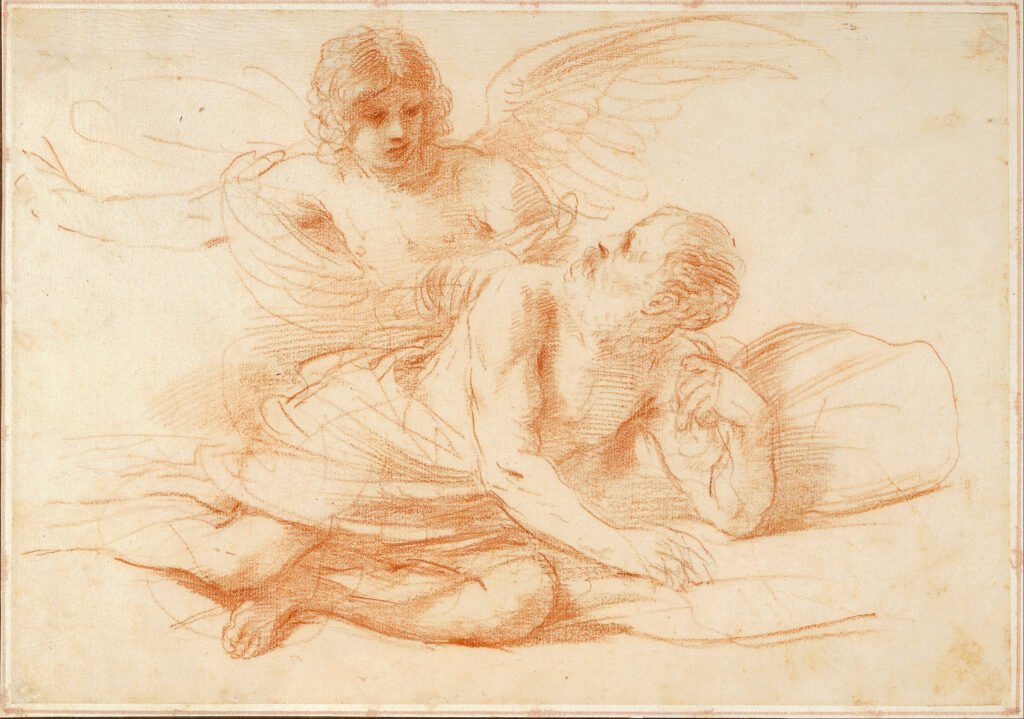
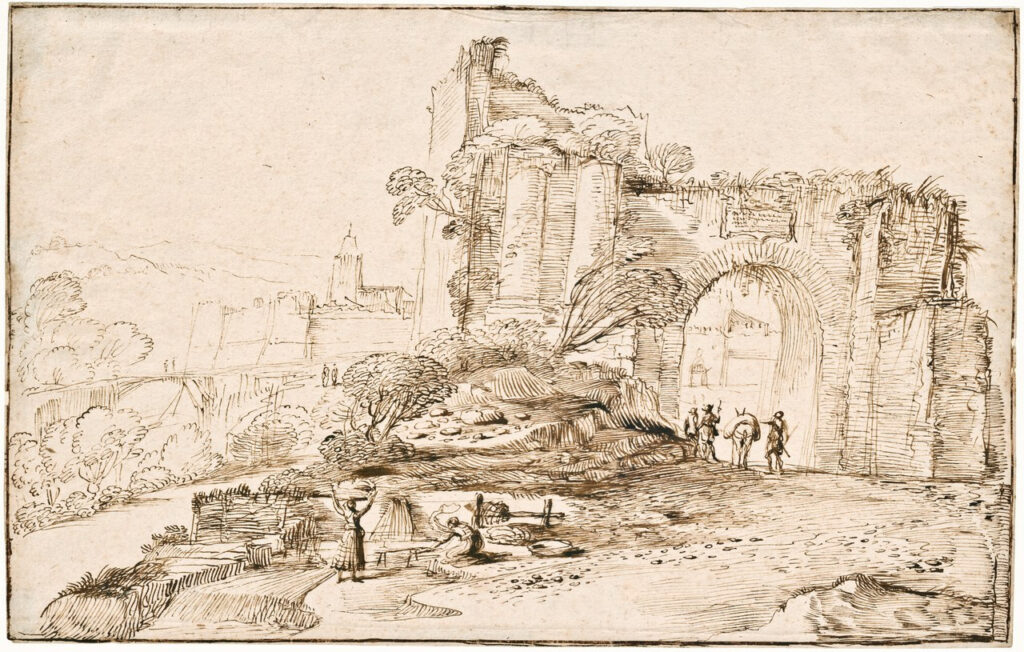
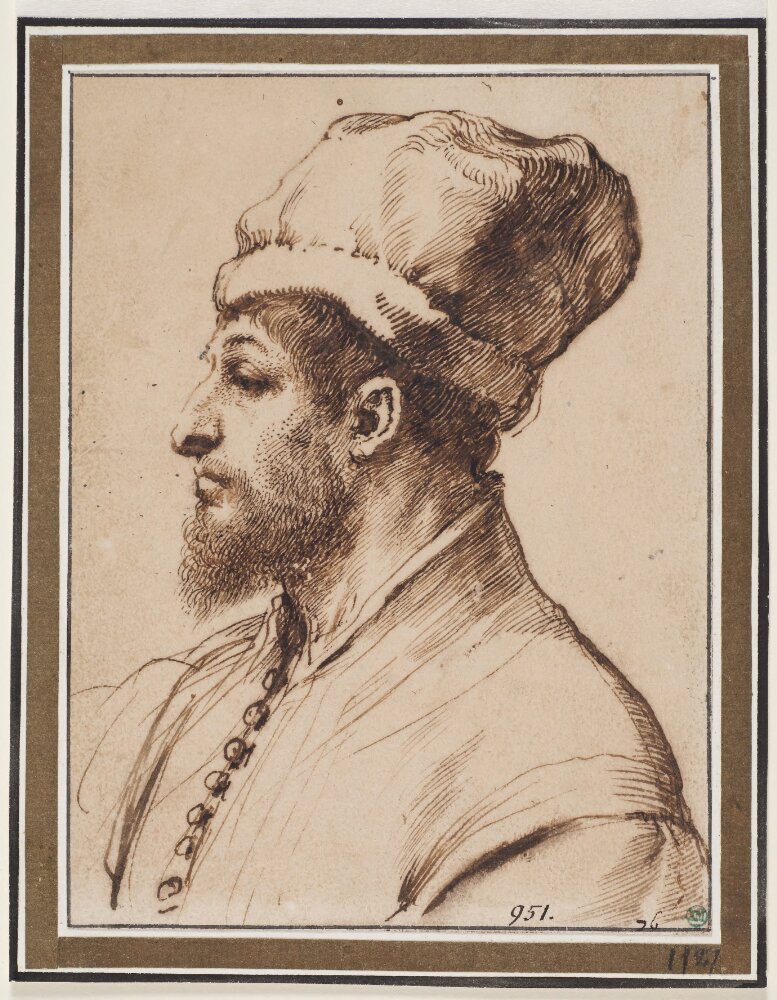
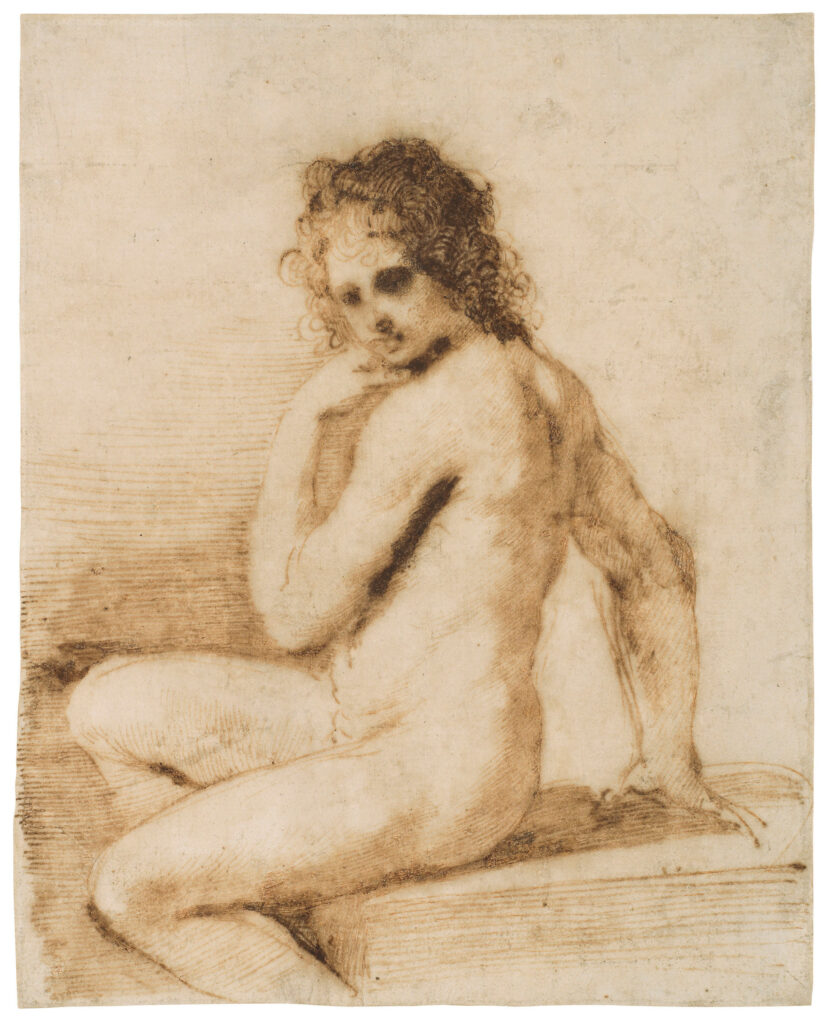
Guercino (Giovanni Francesco Barbieri), February 8, 1591–December 22, 1666, was an Italian painter and draftsman born in Cento. He received drawing lessons locally and apprenticed with Benedetto Gennari the Elder. He also studied the work of Ludovico Carracci.
In 1616 Guercino established a life drawing academy in Cento. He worked in Rome during the papacy of Gregory XV, returned to Cento, and moved to Bologna in 1642. His workshop included his nephews Benedetto and Cesare Gennari, who continued its work after his death.
His paintings and drawings are held by the National Gallery in London, the Louvre Museum, the Metropolitan Museum of Art, the Capitoline Museums, and other public collections.



Carel Pietersz. Fabritius
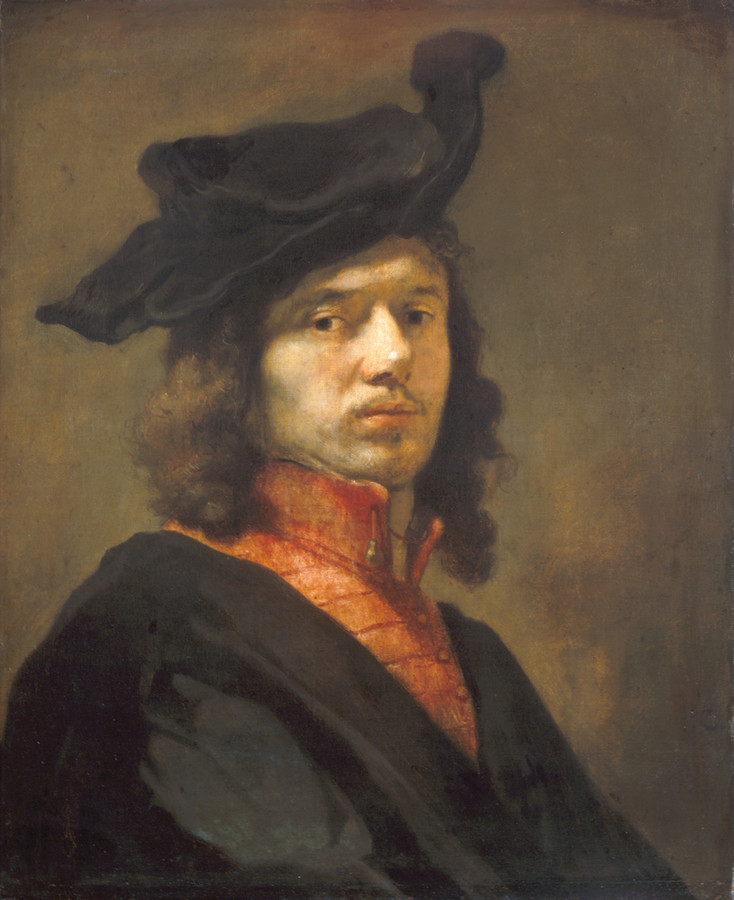
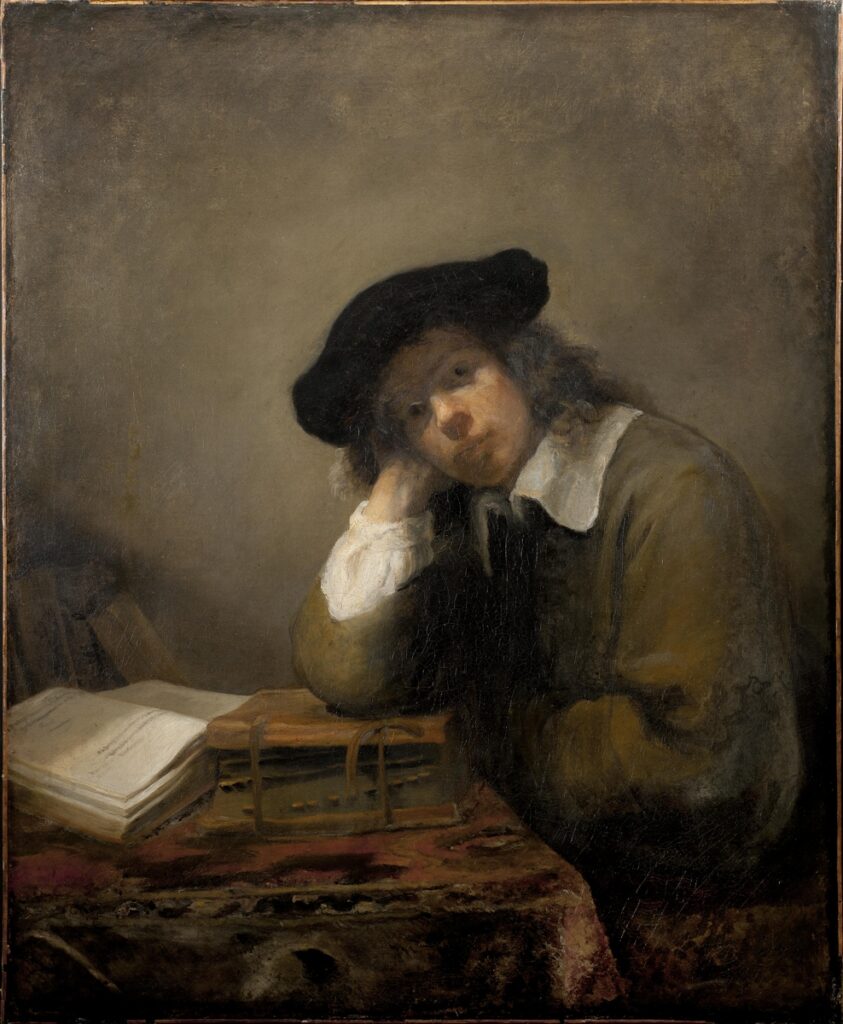
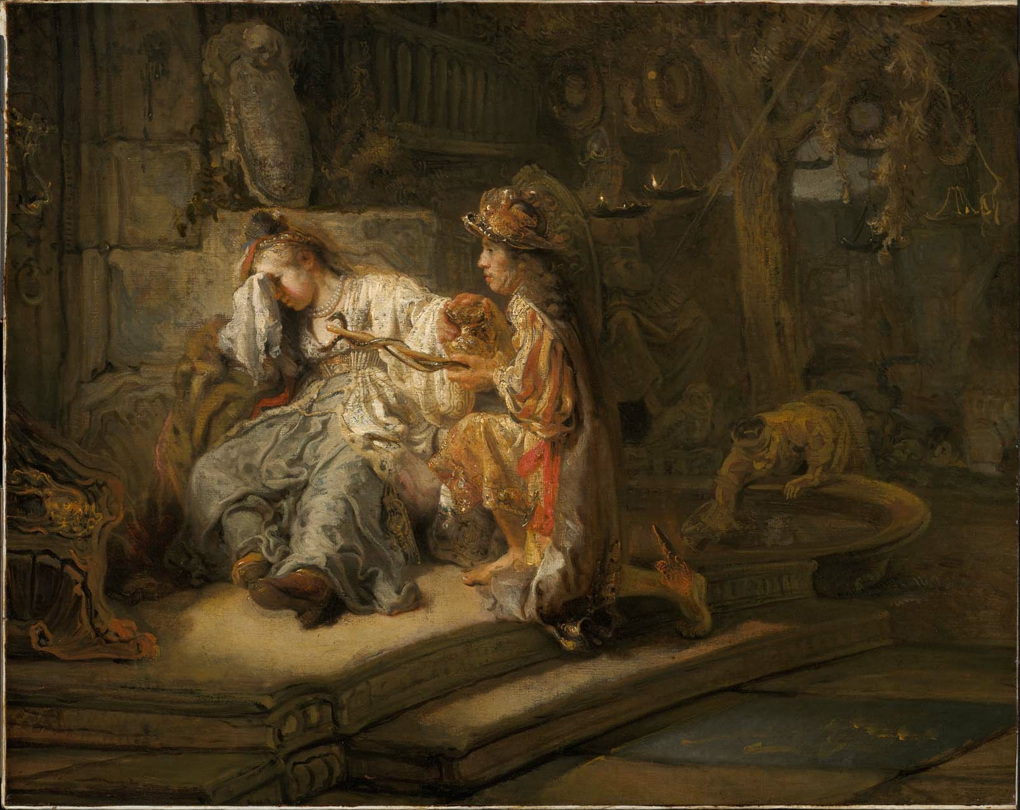
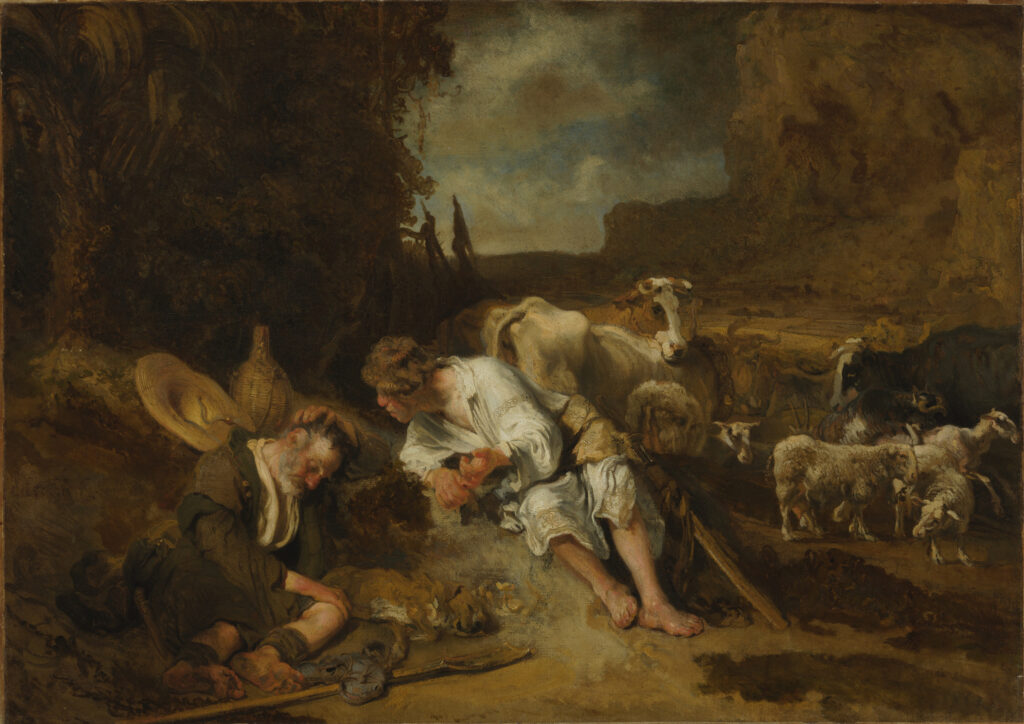
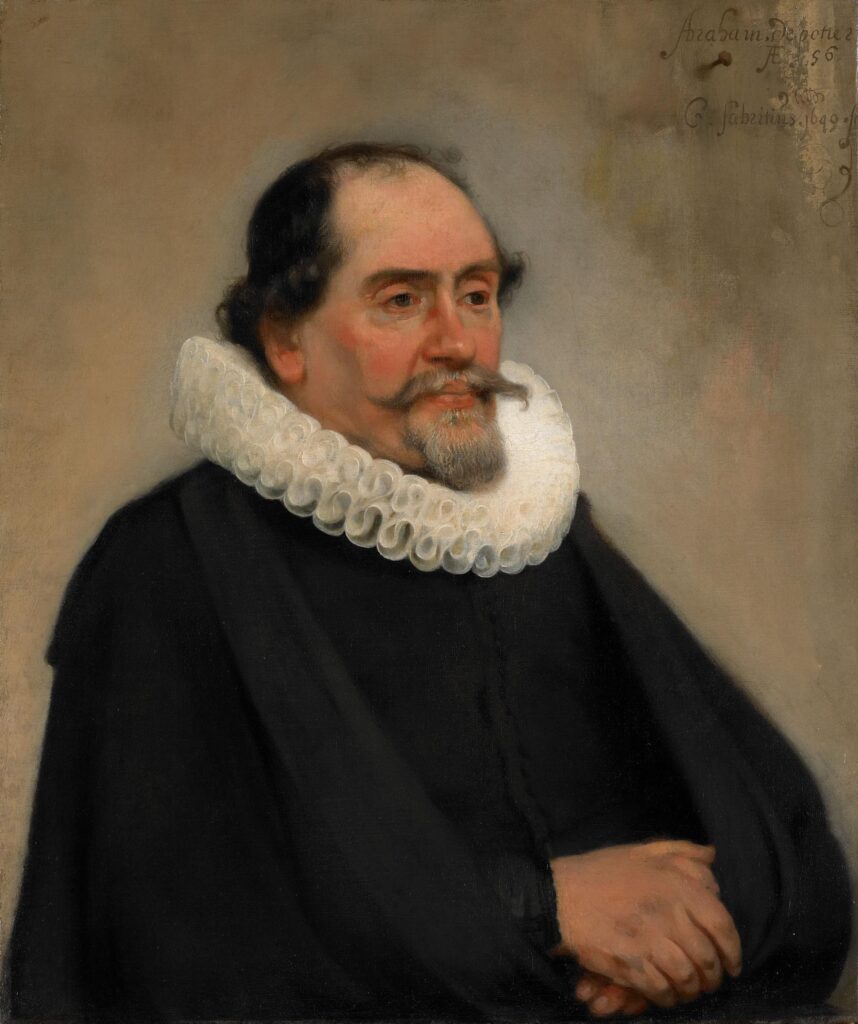
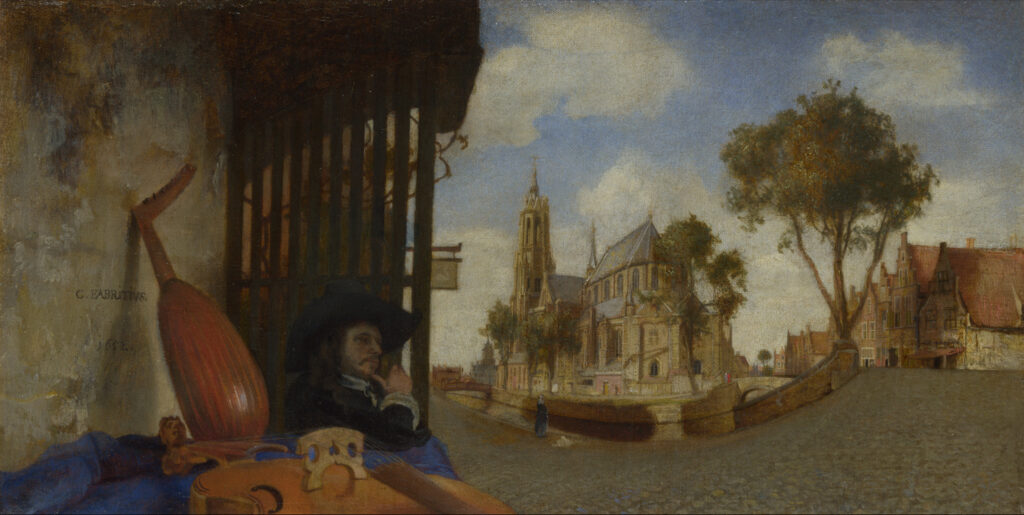
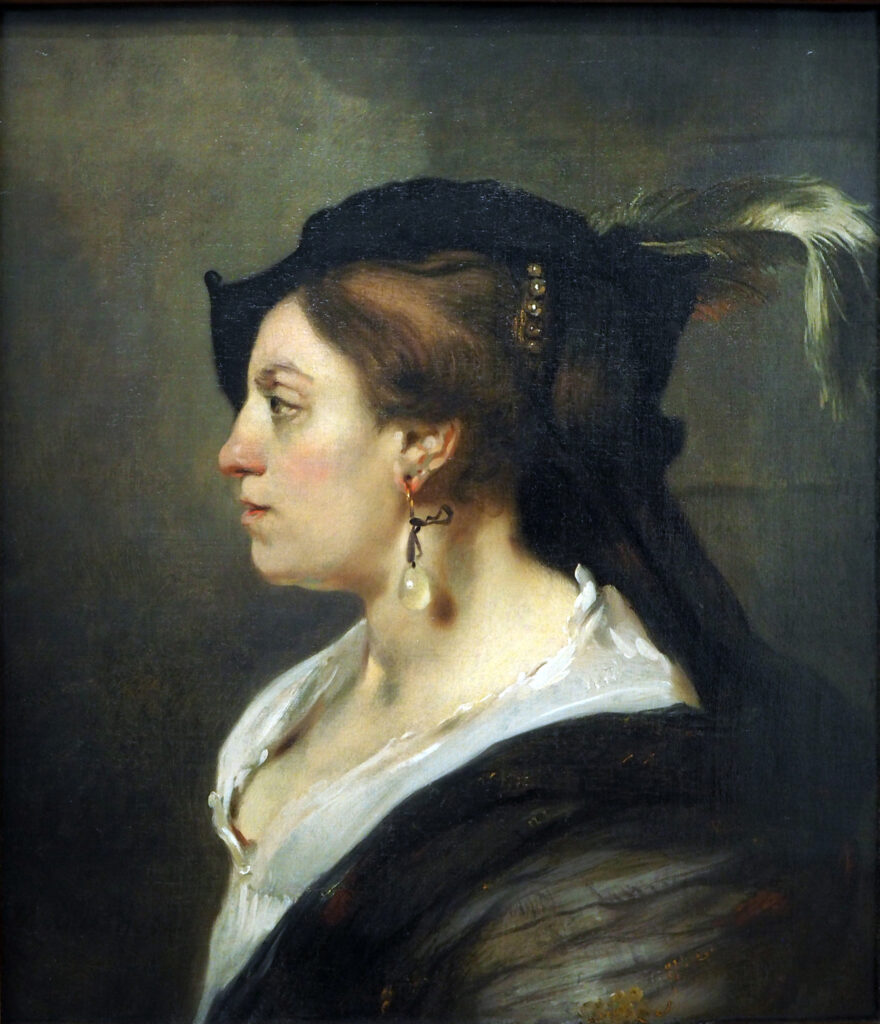
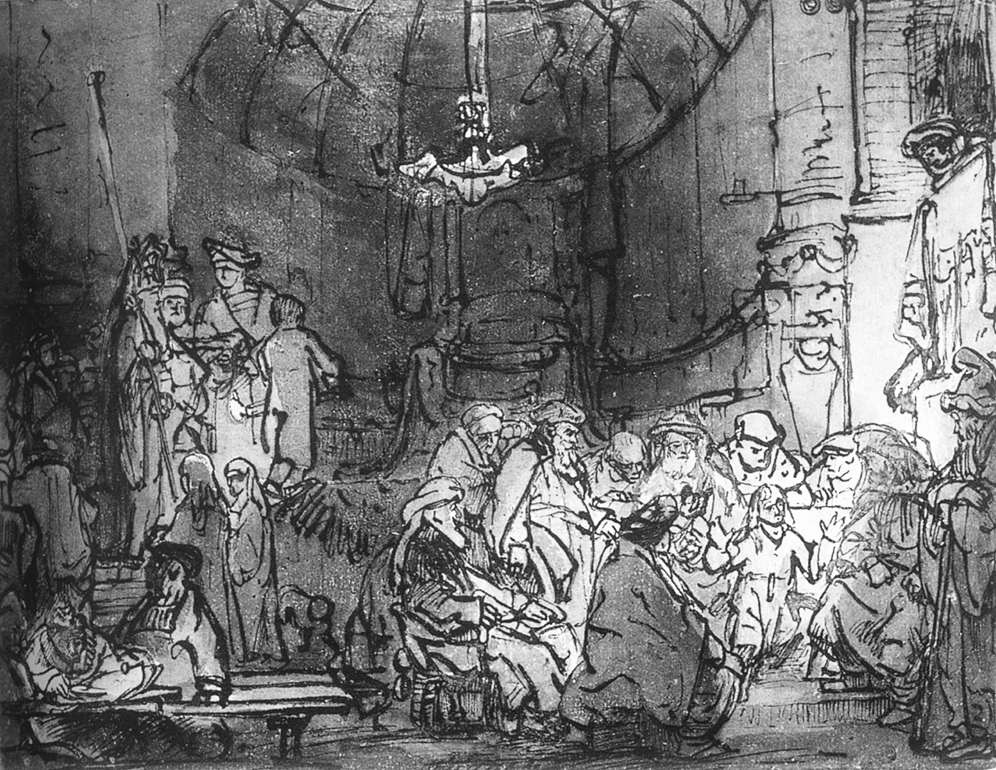
Carel Pietersz. Fabritius (baptized February 27, 1622; died October 12, 1654) was a Dutch painter from Middenbeemster. His father, Pieter Carelsz. Fabritius, was a schoolteacher and painter. Carel trained with Rembrandt in Amsterdam in the early 1640s, alongside Samuel van Hoogstraten.
Fabritius moved to Delft in 1650 and joined its Guild of Saint Luke in 1652. He painted portraits, biblical and mythological subjects, and town views. He also produced perspective paintings designed to create spatial illusions. His Delft works used lighter backgrounds than many of his earlier paintings.
Fabritius died in the Delft gunpowder explosion of October 12, 1654. His surviving paintings are held by the Mauritshuis, the Rijksmuseum, the National Gallery in London, and other collections. His work was rediscovered in the nineteenth century and is associated with the development of painting in Delft.




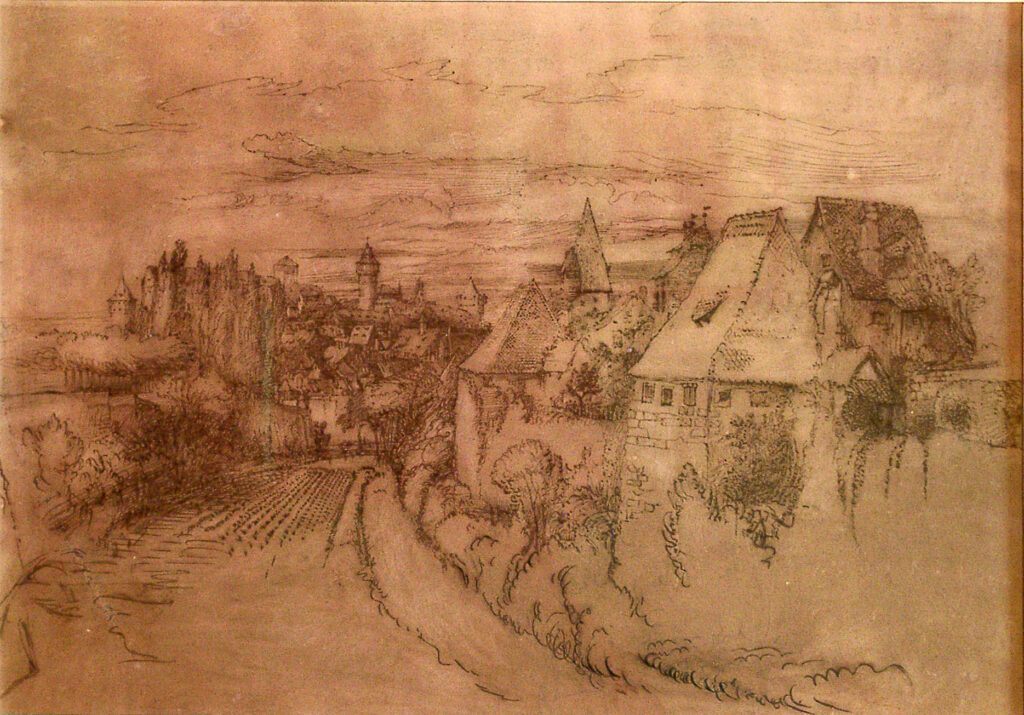
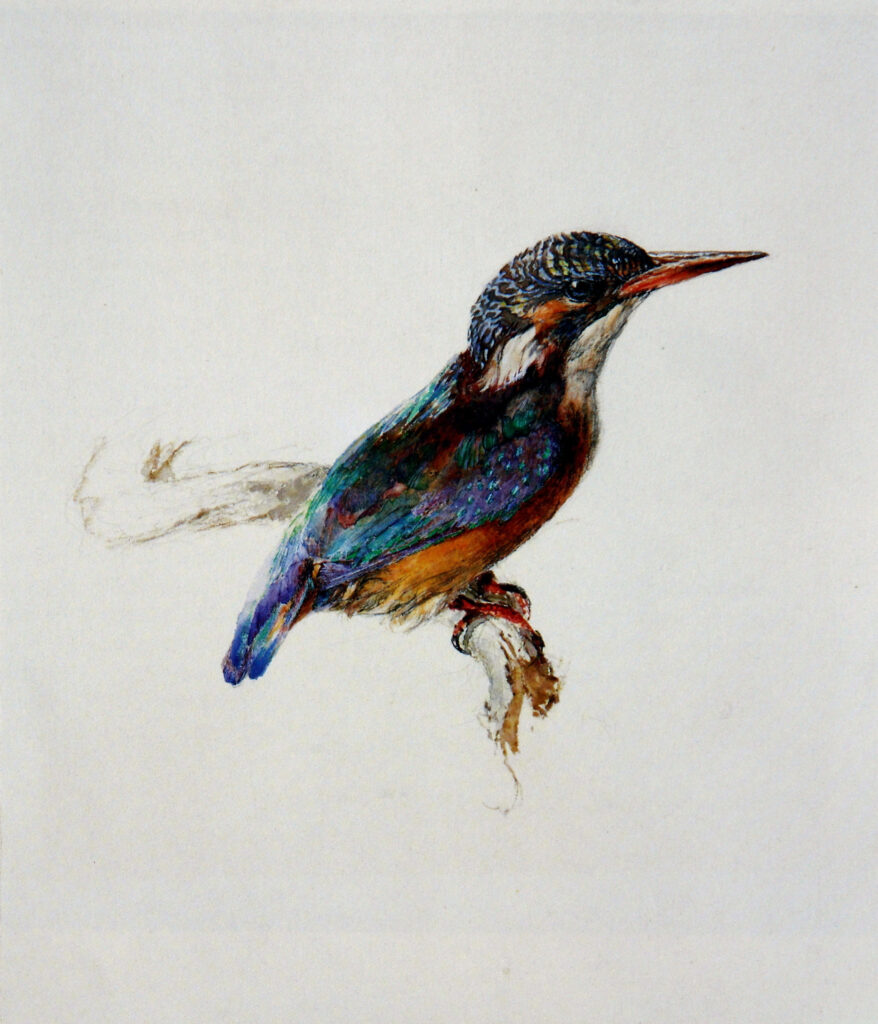
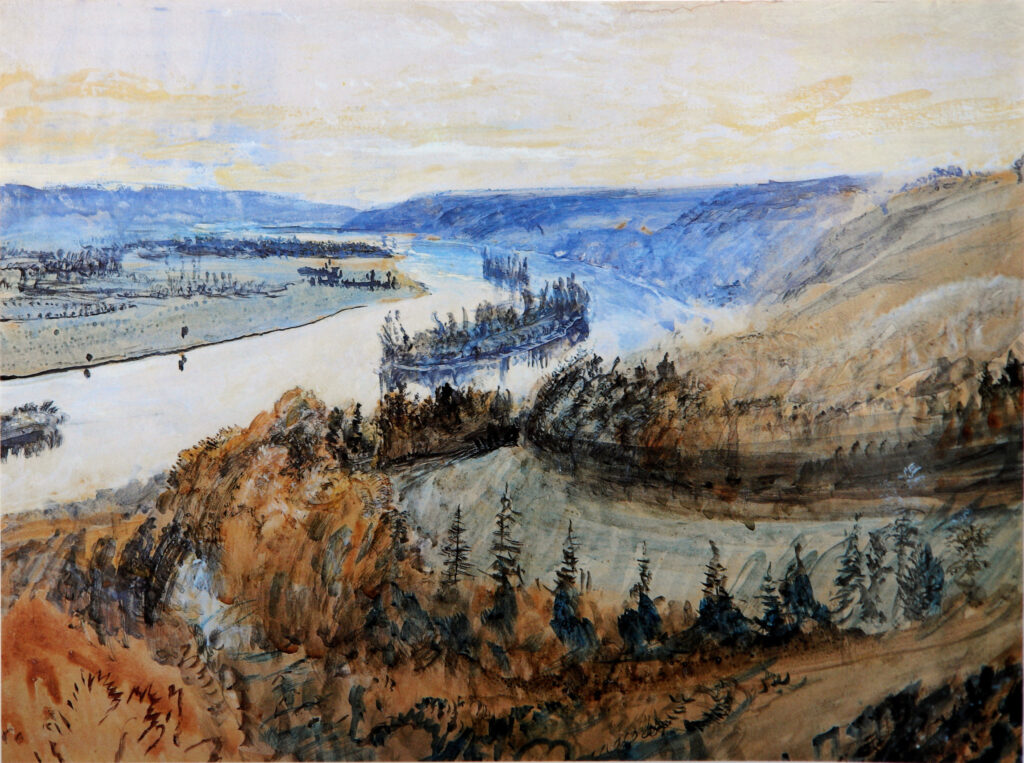
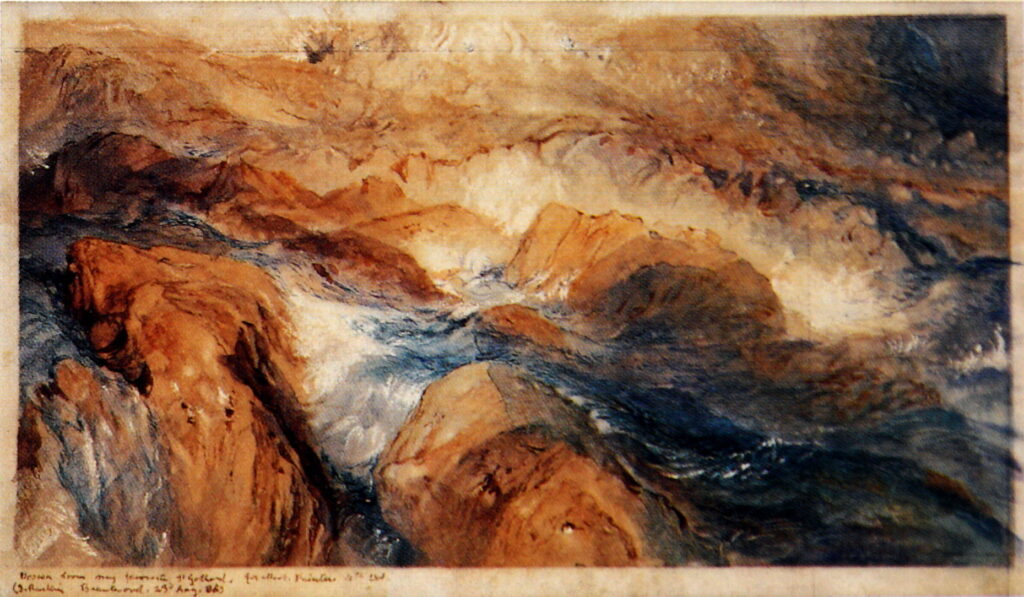
John Ruskin
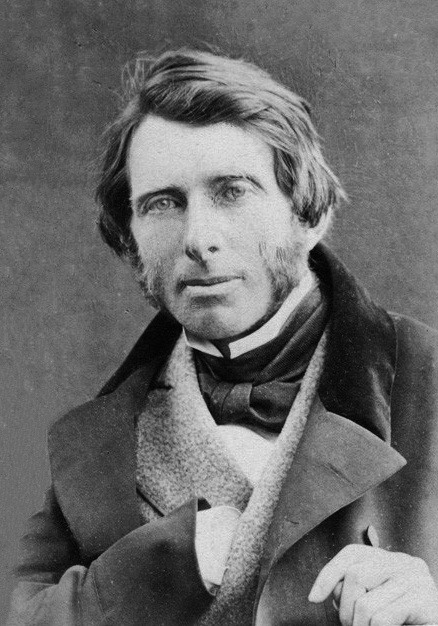
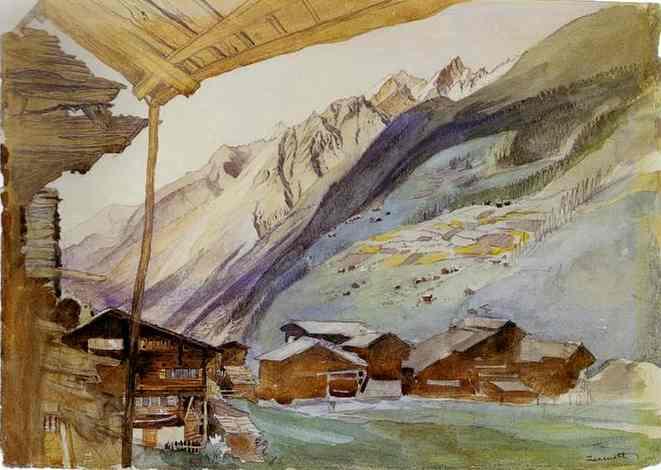
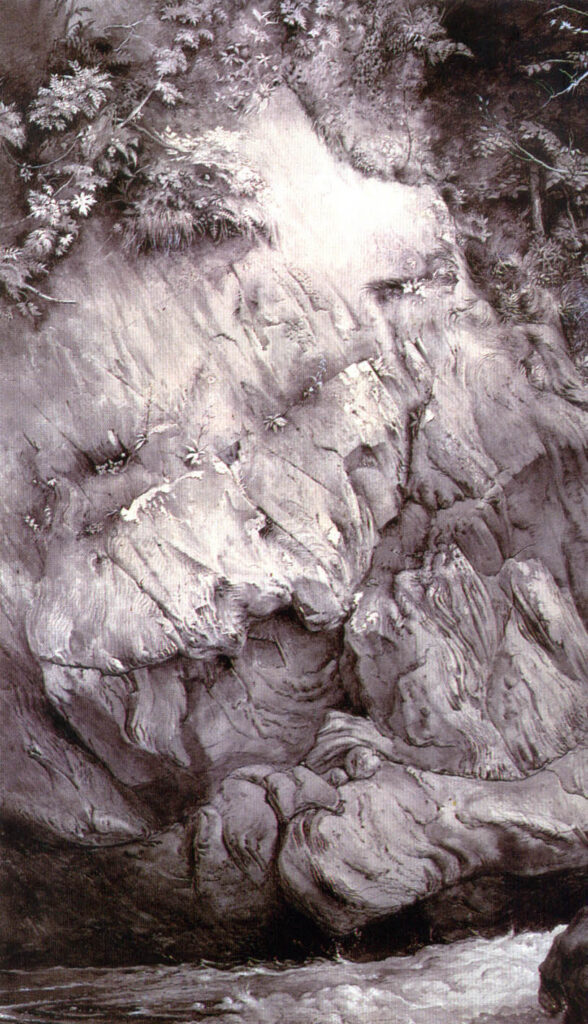
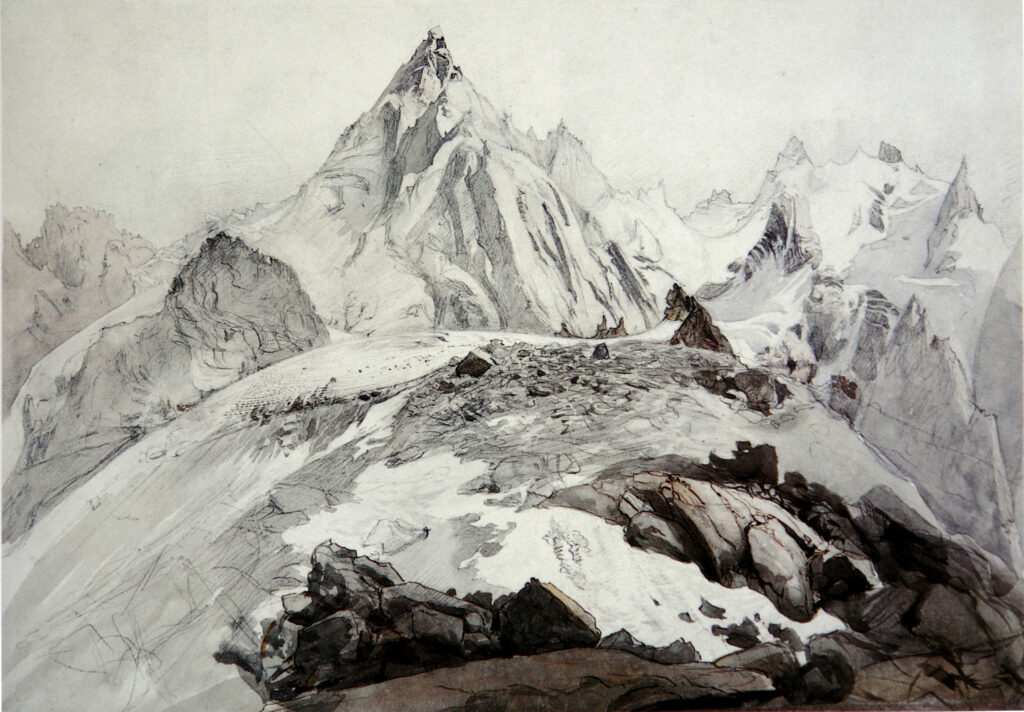
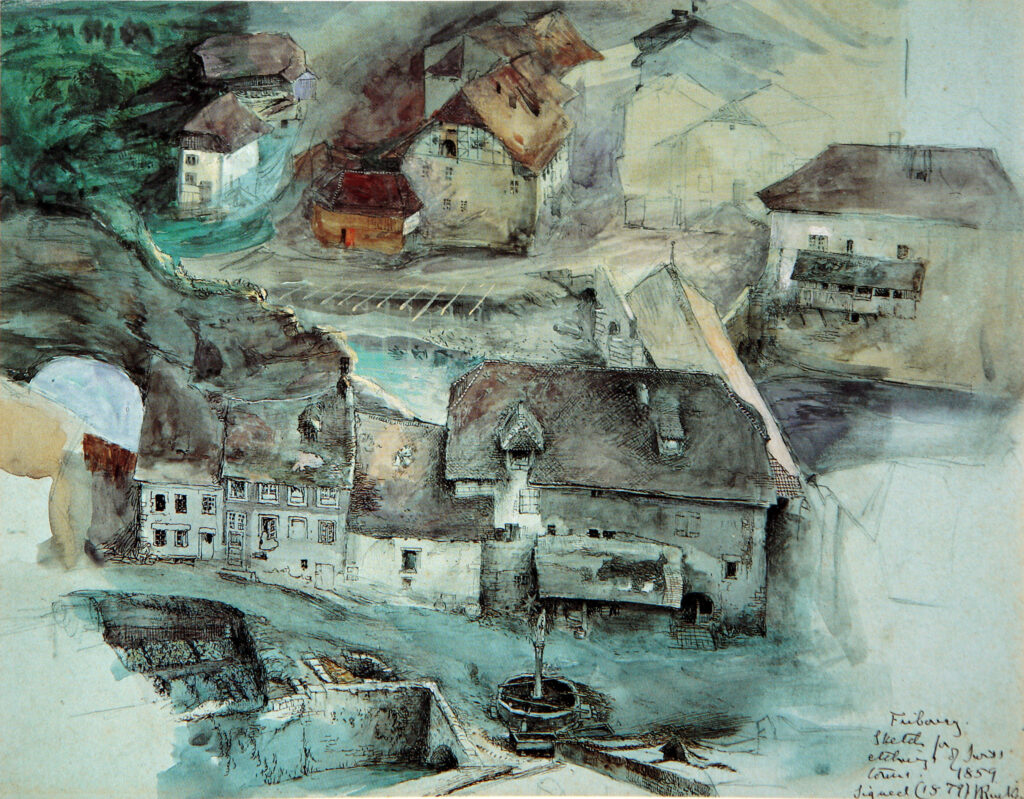
John Ruskin, February 8, 1819–January 20, 1900, was an English writer, art critic, and artist. Born in London, he was educated at home and at Christ Church, Oxford. His father encouraged his early interests in drawing and poetry, and travel gave him subjects for studies of architecture, geology, and landscape.
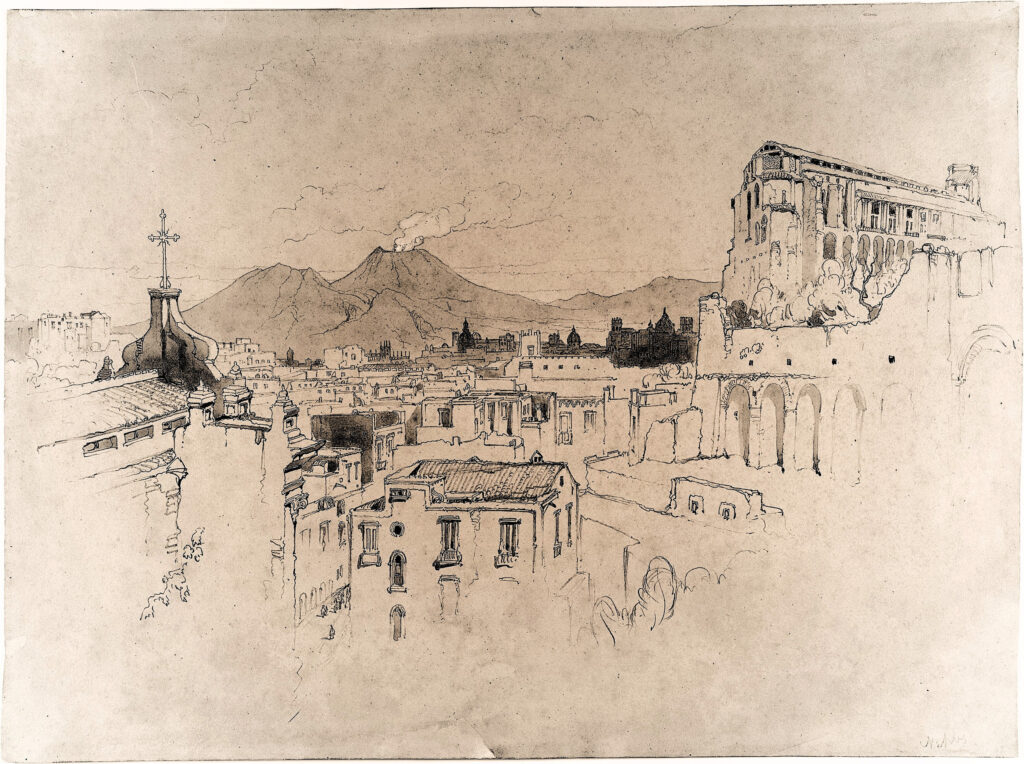
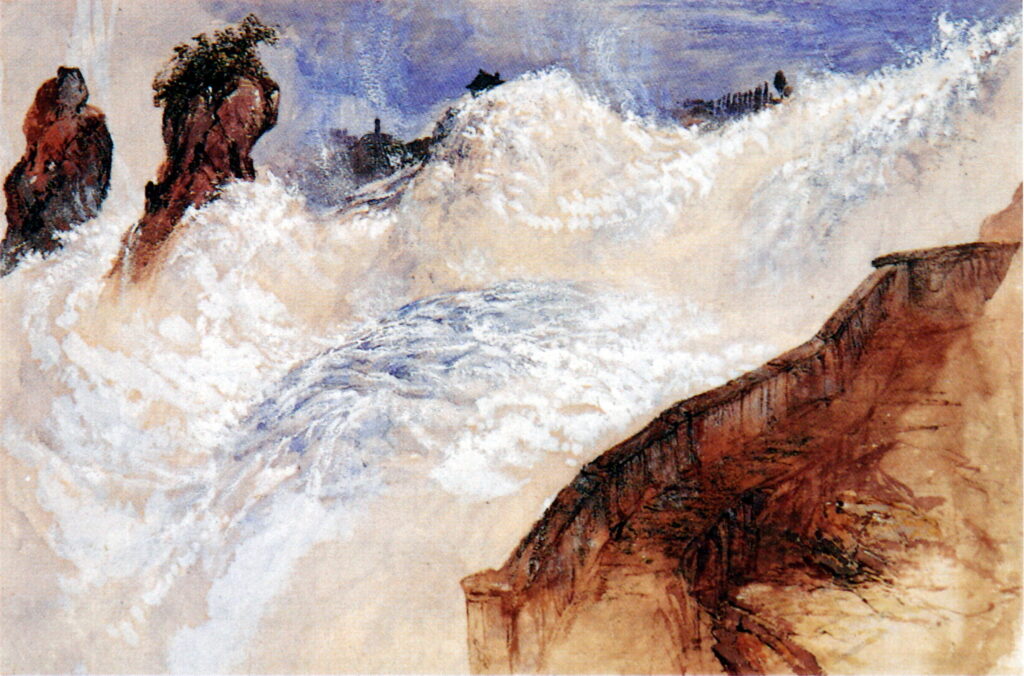
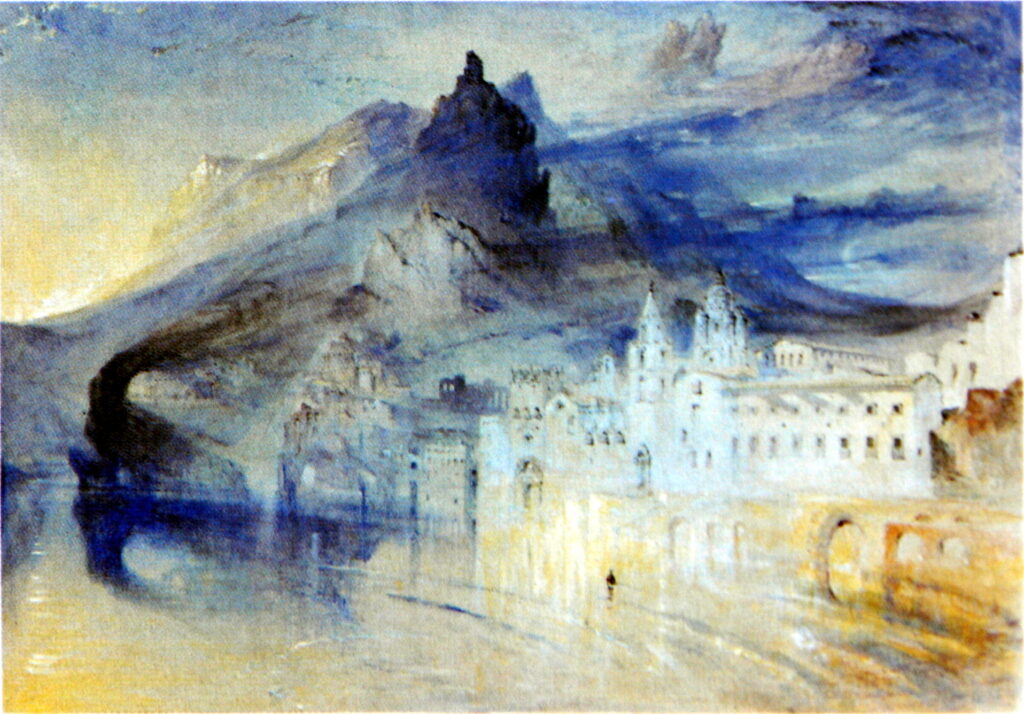
Ruskin published Modern Painters, The Seven Lamps of Architecture, and The Stones of Venice. He supported J. M. W. Turner and the Pre-Raphaelite artists, and made drawings and watercolors to record natural and architectural detail. As Slade Professor of Fine Art at Oxford, he taught drawing and assembled a collection of works for his students.
Ruskin spent his final decades at Brantwood, near Coniston, where he died in 1900. His writing influenced debates about art, education, labor, and conservation. His drawings and papers are held by The Ruskin at Lancaster University, the Ashmolean Museum, and other collections.