Posts in Category: february 8
Franz Marc
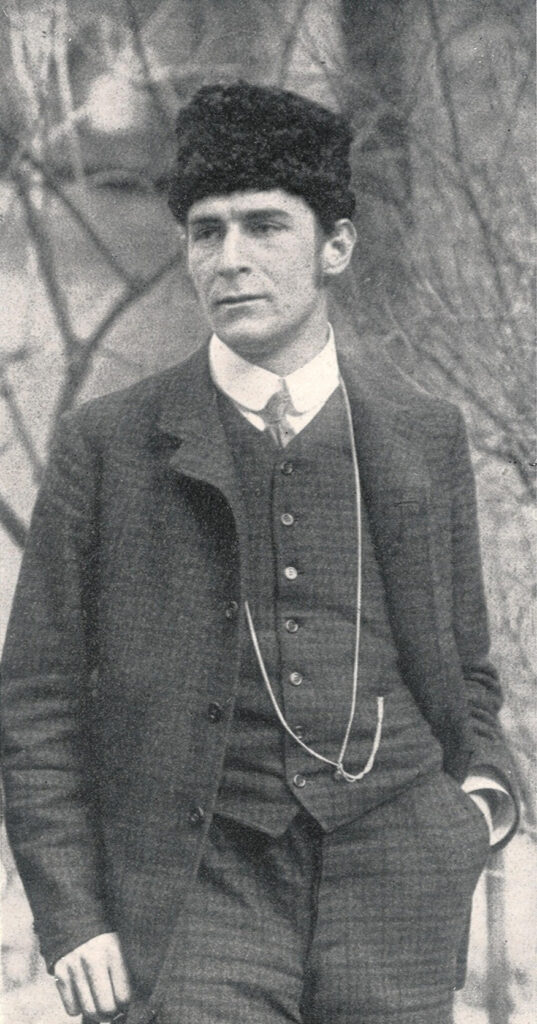
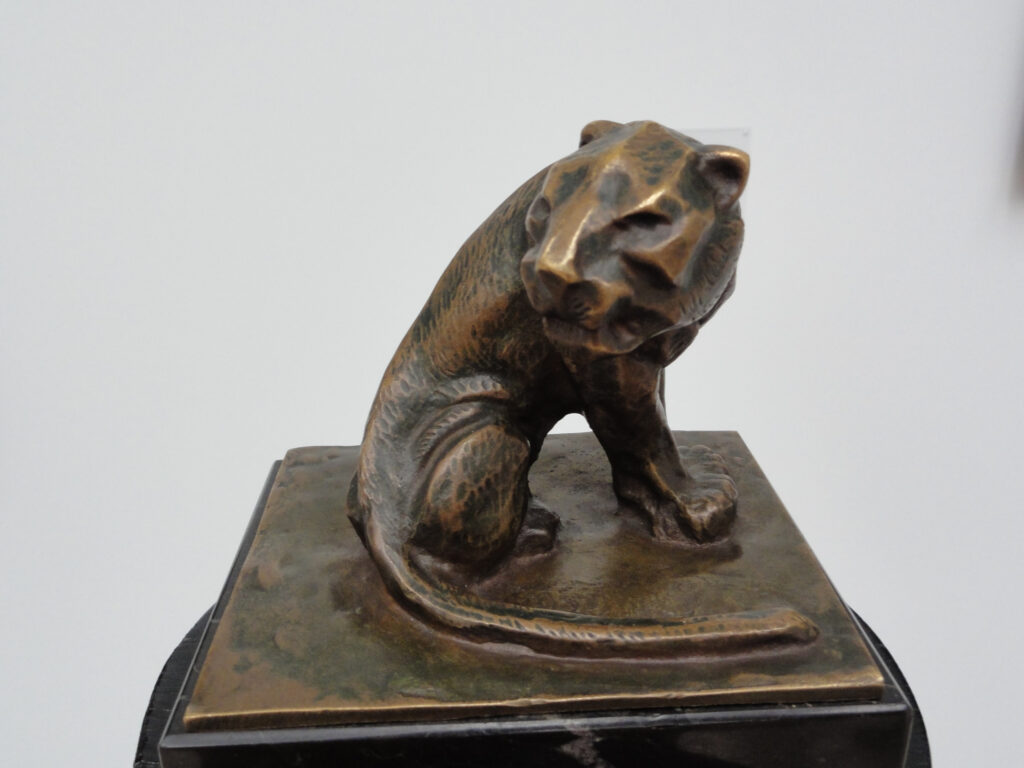
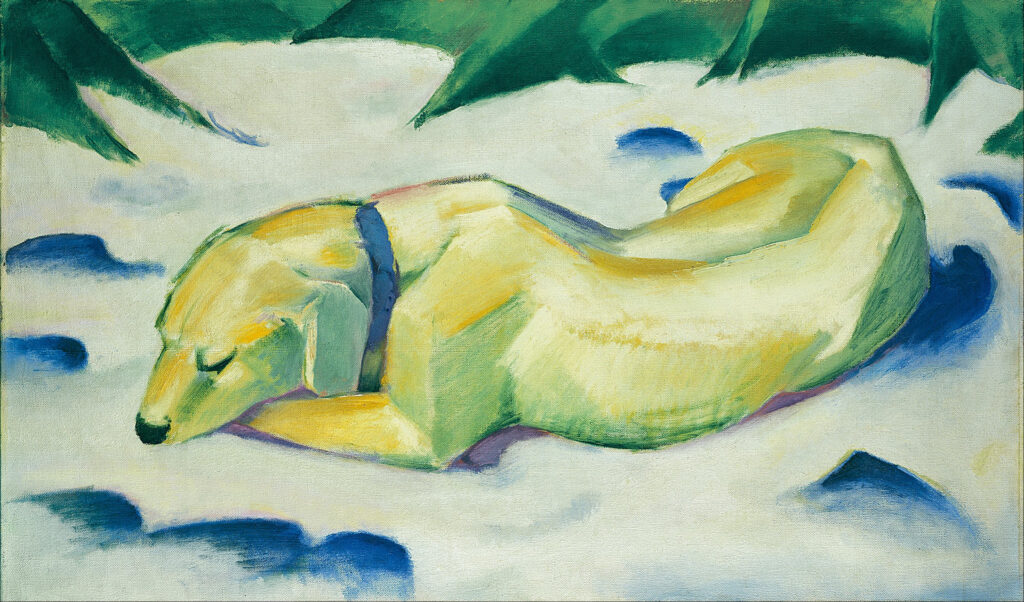
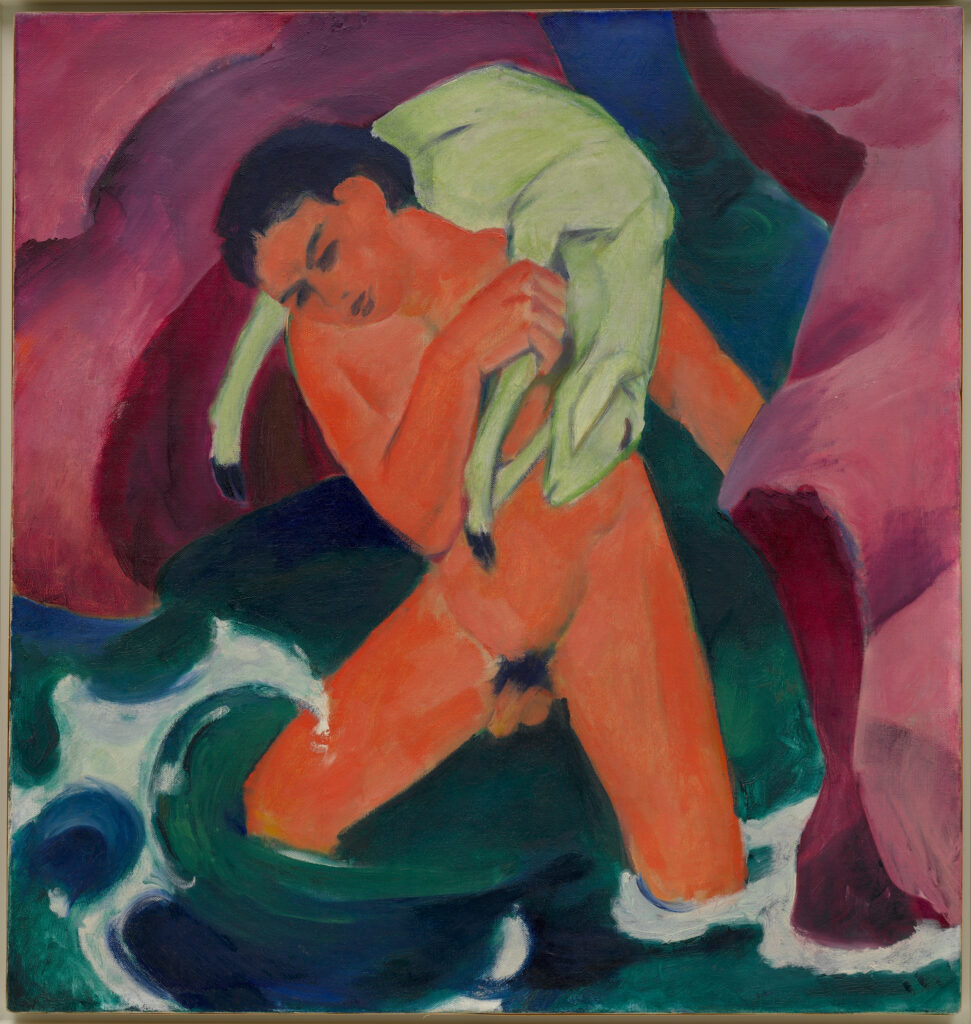
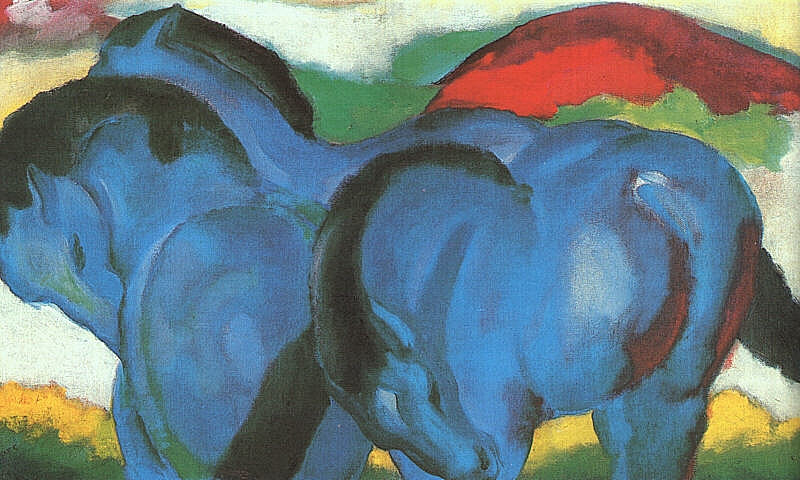
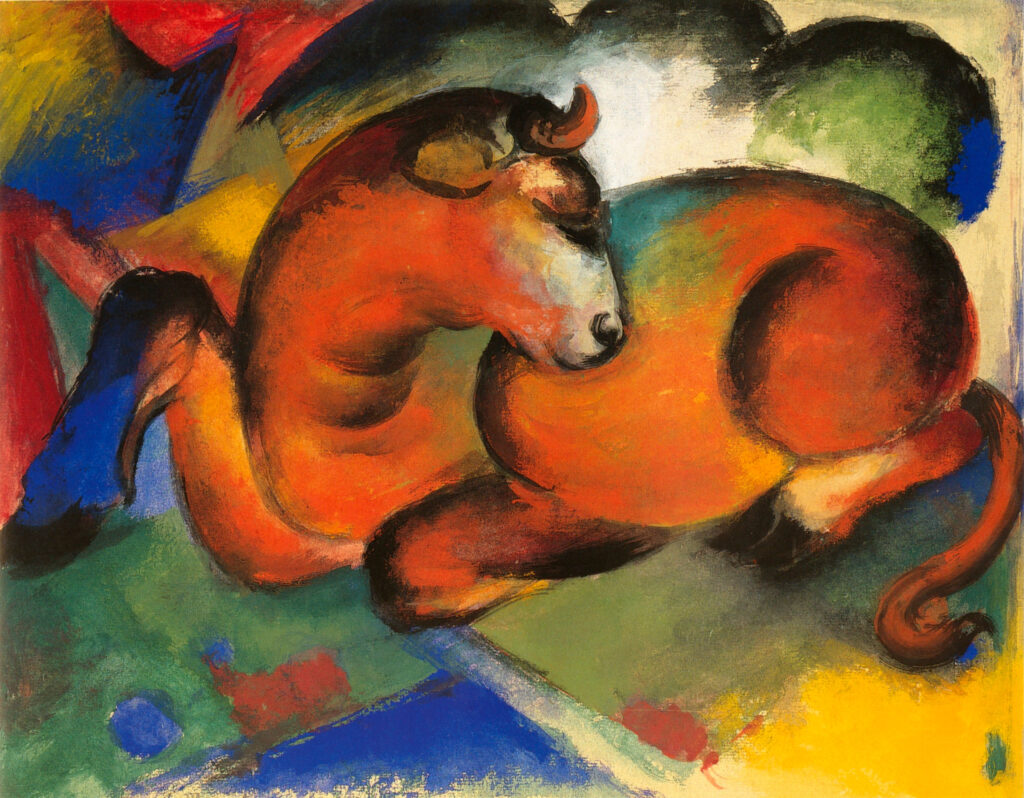
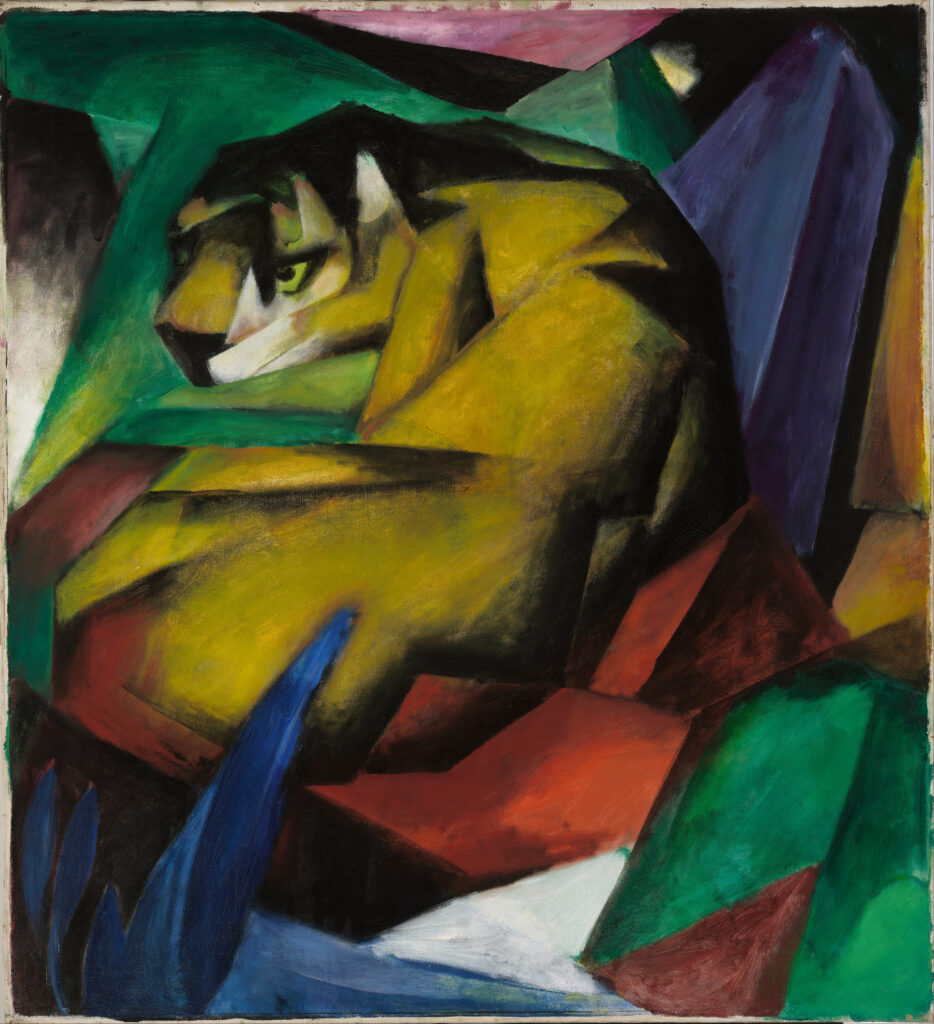
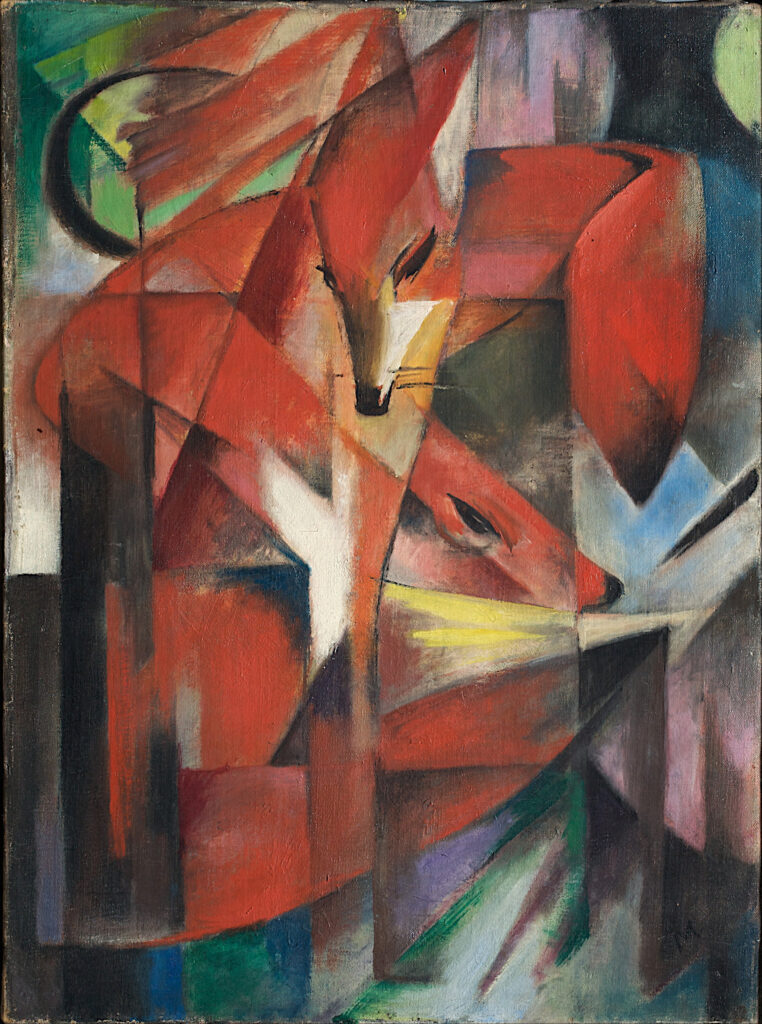
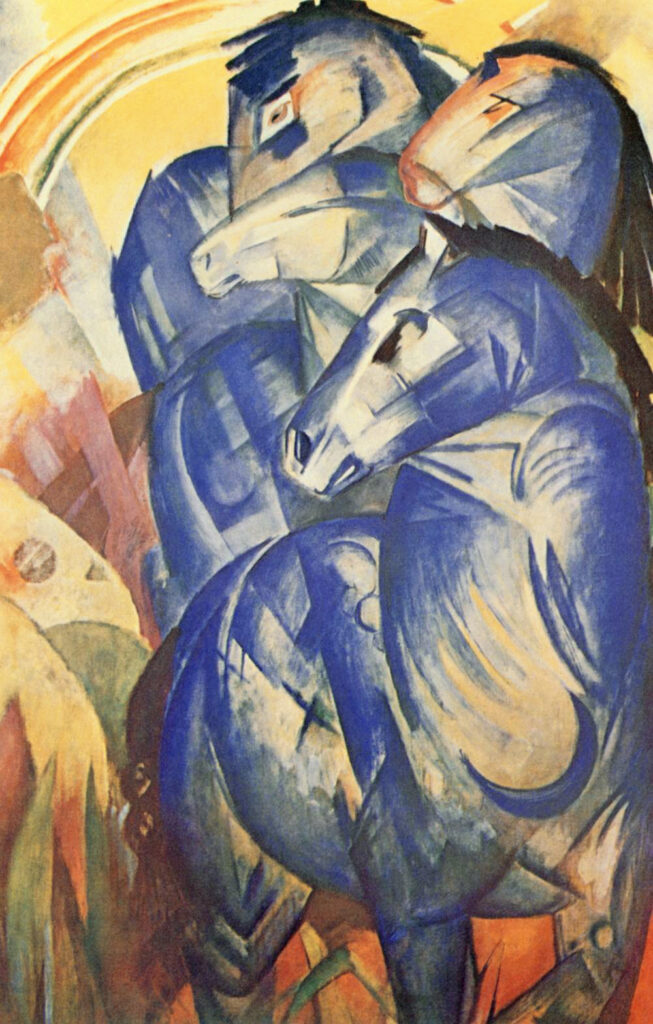
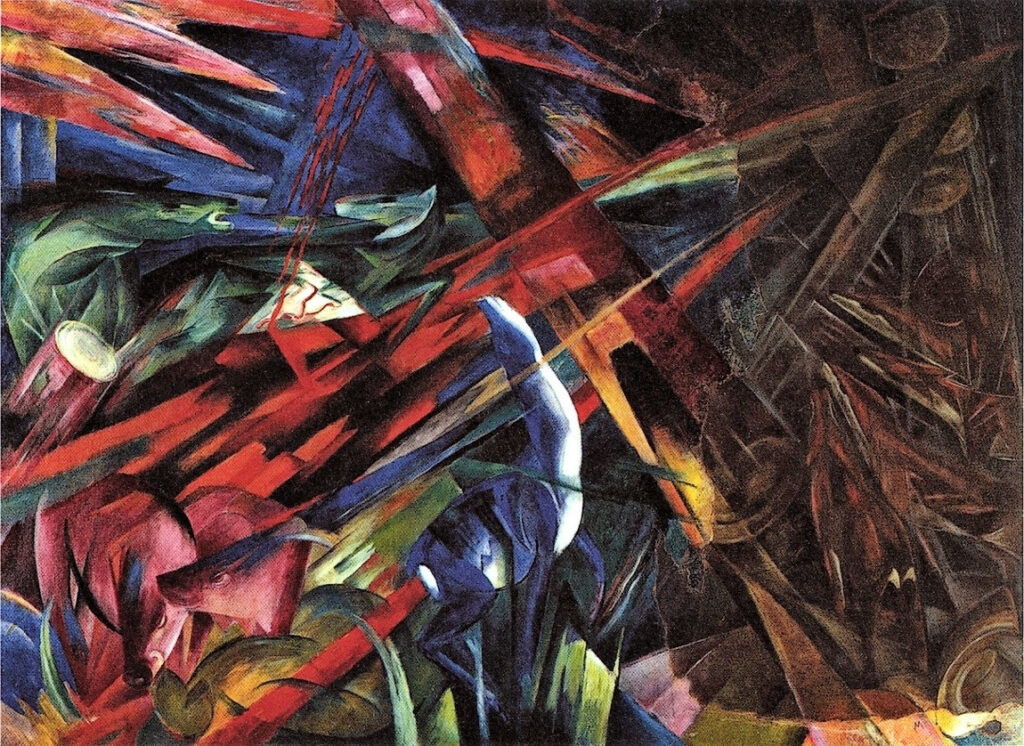
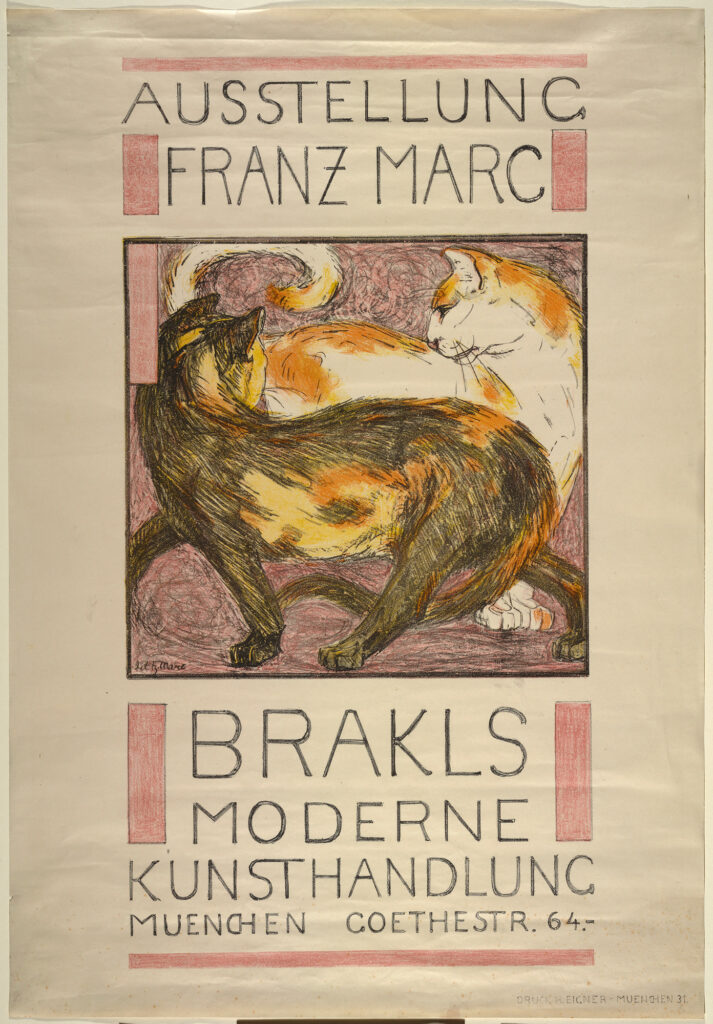
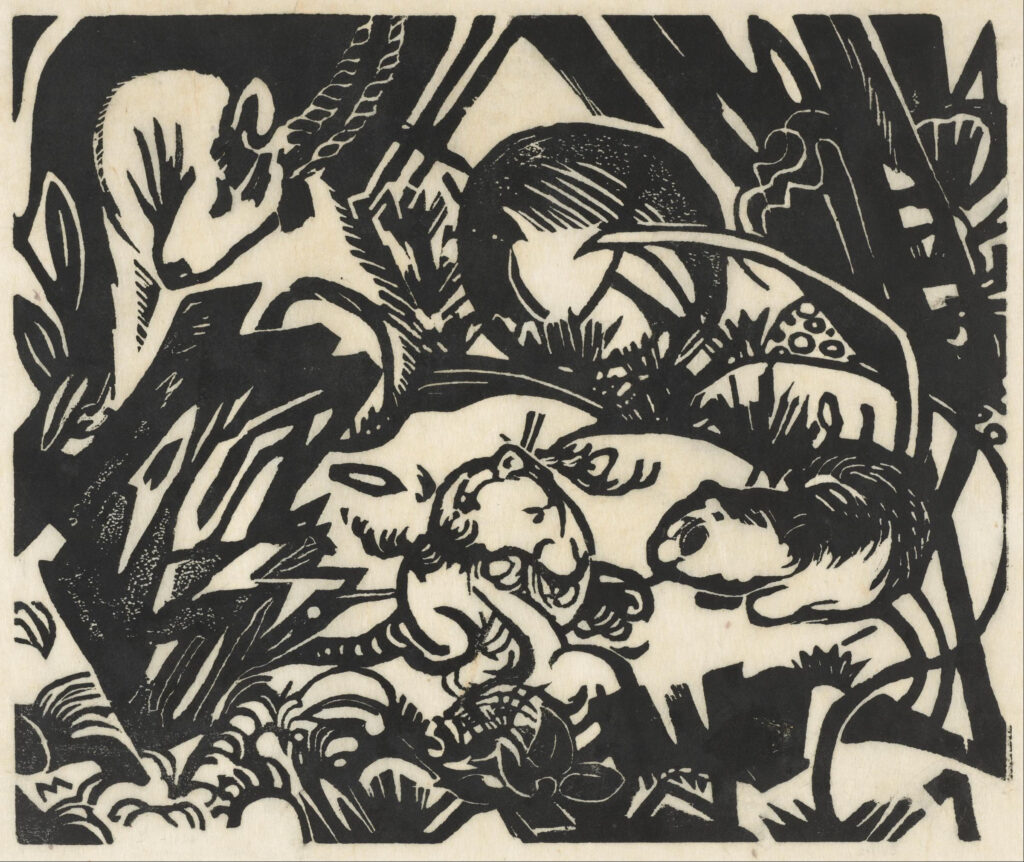
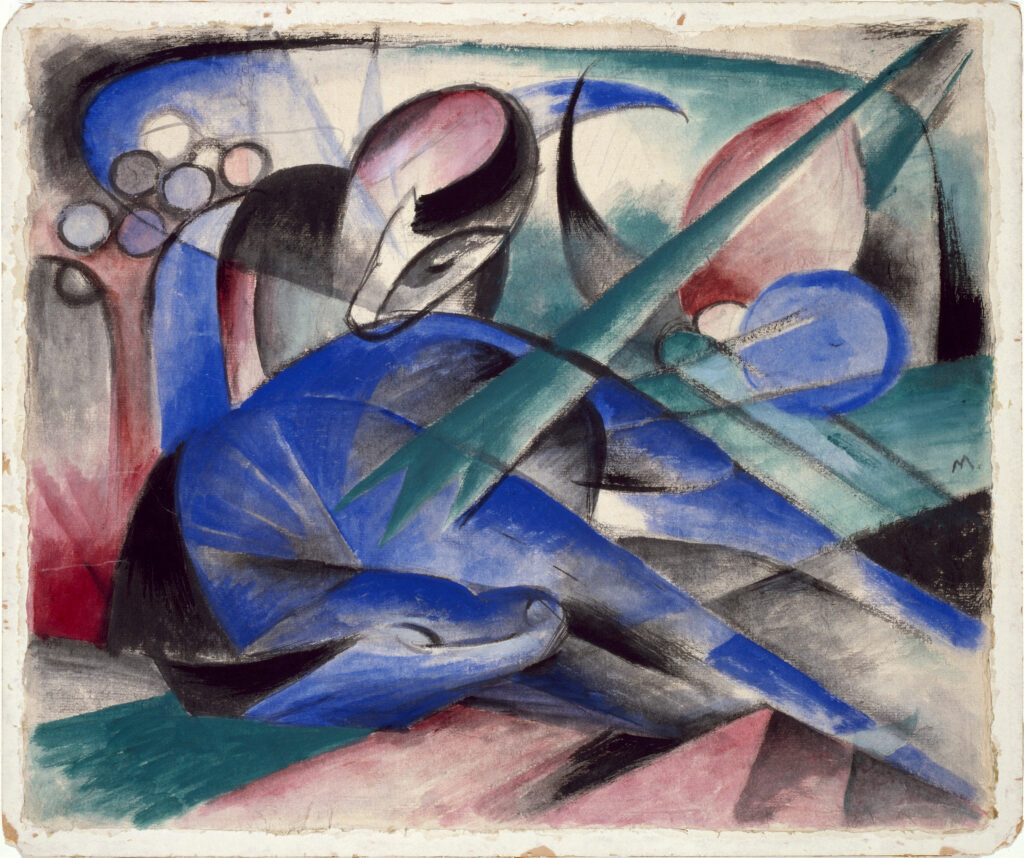
Franz Marc, February 8, 1880–March 4, 1916, was a German painter and printmaker born in Munich. His father, Wilhelm Marc, was a painter. Marc studied at the Munich Academy of Fine Arts with Gabriel von Hackl and Wilhelm von Diez. He traveled to Paris during his early career and became especially interested in depicting animals.
Marc met August Macke and Wassily Kandinsky and, with Kandinsky, founded the Der Blaue Reiter group in 1911. The two artists edited its almanac, published in 1912. Marc also worked in drawing and printmaking.
He served in the German army during the First World War and was killed near Verdun in 1916. Major holdings of his work are at the Lenbachhaus in Munich and the Franz Marc Museum in Kochel am See; examples are also in the Solomon R. Guggenheim Museum, New York, and the Kunstmuseum Basel
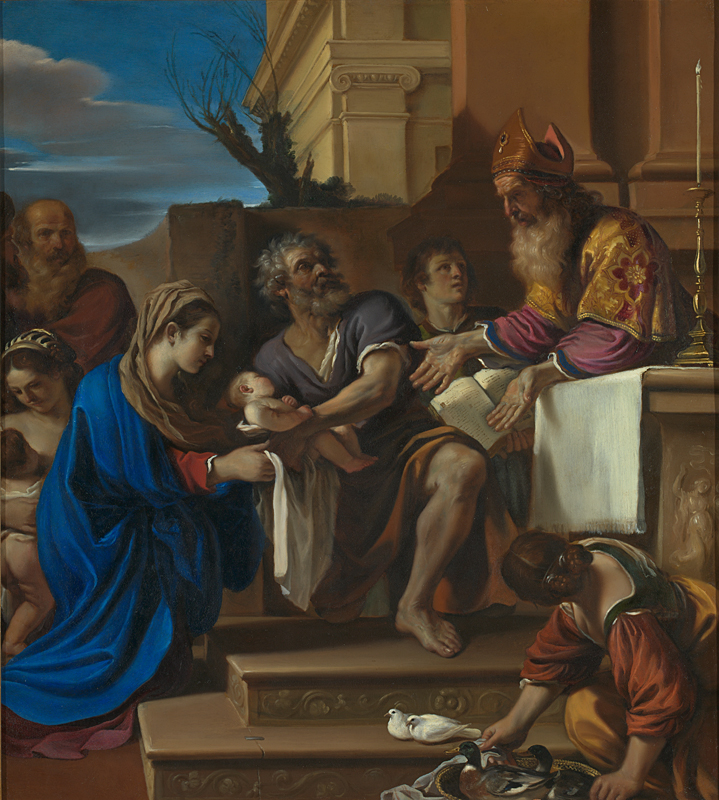
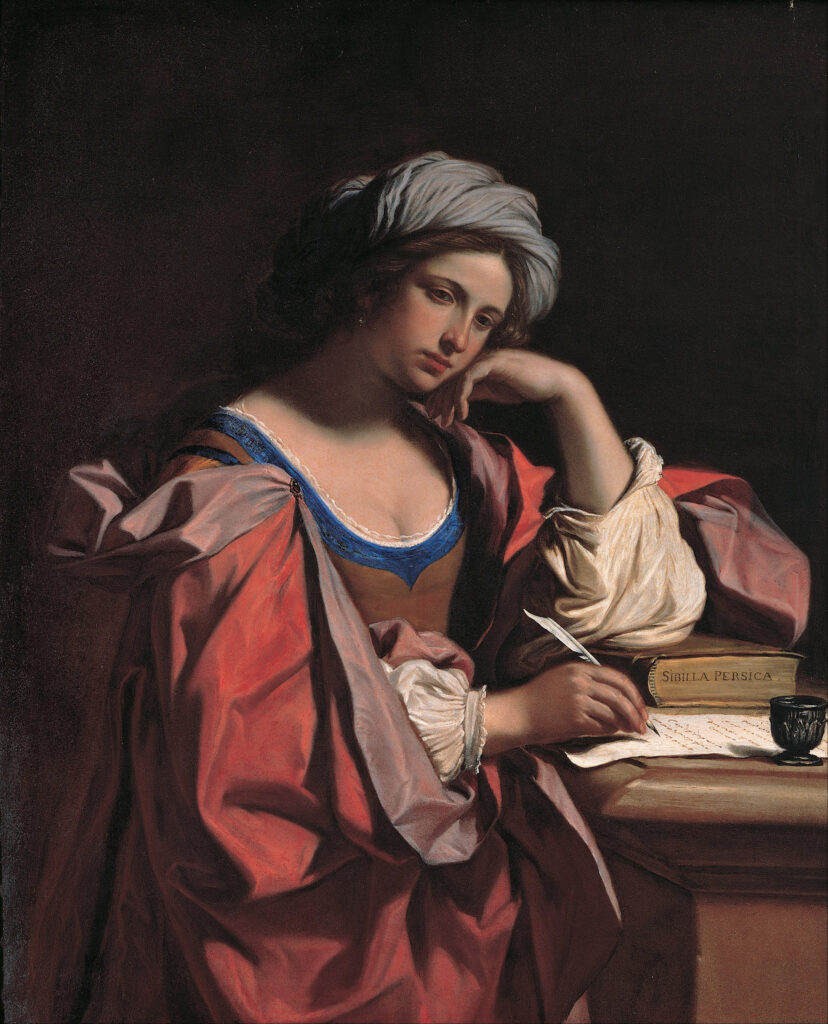
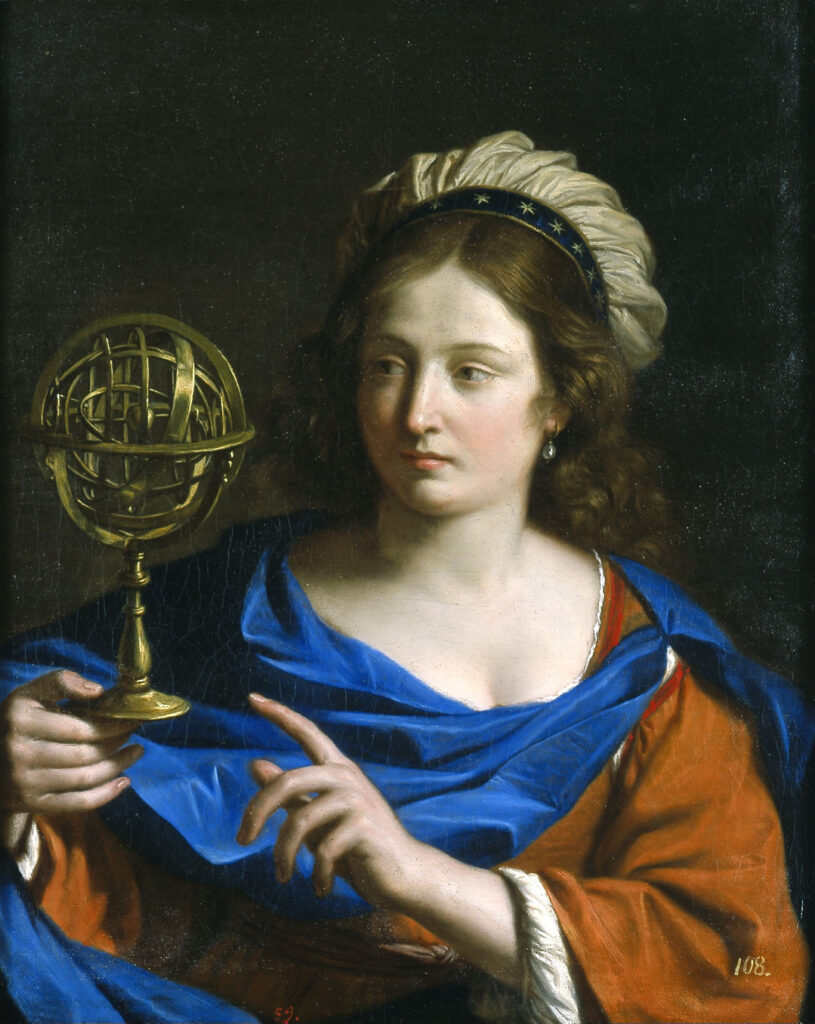
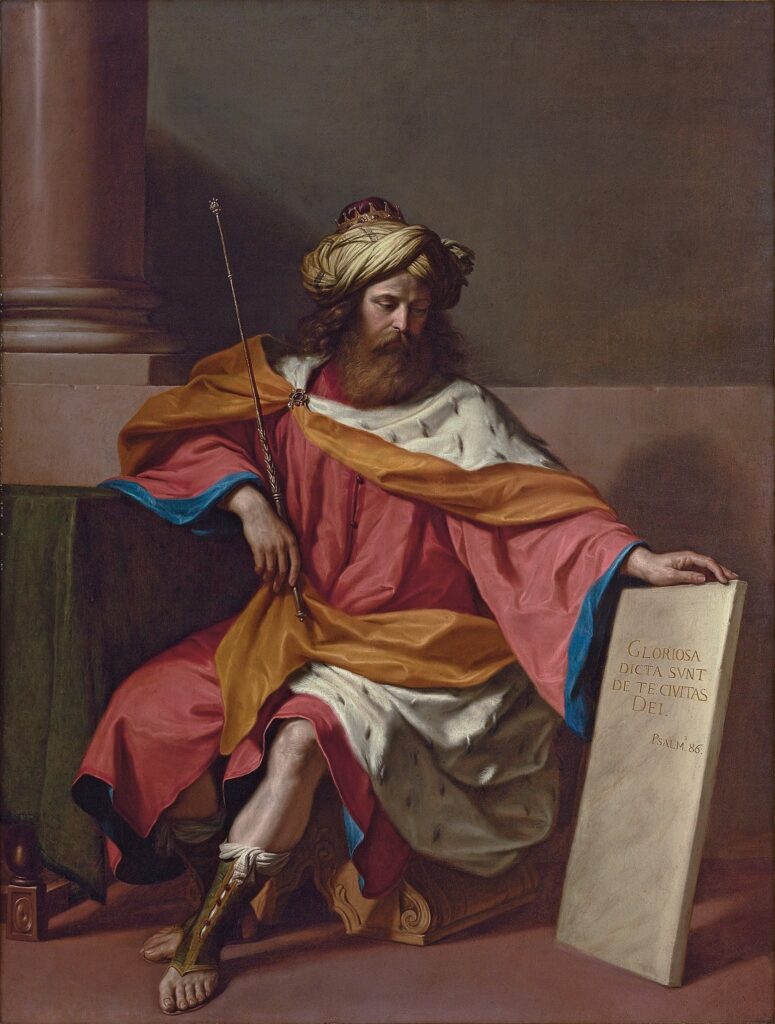
Guercino
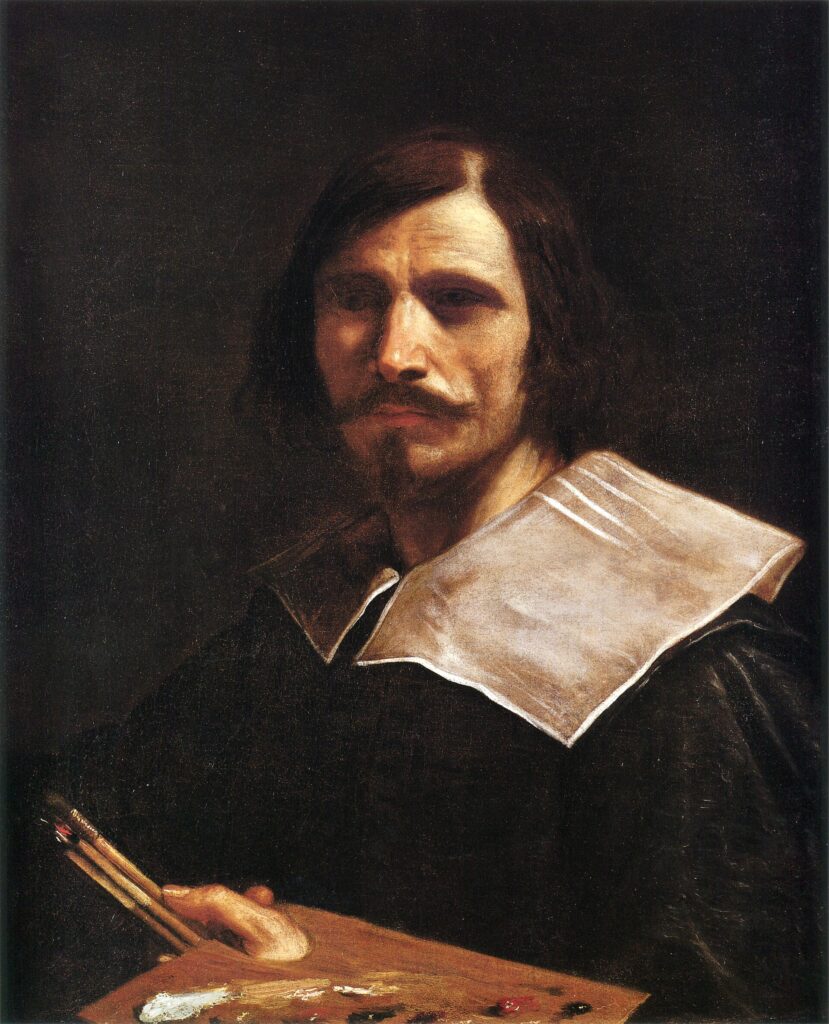
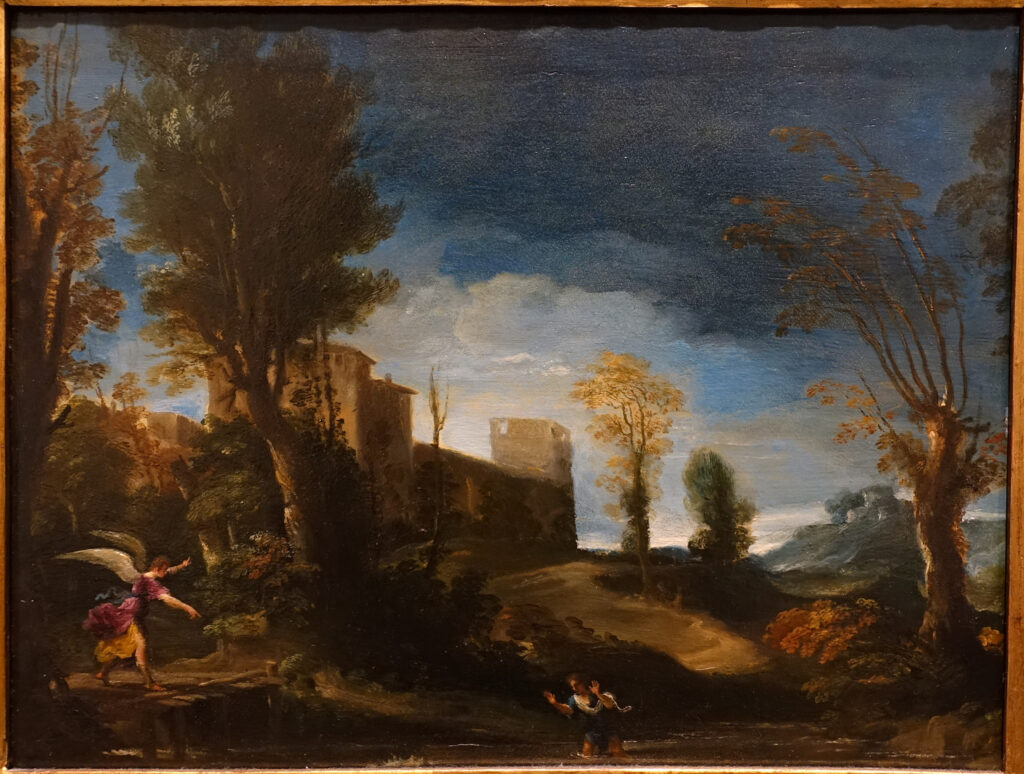
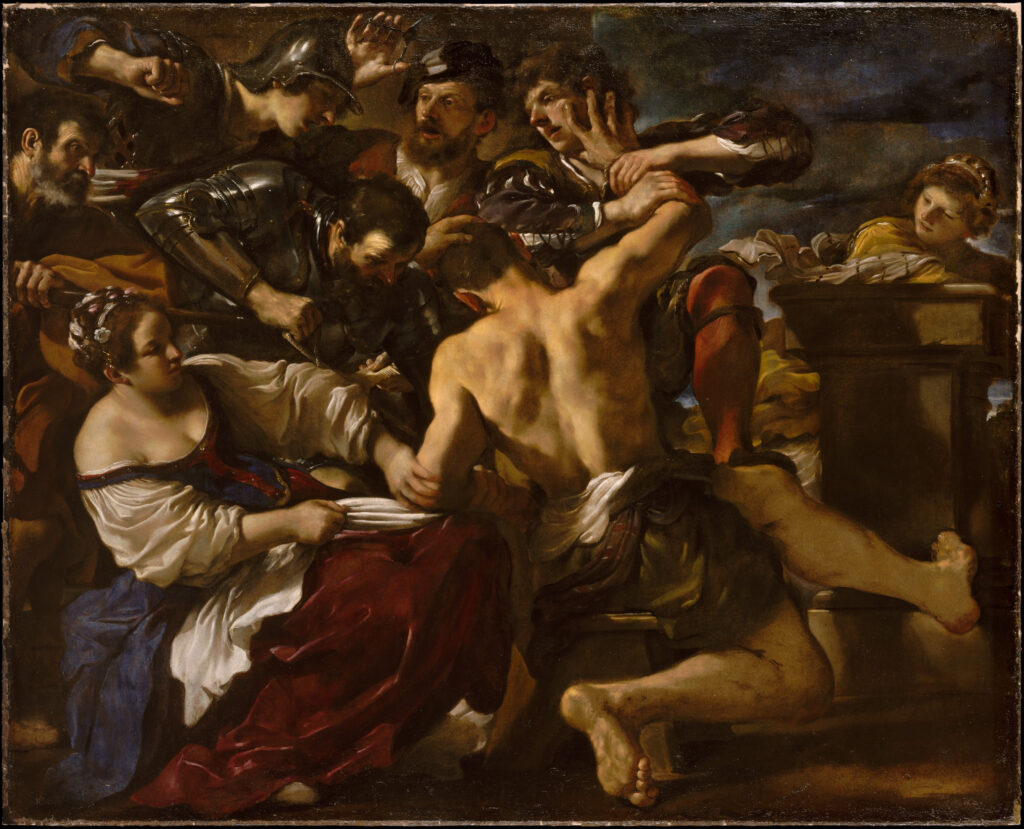
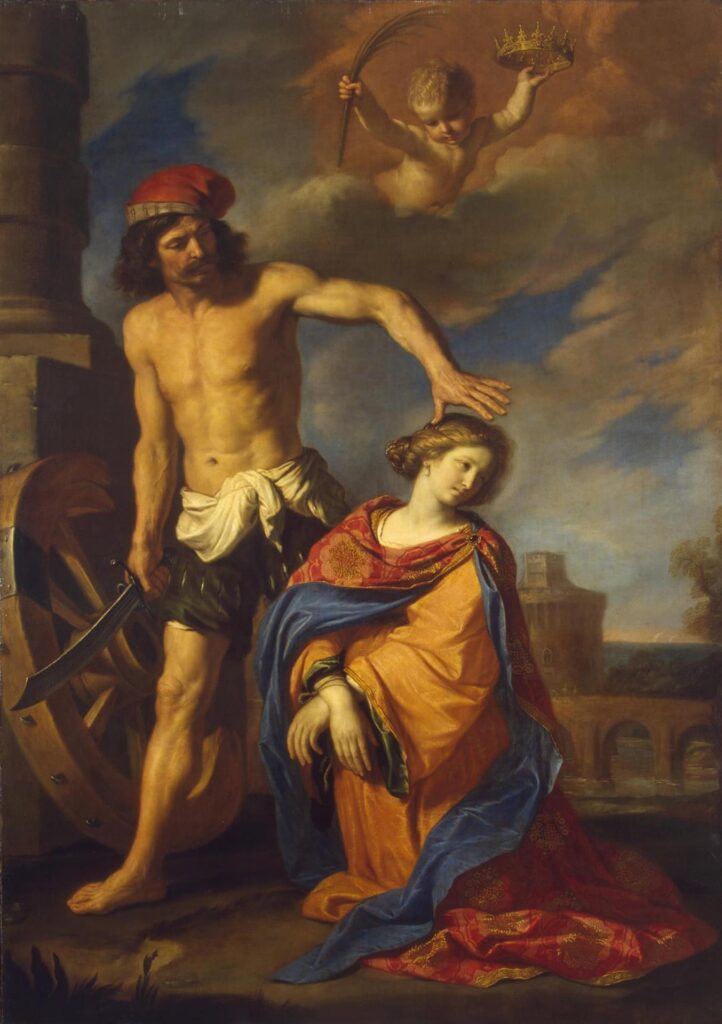
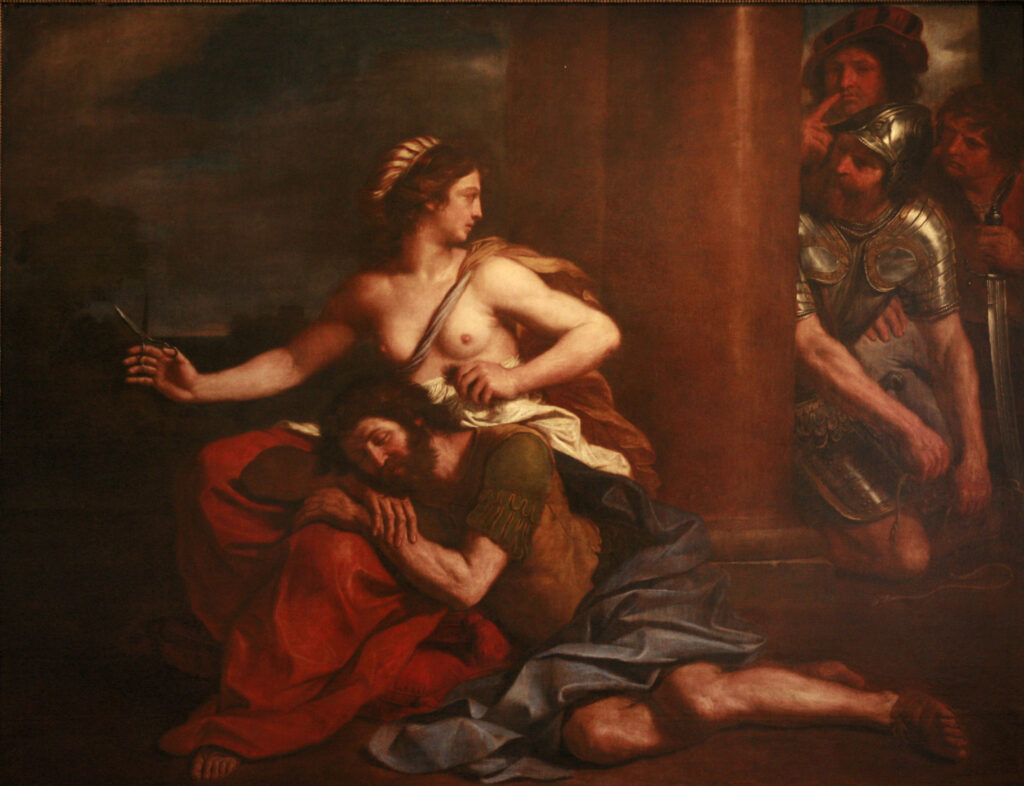
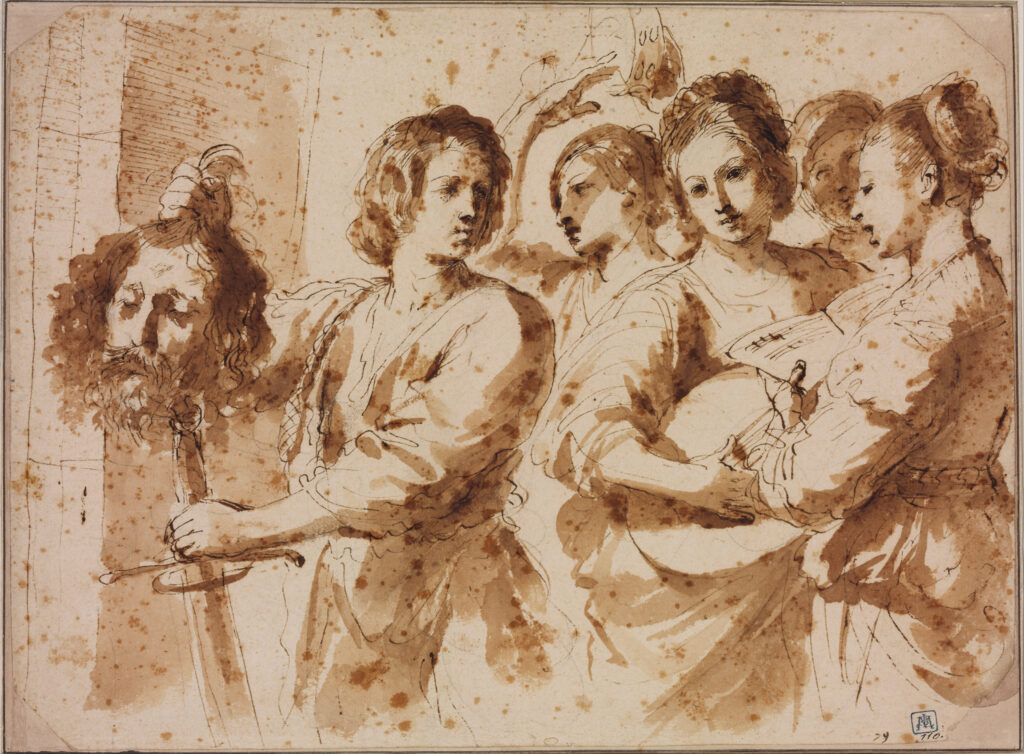
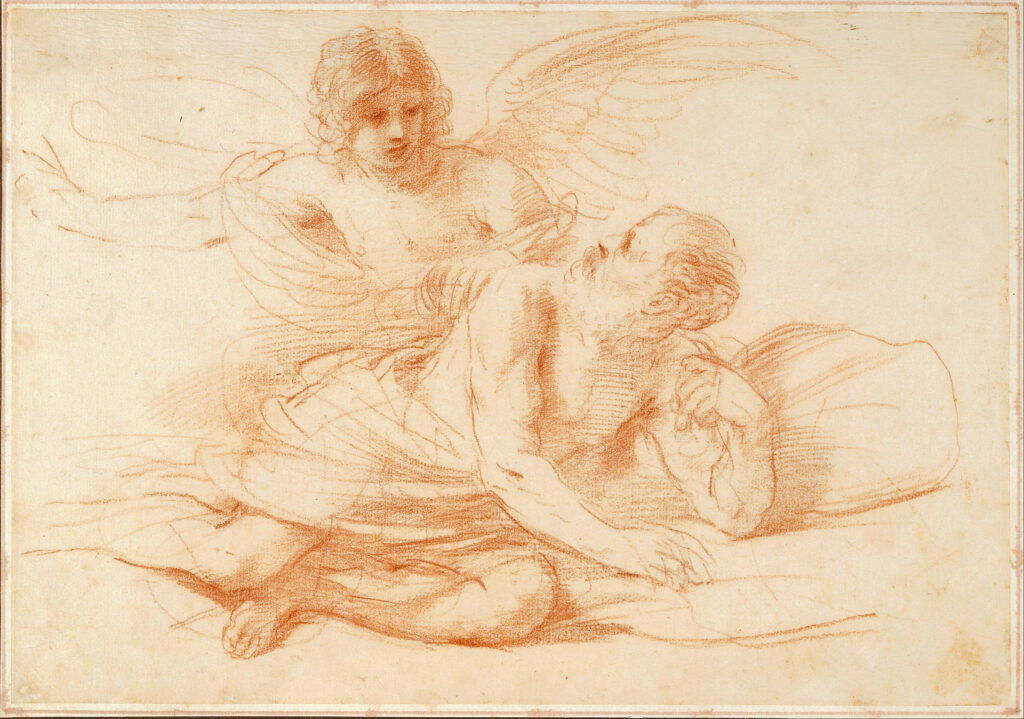
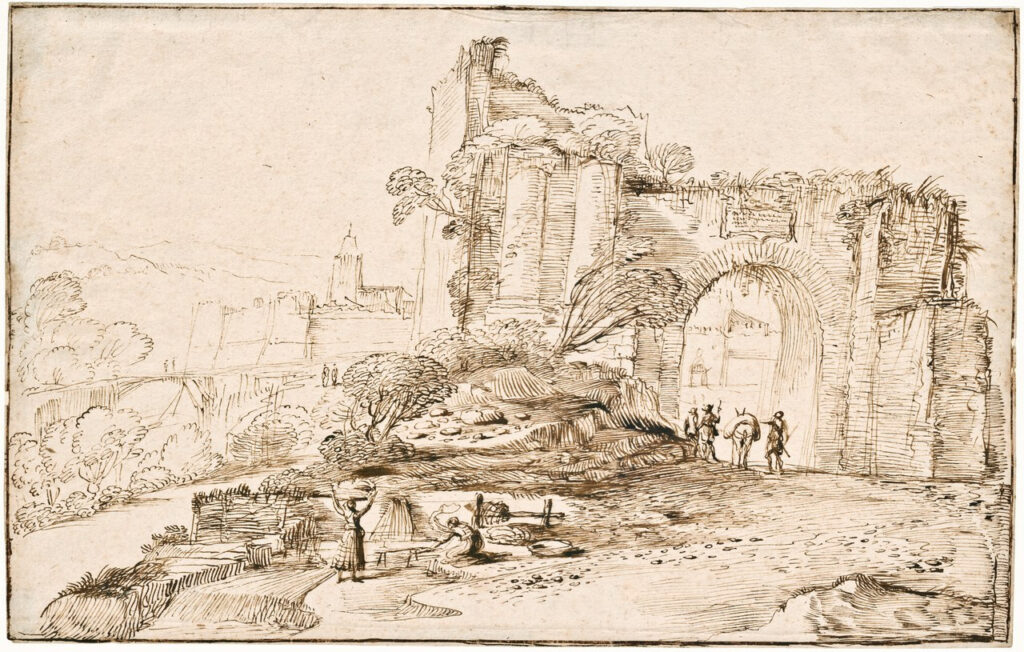
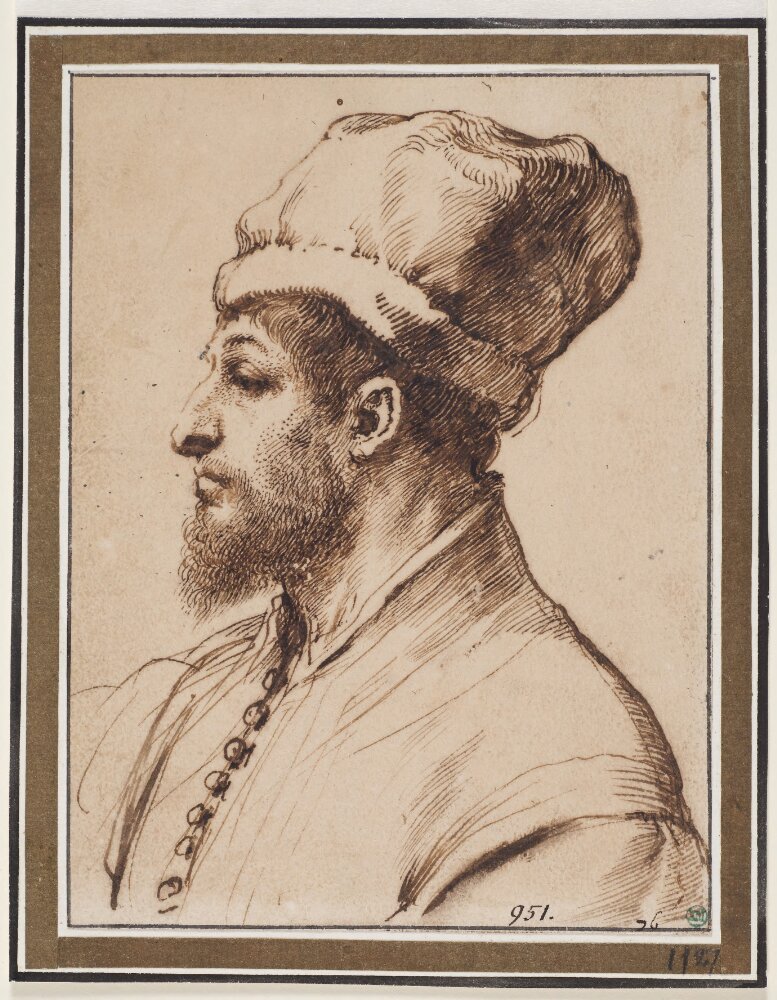
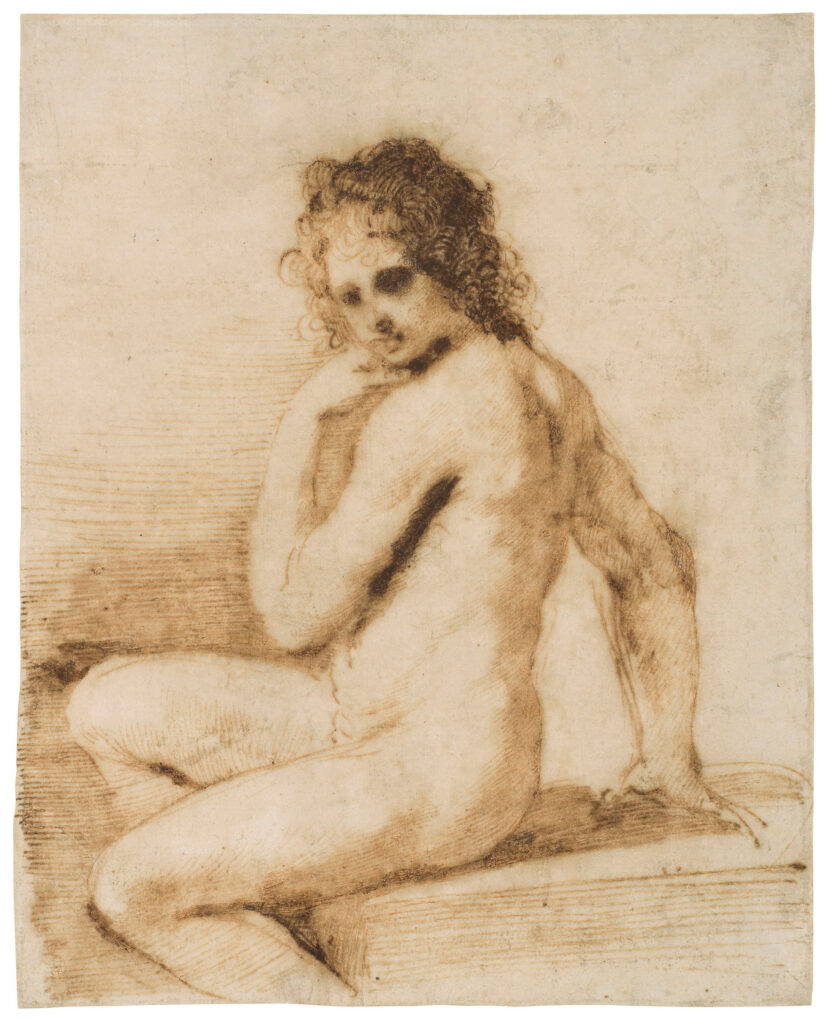
Guercino (Giovanni Francesco Barbieri), February 8, 1591–December 22, 1666, was an Italian painter and draftsman born in Cento. He received drawing lessons locally and apprenticed with Benedetto Gennari the Elder. He also studied the work of Ludovico Carracci.
In 1616 Guercino established a life drawing academy in Cento. He worked in Rome during the papacy of Gregory XV, returned to Cento, and moved to Bologna in 1642. His workshop included his nephews Benedetto and Cesare Gennari, who continued its work after his death.
His paintings and drawings are held by the National Gallery in London, the Louvre Museum, the Metropolitan Museum of Art, the Capitoline Museums, and other public collections.


John Ruskin
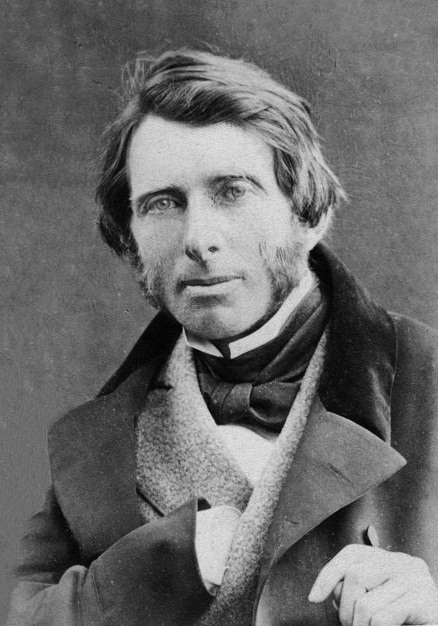
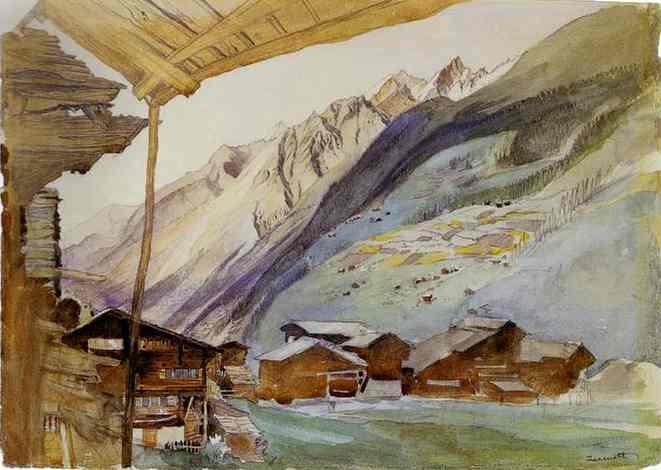
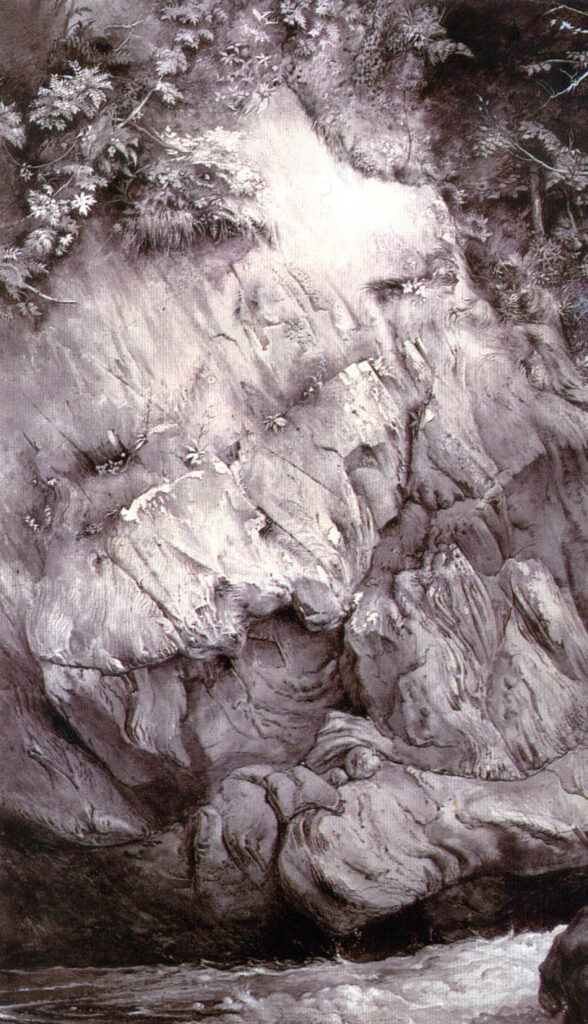
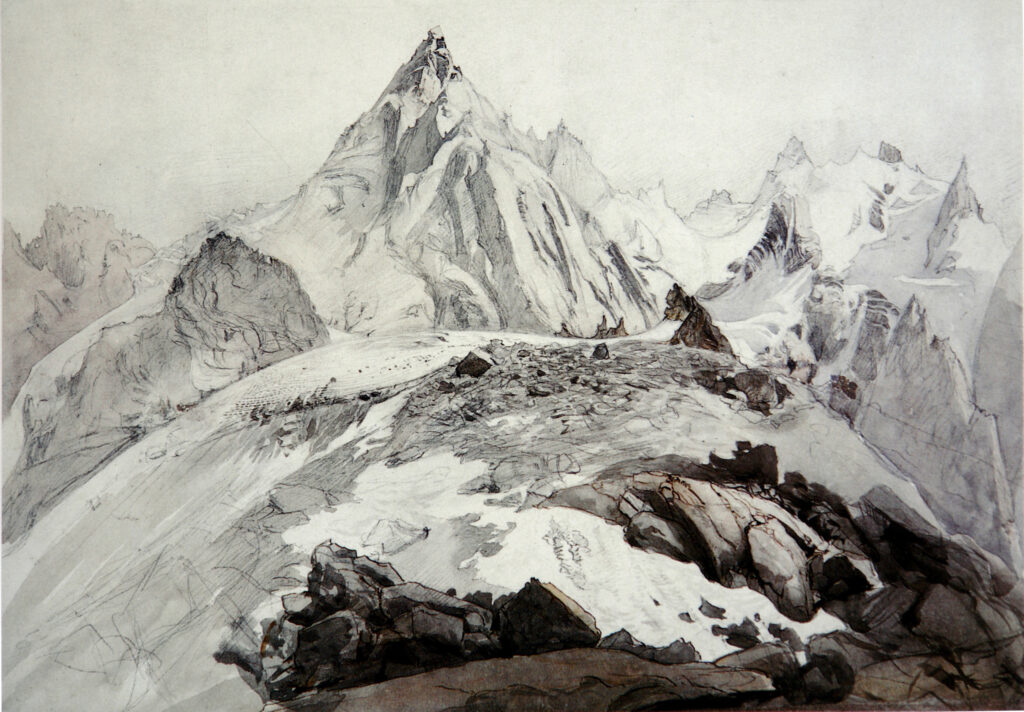
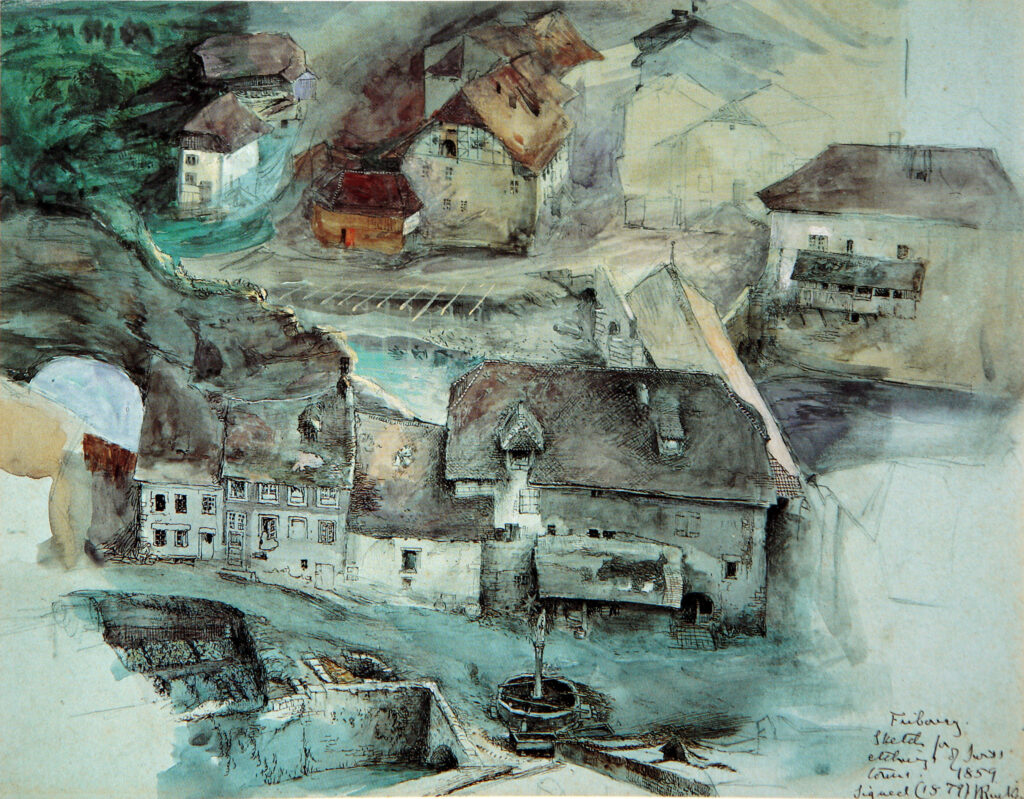
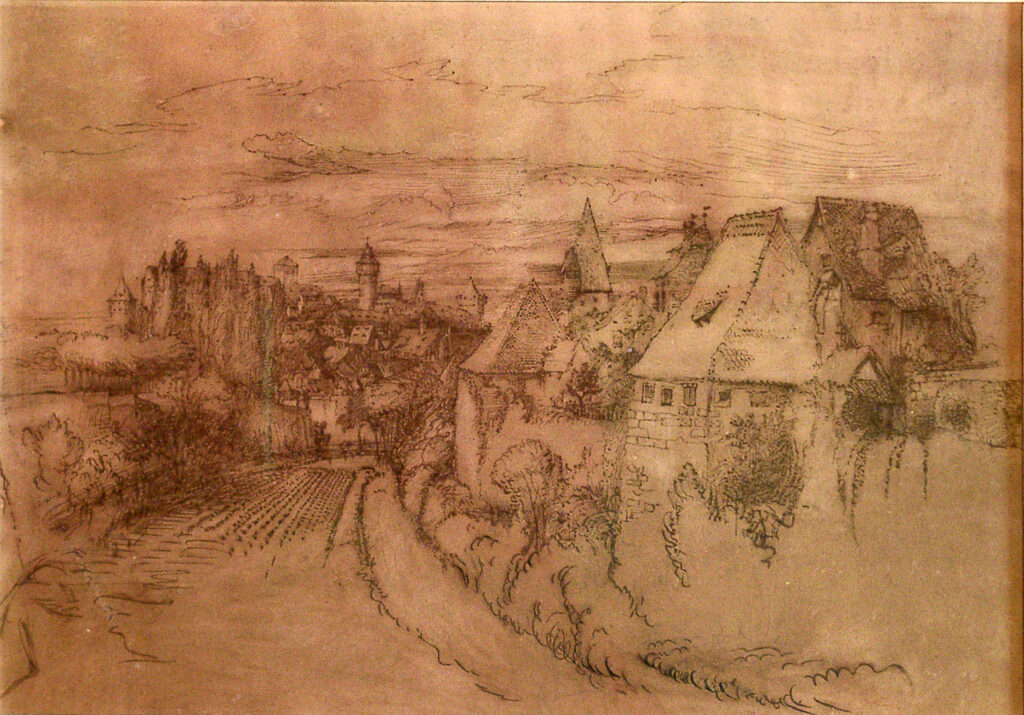
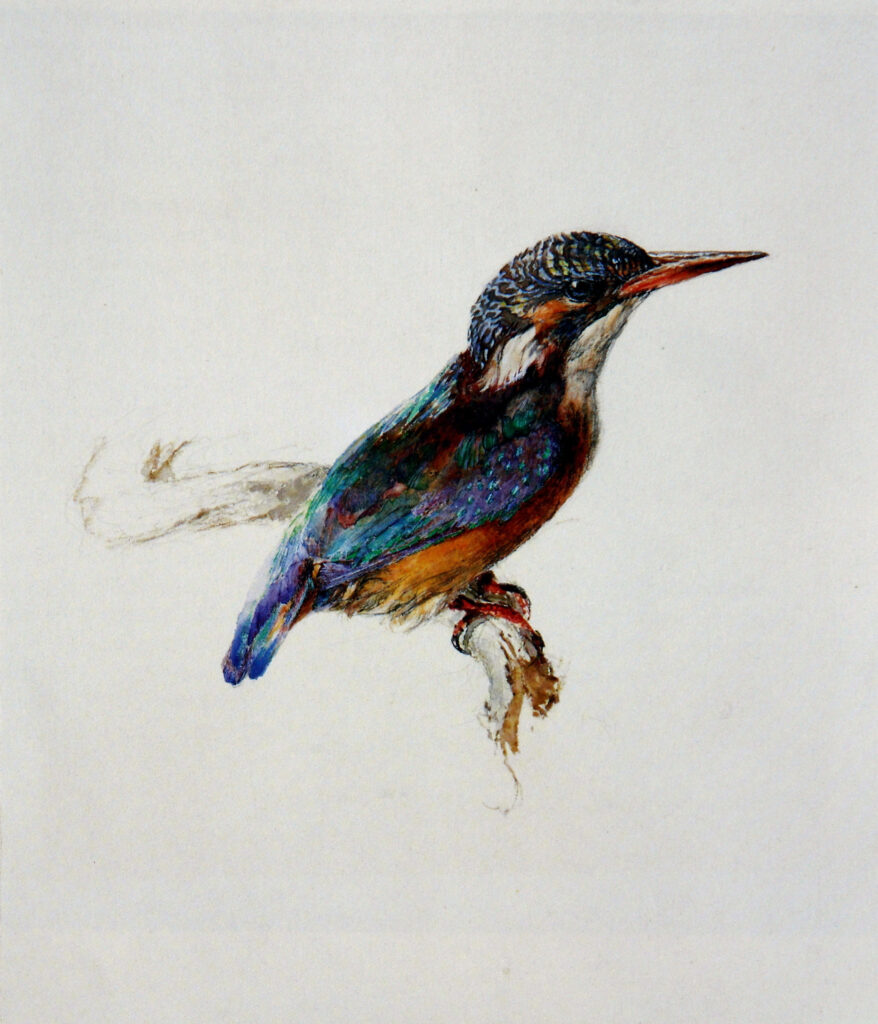
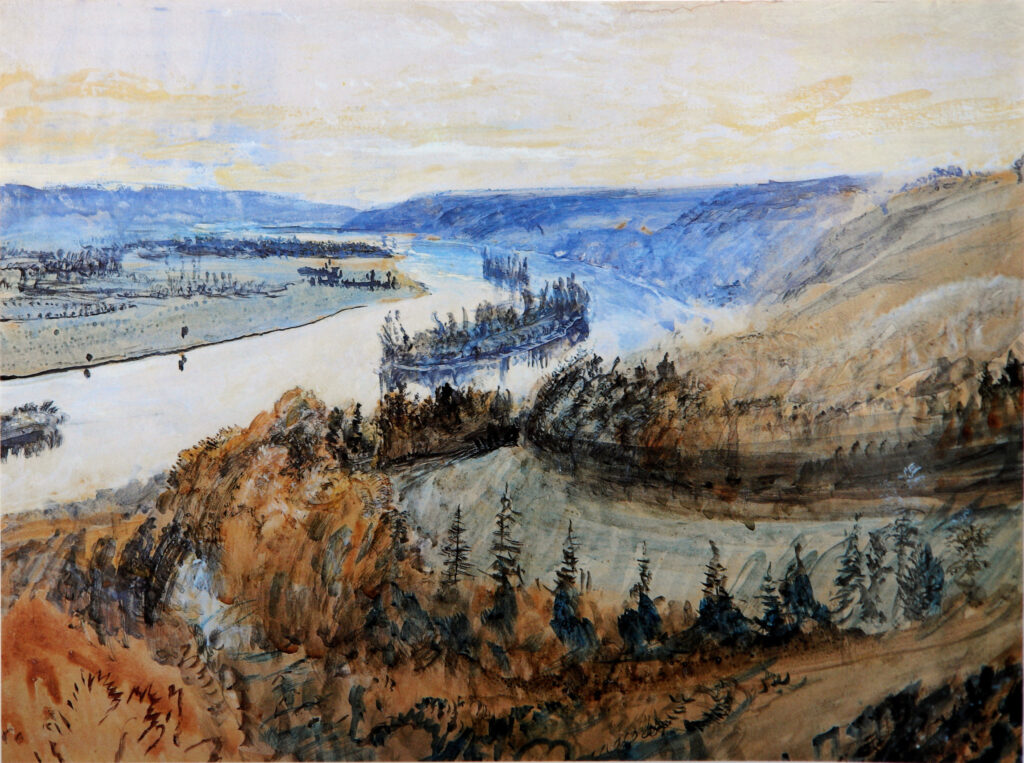
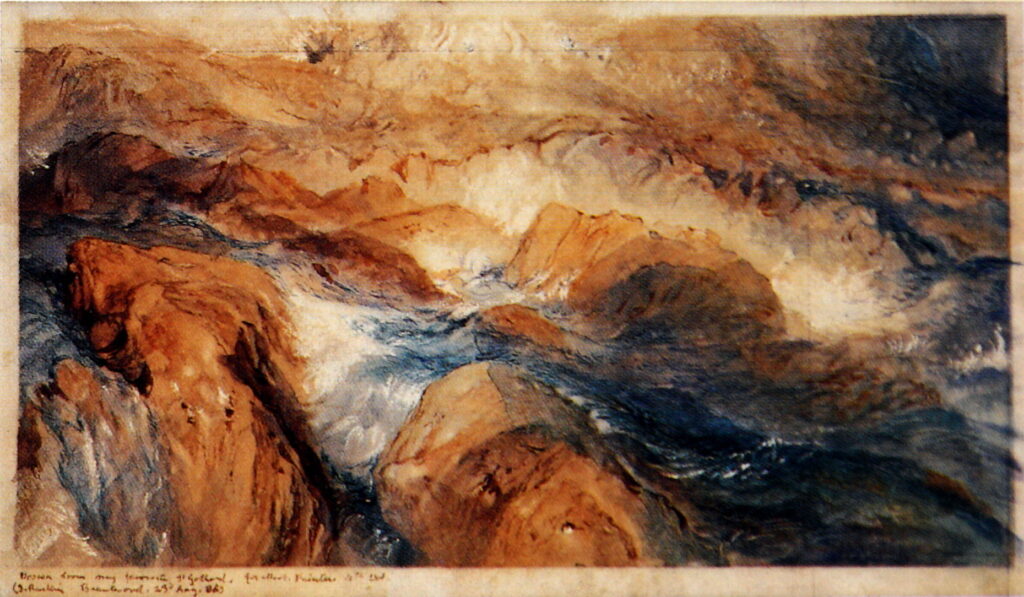
John Ruskin, February 8, 1819–January 20, 1900, was an English writer, art critic, and artist. Born in London, he was educated at home and at Christ Church, Oxford. His father encouraged his early interests in drawing and poetry, and travel gave him subjects for studies of architecture, geology, and landscape.
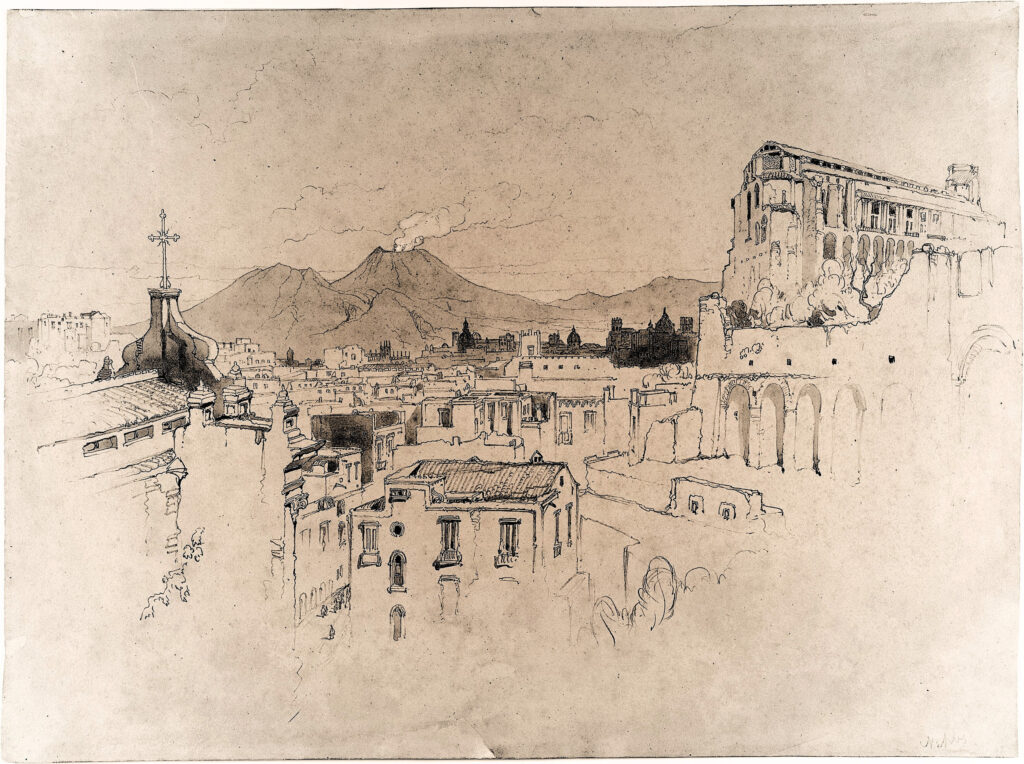
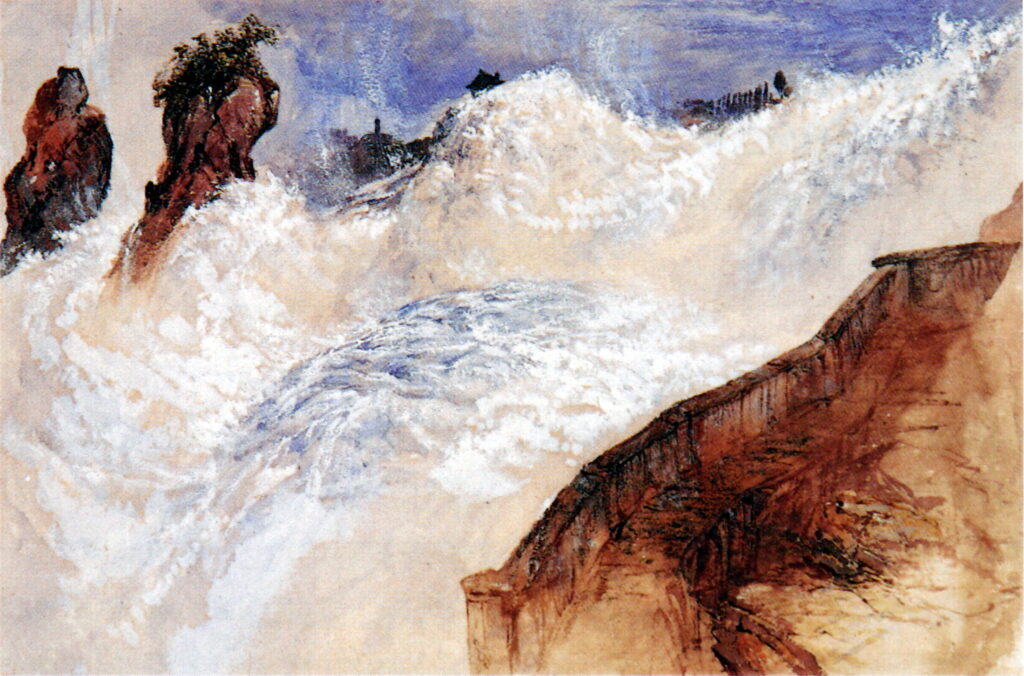
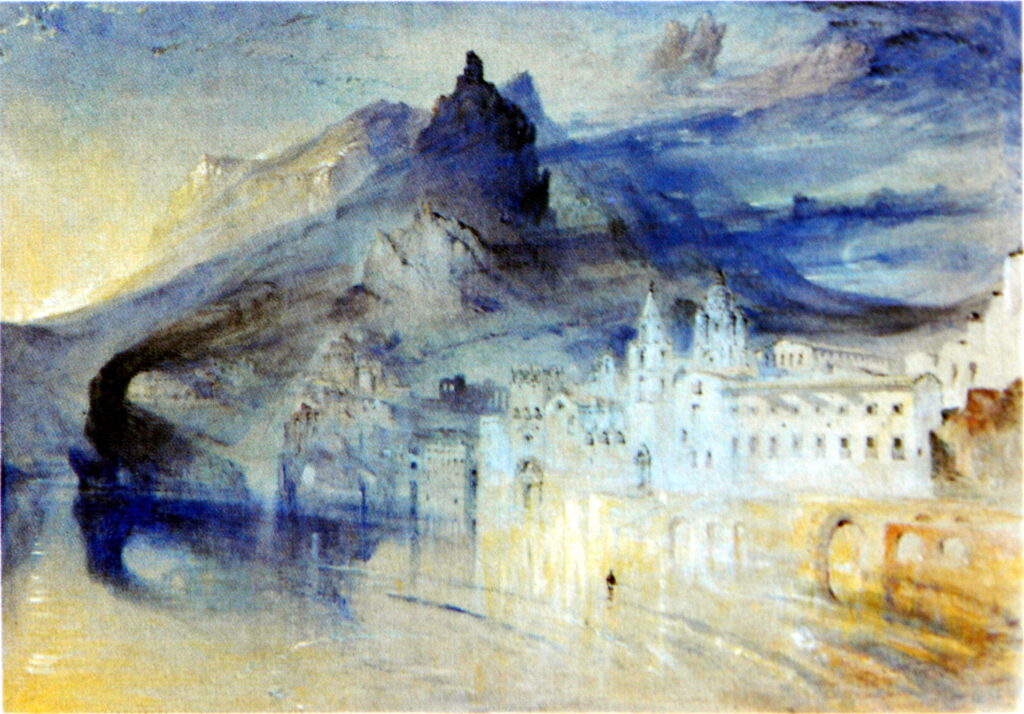
Ruskin published Modern Painters, The Seven Lamps of Architecture, and The Stones of Venice. He supported J. M. W. Turner and the Pre-Raphaelite artists, and made drawings and watercolors to record natural and architectural detail. As Slade Professor of Fine Art at Oxford, he taught drawing and assembled a collection of works for his students.
Ruskin spent his final decades at Brantwood, near Coniston, where he died in 1900. His writing influenced debates about art, education, labor, and conservation. His drawings and papers are held by The Ruskin at Lancaster University, the Ashmolean Museum, and other collections.