
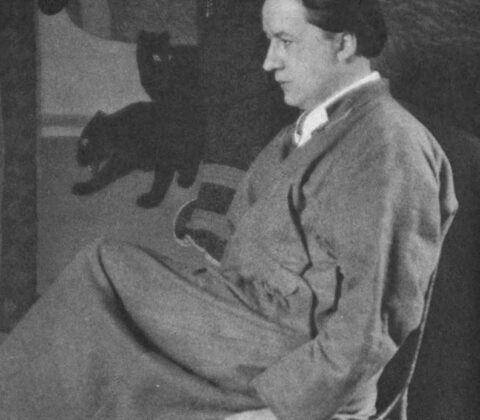
Edmond Dulac
Edmond Dulac, October 22, 1882 – May 25, 1953, was a French-born British illustrator, painter, and designer. Born in Toulouse, he studied law while attending the École des Beaux-Arts de Toulouse, then briefly studied at the Académie Julian in Paris before moving to London in 1904.
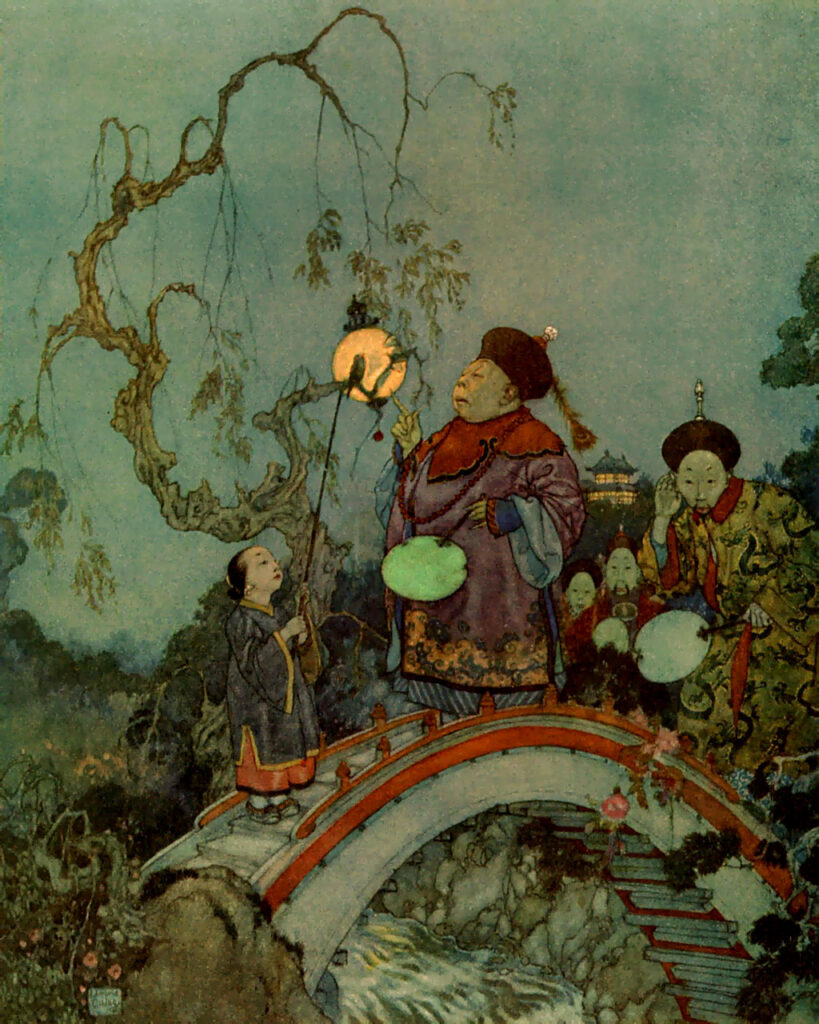
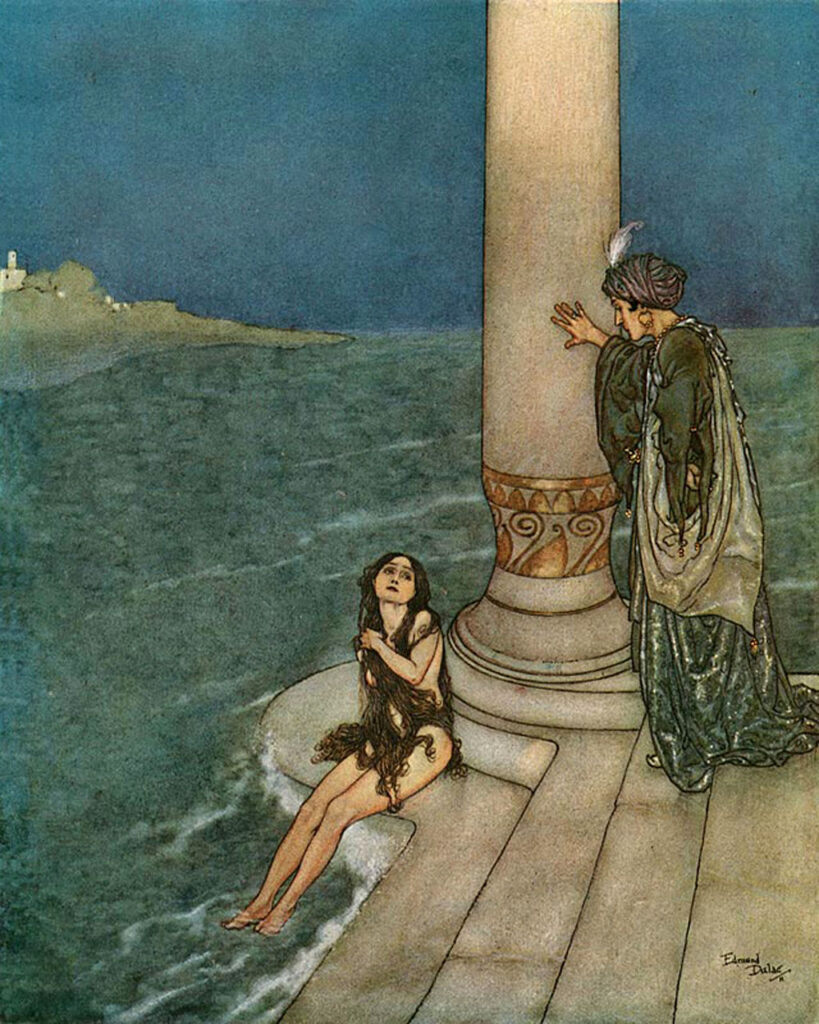
Dulac began his British career by illustrating editions of the Brontë novels. He became known for color illustrations in gift books published by Hodder & Stoughton, including The Arabian Nights, The Tempest, The Rubáiyát of Omar Khayyám, and Stories from Hans Andersen, and became a British citizen in 1912.
After the market for deluxe illustrated books declined, Dulac worked in portraiture, theater design, magazines, medals, banknotes, and postage stamps. He died in London while completing illustrations for Milton’s Comus; his work is represented in collections including the National Portrait Gallery and the Victoria and Albert Museum.




Frits Thaulow
Frits Thaulow, October 20, 1847 – November 5, 1906, was a Norwegian painter. Born in Christiania, now Oslo, he studied at the Academy of Art in Copenhagen and later with the Norwegian landscape painter Hans Gude in Karlsruhe.
Thaulow worked in Norway and was associated with the naturalist painters at Skagen. He became known for landscapes and town views, especially winter scenes and paintings of rivers, canals, and moving water, and helped introduce open-air naturalism to Norwegian painting.
In 1892 Thaulow settled permanently in France, though he continued to travel and paint in Italy and the Netherlands. He died in Volendam in 1906; his works are held by the National Museum in Oslo, the Musée d’Orsay, the Metropolitan Museum of Art, and other major collections.


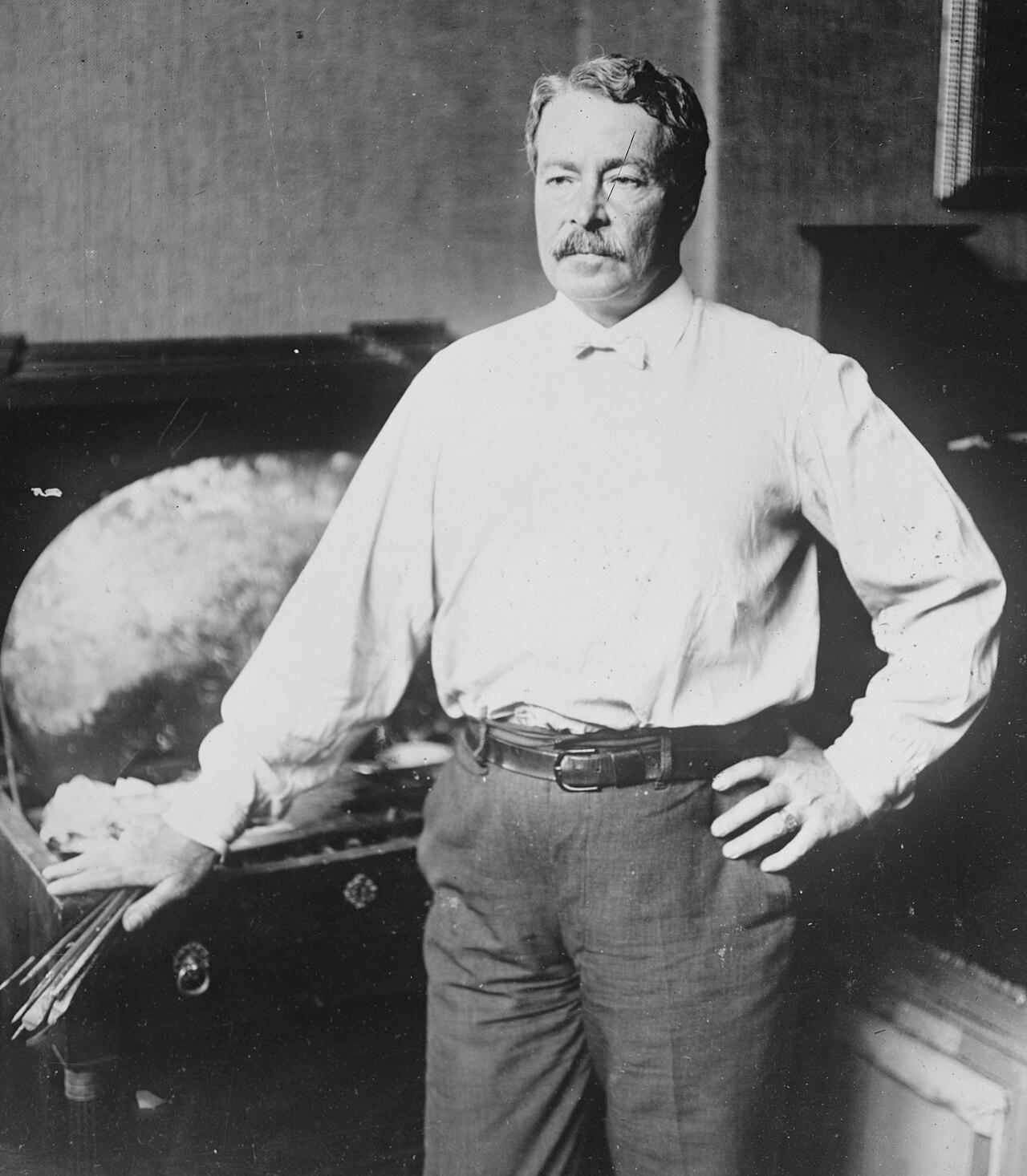
Childe Hassam
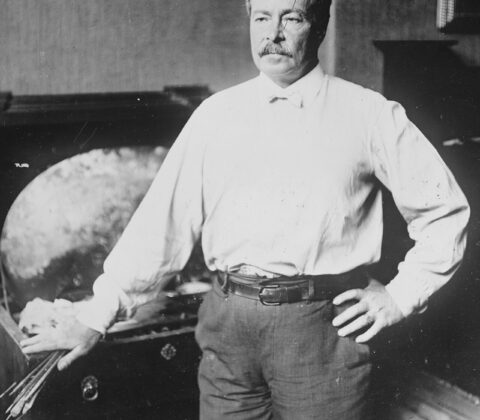
Childe Hassam, October 17, 1859 – August 27, 1935, was an American painter and printmaker born in Dorchester, Massachusetts. He began as a wood engraver and illustrator, attended drawing and painting classes in Boston, and studied in Paris from 1886 to 1889 at the Académie Julian.
Hassam settled in New York in 1889 and became a leading American Impressionist. He painted urban streets, New England gardens and coasts, and the flag-decorated avenues of New York during World War I; in 1898 he joined John Henry Twachtman, J. Alden Weir, and others in founding The Ten American Painters.
Hassam spent his later summers in East Hampton, New York, and continued working in oils, watercolors, and printmaking. He died in East Hampton in 1935, leaving a large body of work now held by the Metropolitan Museum of Art, National Gallery of Art, Smithsonian American Art Museum, Brooklyn Museum, and other major collections.


Francesco Salviati
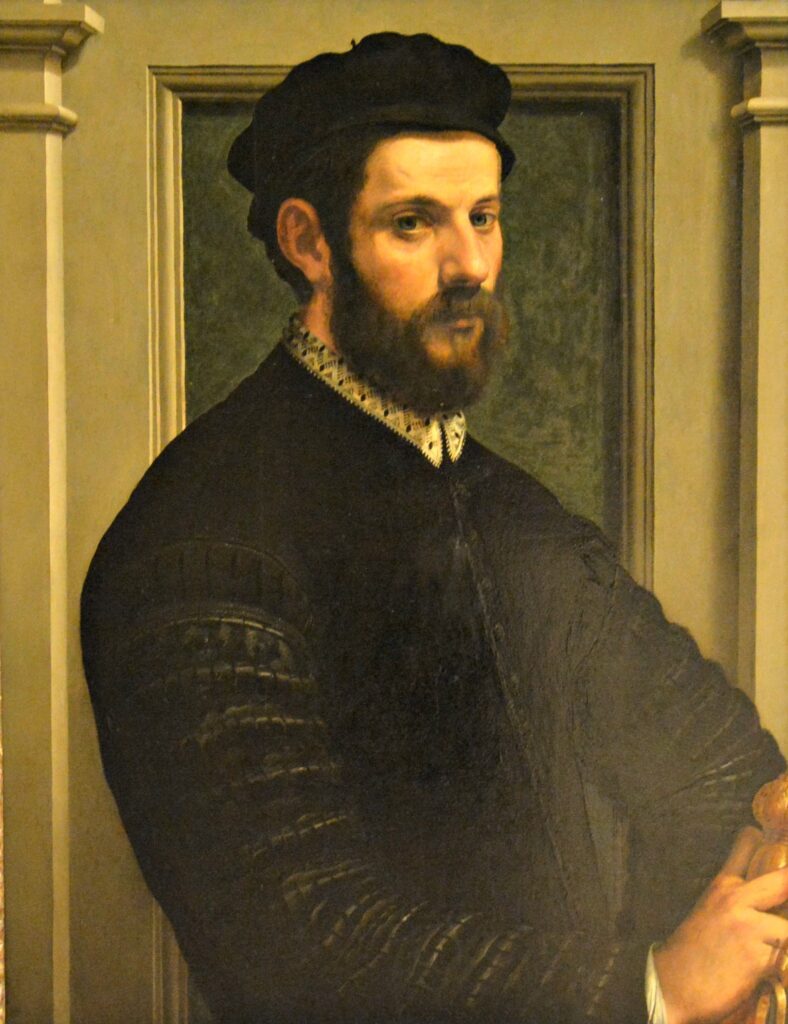
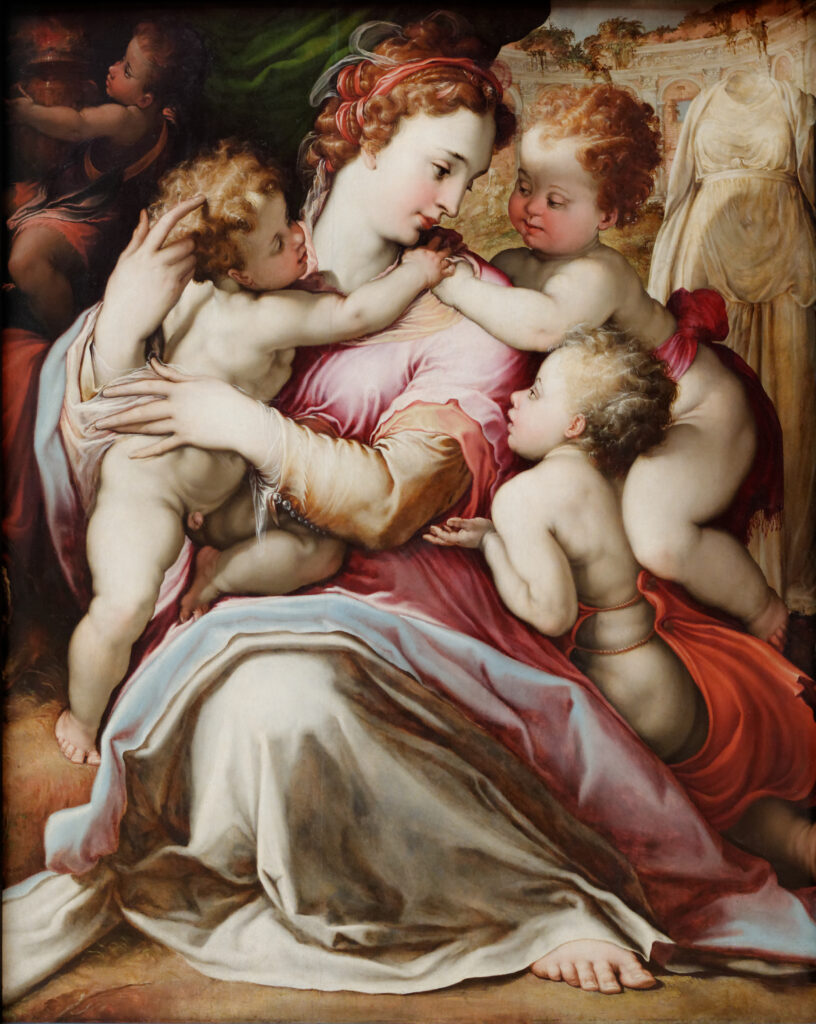
Francesco Salviati, 1510 – November 11, 1563, was an Italian painter and draftsman born Francesco de’ Rossi in Florence. He trained successively with Giuliano Bugiardini, Baccio Bandinelli, Raffaele Brescianino, and Andrea del Sarto, and formed a lasting friendship with Giorgio Vasari.
Salviati went to Rome in 1531 and adopted the name of his patron, Cardinal Giovanni Salviati. He worked in Rome, Florence, Venice, and Bologna, producing fresco cycles, altarpieces, portraits, drawings, and tapestry designs; his principal commissions included decorations in the Palazzo Vecchio in Florence and the Palazzo Farnese in Rome.
Salviati spent much of his later career in Rome and died there in 1563. His works are held by the Uffizi Gallery, Louvre Museum, National Museum of Capodimonte, Morgan Library & Museum, Toledo Museum of Art, and other major collections.




Tilly Kettle
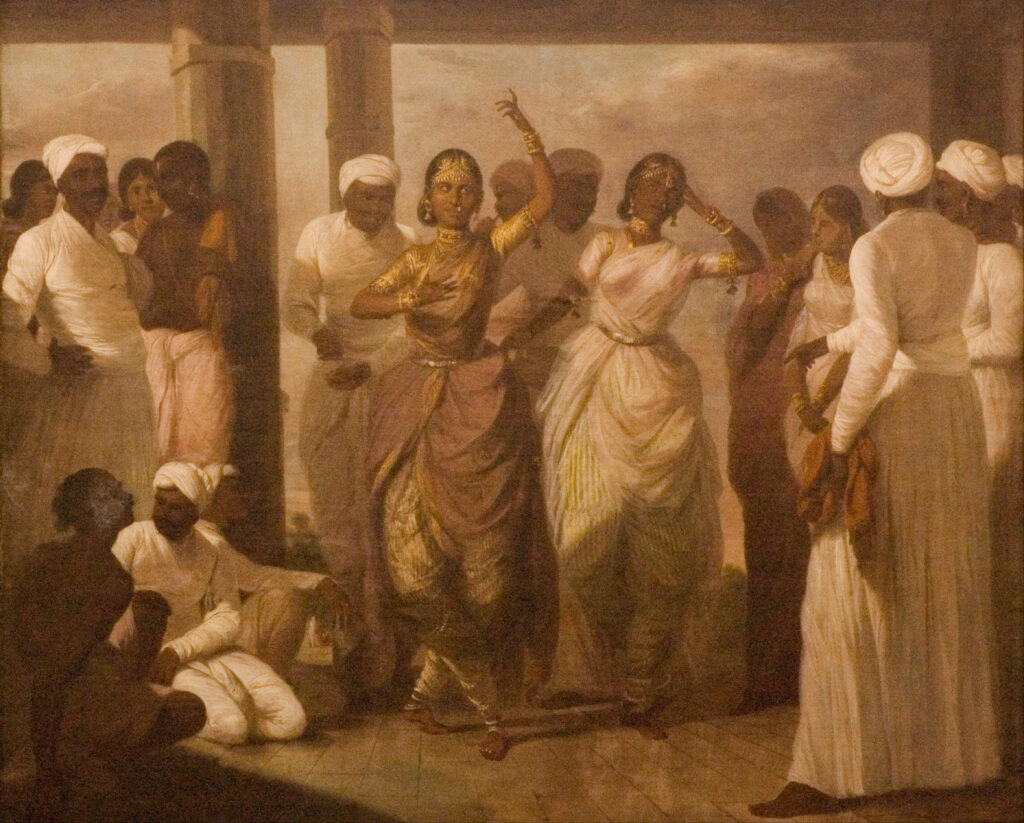
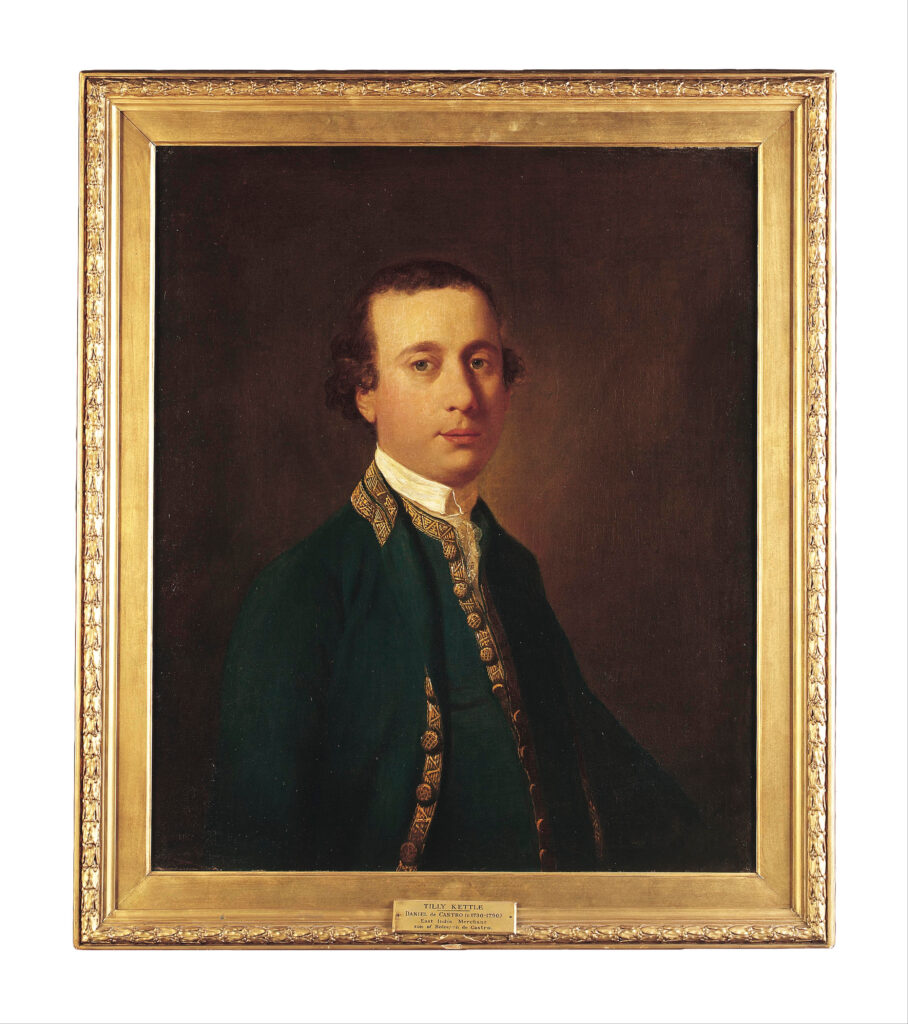
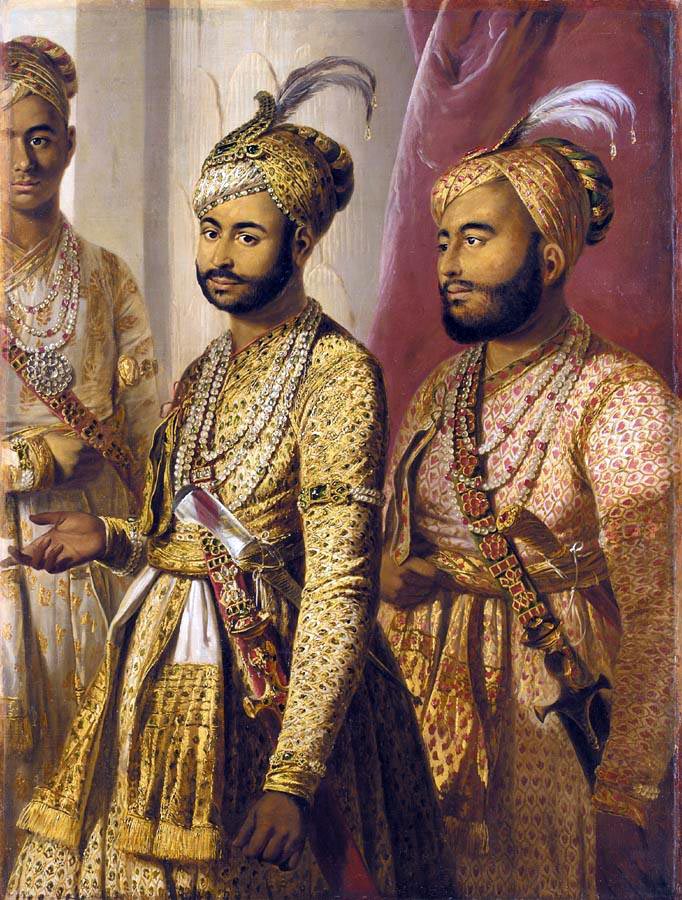
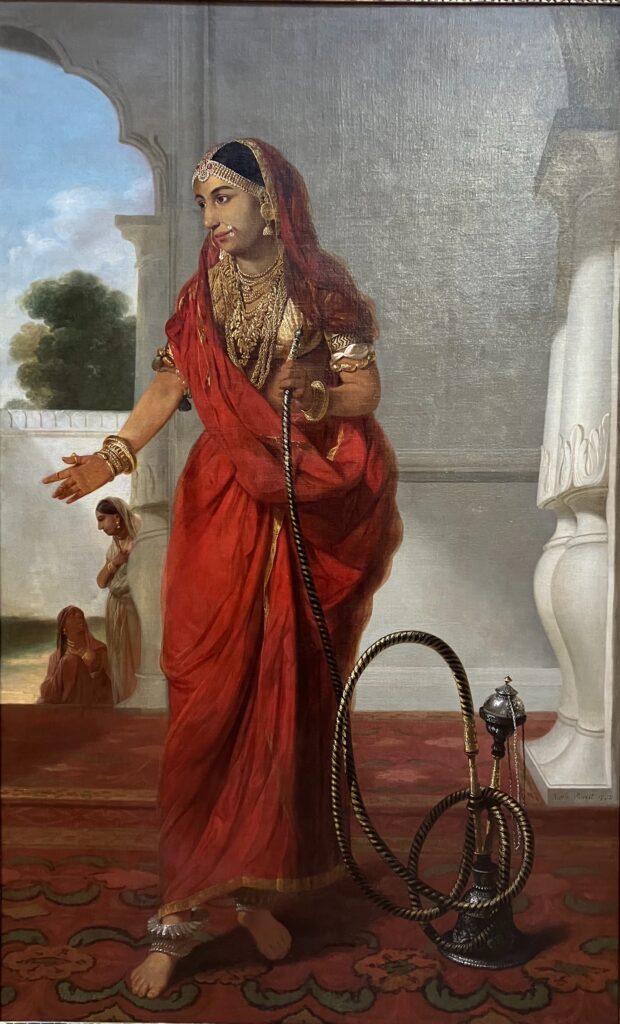
Tilly Kettle, January 31, 1735 – July 1786, was an English portrait painter who worked in Britain and India. He trained at William Shipley’s drawing academy, St Martin’s Lane Academy, and the Duke of Richmond’s academy in London.
Kettle established himself as a portraitist in Oxford and the English Midlands before travelling to India in 1768. He worked in Madras, Calcutta, and at the court of Shuja al-Daula in Awadh, painting British East India Company officials and Indian rulers.
His works are held by the Yale Center for British Art, Tate Britain, National Portrait Gallery, National Army Museum, National Galleries of Scotland, Auckland Art Gallery Toi o Tāmaki, and other public collections.







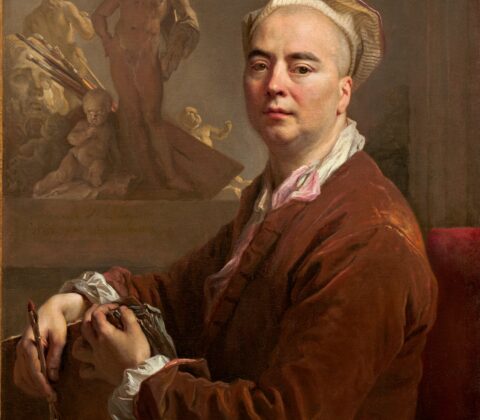
Nicolas de Largillière
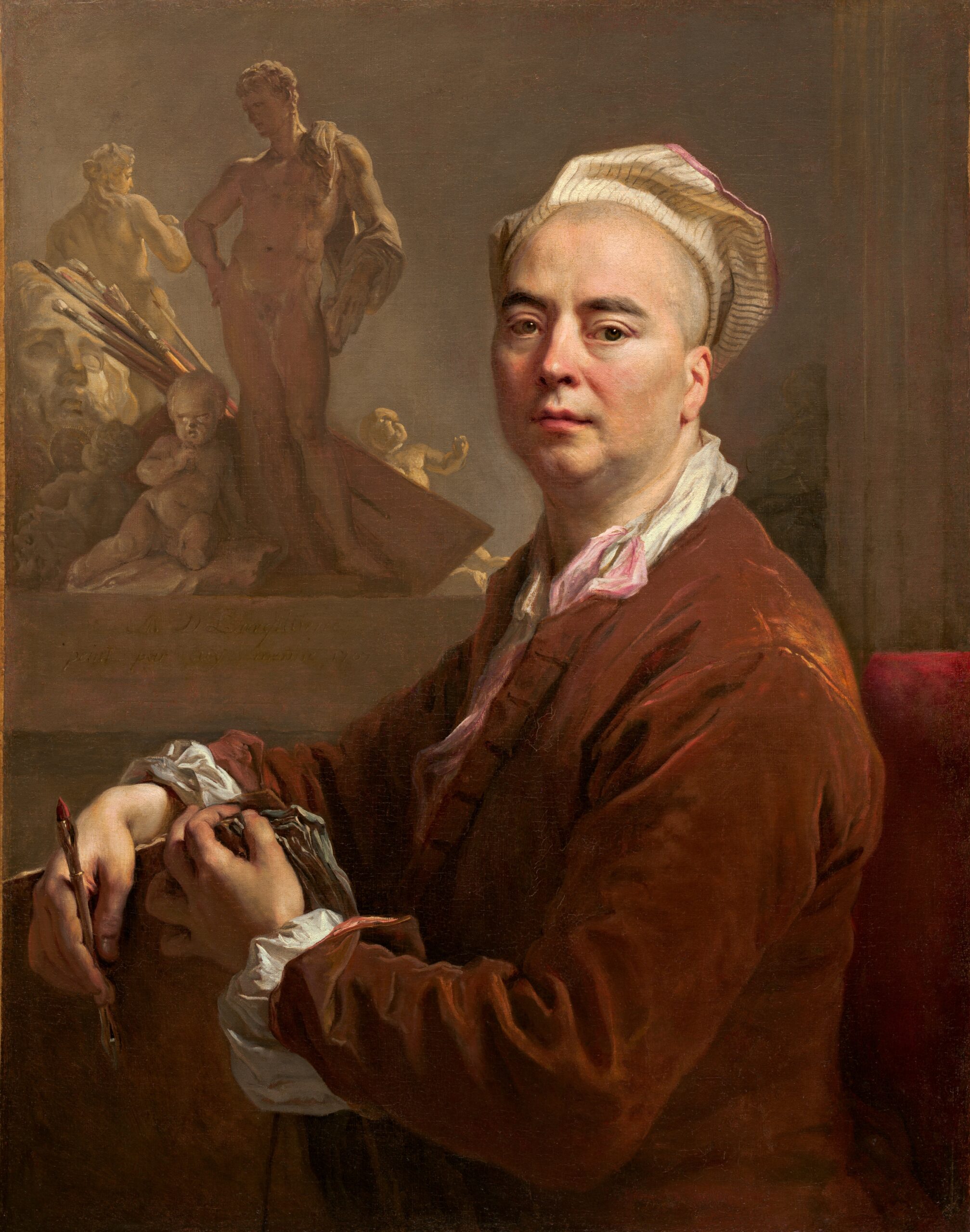
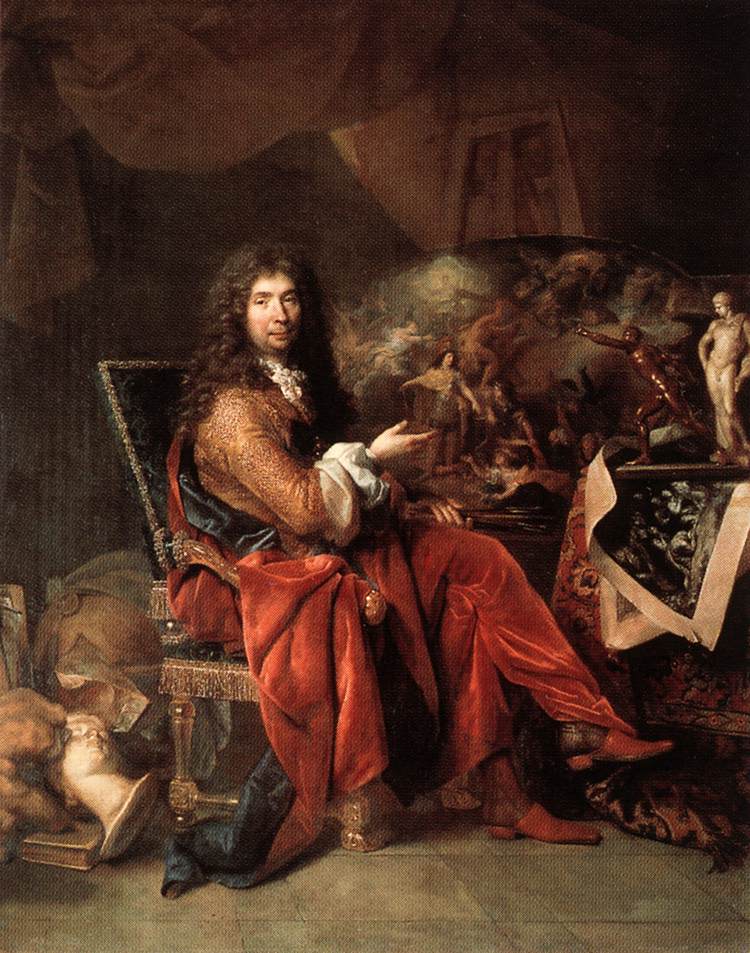
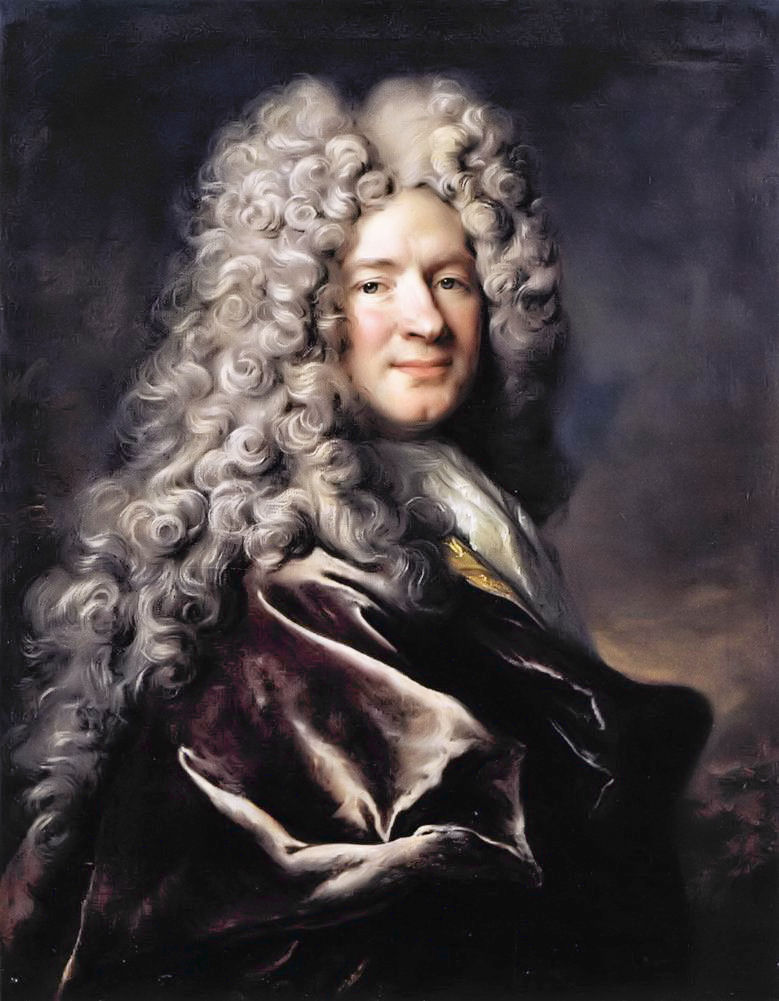
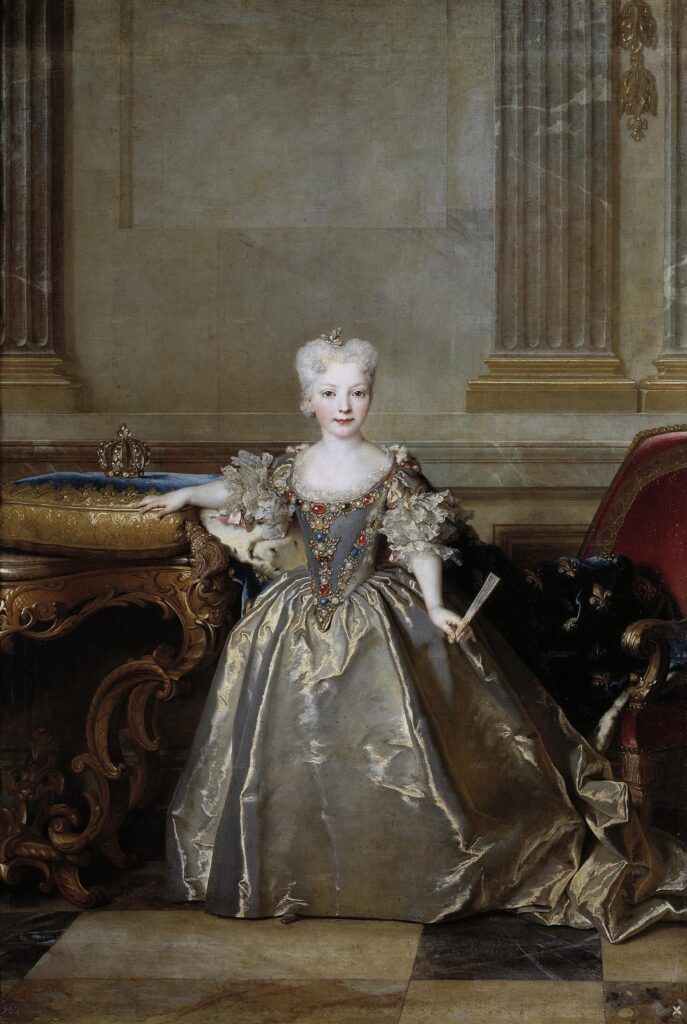
Nicolas de Largillière, October 10, 1656 – March 20, 1746, was a French painter born in Paris and raised in Antwerp. He trained there with Anton Goubau, then worked in England as an assistant to Peter Lely and Antonio Verrio.
Largillière returned to Paris and established a successful career chiefly as a portrait painter. He was admitted to the Académie royale de peinture et de sculpture in 1686 and later served as its director and chancellor; his pupils included Jean-Baptiste Oudry.
Largillière died in Paris at the age of eighty-nine. His works are held by the Louvre Museum, National Gallery of Art, Metropolitan Museum of Art, National Gallery, London, and other major public collections.






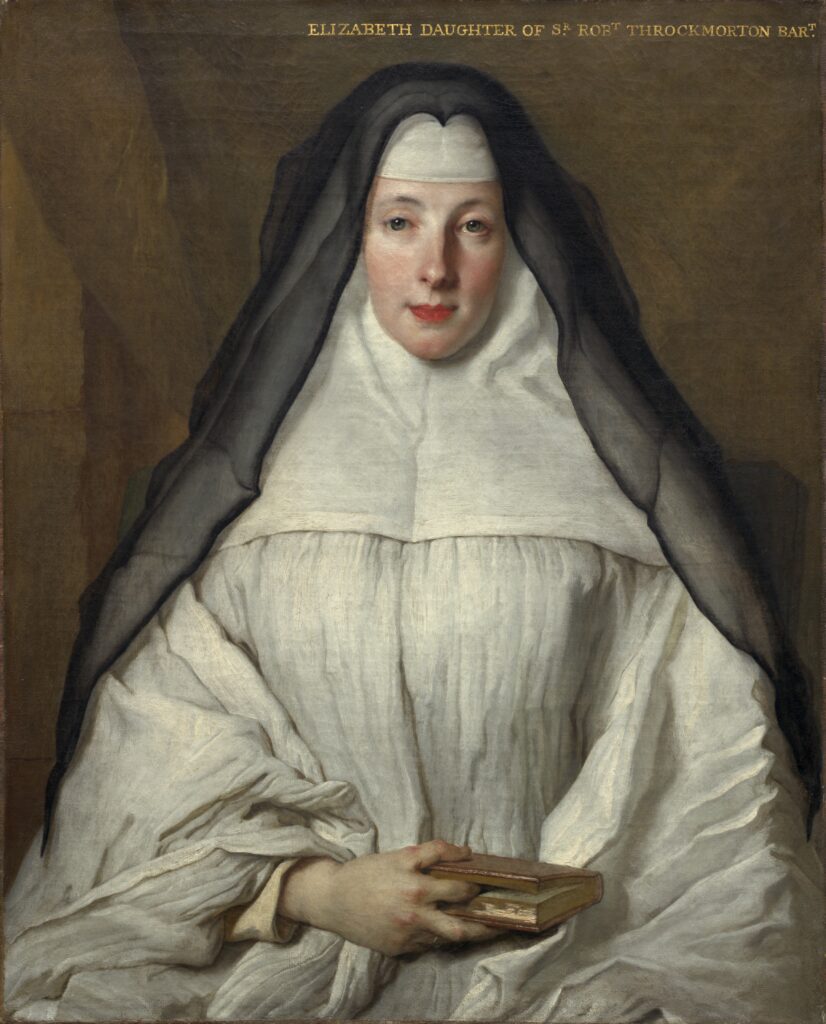
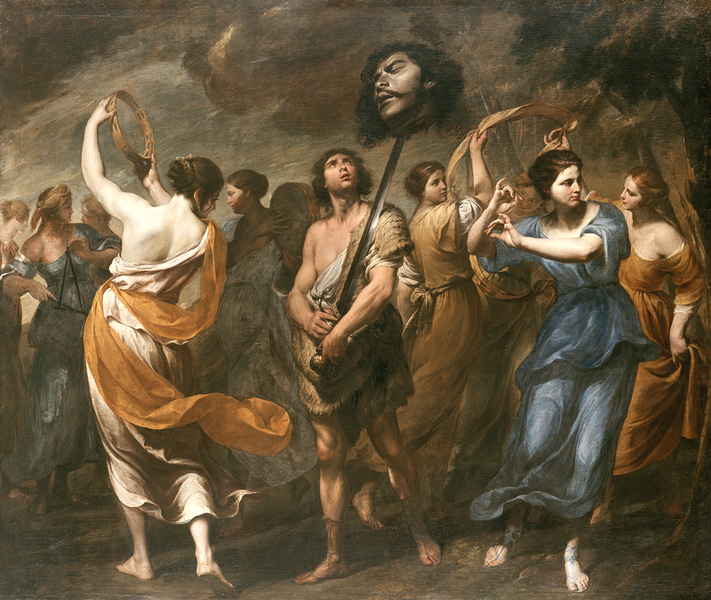
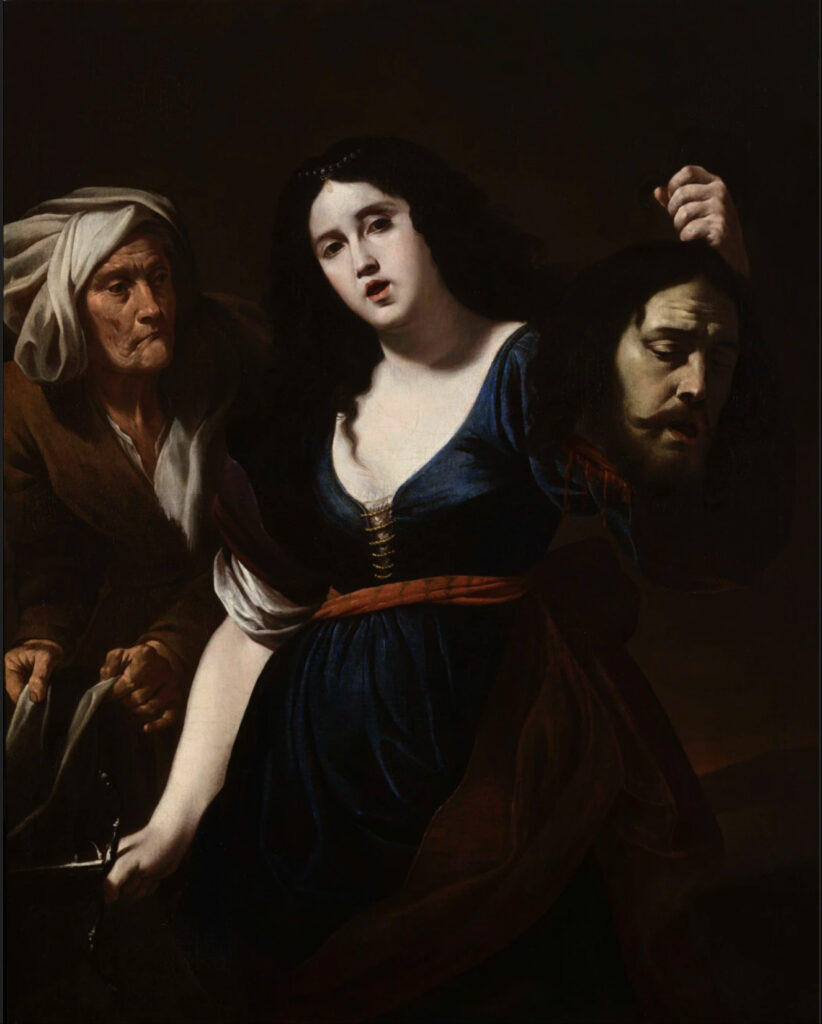
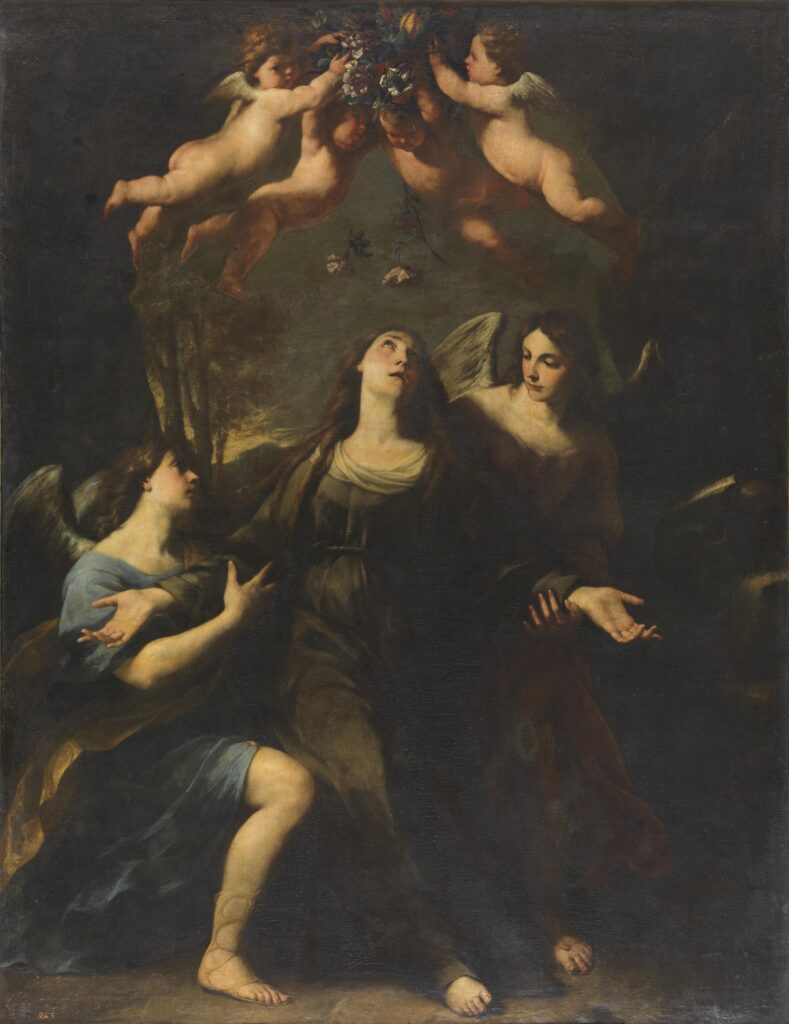
Domenico Antonio Vaccaro
Domenico Antonio Vaccaro, Italian painter and architect, June 3, 1678 – June 13, 1745
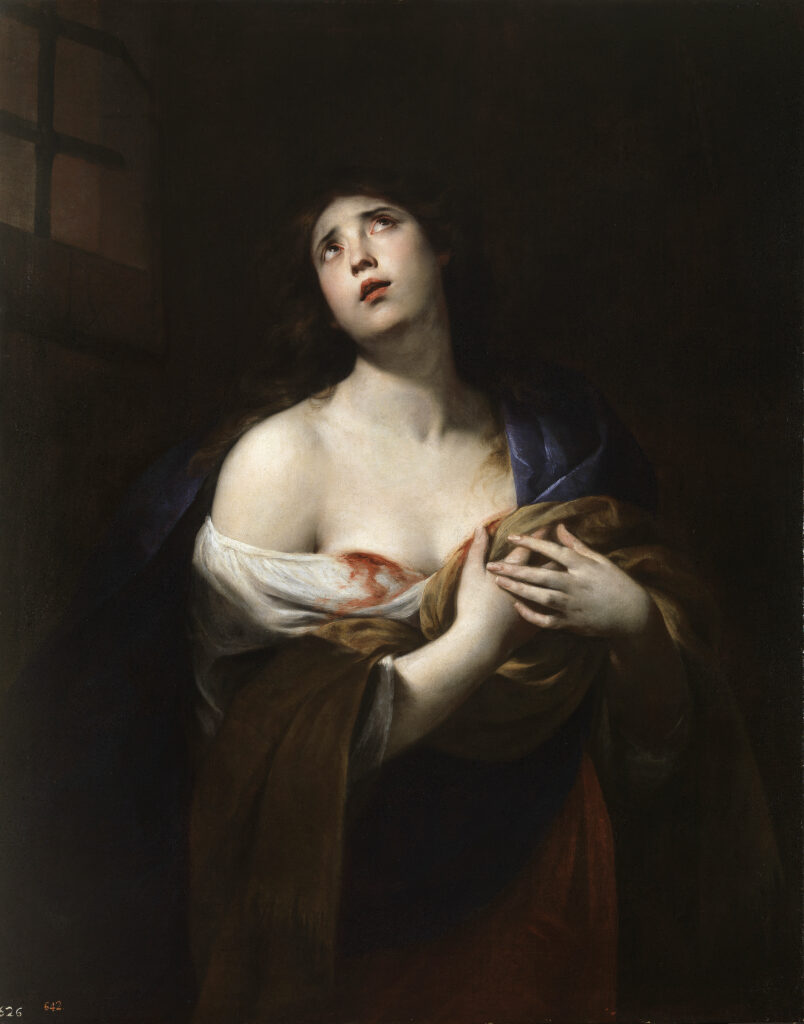
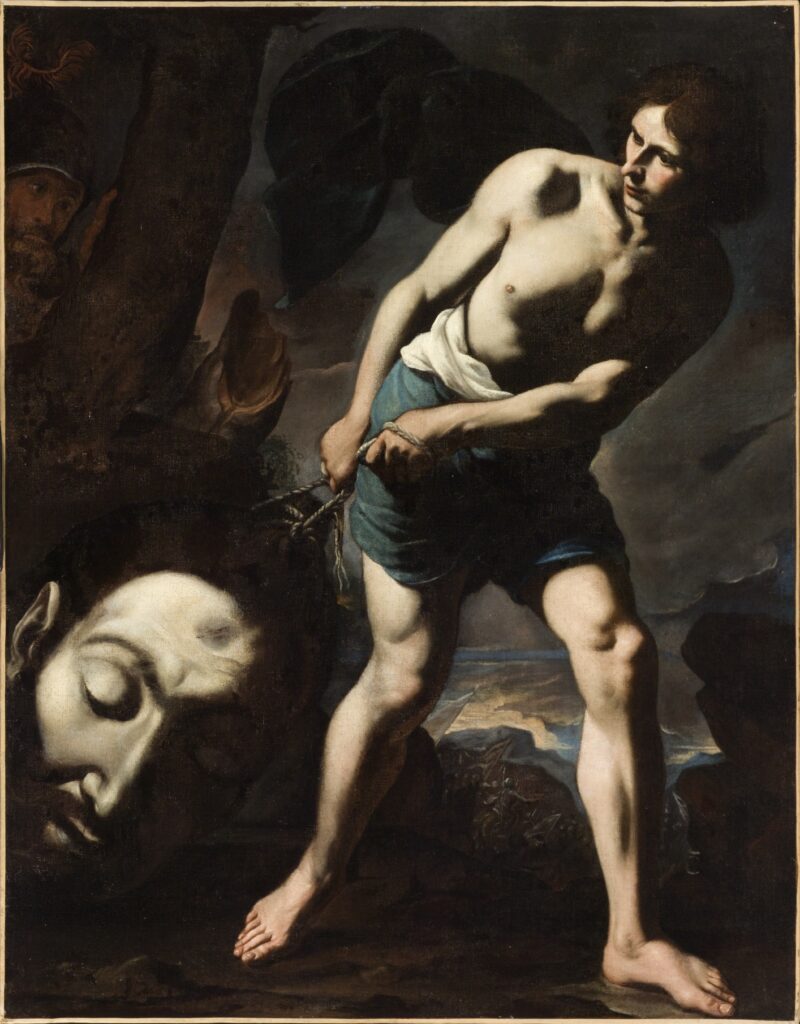

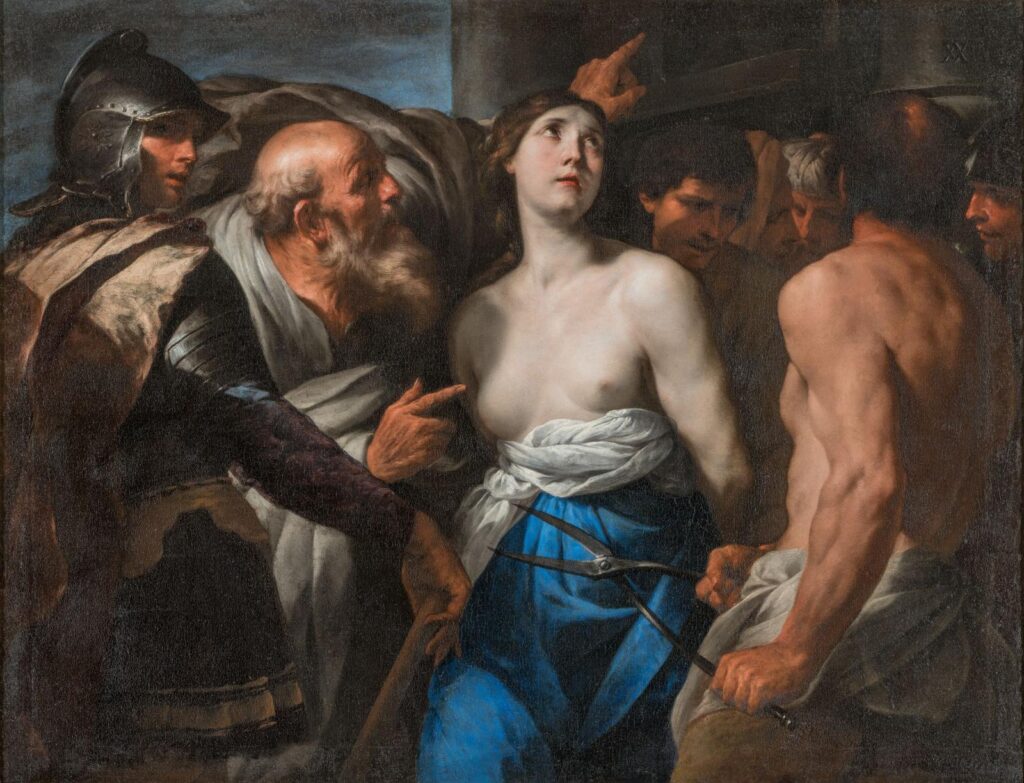




Carlo Saraceni
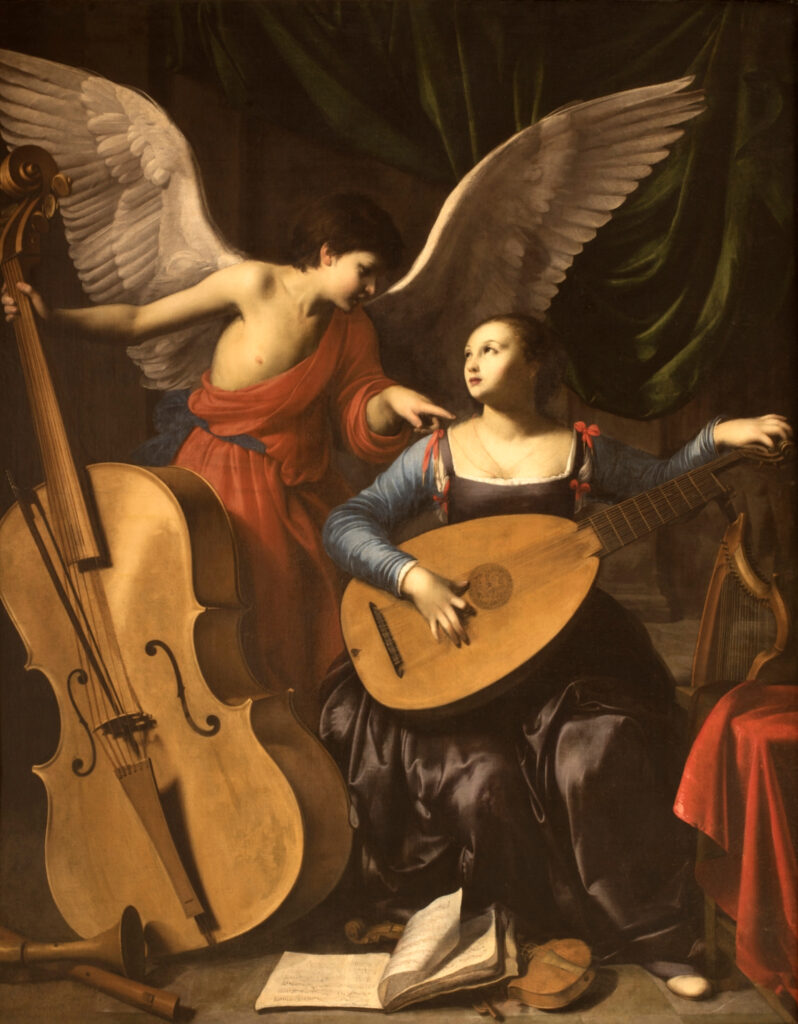
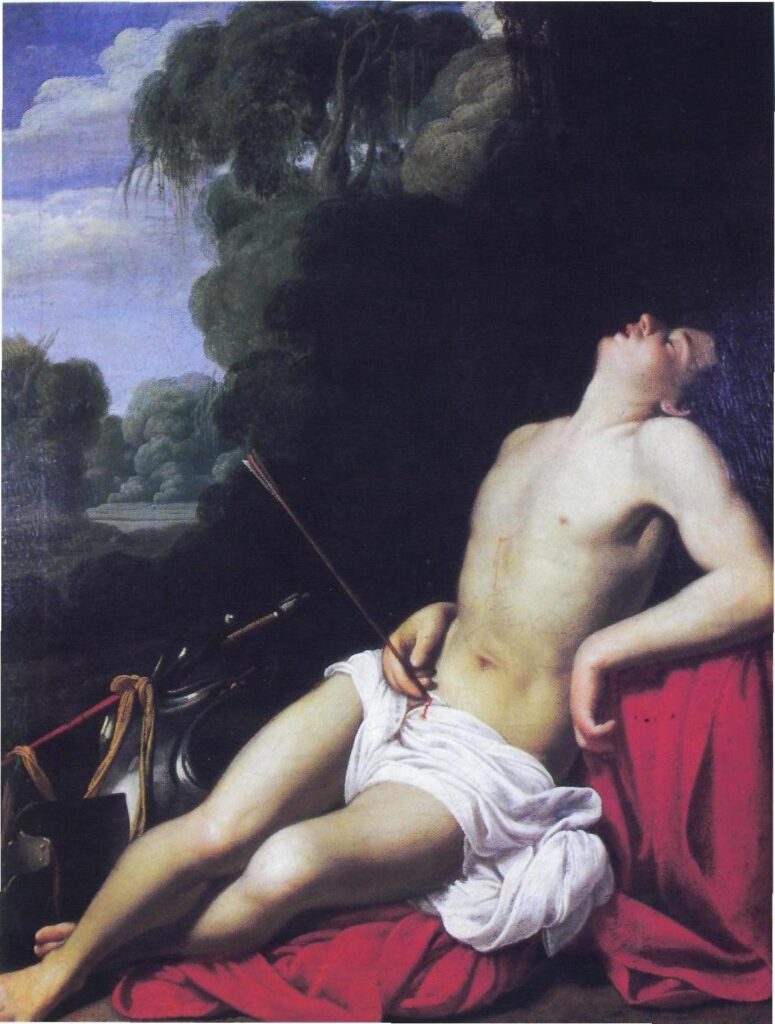
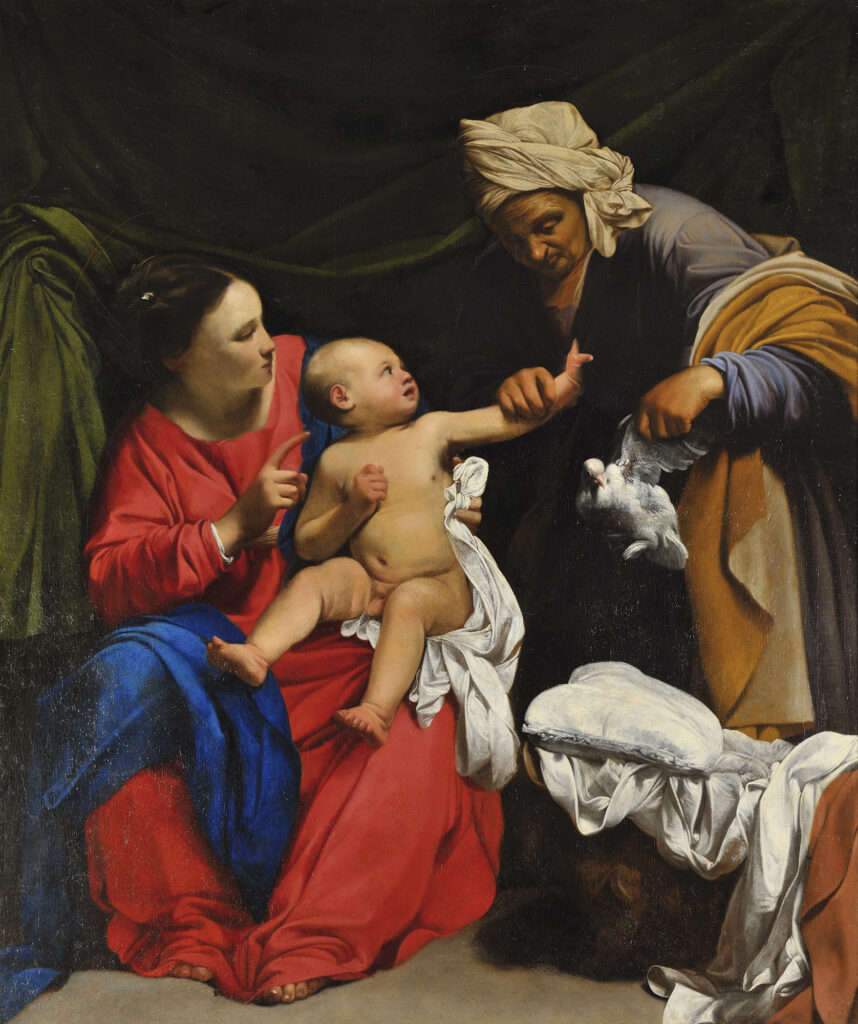
Carlo Saraceni, 1579 – June 16, 1620, was a Venetian painter. He trained in Venice before moving to Rome, probably in 1598, where he came under the influence of Adam Elsheimer, Caravaggio, and Caravaggio’s followers.
Saraceni worked in Rome on small paintings on copper as well as larger canvases. He also worked for the ducal court in Mantua in 1613 and was a member of the Accademia di San Luca in Rome by 1616.
Saraceni returned to Venice about 1619 and died there in 1620. His works are held by institutions including the National Gallery, London; the Alte Pinakothek, Munich; the Kunsthistorisches Museum, Vienna; and the Gallerie dell'Accademia, Venice.






Francesco Solimena
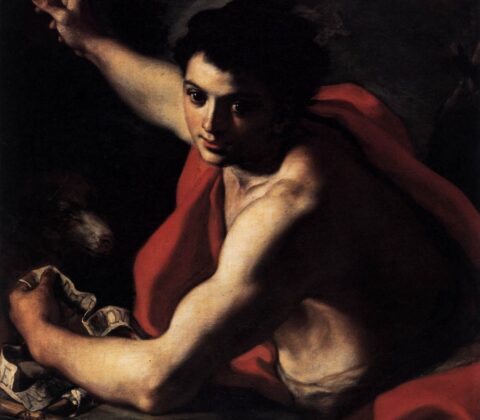
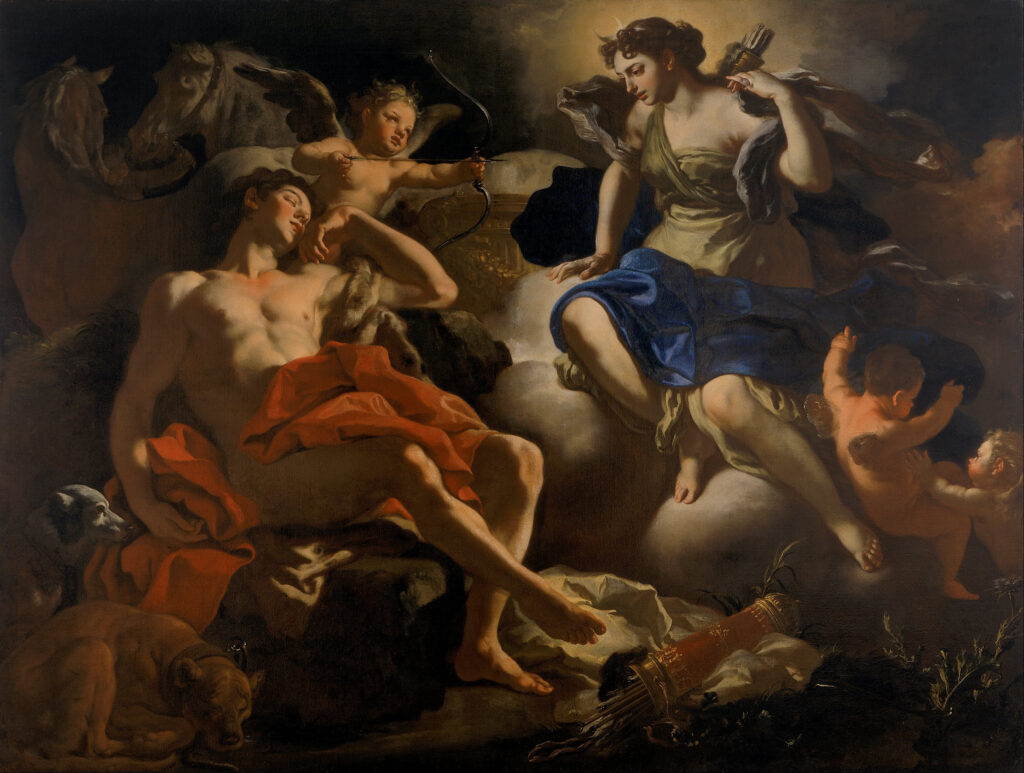
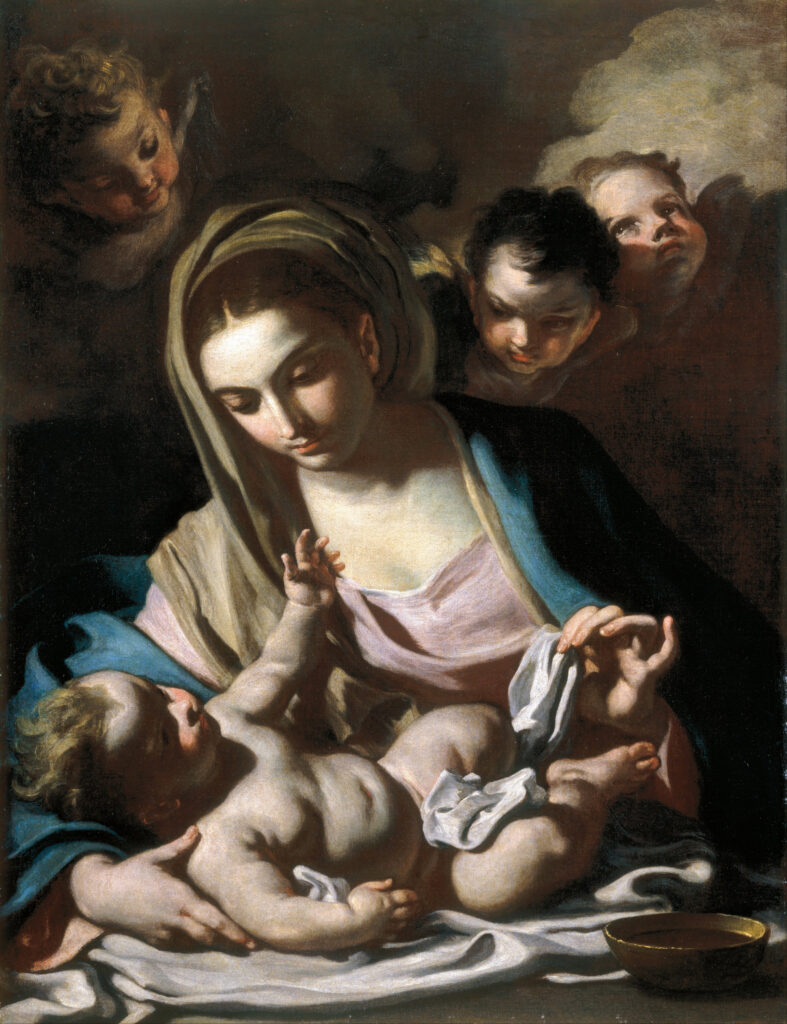
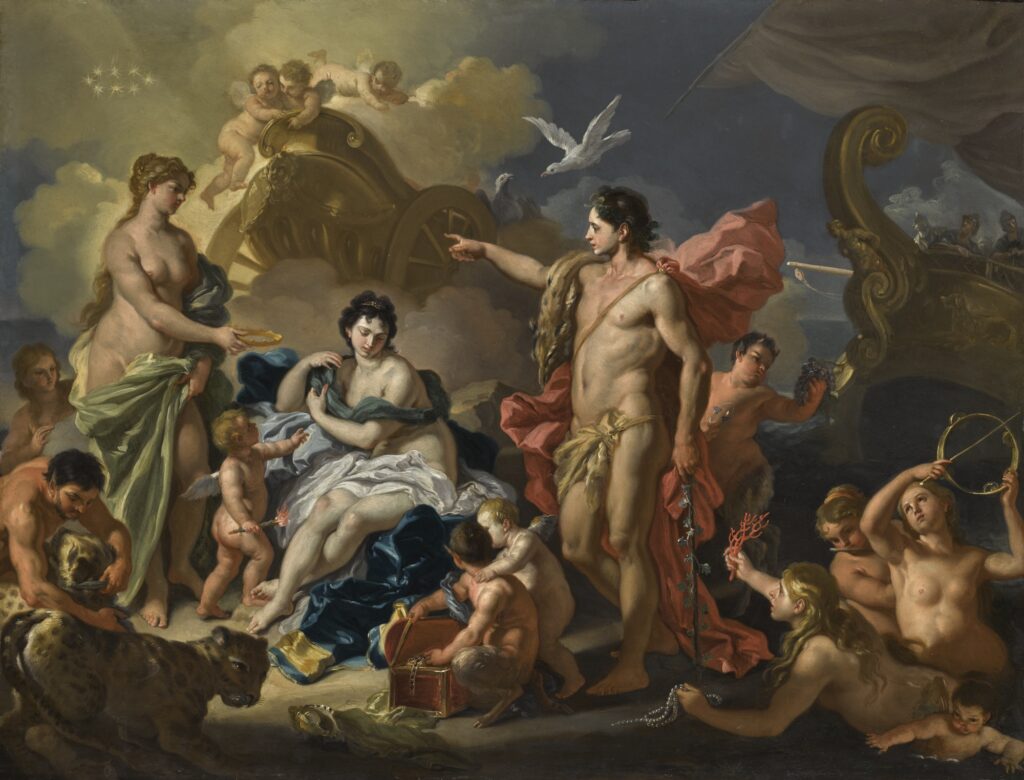
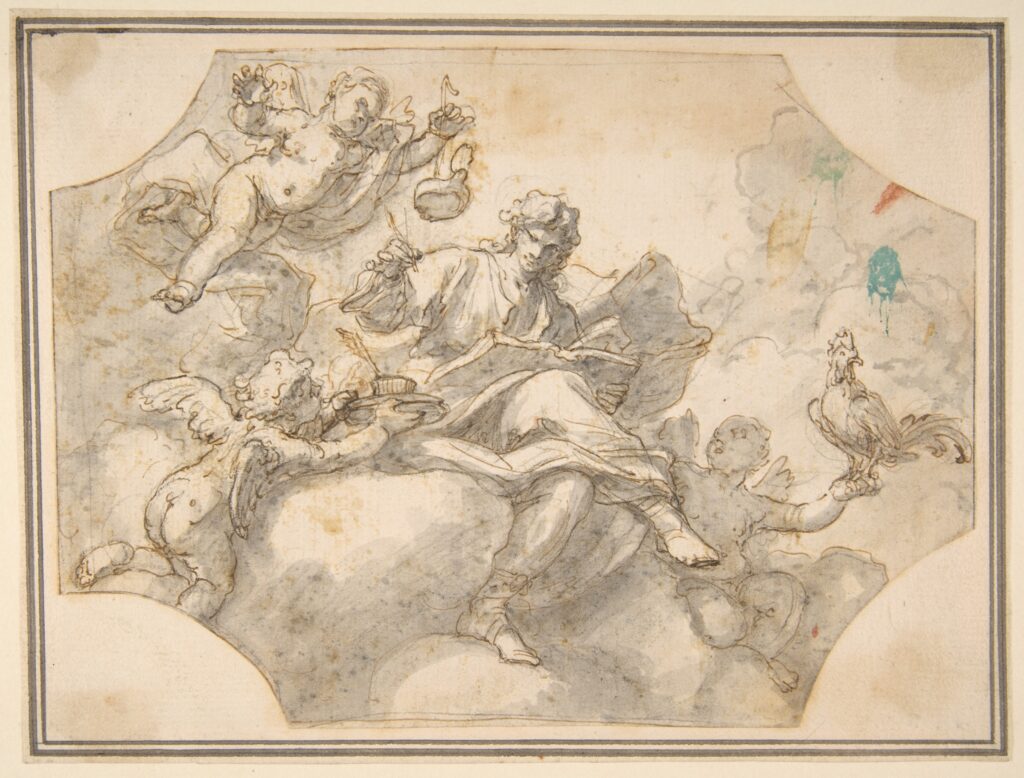
Francesco Solimena, October 4, 1657 – April 3, 1747, was an Italian painter and architect associated with Naples. He was born at Canale di Serino and received his early artistic training from his father, the painter Angelo Solimena.
Solimena worked for churches and patrons in Naples and elsewhere, producing frescoes, altarpieces, easel paintings, mythological scenes, portraits, and drawings. He directed a large workshop and taught artists including Francesco de Mura, Corrado Giaquinto, and Giuseppe Bonito.
He died at Barra, near Naples, in 1747. His work is represented in major collections including the Museo del Prado, the J. Paul Getty Museum, the Metropolitan Museum of Art, the Kunsthistorisches Museum, and the Museum of Fine Arts, Houston.







Frans Snyders
Frans Snyders, November 11, 1579 – August 19, 1657, was a Flemish painter born and based in Antwerp. He was recorded as a pupil of Pieter Brueghel the Younger in 1593 and later trained with Hendrick van Balen. He became a master in the Antwerp Guild of Saint Luke in 1602 and traveled to Rome and Milan in 1608–1609.
After returning to Antwerp, Snyders worked with Peter Paul Rubens and collaborated with artists including Anthony van Dyck, Jacob Jordaens, and Jan Wildens. He served as dean of the Guild of Saint Luke in 1628. Jan Fyt was among the painters who worked in his workshop.
Snyders produced still lifes, market scenes, hunting scenes, and animal paintings. His works are held by the Museo Nacional del Prado, Louvre Museum, State Hermitage Museum, Alte Pinakothek, National Gallery of Art, and Art Institute of Chicago, among other collections.


