Posts in Category: october 4

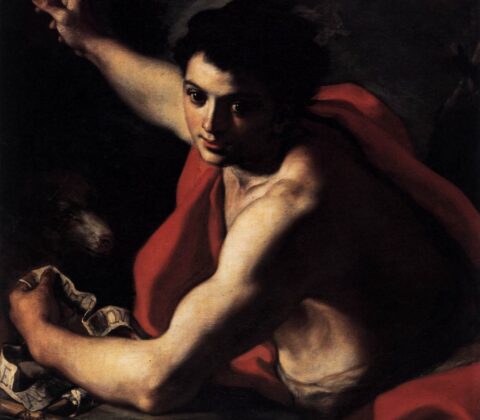
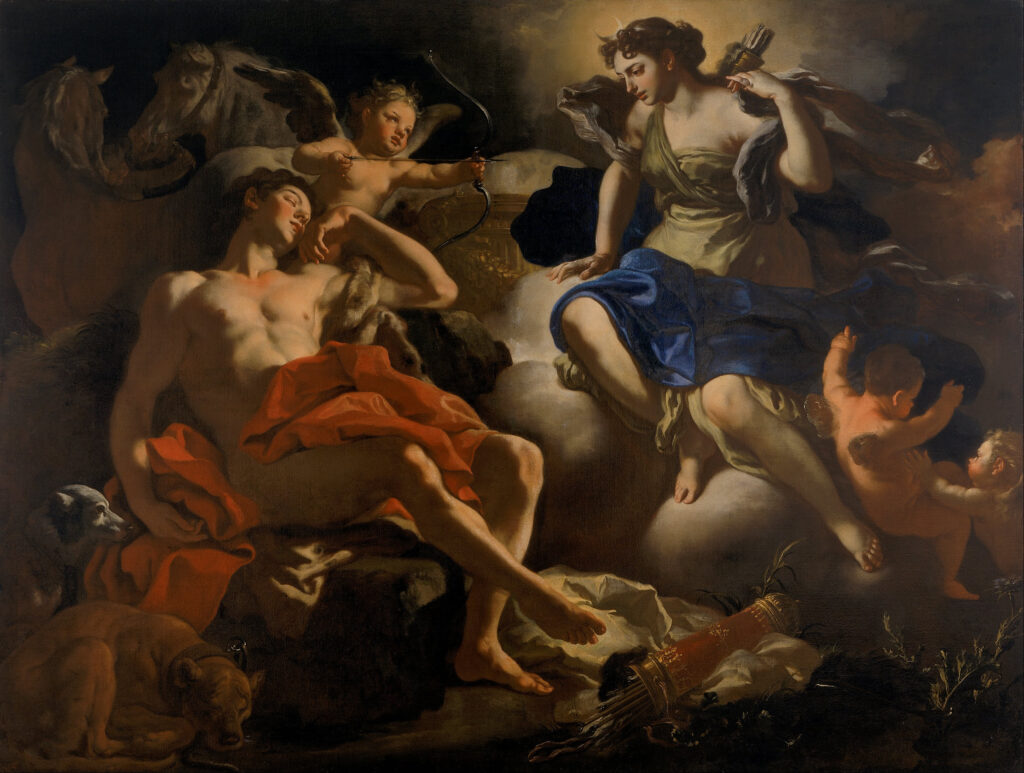
Francesco Solimena
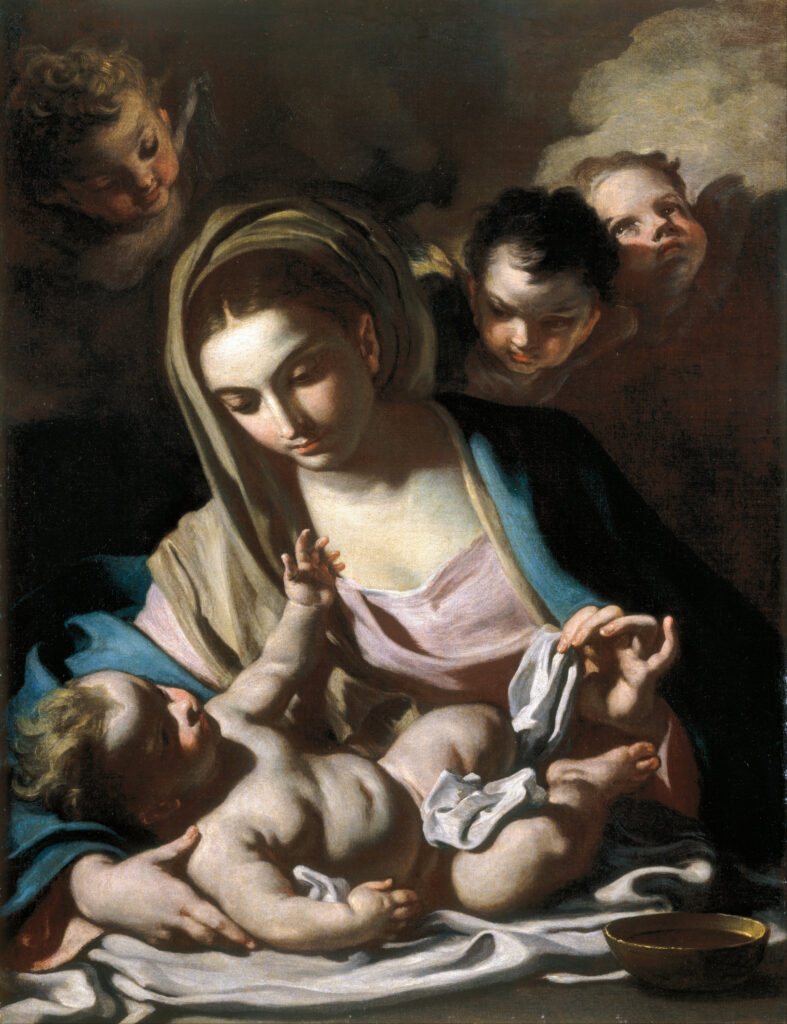
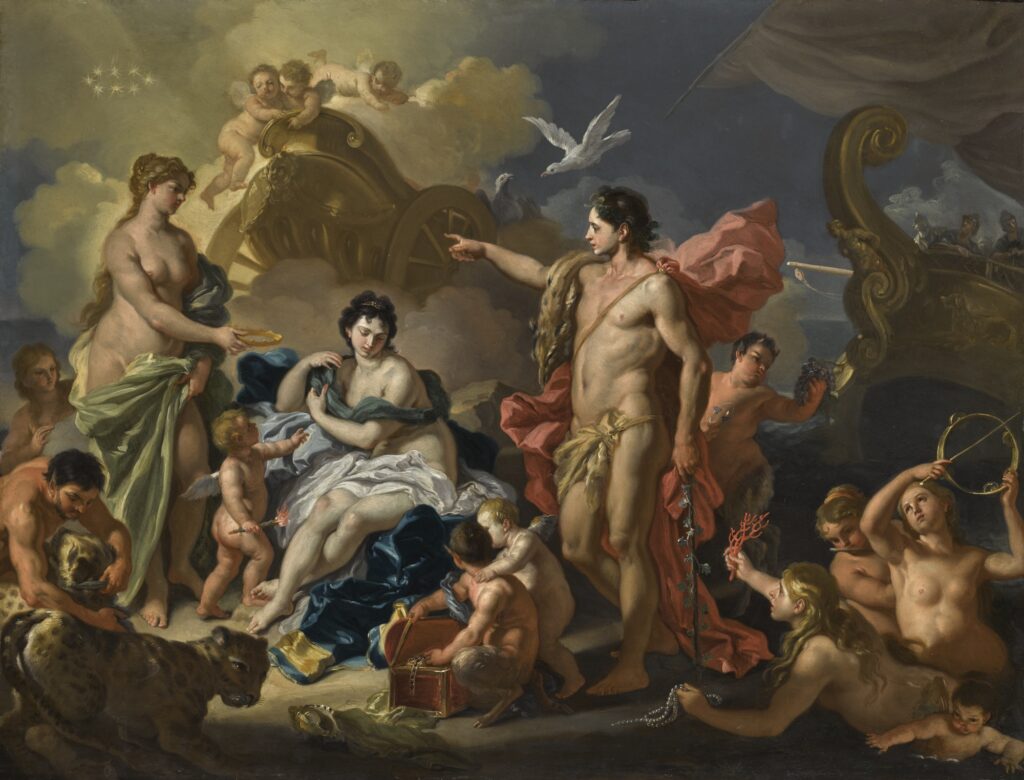
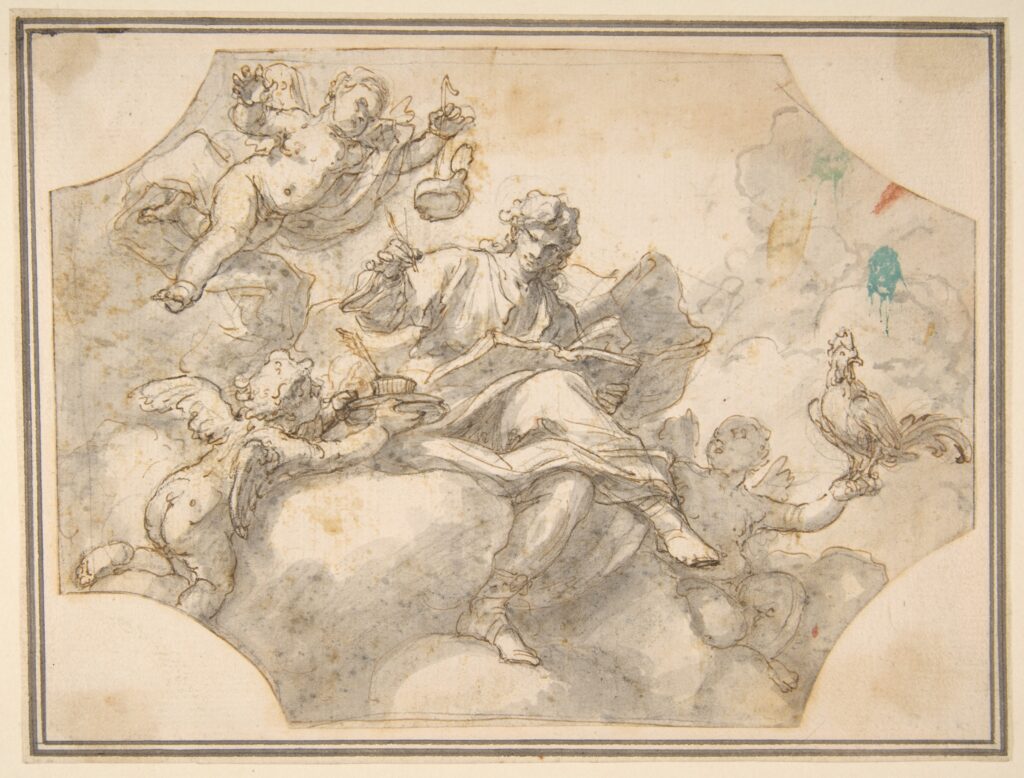
Francesco Solimena, October 4, 1657 – April 3, 1747, was an Italian painter and architect associated with Naples. He was born at Canale di Serino and received his early artistic training from his father, the painter Angelo Solimena.
Solimena worked for churches and patrons in Naples and elsewhere, producing frescoes, altarpieces, easel paintings, mythological scenes, portraits, and drawings. He directed a large workshop and taught artists including Francesco de Mura, Corrado Giaquinto, and Giuseppe Bonito.
He died at Barra, near Naples, in 1747. His work is represented in major collections including the Museo del Prado, the J. Paul Getty Museum, the Metropolitan Museum of Art, the Kunsthistorisches Museum, and the Museum of Fine Arts, Houston.







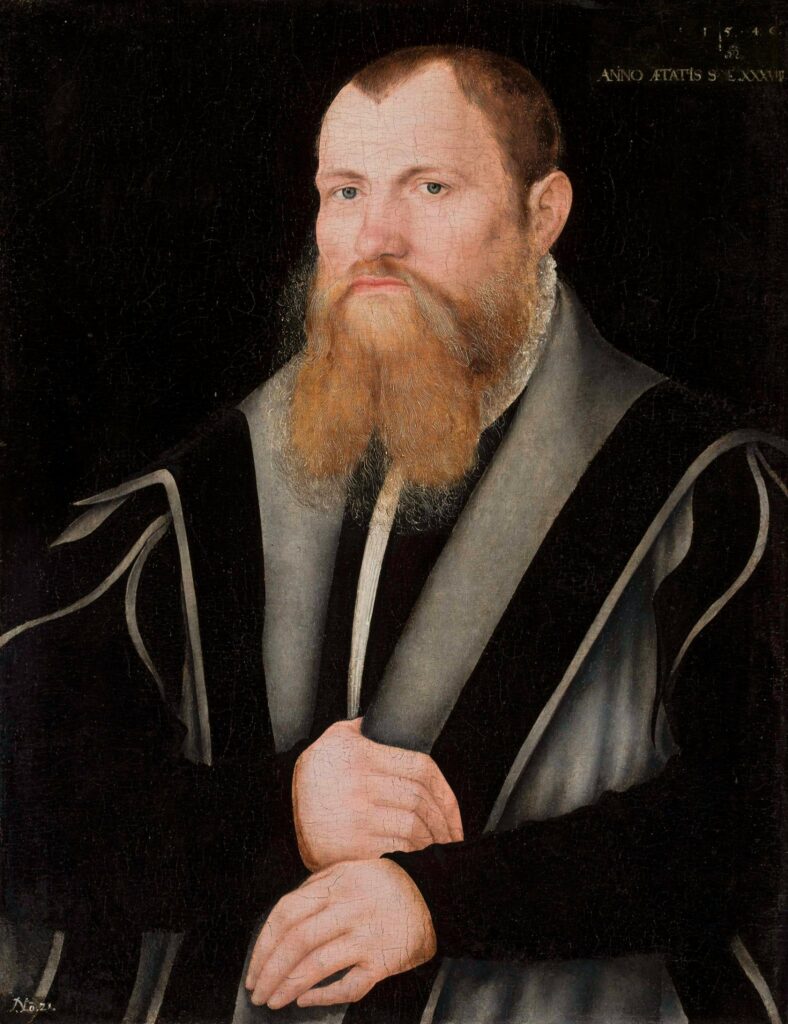
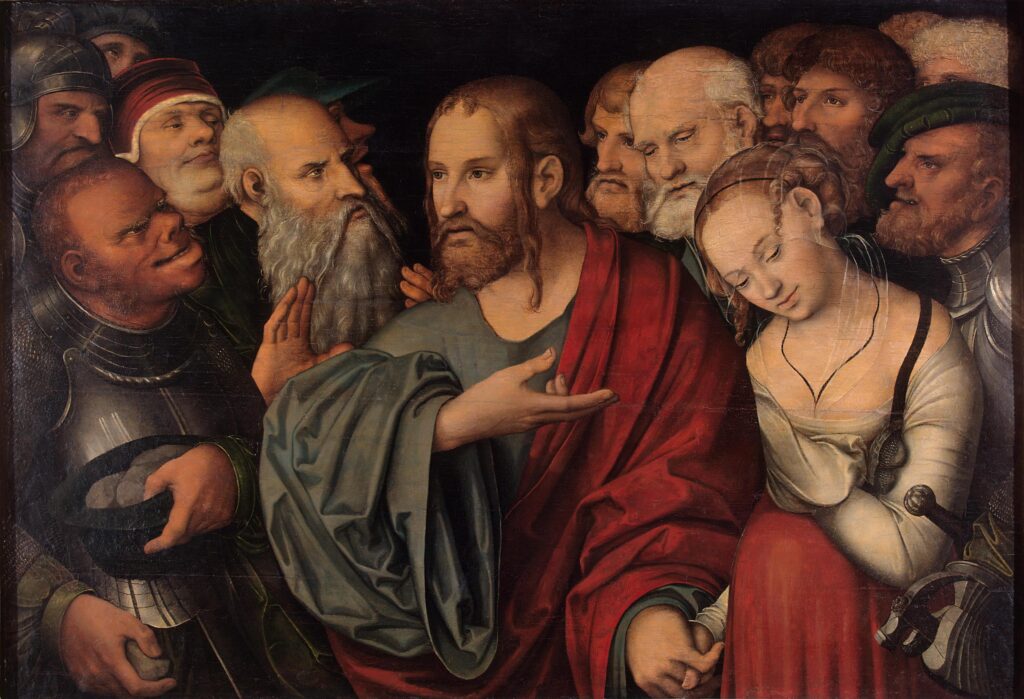
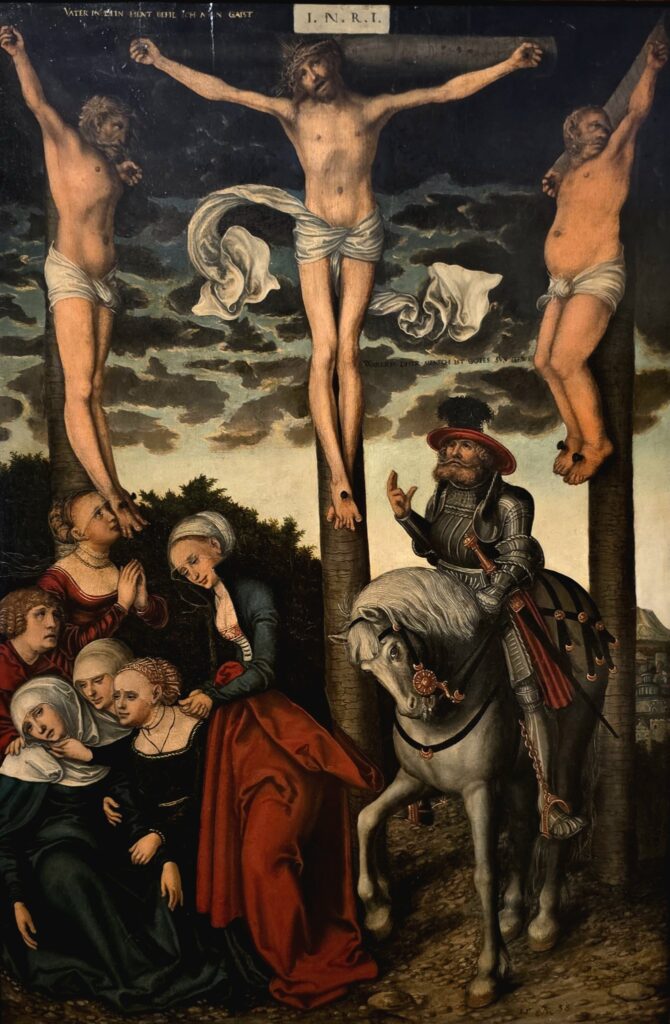
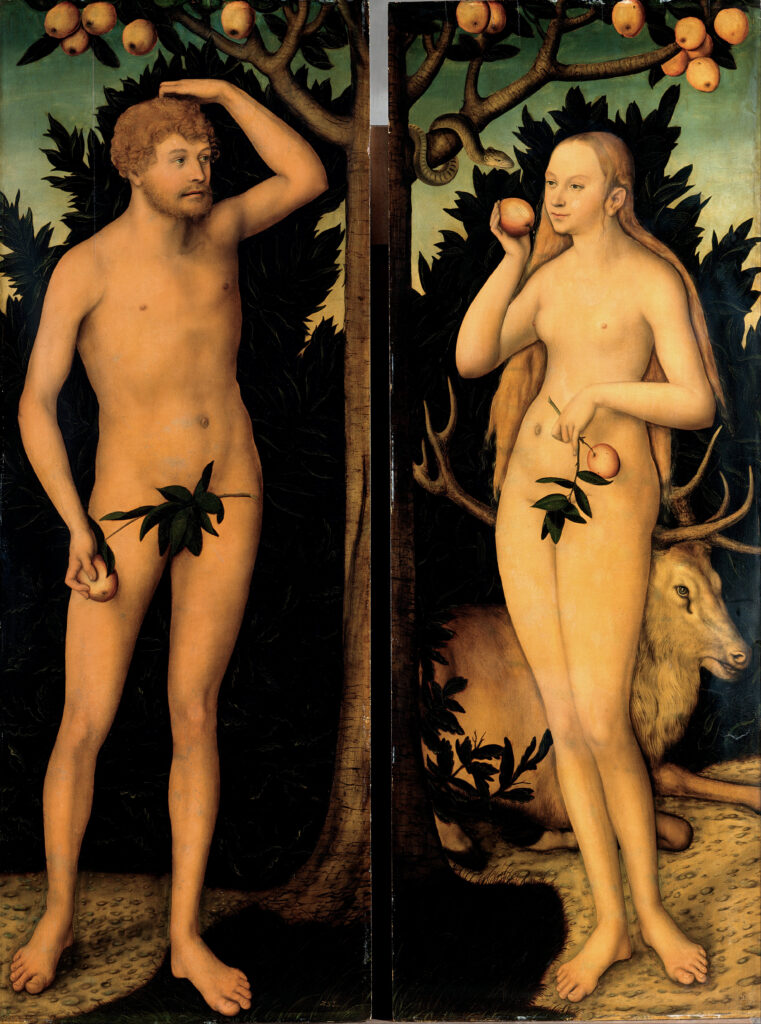
Lucas Cranach the Younger
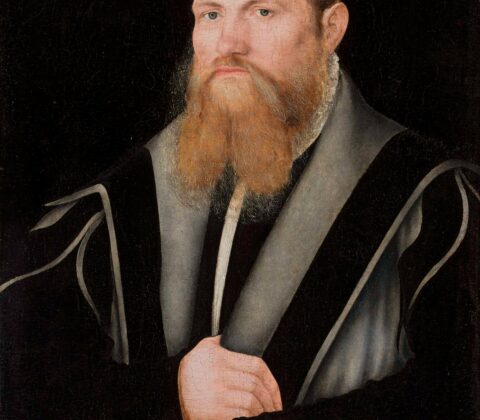
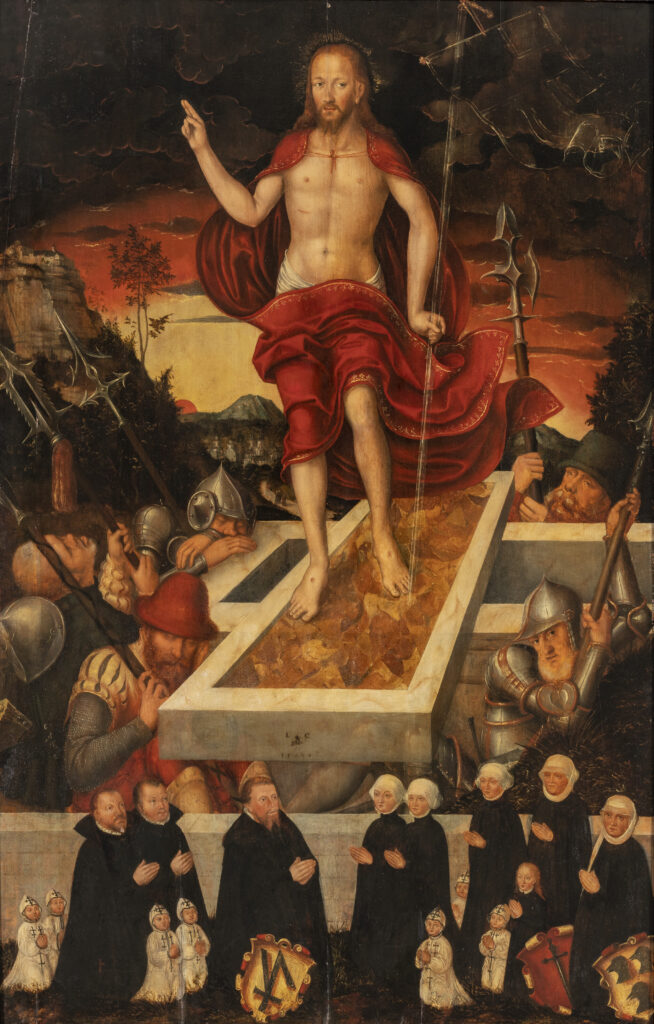
Lucas Cranach the Younger, October 4, 1515 – January 25, 1586, was a German Renaissance painter born in Wittenberg. He trained in the workshop of his father, Lucas Cranach the Elder, alongside his elder brother Hans Cranach.
After Hans’s death in 1537, Cranach assumed greater responsibility in the family workshop and became its head when his father left Wittenberg in 1550. He produced portraits, altarpieces, biblical scenes, and mythological subjects, and continued the workshop’s close association with the Saxon court and the Protestant Reformation.
Cranach also served Wittenberg as a council member, chamberlain, and burgomaster. He died in Wittenberg, and his works are held by institutions including the Dresden State Art Collections, the Kunsthistorisches Museum, the Museum of Fine Arts, Houston, and the National Museum in Warsaw.





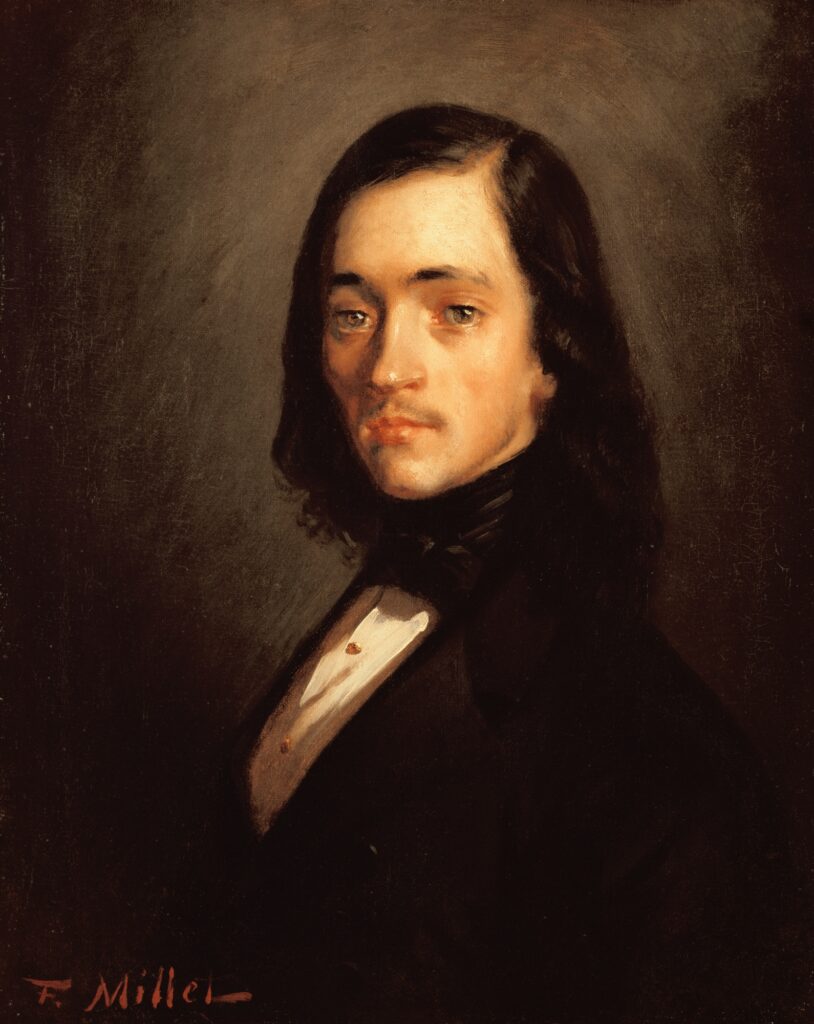
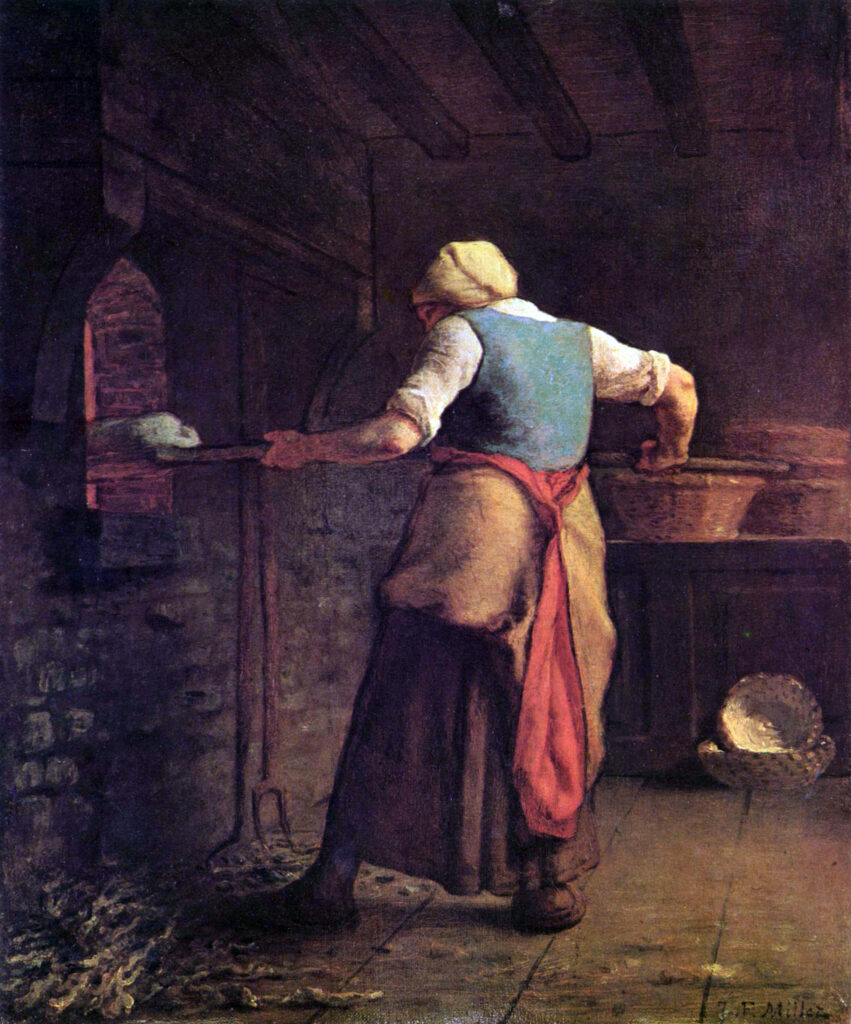
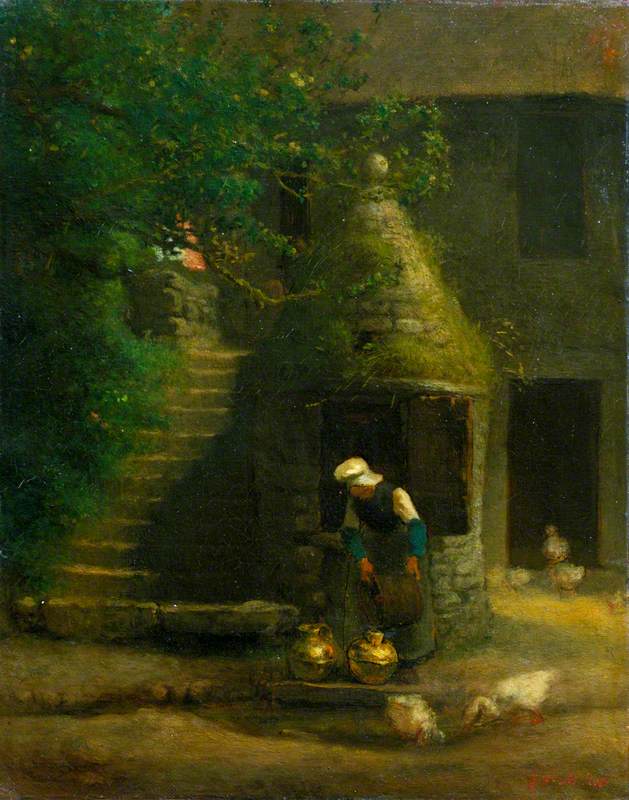
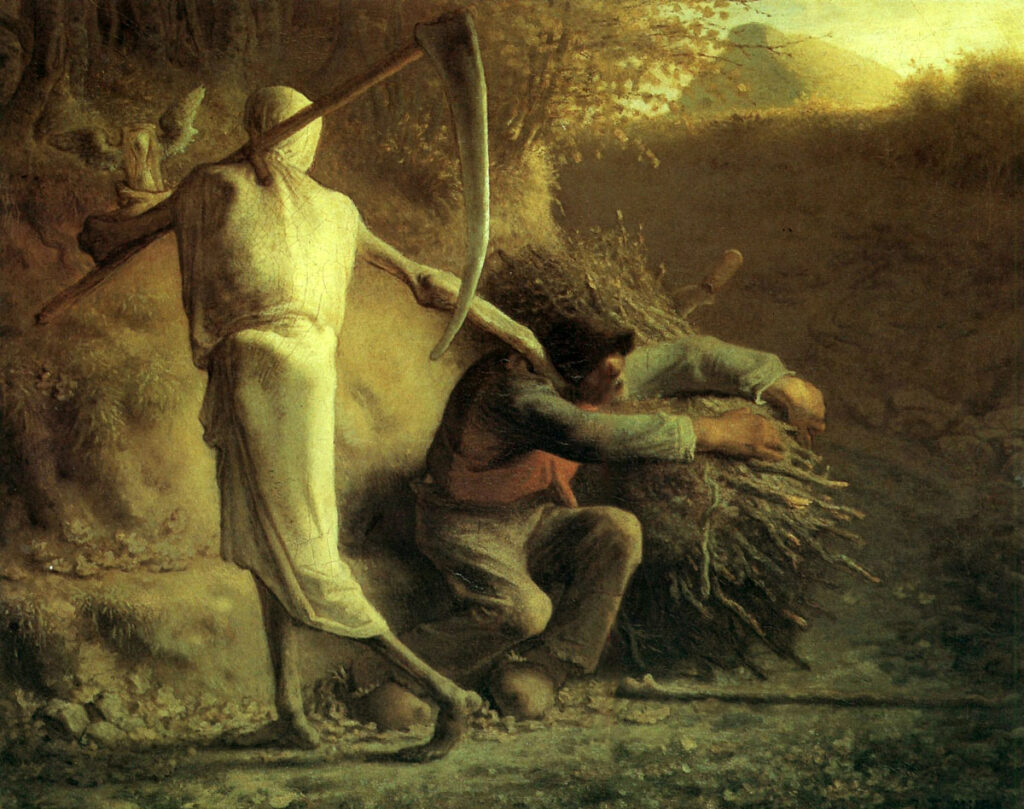
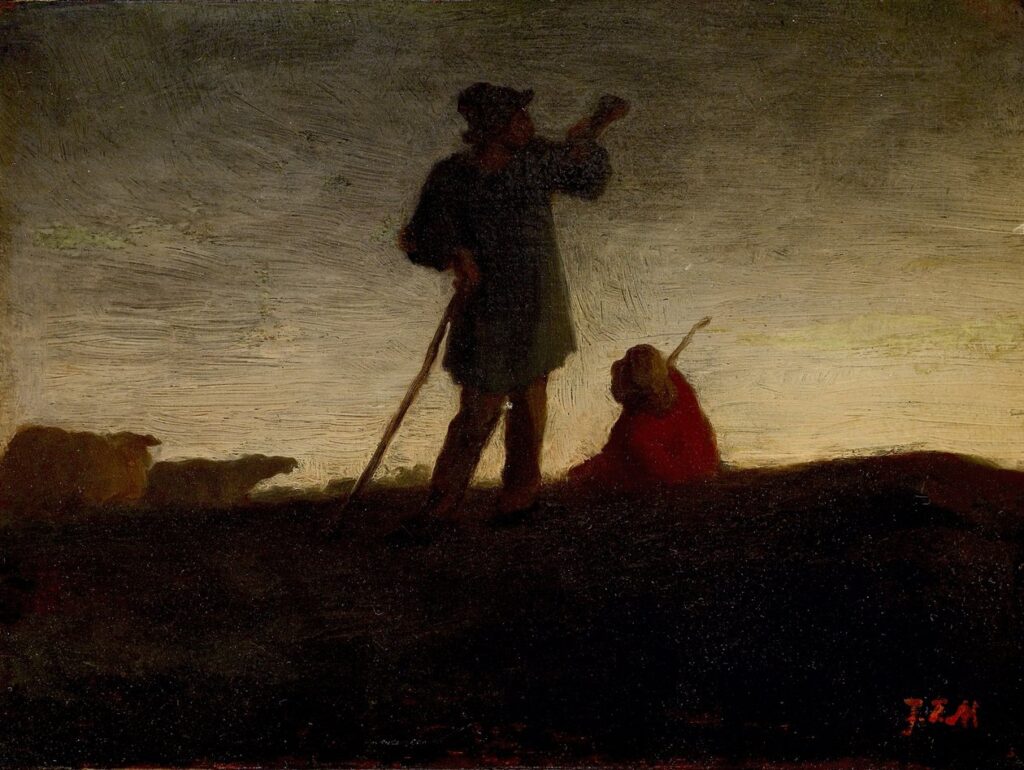
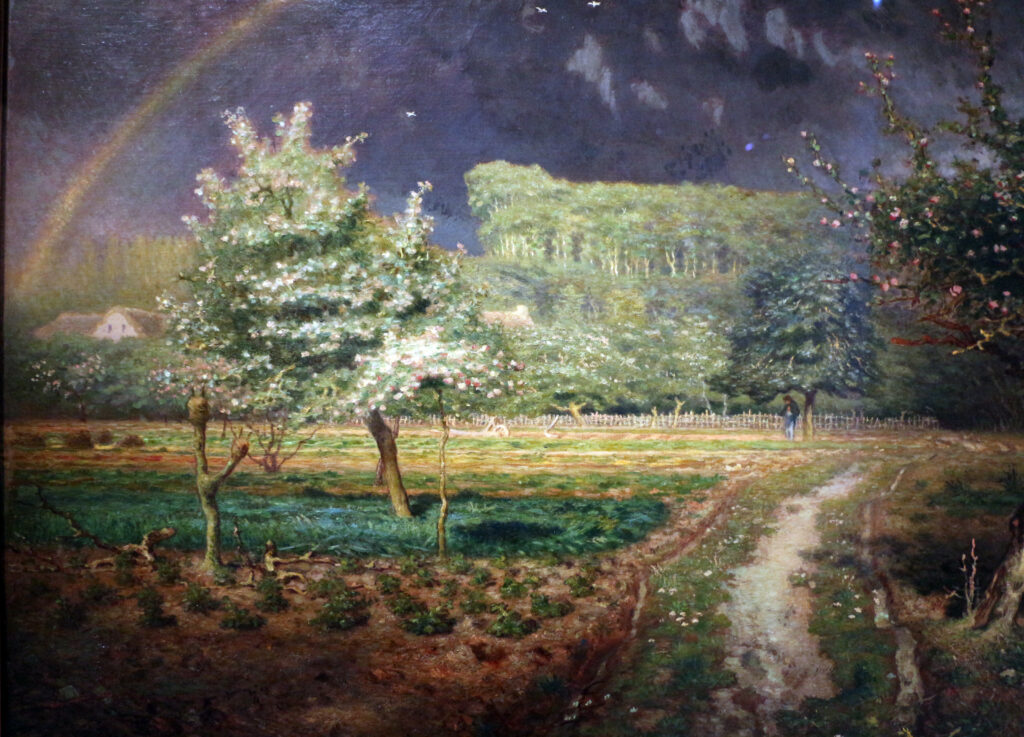
Jean-François Millet
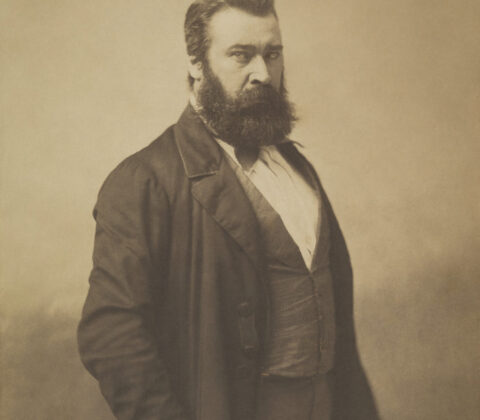
Jean-François Millet, October 4, 1814 – January 20, 1875, was a French painter and printmaker born at Gruchy in Normandy. He studied in Cherbourg with Bon Dumouchel and Lucien-Théophile Langlois before entering the Paris studio of Paul Delaroche in 1837.
Millet exhibited at the Paris Salon and settled at Barbizon in 1849, where he became associated with the Barbizon school. He worked in painting, drawing, and printmaking and was known especially for scenes of rural labor and peasant life.
Millet remained at Barbizon until his death in 1875. His work is held by museums including the Musée d’Orsay, the Louvre, the Metropolitan Museum of Art, the Museum of Fine Arts, Boston, and the National Gallery, London.