











Lavinia Fontana
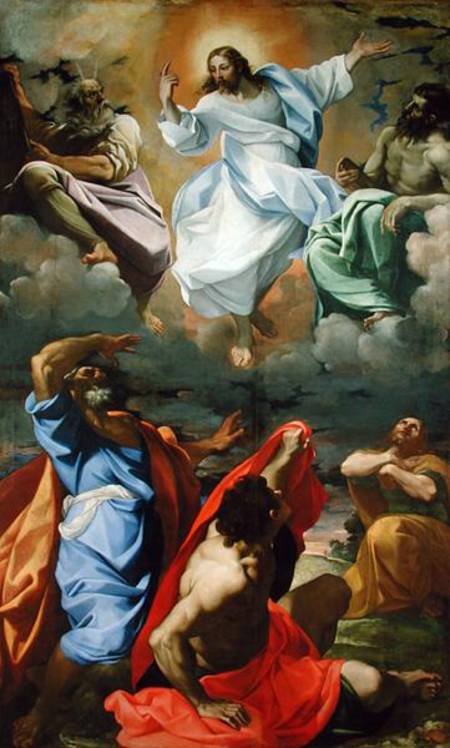
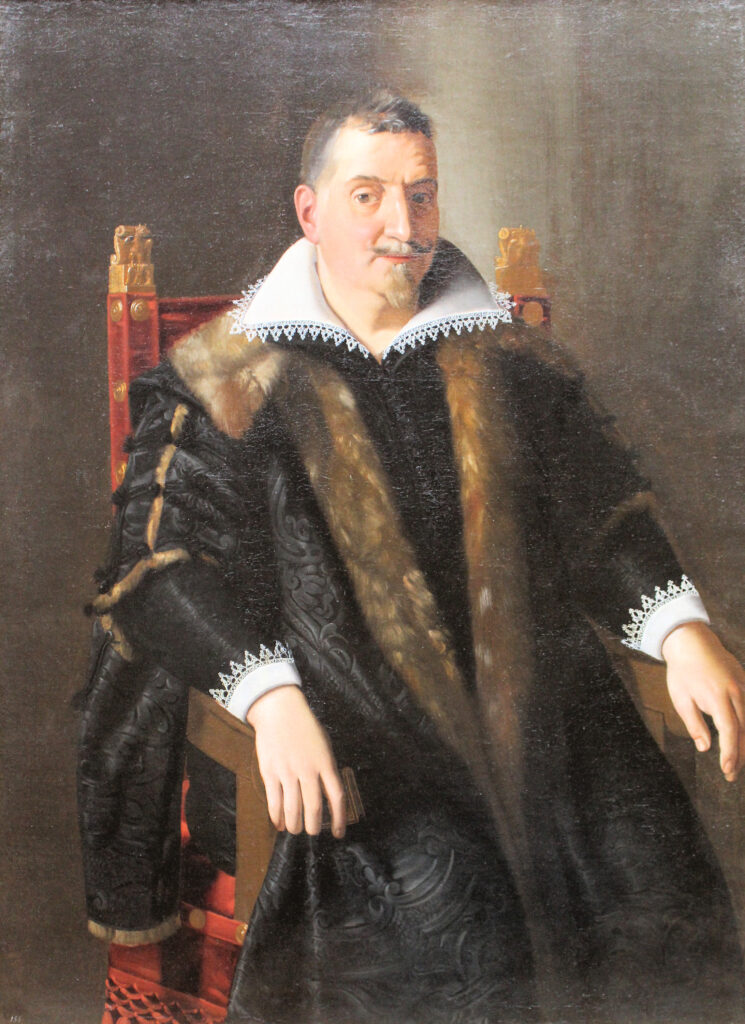
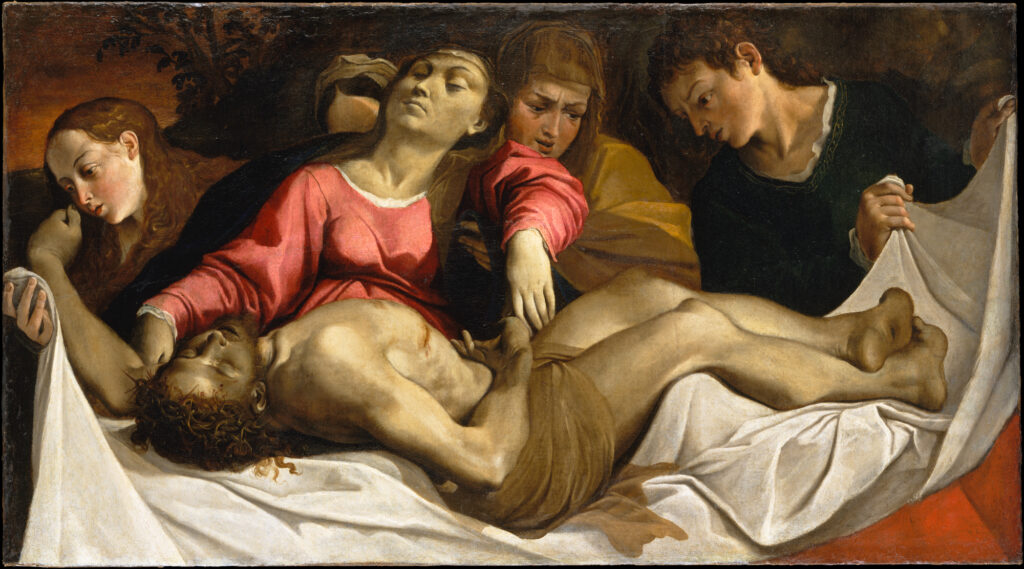
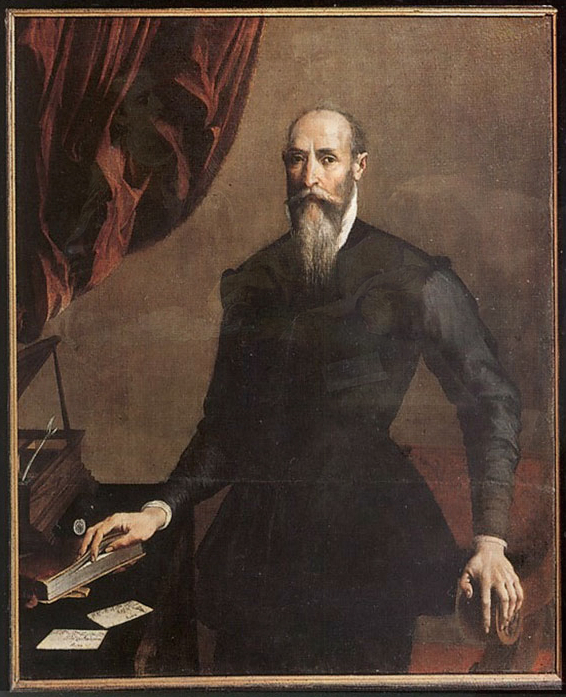
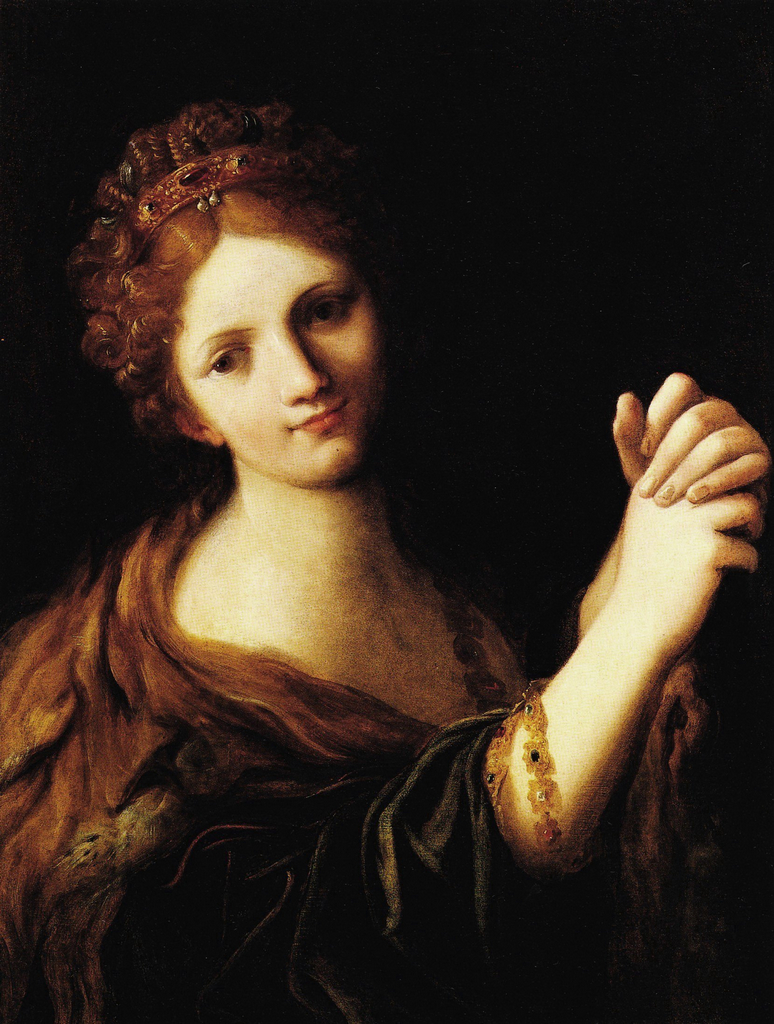
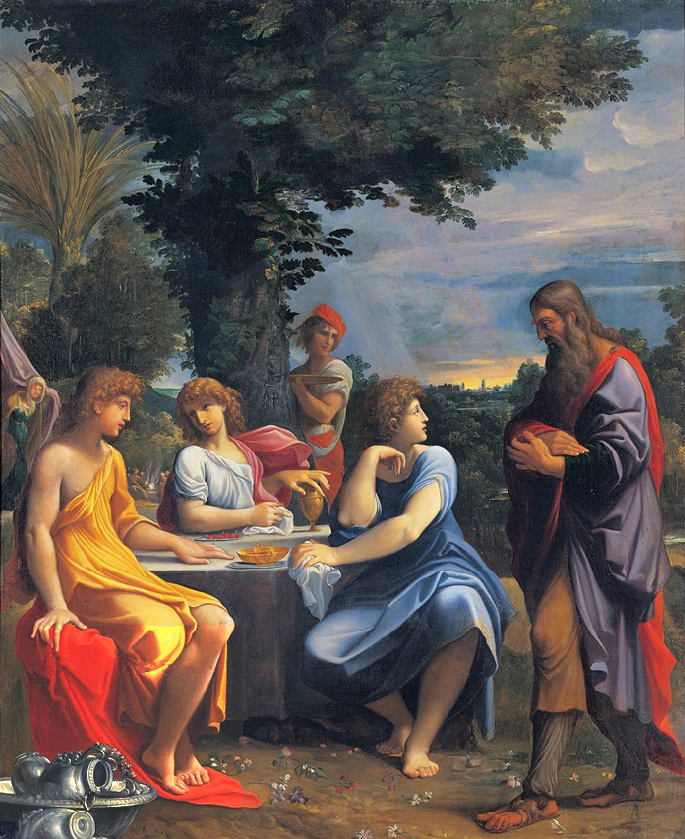
Lavinia Fontana, August 24, 1552 – August 11, 1614, was an Italian painter of the Bolognese School and one of the most successful female artists of the late Renaissance. Trained by her father, Prospero Fontana, she established an independent career in Bologna before later working in Rome.
Fontana became renowned for her portraits of noblewomen, scholars, clergy, and children, as well as for large-scale religious and mythological paintings. She received commissions from aristocratic patrons, churches, and members of the papal court, producing works notable for their refined detail, rich color, and careful observation of costume and jewelry.
Today, Lavinia Fontana is recognized as one of the first women in Europe to sustain a major professional painting career. Her works are held by museums including the Uffizi Galleries, the Metropolitan Museum of Art, the Art Institute of Chicago, the National Museum of Women in the Arts, and the Fine Arts Museums of San Francisco.




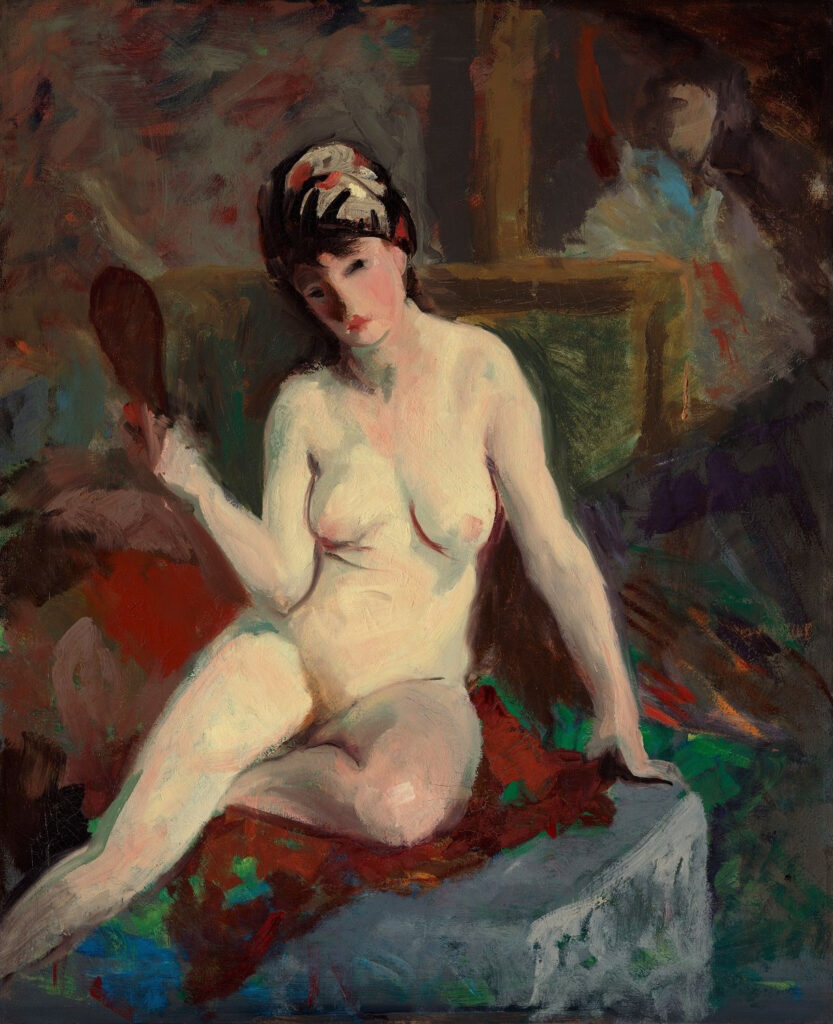
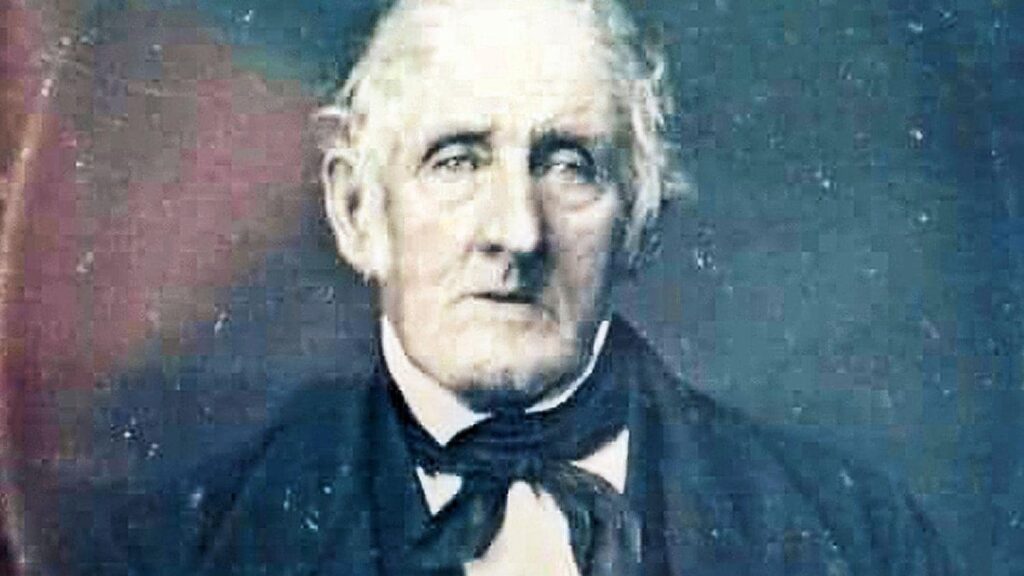
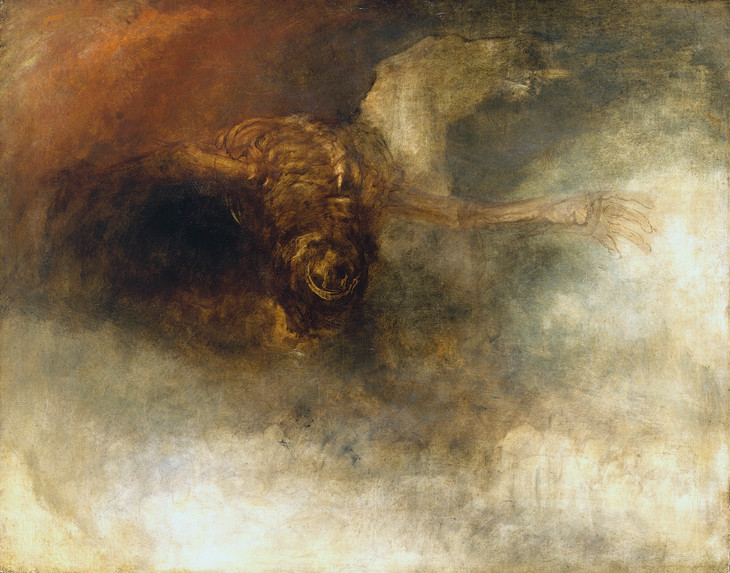
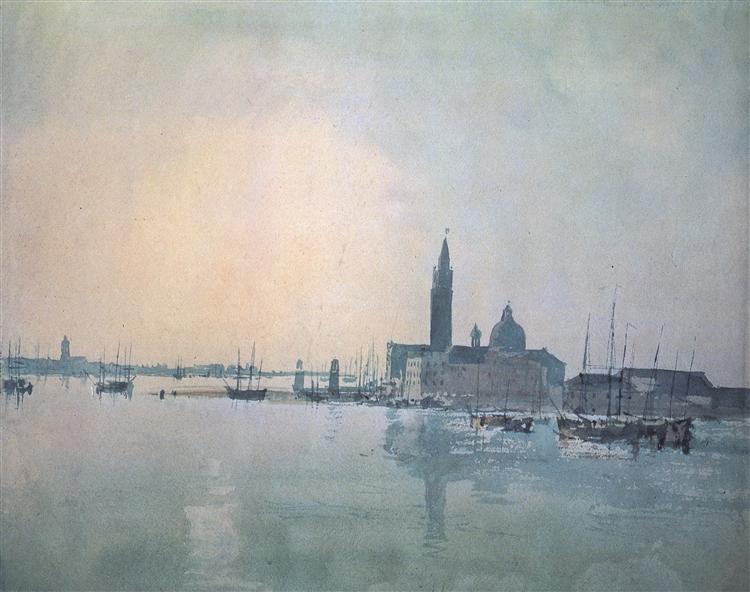
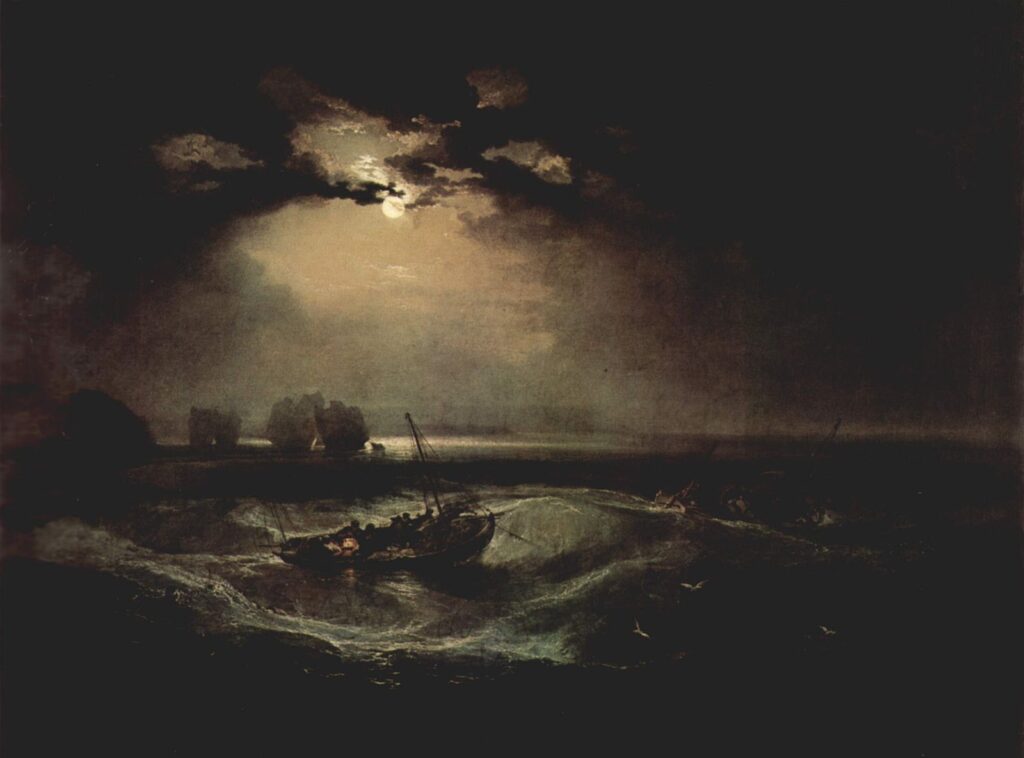
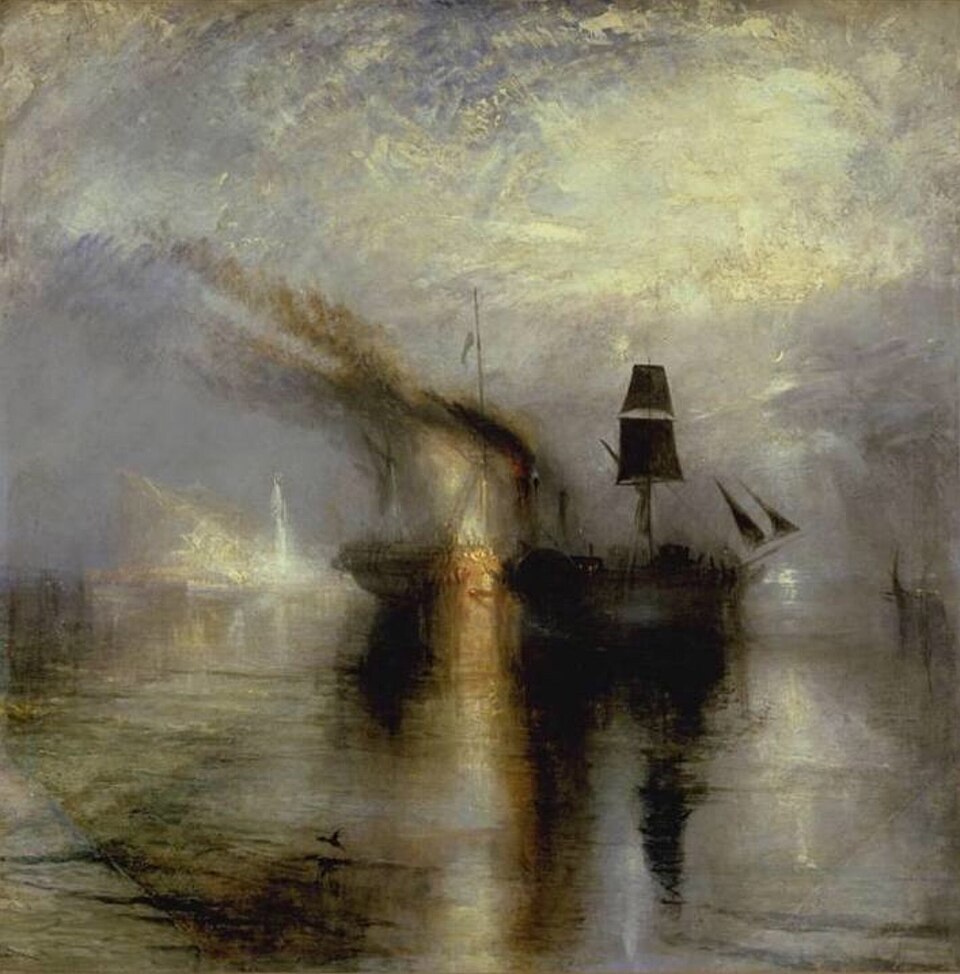
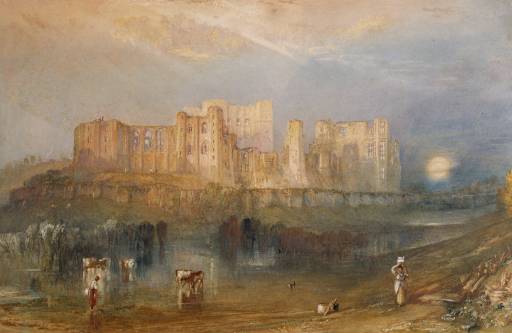
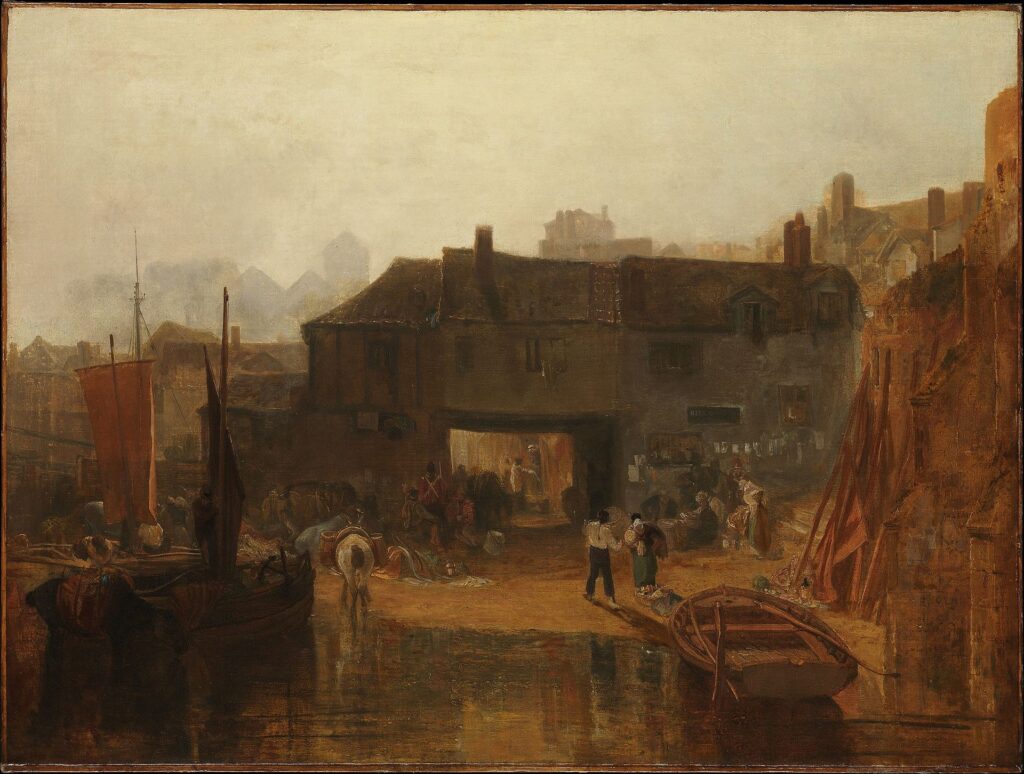
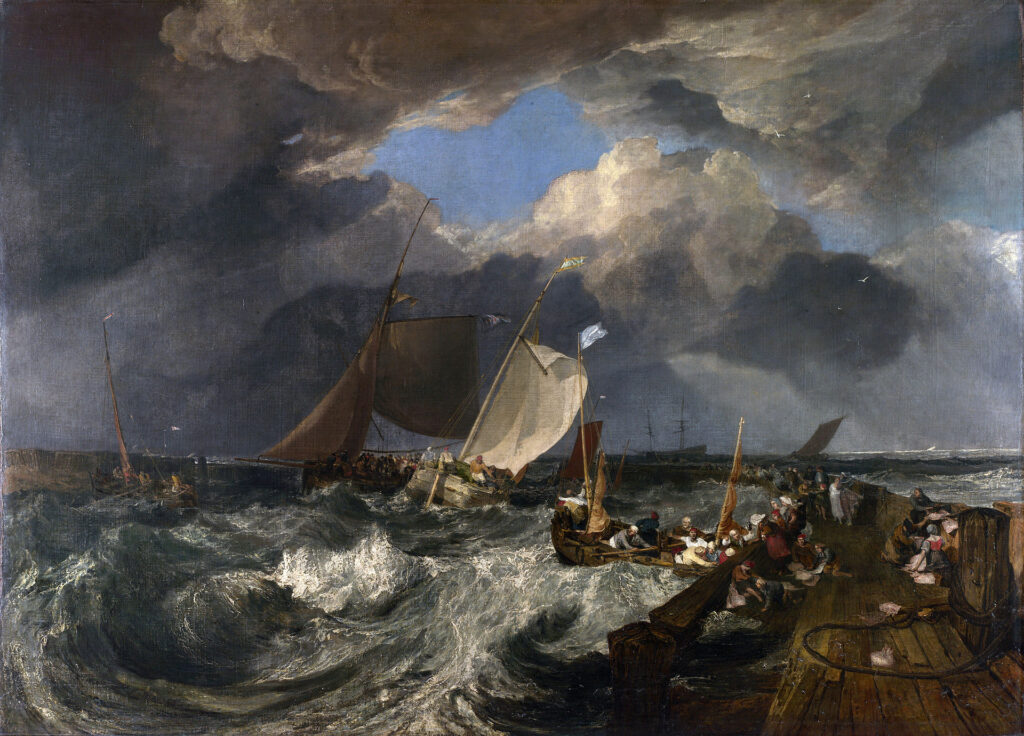
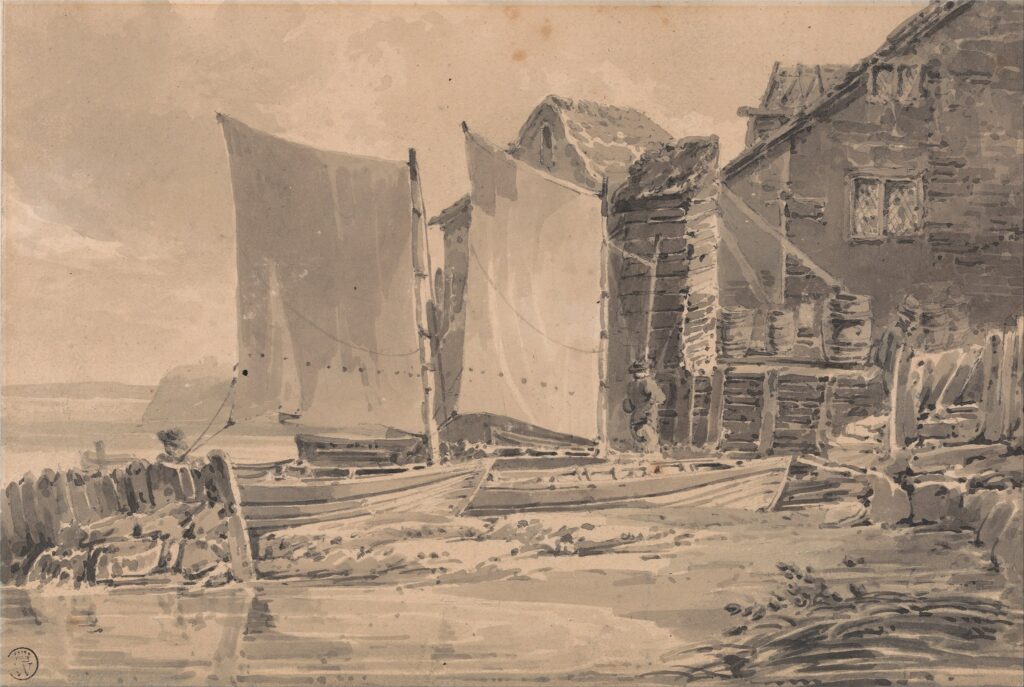
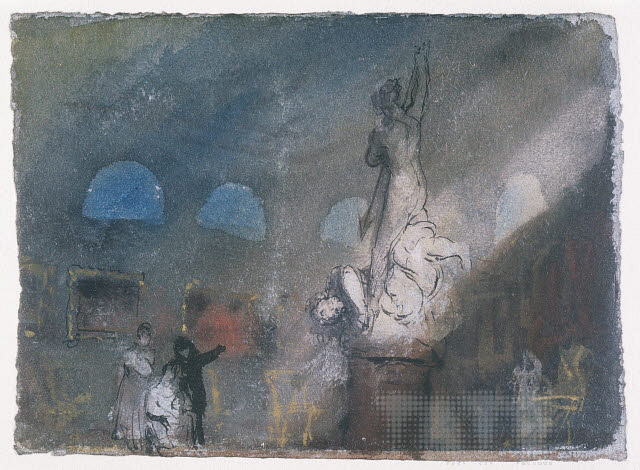
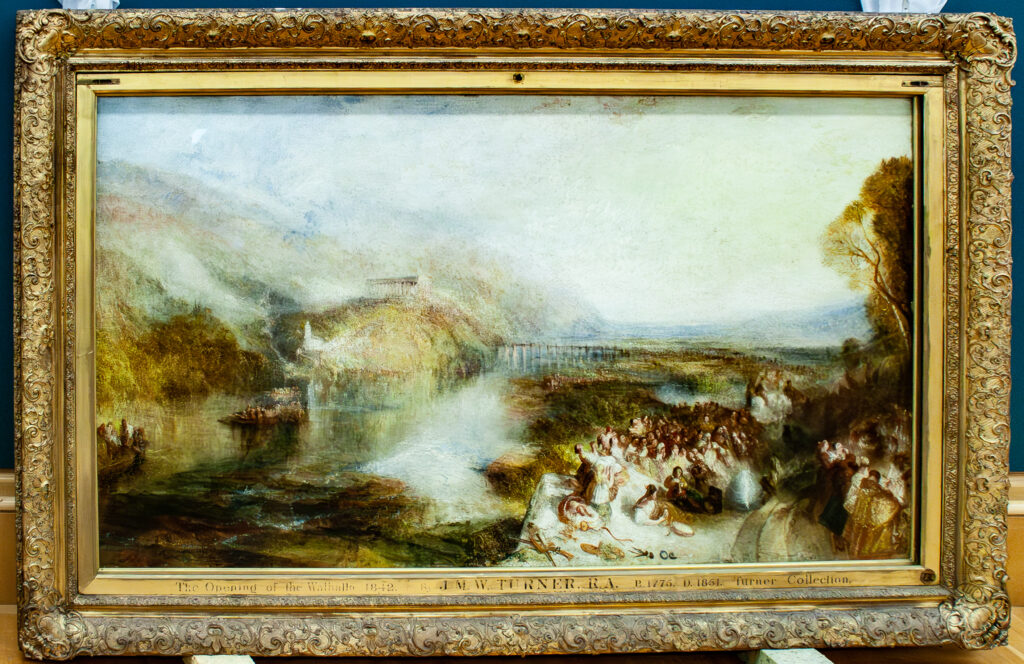
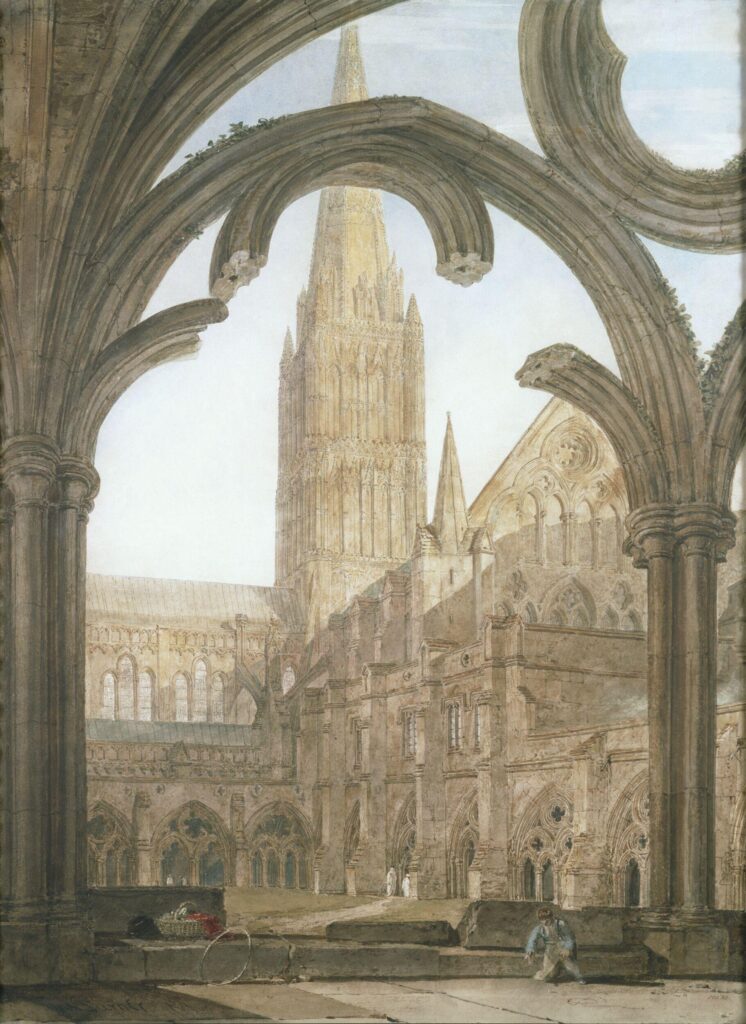
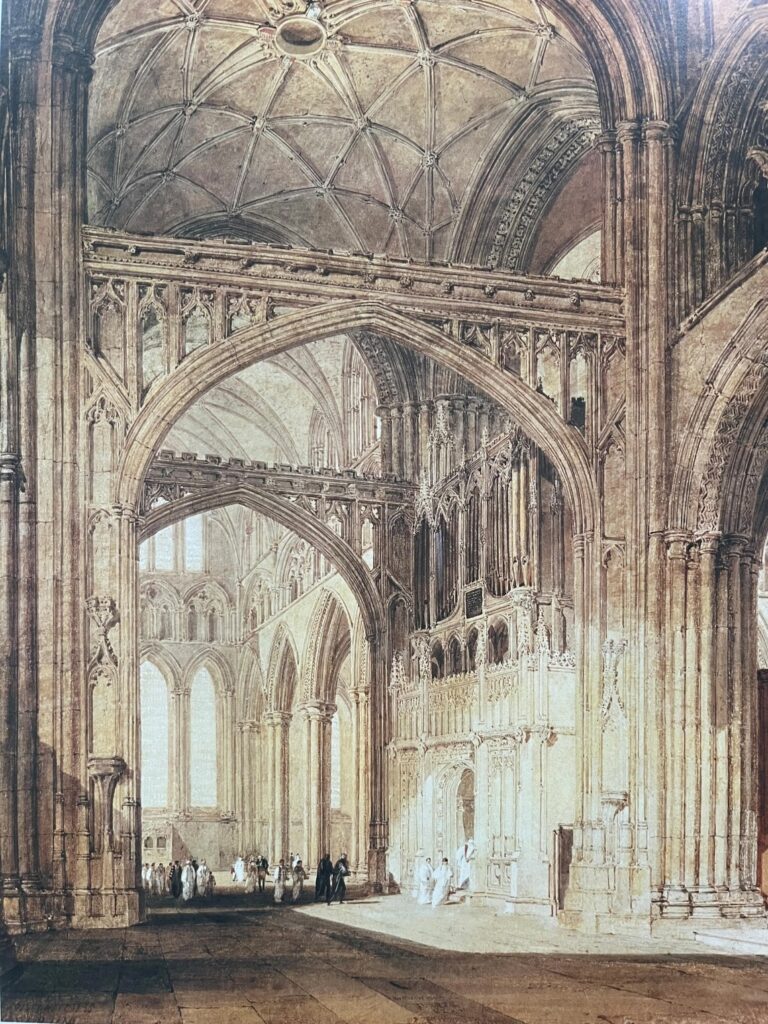
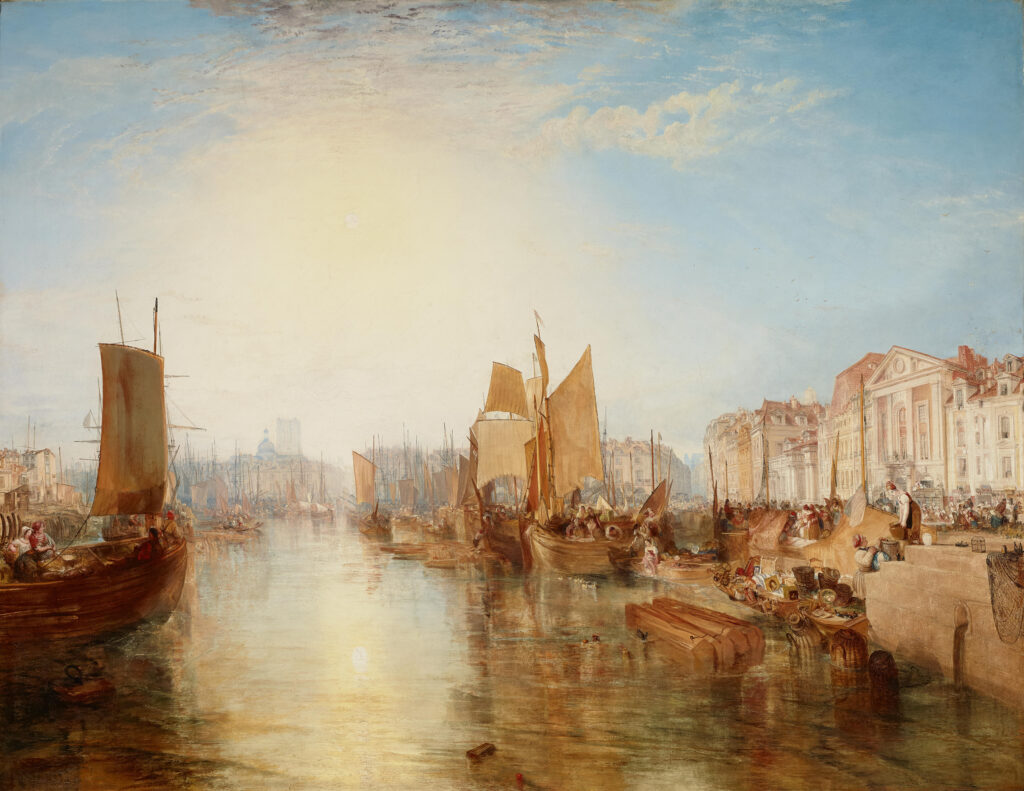
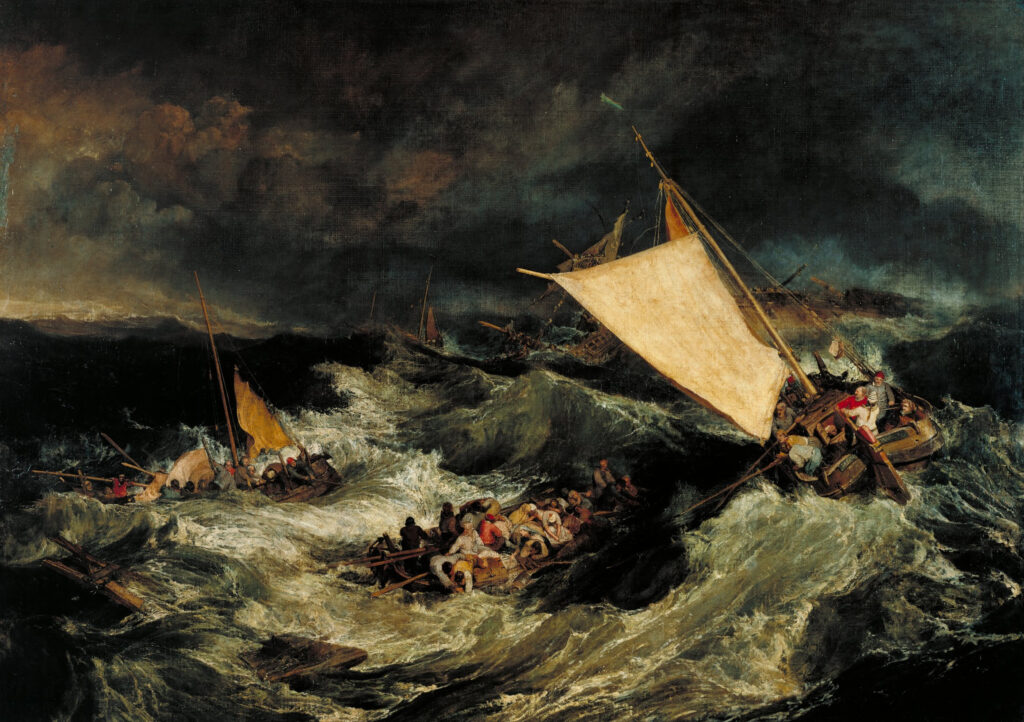
Joseph Mallord William Turner
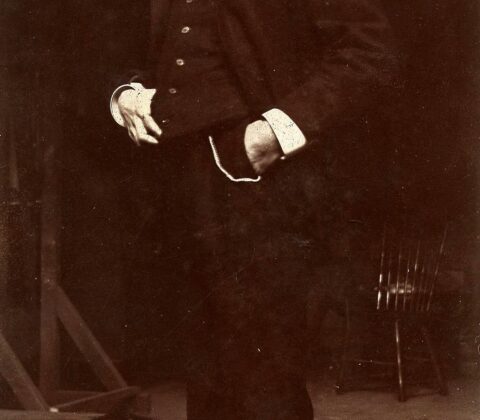
Joseph Mallord William Turner, English painter, April 23, 1775–December 19, 1851


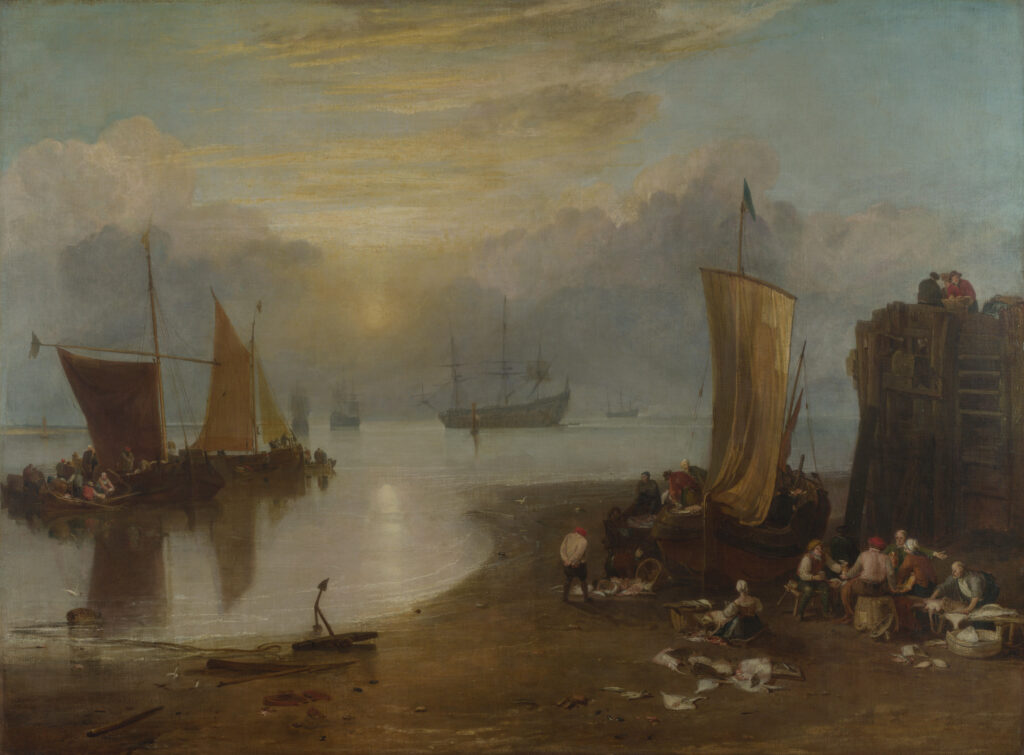
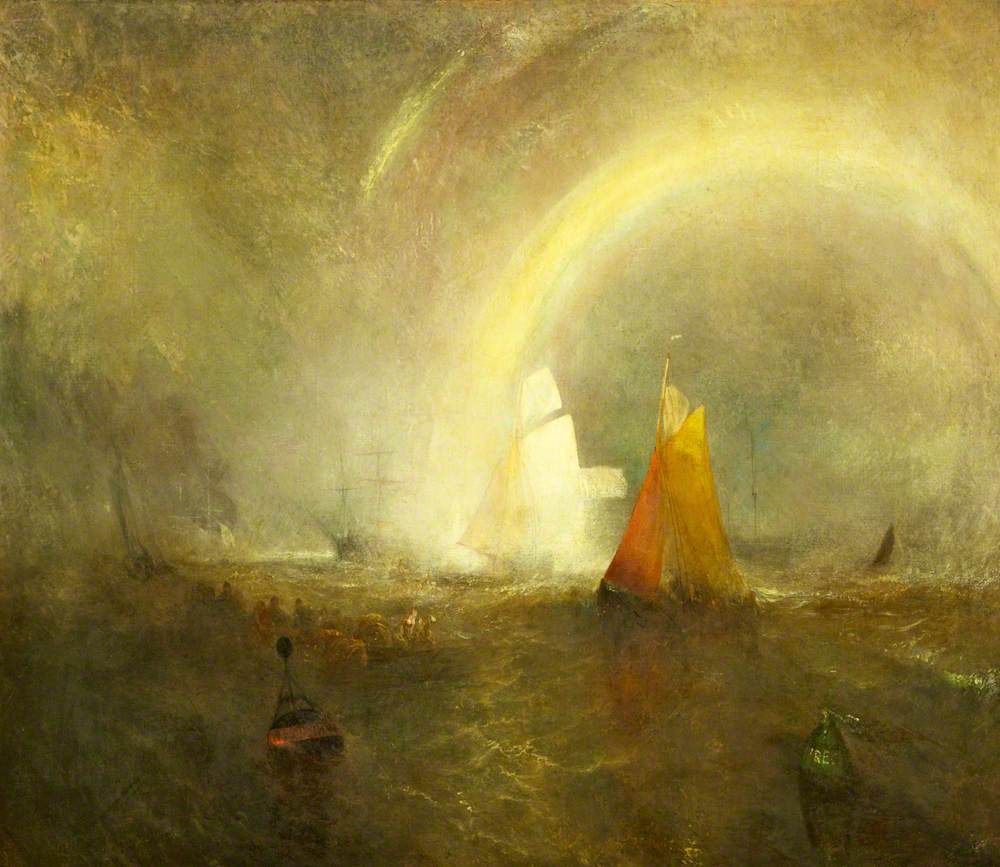
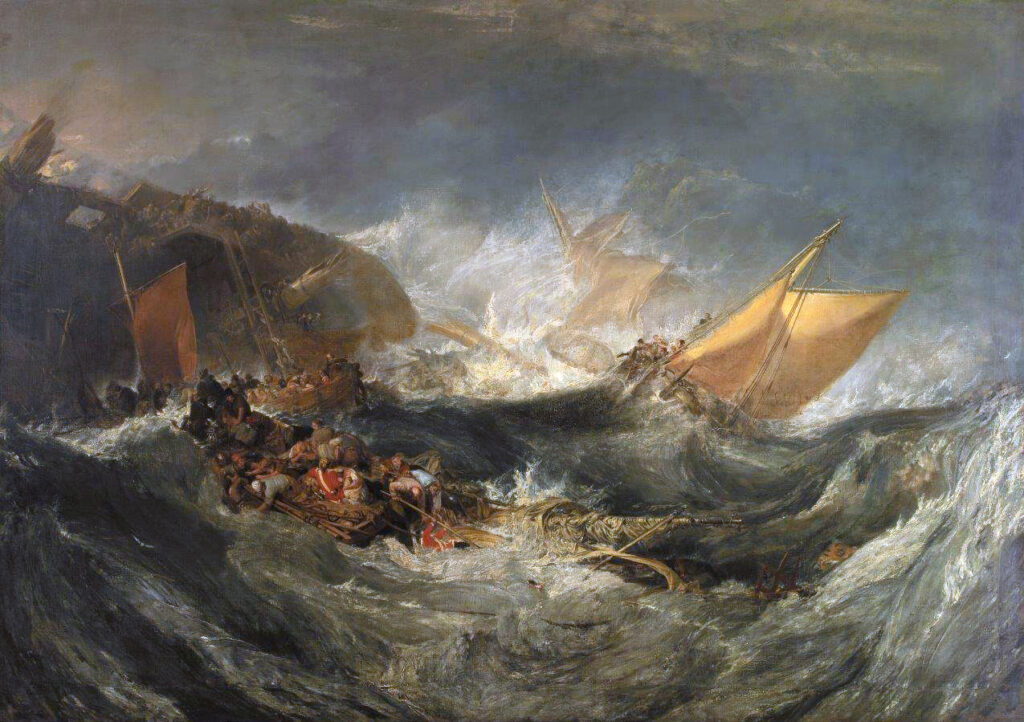
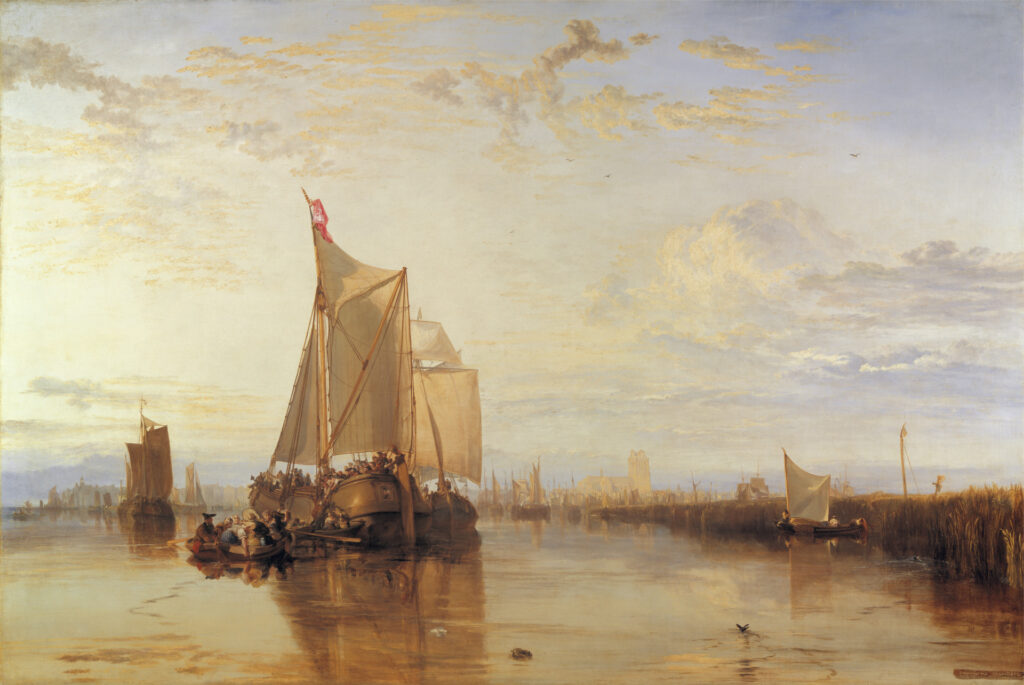
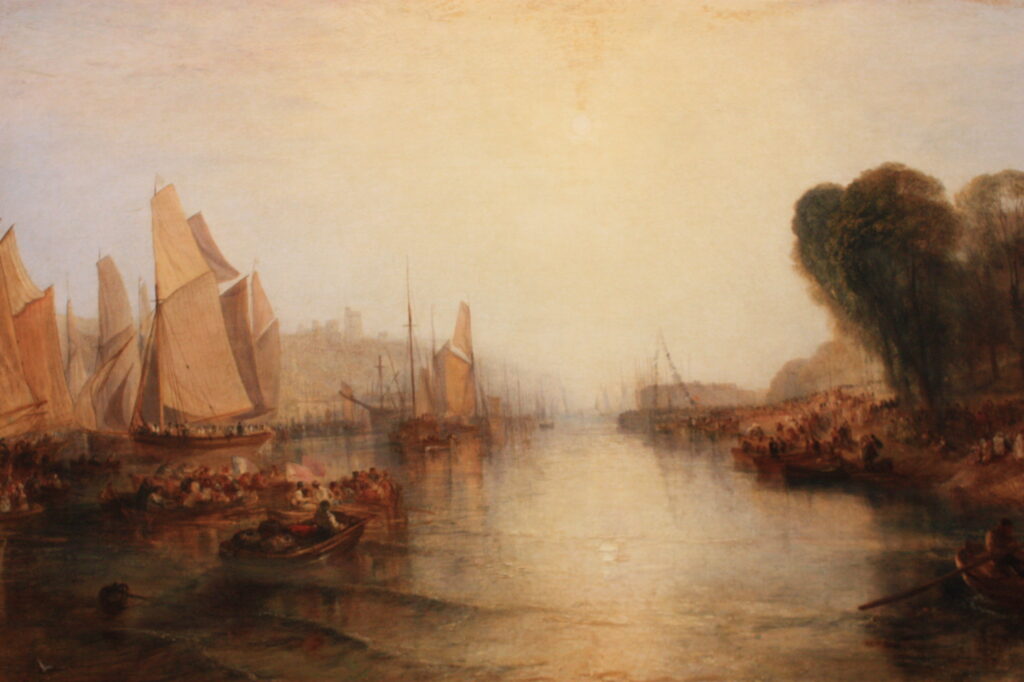
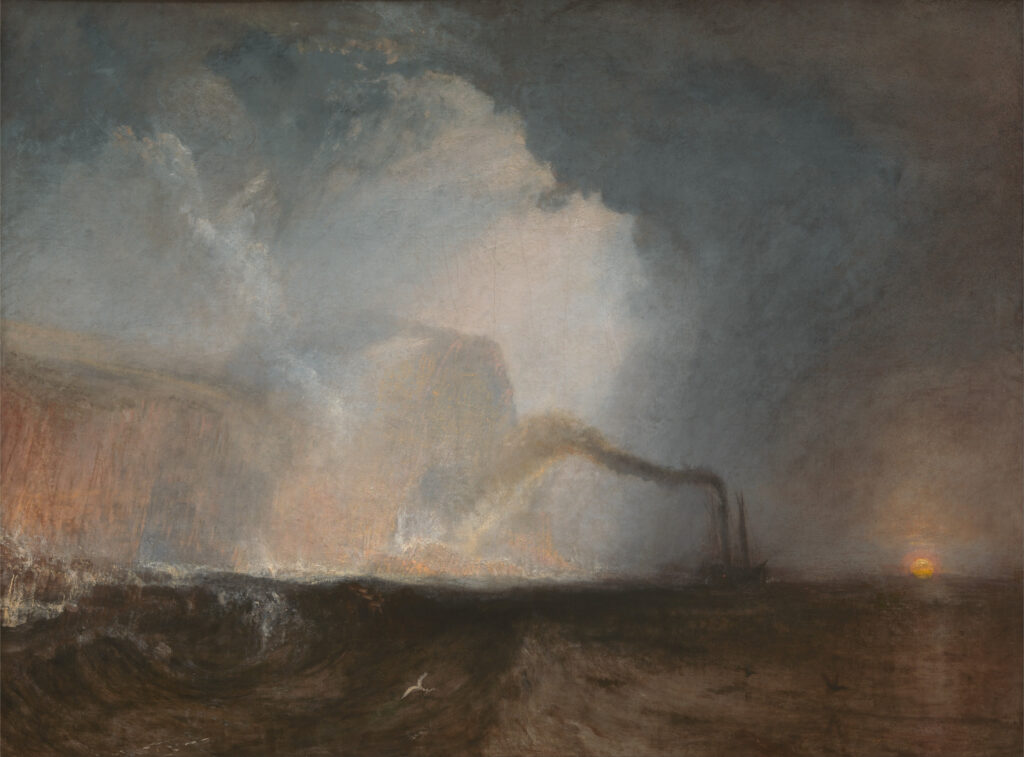

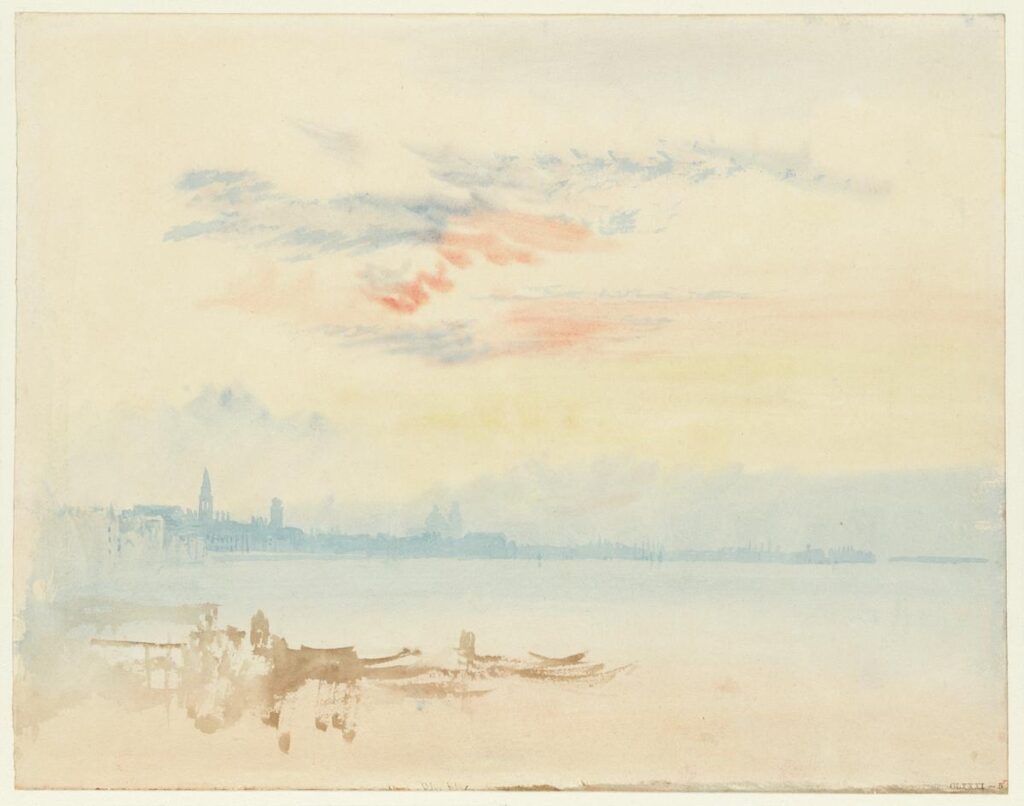
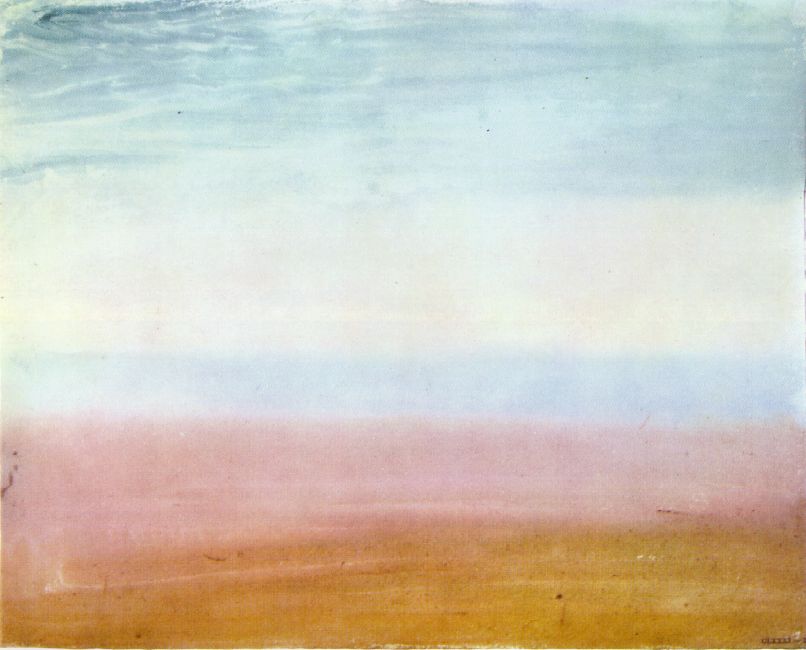

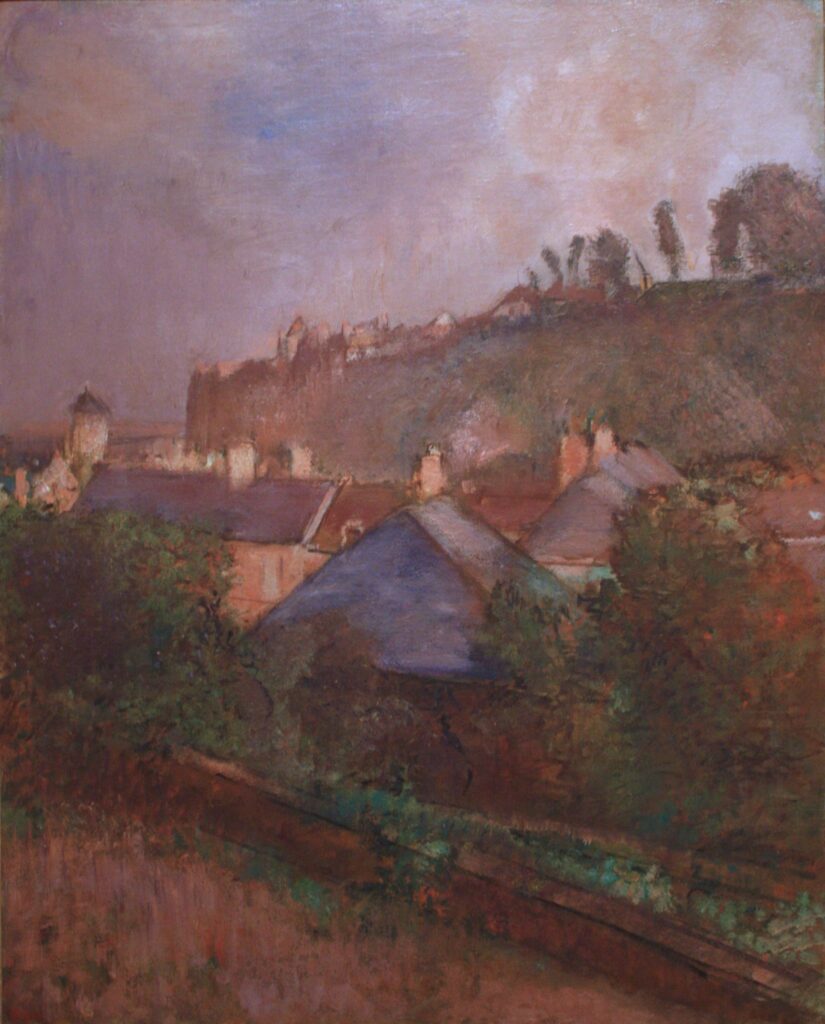
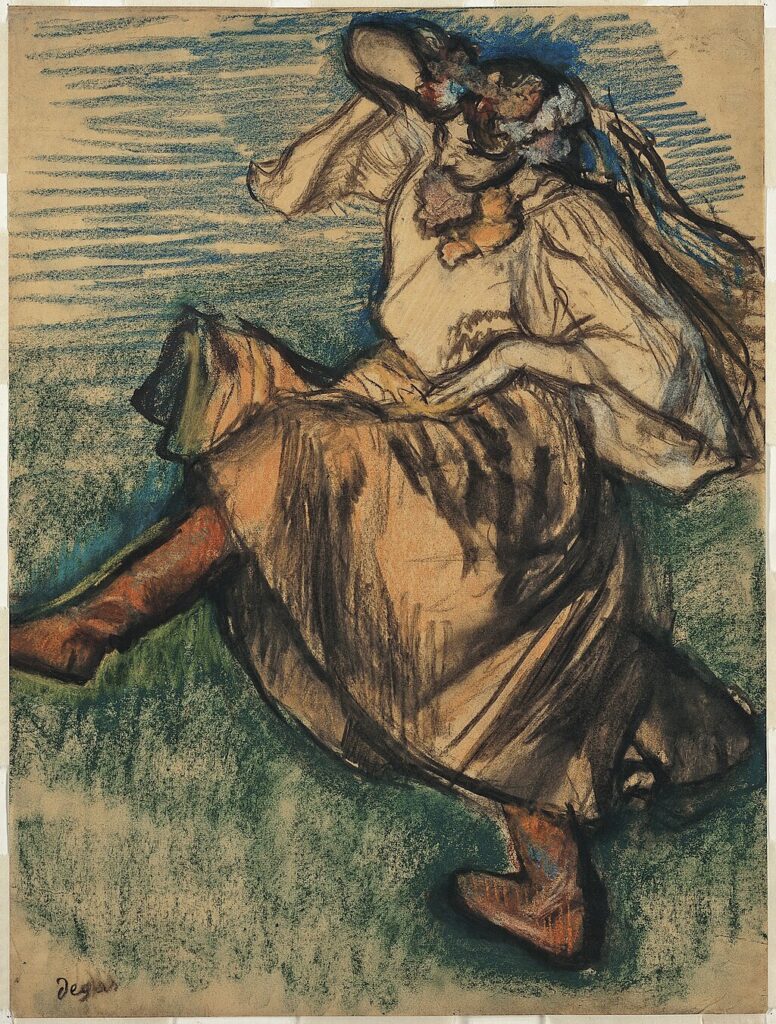
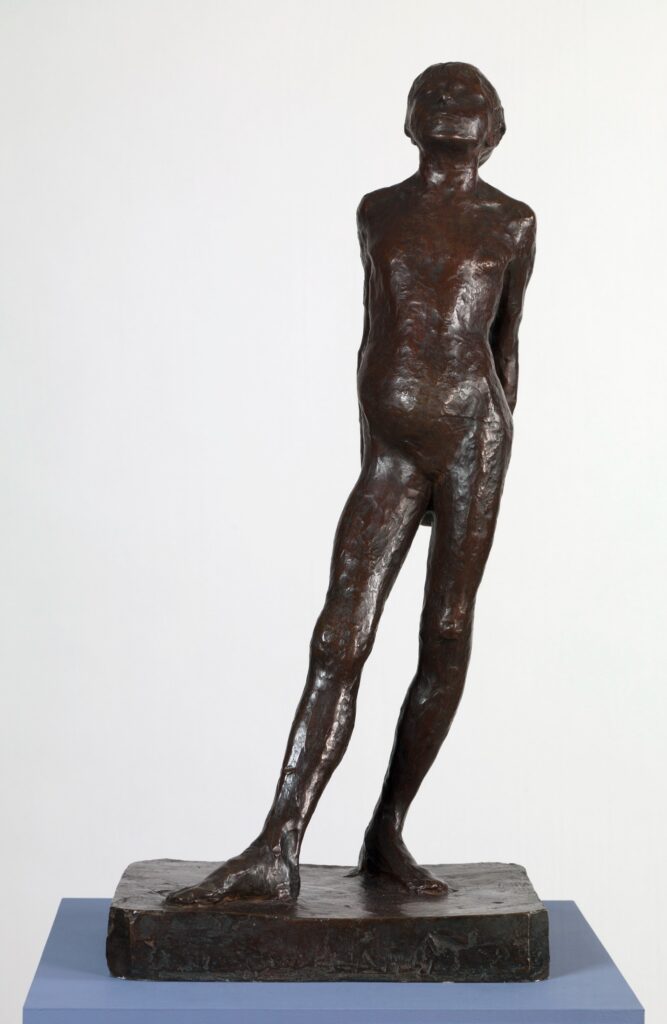
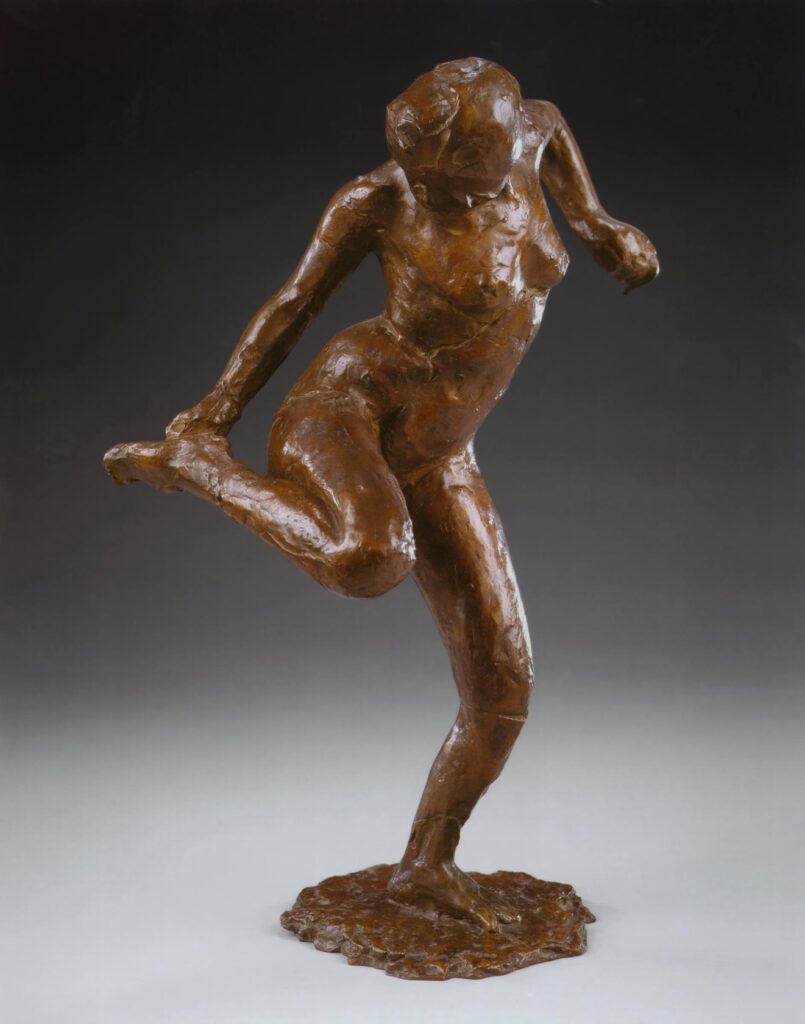
Edgar Degas
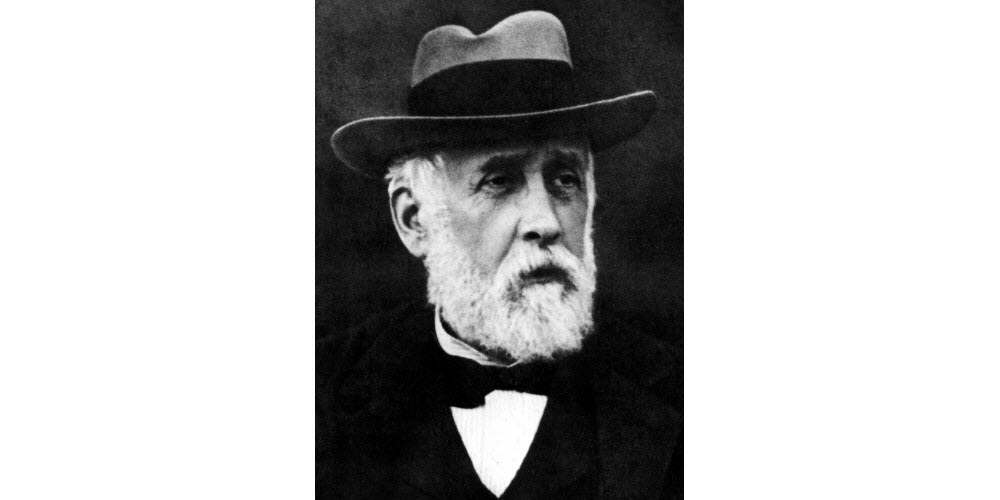
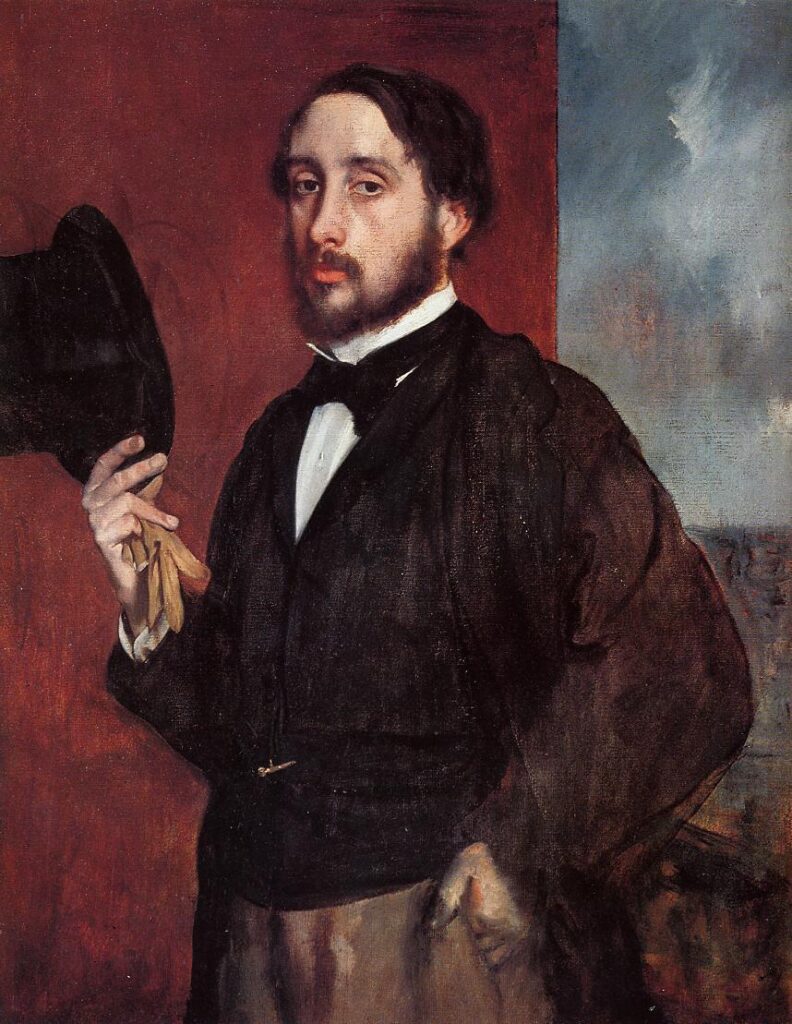
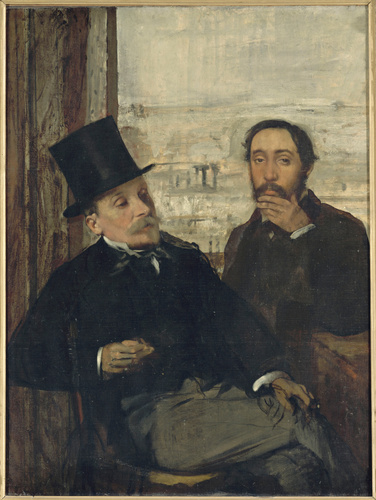
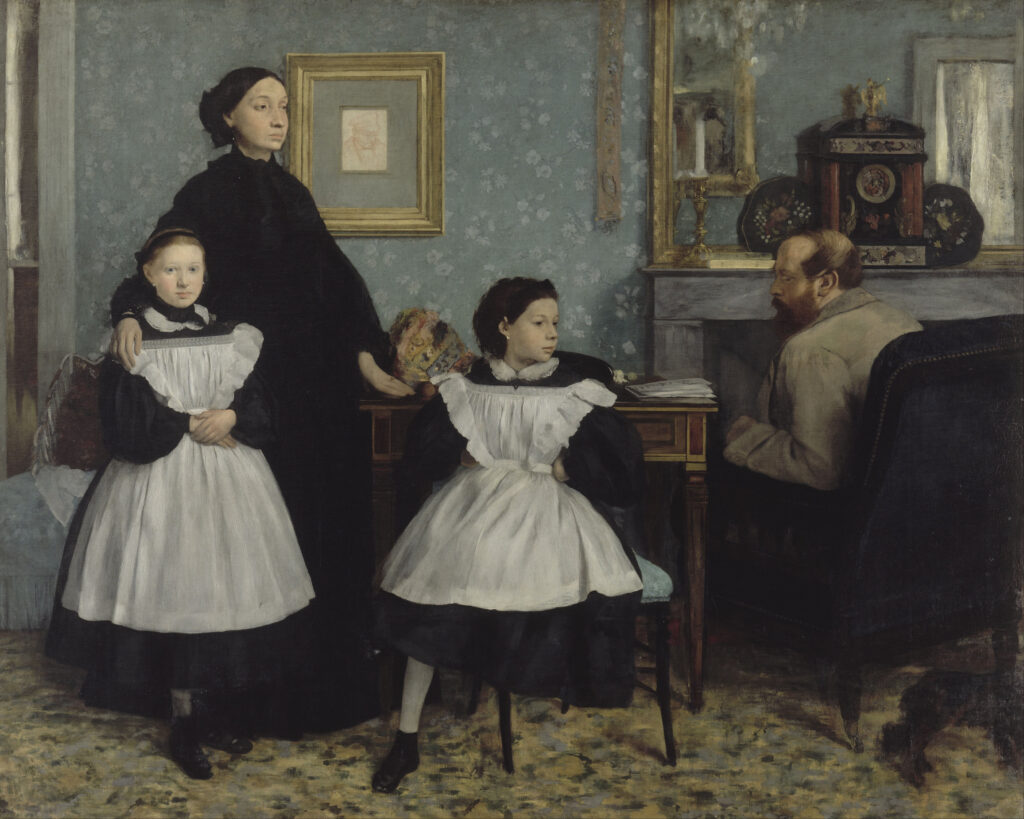
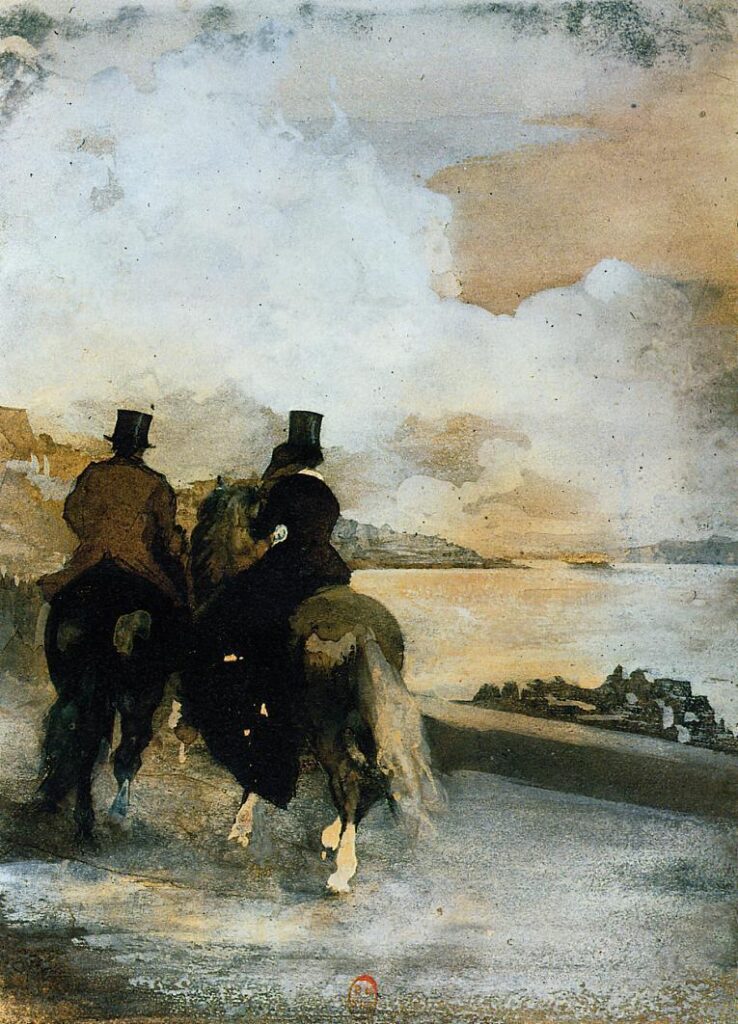
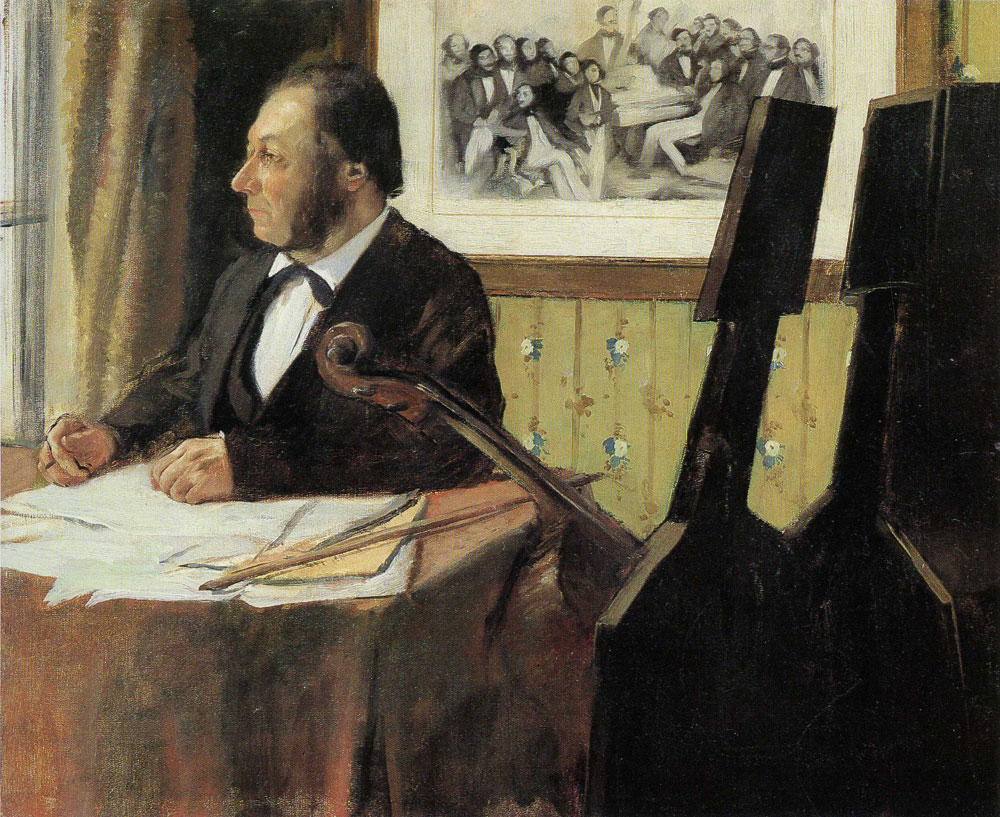
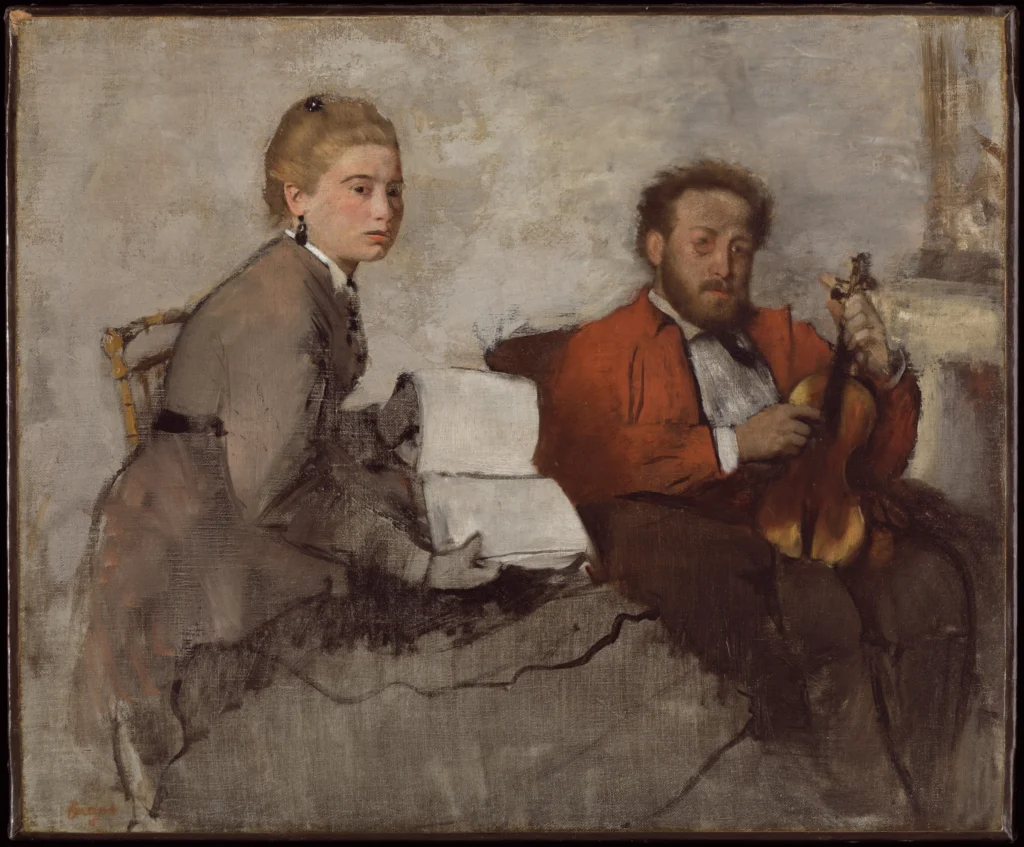
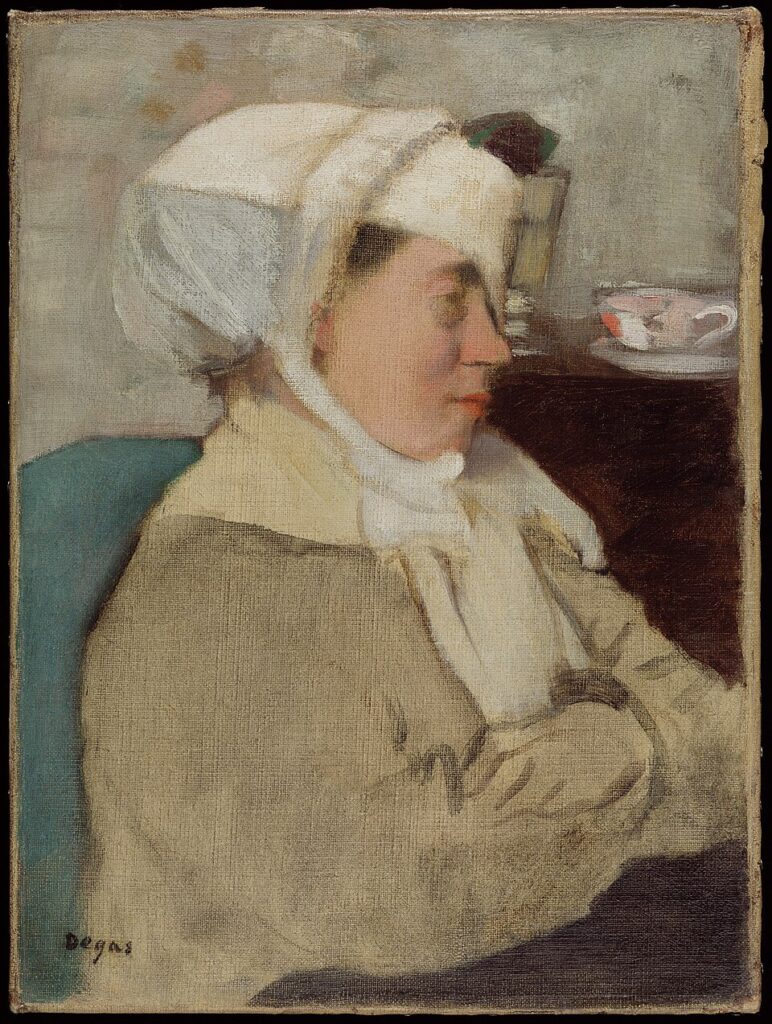
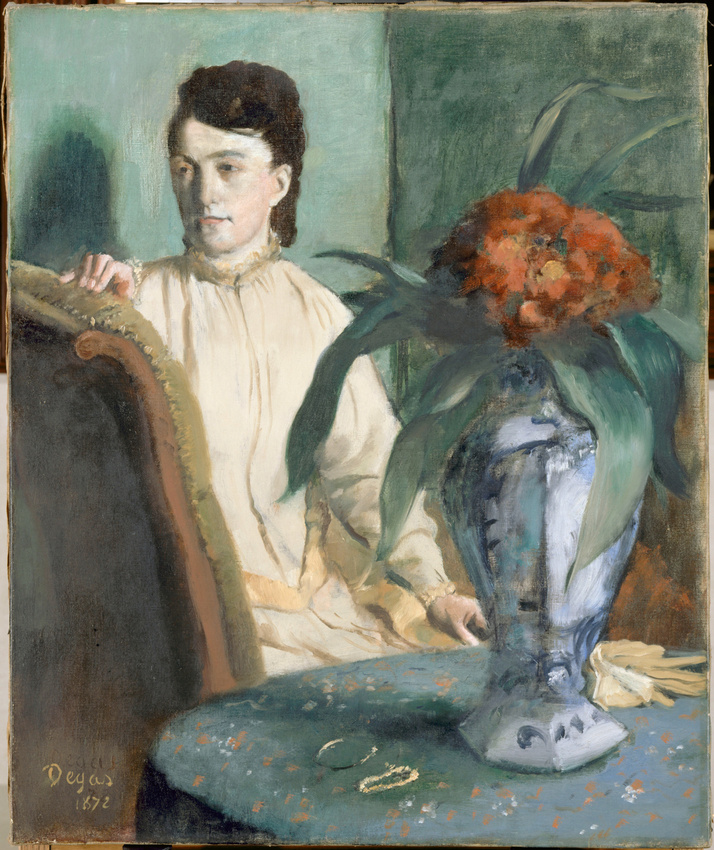
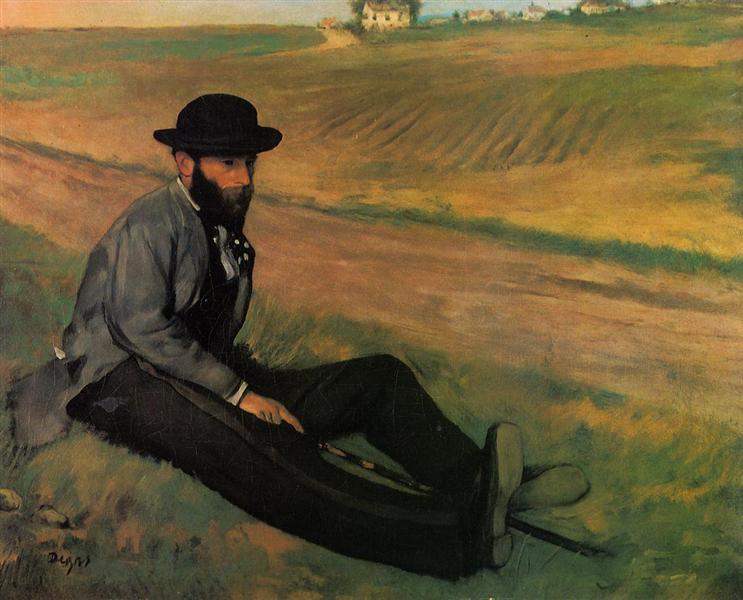
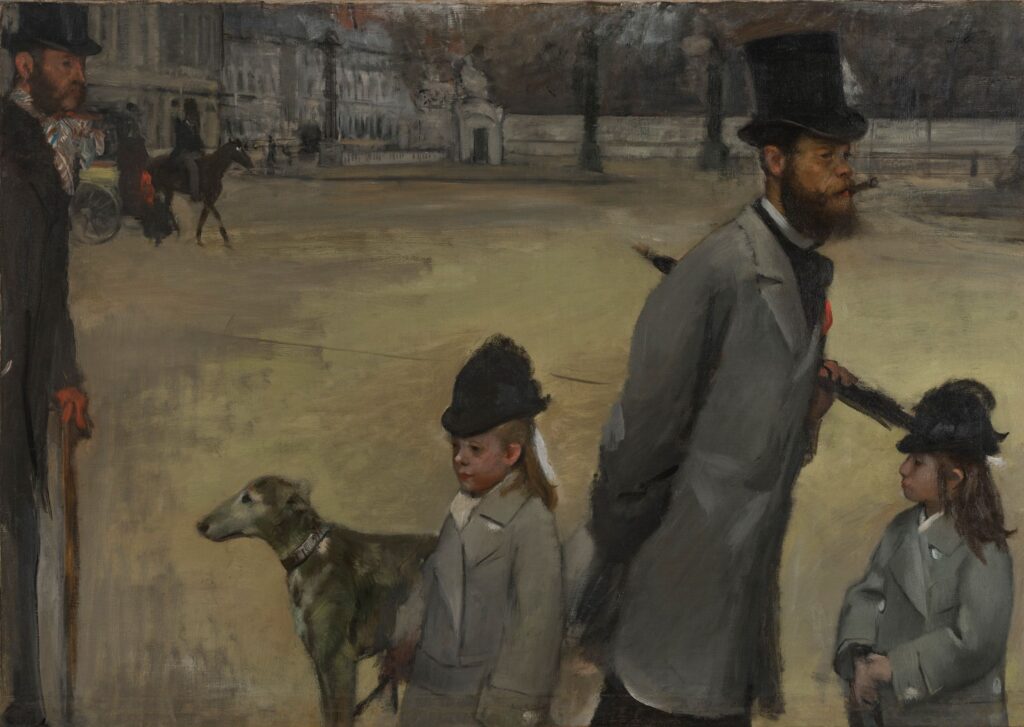
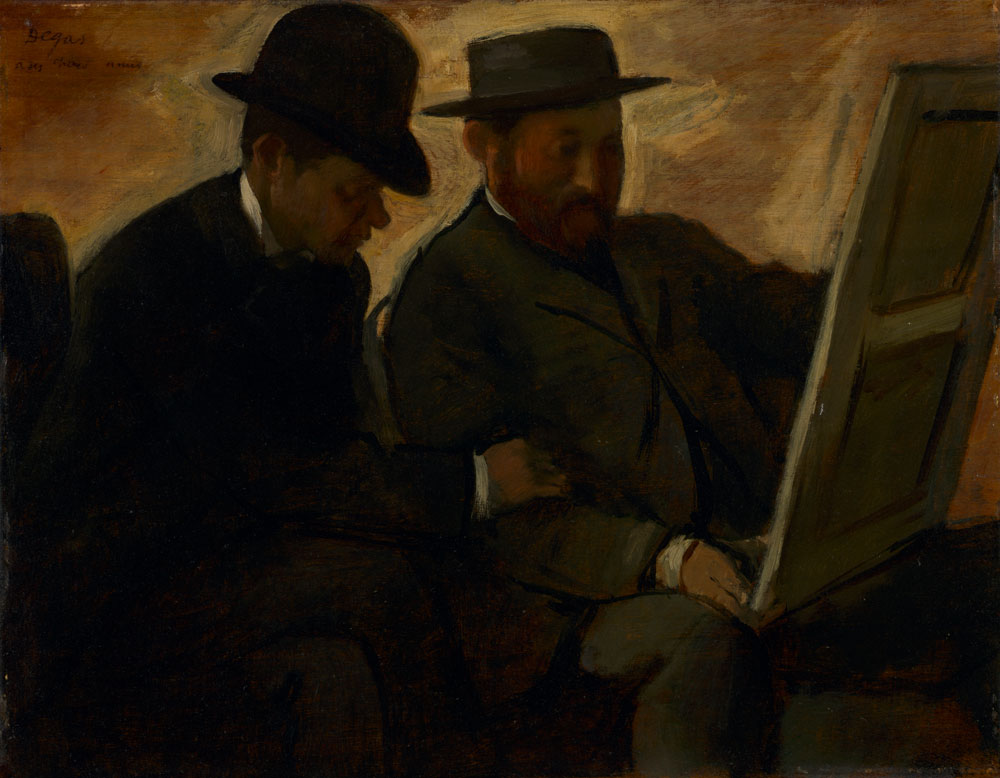
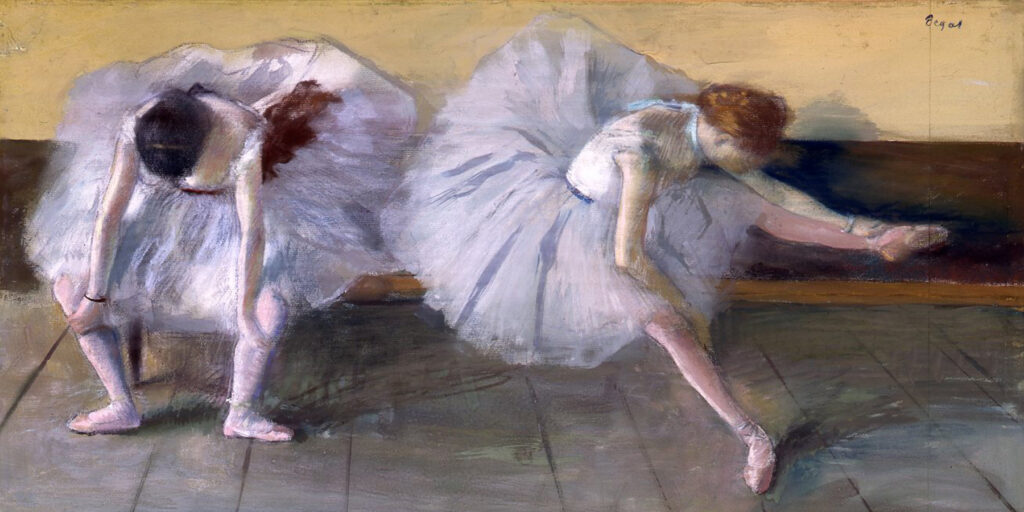
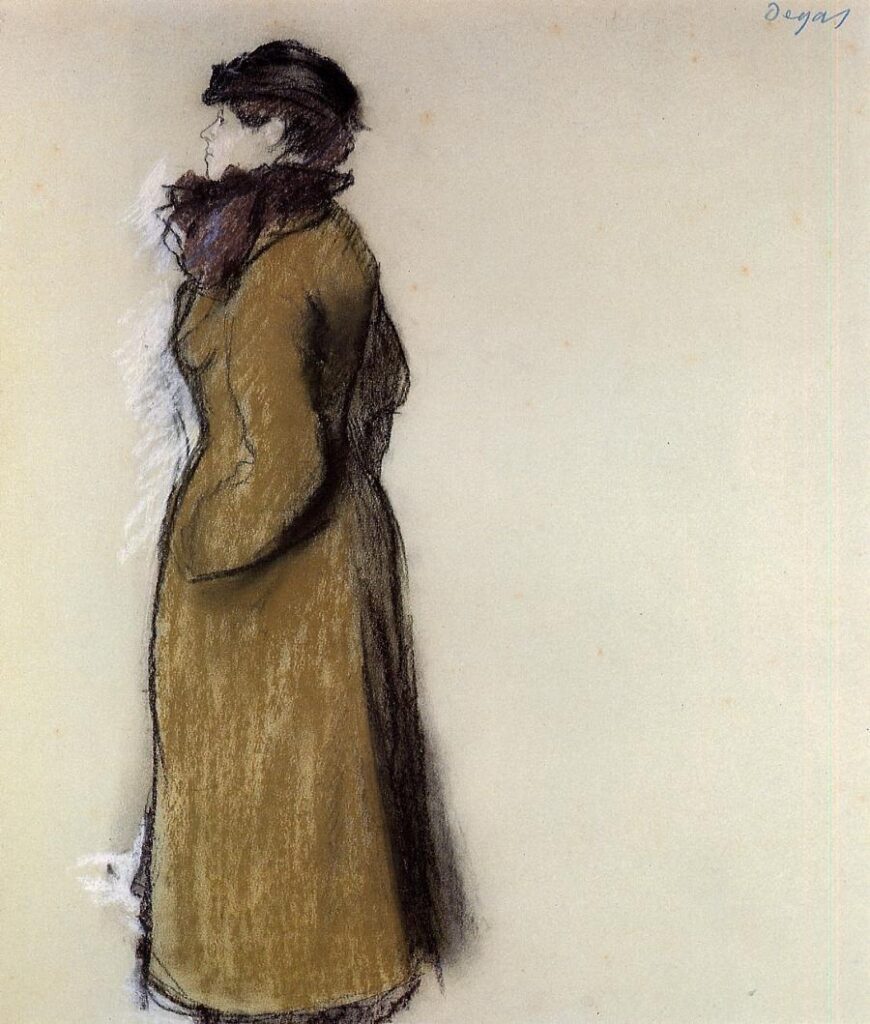
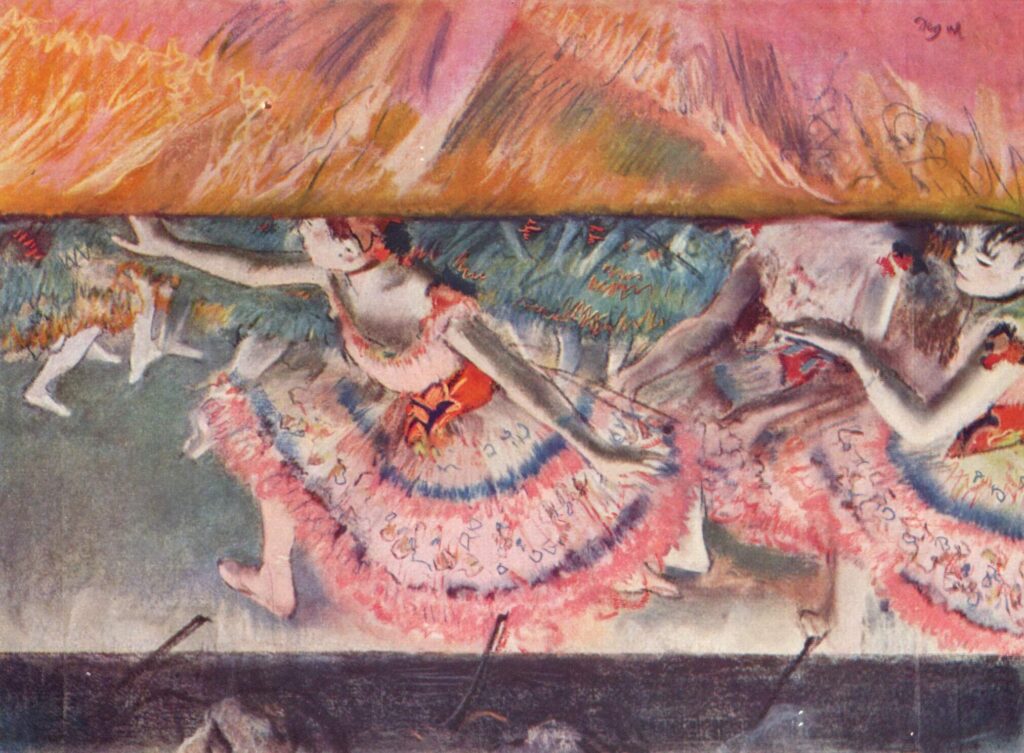
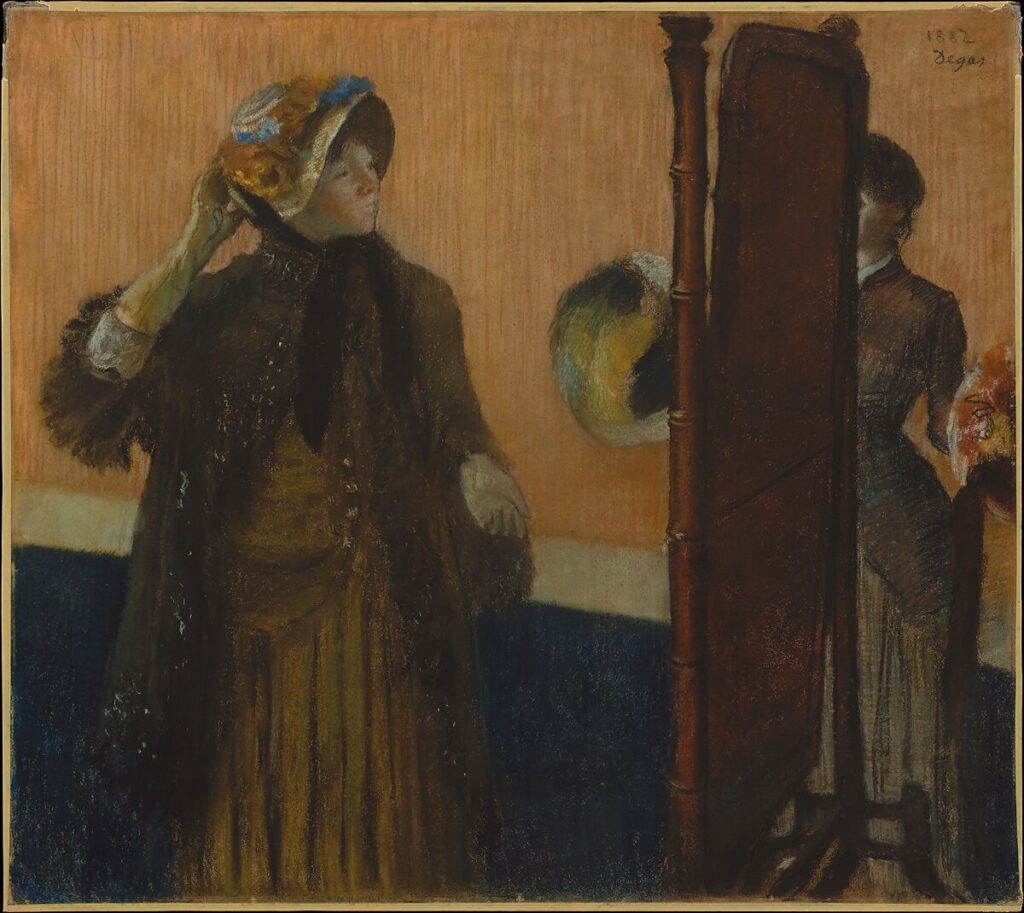
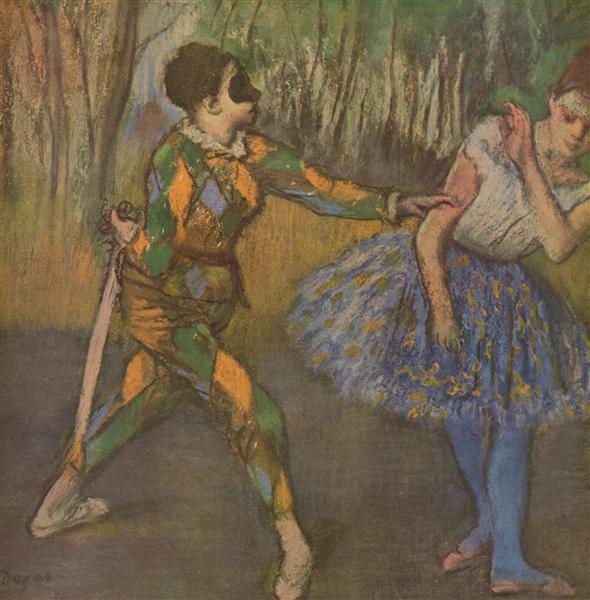
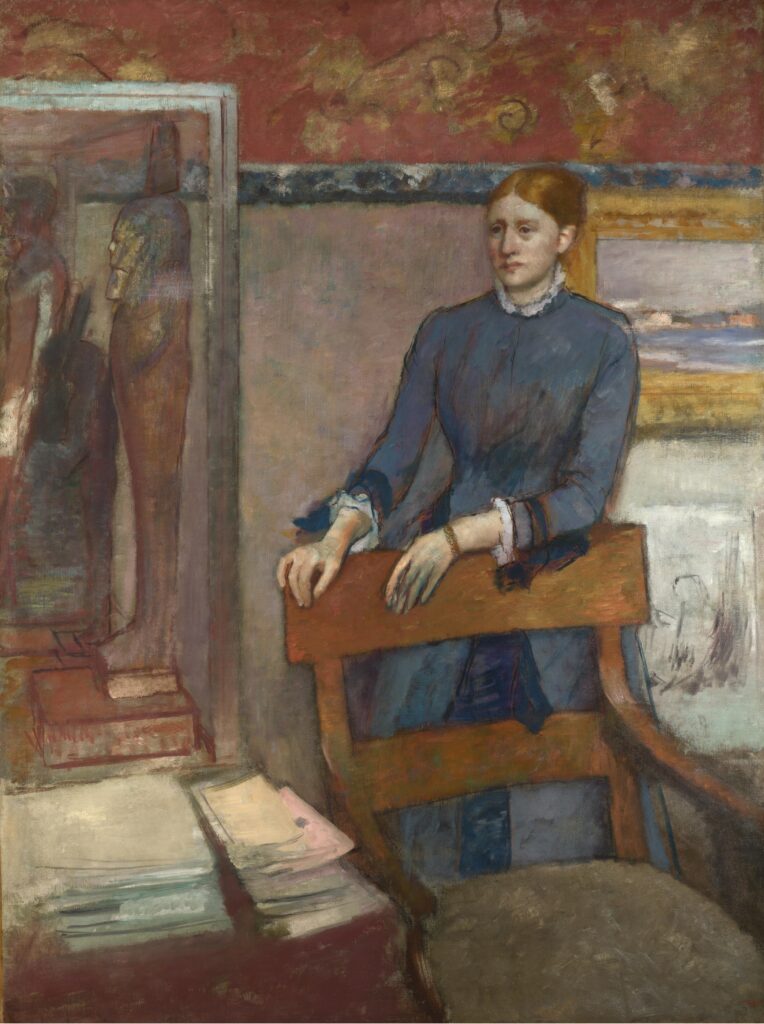
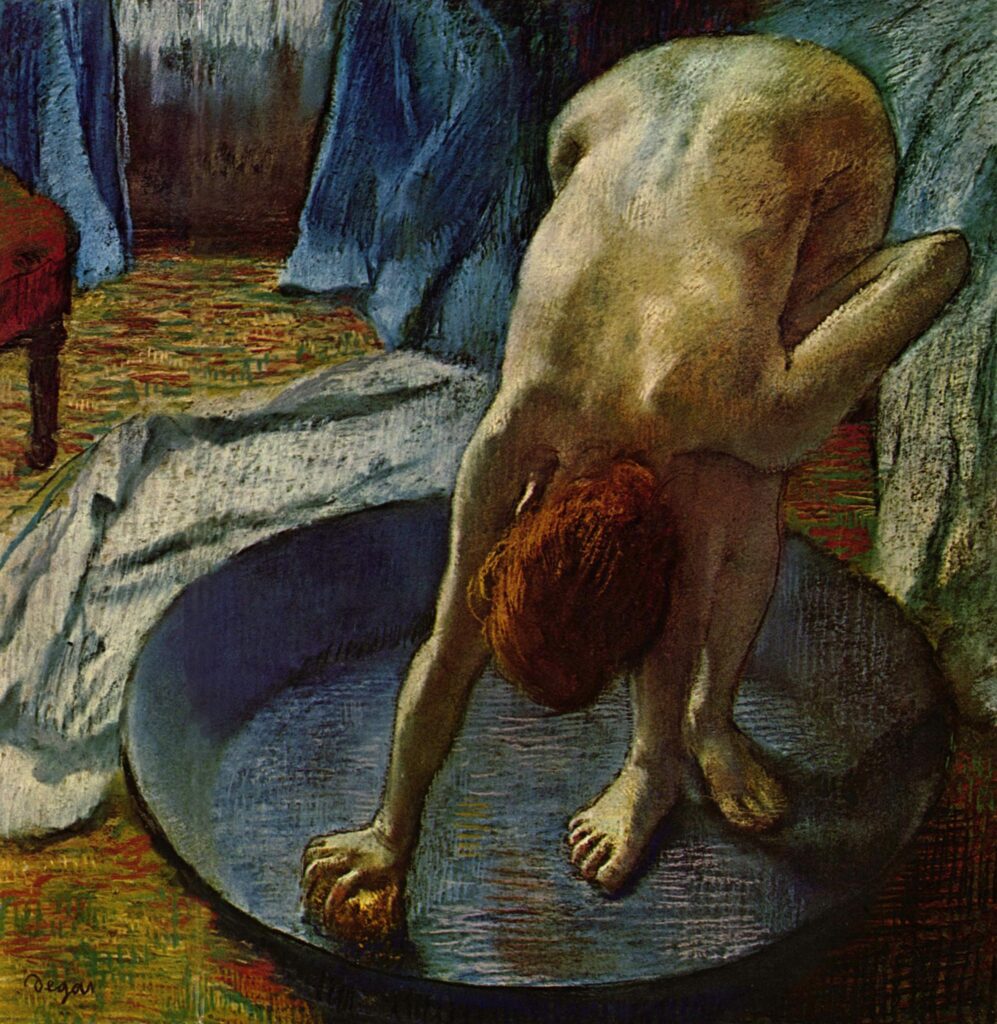
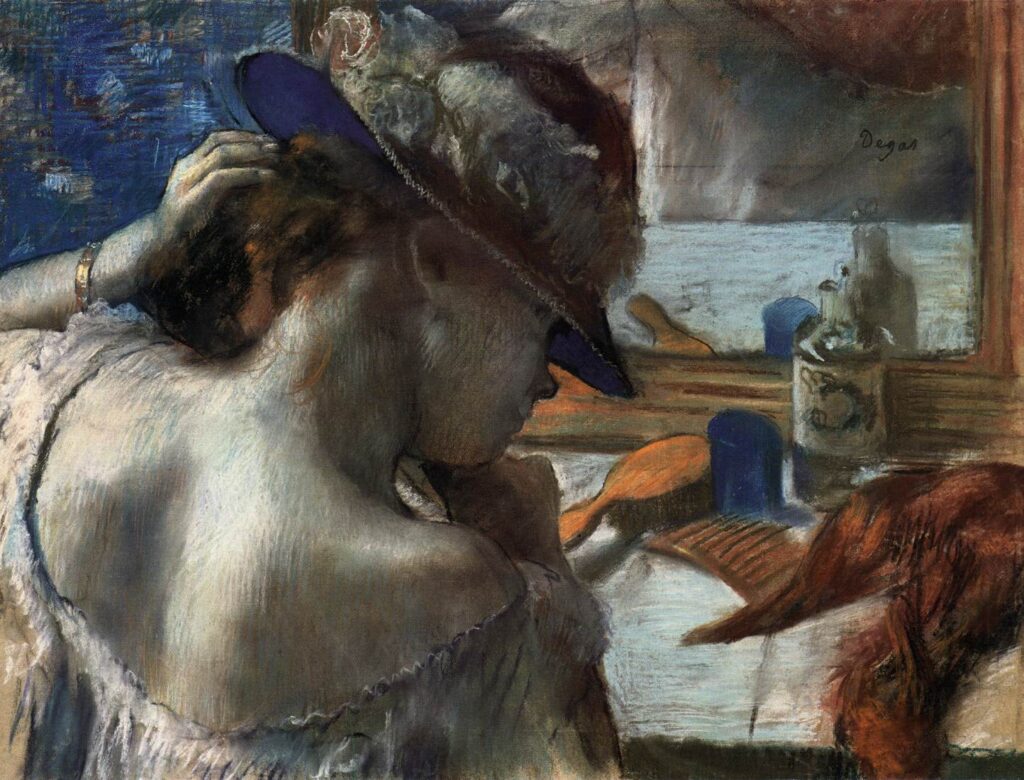
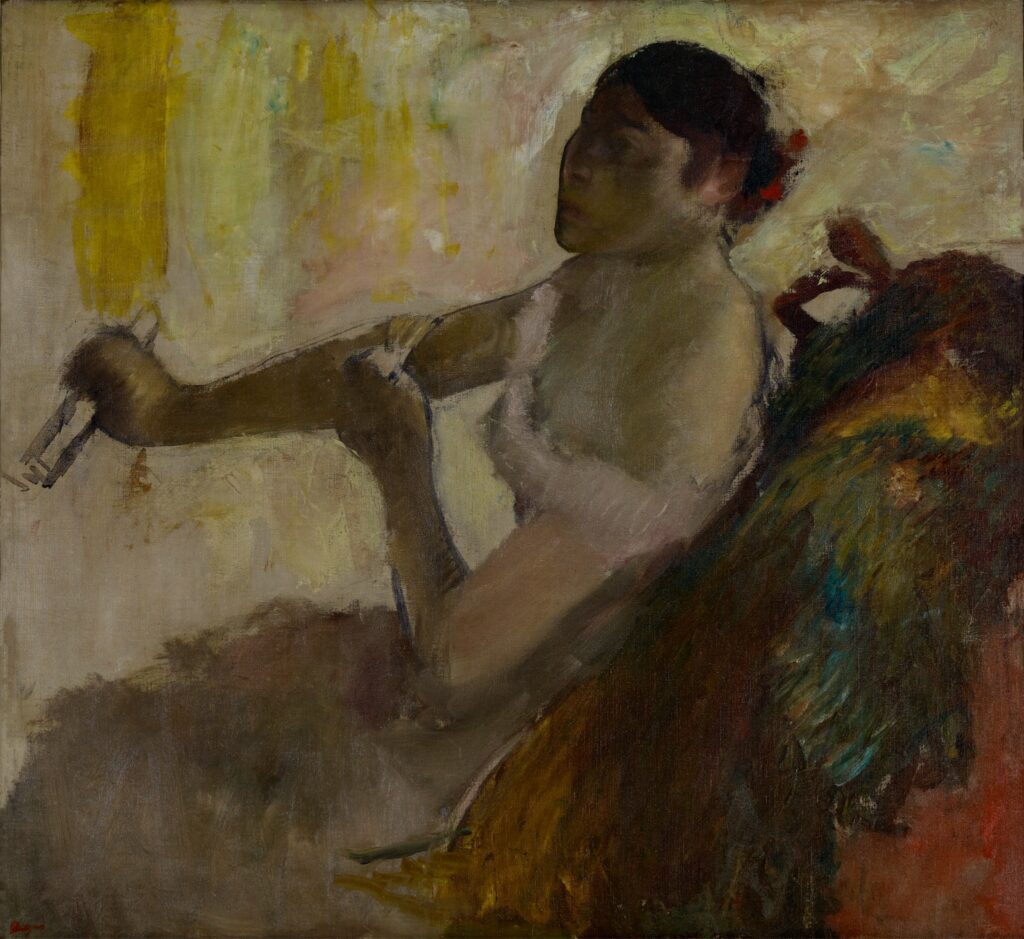
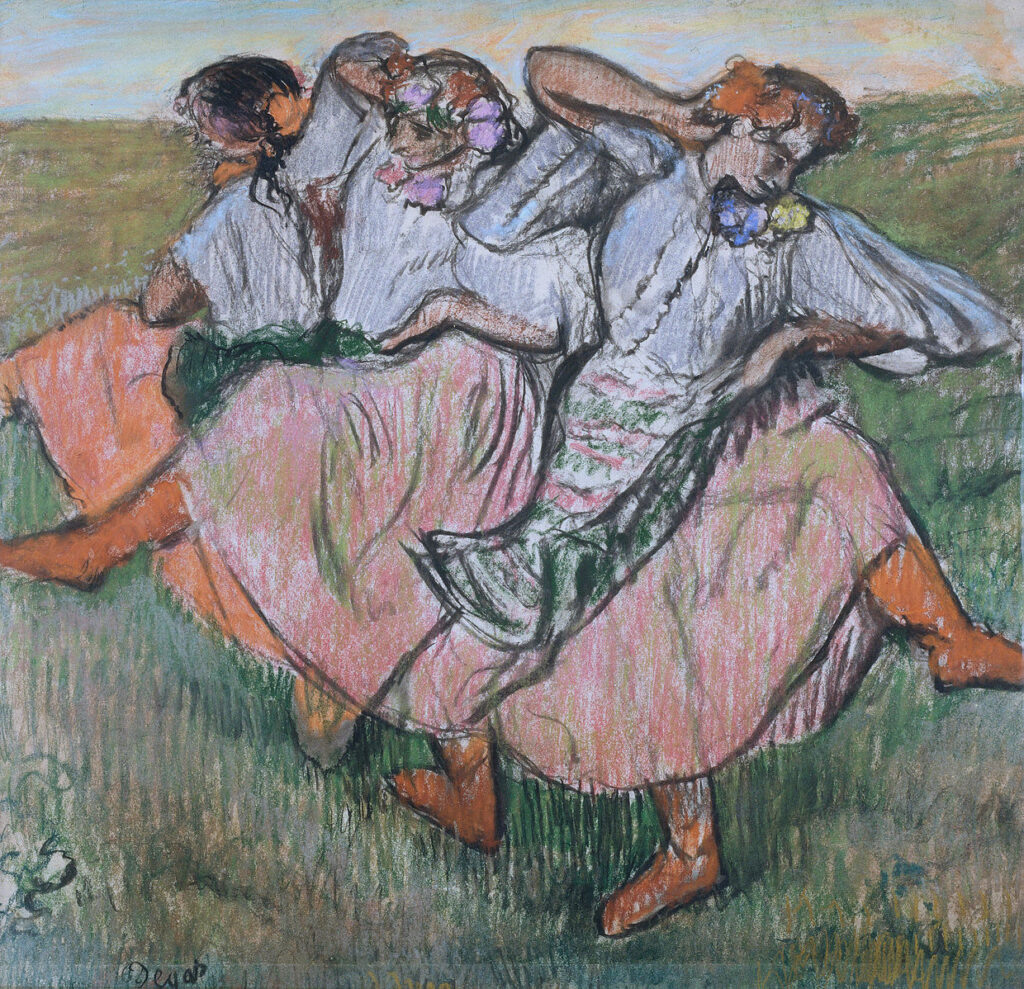
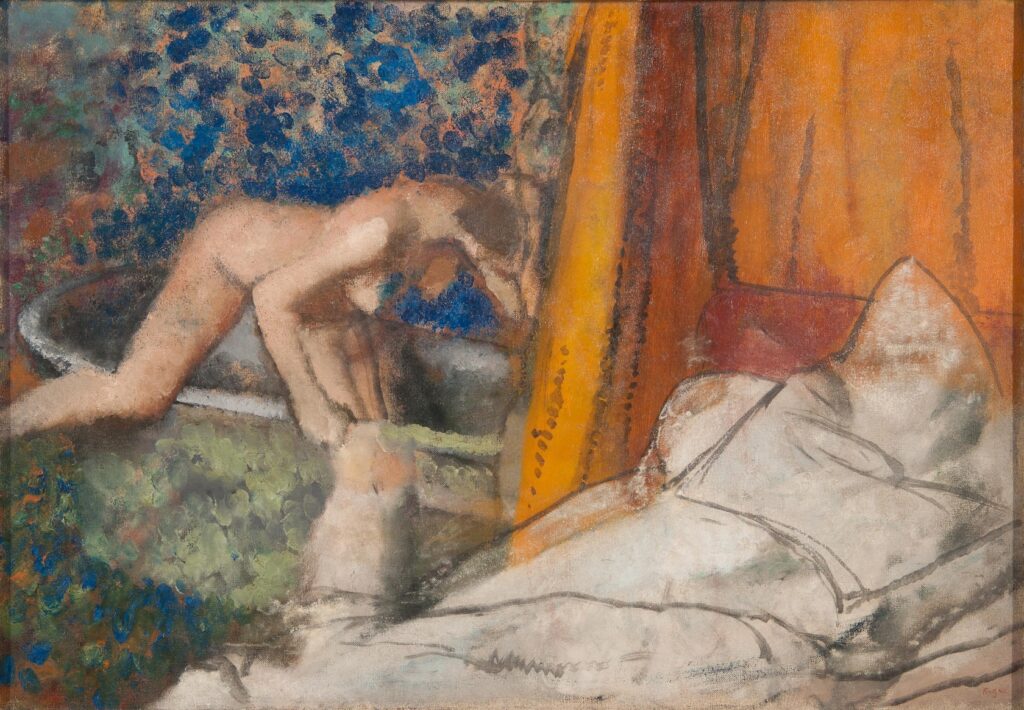
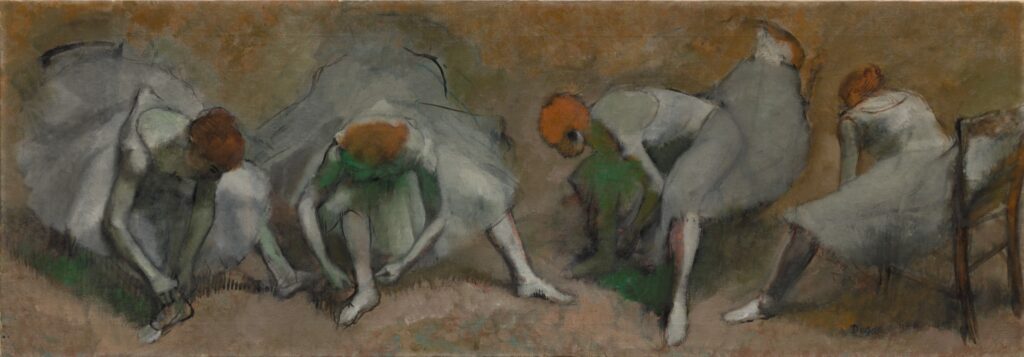
Edgar Degas, July 19, 1834 – September 27, 1917, was a French painter, draftsman, printmaker, sculptor, and photographer associated with the Impressionist movement. Born Hilaire-Germain-Edgar de Gas in Paris, he came from a prosperous banking family with connections in France and Italy. He studied at the Lycée Louis-le-Grand and briefly enrolled in law before turning to art. Degas trained under Louis Lamothe, a pupil of Jean-Auguste-Dominique Ingres, and copied extensively in the Louvre while also studying the works of Renaissance and seventeenth-century masters in Italy. His early ambition was to become a history painter, and his formative years included extended stays in Naples, Rome, and Florence.
Degas worked in oil, pastel, drawing, printmaking, sculpture, and photography. Although associated with the Impressionists and a participant in most of their exhibitions, he maintained an independent position and preferred studio work to outdoor painting. His subjects included ballet dancers, singers, musicians, milliners, laundresses, racehorses, cafés, theaters, and scenes of modern Parisian life, as well as portraits and self-portraits. His art combined rigorous draftsmanship with unusual viewpoints, cropped compositions, and close observation of movement. He was associated with artists including Édouard Manet, Mary Cassatt, Berthe Morisot, Camille Pissarro, Pierre-Auguste Renoir, and Paul Cézanne, while remaining distinct from them in both method and subject matter.
Degas did not maintain a formal teaching studio, but he influenced numerous younger artists through his exhibitions, friendships, and technical innovations, particularly in pastel and printmaking. He was an important supporter and mentor of Mary Cassatt and maintained connections with many artists of the Impressionist circle. His work is held by major collections including the Musée d’Orsay, Metropolitan Museum of Art, National Gallery, Art Institute of Chicago, Hermitage Museum, National Gallery of Art, Museum of Fine Arts, Boston, Detroit Institute of Arts, and many other institutions throughout Europe, North America, and Asia.





James Ensor
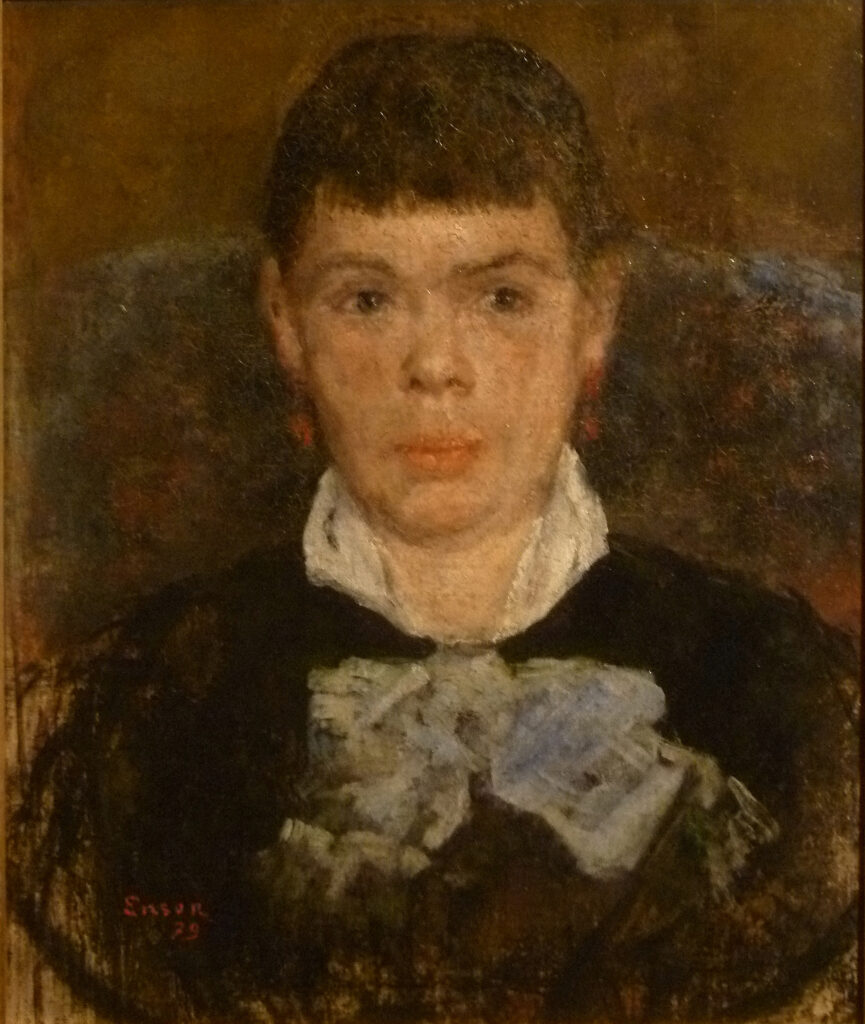
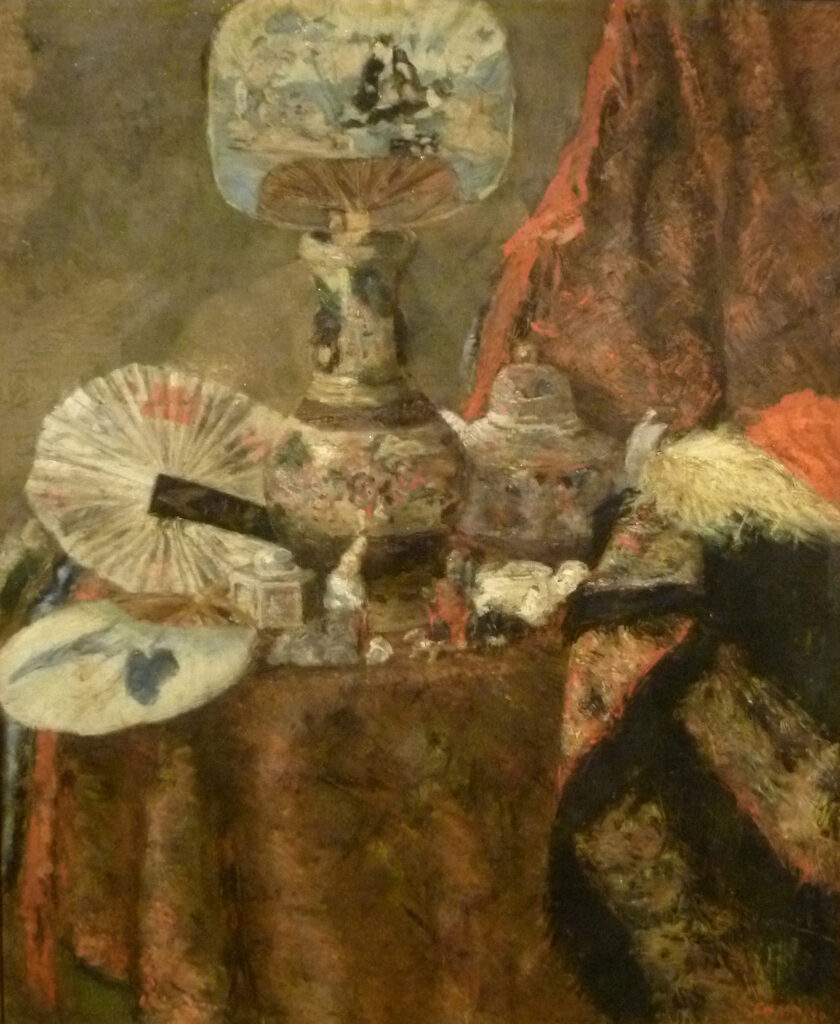
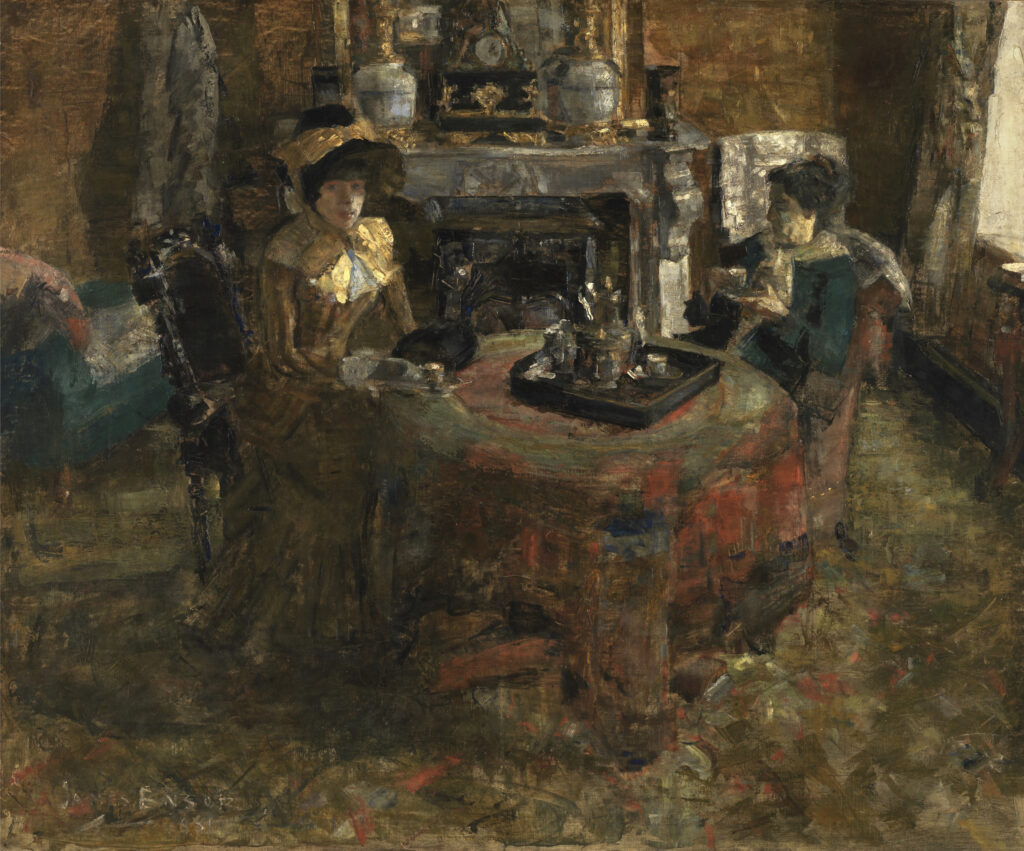
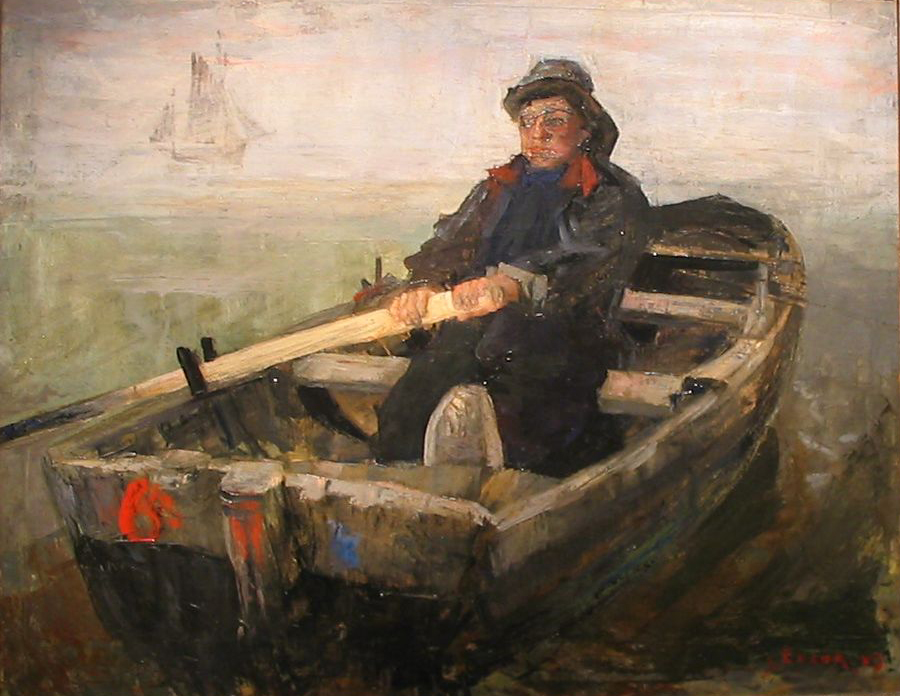
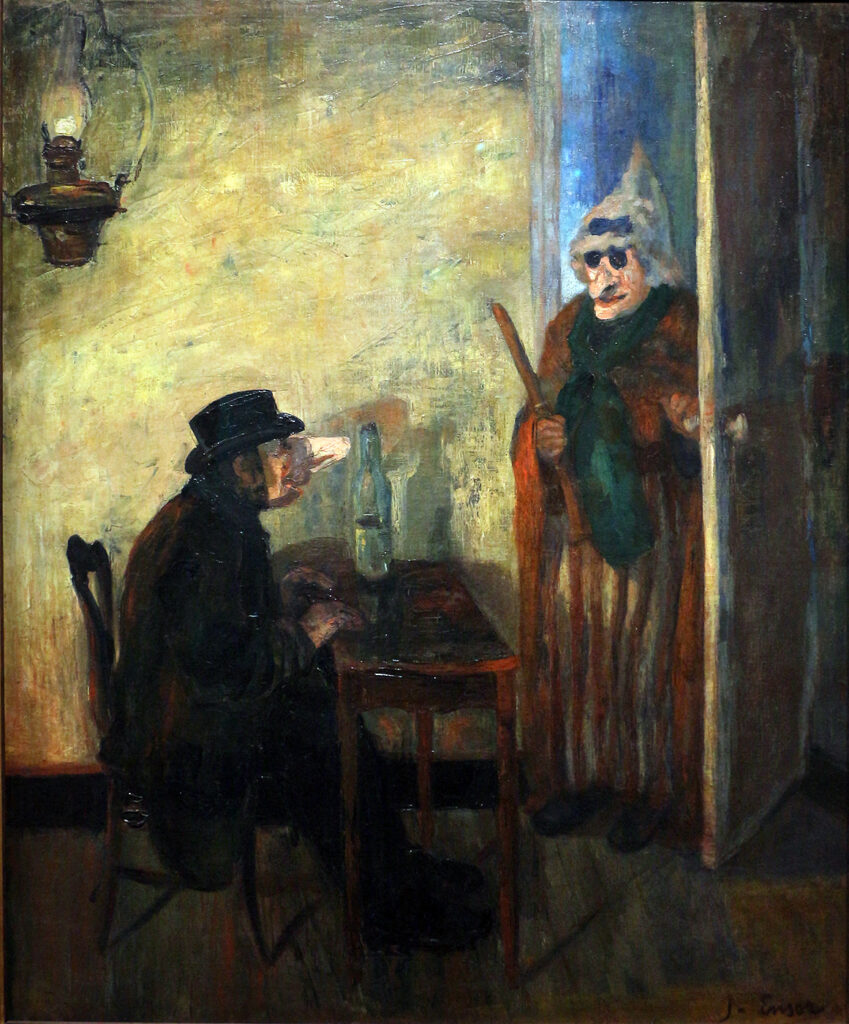
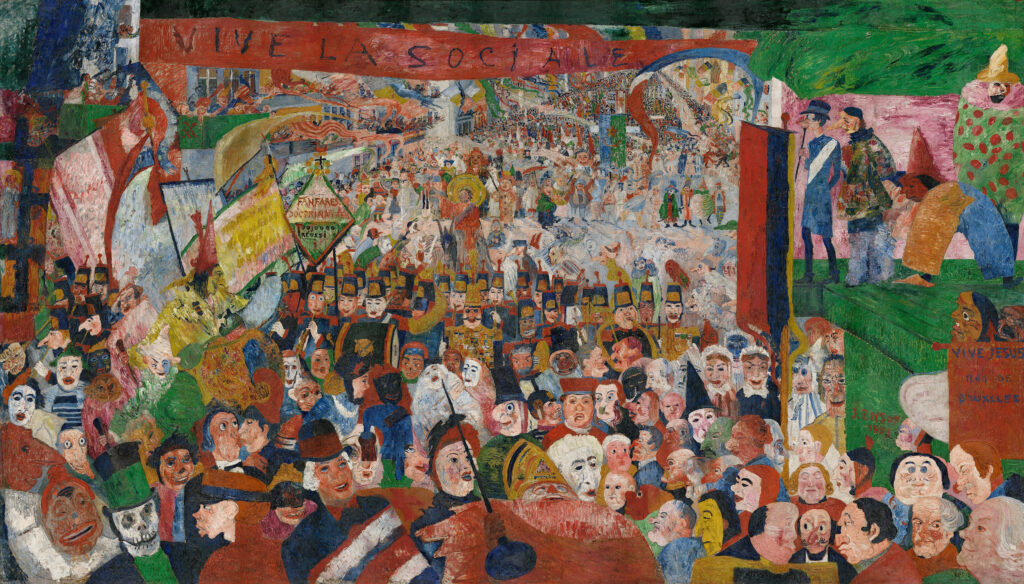
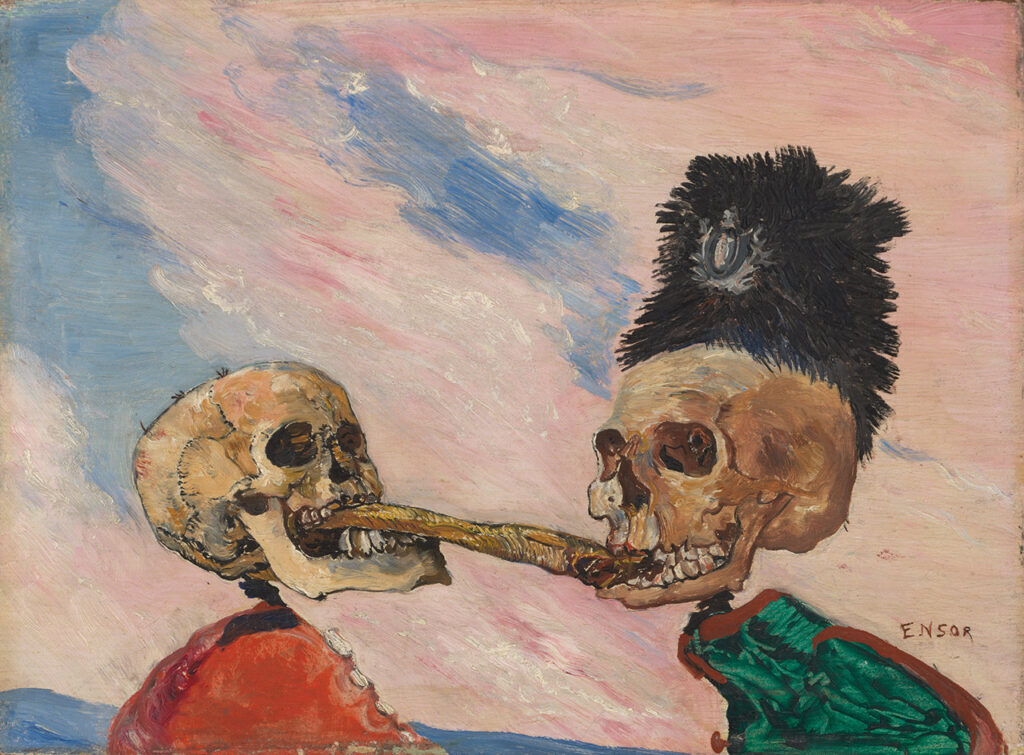
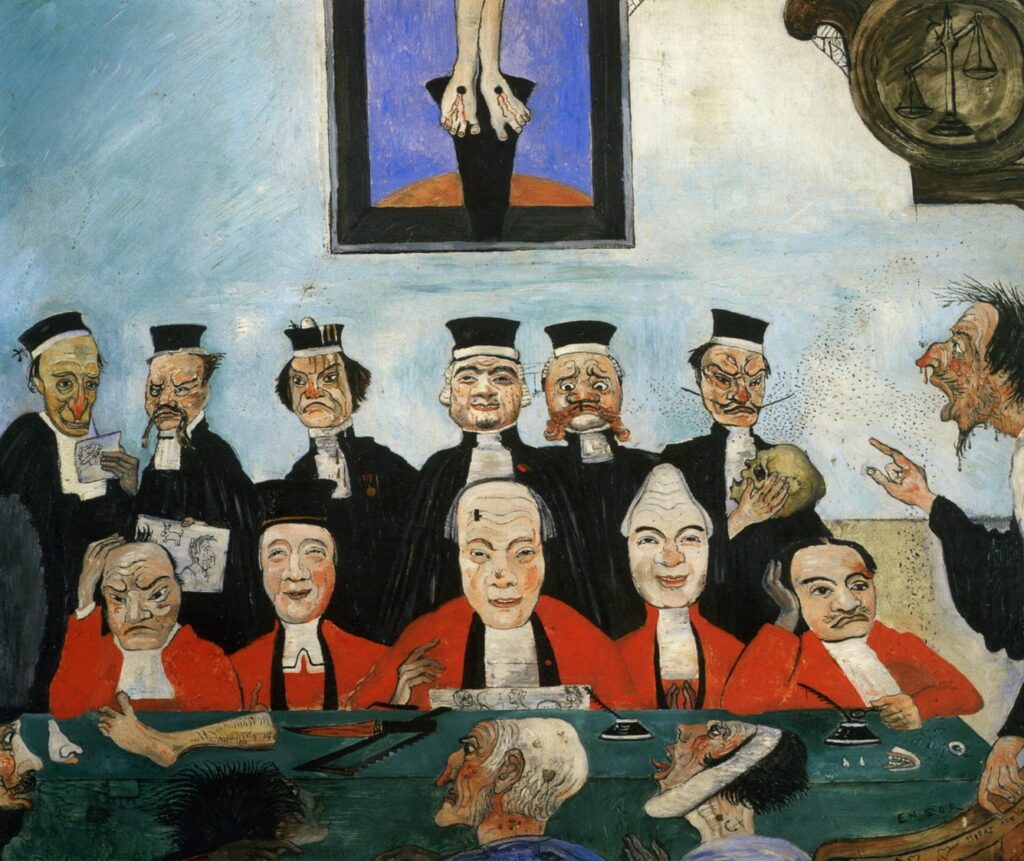
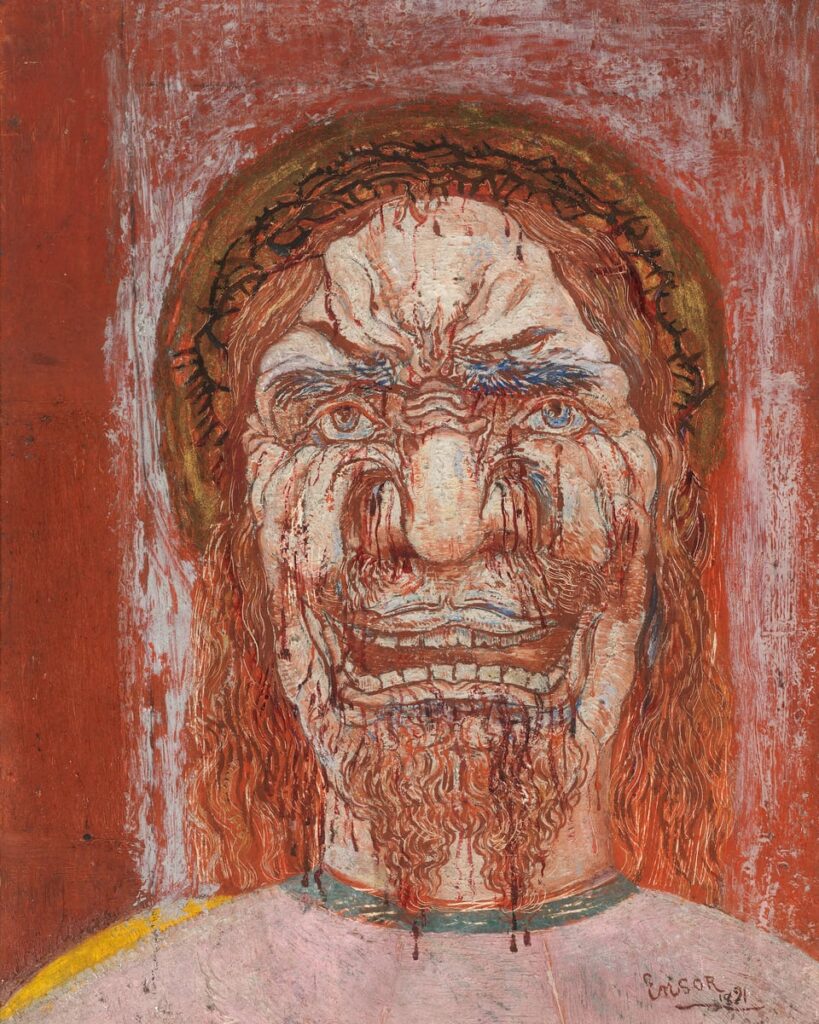
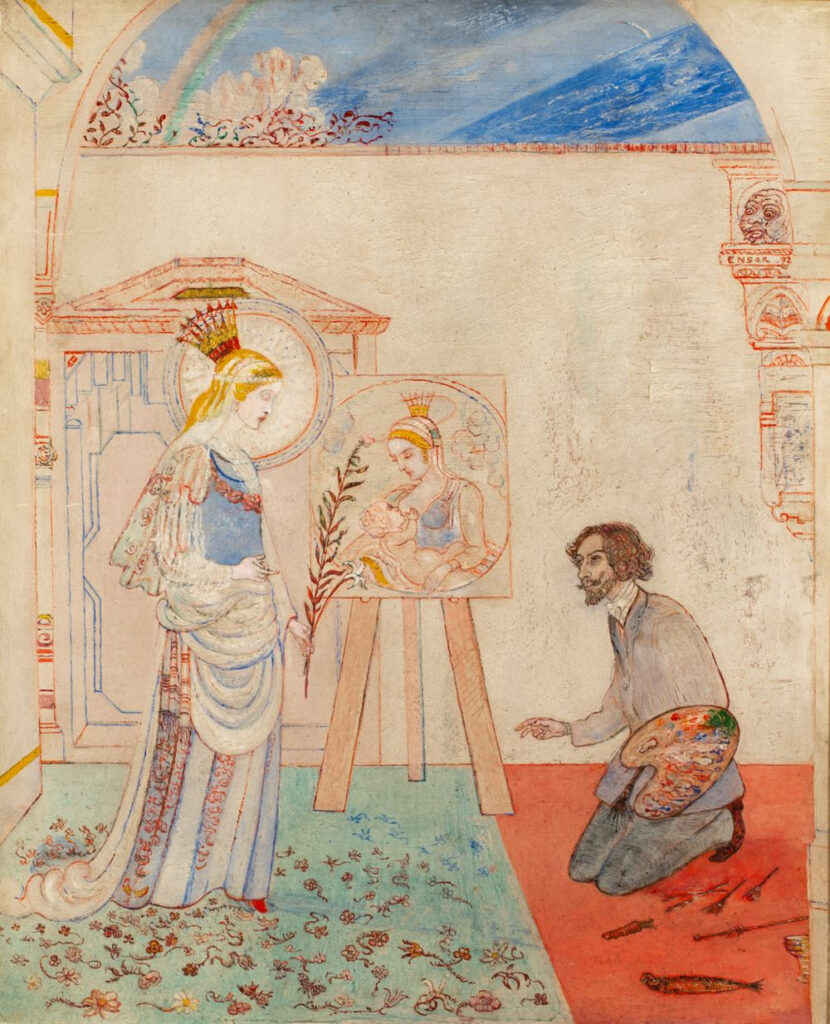
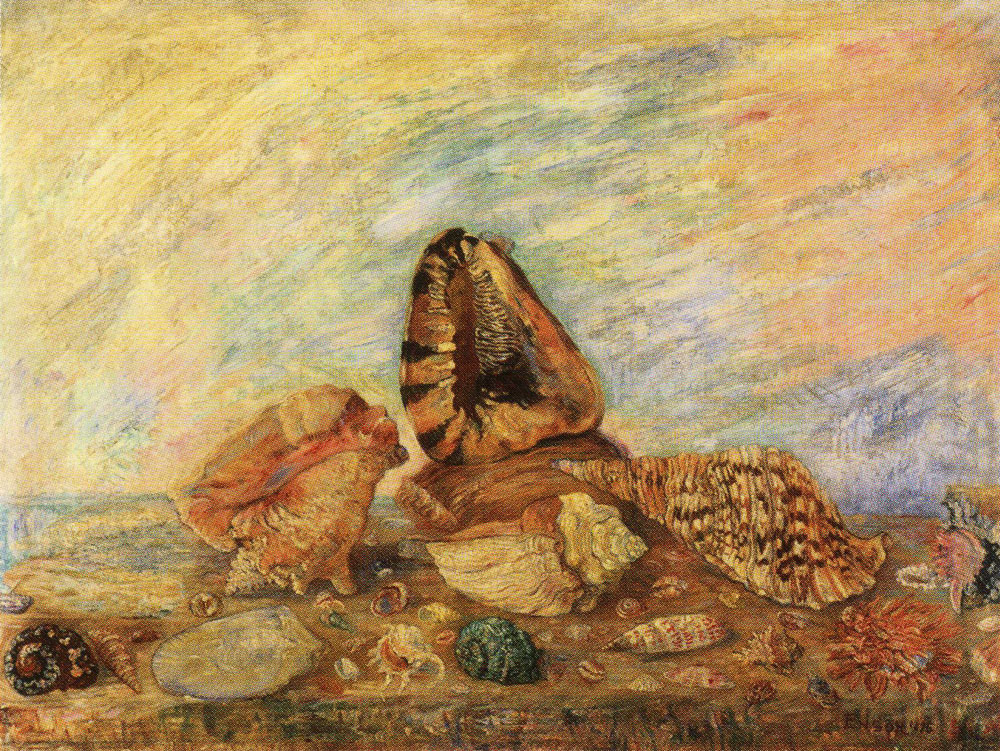
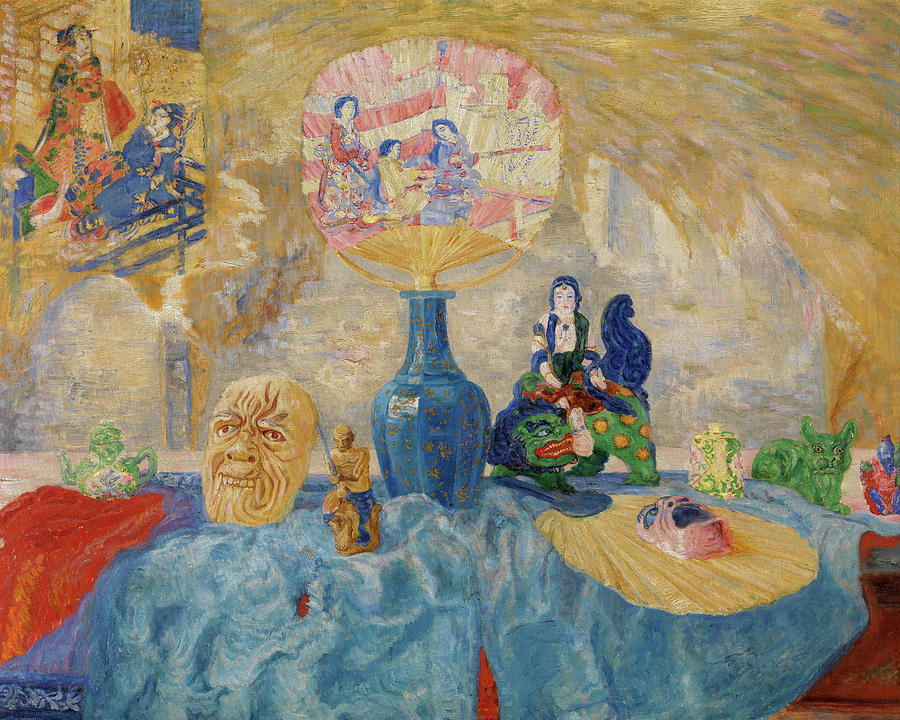
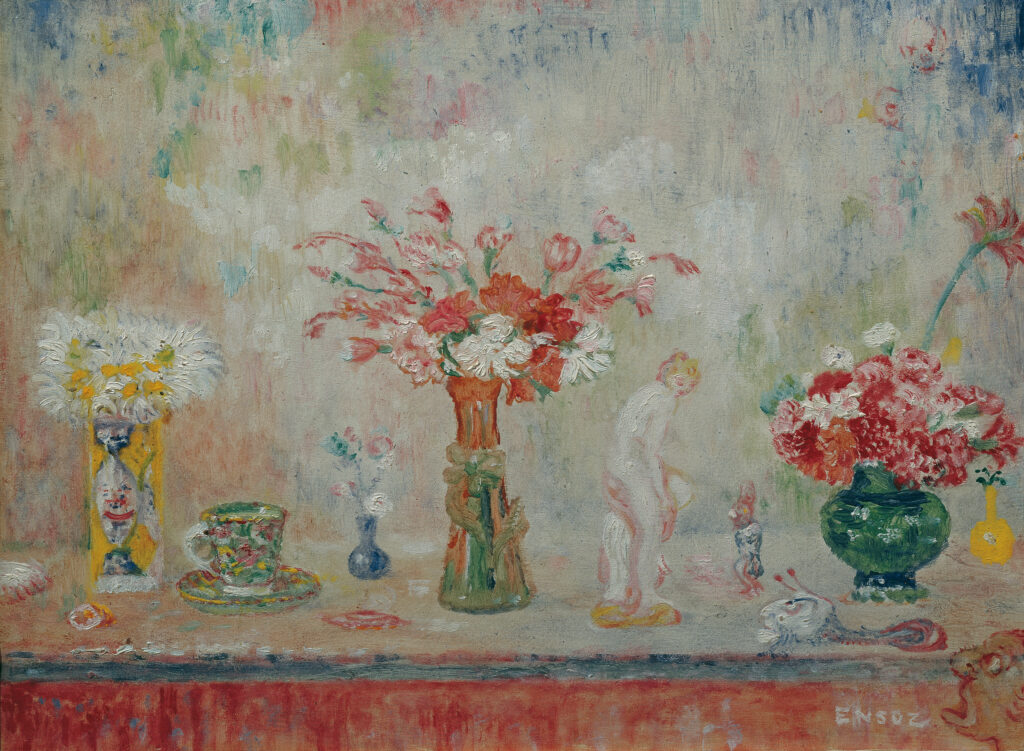
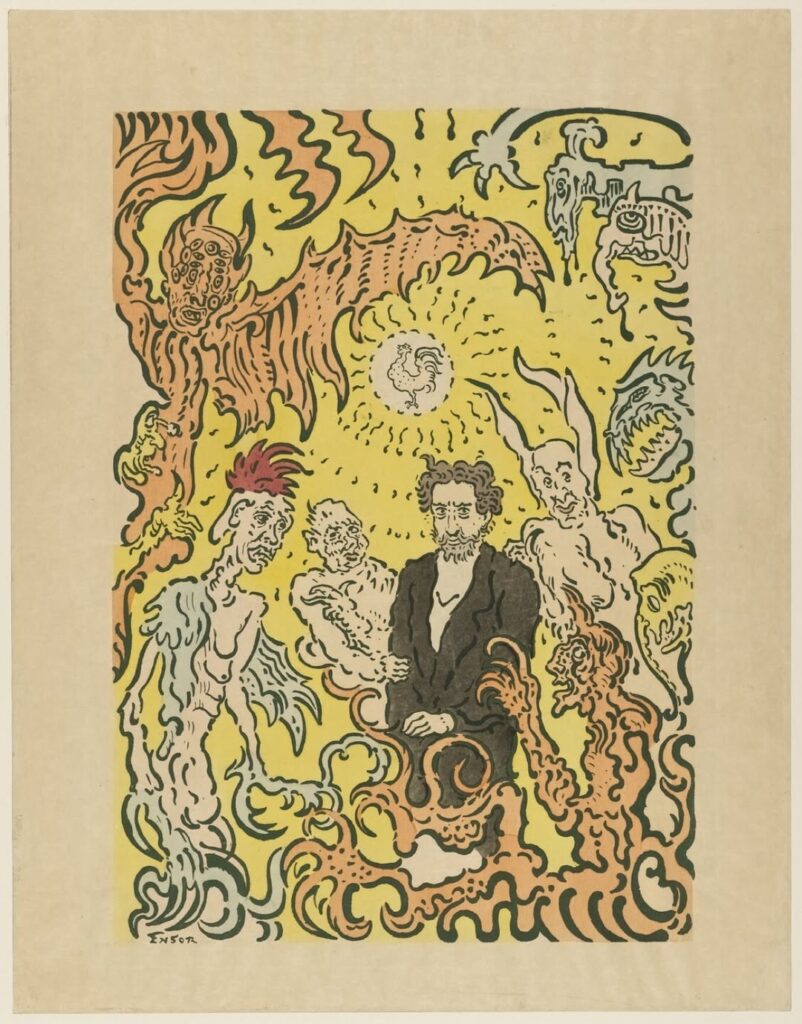
James Ensor was born in Ostend, Belgium, in 1860. He studied at the Royal Academy of Fine Arts in Brussels and returned to Ostend, where he spent most of his life.
A founding member of the artists’ group Les XX, Ensor made paintings, drawings, and prints. His work includes interiors, still lifes, seascapes, religious subjects, masks, and skeletons.
Ensor received growing recognition during his later years and was made a baron in 1929. He died in Ostend in 1949.










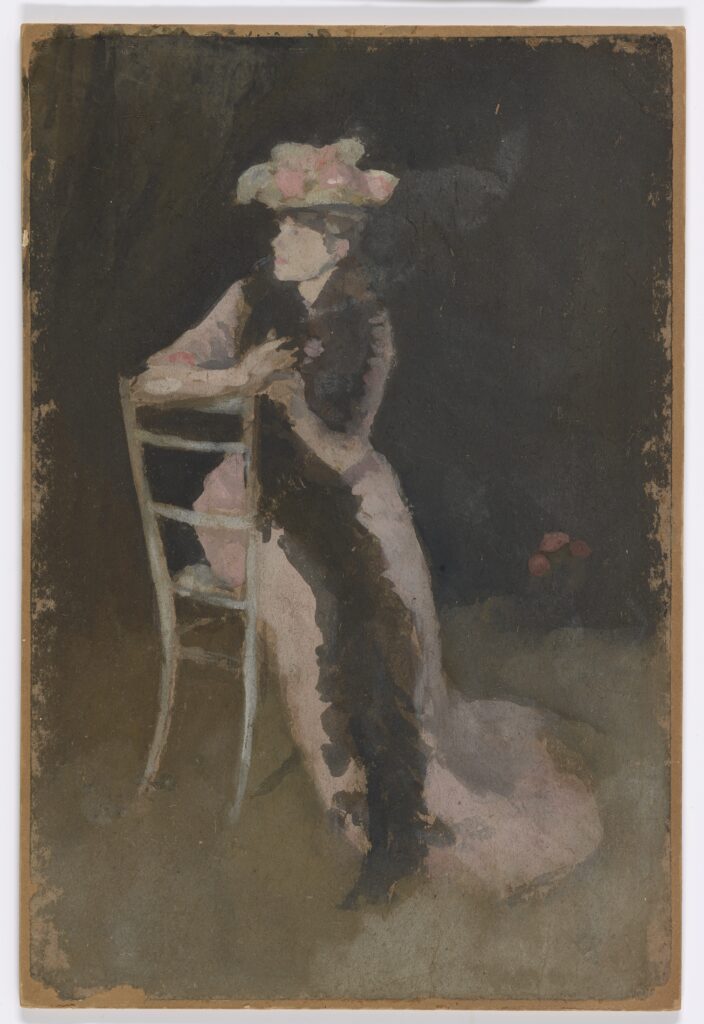
James McNeill Whistler
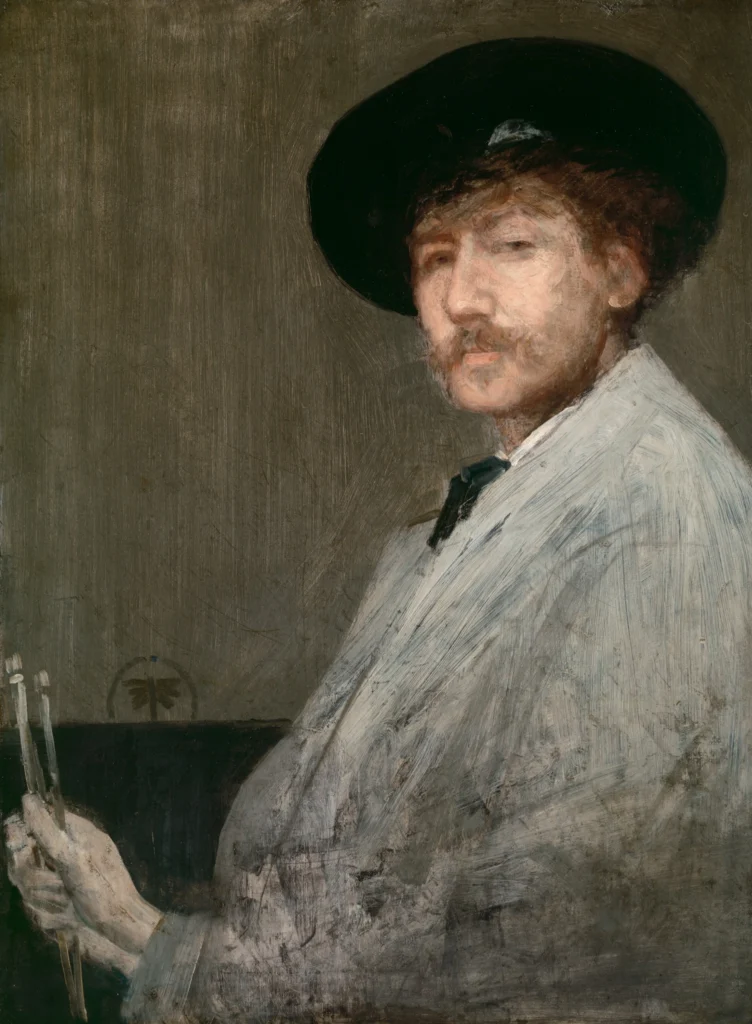
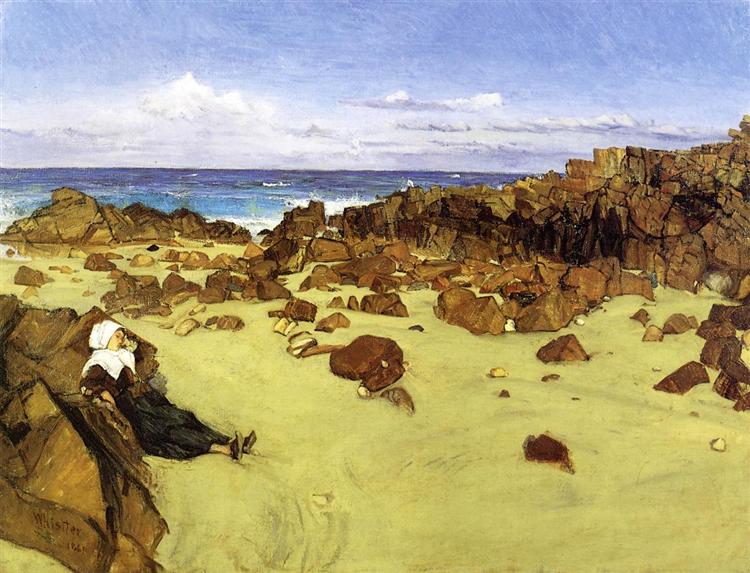
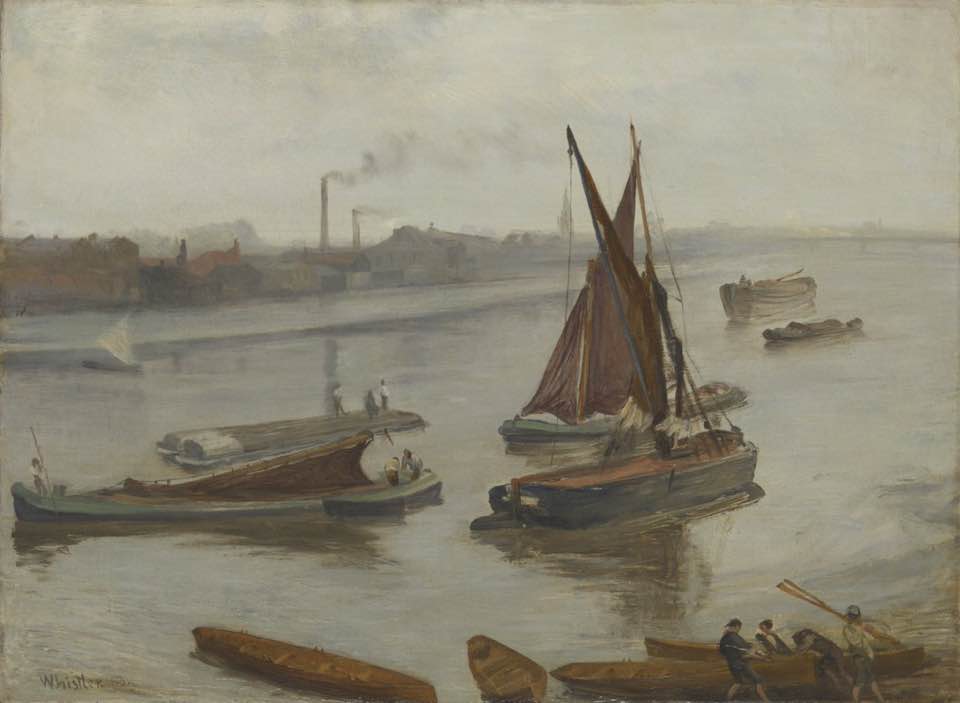
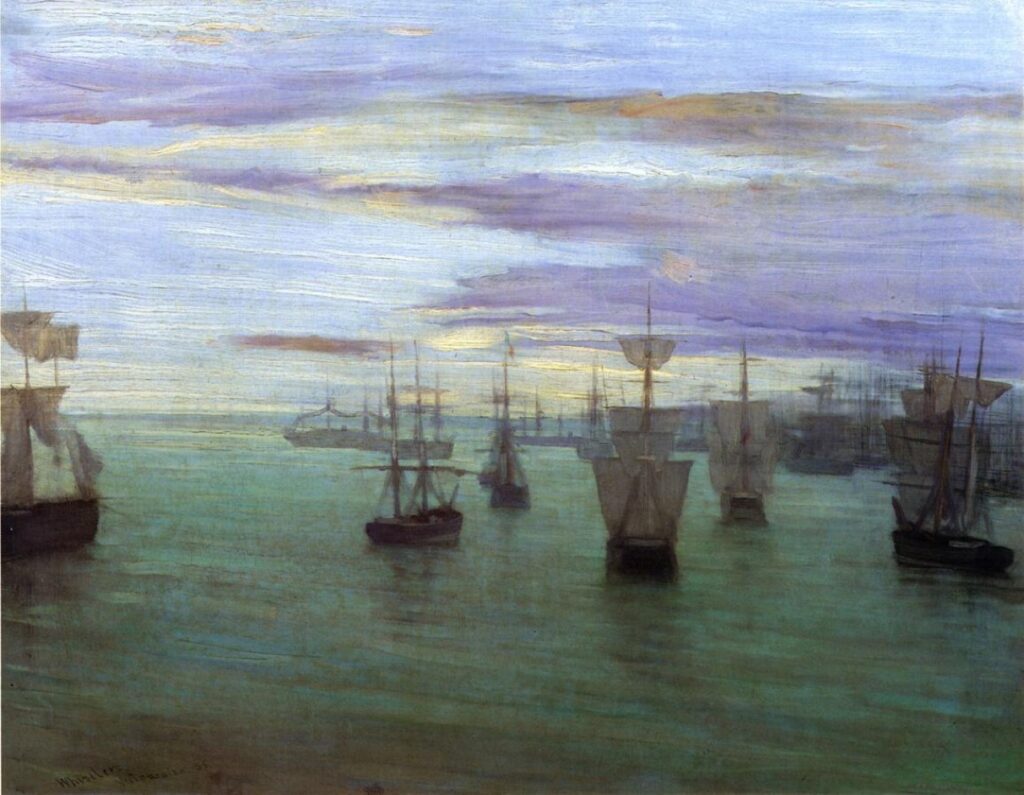
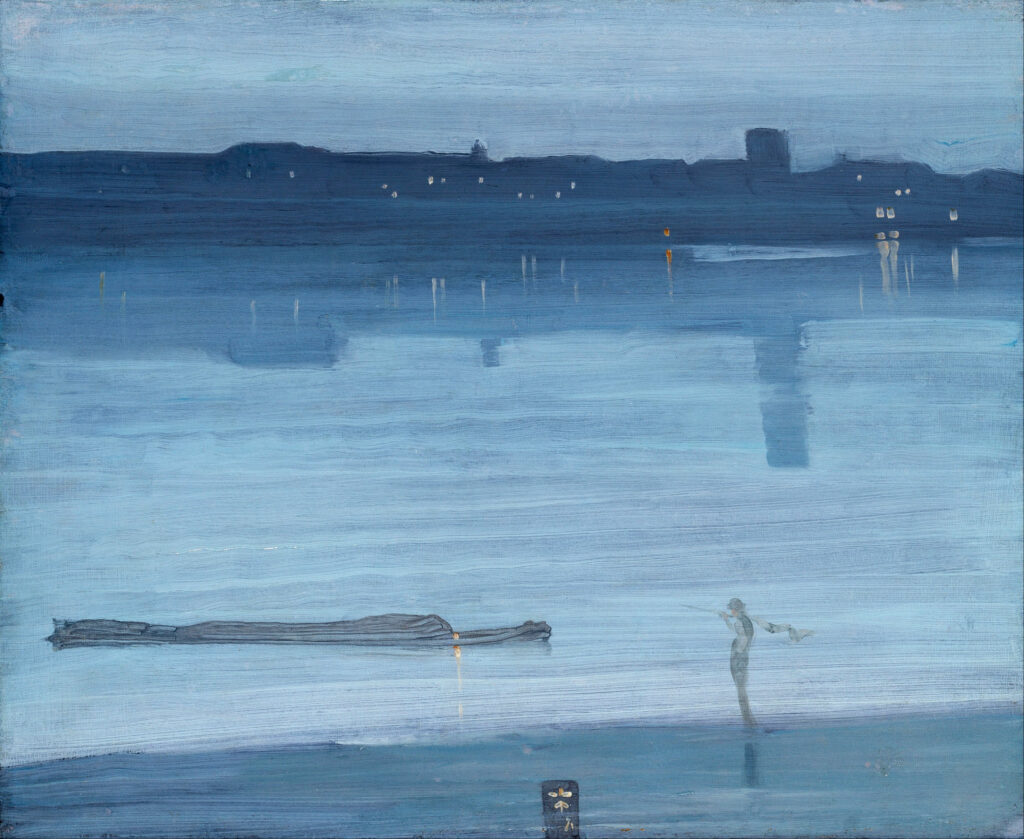
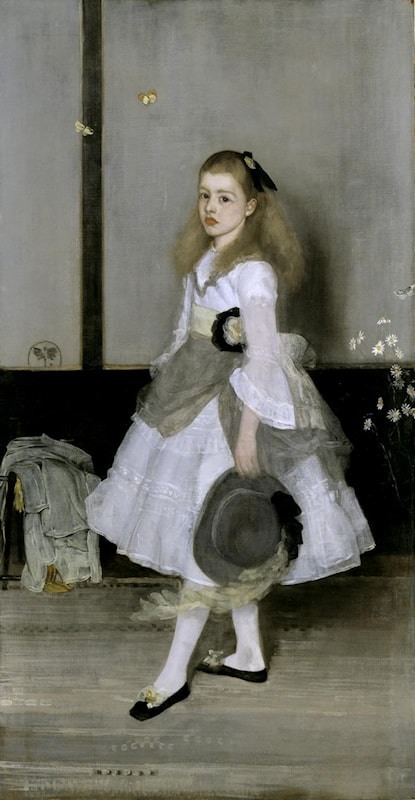
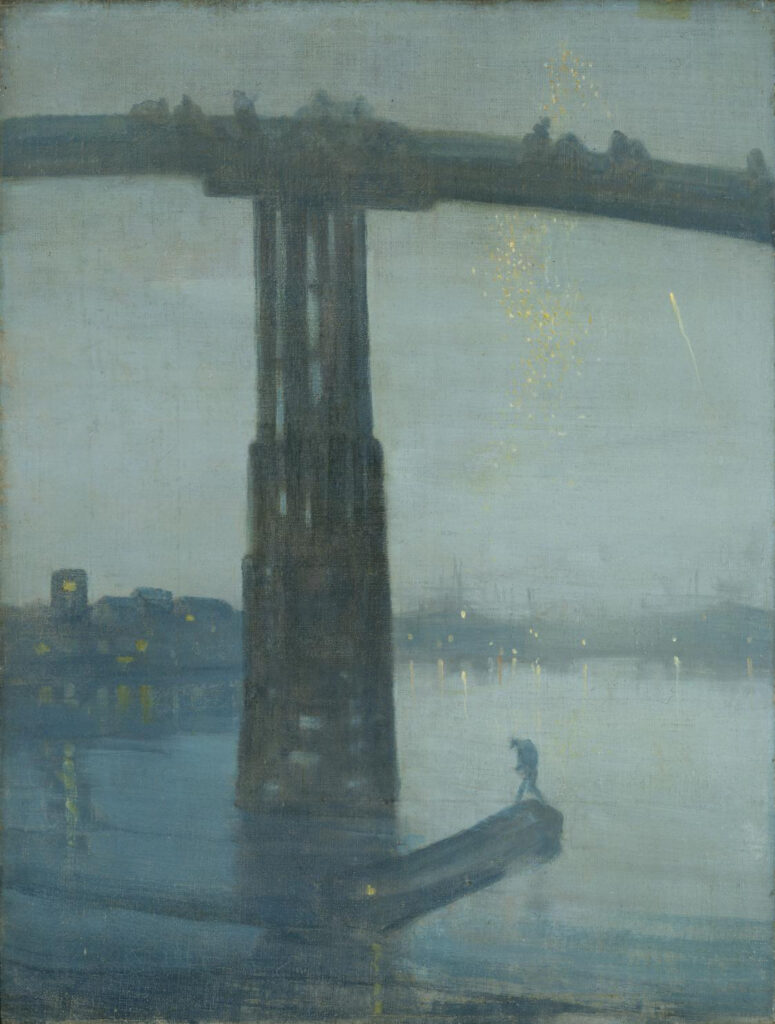
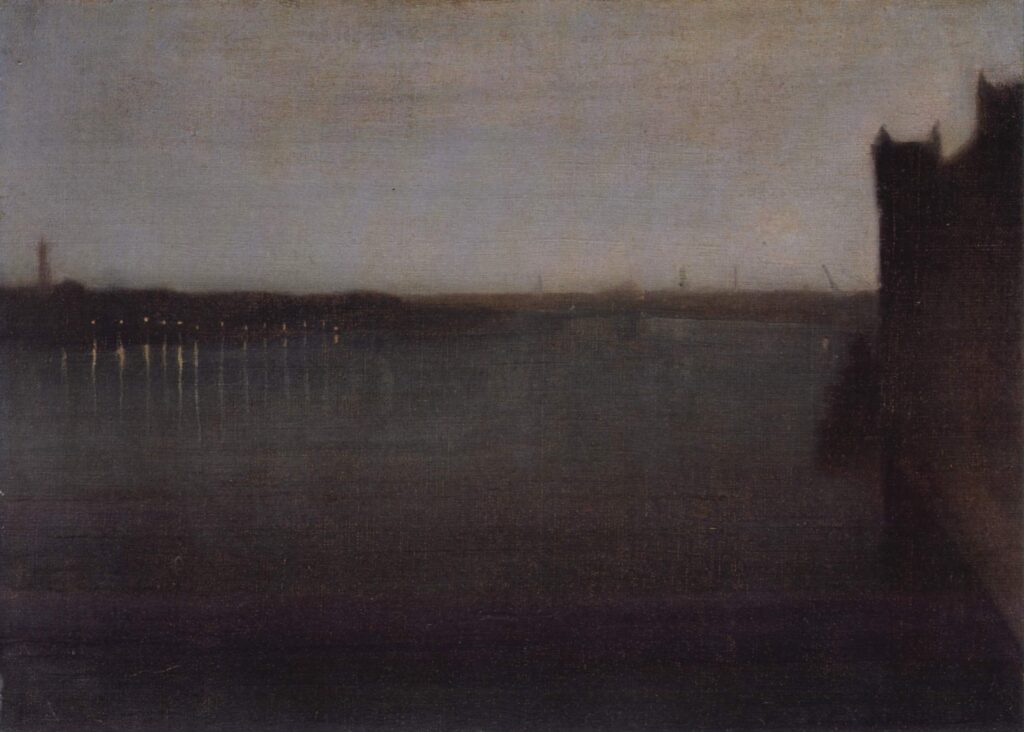
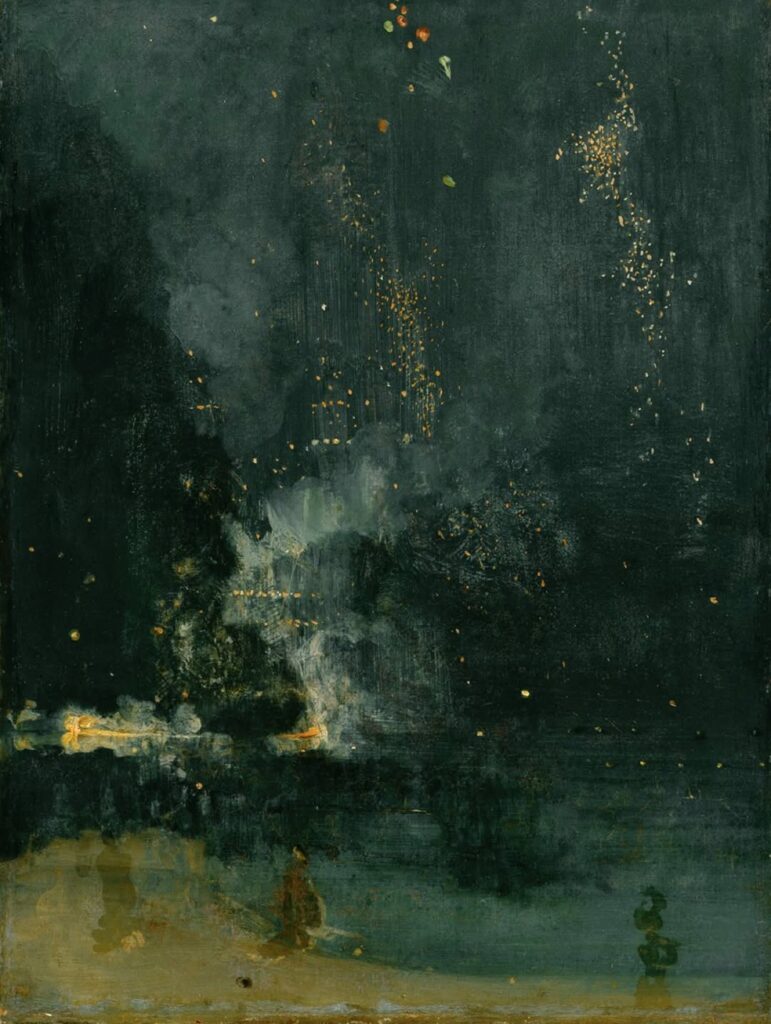
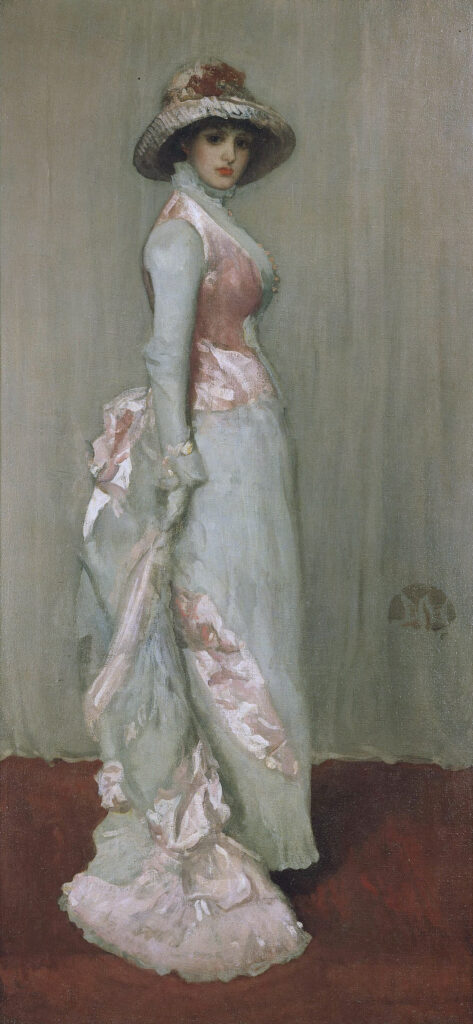
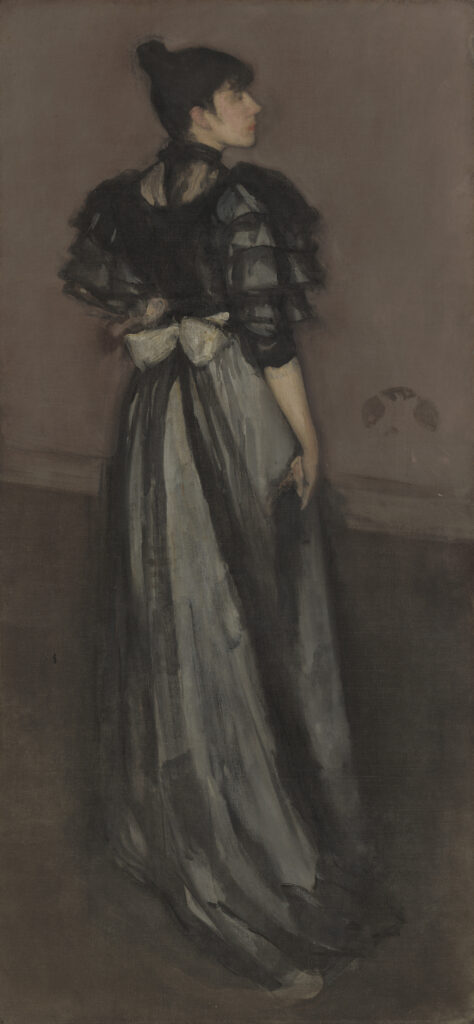
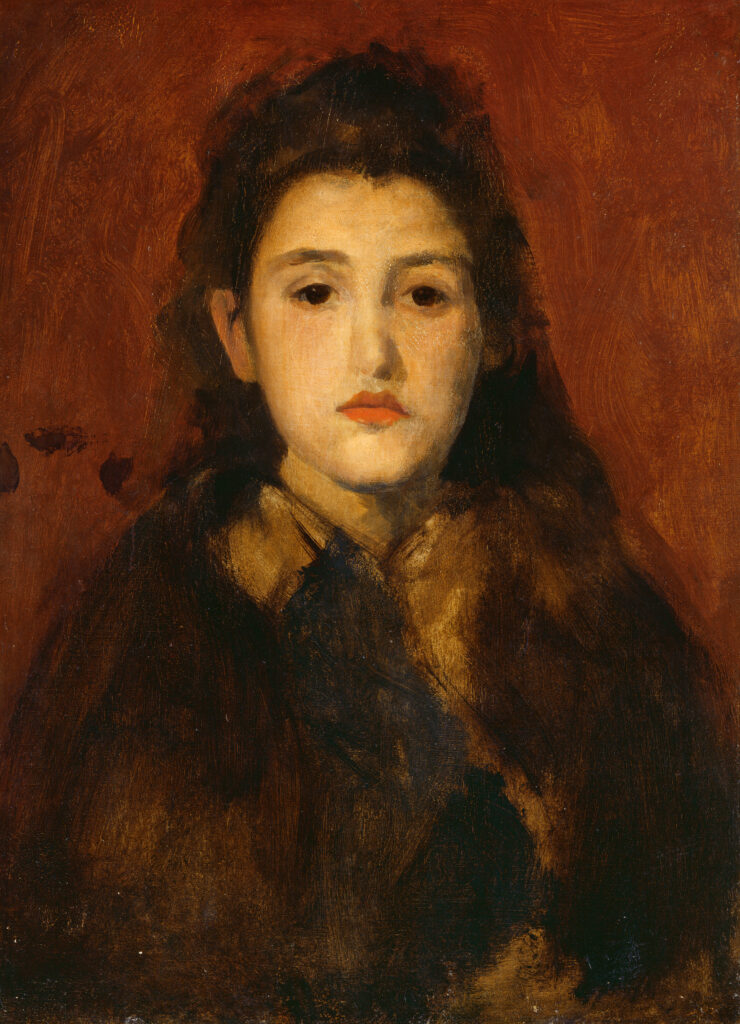
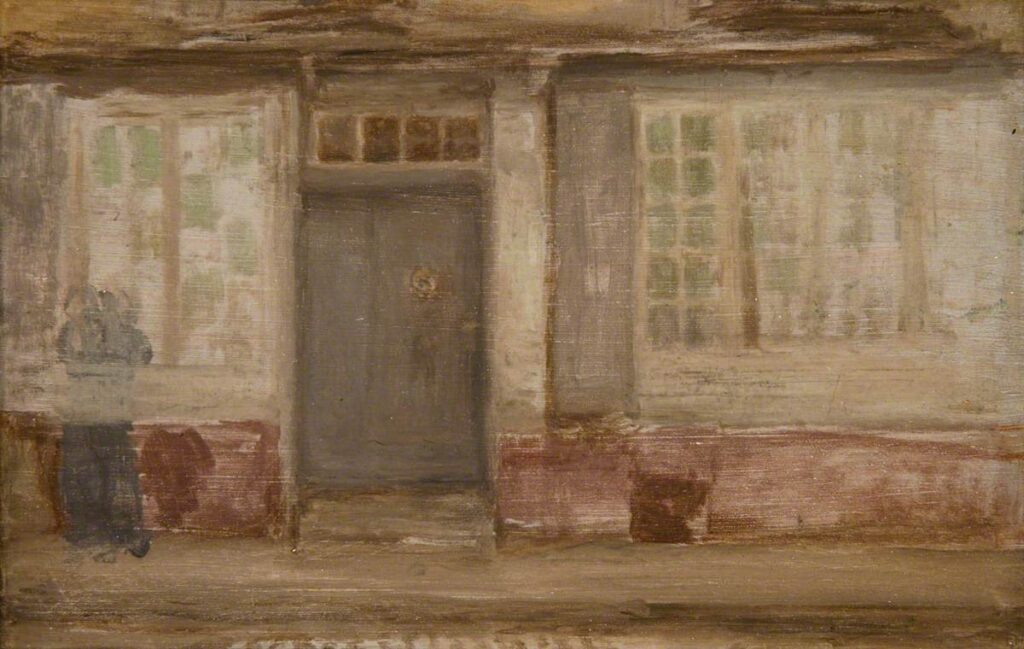
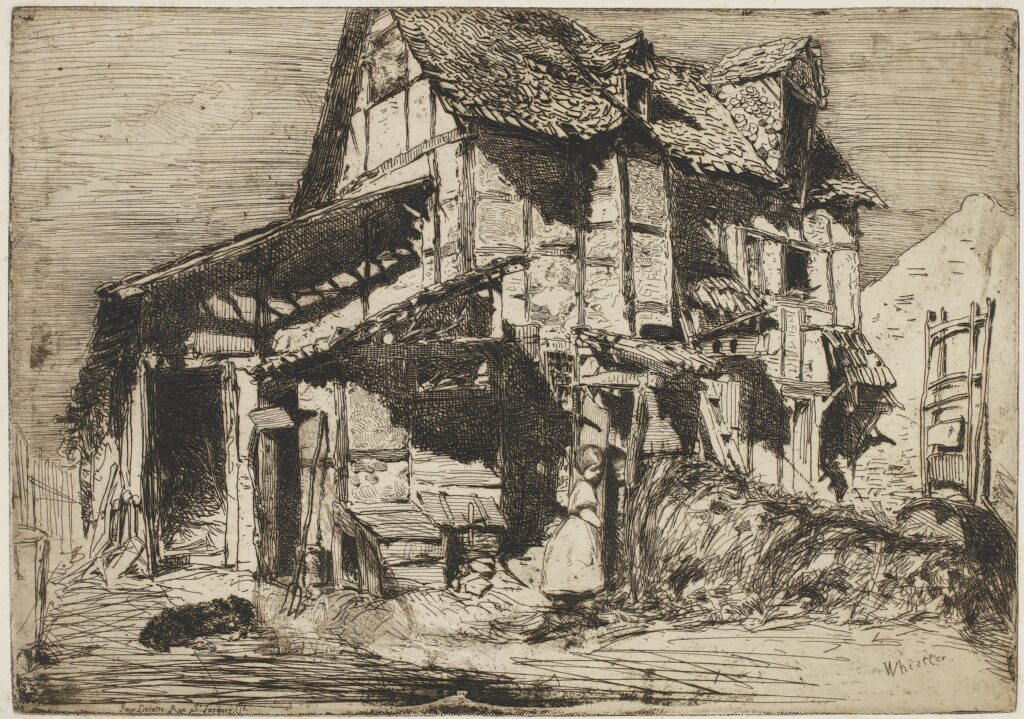
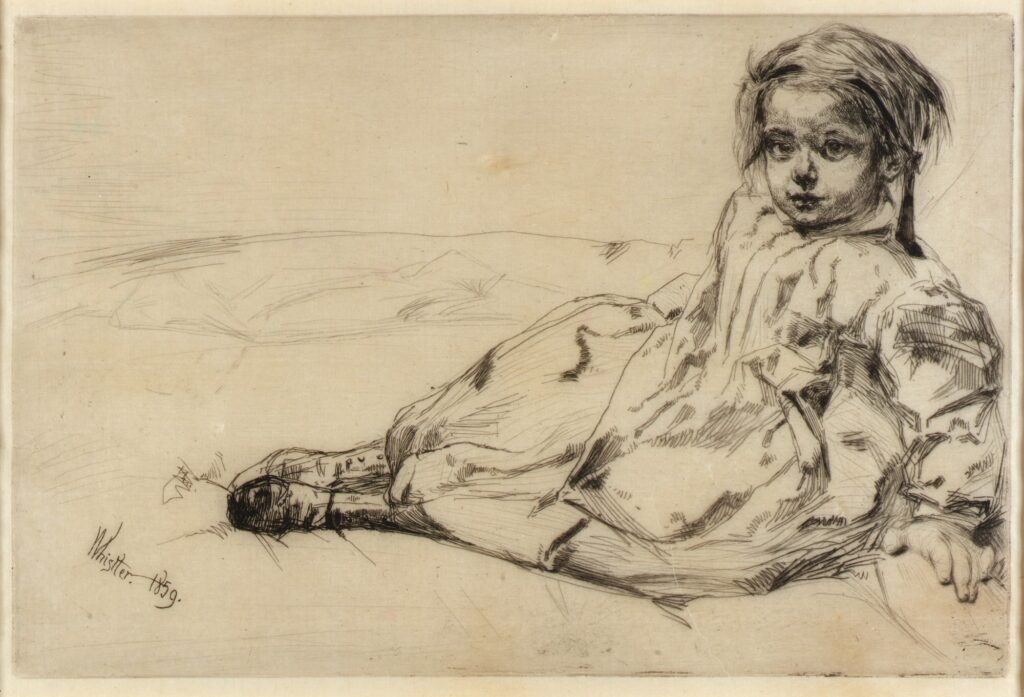
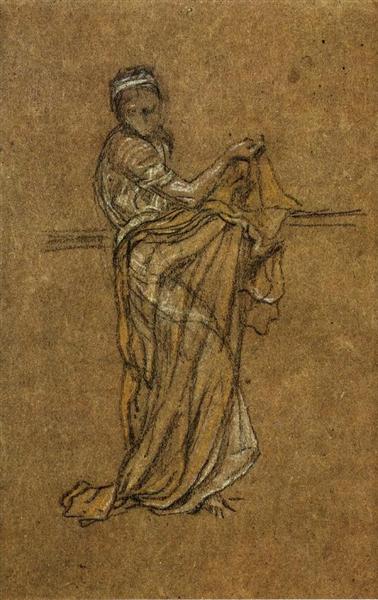
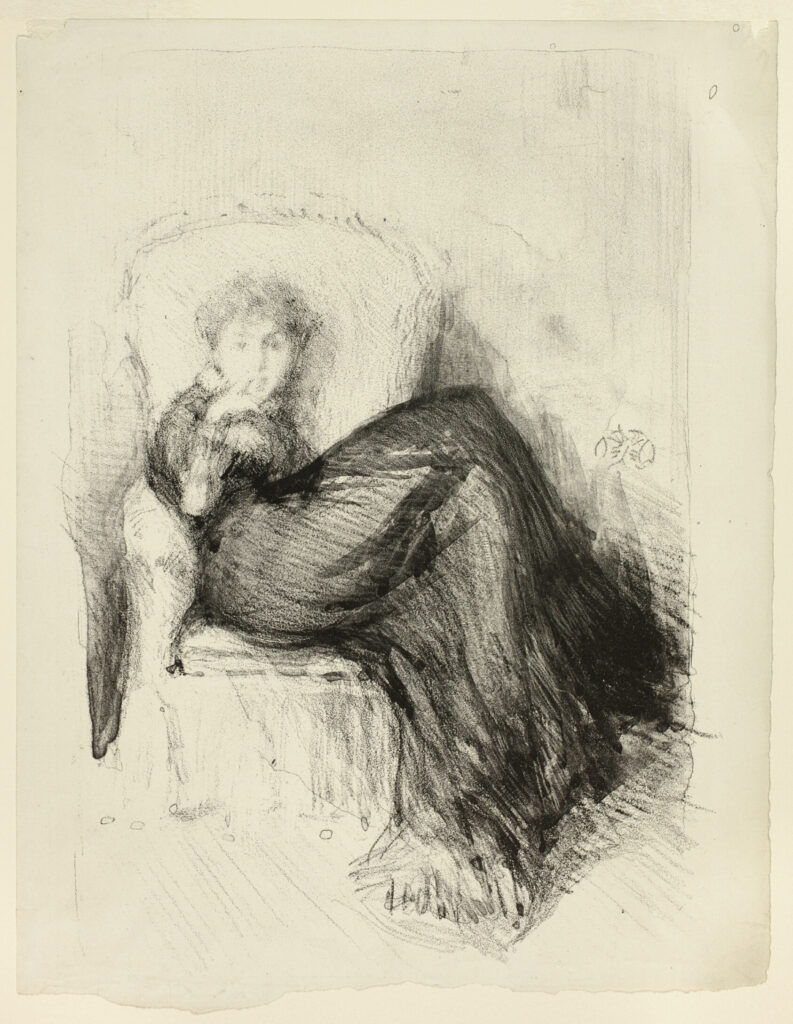
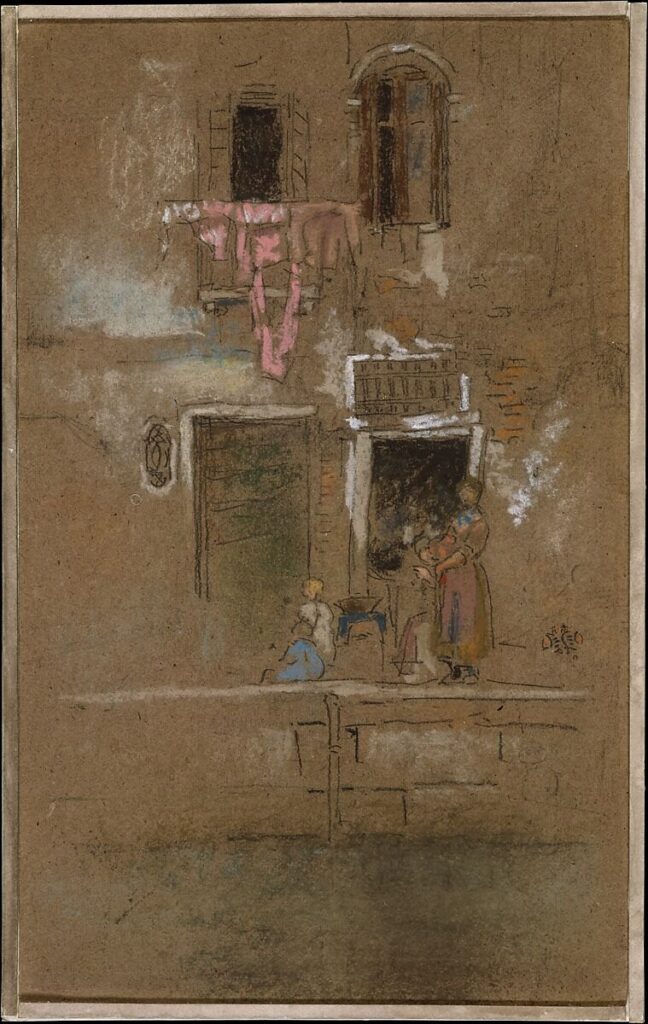
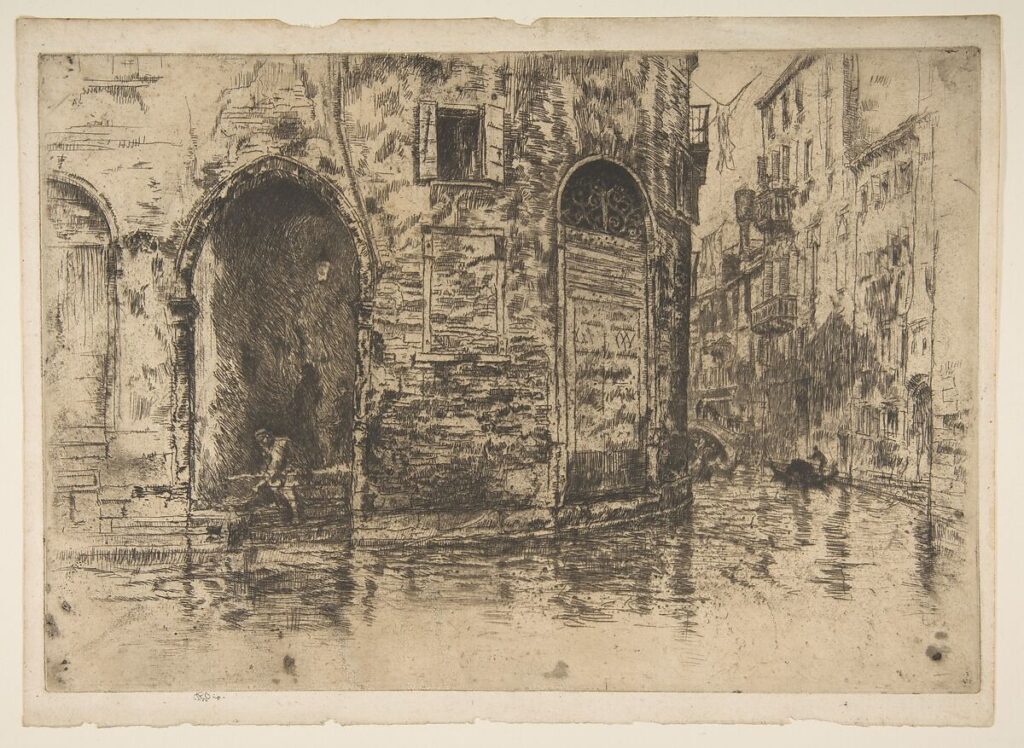
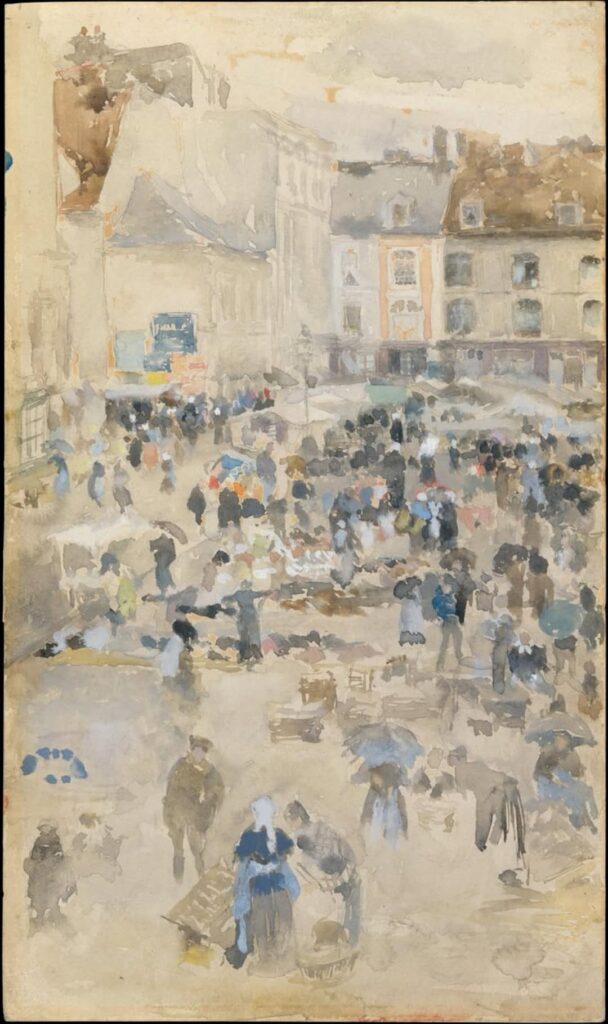
James Abbott McNeill Whistler, July 11, 1834 – July 17, 1903 was an American painter, printmaker, and draftsman best known for his portraits, nocturnes, and views of London, Venice, and the Thames. Born in Lowell, Massachusetts, he spent part of his youth in Russia, where his father worked as a railroad engineer. He studied drawing at the Imperial Academy of Arts in Saint Petersburg and later attended the United States Military Academy at West Point, from which he was dismissed.
After moving to Paris in 1855, Whistler studied briefly at the atelier of Charles Gleyre and absorbed the influence of French Realism. He settled in London, where he spent most of his career. His circle included artists such as Gustave Courbet, Dante Gabriel Rossetti, and Édouard Manet. Whistler became a leading advocate of the idea that art need not serve a moral or narrative purpose, a position reflected in works such as Arrangement in Grey and Black No. 1 (commonly known as Whistler’s Mother) and his celebrated nocturnes.
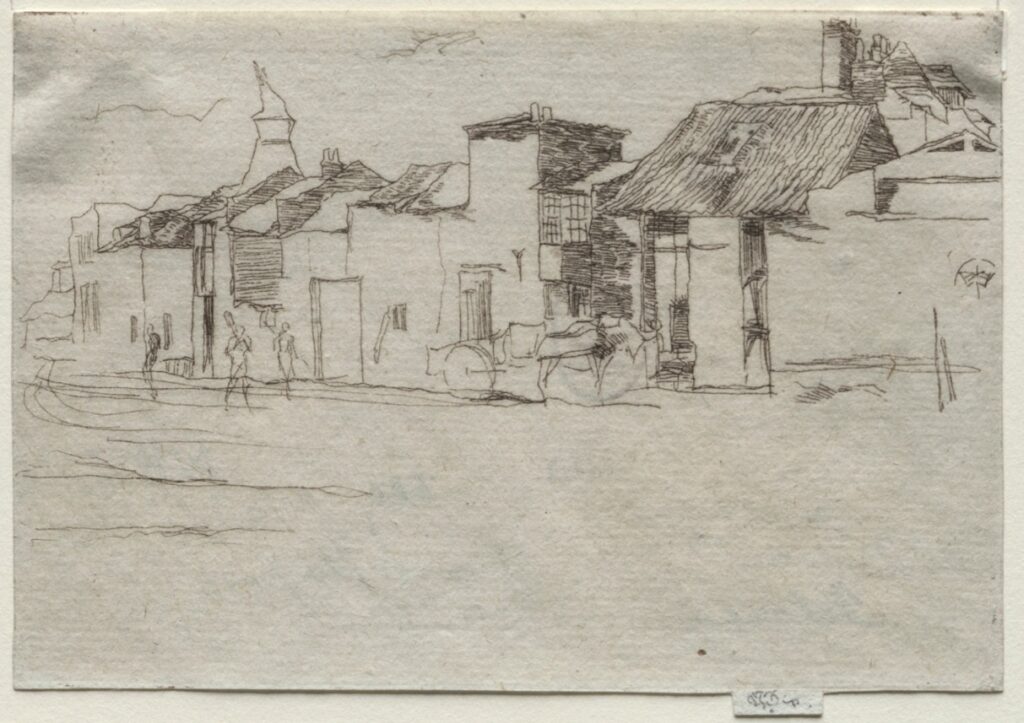
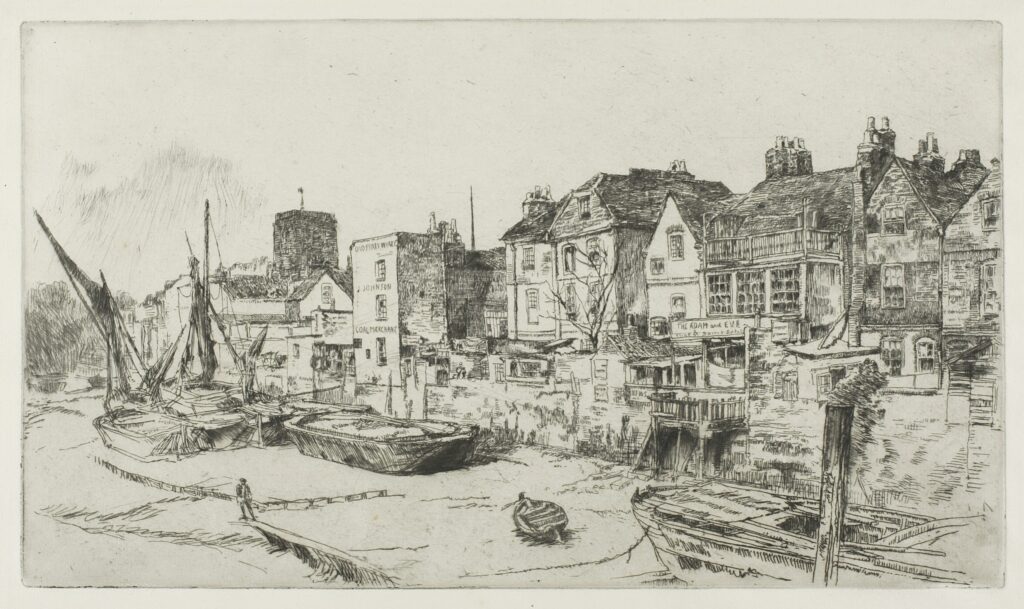
Whistler was also an accomplished etcher and lithographer. His series of Thames and Venice prints are regarded among the finest achievements in nineteenth-century printmaking. In 1878 he famously sued the critic John Ruskin for libel after Ruskin attacked Nocturne in Black and Gold: The Falling Rocket. Although Whistler won the case, the costs contributed to his bankruptcy.
As a teacher, Whistler influenced a generation of younger artists through his example and writings. His pupils included Walter Sickert, who became a major figure in British art. Whistler’s work can be found today in major collections including the Metropolitan Museum of Art, the National Gallery of Art, the Freer Gallery of Art, the Art Institute of Chicago, and Tate Britain.



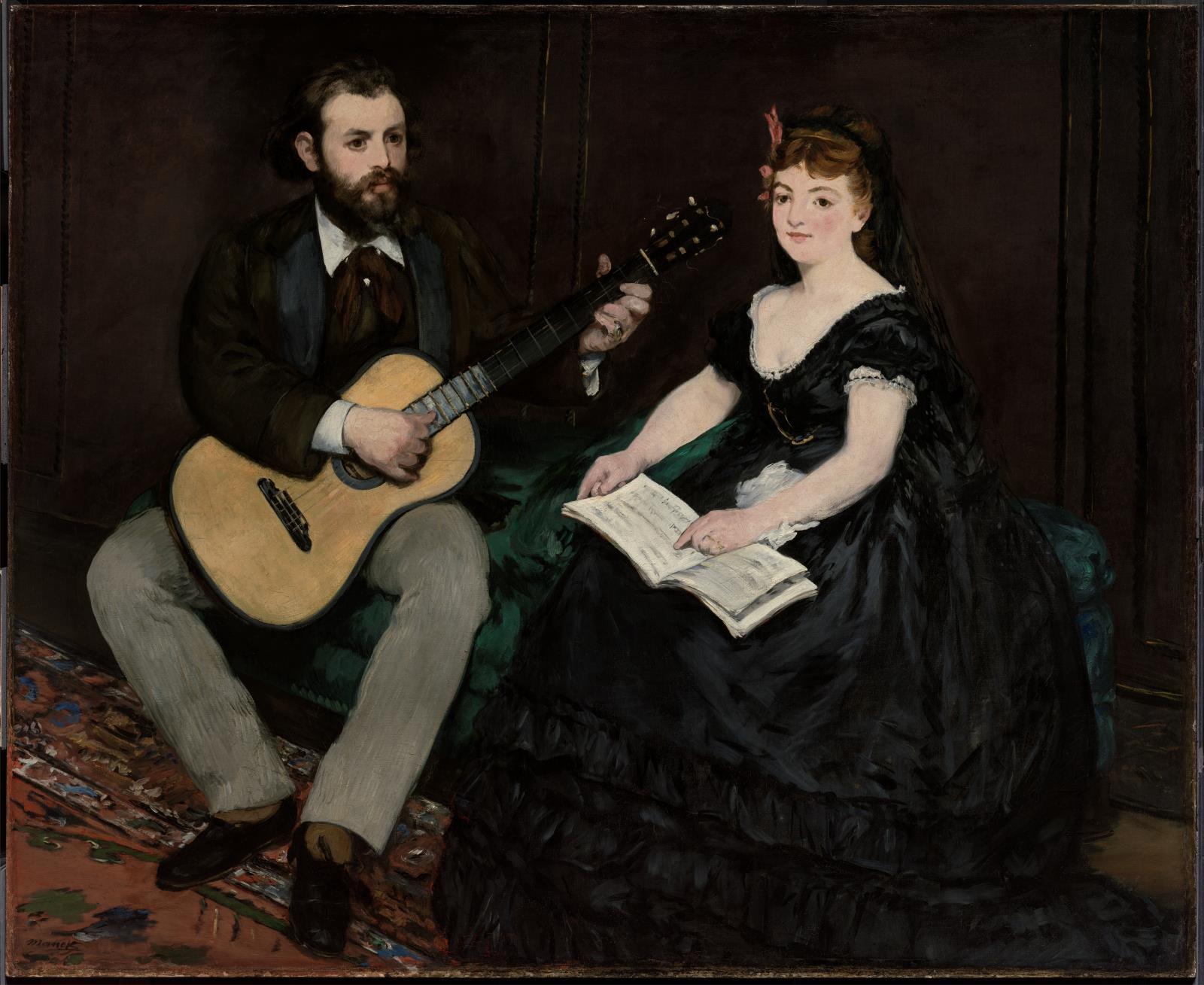
Édouard Manet
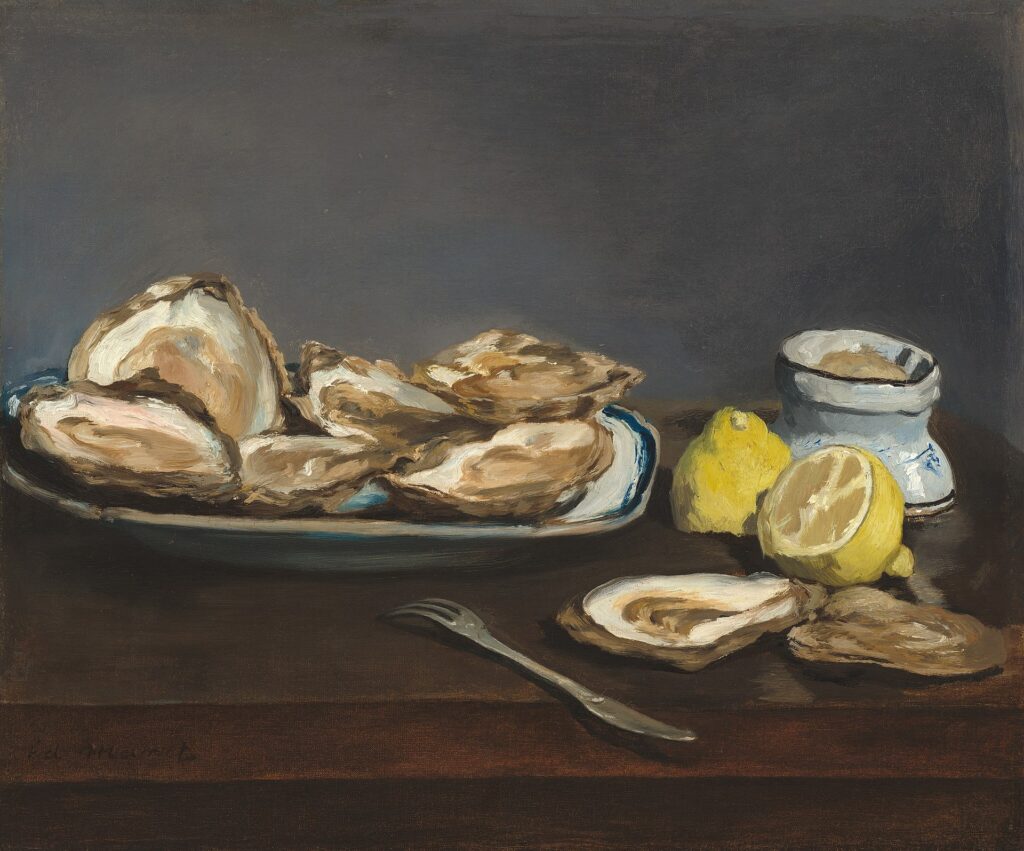
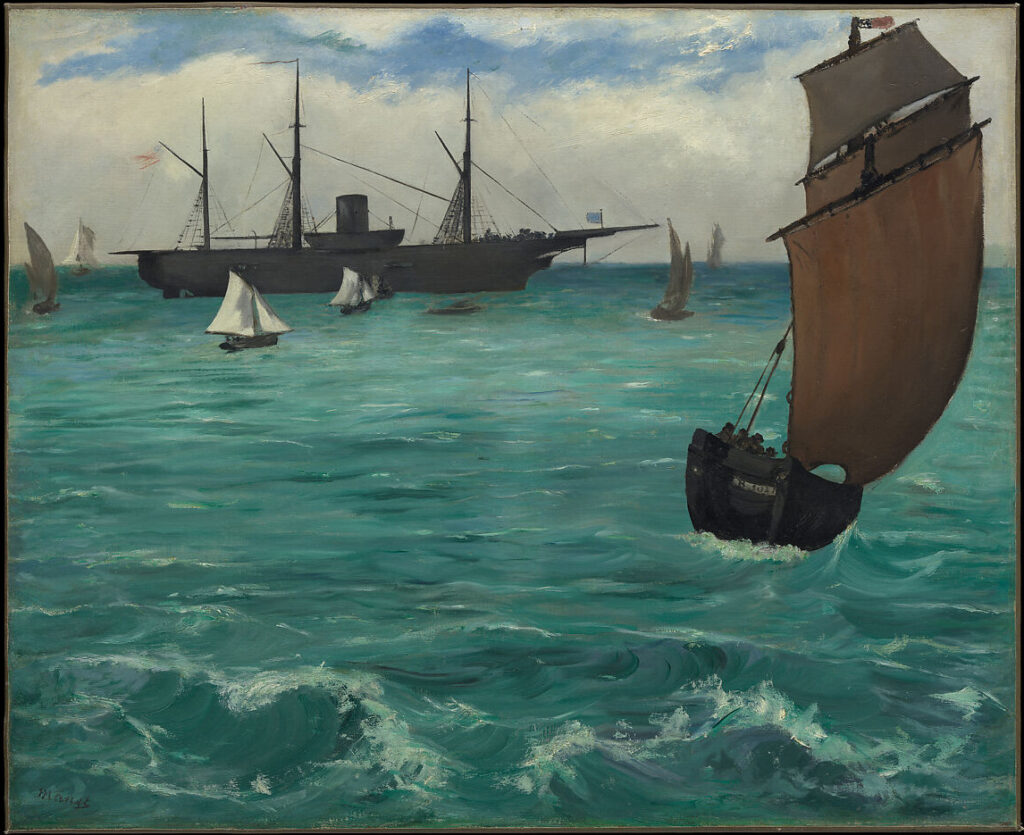
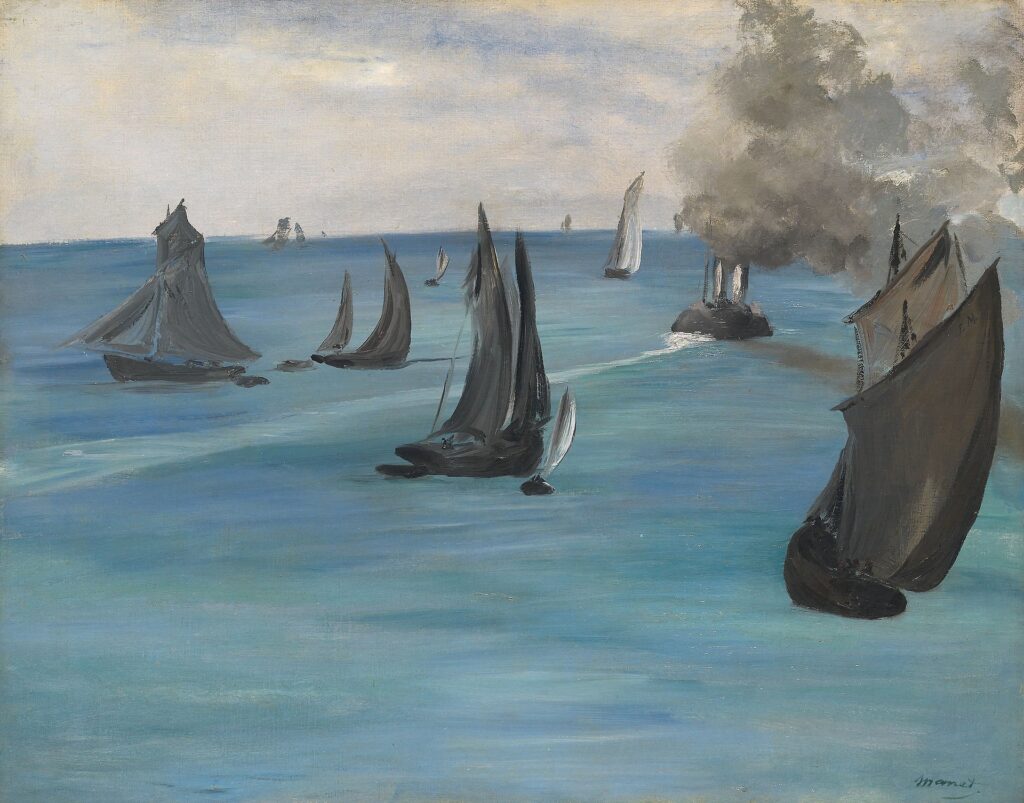
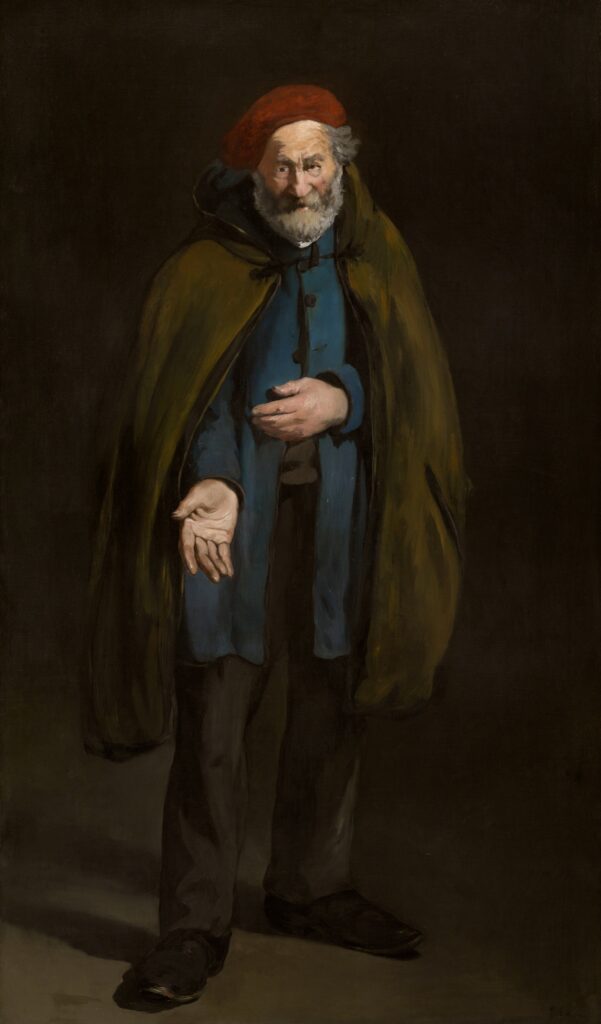
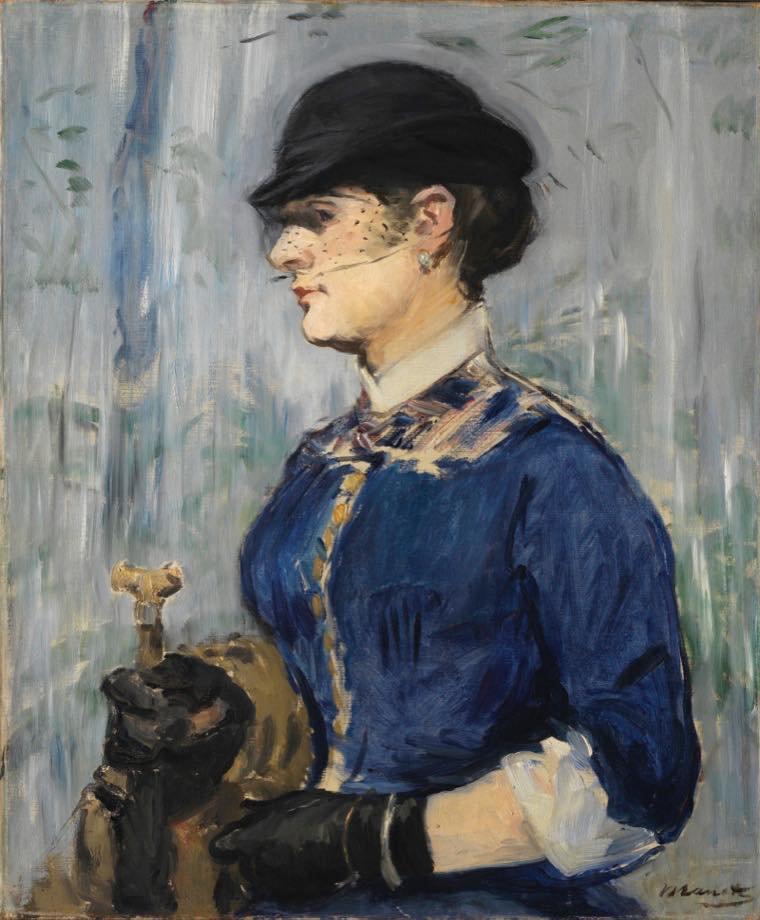
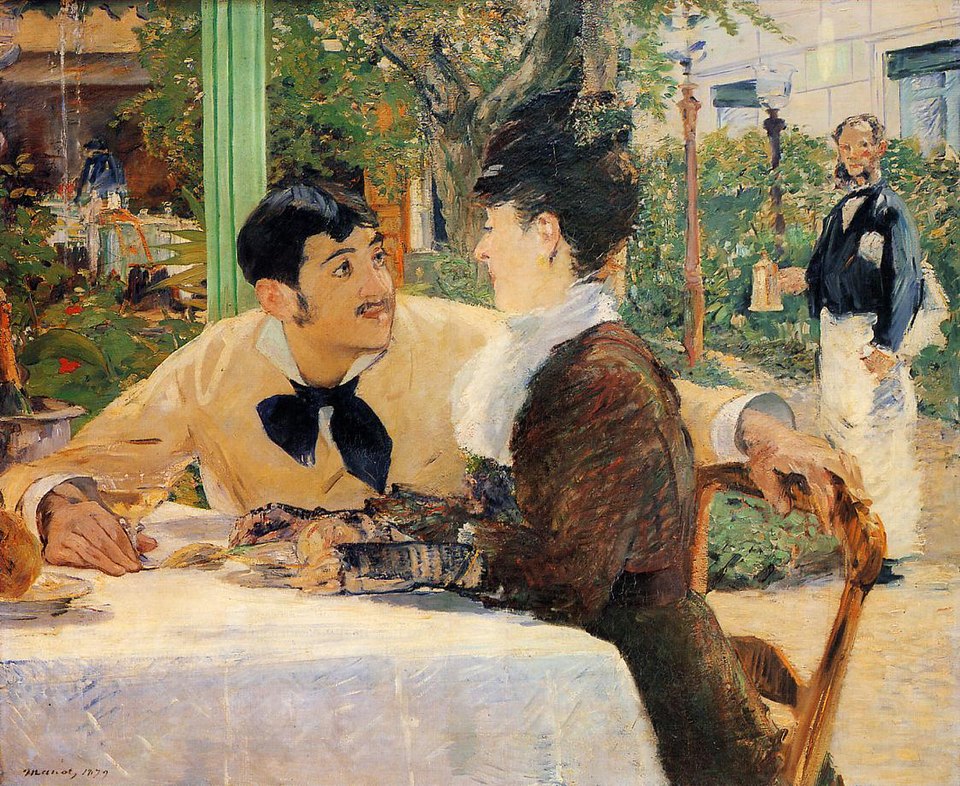
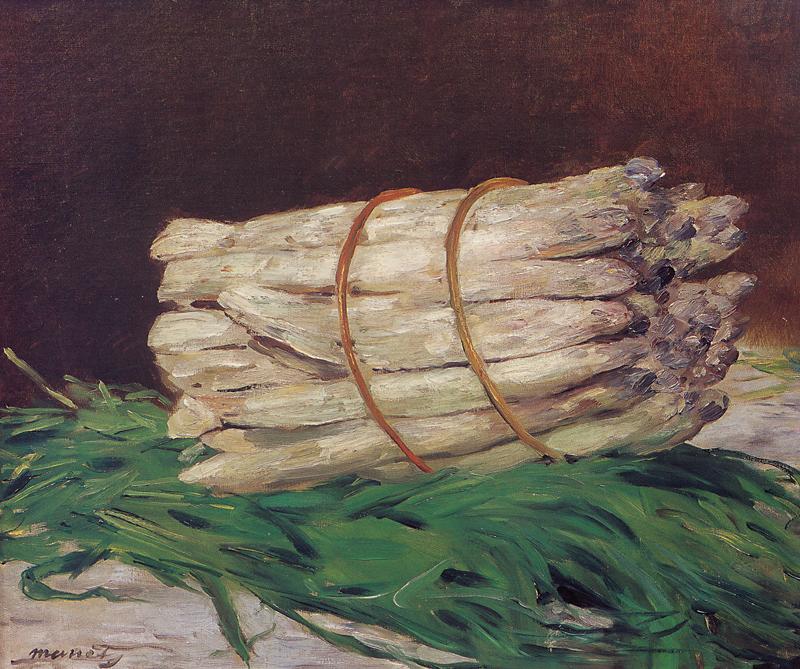
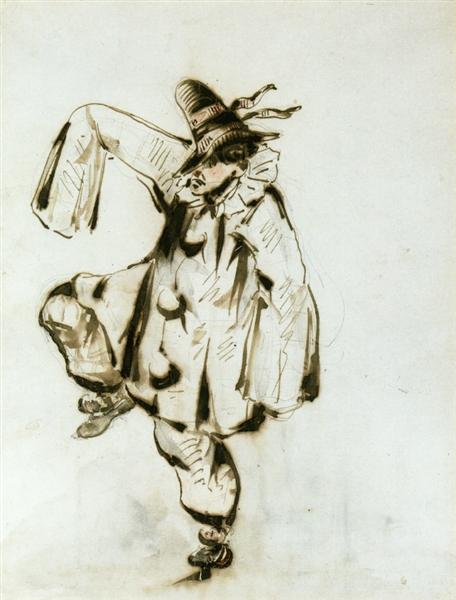
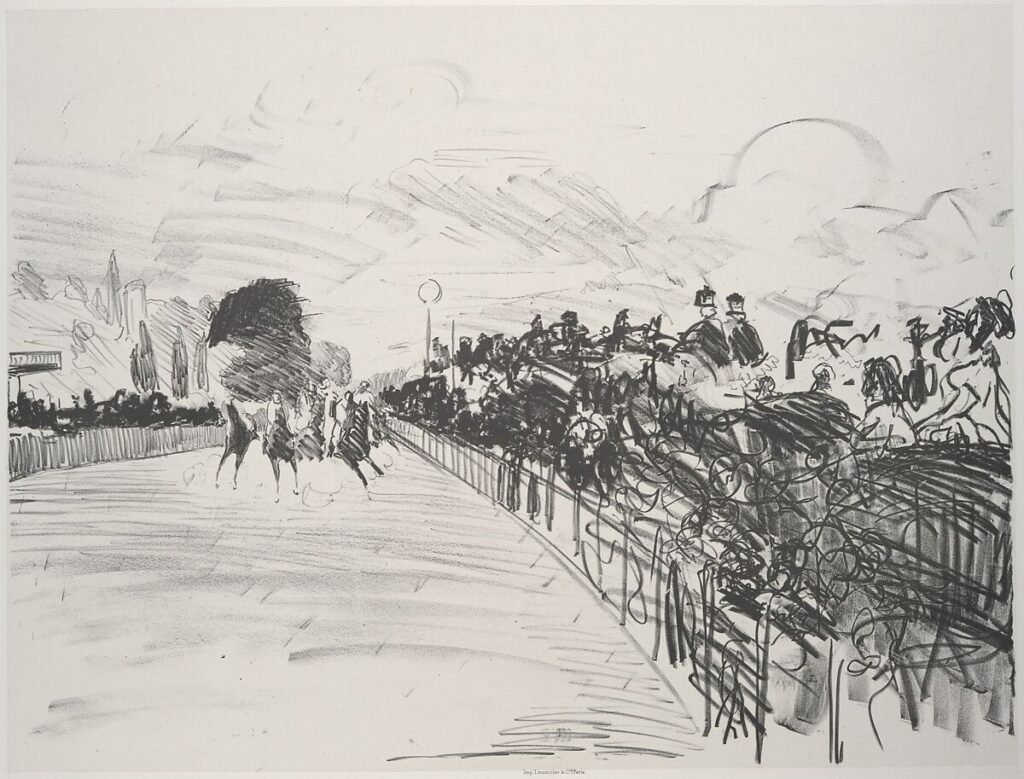
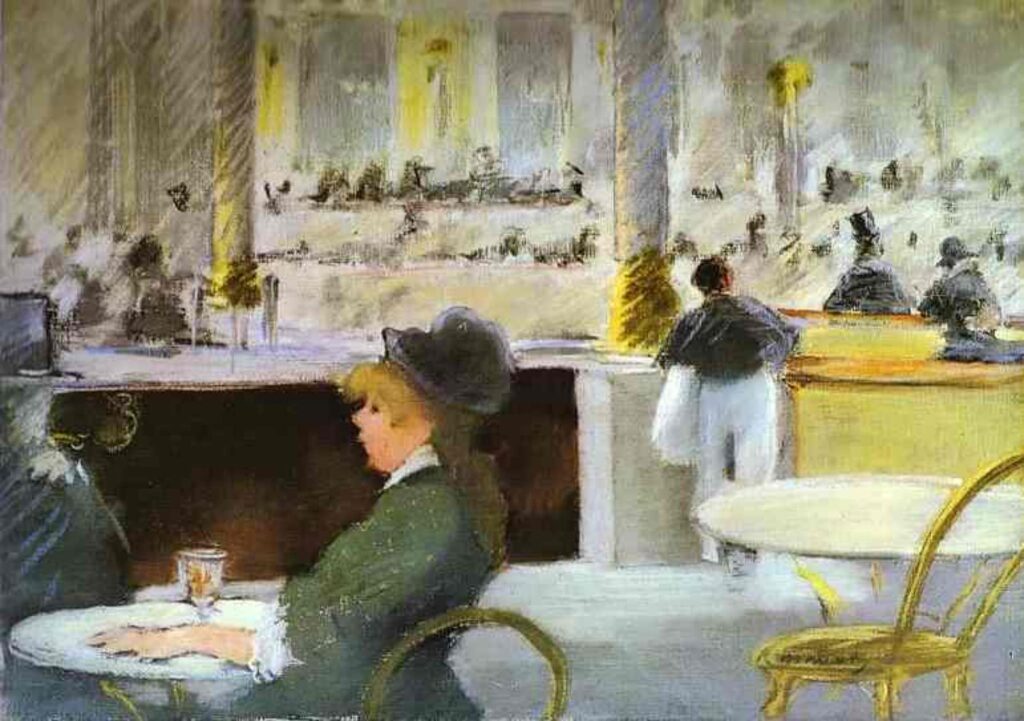
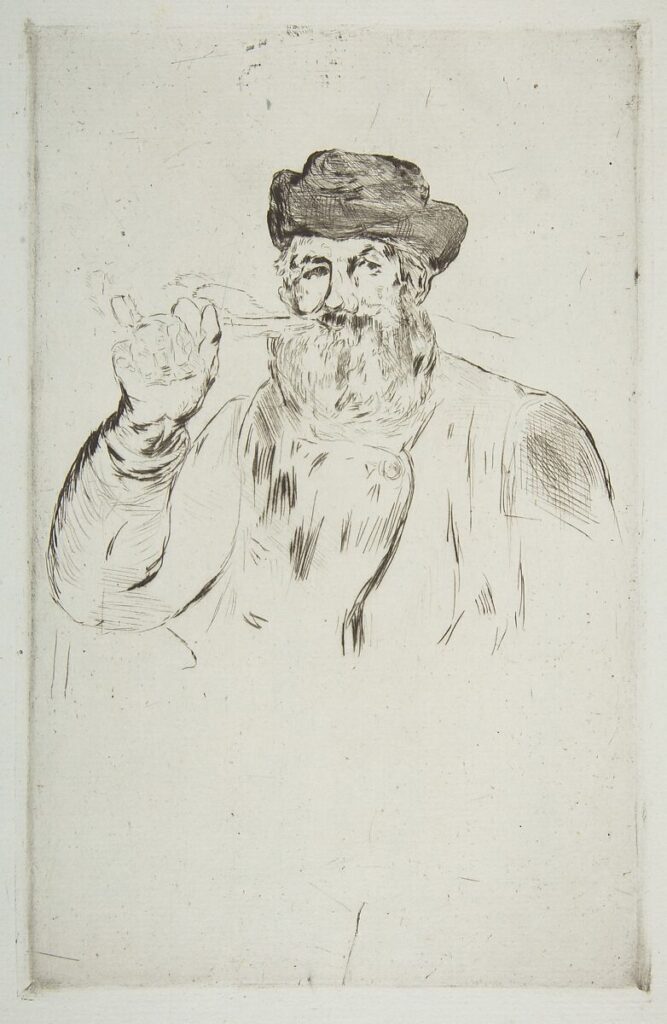
Édouard Manet, January 23, 1832–April 30, 1883, was a French painter and printmaker. Born in Paris, he studied with Thomas Couture from 1850 to 1856 and copied works in the Louvre while completing study trips in Europe.
Manet maintained professional and personal associations with Charles Baudelaire, Émile Zola, Edgar Degas, Claude Monet, Berthe Morisot and other artists and writers in Paris. He exhibited regularly at the Paris Salon and organized independent exhibitions of his work. Eva Gonzalès was his only formally acknowledged pupil.
Major collections of Manet’s work are held by the Musée d’Orsay, The Metropolitan Museum of Art, the National Gallery of Art, the National Gallery in London, the Art Institute of Chicago and the Philadelphia Museum of Art.