






Eadweard Muybridge
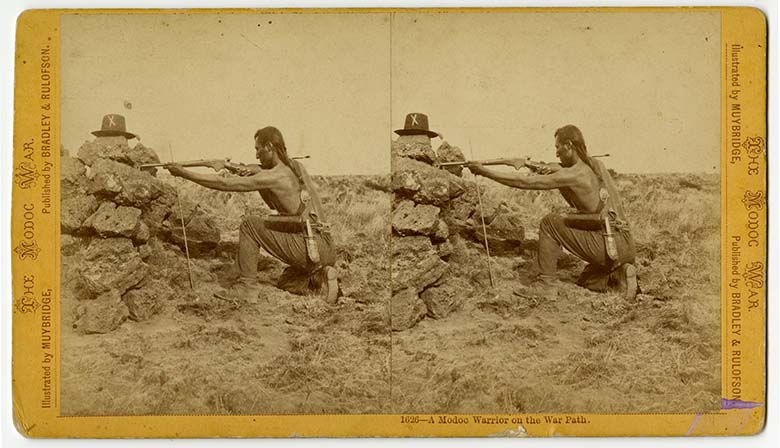
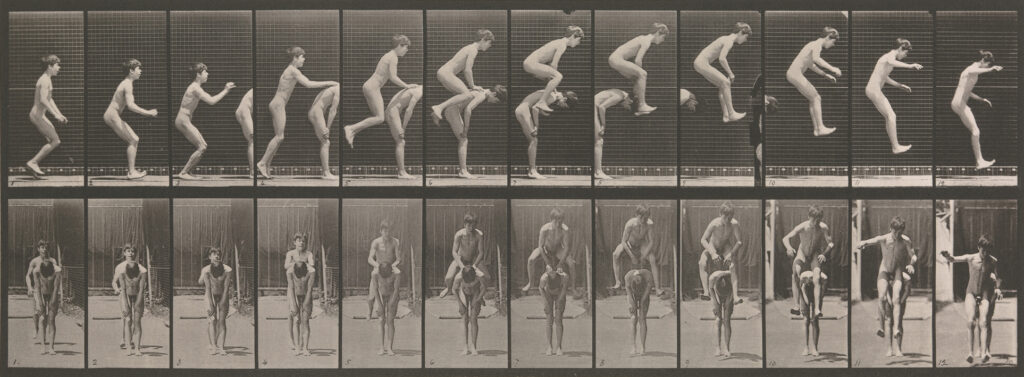
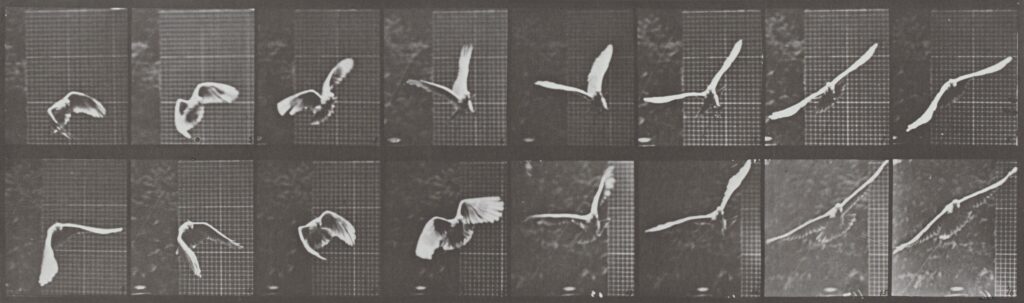
Eadweard Muybridge, British-born American Photographer, April 9, 1830 – May 8, 1904





Mstislav Dobuzhinsky
Mstislav Valerianovich Dobuzhinsky, August 2, 1875 – November 20, 1957, was a Lithuanian-born Russian painter, graphic artist, illustrator, theatrical designer, and stage designer associated with the Mir Iskusstva (World of Art) movement. He was born in Novgorod to a family of military physicians and spent much of his youth in Vilnius. He studied law at Saint Petersburg Imperial University while receiving artistic training, later studying in Munich with Anton Ažbe and Simon Hollósy. Returning to Saint Petersburg, he became a central member of Mir Iskusstva alongside Alexandre Benois and Léon Bakst.
Dobuzhinsky became known for highly detailed urban views of Saint Petersburg, Vilnius, and other cities, as well as book illustration, caricature, and theatrical design. His work combined elements of Symbolism, Art Nouveau, and modern urban realism, often depicting architecture and city life with psychological and literary associations. Following the Russian Revolution, he continued to work in Lithuania and later emigrated, living in Europe before settling in the United States, where he remained active as a painter and stage designer.
Dobuzhinsky taught at several institutions in Lithuania and influenced a generation of artists and designers through his work in painting, illustration, and theater. His works are held by major collections including the Tretyakov Gallery, the Russian Museum, the Pushkin State Museum of Fine Arts, the Lithuanian National Museum of Art, the Ashmolean Museum, and numerous museum collections in Lithuania, Russia, Europe, and the United States.


Gustav Klimt
Gustav Klimt, July 14, 1862 – February 6, 1918, was an Austrian painter, draftsman, and decorative artist associated with the Vienna Secession. He was born in Baumgarten, then a suburb of Vienna, the son of the engraver Ernst Klimt. He studied at the Vienna School of Arts and Crafts (Kunstgewerbeschule), where he trained in architectural painting and decoration alongside his brother Ernst Klimt and Franz Matsch. Early in his career he received commissions for murals and decorative schemes in public buildings throughout the Austro-Hungarian Empire.
Klimt’s work includes allegorical paintings, portraits, landscapes, and a large body of drawings. He was a founding member and first president of the Vienna Secession, which promoted modern art independent of the established academic institutions. His style combined elements of Symbolism, Art Nouveau, and Byzantine-inspired ornament. During his so-called Golden Phase he produced many of his best-known portraits and allegorical compositions, while his later work increasingly emphasized landscape painting and freer handling of form and color.
Klimt did not maintain a formal teaching practice and left no organized school of pupils, although his work strongly influenced younger Austrian artists including Egon Schiele and Oskar Kokoschka. His work is held in major collections including the Belvedere Museum, the Leopold Museum, the Albertina, the Museum of Modern Art, and the Neue Galerie New York.


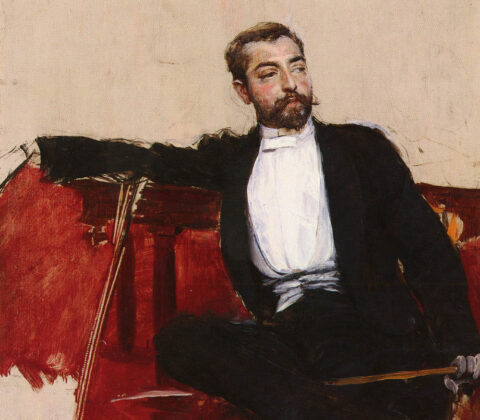
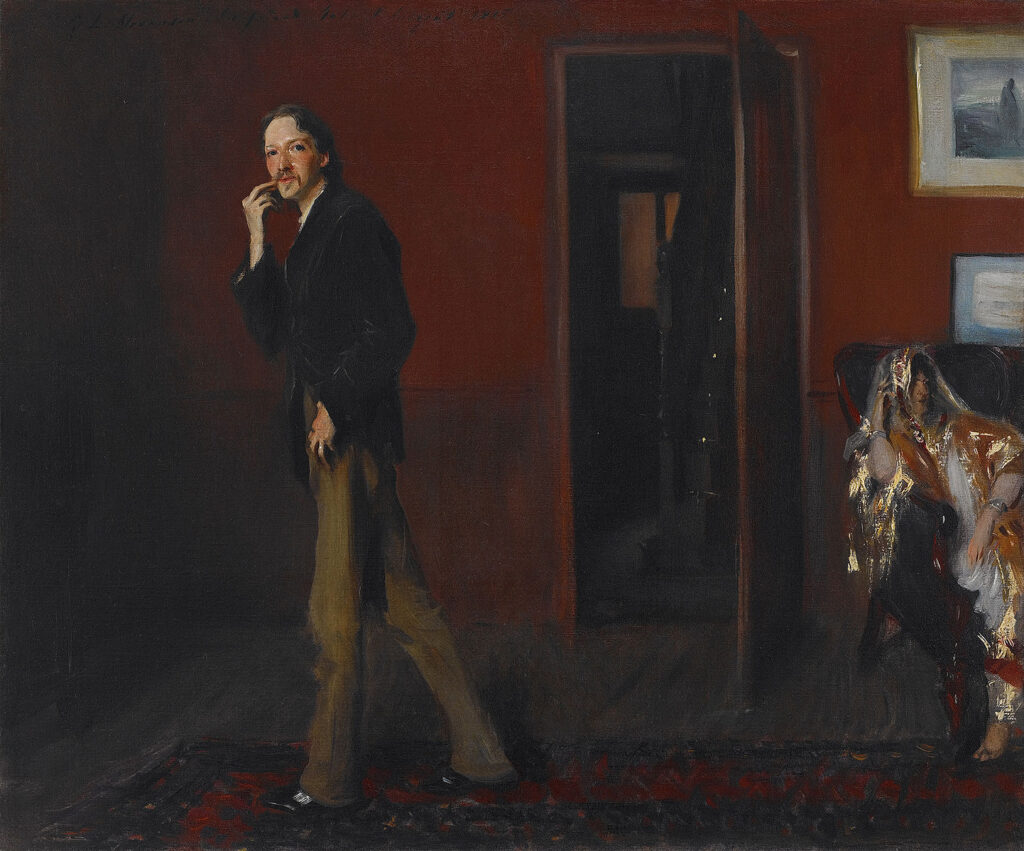
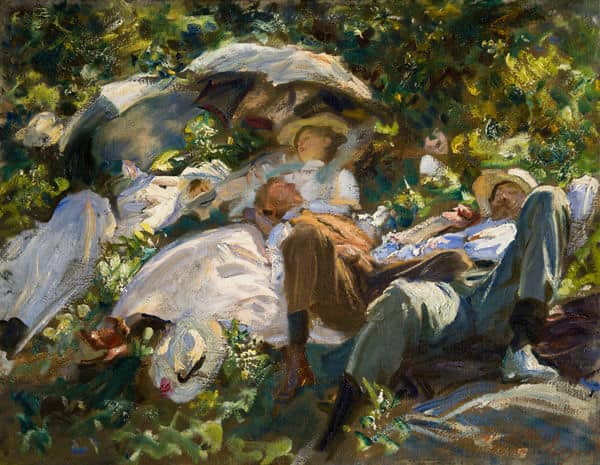
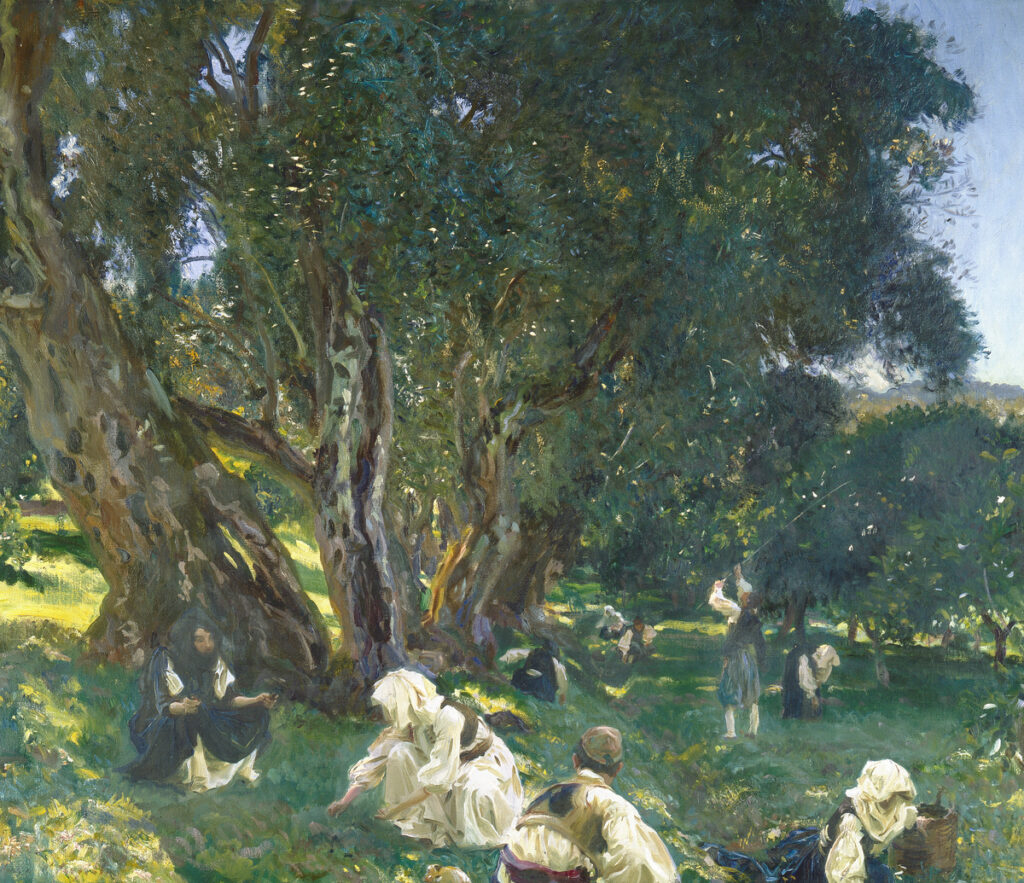
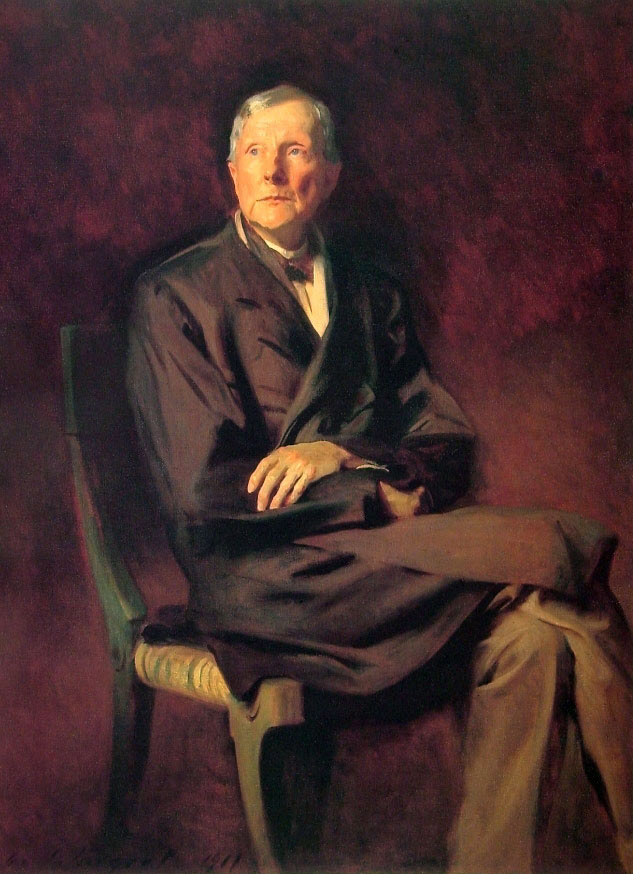
John Singer Sargent
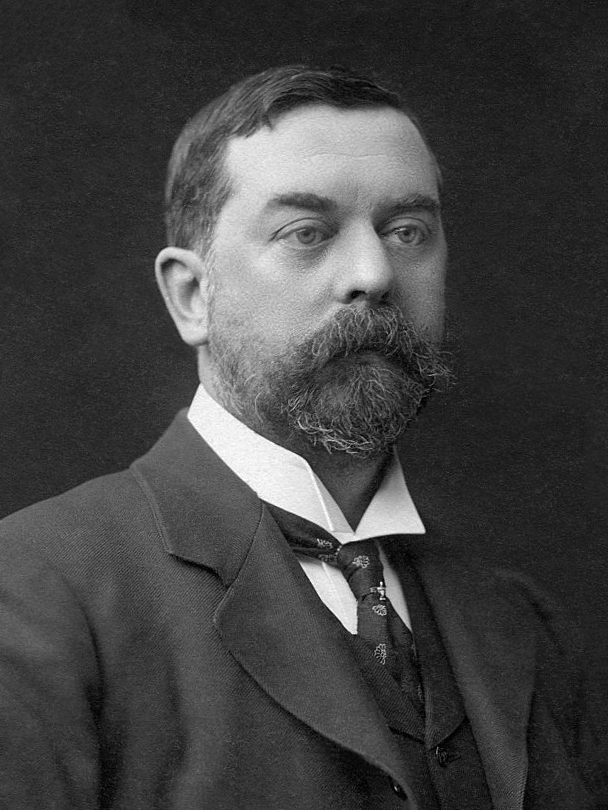
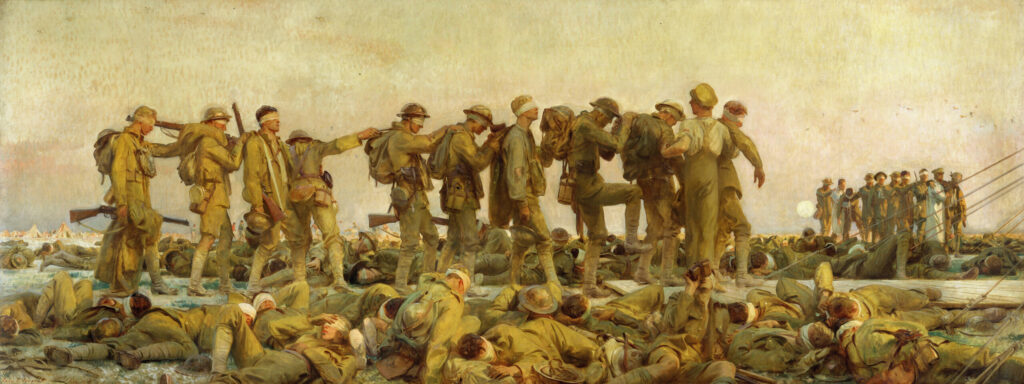
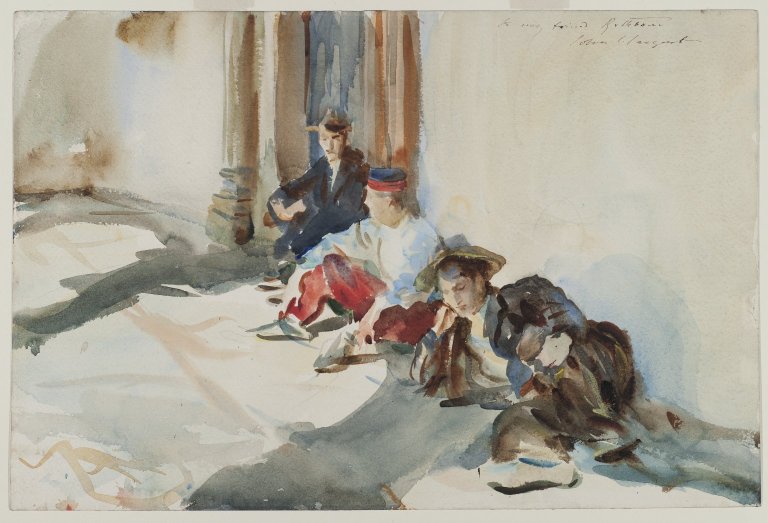
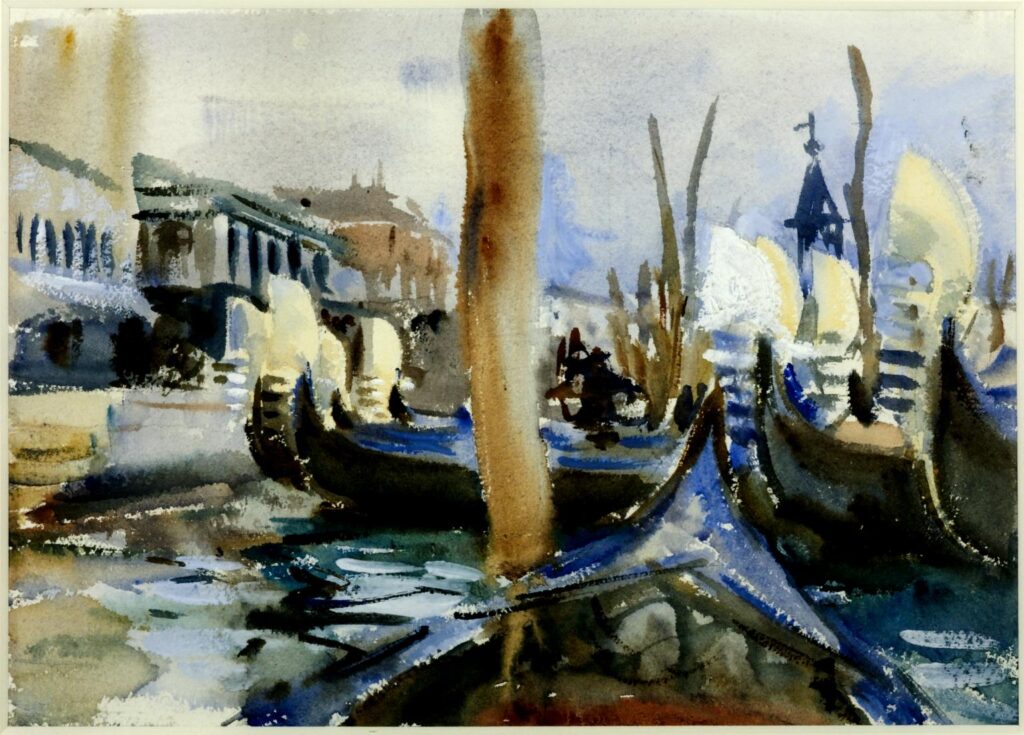
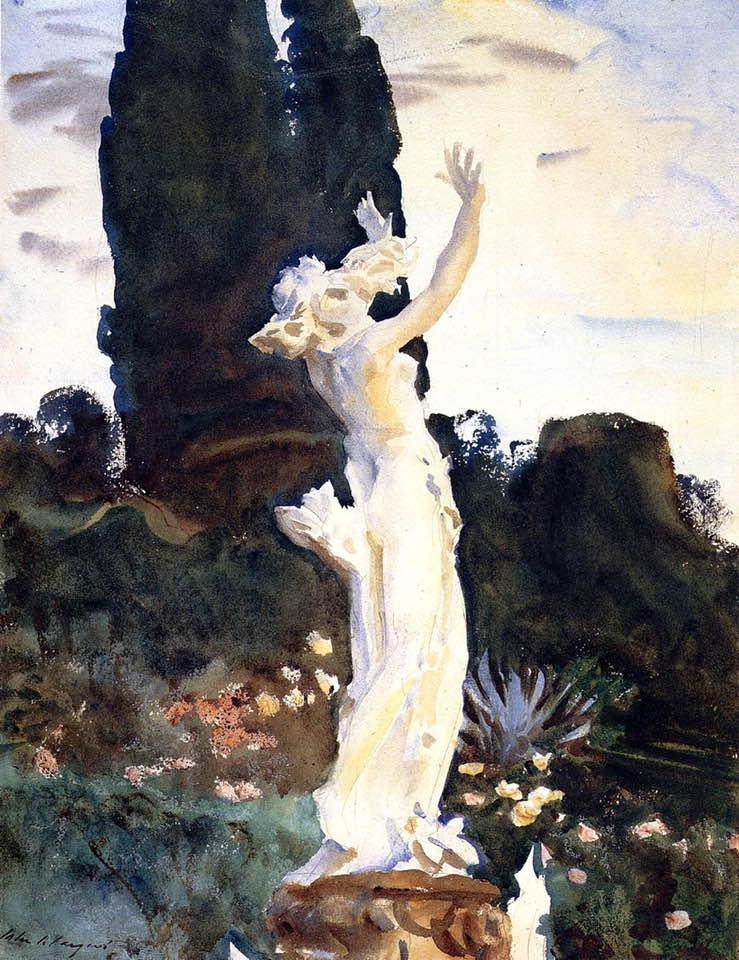
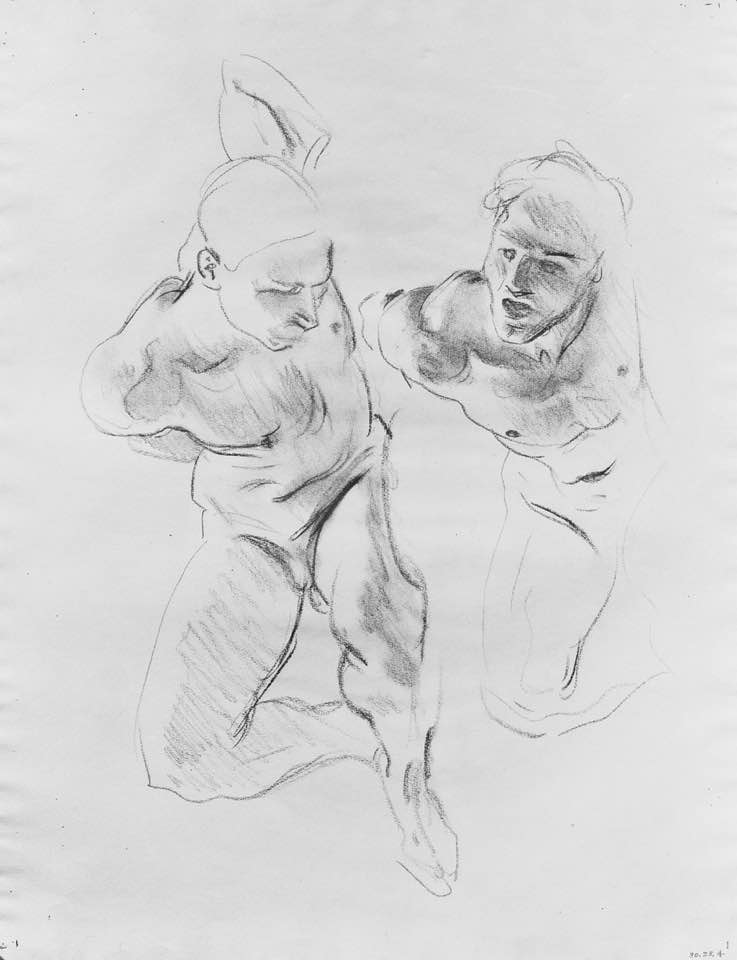
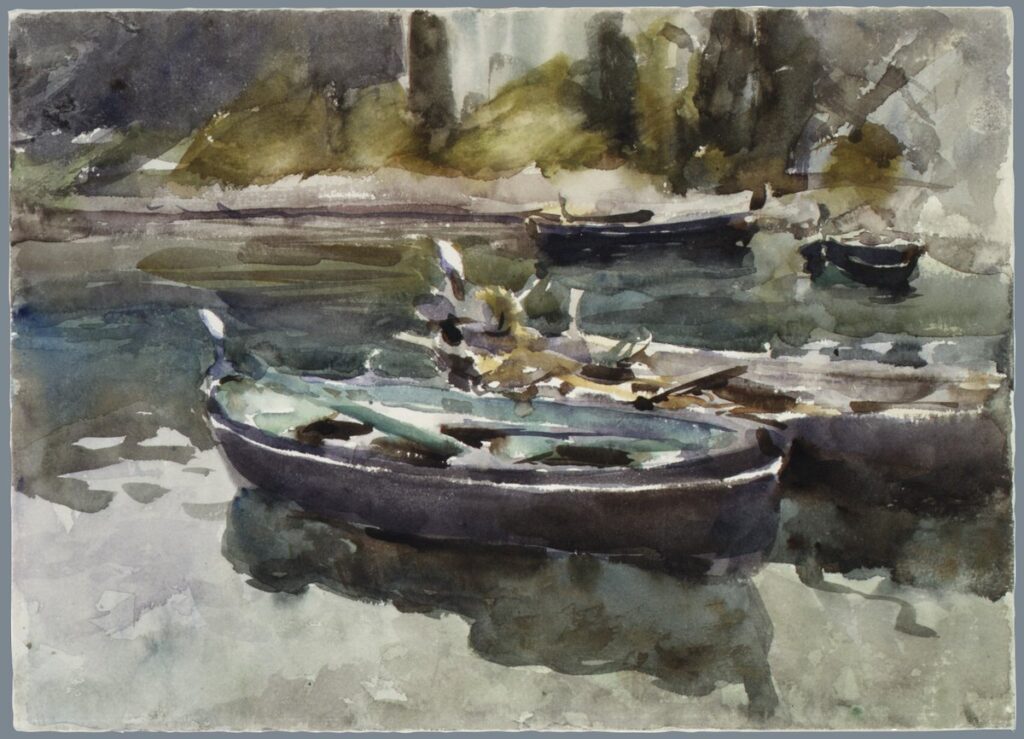
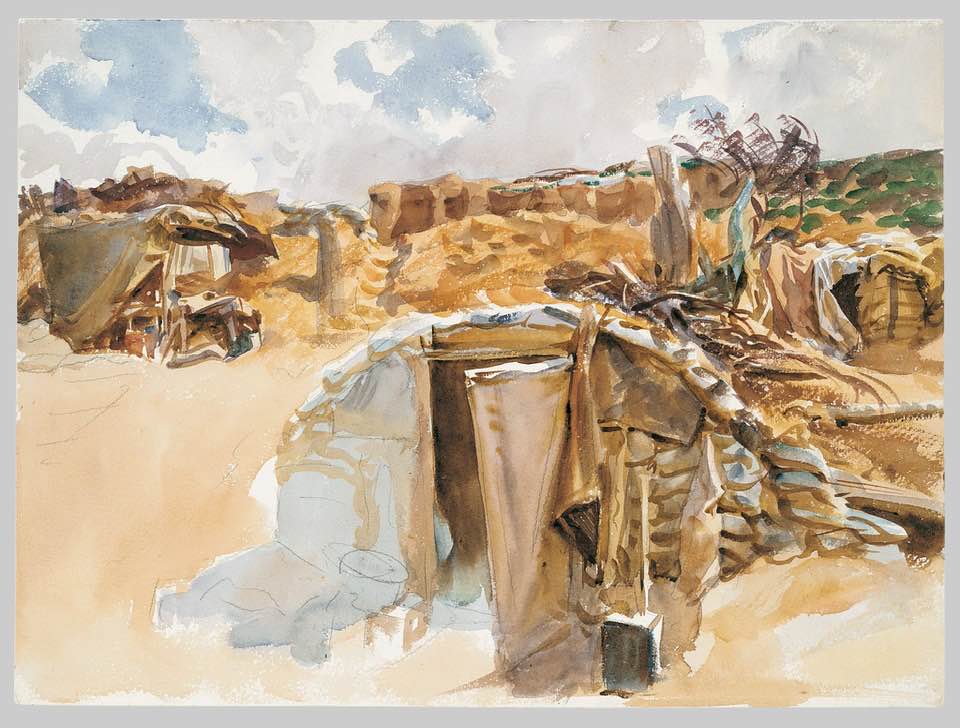
John Singer Sargent, January 12, 1856–April 14, 1925, was an American painter born in Florence to expatriate American parents. He received early art training in Florence, moved to Paris in 1874, passed the entrance examinations for the École des Beaux-Arts, and studied in the atelier of Carolus-Duran.
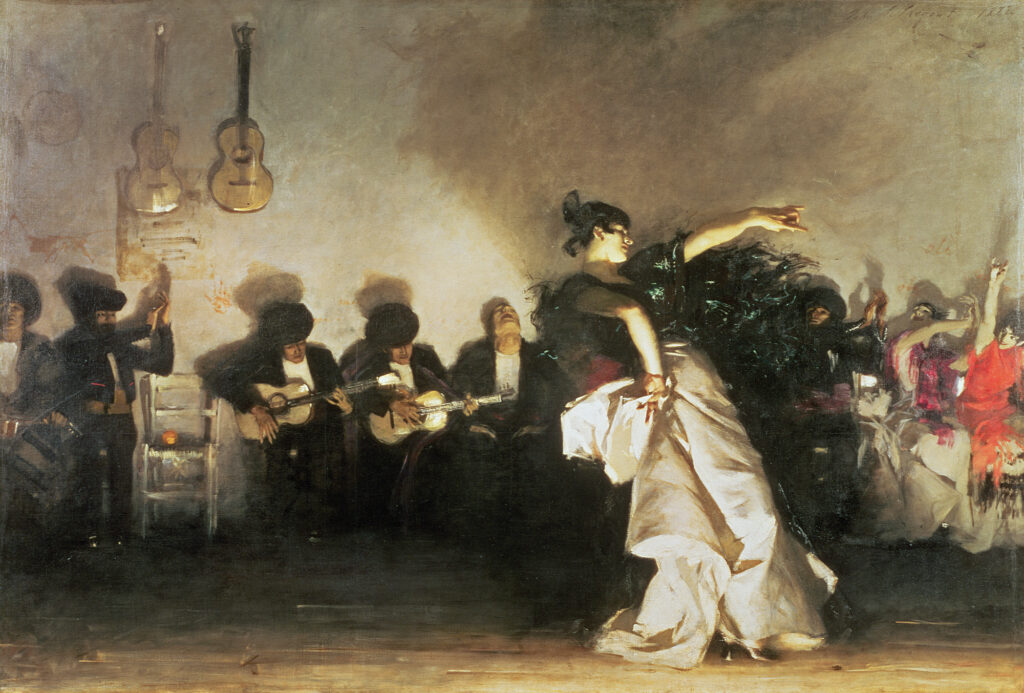
Sargent exhibited at the Paris Salon from 1877 and established an international career in portraiture before making London his principal base. He traveled frequently in Europe and the United States, maintained friendships with figures including Henry James and Robert Louis Stevenson, and never married.
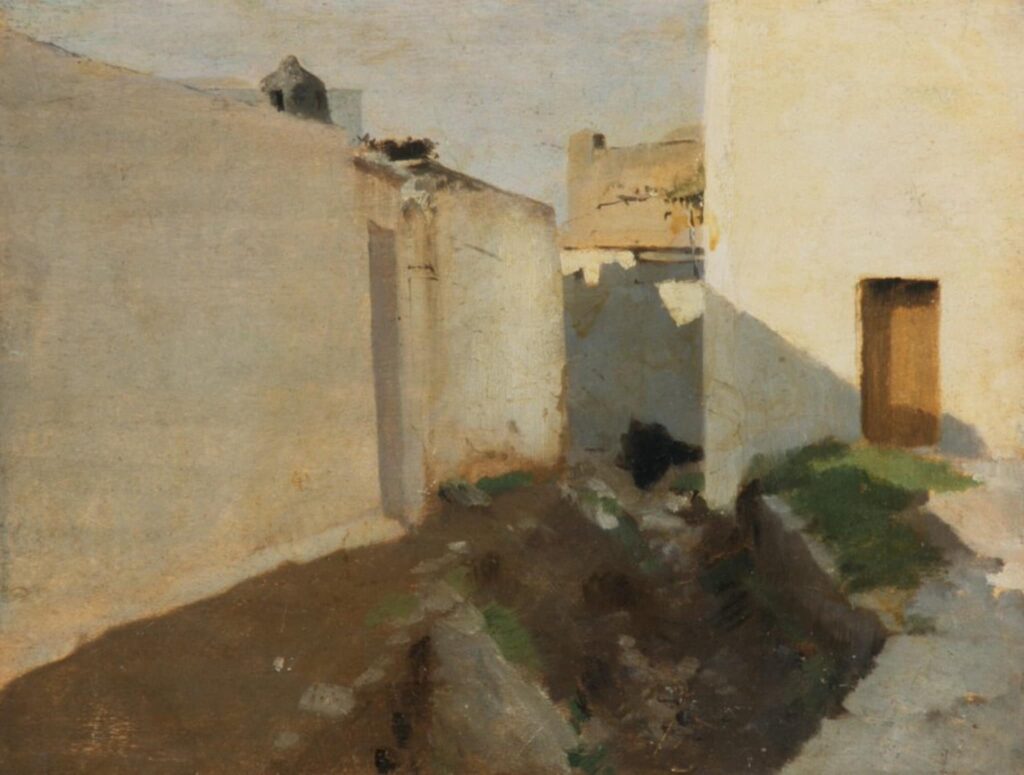
After about 1907, Sargent reduced his portrait commissions and devoted more time to watercolor, landscape, and mural projects for the Boston Public Library and the Museum of Fine Arts, Boston. He served as an official war artist in 1918 and died in London in 1925; principal collections of his work include the Metropolitan Museum of Art, the Museum of Fine Arts, Boston, Tate, the National Gallery of Art, and the National Portrait Gallery, London.
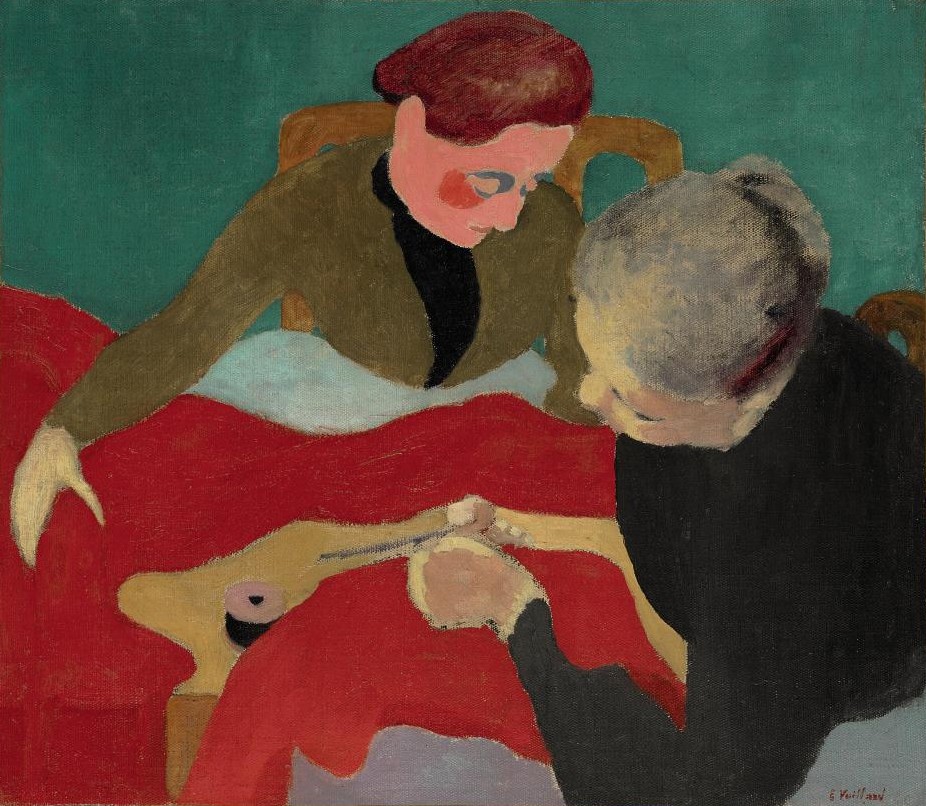
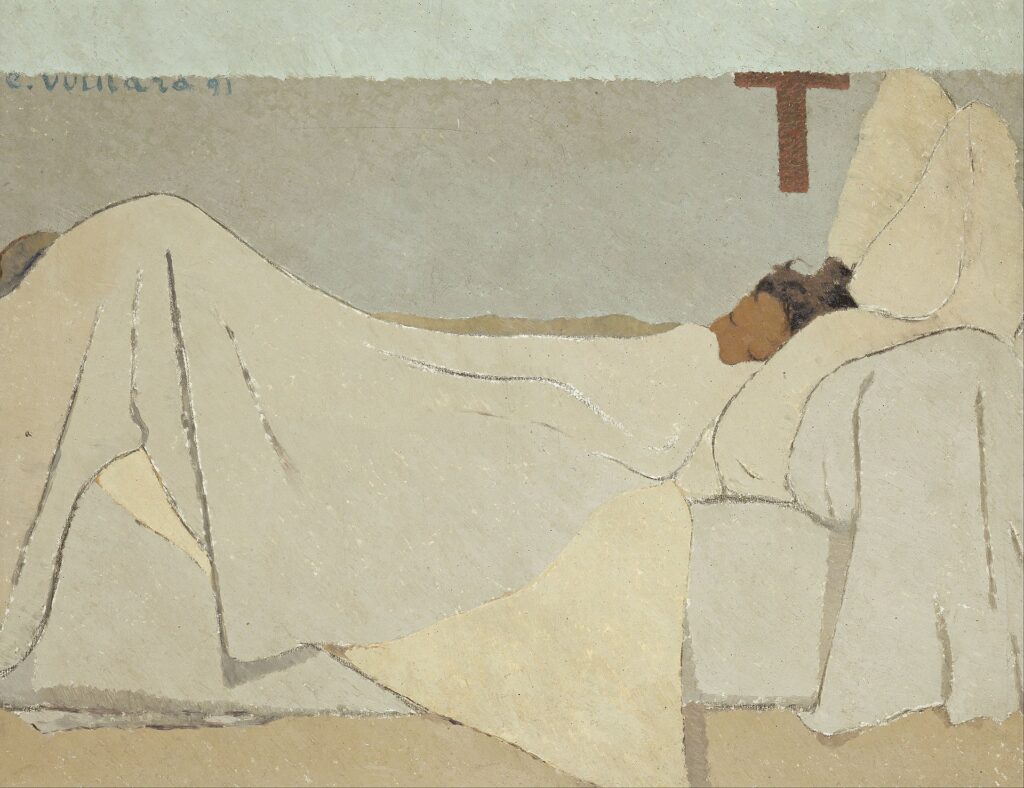
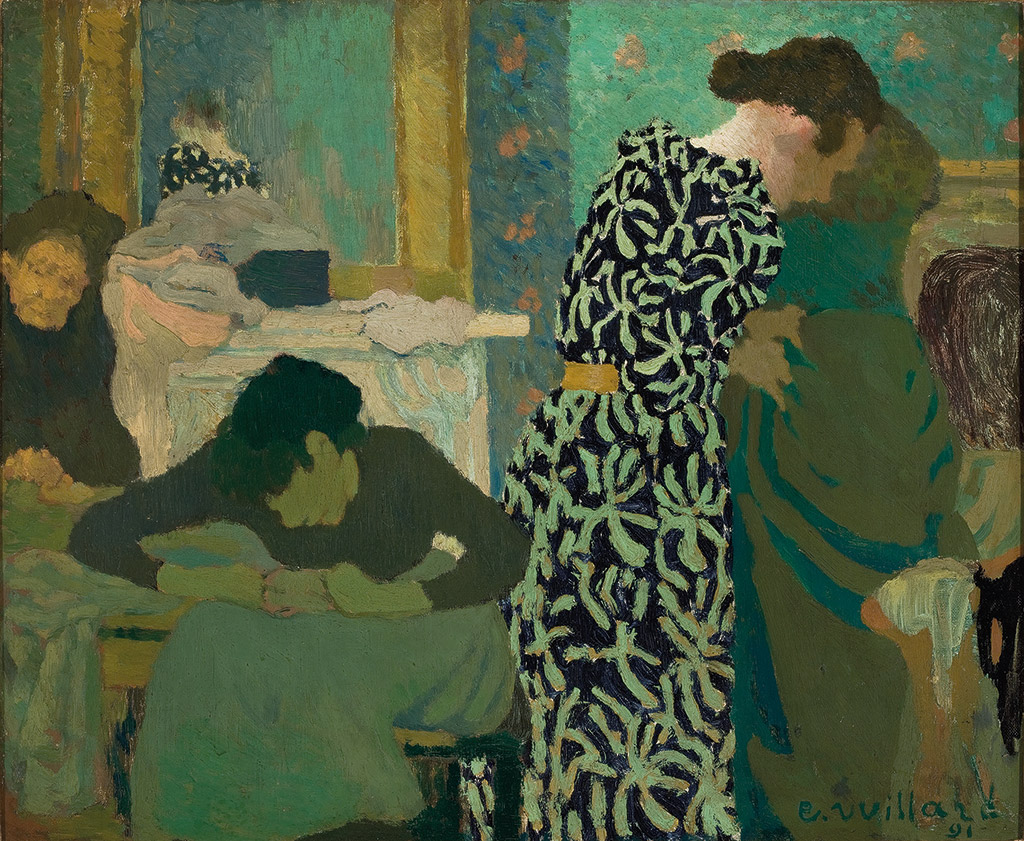
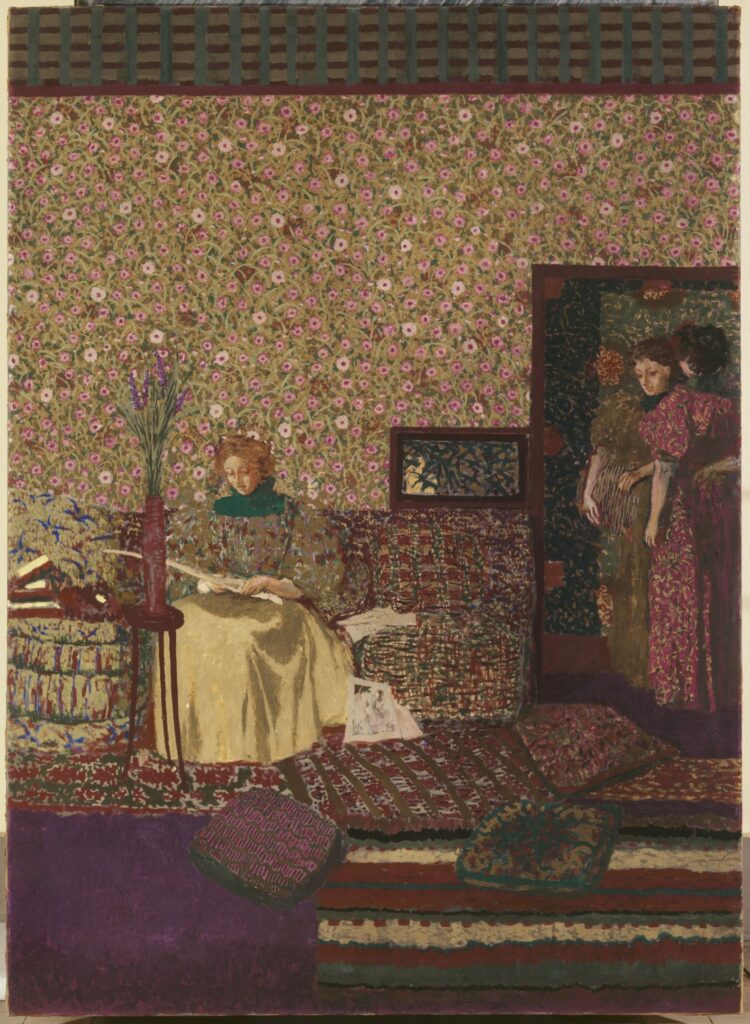
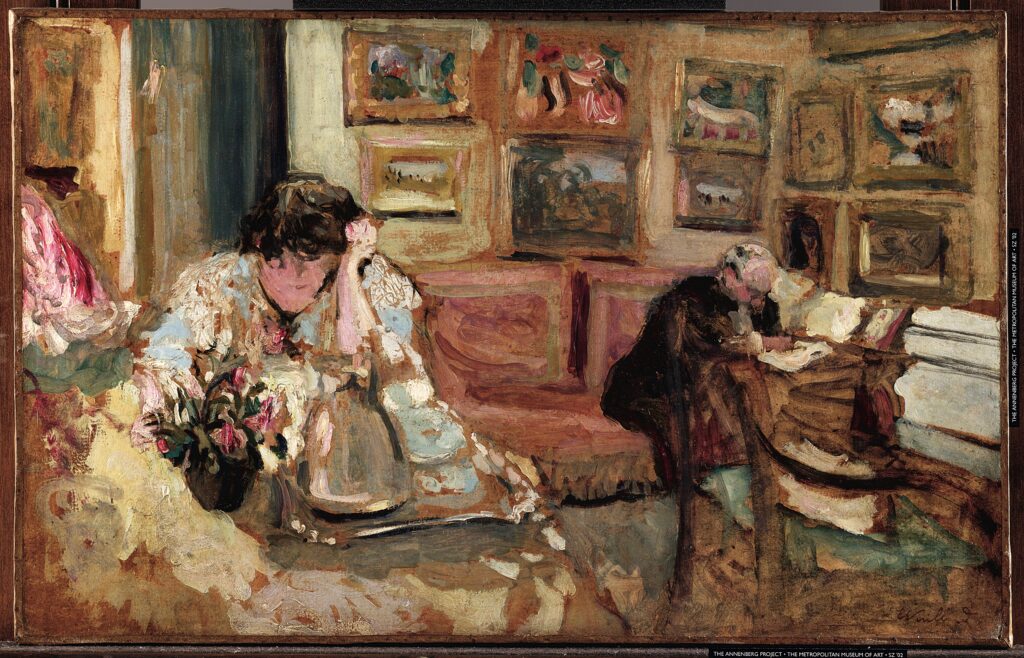
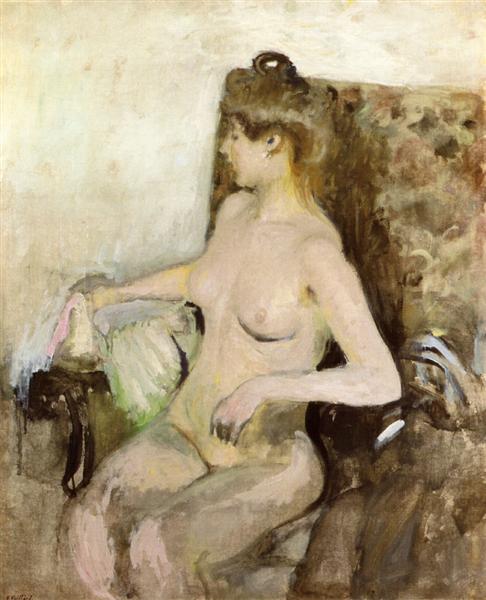
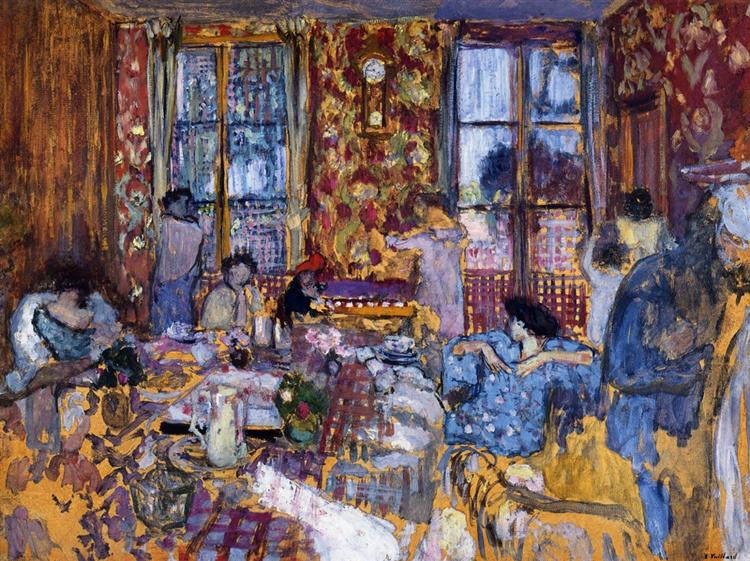
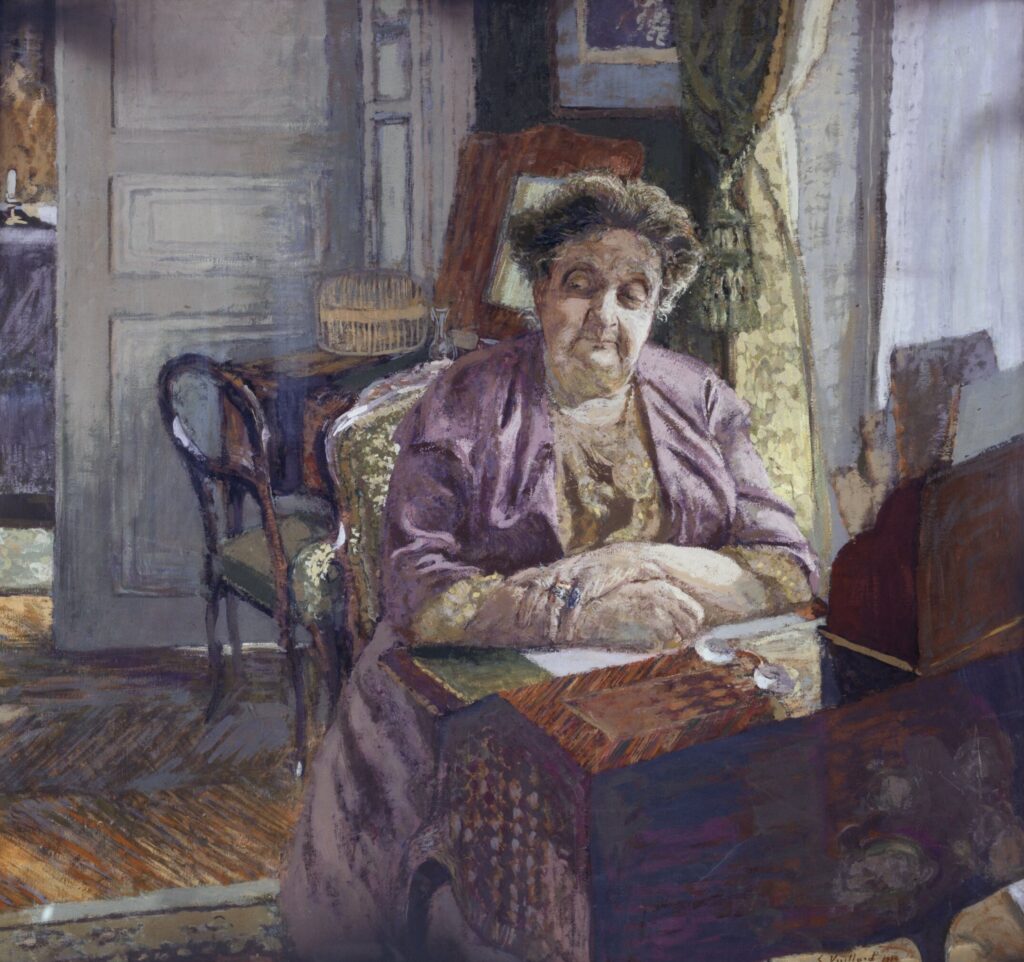
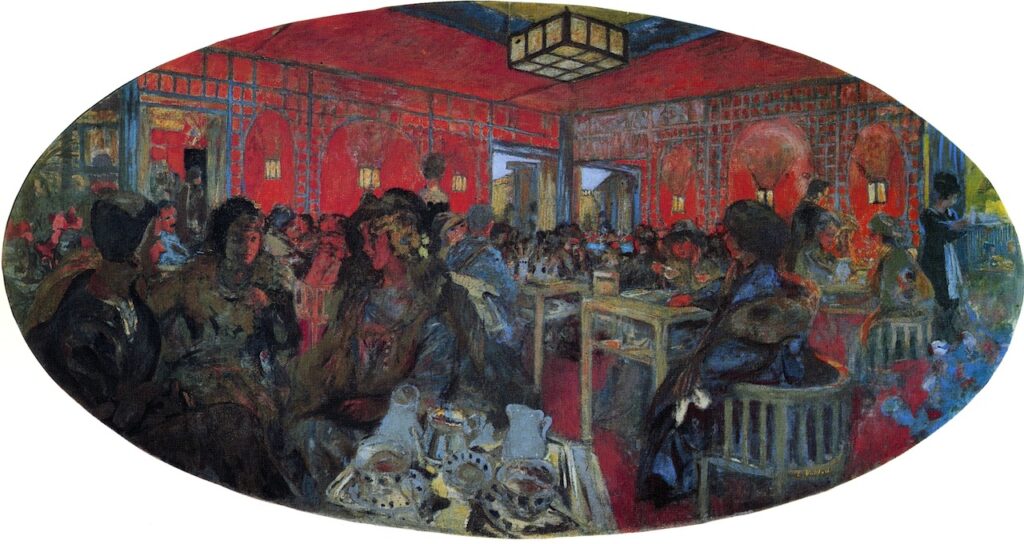
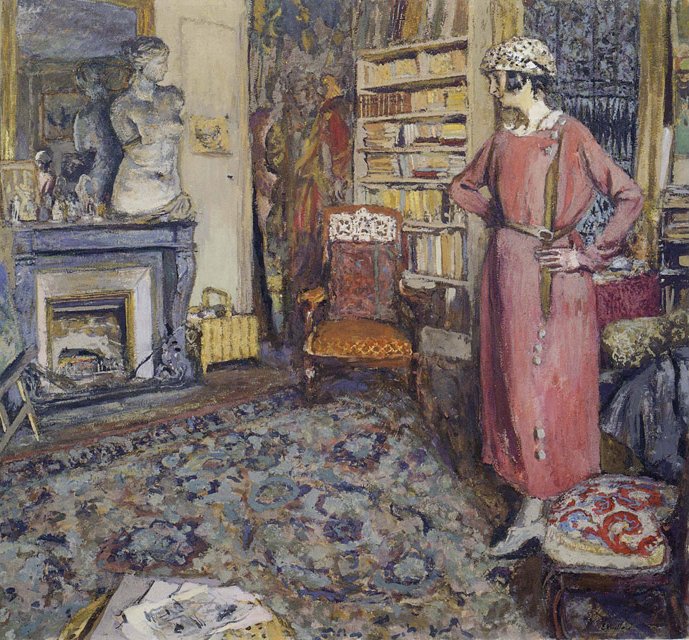
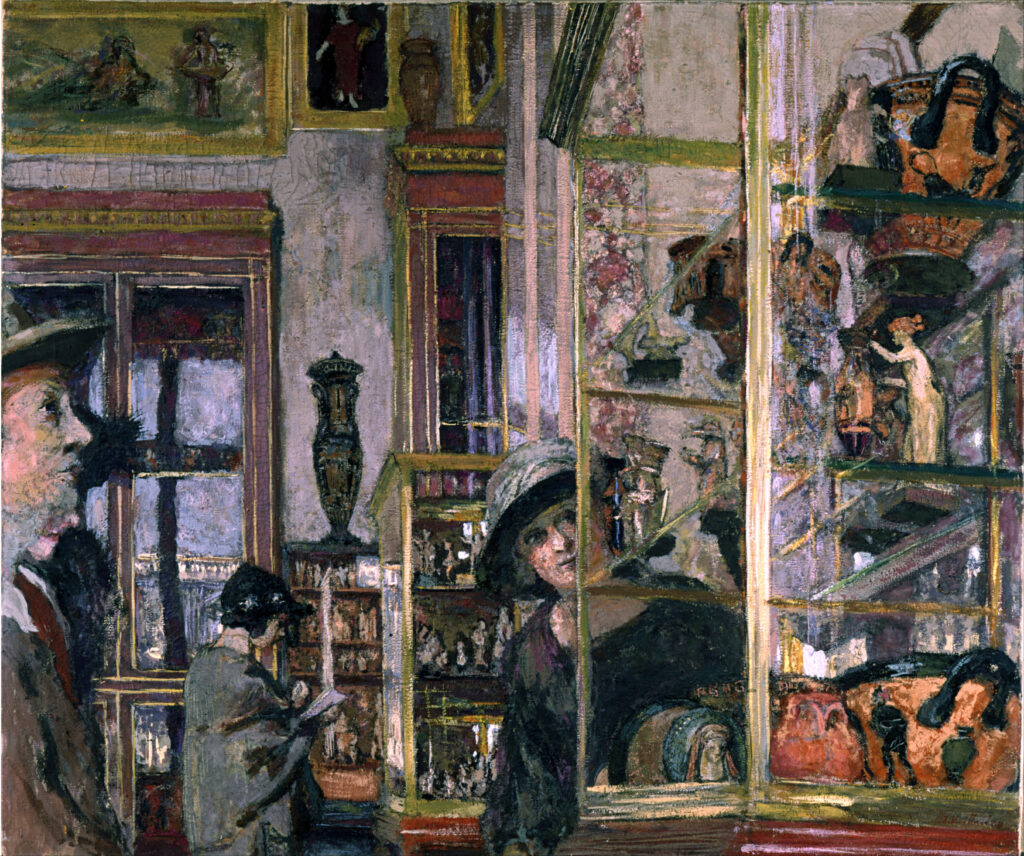
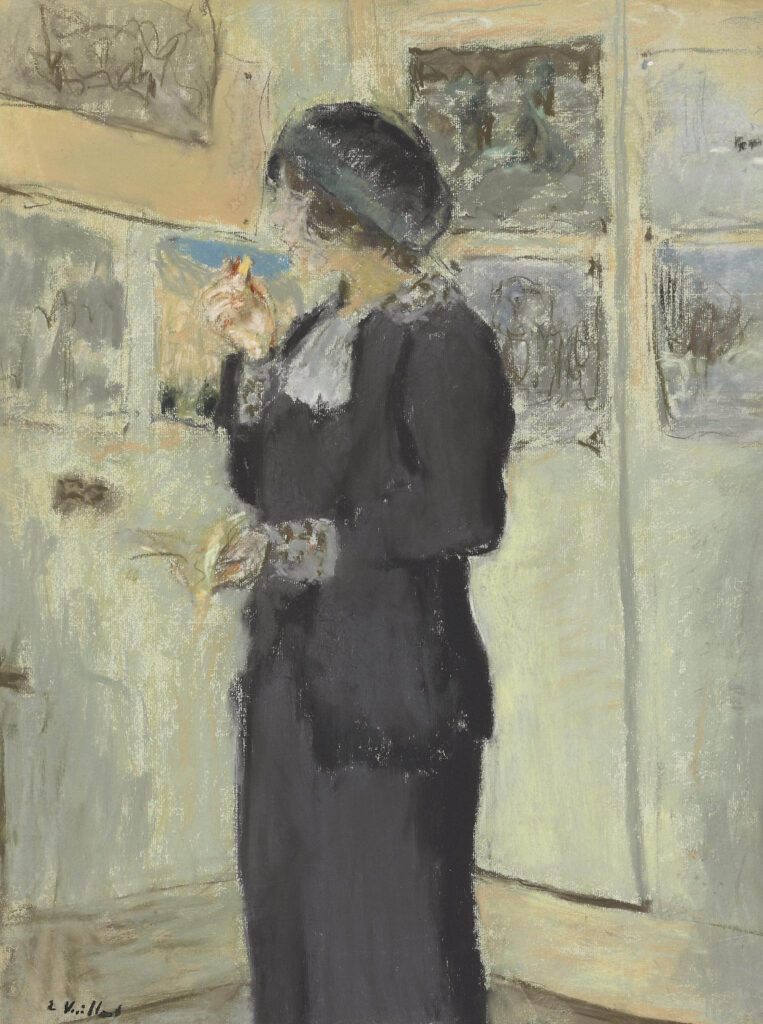
Édouard Vuillard
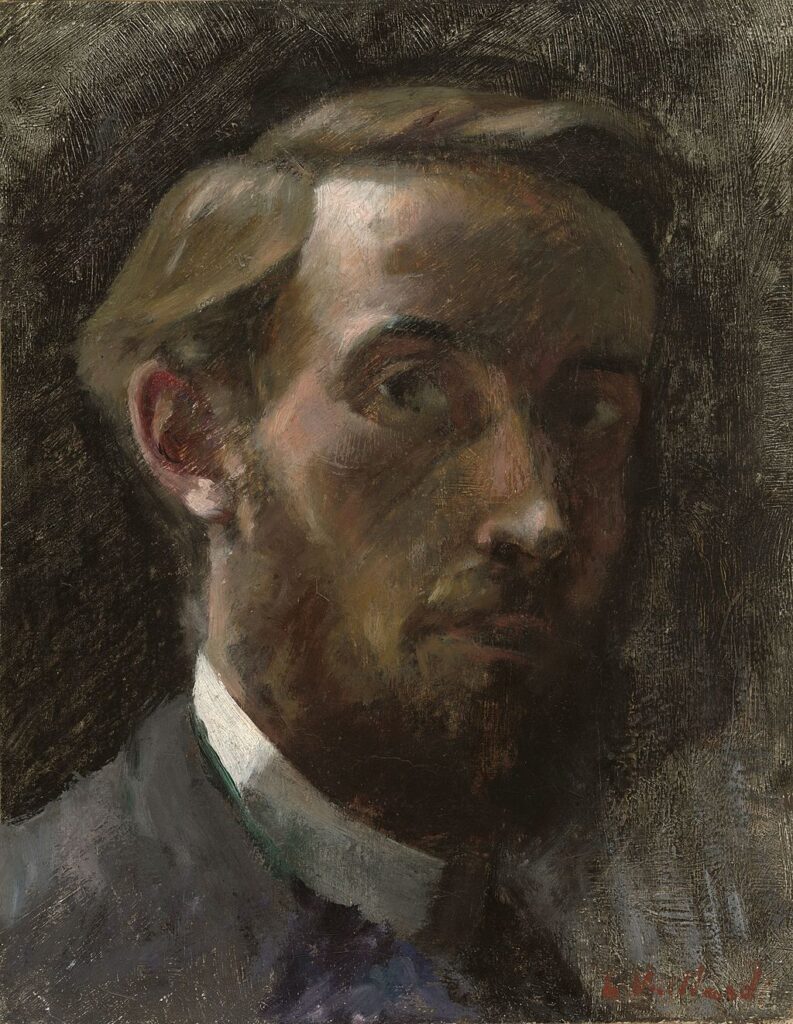
Édouard Vuillard, November 11, 1868–June 21, 1940, was a French painter, printmaker, and decorative artist born at Cuiseaux. He studied at the Lycée Condorcet and at the Académie Julian and École des Beaux-Arts in Paris, where he formed lasting friendships with Pierre Bonnard, Maurice Denis, and Ker-Xavier Roussel.
Vuillard was a founding member of the Nabis. He painted domestic interiors, portraits, and decorative panels, often using richly patterned textiles and wallpaper; he also made lithographs and designed for the theatre. Major holdings of his work are in the National Gallery of Art, the Metropolitan Museum of Art, Musée d’Orsay, and Petit Palais.
From the early twentieth century, Vuillard worked closely with the dealer Jos Hessel and his wife Lucie, who became frequent subjects of his paintings. He continued to paint portraits and interiors until his death at La Baule in 1940.


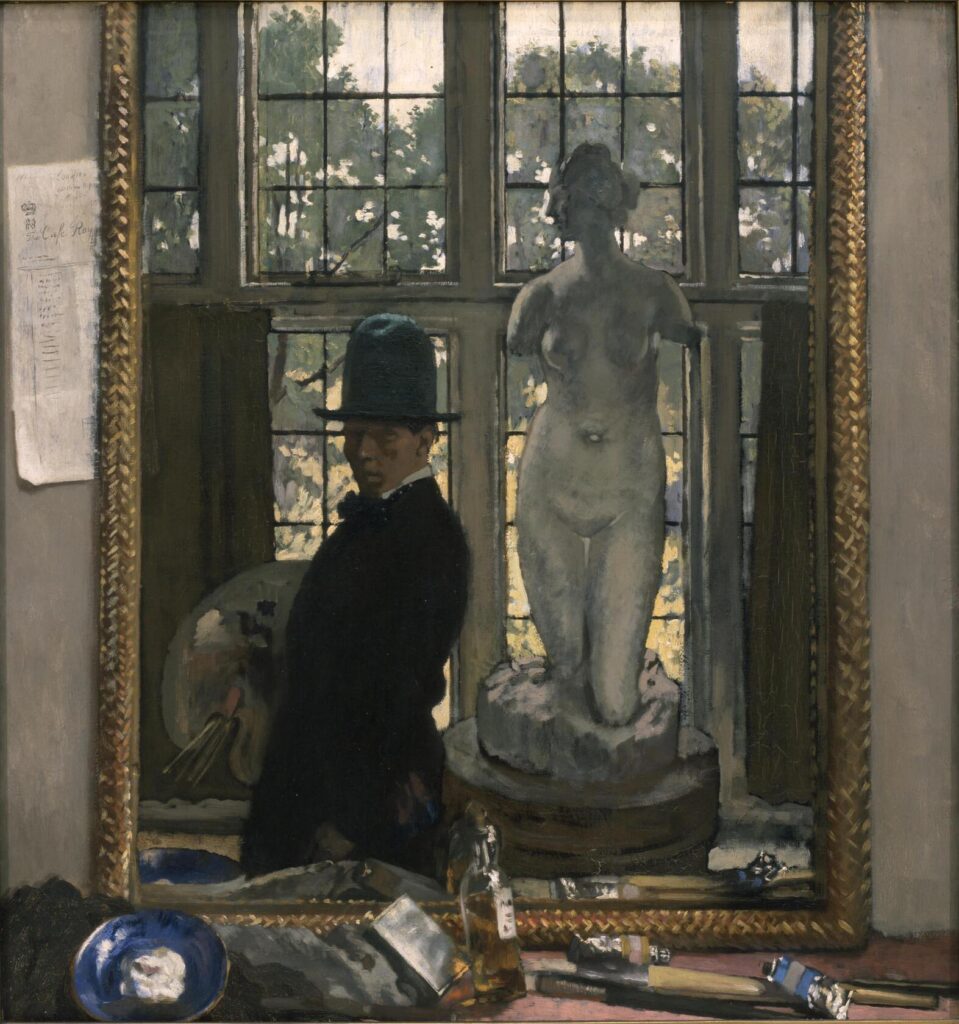
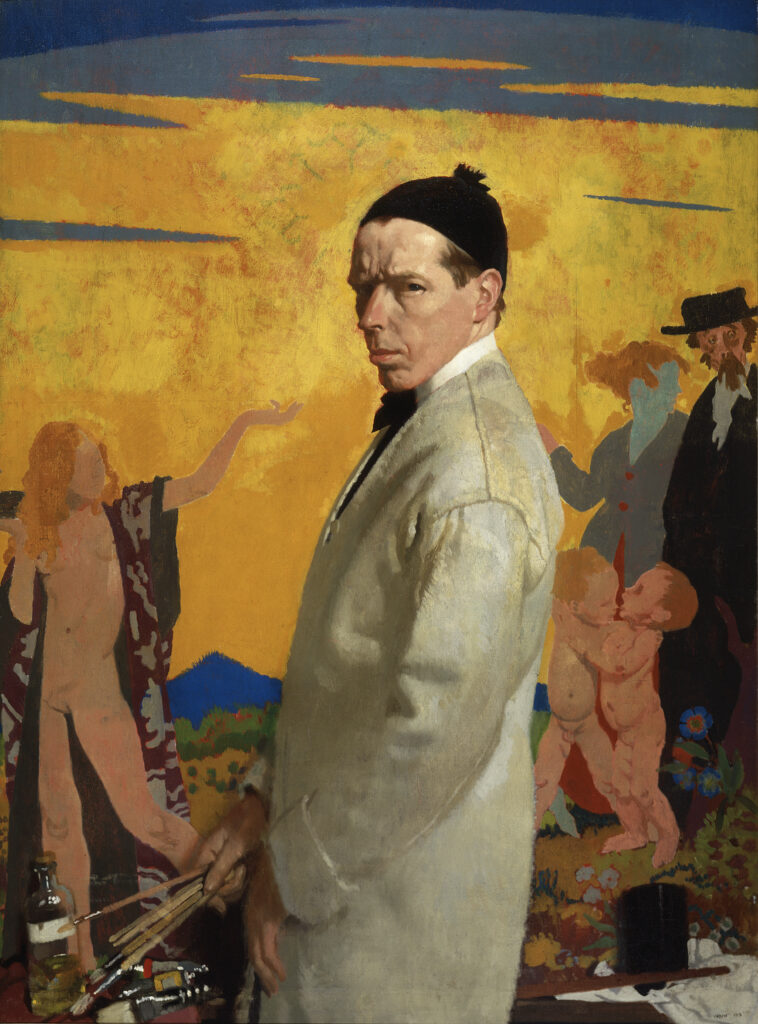
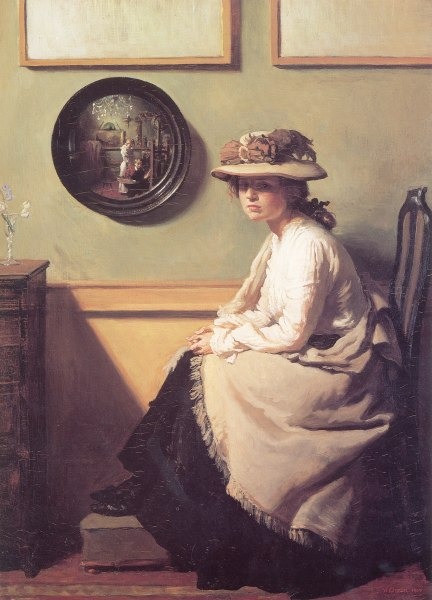
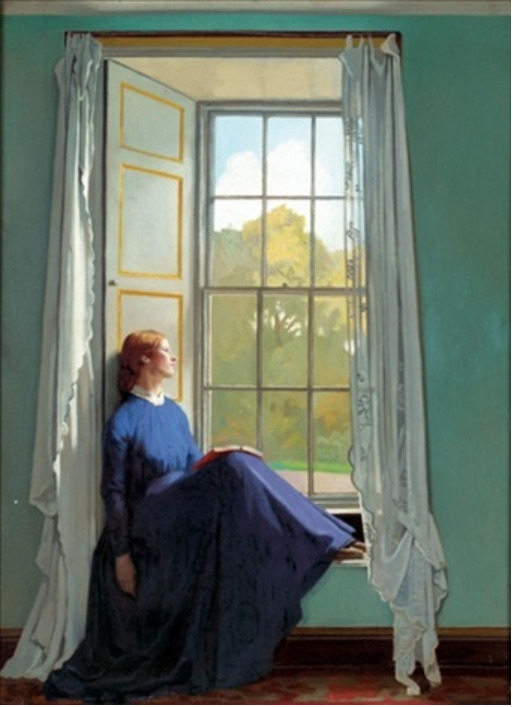
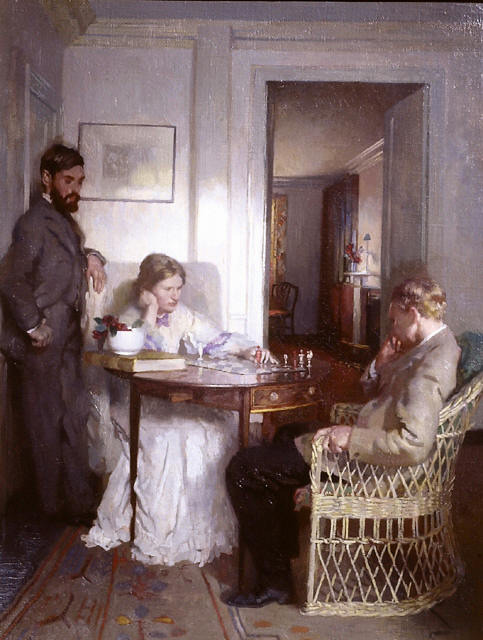
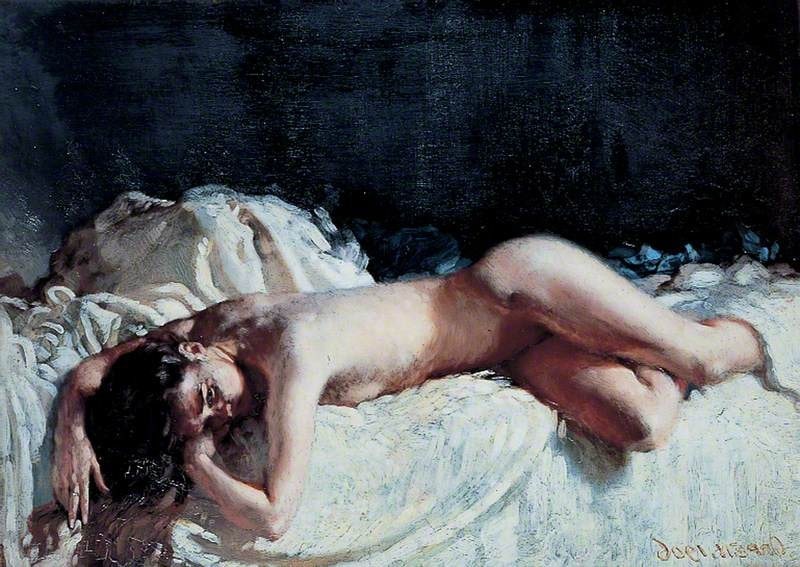
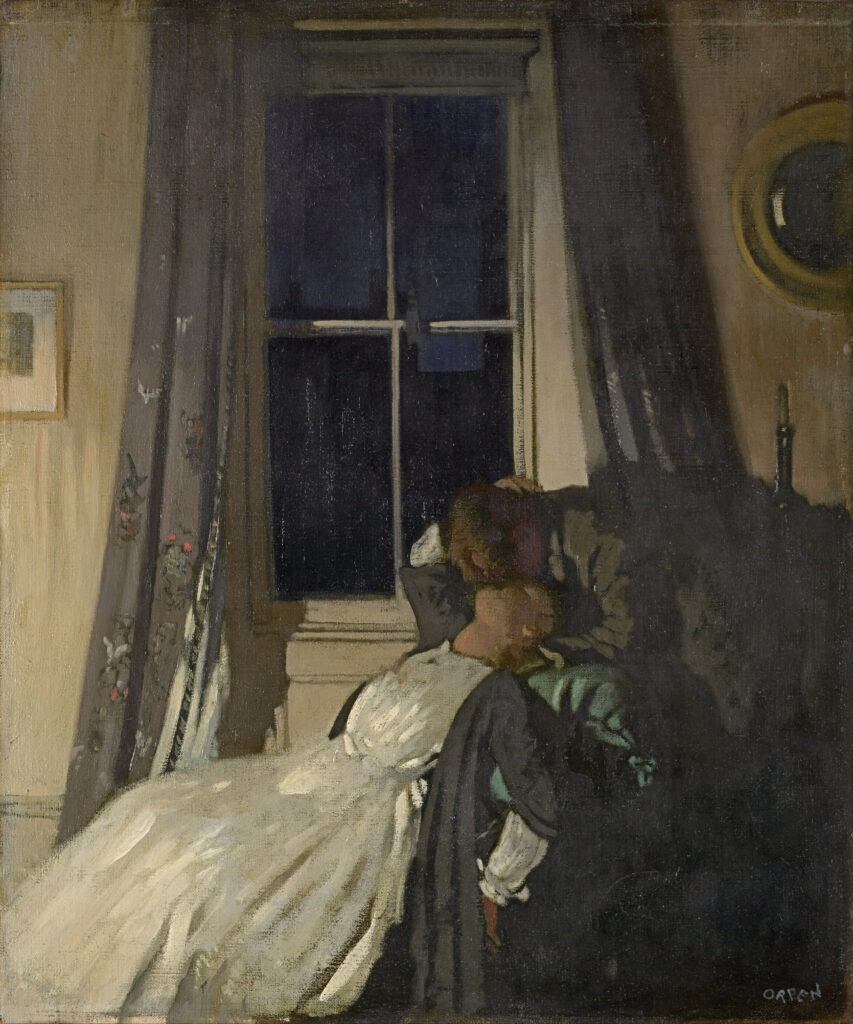
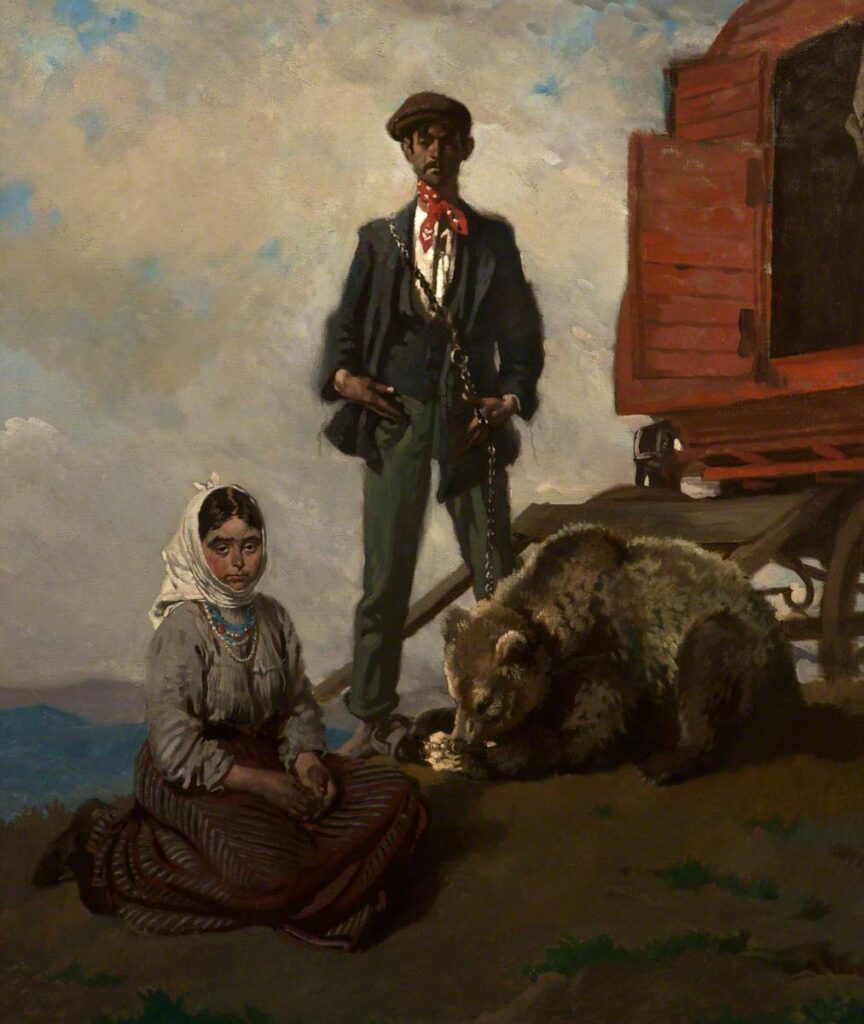
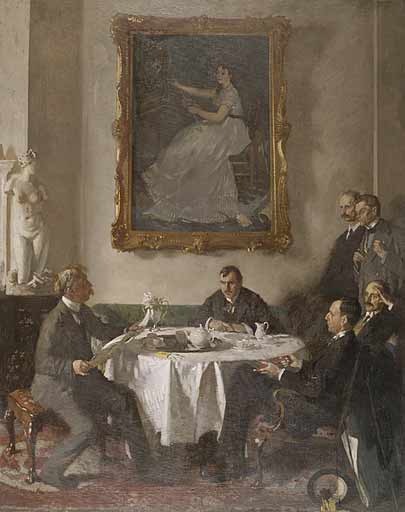
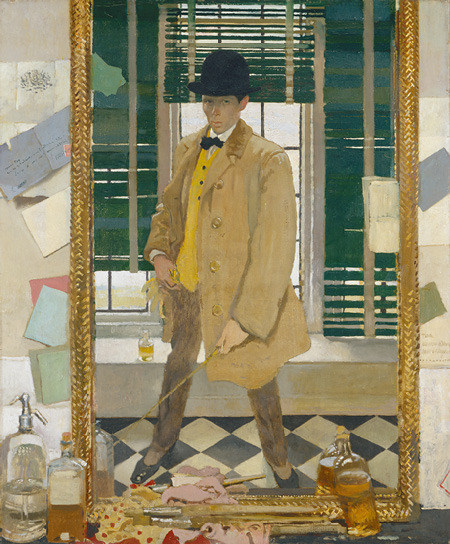
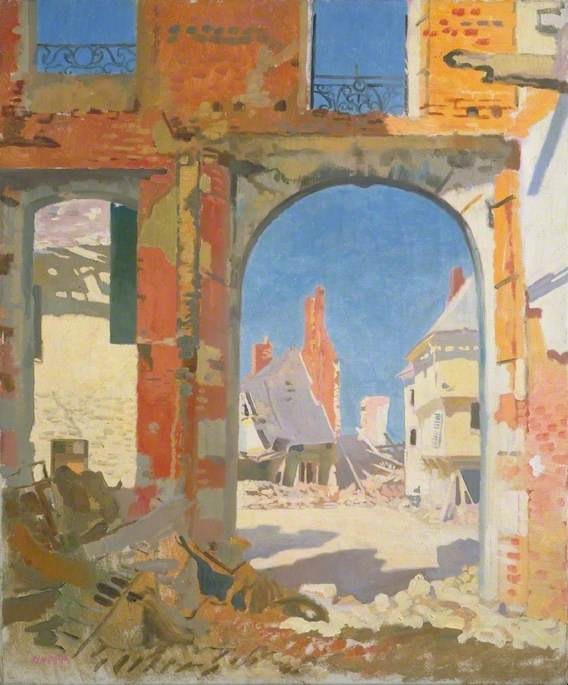
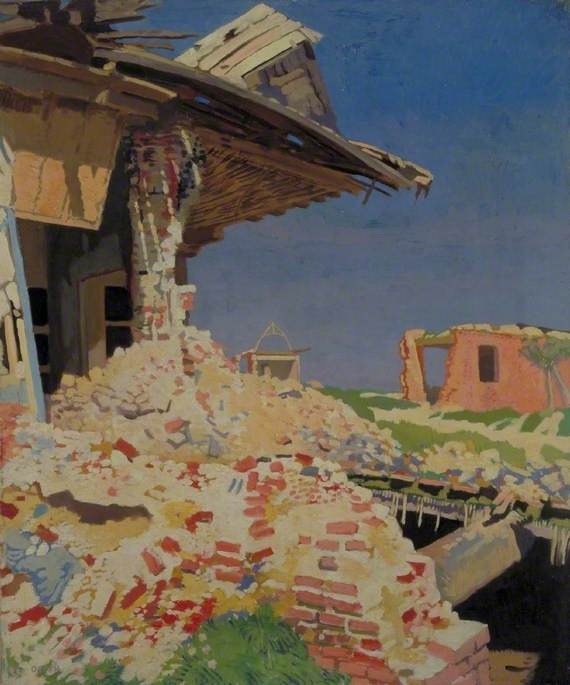
Sir William Orpen
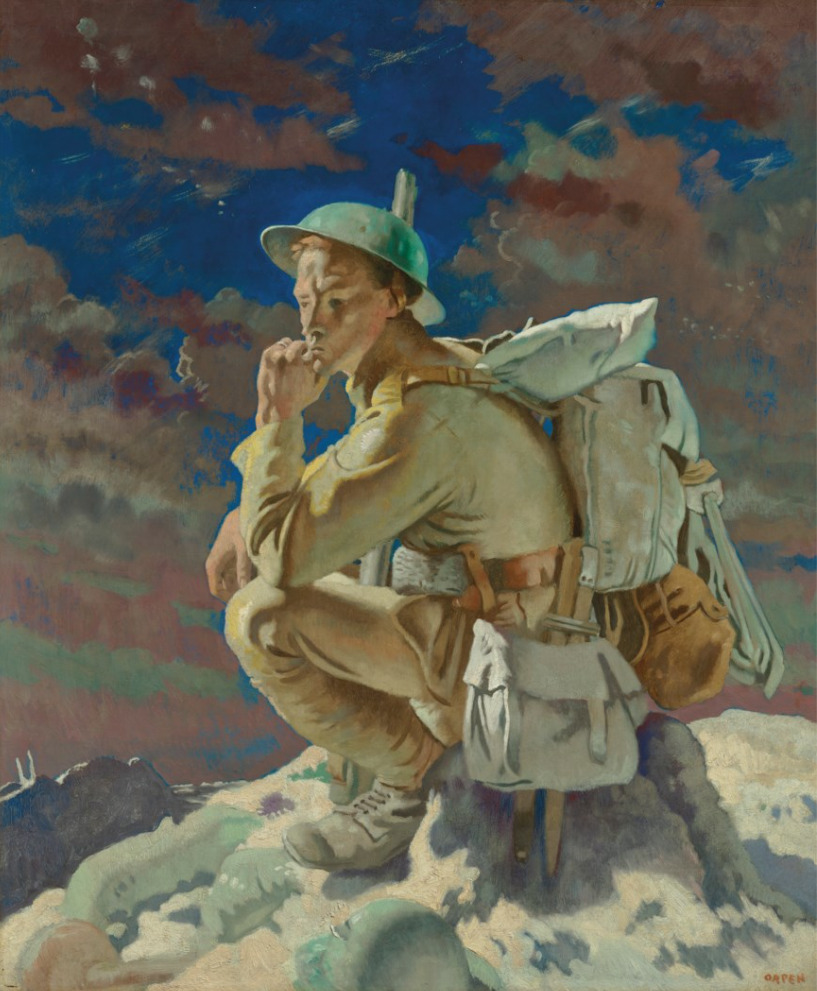
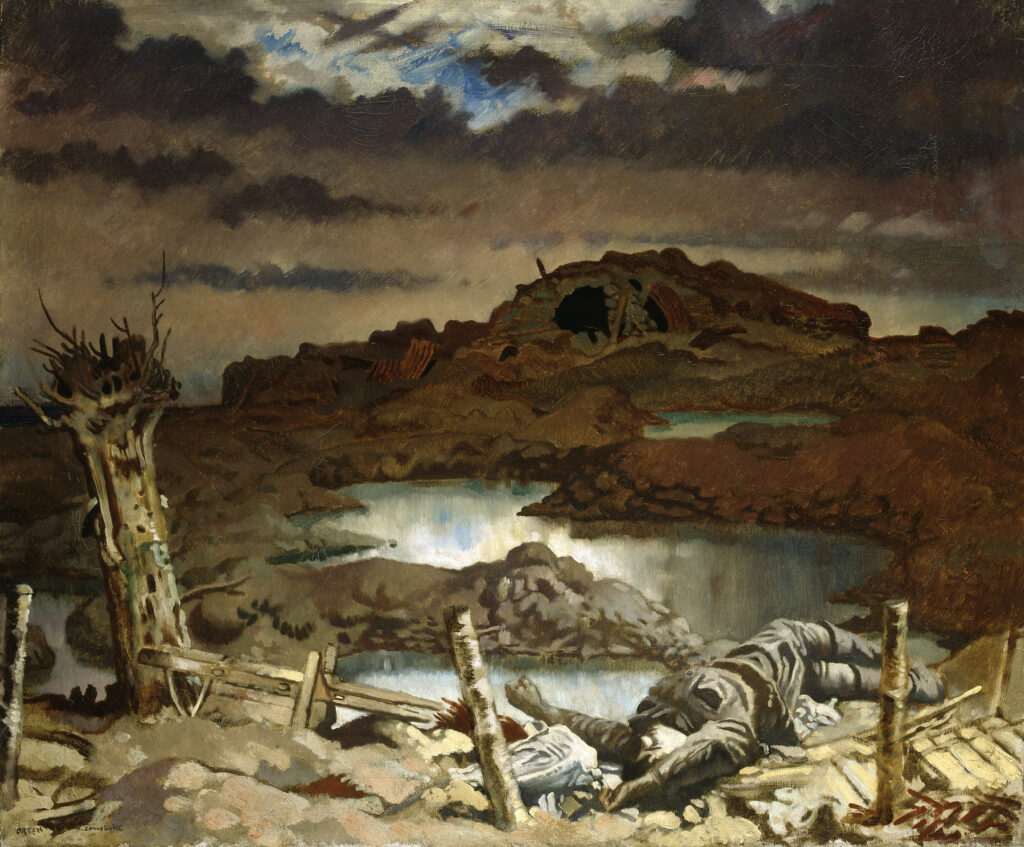
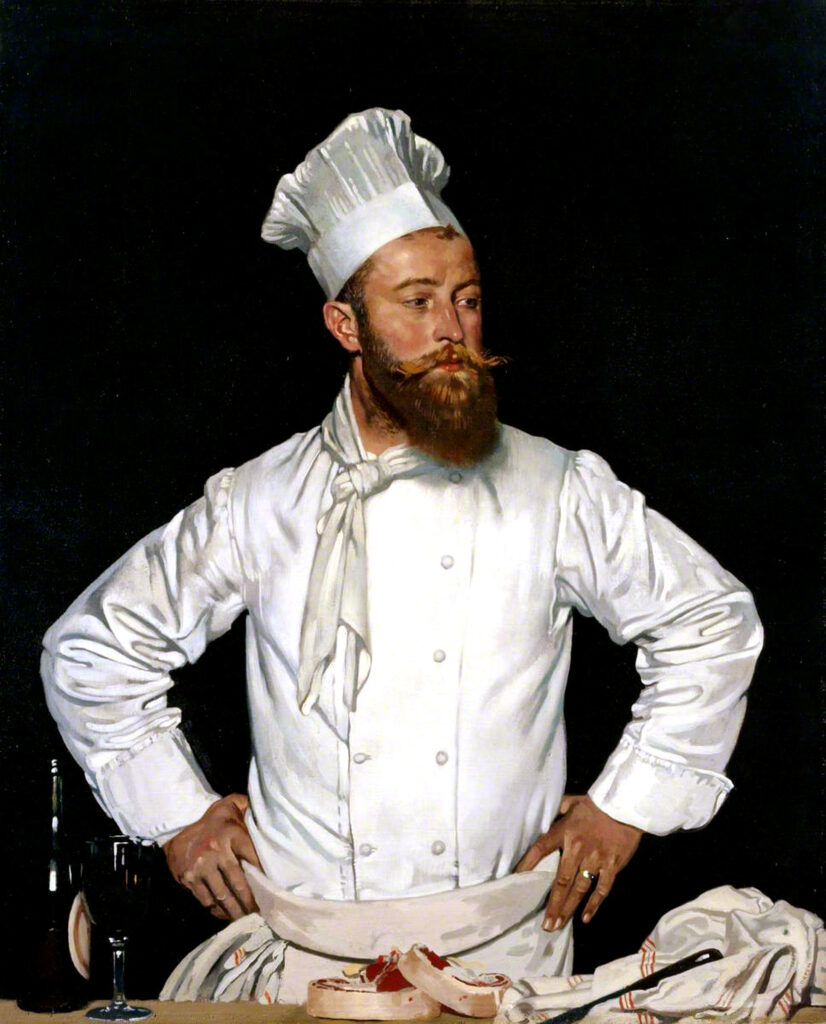
Sir William Orpen, November 27, 1878–September 29, 1931, was an Irish painter born in Stillorgan, County Dublin. He studied at the Dublin Metropolitan School of Art and at the Slade School of Fine Art in London, where his teachers included Henry Tonks, Philip Wilson Steer, and Frederick Brown.
Orpen worked between Dublin and London, taught at the Dublin Metropolitan School of Art, and became a prominent portrait painter. He was also an official war artist on the Western Front during the First World War; major collections of his work include the Imperial War Museums, Tate, the National Gallery of Ireland, and the Metropolitan Museum of Art.
After the war, Orpen continued to paint portraits in London and Paris and became a Royal Academician. He was appointed KBE in 1918. He died in London and was buried in Putney Vale Cemetery.