Paolo Veronese
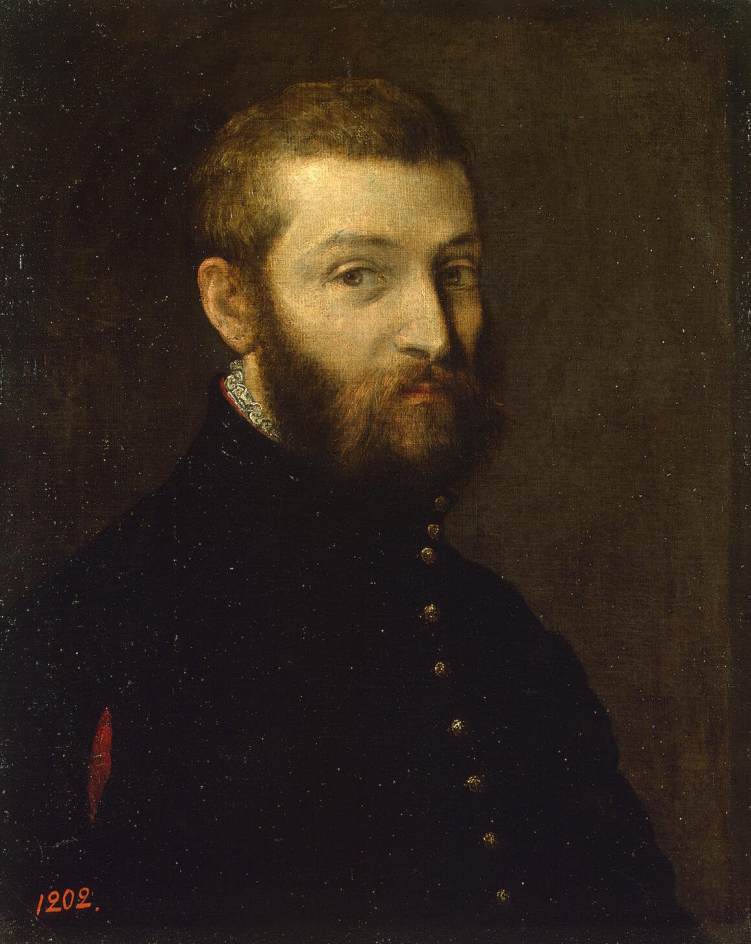
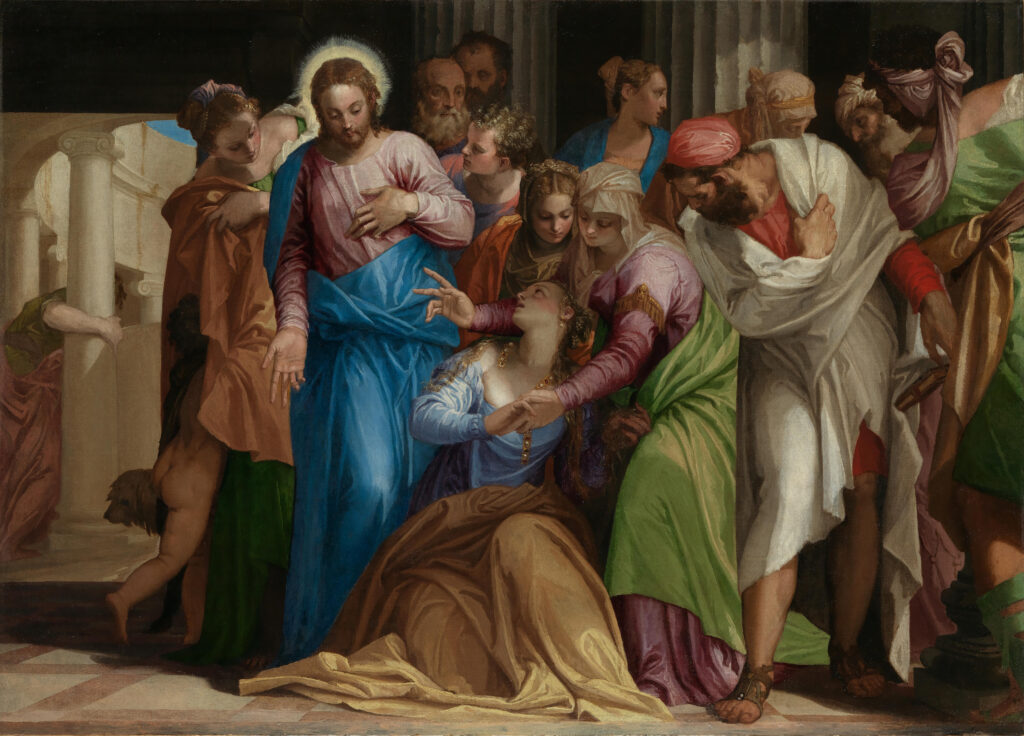
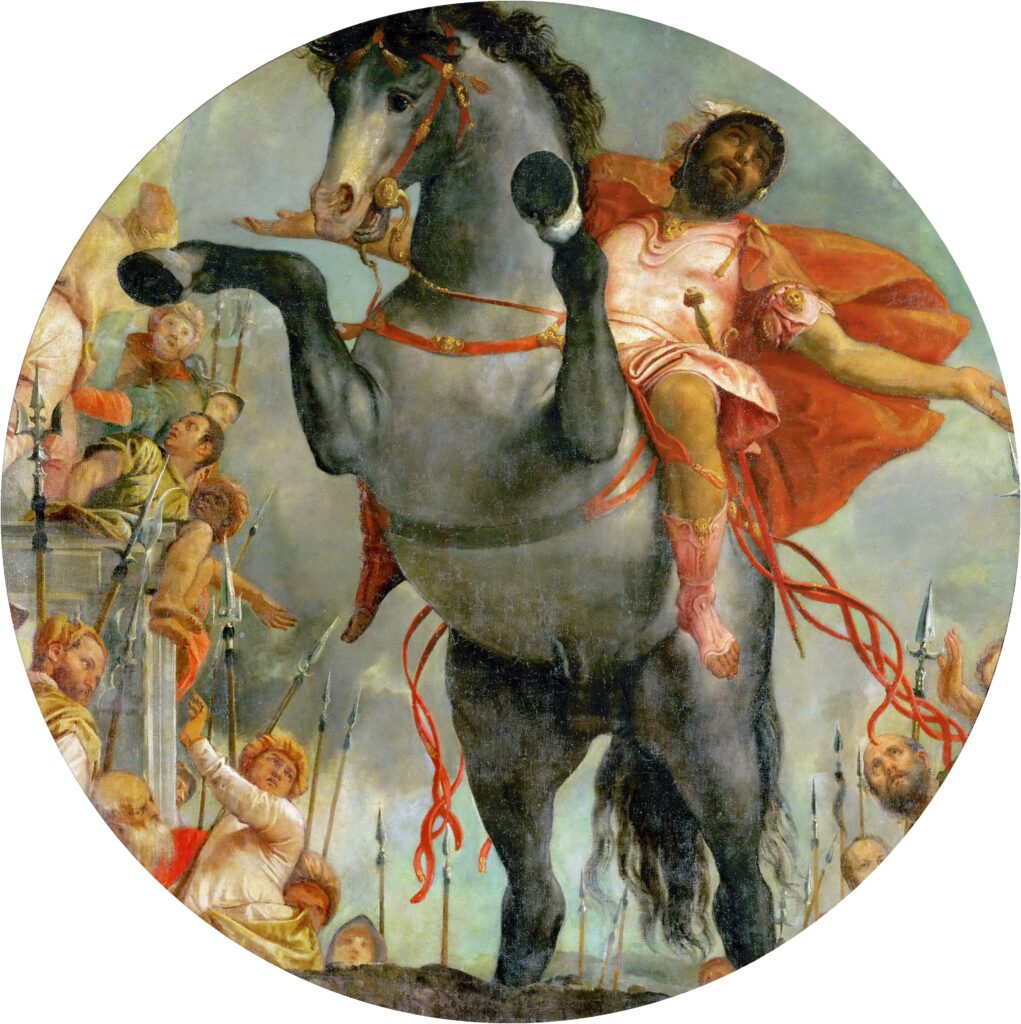
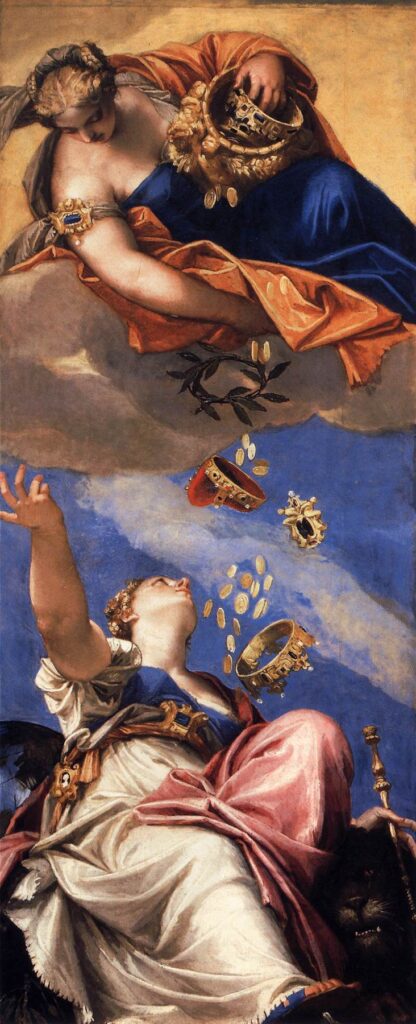
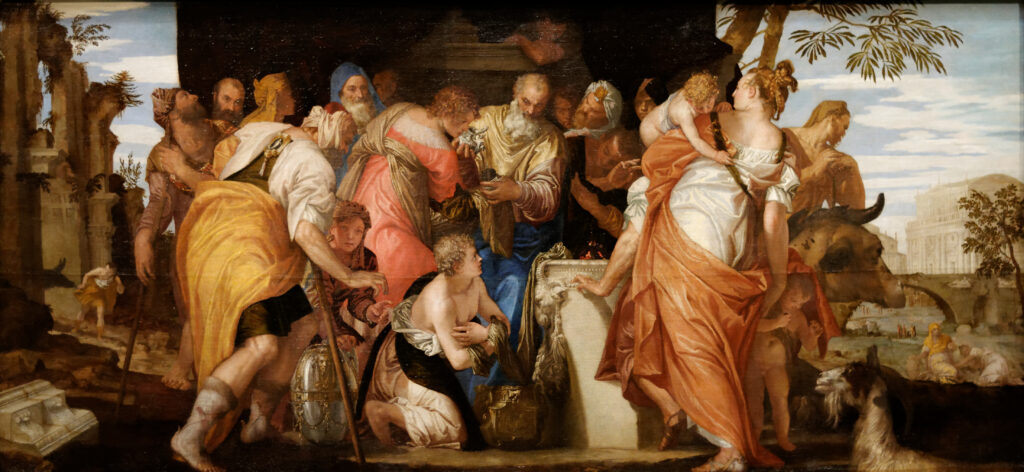
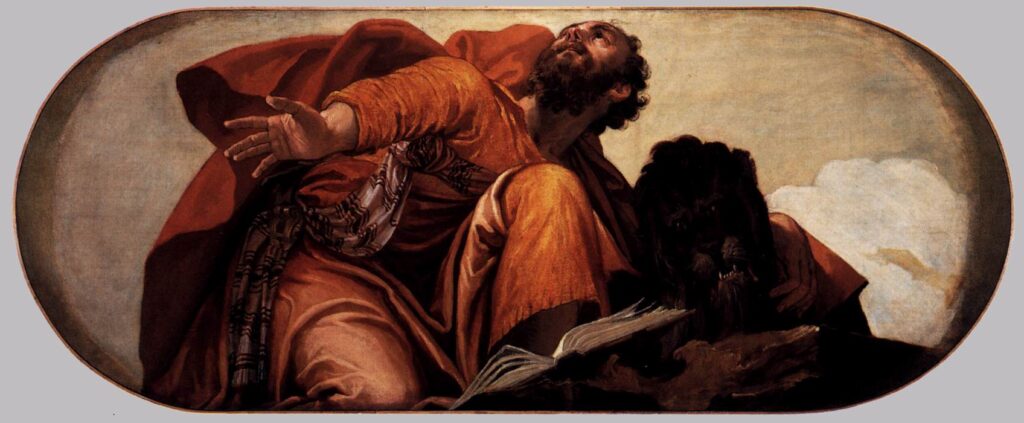
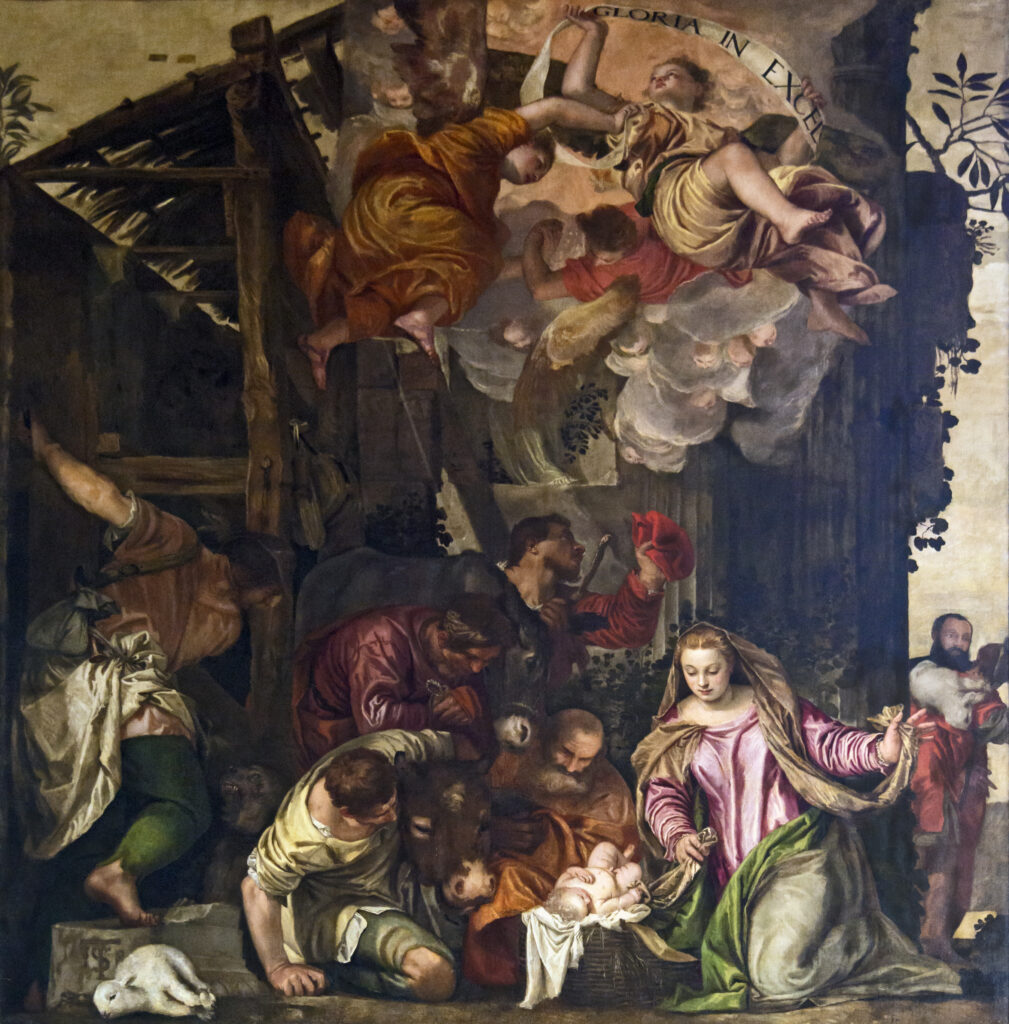
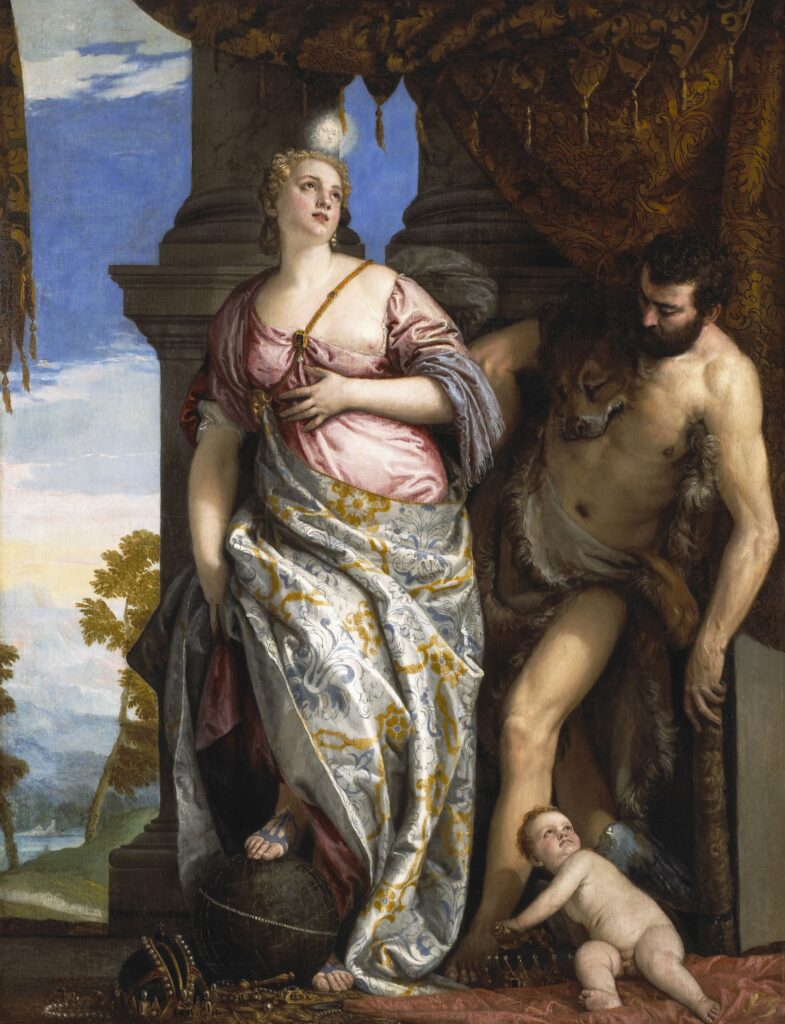
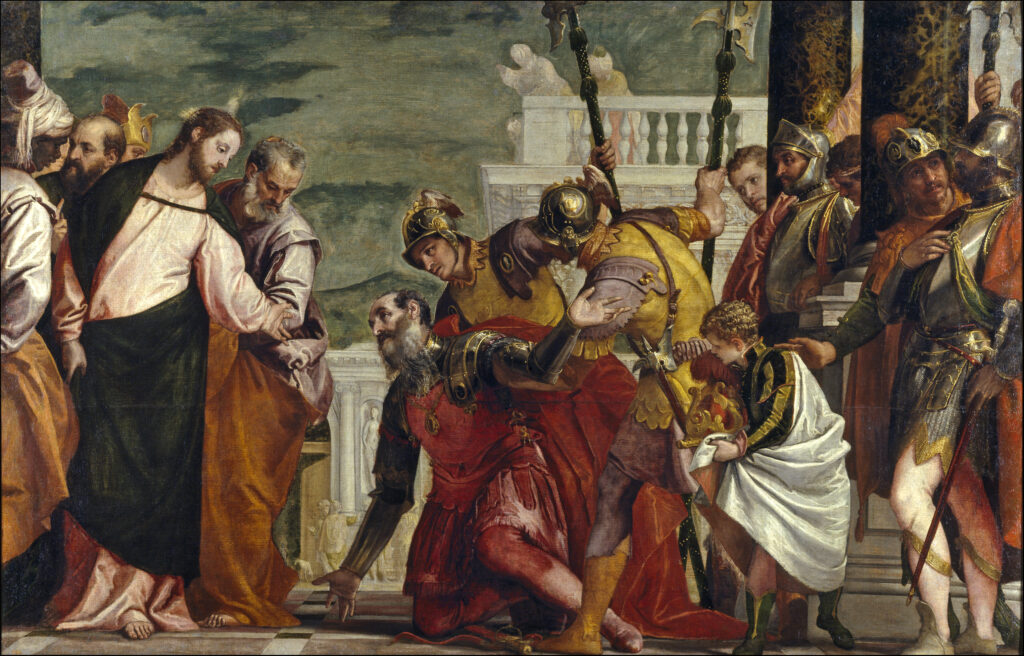
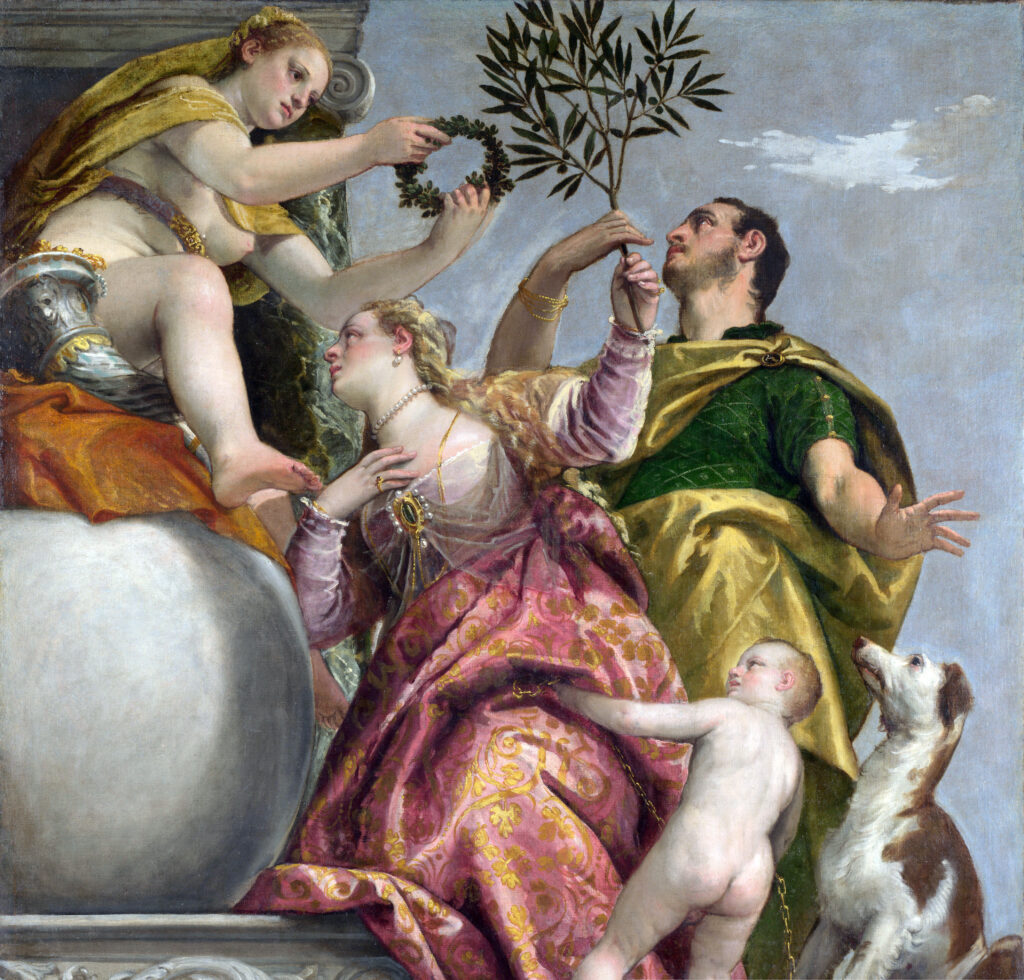
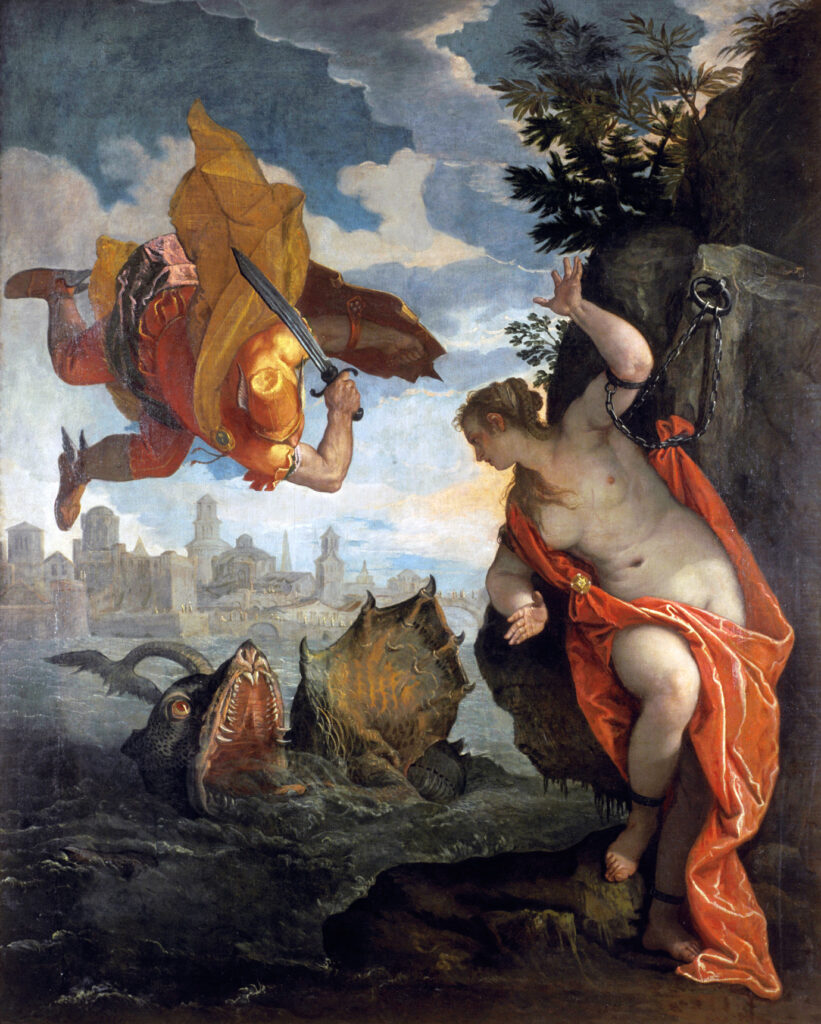
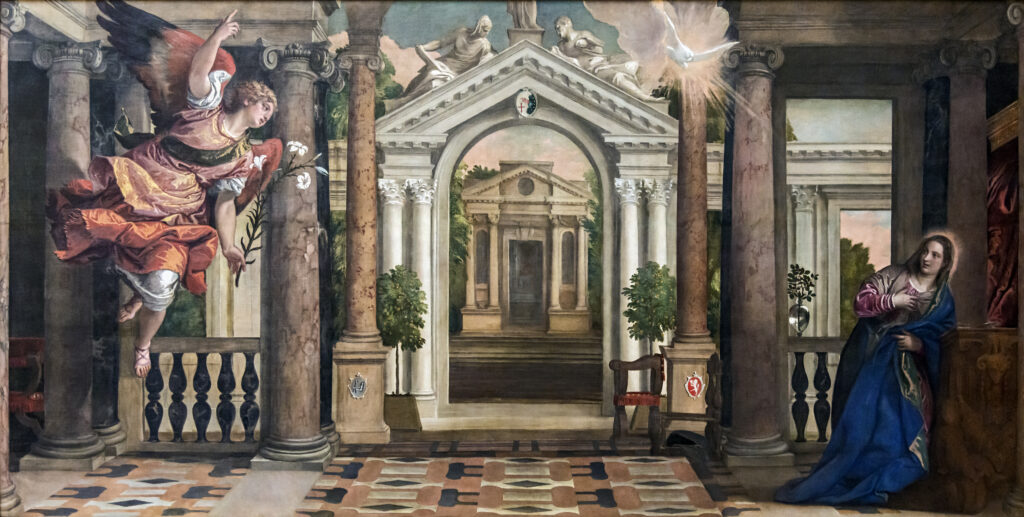
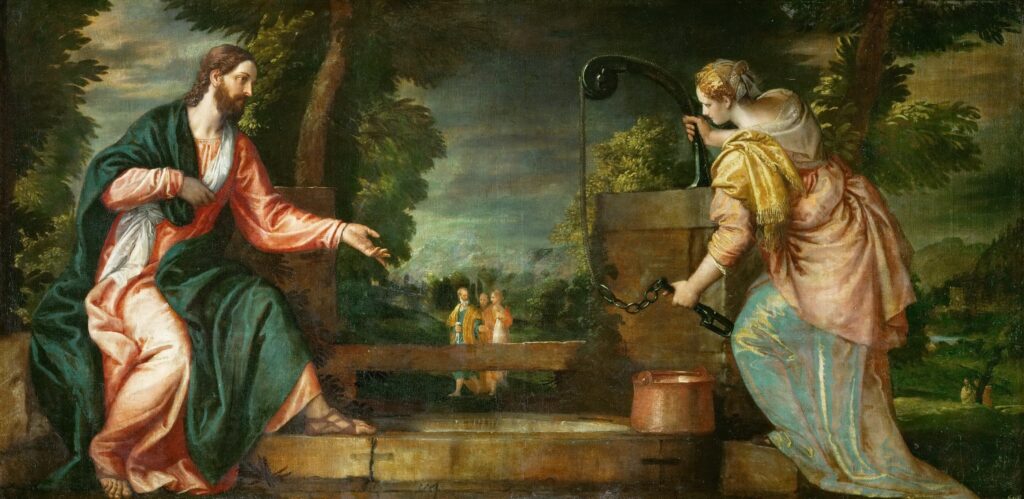
Paolo Veronese (1528–1588) was an Italian Renaissance painter of the Venetian school. Born Paolo Caliari in Verona, he trained with local painters before moving to Venice in the early 1550s, where he became one of the city’s leading artists alongside Titian and Tintoretto.
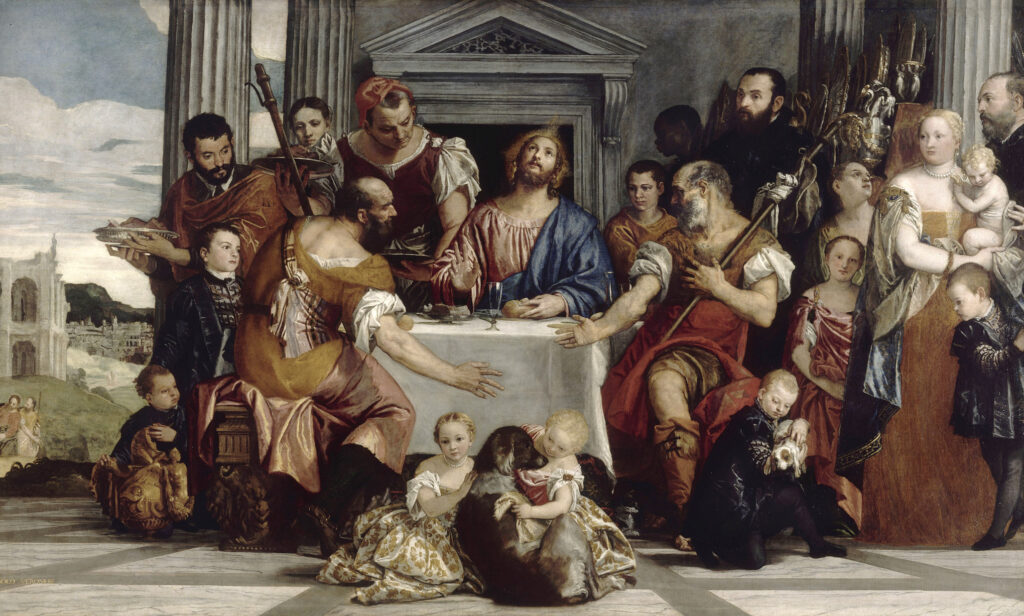
Veronese specialized in large religious paintings, mythological subjects, allegories, and portraits. He received major commissions for churches, monasteries, government buildings, and private patrons throughout Venice and the Veneto. His monumental decorative cycles are notable for their grand architectural settings, brilliant color, and richly dressed figures. In 1573, his Last Supper was investigated by the Venetian Inquisition, after which he simply retitled the painting Feast in the House of Levi rather than alter the composition.
Veronese’s work had a lasting influence on European painting, particularly on the Venetian tradition and later Baroque artists. Today his paintings are held in major museums worldwide, including the Louvre Museum, the National Gallery in London, the Kunsthistorisches Museum in Vienna, the Museo Nacional del Prado, and the Gallerie dell’Accademia in Venice.


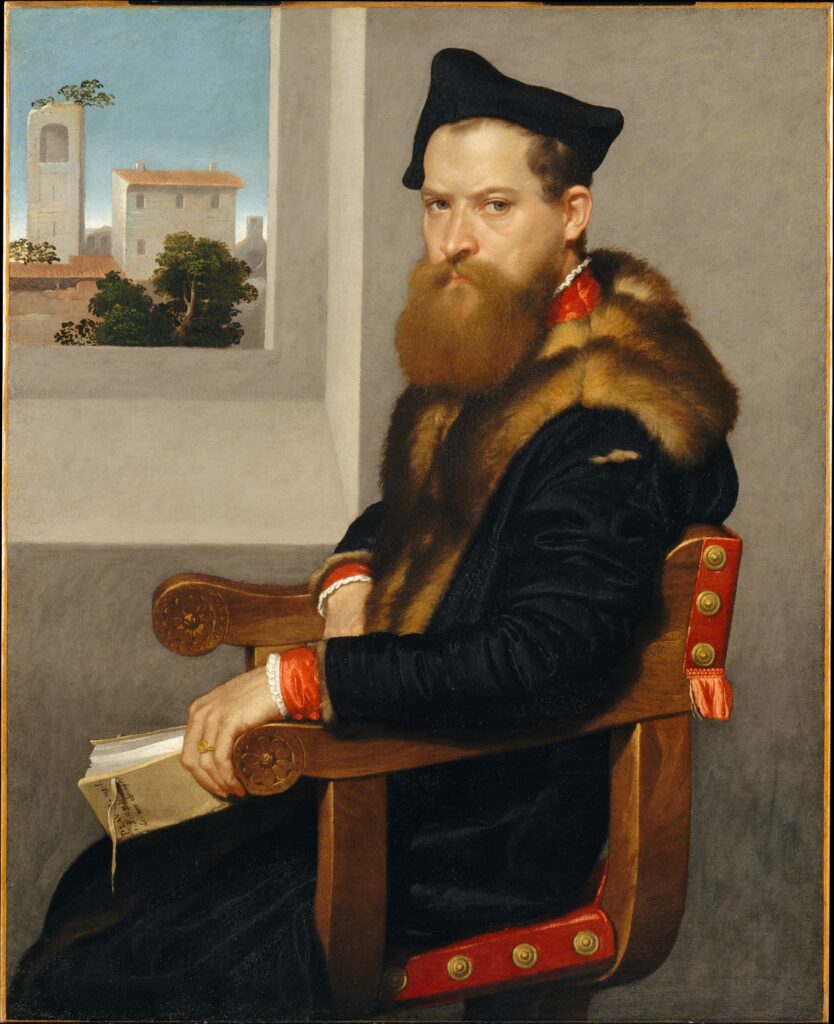
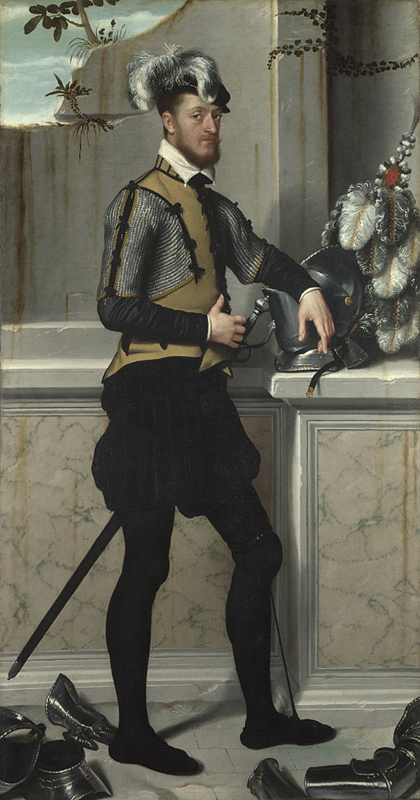
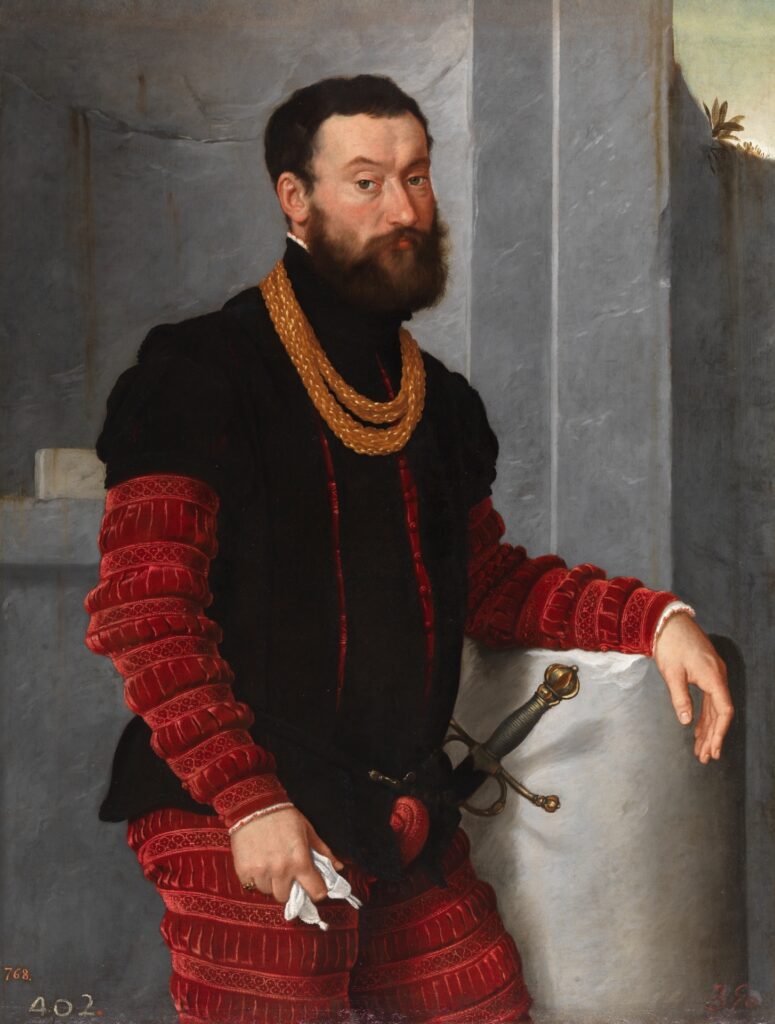
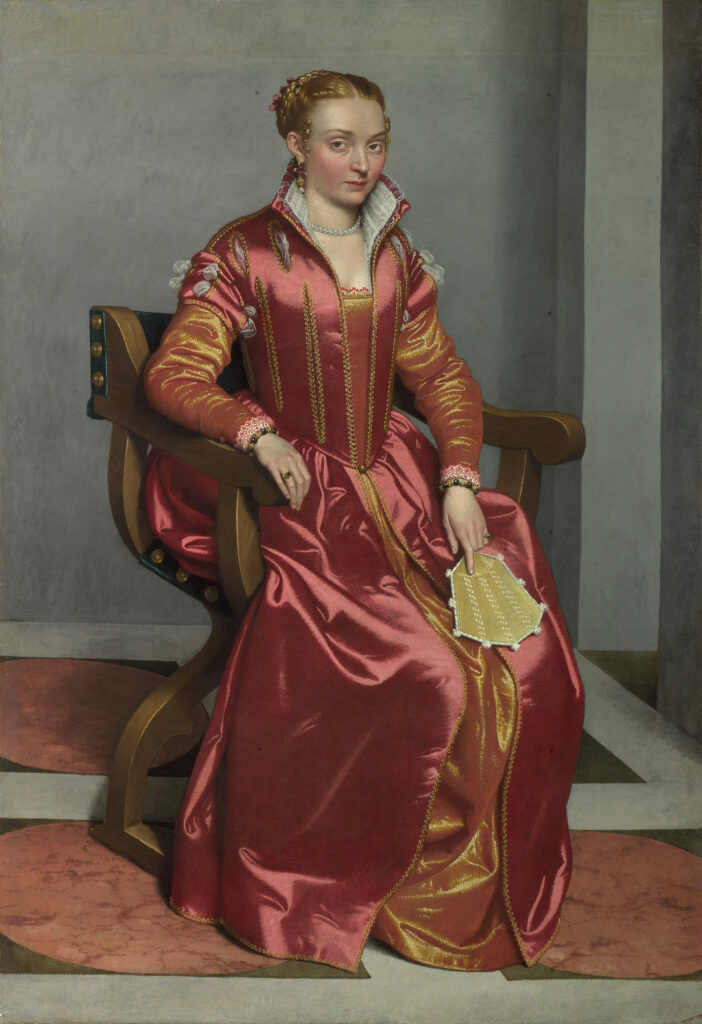
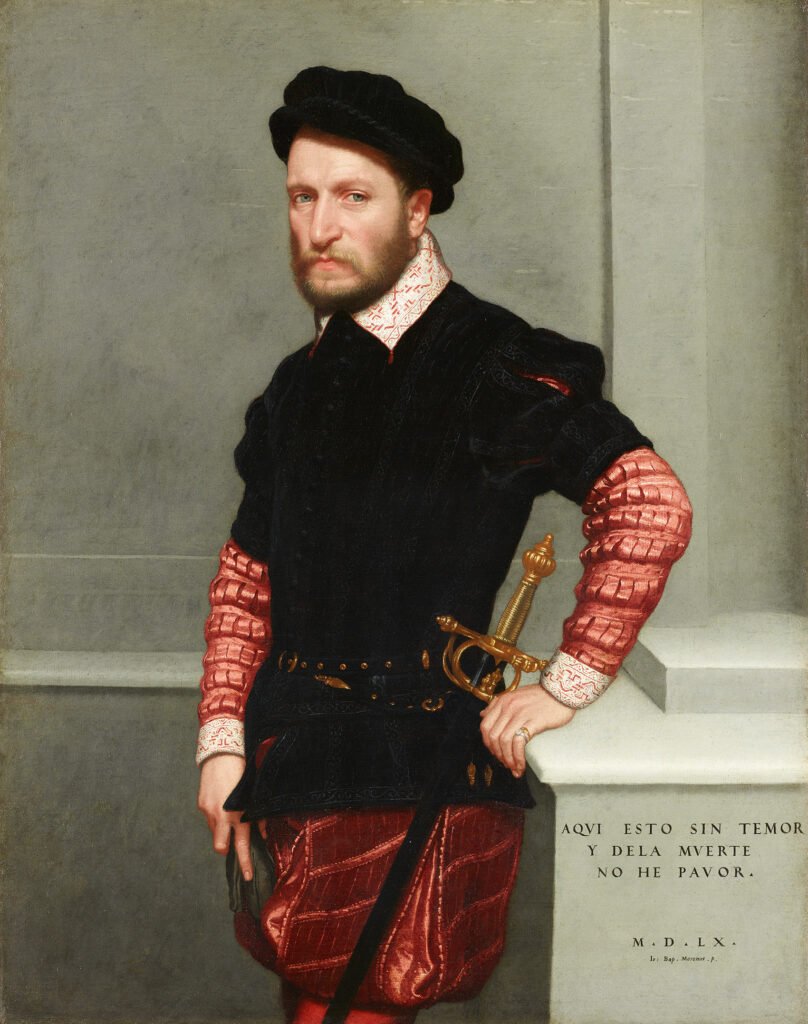
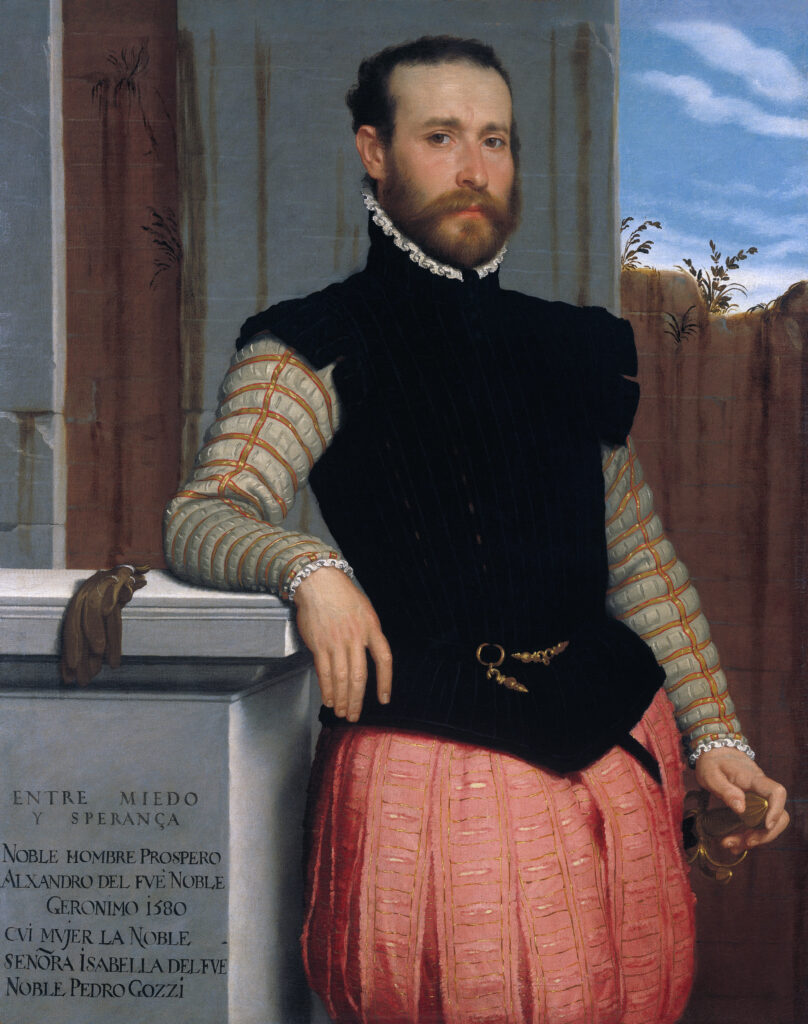
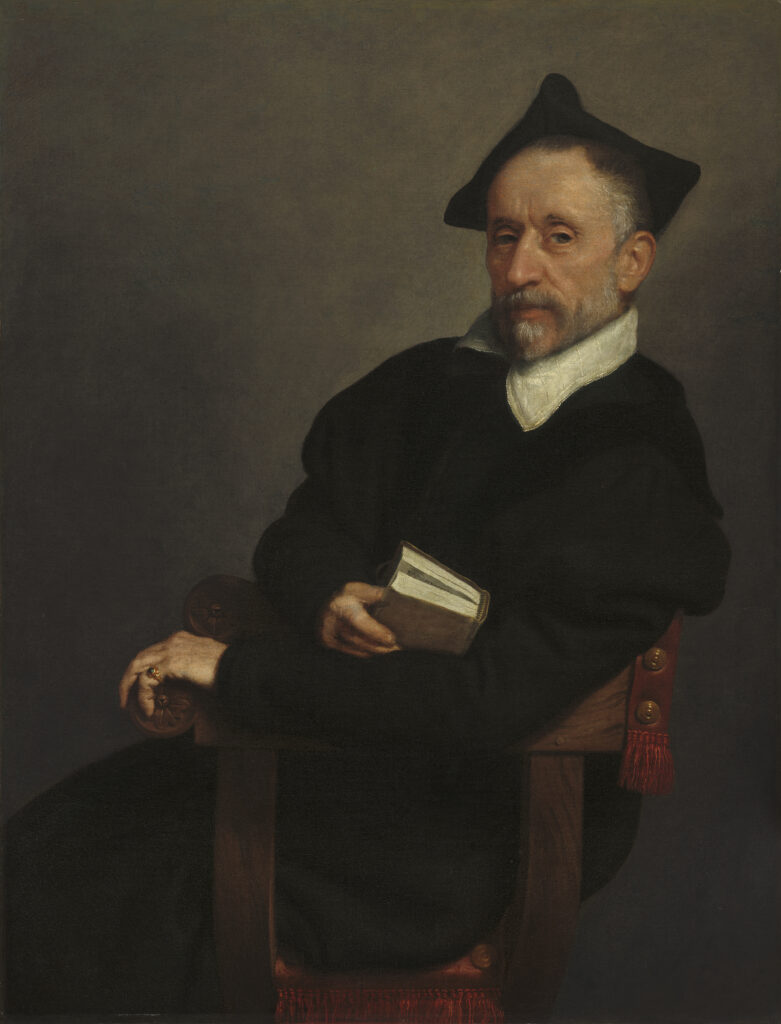
Giovanni Battista Moroni
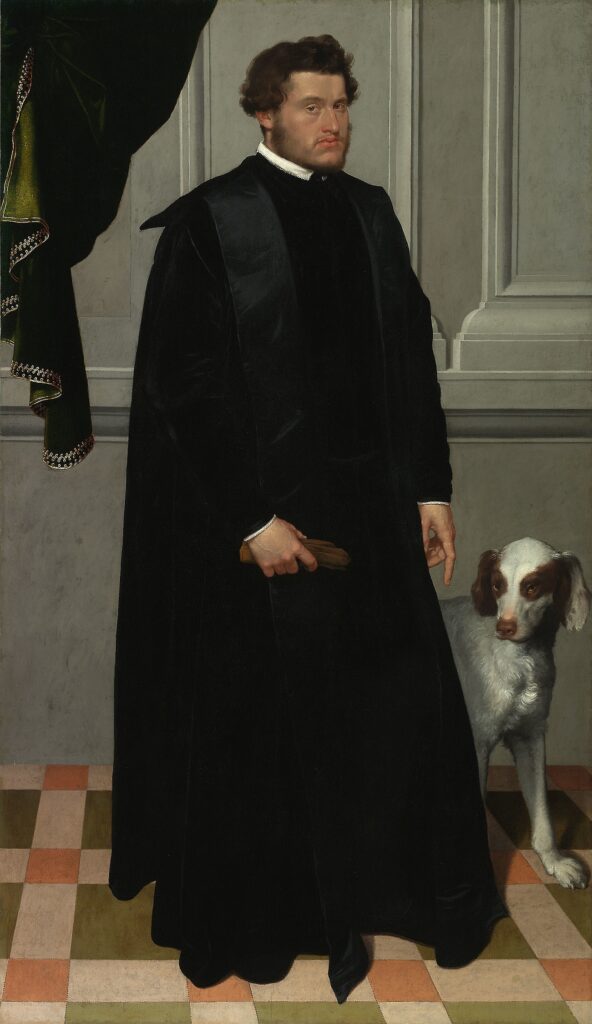
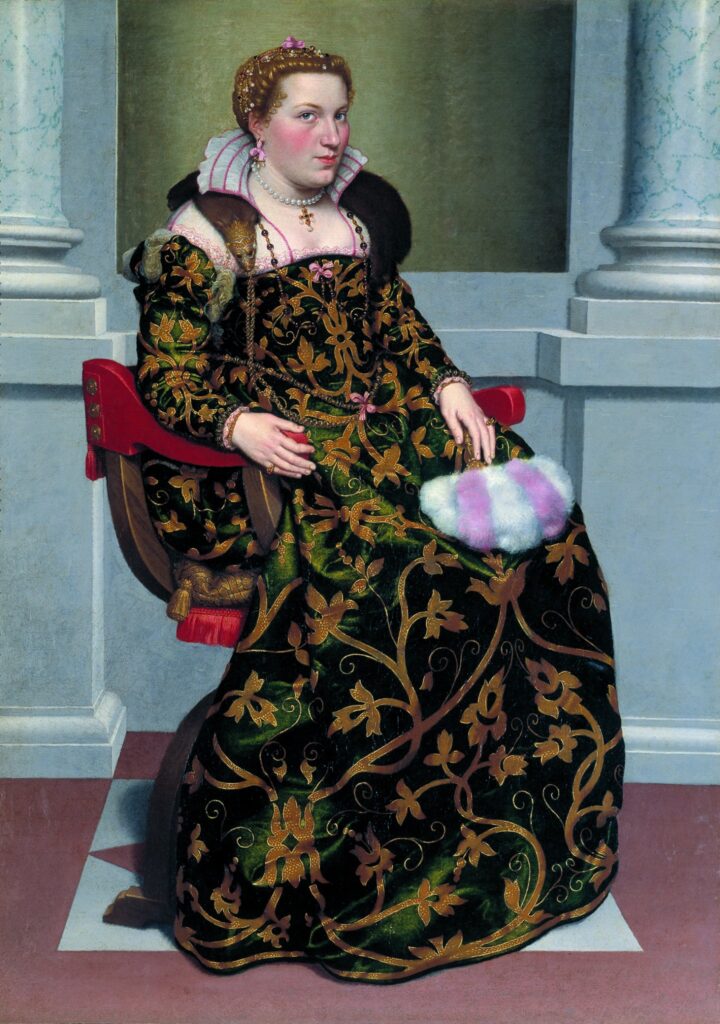
Giovanni Battista Moroni, Italian painter, circa 1520-1524 – February 5, 1578









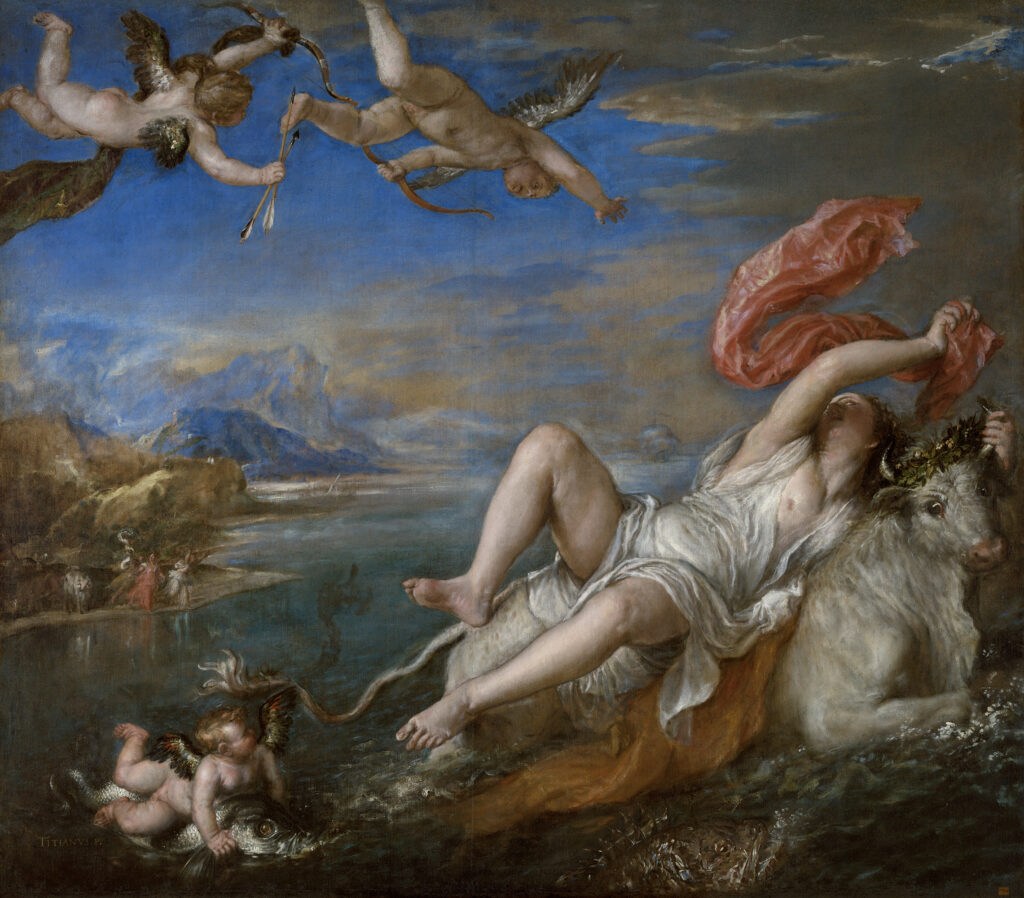


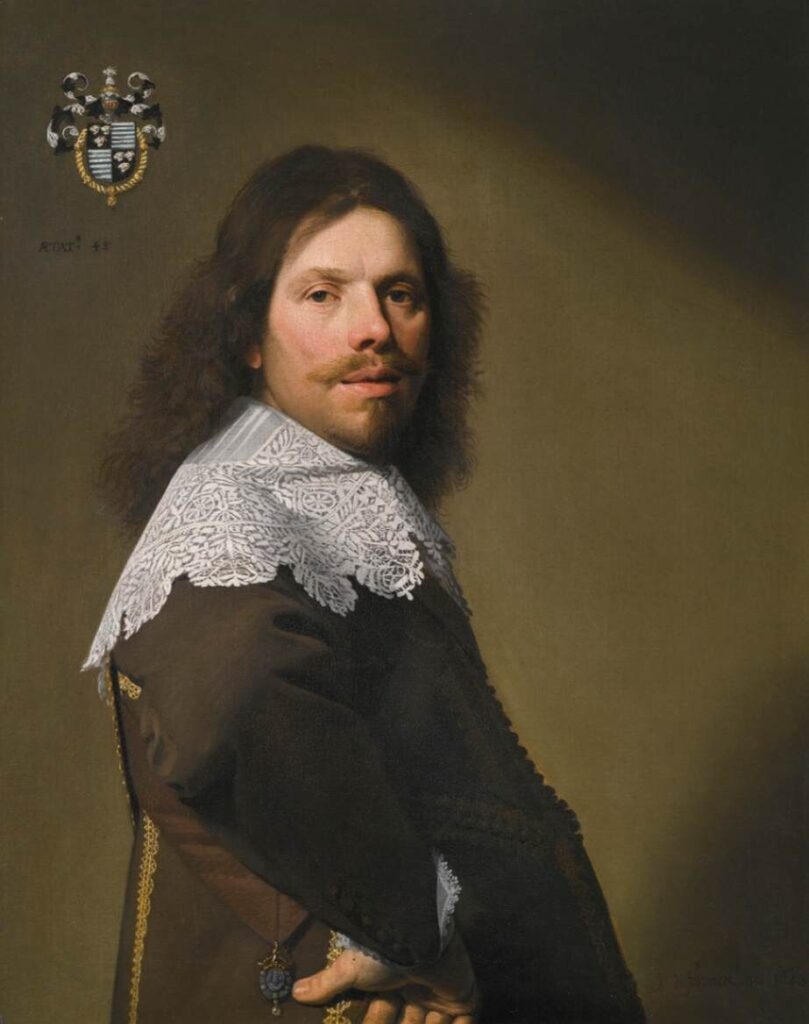
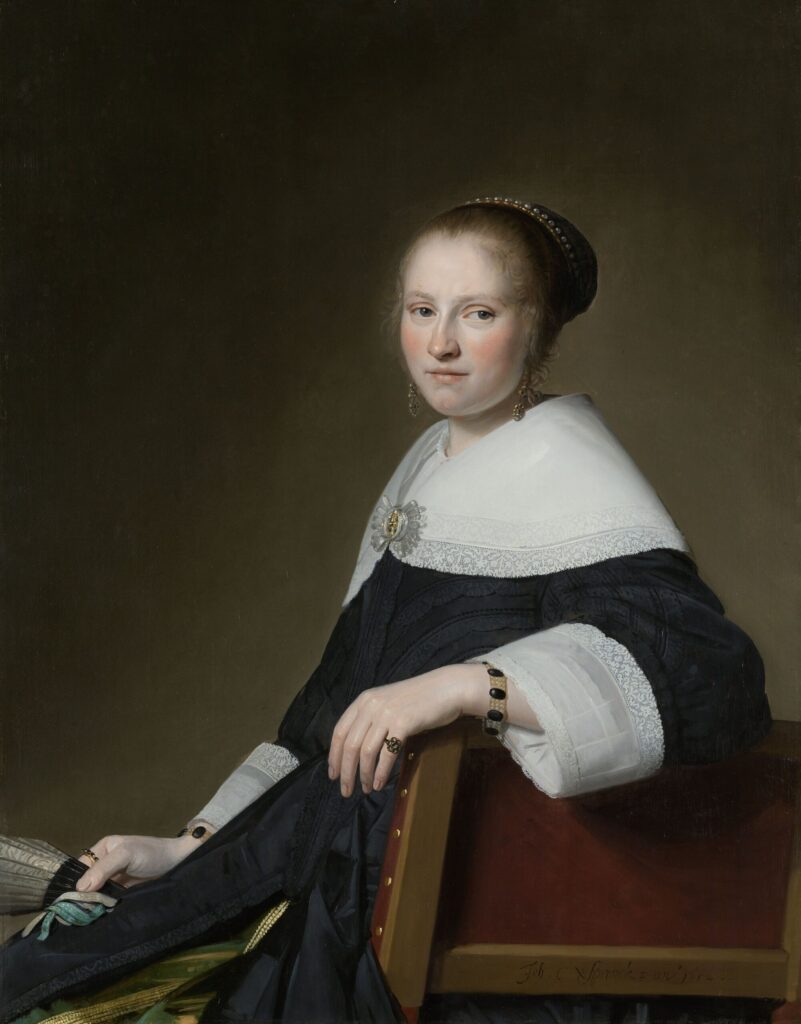
Johannes Cornelisz Verspronck
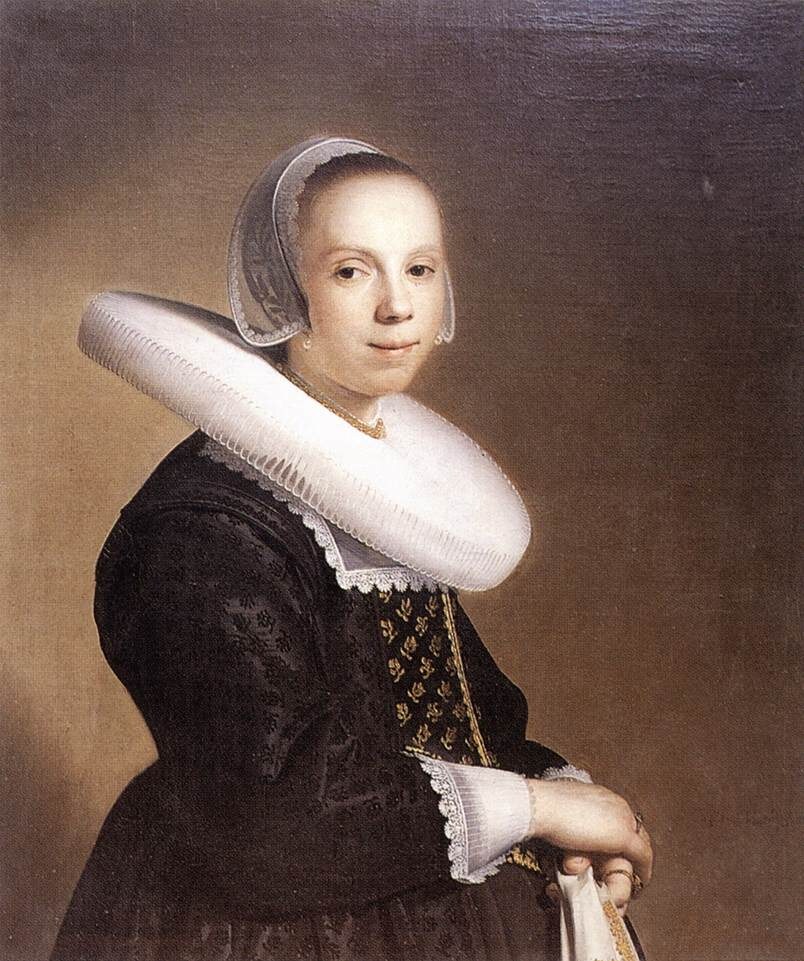
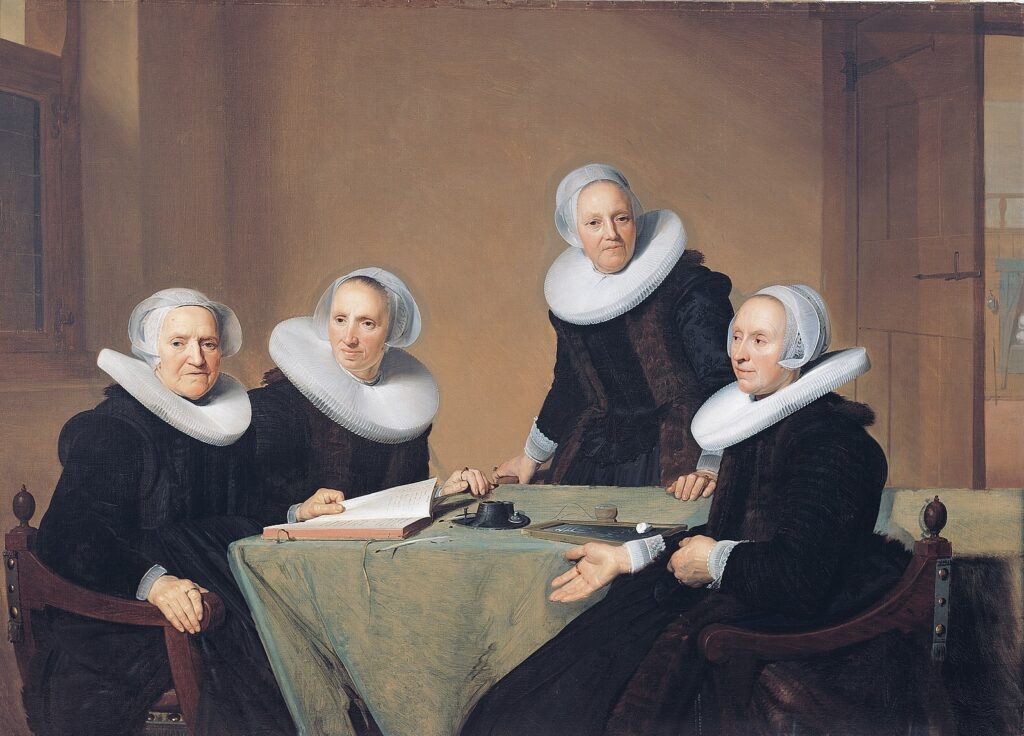
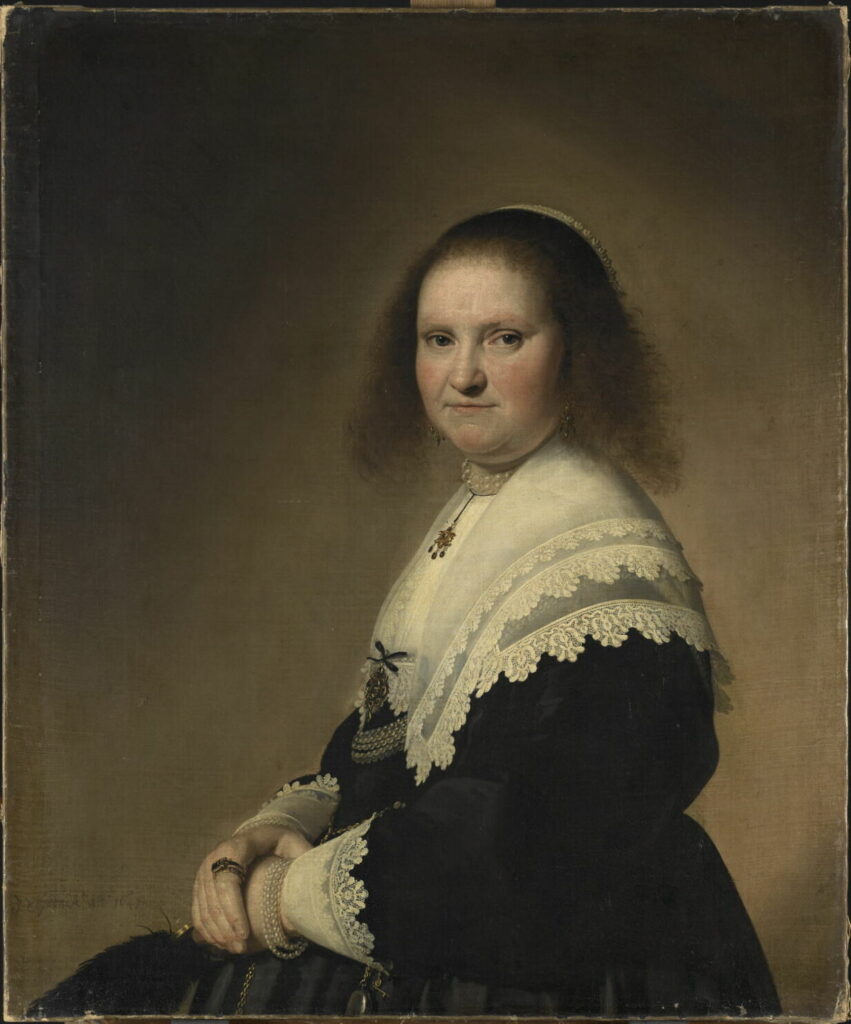
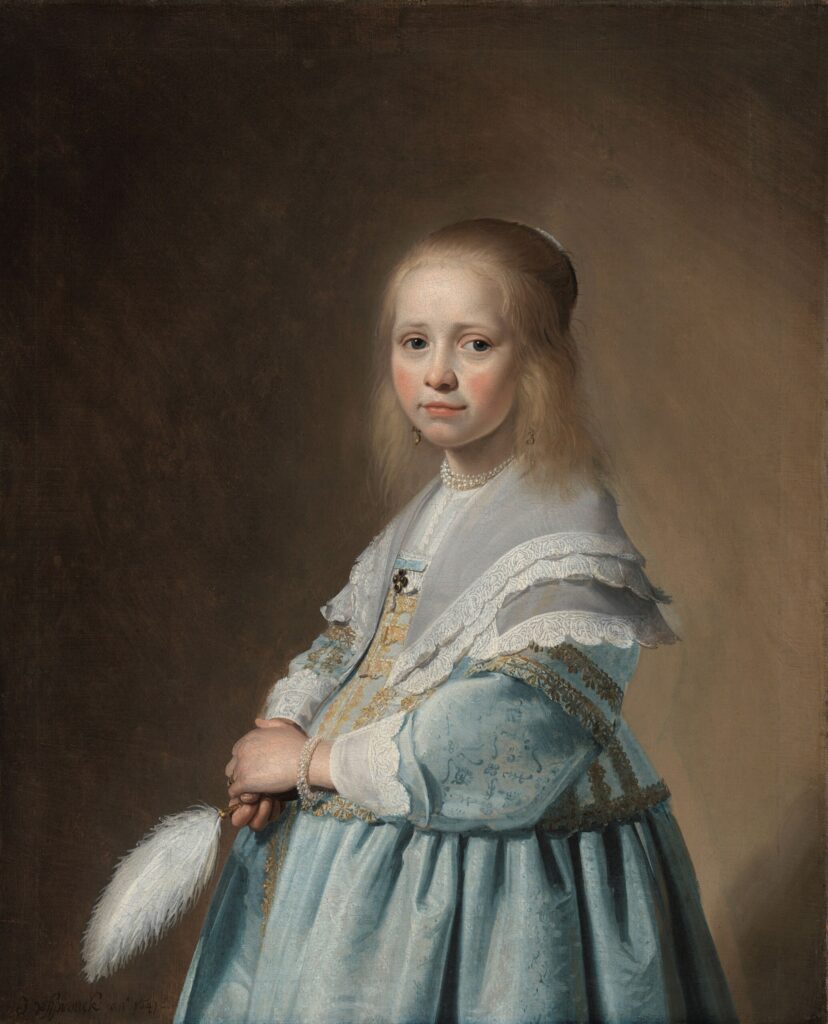
Johannes Cornelisz Verspronck, c 1601–June 1662, was a Dutch painter born and active in Haarlem. He was the son and probably the pupil of the portrait painter Cornelis Engelsz and entered the Haarlem Guild of St Luke in 1632.
Verspronck specialized in portraits and was influenced by the work of Frans Hals. His patrons included members of Haarlem’s Catholic community, civic officials, and charitable institutions; his principal group portraits were commissioned by the St Elisabeth Hospital and the Heilige Geesthuis.
Verspronck continued working in Haarlem until the 1650s and was buried there on June 30, 1662. His paintings are held by the Frans Hals Museum, Rijksmuseum, National Gallery of Art, Louvre Museum, and other public collections.
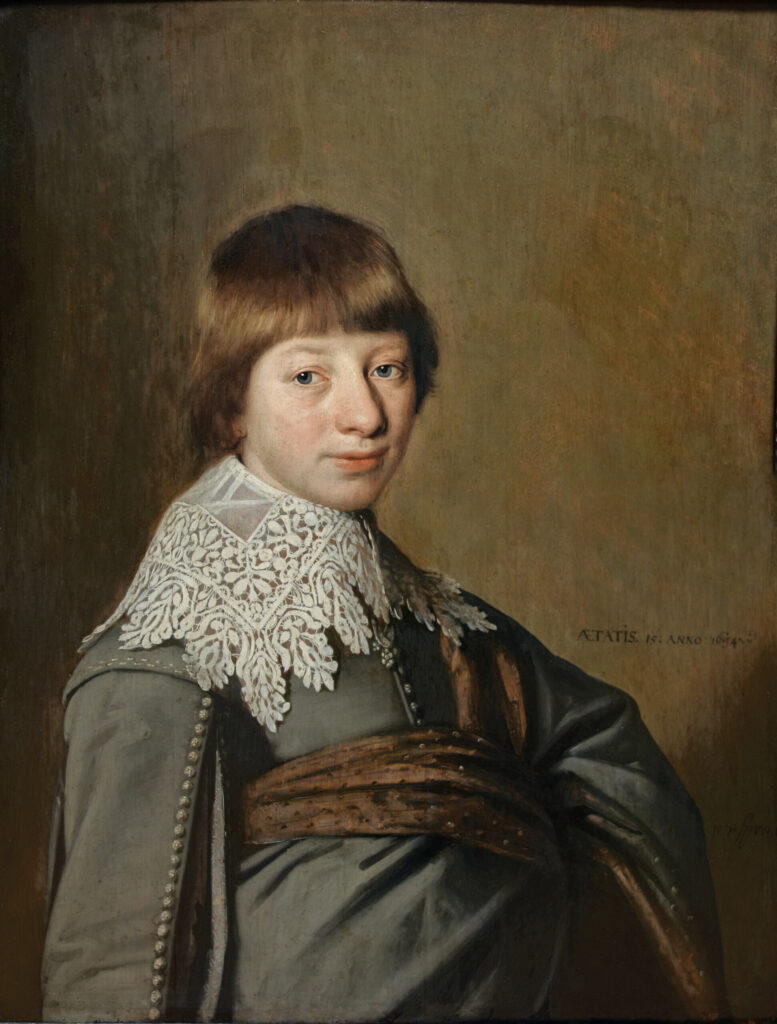
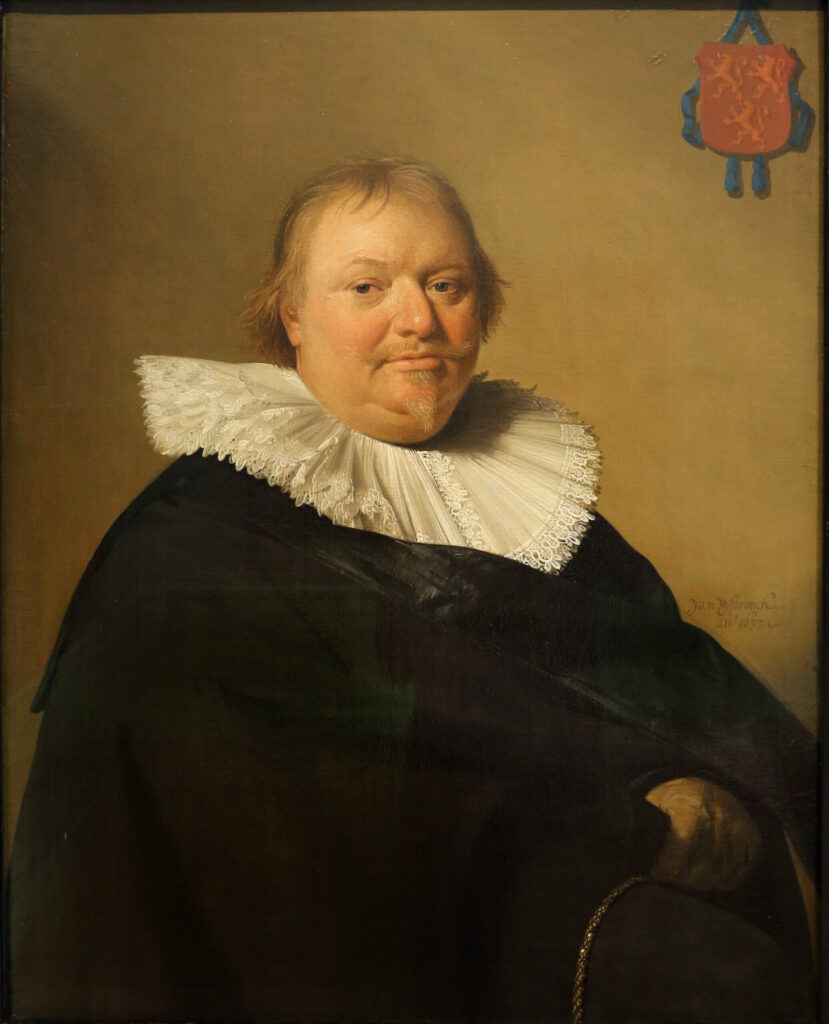
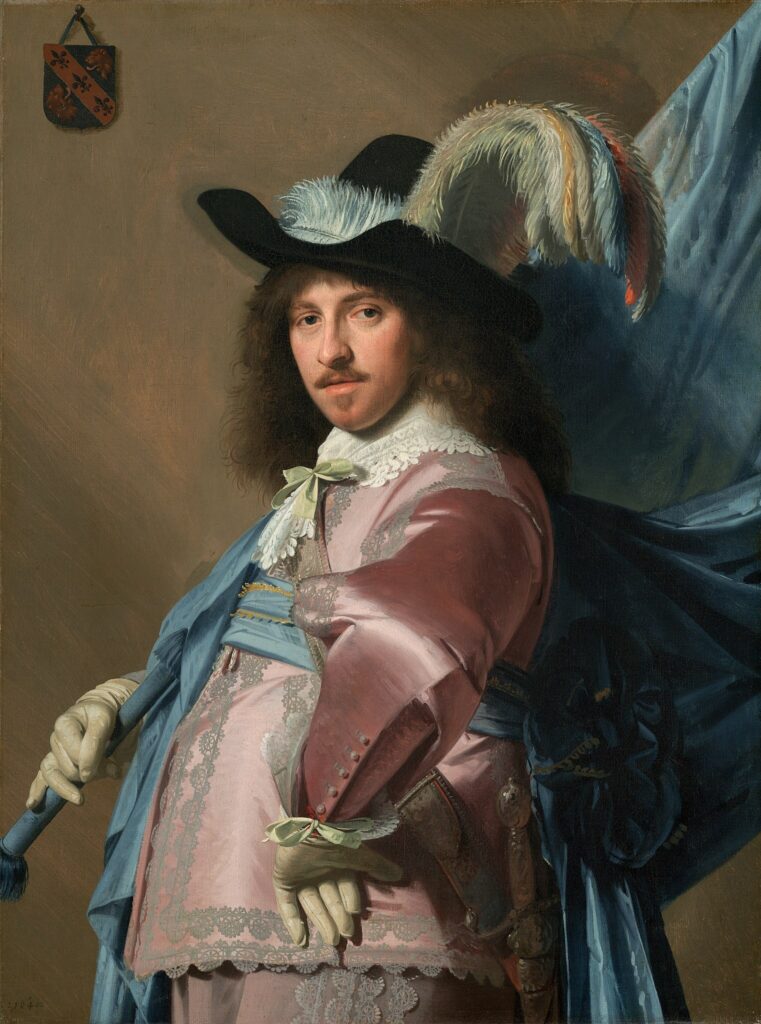


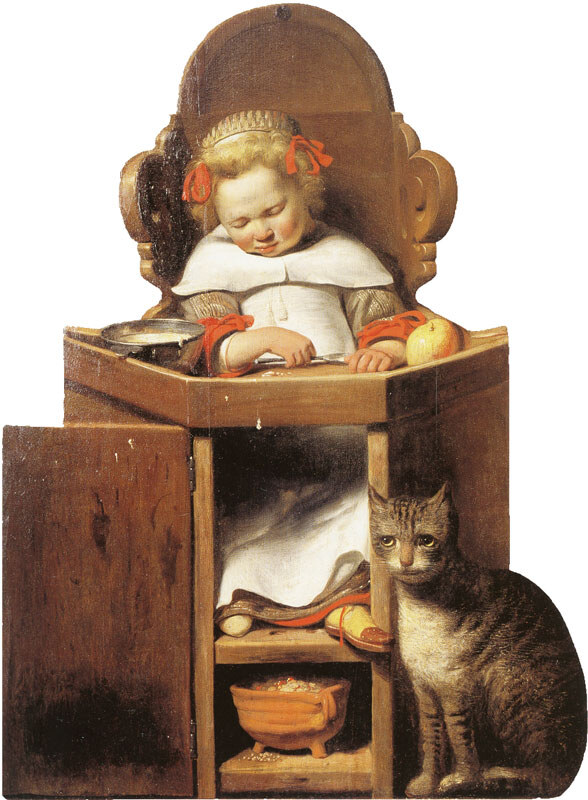
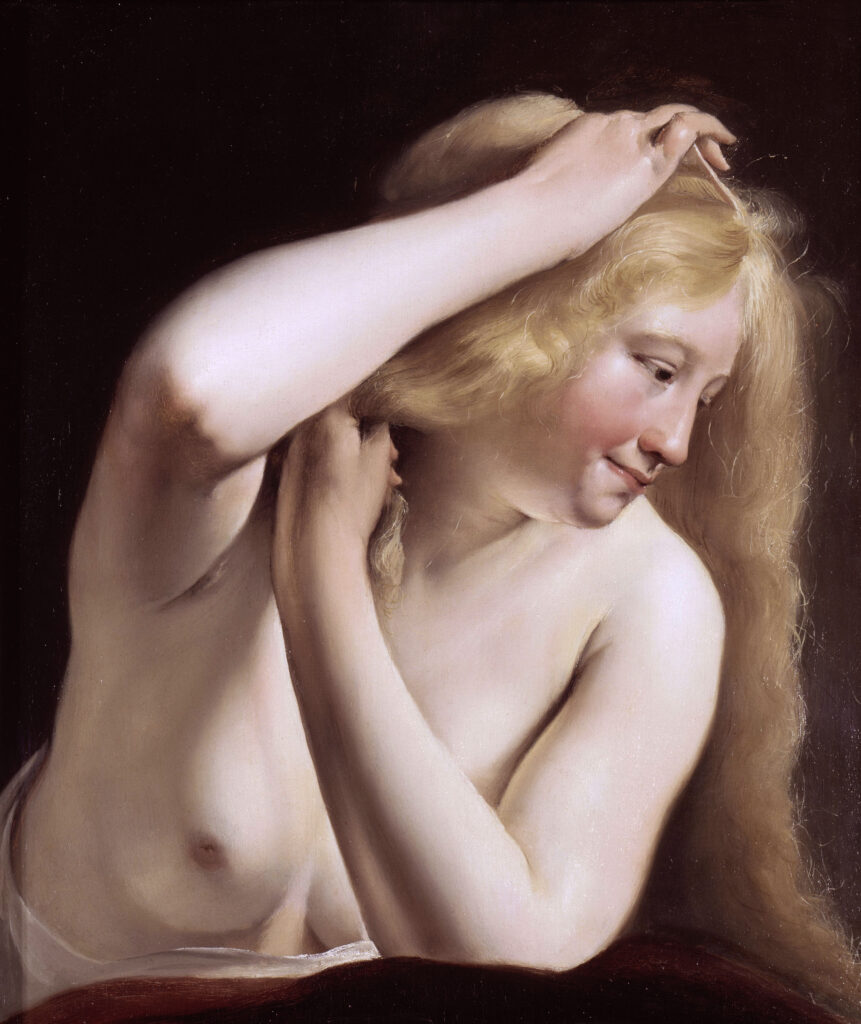
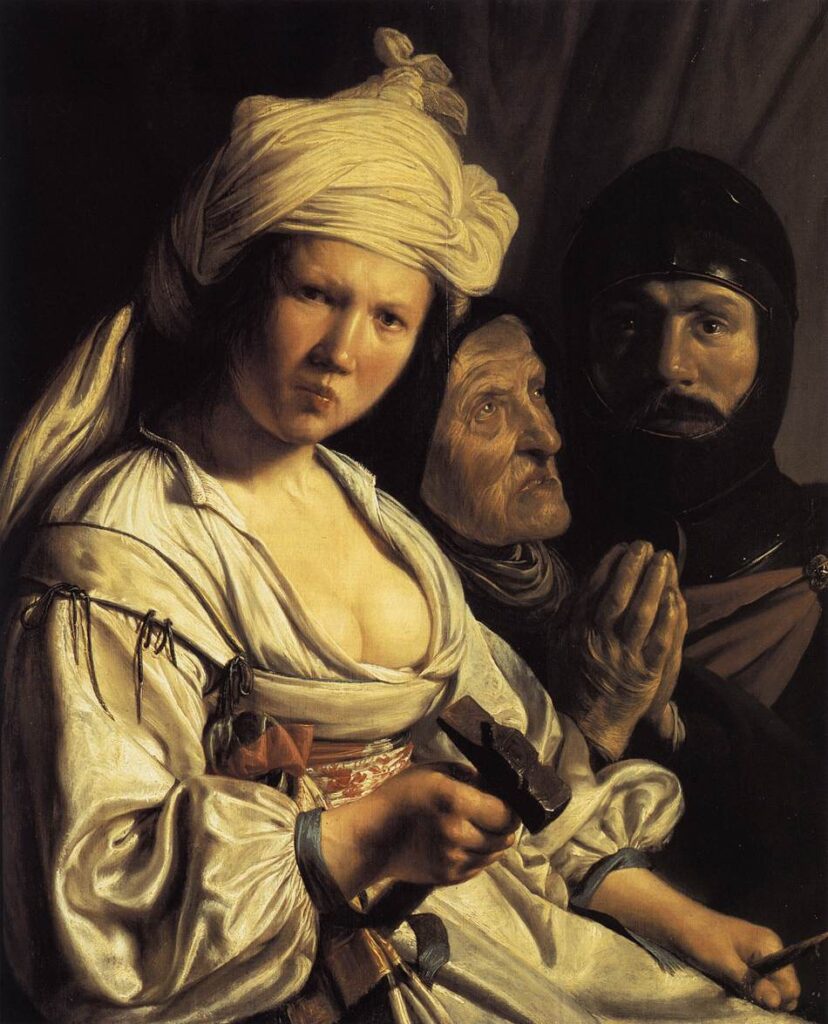
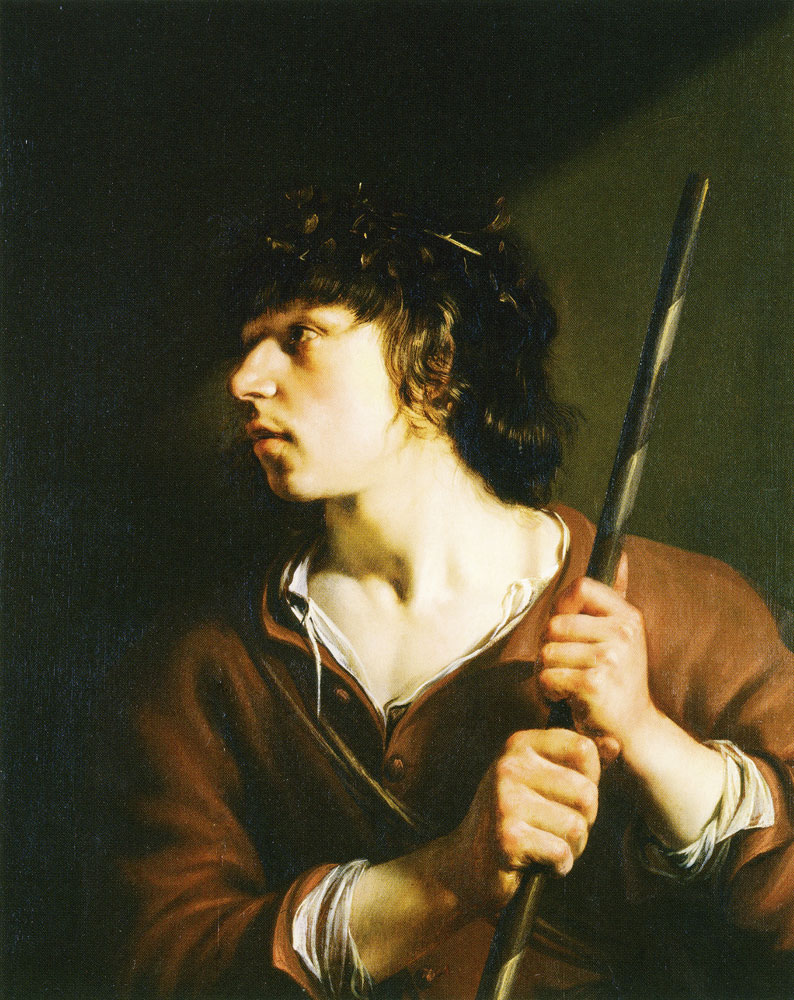
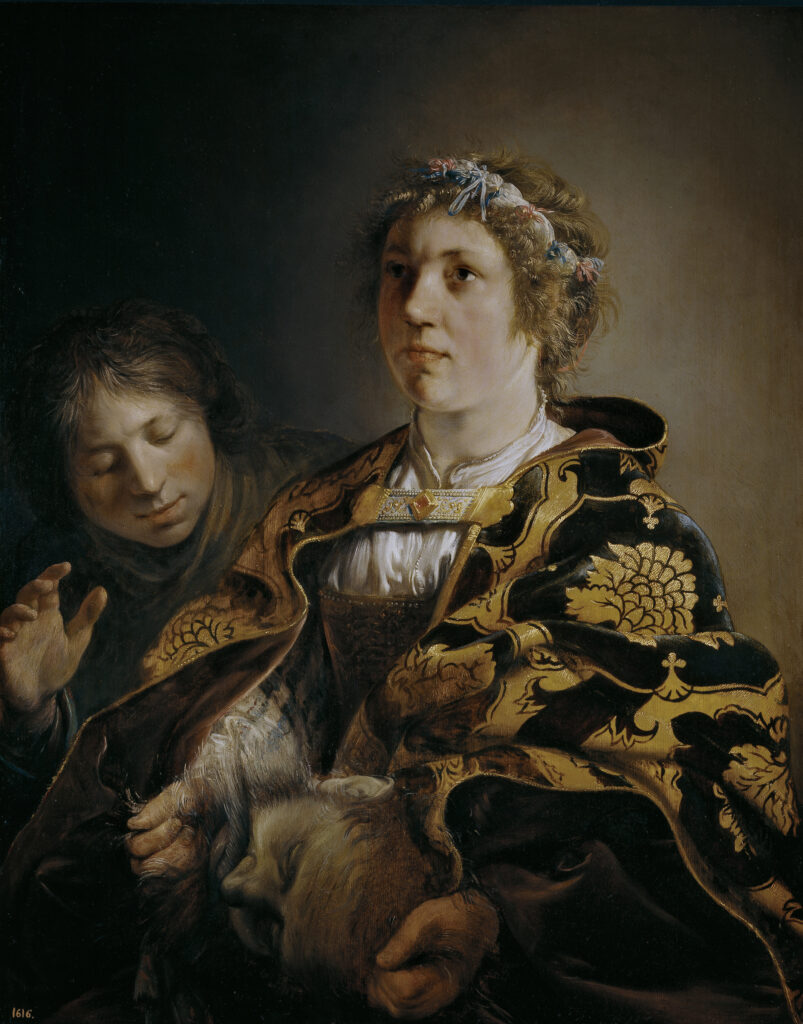
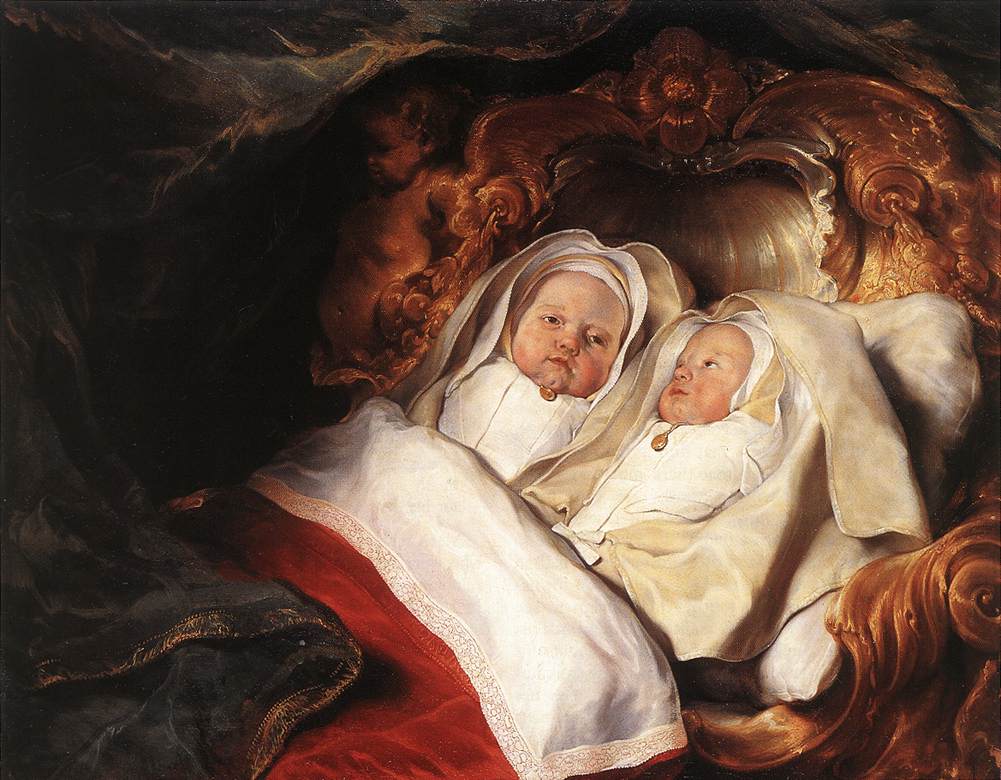
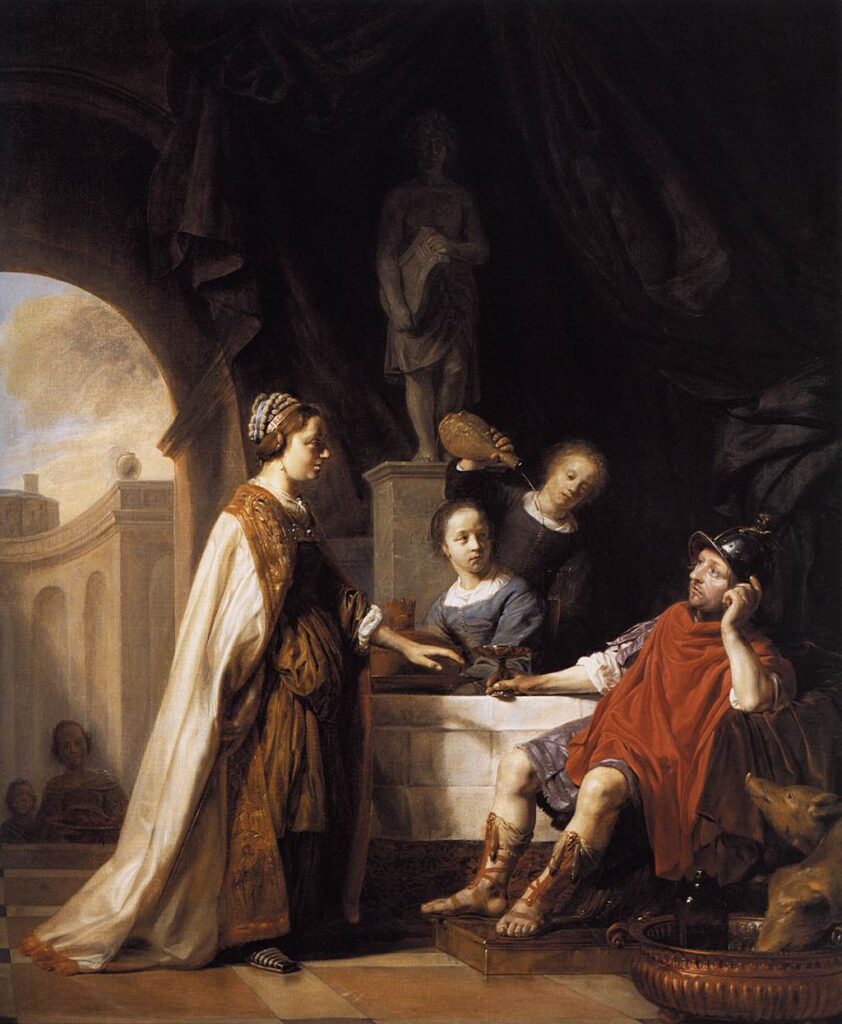
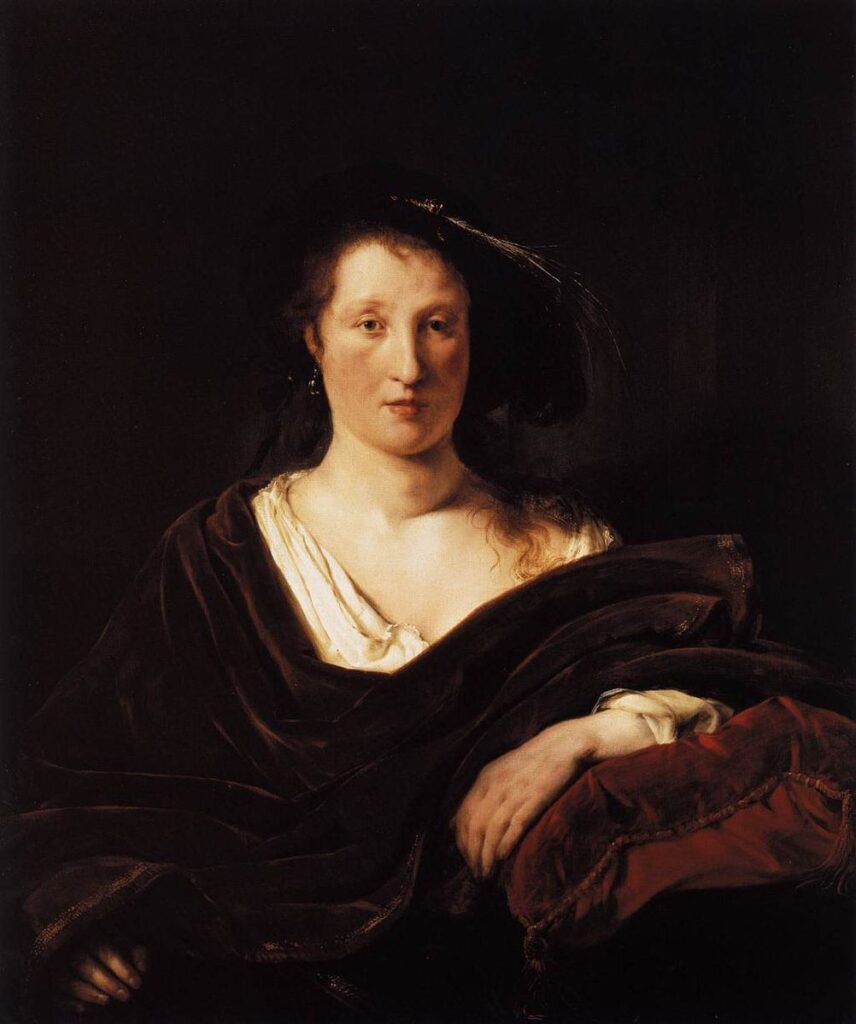
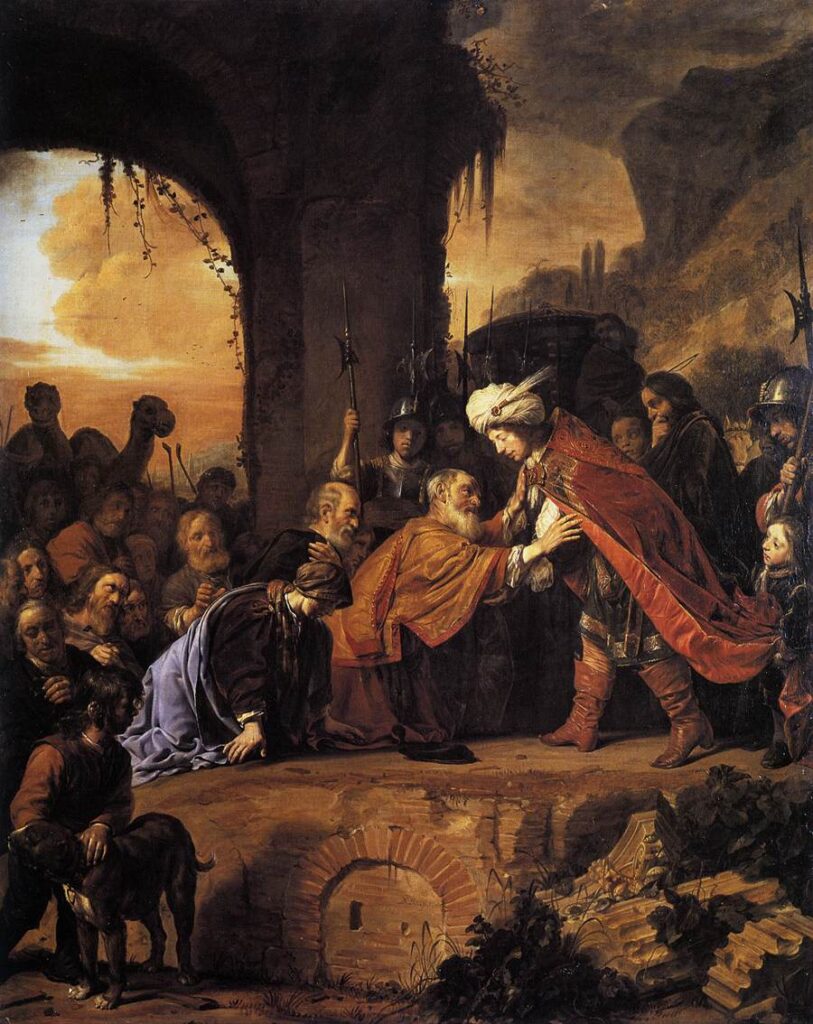
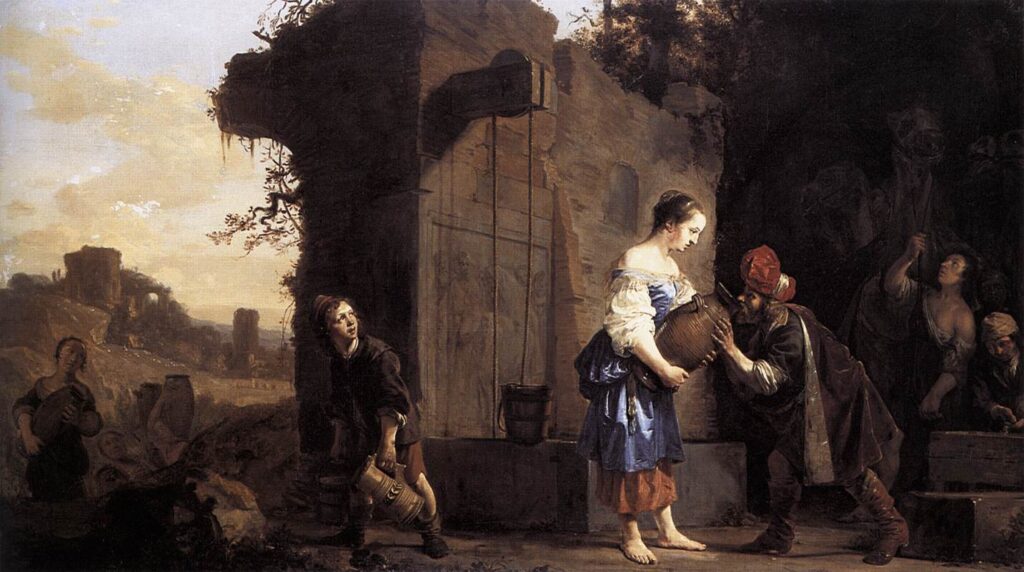
Salomon de Bray
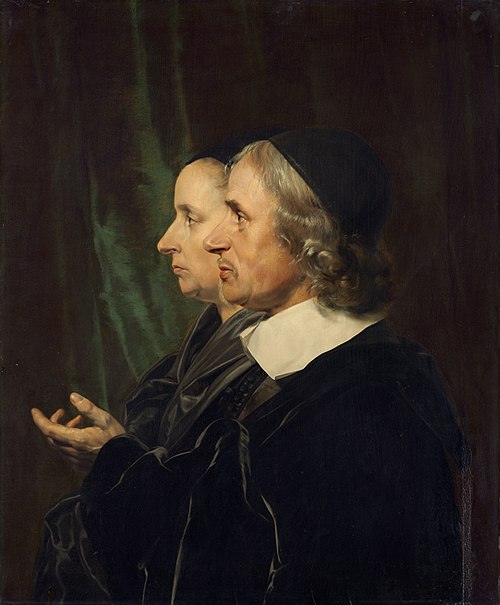
Salomon de Bray, 1597 – May 11, 1664, was a Dutch painter, architect, poet, and designer active in Haarlem during the Dutch Golden Age. Born in Amsterdam, he later settled in Haarlem, where he became a member of the Guild of Saint Luke. His training is not securely documented, but his work shows knowledge of Dutch Mannerist painting and the developing Haarlem classicist style. He was also involved in architectural theory and design, publishing on architecture and working within the broader intellectual and artistic culture of Haarlem.
De Bray painted biblical, mythological, allegorical, portrait, and genre subjects. His figure paintings often use compact compositions, strong modeling, and theatrical lighting, while his portraits and family images connect him to the Haarlem civic and domestic painting tradition. He was associated with Haarlem classicism and with artists including Pieter de Grebber and Caesar van Everdingen. In addition to painting, he wrote poetry and contributed to architectural design, making him part of the wider learned culture of seventeenth-century Haarlem.
Several of de Bray's children became artists, including Jan de Bray, Dirck de Bray, Joseph de Bray, and Jacob de Bray. His work is held by major collections including the Rijksmuseum, Louvre Museum, Museo del Prado, National Gallery of Art, Getty Center, Museum of Fine Arts, Boston, Frans Hals Museum, National Galleries of Scotland, and other European and North American institutions.











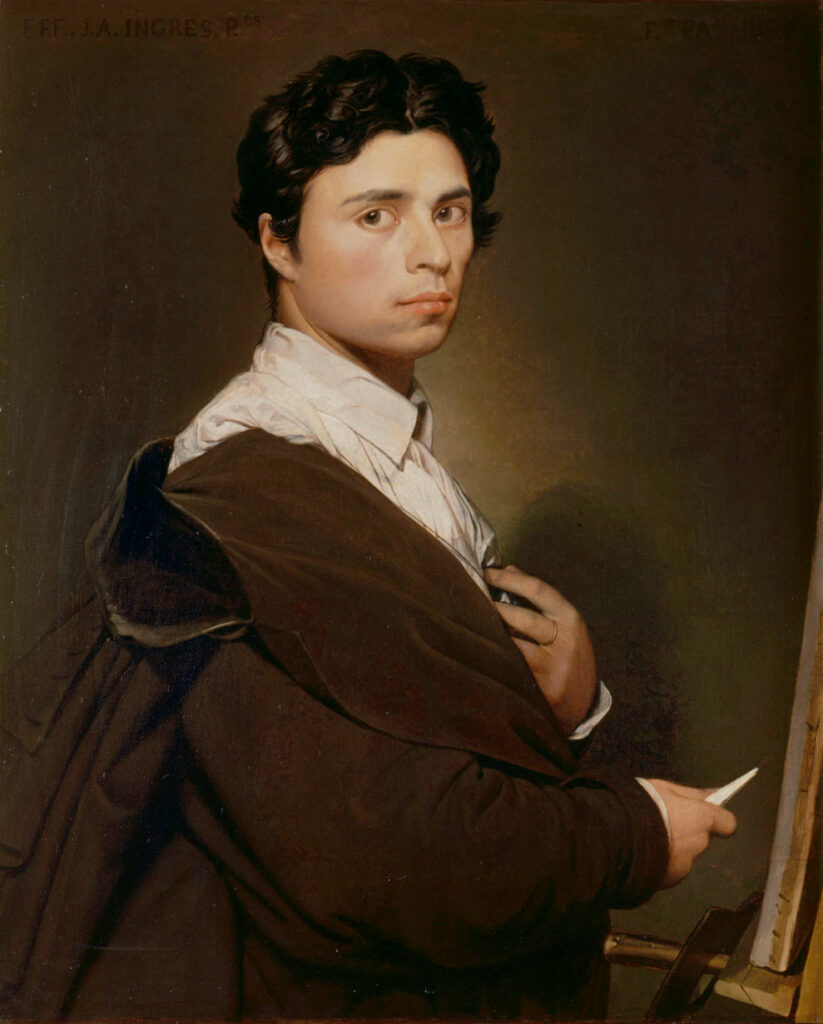
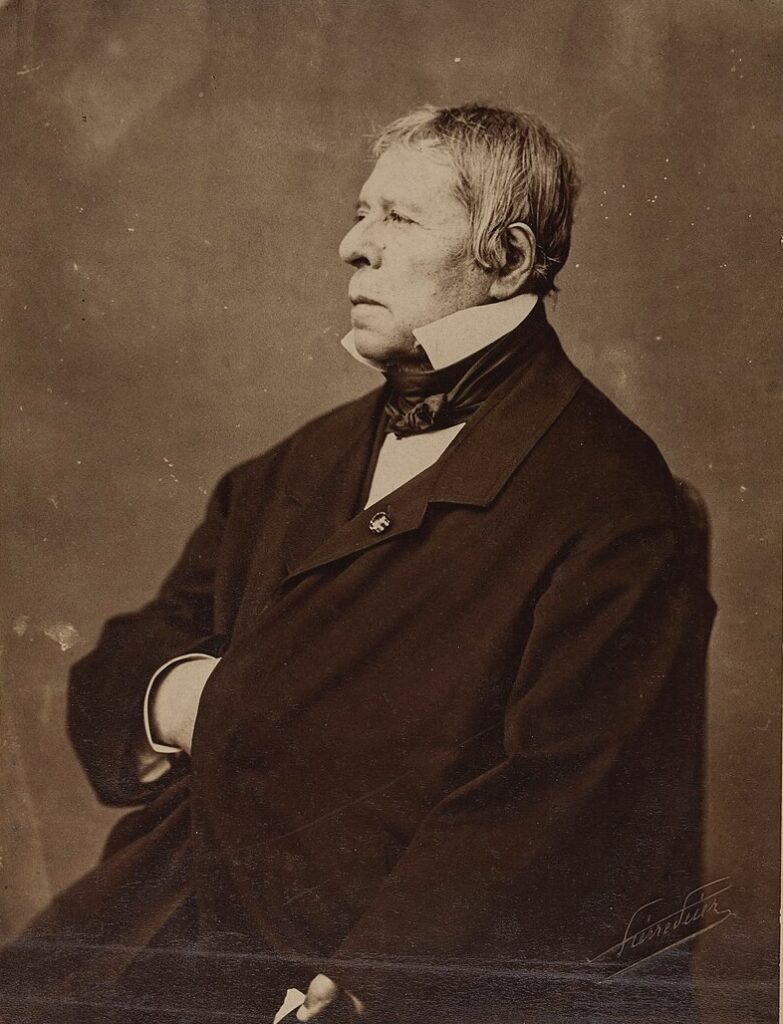
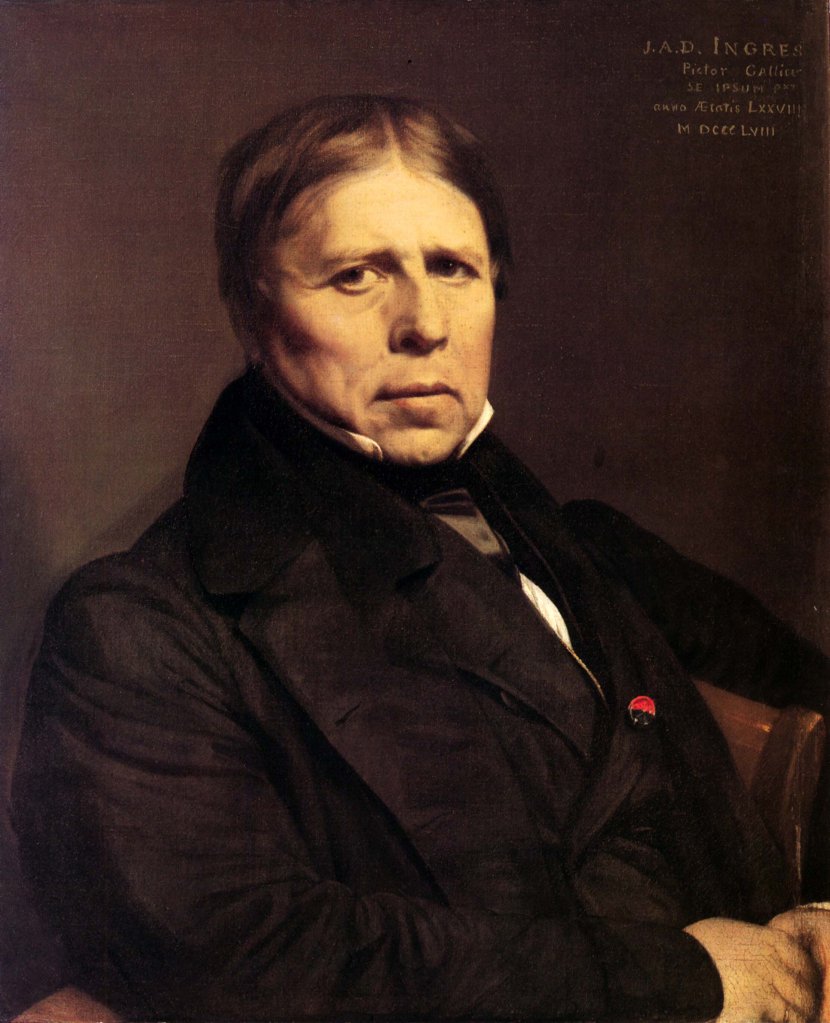
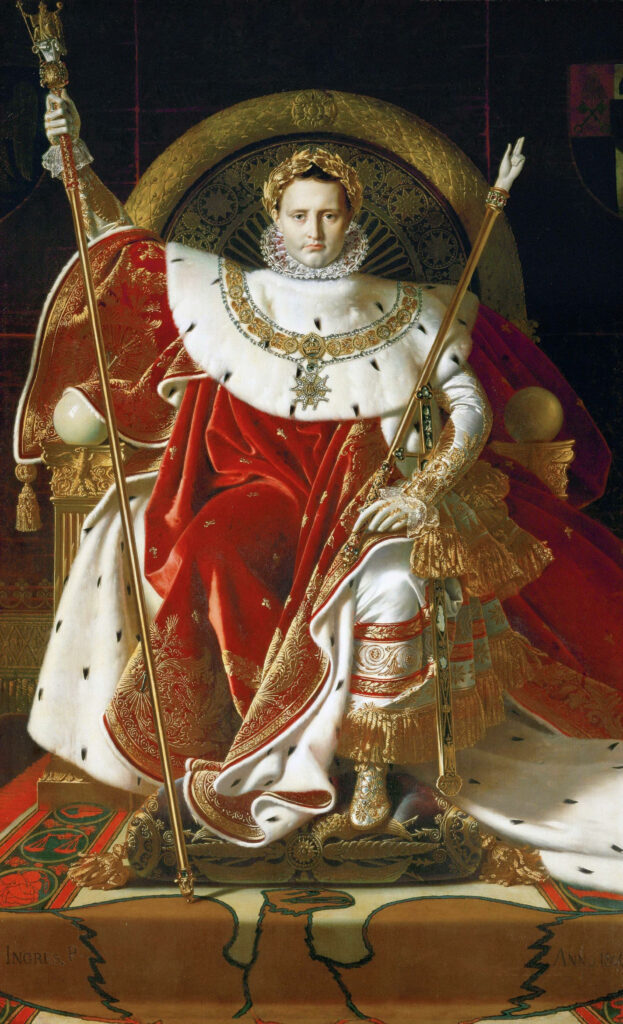
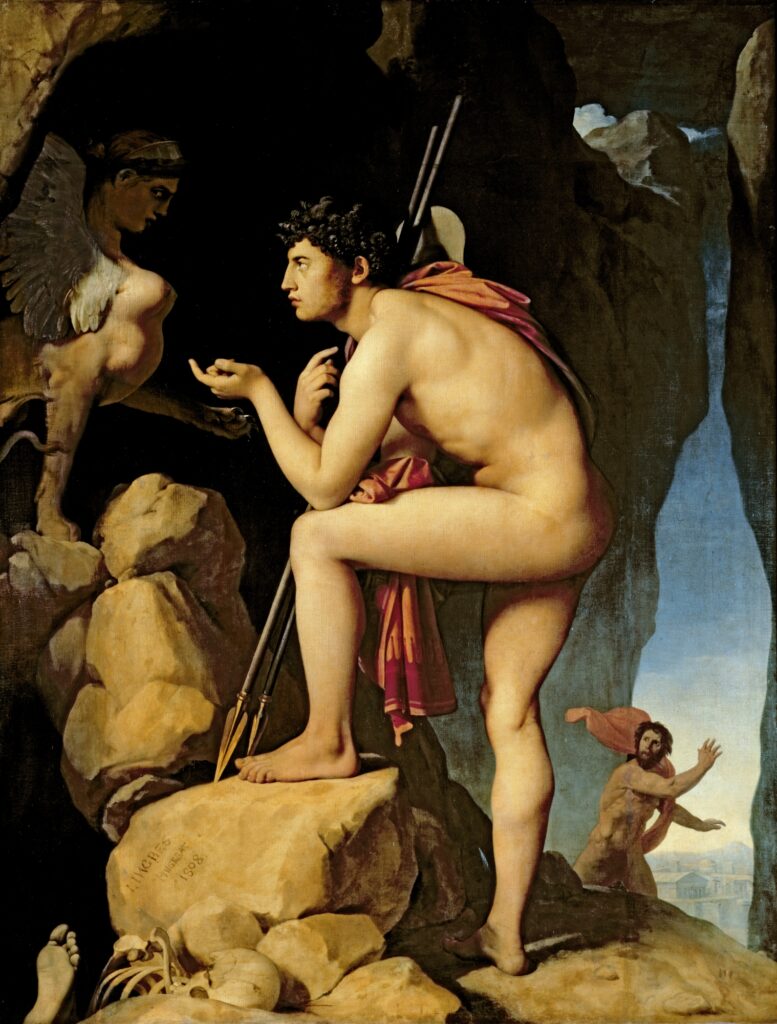
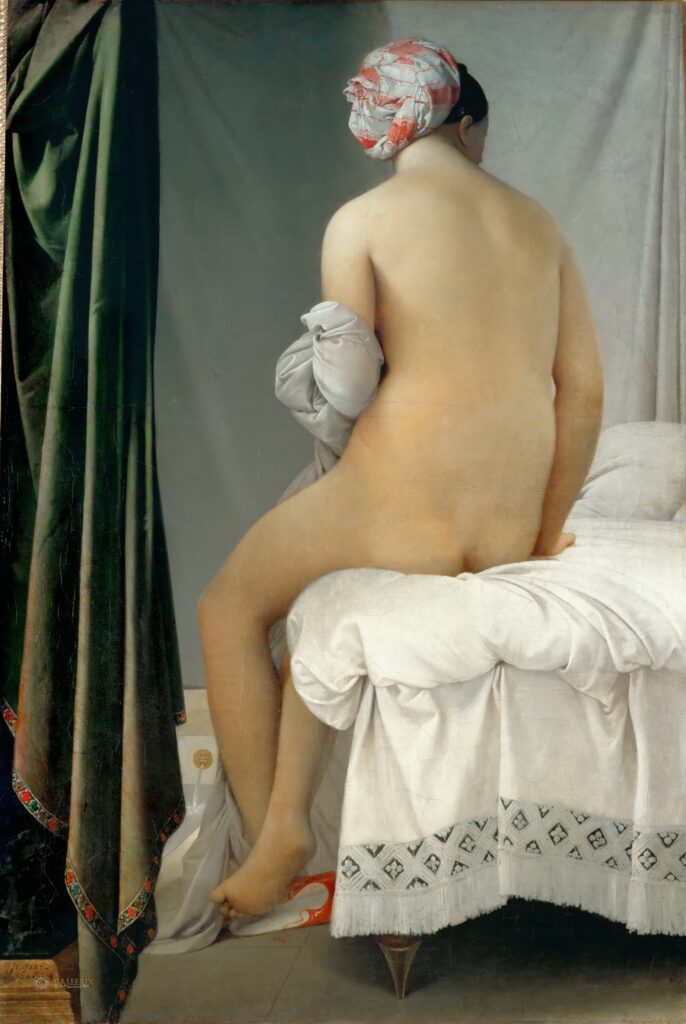
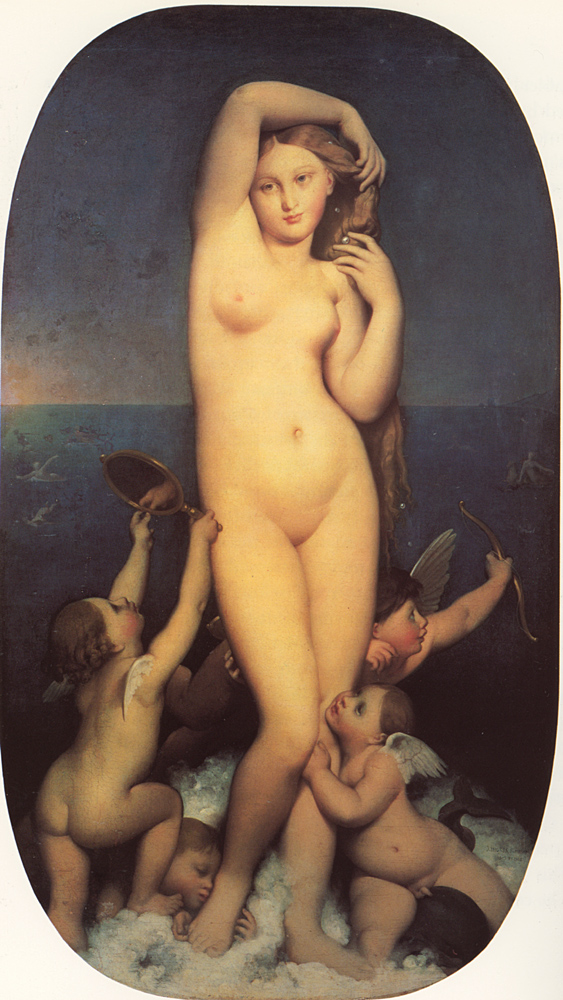
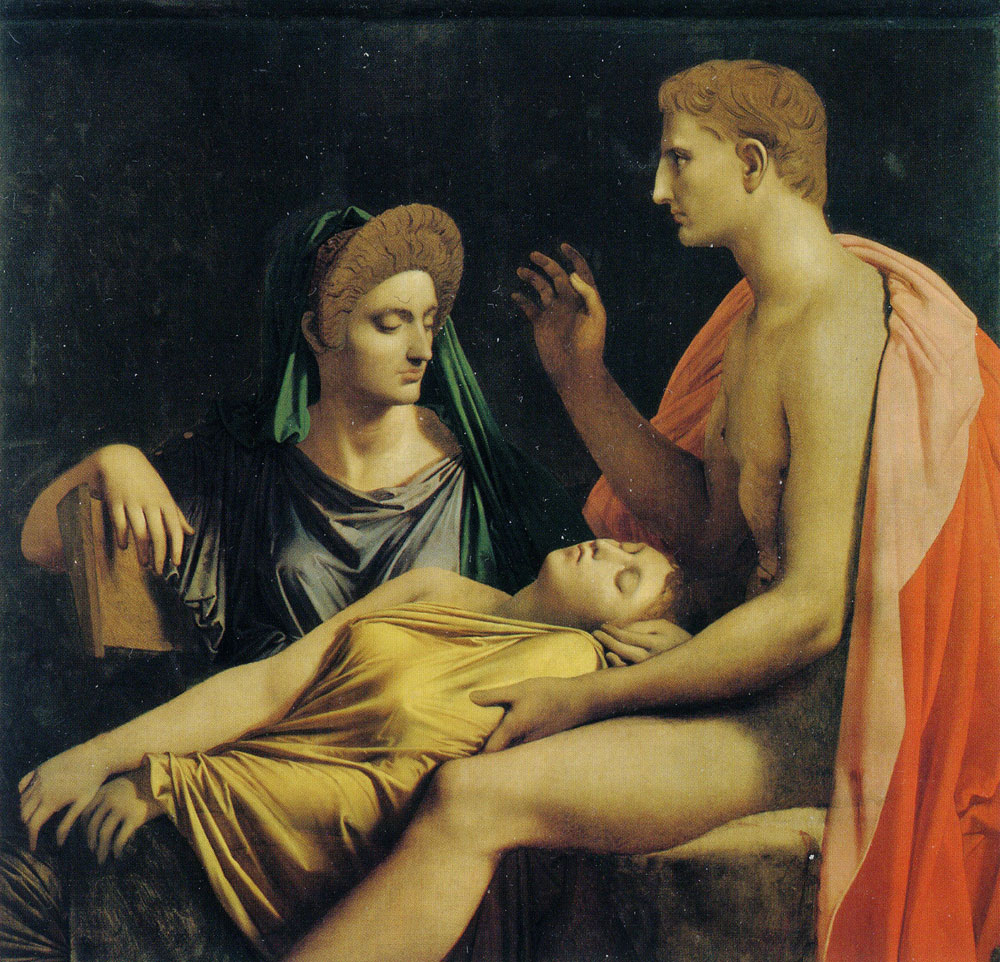
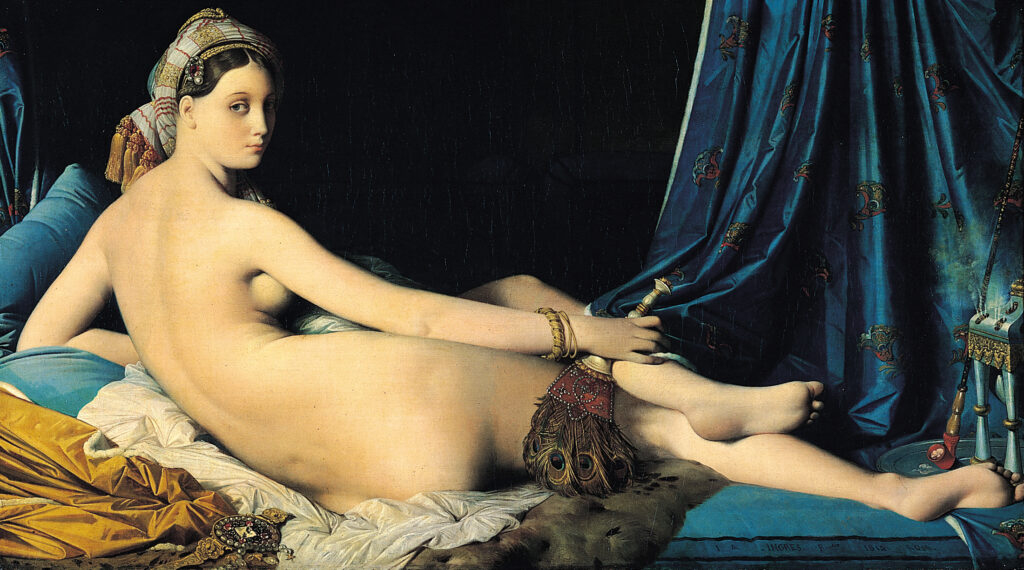
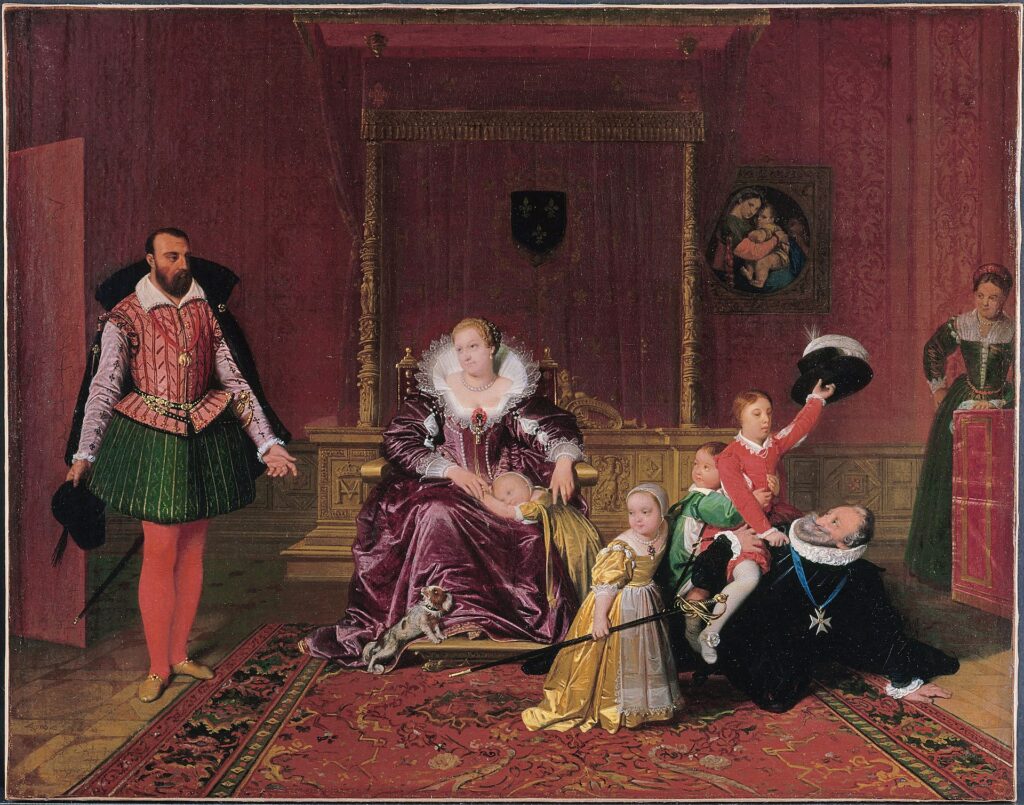
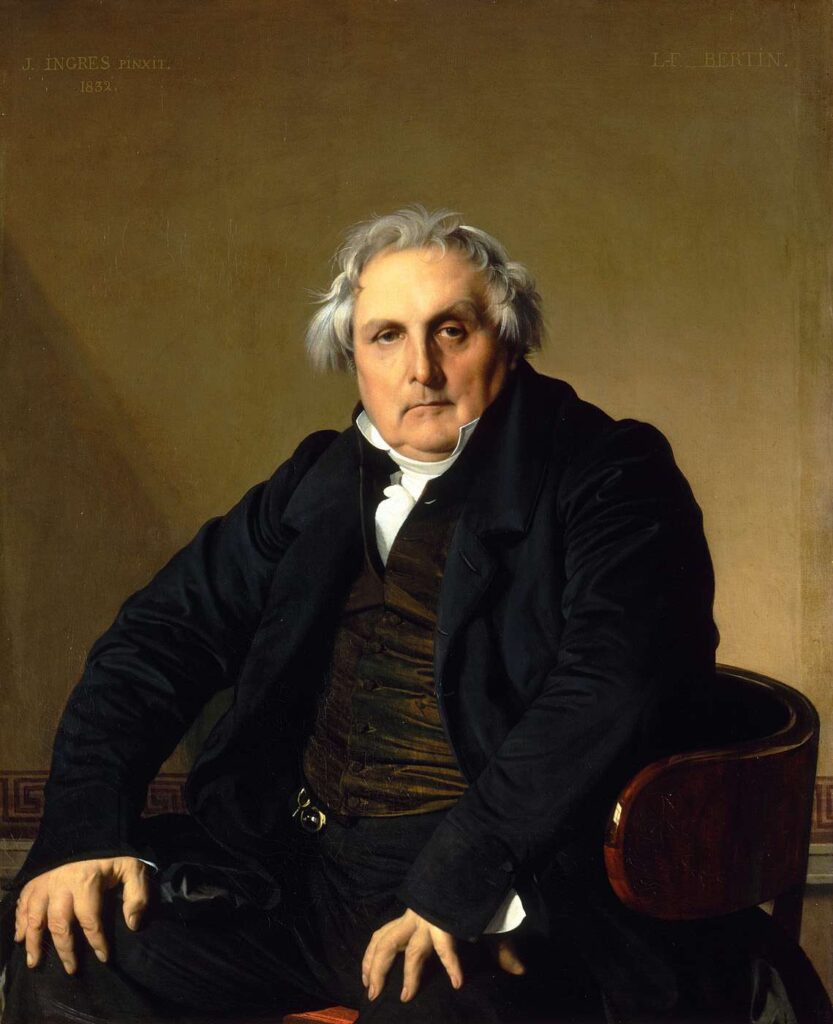
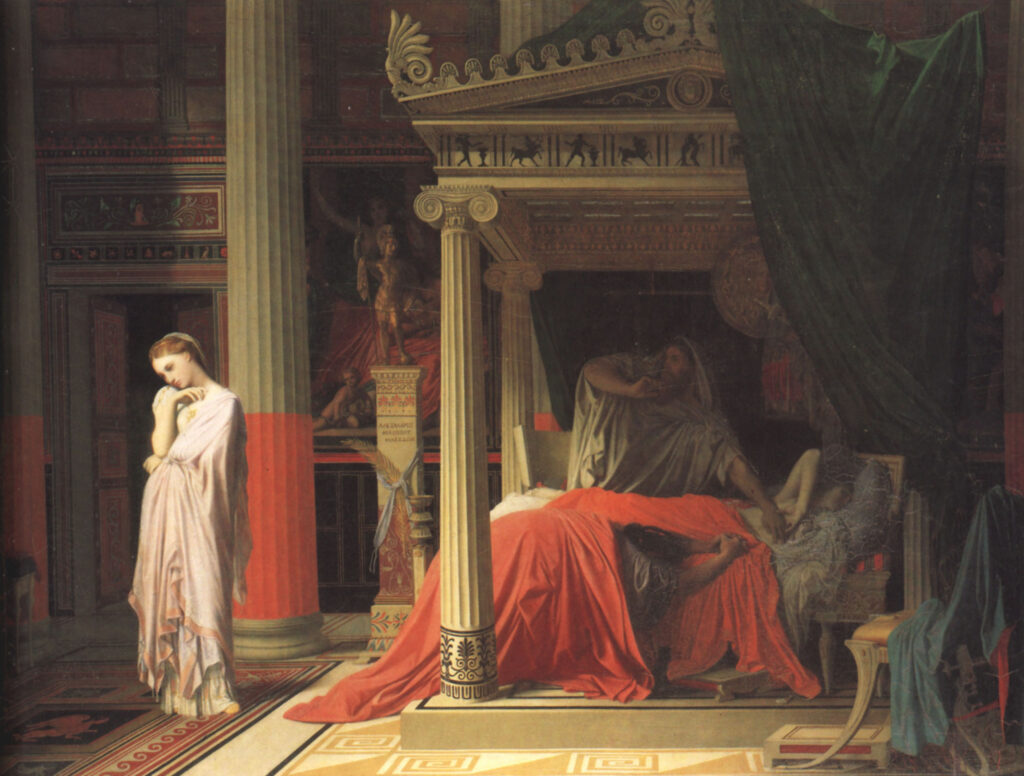
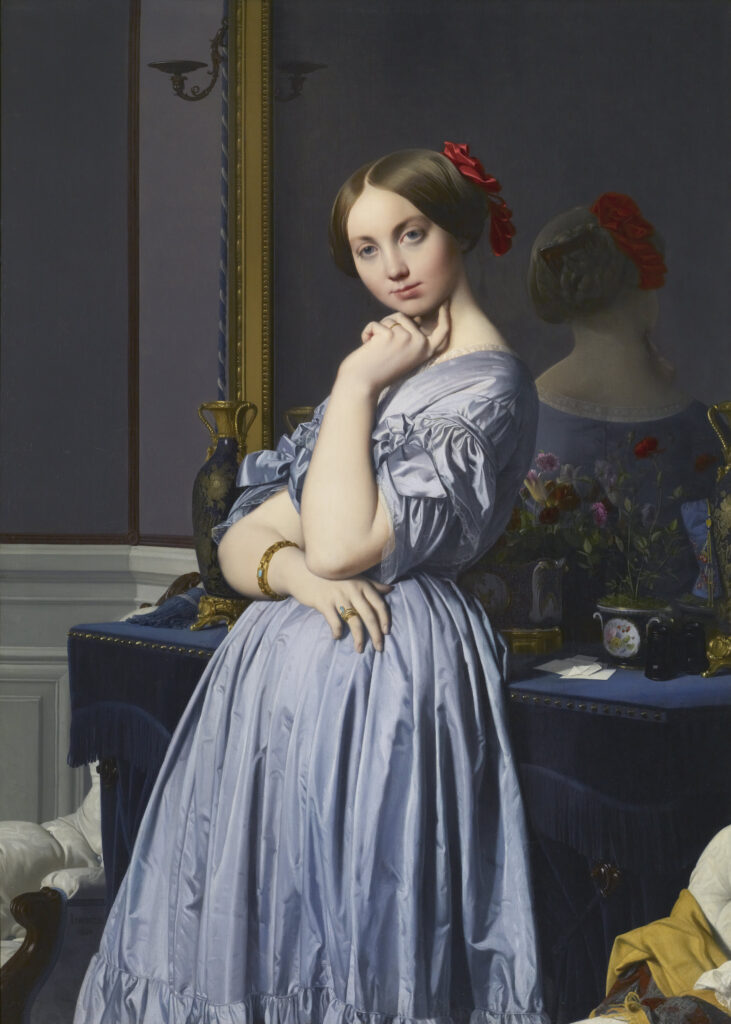
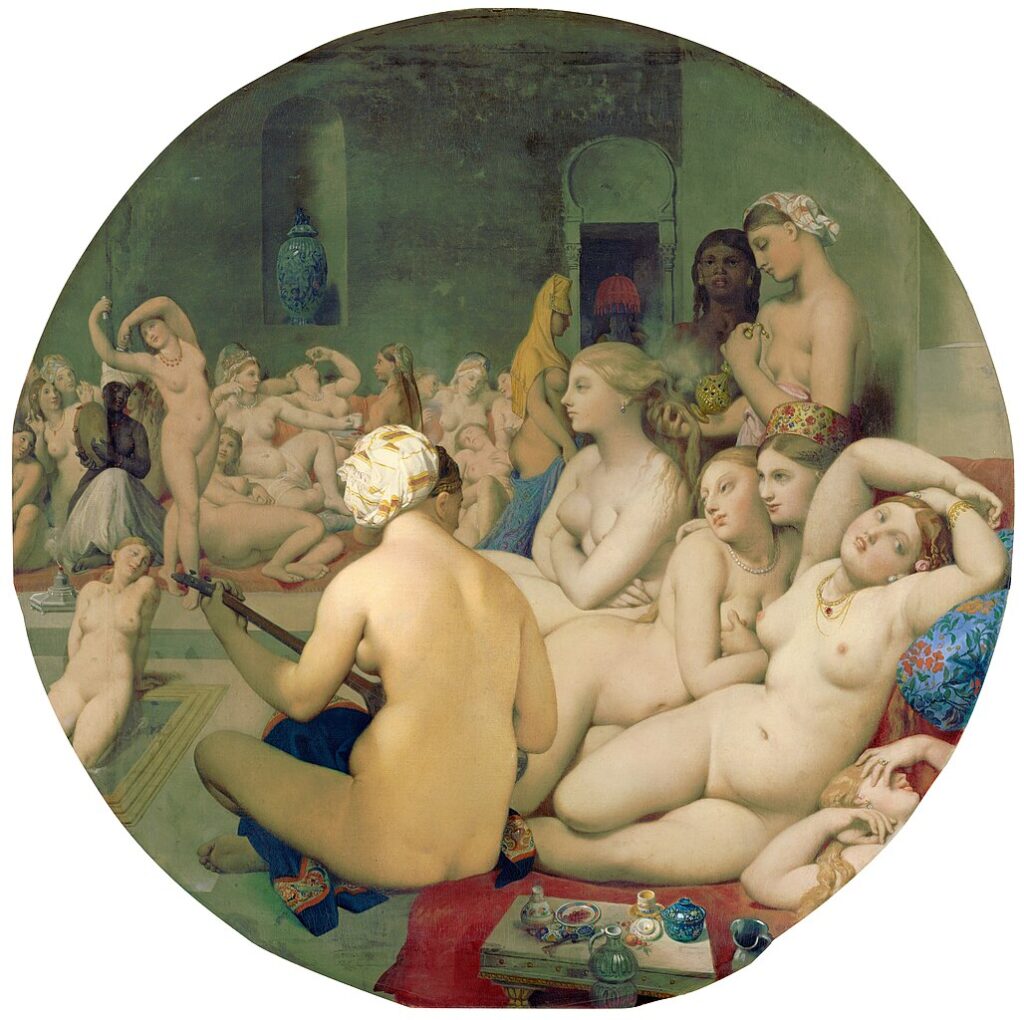
Jean-Auguste-Dominique Ingres
Jean-Auguste-Dominique Ingres, August 29, 1780 – January 14, 1867, was a French painter, draftsman, and portraitist. Born in Montauban, he was trained first by his father, Jean-Marie-Joseph Ingres, and later studied in Toulouse before entering the studio of Jacques-Louis David in Paris.
Ingres worked in history painting, portraiture, and mythological subjects, and was associated with the neoclassical tradition. He won the Prix de Rome in 1801, lived for long periods in Rome and Florence, and later served as director of the French Academy in Rome.
His pupils included Théodore Chassériau, Hippolyte Flandrin, and Amaury-Duval. His work is held by the Louvre Museum, the Musée Ingres Bourdelle, the Condé Museum, the Frick Collection, the Metropolitan Museum of Art, and the Uffizi Gallery