Posts in Category: 20th Century
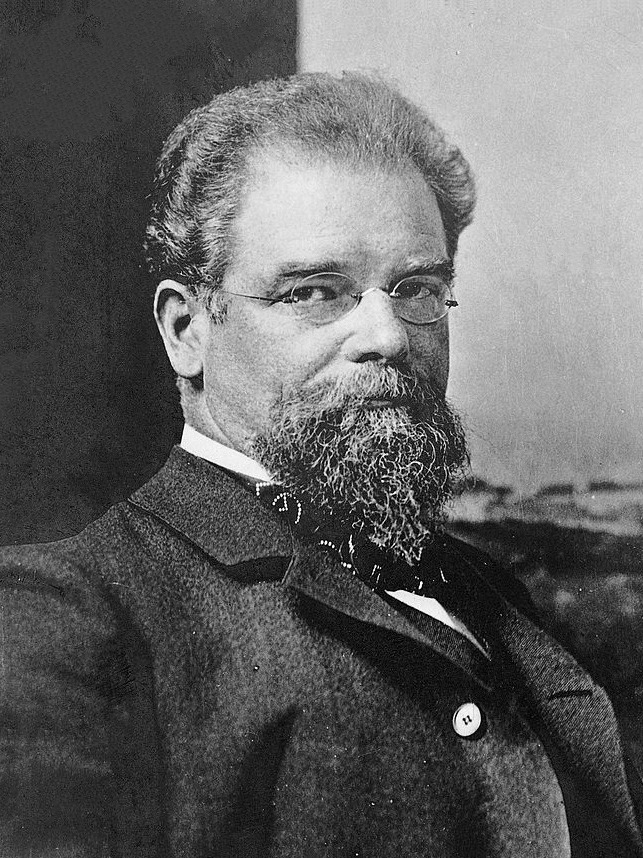
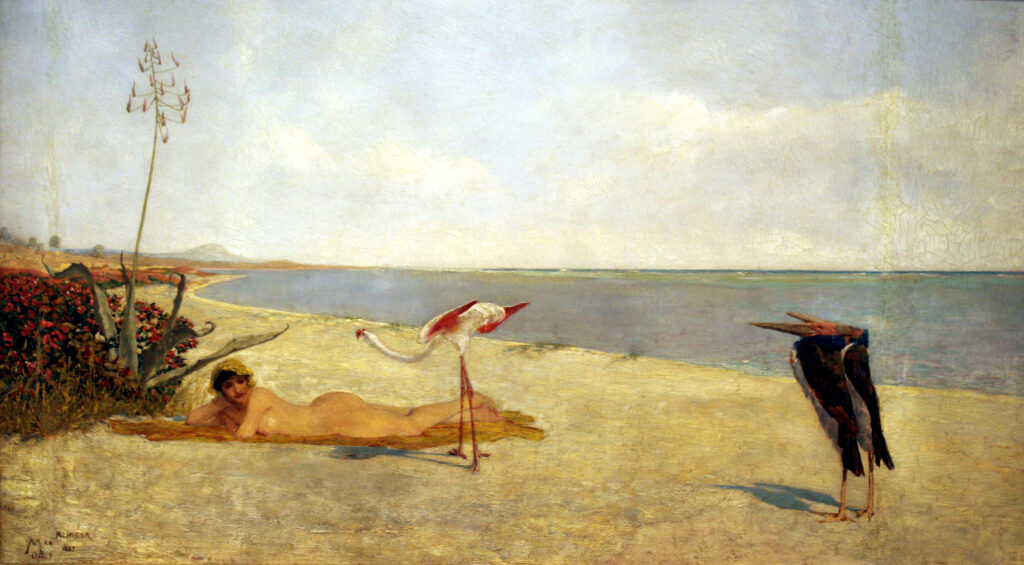
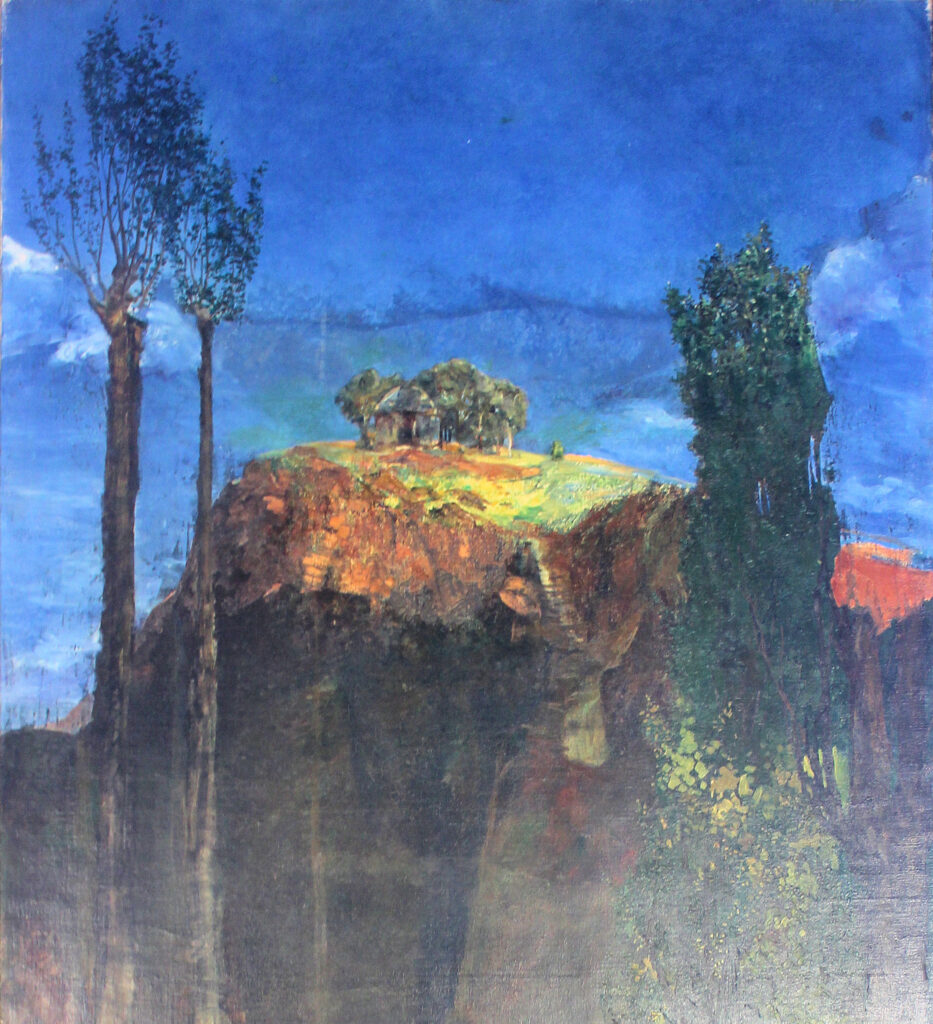
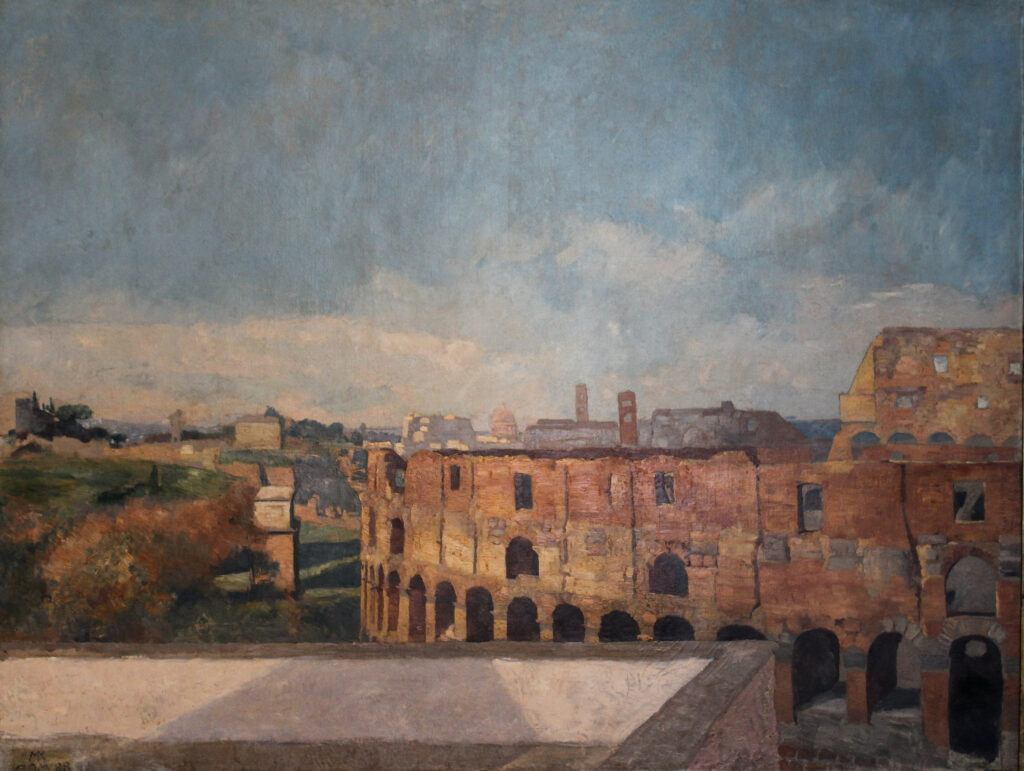
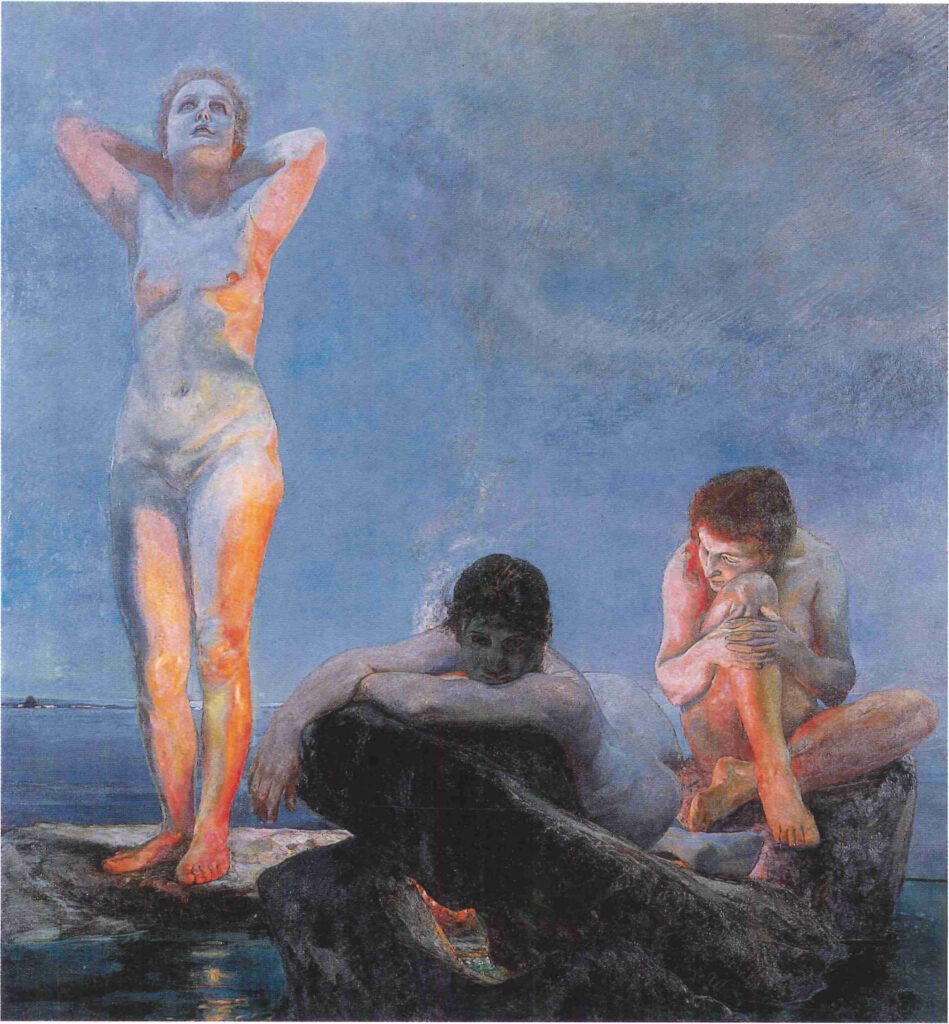
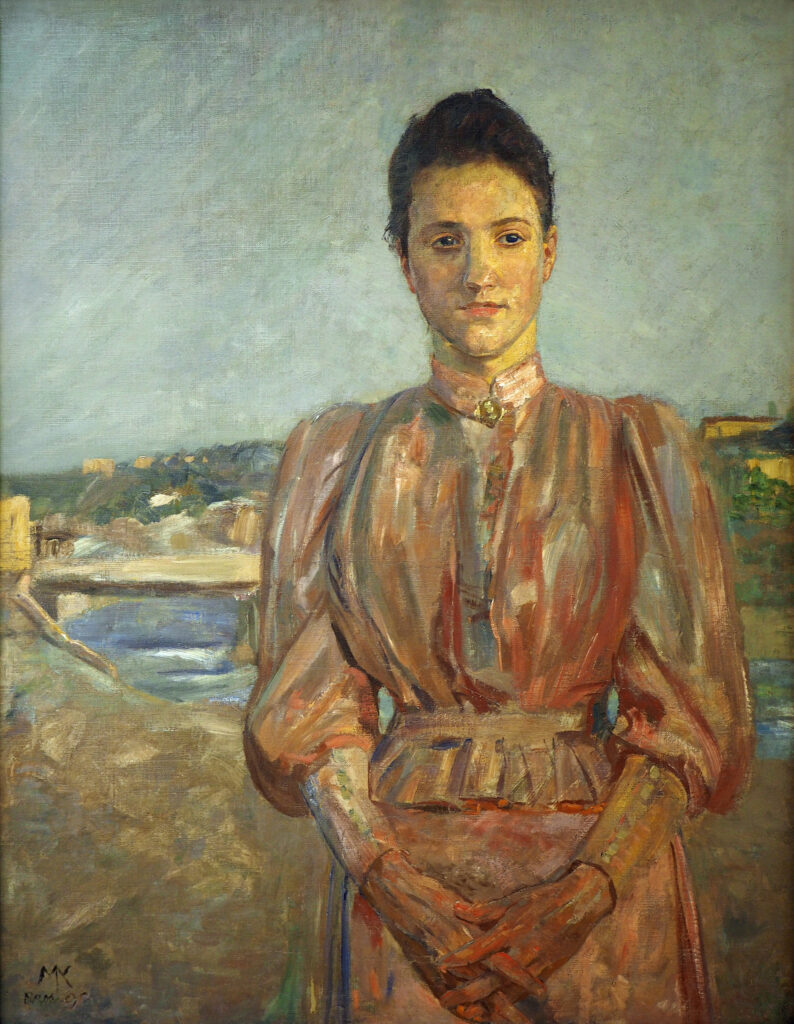
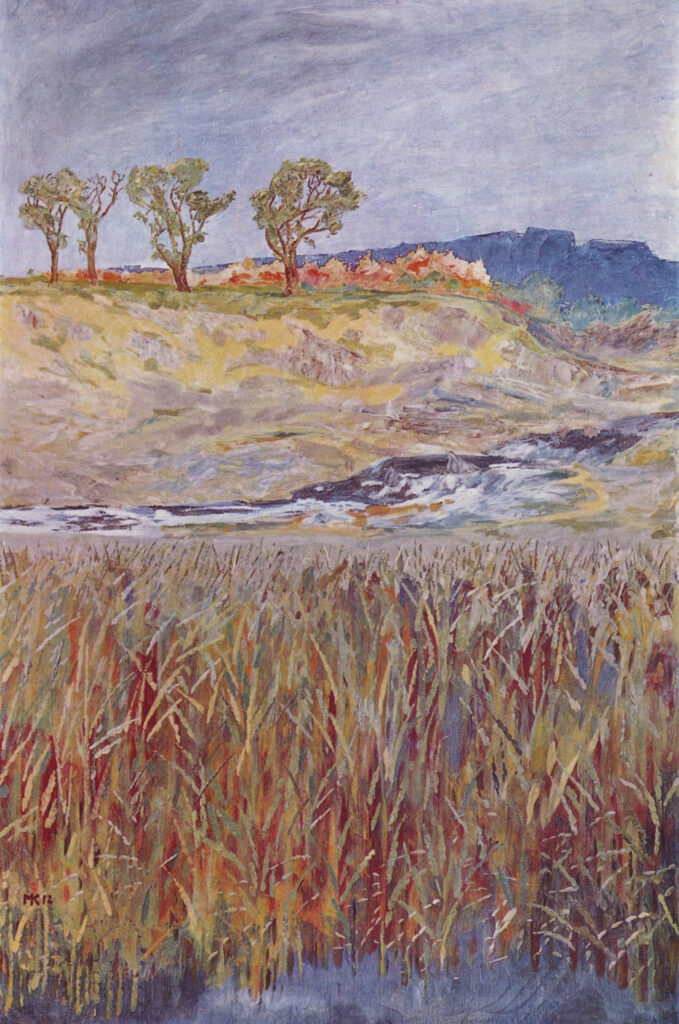
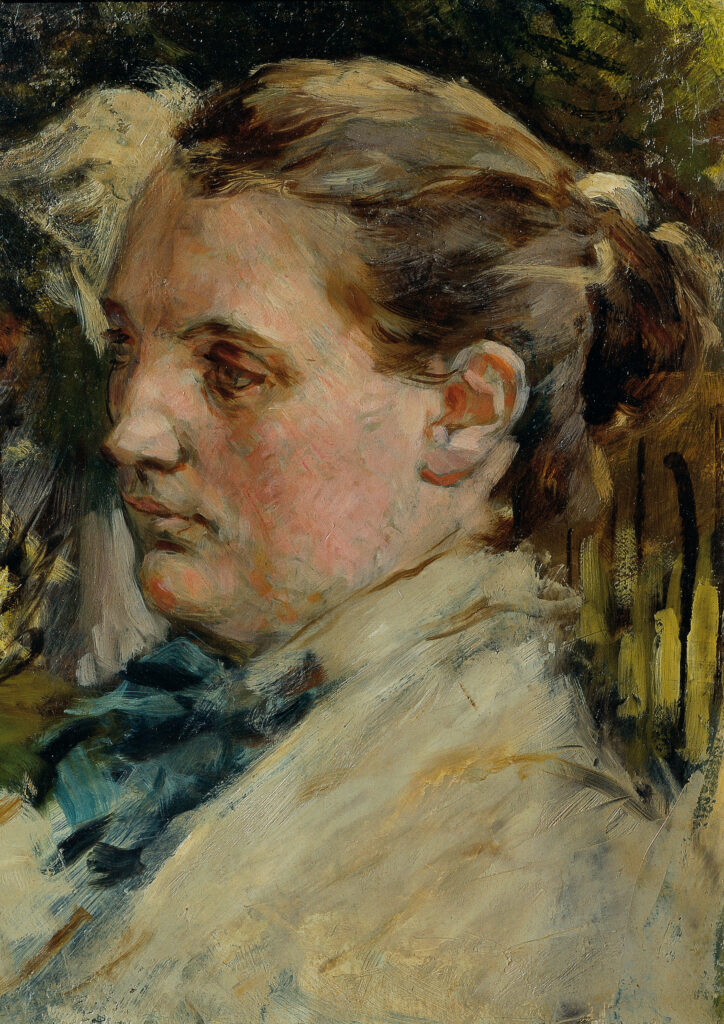
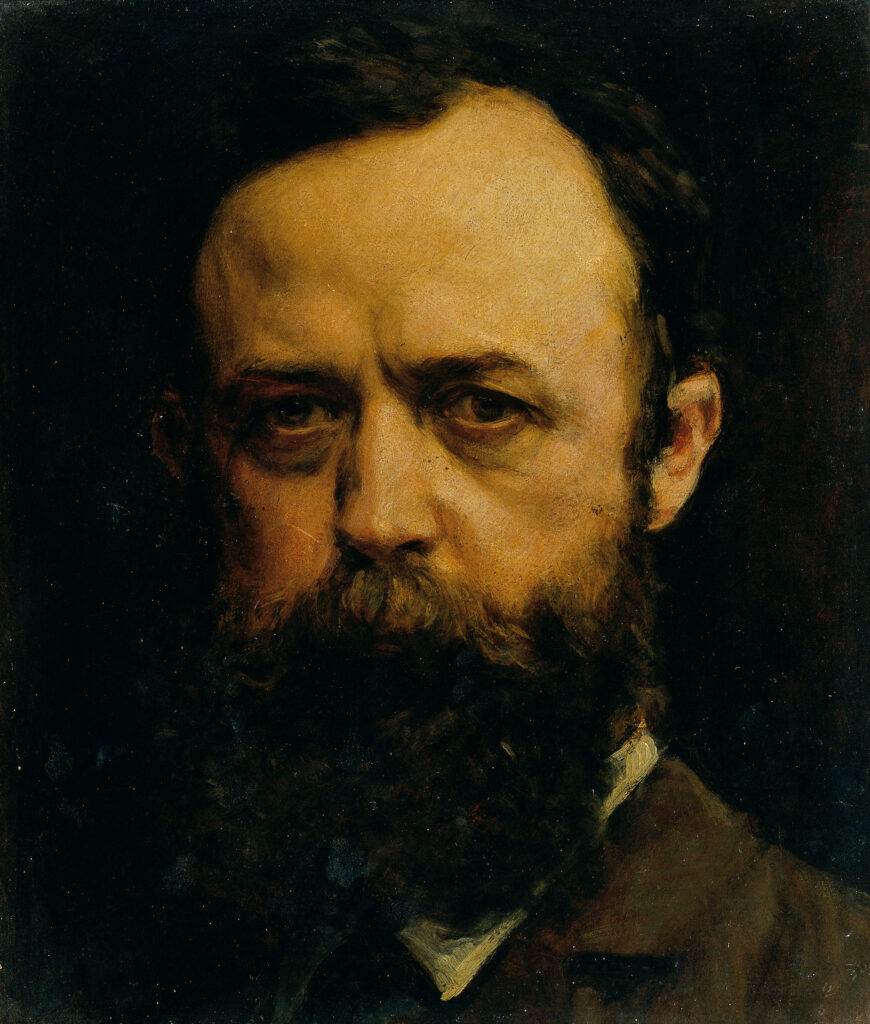
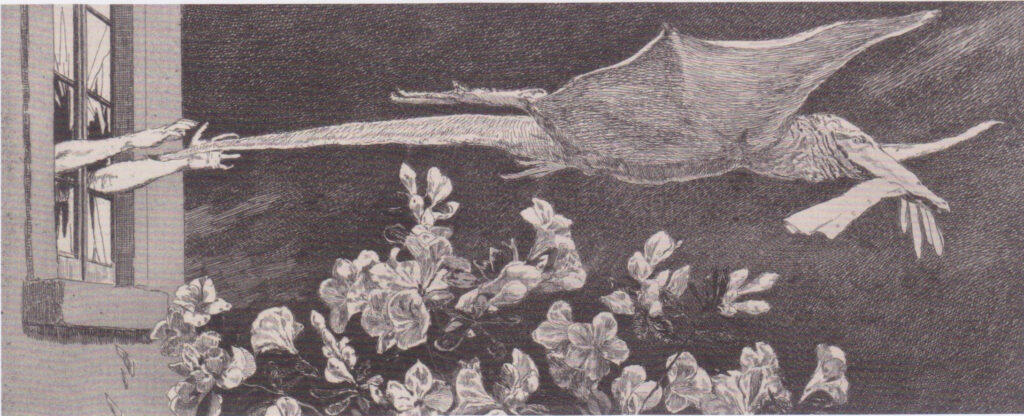
Max Klinger
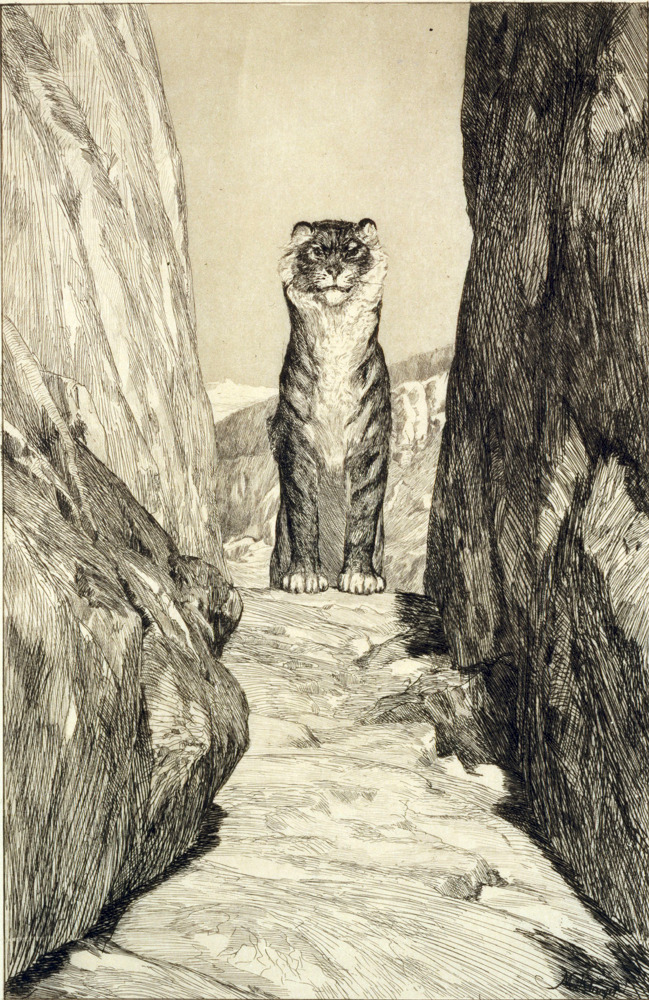
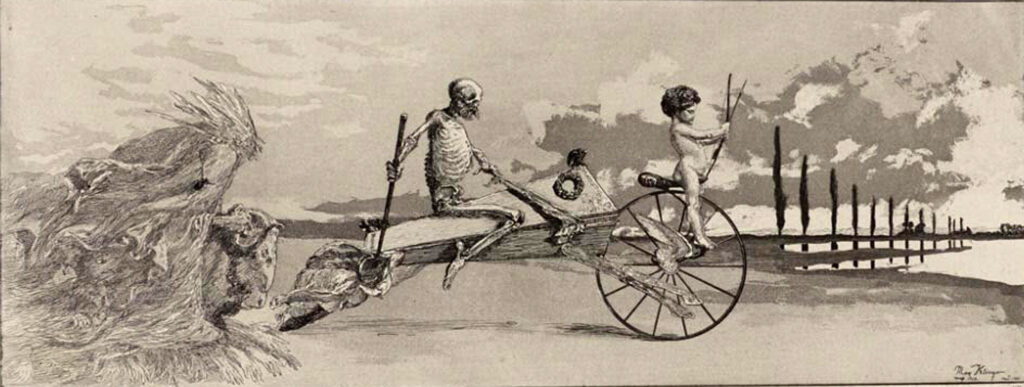
Max Klinger, February 18, 1857–July 4, 1920, was a German painter, printmaker and sculptor. Born in Leipzig, he studied at the art school in Karlsruhe and the academy in Berlin, where his teacher was Karl Gussow. He subsequently worked in Brussels, Paris and Rome before returning to Leipzig in 1893.
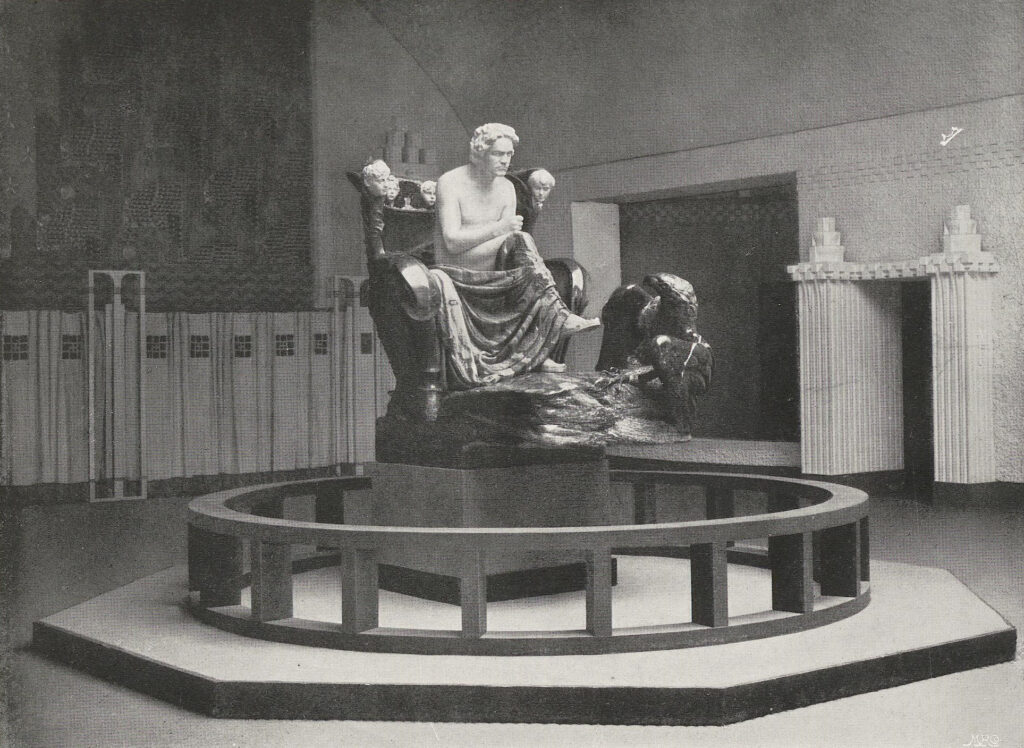
Klinger became a professor at the Academy of Graphic Arts in Leipzig and a member of the Vienna Secession in 1897. His Beethoven sculpture was first exhibited at the Secession in 1902. He became vice-president of the German Artists’ Association in 1903 and helped establish its Villa Romana studio house in Florence in 1905.
His paintings and sculptures are held by the Museum of Fine Arts Leipzig, Moritzburg Art Museum, Galerie Neue Meister and Belvedere. His prints are represented in the Albertina, Philadelphia Museum of Art and Saint Louis Art Museum. He died at his home in Großjena near Naumburg, where he is buried
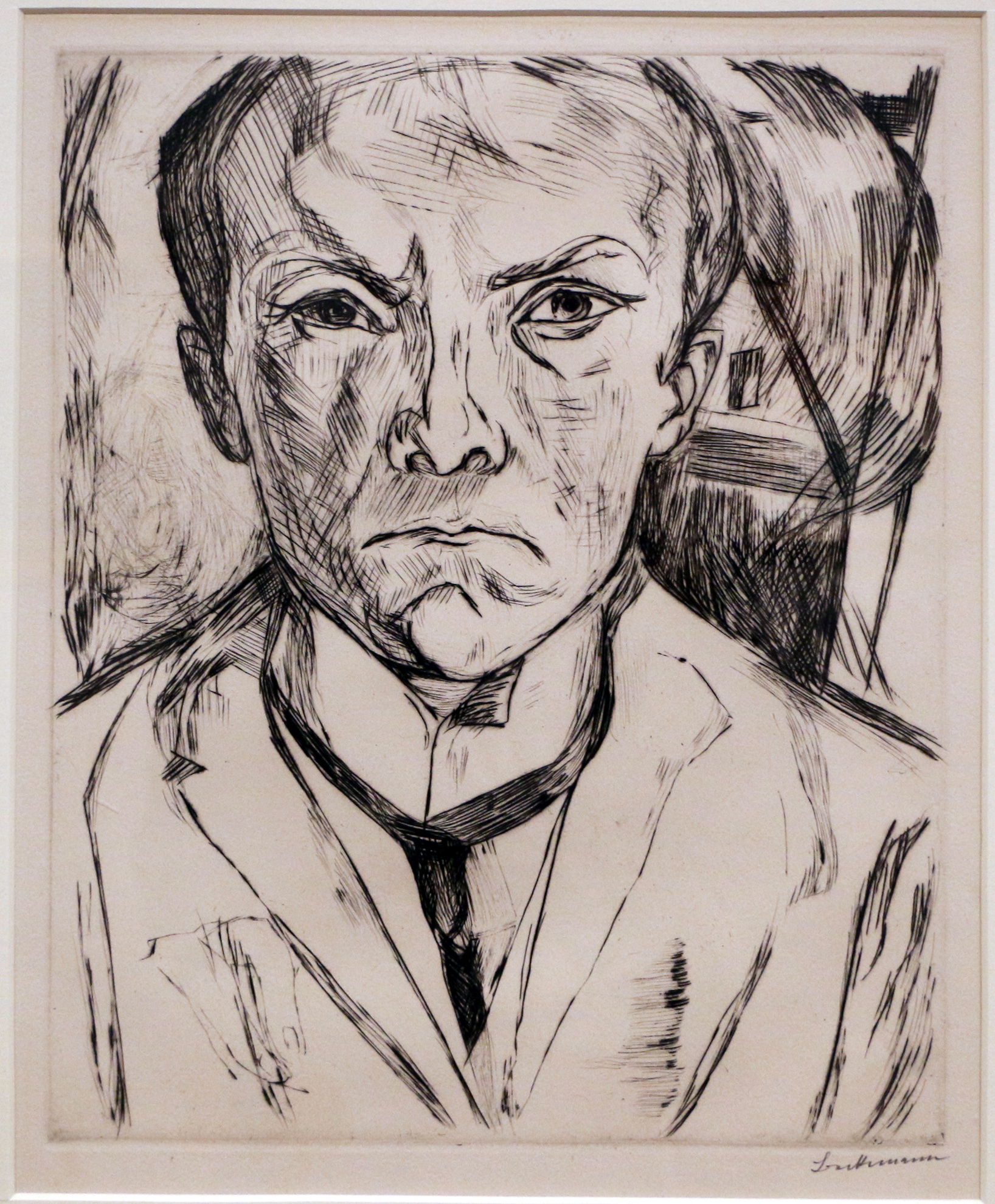
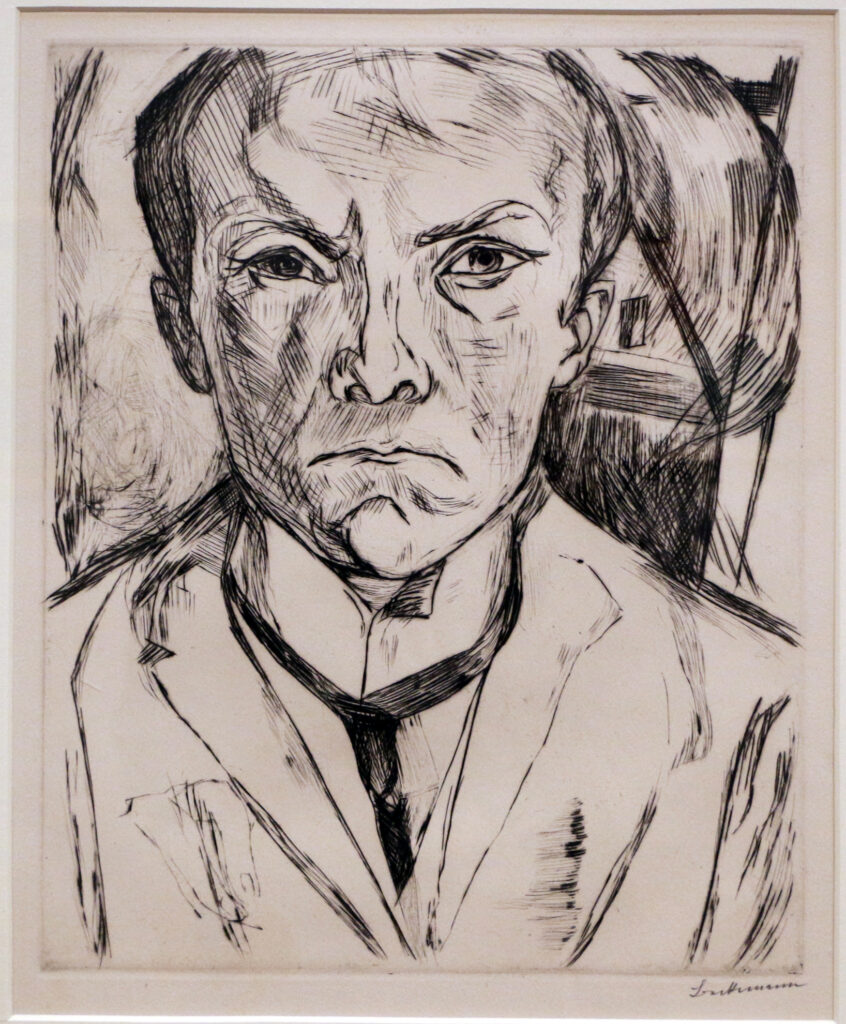
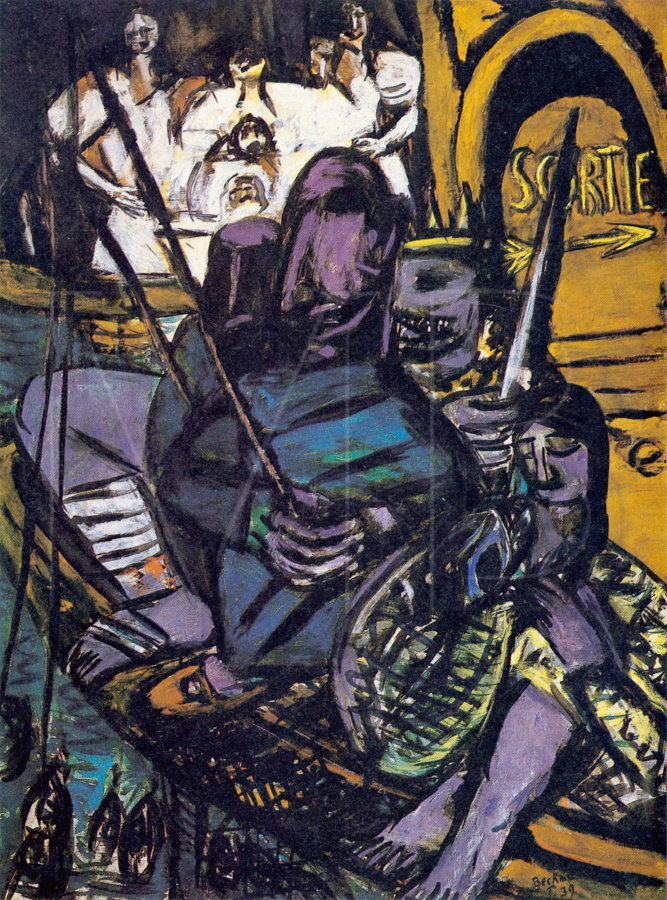
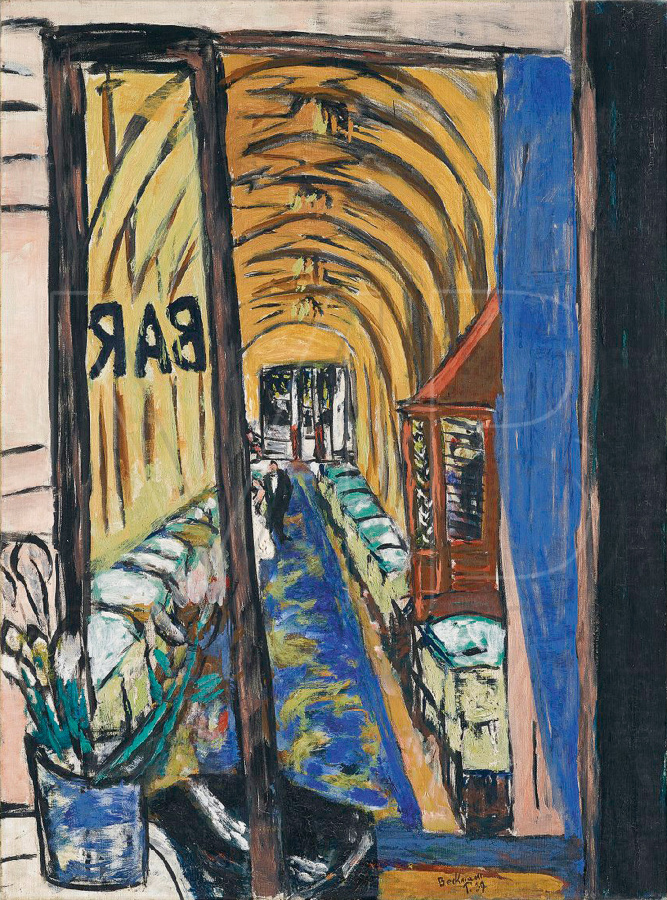
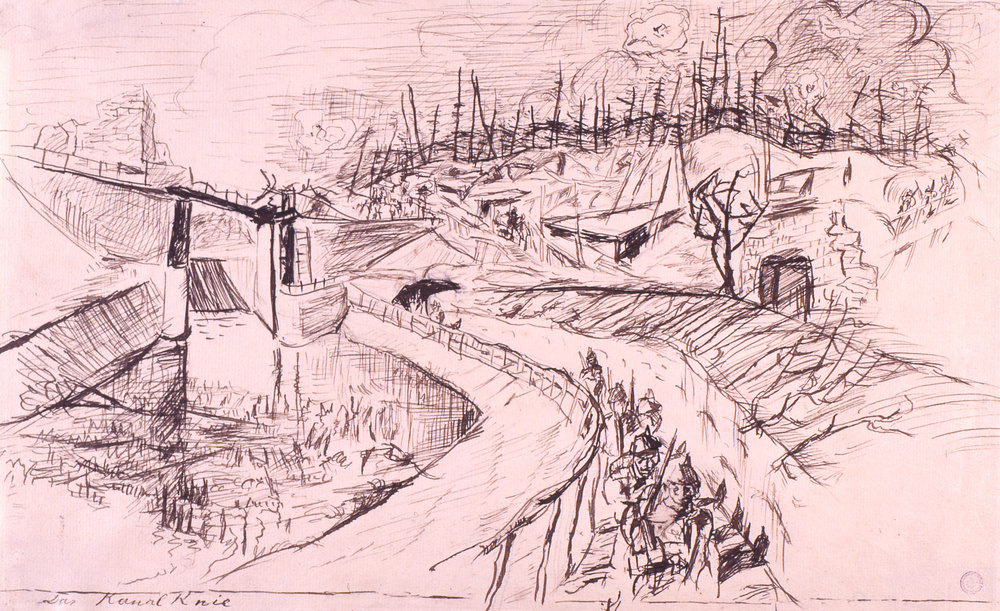
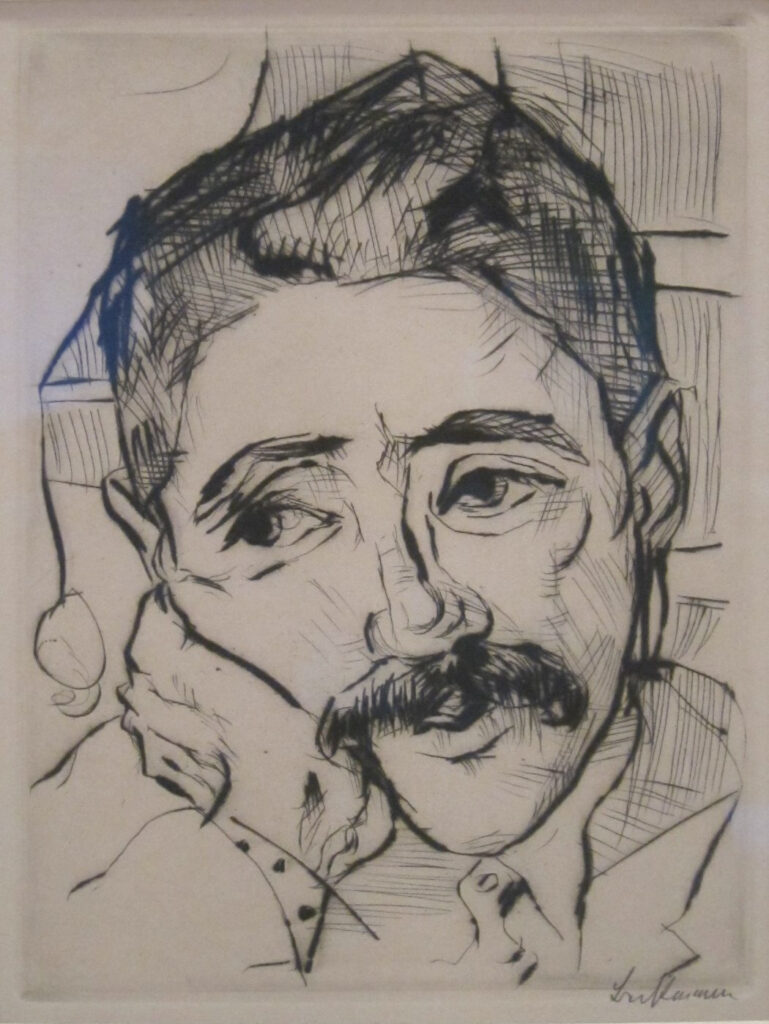
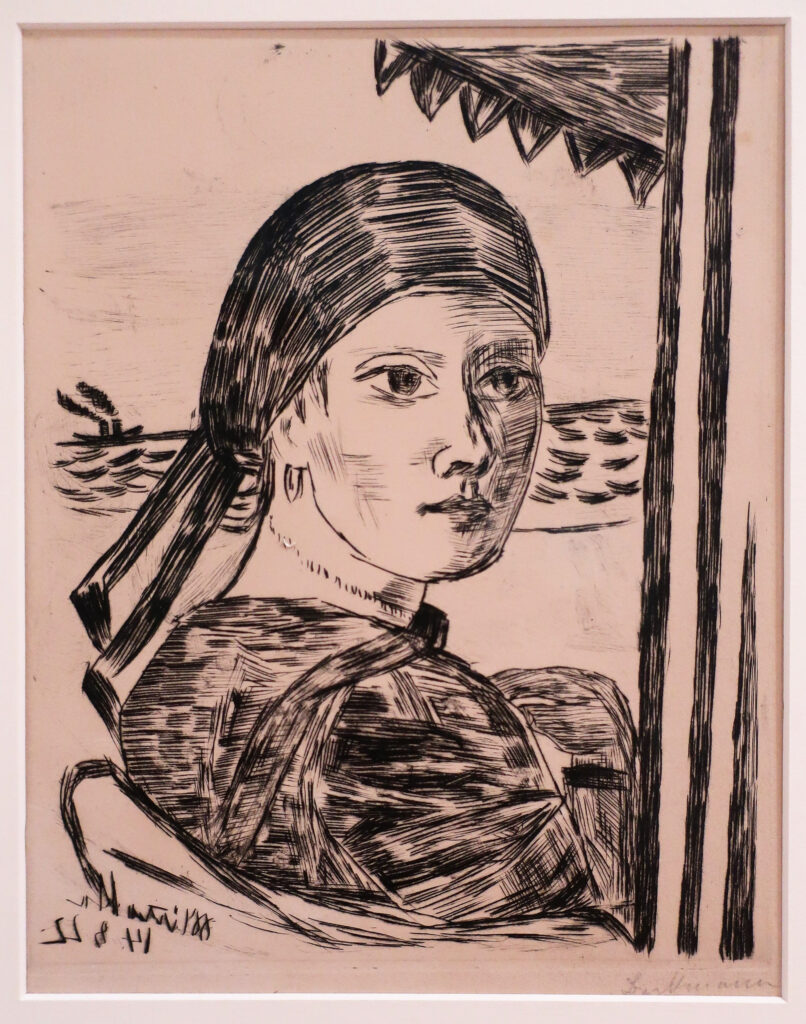
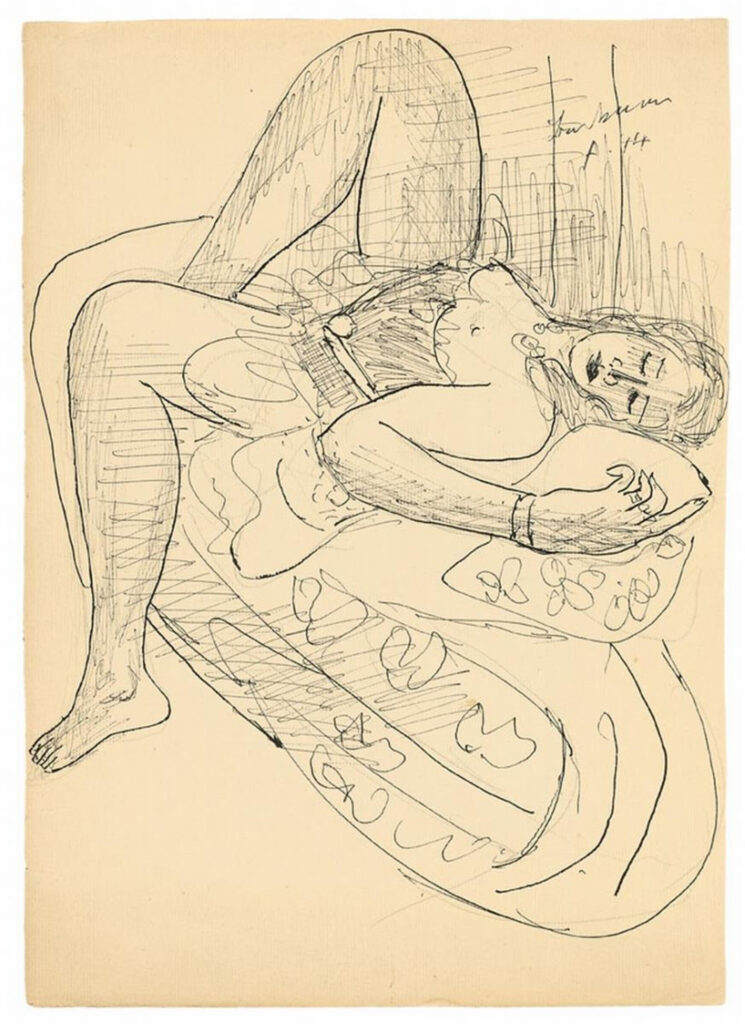
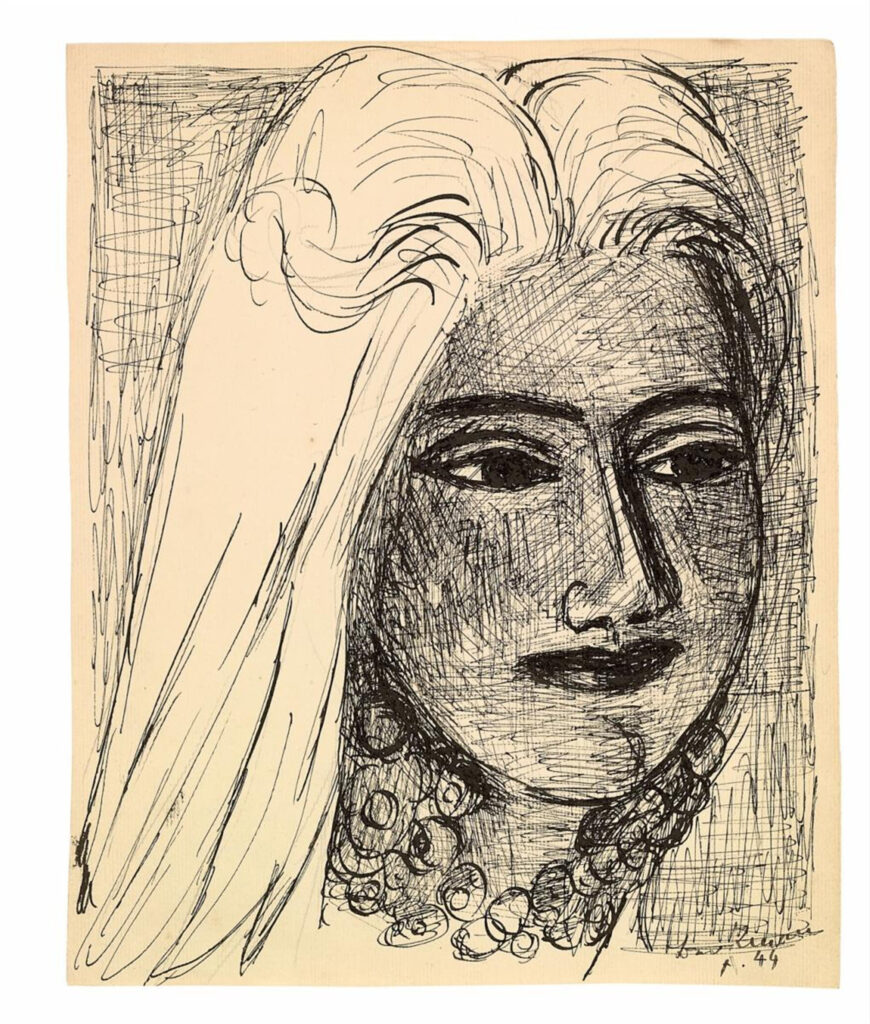
Max Beckmann
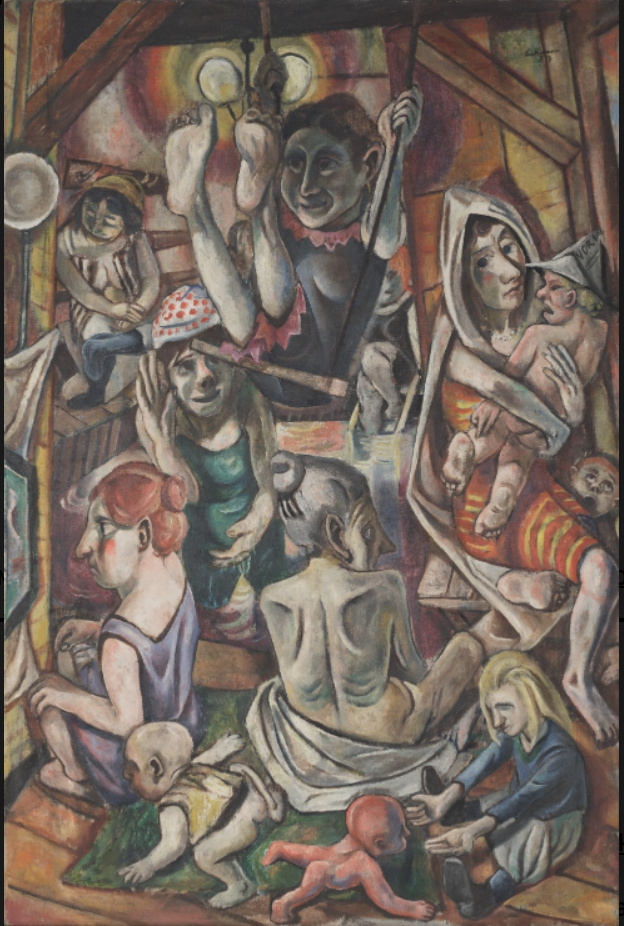
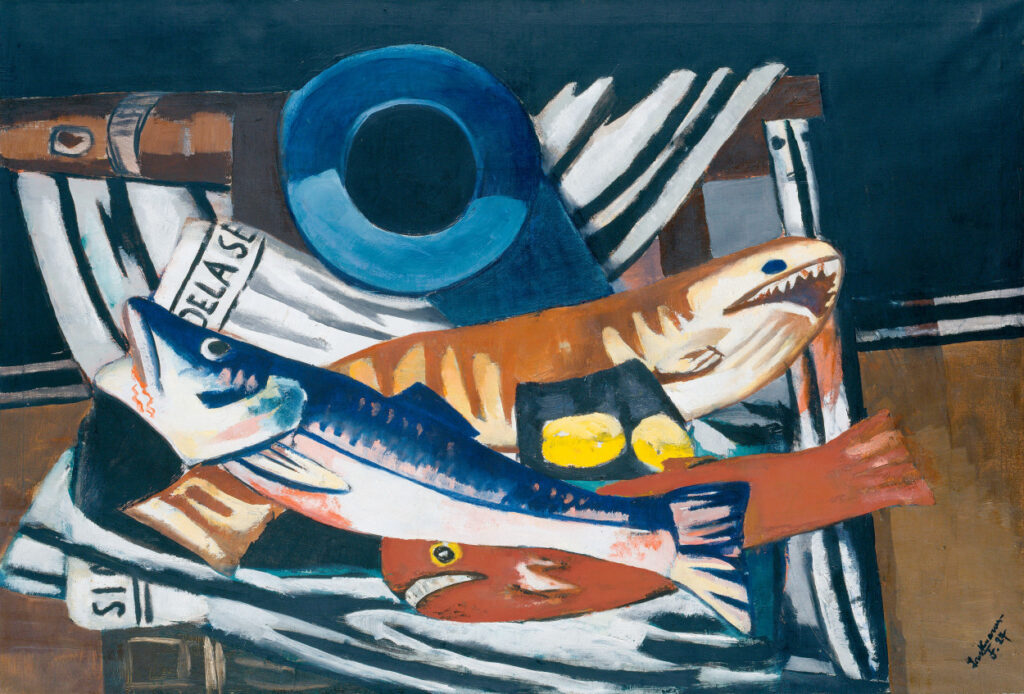
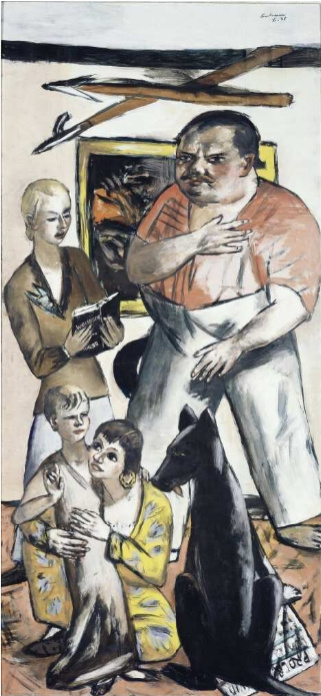
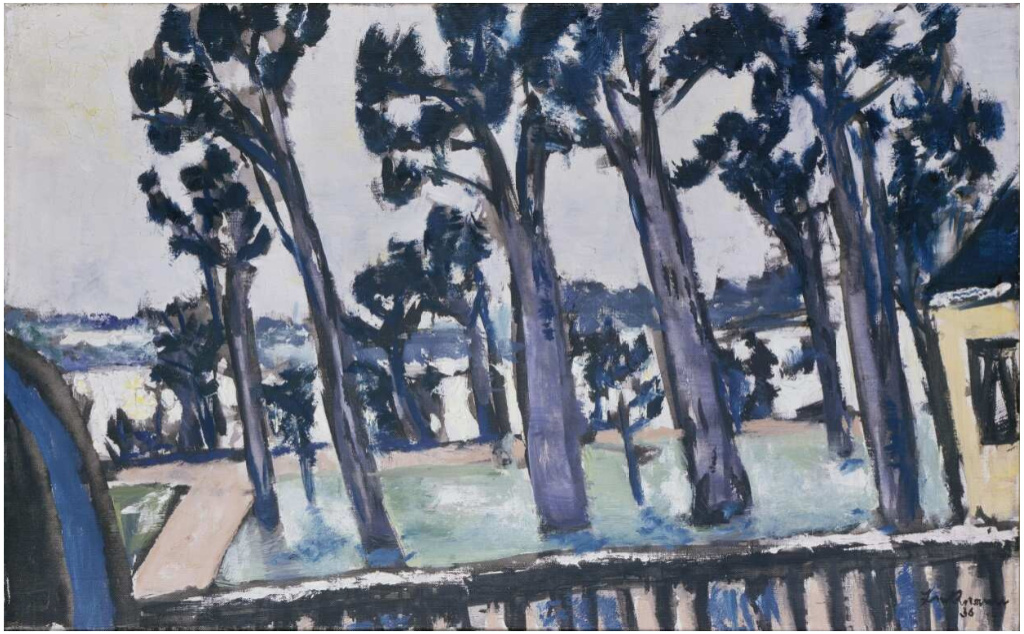
Max Beckmann, February 12, 1884–December 27, 1950, was a German painter, printmaker and sculptor, born in Leipzig. He studied at the Grand Ducal Saxon Art School in Weimar from 1900, first with Otto Rasch and then with Carl Frithjof Smith. In 1903 he moved to Paris and enrolled at the Académie Colarossi, where he attended classes infrequently.
Beckmann joined the Berlin Secession in 1907 and helped found the Free Secession in 1914. From 1925 he taught at Frankfurt’s School of Fine and Applied Arts, now the Städelschule. His students included Theo Garve, Karl Tratt and Marie Louise von Motesiczky. He moved to Amsterdam in 1937 and to the United States in 1947.
He taught at Washington University in Saint Louis and, from 1949, at the Brooklyn Museum Art School in New York. His works are held by the Neue Nationalgalerie in Berlin, Hamburger Kunsthalle and Museum of Modern Art in New York. He died in New York in 1950.
Eugène Atget
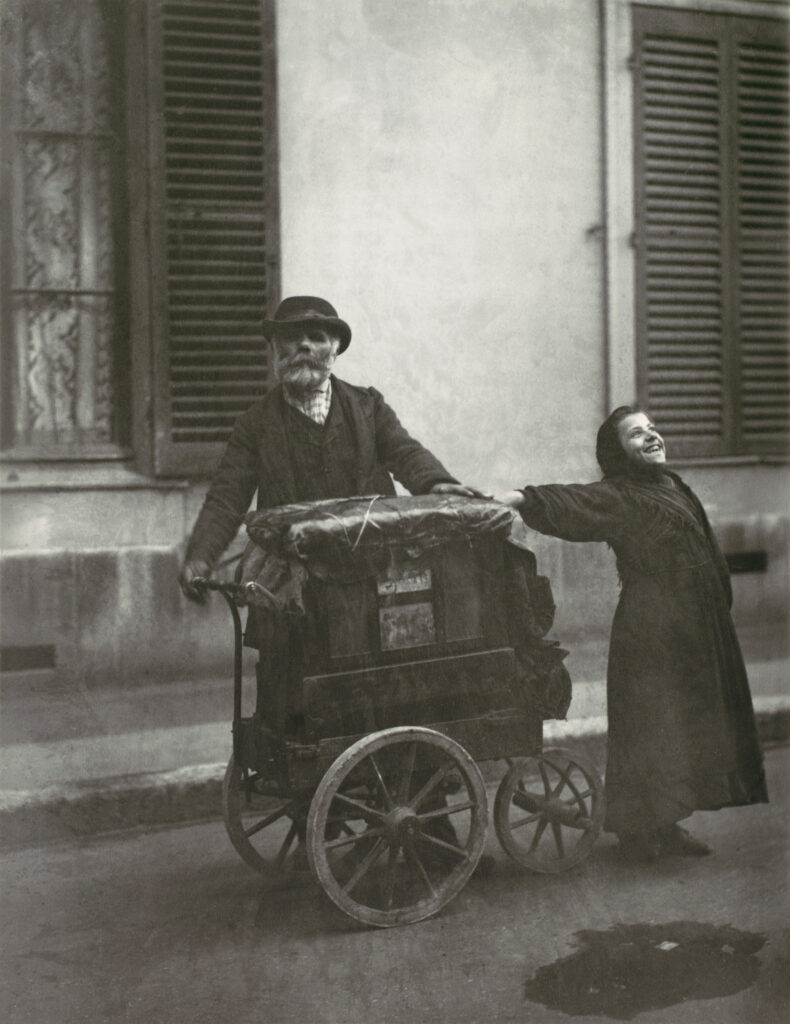
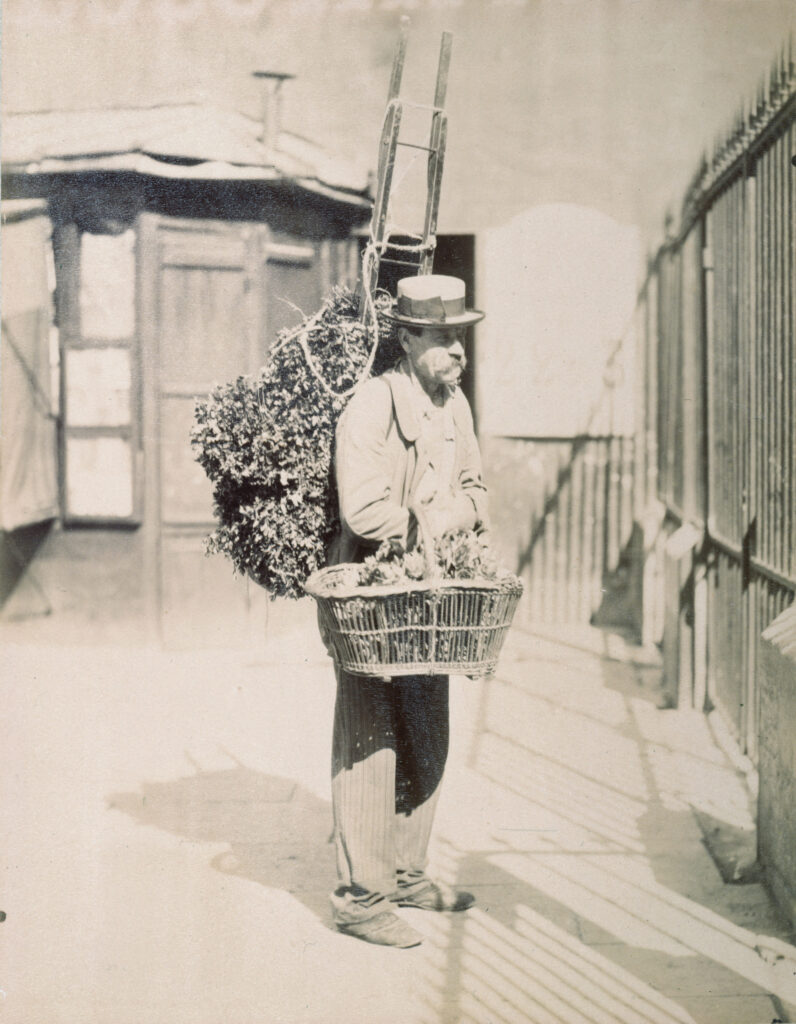
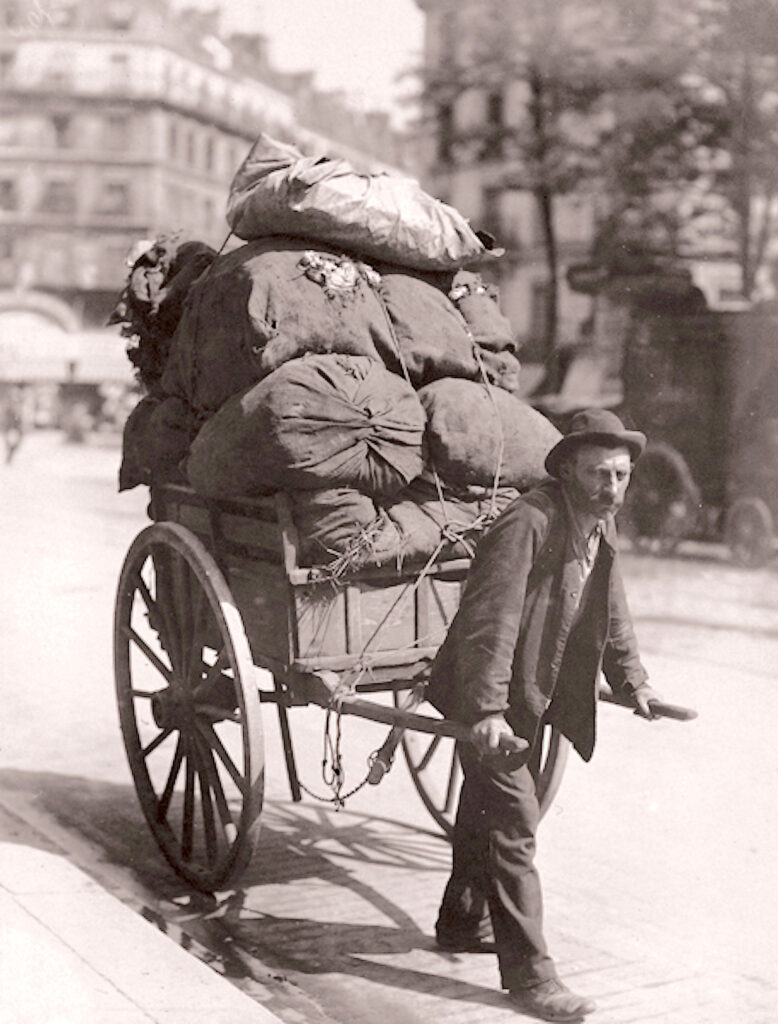
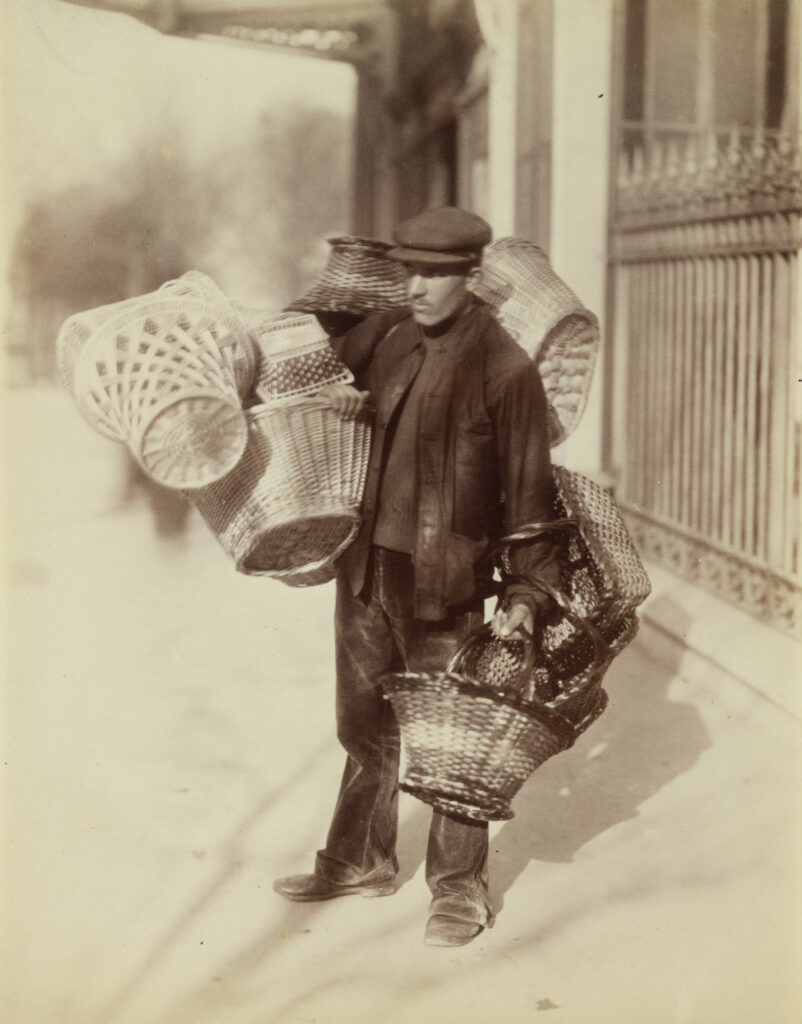
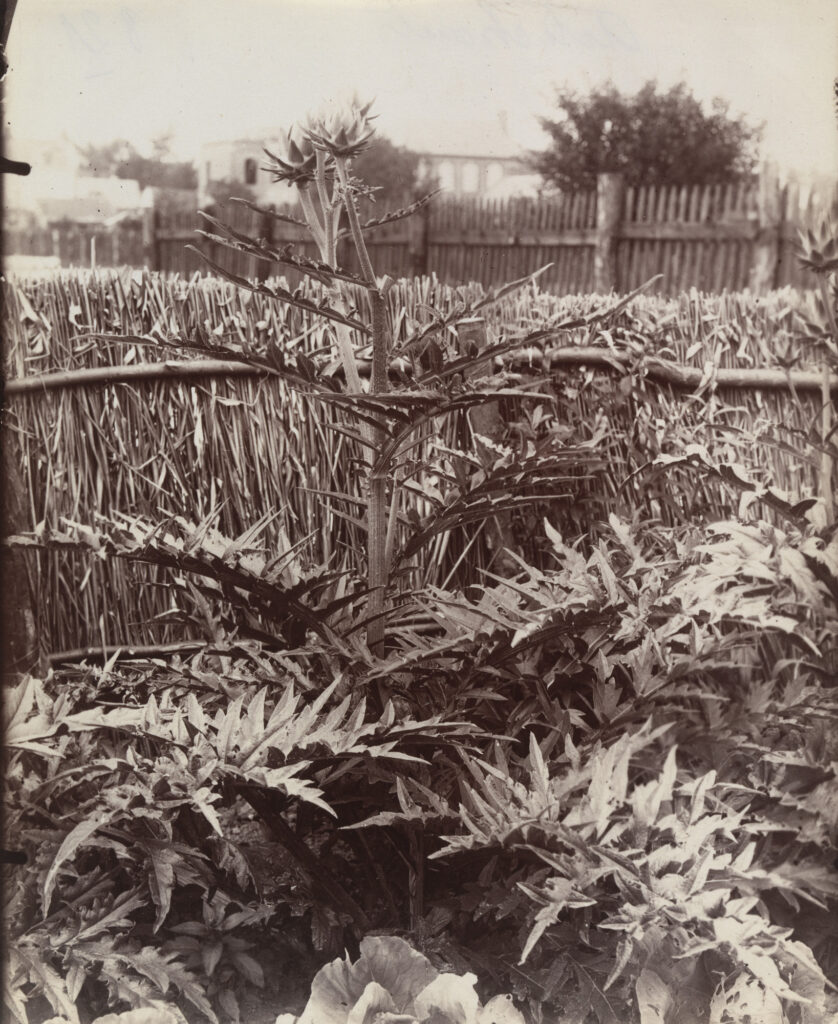
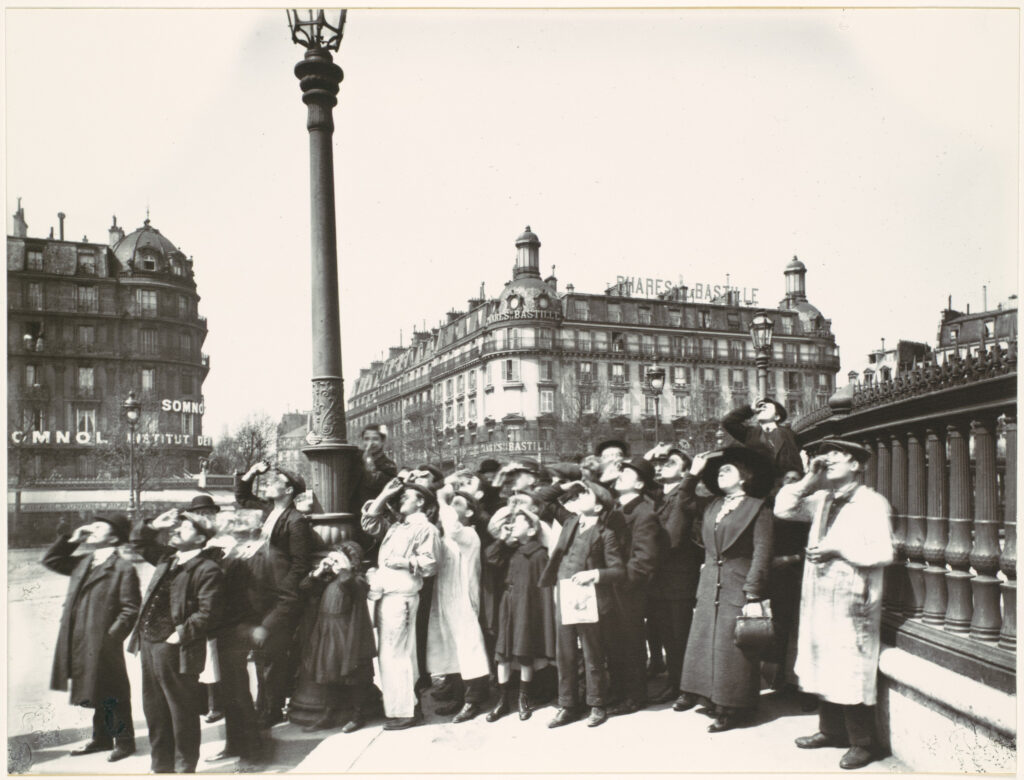
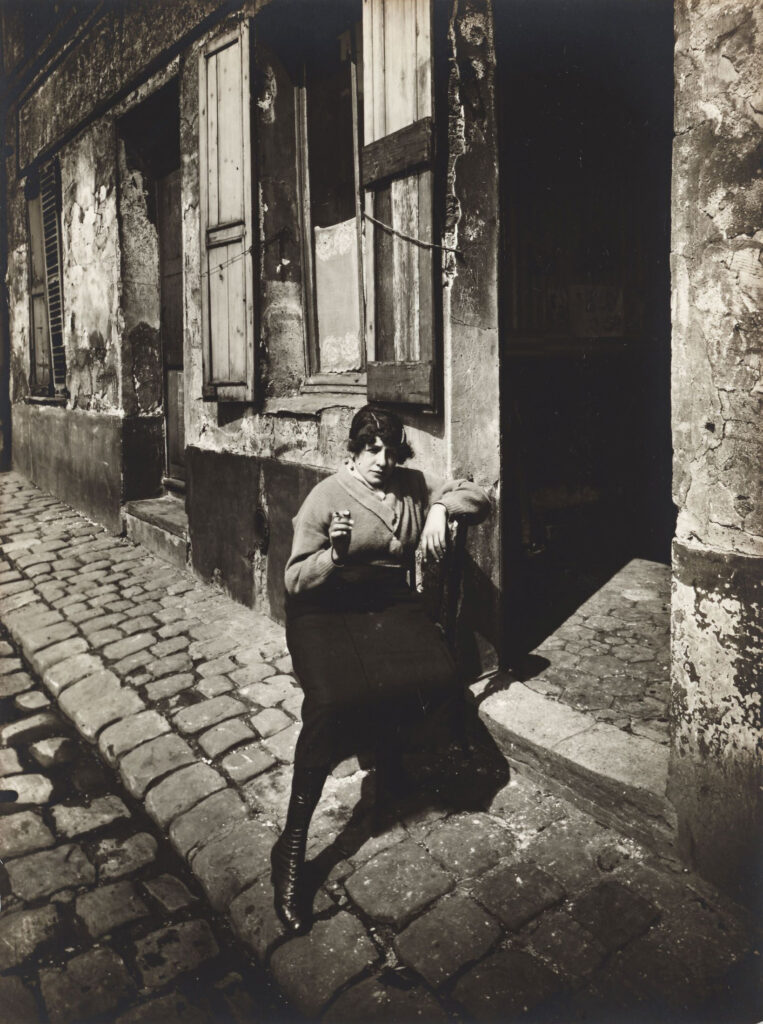
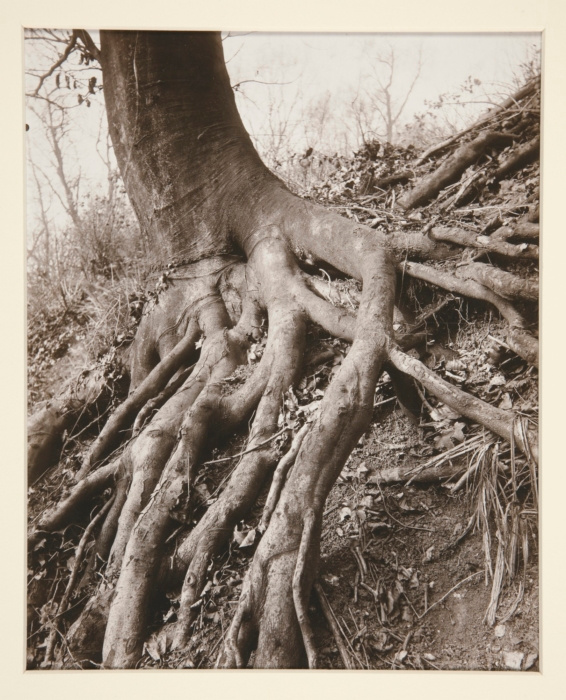
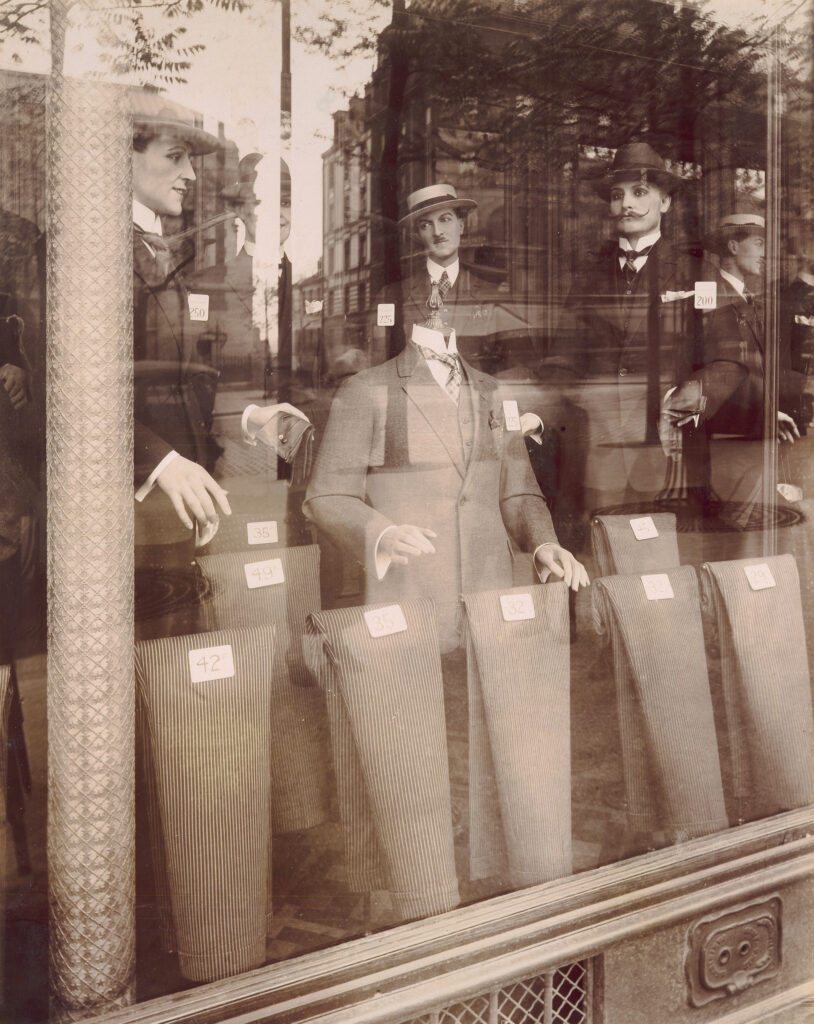
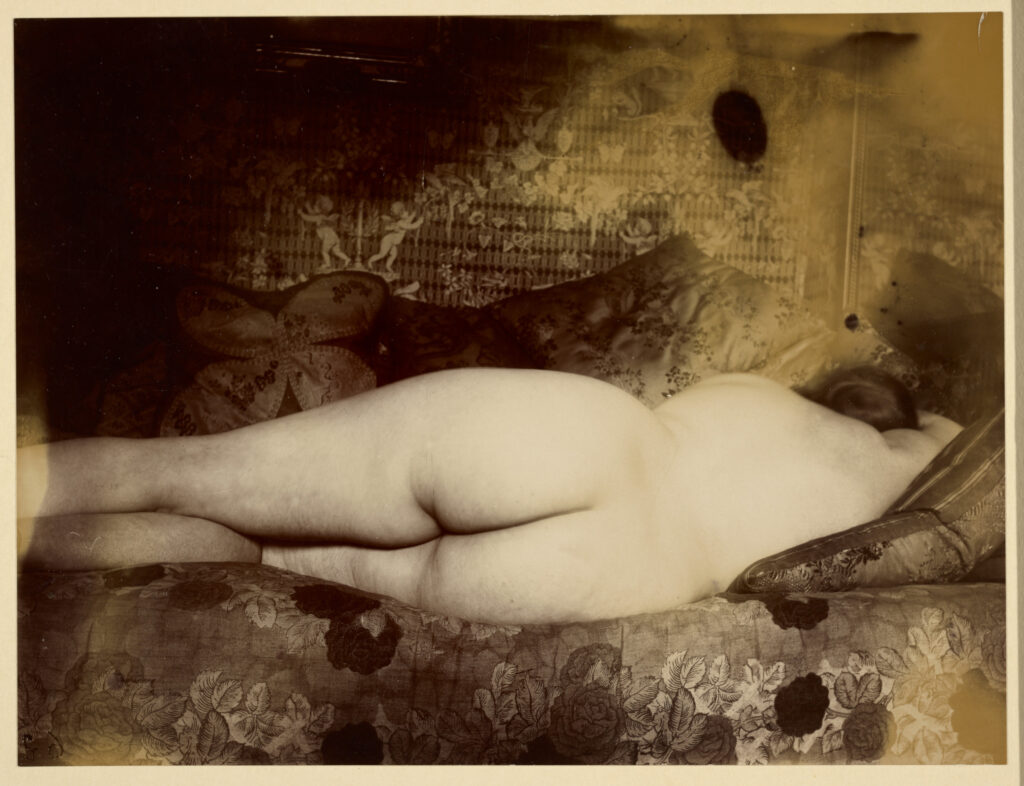
Eugène Atget, February 12, 1857–August 4, 1927, was a French photographer born in Libourne. He studied drama at the Paris Conservatory and worked as an actor before taking up commercial photography in the late 1880s. He subsequently worked in Paris and its surrounding districts.
Atget photographed streets, buildings, shopwindows, gardens, and street trades, supplying documentary images to artists and public institutions. In Paris he became acquainted with Man Ray and Berenice Abbott. After his death, Abbott acquired and promoted a substantial archive of his photographs and negatives; the Museum of Modern Art acquired that collection in 1968.
His photographs are held by the Museum of Modern Art and the Metropolitan Museum of Art in New York, the J. Paul Getty Museum in Los Angeles, the Carnavalet Museum – History of Paris, the Bibliothèque nationale de France, and Yale University Art Gallery in New Haven.
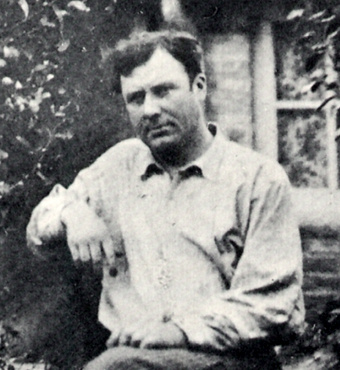

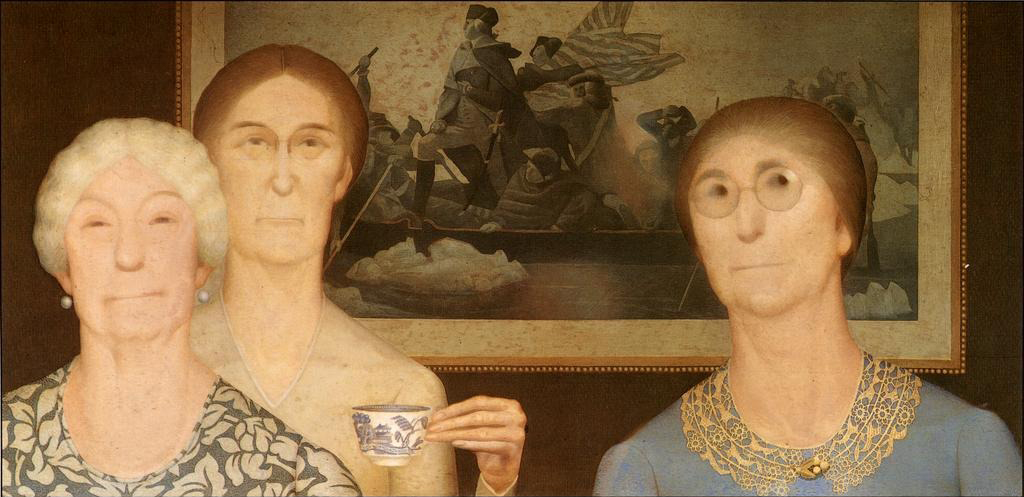
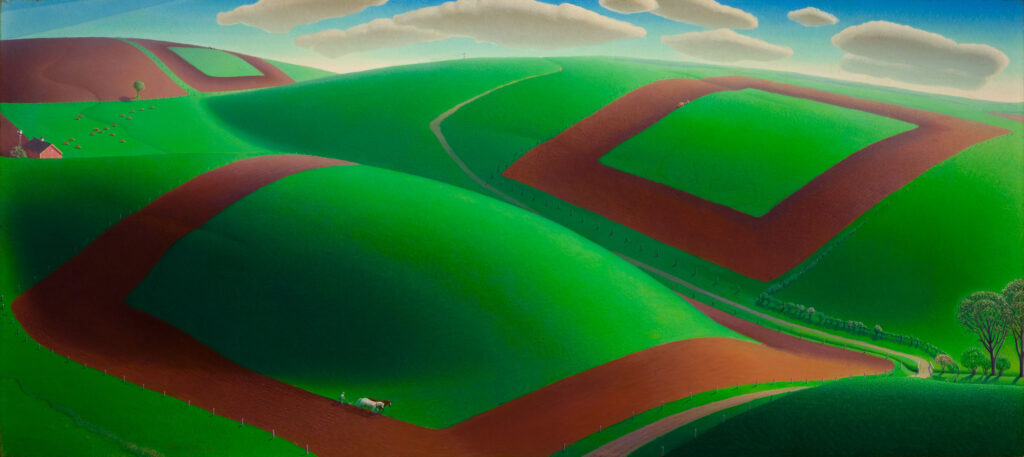
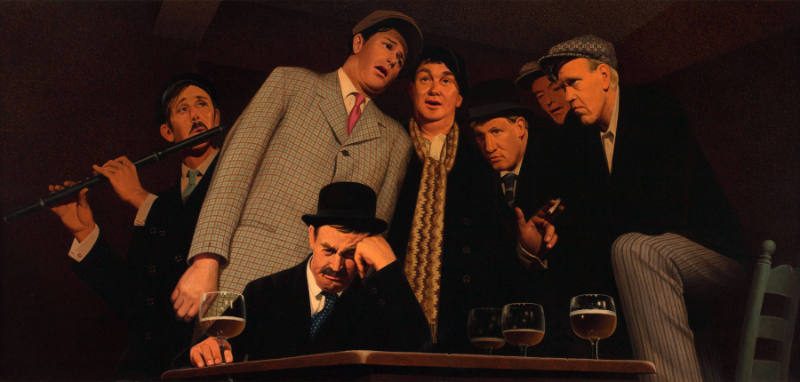
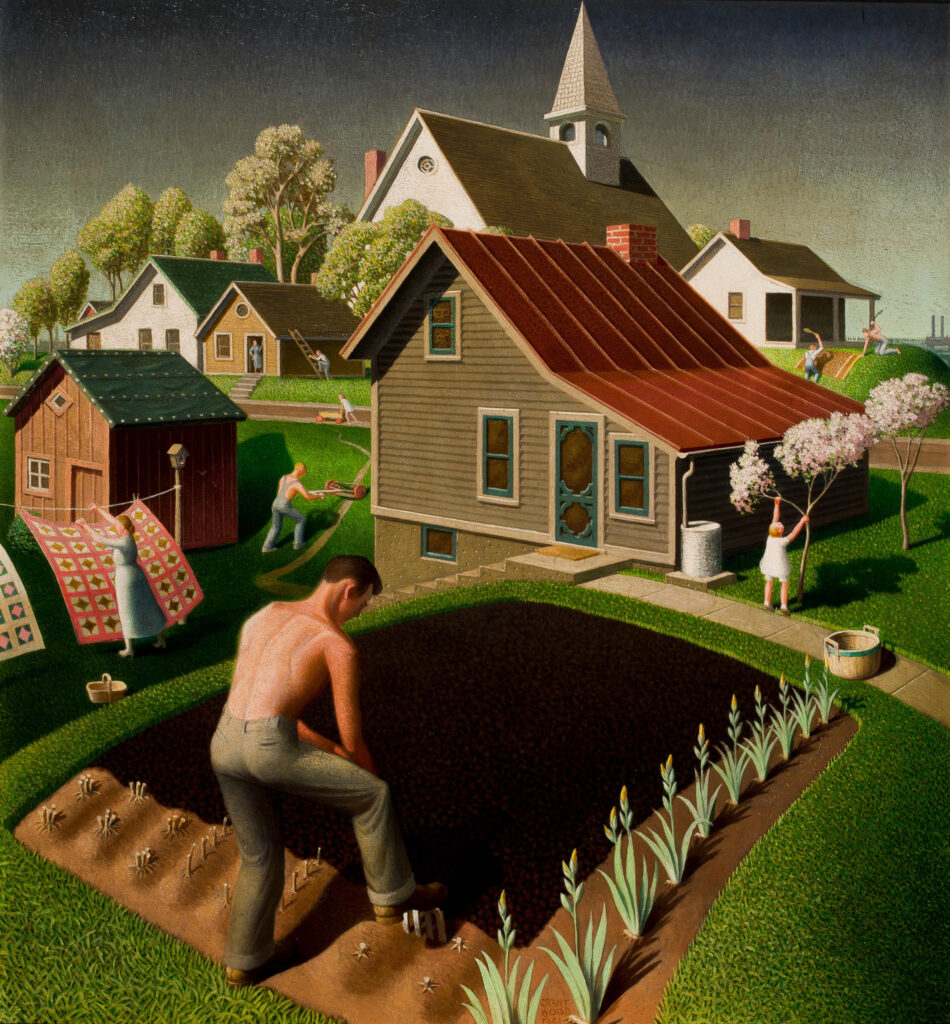
Grant Wood
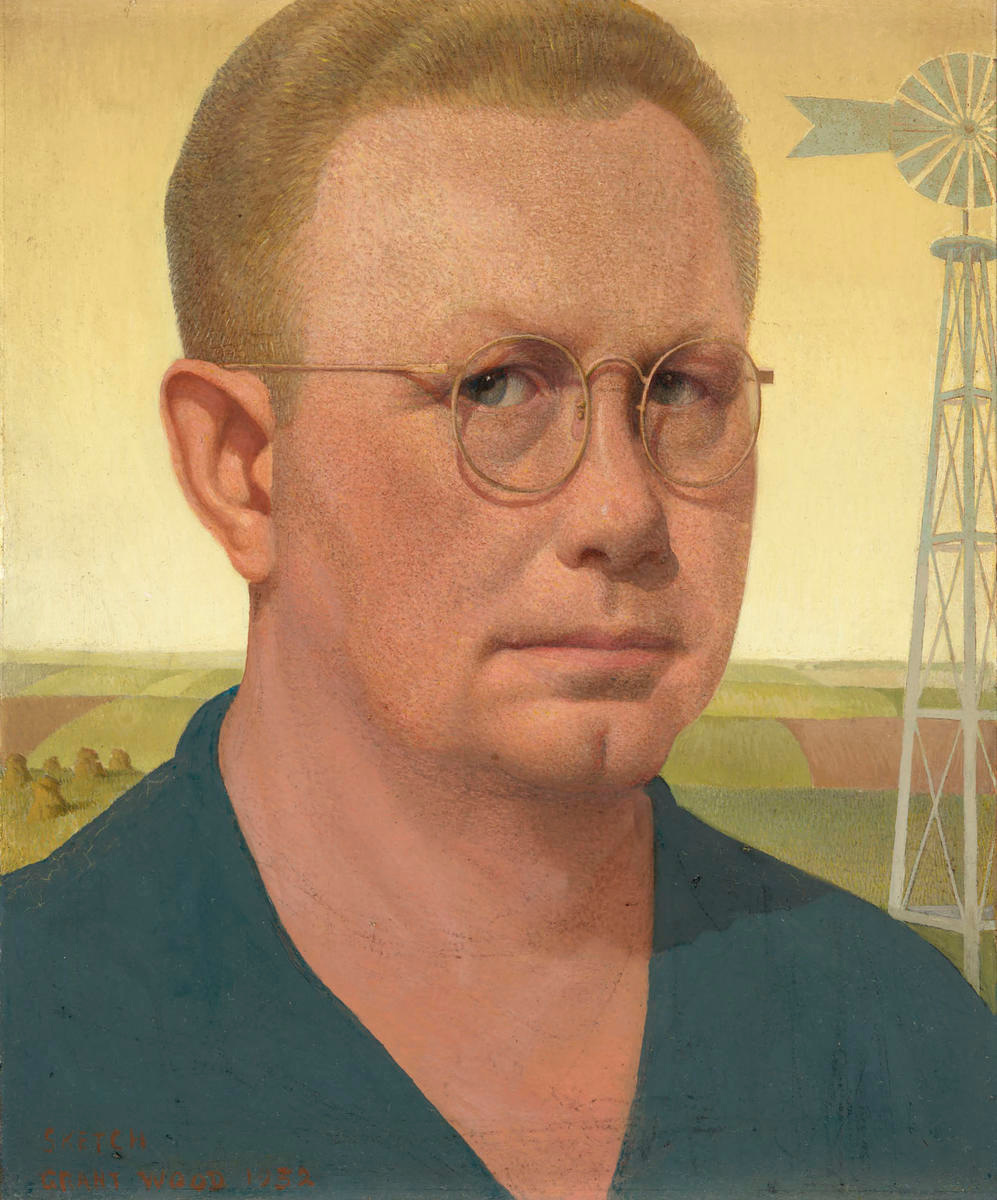
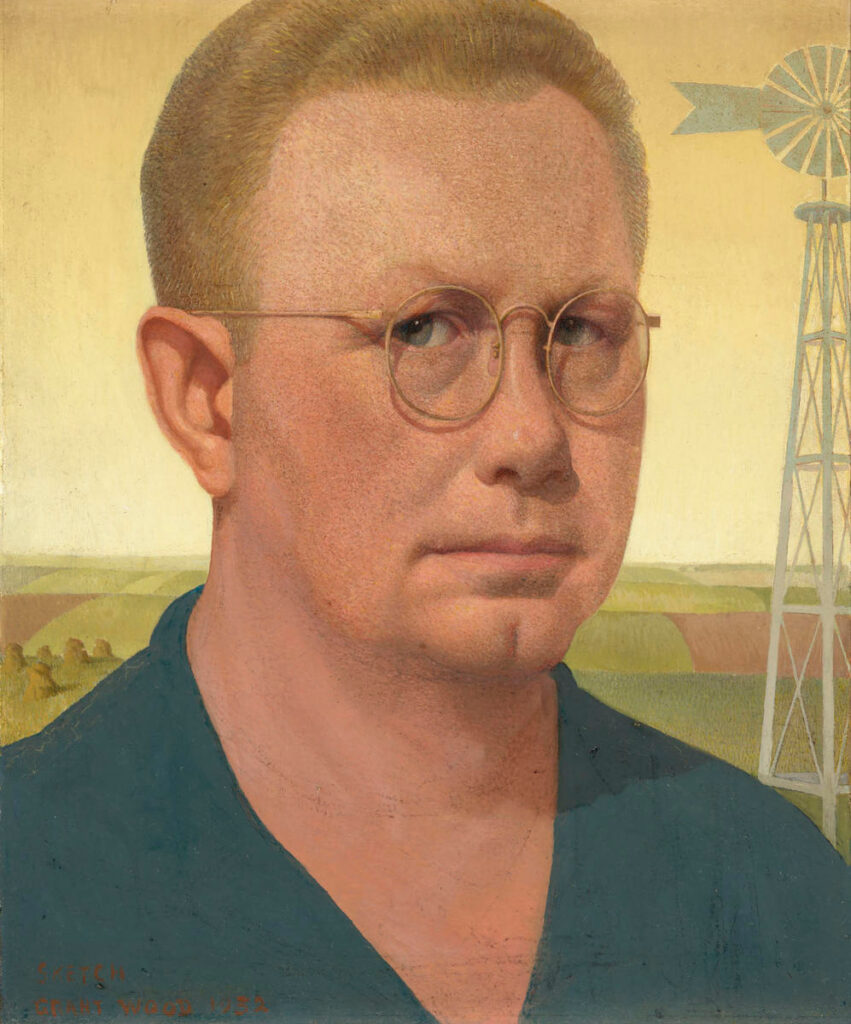
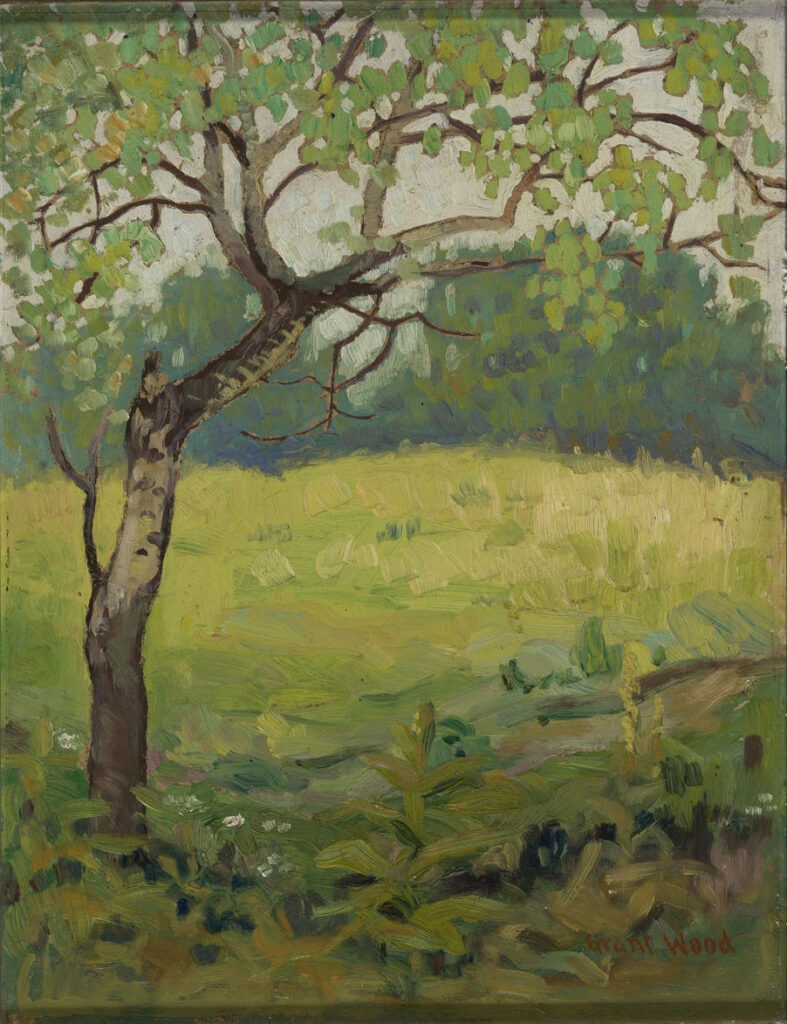
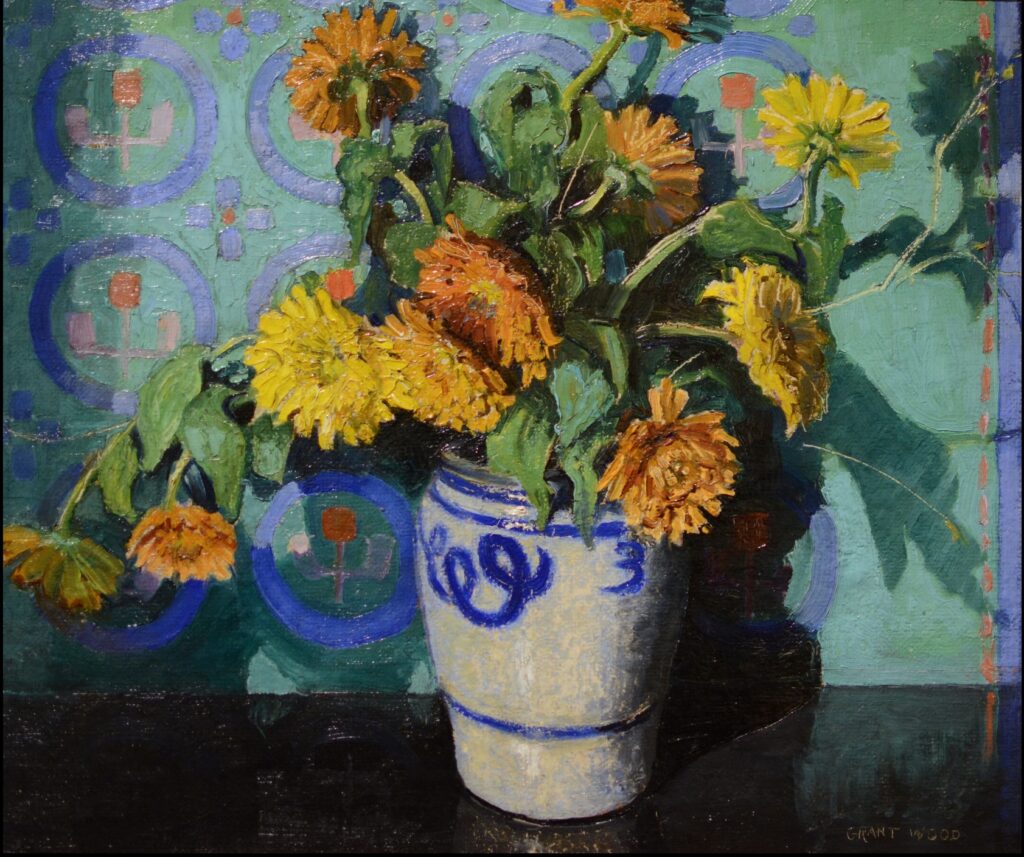
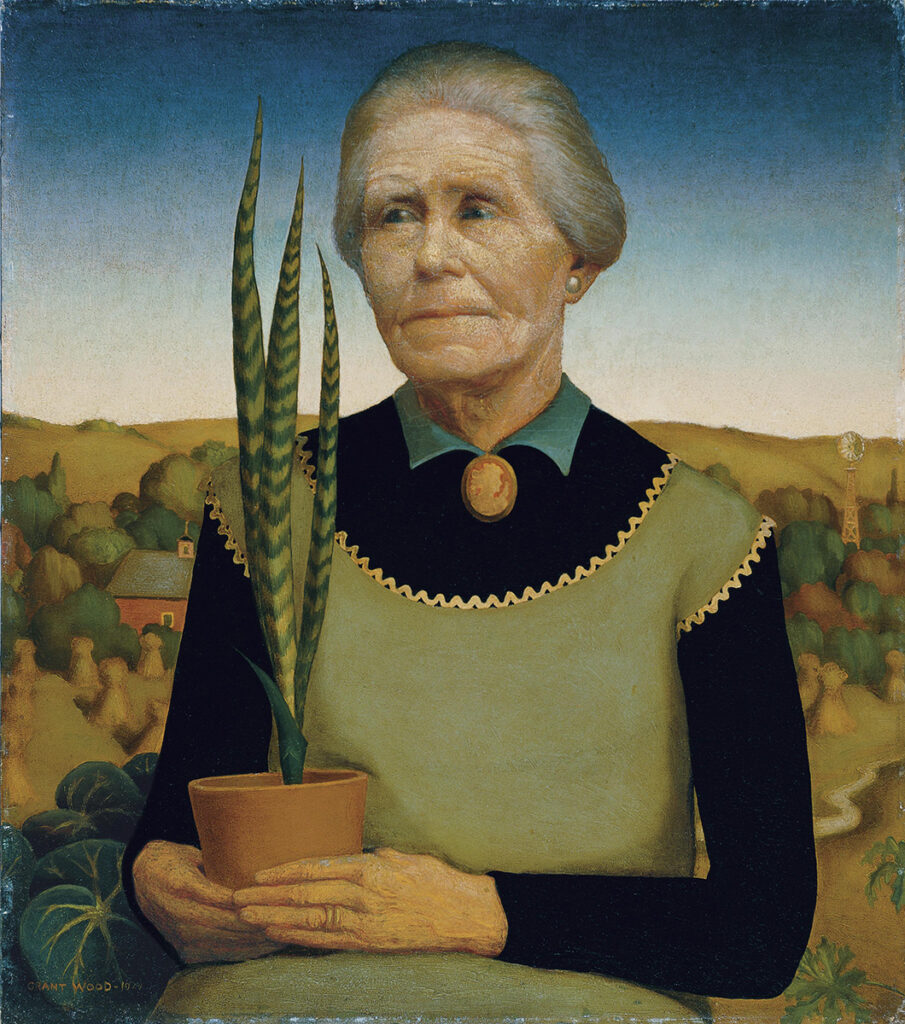
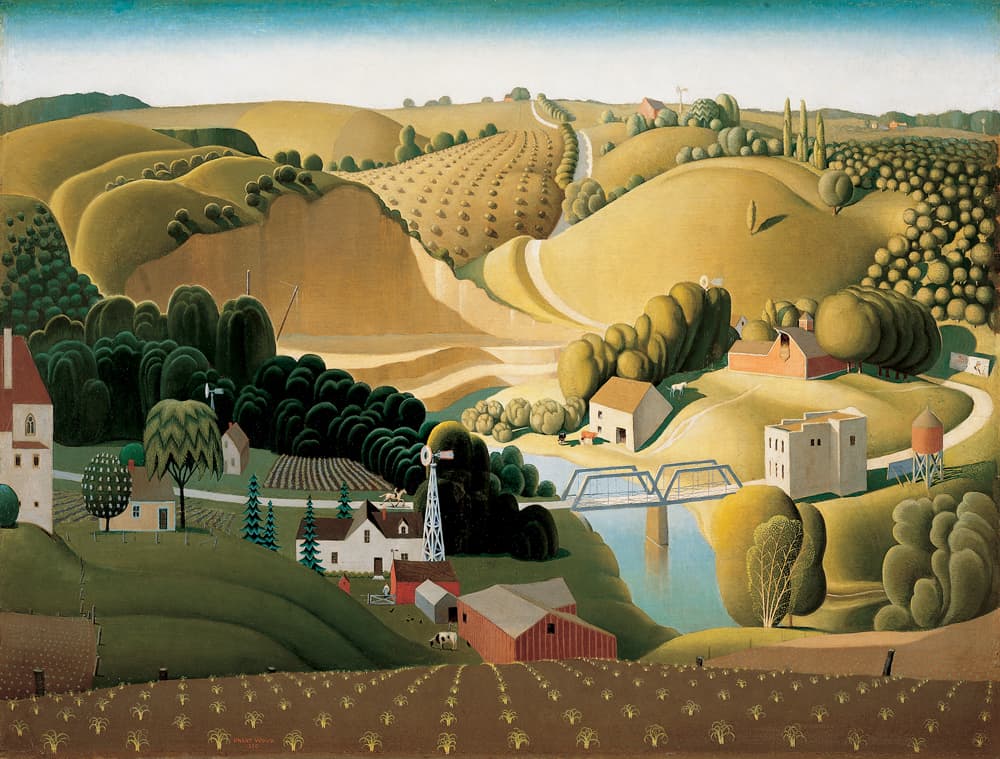
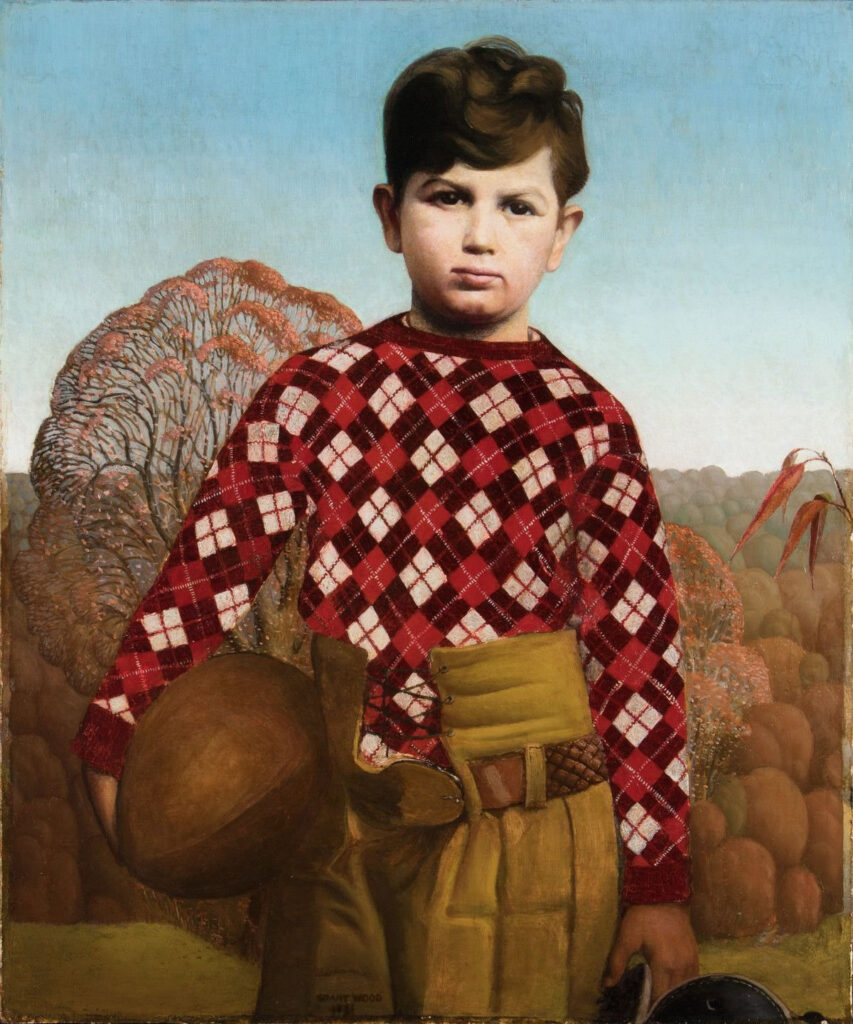
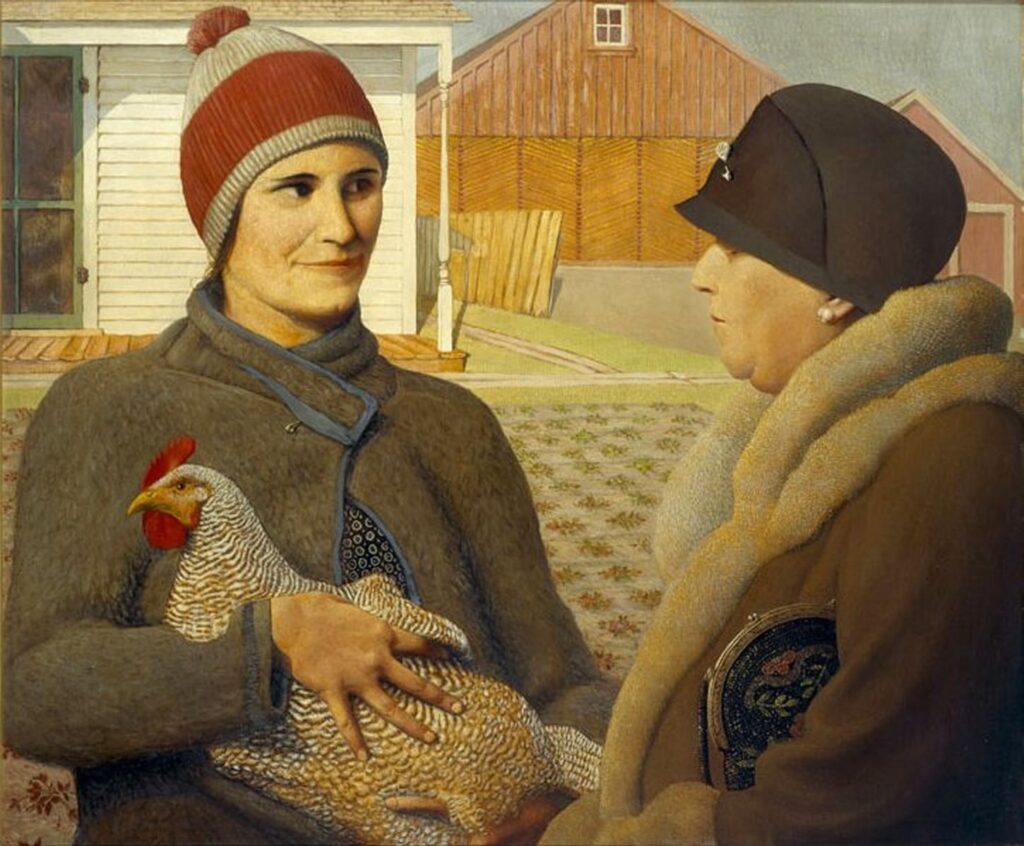
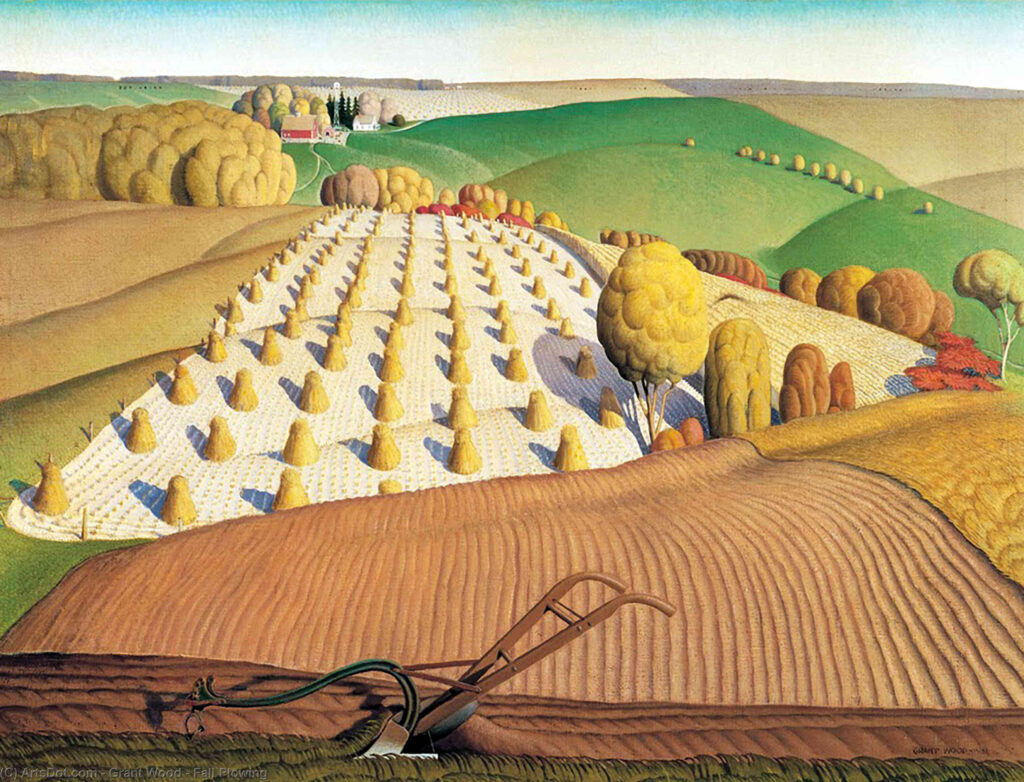
Grant Wood, February 13, 1891–February 12, 1942, was an American painter born near Anamosa, Iowa. He studied with Ernest A. Batchelder at the Minneapolis School of Design, Handicraft, and Normal Art, took life-drawing classes with Charles Cumming at the University of Iowa, and attended the School of the Art Institute of Chicago and the Académie Julian in Paris.
Wood was associated with American Regionalism alongside Thomas Hart Benton and John Steuart Curry. With his friend and fellow painter Marvin Cone, he established the Stone City Art Colony in Iowa in 1932. He taught at the University of Iowa from 1934 until his death in 1942.
His work is held by the Cedar Rapids Museum of Art and the Figge Art Museum in Iowa, the Art Institute of Chicago, the Whitney Museum of American Art in New York, and the National Gallery of Art in Washington, D.C.
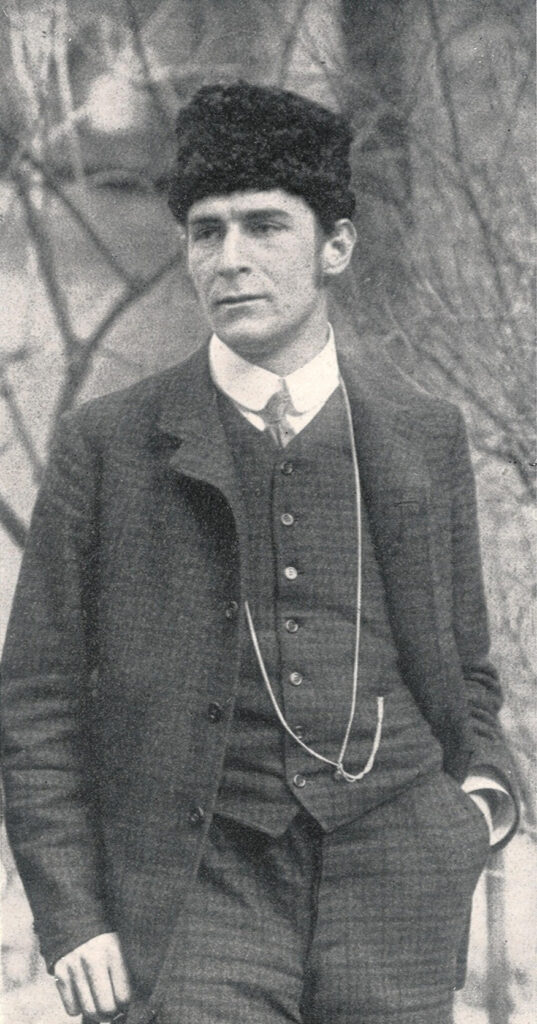
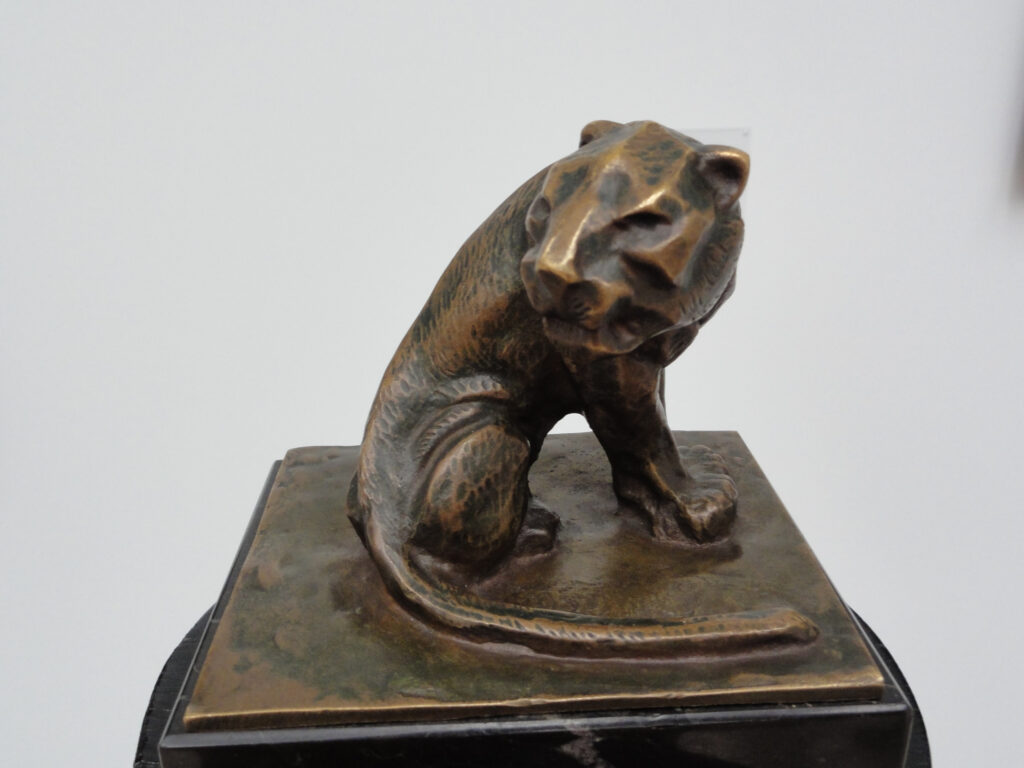
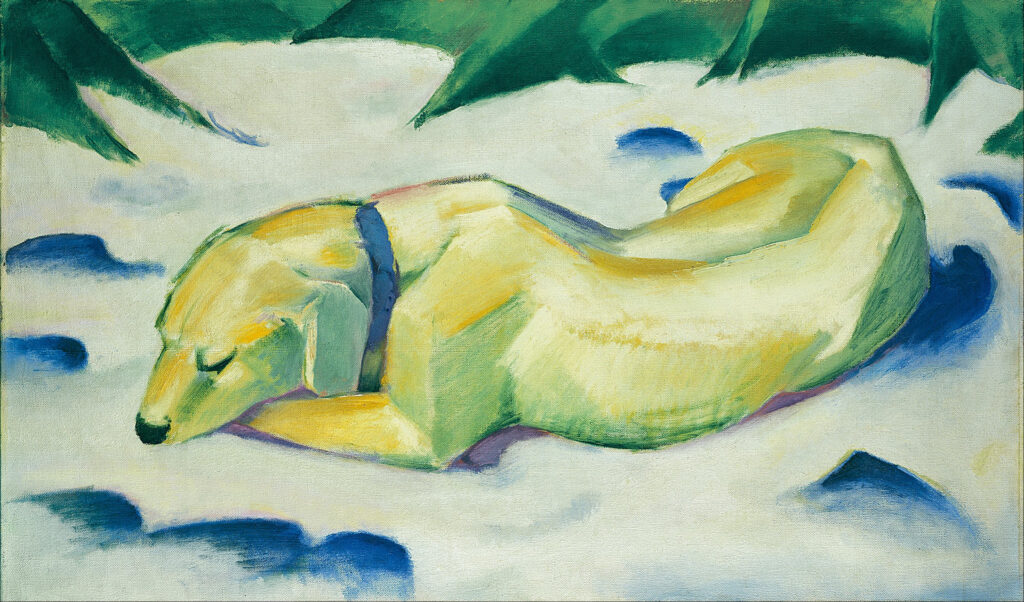
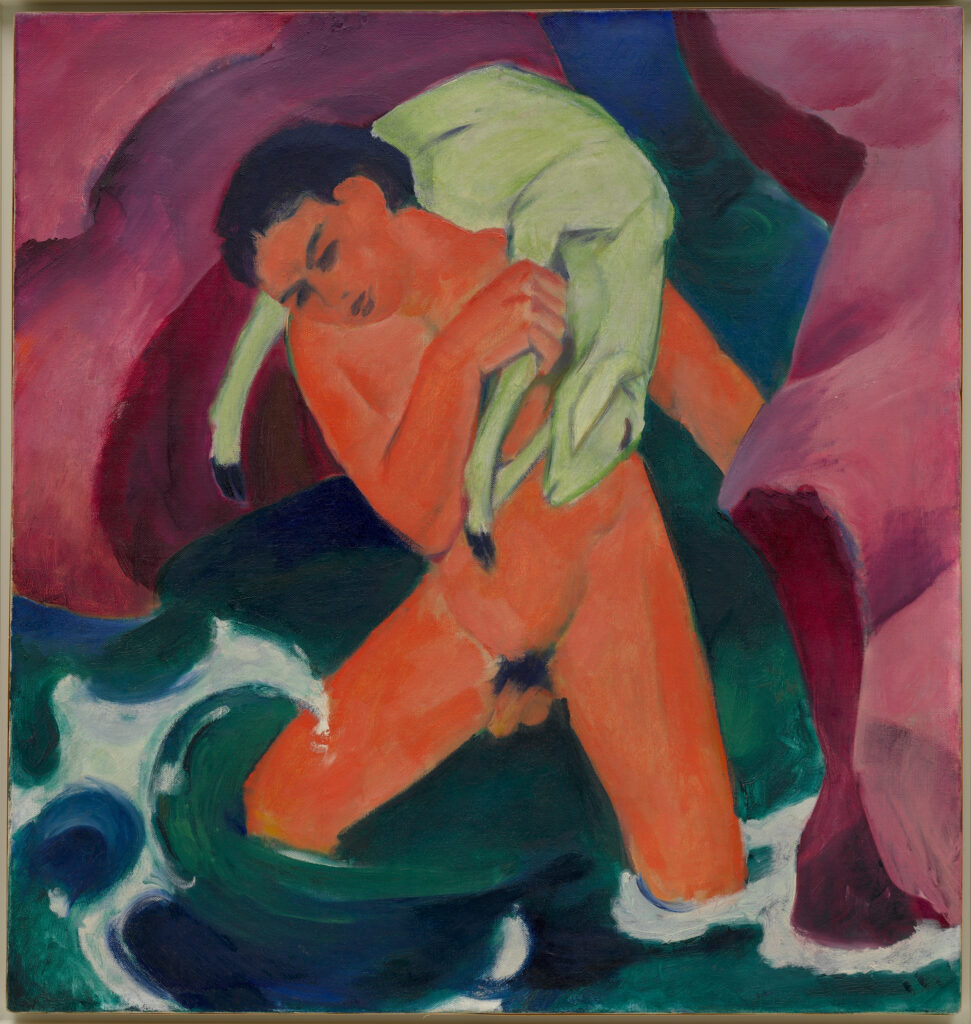
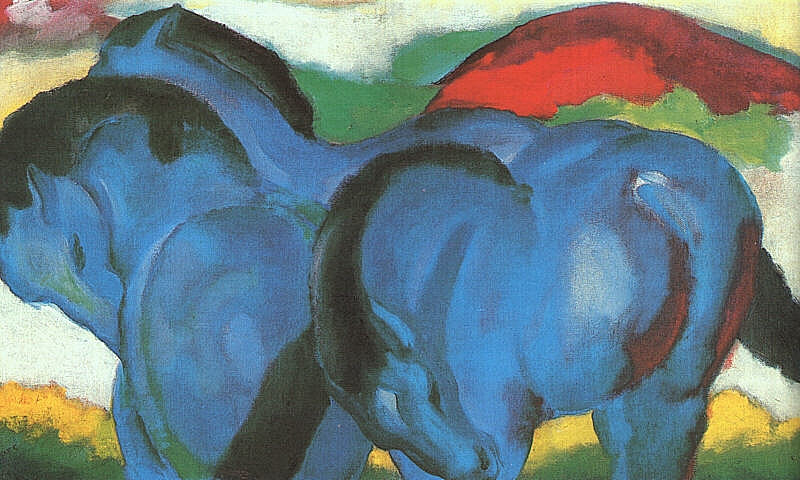
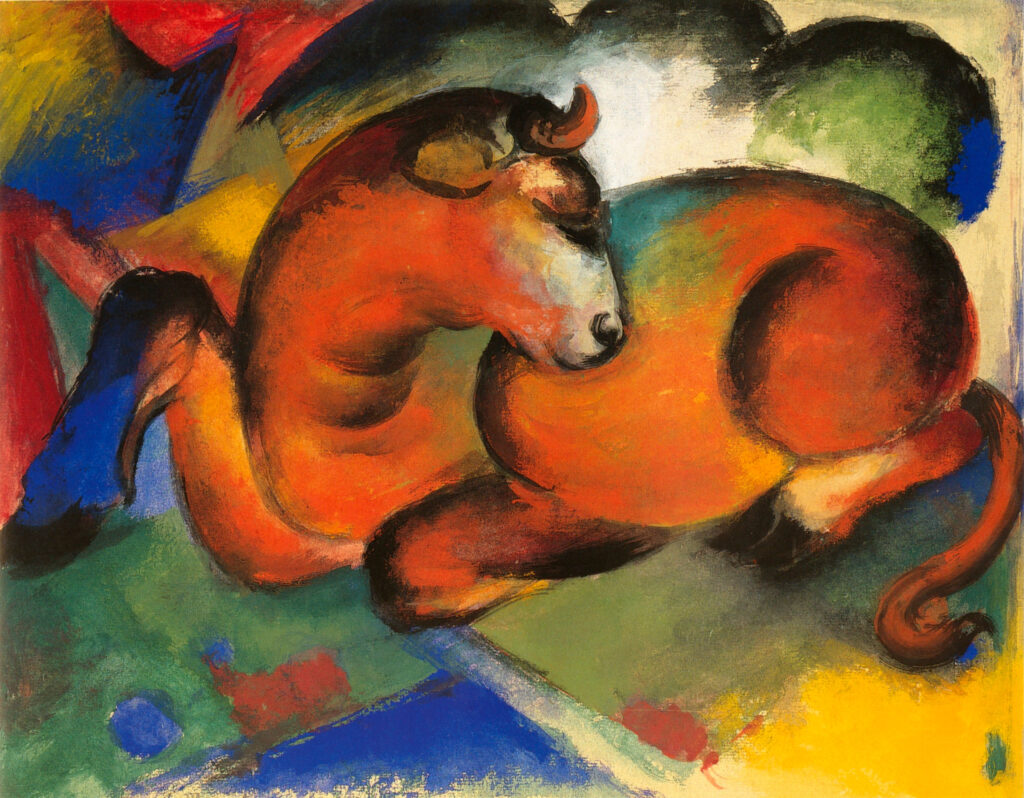
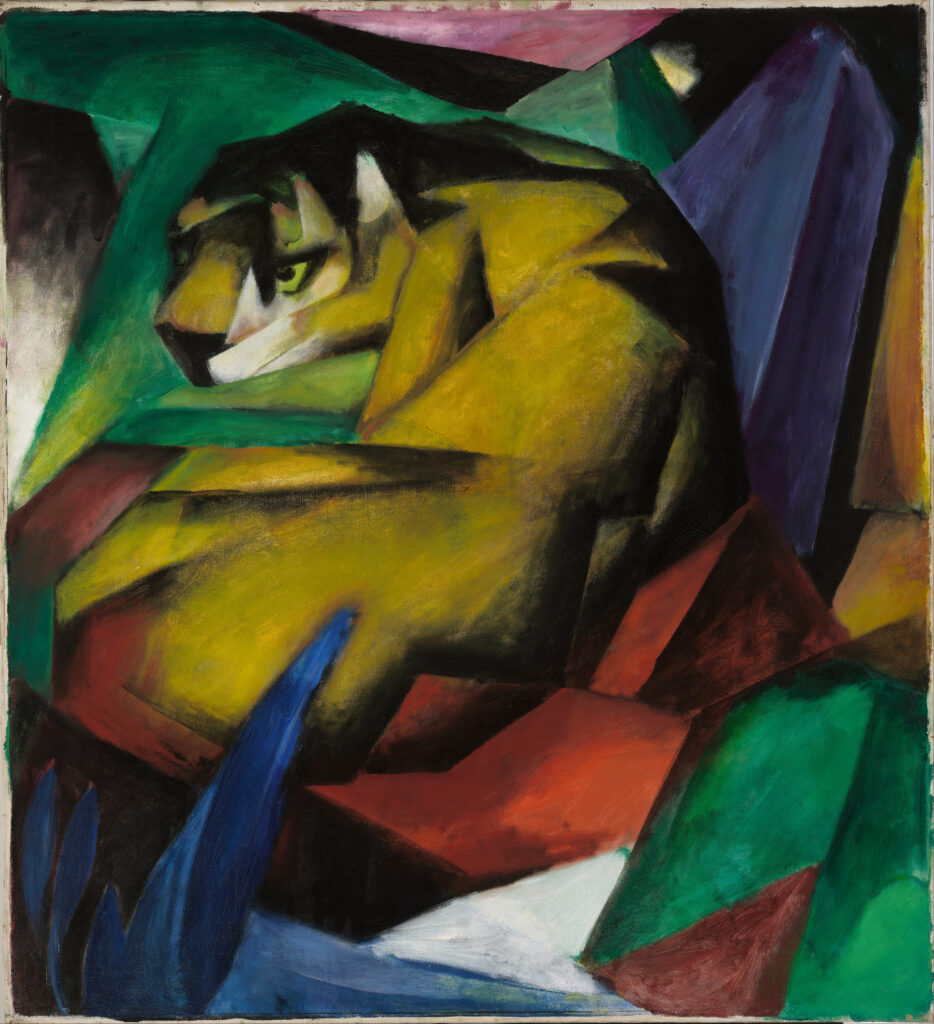
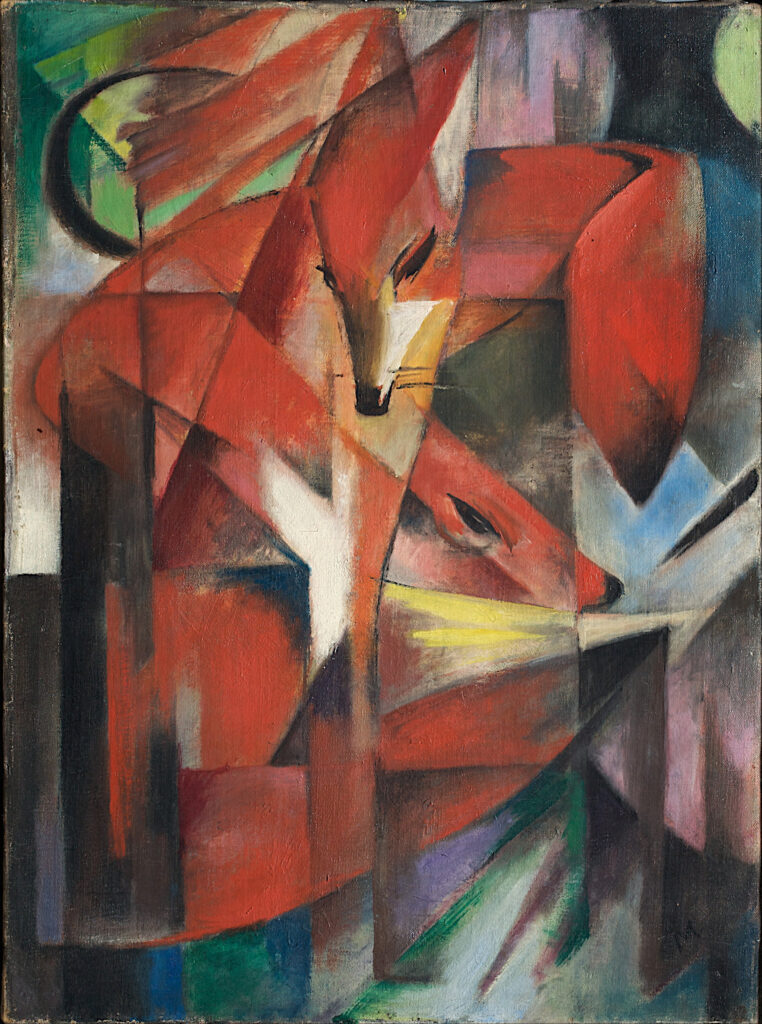
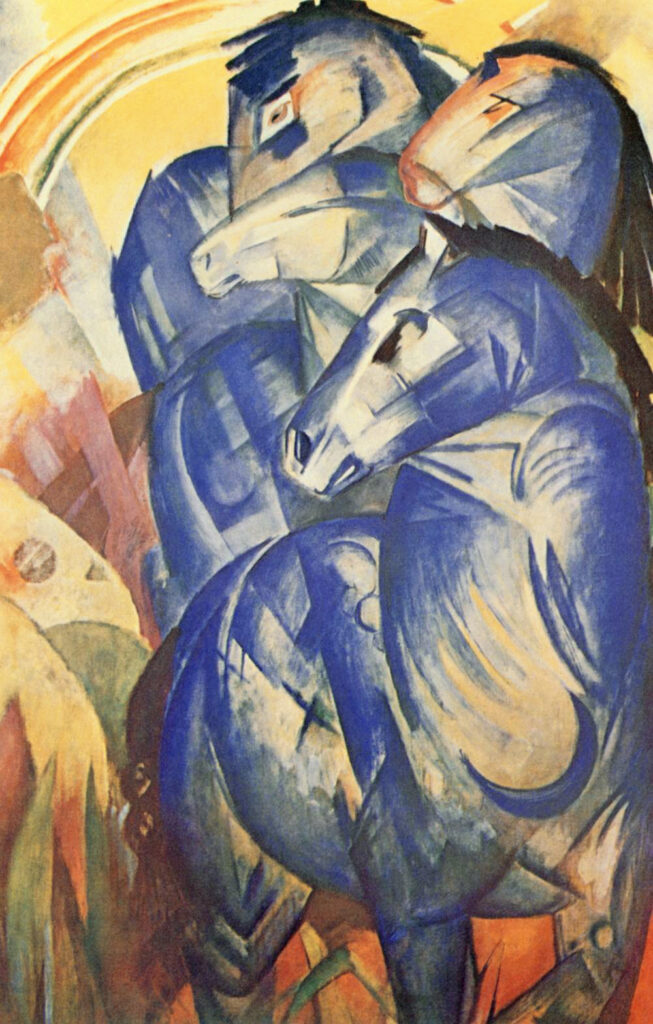
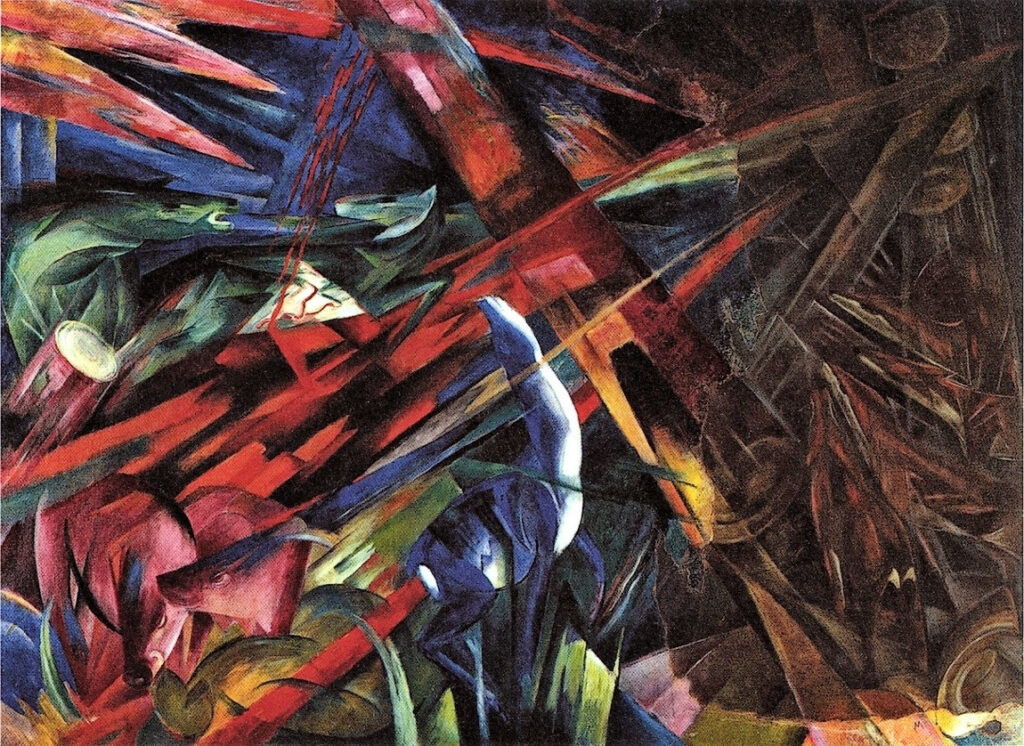
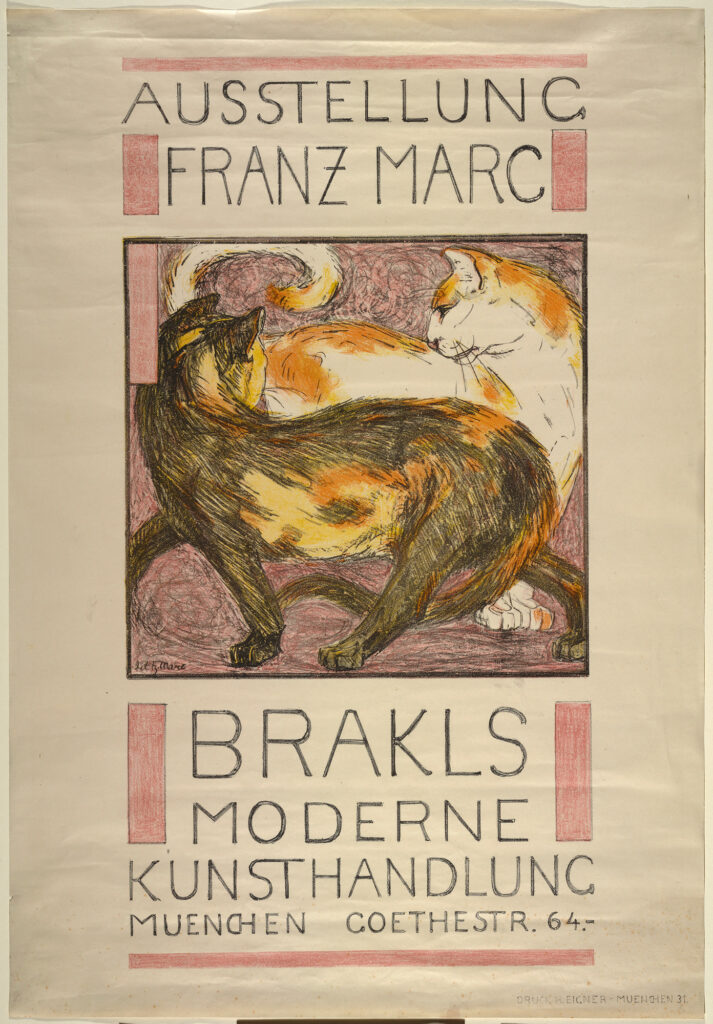
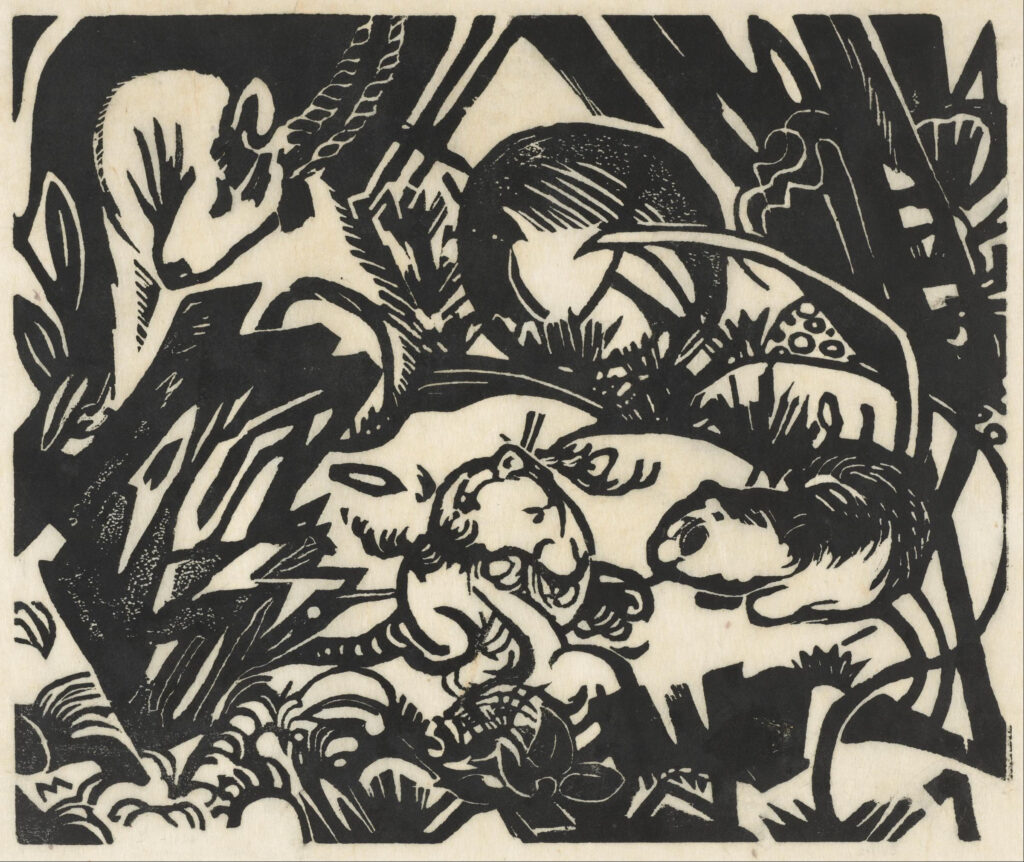
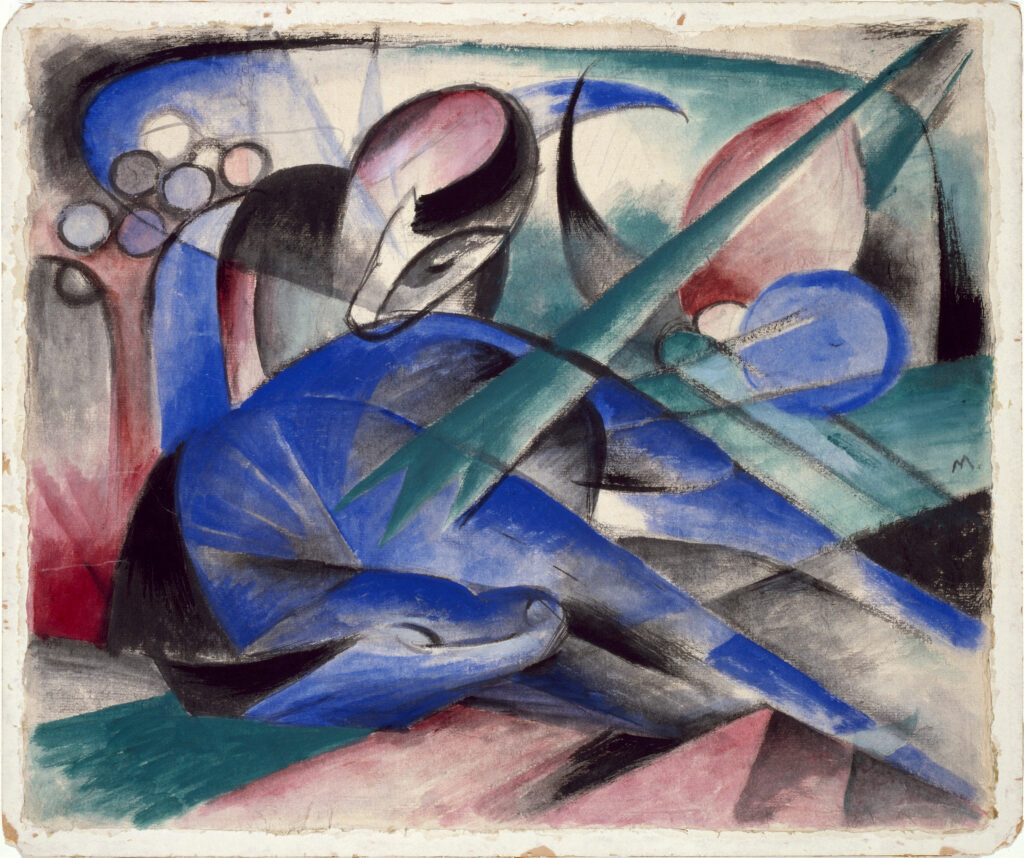
Franz Marc
Franz Marc, February 8, 1880–March 4, 1916, was a German painter and printmaker born in Munich. His father, Wilhelm Marc, was a painter. Marc studied at the Munich Academy of Fine Arts with Gabriel von Hackl and Wilhelm von Diez. He traveled to Paris during his early career and became especially interested in depicting animals.
Marc met August Macke and Wassily Kandinsky and, with Kandinsky, founded the Der Blaue Reiter group in 1911. The two artists edited its almanac, published in 1912. Marc also worked in drawing and printmaking.
He served in the German army during the First World War and was killed near Verdun in 1916. Major holdings of his work are at the Lenbachhaus in Munich and the Franz Marc Museum in Kochel am See; examples are also in the Solomon R. Guggenheim Museum, New York, and the Kunstmuseum Basel
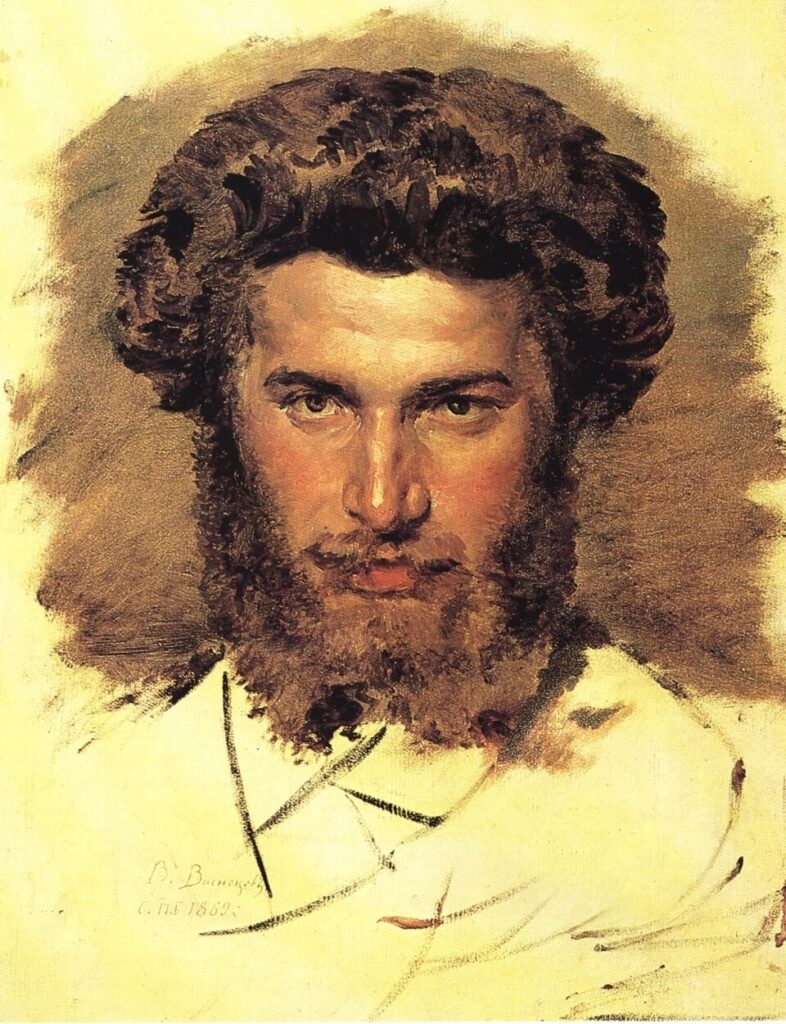
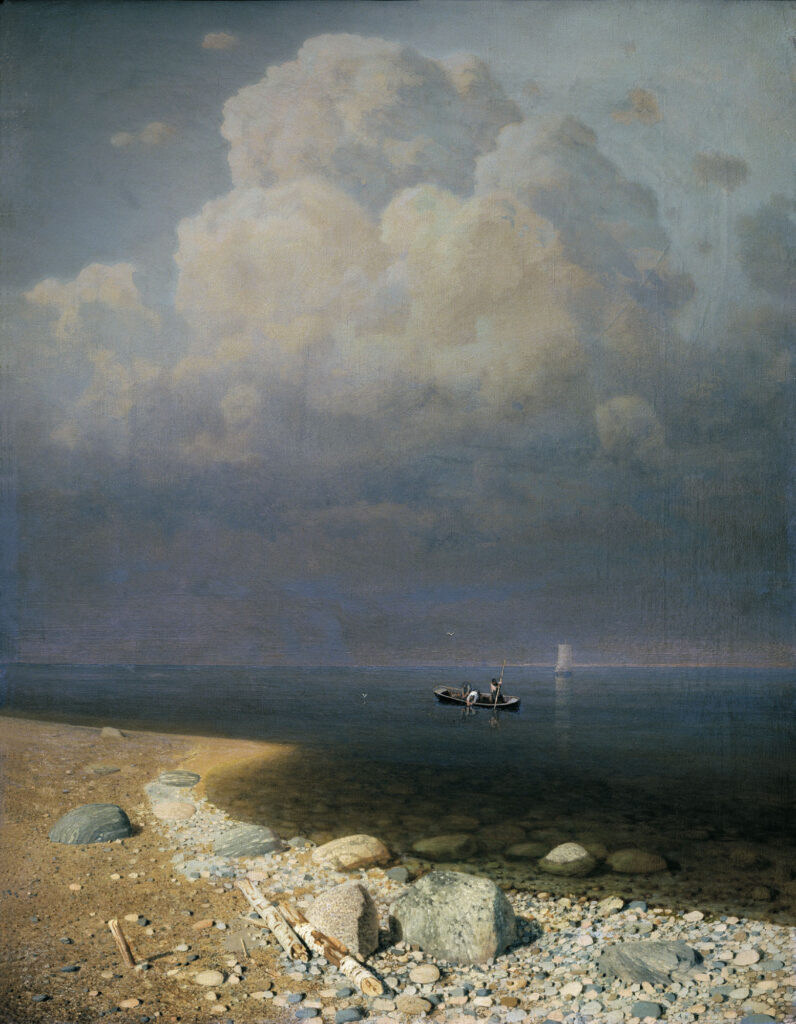
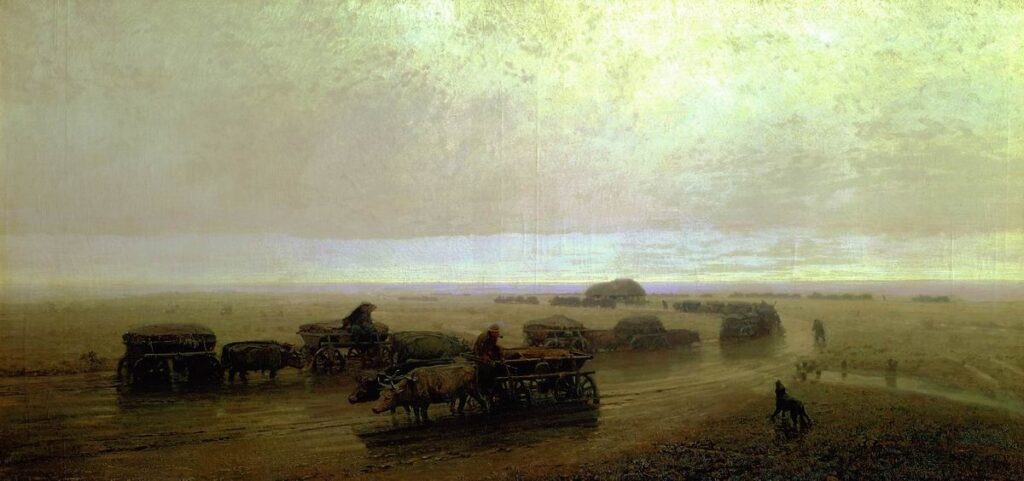
Arkhip Kuindzhi
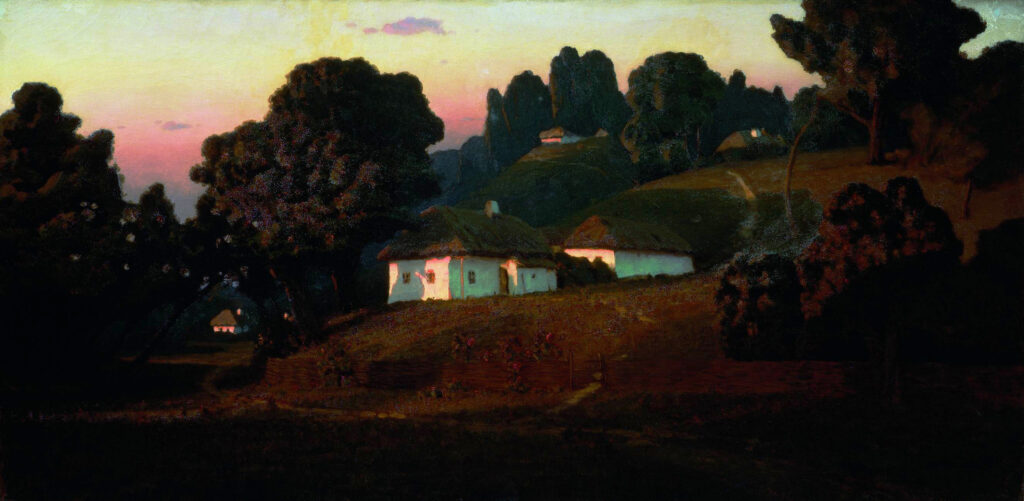
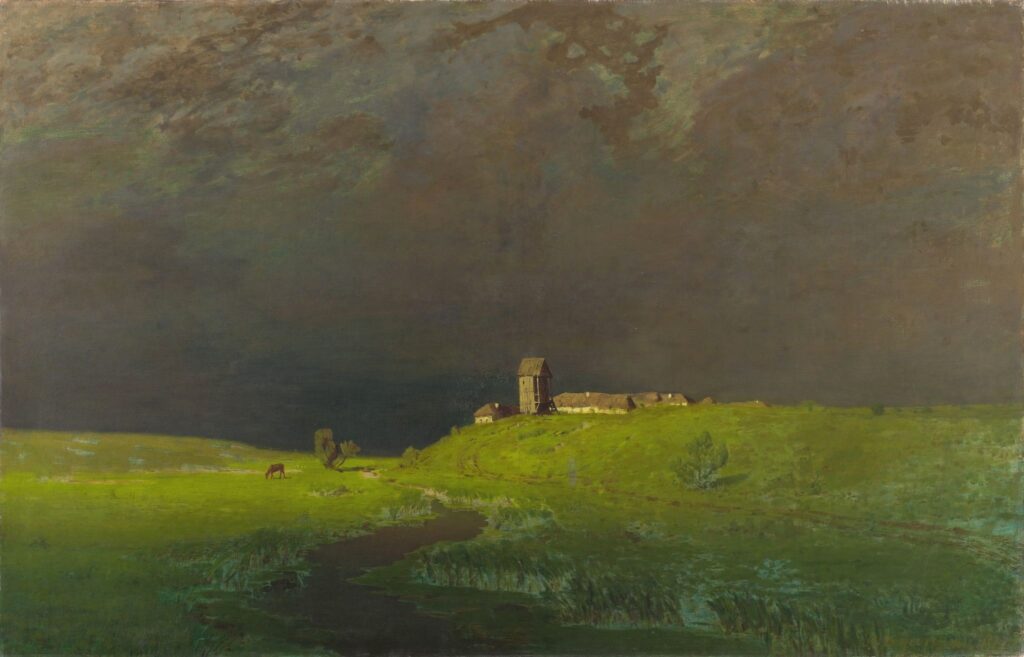
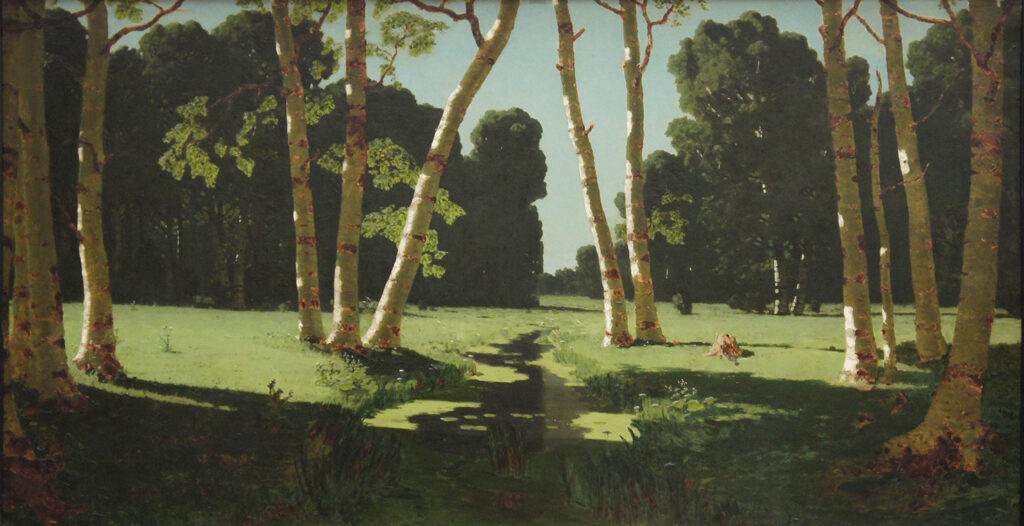
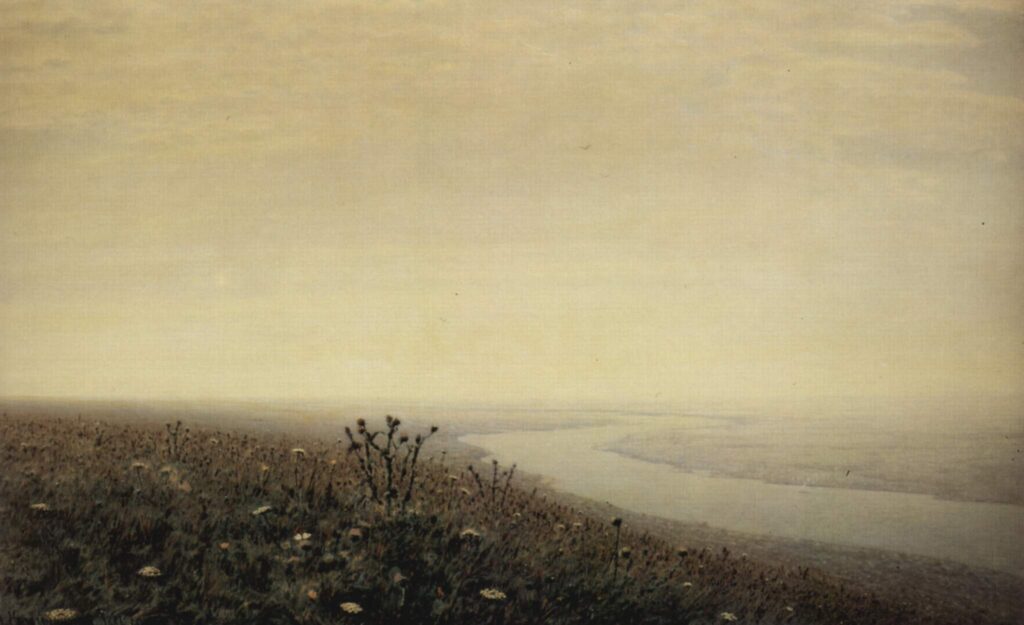
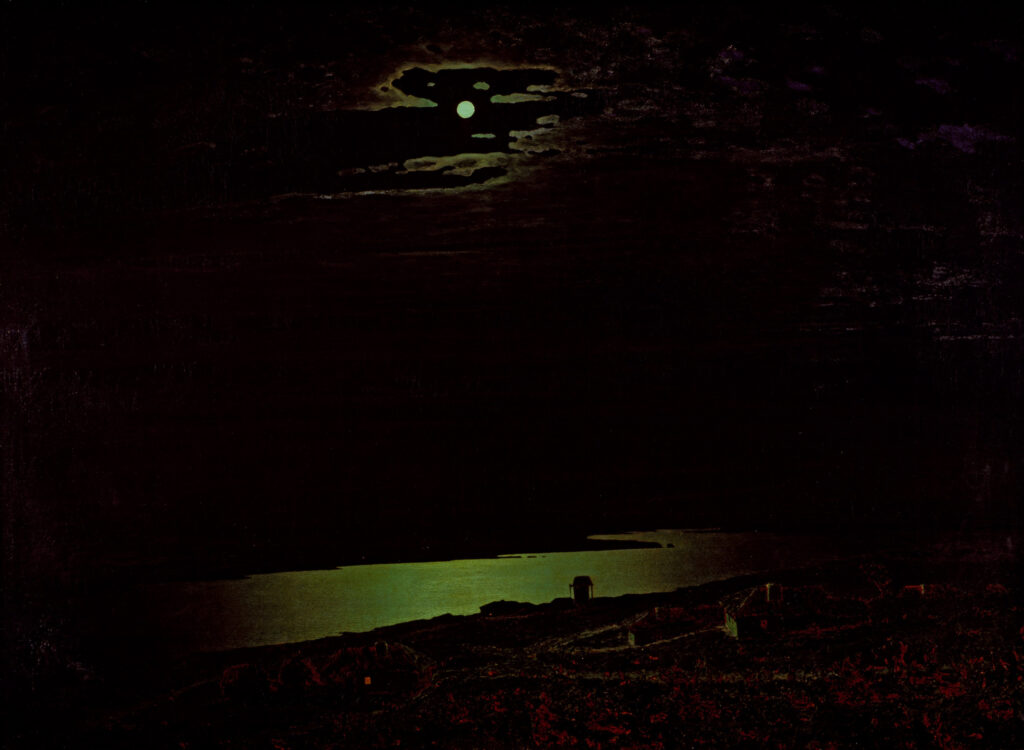
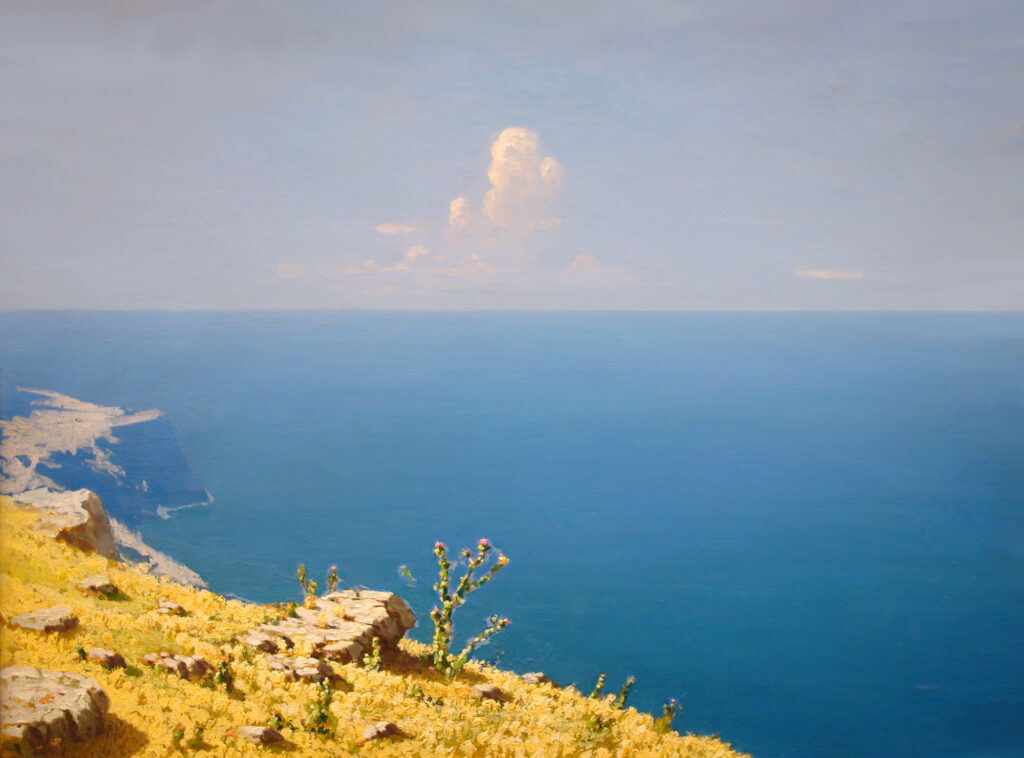
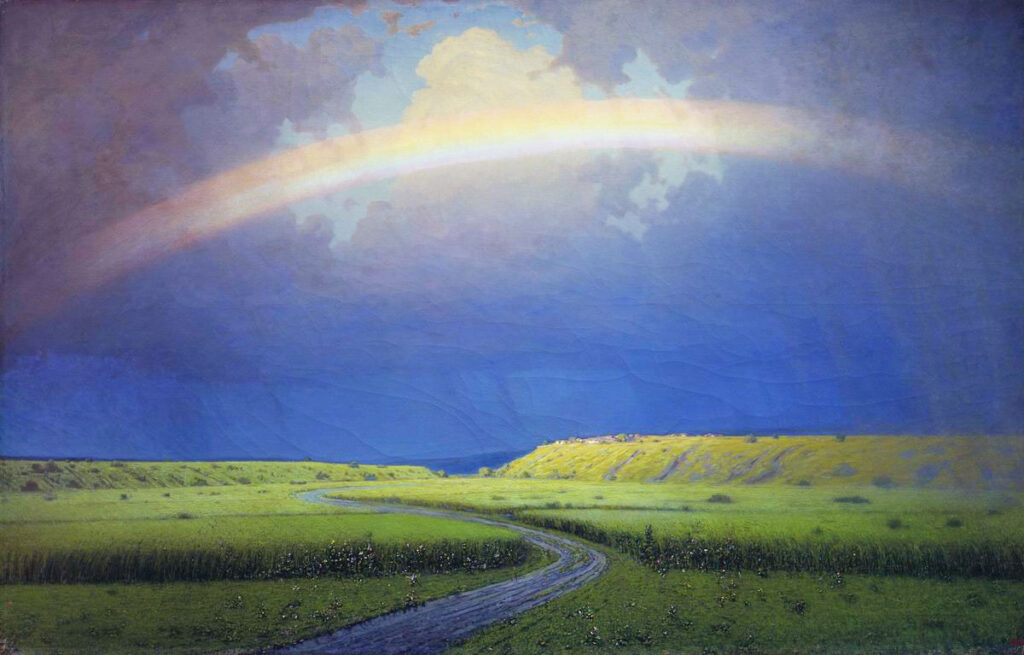
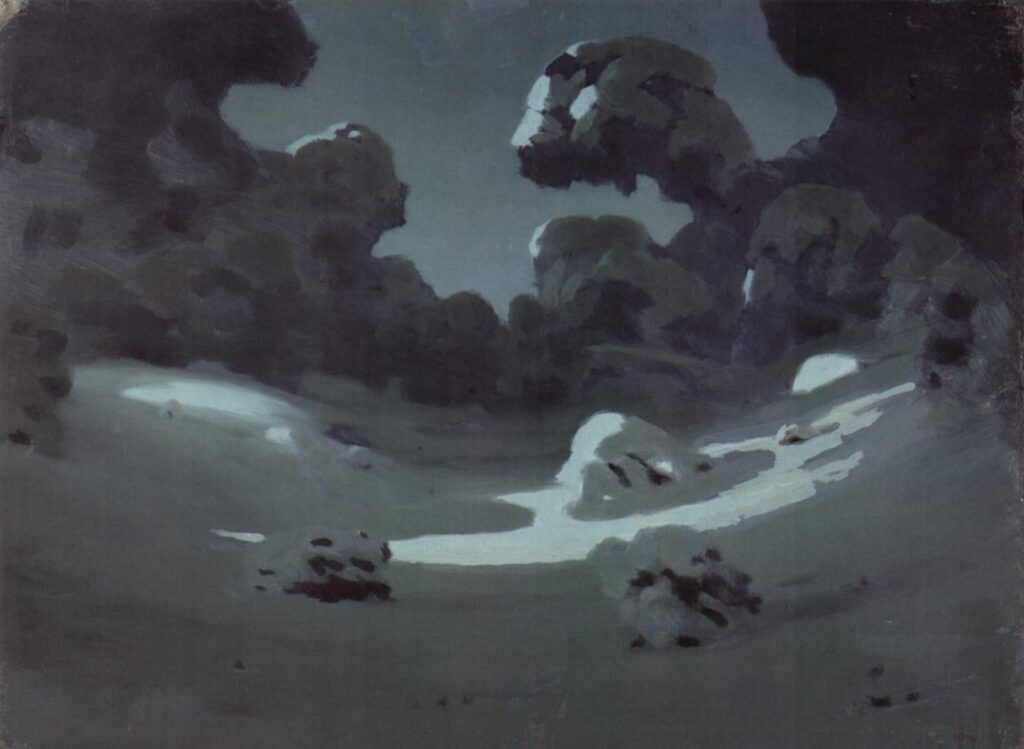
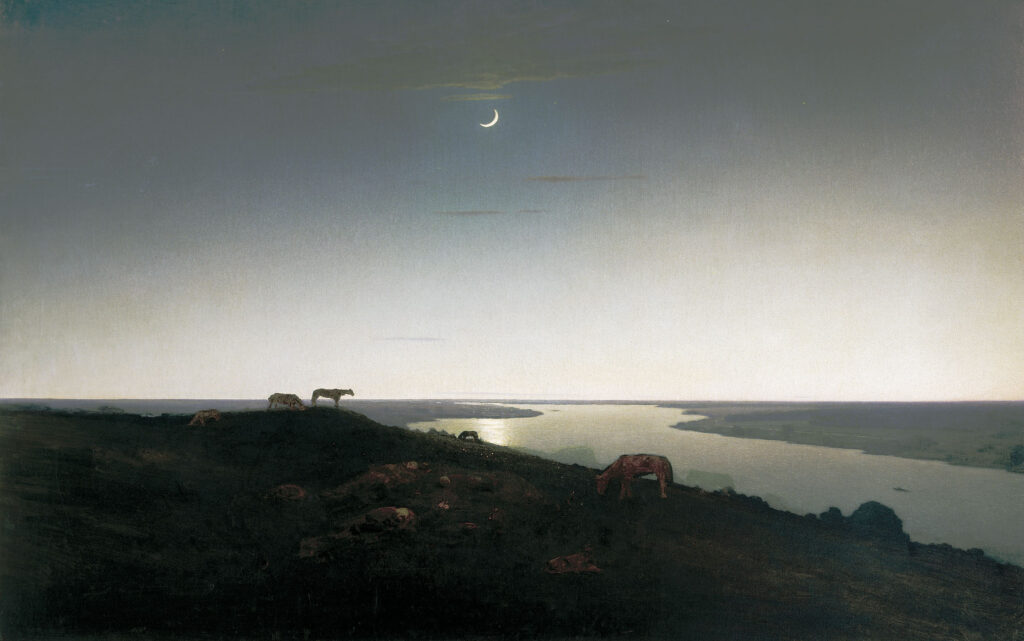
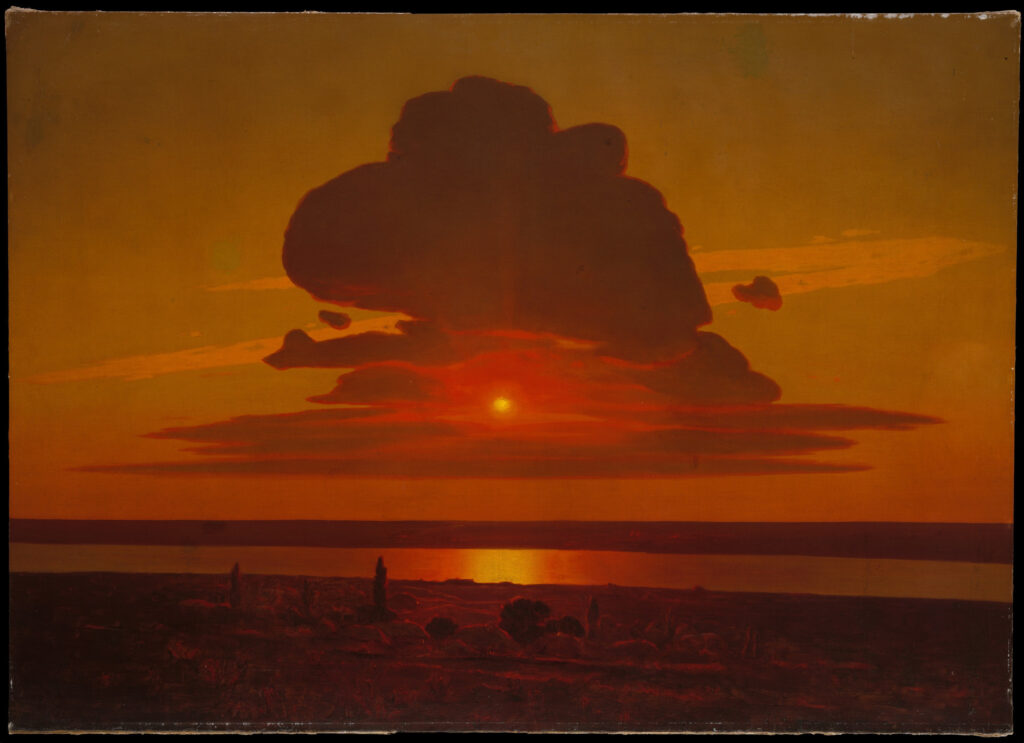
Arkhip Kuindzhi, January 27, 1842–July 24, 1910, was a Ukrainian landscape painter of Pontic Greek ancestry, born near Mariupol in the Russian Empire. He received limited formal schooling, traveled to Feodosia intending to study with Ivan Aivazovsky, worked with Aivazovsky’s student Adolf Fessler, and entered the Imperial Academy of Arts in Saint Petersburg as a non-matriculated student in 1868.
Kuindzhi exhibited with the Peredvizhniki during the 1870s and became known for landscapes structured around strong effects of light, color, and atmosphere. He ceased public exhibition after 1882 but continued painting. He became a professor at the Imperial Academy of Arts in 1892 and directed its landscape workshop from 1894 to 1897; his students included Arkady Rylov, Nicholas Roerich, and Konstantin Bogaevsky.
In his final years Kuindzhi helped establish the Society of Artists that later bore his name and left much of his estate to support artists. He died in Saint Petersburg. Principal public collections of his work include the Russian Museum, the Tretyakov Gallery, and the Metropolitan Museum of Art.
Valentin Serov
Valentin Alexandrovich Serov, January 19, 1865–December 5, 1911, was a Russian painter and draftsman.
He studied privately with Ilya Repin and entered the Imperial Academy of Arts in Saint Petersburg in 1880, where he studied under Pavel Chistyakov. Serov exhibited with the Peredvizhniki and was associated with the World of Art circle.
From 1897 to 1909 he taught at the Moscow School of Painting, Sculpture and Architecture; his students included Pavel Kuznetsov, Nikolai Sapunov, Martiros Saryan, and Kuzma Petrov-Vodkin. His works are held principally by the Tretyakov Gallery in Moscow and the Russian Museum in Saint Petersburg, as well as other Russian and international collections.


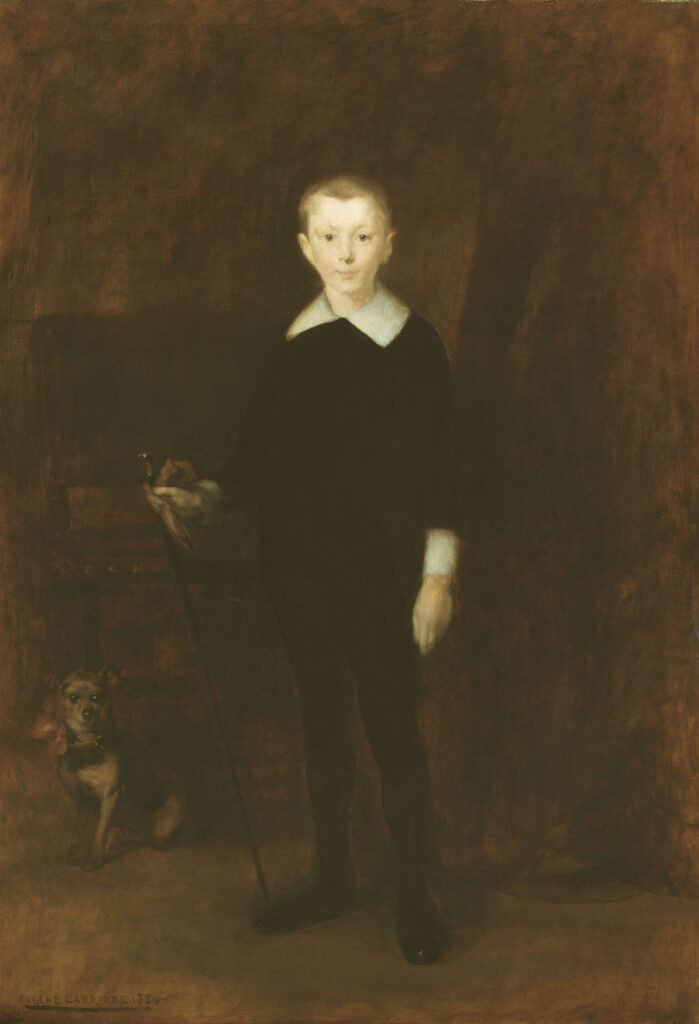
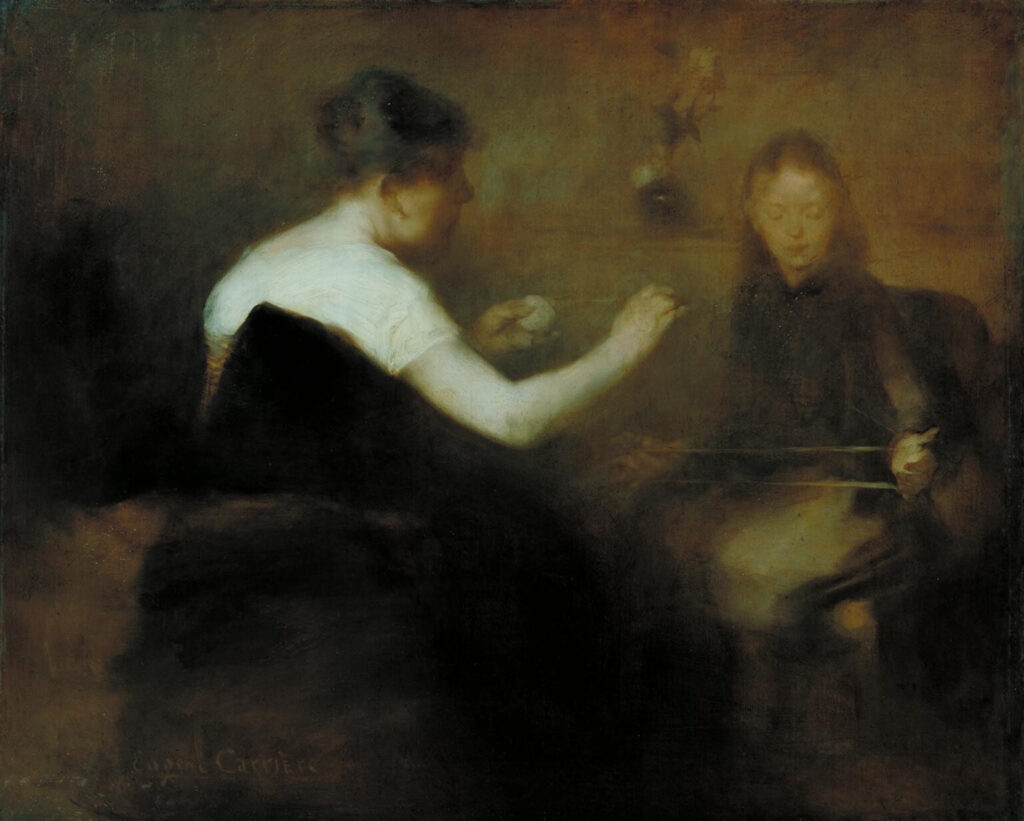
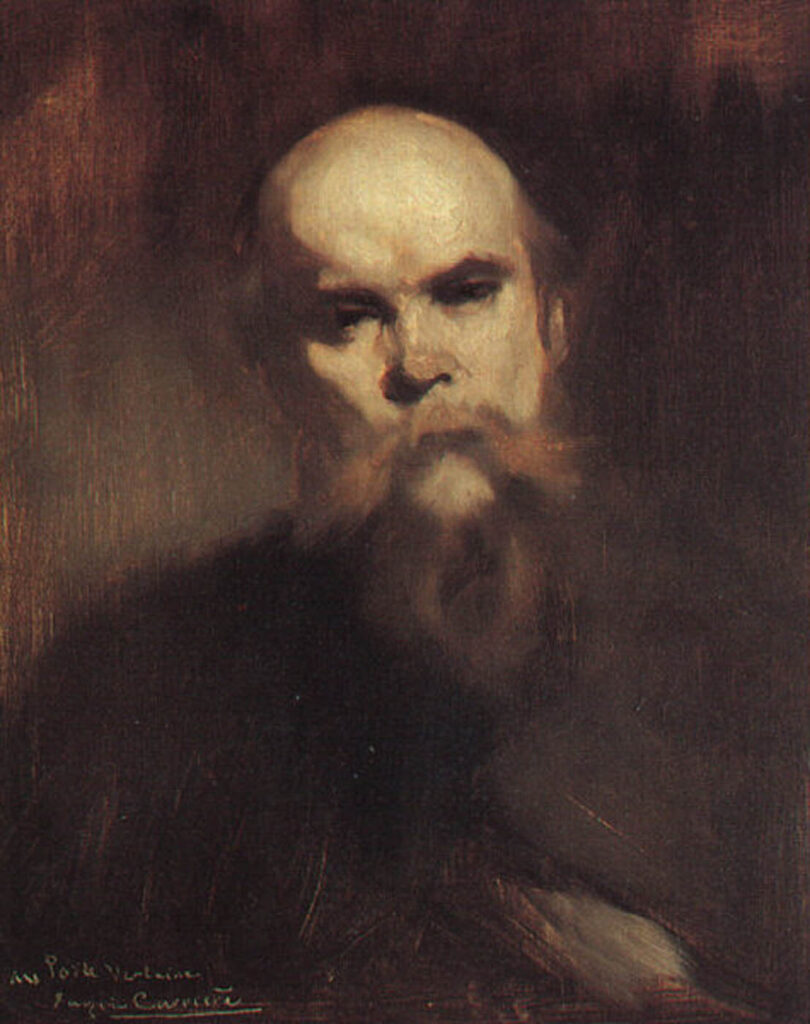
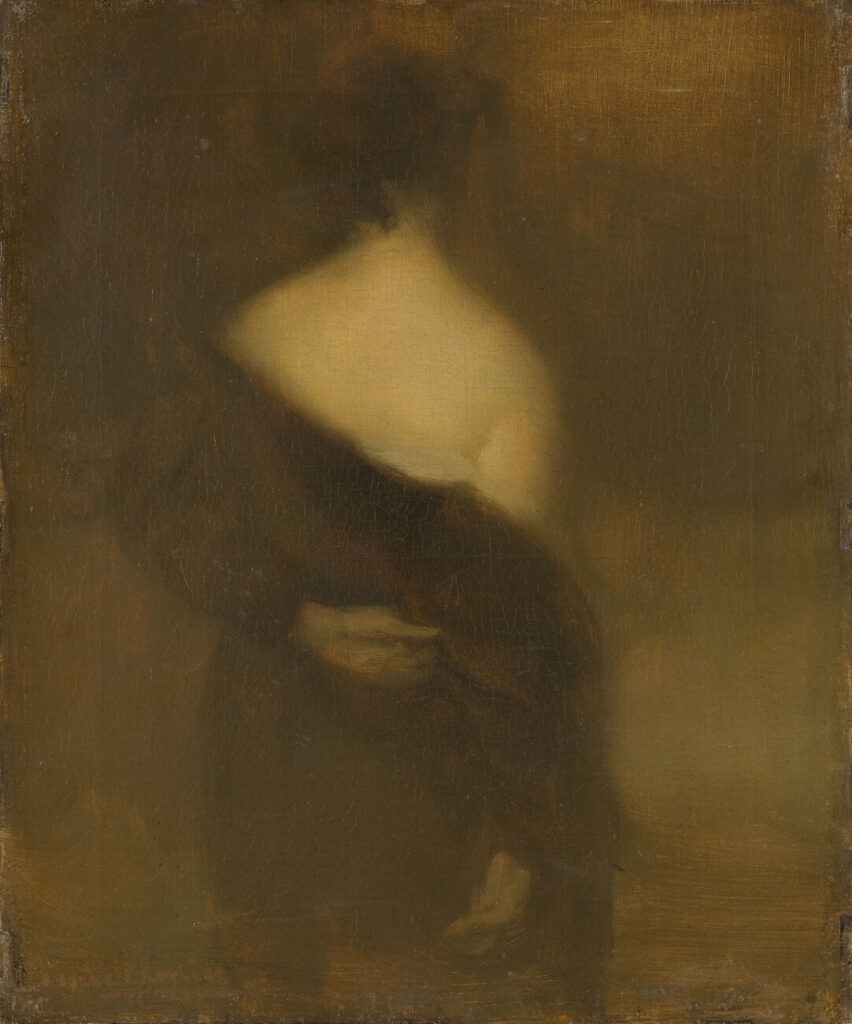
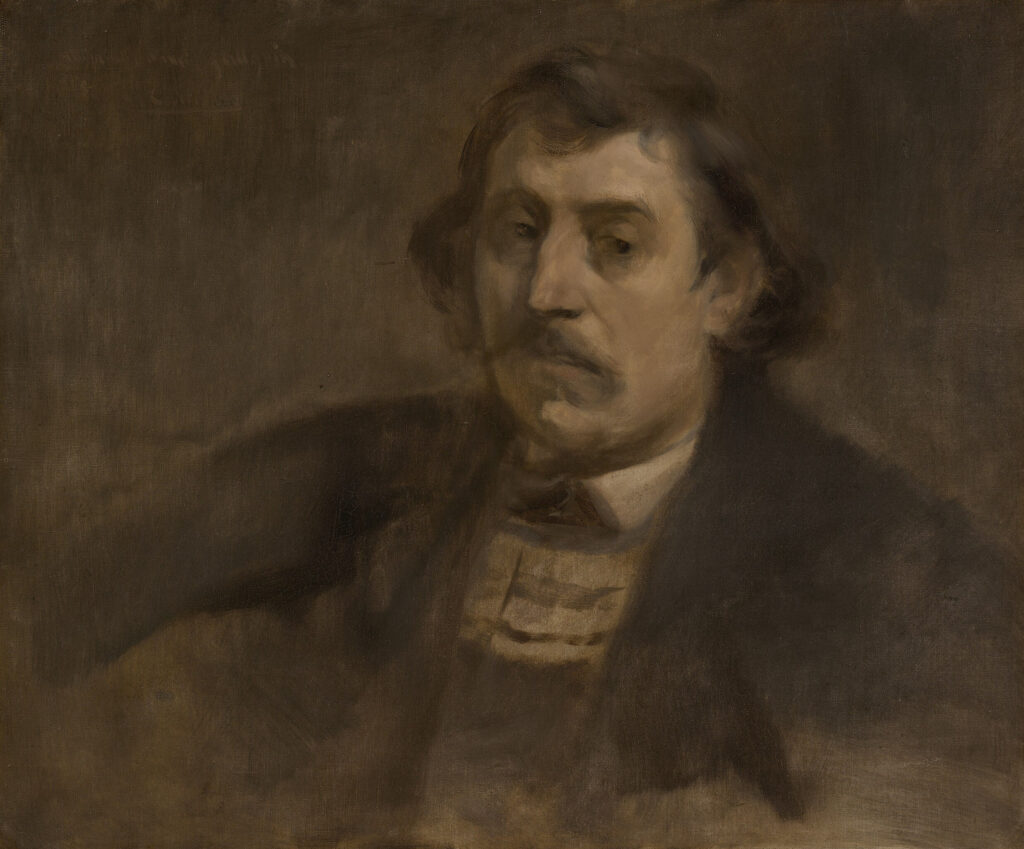
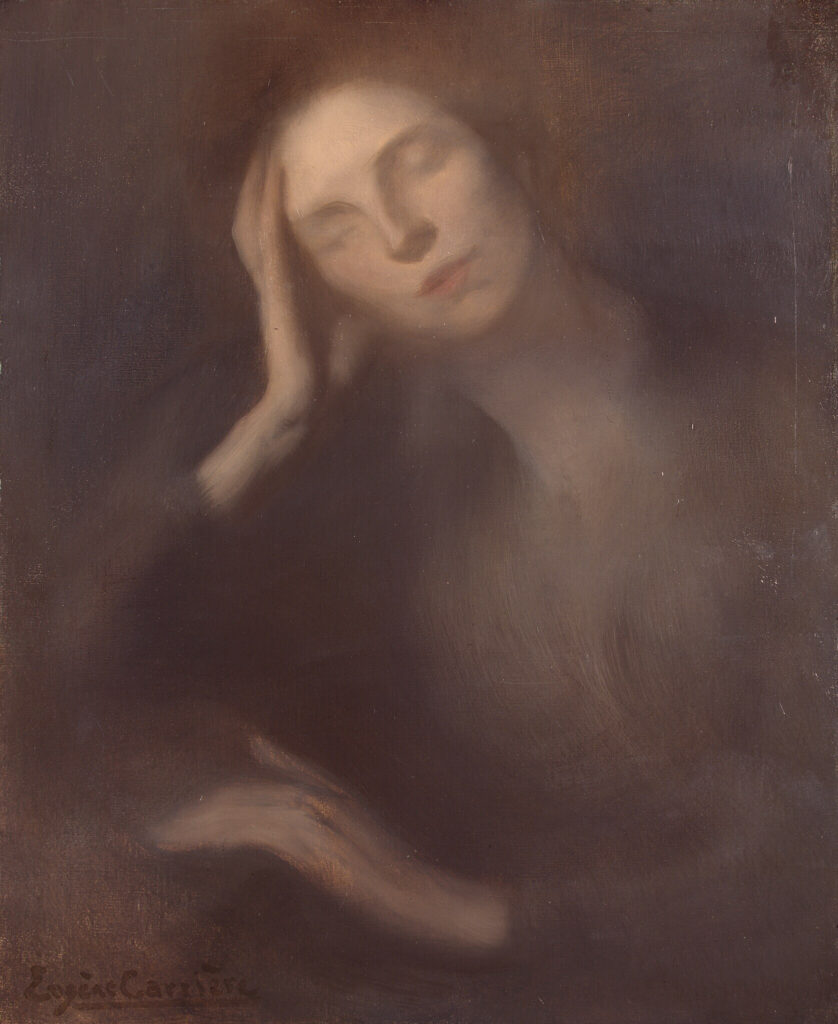
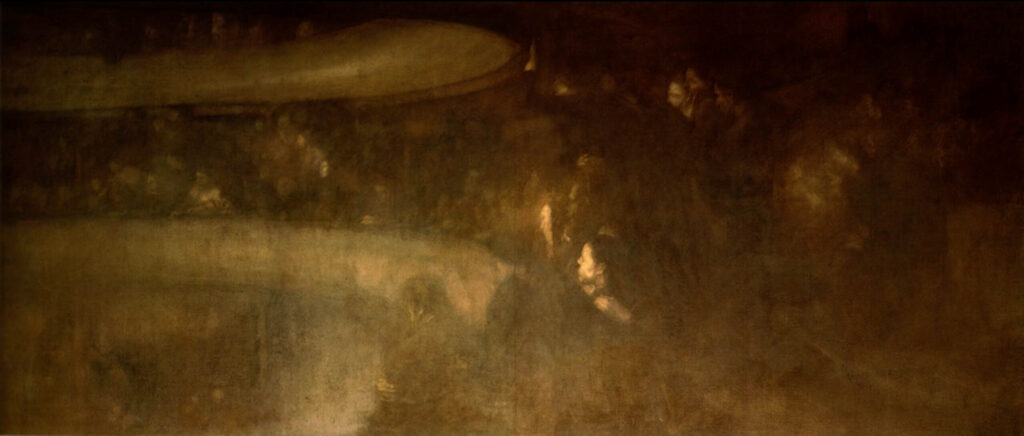
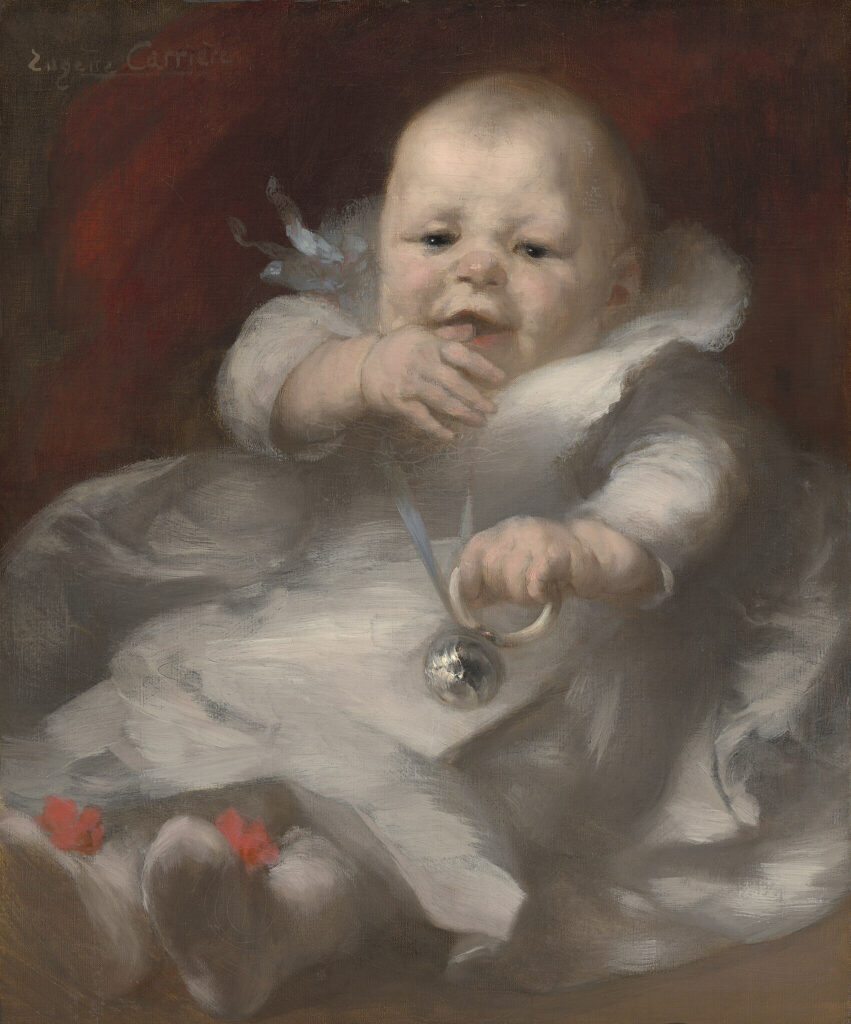
Eugène Carrière
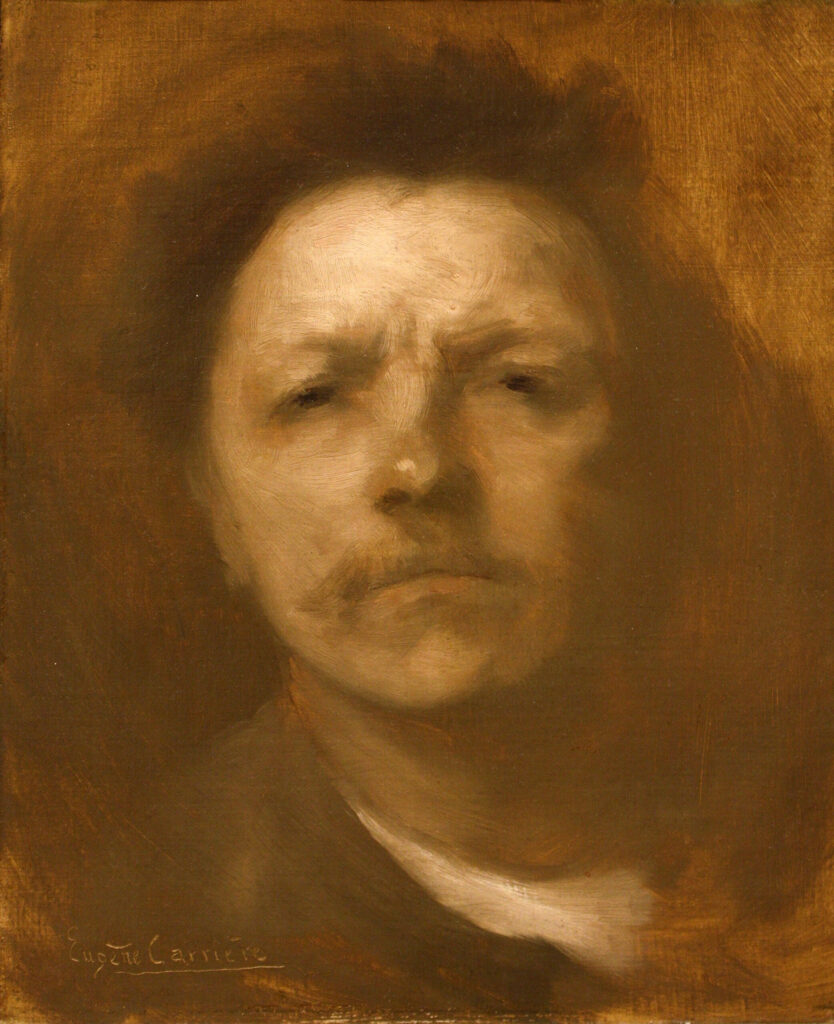
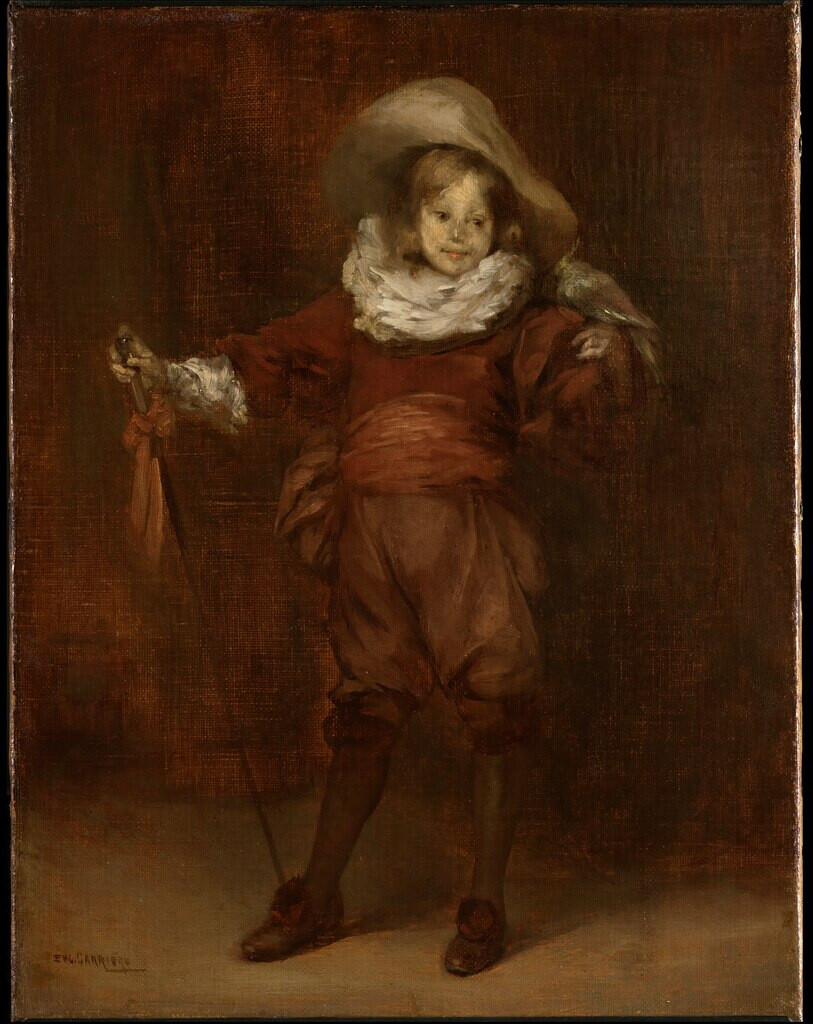
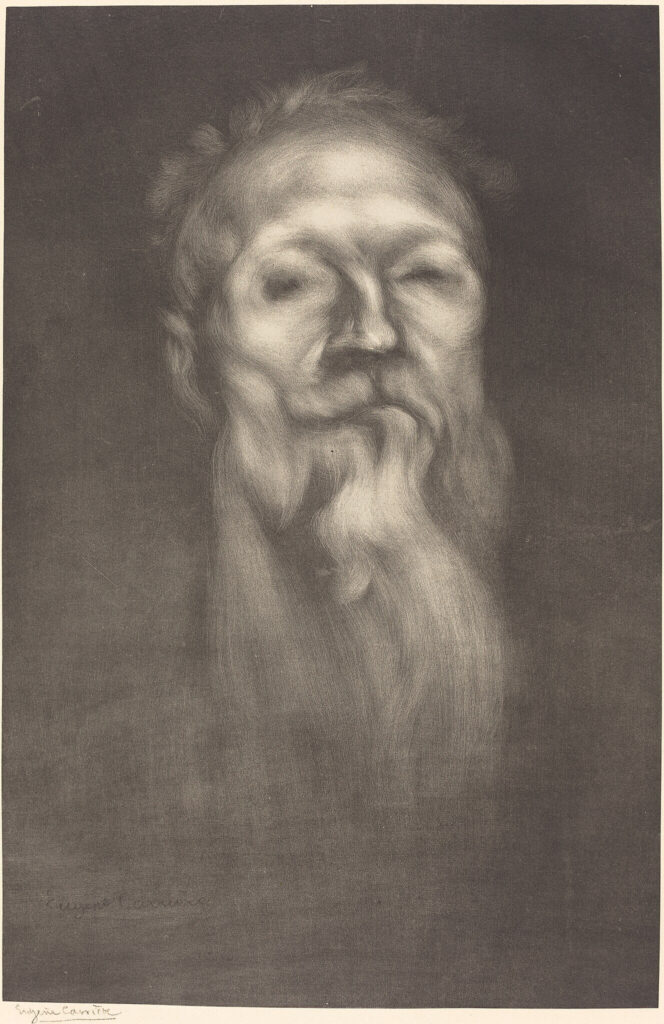
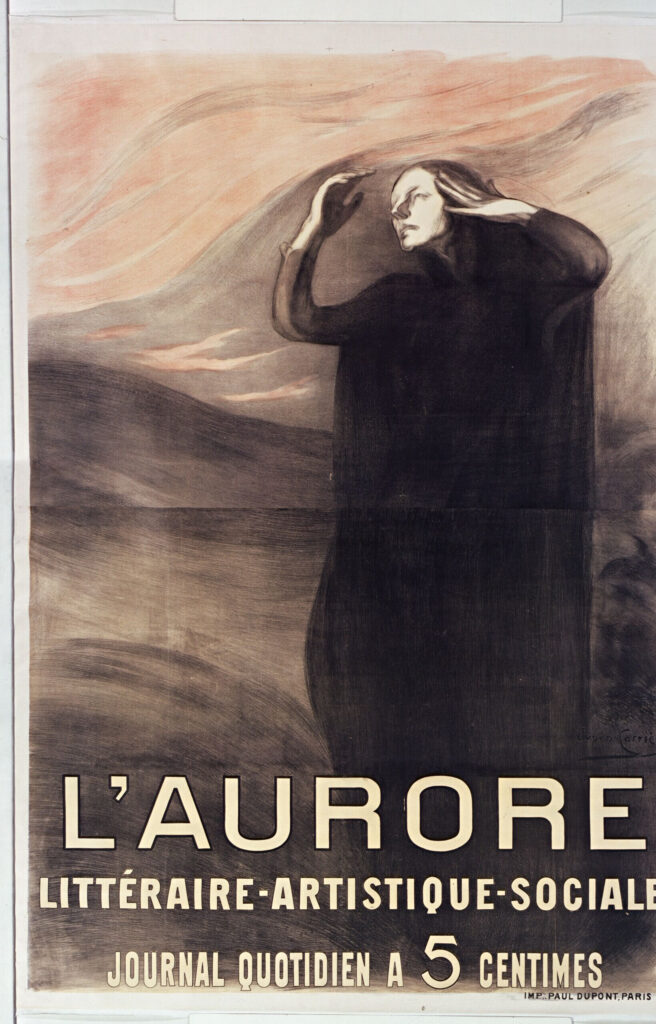
Eugène Carrière, January 16, 1849–March 27, 1906, was a French painter, lithographer, and teacher. Raised in Strasbourg, he attended the municipal drawing school there and trained as a commercial lithographer before entering the École des Beaux-Arts in Paris, where he studied under Alexandre Cabanel.
Carrière exhibited at the Paris Salon and was a founding member of the Société Nationale des Beaux-Arts and the Salon d'Automne. He was closely associated with Auguste Rodin and with writers including Paul Verlaine, Stéphane Mallarmé, and Charles Morice. He taught at the Académie de La Palette; Henri Matisse and André Derain were among the artists who attended his academy.
His works are held by the Musée d'Orsay and Musée Rodin in Paris, Tate in London, the Metropolitan Museum of Art in New York, the National Gallery of Art in Washington, the Art Institute of Chicago, and the Yale University Art Gallery.
Frances Benjamin Johnston
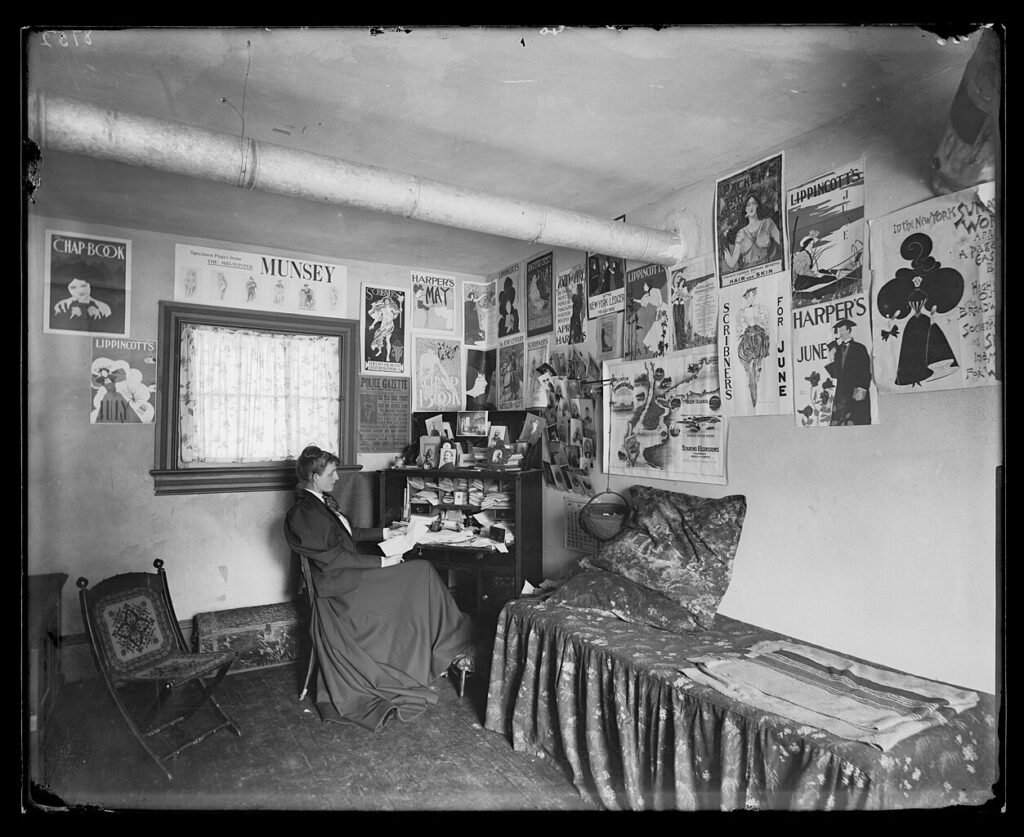
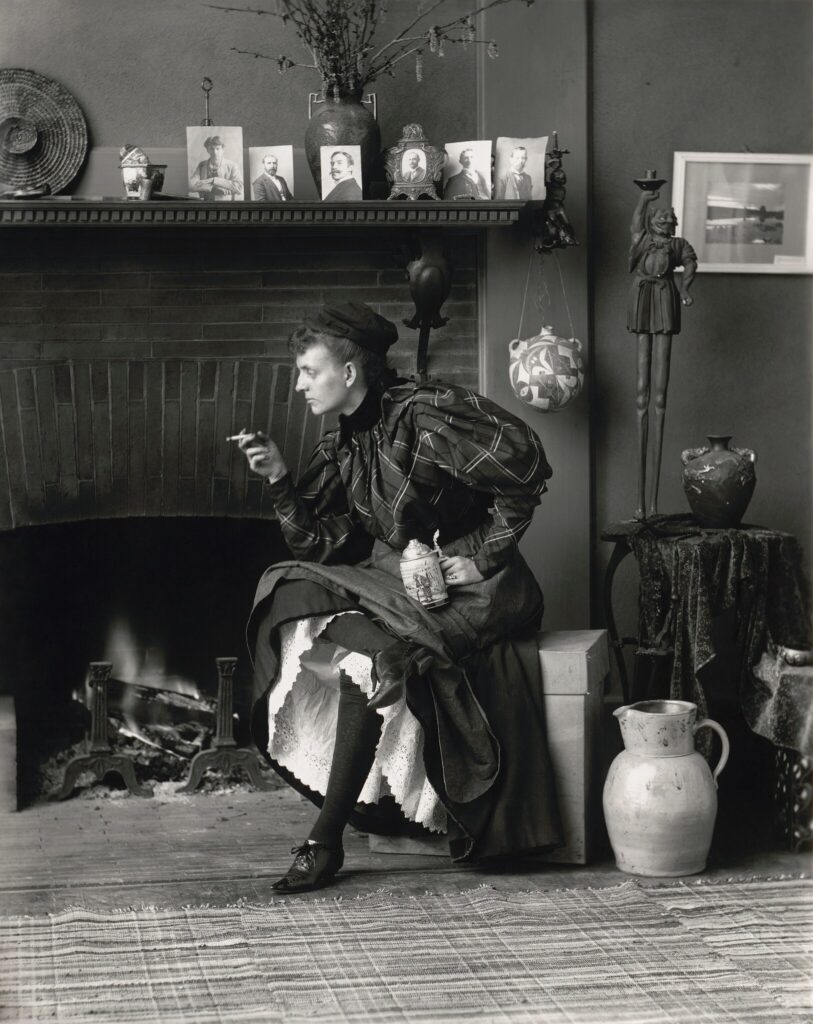
Frances Benjamin Johnston, January 15, 1864–May 16, 1952, was an American photographer. Born in Grafton, West Virginia, and raised in Washington DC, she studied art in Paris and Washington before learning photography and opening a Washington studio in the 1890s.
Johnston built a career as a portraitist and photojournalist, photographing political and cultural figures as well as the White House. Her work also documented education at Hampton and Tuskegee Institutes, and in 1900 she organized an exhibition of photographs by American women for the Paris Exposition.
In later decades Johnston specialized in gardens and historic architecture across the American South. She settled in New Orleans in 1940 and died there in 1952; major holdings of her work are preserved by the Library of Congress.


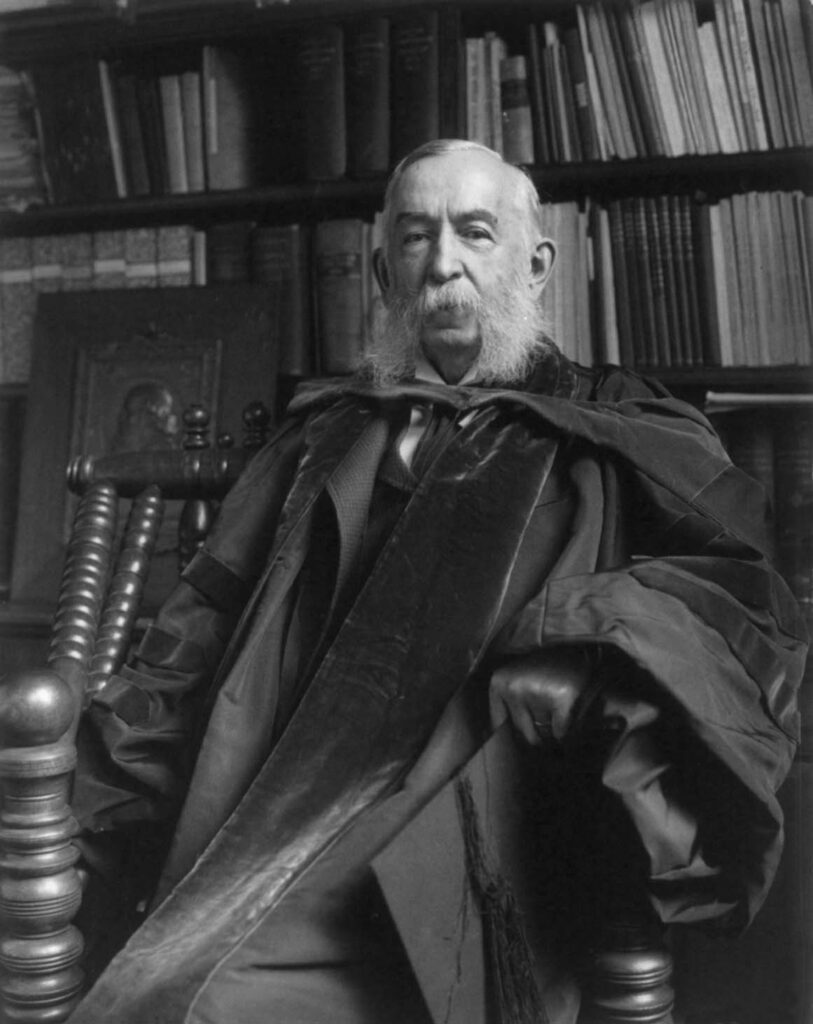


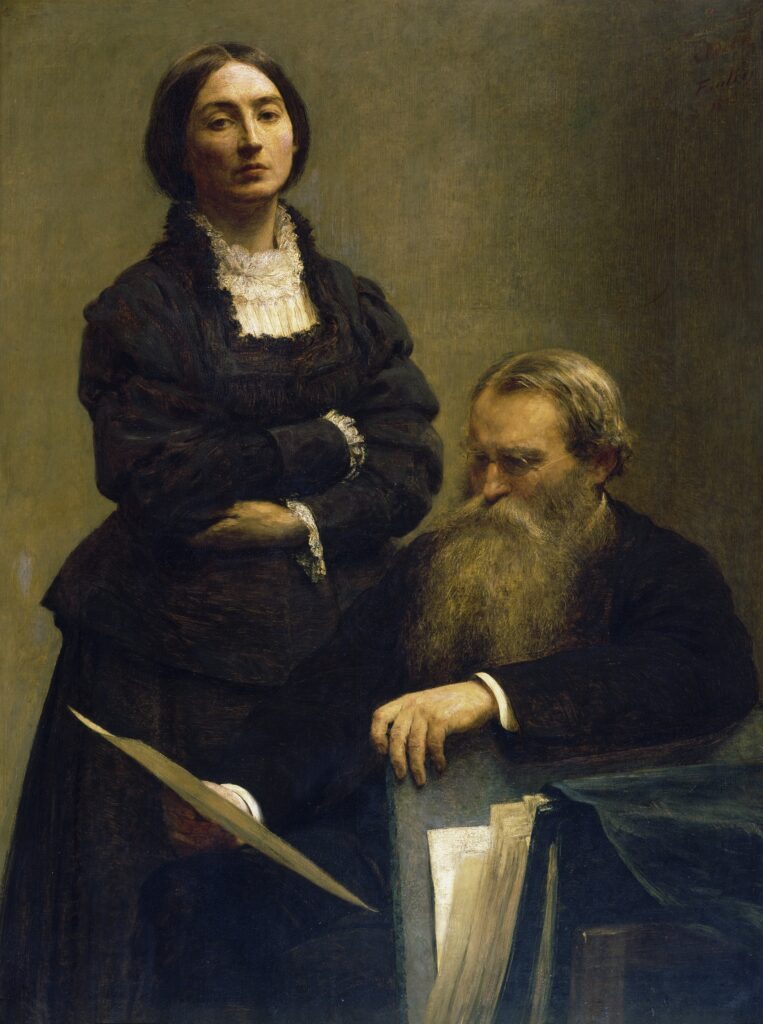
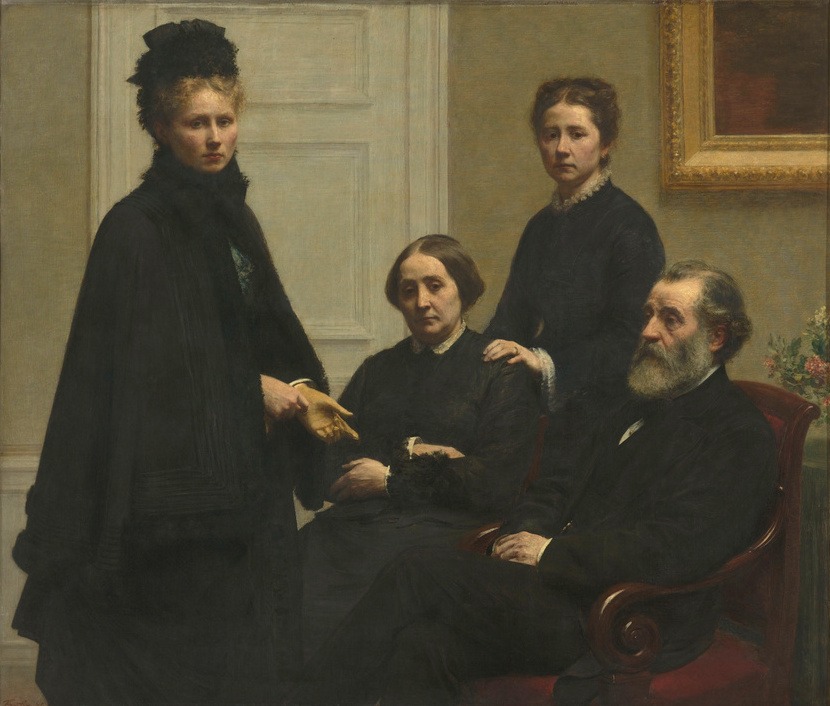
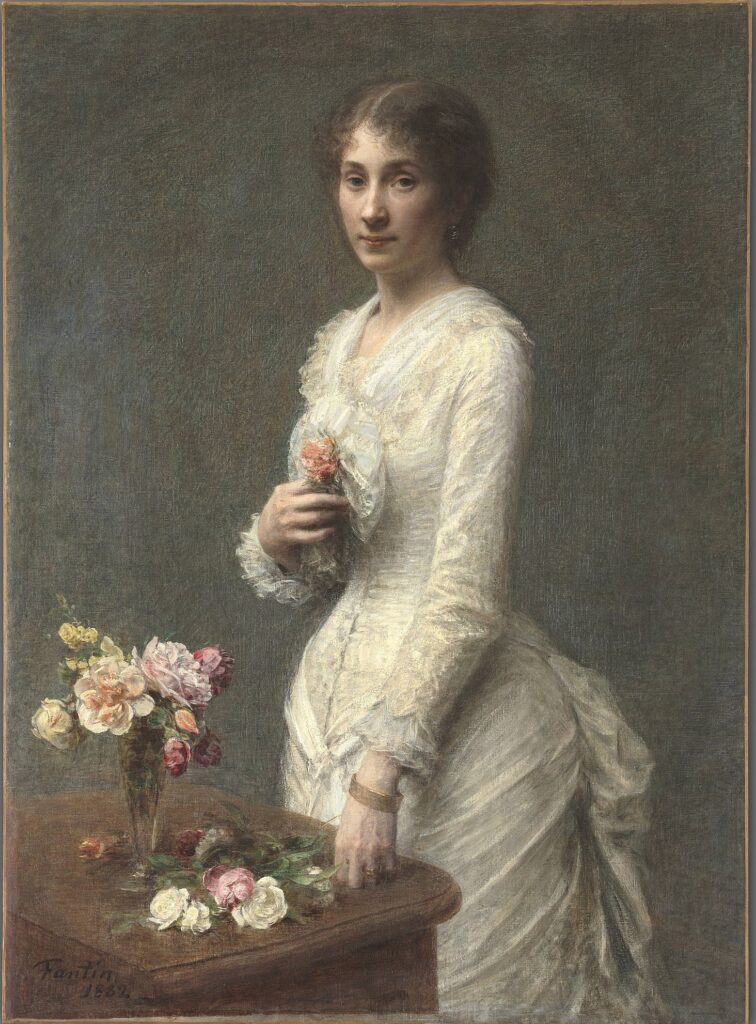
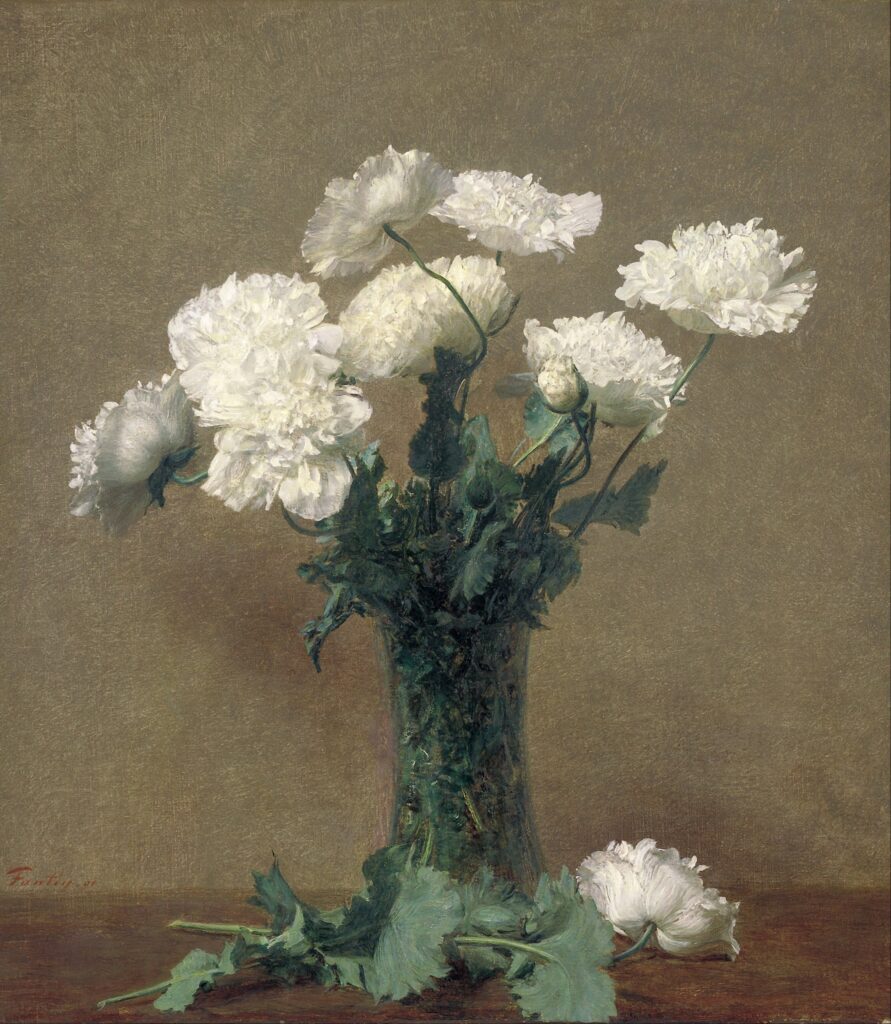
Henri Fantin-Latour
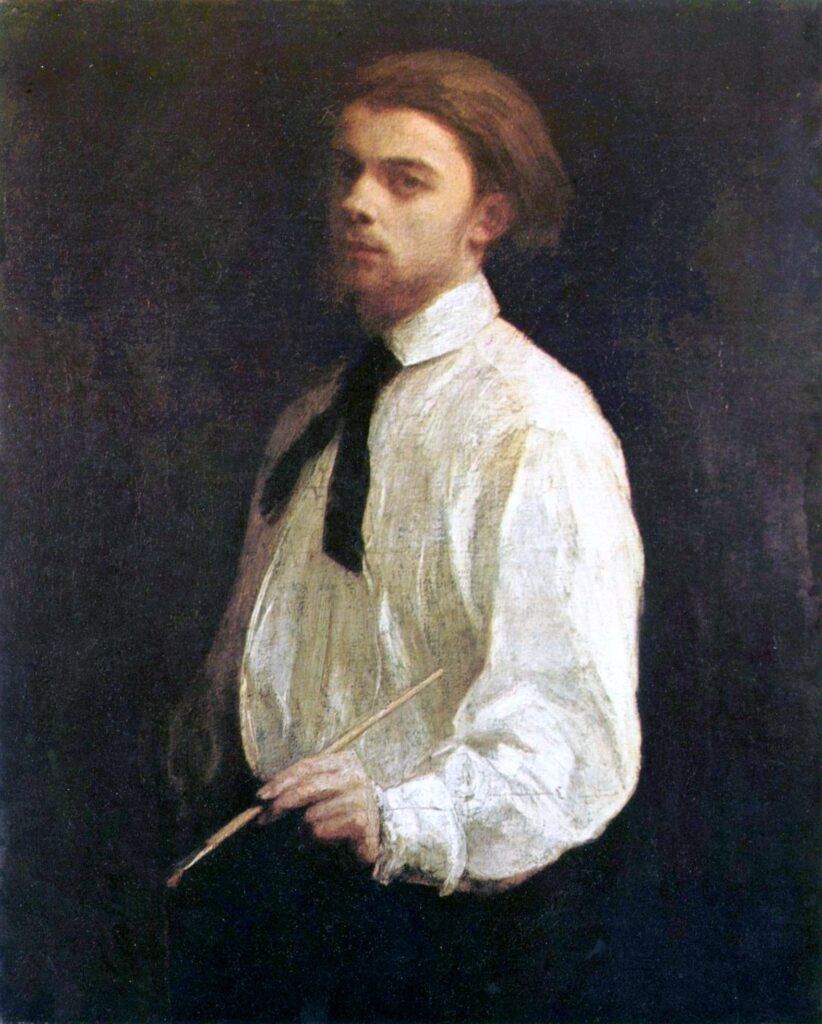
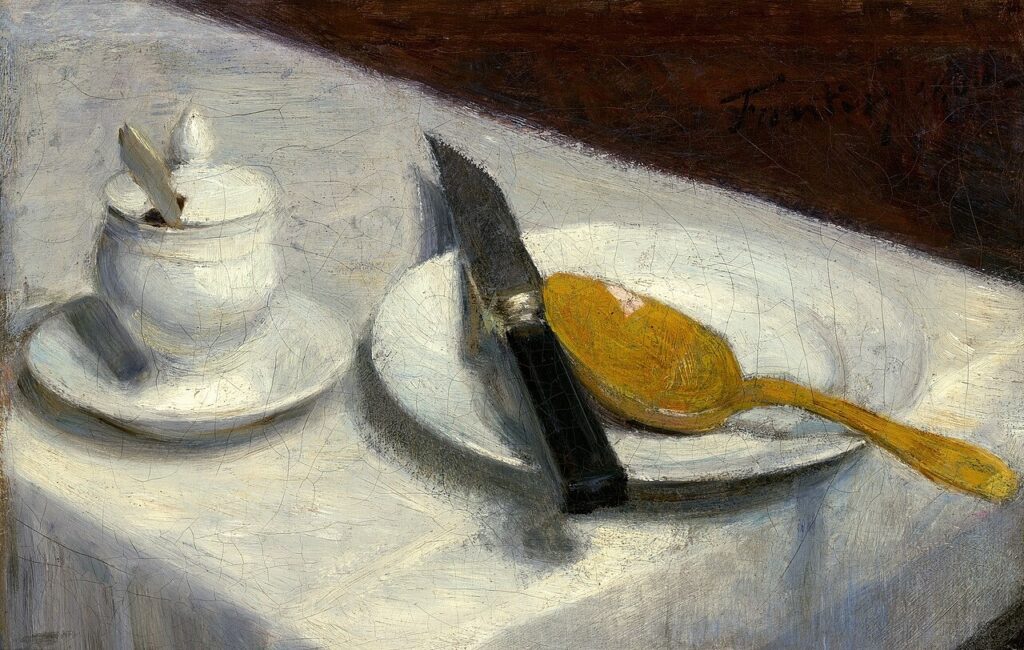
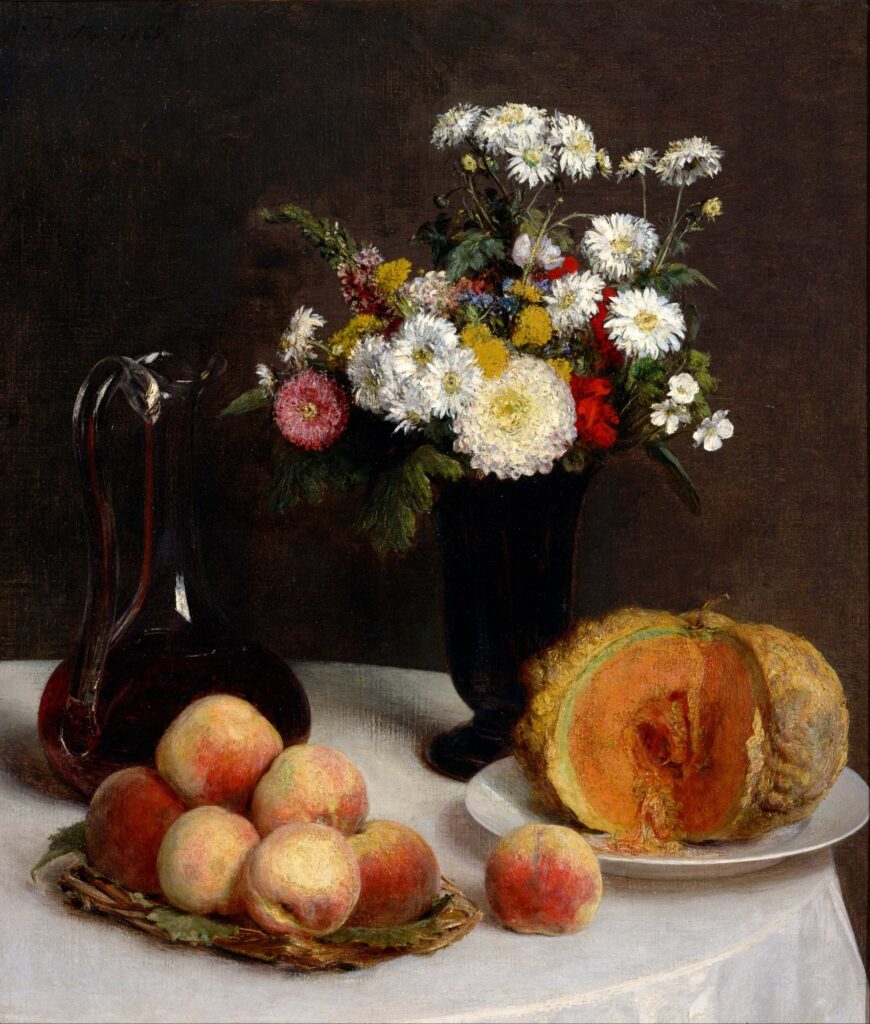
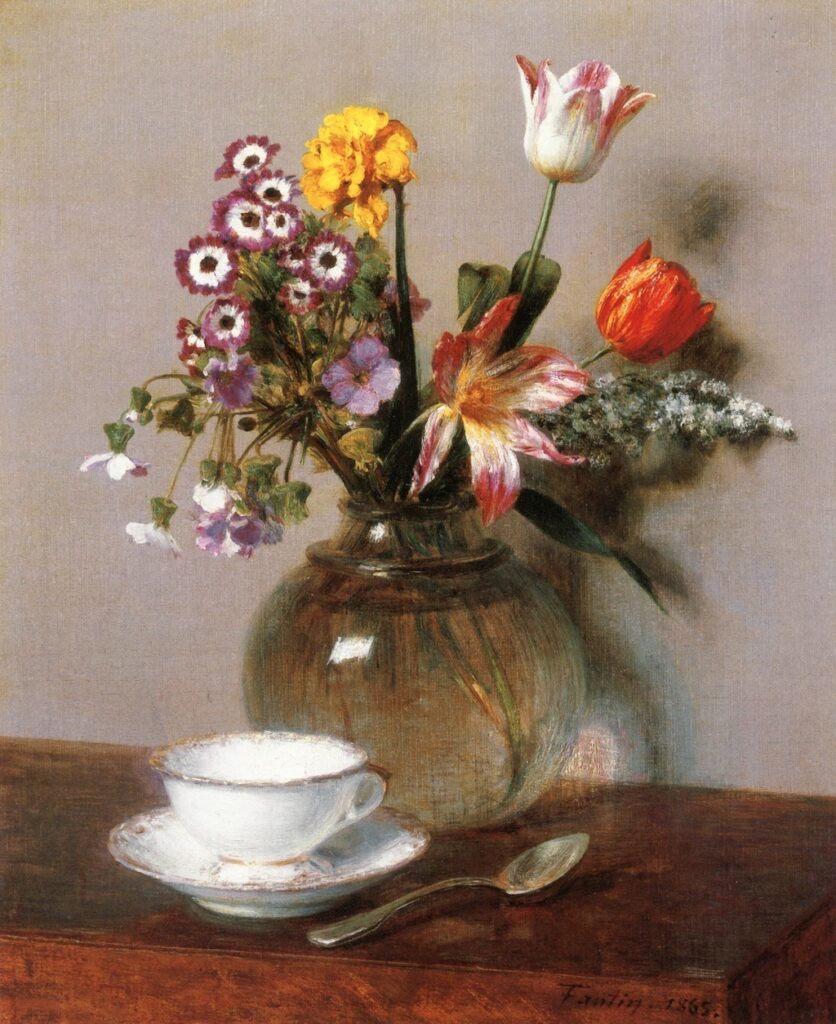
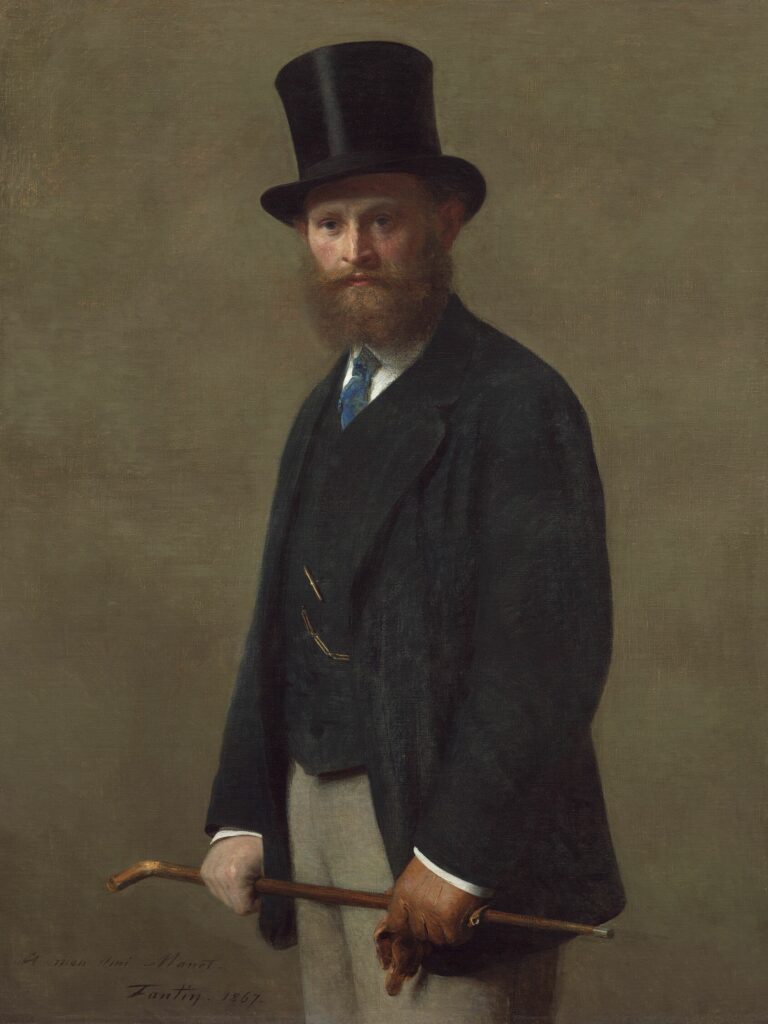
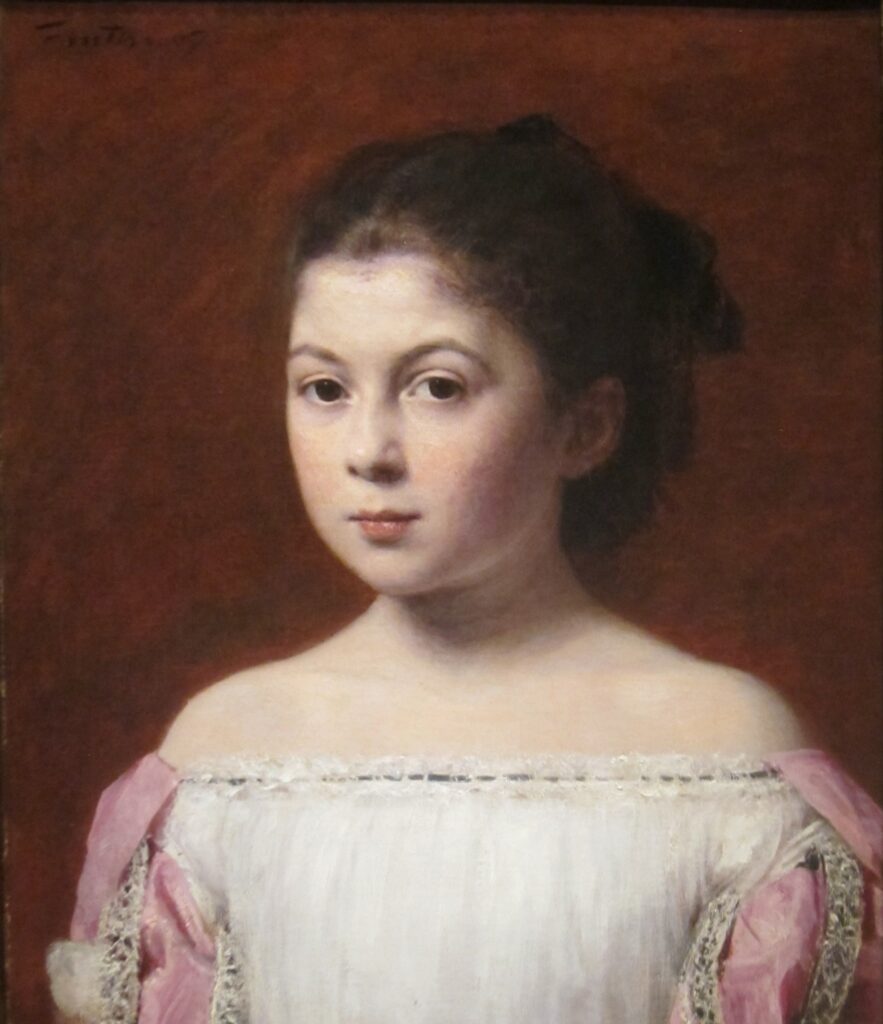
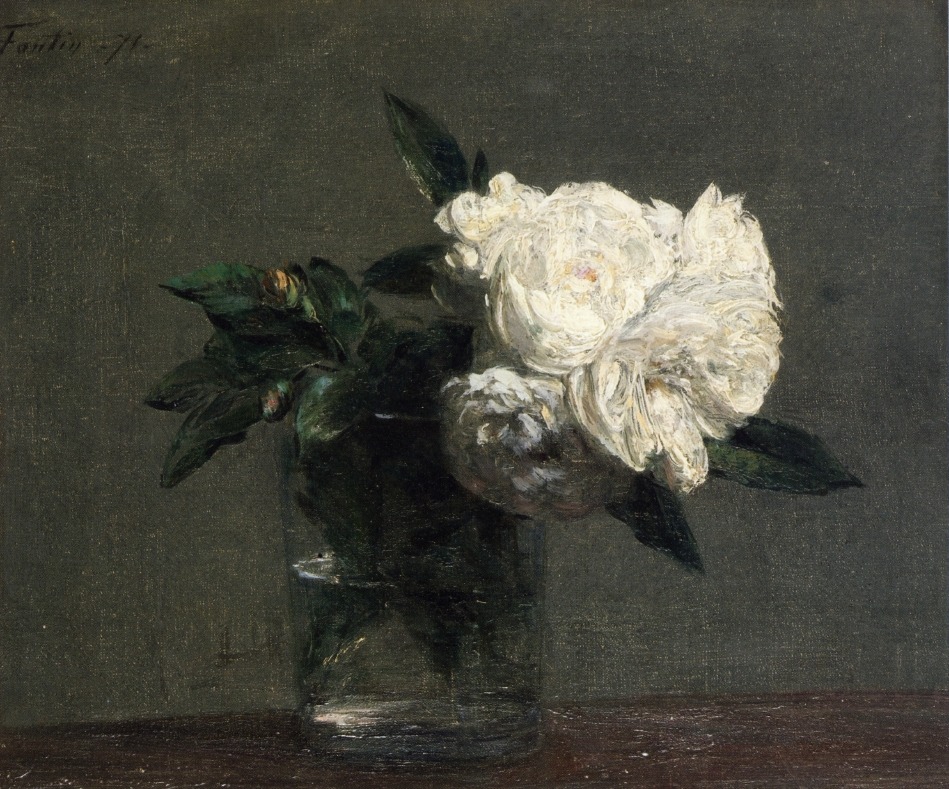
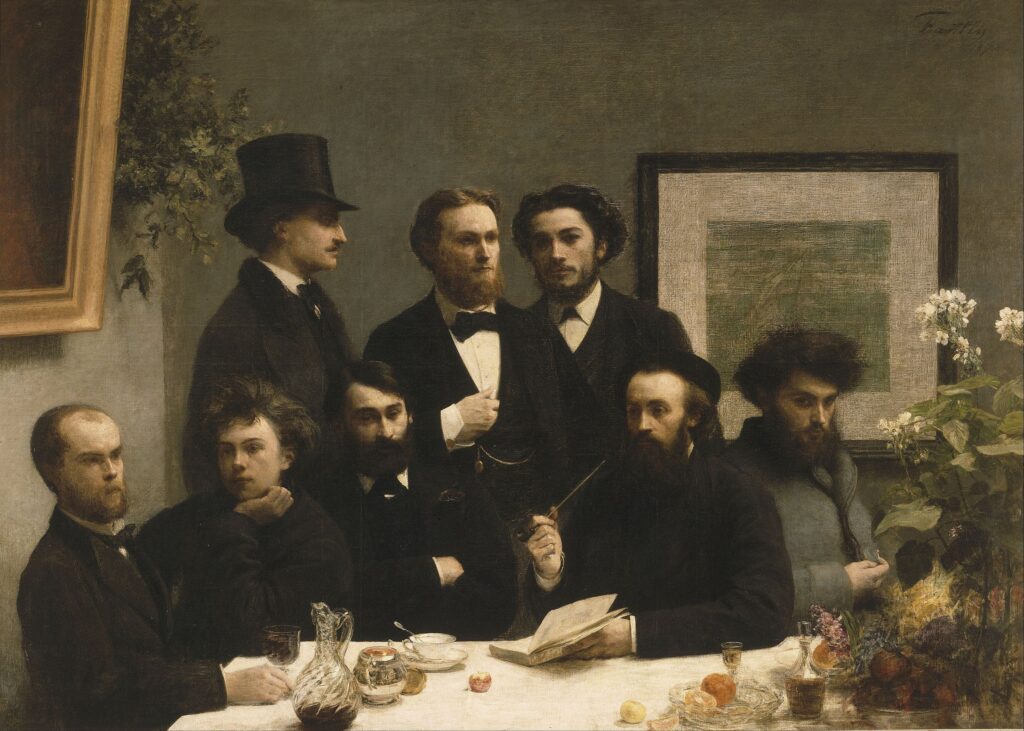
Henri Fantin-Latour, January 14, 1836–August 25, 1904, was a French painter and lithographer born in Grenoble. He first studied with his father, the painter Théodore Fantin-Latour, then trained in Paris with Horace Lecoq de Boisbaudran and briefly at the École des Beaux-Arts while copying Old Masters in the Louvre.
Fantin-Latour associated with Édouard Manet, James McNeill Whistler, and artists later linked to Impressionism, while maintaining an independent and more traditional practice. He became known for flower still lifes, portraits and group portraits of artists and writers, and imaginative paintings and lithographs inspired by music.
He married the painter Victoria Dubourg in 1876 and spent his later summers at her family home in Buré, where he died in 1904. His work is held by the Musée de Grenoble, Musée d’Orsay, National Gallery of Art, Art Institute of Chicago, Cleveland Museum of Art, Tate, and other major collections.