Posts in Category: 20th Century










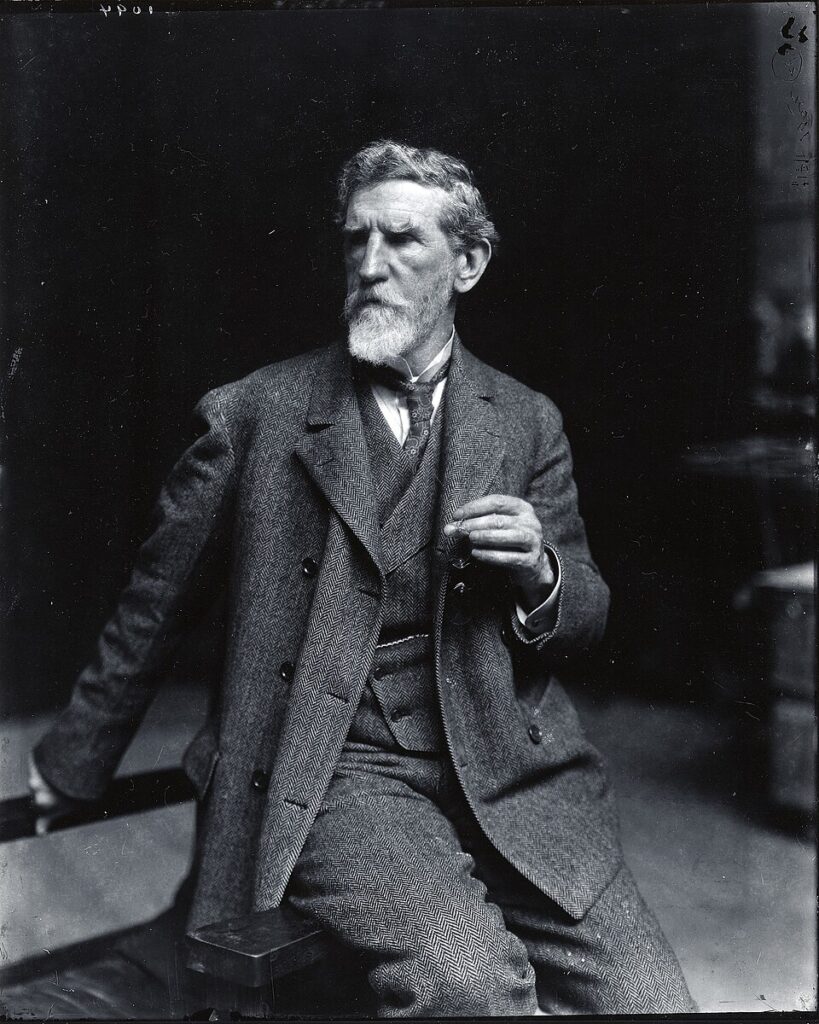
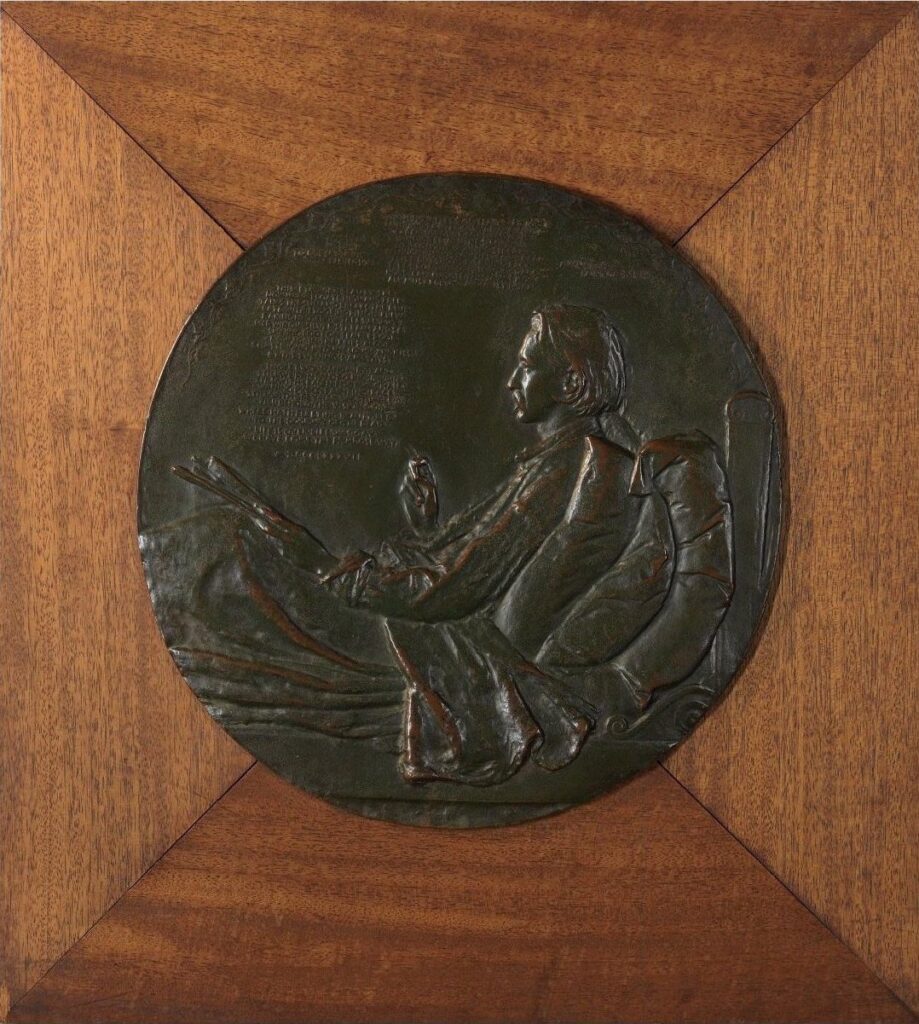
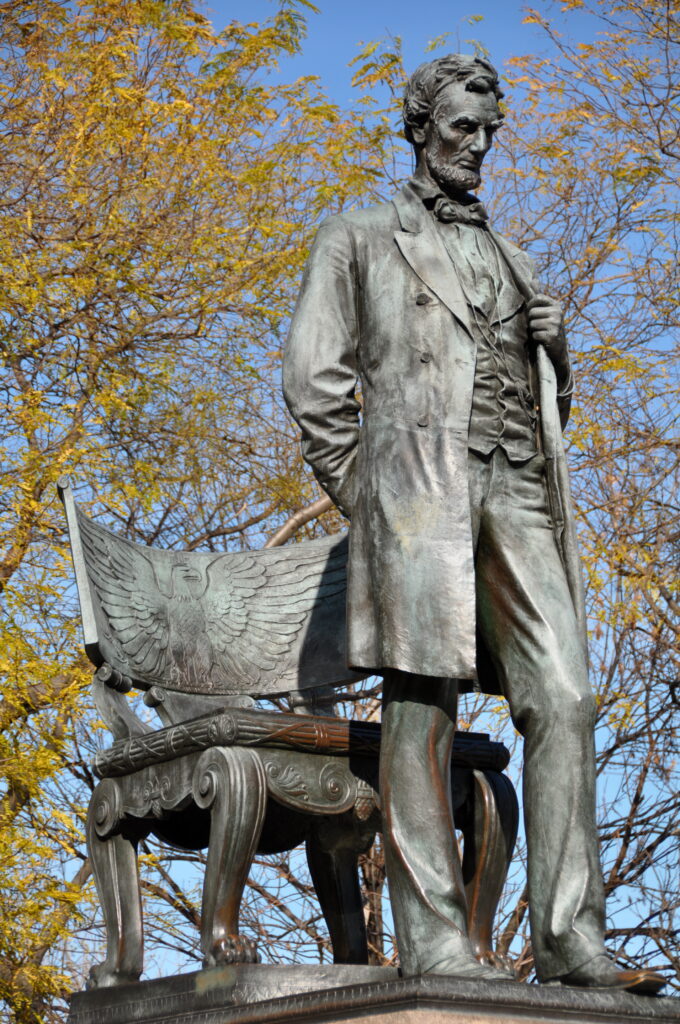
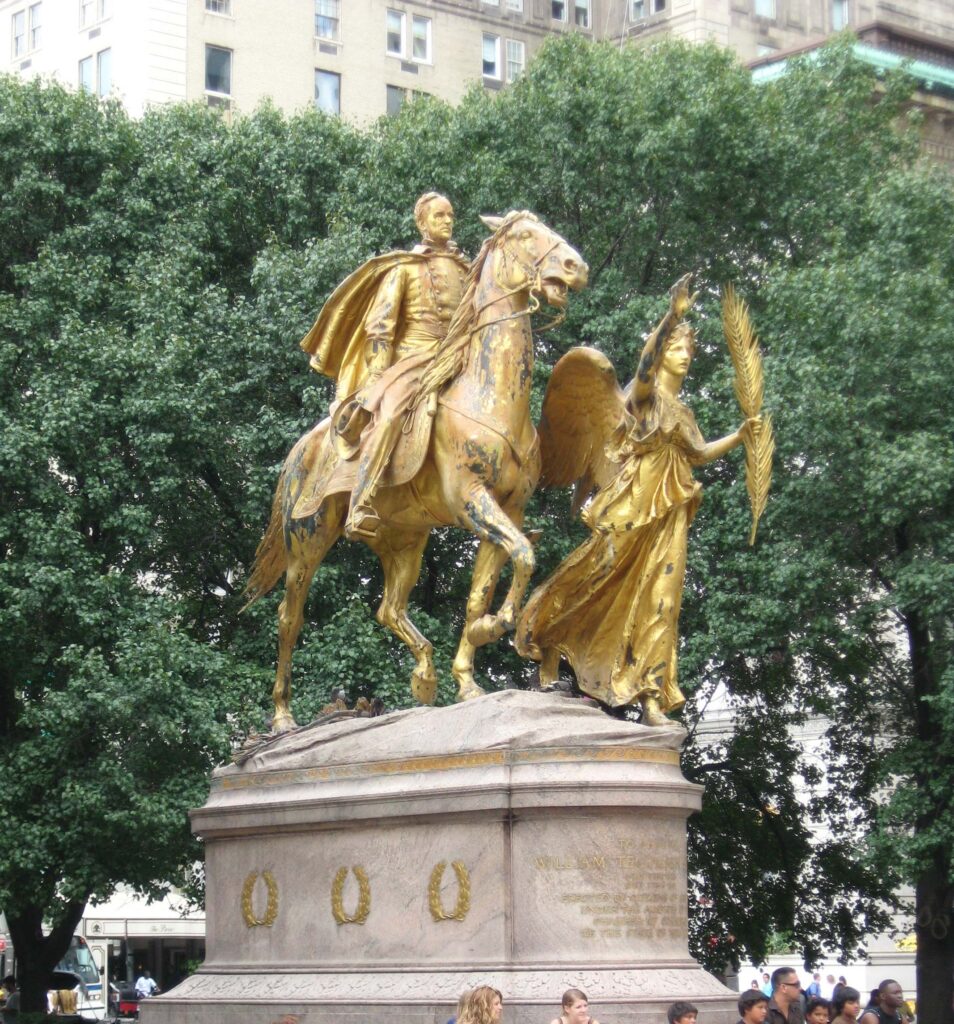
Augustus Saint-Gaudens
Augustus Saint-Gaudens, Irish and American sculptor, March 1, 1848 – August 3, 1907





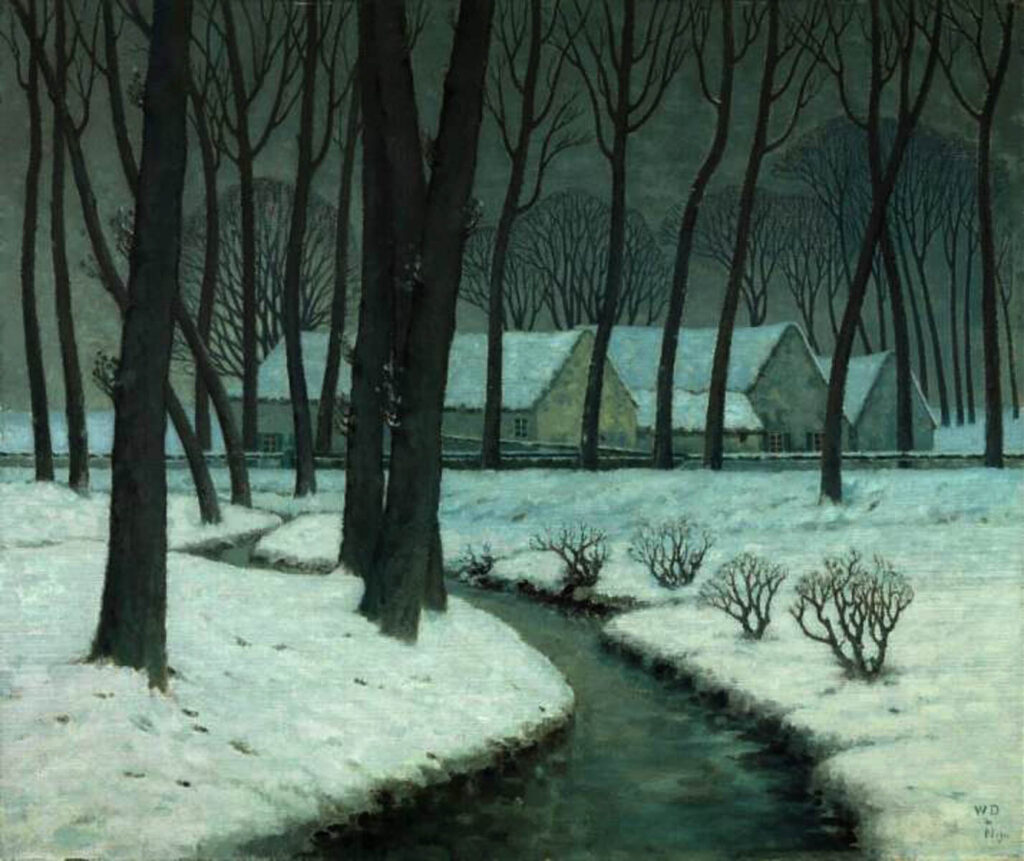
William Degouve de Nuncques
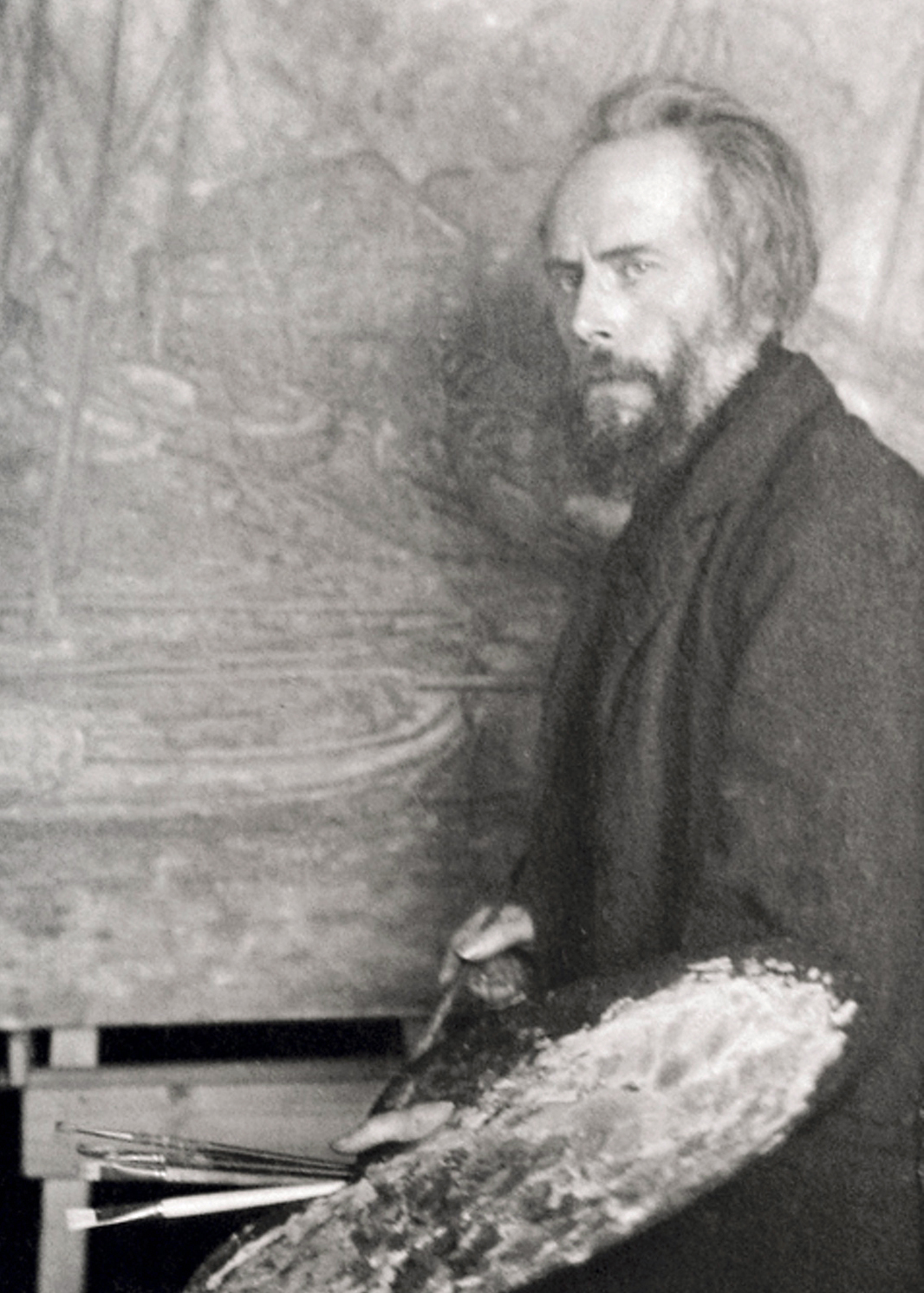
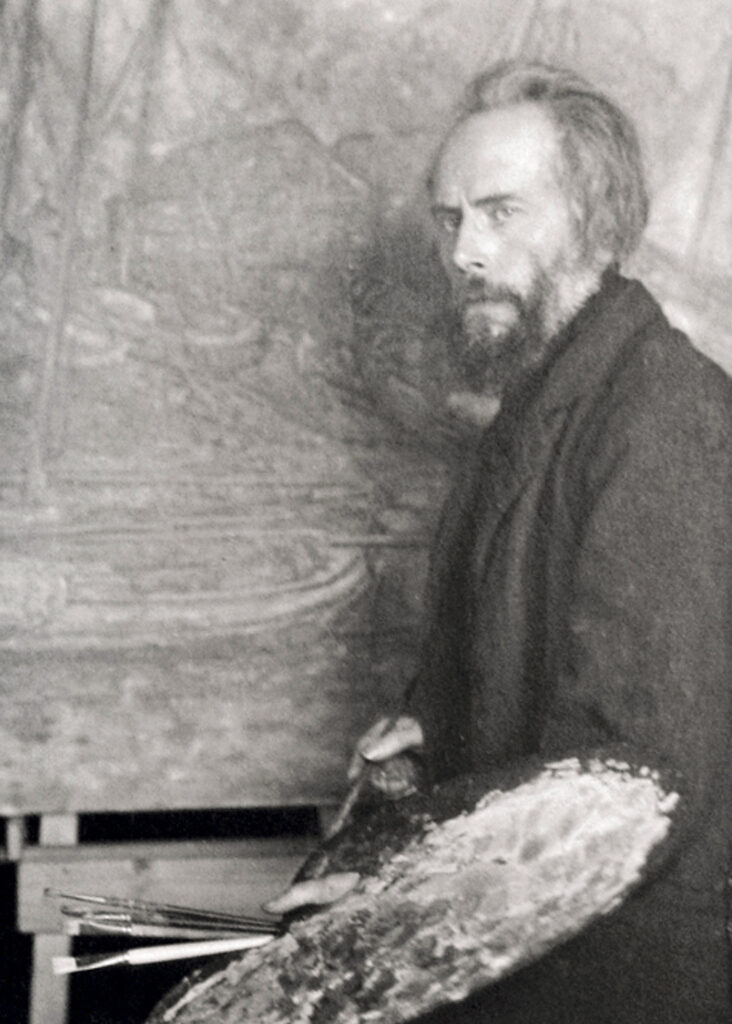
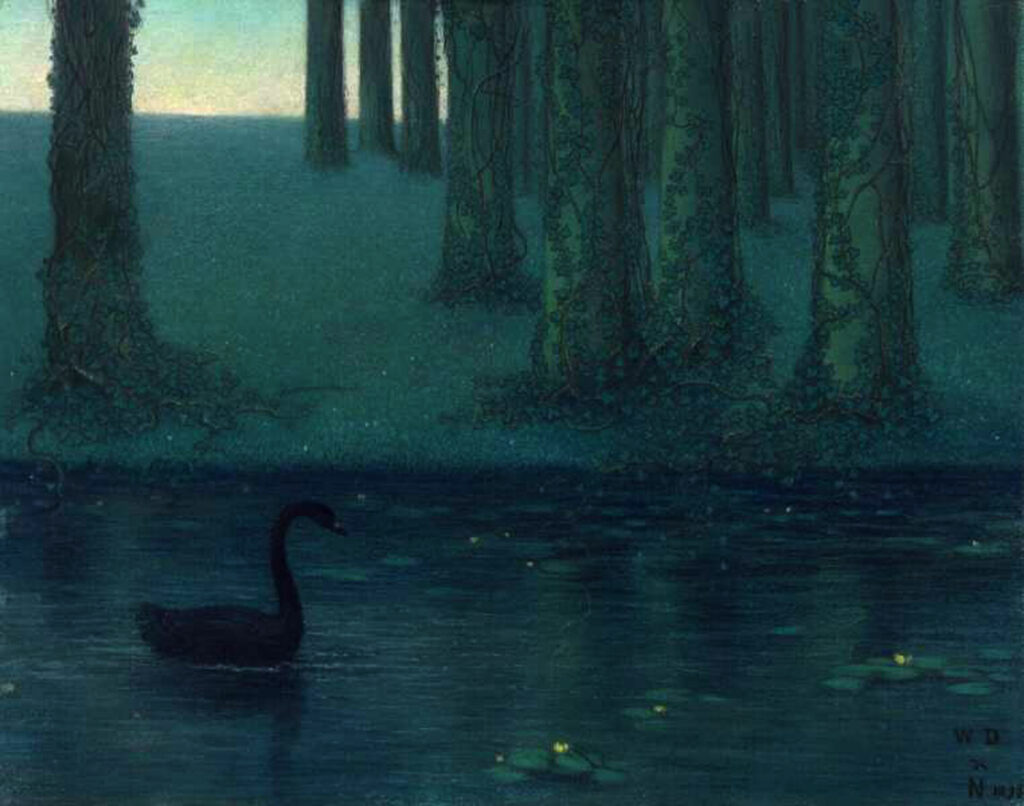
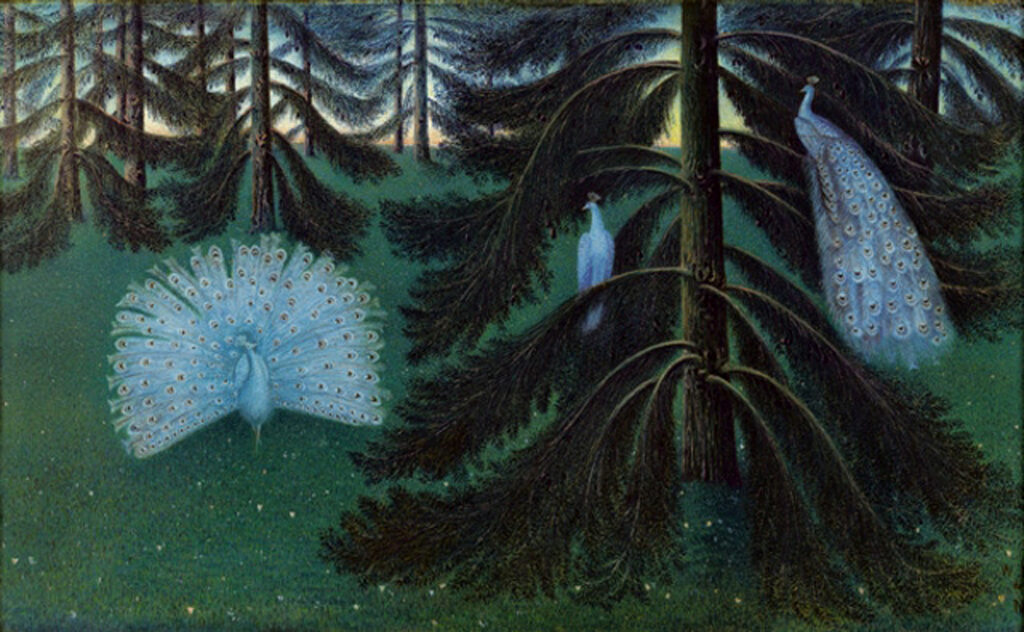
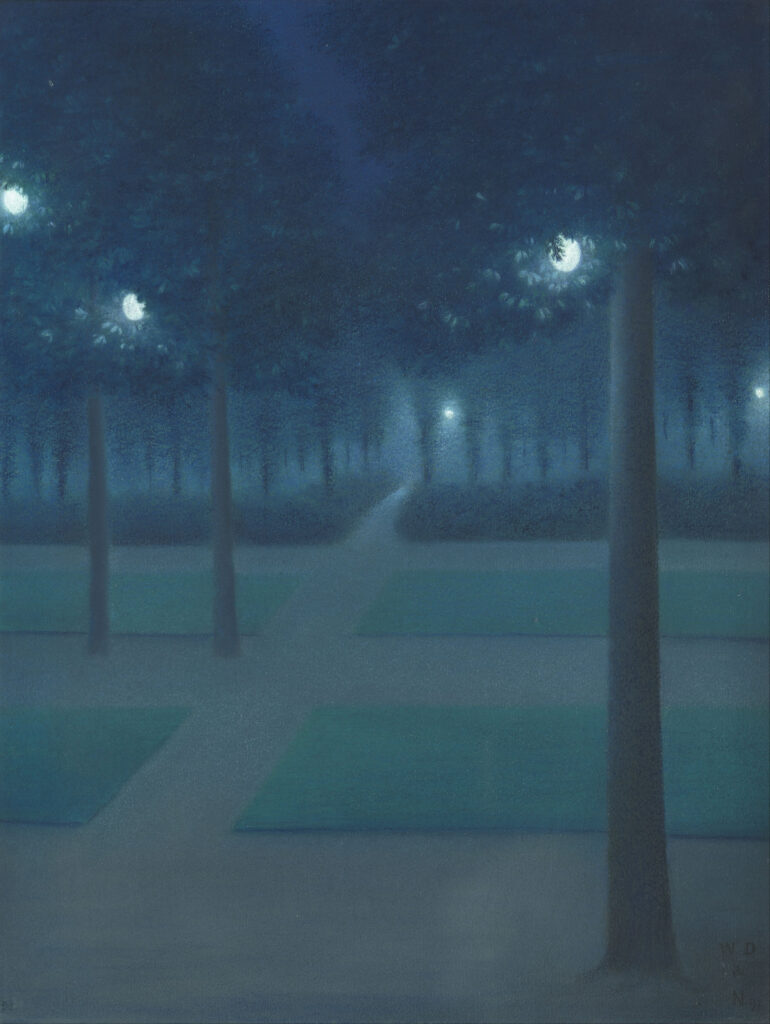
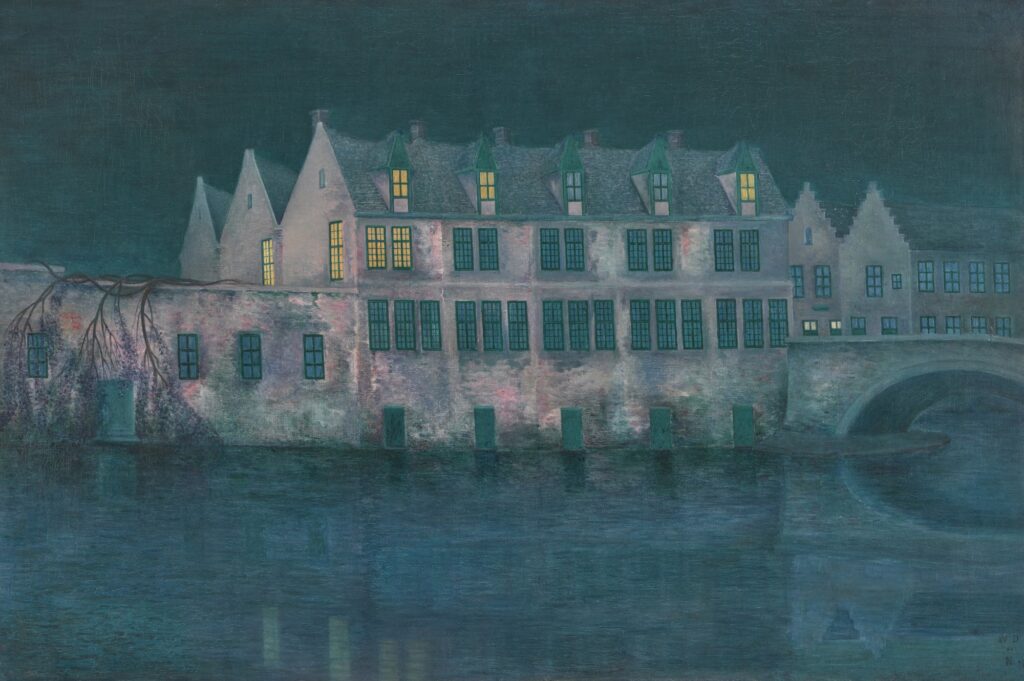
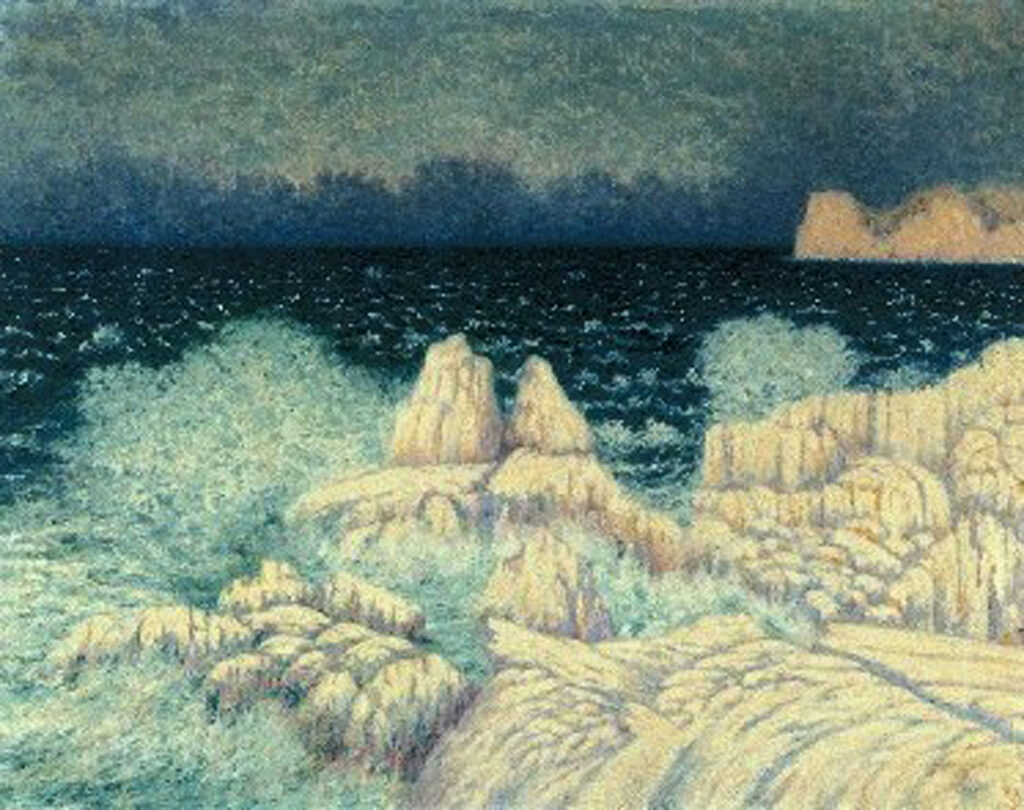
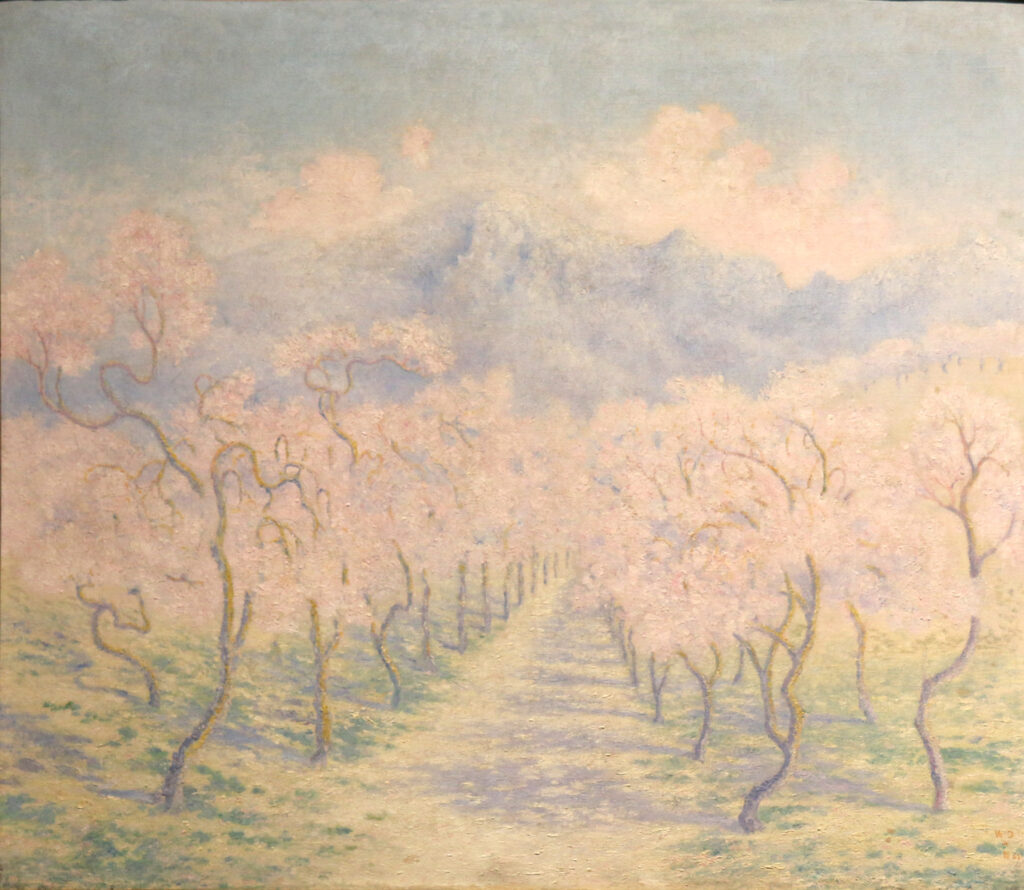
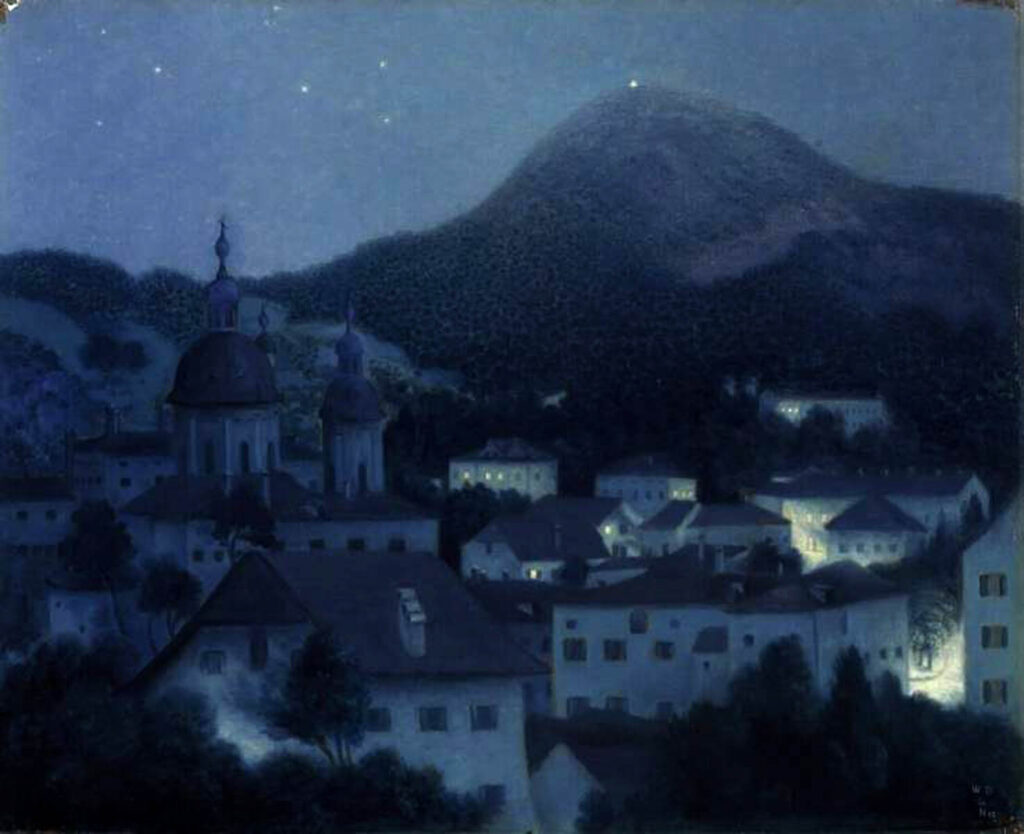
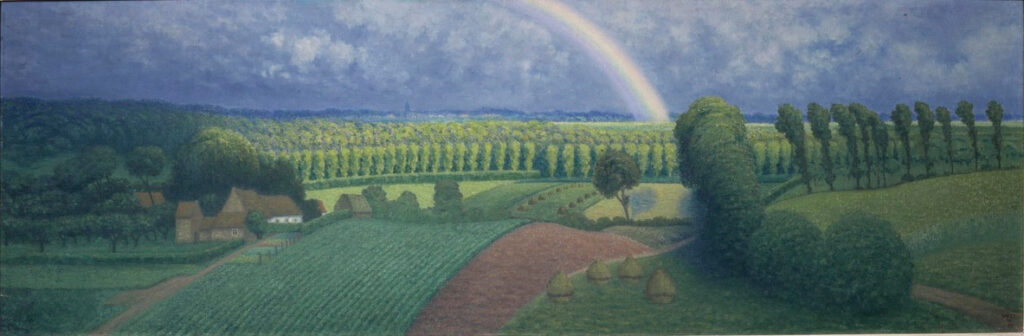
William Degouve de Nuncques, February 28, 1867–March 1, 1935, was a Belgian painter born in Monthermé, France. His family settled in Brussels in 1874. After briefly attending the art academy in Ixelles, he developed largely through independent study. Jan Toorop and Henry de Groux were important early associates, and he shared a studio with de Groux.
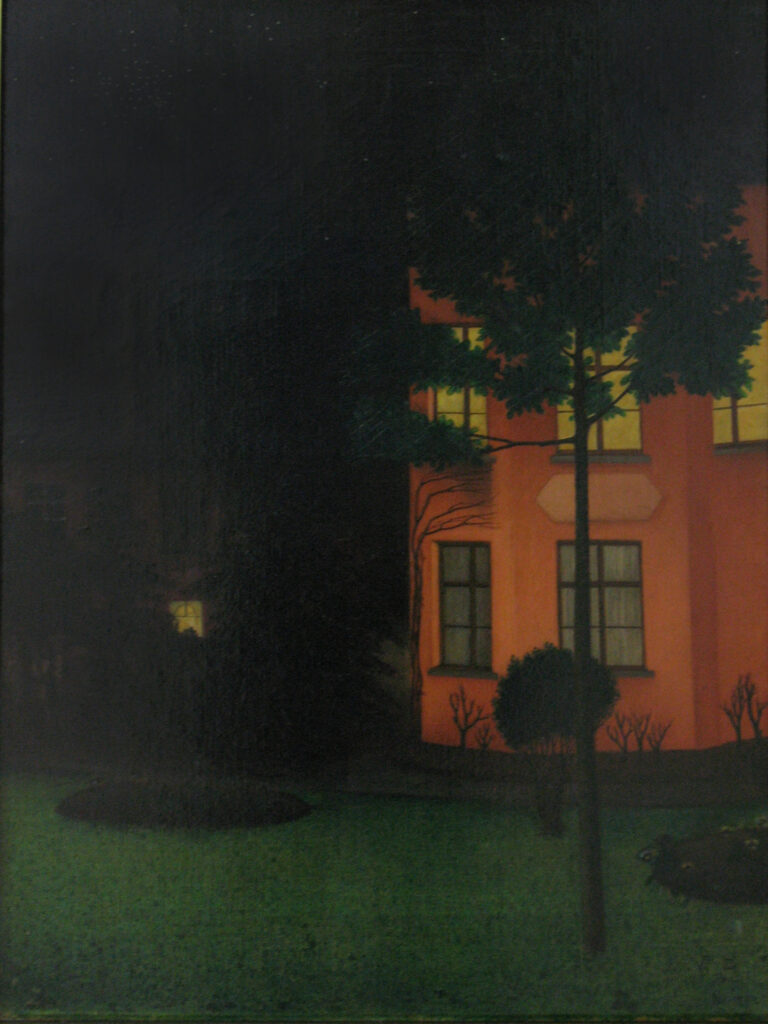
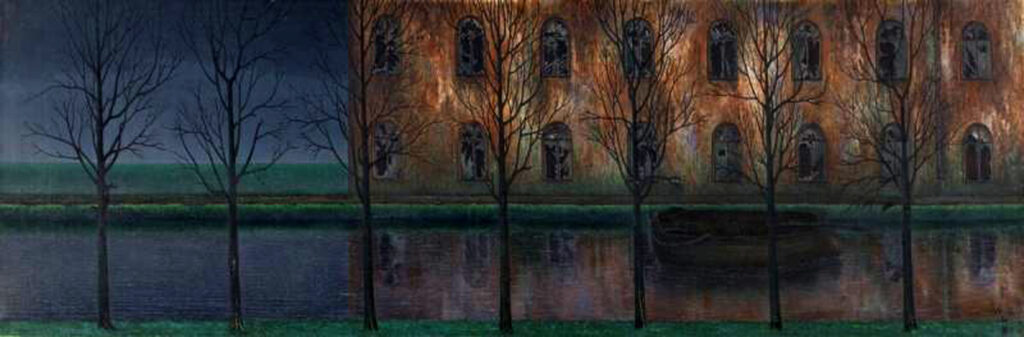
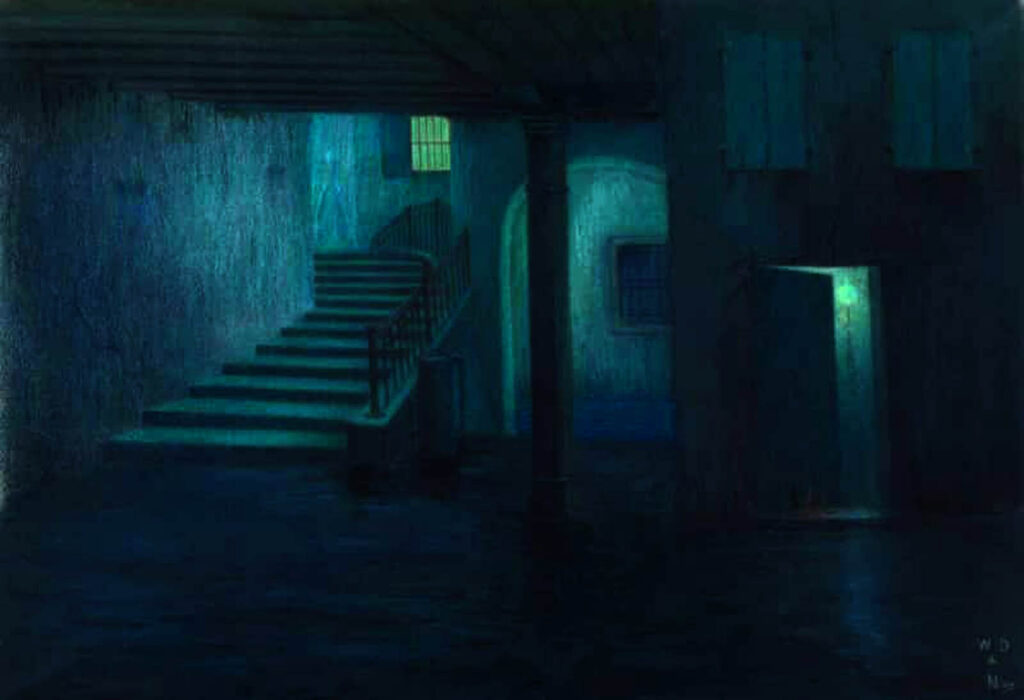
He exhibited as a guest at the final Les XX exhibition in 1893 and subsequently at La Libre Esthétique. In 1894 he married the painter Juliette Massin, whose sister was married to Émile Verhaeren. His work included Symbolist nocturnes in oil and pastel, Mediterranean landscapes painted during his stay in Mallorca from 1899 to 1902, and Belgian winter landscapes.
After living in the Netherlands during the First World War, he returned to Belgium in 1919. Following Massin’s death that year, he stopped painting for several years. He later settled in Stavelot, where he died. His works are held by the Kröller-Müller Museum, the Royal Museums of Fine Arts of Belgium, Musée d’Orsay, and Centraal Museum.
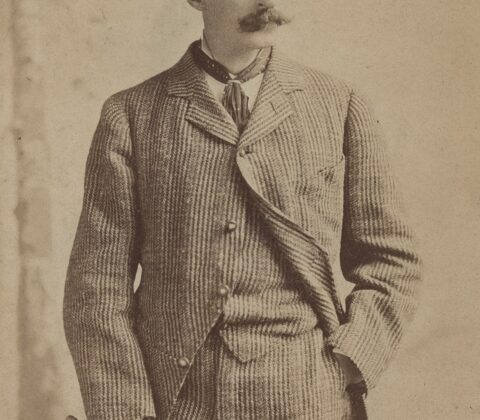
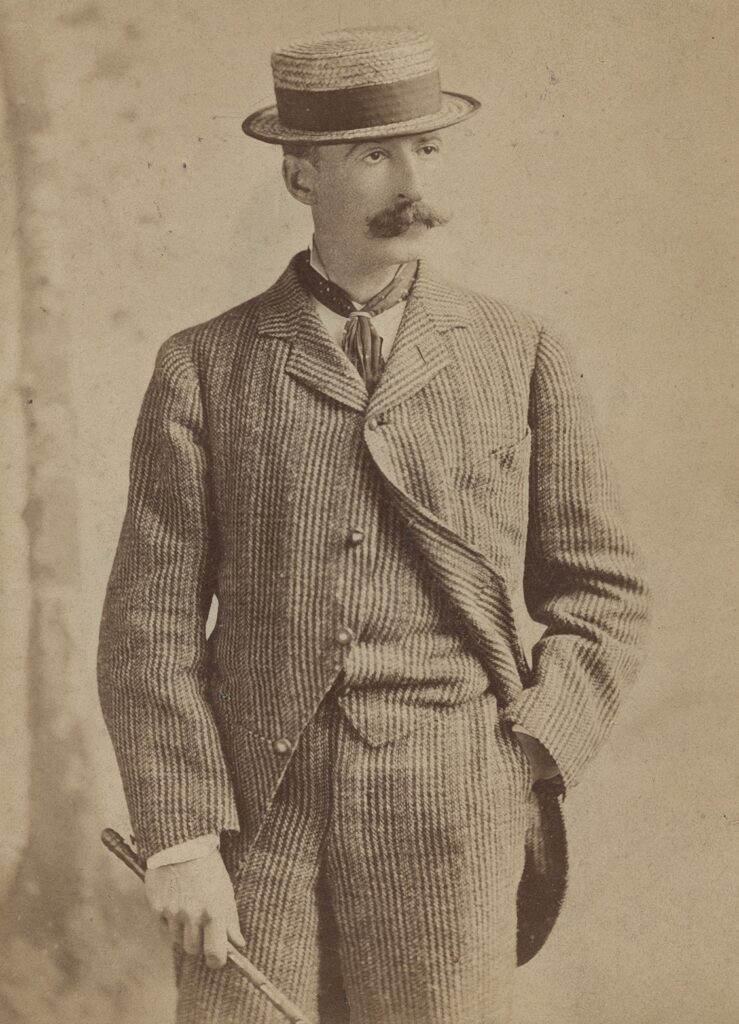
Winslow Homer
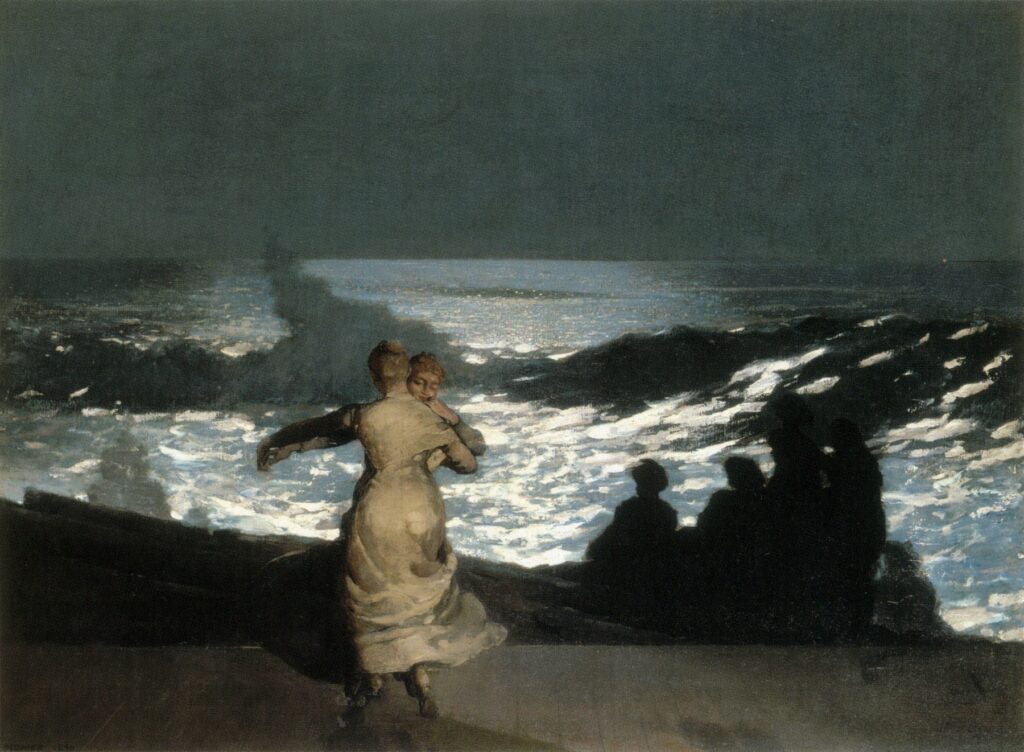
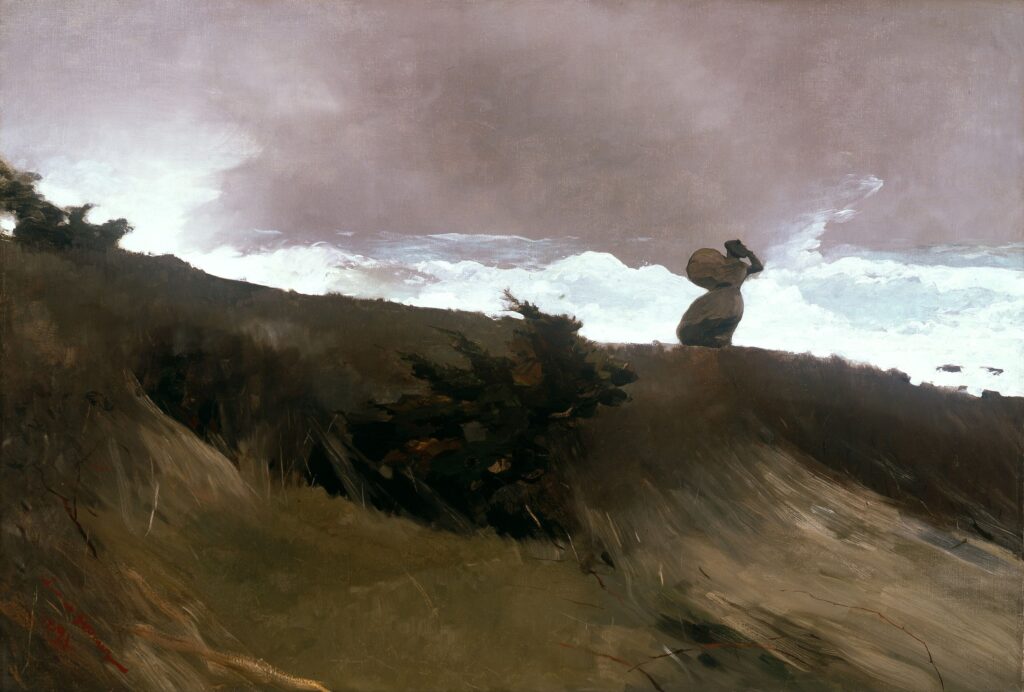
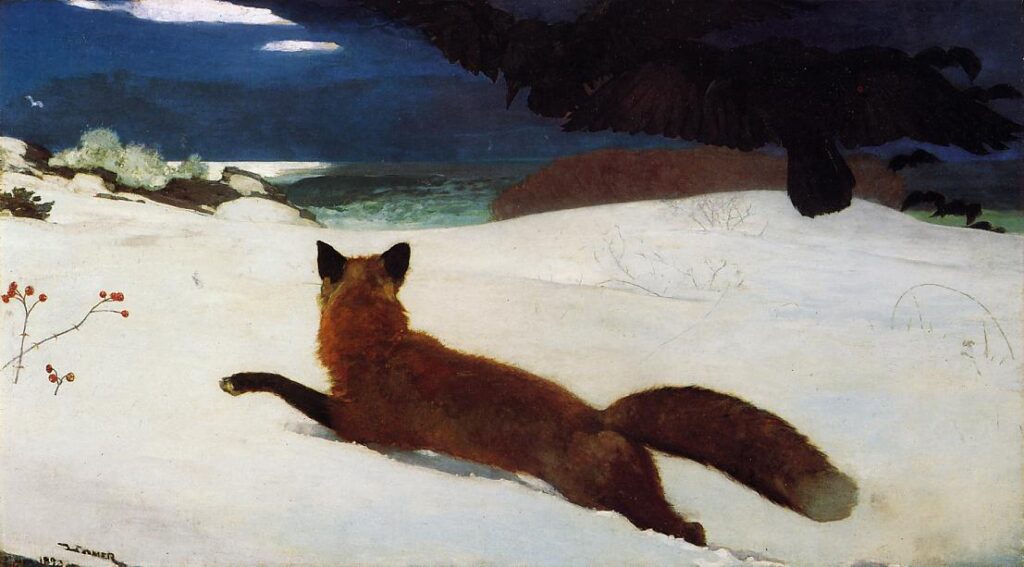
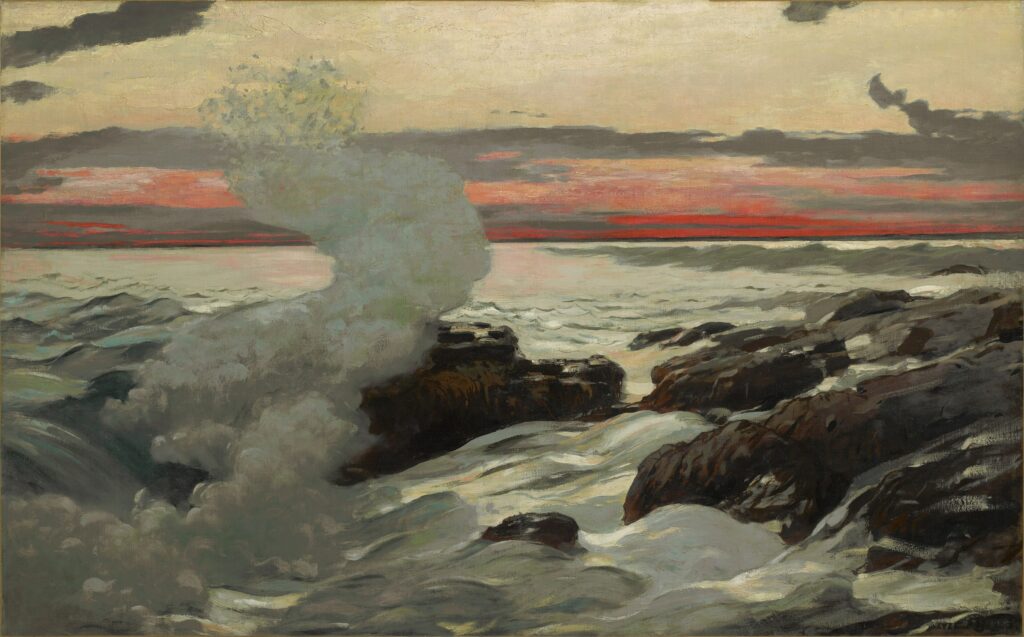
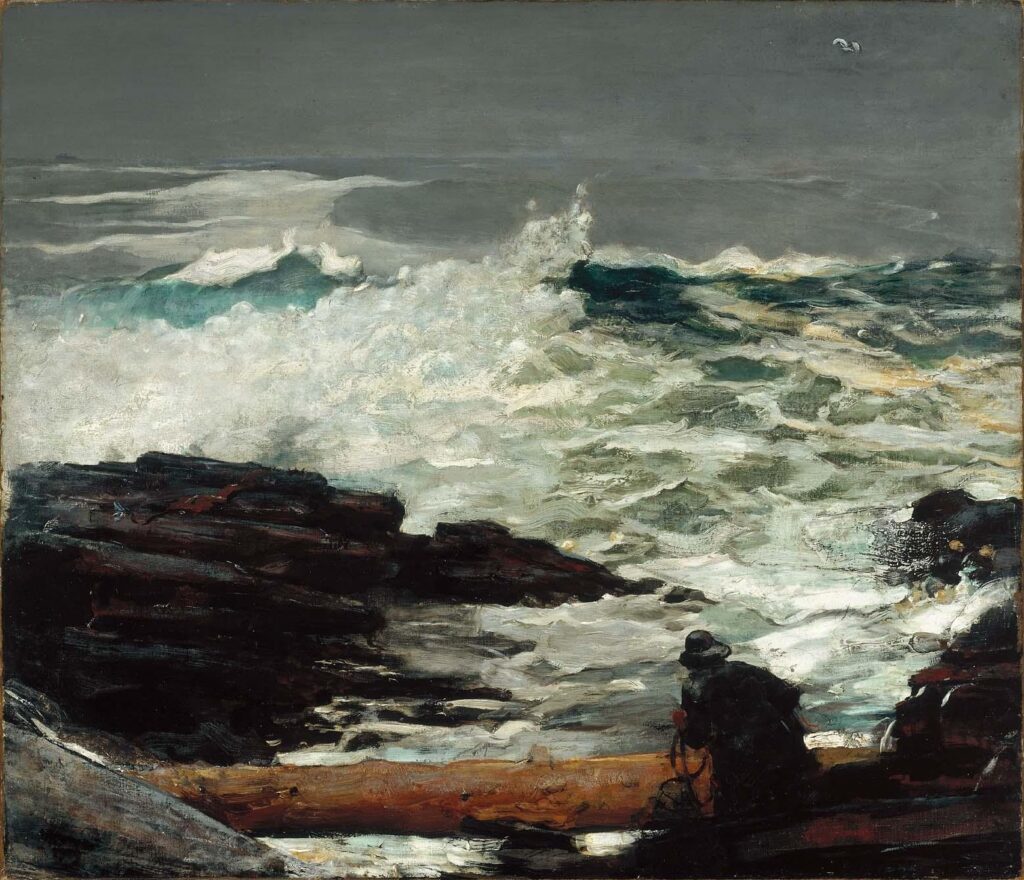
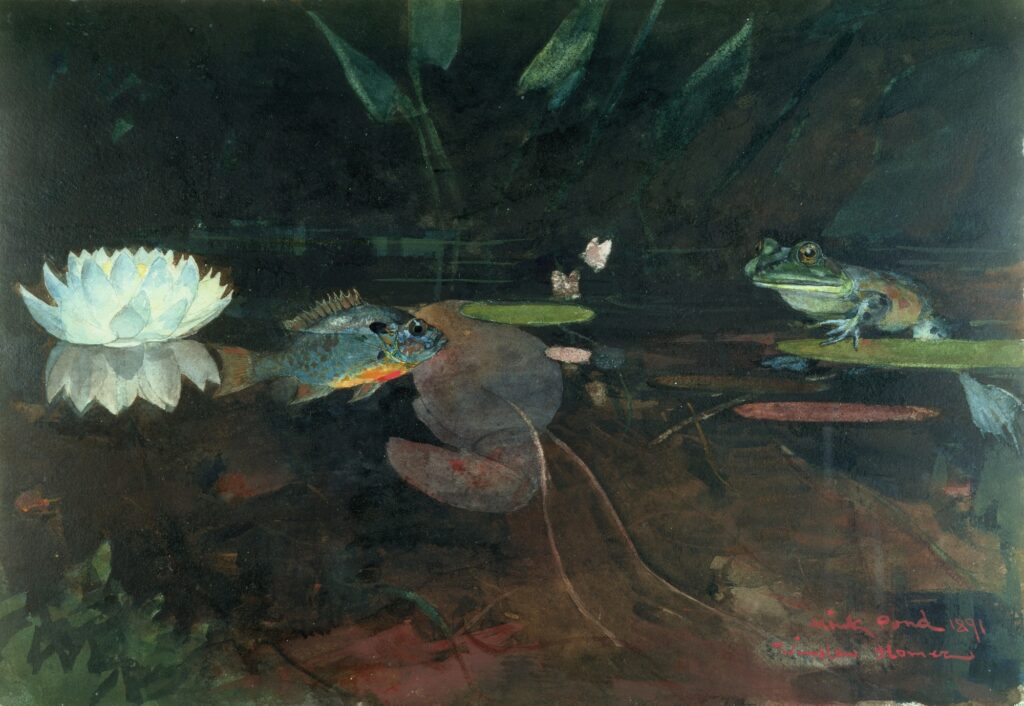
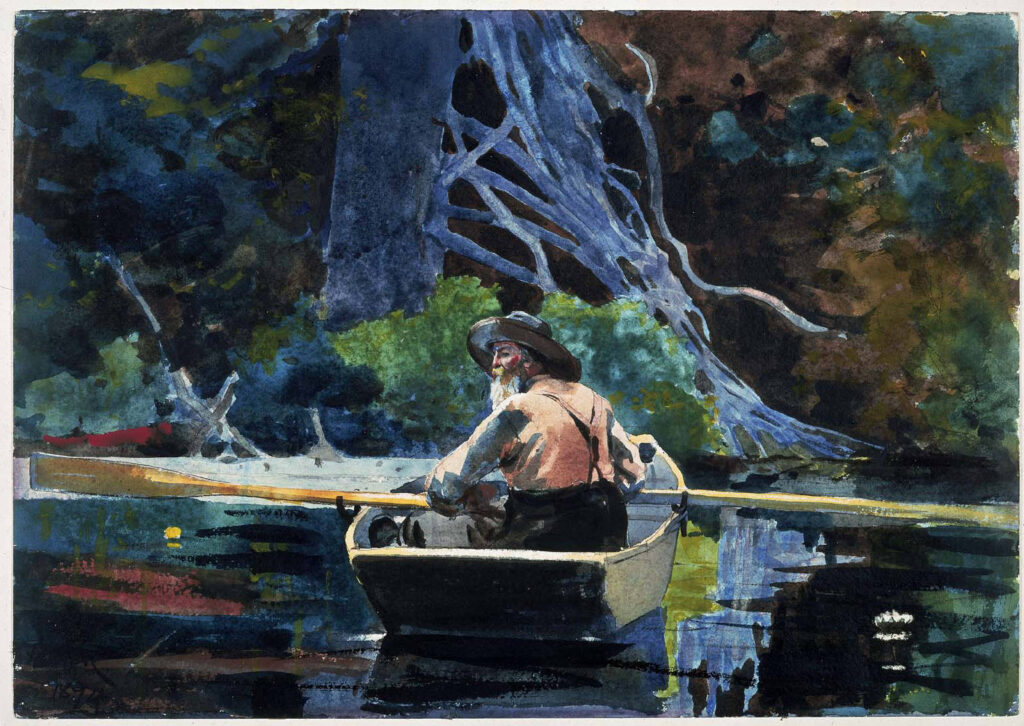
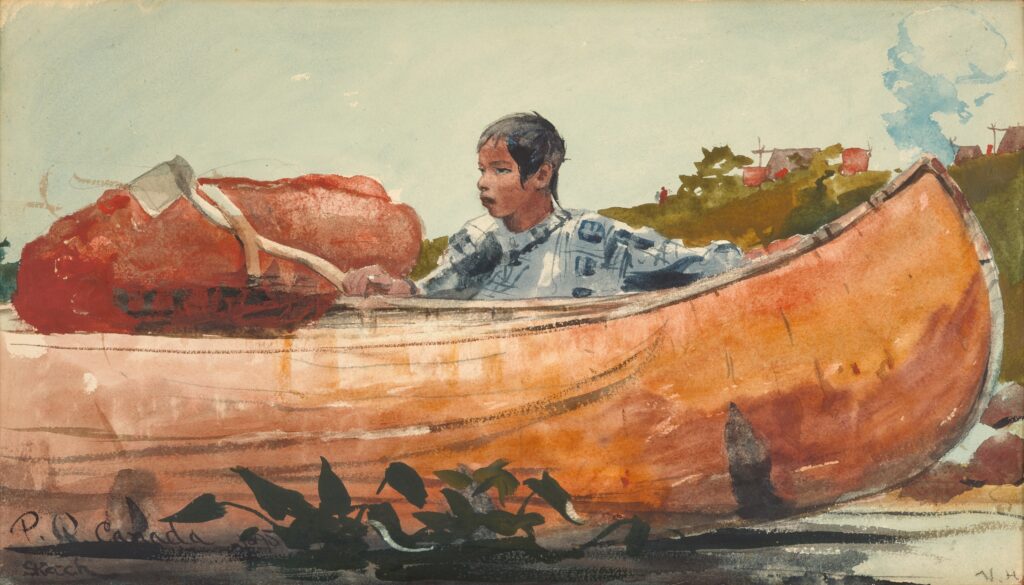
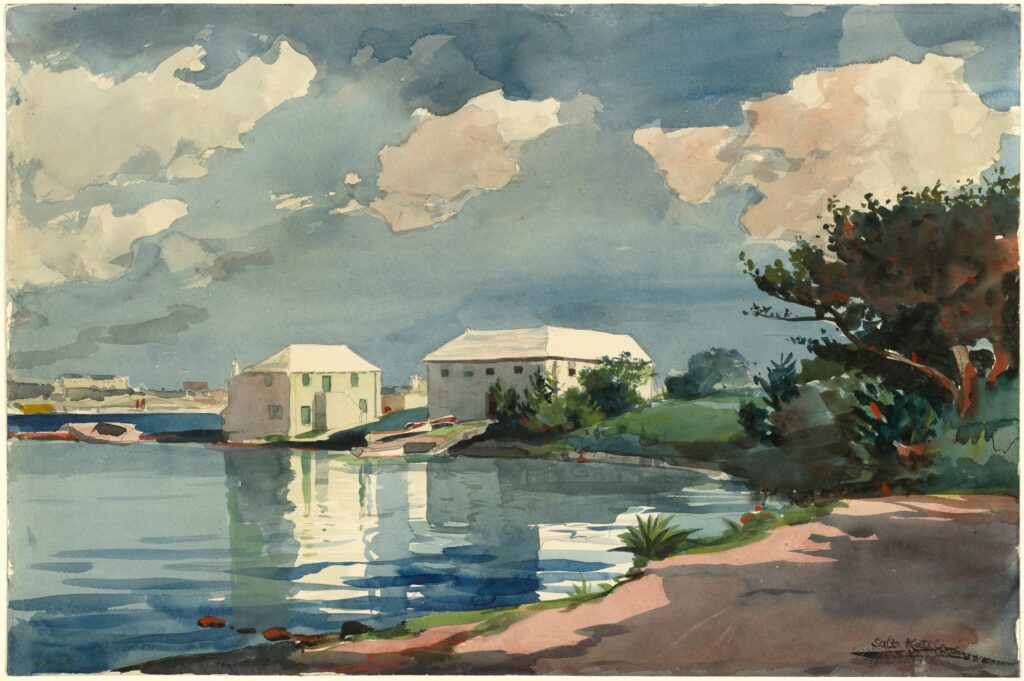
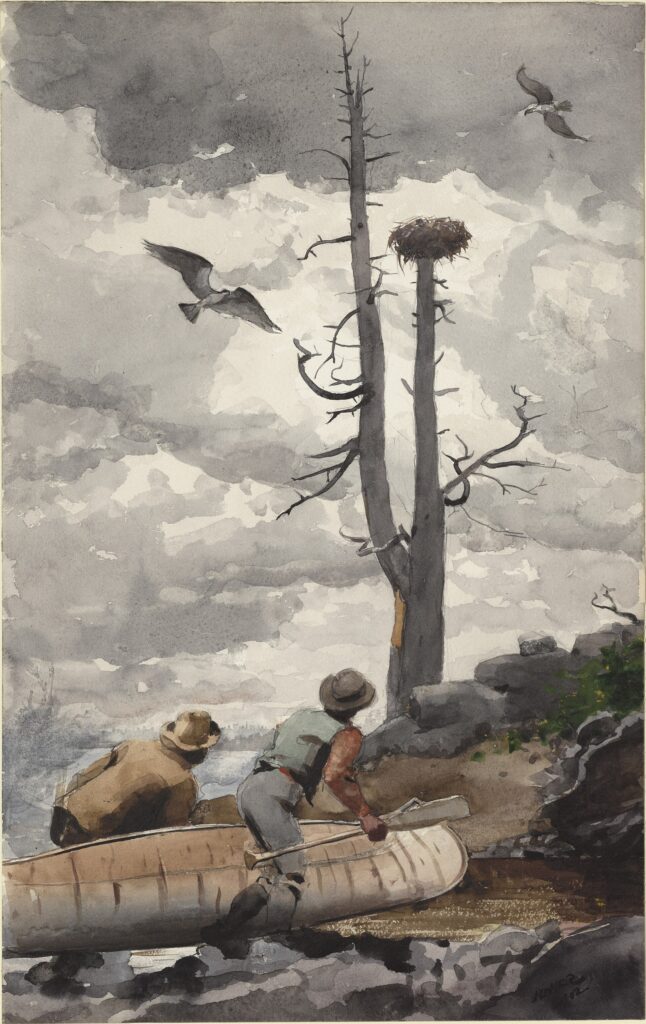
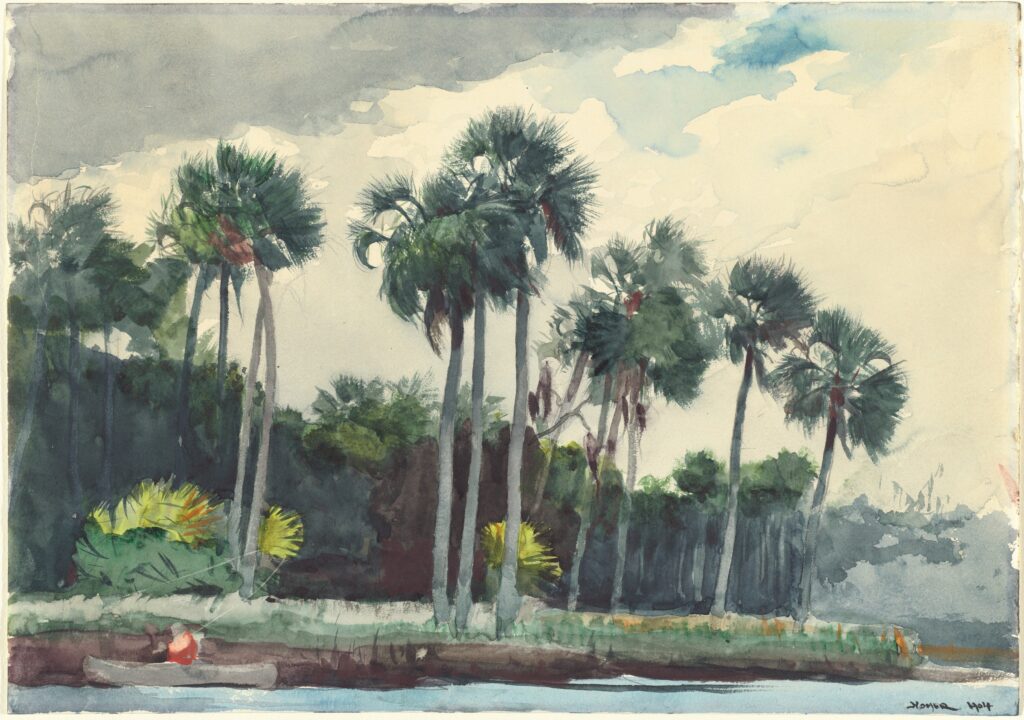
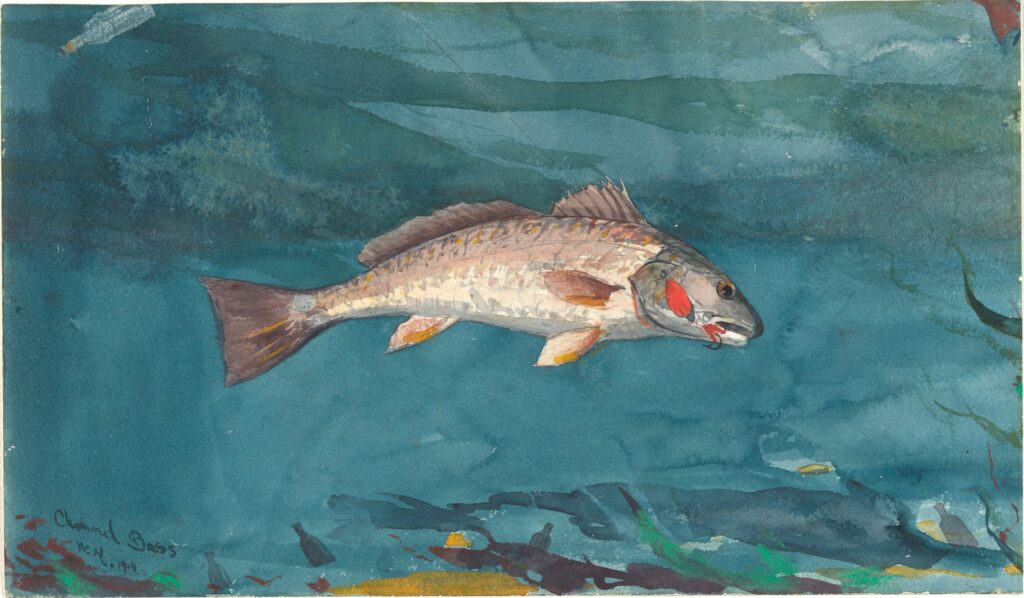
Winslow Homer, February 24, 1836–September 29, 1910, was an American painter, watercolorist, and illustrator born in Boston and raised in Cambridge, Massachusetts. He apprenticed with the lithographer John H. Bufford, later studied briefly at the National Academy of Design, and took painting lessons from Frédéric Rondel. He moved to New York in 1859 and worked as an illustrator for Harper’s Weekly, reporting on the Civil War.
Homer painted scenes of military life, rural communities, children, fishing, and the coast. He visited France in 1866–1867, began working extensively in watercolor in 1873, and ended his magazine illustration work in 1875. He lived in Cullercoats, England, in 1881–1882, where he depicted the local fishing community.
In 1883 Homer settled at Prouts Neck, Maine, continuing to make painting trips to the Adirondacks, Canada, Bermuda, Florida, and the Caribbean. He worked there until his death in 1910. His paintings and watercolors are held by the Metropolitan Museum of Art, National Gallery of Art, Museum of Fine Arts, Boston, and Clark Art Institute.
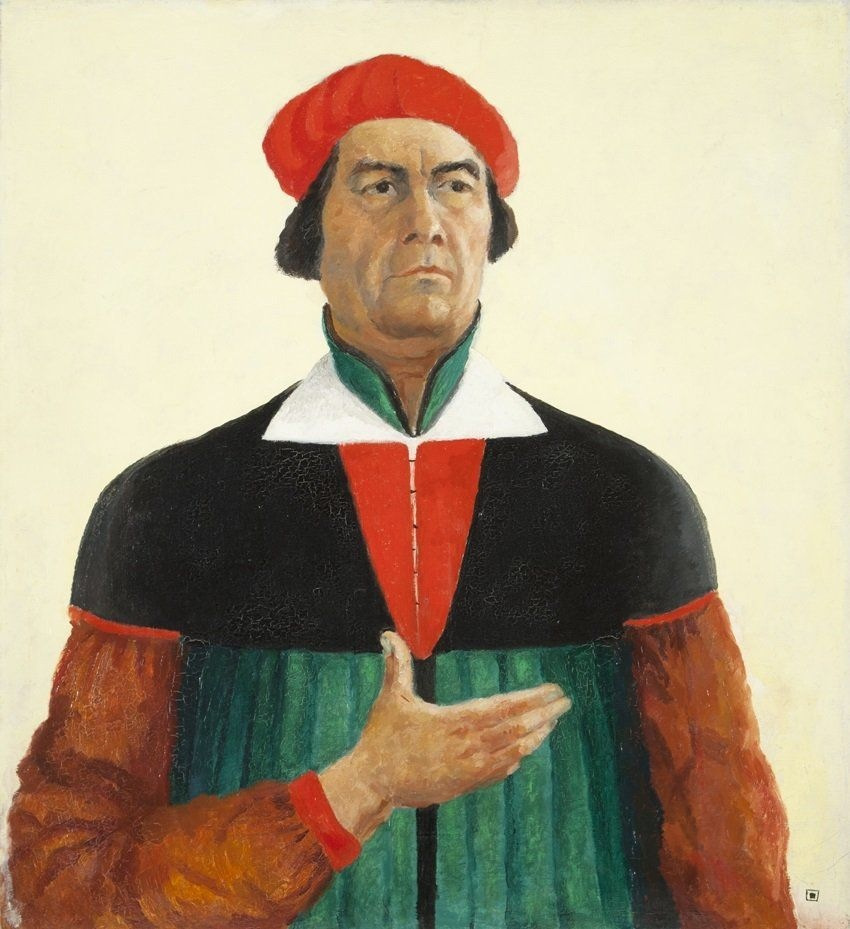
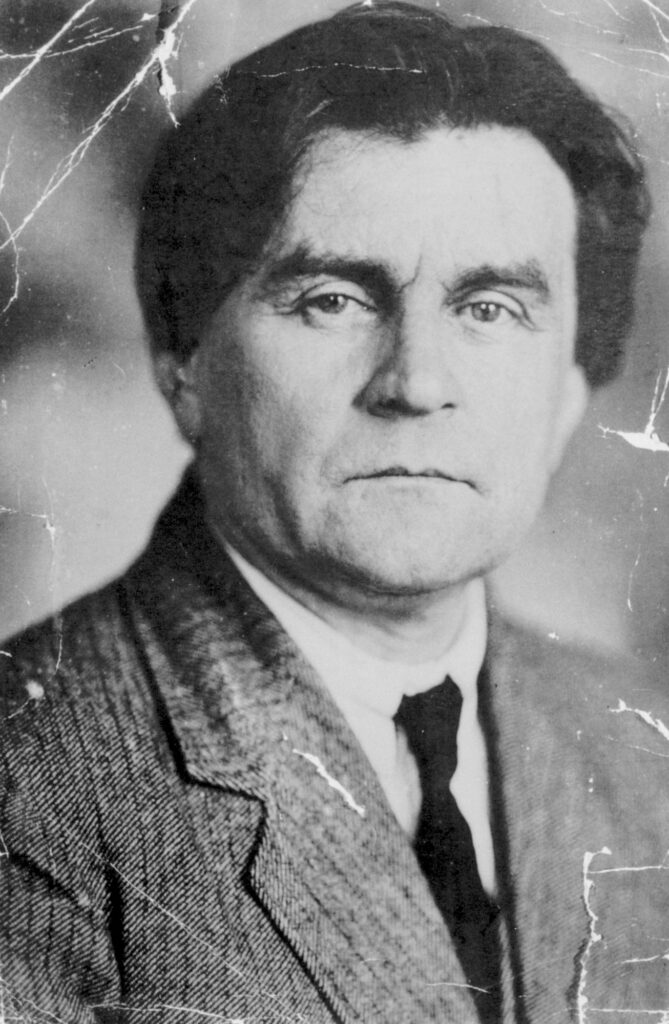
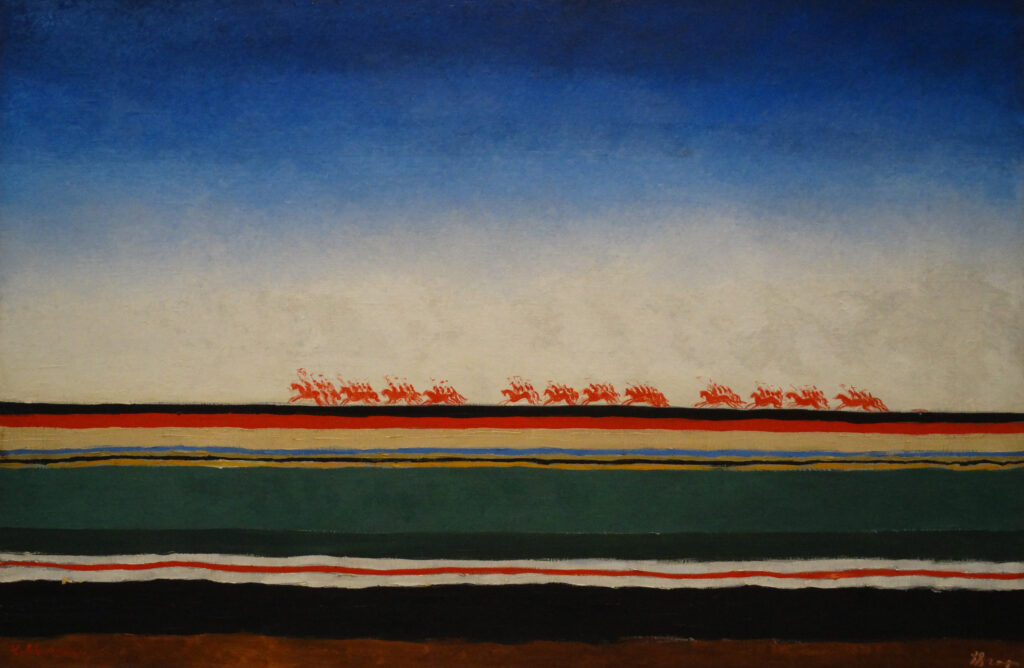
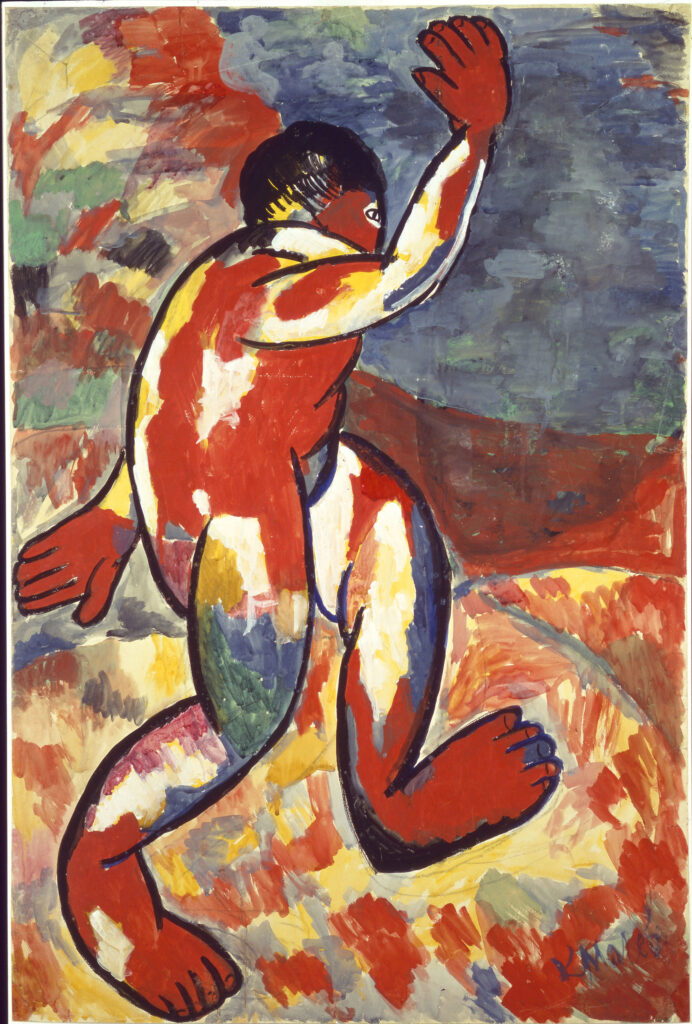
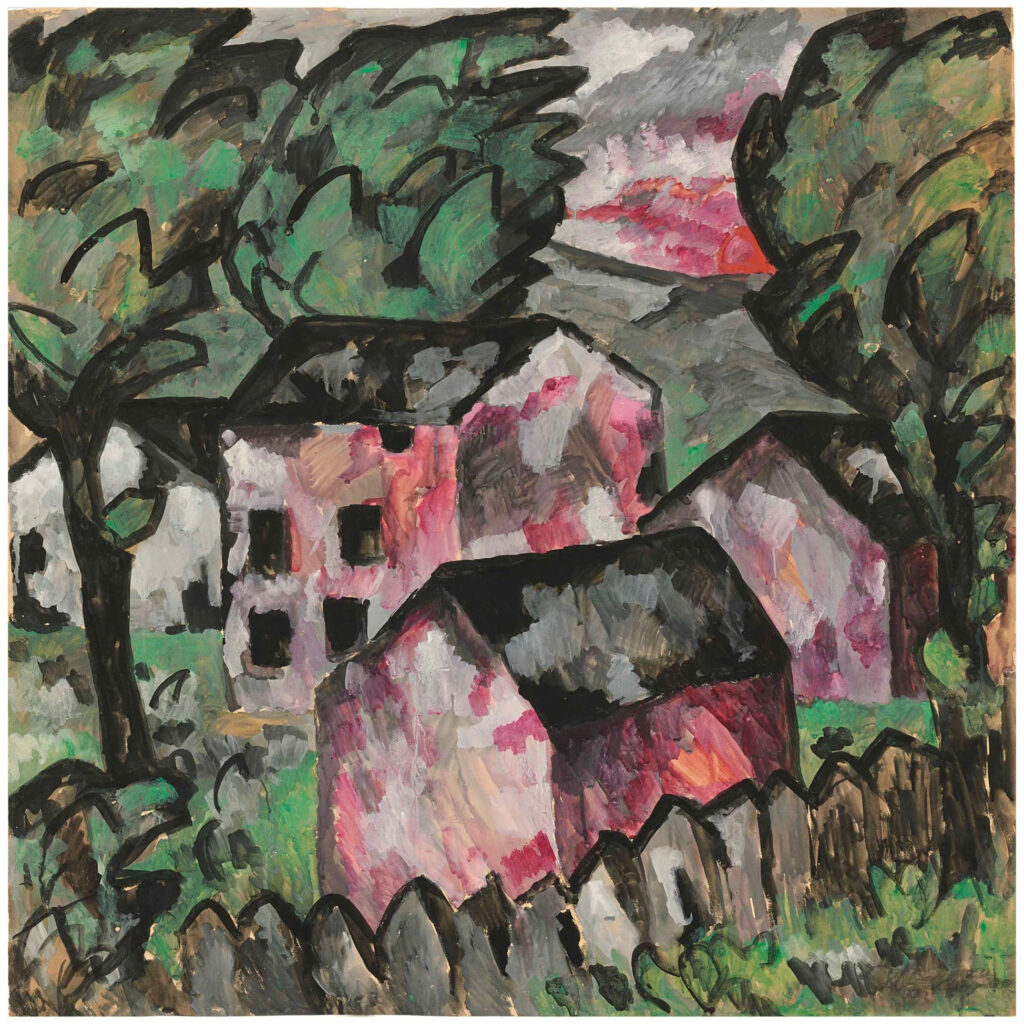
Kazimir Severinovich Malevich
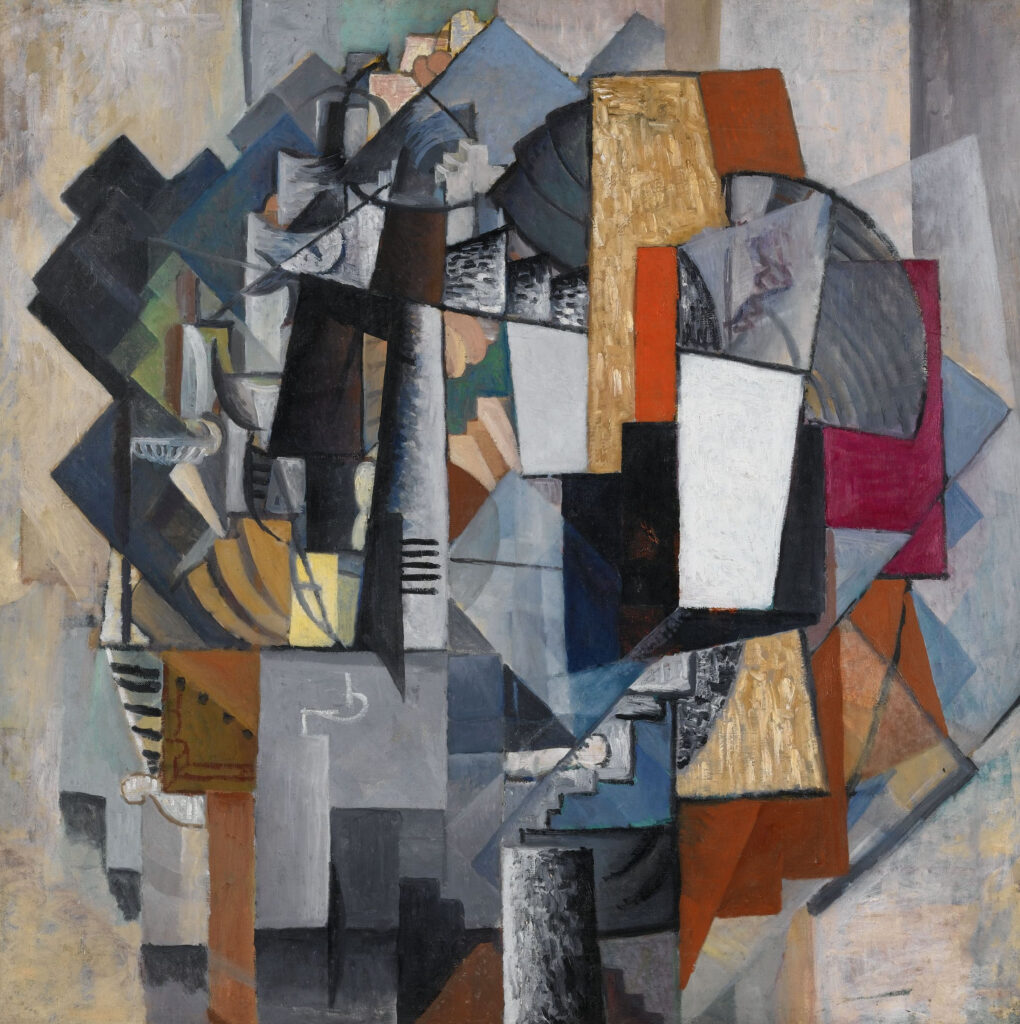
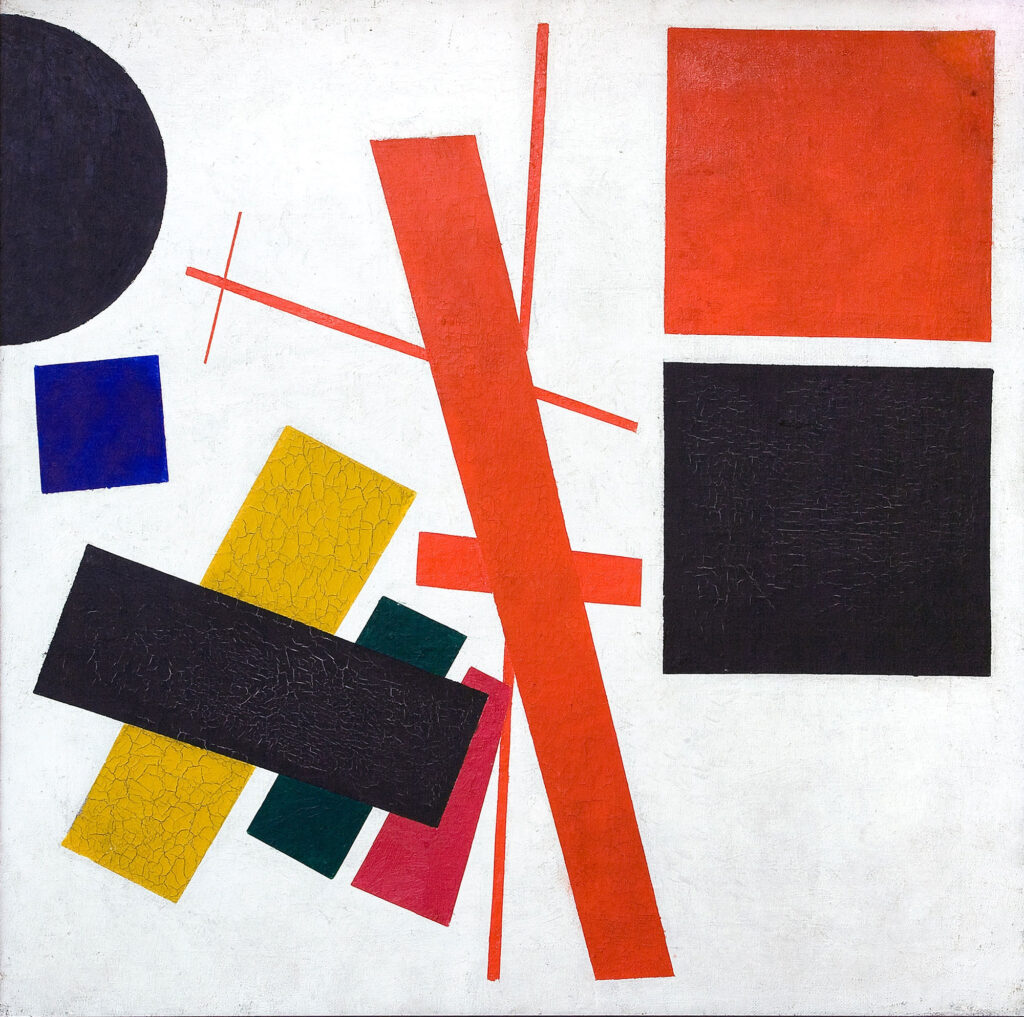
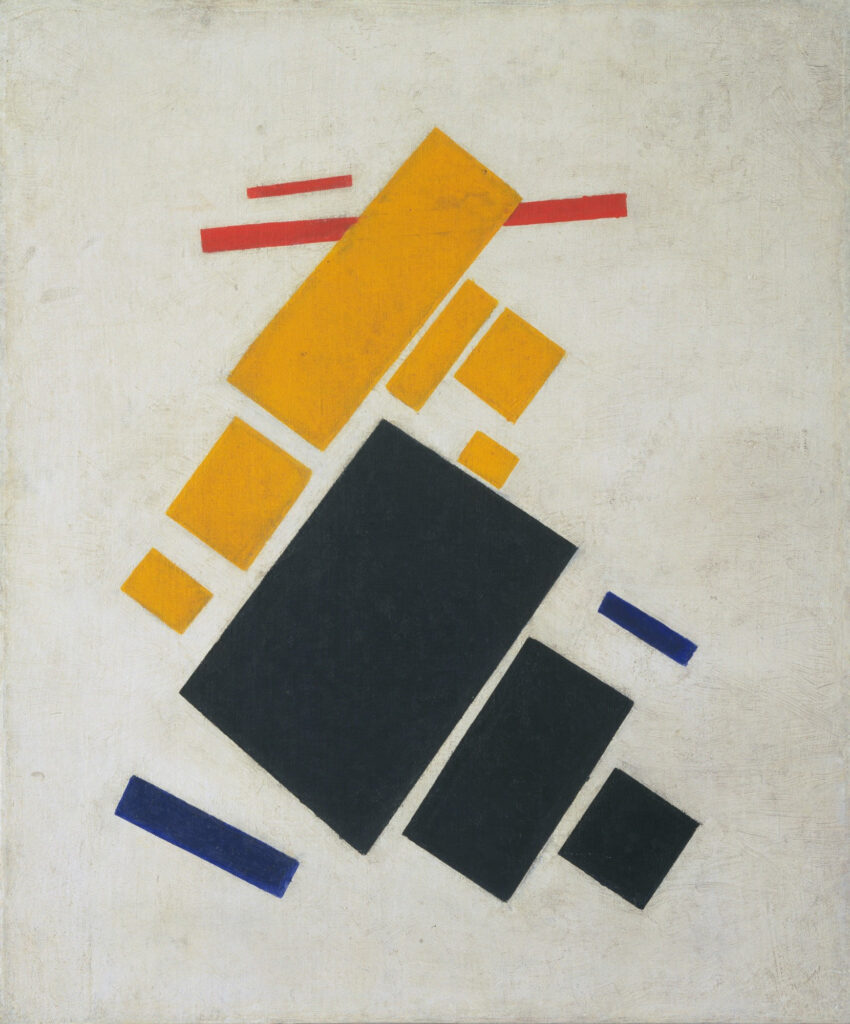
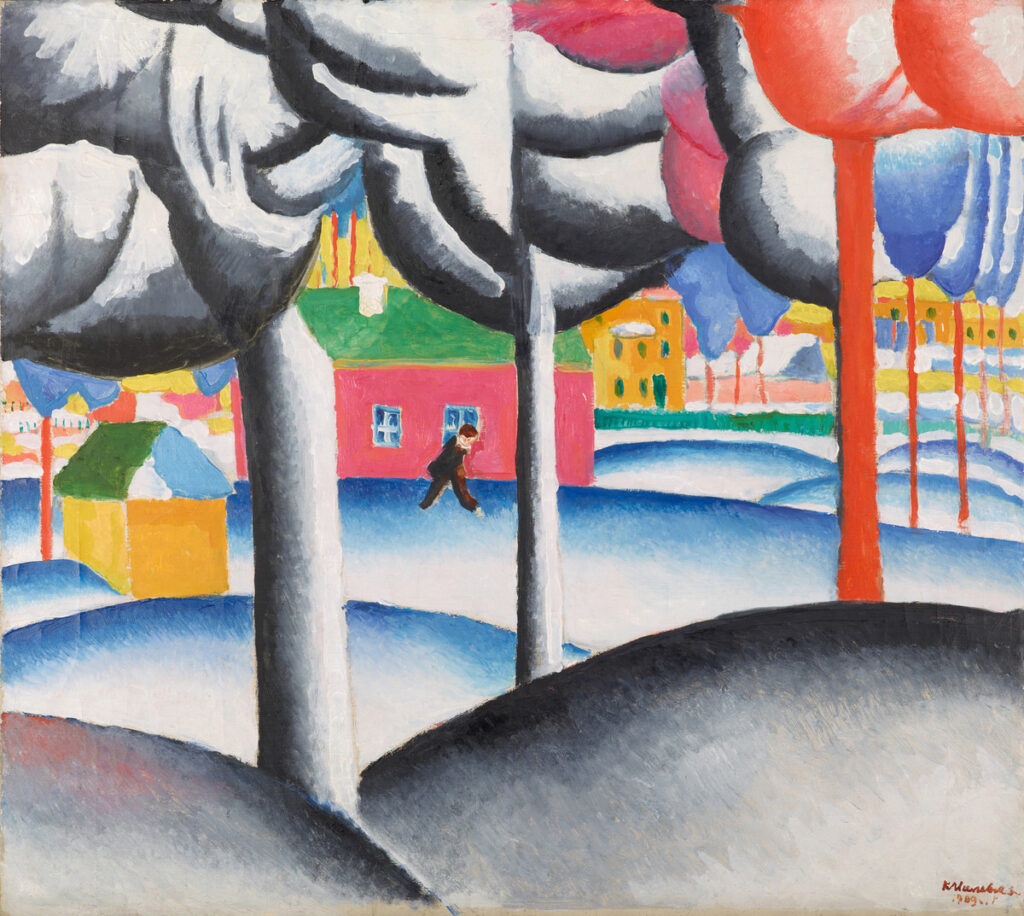
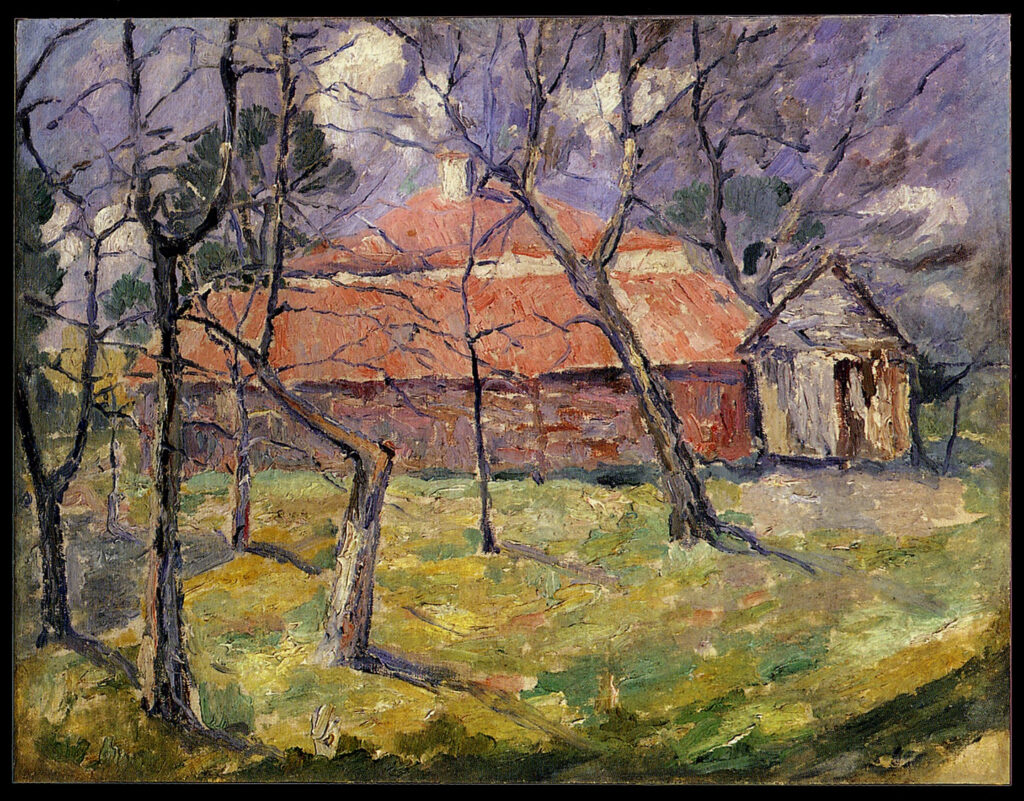
Kazimir Severinovich Malevich, February 23, 1879–May 15, 1935, was a painter and art theorist born in Kyiv to Polish parents. He studied in Fyodor Rerberg’s private studio in Moscow after an unsuccessful application to the Moscow School of Painting, Sculpture and Architecture.
Malevich exhibited with the Jack of Diamonds, The Donkey’s Tail, and the Union of Youth, and worked with Natalia Goncharova, Mikhail Larionov, and Mikhail Matyushin. He developed Suprematism in 1915 and later taught at the art school in Vitebsk, where his students included El Lissitzky.
His works are held by the State Tretyakov Gallery, the State Russian Museum, the Stedelijk Museum Amsterdam, and The Museum of Modern Art, New York



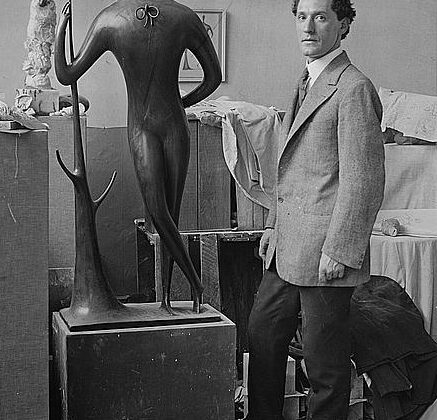
Elie Nadelman
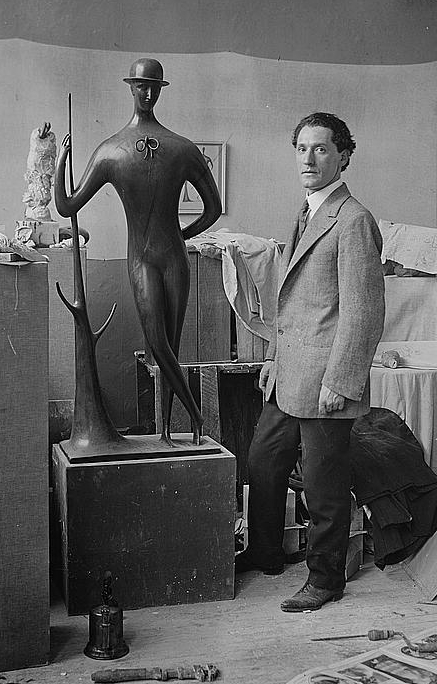
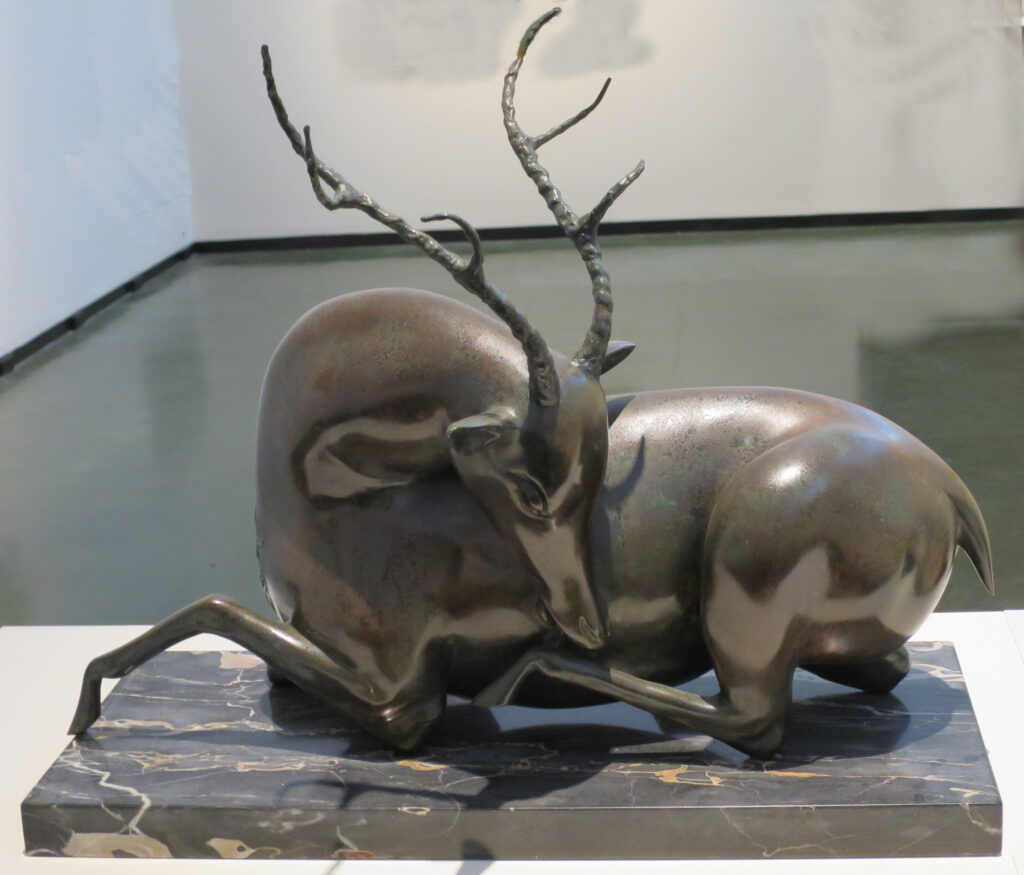
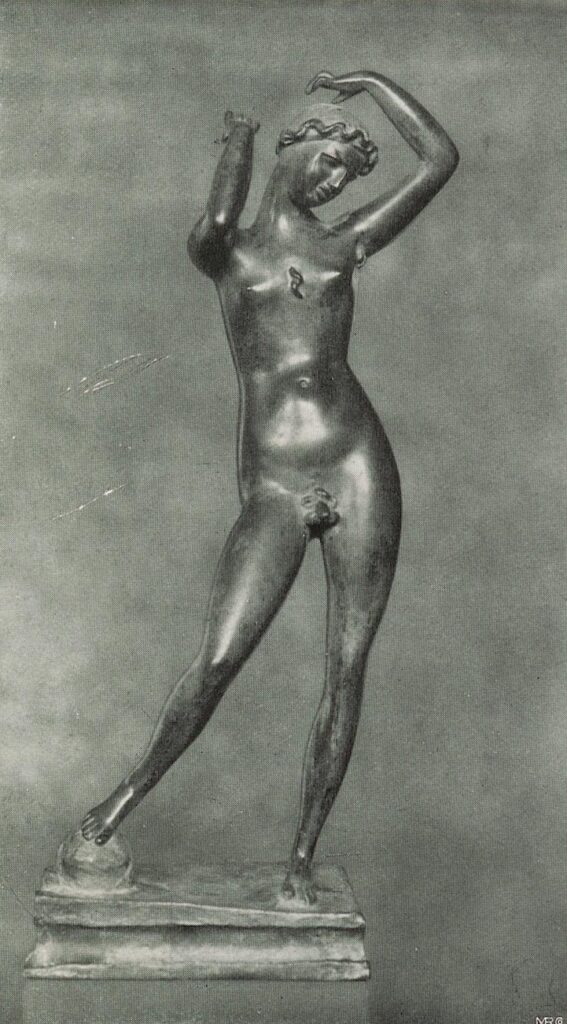
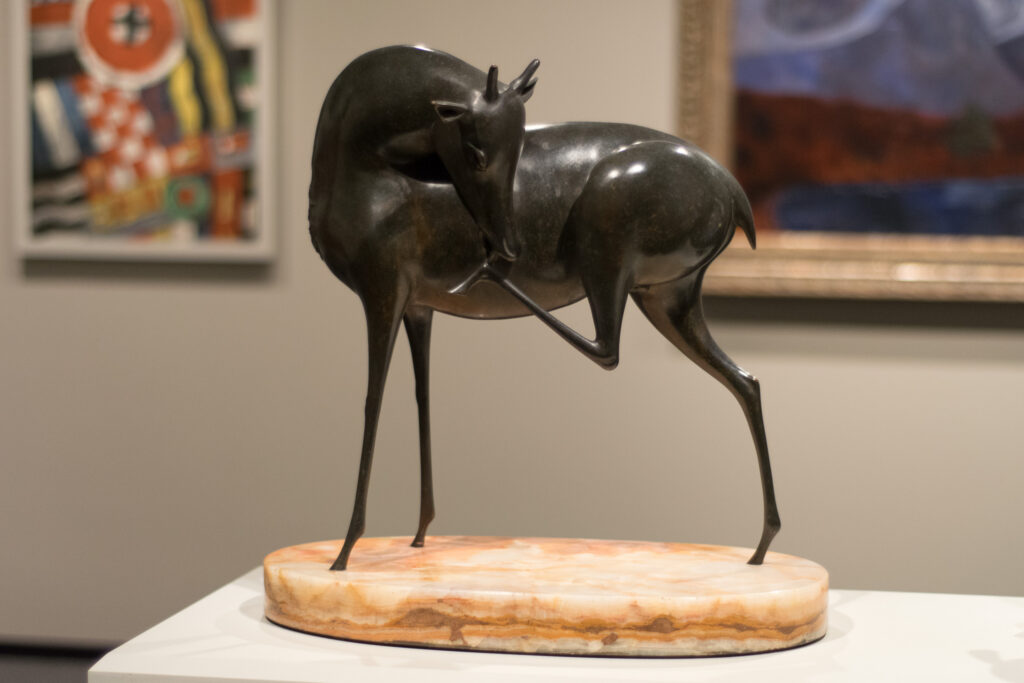
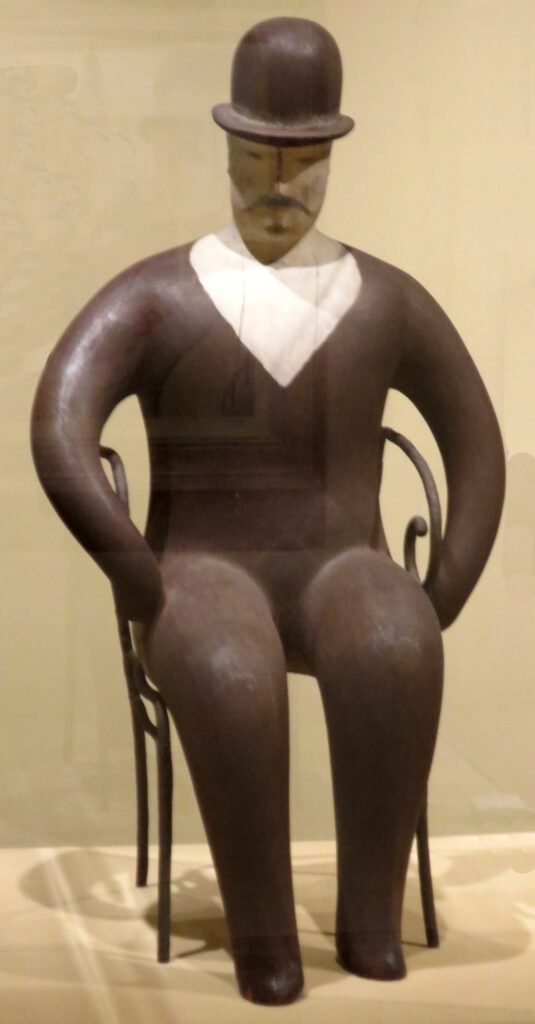
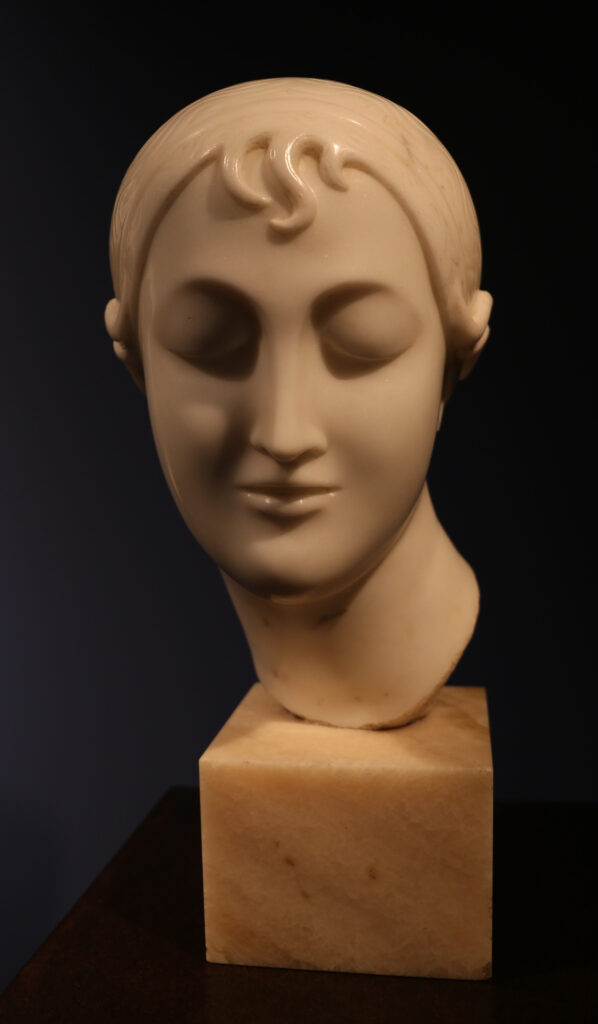
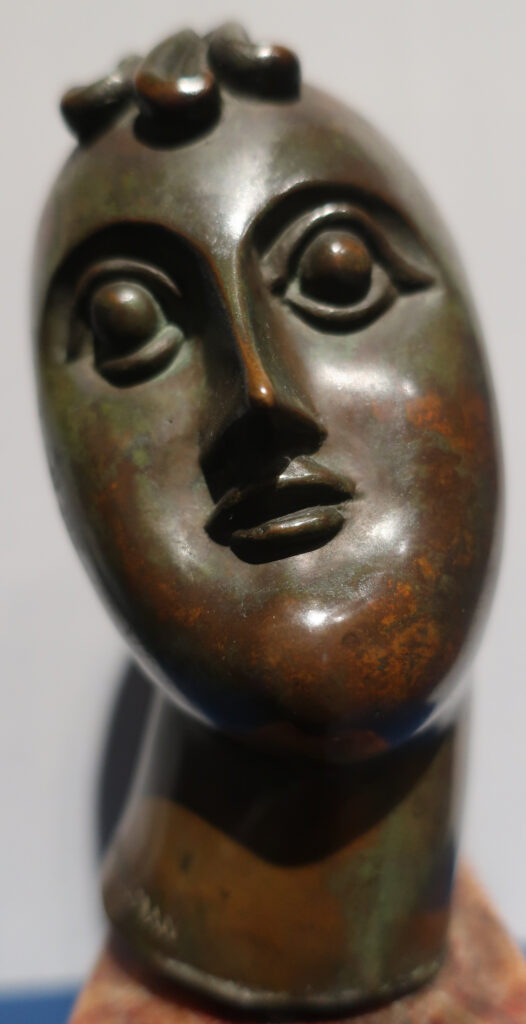
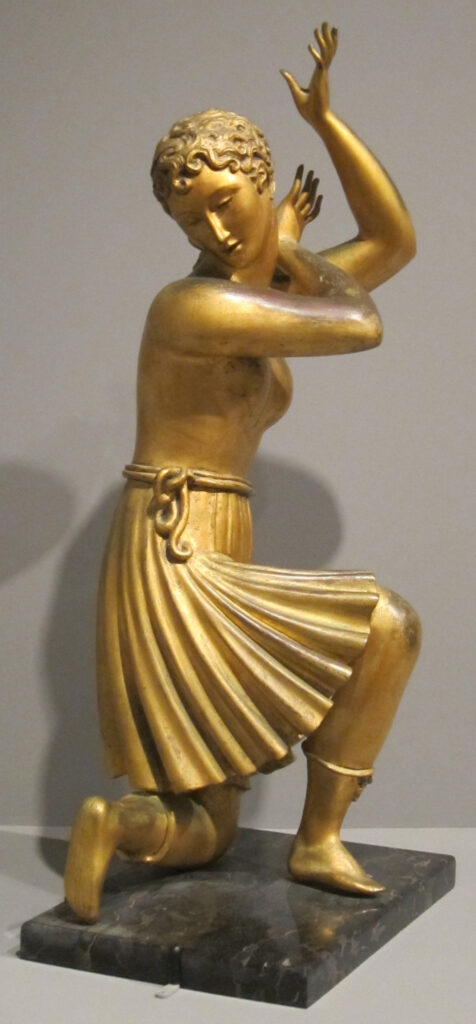
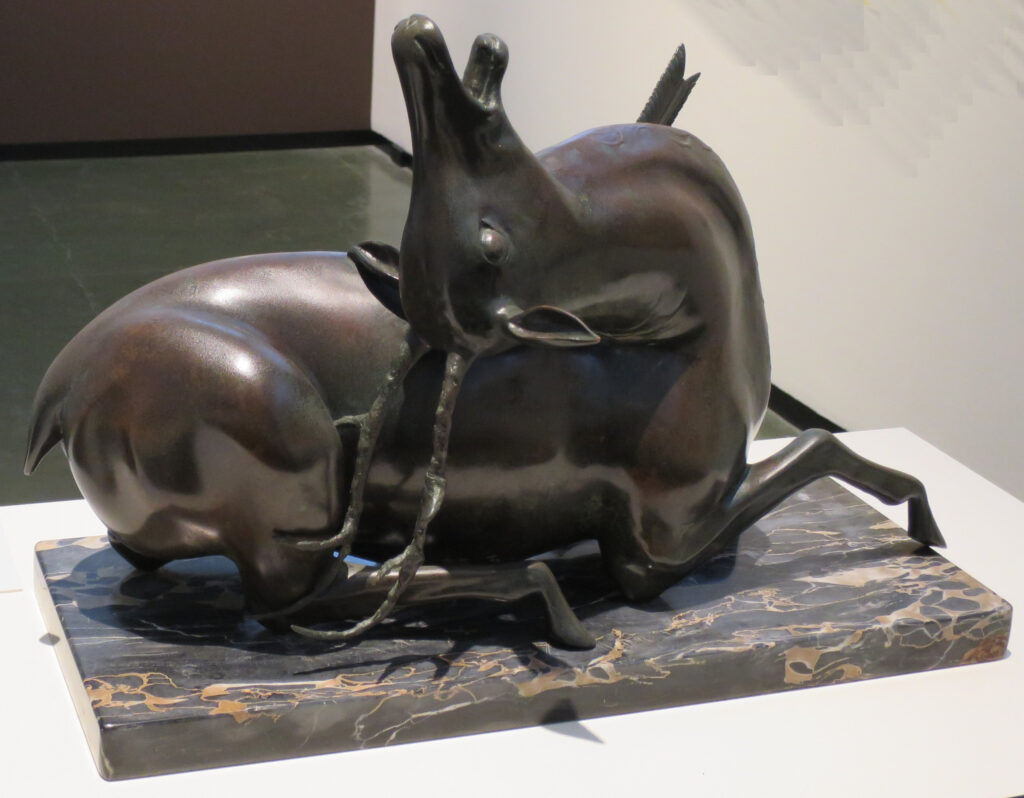
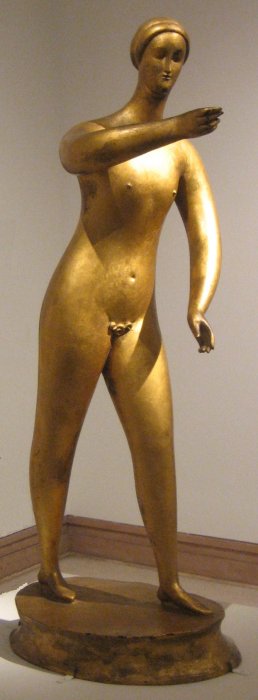
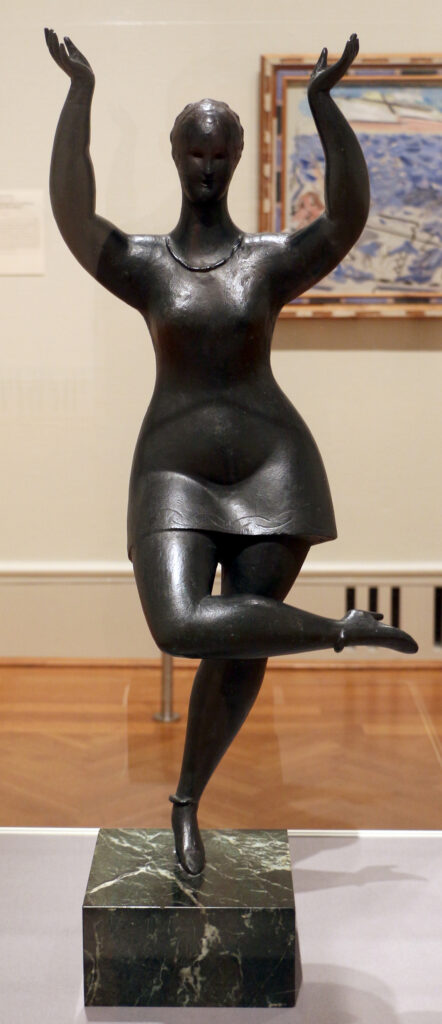
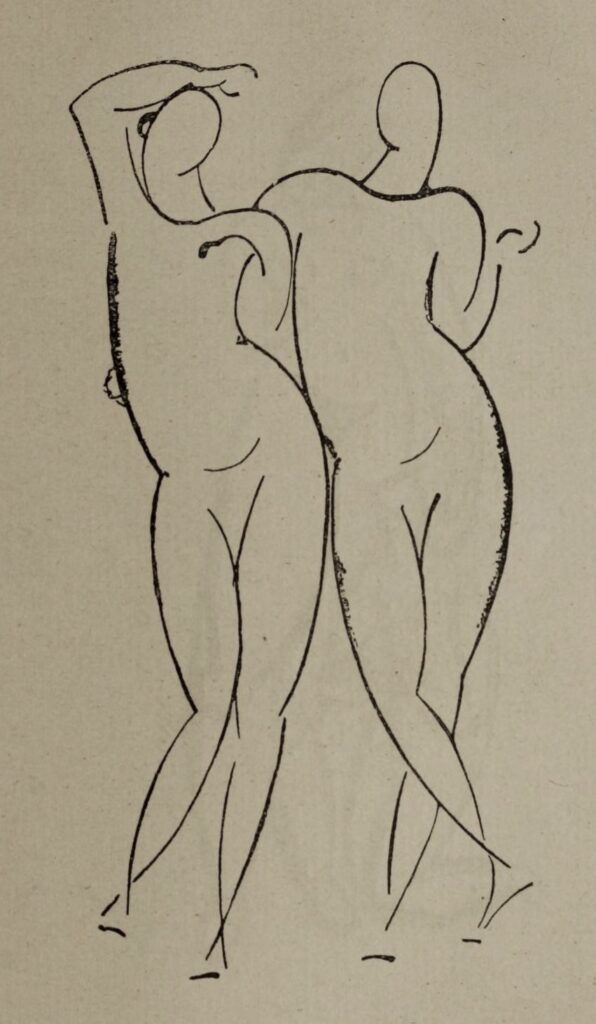
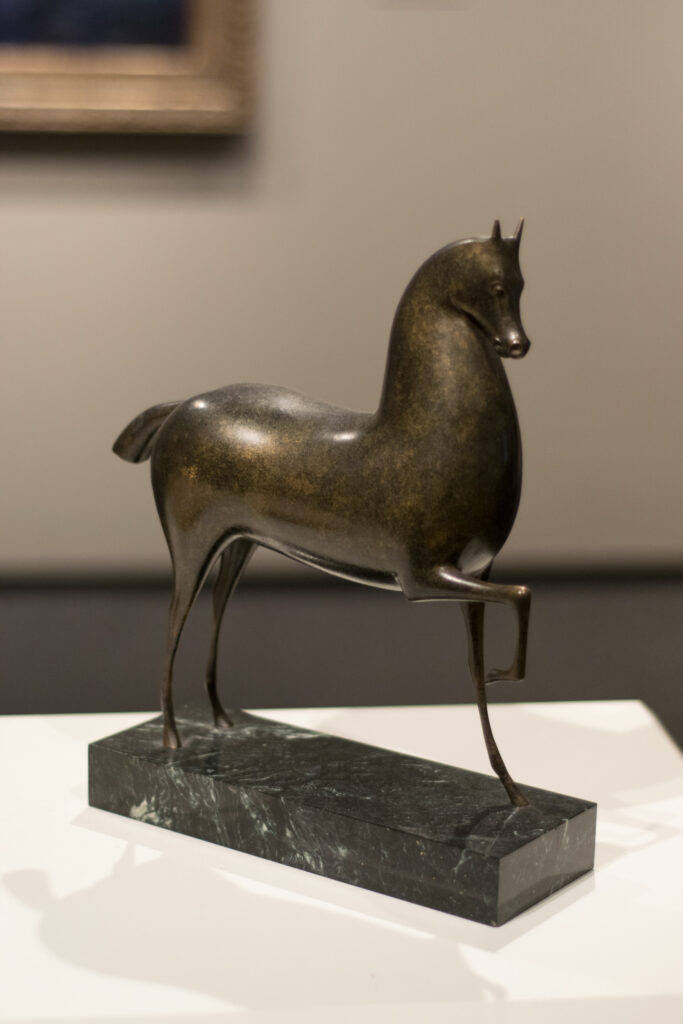
Elie Nadelman, February 20, 1882–December 28, 1946, was a Polish-American sculptor, draughtsman, and collector born in Warsaw. He studied briefly in Warsaw and continued his artistic development in Munich.
He lived in Paris from 1904 to 1914 and held his first solo exhibition at Galerie Druet in 1909. He immigrated to the United States in 1914 and exhibited at Alfred Stieglitz’s 291 gallery in 1915.
His work is held by the Metropolitan Museum of Art, the National Gallery of Art, the Art Institute of Chicago, the Museum of Modern Art, and the Whitney Museum of American Art.
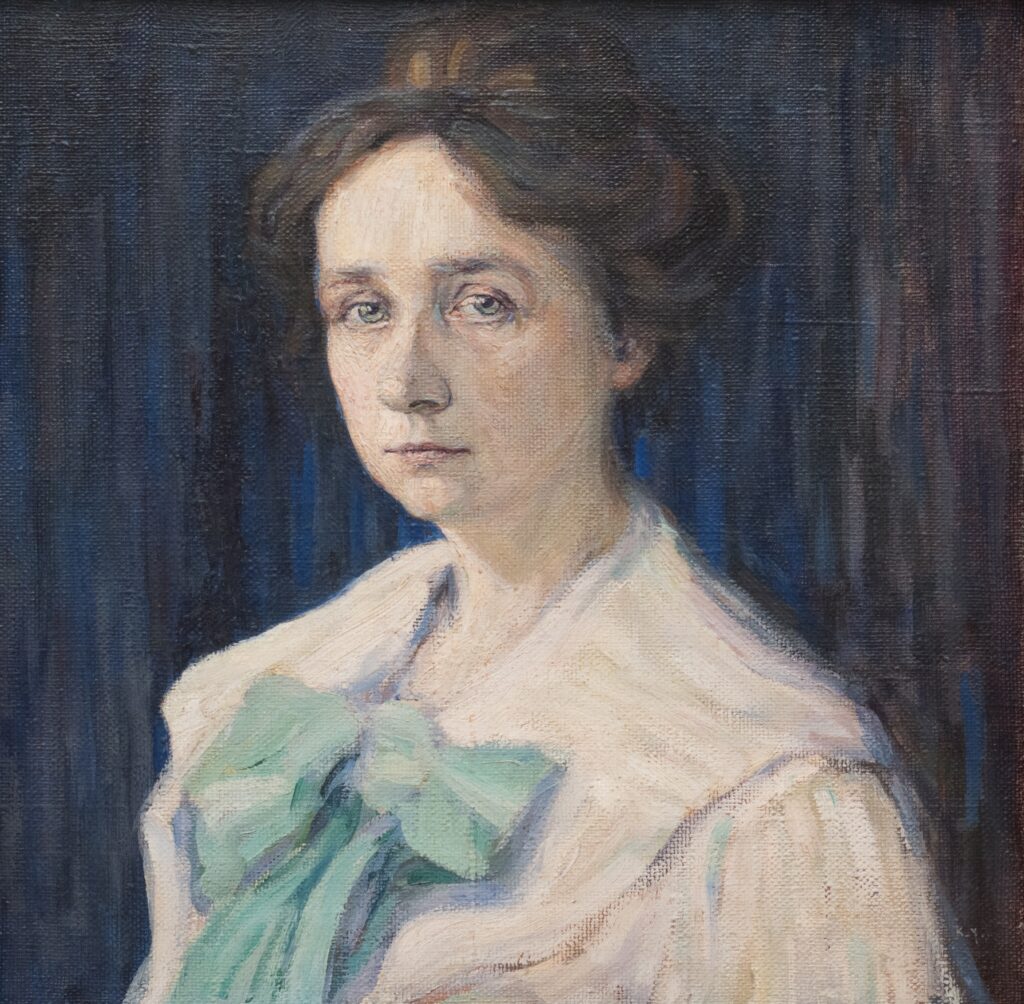
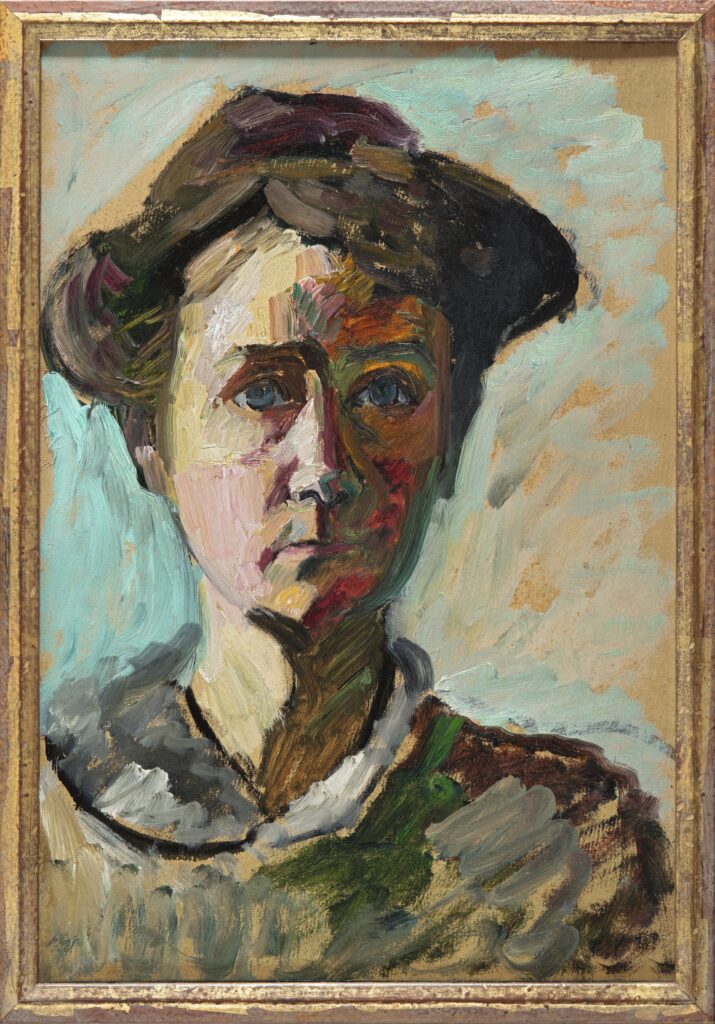
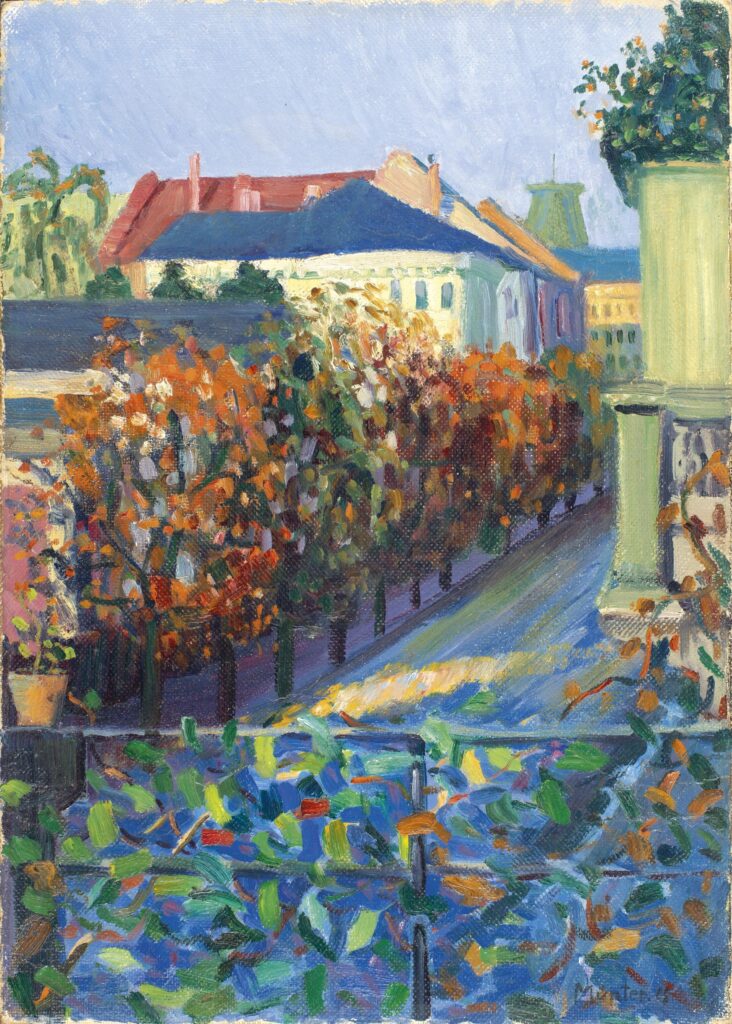
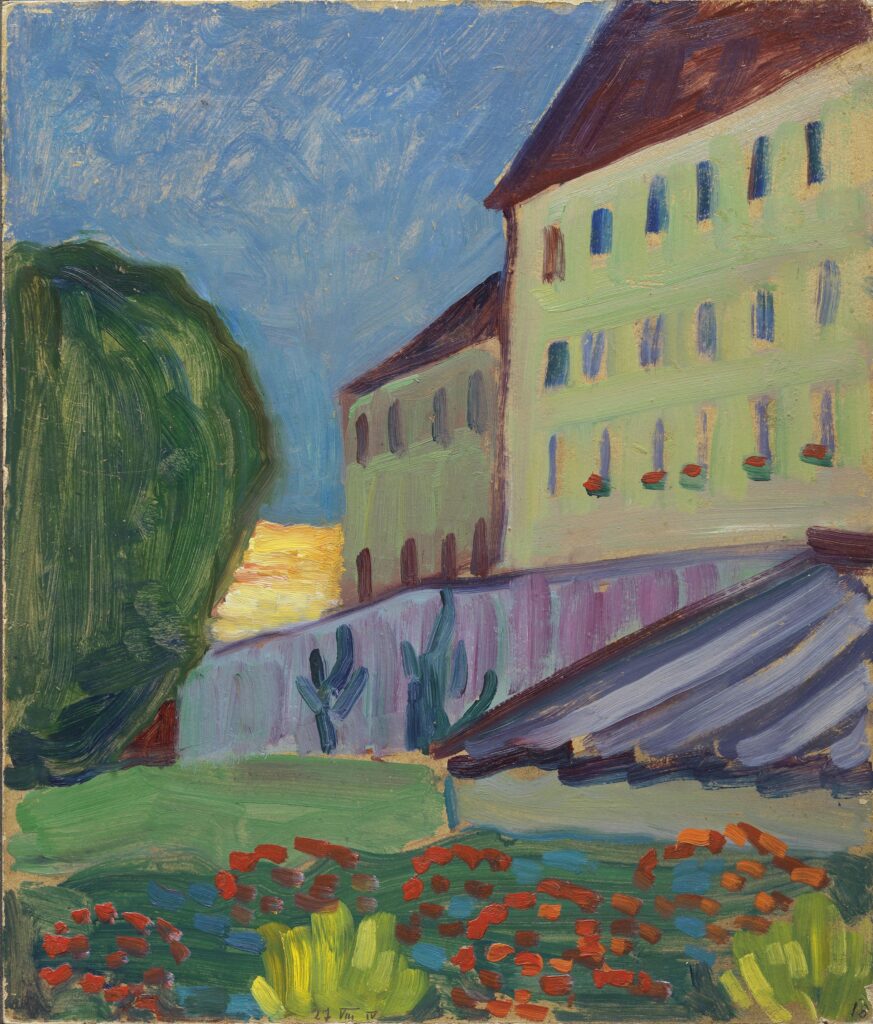
Gabriele Münter
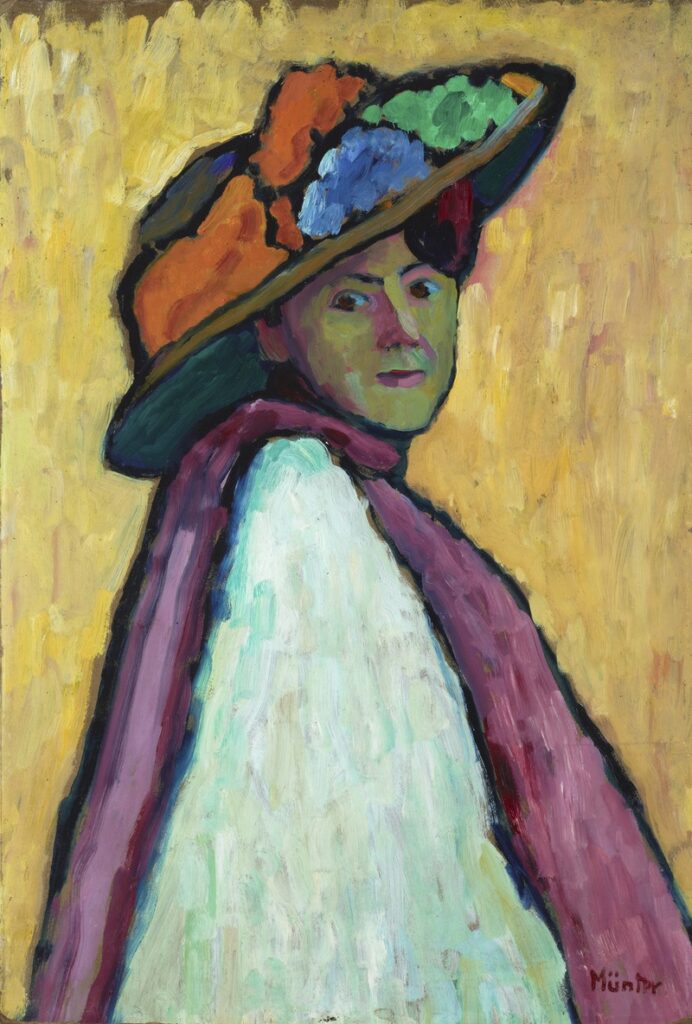
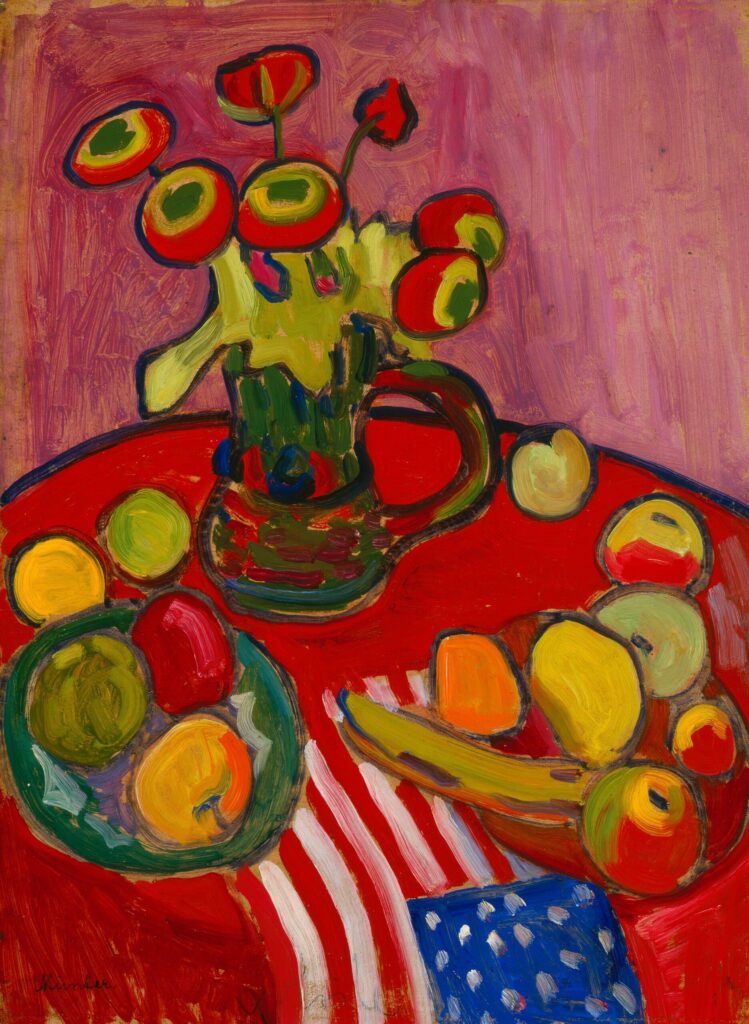
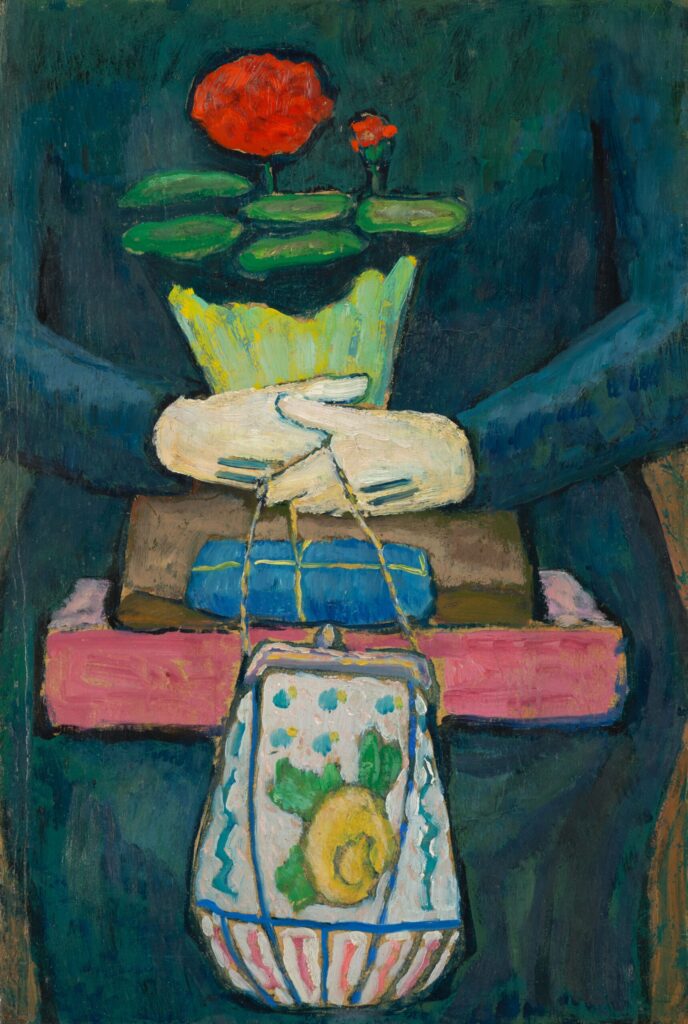
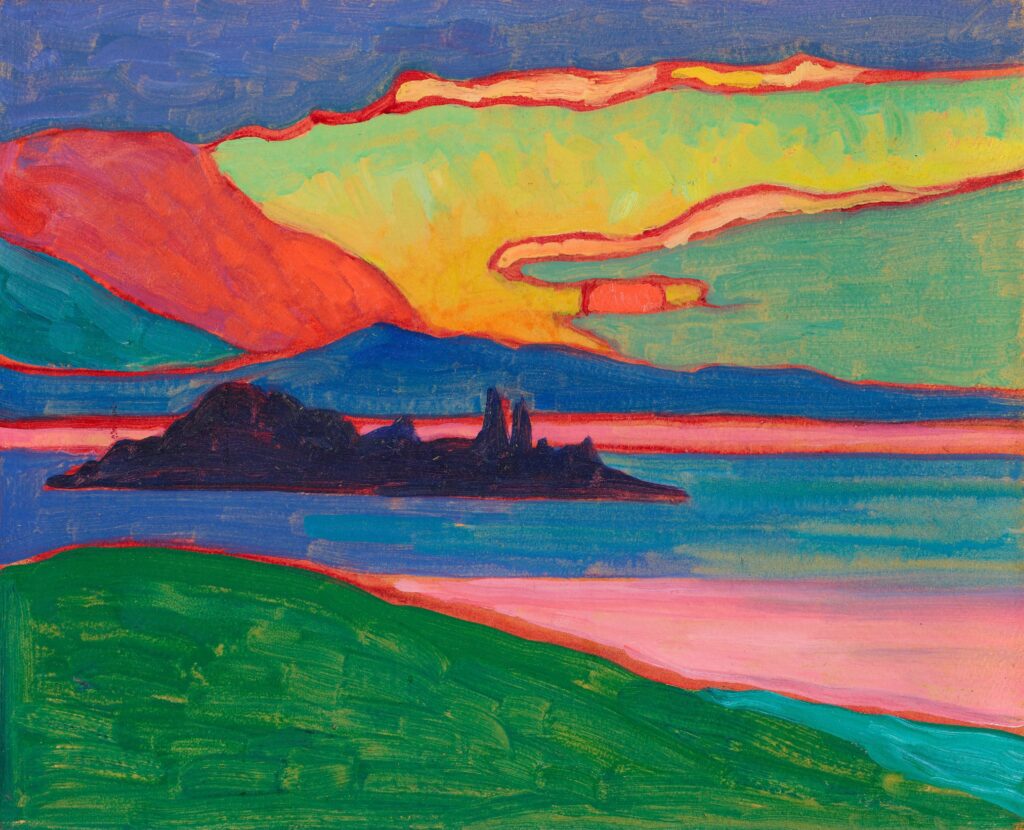
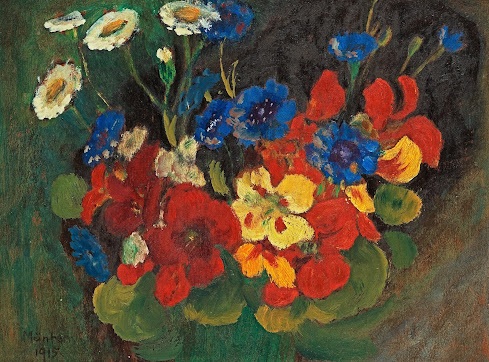
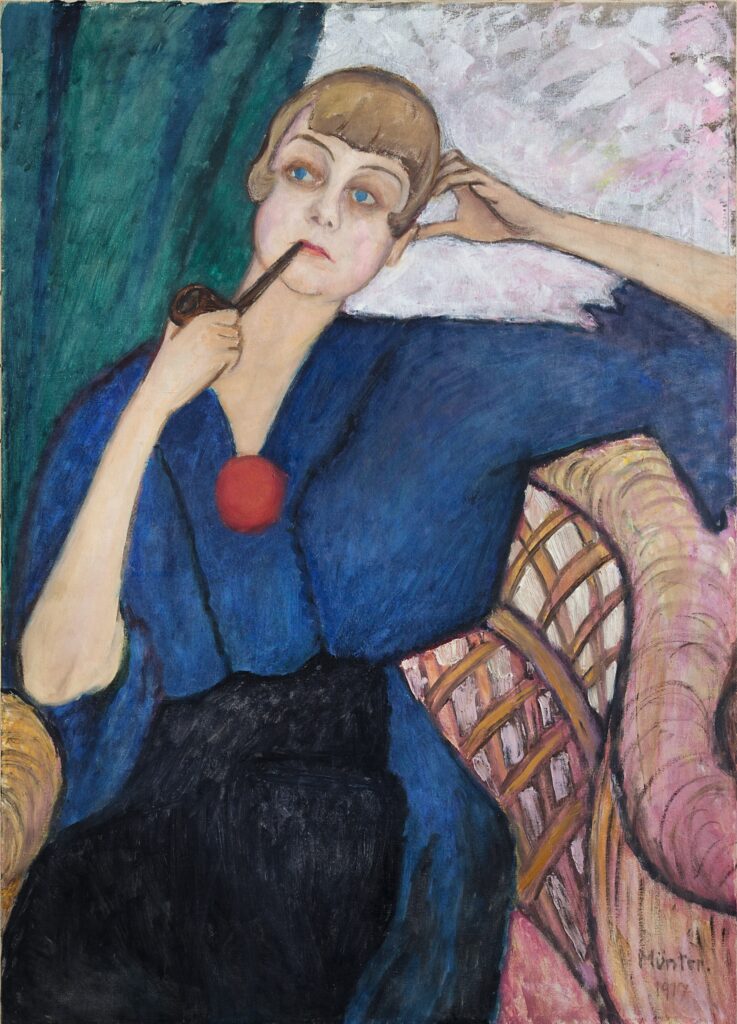
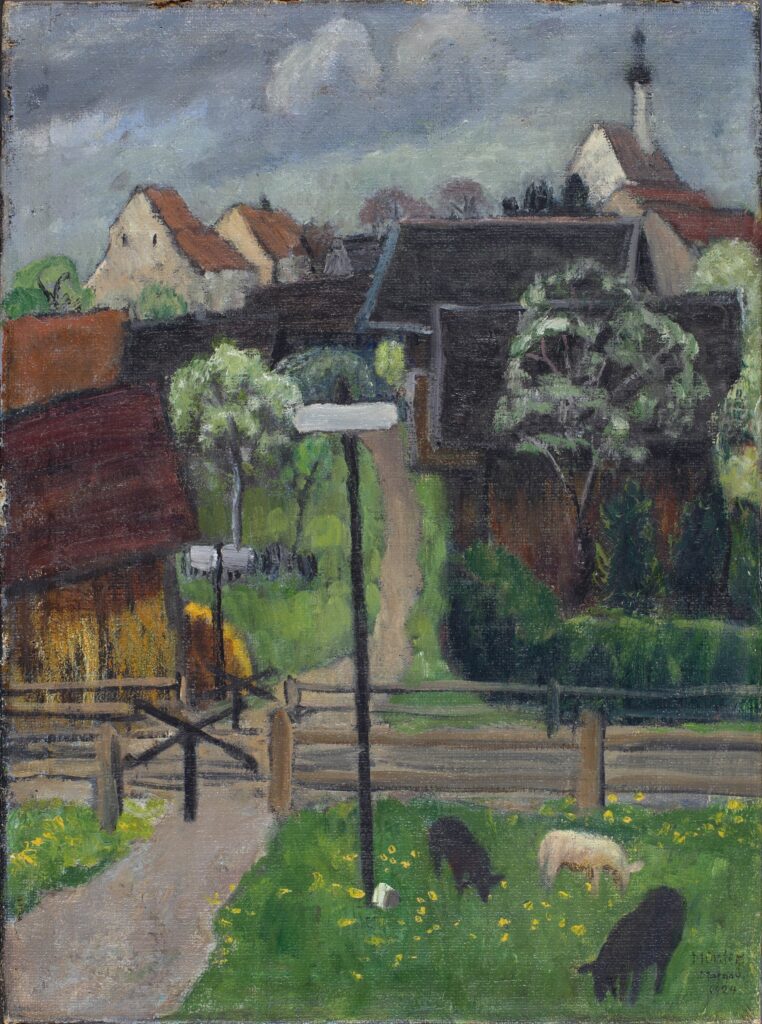
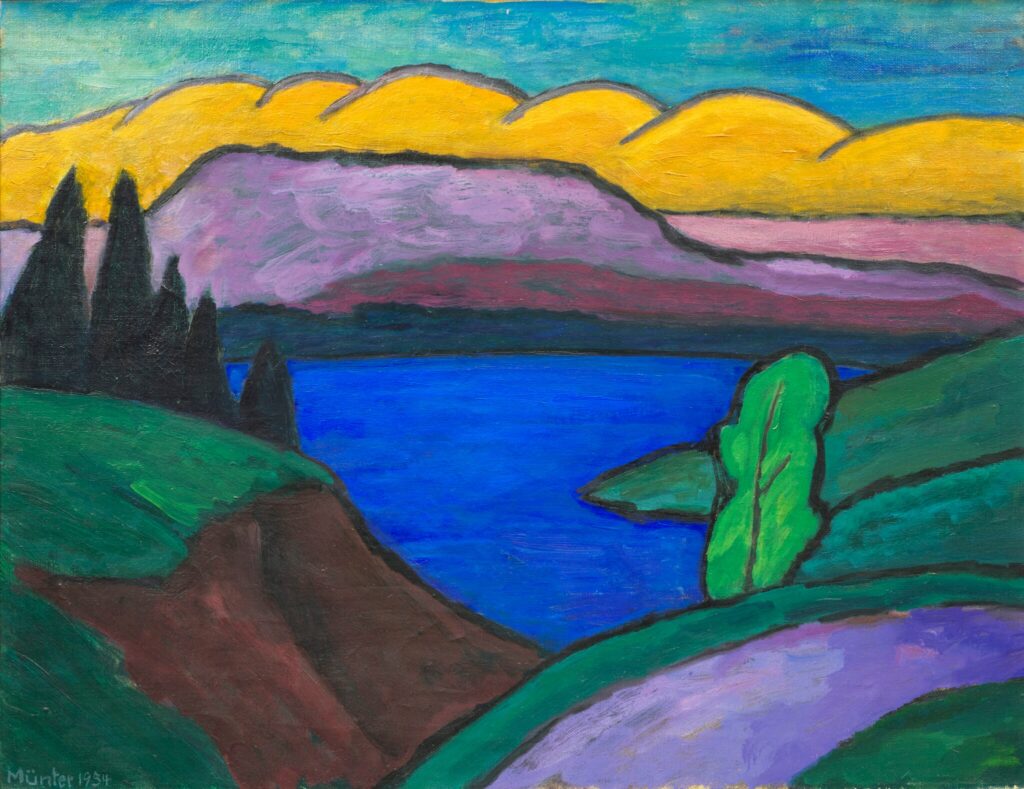
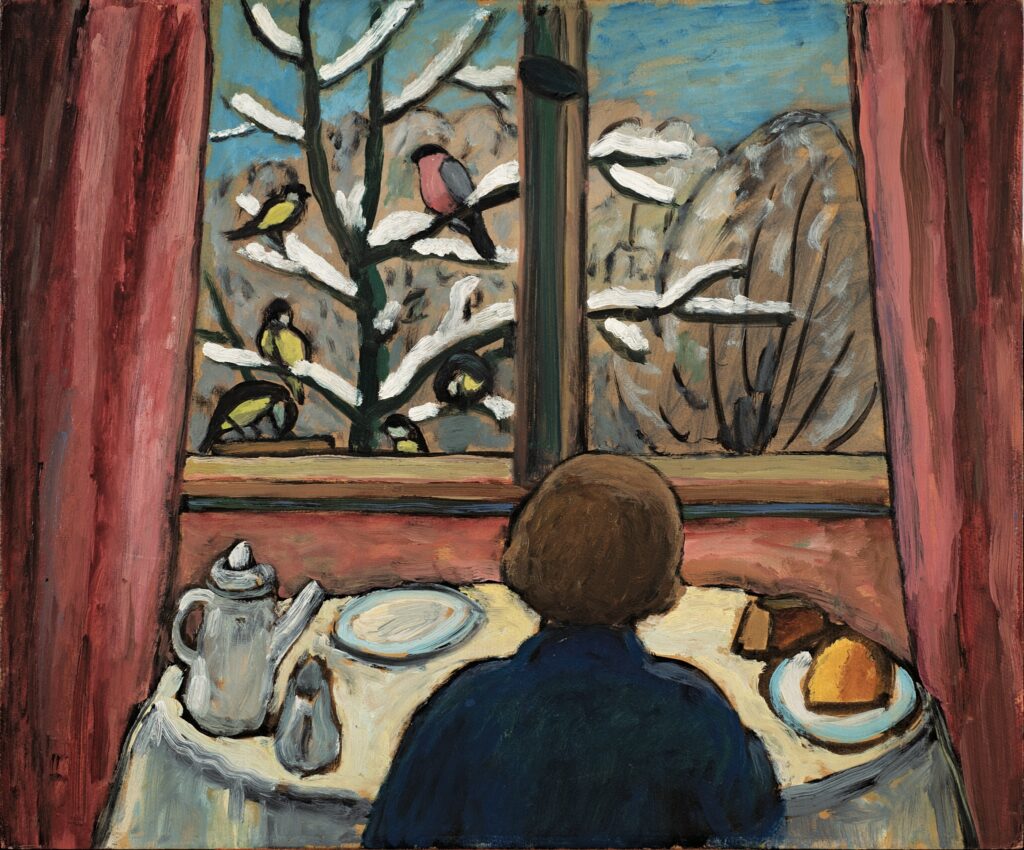
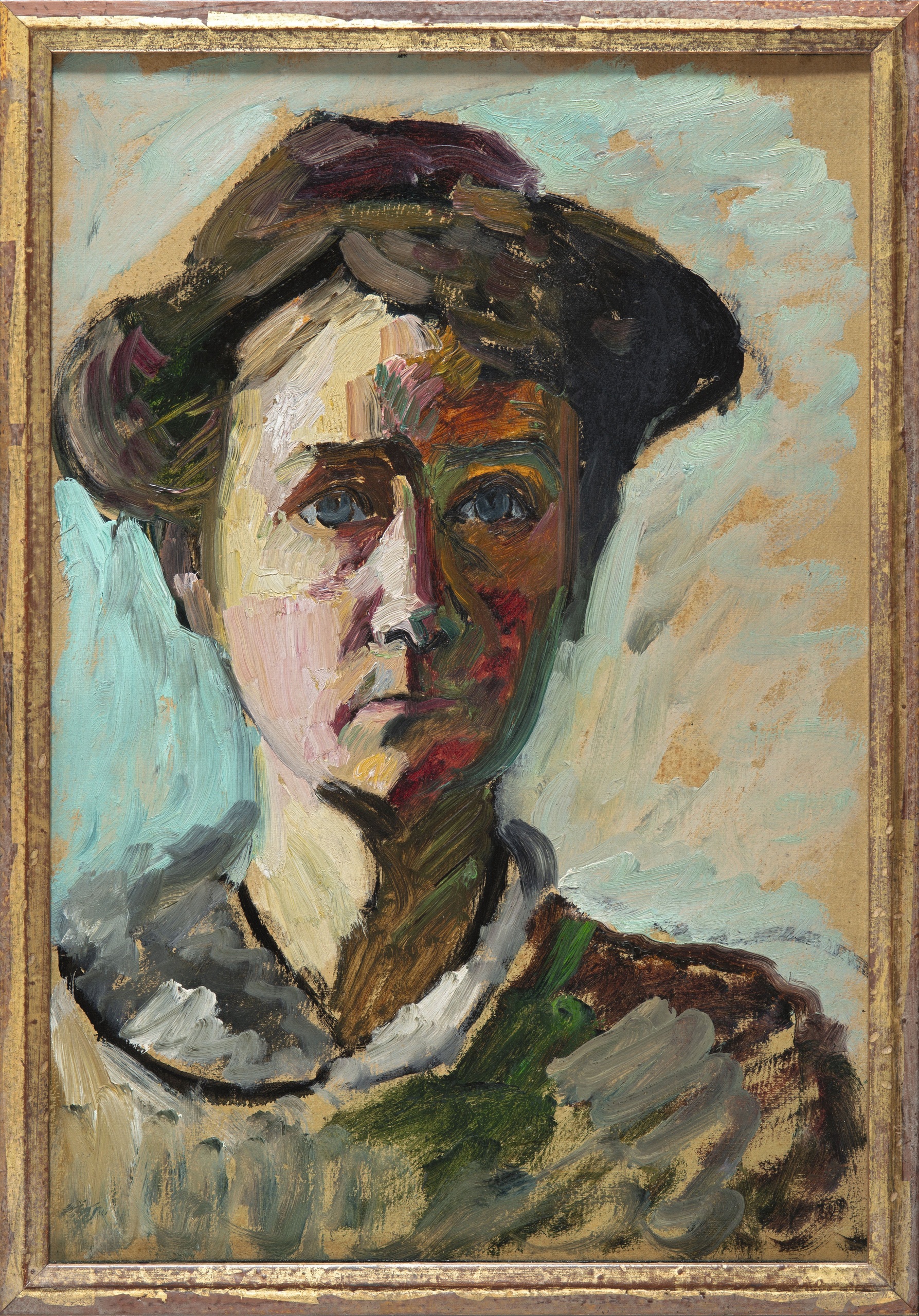
Gabriele Münter, February 19, 1877–May 19, 1962, was a German painter born in Berlin. She attended the Ladies’ Academy in Munich before enrolling at the Phalanx art school, where she studied with Wassily Kandinsky. She travelled with Kandinsky in Europe and North Africa between 1904 and 1908.
Münter painted portraits, landscapes, still lifes and interiors, using simplified forms, strong outlines and contrasting colours. She participated in the New Artists’ Association of Munich and the exhibitions of Der Blaue Reiter. During the First World War she lived in Switzerland and Scandinavia; she returned to Germany in 1920.
In 1931 Münter settled permanently in Murnau, where she continued working until her death. In 1957 she donated a substantial part of her collection to the Lenbachhaus, Munich. Her paintings are held by the Lenbachhaus, the Thyssen-Bornemisza National Museum, Madrid, and the National Museum of Women in the Arts, Washington DC.