Posts in Category: 20th Century
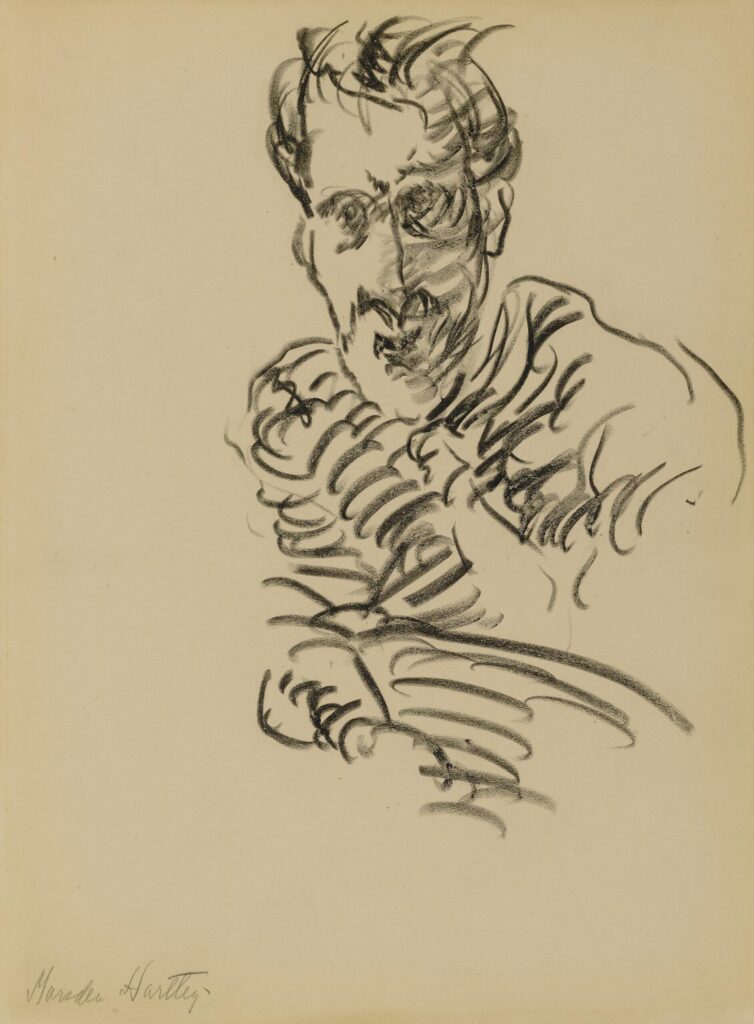
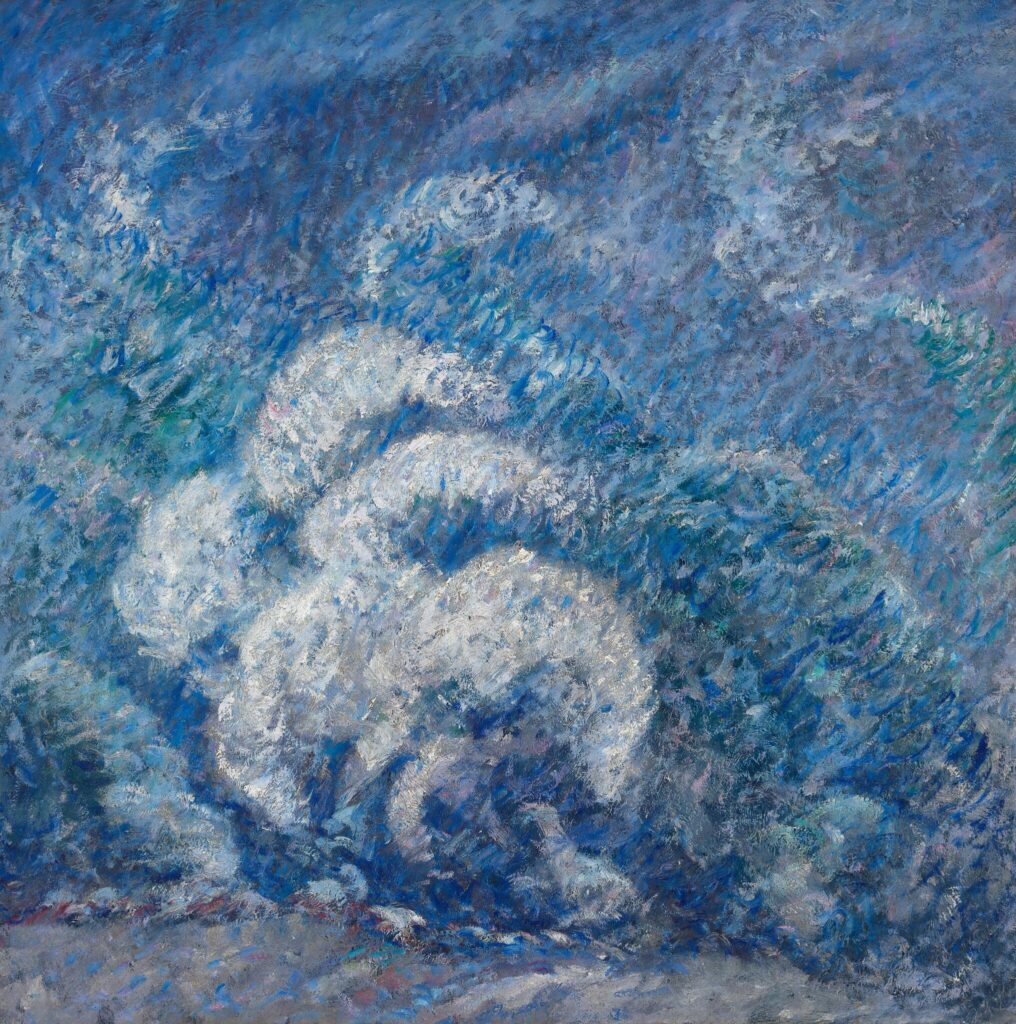
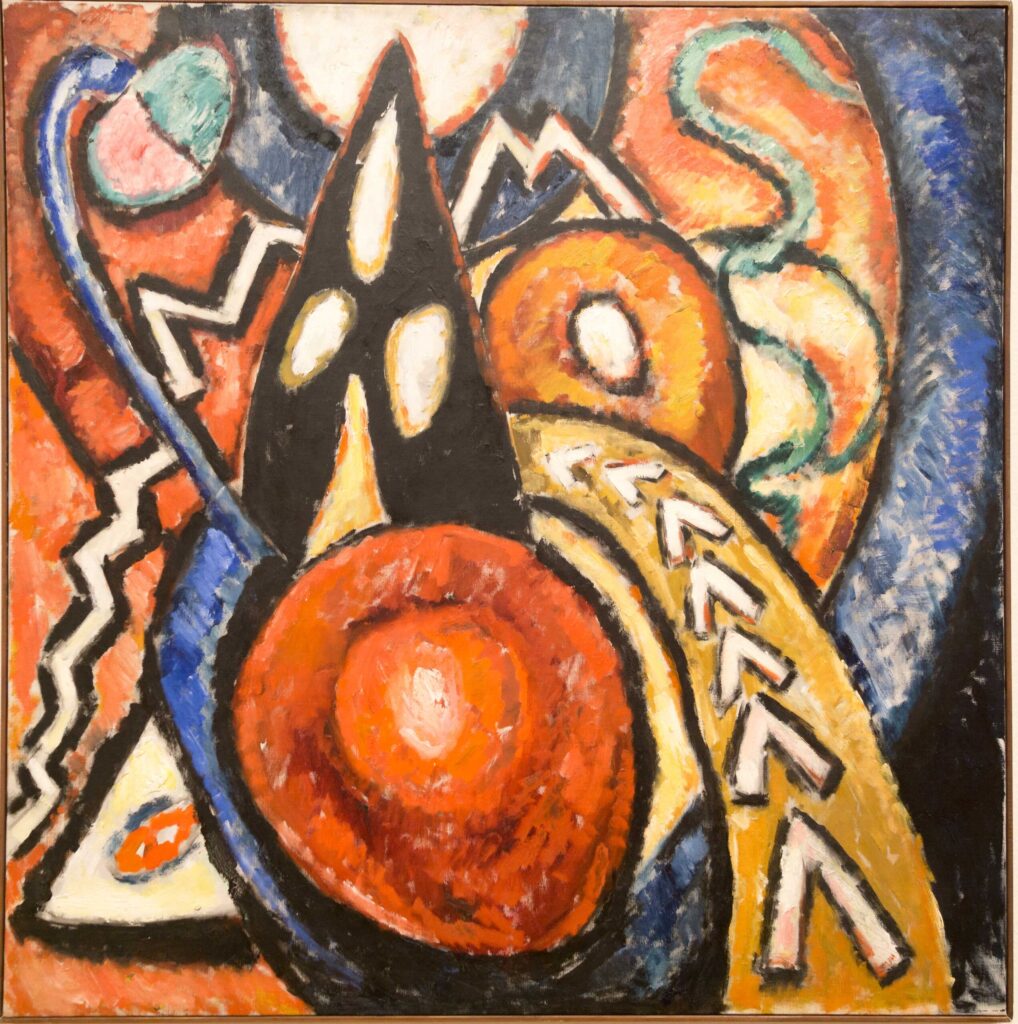
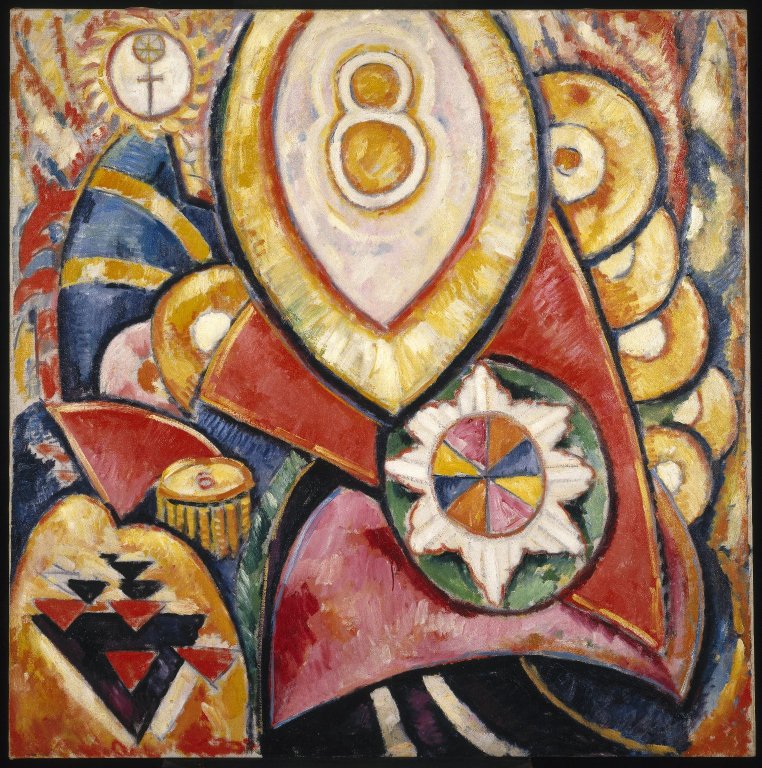
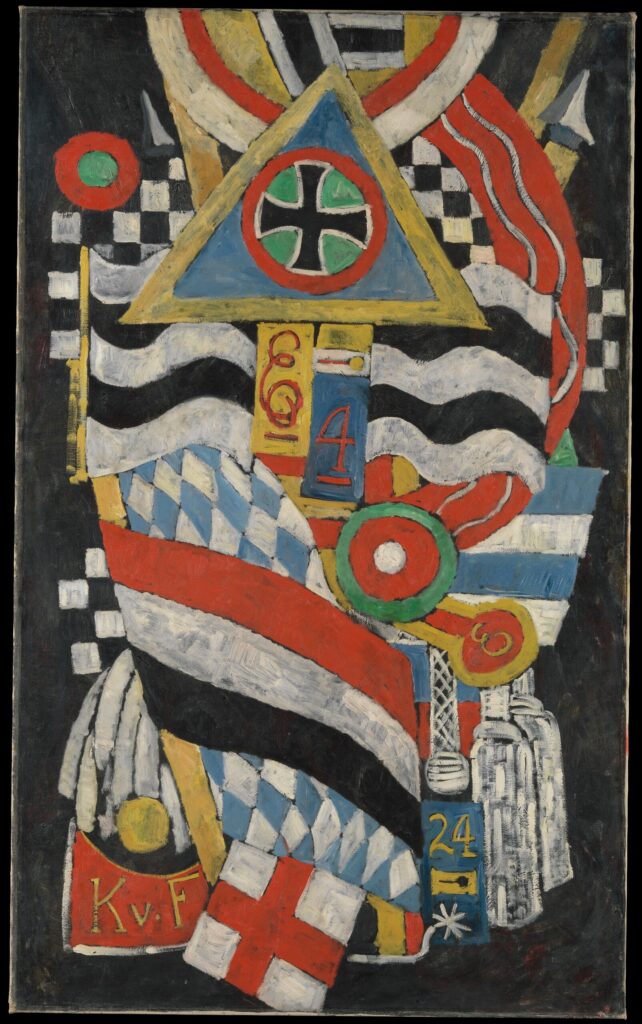
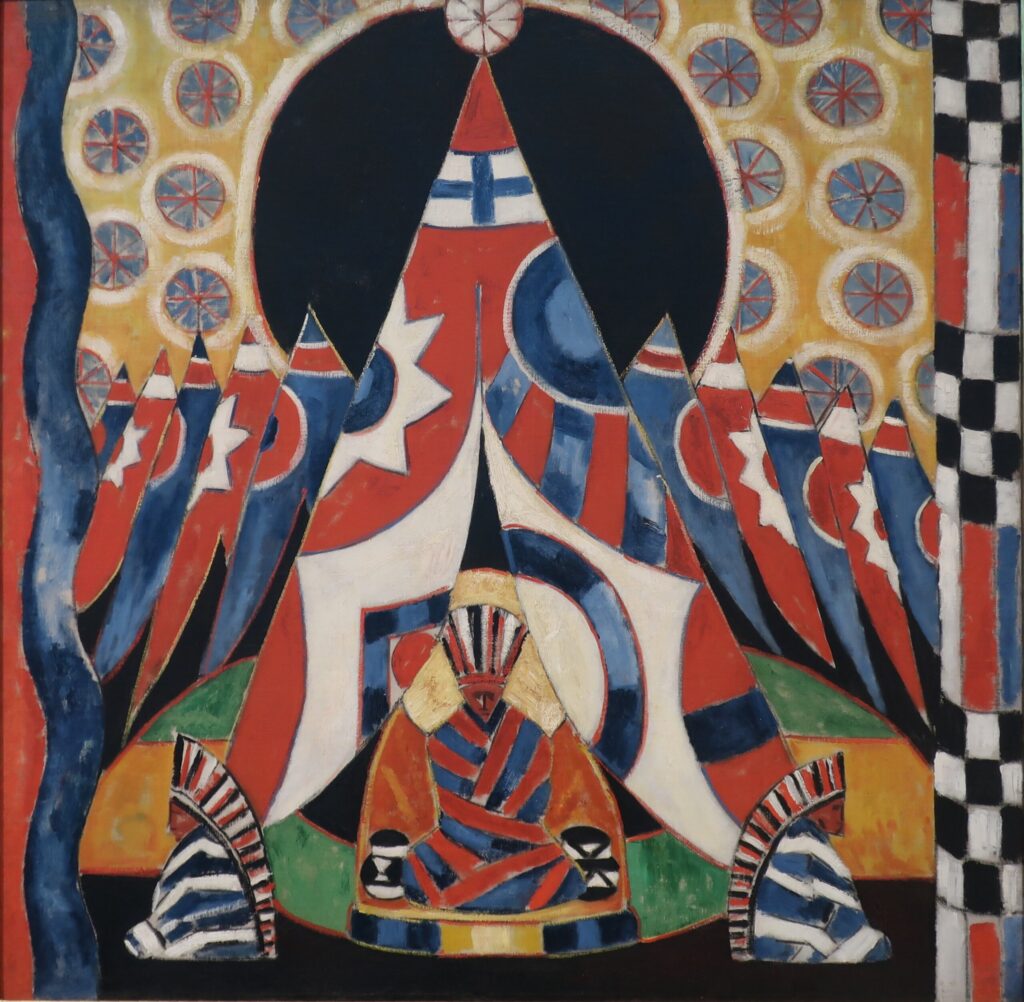
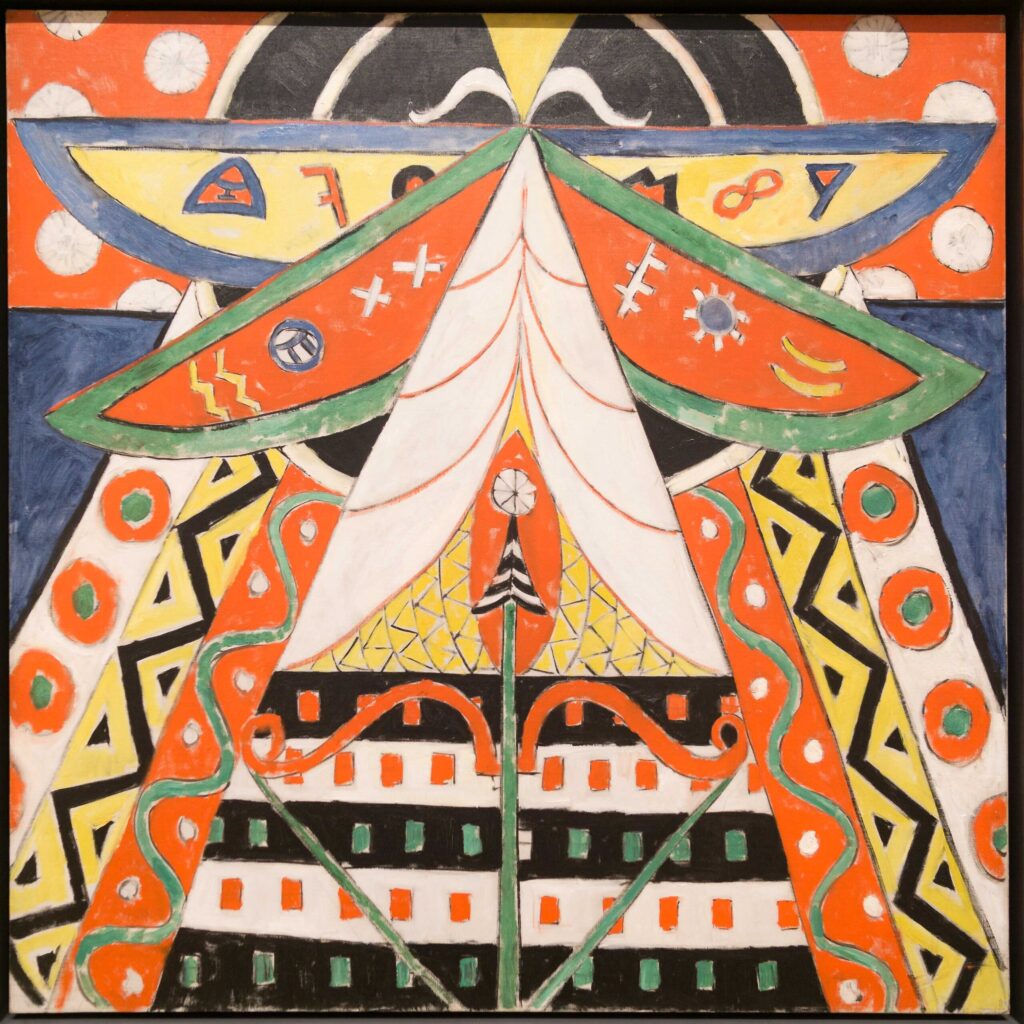
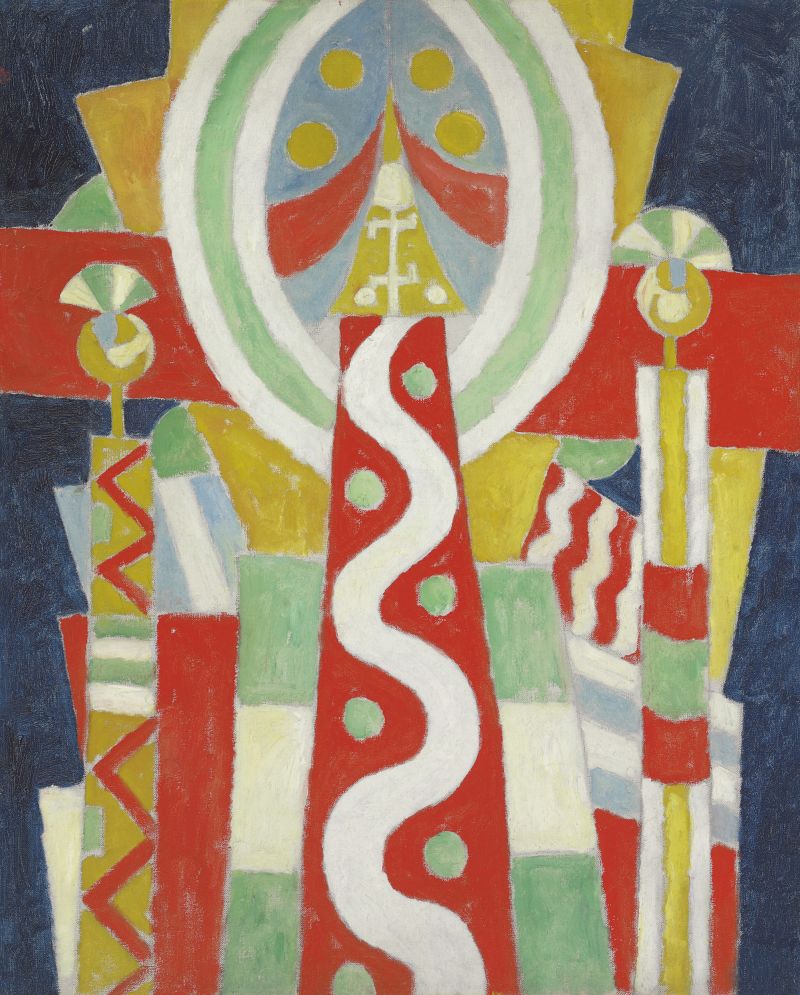
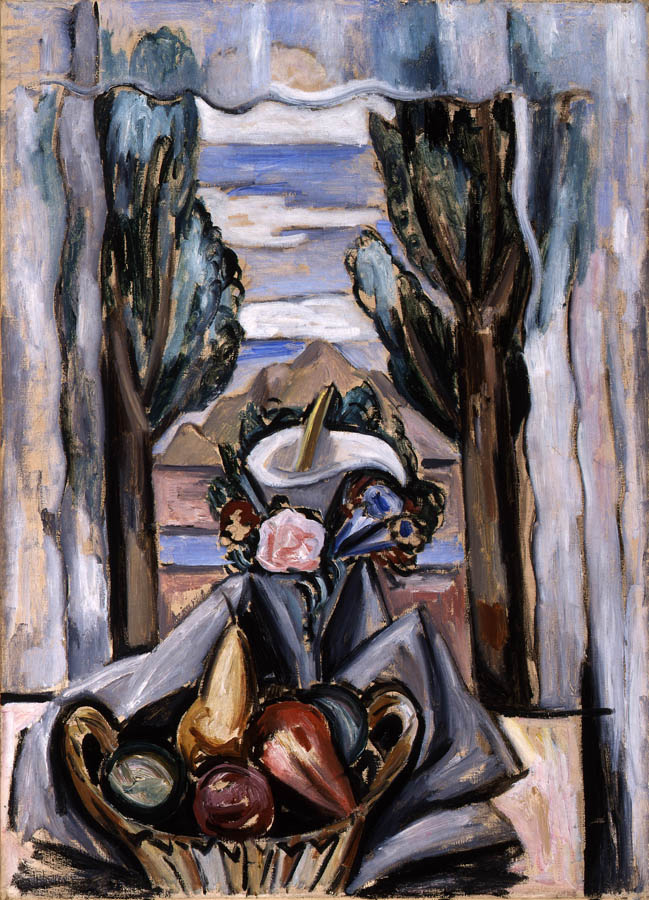
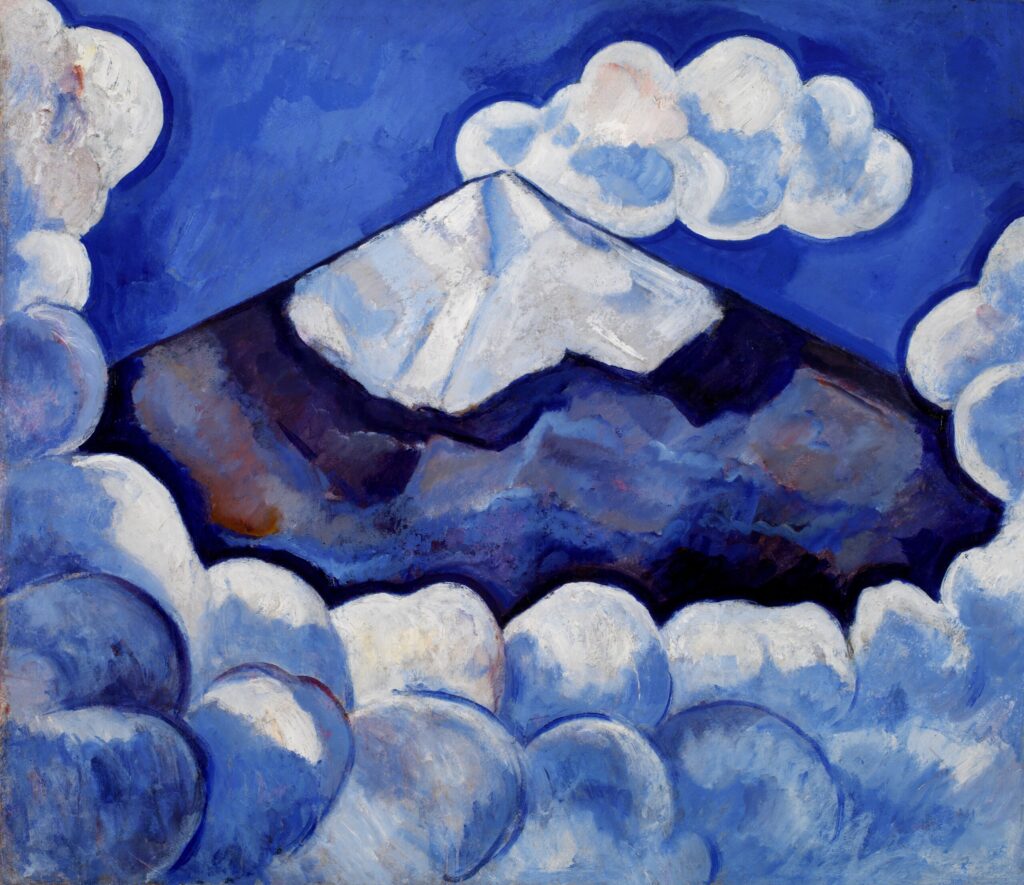
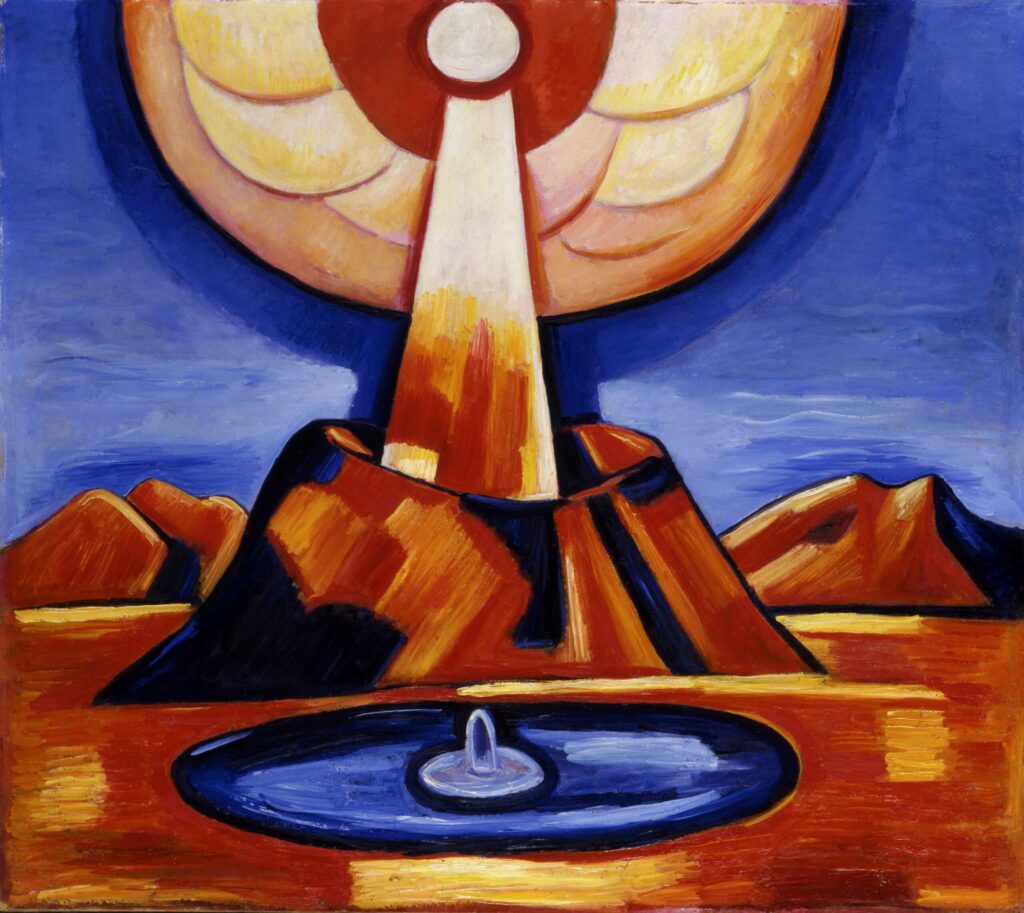
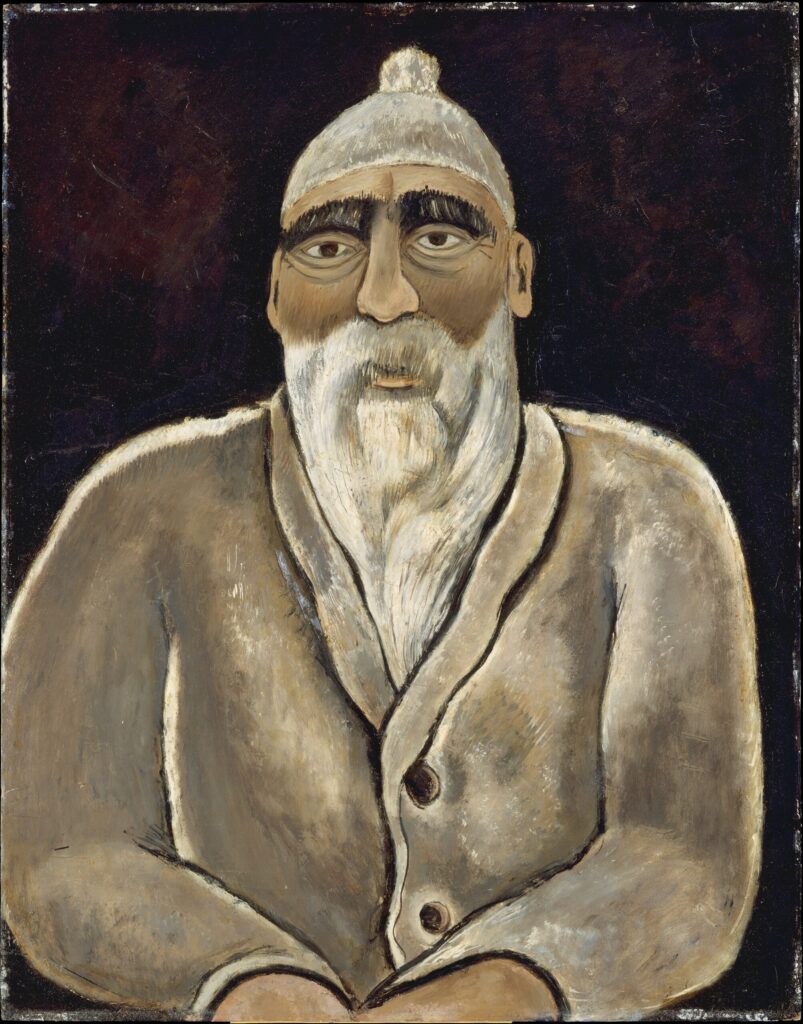
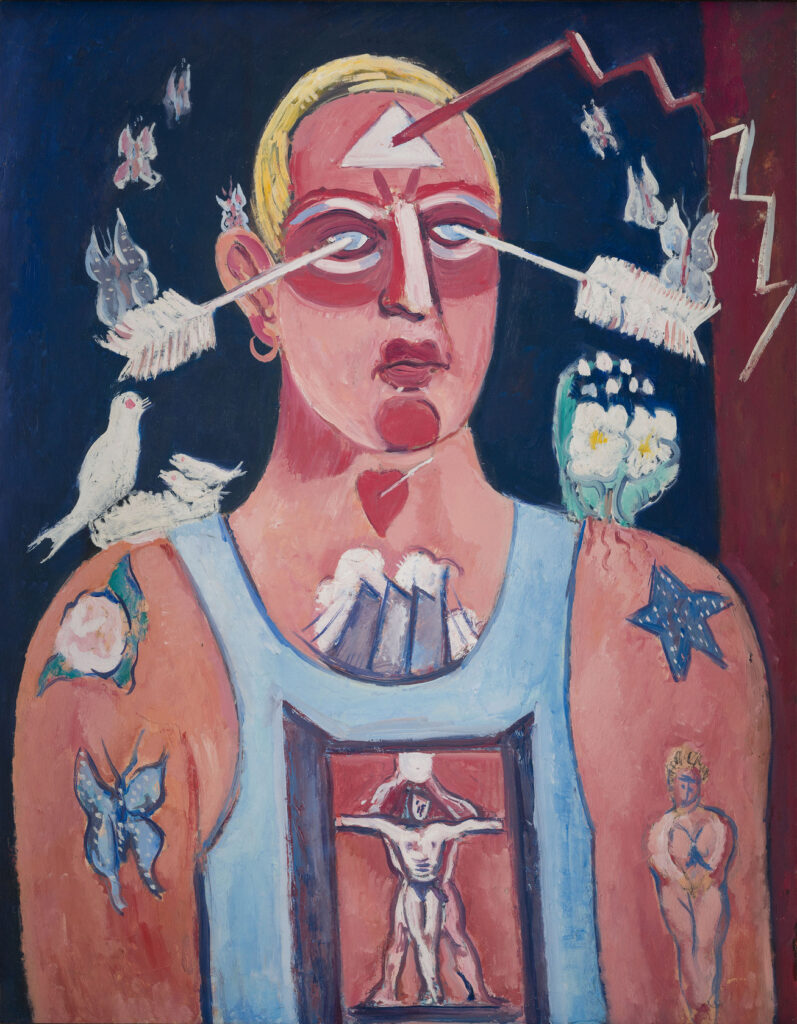
Marsden Hartley
Marsden Hartley, January 4, 1877–September 2, 1943, was an American painter, poet, and essayist. Born in Lewiston, Maine, he studied at the Cleveland School of Art, William Merritt Chase’s New York School of Art, and the National Academy of Design.
His teachers included John Semon, Cullen Yates, and William Merritt Chase. Alfred Stieglitz presented Hartley’s first solo exhibition in New York at the 291 gallery in 1909, and Hartley became associated with the artists promoted by Stieglitz. He worked in the United States and Europe, including extended periods in Paris and Berlin, and returned to Maine during the final years of his life.
Hartley’s work is represented in the Metropolitan Museum of Art, Museum of Modern Art, Whitney Museum of American Art, National Gallery of Art, Smithsonian American Art Museum, Art Institute of Chicago, and other major public collections.
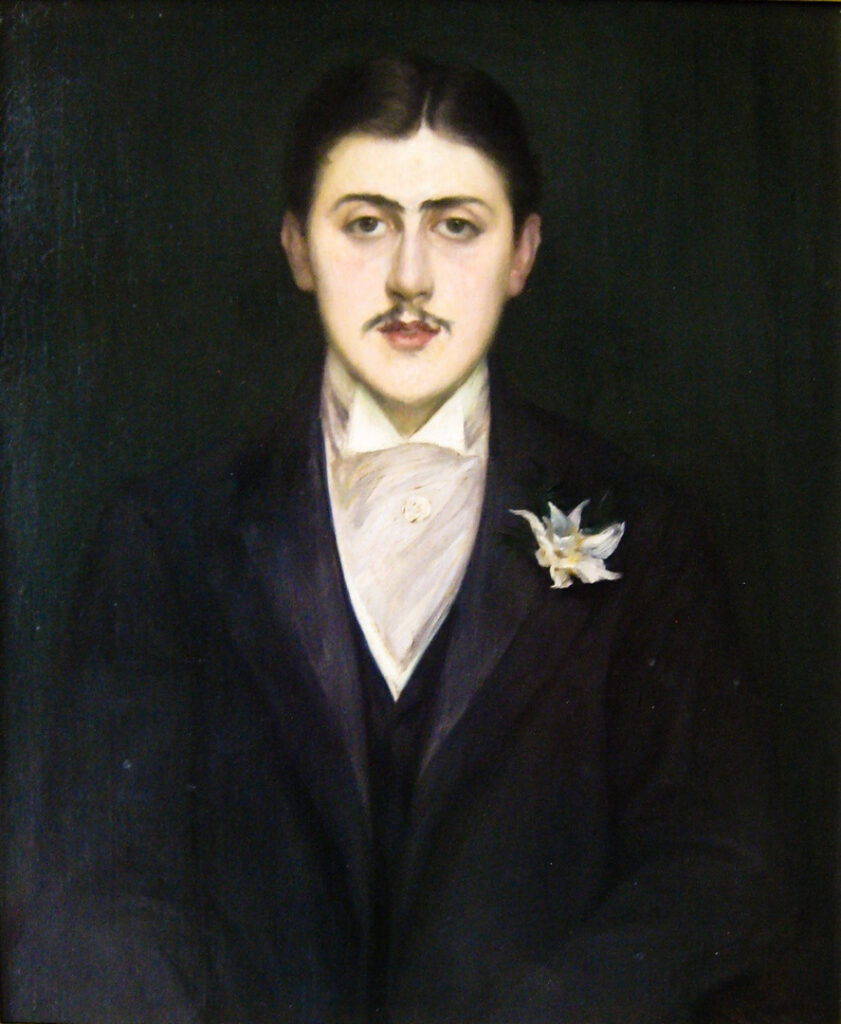
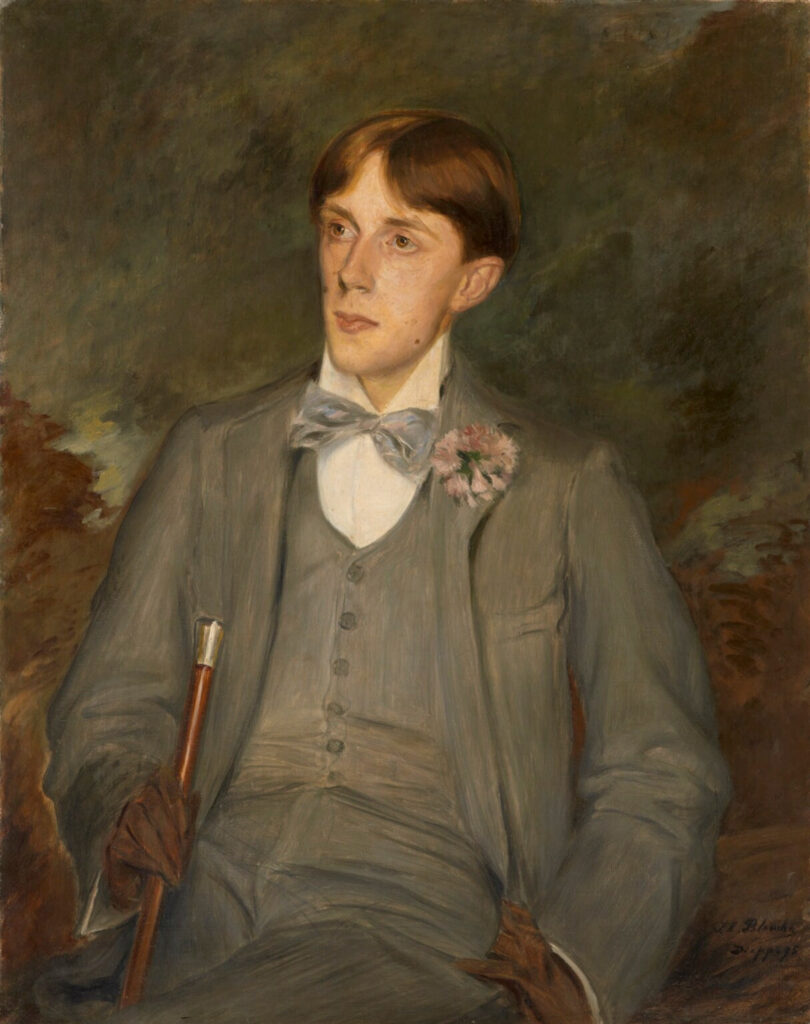
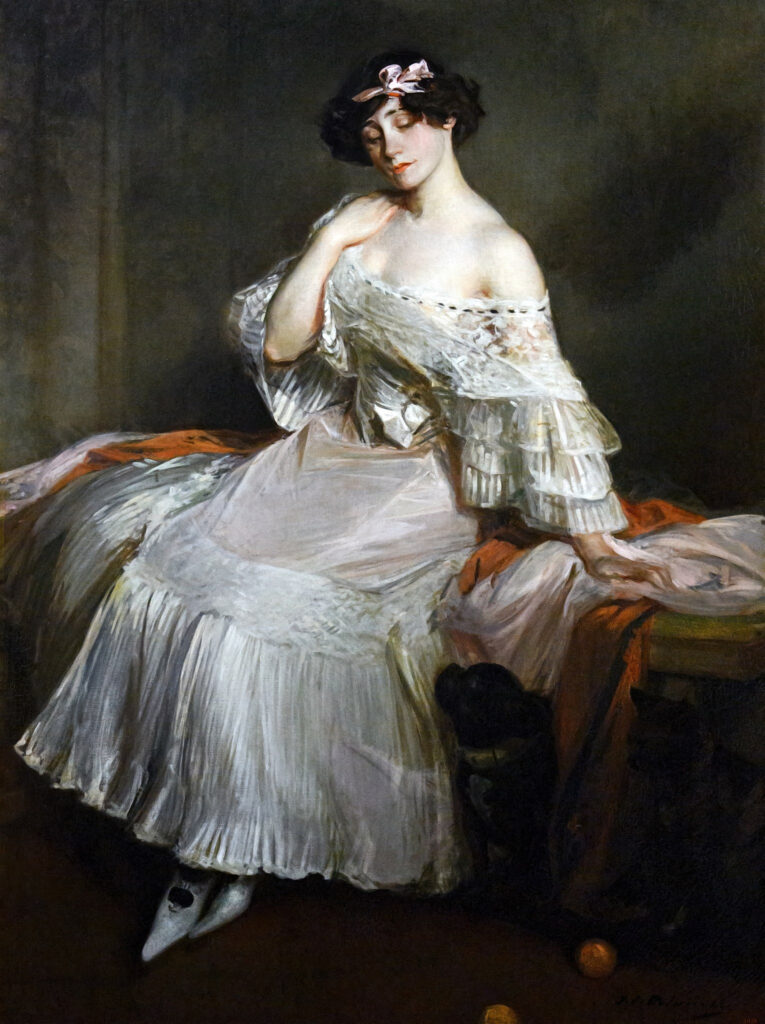
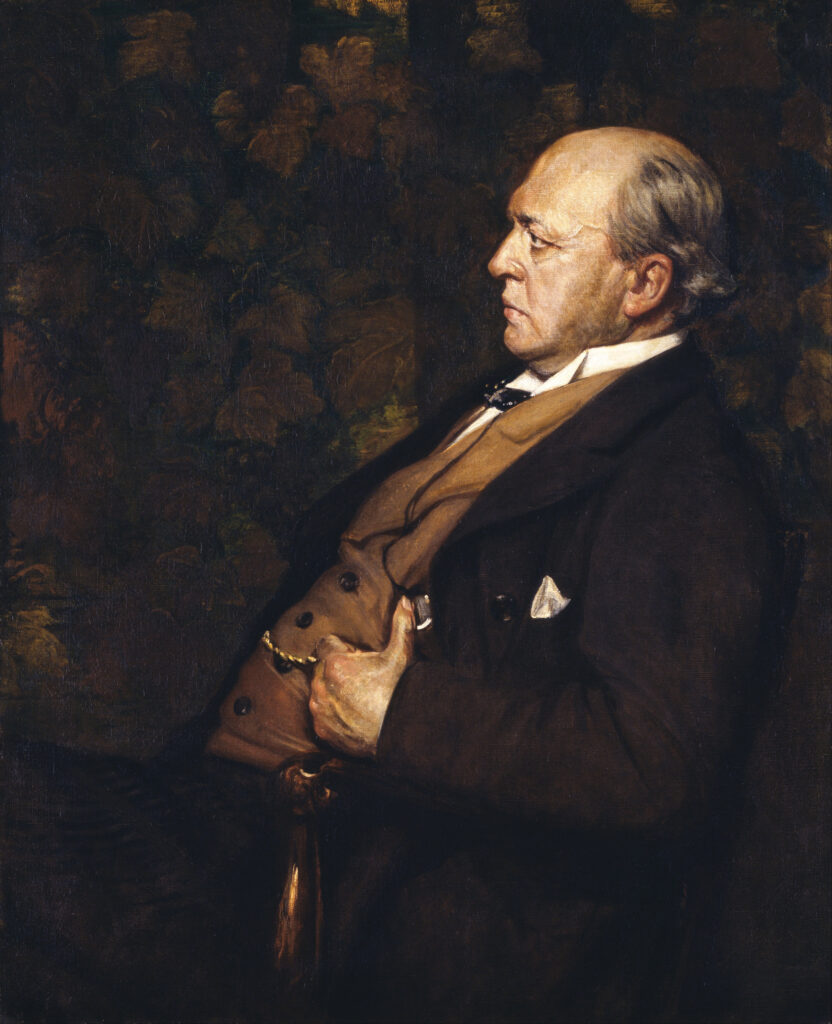
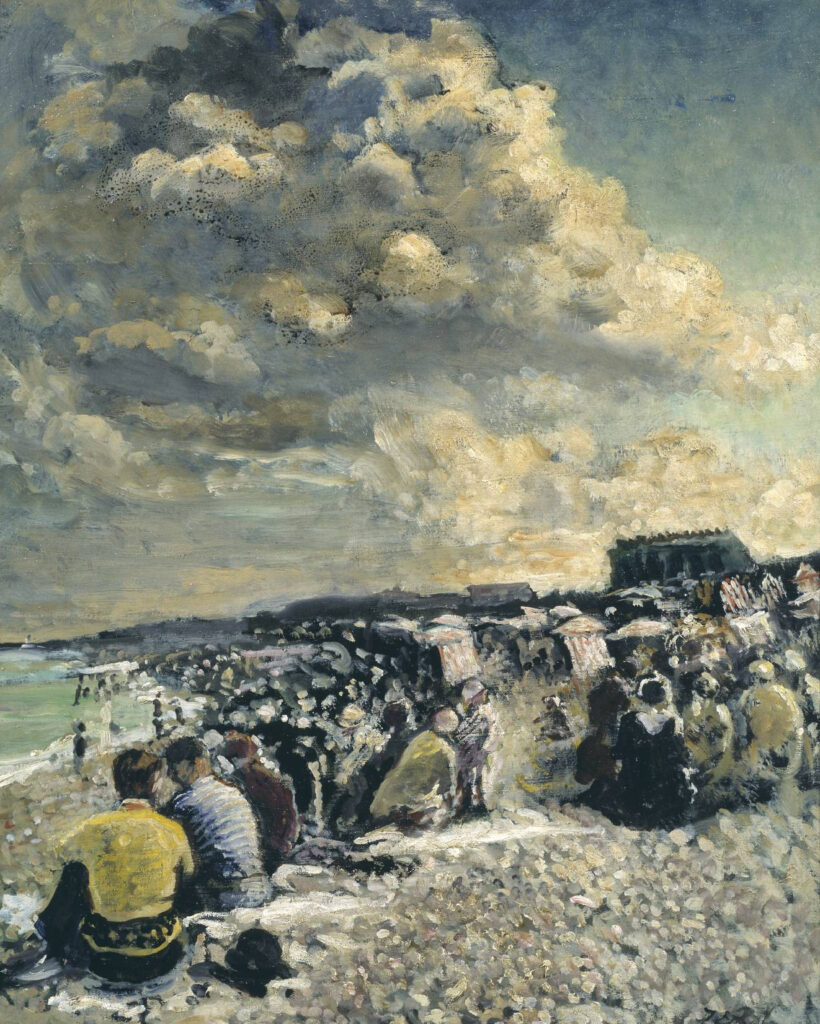
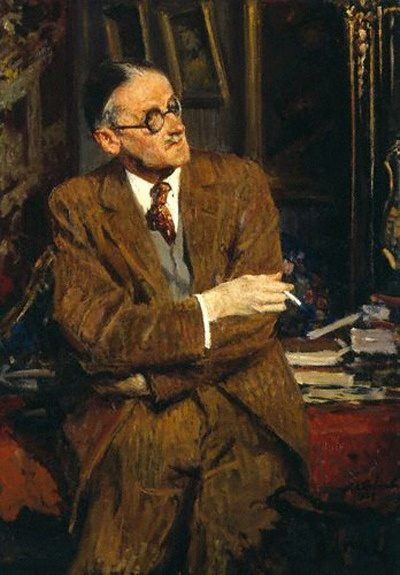
Jacques-Émile Blanche
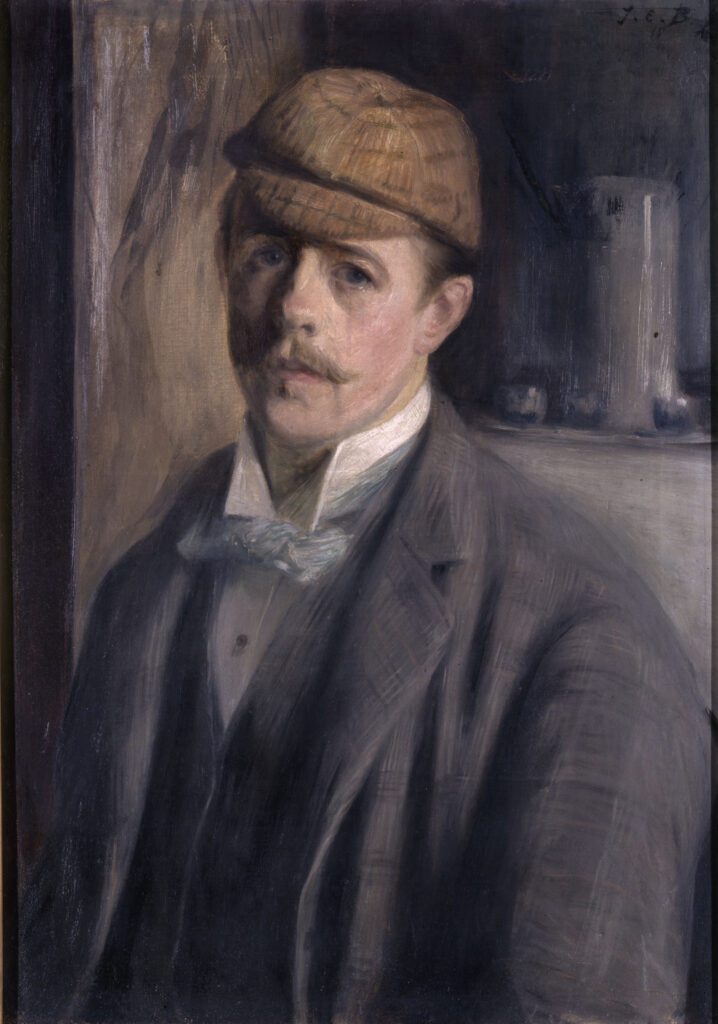
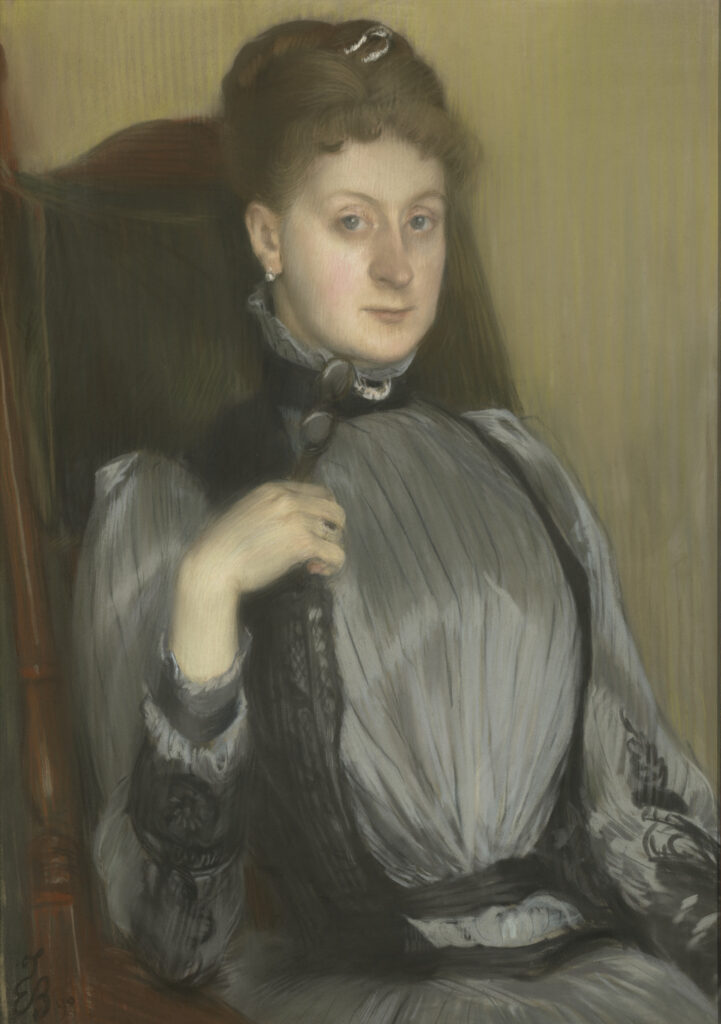
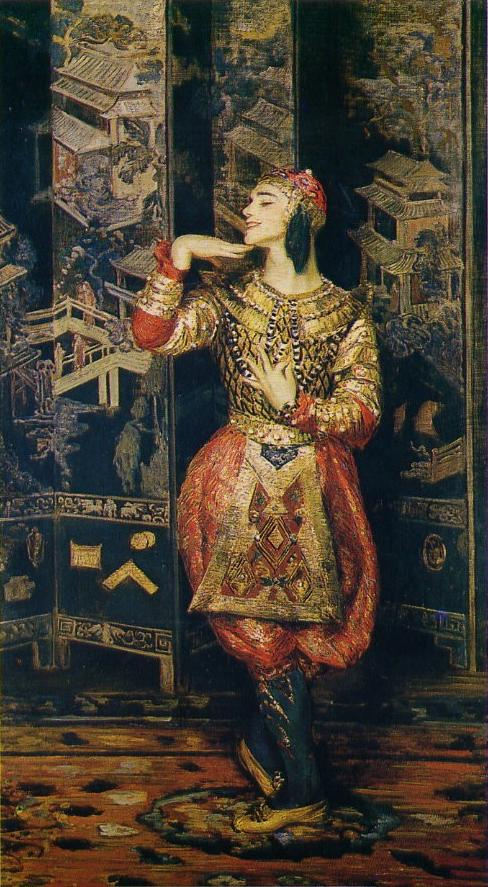
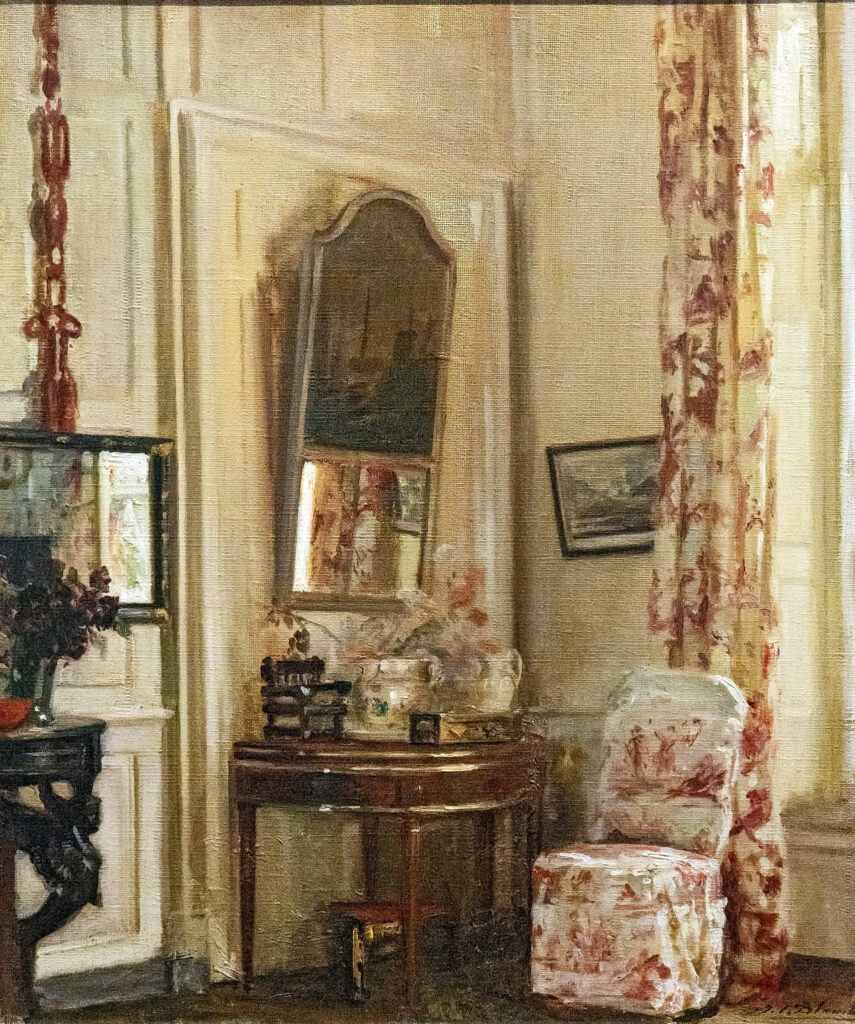
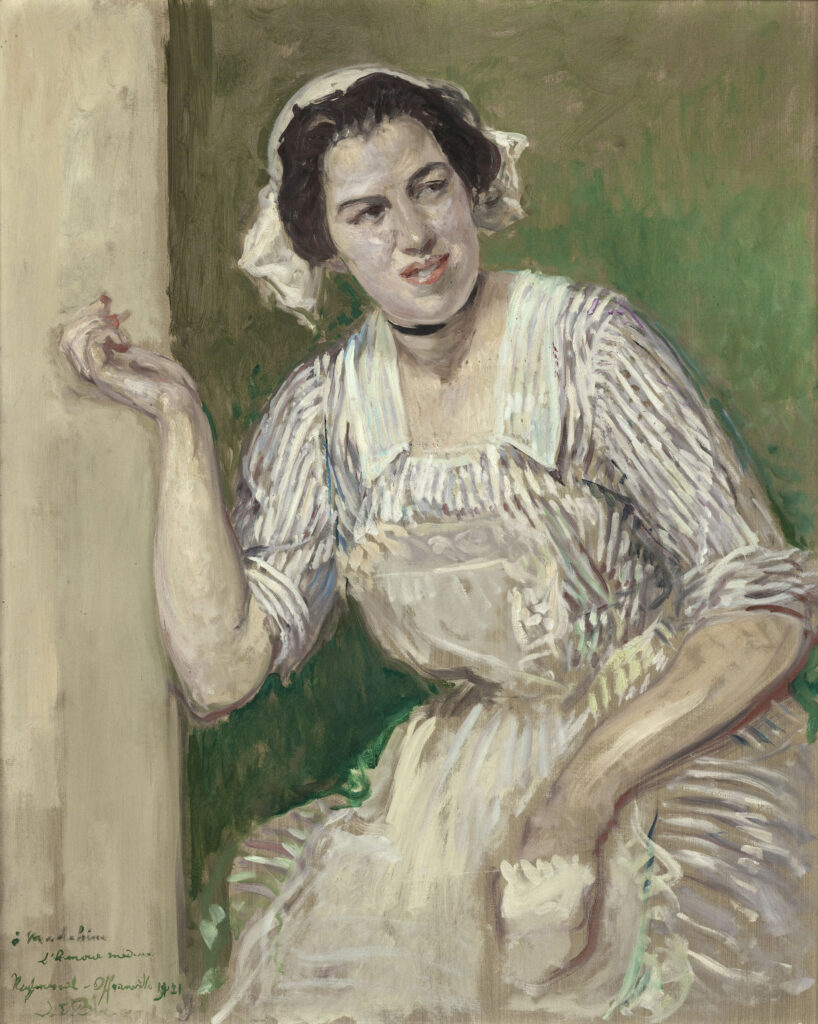
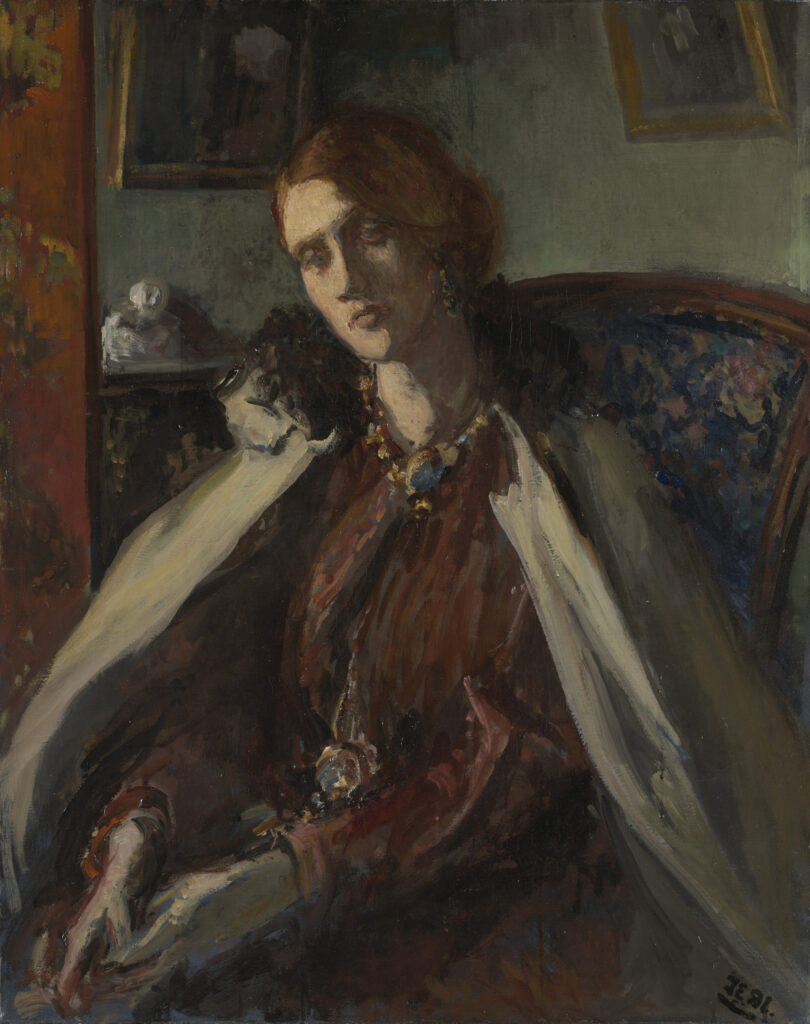
Jacques-Émile Blanche, January 31, 1861–September 30, 1942, was a French painter, printmaker, writer, and art critic known principally as a portraitist. He was educated at the Lycée Condorcet in Paris and was largely self-taught as an artist, although he received instruction from Henri Gervex and Ferdinand Humbert.
Blanche exhibited at the Paris Salon from 1882 to 1889 and at the Société Nationale des Beaux-Arts from 1890. He was associated with the New English Art Club and artistic and literary circles in Paris, London, and Dieppe; he later directed the Académie de La Palette and taught at the Académie Vitti.
His work is represented in the Musée d’Orsay and Petit Palais in Paris, Tate Britain and the National Portrait Gallery in London, the National Portrait Gallery in Washington DC, the Clark Art Institute, and the Museu Nacional d’Art de Catalunya.
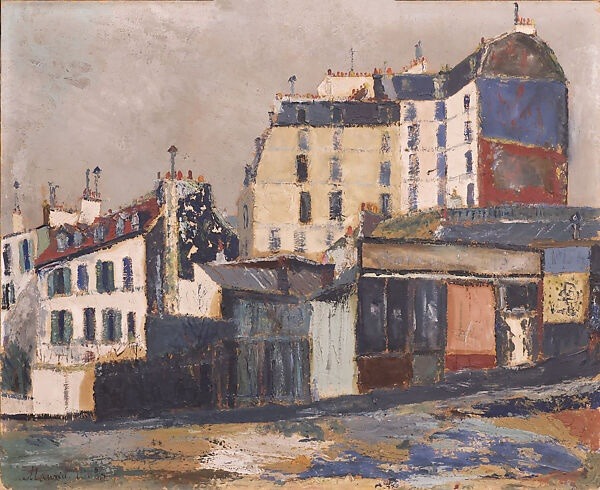
Maurice Utrillo
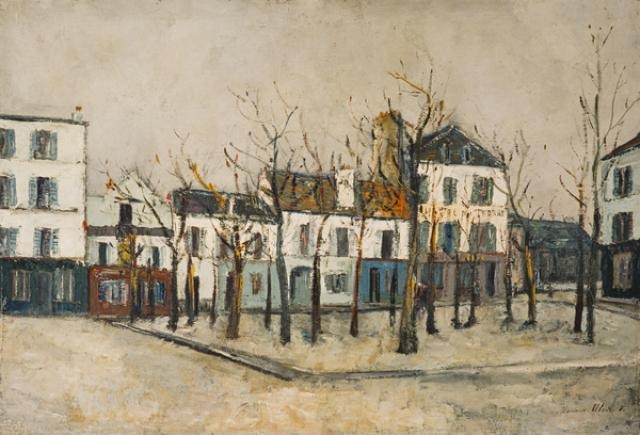
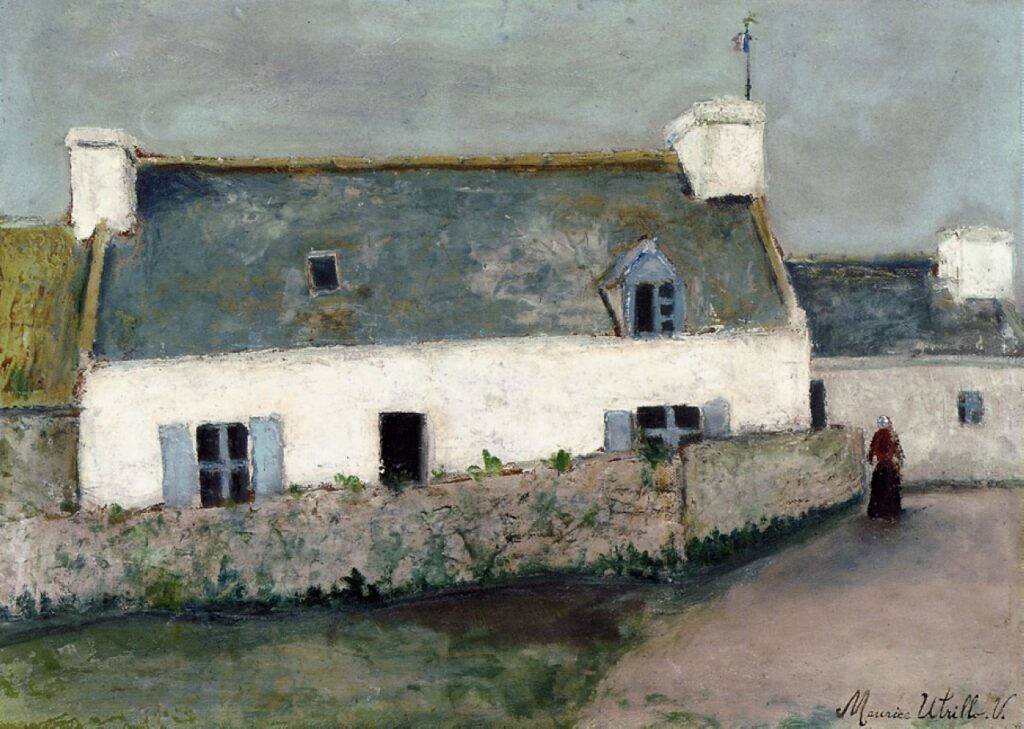
Maurice Utrillo was born Maurice Valadon in Montmartre, Paris, on December 26, 1883. He was the son of the painter and former artist’s model Suzanne Valadon; the Spanish artist and writer Miquel Utrillo legally acknowledged him in 1891. Largely self-taught, Utrillo began painting with encouragement and instruction from his mother.
Utrillo specialized in views of Montmartre and the suburbs of Paris, depicting streets, churches, cafés, and modest buildings with an atmosphere of solitude and melancholy. His celebrated “white period,” approximately 1909–1914, is distinguished by pale colors and heavily textured surfaces. He often worked from postcards and memory as well as direct observation.
Utrillo achieved international recognition during the 1920s and received the Cross of the Légion d’honneur in 1928. He married the painter Lucie Valore in 1935 and settled at Le Vésinet. He died in Dax on November 5, 1955, and was buried in the Cimetière Saint-Vincent in Montmartre.





Joseph Cornell
Joseph Cornell, December 24, 1903–December 29, 1972, was an American artist and filmmaker born in Nyack, New York. He attended Phillips Academy in Andover but did not graduate and received no formal artistic training.
Cornell began making collages and assemblages in the early 1930s after encountering Surrealist art at Julien Levy’s New York gallery. He became known for glass-fronted box constructions assembled from found objects and printed ephemera, and he also made experimental films, including Rose Hobart.
Cornell lived and worked for most of his life in Flushing, Queens, where he cared for his mother and his brother Robert. Major holdings of his work are in the Museum of Modern Art, National Gallery of Art, Smithsonian American Art Museum, Metropolitan Museum of Art, Art Institute of Chicago, Menil Collection, Tate and Solomon R. Guggenheim Museum.


Karl Hubbuch
Karl Hubbuch was born in Karlsruhe on November 21, 1891. He studied at the art academy in Karlsruhe and continued his training in graphic art in Berlin, where his circle included Rudolf Schlichter, Georg Scholz and George Grosz. After military service during the First World War, he returned to Karlsruhe and completed his studies.
A painter, printmaker and draftsman, Hubbuch became a leading representative of the critical, verist current within Neue Sachlichkeit. His sharply observed portraits and scenes of modern life scrutinized the social tensions of the Weimar Republic. He participated in the landmark Neue Sachlichkeit exhibition in Mannheim in 1925 and was appointed professor at the Karlsruhe academy in 1928.
The National Socialist government dismissed Hubbuch from his teaching position in 1933. He supported himself through decorative and commercial work until he was reinstated at the academy after the Second World War, teaching there until 1957. His later work included subjects inspired by travel, especially in France. Hubbuch died in Karlsruhe on December 26, 1979.


Aristide Maillol
Aristide Maillol, December 8, 1861–September 27, 1944, was a French sculptor, painter, and tapestry designer from Banyuls-sur-Mer. After several unsuccessful applications, he entered the École des Beaux-Arts in Paris in 1885, where Jean-Léon Gérôme and Alexandre Cabanel were among his teachers.
Maillol worked with the Nabis and first gained notice for tapestry. By about 1900 he turned principally to sculpture, while continuing to paint and draw; his simplified, monumental female figures became the central subject of his work.
Maillol died at Banyuls-sur-Mer following injuries from an automobile accident. His work is represented in the Musée d’Orsay, the Louvre Museum, the Metropolitan Museum of Art, and the Museum of Modern Art.


Paul Manship
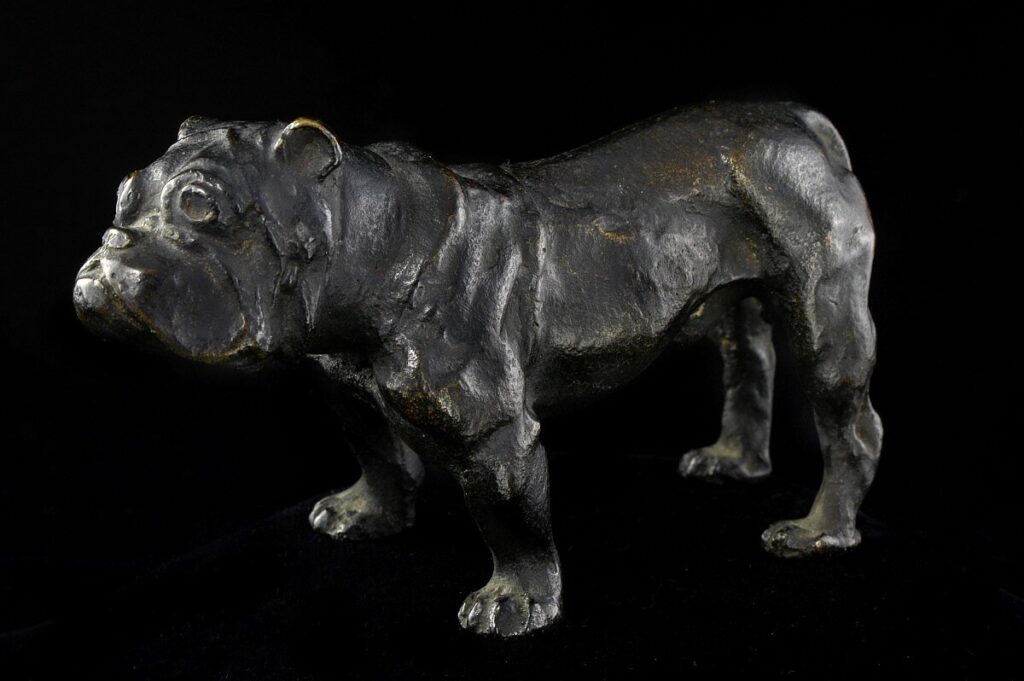
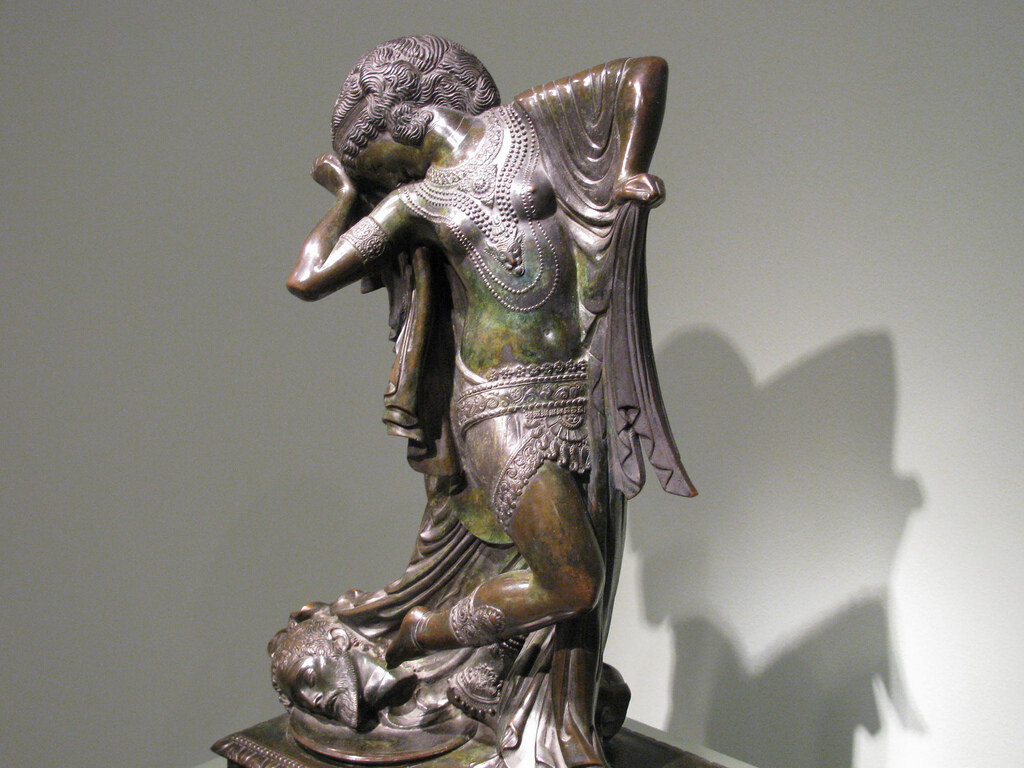
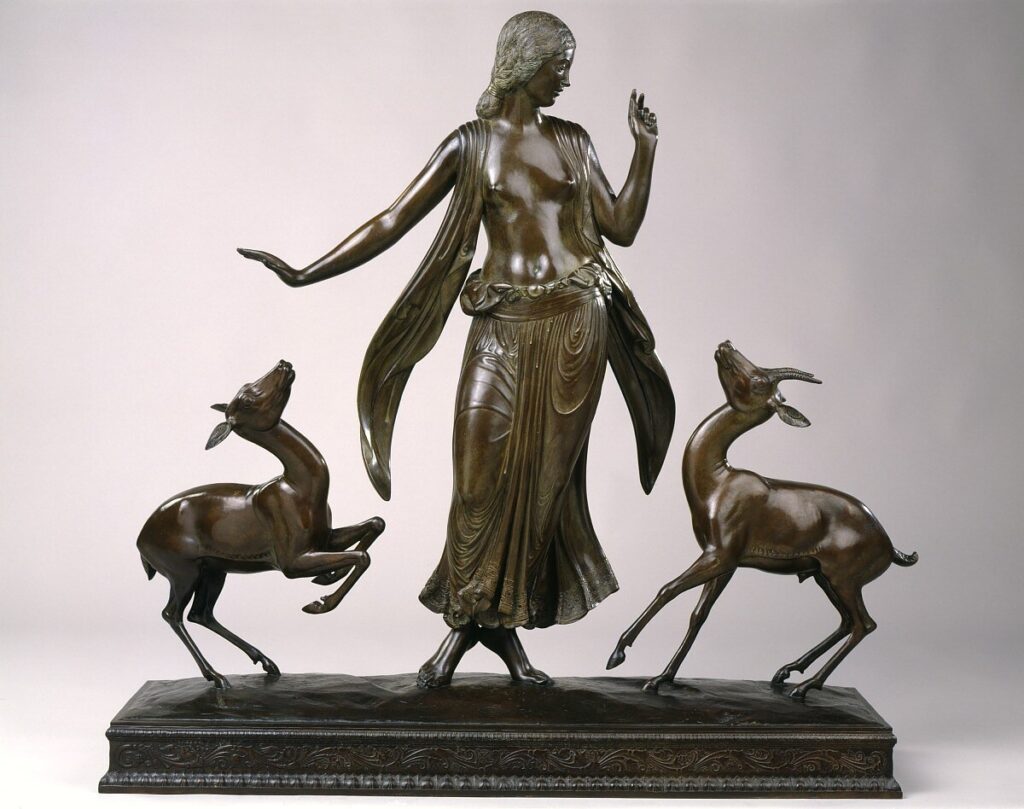
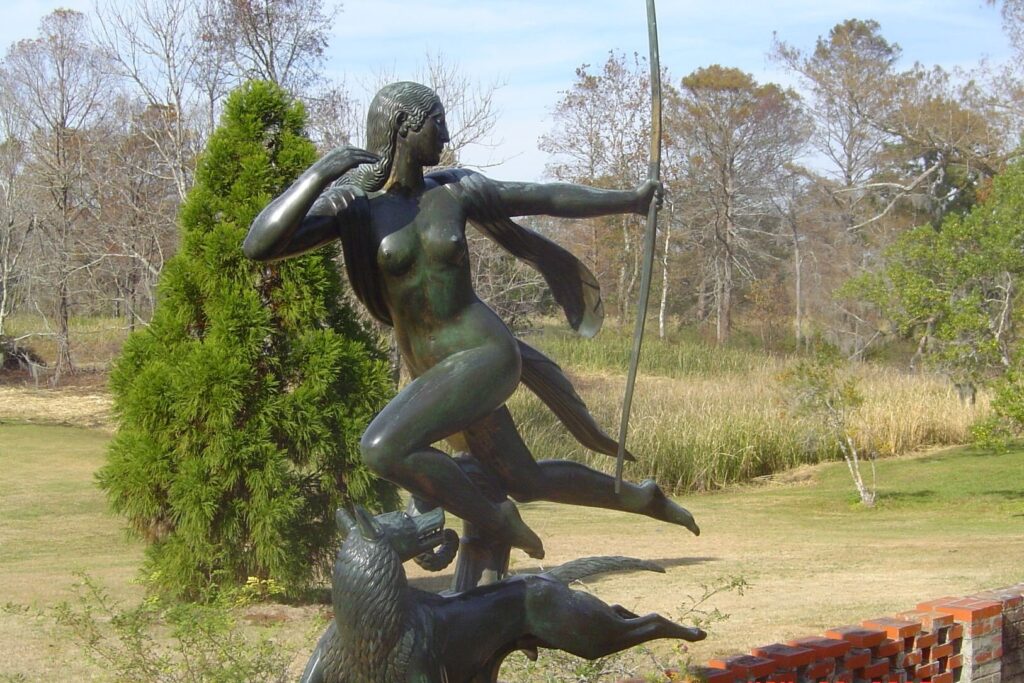
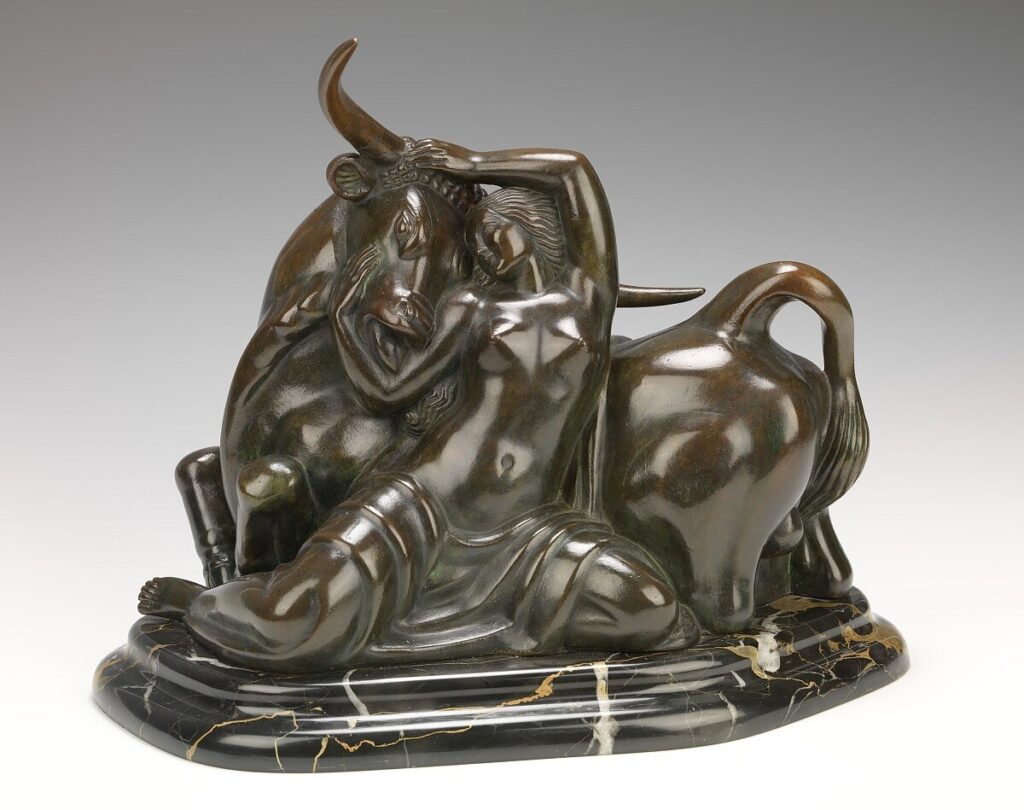
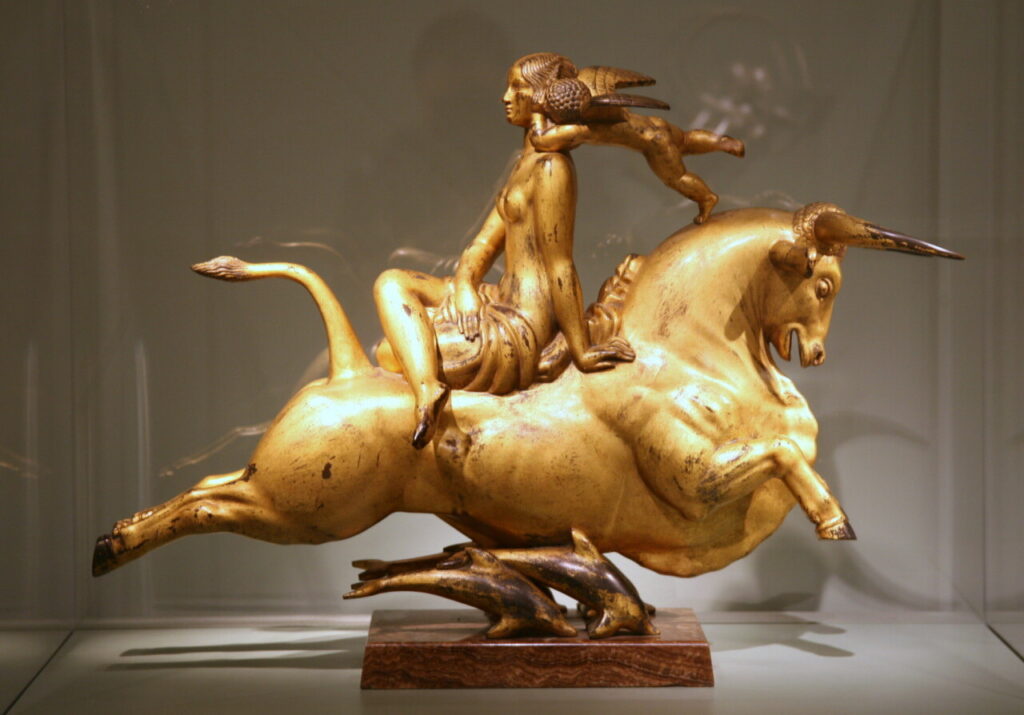
Paul Manship, December 25, 1885–January 28, 1966, was an American sculptor born in Saint Paul, Minnesota. He studied at the St. Paul School of Art, the Pennsylvania Academy of the Fine Arts, and the Art Students League in New York, and held the Rome Prize at the American Academy in Rome from 1909 to 1912.
Manship established a career in New York as a sculptor of bronzes, architectural reliefs, fountains, monuments, and medals. His work drew on Greek, Roman, Egyptian, Assyrian, and South Asian art; he served on the U.S. Commission of Fine Arts and was associated with the National Academy of Design, the National Sculpture Society, and the American Academy of Arts and Letters.
His major public commissions included The Four Elements for 195 Broadway, Prometheus at Rockefeller Center, the Rainey Memorial Gates at the Bronx Zoo, and the Celestial Sphere at the Palais des Nations in Geneva. Manship died in New York; substantial holdings of his work and papers are preserved by the Smithsonian American Art Museum and the Archives of American Art.





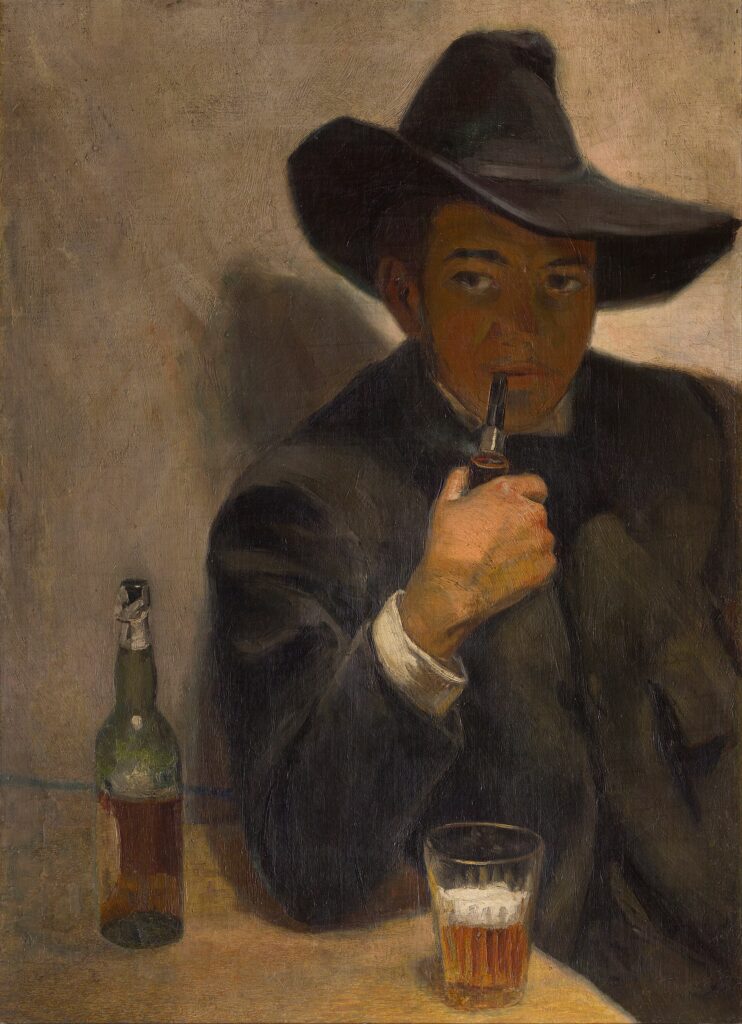
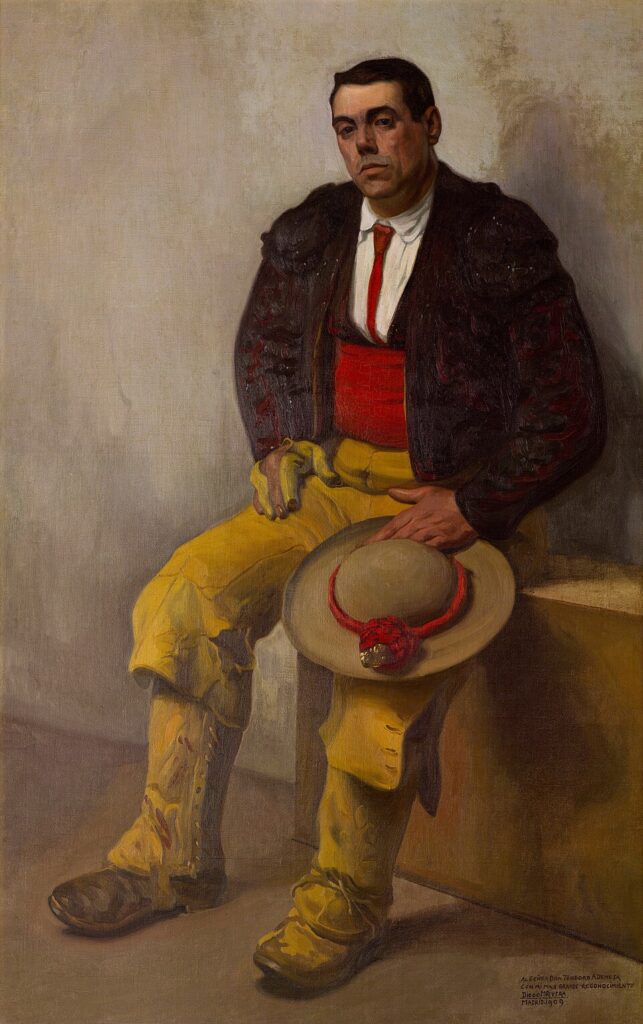
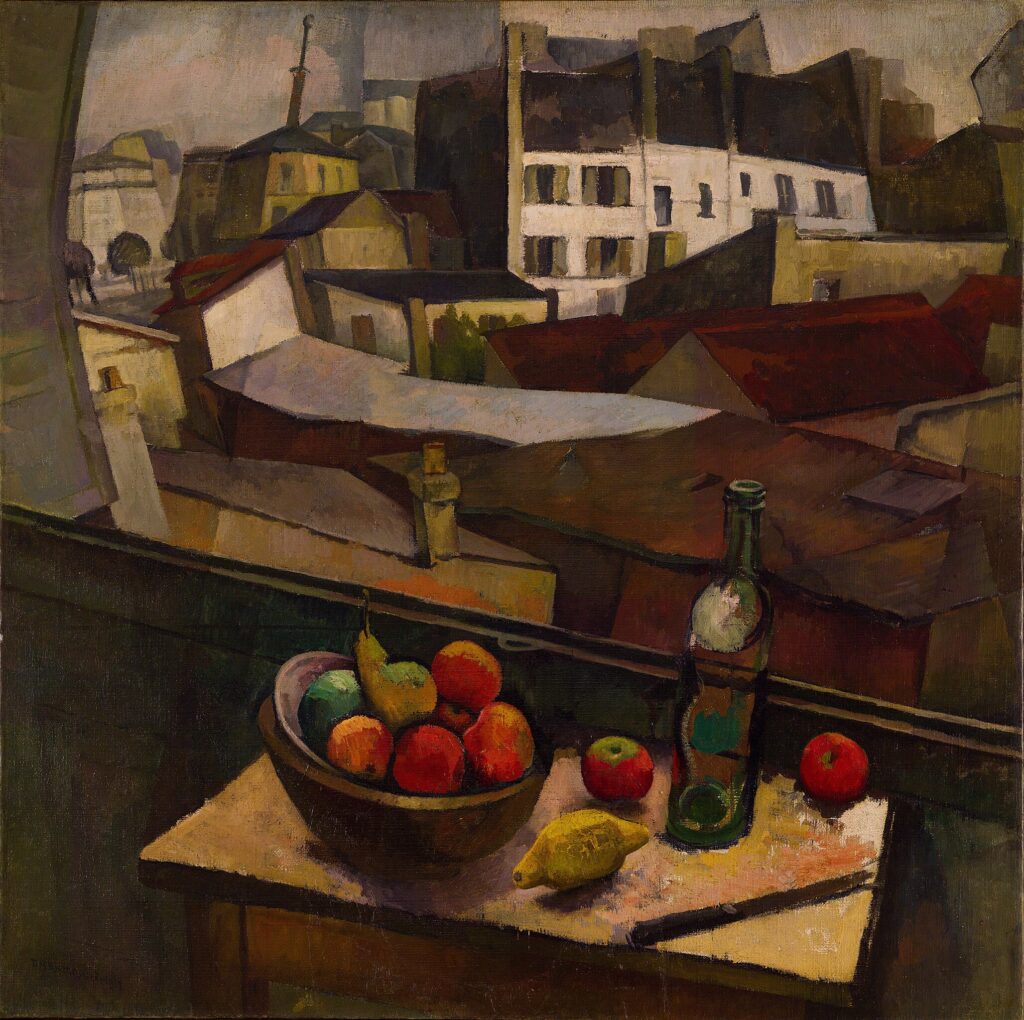
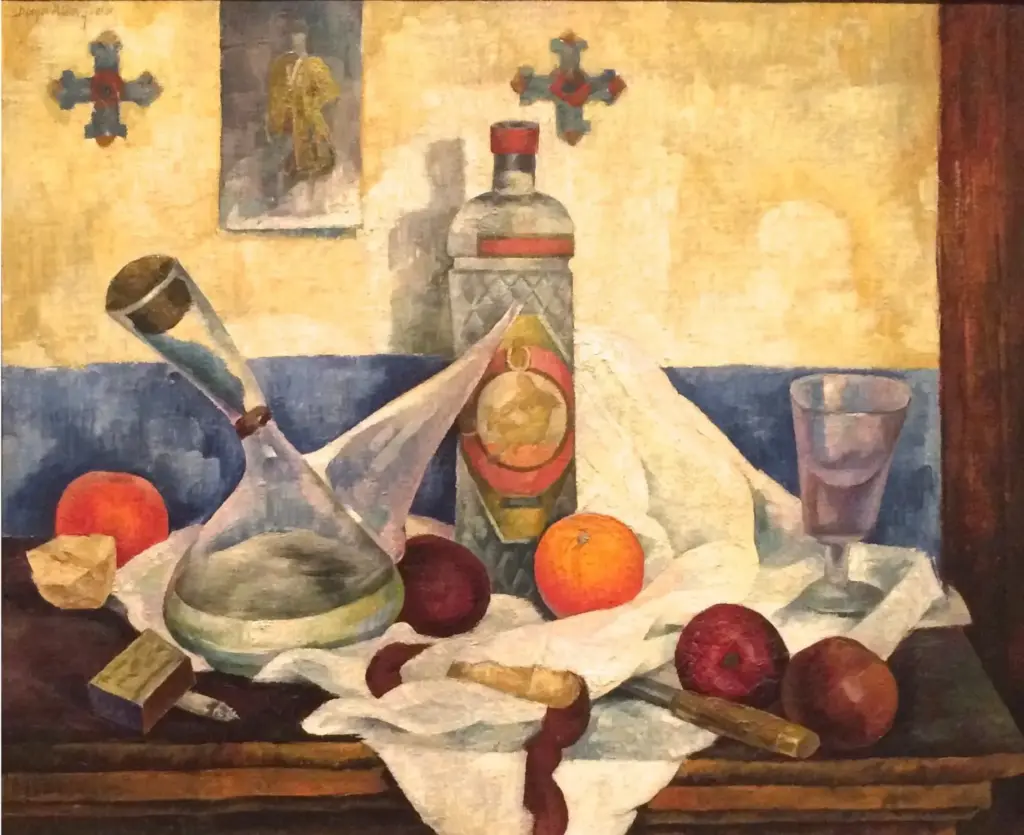
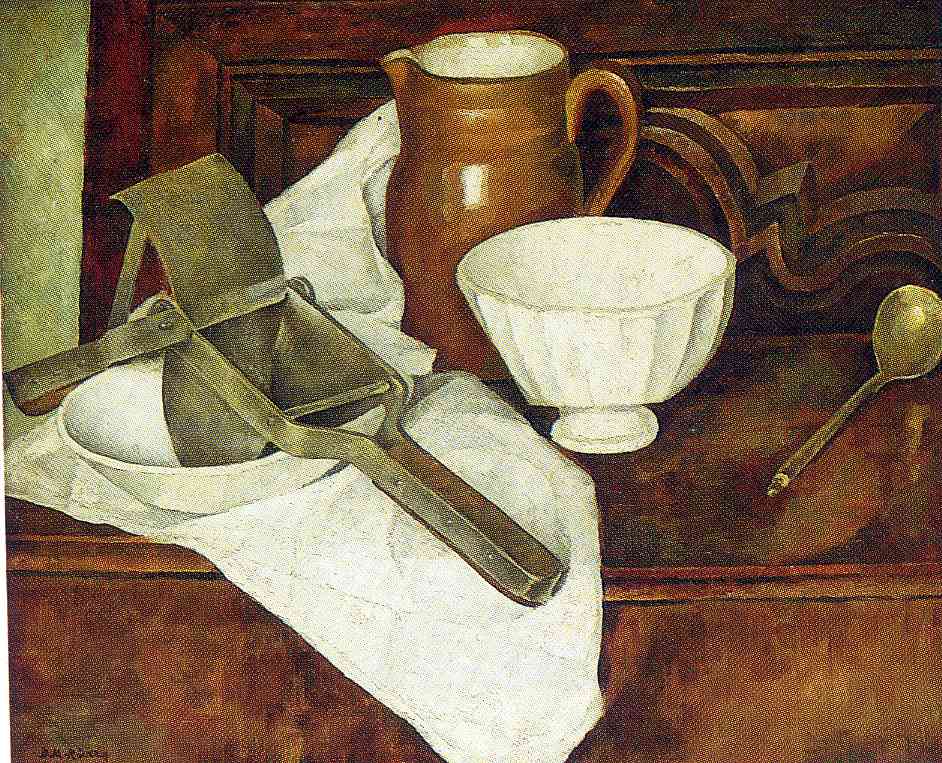
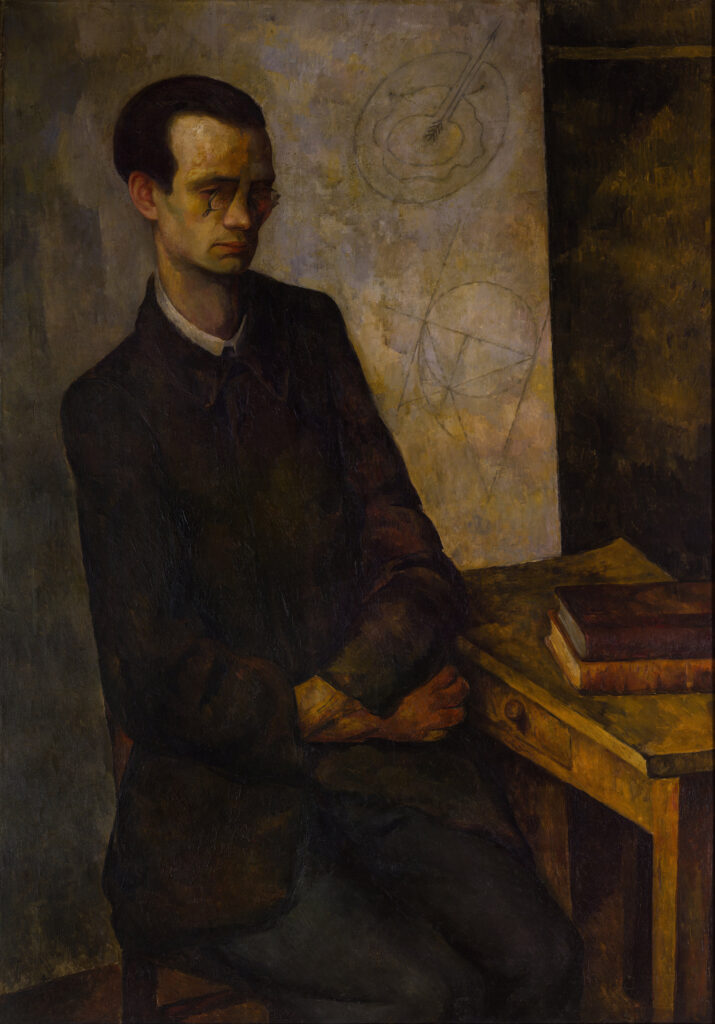
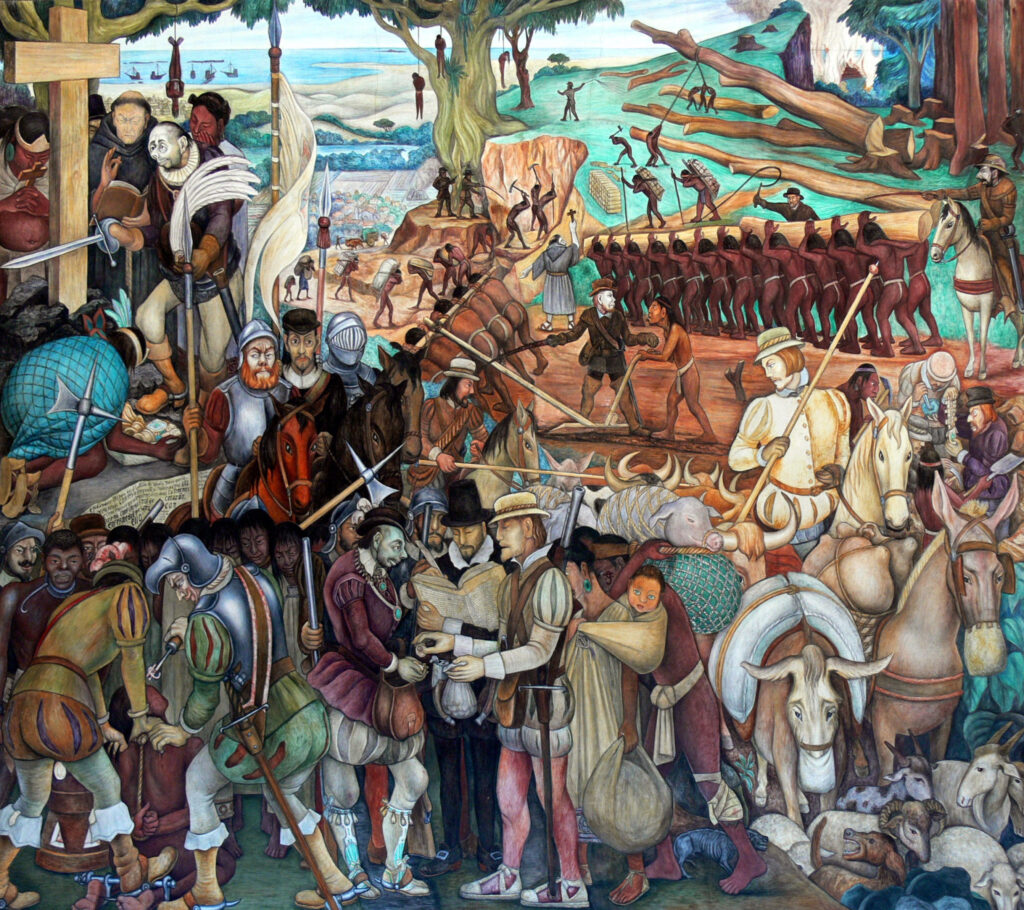
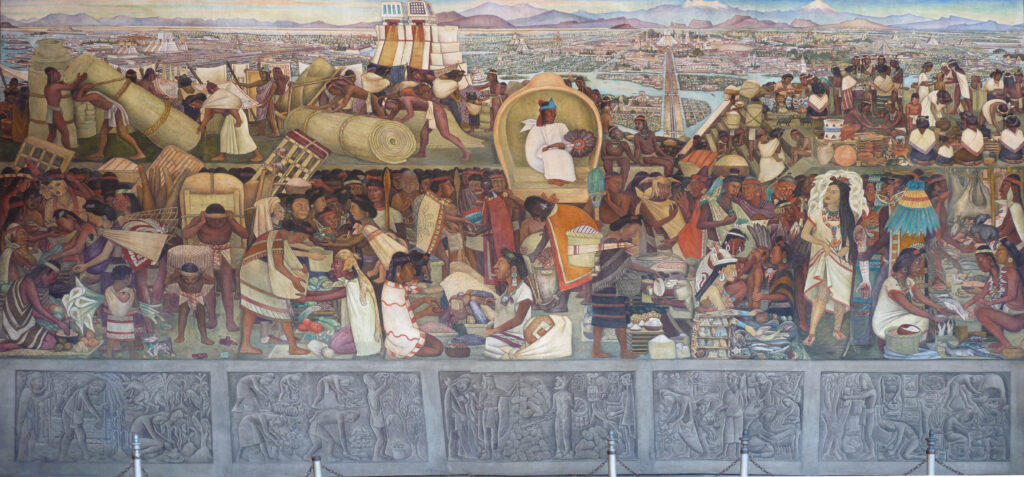
Diego Rivera
Diego Rivera, December 8, 1886–November 24, 1957, was a Mexican painter born in Guanajuato. He studied at the Academy of San Carlos in Mexico City and, from 1907, spent extended periods in Spain and France, where he encountered modern European painting and Cubism.
Rivera returned to Mexico in 1921 and became a leading mural painter of the post-revolutionary period. He executed large public fresco cycles in Mexico City, Chapingo, Detroit, San Francisco, and New York, while continuing to paint portraits, landscapes, and still lifes.
He married Frida Kahlo in 1929; their relationship, with an interruption in 1939–1940, remained central to both artists’ lives. Rivera died in Mexico City in 1957. His murals and easel paintings are held in major collections in Mexico and abroad.









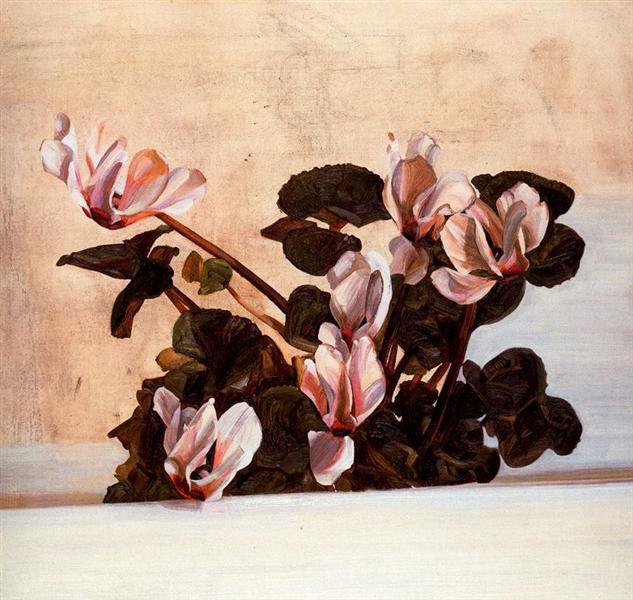

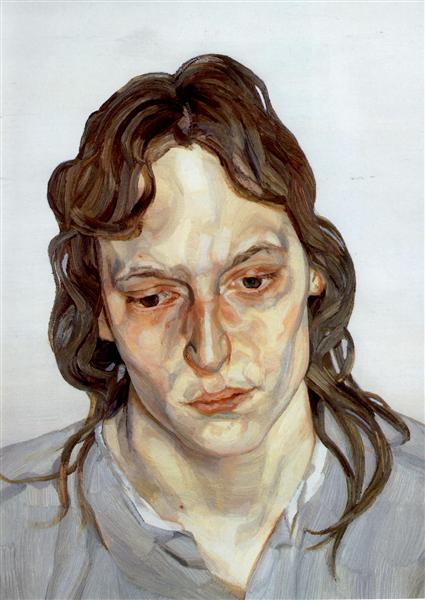
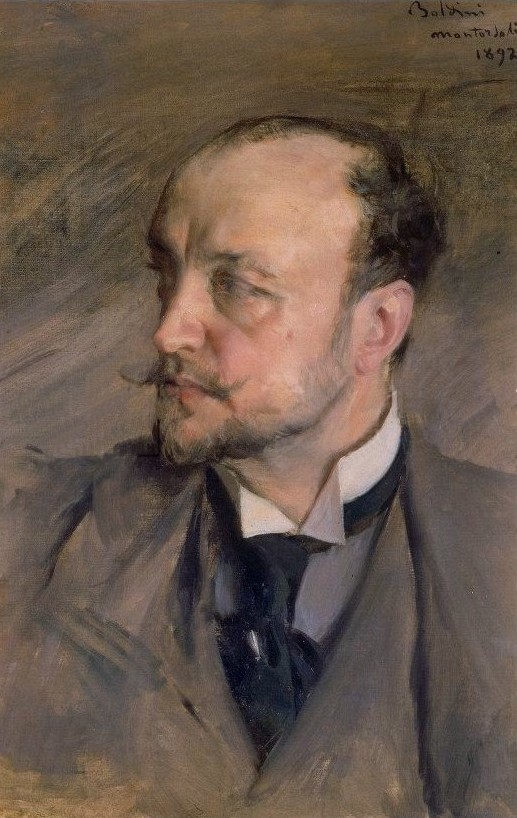
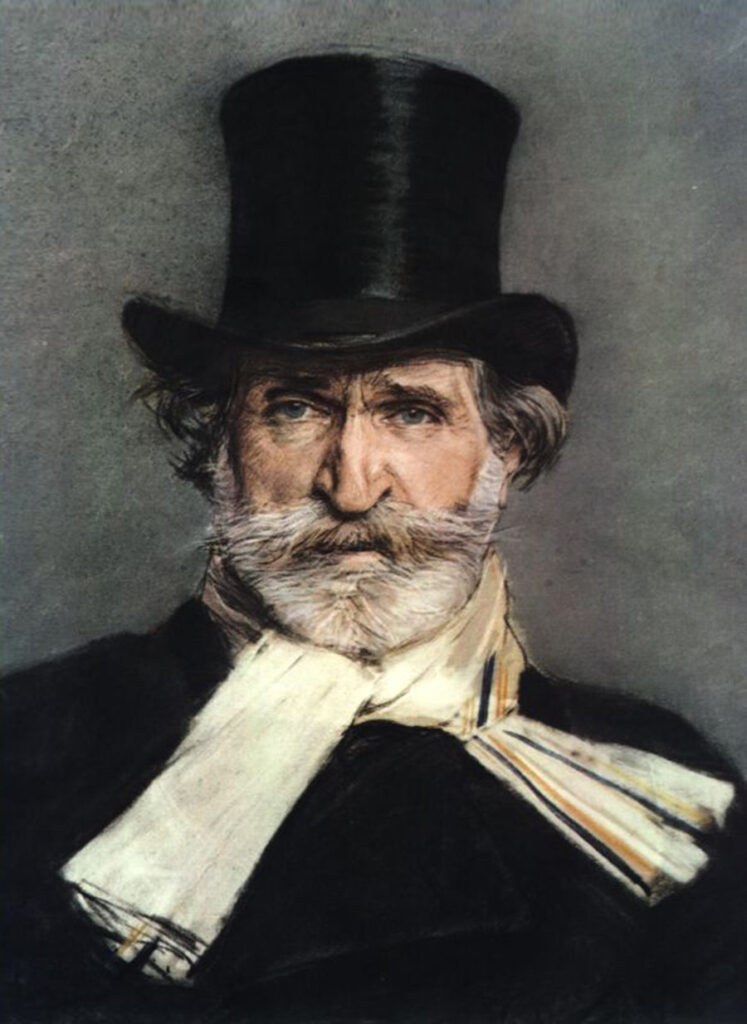
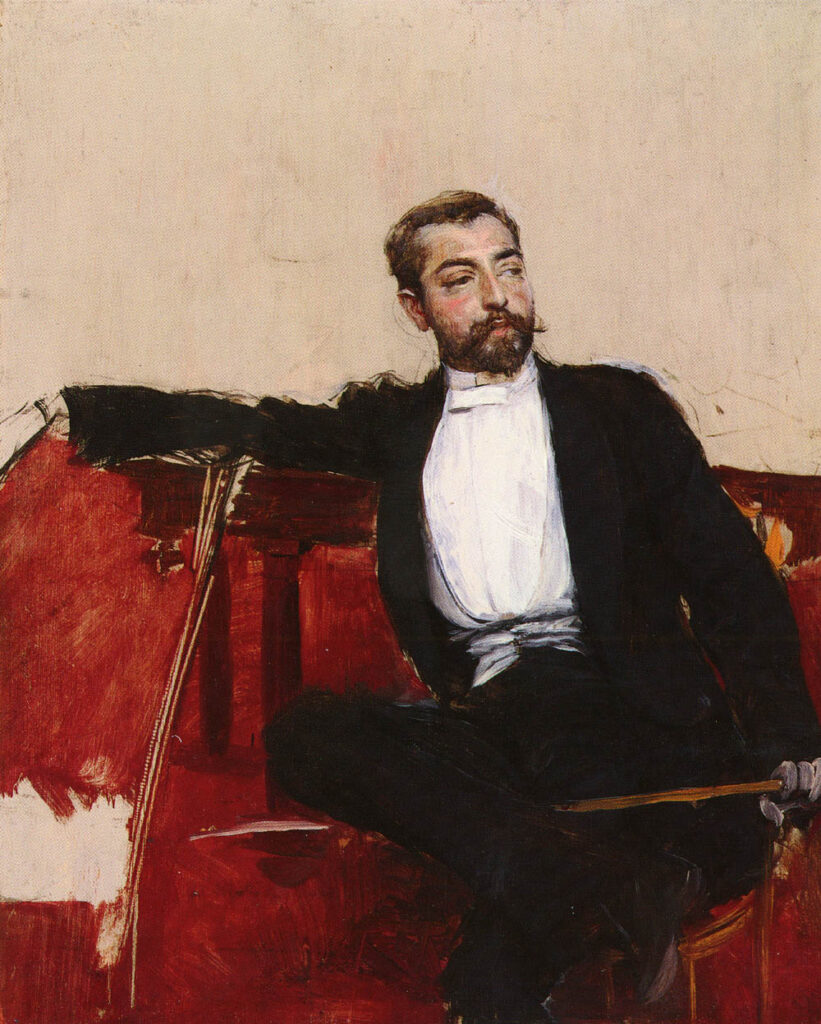
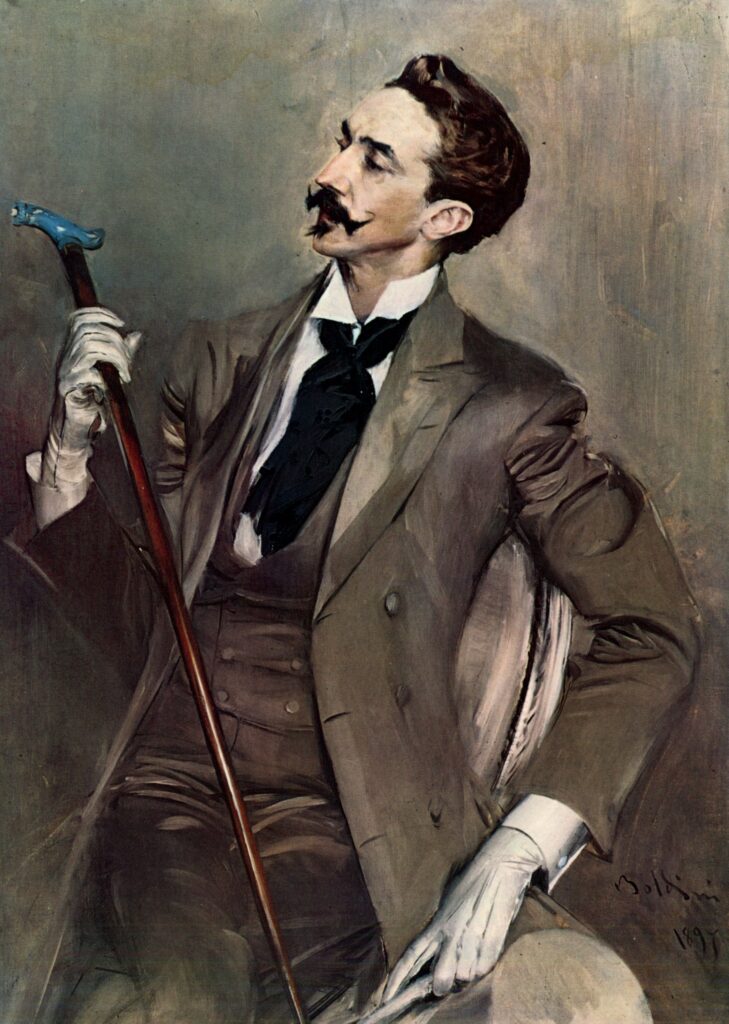
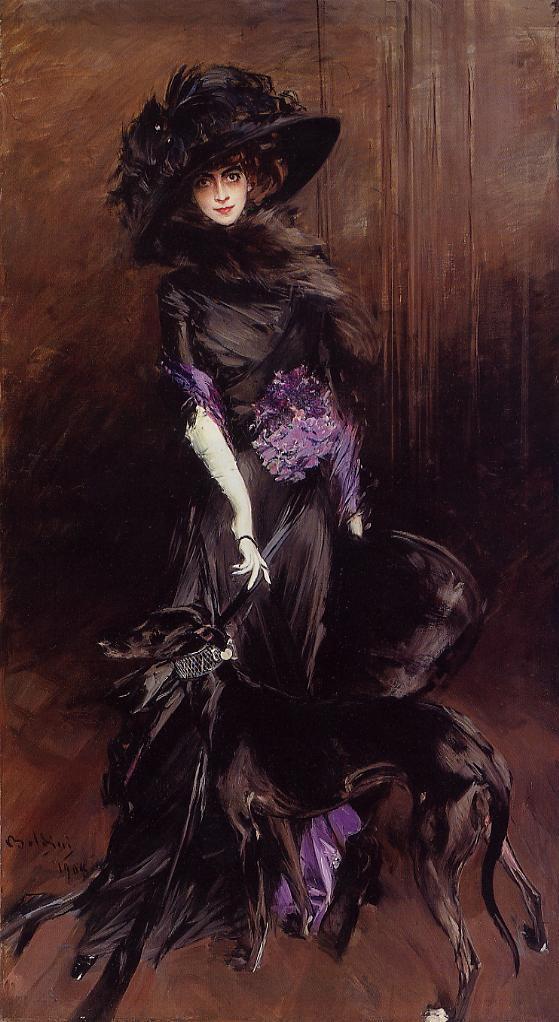
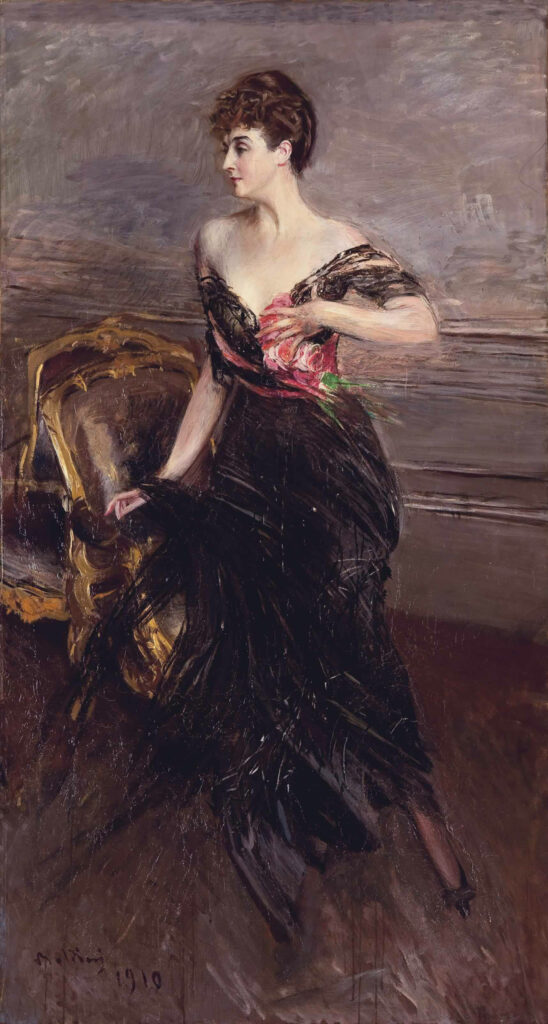
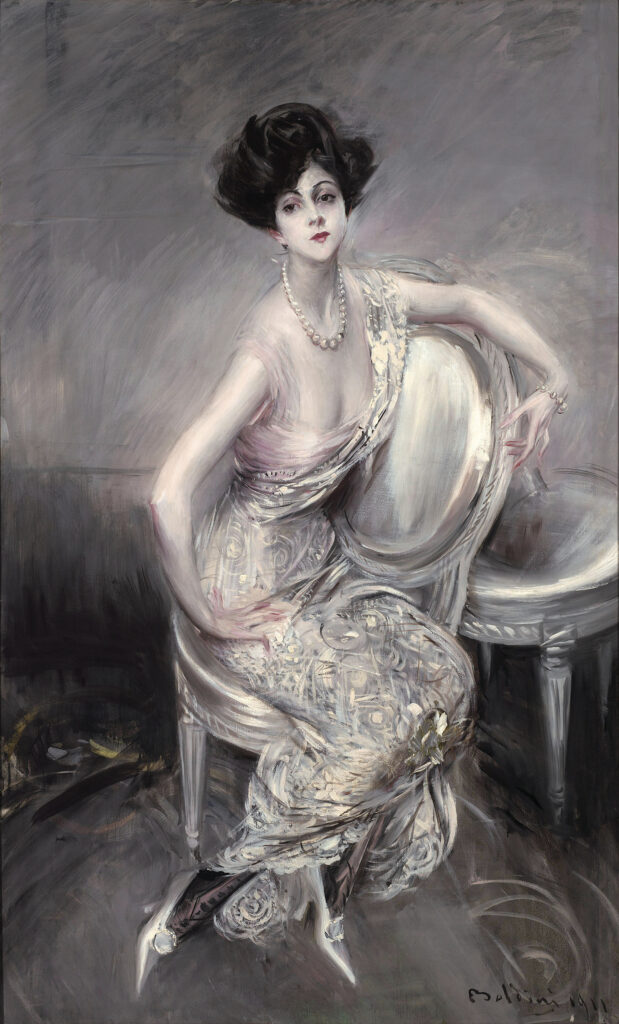
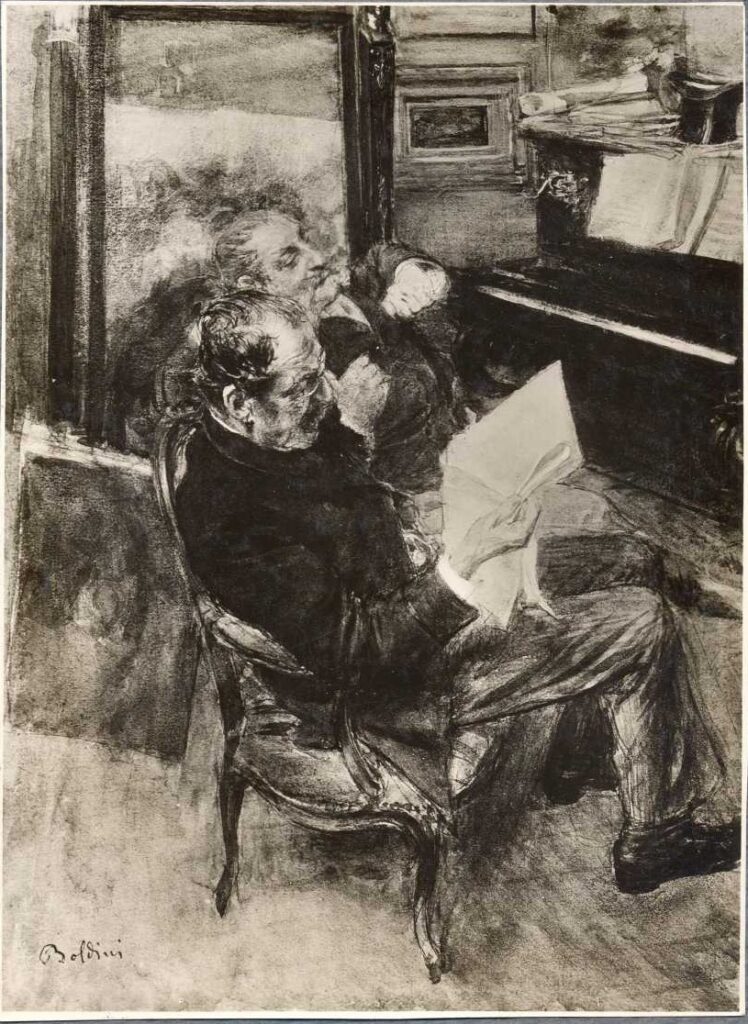
Giovanni Boldini
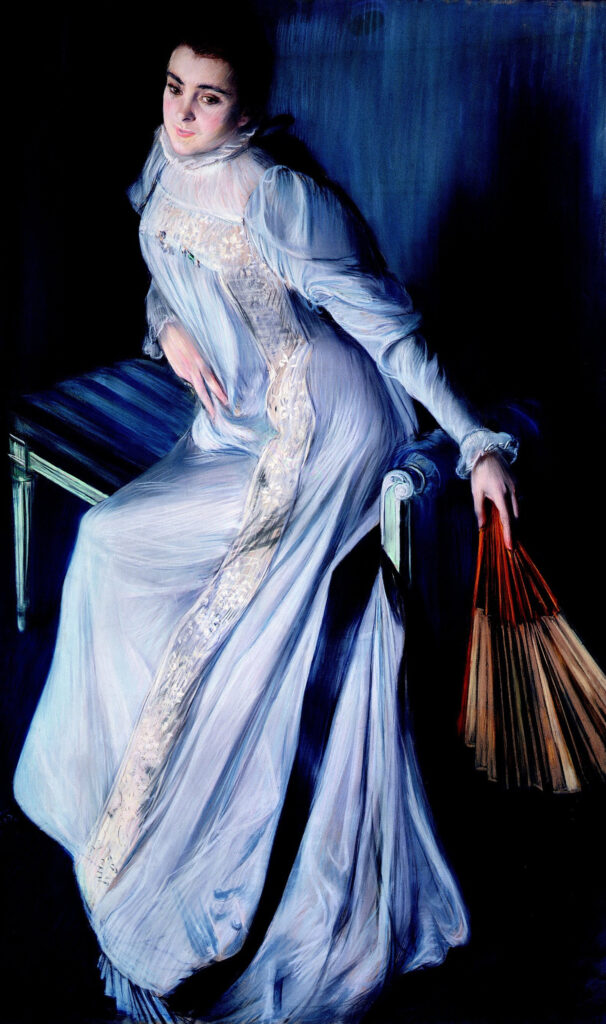
Giovanni Boldini, December 31, 1842–January 11, 1931, was an Italian painter born in Ferrara. He first trained with his father, Antonio, and later studied in Florence, where he associated with the Macchiaioli painters.
After periods in Florence and London, Boldini settled in Paris in 1871. He became a sought-after portraitist, working in oil, pastel, and drawing for an international circle of artists, writers, musicians, and society figures.
Boldini died in Paris in 1931. His work is represented in collections including the Uffizi Gallery, the National Gallery of Modern and Contemporary Art in Rome, the Musée d’Orsay, the Metropolitan Museum of Art, and the Louvre Museum.