Posts in Category: 19th Century
Frances Benjamin Johnston
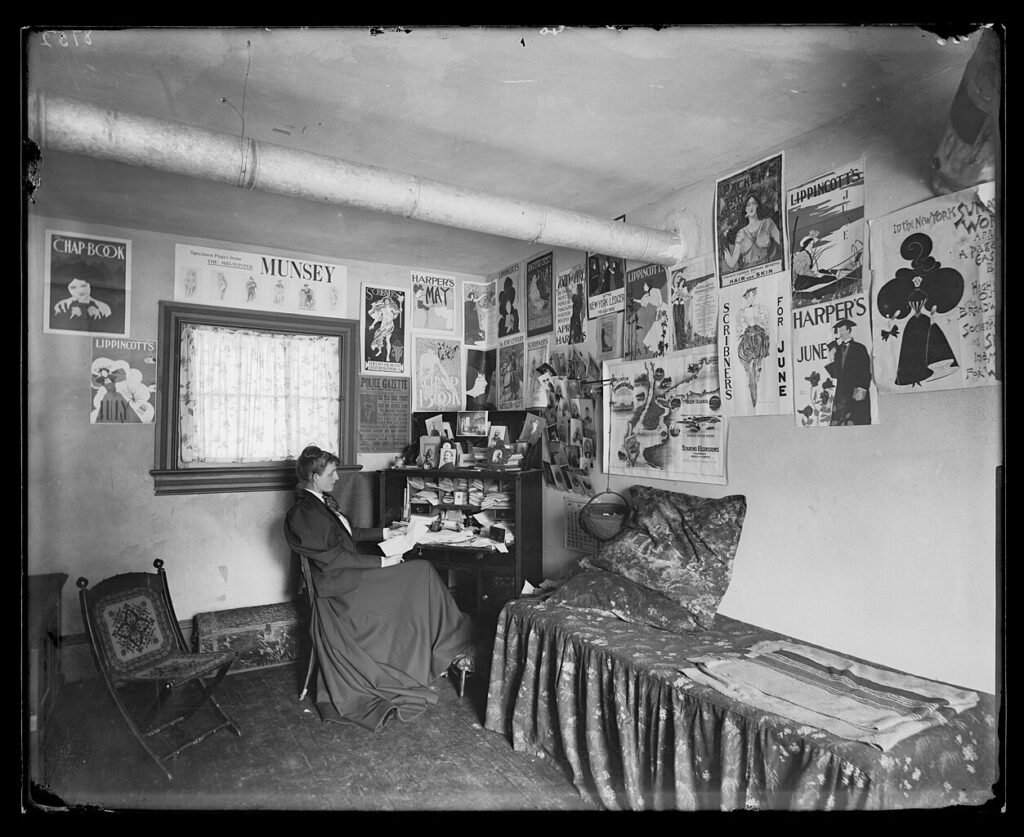
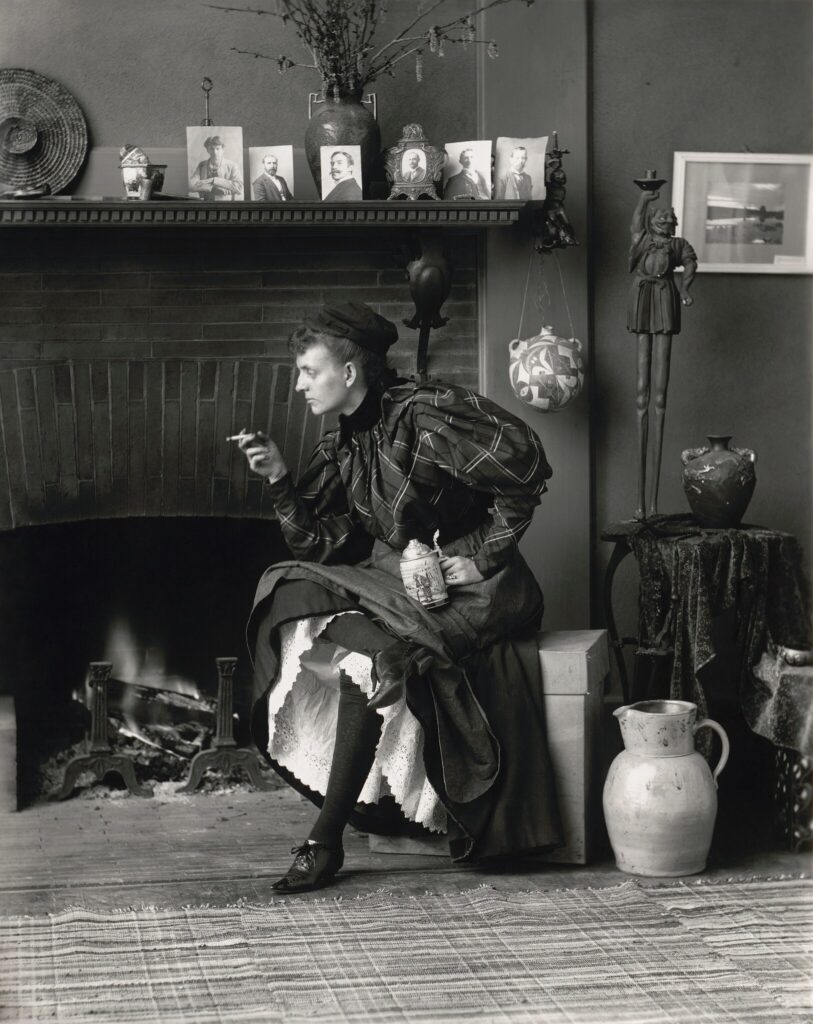
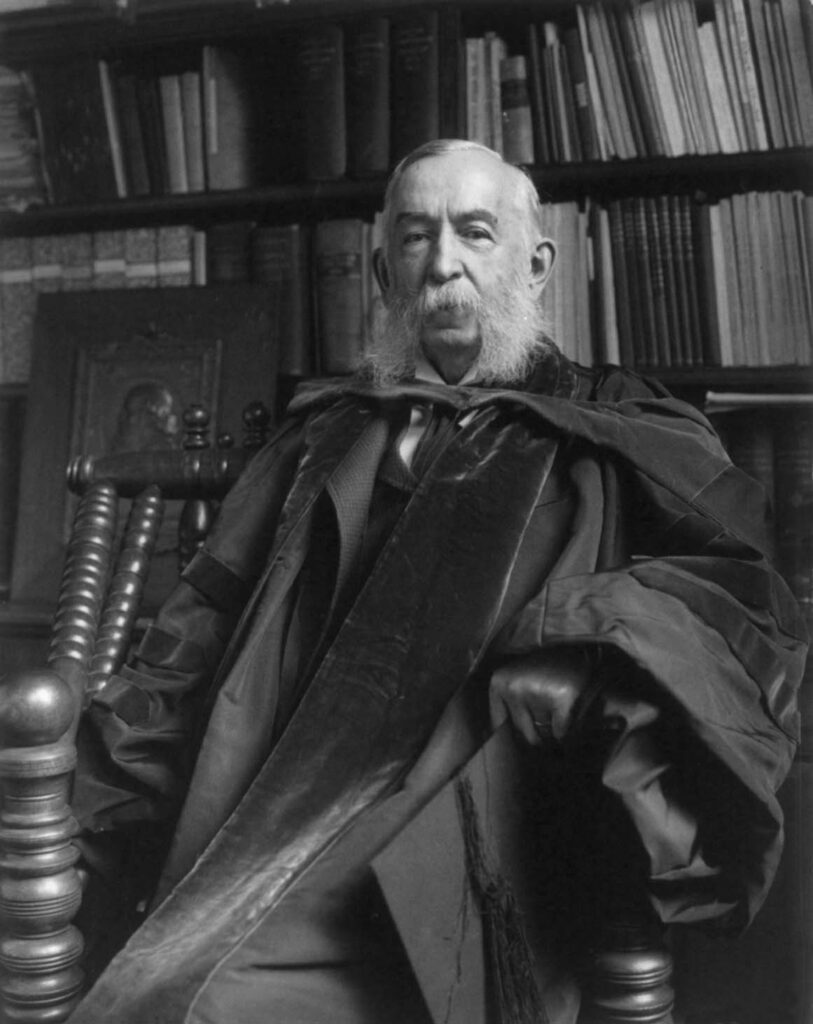
Frances Benjamin Johnston, January 15, 1864–May 16, 1952, was an American photographer. Born in Grafton, West Virginia, and raised in Washington DC, she studied art in Paris and Washington before learning photography and opening a Washington studio in the 1890s.
Johnston built a career as a portraitist and photojournalist, photographing political and cultural figures as well as the White House. Her work also documented education at Hampton and Tuskegee Institutes, and in 1900 she organized an exhibition of photographs by American women for the Paris Exposition.
In later decades Johnston specialized in gardens and historic architecture across the American South. She settled in New Orleans in 1940 and died there in 1952; major holdings of her work are preserved by the Library of Congress.




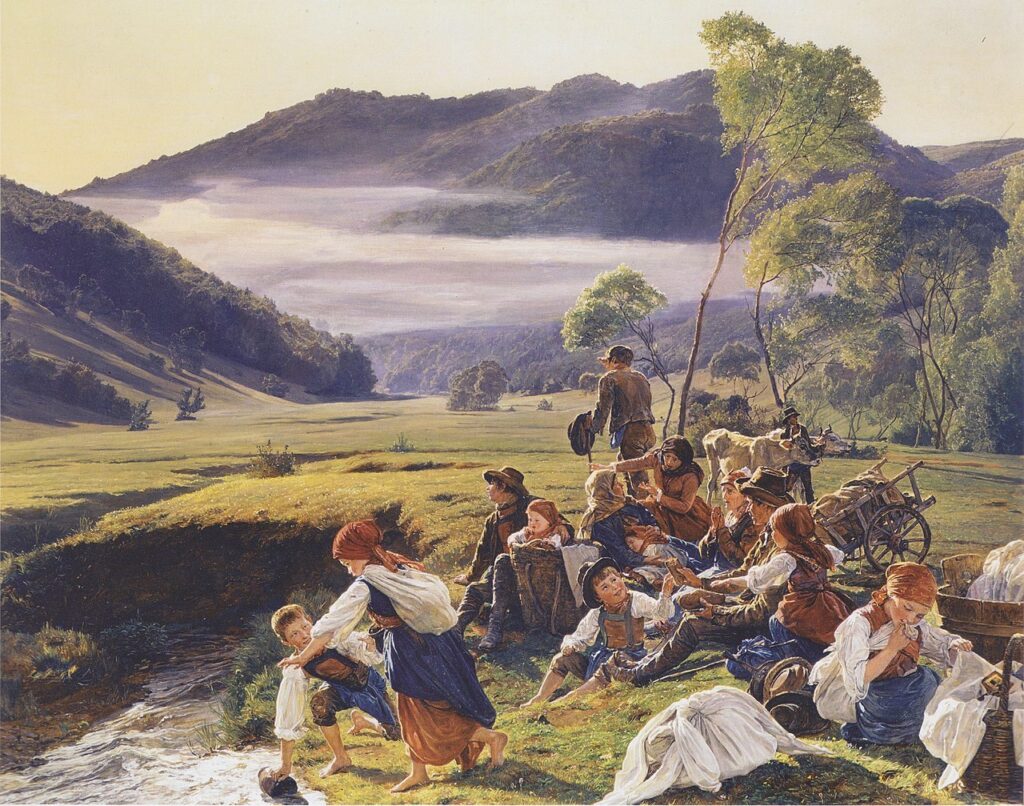
Ferdinand Waldmüller
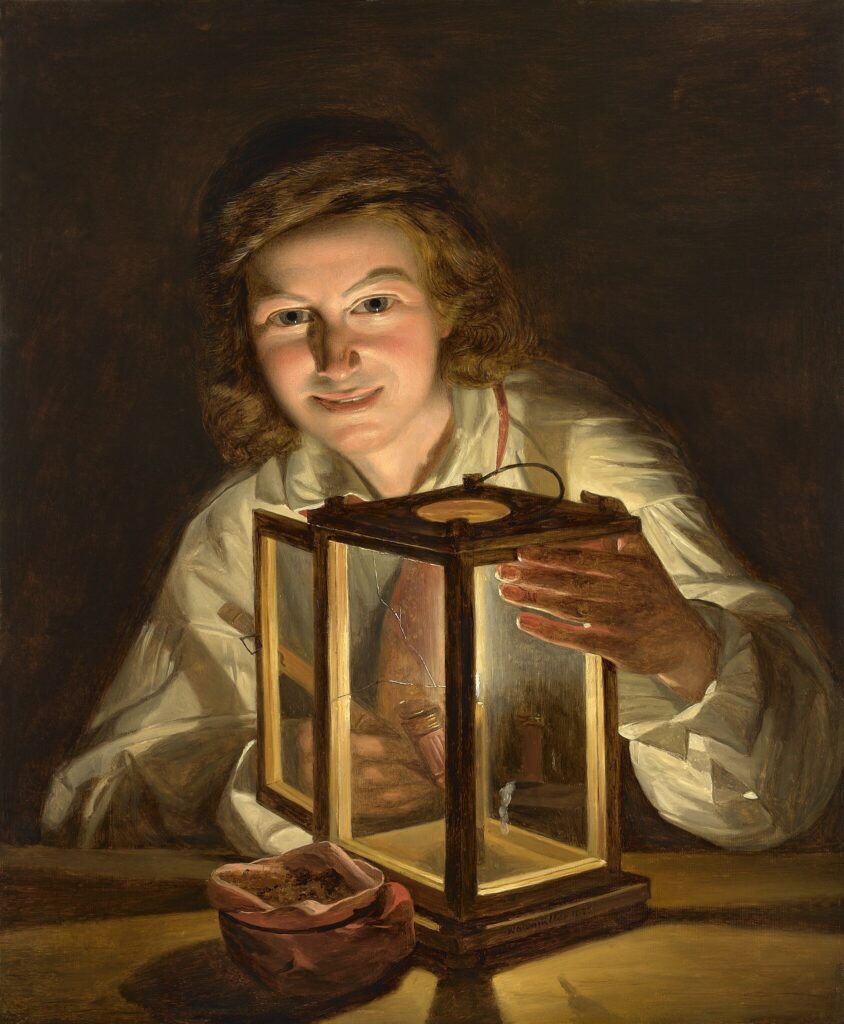
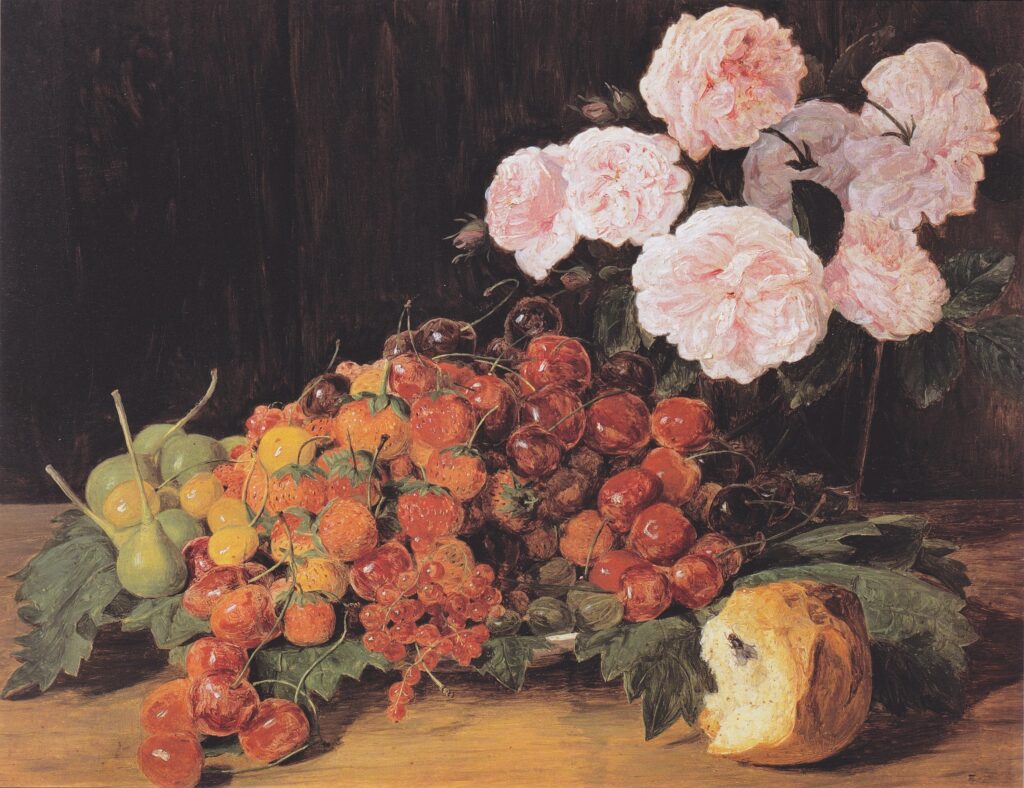
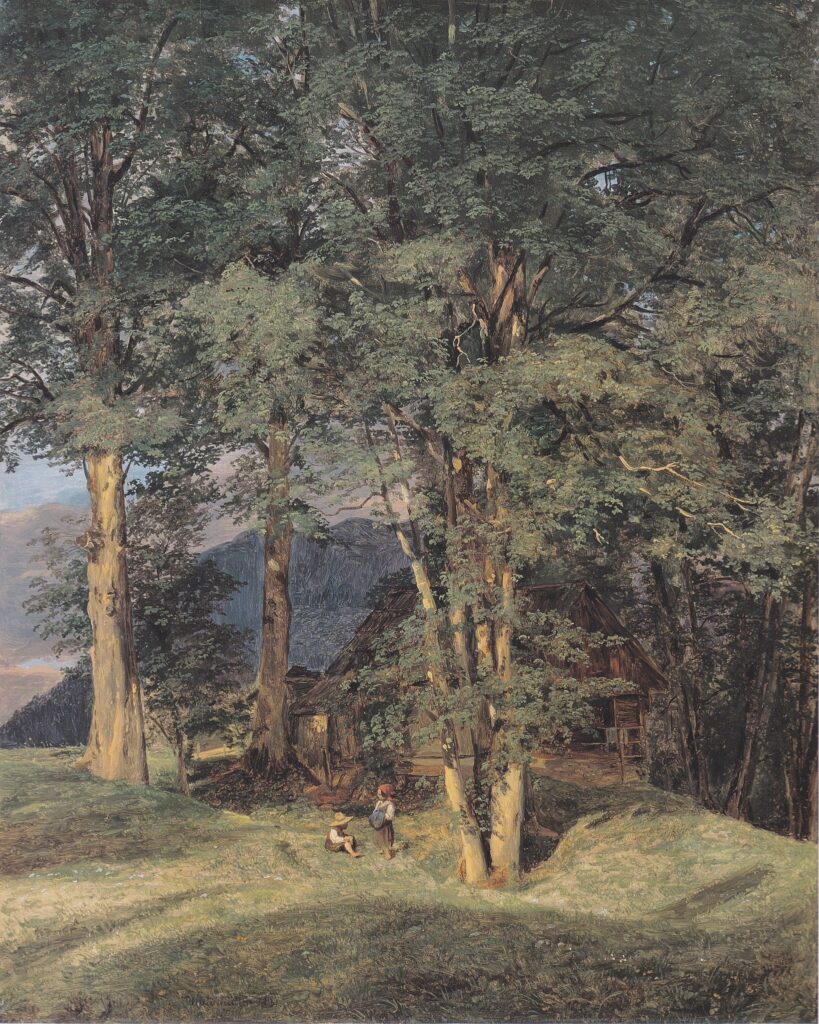
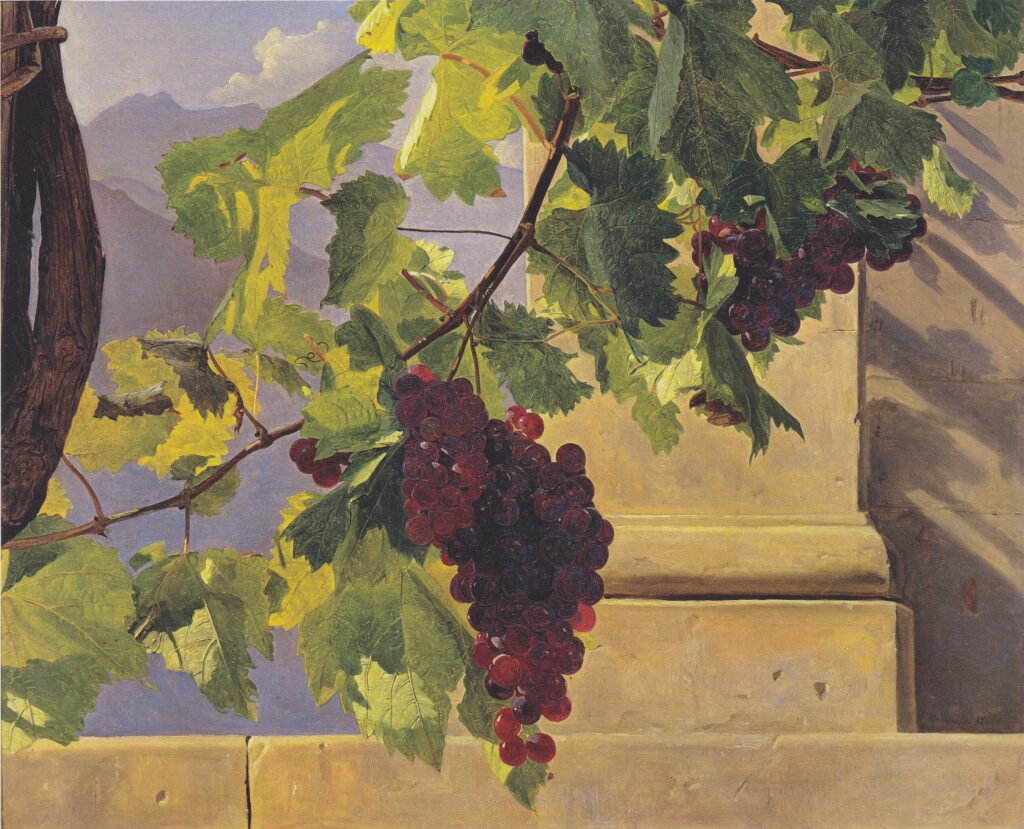
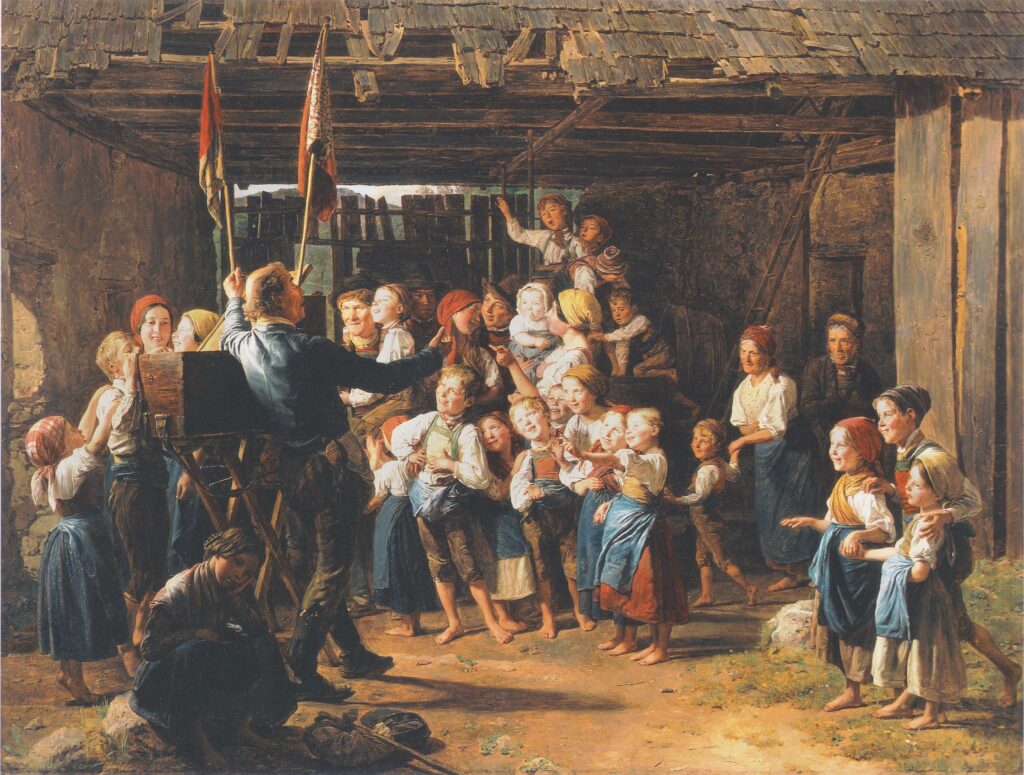
Ferdinand Georg Waldmüller, January 15, 1793–August 23, 1865, was an Austrian painter born in Vienna. He studied intermittently at the Academy of Fine Arts Vienna from 1807 to 1813 under Hubert Maurer and Johann Baptist Lampi, supported himself as a portrait miniaturist, and worked as a drawing teacher and theatrical scene painter.
He returned to Vienna in 1817 and painted portraits, landscapes, genre scenes, and still lifes. He joined the teaching staff of the Academy of Fine Arts Vienna, advocated direct study of nature, and also taught privately; his students included Hans Canon, Anton Romako, and Adam Brenner.
His proposals to reform academic instruction brought him into conflict with the Academy; he lost his studio in 1850 and was suspended in 1857. After renewed international exhibitions, Emperor Franz Joseph rehabilitated him in 1864; Waldmüller died in Hinterbrühl in 1865, and major holdings of his work are preserved at the Belvedere and Wien Museum.


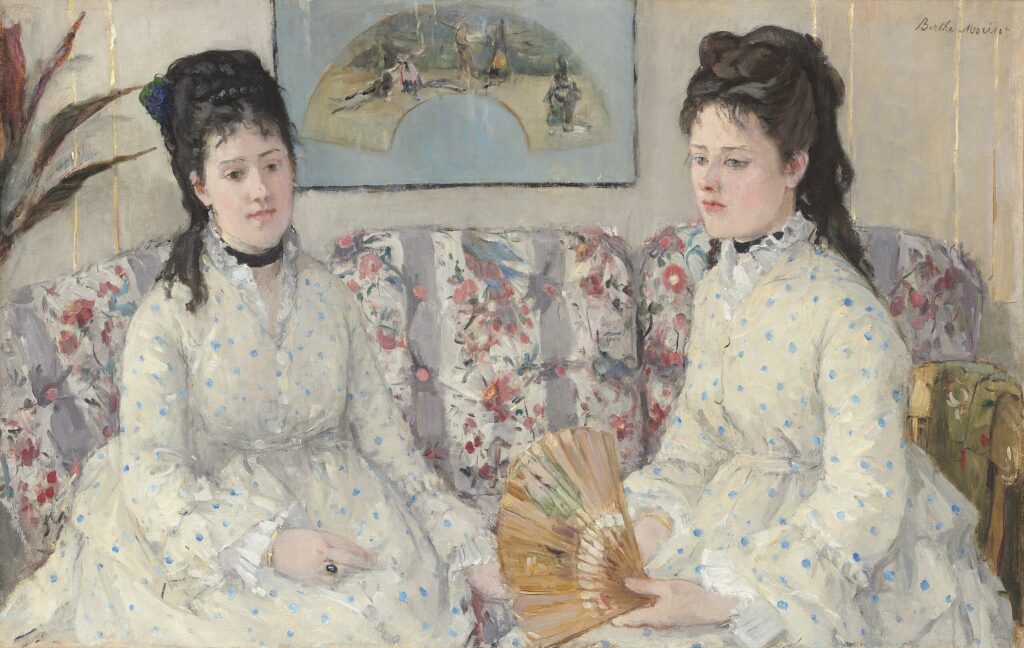
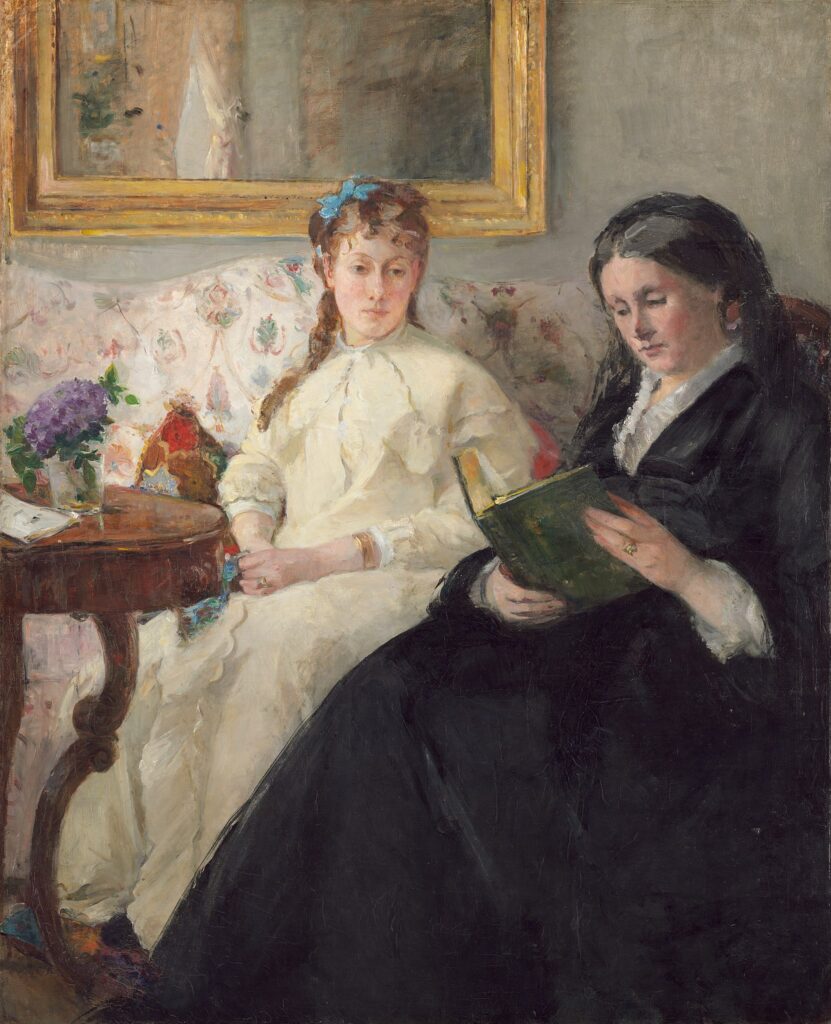
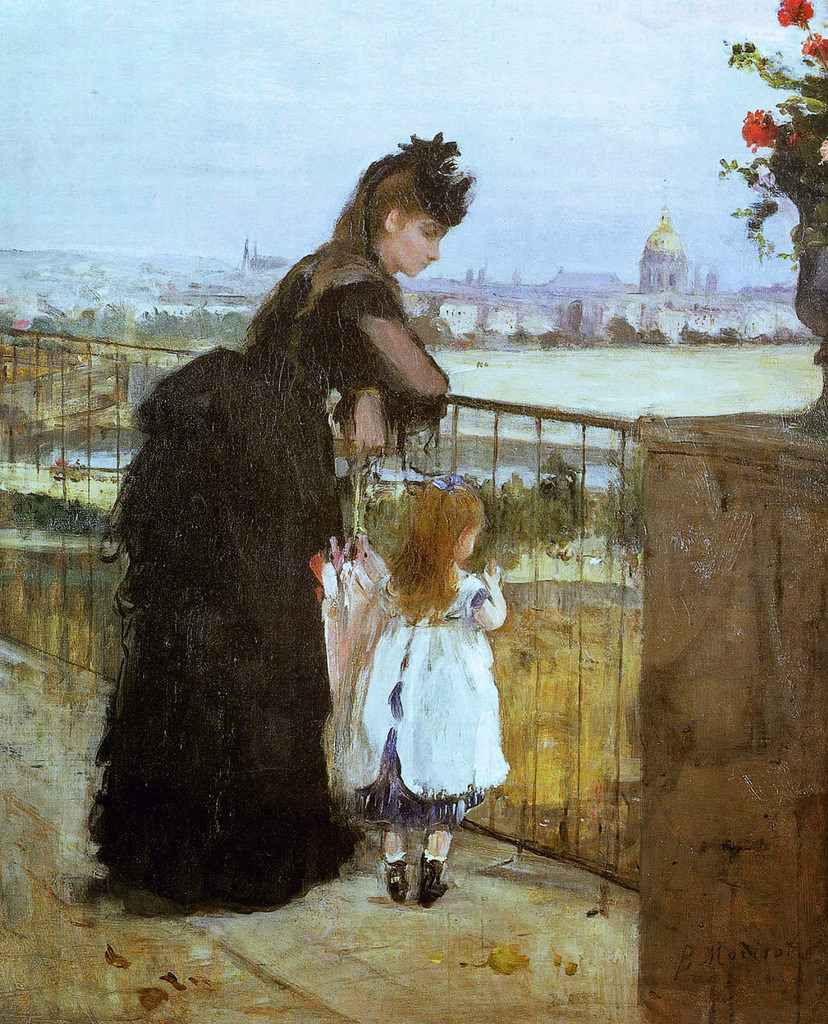
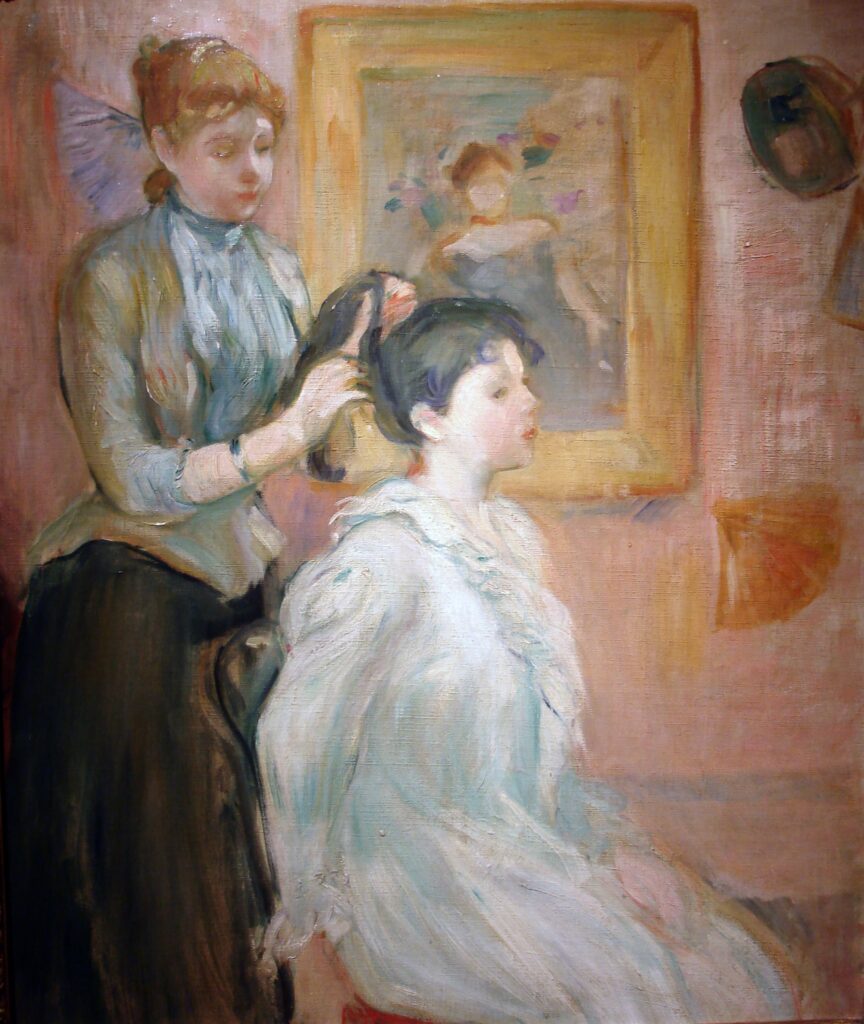
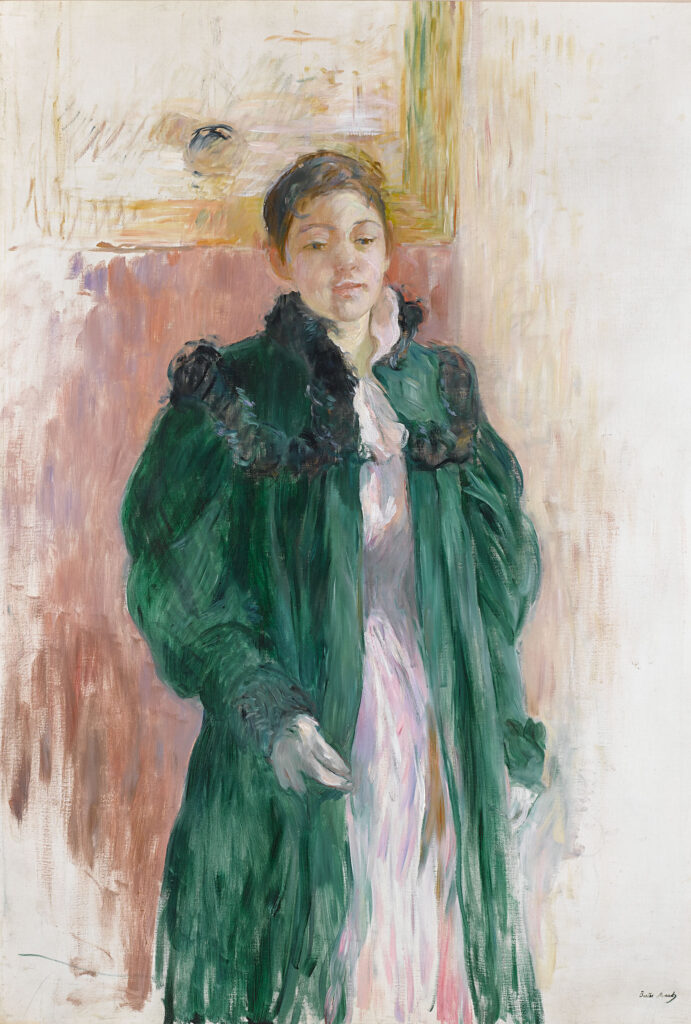
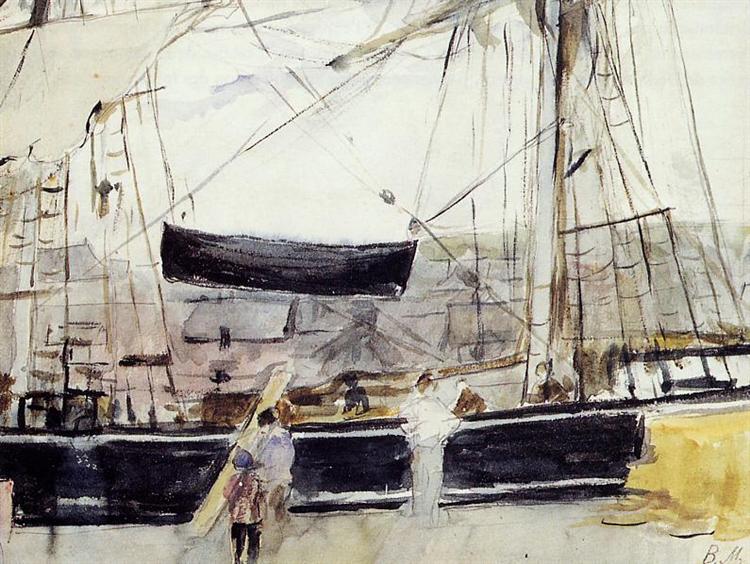
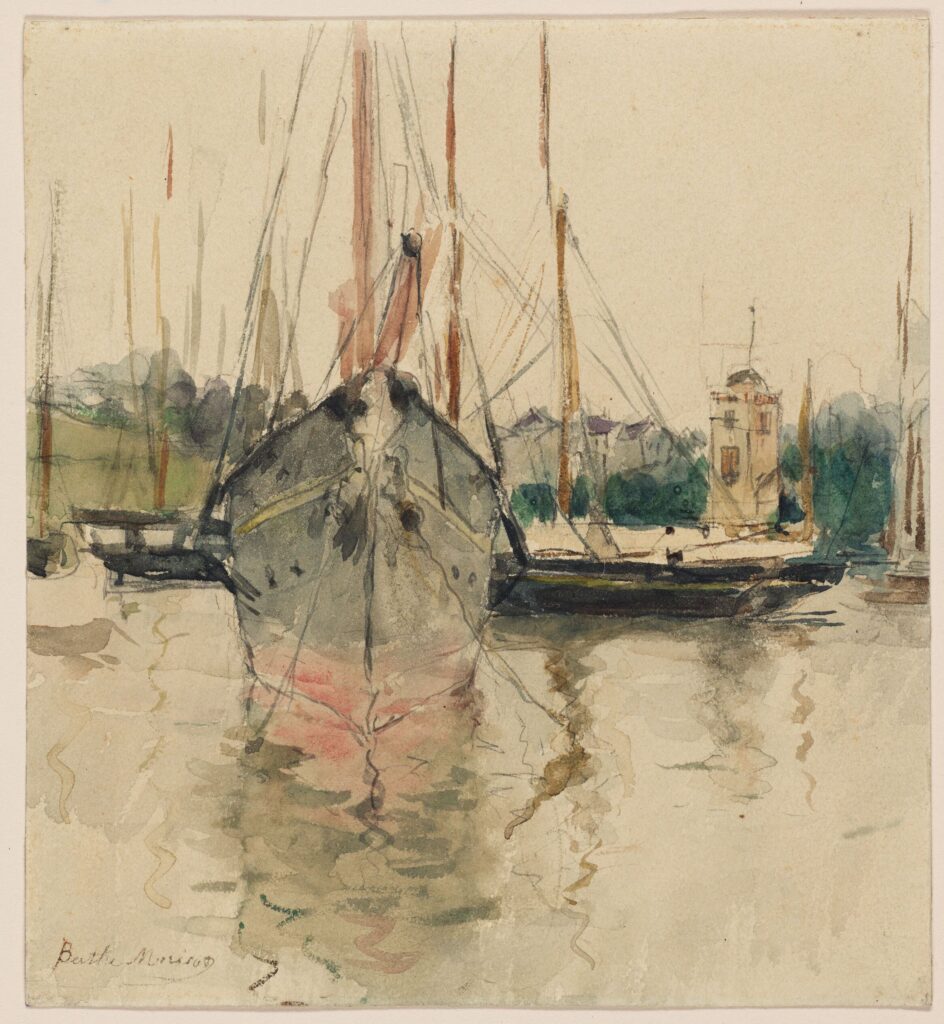
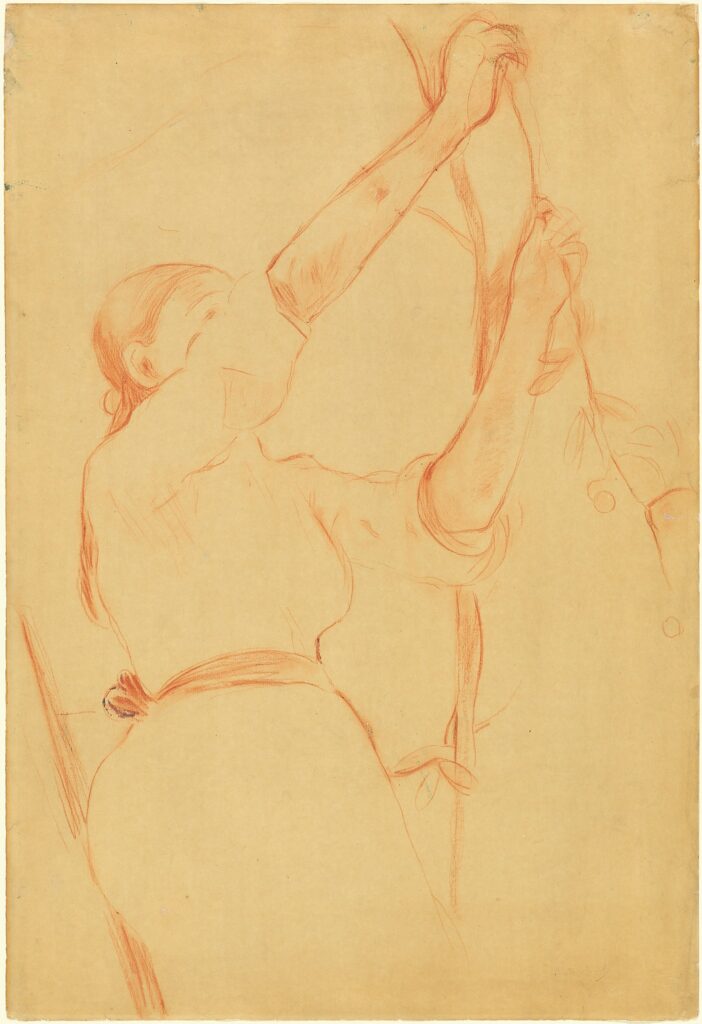
Berthe Morisot
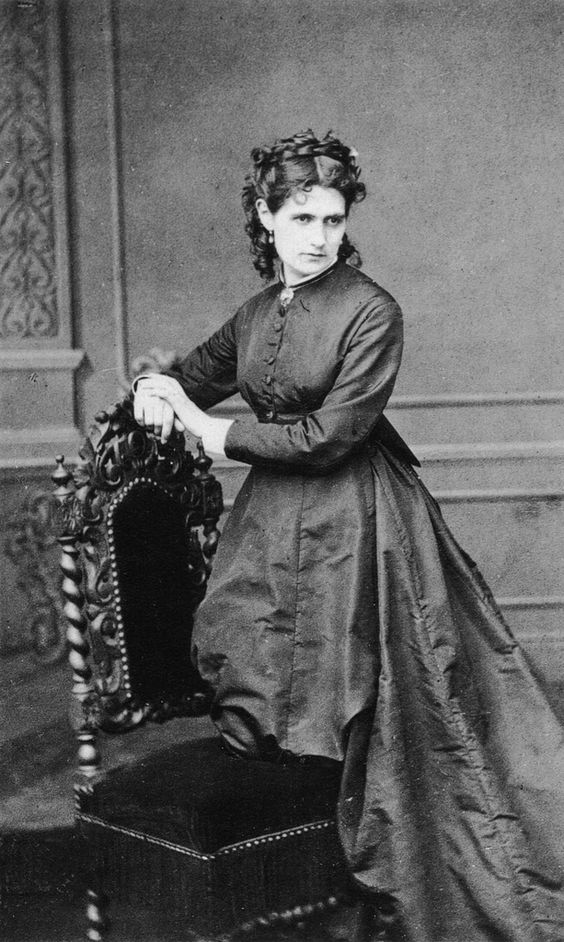
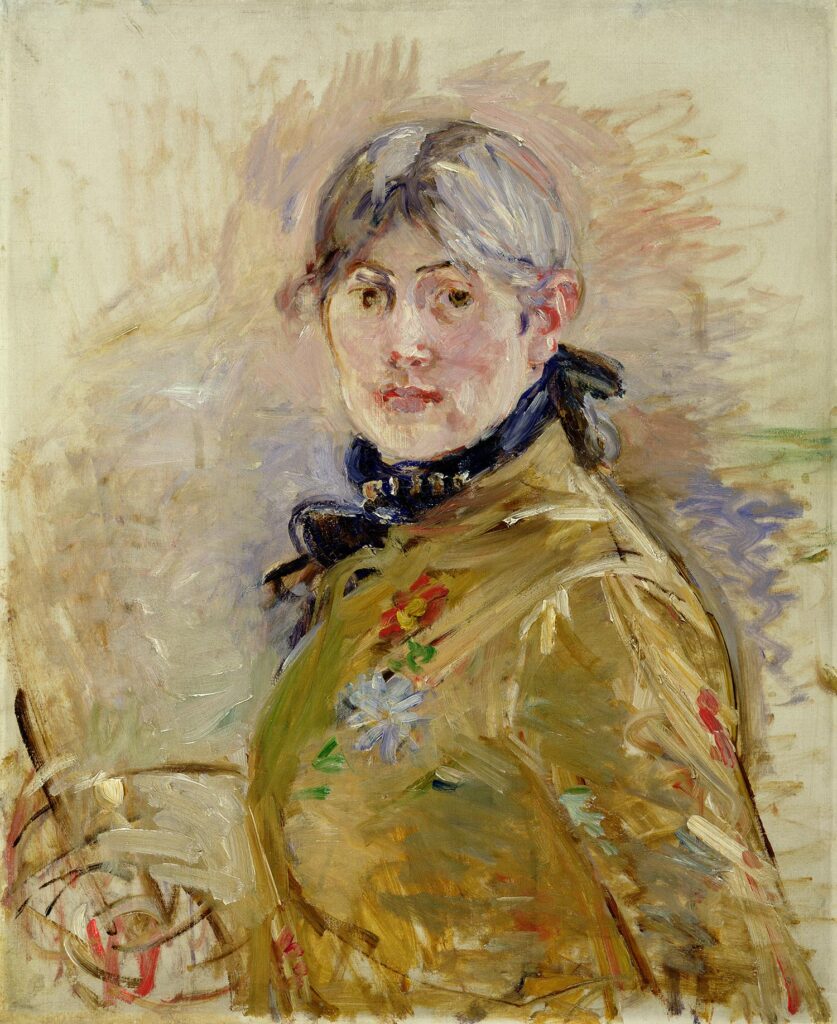
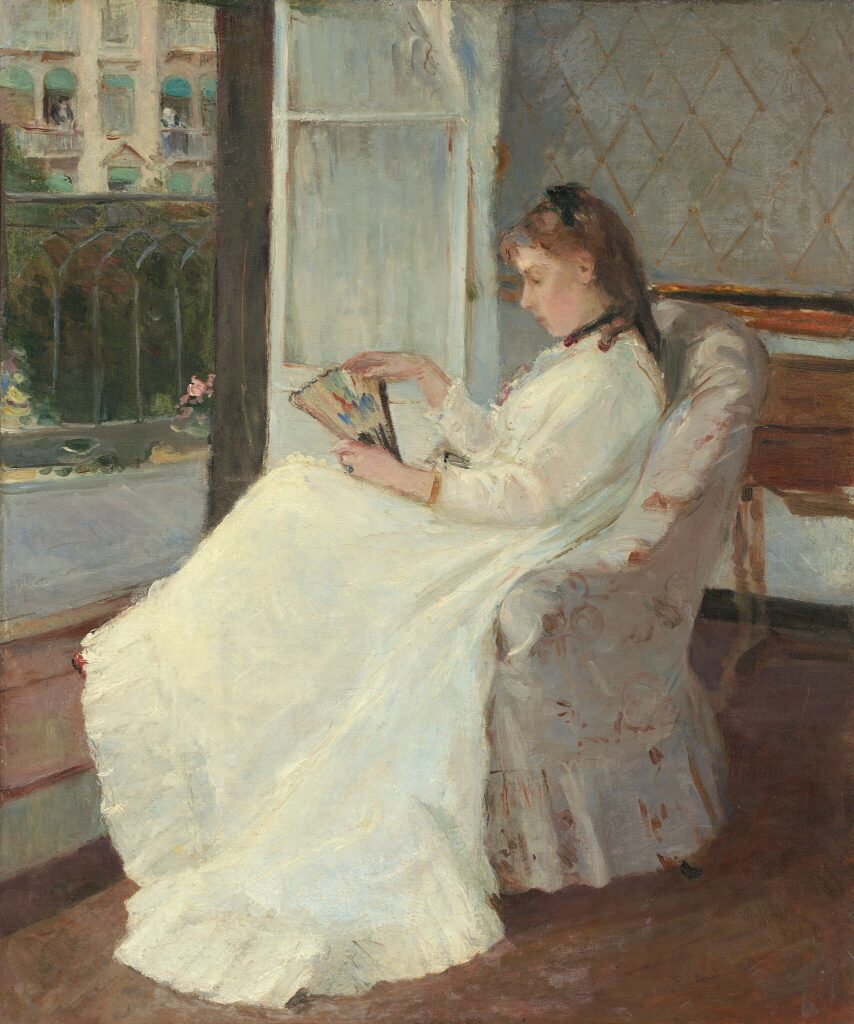
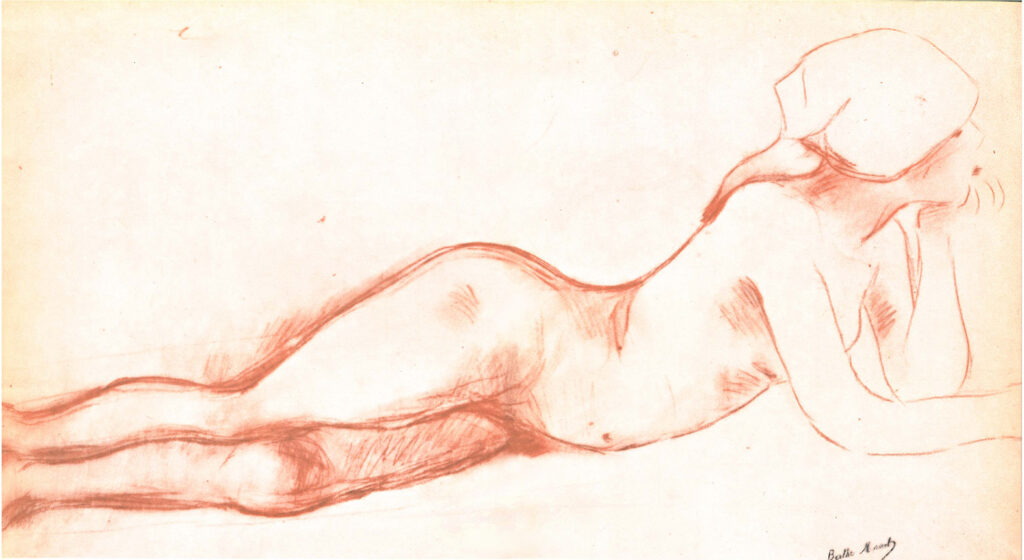
Berthe Morisot, January 14, 1841–March 2, 1895, was a French painter and printmaker born in Bourges. After her family settled in Paris, she studied privately with Geoffroy-Alphonse Chocarne and Joseph Guichard, copied paintings at the Louvre, and received landscape instruction from Jean-Baptiste-Camille Corot and Achille Oudinot.
Morisot first exhibited at the Paris Salon in 1864. She participated in the first Impressionist exhibition in 1874 and in seven of the group’s eight exhibitions, alongside artists including Claude Monet, Edgar Degas, Pierre-Auguste Renoir, and Camille Pissarro. She married Eugène Manet, the brother of Édouard Manet, in 1874.
Her works are held by the Musée Marmottan Monet, Musée d’Orsay, Metropolitan Museum of Art, National Gallery of Art, Art Institute of Chicago, and other major public collections. The Musée Marmottan Monet holds the largest public collection of her work.

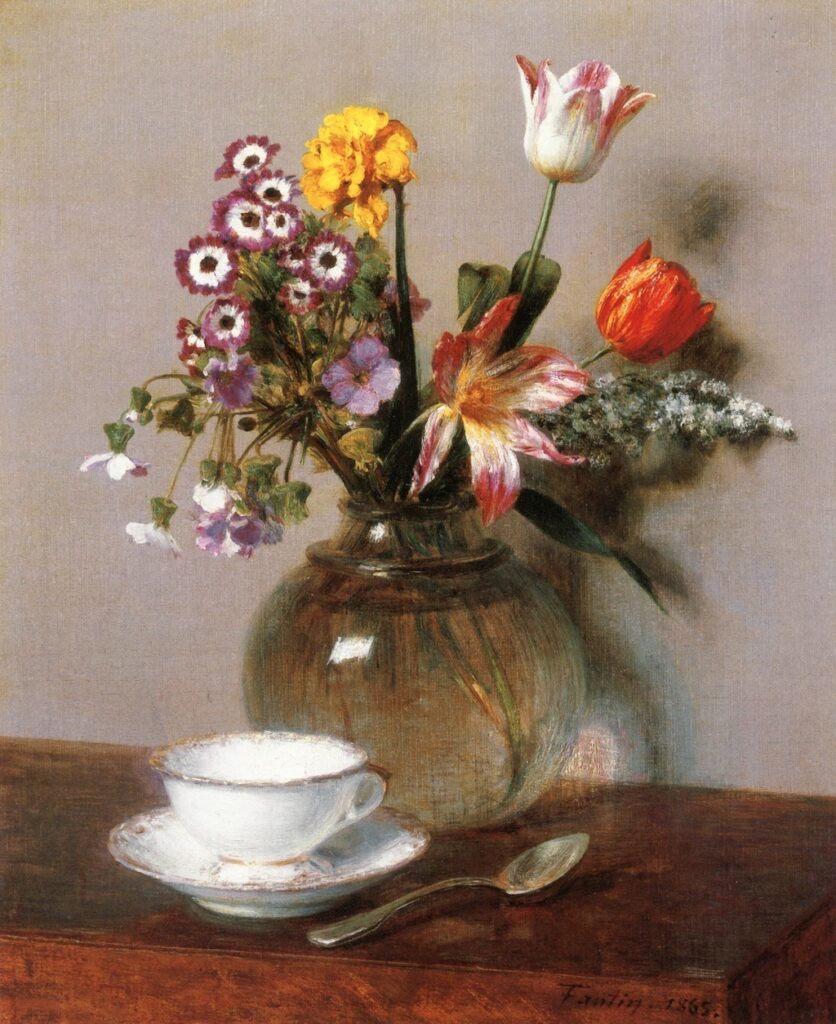
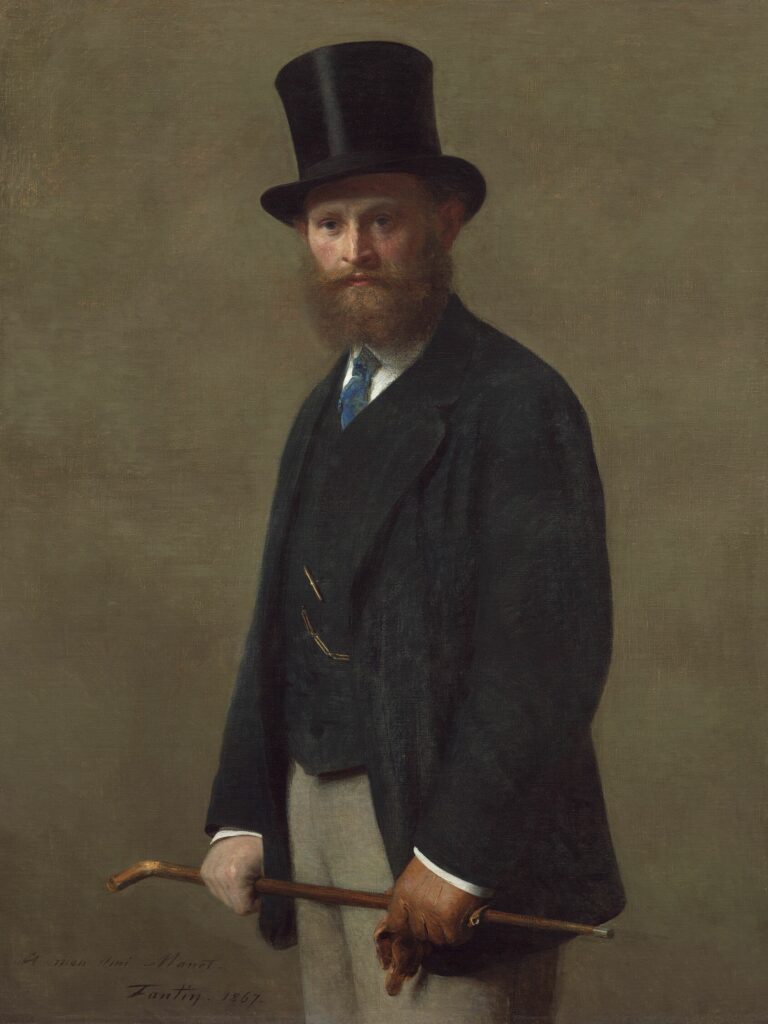
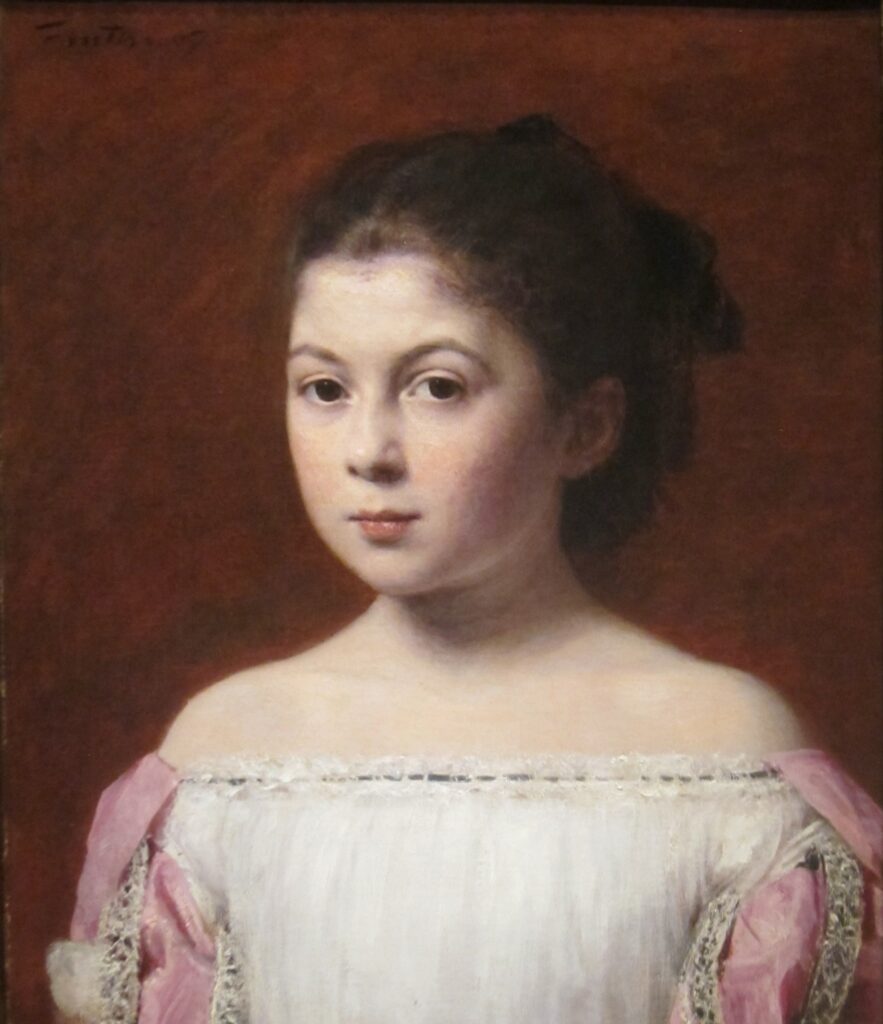
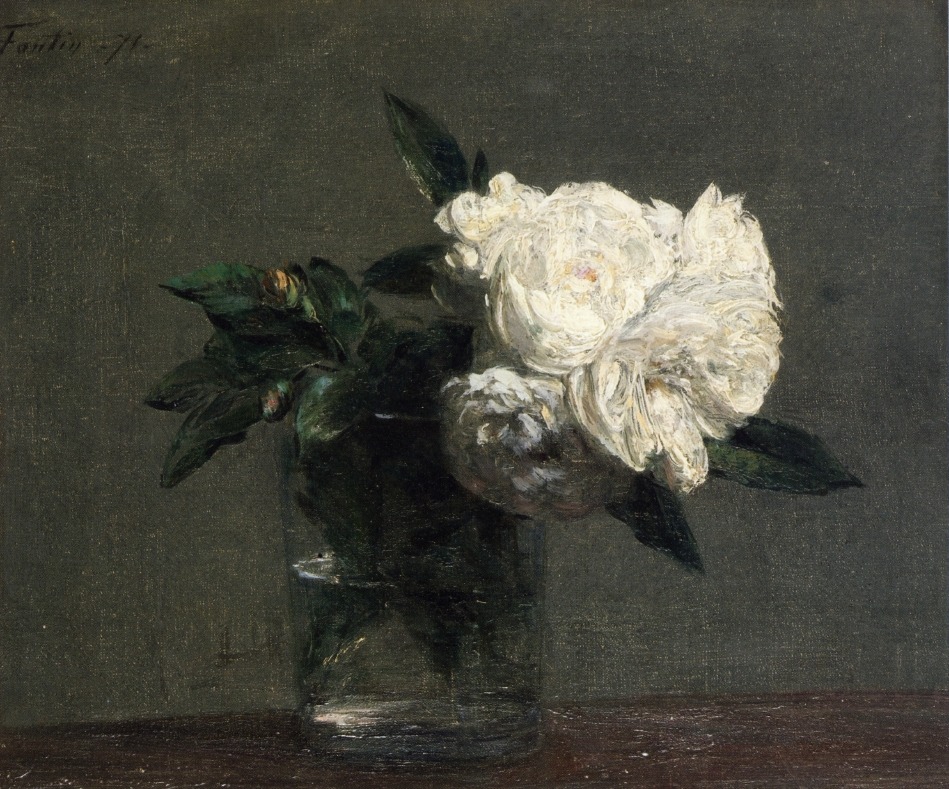
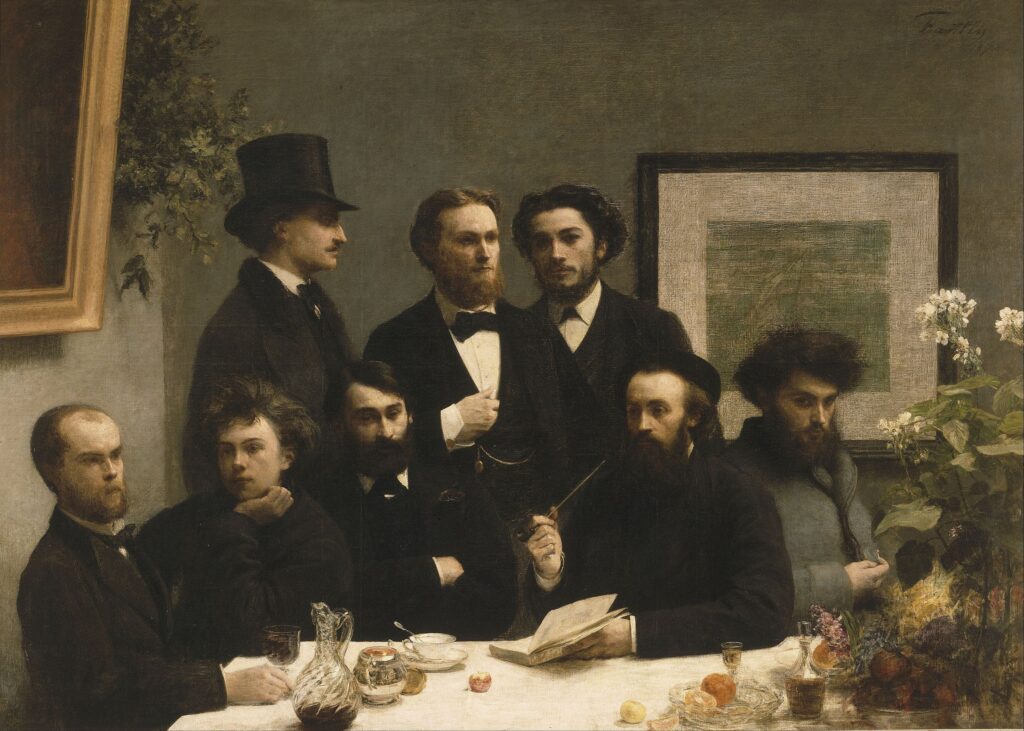
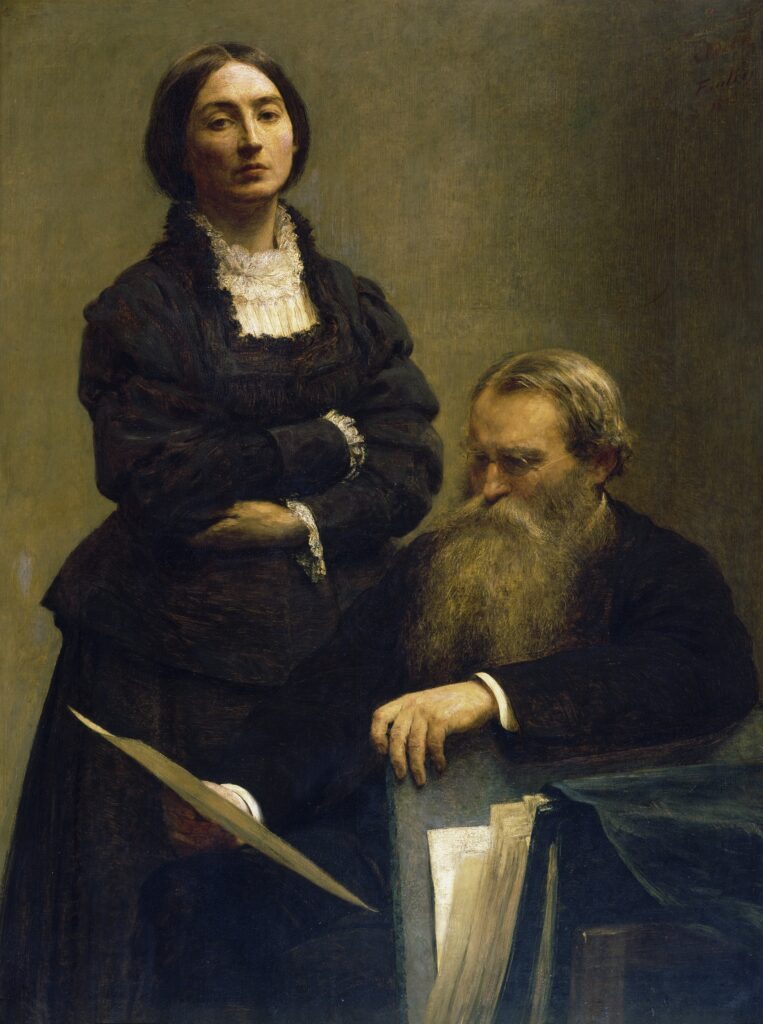
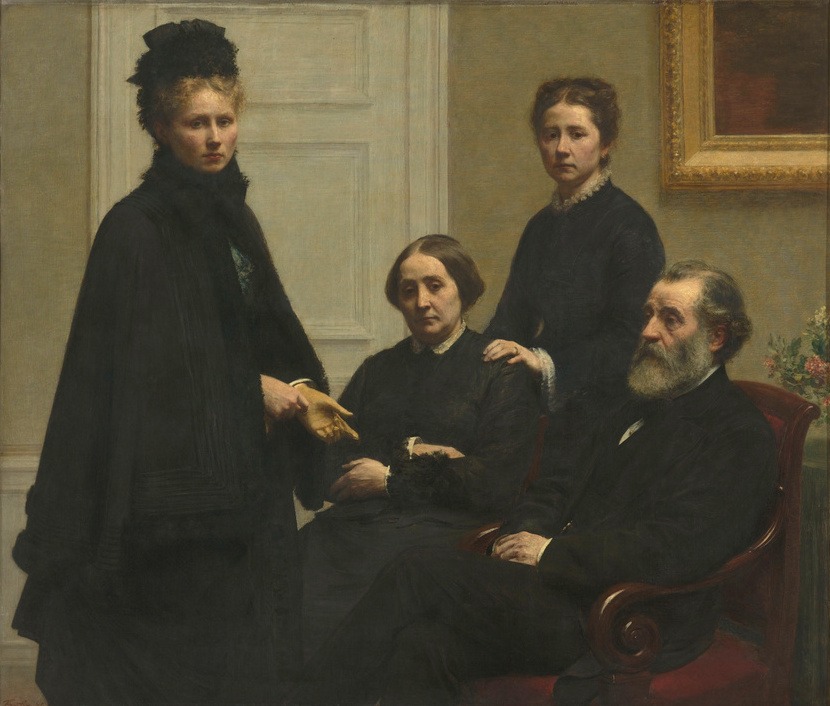
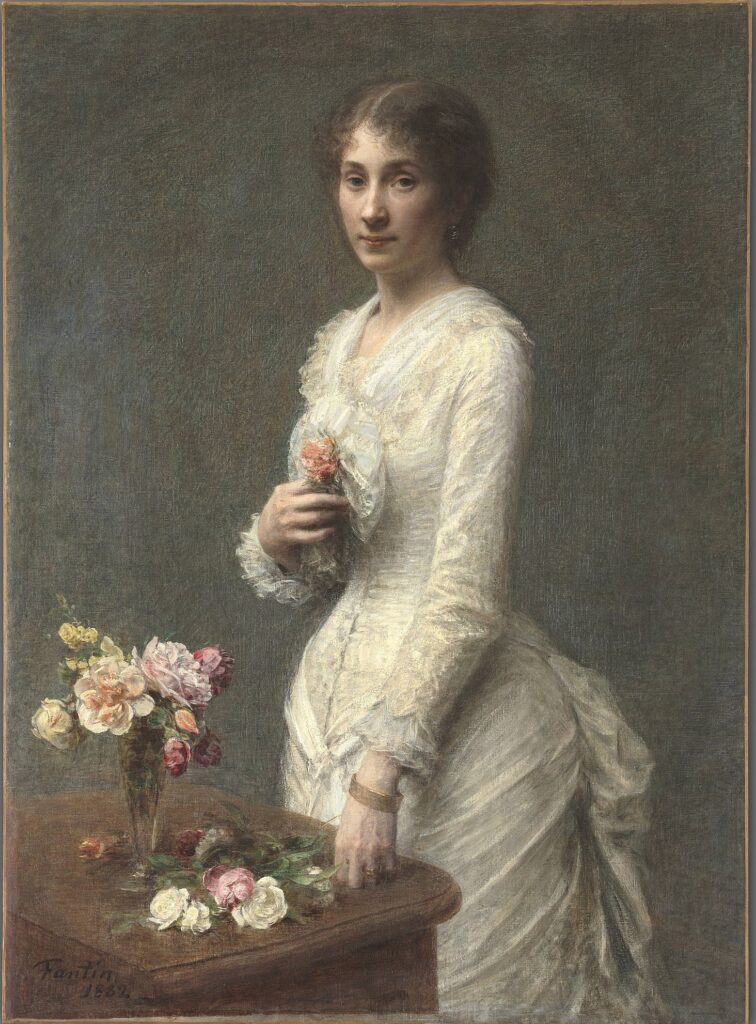
Henri Fantin-Latour
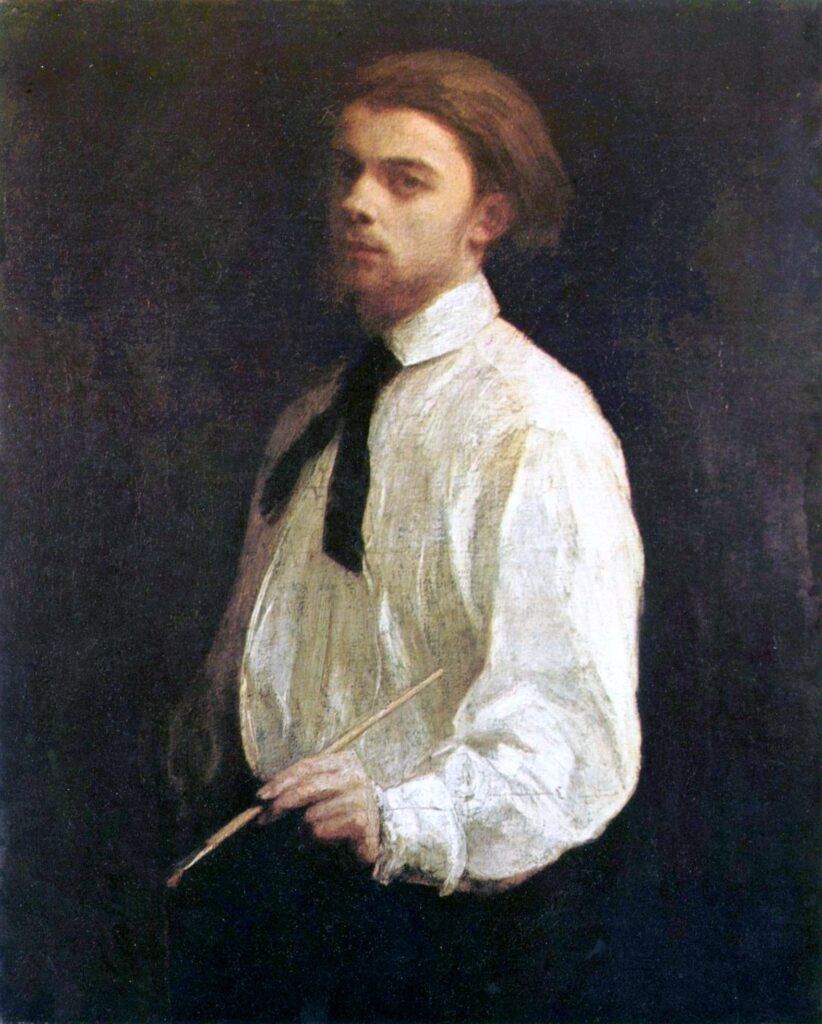
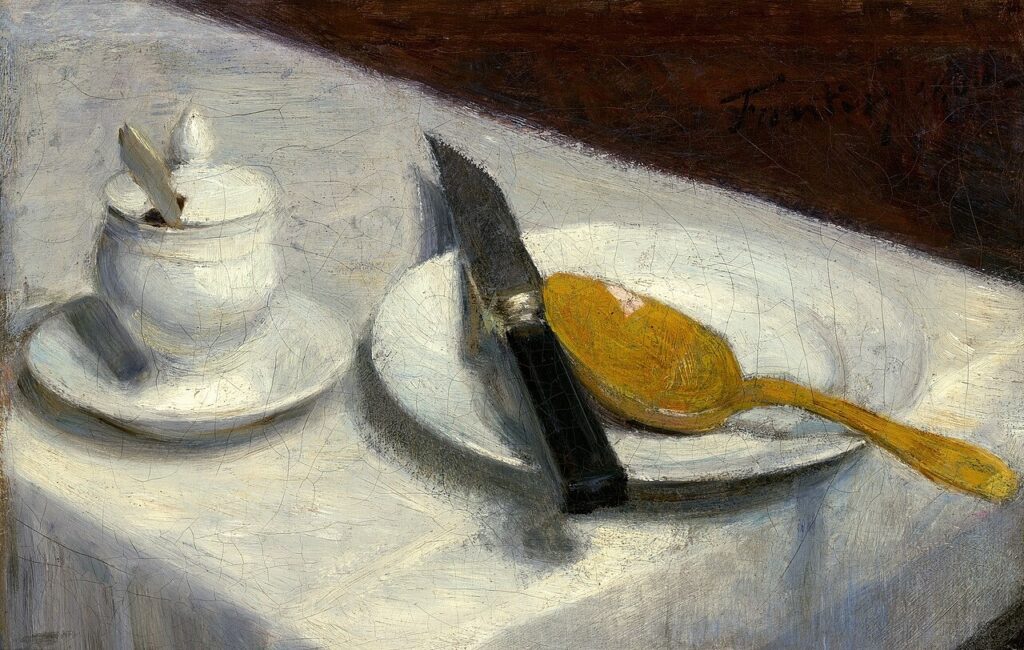
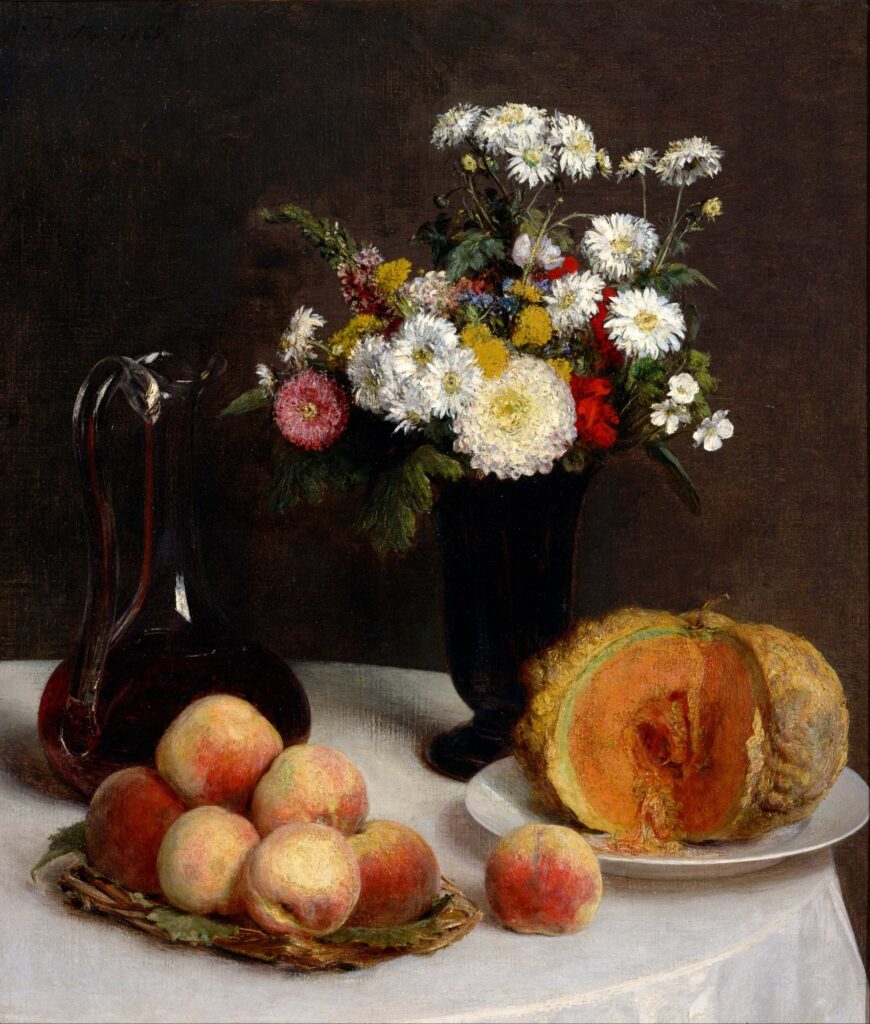
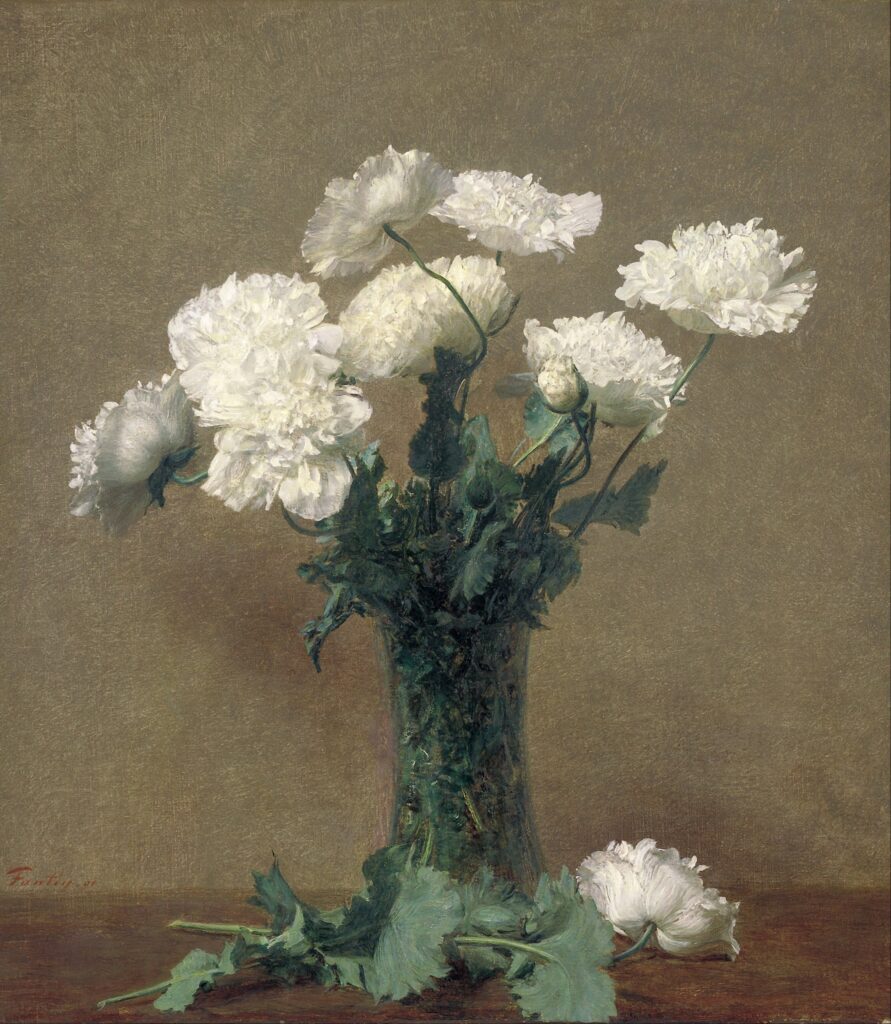
Henri Fantin-Latour, January 14, 1836–August 25, 1904, was a French painter and lithographer born in Grenoble. He first studied with his father, the painter Théodore Fantin-Latour, then trained in Paris with Horace Lecoq de Boisbaudran and briefly at the École des Beaux-Arts while copying Old Masters in the Louvre.
Fantin-Latour associated with Édouard Manet, James McNeill Whistler, and artists later linked to Impressionism, while maintaining an independent and more traditional practice. He became known for flower still lifes, portraits and group portraits of artists and writers, and imaginative paintings and lithographs inspired by music.
He married the painter Victoria Dubourg in 1876 and spent his later summers at her family home in Buré, where he died in 1904. His work is held by the Musée de Grenoble, Musée d’Orsay, National Gallery of Art, Art Institute of Chicago, Cleveland Museum of Art, Tate, and other major collections.
Gustave Doré
Gustave Doré was born in Strasbourg on January 6, 1832. He moved to Paris as a teenager and began publishing caricatures for Le Journal pour rire at the age of fifteen.
Doré worked as an illustrator, draughtsman, caricaturist, painter, watercolorist, and sculptor. He became internationally known for illustrations of works by Dante, Rabelais, Cervantes, Milton, Perrault, and other writers, as well as the Bible and studies of contemporary London.
Doré died in Paris on January 23, 1883, aged fifty-one. His widely circulated illustrations shaped the popular imagery of major literary and biblical texts and influenced later illustration, comics, and film.


Marsden Hartley
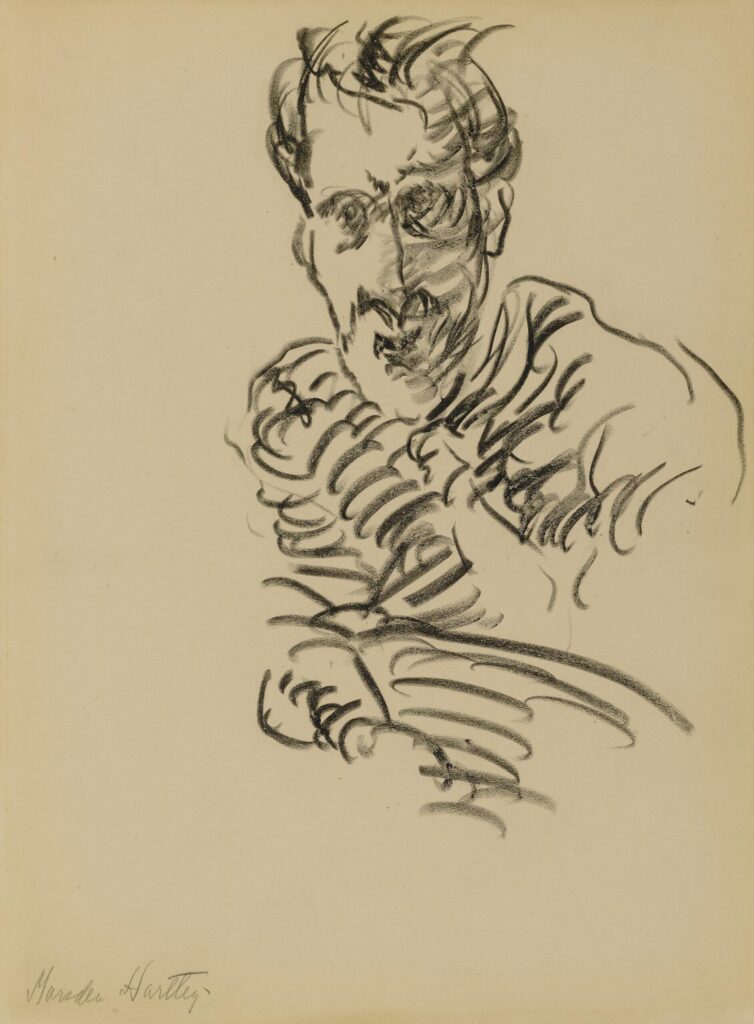
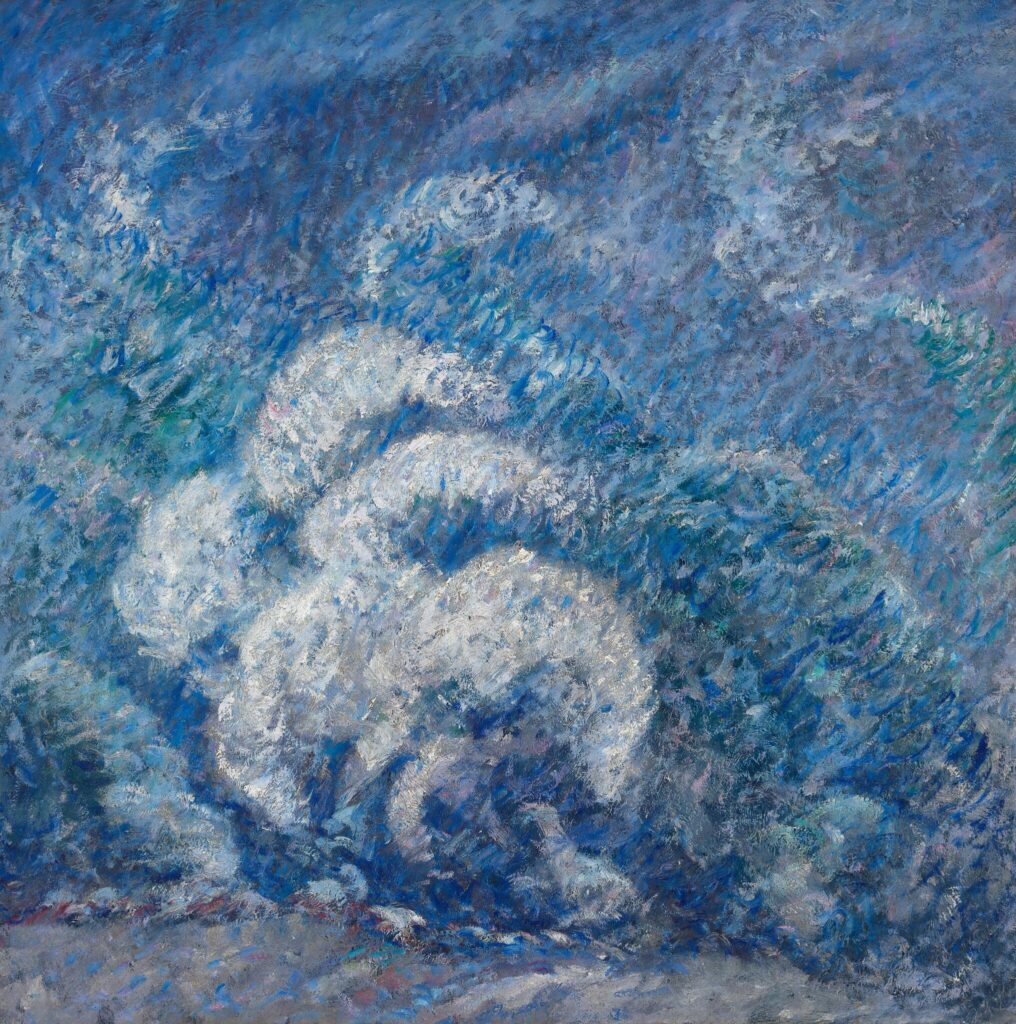
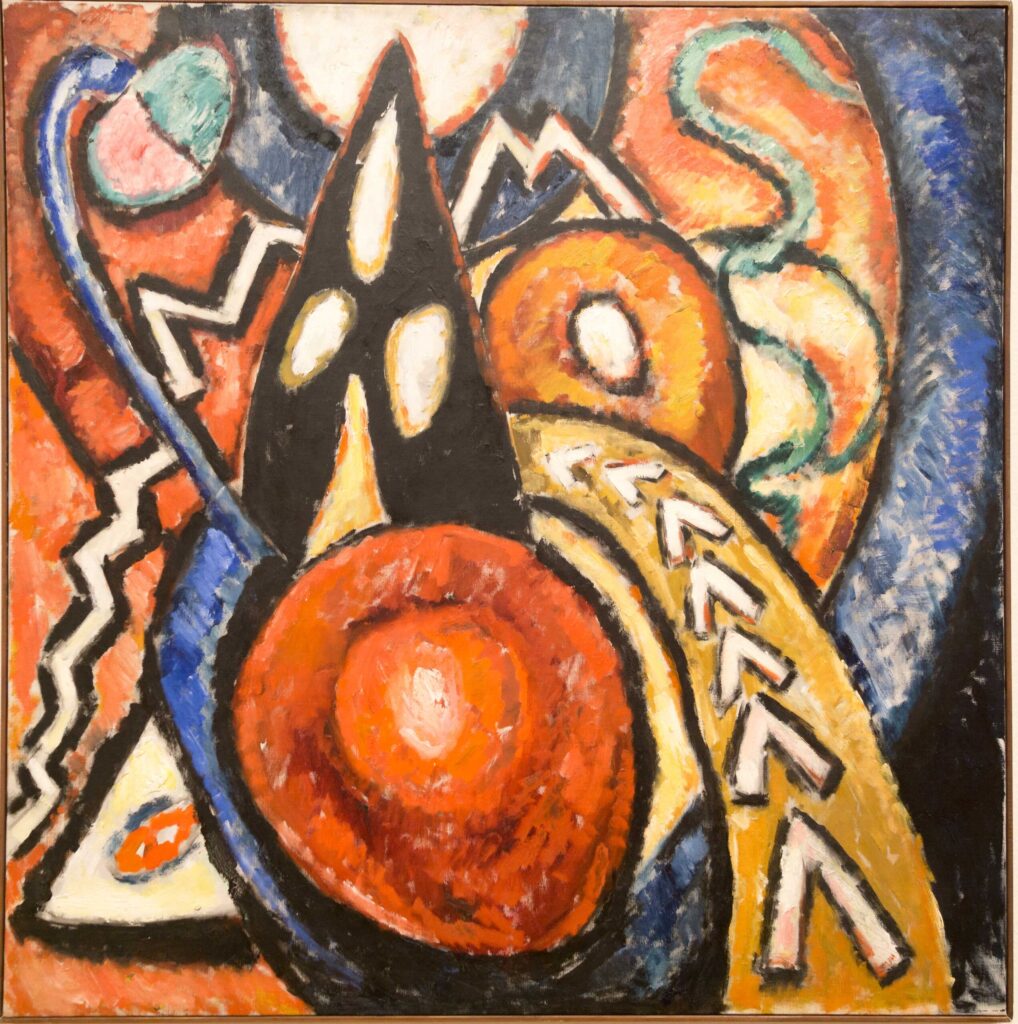
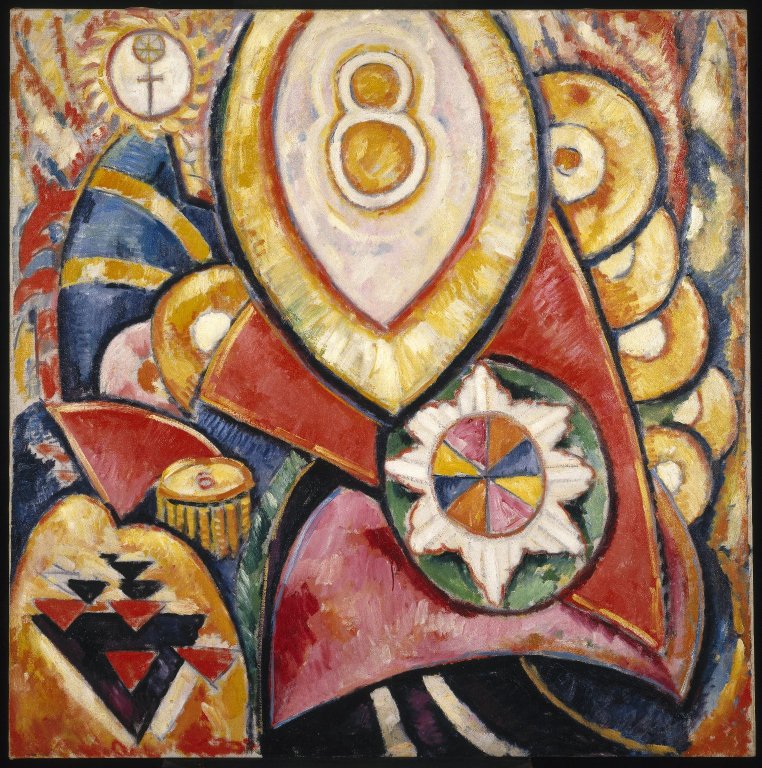
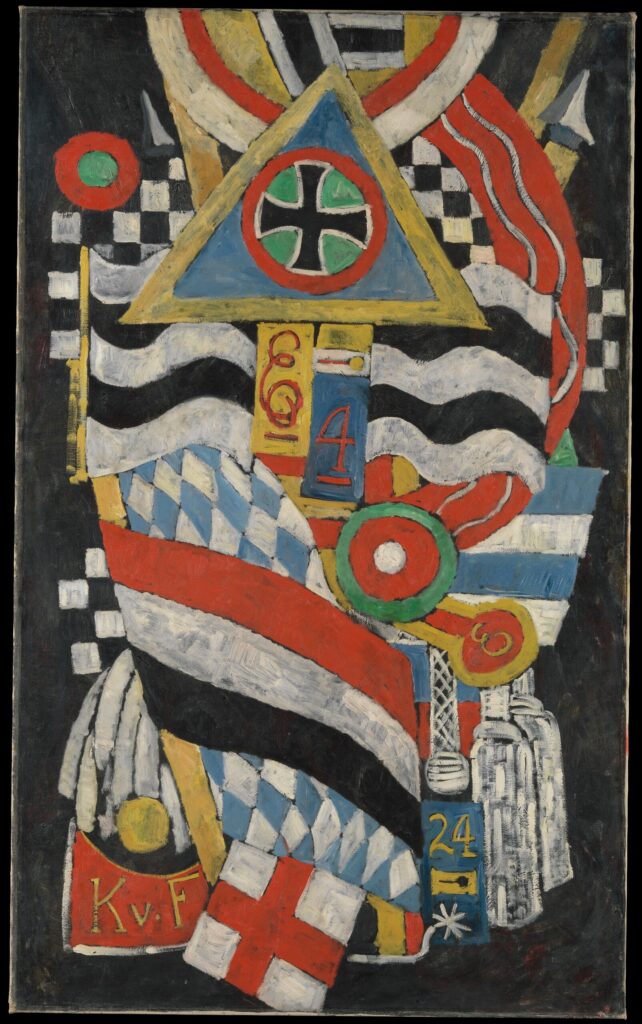
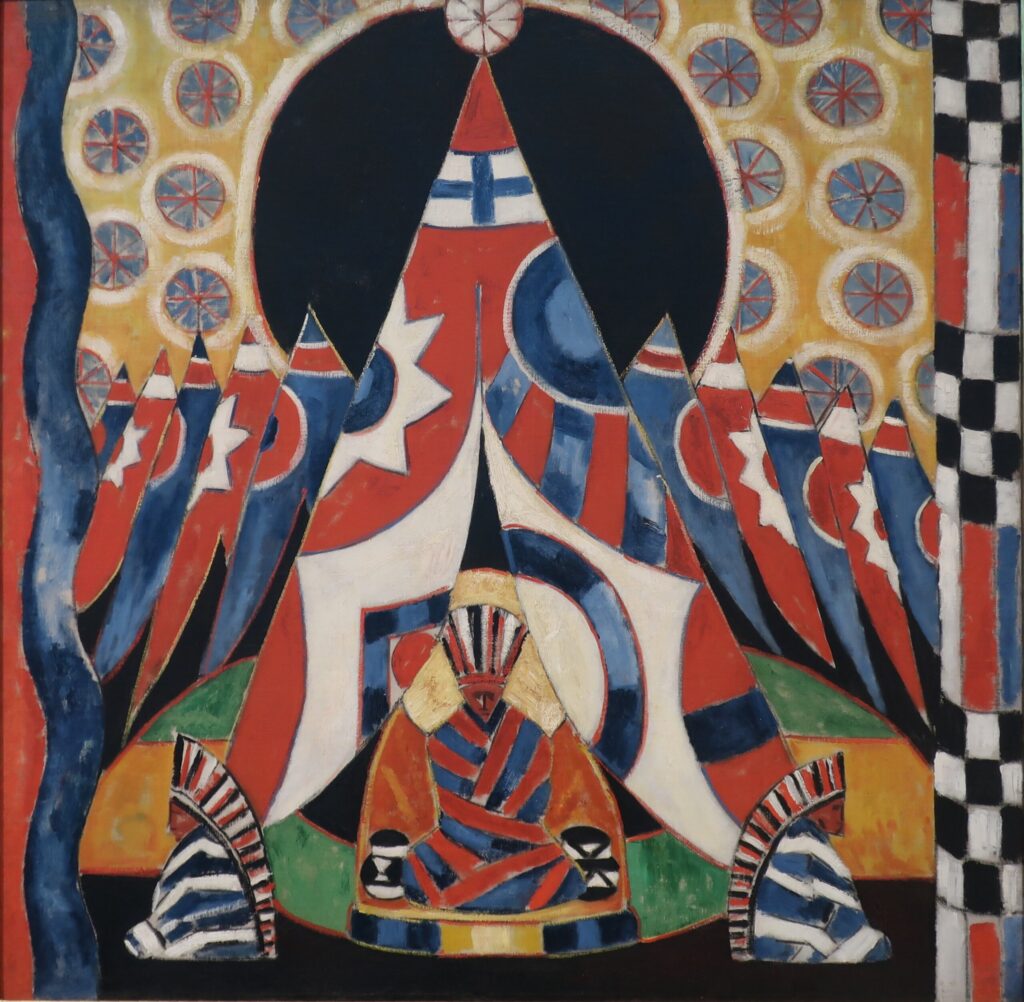
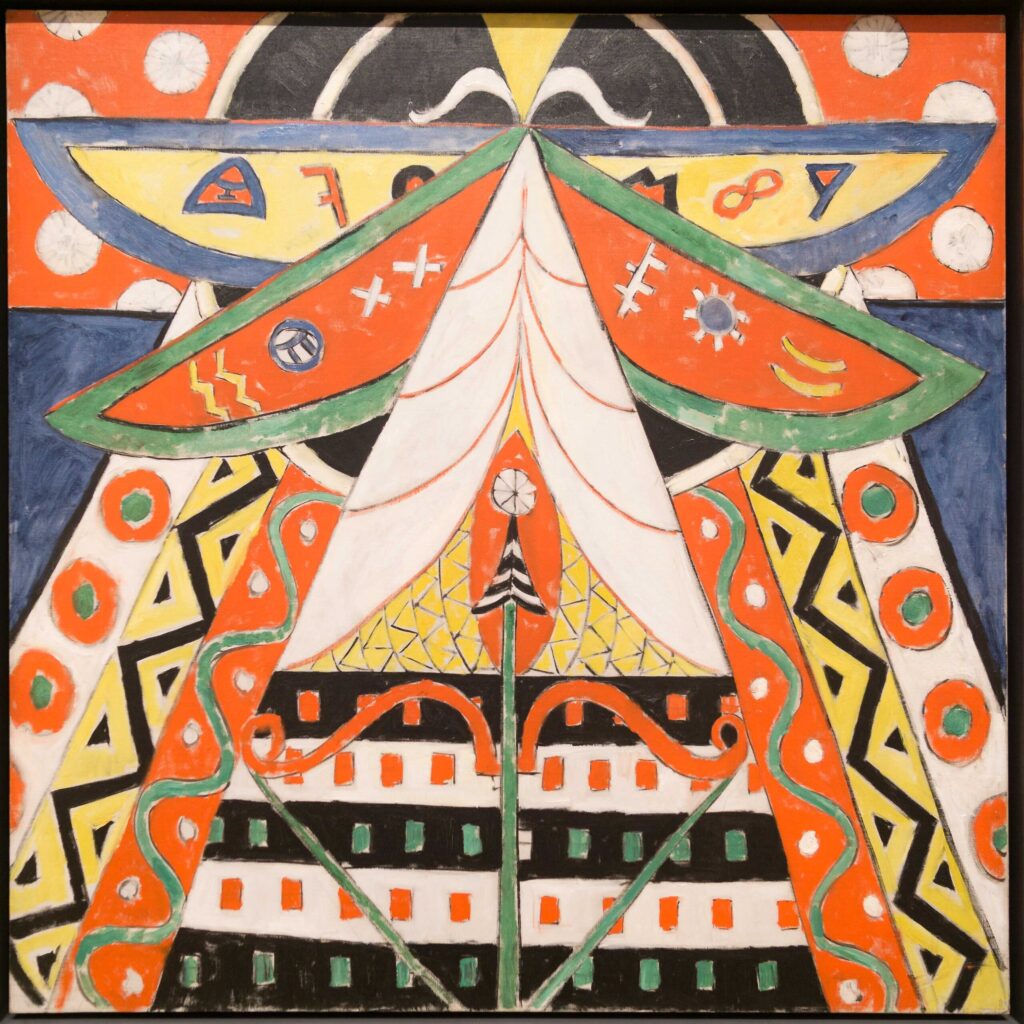
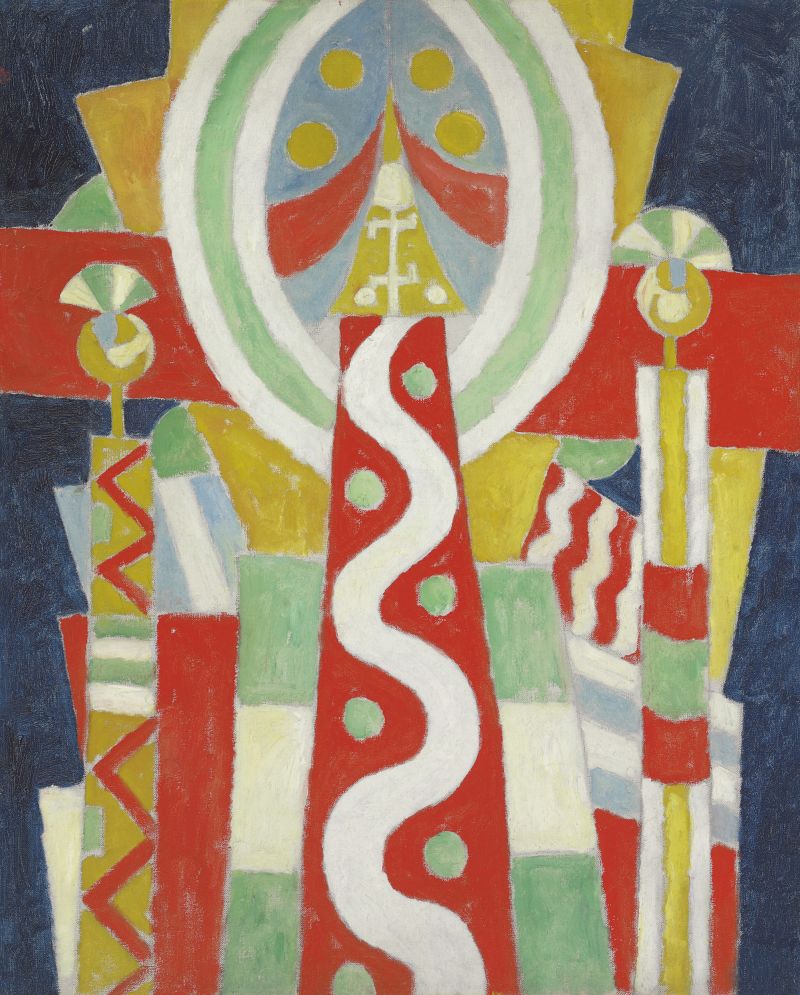
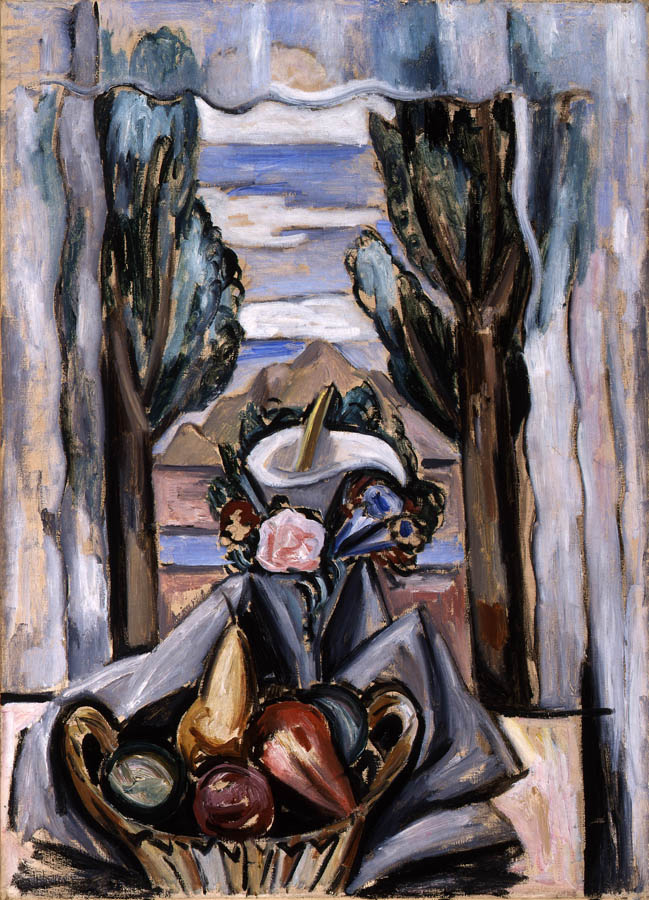
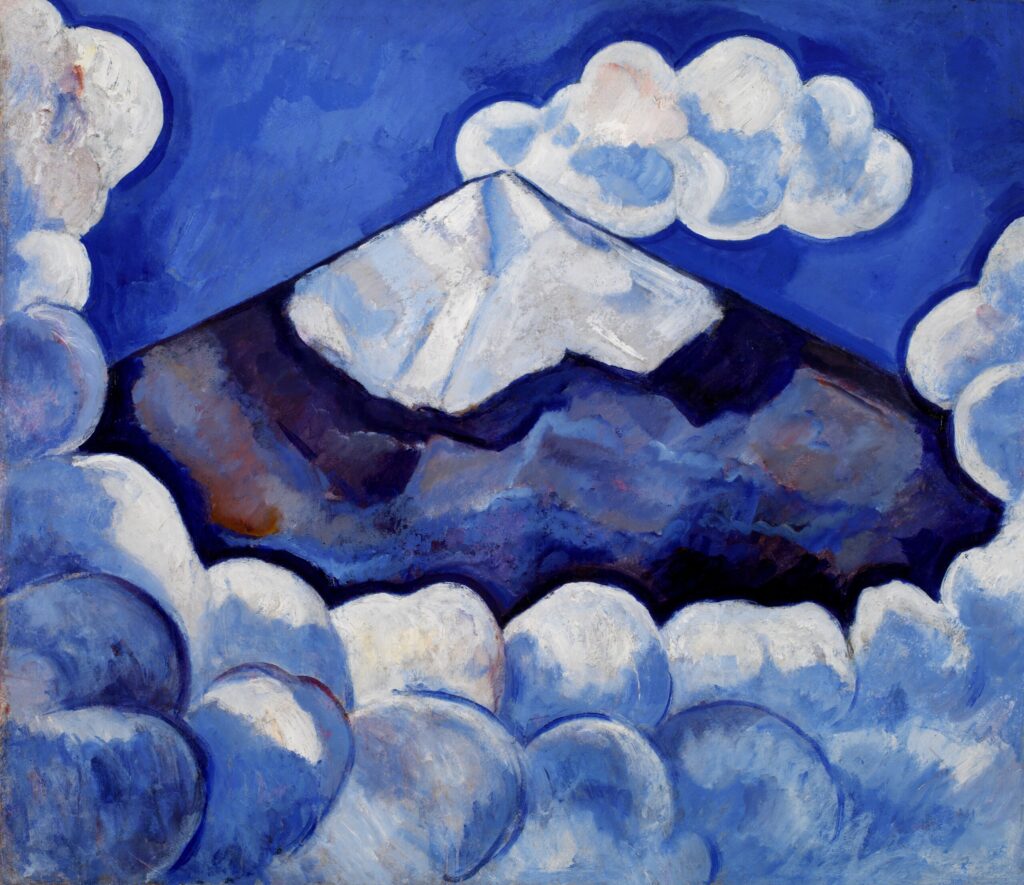
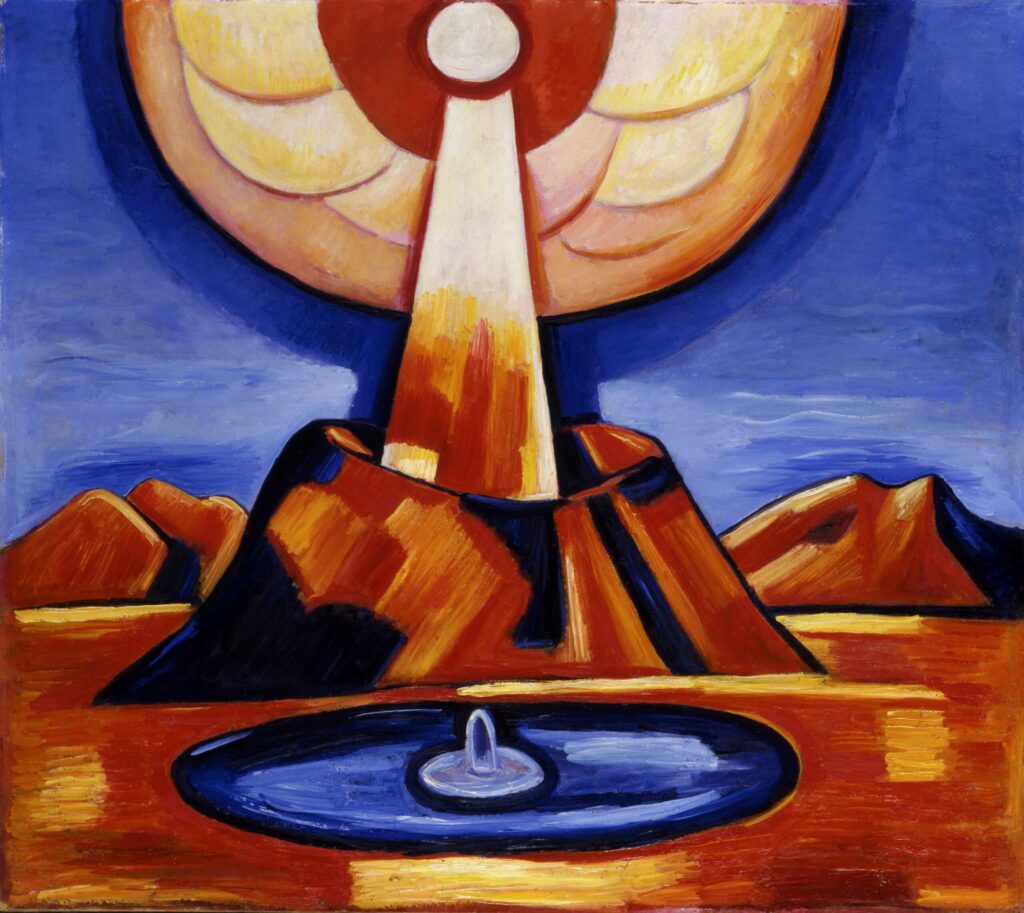
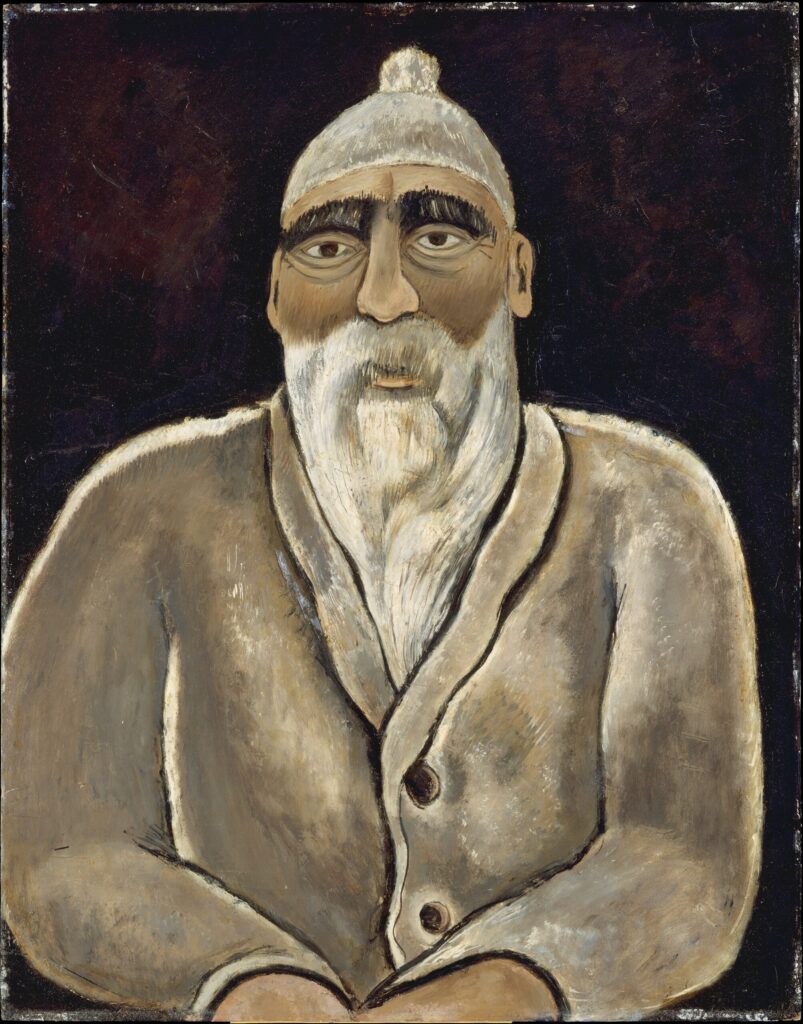
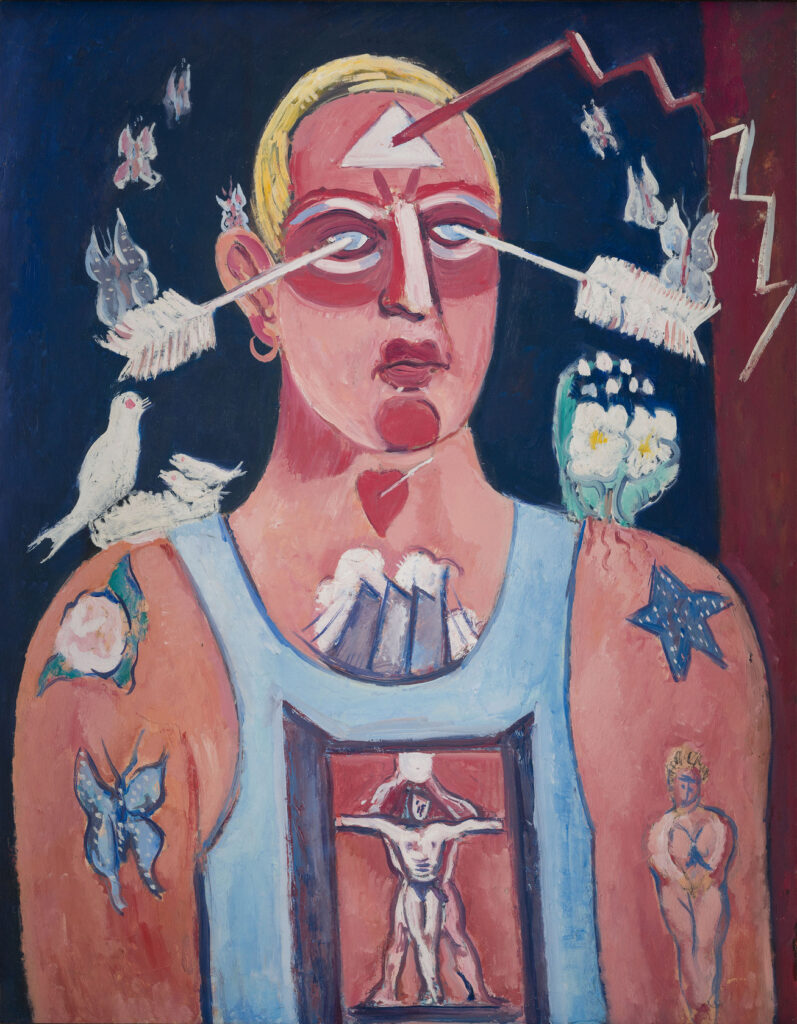
Marsden Hartley, January 4, 1877–September 2, 1943, was an American painter, poet, and essayist. Born in Lewiston, Maine, he studied at the Cleveland School of Art, William Merritt Chase’s New York School of Art, and the National Academy of Design.
His teachers included John Semon, Cullen Yates, and William Merritt Chase. Alfred Stieglitz presented Hartley’s first solo exhibition in New York at the 291 gallery in 1909, and Hartley became associated with the artists promoted by Stieglitz. He worked in the United States and Europe, including extended periods in Paris and Berlin, and returned to Maine during the final years of his life.
Hartley’s work is represented in the Metropolitan Museum of Art, Museum of Modern Art, Whitney Museum of American Art, National Gallery of Art, Smithsonian American Art Museum, Art Institute of Chicago, and other major public collections.
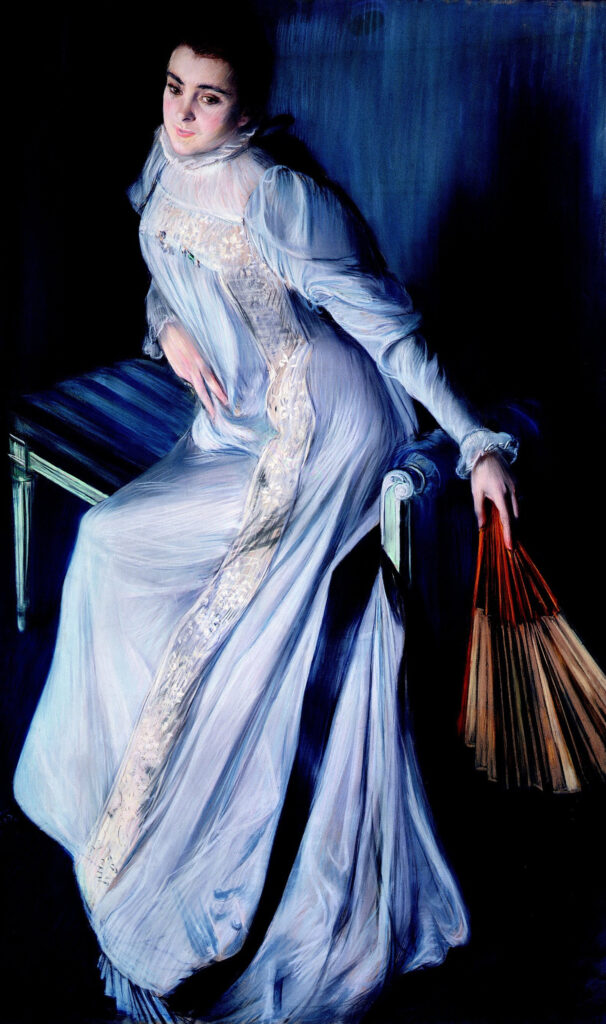
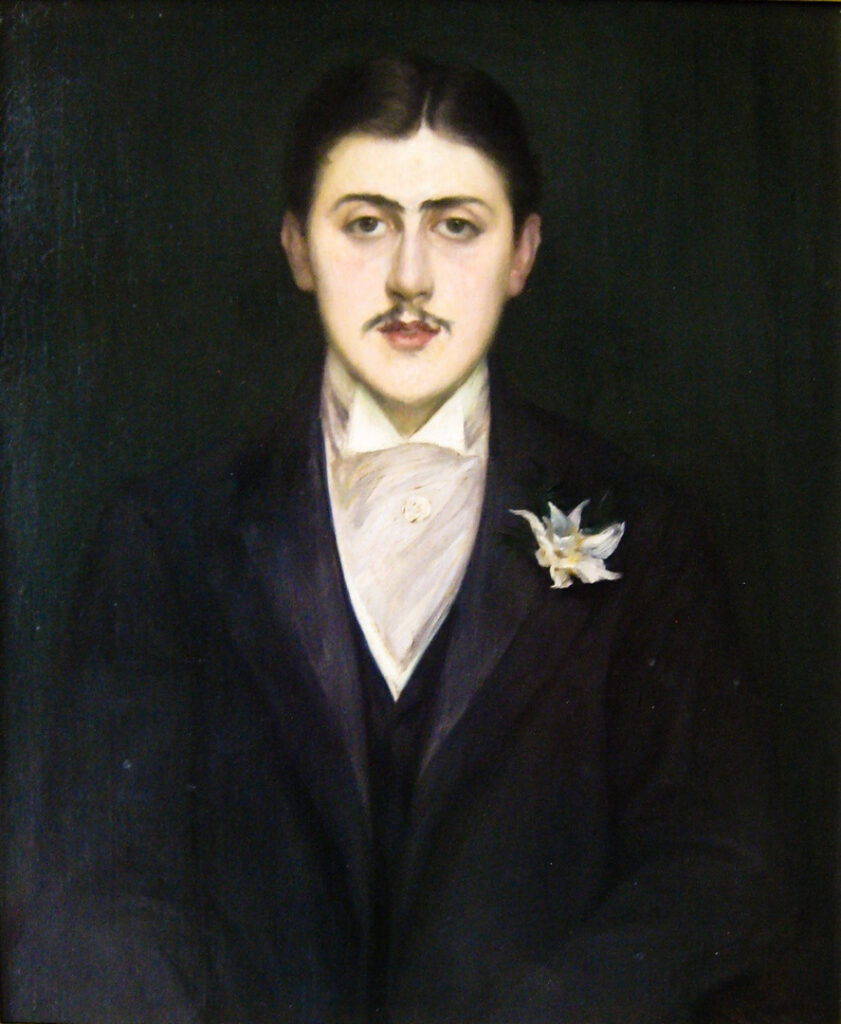
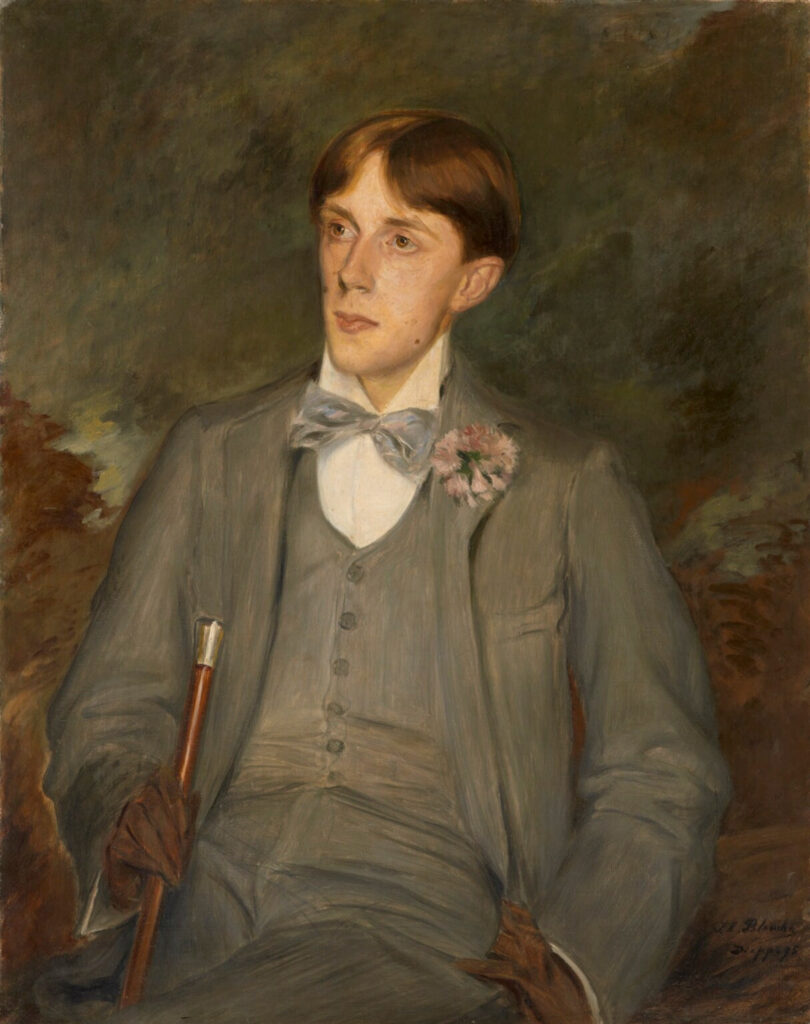
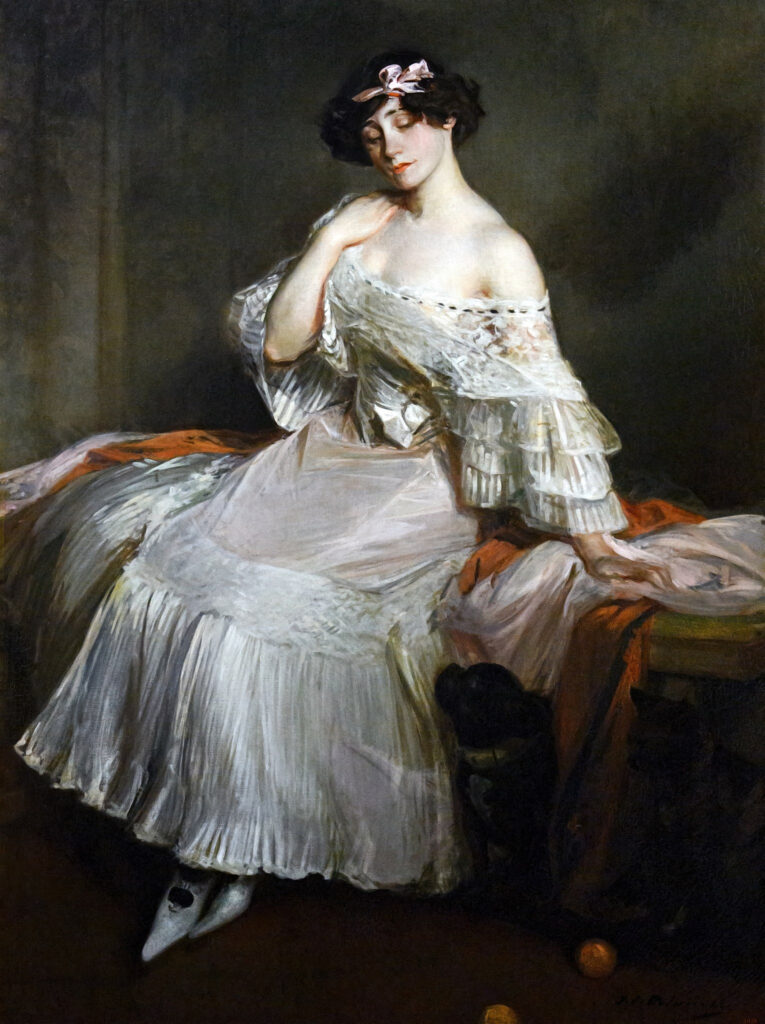
Jacques-Émile Blanche
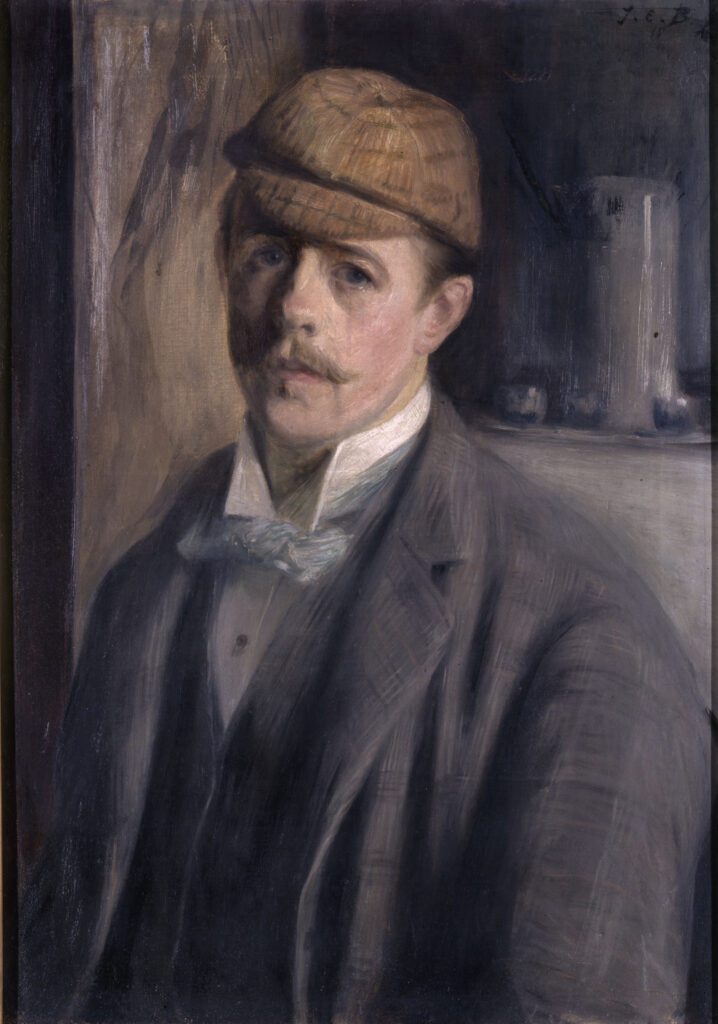
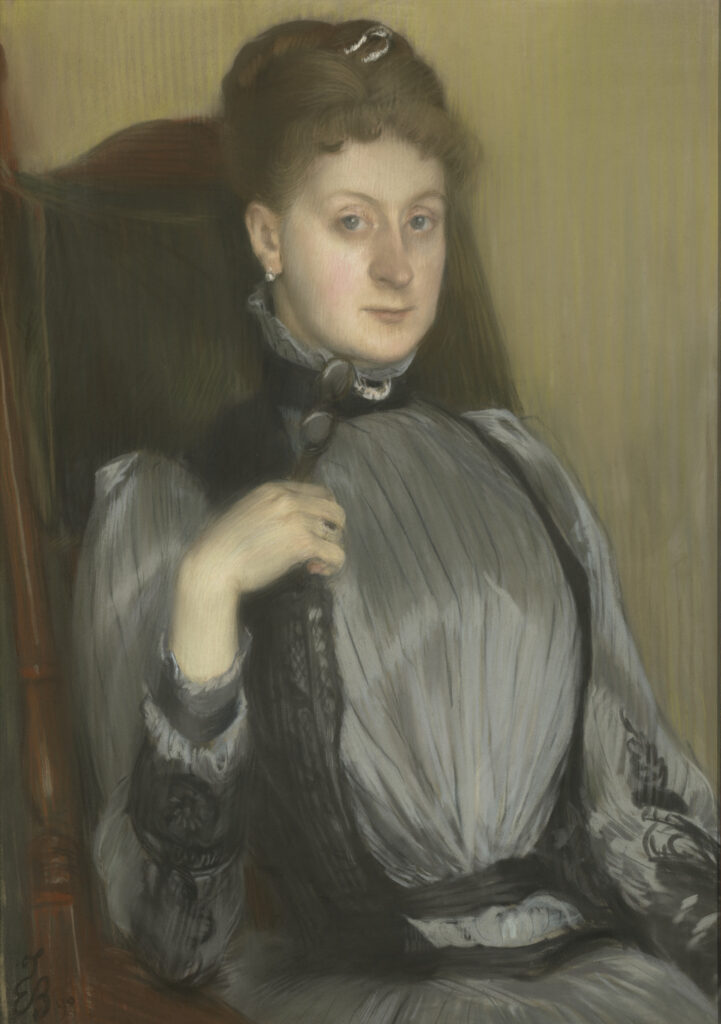
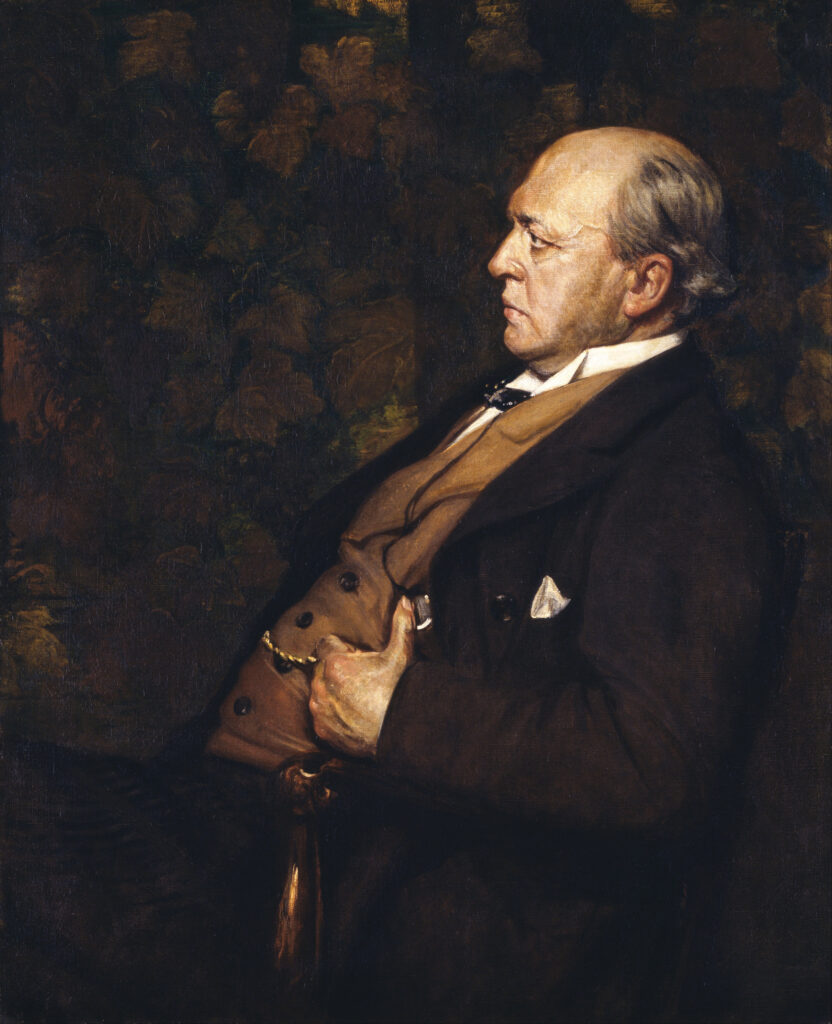
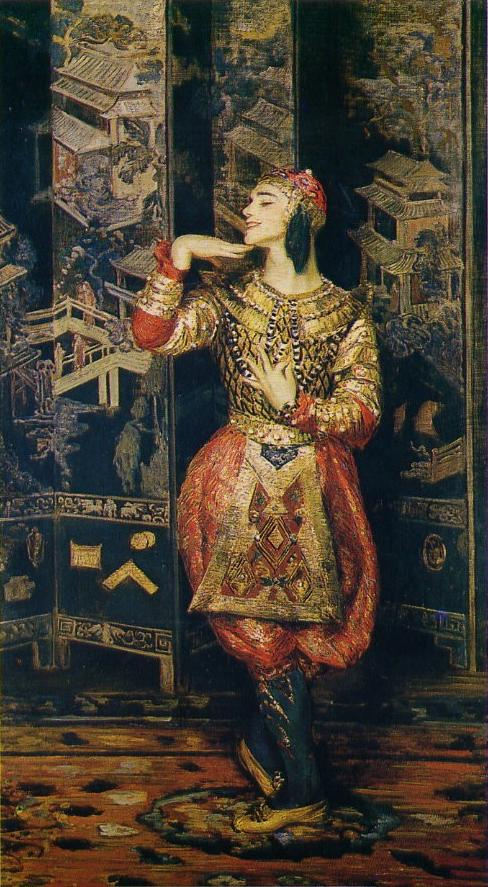
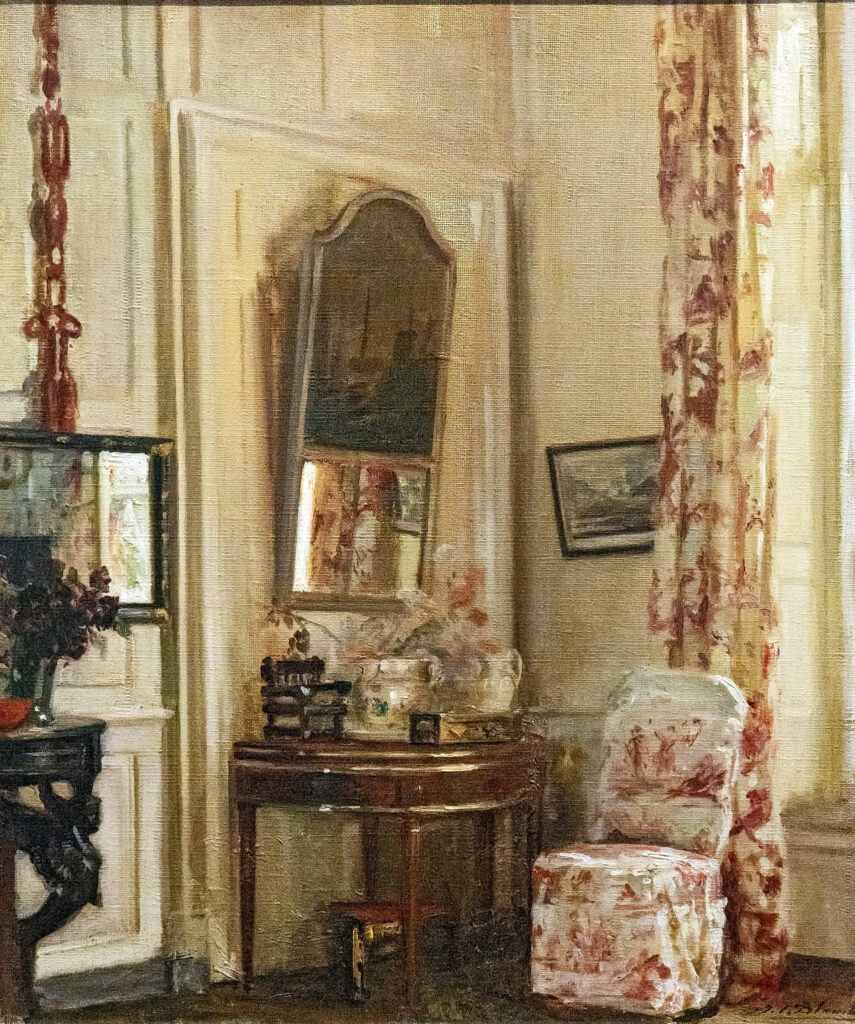
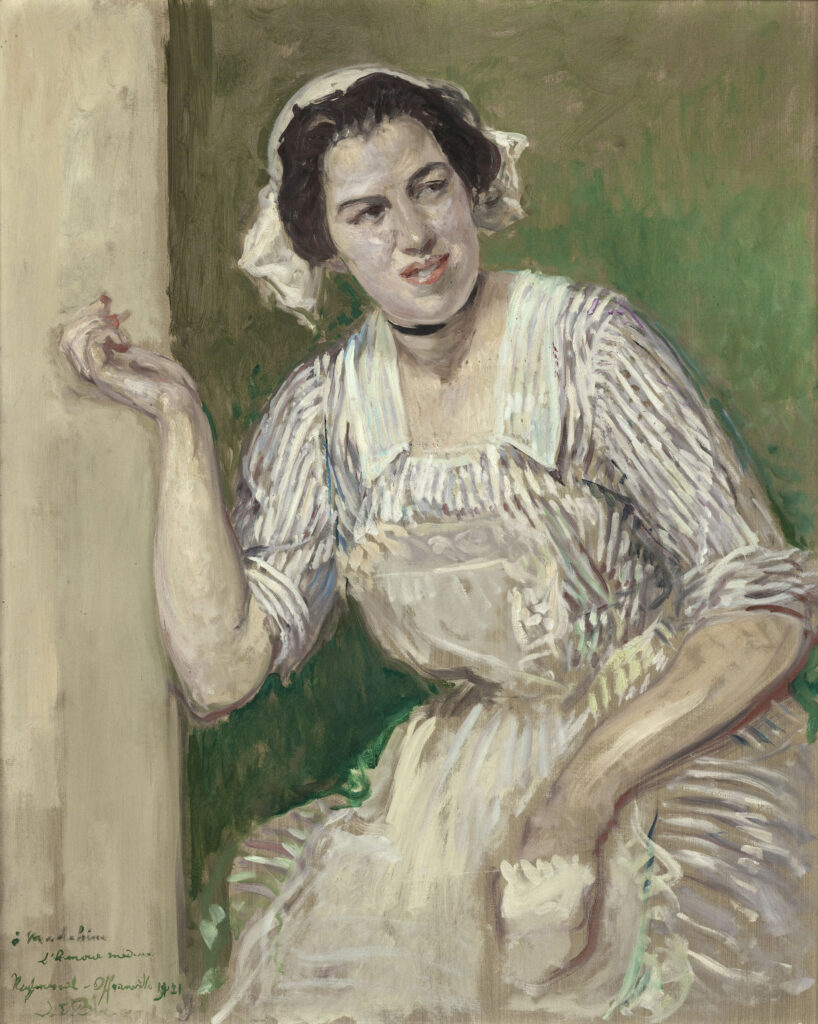
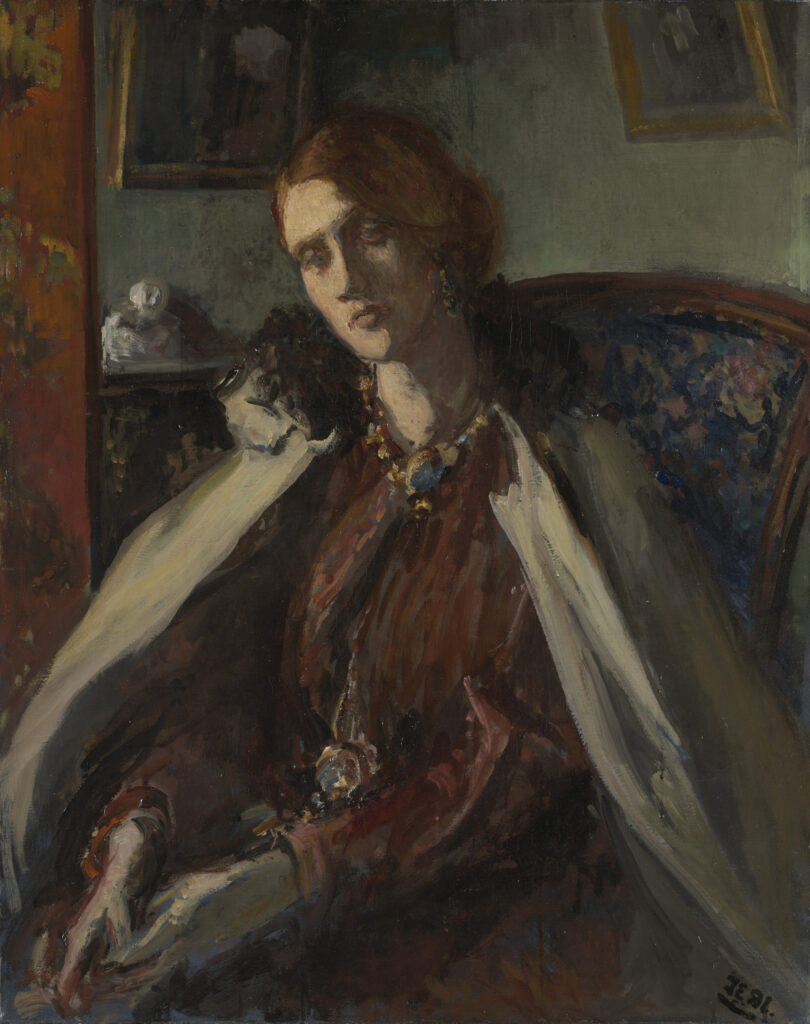
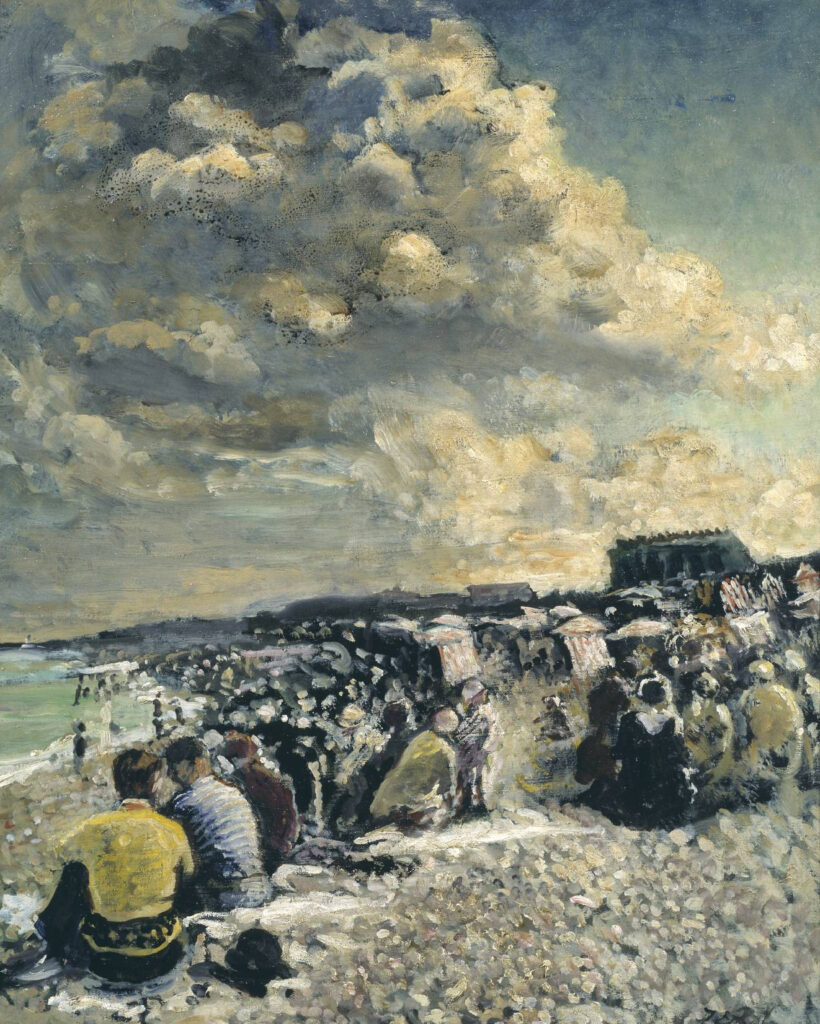
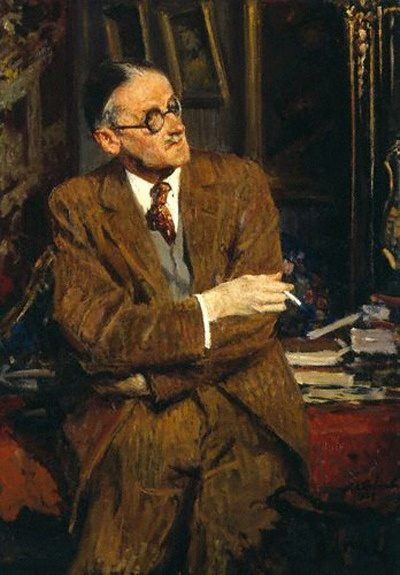
Jacques-Émile Blanche, January 31, 1861–September 30, 1942, was a French painter, printmaker, writer, and art critic known principally as a portraitist. He was educated at the Lycée Condorcet in Paris and was largely self-taught as an artist, although he received instruction from Henri Gervex and Ferdinand Humbert.
Blanche exhibited at the Paris Salon from 1882 to 1889 and at the Société Nationale des Beaux-Arts from 1890. He was associated with the New English Art Club and artistic and literary circles in Paris, London, and Dieppe; he later directed the Académie de La Palette and taught at the Académie Vitti.
His work is represented in the Musée d’Orsay and Petit Palais in Paris, Tate Britain and the National Portrait Gallery in London, the National Portrait Gallery in Washington DC, the Clark Art Institute, and the Museu Nacional d’Art de Catalunya.
Maurice Utrillo
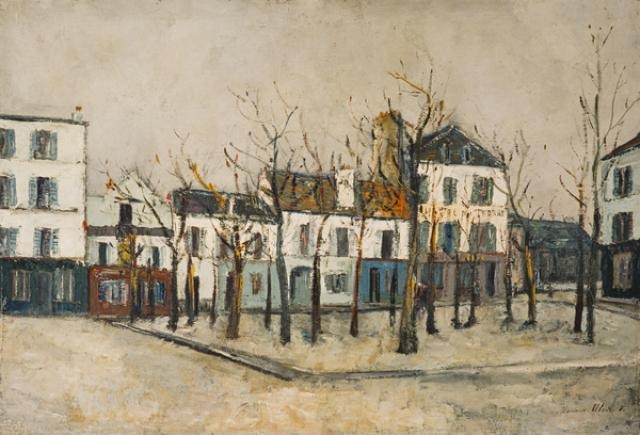
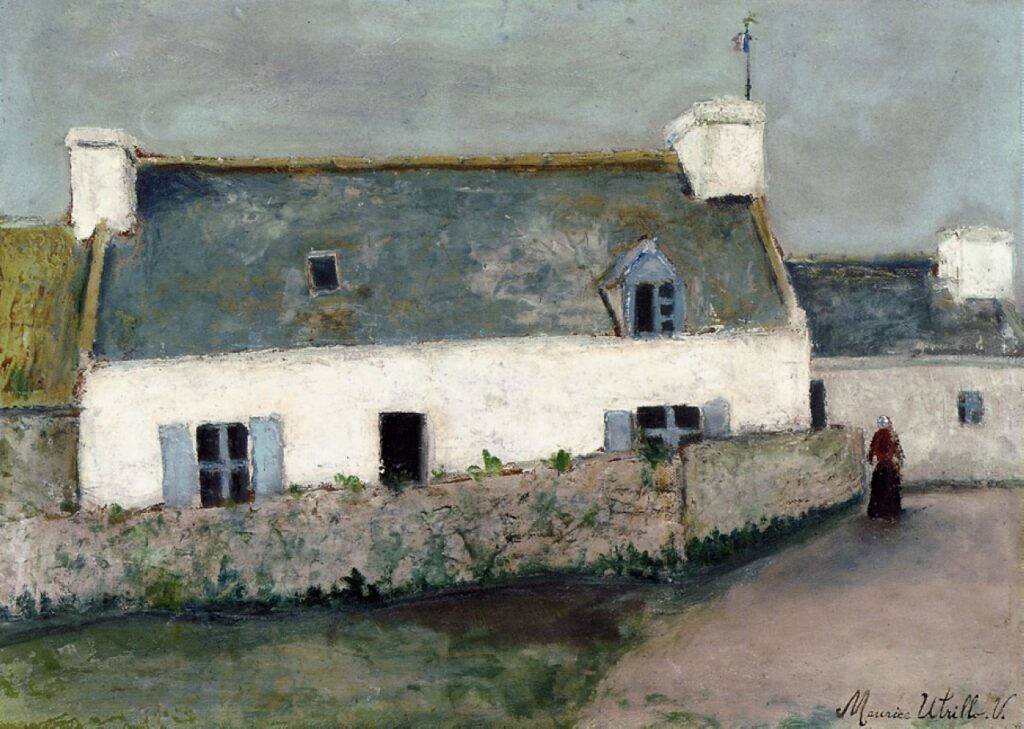
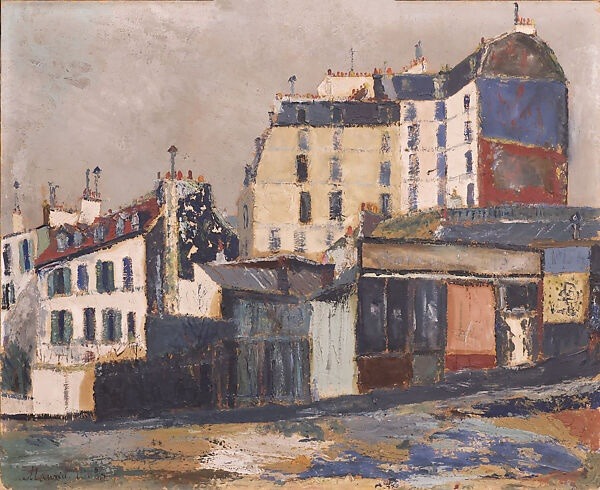
Maurice Utrillo was born Maurice Valadon in Montmartre, Paris, on December 26, 1883. He was the son of the painter and former artist’s model Suzanne Valadon; the Spanish artist and writer Miquel Utrillo legally acknowledged him in 1891. Largely self-taught, Utrillo began painting with encouragement and instruction from his mother.
Utrillo specialized in views of Montmartre and the suburbs of Paris, depicting streets, churches, cafés, and modest buildings with an atmosphere of solitude and melancholy. His celebrated “white period,” approximately 1909–1914, is distinguished by pale colors and heavily textured surfaces. He often worked from postcards and memory as well as direct observation.
Utrillo achieved international recognition during the 1920s and received the Cross of the Légion d’honneur in 1928. He married the painter Lucie Valore in 1935 and settled at Le Vésinet. He died in Dax on November 5, 1955, and was buried in the Cimetière Saint-Vincent in Montmartre.





John Crome
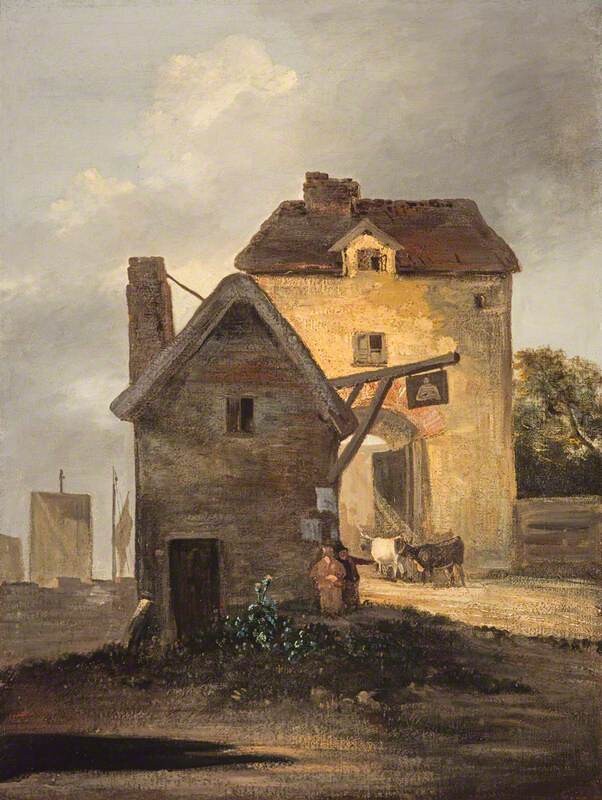
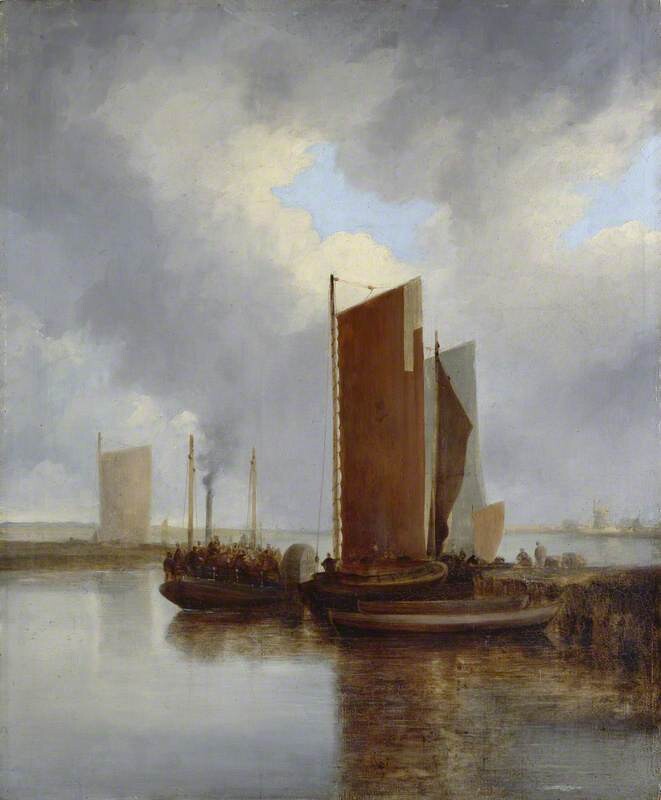
John Crome, December 22, 1768–April 22, 1821, was an English landscape painter and etcher born in Norwich. Apprenticed to the coach and sign painter Francis Whisler, he later worked as a drawing master and studied the work of Dutch landscape painters.
Crome and Robert Ladbrooke founded the Norwich Society of Artists in 1803. He served repeatedly as its president, taught artists including James Stark and Edward Thomas Daniell, and painted landscapes centered on Norwich and the Norfolk countryside.
Crome remained in Norwich until his death in 1821. His work is held by Tate, the Yale Center for British Art, the National Galleries of Scotland, Norfolk Museums Collections and other British and American collections, and he is regarded as a principal founder of the Norwich School of painters.





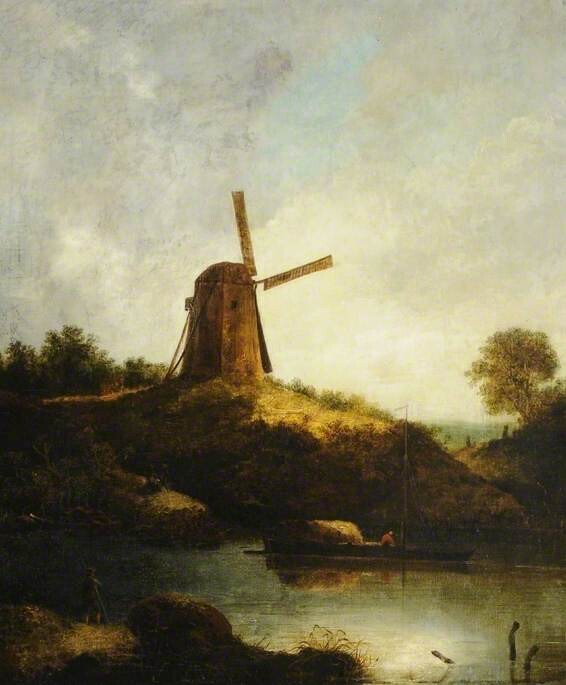

Hans von Bartels
Hans von Bartels, December 25, 1856–October 5, 1913, was a German painter and watercolorist born in Hamburg. He trained in Hamburg with Rudolf Hardorff and Carl Oesterley and also studied in Düsseldorf with Adolf Schweitzer before traveling in Italy and elsewhere in Europe.
Bartels settled in Munich in 1885 and was appointed professor of painting in 1891. He worked in oil and watercolor and became particularly associated with marine subjects, fishing communities, harbors, and coastal life; from the late 1880s he repeatedly worked on the Dutch coast, especially at Katwijk.
Bartels died in Munich in 1913. His work is represented in collections including Hamburger Kunsthalle and Nationalmuseum, Stockholm, as well as other German and European public collections.


