Posts in Category: 19th Century
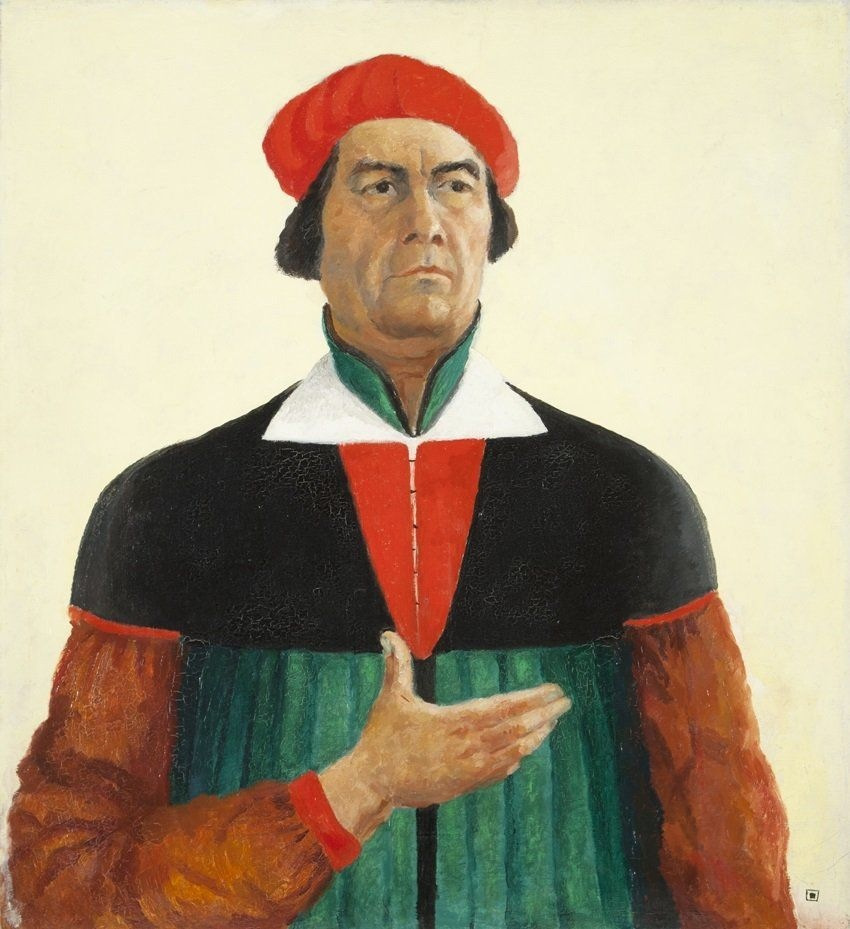
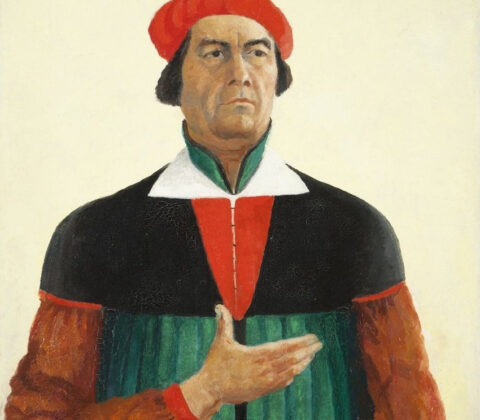
Kazimir Severinovich Malevich
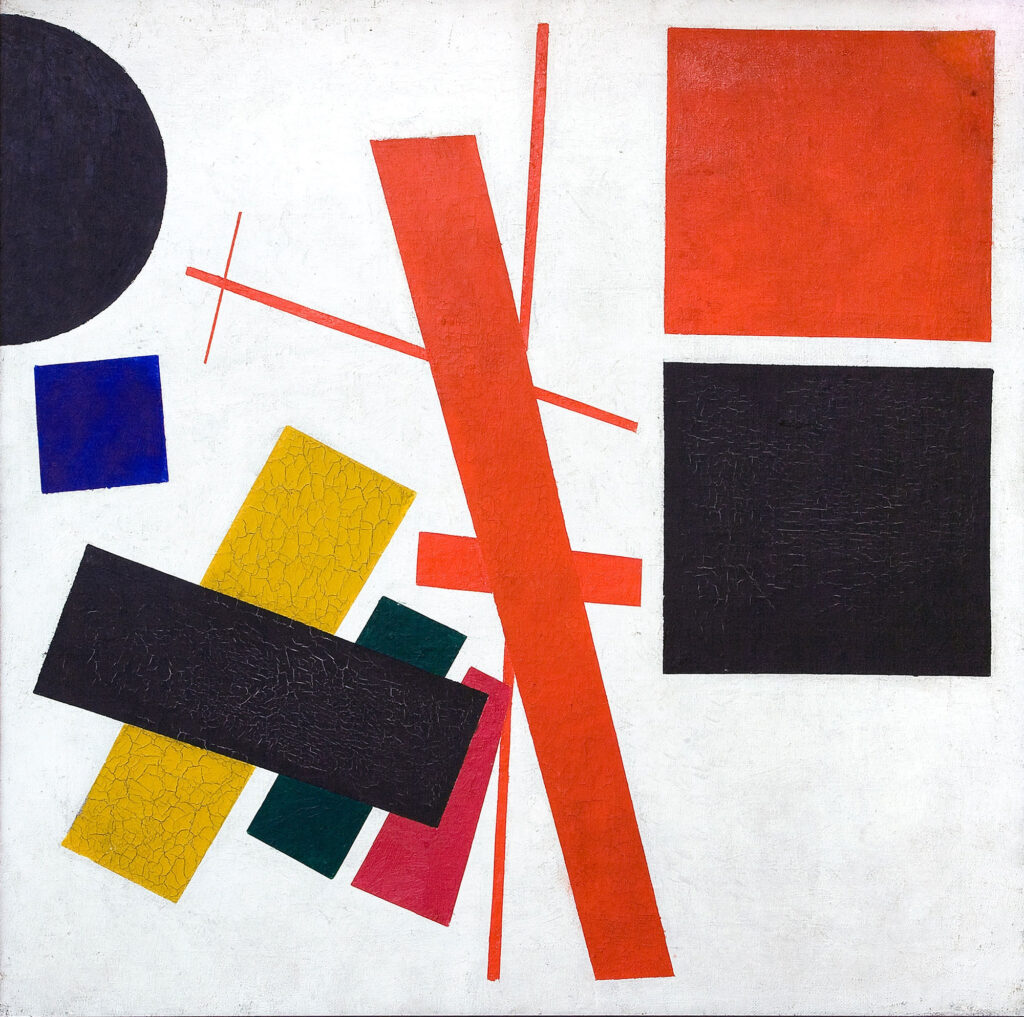
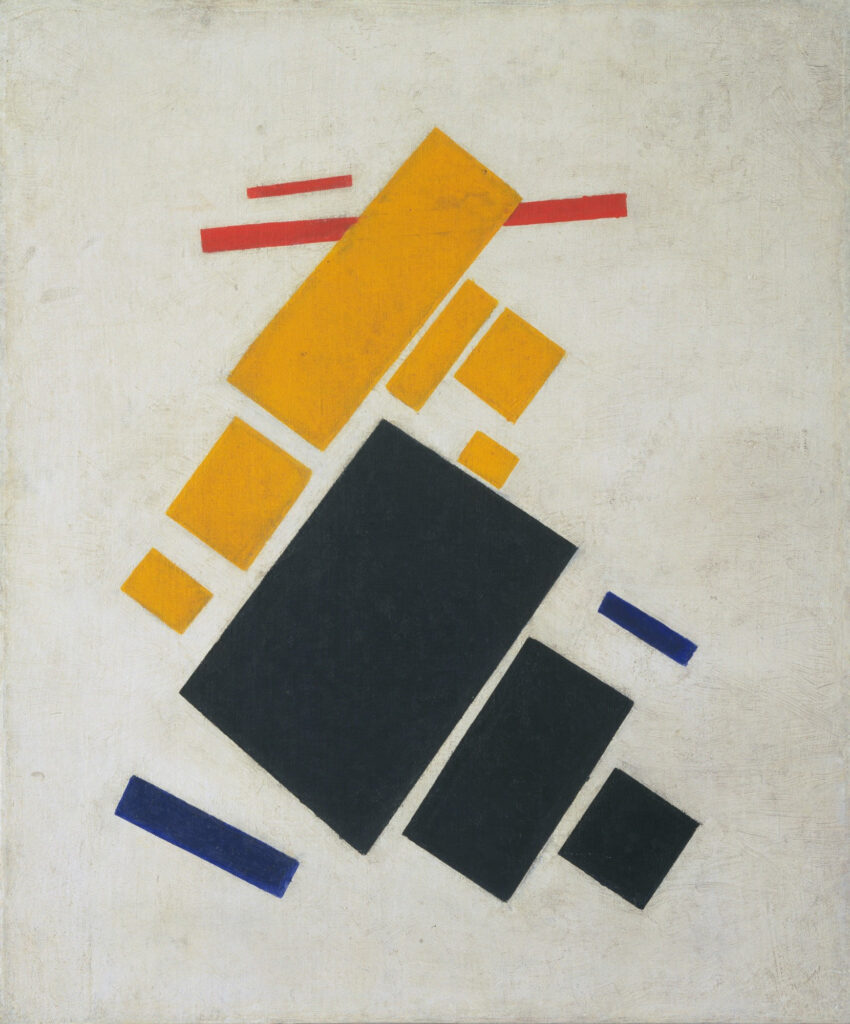
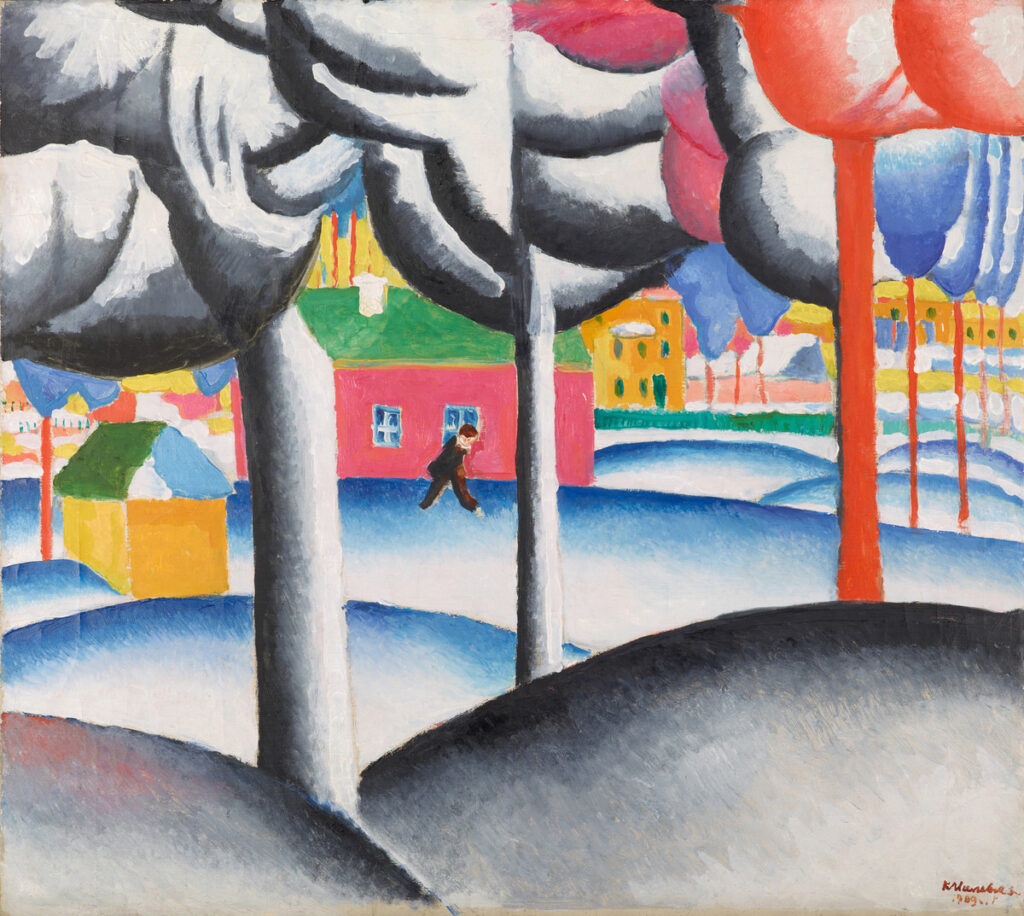
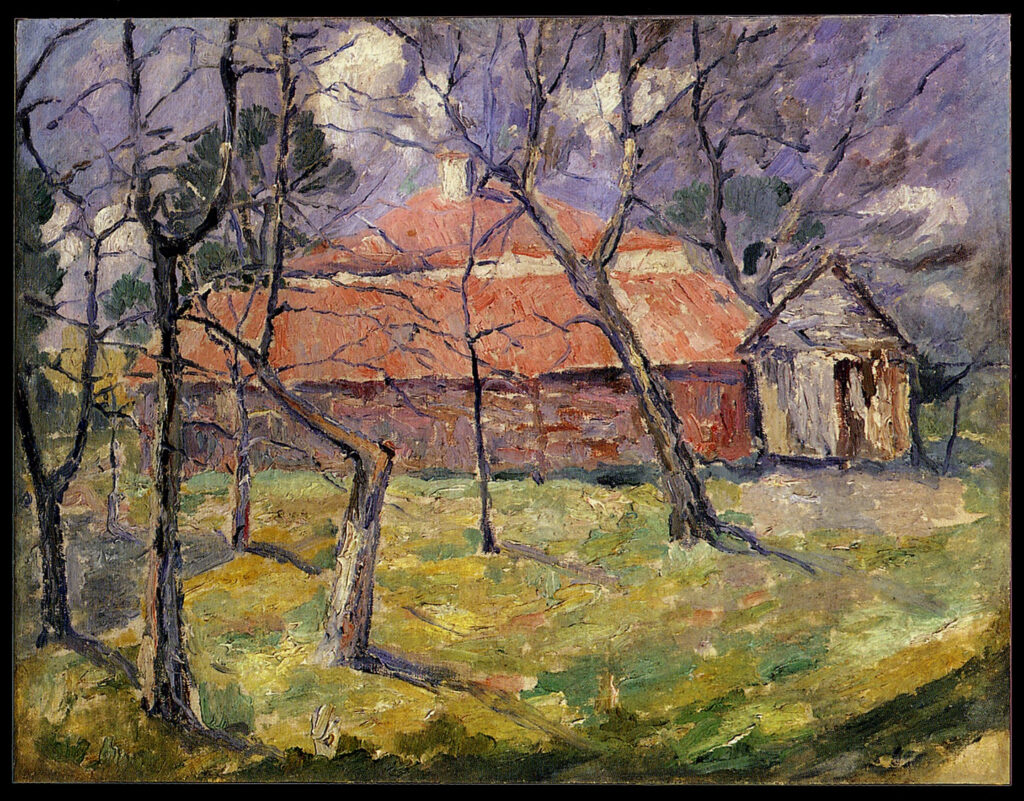
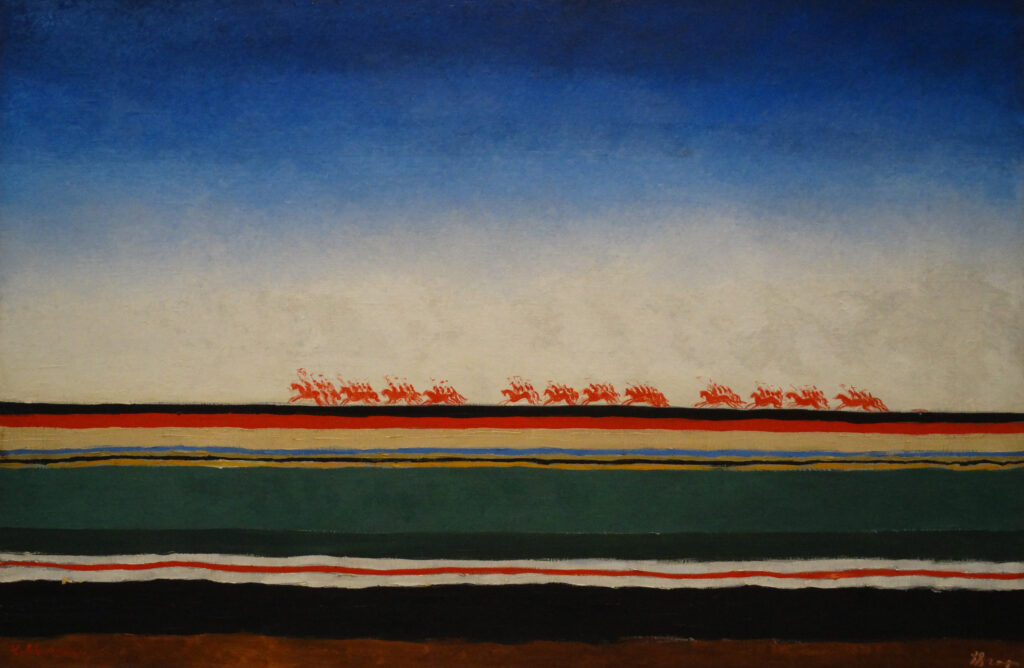
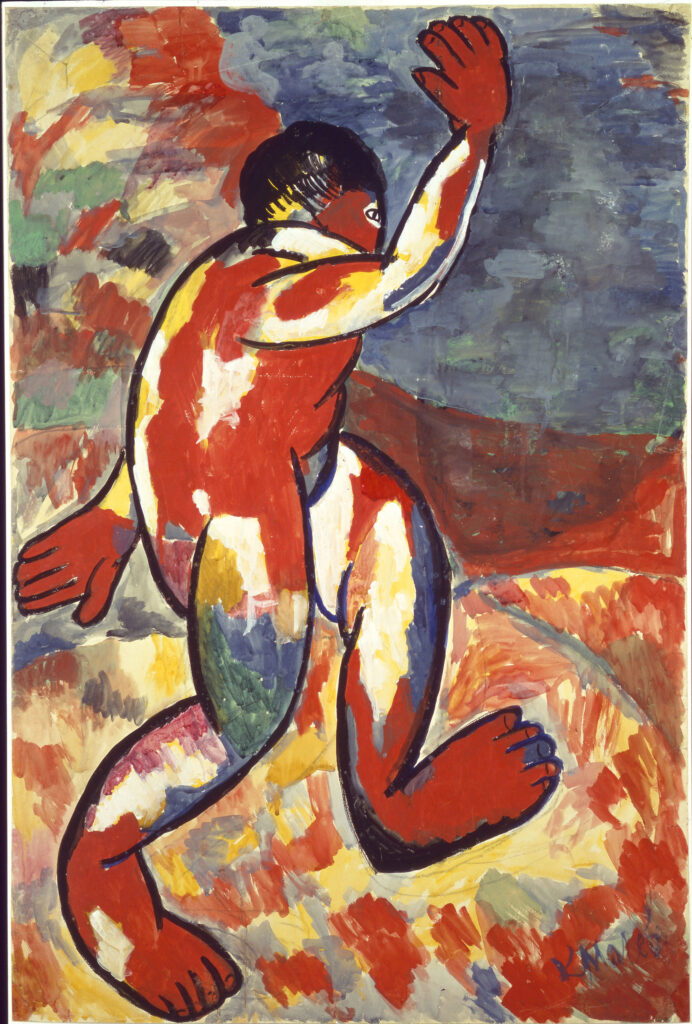
Kazimir Severinovich Malevich, February 23, 1879–May 15, 1935, was a painter and art theorist born in Kyiv to Polish parents. He studied in Fyodor Rerberg’s private studio in Moscow after an unsuccessful application to the Moscow School of Painting, Sculpture and Architecture.
Malevich exhibited with the Jack of Diamonds, The Donkey’s Tail, and the Union of Youth, and worked with Natalia Goncharova, Mikhail Larionov, and Mikhail Matyushin. He developed Suprematism in 1915 and later taught at the art school in Vitebsk, where his students included El Lissitzky.
His works are held by the State Tretyakov Gallery, the State Russian Museum, the Stedelijk Museum Amsterdam, and The Museum of Modern Art, New York
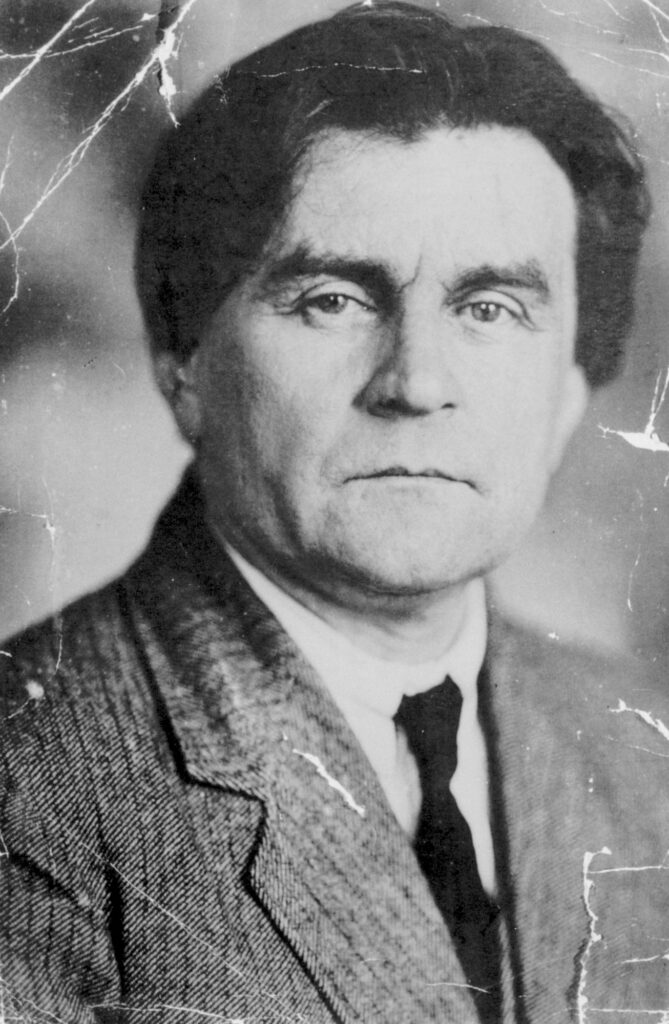
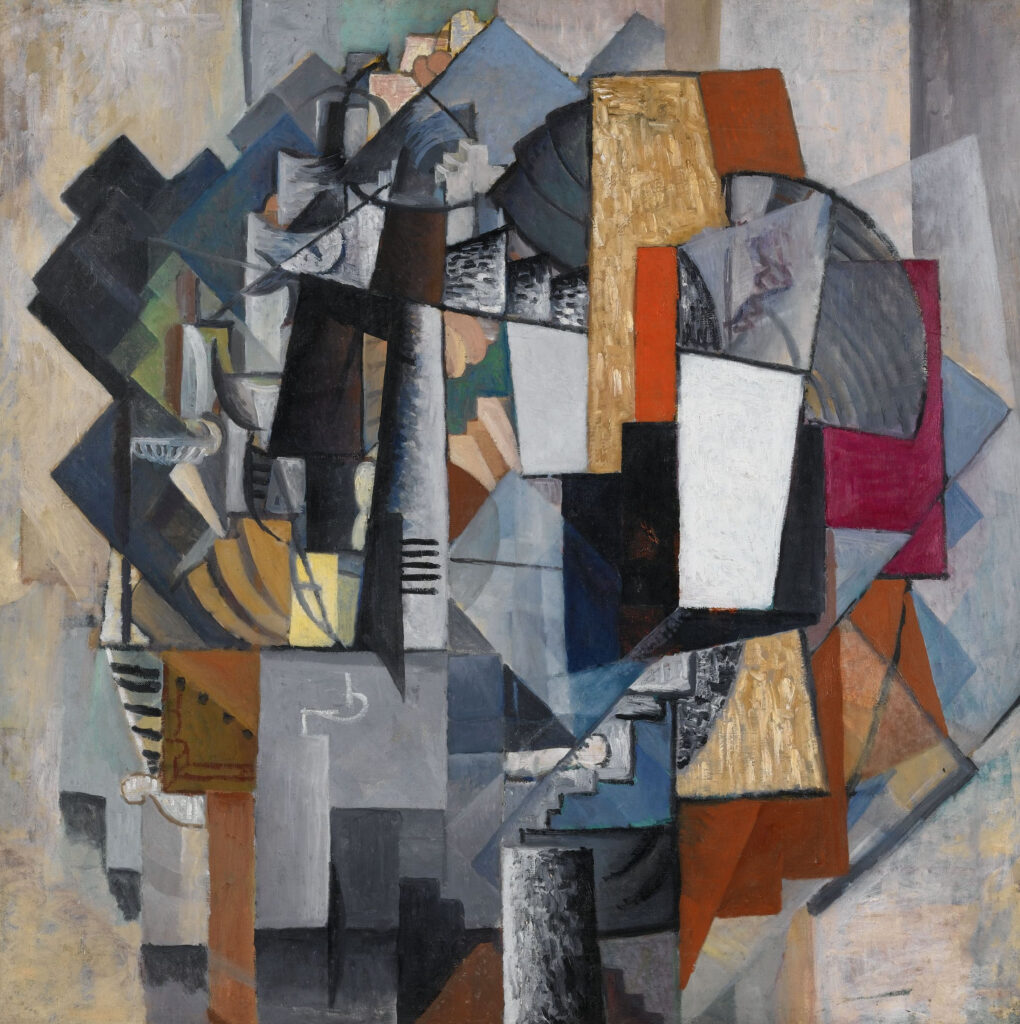



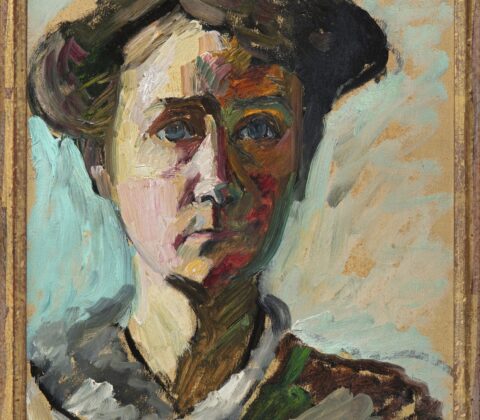
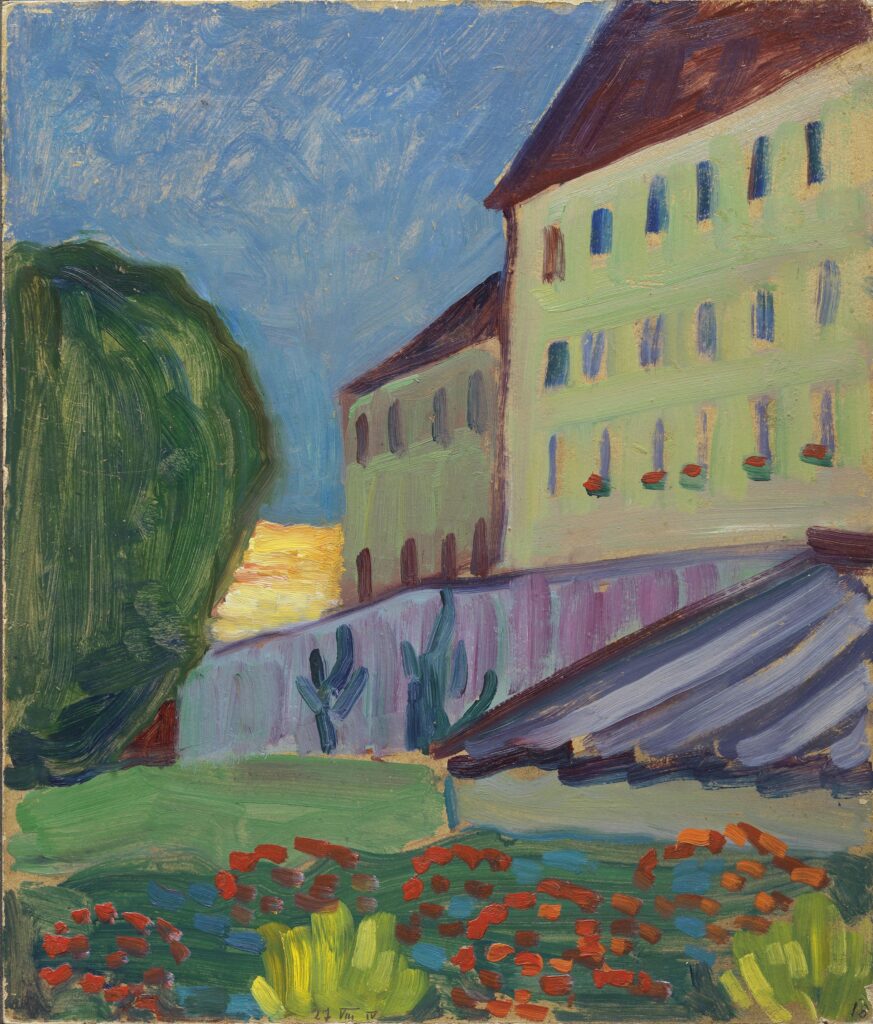
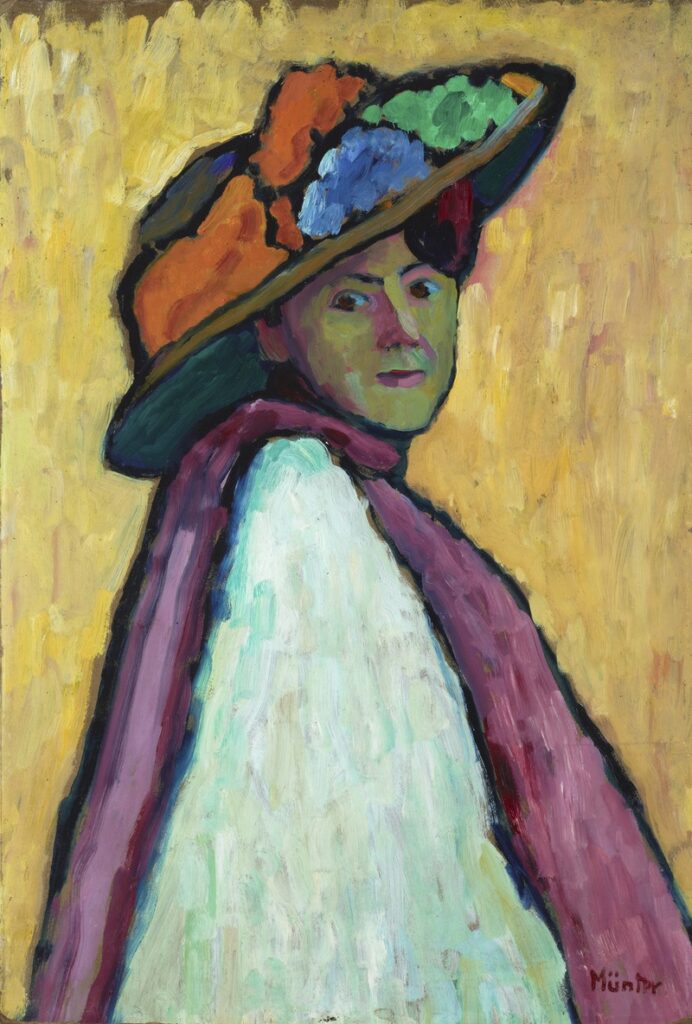
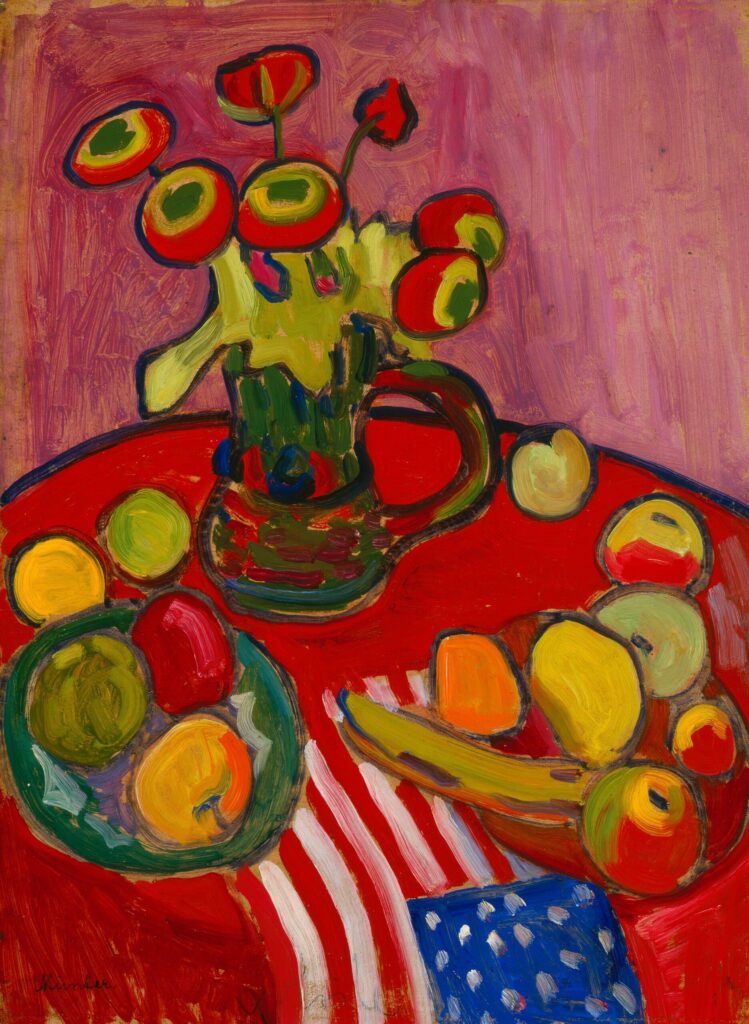
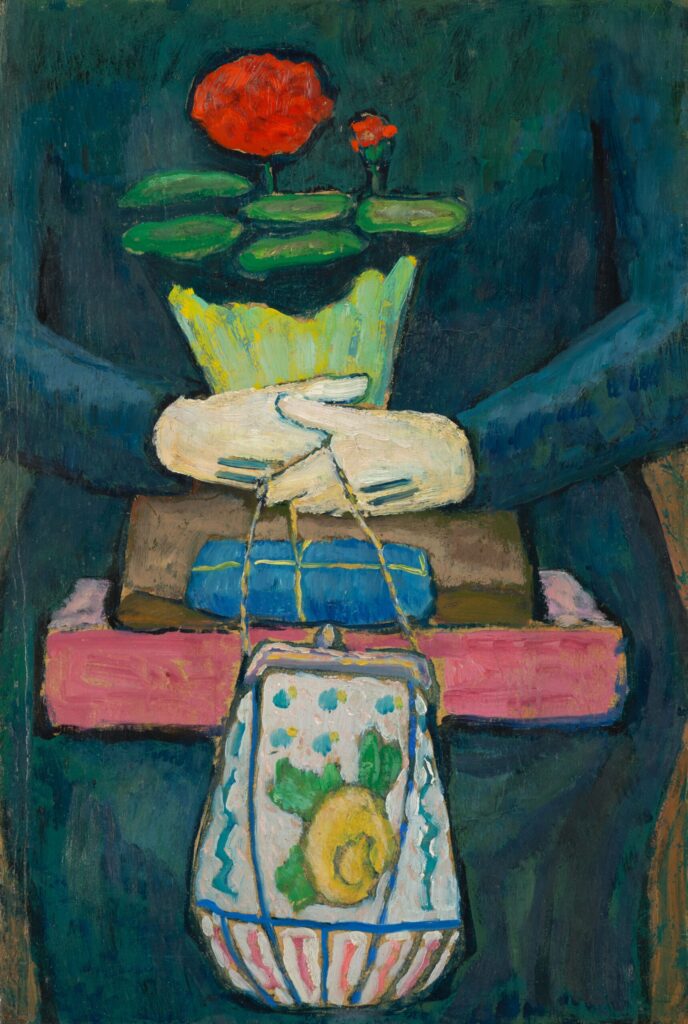
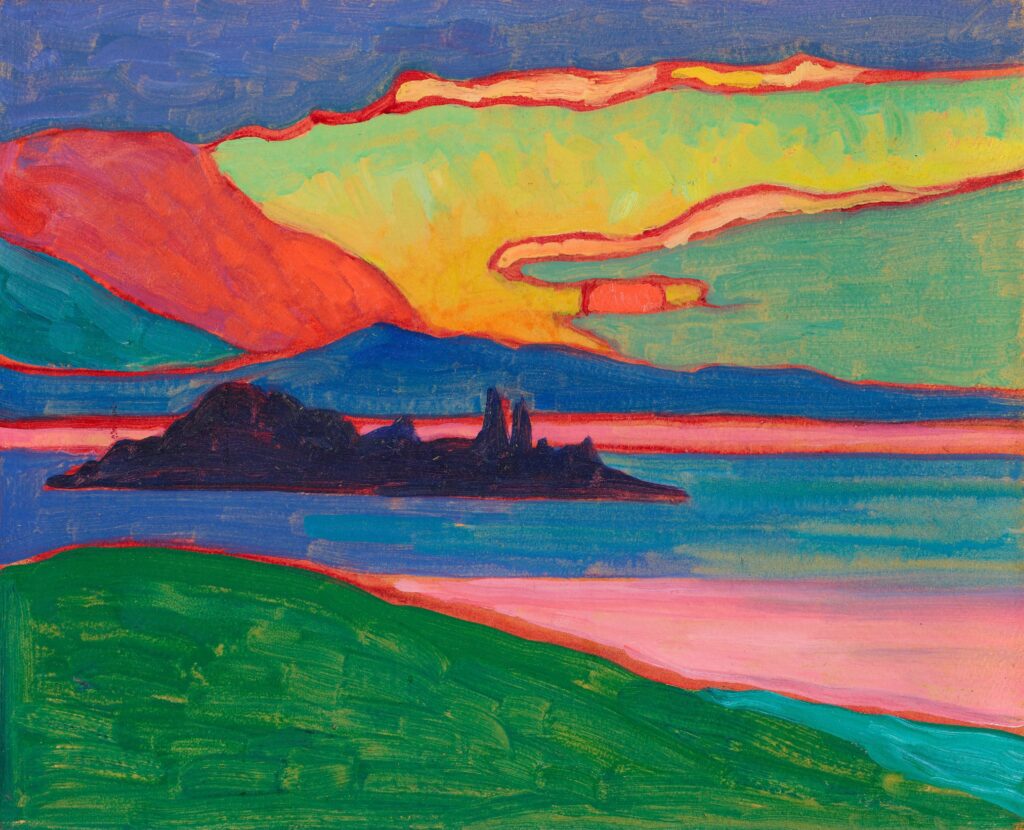
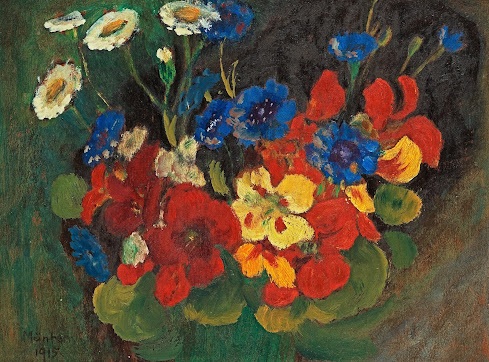
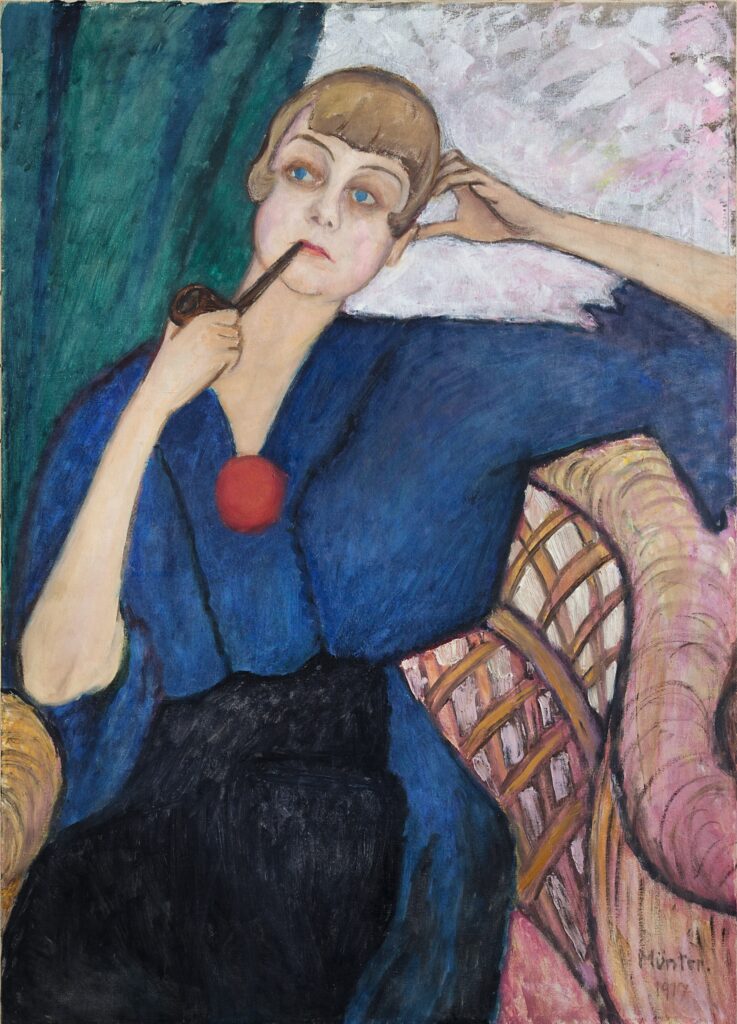
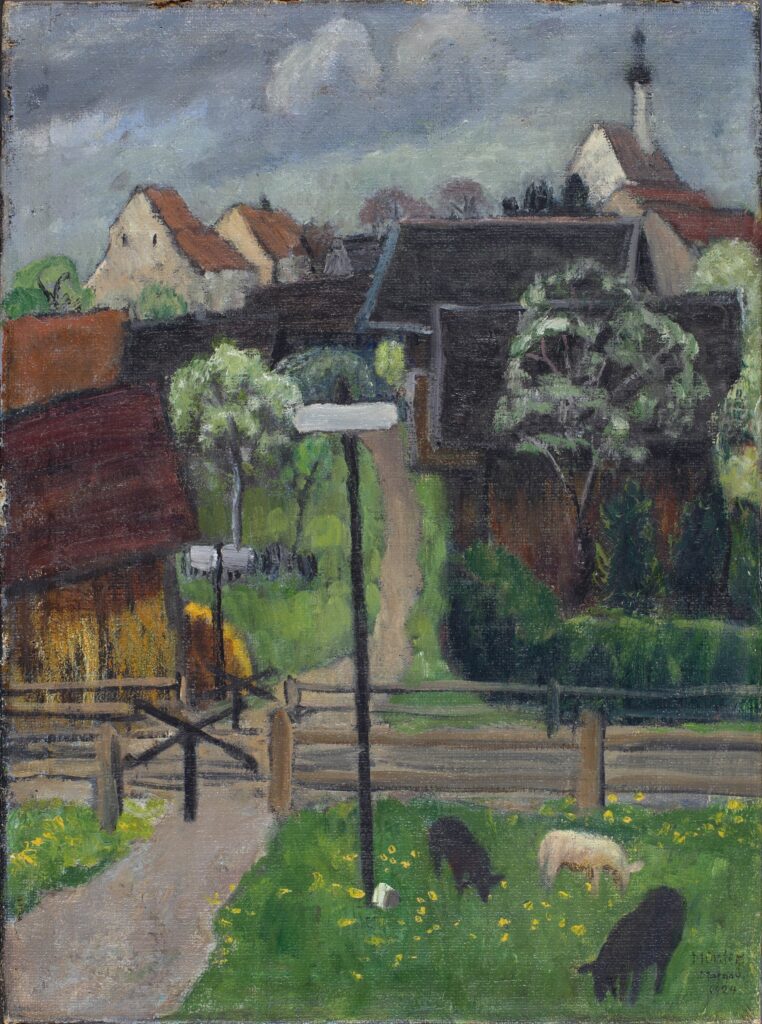
Gabriele Münter
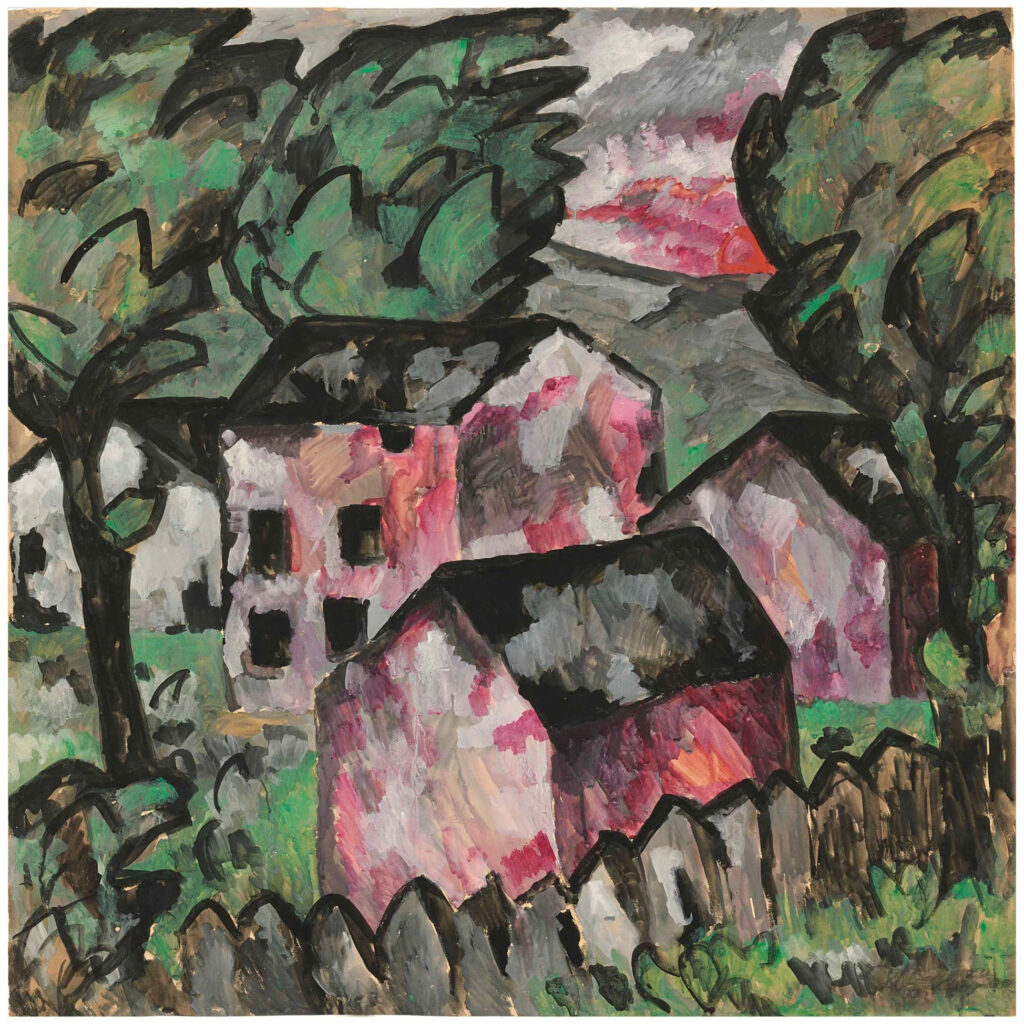
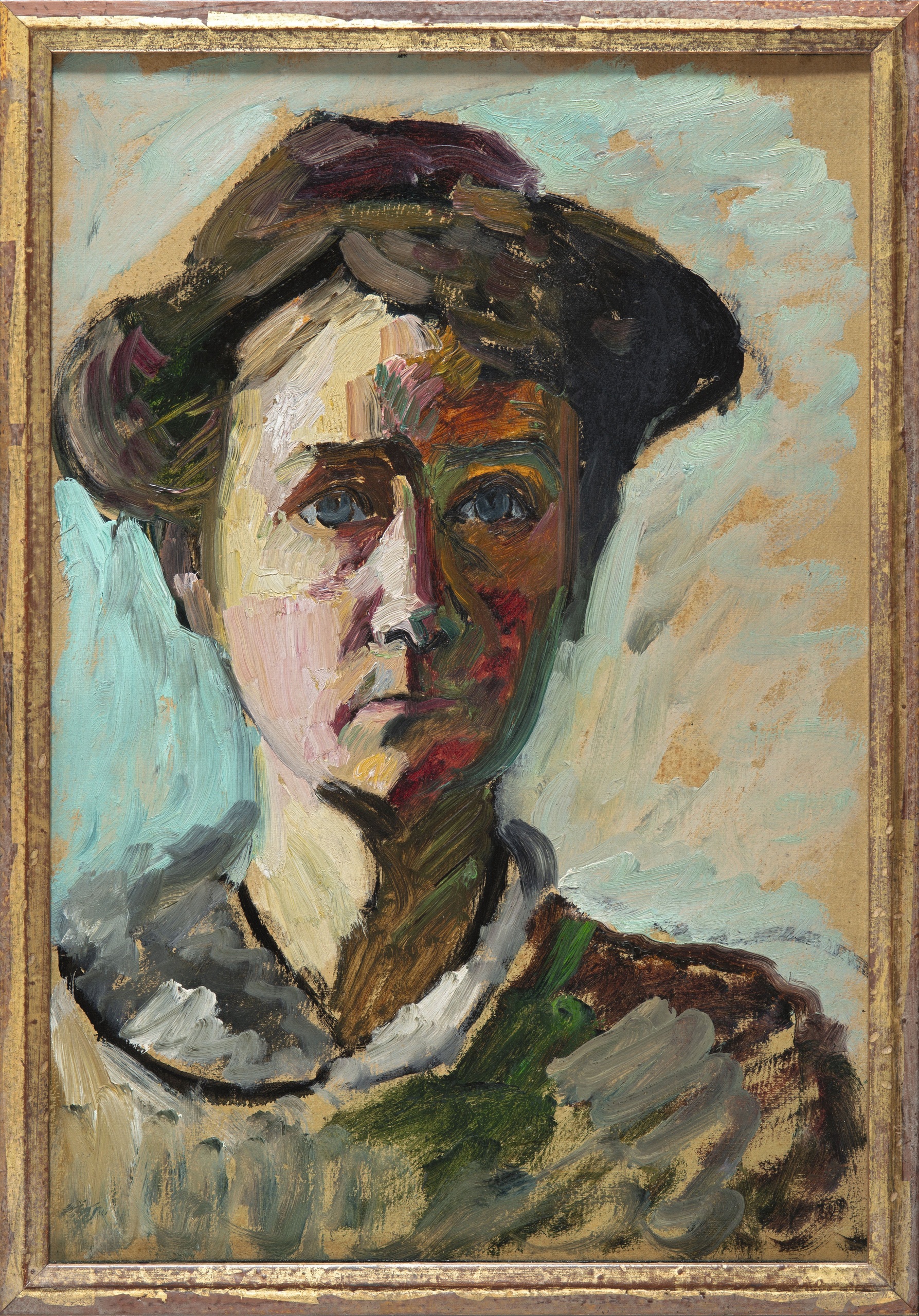
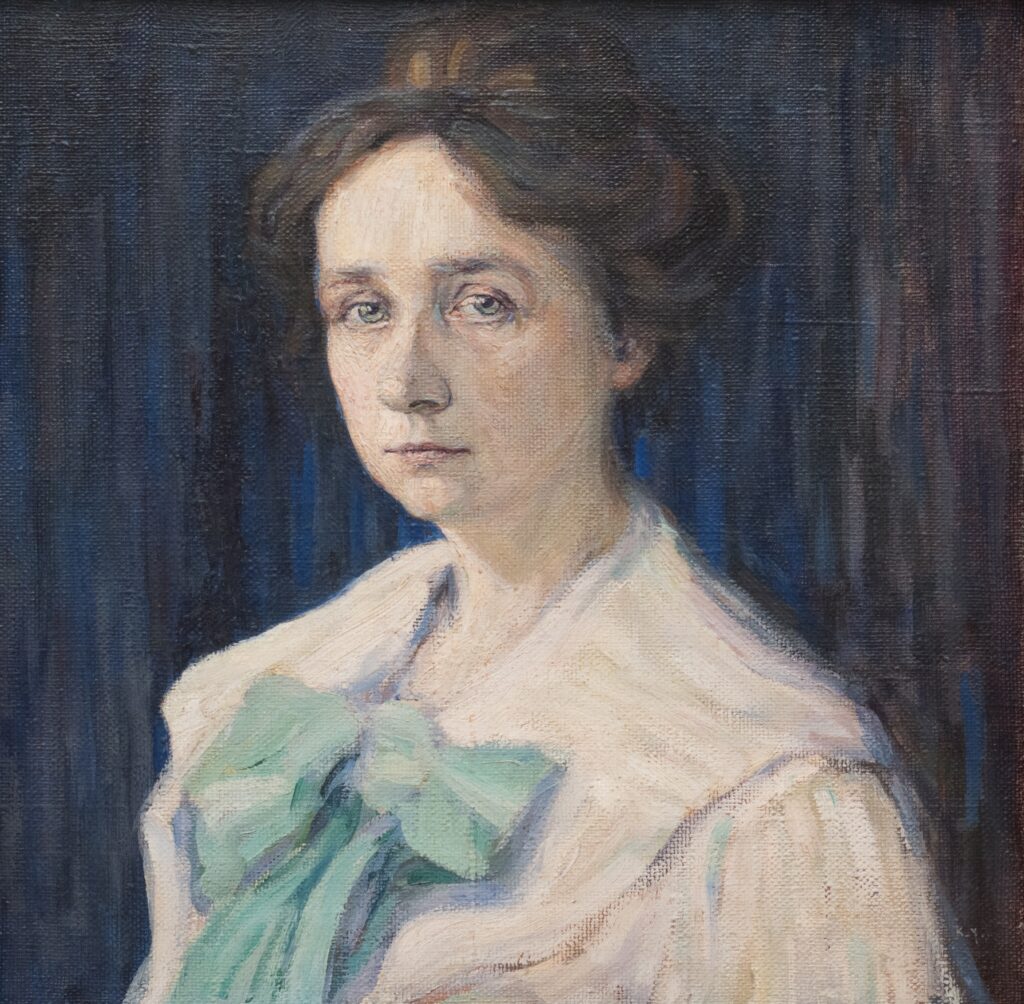
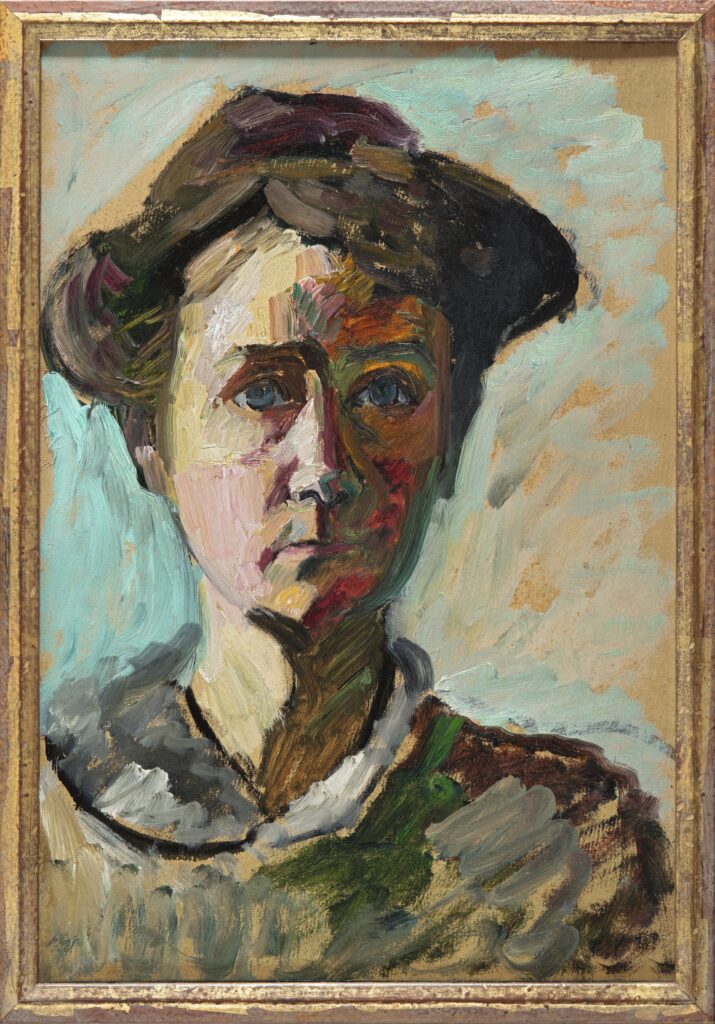
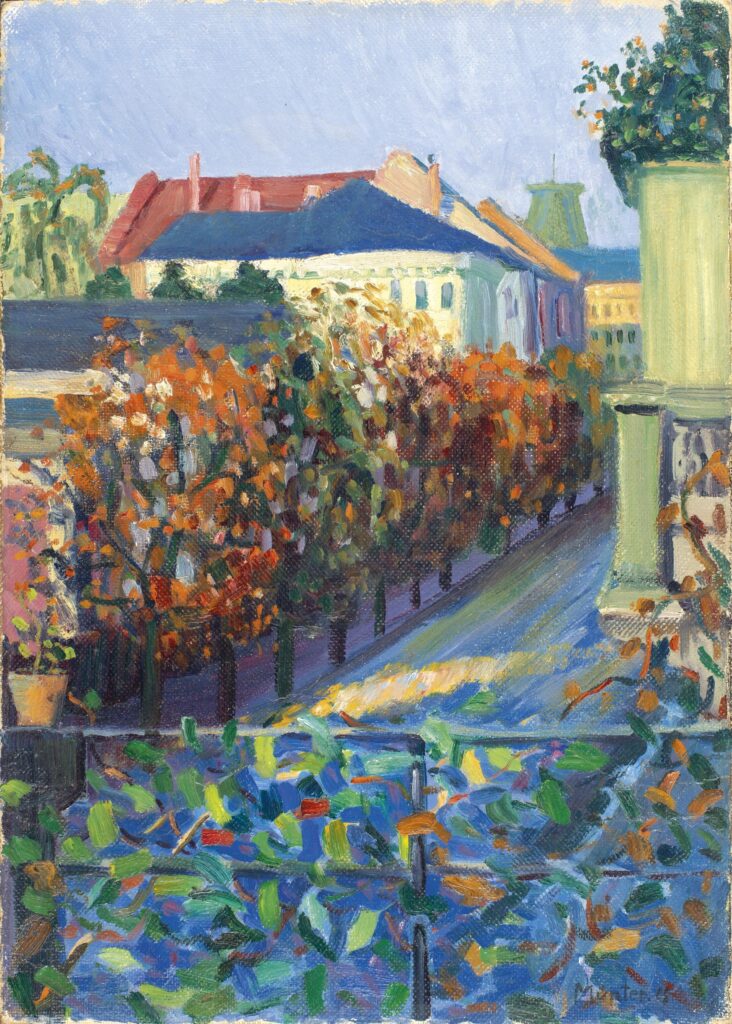
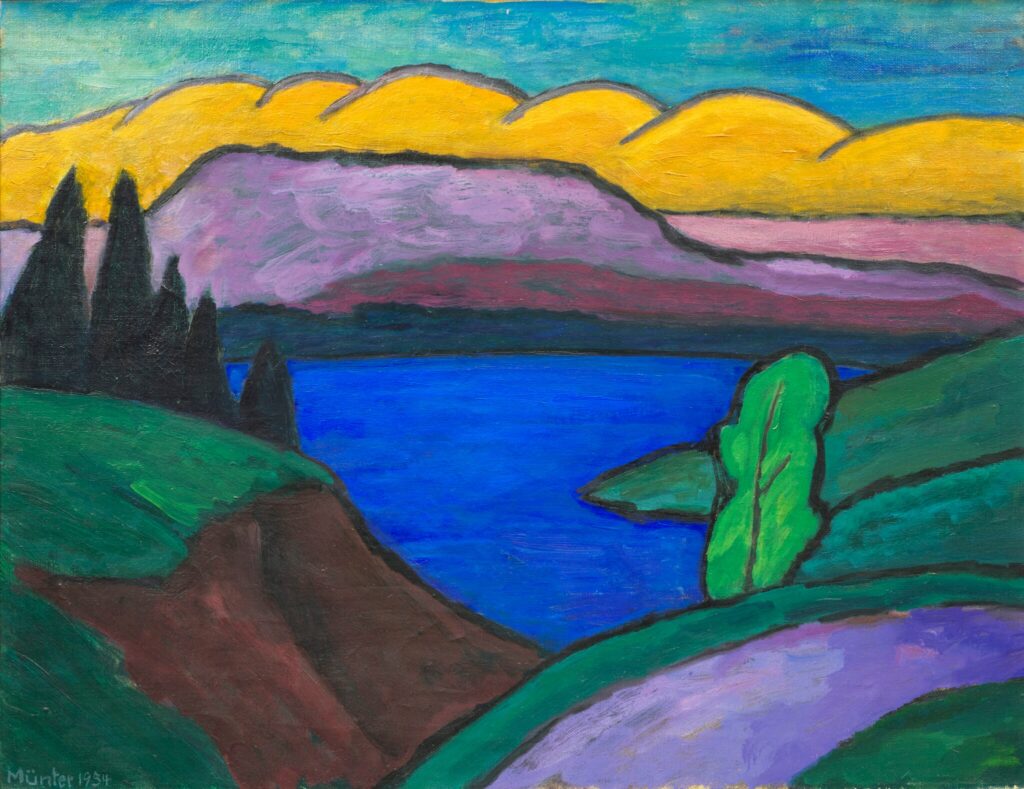
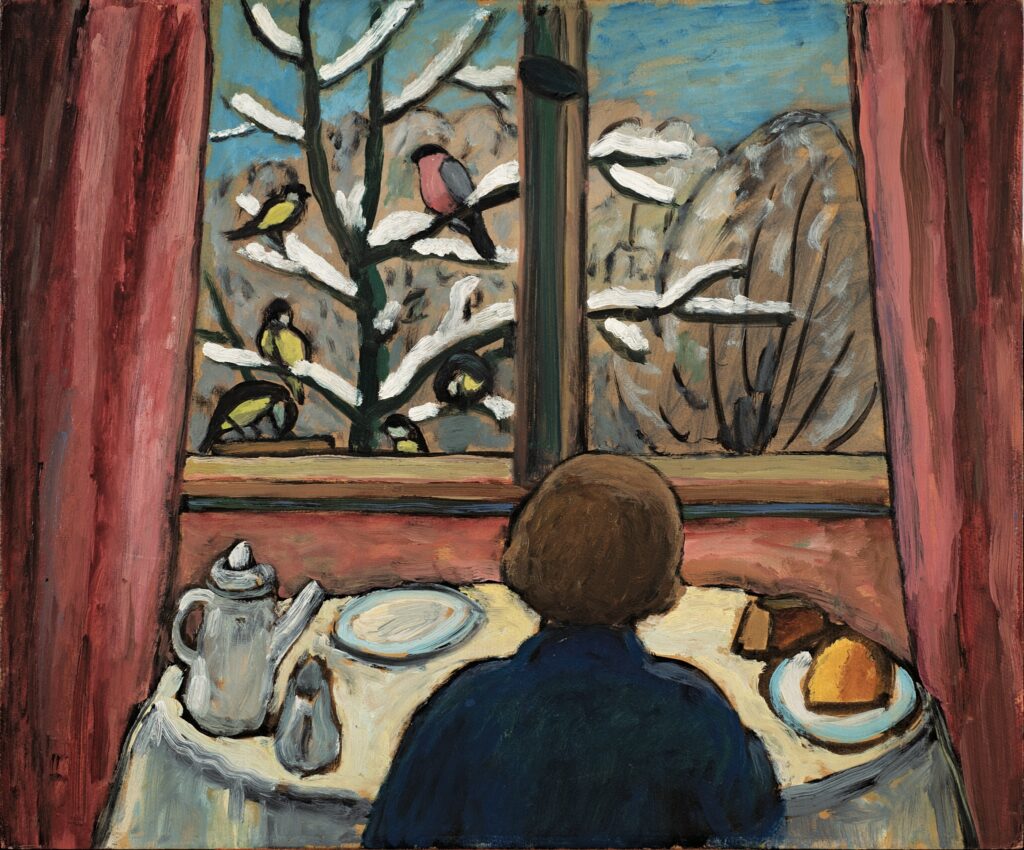
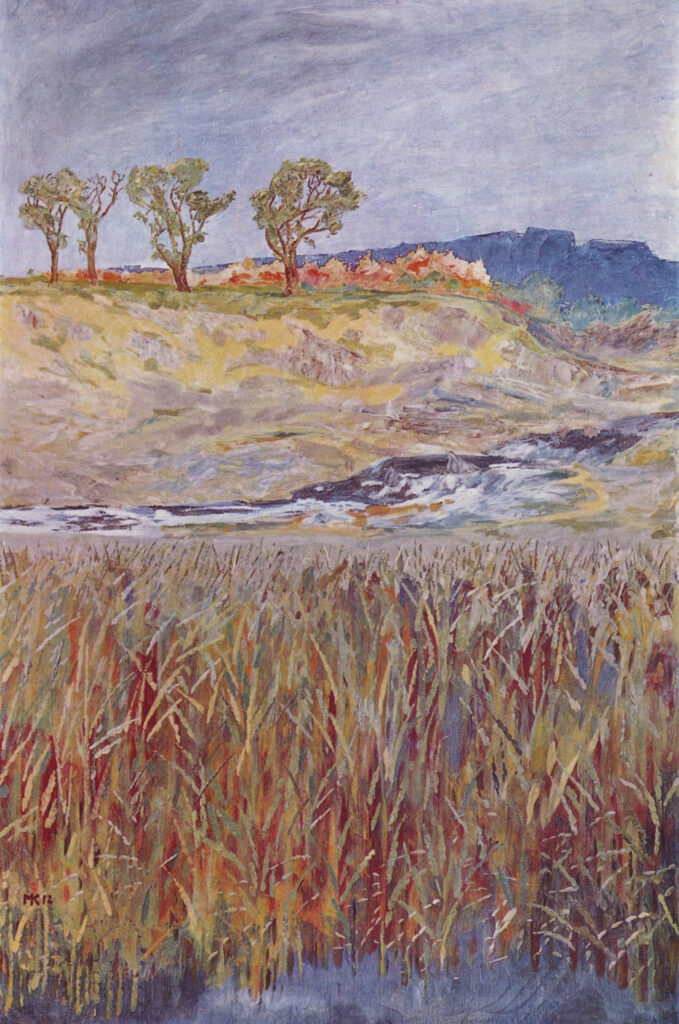
Gabriele Münter, February 19, 1877–May 19, 1962, was a German painter born in Berlin. She attended the Ladies’ Academy in Munich before enrolling at the Phalanx art school, where she studied with Wassily Kandinsky. She travelled with Kandinsky in Europe and North Africa between 1904 and 1908.
Münter painted portraits, landscapes, still lifes and interiors, using simplified forms, strong outlines and contrasting colours. She participated in the New Artists’ Association of Munich and the exhibitions of Der Blaue Reiter. During the First World War she lived in Switzerland and Scandinavia; she returned to Germany in 1920.
In 1931 Münter settled permanently in Murnau, where she continued working until her death. In 1957 she donated a substantial part of her collection to the Lenbachhaus, Munich. Her paintings are held by the Lenbachhaus, the Thyssen-Bornemisza National Museum, Madrid, and the National Museum of Women in the Arts, Washington DC.
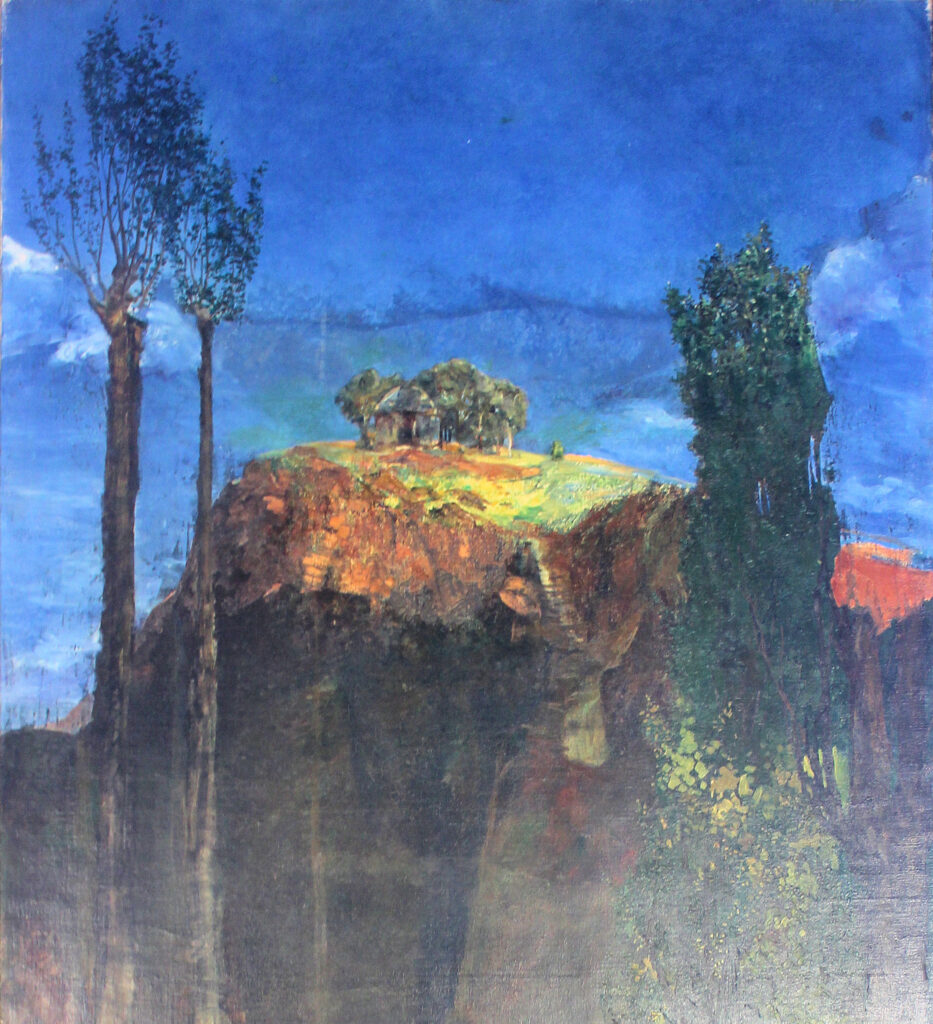
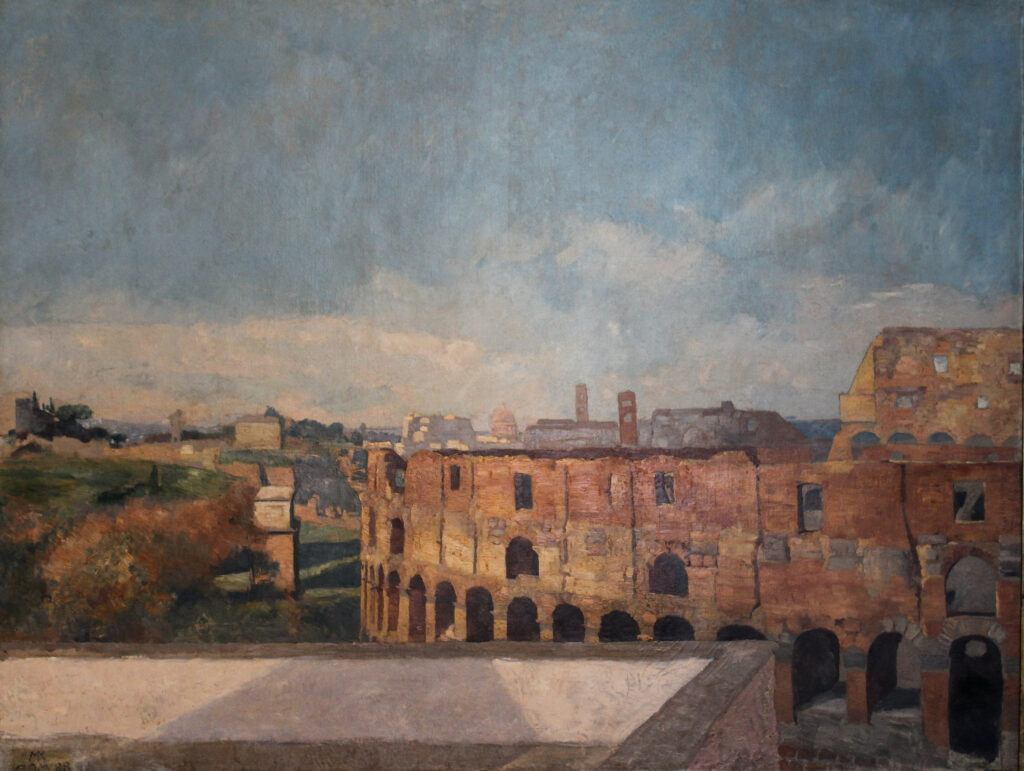
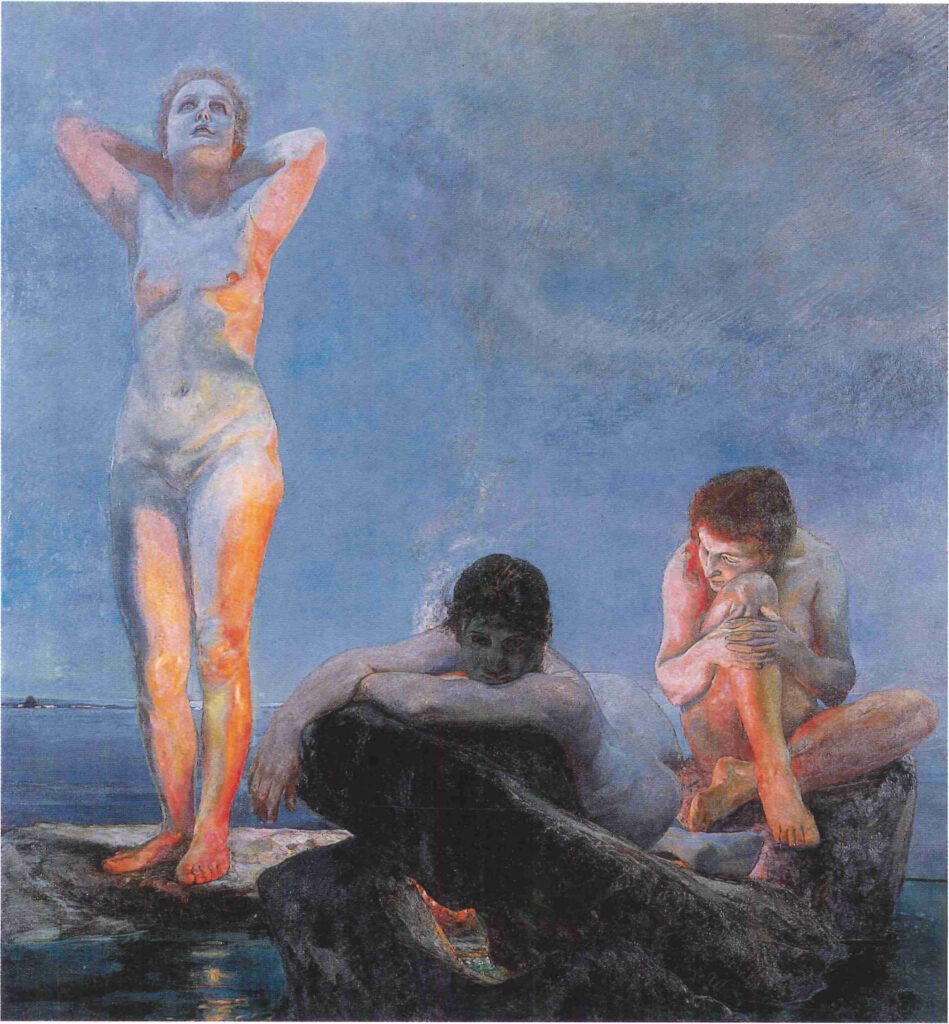
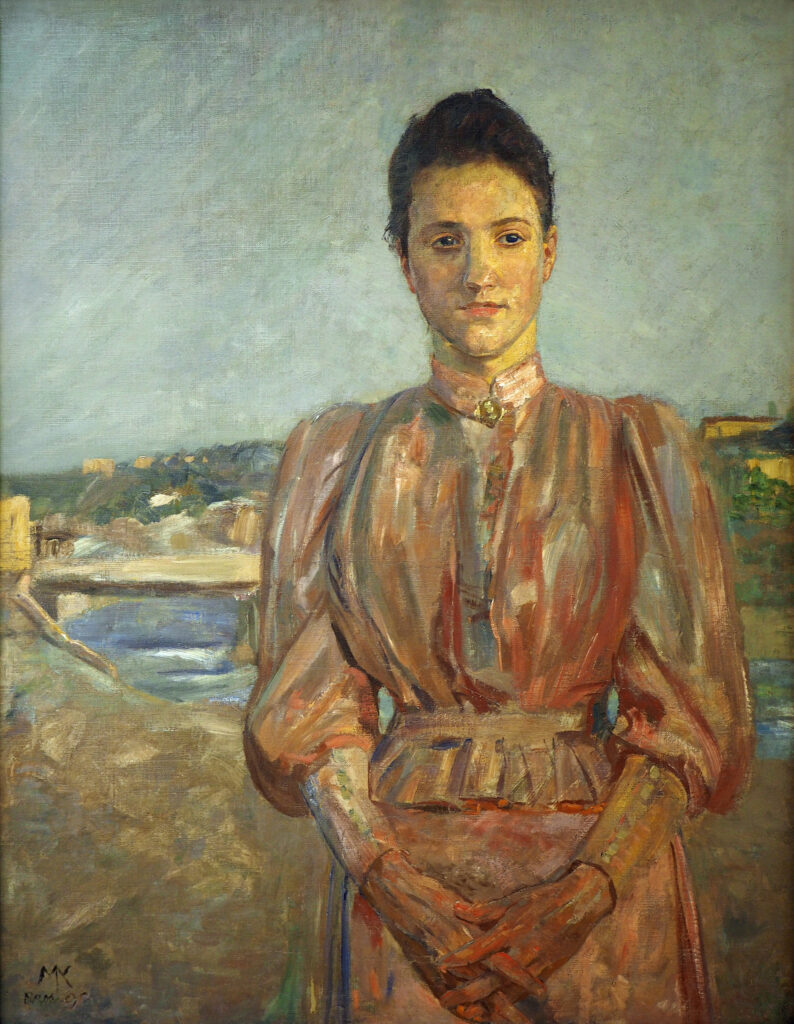
Max Klinger
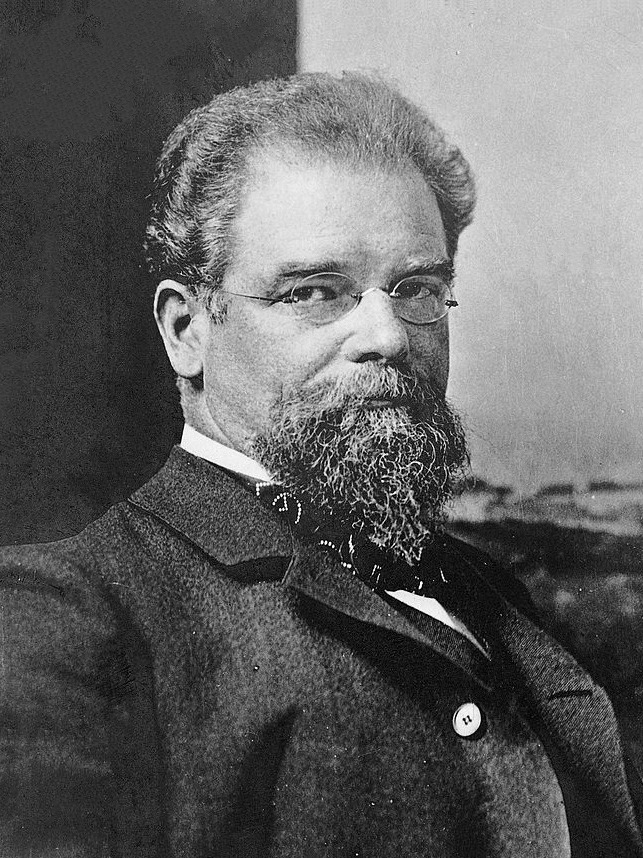
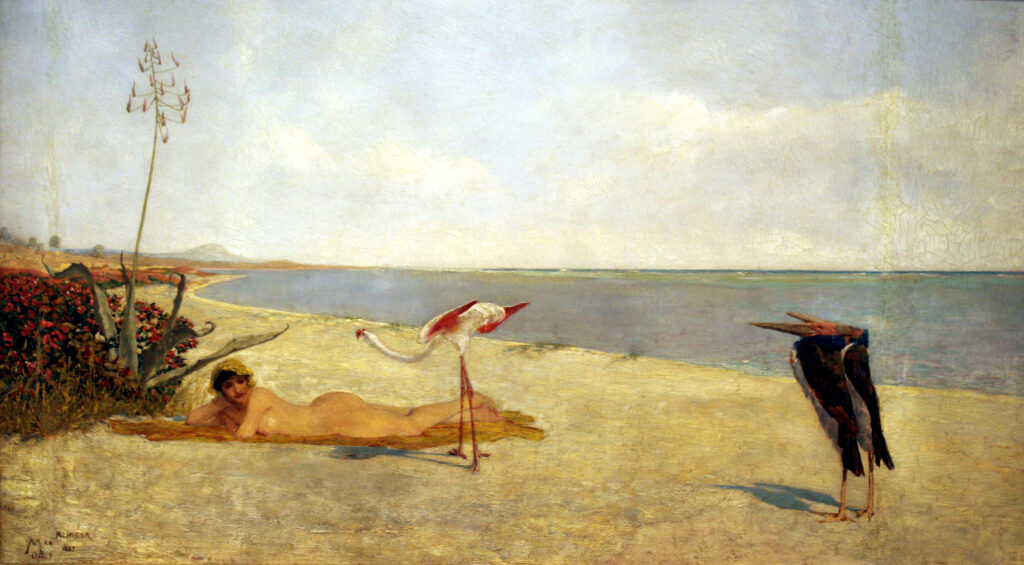
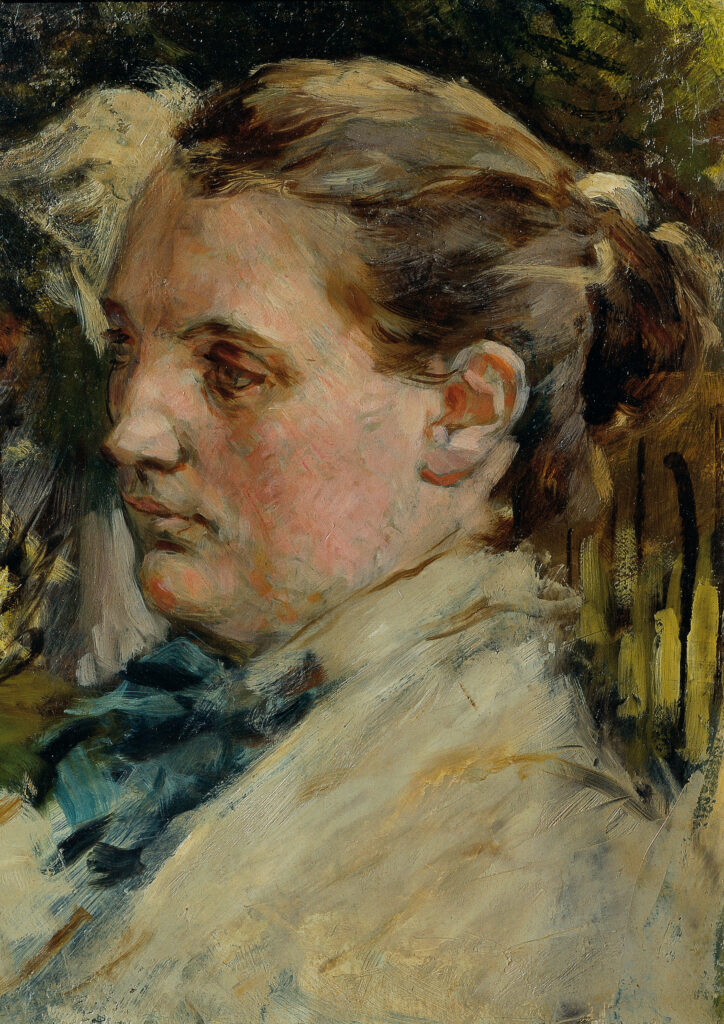
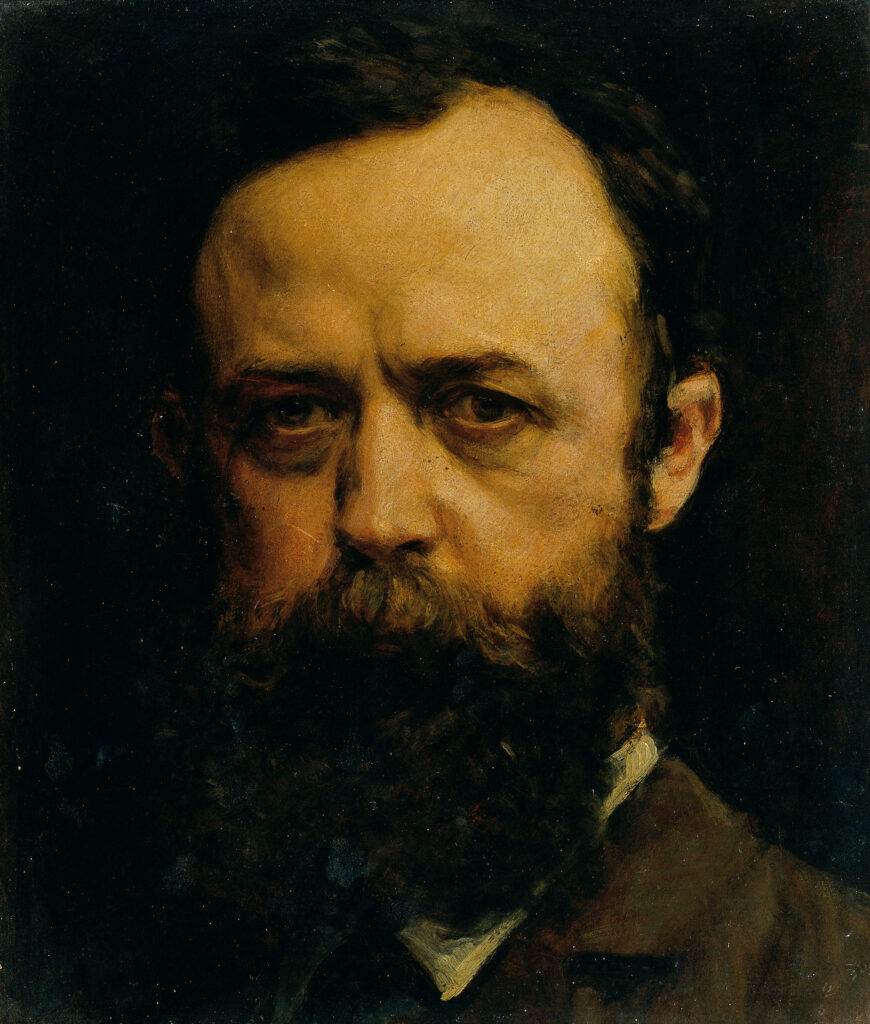
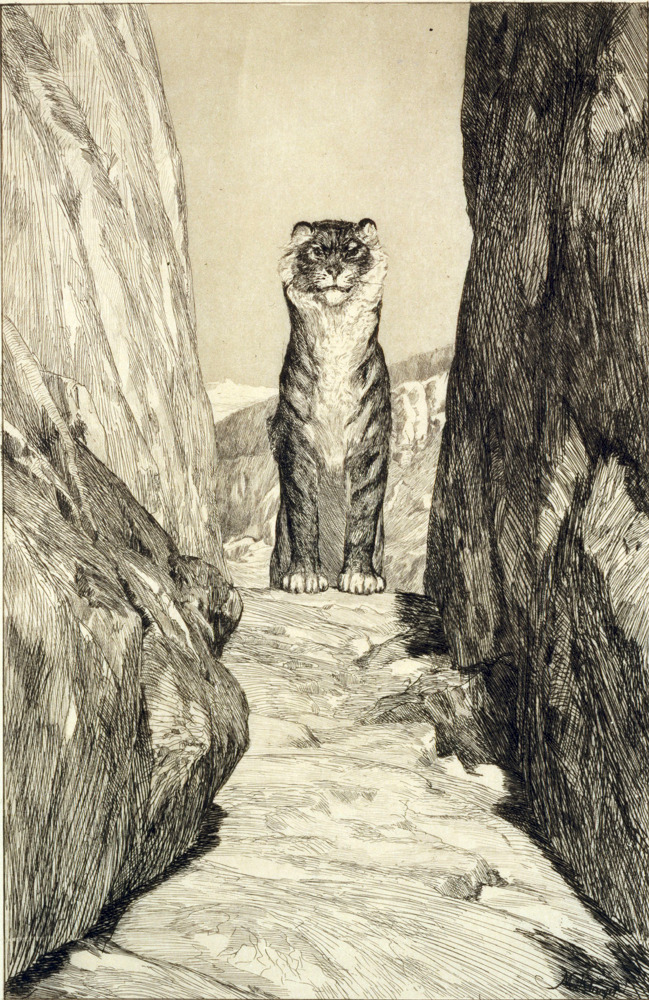
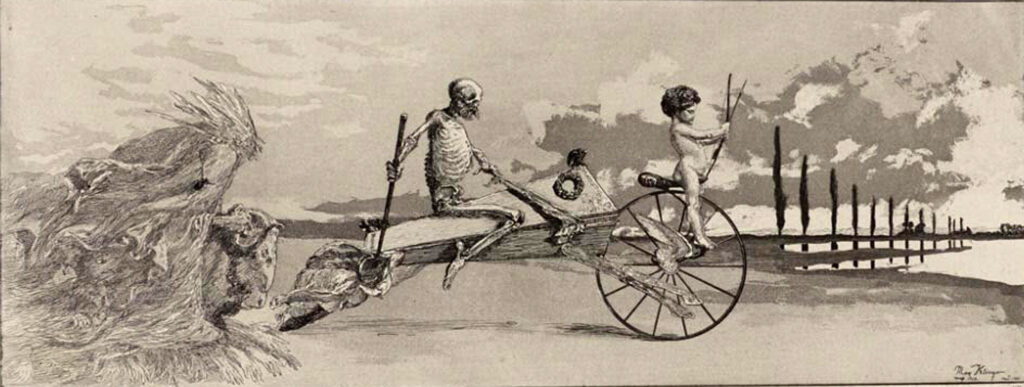
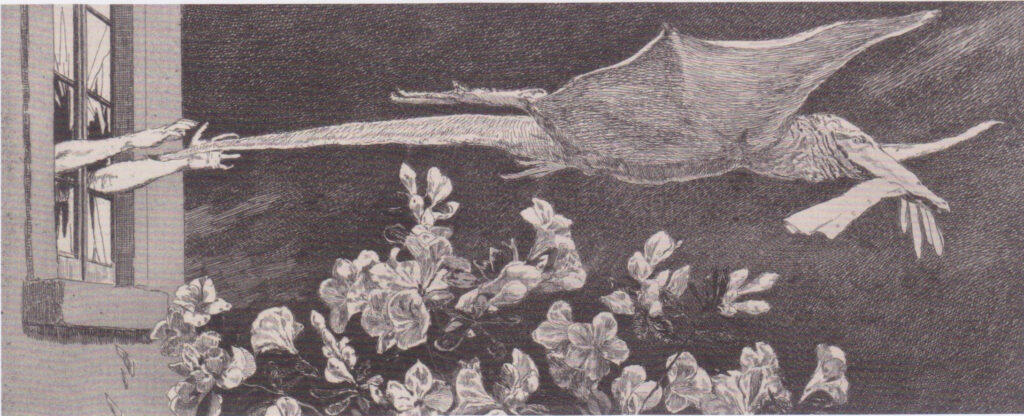
Max Klinger, February 18, 1857–July 4, 1920, was a German painter, printmaker and sculptor. Born in Leipzig, he studied at the art school in Karlsruhe and the academy in Berlin, where his teacher was Karl Gussow. He subsequently worked in Brussels, Paris and Rome before returning to Leipzig in 1893.
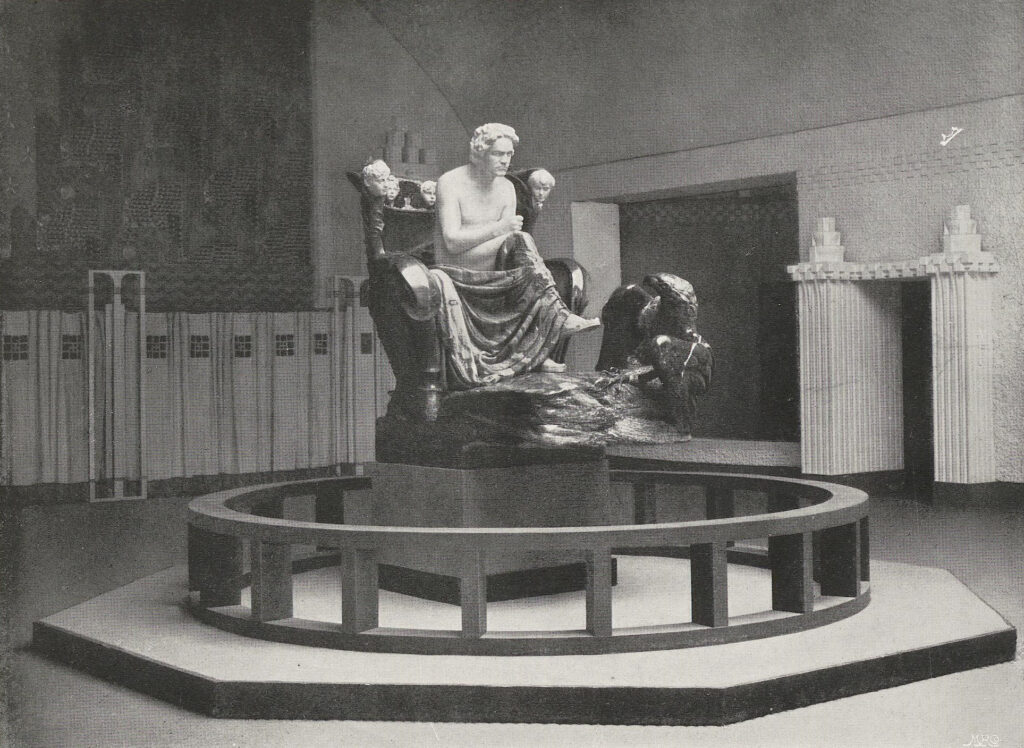
Klinger became a professor at the Academy of Graphic Arts in Leipzig and a member of the Vienna Secession in 1897. His Beethoven sculpture was first exhibited at the Secession in 1902. He became vice-president of the German Artists’ Association in 1903 and helped establish its Villa Romana studio house in Florence in 1905.
His paintings and sculptures are held by the Museum of Fine Arts Leipzig, Moritzburg Art Museum, Galerie Neue Meister and Belvedere. His prints are represented in the Albertina, Philadelphia Museum of Art and Saint Louis Art Museum. He died at his home in Großjena near Naumburg, where he is buried
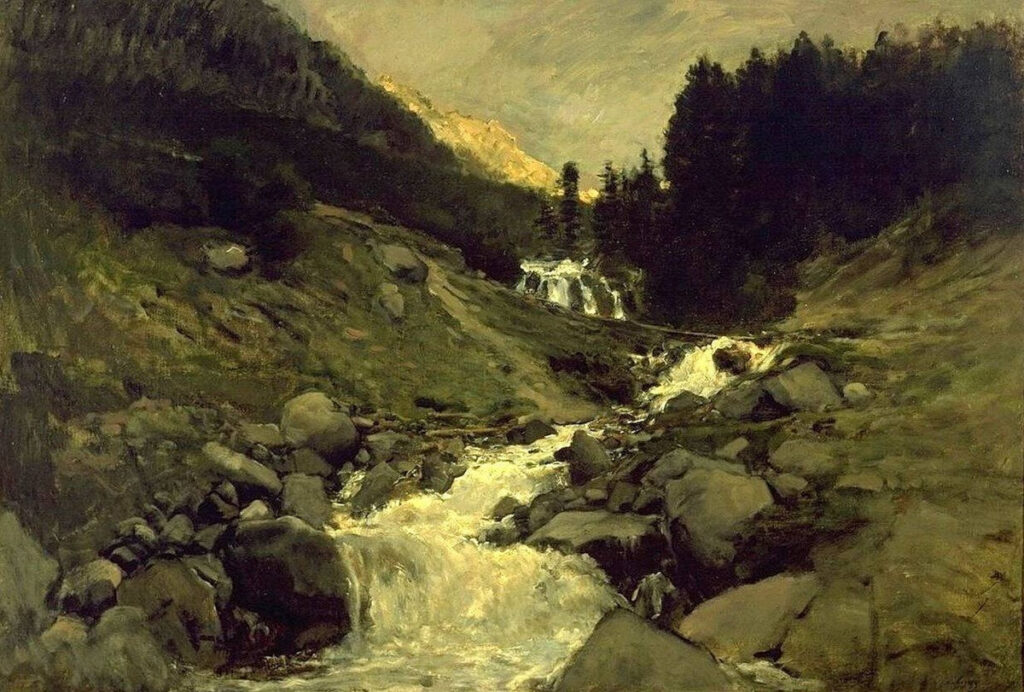
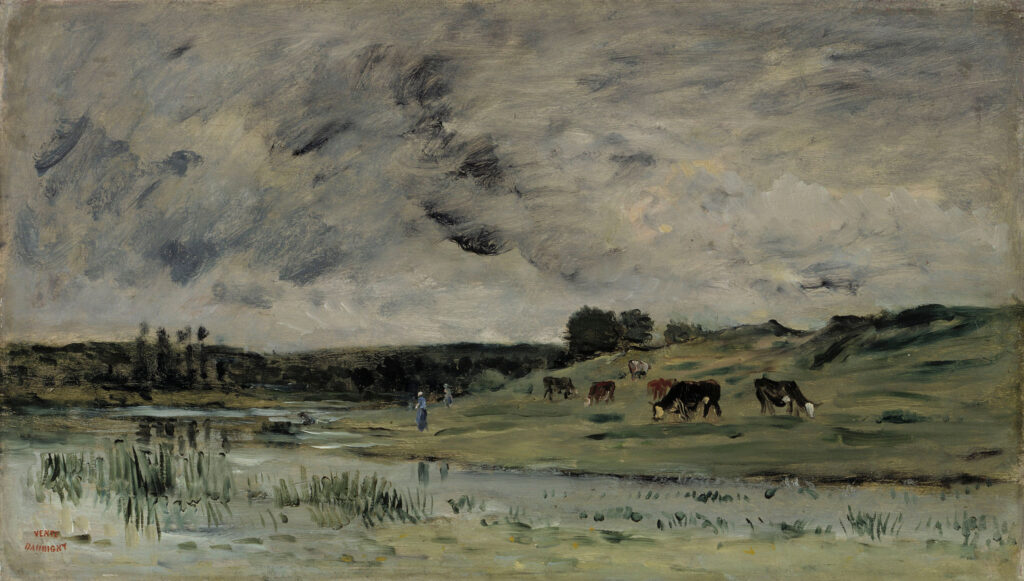
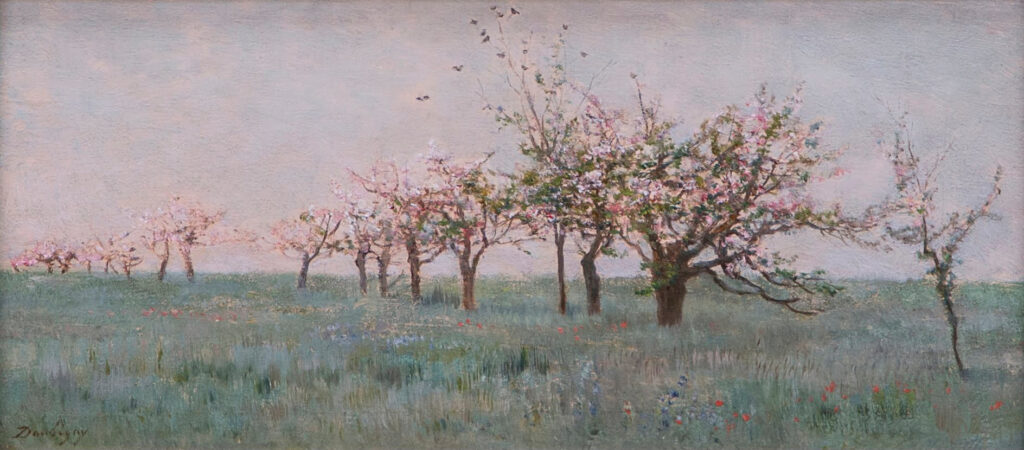
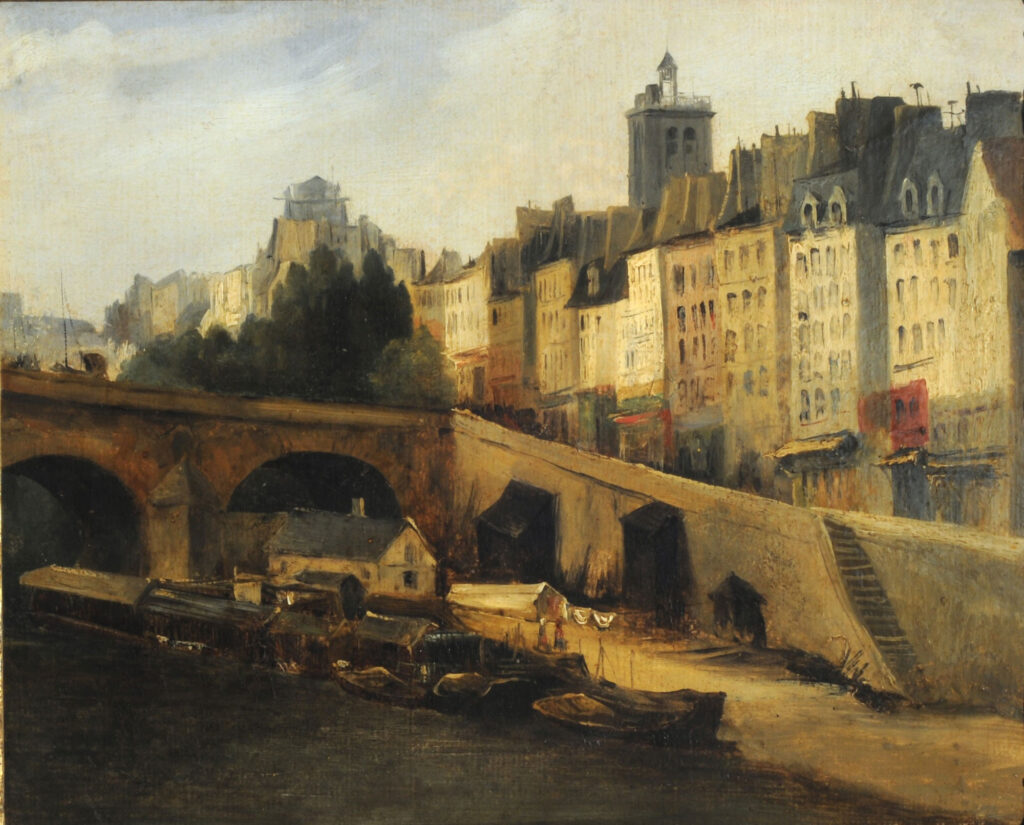
Charles-François Daubigny
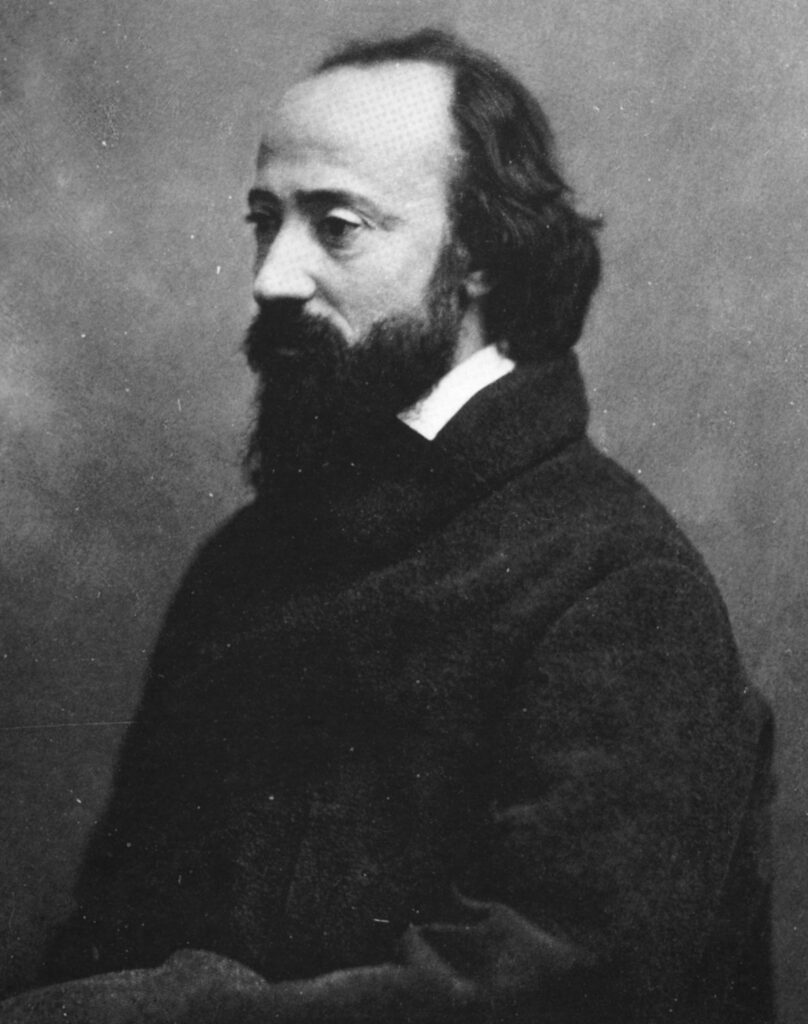
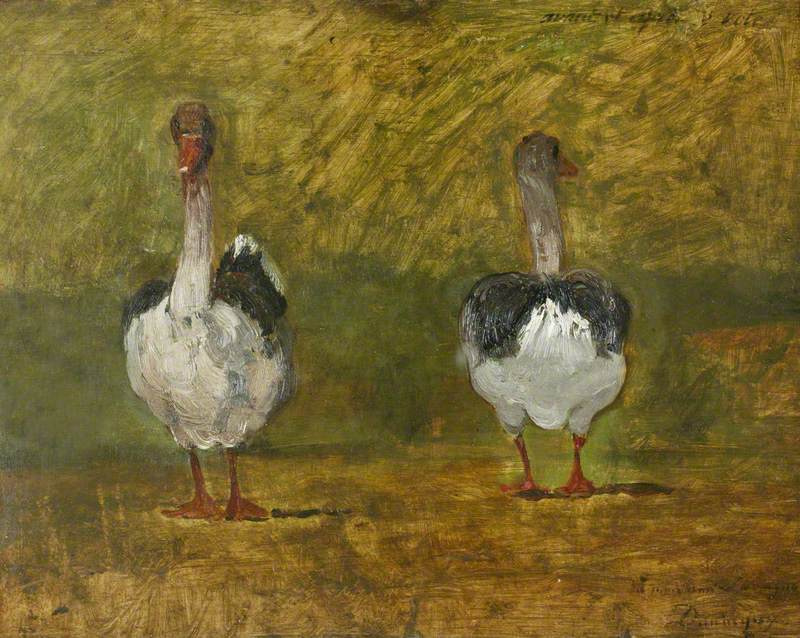
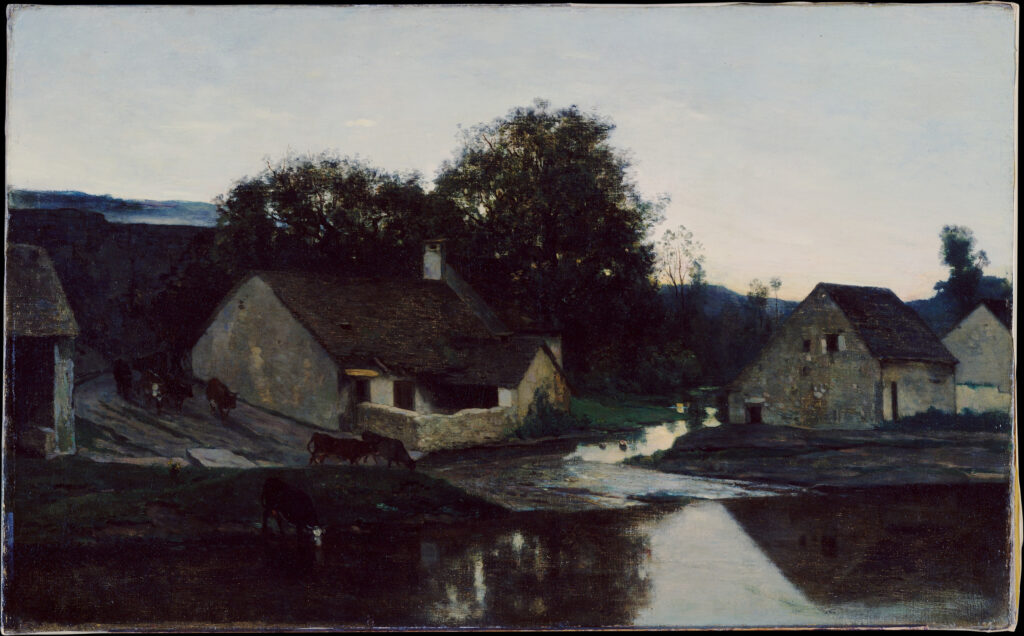
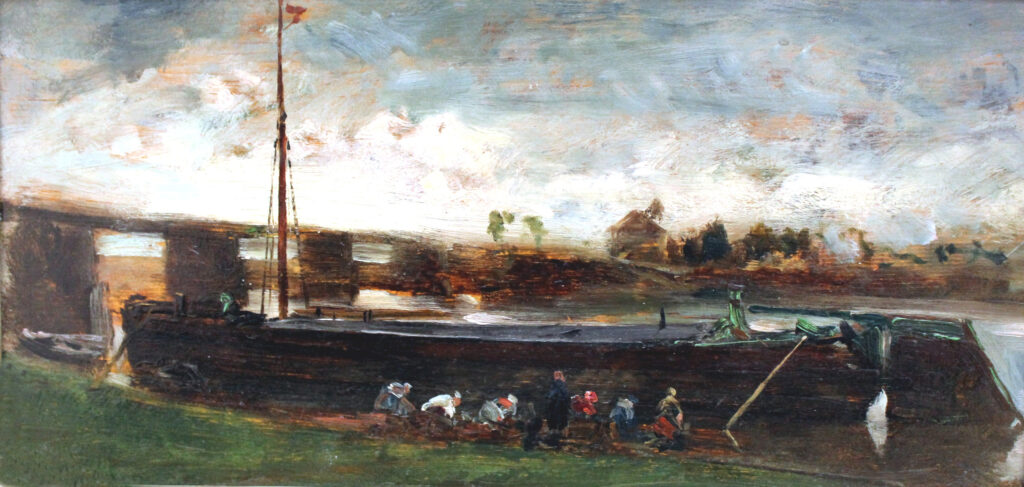
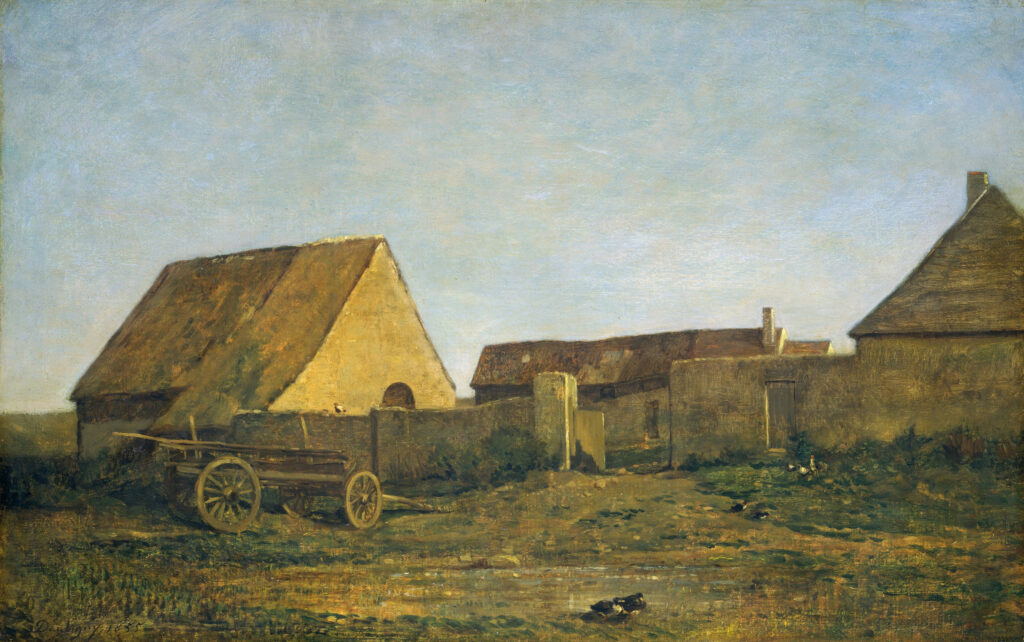
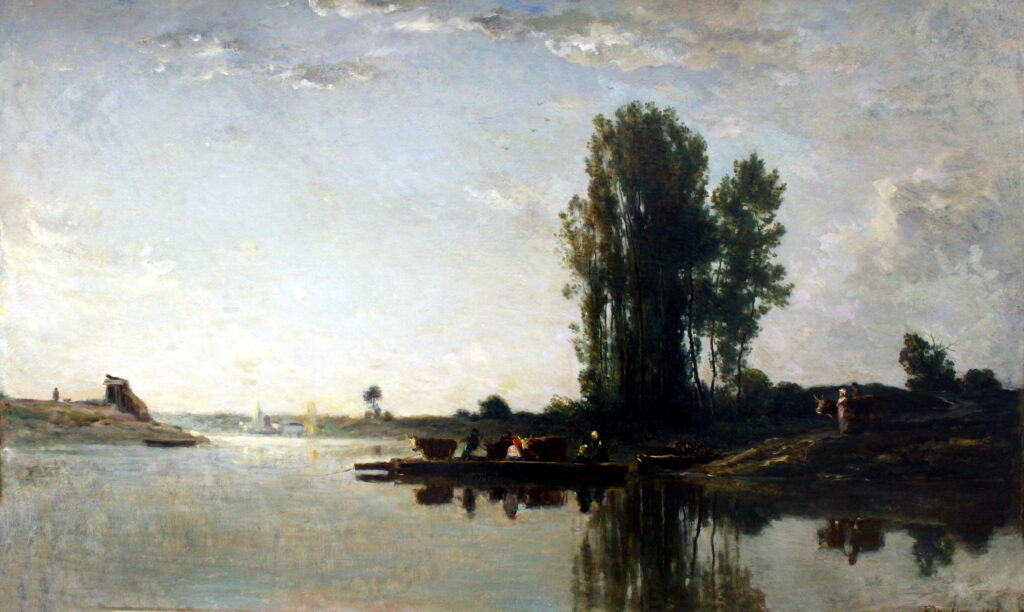
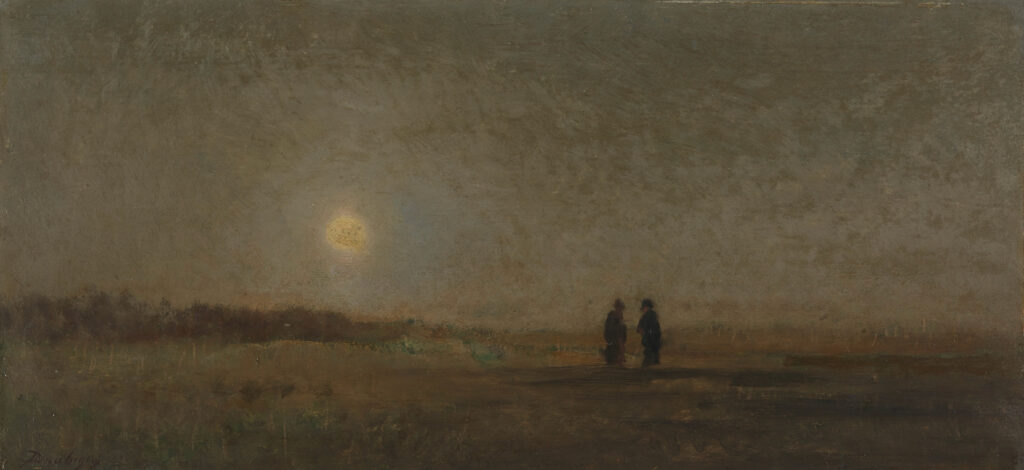
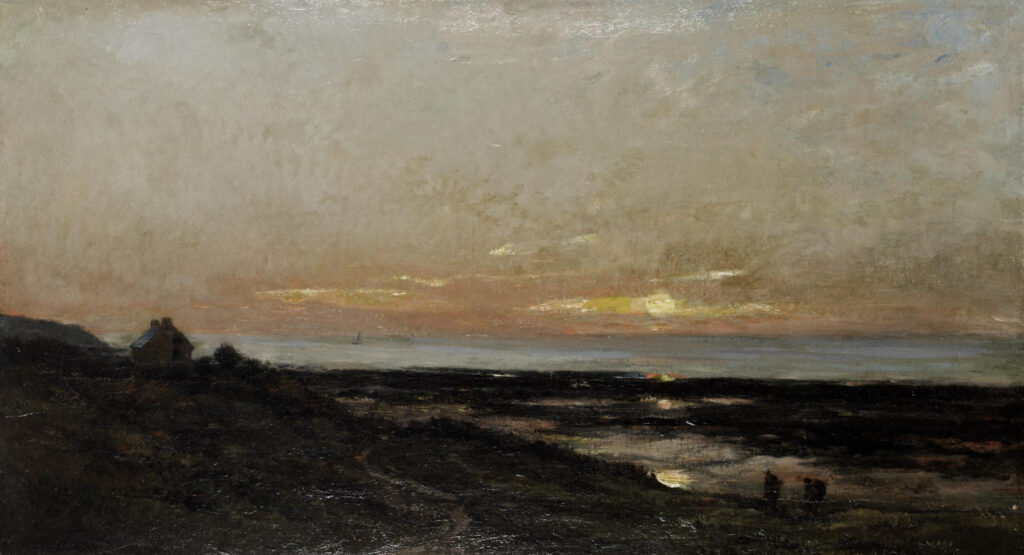
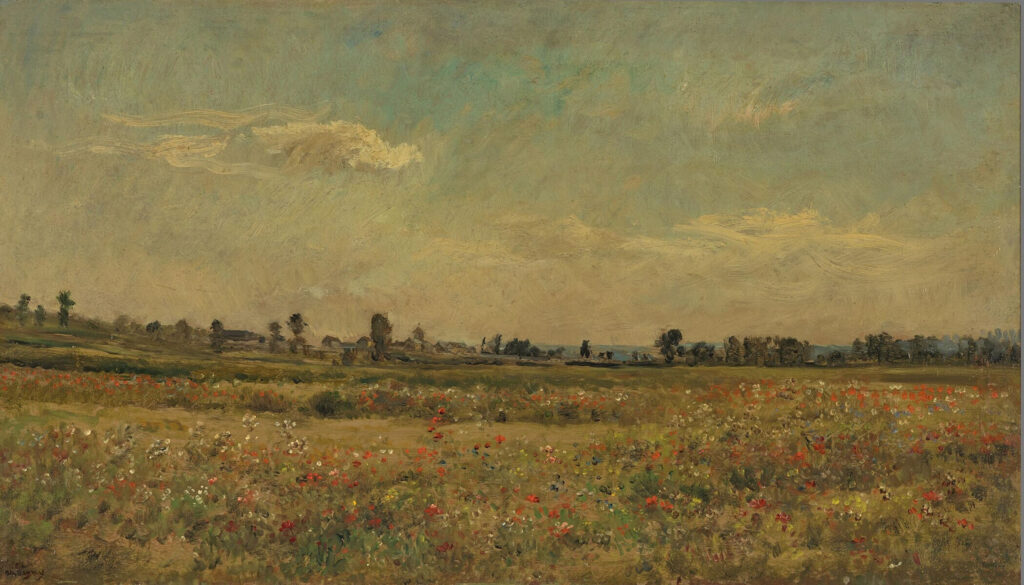
Charles-François Daubigny, February 15, 1817–February 19, 1878, was a French landscape painter and printmaker born in Paris. He trained with his father, the landscape painter Edmond-François Daubigny, apprenticed to an engraver, and studied in Italy. He first exhibited at the Paris Salon in 1838.
Associated with the Barbizon painters, Daubigny worked with Camille Corot and painted landscapes directly from nature. In 1857 he acquired the studio boat Le Botin, which he used on the Seine, Marne, and Oise. He settled in Auvers-sur-Oise in 1860 and continued to paint river scenes, fields, orchards, and coastal landscapes.
Daubigny spent time in London during the Franco-Prussian War and introduced Claude Monet to the dealer Paul Durand-Ruel. He died in Paris in 1878. His outdoor painting methods influenced the Impressionists. His works are held by the National Gallery in London, the National Gallery of Art in Washington DC, and the Metropolitan Museum of Art in New York.
Eugène Atget
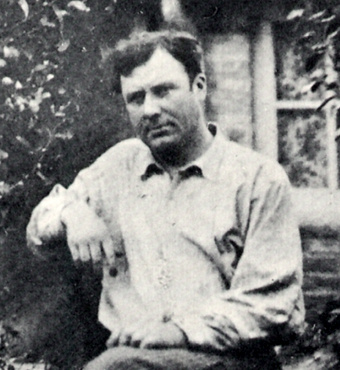
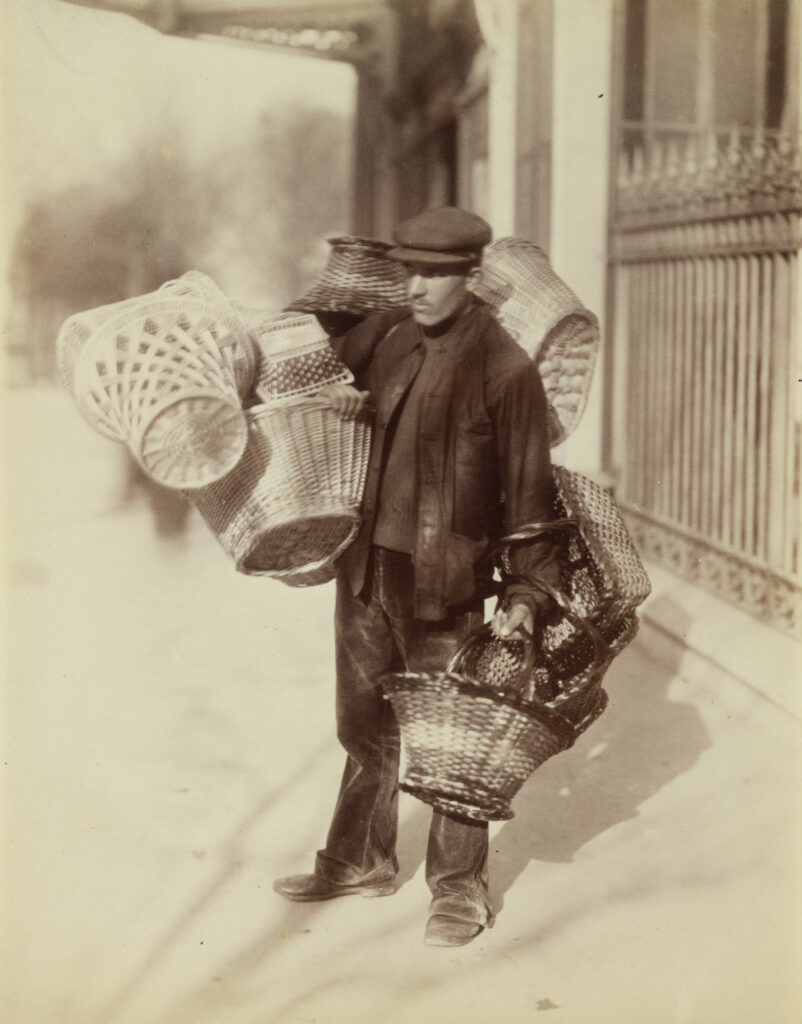
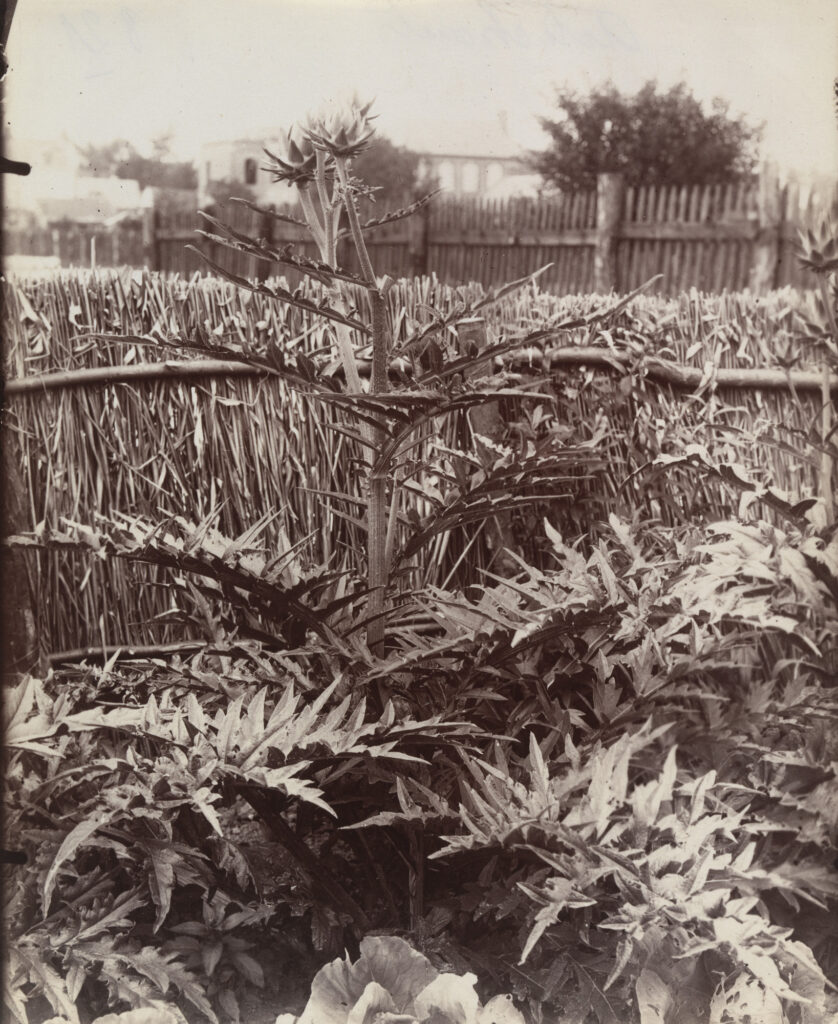
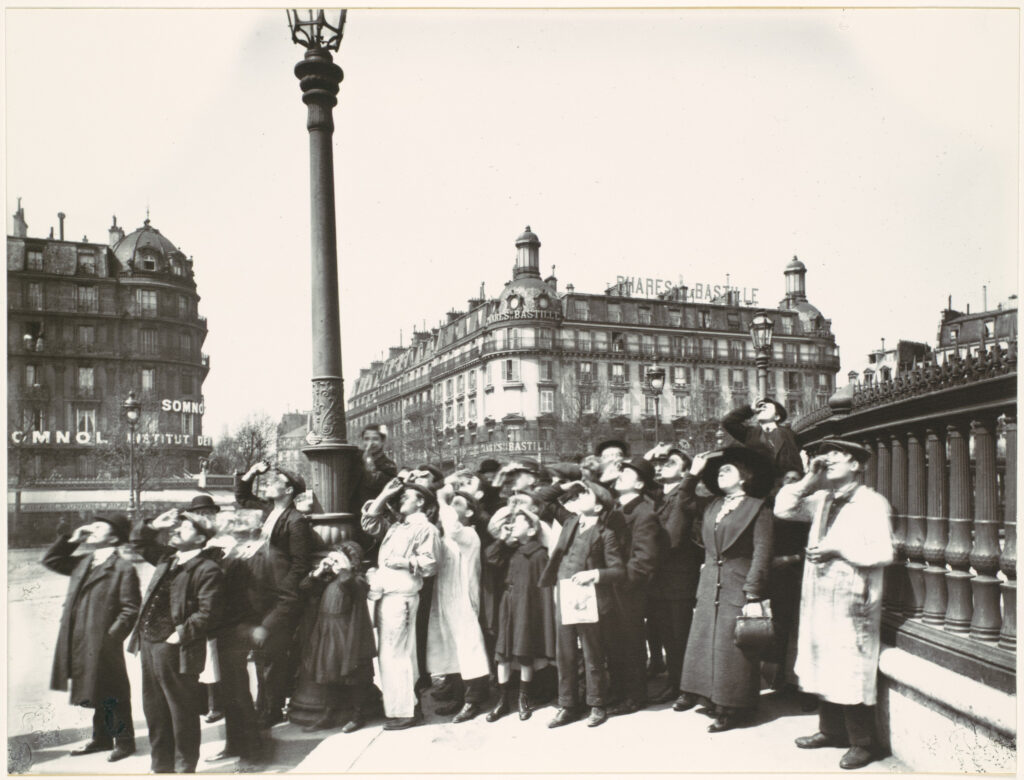
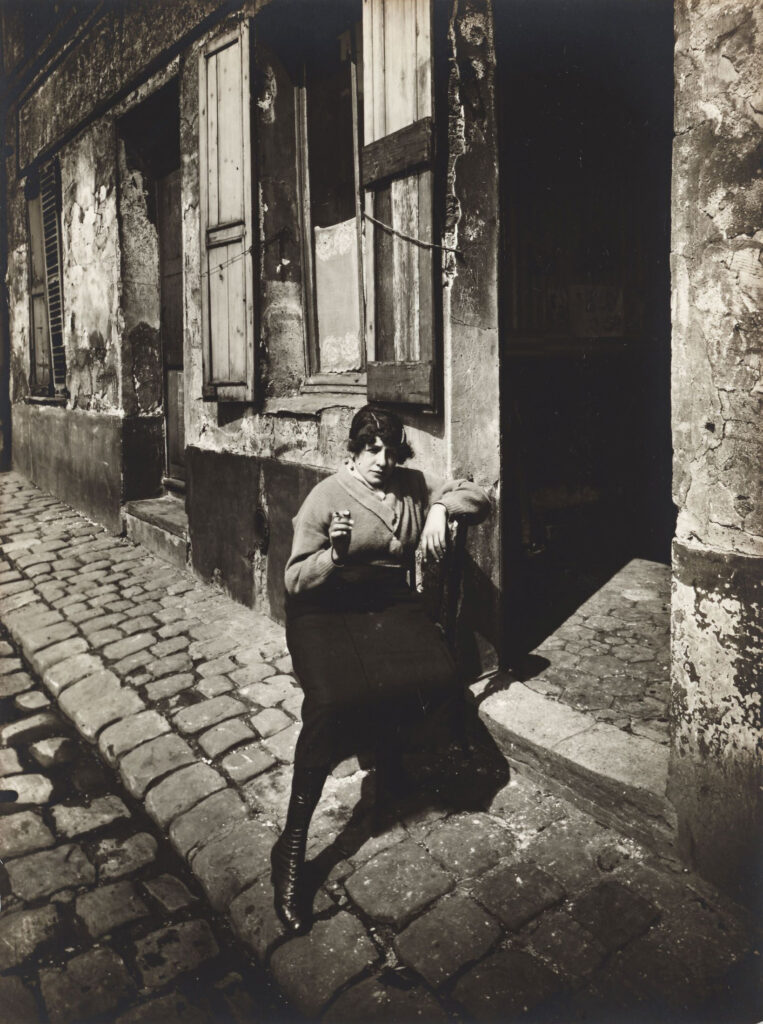
Eugène Atget, February 12, 1857–August 4, 1927, was a French photographer born in Libourne. He studied drama at the Paris Conservatory and worked as an actor before taking up commercial photography in the late 1880s. He subsequently worked in Paris and its surrounding districts.
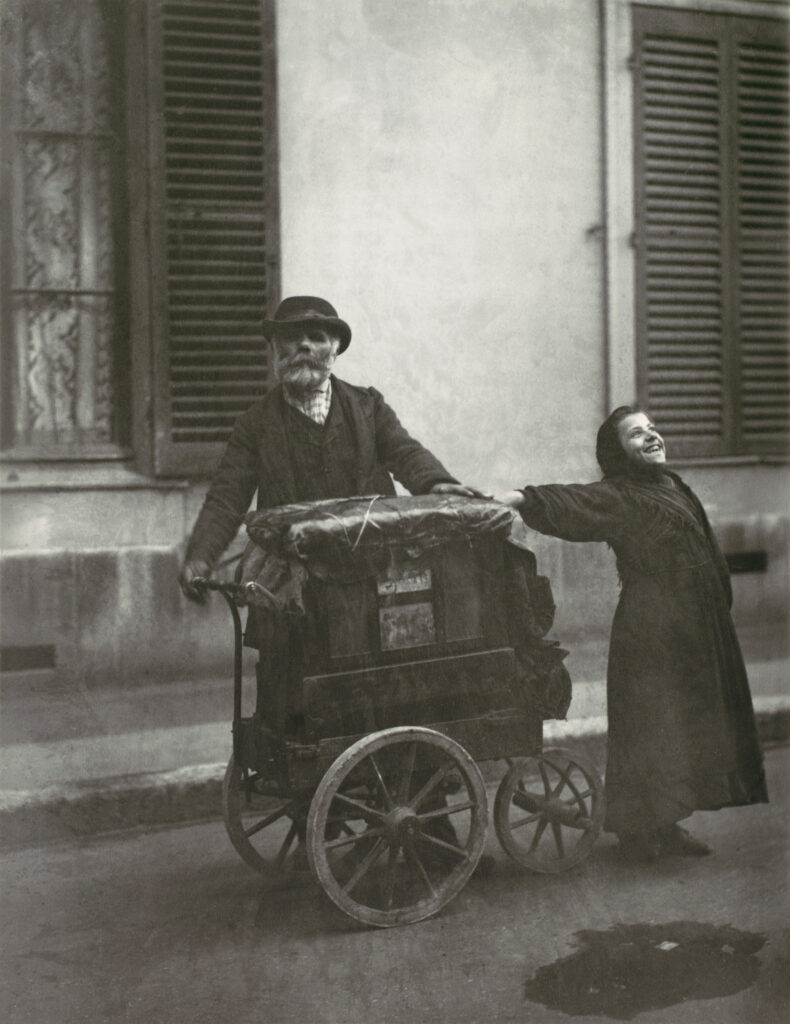
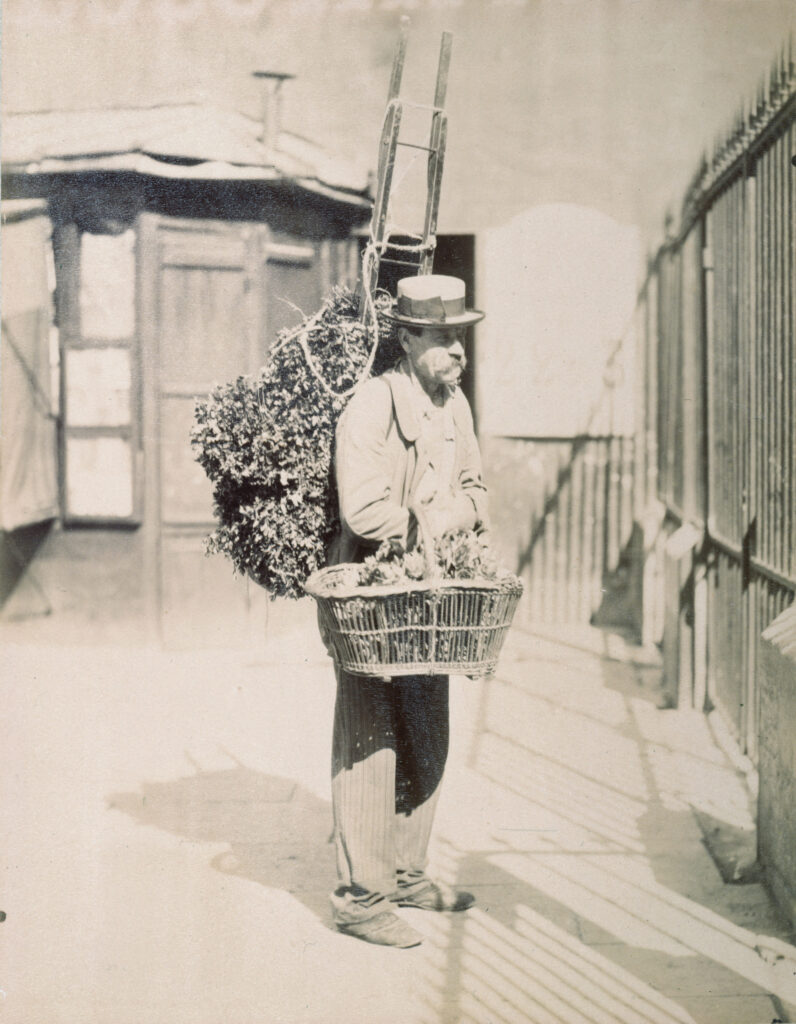
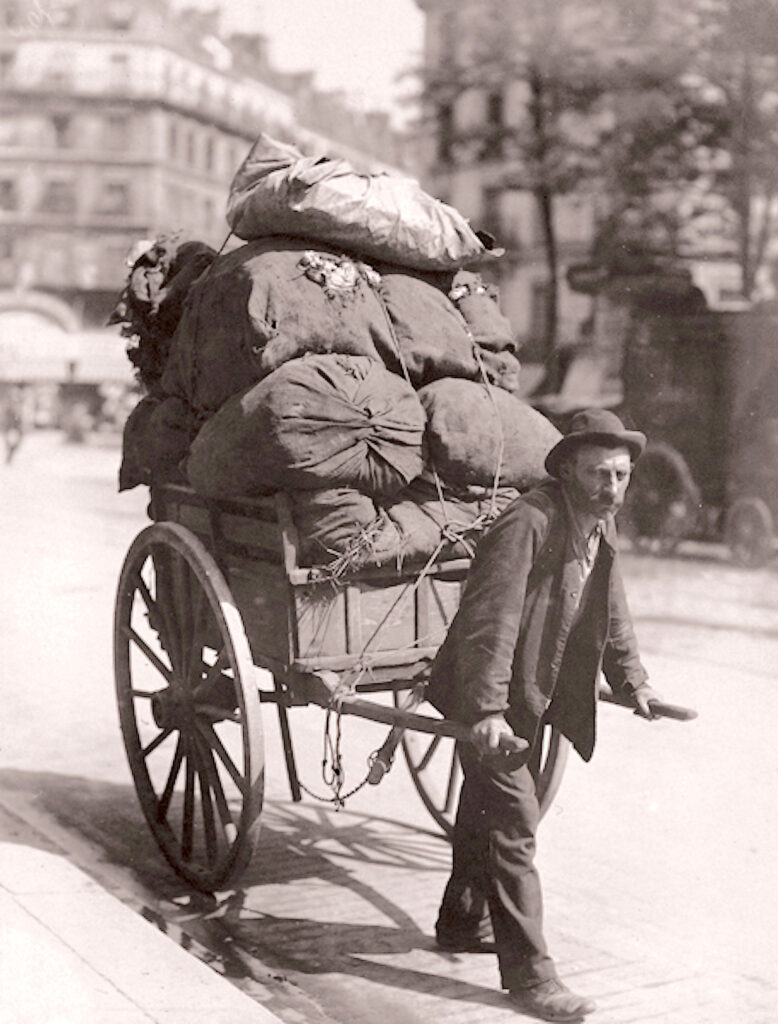
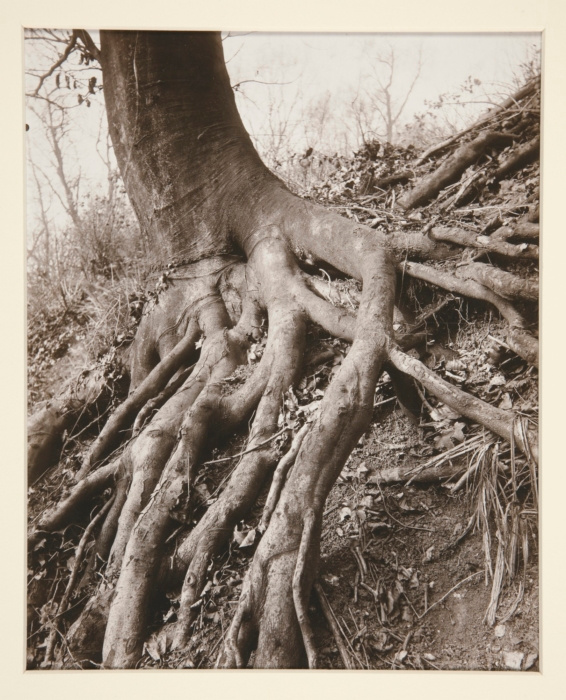
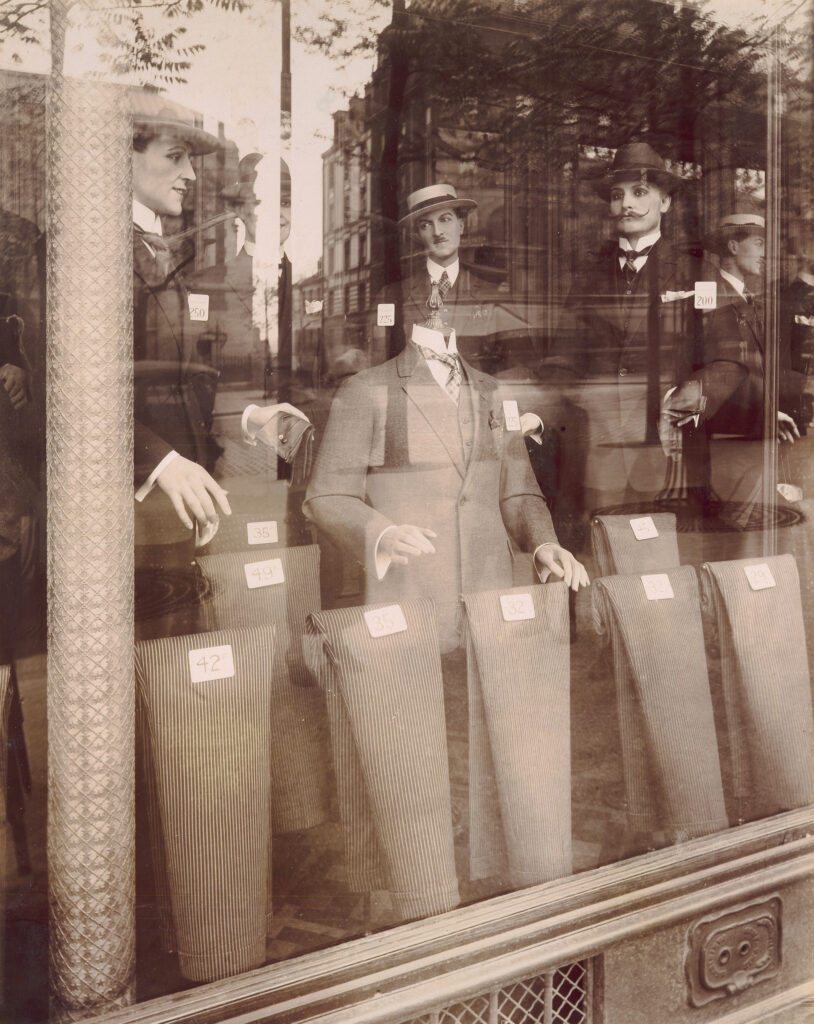
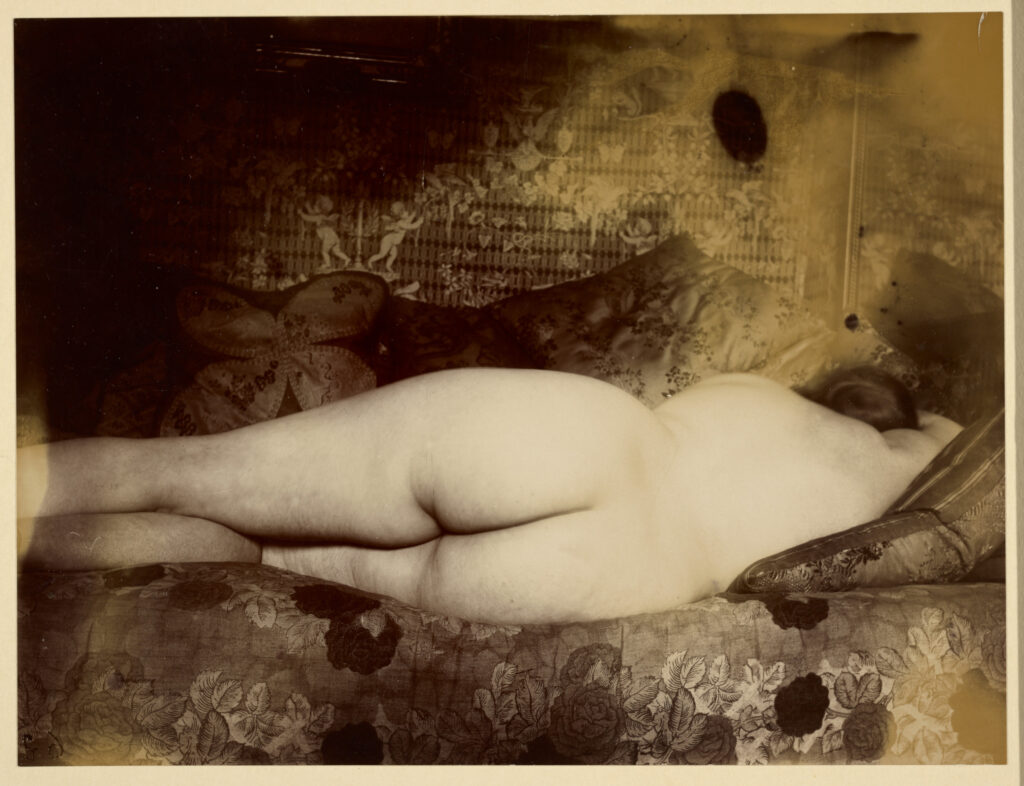
Atget photographed streets, buildings, shopwindows, gardens, and street trades, supplying documentary images to artists and public institutions. In Paris he became acquainted with Man Ray and Berenice Abbott. After his death, Abbott acquired and promoted a substantial archive of his photographs and negatives; the Museum of Modern Art acquired that collection in 1968.
His photographs are held by the Museum of Modern Art and the Metropolitan Museum of Art in New York, the J. Paul Getty Museum in Los Angeles, the Carnavalet Museum – History of Paris, the Bibliothèque nationale de France, and Yale University Art Gallery in New Haven.

John Ruskin
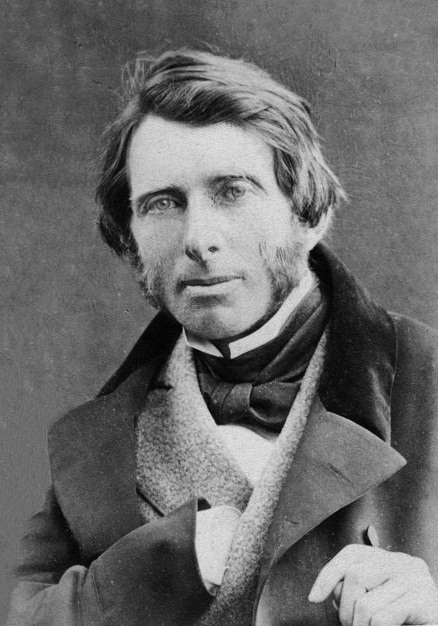
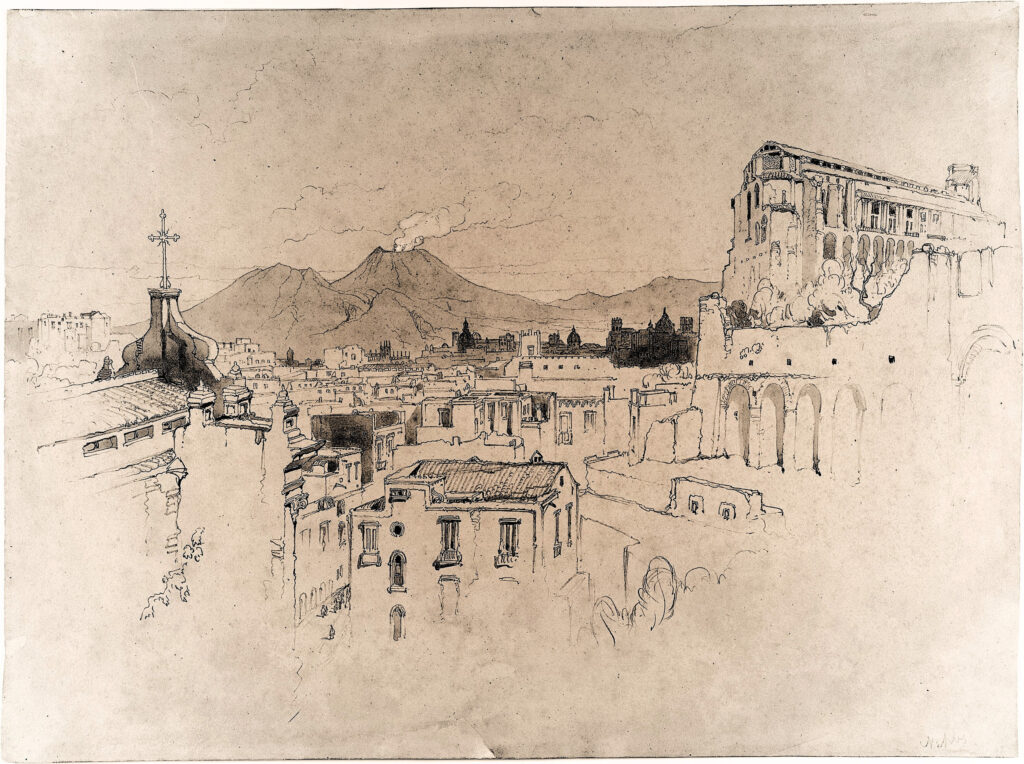
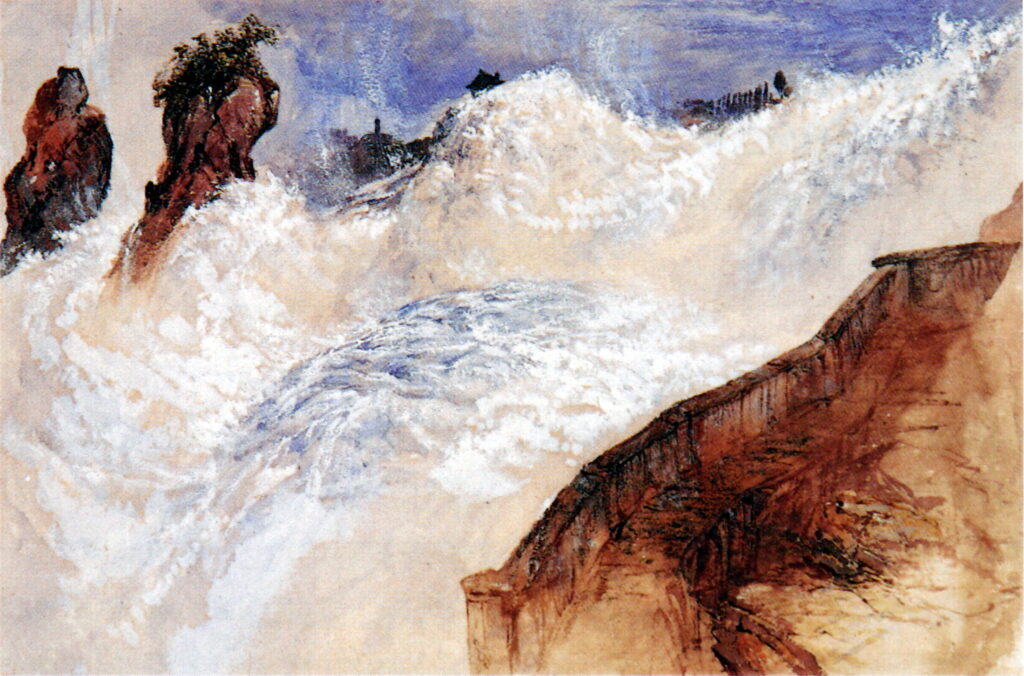
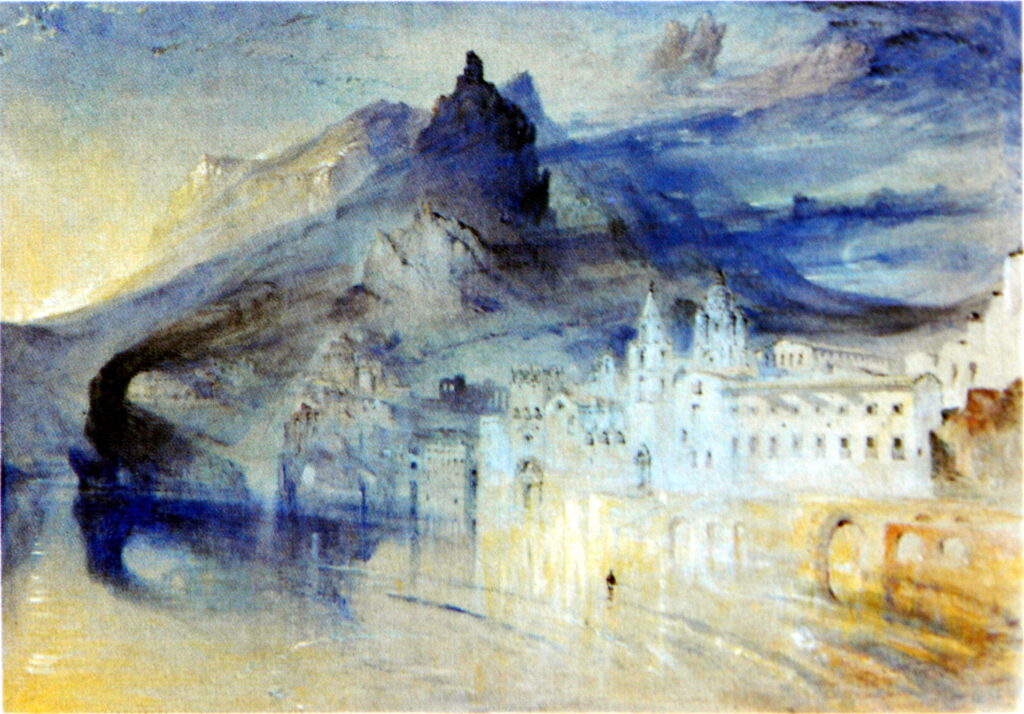
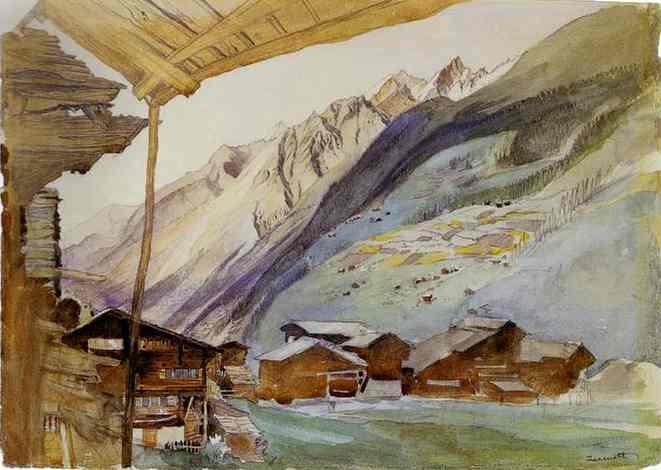
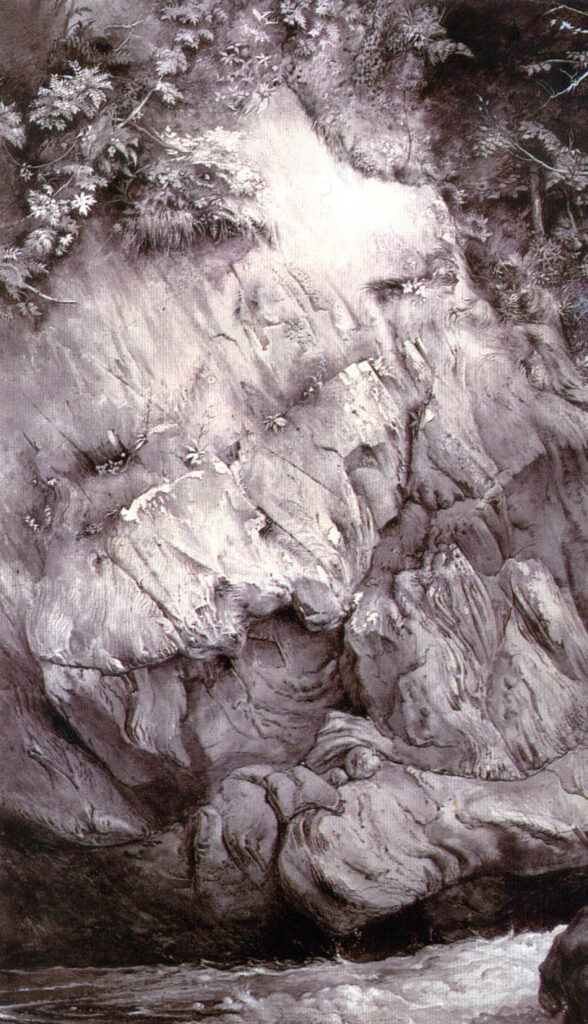
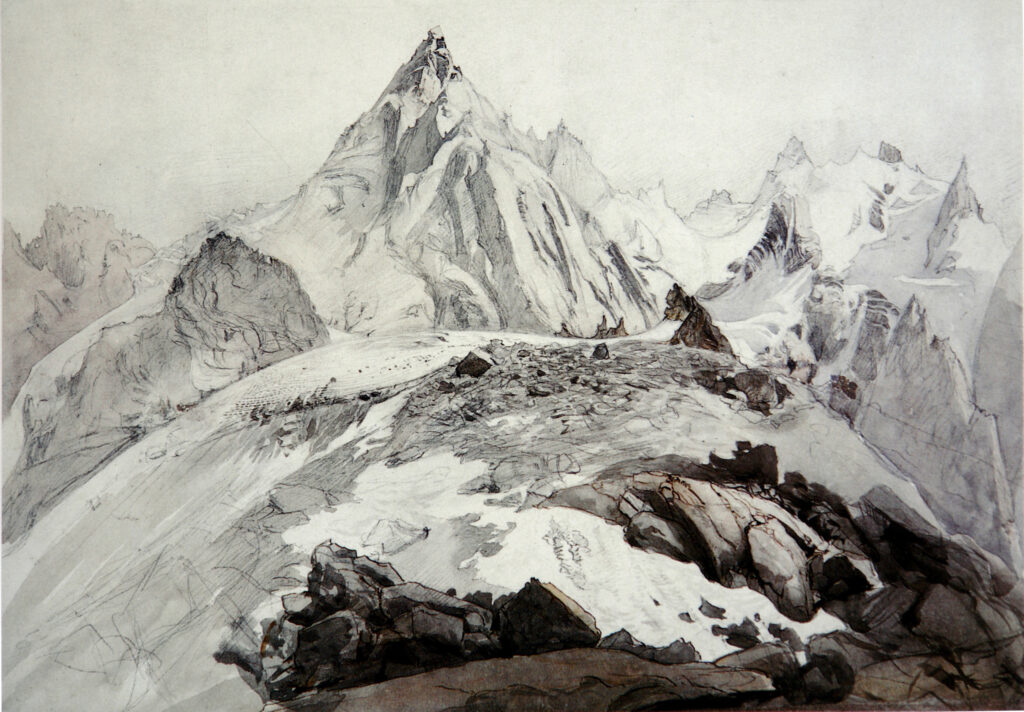
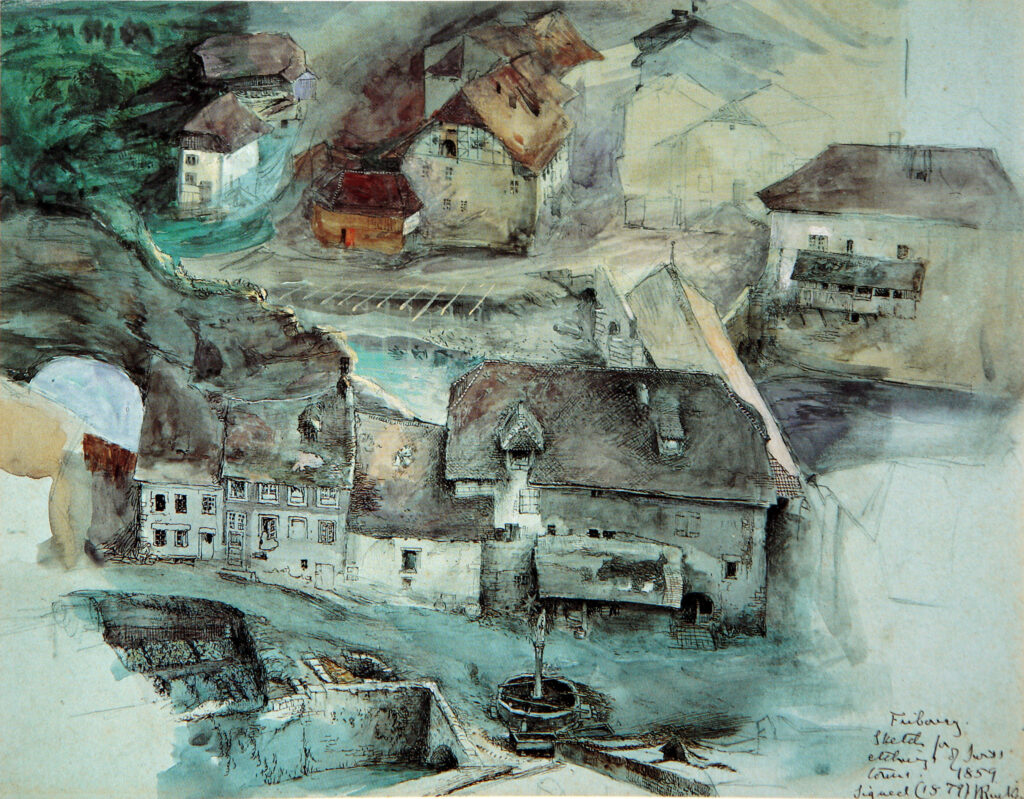
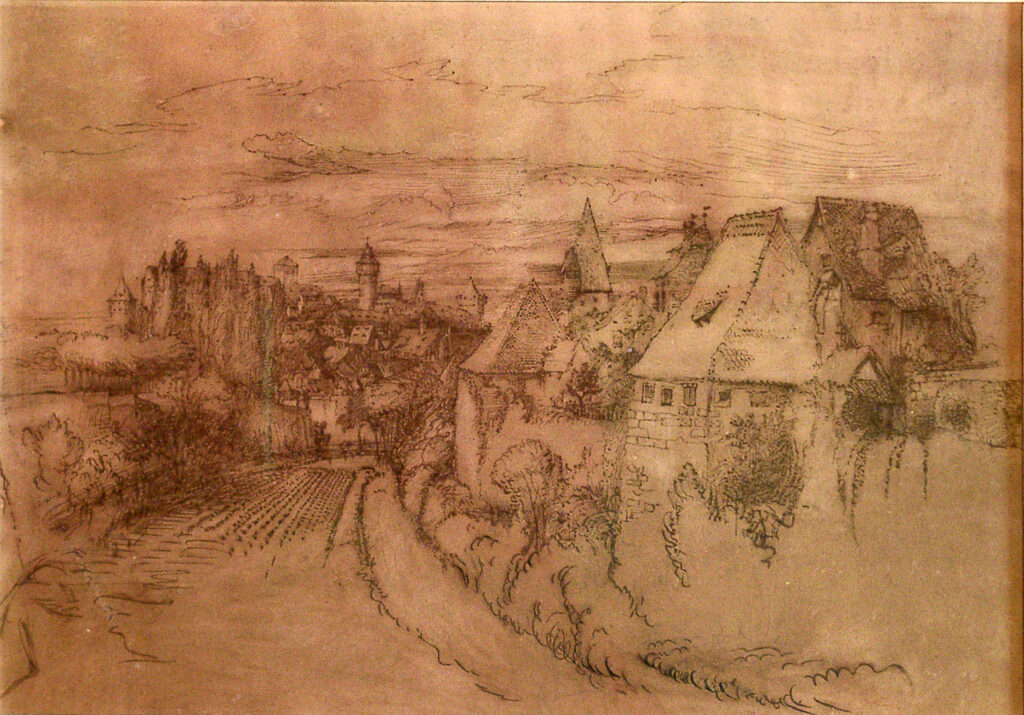
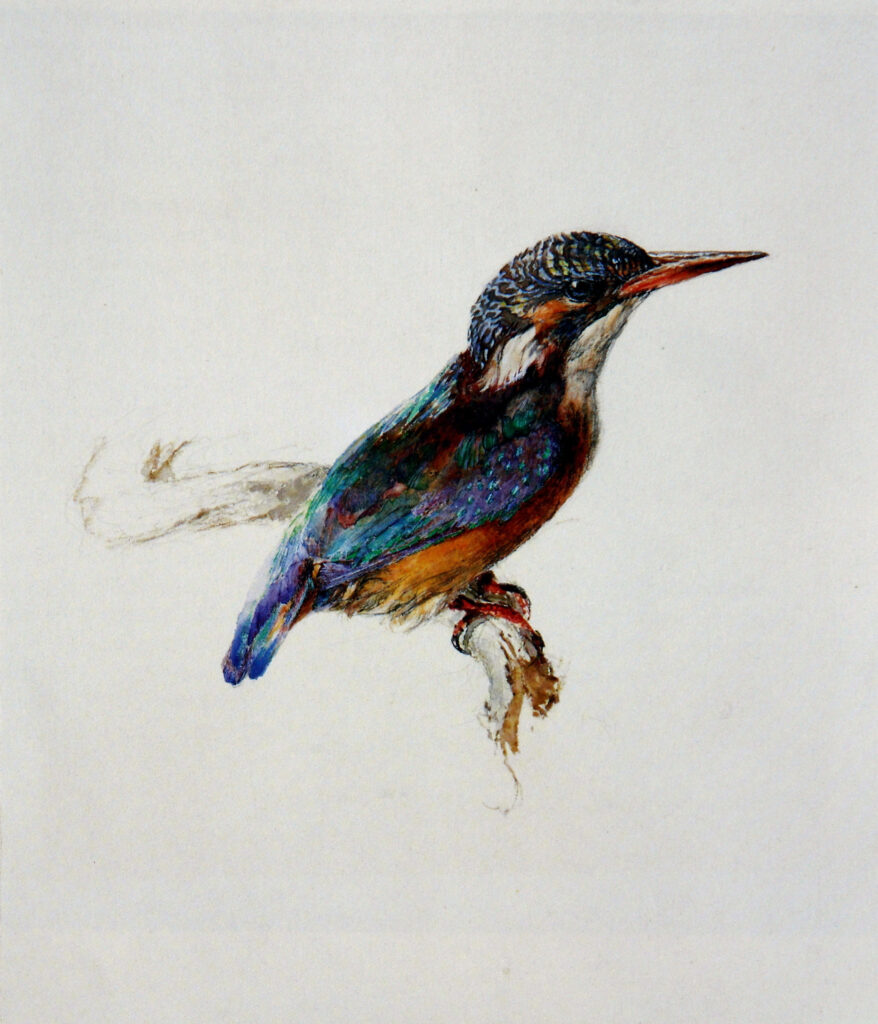
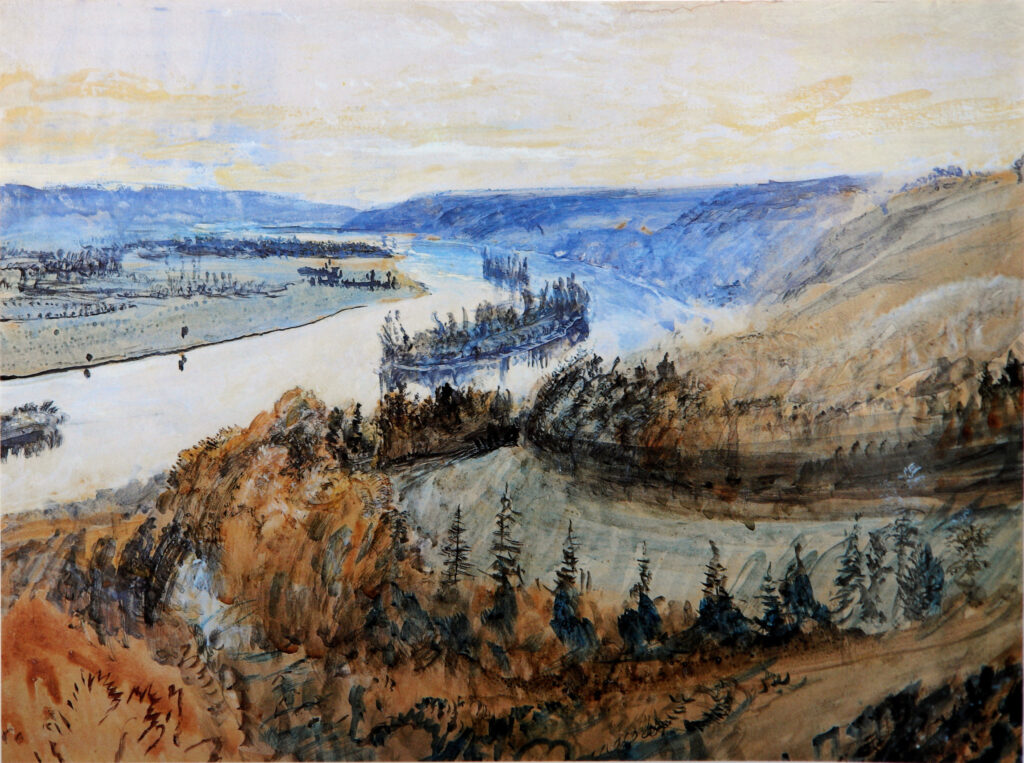
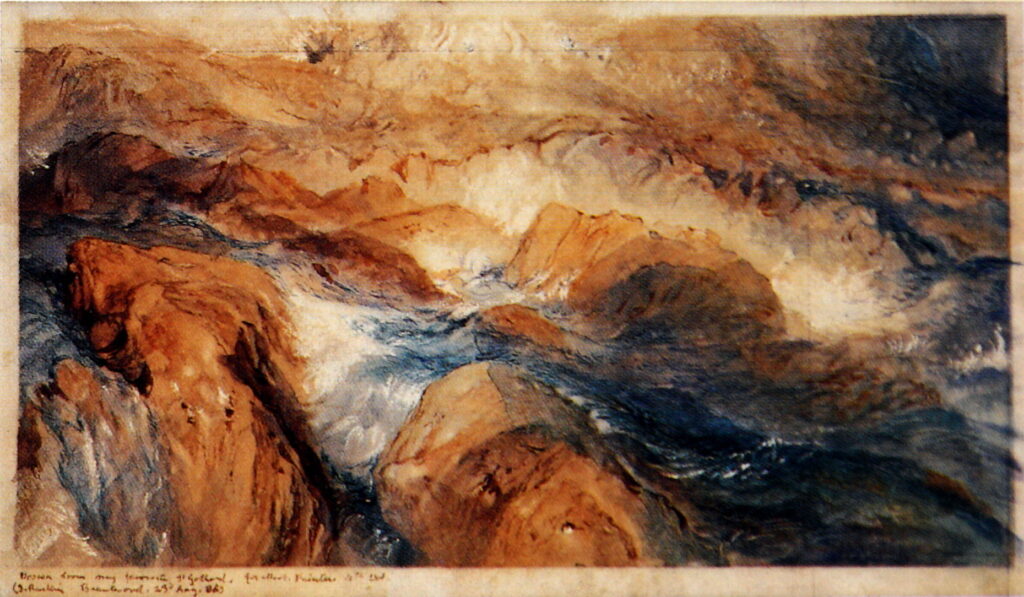
John Ruskin, February 8, 1819–January 20, 1900, was an English writer, art critic, and artist. Born in London, he was educated at home and at Christ Church, Oxford. His father encouraged his early interests in drawing and poetry, and travel gave him subjects for studies of architecture, geology, and landscape.
Ruskin published Modern Painters, The Seven Lamps of Architecture, and The Stones of Venice. He supported J. M. W. Turner and the Pre-Raphaelite artists, and made drawings and watercolors to record natural and architectural detail. As Slade Professor of Fine Art at Oxford, he taught drawing and assembled a collection of works for his students.
Ruskin spent his final decades at Brantwood, near Coniston, where he died in 1900. His writing influenced debates about art, education, labor, and conservation. His drawings and papers are held by The Ruskin at Lancaster University, the Ashmolean Museum, and other collections.

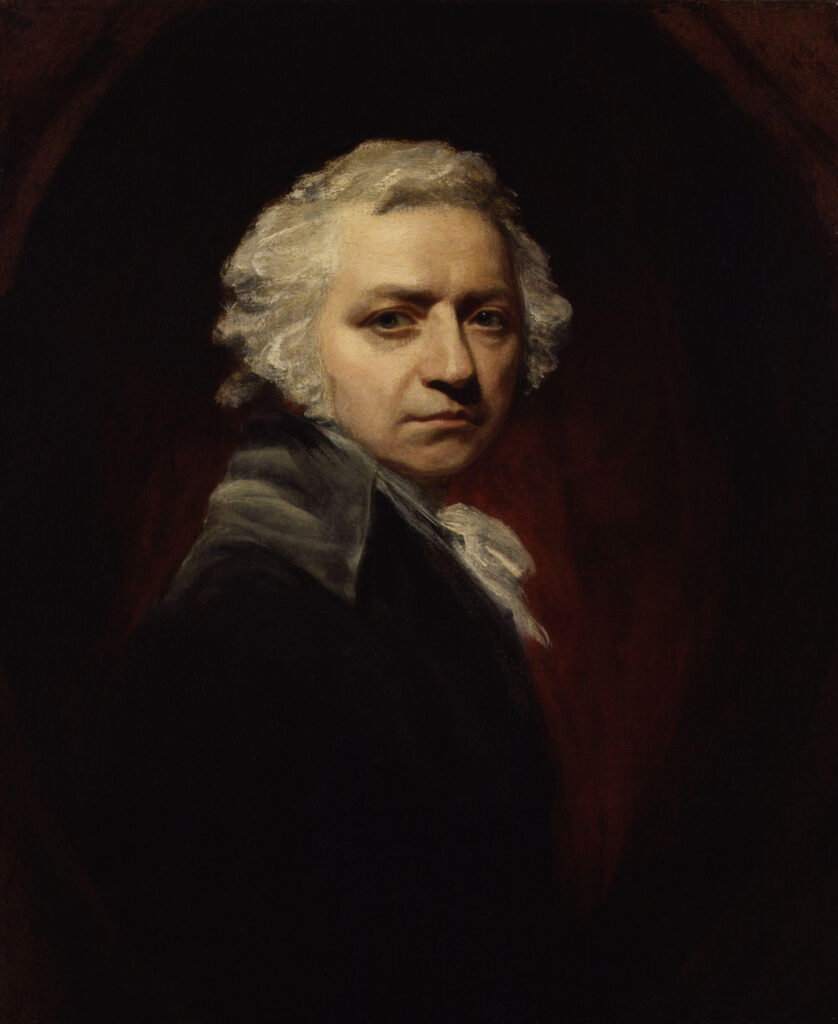
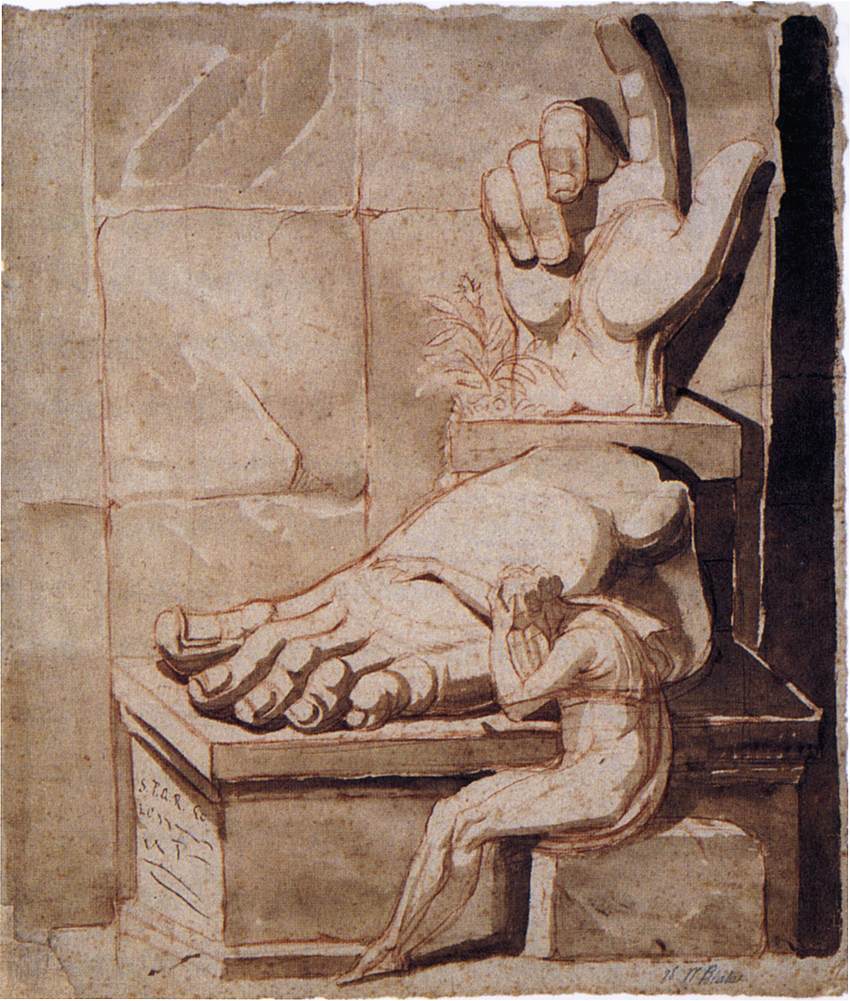
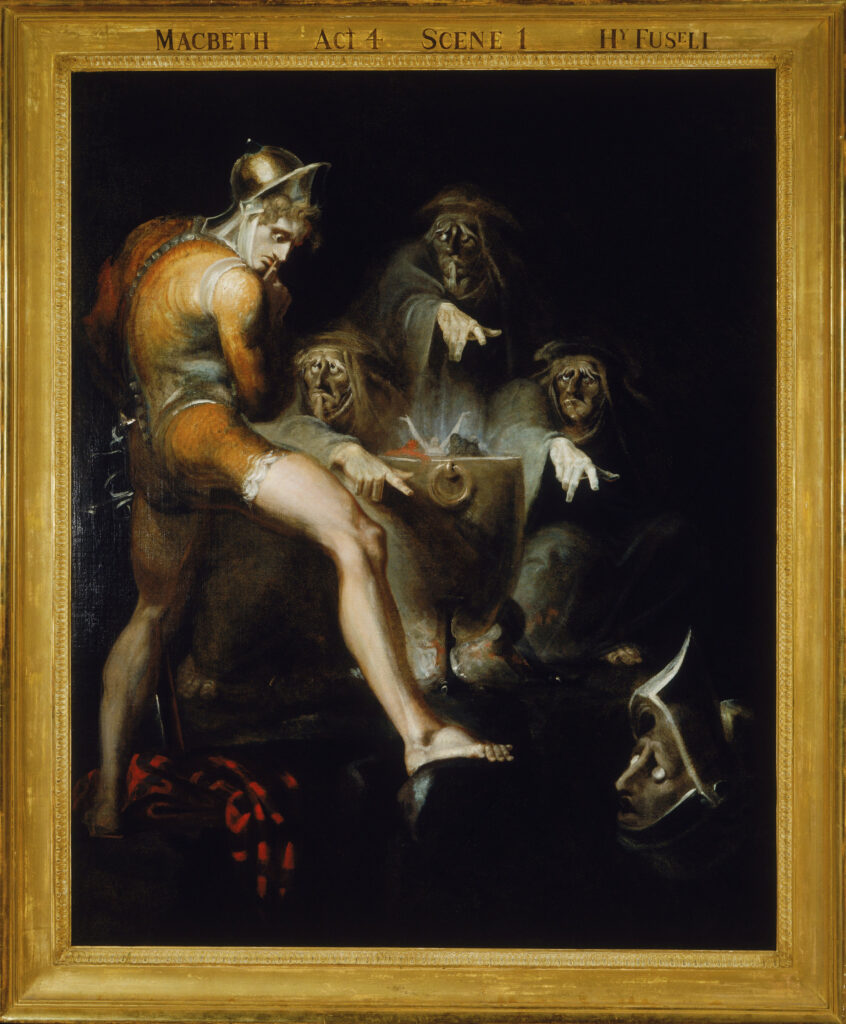
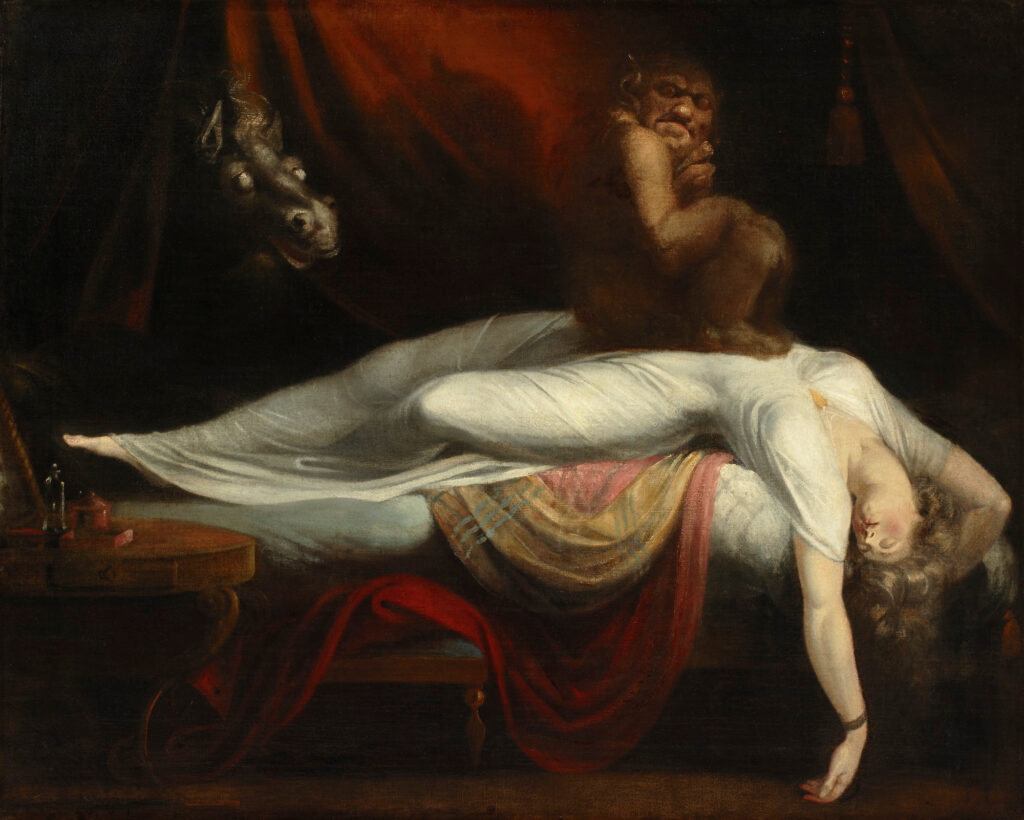
Henry Fuseli
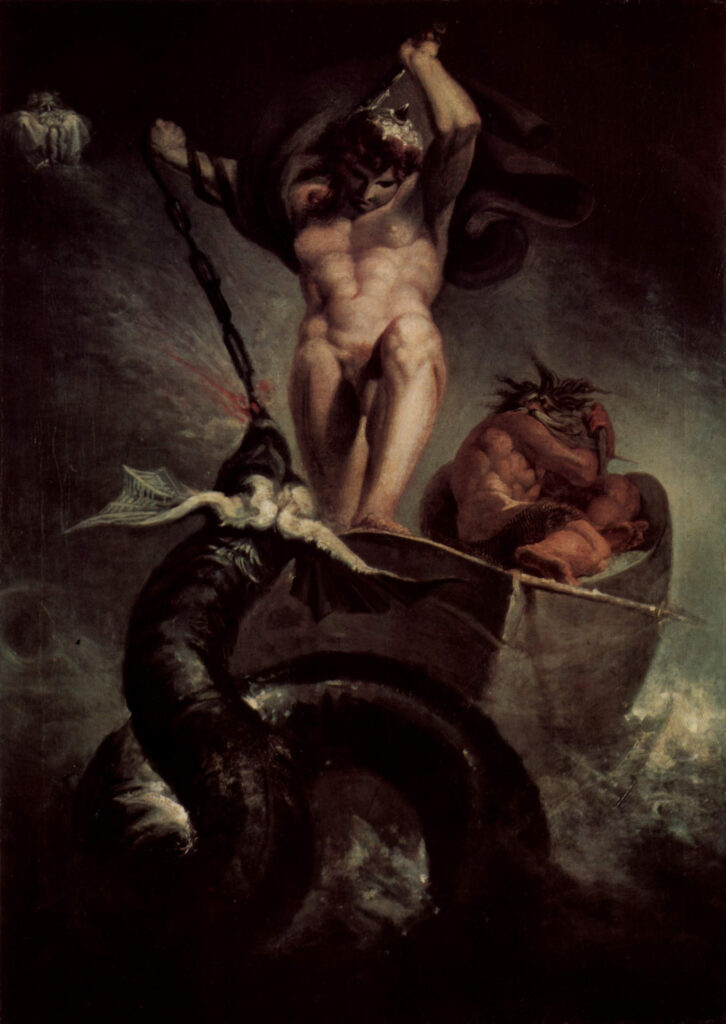
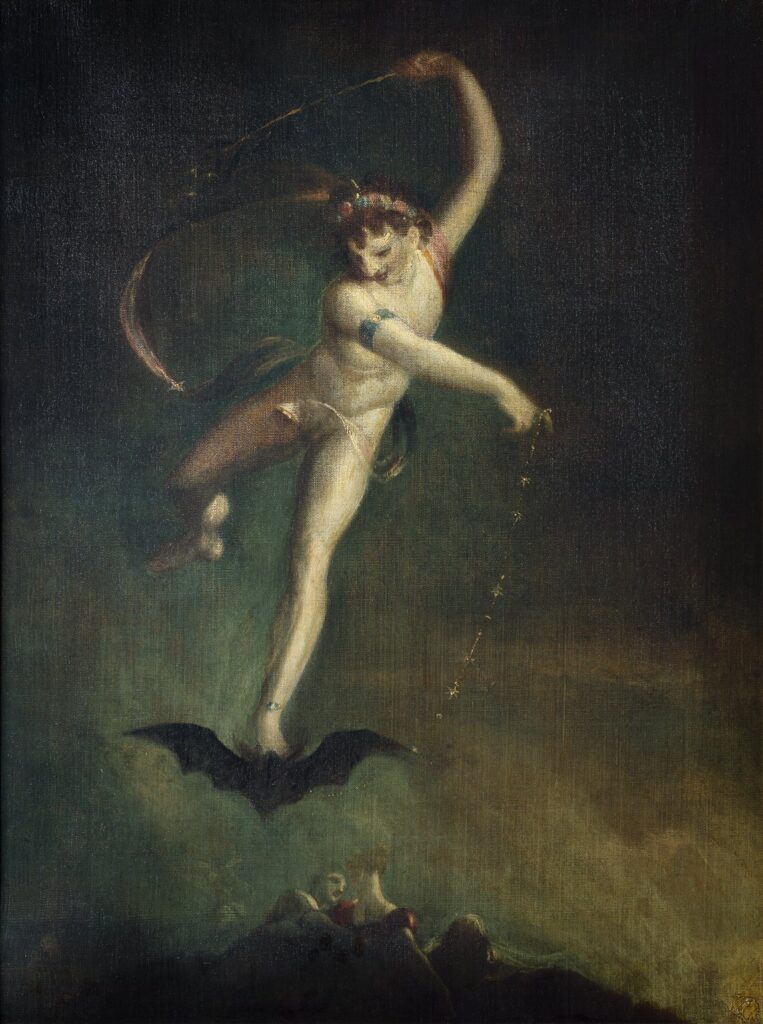
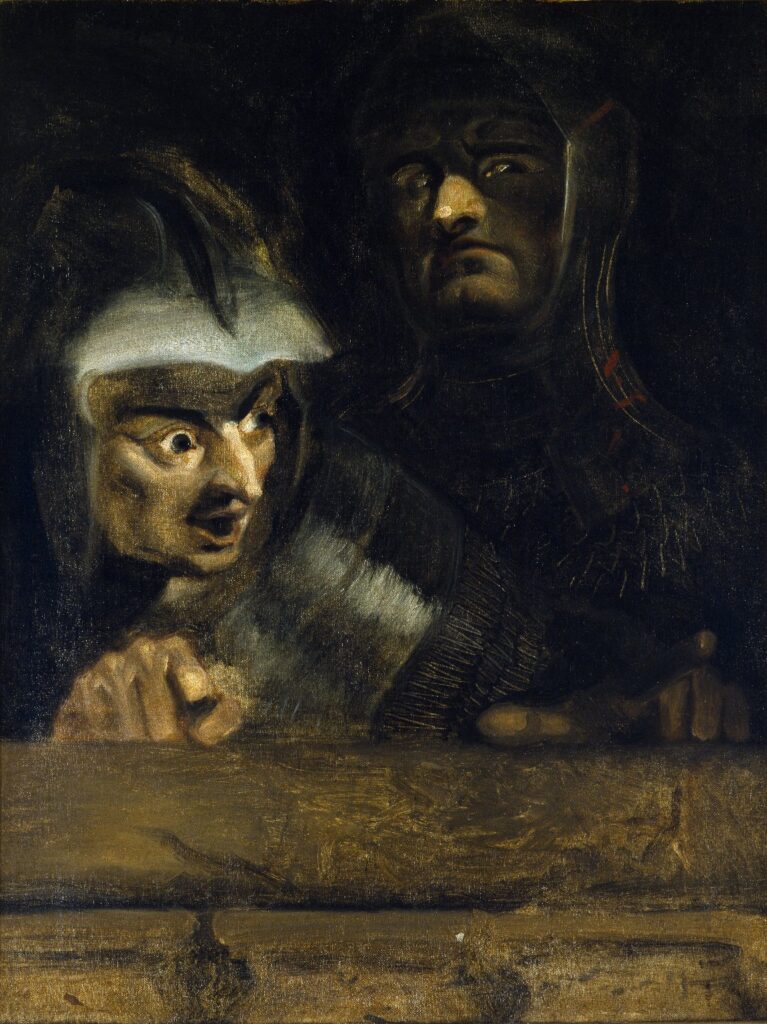
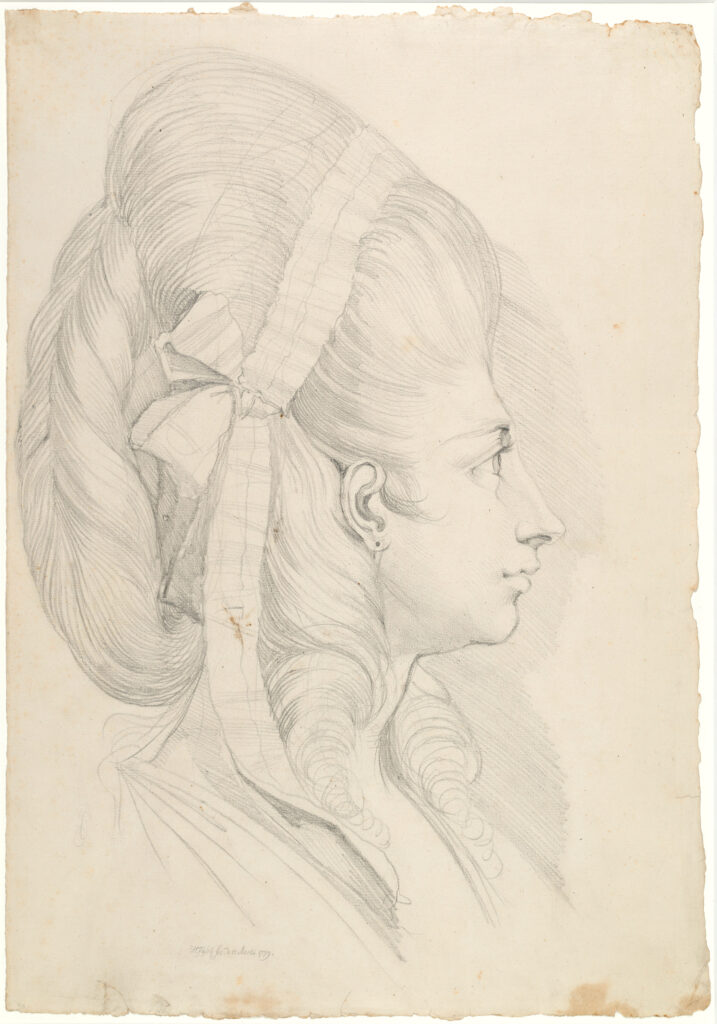
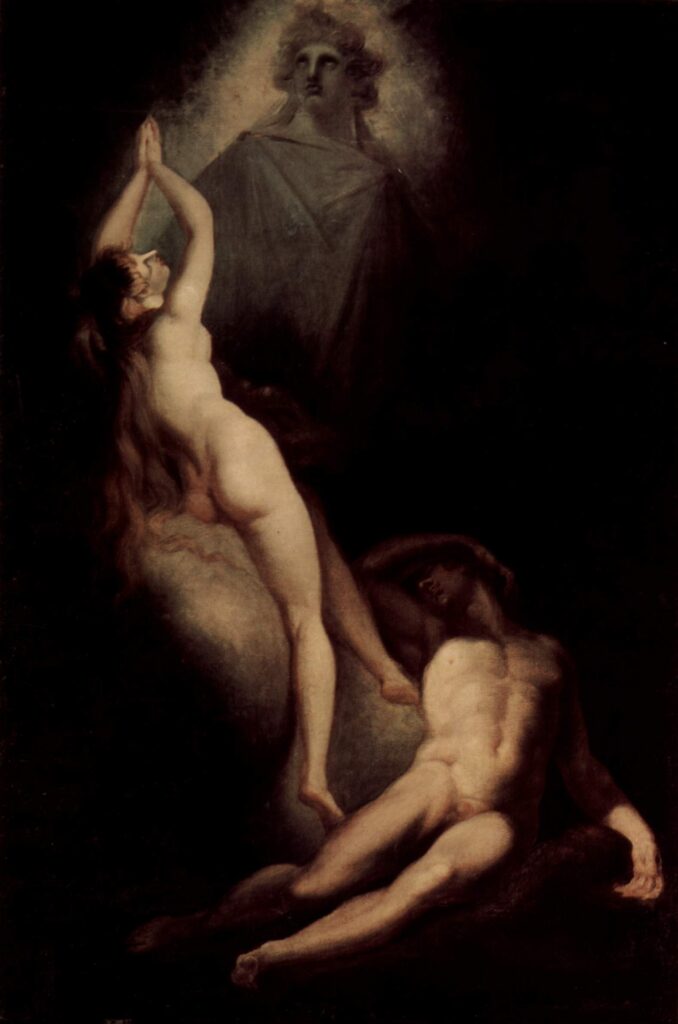
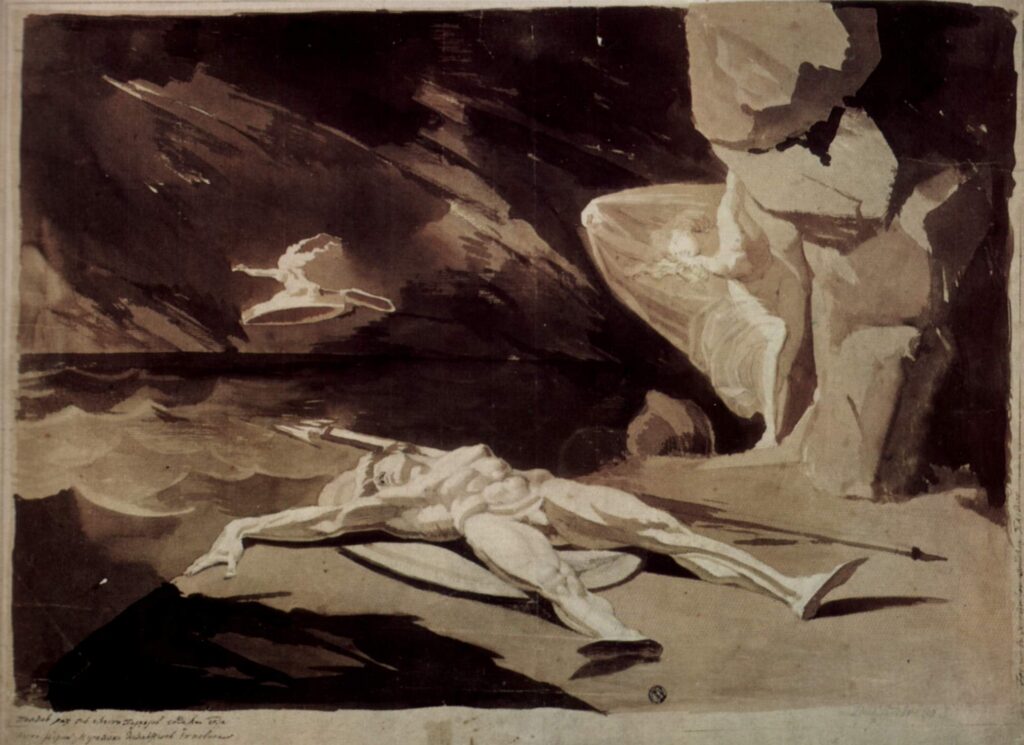
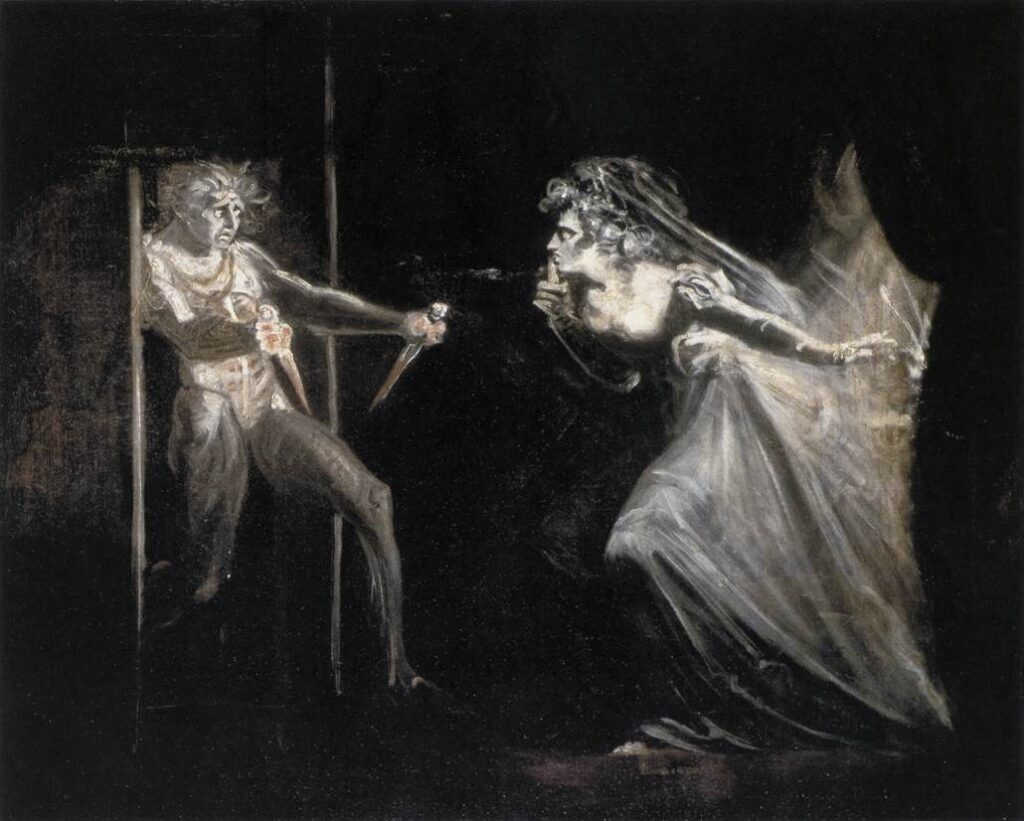
Henry Fuseli, February 7, 1741–April 17, 1825, was a Swiss painter, draughtsman and writer who worked chiefly in Britain. Born Johann Heinrich Füssli in Zürich, he received a classical and theological education before leaving Switzerland. In London, Joshua Reynolds encouraged him to pursue painting; he then spent several years studying art in Rome.
Fuseli returned to London in 1779. He made paintings for John Boydell’s Shakespeare Gallery and exhibited a series of subjects from John Milton. He was elected to the Royal Academy and later served as its Professor of Painting and Keeper.
His work is held by the Detroit Institute of Arts, Tate, the Folger Shakespeare Library, the Royal Academy of Arts and Kunsthaus Zürich, among other collections.


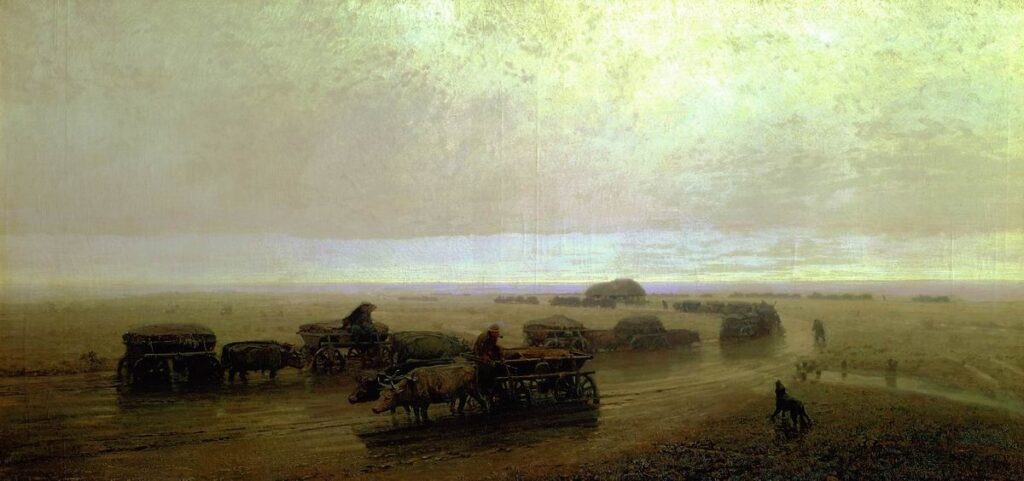
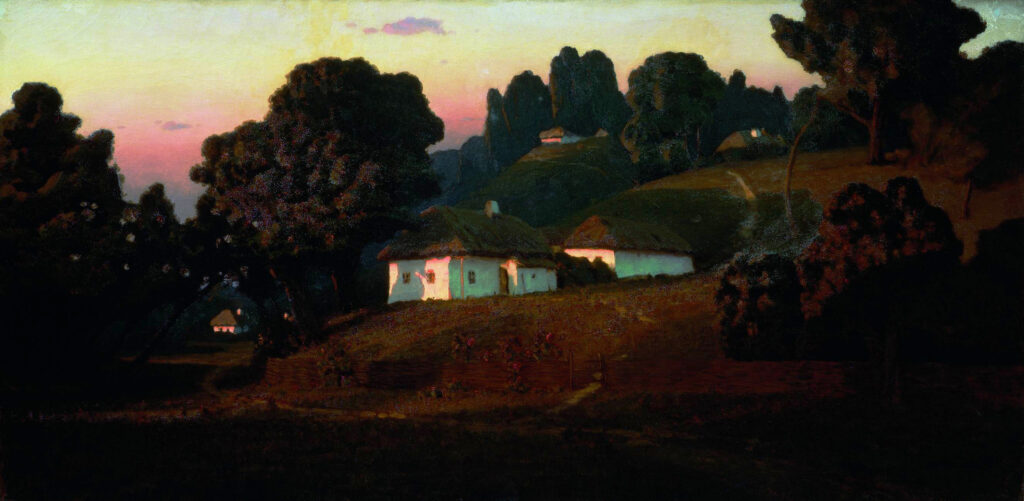
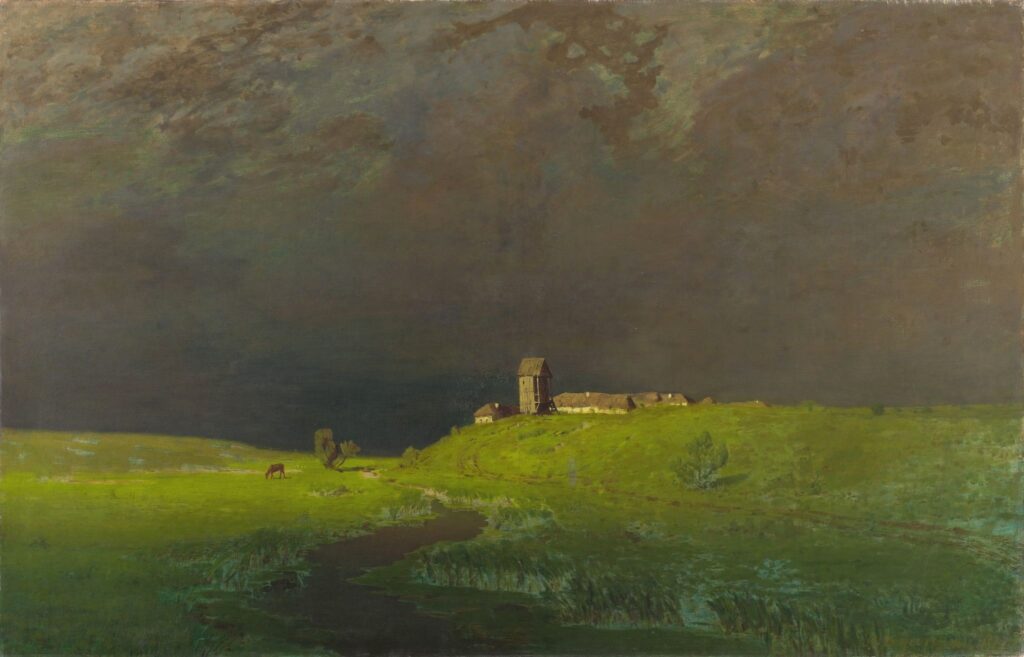
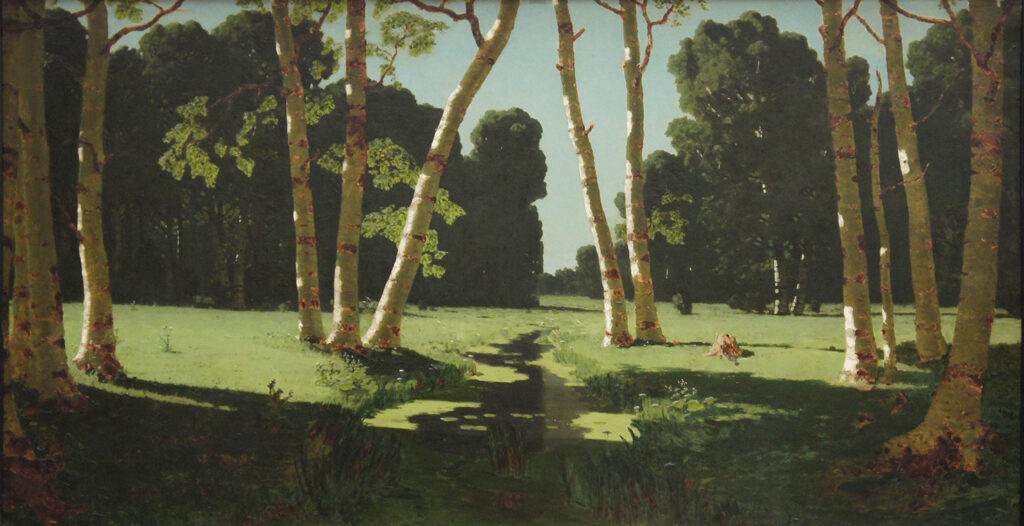
Arkhip Kuindzhi
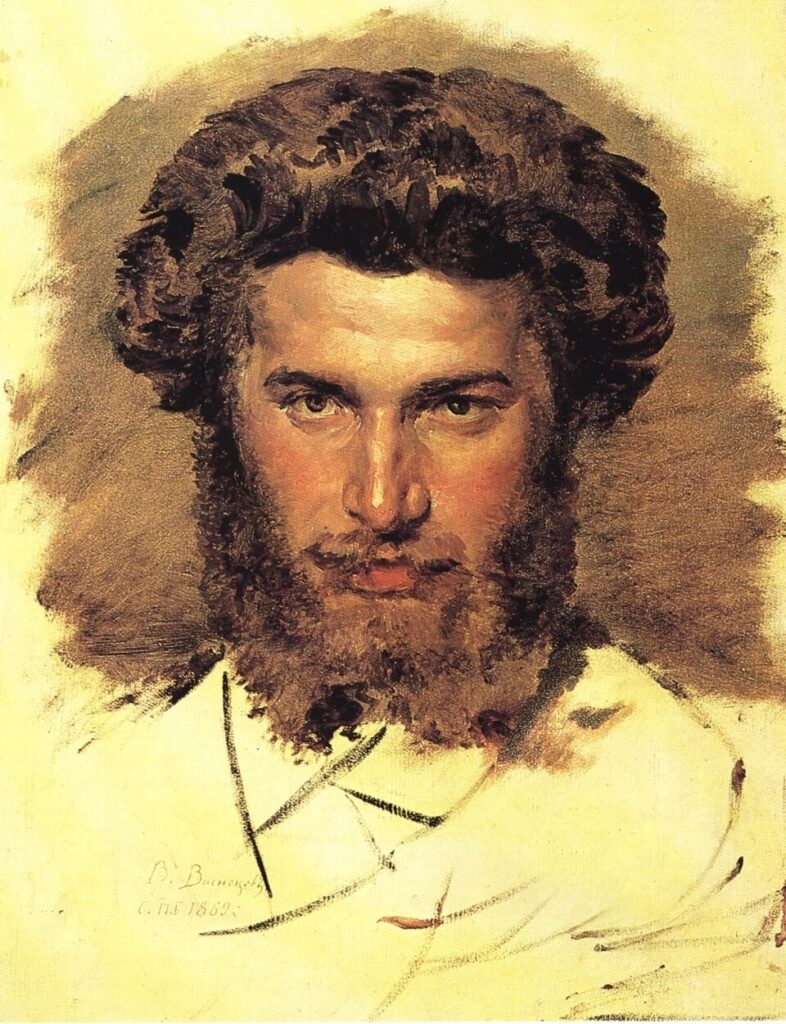
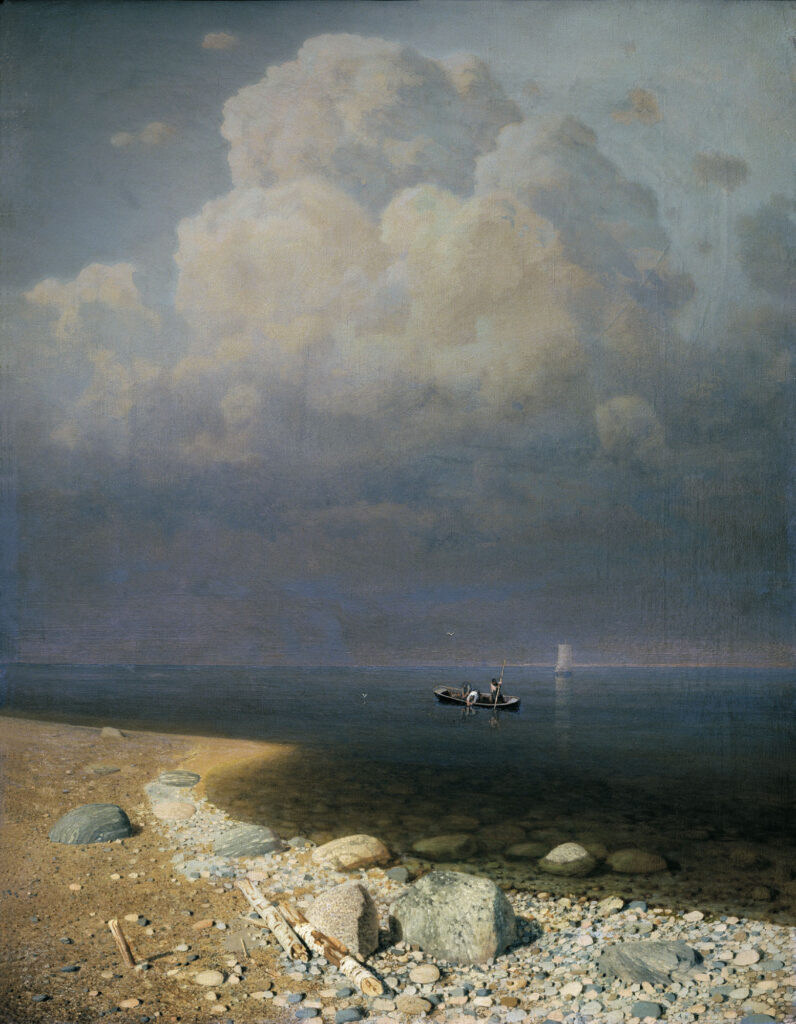
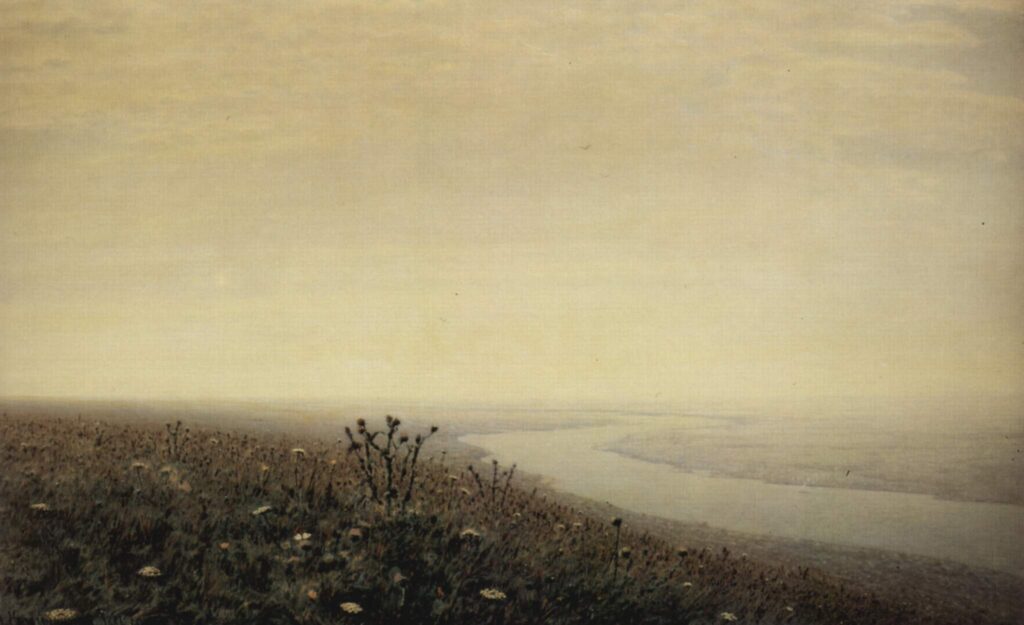
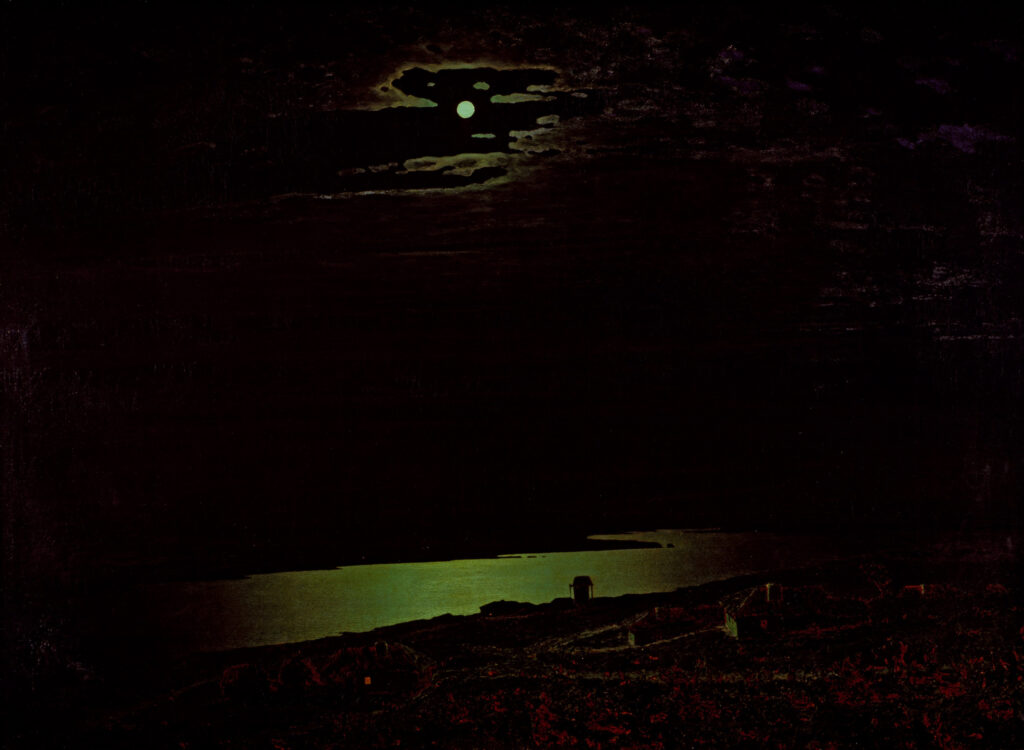
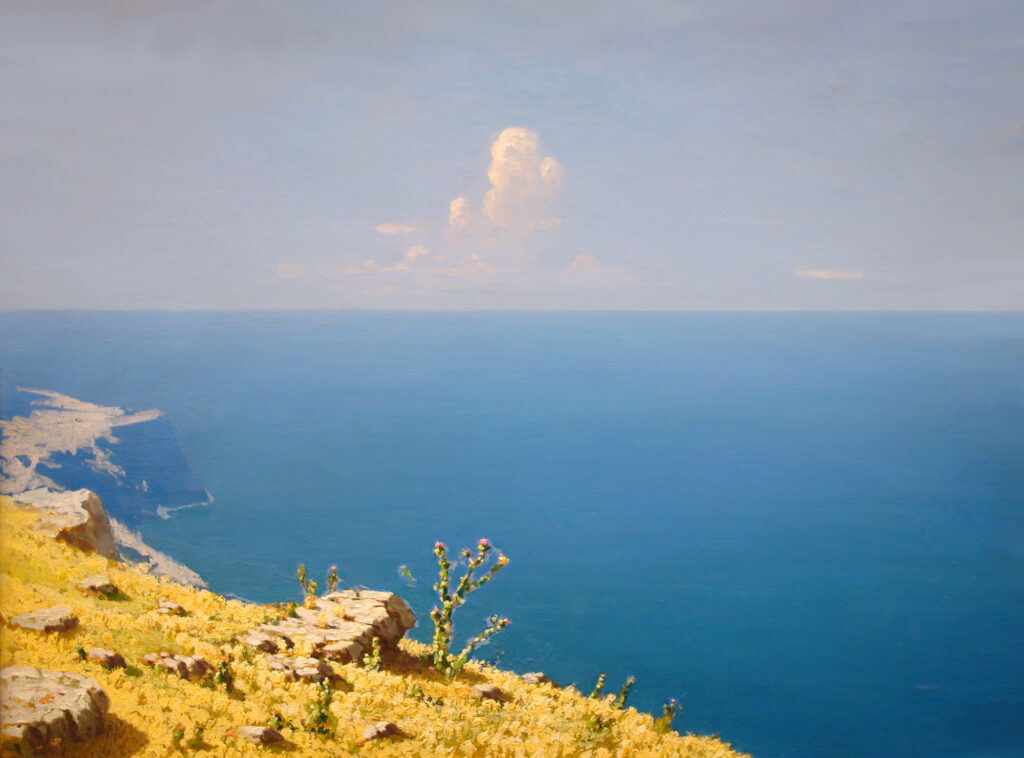
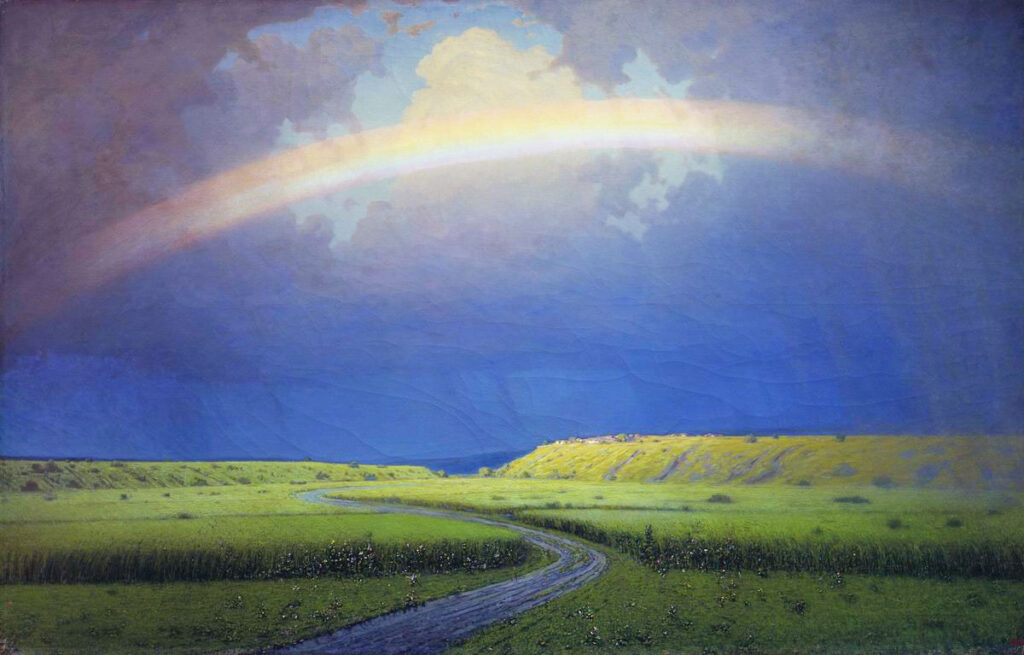
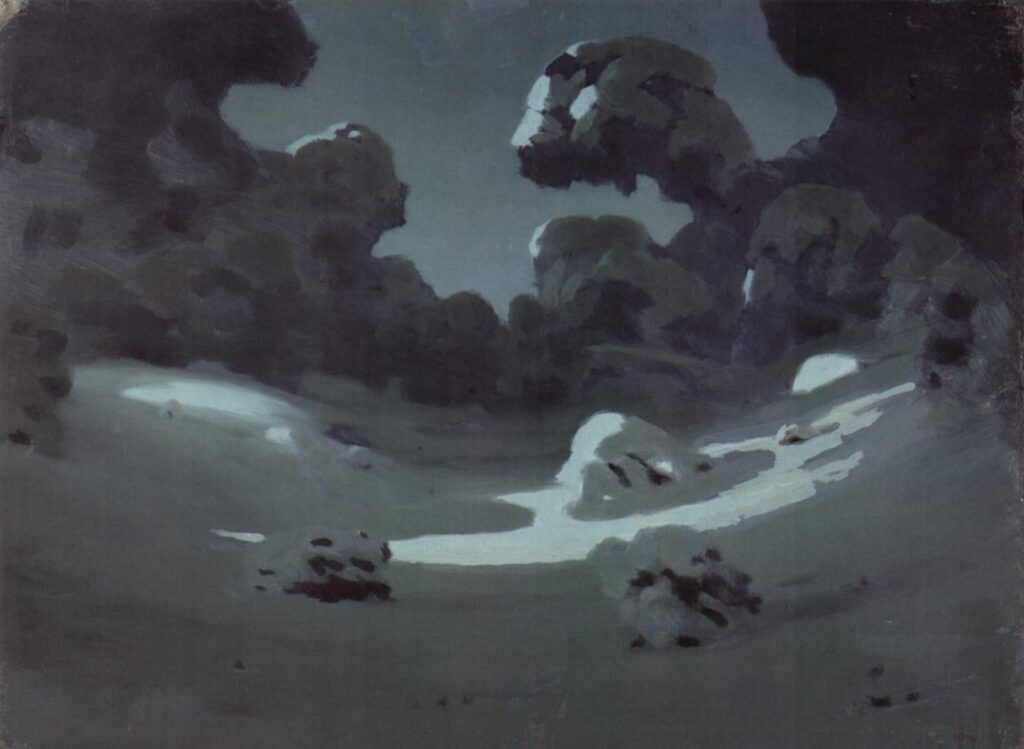
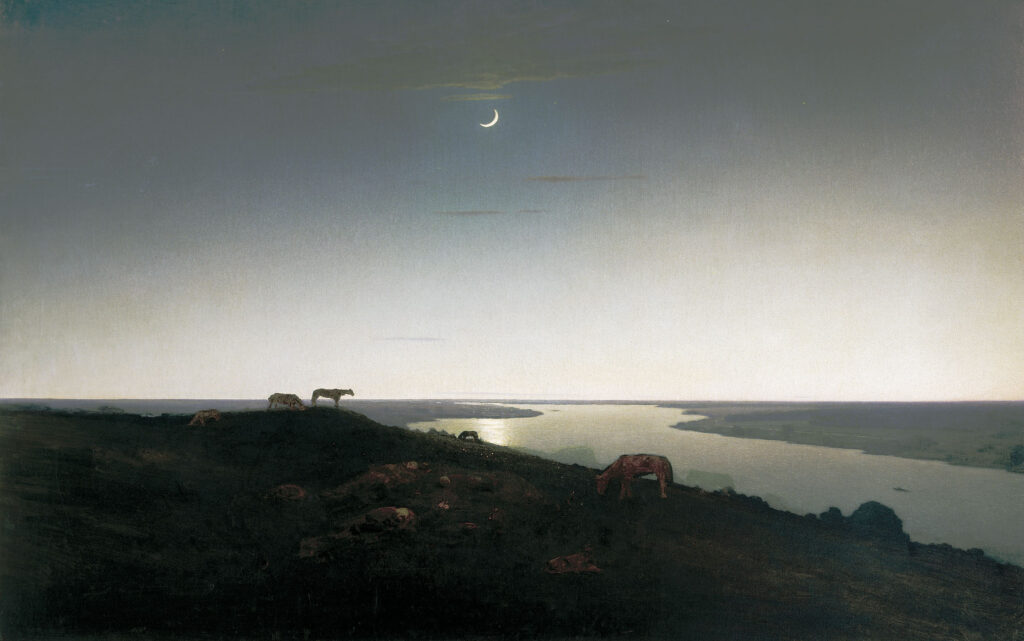
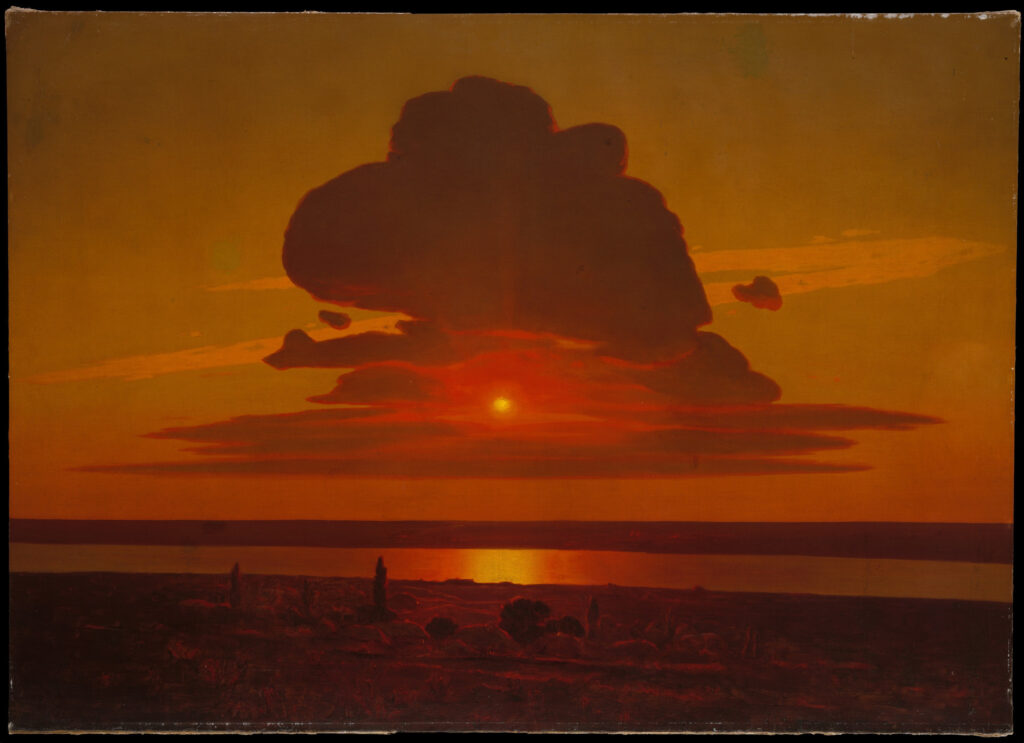
Arkhip Kuindzhi, January 27, 1842–July 24, 1910, was a Ukrainian landscape painter of Pontic Greek ancestry, born near Mariupol in the Russian Empire. He received limited formal schooling, traveled to Feodosia intending to study with Ivan Aivazovsky, worked with Aivazovsky’s student Adolf Fessler, and entered the Imperial Academy of Arts in Saint Petersburg as a non-matriculated student in 1868.
Kuindzhi exhibited with the Peredvizhniki during the 1870s and became known for landscapes structured around strong effects of light, color, and atmosphere. He ceased public exhibition after 1882 but continued painting. He became a professor at the Imperial Academy of Arts in 1892 and directed its landscape workshop from 1894 to 1897; his students included Arkady Rylov, Nicholas Roerich, and Konstantin Bogaevsky.
In his final years Kuindzhi helped establish the Society of Artists that later bore his name and left much of his estate to support artists. He died in Saint Petersburg. Principal public collections of his work include the Russian Museum, the Tretyakov Gallery, and the Metropolitan Museum of Art.
Valentin Serov
Valentin Alexandrovich Serov, January 19, 1865–December 5, 1911, was a Russian painter and draftsman.
He studied privately with Ilya Repin and entered the Imperial Academy of Arts in Saint Petersburg in 1880, where he studied under Pavel Chistyakov. Serov exhibited with the Peredvizhniki and was associated with the World of Art circle.
From 1897 to 1909 he taught at the Moscow School of Painting, Sculpture and Architecture; his students included Pavel Kuznetsov, Nikolai Sapunov, Martiros Saryan, and Kuzma Petrov-Vodkin. His works are held principally by the Tretyakov Gallery in Moscow and the Russian Museum in Saint Petersburg, as well as other Russian and international collections.


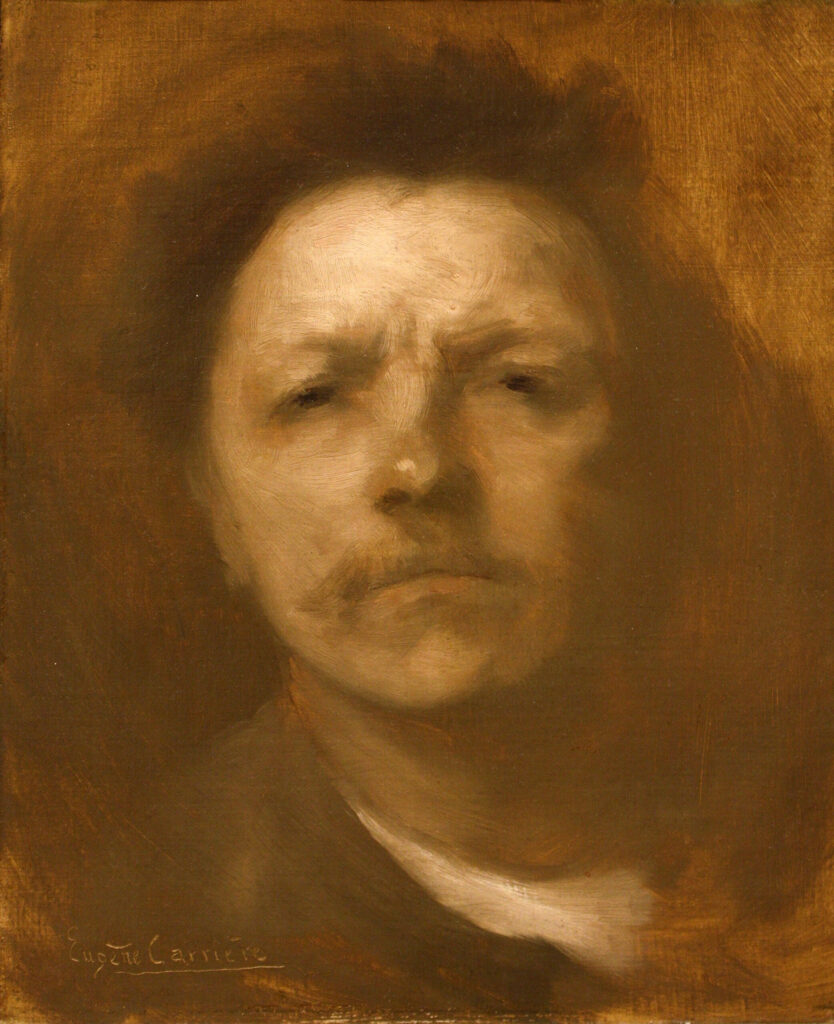
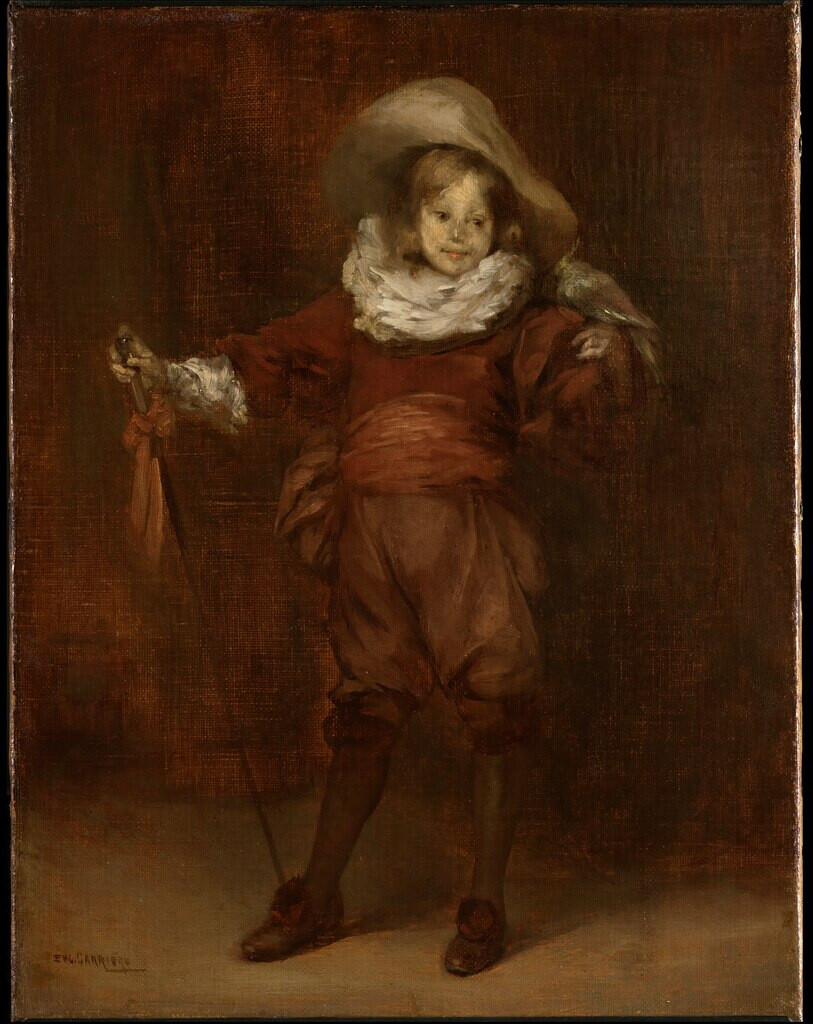
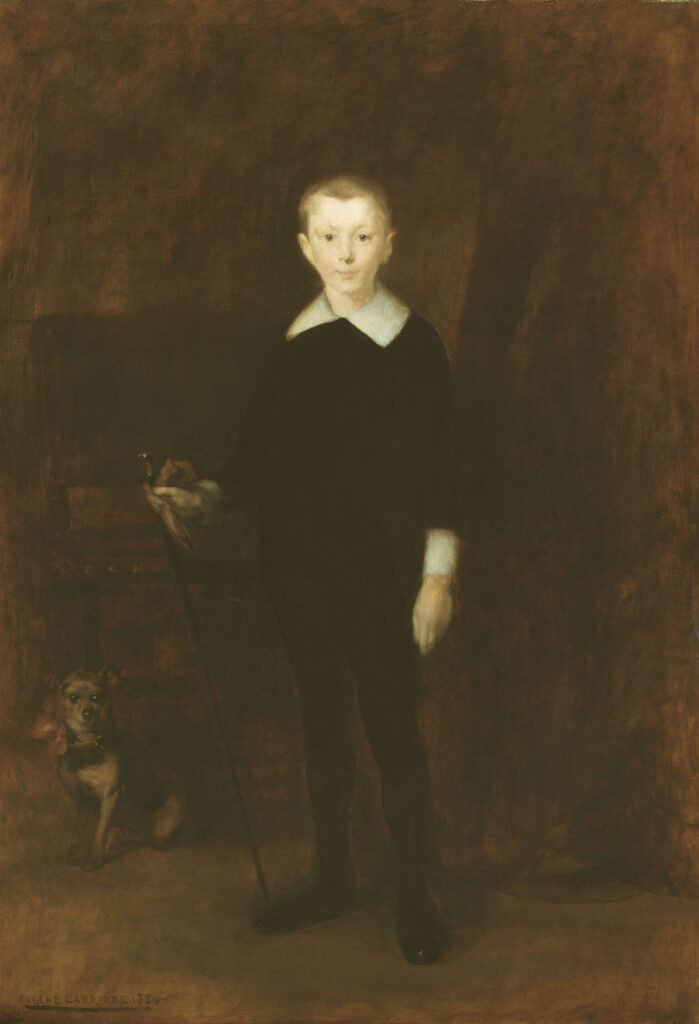
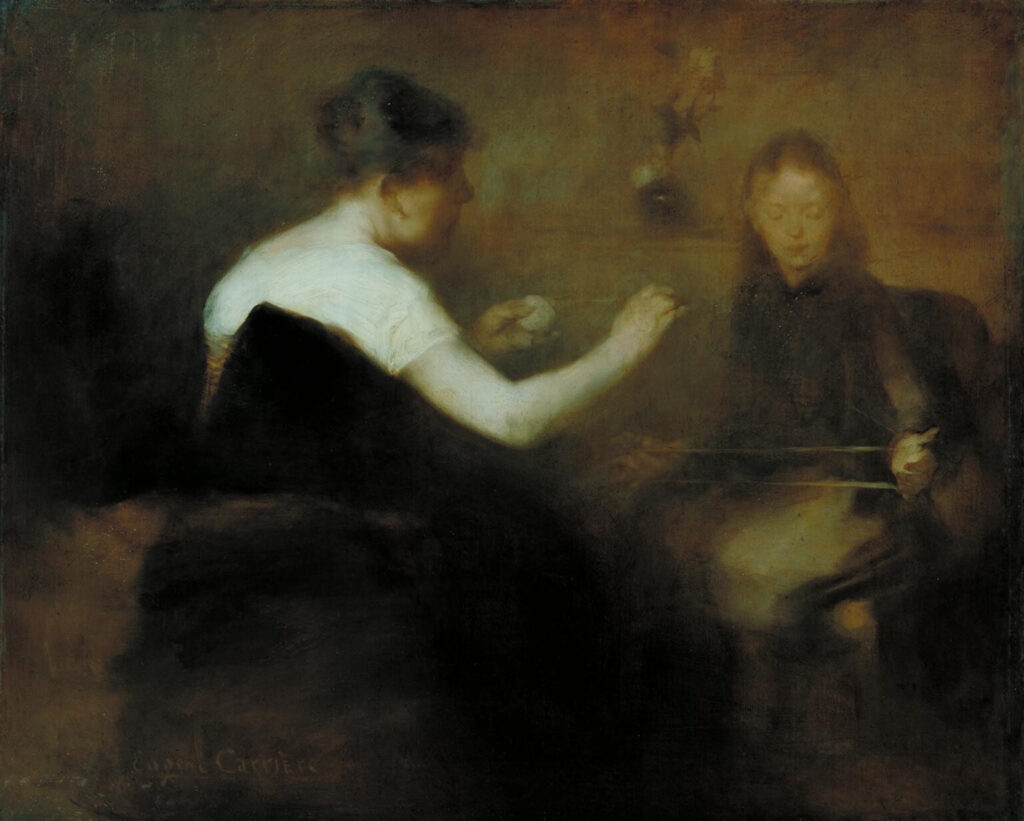
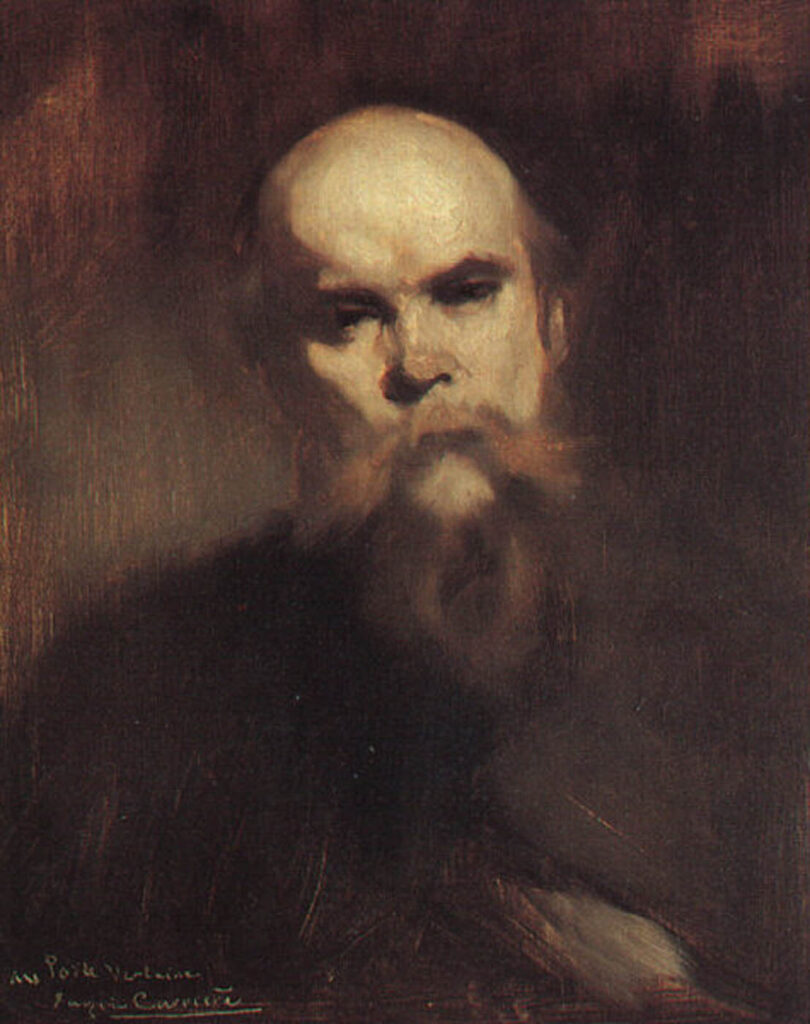
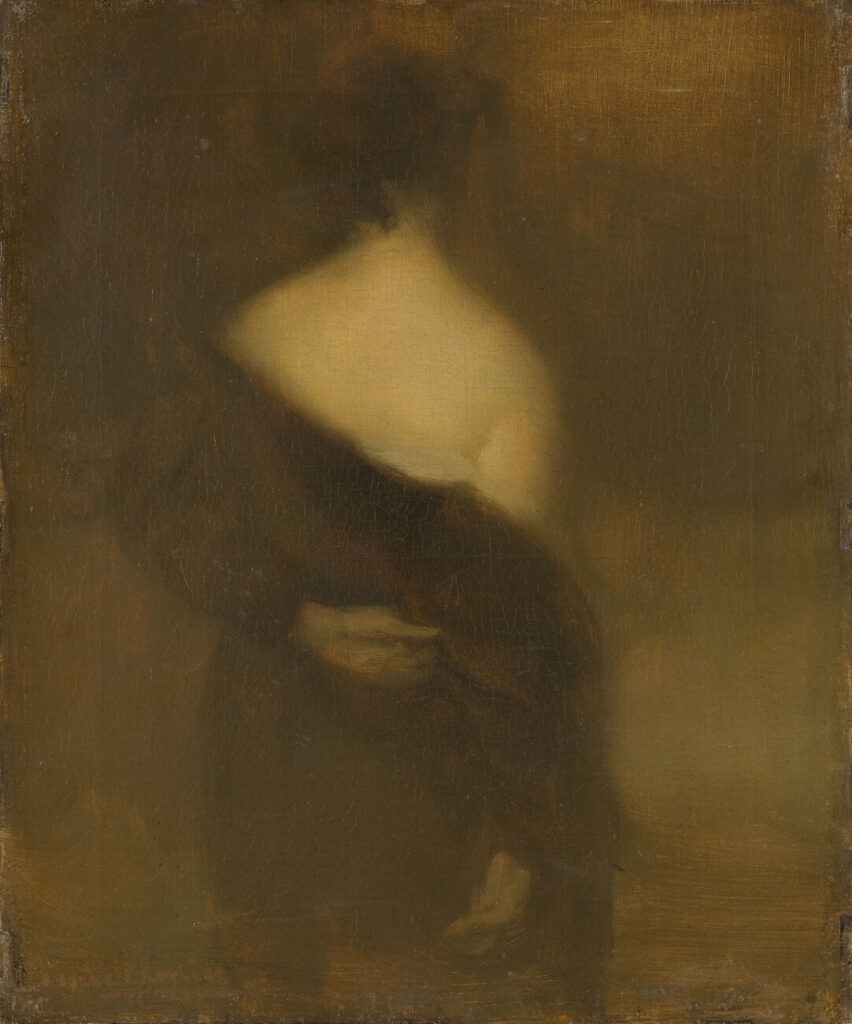
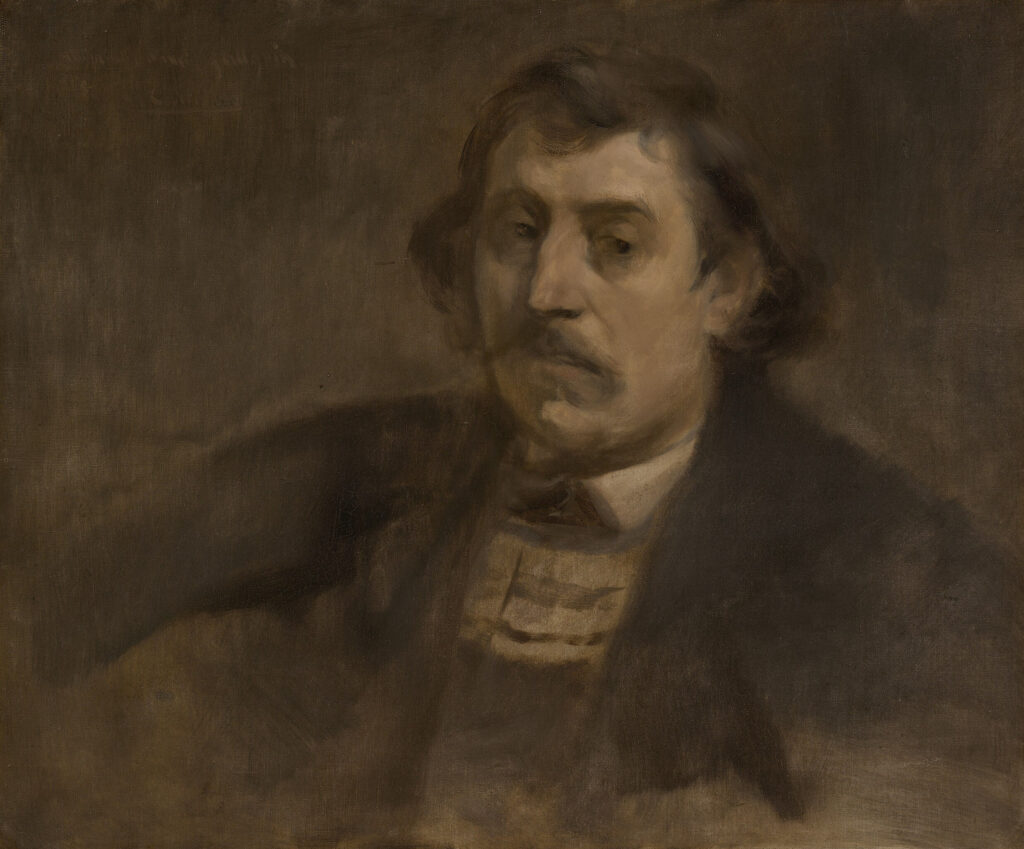
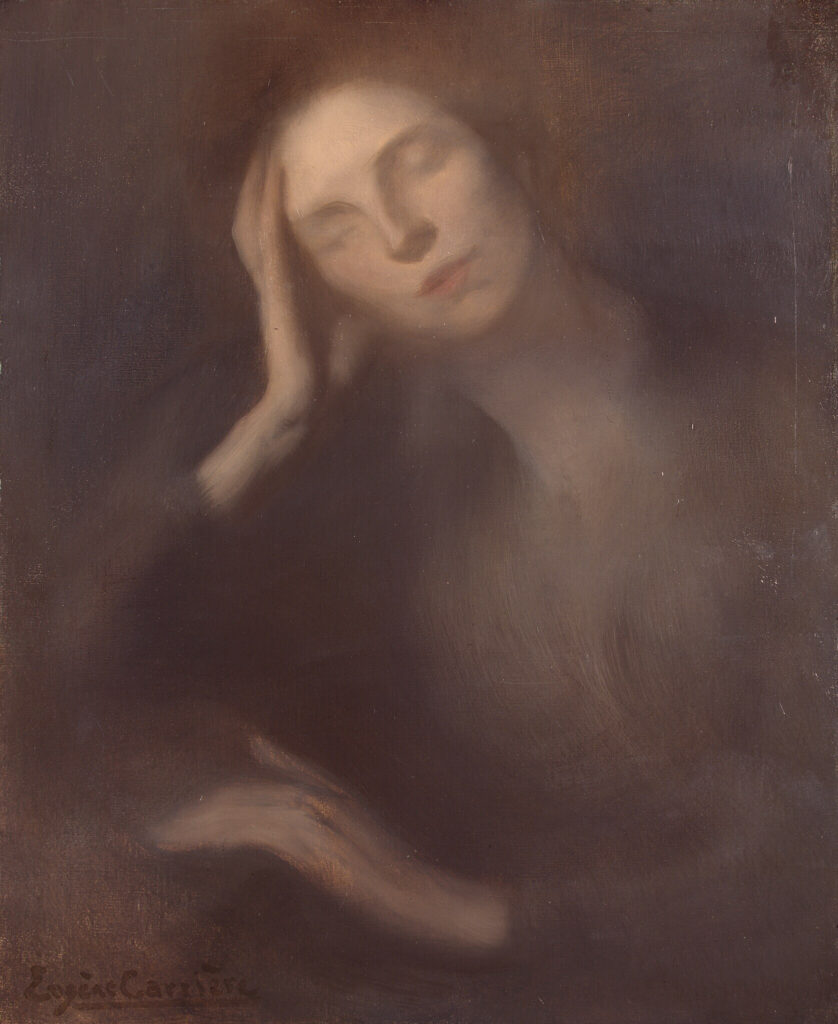
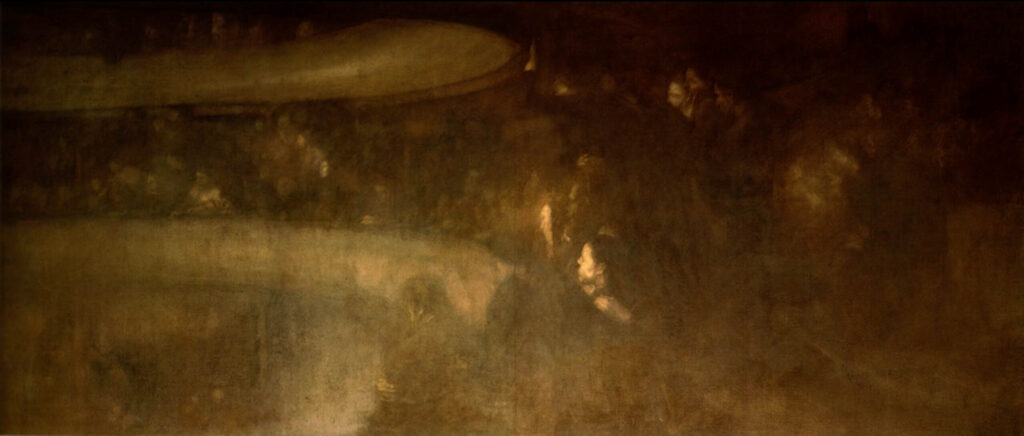
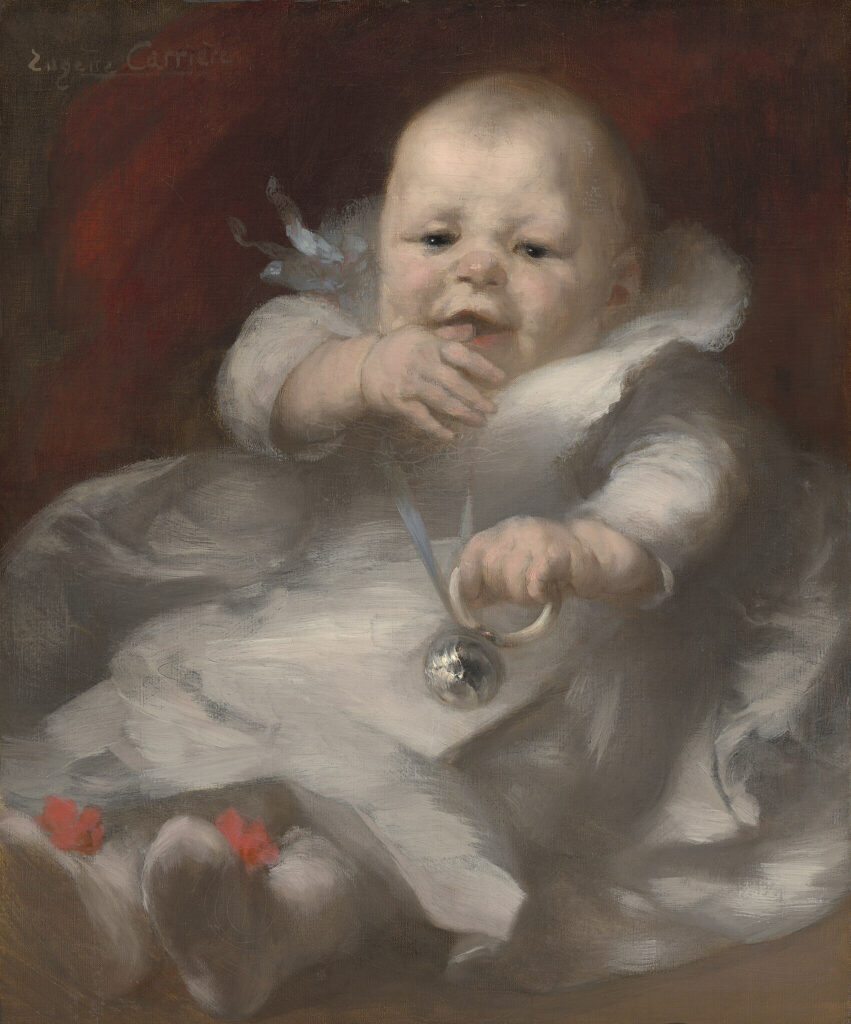
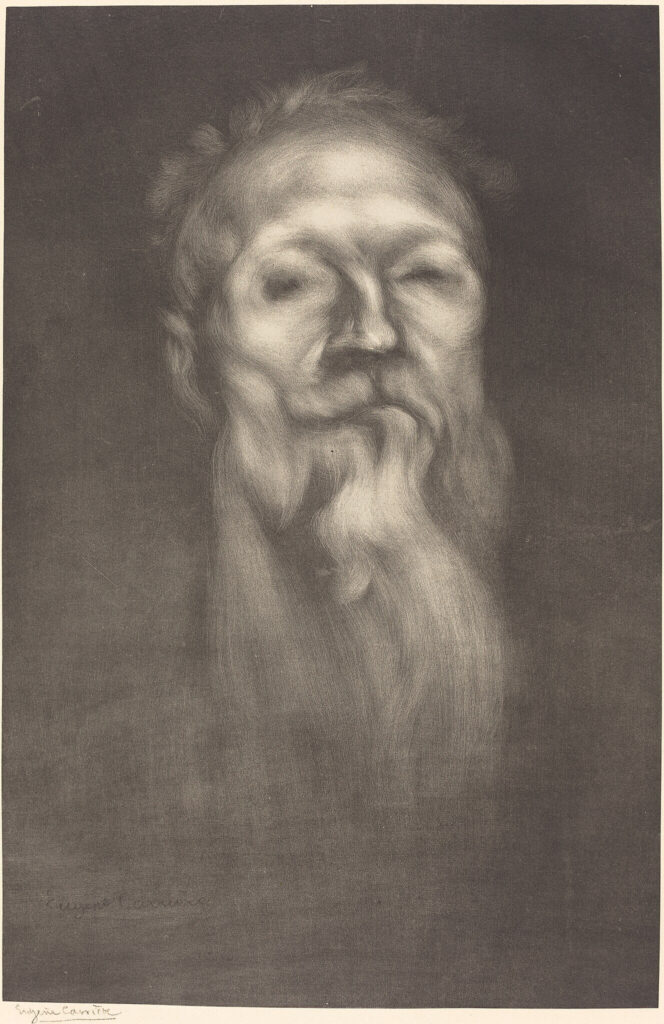
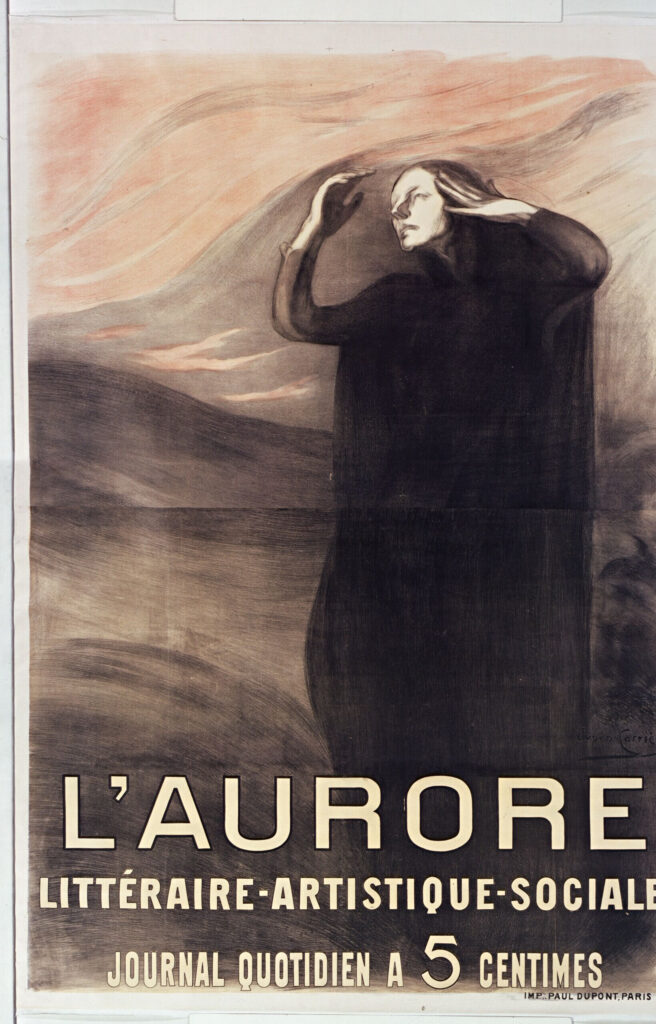
Eugène Carrière
Eugène Carrière, January 16, 1849–March 27, 1906, was a French painter, lithographer, and teacher. Raised in Strasbourg, he attended the municipal drawing school there and trained as a commercial lithographer before entering the École des Beaux-Arts in Paris, where he studied under Alexandre Cabanel.
Carrière exhibited at the Paris Salon and was a founding member of the Société Nationale des Beaux-Arts and the Salon d'Automne. He was closely associated with Auguste Rodin and with writers including Paul Verlaine, Stéphane Mallarmé, and Charles Morice. He taught at the Académie de La Palette; Henri Matisse and André Derain were among the artists who attended his academy.
His works are held by the Musée d'Orsay and Musée Rodin in Paris, Tate in London, the Metropolitan Museum of Art in New York, the National Gallery of Art in Washington, the Art Institute of Chicago, and the Yale University Art Gallery.