Posts in Category: 19th Century


Alexandre-Gabriel Decamps
Alexandre-Gabriel Decamps, French painter, March 3, 1803 – August 22, 1860


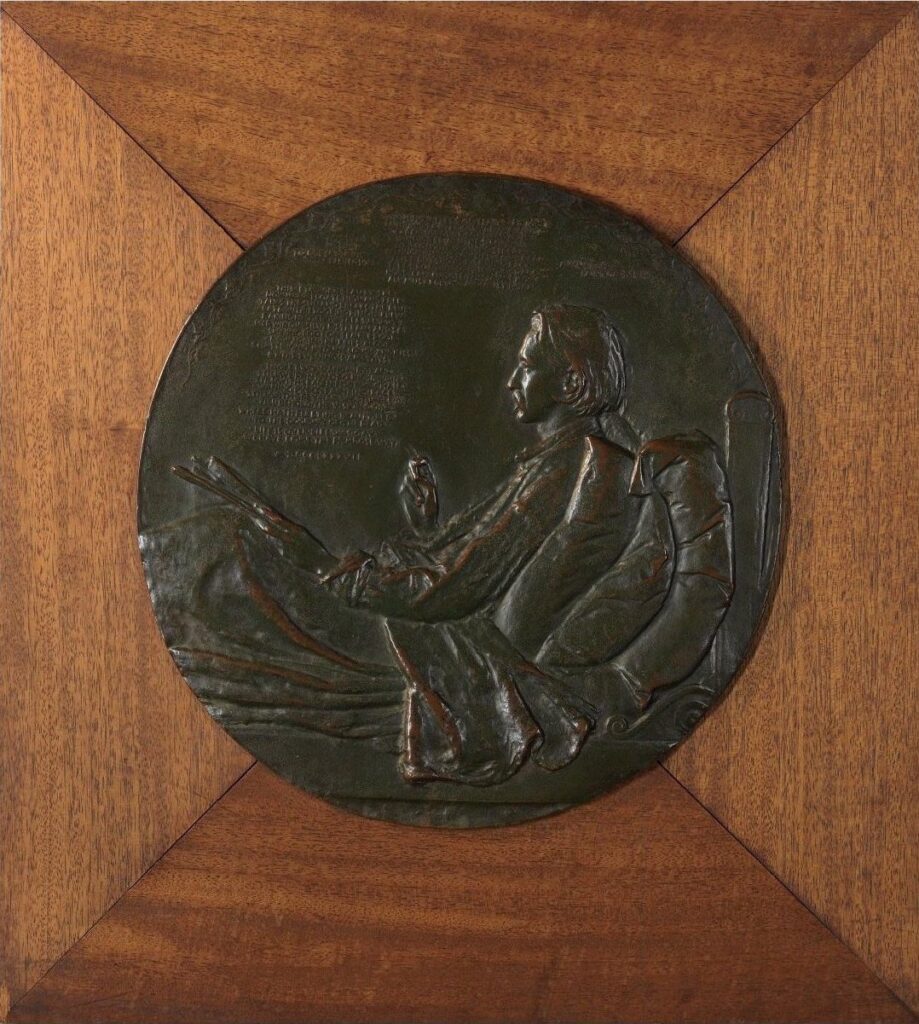
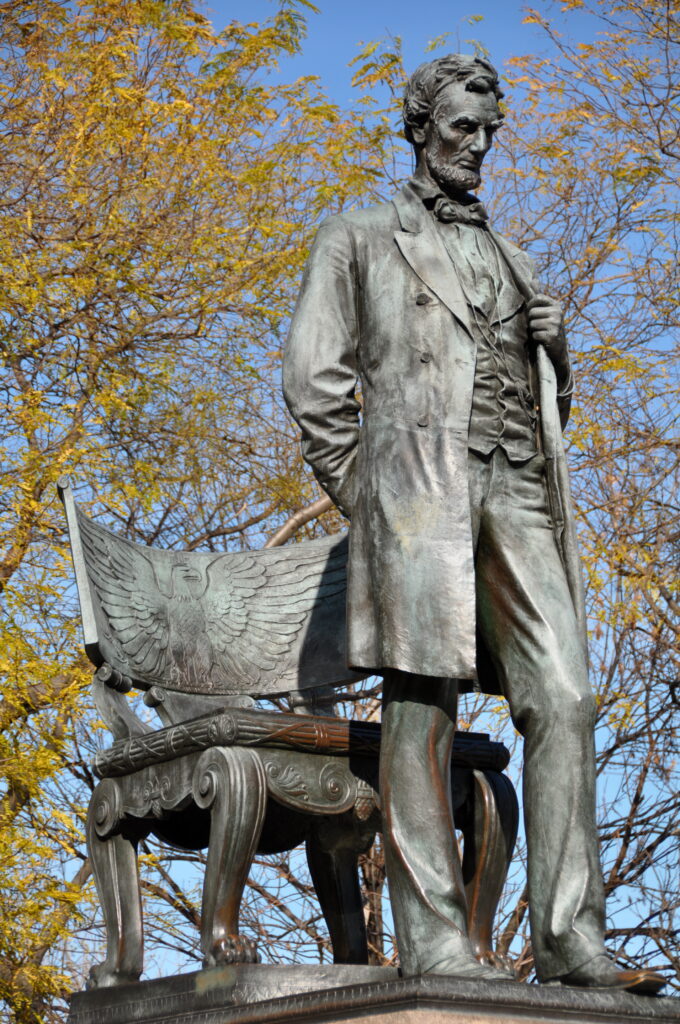
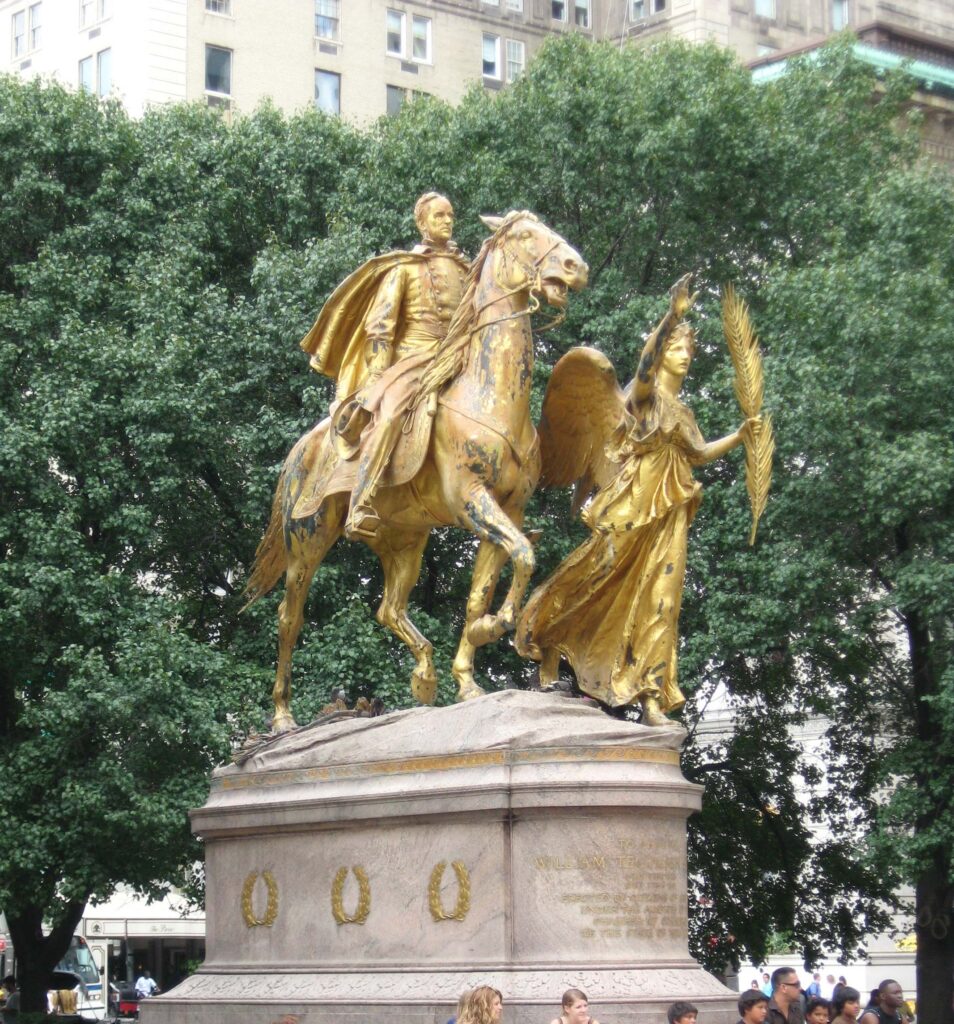
Augustus Saint-Gaudens
Augustus Saint-Gaudens, Irish and American sculptor, March 1, 1848 – August 3, 1907





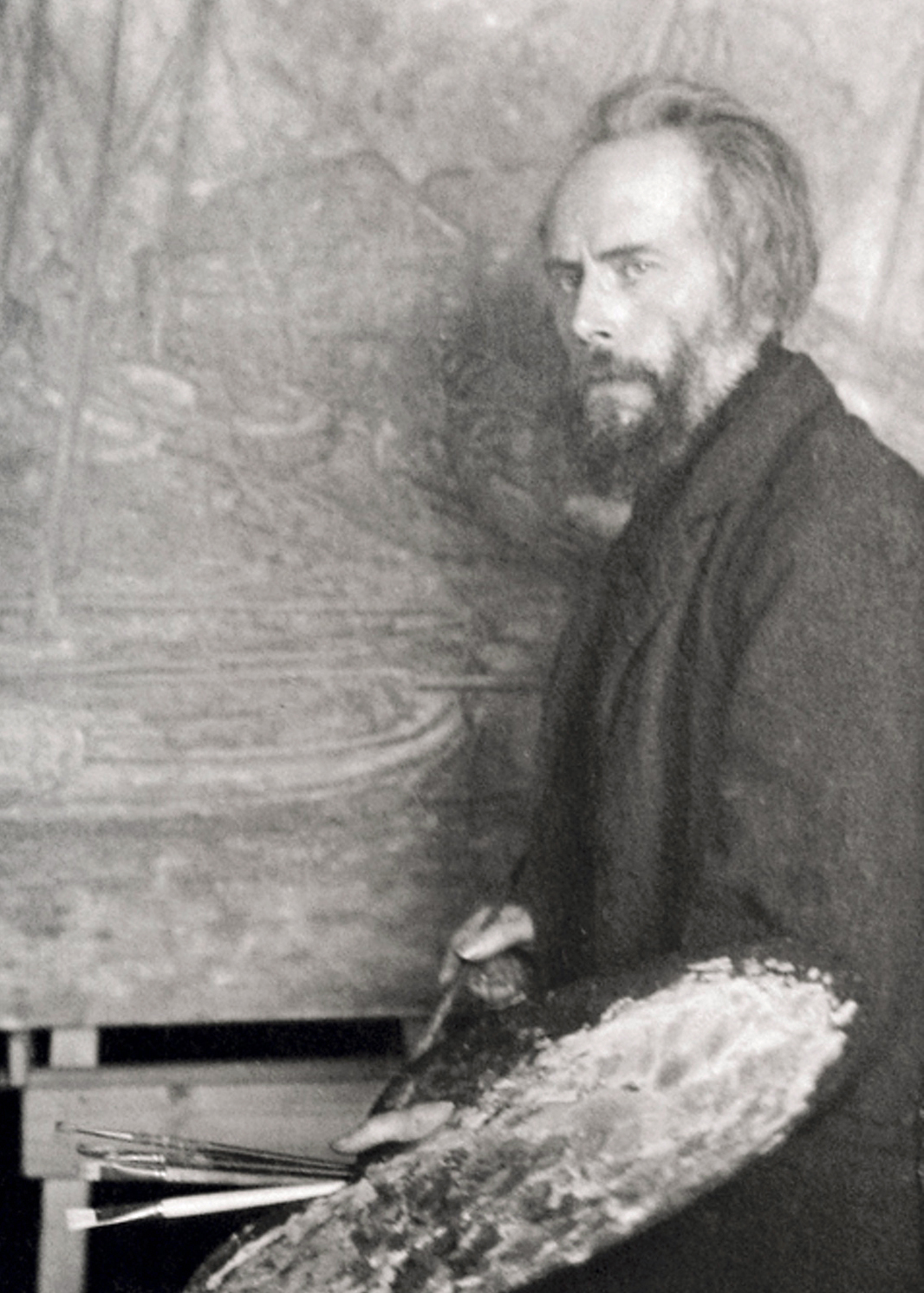
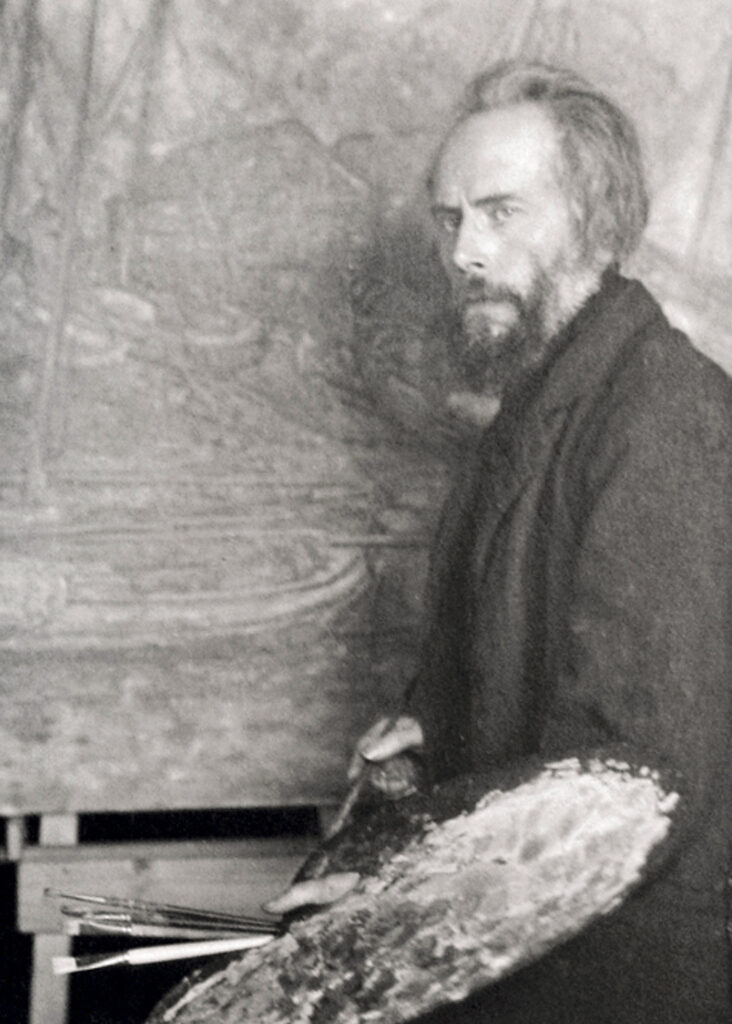
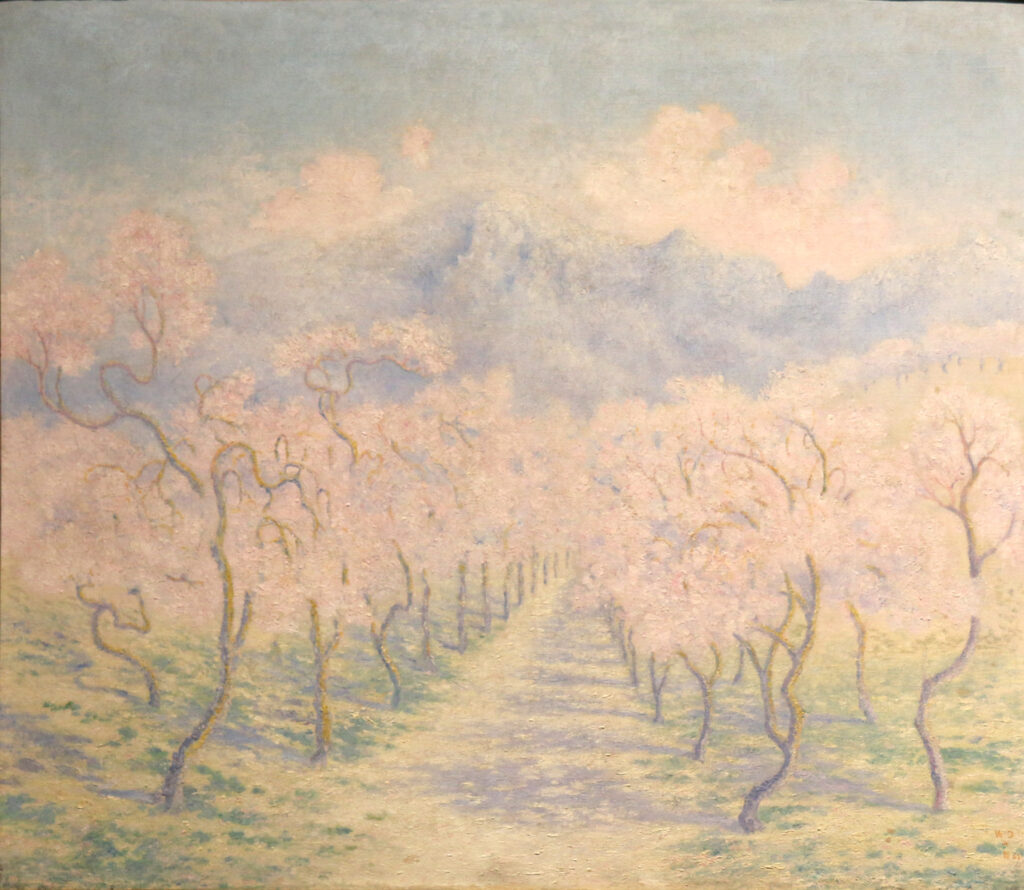
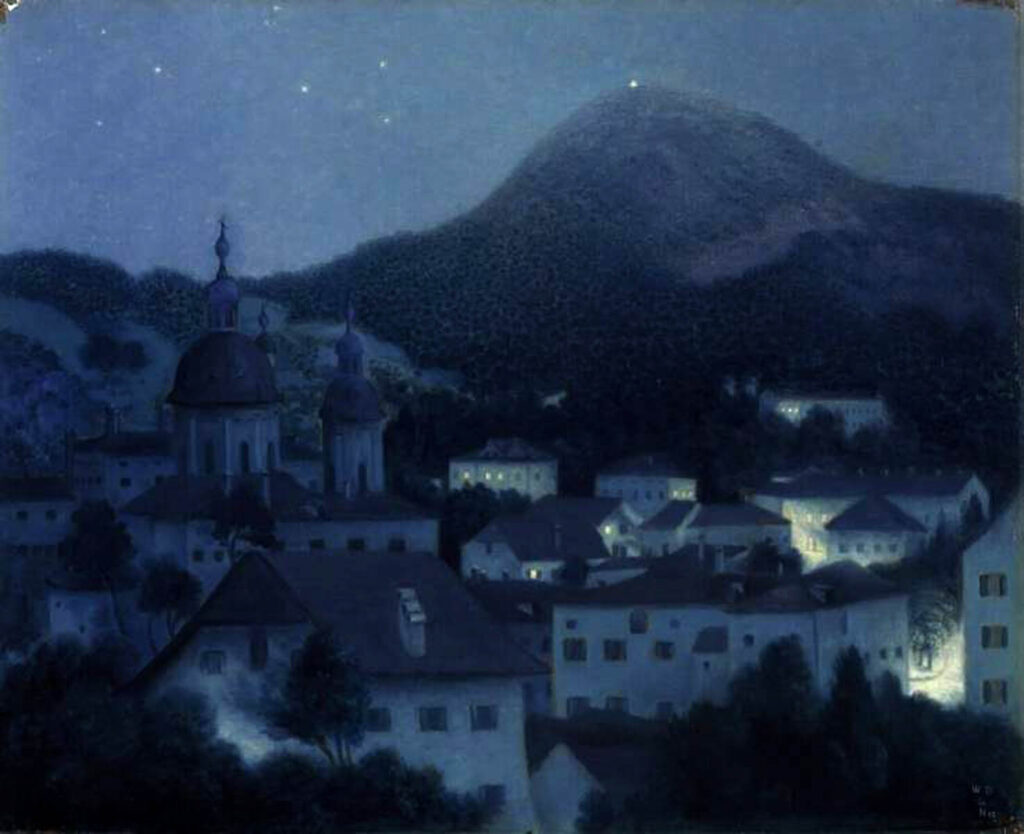
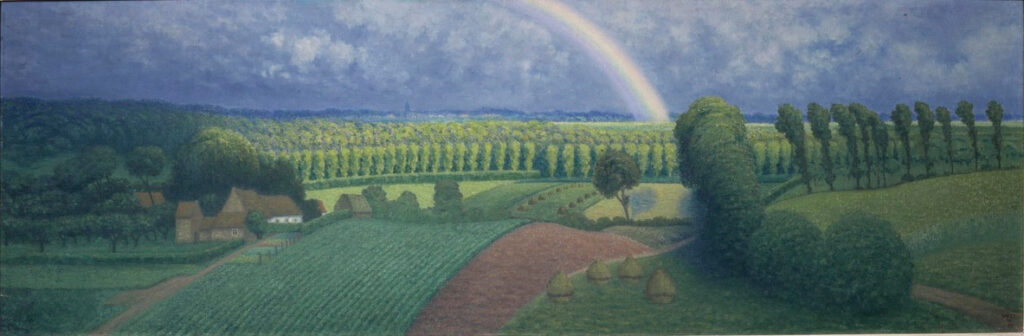
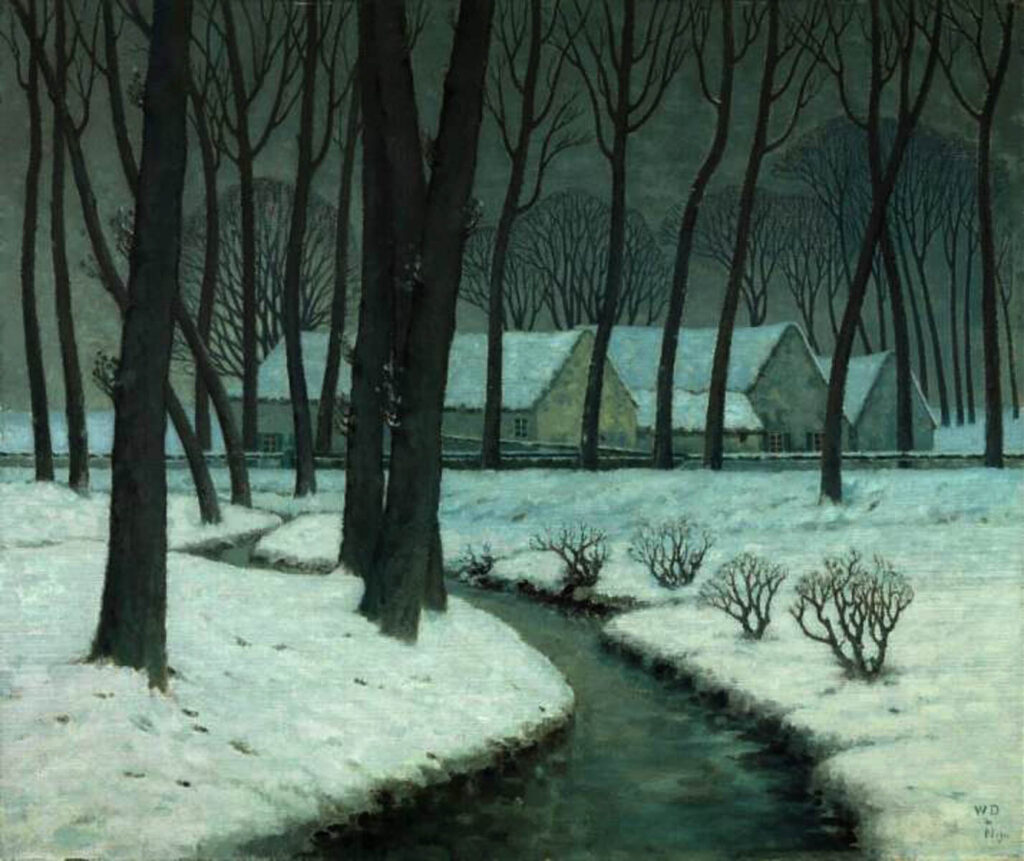
William Degouve de Nuncques
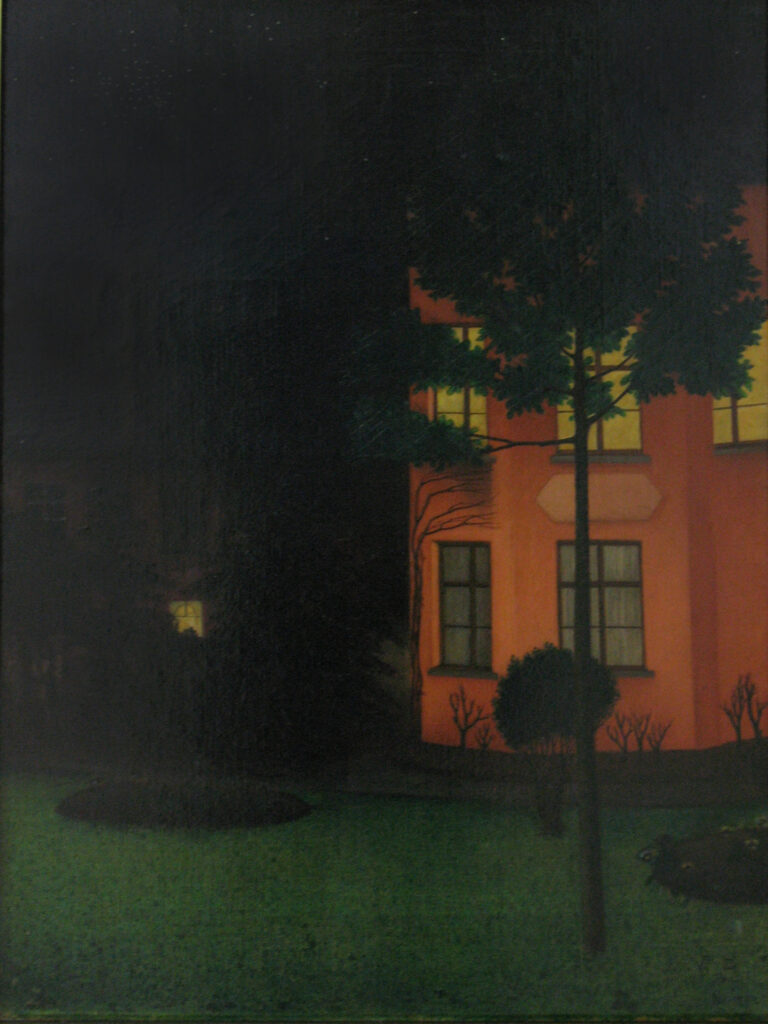
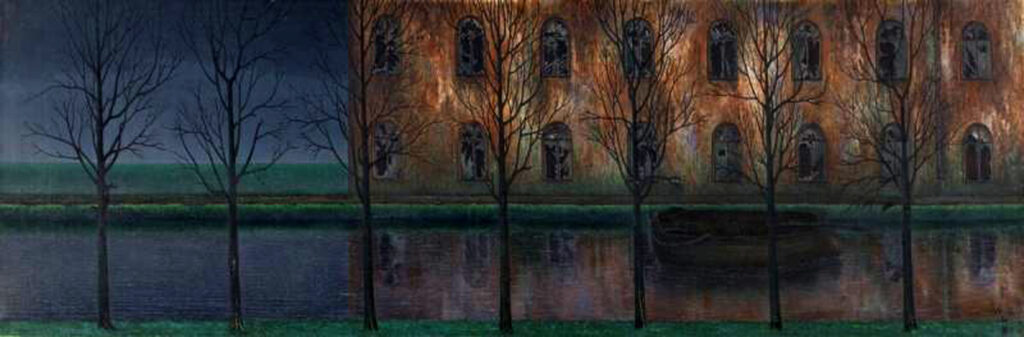
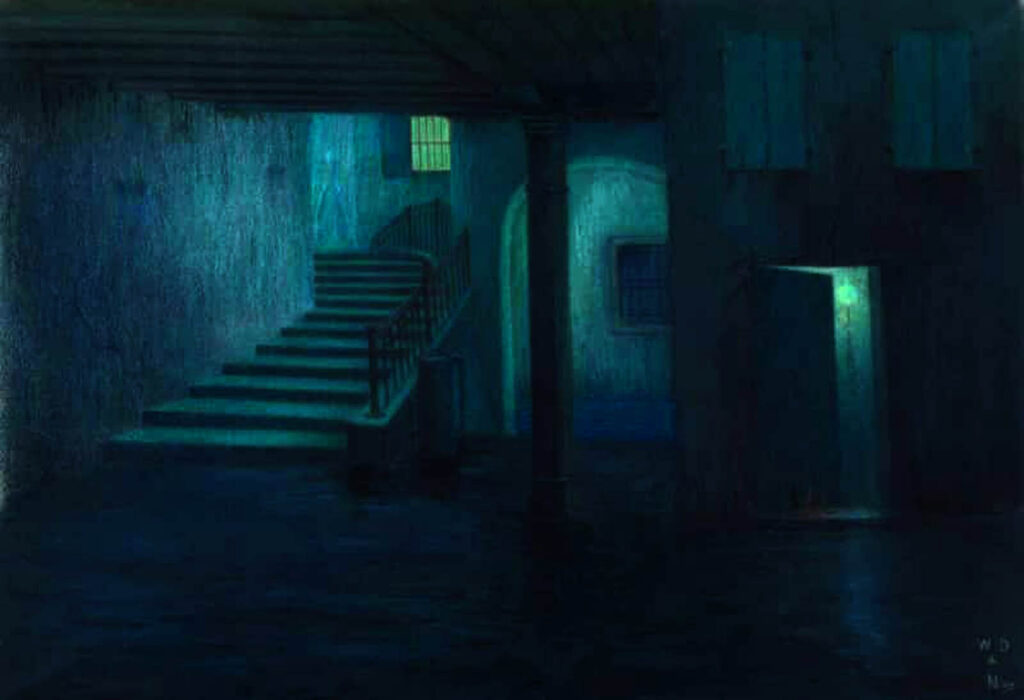
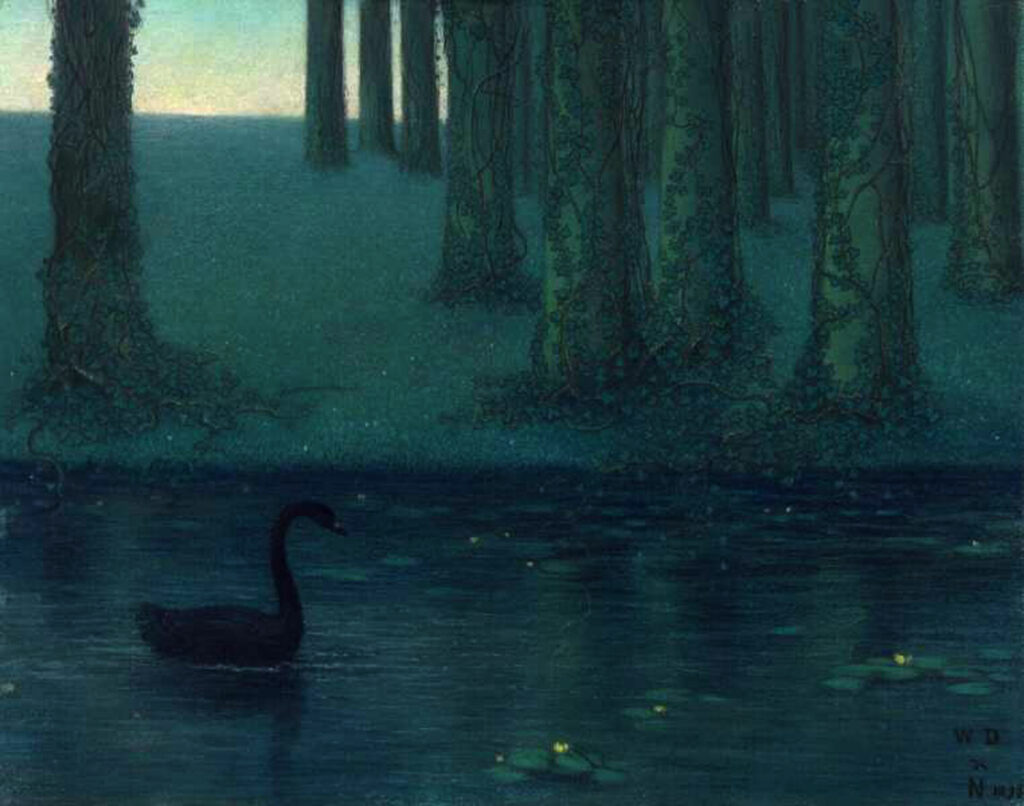
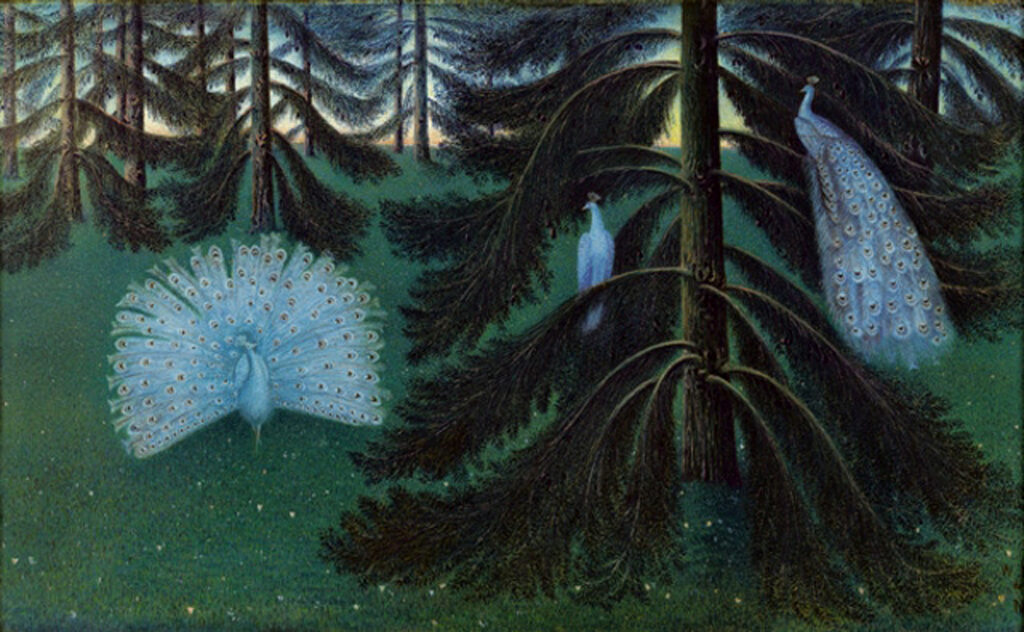
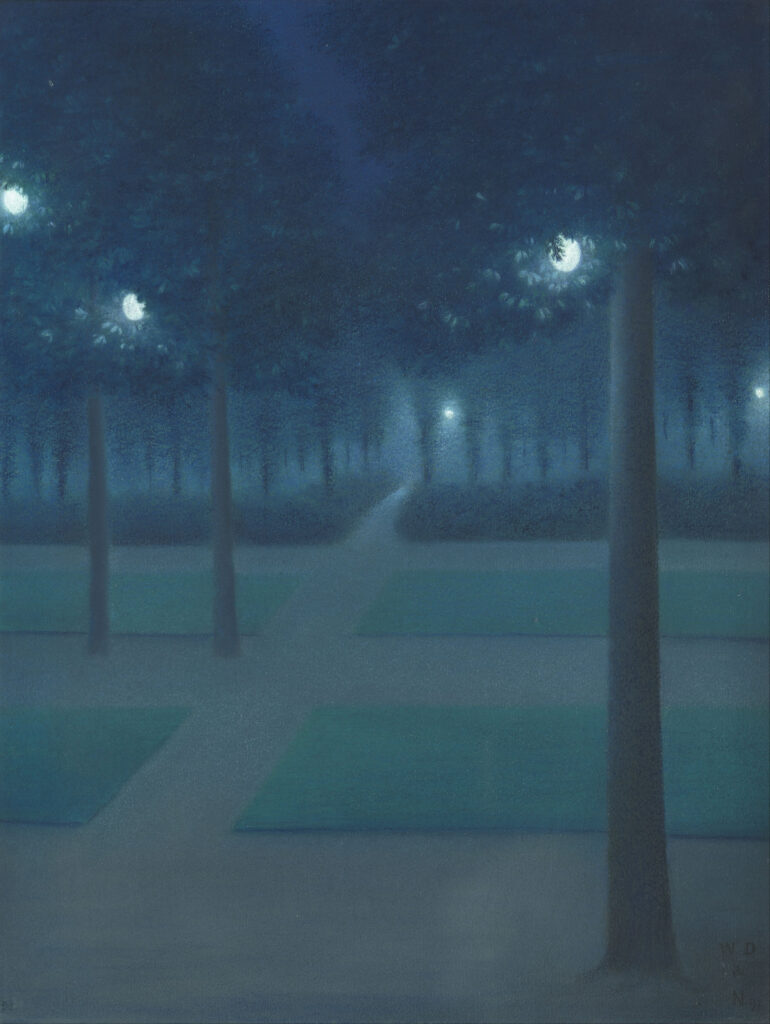
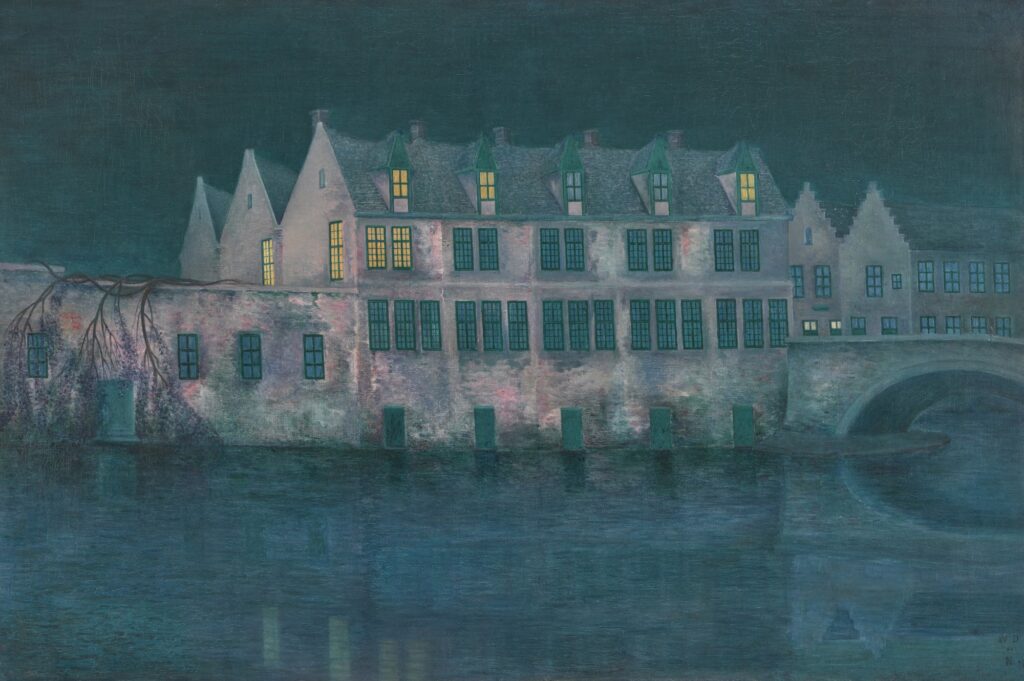
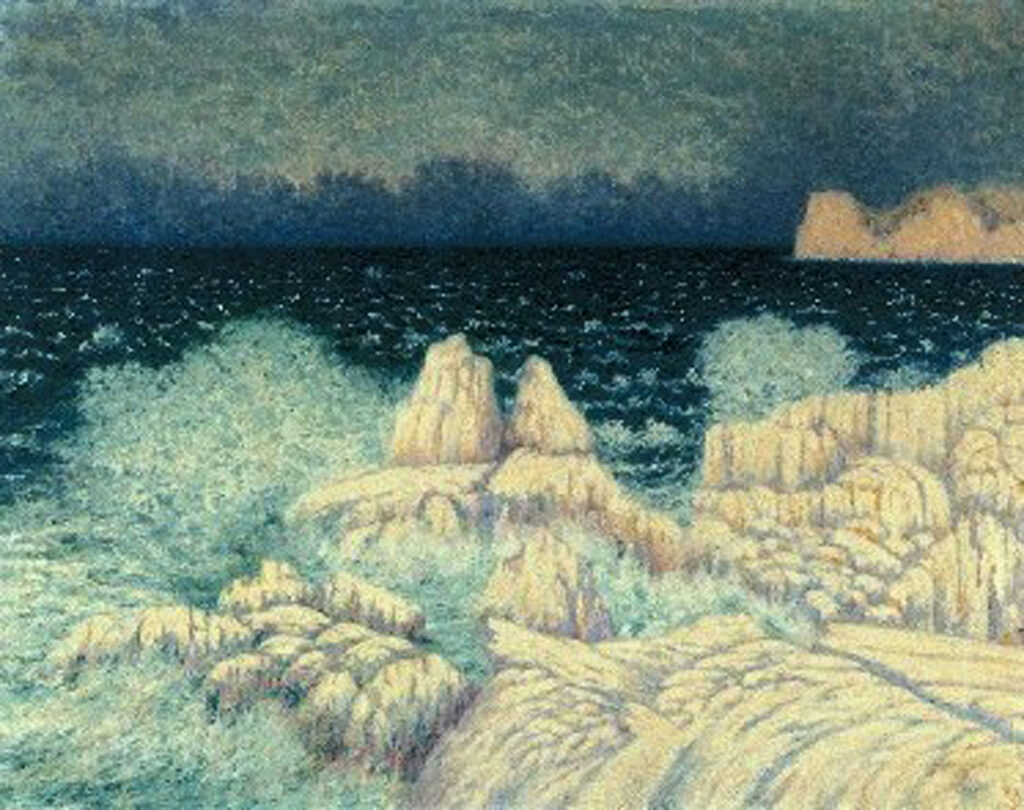
William Degouve de Nuncques, February 28, 1867–March 1, 1935, was a Belgian painter born in Monthermé, France. His family settled in Brussels in 1874. After briefly attending the art academy in Ixelles, he developed largely through independent study. Jan Toorop and Henry de Groux were important early associates, and he shared a studio with de Groux.
He exhibited as a guest at the final Les XX exhibition in 1893 and subsequently at La Libre Esthétique. In 1894 he married the painter Juliette Massin, whose sister was married to Émile Verhaeren. His work included Symbolist nocturnes in oil and pastel, Mediterranean landscapes painted during his stay in Mallorca from 1899 to 1902, and Belgian winter landscapes.
After living in the Netherlands during the First World War, he returned to Belgium in 1919. Following Massin’s death that year, he stopped painting for several years. He later settled in Stavelot, where he died. His works are held by the Kröller-Müller Museum, the Royal Museums of Fine Arts of Belgium, Musée d’Orsay, and Centraal Museum.
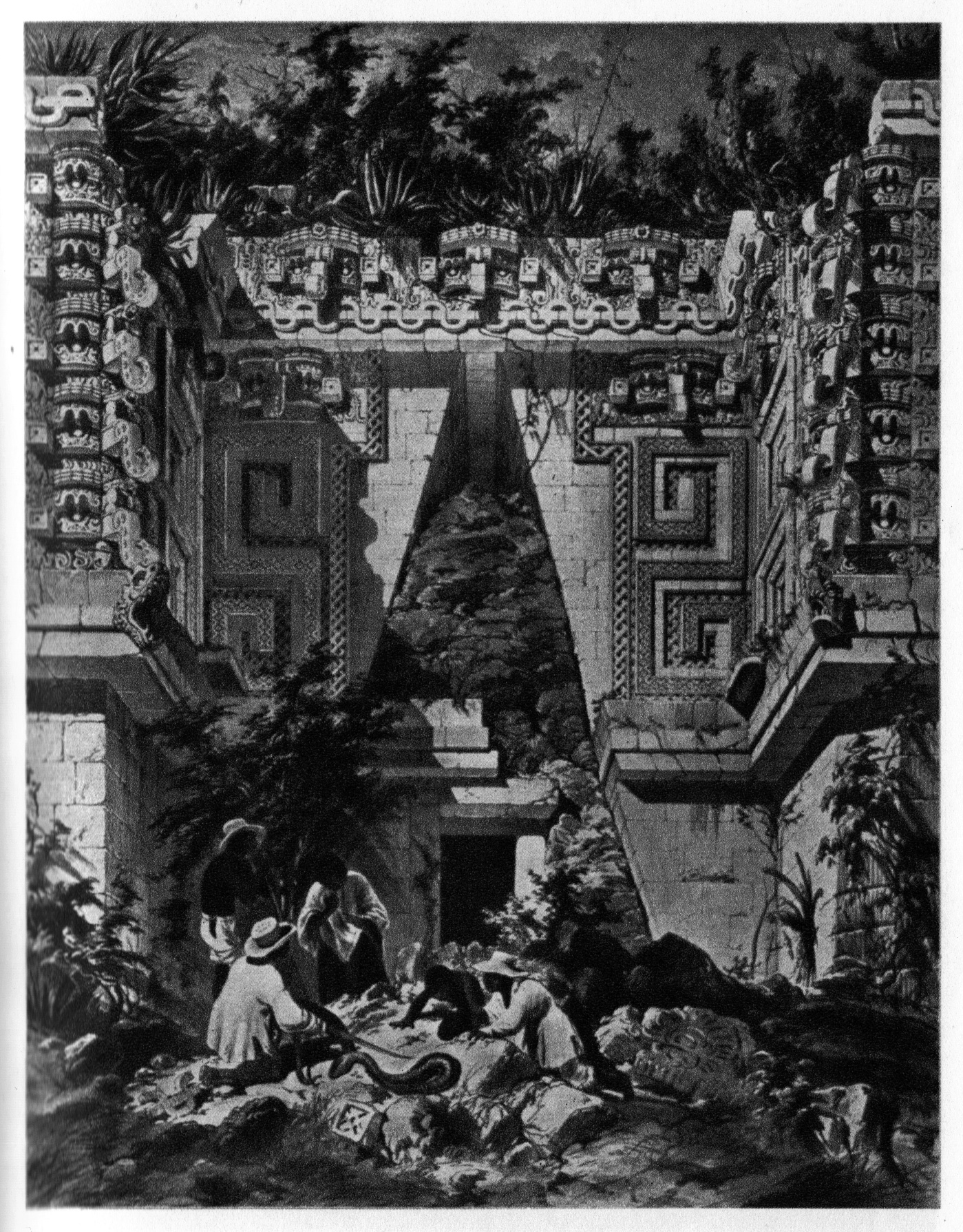
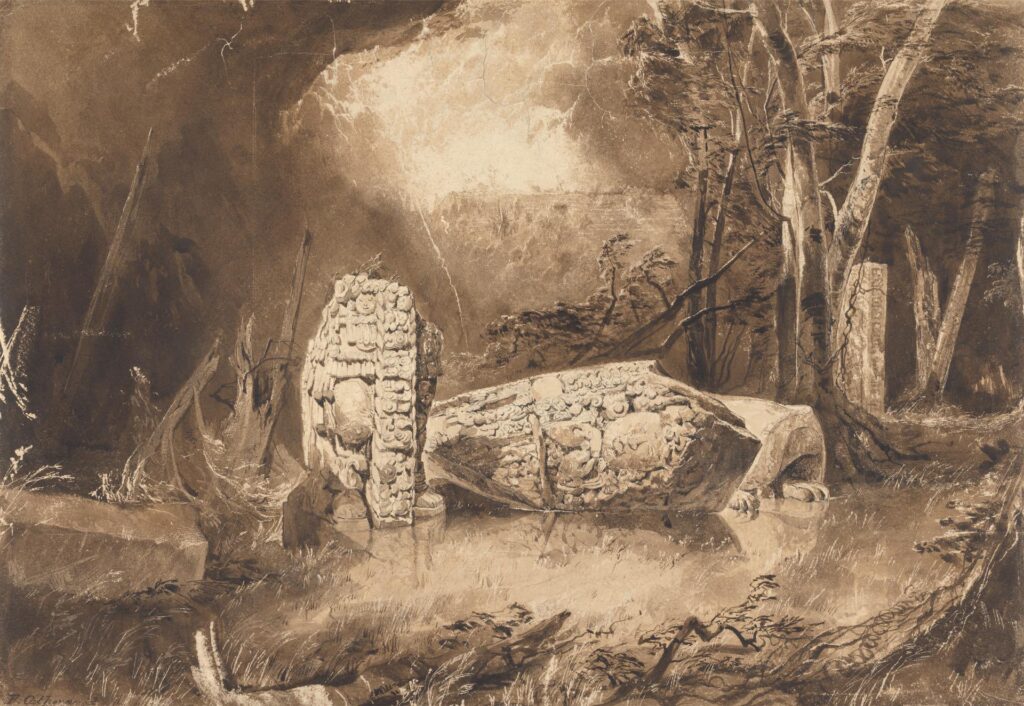
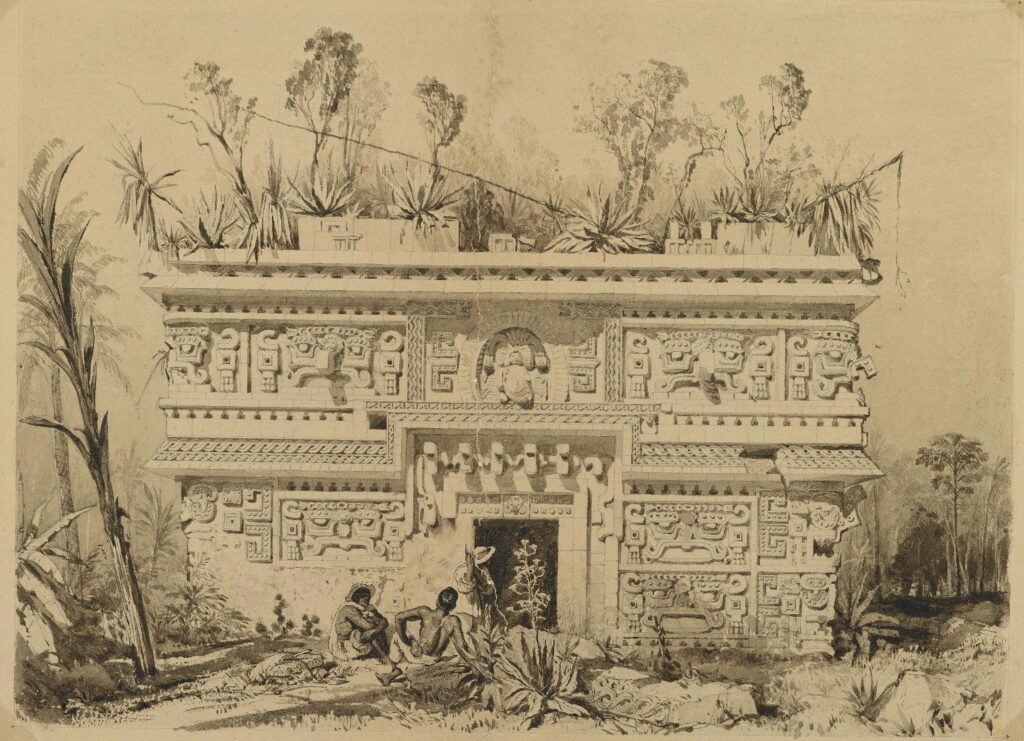
Frederick Catherwood
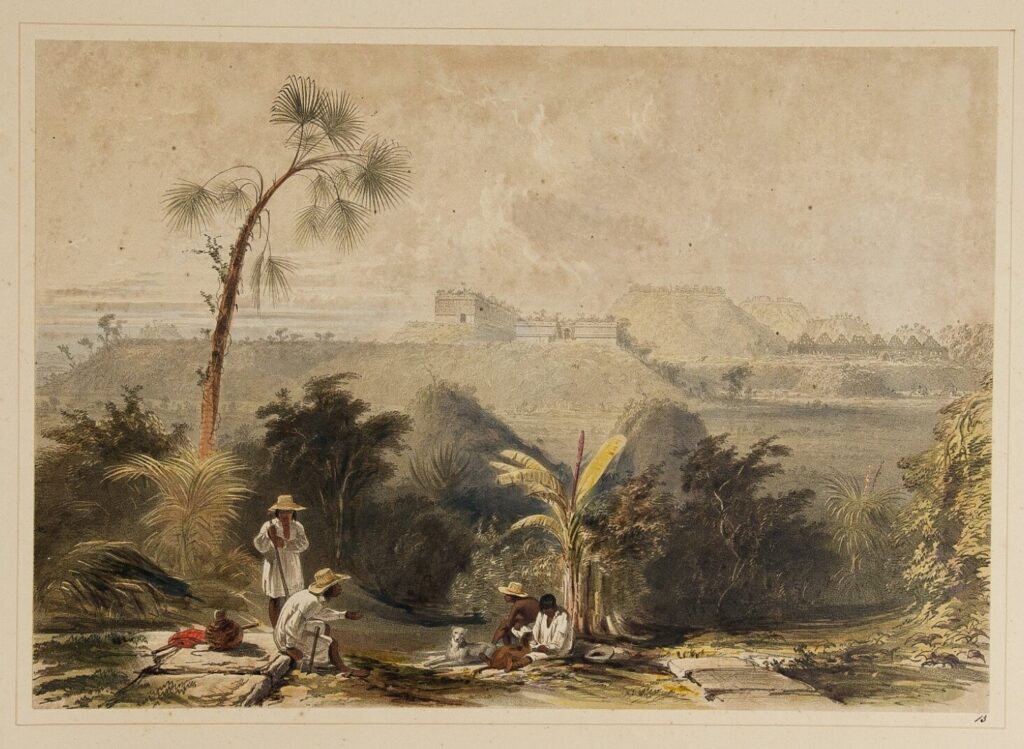
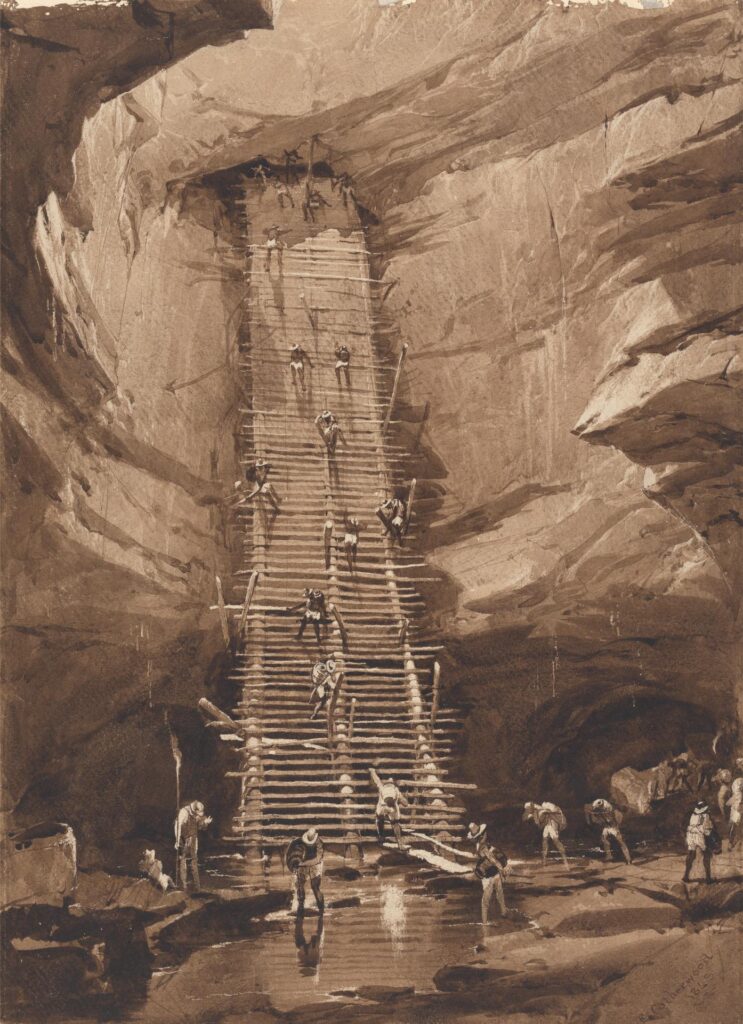
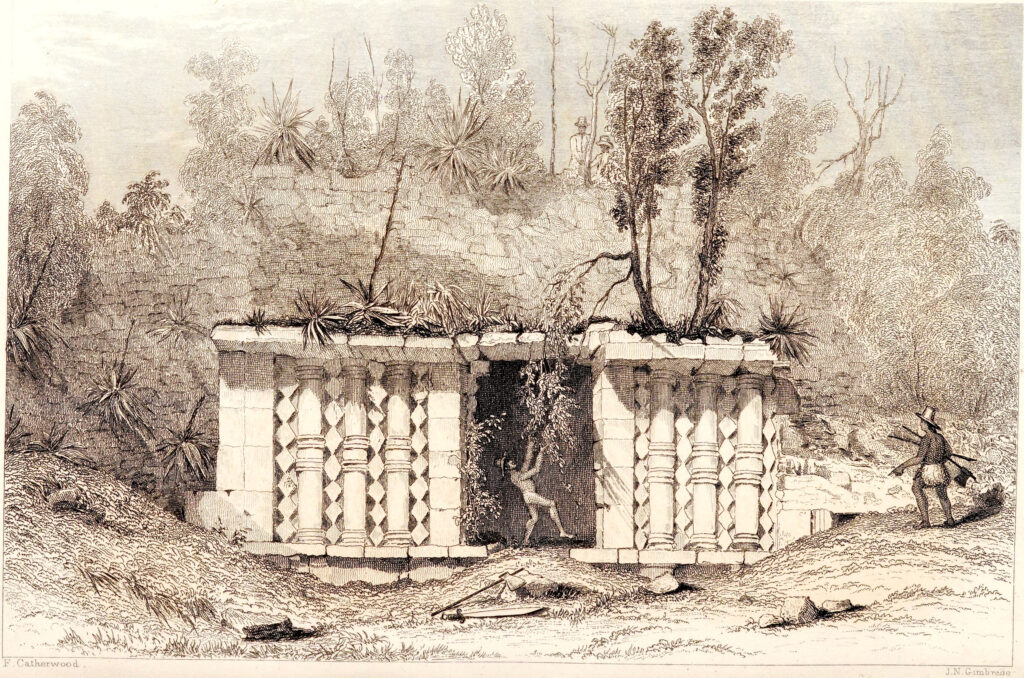
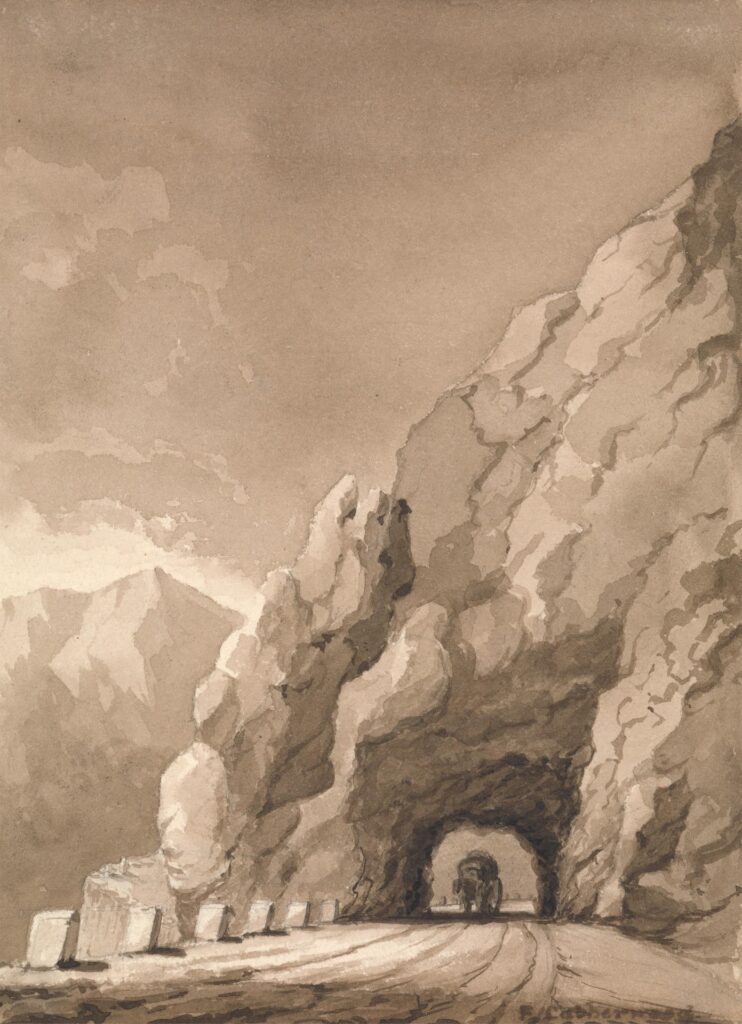
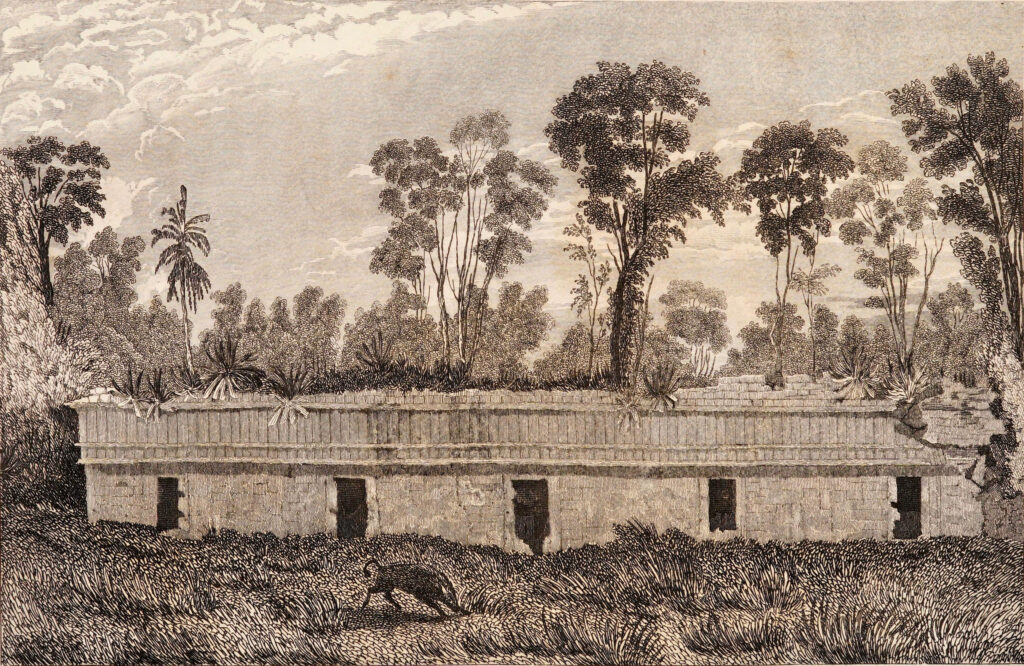
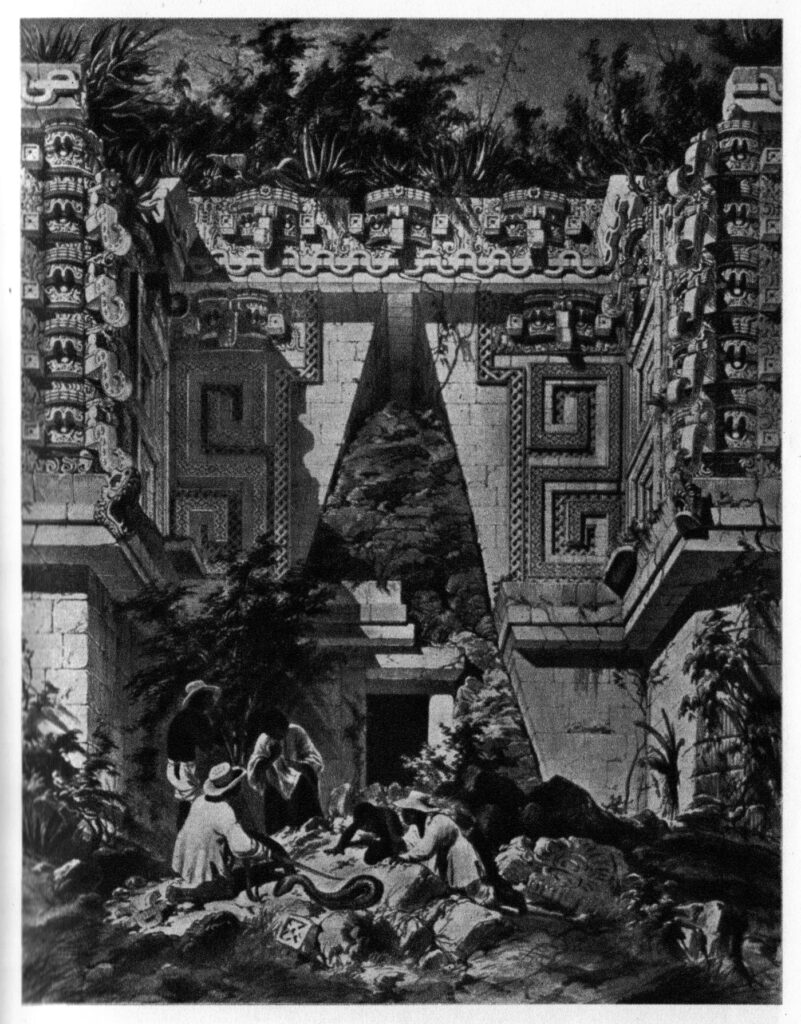
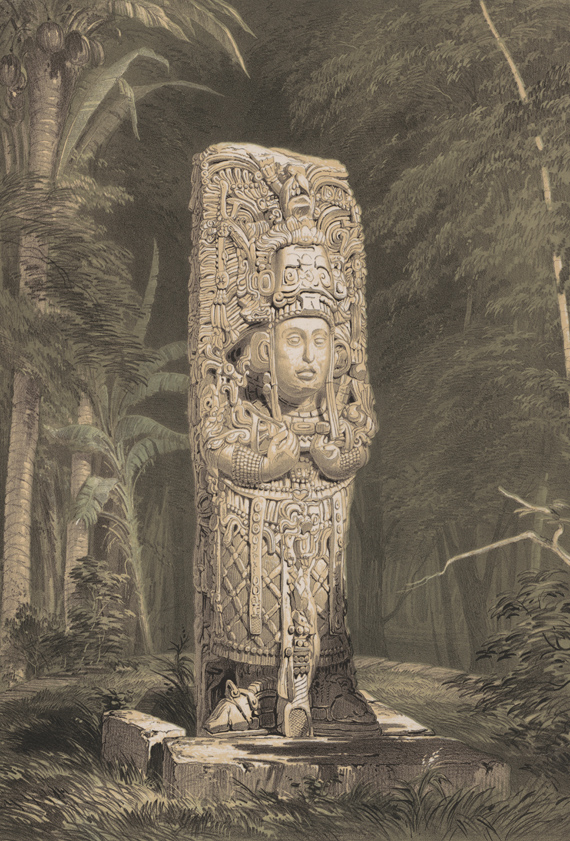
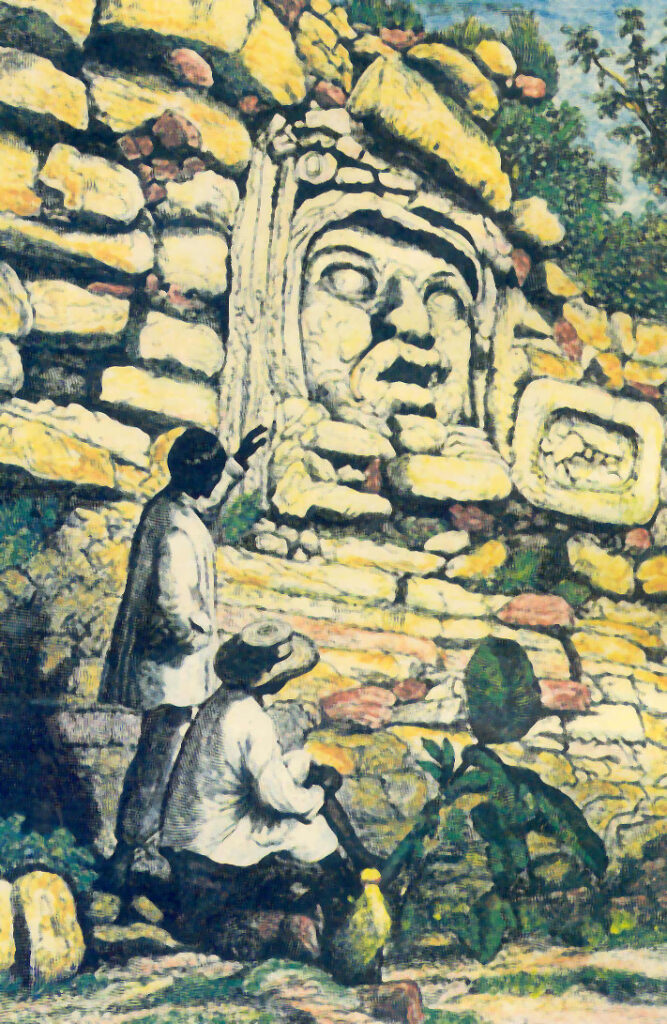
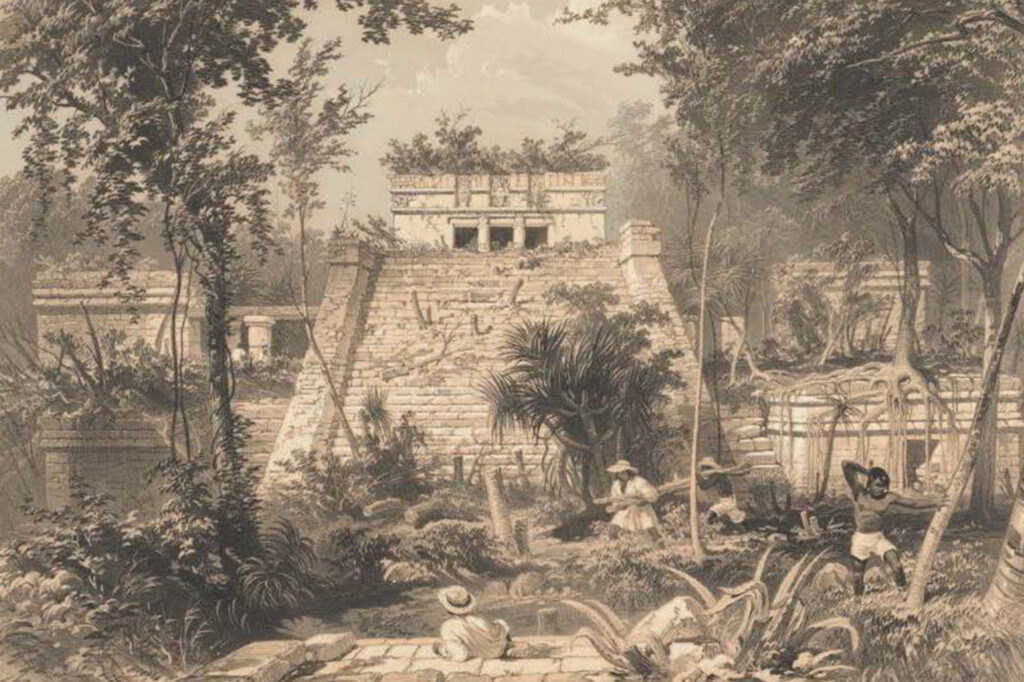
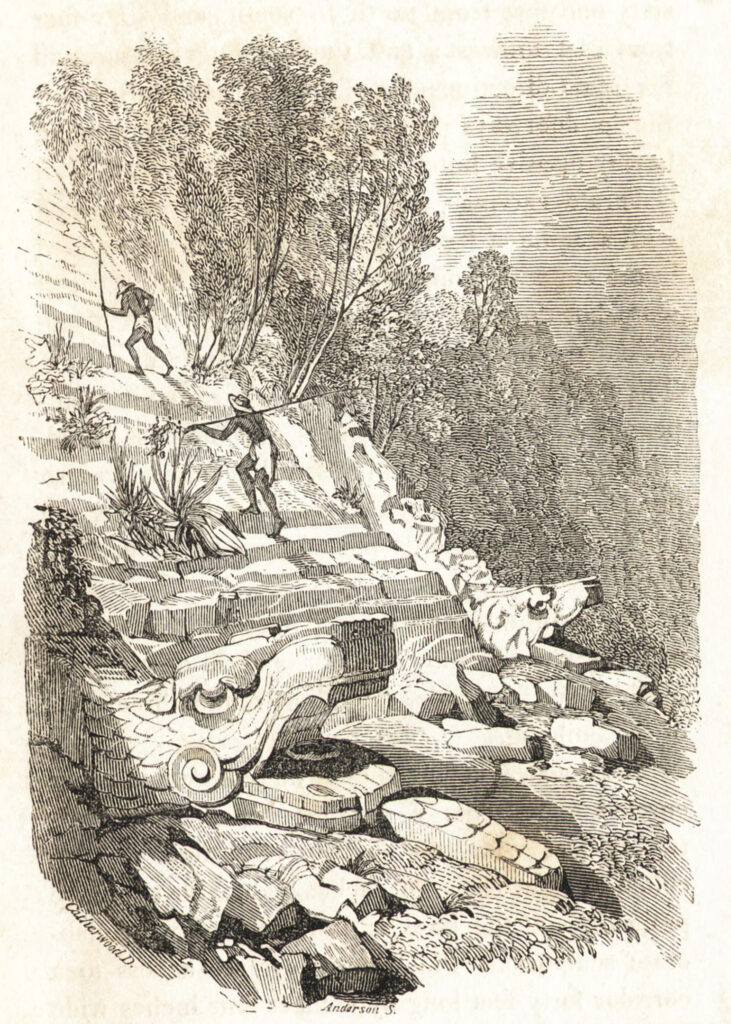
Frederick Catherwood, February 27, 1799–September 27, 1854, was an English artist, architect and explorer born in Hoxton, London. He trained with the architect Michael Meredith and attended classes at the Royal Academy, where he encountered the teaching of John Soane. He subsequently studied ancient architecture in Italy, Greece and Egypt and worked with Joseph Bonomi.
Catherwood traveled through Central America and Yucatan with the American writer John Lloyd Stephens in 1839–1840 and 1841–1842. His drawings of Maya architecture and sculpture supplied illustrations for Stephens’s travel books, published in 1841 and 1843. In 1844 he published Views of Ancient Monuments in Central America, Chiapas and Yucatan, a folio of 25 lithographs based on his drawings.
In his later years Catherwood worked on railway projects in British Guiana, Panama and California. He died in the sinking of the steamship Arctic off Newfoundland in 1854. His surviving drawings are held by the Brooklyn Museum, Yale Center for British Art and Metropolitan Museum of Art; his published images remain records of Maya monuments before subsequent deterioration and restoration.
Giuseppe De Nittis
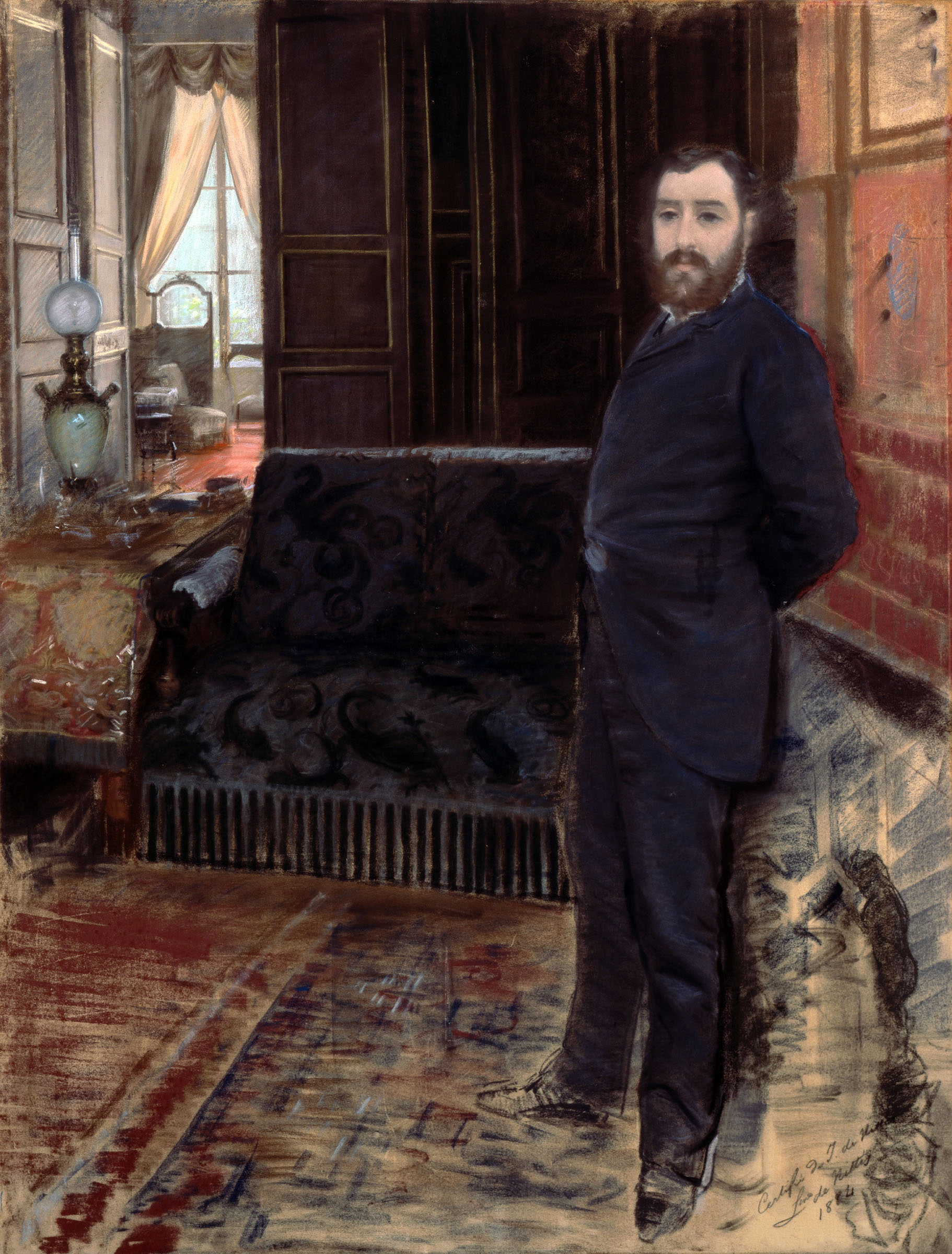
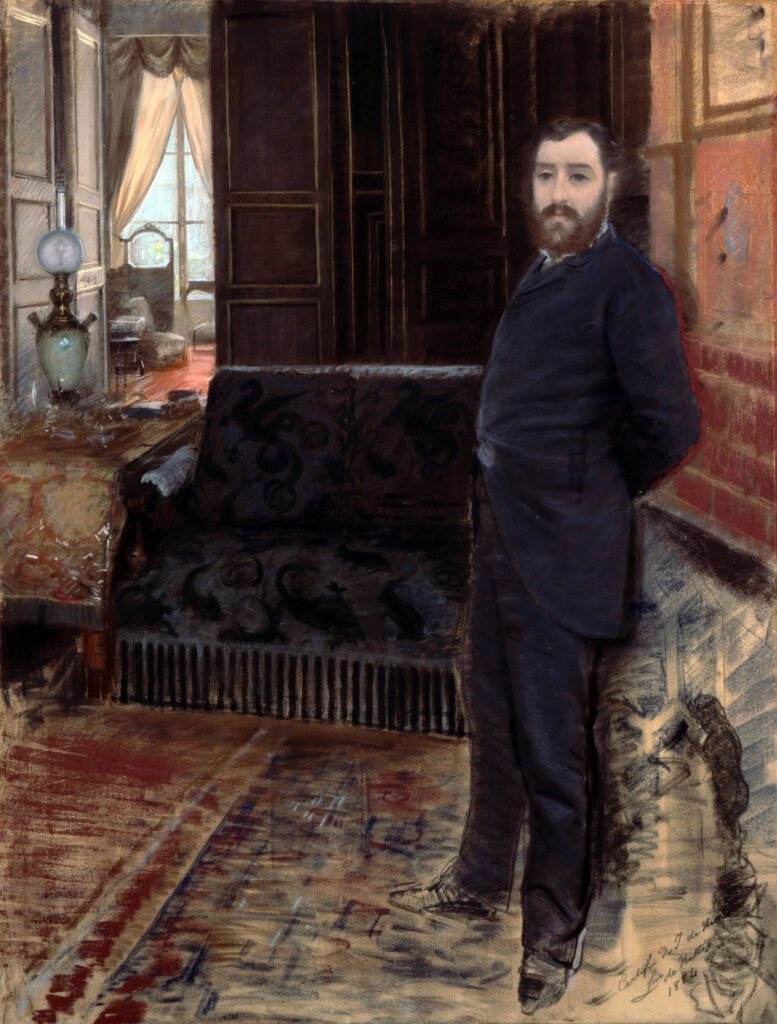
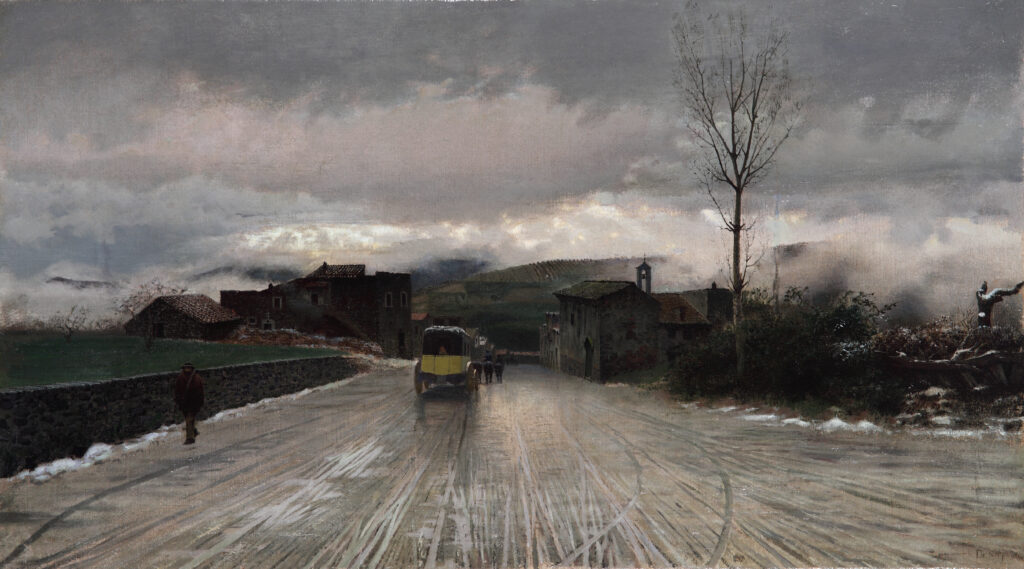
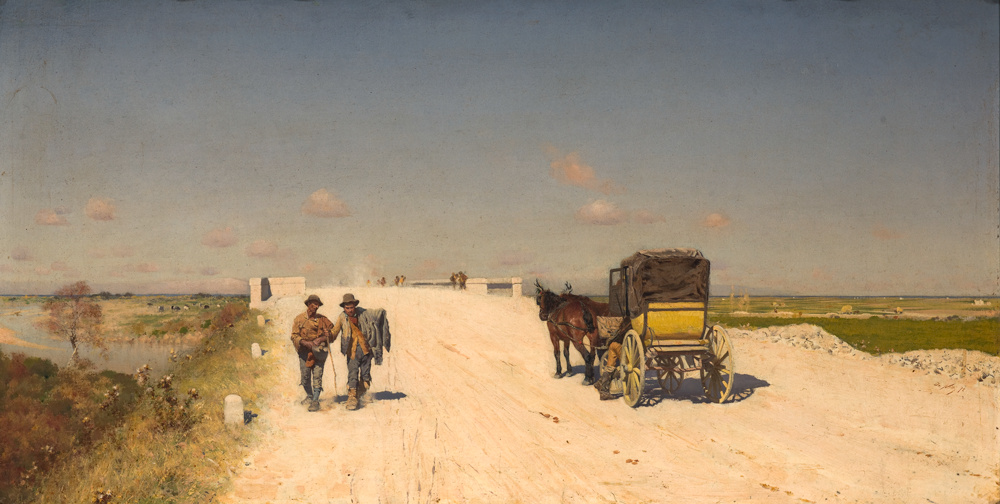
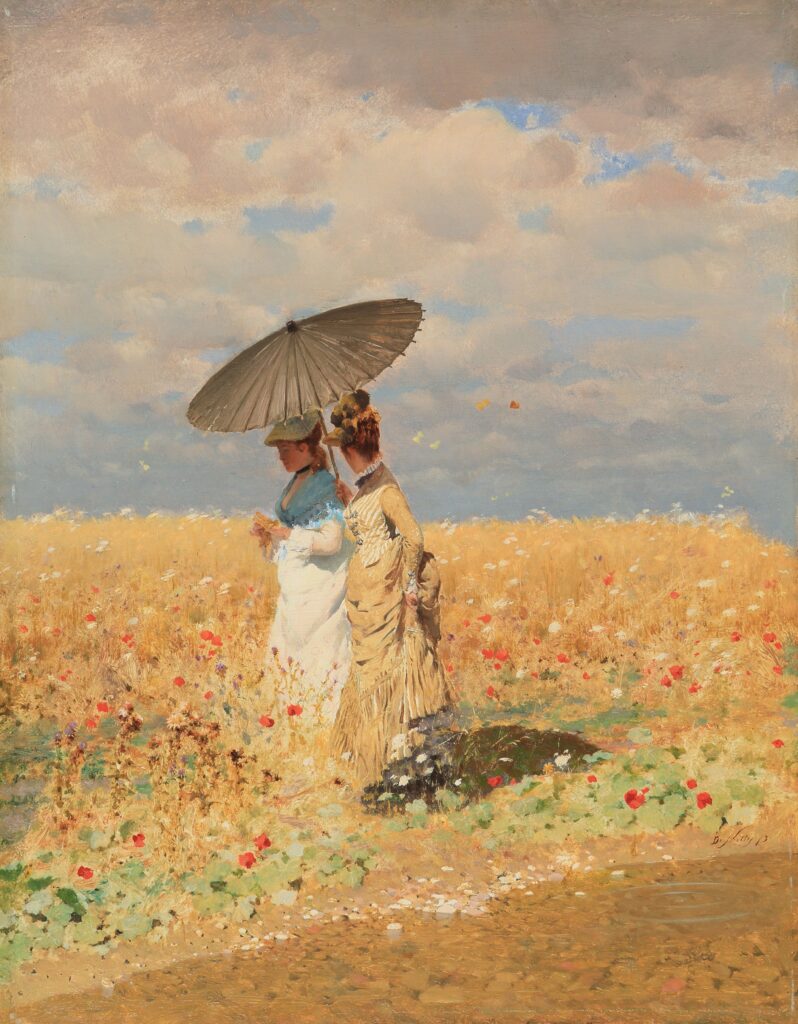
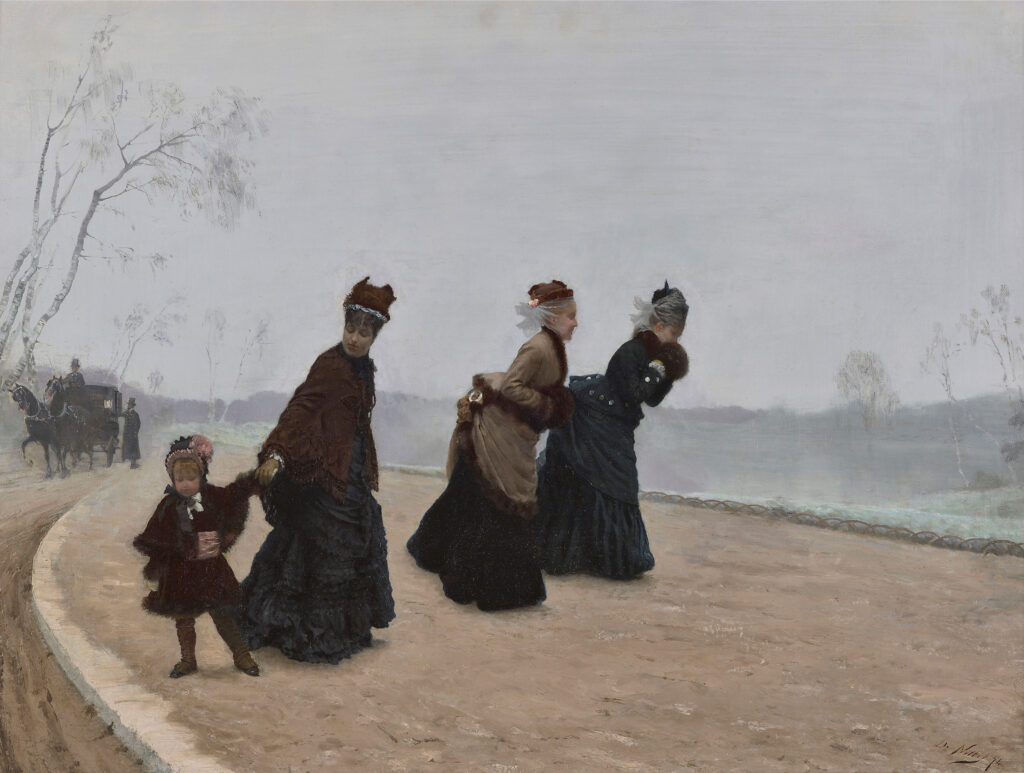
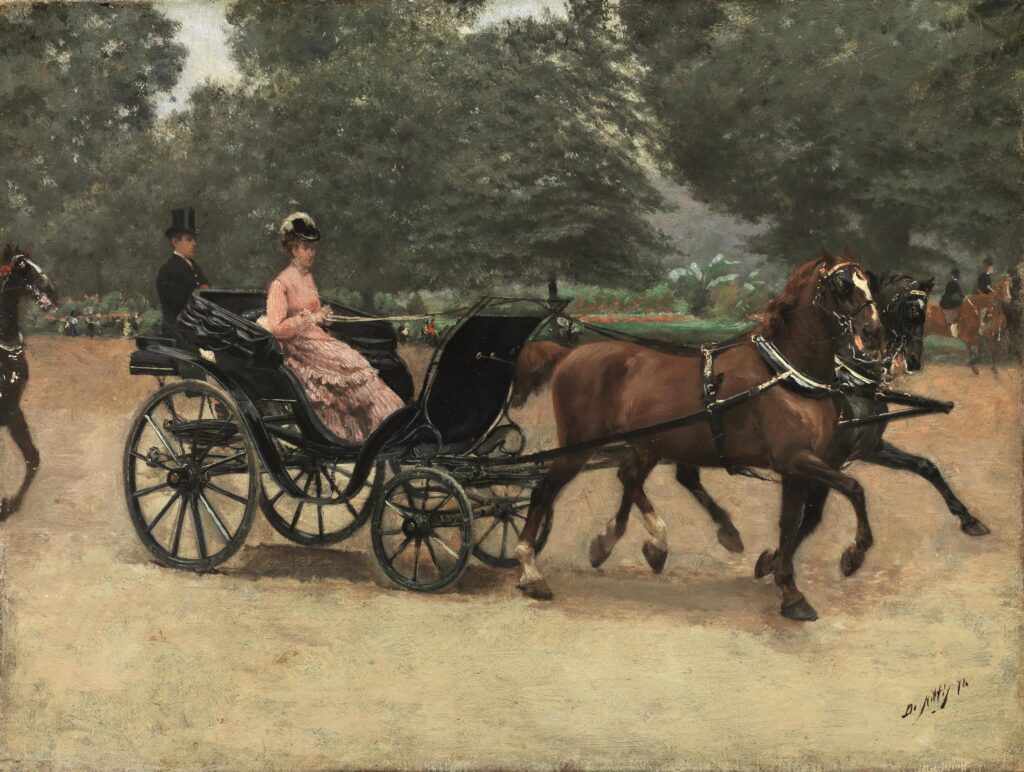
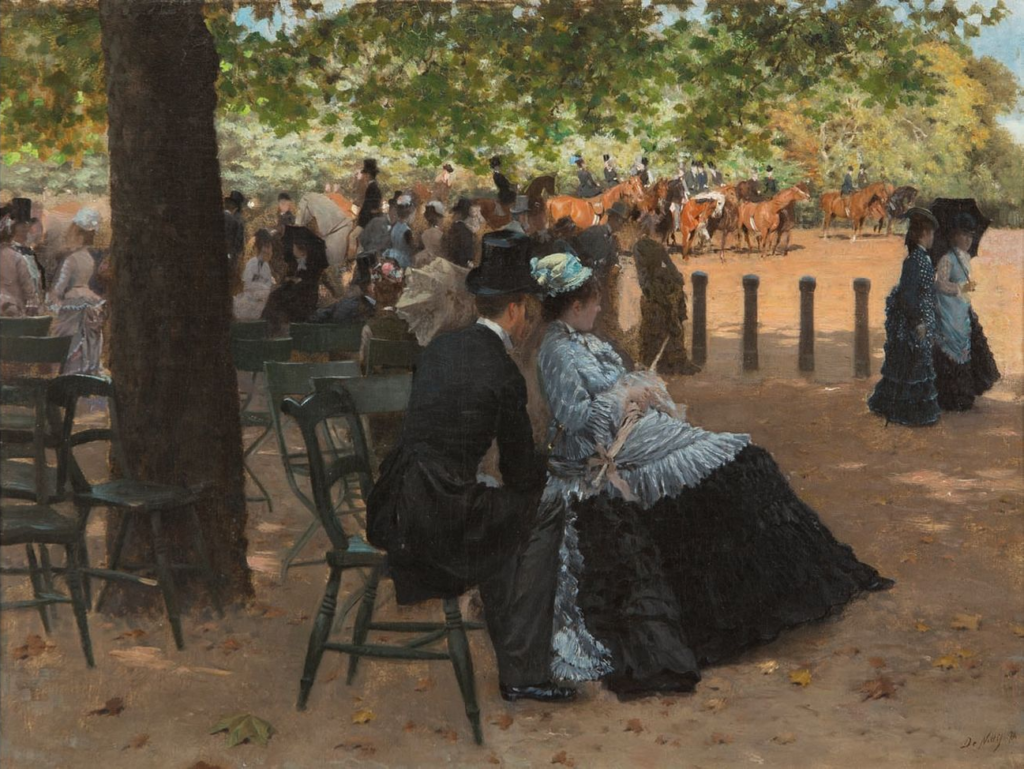
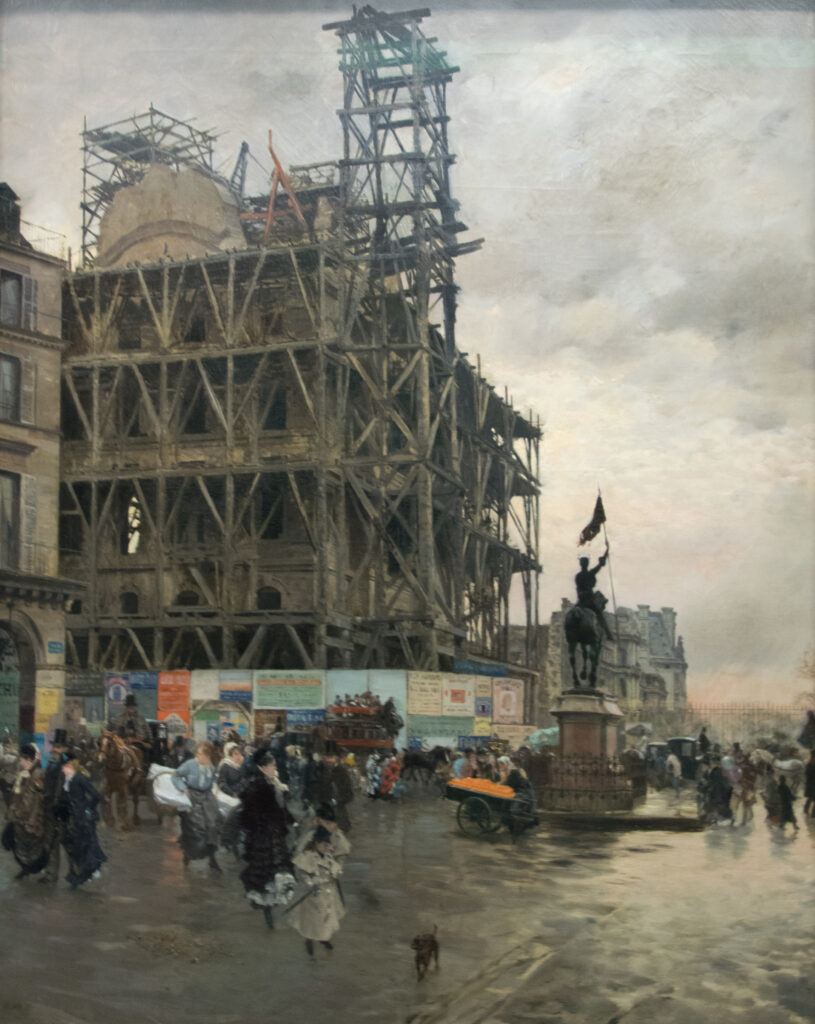
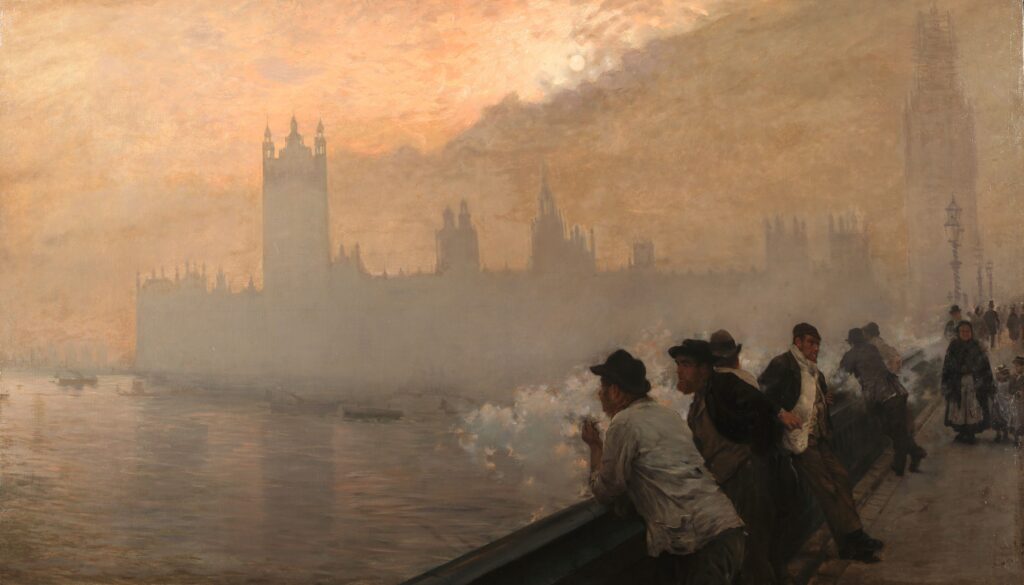
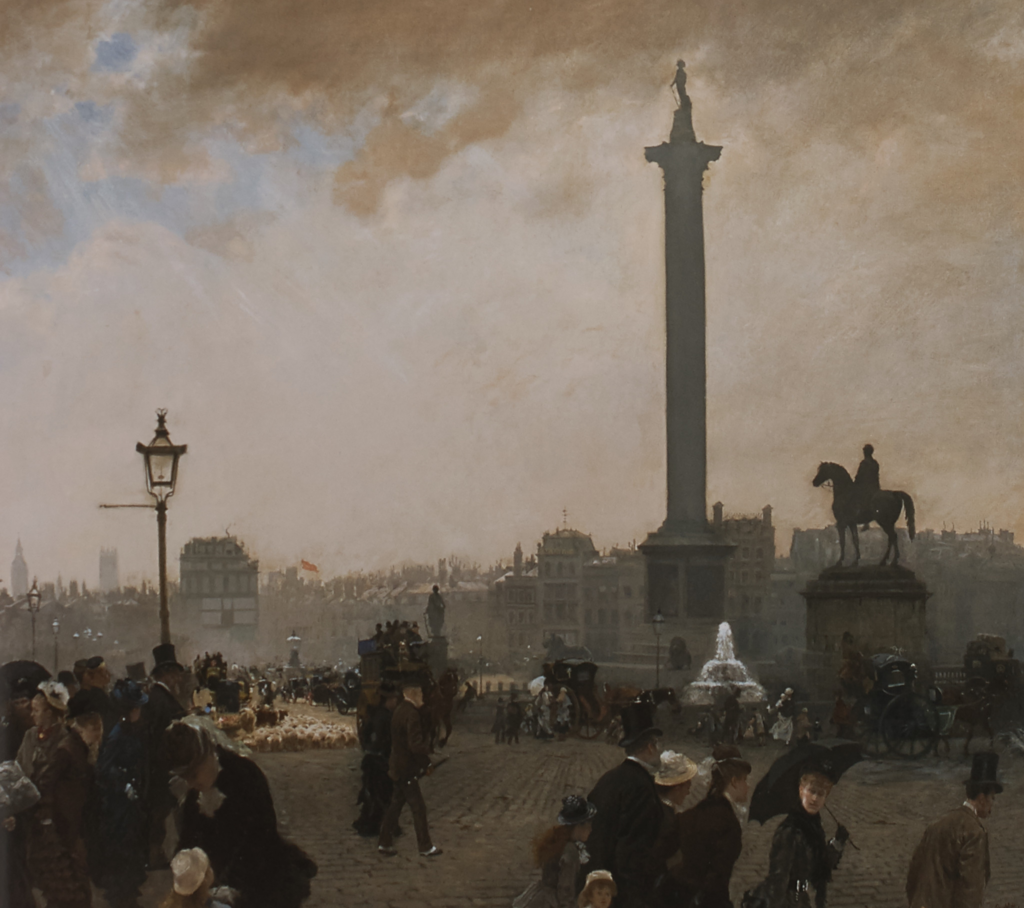
Giuseppe De Nittis, February 25, 1846 – August 21, 1884, was an Italian painter born in Barletta. He studied drawing with Giovanni Battista Calò and Vincenzo Dattoli, then attended the Academy of Fine Arts in Naples. He joined the Scuola di Resina and became associated with Adriano Cecioni and the Macchiaioli.
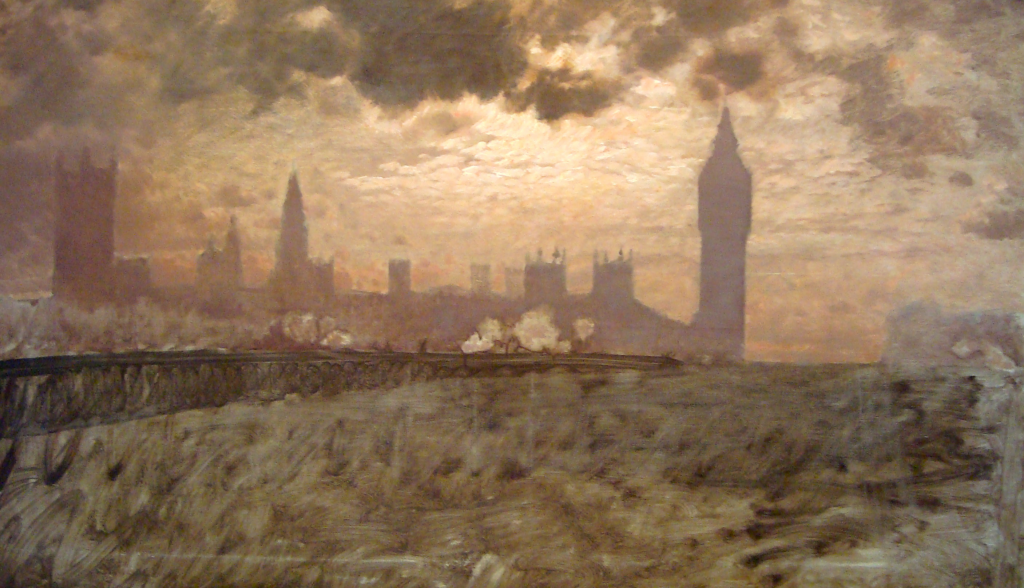
He moved to Paris in 1868, worked with the dealer Adolphe Goupil, and exhibited at the Salon. His subjects included landscapes, city streets, and contemporary social life, painted in oil and pastel. A friend of Edgar Degas, he participated in the first Impressionist exhibition in 1874 and also painted views of London.
De Nittis spent his final months in France and died at Saint-Germain-en-Laye in 1884, aged thirty-eight. His work is held by the Pinacoteca Giuseppe De Nittis in Barletta, the Musée d’Orsay in Paris, and the Capodimonte Museum in Naples.
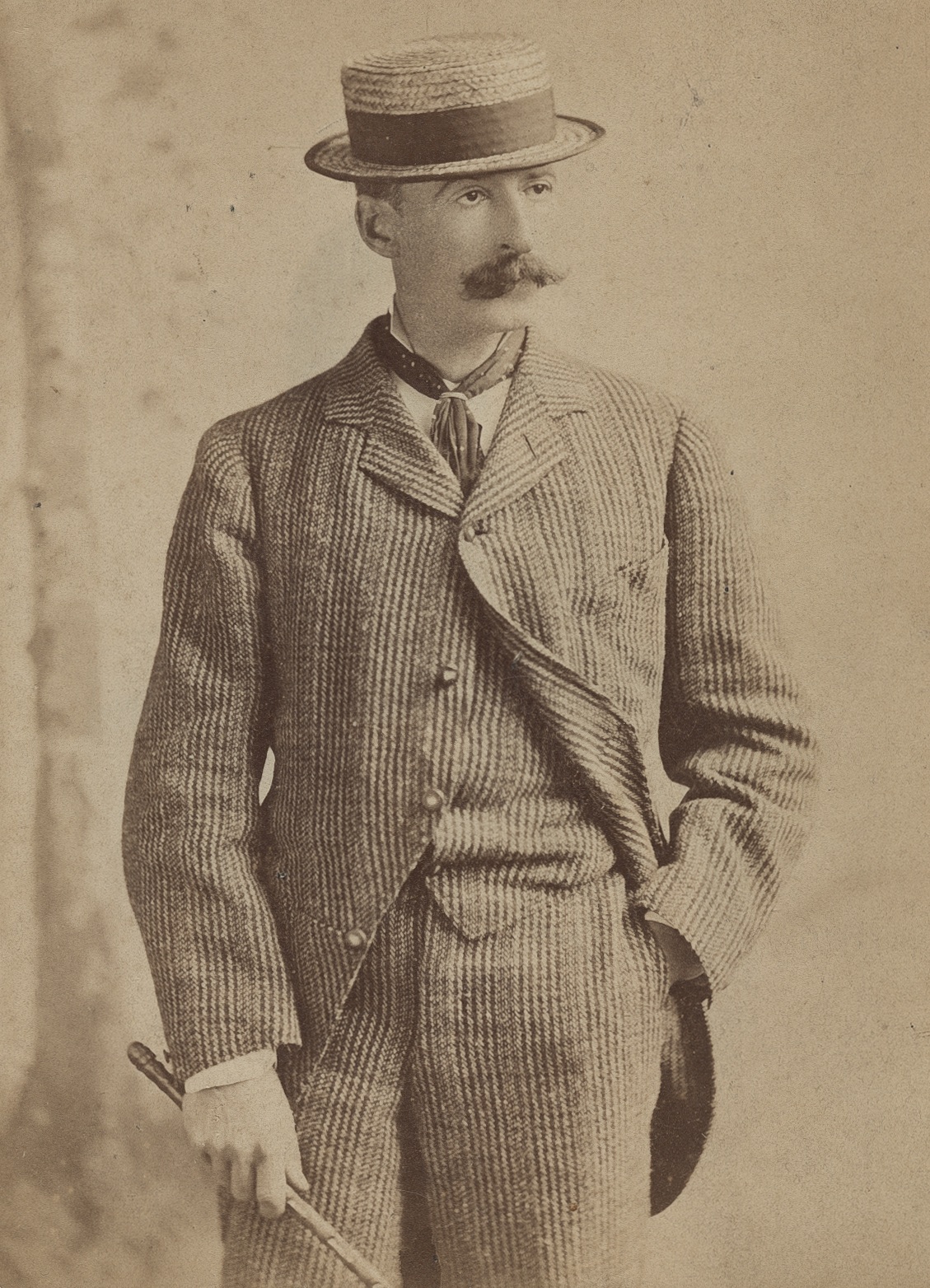
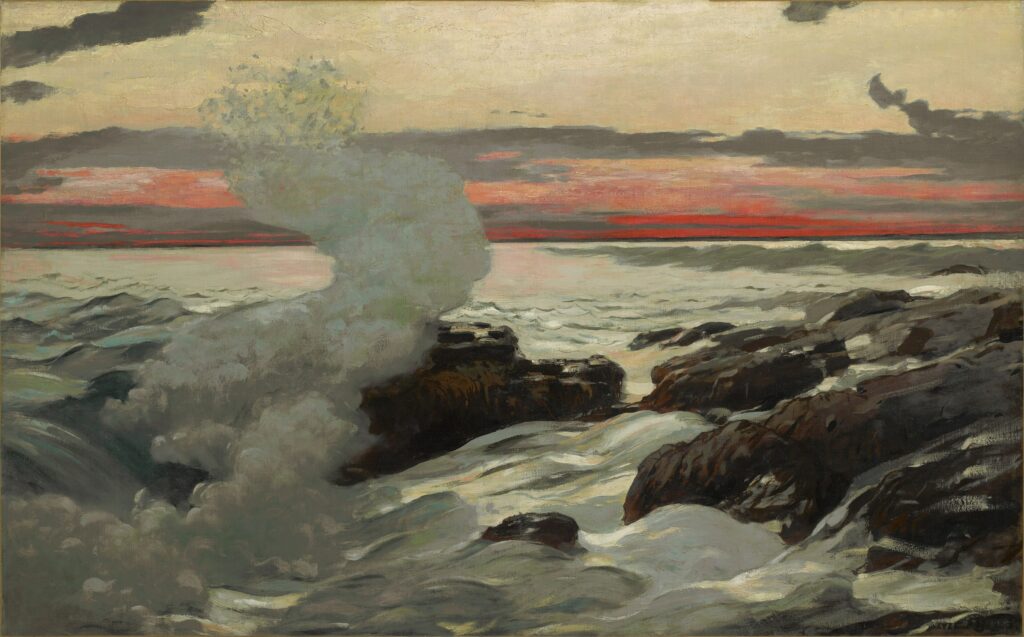
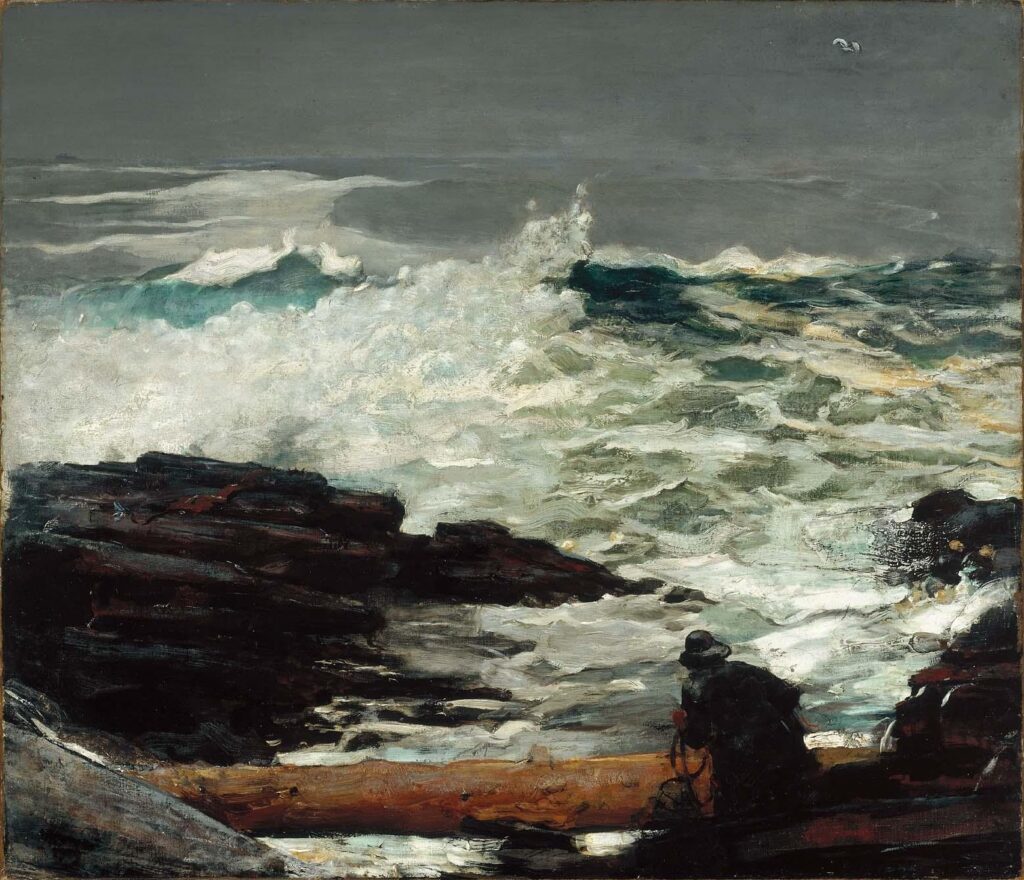
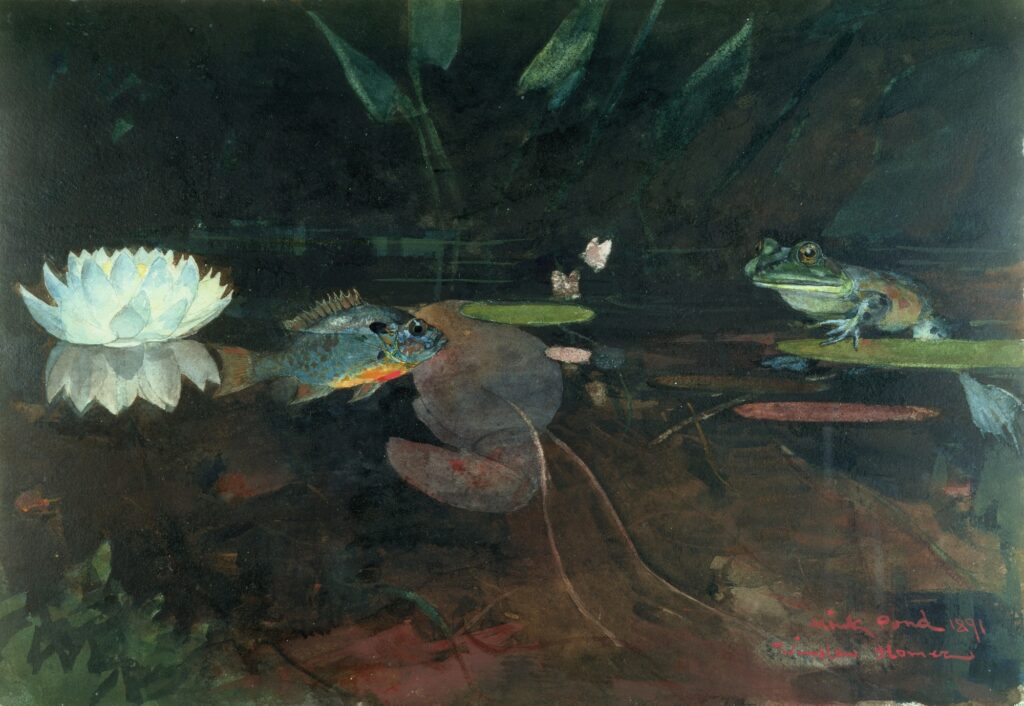
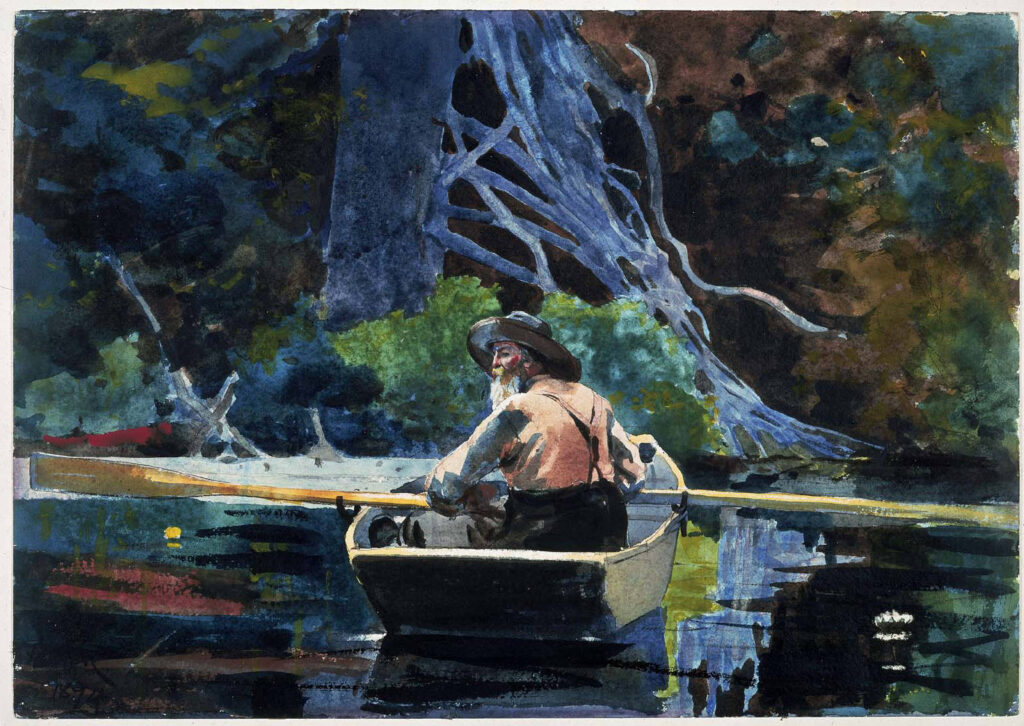
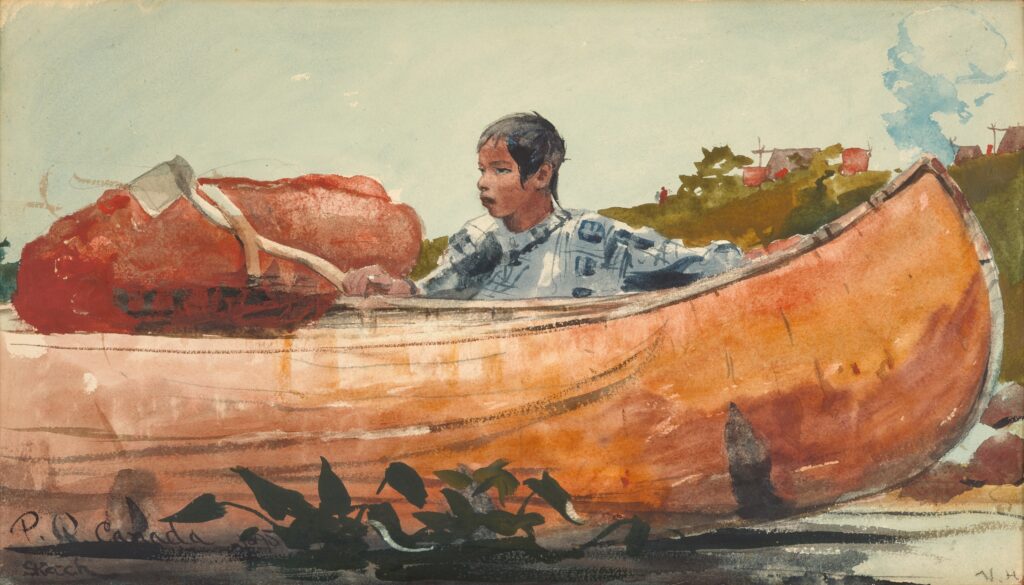
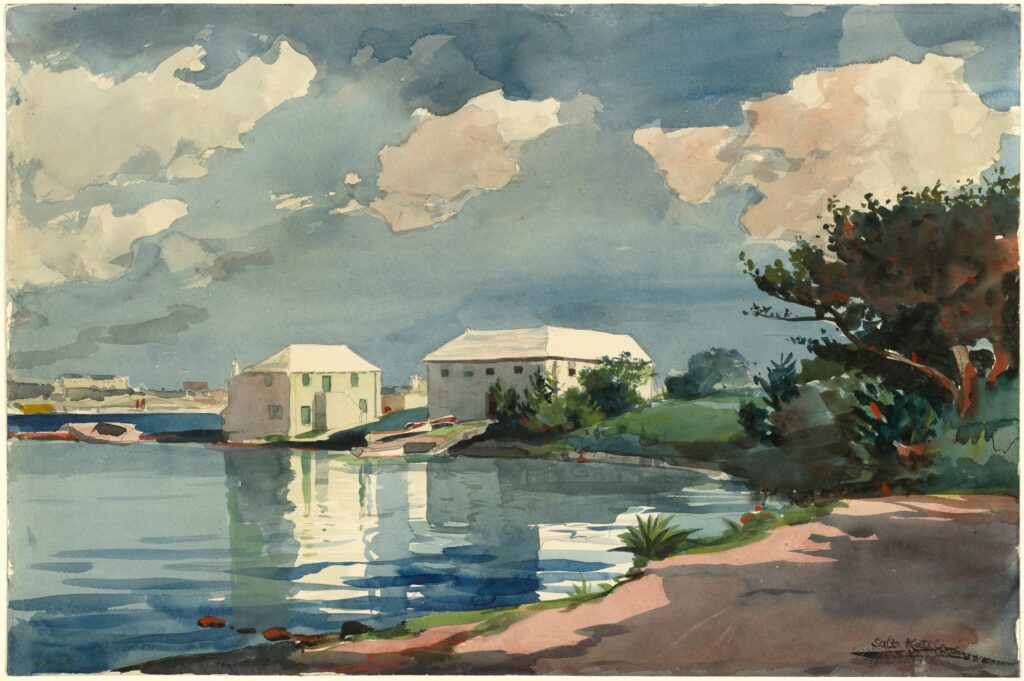
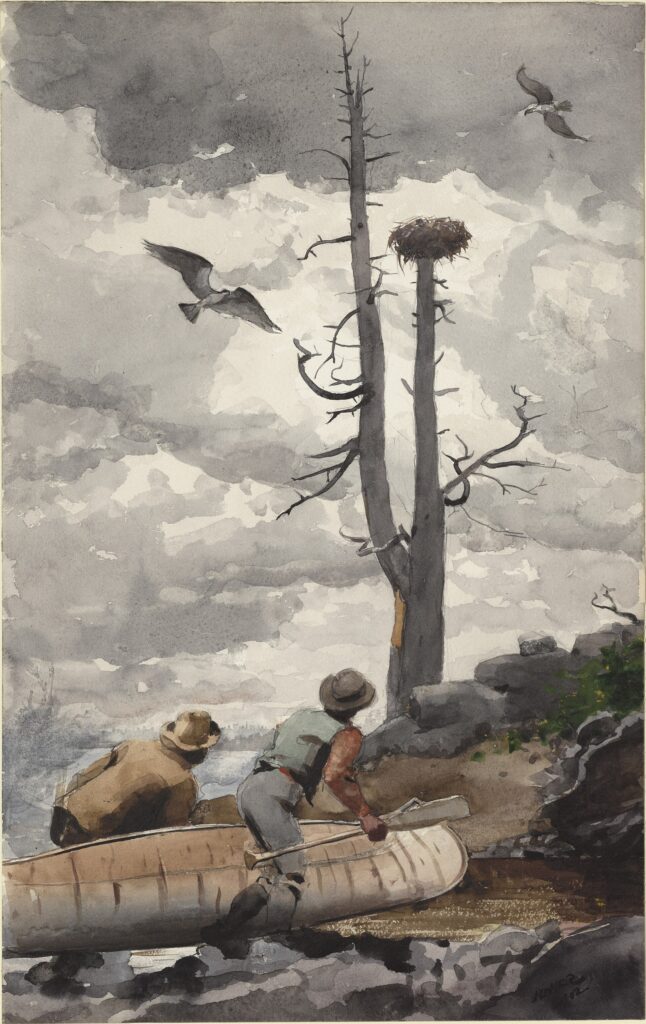
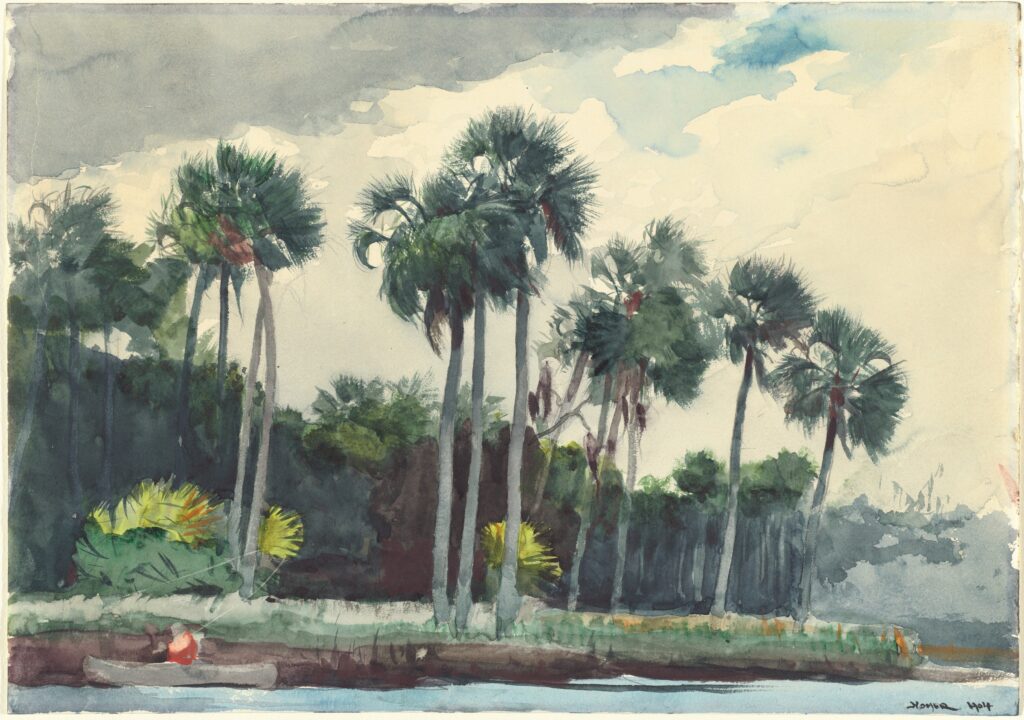
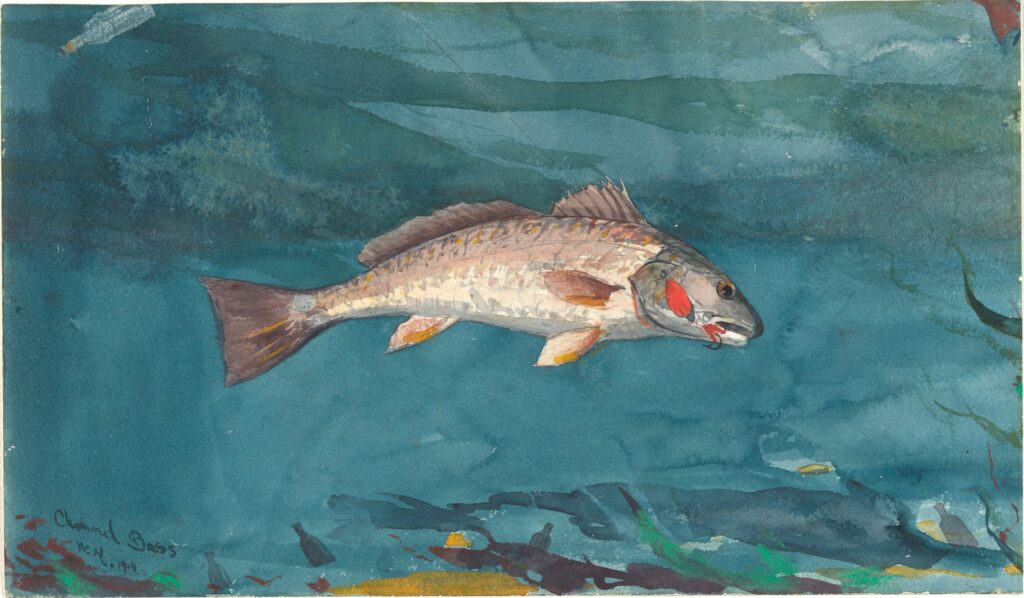
Winslow Homer
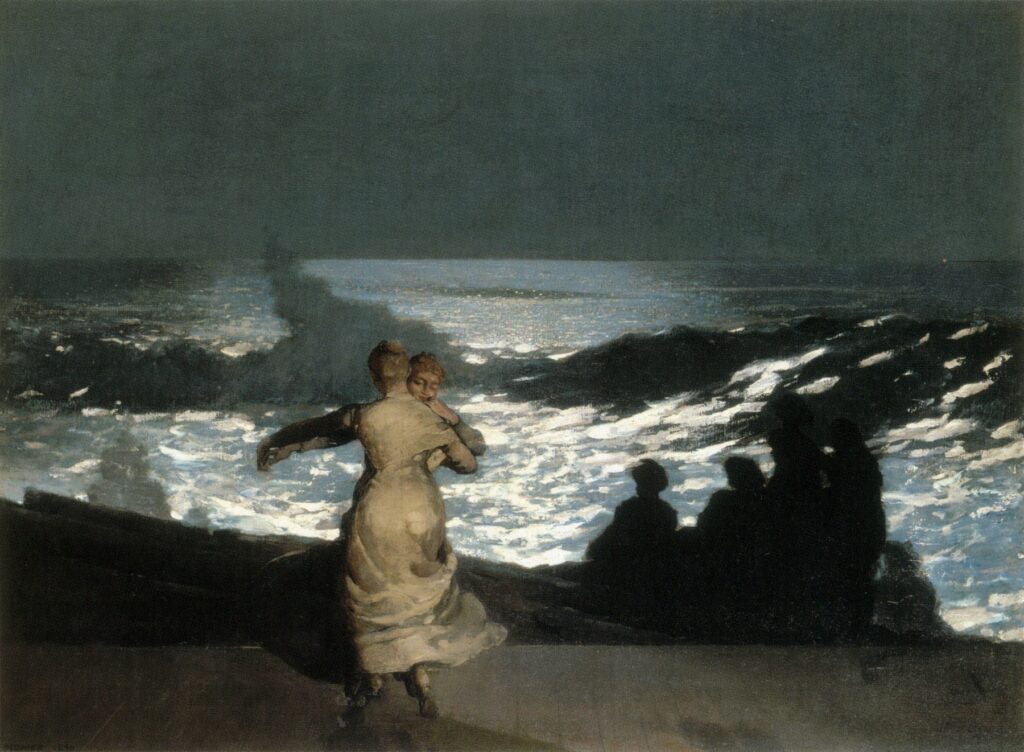
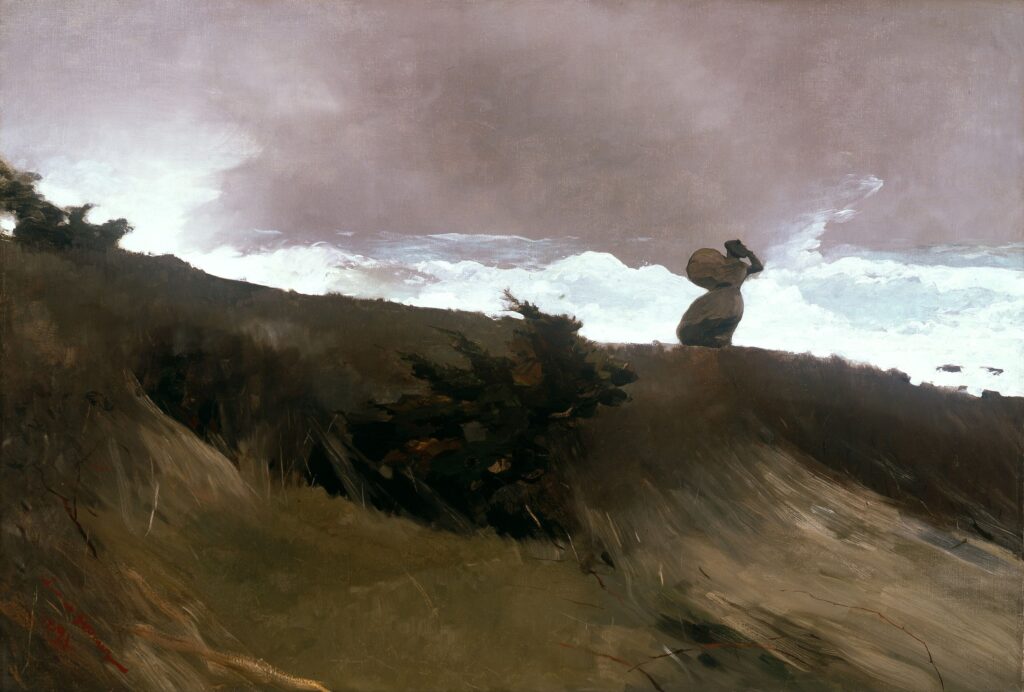
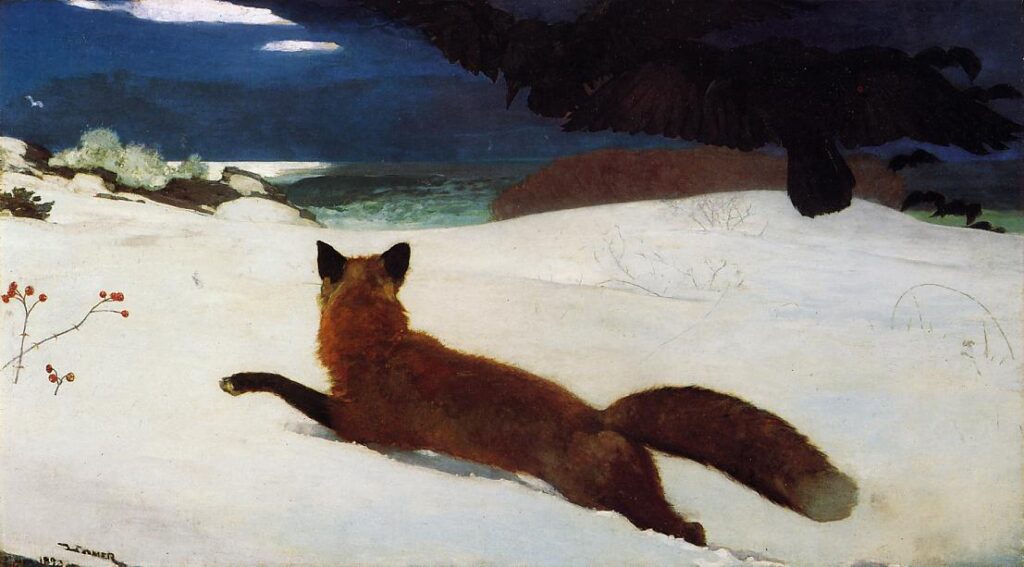
Winslow Homer, February 24, 1836–September 29, 1910, was an American painter, watercolorist, and illustrator born in Boston and raised in Cambridge, Massachusetts. He apprenticed with the lithographer John H. Bufford, later studied briefly at the National Academy of Design, and took painting lessons from Frédéric Rondel. He moved to New York in 1859 and worked as an illustrator for Harper’s Weekly, reporting on the Civil War.
Homer painted scenes of military life, rural communities, children, fishing, and the coast. He visited France in 1866–1867, began working extensively in watercolor in 1873, and ended his magazine illustration work in 1875. He lived in Cullercoats, England, in 1881–1882, where he depicted the local fishing community.
In 1883 Homer settled at Prouts Neck, Maine, continuing to make painting trips to the Adirondacks, Canada, Bermuda, Florida, and the Caribbean. He worked there until his death in 1910. His paintings and watercolors are held by the Metropolitan Museum of Art, National Gallery of Art, Museum of Fine Arts, Boston, and Clark Art Institute.