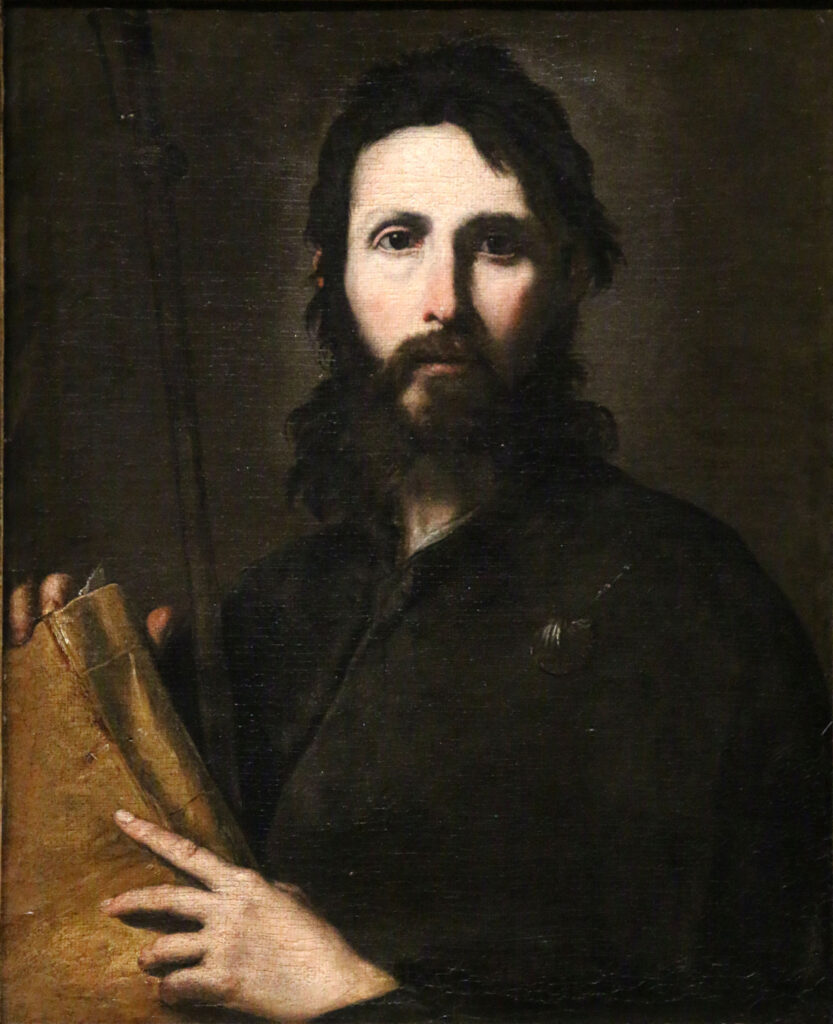
Juan Gris
Juan Gris, March 23, 1887–May 11, 1927, was a Spanish painter born in Madrid. He studied engineering at the Madrid School of Arts and Manufactures from 1902 to 1904, then studied painting with José Moreno Carbonero.
He moved to Paris in 1906 and began painting seriously around 1910. He developed a personal Cubist style, exhibited in 1912, and signed an exclusive agreement with art dealer Daniel-Henry Kahnweiler that year.
Gris became a major practitioner of Synthetic Cubism, using collage and clearly organized compositions. His style became freer and more lyrical after 1921; he died in Boulogne-sur-Seine in 1927. His works are held by collections including the Metropolitan Museum of Art, the National Gallery of Art, and the Philadelphia Museum of Art.


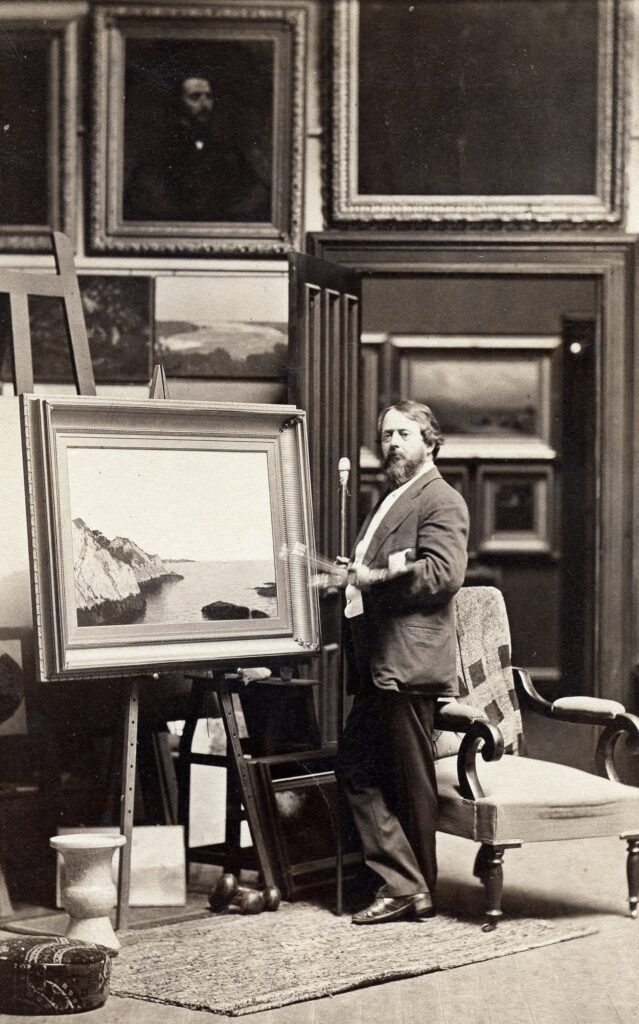
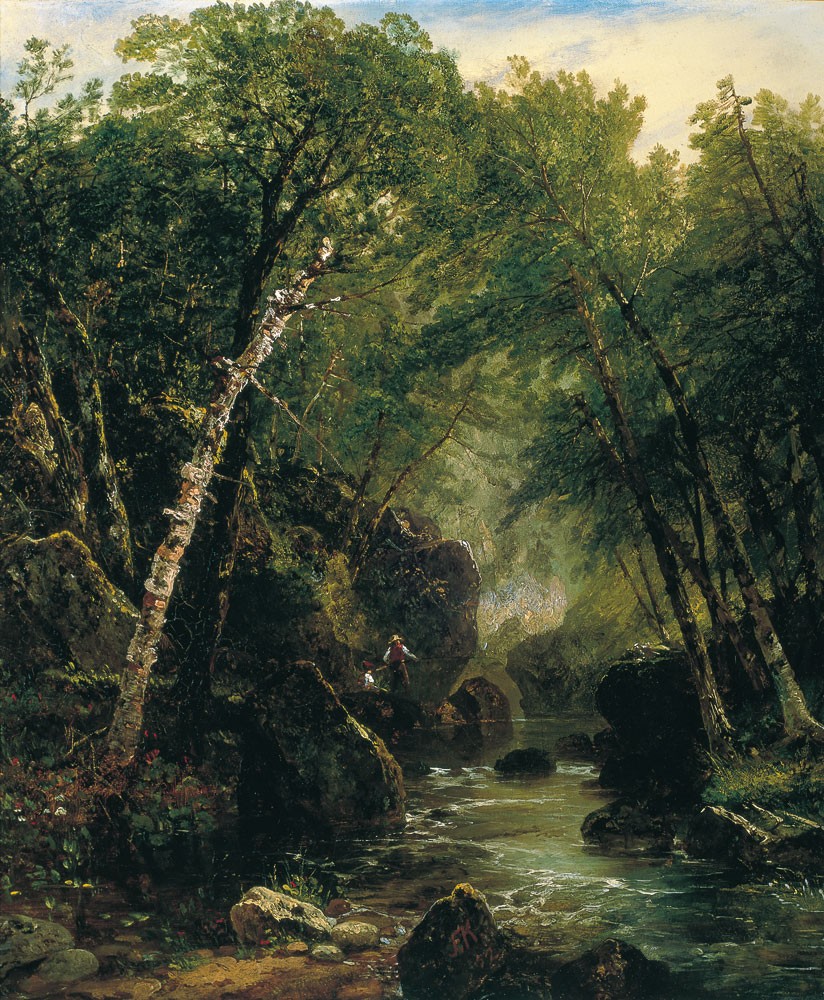
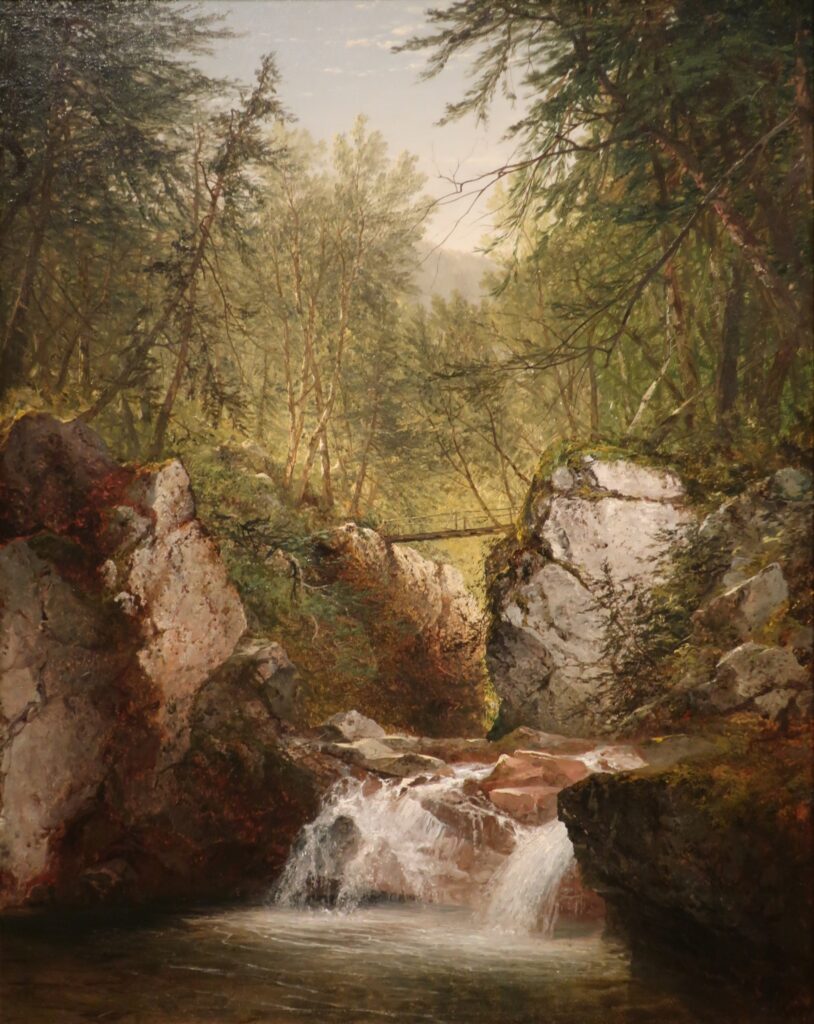
John Frederick Kensett
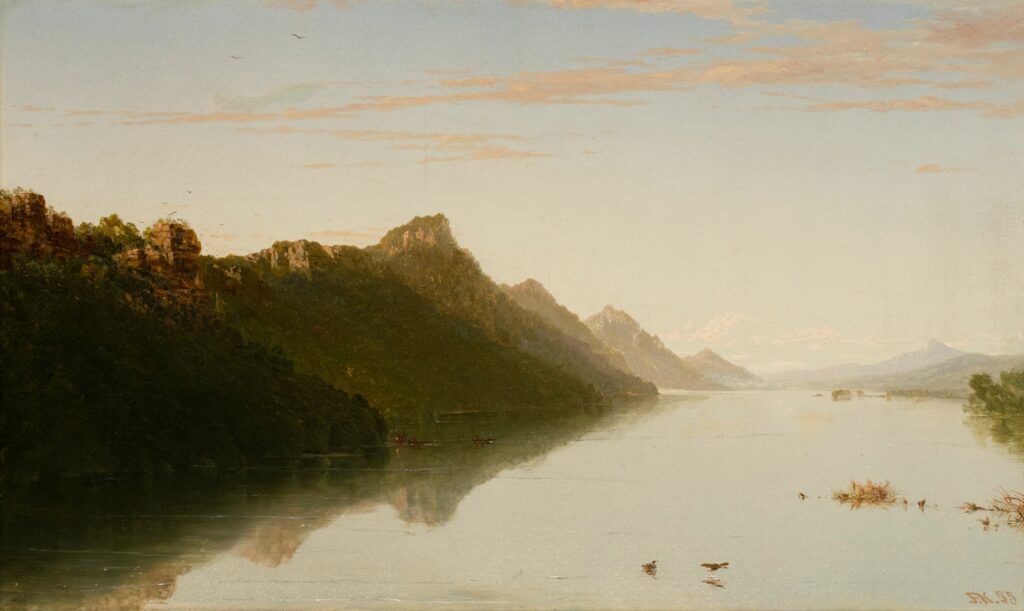
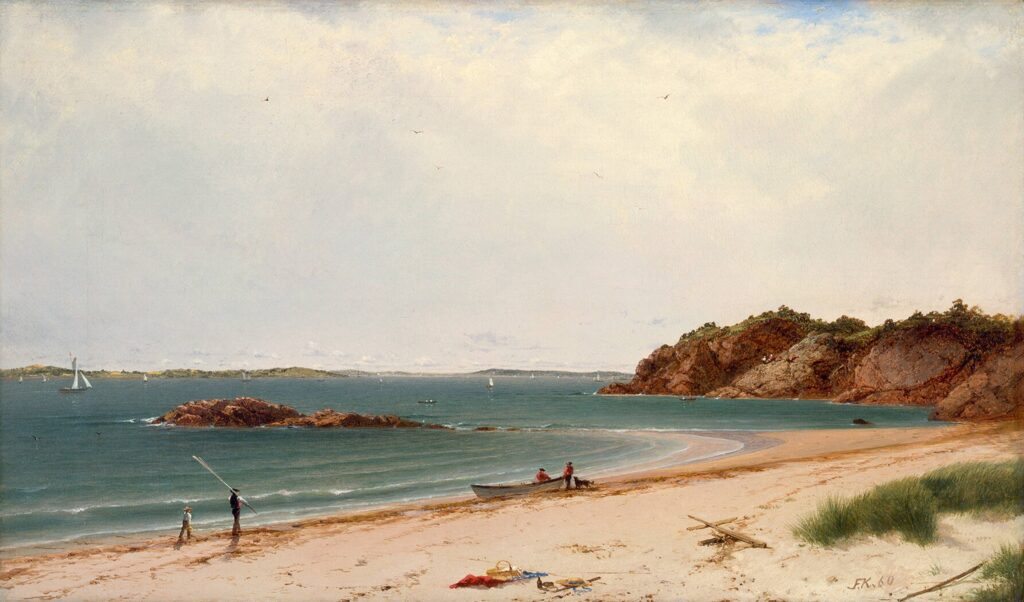
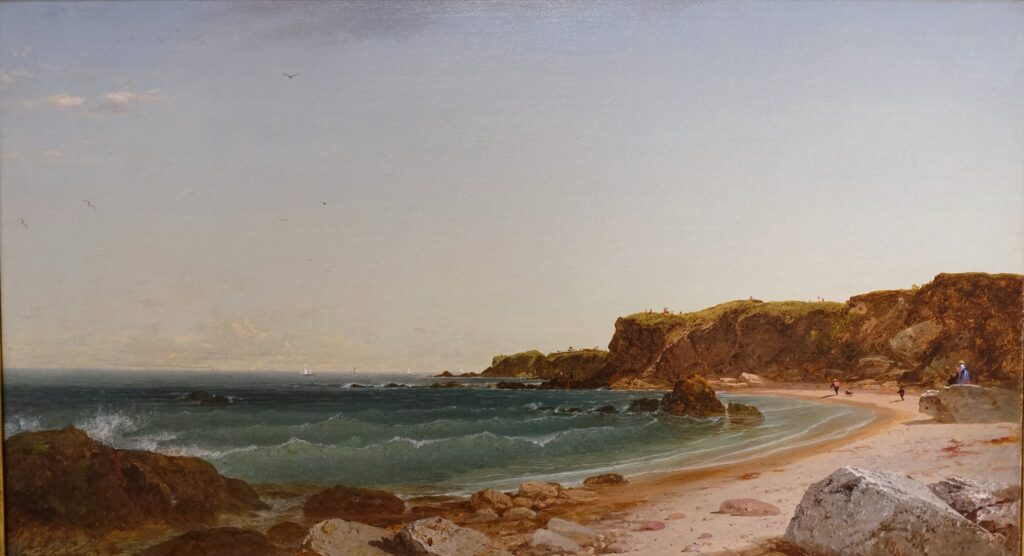
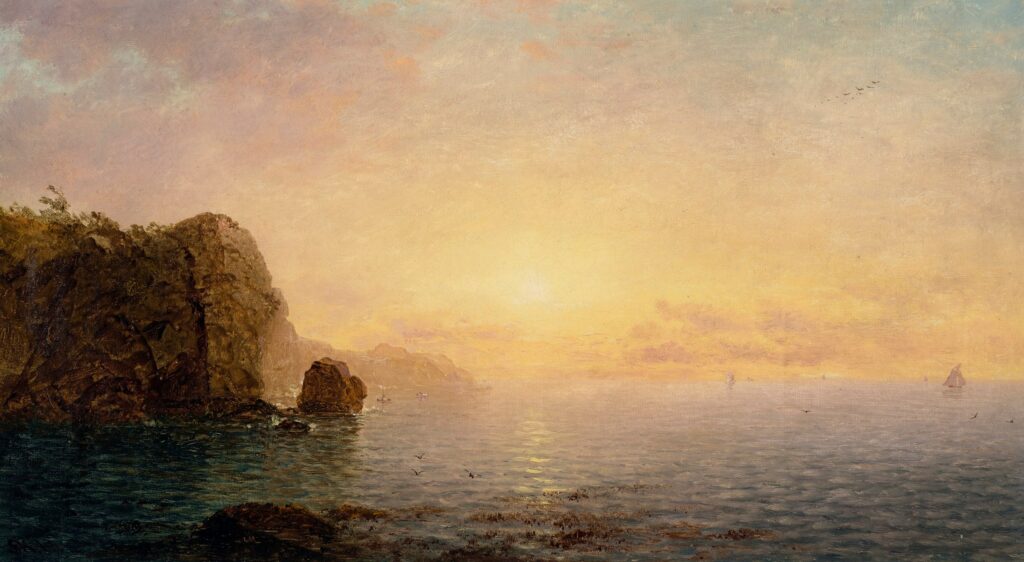
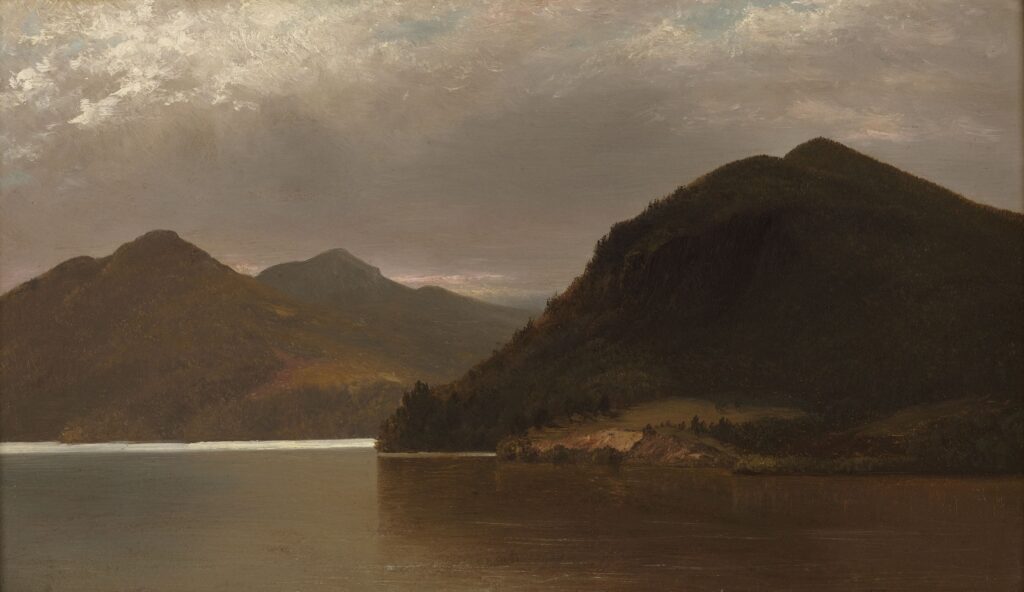
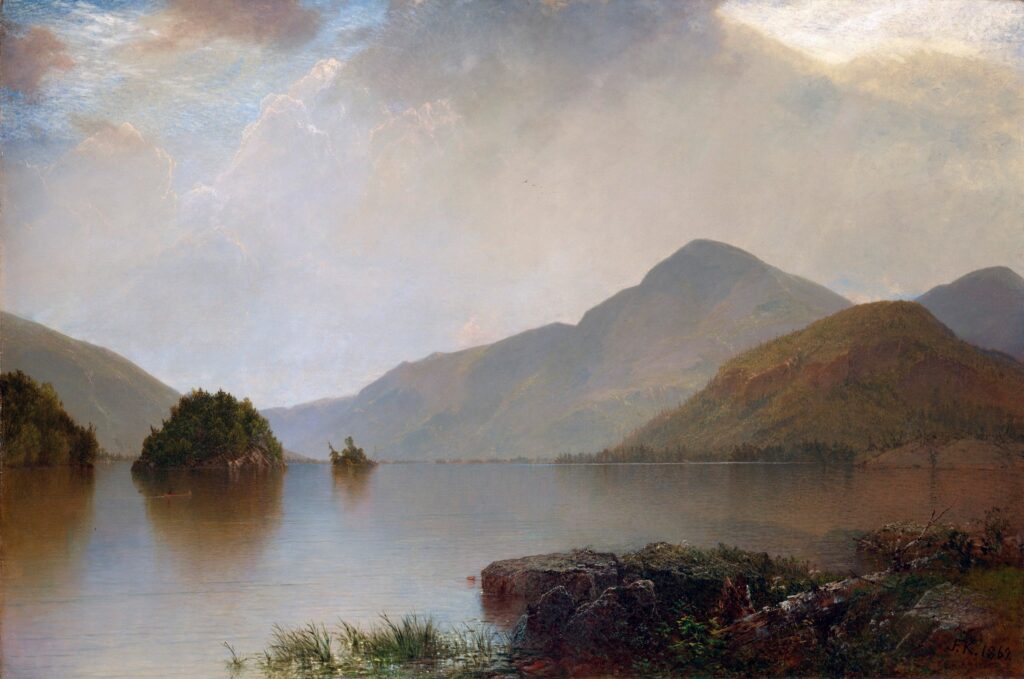
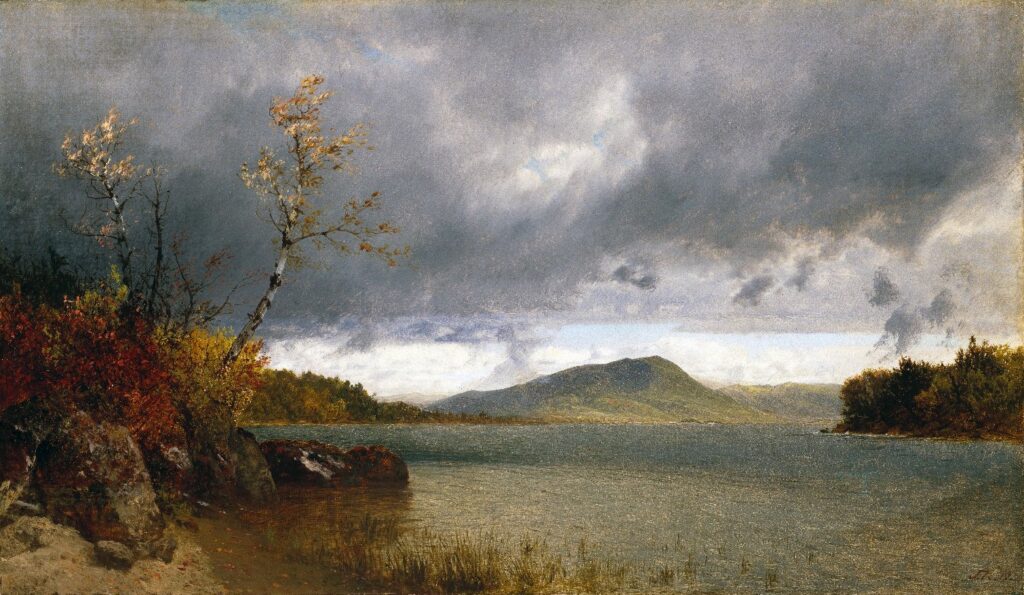
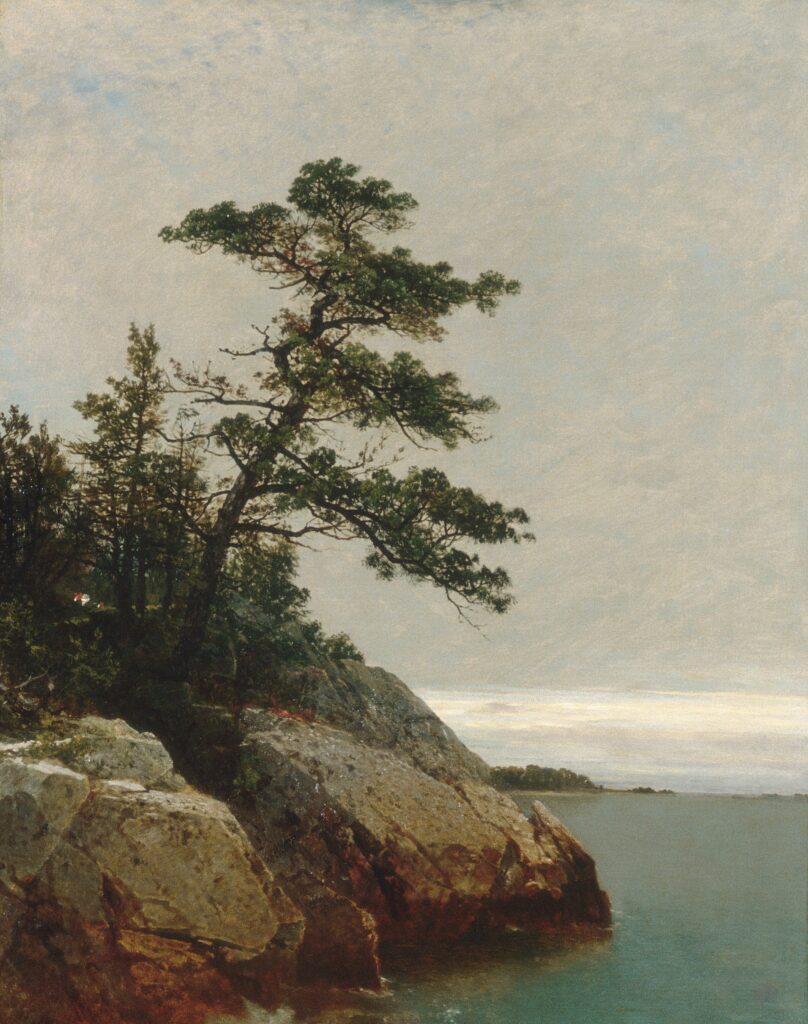
John Frederick Kensett, March 22, 1816–December 14, 1872, was an American landscape painter and engraver associated with the second generation of the Hudson River School.
He attended Cheshire Academy and learned engraving in the shops of his father, Thomas Kensett, and his uncle Alfred Daggett; he later worked with the engraver Peter Maverick. From 1840 to 1847 he studied art in Europe, including drawing at the École Préparation des Beaux-Arts in Paris.
Kensett traveled with Asher B. Durand, John W. Casilear, and Thomas P. Rossiter, and maintained close ties with fellow landscape painters including Benjamin Champney. He took no formal pupils, though the National Academy of Design notes his guidance of James Suydam. His works are represented in the collections of the Metropolitan Museum of Art, the National Gallery of Art, and the Smithsonian American Art Museum.
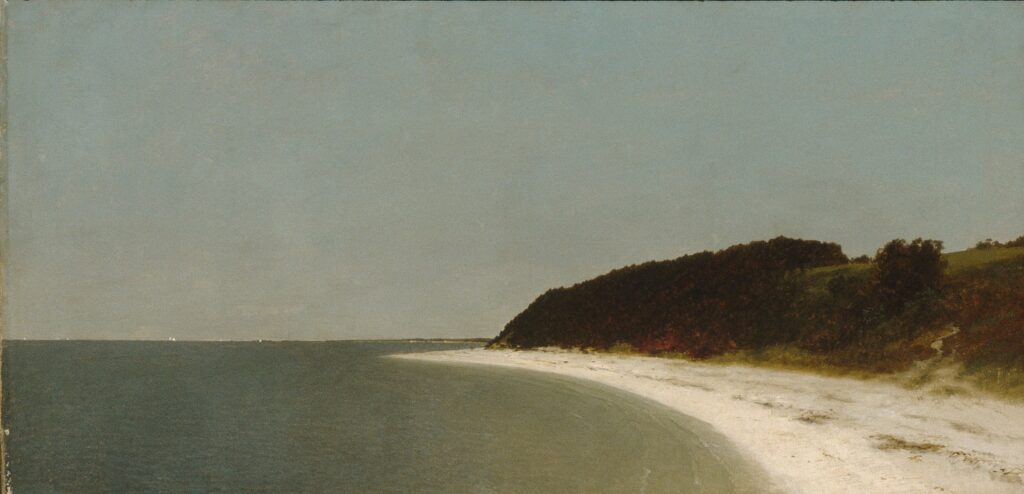
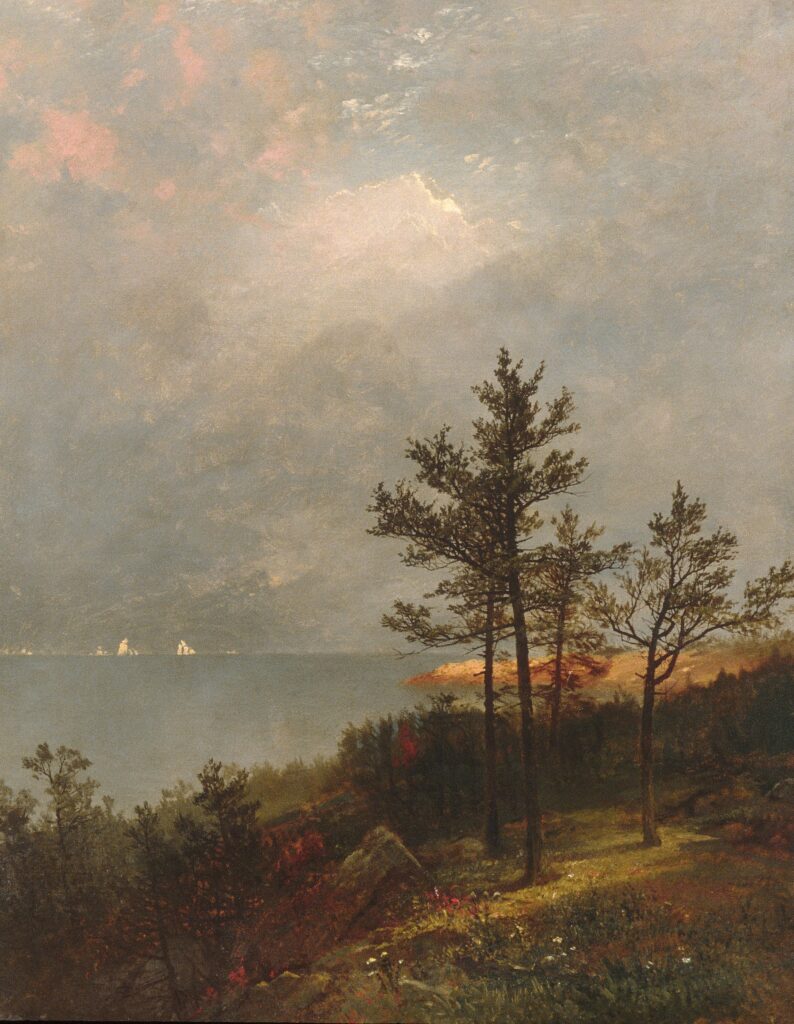
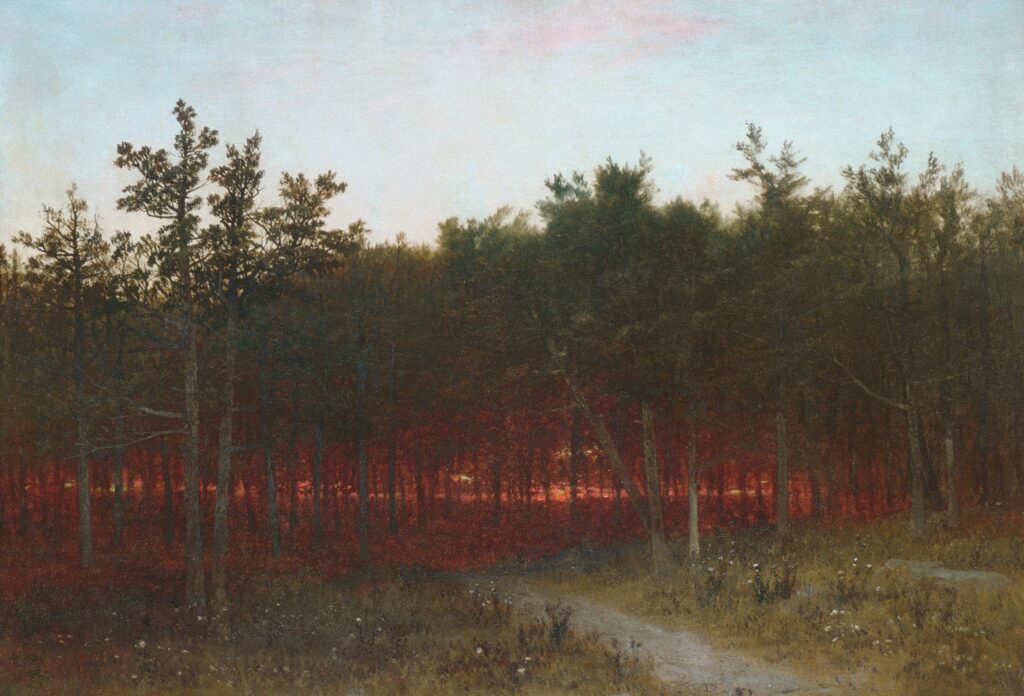
Jean-Antoine Houdon
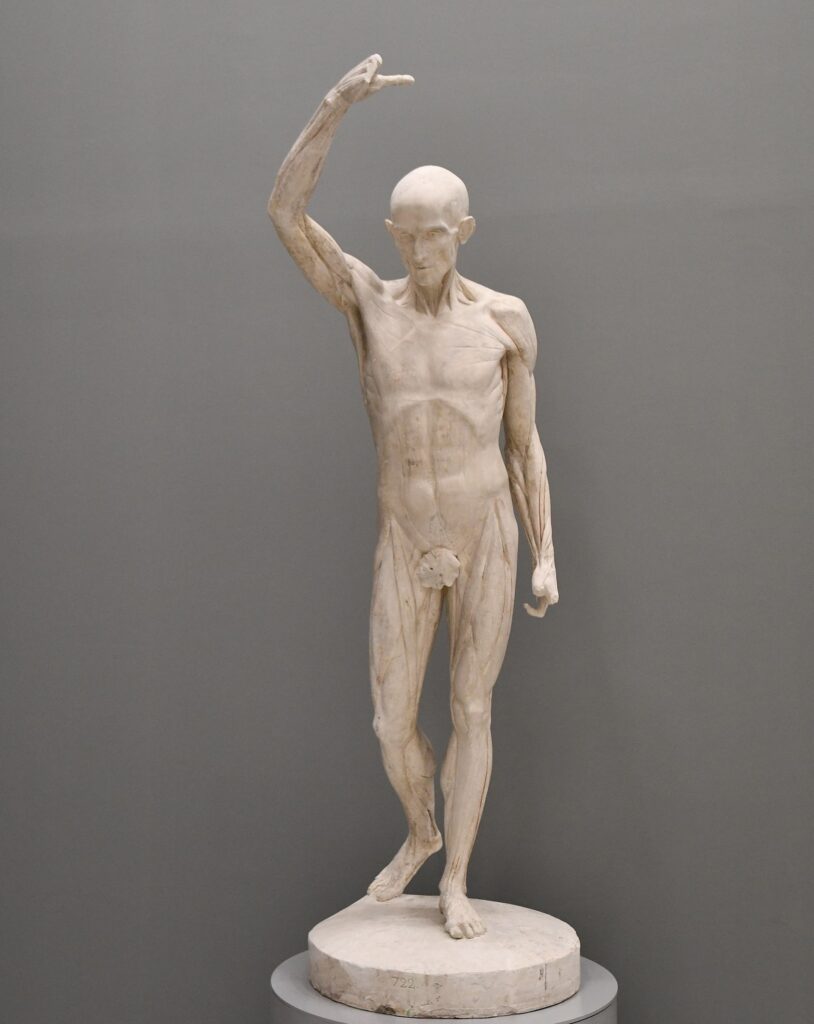
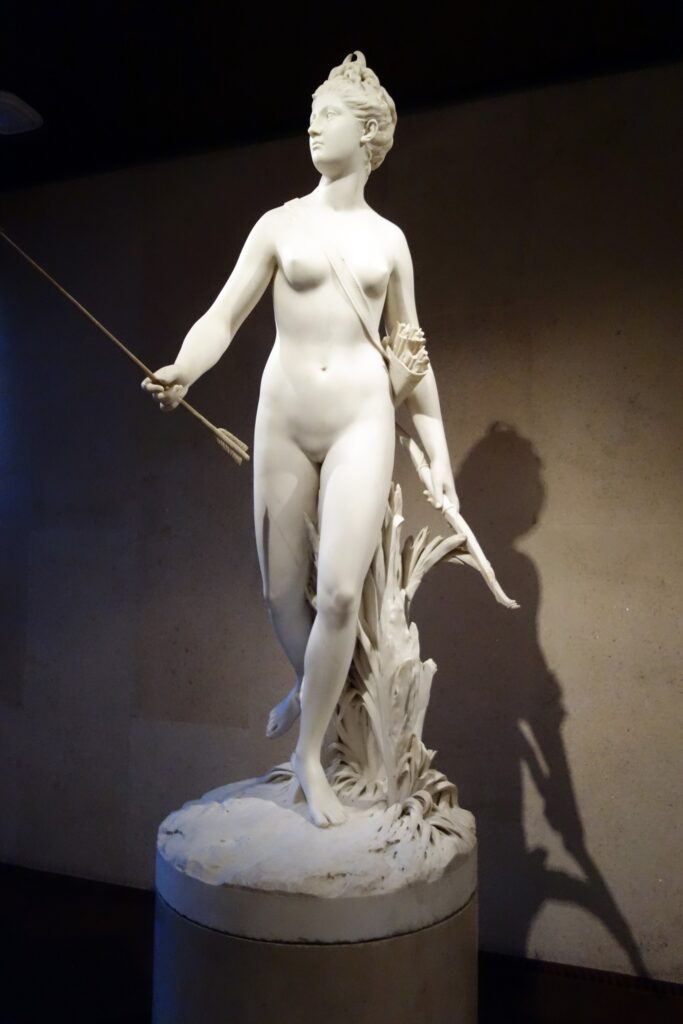
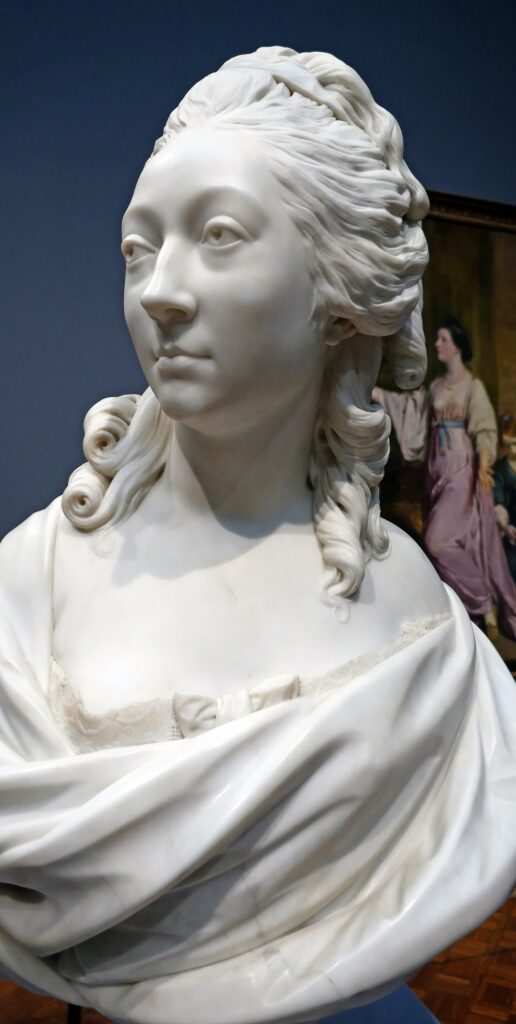
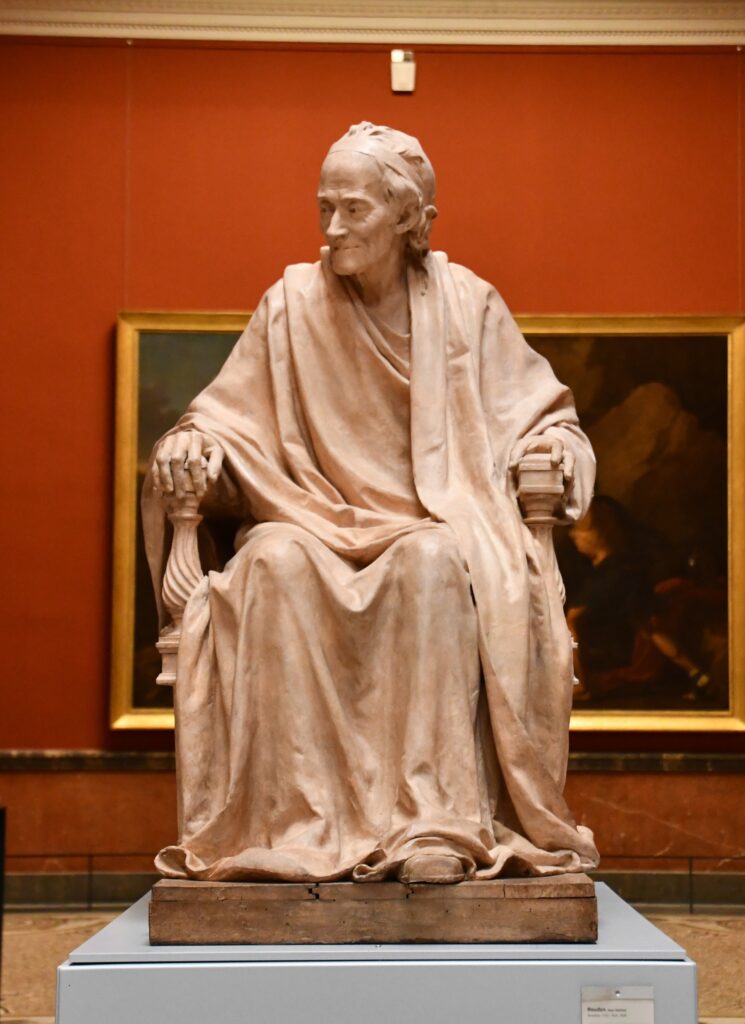
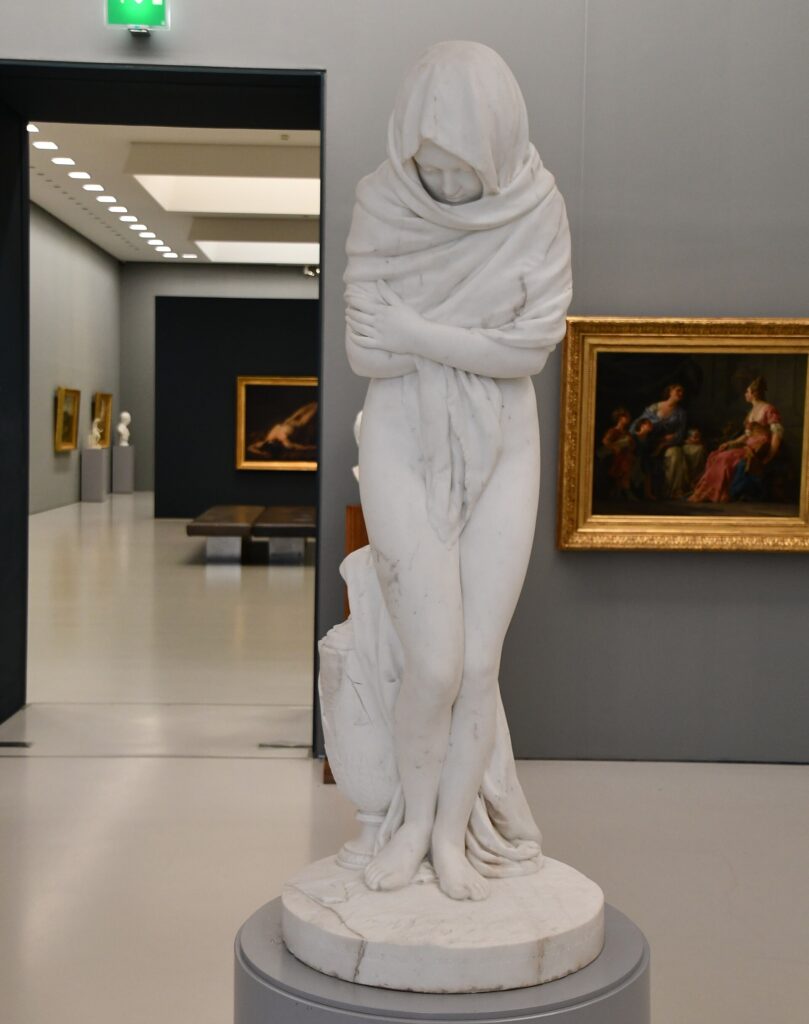
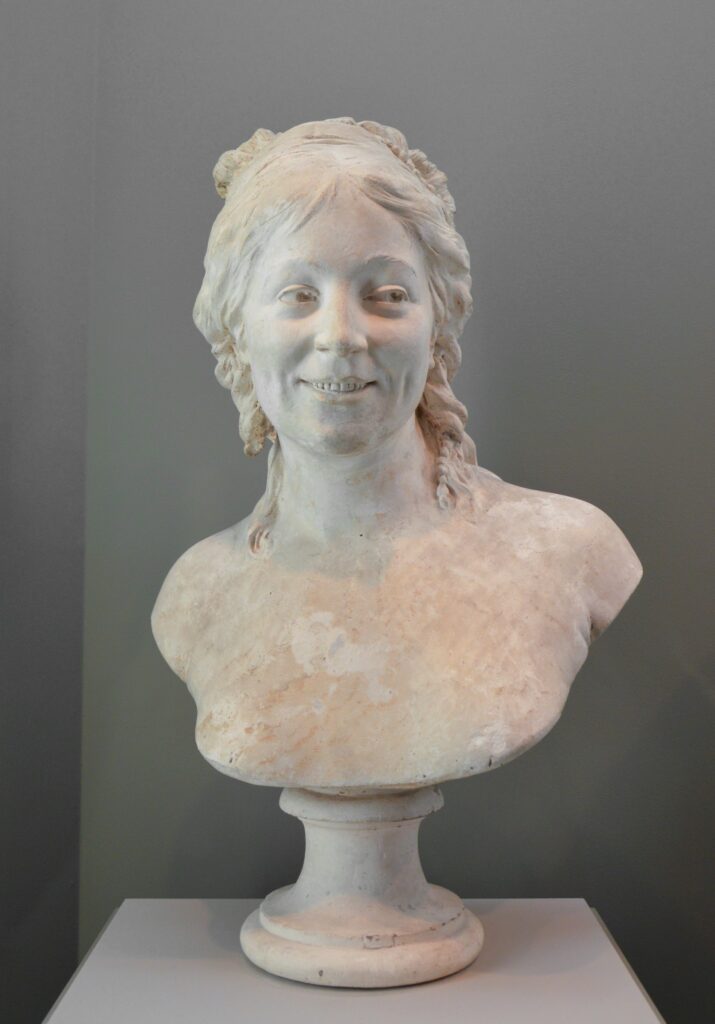
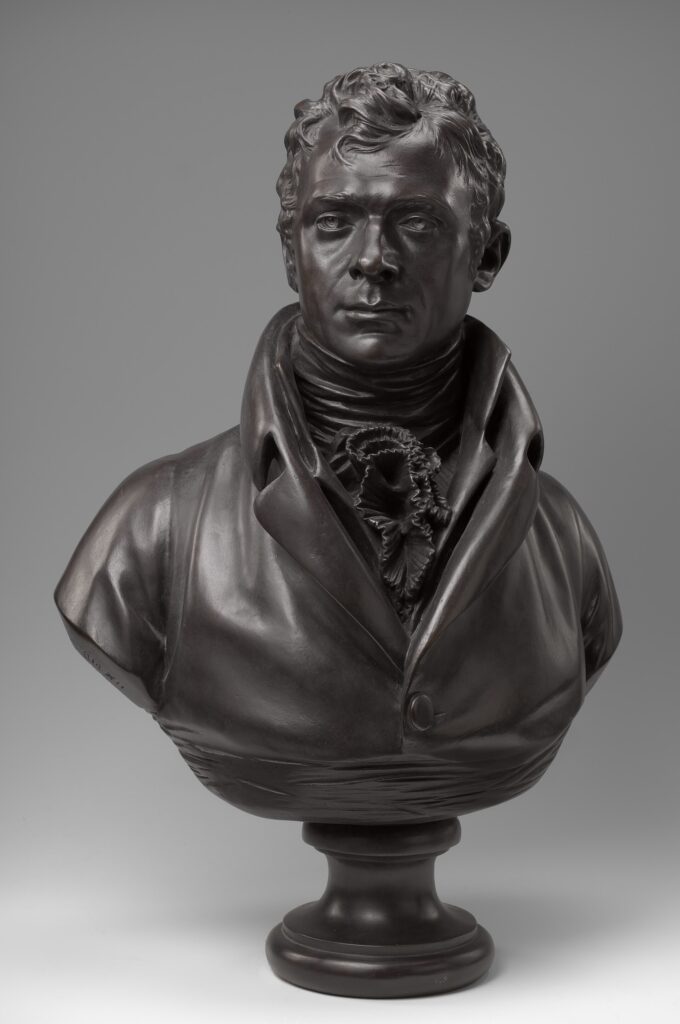
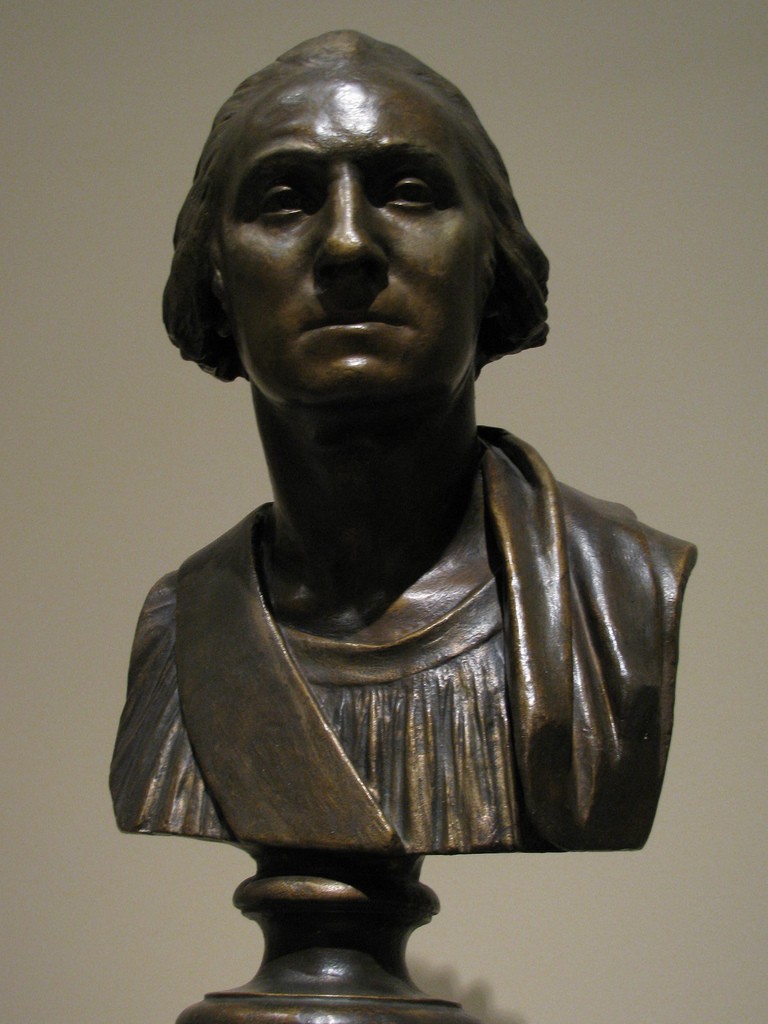
Jean-Antoine Houdon, March 20, 1741–July 15, 1828, was a French sculptor born in Versailles. He studied with René-Michel Slodtz, Jean-Baptiste Lemoyne, and Jean-Baptiste Pigalle, won the Prix de Rome in 1761, and continued his training at the French Academy in Rome from 1764 to 1768. There he studied classical sculpture and human anatomy.
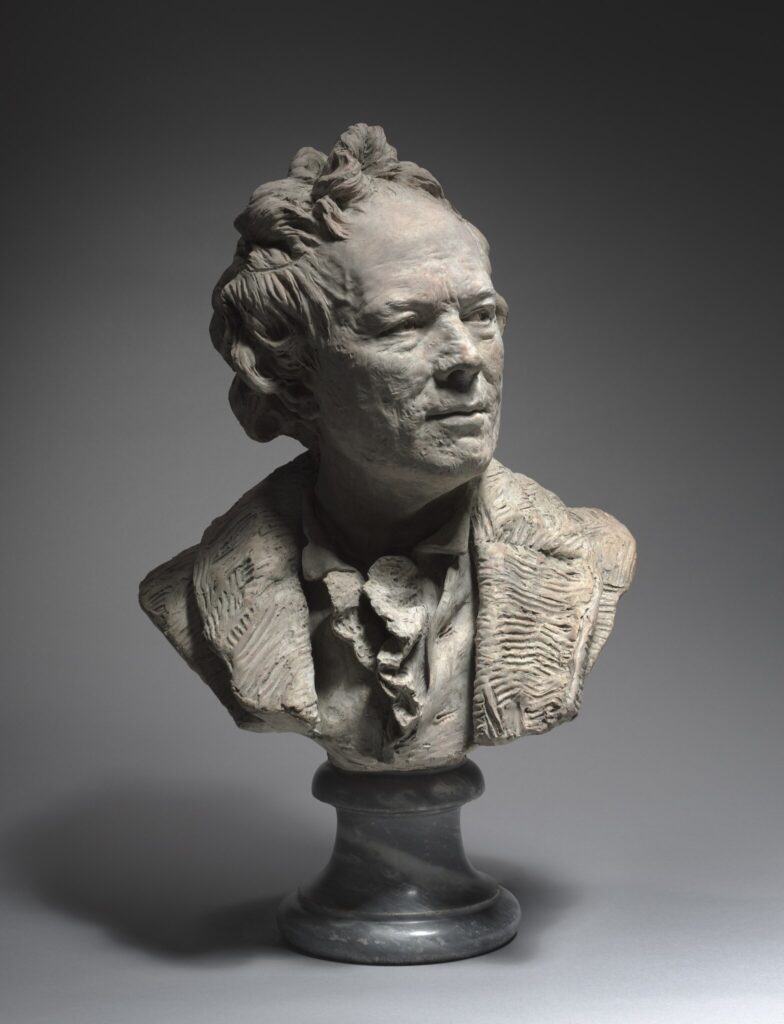
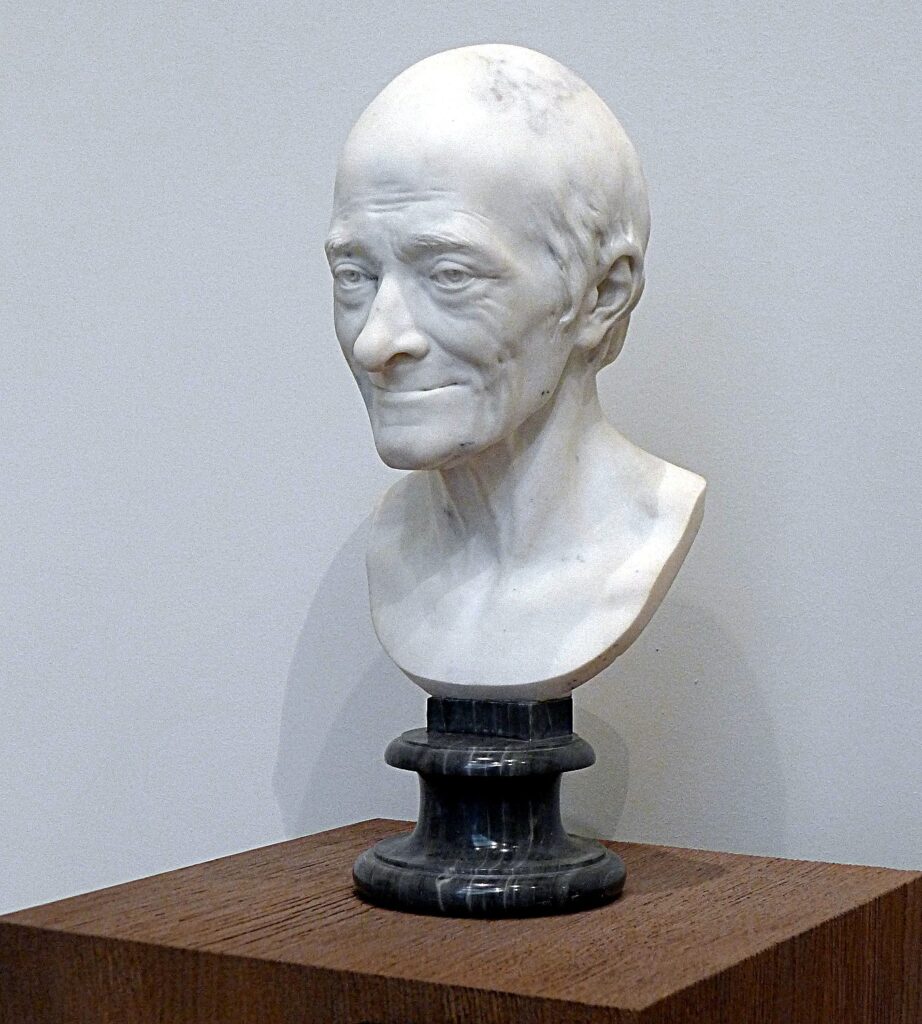
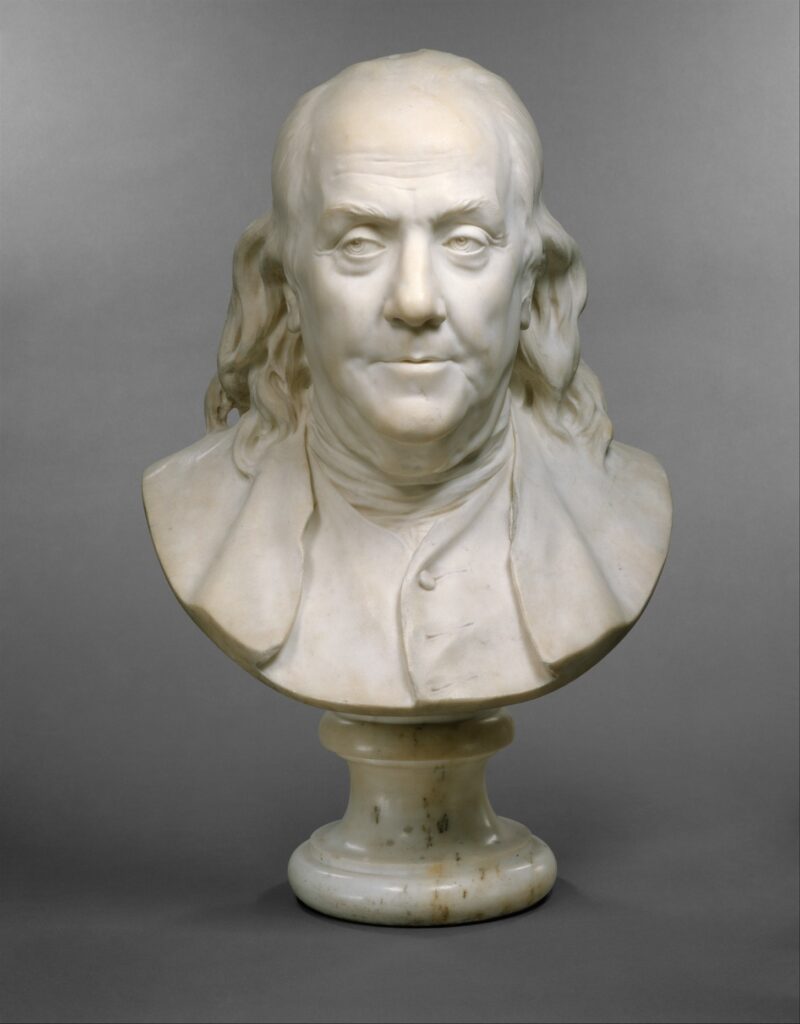
Houdon became known for portraits marked by close observation and naturalism. His subjects included Voltaire, Denis Diderot, Benjamin Franklin, and George Washington; he traveled to the United States in 1785 to model Washington. He was elected to the Académie royale de peinture et de sculpture and later taught there. His work spans portrait busts, monuments, and mythological and allegorical sculpture.
Houdon’s sculpture is represented in major collections including the Louvre, the Metropolitan Museum of Art, the National Gallery of Art, the Smithsonian American Art Museum, and the Musée Fabre. He worked for patrons in France and abroad, including Catherine II of Russia, and maintained connections with Enlightenment figures and American diplomats in Paris.
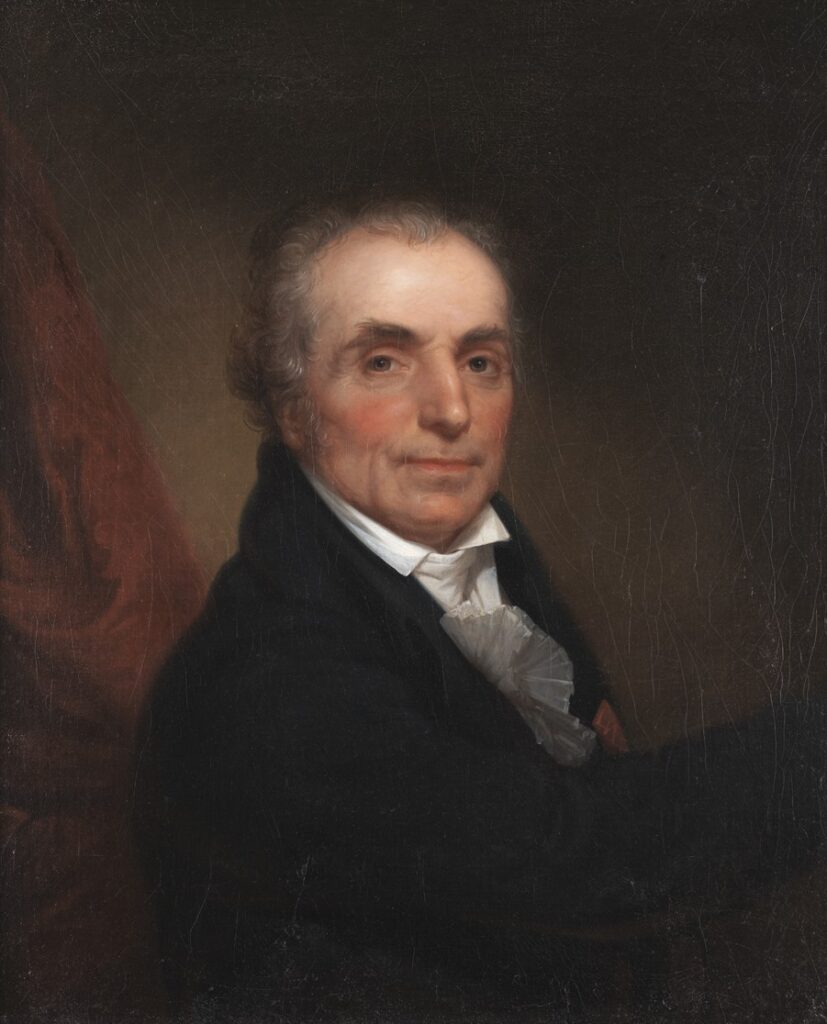
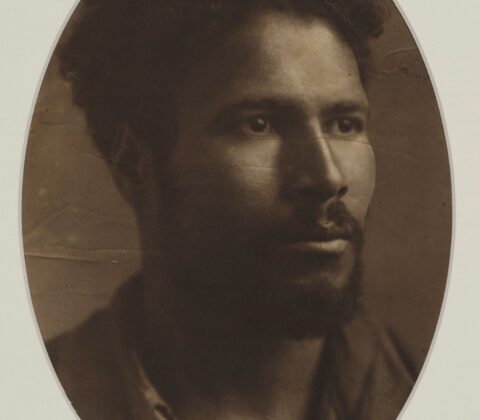
William H Johnson
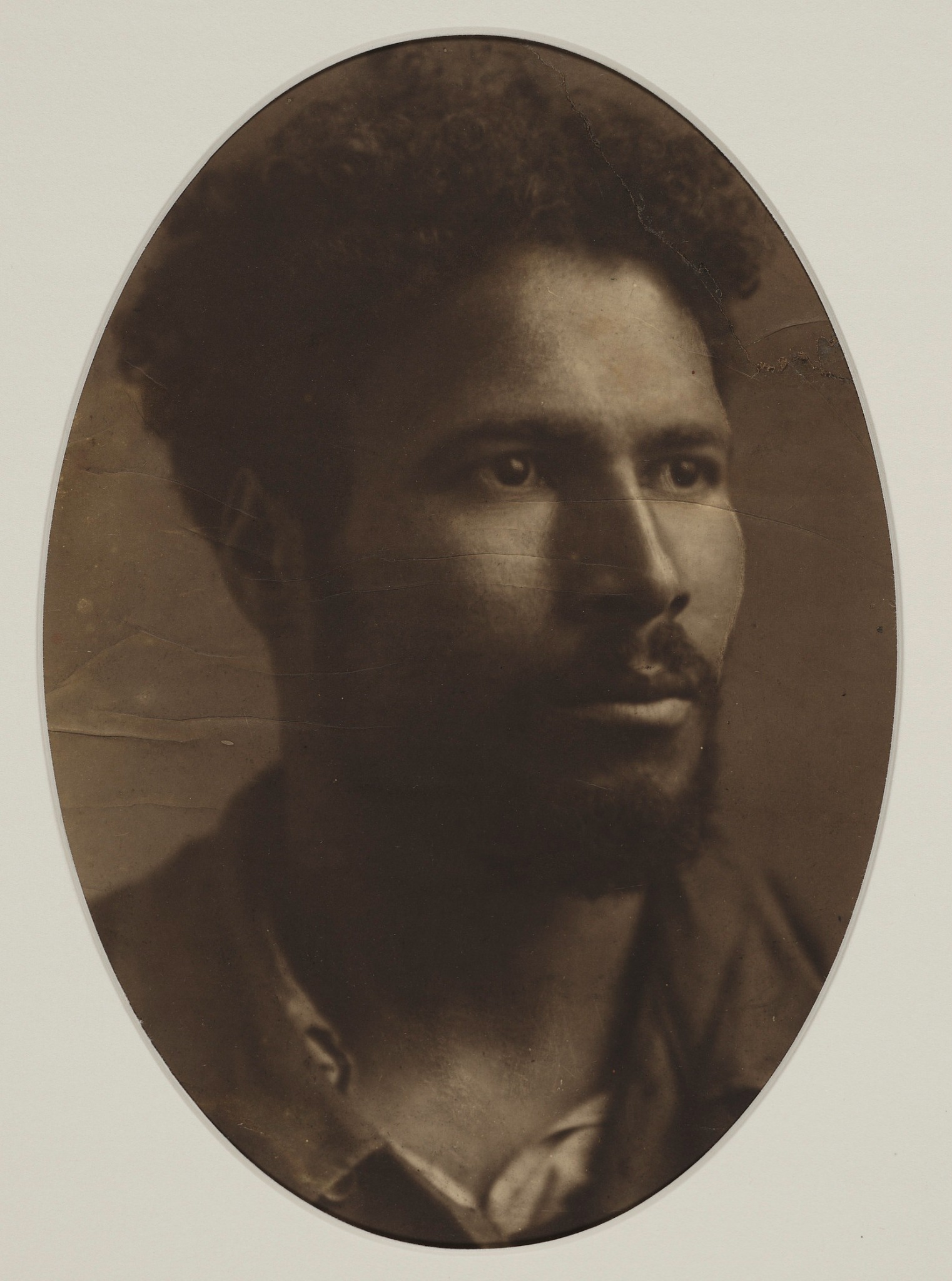
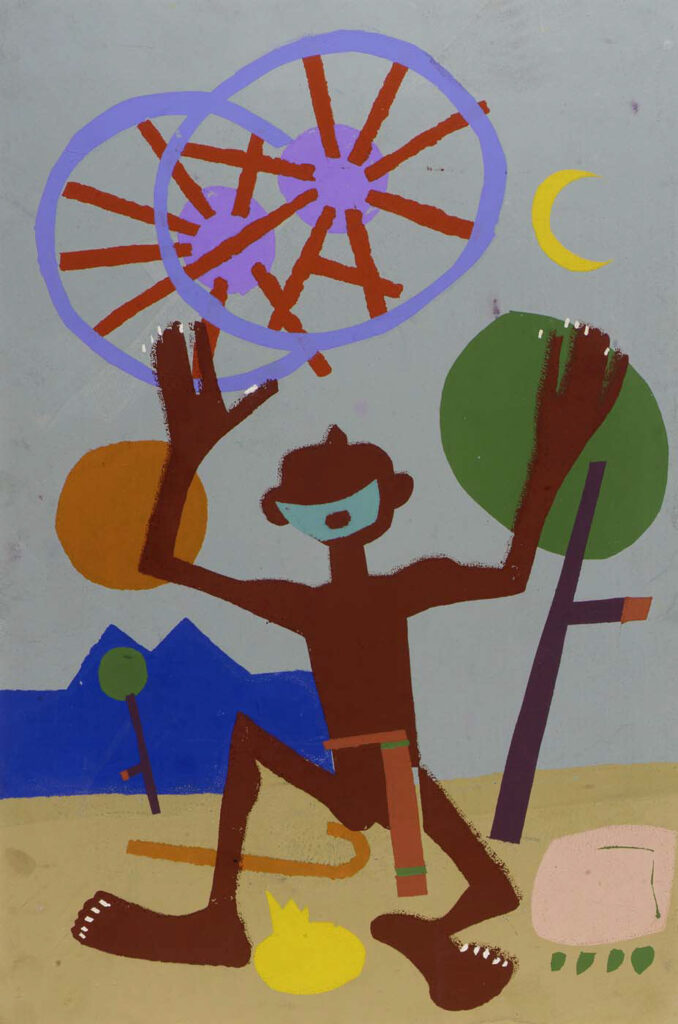
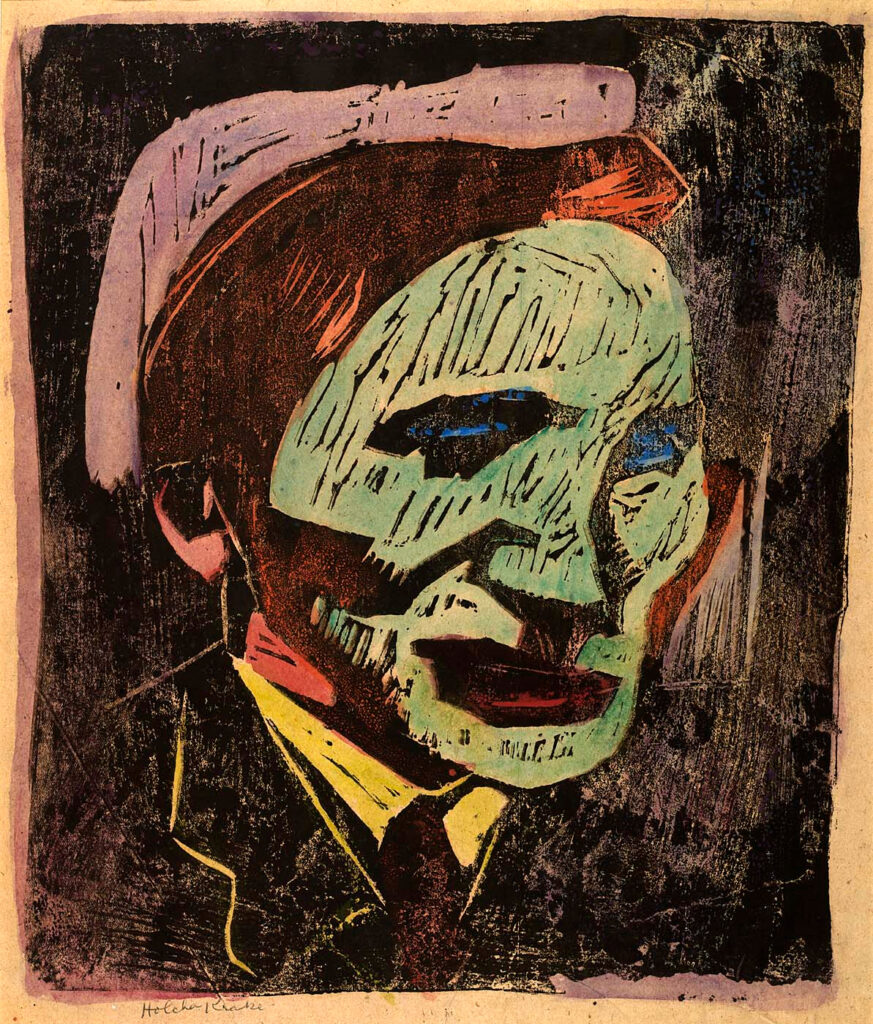
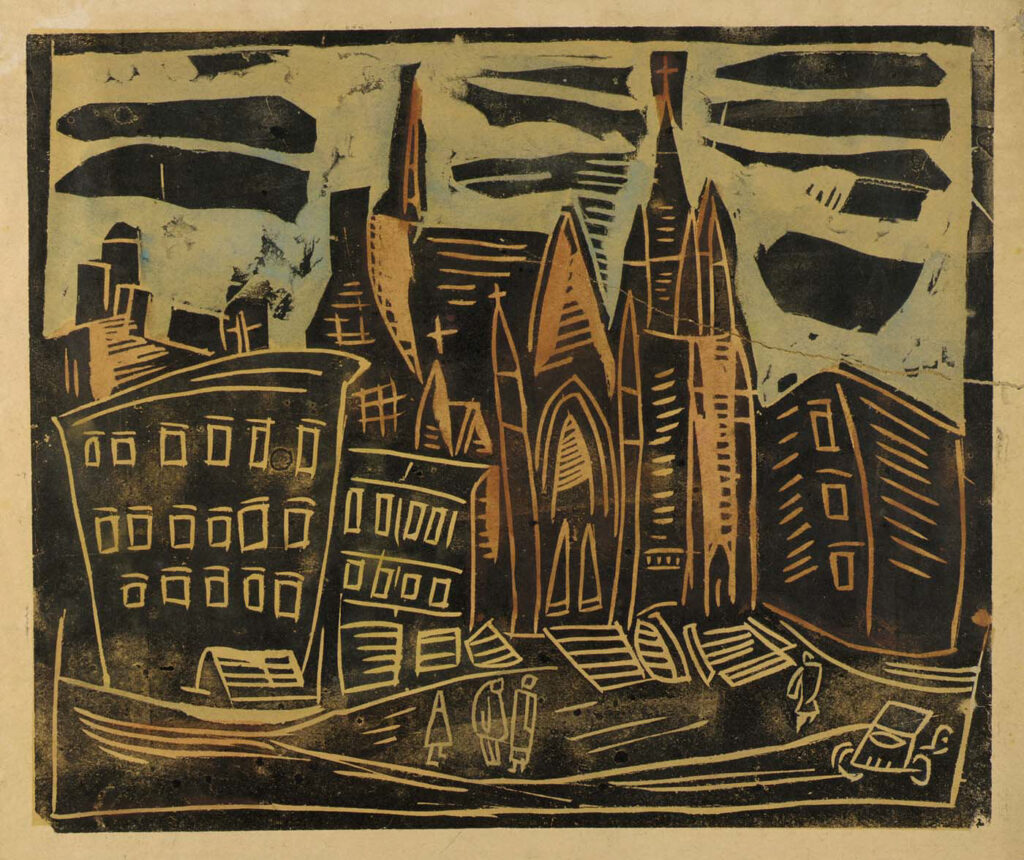
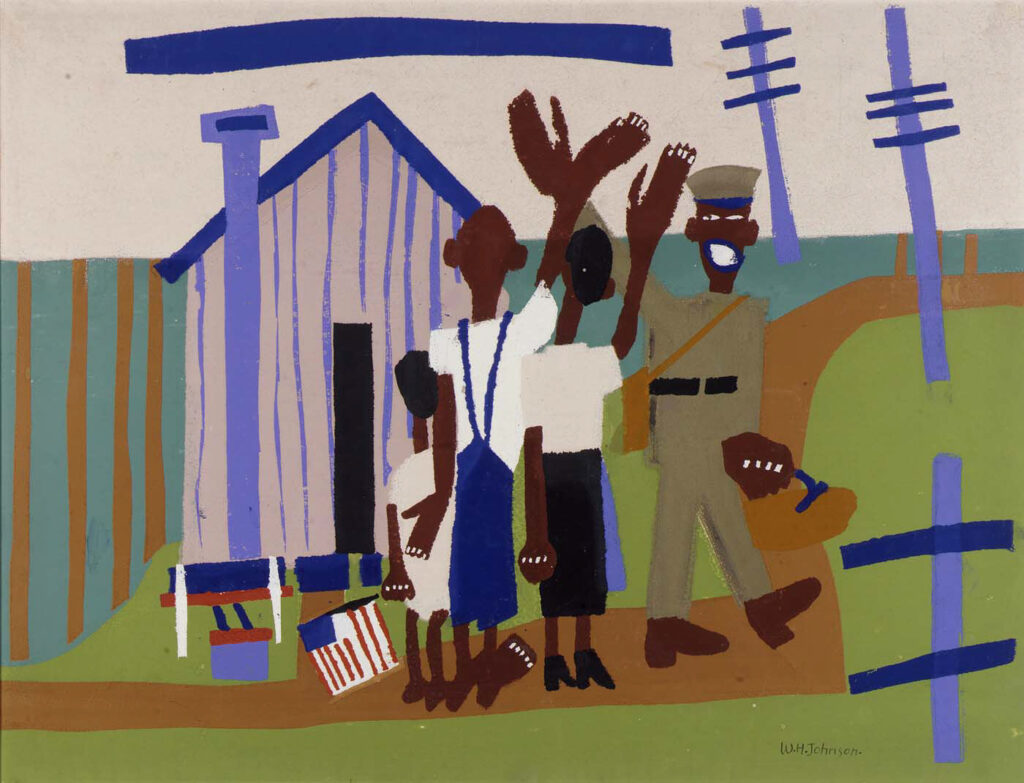
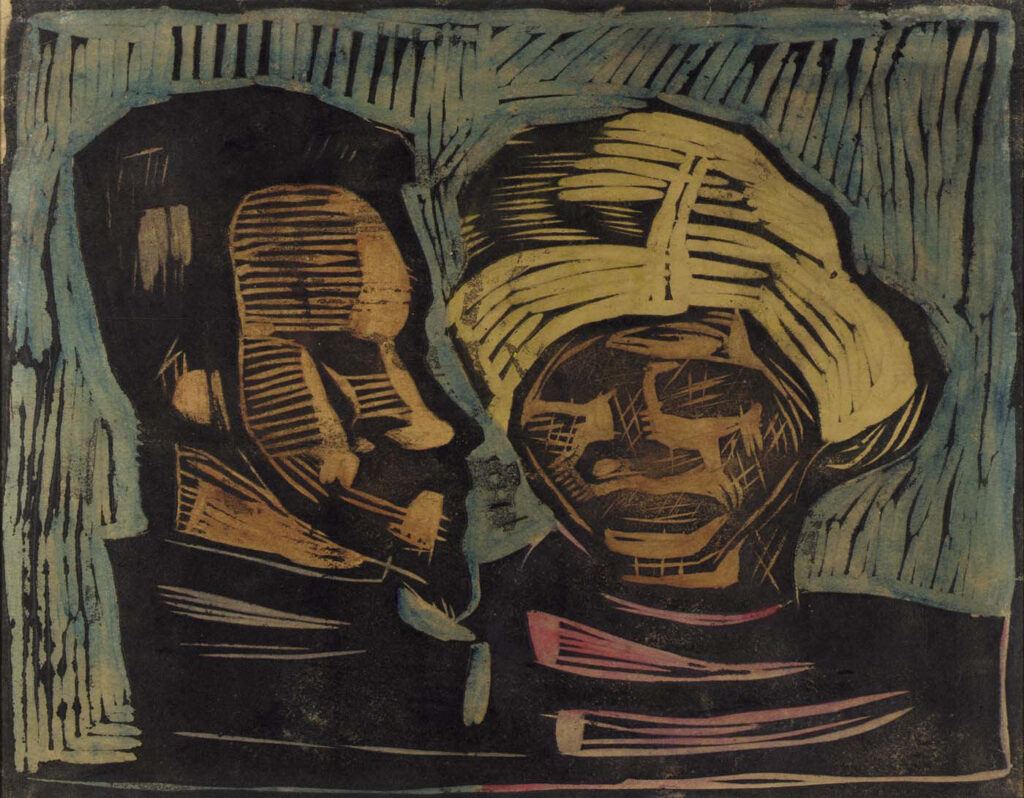
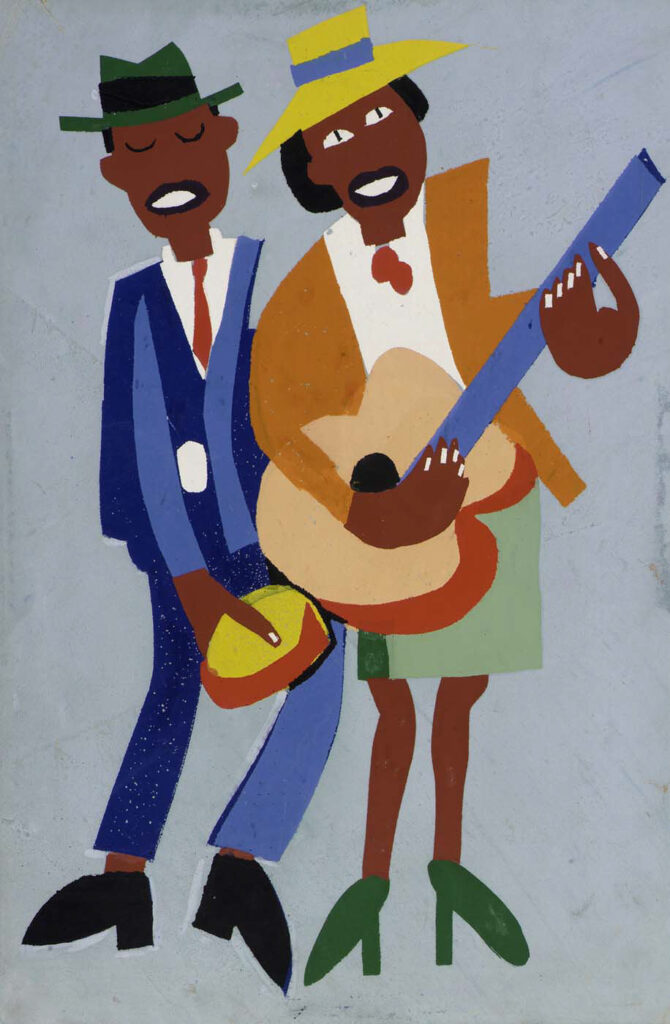
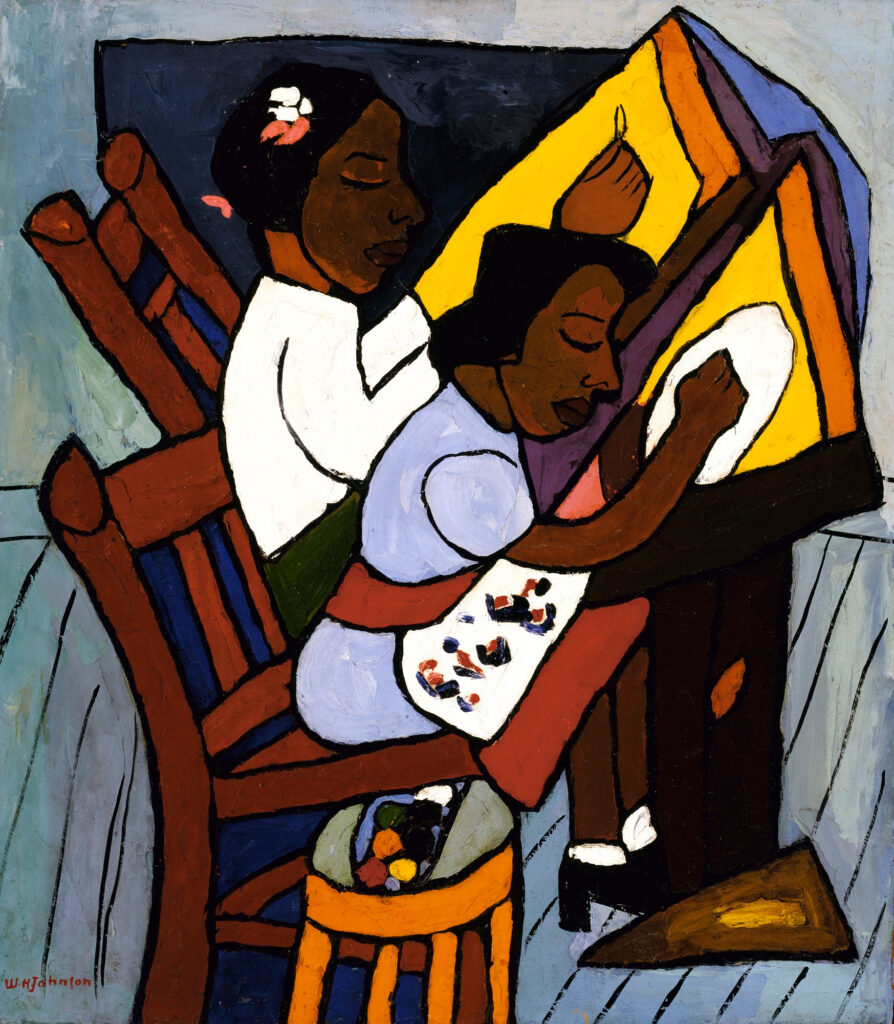
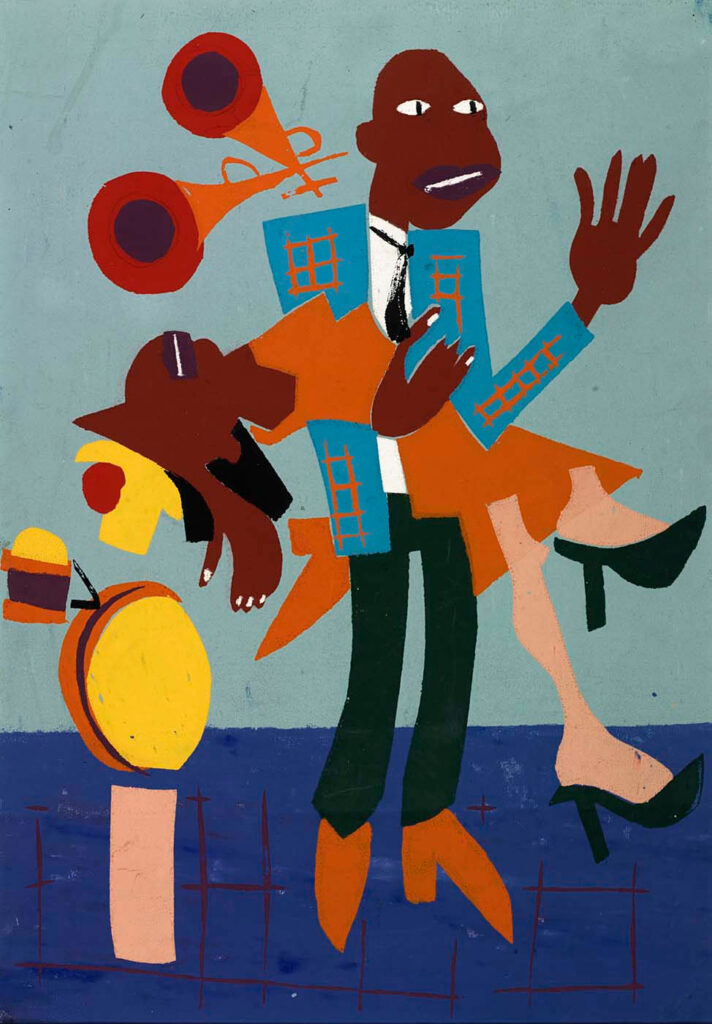
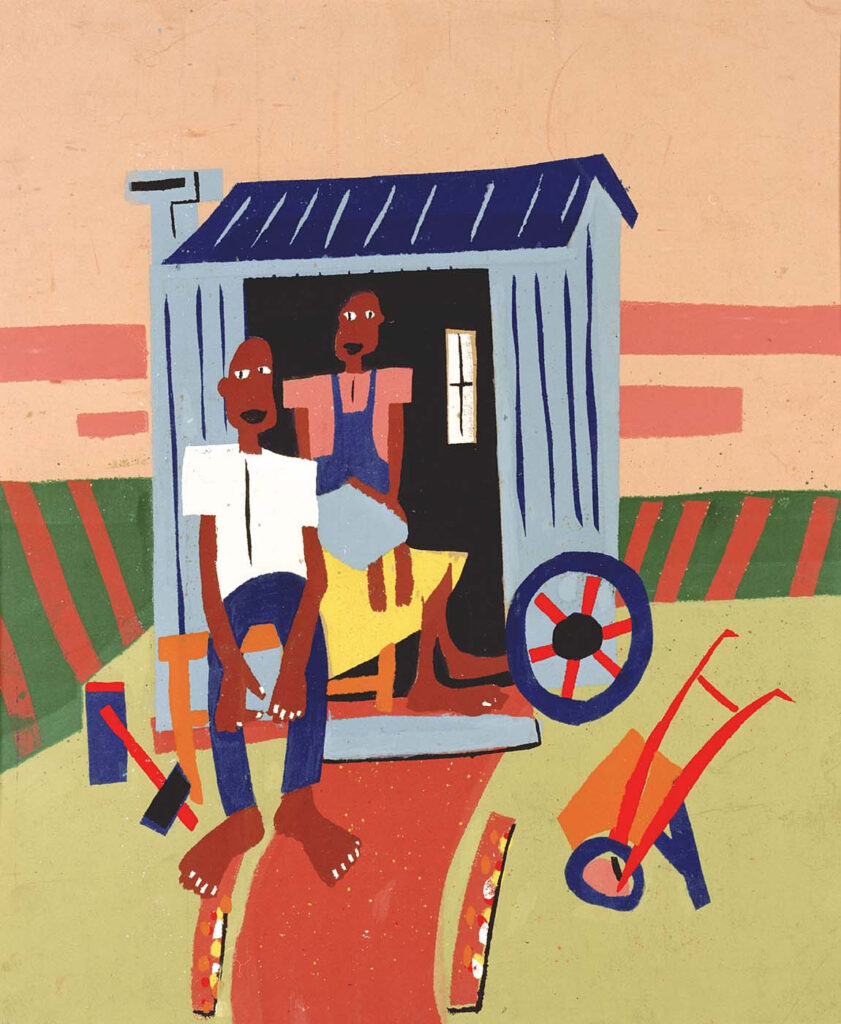
William H. Johnson, March 18, 1901–April 13, 1970, was born in Florence, South Carolina. He moved to New York in 1918 and studied at the National Academy of Design from 1921 to 1926 with Charles Hawthorne. He also attended Hawthorne’s summer school in Provincetown, Massachusetts.
After traveling and studying in Europe, Johnson returned to the United States with his wife, Danish artist Holcha Krake, in 1938. His later work drew on African American subjects and folk art. He worked in painting and printmaking, and taught at the Harlem Community Art Center. The Smithsonian American Art Museum holds more than a thousand of his works.
After Krake died in 1944, Johnson’s health declined. He spent the final 23 years of his life at Central Islip State Hospital in New York, where he died in 1970. After his death, friends intervened to prevent the disposal of his work; a large portion of his estate was acquired by the Harmon Foundation and later transferred to the Smithsonian American Art Museum.
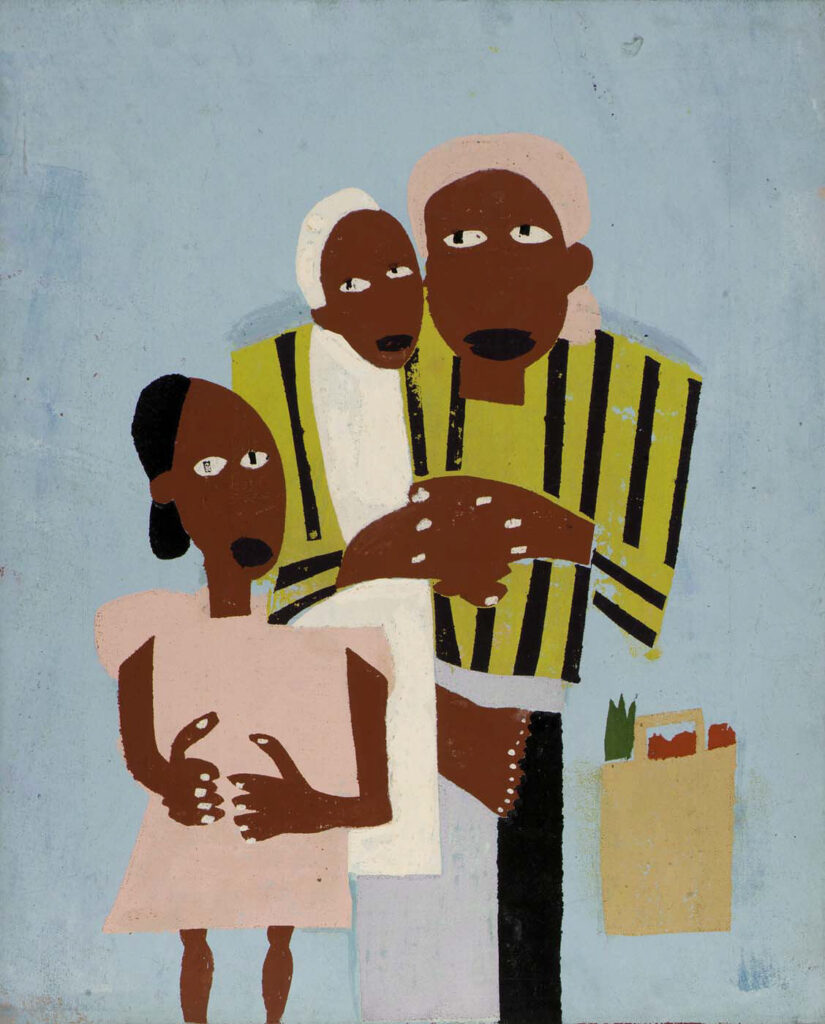
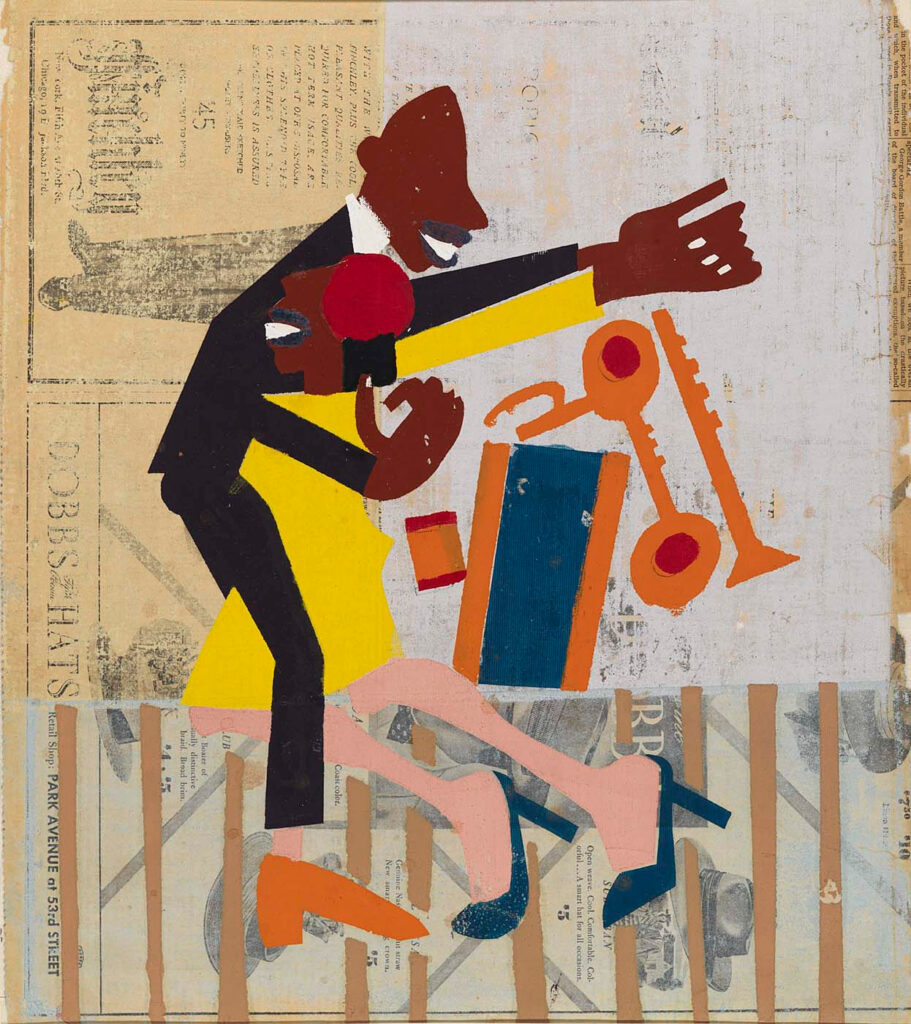
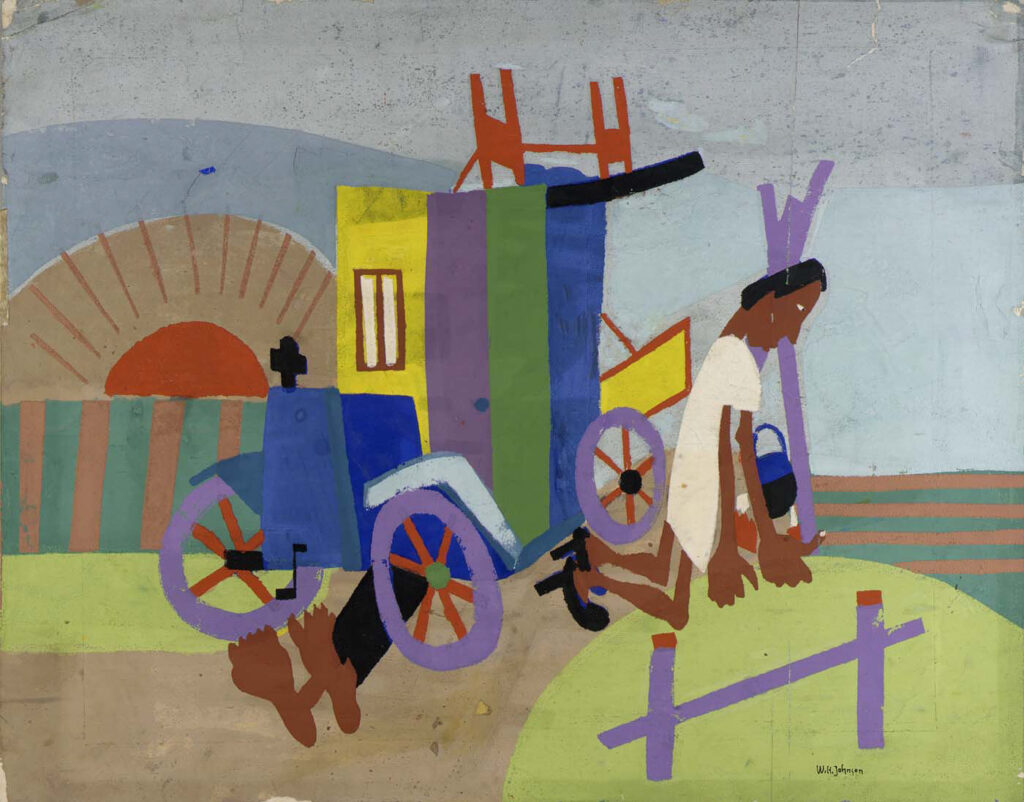

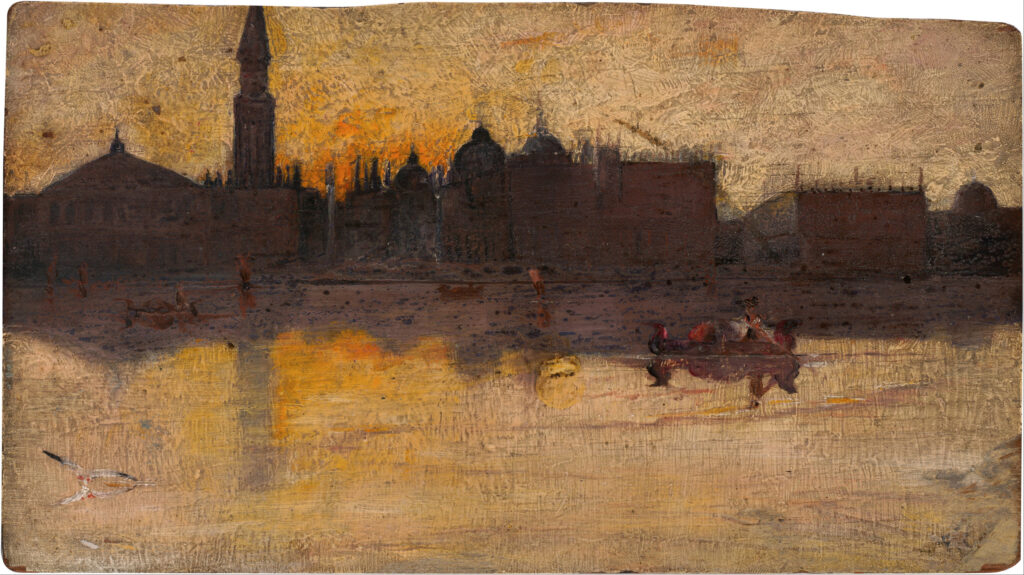
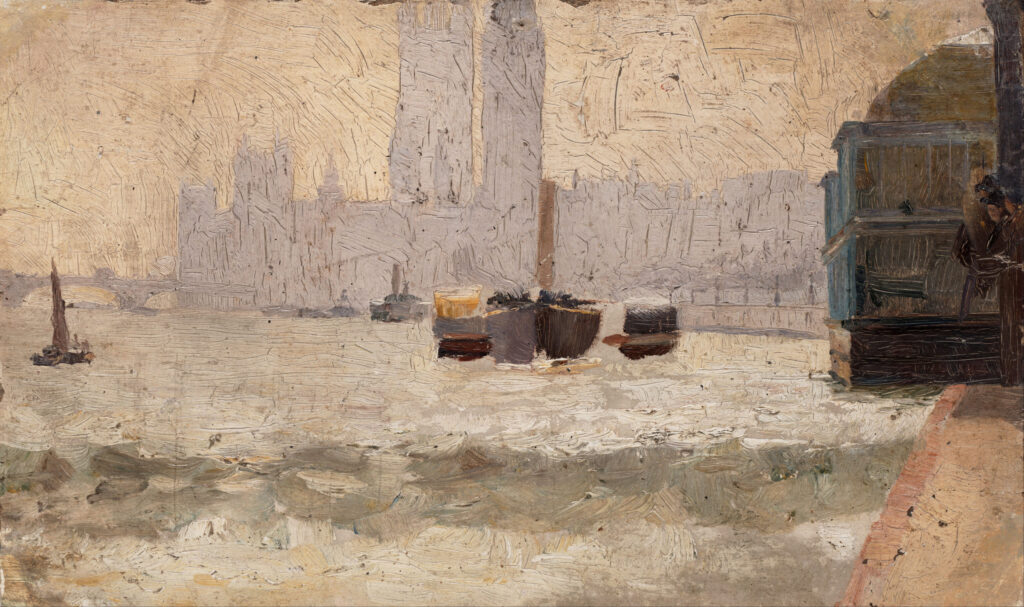
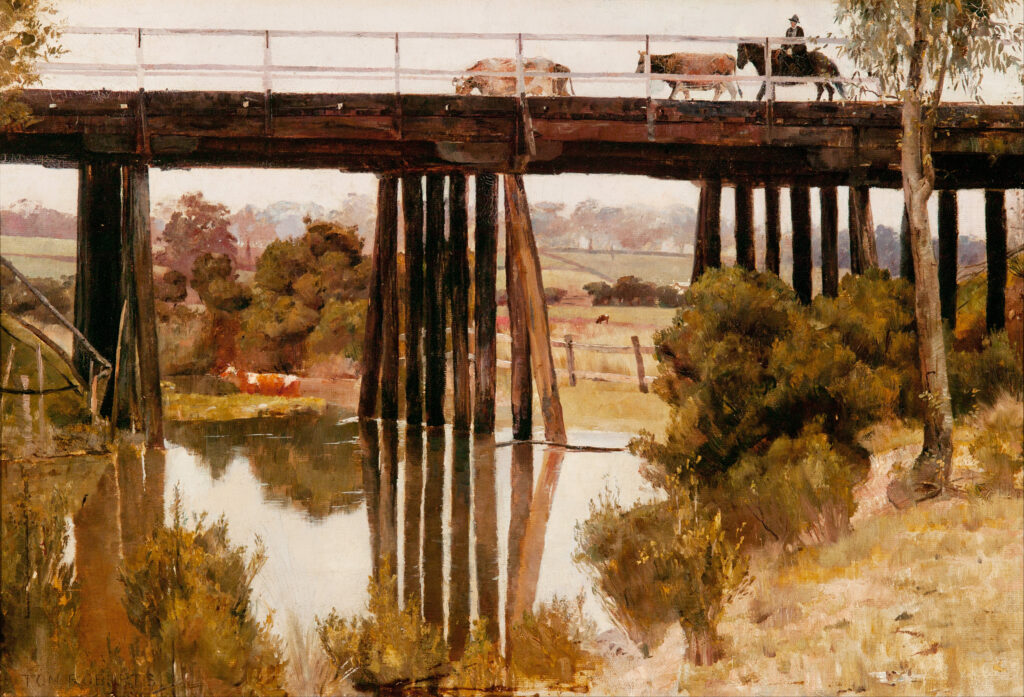
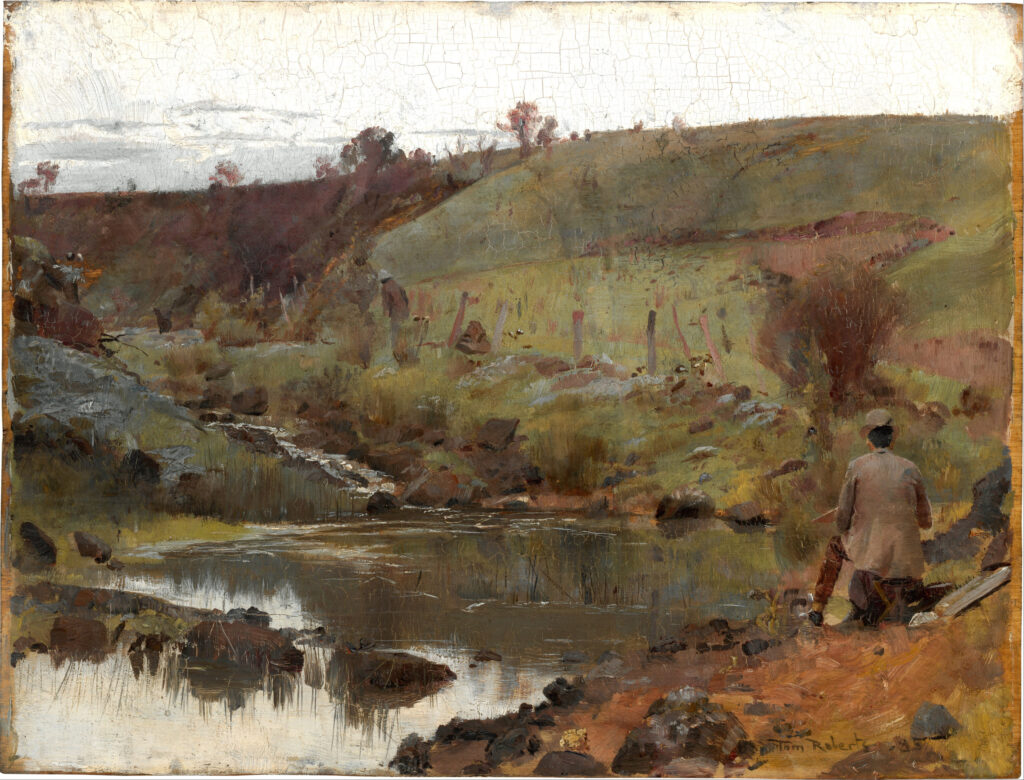
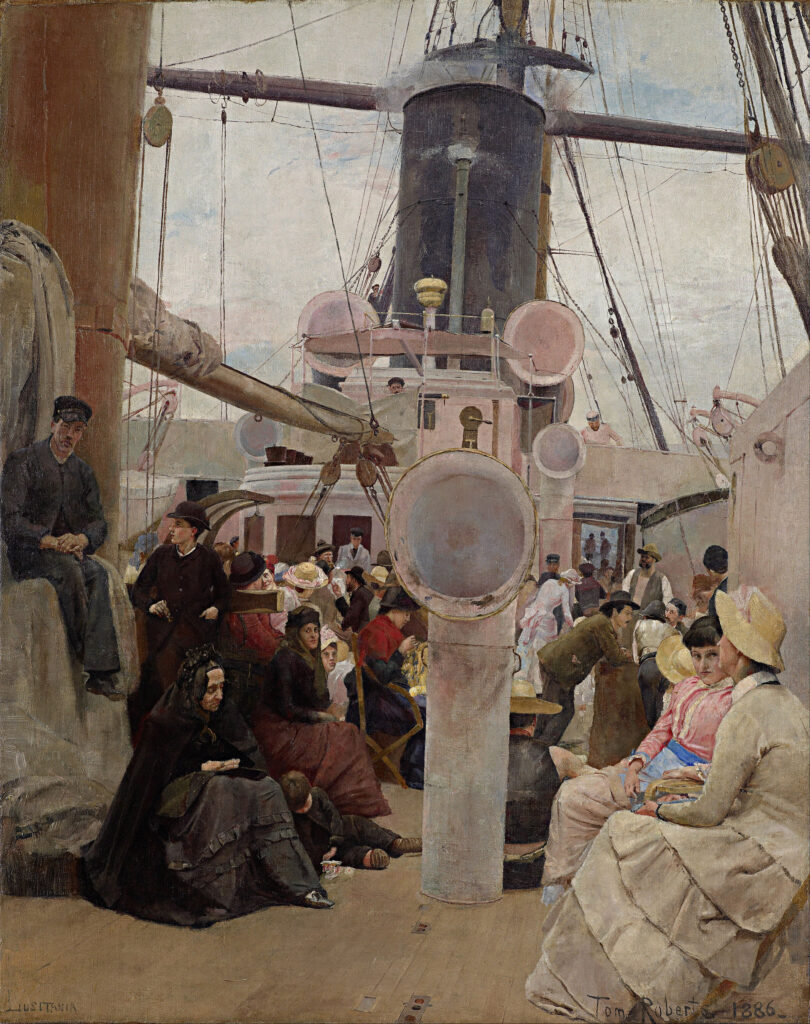
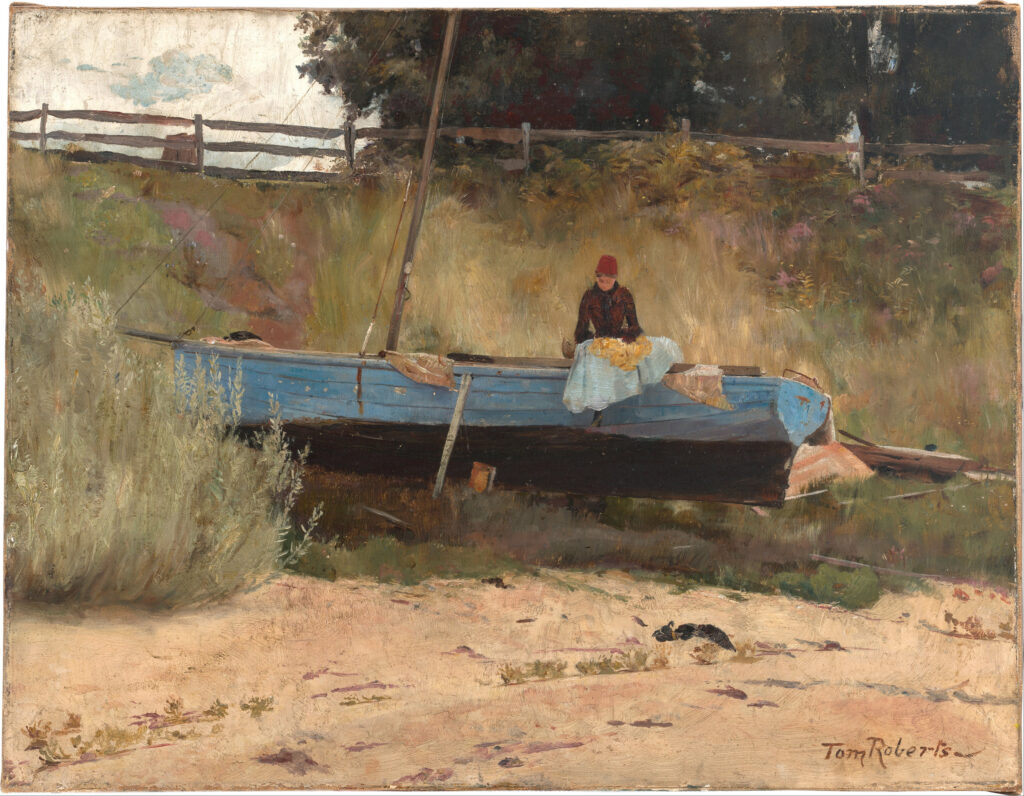
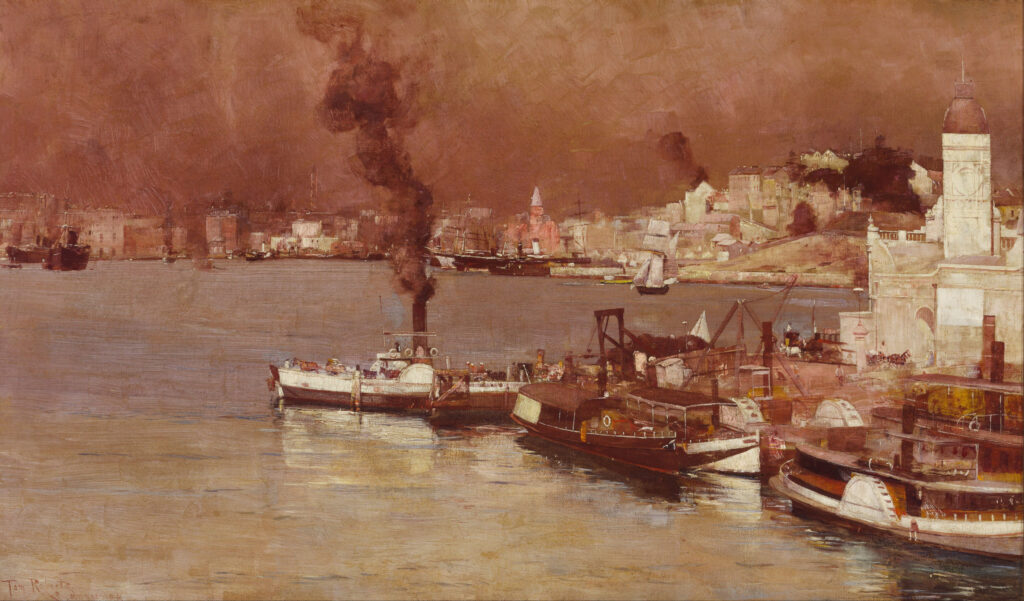
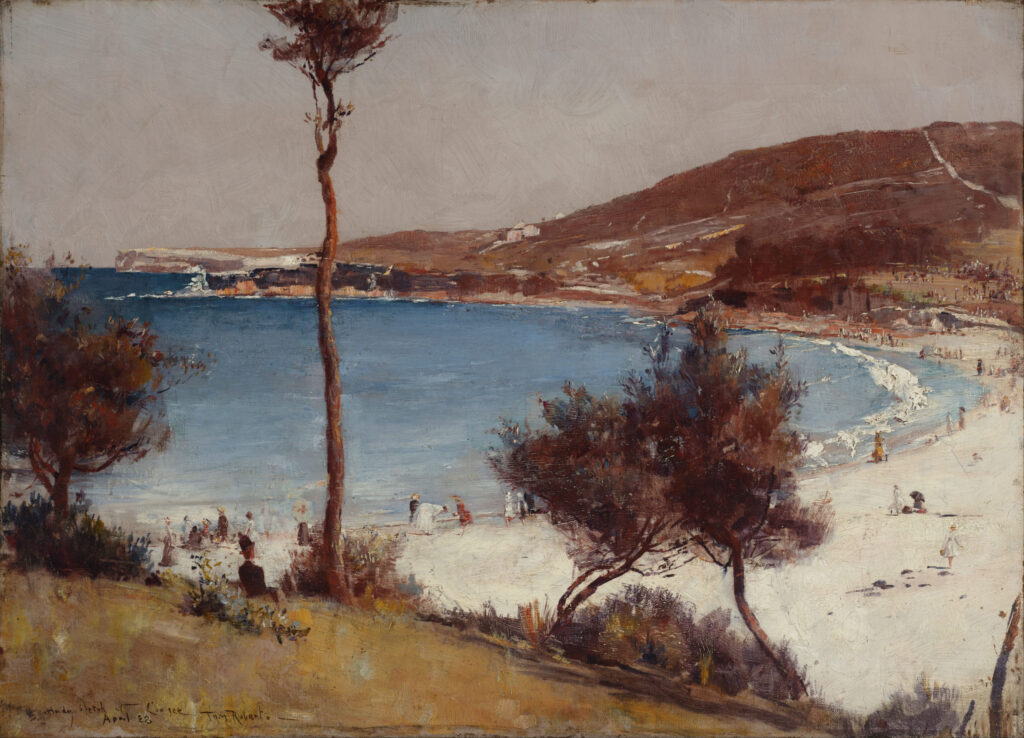
Tom Roberts
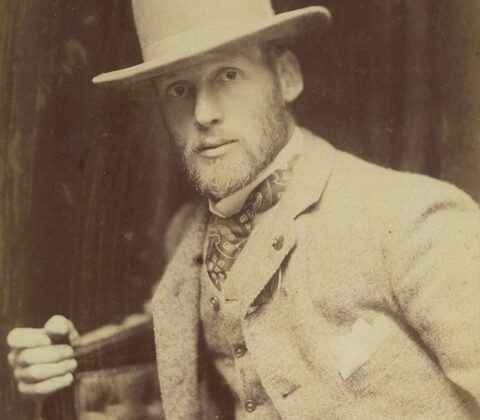
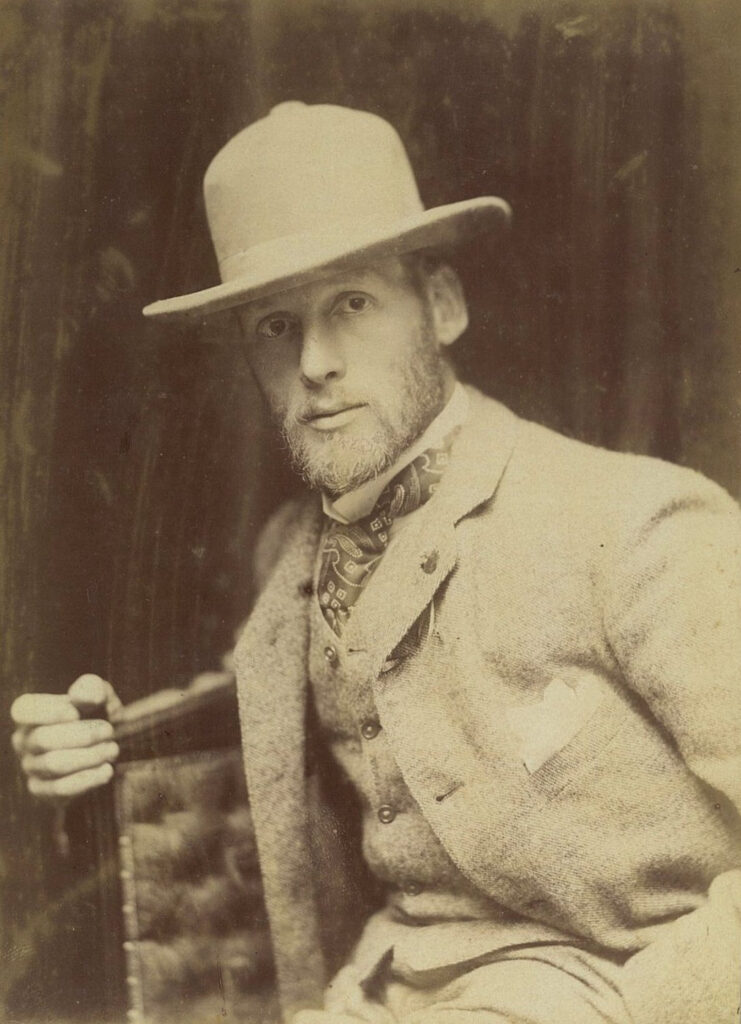
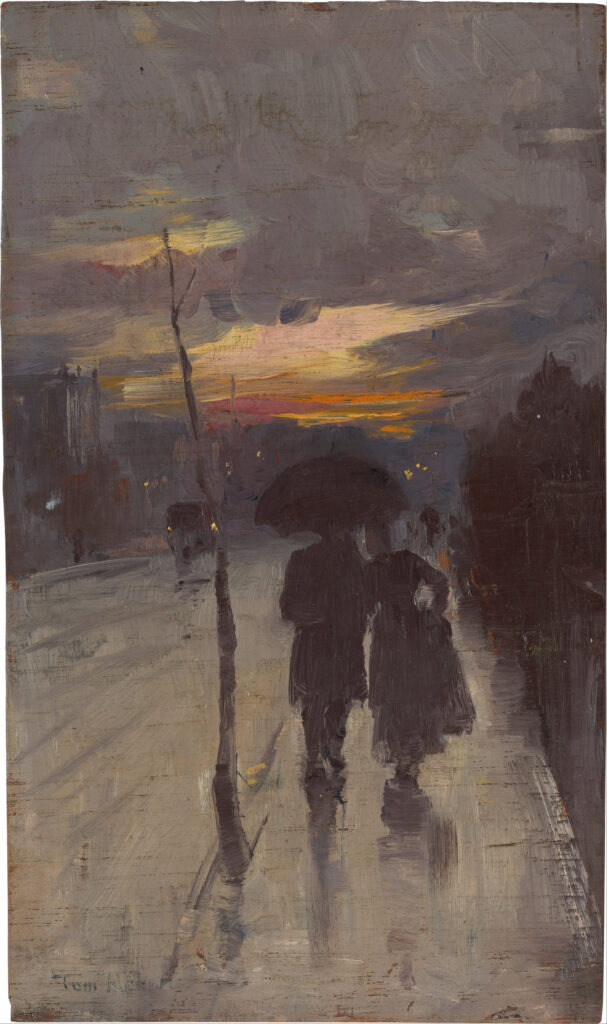
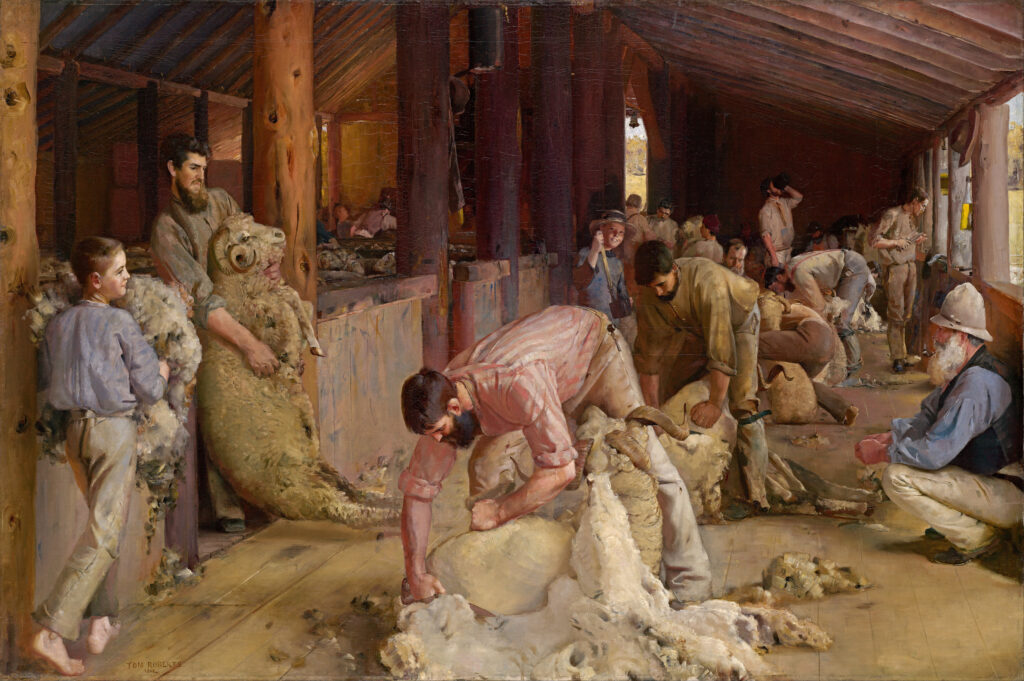
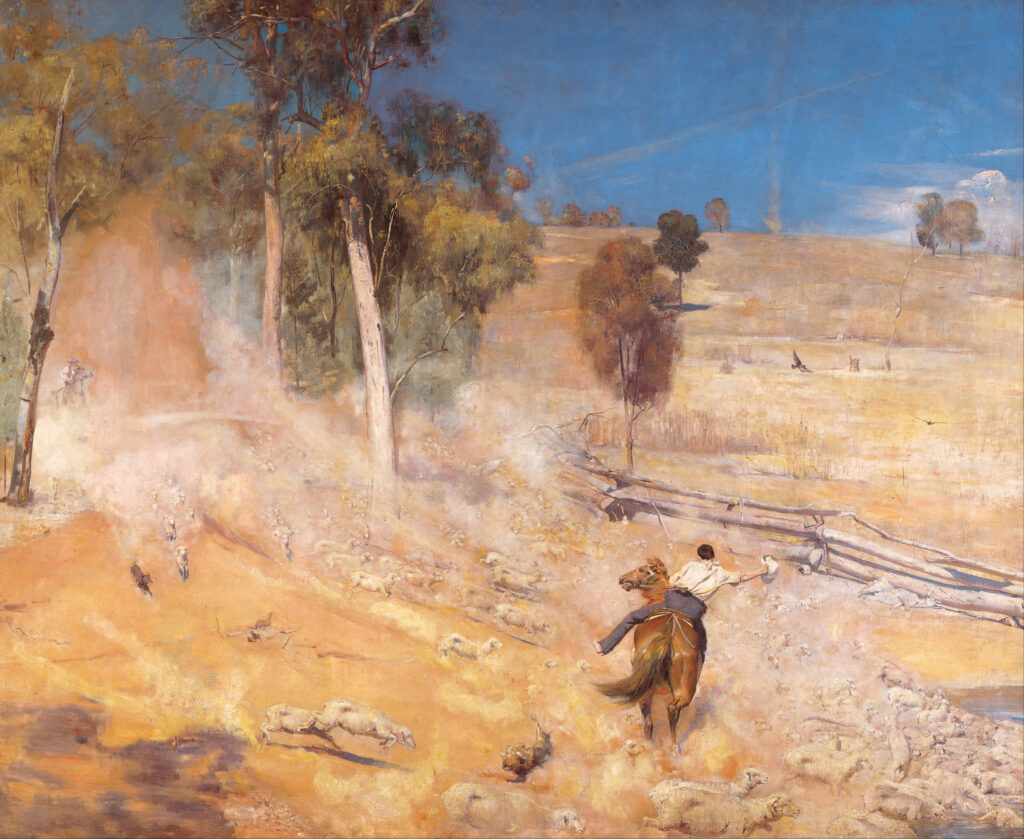
Tom Roberts, March 8, 1856–September 14, 1931, was an English-born Australian painter. Born in Dorchester, Dorset, he emigrated to Melbourne with his family in 1869. He studied at the National Gallery School under Thomas Clark and at the Royal Academy Schools in London from 1881 to 1884.
Returning to Melbourne in 1885, Roberts painted landscapes, portraits, and scenes of rural work. He worked with Frederick McCubbin, Arthur Streeton, and Charles Conder in the group known as the Heidelberg School, and helped organize the 9 by 5 Impression Exhibition in 1889. He later painted the opening of Australia’s first Commonwealth Parliament.
Roberts spent much of 1903–1923 in England before settling permanently at Kallista, Victoria, where he continued painting landscapes until his final years. He died there in 1931. His works are held by the National Gallery of Australia, the National Gallery of Victoria, the Art Gallery of New South Wales, and the Art Gallery of South Australia.


Baldassare Tommaso Peruzzi
Baldassare Peruzzi, March 7, 1481–January 6, 1536, was an Italian architect, painter, draughtsman, and designer born in Siena. He trained among goldsmiths and draftsmen, and his early work reflects the influence of the Sienese architect and painter Francesco di Giorgio Martini.
Peruzzi moved to Rome around 1503 and became known for his architectural and painted work, including the Villa Farnesina. In 1520 he was appointed architect of St Peter’s Basilica. His work combined the study of ancient Roman architecture with painting, perspective, and stage design.
After the Sack of Rome in 1527, Peruzzi returned to Siena and worked for the Republic of Siena through 1534. He later returned to Rome, where he died on January 6, 1536, and was buried in the Pantheon.


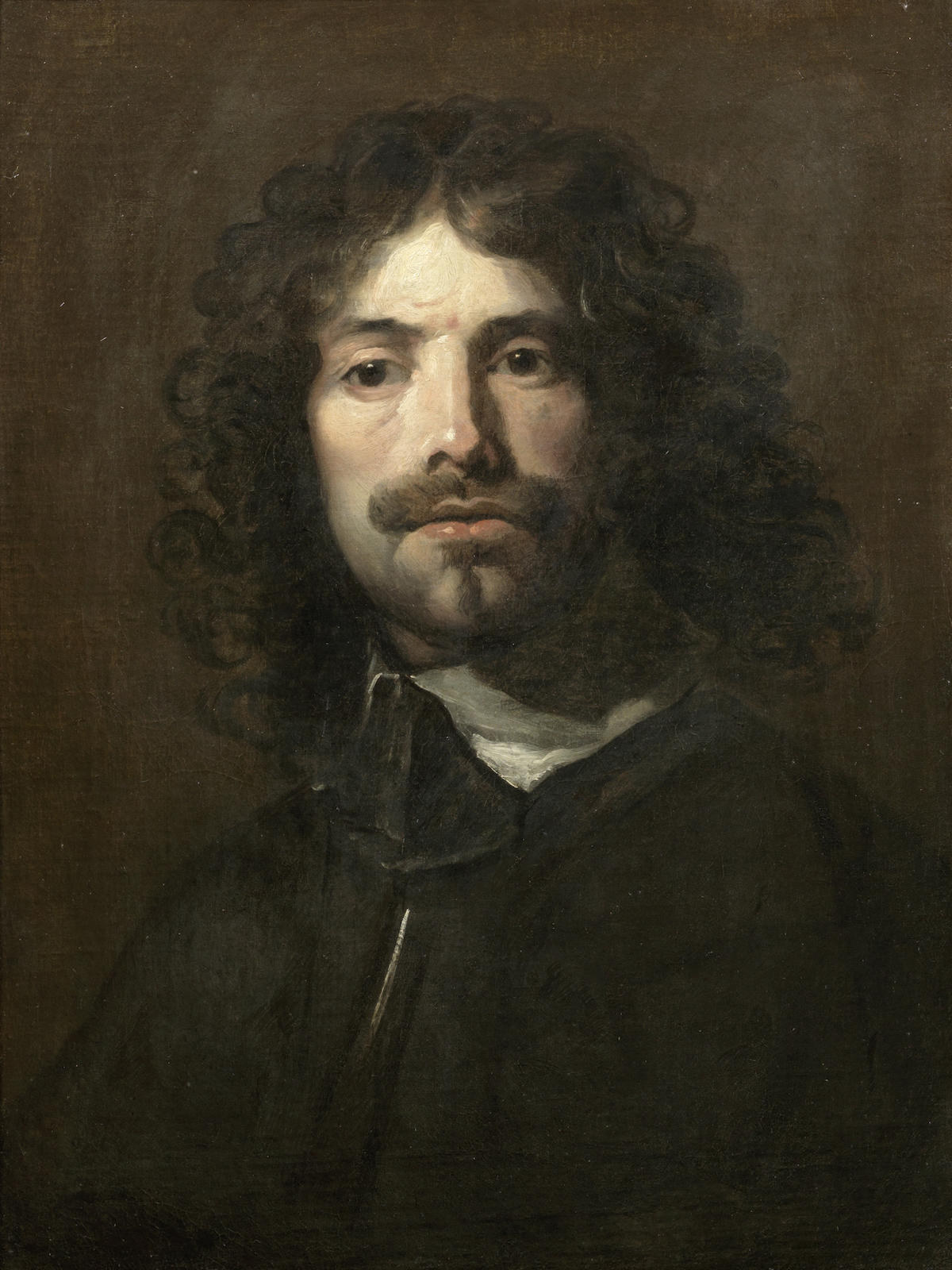
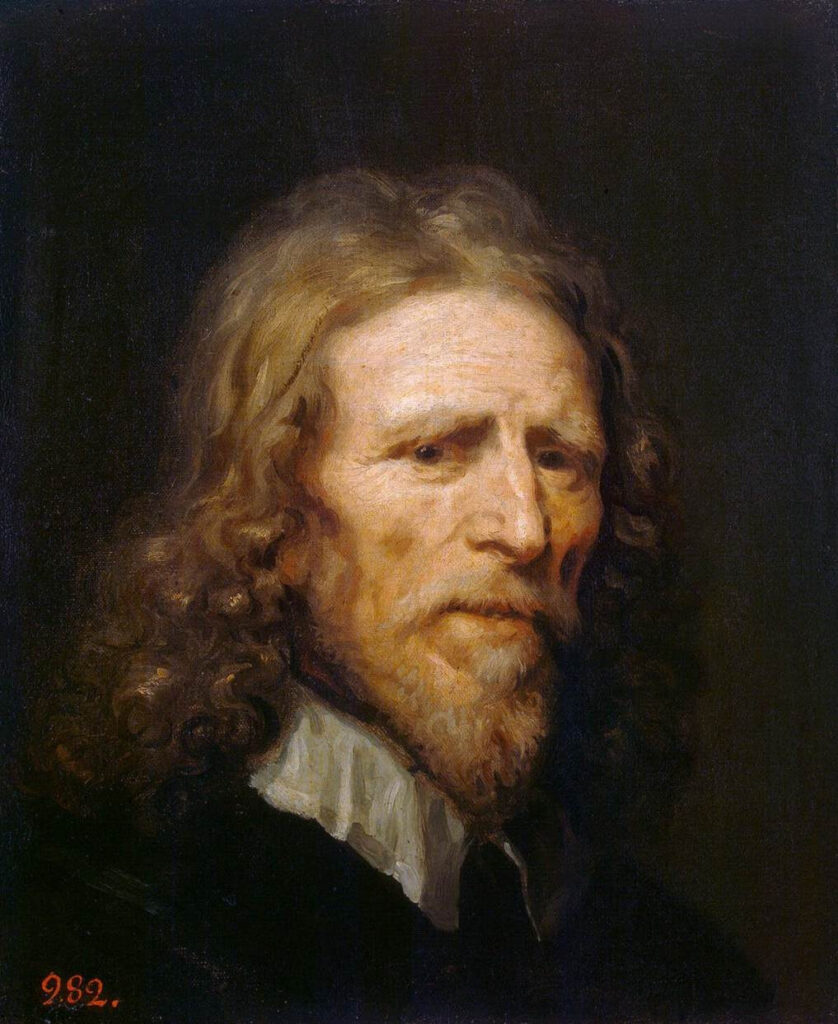
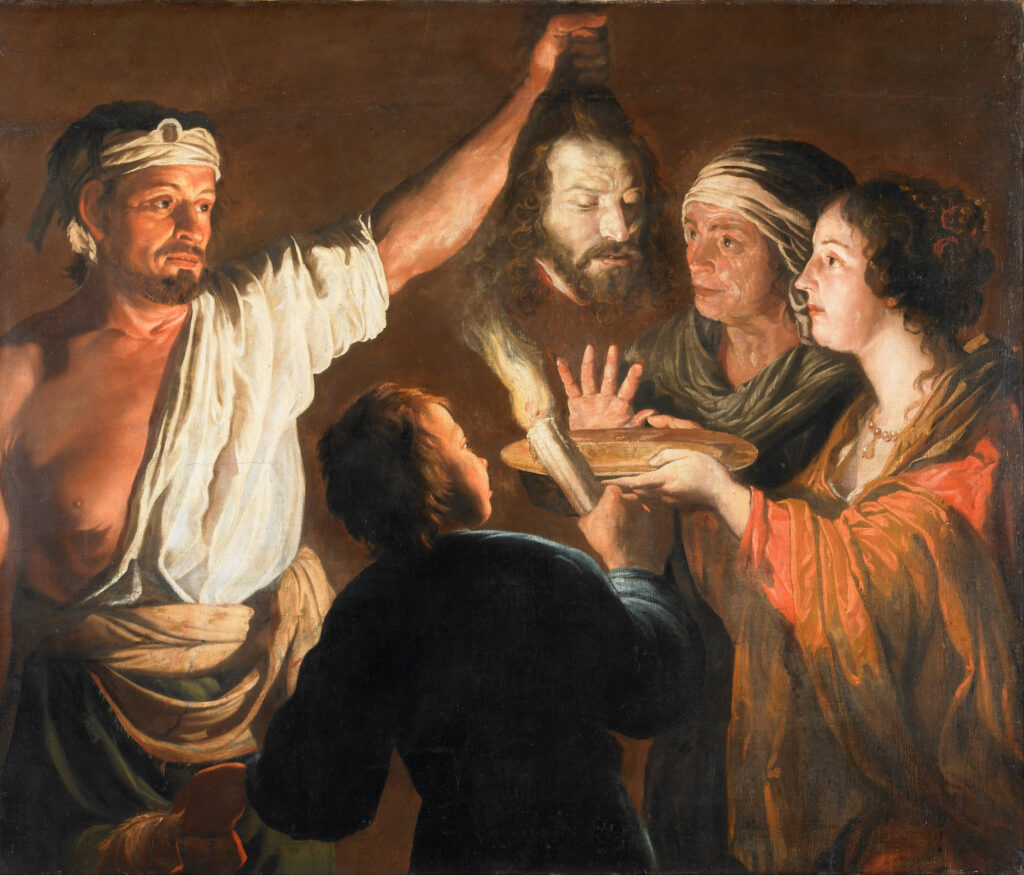
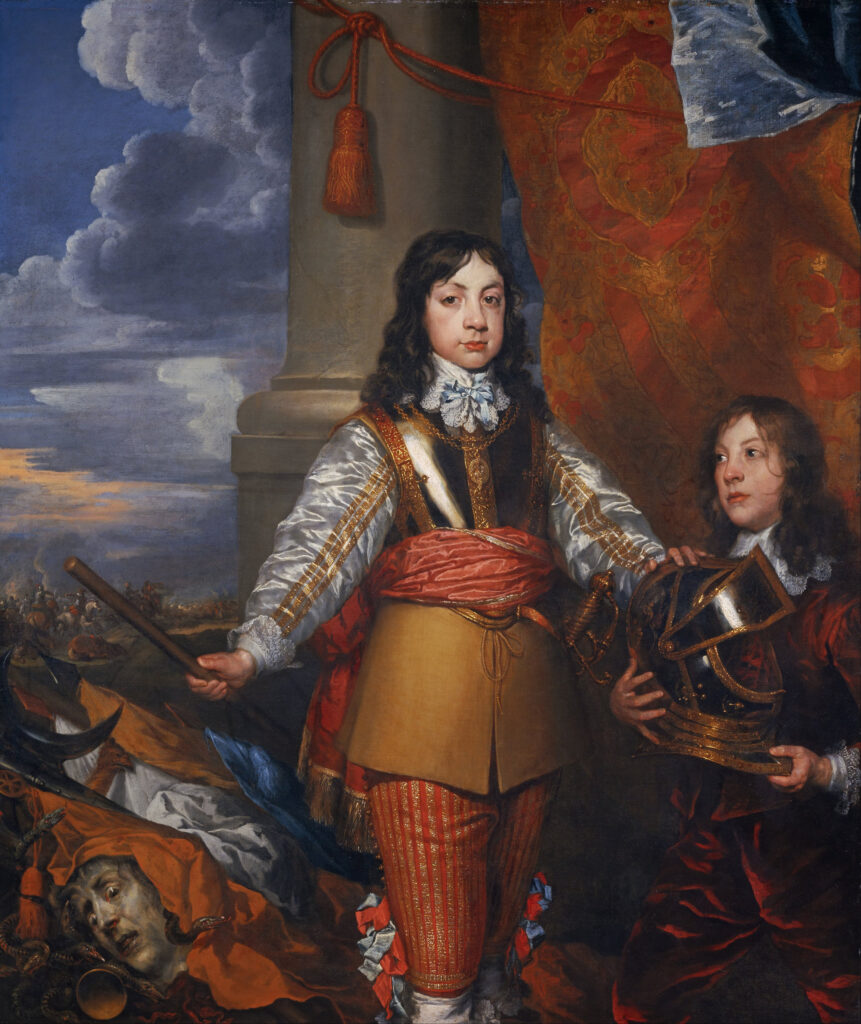
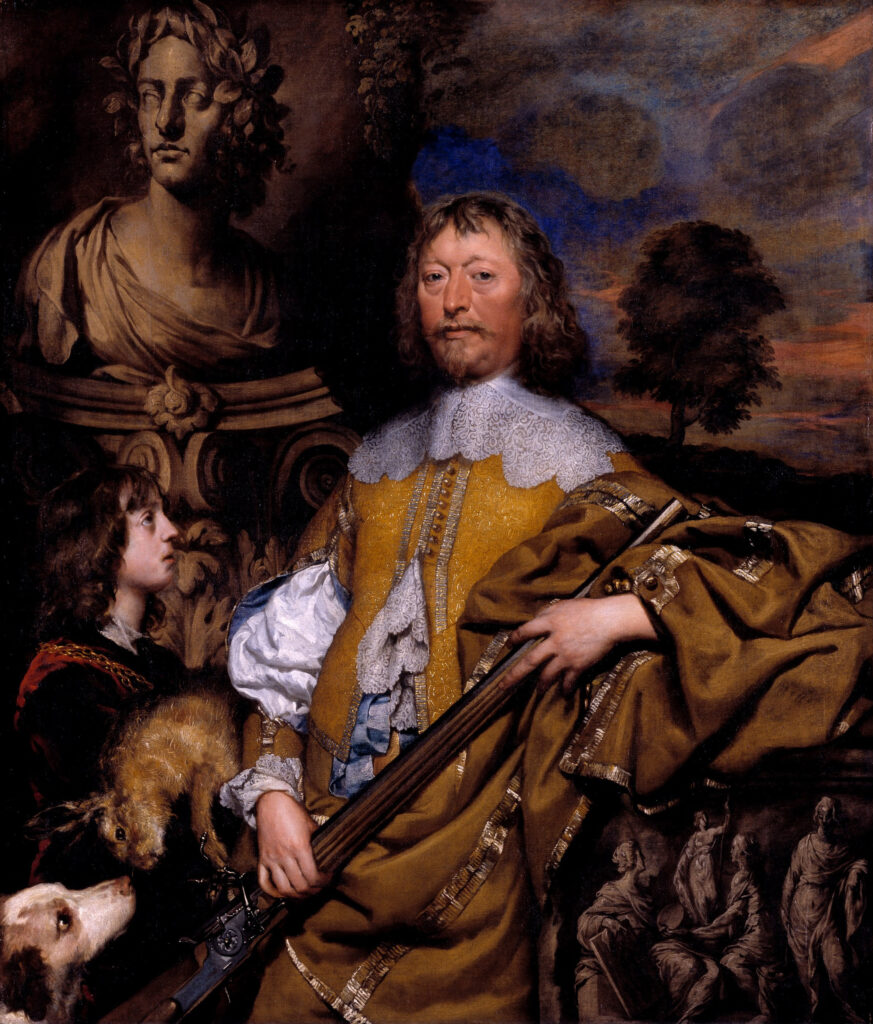
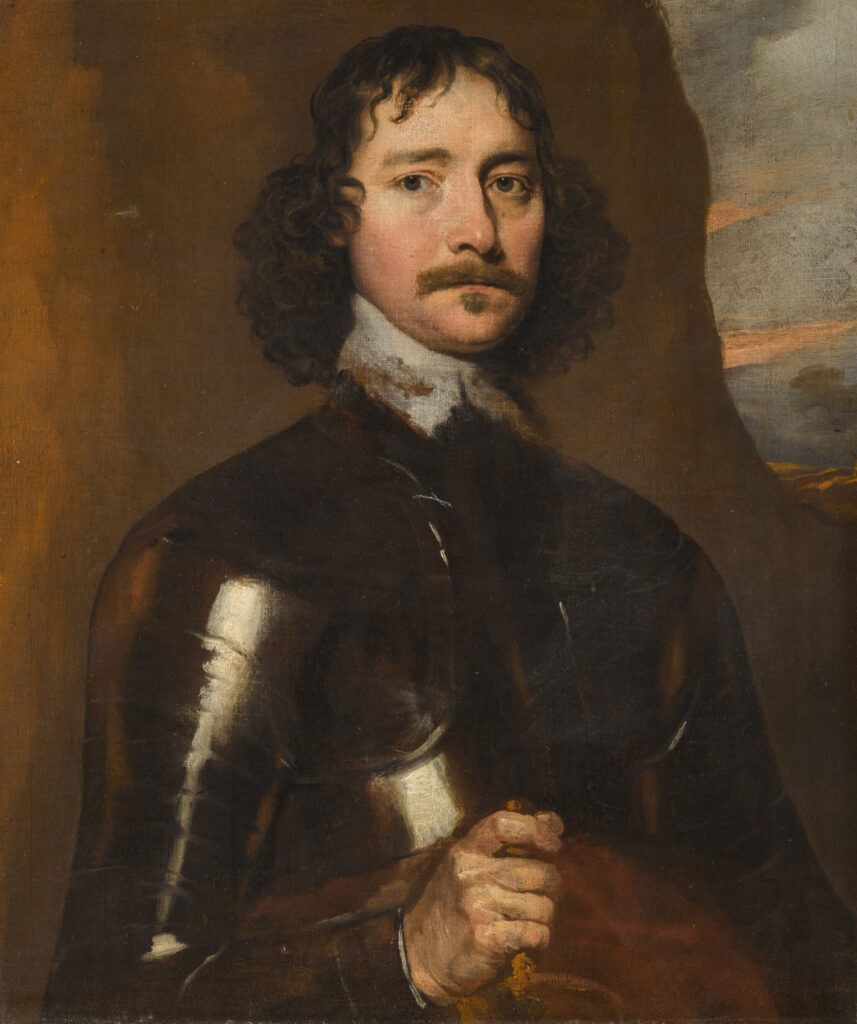
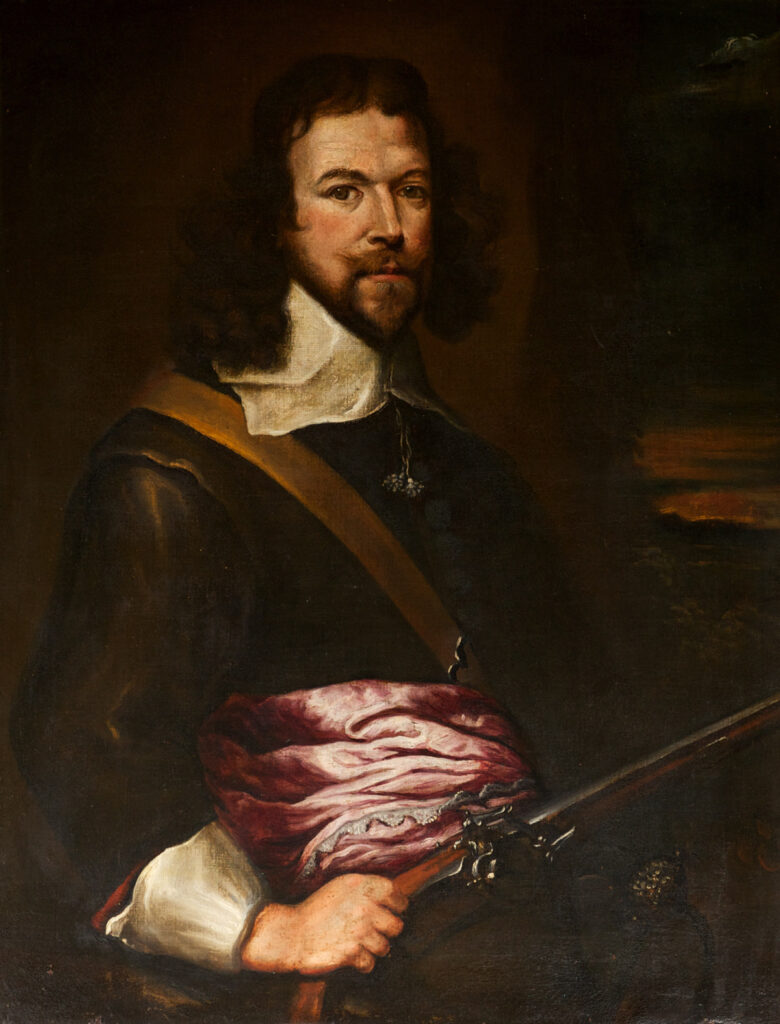
William Dobson
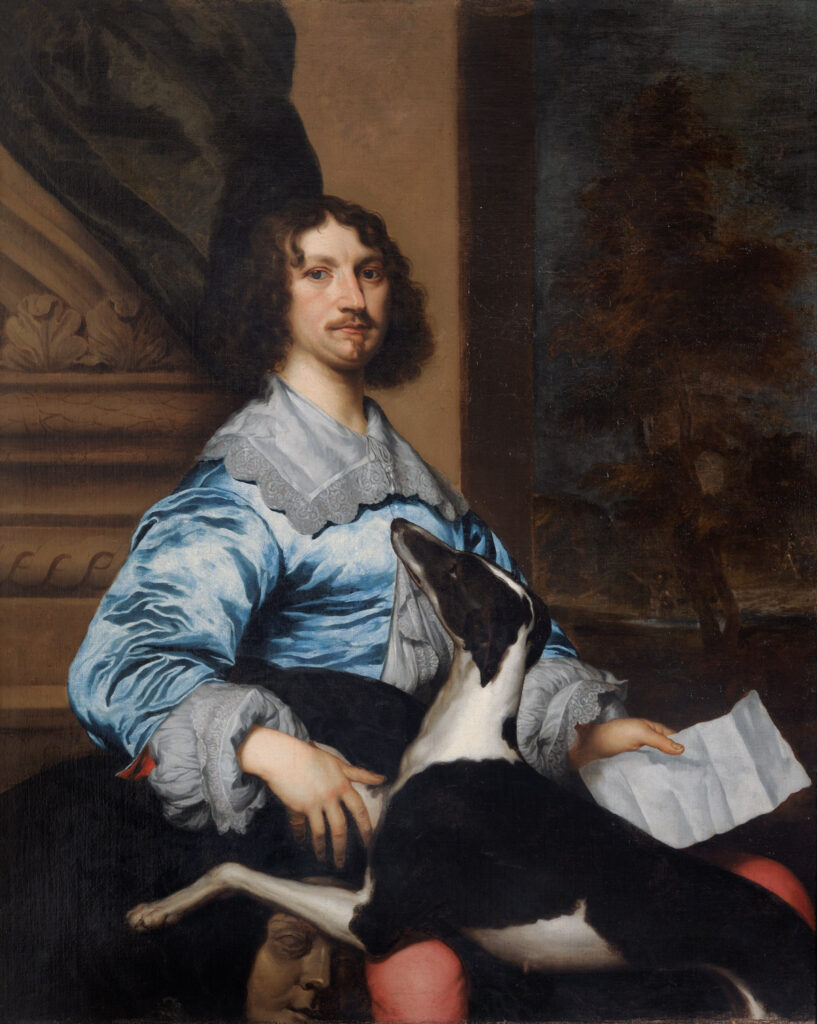
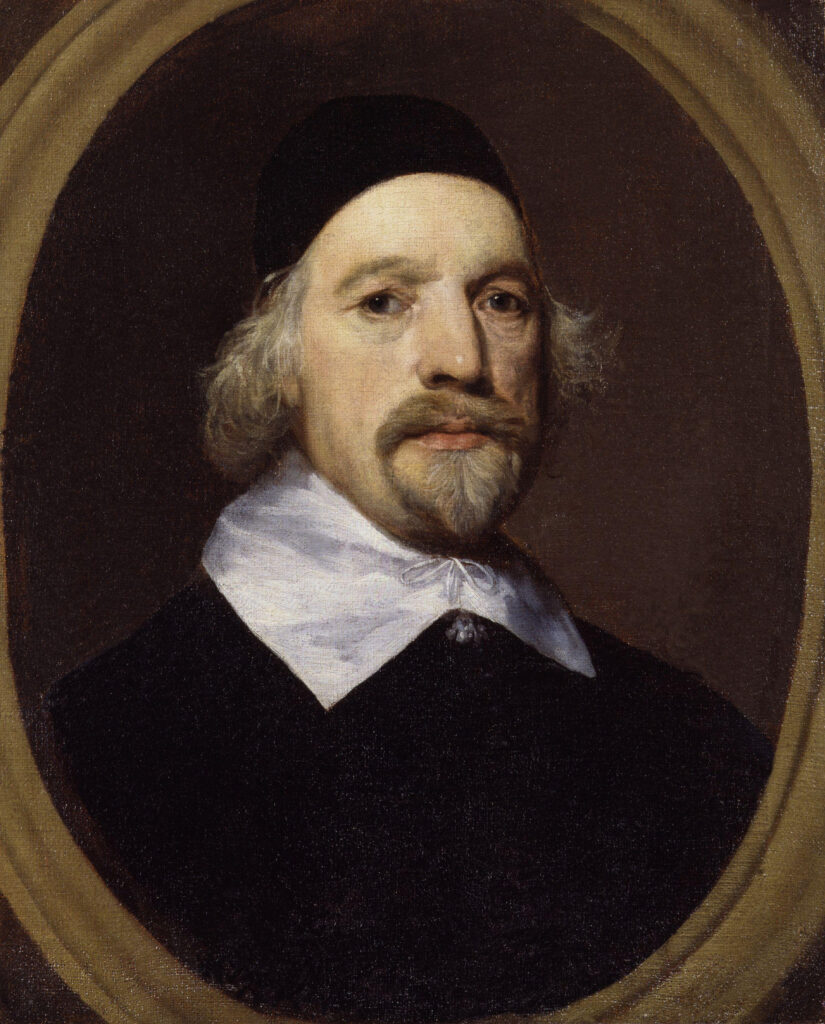
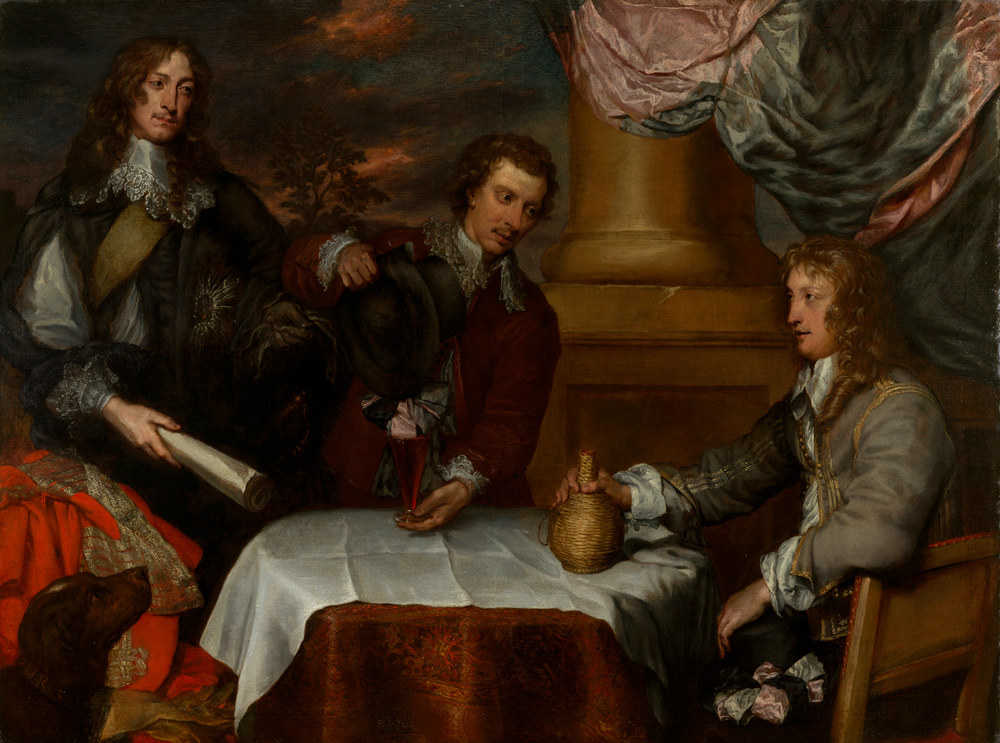
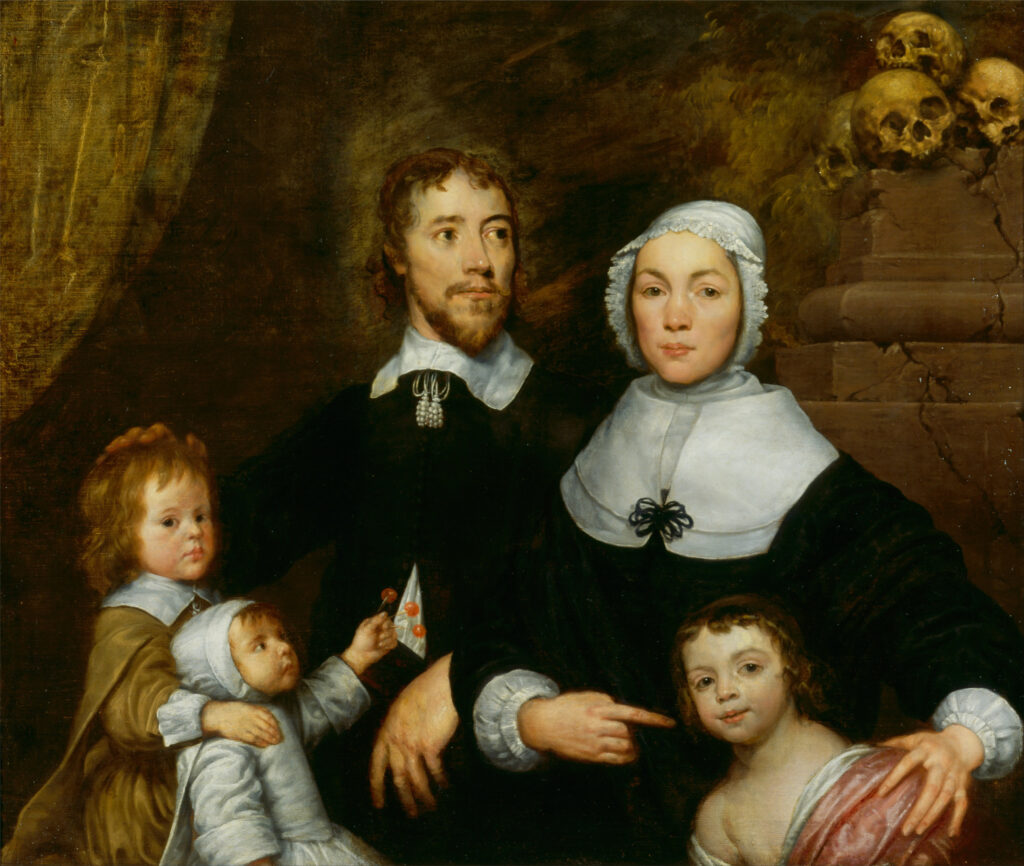
William Dobson, 1611–October 28, 1646, was an English portrait painter born in London. He was apprenticed to the painter and print seller William Peake and may also have trained with Francis Cleyn.
Following the death of Anthony van Dyck in 1641, Dobson became associated with the royal court of Charles I. During the English Civil War he worked in Oxford and London, painting the king’s supporters, courtiers, and military officers in oil.
After the Royalist defeat, Dobson returned to London, where he was briefly imprisoned for debt. He died in 1646 and was buried at St Martin-in-the-Fields. His paintings are held by the National Portrait Gallery, Tate, National Galleries Scotland, and other British and international collections.
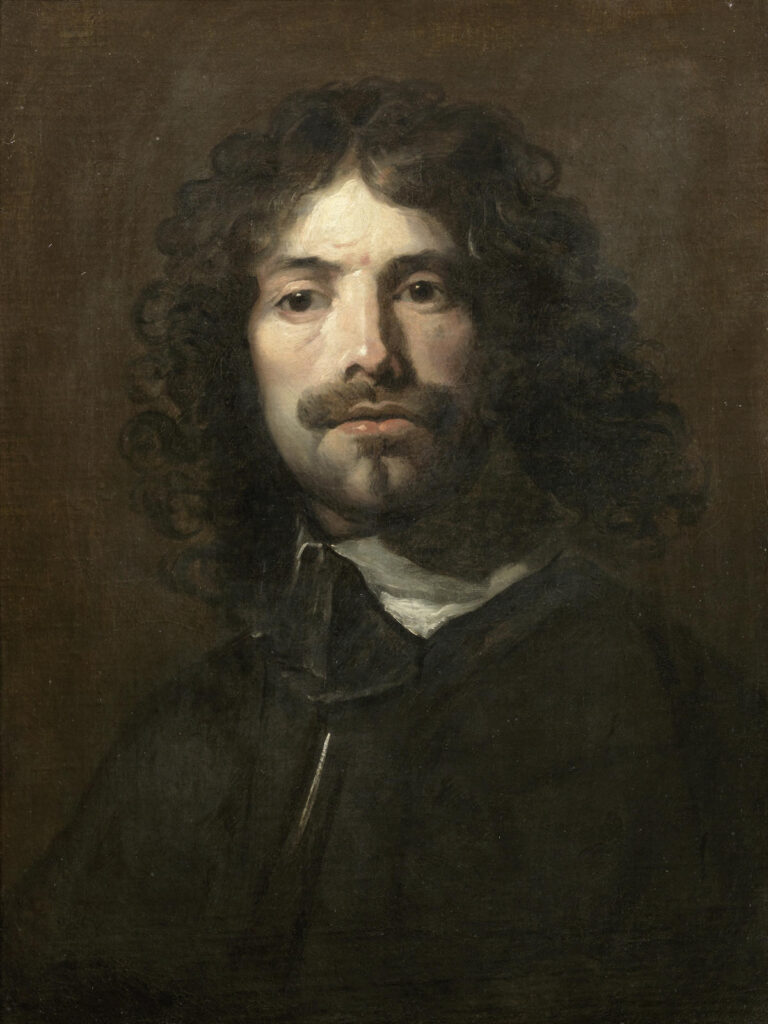
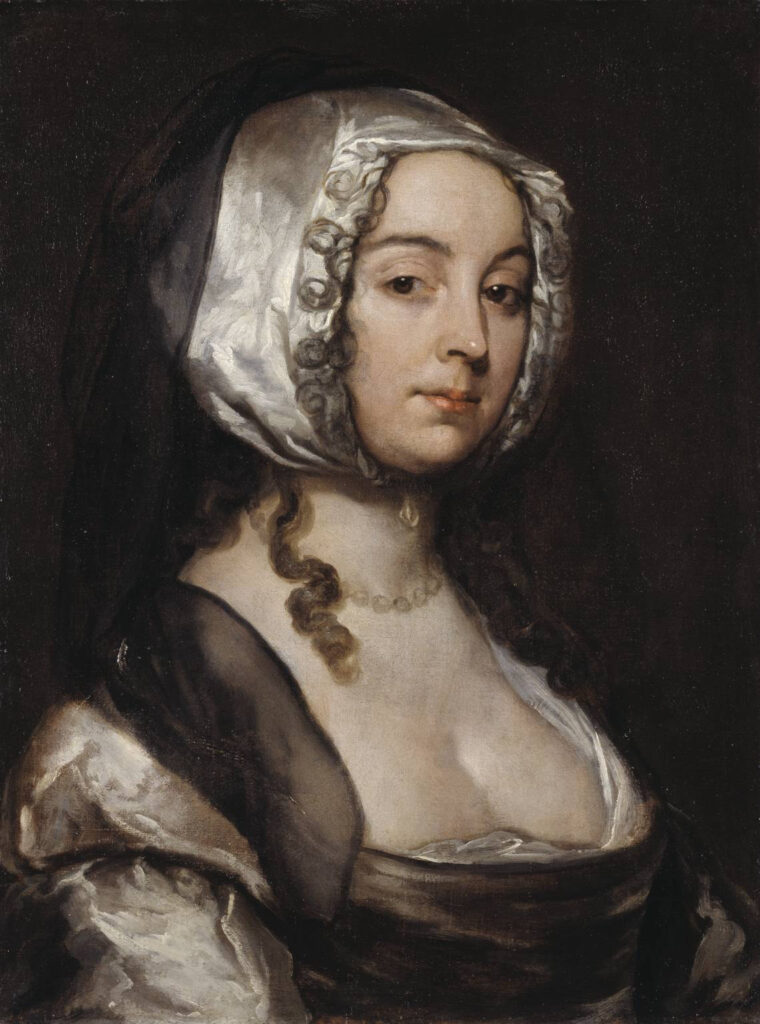
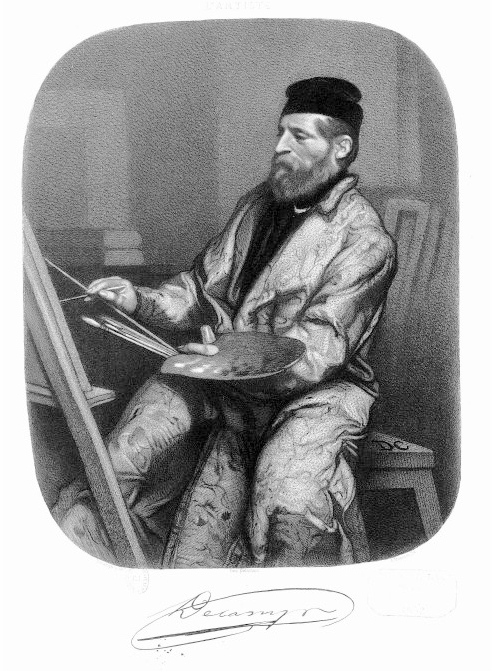
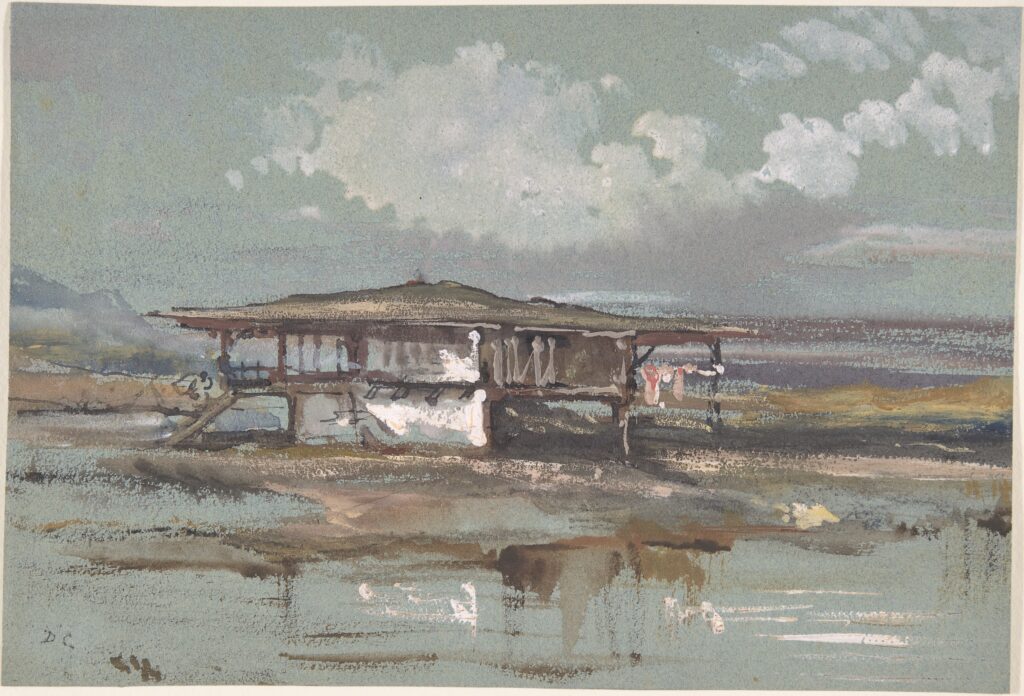
Alexandre-Gabriel Decamps
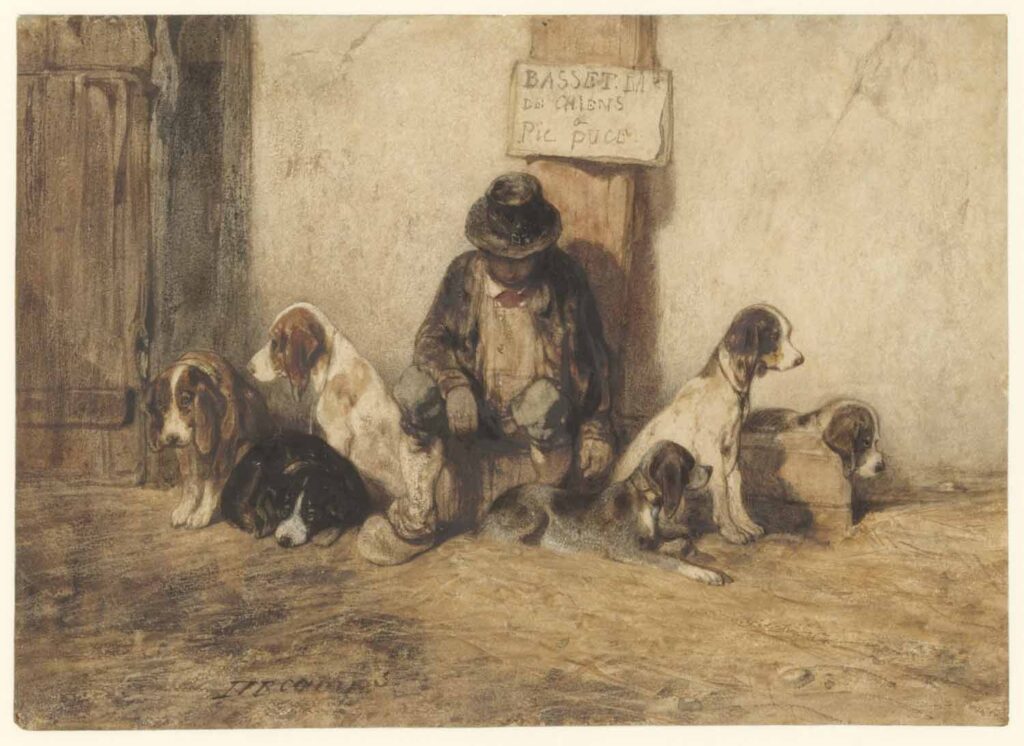
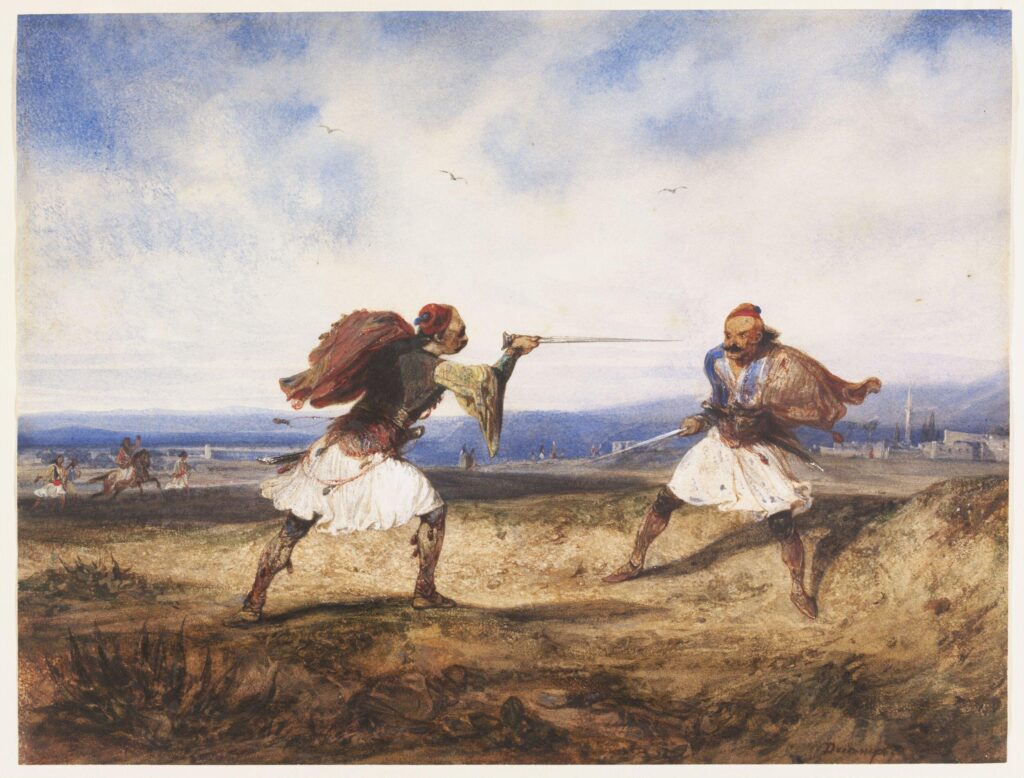
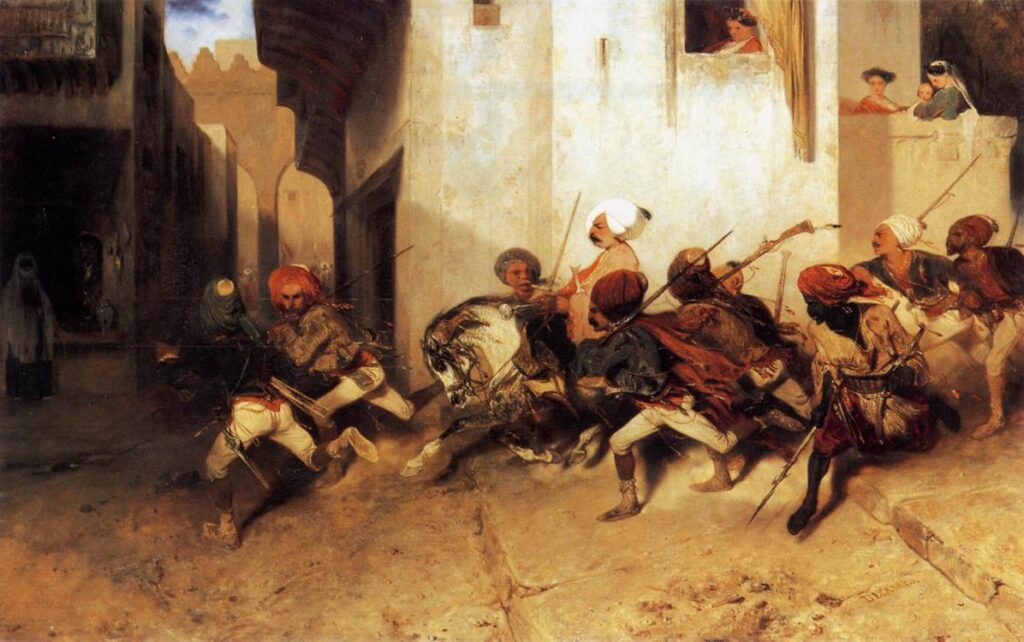
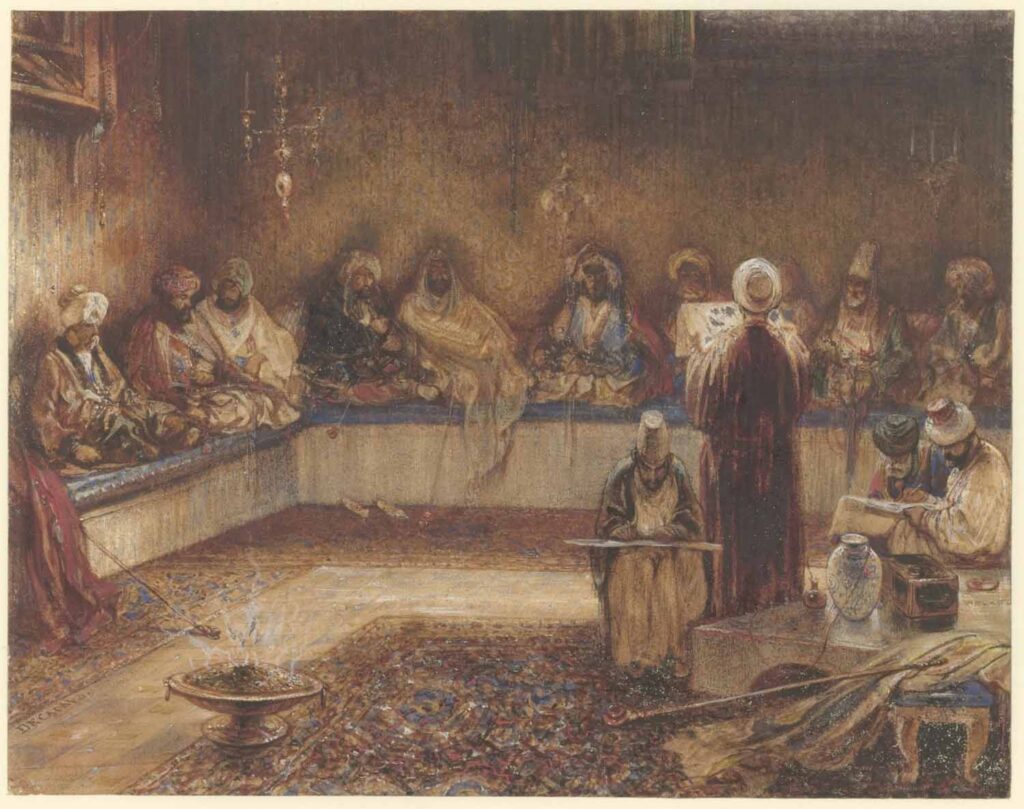
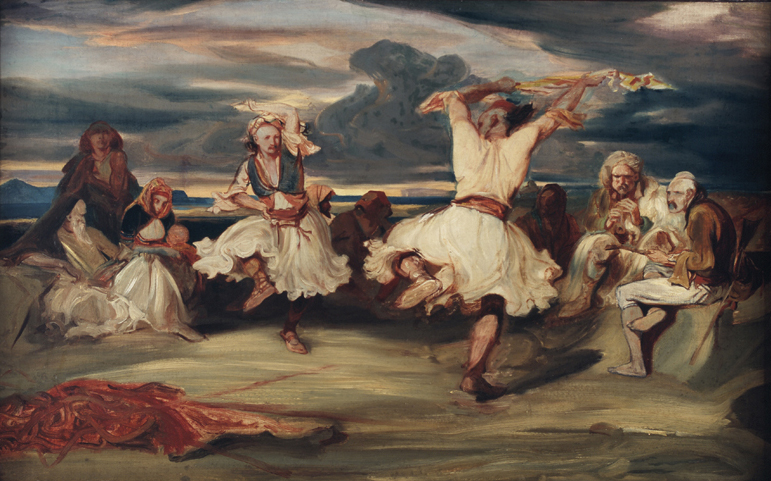
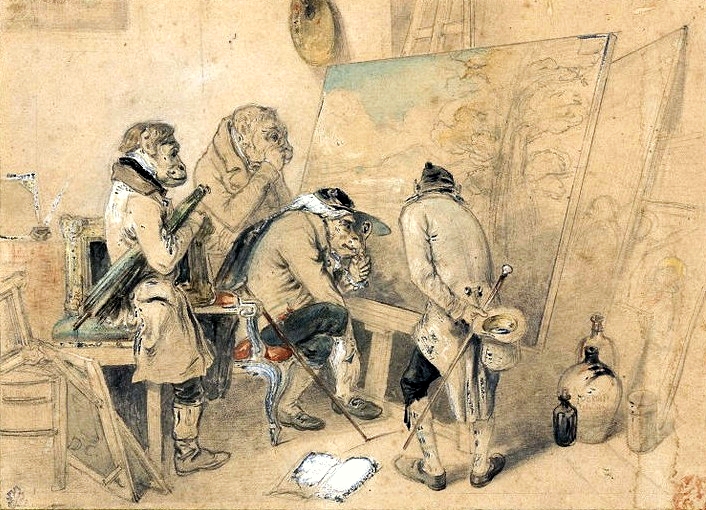
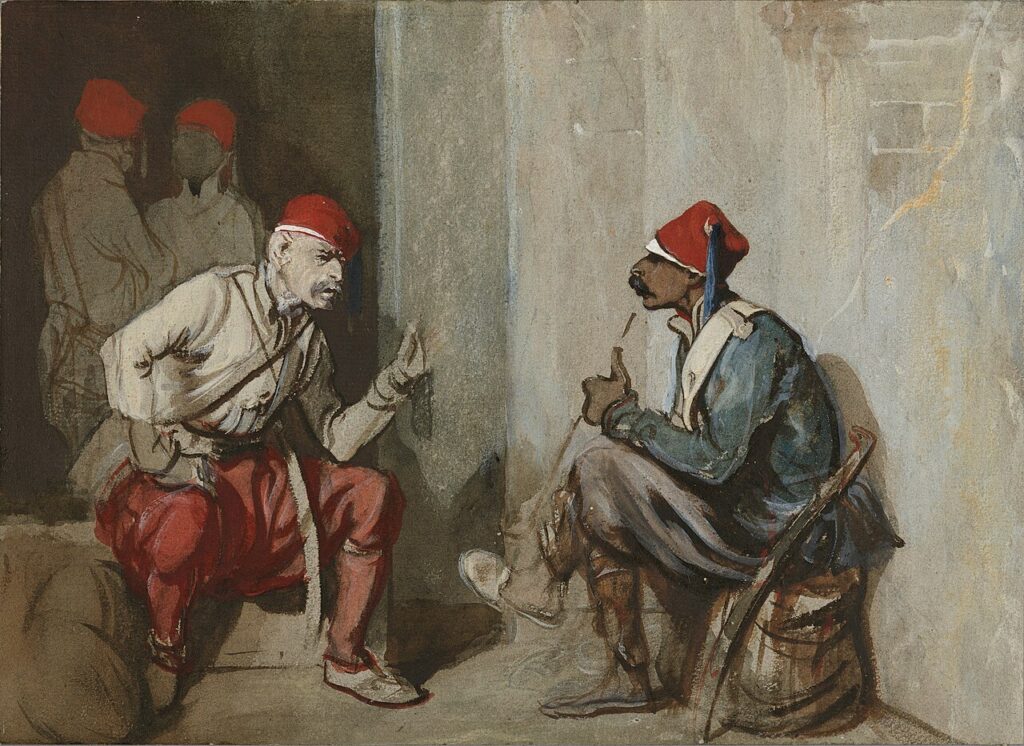
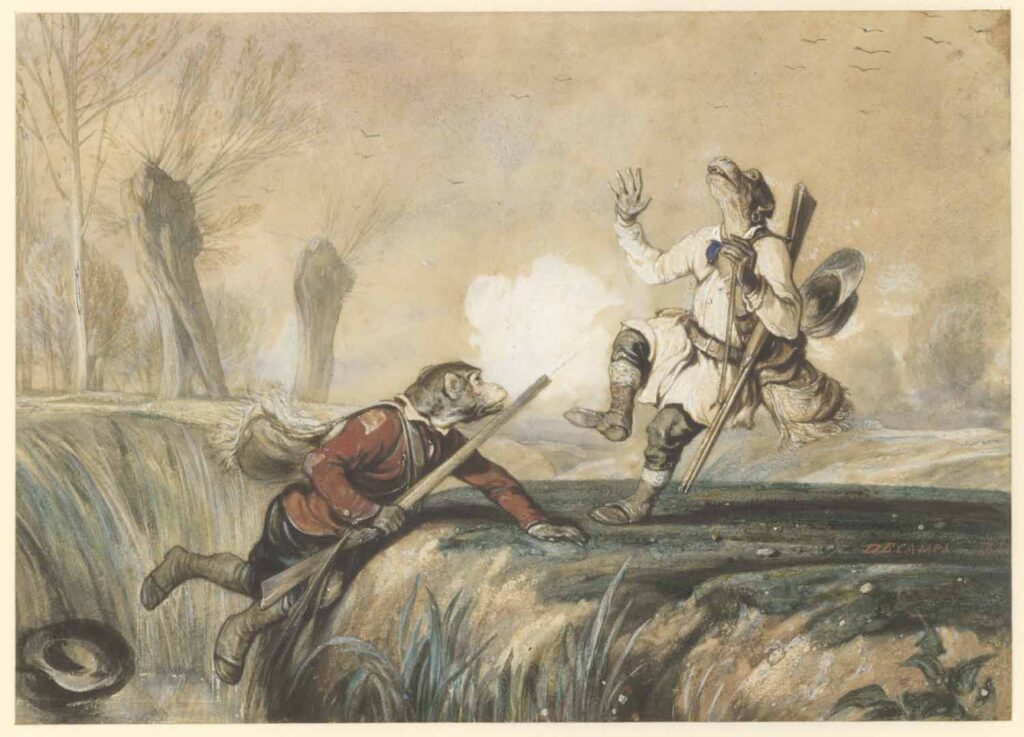
Alexandre-Gabriel Decamps, March 3, 1803–August 22, 1860, was a French painter and printmaker born in Paris. He studied with Étienne Bouhot and Abel de Pujol and developed his technique through independent study.
Decamps traveled to the eastern Mediterranean in 1828. His paintings of Ottoman subjects attracted attention at the Paris Salon of 1831. He also made hunting scenes, landscapes, animal subjects, drawings and lithographs.
Decamps worked in Paris and Fontainebleau and participated in the Exposition Universelle of 1855. He died at Fontainebleau in 1860. His works are held by the Wallace Collection, the Metropolitan Museum of Art and other public collections.




Pietro Novelli
Pietro Novelli, March 2, 1603–August 27, 1647, was an Italian painter born in Monreale, Sicily. He trained with his father, Pietro Antonio Novelli, a painter and mosaicist, and later studied in Palermo with Vito Carrera.
Novelli worked chiefly in Sicily, producing religious paintings and frescoes. His work reflects the influence of Anthony van Dyck, Caravaggio, and Jusepe de Ribera. He also practiced architecture and was appointed an engineer and architect to the Senate of Palermo in 1636.
Novelli died in Palermo in 1647. His paintings are held by the Galleria Regionale della Sicilia, the National Galleries of Scotland, the Museo Nacional del Prado, and other European collections.