Posts in Category: Italian
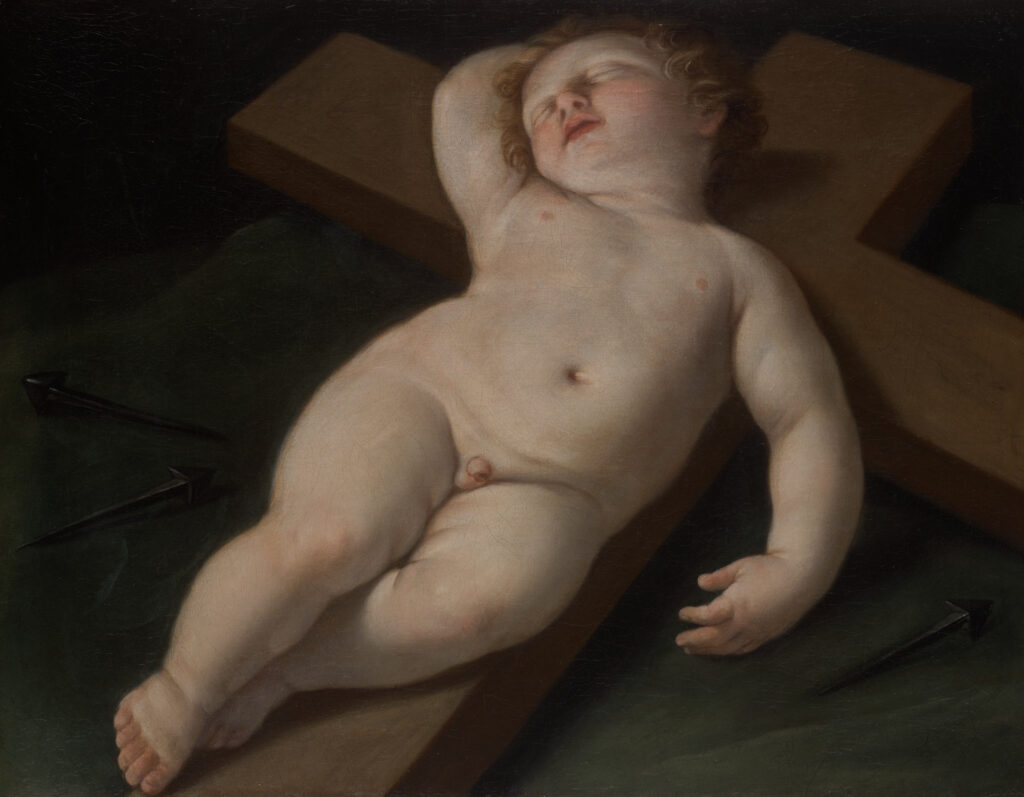
Guido Reni
Guido Reni, November 4, 1575 – August 18, 1642, was an Italian painter and printmaker born in Bologna. He trained first with the Flemish painter Denys Calvaert and then with the Carracci at the Accademia degli Incamminati.
Reni worked in Bologna and Rome and also received commissions connected with Mantua and Naples. His career included altarpieces, frescoes, easel paintings, drawings, and prints, and his mature work is associated with the classicizing current of seventeenth-century Bolognese painting.
Reni returned to Bologna for the greater part of his later career and maintained a large studio; Simone Cantarini was among his leading pupils. He died in Bologna in 1642. His works are held by the Uffizi Gallery, Museo del Prado, National Gallery in London, Louvre, Pinacoteca Nazionale di Bologna, and other major collections.



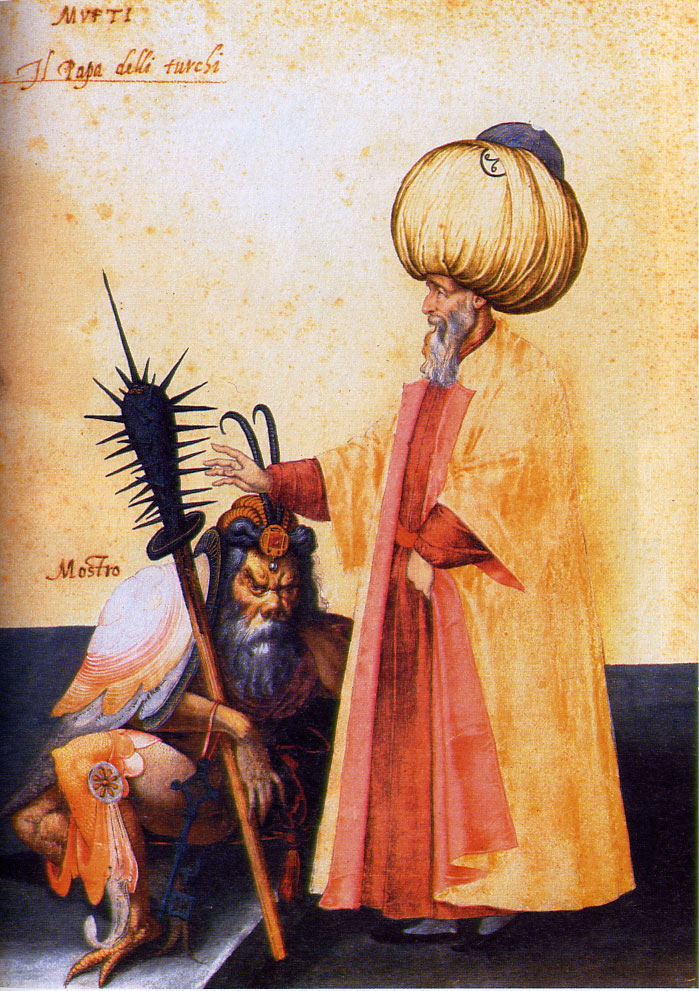


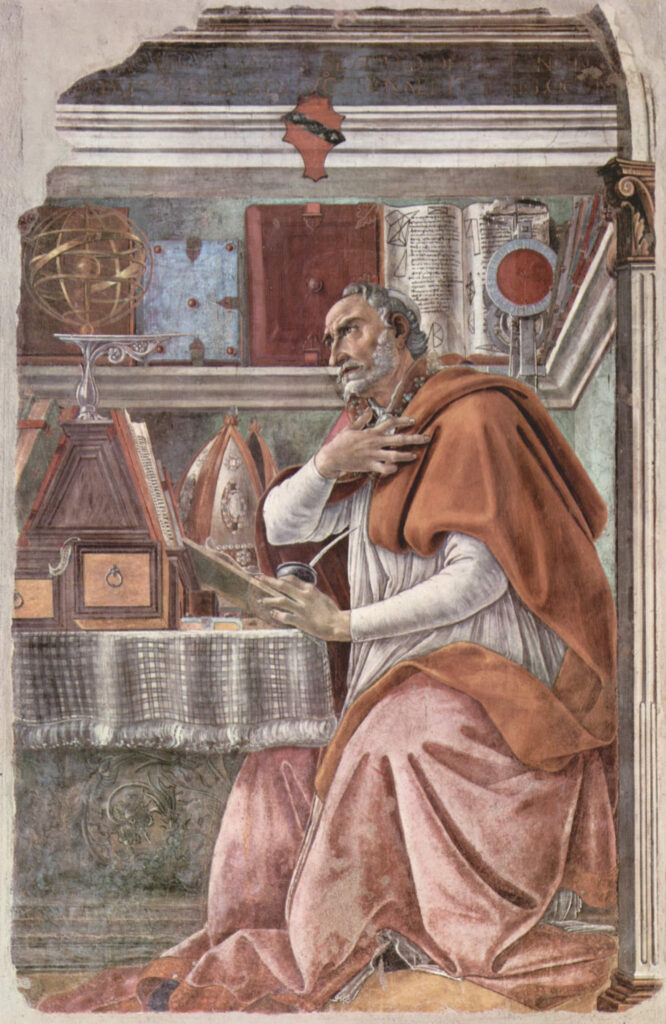
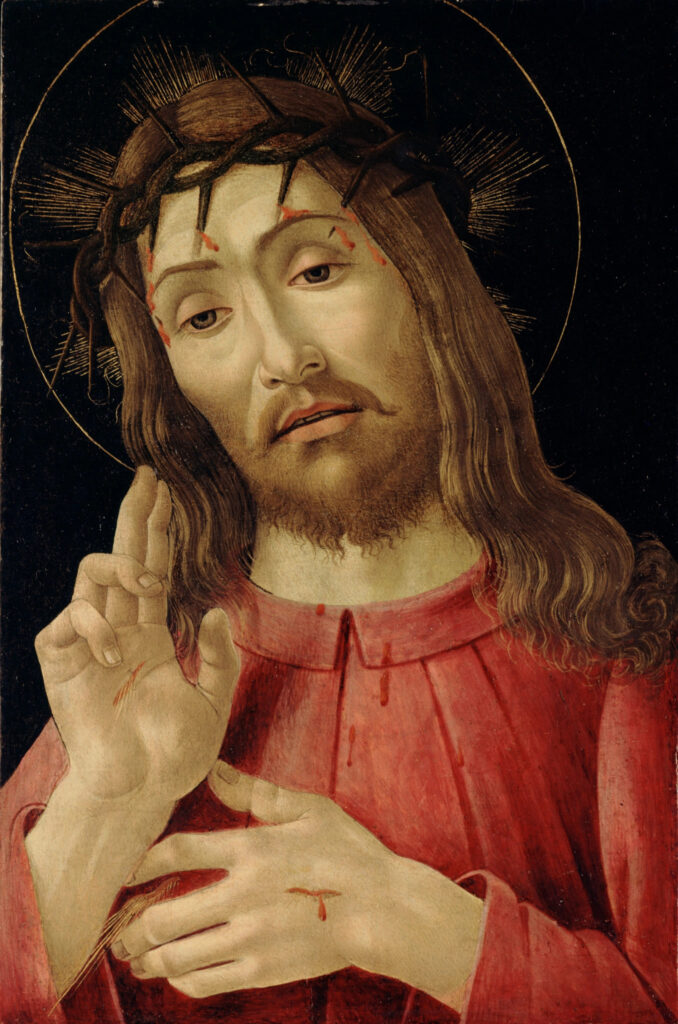
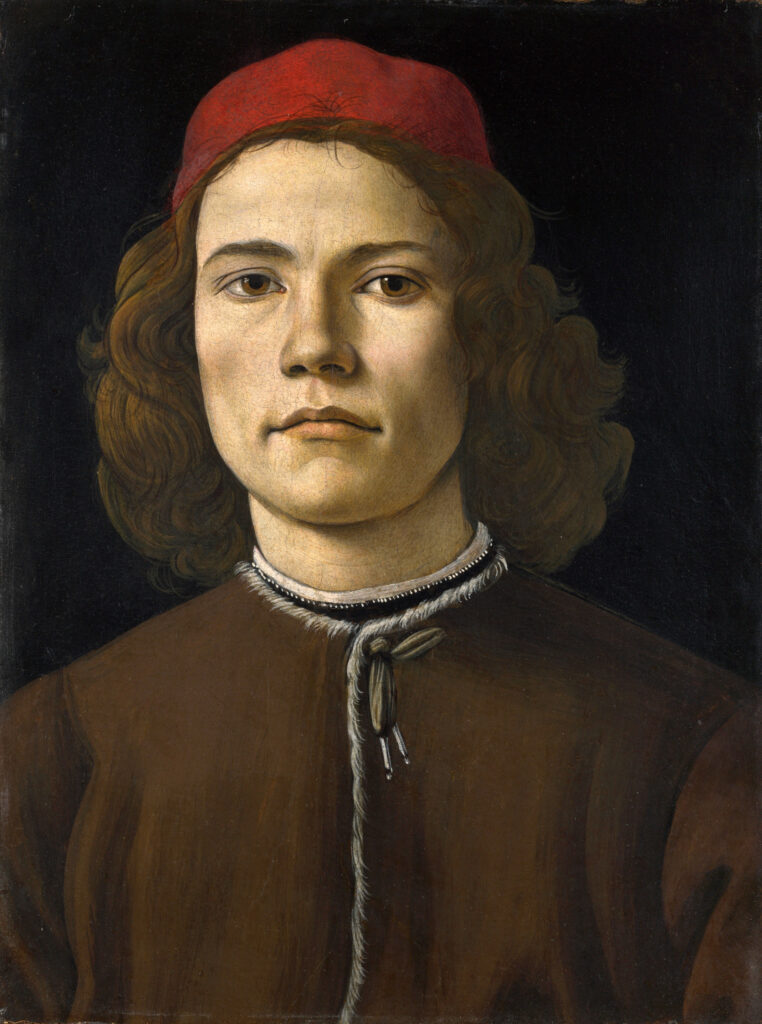
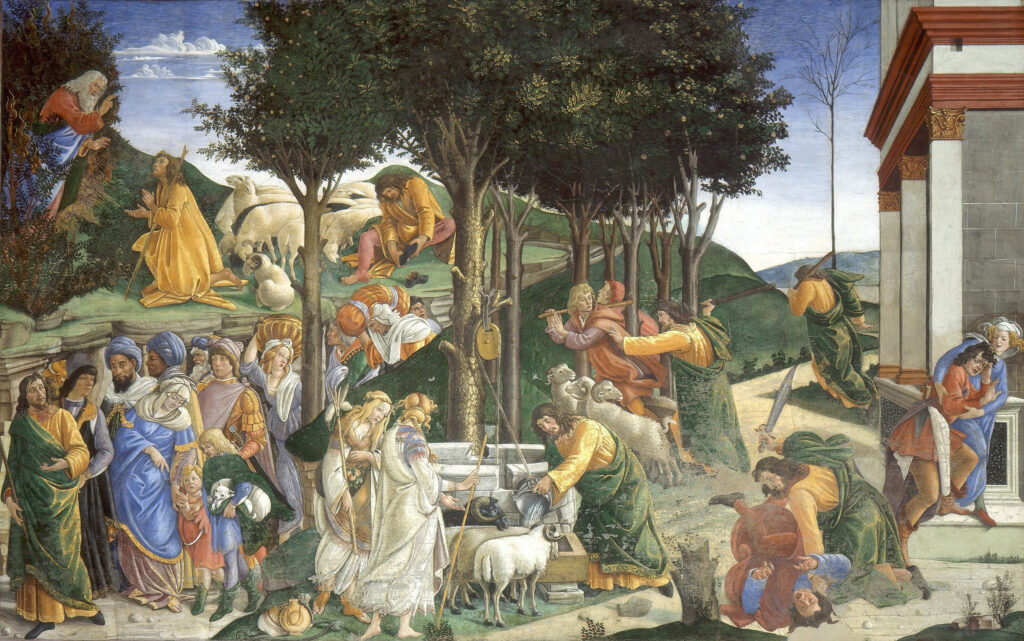
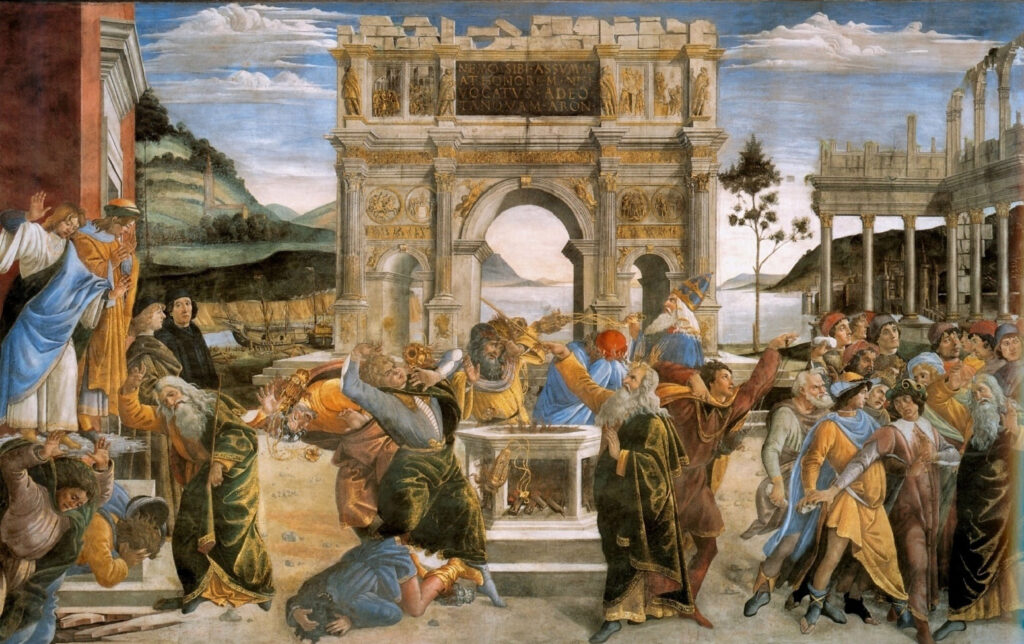
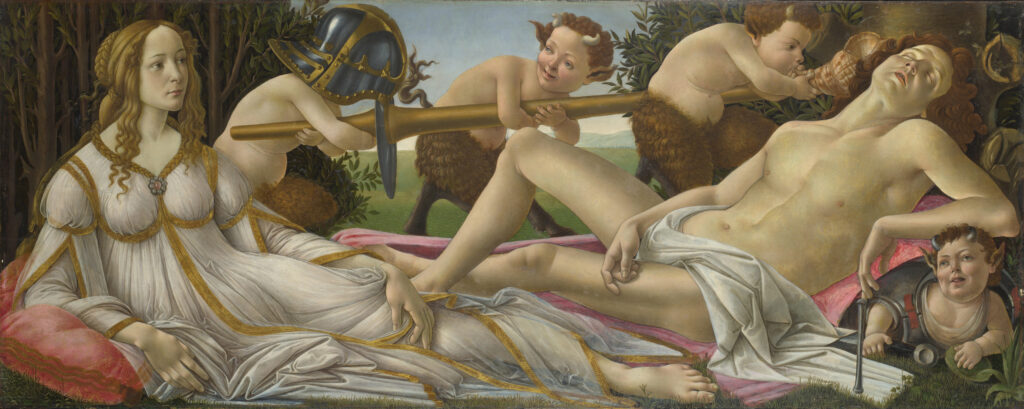
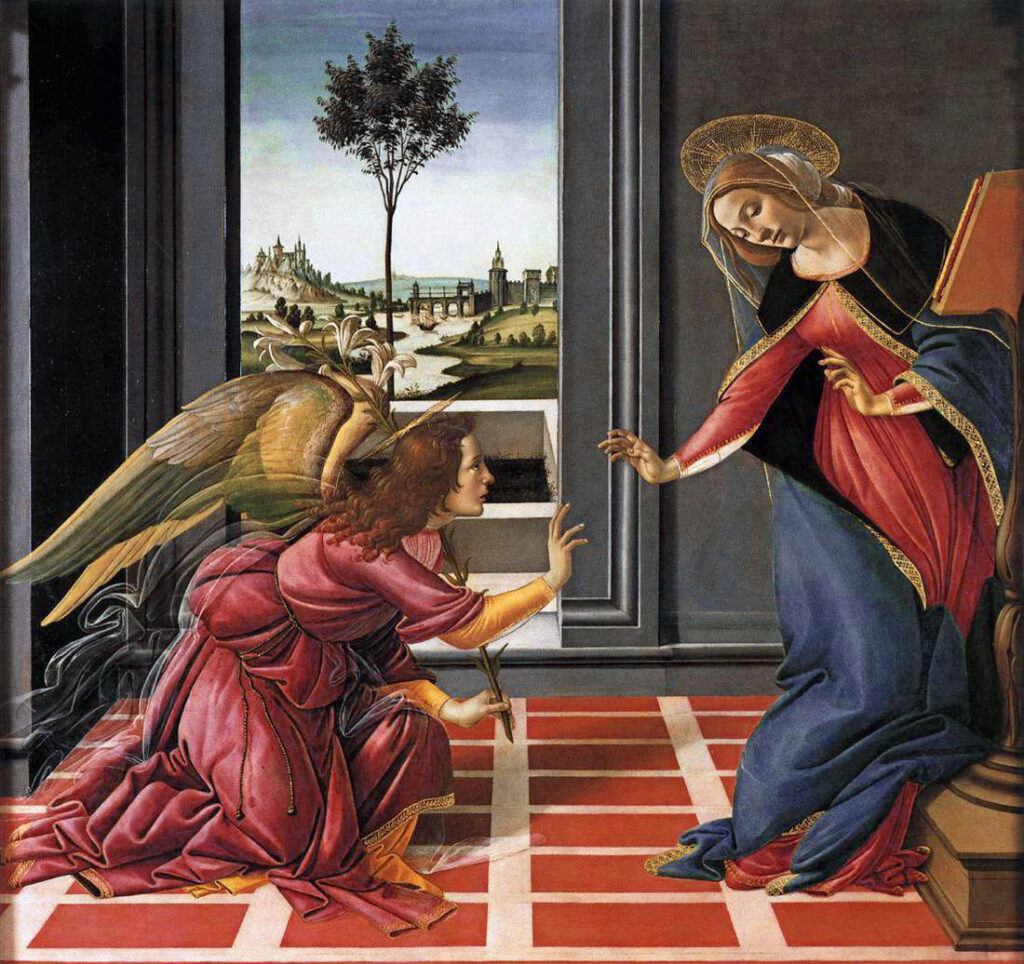
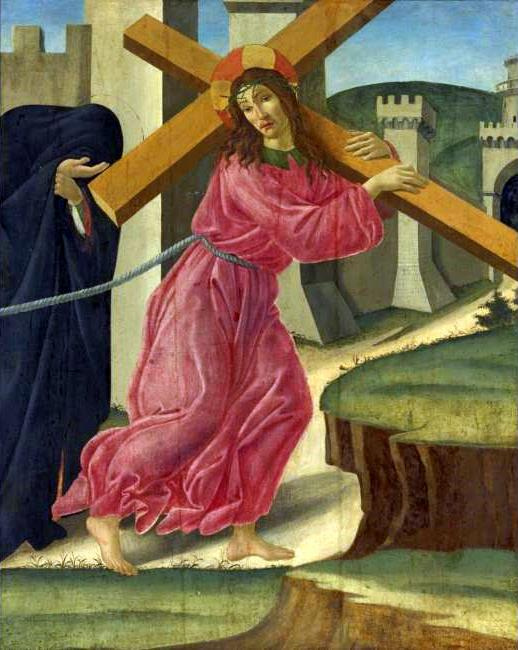
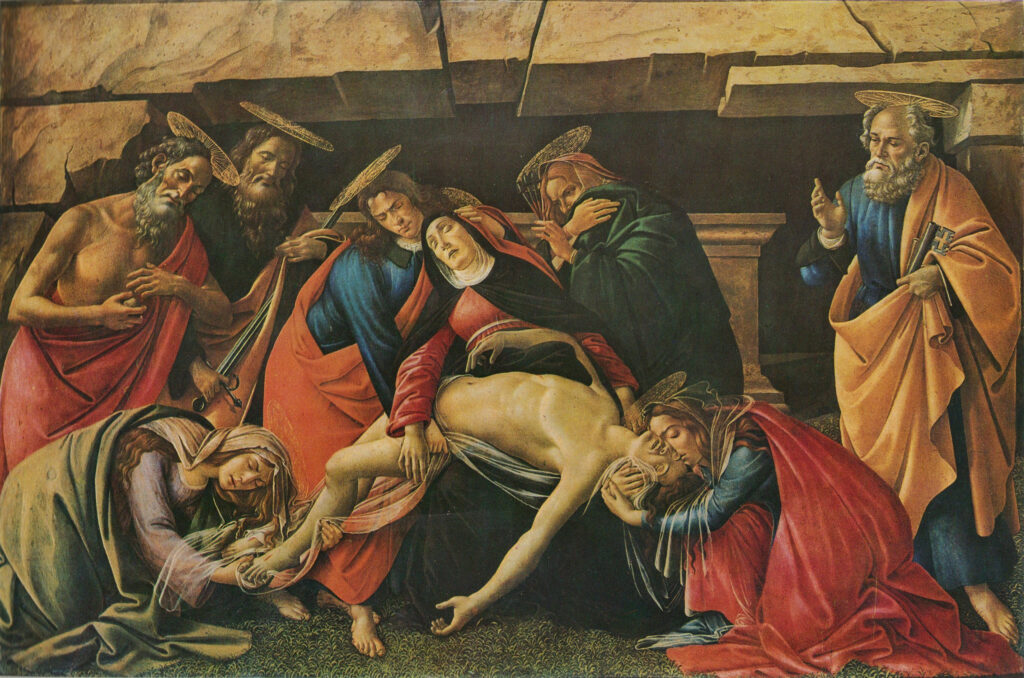
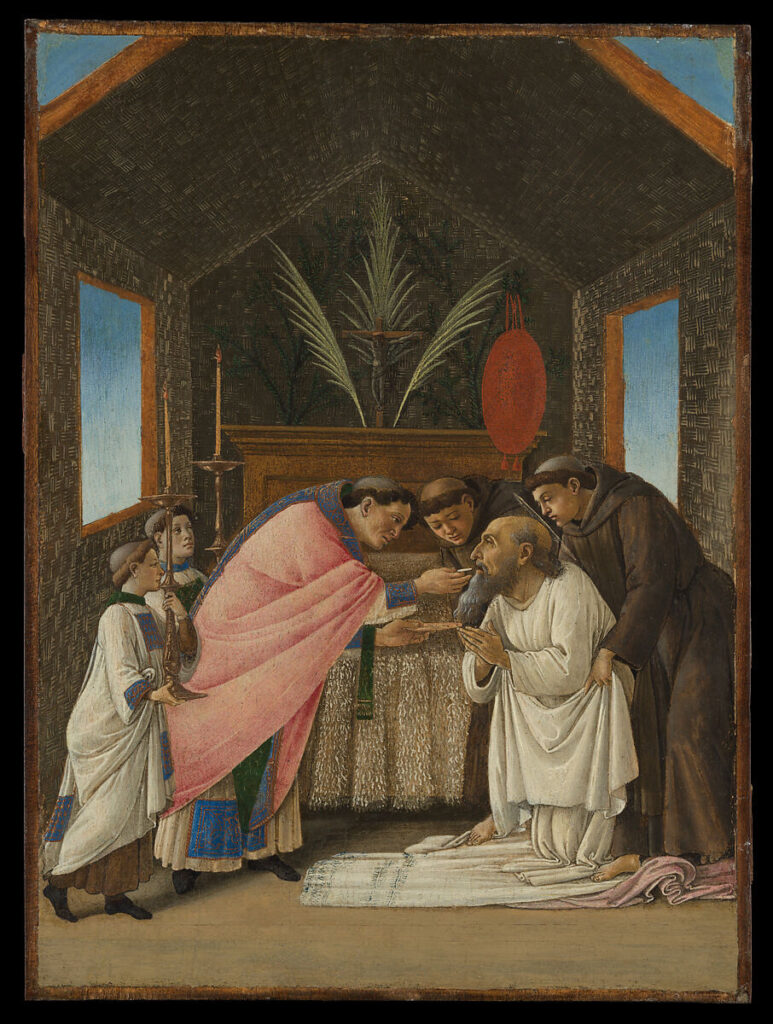
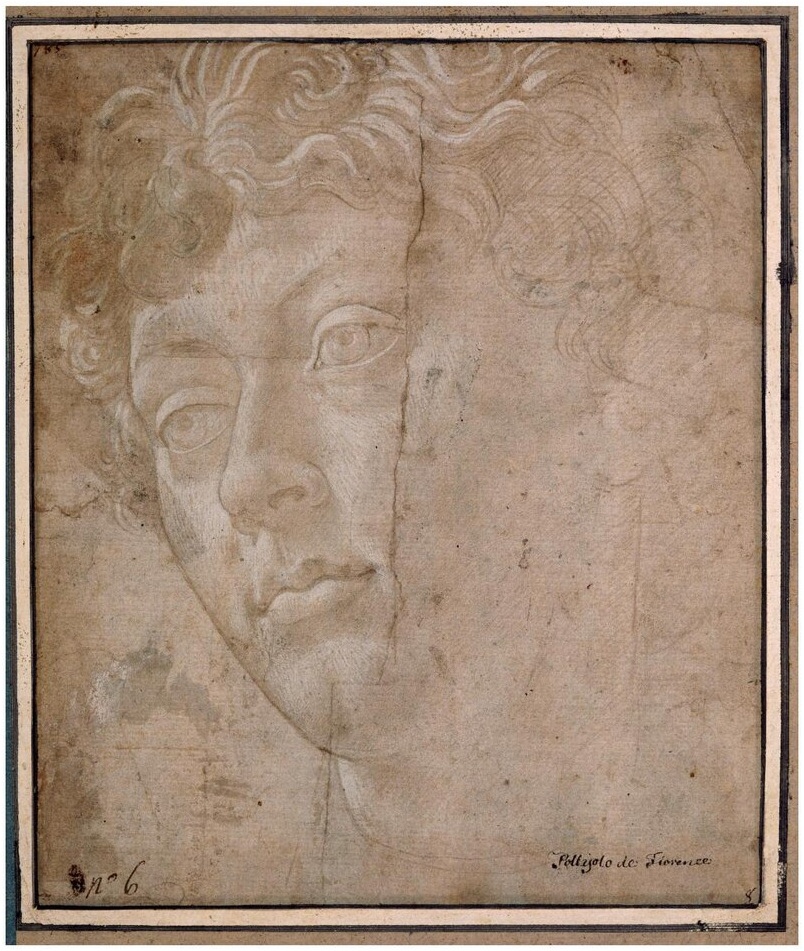
Sandro Botticelli
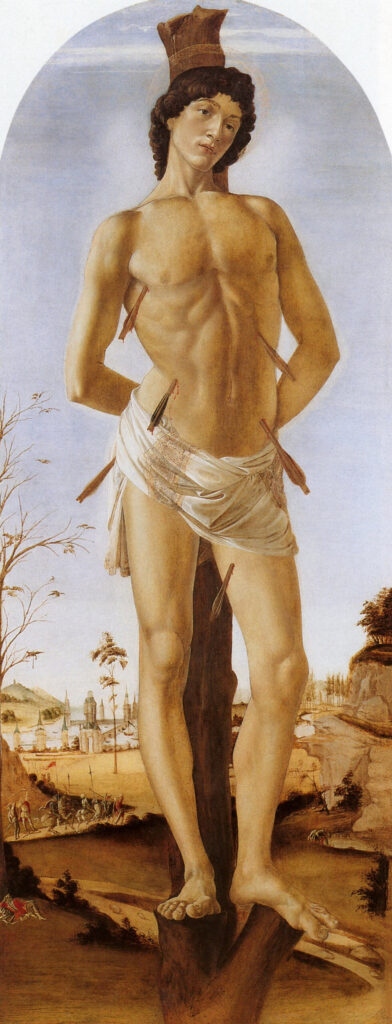
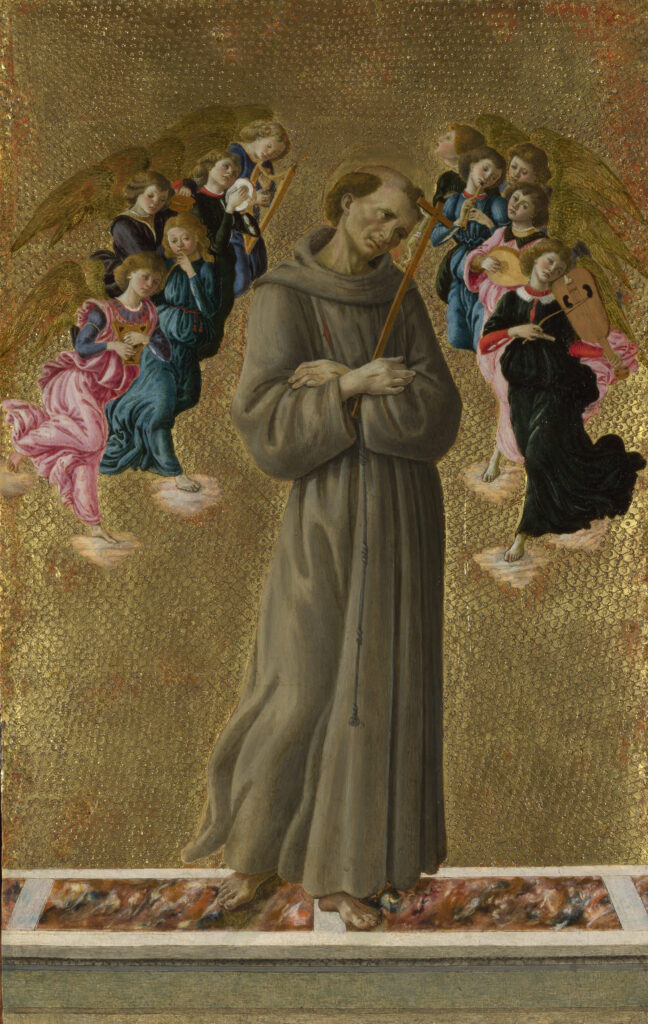
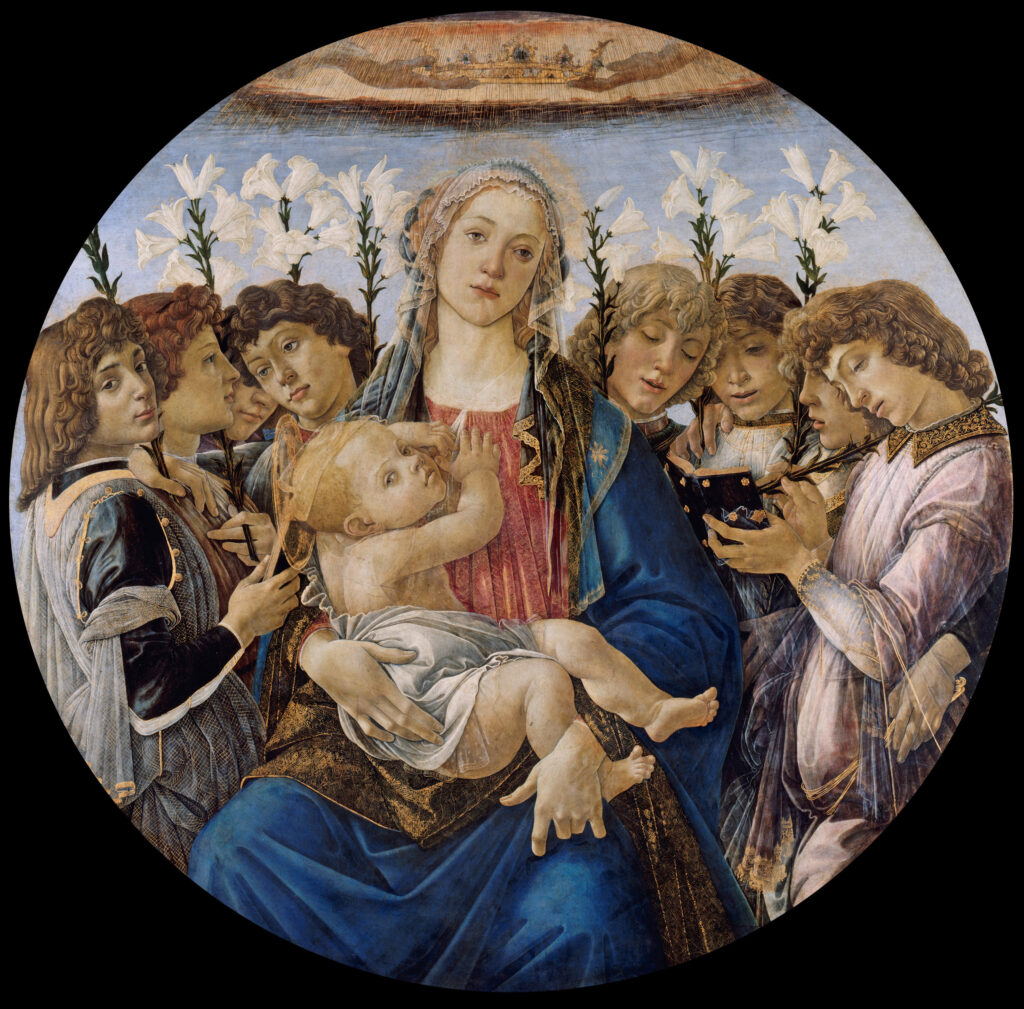
Sandro Botticelli, c 1445–1510, was an Italian painter and draftsman born Alessandro di Mariano Filipepi in Florence. He trained with Fra Filippo Lippi and had established his own workshop by 1470. Filippino Lippi, the son of his teacher, became his apprentice.
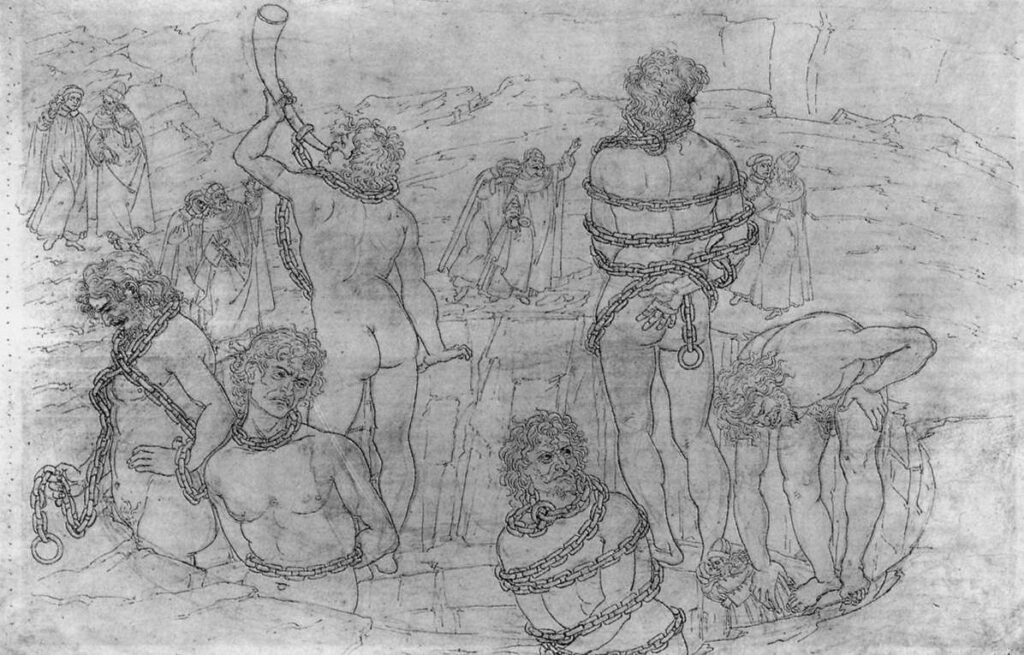
Botticelli worked for the Medici family and other Florentine patrons, producing religious paintings, portraits and mythological subjects. In 1481 he went to Rome to paint frescoes for the Sistine Chapel. He returned to Florence the following year. His work combined linear drawing with tempera painting and included illustrations of Dante’s Divine Comedy.
Botticelli continued to paint religious subjects during his later years and died in Florence in 1510. Interest in his work revived during the nineteenth century. His paintings are held by the Uffizi Gallery, the National Gallery in London, the Gemäldegalerie in Berlin, the Louvre Museum and the Metropolitan Museum of Art.











Lavinia Fontana
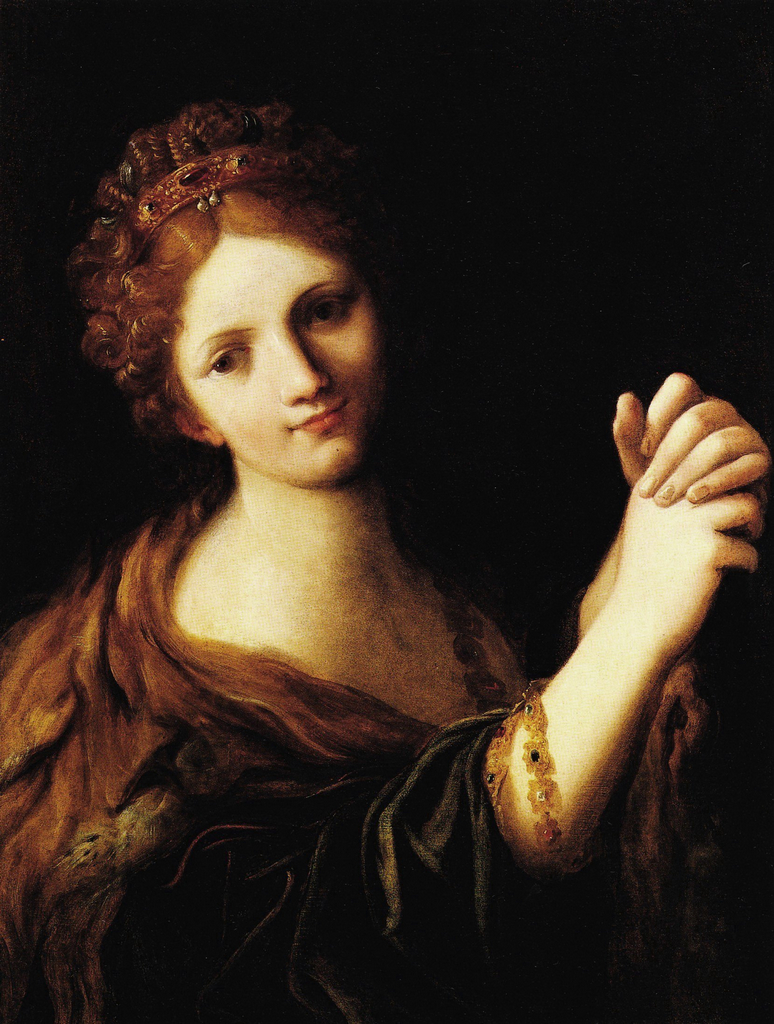
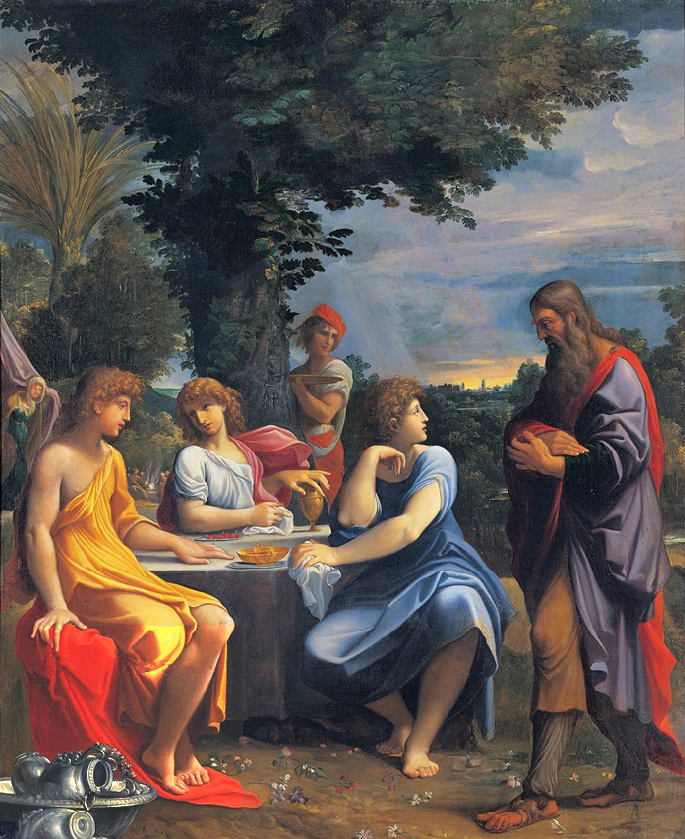
Lavinia Fontana, August 24, 1552 – August 11, 1614, was an Italian painter of the Bolognese School and one of the most successful female artists of the late Renaissance. Trained by her father, Prospero Fontana, she established an independent career in Bologna before later working in Rome.
Fontana became renowned for her portraits of noblewomen, scholars, clergy, and children, as well as for large-scale religious and mythological paintings. She received commissions from aristocratic patrons, churches, and members of the papal court, producing works notable for their refined detail, rich color, and careful observation of costume and jewelry.
Today, Lavinia Fontana is recognized as one of the first women in Europe to sustain a major professional painting career. Her works are held by museums including the Uffizi Galleries, the Metropolitan Museum of Art, the Art Institute of Chicago, the National Museum of Women in the Arts, and the Fine Arts Museums of San Francisco.


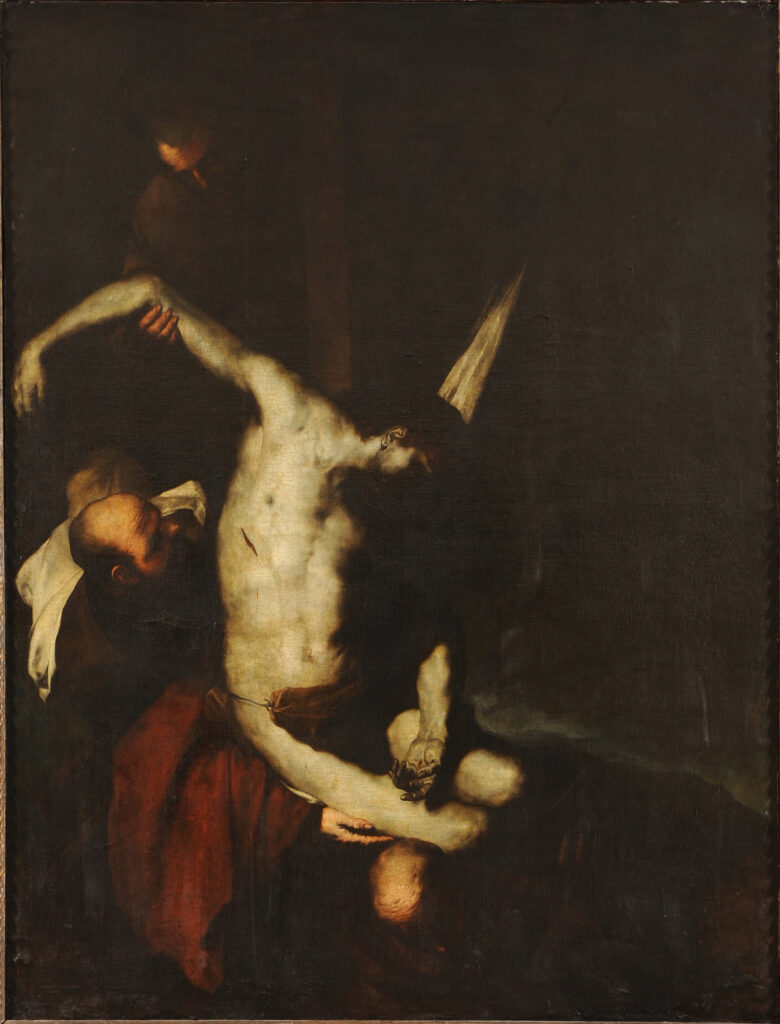
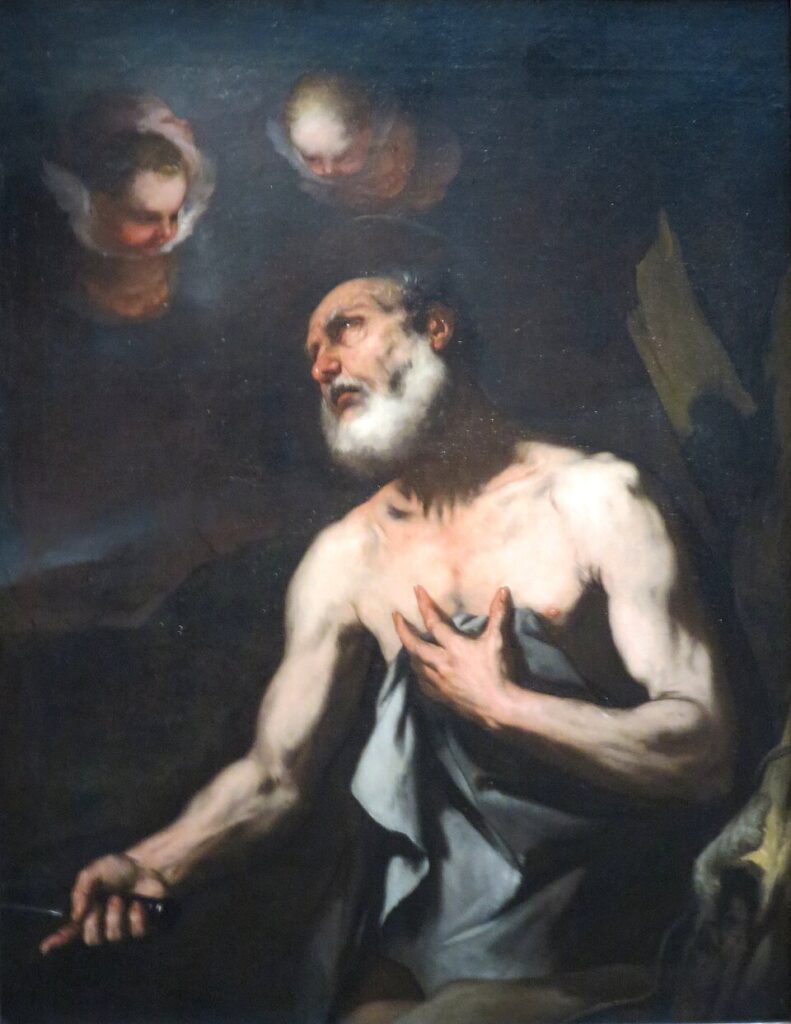
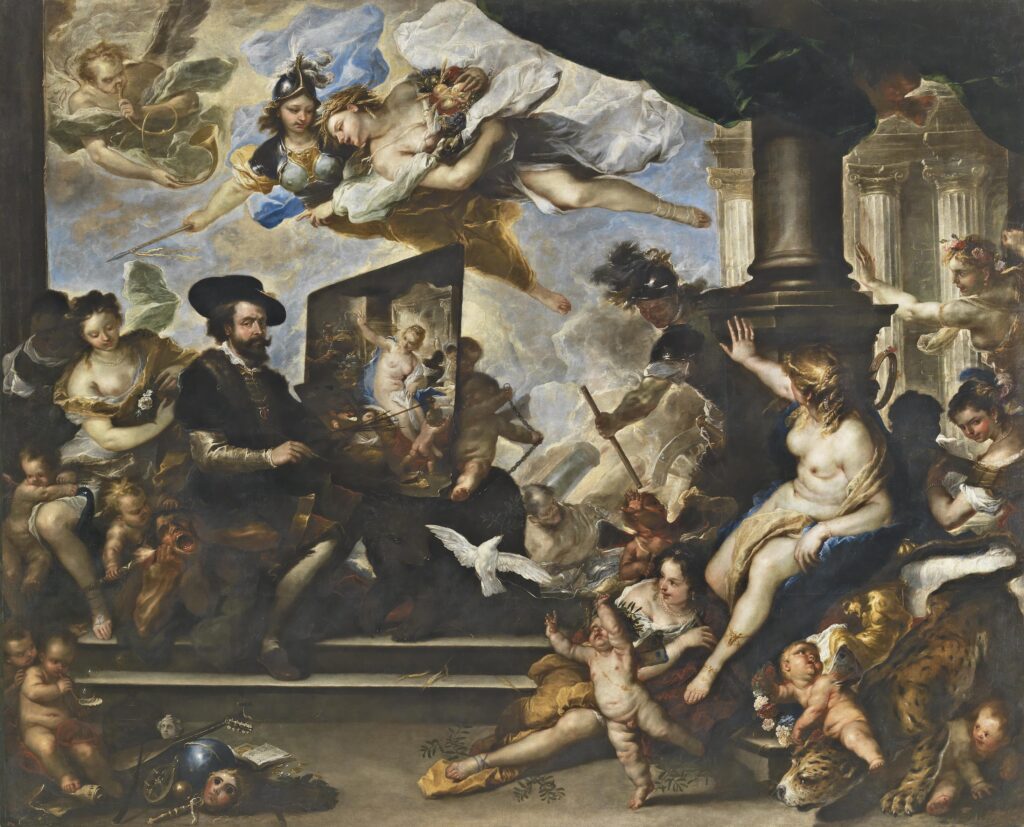
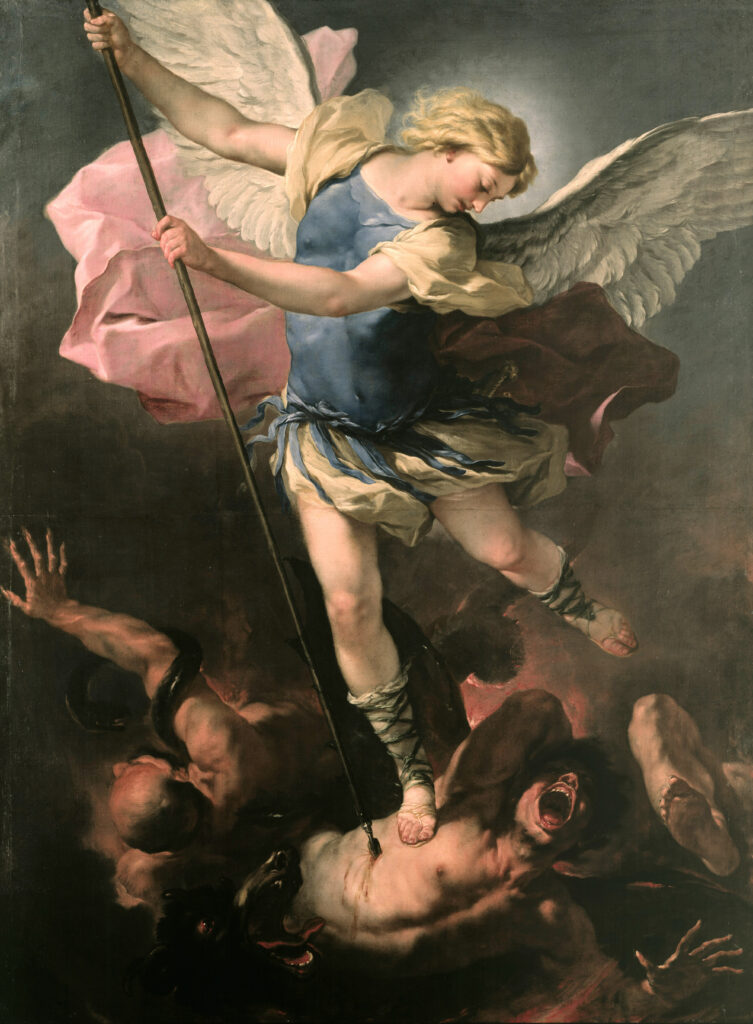
Luca Giordano
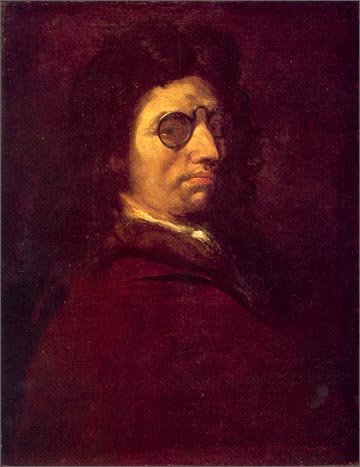
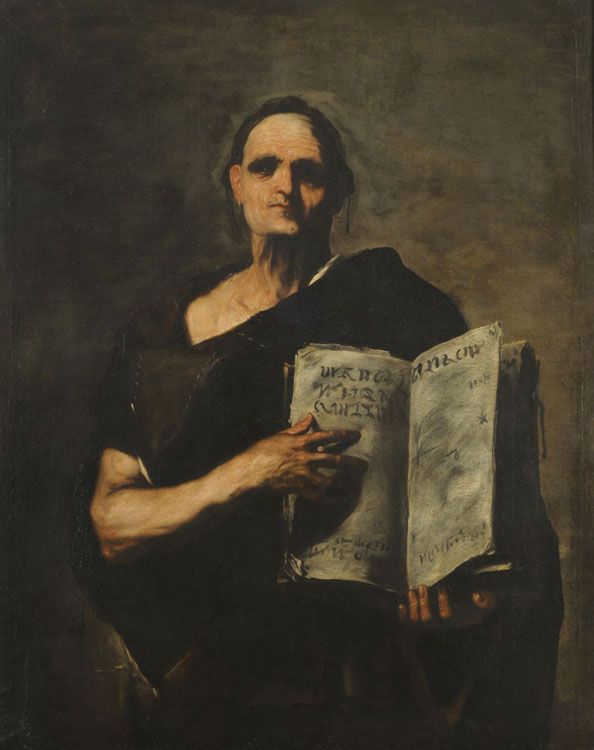
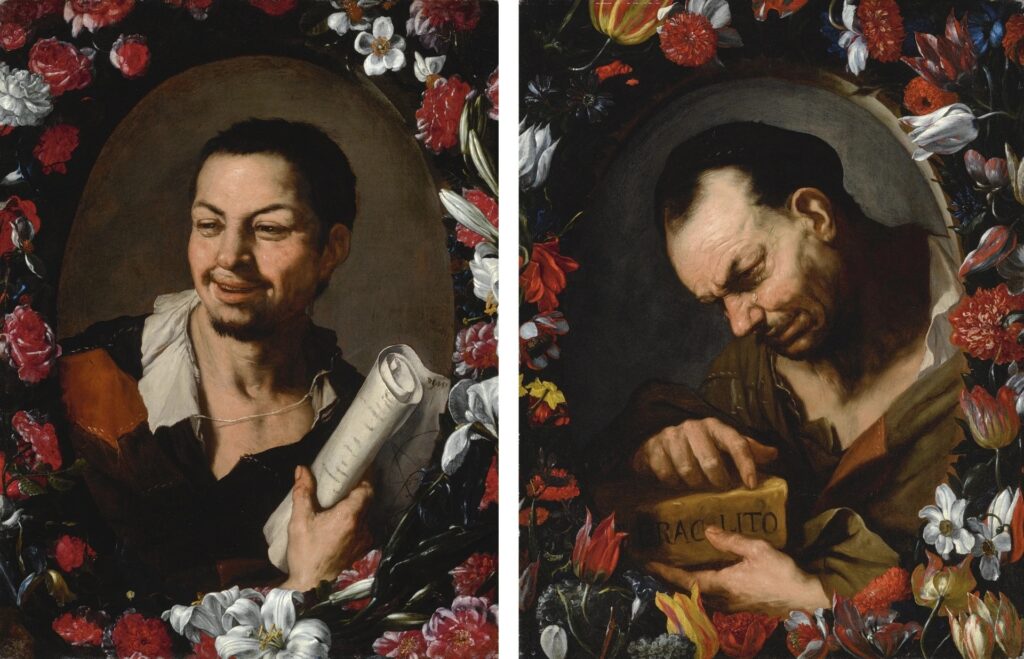
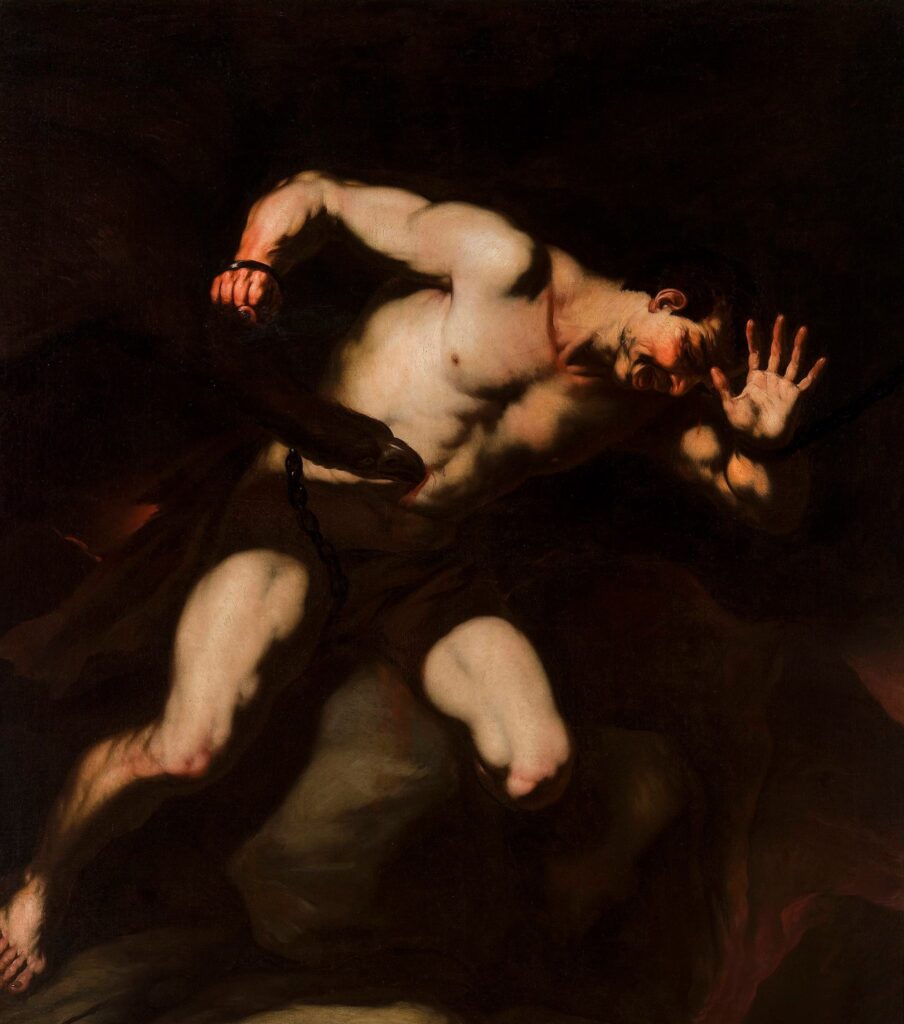
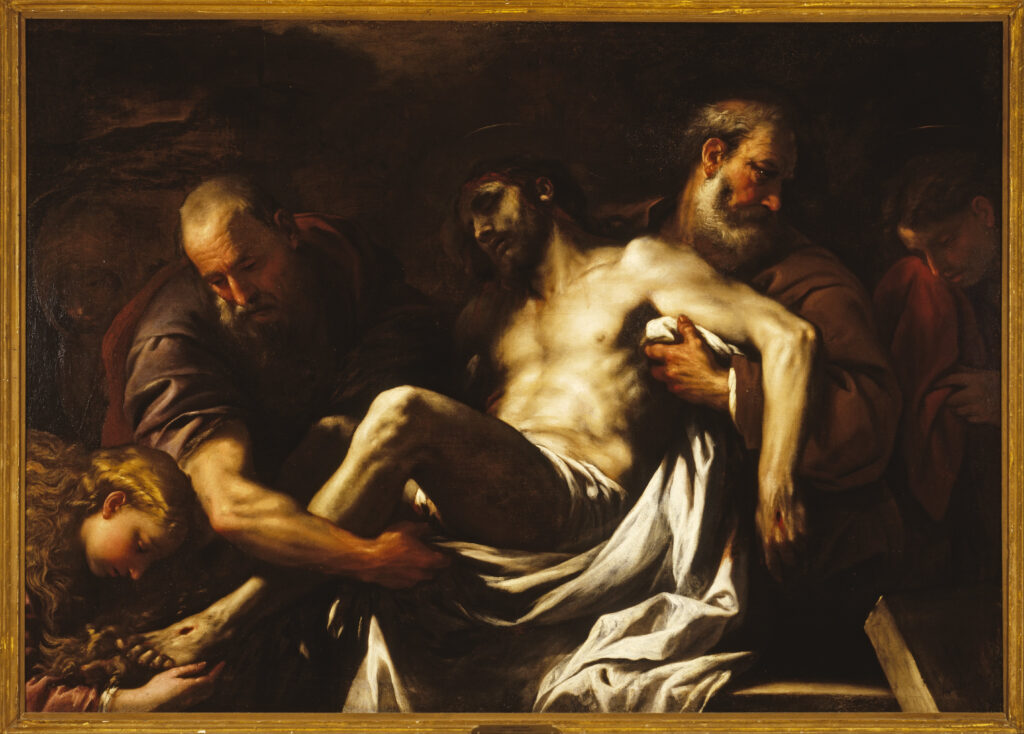
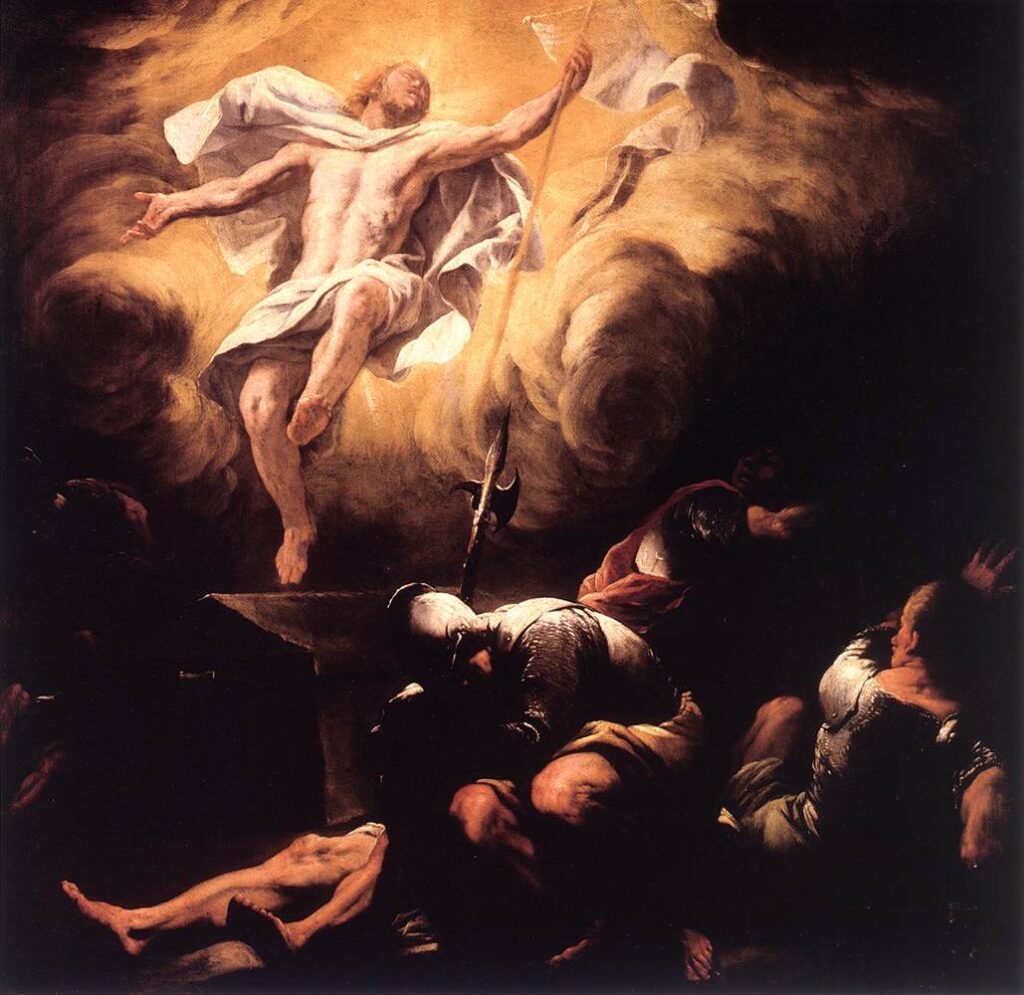
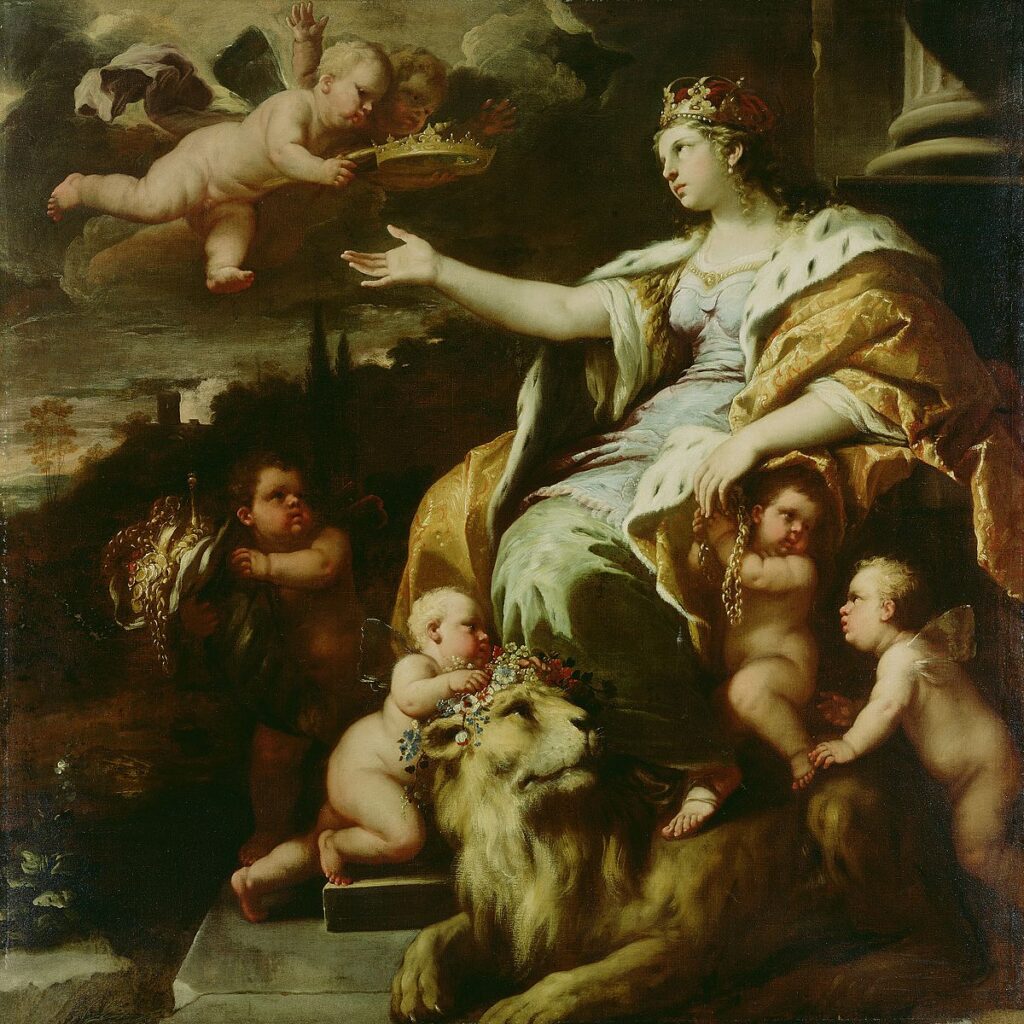
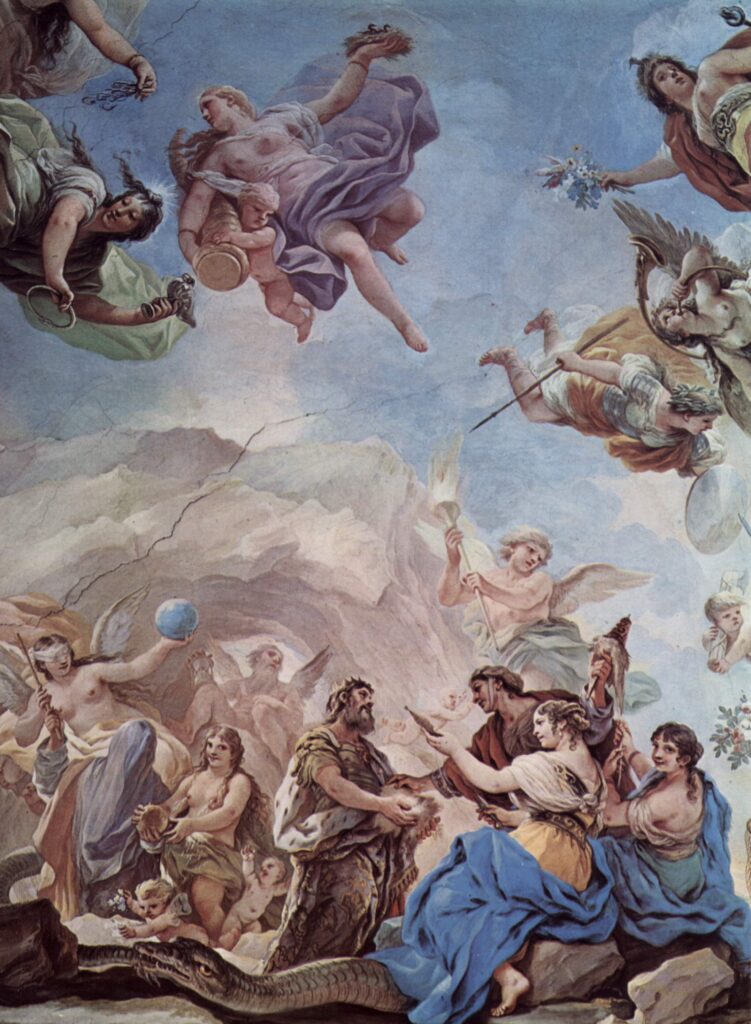
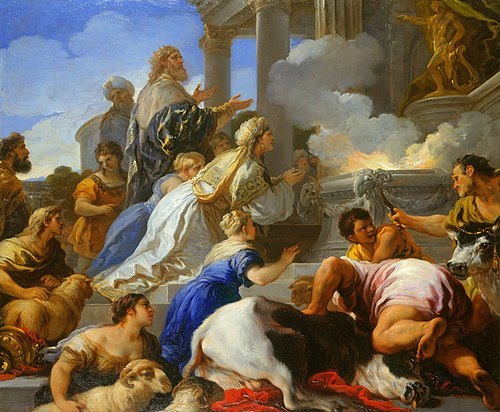
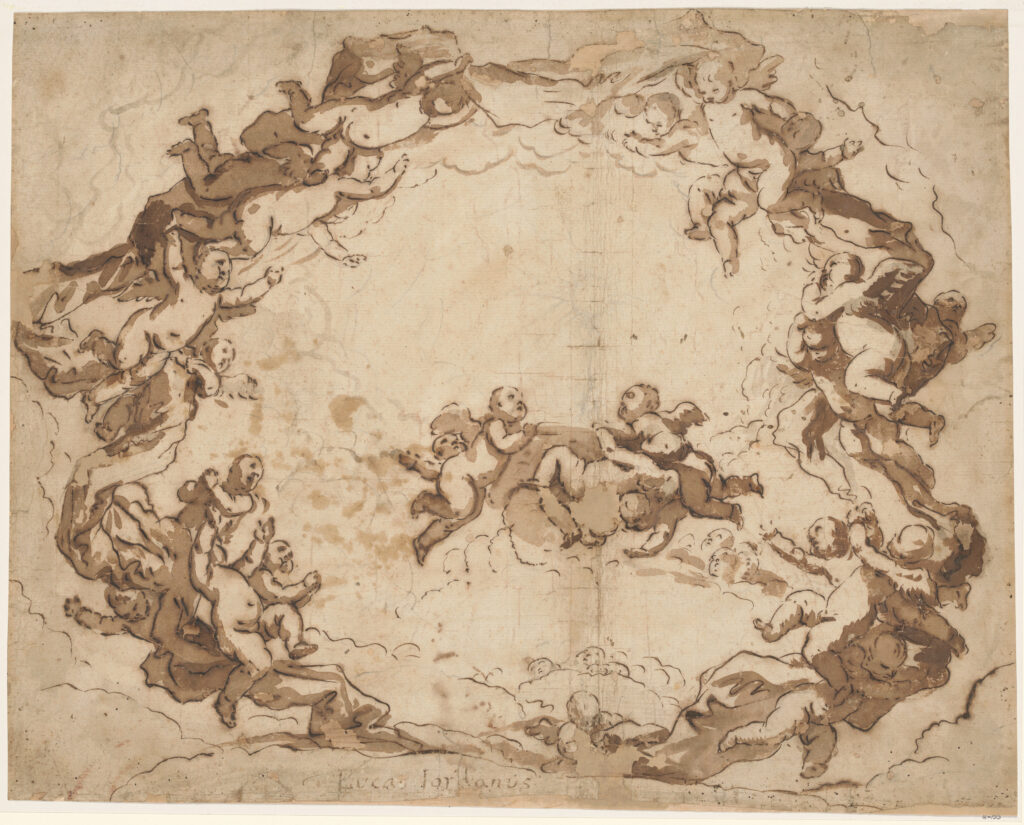
Luca Giordano, October 18, 1634 – January 3, 1705, was an Italian painter and printmaker born in Naples. He trained first with his father, Antonio Giordano, and was strongly influenced by Jusepe de Ribera; study in Rome, Venice, and other Italian centers broadened his knowledge of Renaissance and Baroque painting.
Giordano worked in Naples, Rome, Florence, Venice, and Spain, producing altarpieces, easel paintings, and large decorative fresco cycles. His speed of execution earned him the nickname Luca fa presto (Luca Works Fast). From 1692 to 1702 he served the Spanish court, where his major commissions included frescoes for the Escorial and the Casón del Buen Retiro.
Giordano returned to Naples in 1702 and continued working there until his death. His paintings and drawings are held by major collections including the Museo del Prado, the National Museum of Capodimonte, the Uffizi Gallery, the Louvre, the Metropolitan Museum of Art, and the J. Paul Getty Museum.









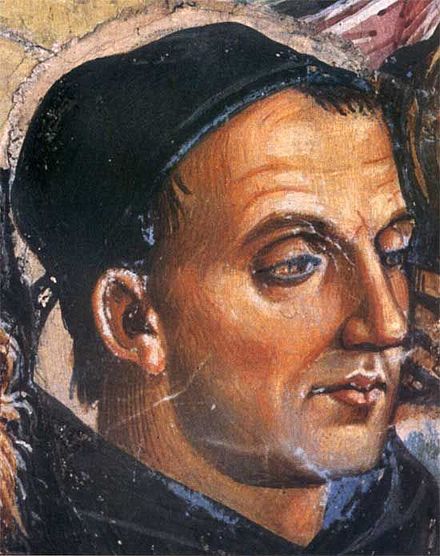
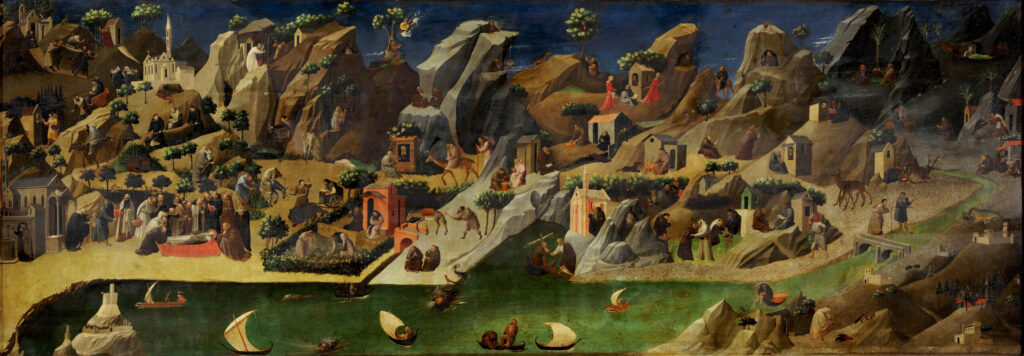
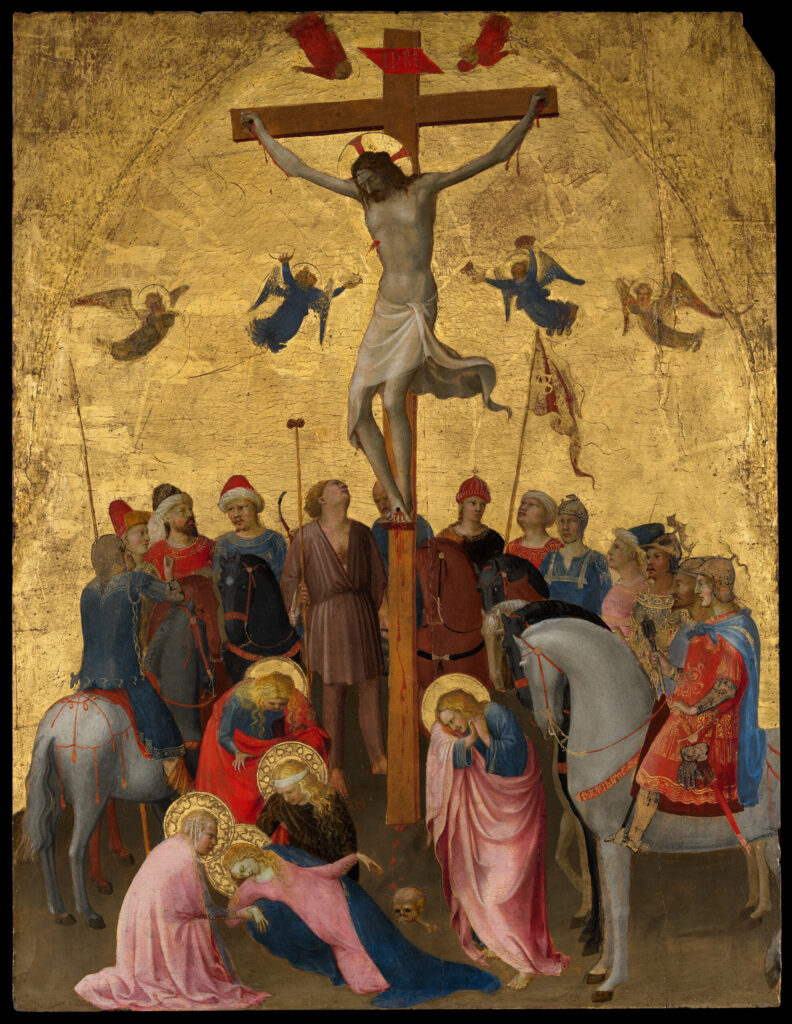
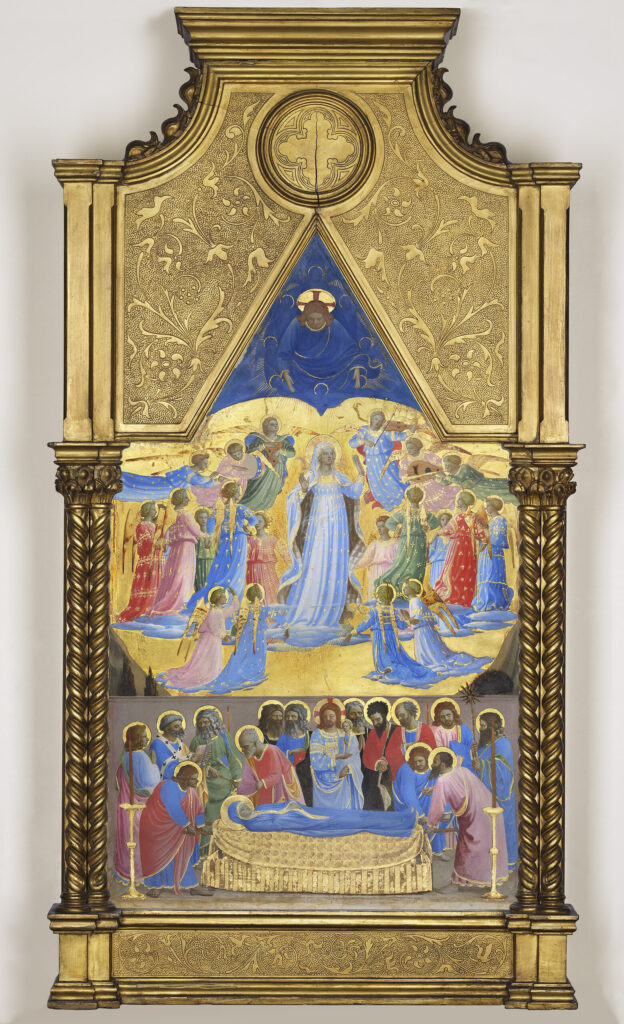
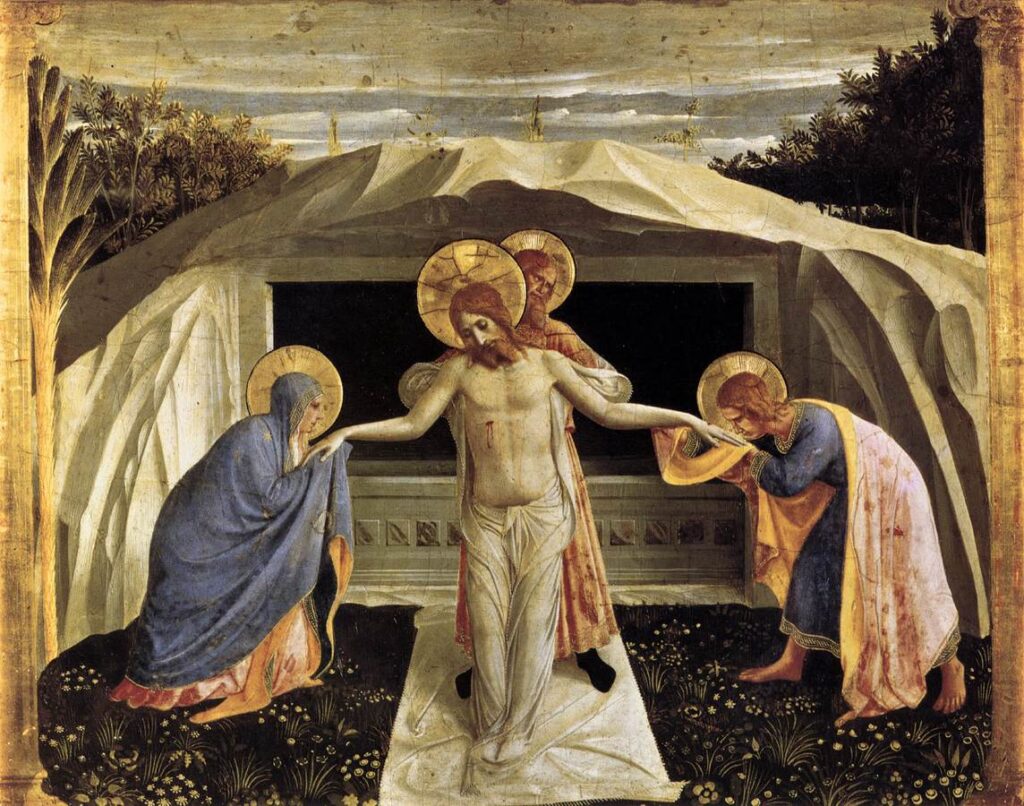
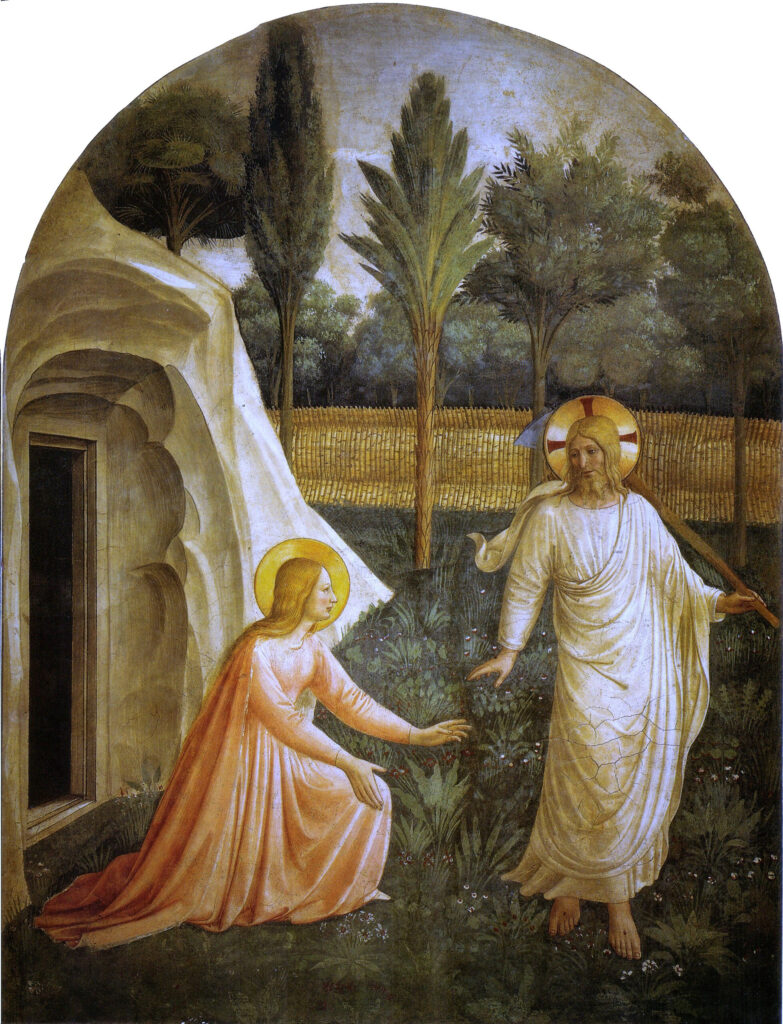
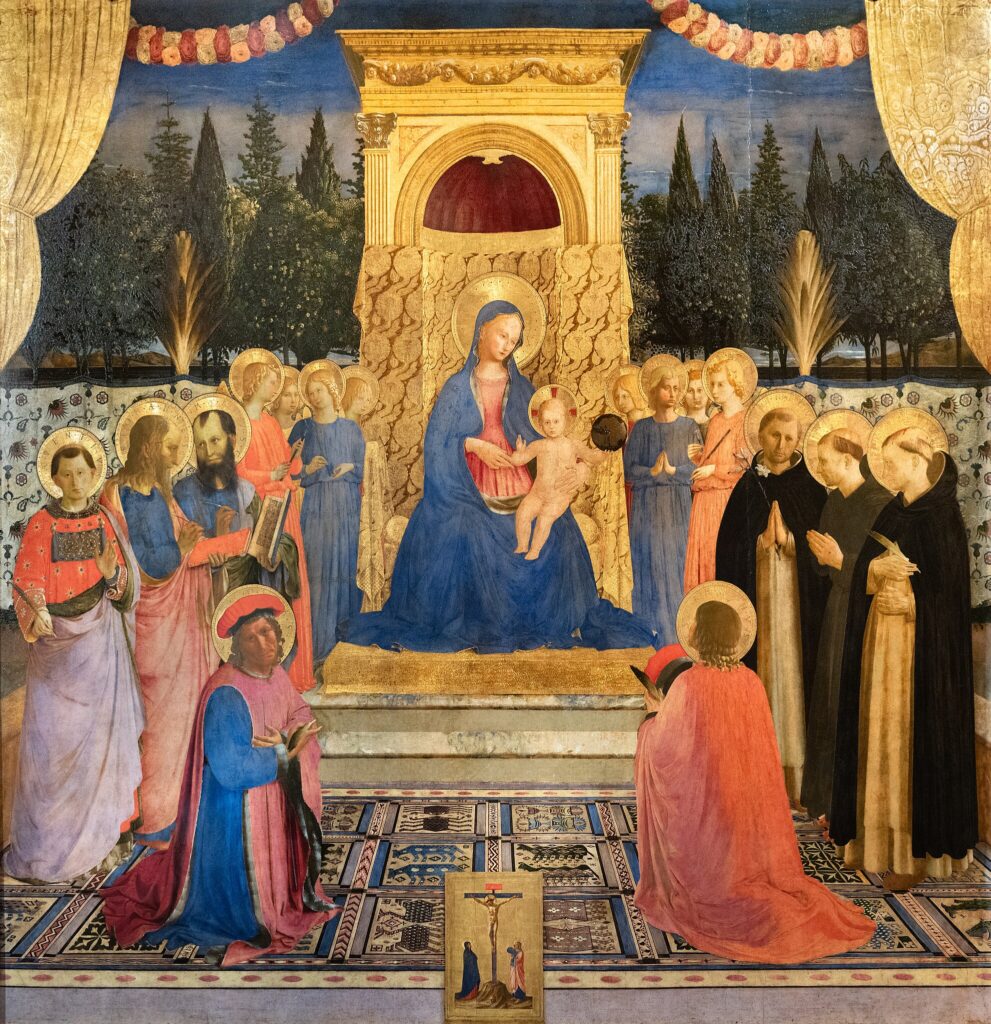
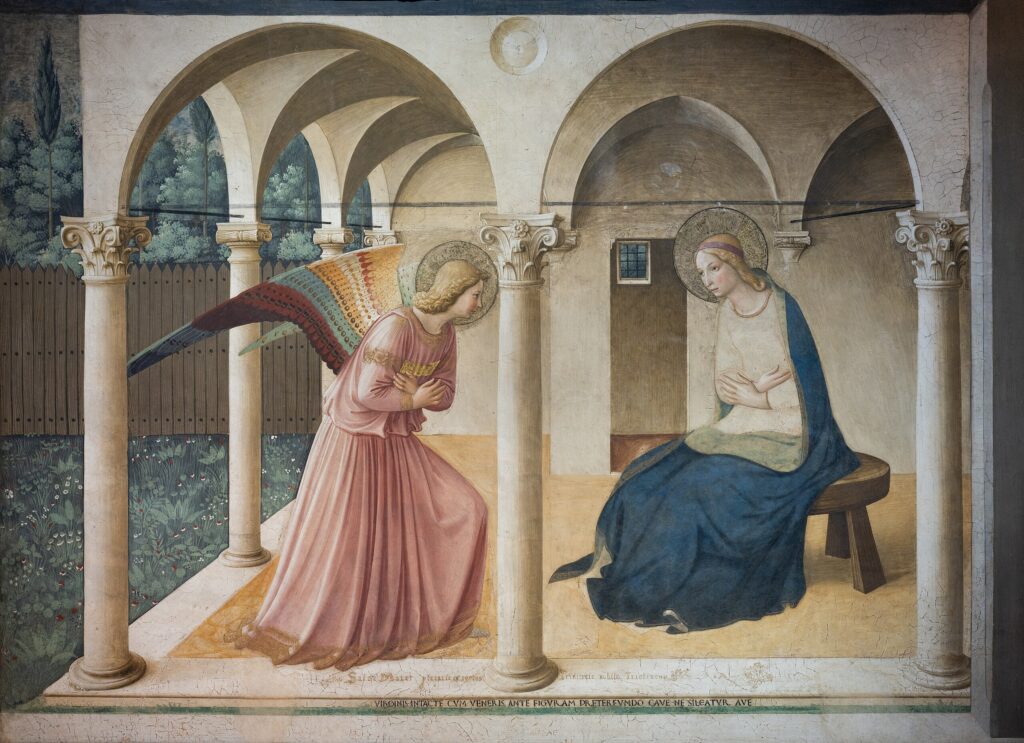
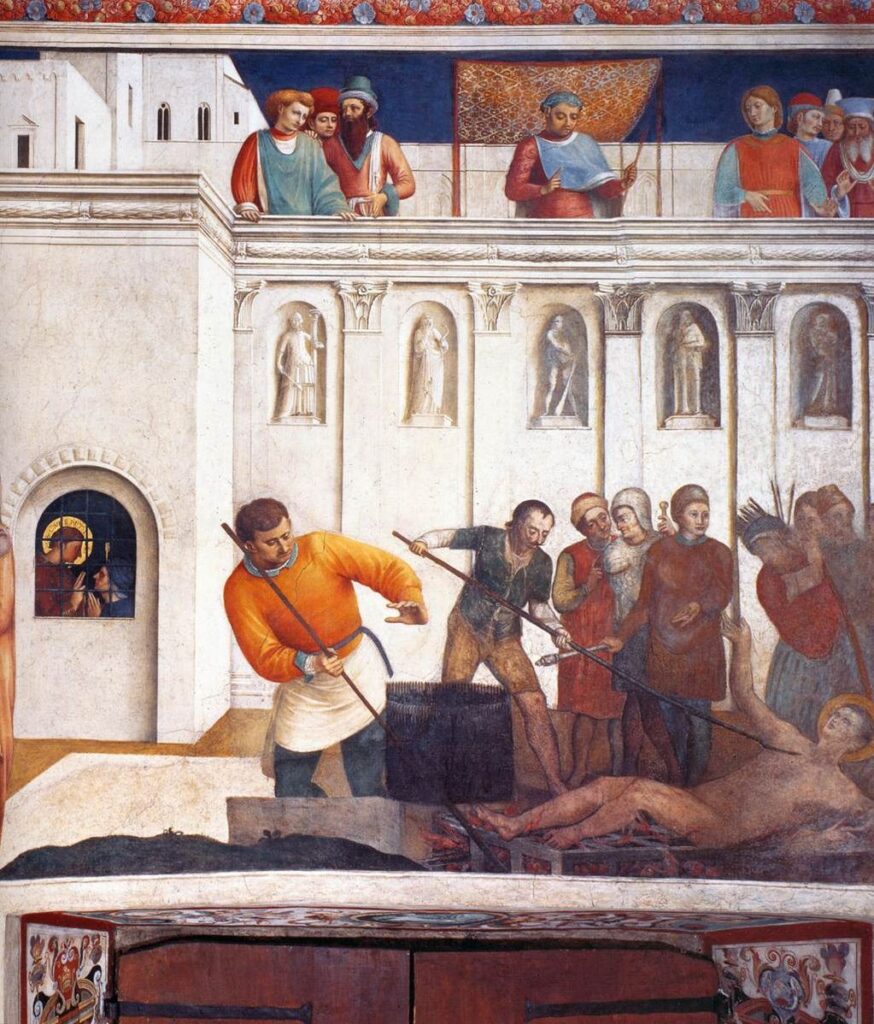
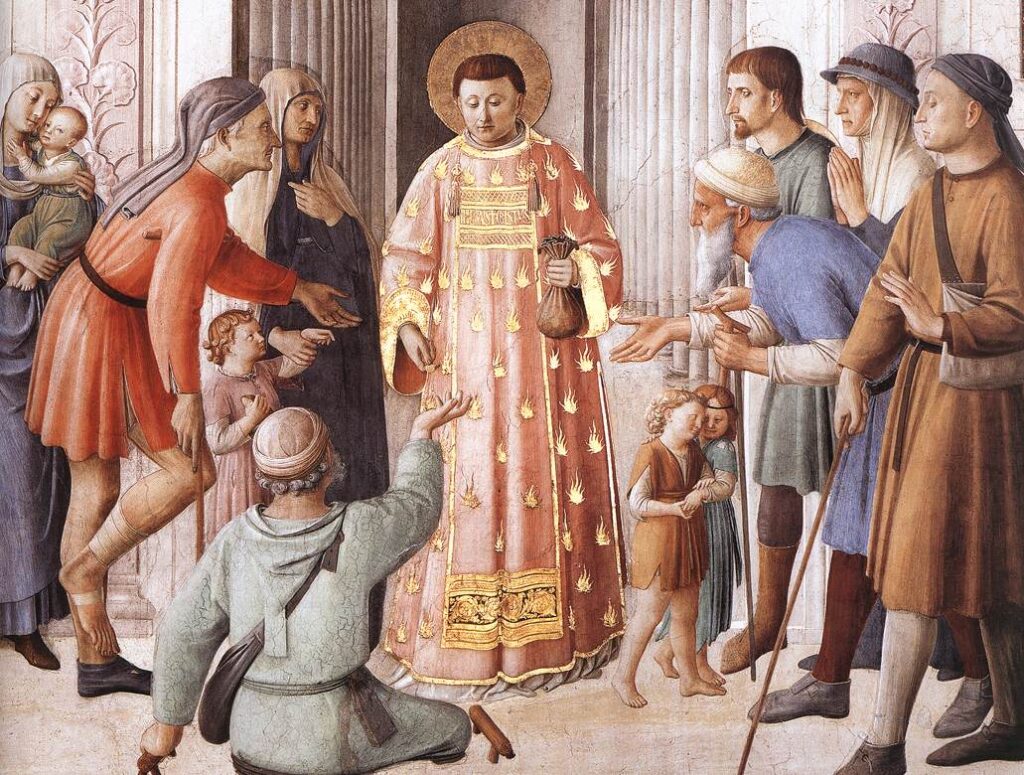
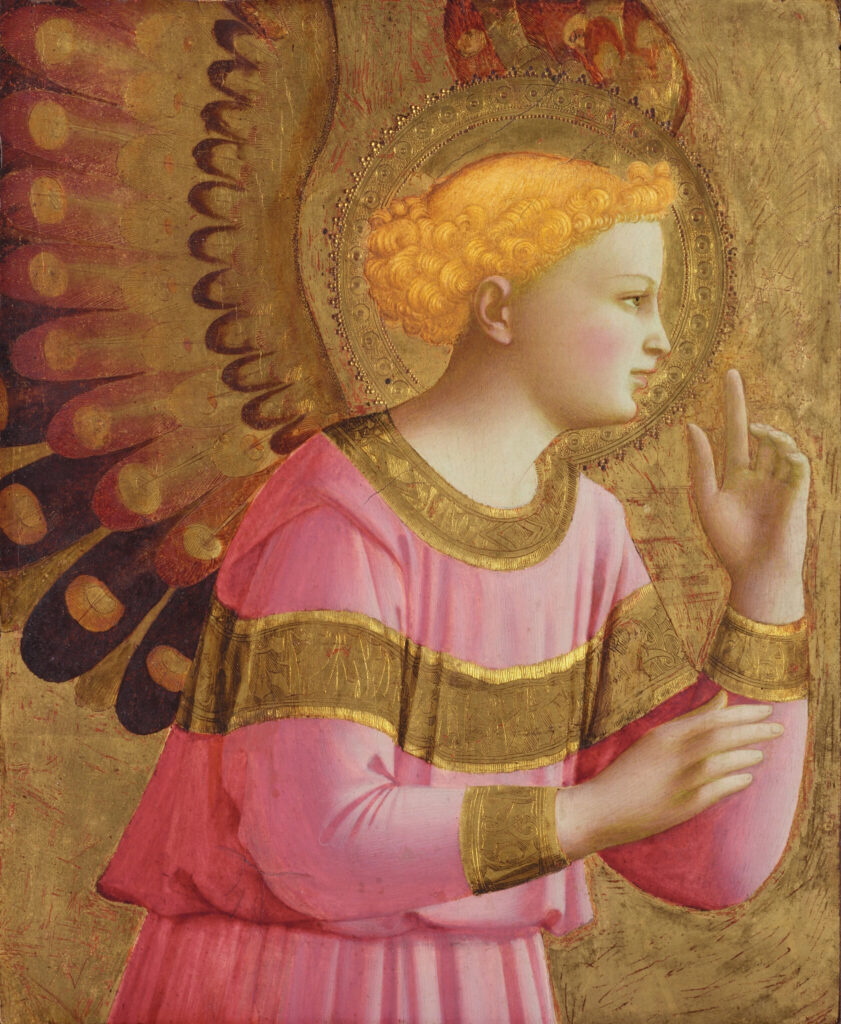
Fra Angelico
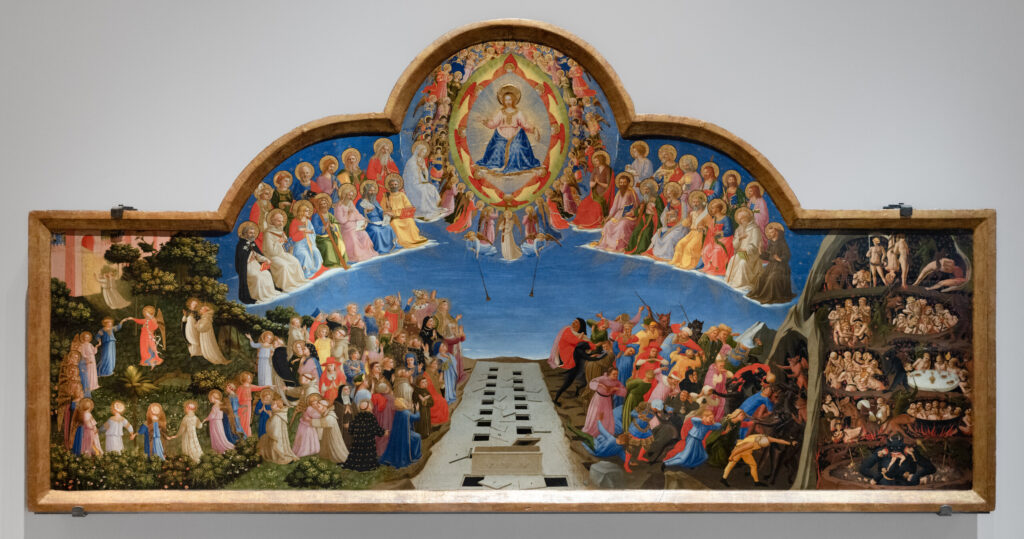
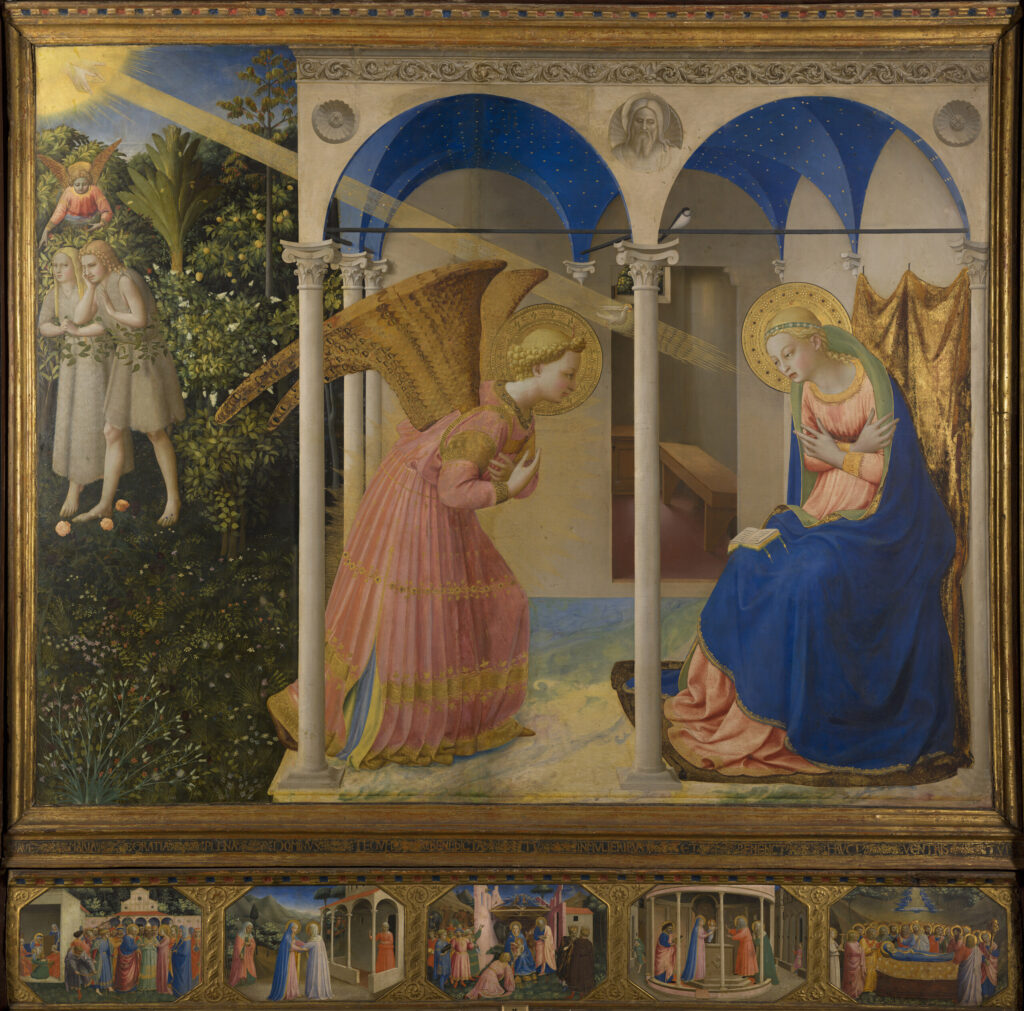
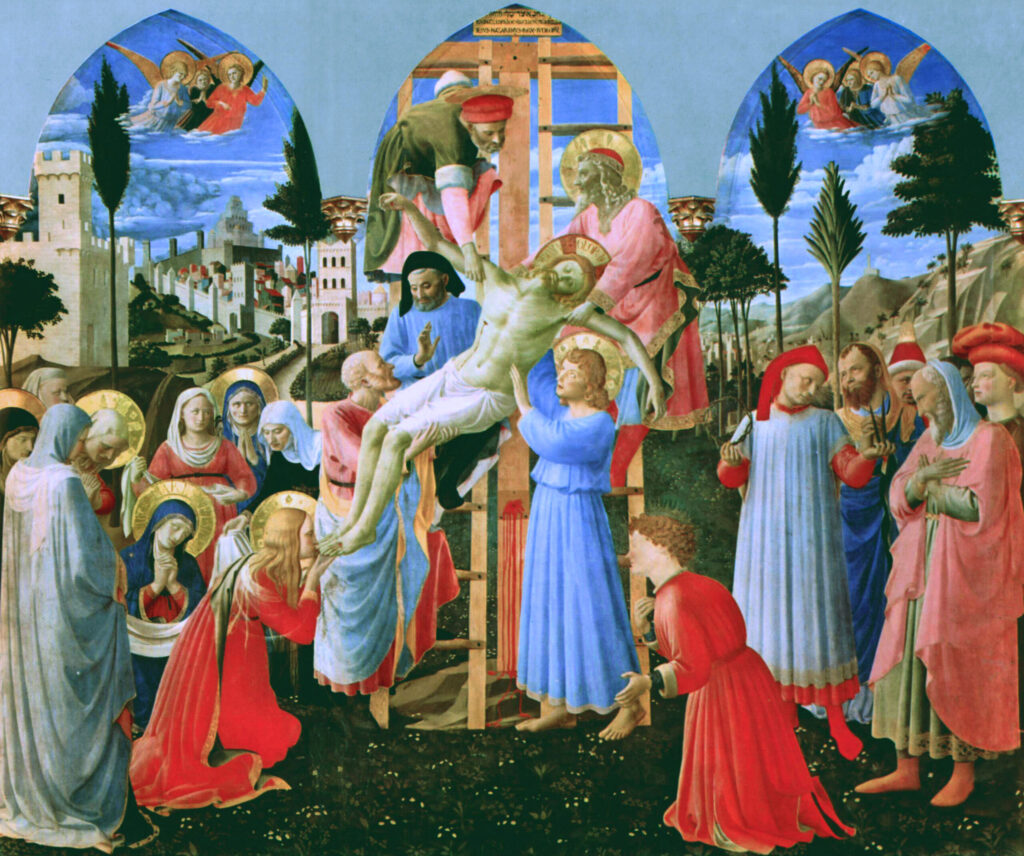
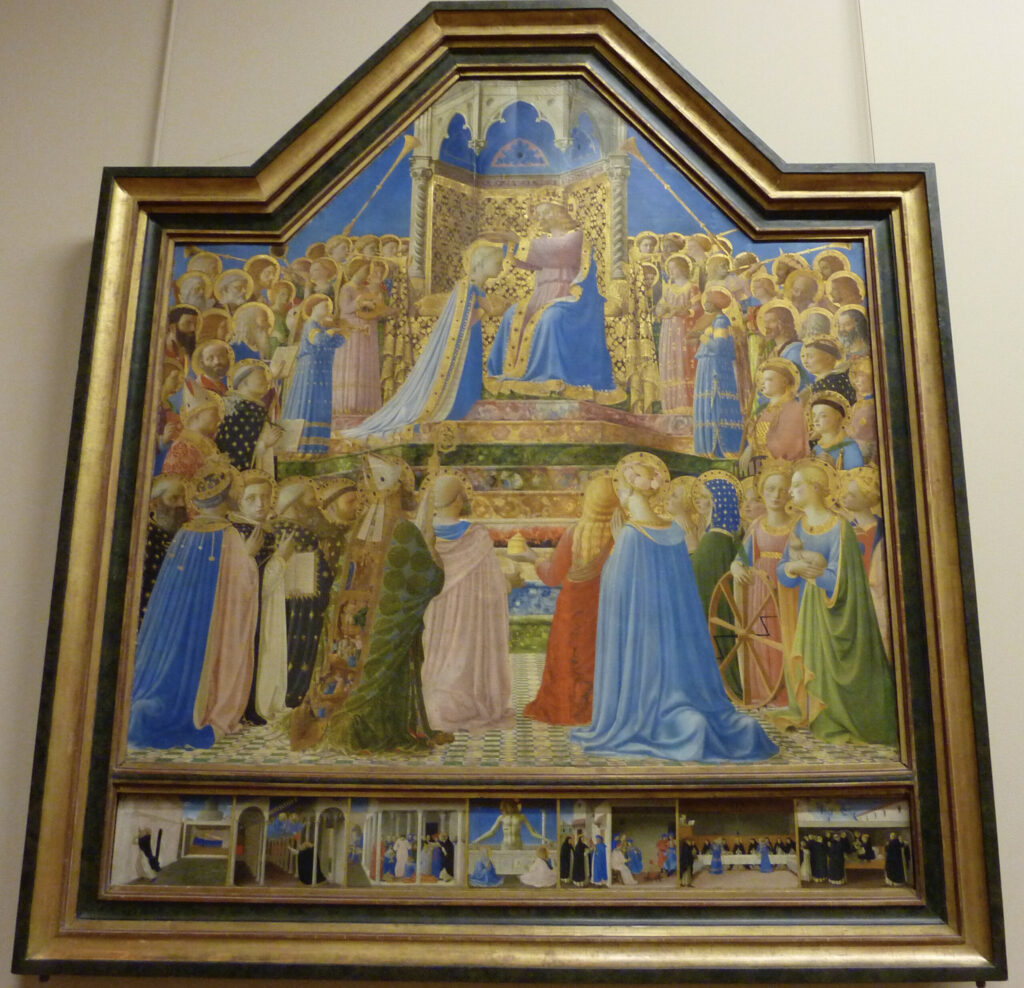
Fra Angelico, c 1395–February 18, 1455, was an Italian painter and Dominican friar of the Early Renaissance. Born Guido di Pietro in the Mugello region near Florence, he is first documented as a painter in 1417 and later took the name Fra Giovanni after entering the Dominican convent of San Domenico at Fiesole.
His early training is not securely documented, though he probably worked as a manuscript illuminator. He collaborated with his brother Benedetto and employed assistants including Benozzo Gozzoli; Zanobi Strozzi was among the painters closely associated with his workshop. Fra Angelico worked principally in Fiesole, Florence, Orvieto, and Rome, producing altarpieces and fresco cycles for Dominican institutions and for Popes Eugene IV and Nicholas V.
Major groups of his work remain at the Museo Nazionale di San Marco in Florence and in the Niccoline Chapel in Vatican City. Other principal collections include the Uffizi Galleries, Museo Nacional del Prado, Musée du Louvre, National Gallery in London, Metropolitan Museum of Art, Isabella Stewart Gardner Museum, and Detroit Institute of Arts.