Posts in Category: Italian
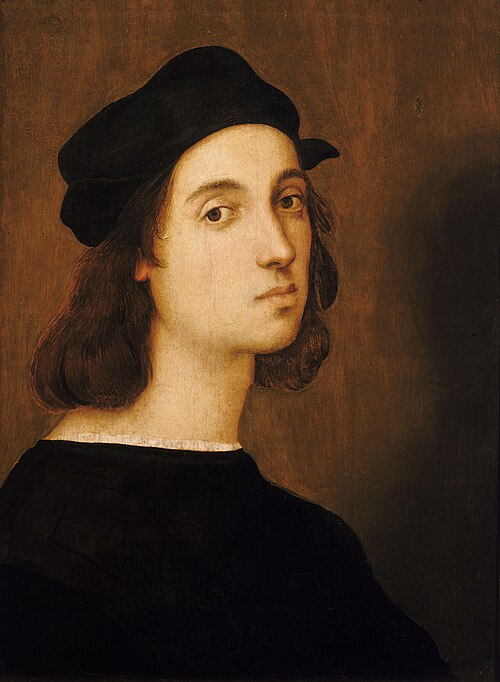
Raphael Sanzio
Raphael (Raffaello Sanzio da Urbino), Italian painter and architect, March 28 or April 6, 1483 – April 6, 1520


Tintoretto
Jacopo Robusti, known as Tintoretto, April 1518 – May 31, 1594, was an Italian painter of the Venetian Renaissance. Nicknamed “Il Furioso” for the speed and energy of his working method, he was one of the most prolific and ambitious artists of sixteenth-century Venice.
Tintoretto was probably trained in the workshop of Titian before establishing his own studio. His work combined the rich color of the Venetian tradition with dramatic perspective, dynamic composition, and bold lighting that anticipated many characteristics of the Baroque. His major commissions included paintings for the Scuola Grande di San Rocco, the Doge’s Palace, Madonna dell’Orto, and numerous Venetian churches and confraternities.
His paintings range from portraits and mythological subjects to monumental biblical cycles. Among his best-known works are Miracle of the Slave, Christ Washing the Disciples’ Feet, The Origin of the Milky Way, The Last Supper, and the vast decorative program for the Scuola Grande di San Rocco. Tintoretto’s workshop, later continued by his son Domenico Tintoretto and daughter Marietta Robusti, exerted a lasting influence on Venetian painting and on later European artists including El Greco, Peter Paul Rubens, Diego Velázquez, and Eugène Delacroix.


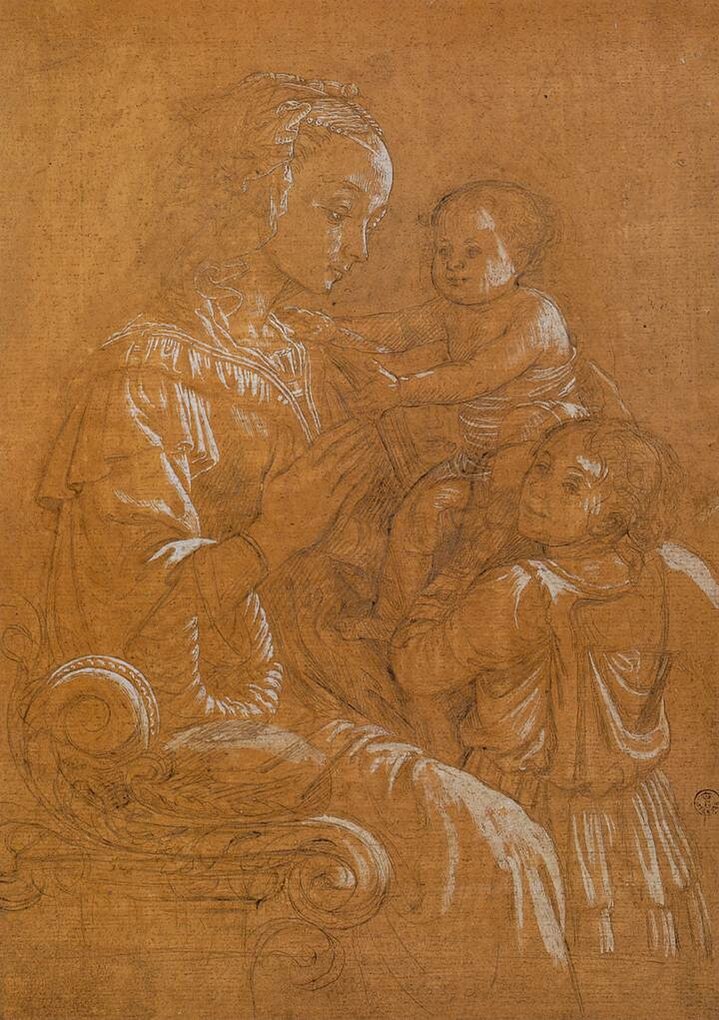
Filippo Lippi
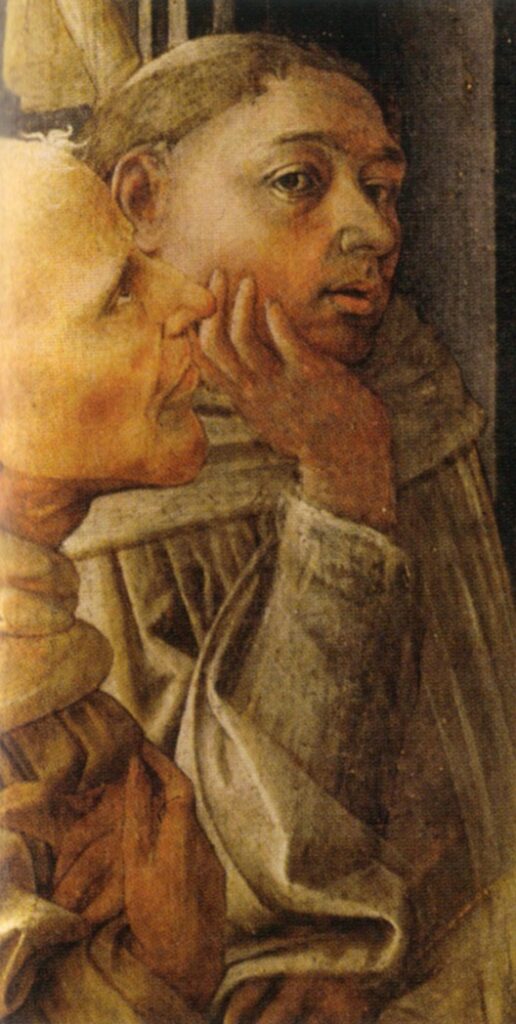
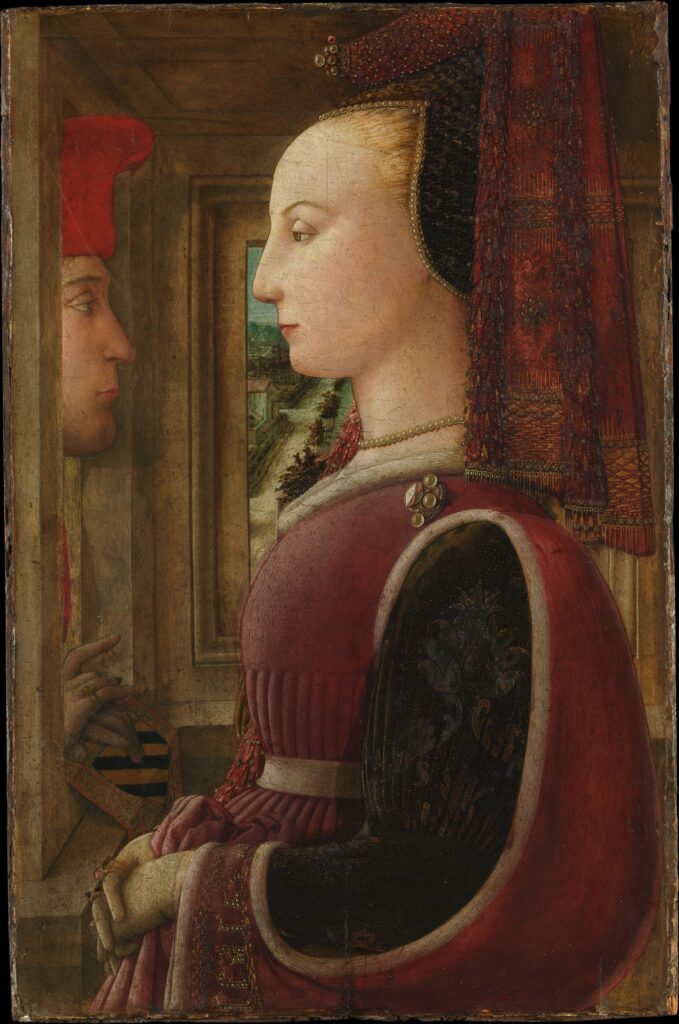
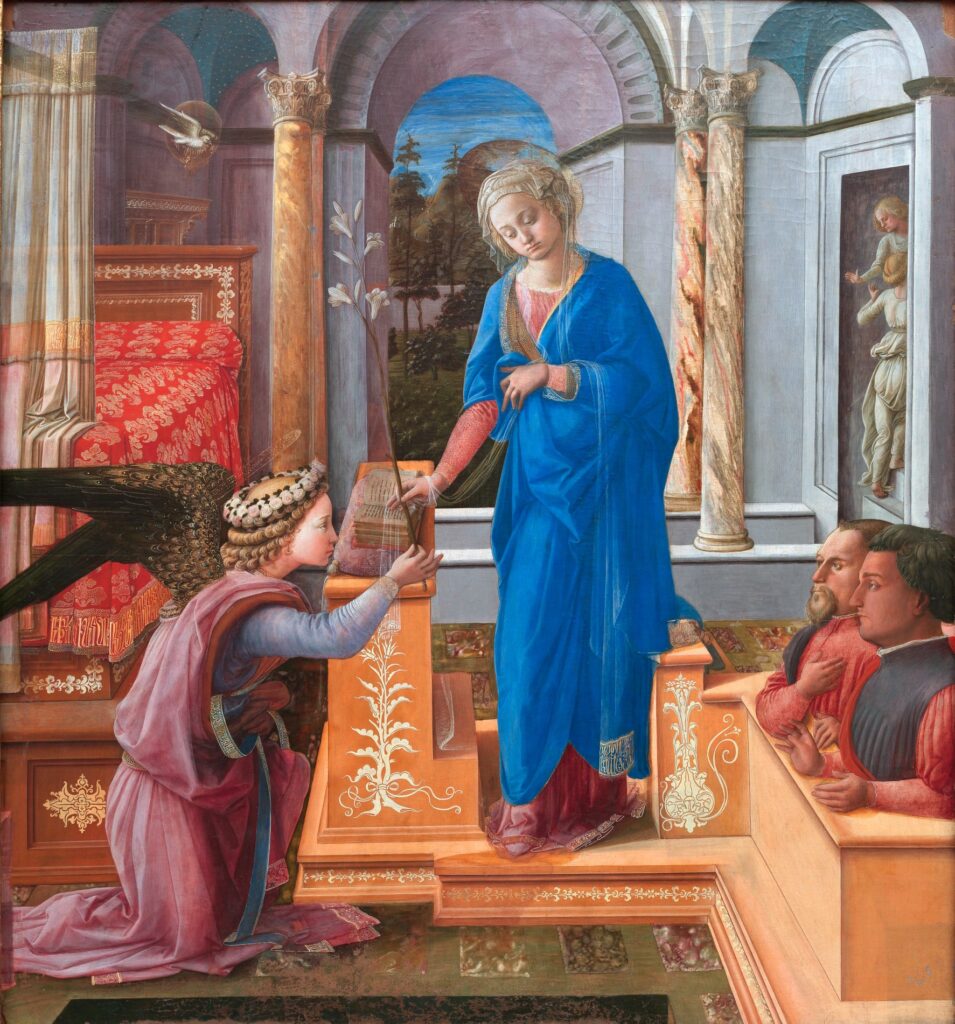
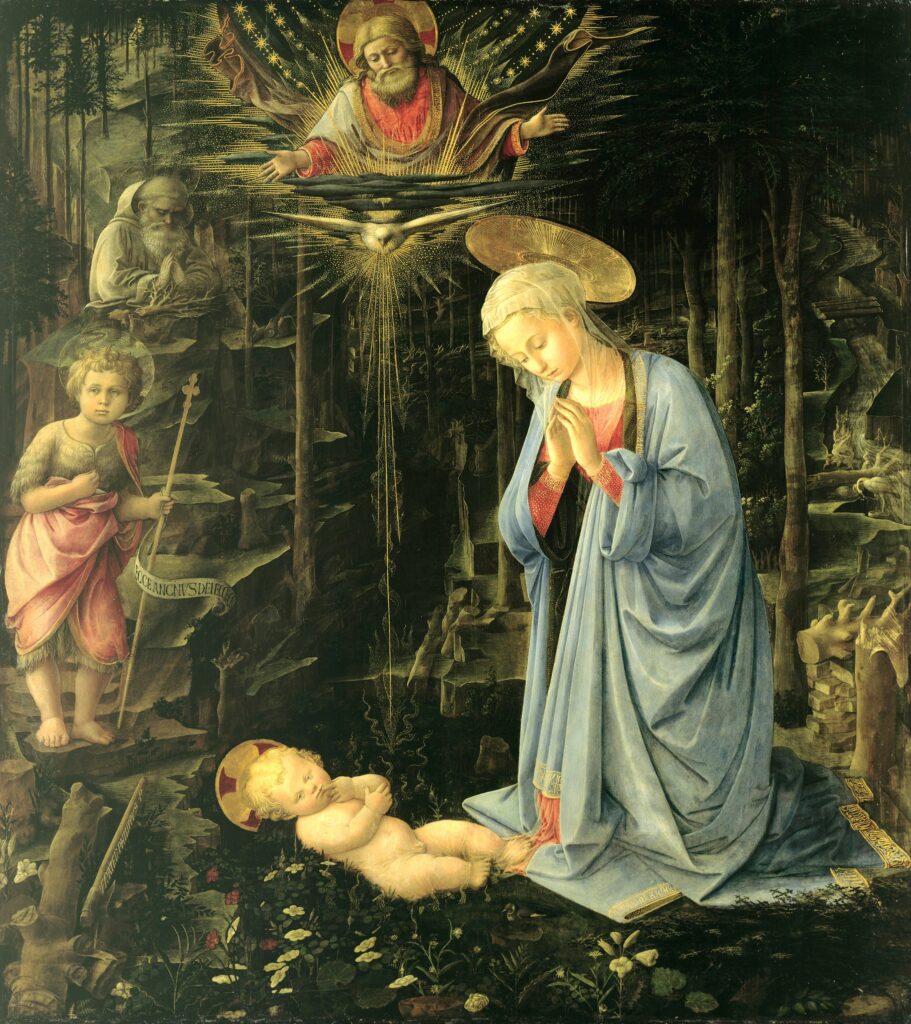
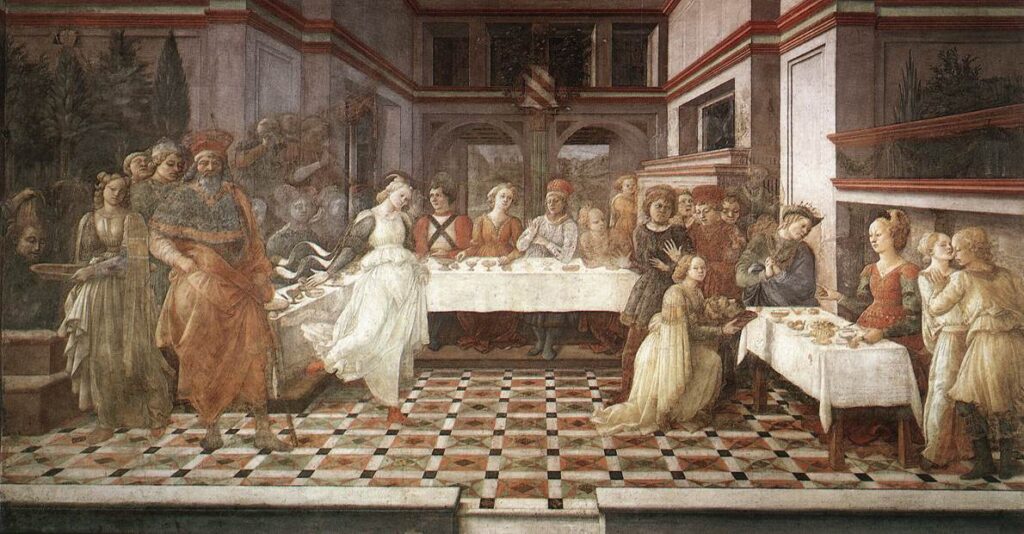
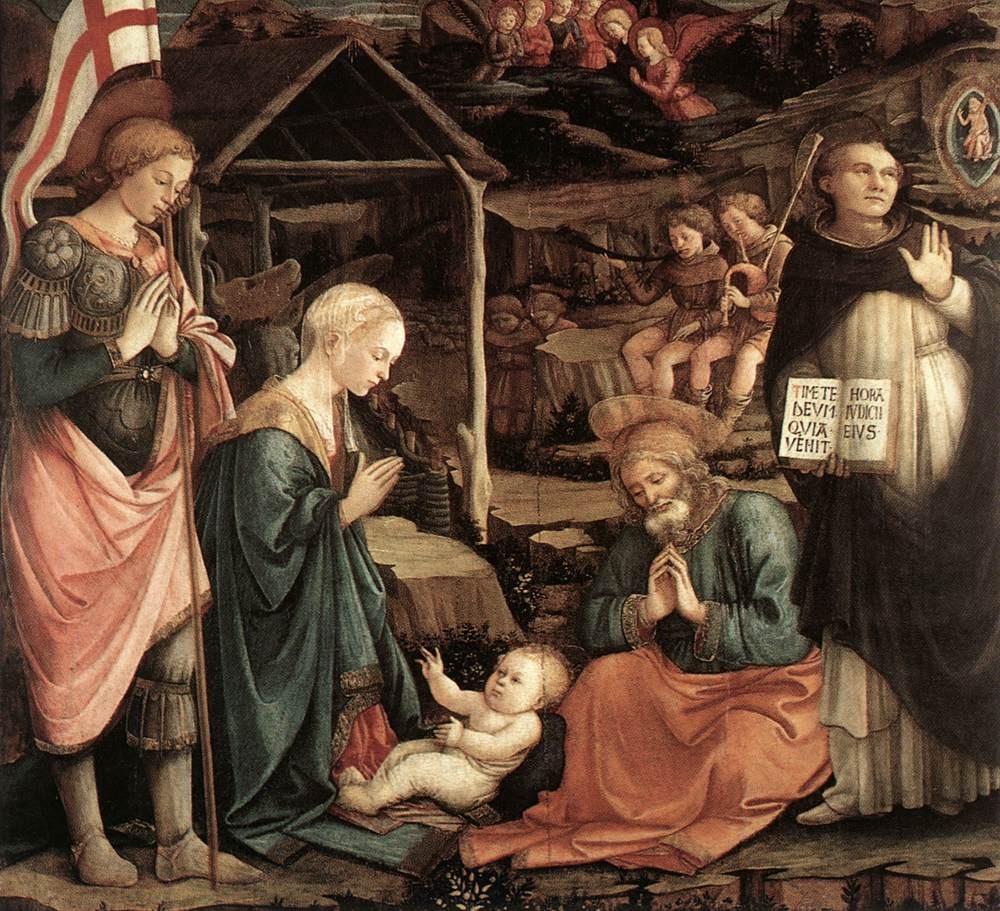
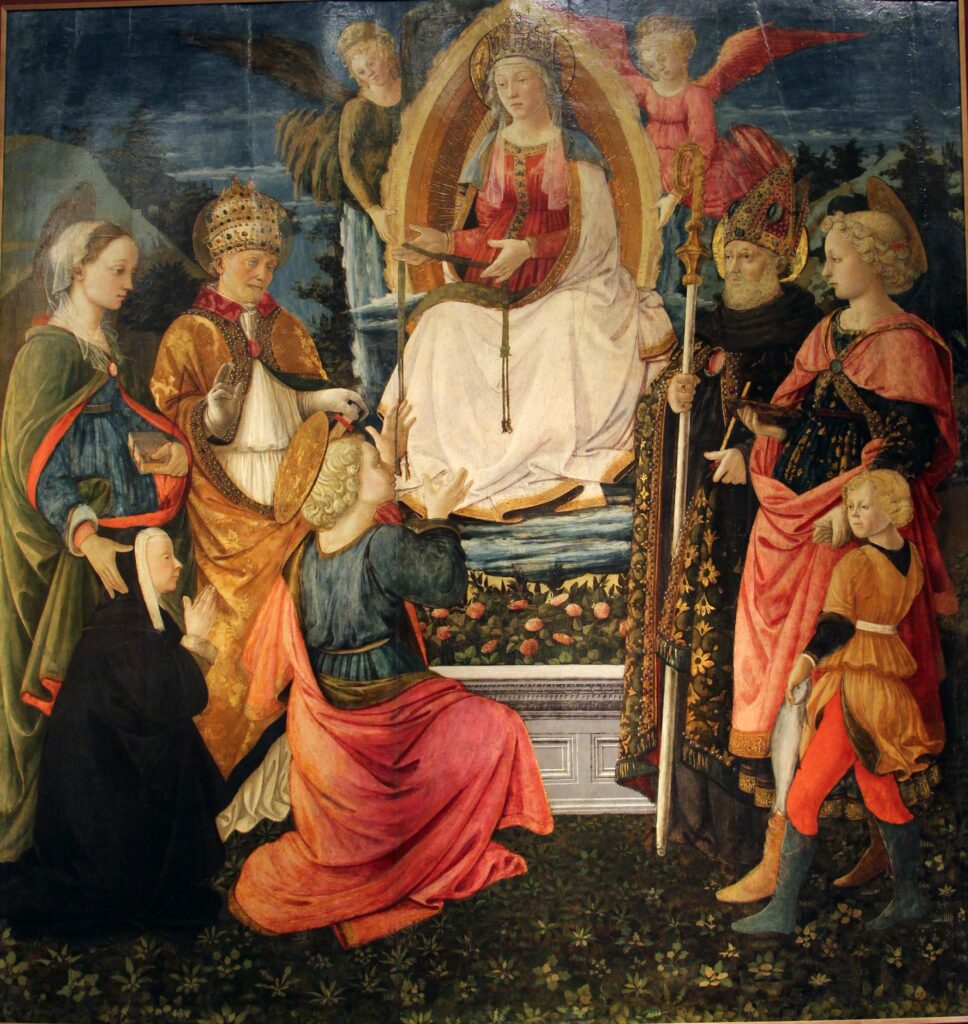
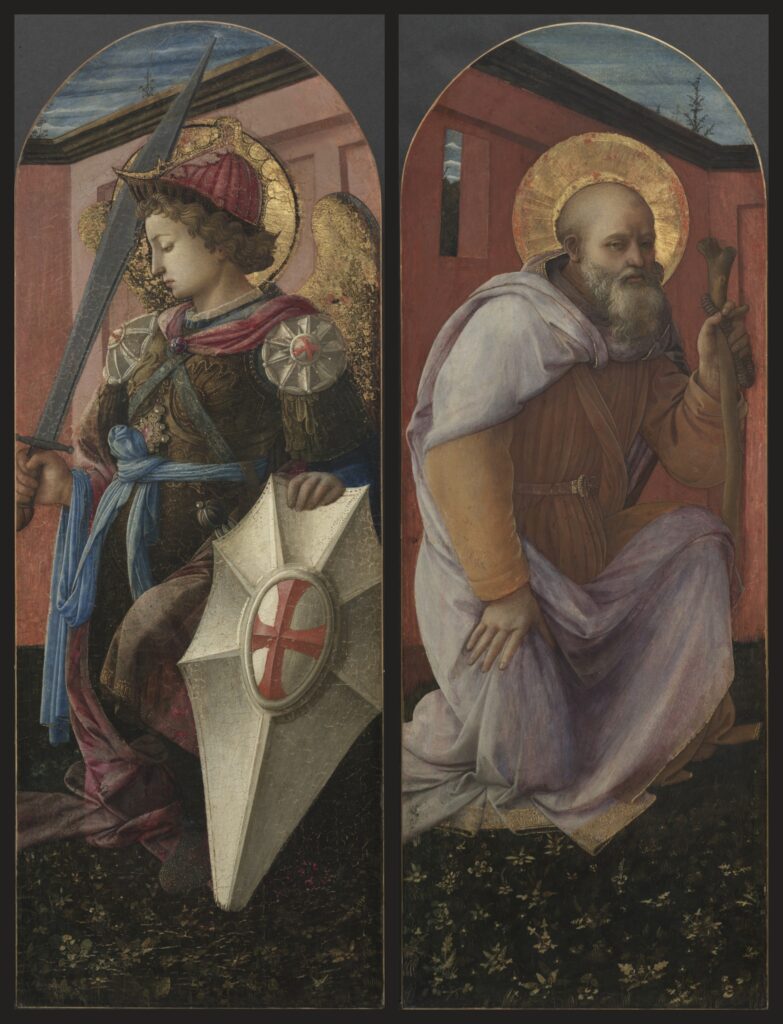
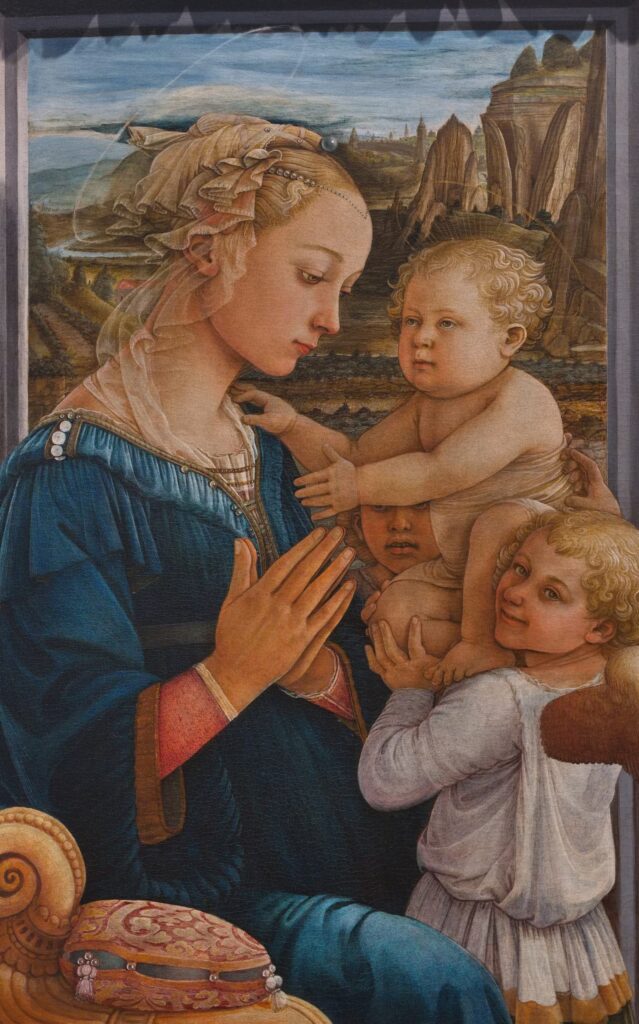
Filippo Lippi (c 1406–1469) was an Italian painter of the Early Renaissance. Born in Florence, he entered the Carmelite monastery of Santa Maria del Carmine as a child and became a friar, while developing as an artist amid the innovations of Masaccio and his circle.
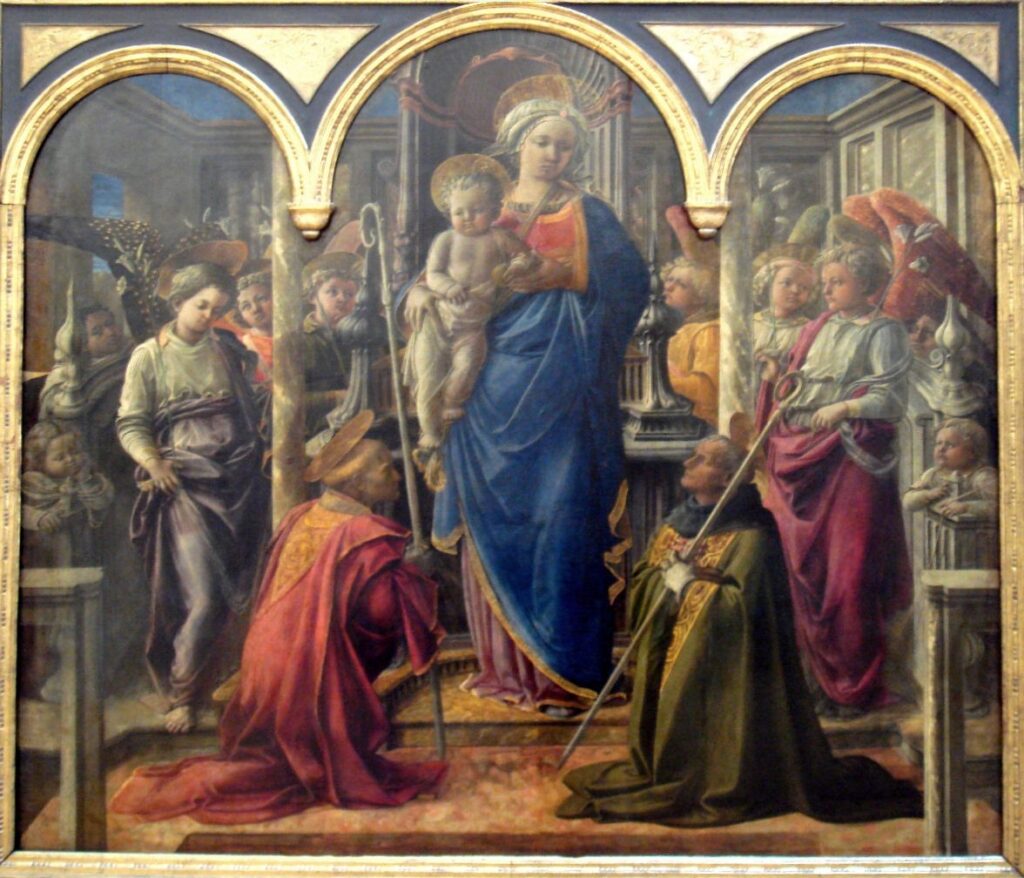
Lippi combined sculptural figures and convincing spatial settings with graceful line, luminous color and an increasingly intimate treatment of sacred subjects. He worked for the Medici and other prominent patrons in Florence and Prato, where his fresco cycle in the cathedral choir is among his major achievements.
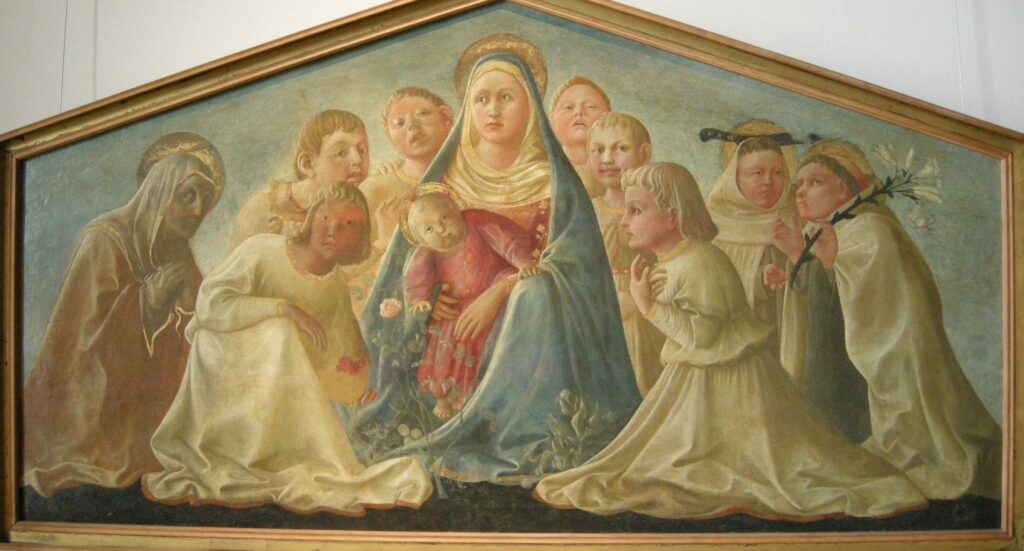
His later paintings, especially his representations of the Madonna and Child, helped shape Florentine art in the second half of the fifteenth century. Lippi was the father of the painter Filippino Lippi and an important influence on Sandro Botticelli. He died at Spoleto in 1469.
Andrea Mantegna
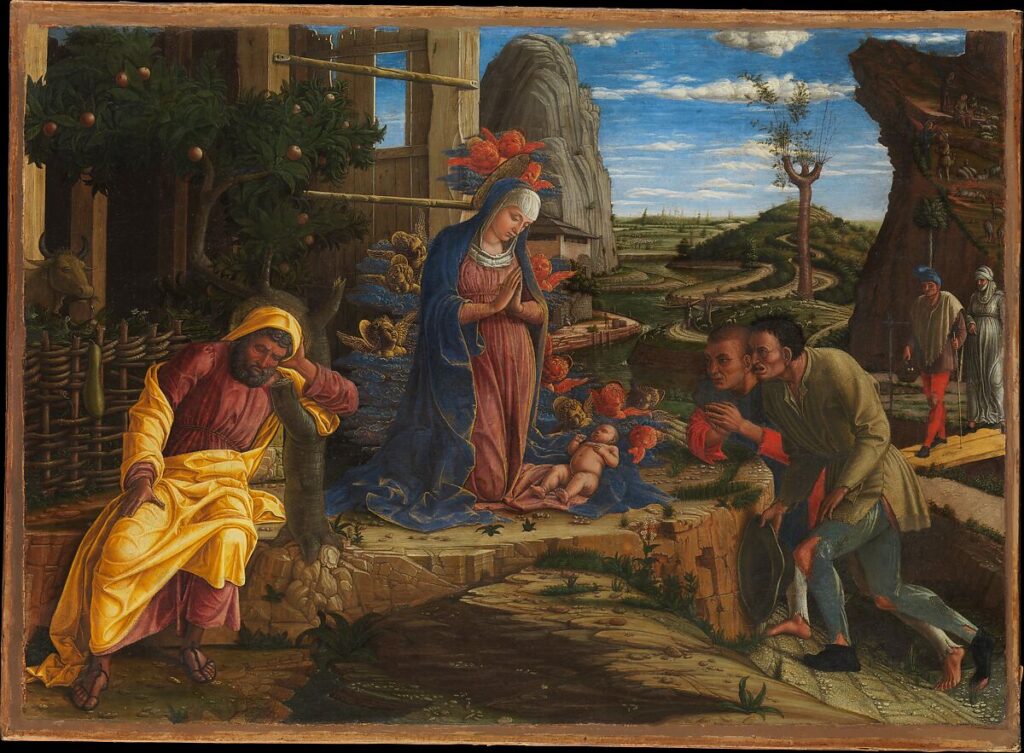
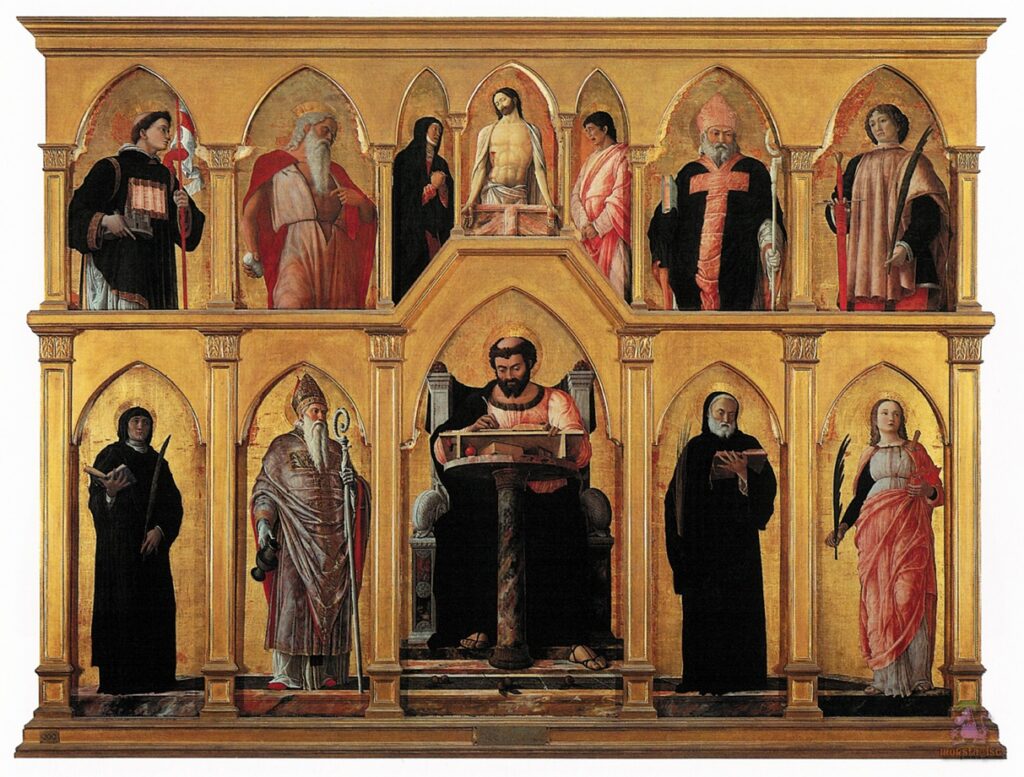
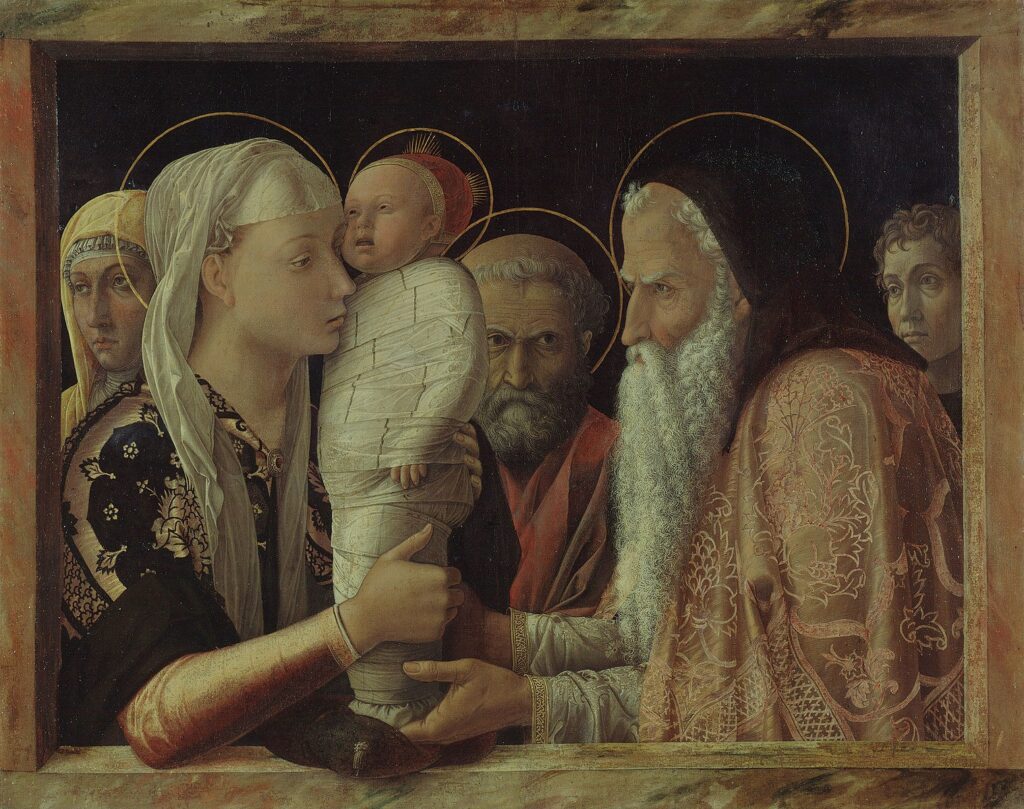
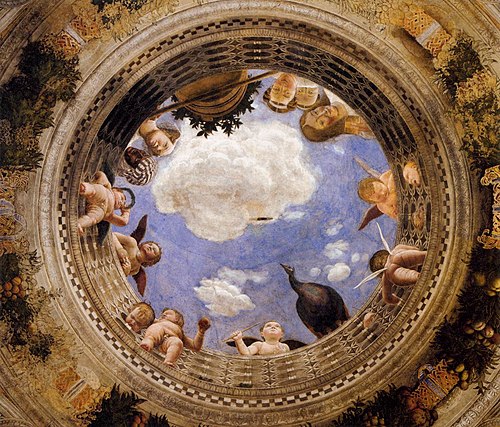
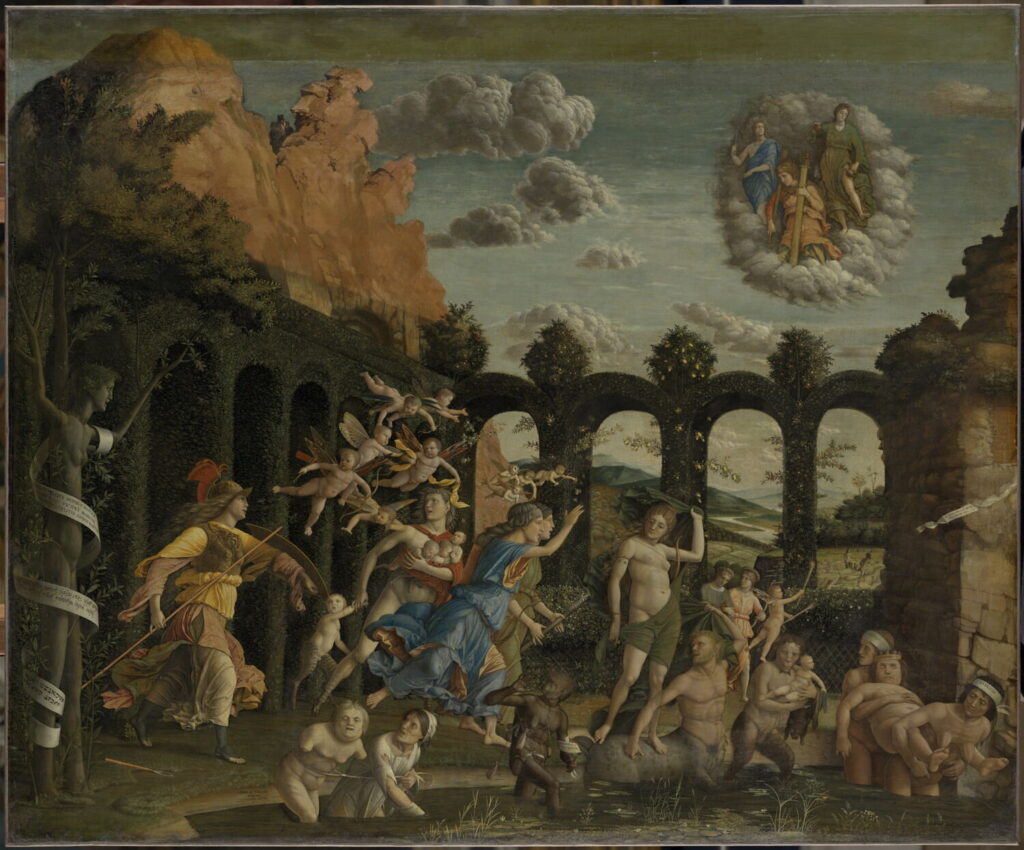
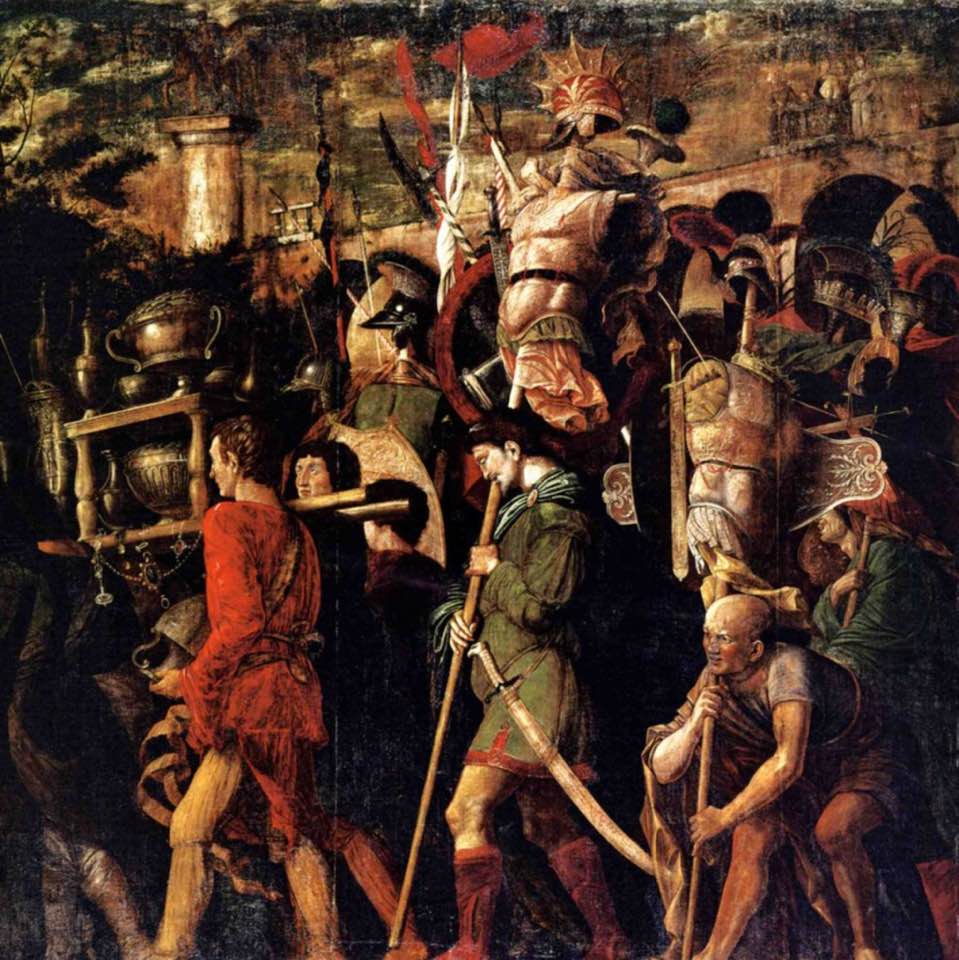
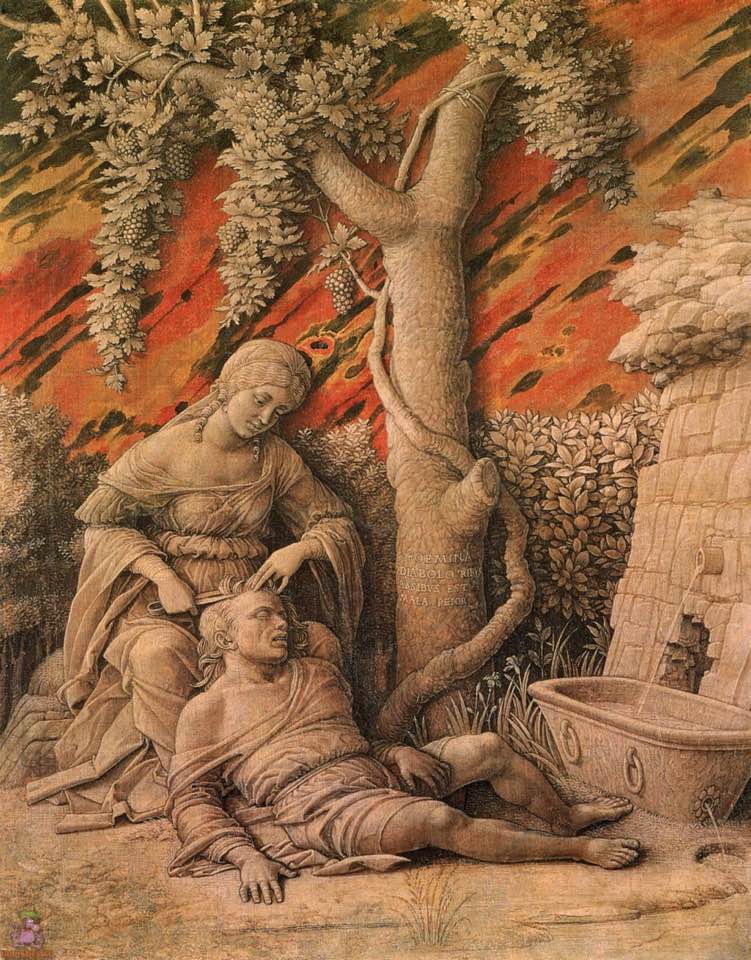
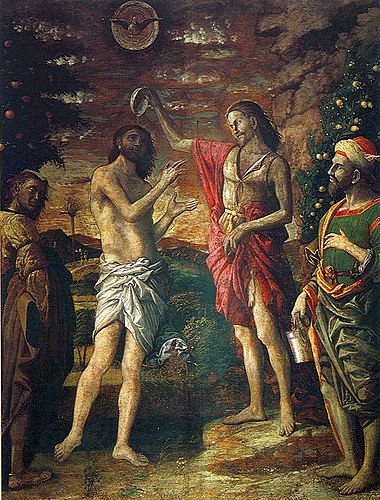
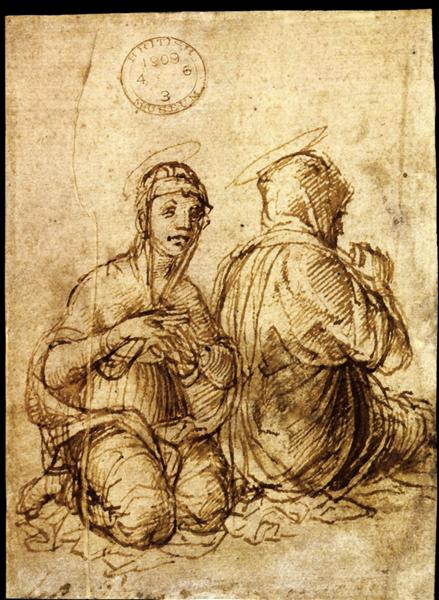
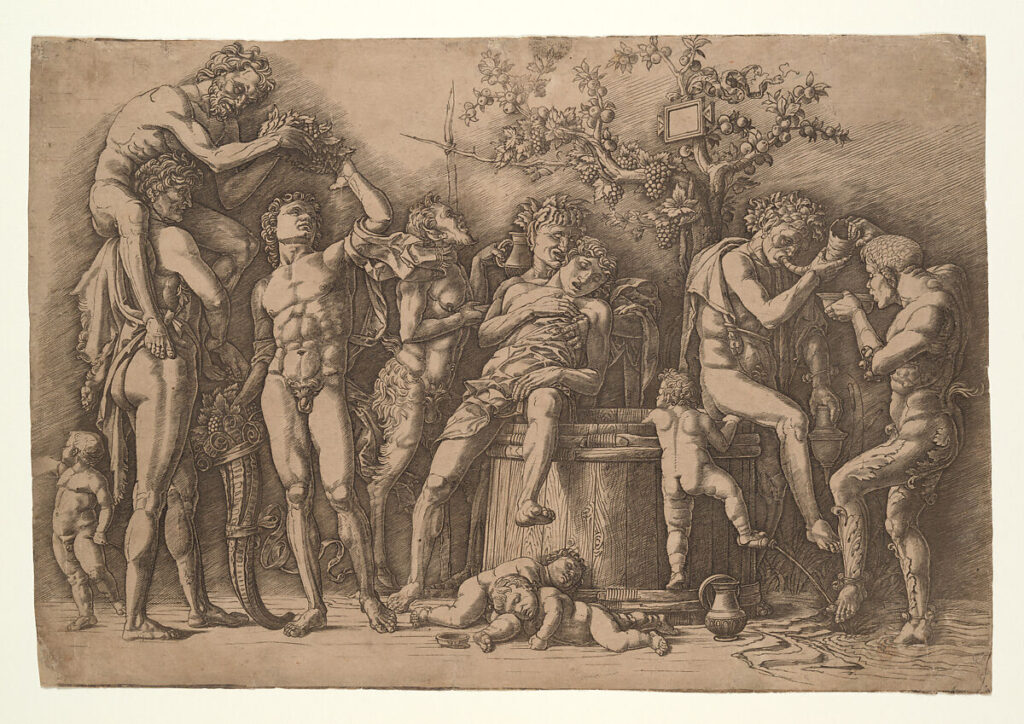
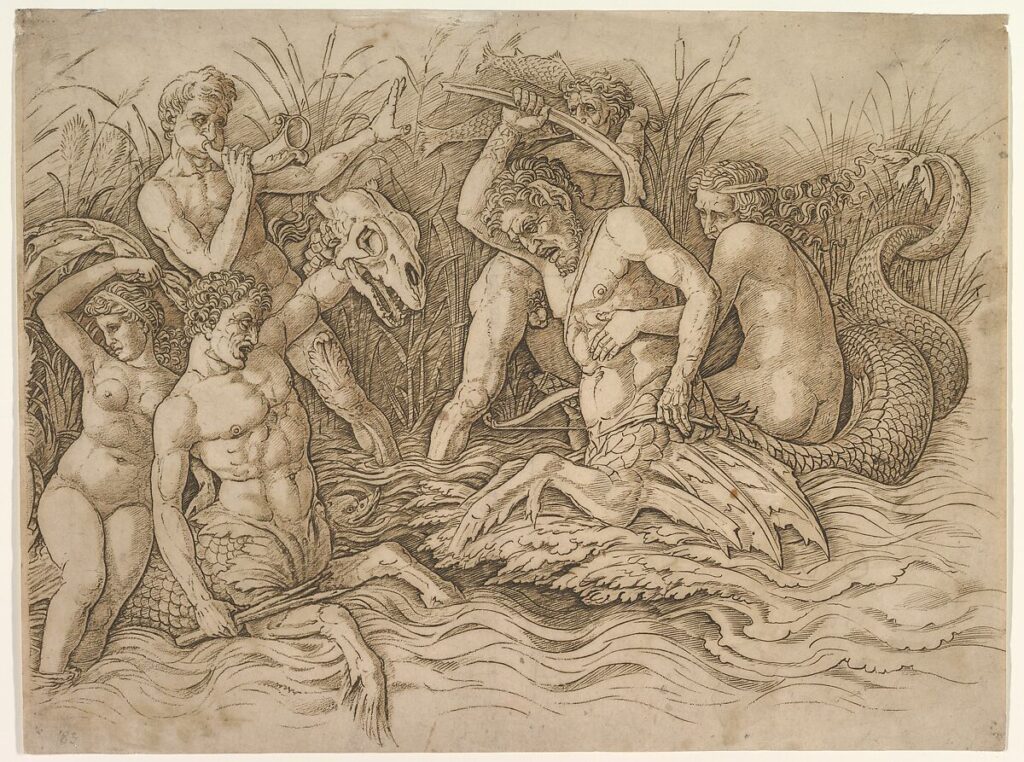
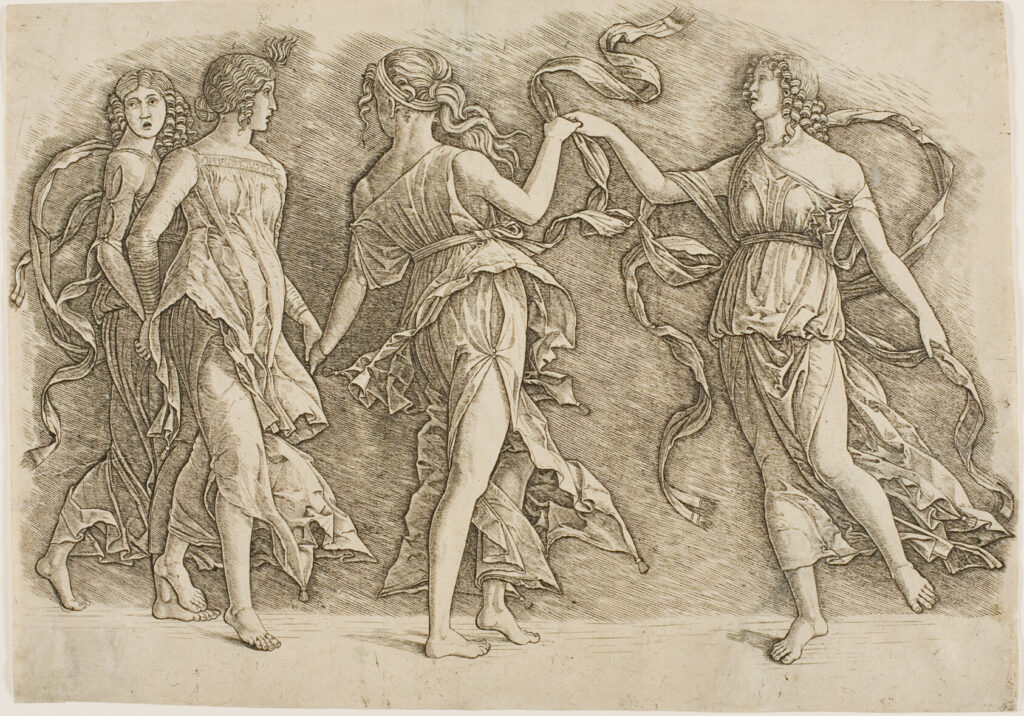
Andrea Mantegna, c 1431 – September 13, 1506, was an Italian Renaissance painter, draftsman, and printmaker. He was born near Padua and trained in the workshop of Francesco Squarcione.
Mantegna developed a highly sculptural style shaped by classical antiquity, linear perspective, and sharply defined forms. In 1460 he became court painter to the Gonzaga family in Mantua, where he created the Camera degli Sposi and later worked on The Triumphs of Caesar.
He married Nicolosia Bellini, daughter of Jacopo Bellini and sister of Giovanni Bellini, linking him to one of Venice’s leading artistic families. His paintings, drawings, and prints had a broad influence on Renaissance art in Italy and northern Europe.














Amedeo Modigliani
Amedeo Modigliani, July 12, 1884 – January 24, 1920, was an Italian painter and sculptor associated with the School of Paris. Born in Livorno, Italy, he studied at the Accademia di Belle Arti in Florence and the Accademia di Belle Arti di Venezia before moving to Paris in 1906. There he came into contact with many of the leading figures of the modern avant-garde, including Pablo Picasso, Constantin Brâncuși, and Chaïm Soutine.
Modigliani initially devoted considerable attention to sculpture, particularly under the influence of Brâncuși, before returning primarily to painting after about 1914. He became known for portraits, caryatid studies, and reclining nudes characterized by elongated proportions and simplified forms. Many of his portraits depict artists, writers, dealers, and friends from the Parisian artistic community, including Picasso, Soutine, Juan Gris, and his companion Jeanne Hébuterne.
Although Modigliani did not establish a formal school and left no significant body of students, his work influenced later figurative painters and became widely collected after his death. Major holdings of his work are found in institutions including the Museum of Modern Art, the Metropolitan Museum of Art, the National Gallery of Art, the Tate Modern, and the Centre Pompidou.


