Posts in Category: Italian
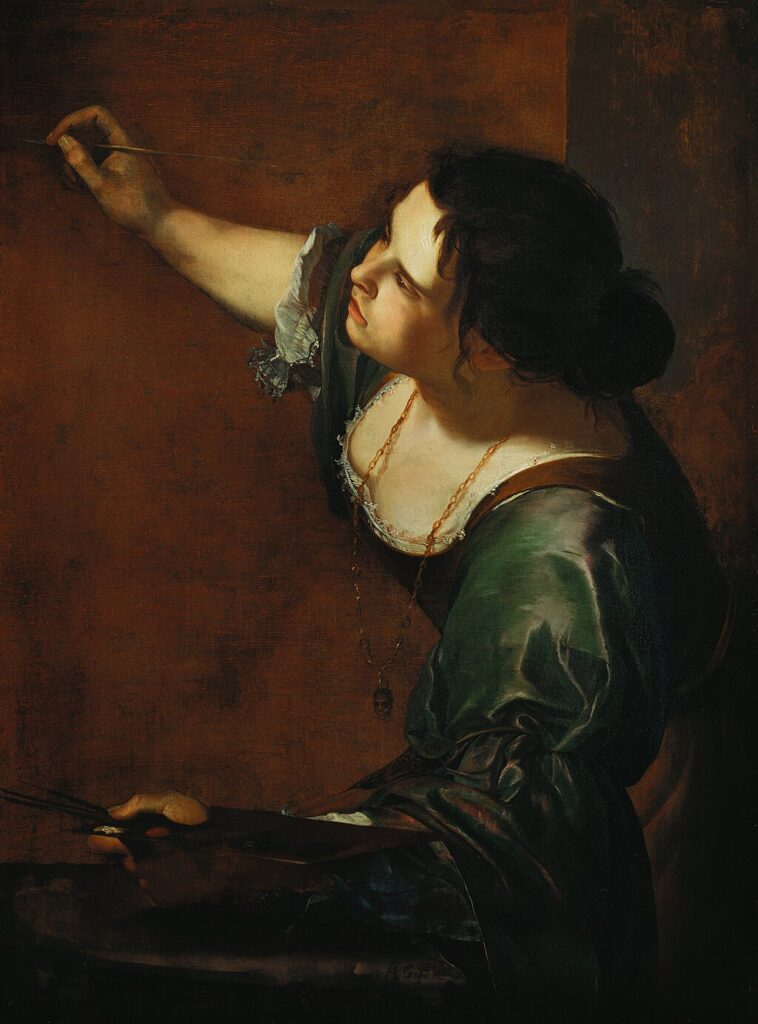
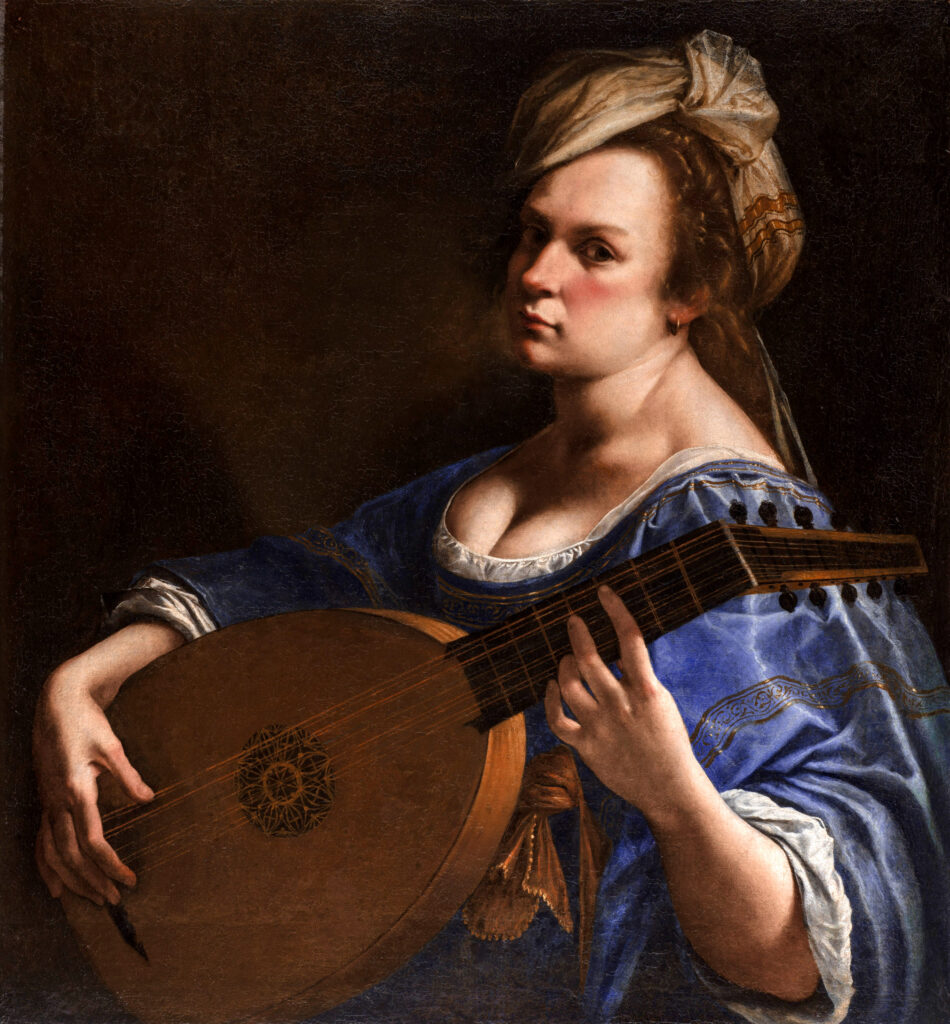
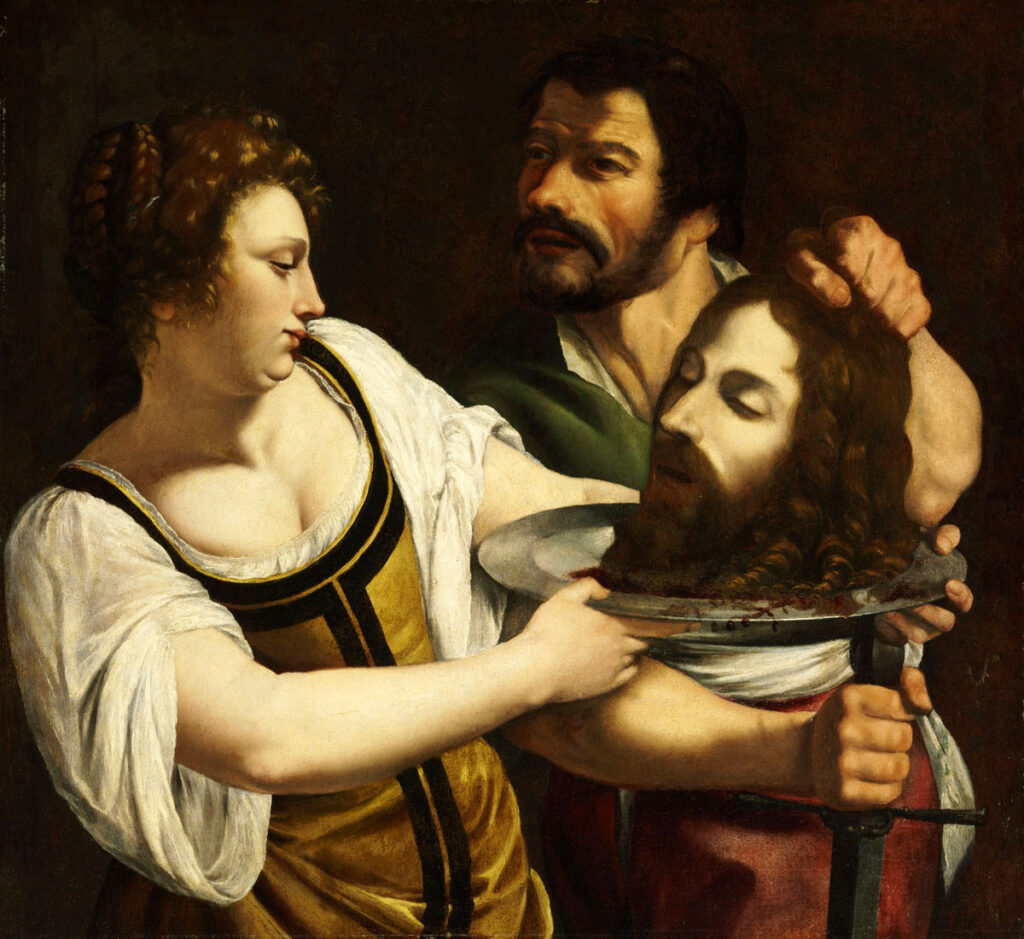
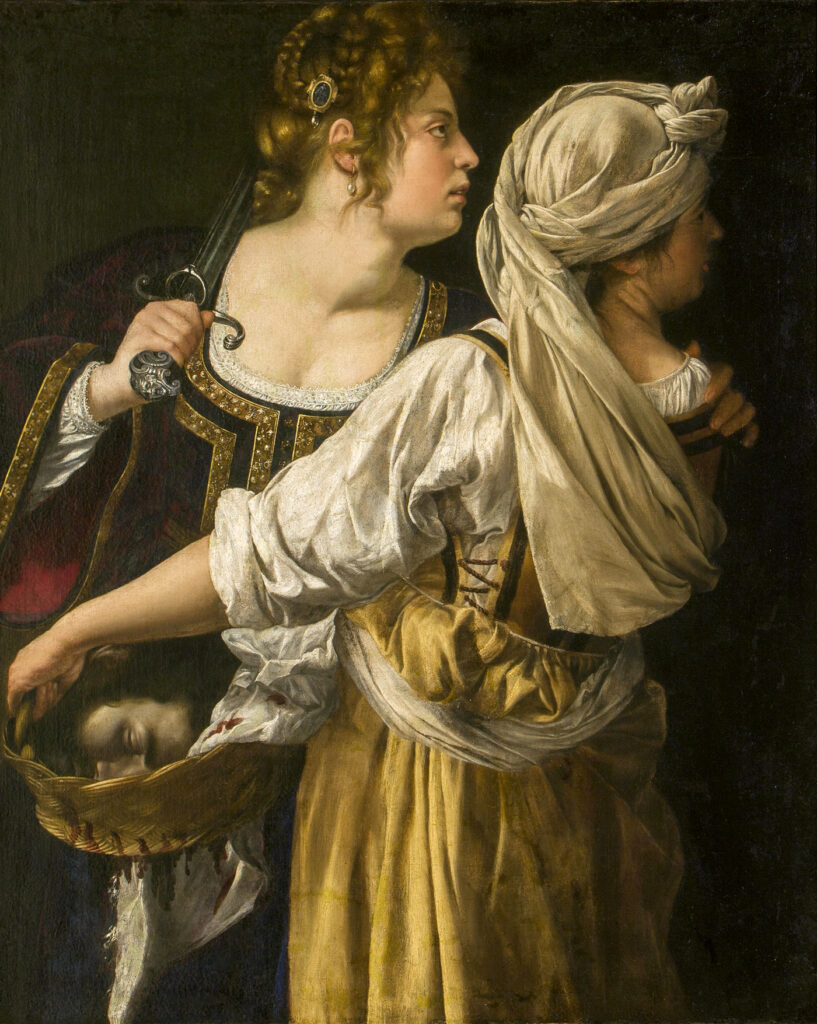
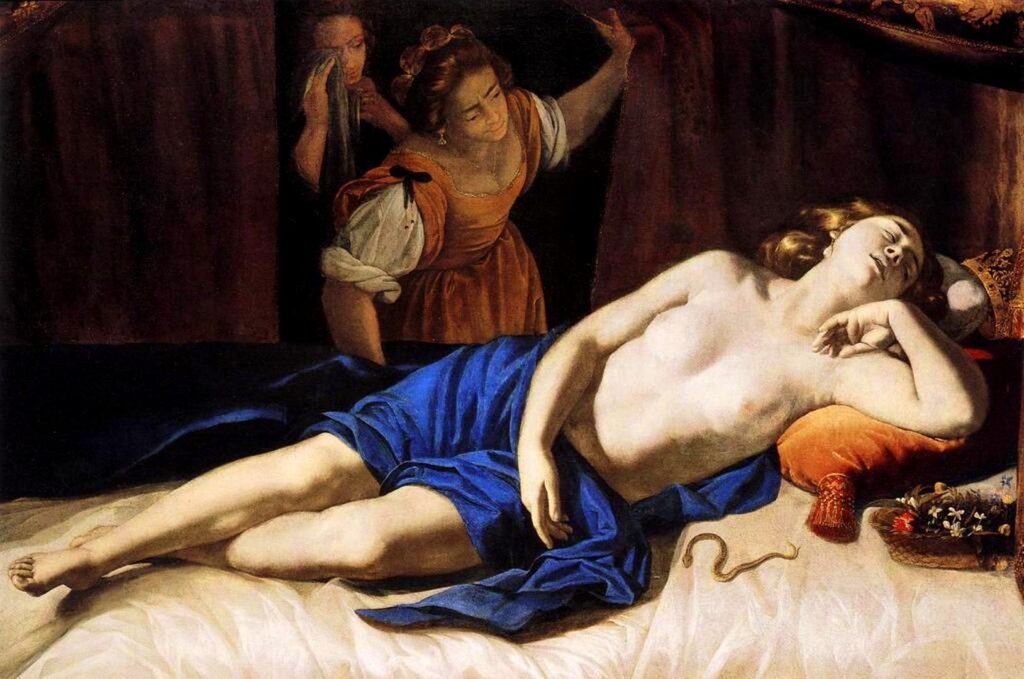
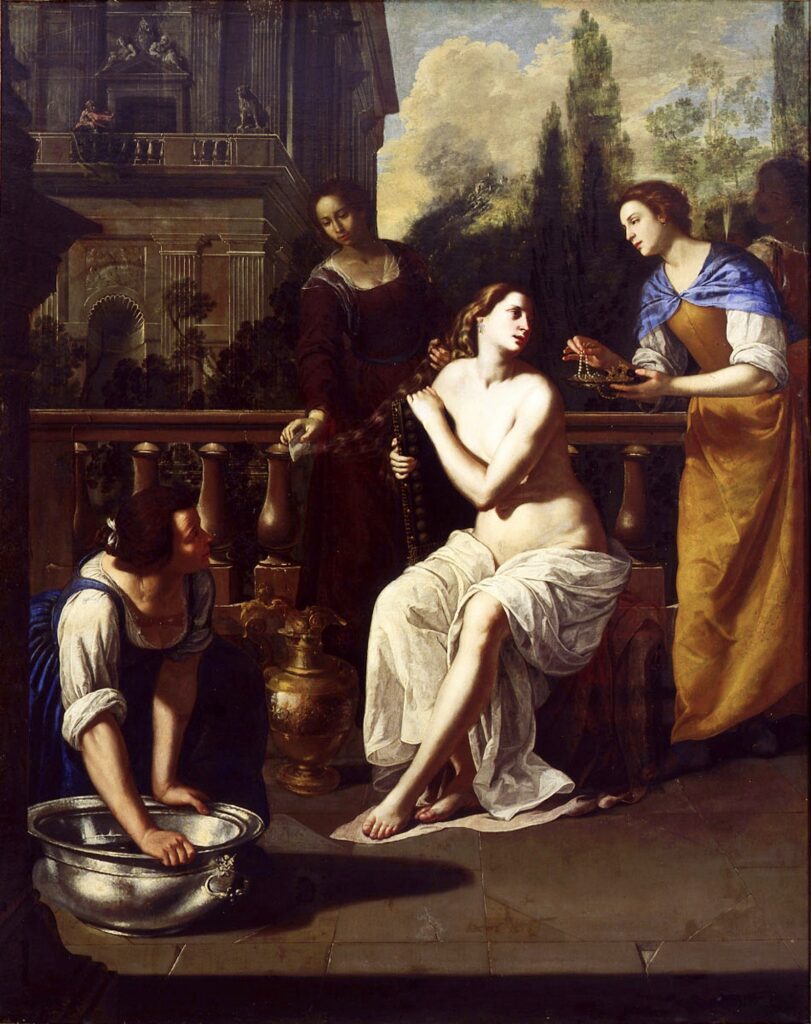
Artemisia Gentileschi
Artemisia Gentileschi, Italian painter, July 8, 1593 – c 1656
Gentileschi was born in Rome and trained in the workshop of her father, Orazio Gentileschi, a painter associated with the Caravaggesque style. Her early formation was shaped by Roman Baroque painting, especially the dramatic lighting and forceful realism associated with Caravaggio and his followers.
She worked first in Rome, then in Florence, where she became the first woman admitted to the Accademia delle Arti del Disegno. She later worked in Rome again, Venice, Naples, and London, where she joined her father at the court of Charles I.
Her work is best known for large-scale biblical, mythological, and historical subjects, often centered on women from scripture or classical history, including Susanna, Judith, Esther, Cleopatra, and Bathsheba. She also painted portraits and self-portraits, including self-representations as allegorical or musical figures.
Her patrons included members of the Medici court in Florence, Cassiano dal Pozzo in Rome, Neapolitan collectors, and the English royal court. No major formal school of pupils is securely associated with her, though she worked with assistants and family members, including her daughter Prudenzia Palmira.





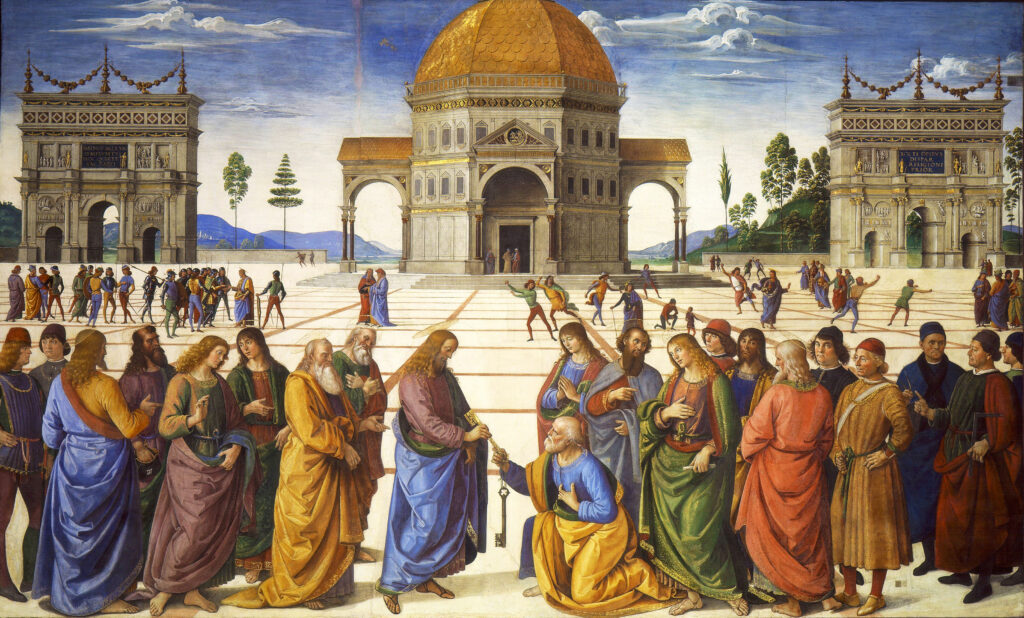
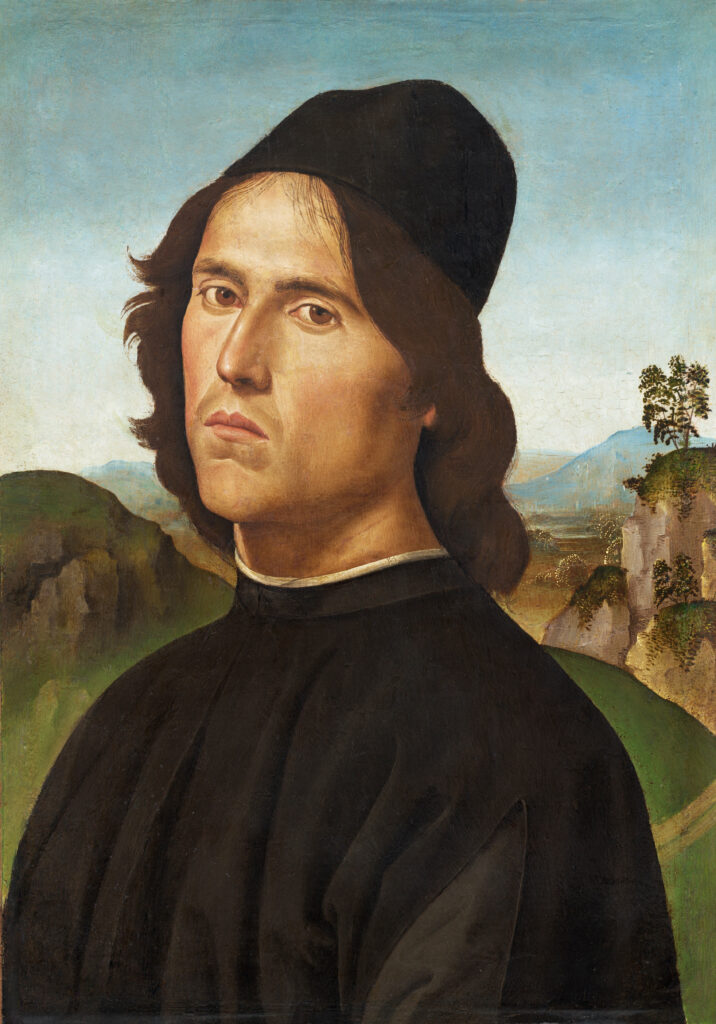
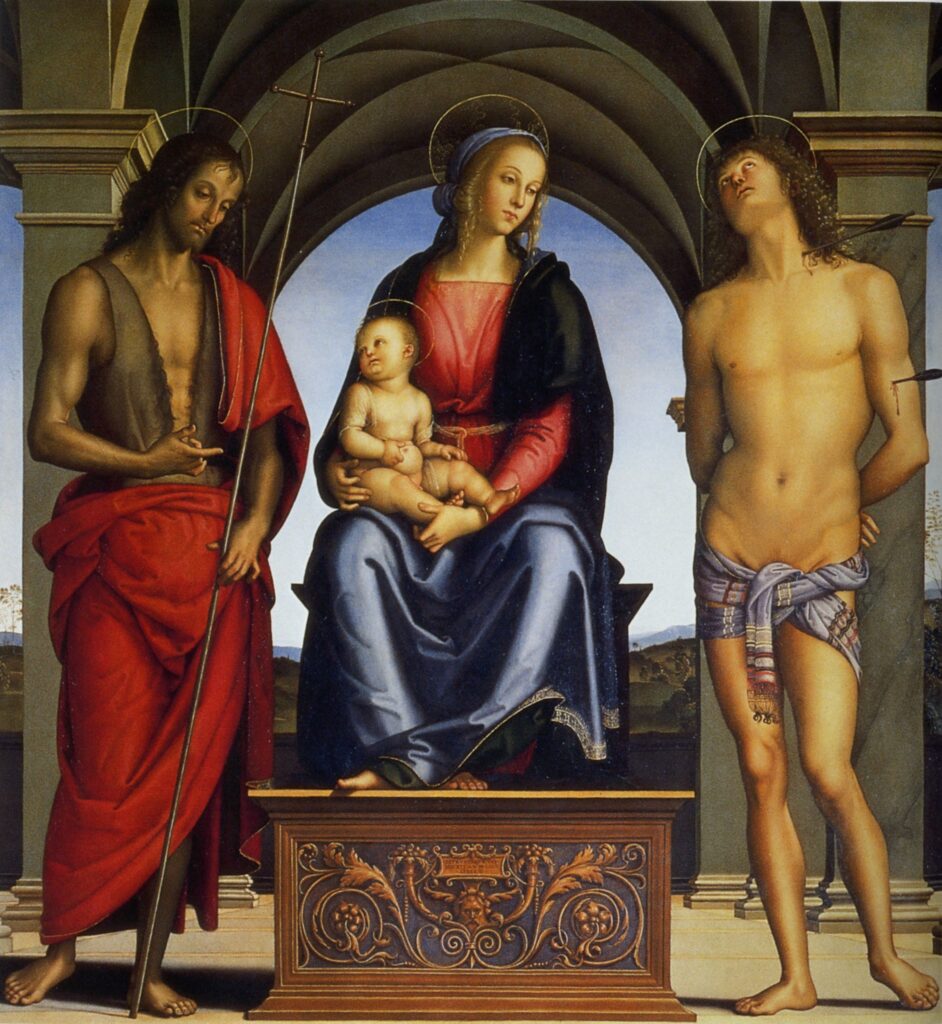
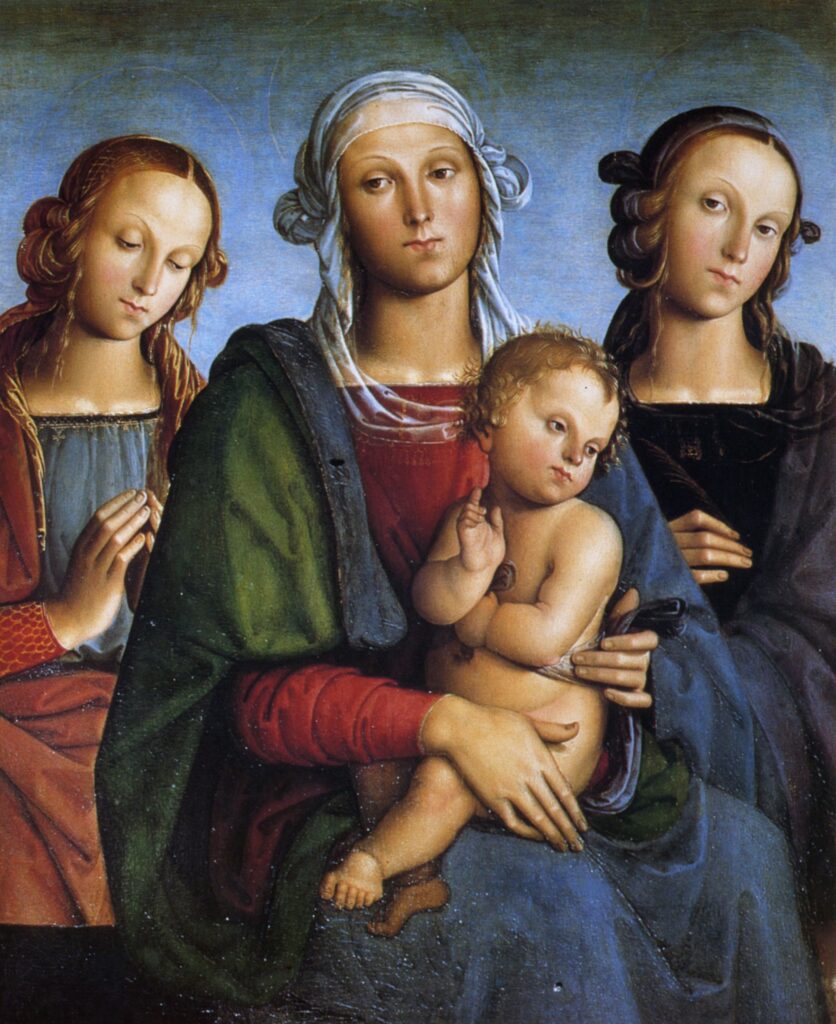
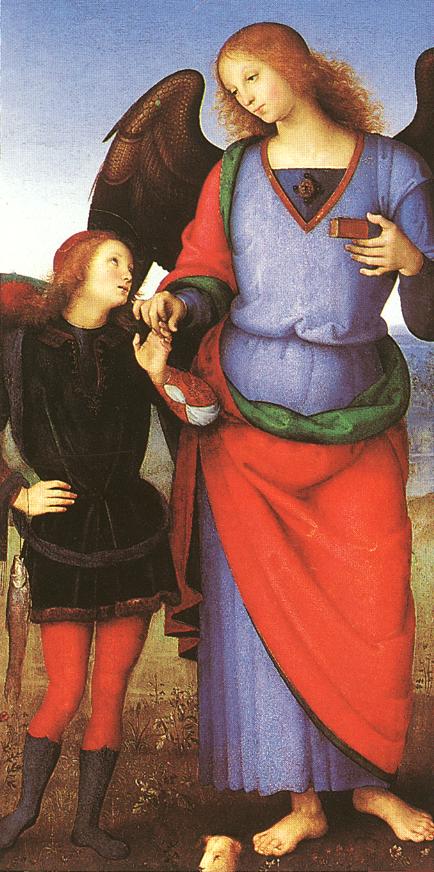
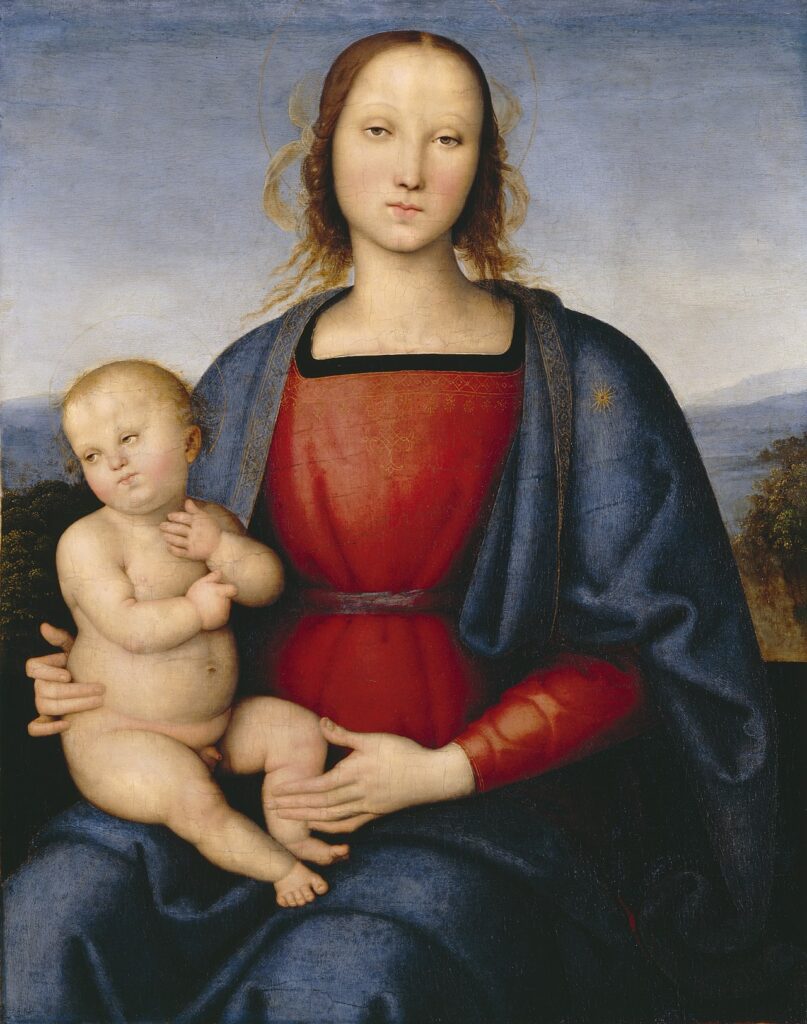
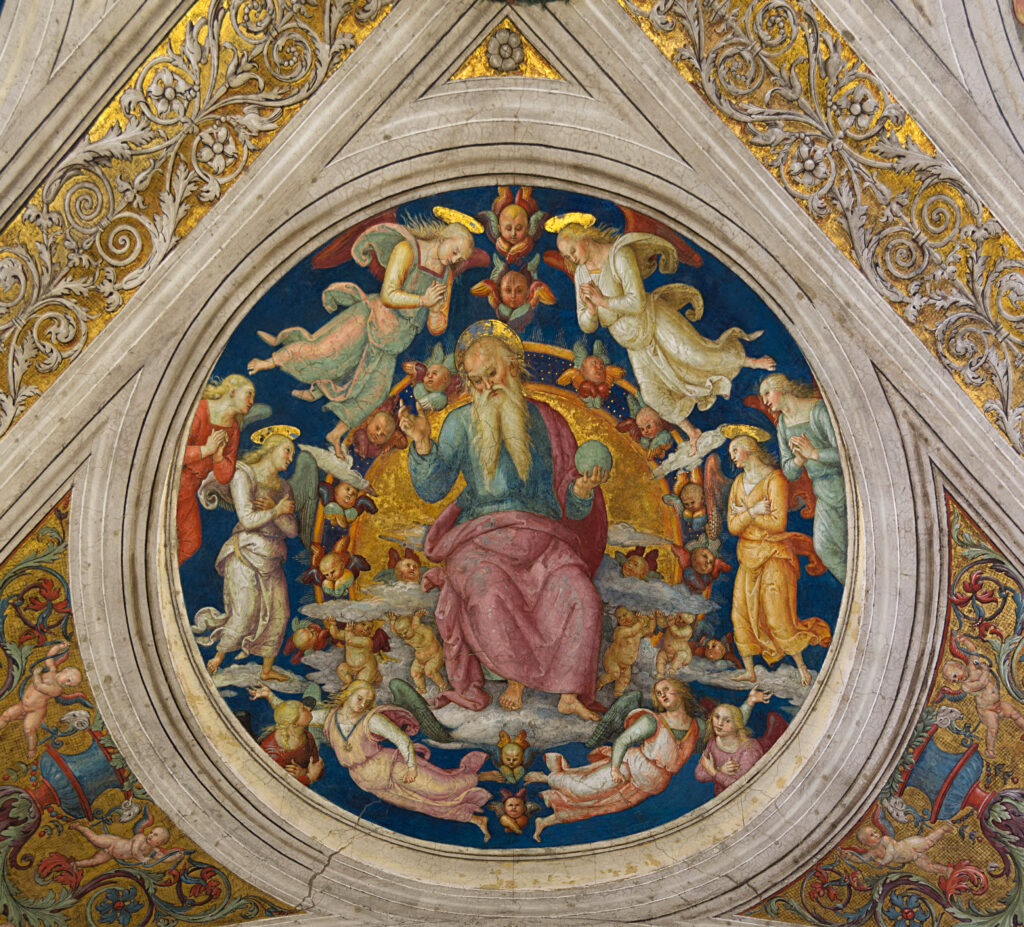
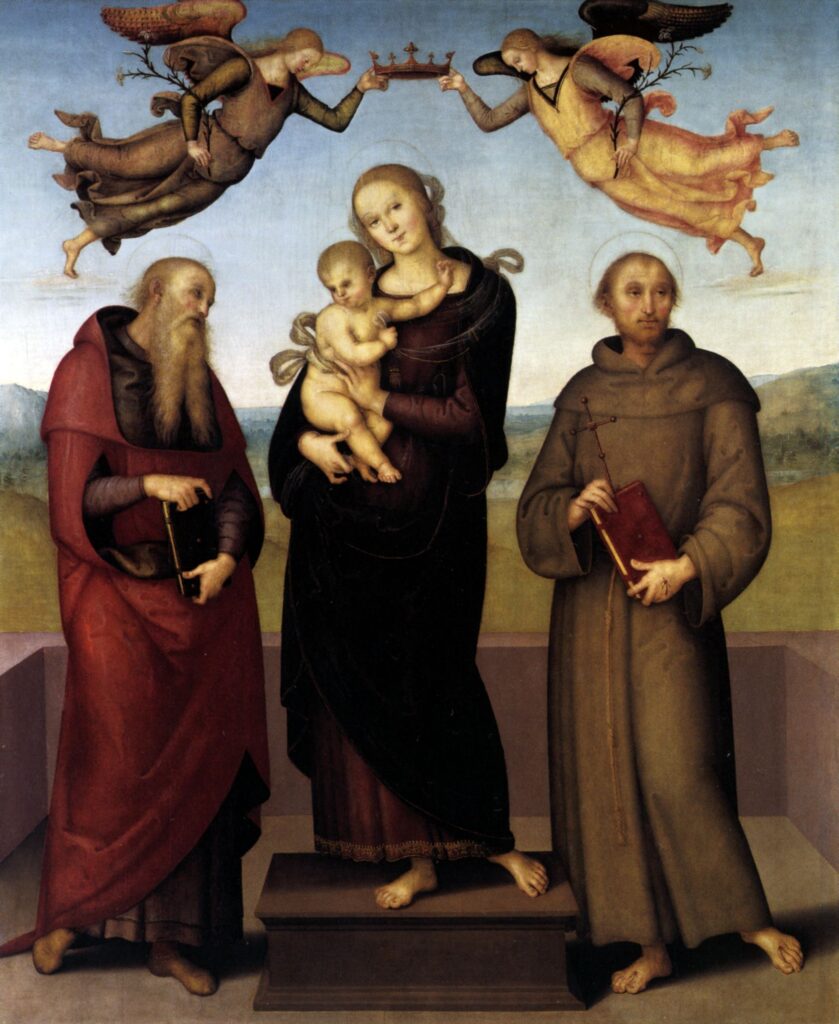
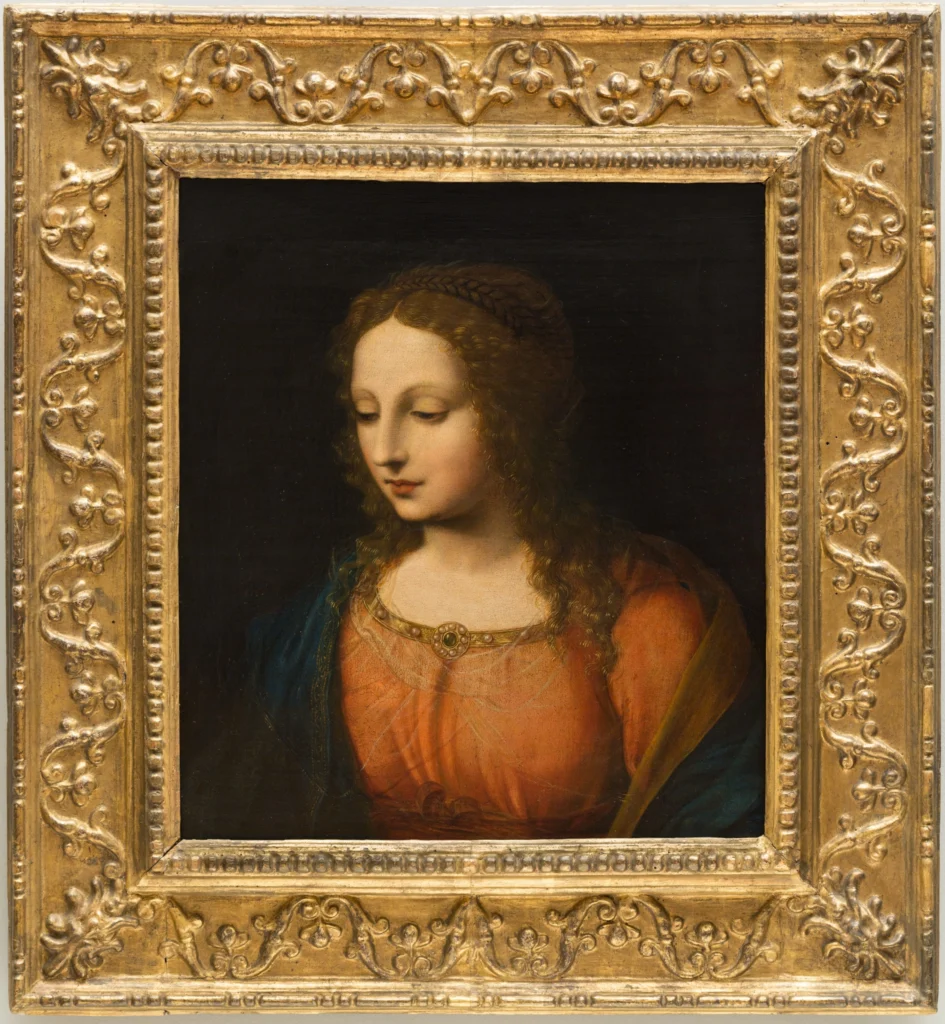
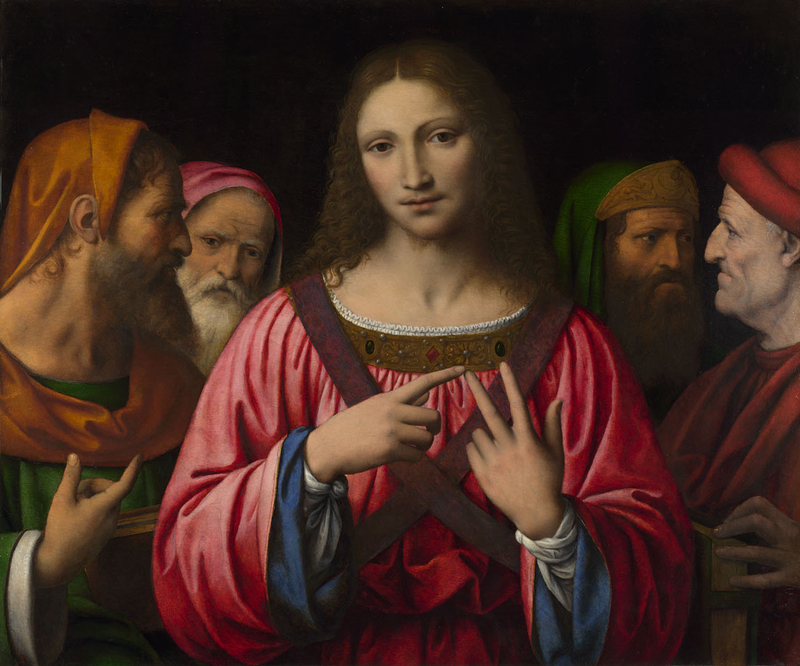
Pietro Perugino
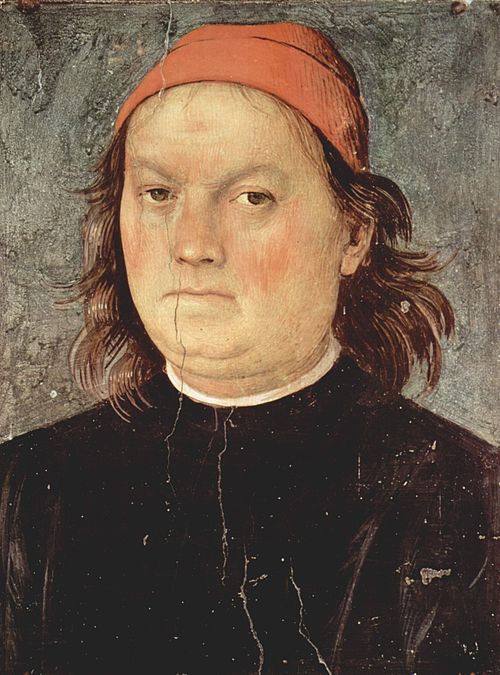
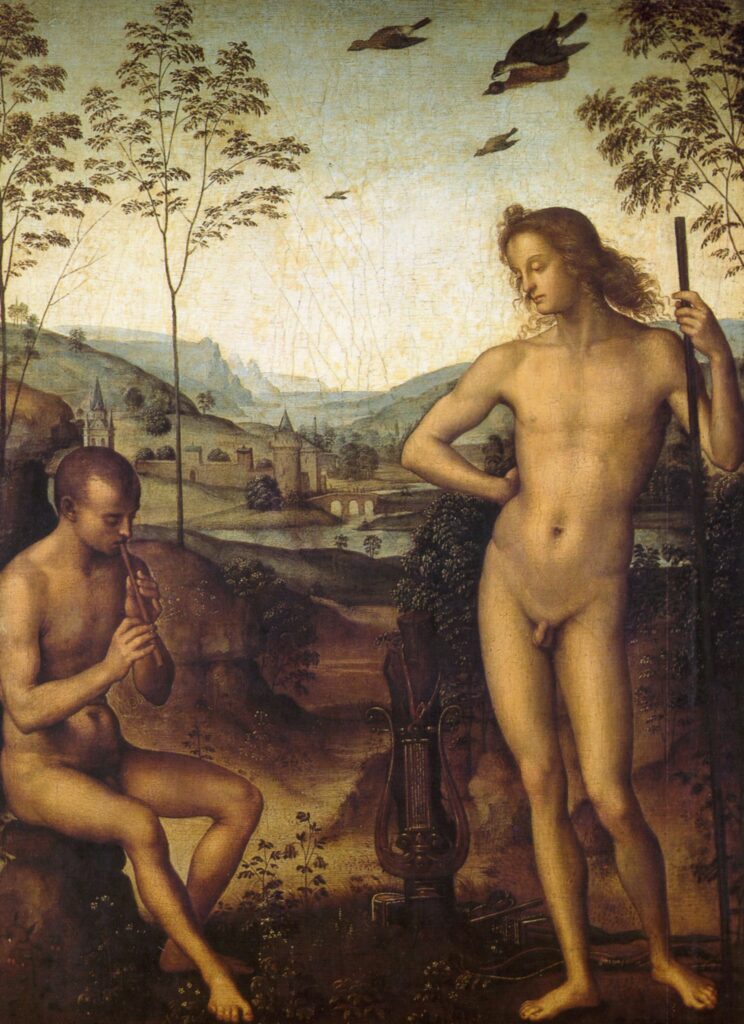
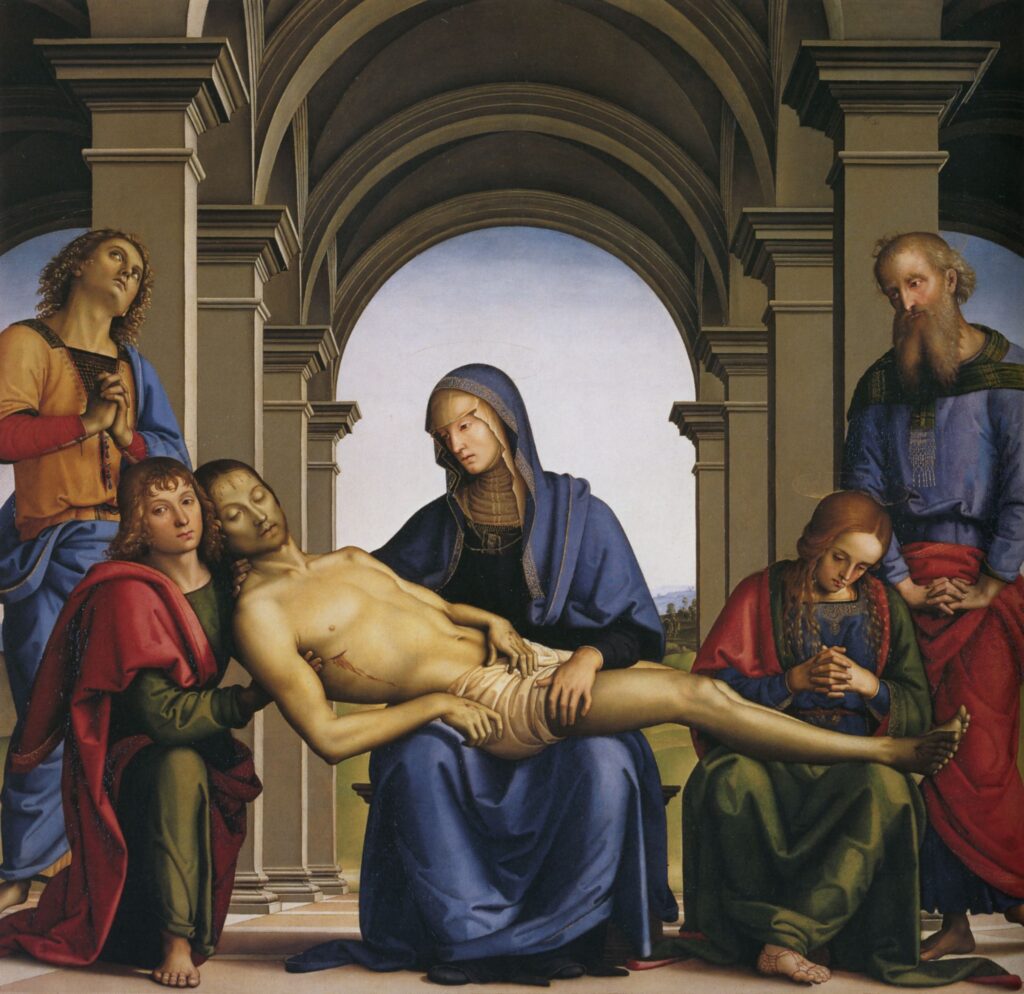
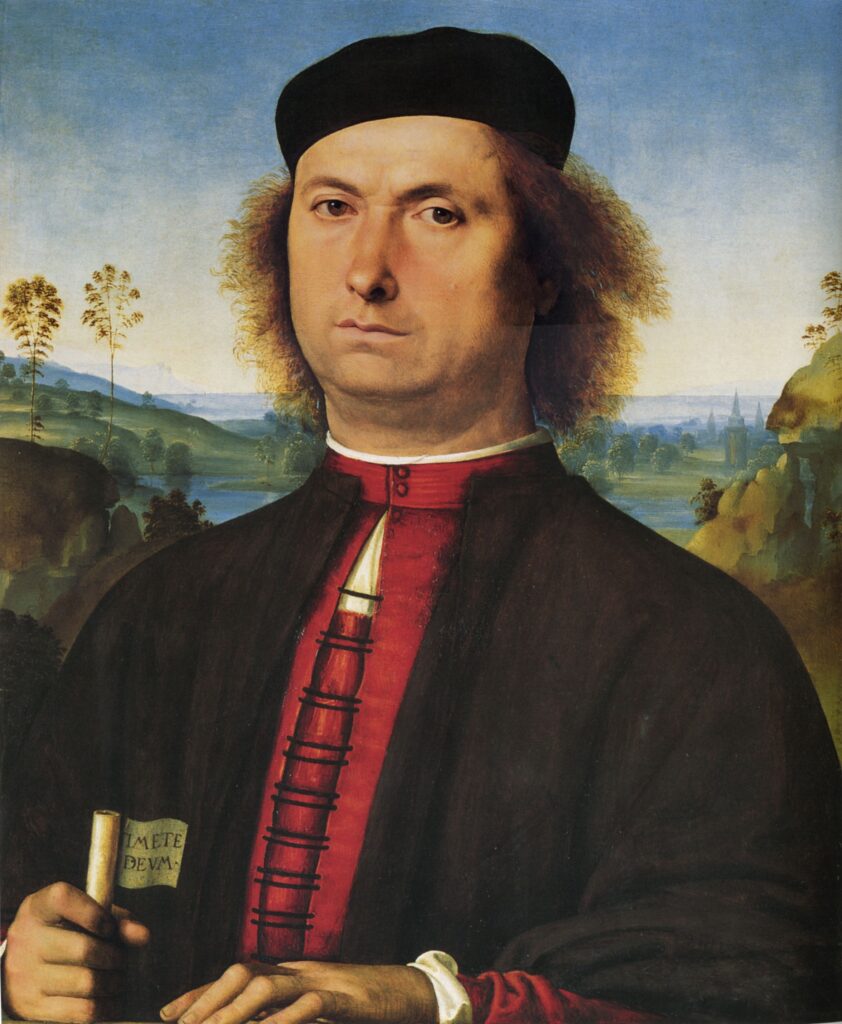
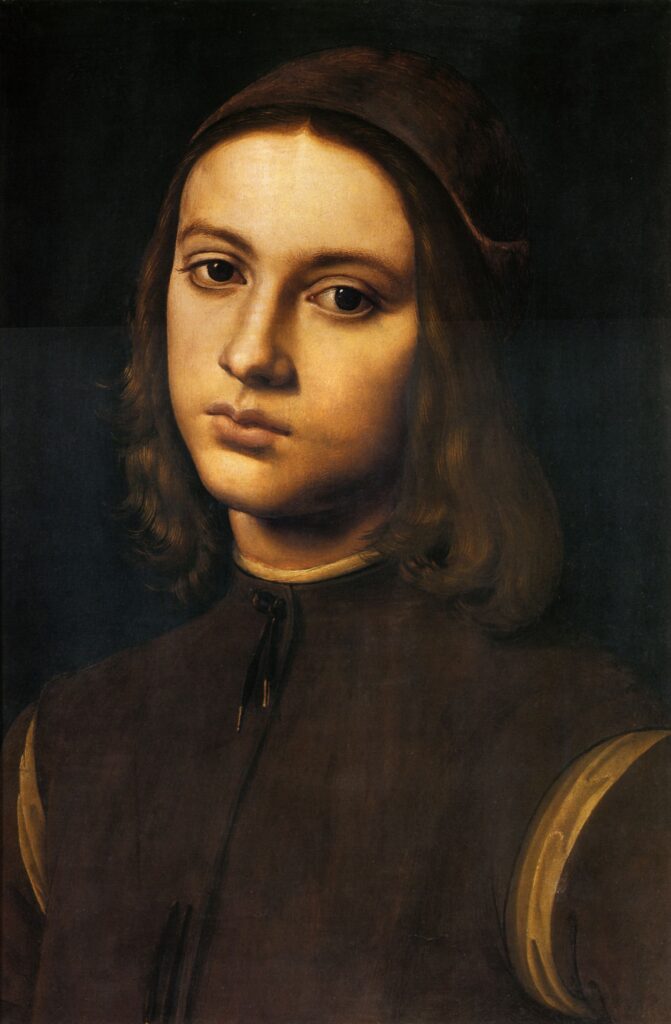
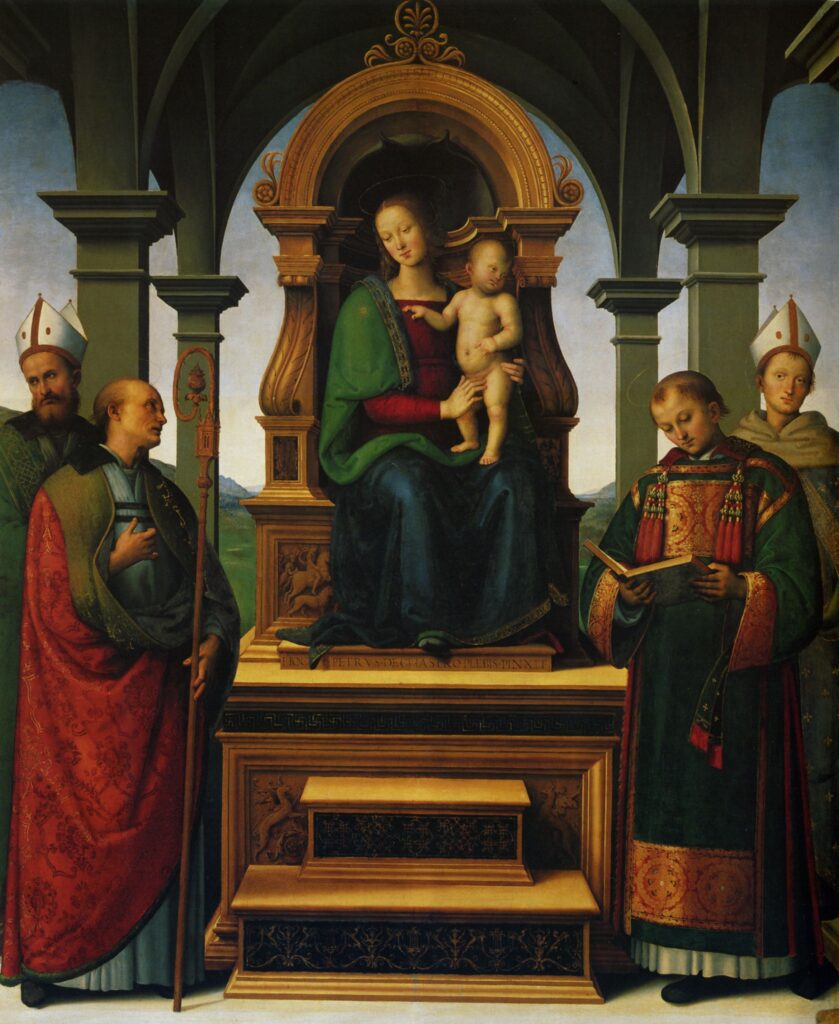
Pietro Perugino, c 1450–1523, was an Italian painter of the Umbrian school. Born Pietro Vannucci at Città della Pieve, he worked in Perugia, Florence, Rome, and other Italian cities.
He is generally associated with the Florentine workshop of Andrea del Verrocchio and was active alongside artists including Sandro Botticelli, Domenico Ghirlandaio, and Cosimo Rosselli on the decoration of the Sistine Chapel. Raphael is traditionally counted among his pupils.
Major collections of Perugino’s work include the Uffizi Galleries, Florence; Vatican Museums, Vatican City; National Gallery, London; National Gallery of Art, Washington DC; Detroit Institute of Arts; and Kunsthistorisches Museum, Vienna.
Paolo Veronese
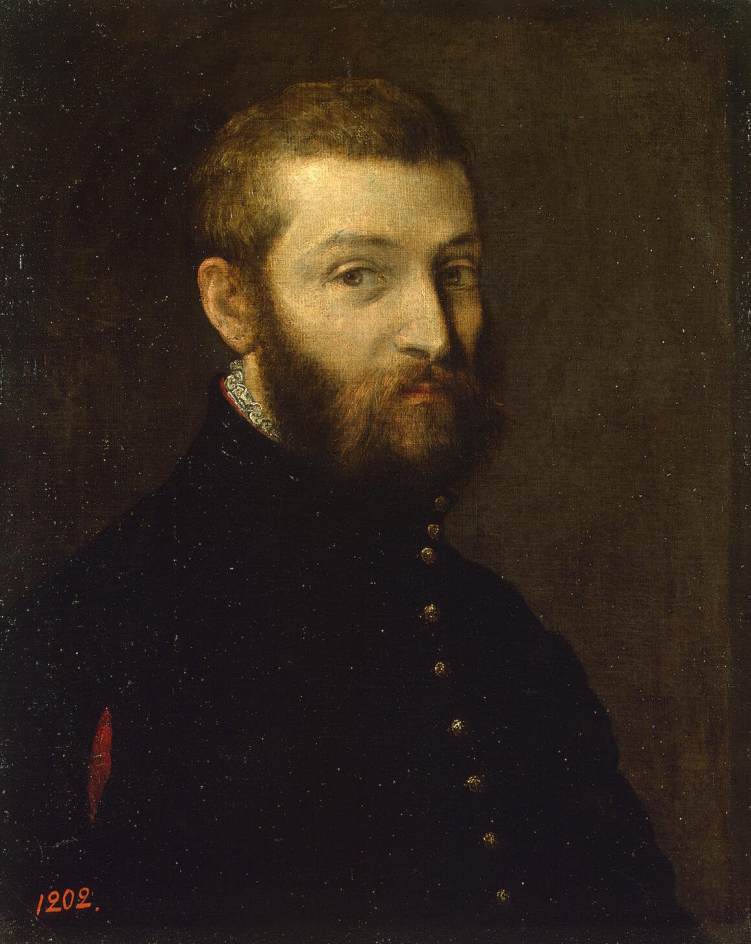
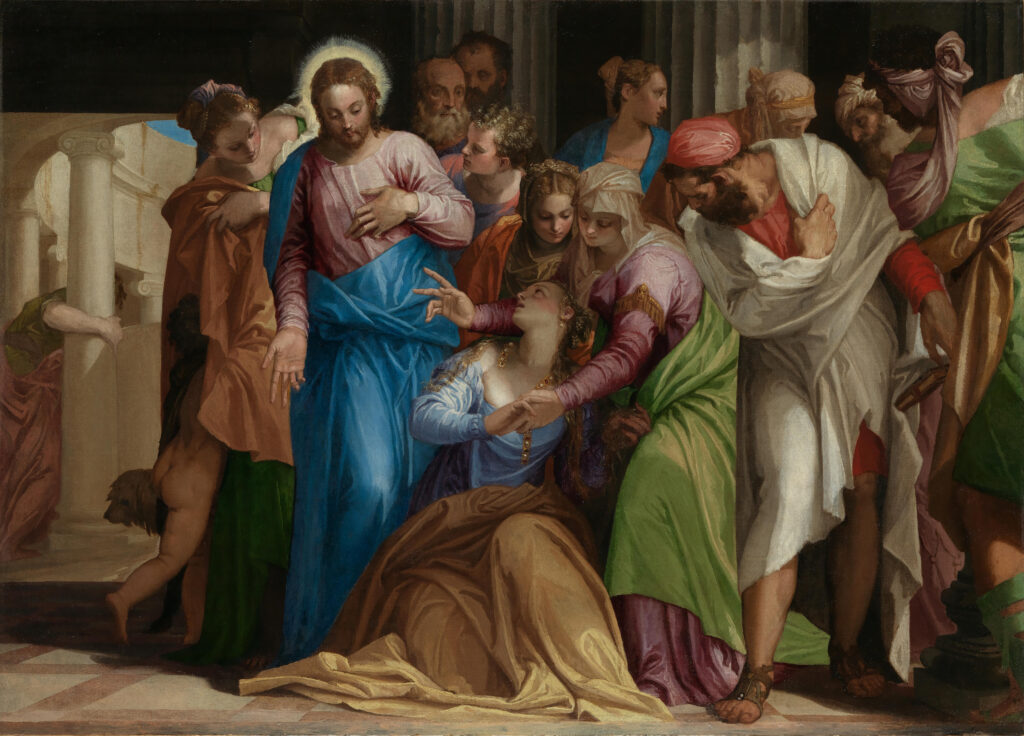
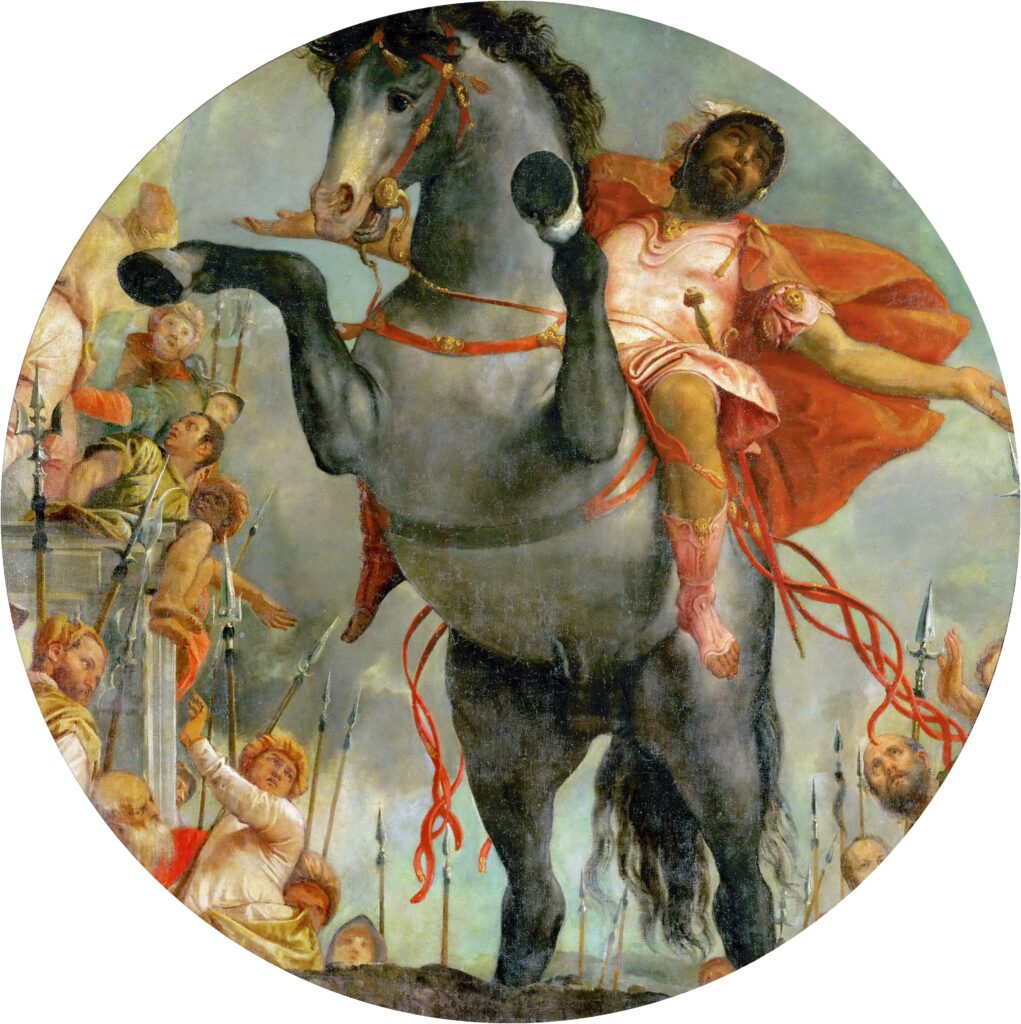
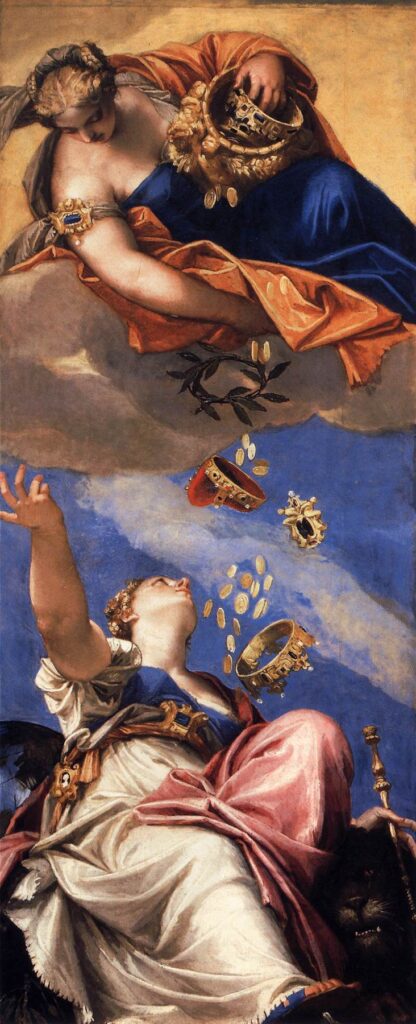
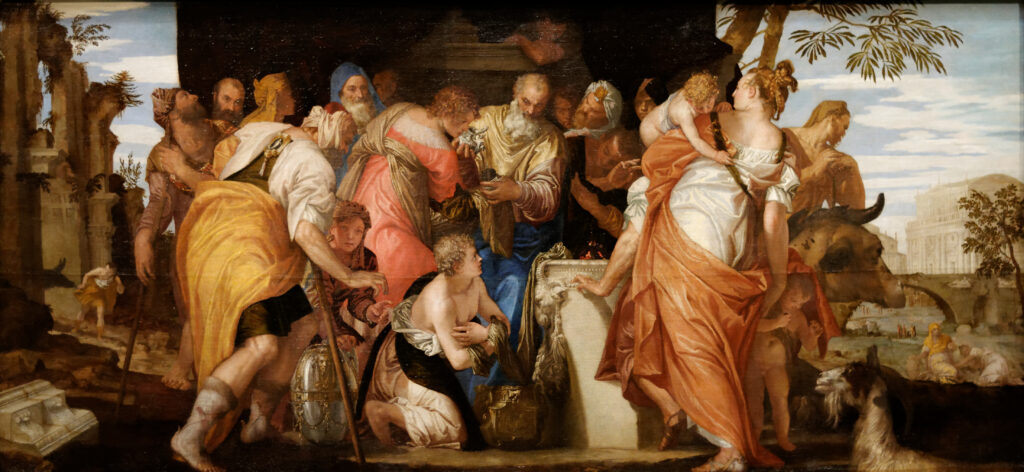
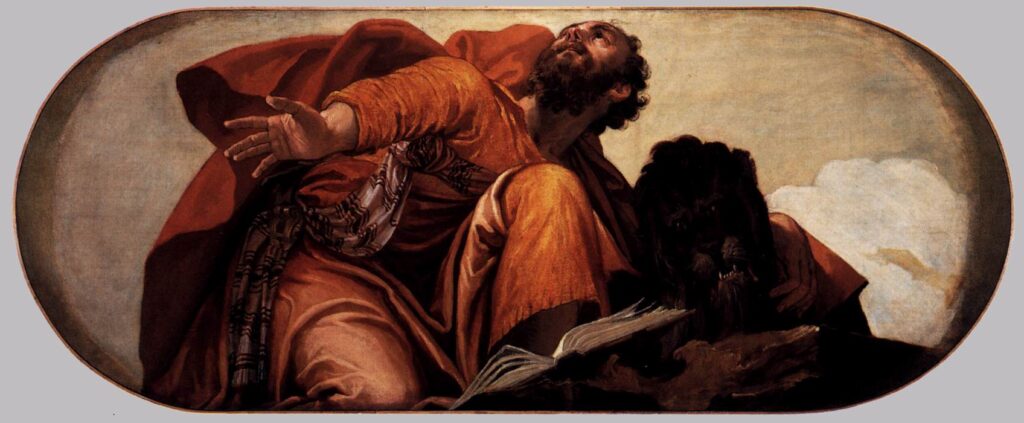
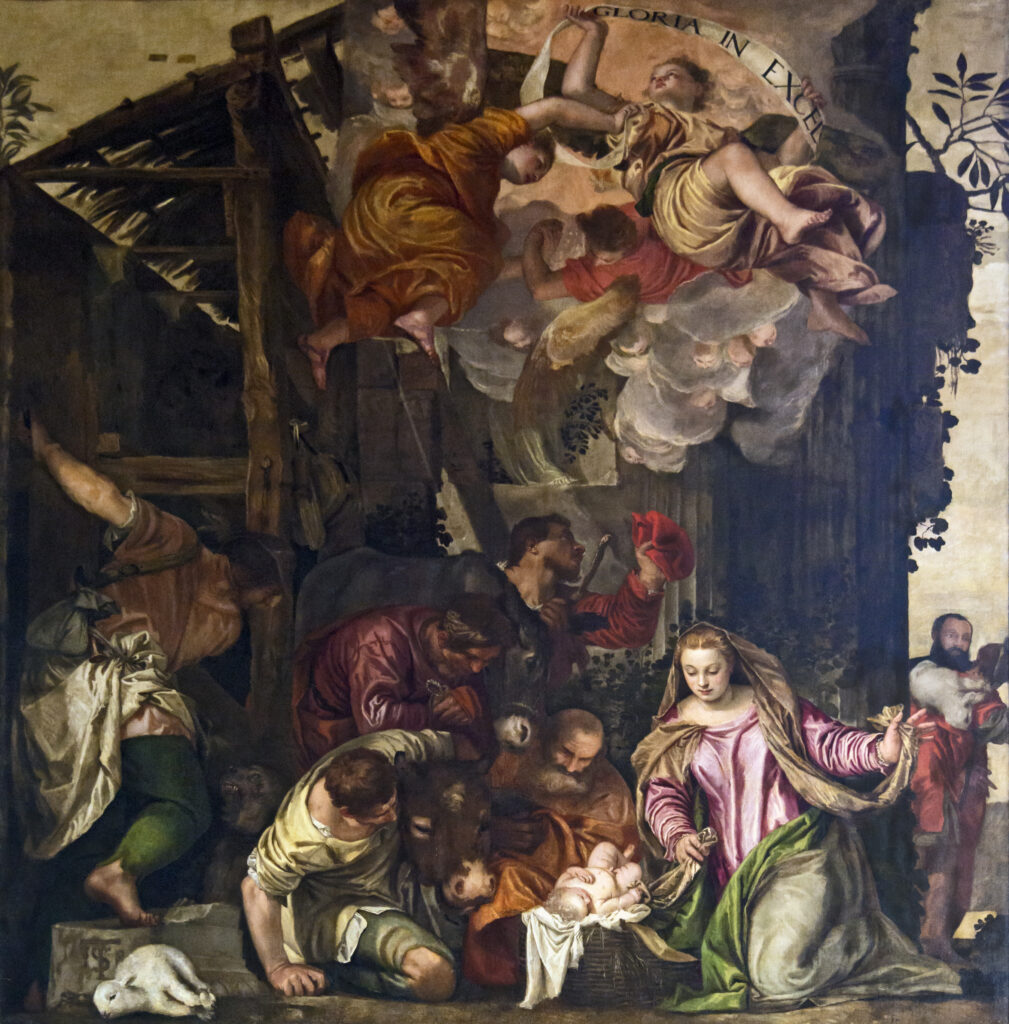
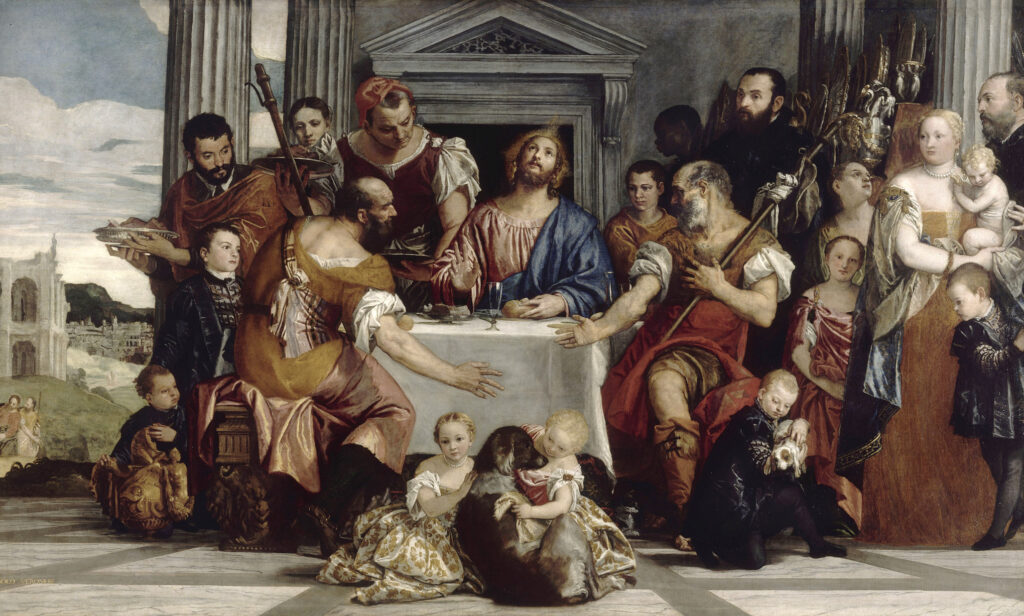
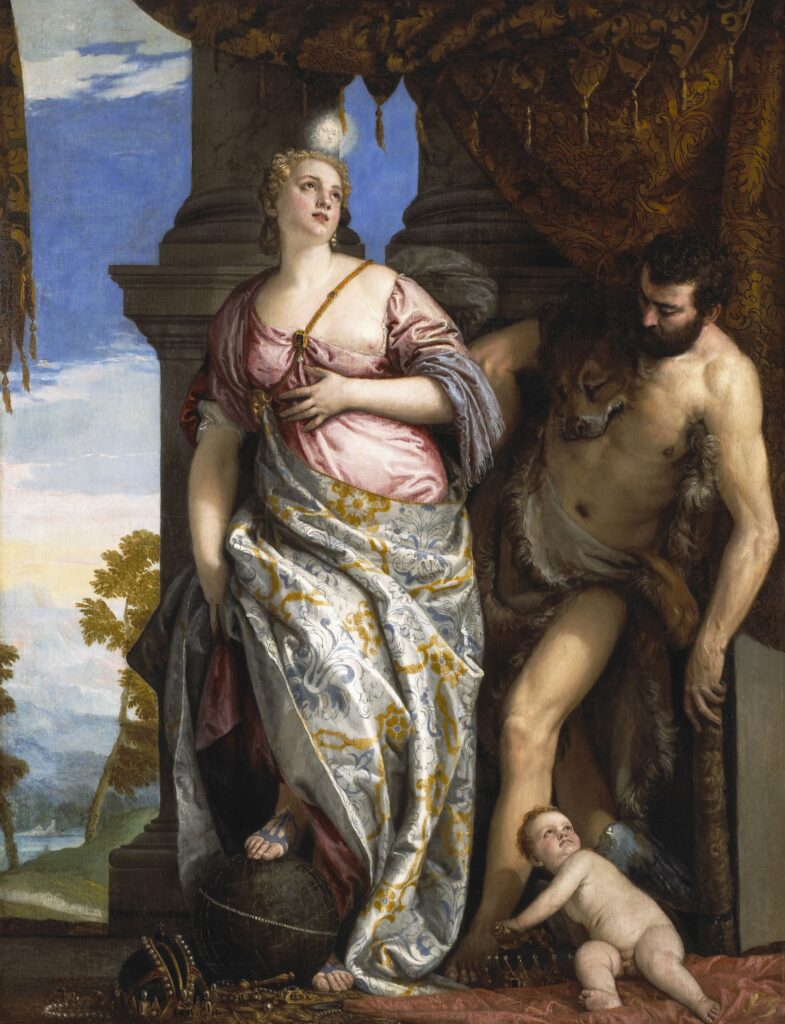
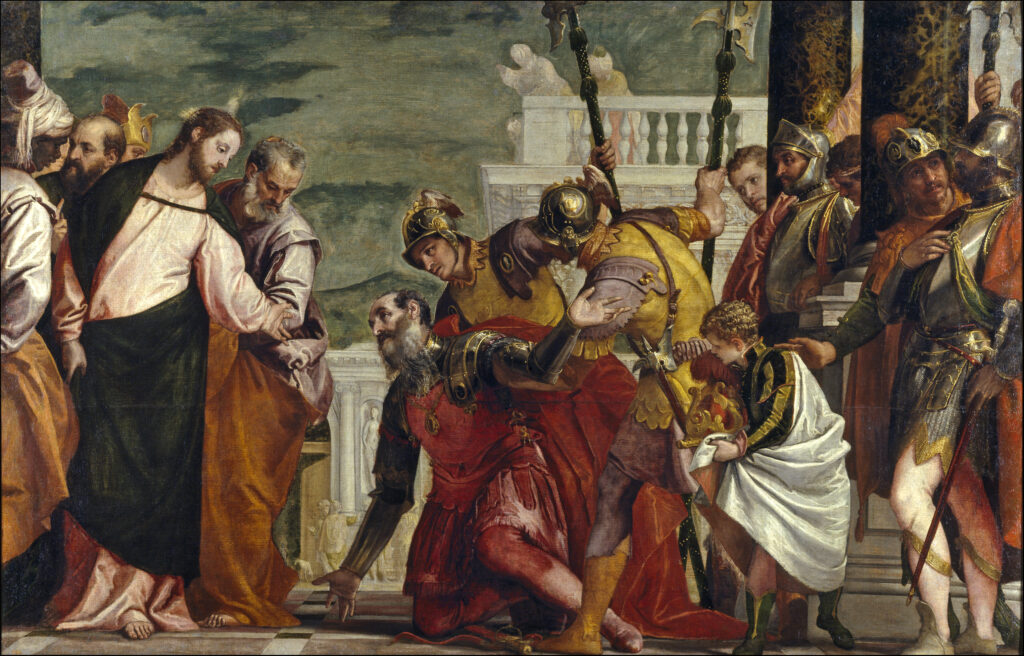
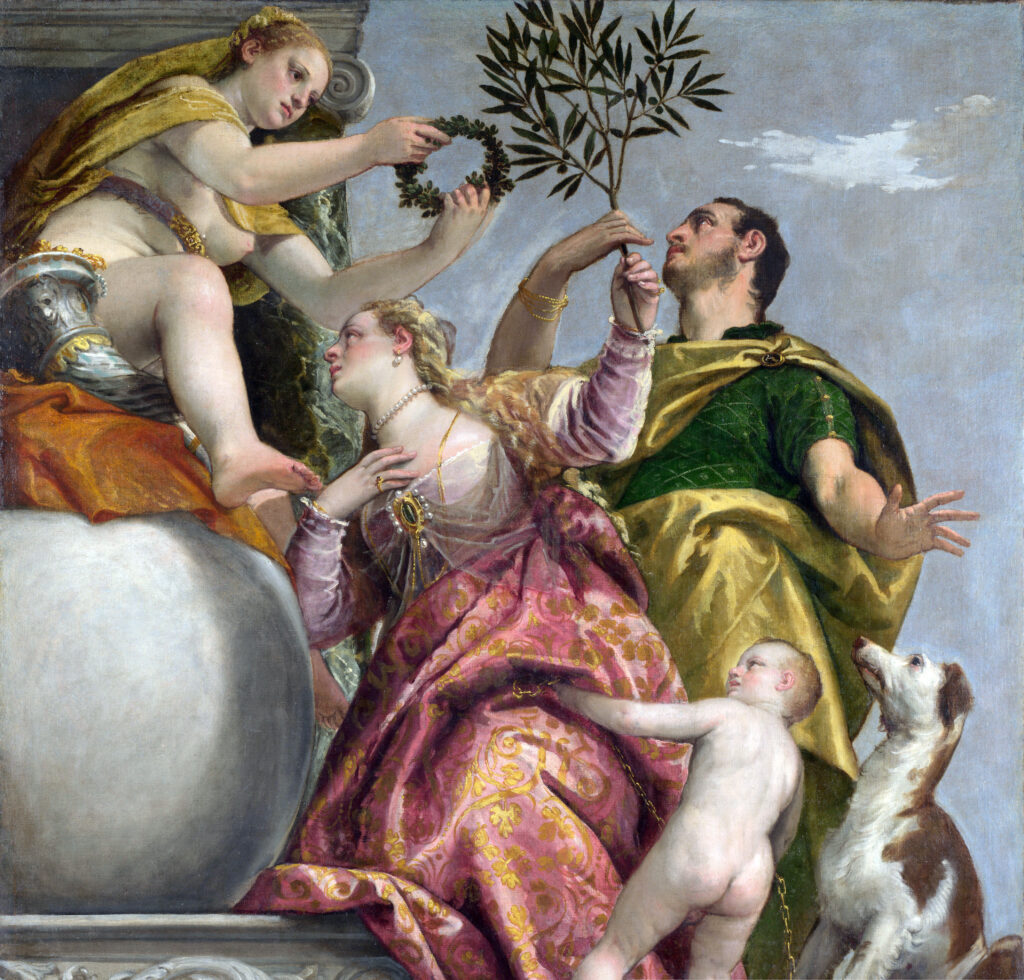
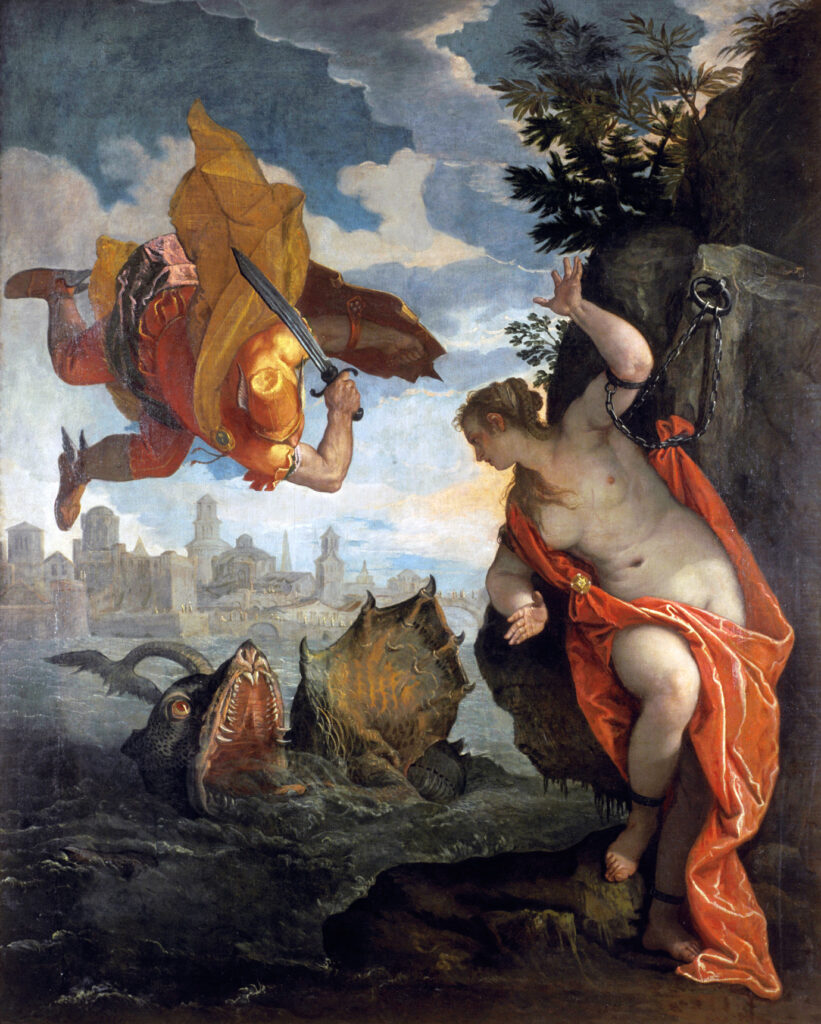
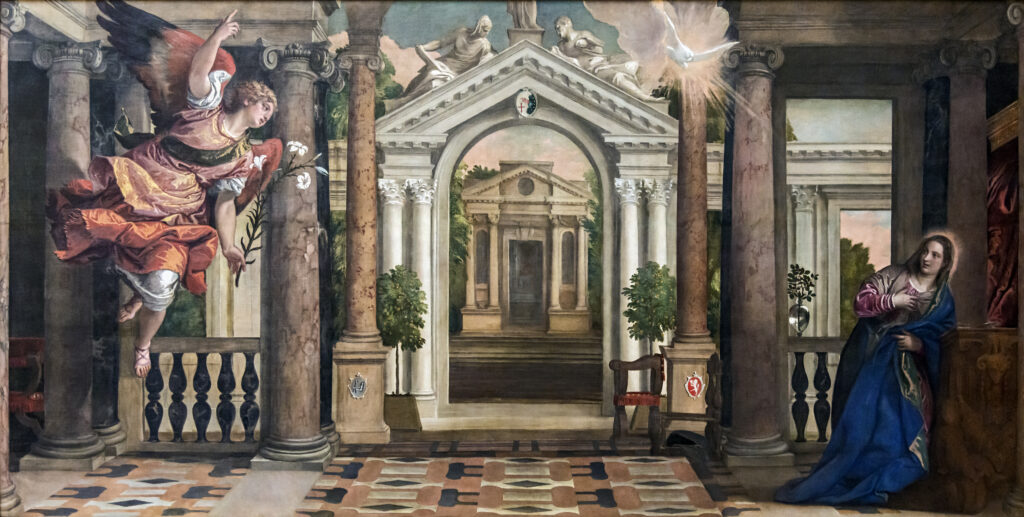
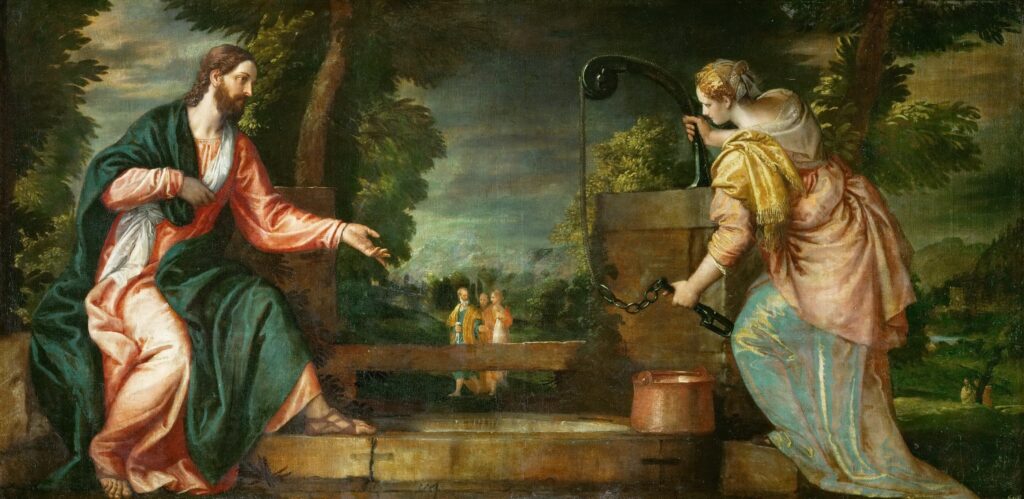
Paolo Veronese (1528–1588) was an Italian Renaissance painter of the Venetian school. Born Paolo Caliari in Verona, he trained with local painters before moving to Venice in the early 1550s, where he became one of the city’s leading artists alongside Titian and Tintoretto.
Veronese specialized in large religious paintings, mythological subjects, allegories, and portraits. He received major commissions for churches, monasteries, government buildings, and private patrons throughout Venice and the Veneto. His monumental decorative cycles are notable for their grand architectural settings, brilliant color, and richly dressed figures. In 1573, his Last Supper was investigated by the Venetian Inquisition, after which he simply retitled the painting Feast in the House of Levi rather than alter the composition.
Veronese’s work had a lasting influence on European painting, particularly on the Venetian tradition and later Baroque artists. Today his paintings are held in major museums worldwide, including the Louvre Museum, the National Gallery in London, the Kunsthistorisches Museum in Vienna, the Museo Nacional del Prado, and the Gallerie dell’Accademia in Venice.


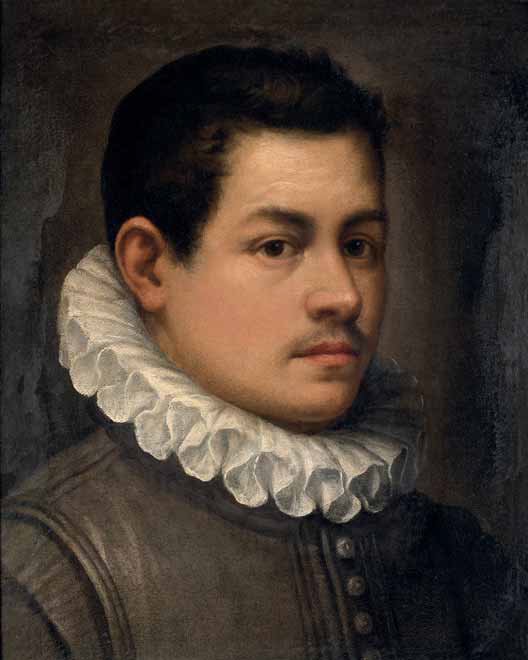
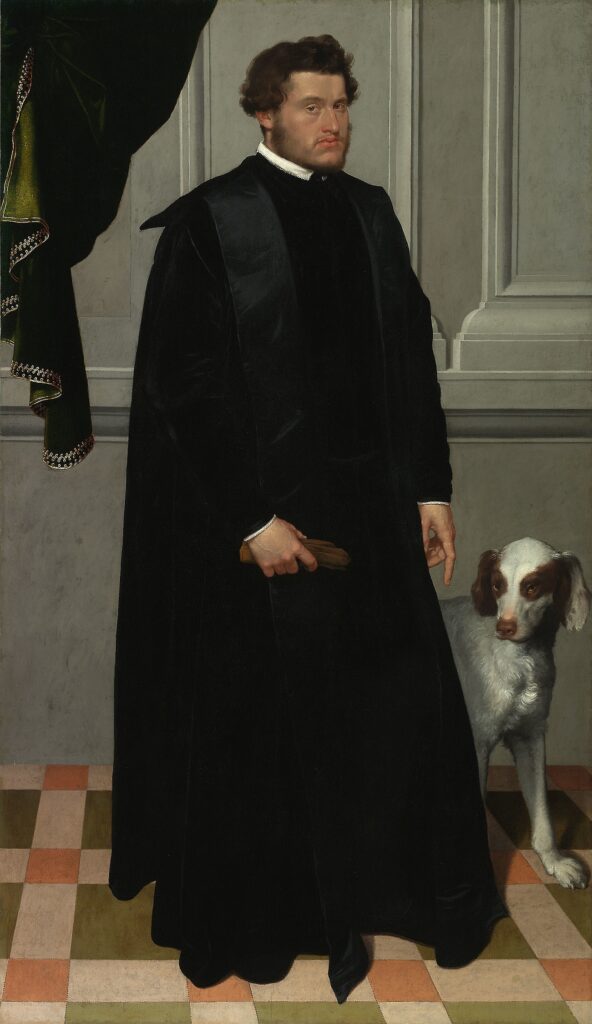
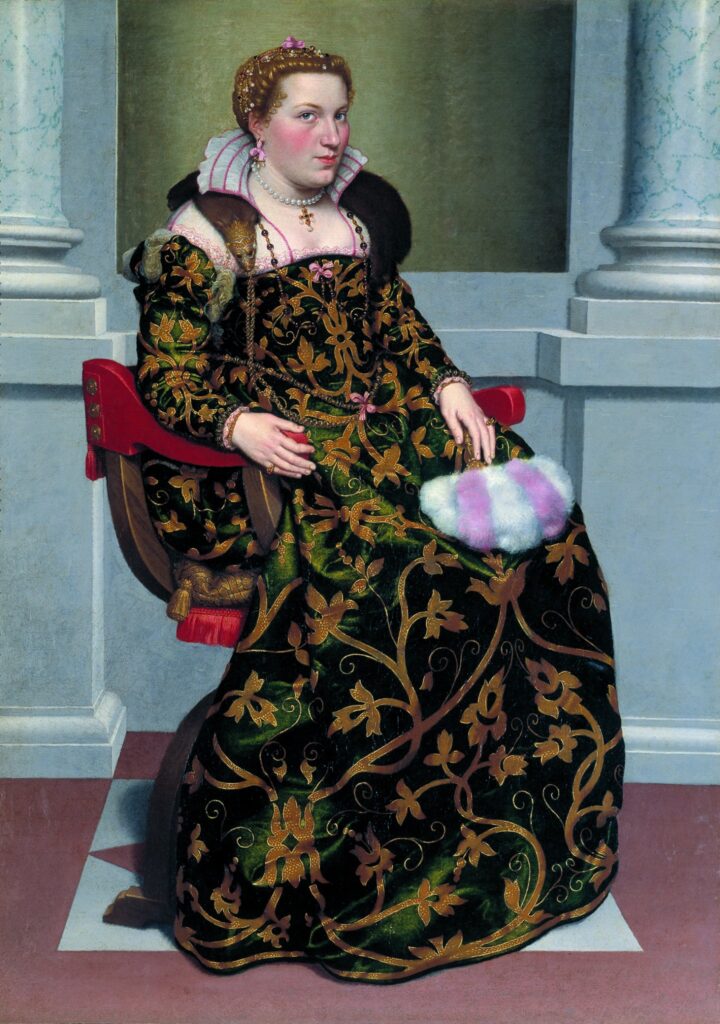
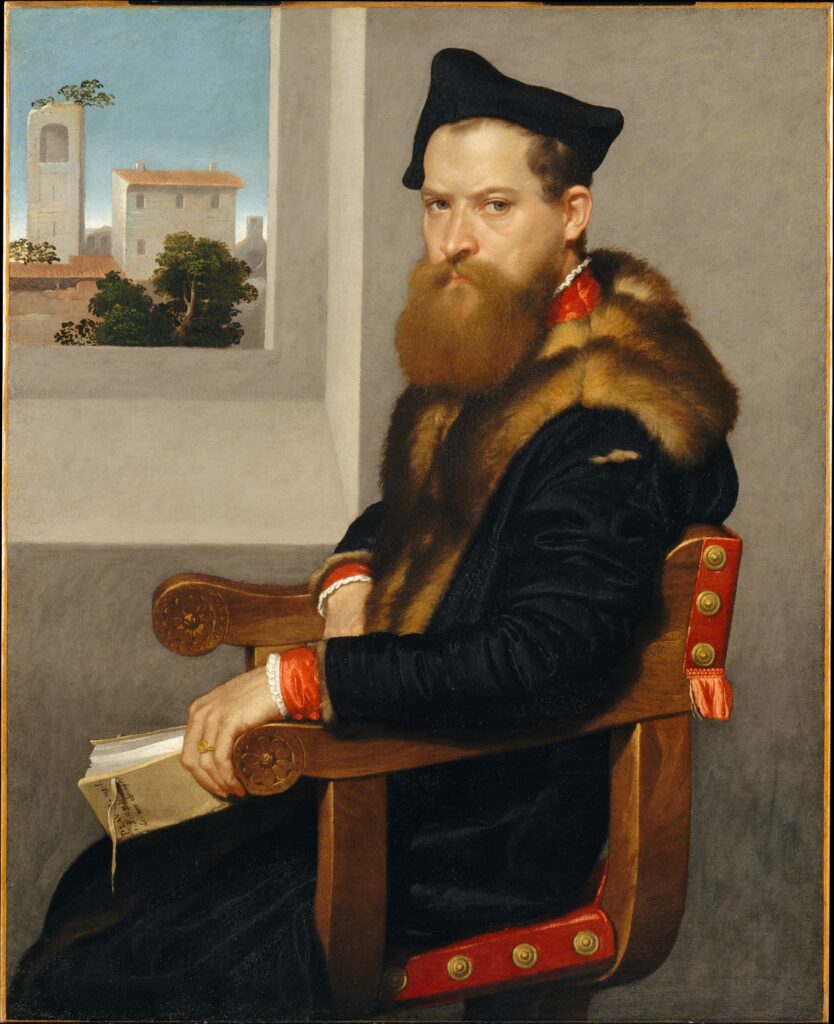
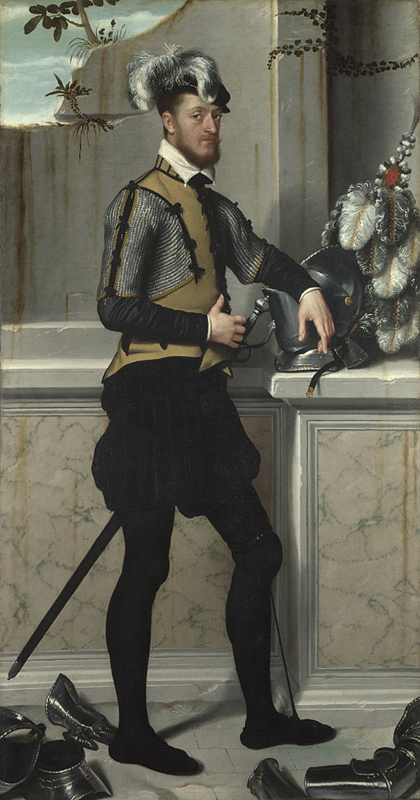
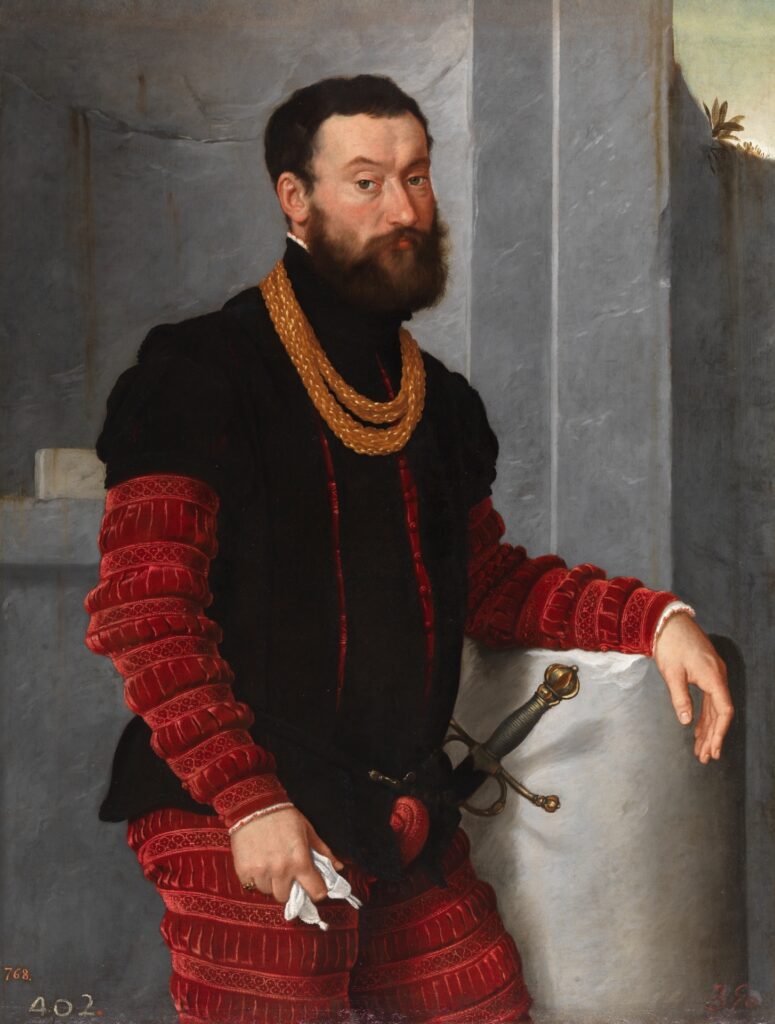
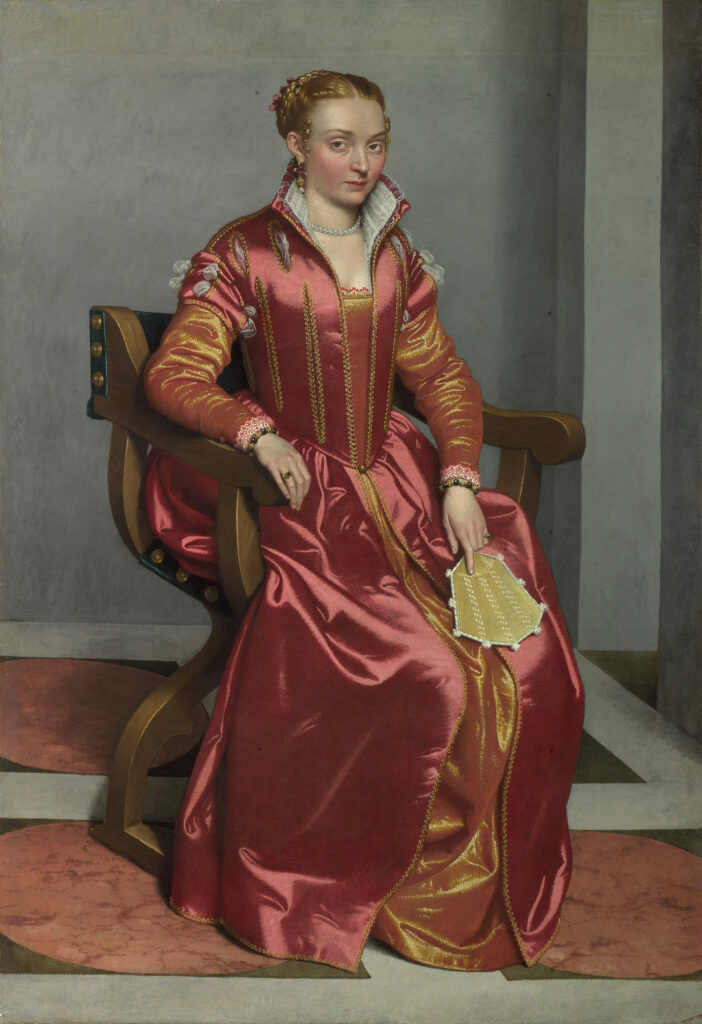
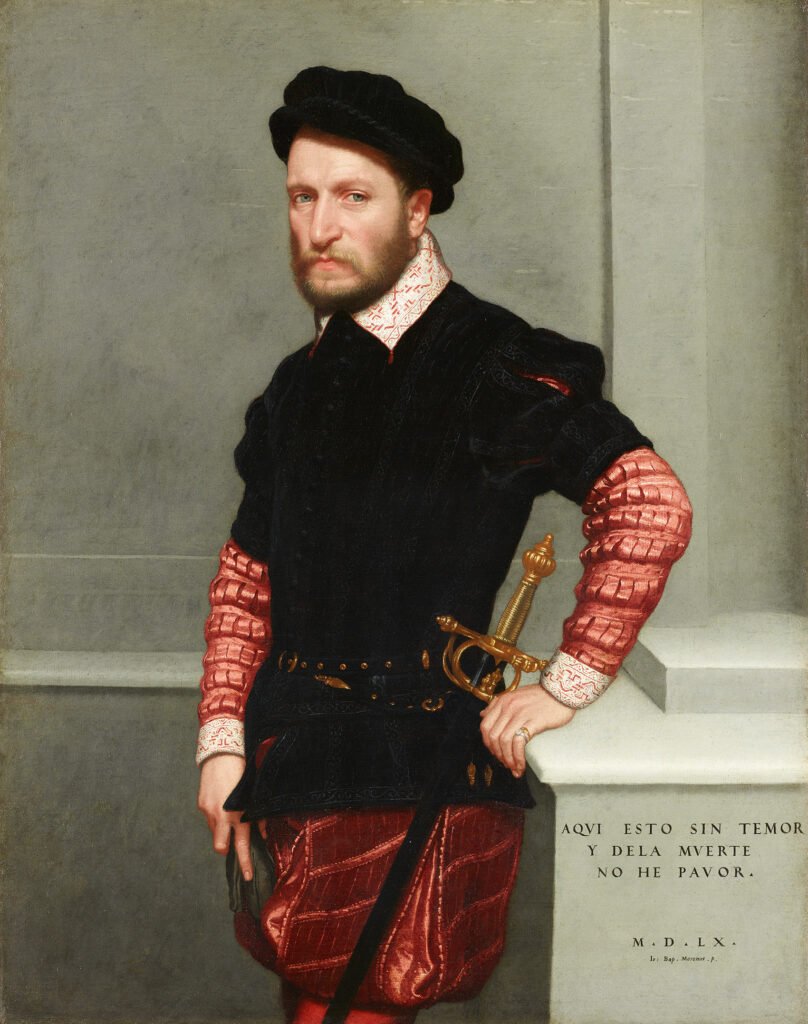
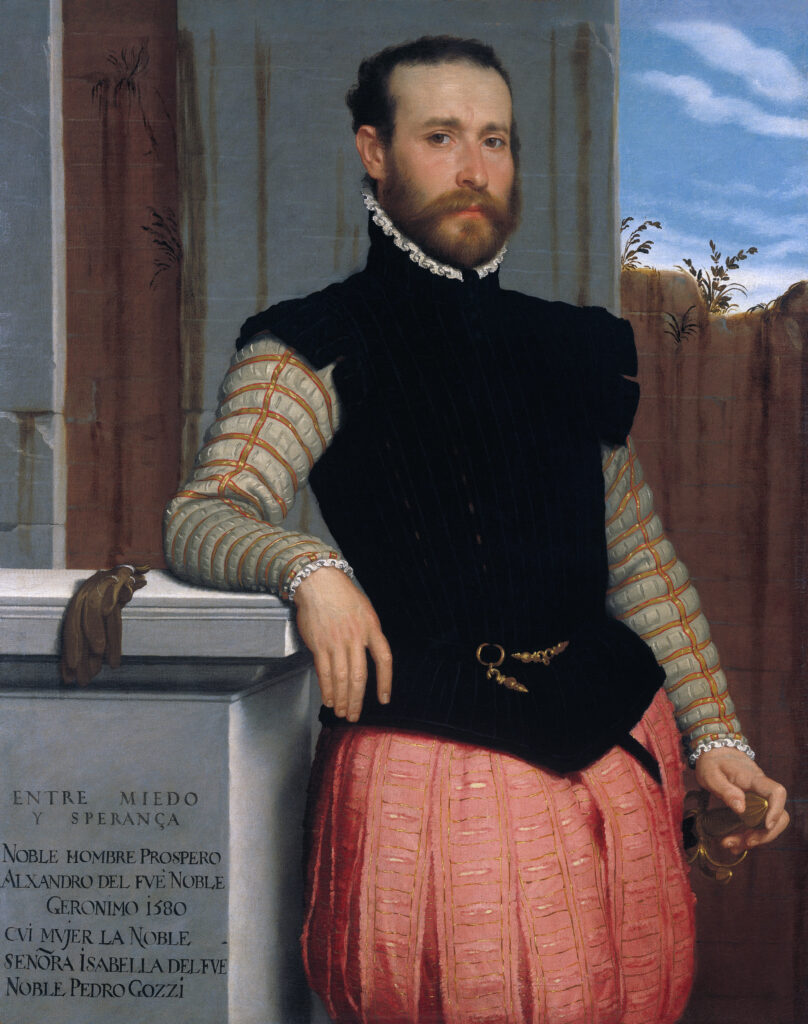
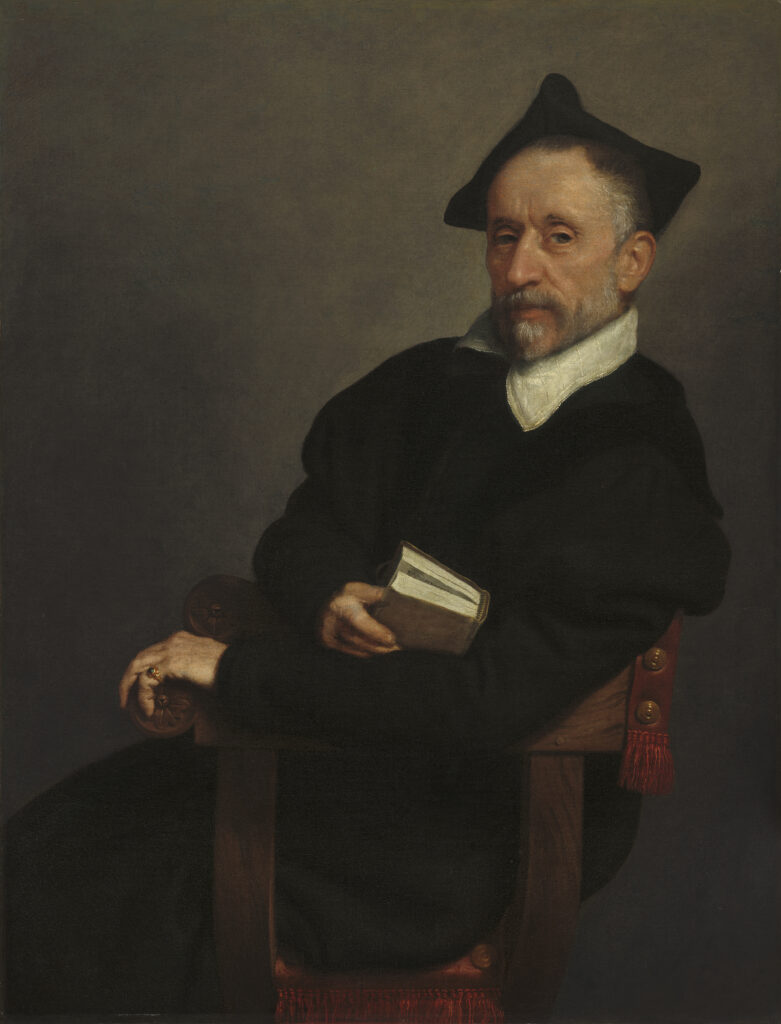
Giovanni Battista Moroni
Giovanni Battista Moroni, Italian painter, circa 1520-1524 – February 5, 1578











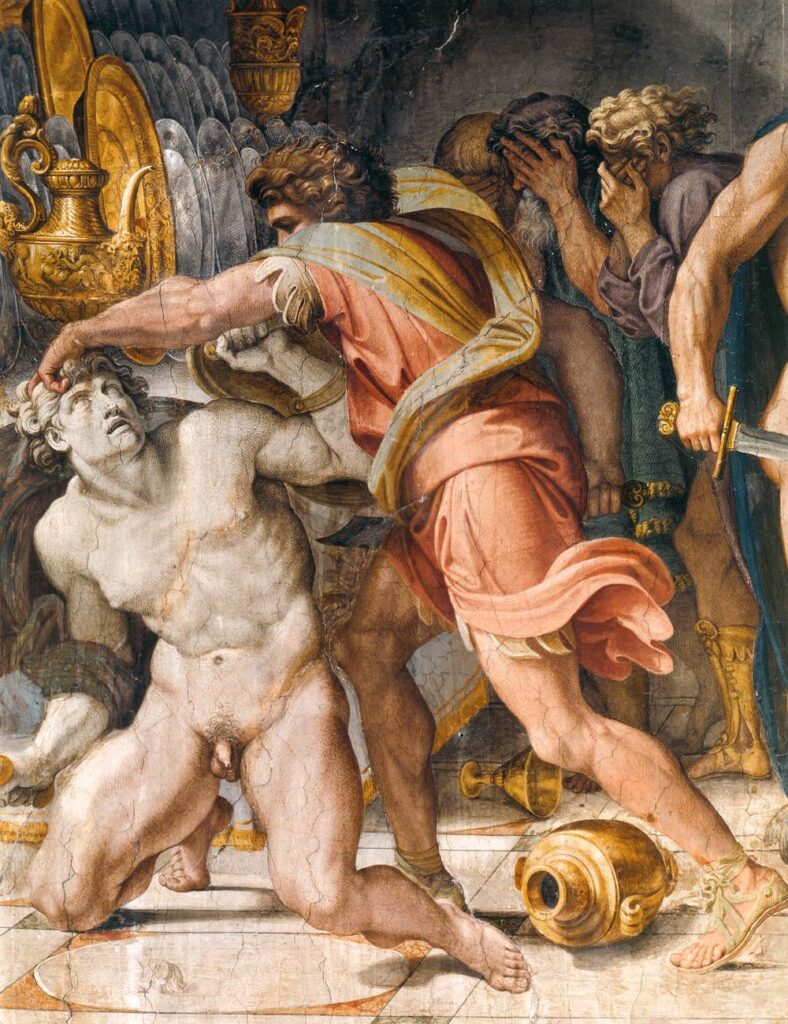
Andrea del Sarto
Andrea del Sarto, July 16, 1486 – September 29, 1530, was an Italian painter of the High Renaissance and early Mannerist period. Born Andrea d’Agnolo di Francesco di Luca in Florence, he was the son of a tailor, from which he acquired the name “del Sarto.” He trained first with a goldsmith and then with the painters Gian Barile, Piero di Cosimo, and Raffaellino del Garbo. By the first decade of the sixteenth century he had established an independent workshop in Florence and received important commissions from religious institutions including the Santissima Annunziata.
Andrea del Sarto worked primarily in fresco and panel painting, producing altarpieces, devotional images, portraits, and large decorative cycles. His art combined the balanced composition and naturalism of the High Renaissance with a distinctive emphasis on color, atmosphere, and soft modeling. He was influenced by Leonardo da Vinci, Fra Bartolomeo, and Raphael, while developing an individual style that became highly influential in Florence. Major works include the frescoes of the Chiostrino dei Voti, the Madonna of the Harpies, the Assumption of the Virgin, and numerous portraits and religious paintings executed for patrons in Florence and elsewhere.
Andrea maintained one of the leading workshops in Florence and trained several important painters, including Jacopo Pontormo and Rosso Fiorentino, both of whom became central figures in the development of Mannerism. Through his pupils and followers, his influence extended well beyond his lifetime. His works are held by major collections including the Uffizi Gallery, Galleria Palatina, National Gallery, Metropolitan Museum of Art, National Gallery of Art, Kunsthistorisches Museum, Museo di Capodimonte, and many other institutions throughout Europe and North America.





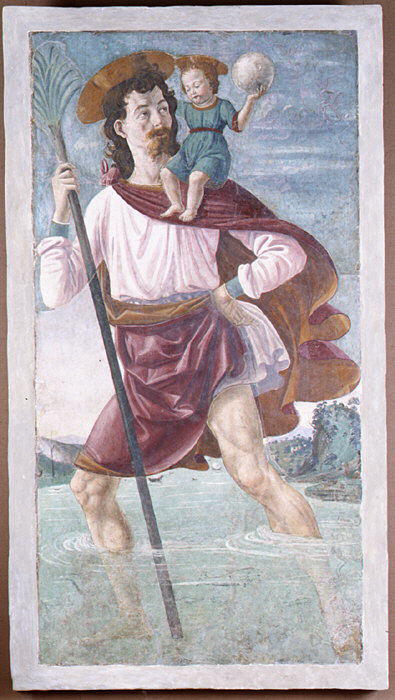

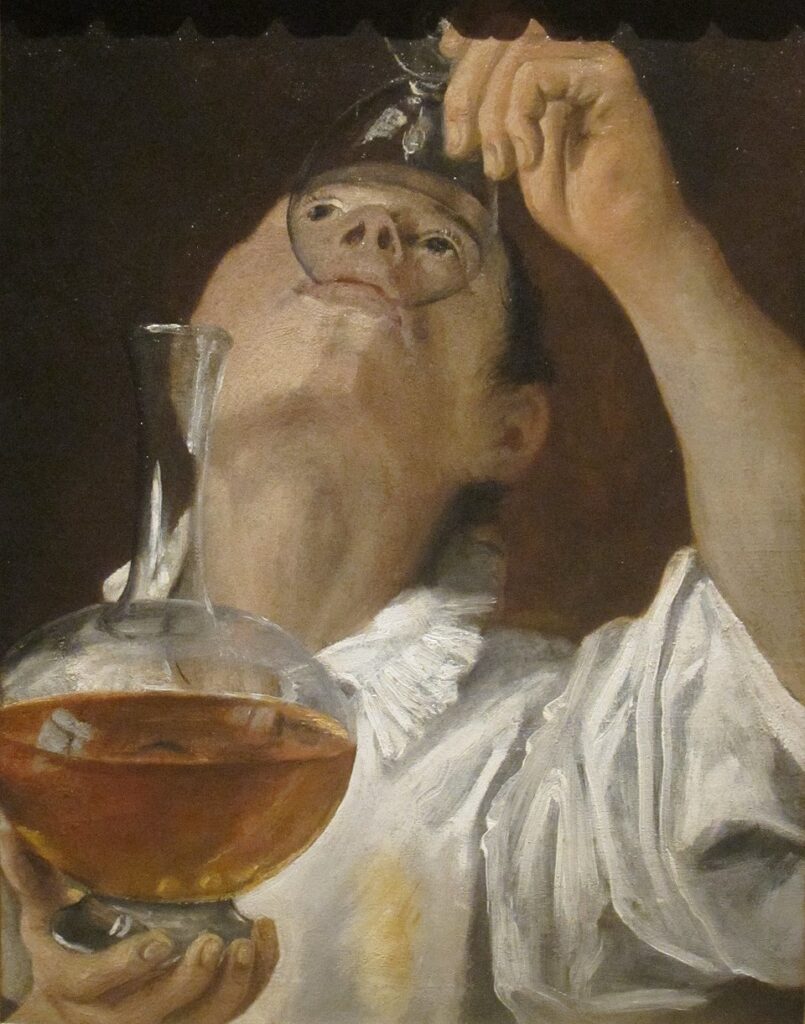
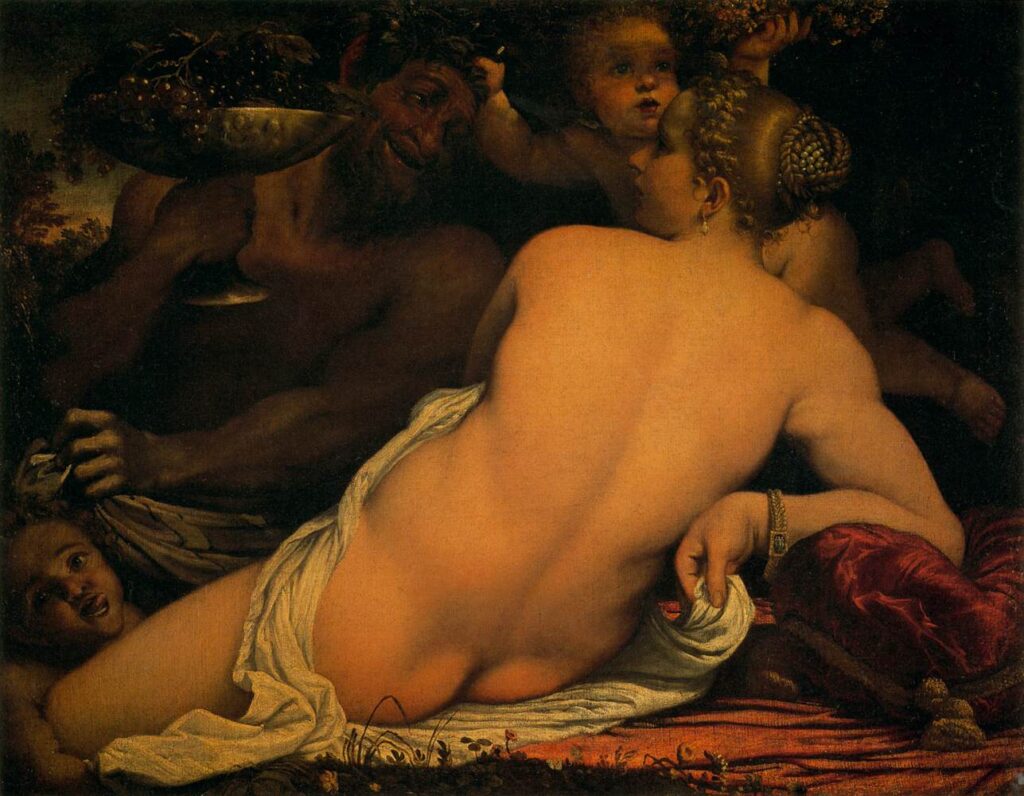
Annibale Carracci
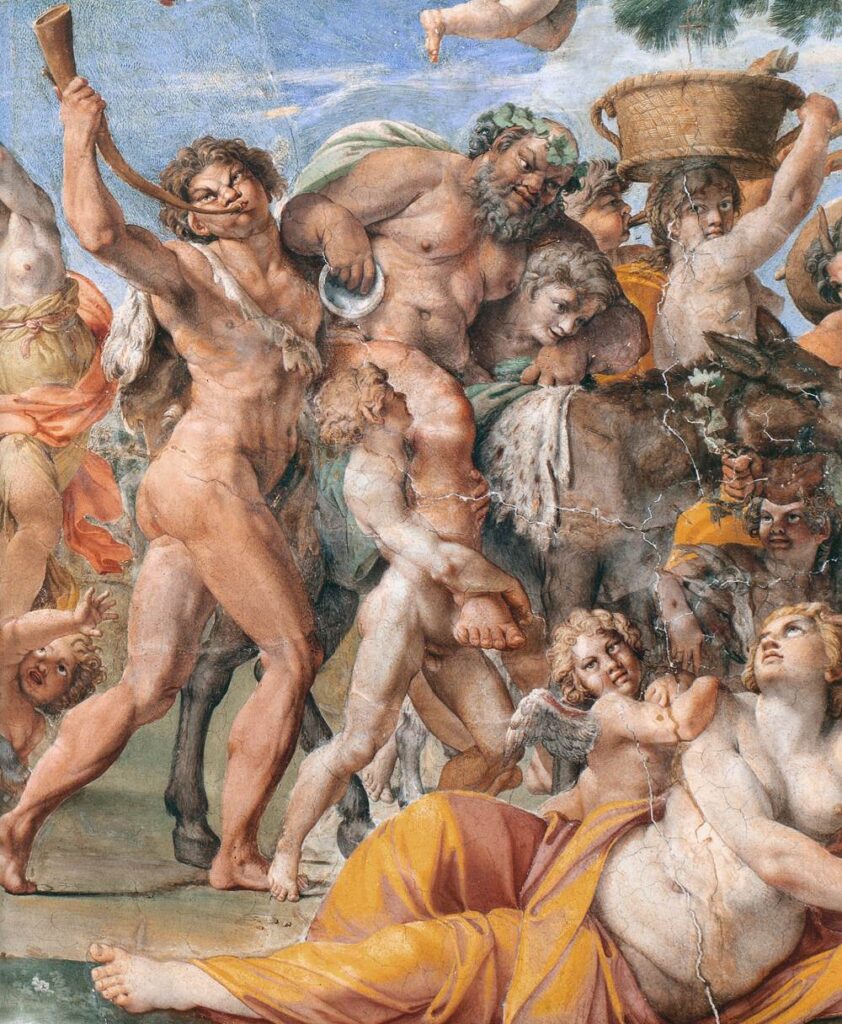
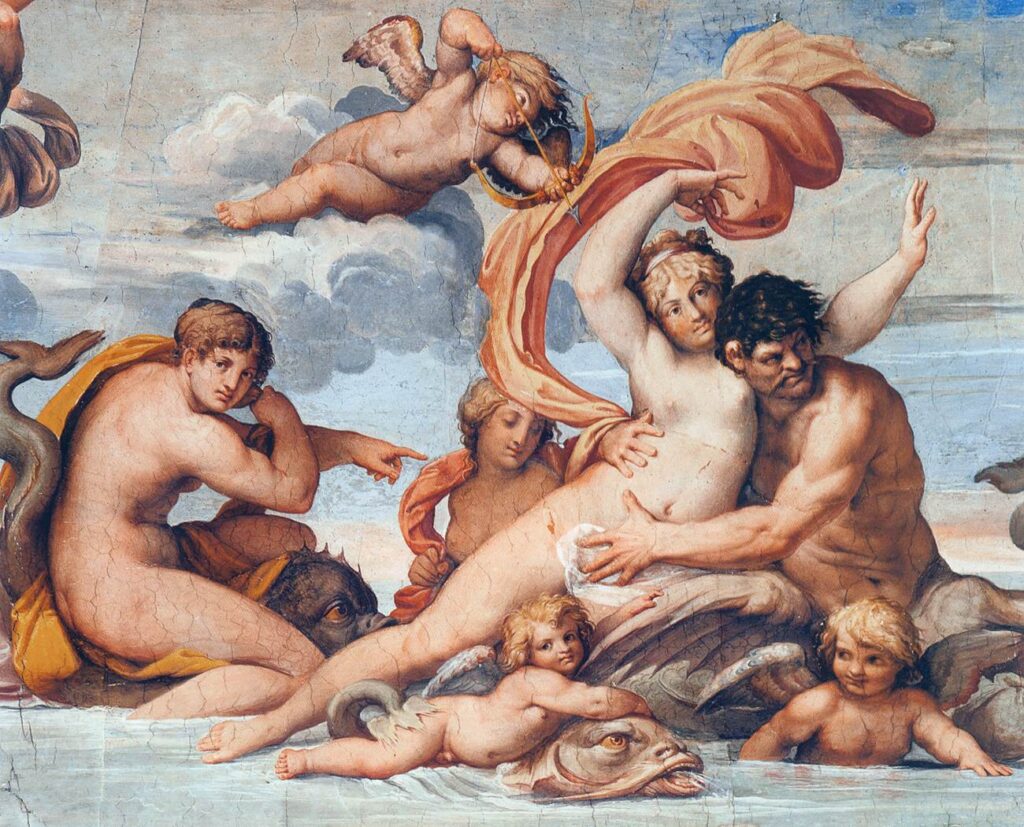
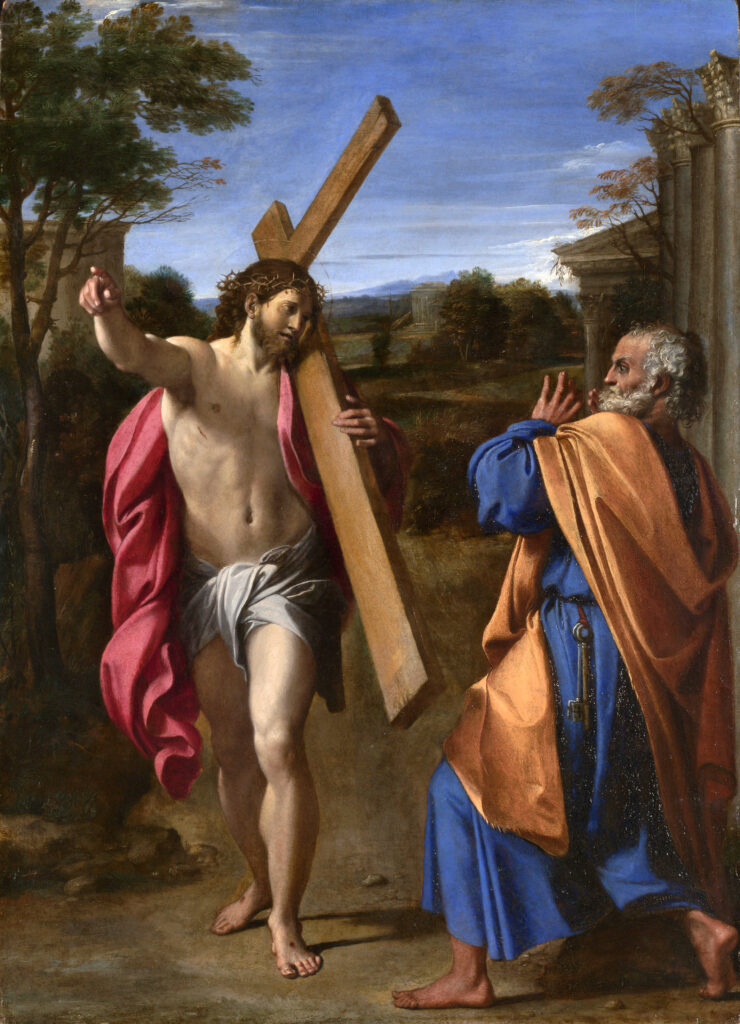
Annibale Carracci, November 3, 1560 – July 15, 1609, was an Italian painter and draftsman born in Bologna. His early training is not securely documented; he worked closely with his older brother Agostino and his cousin Ludovico, with whom he established the Accademia degli Incamminati, where instruction emphasized drawing from life and the study of earlier Italian masters.
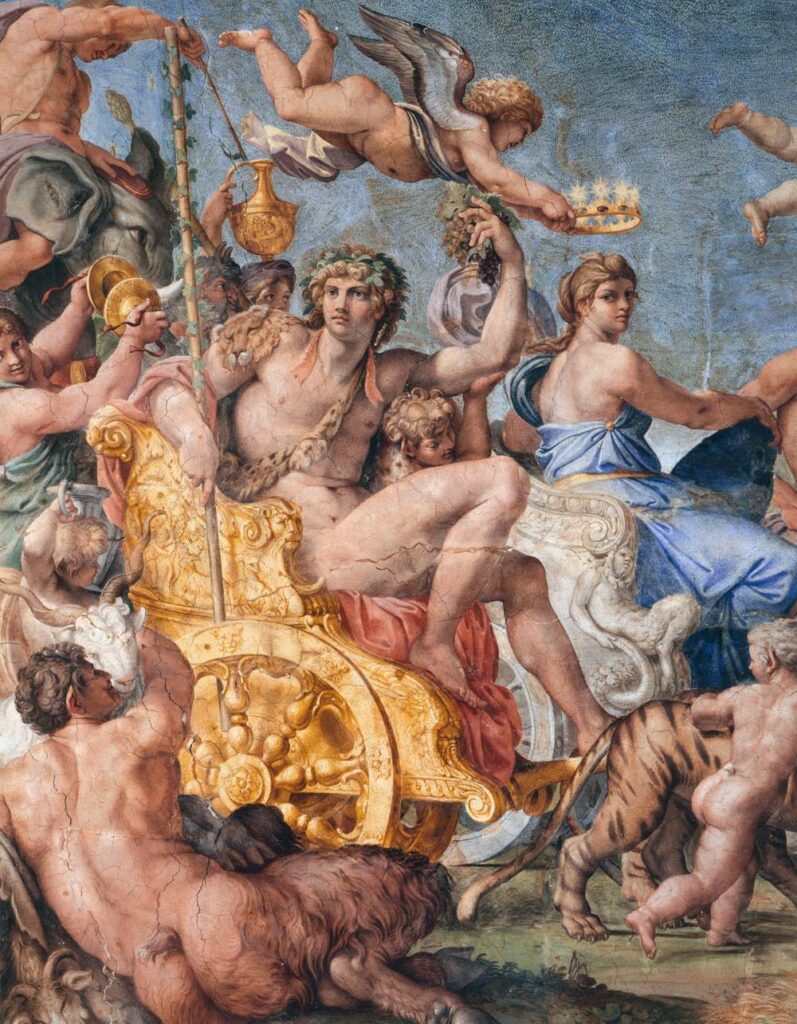
Carracci worked in Bologna before moving to Rome in 1595 to serve Cardinal Odoardo Farnese. His painting combined close observation of nature with the study of Correggio, Titian, Veronese, Raphael, Michelangelo, and classical antiquity; his major Roman undertaking was the fresco decoration of the Farnese Gallery. The Carracci academy and his Roman workshop were associated with painters including Domenichino, Francesco Albani, Guido Reni, and Giovanni Lanfranco.
Ill health sharply reduced Carracci’s activity during his final years, and he died in Rome in 1609; he was buried in the Pantheon near Raphael. His work is held by major collections including the Metropolitan Museum of Art, National Gallery, Uffizi Gallery, Pinacoteca di Brera, and other European and American museums, and the Farnese Gallery remained an important model for seventeenth-century decorative painting.