Posts in Category: Italian


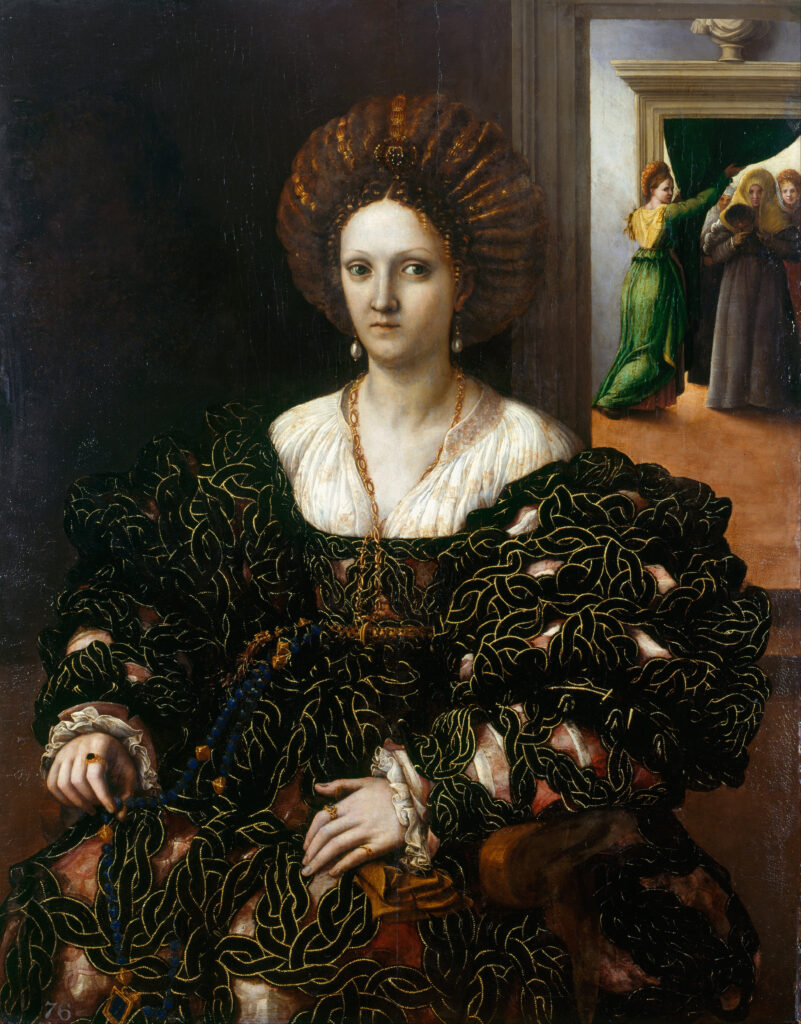
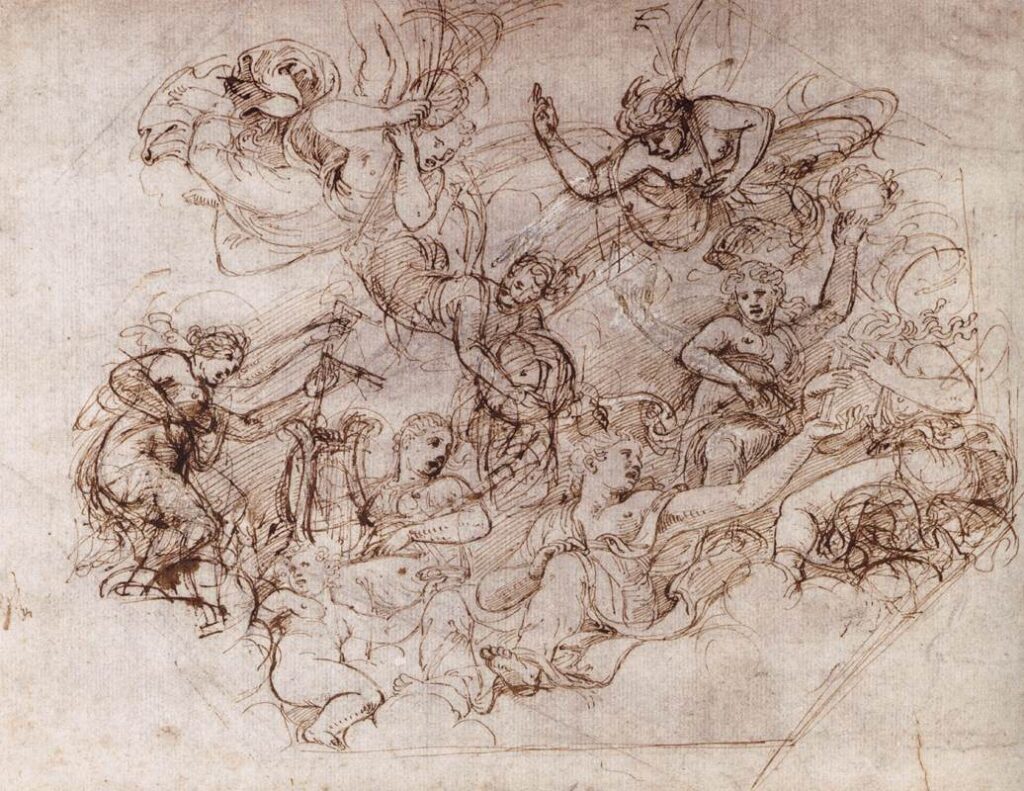
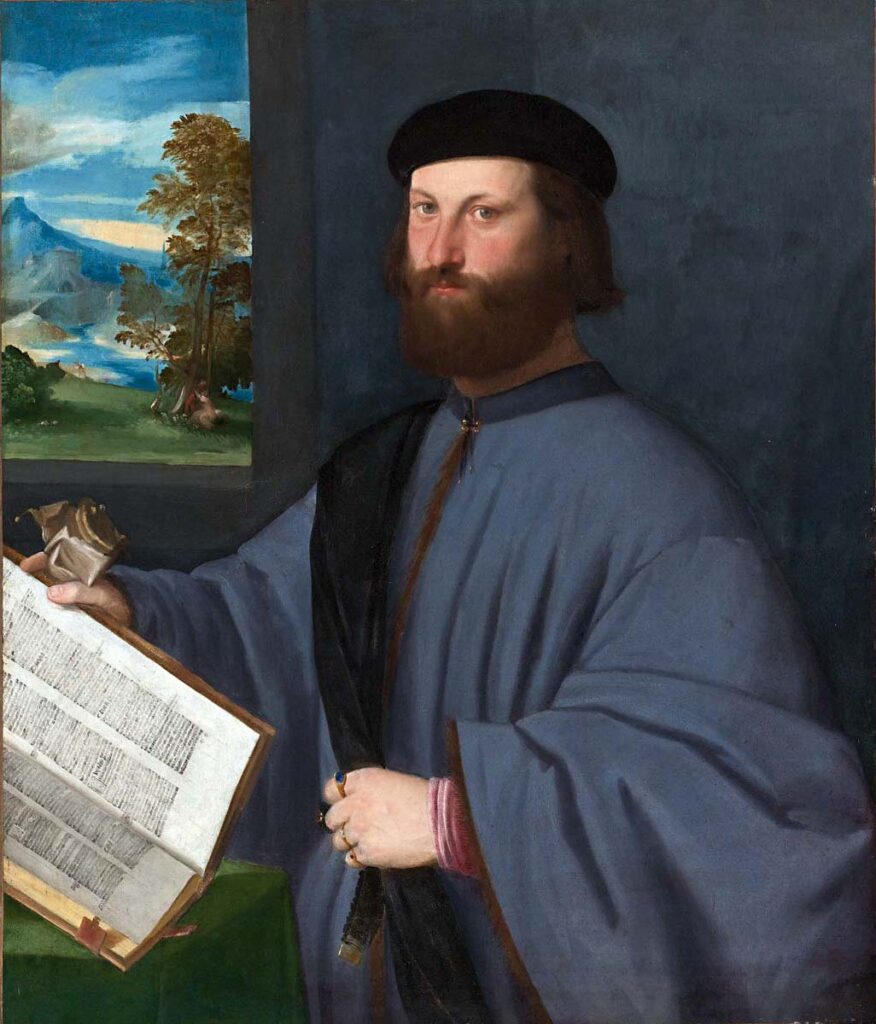
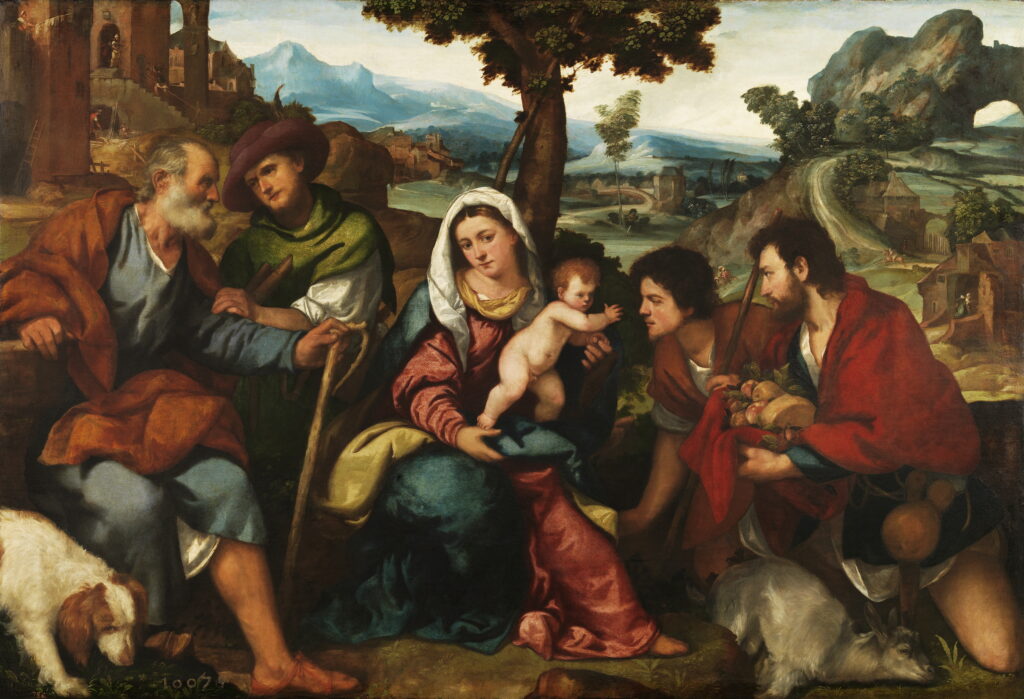
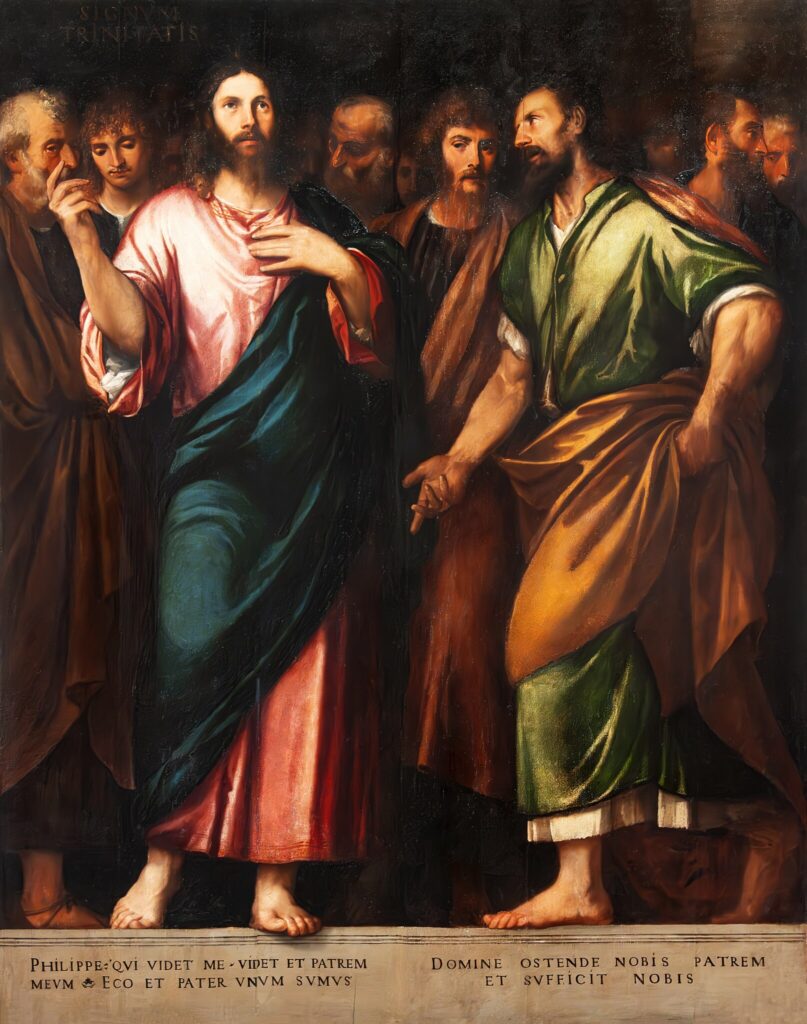
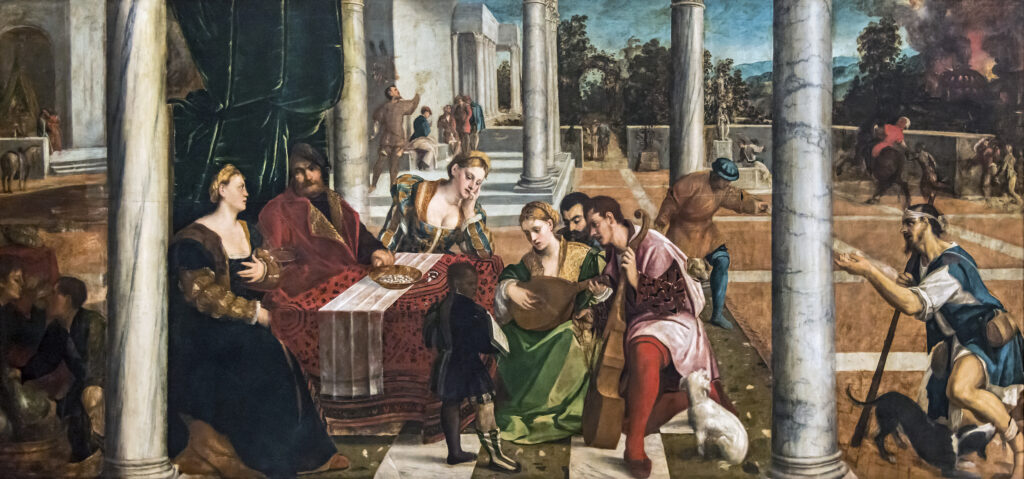
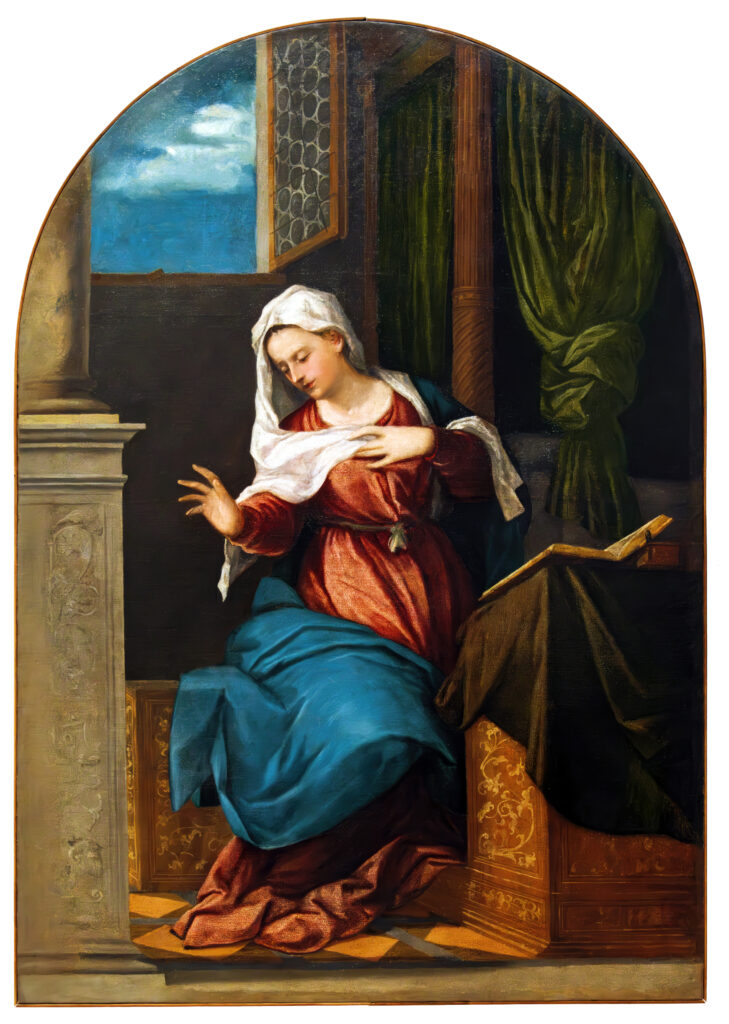
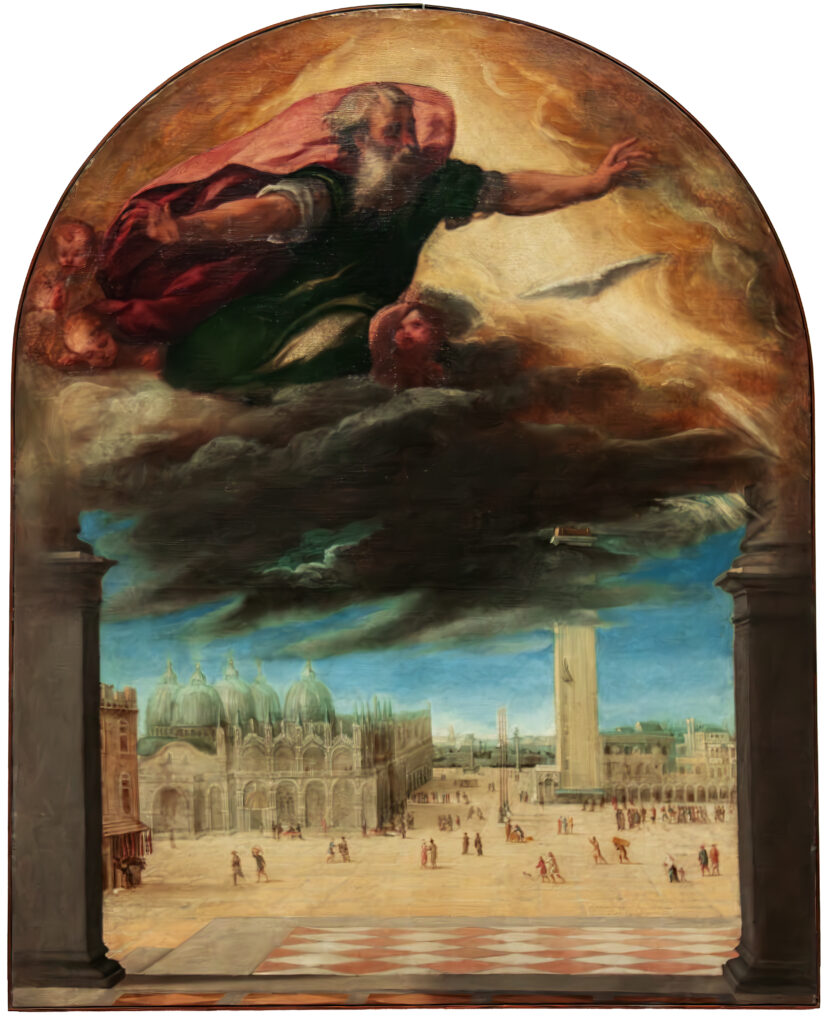
Bonifazio Veronese
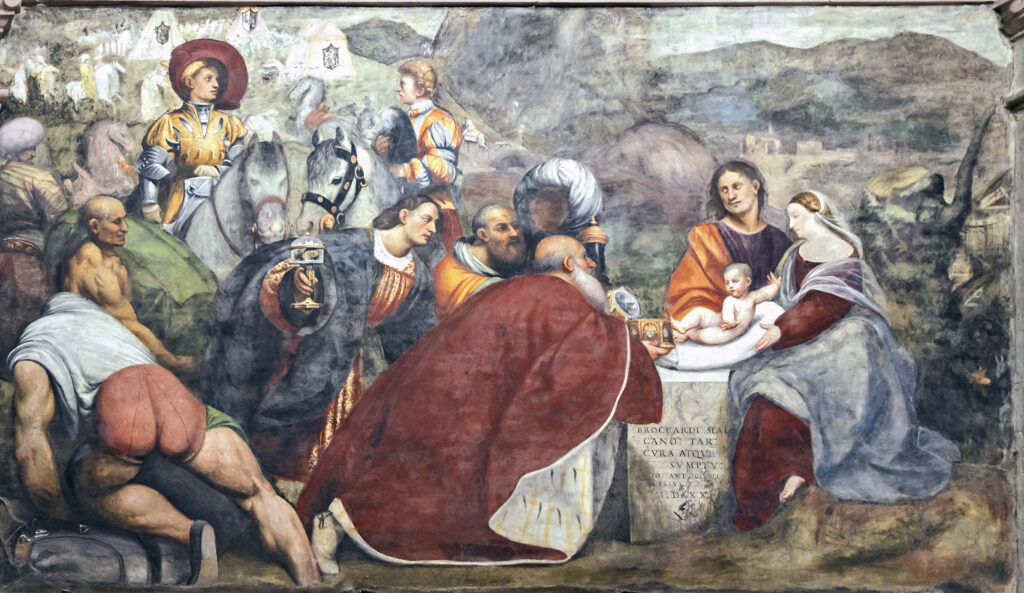
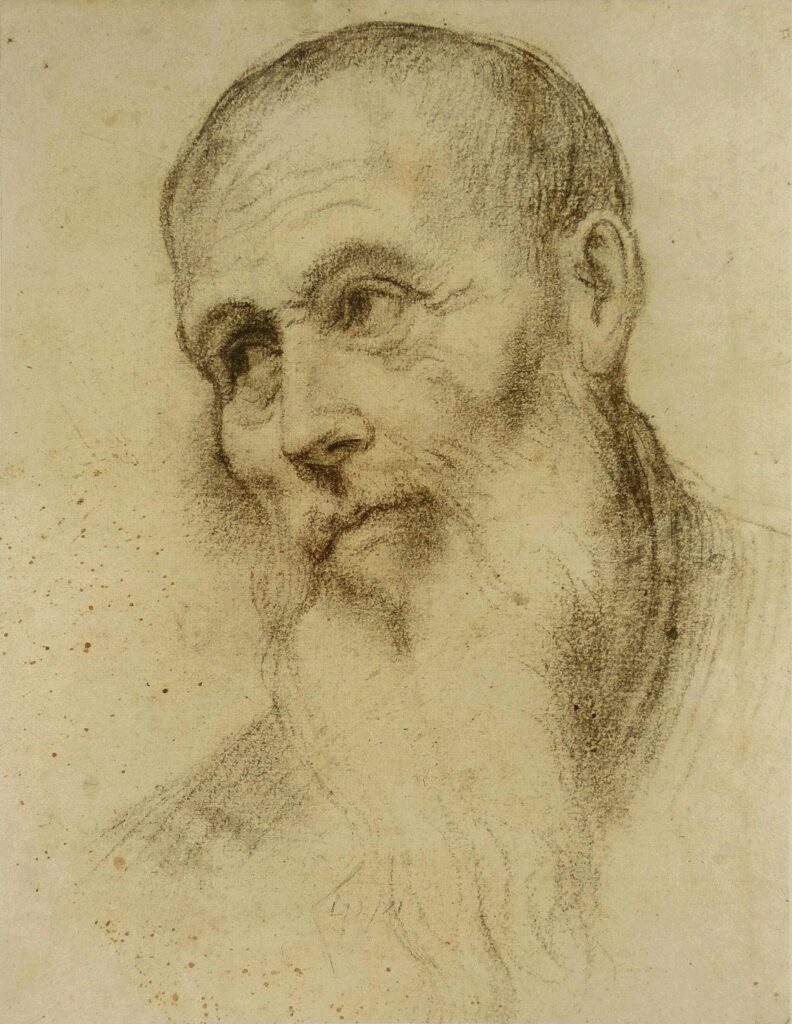
Bonifazio Veronese, c 1487 – October 19, 1553, was an Italian Renaissance painter born Bonifazio de’ Pitati in Verona. His family moved to Venice around 1505, and he is generally believed to have trained in the workshop of Palma Vecchio.
He established a large workshop in Venice and produced altarpieces, devotional paintings, portraits, and large narrative cycles. His work reflects the influence of Palma Vecchio, Giorgione, and Titian; among his principal commissions was the long series painted for the Palazzo dei Camerlenghi.
Bonifazio remained active in Venice until his final years and died there in 1553. His paintings are held by the Gallerie dell’Accademia, Museo del Prado, Louvre Museum, National Gallery in London, and other major collections, and his workshop influenced younger Venetian painters including Andrea Schiavone and Tintoretto.





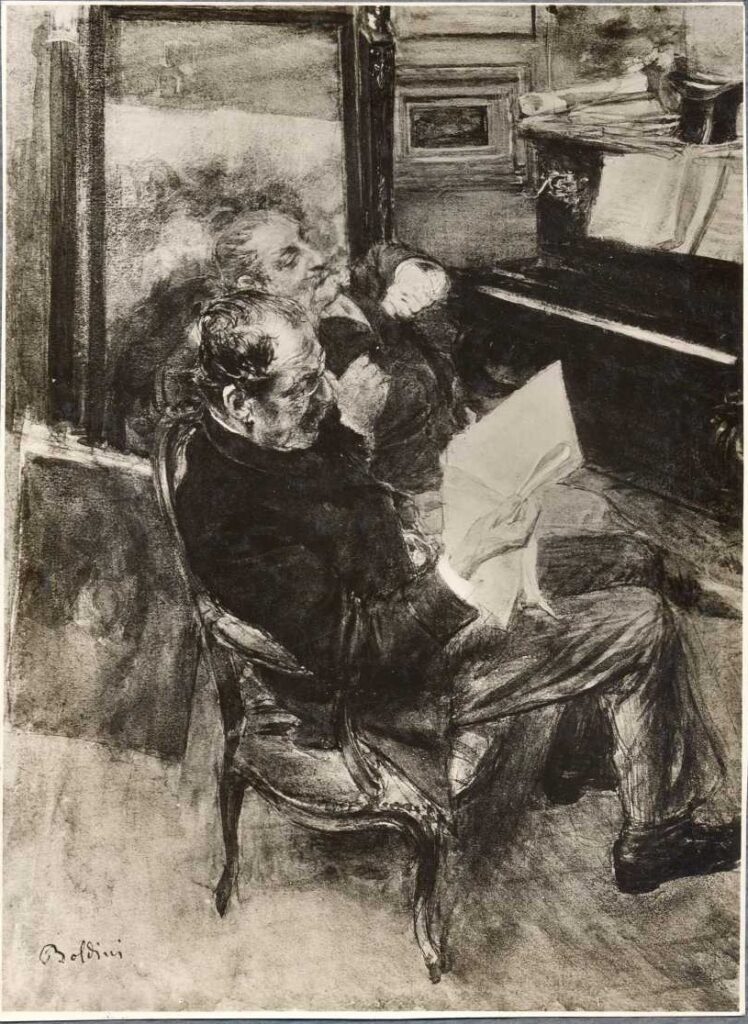
Giovanni Boldini
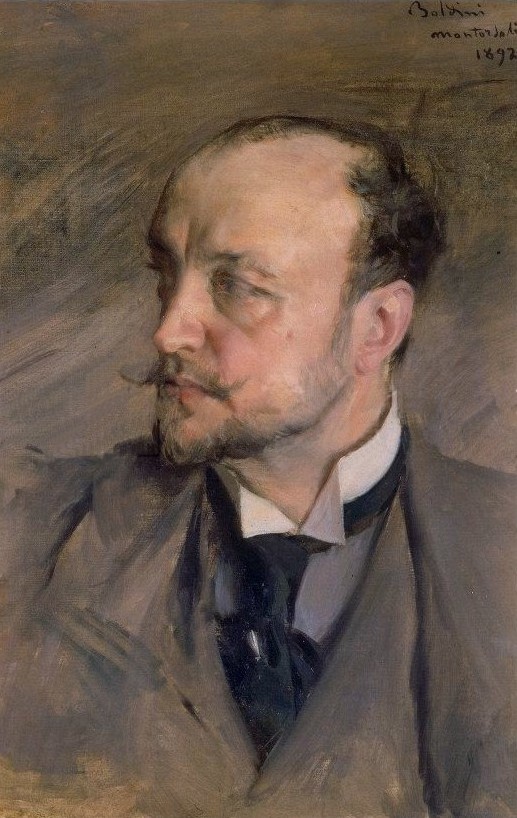
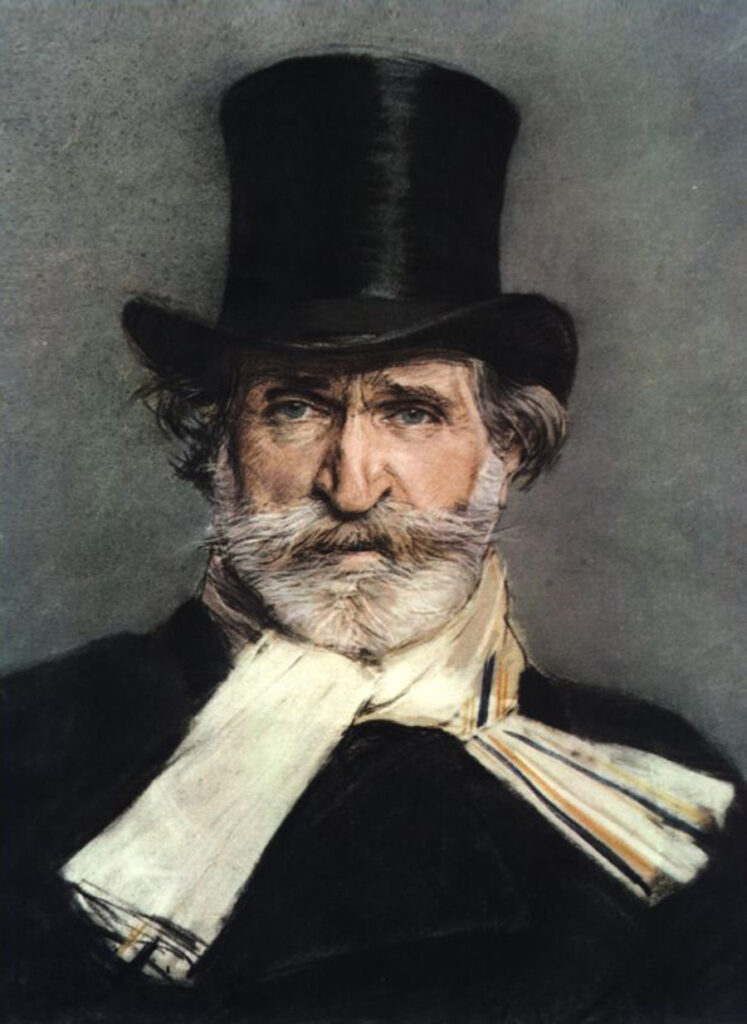
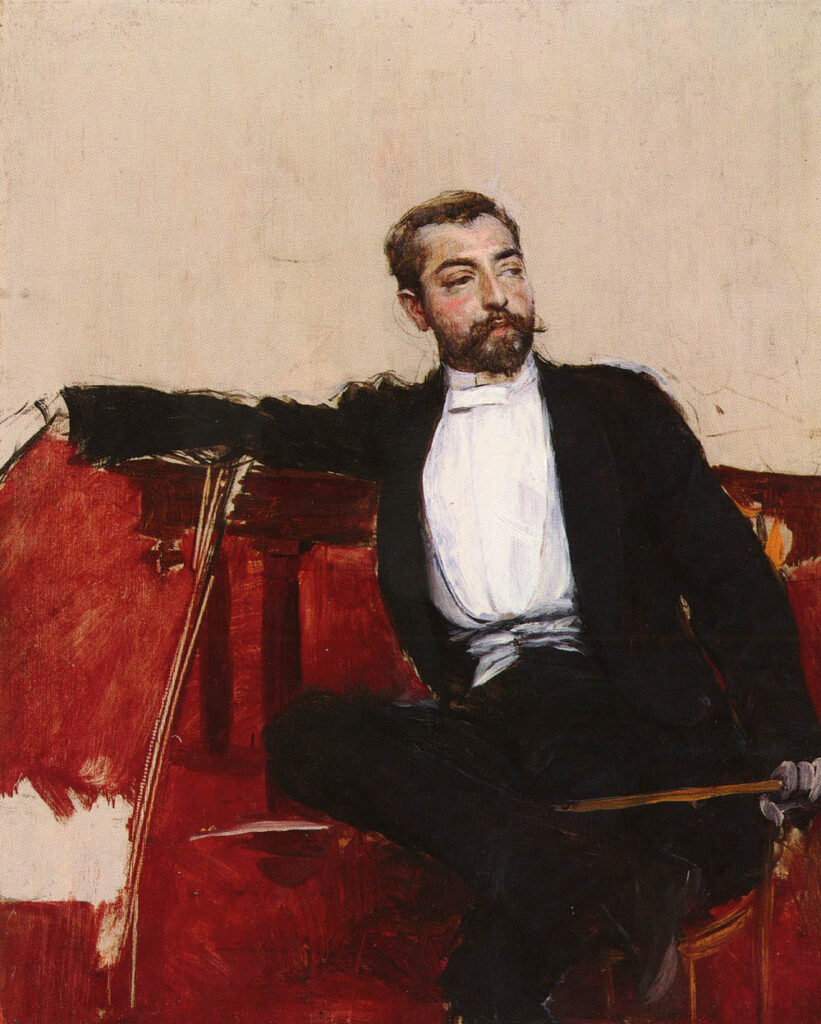
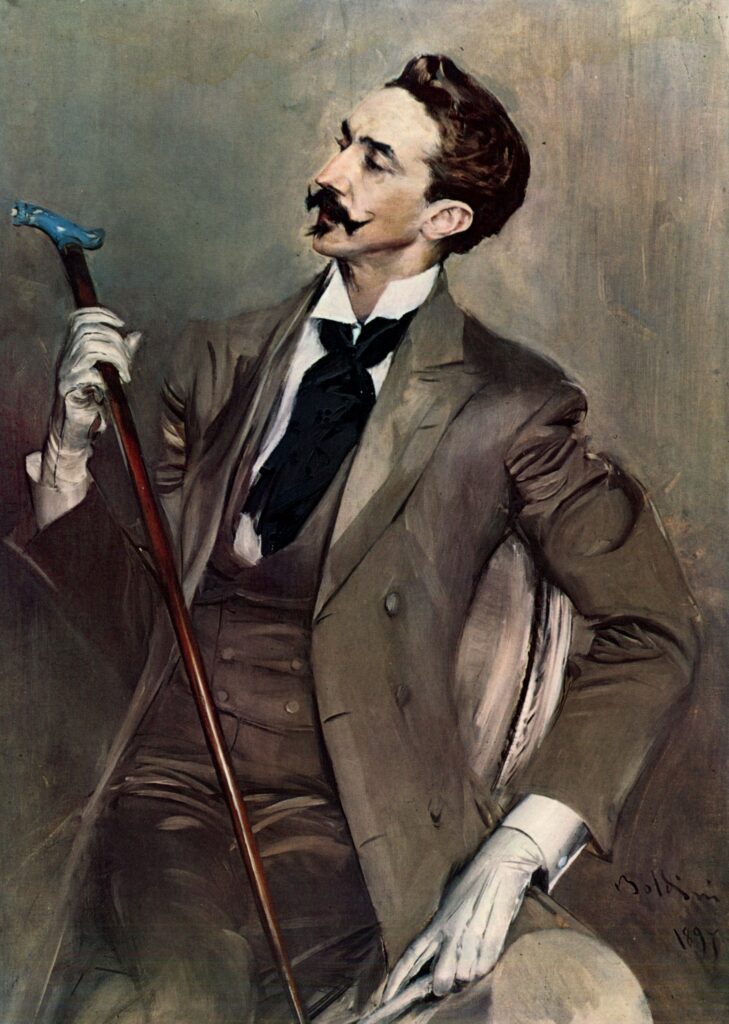
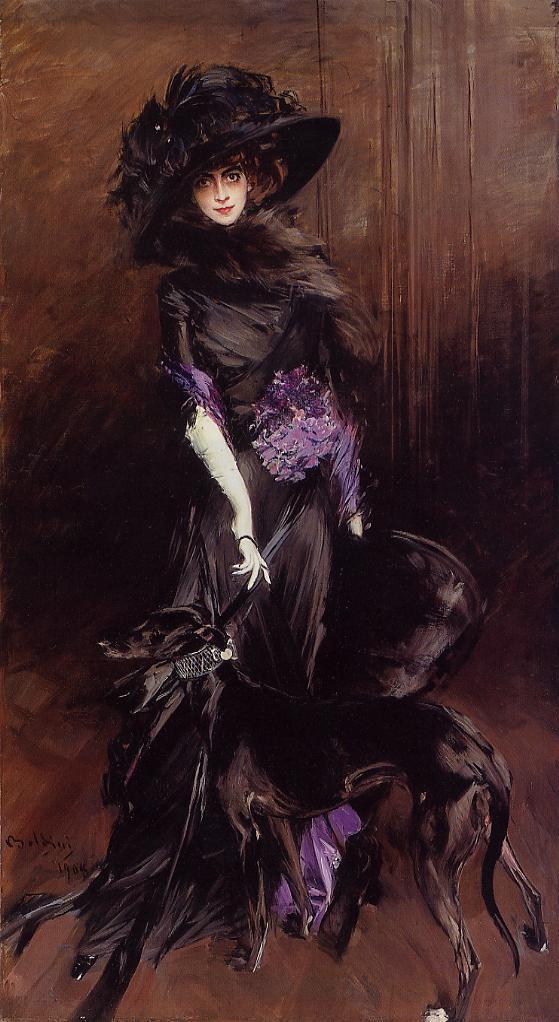
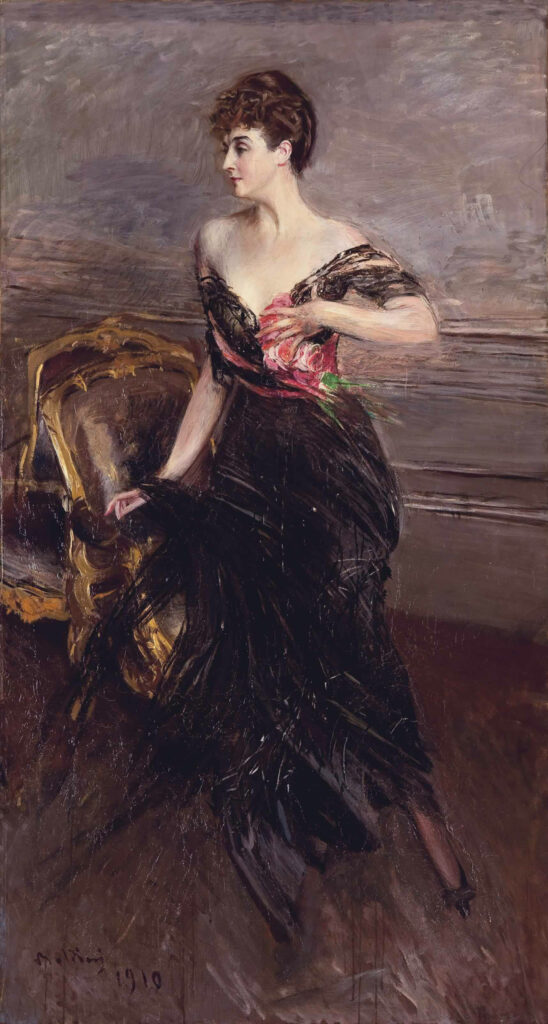
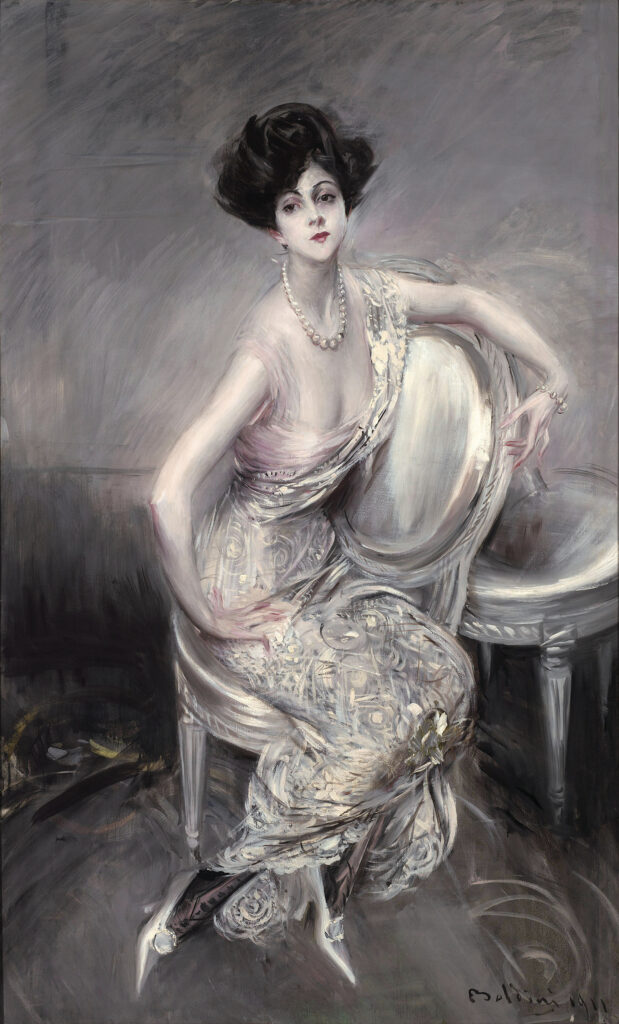
Giovanni Boldini, December 31, 1842–January 11, 1931, was an Italian painter born in Ferrara. He first trained with his father, Antonio, and later studied in Florence, where he associated with the Macchiaioli painters.
After periods in Florence and London, Boldini settled in Paris in 1871. He became a sought-after portraitist, working in oil, pastel, and drawing for an international circle of artists, writers, musicians, and society figures.
Boldini died in Paris in 1931. His work is represented in collections including the Uffizi Gallery, the National Gallery of Modern and Contemporary Art in Rome, the Musée d’Orsay, the Metropolitan Museum of Art, and the Louvre Museum.





Luca Cambiaso
Luca Cambiaso, November 18, 1527–September 6, 1585, was an Italian painter and draftsman born in Moneglia, in the Republic of Genoa. He trained under his father, Giovanni Cambiaso, and worked with him on fresco decorations in Genoa. His early work was influenced by Michelangelo and the painters of northern Italy.
Cambiaso worked extensively in Genoese churches and palaces, producing frescoes, religious paintings, and mythological subjects. He collaborated with Giovanni Battista Castello and developed a drawing method that reduced the human figure to simplified geometric forms. His later paintings also included nocturnal scenes with concentrated light effects.
In 1583 Philip II summoned Cambiaso to Spain to work on the decoration of the Escorial. He died there in 1585. His work is represented in Genoese collections and in museums including the Museo Nacional del Prado, the Metropolitan Museum of Art, and the National Gallery of Art. His pupils included Lazzaro Tavarone and Giovanni Battista Paggi.


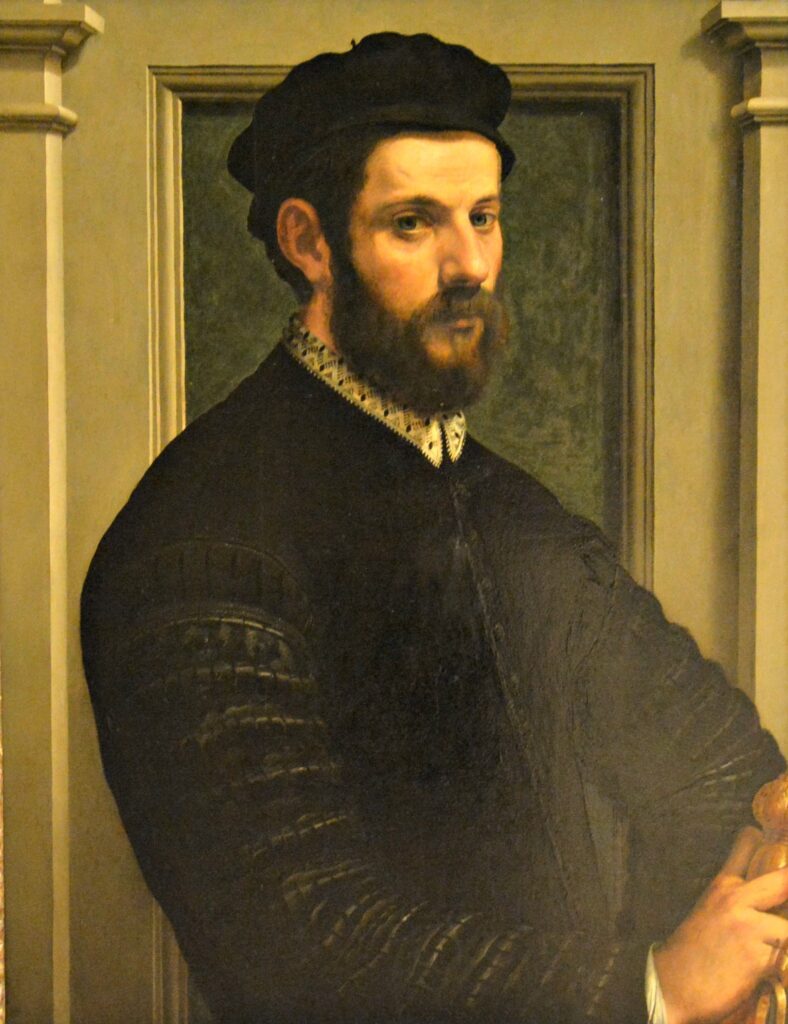
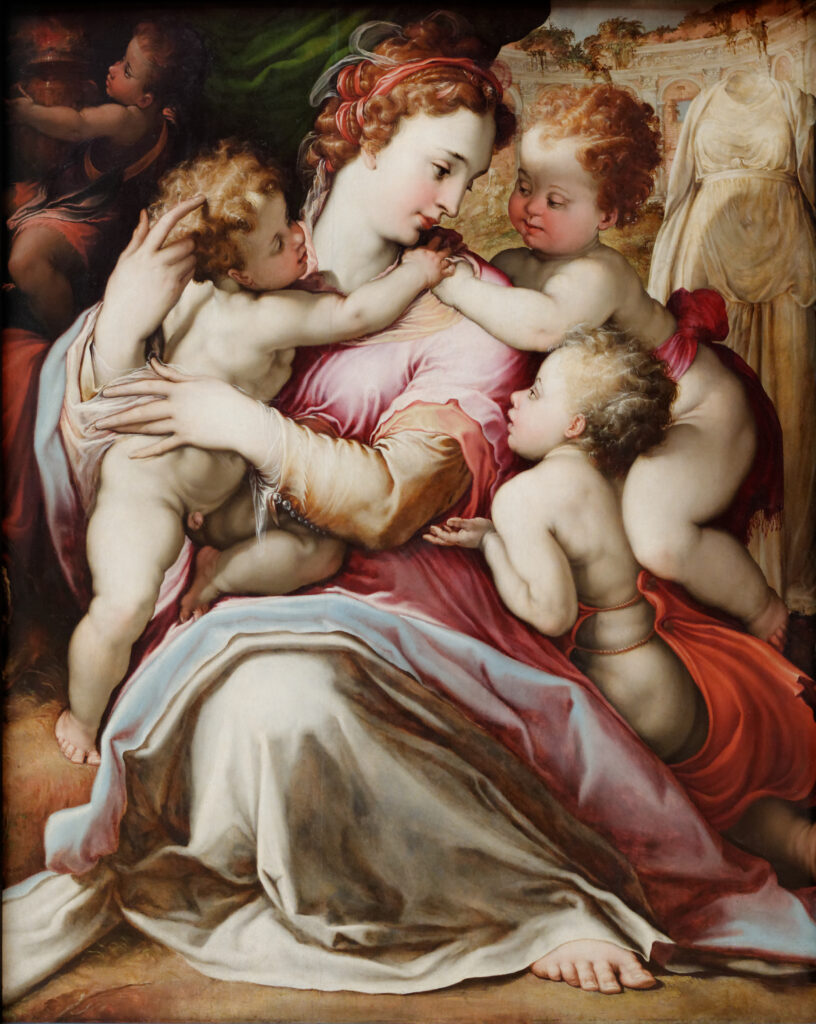
Francesco Salviati
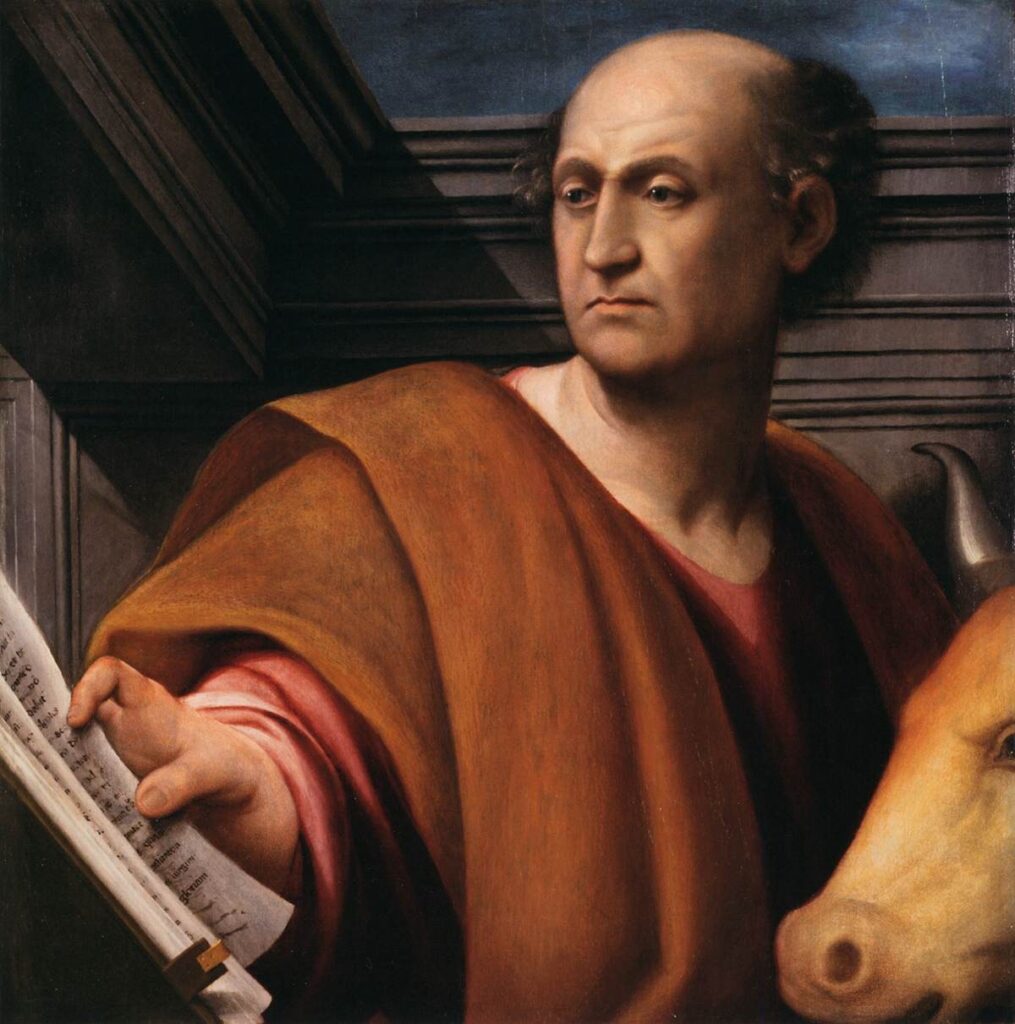
Francesco Salviati, 1510 – November 11, 1563, was an Italian painter and draftsman born Francesco de’ Rossi in Florence. He trained successively with Giuliano Bugiardini, Baccio Bandinelli, Raffaele Brescianino, and Andrea del Sarto, and formed a lasting friendship with Giorgio Vasari.
Salviati went to Rome in 1531 and adopted the name of his patron, Cardinal Giovanni Salviati. He worked in Rome, Florence, Venice, and Bologna, producing fresco cycles, altarpieces, portraits, drawings, and tapestry designs; his principal commissions included decorations in the Palazzo Vecchio in Florence and the Palazzo Farnese in Rome.
Salviati spent much of his later career in Rome and died there in 1563. His works are held by the Uffizi Gallery, Louvre Museum, National Museum of Capodimonte, Morgan Library & Museum, Toledo Museum of Art, and other major collections.




Domenico Antonio Vaccaro
Domenico Antonio Vaccaro, Italian painter and architect, June 3, 1678 – June 13, 1745
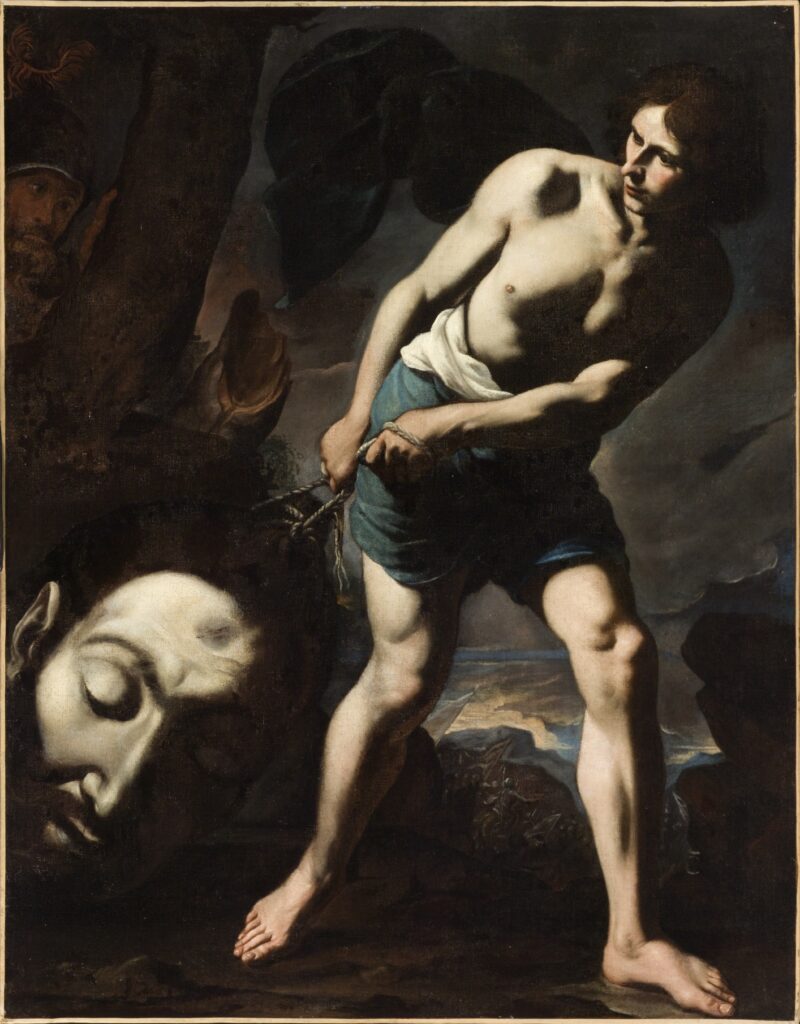

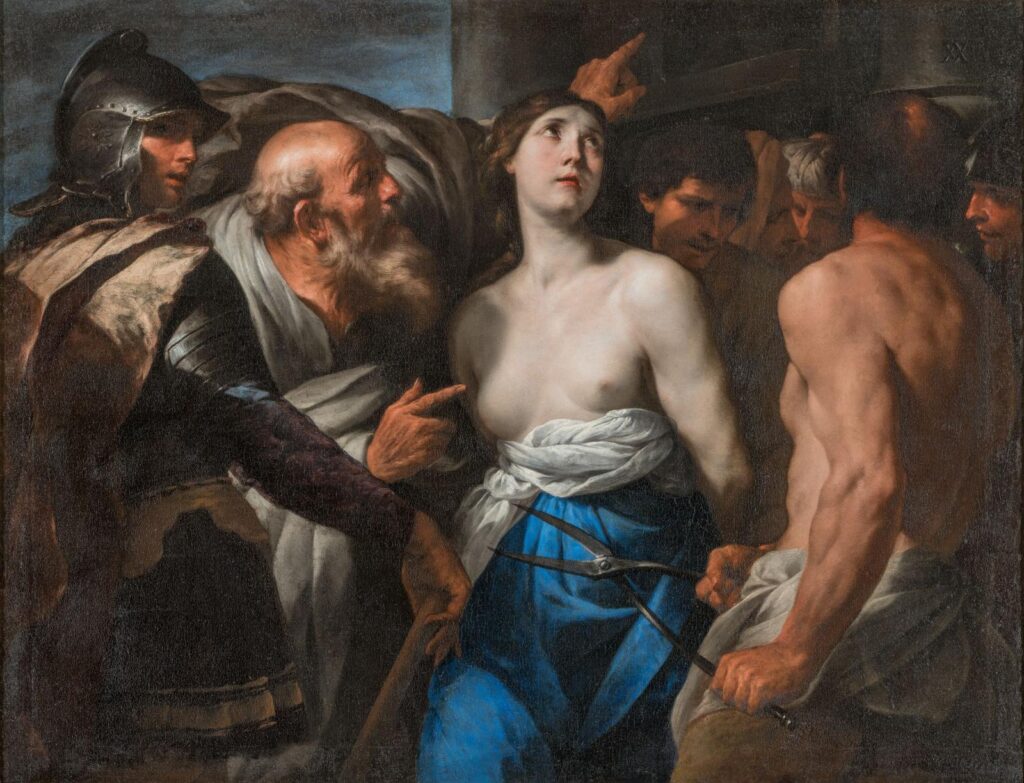
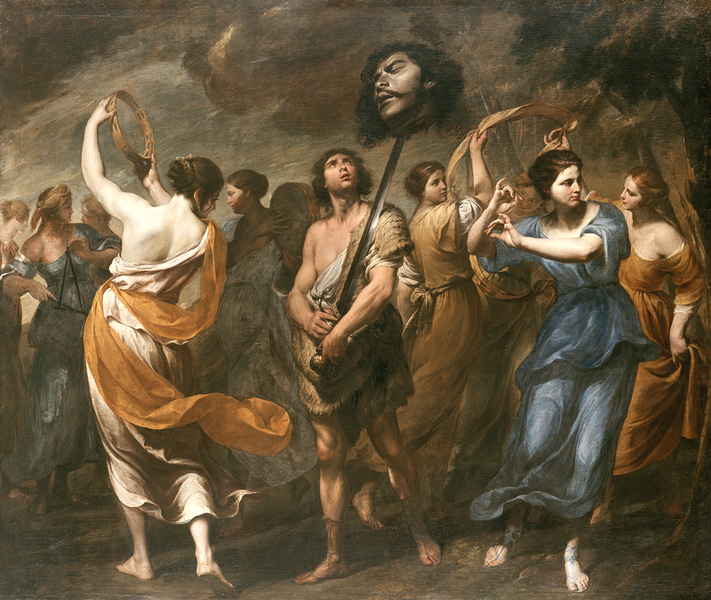


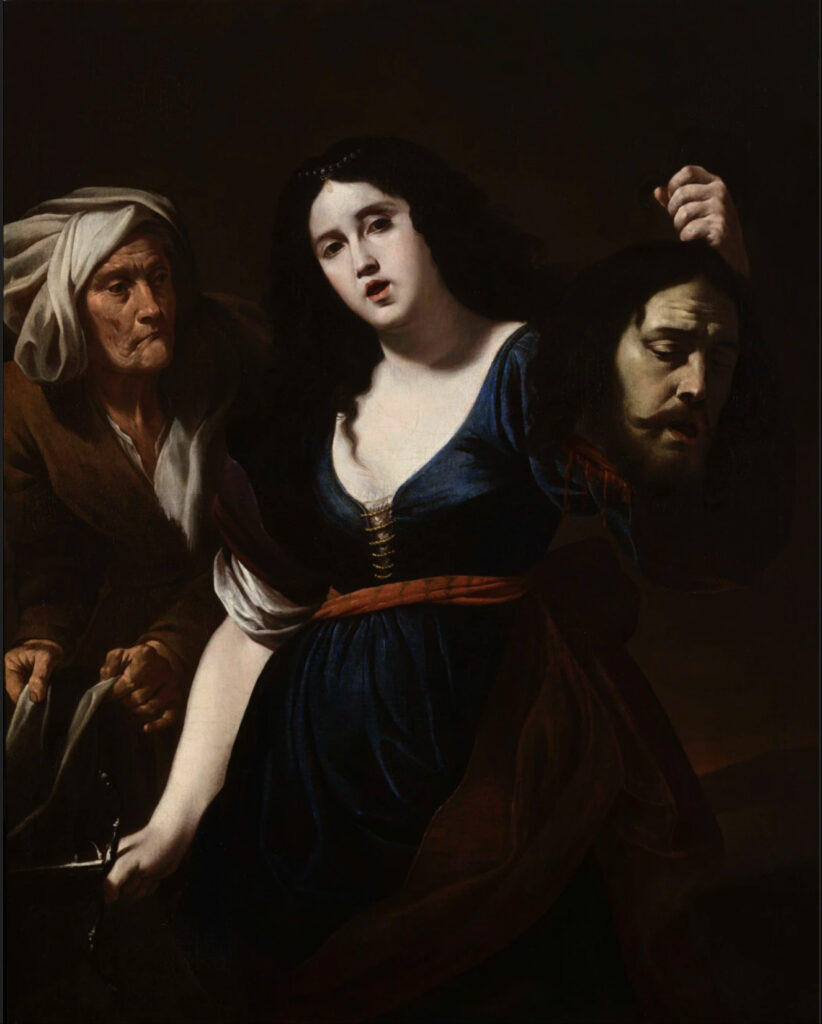


Carlo Saraceni
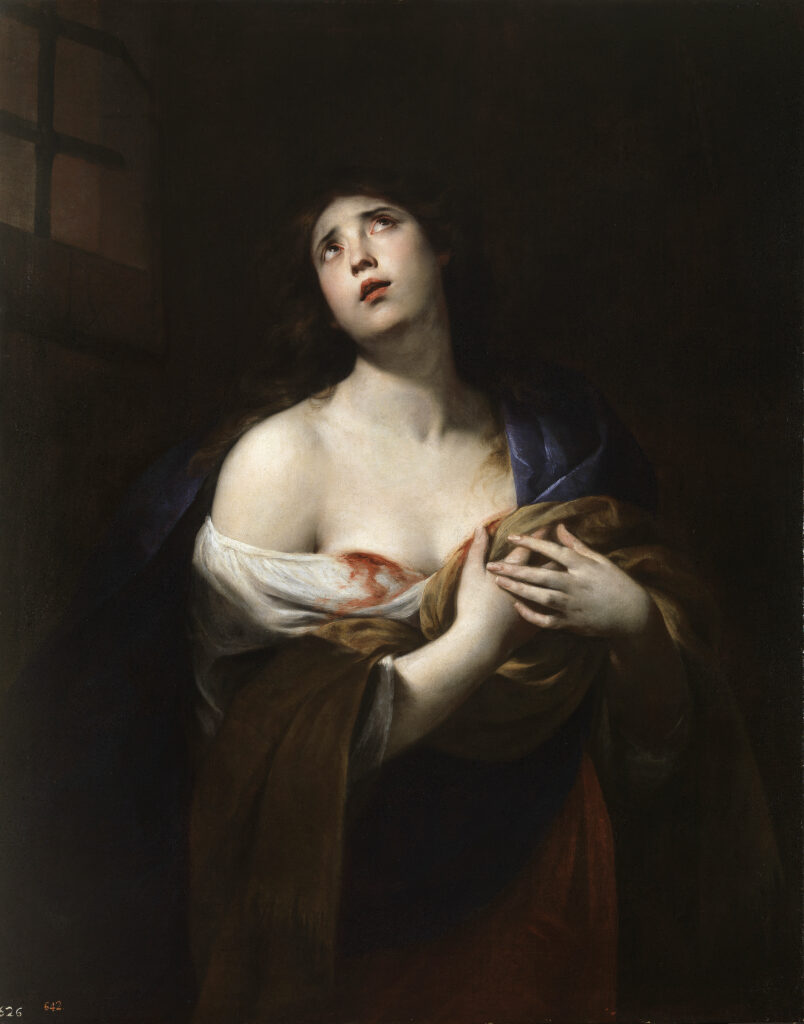
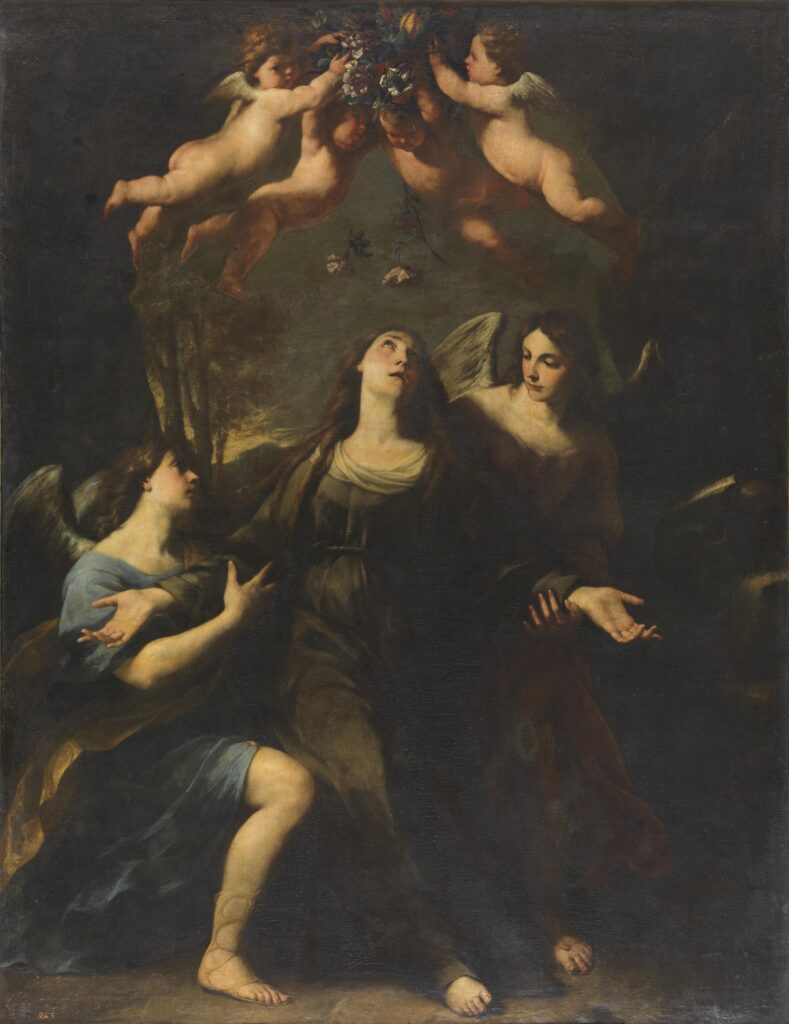
Carlo Saraceni, 1579 – June 16, 1620, was a Venetian painter. He trained in Venice before moving to Rome, probably in 1598, where he came under the influence of Adam Elsheimer, Caravaggio, and Caravaggio’s followers.
Saraceni worked in Rome on small paintings on copper as well as larger canvases. He also worked for the ducal court in Mantua in 1613 and was a member of the Accademia di San Luca in Rome by 1616.
Saraceni returned to Venice about 1619 and died there in 1620. His works are held by institutions including the National Gallery, London; the Alte Pinakothek, Munich; the Kunsthistorisches Museum, Vienna; and the Gallerie dell'Accademia, Venice.






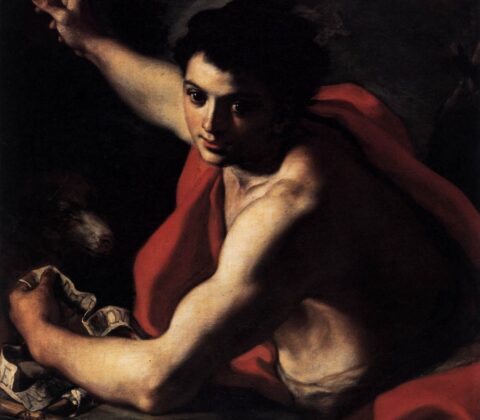
Francesco Solimena
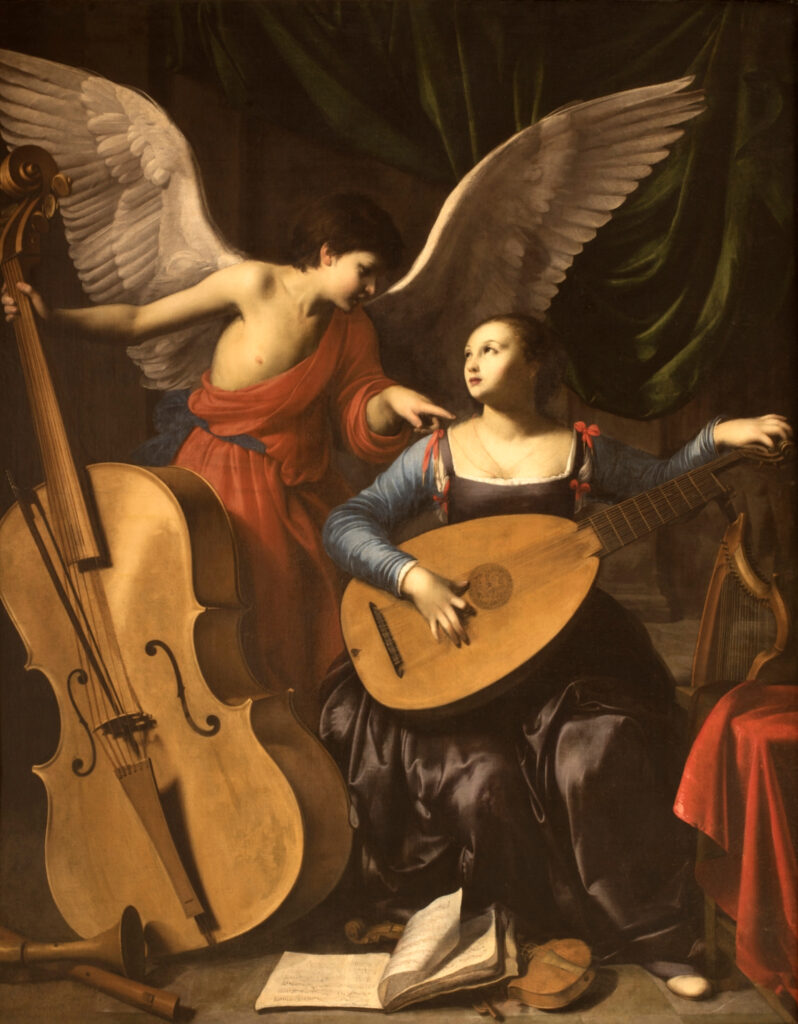
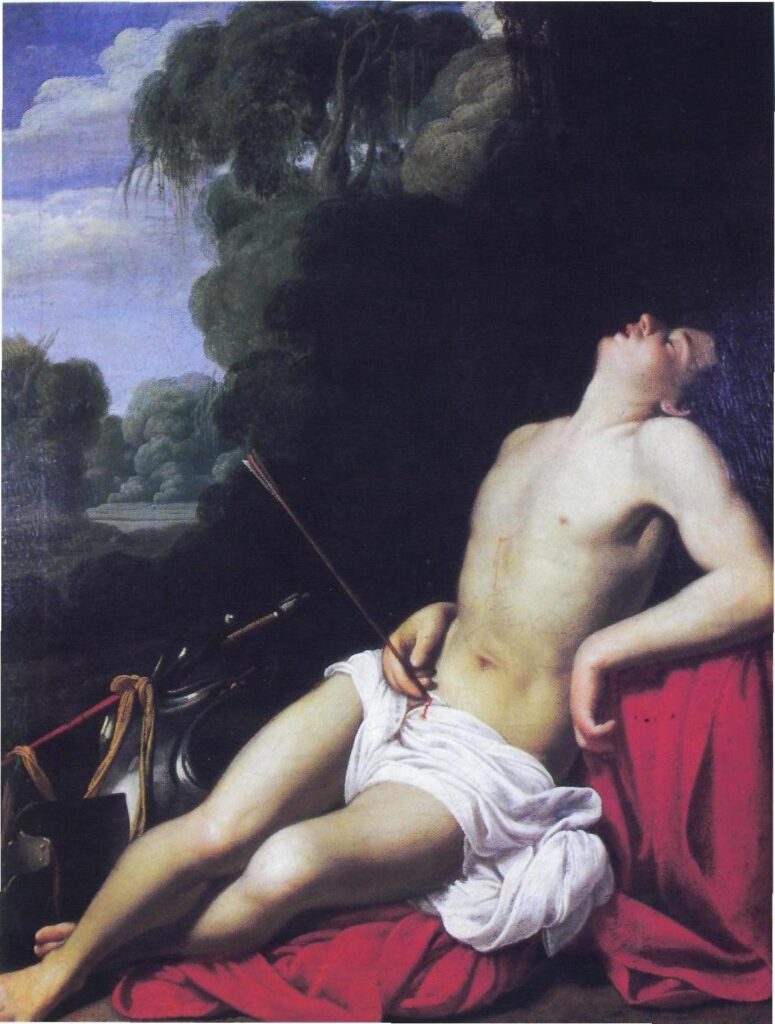
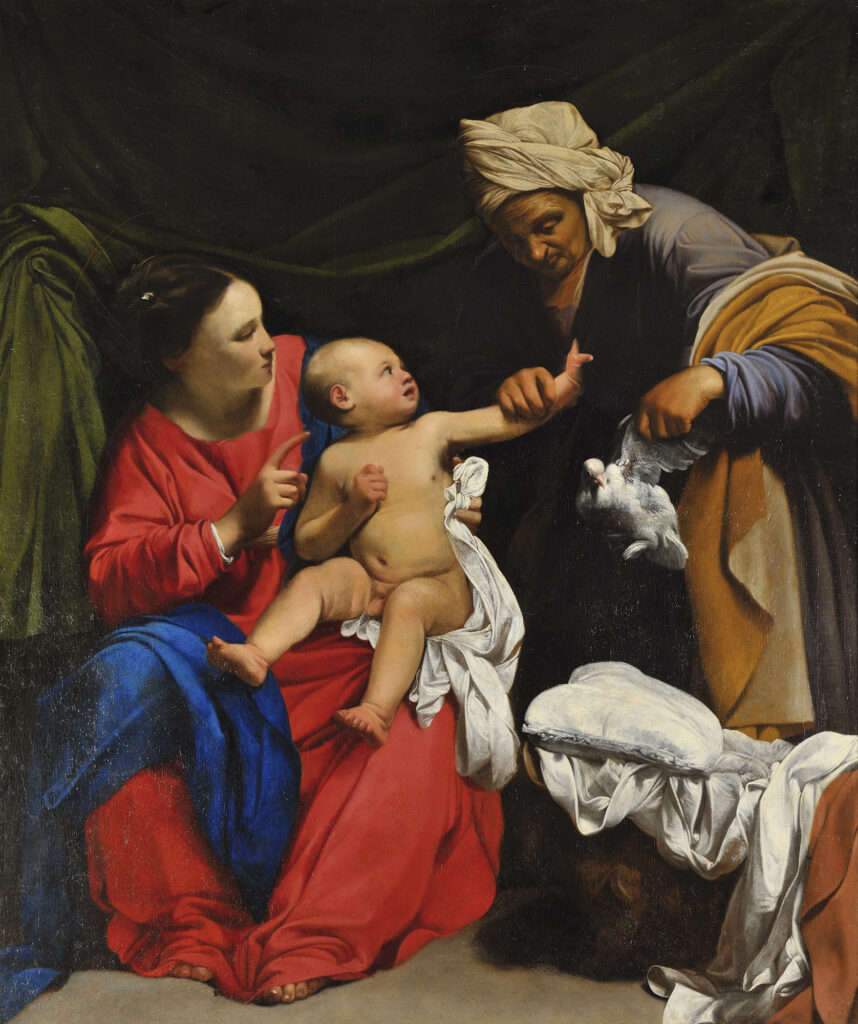
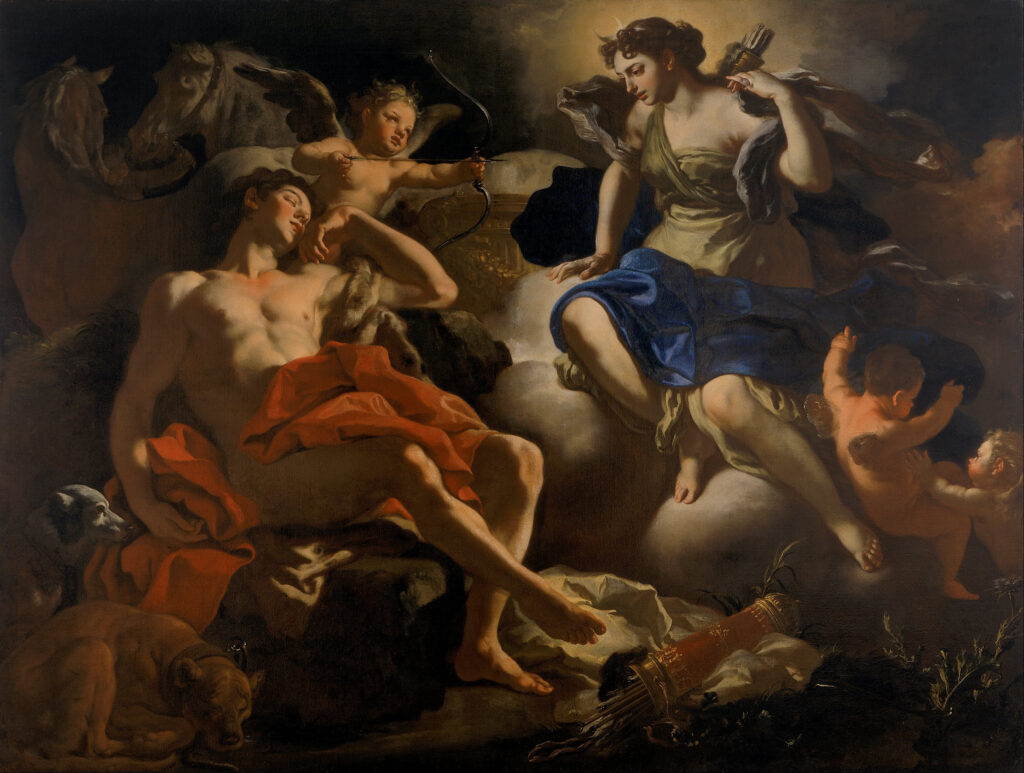
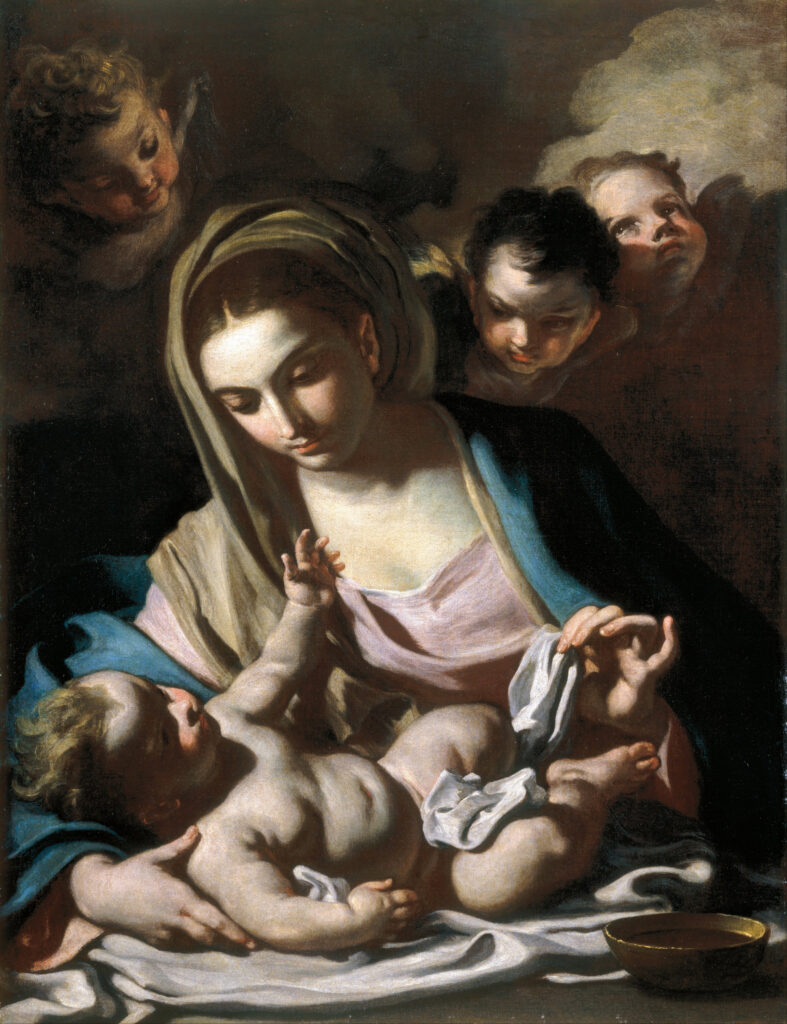
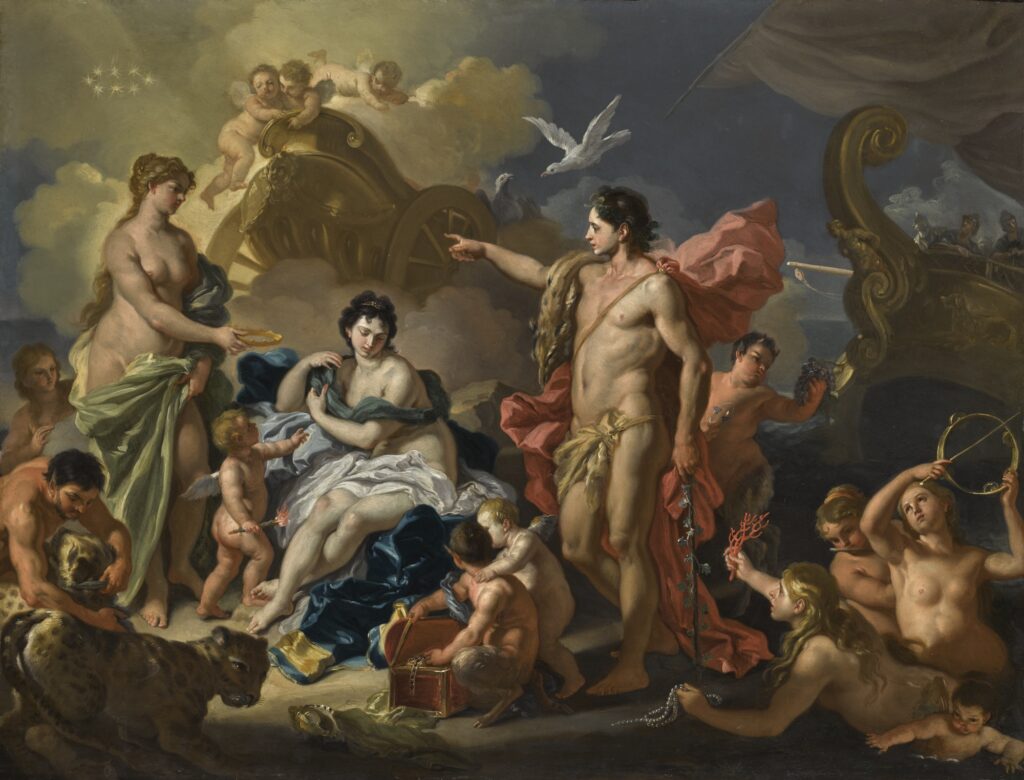
Francesco Solimena, October 4, 1657 – April 3, 1747, was an Italian painter and architect associated with Naples. He was born at Canale di Serino and received his early artistic training from his father, the painter Angelo Solimena.
Solimena worked for churches and patrons in Naples and elsewhere, producing frescoes, altarpieces, easel paintings, mythological scenes, portraits, and drawings. He directed a large workshop and taught artists including Francesco de Mura, Corrado Giaquinto, and Giuseppe Bonito.
He died at Barra, near Naples, in 1747. His work is represented in major collections including the Museo del Prado, the J. Paul Getty Museum, the Metropolitan Museum of Art, the Kunsthistorisches Museum, and the Museum of Fine Arts, Houston.





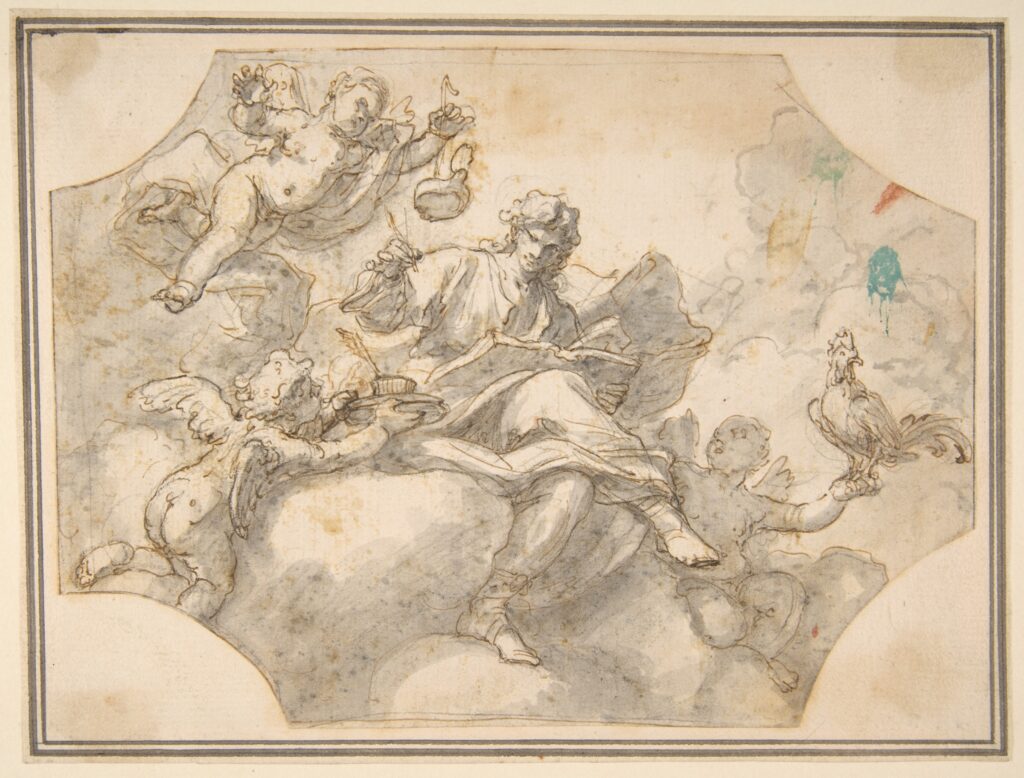


Giovanni Battista Caracciolo
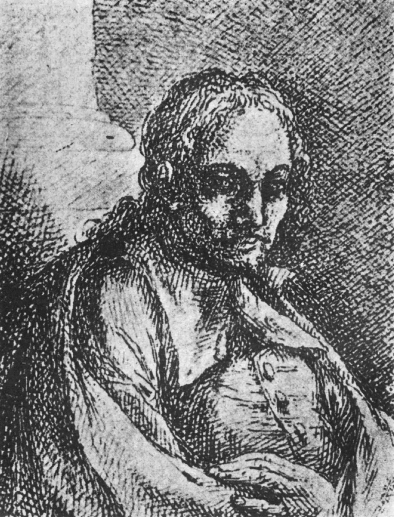
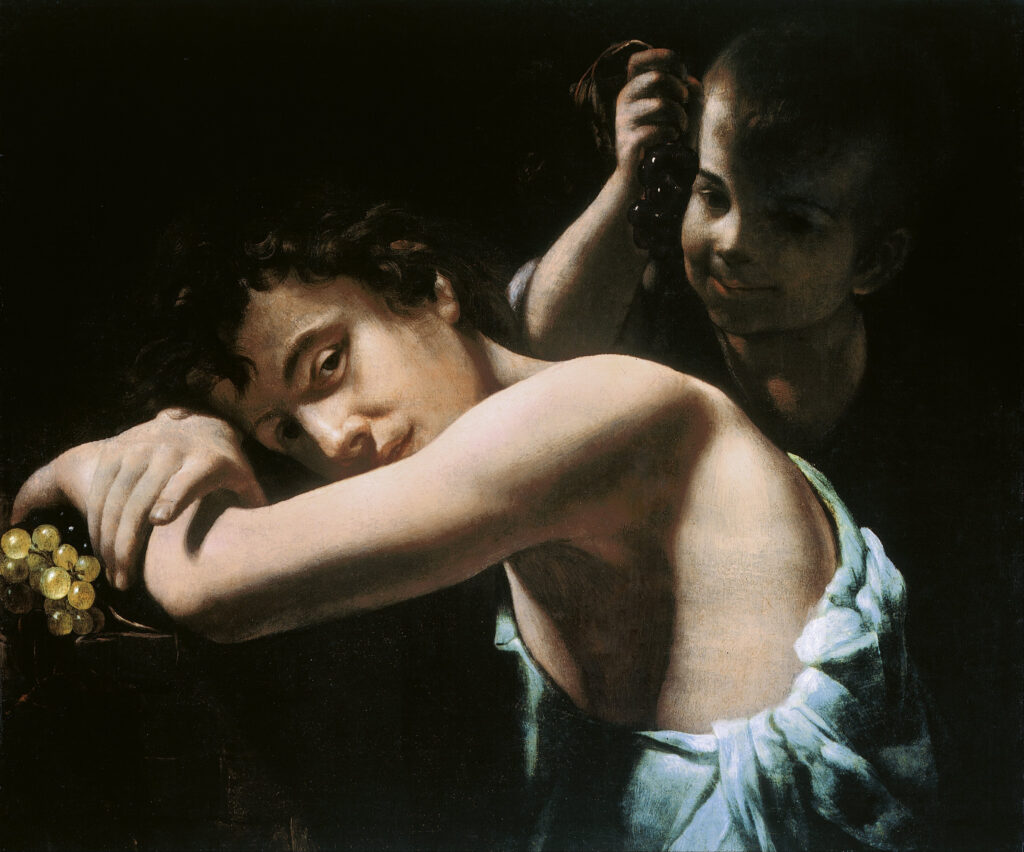
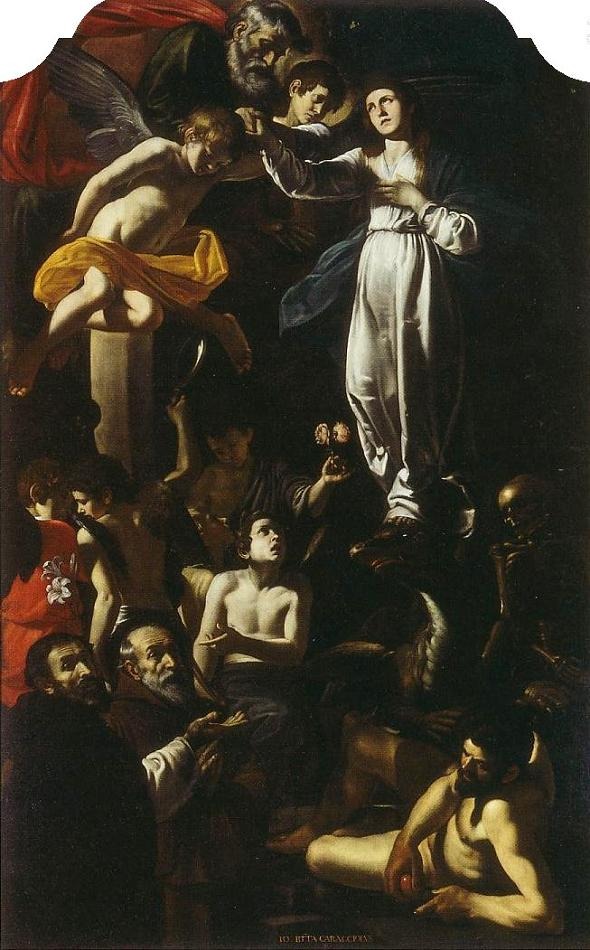
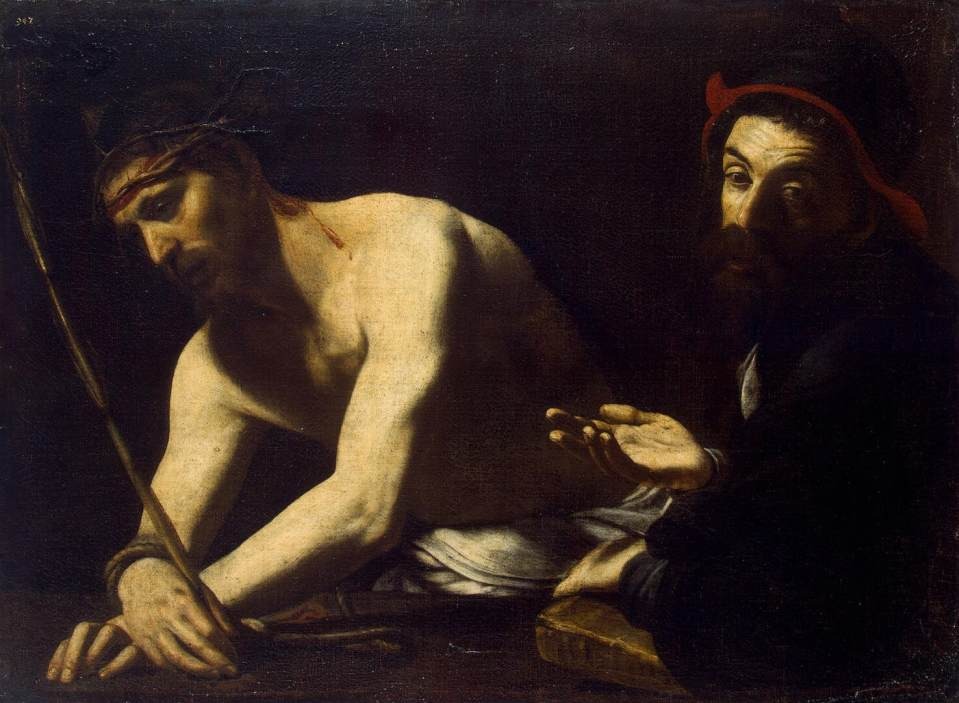
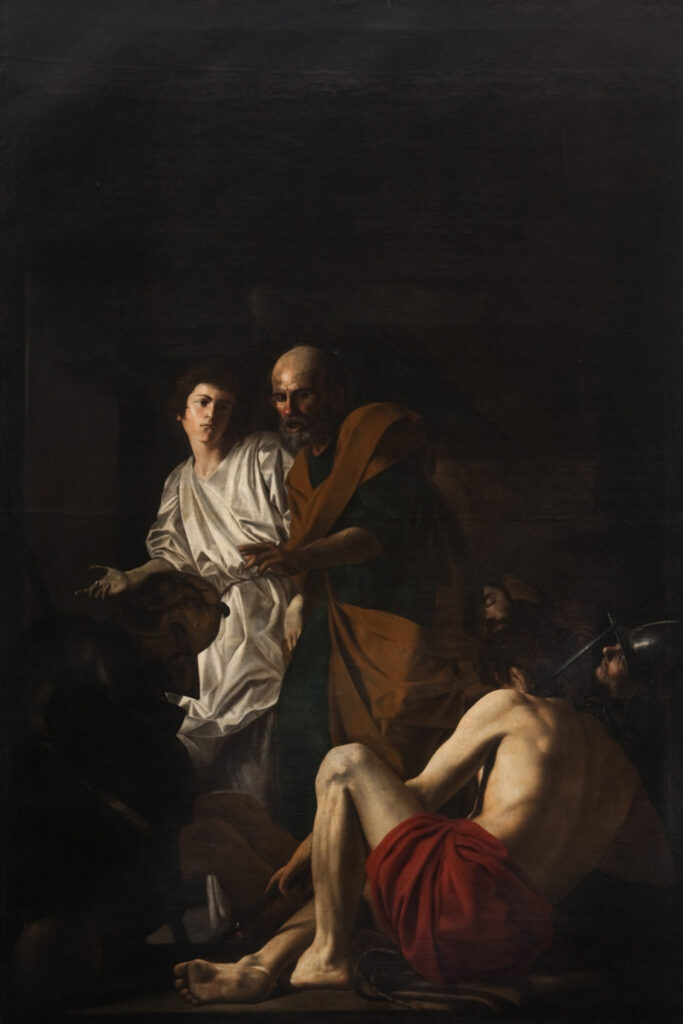
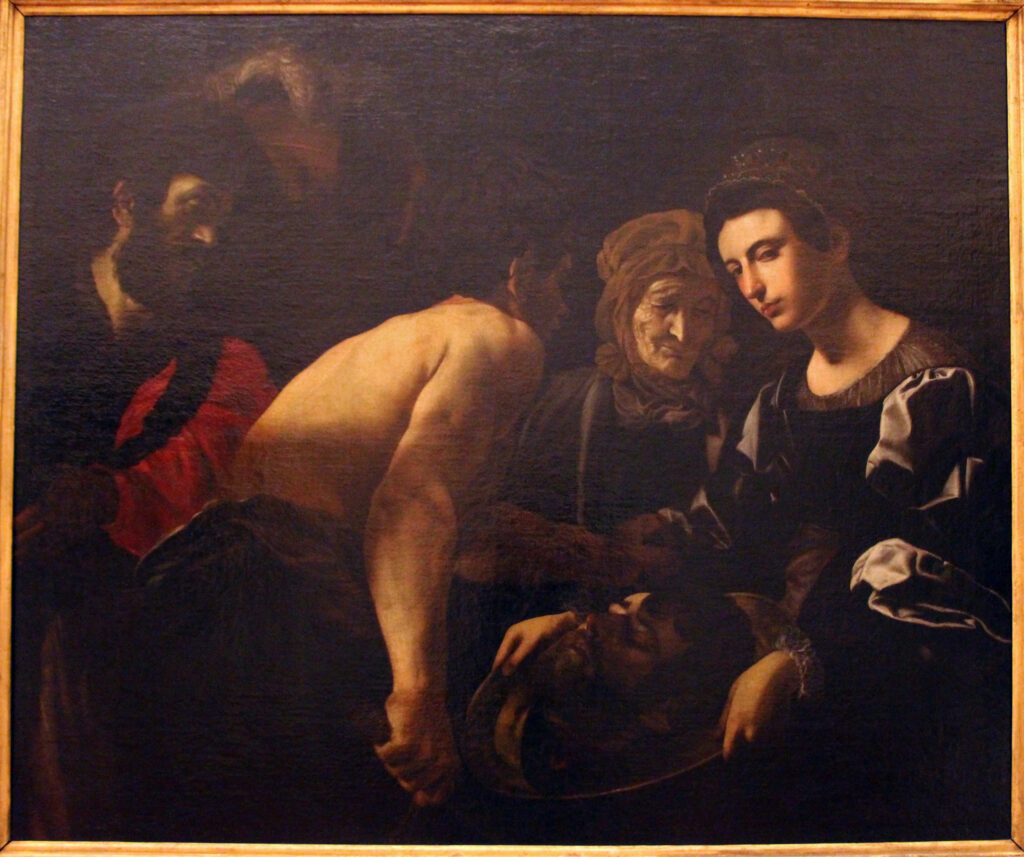
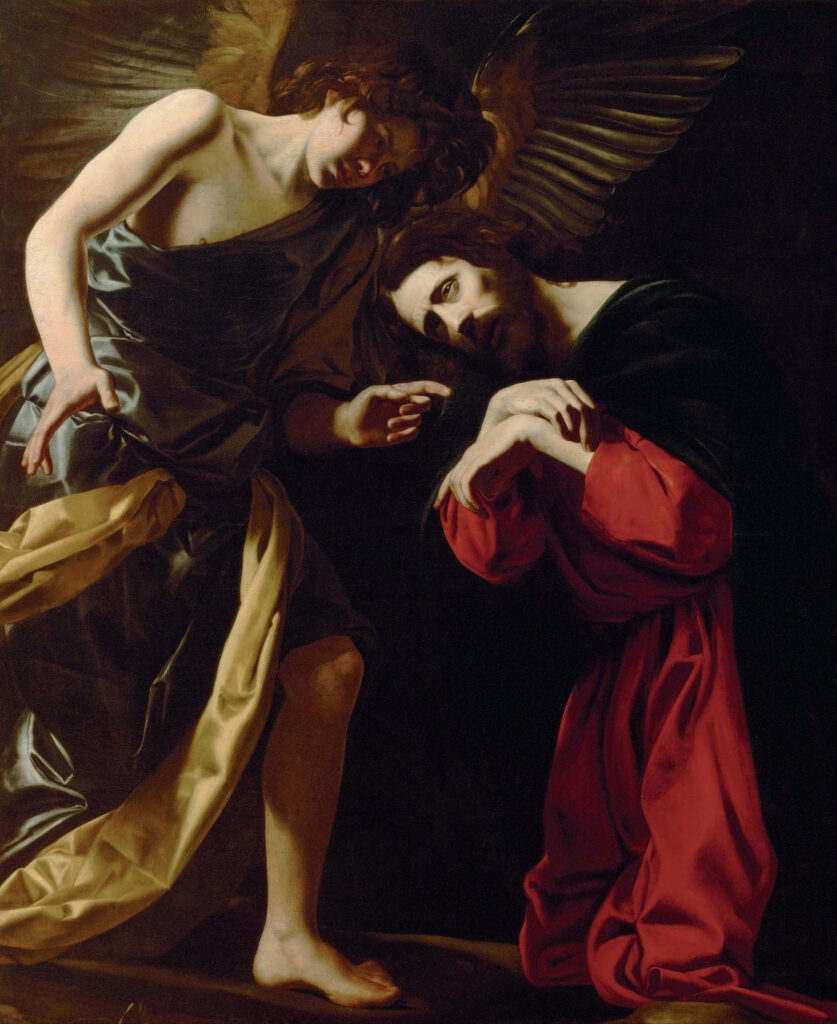
Giovanni Battista Caracciolo, December 7, 1578–December 23, 1635, was an Italian painter of the Neapolitan school, known as Battistello. He trained in Naples, probably with Francesco Imparato and Fabrizio Santafede, and was profoundly affected by Caravaggio’s arrival in the city in 1606.
Caracciolo became one of the leading early Neapolitan Caravaggists, adapting dramatic light and naturalistic figures to altarpieces, private devotional works, and later fresco decoration. His work also reflects study in Rome and contact with artists including Orazio Gentileschi; major works remain in Naples, Florence, Vienna, Saint Petersburg, and other public collections.
After visits to Rome, Genoa, and Florence, he returned to Naples, where he continued to develop a more classical, expansive manner alongside his tenebrist beginnings. He died in Naples in 1635 and was a formative figure for later seventeenth-century Neapolitan painting.
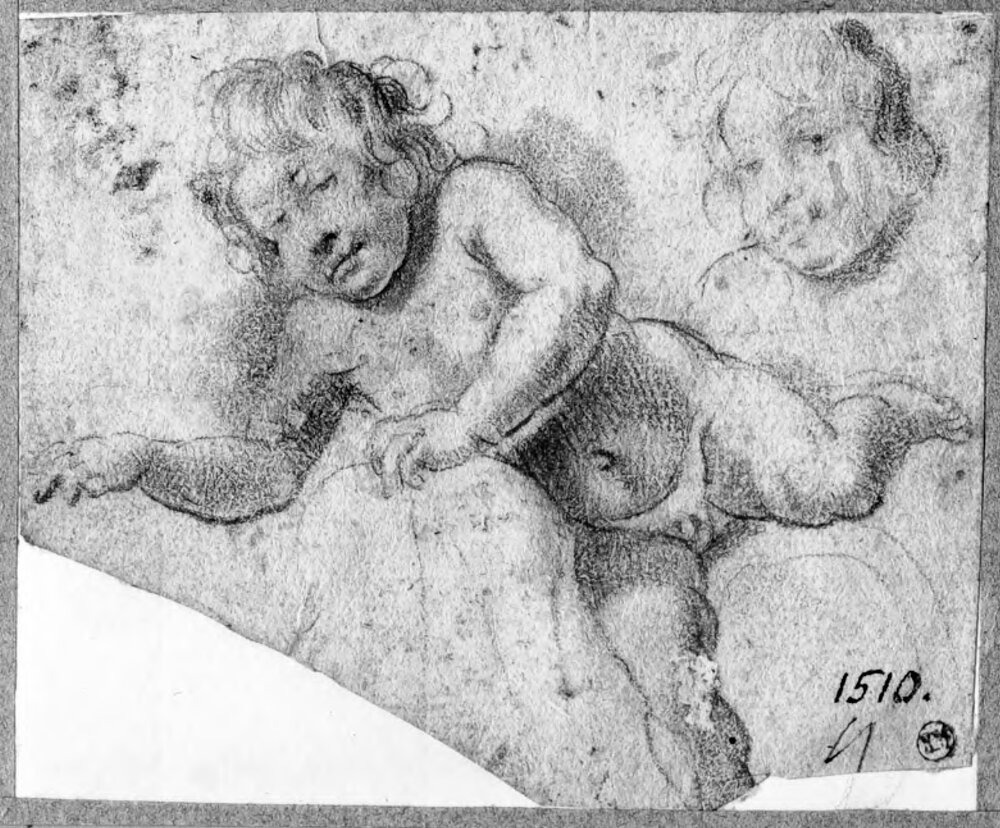
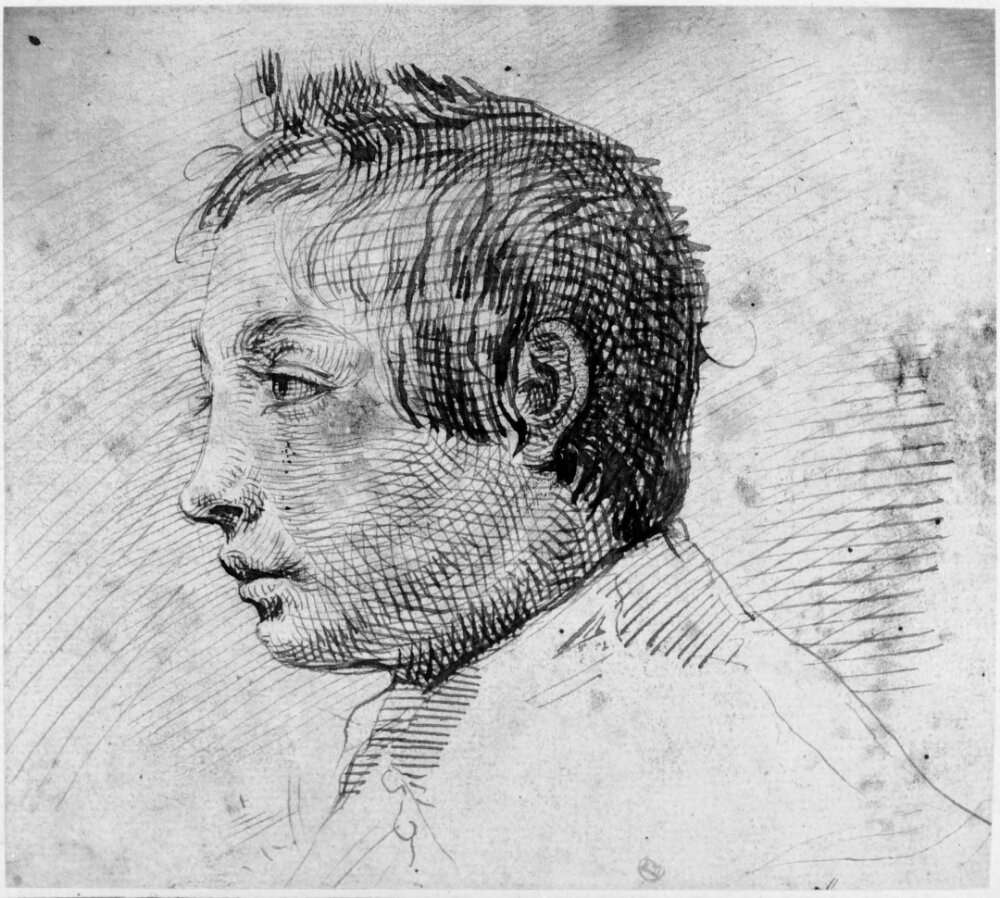


Pordenone
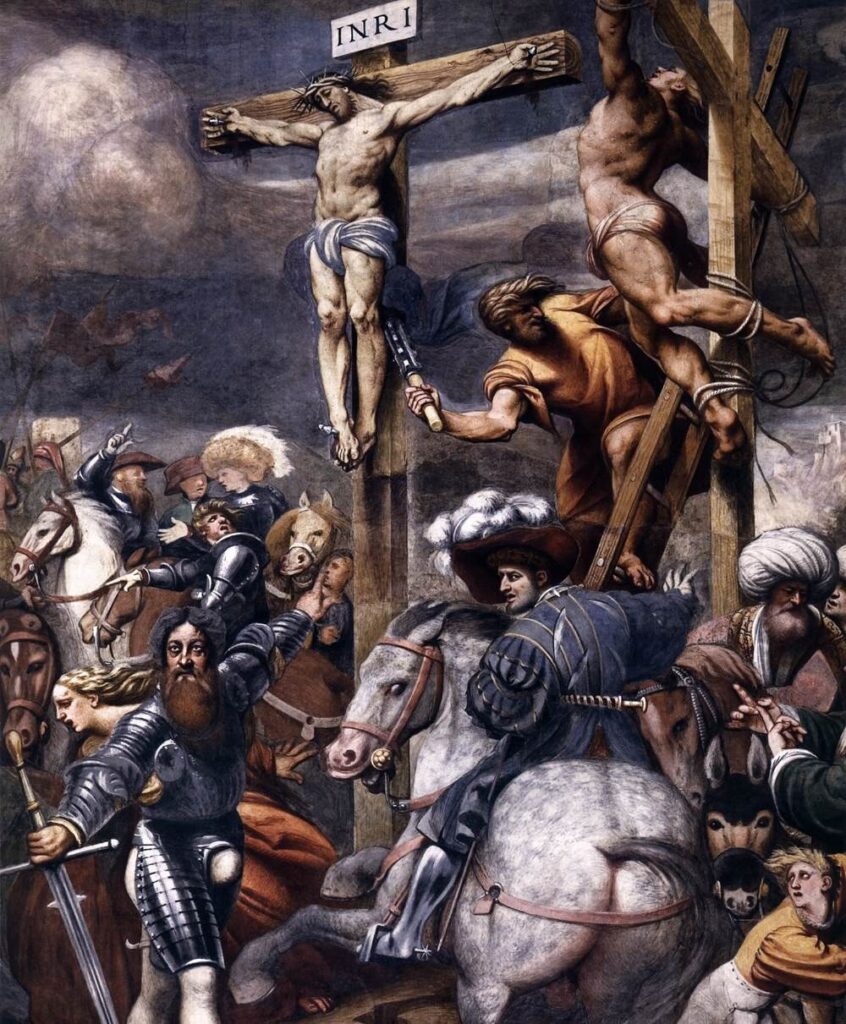
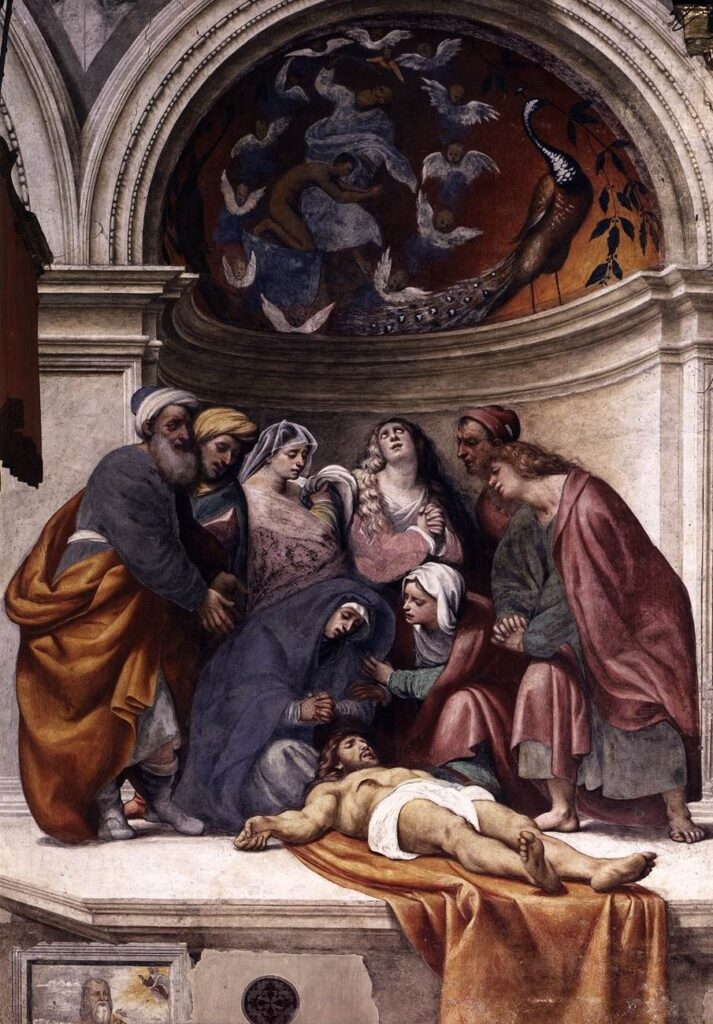
Giovanni Antonio de’ Sacchis, known as Il Pordenone, c 1483–January 14, 1539, was an Italian painter and draughtsman from Pordenone in Friuli. His early formation is undocumented; by the 1510s he was working on altarpieces and frescoes in Friuli and the Veneto.
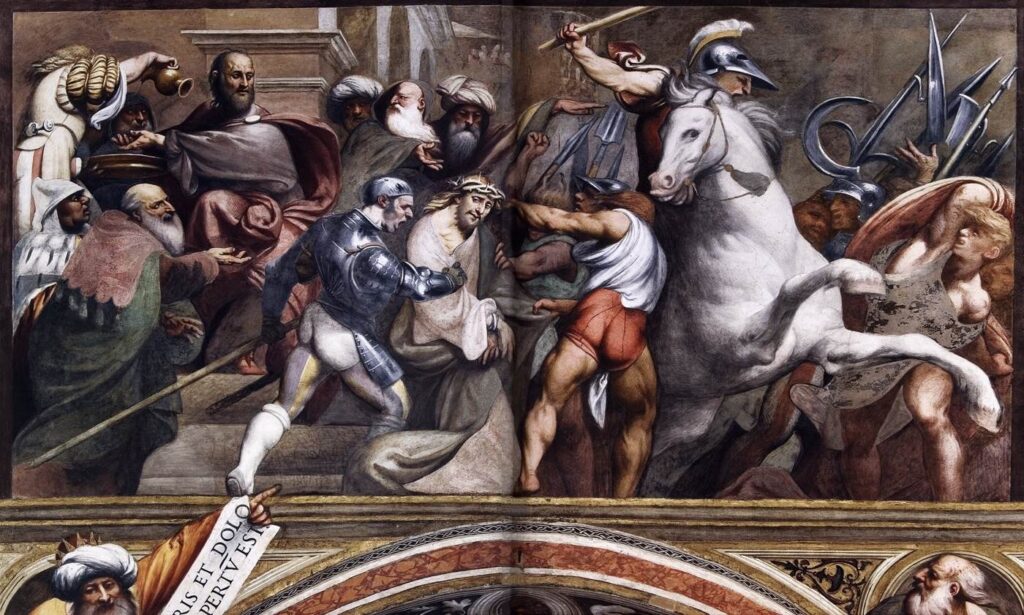
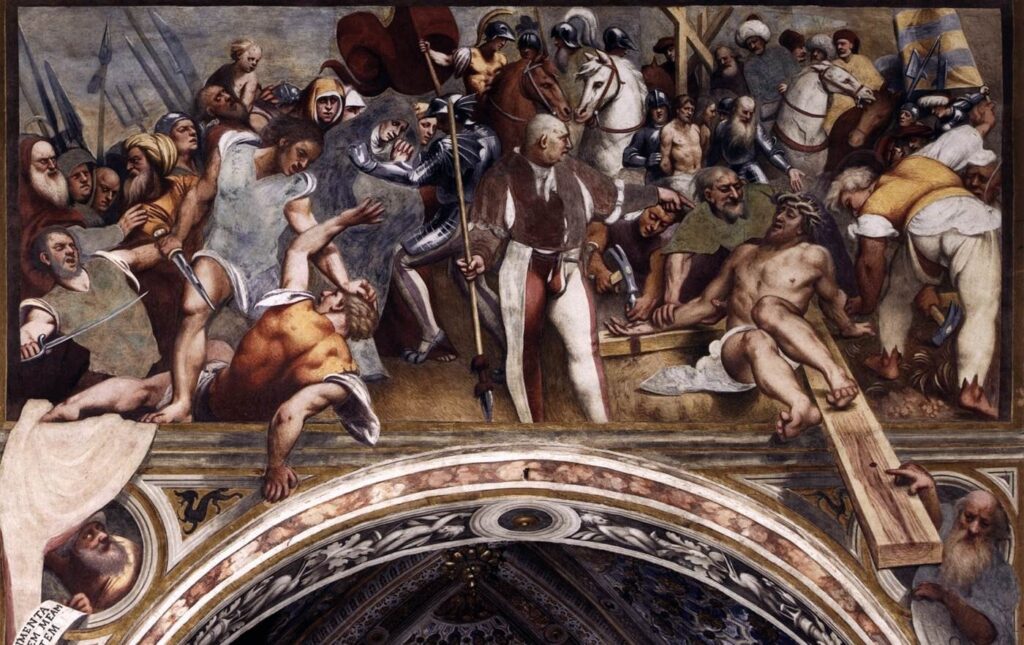
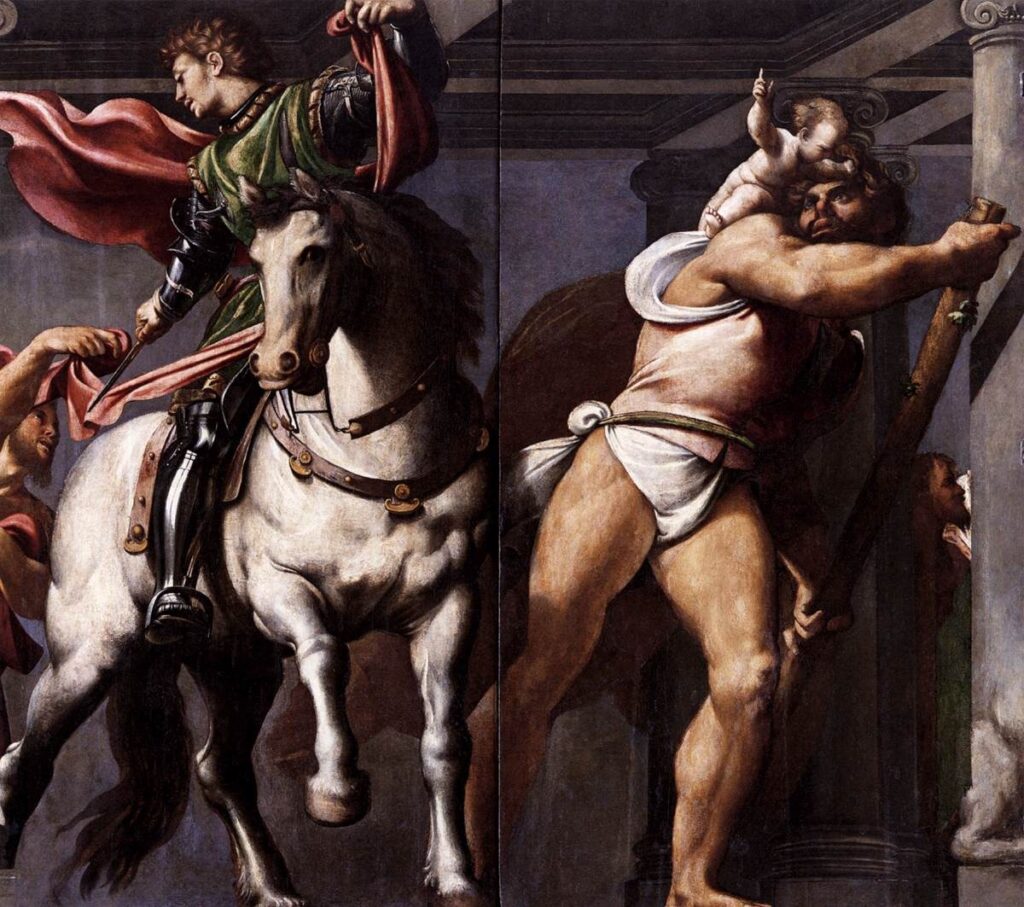
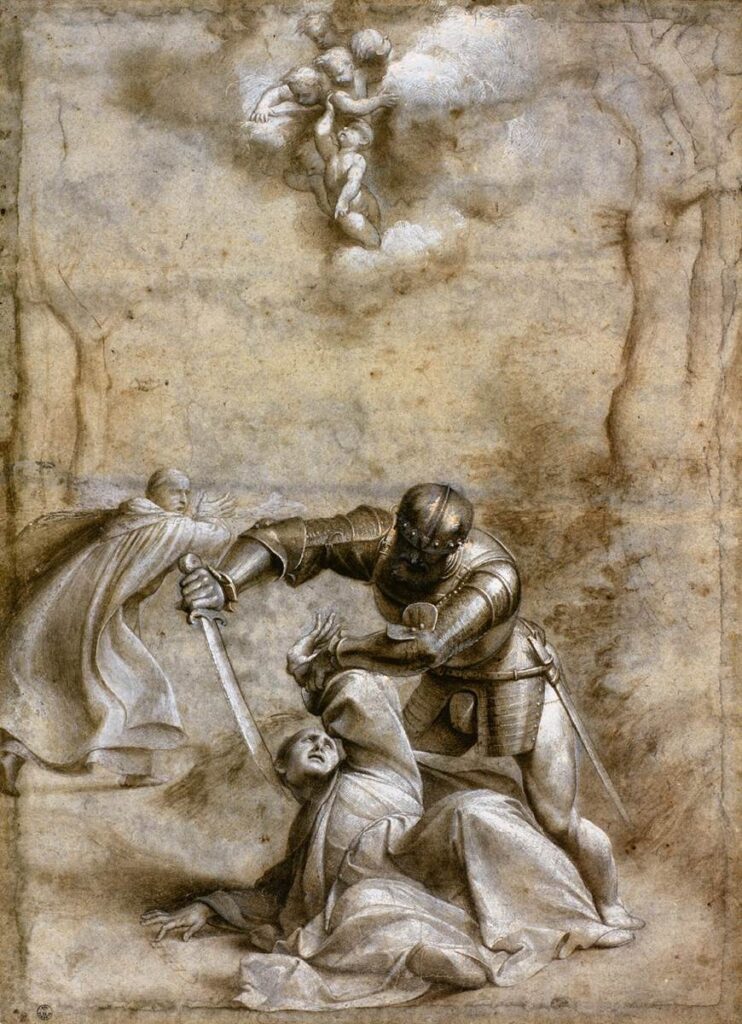
Pordenone worked in a forceful, illusionistic manner, particularly in fresco. Major commissions included the Passion scenes in Cremona Cathedral, frescoes in the churches of San Rocco in Venice and Santa Maria di Campagna in Piacenza, and paintings and drawings for Venetian patrons.
He worked in Venice during his final years and died in Ferrara in 1539. His paintings, frescoes, and drawings are represented in collections including the Uffizi Gallery, the Museum of Fine Arts, Budapest, and the National Museum in Warsaw.