Posts in Category: Italian
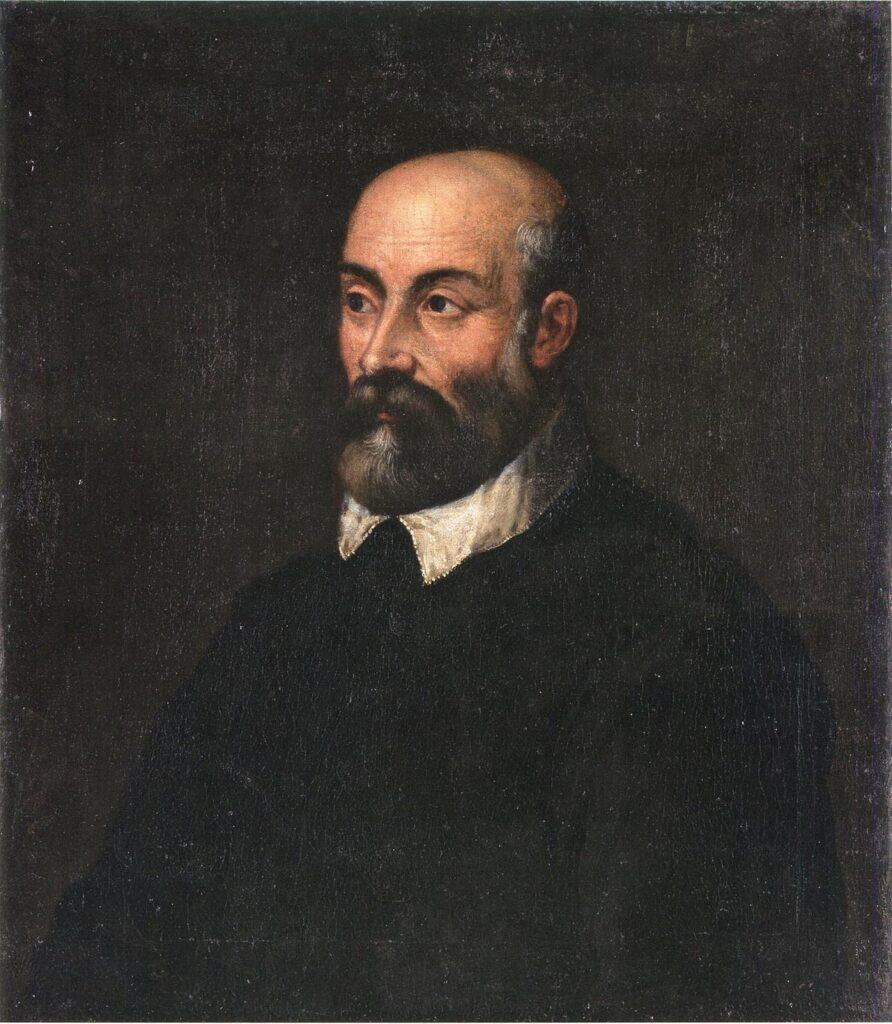
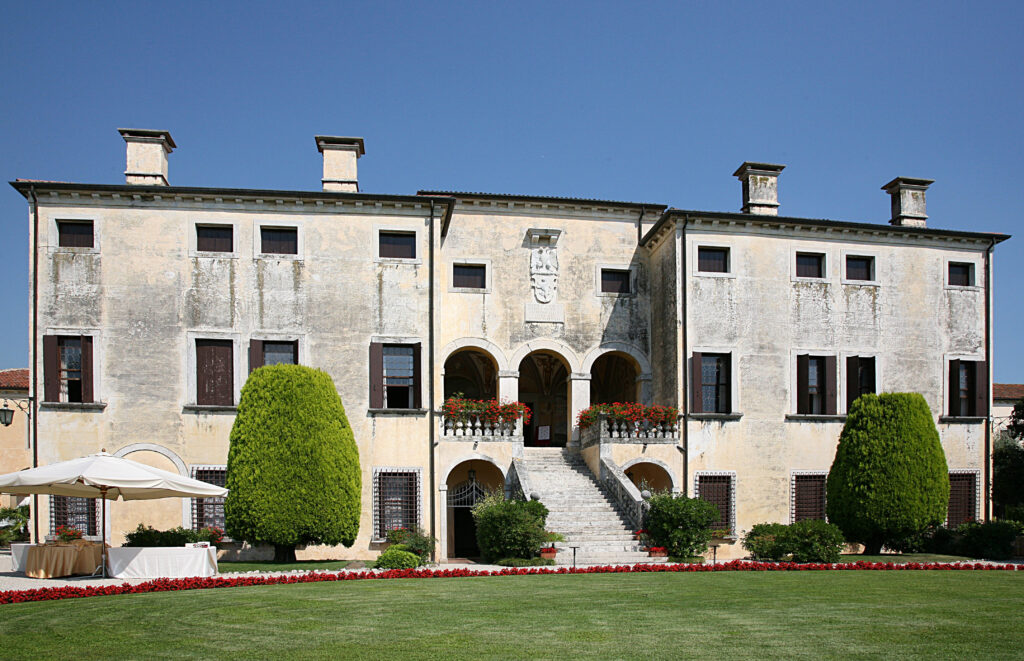
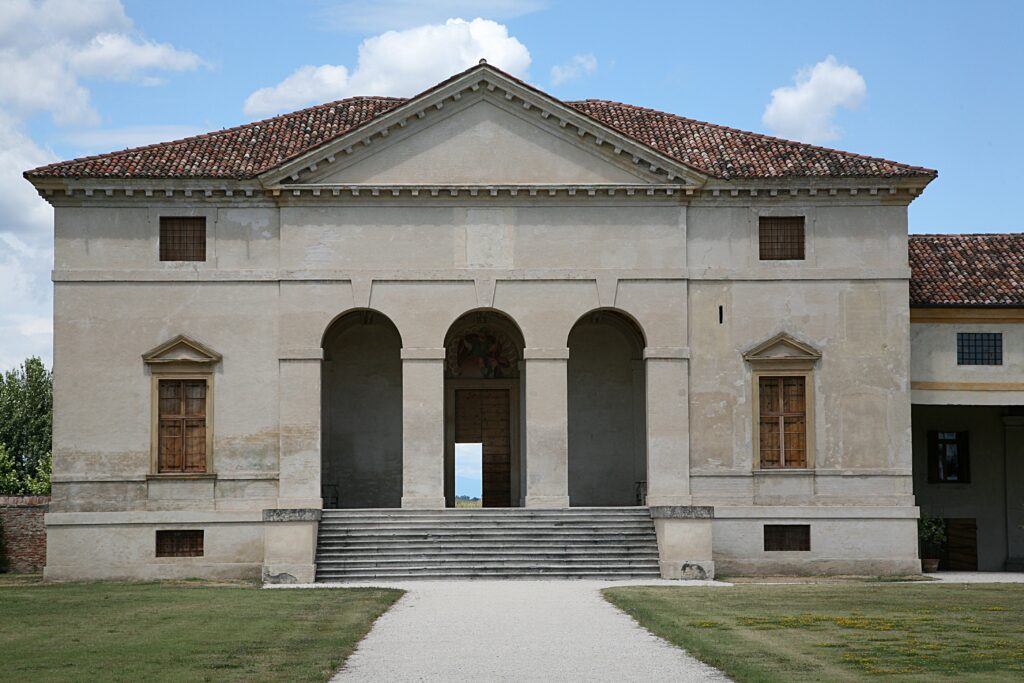
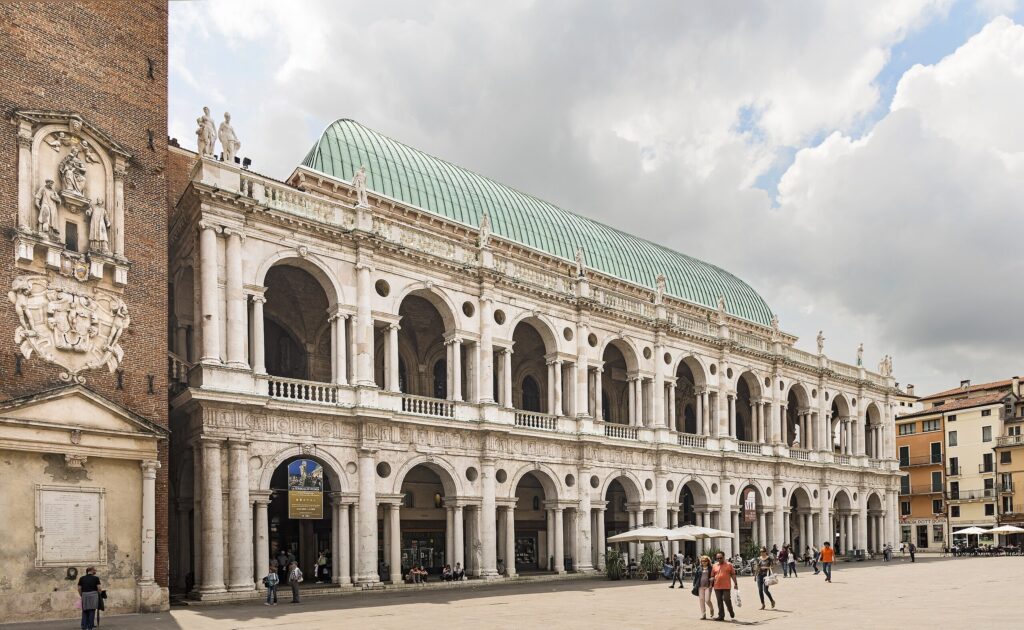
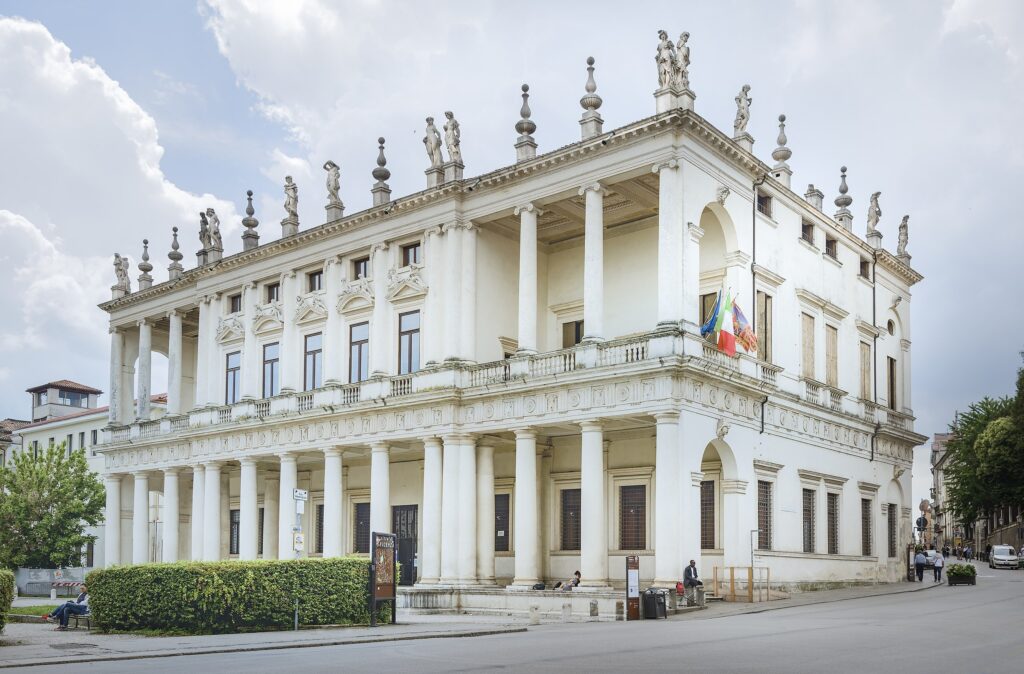
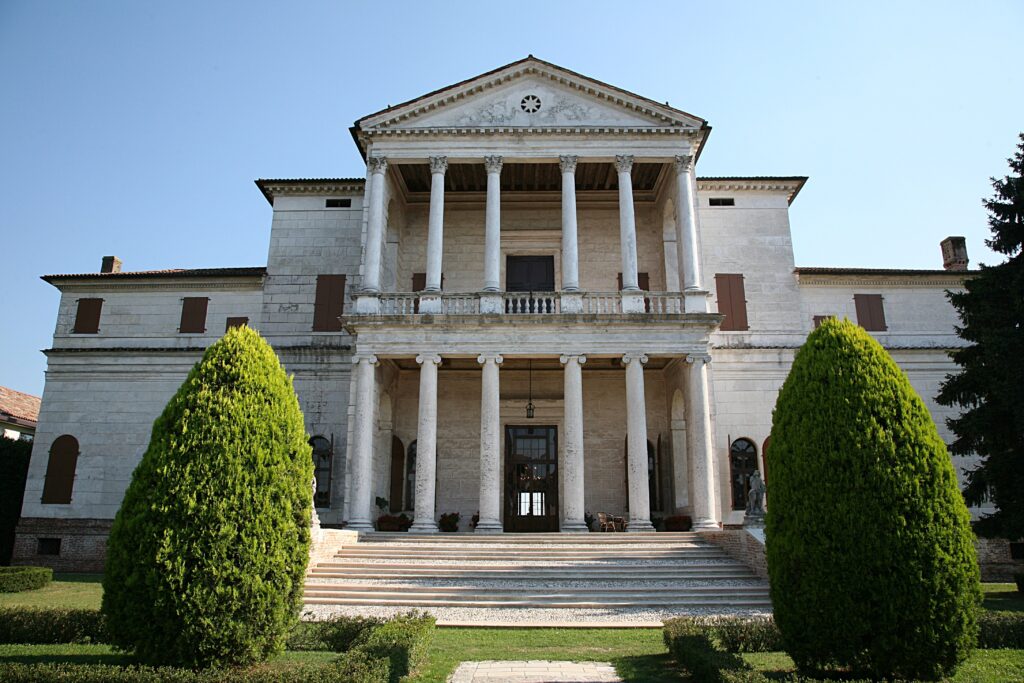
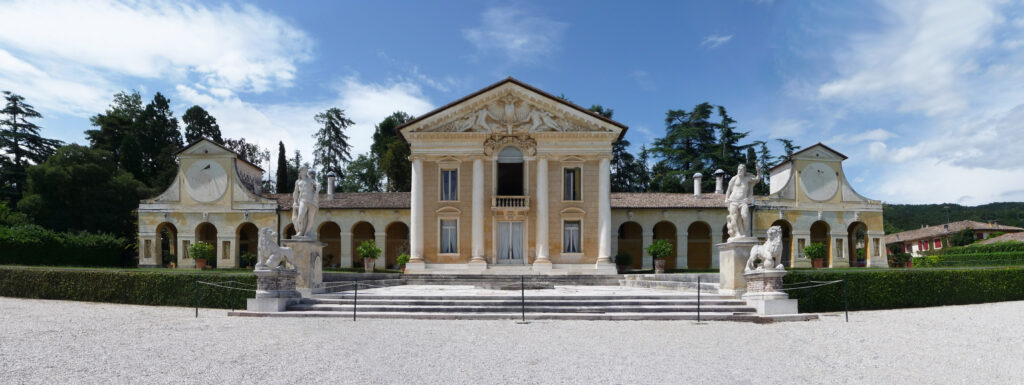
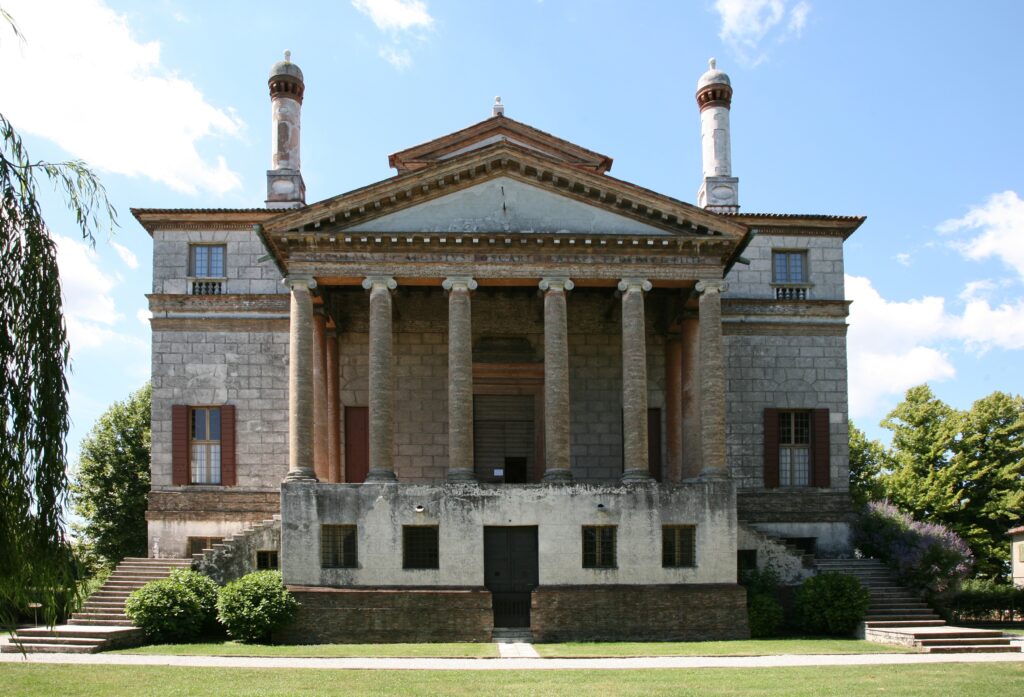
Andrea Palladio
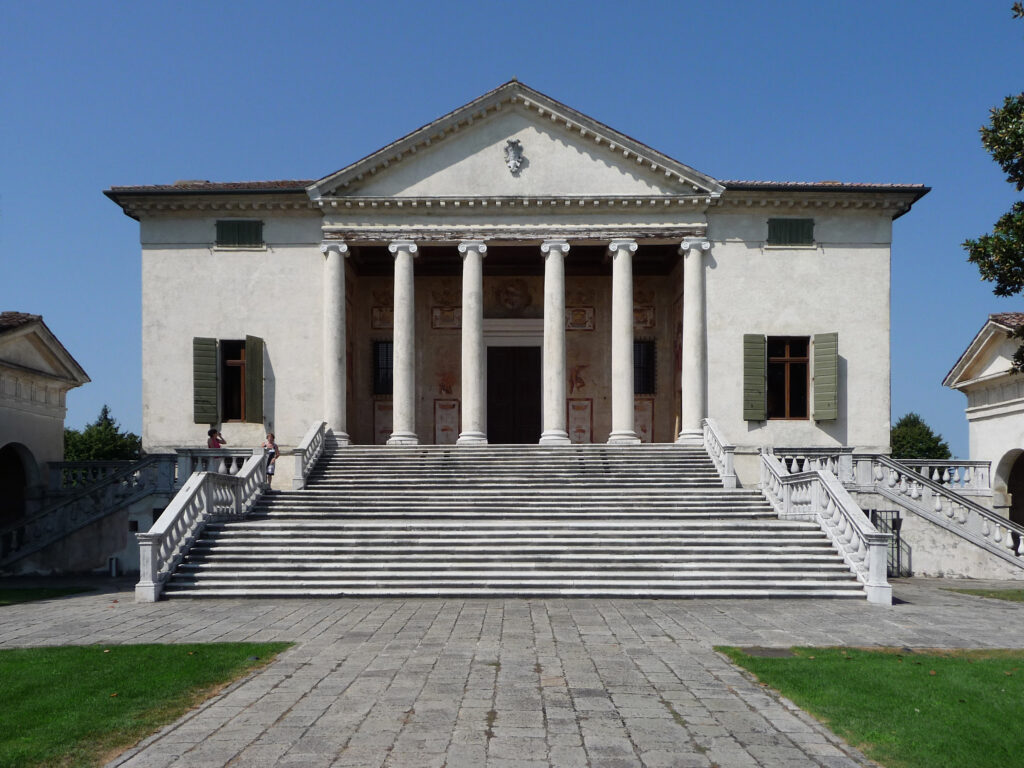
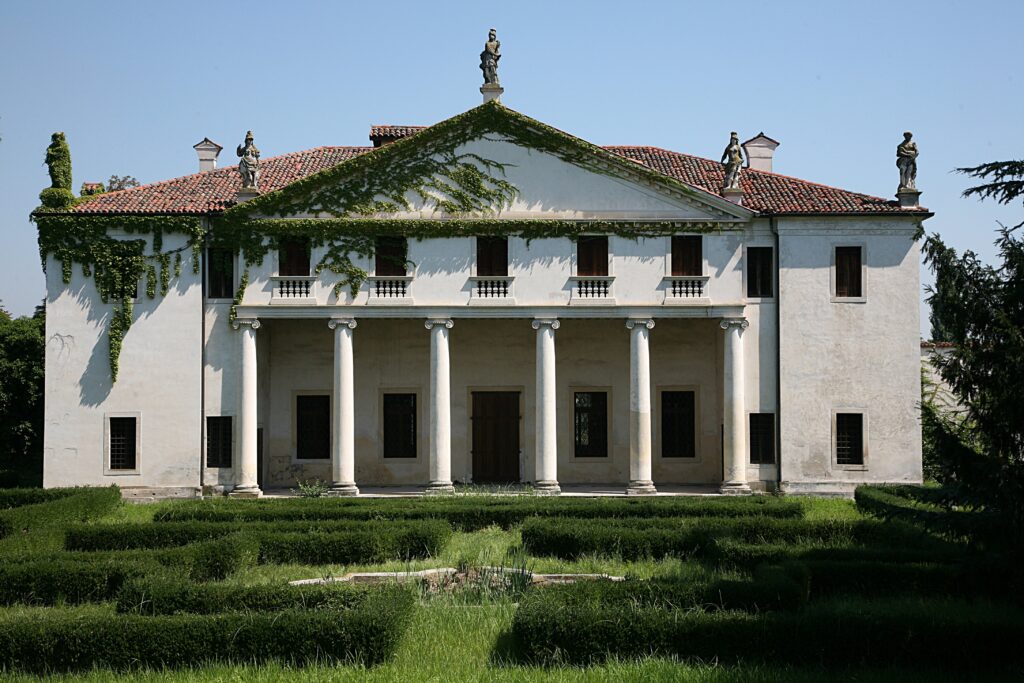
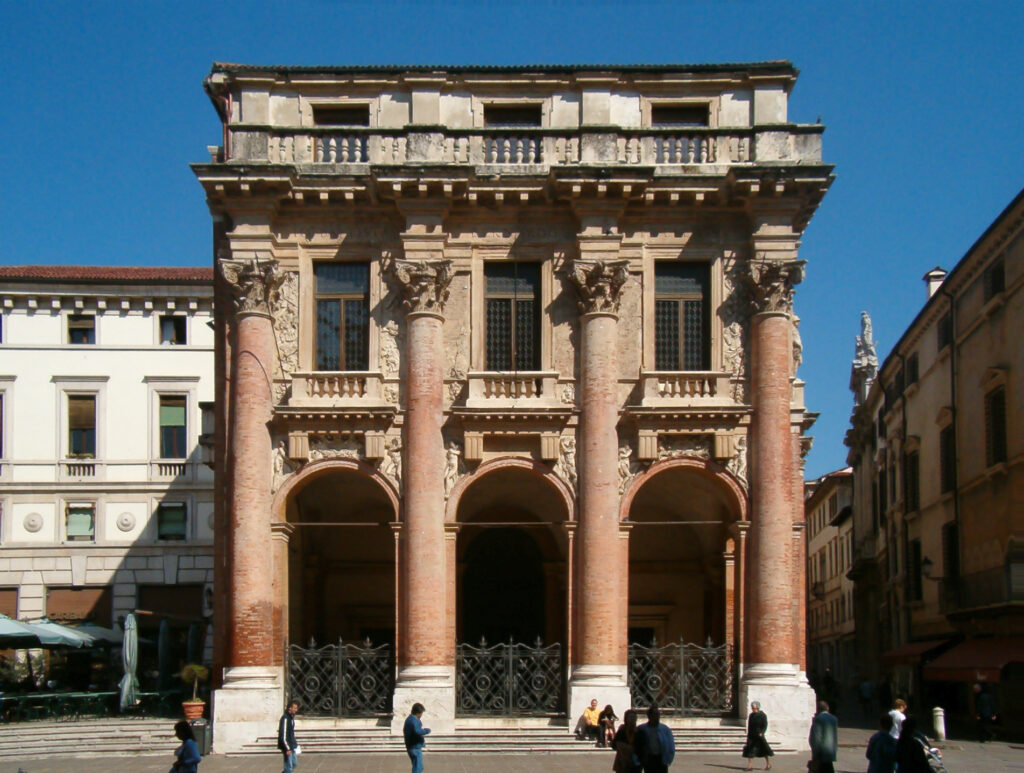
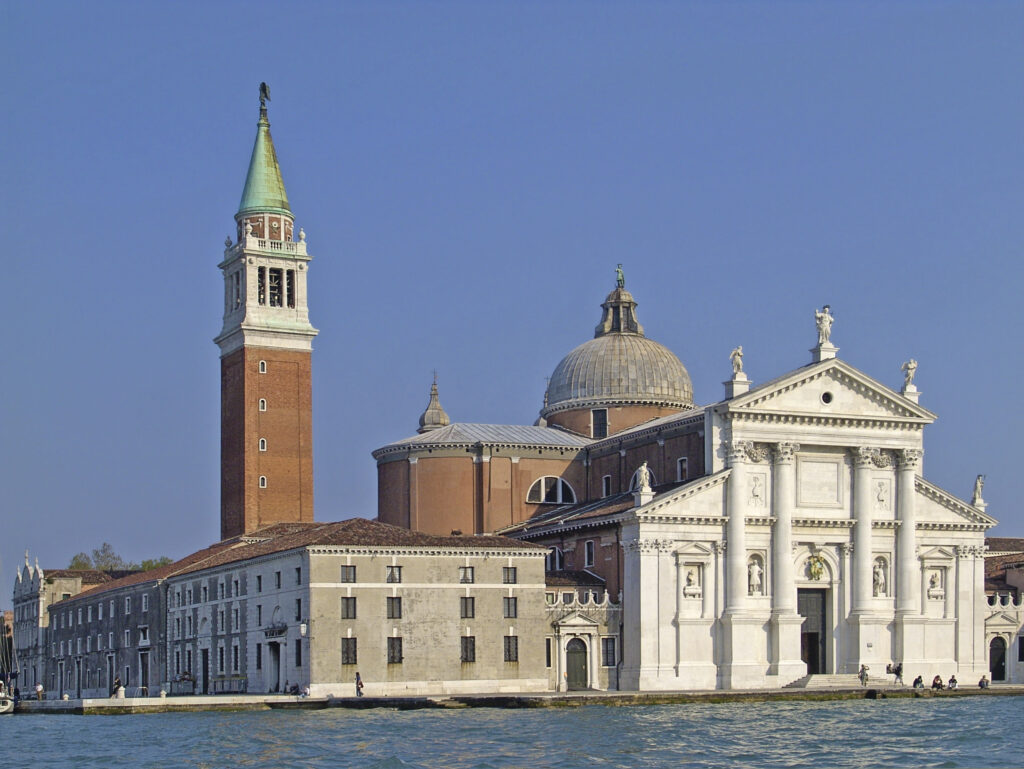
Andrea Palladio, November 30, 1508–August 19, 1580, was an Italian architect born Andrea di Pietro della Gondola in Padua. He trained as a stonecutter in Vicenza and came under the patronage of the humanist Giangiorgio Trissino, who helped shape his education and gave him the name Palladio.
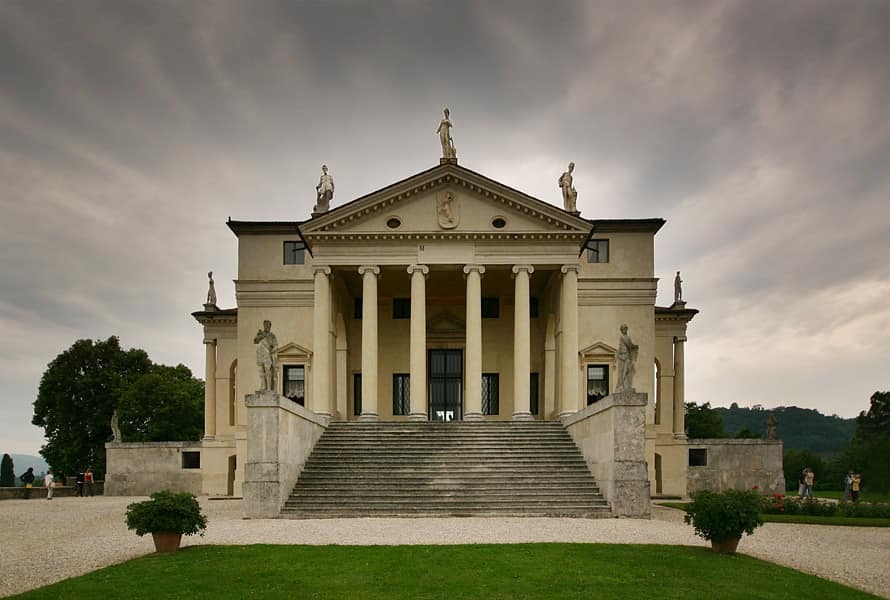
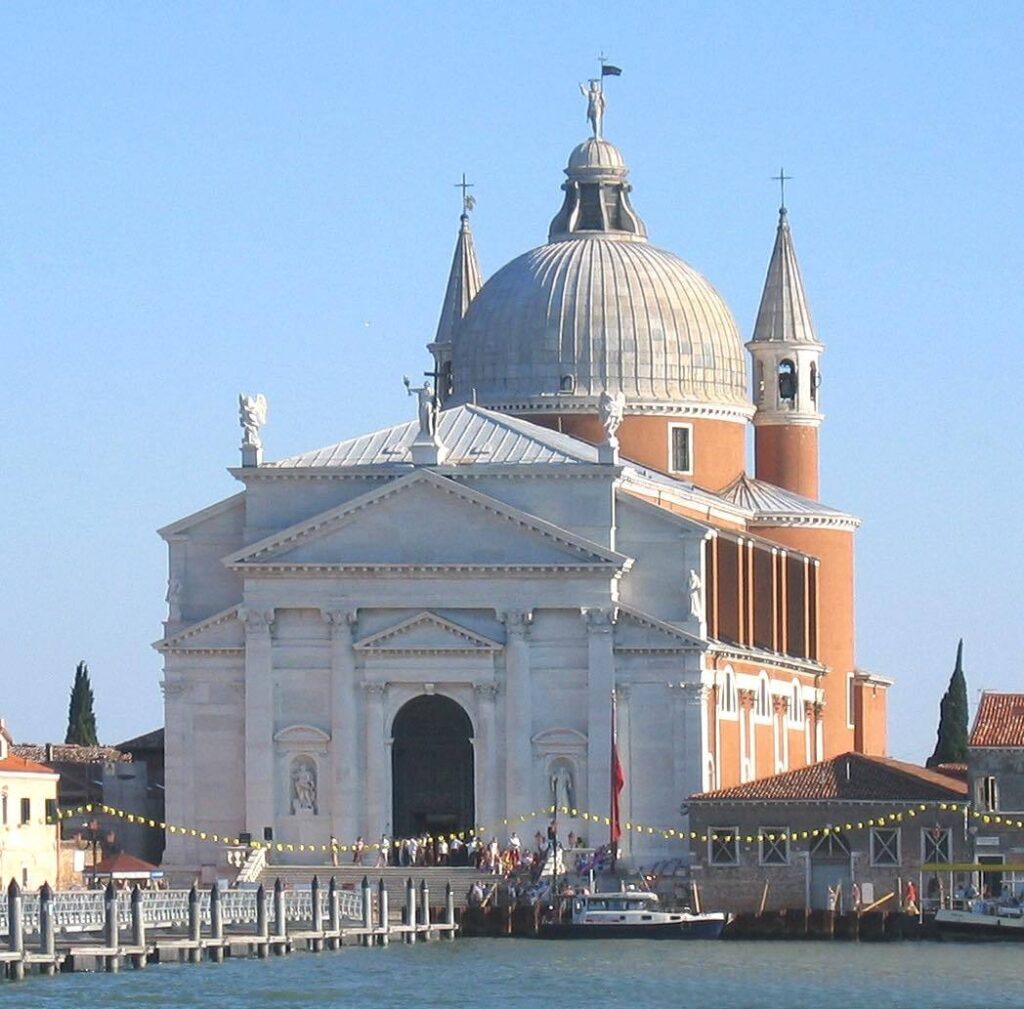
Palladio studied ancient Roman architecture during several visits to Rome and developed a distinctive classical language for villas, palaces, civic buildings, and churches in Vicenza and the Veneto. His principal works include the Basilica Palladiana, Villa Almerico Capra (La Rotonda), Villa Barbaro, San Giorgio Maggiore, and the Church of the Redeemer. In 1570 he published I Quattro Libri dell’Architettura (The Four Books of Architecture).
Palladio died in 1580, probably at Maser. His buildings and published designs shaped Palladianism across Europe and North America and remain central to the study of Renaissance architecture.


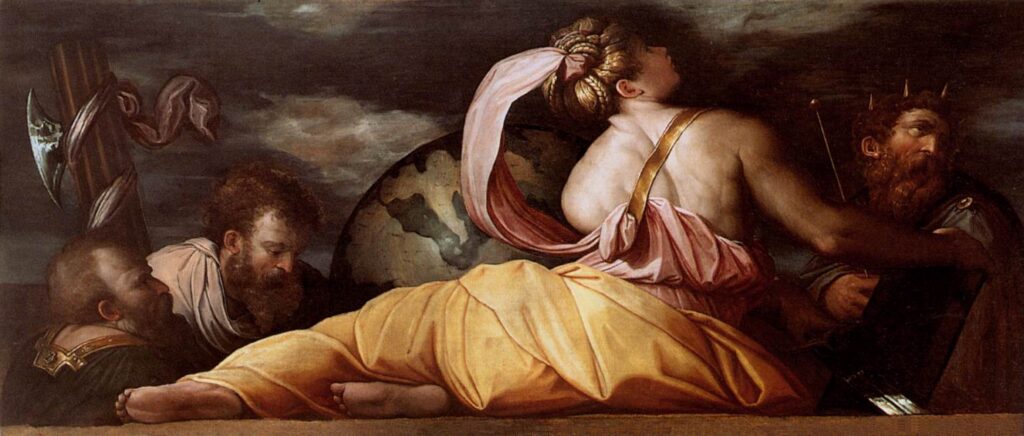
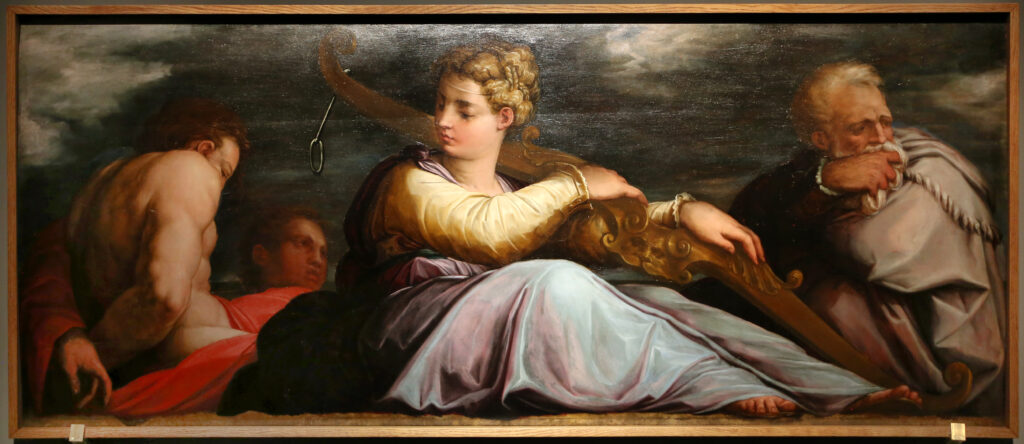
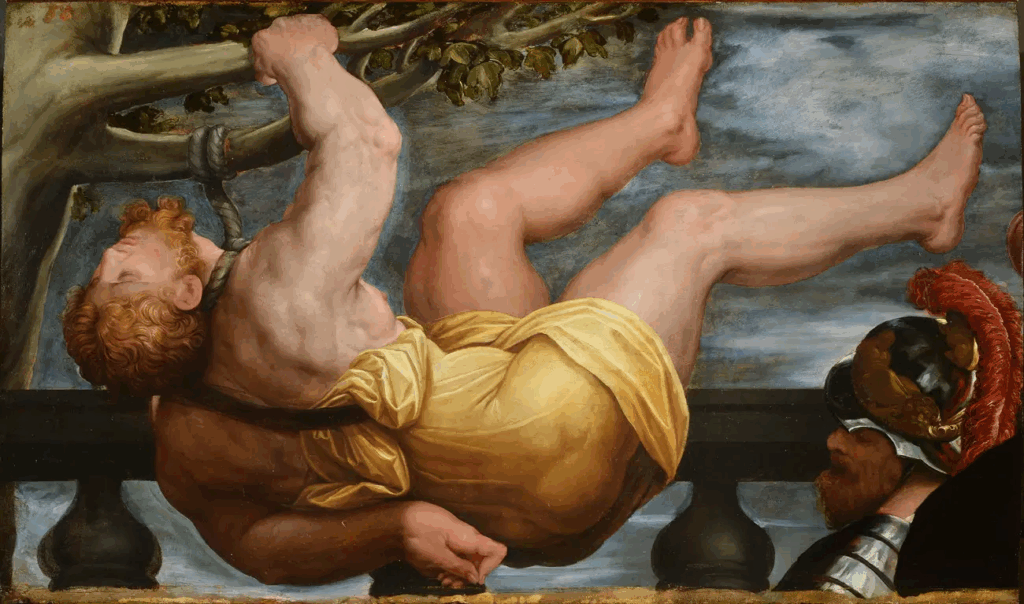
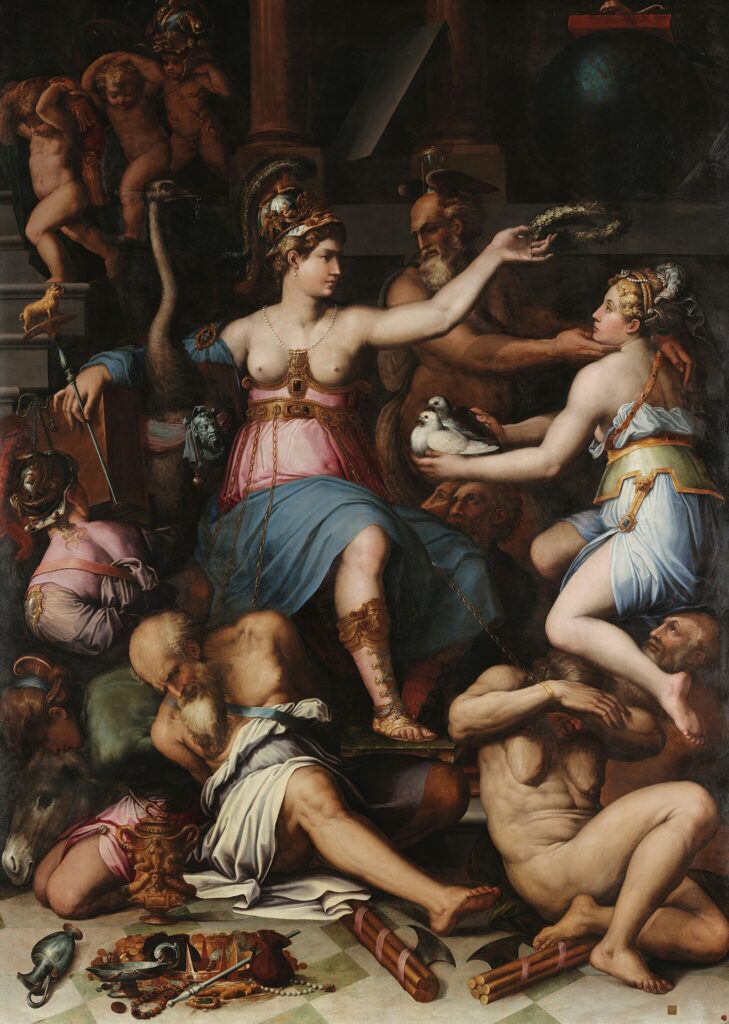
Giorgio Vasari
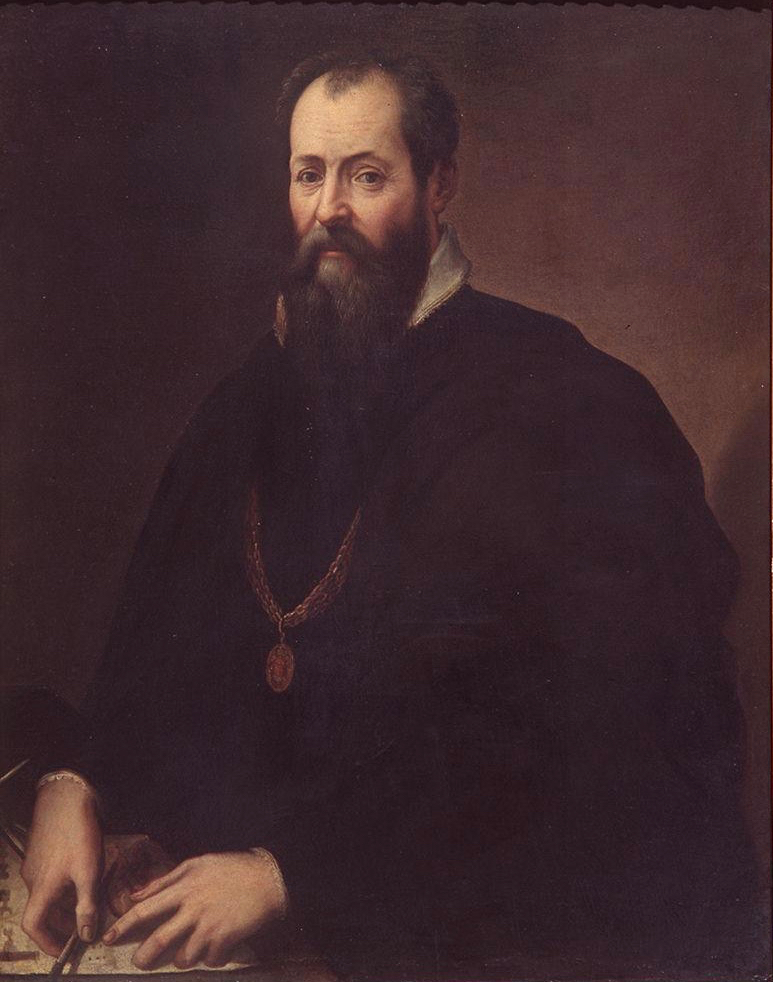
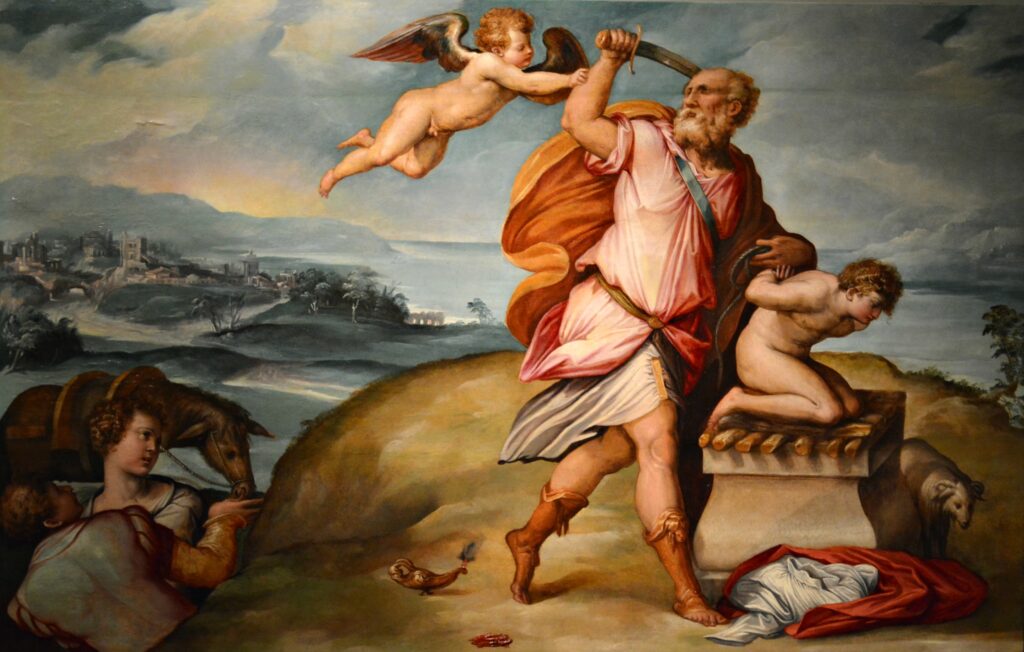
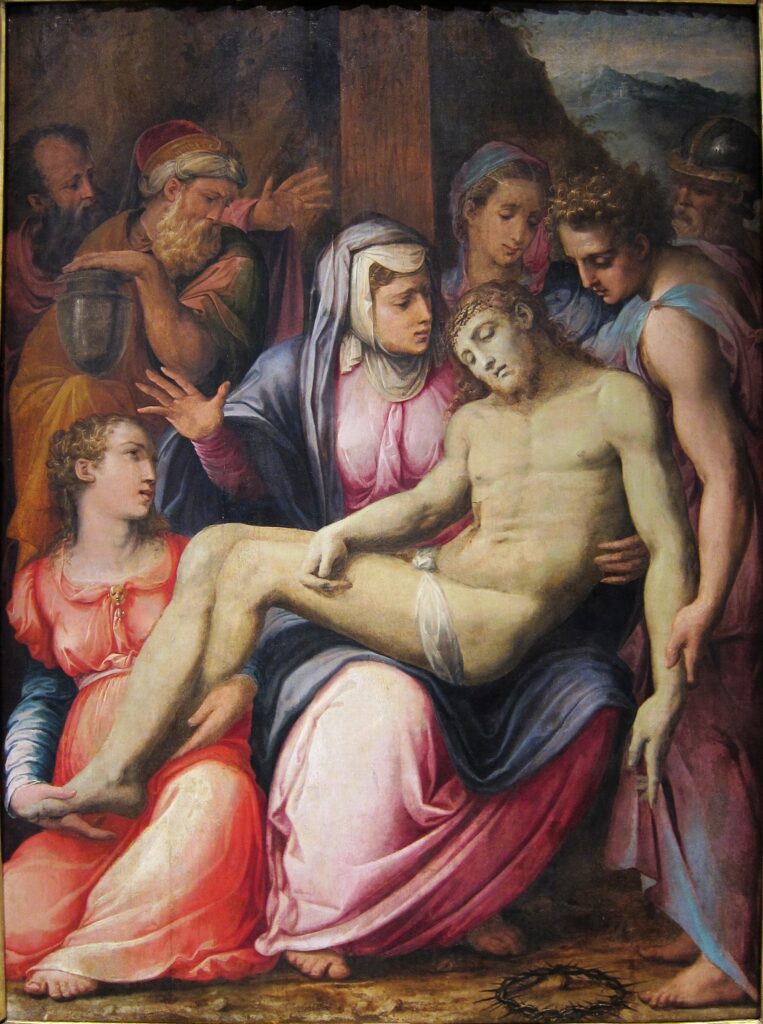
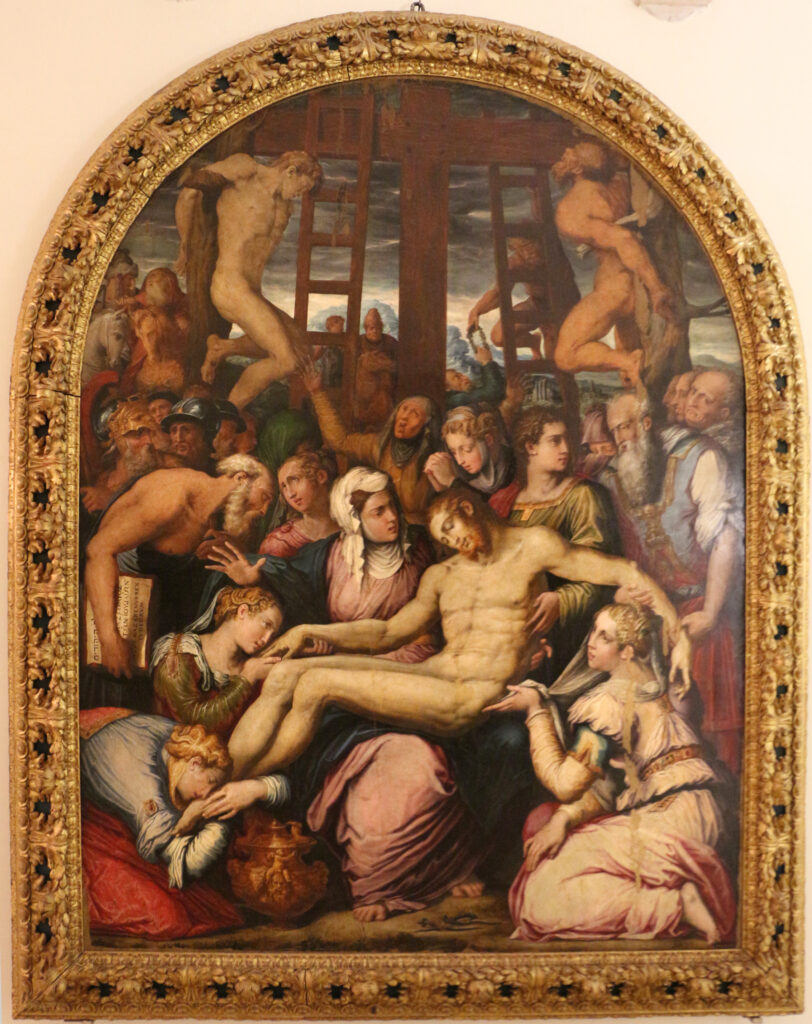
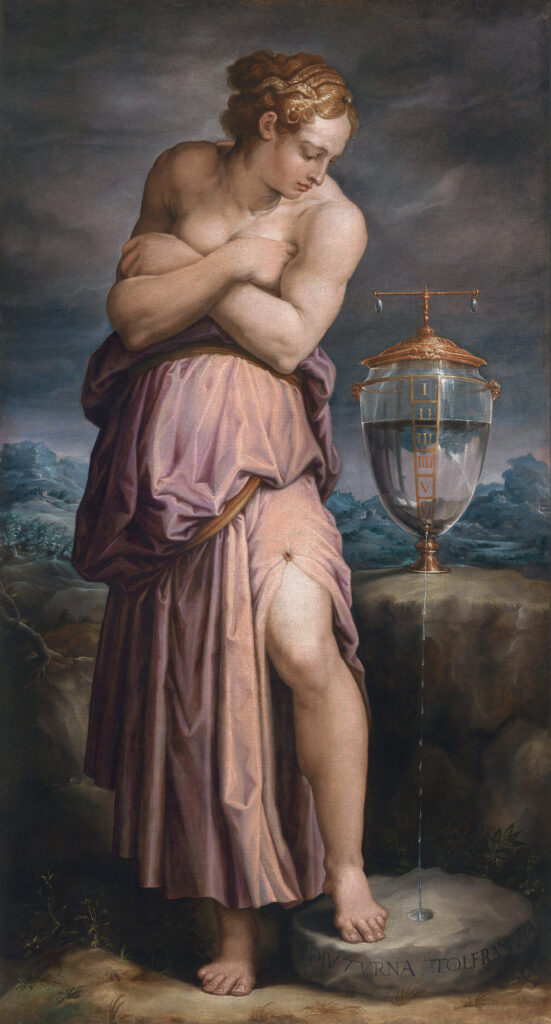
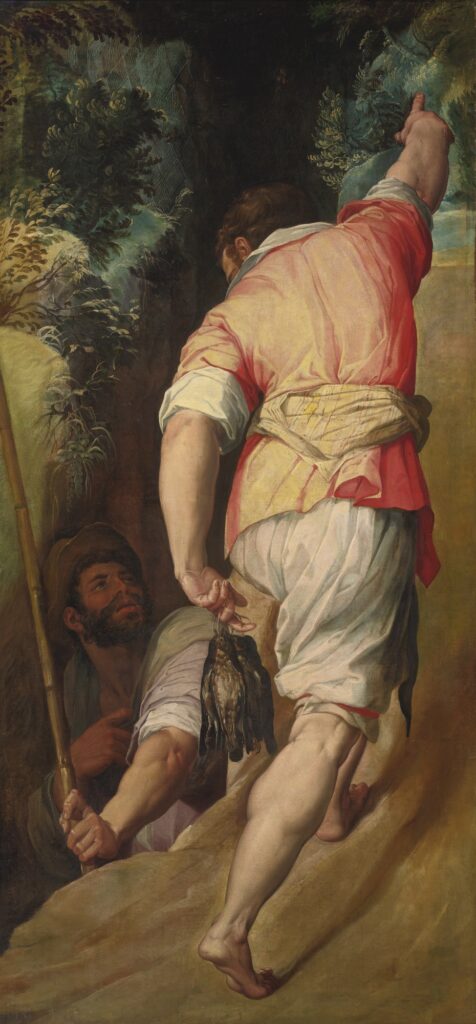
Giorgio Vasari, July 30, 1511 – June 27, 1574, was an Italian painter, architect, writer, and historian of the late Renaissance. He was born in Arezzo and trained first with Guillaume de Marcillat before entering the artistic circles of Florence. There he came under the influence of Andrea del Sarto, Michelangelo, and members of the Medici court. Vasari spent much of his career working for Medici patrons in Florence and elsewhere in Italy, while also undertaking architectural commissions and court projects.
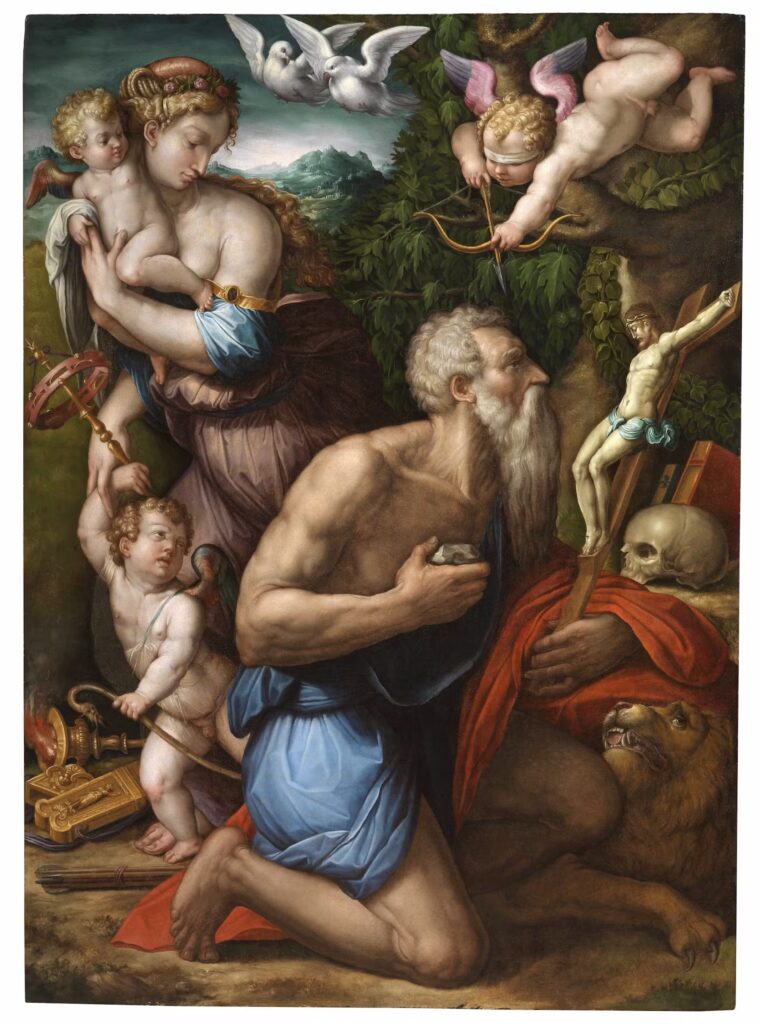
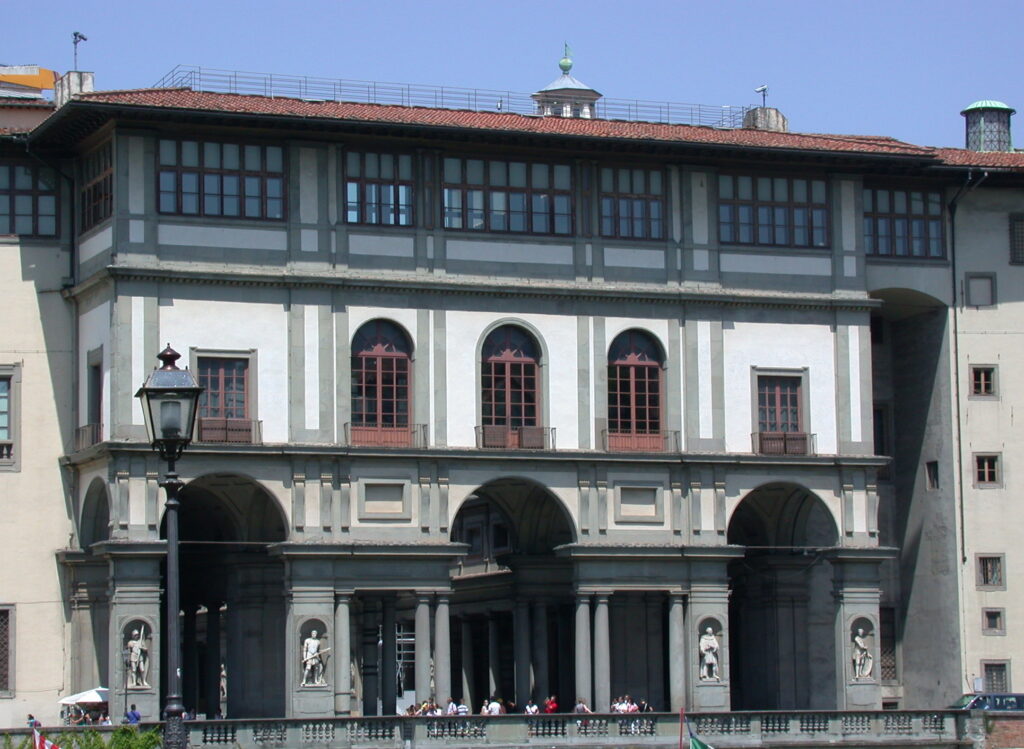
Vasari worked in fresco, panel painting, decorative cycles, portraiture, religious subjects, allegories, and large-scale court commissions. His style is associated with Mannerism and reflects the influence of Michelangelo and the artistic culture of mid-sixteenth-century Florence and Rome. In addition to his artistic production, he designed buildings and urban projects, including work connected with the Uffizi in Florence. He is also known for Lives of the Most Excellent Painters, Sculptors, and Architects, first published in 1550 and expanded in 1568, which remains a major source for the study of Renaissance art.
Vasari supervised large workshops and trained numerous assistants who participated in his extensive decorative programs. His paintings, drawings, and frescoes are held by the Uffizi Gallery, Palazzo Pitti, Museo di Capodimonte, Gallerie dell'Accademia, Getty Museum, National Gallery, National Museum of Western Art, Ravenna Art Museum, and other public and private collections.






Domenichino
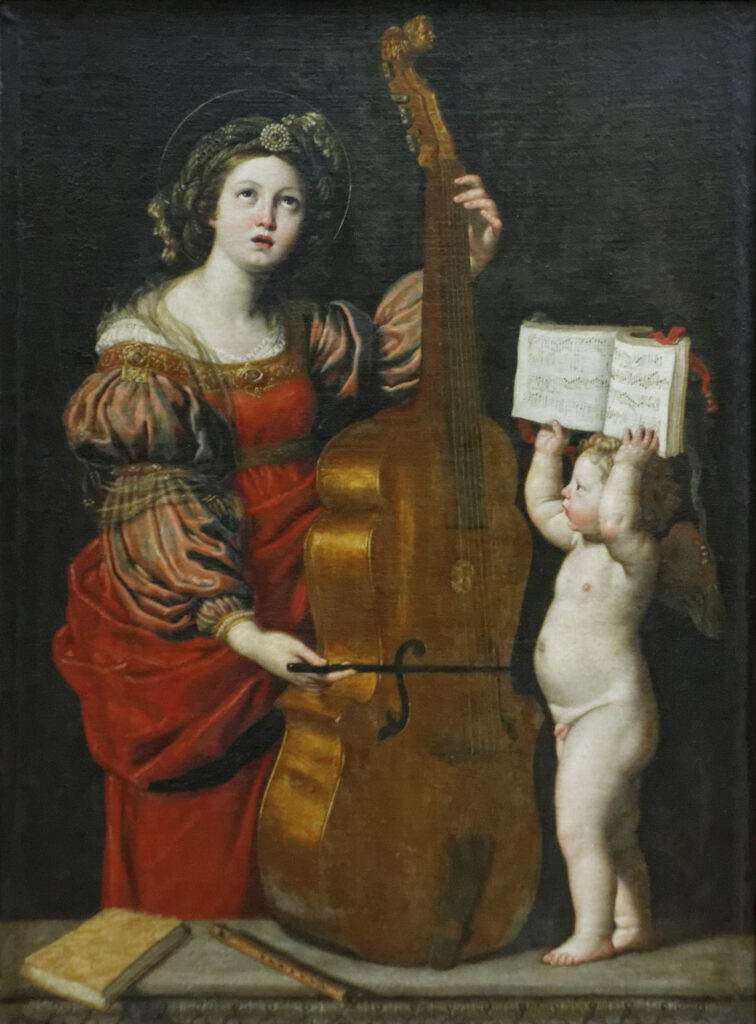
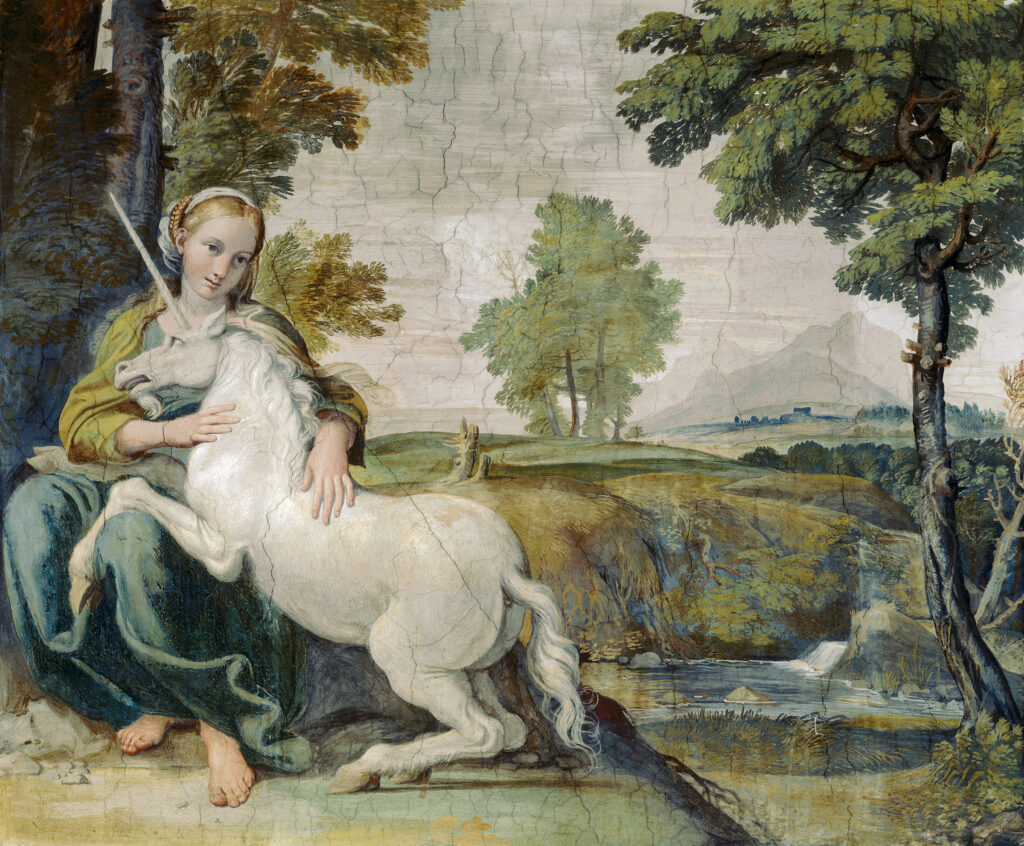
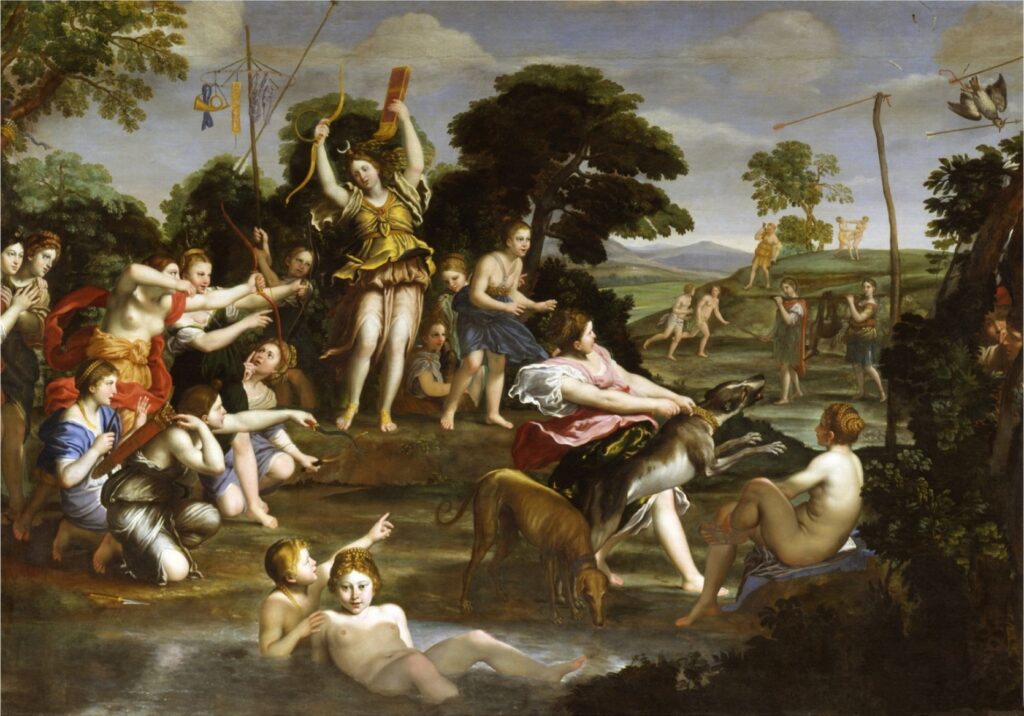
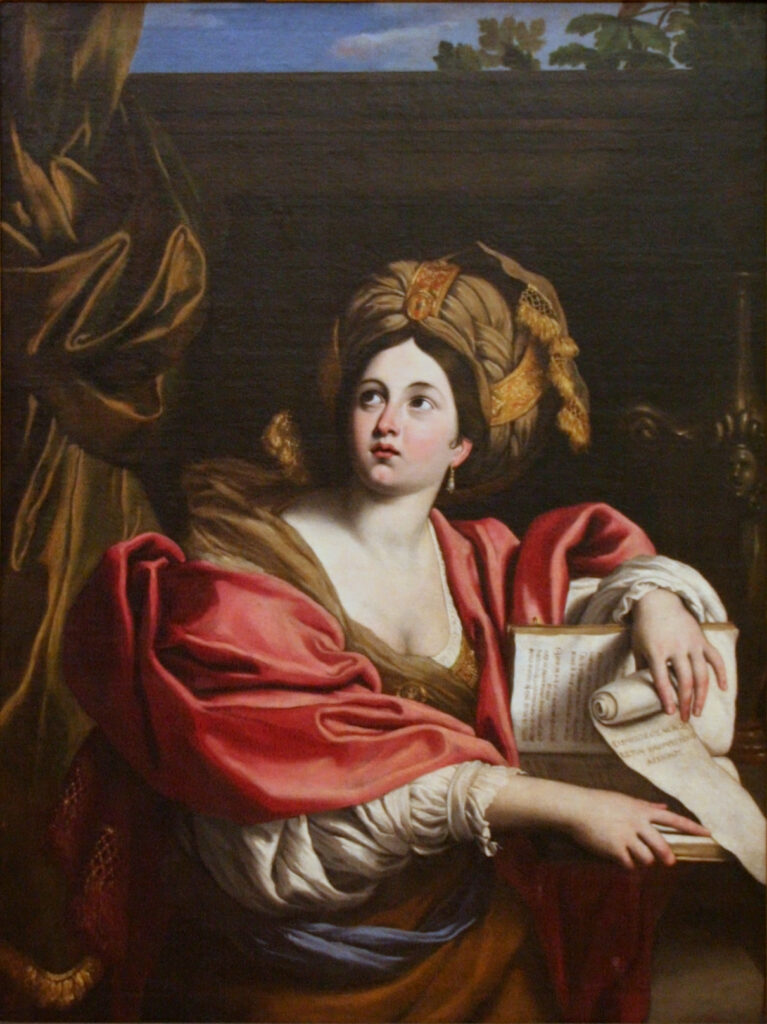
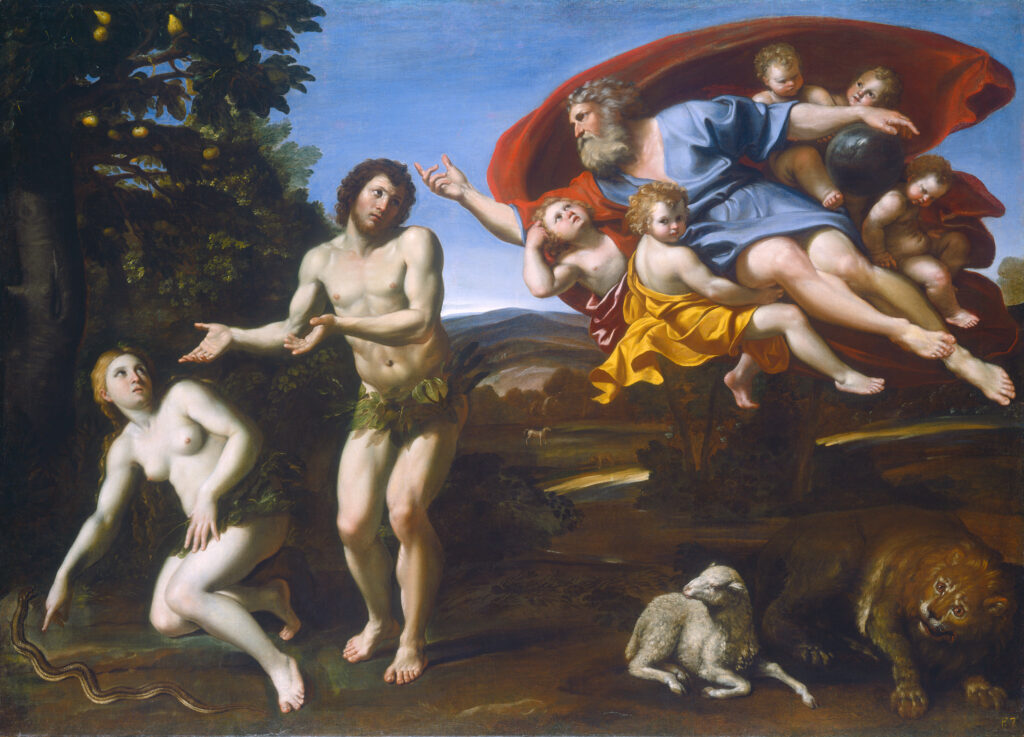
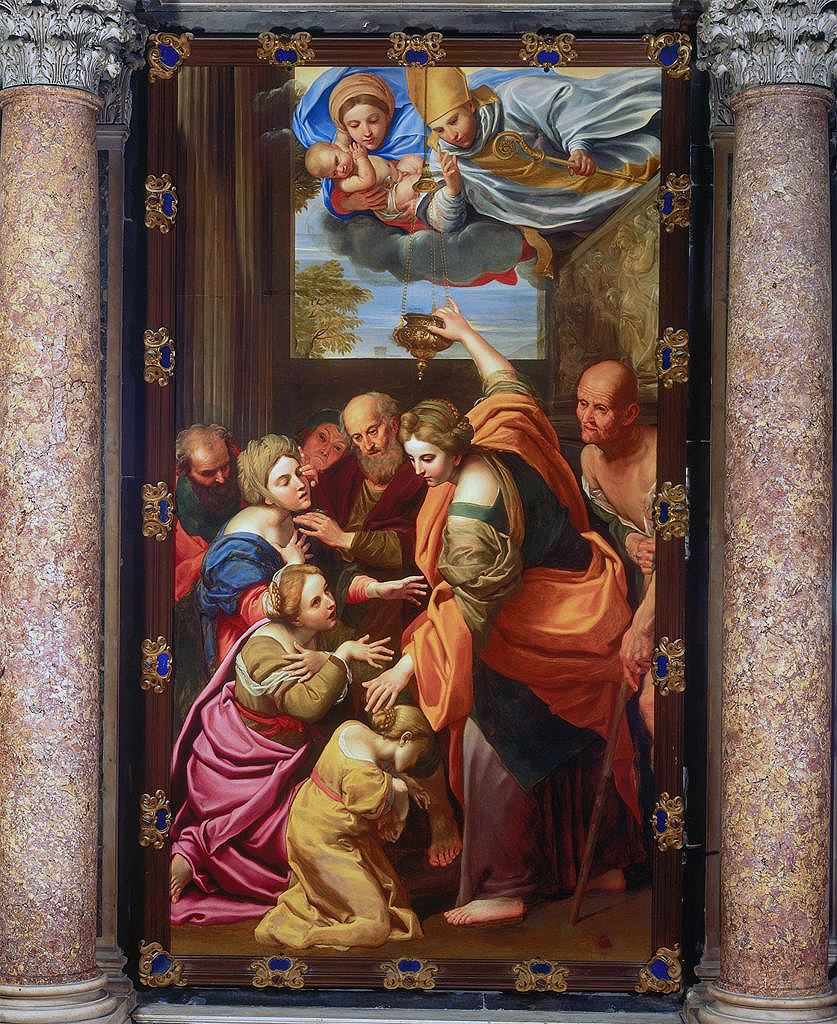
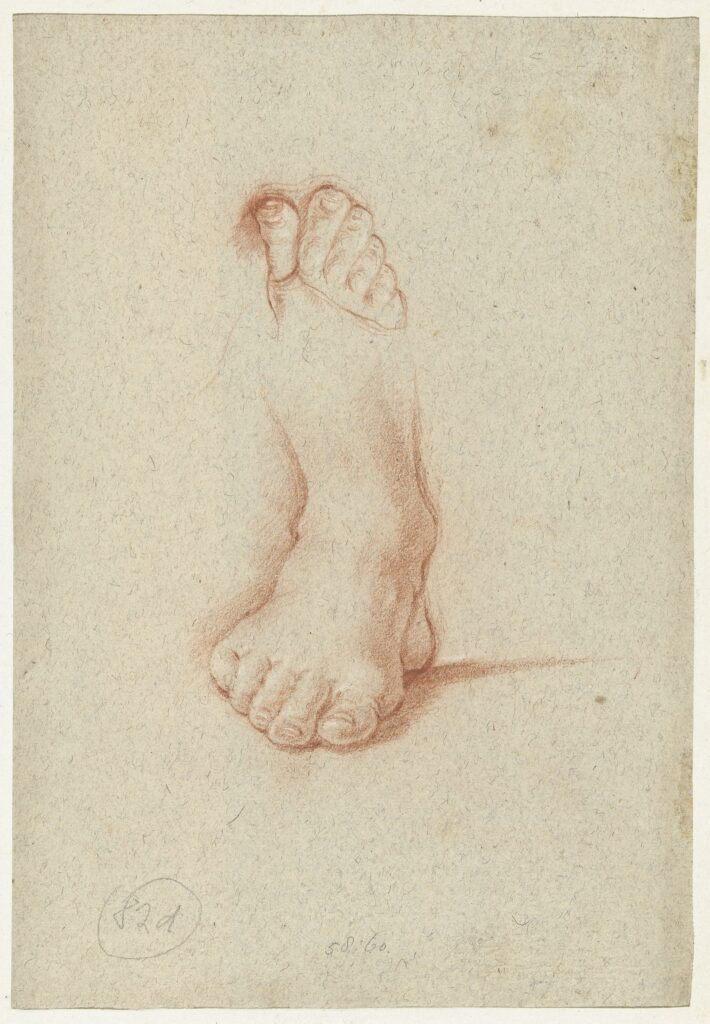
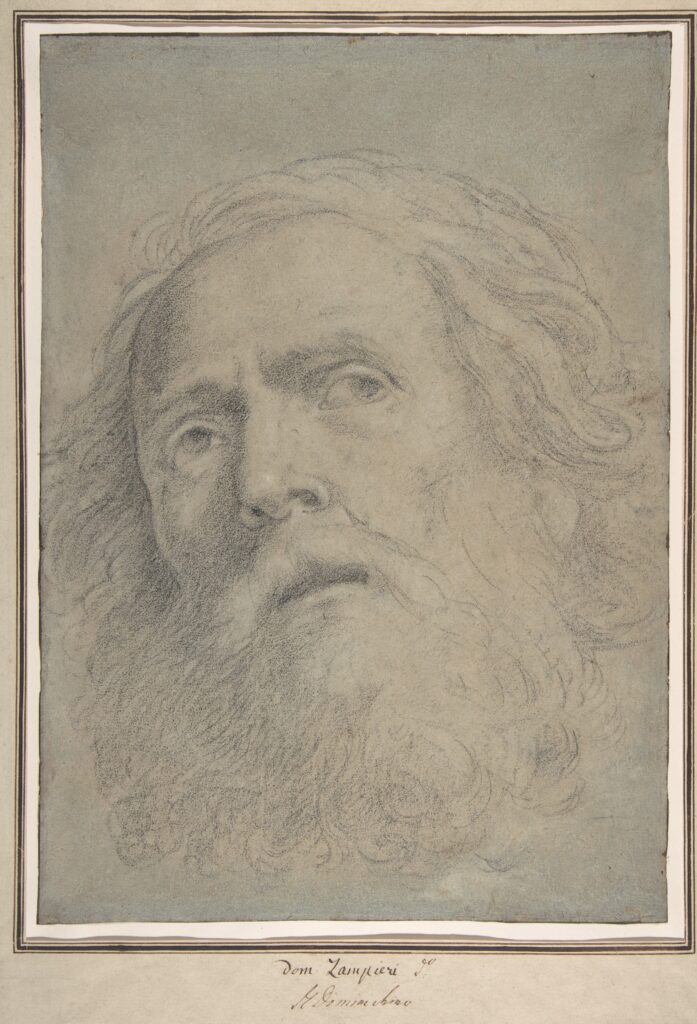
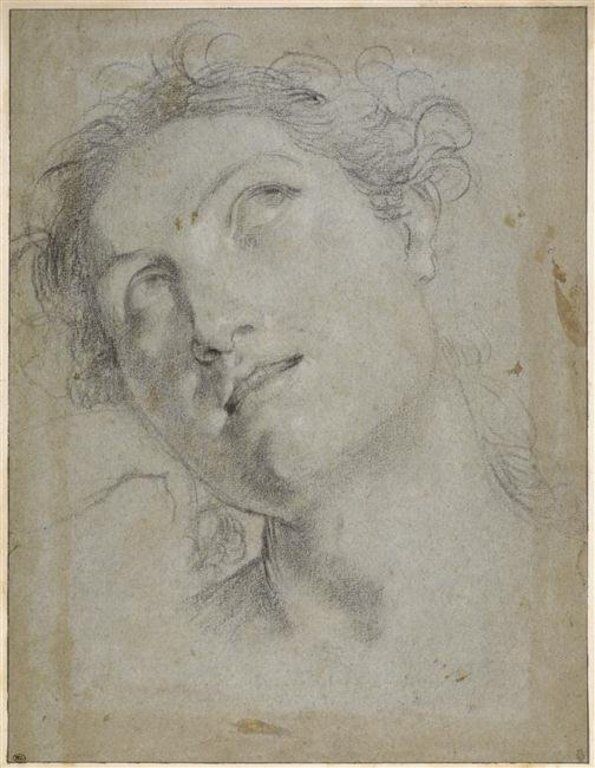
Domenichino, October 21, 1581 – April 6, 1641, was an Italian painter born Domenico Zampieri in Bologna. He trained first under Denys Calvaert and then in the Carracci Academy before moving to Rome in 1602, where he became a pupil and assistant of Annibale Carracci.
He worked in Rome, Bologna, Fano, and Naples, producing altarpieces, fresco cycles, drawings, and landscapes. His major commissions included the frescoes in Sant’Andrea della Valle in Rome and the decoration of the Chapel of Saint Januarius in Naples Cathedral.
Domenichino died in Naples while the cathedral commission was still unfinished. His paintings and drawings are held by collections including the Musée du Louvre, the National Gallery of Art, the J. Paul Getty Museum, the Metropolitan Museum of Art, and the Royal Collection.





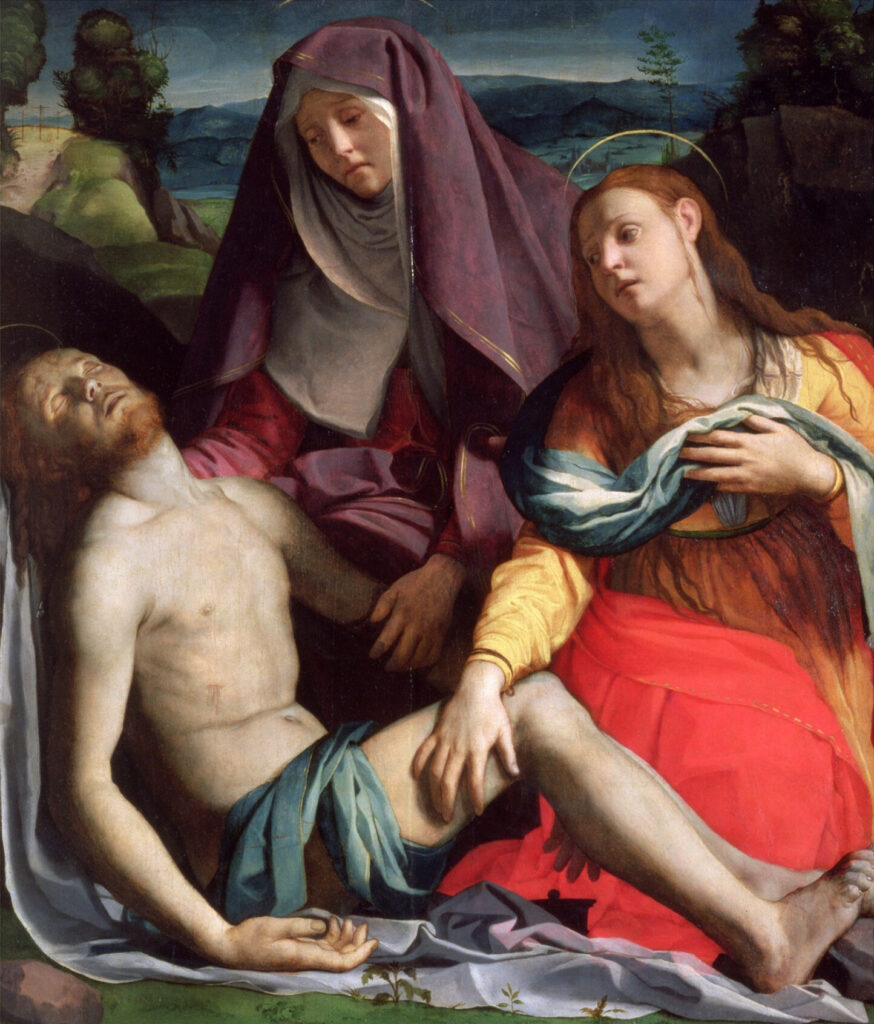
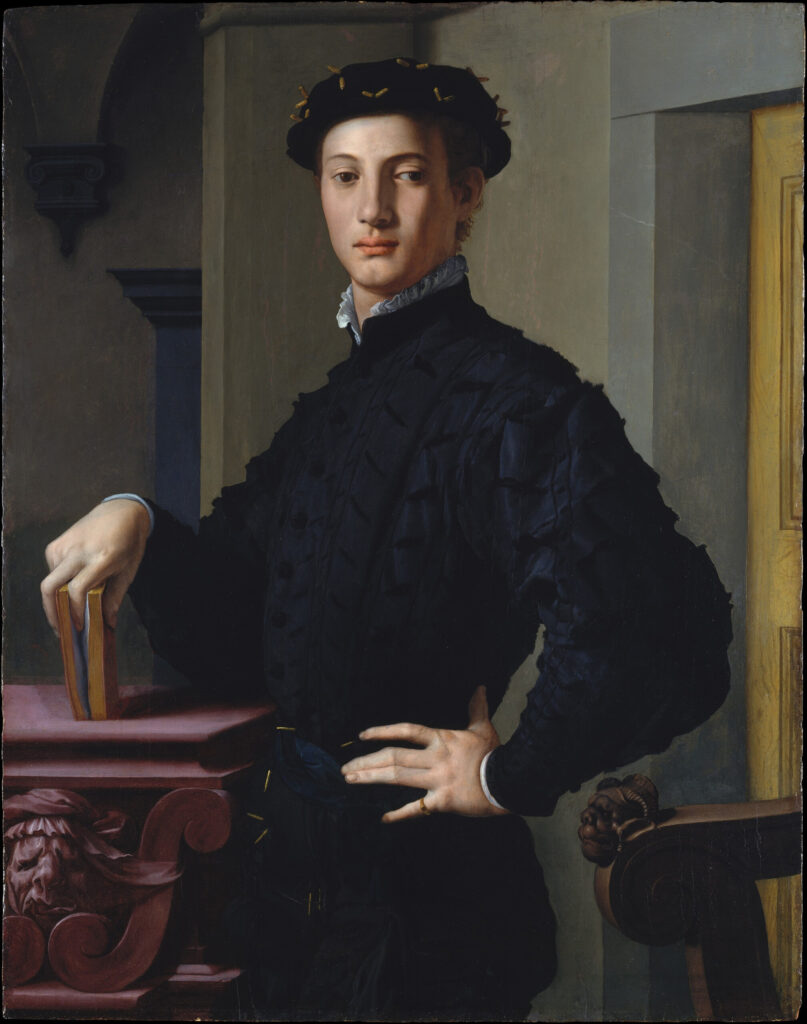
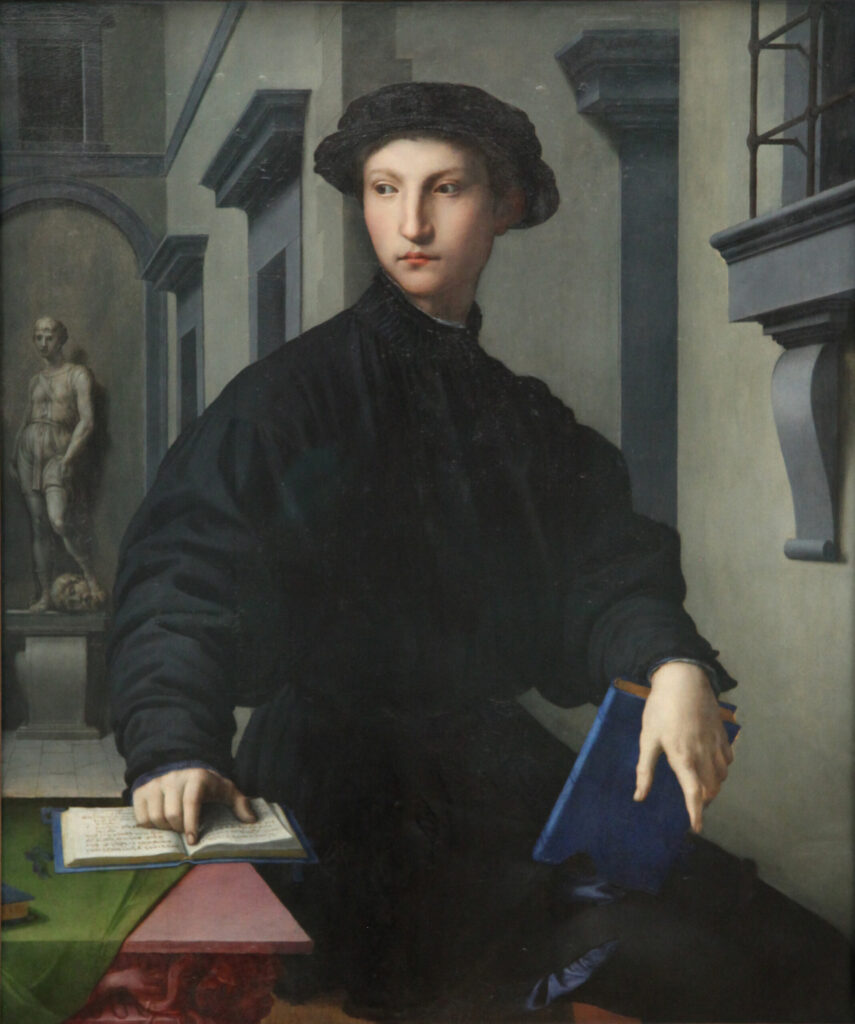
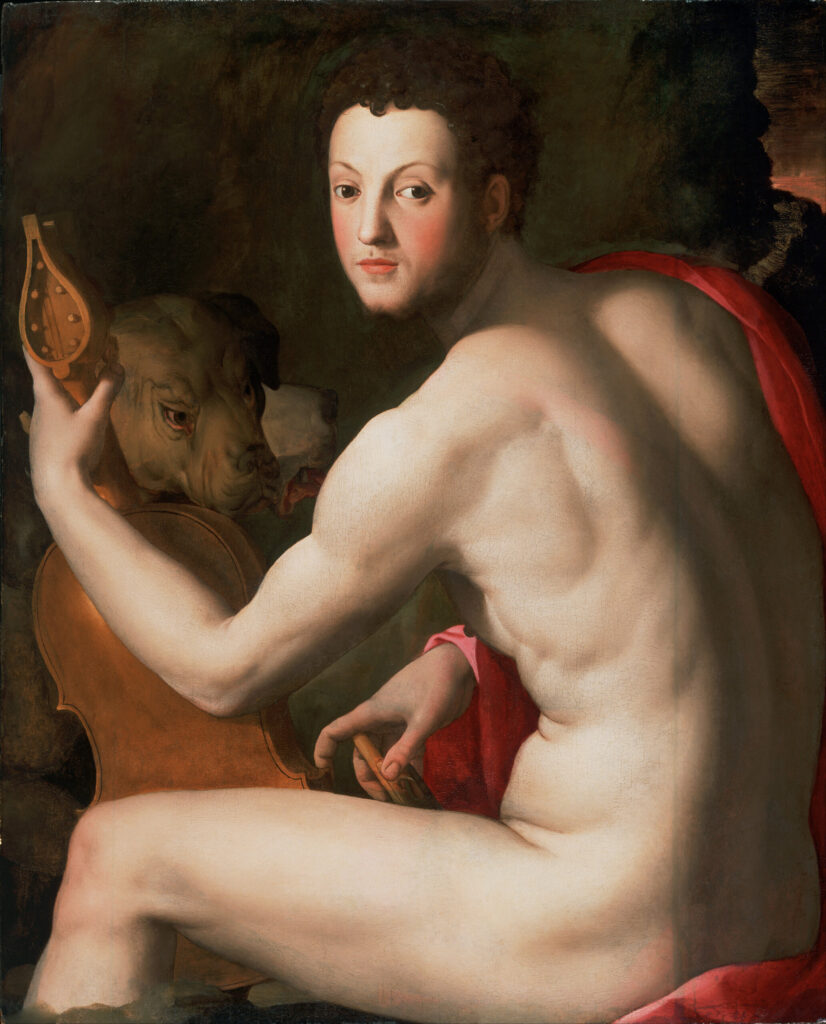
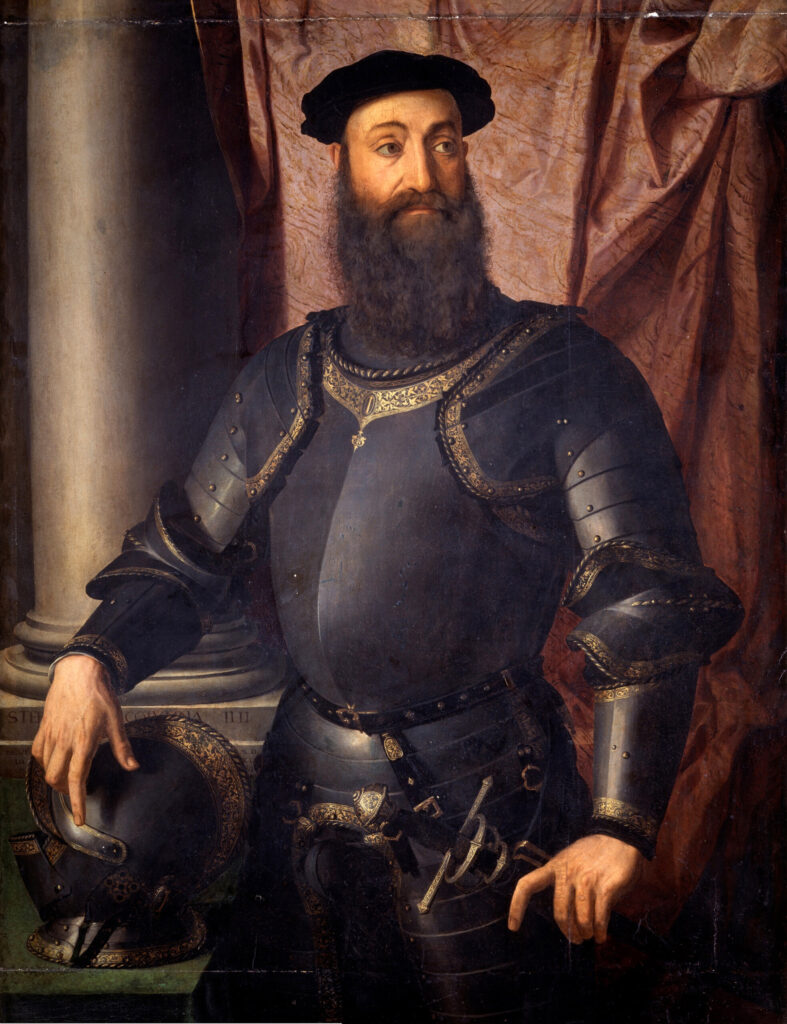
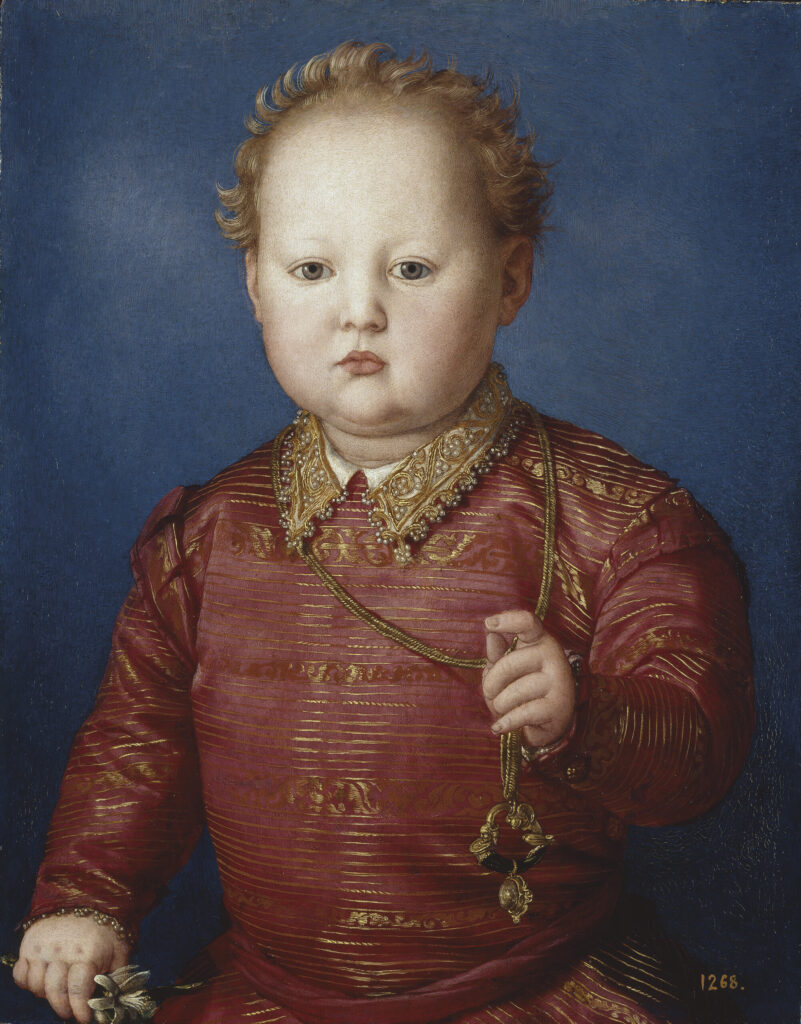
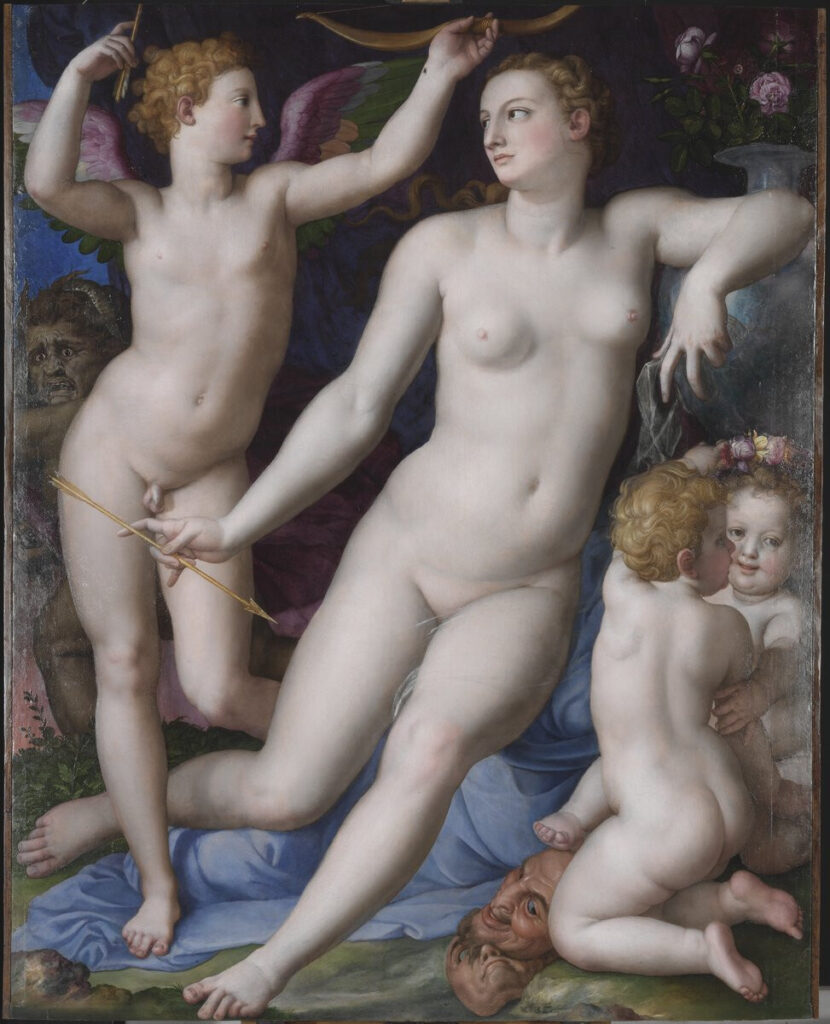
Bronzino
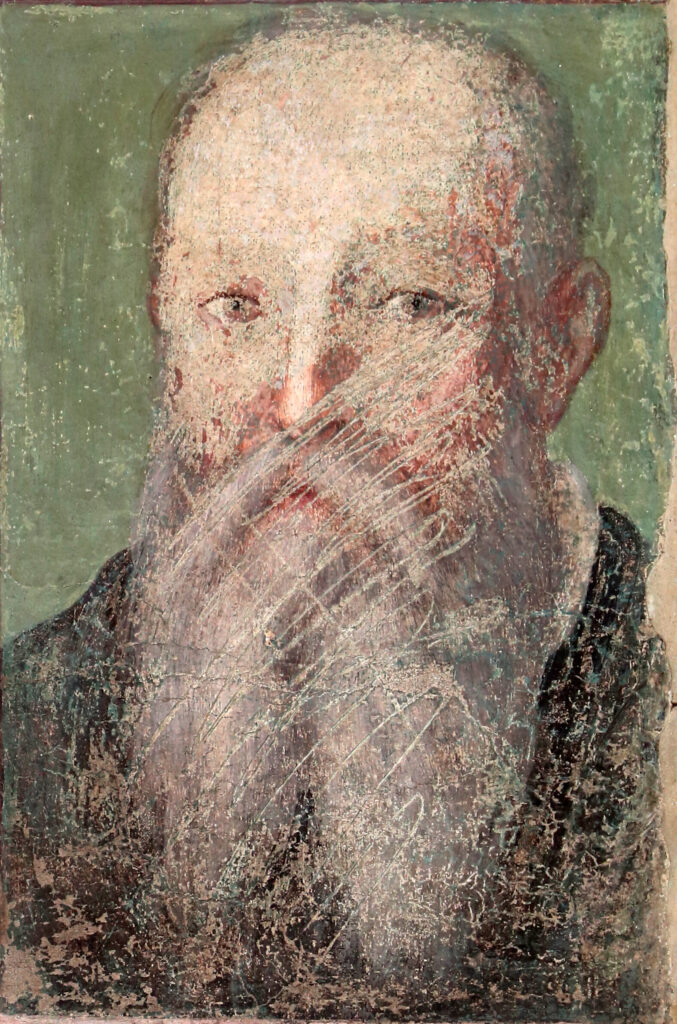
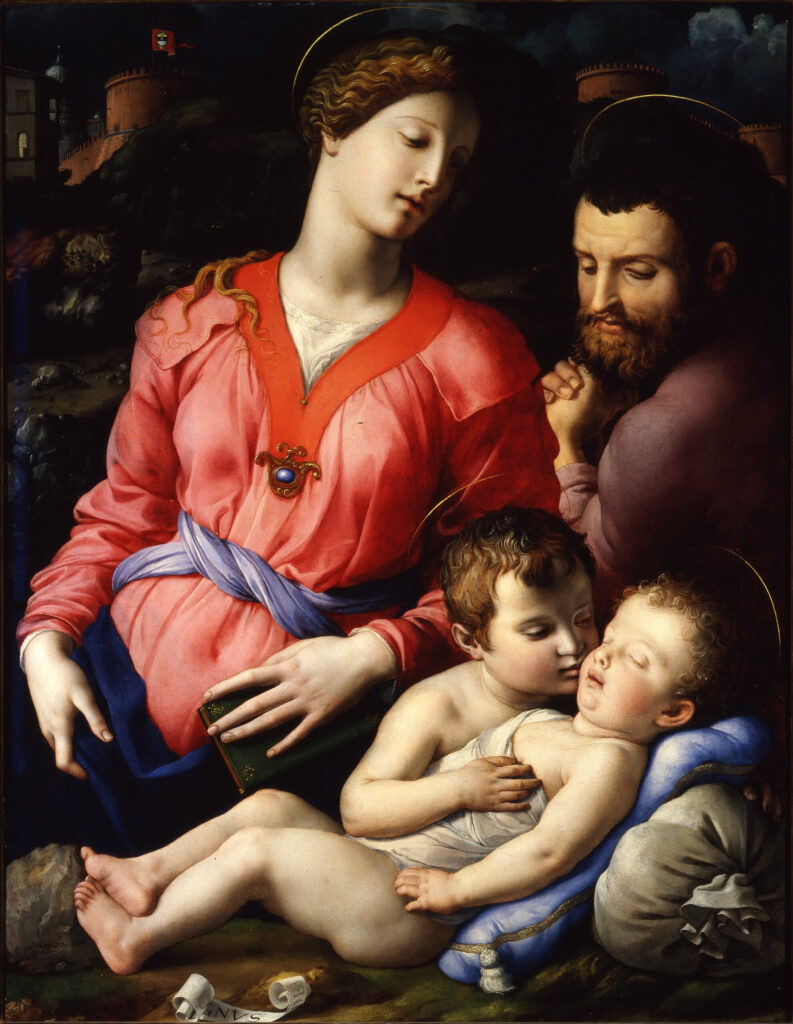
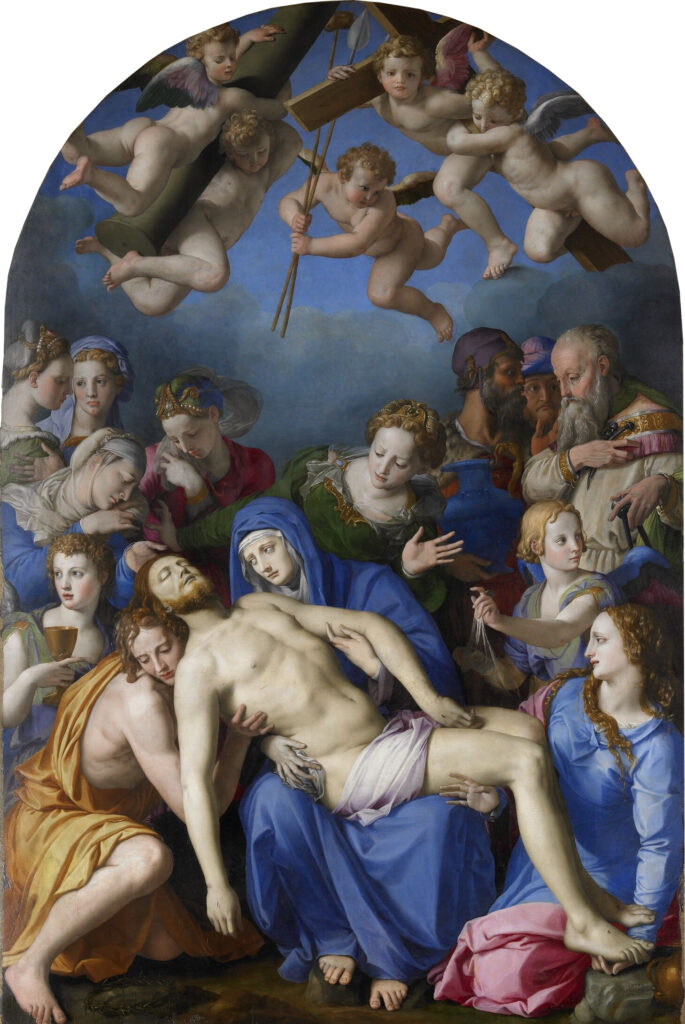
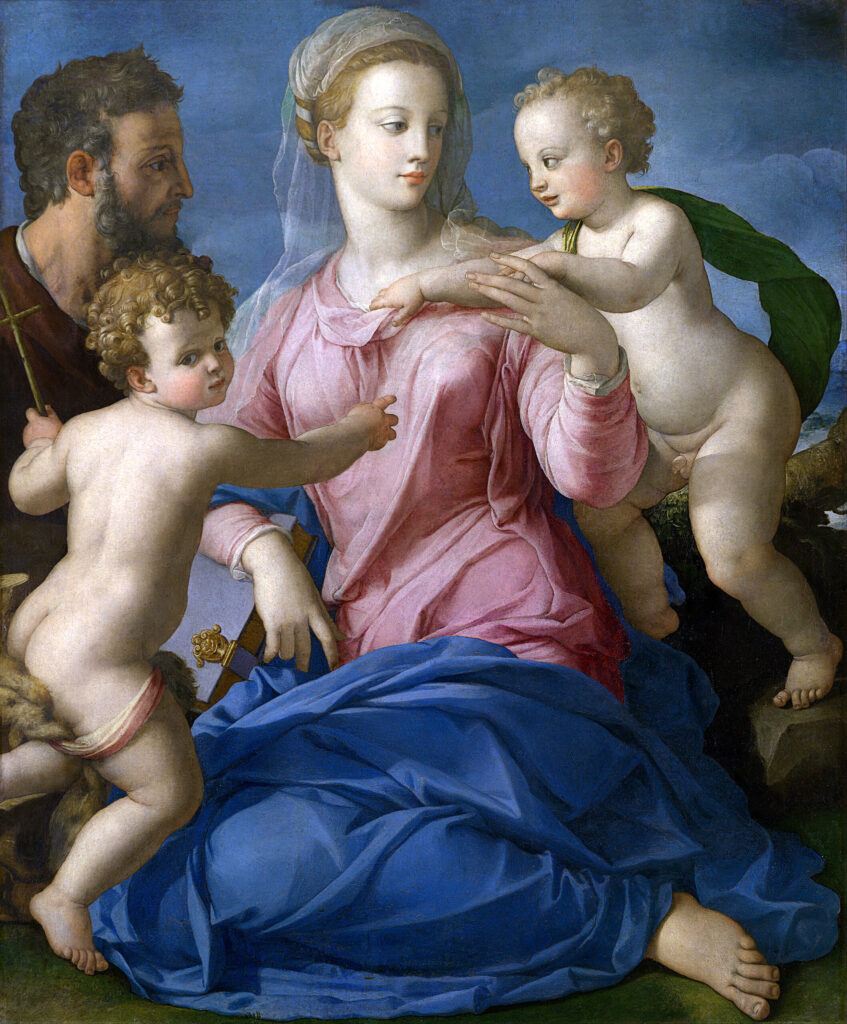
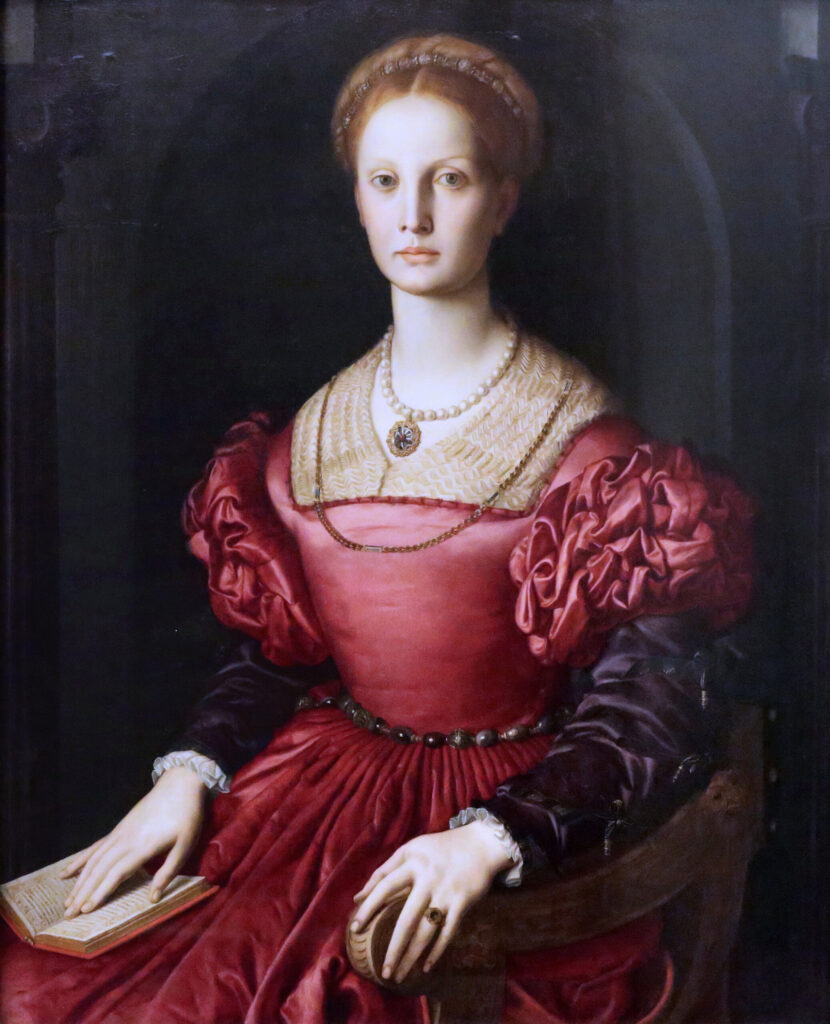
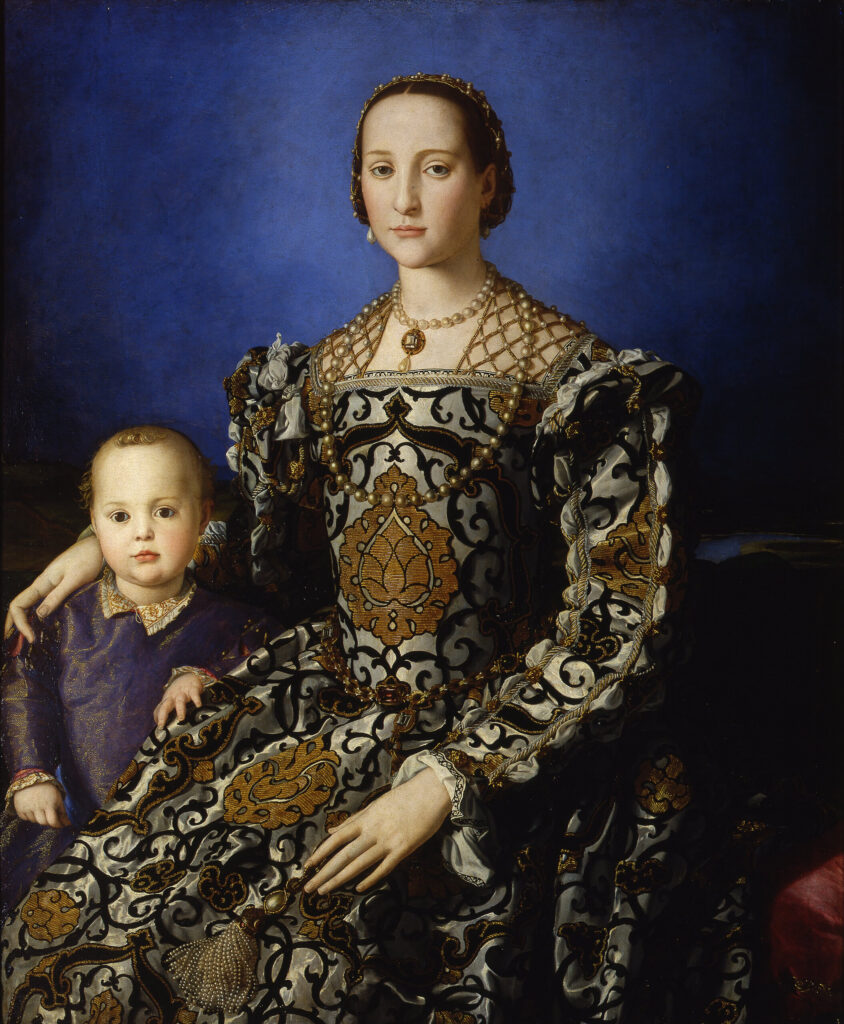
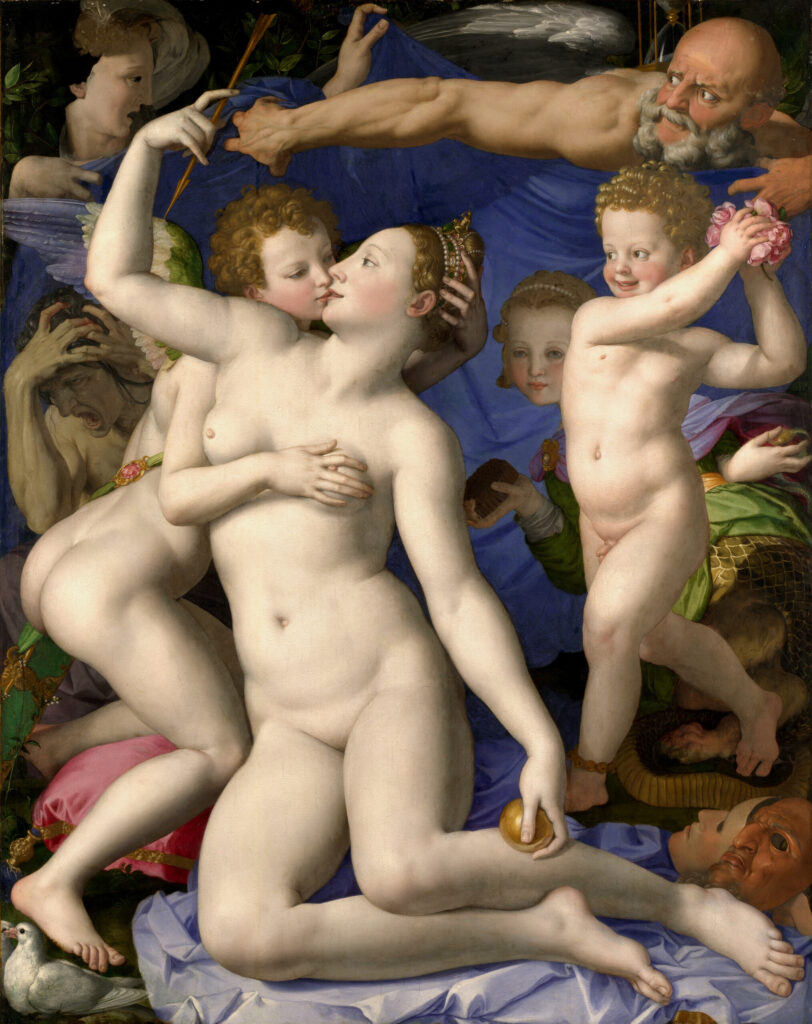
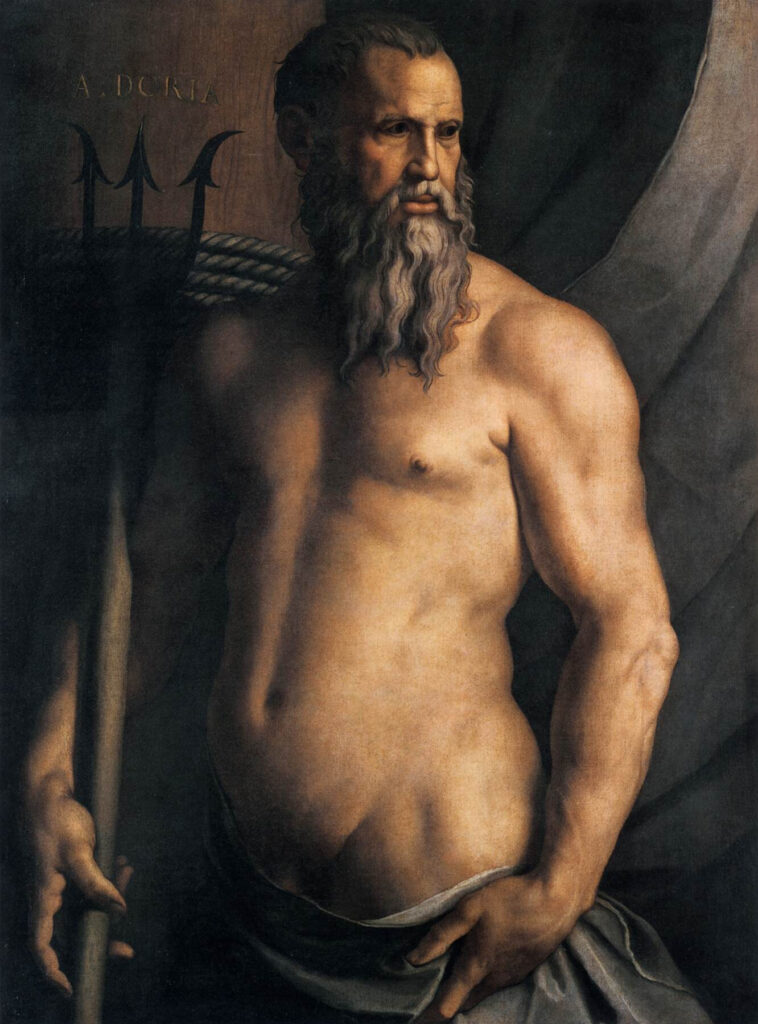
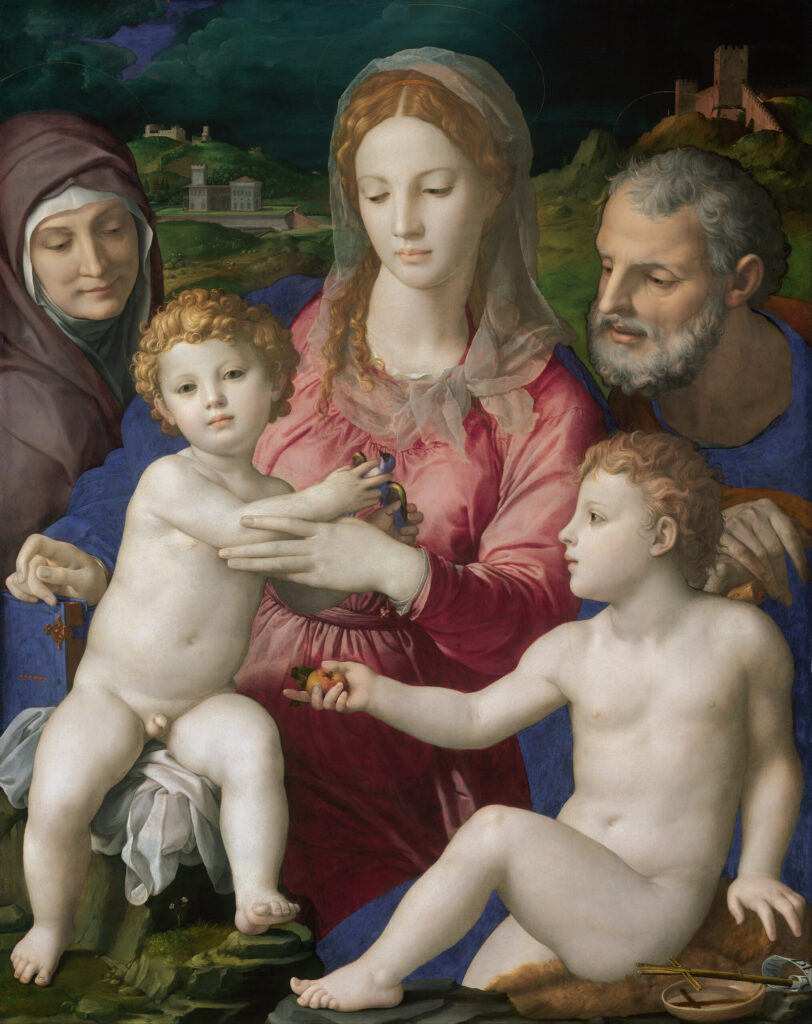
Agnolo Bronzino, November 17, 1503–November 23, 1572, was an Italian painter, draftsman, and poet associated with Florentine Mannerism. Born Agnolo di Cosimo in Monticelli near Florence, he first trained with Raffaellino del Garbo and then with Jacopo Pontormo, who became his principal teacher and collaborator.
Bronzino assisted Pontormo on major commissions and worked briefly at the court of Urbino before establishing his career in Florence. From the late 1530s he served Cosimo I de' Medici and Eleonora di Toledo as a court artist, producing portraits, religious paintings, frescoes, tapestry designs, and works for Medici ceremonies and residences.
Alessandro Allori entered Bronzino’s household and workshop as his pupil and continued his artistic legacy. Bronzino’s paintings and drawings are held by the Uffizi Gallery, National Gallery in London, Metropolitan Museum of Art, Kunsthistorisches Museum, Pinacoteca di Brera, Museo del Prado, and other major collections.
Jacopo Bassano
Jacopo Bassano, born Jacopo dal Ponte around 1510 in Bassano del Grappa, trained first with his painter father, Francesco da Ponte, and then studied in Venice. He was known by the name of his native town.
Bassano returned to Bassano del Grappa and led a family workshop. He painted altarpieces, biblical subjects, landscapes, and portraits, often bringing animals, rural settings, and closely observed natural detail into religious scenes.
He died in 1592. His sons Francesco, Giovanni Battista, Leandro, and Gerolamo continued the workshop and extended the Bassano manner well into the following century.