Posts in Category: Italian
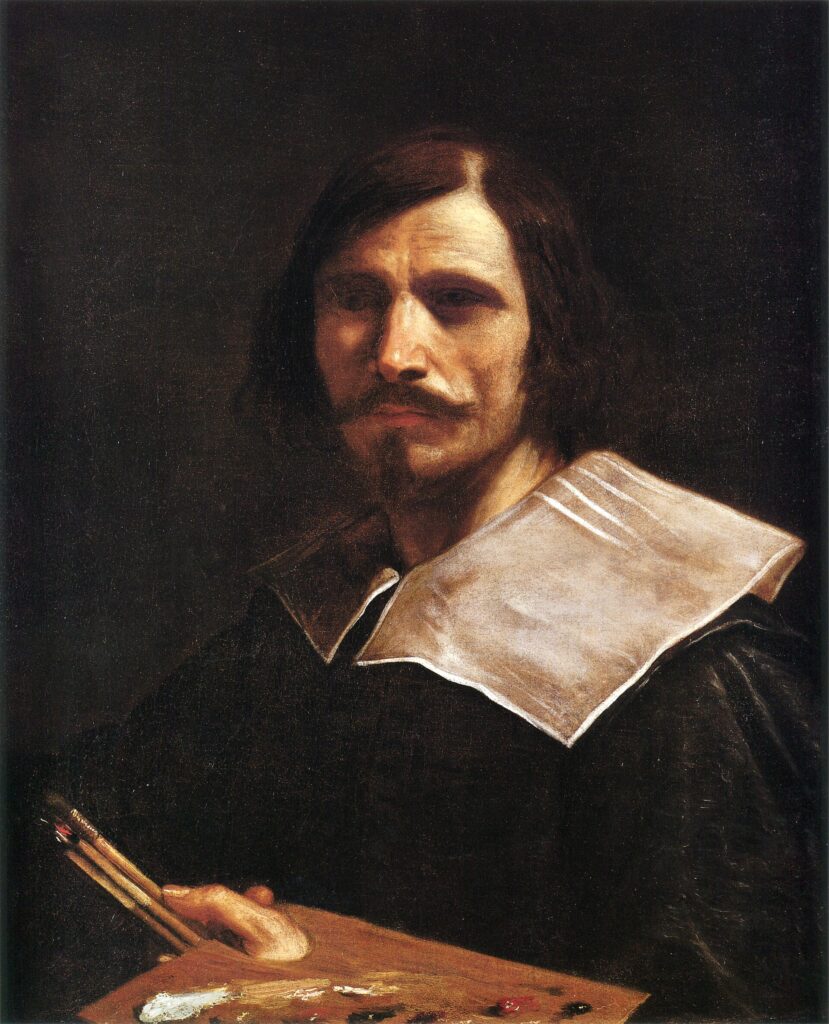
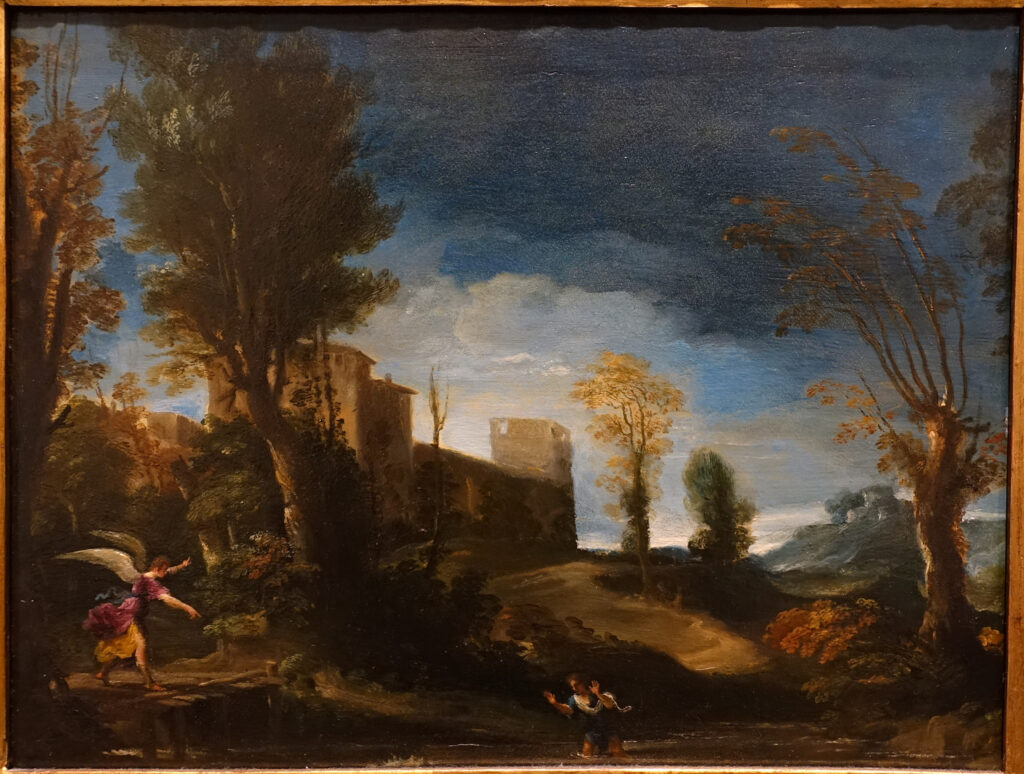
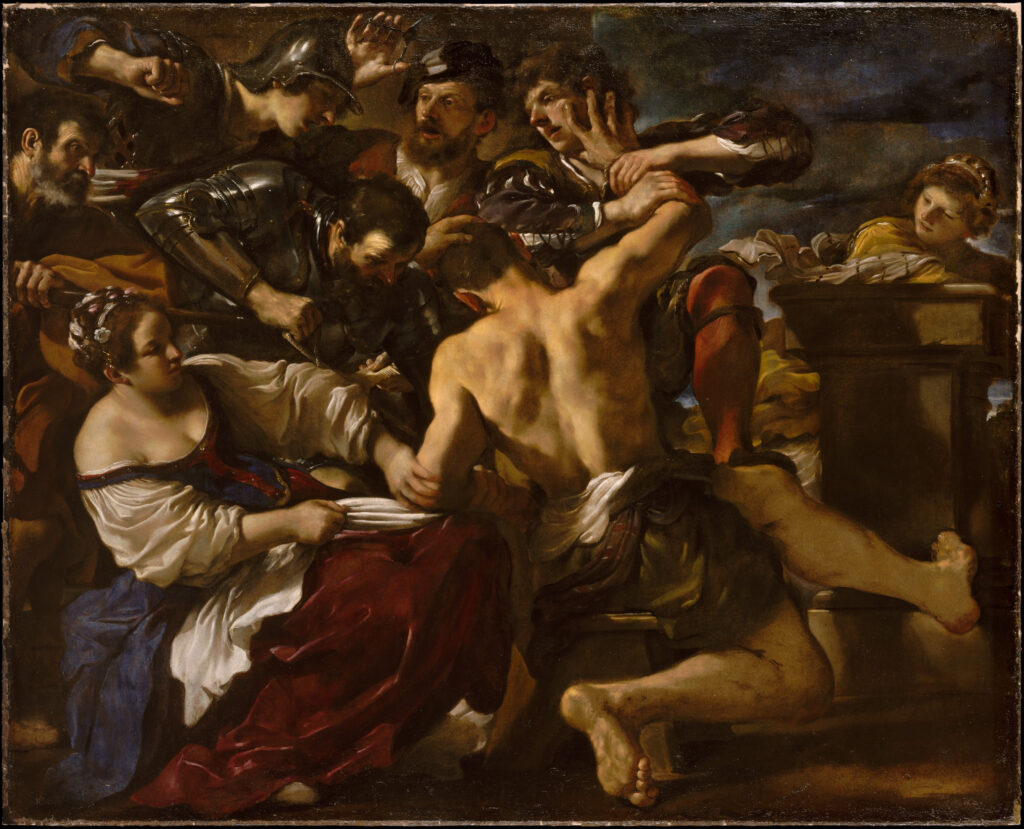
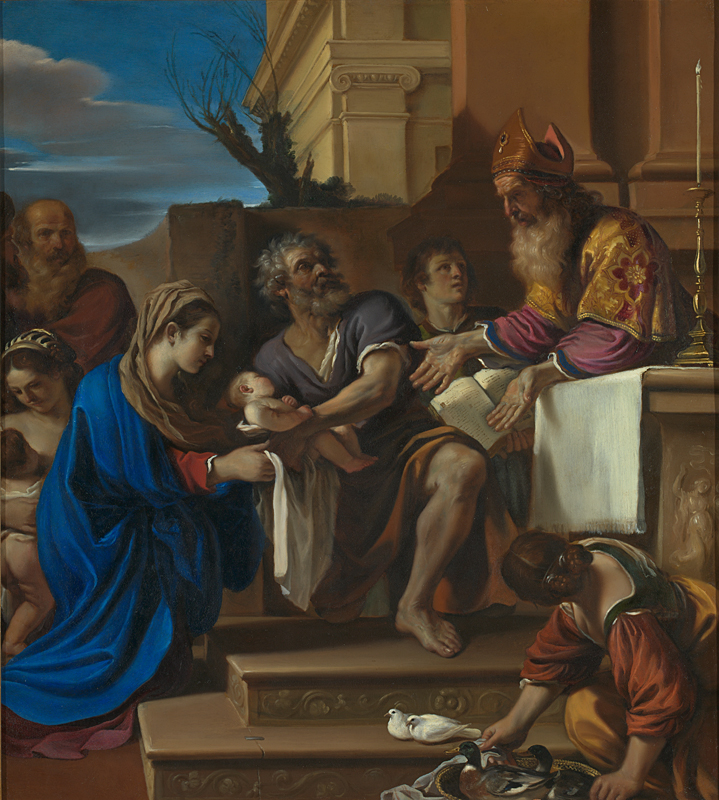
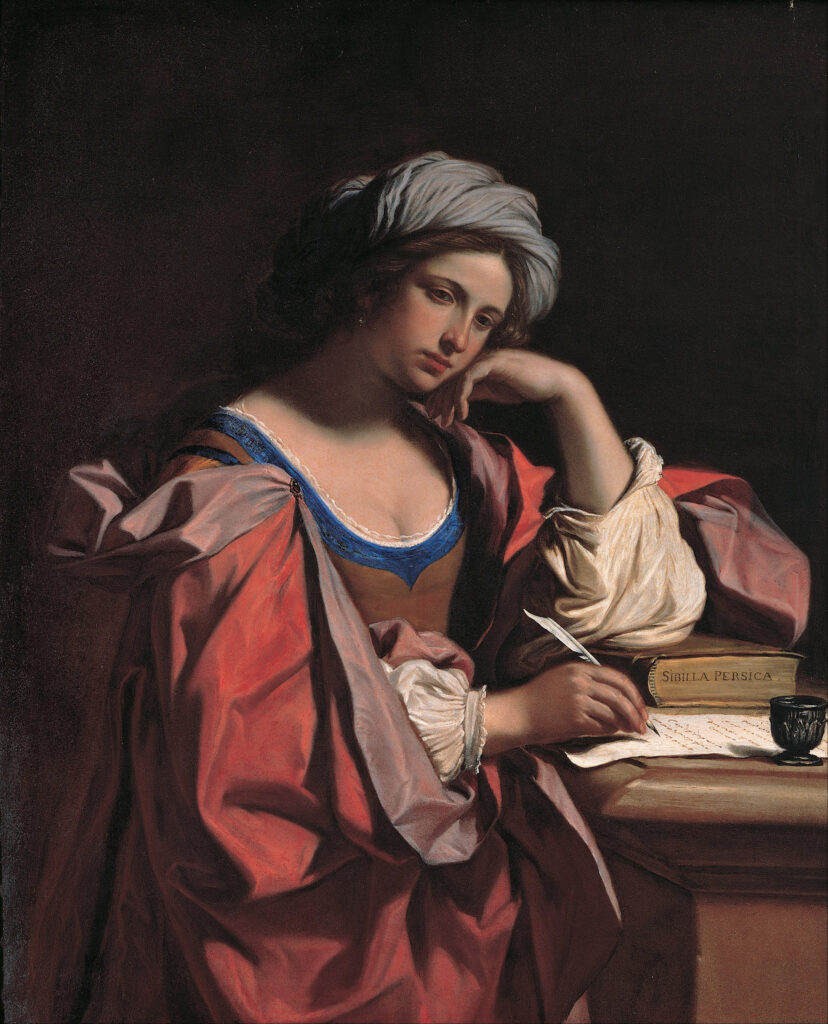
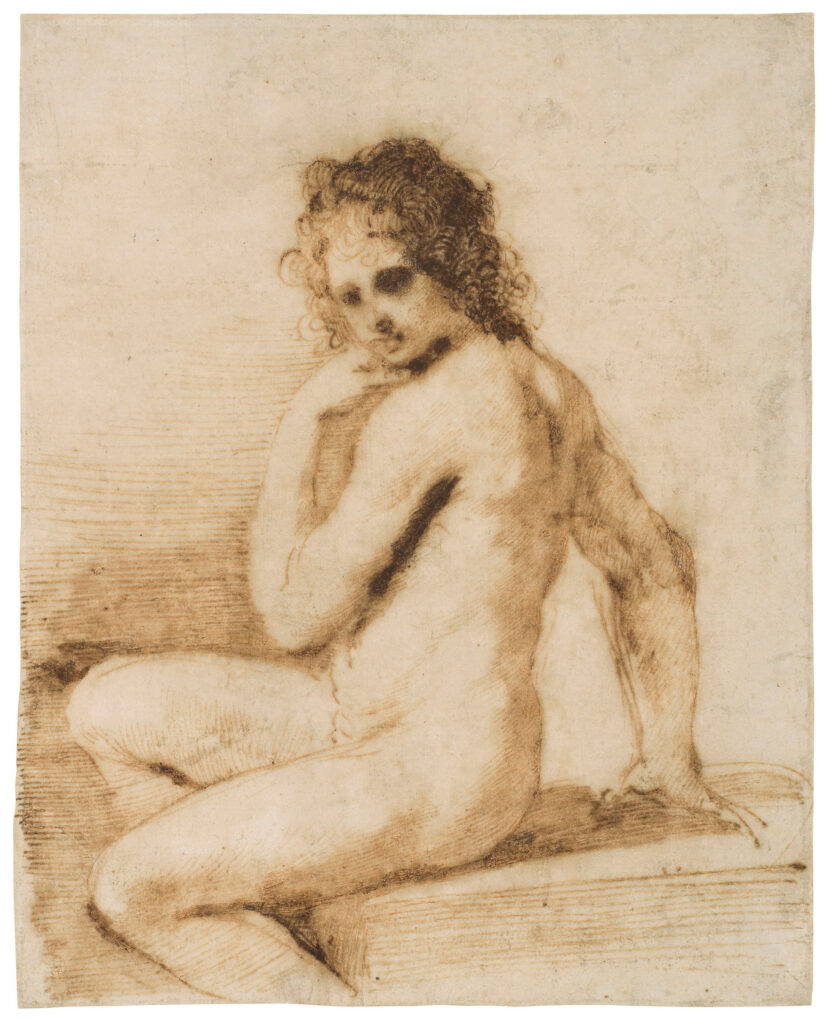
Guercino
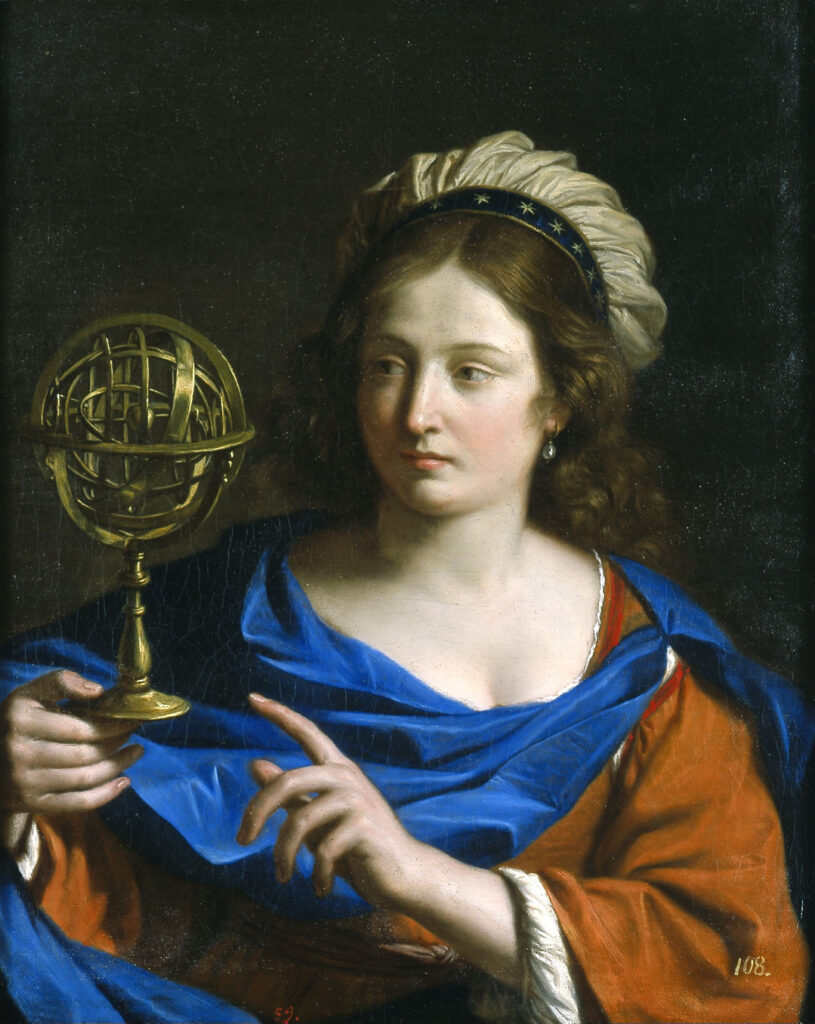
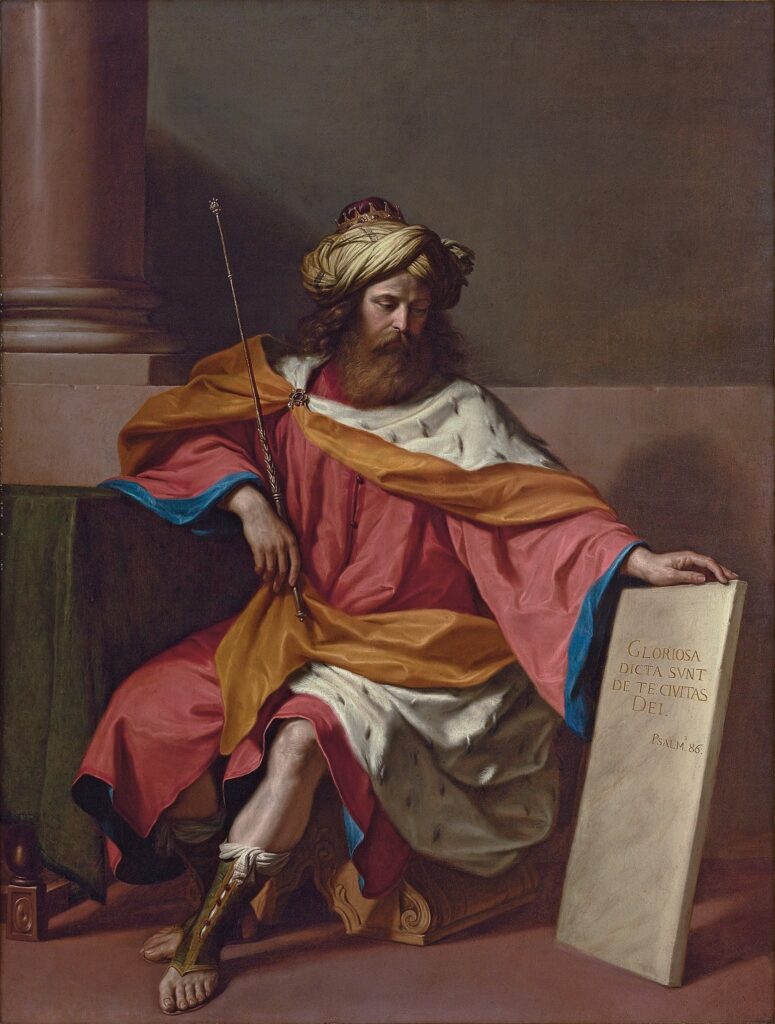
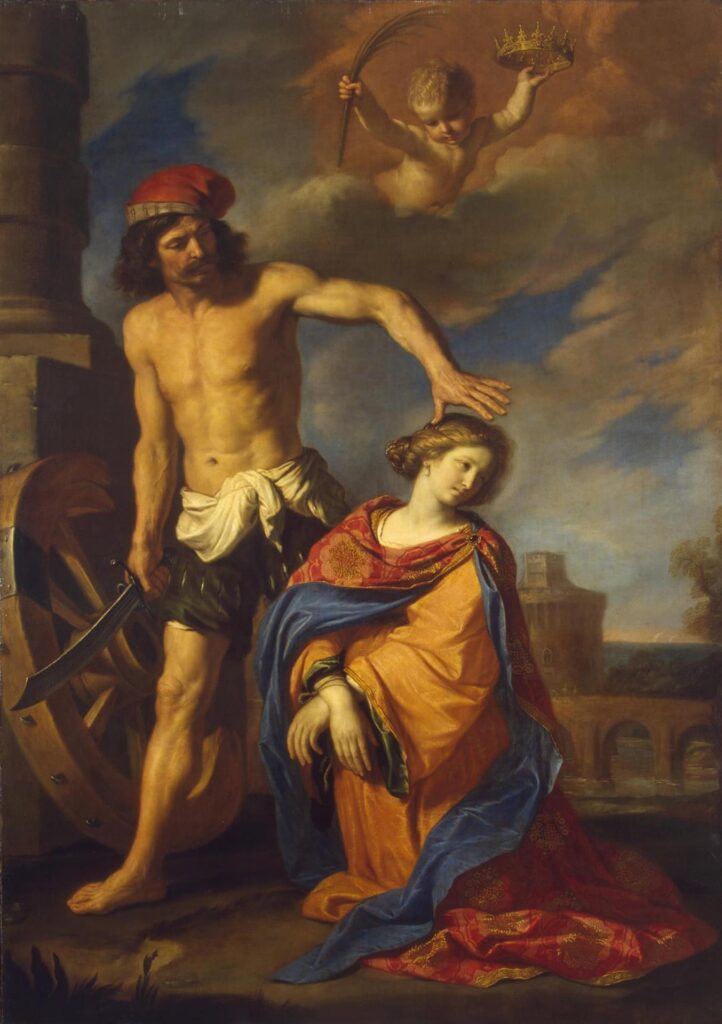
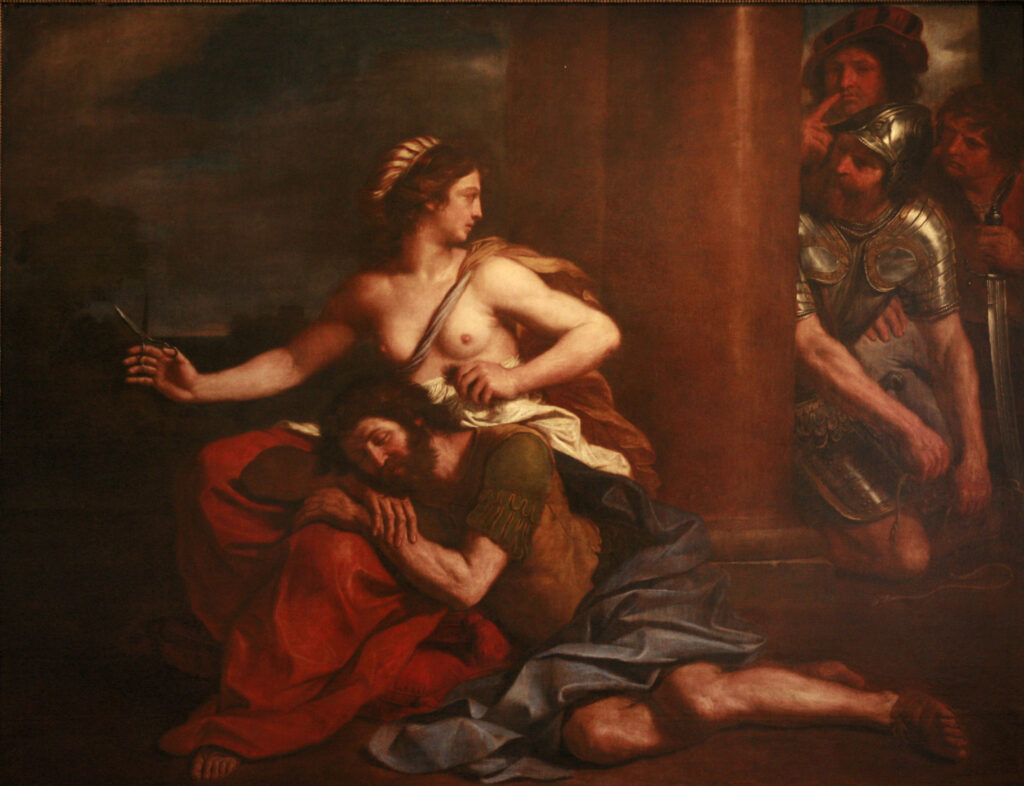
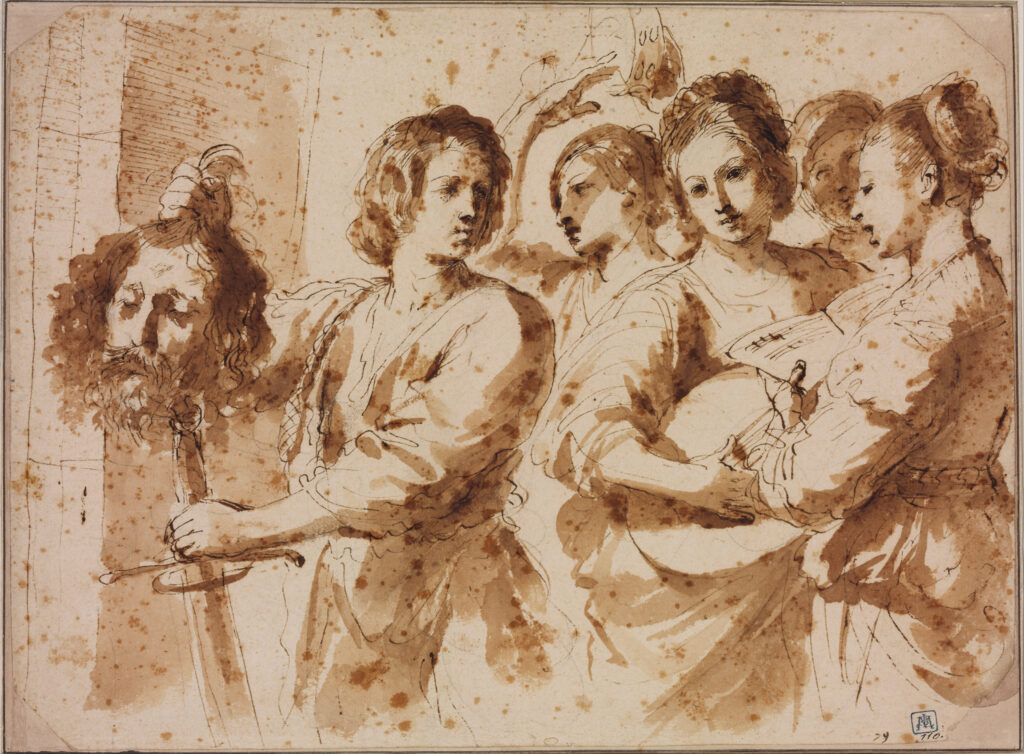
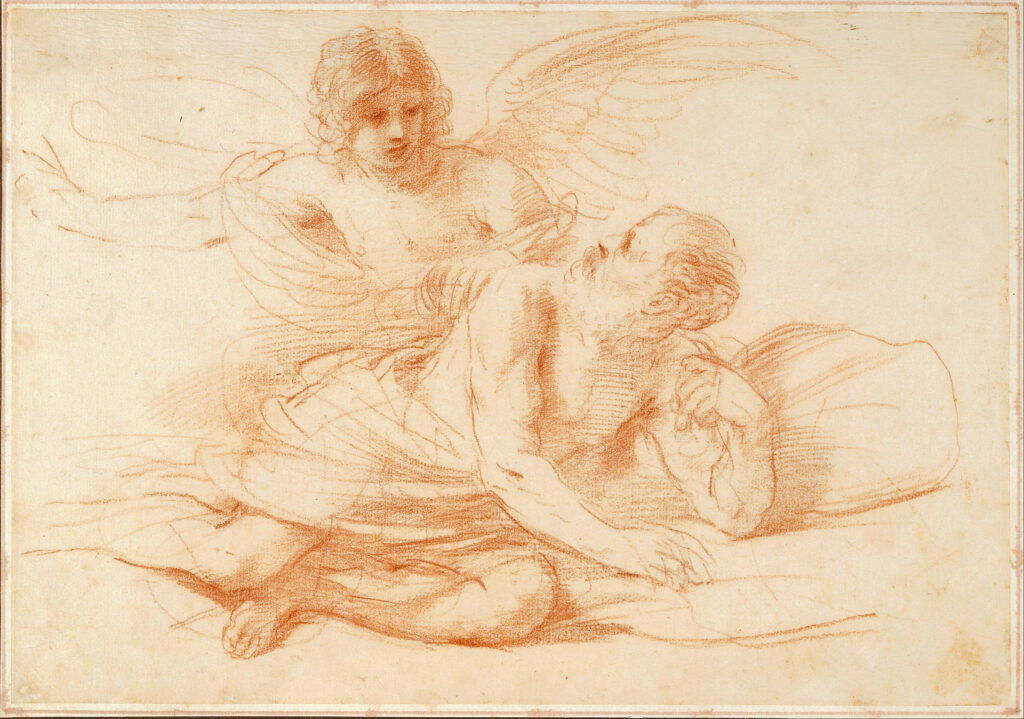
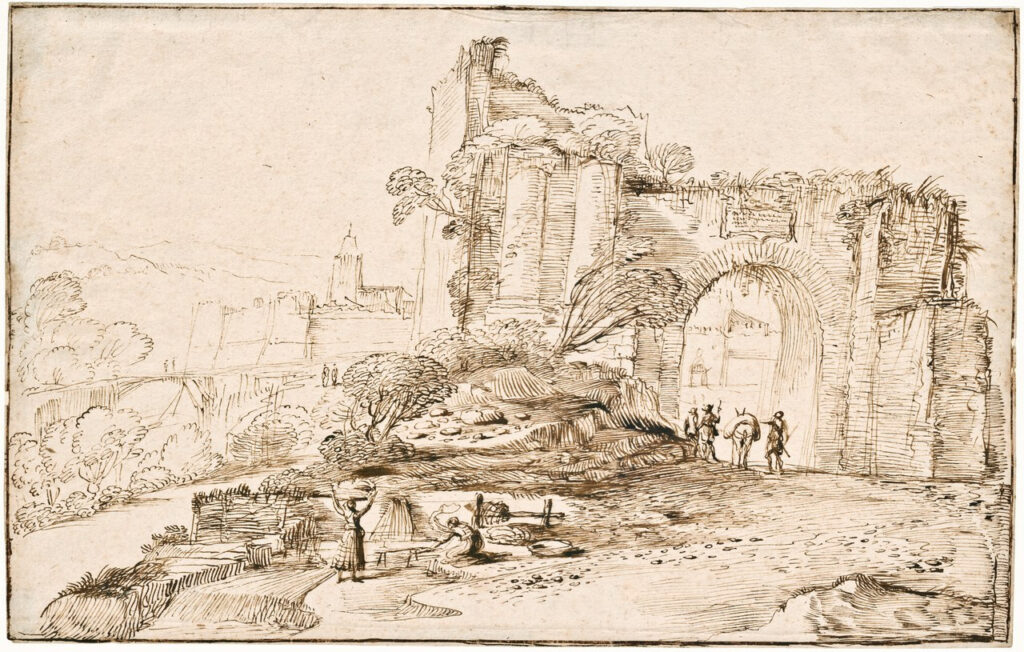
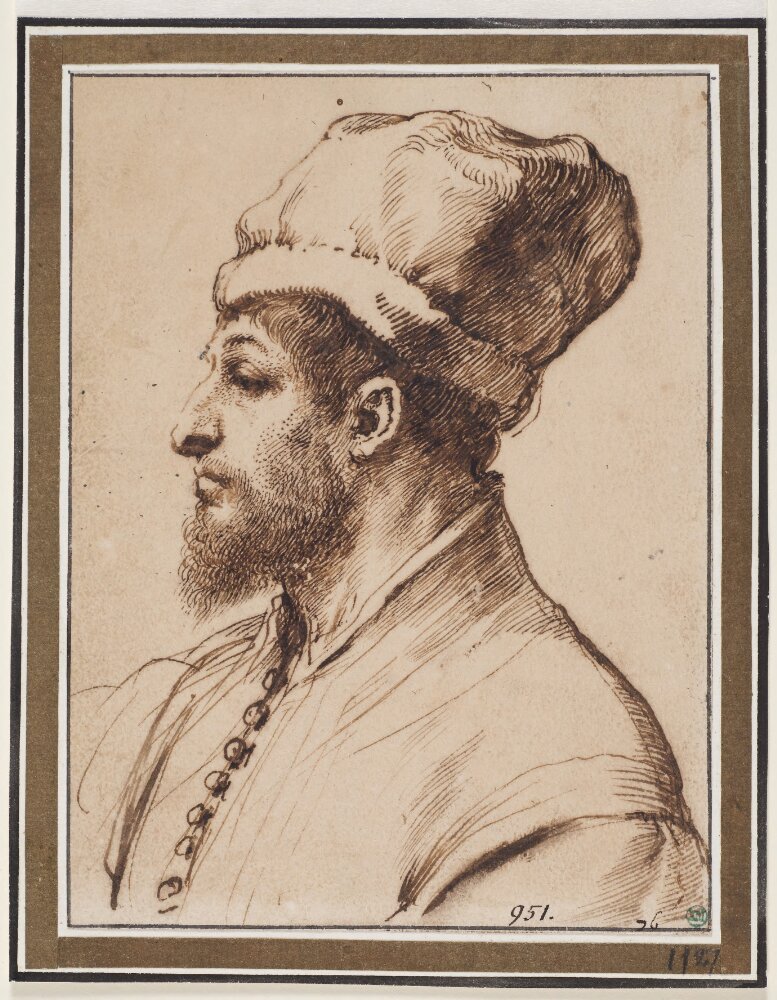
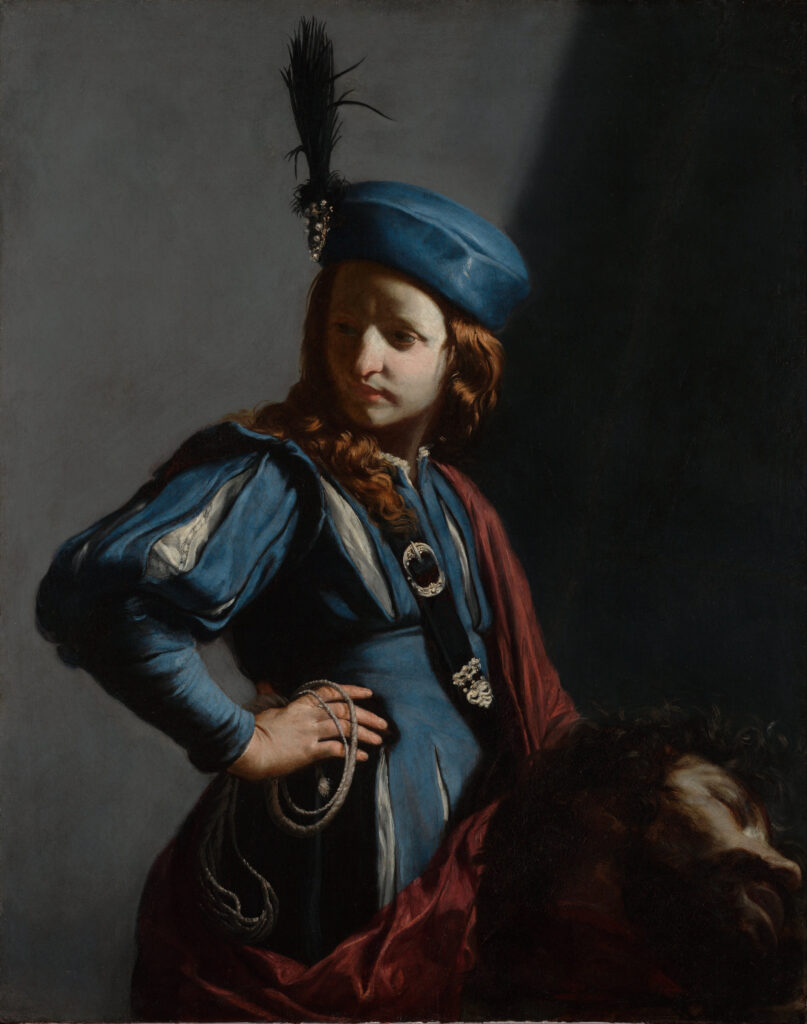
Guercino (Giovanni Francesco Barbieri), February 8, 1591–December 22, 1666, was an Italian painter and draftsman born in Cento. He received drawing lessons locally and apprenticed with Benedetto Gennari the Elder. He also studied the work of Ludovico Carracci.
In 1616 Guercino established a life drawing academy in Cento. He worked in Rome during the papacy of Gregory XV, returned to Cento, and moved to Bologna in 1642. His workshop included his nephews Benedetto and Cesare Gennari, who continued its work after his death.
His paintings and drawings are held by the National Gallery in London, the Louvre Museum, the Metropolitan Museum of Art, the Capitoline Museums, and other public collections.


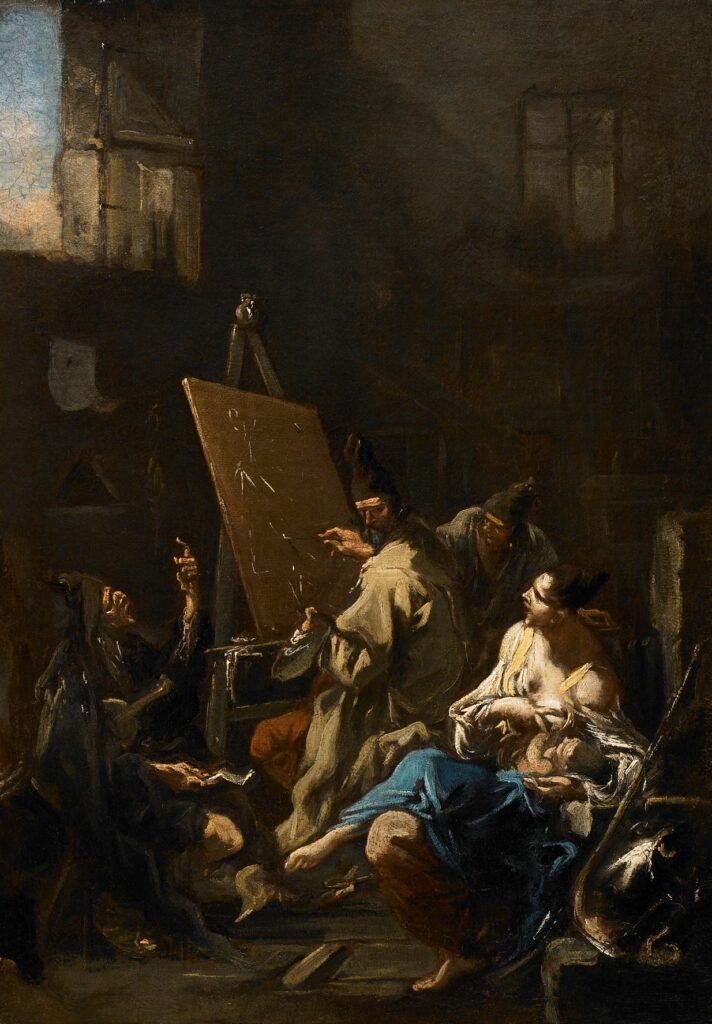
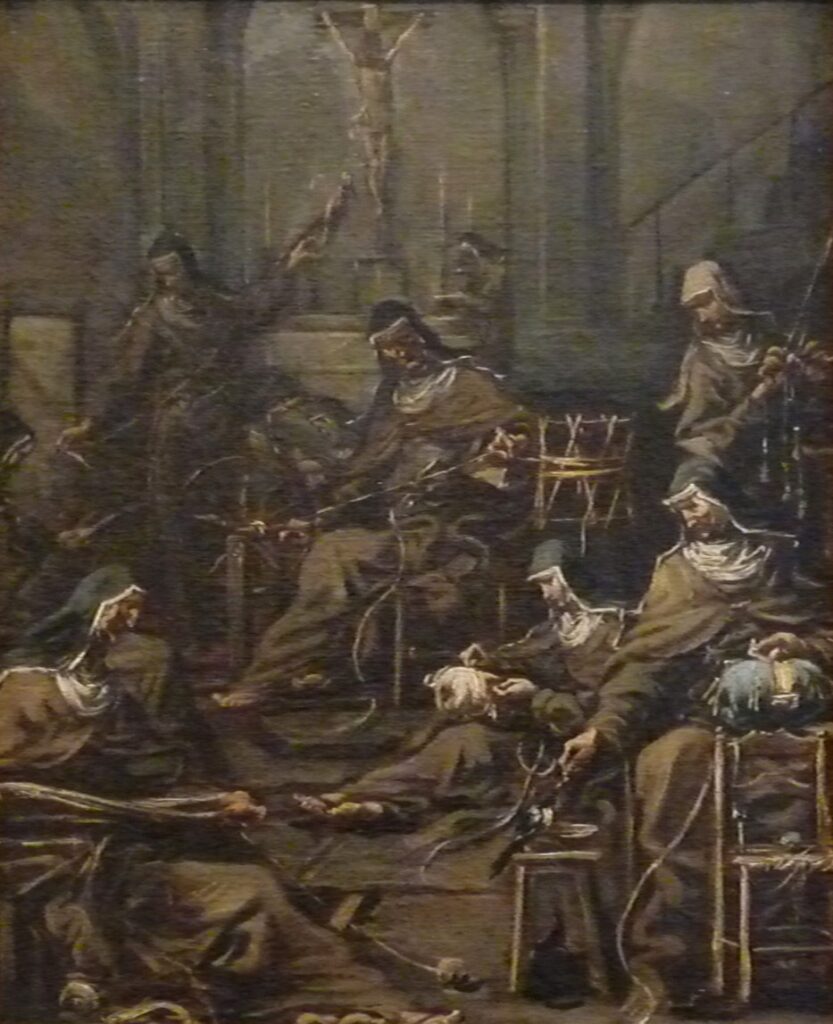
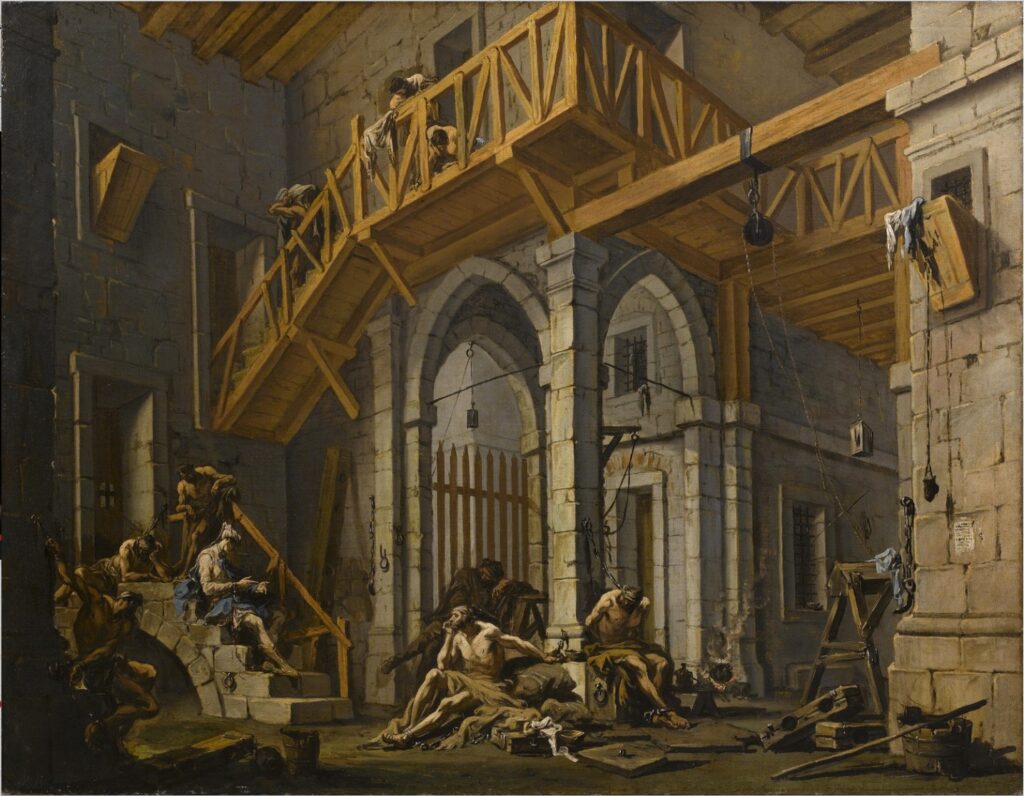
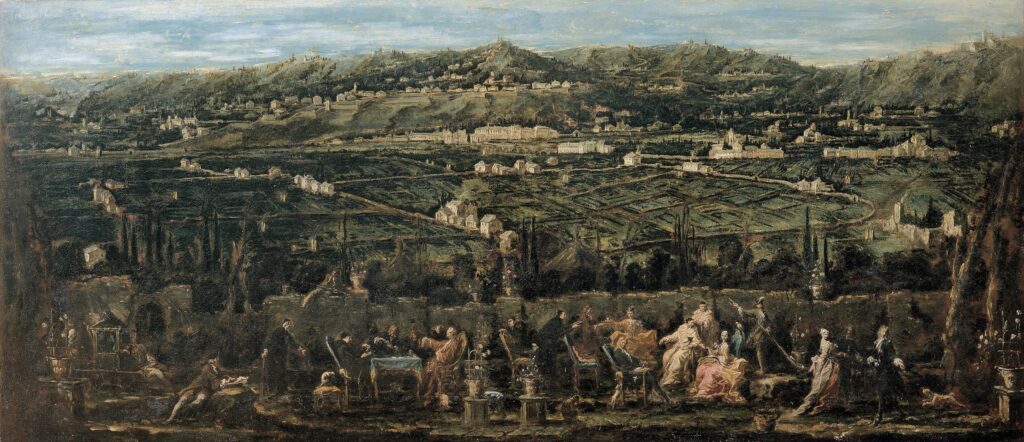
Alessandro Magnasco
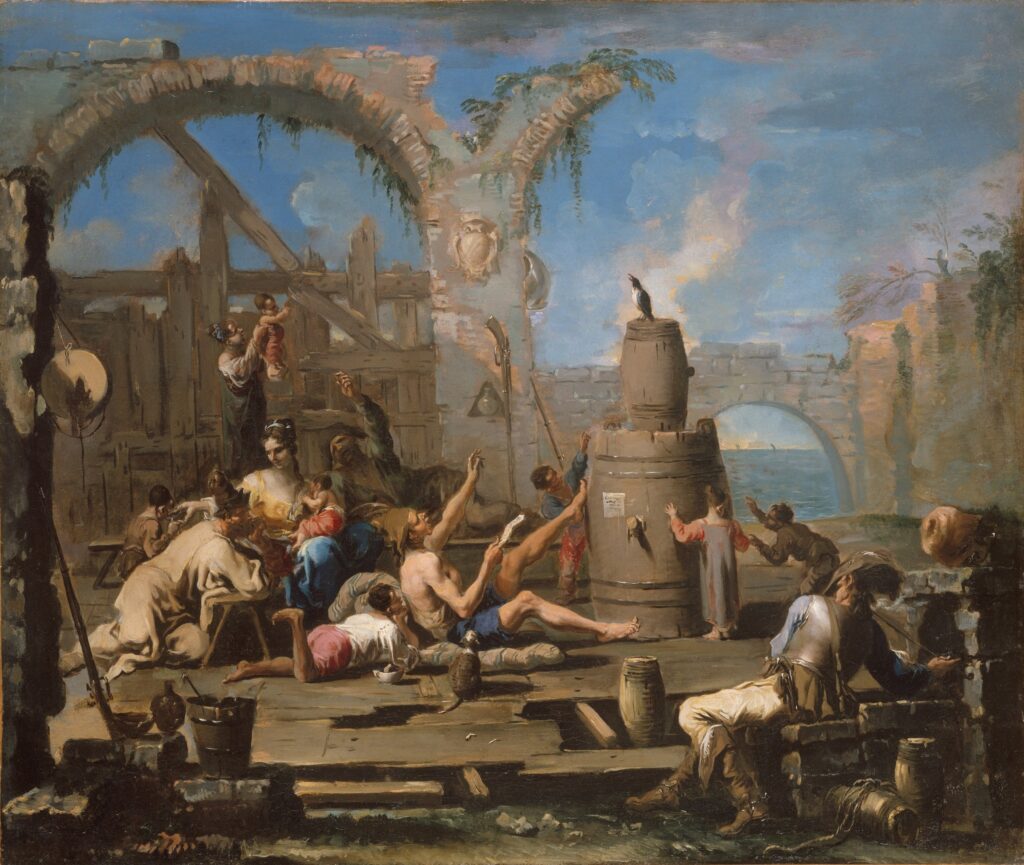
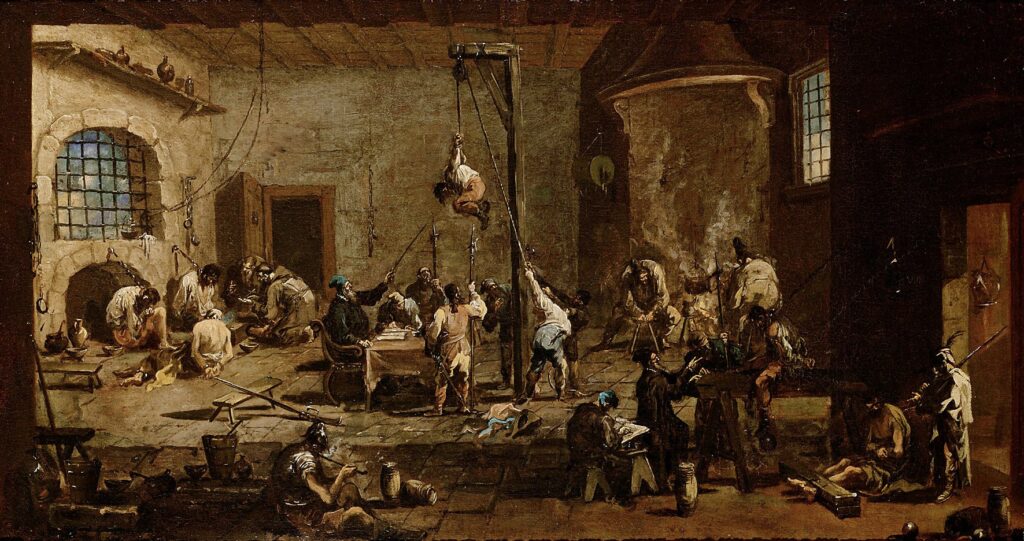
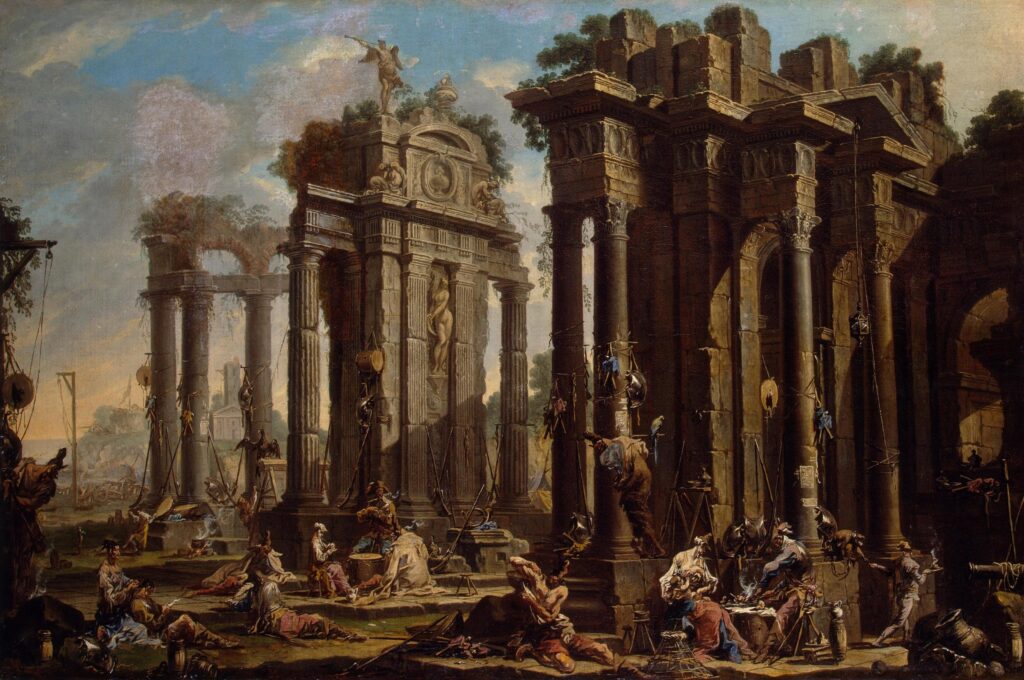
Alessandro Magnasco, February 4, 1667–March 12, 1749, was an Italian painter born and deceased in Genoa. He began his training with his father, Stefano Magnasco, and later studied with Filippo Abbiati in Milan.
Magnasco worked in Milan, Florence, and Genoa. He collaborated on paintings with landscape and architectural specialists, including Francesco Peruzzini and Clemente Spera. He returned to Genoa in 1735.
His works are held by the Metropolitan Museum of Art, the National Gallery of Art, the Kunsthistorisches Museum, and museums in Genoa, among other collections.




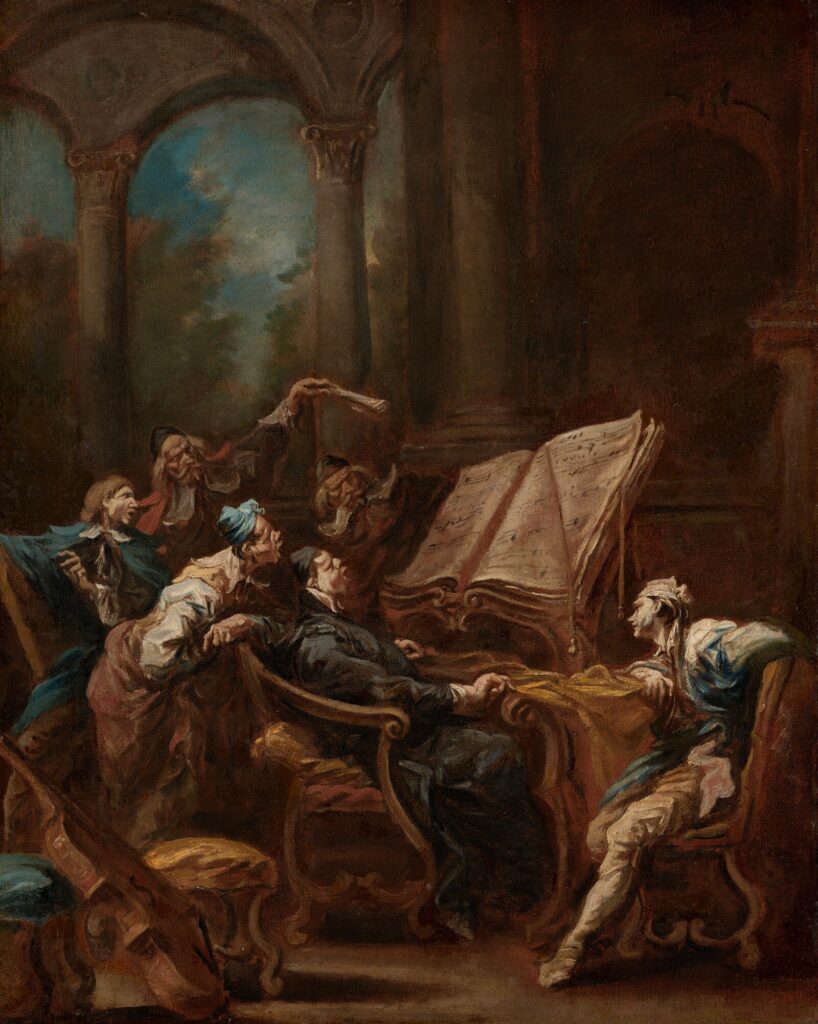
Massimo Stanzione
Massimo Stanzione, Italian painter, 1585 – 1656


Giovanni Lanfranco
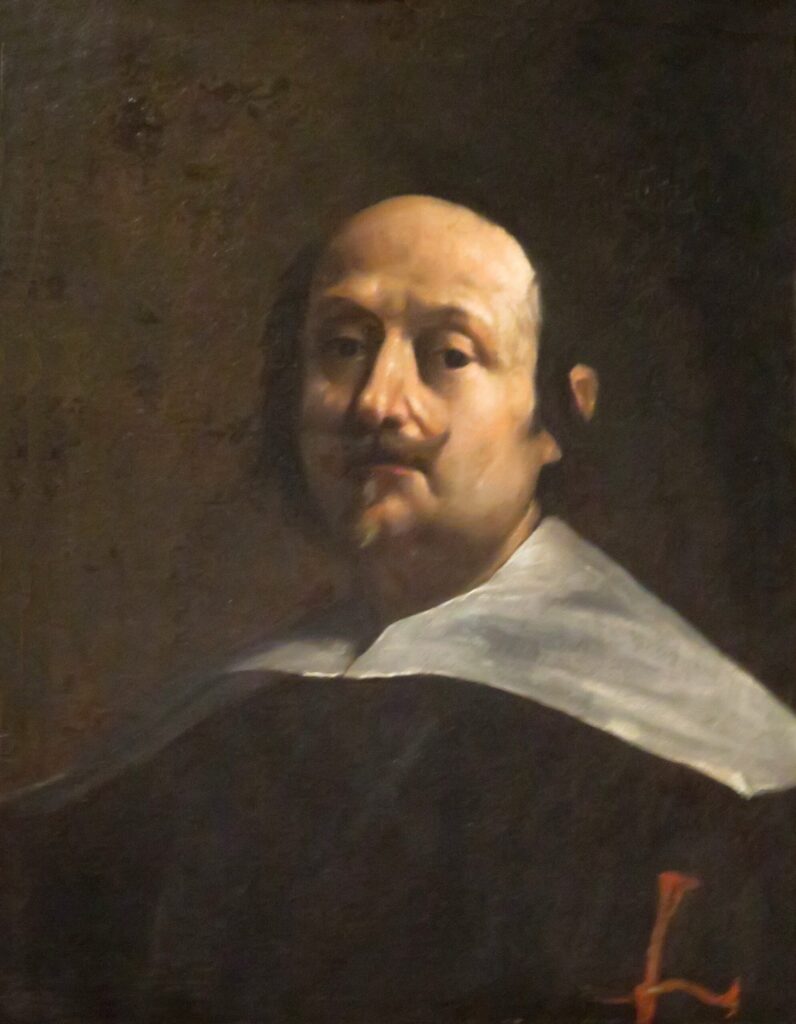
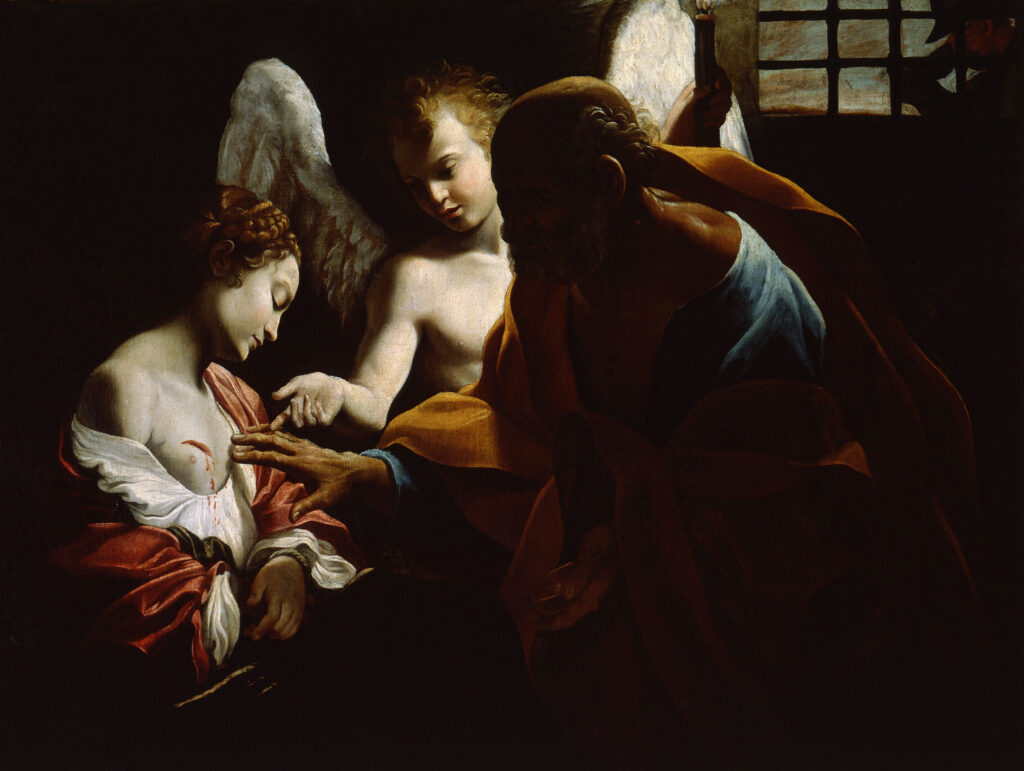
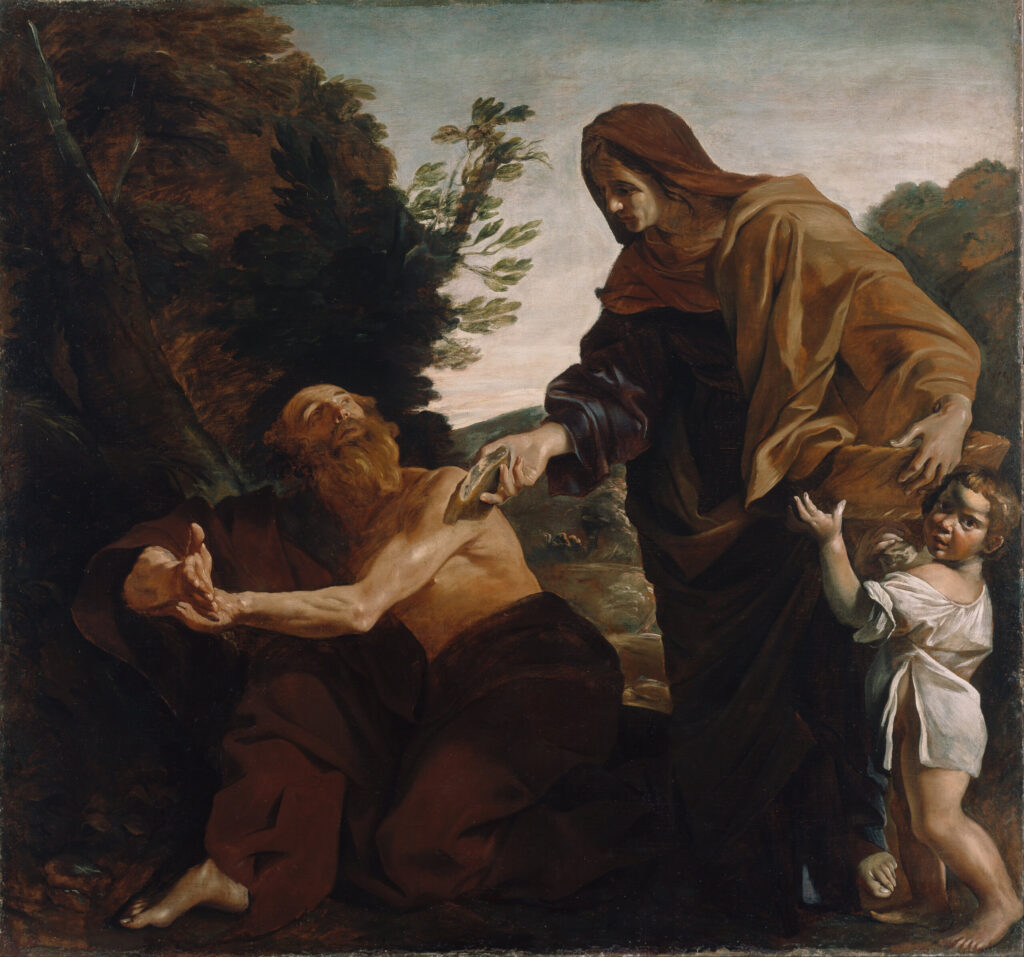
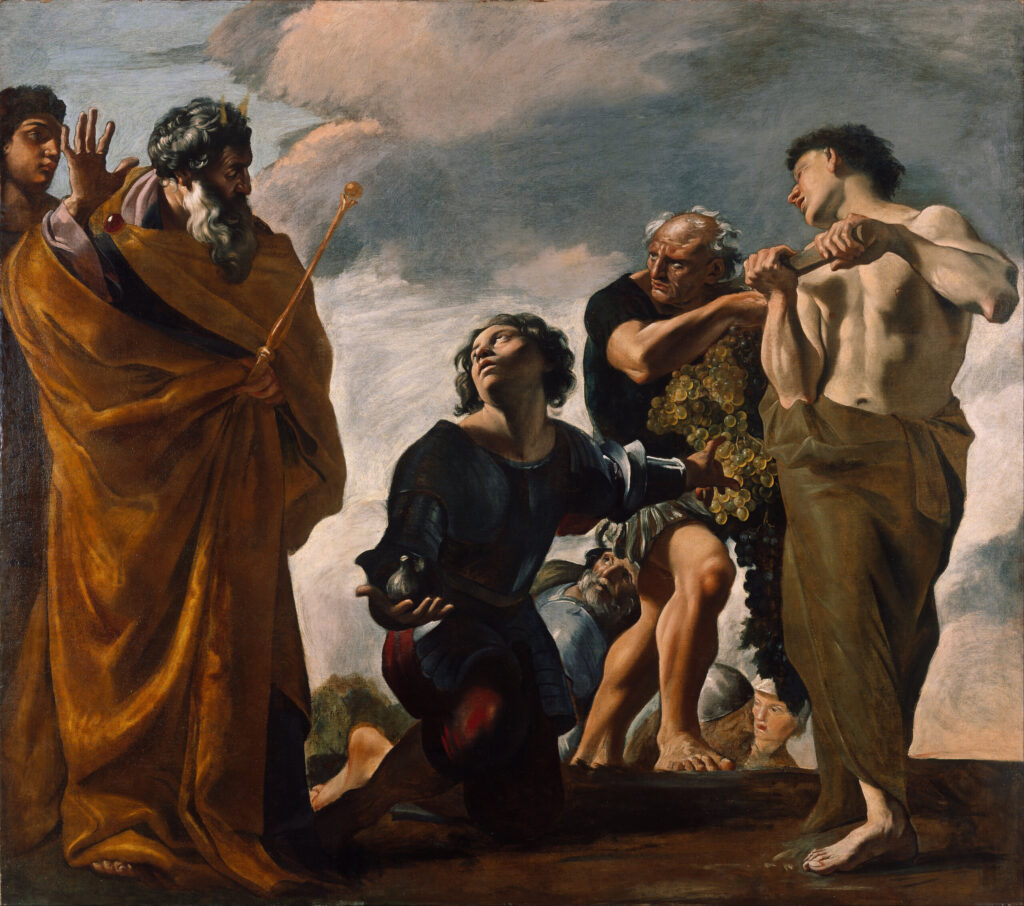
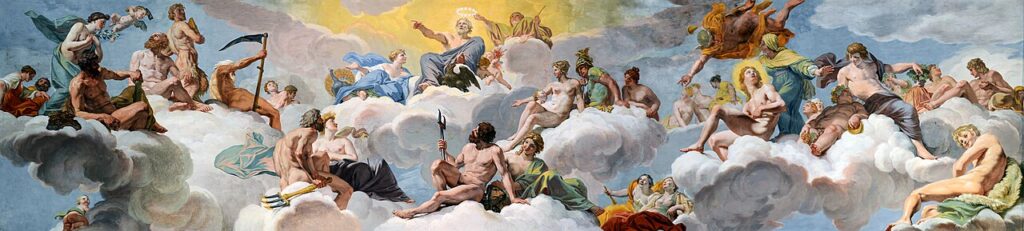
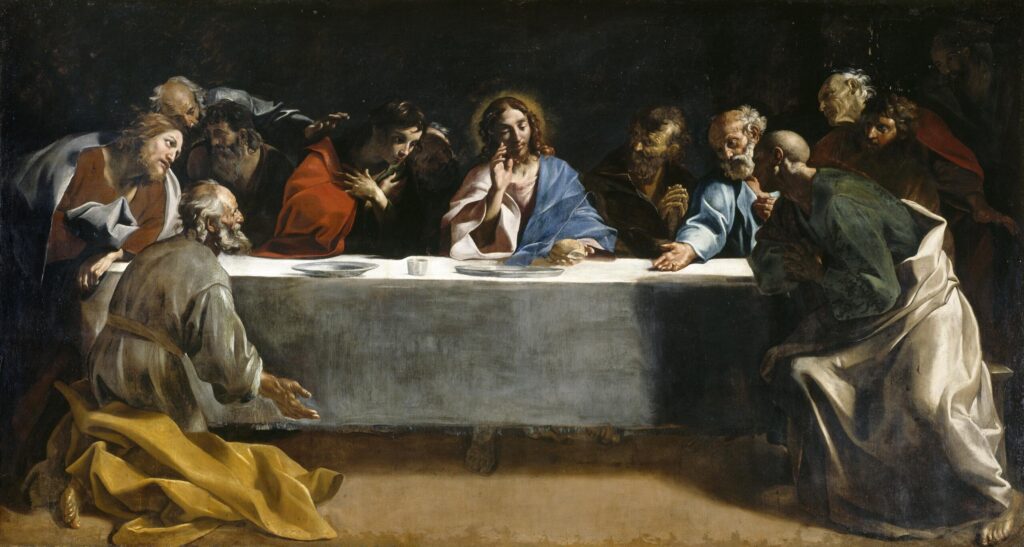
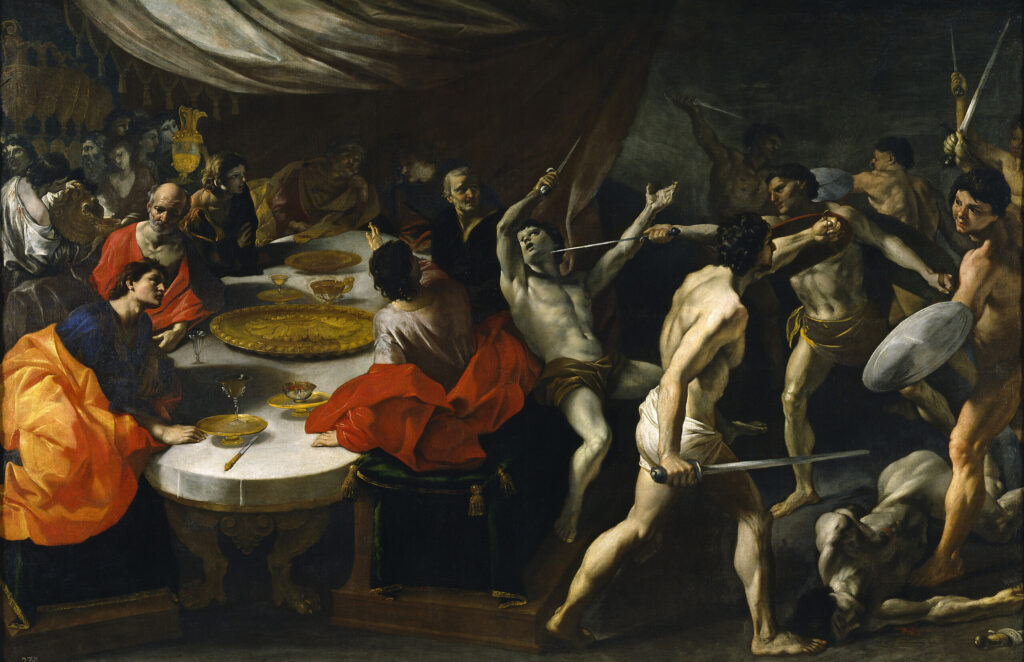
Giovanni Lanfranco, January 26, 1582–November 30, 1647, was an Italian painter born in Parma. He worked principally in Parma, Rome, and Naples.
Lanfranco trained with Agostino Carracci in Parma and later joined Annibale Carracci’s workshop in Rome. He worked with artists including Domenichino, Francesco Albani, and Guido Reni on the decoration of the Palazzo Farnese, and subsequently received major church and palace commissions in Rome and Naples.
His principal commissions included the dome of Sant’Andrea della Valle in Rome and fresco decorations at the Gesù Nuovo, the Certosa di San Martino, and Naples Cathedral. His paintings are held by the Museo del Prado, the Louvre, the J. Paul Getty Museum, the National Gallery of Ireland, the Palace of Versailles, and other major collections.







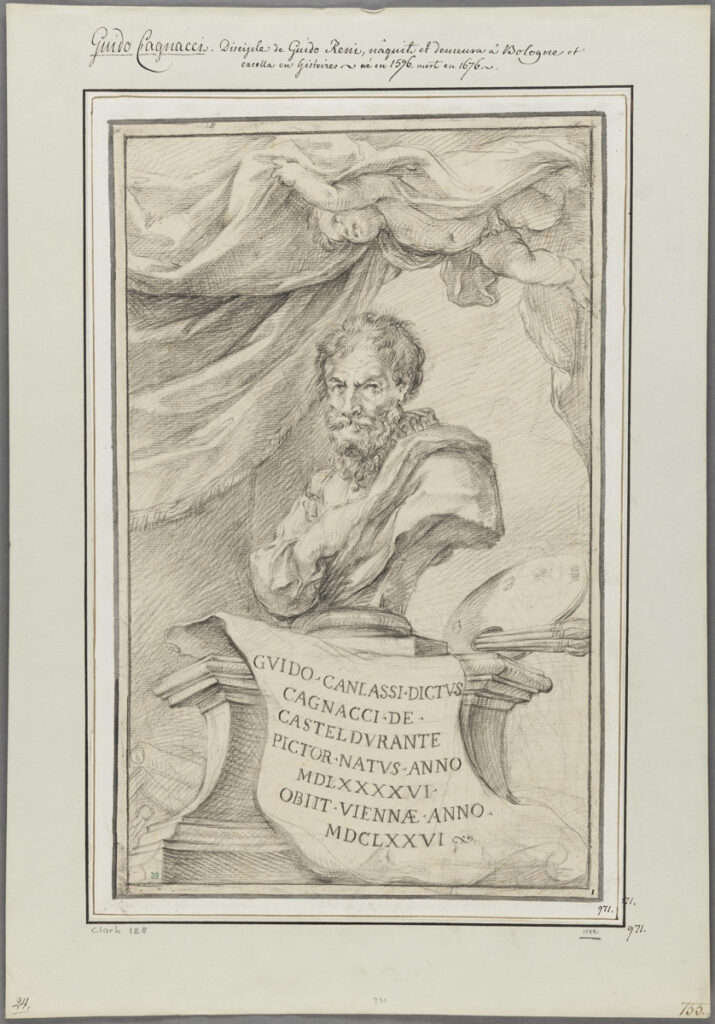
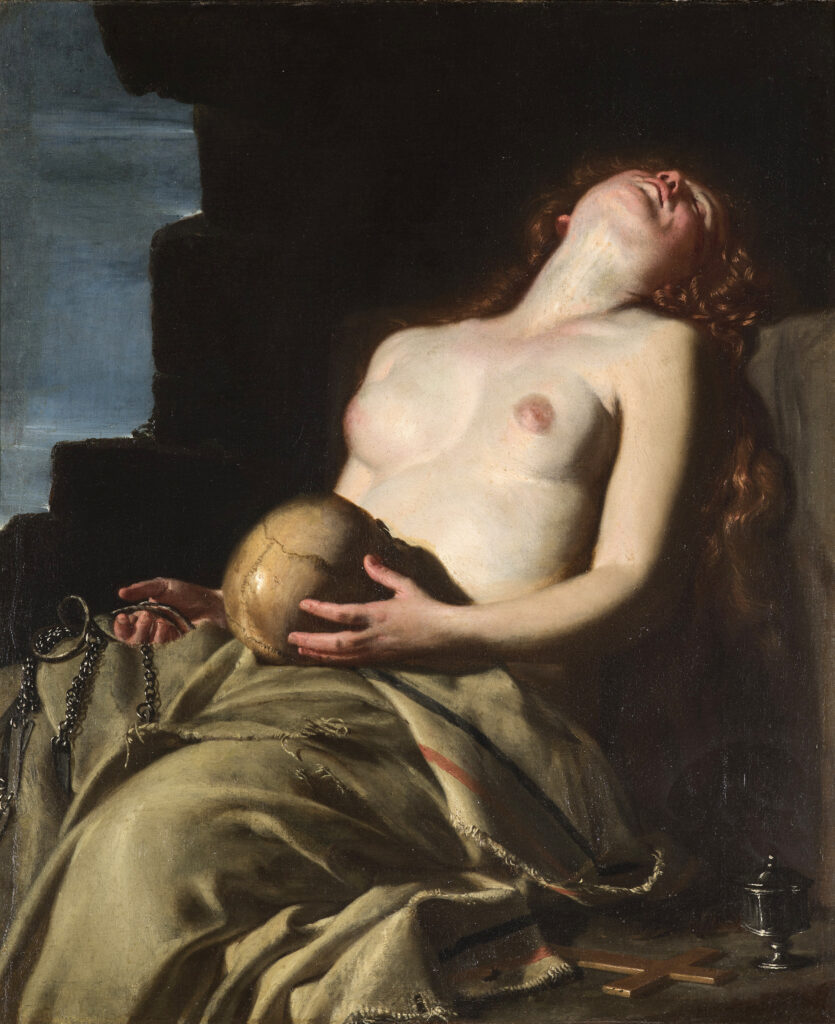
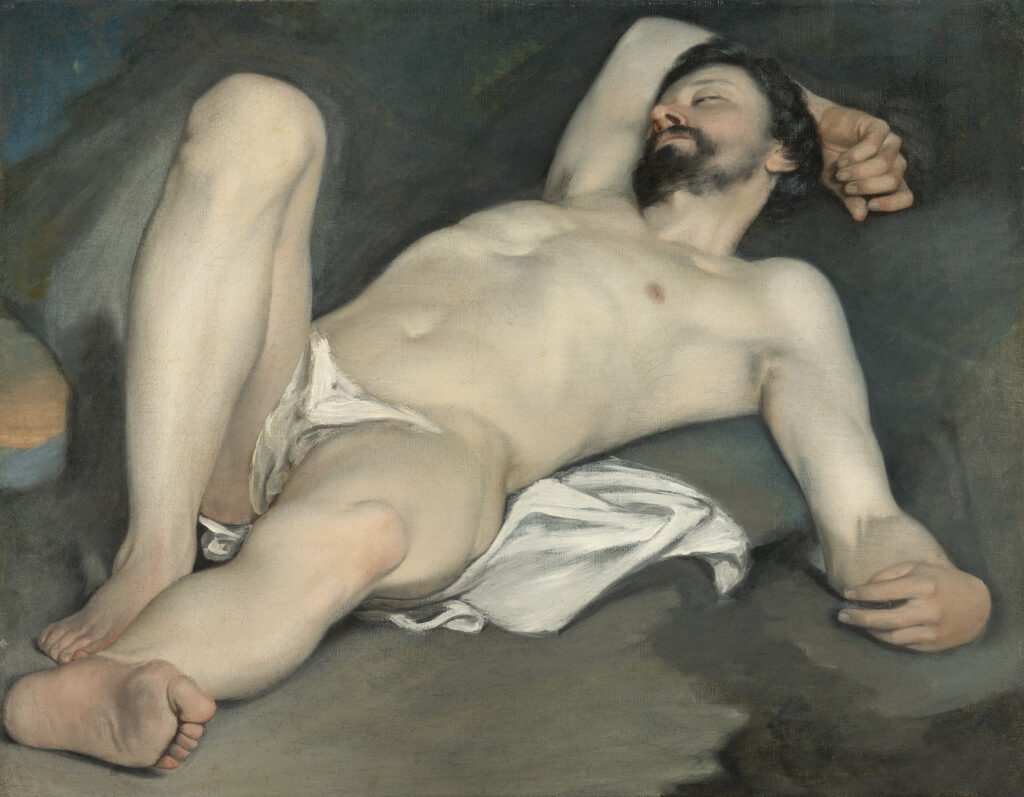
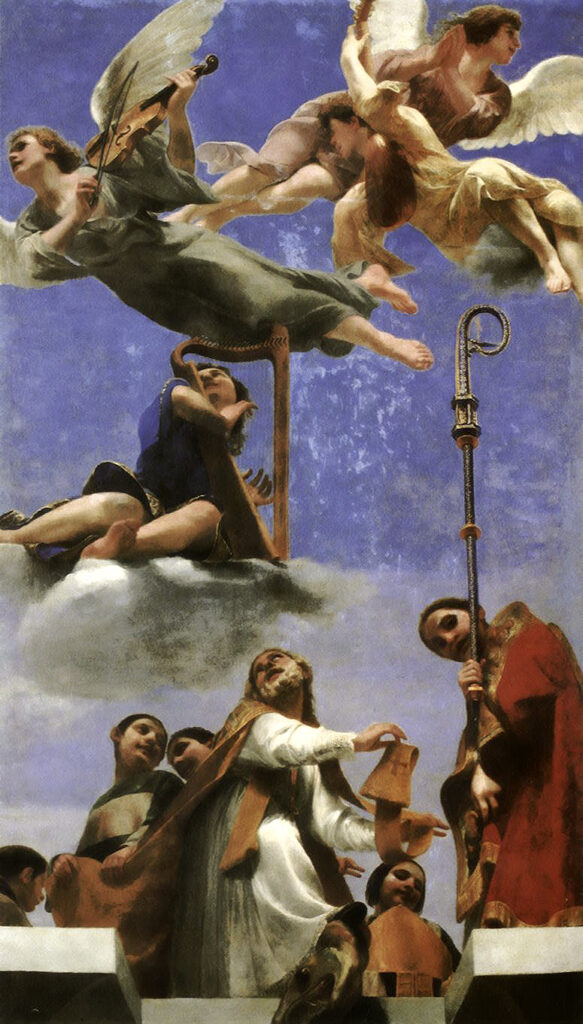
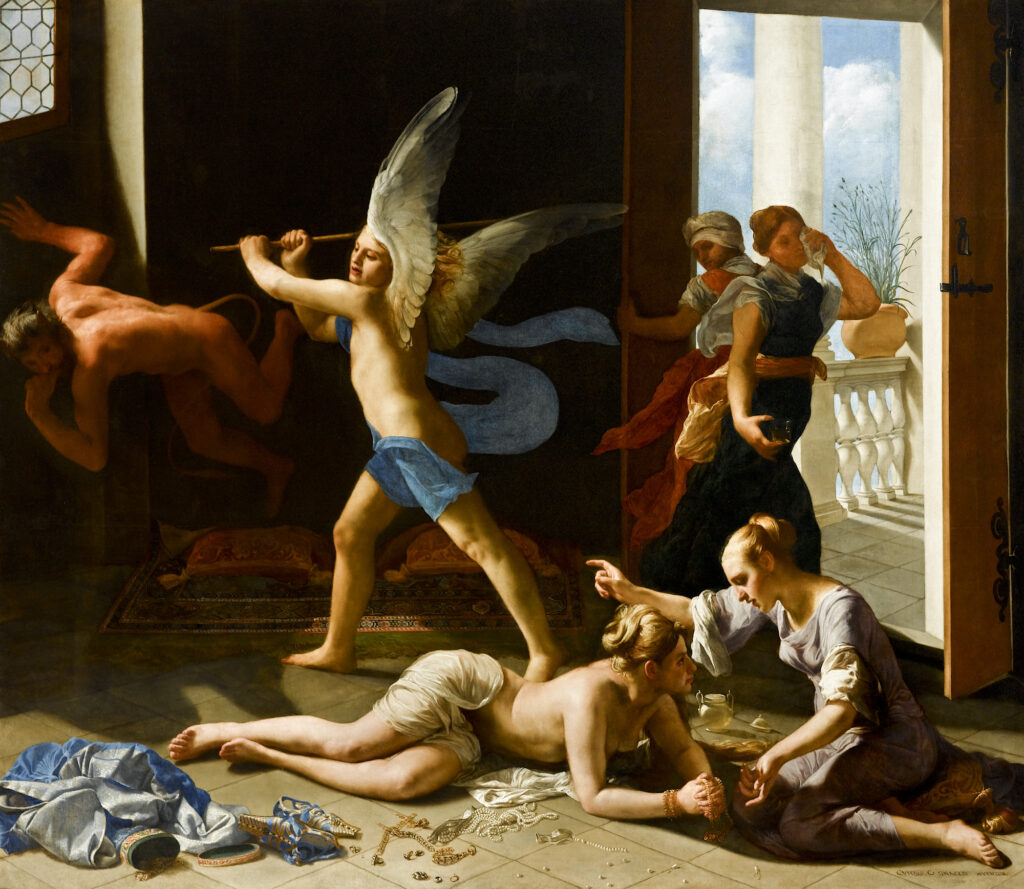
Guido Cagnacci
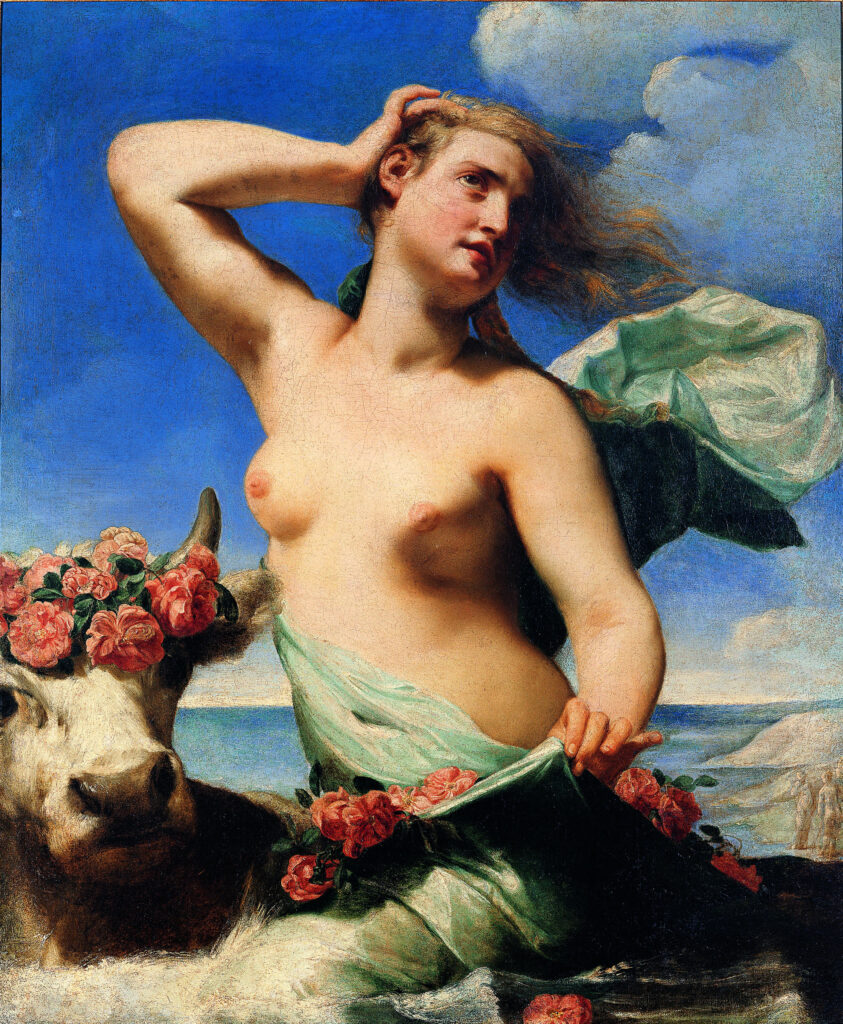
Guido Cagnacci, January 13, 1601 – 1663, was an Italian Baroque painter born in Santarcangelo di Romagna. By 1618 he was studying in Bologna, and in the early 1620s he lived in Rome; his training connected him with Ludovico Carracci and Guercino.
By the mid-1620s Cagnacci had returned to Romagna, where he worked for religious and aristocratic patrons in Rimini, Forlì, Faenza, and neighboring towns. Around 1649 he moved to Venice, adopted the name Guido Canlassi da Bologna, and worked chiefly for private patrons.
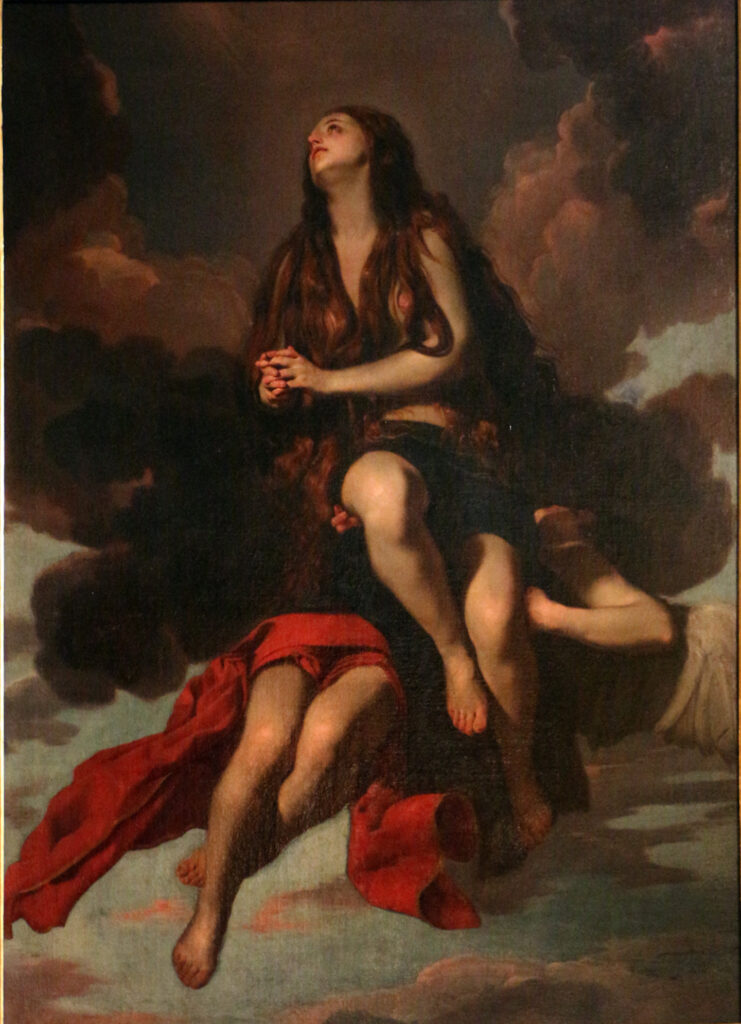
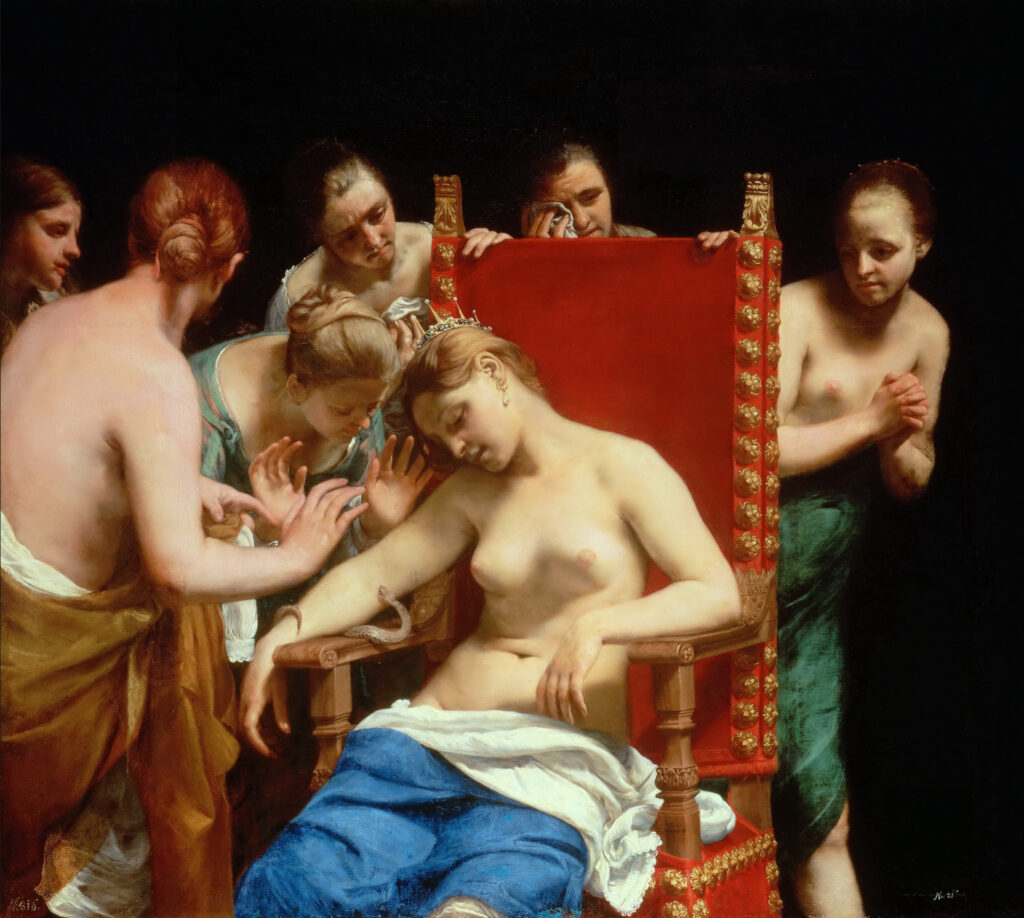
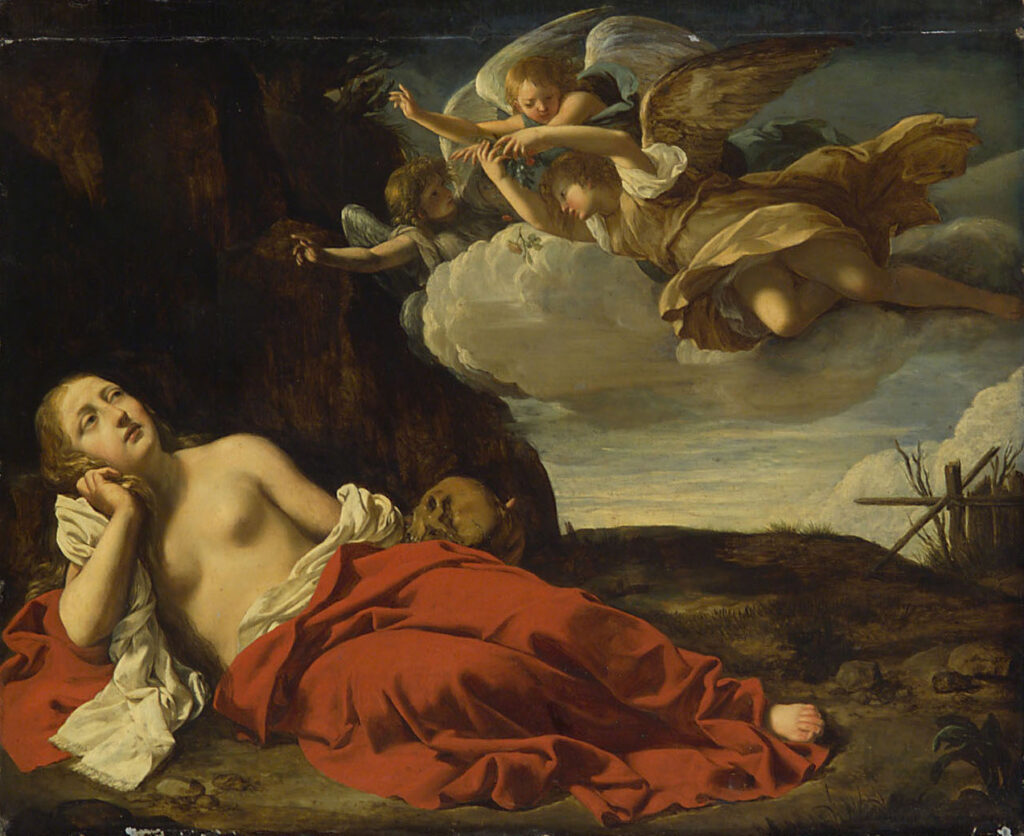
In 1658 Cagnacci moved to Vienna, where he worked at the court of Emperor Leopold I and produced major late paintings including The Death of Cleopatra and The Conversion of Mary Magdalene. He died in Vienna in 1663.


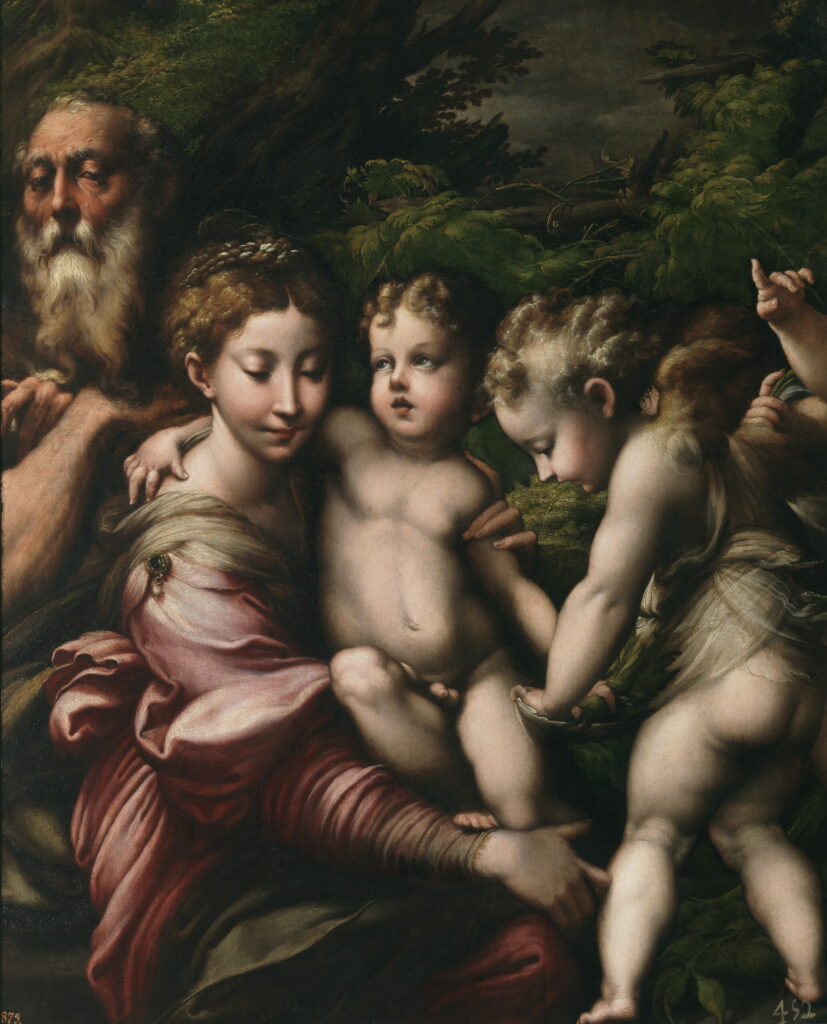
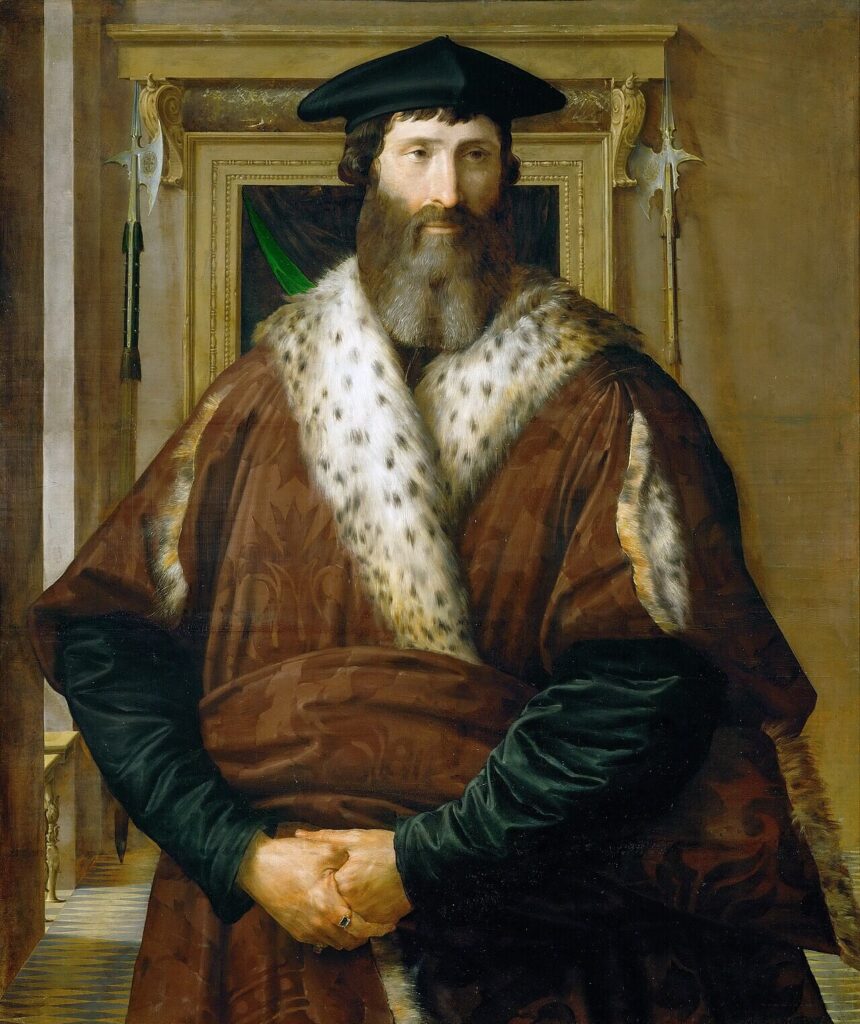
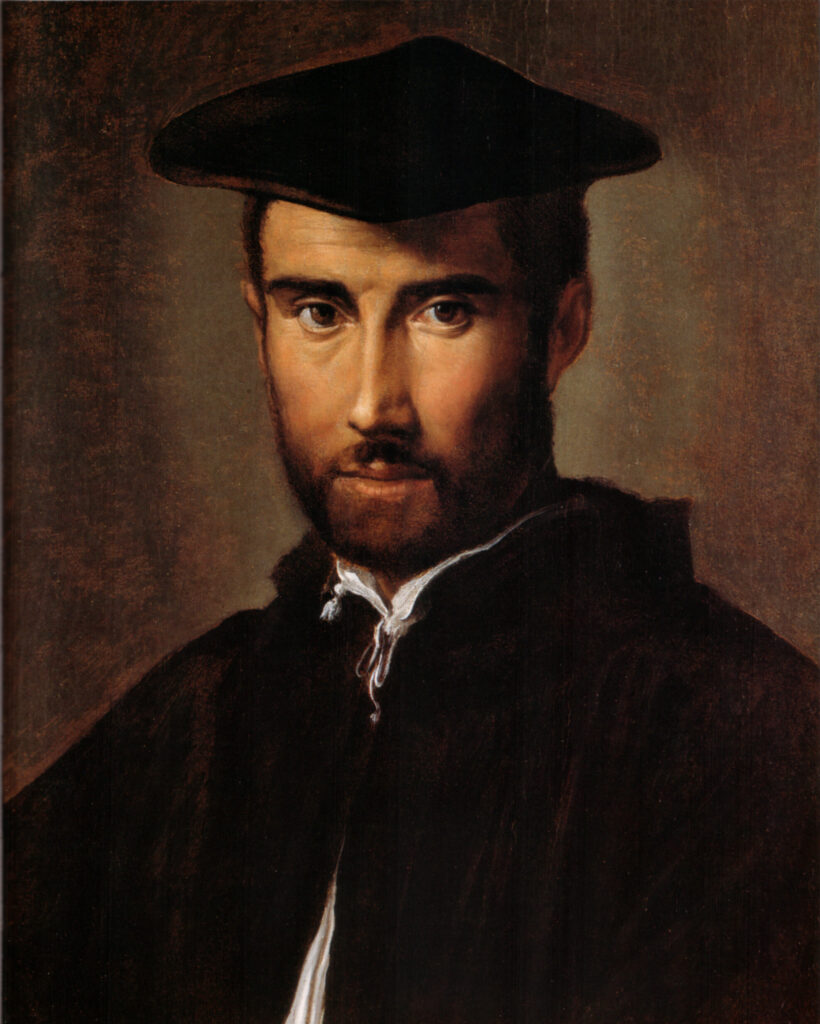
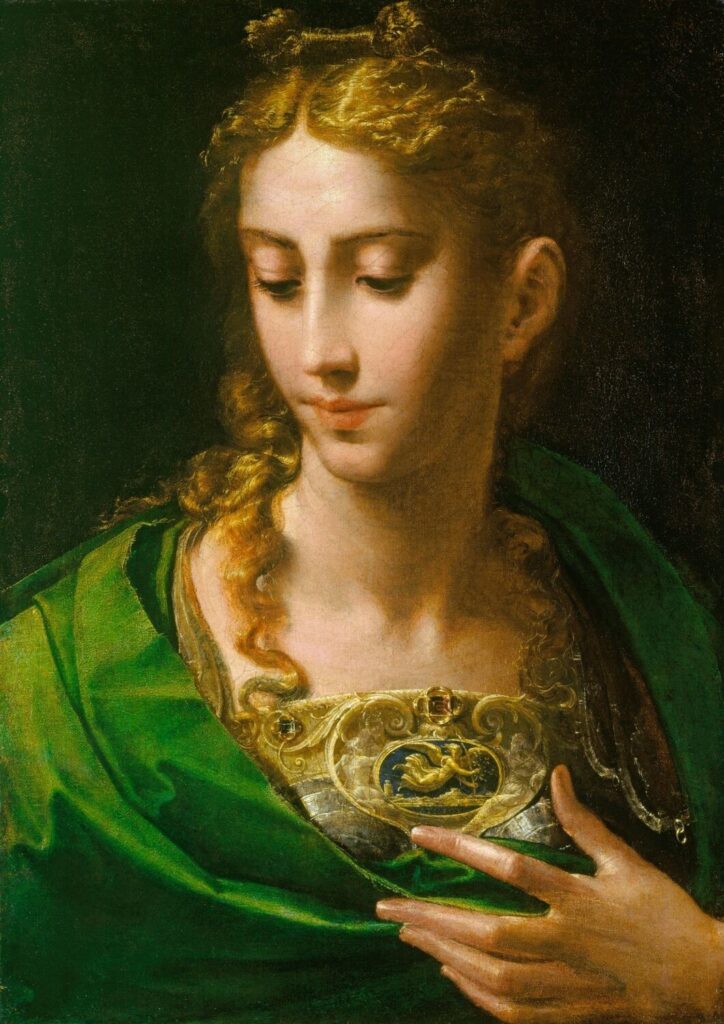
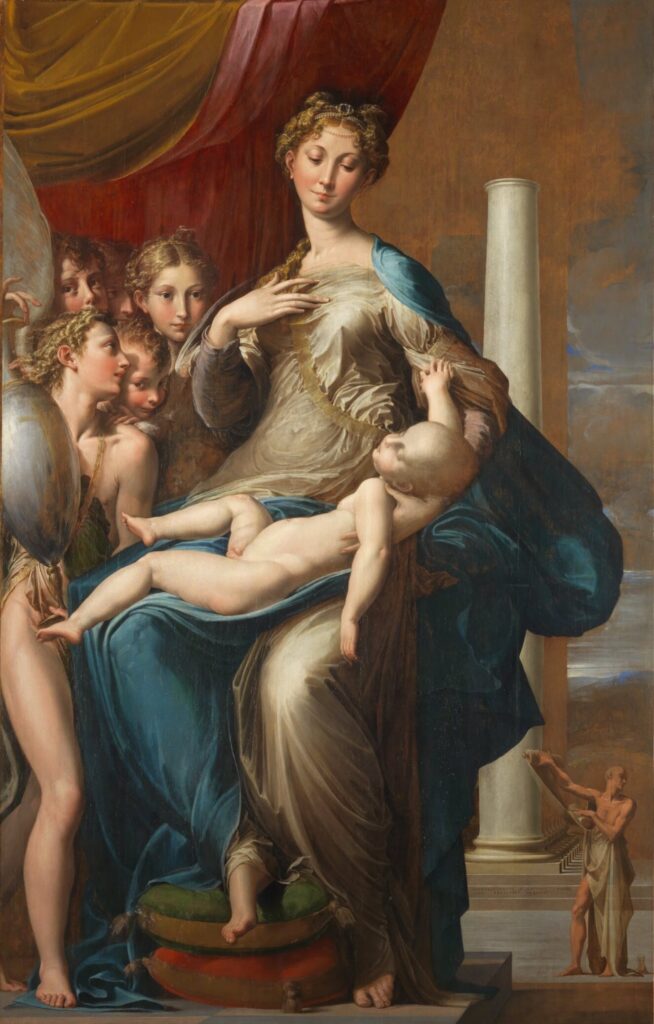
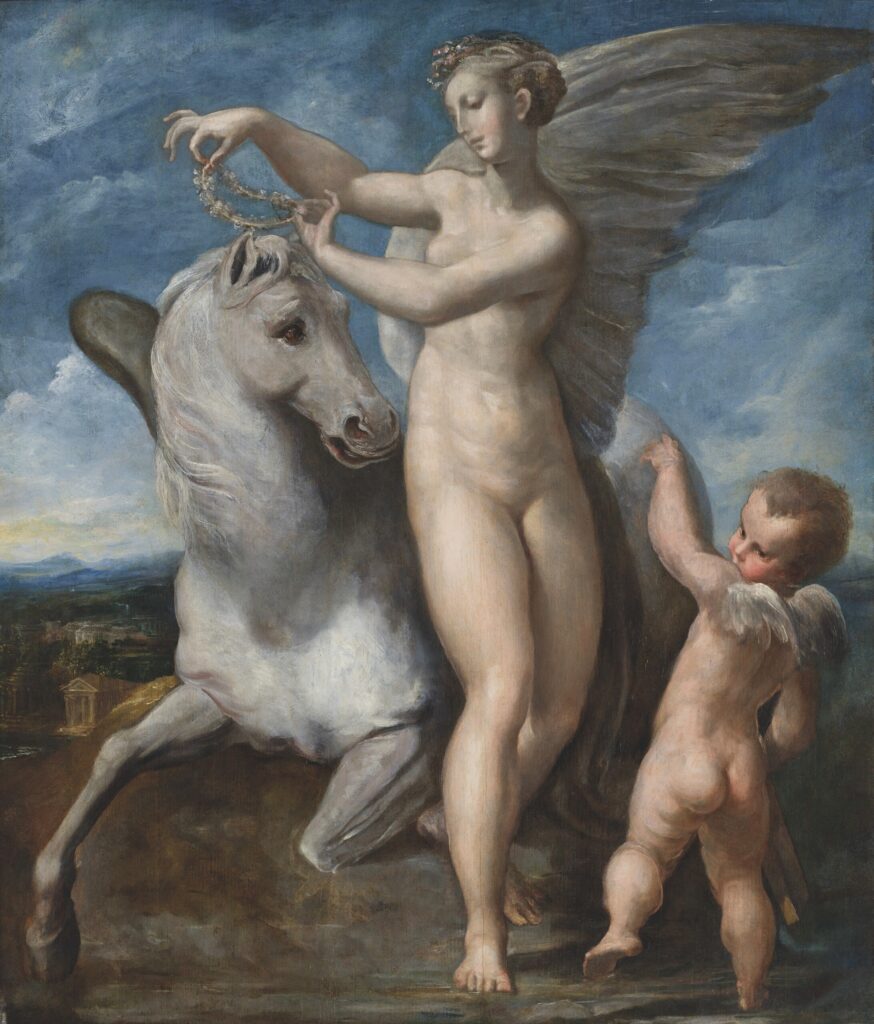
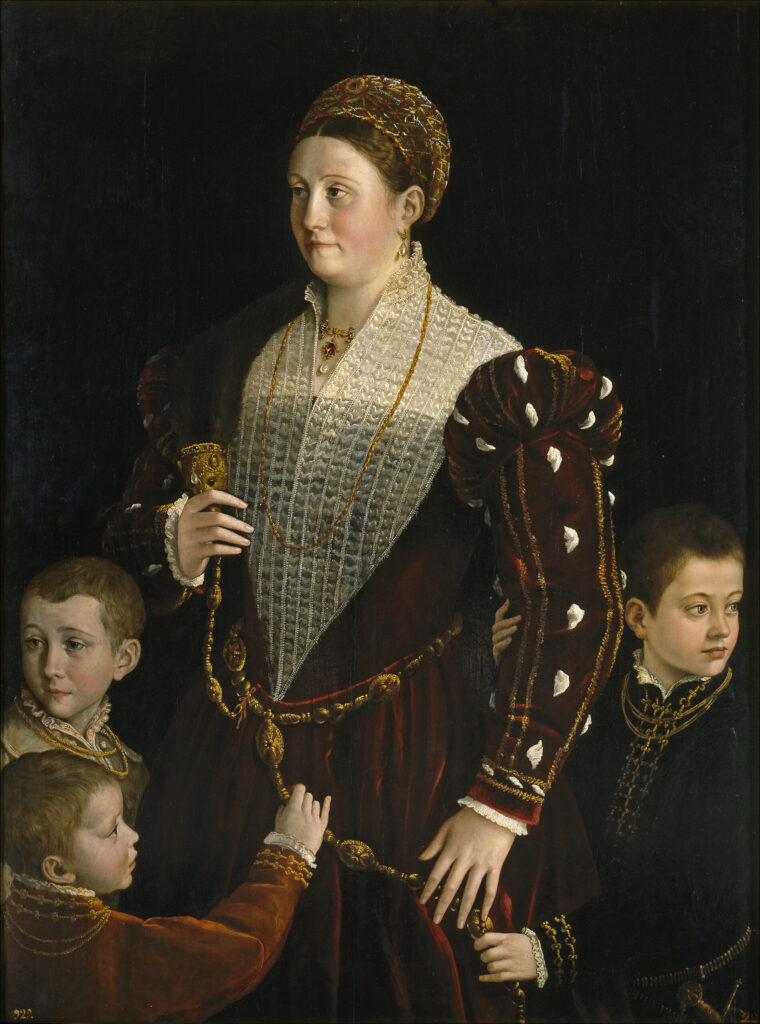
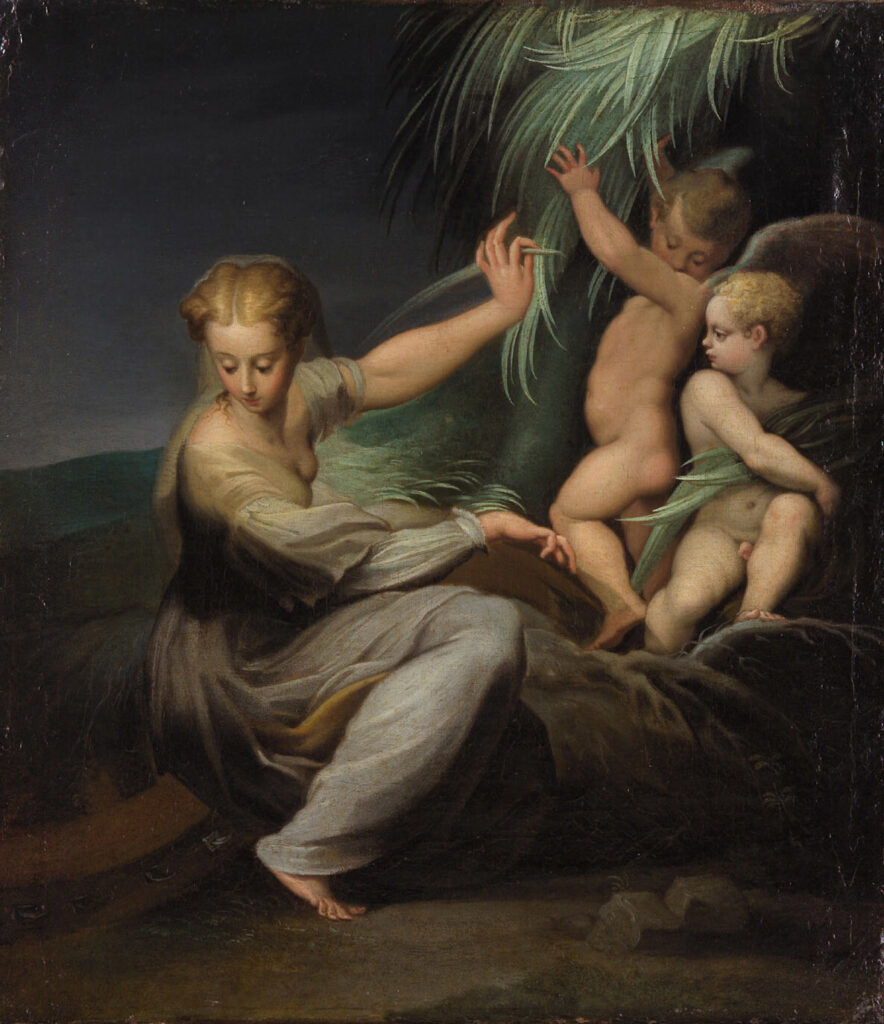
Parmigianino
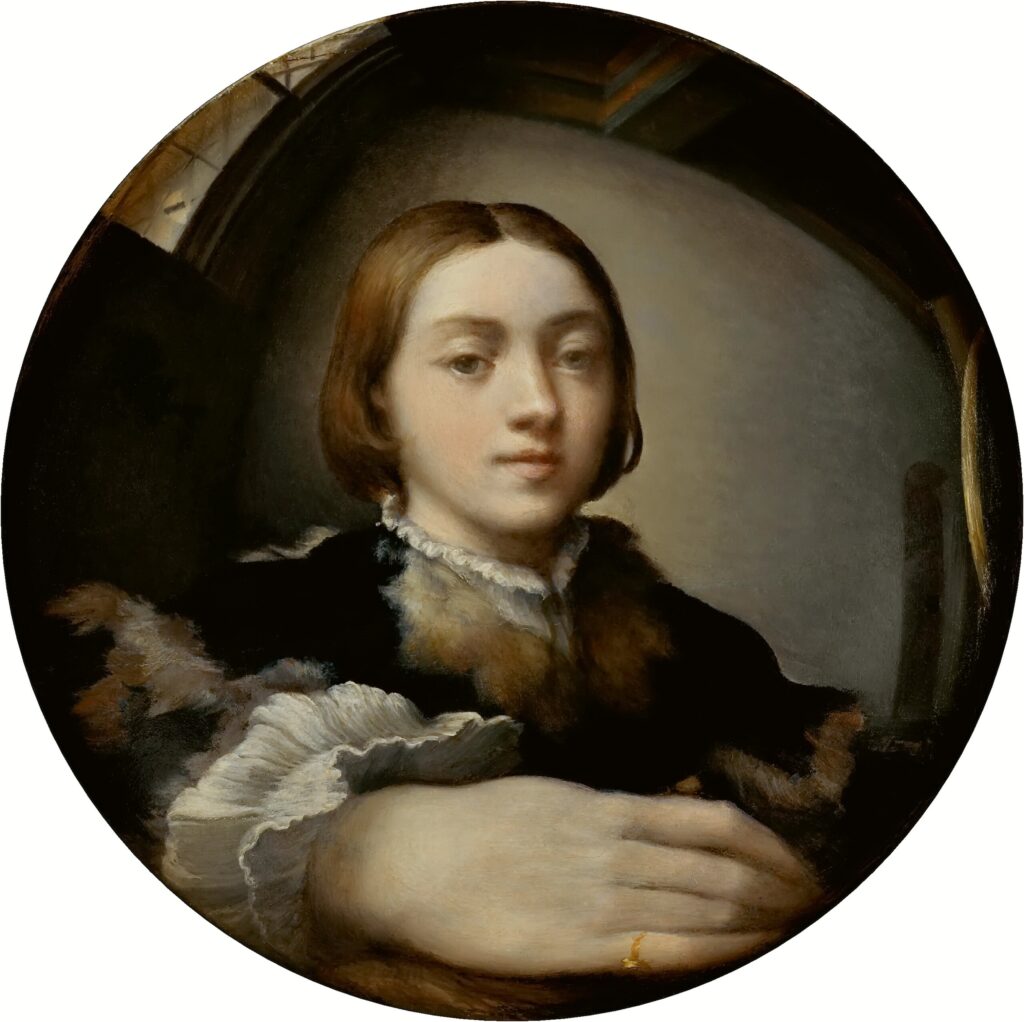
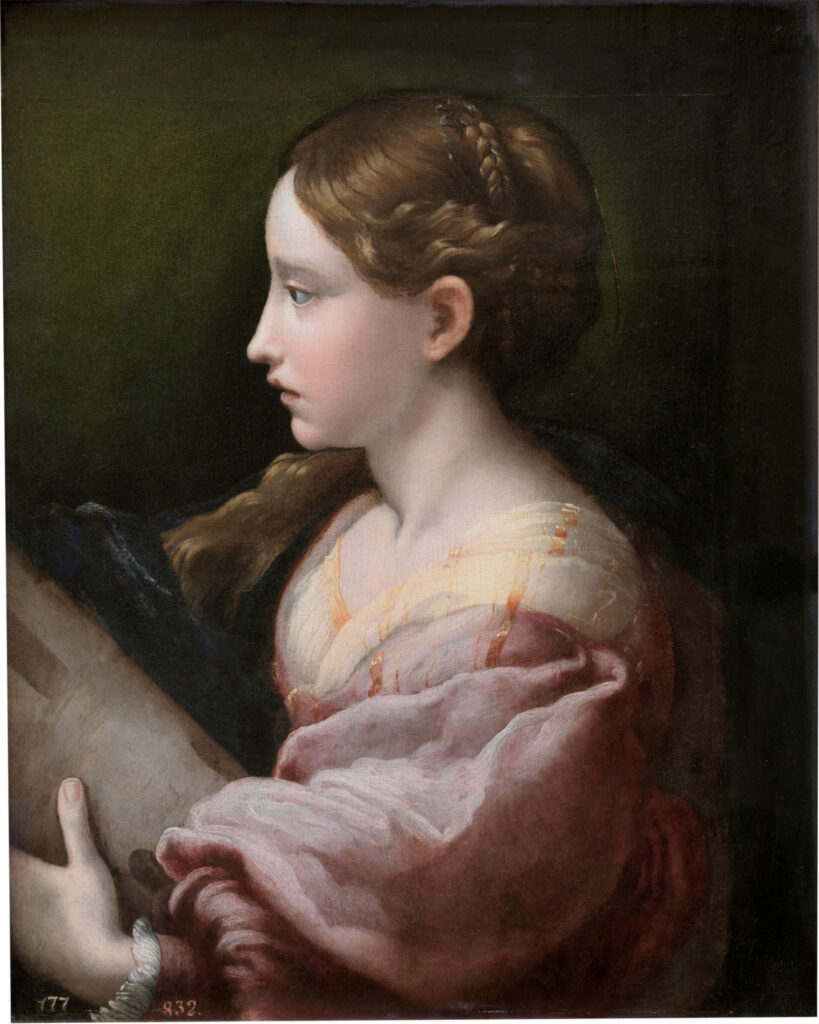
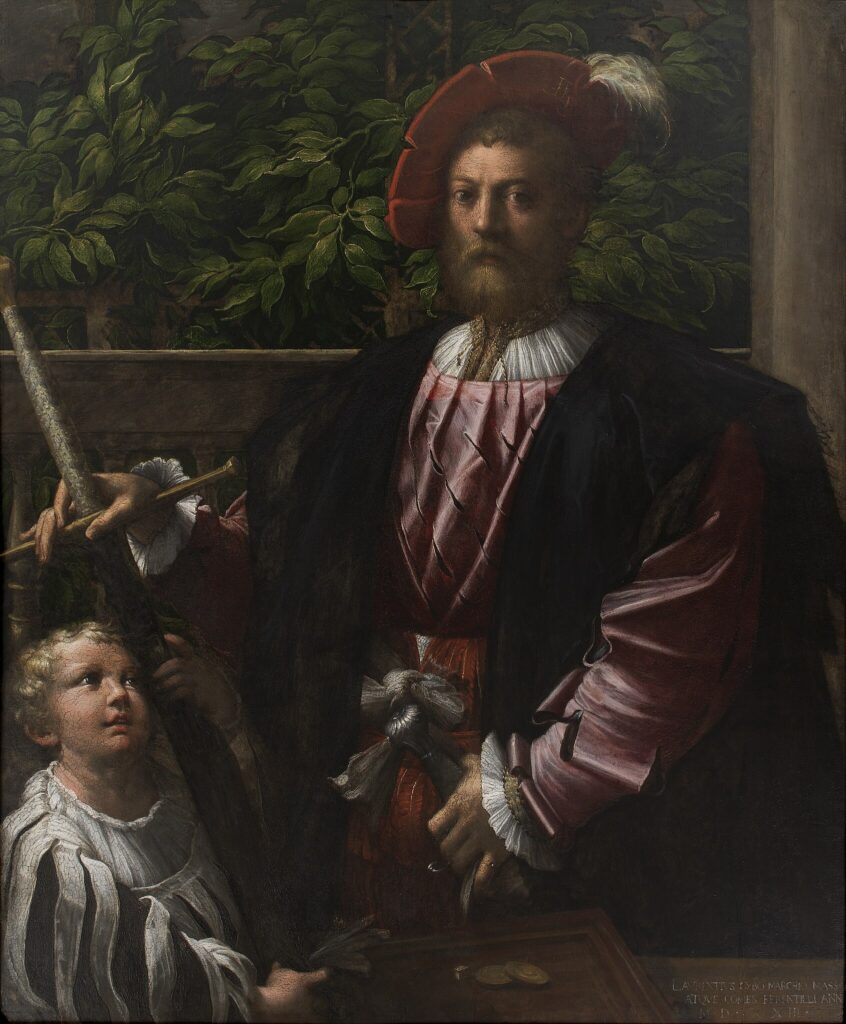
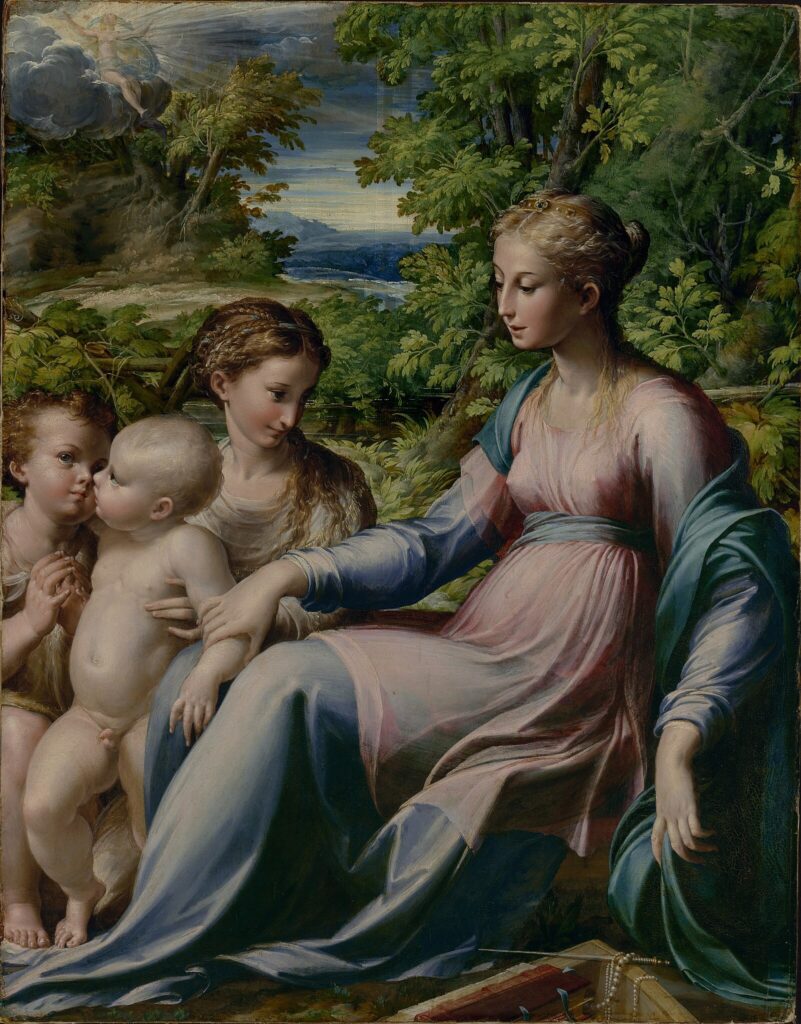
Parmigianino, January 11, 1503–August 24, 1540, was an Italian painter, draftsman, and printmaker born Girolamo Francesco Maria Mazzola in Parma. After his father’s early death, he was raised and trained by his painter uncles Michele and Pier Ilario Mazzola and encountered Correggio’s work in Parma.
He moved to Rome in 1524, studied the work of Raphael and Michelangelo, and became associated with the development of Mannerism. After the Sack of Rome in 1527, he worked in Bologna before returning to Parma, producing portraits, altarpieces, frescoes, drawings, and etchings.
His later projects included the decorations of Santa Maria della Steccata and Madonna and Child with Angels/Madonna with the Long Neck, both unfinished at his death in Casalmaggiore at age thirty-seven. His works are held by the Kunsthistorisches Museum, Museo del Prado, National Gallery, Uffizi Galleries, Royal Collection, and J. Paul Getty Museum.
Elisabetta Sirani
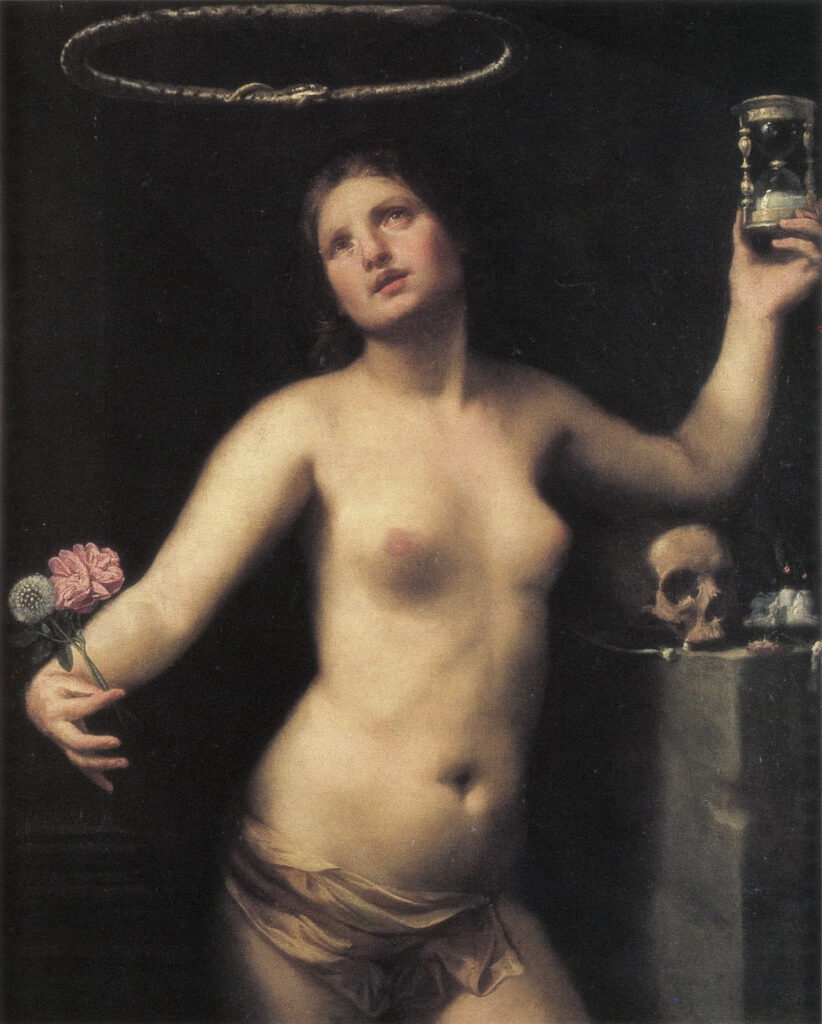
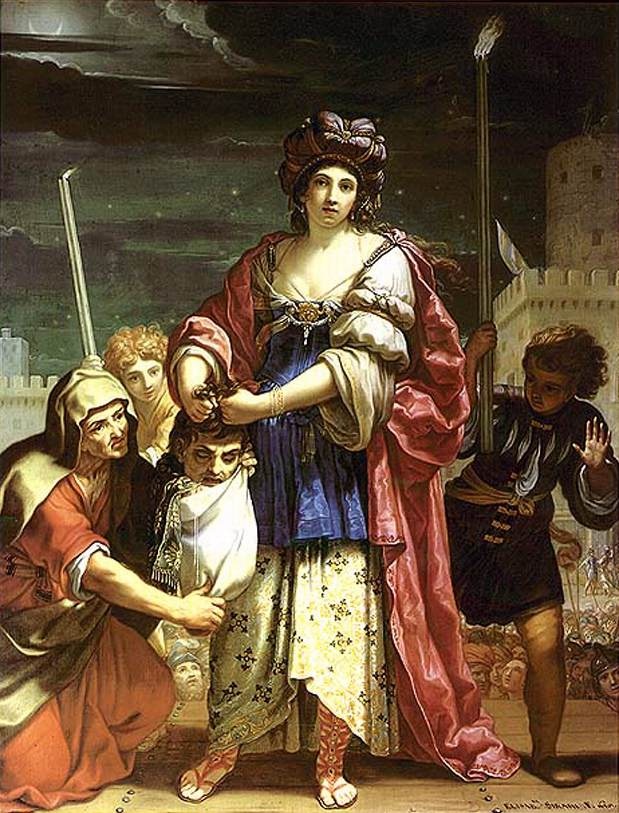
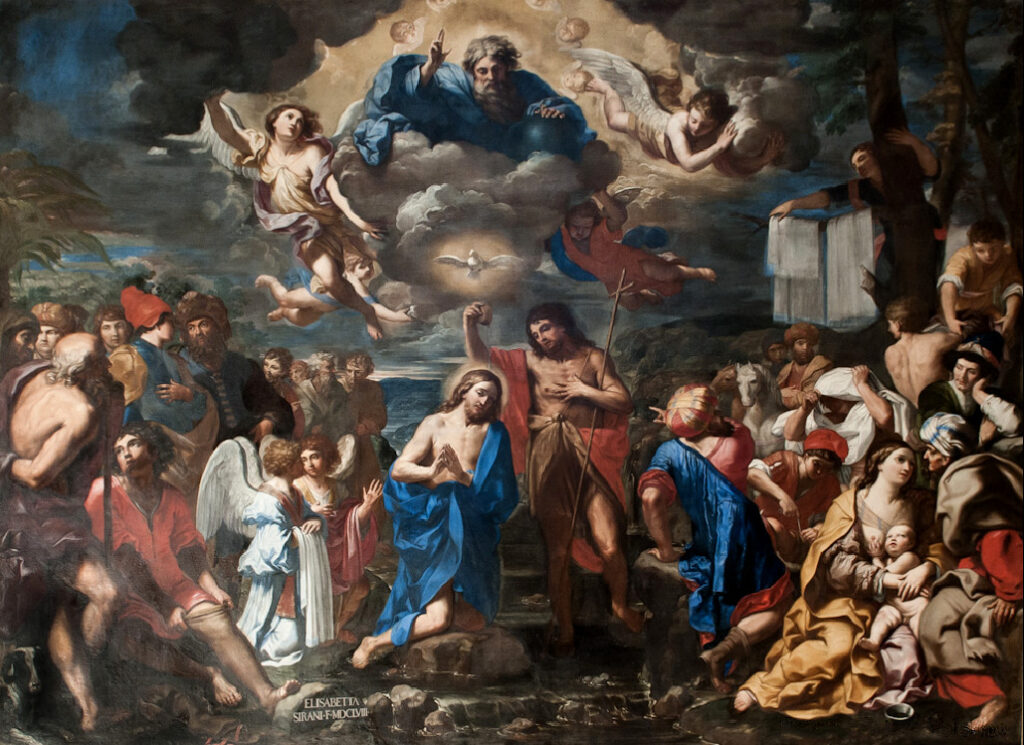
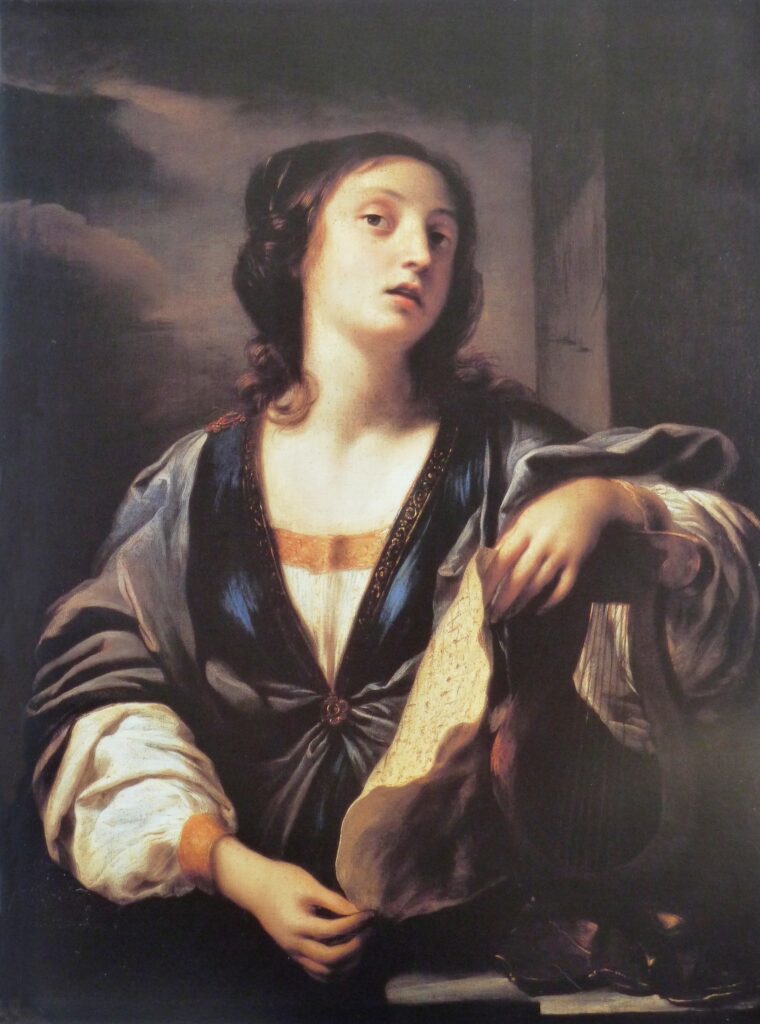
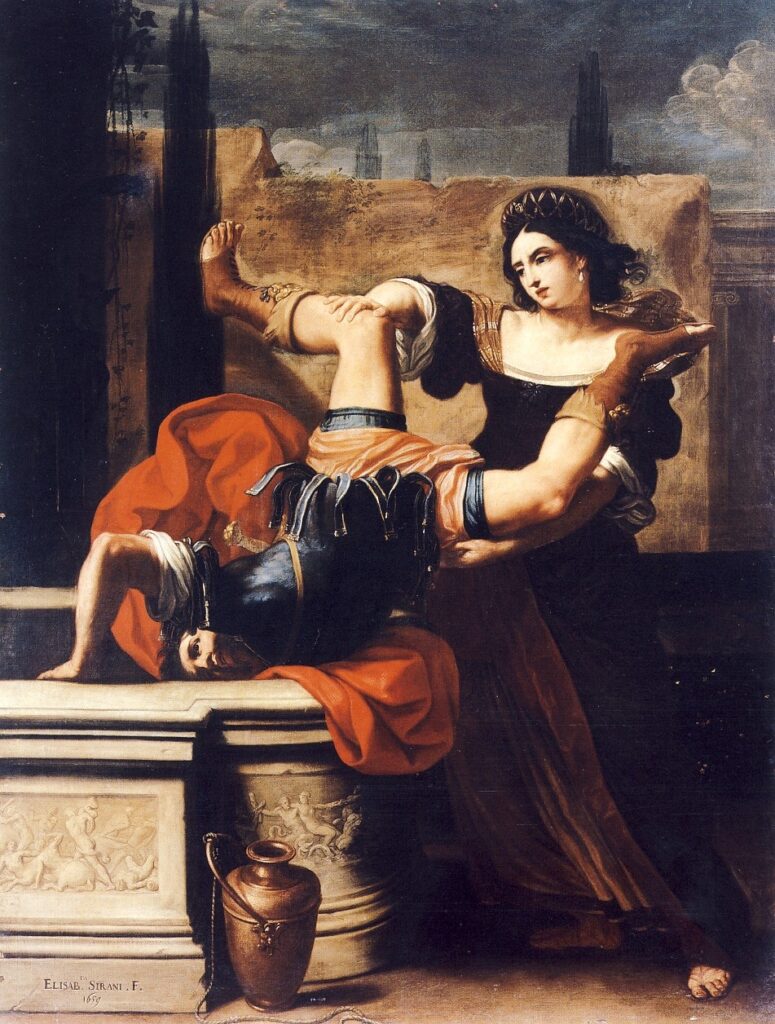
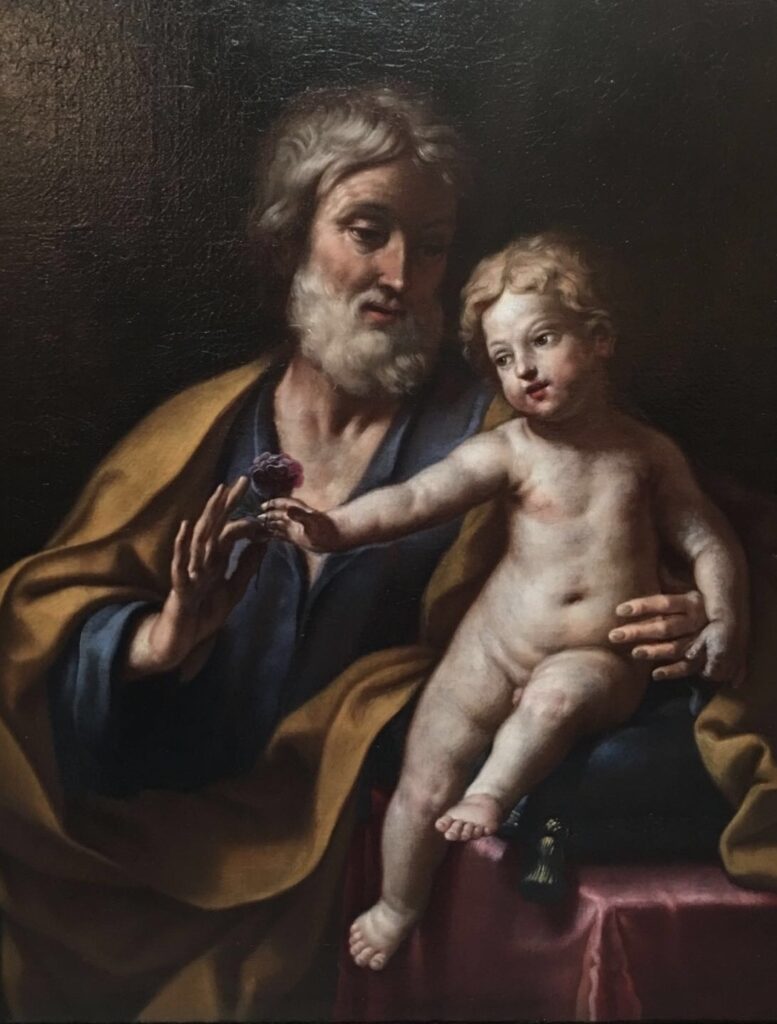
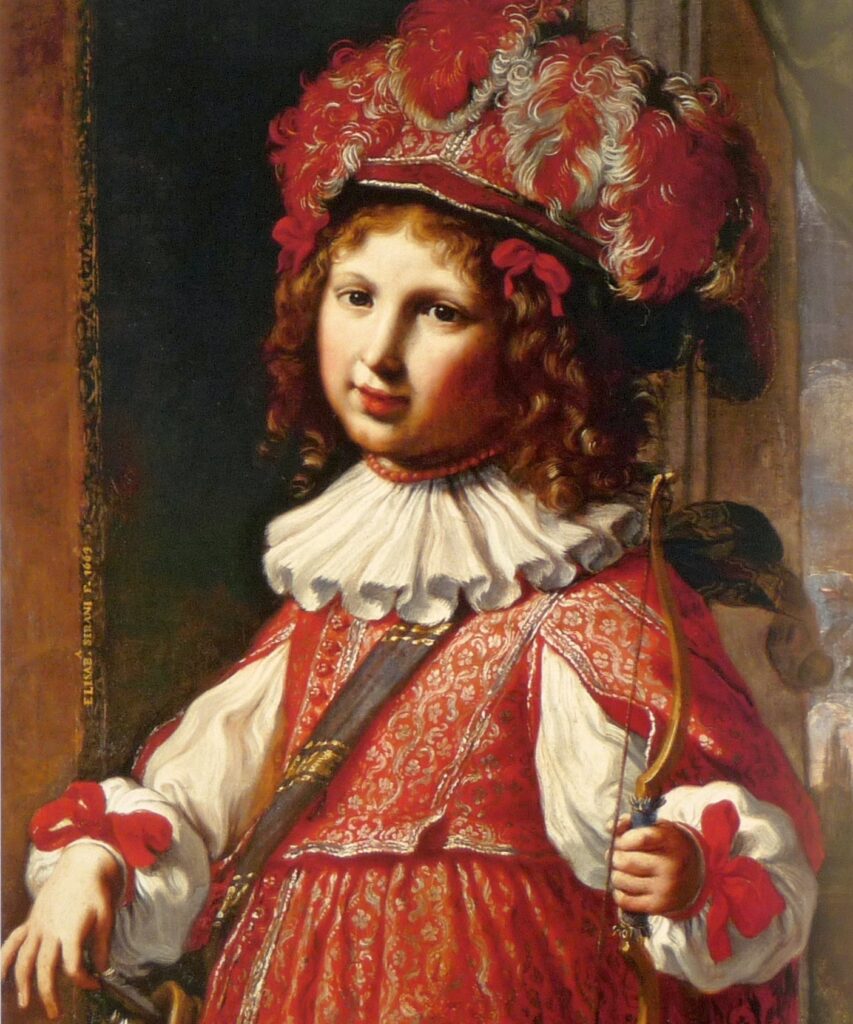
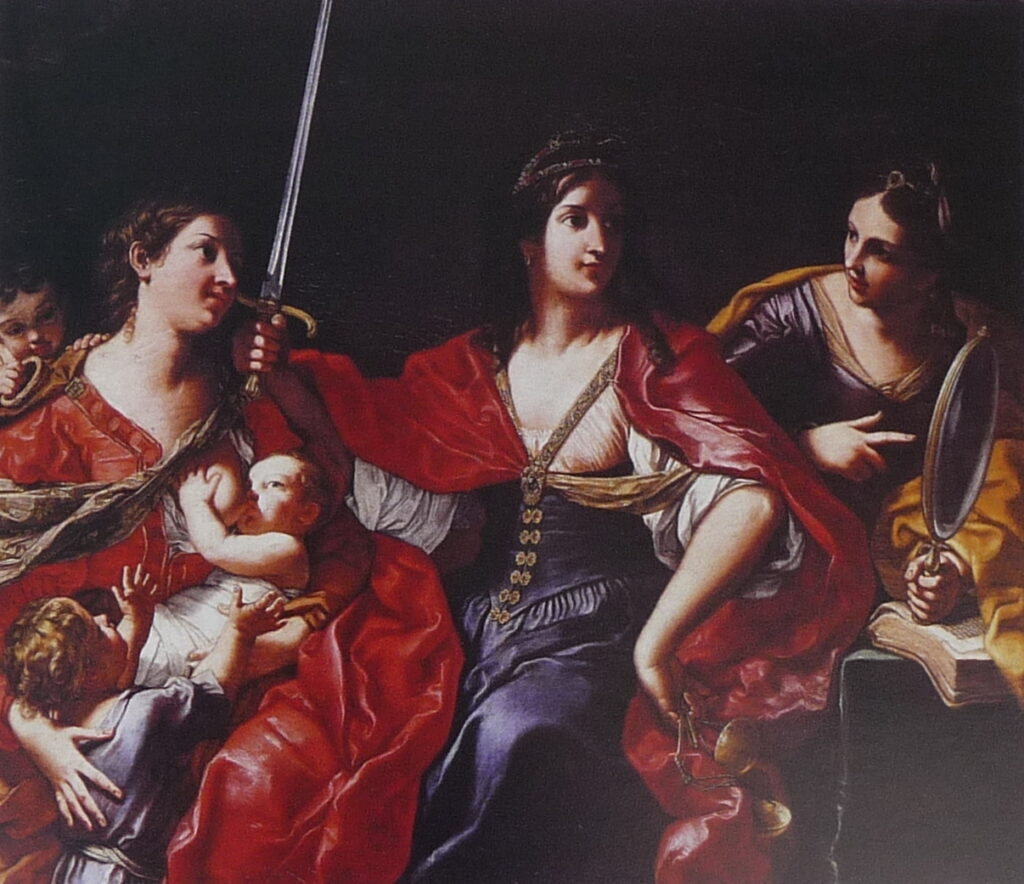
Elisabetta Sirani, January 8, 1638–August 28, 1665, was an Italian painter, draftsman, and printmaker of the Bolognese school. She trained in Bologna in the workshop of her father, Giovanni Andrea Sirani, a painter and former assistant of Guido Reni.
Sirani became a professional artist while still in her teens and later directed the family workshop when illness limited her father’s work. She also taught women artists, including her sisters Barbara and Anna Maria Sirani, and maintained records of her commissions.
Her paintings, drawings, and prints are represented in the Pinacoteca Nazionale di Bologna, Museo e Real Bosco di Capodimonte, The Pushkin State Museum of Fine Arts, National Museum in Warsaw, National Museum of Women in the Arts, and other public and private collections




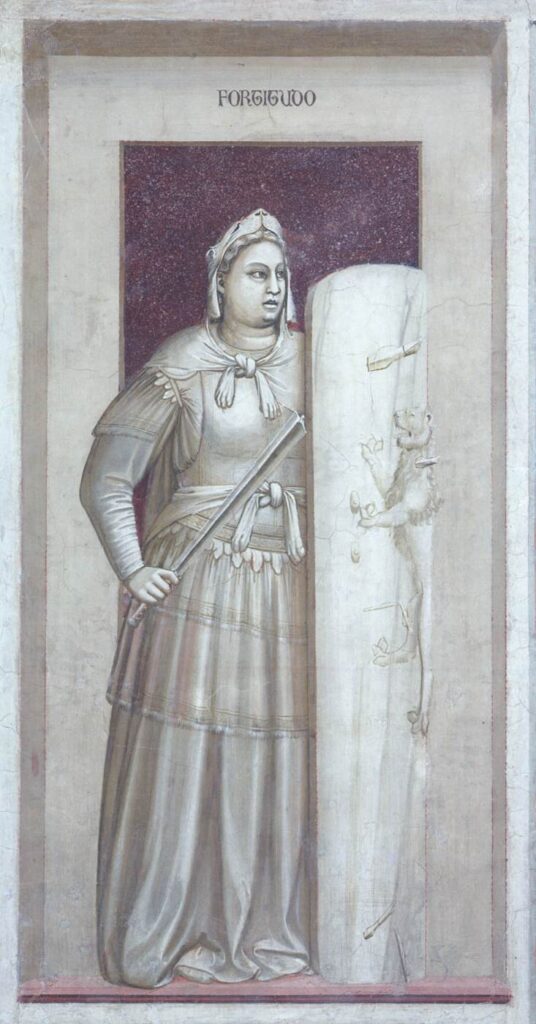
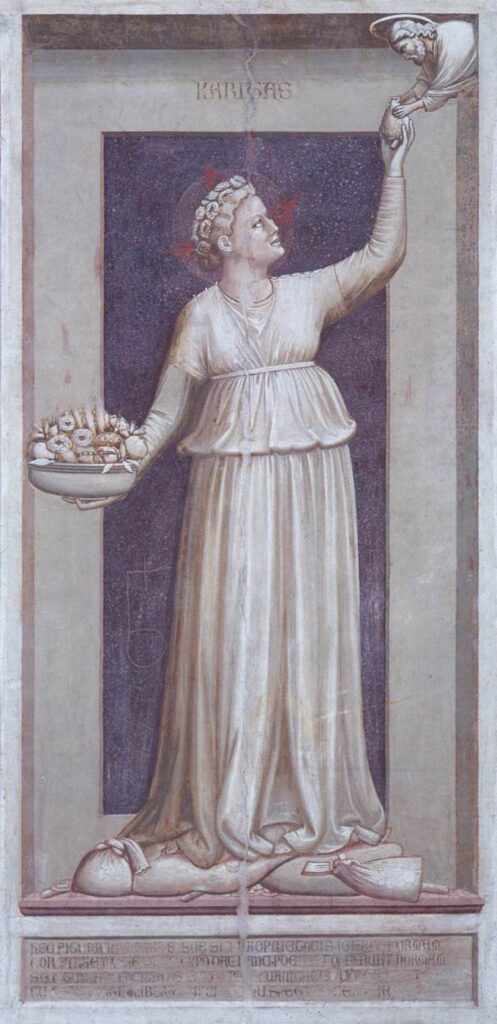
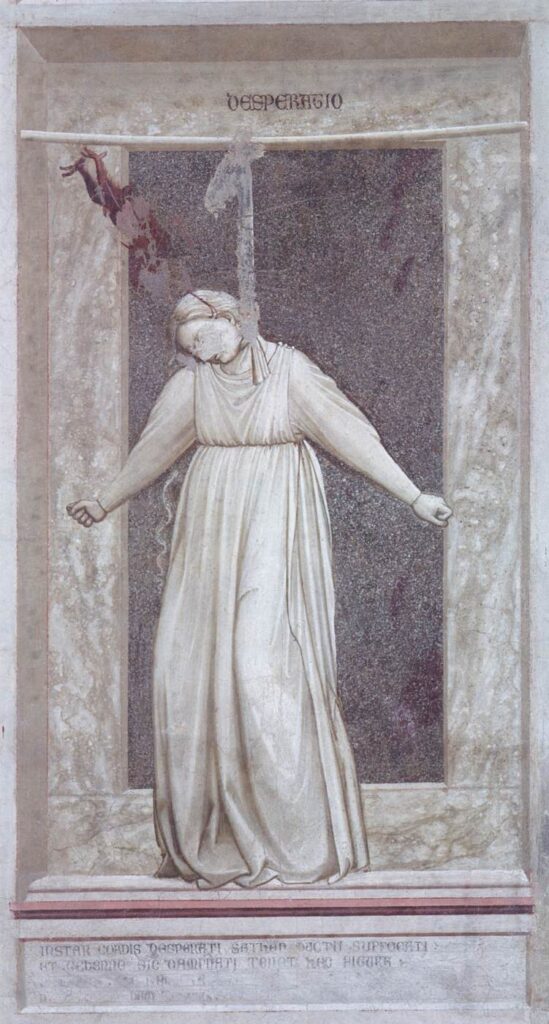
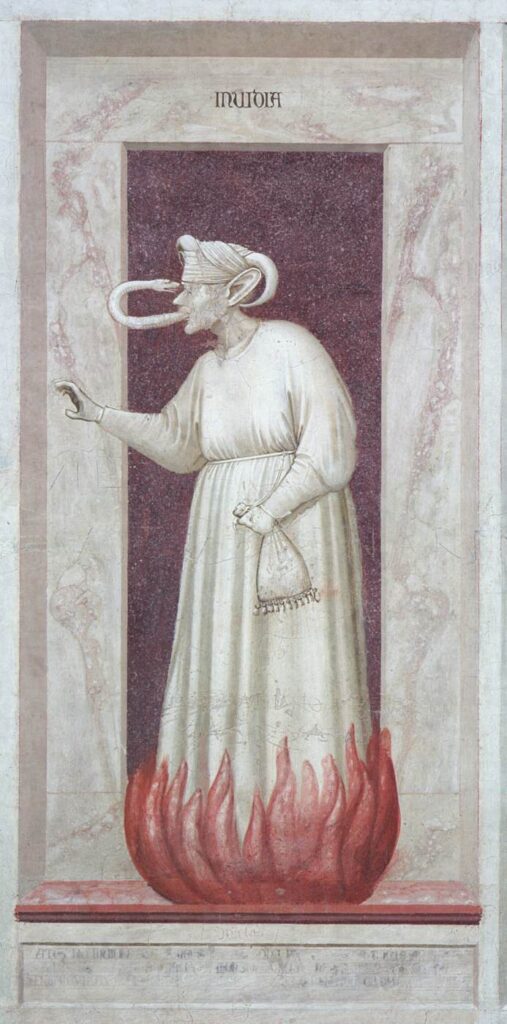
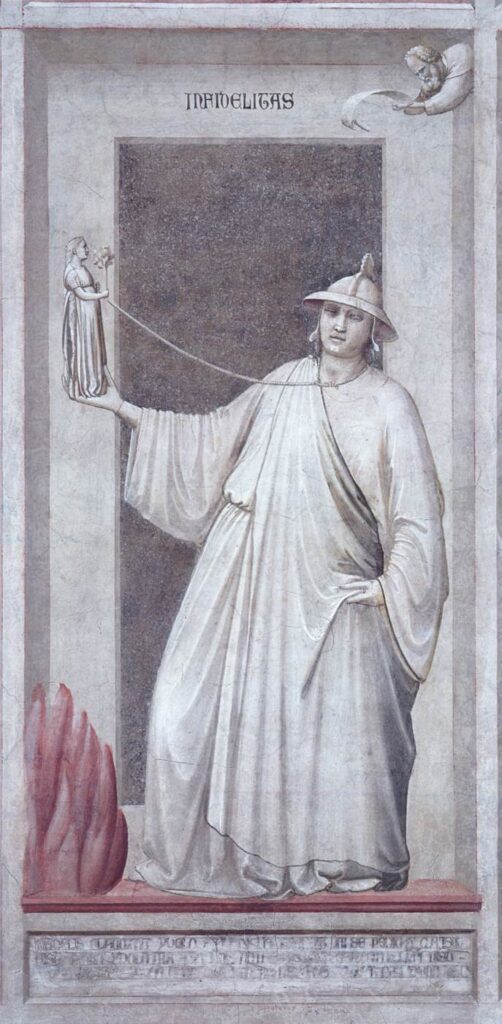
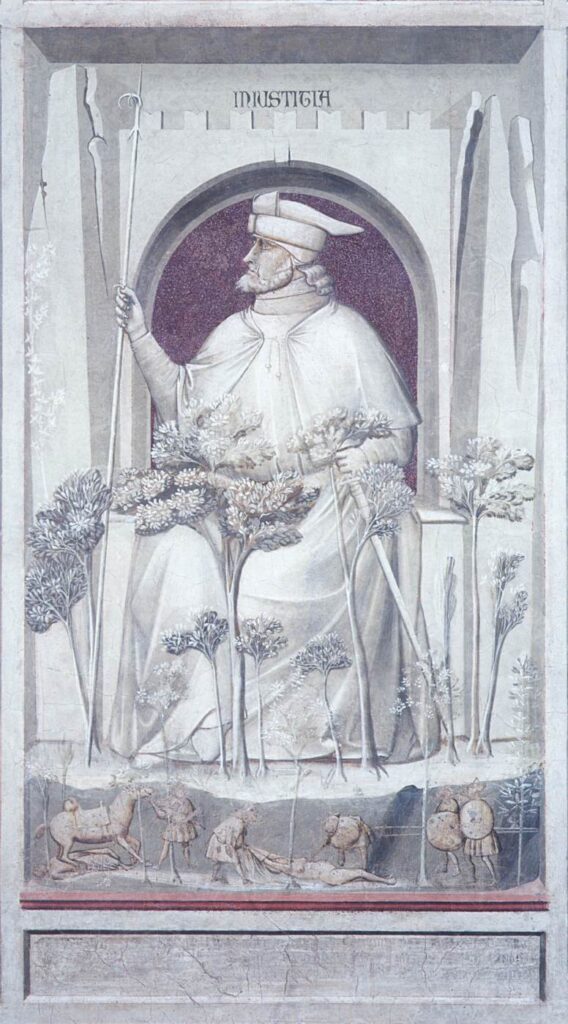
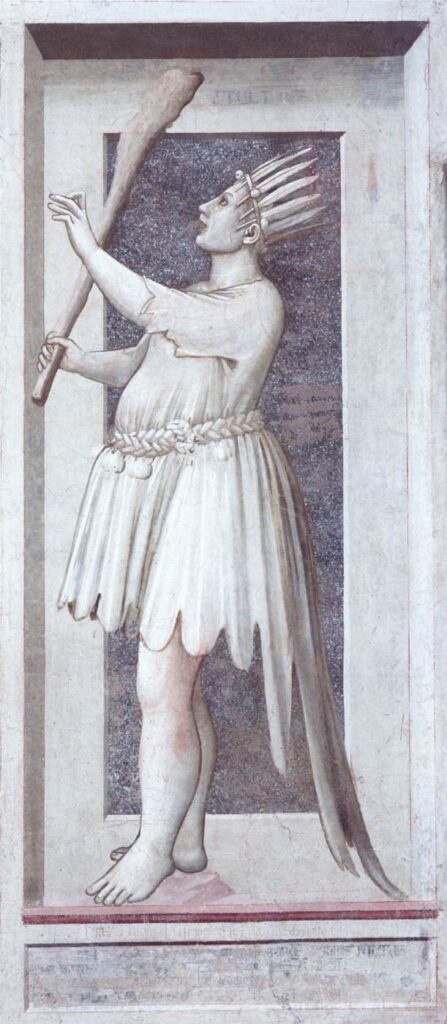
Giotto di Bondone
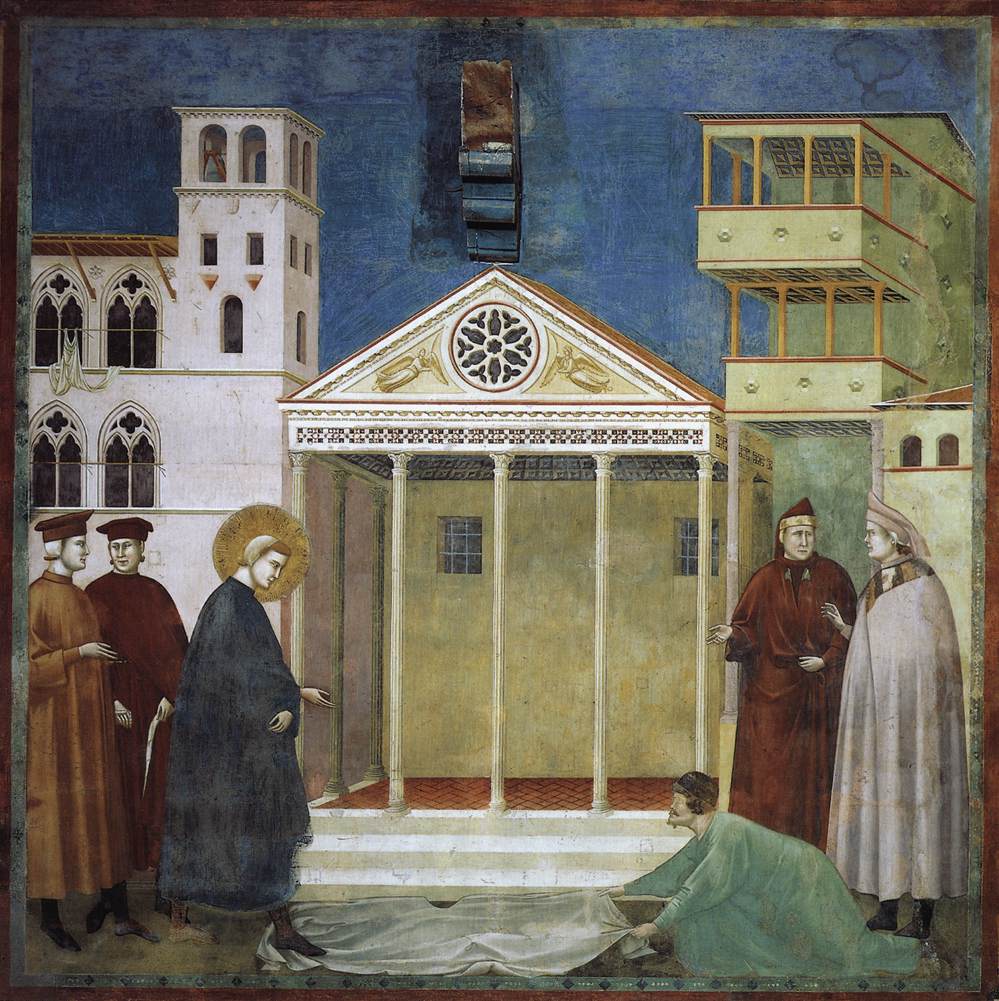
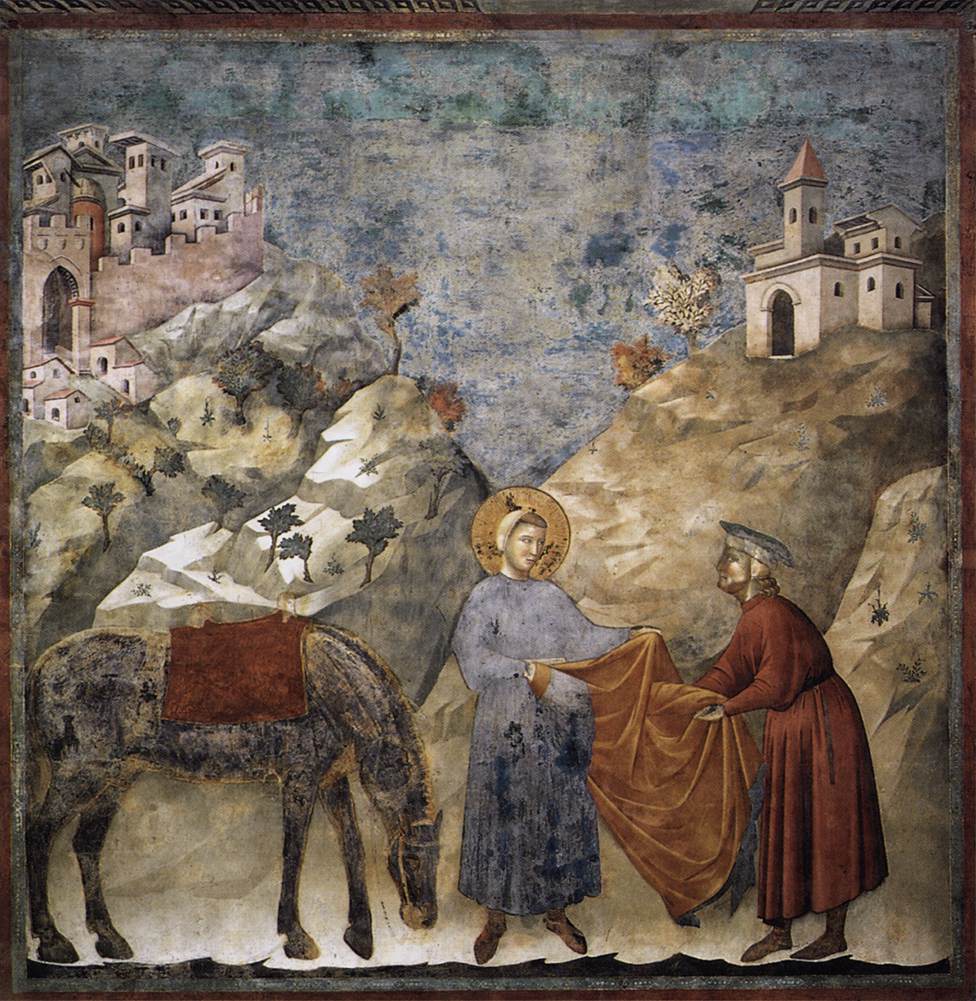
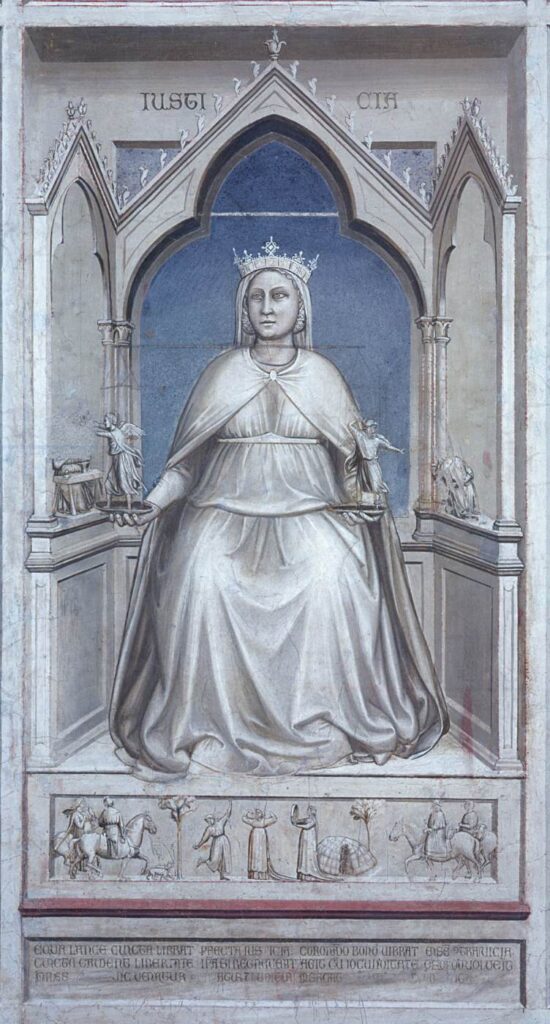
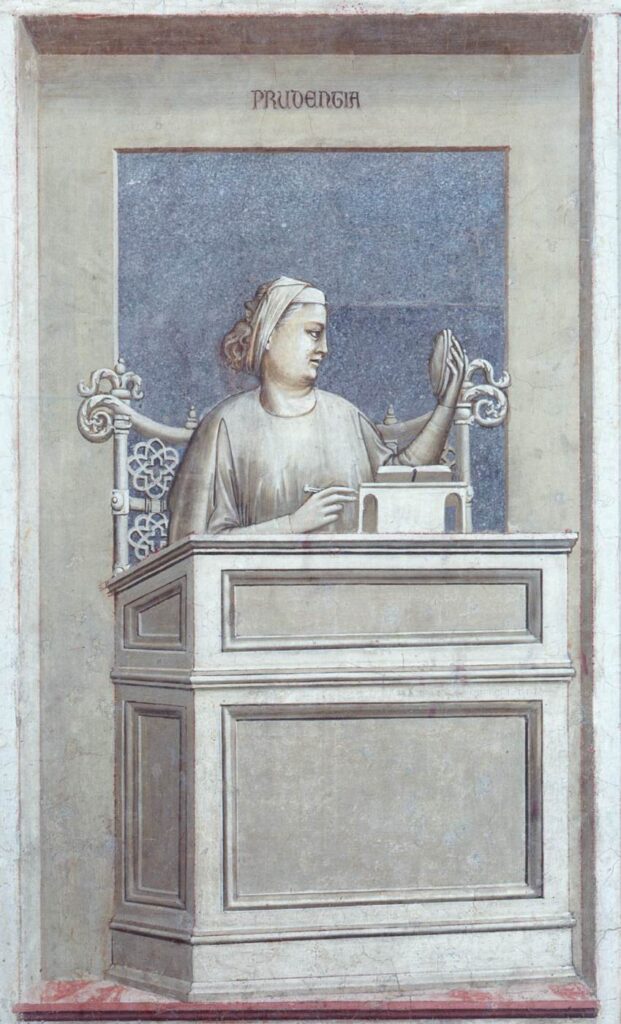
Giotto di Bondone, c 1265 – January 1337, was a Florentine painter. Earlier sources identify Cimabue as his teacher, while modern scholarship also recognizes the importance of a formative period in Rome.
By the mid-1290s Giotto had received the commission for the cycle of stories of Saint Francis in the Basilica of Saint Francis at Assisi. He also worked in Rome, Florence, Padua, Rimini, Naples, and other Italian cities.
Giotto died in Florence in January 1337. His surviving works include fresco cycles in the Basilica of Saint Francis, Assisi, and the Cappella degli Scrovegni, Padua; panel paintings in the National Gallery, London; the Uffizi, Florence; and the Metropolitan Museum of Art, New York.