Posts in Category: Italian
Giovanni Fattori
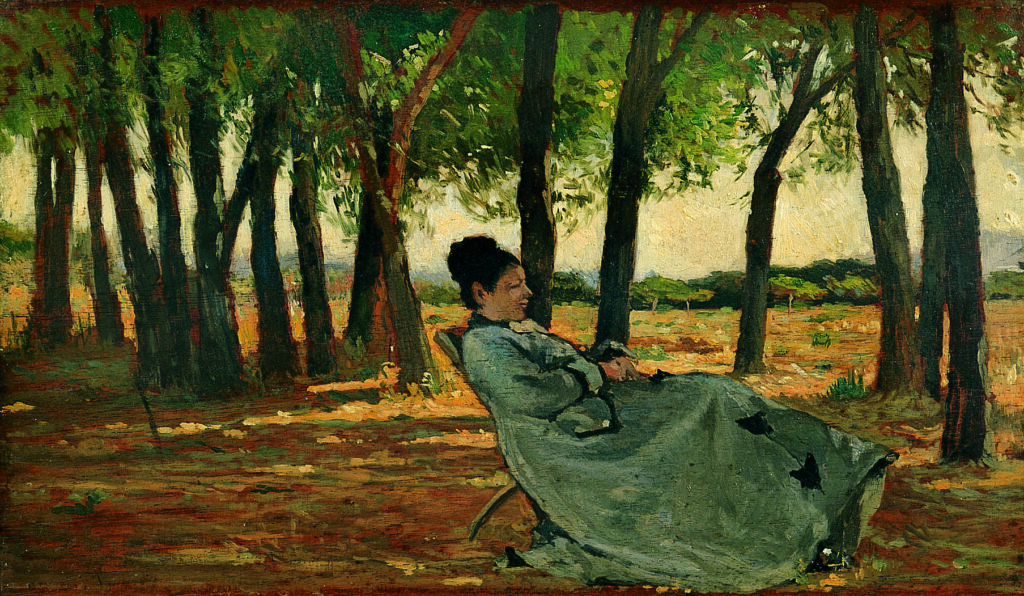
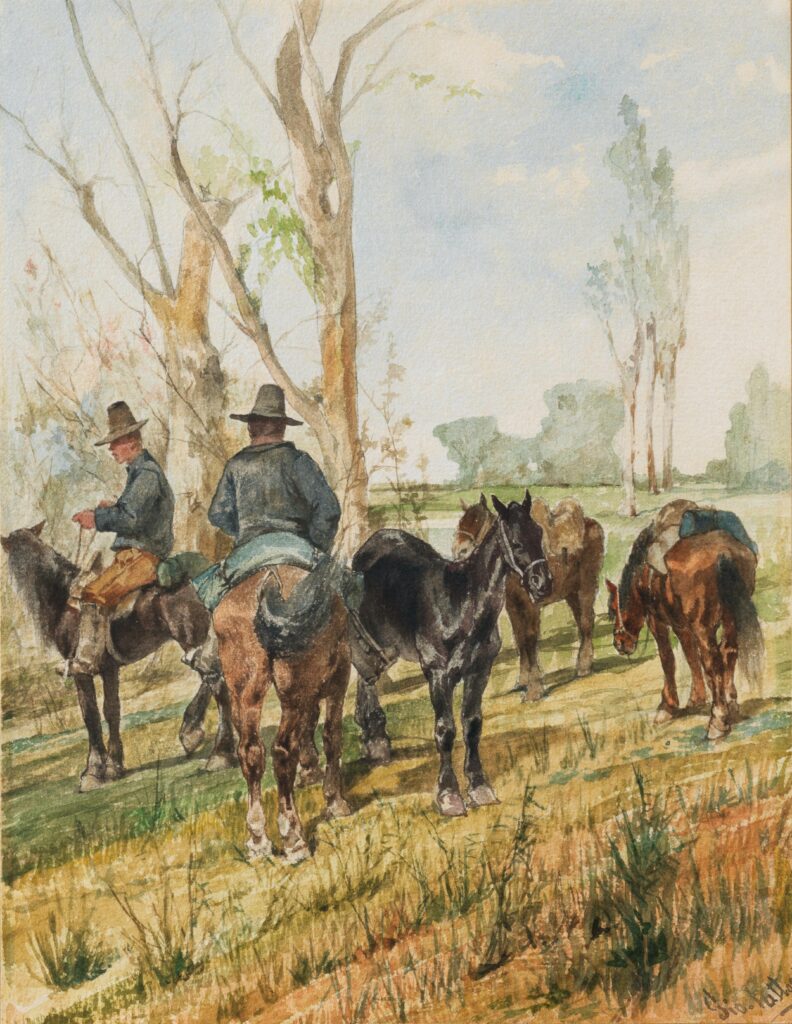
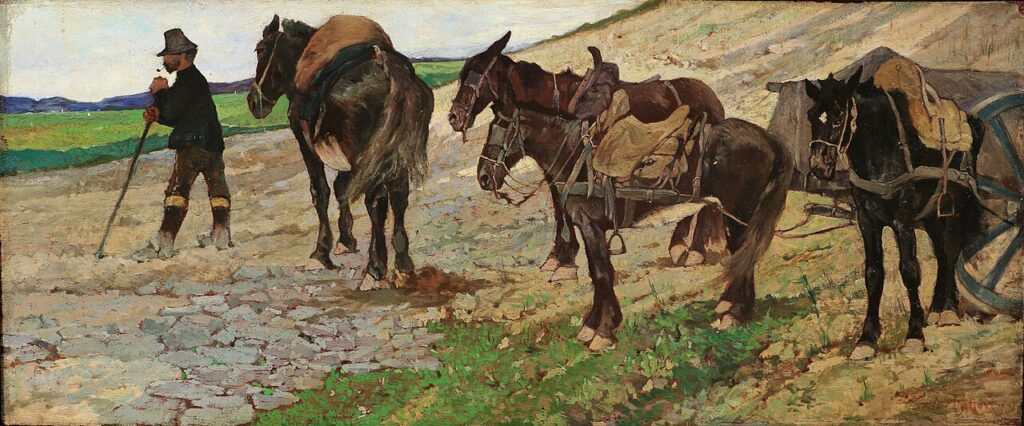
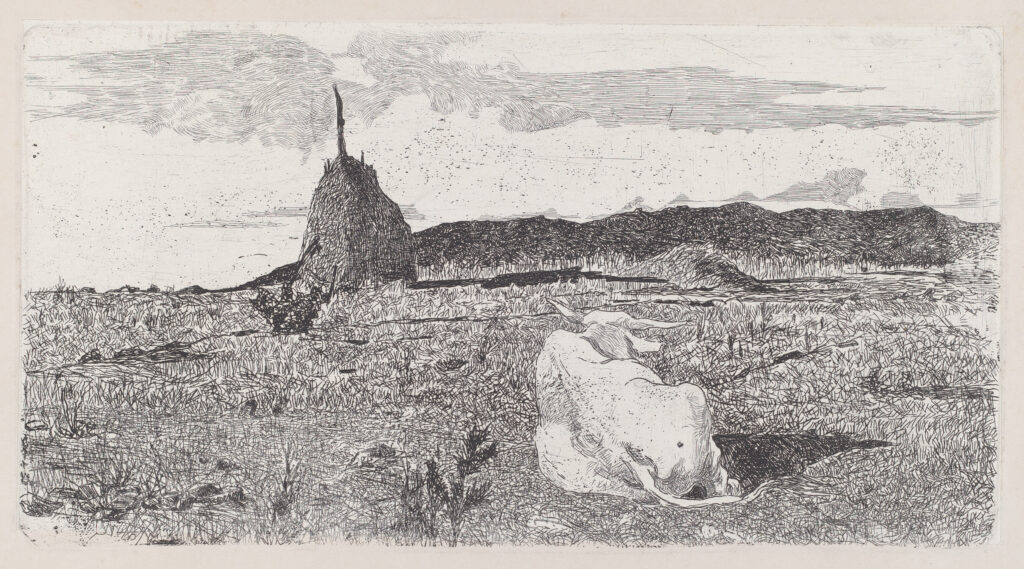
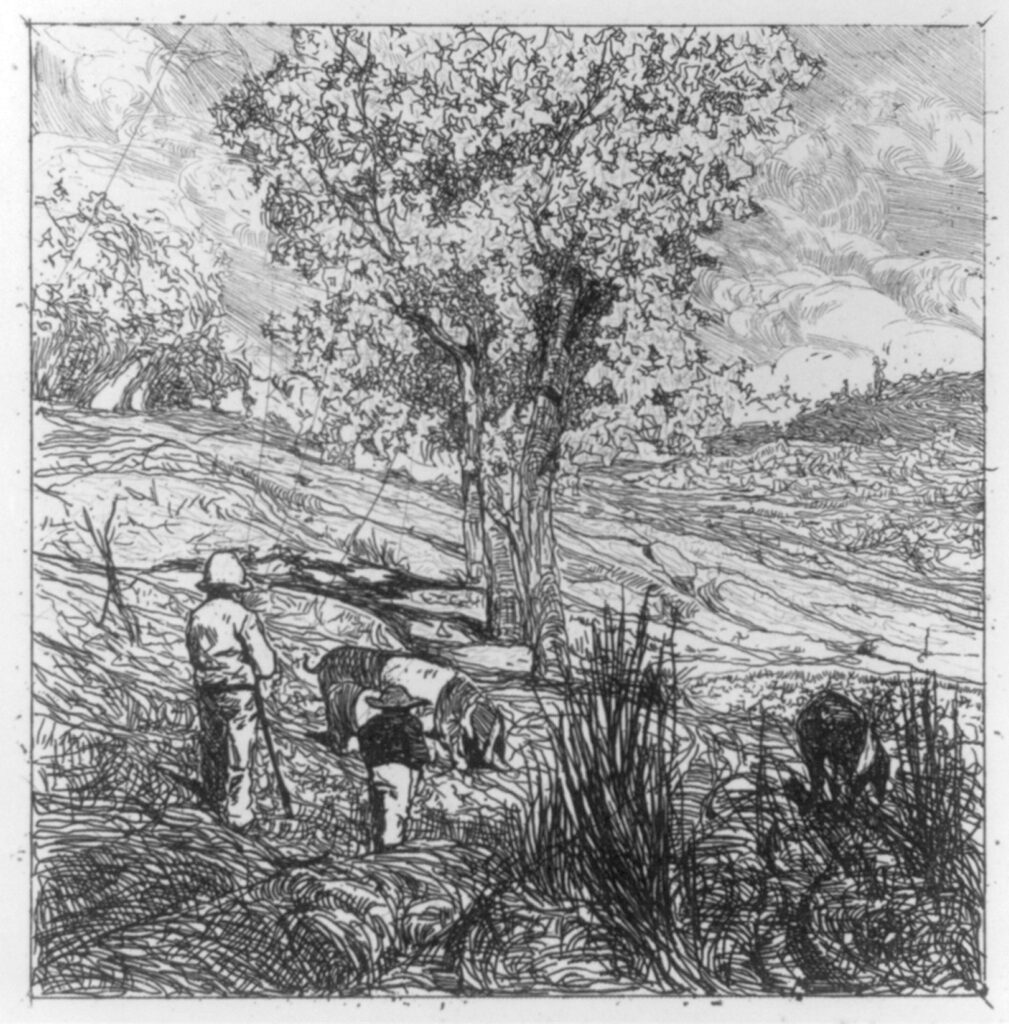
Giovanni Fattori, September 6, 1825 – August 30, 1908, was an Italian painter and printmaker born in Livorno. He studied there with Giuseppe Baldini before moving to Florence, where he trained with Giuseppe Bezzuoli and at the Academy of Fine Arts.
In Florence, Fattori frequented the Caffè Michelangiolo and became a leading member of the Macchiaioli. He painted historical subjects, scenes of military and rural life, landscapes, portraits, and later produced many etchings; from 1869 he taught at the Academy of Fine Arts, where his students included Plinio Nomellini and Amedeo Modigliani.
Fattori remained active in Florence until his death in 1908. Major holdings of his work are in the Museo Civico Giovanni Fattori, Livorno; the Gallery of Modern Art in the Pitti Palace, Florence; and the National Gallery of Modern and Contemporary Art, Rome.






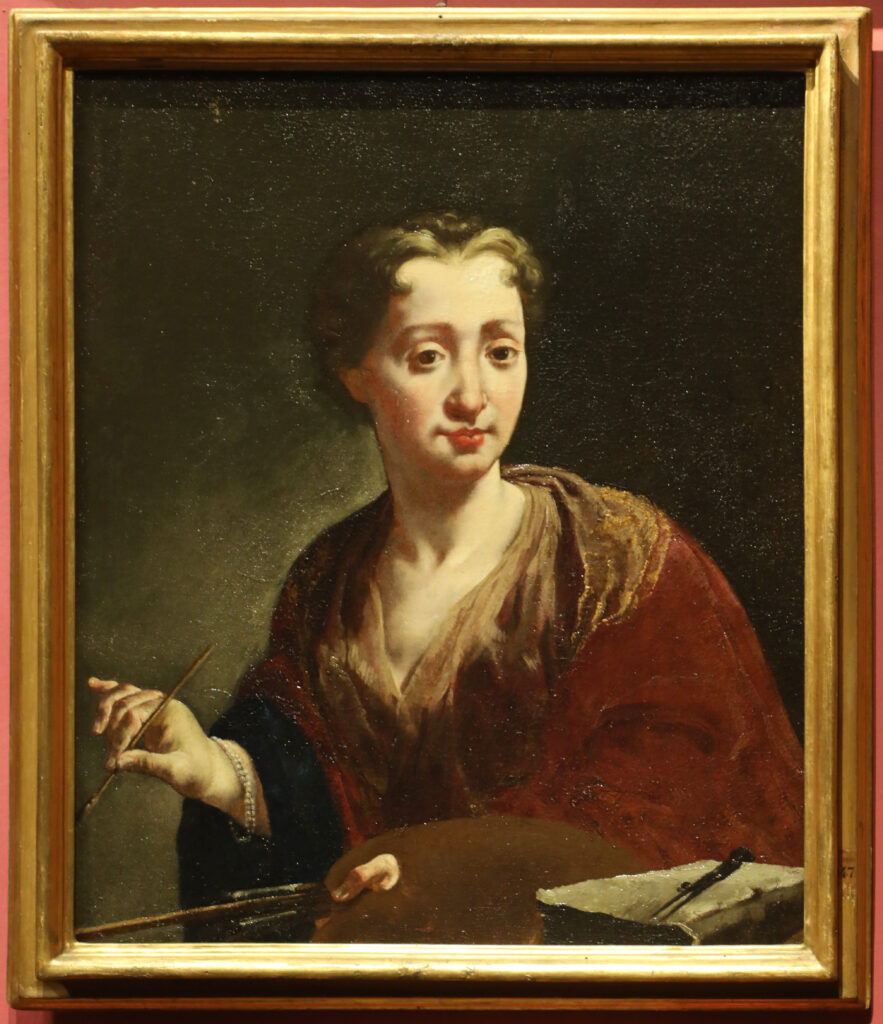
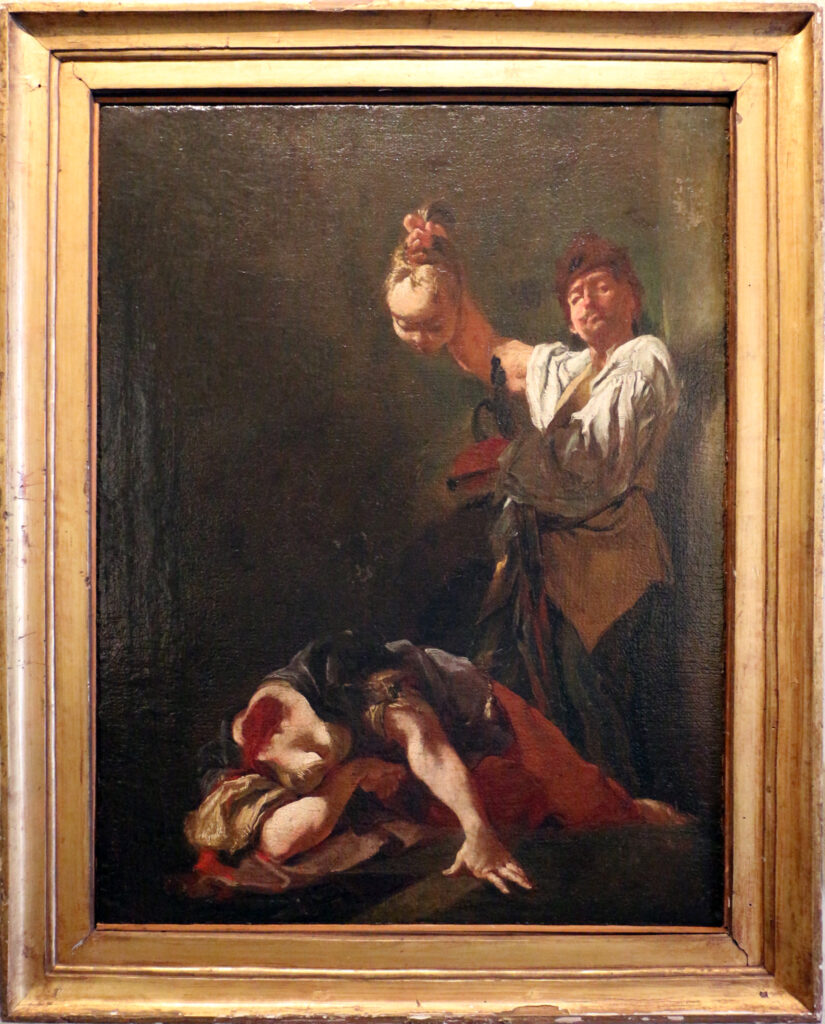
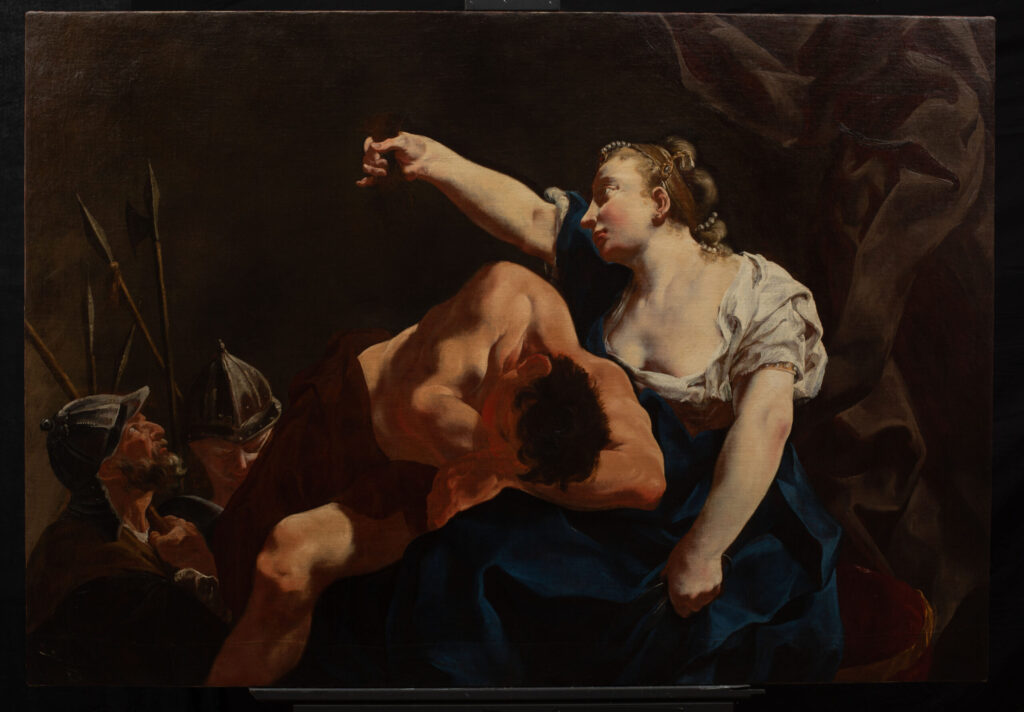
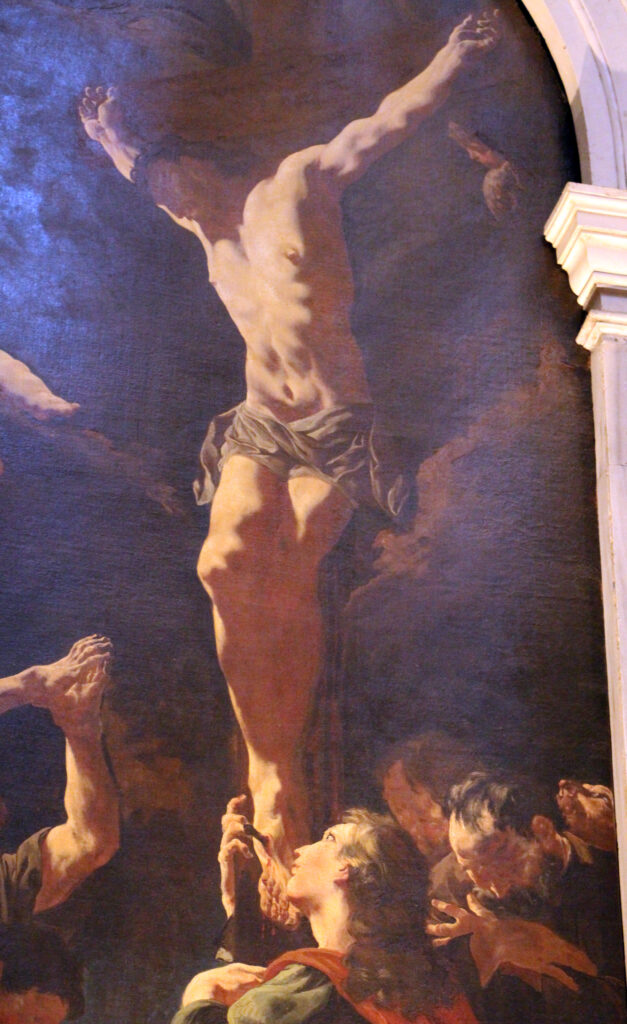
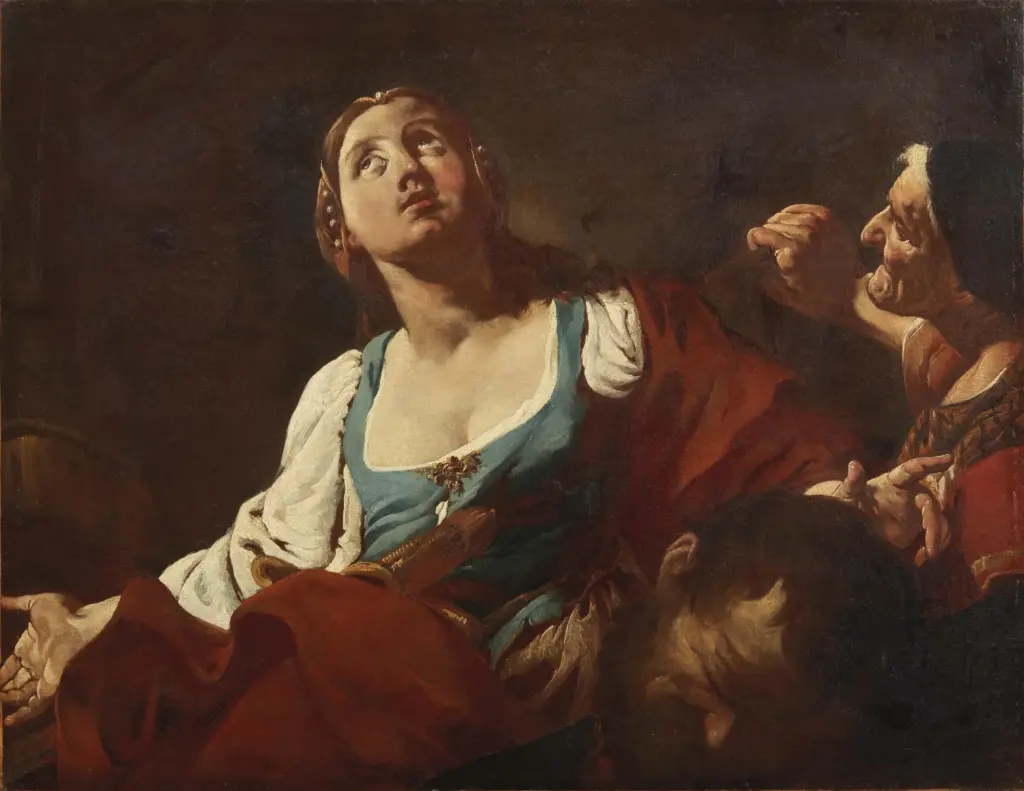
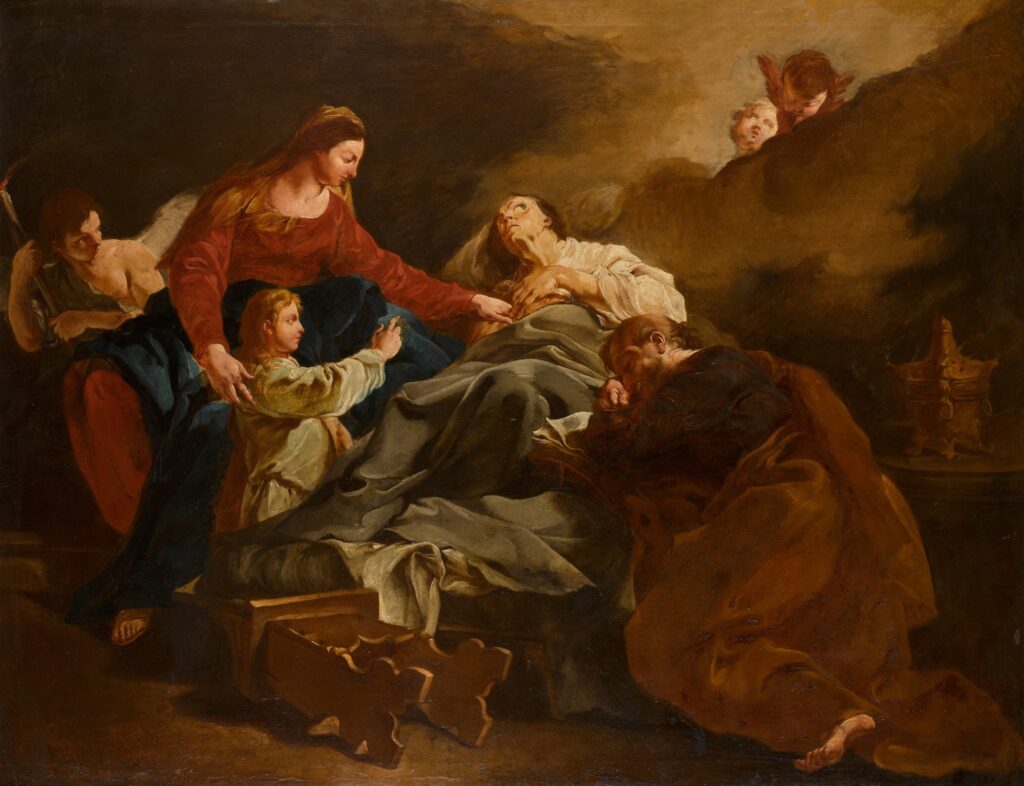
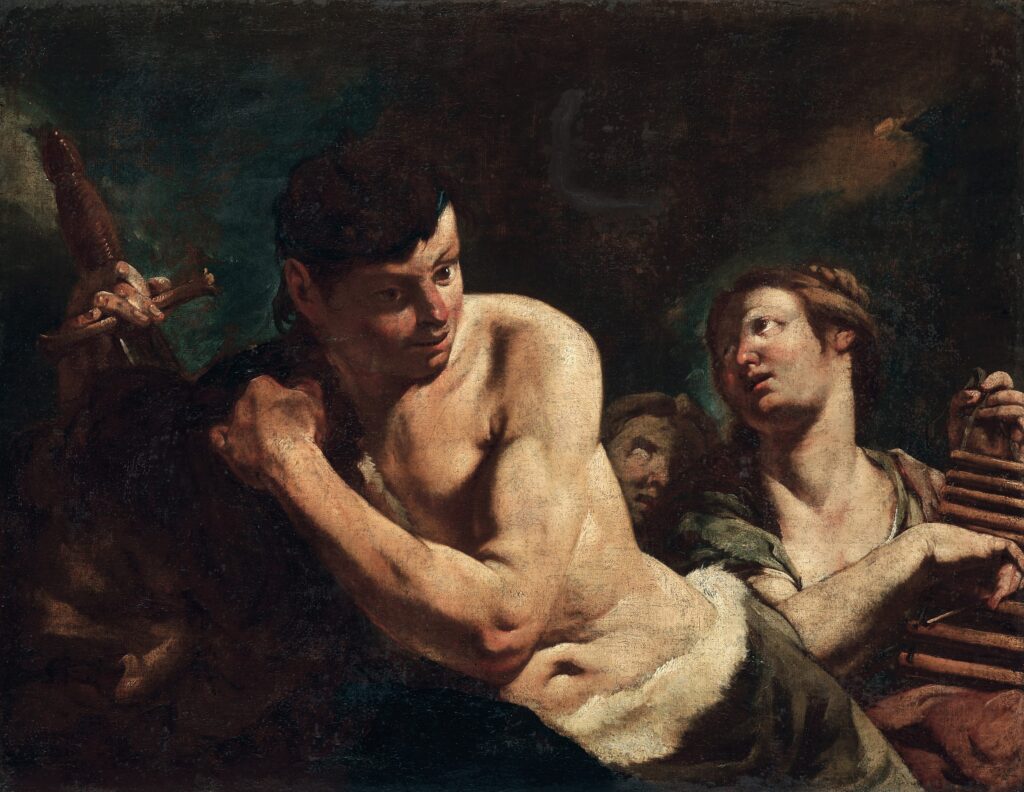
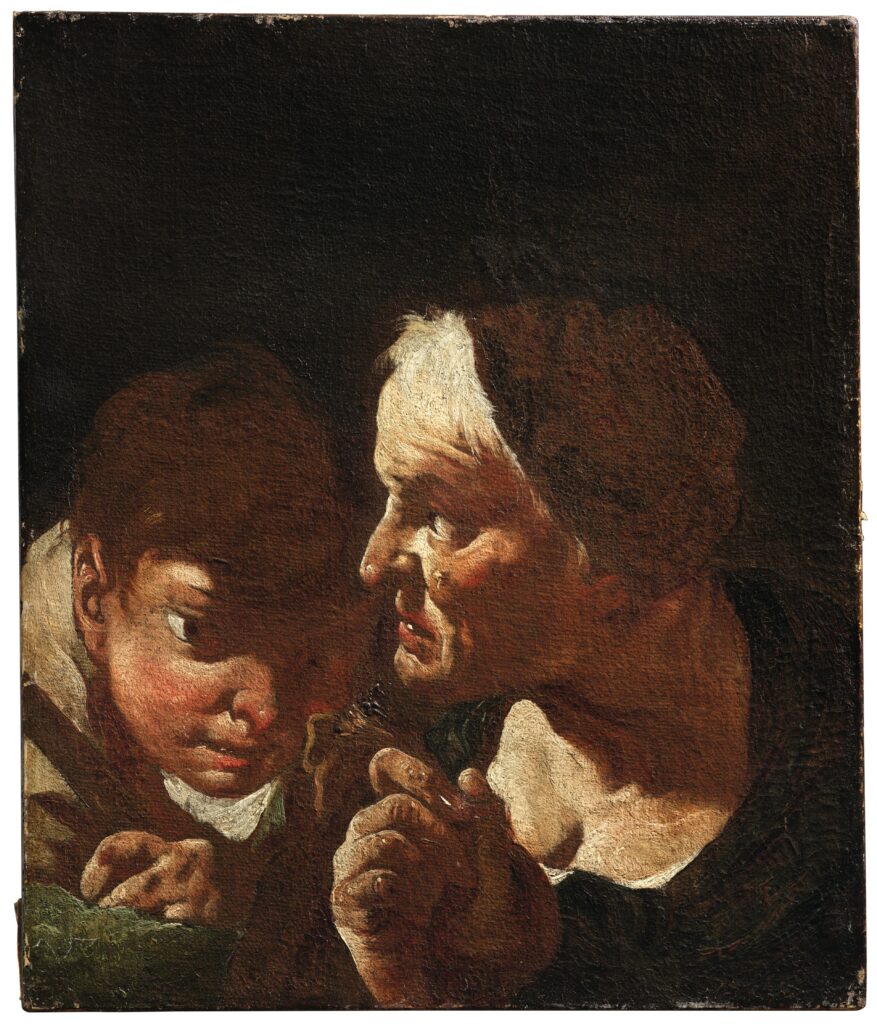
Giulia Lama
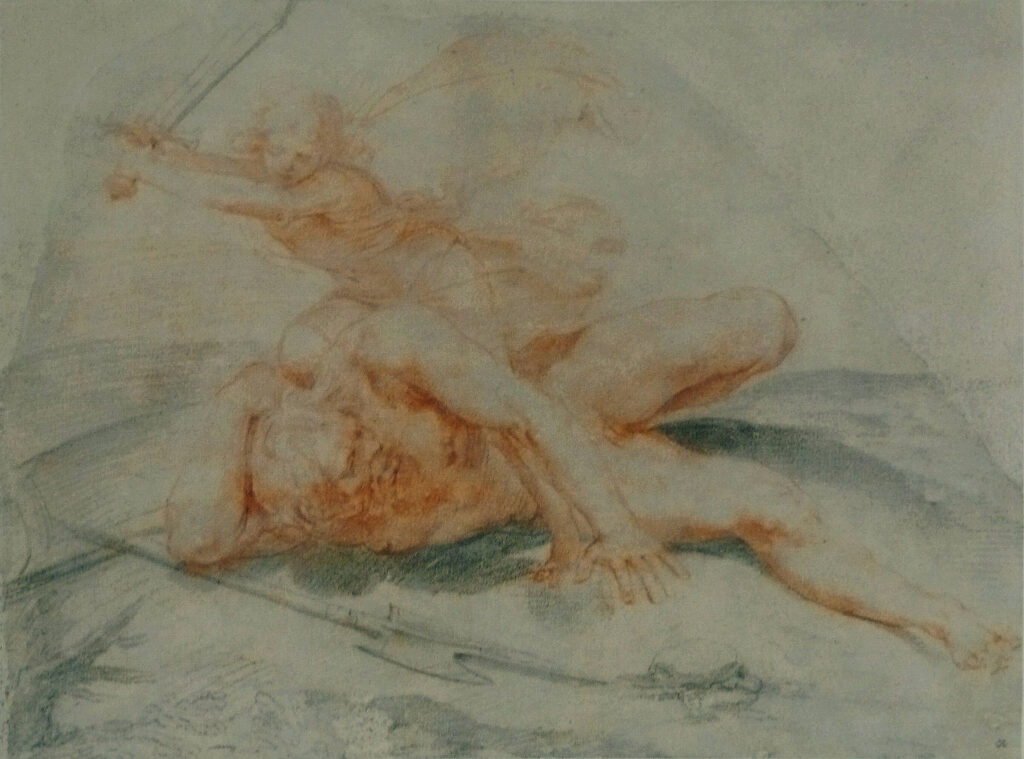
Giulia Lama, October 1, 1681 – October 8, 1747, was an Italian painter, draftsman, poet, and mathematician born and active in Venice. She received her first artistic and mathematical instruction from her father, the painter Agostino Lama, and trained in the circle of Antonio Molinari alongside her friend Giambattista Piazzetta.
Lama established an independent career as a portraitist and history painter, receiving private commissions and producing large religious paintings and altarpieces for Venetian churches. Her surviving drawings show that she studied both male and female figures from life, and she was also known in contemporary intellectual circles for her poetry and mathematical learning.
Lama remained in Venice throughout her life and was buried in the Church of Santi Giovanni e Paolo. Her paintings and drawings are held by the Uffizi Gallery, Gallerie dell’Accademia, Ca’ Rezzonico, and Musée des Beaux-Arts, Quimper; the modern recovery of her work has included the reattribution of paintings formerly assigned to several male contemporaries.
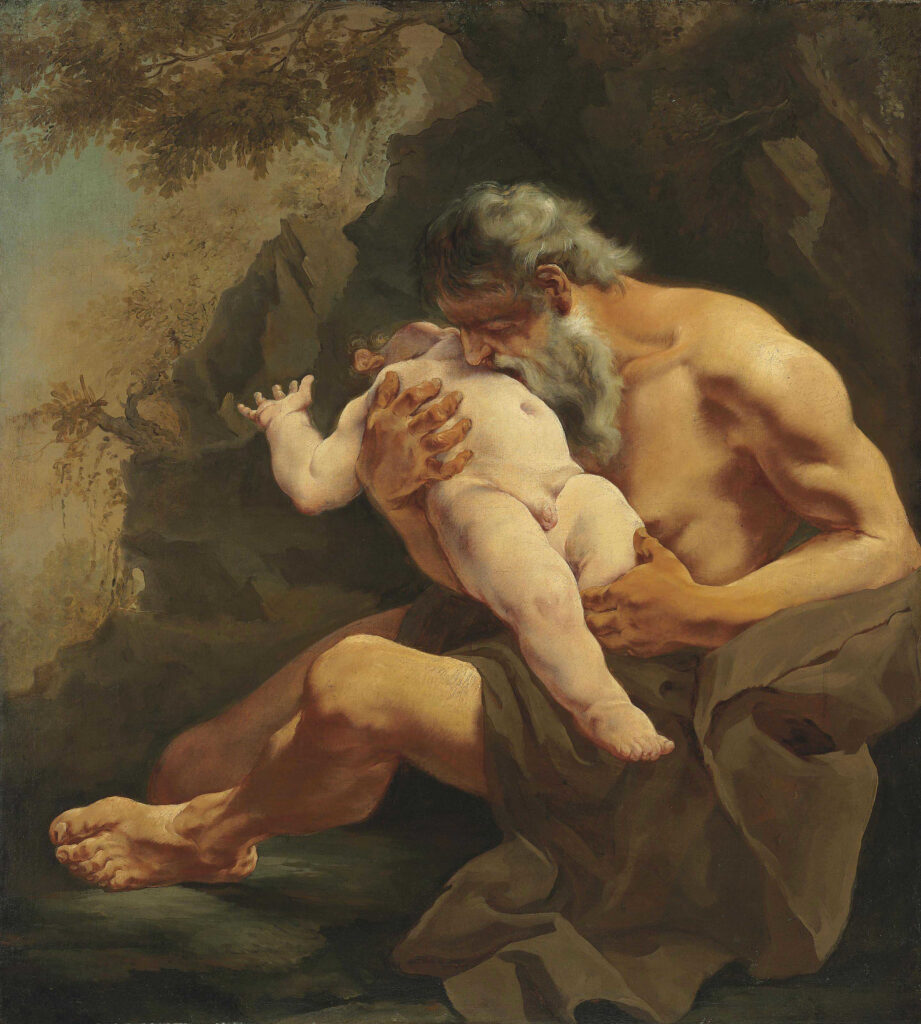
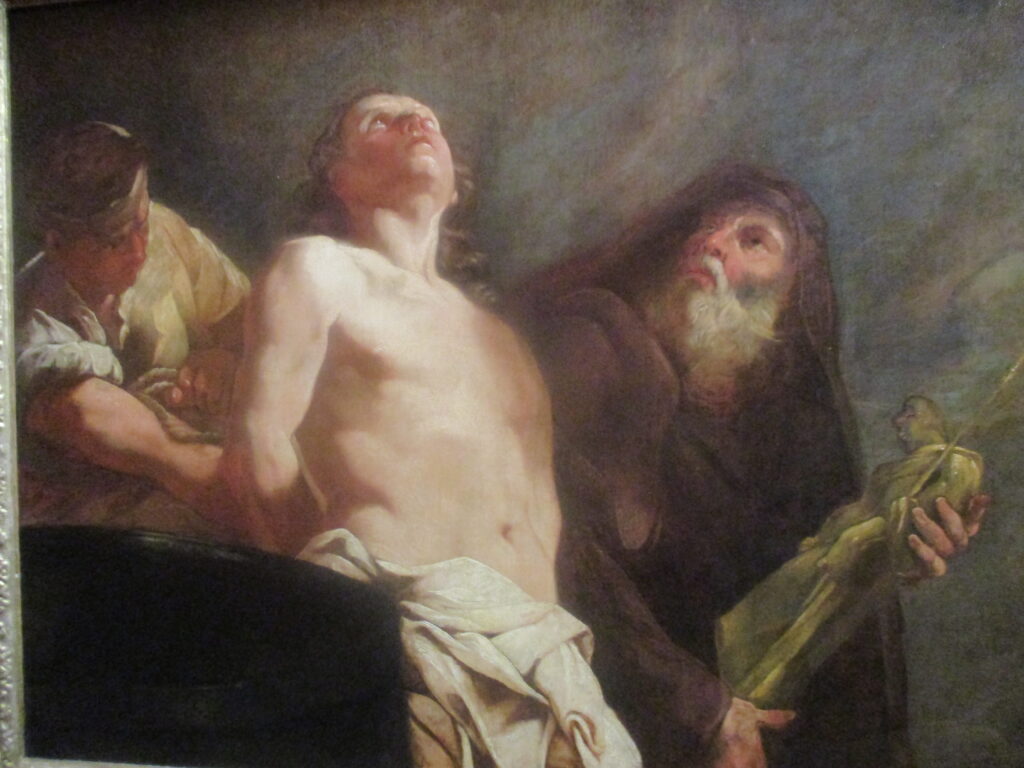
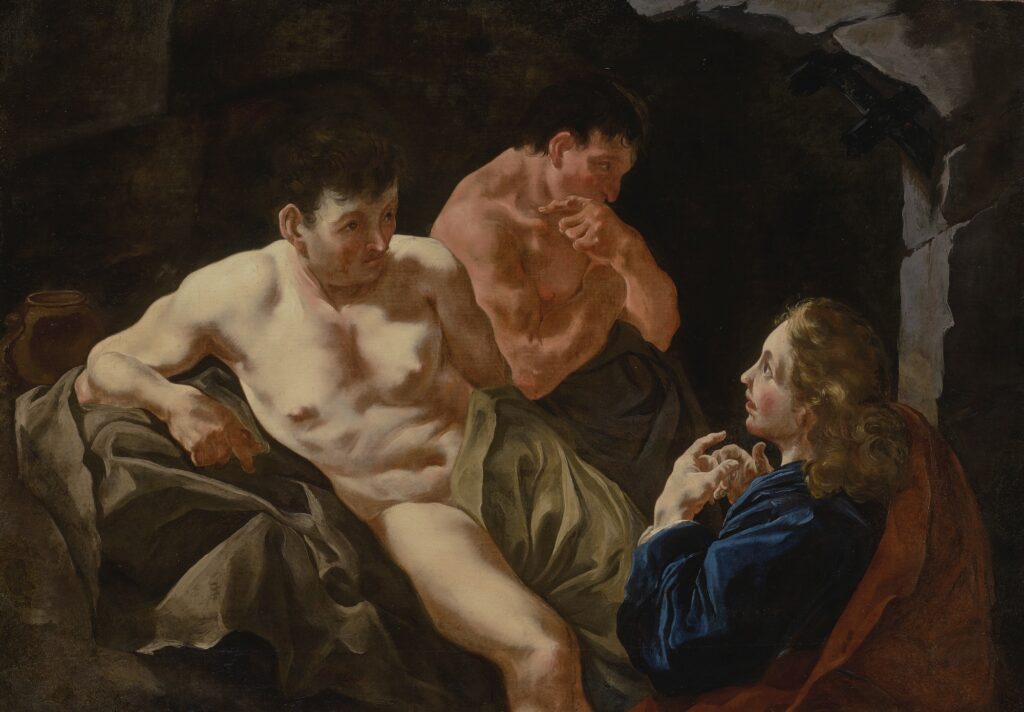
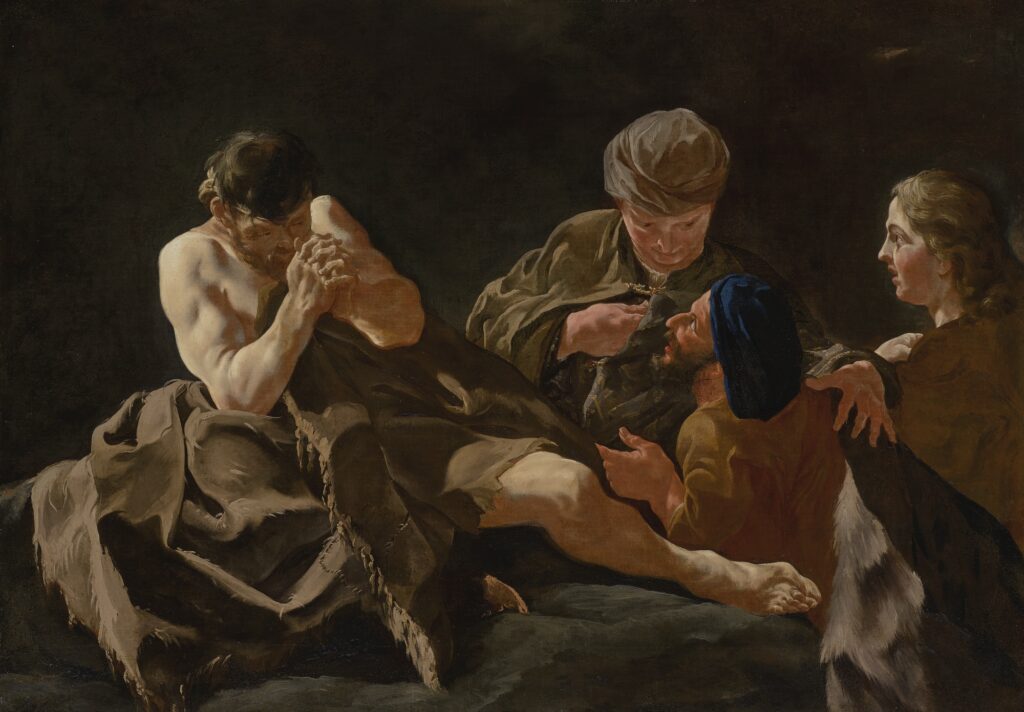
Paris Bordone
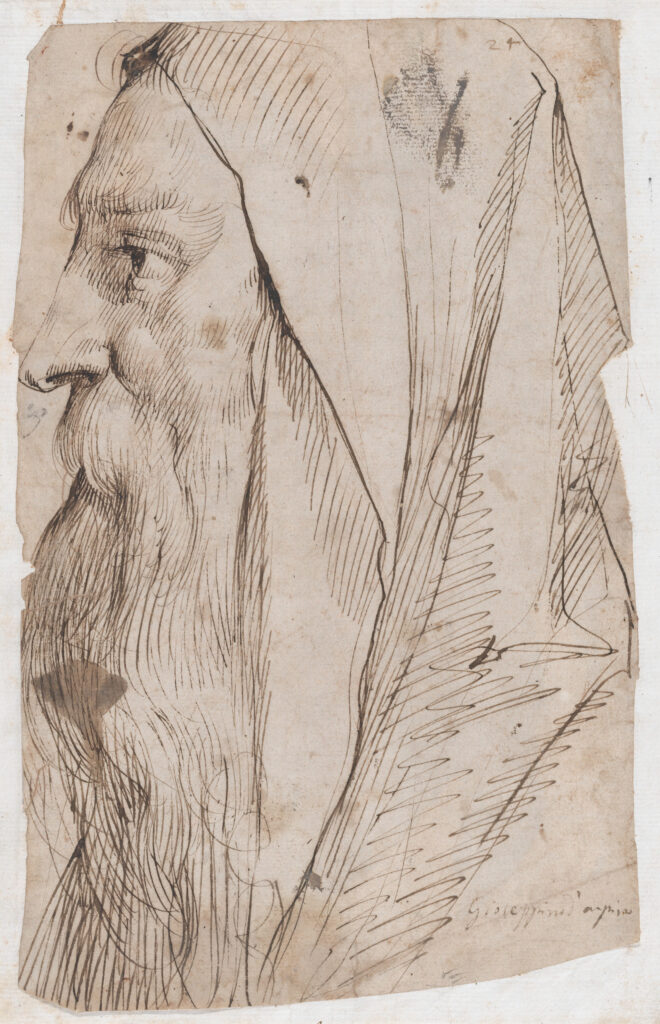
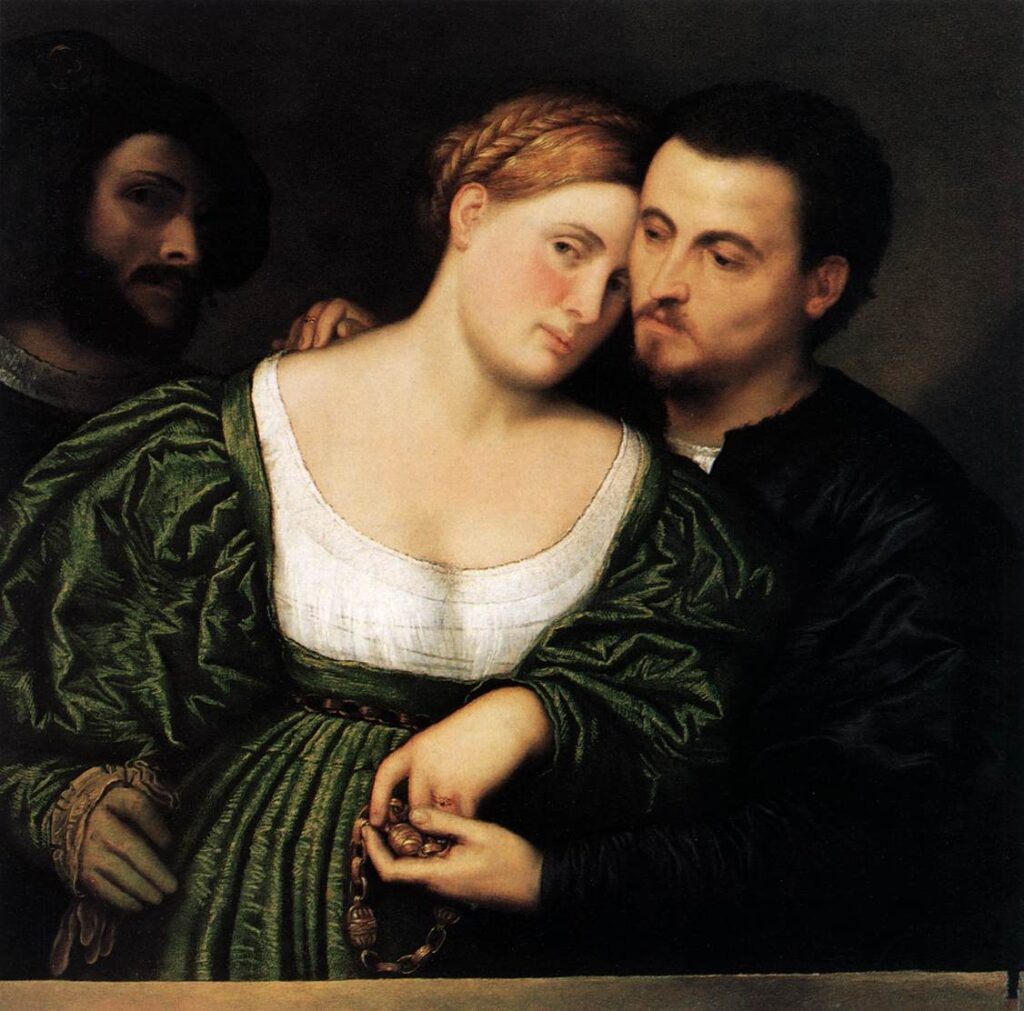
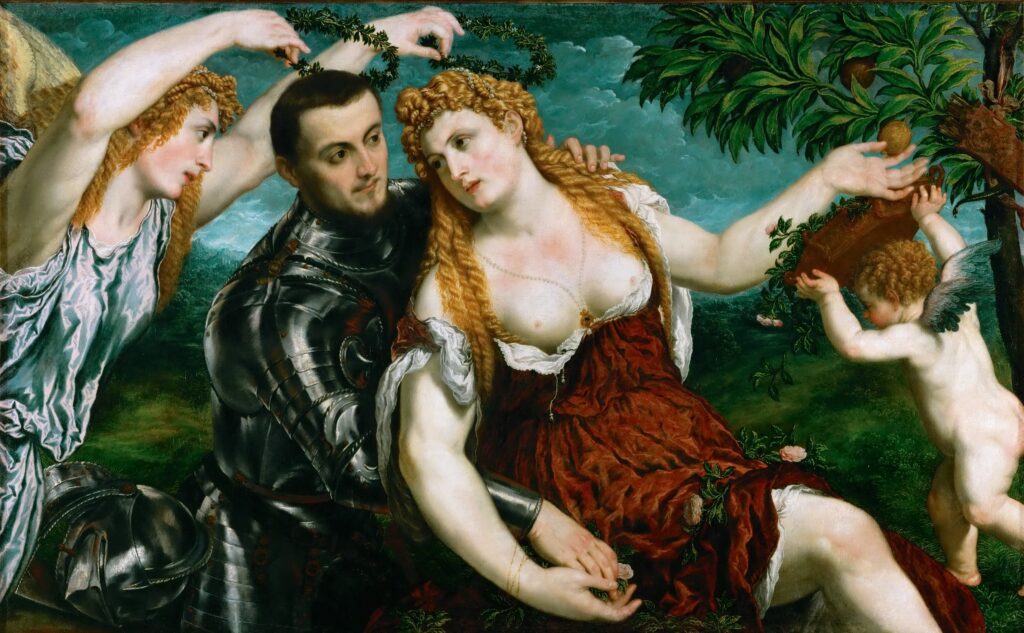
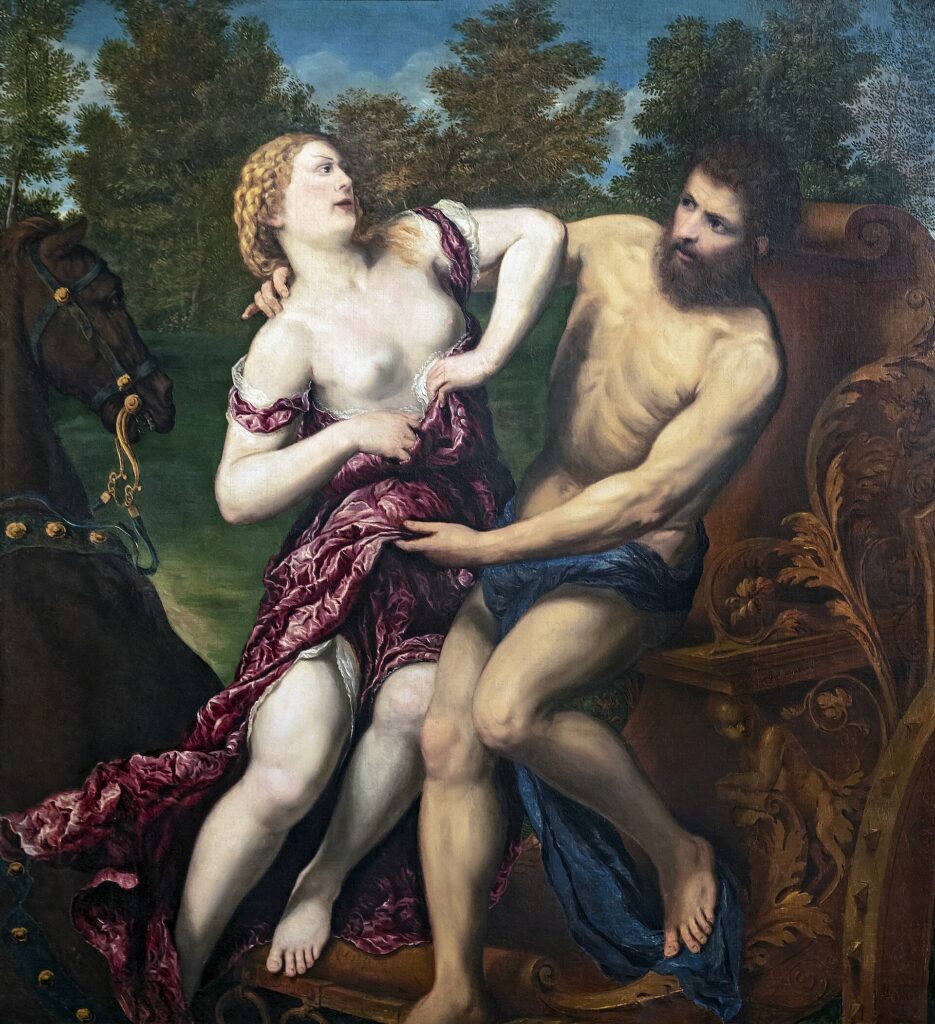
Paris Bordone, July 15, 1500 – January 19, 1571, was an Italian painter of the Venetian Renaissance. He was born in Treviso and moved to Venice while still young. According to early sources, he trained briefly with Titian, though his independent career developed outside Titian’s workshop system. He worked in Venice, Treviso, and other northern Italian centers, and also received commissions abroad.
Bordone painted portraits, mythological subjects, religious works, and allegorical compositions. His style is associated with the Venetian use of color, elaborate textiles, and architectural settings. He often combined portraiture with narrative or symbolic elements, and his works show connections to Titian, Giorgione, and later Mannerist taste.
Bordone did not found a formal school, though his work circulated widely among Venetian and northern Italian patrons. His paintings are held in major collections including the Metropolitan Museum of Art, New York; the National Gallery of Art, Washington DC; the Kunsthistorisches Museum, Vienna; the Pinacoteca di Brera, Milan; and the Galleria Doria Pamphilj, Rome.





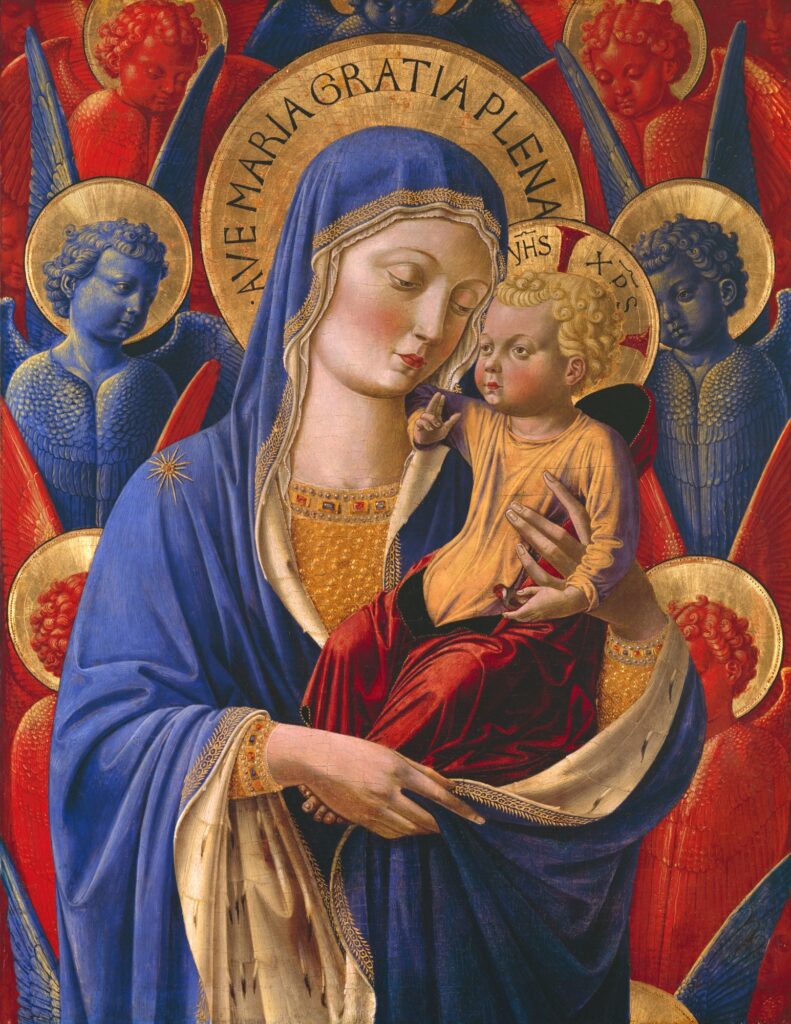
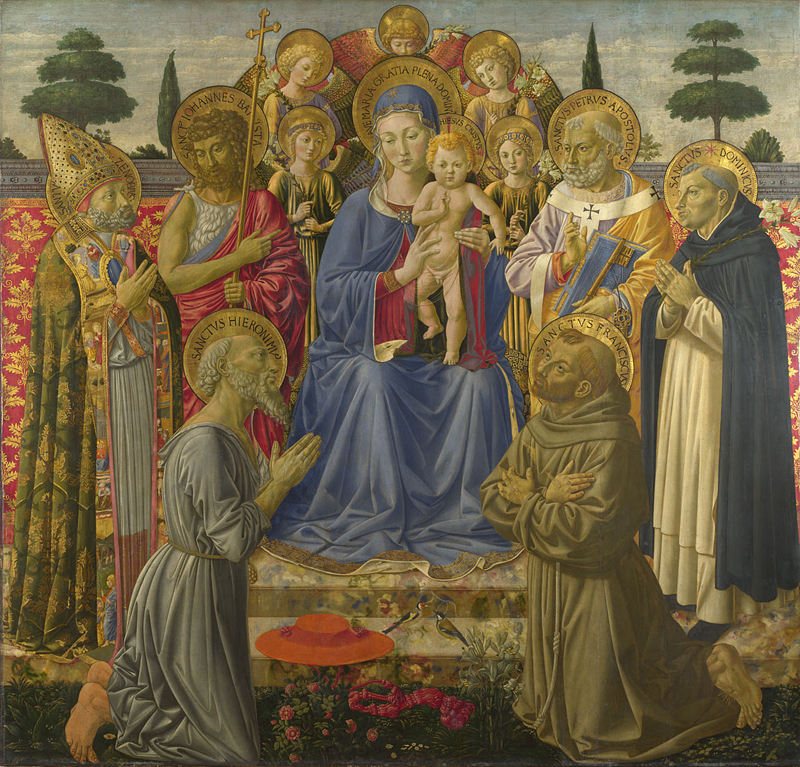
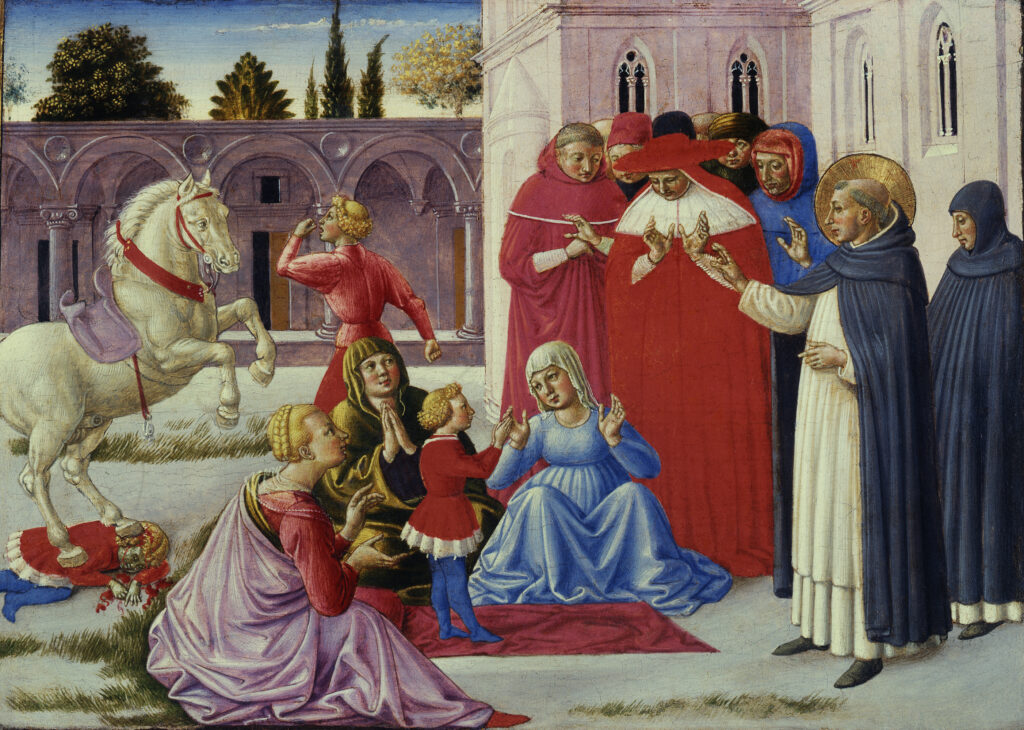
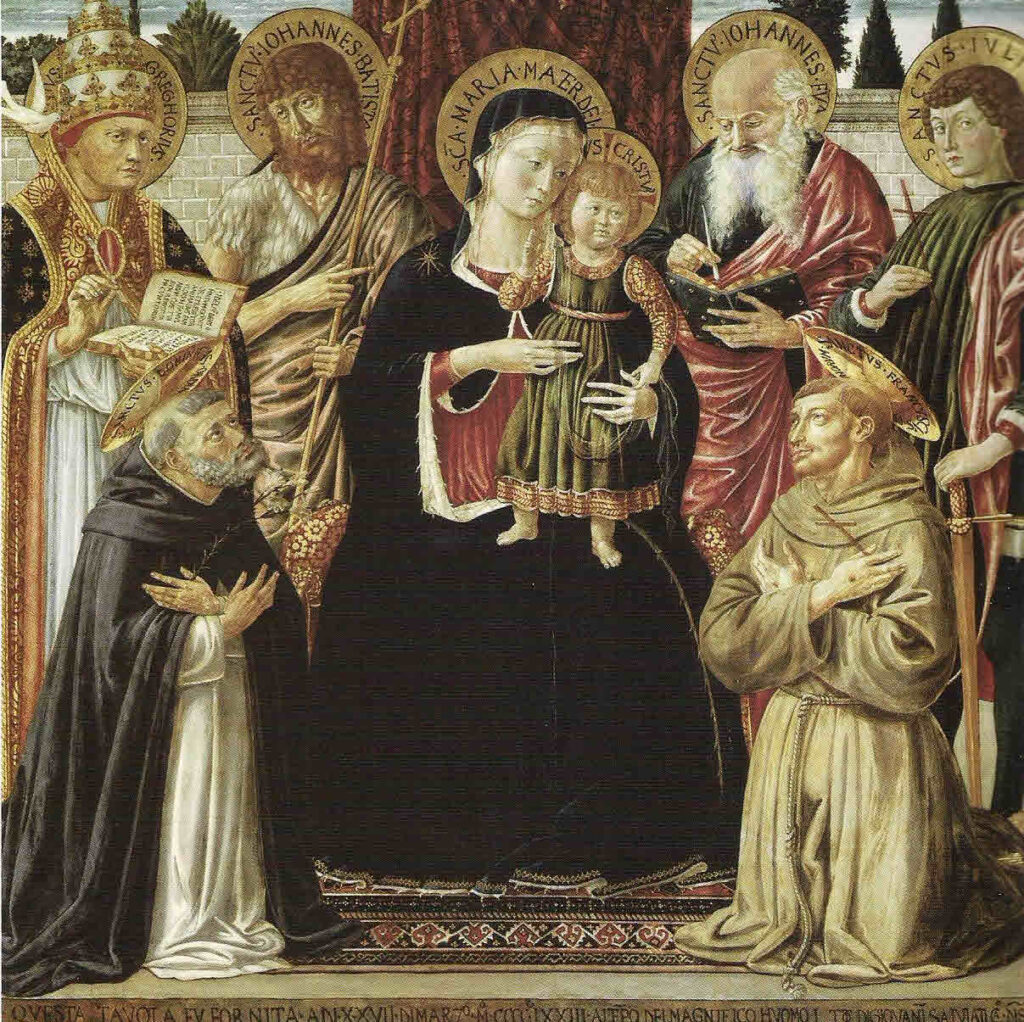
Benozzo Gozzoli
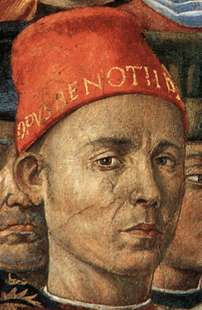
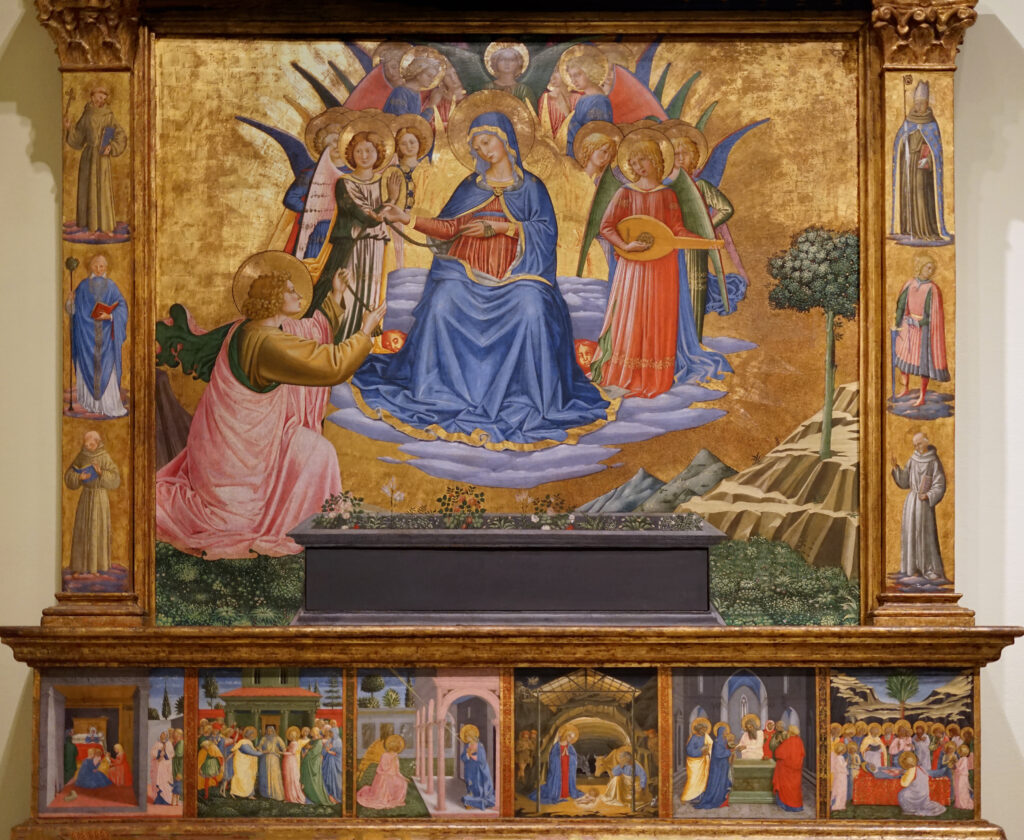
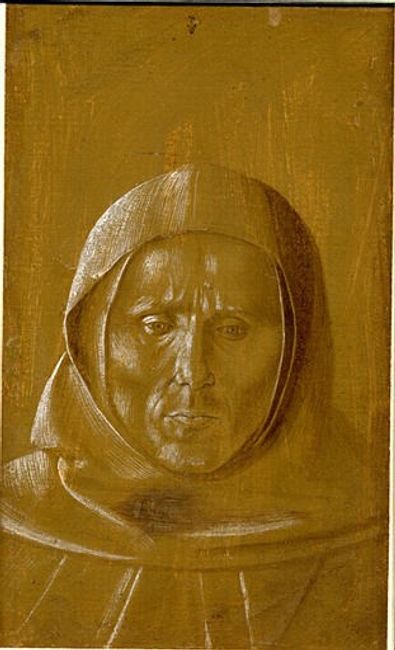
Benozzo Gozzoli, Italian painter, c.1421 1497








Baldassare Tommaso Peruzzi
Baldassare Peruzzi, March 7, 1481–January 6, 1536, was an Italian architect, painter, draughtsman, and designer born in Siena. He trained among goldsmiths and draftsmen, and his early work reflects the influence of the Sienese architect and painter Francesco di Giorgio Martini.
Peruzzi moved to Rome around 1503 and became known for his architectural and painted work, including the Villa Farnesina. In 1520 he was appointed architect of St Peter’s Basilica. His work combined the study of ancient Roman architecture with painting, perspective, and stage design.
After the Sack of Rome in 1527, Peruzzi returned to Siena and worked for the Republic of Siena through 1534. He later returned to Rome, where he died on January 6, 1536, and was buried in the Pantheon.


Pietro Novelli
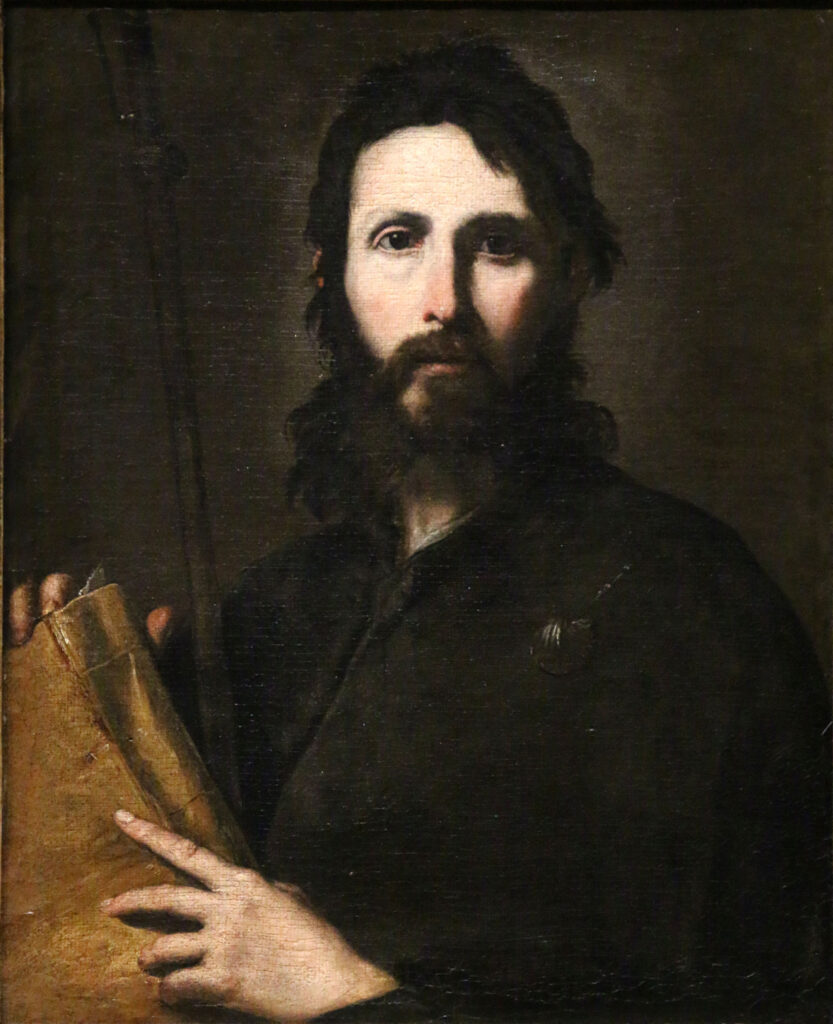
Pietro Novelli, March 2, 1603–August 27, 1647, was an Italian painter born in Monreale, Sicily. He trained with his father, Pietro Antonio Novelli, a painter and mosaicist, and later studied in Palermo with Vito Carrera.
Novelli worked chiefly in Sicily, producing religious paintings and frescoes. His work reflects the influence of Anthony van Dyck, Caravaggio, and Jusepe de Ribera. He also practiced architecture and was appointed an engineer and architect to the Senate of Palermo in 1636.
Novelli died in Palermo in 1647. His paintings are held by the Galleria Regionale della Sicilia, the National Galleries of Scotland, the Museo Nacional del Prado, and other European collections.


Giuseppe De Nittis
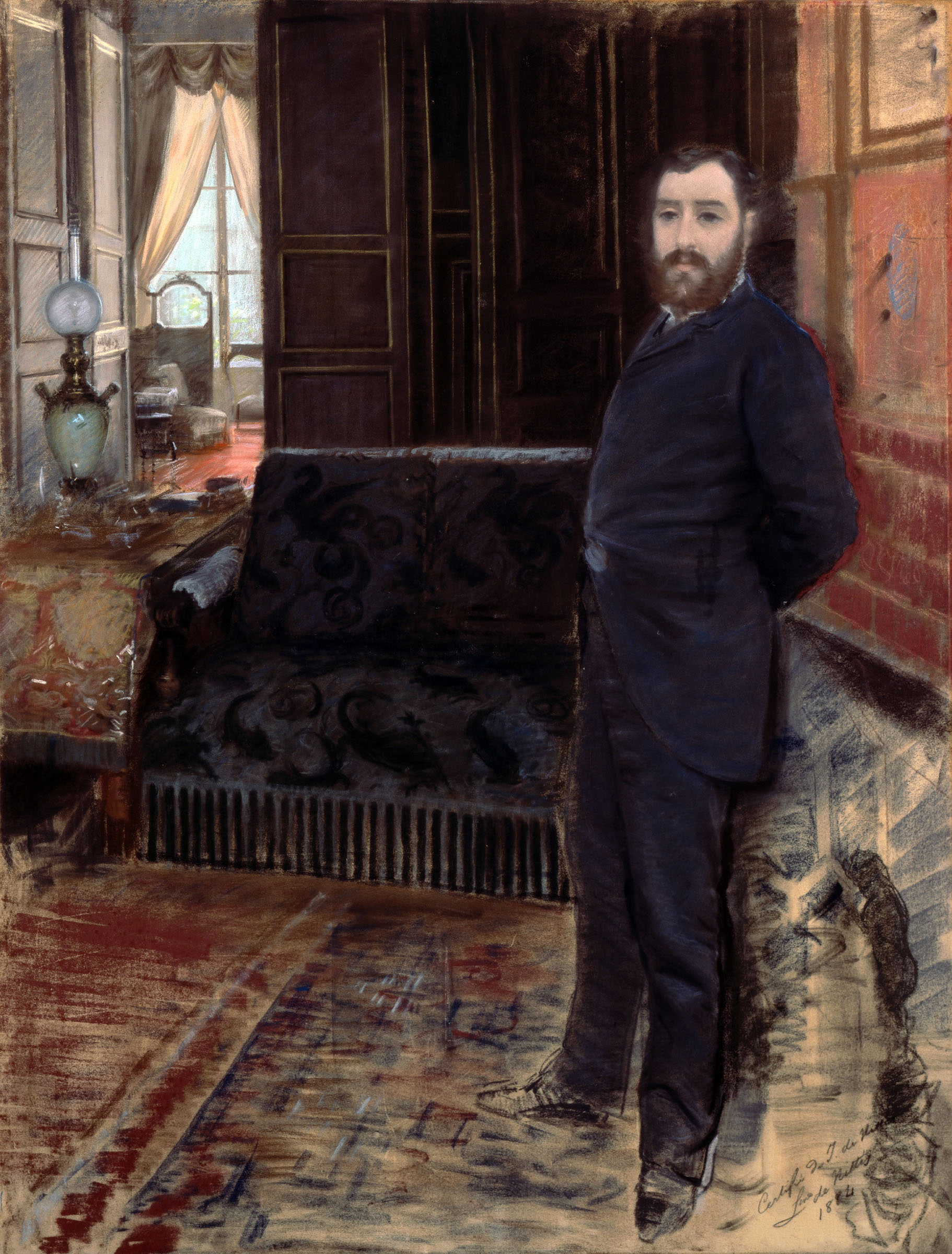
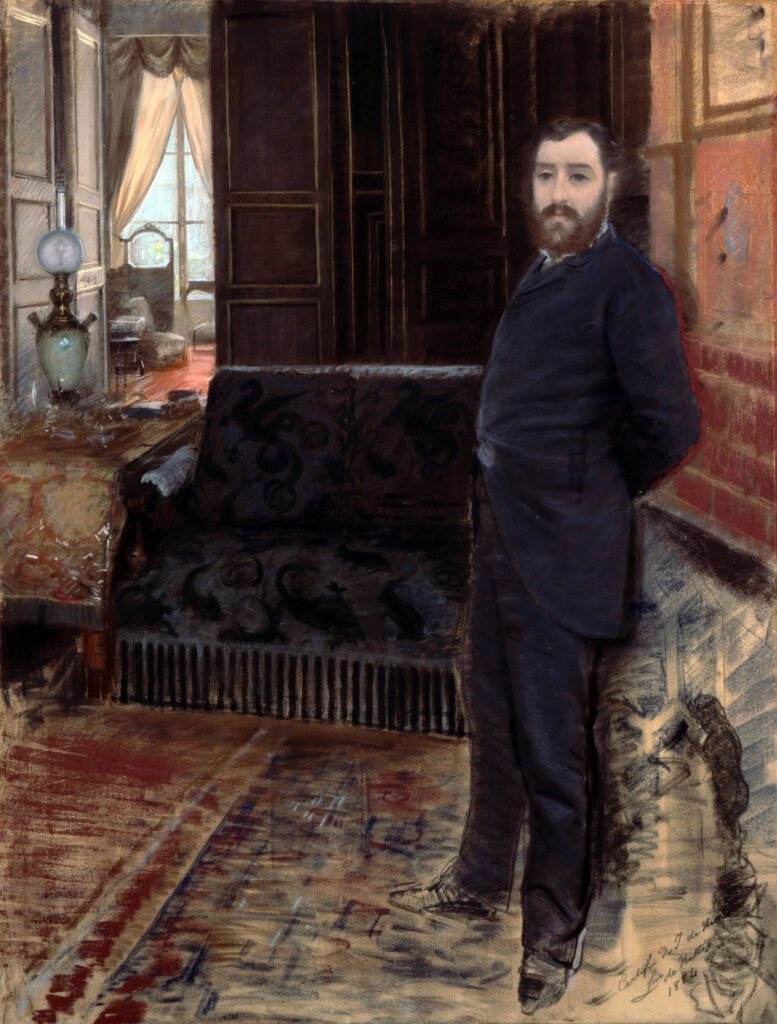
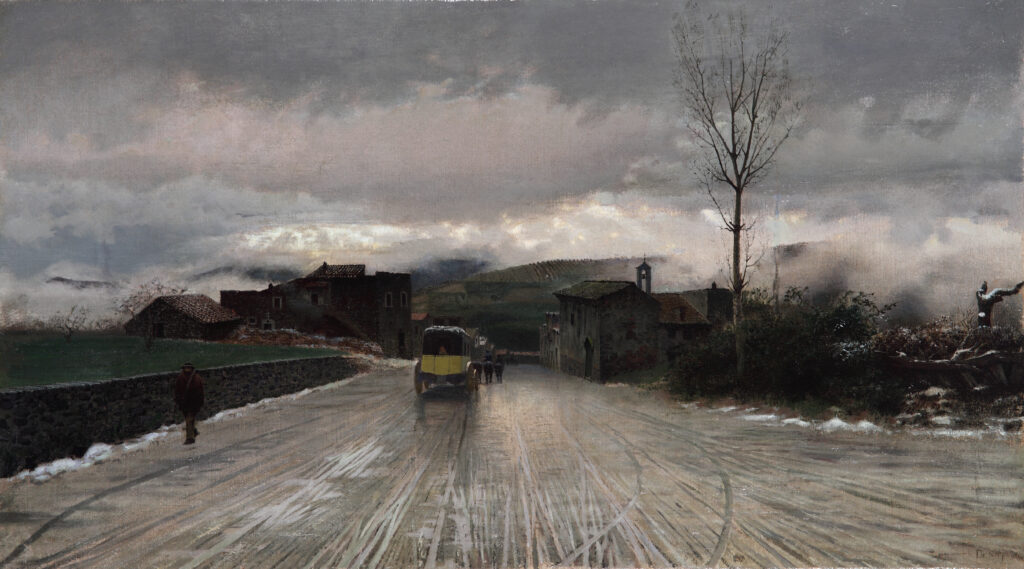
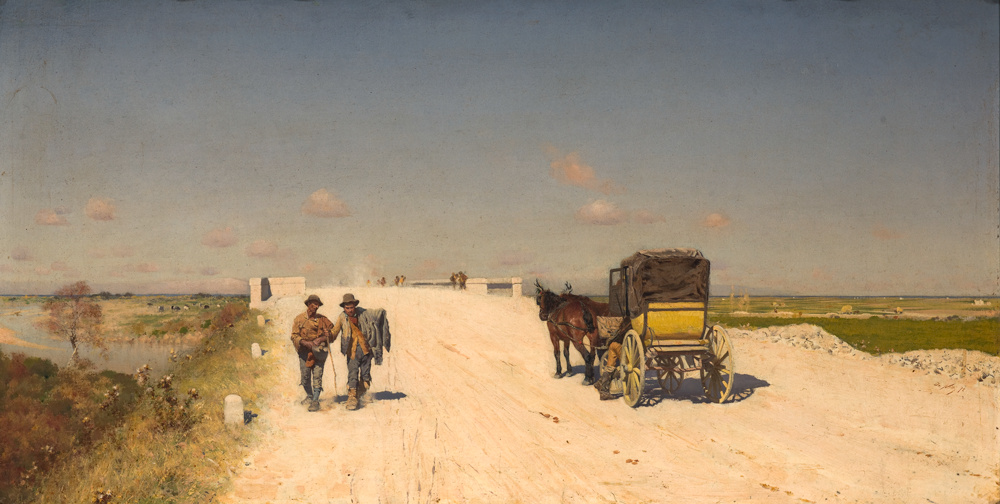
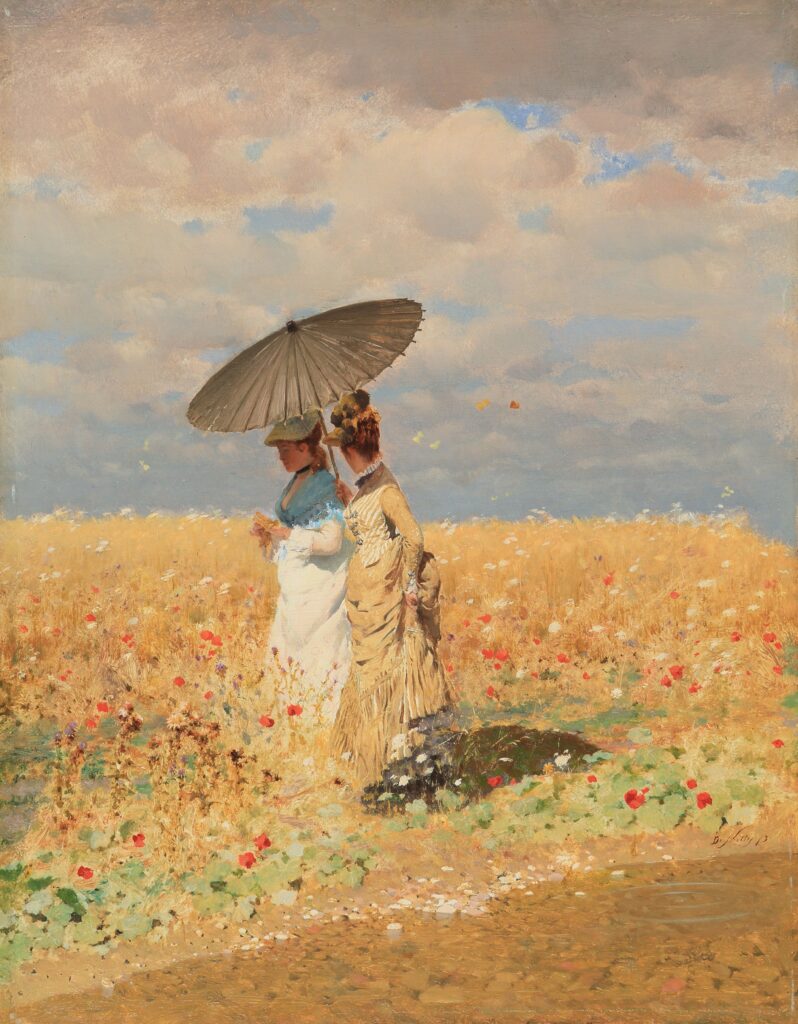
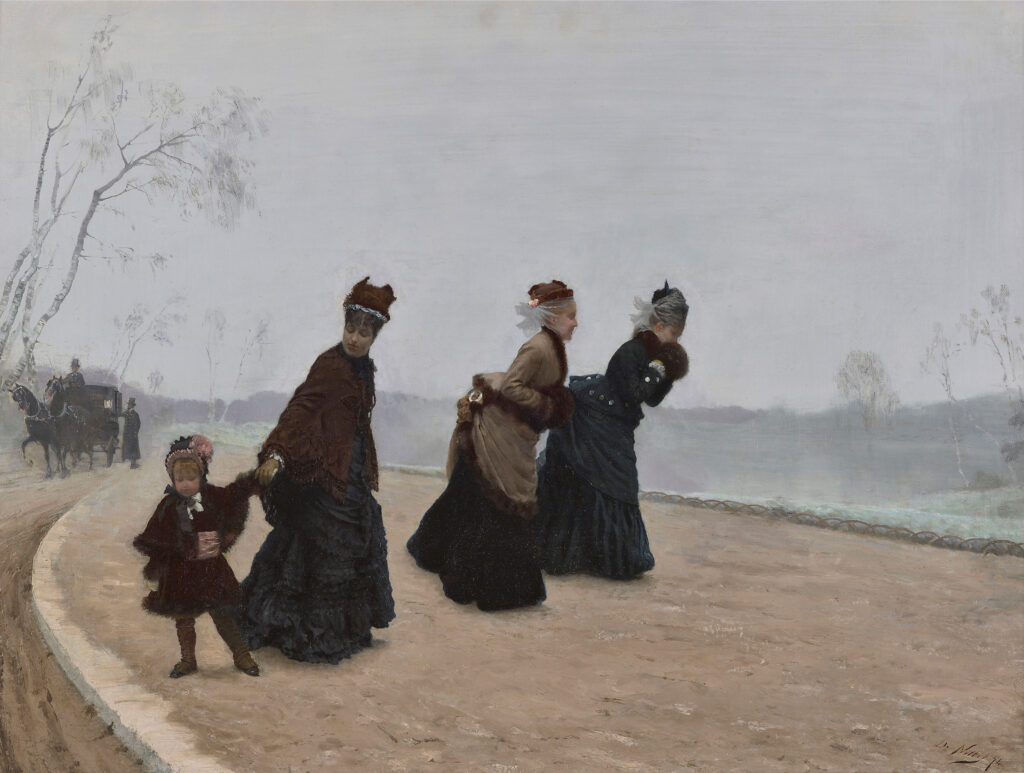
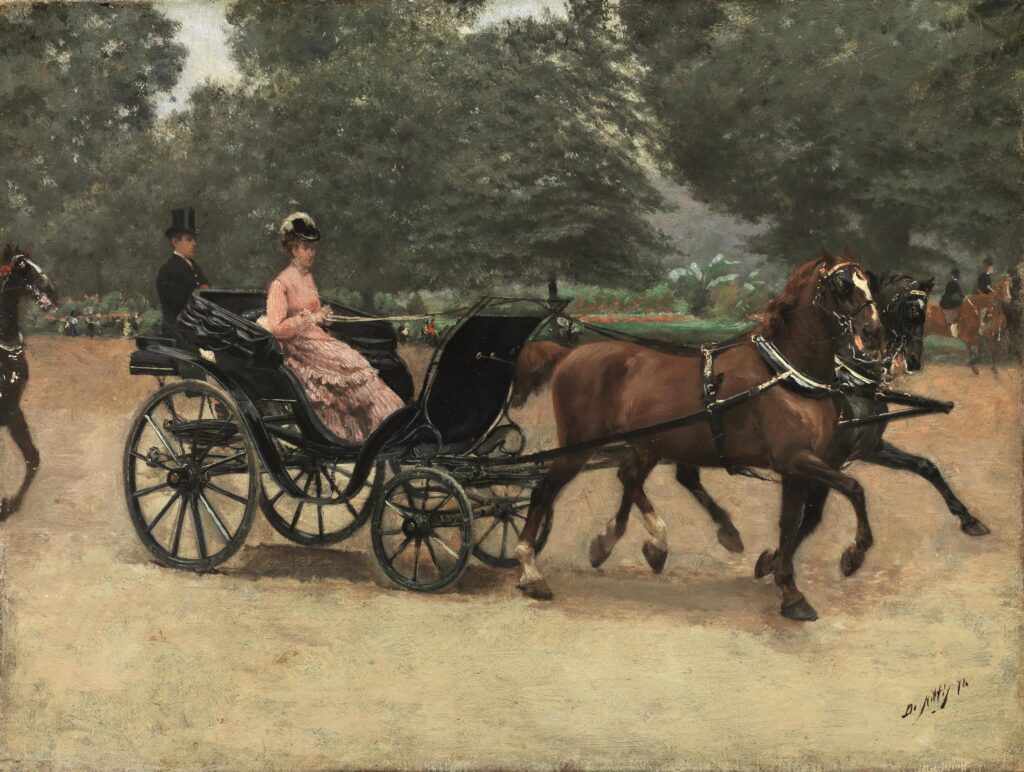
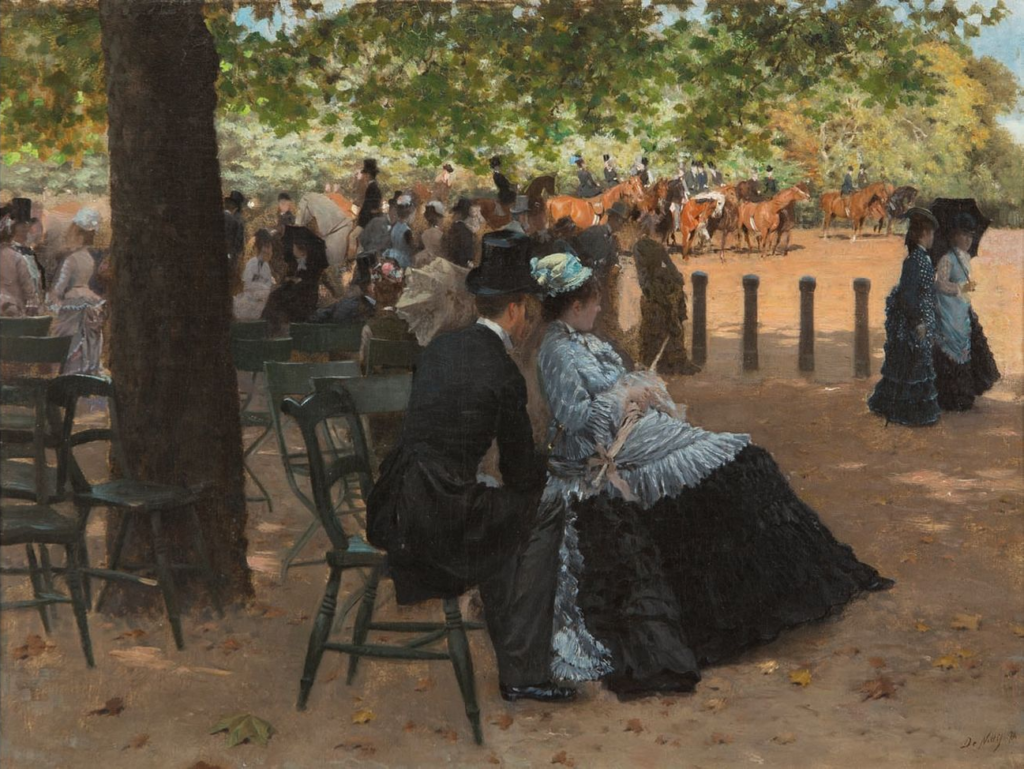
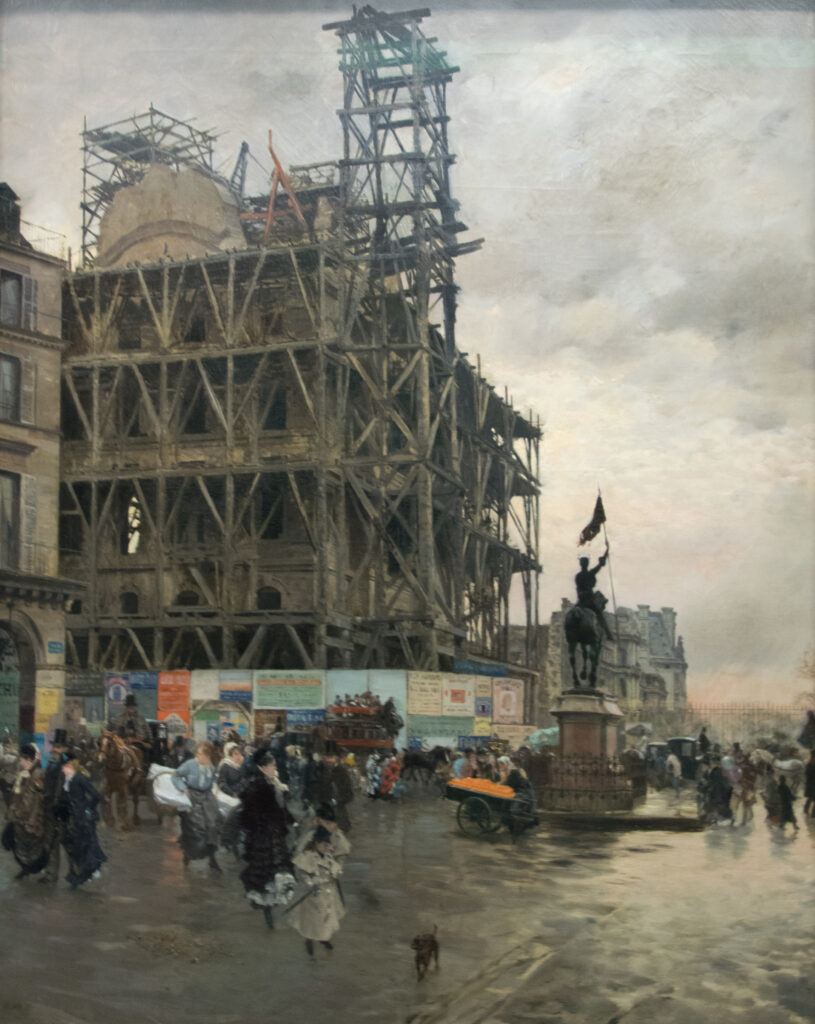
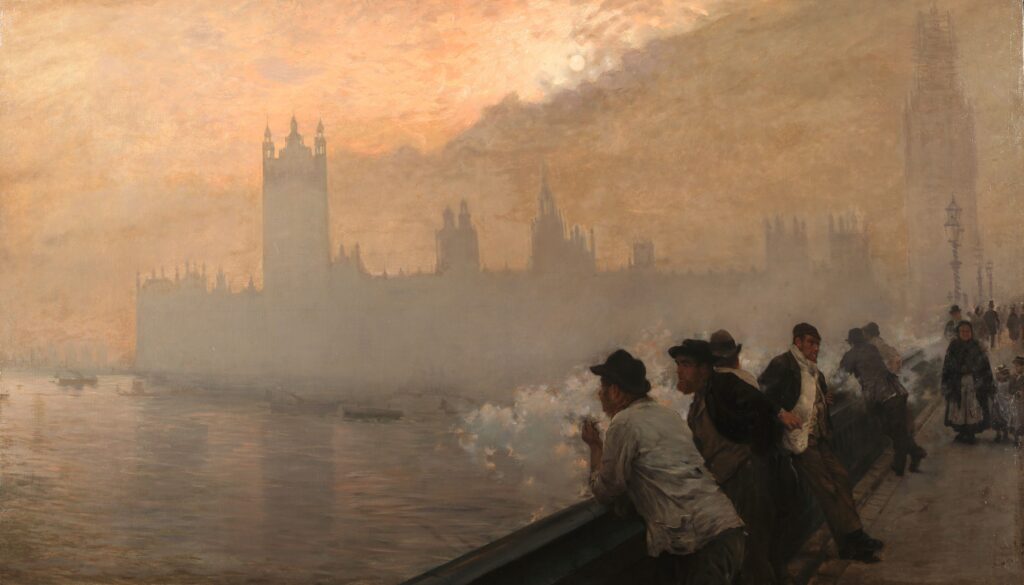
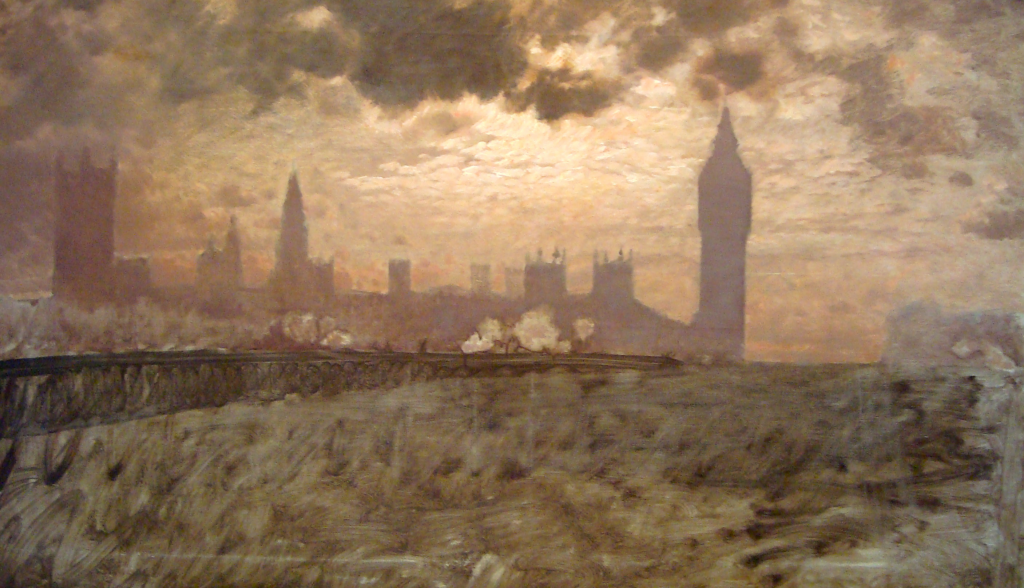
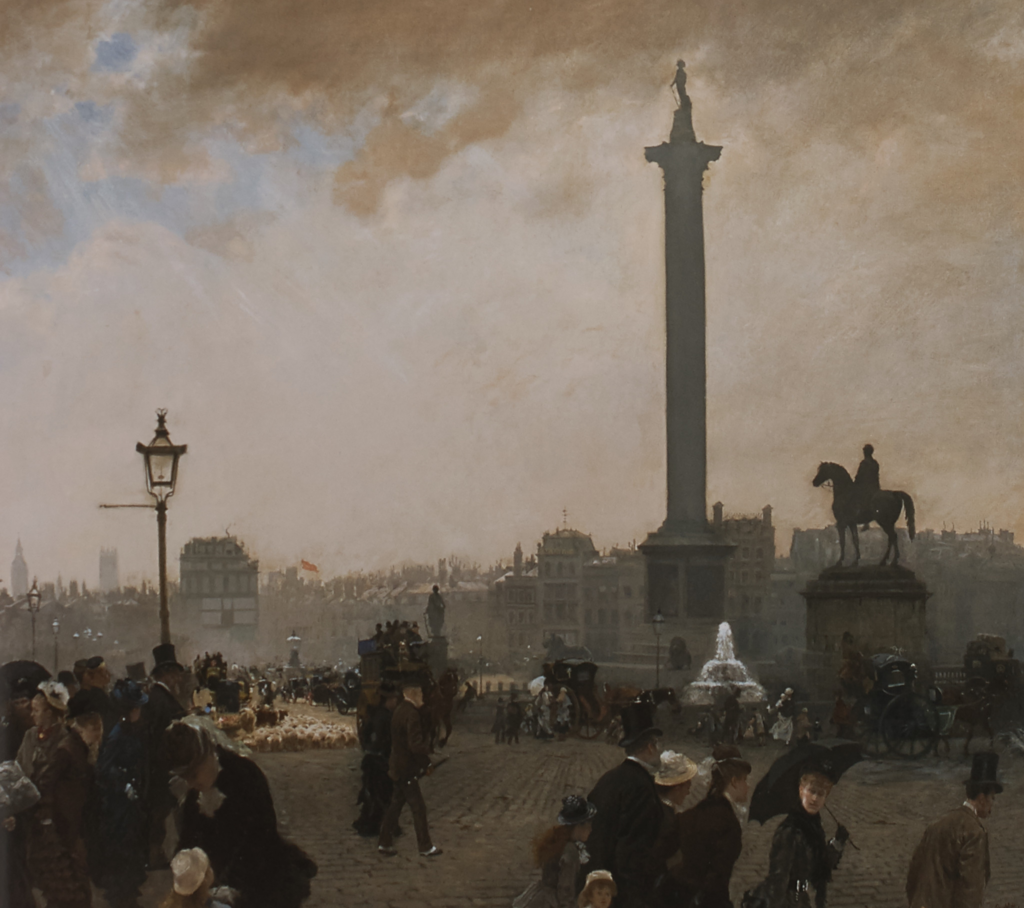
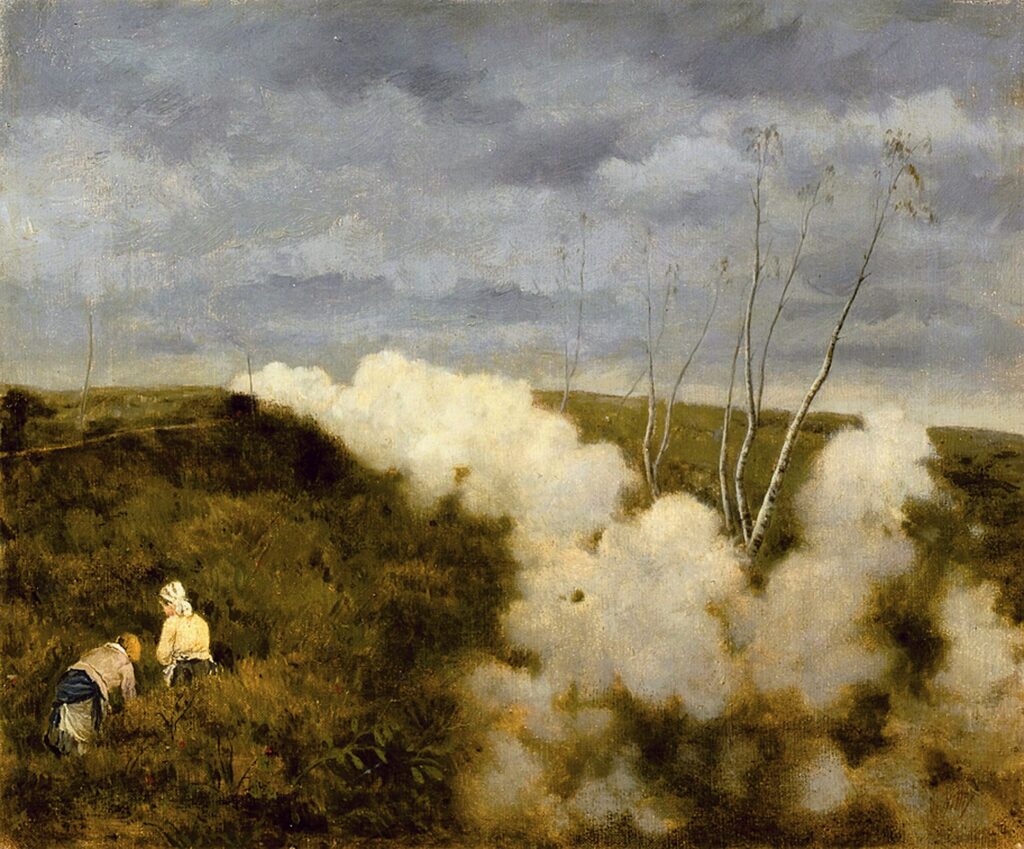
Giuseppe De Nittis, February 25, 1846 – August 21, 1884, was an Italian painter born in Barletta. He studied drawing with Giovanni Battista Calò and Vincenzo Dattoli, then attended the Academy of Fine Arts in Naples. He joined the Scuola di Resina and became associated with Adriano Cecioni and the Macchiaioli.
He moved to Paris in 1868, worked with the dealer Adolphe Goupil, and exhibited at the Salon. His subjects included landscapes, city streets, and contemporary social life, painted in oil and pastel. A friend of Edgar Degas, he participated in the first Impressionist exhibition in 1874 and also painted views of London.
De Nittis spent his final months in France and died at Saint-Germain-en-Laye in 1884, aged thirty-eight. His work is held by the Pinacoteca Giuseppe De Nittis in Barletta, the Musée d’Orsay in Paris, and the Capodimonte Museum in Naples.
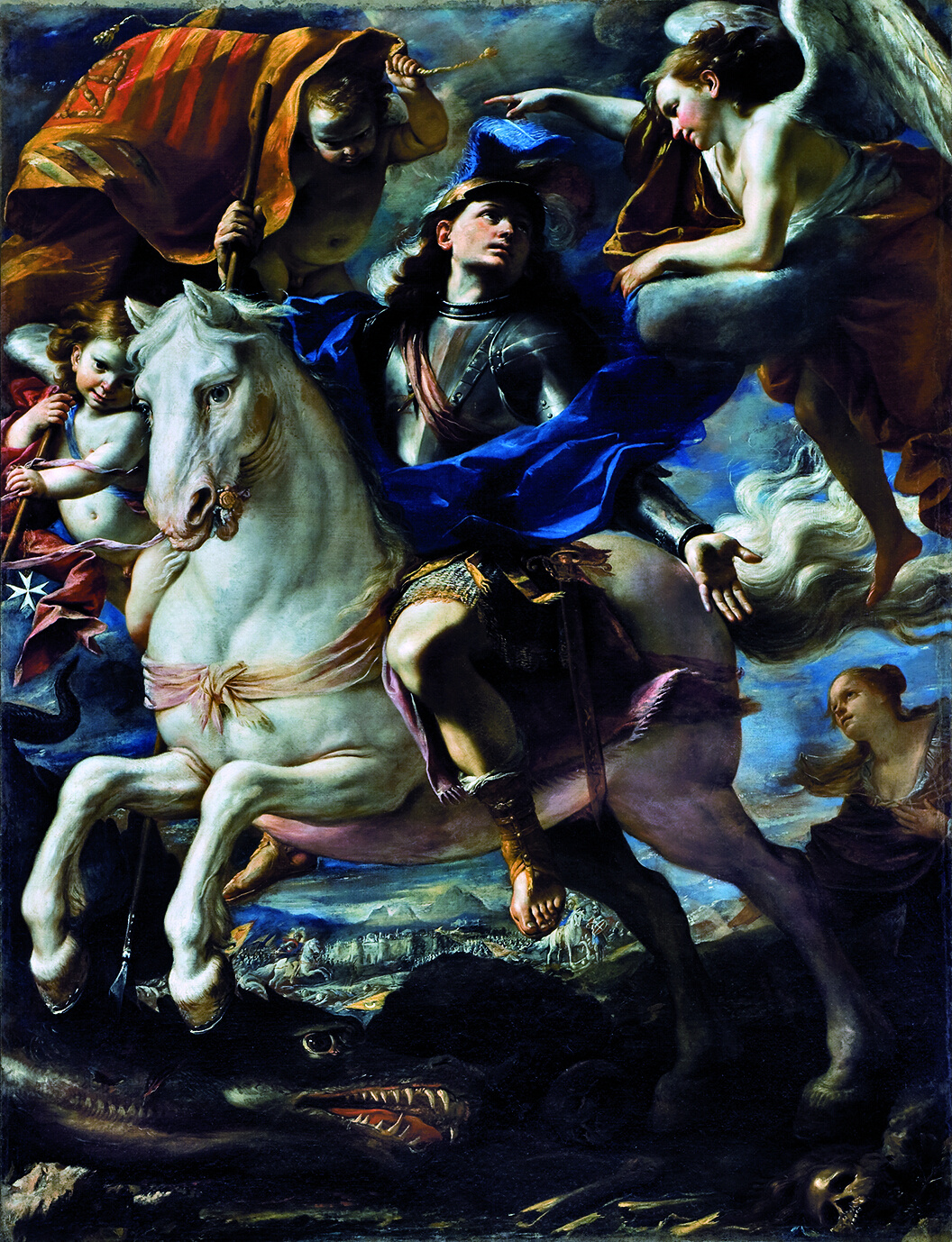

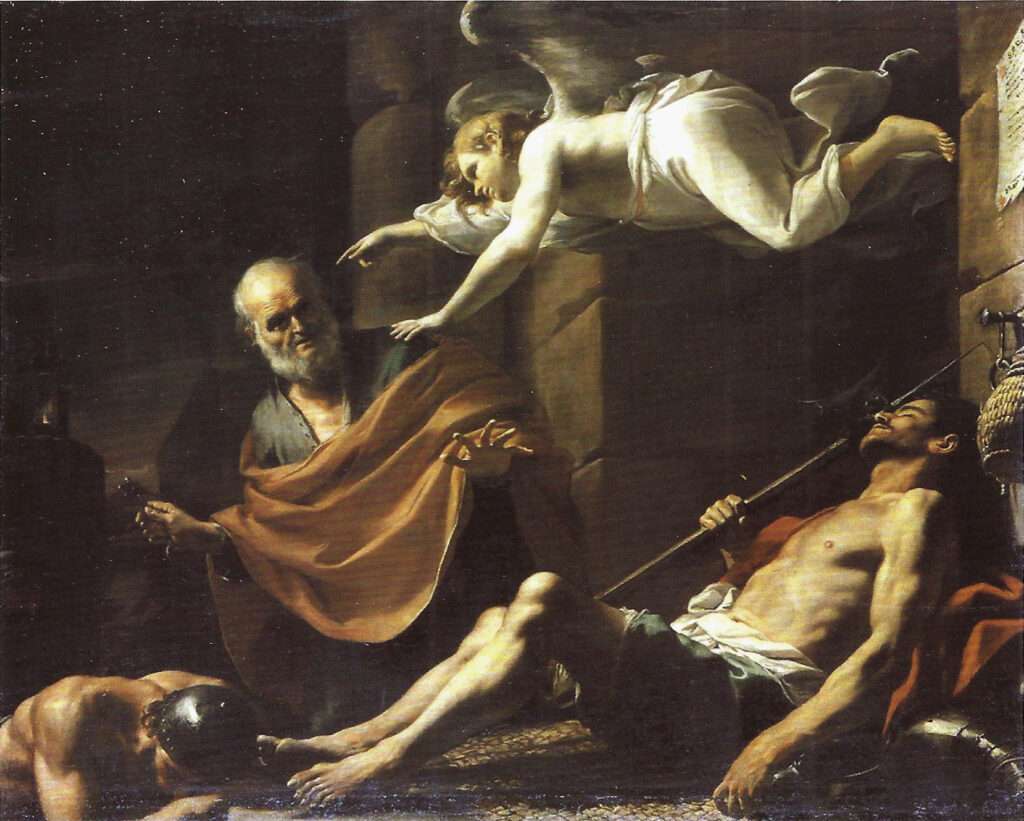
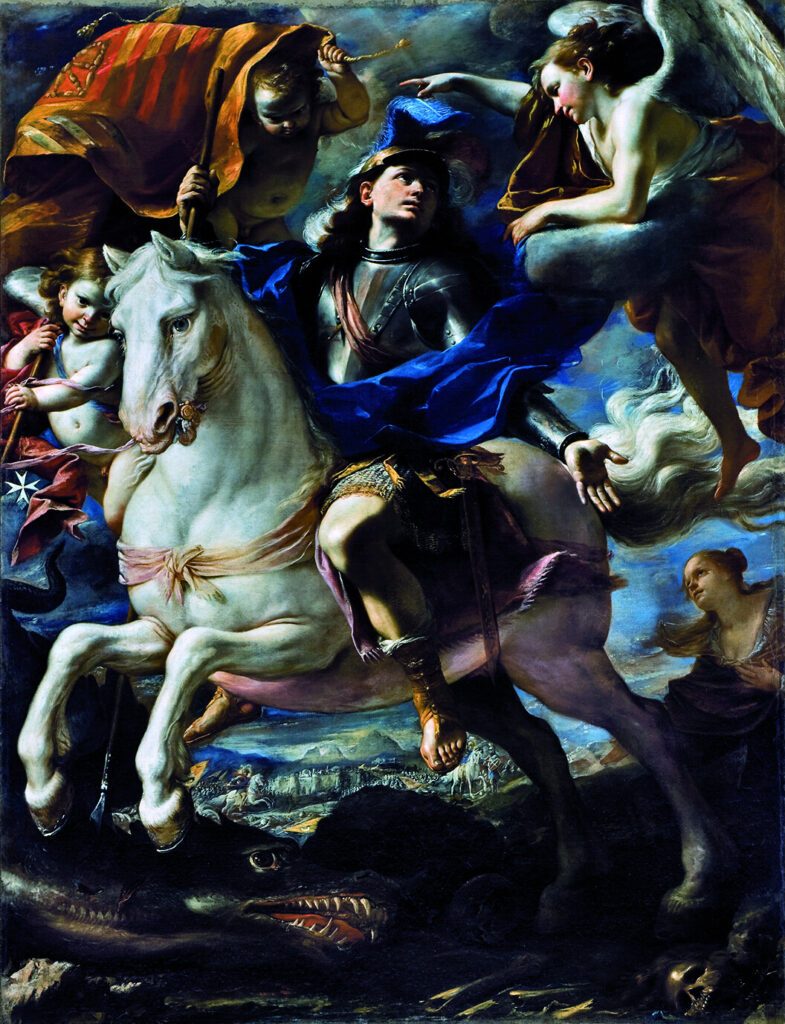
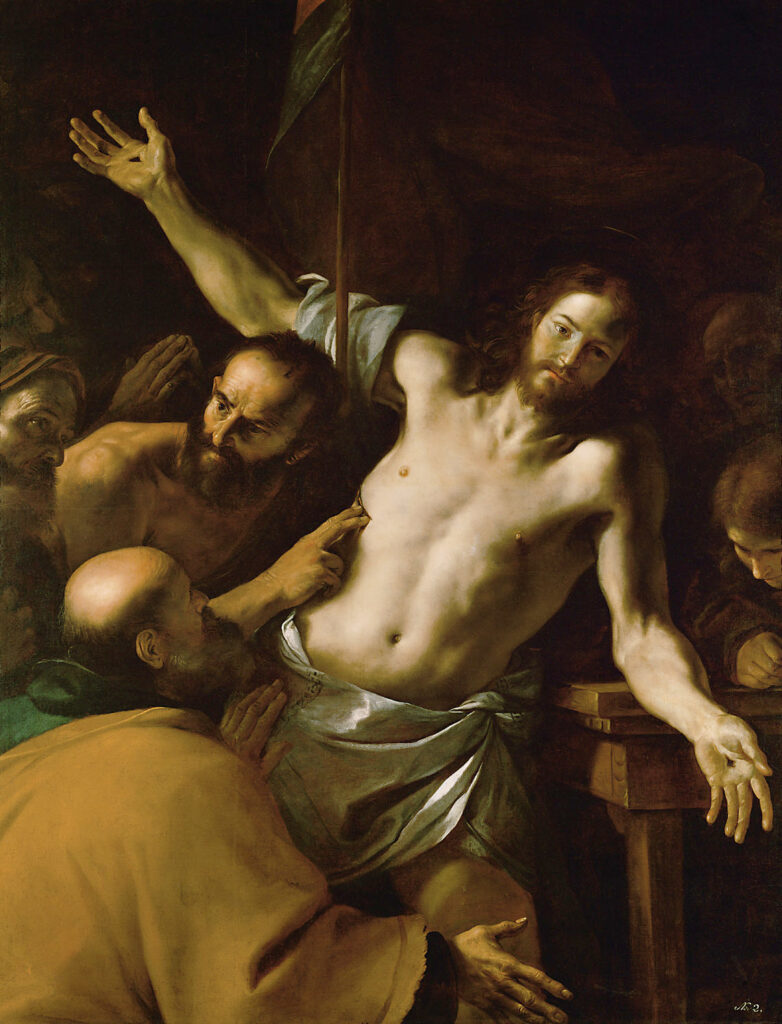
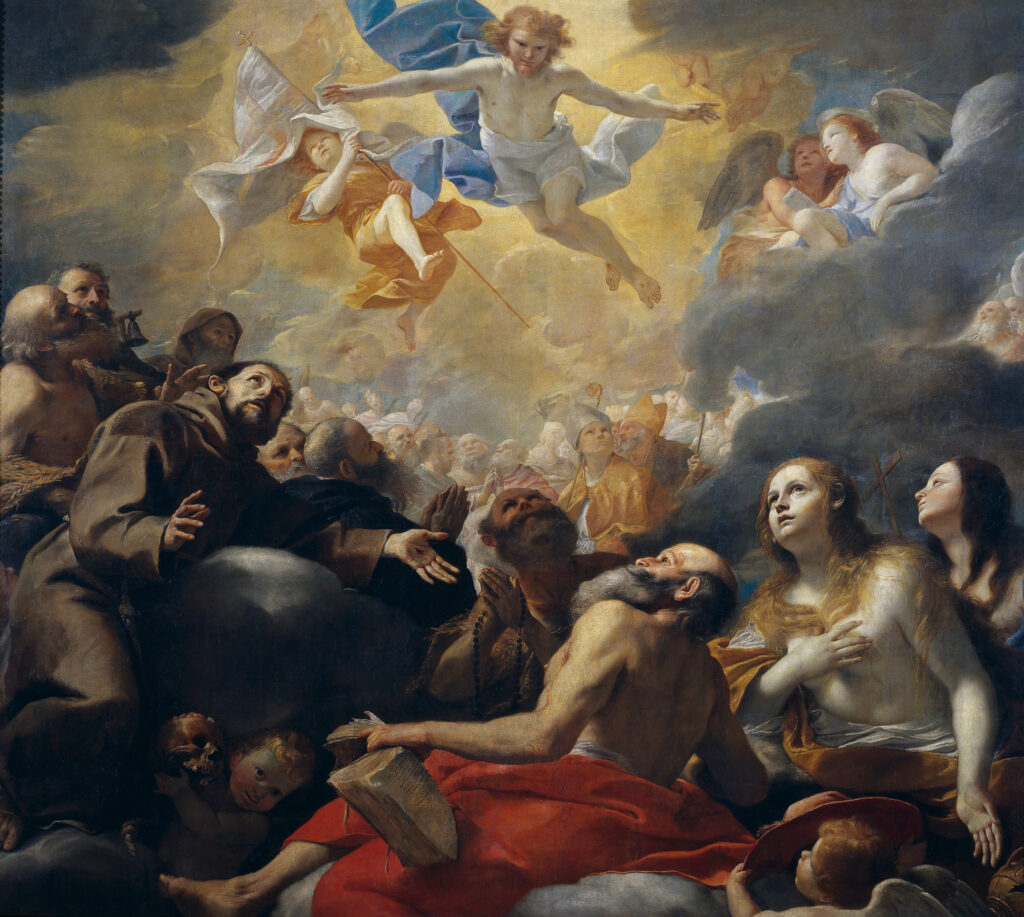
Mattia Preti
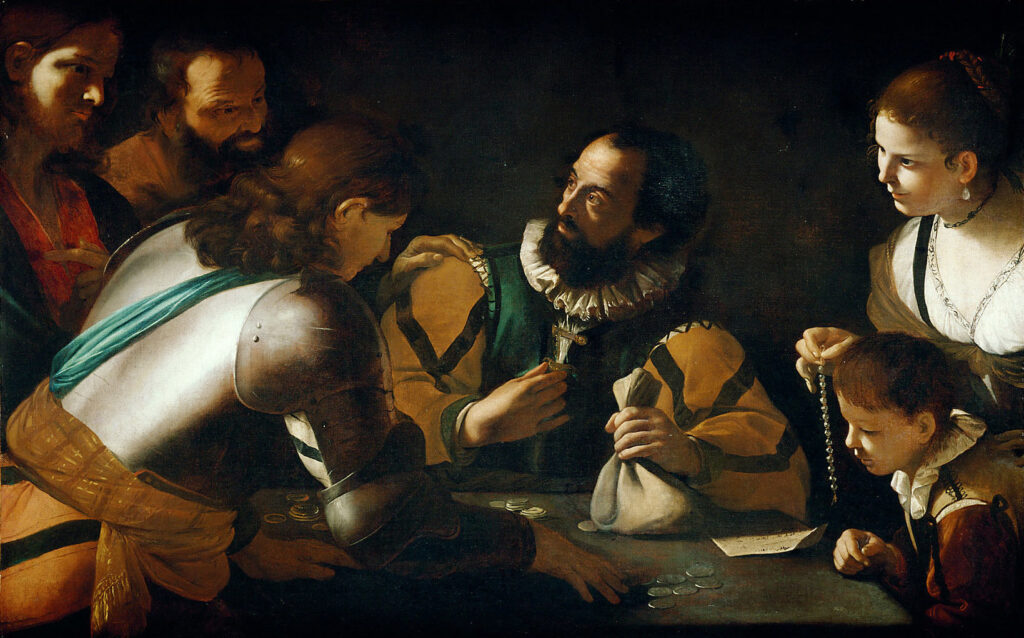
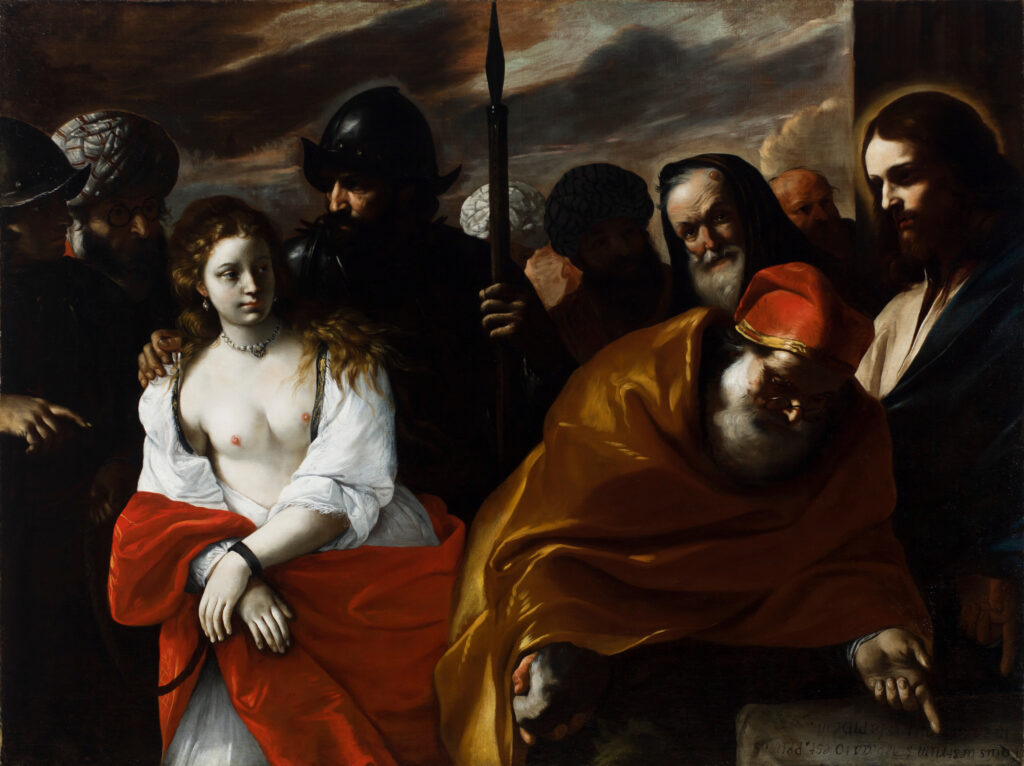
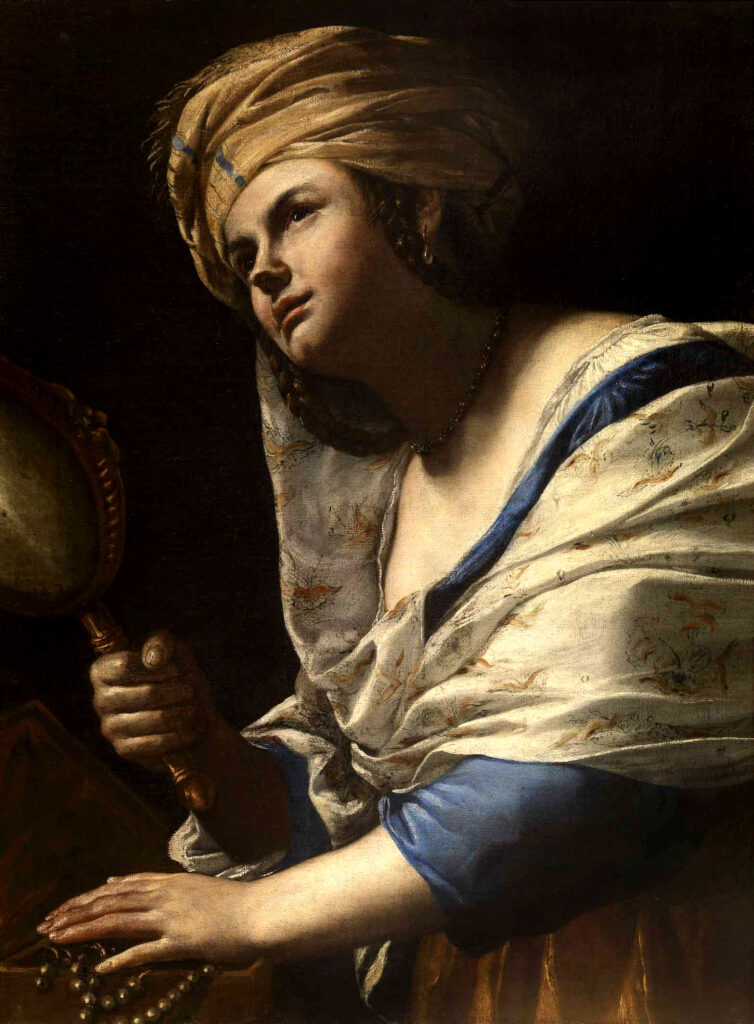
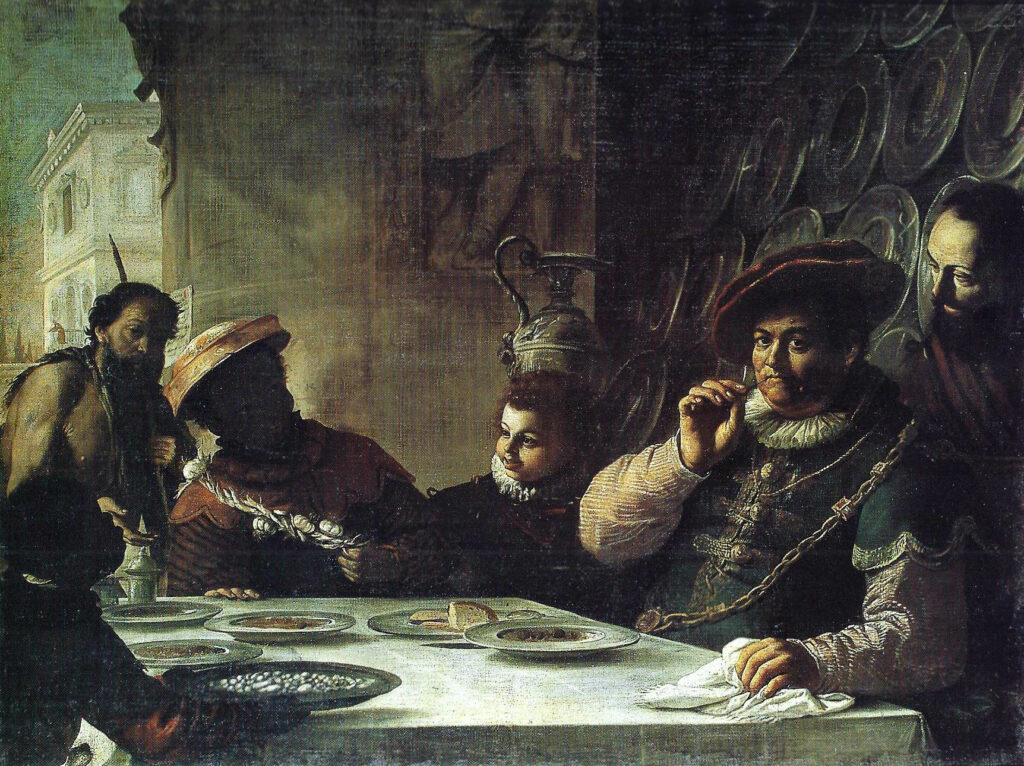
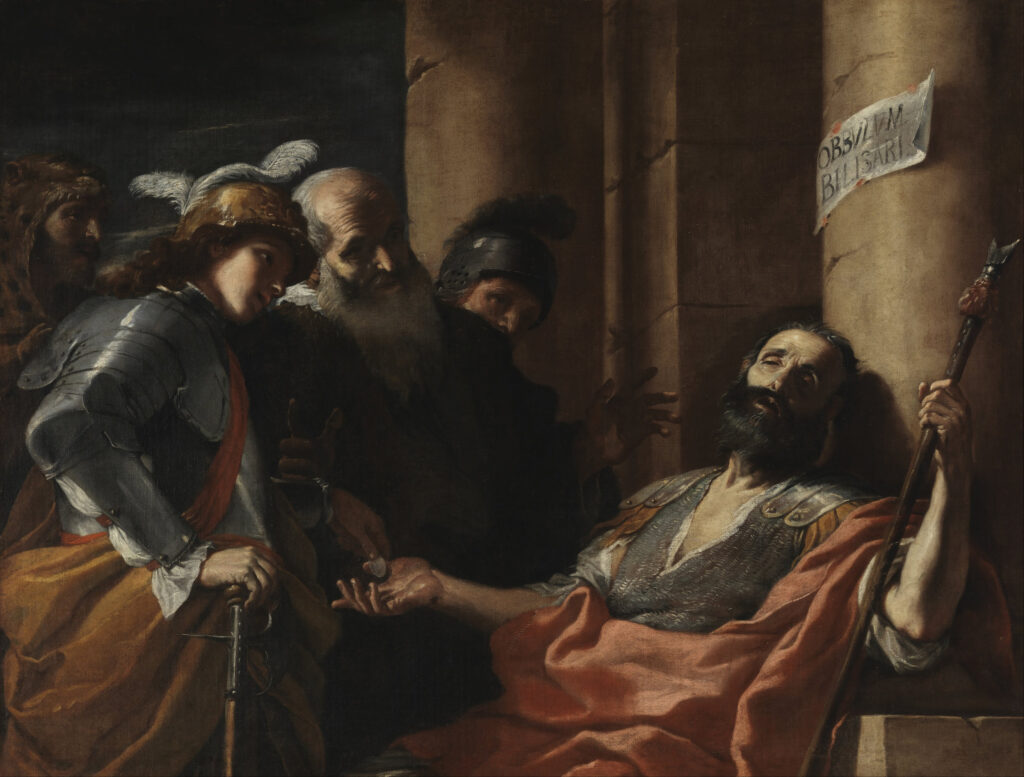
Mattia Preti, February 24, 1613–January 3, 1699, was an Italian painter born in Taverna, Calabria. He trained in Rome with his elder brother, Gregorio Preti, and studied paintings by Caravaggio and Paolo Veronese.
He worked in Rome and Naples before settling in Malta in 1661. A knight of the Order of St John, he received numerous church commissions, including the painted ceiling of St John’s Co-Cathedral in Valletta.
His paintings are held by the Kunsthistorisches Museum in Vienna, Museo Nacional del Prado in Madrid, Gallerie dell’Accademia in Venice, and Museum Boijmans Van Beuningen in Rotterdam.

Cavaliere d’Arpino
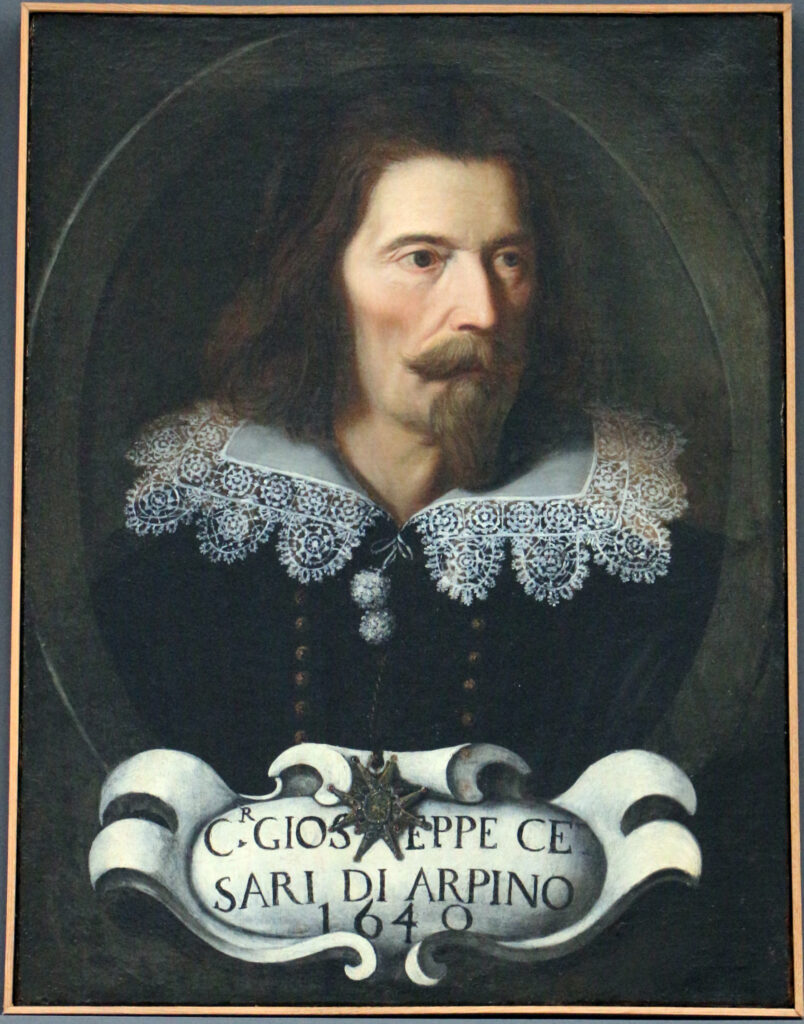
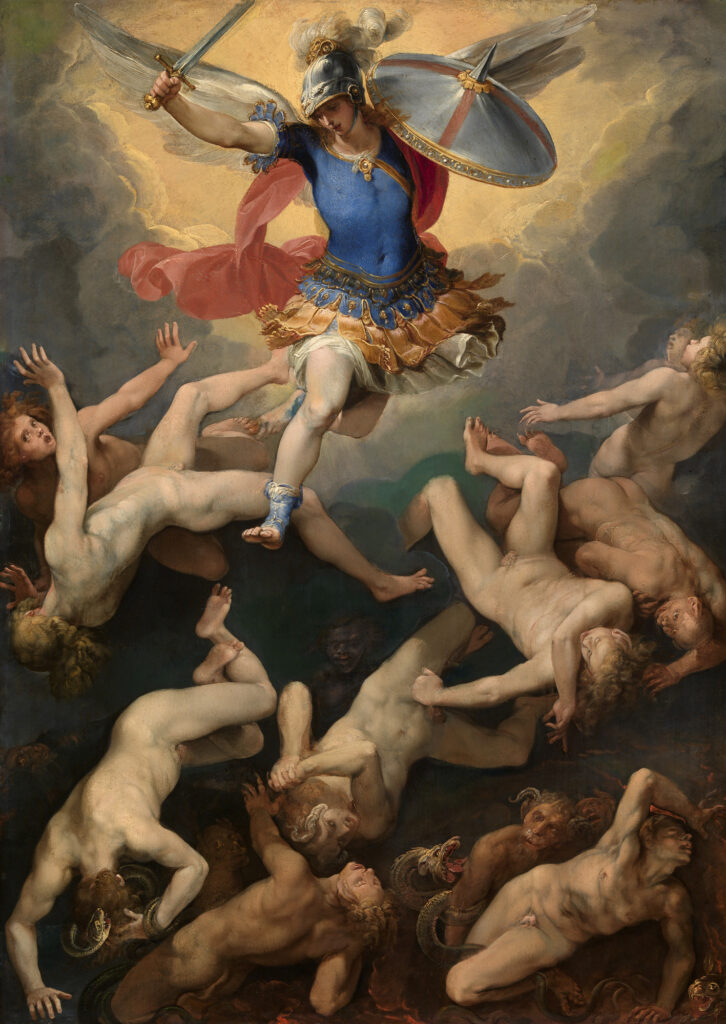
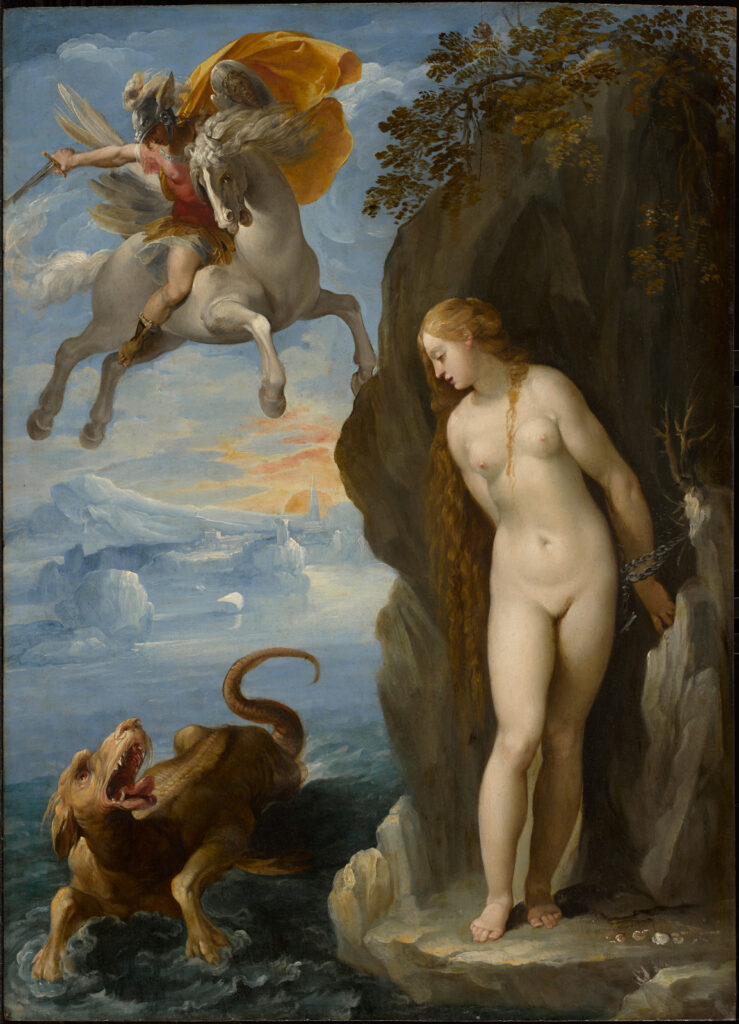
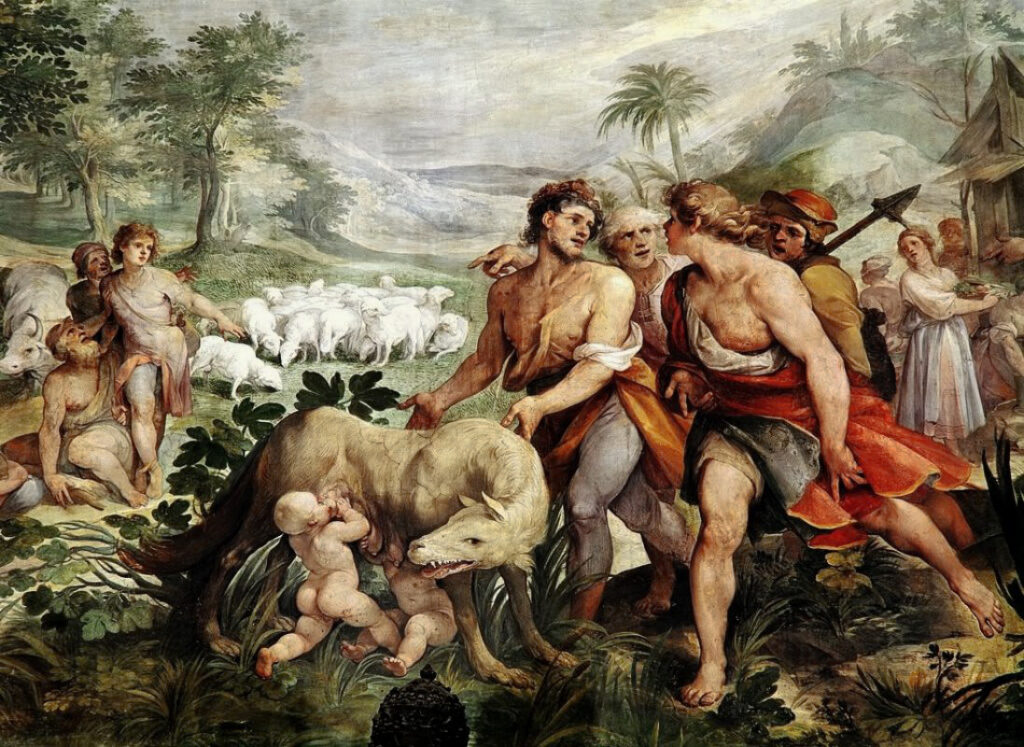
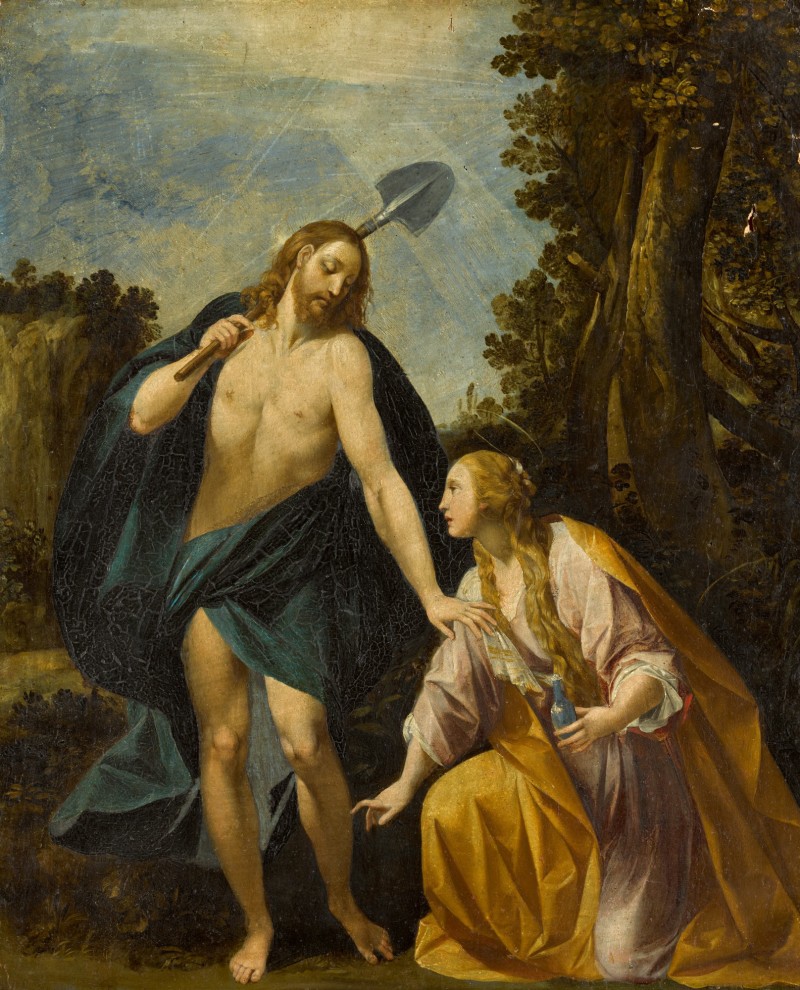
Giuseppe Cesari (1568–1640), known as Cavaliere d’Arpino, was an Italian painter and draftsman associated with late Roman Mannerism. He began working in Rome as a teenager in Niccolò Circignani’s workshop and participated in decorative projects at the Vatican.
Under Pope Clement VIII, Cesari became a leading painter of religious and civic commissions. His projects included the fresco cycle in the Palazzo dei Conservatori and the Ascension at San Giovanni in Laterano. Clement VIII awarded him the title of Cavaliere di Cristo in 1600.
Cesari also produced small religious and mythological paintings and drawings in chalk and ink. Caravaggio worked in his studio early in his Roman career. Cesari served as head of the Accademia di San Luca and continued painting in Rome until his death in 1640.