Posts in Category: 17th Century
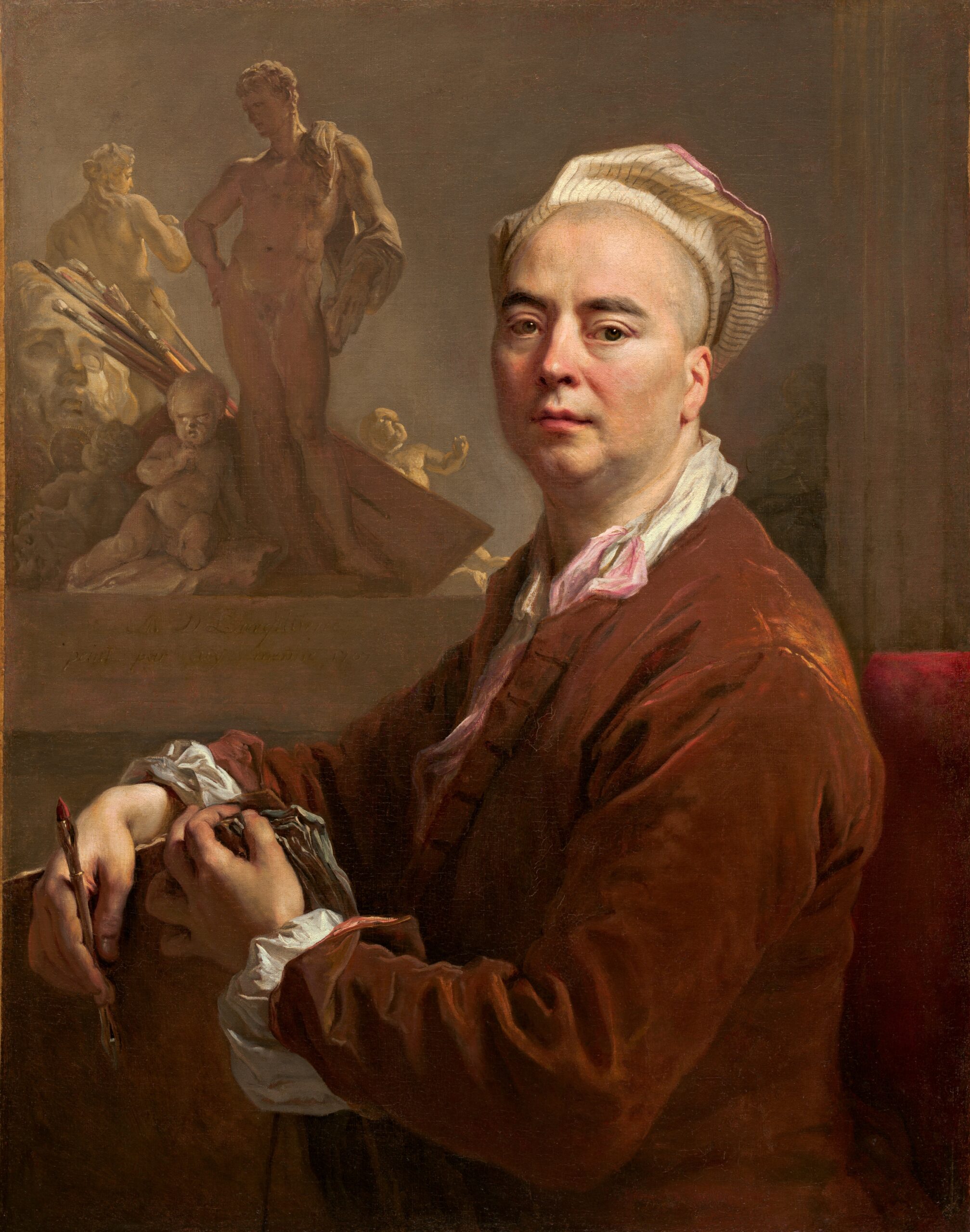
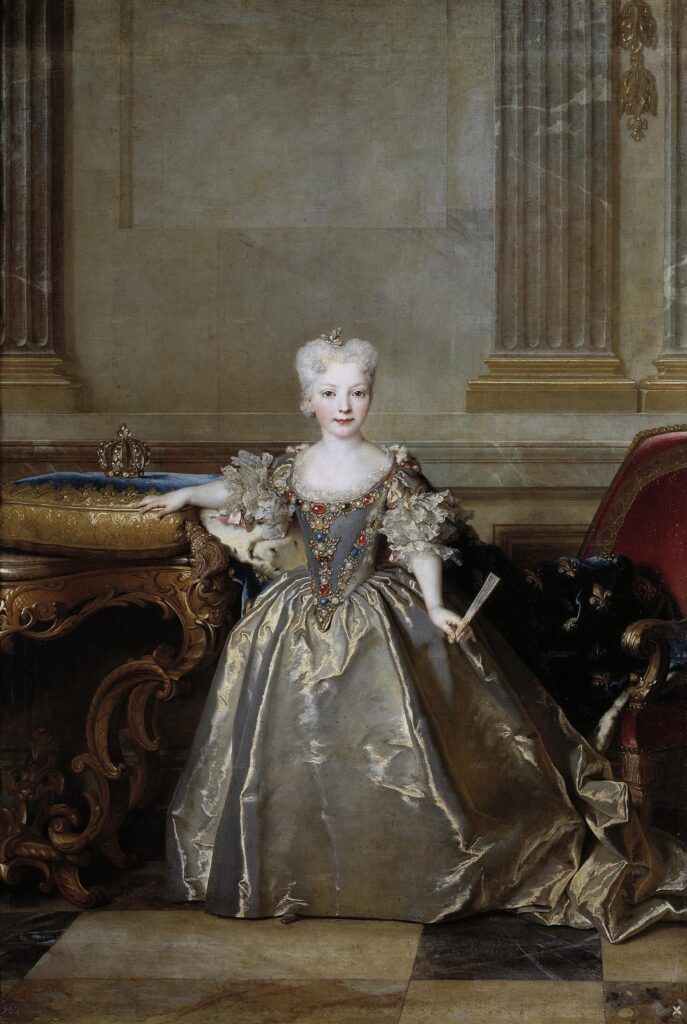
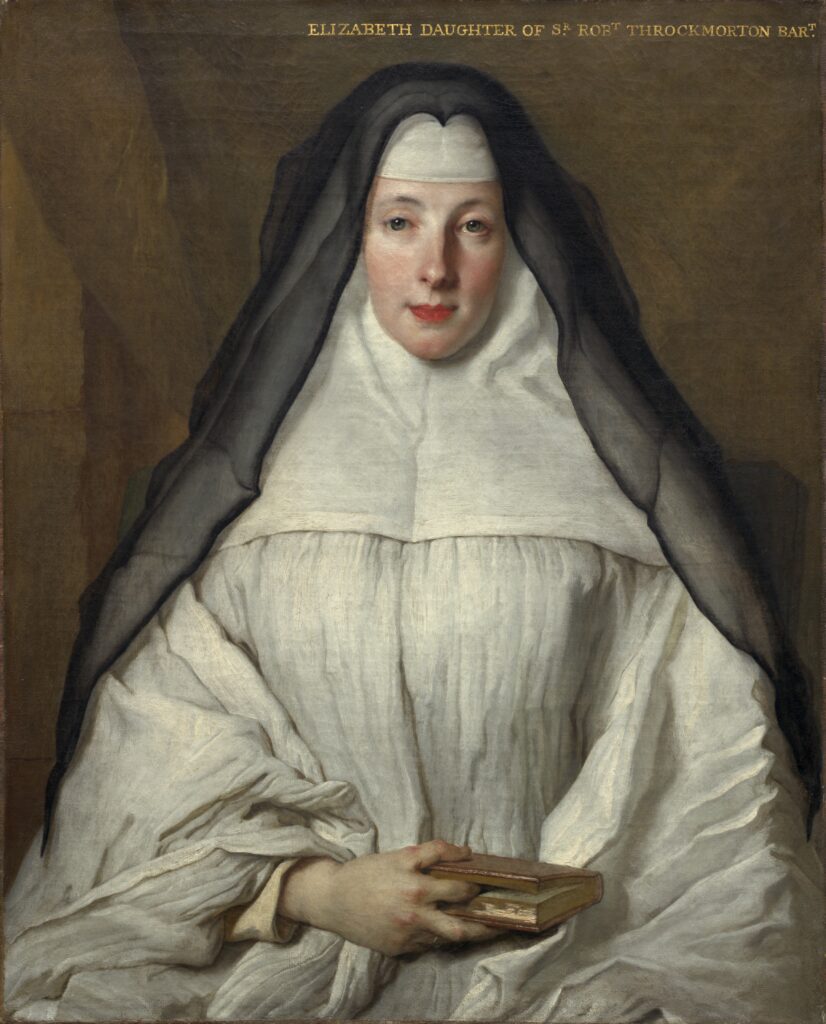
Nicolas de Largillière
Nicolas de Largillière, October 10, 1656 – March 20, 1746, was a French painter born in Paris and raised in Antwerp. He trained there with Anton Goubau, then worked in England as an assistant to Peter Lely and Antonio Verrio.
Largillière returned to Paris and established a successful career chiefly as a portrait painter. He was admitted to the Académie royale de peinture et de sculpture in 1686 and later served as its director and chancellor; his pupils included Jean-Baptiste Oudry.
Largillière died in Paris at the age of eighty-nine. His works are held by the Louvre Museum, National Gallery of Art, Metropolitan Museum of Art, National Gallery, London, and other major public collections.


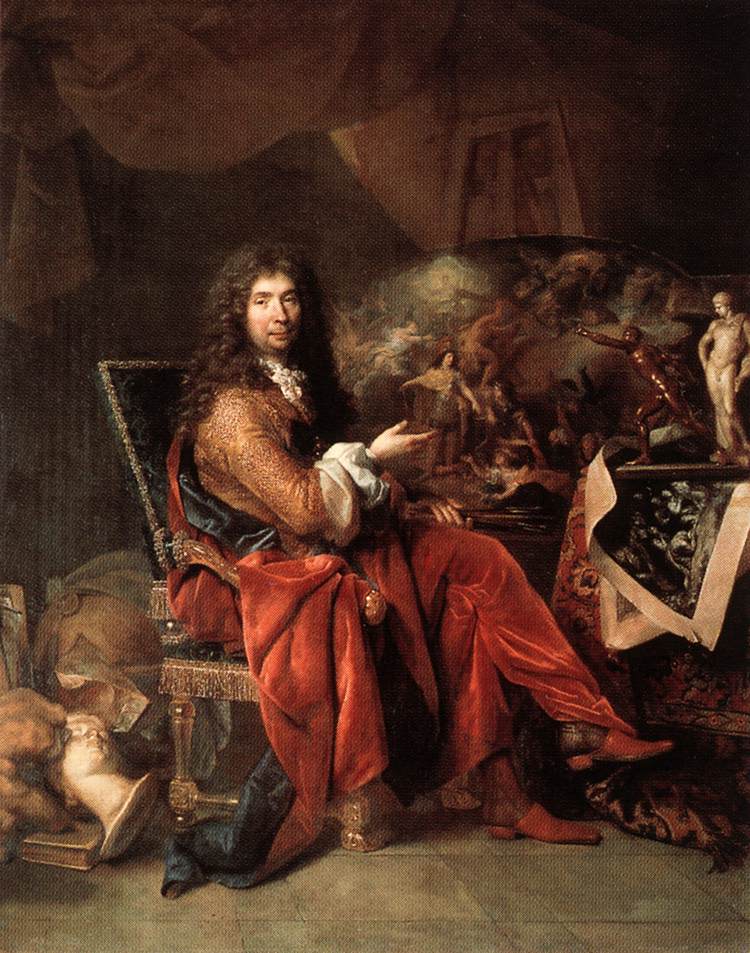

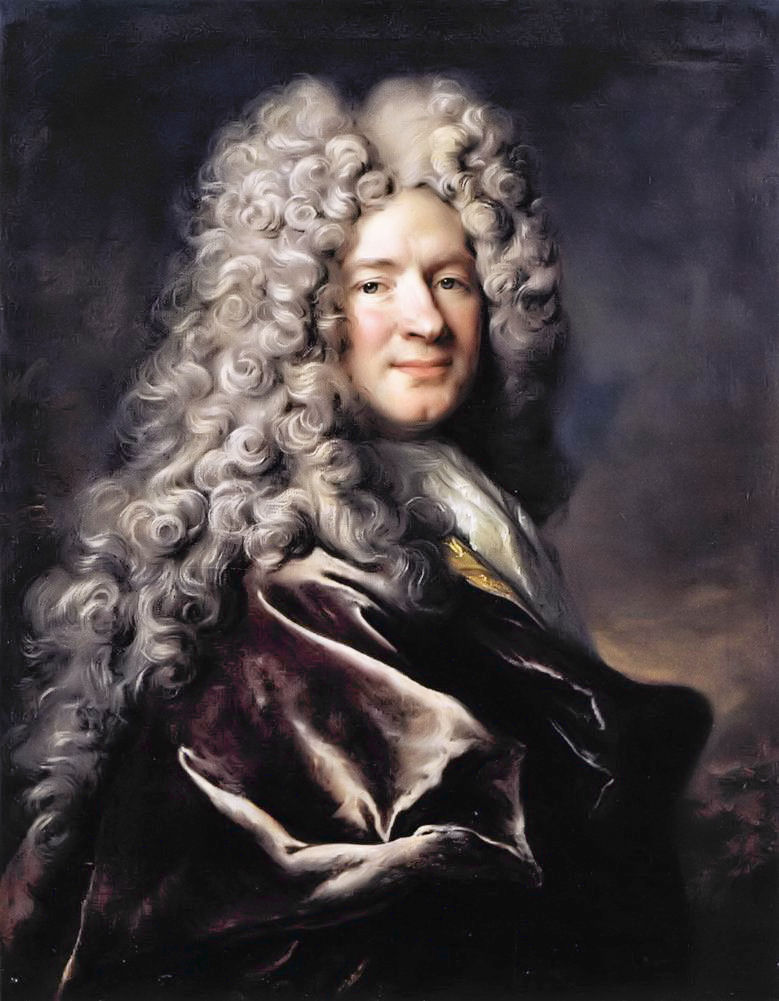



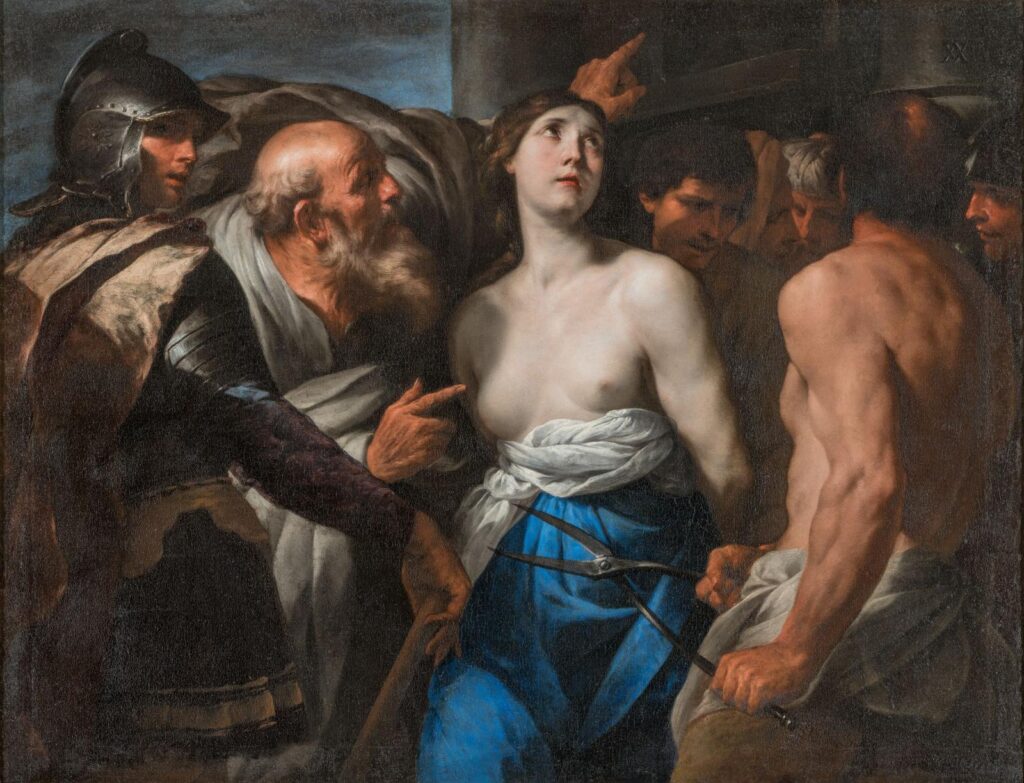
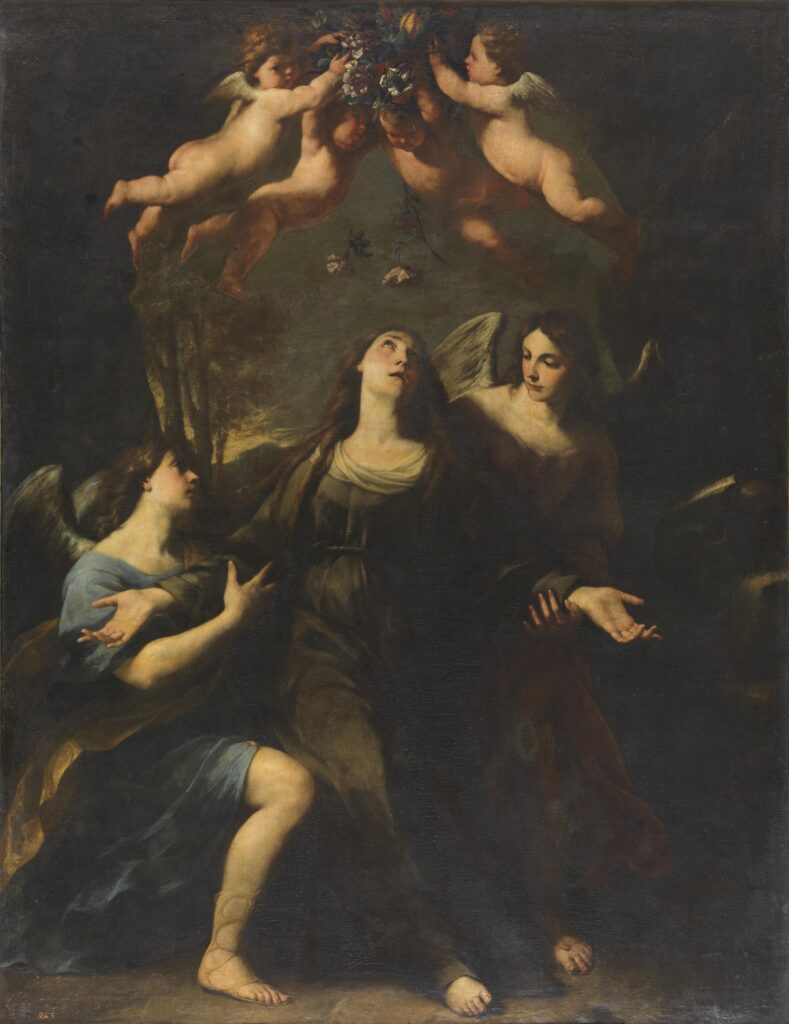
Domenico Antonio Vaccaro
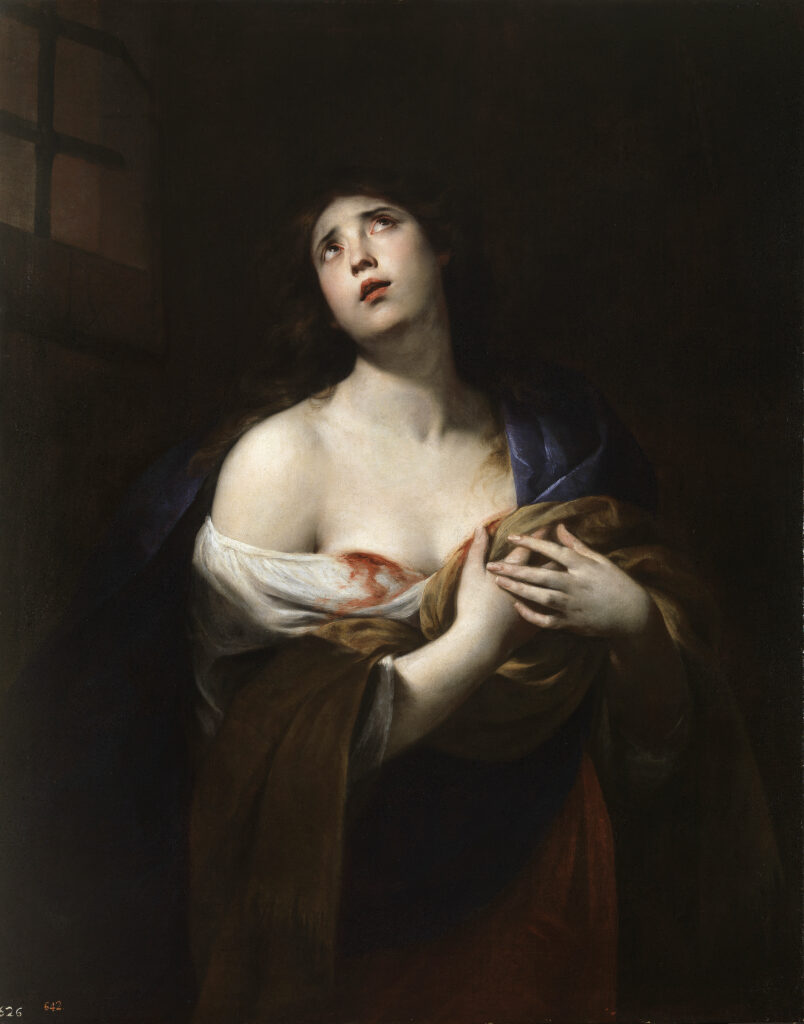
Domenico Antonio Vaccaro, Italian painter and architect, June 3, 1678 – June 13, 1745





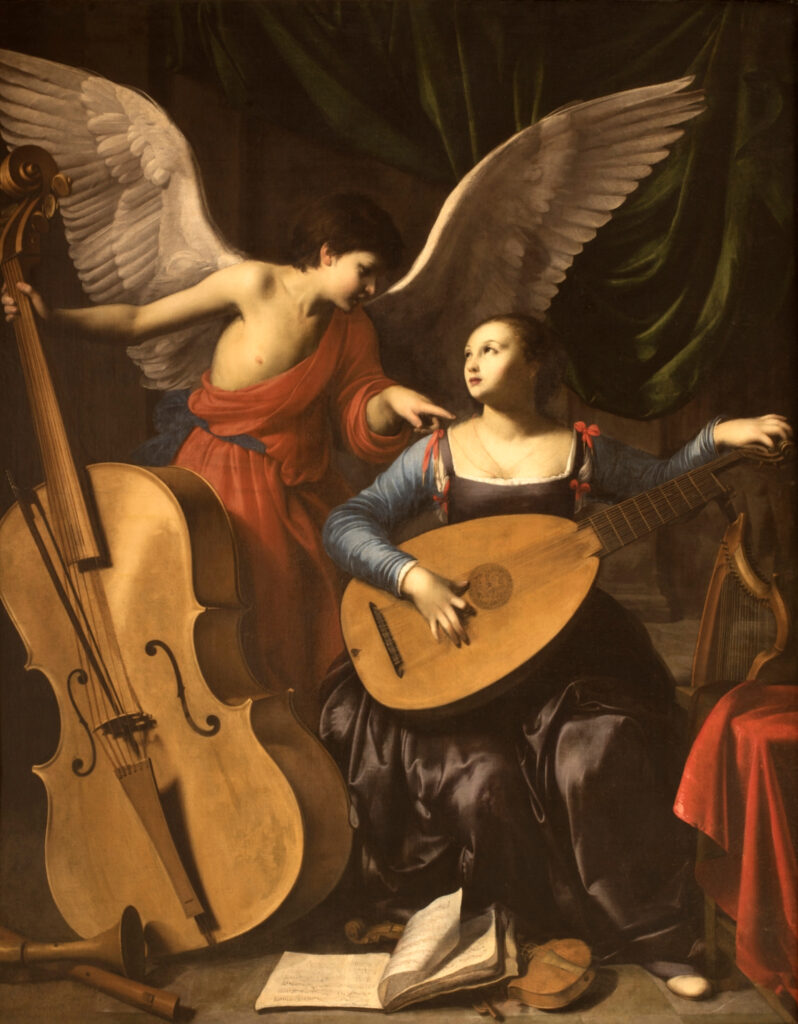
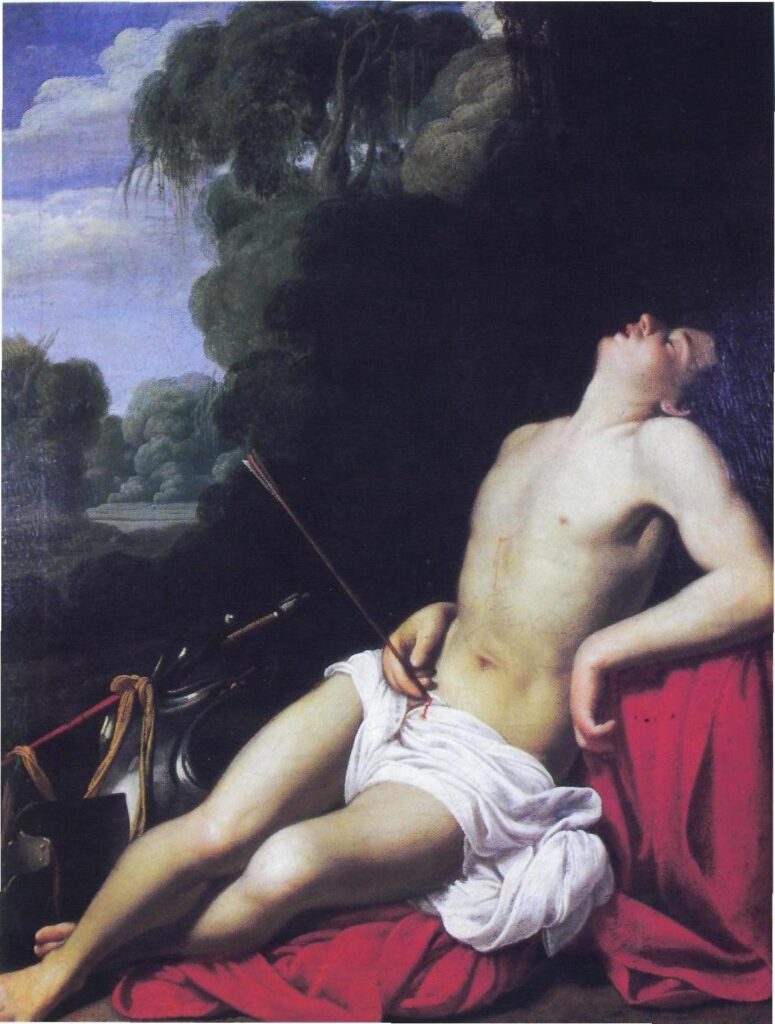
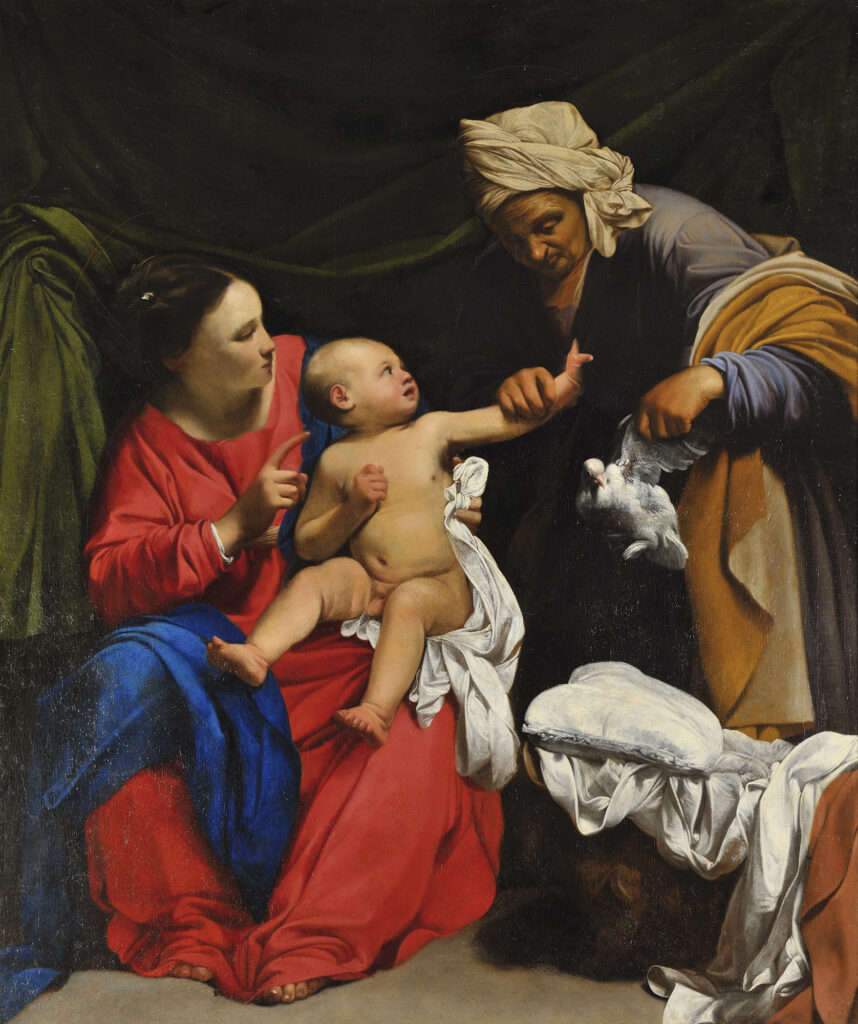
Carlo Saraceni
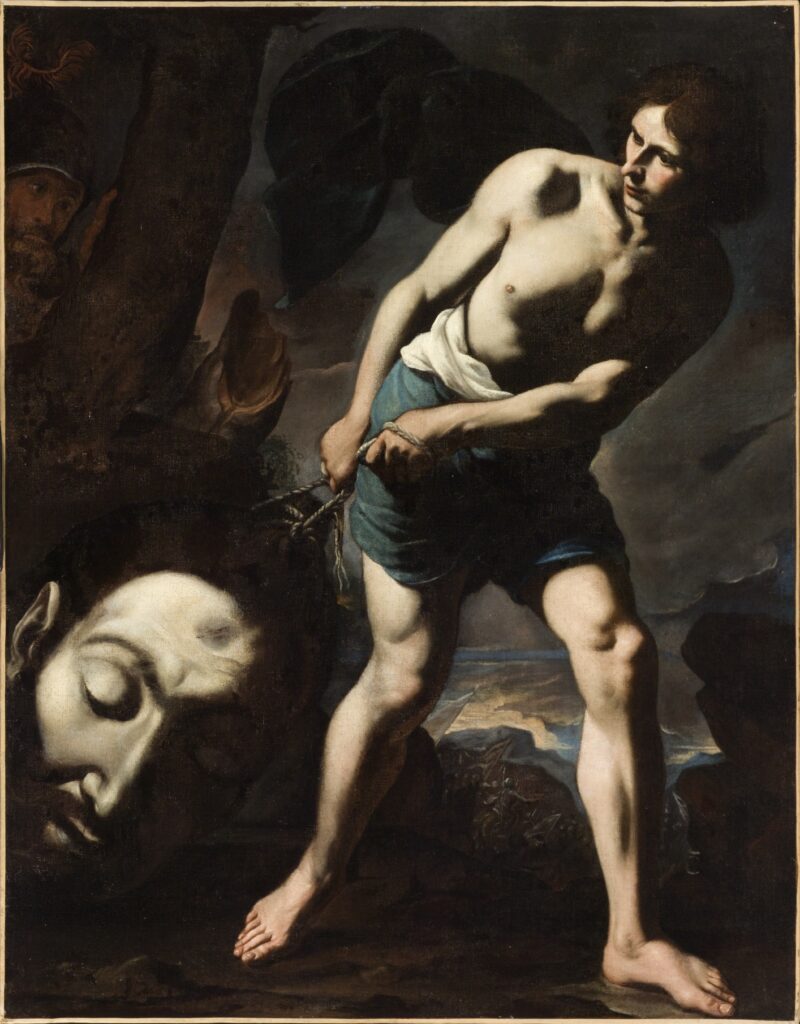
Carlo Saraceni, 1579 – June 16, 1620, was a Venetian painter. He trained in Venice before moving to Rome, probably in 1598, where he came under the influence of Adam Elsheimer, Caravaggio, and Caravaggio’s followers.
Saraceni worked in Rome on small paintings on copper as well as larger canvases. He also worked for the ducal court in Mantua in 1613 and was a member of the Accademia di San Luca in Rome by 1616.
Saraceni returned to Venice about 1619 and died there in 1620. His works are held by institutions including the National Gallery, London; the Alte Pinakothek, Munich; the Kunsthistorisches Museum, Vienna; and the Gallerie dell'Accademia, Venice.






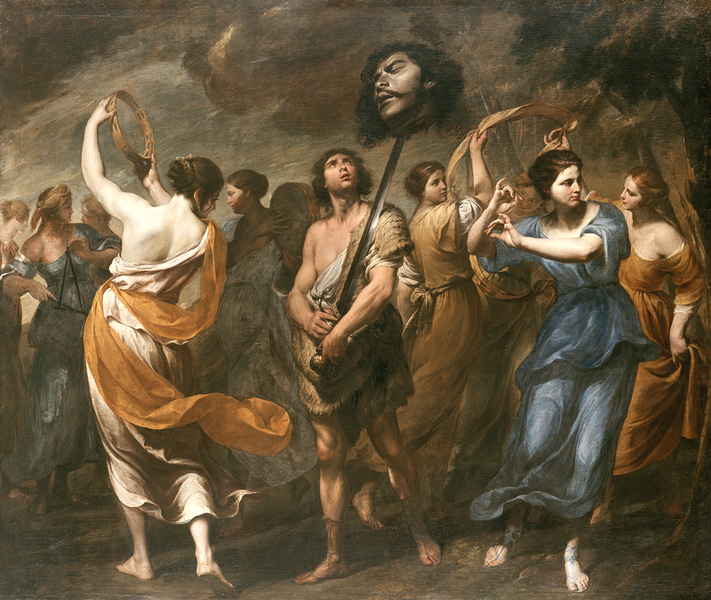
Francesco Solimena
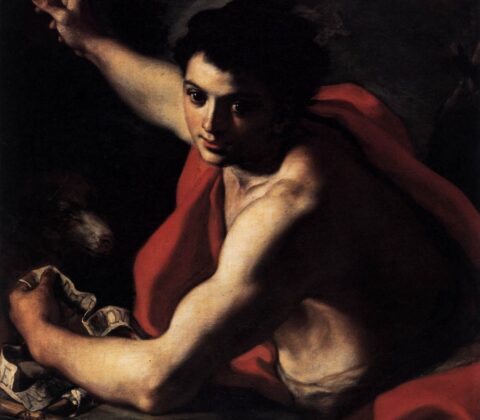
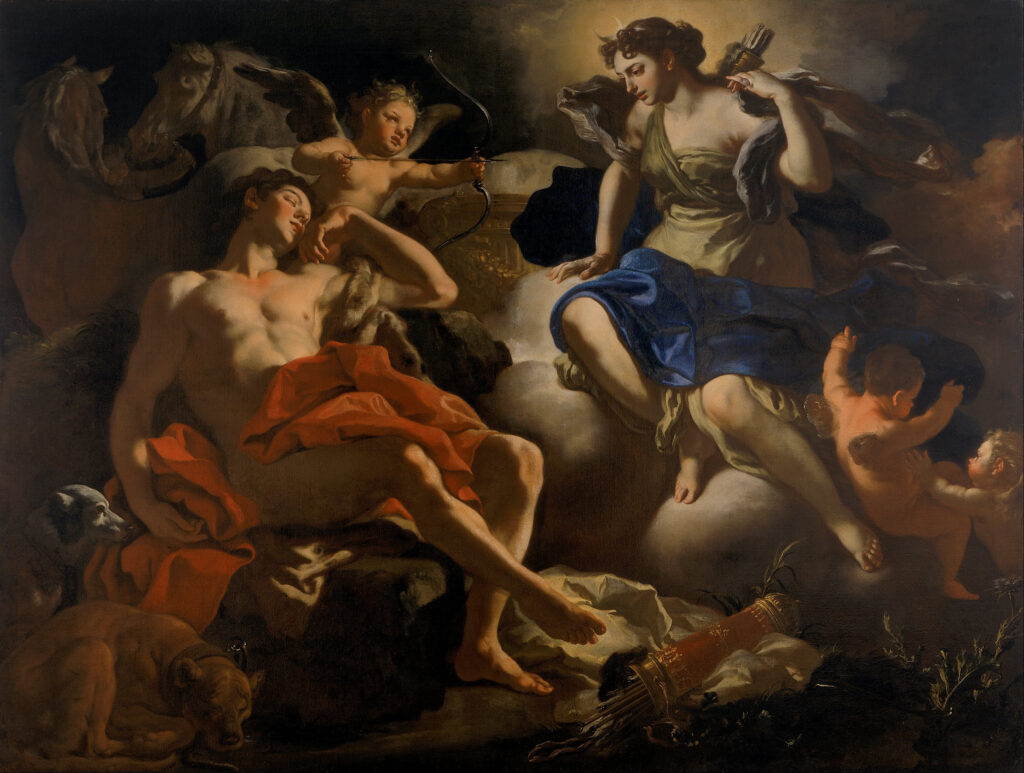
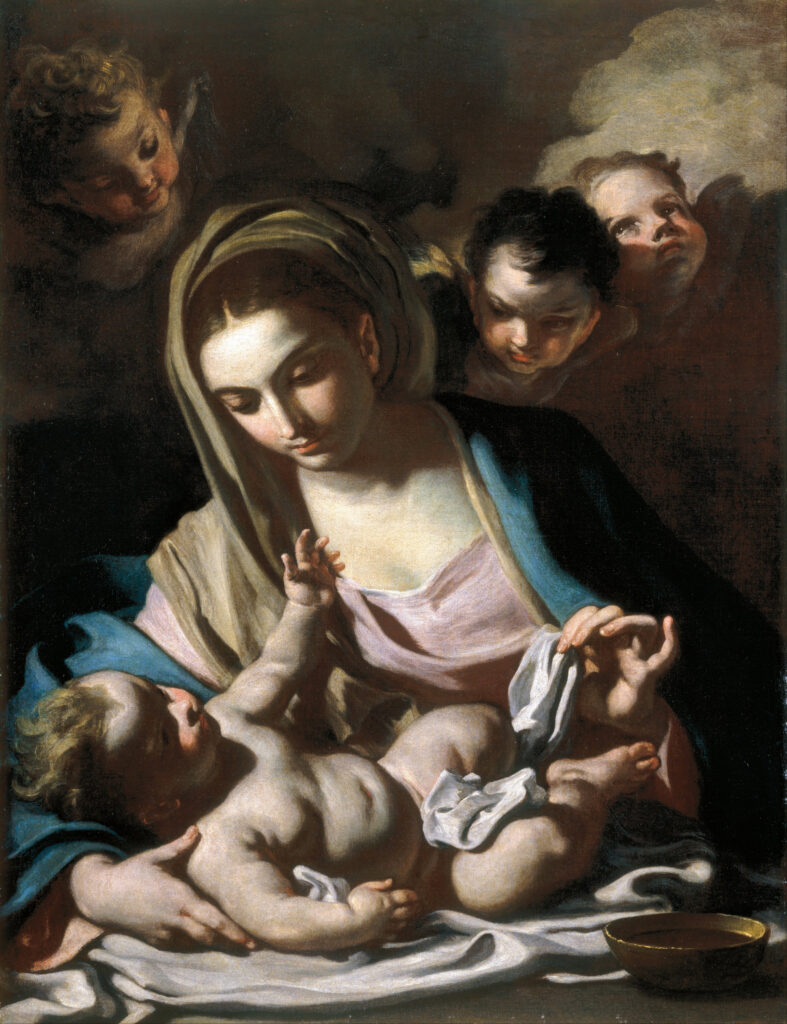
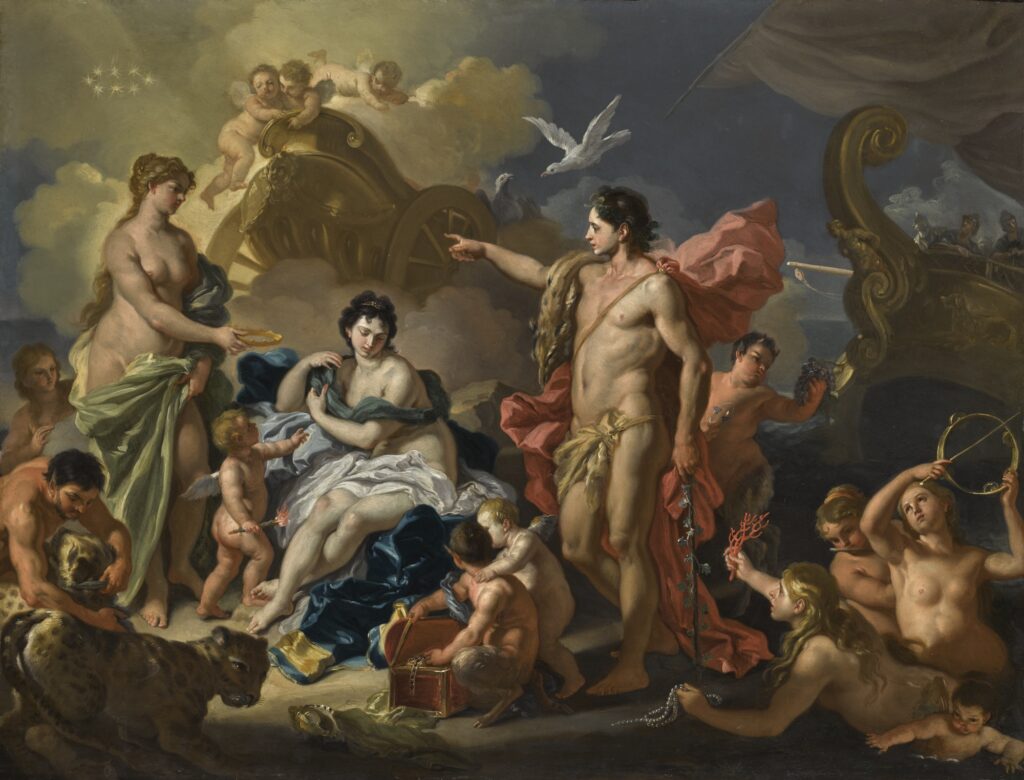
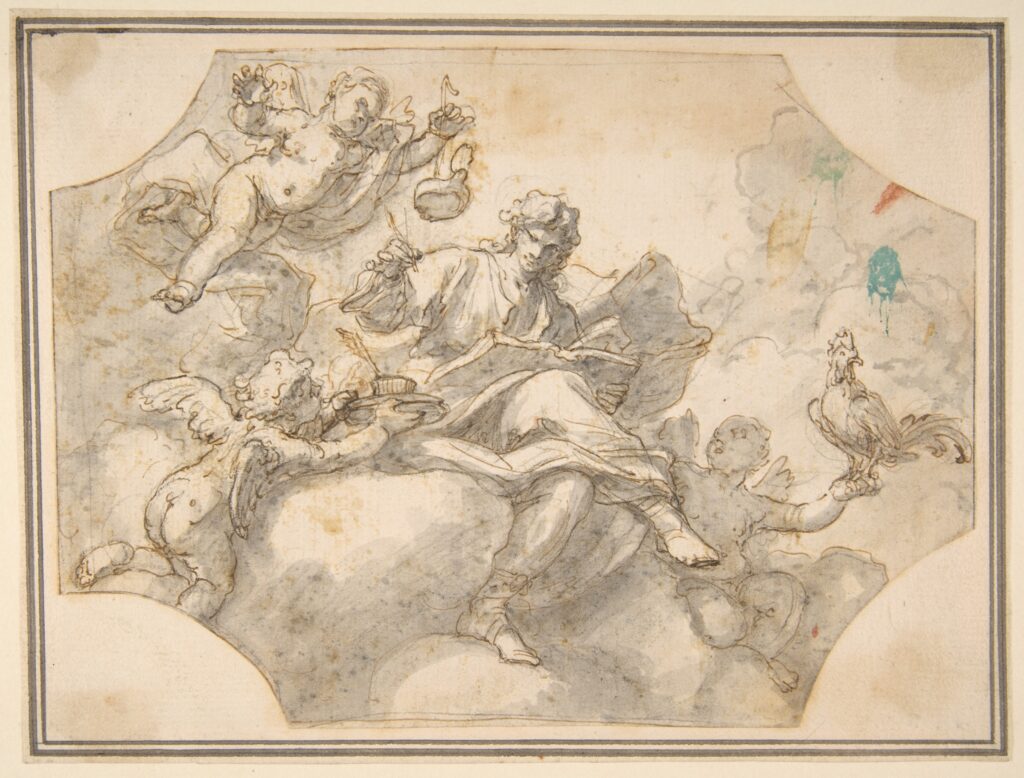
Francesco Solimena, October 4, 1657 – April 3, 1747, was an Italian painter and architect associated with Naples. He was born at Canale di Serino and received his early artistic training from his father, the painter Angelo Solimena.
Solimena worked for churches and patrons in Naples and elsewhere, producing frescoes, altarpieces, easel paintings, mythological scenes, portraits, and drawings. He directed a large workshop and taught artists including Francesco de Mura, Corrado Giaquinto, and Giuseppe Bonito.
He died at Barra, near Naples, in 1747. His work is represented in major collections including the Museo del Prado, the J. Paul Getty Museum, the Metropolitan Museum of Art, the Kunsthistorisches Museum, and the Museum of Fine Arts, Houston.







Frans Snyders
Frans Snyders, November 11, 1579 – August 19, 1657, was a Flemish painter born and based in Antwerp. He was recorded as a pupil of Pieter Brueghel the Younger in 1593 and later trained with Hendrick van Balen. He became a master in the Antwerp Guild of Saint Luke in 1602 and traveled to Rome and Milan in 1608–1609.
After returning to Antwerp, Snyders worked with Peter Paul Rubens and collaborated with artists including Anthony van Dyck, Jacob Jordaens, and Jan Wildens. He served as dean of the Guild of Saint Luke in 1628. Jan Fyt was among the painters who worked in his workshop.
Snyders produced still lifes, market scenes, hunting scenes, and animal paintings. His works are held by the Museo Nacional del Prado, Louvre Museum, State Hermitage Museum, Alte Pinakothek, National Gallery of Art, and Art Institute of Chicago, among other collections.


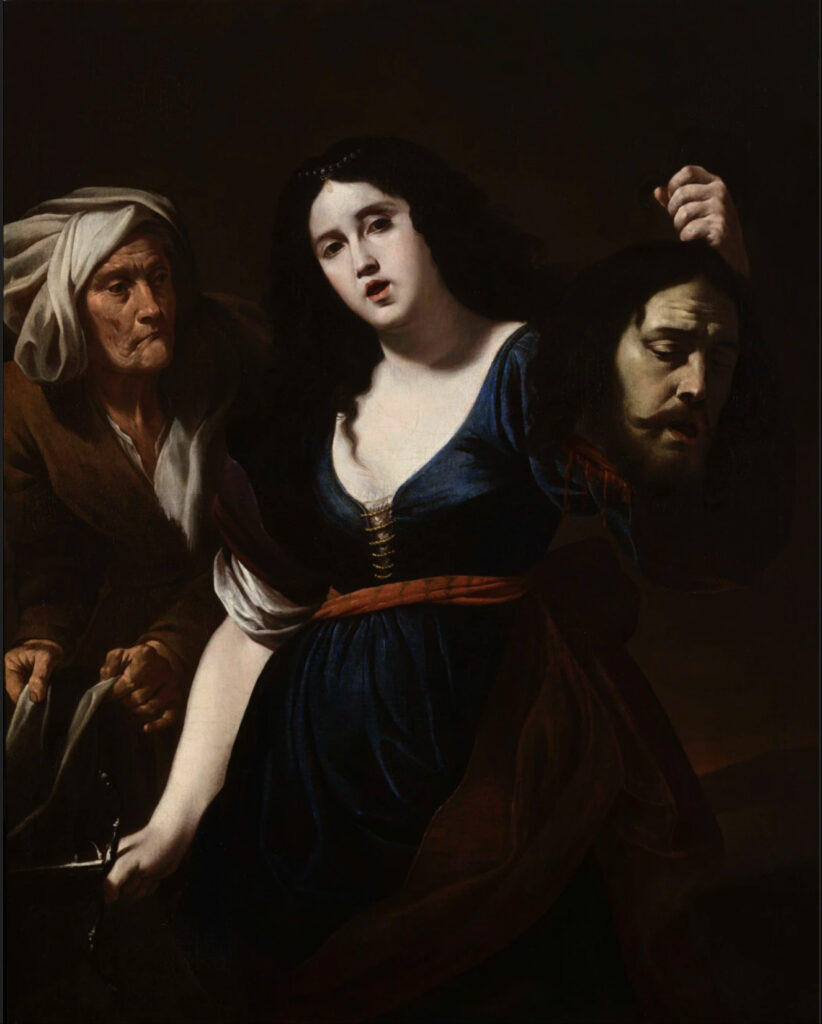
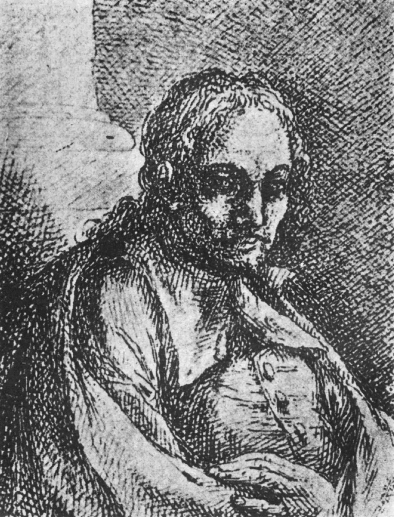
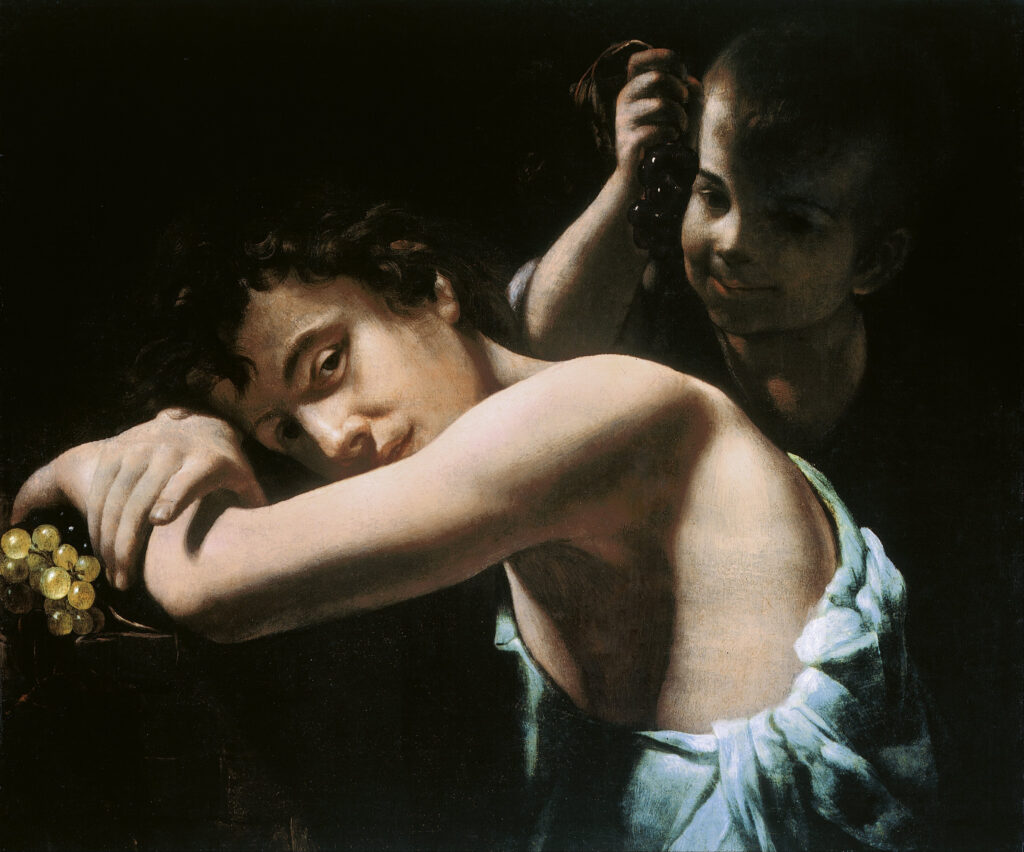
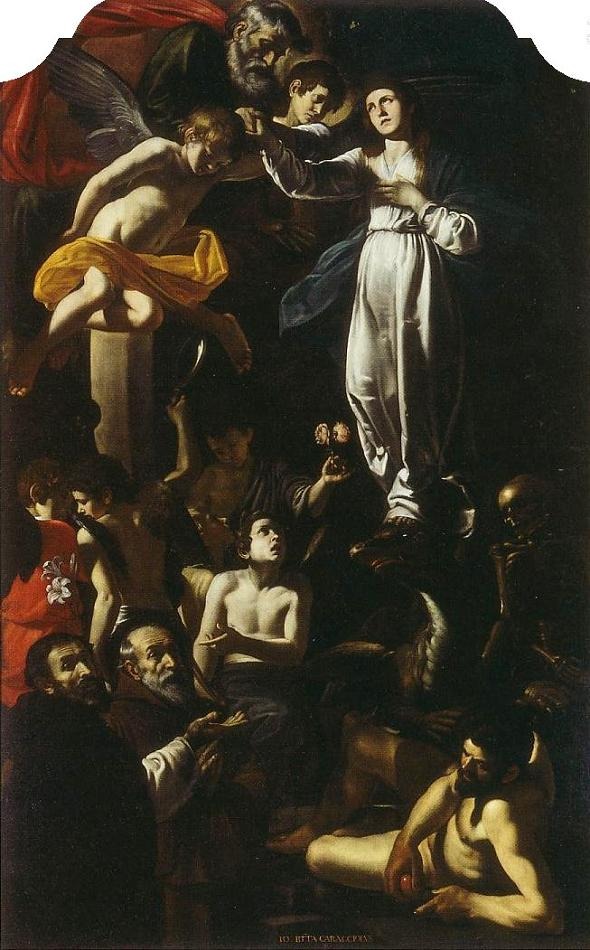
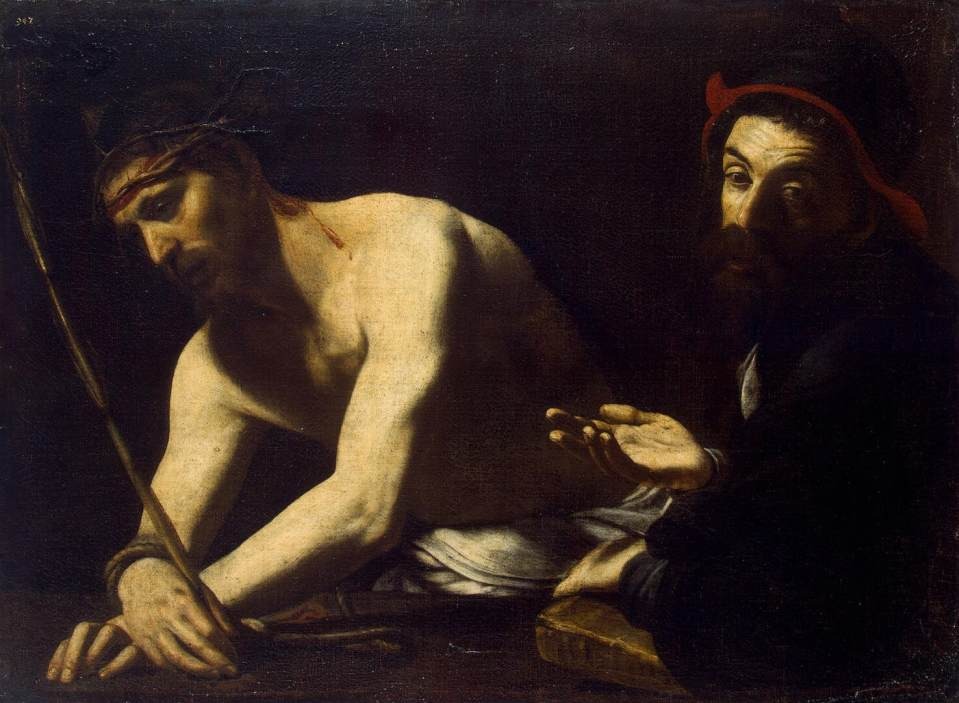
Giovanni Battista Caracciolo
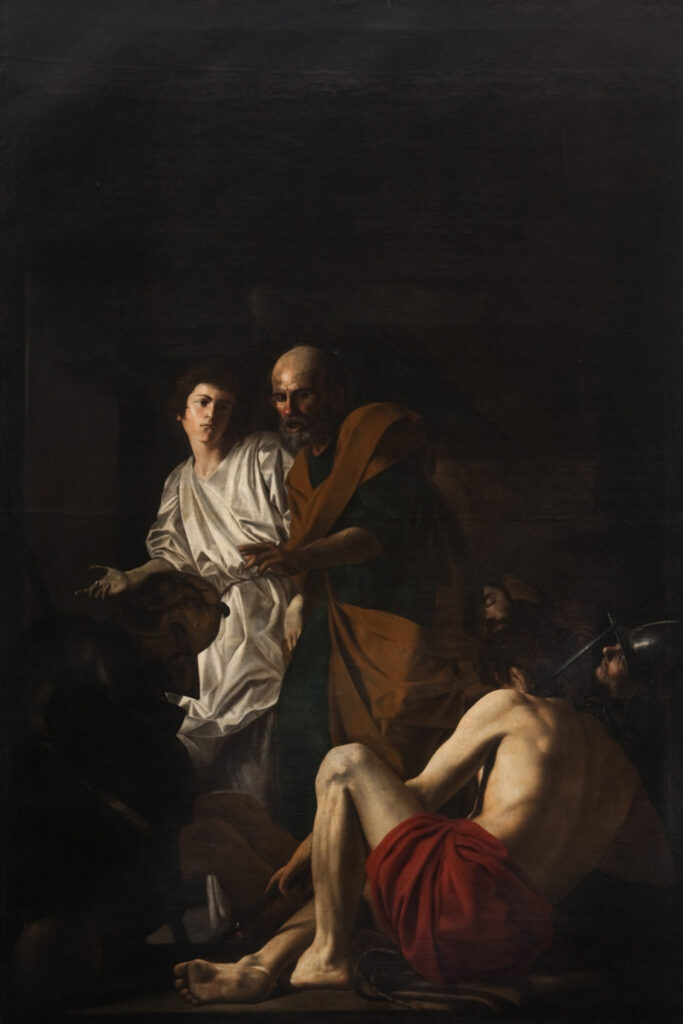
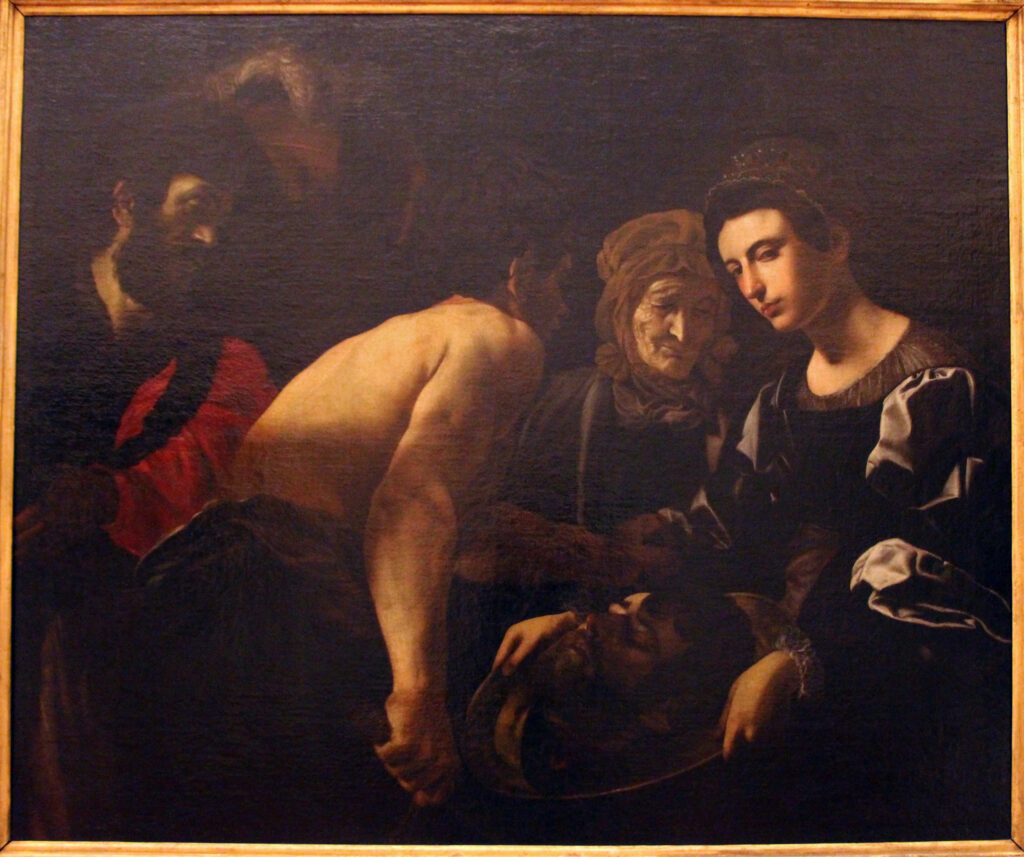
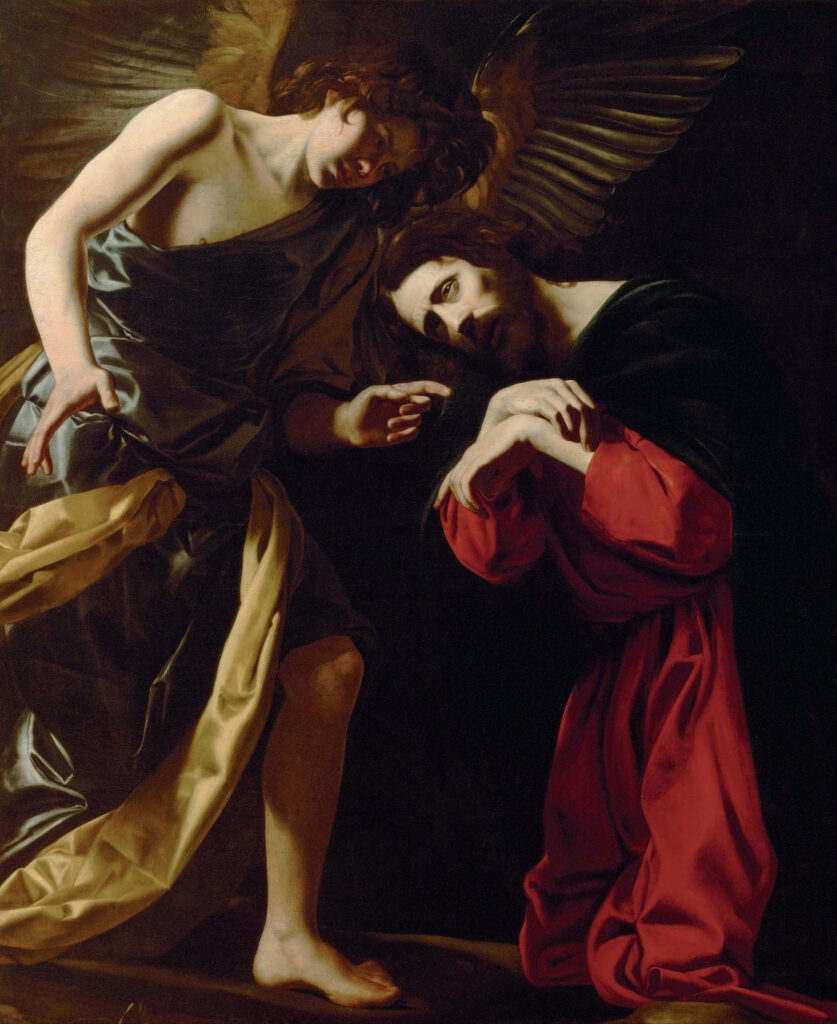
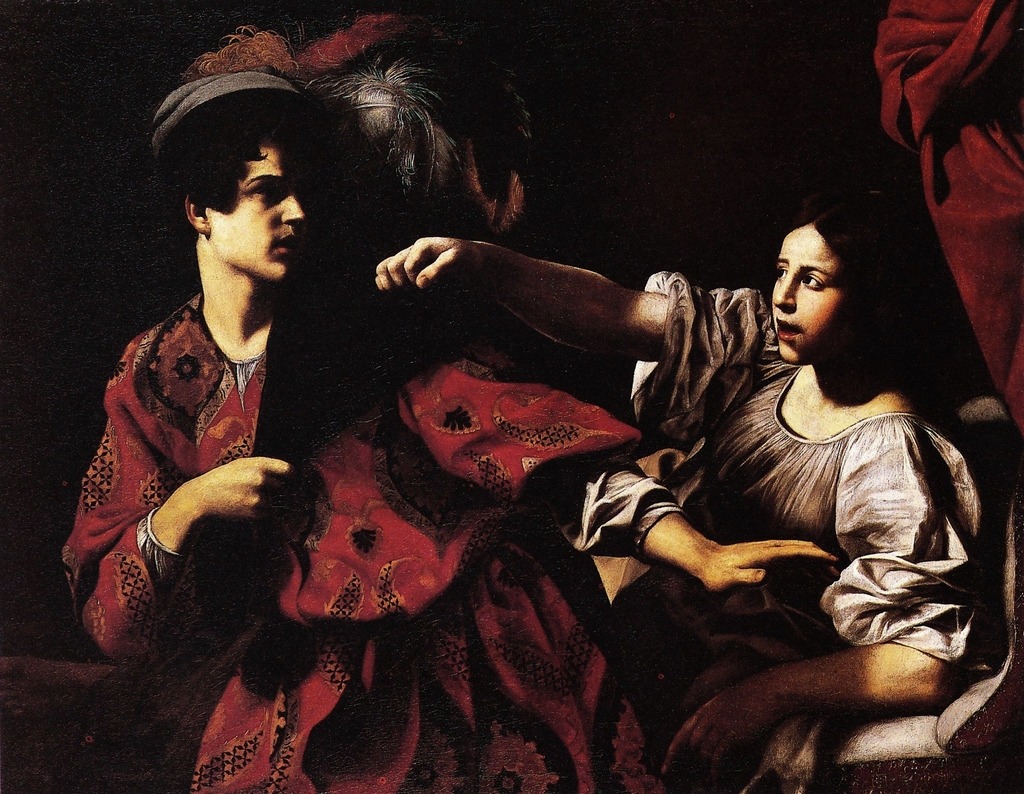
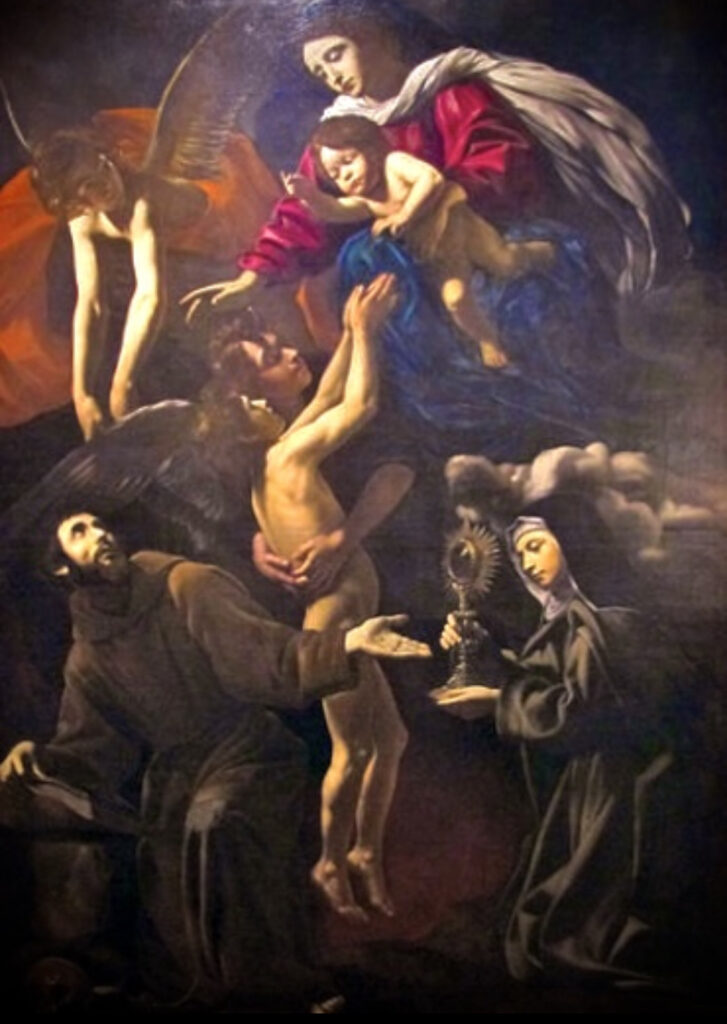
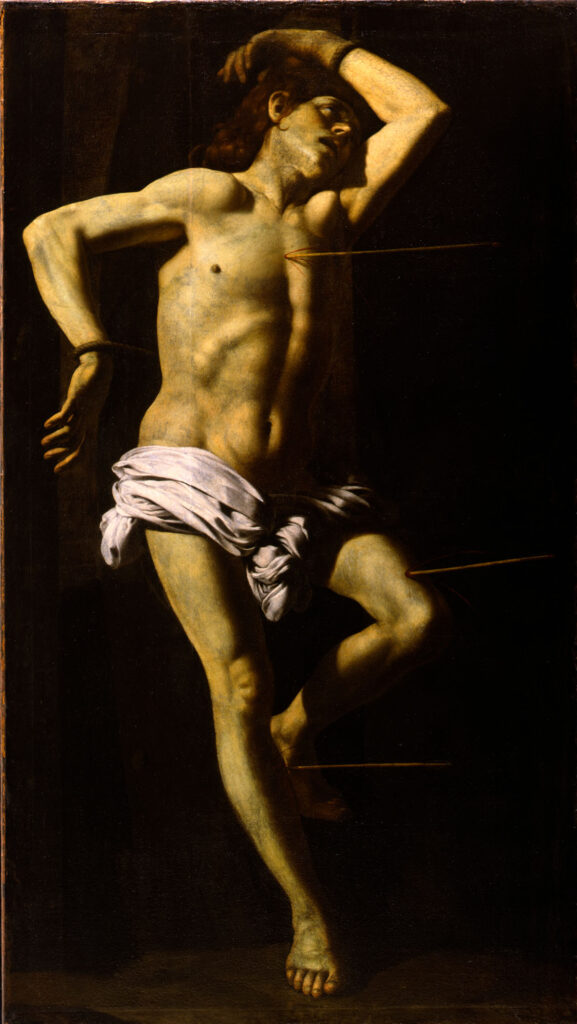
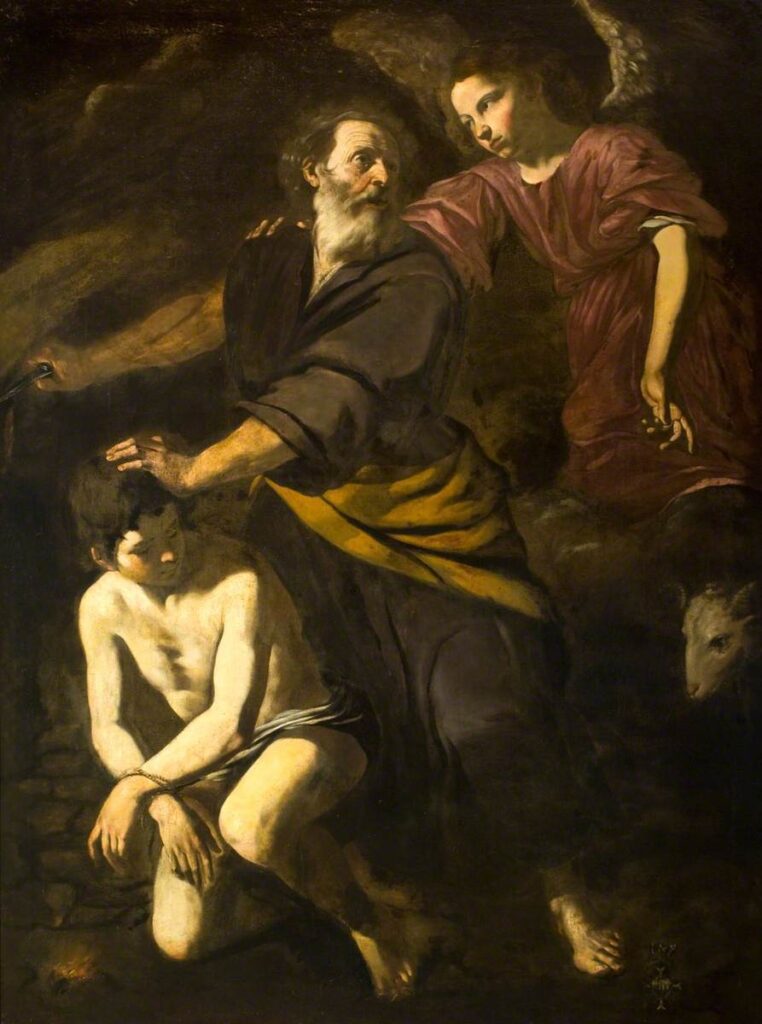
Giovanni Battista Caracciolo, December 7, 1578–December 23, 1635, was an Italian painter of the Neapolitan school, known as Battistello. He trained in Naples, probably with Francesco Imparato and Fabrizio Santafede, and was profoundly affected by Caravaggio’s arrival in the city in 1606.
Caracciolo became one of the leading early Neapolitan Caravaggists, adapting dramatic light and naturalistic figures to altarpieces, private devotional works, and later fresco decoration. His work also reflects study in Rome and contact with artists including Orazio Gentileschi; major works remain in Naples, Florence, Vienna, Saint Petersburg, and other public collections.
After visits to Rome, Genoa, and Florence, he returned to Naples, where he continued to develop a more classical, expansive manner alongside his tenebrist beginnings. He died in Naples in 1635 and was a formative figure for later seventeenth-century Neapolitan painting.
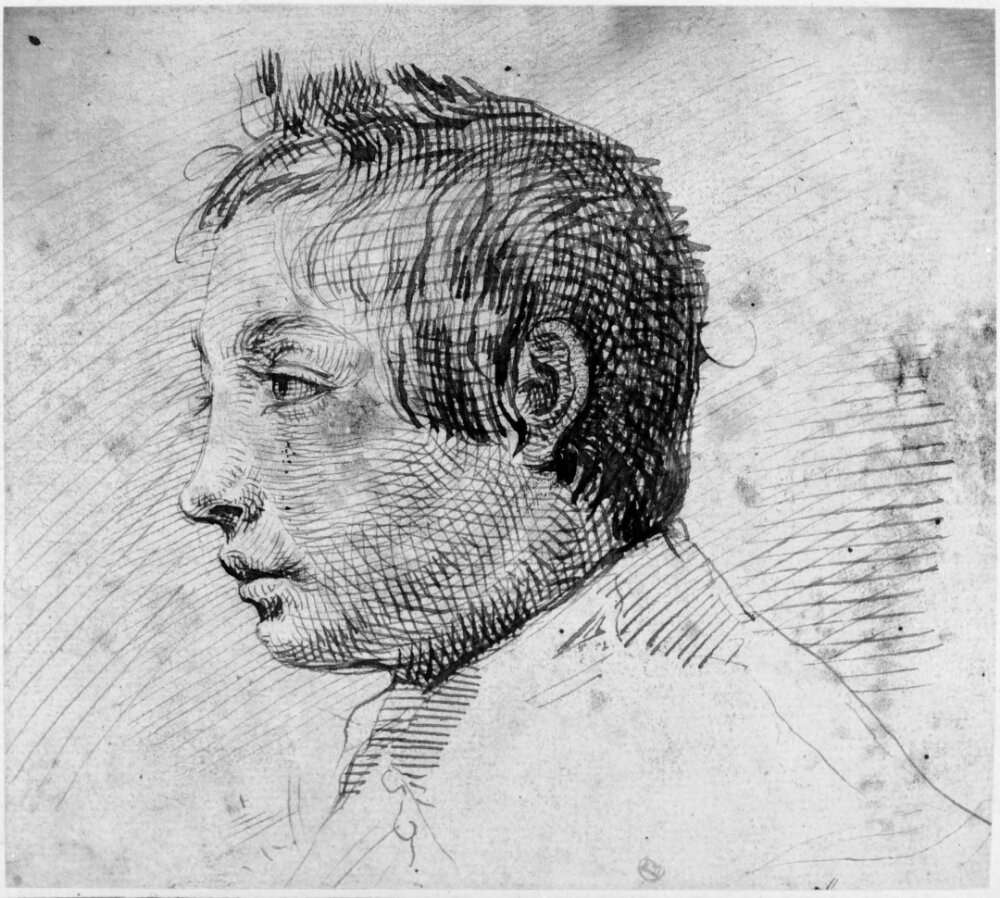
Paulus Bor
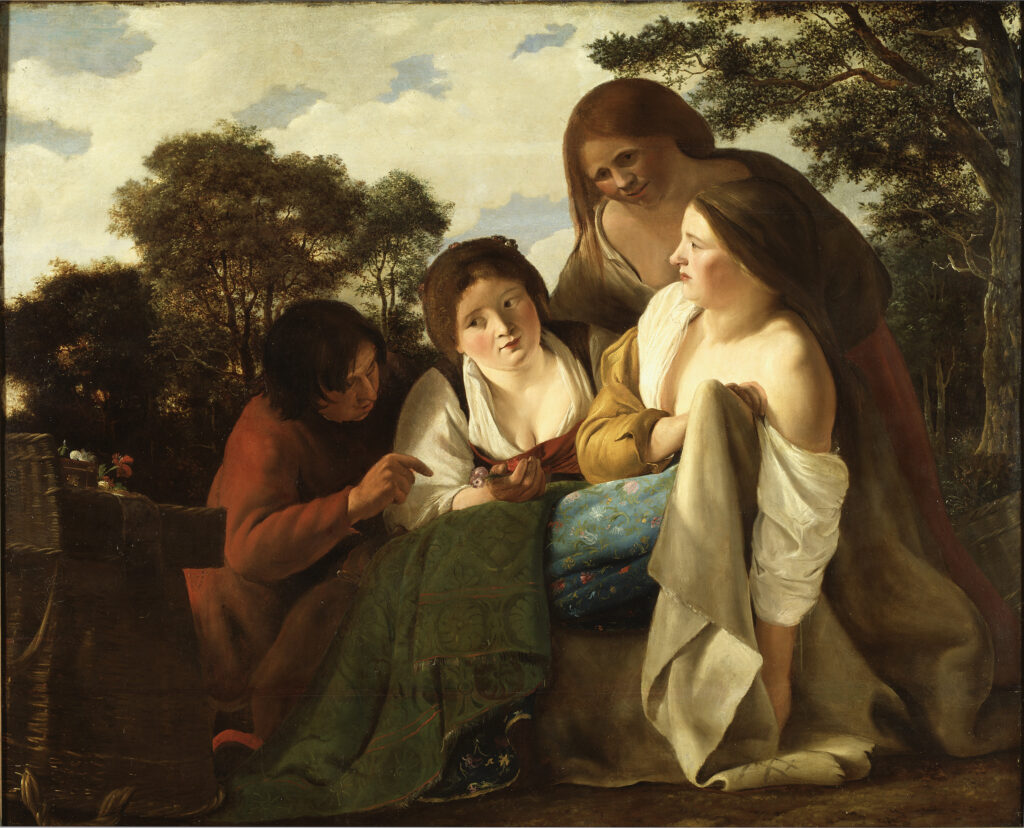
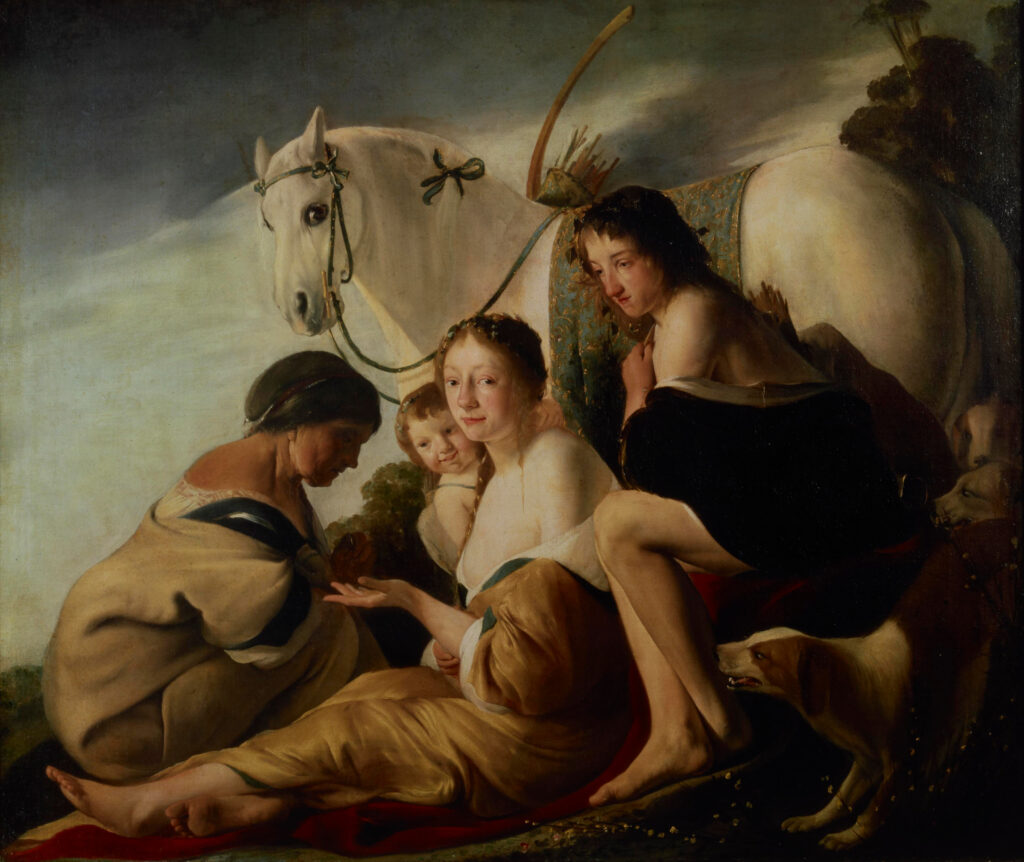
Paulus Bor, c 1601–August 10, 1669, was a Dutch painter from Amersfoort. His early training is not documented. He was in Rome in the early 1620s, where he was a founding member of the Bentvueghels, an association of Dutch and Flemish artists, and used the nickname Orlando.
Bor had returned to Amersfoort by 1626 and joined the Brotherhood of Saint Luke. He later worked with Jacob van Campen on paintings for Honselaarsdijk, the palace of Frederik Hendrik. In 1656 he became a regent of the De Armen de Poth almshouse in Amersfoort.
His paintings are held by the Rijksmuseum in Amsterdam, the Metropolitan Museum of Art in New York, the National Gallery of Canada in Ottawa, the Centraal Museum in Utrecht, the Nationalmuseum in Stockholm and the Montreal Museum of Fine Arts.


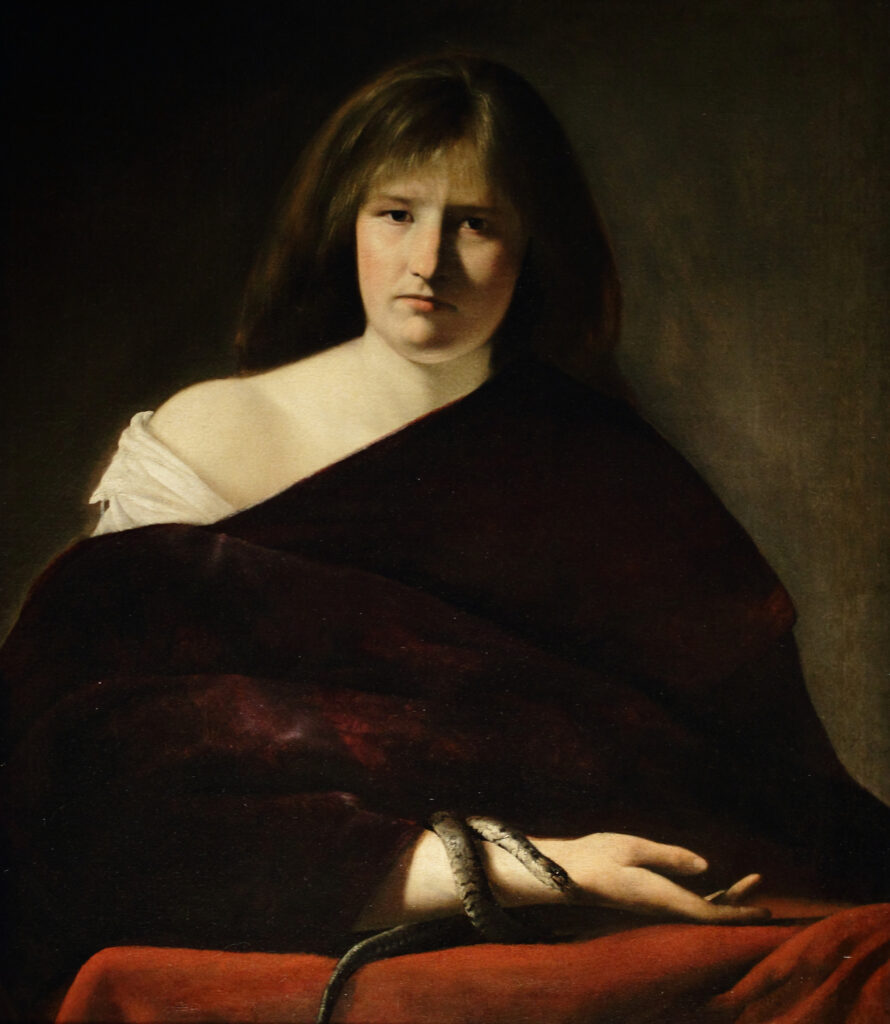
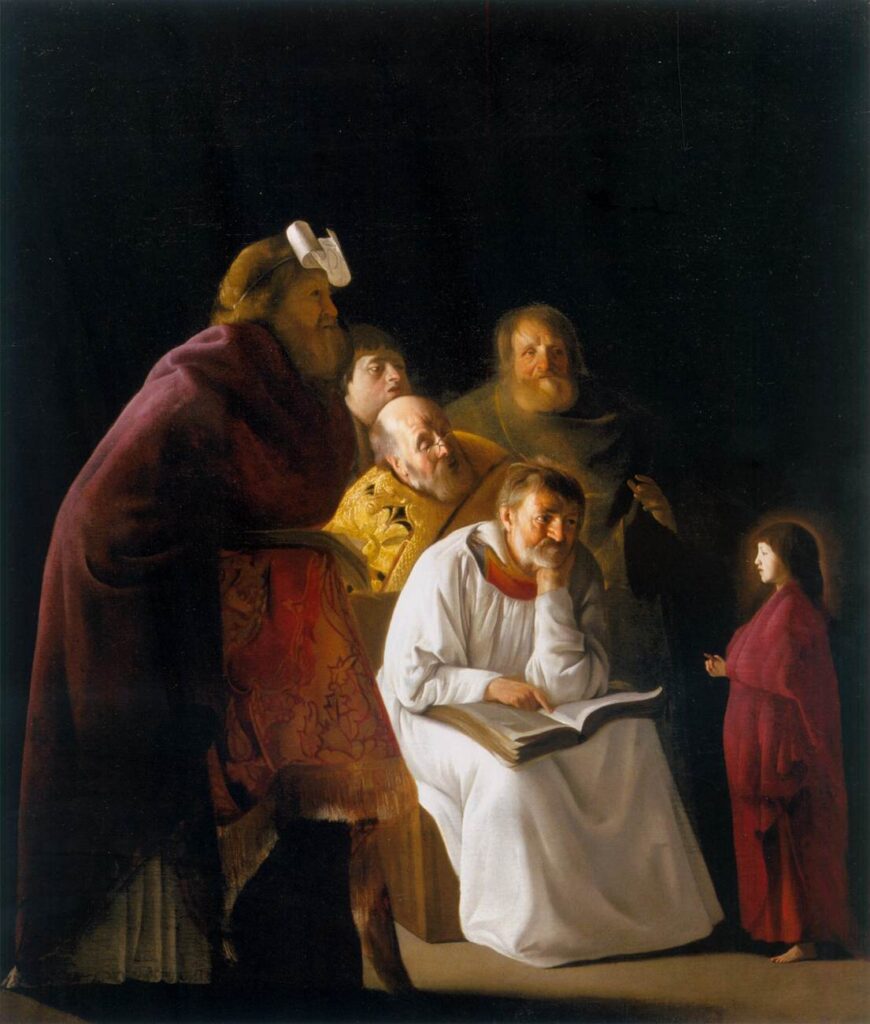

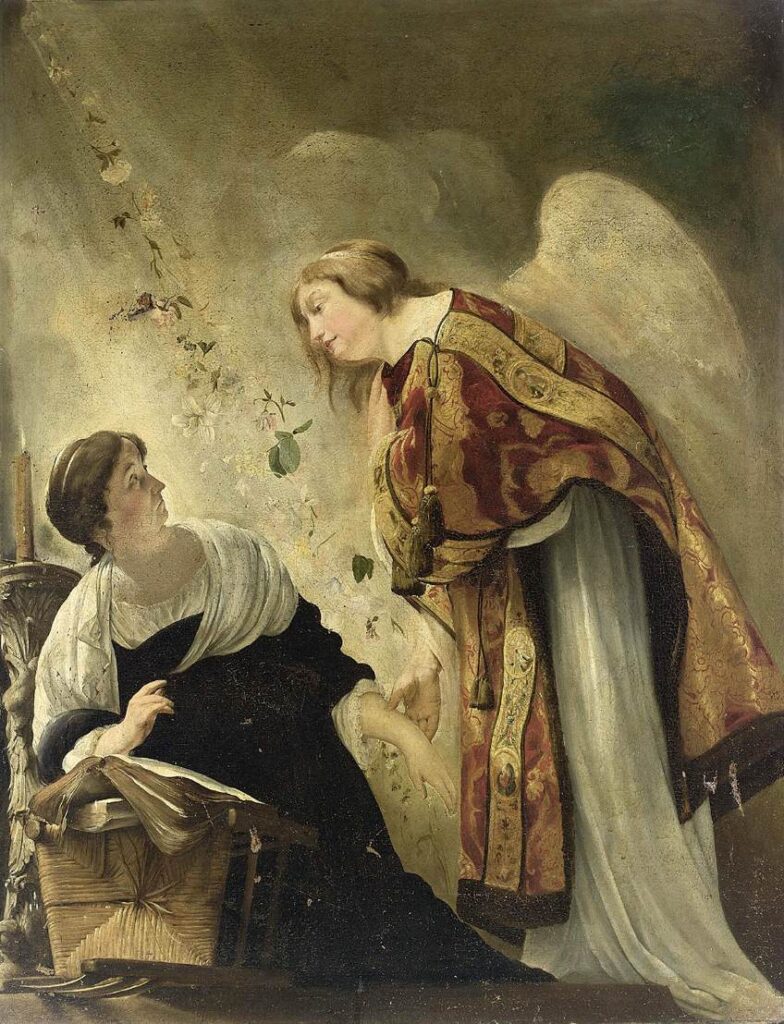



Adam Pynacker
Adam Pynacker, February 15, 1622 – March 28, 1673, was a Dutch painter, draughtsman, and printmaker. Born in Schiedam and buried in Amsterdam, he first worked as a wine merchant, like his father. His formal artistic education and teachers are not documented.
Pynacker was recorded in Delft from 1649 to 1651 and again in 1657, where he was associated with the painter, art dealer, and innkeeper Adam Pick. He worked for the Brandenburg court at Lenzen in 1654 and 1655, married Eva Maria de Geest in 1658, converted to Catholicism, and moved to Amsterdam during the 1660s. He is associated with the Dutch Italianate painters; later sources describe travel in Italy, though surviving documentation does not confirm it. No pupils are documented.
His work is held by the Los Angeles County Museum of Art, Dulwich Picture Gallery, London, Clark Art Institute, Williamstown, Massachusetts, Art Gallery of New South Wales, Sydney, Rijksmuseum, Amsterdam, Nationalmuseum, Stockholm, and Metropolitan Museum of Art, New York


Gillis van Coninxloo
Gillis van Coninxloo, January 24, 1544–January 1607, was a Flemish landscape painter and draftsman. Born into a family of painters in Antwerp, he trained with Pieter Coecke van Aelst, Lenaert Kroes, and Gillis Mostaert, and became a master in the Antwerp Guild of Saint Luke in 1570.
After working in Antwerp, Coninxloo left the city in 1585, lived briefly in Middelburg, and worked in Frankenthal from 1587 to 1595 as a member of the group now called the Frankenthal school. He settled in Amsterdam in 1595; his pupils included Pieter Brueghel the Younger, Willem van den Bundel, and Hercules Segers.
His paintings and drawings are held by the State Hermitage Museum, Kunsthistorisches Museum, Cleveland Museum of Art, Museum Boijmans Van Beuningen, Museo del Prado, and other public collections.


Paulus Potter
Paulus Potter, November 20, 1625–January 17, 1654, was a Dutch painter, draftsman, and printmaker known chiefly for landscapes in which cattle and other animals occupy a central place. He was baptized in Enkhuizen and buried in Amsterdam; his father, Pieter Symonsz Potter, was also a painter.
Potter probably first trained with his father and was recorded in 1642 studying with Jacob de Wet in Haarlem. He became a master in the Delft Guild of Saint Luke in 1646, worked in The Hague from 1649, married Adriana van Balckeneynde in 1650, and moved to Amsterdam in 1652 at the invitation of the physician and civic leader Nicolaes Tulp.
Despite his brief career, Potter produced paintings, drawings, and etchings and was sought by prominent Dutch patrons. Major holdings of his work are in the Mauritshuis, Rijksmuseum, Hermitage Museum, National Gallery, J. Paul Getty Museum, and Museum of Fine Arts, Houston.


