Posts in Category: 17th Century



Francisco de Zurbarán
Francisco de Zurbarán, November 7, 1598 – August 27, 1664, was a Spanish painter born in Fuente de Cantos in Extremadura. He was apprenticed in Seville to Pedro Díaz de Villanueva and established an early workshop in Llerena before returning to Seville.
Zurbarán became closely associated with the city’s religious institutions and received major commissions from the Dominicans, Mercedarians, Franciscans, and Carthusians. He specialized in devotional paintings, monastic subjects, saints, portraits, and still lifes, using sharply defined forms and strong contrasts of light and shadow.
Zurbarán moved to Madrid during the 1650s and remained there until his death. His paintings are held in major collections including the Museo Nacional del Prado, National Gallery in London, Metropolitan Museum of Art, and Museum of Fine Arts of Seville.


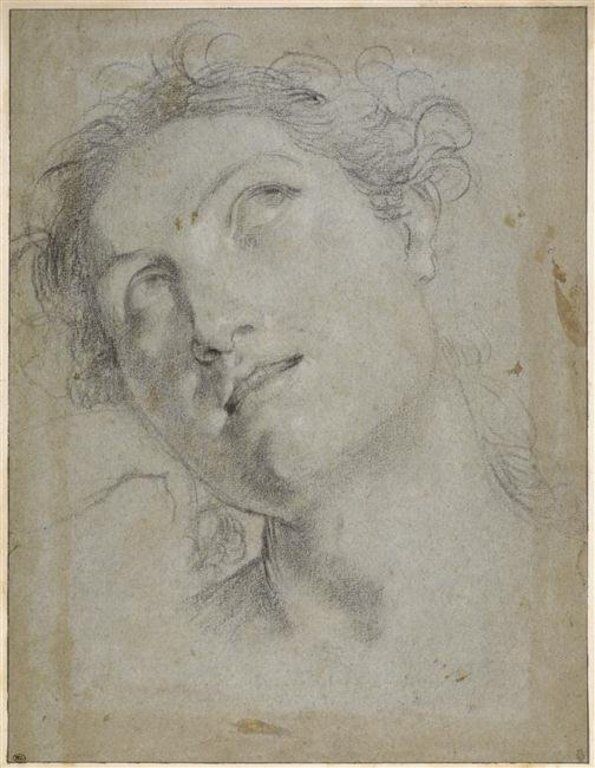
Domenichino
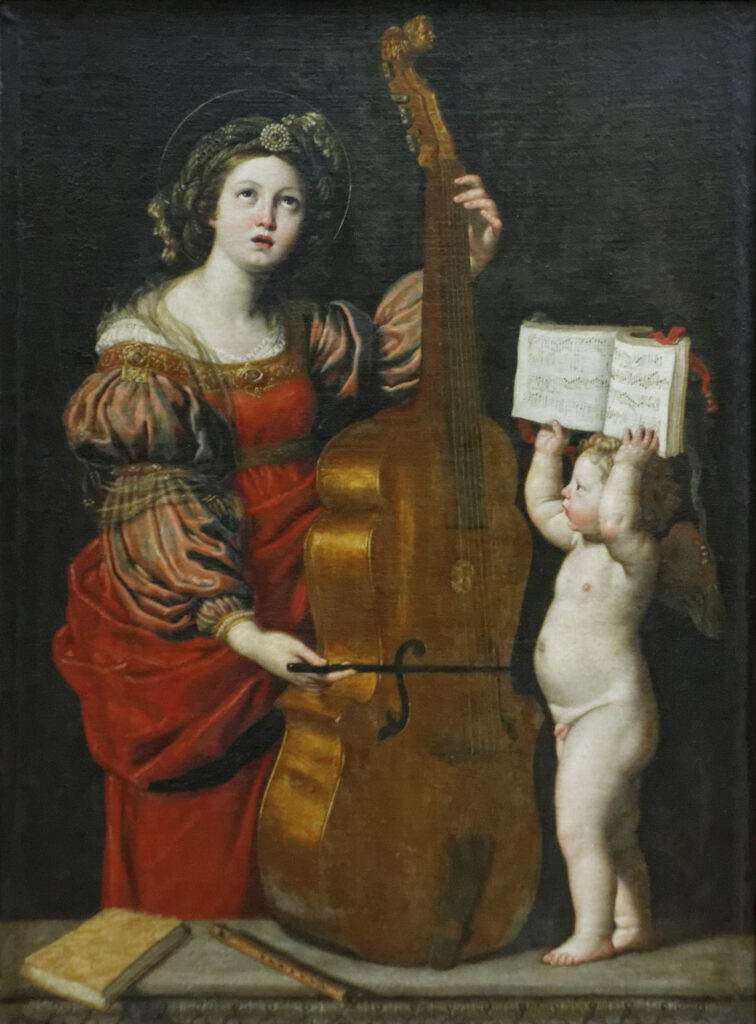
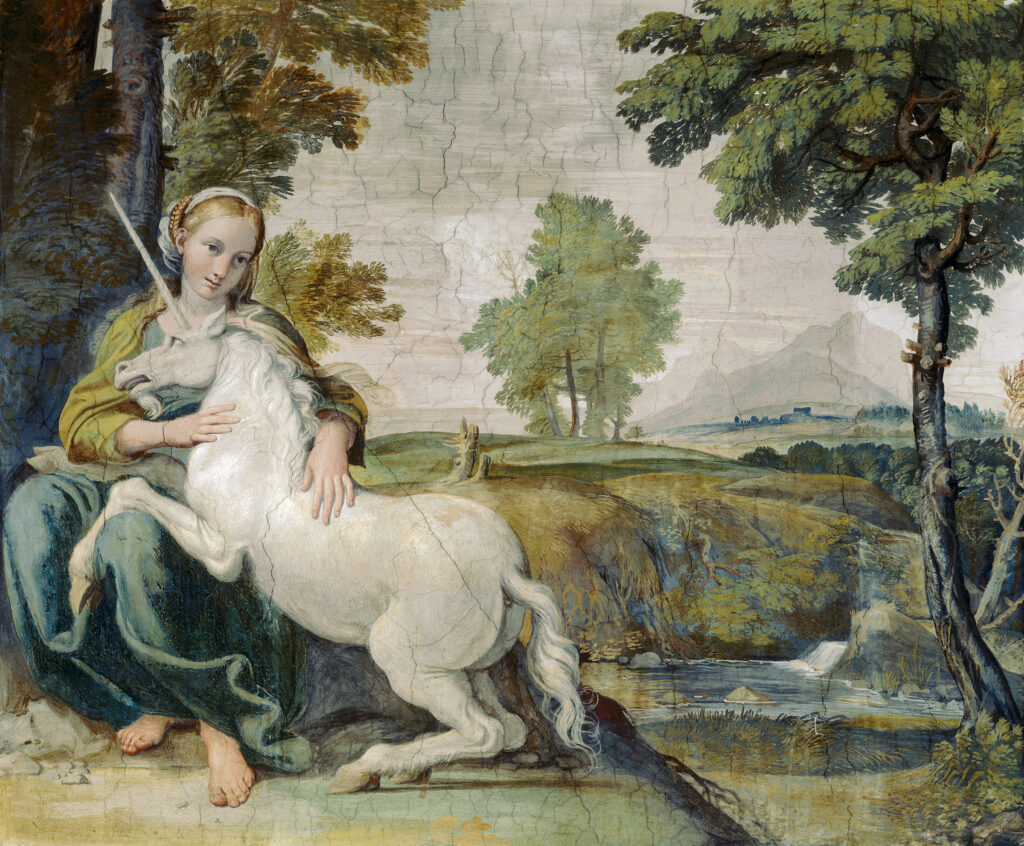
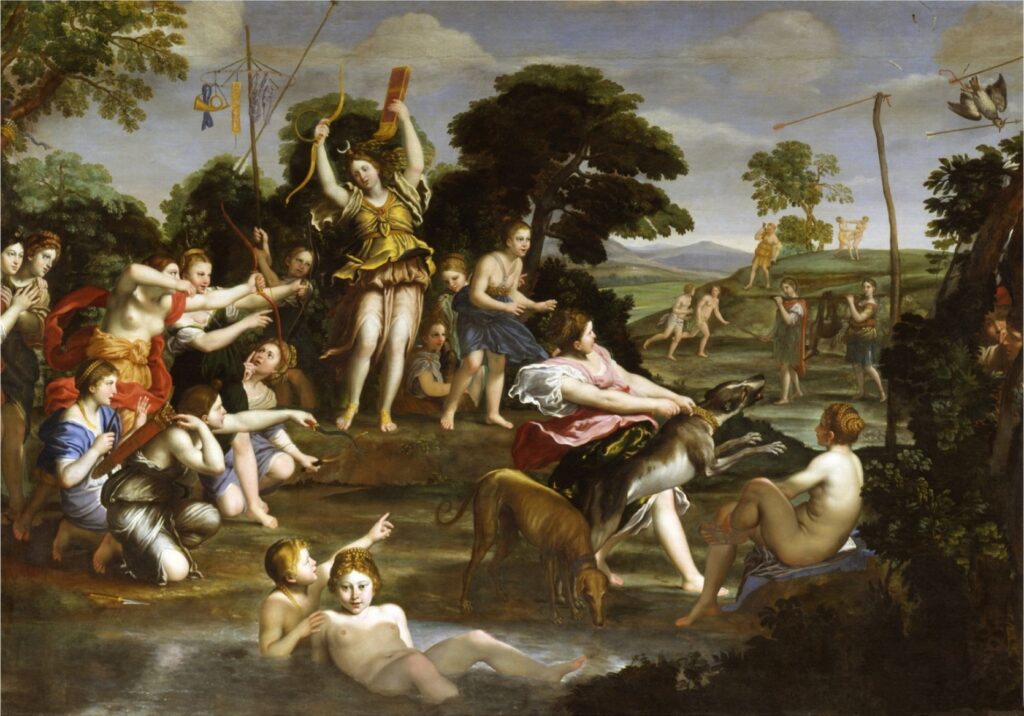
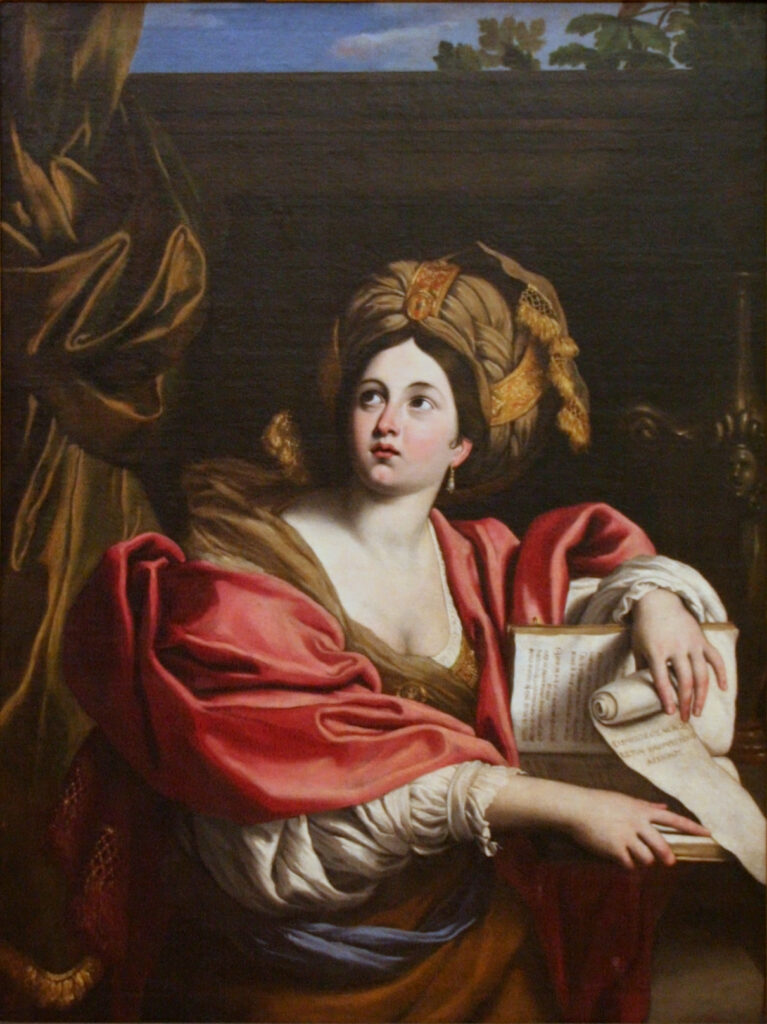
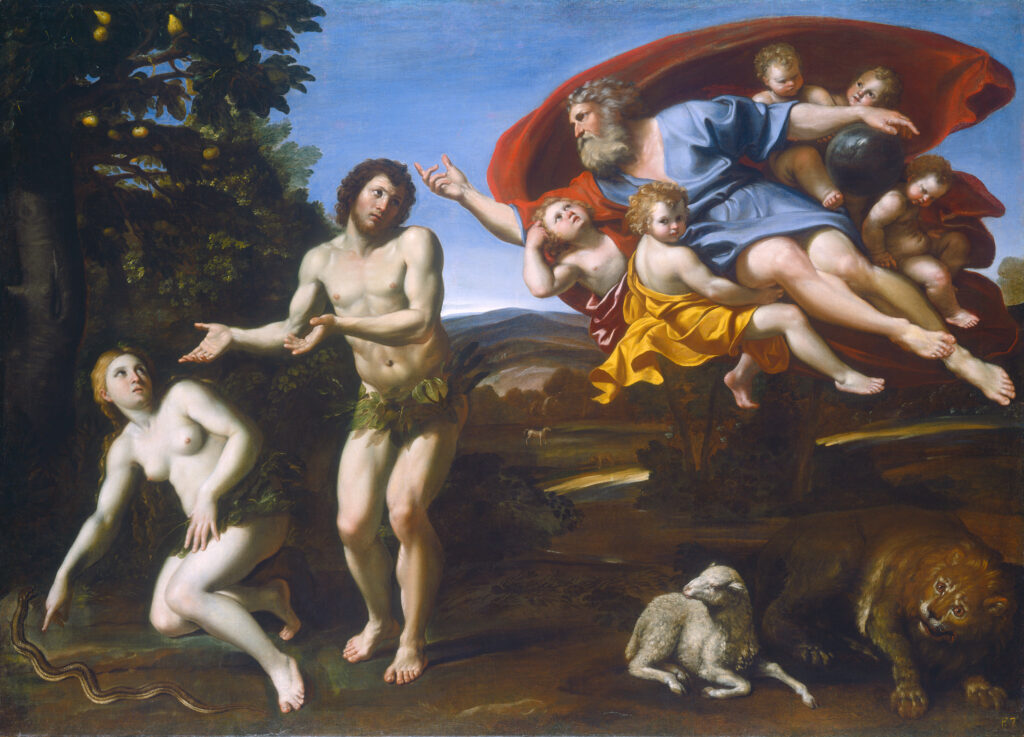
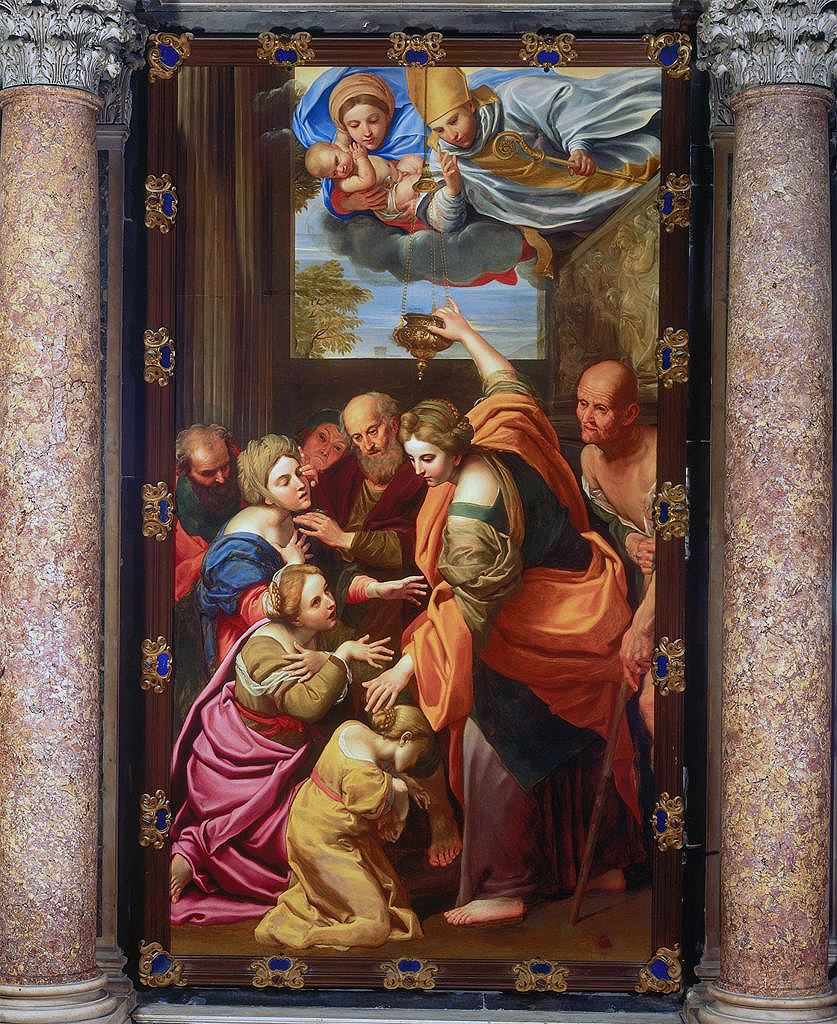
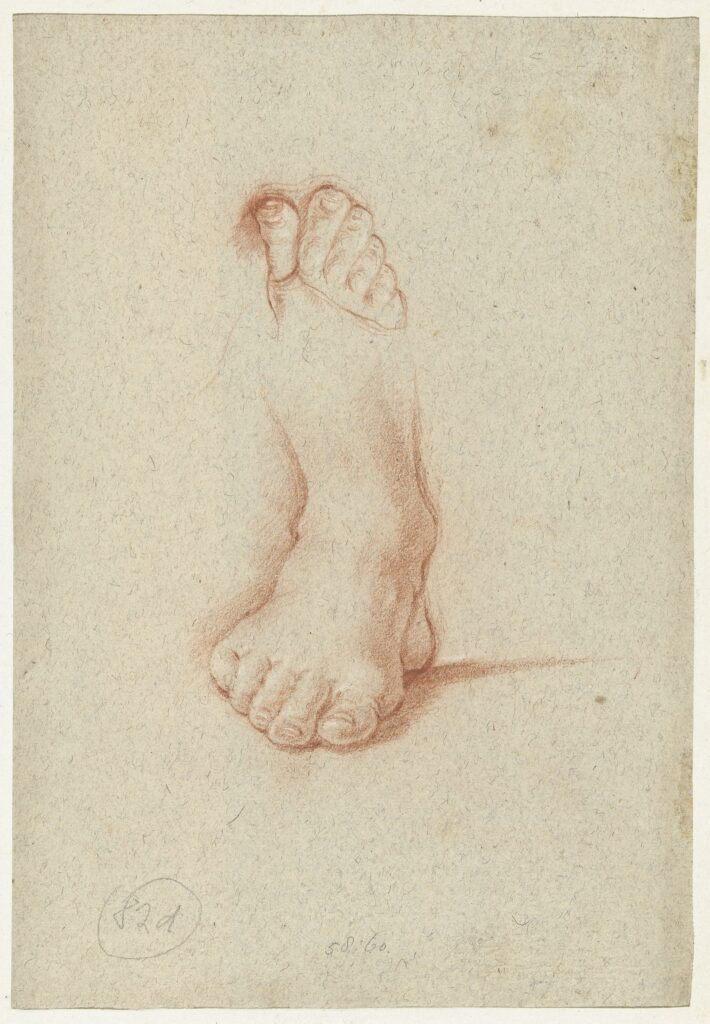
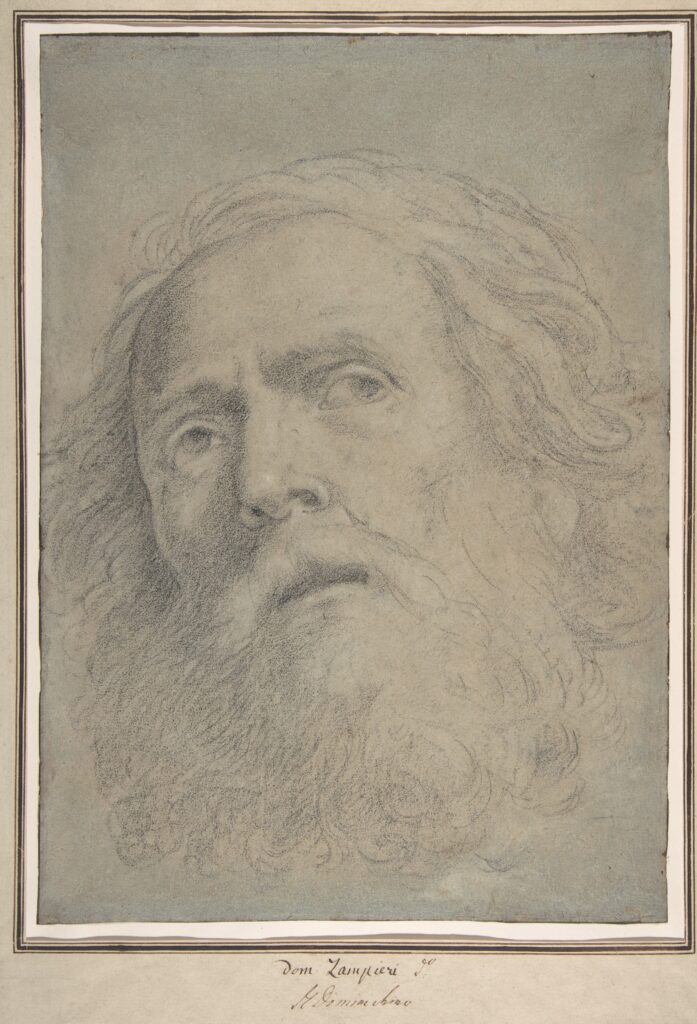
Domenichino, October 21, 1581 – April 6, 1641, was an Italian painter born Domenico Zampieri in Bologna. He trained first under Denys Calvaert and then in the Carracci Academy before moving to Rome in 1602, where he became a pupil and assistant of Annibale Carracci.
He worked in Rome, Bologna, Fano, and Naples, producing altarpieces, fresco cycles, drawings, and landscapes. His major commissions included the frescoes in Sant’Andrea della Valle in Rome and the decoration of the Chapel of Saint Januarius in Naples Cathedral.
Domenichino died in Naples while the cathedral commission was still unfinished. His paintings and drawings are held by collections including the Musée du Louvre, the National Gallery of Art, the J. Paul Getty Museum, the Metropolitan Museum of Art, and the Royal Collection.





Pieter de Hooch
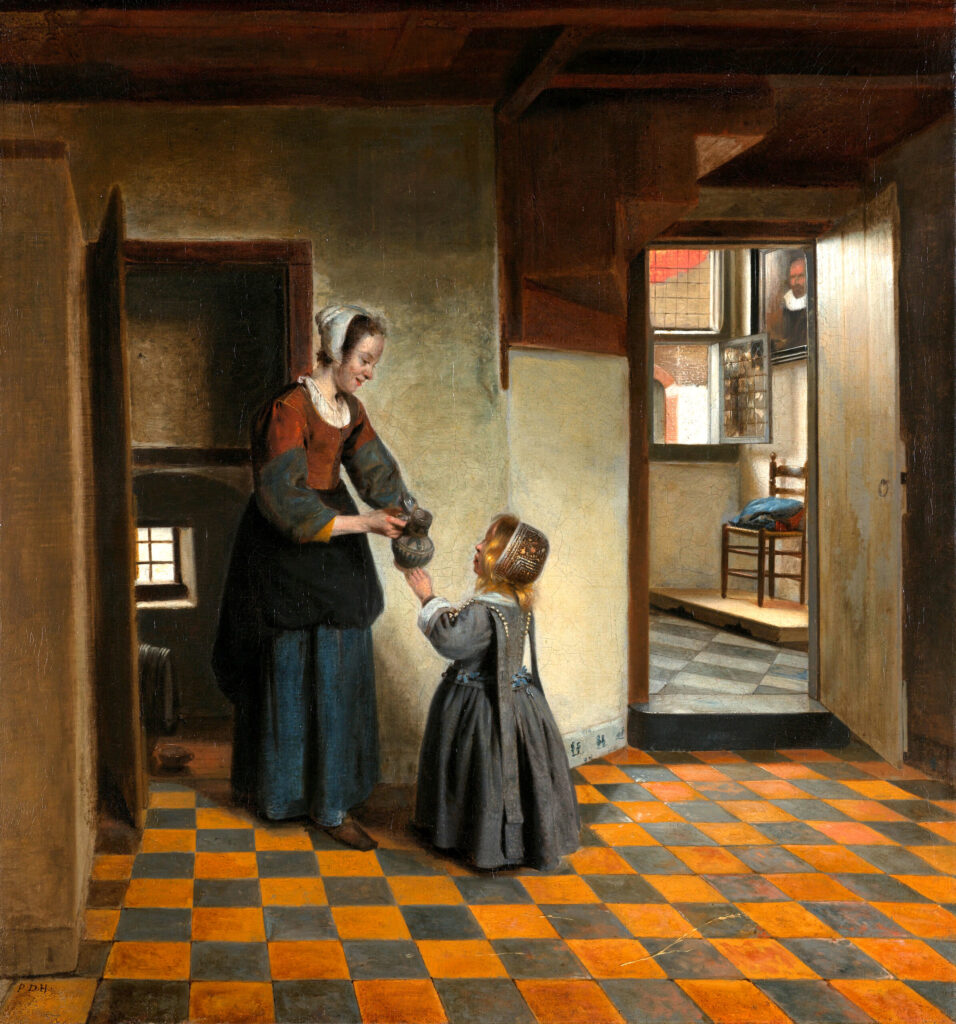
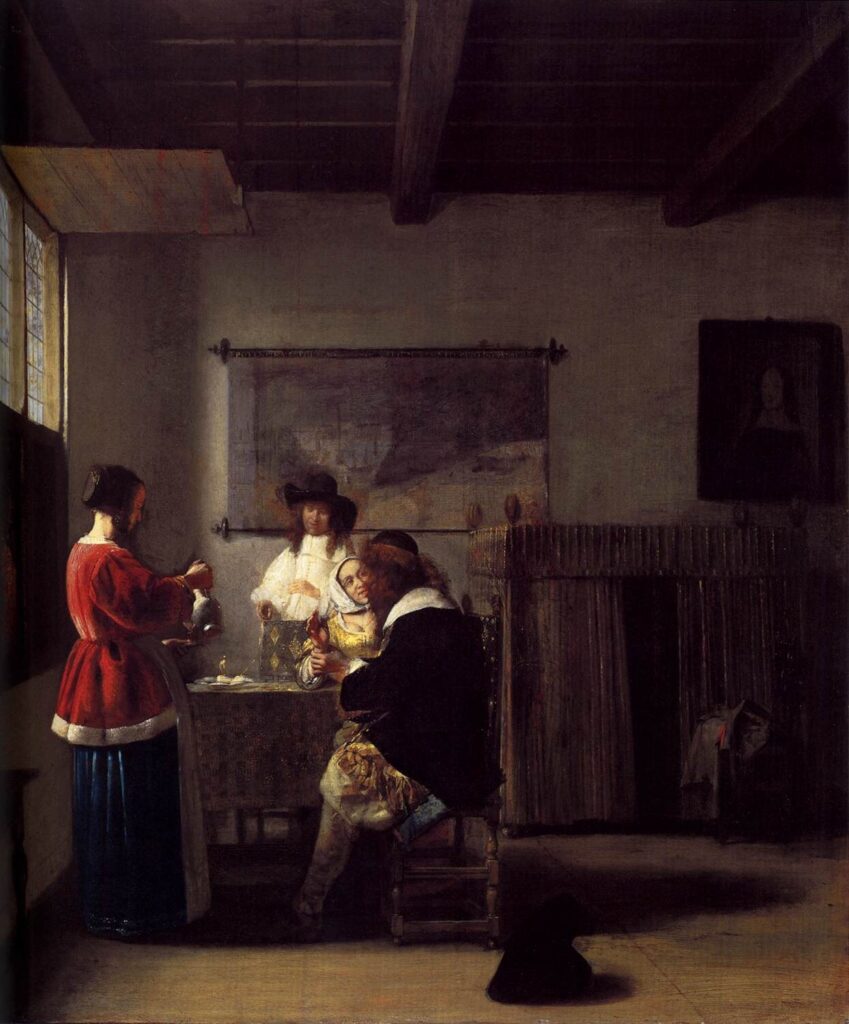
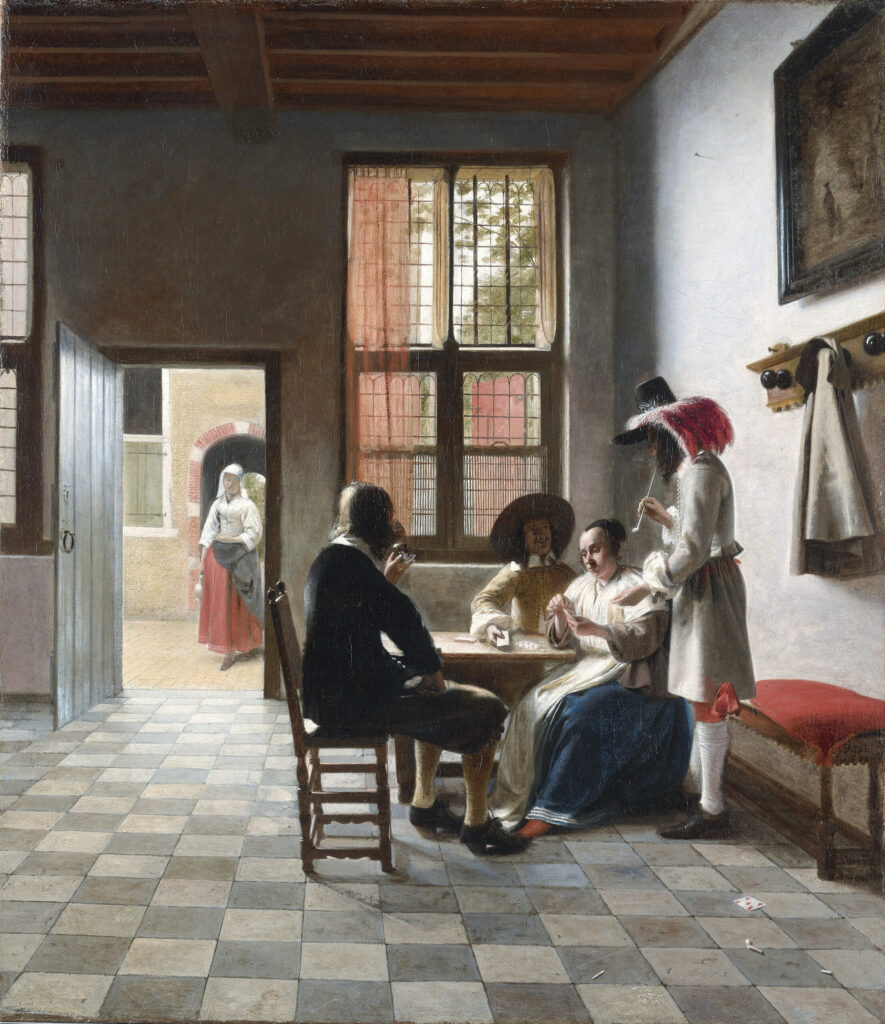
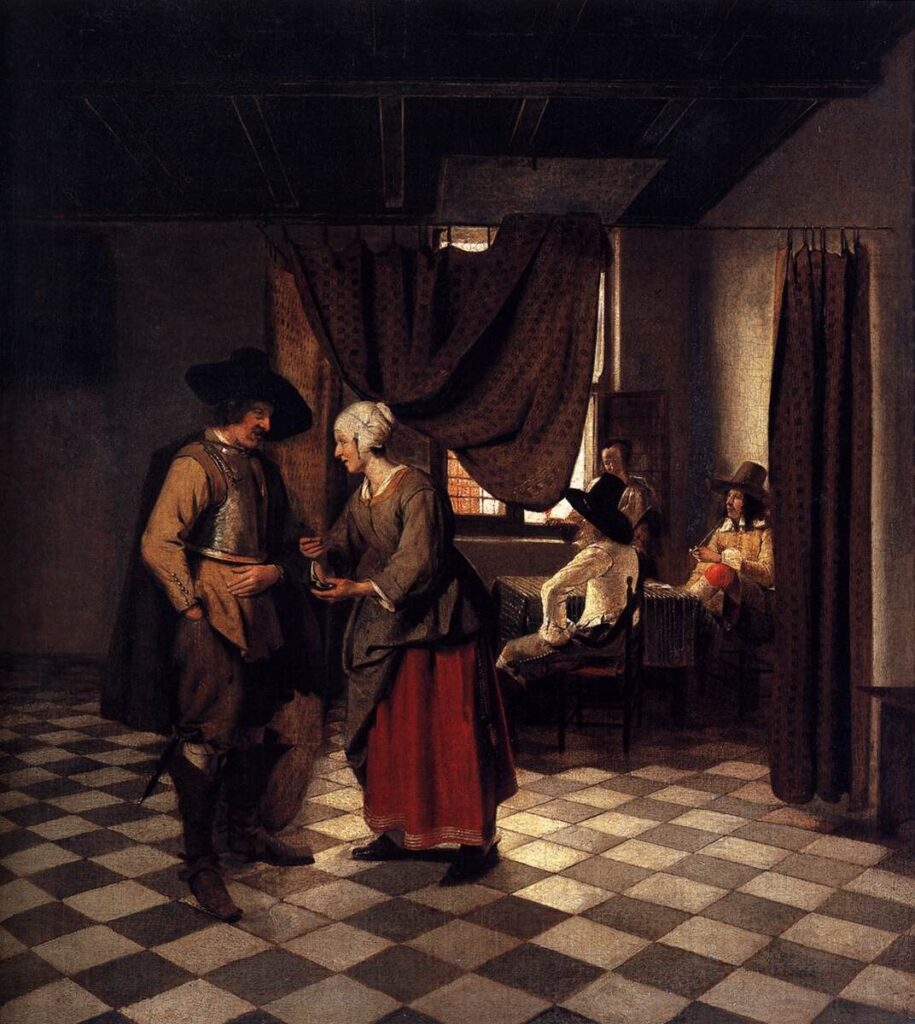
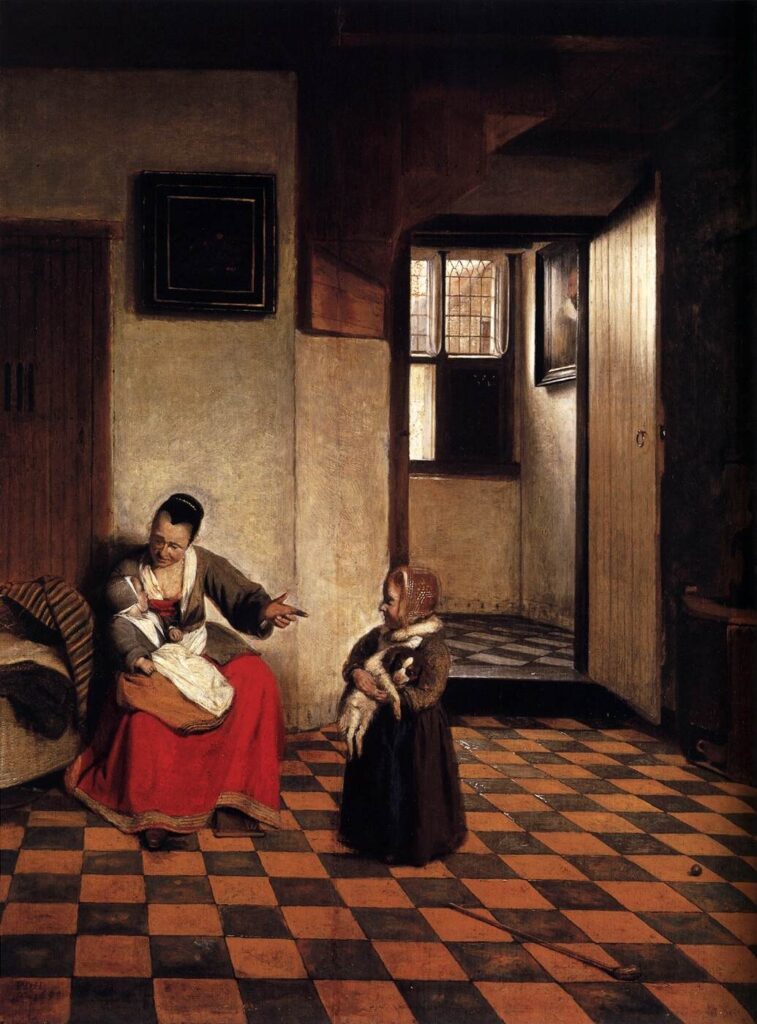
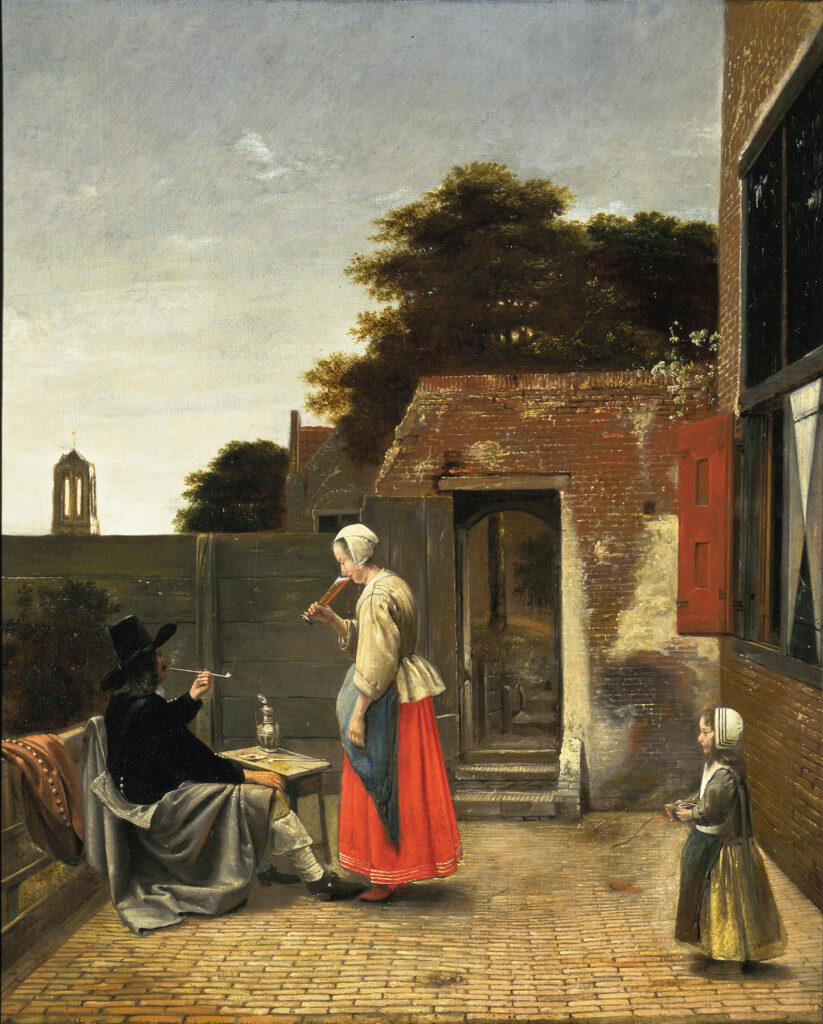
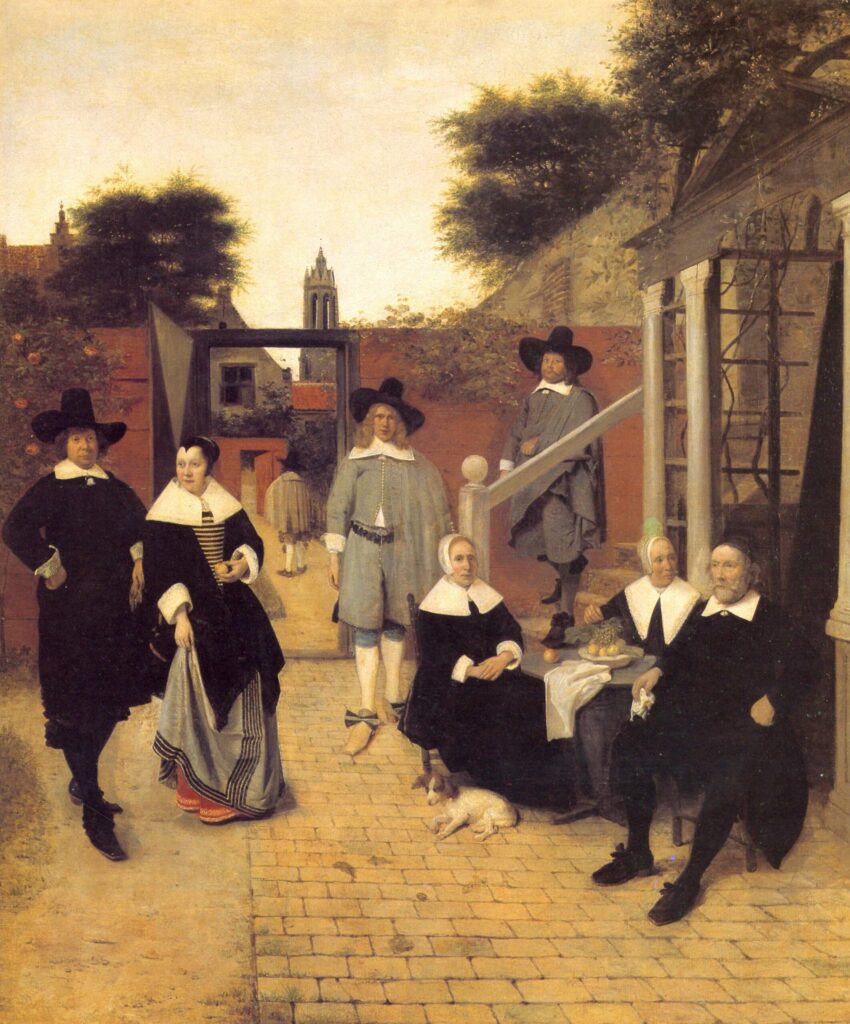
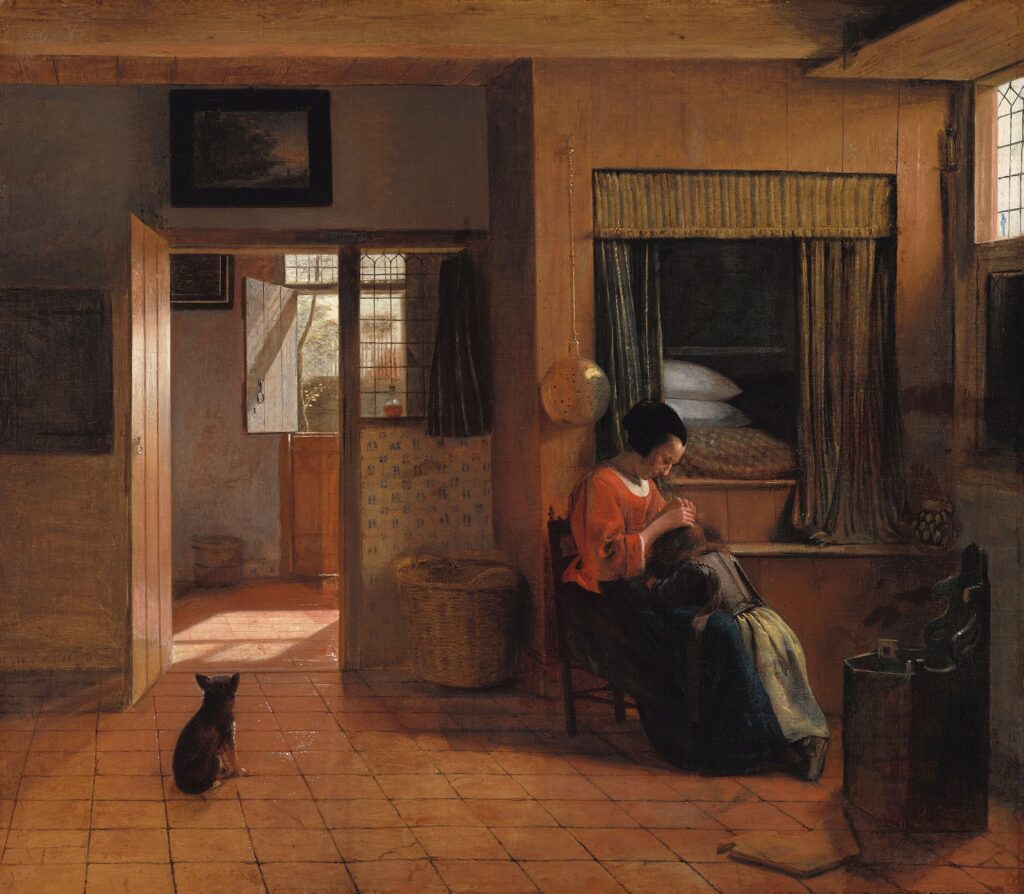
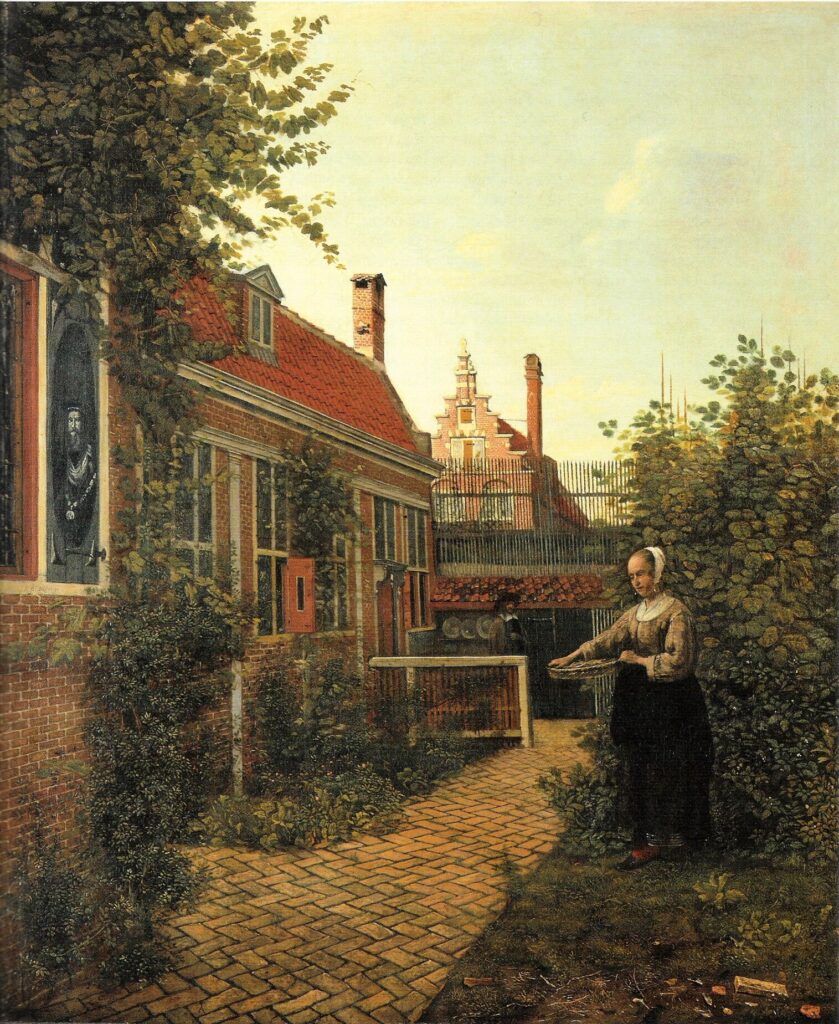
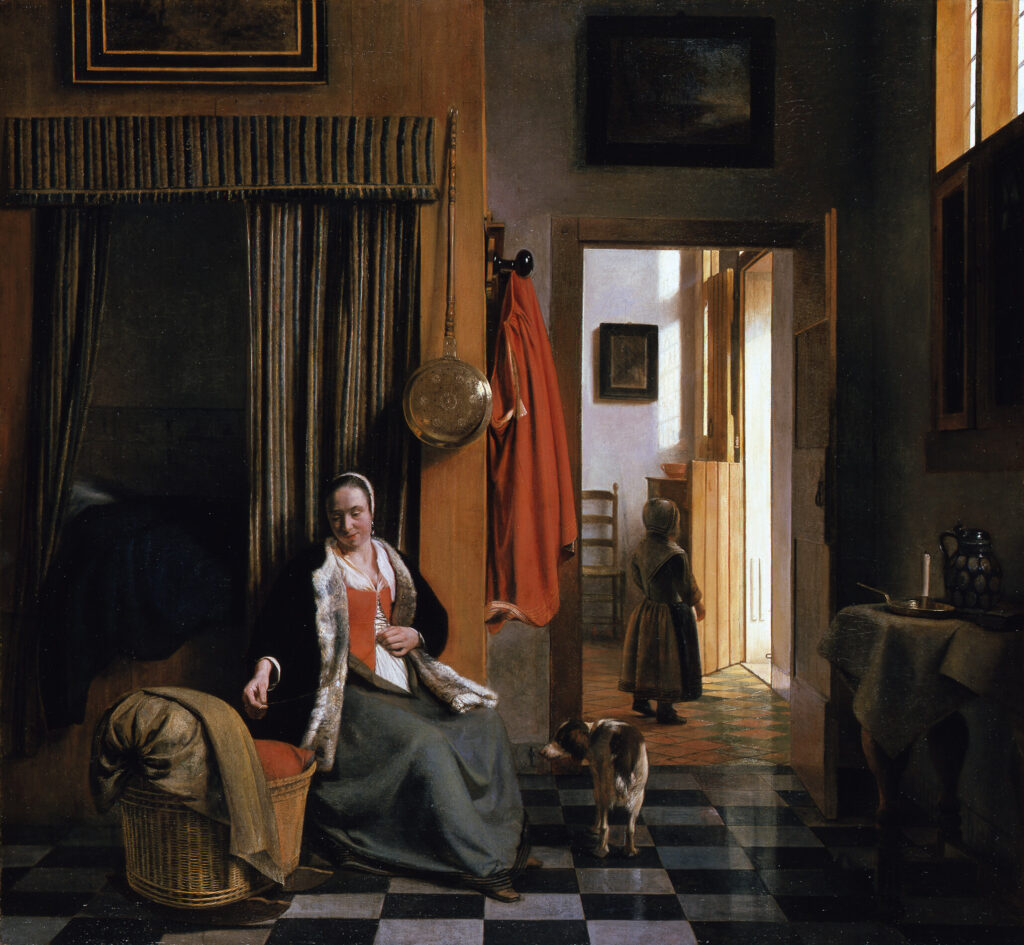
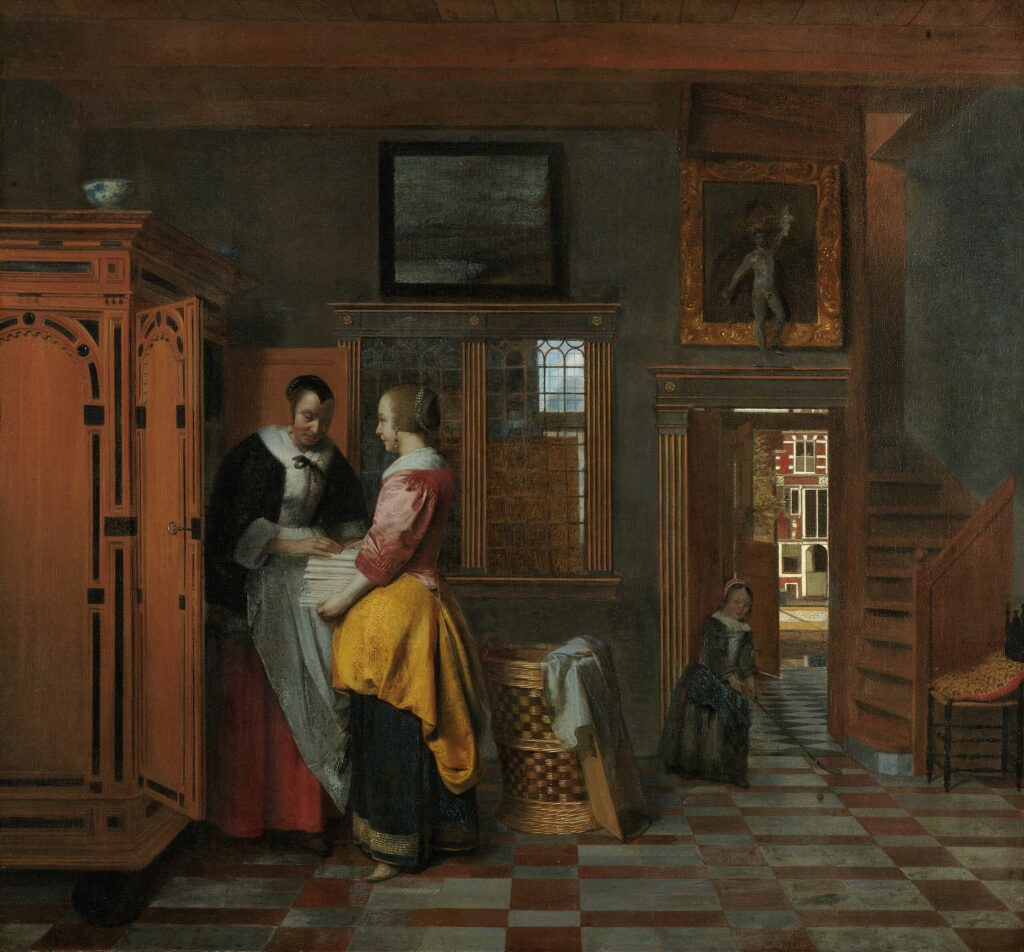
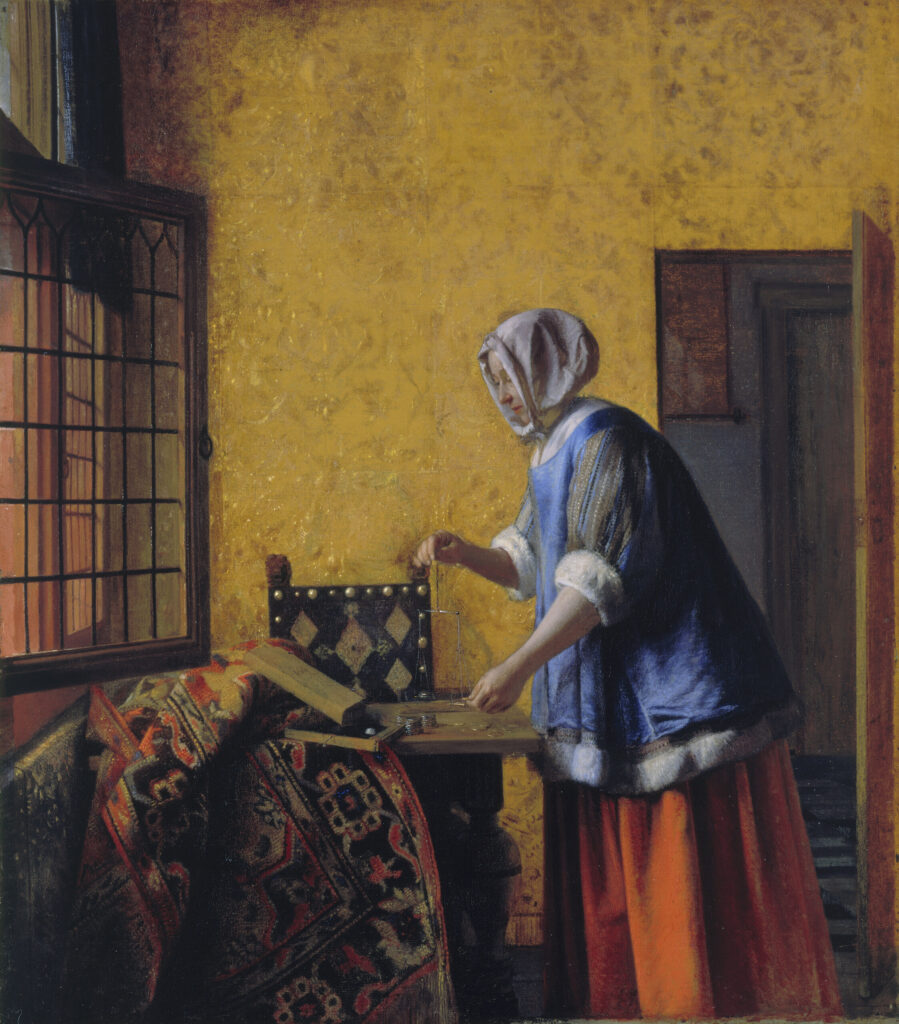
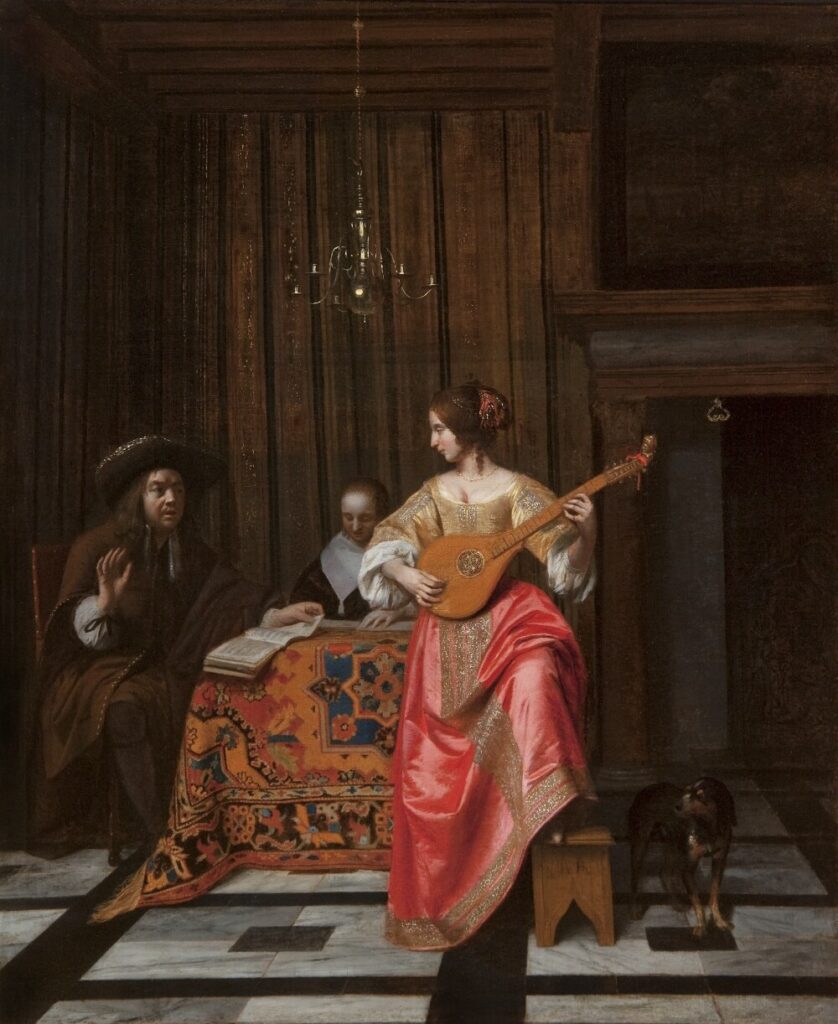
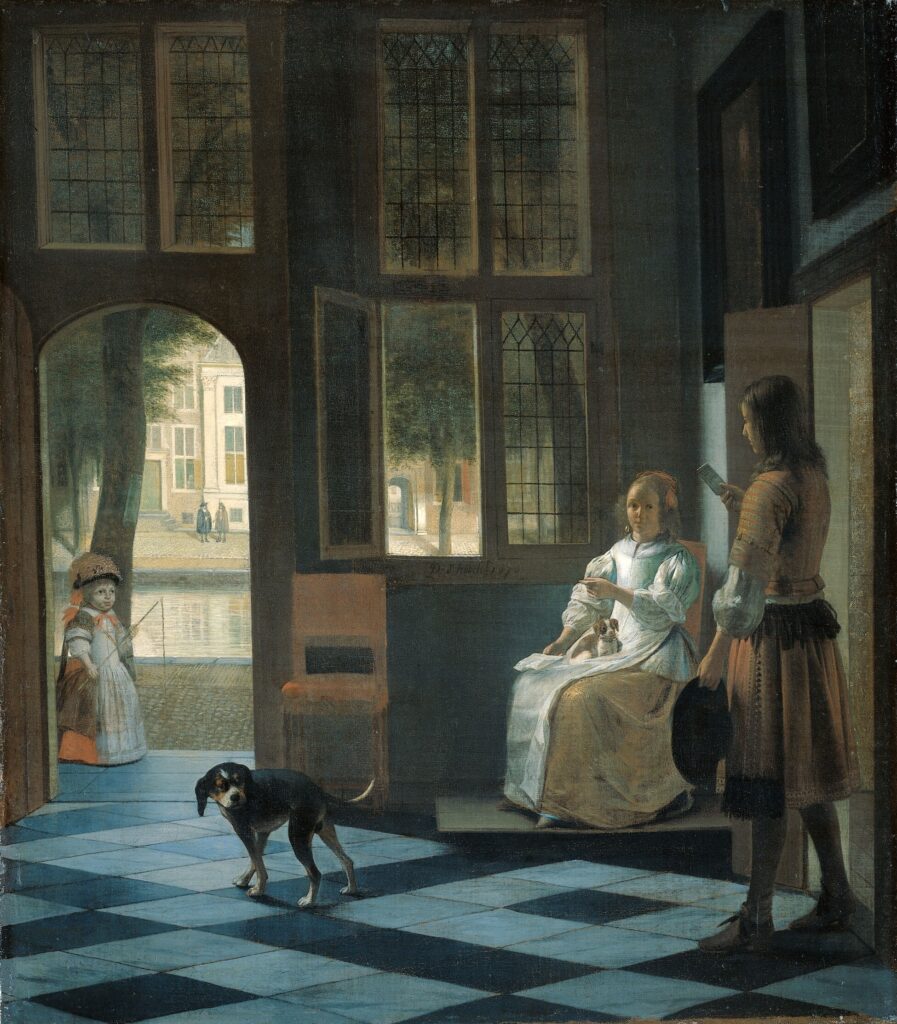
Pieter de Hooch, baptized December 20, 1629–after 1679, was a Dutch painter born in Rotterdam. According to Arnold Houbraken, he trained in Haarlem with the landscape painter Nicolaes Berchem. He worked in Rotterdam before settling in Delft, where he was recorded by 1652 and joined the Guild of Saint Luke in 1655.
De Hooch specialized in domestic interiors, courtyards, guardrooms, and company scenes. His Delft paintings are characterized by carefully constructed perspective, adjoining rooms and courtyards, tiled floors, and natural light. Around 1660 he moved to Amsterdam, where his settings became larger and more elaborate.
De Hooch was last securely documented in Amsterdam in 1679; the date and circumstances of his death remain unknown. His paintings are held by the Rijksmuseum, Metropolitan Museum of Art, Mauritshuis, National Gallery, Royal Collection, Gemäldegalerie, and other major collections.


Aert de Gelder
Aert de Gelder, October 26, 1645 – August 27, 1727, was a Dutch painter and draftsman born in Dordrecht. He trained there with Samuel van Hoogstraten before working in Rembrandt’s Amsterdam studio from 1661 to 1663.
De Gelder returned to Dordrecht and remained active there for the rest of his career. He painted biblical histories and portraits and continued to use the broad handling and dramatic lighting associated with Rembrandt’s late work.
De Gelder died in Dordrecht. His works are held by the Rijksmuseum, J. Paul Getty Museum, Mauritshuis, State Hermitage Museum, and other major collections.


Jan de Bray
Jan de Bray, c 1627 – April 4, 1697, was a Dutch painter, draftsman, and printmaker of the Dutch Golden Age. He was born in Haarlem, the son of the painter, architect, and poet Salomon de Bray and Anna Westerbaen. He trained within his father’s workshop and belonged to a family that included several artists. He spent most of his career in Haarlem, where he became one of the city’s leading portrait and history painters.
De Bray worked in portraiture, civic group portraiture, biblical subjects, mythological scenes, and history painting. His work combines careful drawing, polished surfaces, and an interest in classical subject matter. He painted numerous portraits of Haarlem regents and civic institutions, while also producing ambitious narrative works such as The Discovery of Achilles among the Daughters of Lycomedes and The de Bray Family / The Banquet of Antony and Cleopatra. His family portraits are among the most distinctive works of seventeenth-century Dutch painting.
Later in life de Bray served as dean of the Haarlem Guild of St Luke. His works are held by the Frans Hals Museum, Rijksmuseum, Louvre, Museum Boijmans Van Beuningen, National Museum in Warsaw, Currier Museum of Art, Speed Art Museum, and other public and private collections.


