Posts in Category: 17th Century


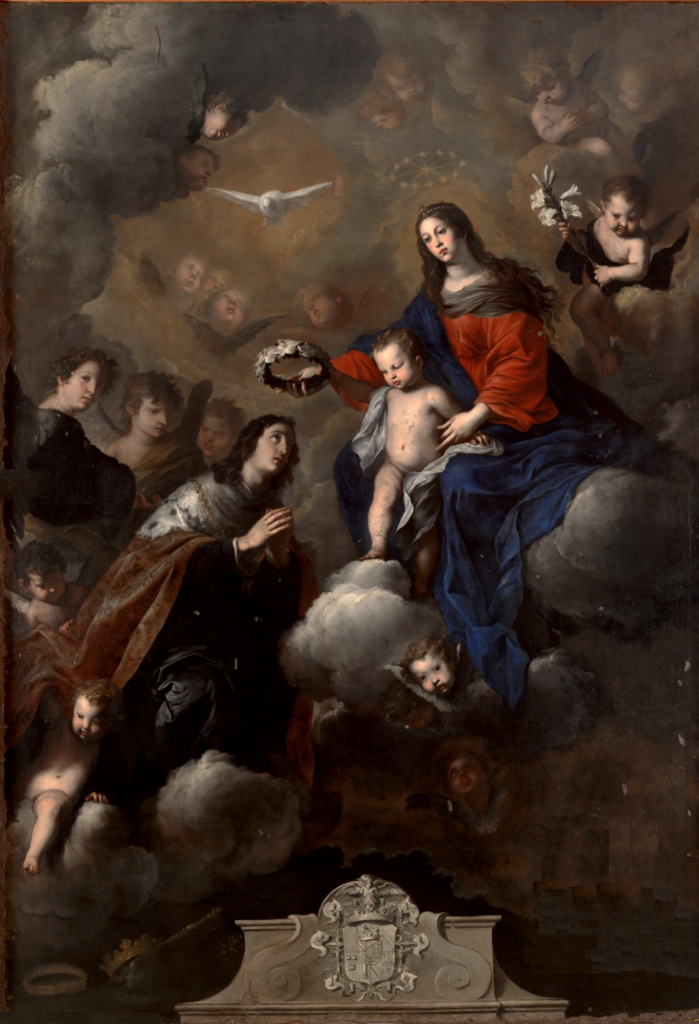


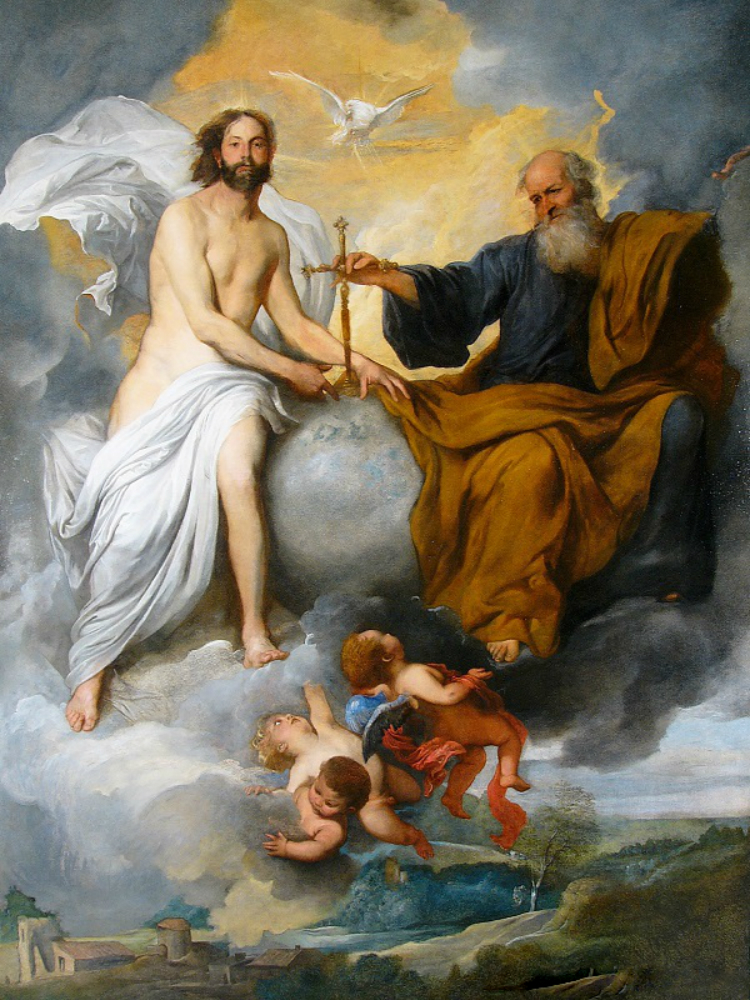


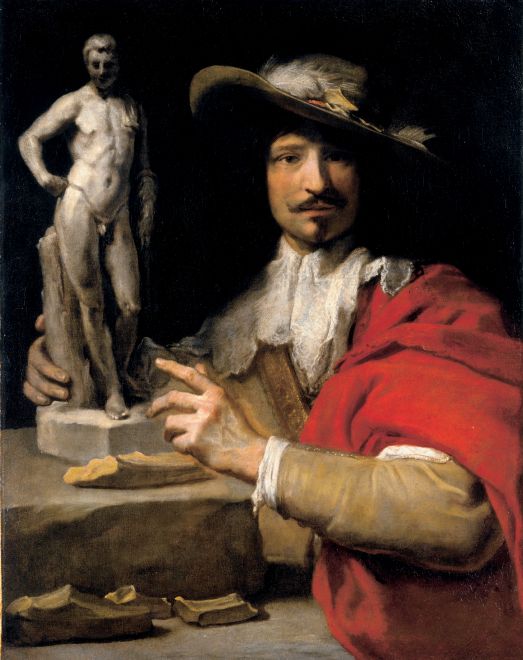


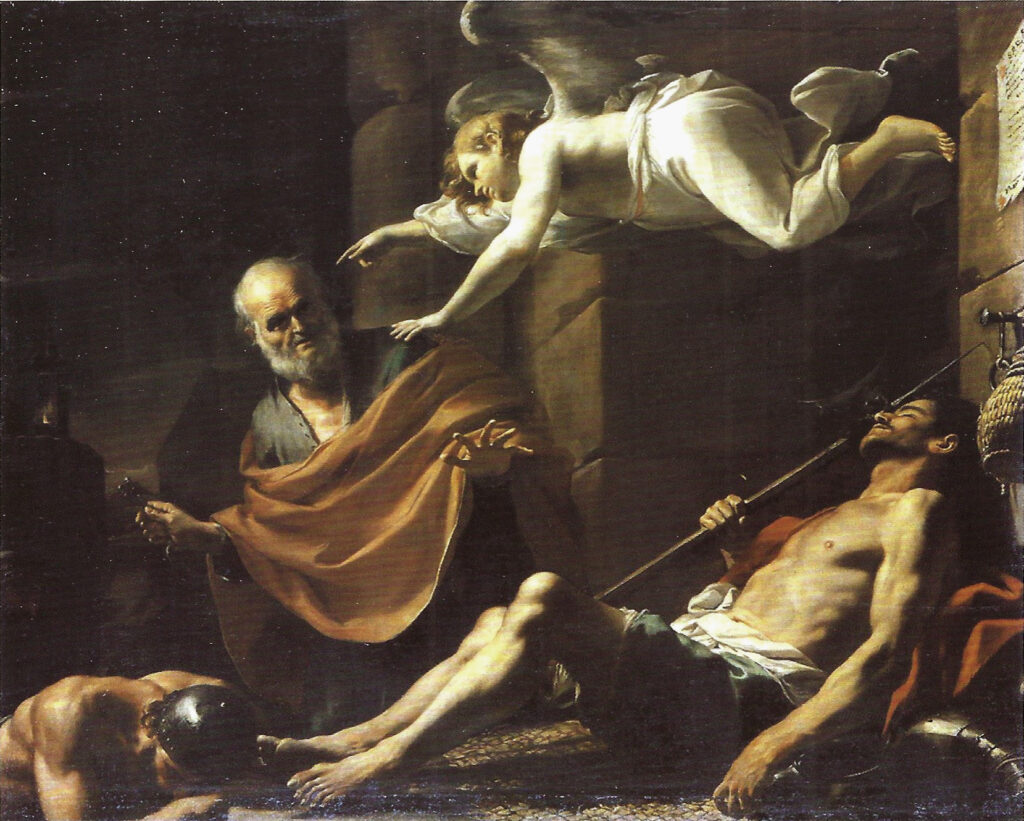

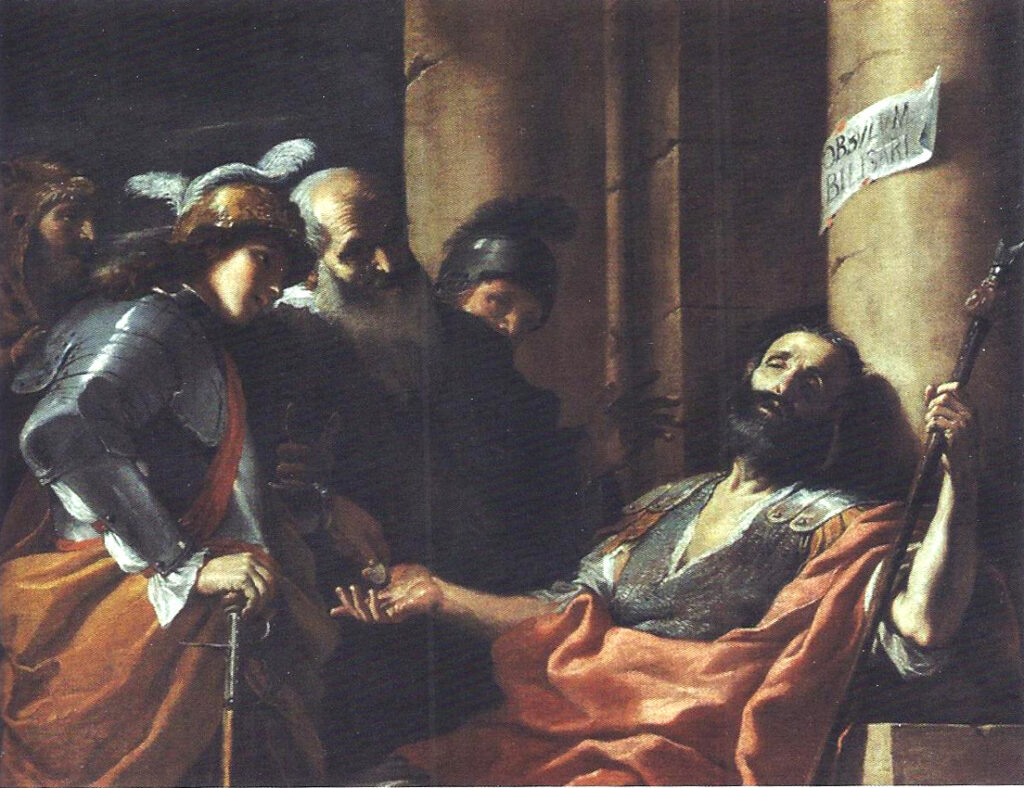
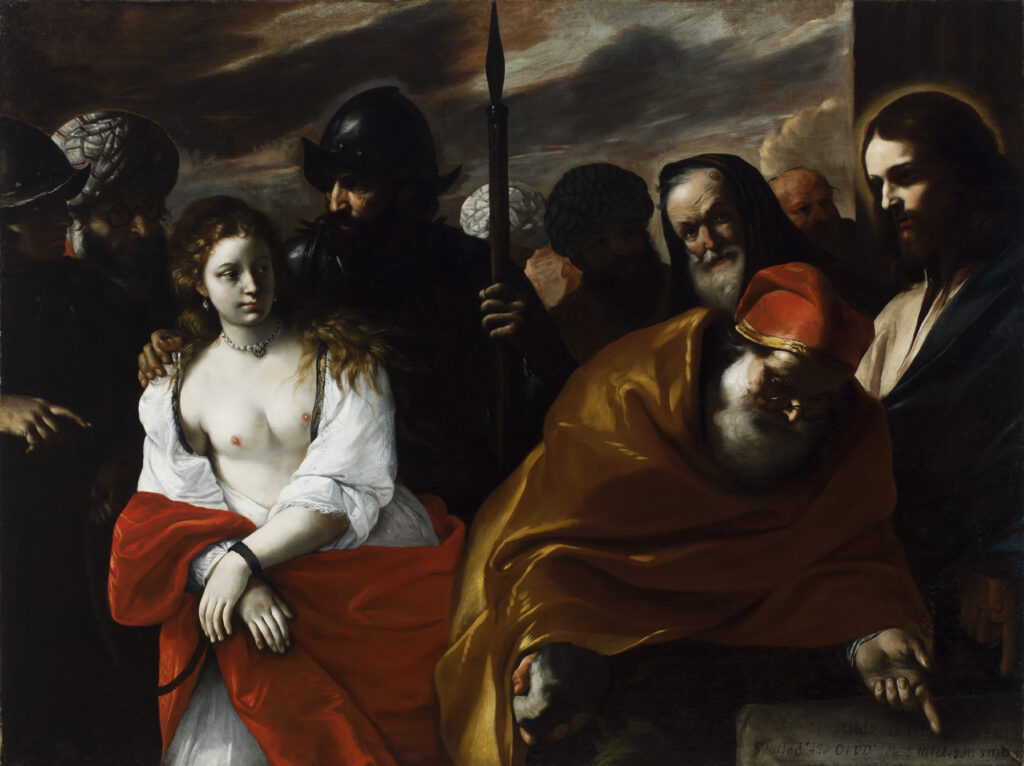
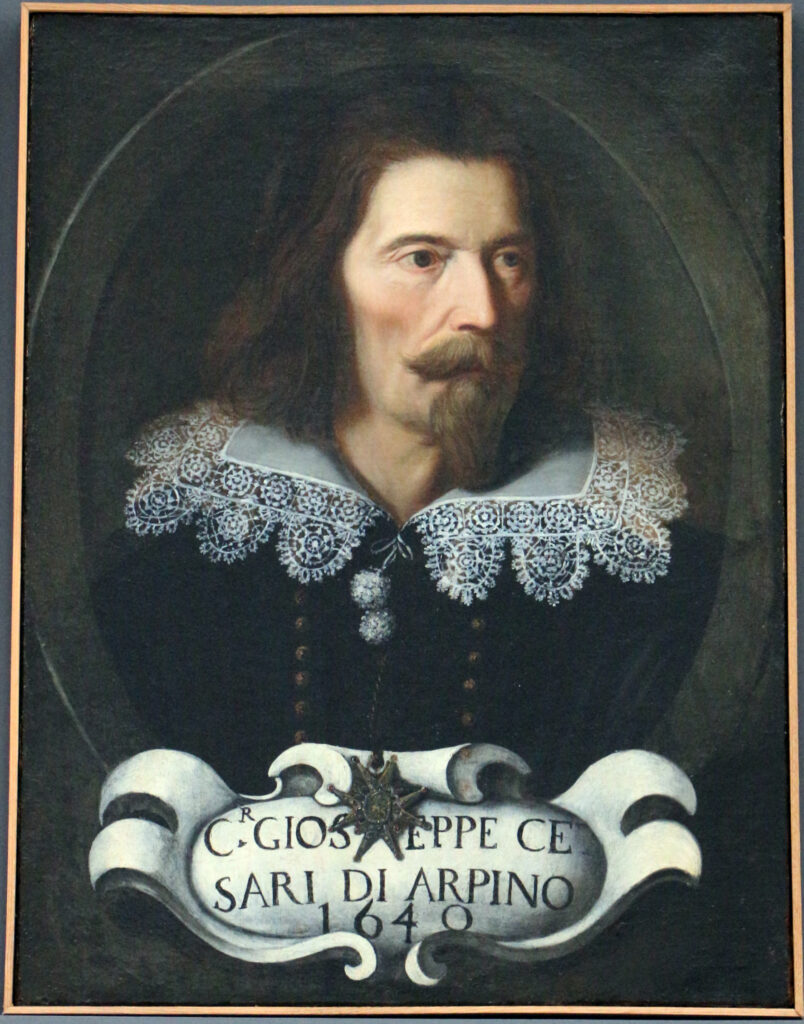
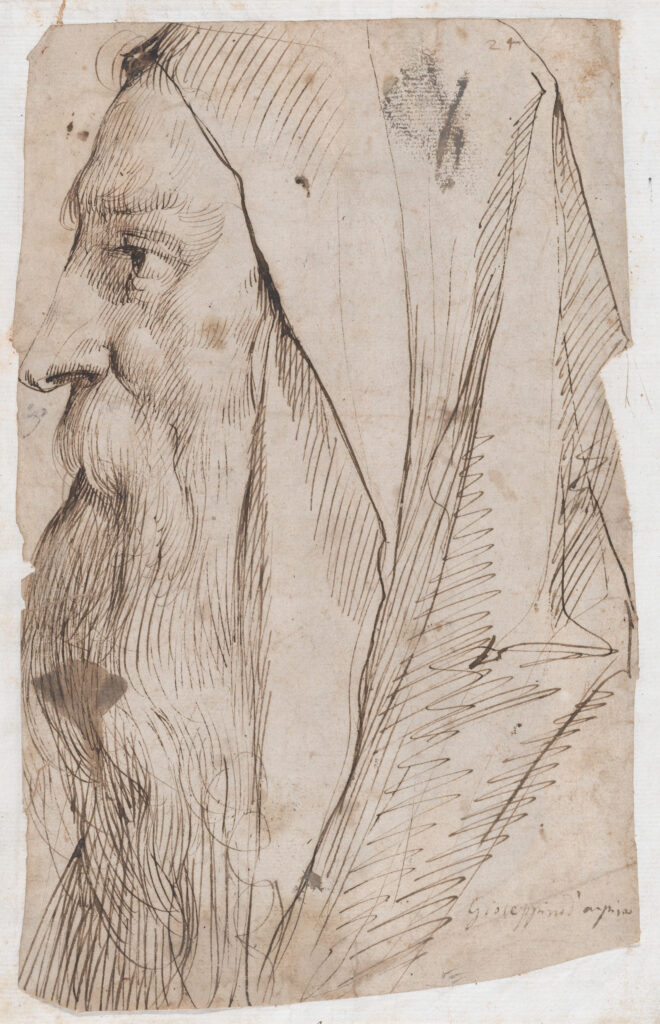
Cavaliere d’Arpino
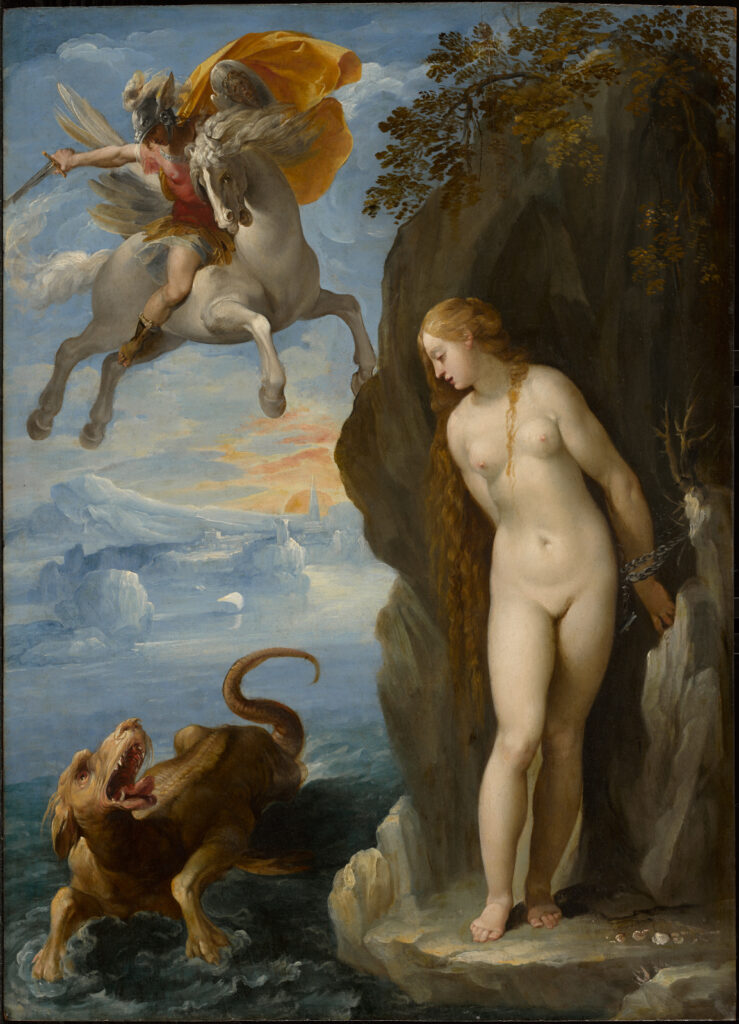
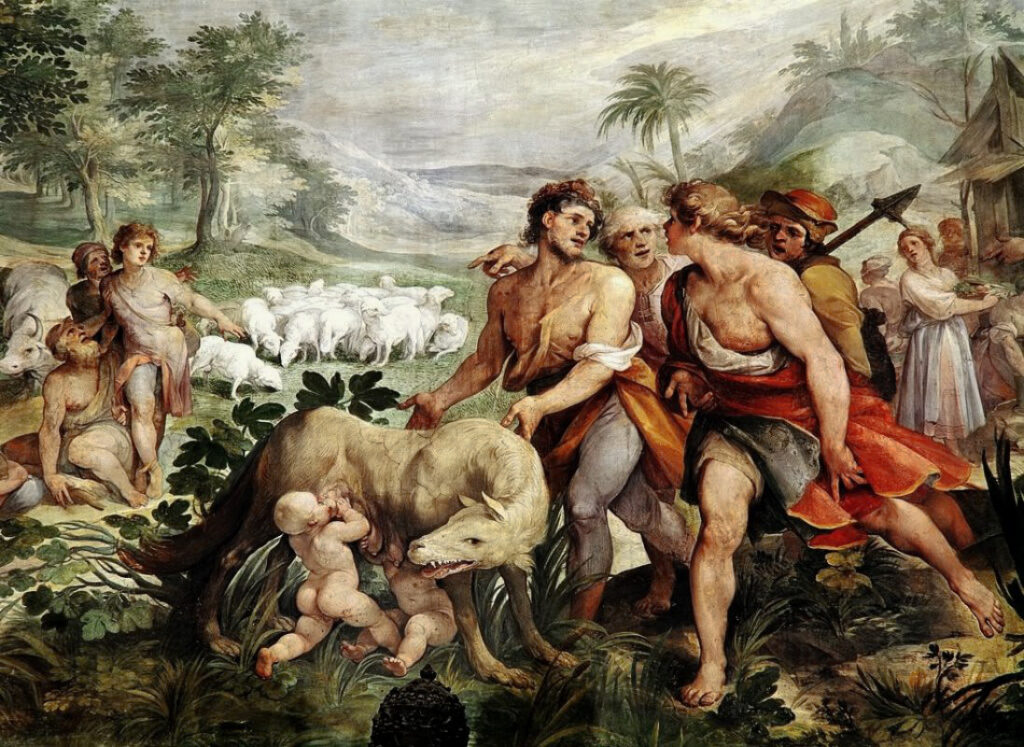
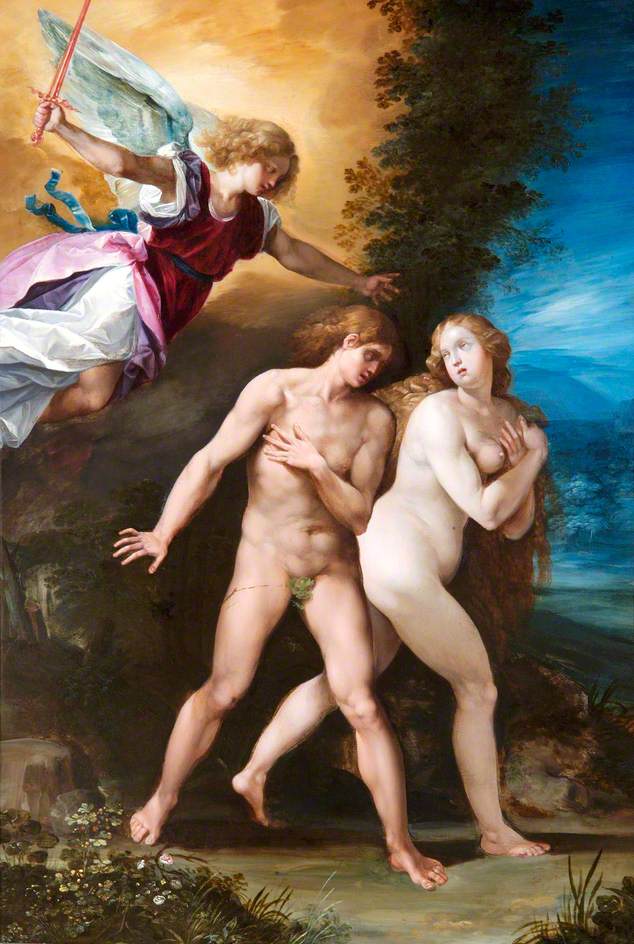
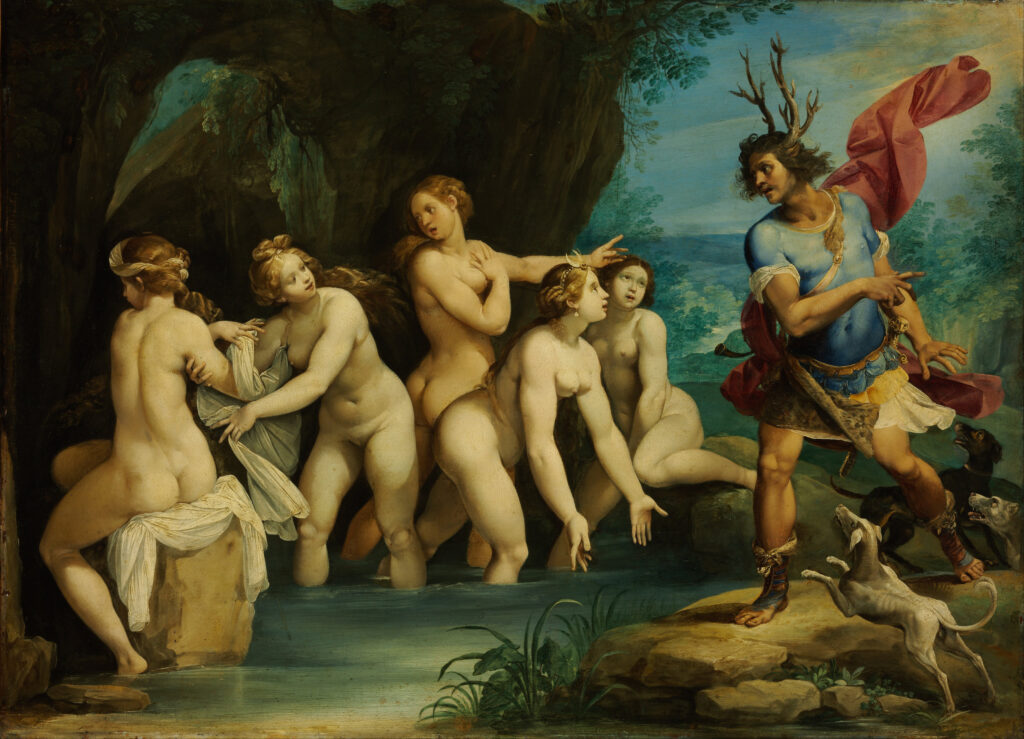
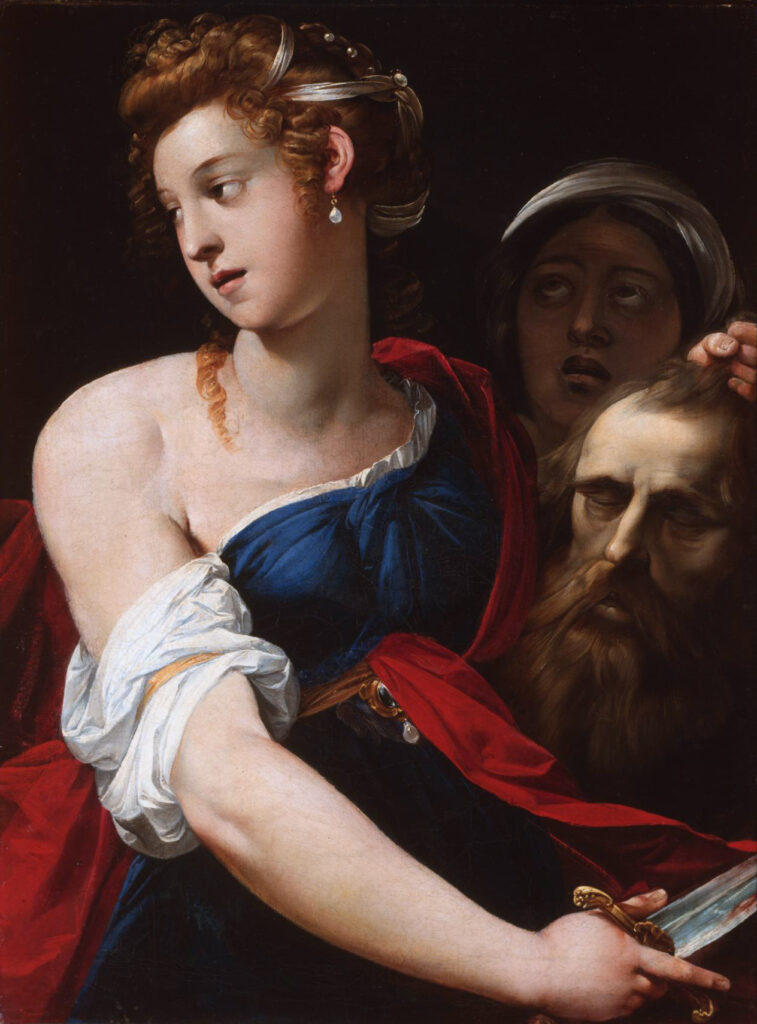
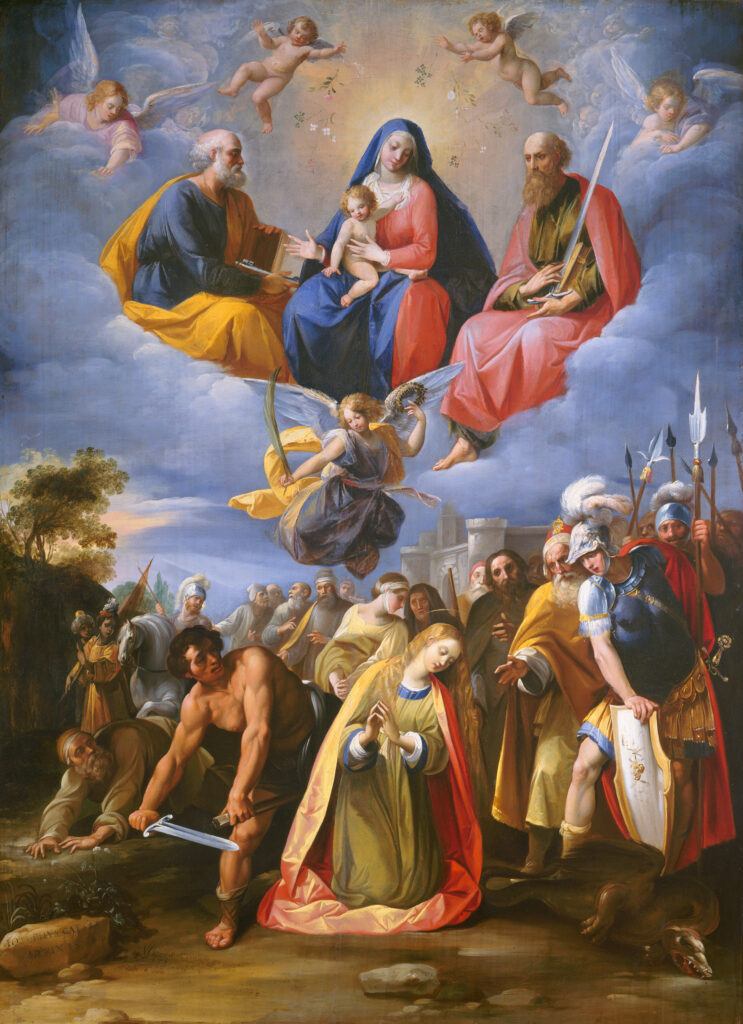
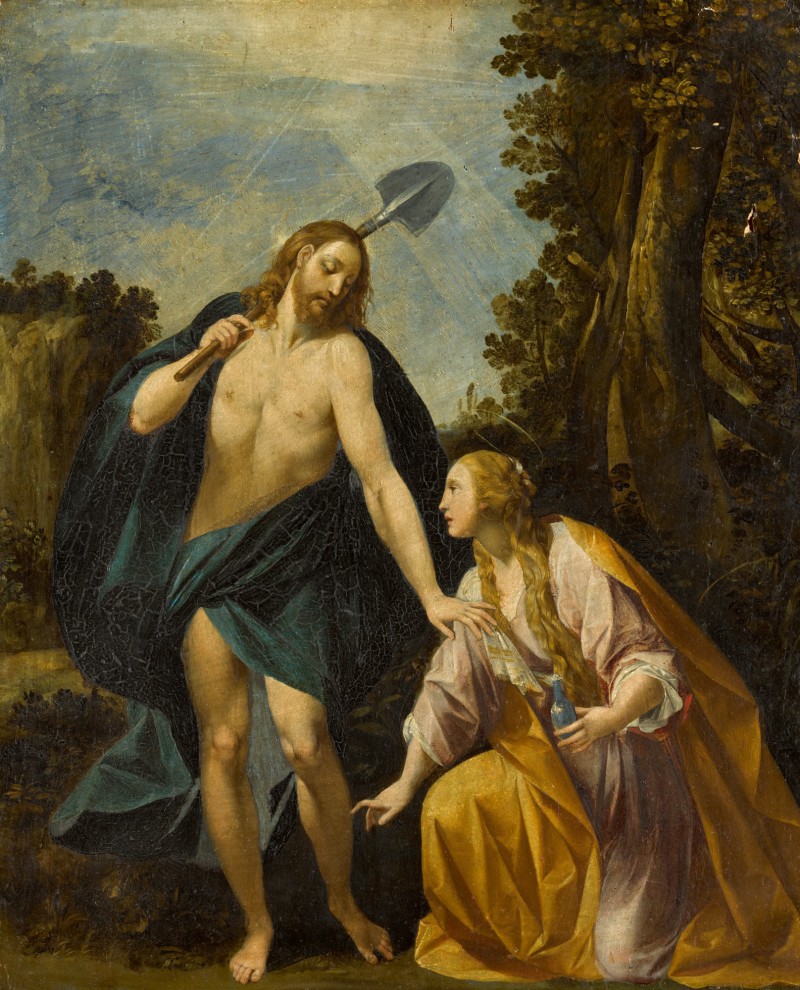
Giuseppe Cesari (1568–1640), known as Cavaliere d’Arpino, was an Italian painter and draftsman associated with late Roman Mannerism. He began working in Rome as a teenager in Niccolò Circignani’s workshop and participated in decorative projects at the Vatican.
Under Pope Clement VIII, Cesari became a leading painter of religious and civic commissions. His projects included the fresco cycle in the Palazzo dei Conservatori and the Ascension at San Giovanni in Laterano. Clement VIII awarded him the title of Cavaliere di Cristo in 1600.
Cesari also produced small religious and mythological paintings and drawings in chalk and ink. Caravaggio worked in his studio early in his Roman career. Cesari served as head of the Accademia di San Luca and continued painting in Rome until his death in 1640.
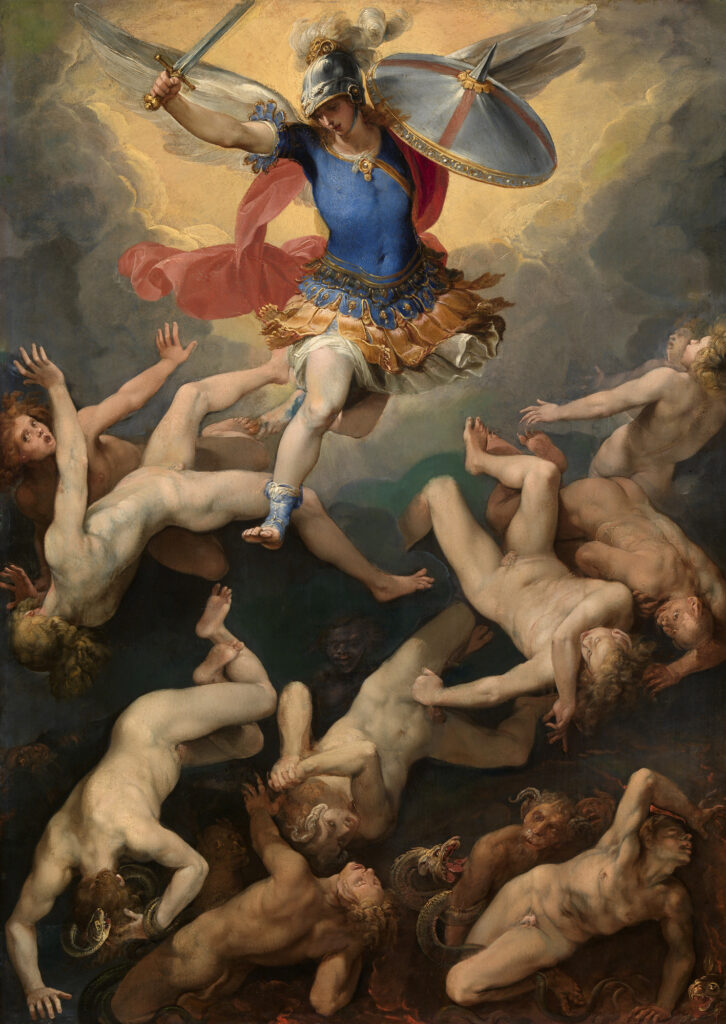

Guercino
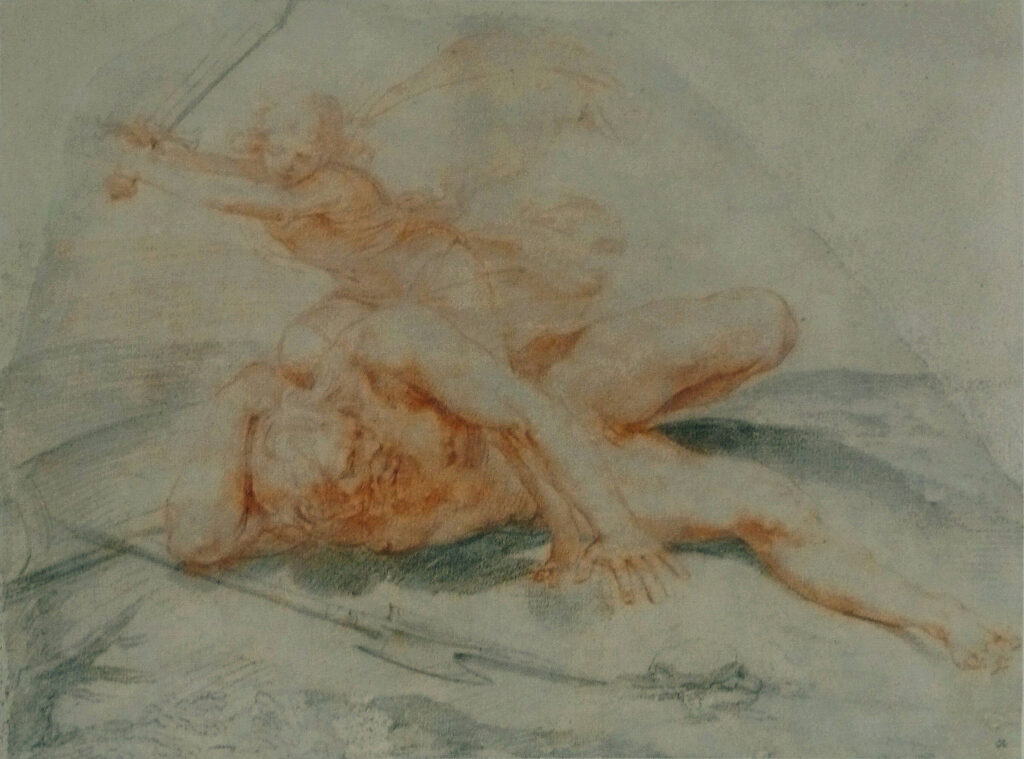
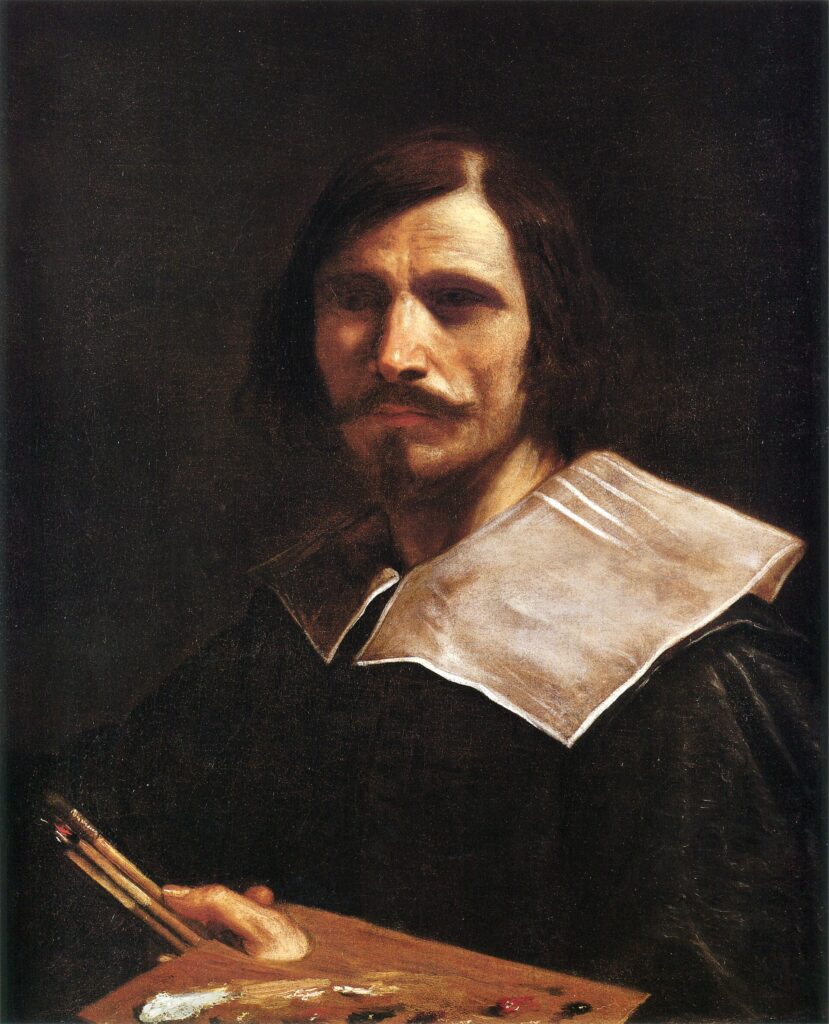
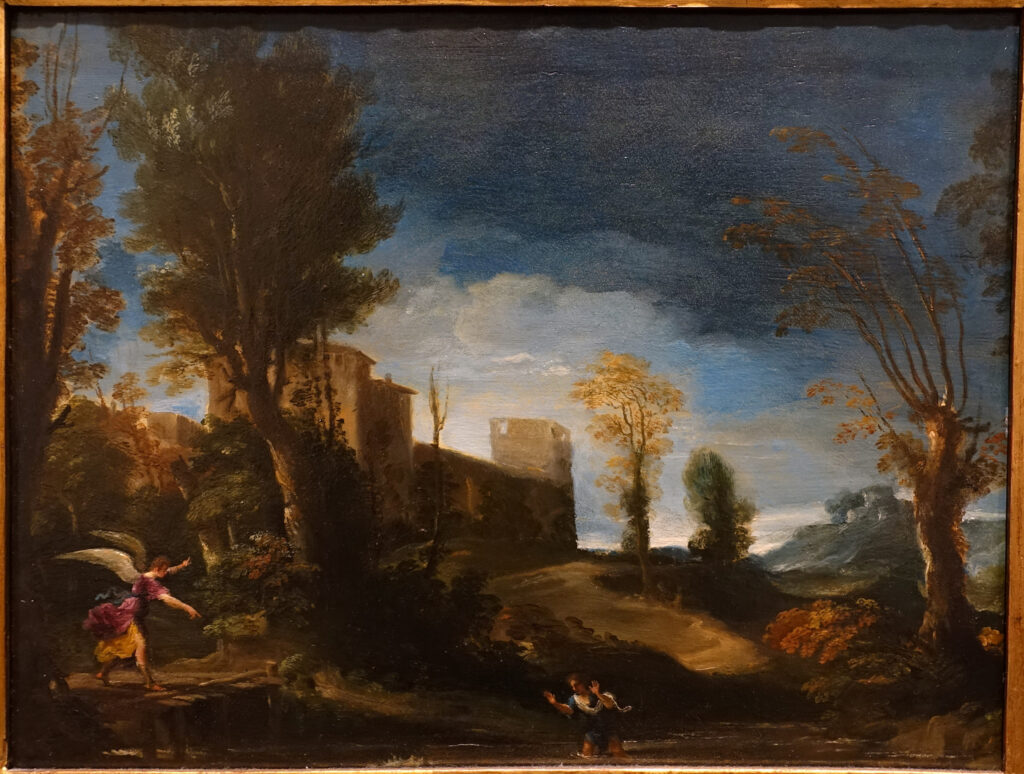
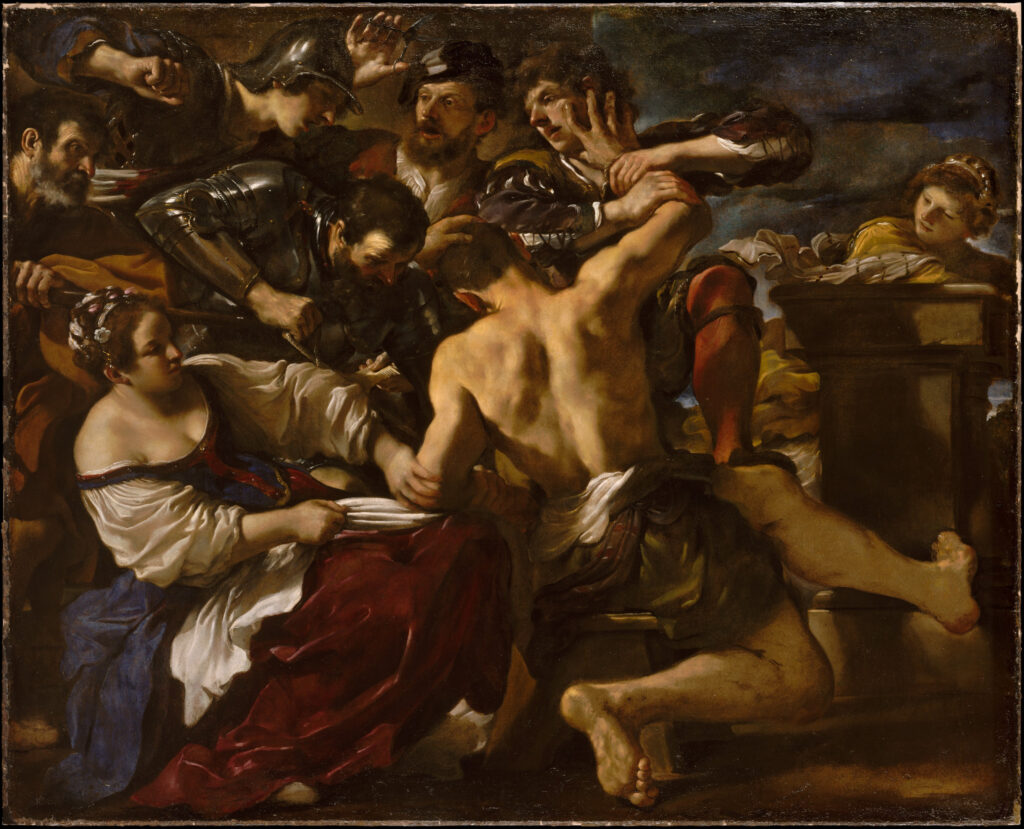
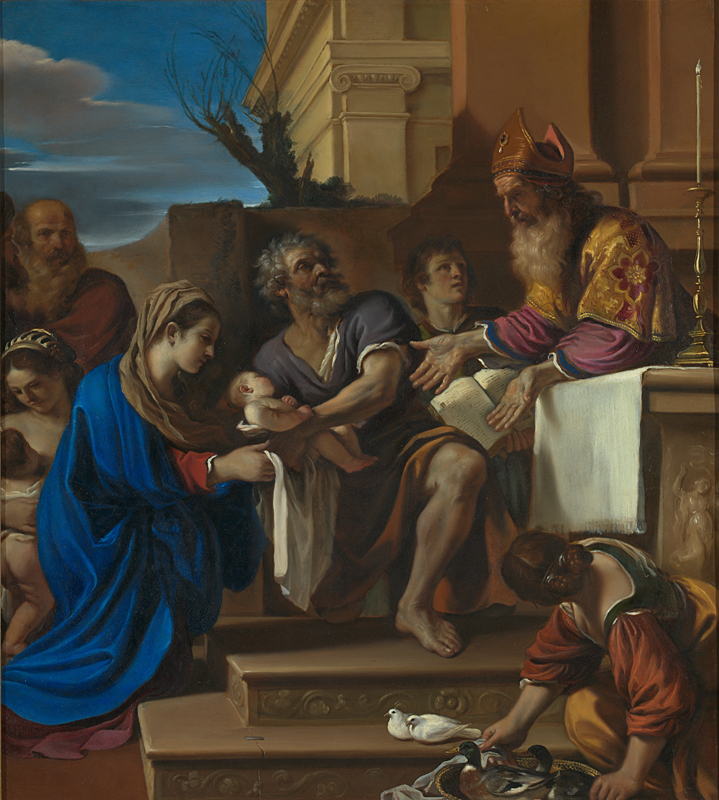
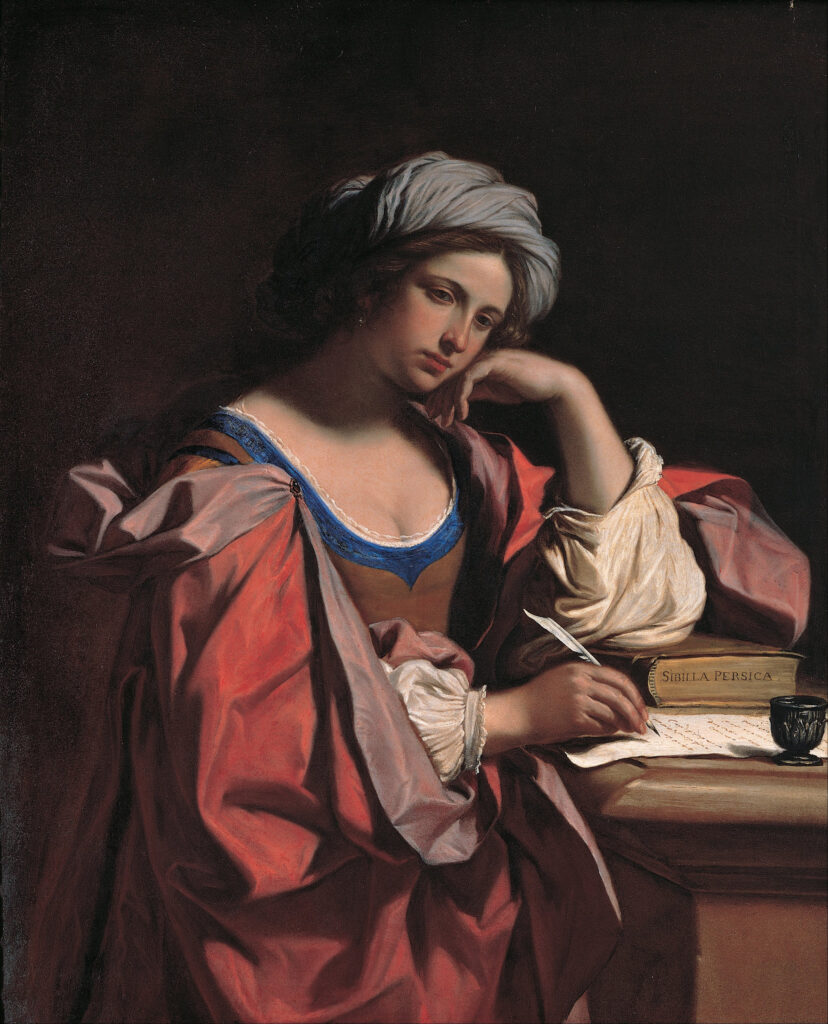
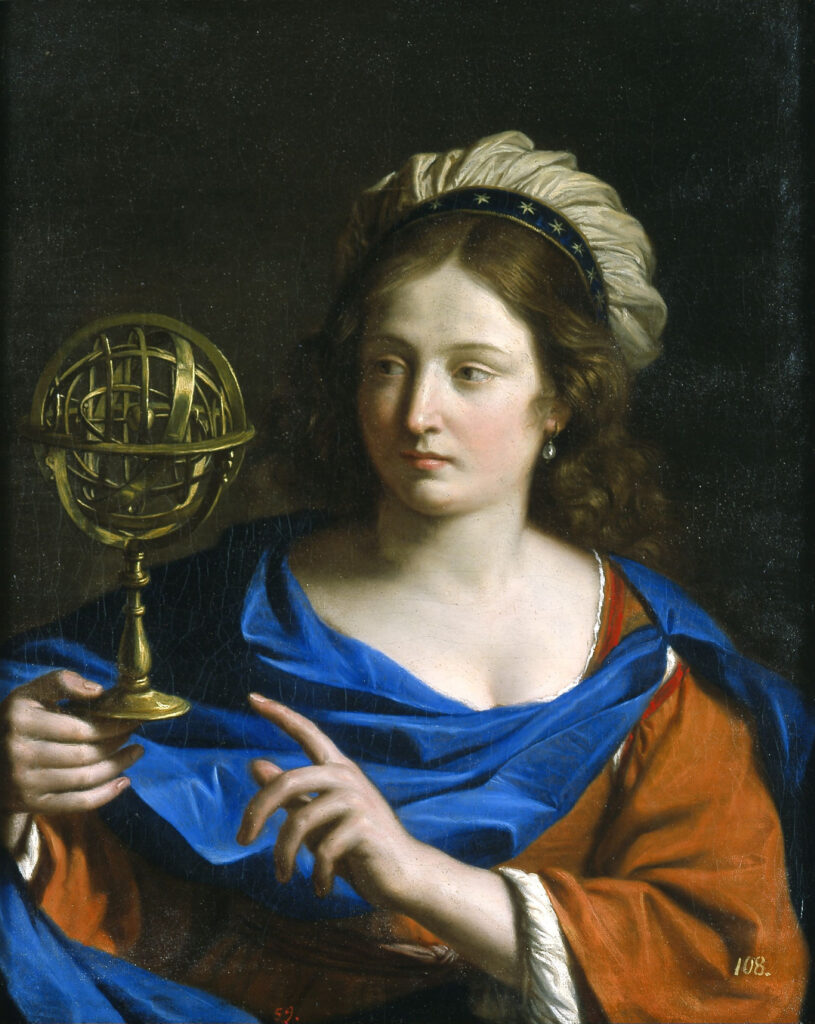
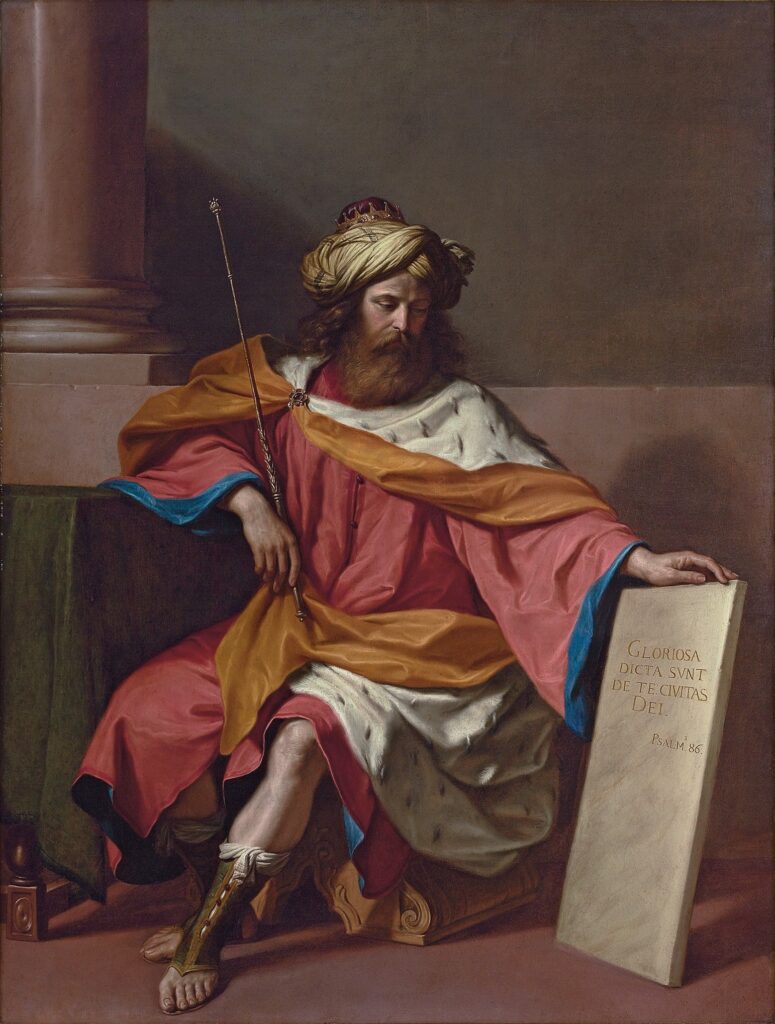
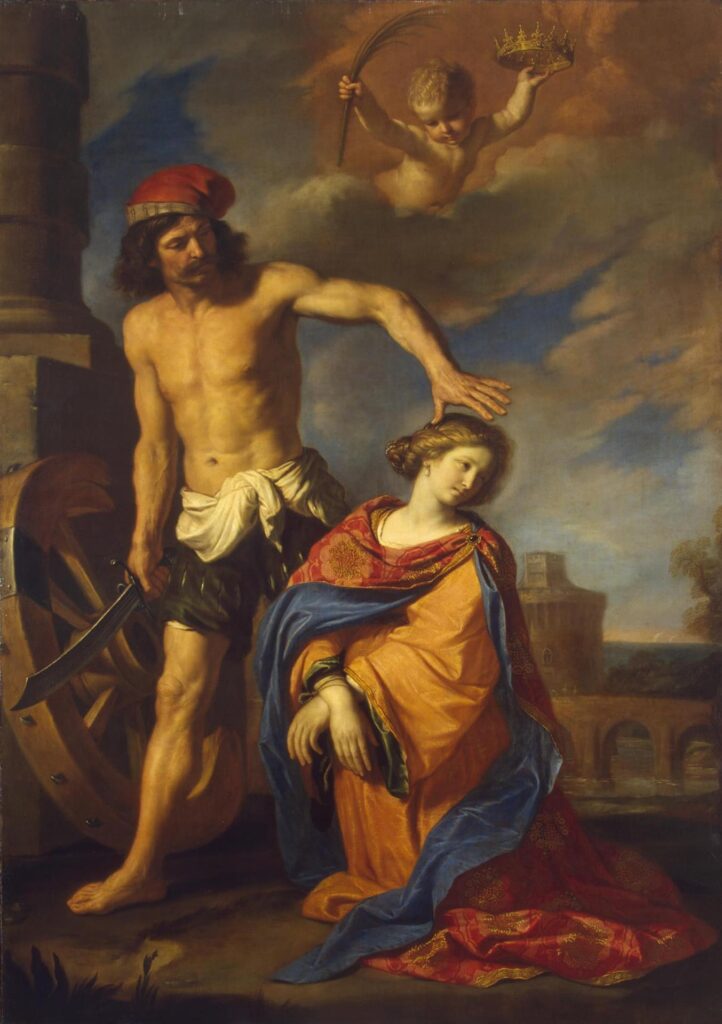
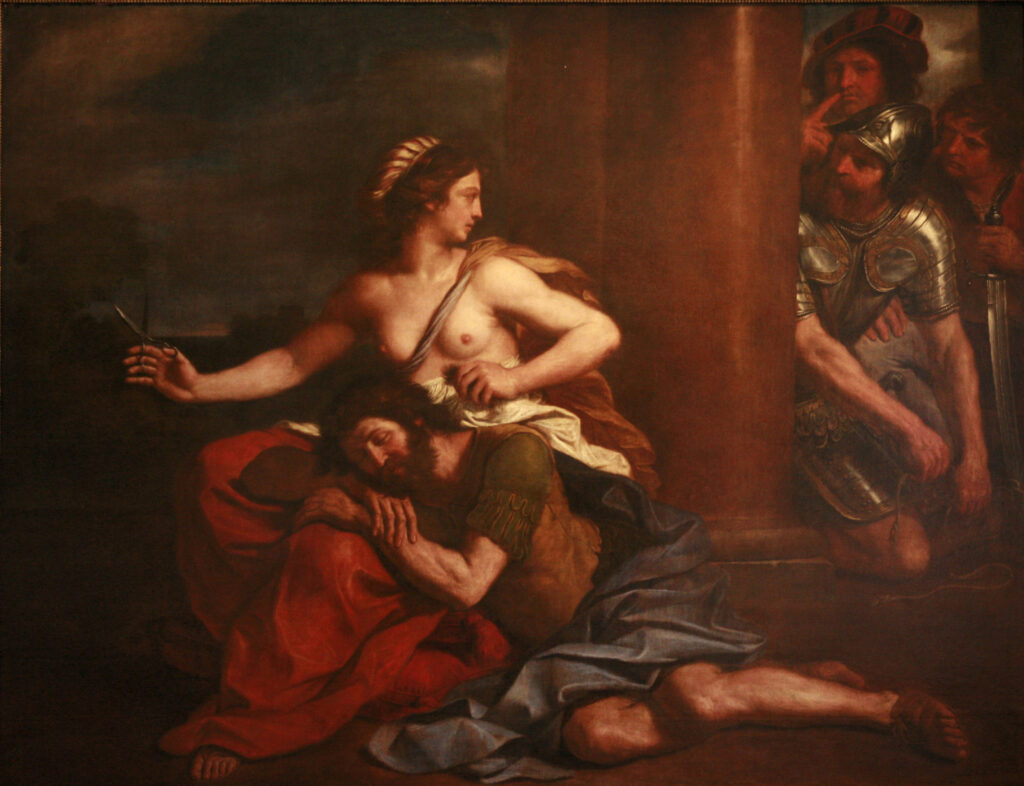
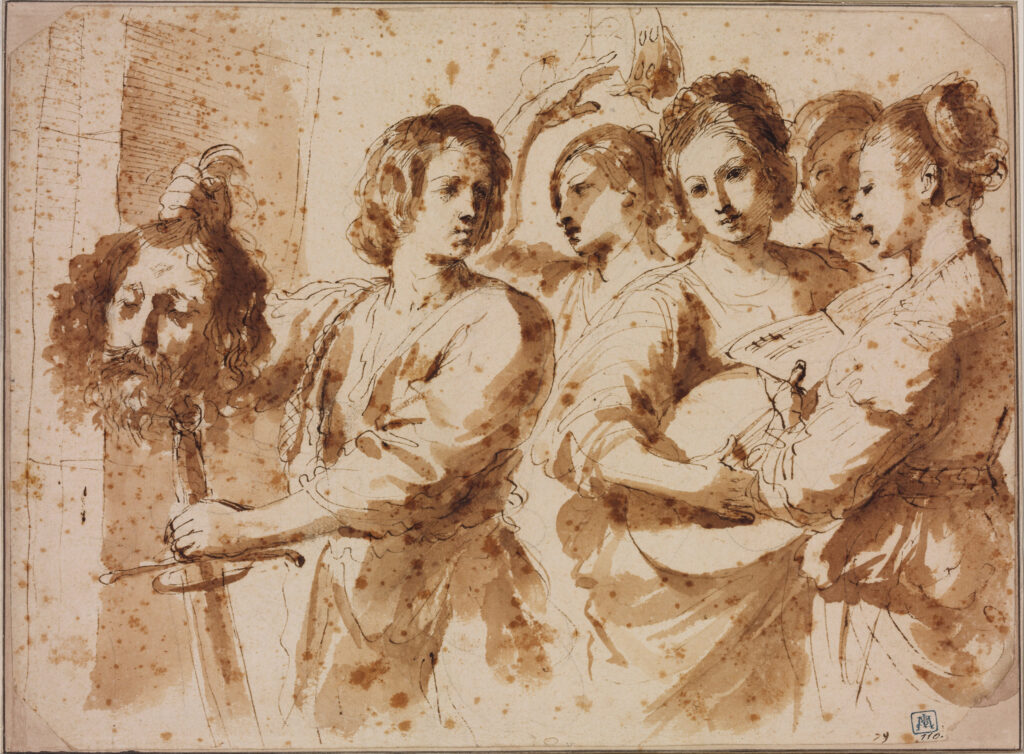
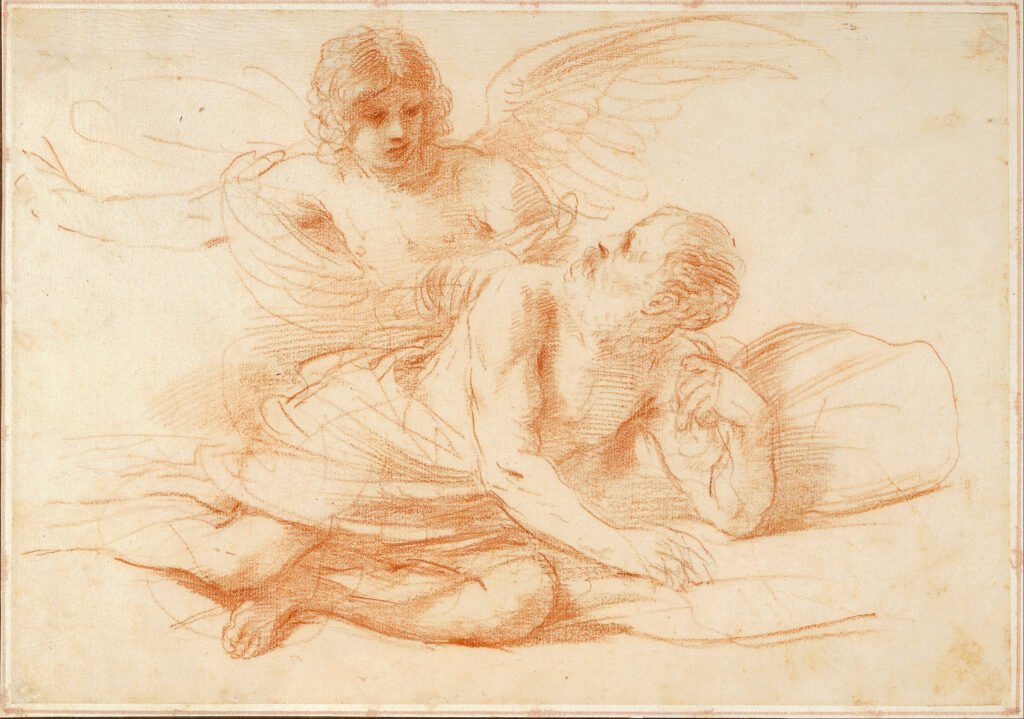
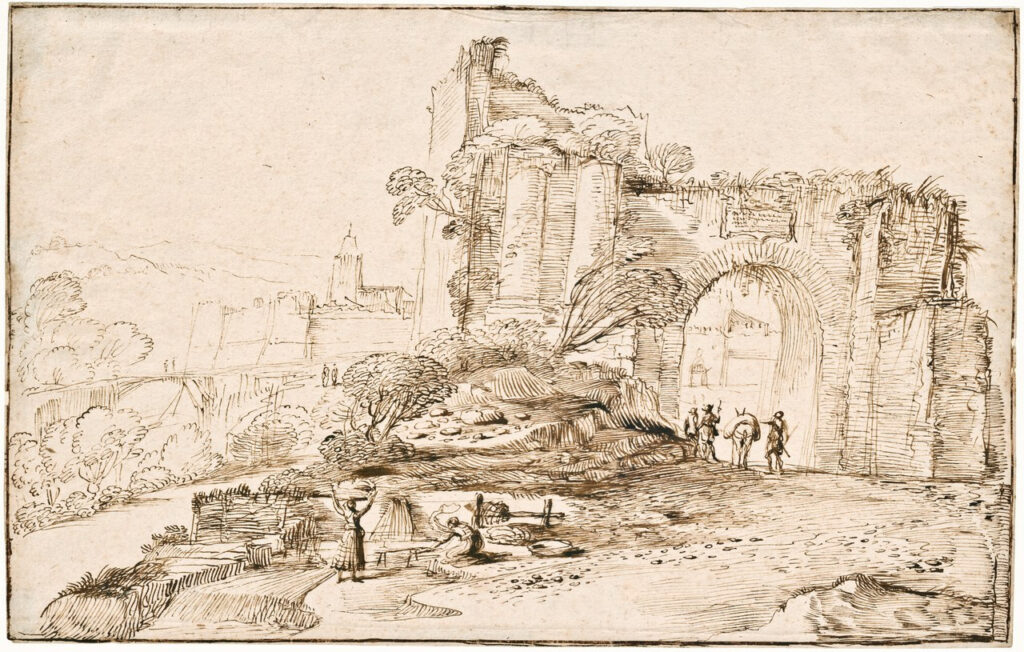
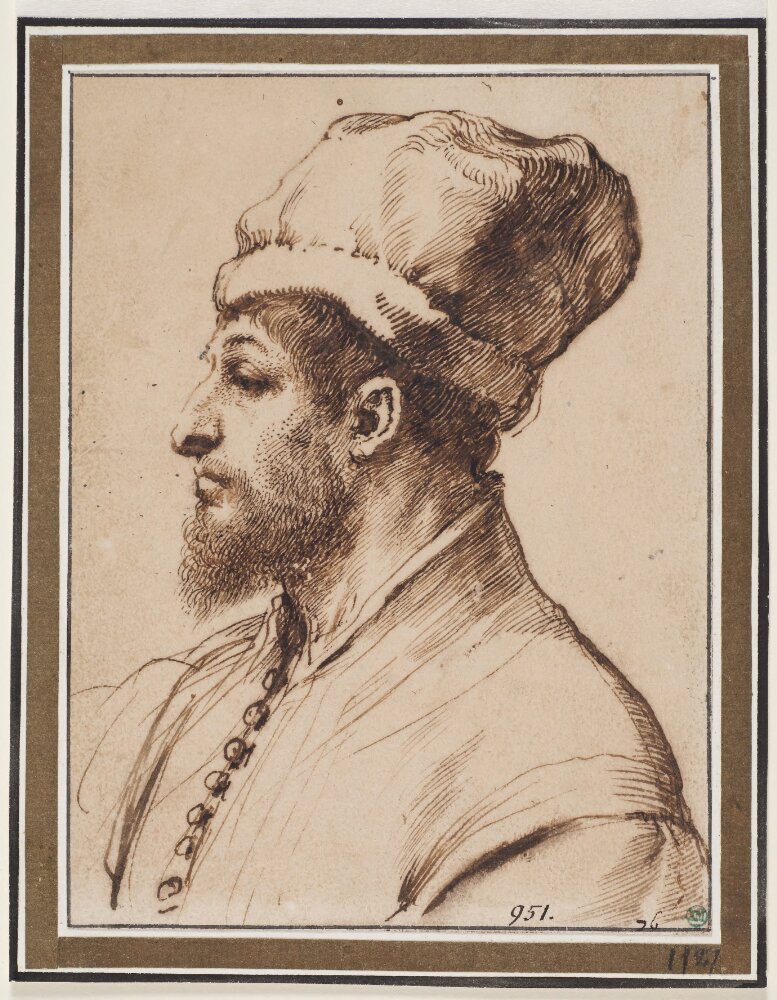
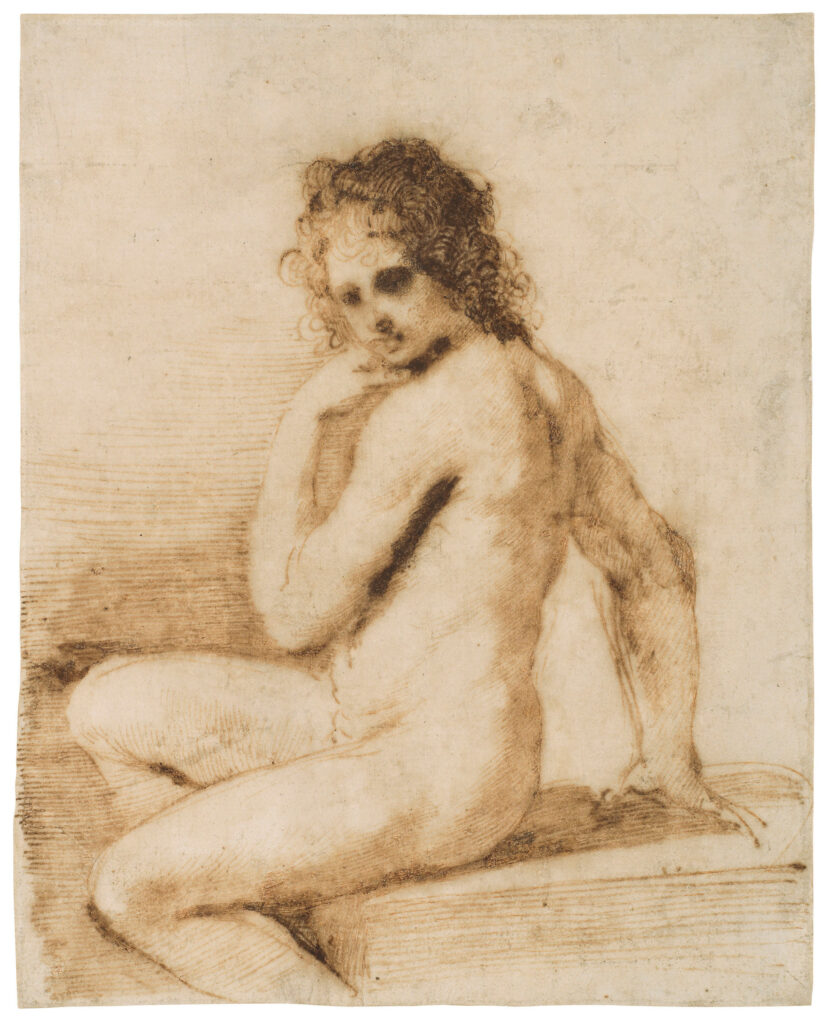
Guercino (Giovanni Francesco Barbieri), February 8, 1591–December 22, 1666, was an Italian painter and draftsman born in Cento. He received drawing lessons locally and apprenticed with Benedetto Gennari the Elder. He also studied the work of Ludovico Carracci.
In 1616 Guercino established a life drawing academy in Cento. He worked in Rome during the papacy of Gregory XV, returned to Cento, and moved to Bologna in 1642. His workshop included his nephews Benedetto and Cesare Gennari, who continued its work after his death.
His paintings and drawings are held by the National Gallery in London, the Louvre Museum, the Metropolitan Museum of Art, the Capitoline Museums, and other public collections.


Carel Pietersz. Fabritius
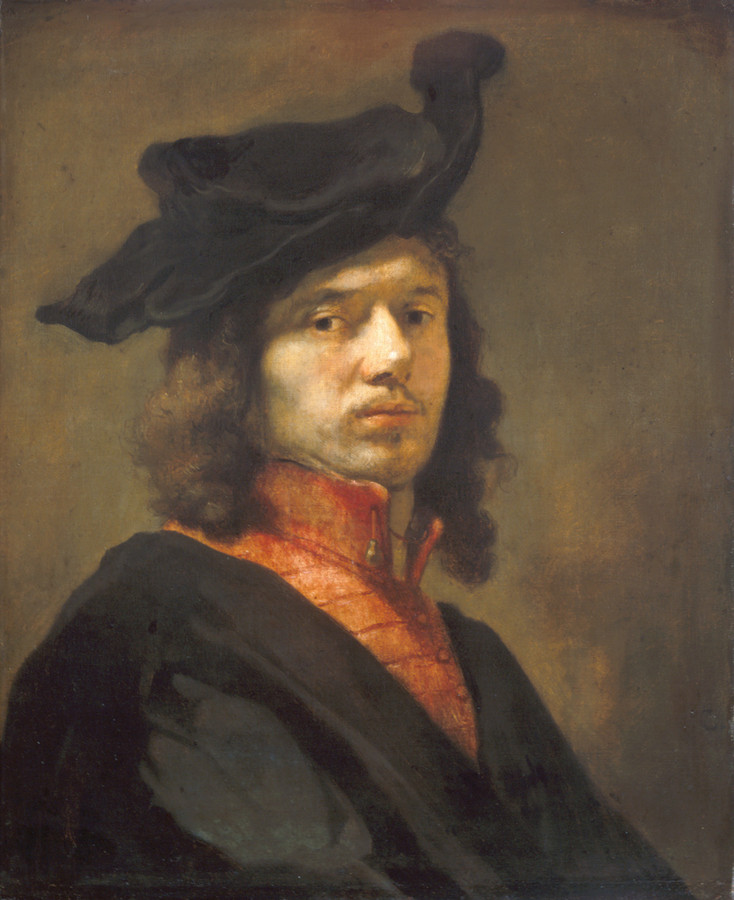
Carel Pietersz. Fabritius, Dutch painter, February 27, 1622 – October 12, 1654


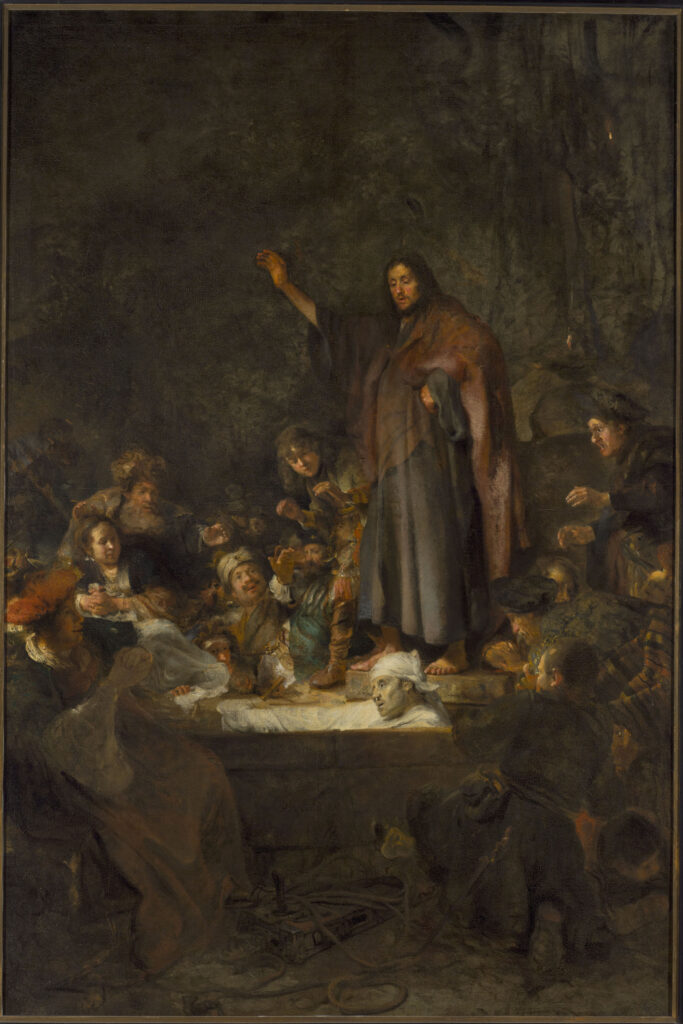


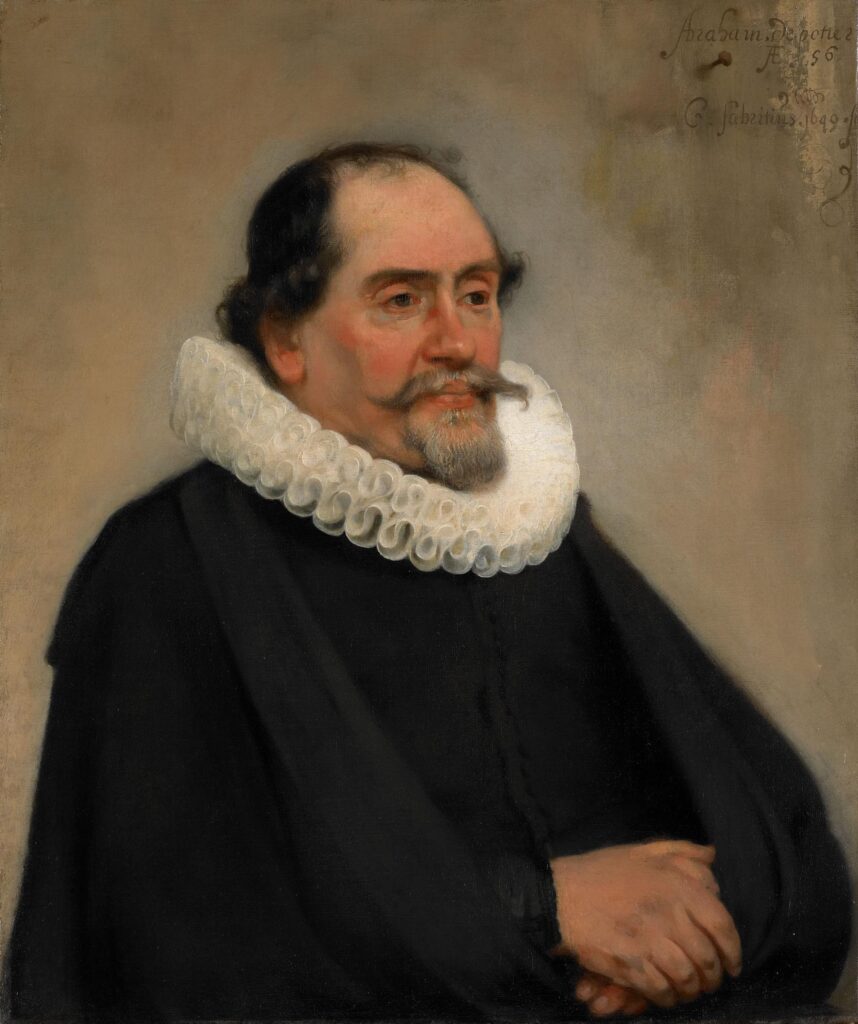


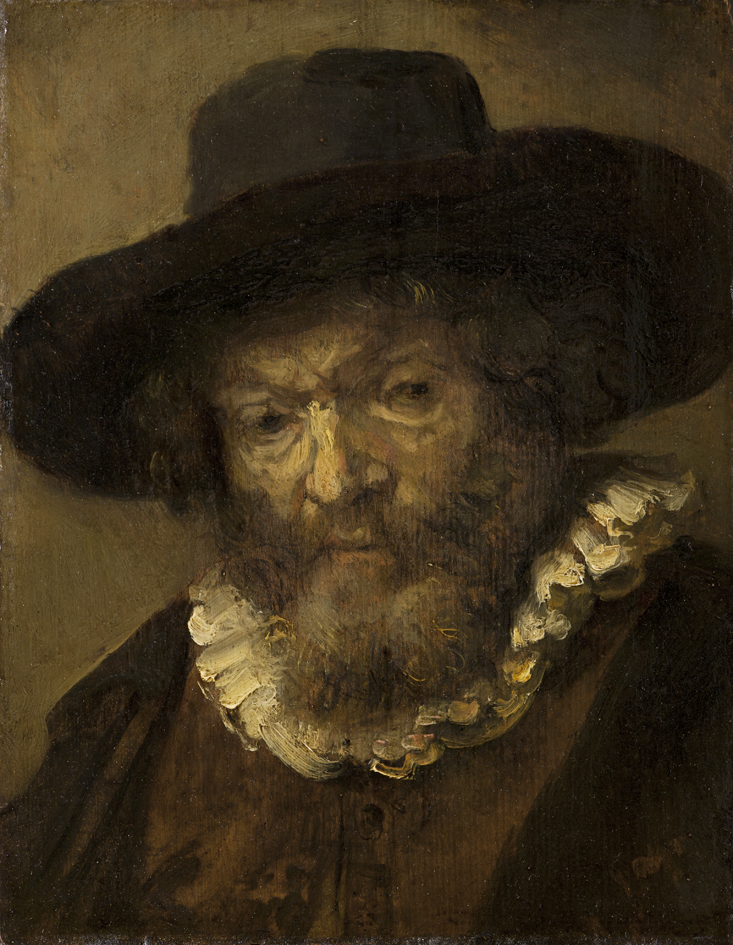


Alessandro Magnasco
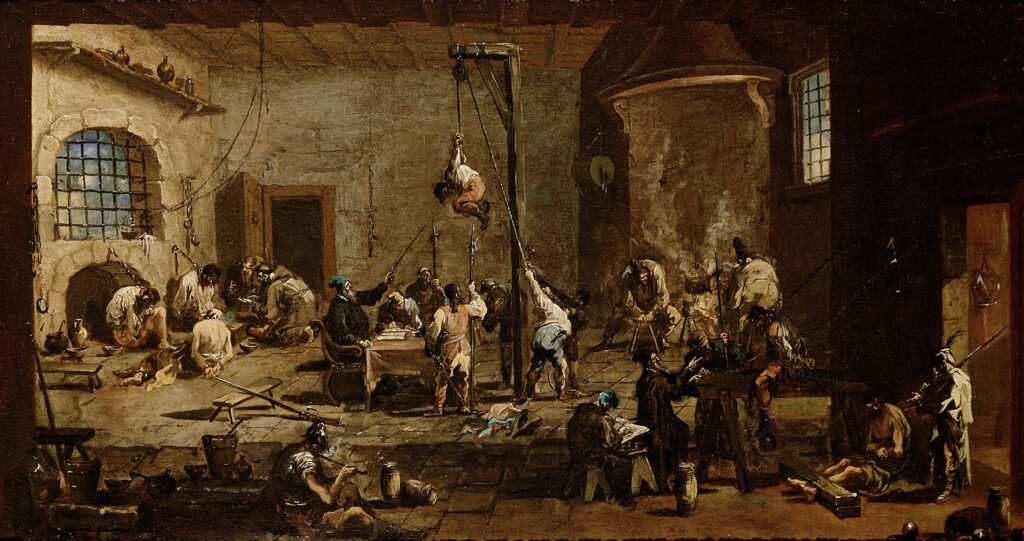
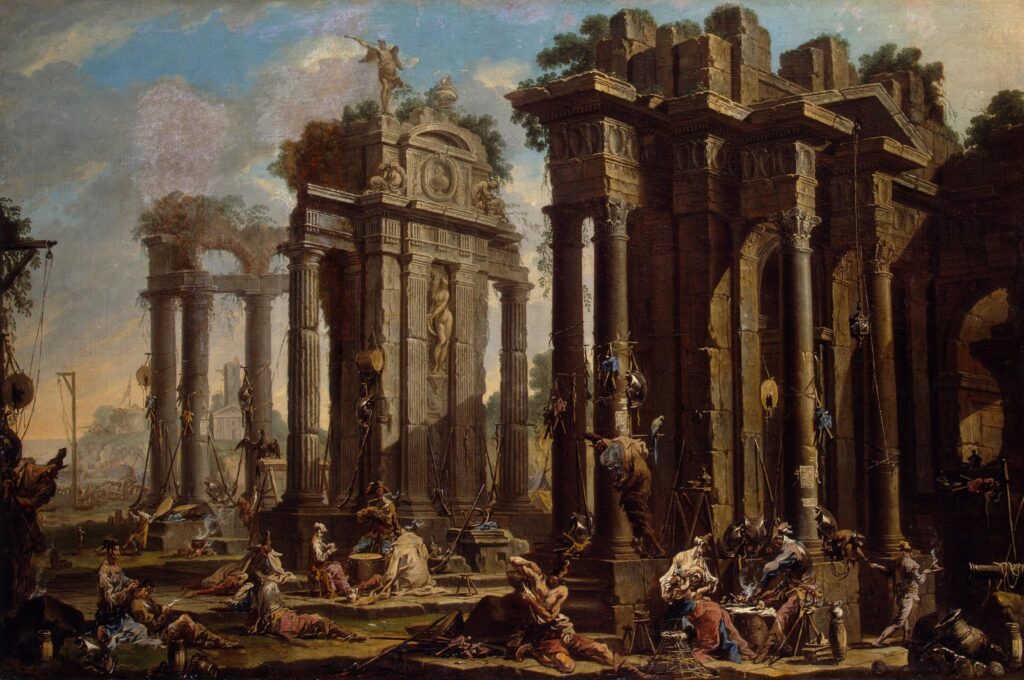
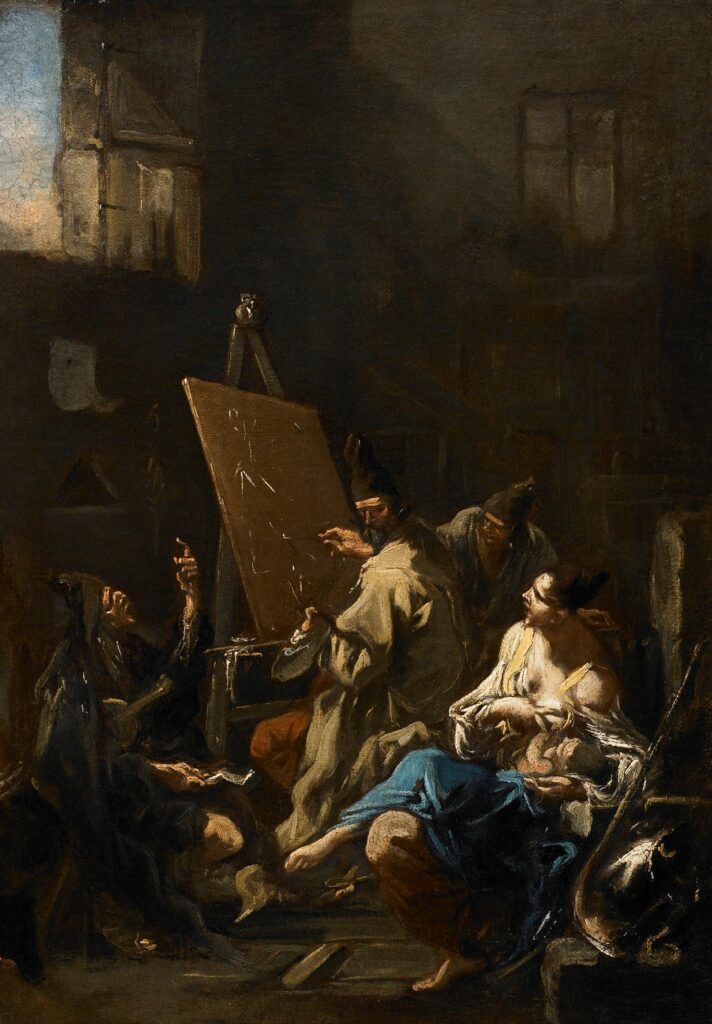
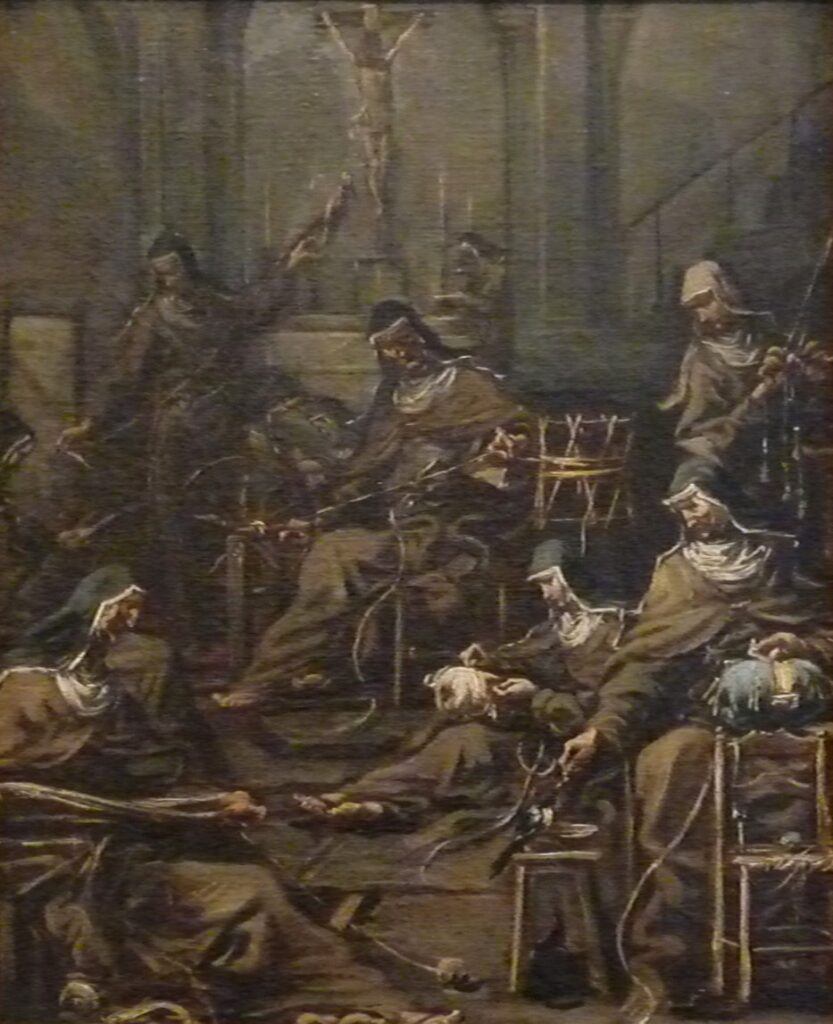
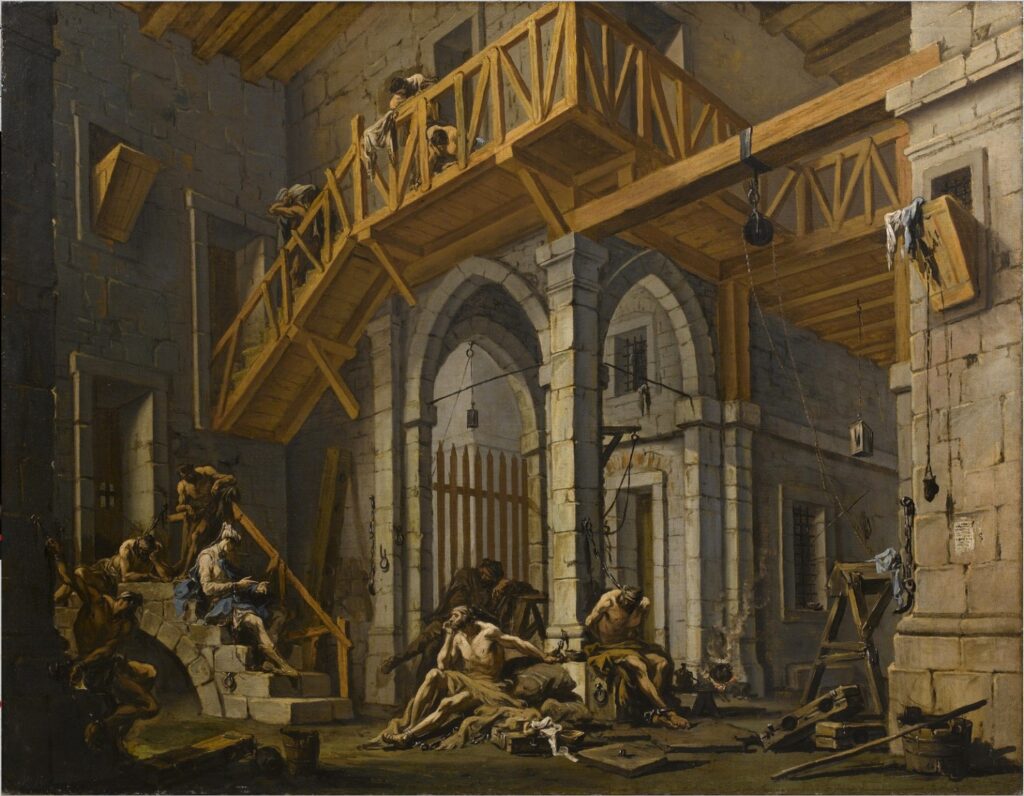
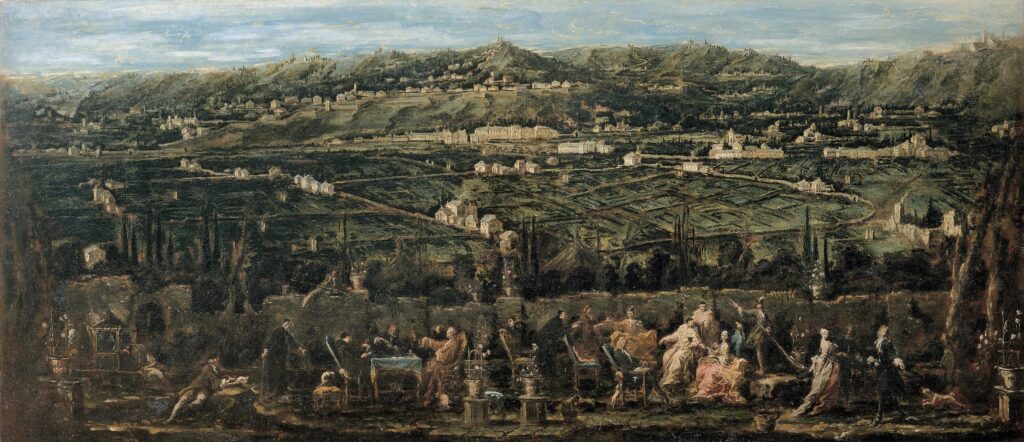
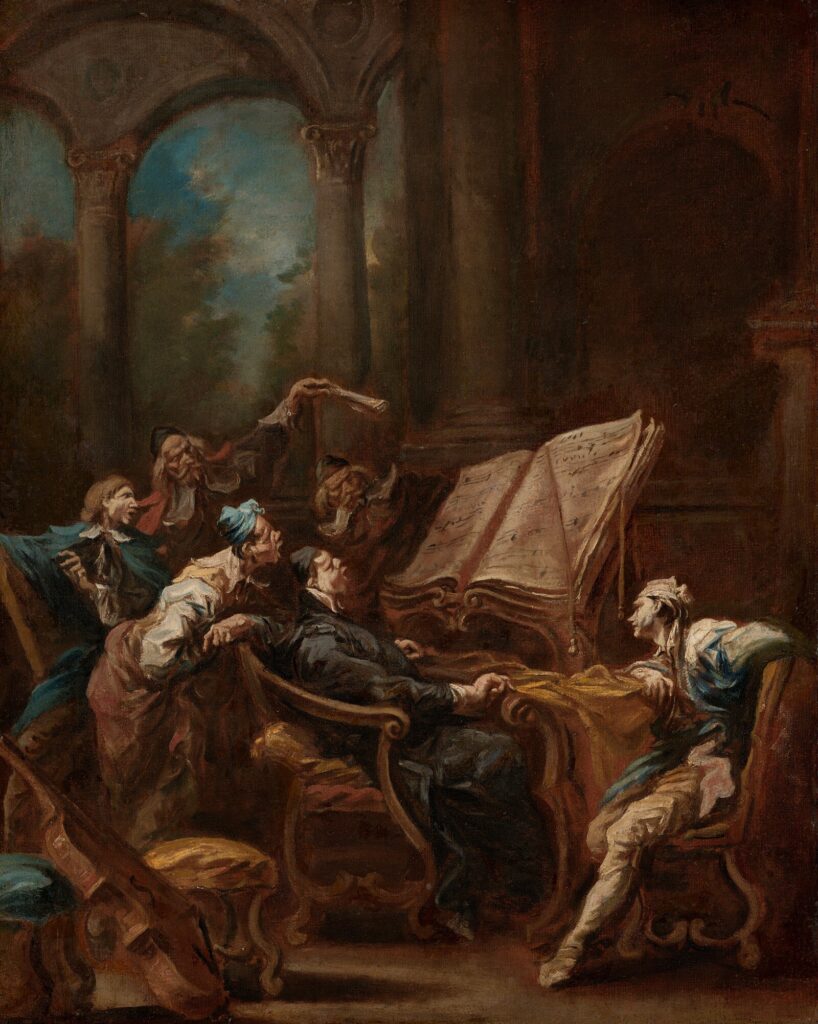
Alessandro Magnasco, February 4, 1667–March 12, 1749, was an Italian painter born and deceased in Genoa. He began his training with his father, Stefano Magnasco, and later studied with Filippo Abbiati in Milan.
Magnasco worked in Milan, Florence, and Genoa. He collaborated on paintings with landscape and architectural specialists, including Francesco Peruzzini and Clemente Spera. He returned to Genoa in 1735.
His works are held by the Metropolitan Museum of Art, the National Gallery of Art, the Kunsthistorisches Museum, and museums in Genoa, among other collections.

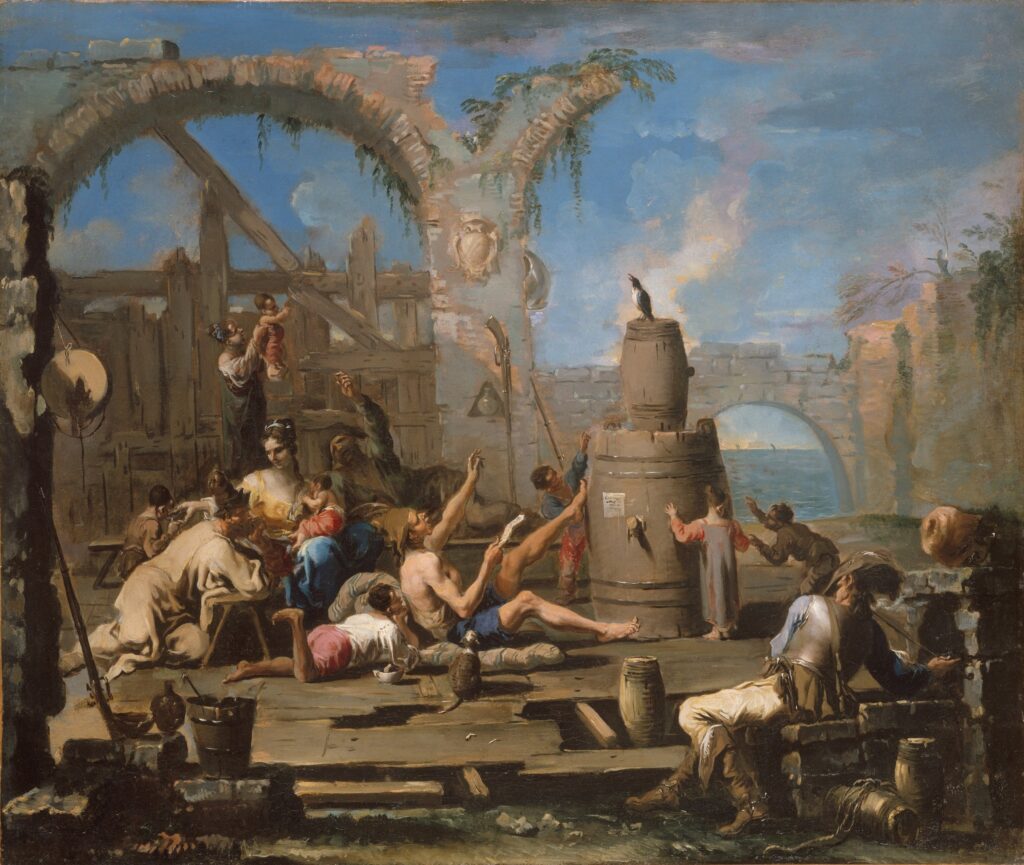



Sébastien Bourdon
Sébastien Bourdon, February 2, 1616–May 8, 1671, was a French painter and engraver. Born in Montpellier to a Protestant family, he was apprenticed in Paris to the painter Jean Barthélemy. He later worked in Rome, where he studied the art of Nicolas Poussin, Claude Lorrain, Caravaggio and Pieter van Laer.
Bourdon returned to Paris by 1638 and developed a varied practice encompassing religious and mythological subjects, portraits, landscapes and scenes of everyday life. In 1648 he became one of the twelve founding members of the Académie royale de peinture et de sculpture. Queen Christina of Sweden appointed him her first court painter in 1652.
Bourdon maintained a substantial workshop; his pupils included Nicolas-Pierre Loir and Pierre Mosnier. His paintings are held by the Louvre Museum, the National Gallery of Art, the Metropolitan Museum of Art, Nationalmuseum in Stockholm, the Musée Fabre, the Musée des Augustins and other major European and American collections.


Jacob van Campen
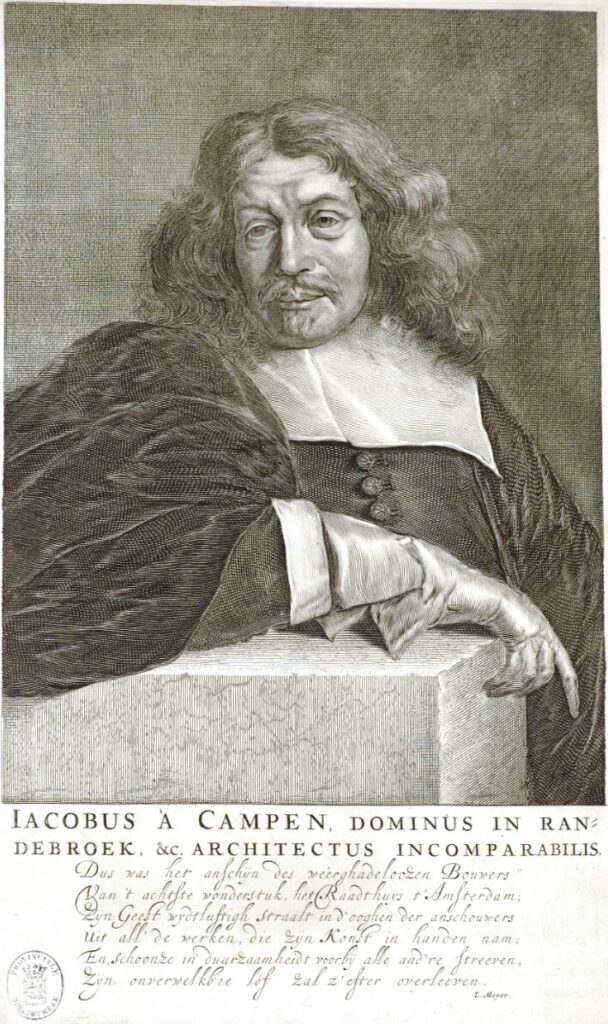
Jacob van Campen, February 2, 1596–September 13, 1657, was a Dutch painter and architect. Born in Haarlem, he entered the city’s Guild of Saint Luke in 1614 and is believed to have studied painting with Frans de Grebber. A period in Italy introduced him to the architecture of Andrea Palladio, Vincenzo Scamozzi, and classical antiquity.
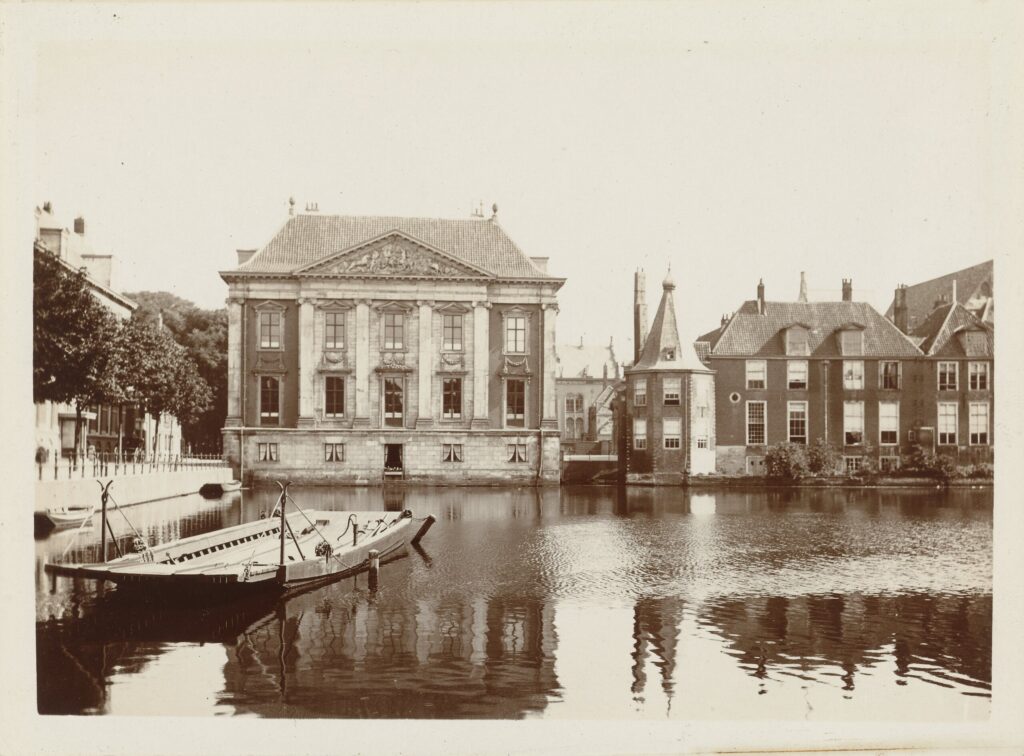
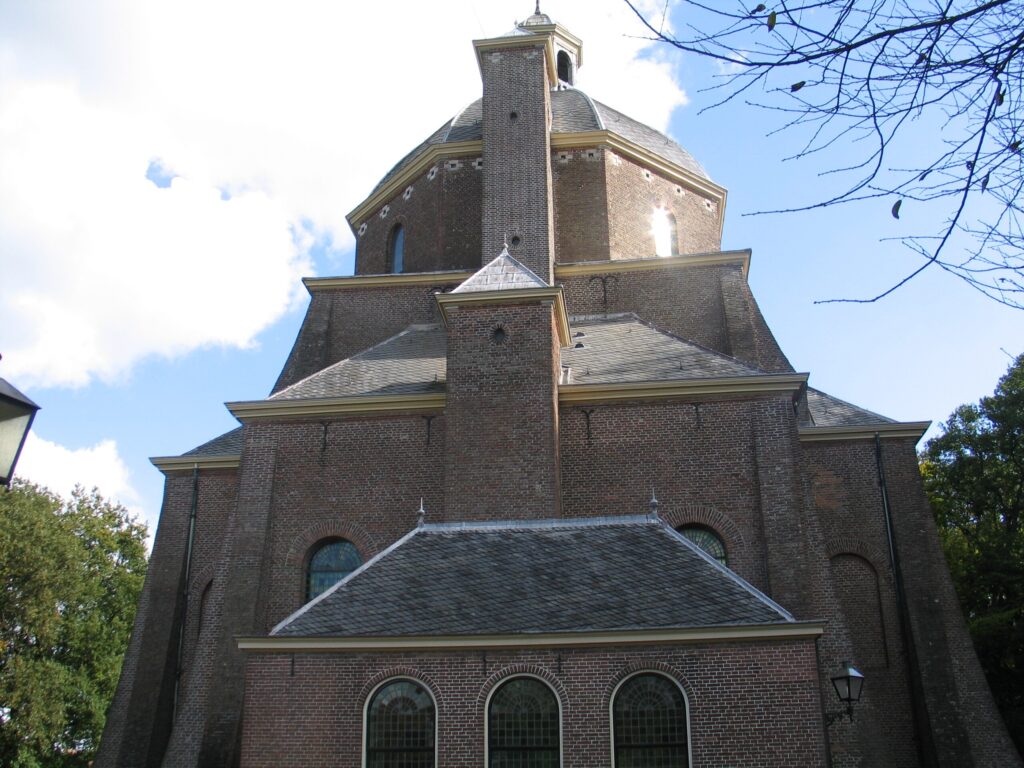
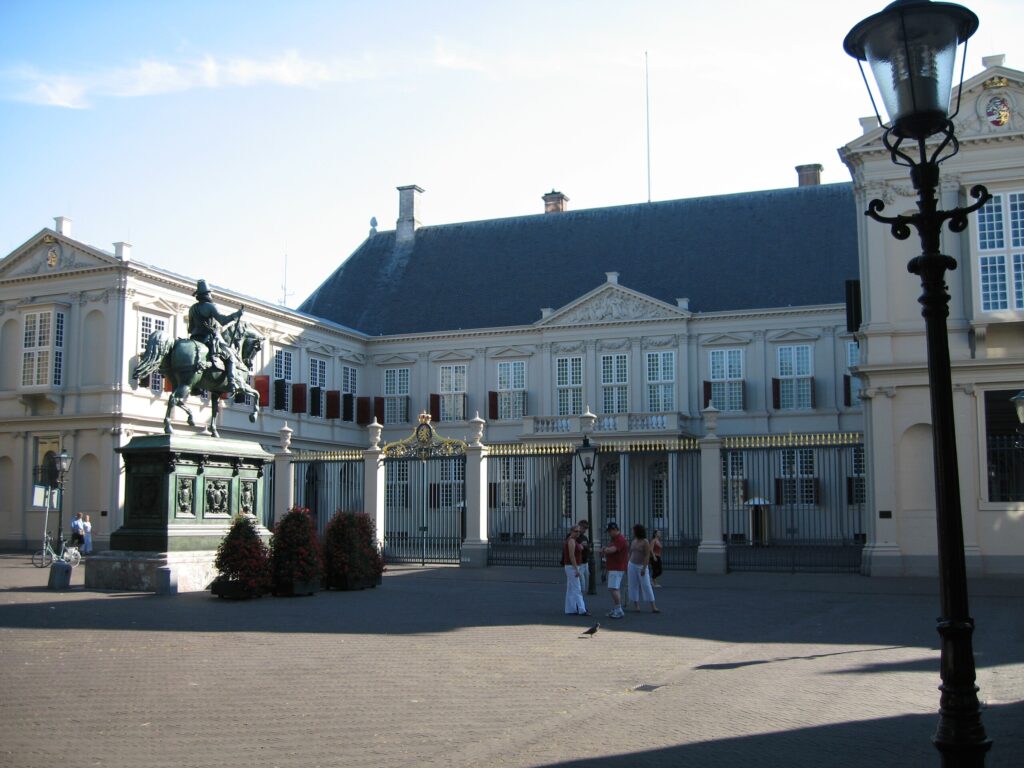
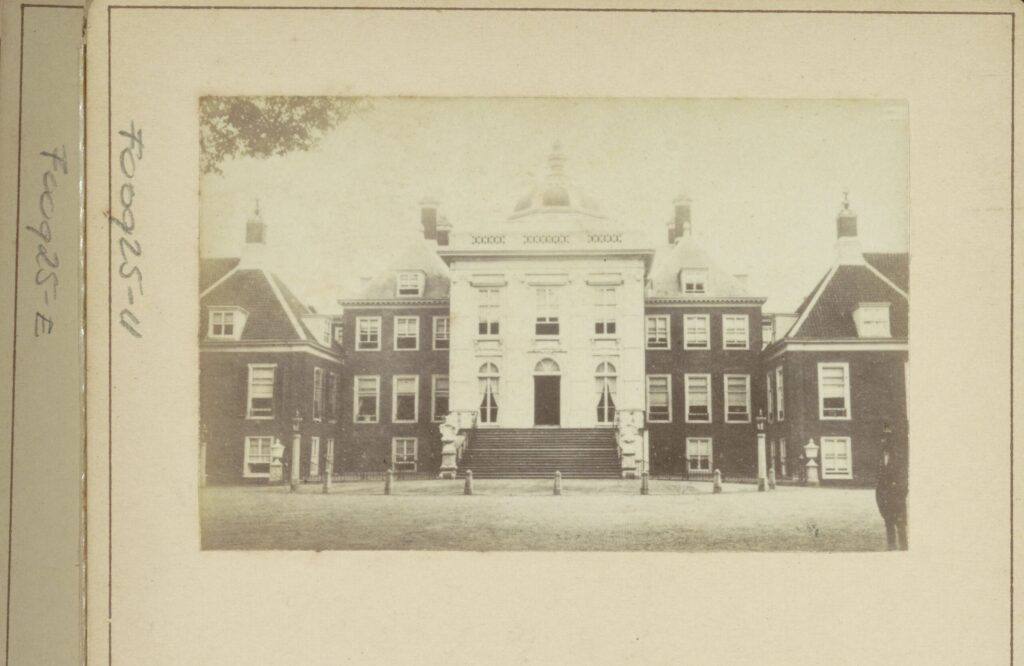
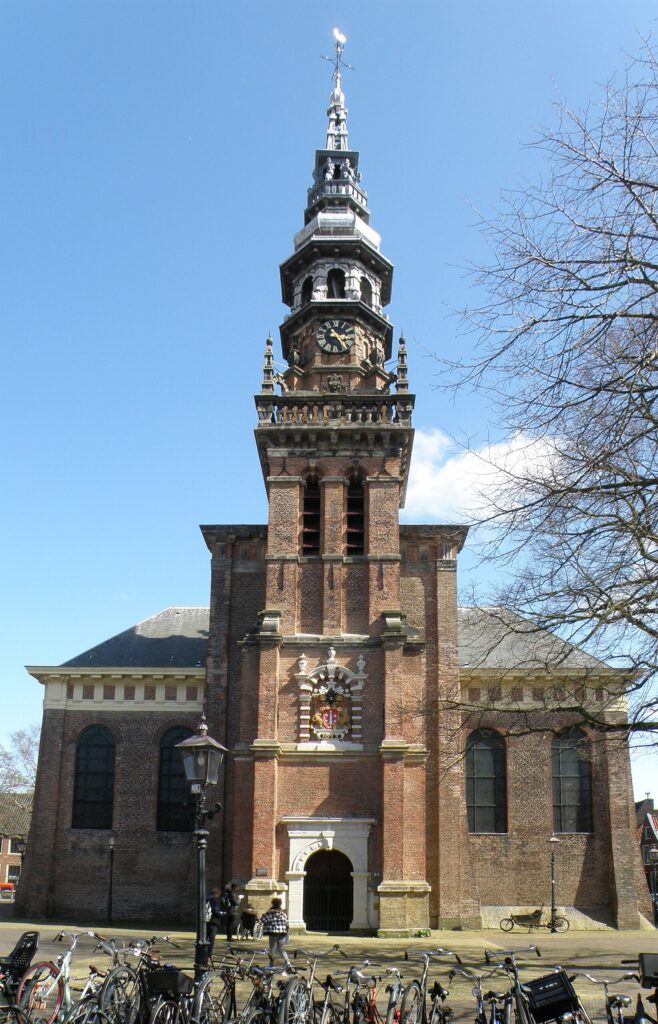
After returning to the Netherlands, Van Campen became a principal founder of Dutch Classicism. He worked with Pieter Post and was associated with Constantijn Huygens; his major architectural projects included the Mauritshuis, Huis ten Bosch Palace, the Nieuwe Kerk in Haarlem, and Amsterdam’s former town hall, now the Royal Palace.
Van Campen also painted portraits, history subjects, and decorative works, including contributions to the Oranjezaal at Huis ten Bosch. Matthias Withoos was among the artists who worked with him. His paintings are held by the Rijksmuseum, the Mauritshuis, and Museum Amersfoort, while many of his buildings remain prominent monuments in the Netherlands.

Jan Steen
Jan Steen, Dutch painter, c 1626 – February 3, 1679


