Posts in Category: 16th Century
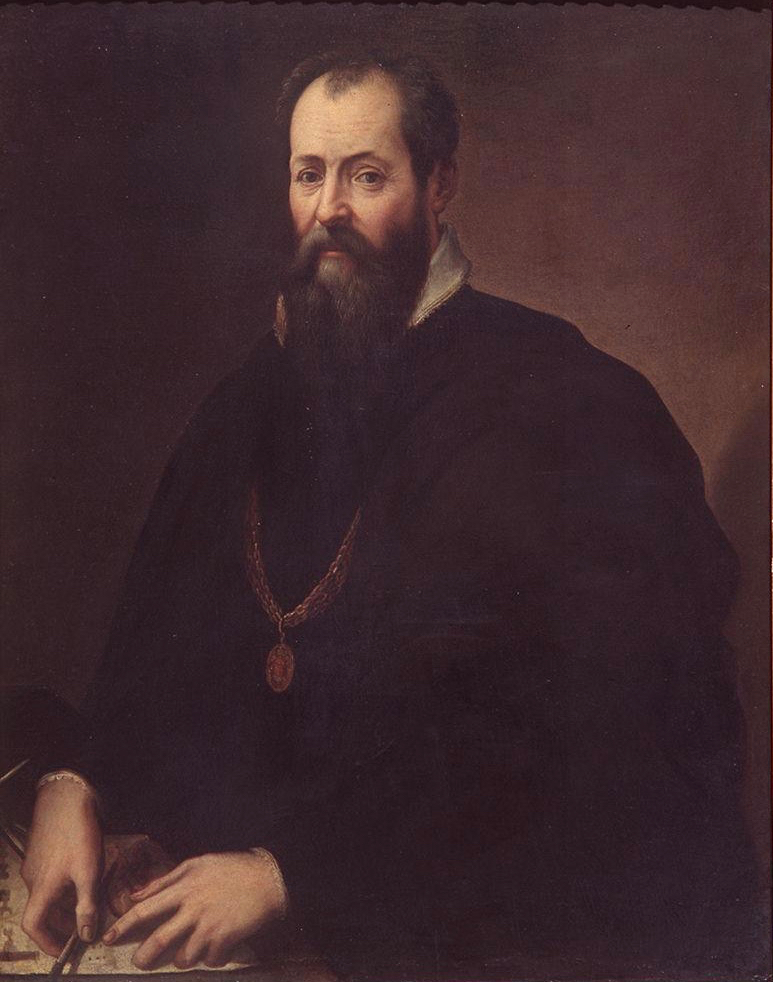
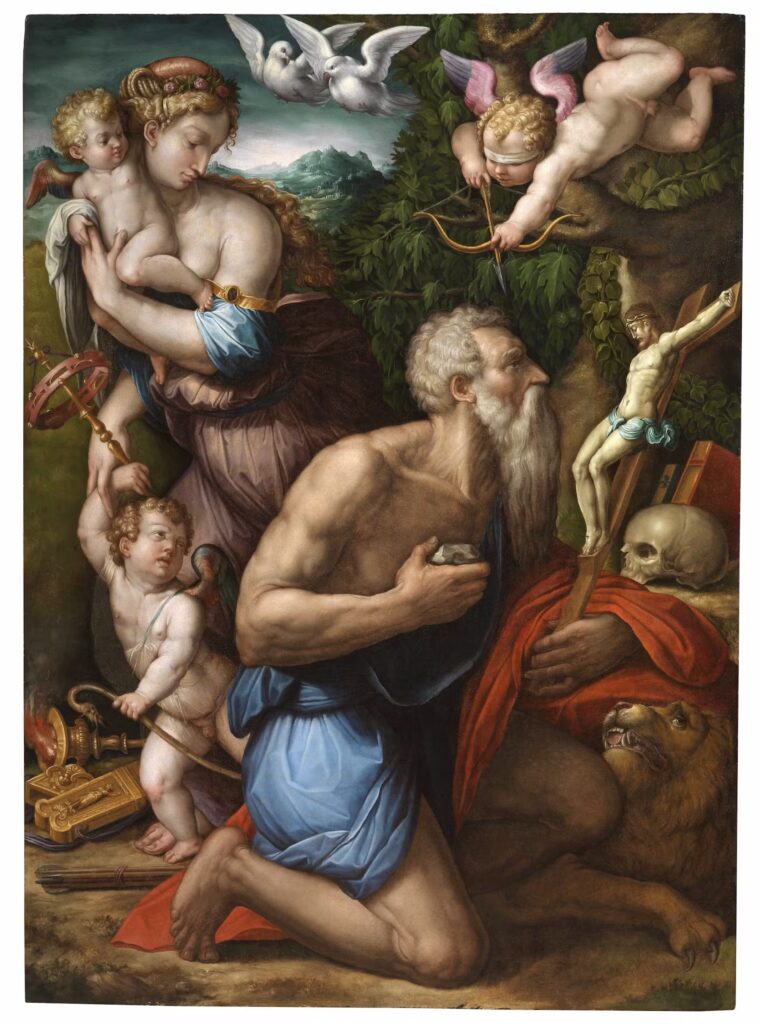
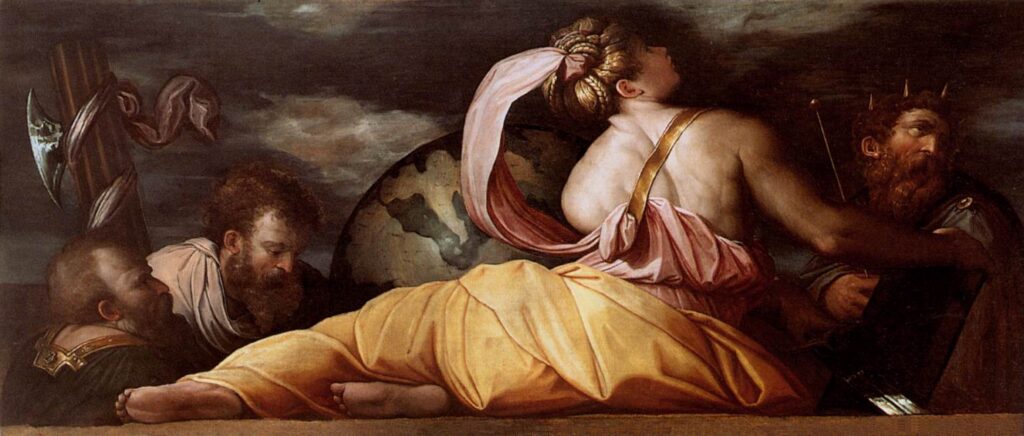
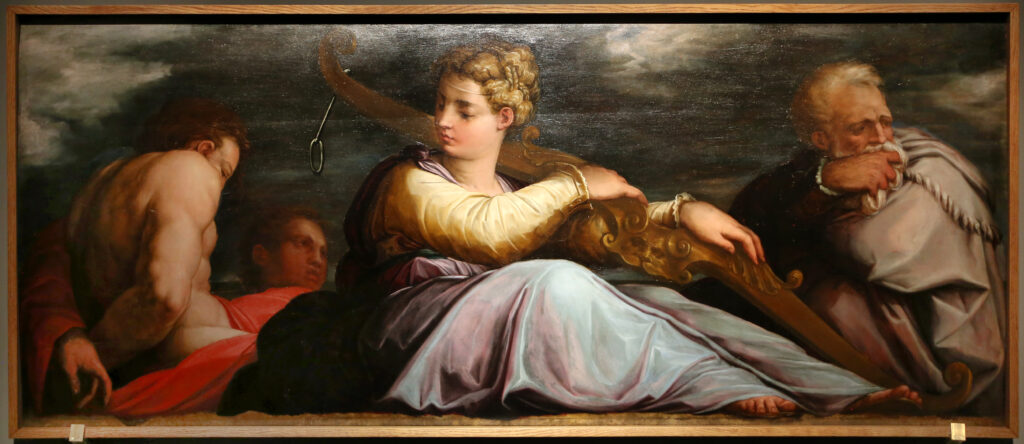
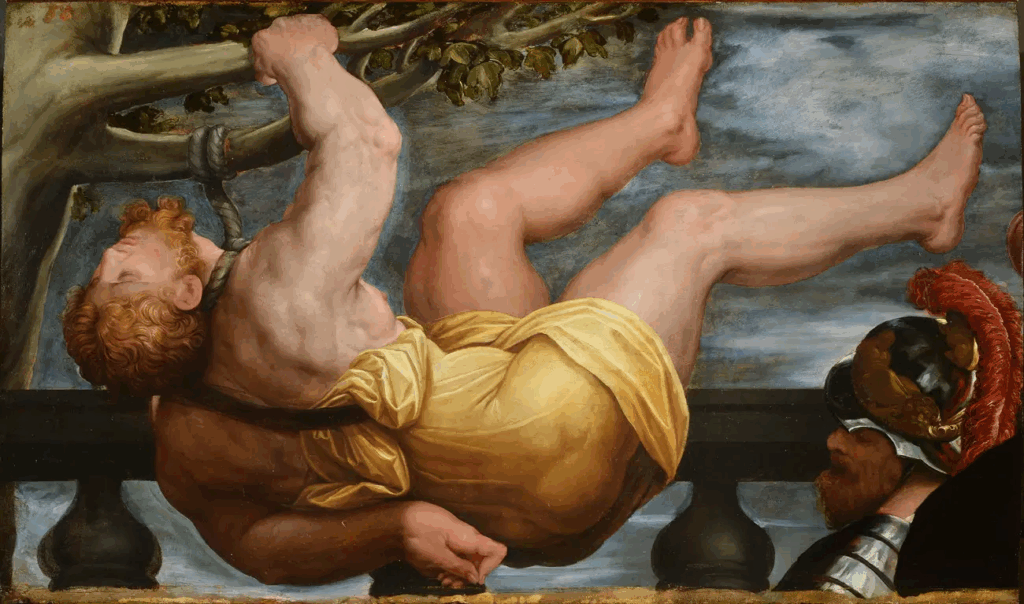
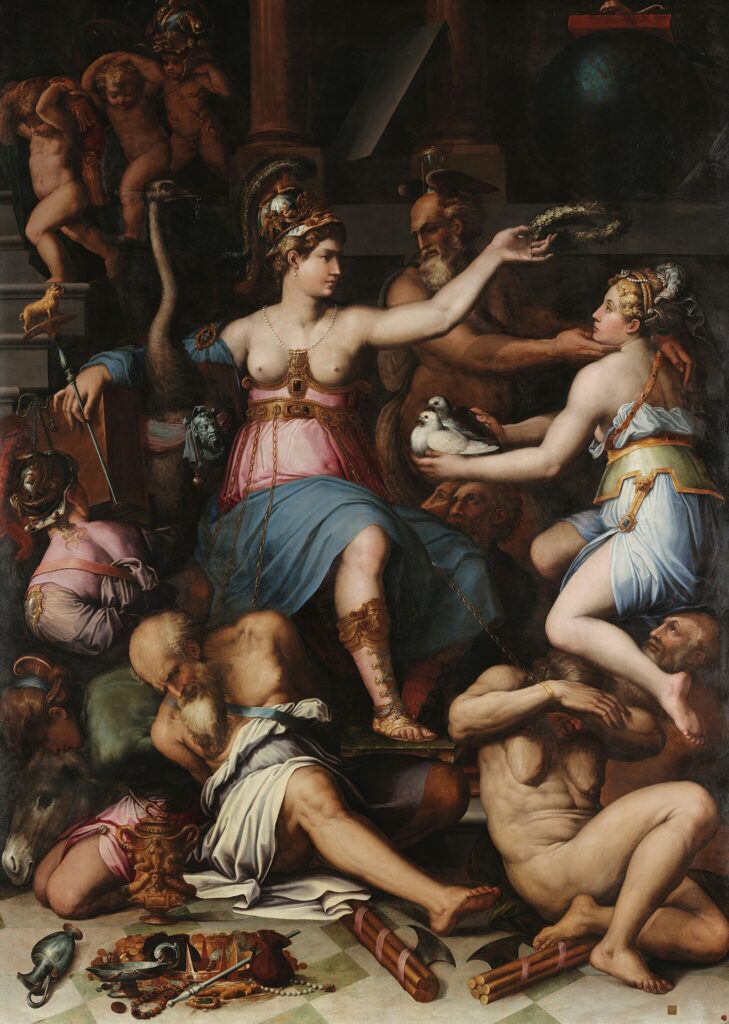
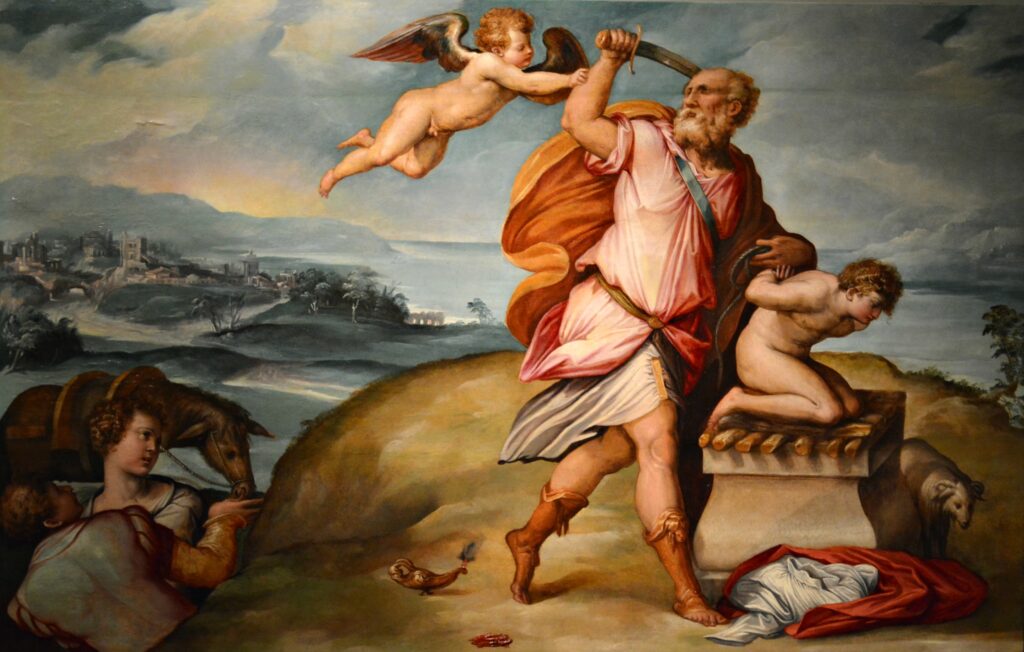
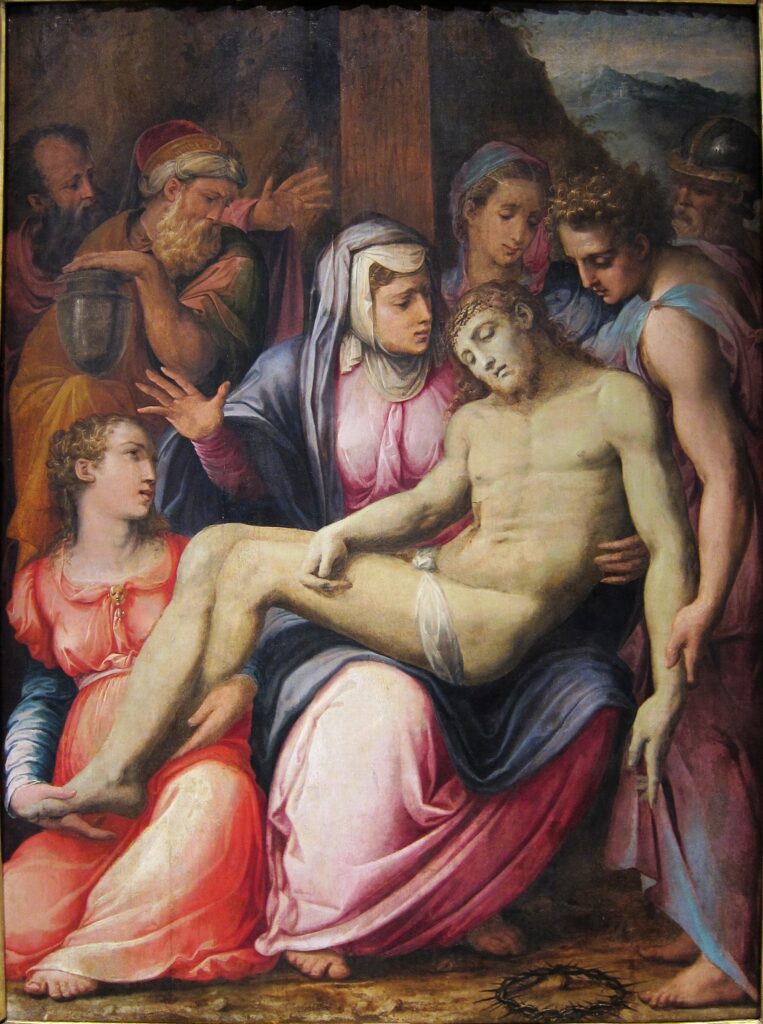
Giorgio Vasari
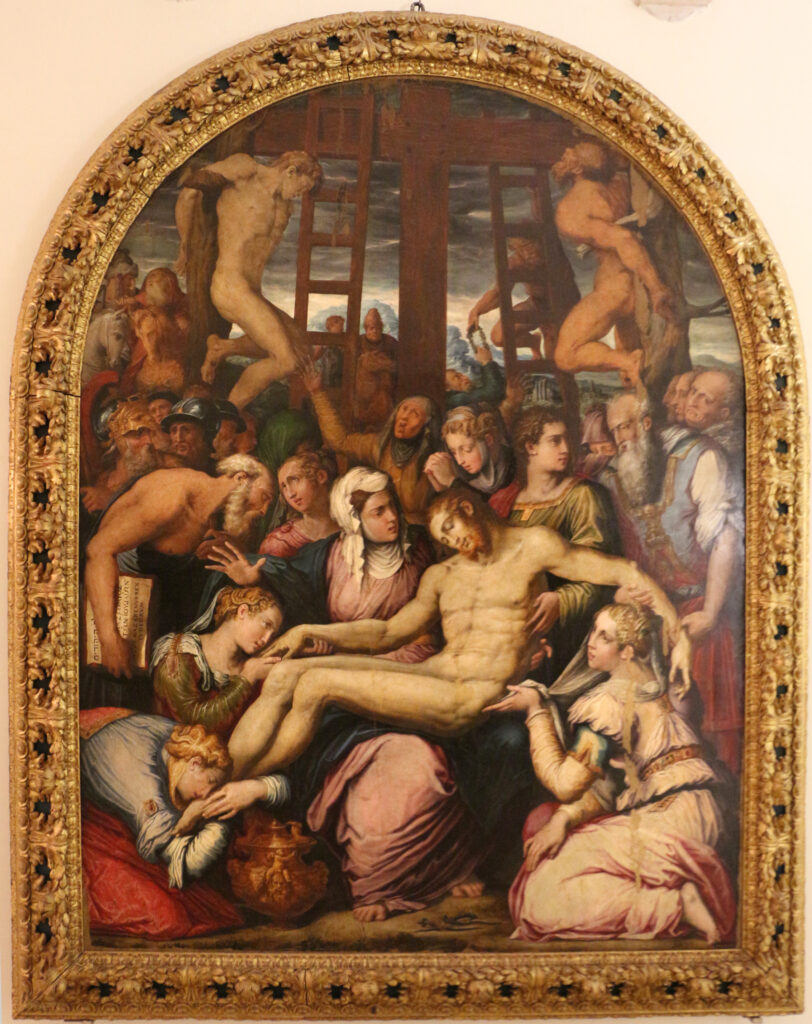
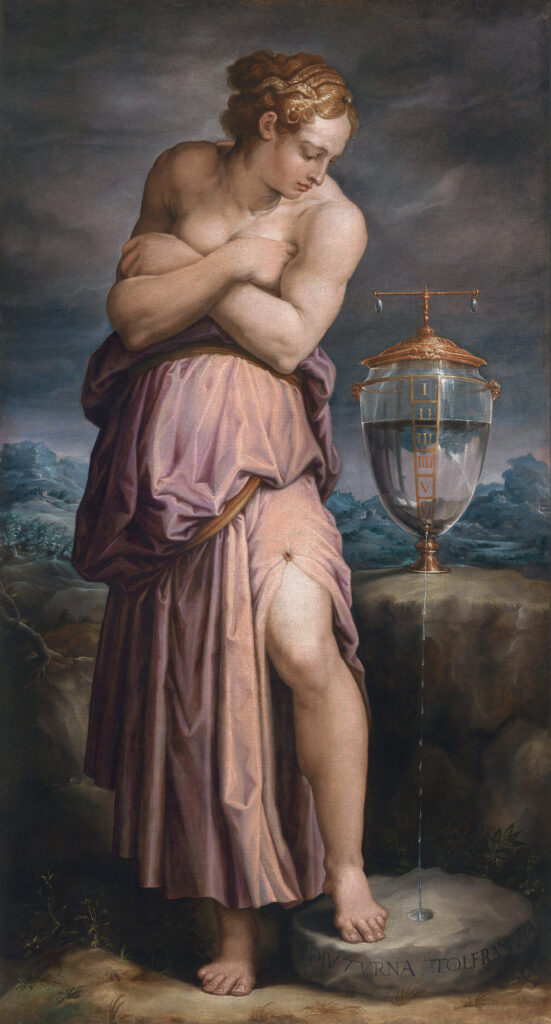
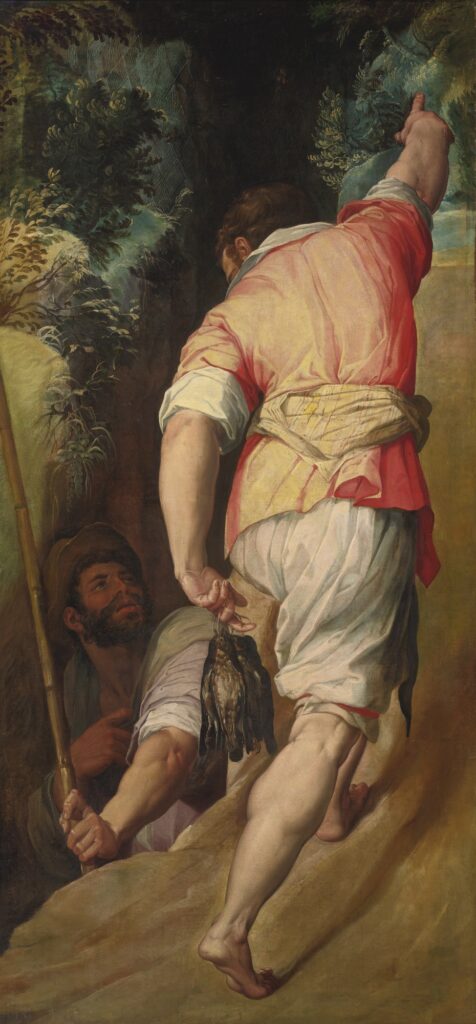
Giorgio Vasari, July 30, 1511 – June 27, 1574, was an Italian painter, architect, writer, and historian of the late Renaissance. He was born in Arezzo and trained first with Guillaume de Marcillat before entering the artistic circles of Florence. There he came under the influence of Andrea del Sarto, Michelangelo, and members of the Medici court. Vasari spent much of his career working for Medici patrons in Florence and elsewhere in Italy, while also undertaking architectural commissions and court projects.
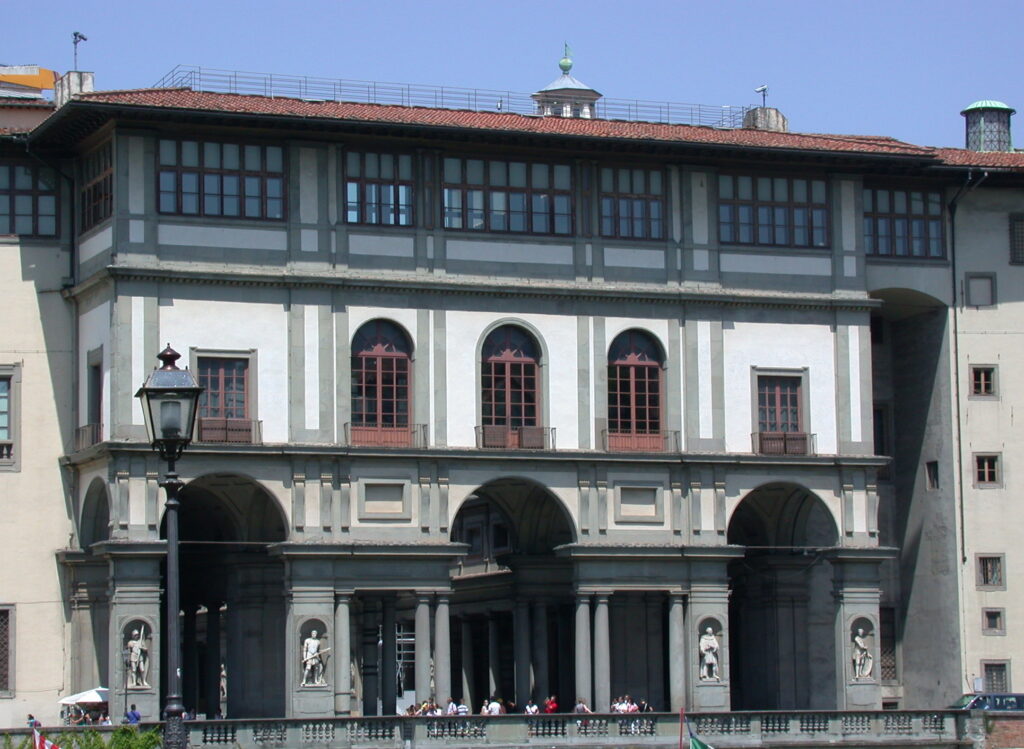
Vasari worked in fresco, panel painting, decorative cycles, portraiture, religious subjects, allegories, and large-scale court commissions. His style is associated with Mannerism and reflects the influence of Michelangelo and the artistic culture of mid-sixteenth-century Florence and Rome. In addition to his artistic production, he designed buildings and urban projects, including work connected with the Uffizi in Florence. He is also known for Lives of the Most Excellent Painters, Sculptors, and Architects, first published in 1550 and expanded in 1568, which remains a major source for the study of Renaissance art.
Vasari supervised large workshops and trained numerous assistants who participated in his extensive decorative programs. His paintings, drawings, and frescoes are held by the Uffizi Gallery, Palazzo Pitti, Museo di Capodimonte, Gallerie dell'Accademia, Getty Museum, National Gallery, National Museum of Western Art, Ravenna Art Museum, and other public and private collections.




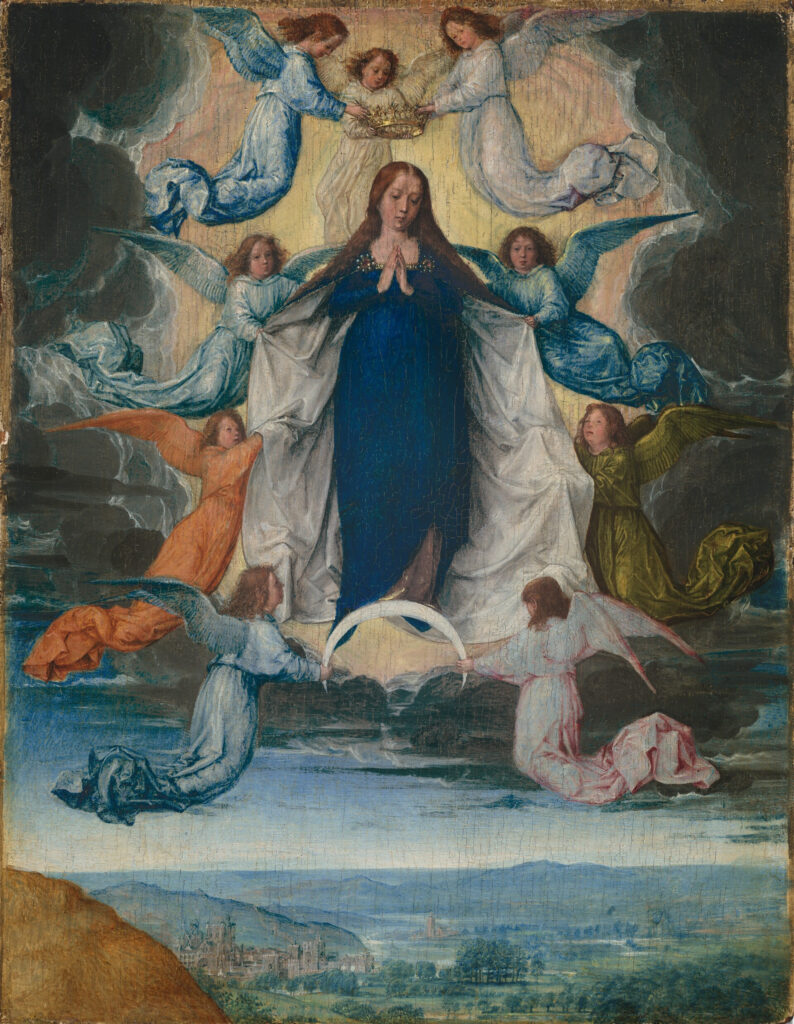
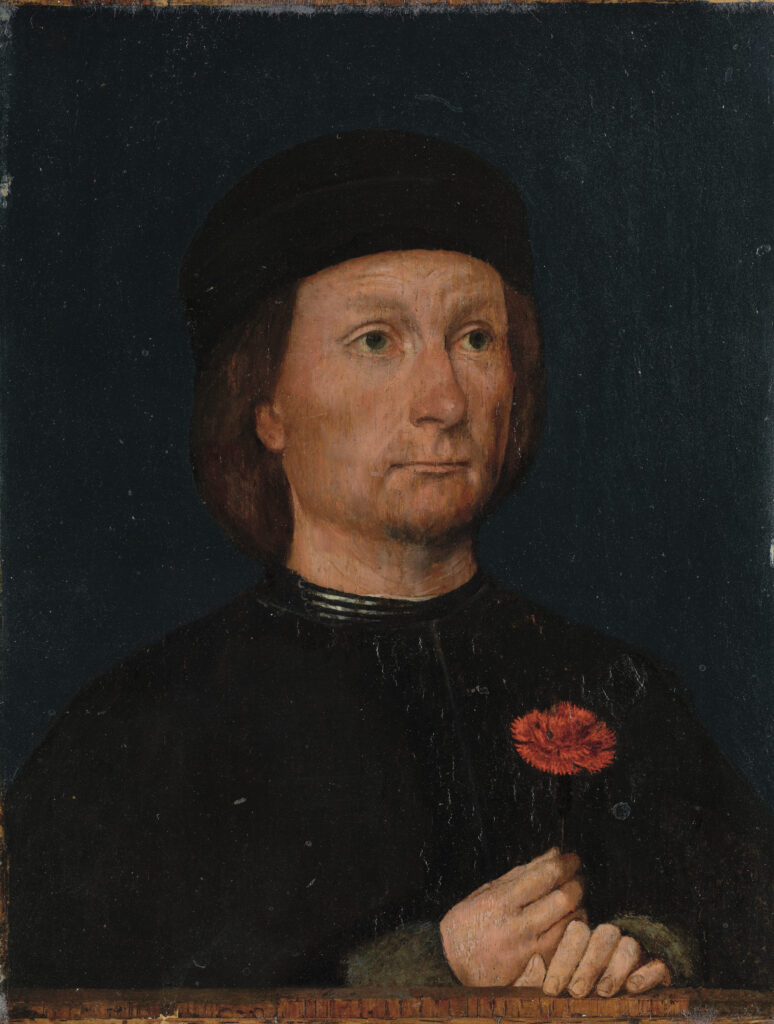
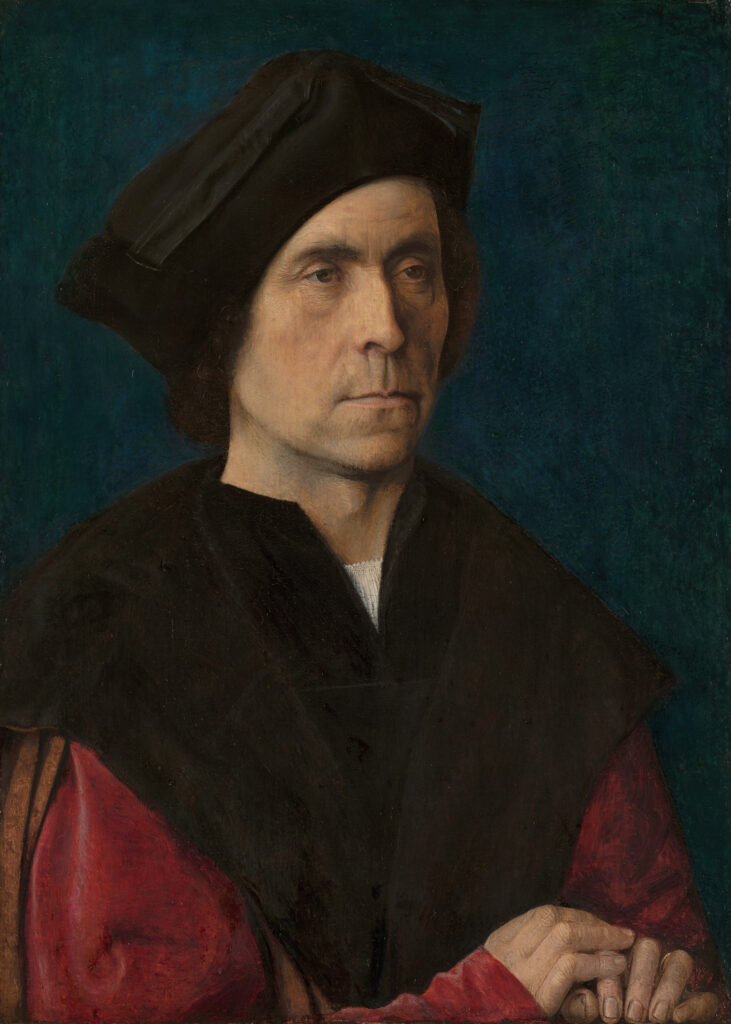
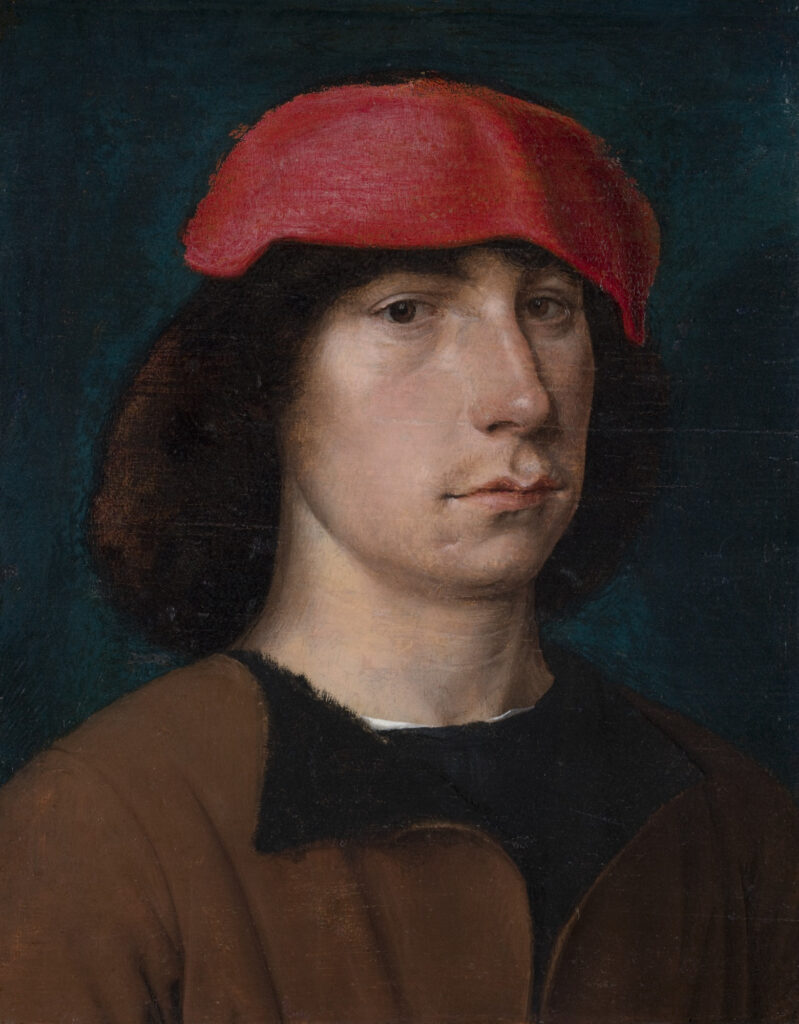
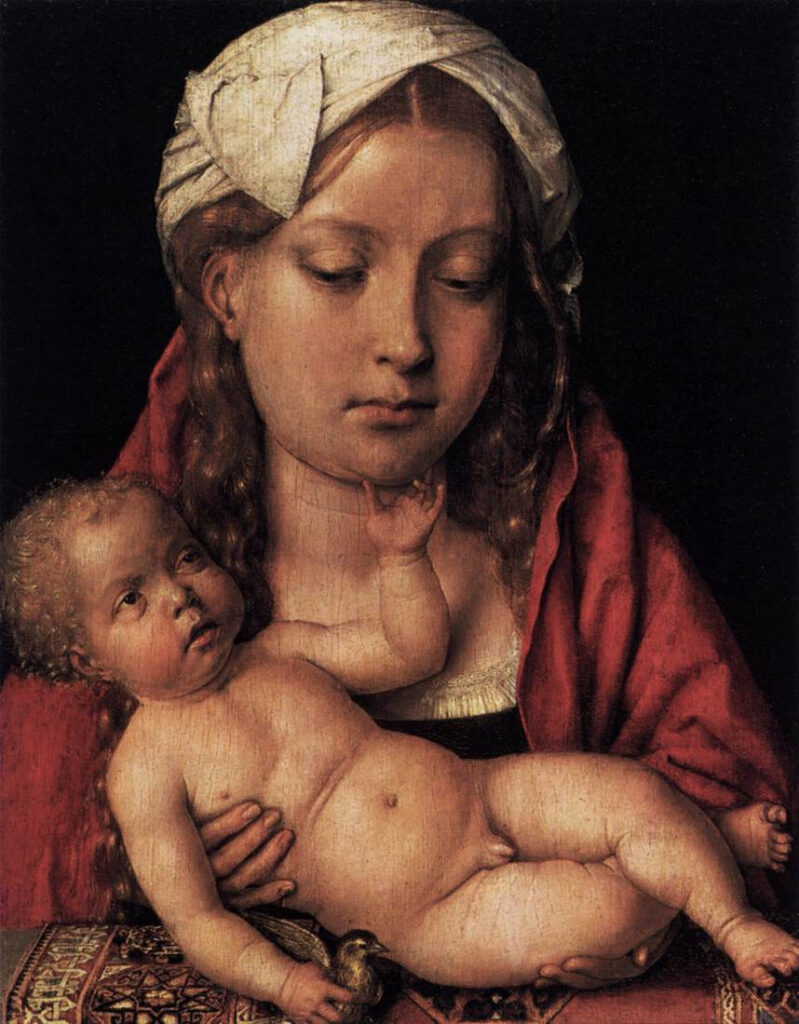
Michel Sittow
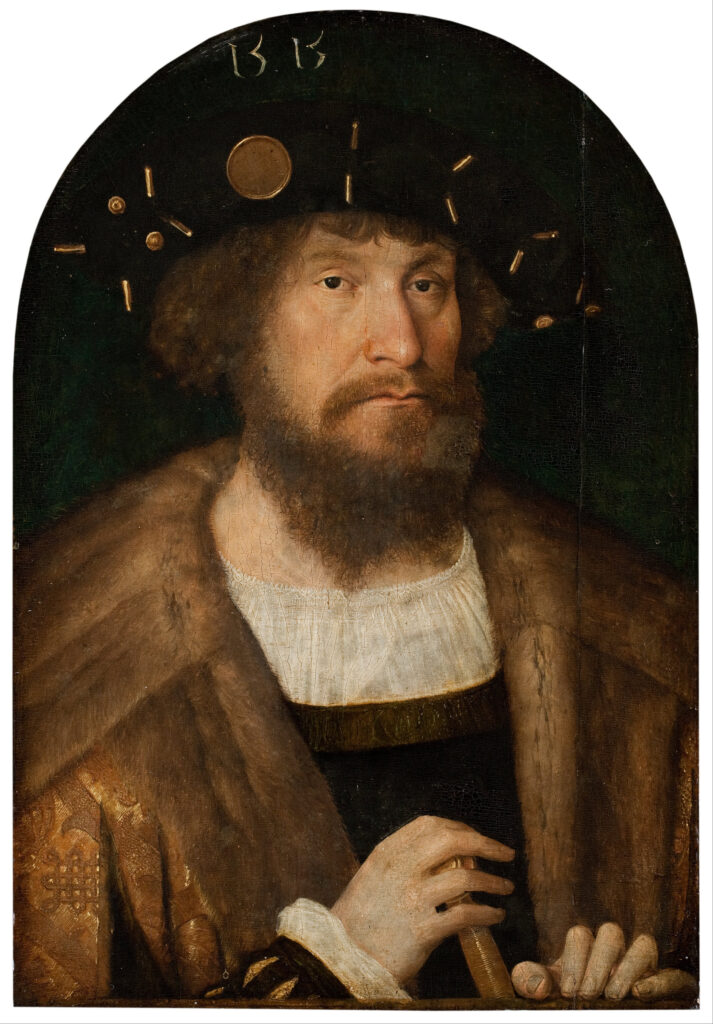
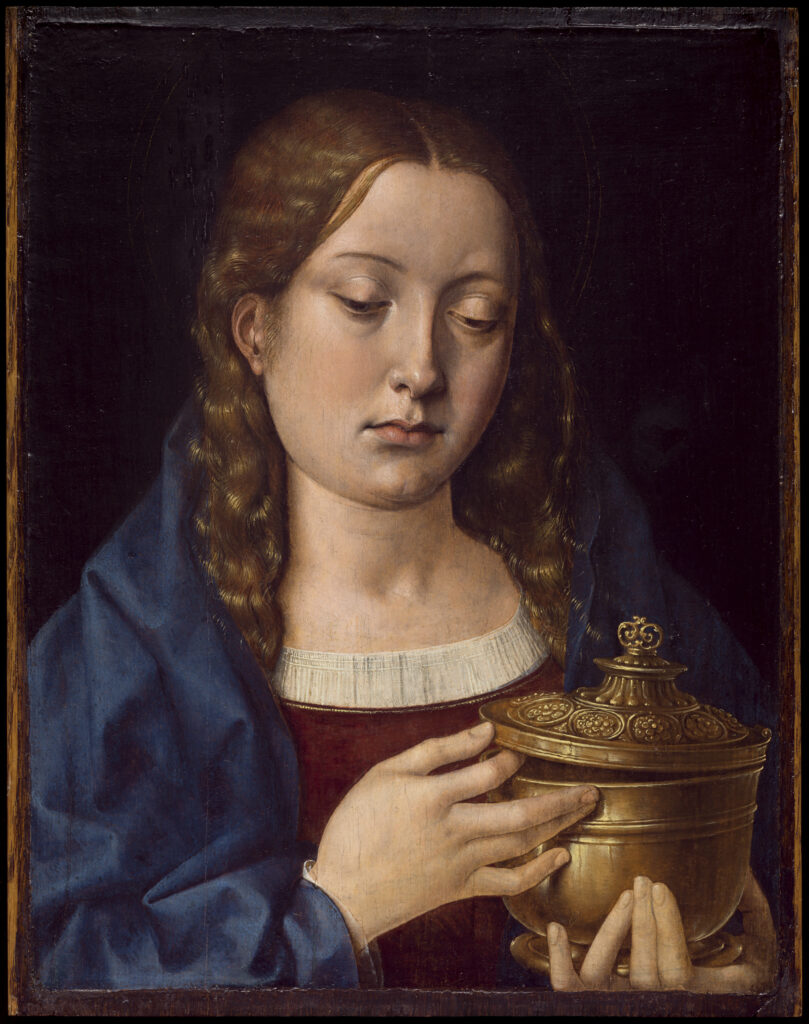
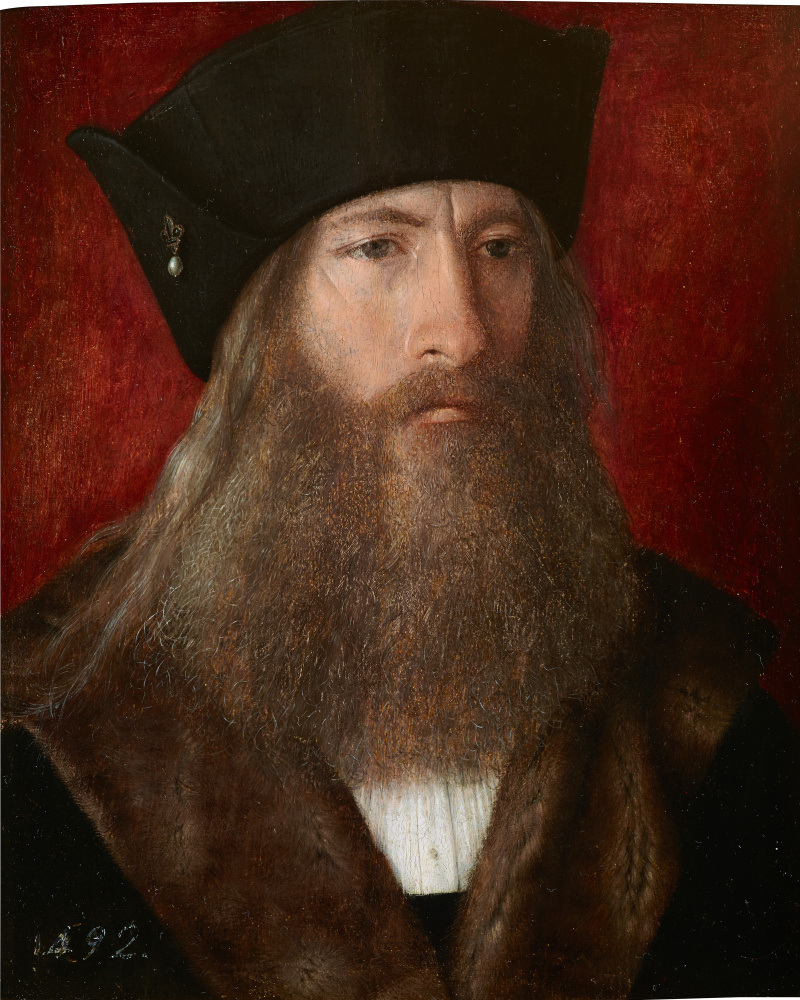
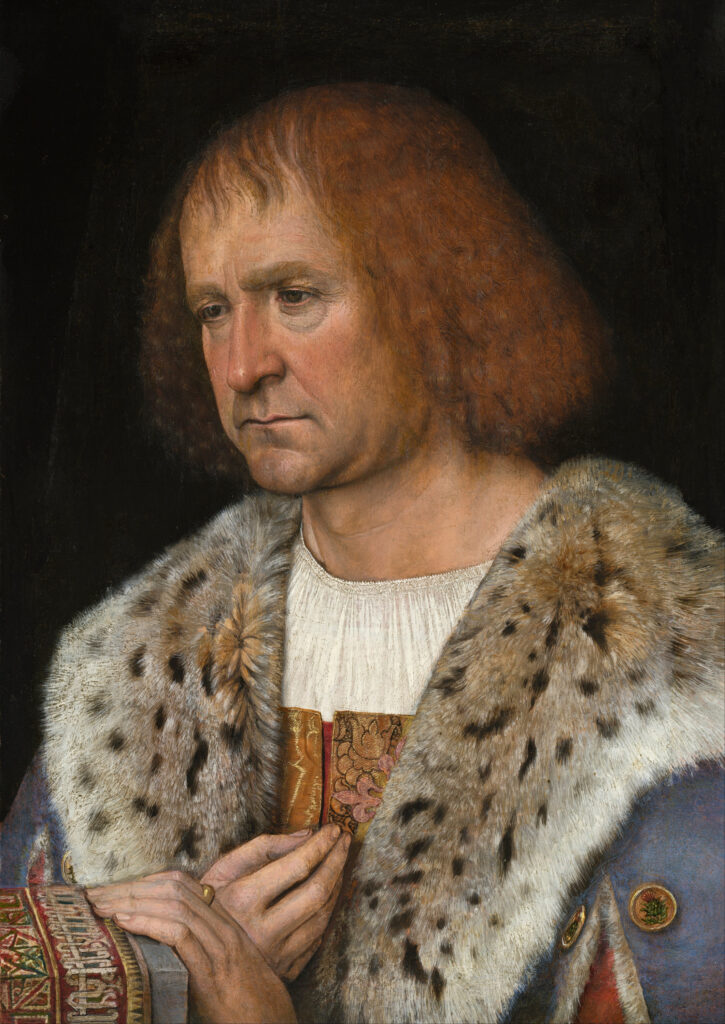
Michel Sittow, c 1469–December 1525, was an Estonian painter born in Reval, now Tallinn, and associated with Early Netherlandish art. He probably received his earliest training from his father, the painter and sculptor Clawes van der Sittow, before moving to Bruges in 1484; an apprenticeship with Hans Memling is plausible but undocumented.
By 1492 Sittow served Queen Isabella of Castile as a court painter and portraitist and collaborated with Juan de Flandes on small devotional panels for her collection. After Isabella’s death, his work took him among several European courts, including those of Philip the Fair, Margaret of Austria, Charles V, and Christian II of Denmark. He returned to Reval in 1506, joined the local artists’ guild in 1507, and resumed work there after further court service by 1518.
Paintings by or attributed to Sittow are held by the National Gallery of Art, the Mauritshuis, the J. Paul Getty Museum, the Detroit Institute of Arts, the Kunsthistorisches Museum, Statens Museum for Kunst, the Gemäldegalerie, and the Art Museum of Estonia’s Niguliste Museum. He remained active in Reval until his death in late December 1525.



Jan Sanders van Hemessen
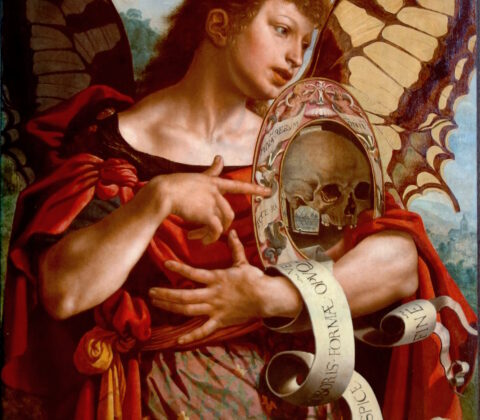
Jan Sanders van Hemessen, c 1500–c 1566, was a Flemish painter born in Hemiksem near Antwerp. He was apprenticed to Hendrick van Cleve I in Antwerp in 1519–1520 and became a master in the city’s Guild of Saint Luke in 1524.
Van Hemessen maintained a successful Antwerp workshop and served as dean of the Guild of Saint Luke in 1548. He painted religious subjects, portraits, and moralizing scenes drawn from contemporary life, and he trained his daughter Catharina van Hemessen, who became a successful portrait painter.
His last dated paintings are from the 1550s, and the circumstances and place of his death remain uncertain. His works are held by institutions including the Kunsthistorisches Museum, Museo del Prado, State Hermitage Museum, Art Institute of Chicago, and Royal Museums of Fine Arts of Belgium.



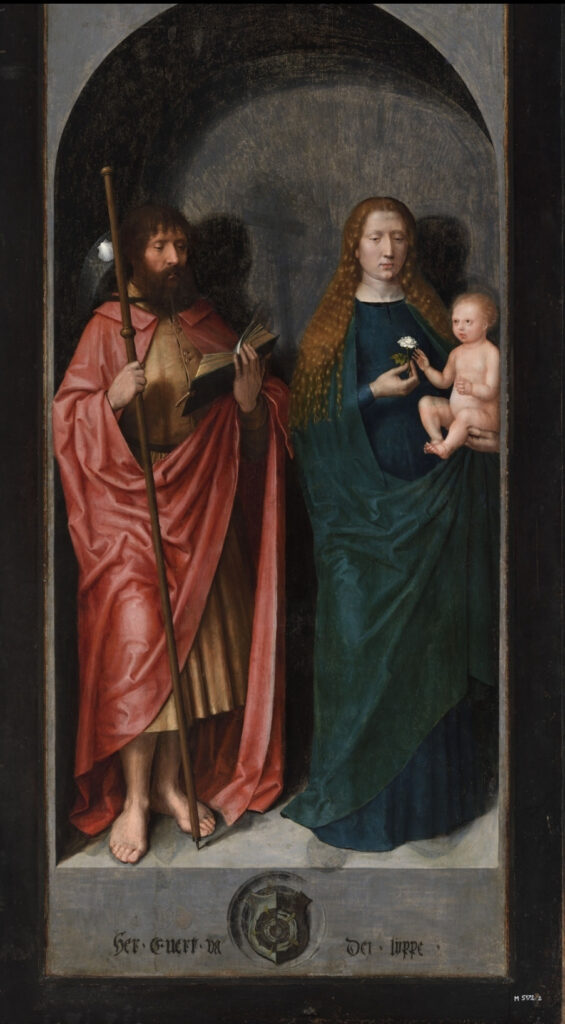
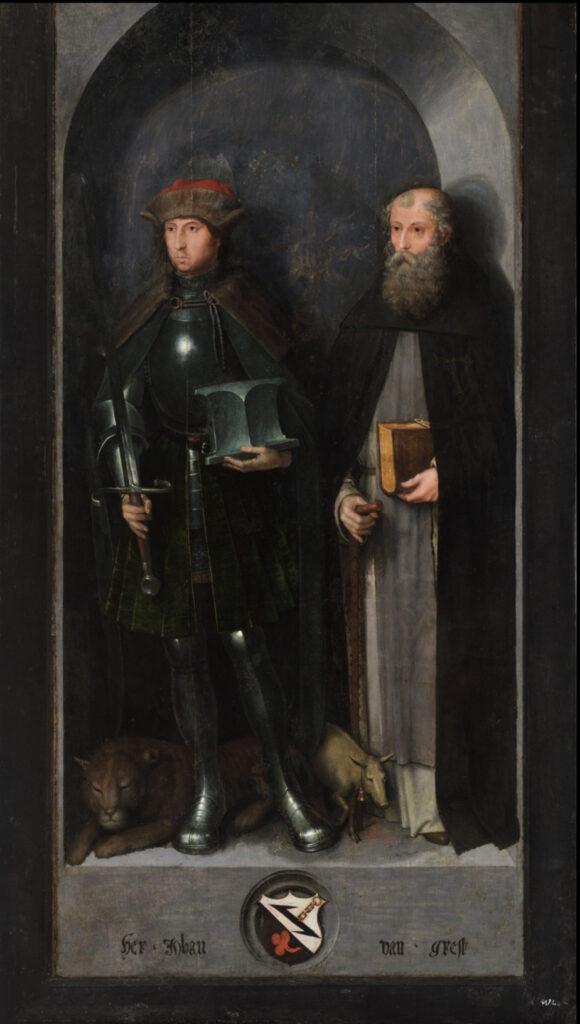
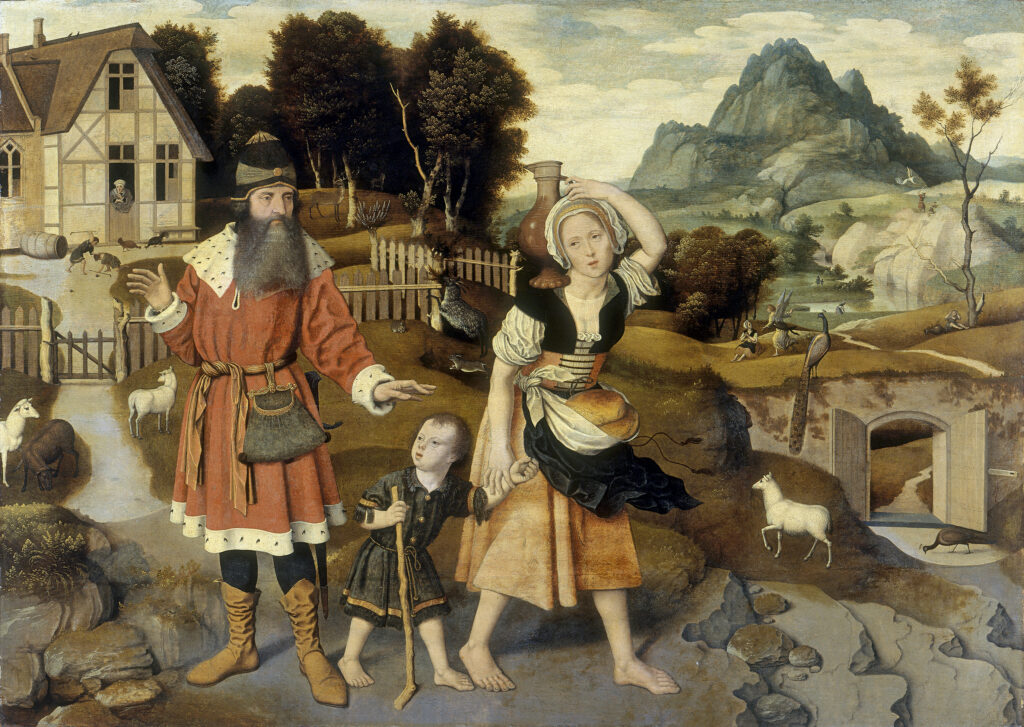
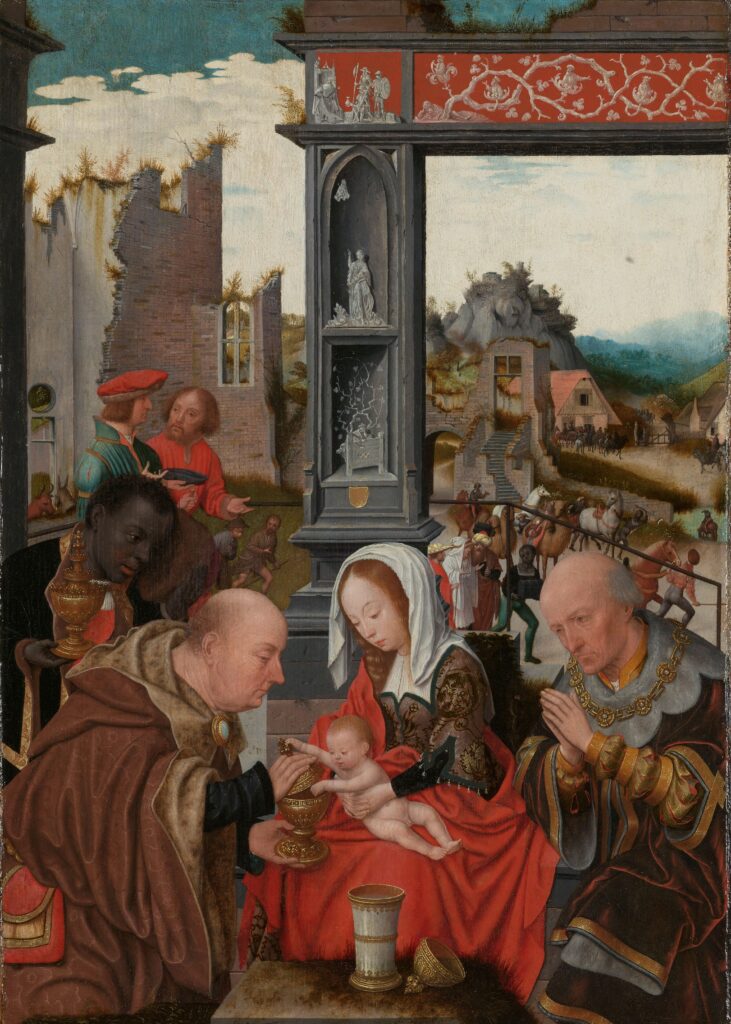
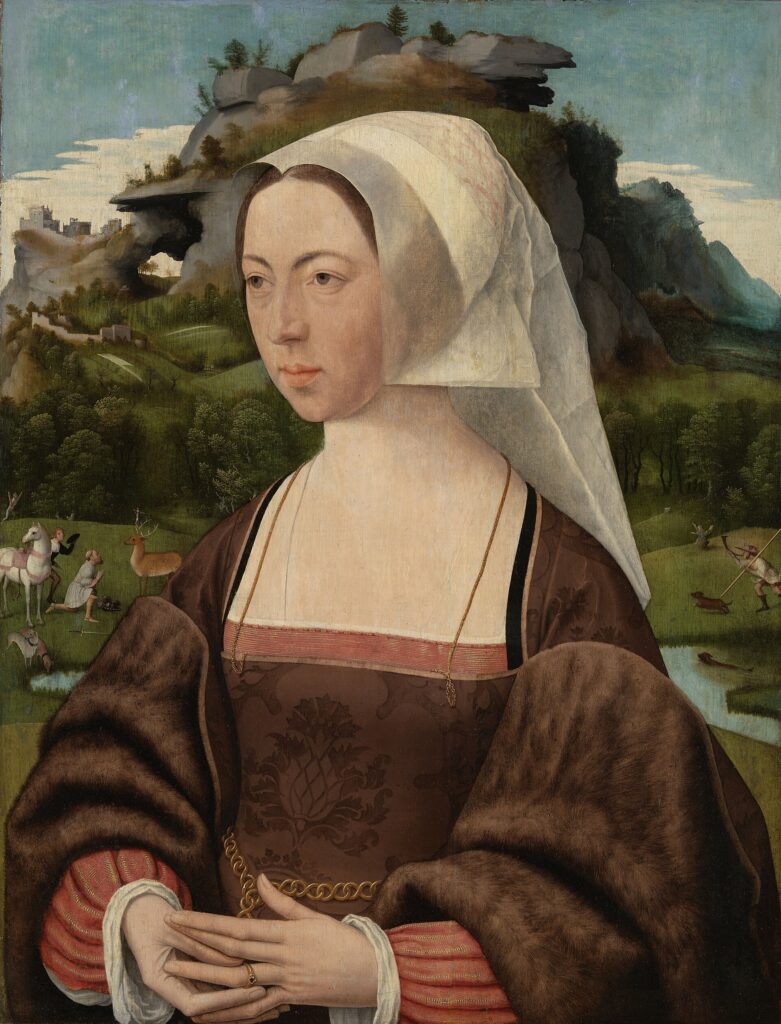
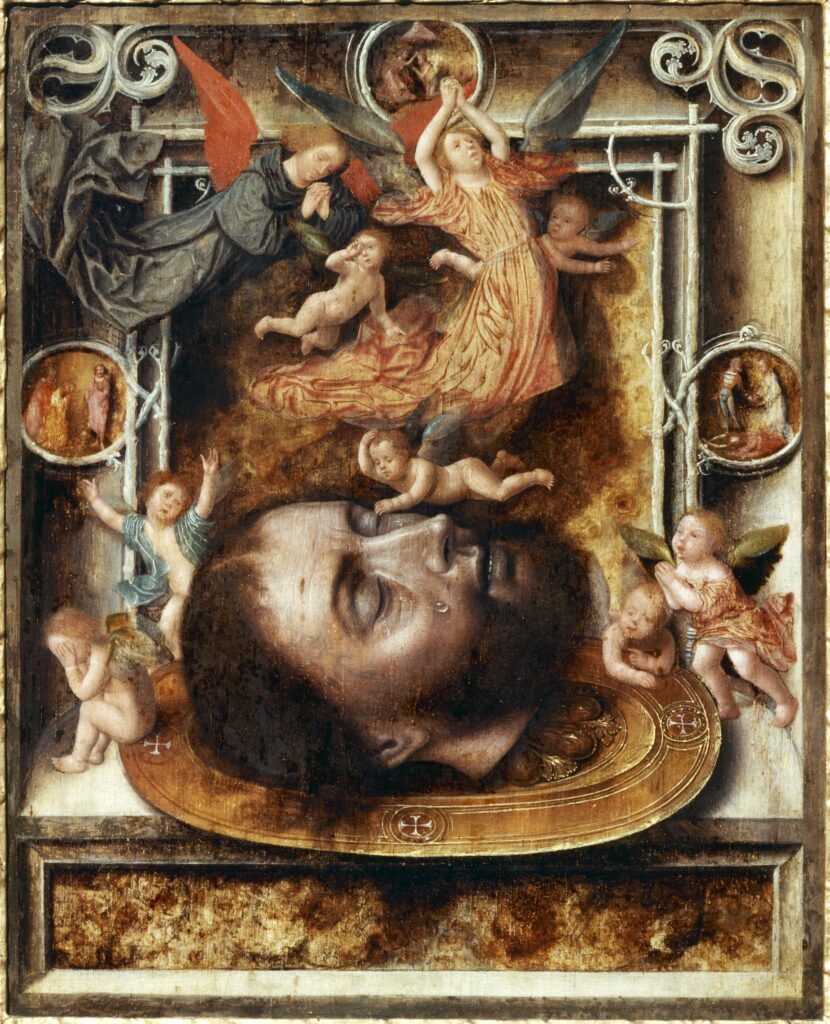
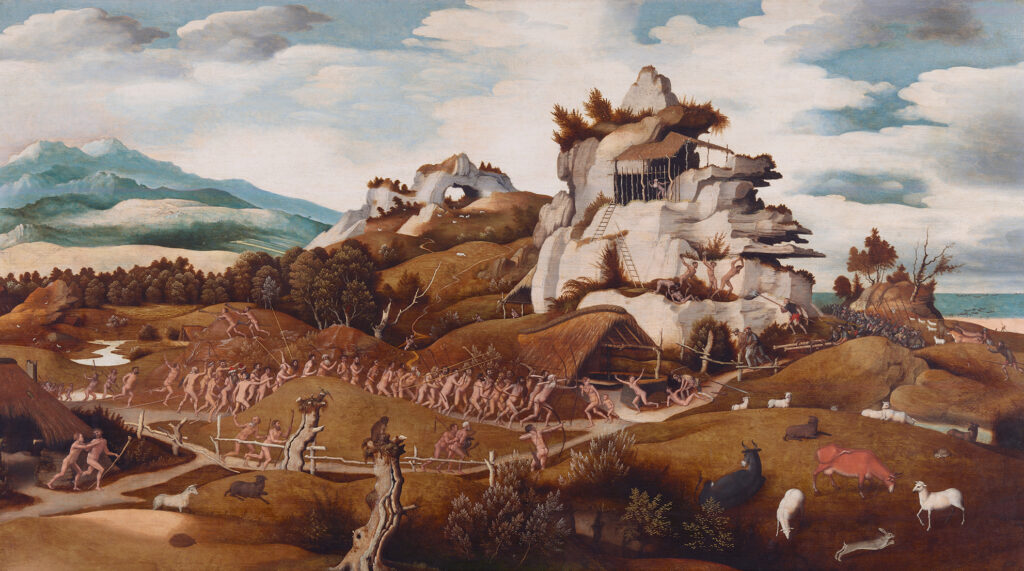
Jan Mostaert
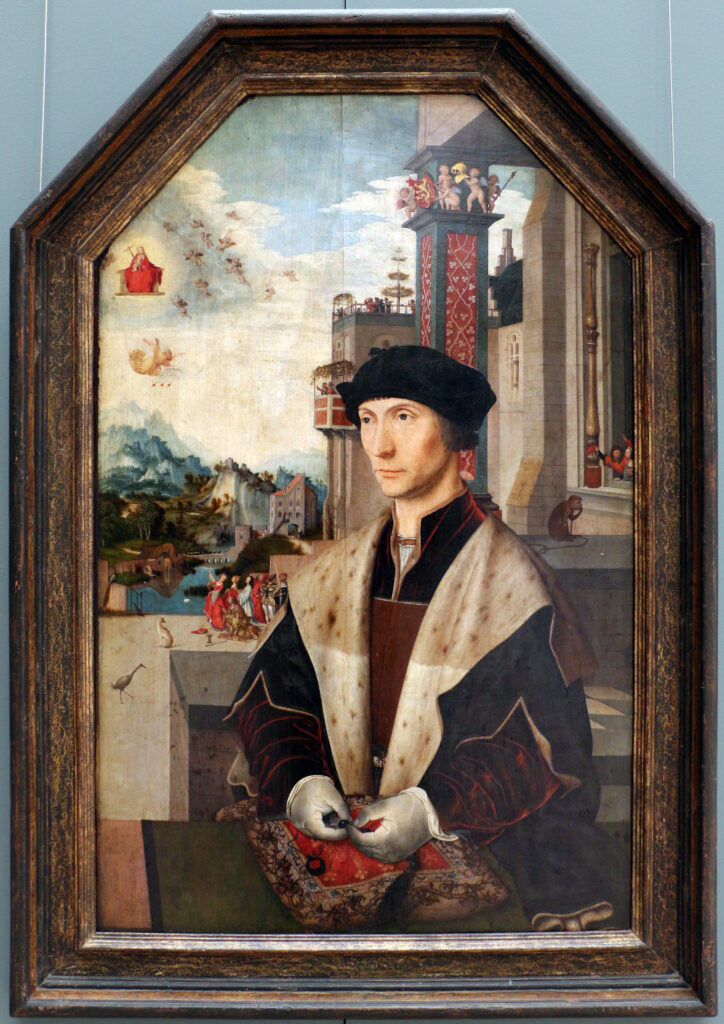
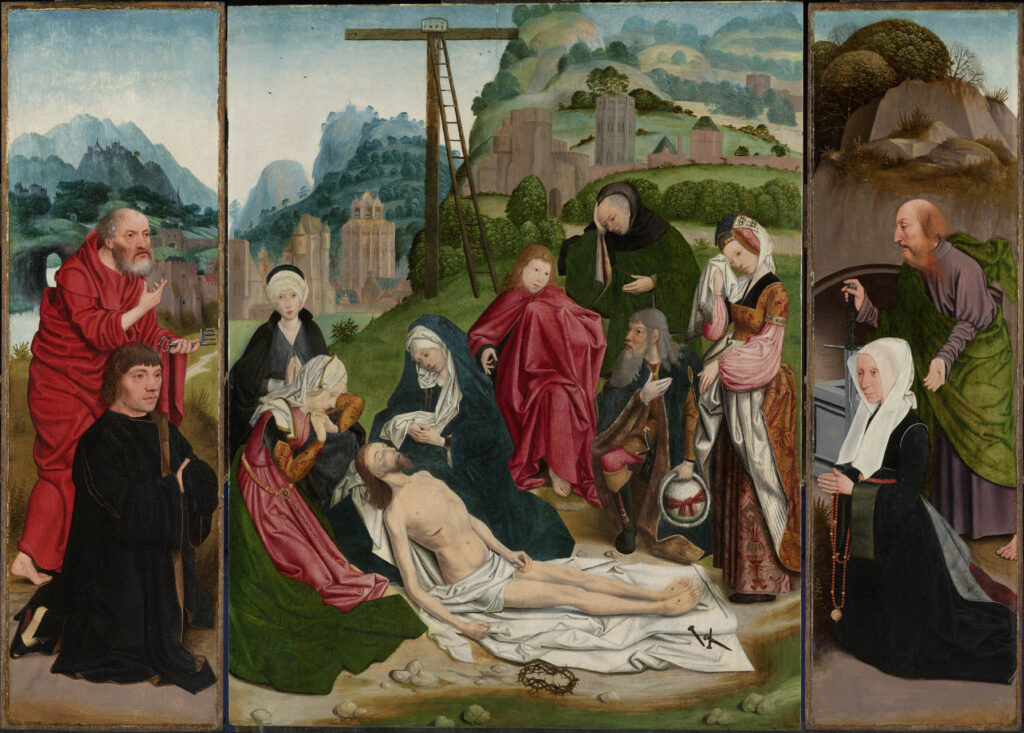
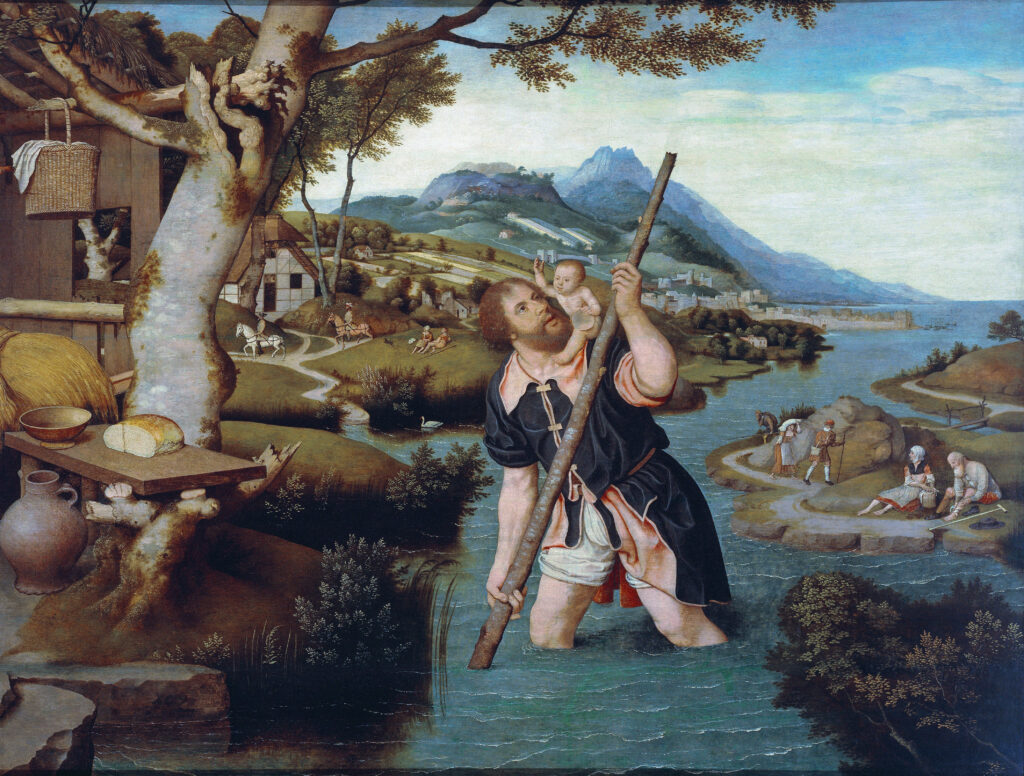
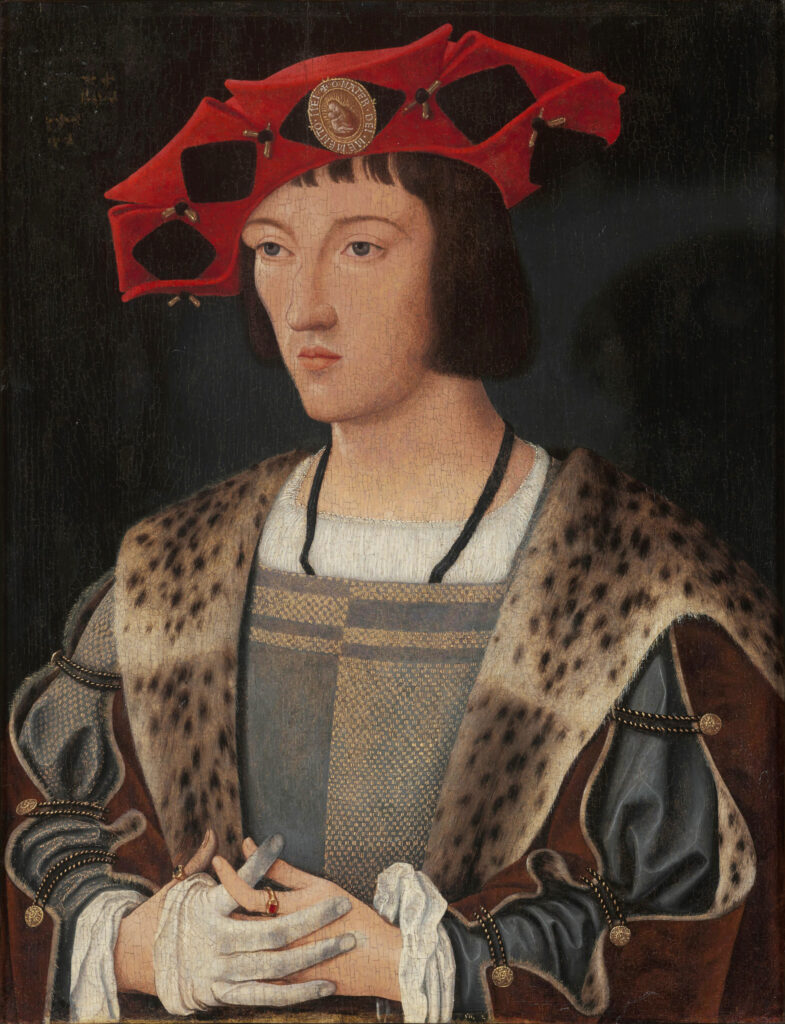
Jan Mostaert, c 1475 – 1552/1553, was a Dutch painter active mainly in Haarlem. He was associated with the late Gothic and early Netherlandish tradition and is thought to have trained in Haarlem, where he became a member of the painters’ guild and later served as dean.
Mostaert painted portraits, religious subjects, and narrative panels. His work is connected with courtly and civic patrons in the northern Netherlands, including Margaret of Austria’s circle. His paintings combine Netherlandish detail with early sixteenth-century figure types, architectural settings, and landscape backgrounds.
His works are held by the Rijksmuseum, Amsterdam; Saint Louis Art Museum; Philadelphia Museum of Art; Thyssen-Bornemisza Museum, Madrid; Royal Museums of Fine Arts of Belgium, Brussels; and Museum Mayer van den Bergh, Antwerp.





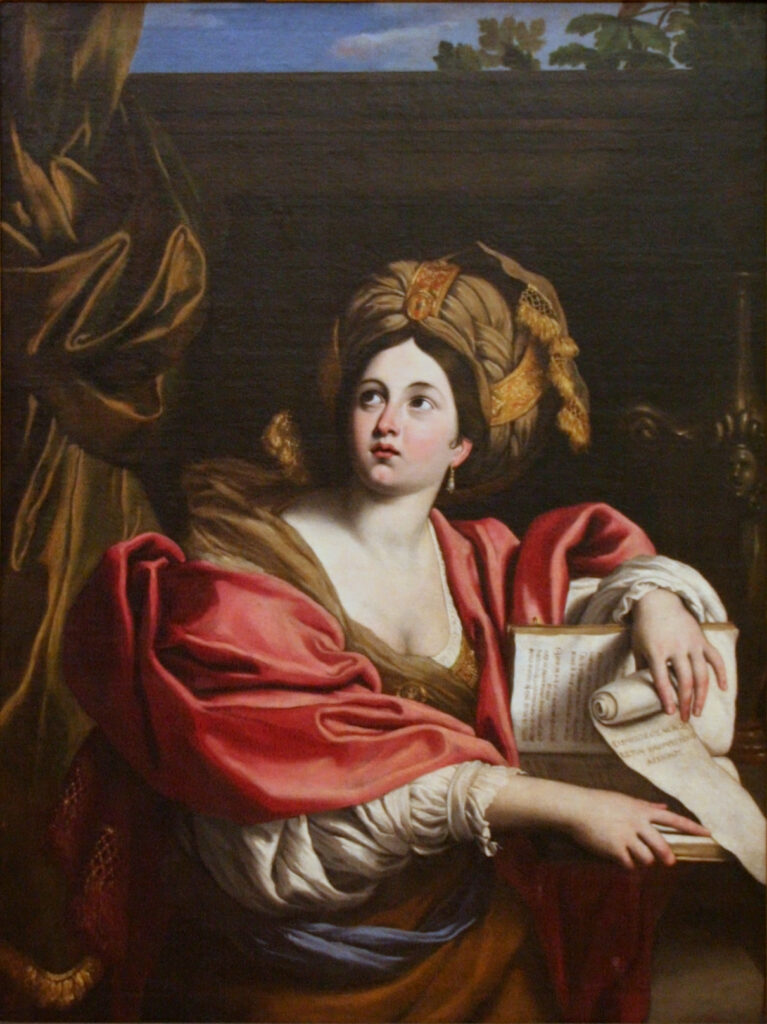
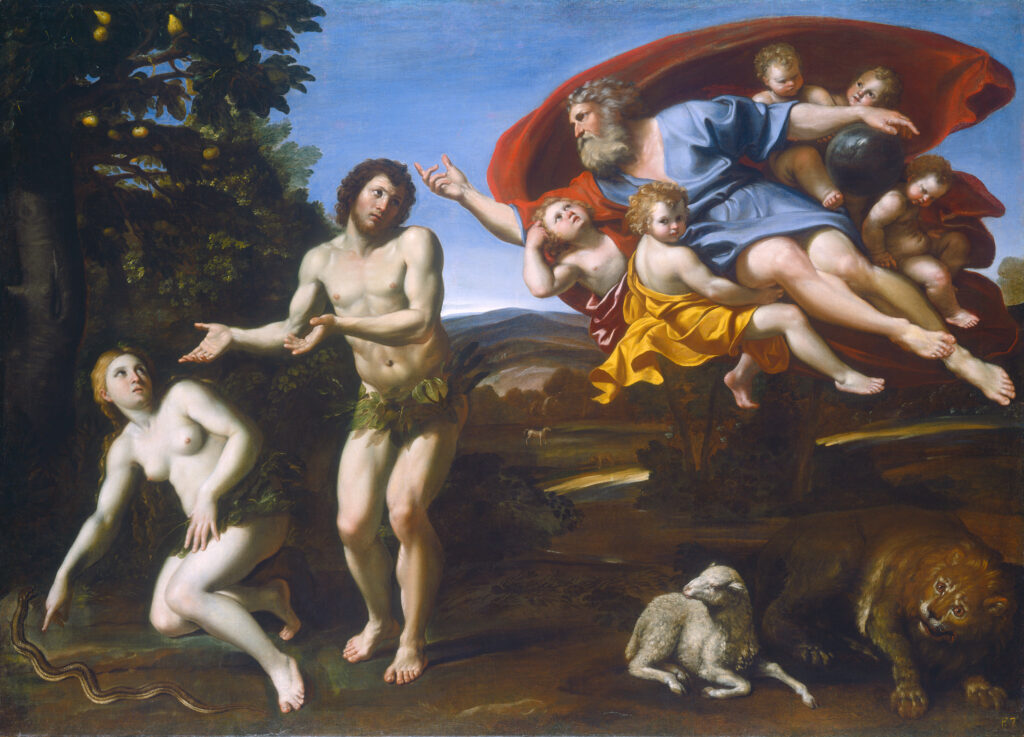
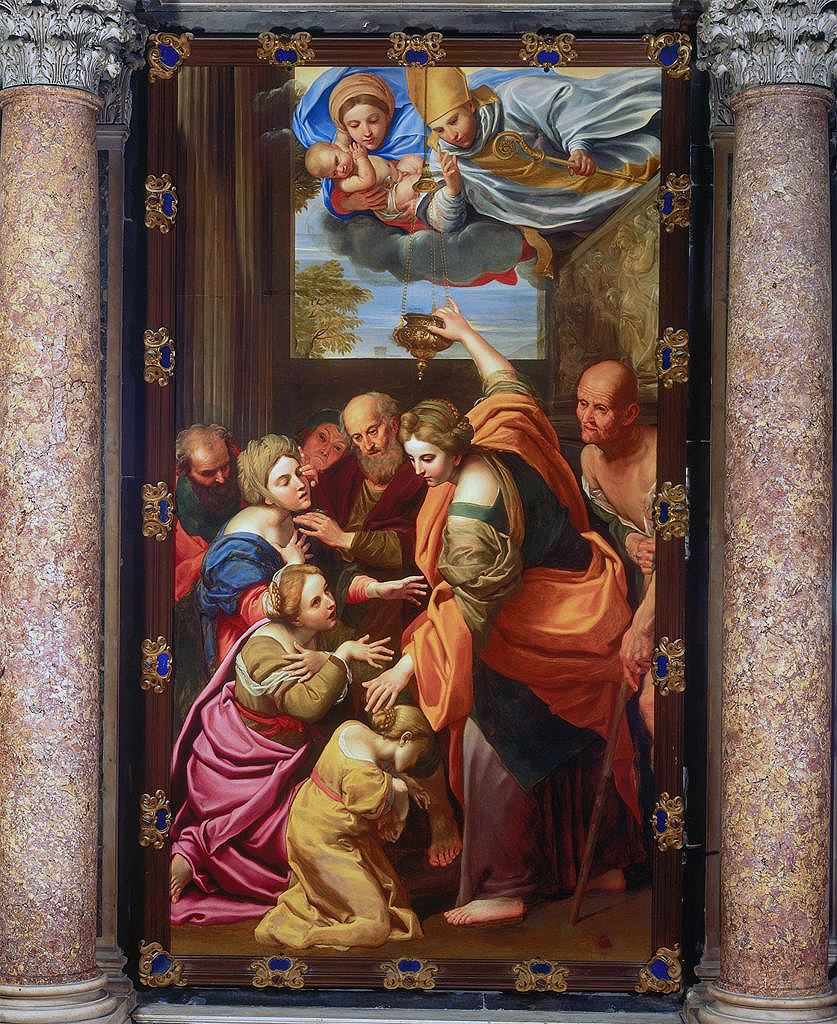
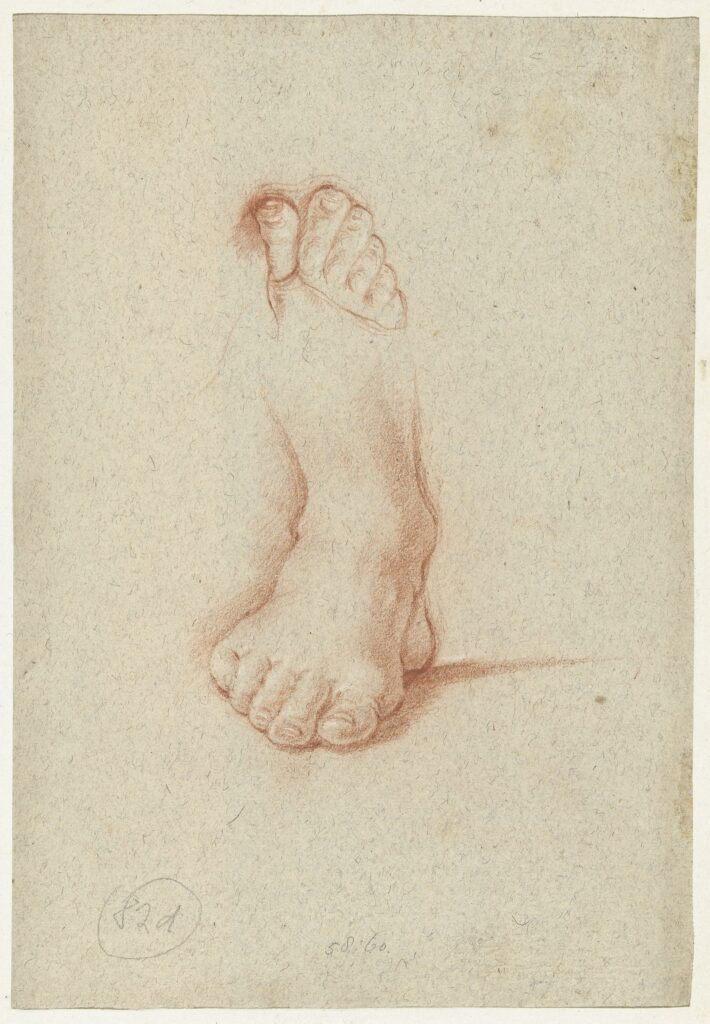
Domenichino
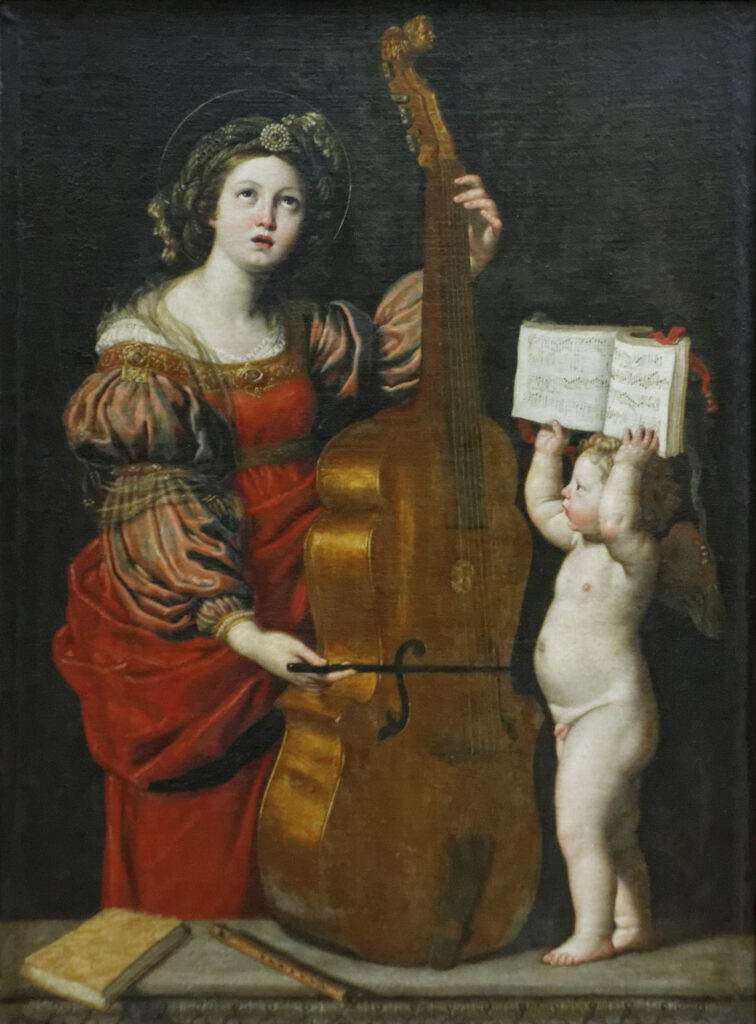
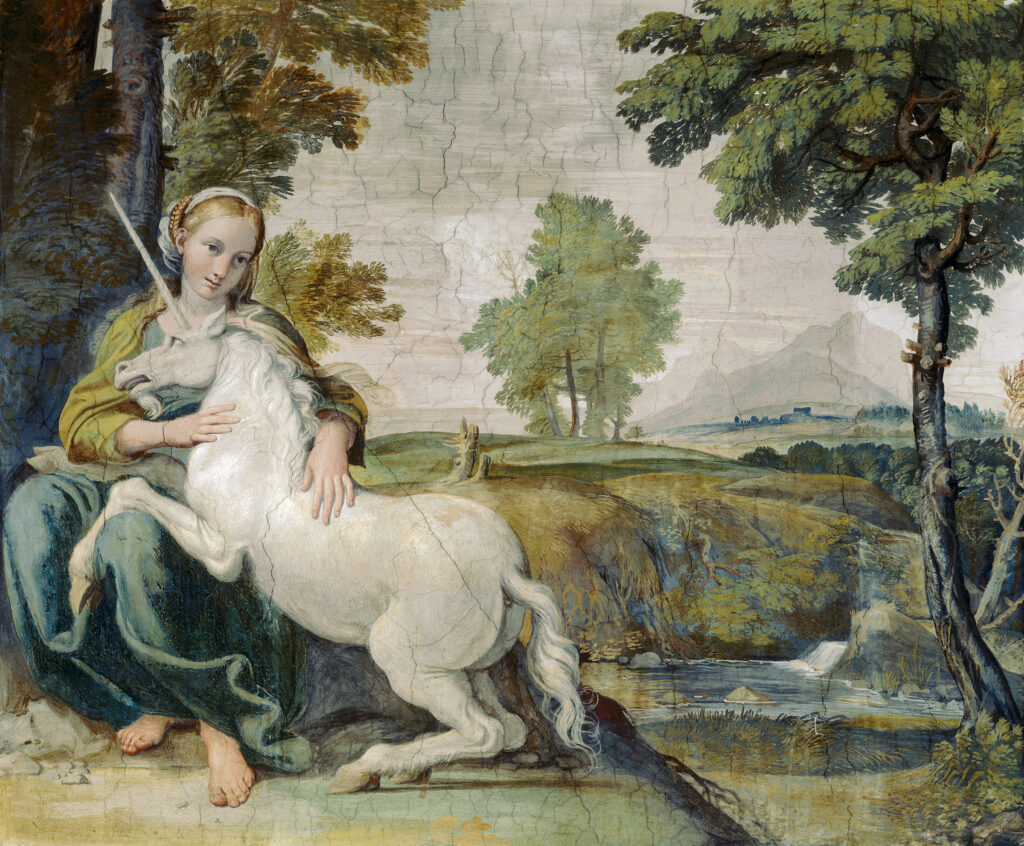
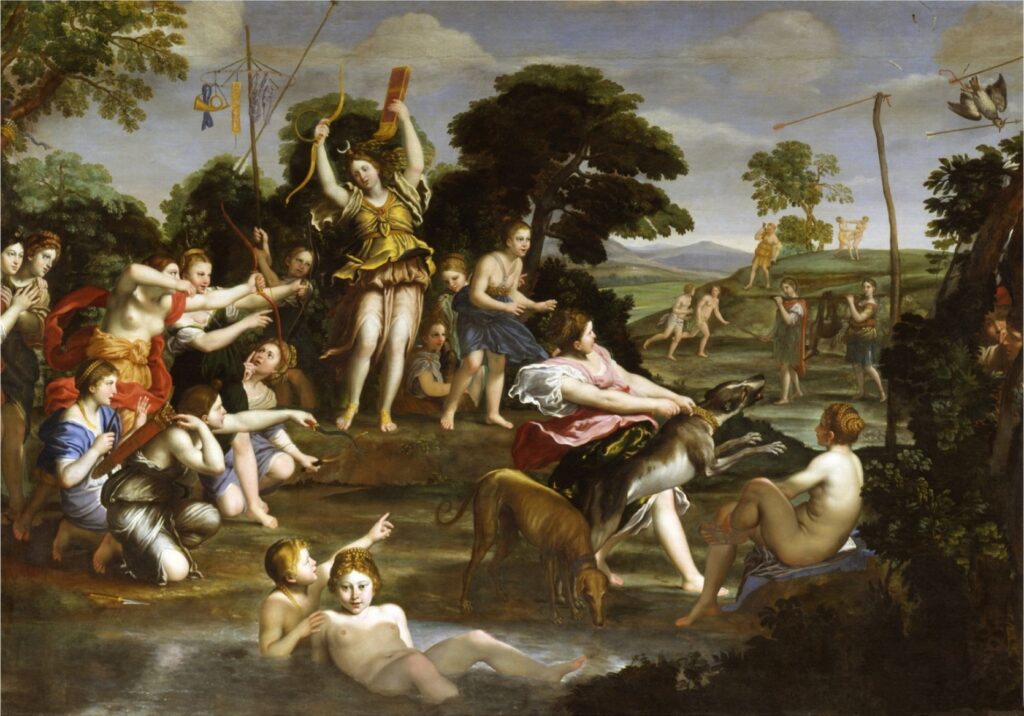
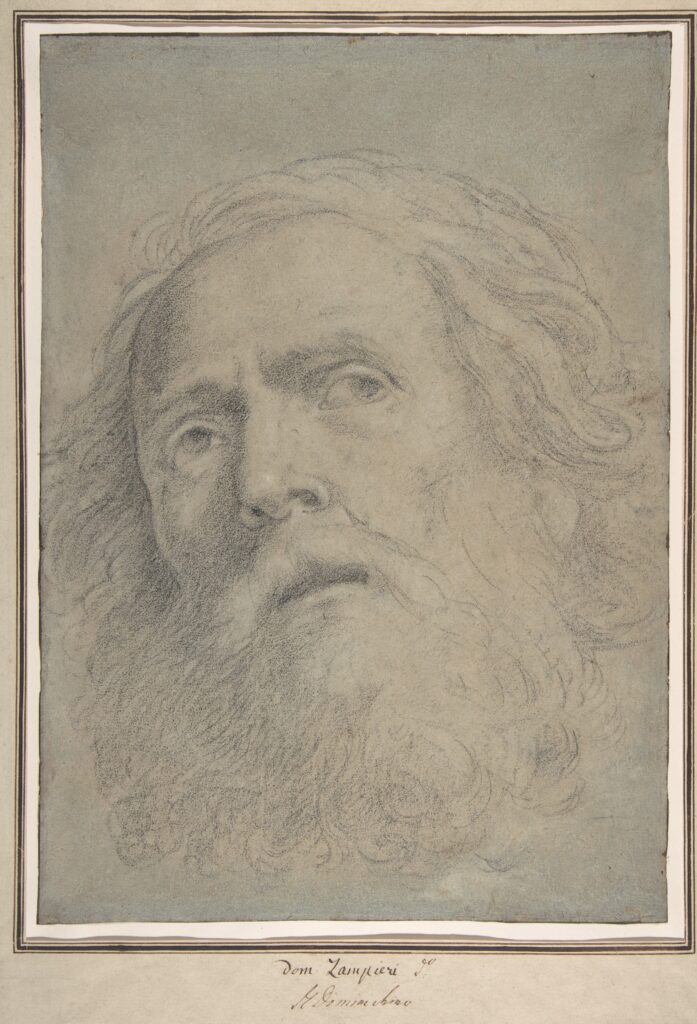
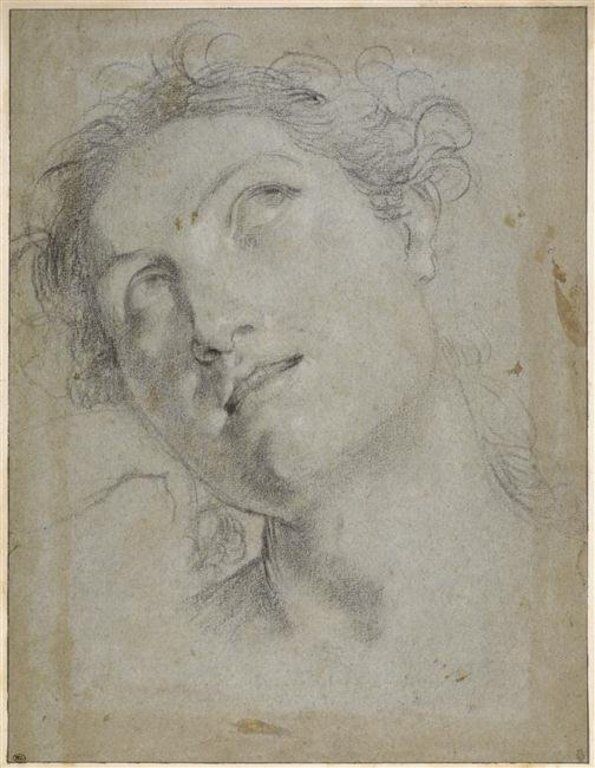
Domenichino, October 21, 1581 – April 6, 1641, was an Italian painter born Domenico Zampieri in Bologna. He trained first under Denys Calvaert and then in the Carracci Academy before moving to Rome in 1602, where he became a pupil and assistant of Annibale Carracci.
He worked in Rome, Bologna, Fano, and Naples, producing altarpieces, fresco cycles, drawings, and landscapes. His major commissions included the frescoes in Sant’Andrea della Valle in Rome and the decoration of the Chapel of Saint Januarius in Naples Cathedral.
Domenichino died in Naples while the cathedral commission was still unfinished. His paintings and drawings are held by collections including the Musée du Louvre, the National Gallery of Art, the J. Paul Getty Museum, the Metropolitan Museum of Art, and the Royal Collection.






Jan van Scorel
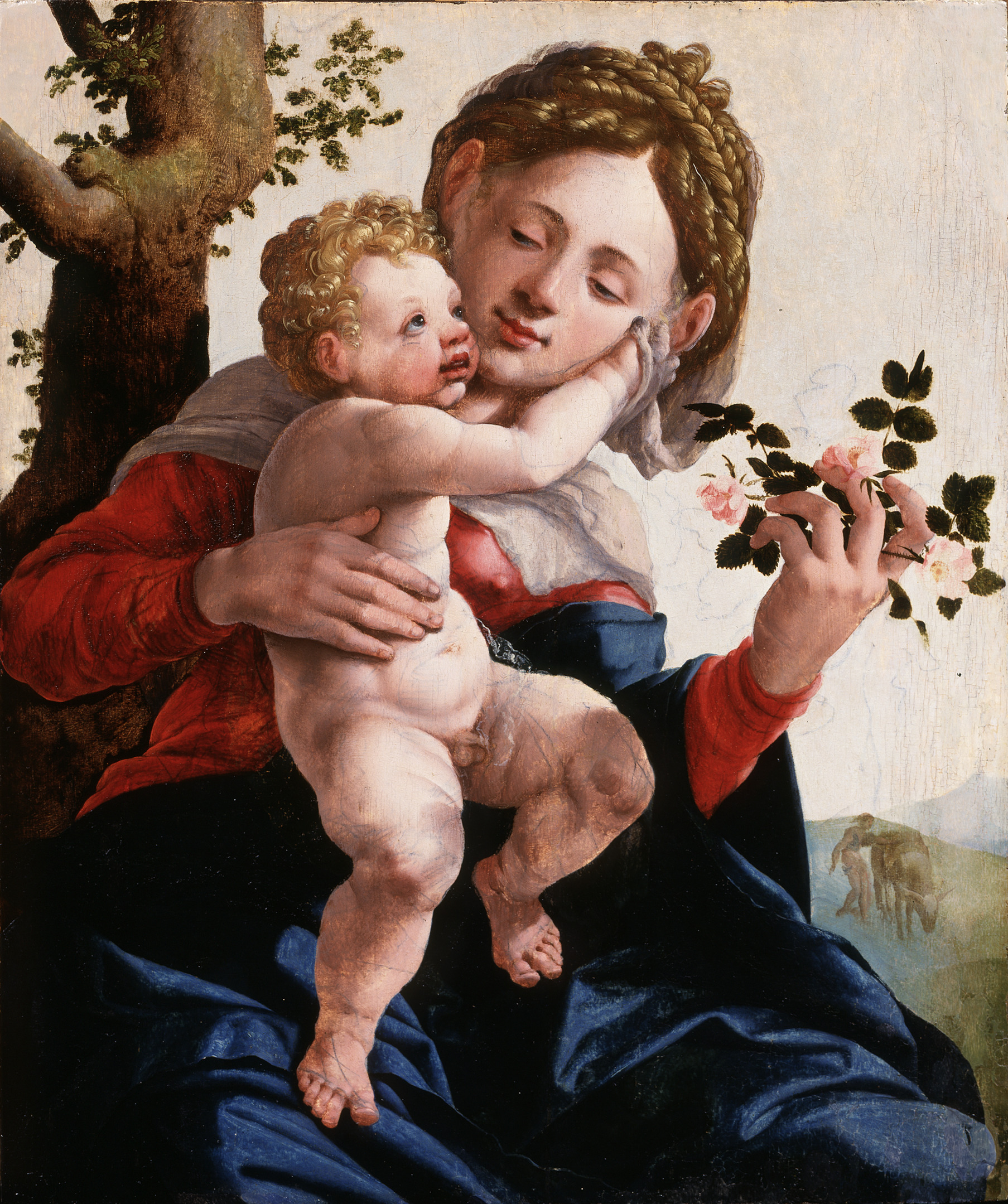
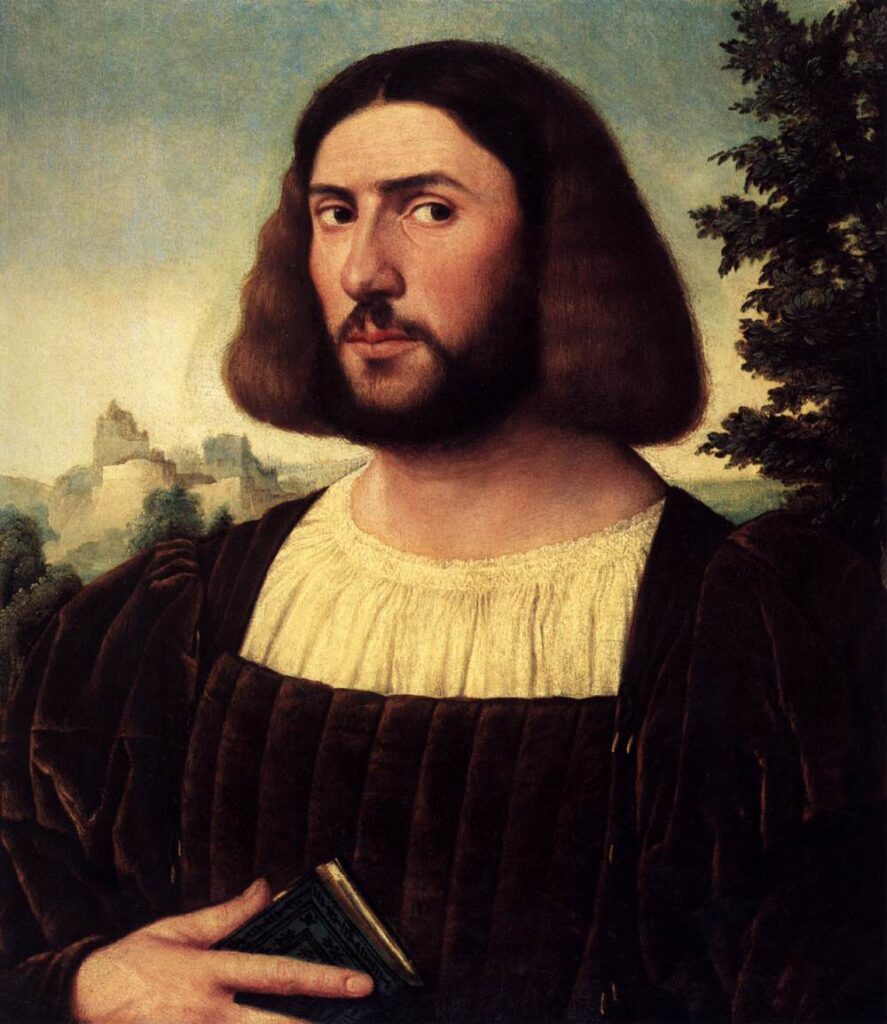
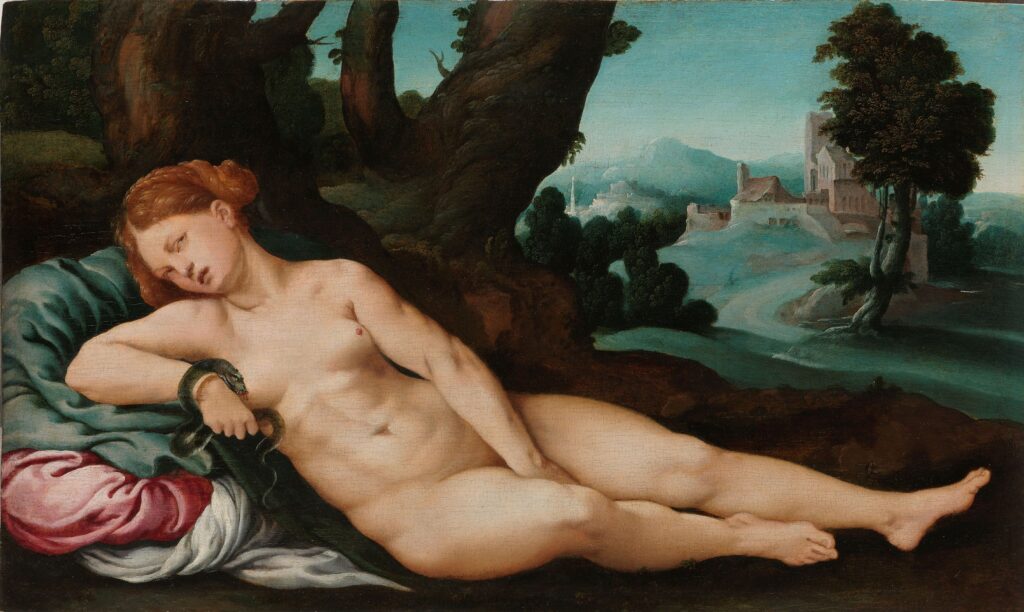
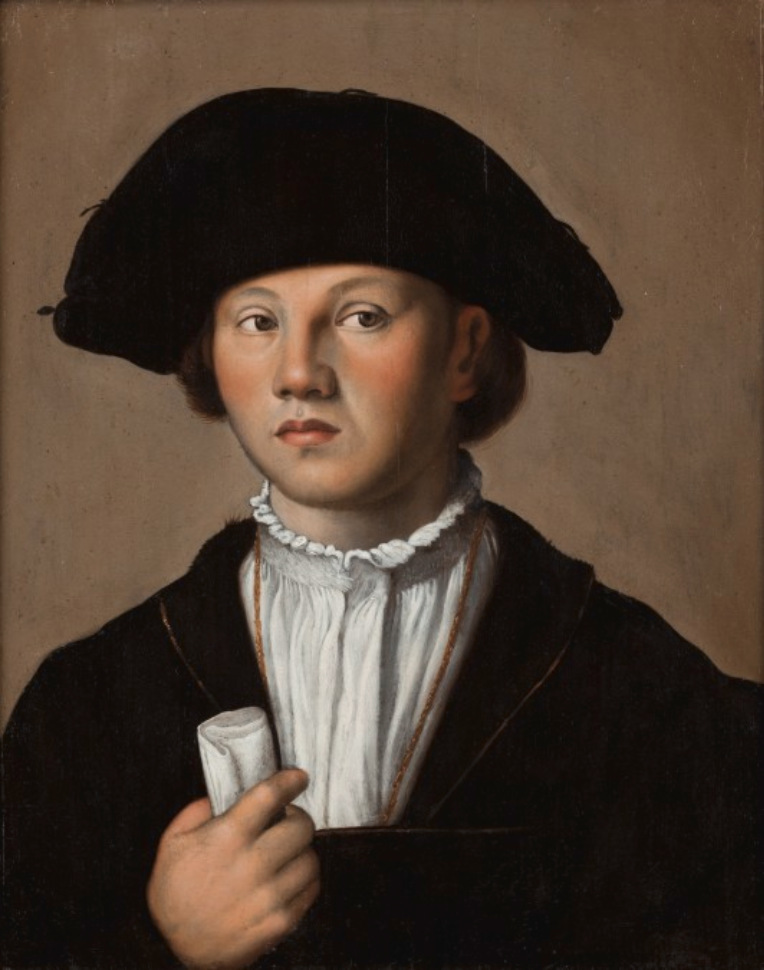
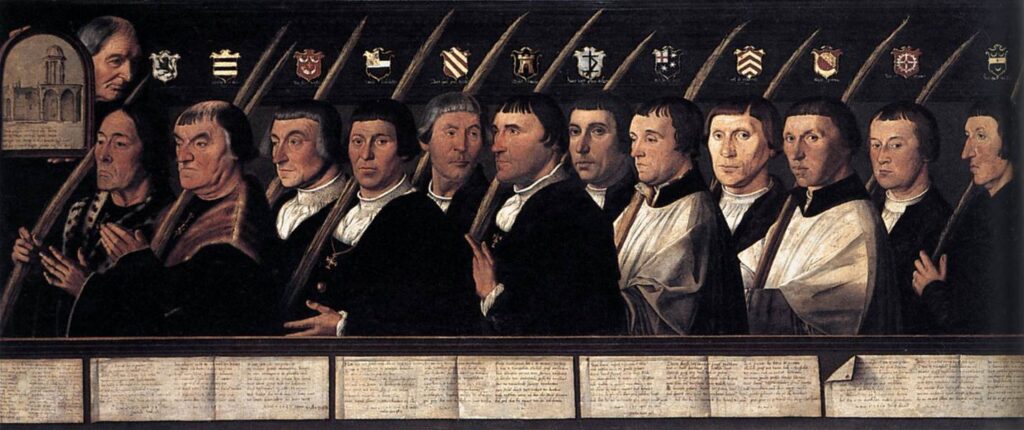
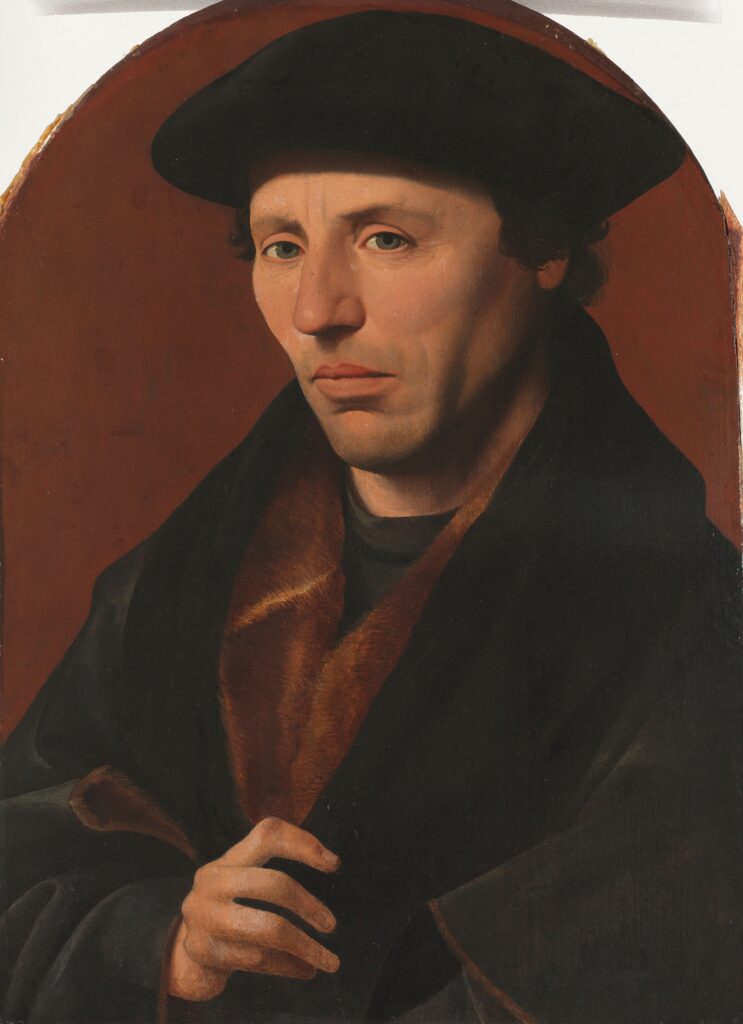
Jan van Scorel, August 1, 1495 – December 6, 1562, was a Dutch painter, draftsman, architect, engineer, and cleric of the Northern Renaissance. Born in Schoorl, North Holland, he trained with several masters in Alkmaar and Amsterdam before traveling extensively through Germany, Austria, Italy, and the Holy Land. During his stay in Rome he entered the circle of Pope Adrian VI and served as curator of the papal antiquities collections in the Belvedere.
Van Scorel became one of the principal transmitters of Italian Renaissance ideas to the Netherlands. His work combined Netherlandish traditions of portraiture and religious painting with influences absorbed from artists such as Raphael and Michelangelo. He painted portraits, altarpieces, mythological subjects, and large group portraits, and was active primarily in Utrecht and Haarlem.
He maintained an influential workshop and helped shape the development of sixteenth-century Dutch painting. Among the artists associated with his circle or influence were Maarten van Heemskerck, Anthonis Mor, and Lambert Sustris. His works are held in major collections including the Rijksmuseum, Frans Hals Museum, Museo del Prado, National Gallery, Gemäldegalerie, and the Museo Nacional Thyssen-Bornemisza.





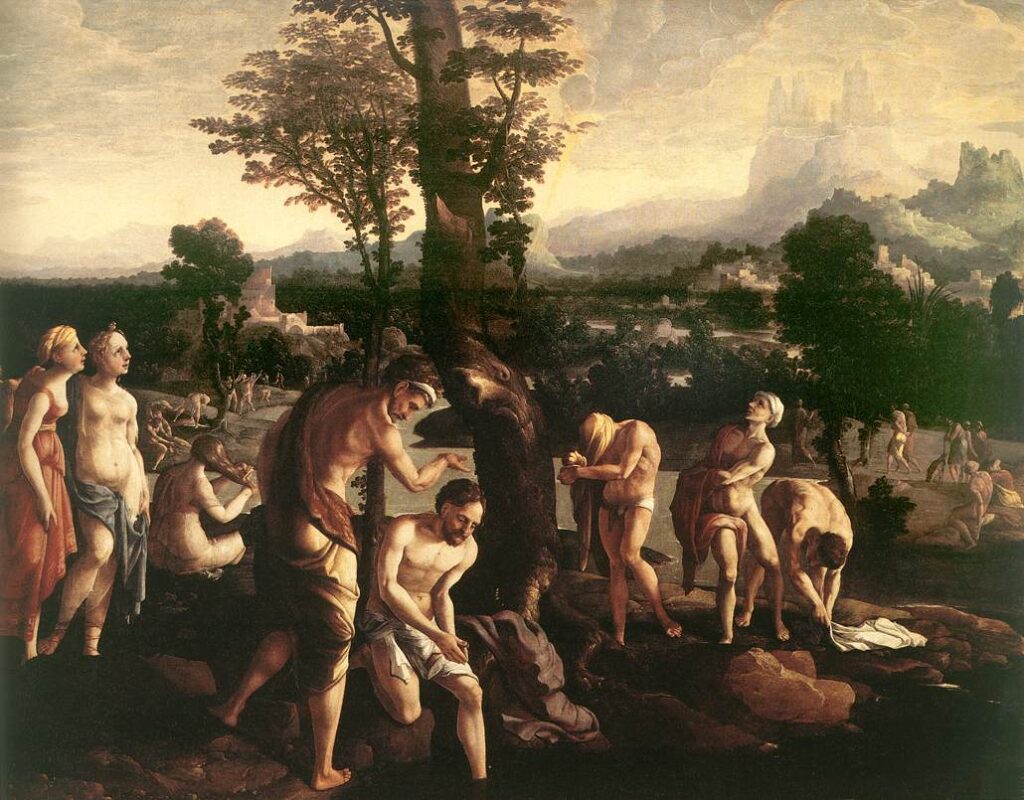


Lucas van Leyden
Lucas van Leyden, c 1494 – August 8, 1533, was a Netherlandish painter and printmaker born and active in Leiden. He was the son of the painter Huygh Jacobsz and trained in Leiden.
Van Leyden produced engravings from an early age and also painted portraits, religious subjects, and genre scenes. He met Albrecht Dürer in Antwerp in 1521 and was a leading Netherlandish artist of his generation.
Van Leyden died in Leiden in 1533. His works are held by institutions including the National Gallery, London; Museum De Lakenhal, Leiden; the Rijksmuseum, Amsterdam; the Metropolitan Museum of Art, New York; and the National Gallery of Art, Washington DC.


