Posts in Category: 16th Century
Frans Snyders
Frans Snyders, November 11, 1579 – August 19, 1657, was a Flemish painter born and based in Antwerp. He was recorded as a pupil of Pieter Brueghel the Younger in 1593 and later trained with Hendrick van Balen. He became a master in the Antwerp Guild of Saint Luke in 1602 and traveled to Rome and Milan in 1608–1609.
After returning to Antwerp, Snyders worked with Peter Paul Rubens and collaborated with artists including Anthony van Dyck, Jacob Jordaens, and Jan Wildens. He served as dean of the Guild of Saint Luke in 1628. Jan Fyt was among the painters who worked in his workshop.
Snyders produced still lifes, market scenes, hunting scenes, and animal paintings. His works are held by the Museo Nacional del Prado, Louvre Museum, State Hermitage Museum, Alte Pinakothek, National Gallery of Art, and Art Institute of Chicago, among other collections.


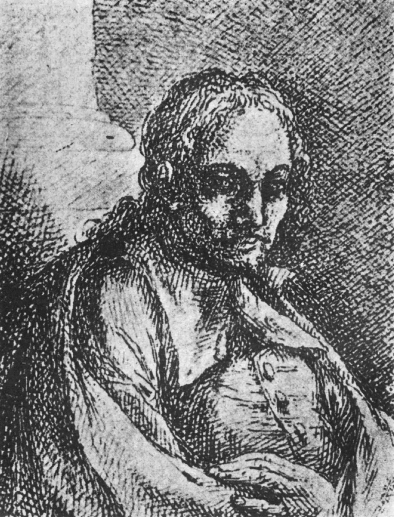
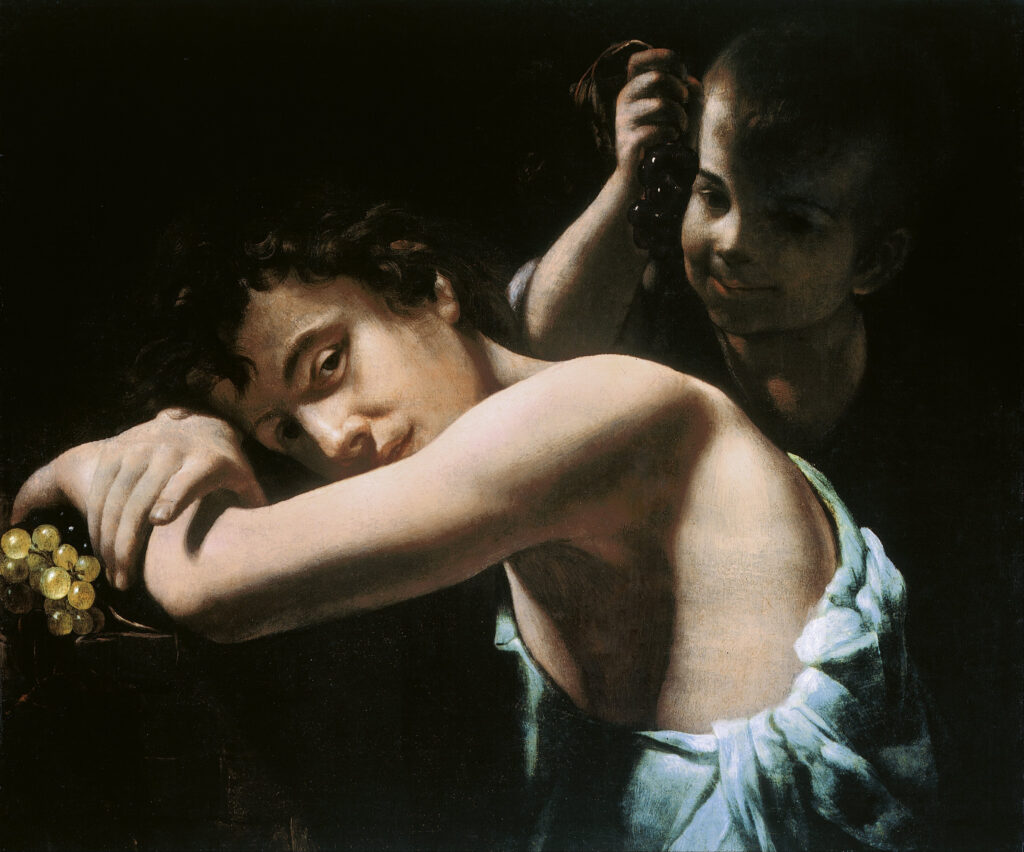
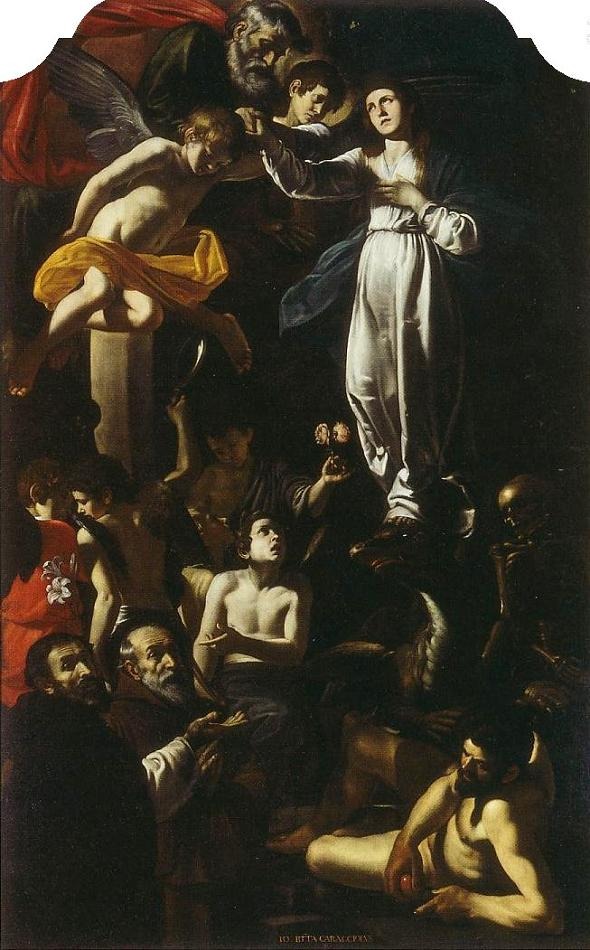
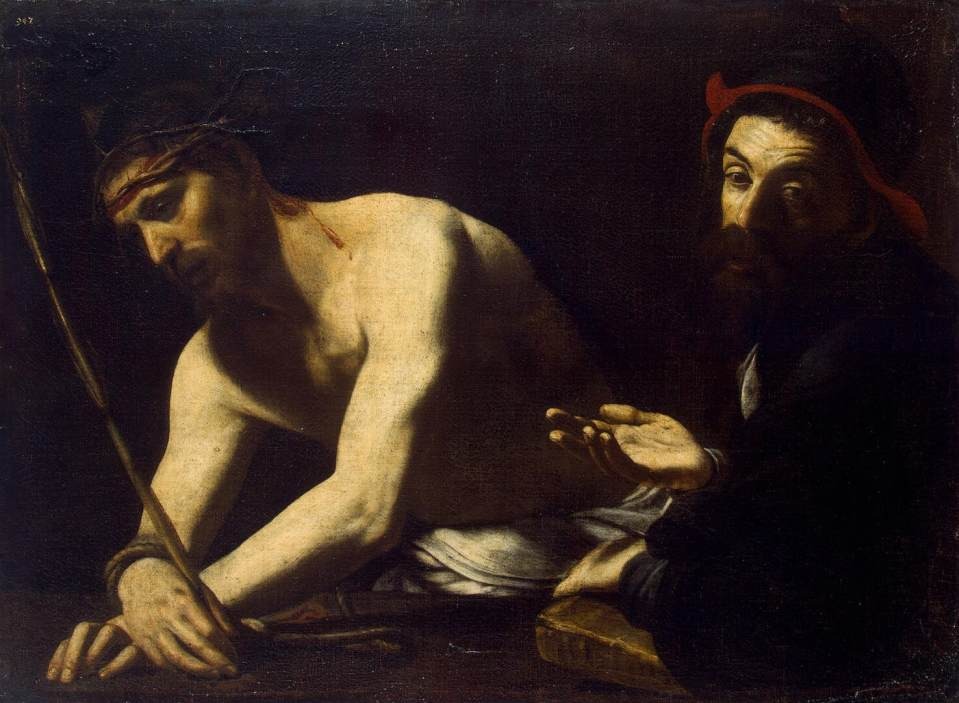
Giovanni Battista Caracciolo
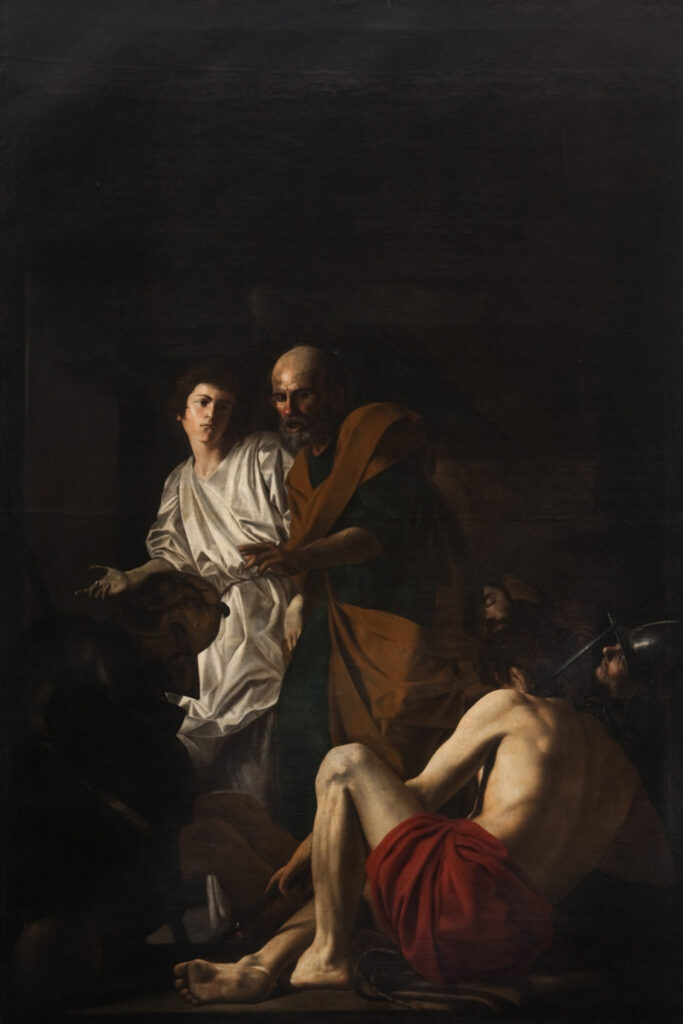
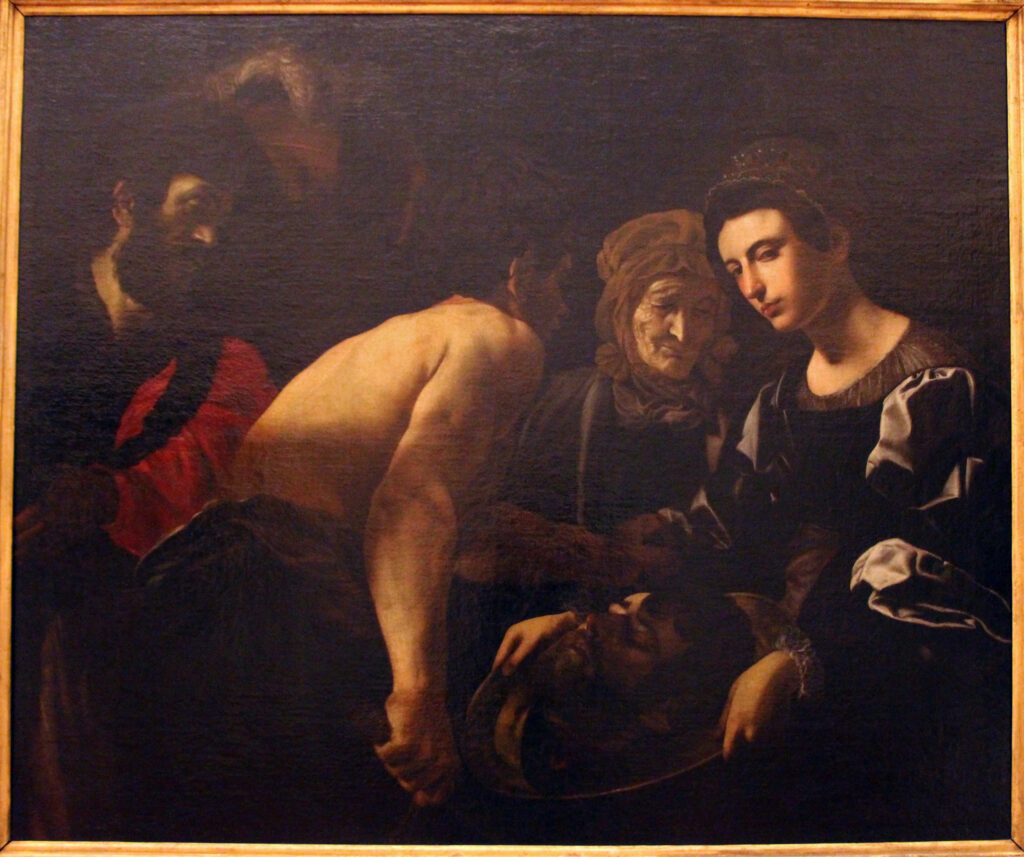
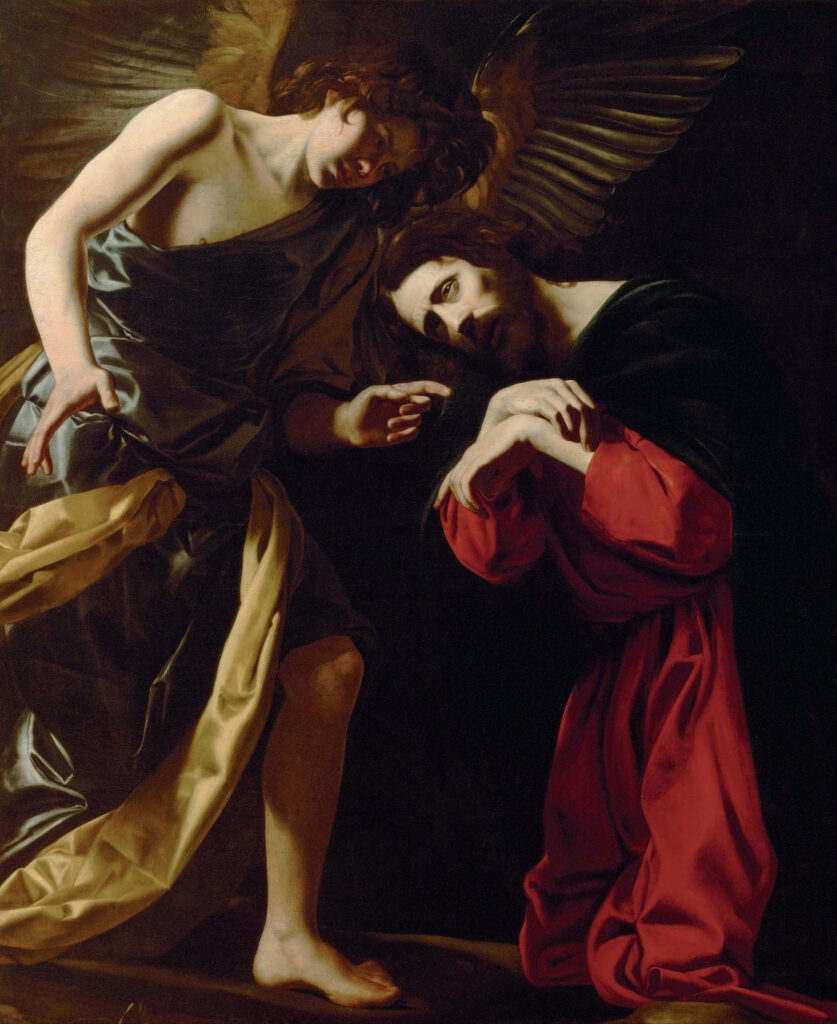
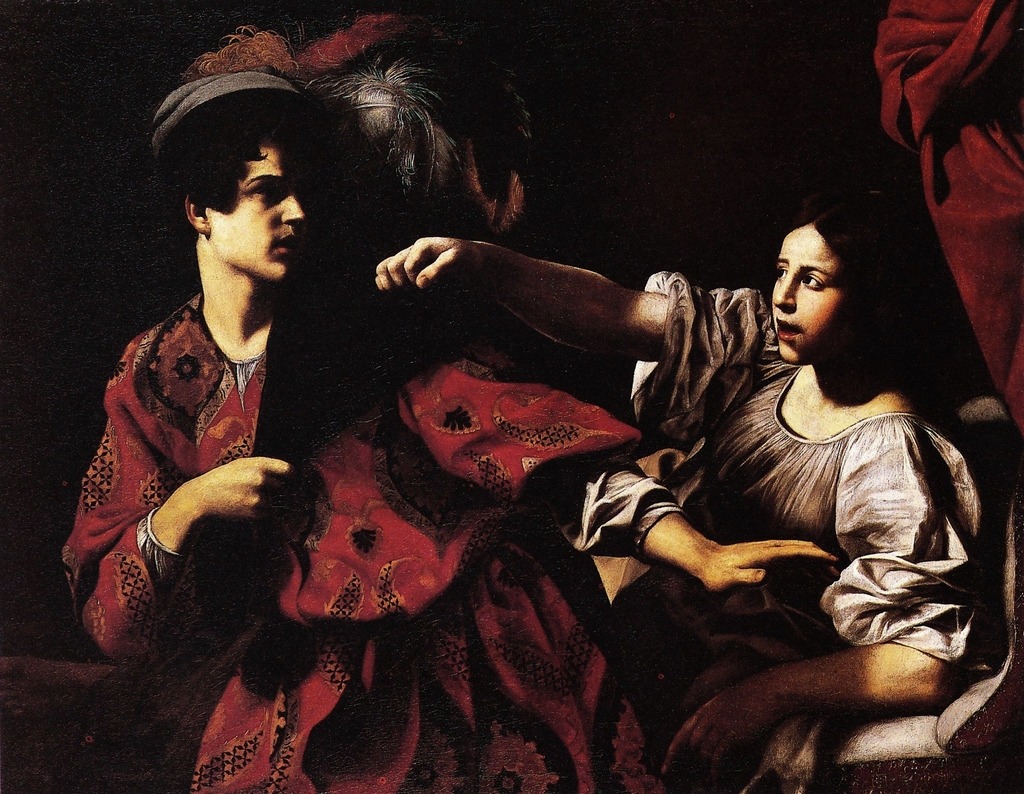
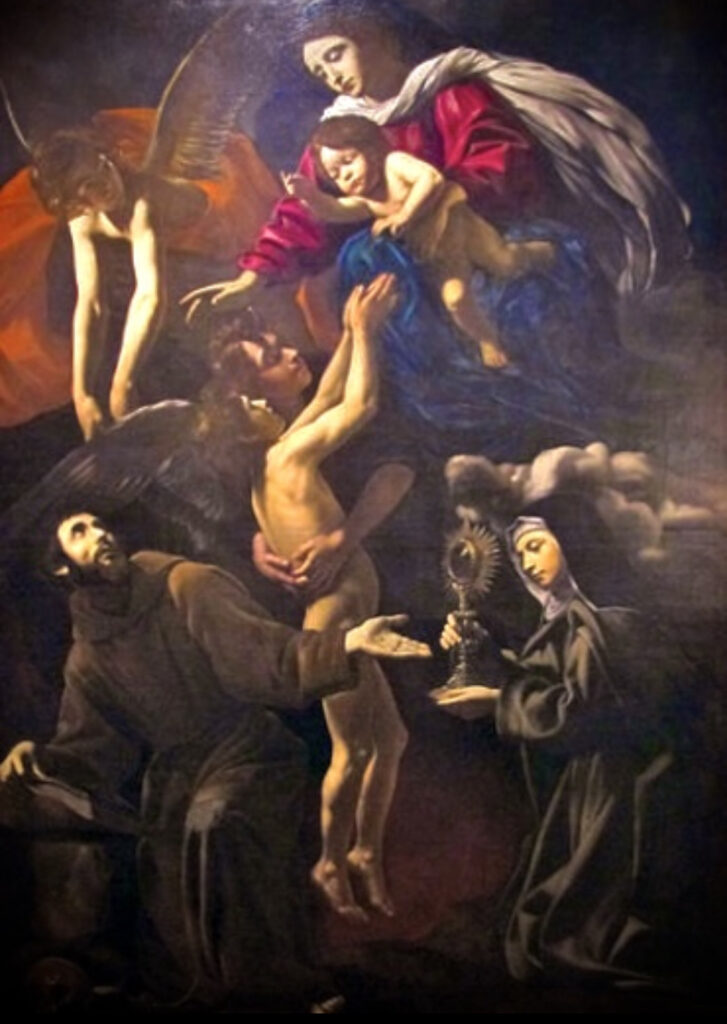
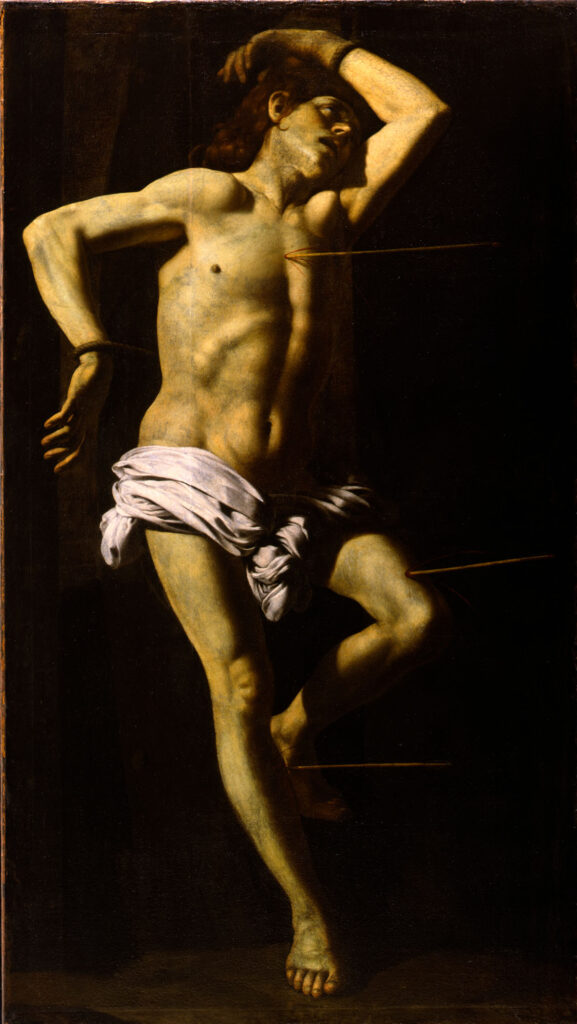
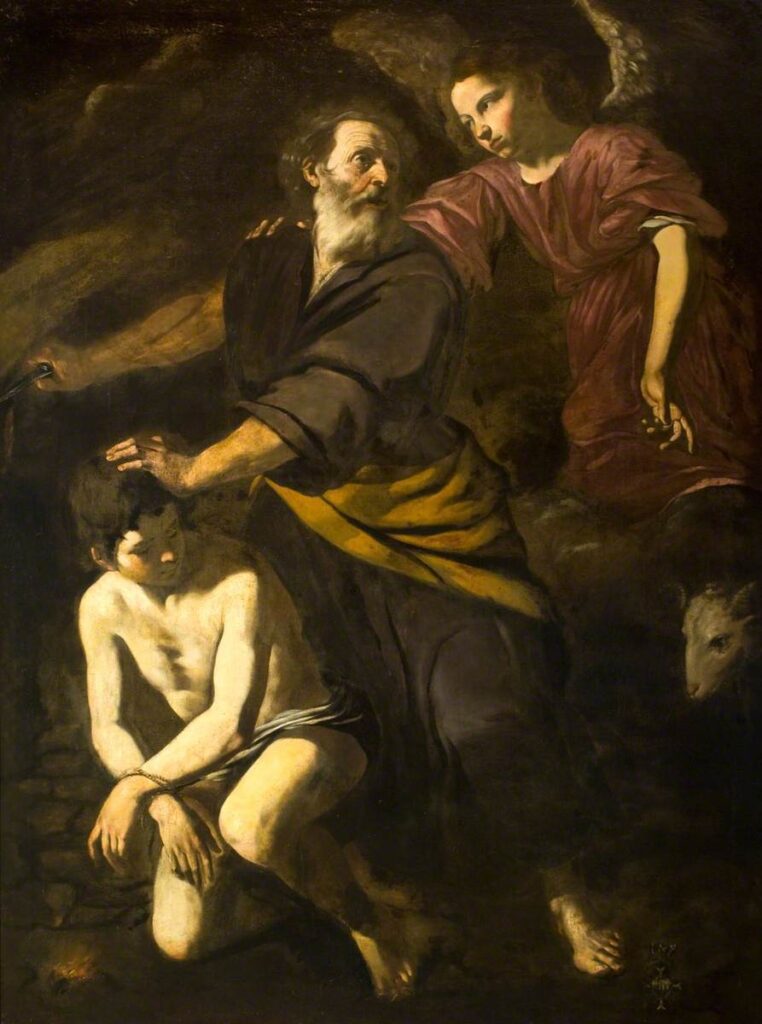
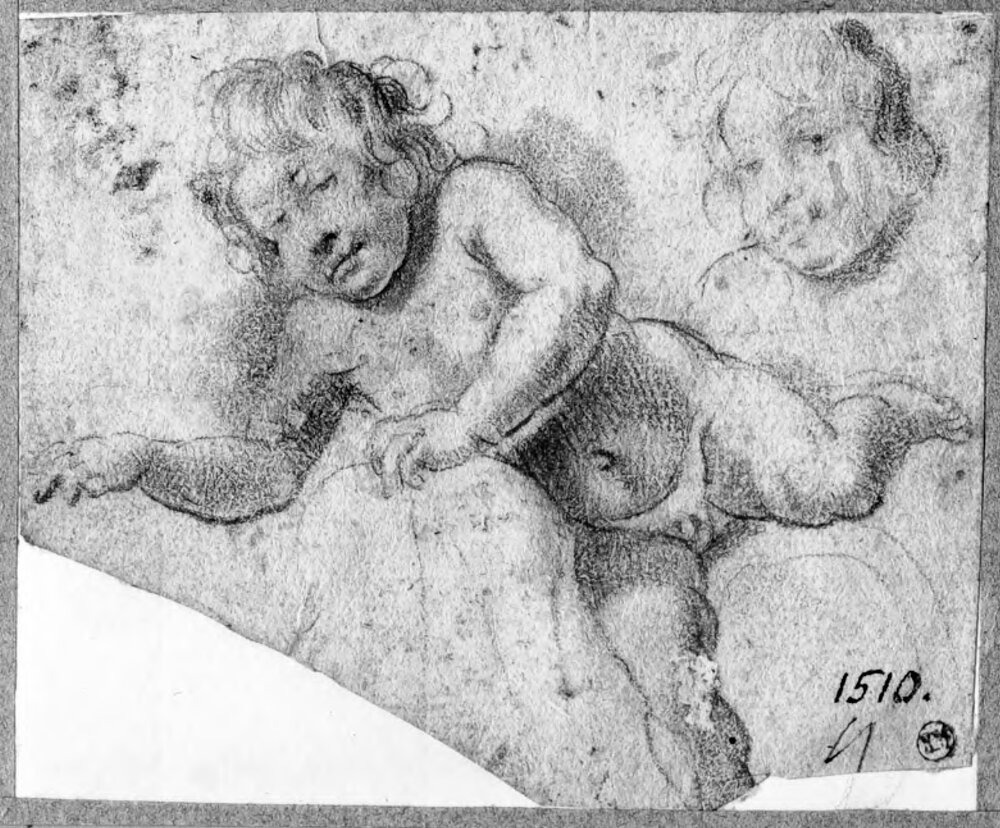
Giovanni Battista Caracciolo, December 7, 1578–December 23, 1635, was an Italian painter of the Neapolitan school, known as Battistello. He trained in Naples, probably with Francesco Imparato and Fabrizio Santafede, and was profoundly affected by Caravaggio’s arrival in the city in 1606.
Caracciolo became one of the leading early Neapolitan Caravaggists, adapting dramatic light and naturalistic figures to altarpieces, private devotional works, and later fresco decoration. His work also reflects study in Rome and contact with artists including Orazio Gentileschi; major works remain in Naples, Florence, Vienna, Saint Petersburg, and other public collections.
After visits to Rome, Genoa, and Florence, he returned to Naples, where he continued to develop a more classical, expansive manner alongside his tenebrist beginnings. He died in Naples in 1635 and was a formative figure for later seventeenth-century Neapolitan painting.
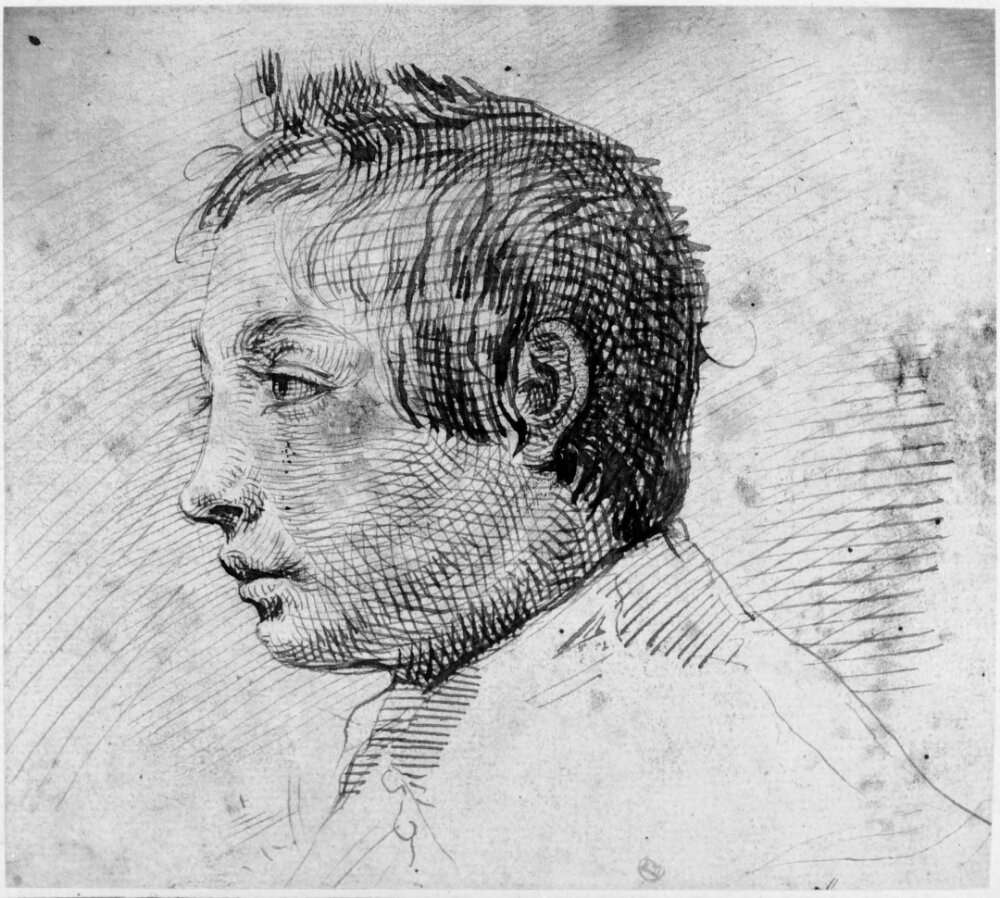
Pieter Aertsen
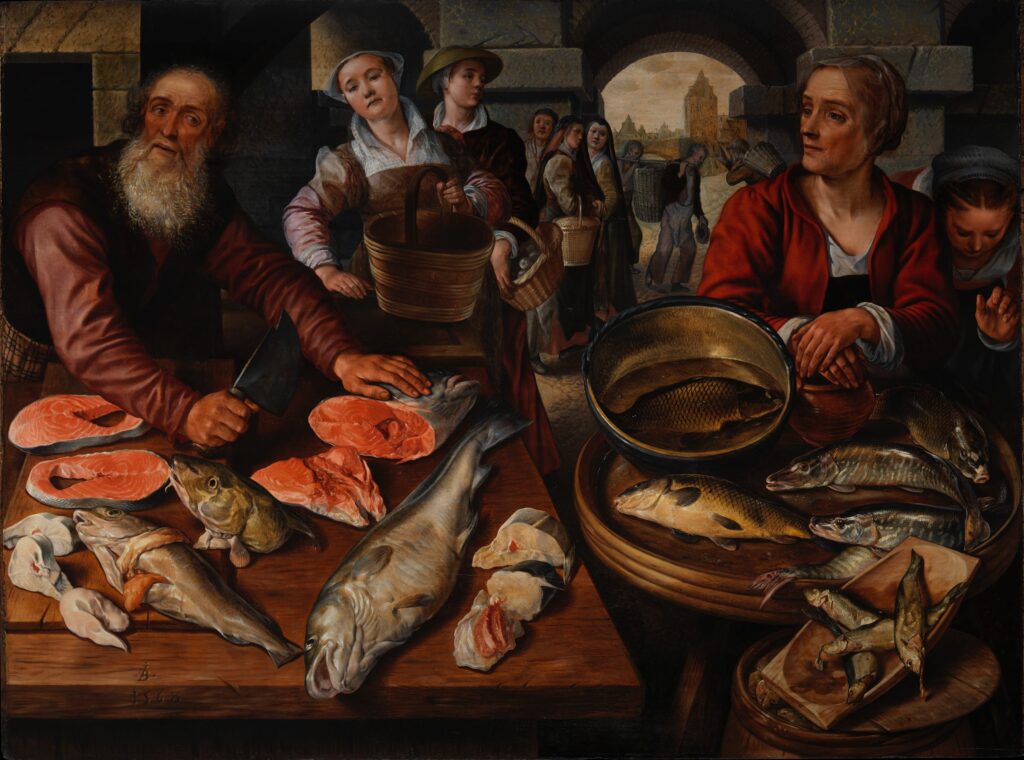
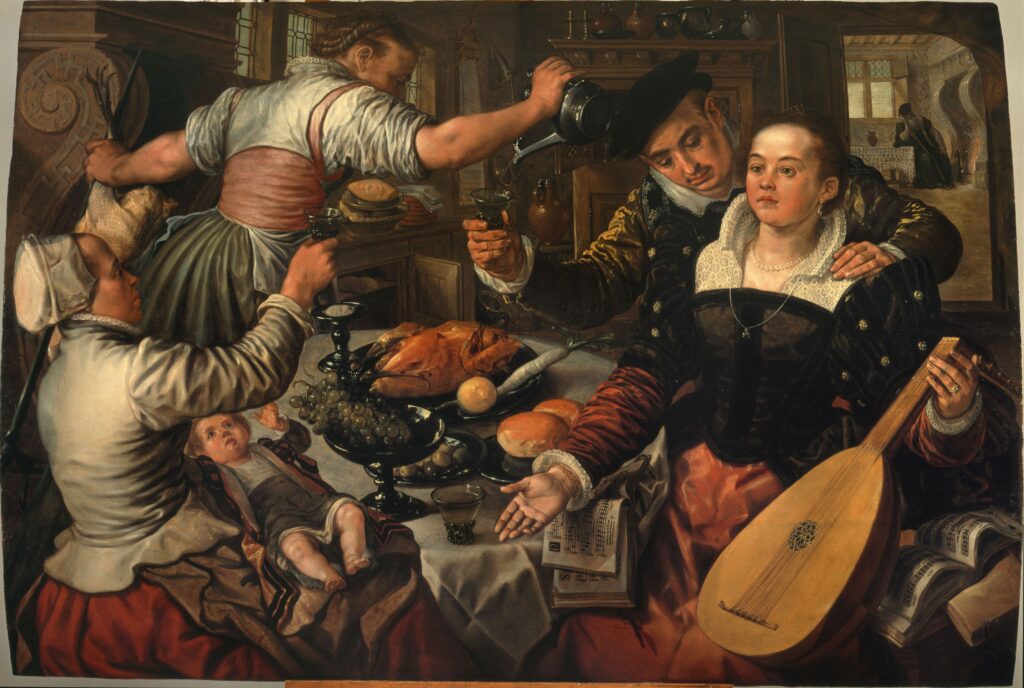
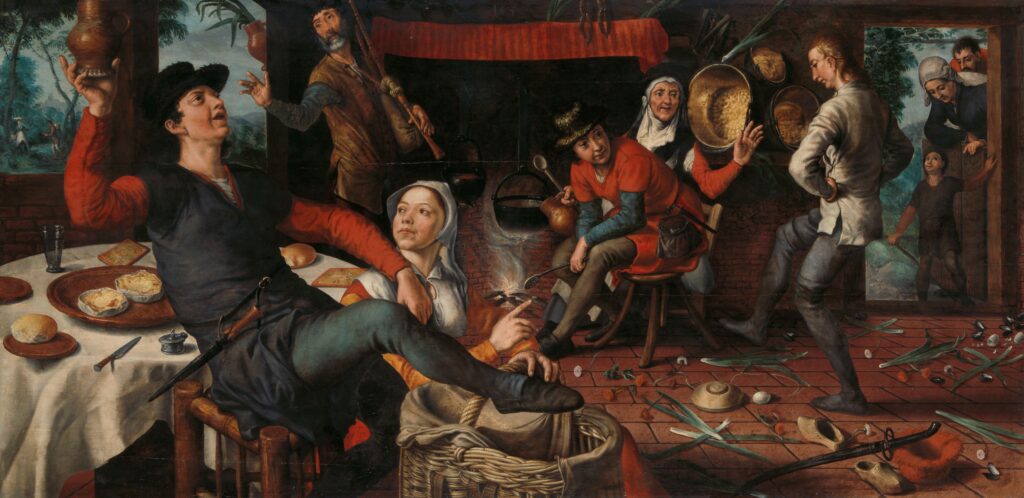
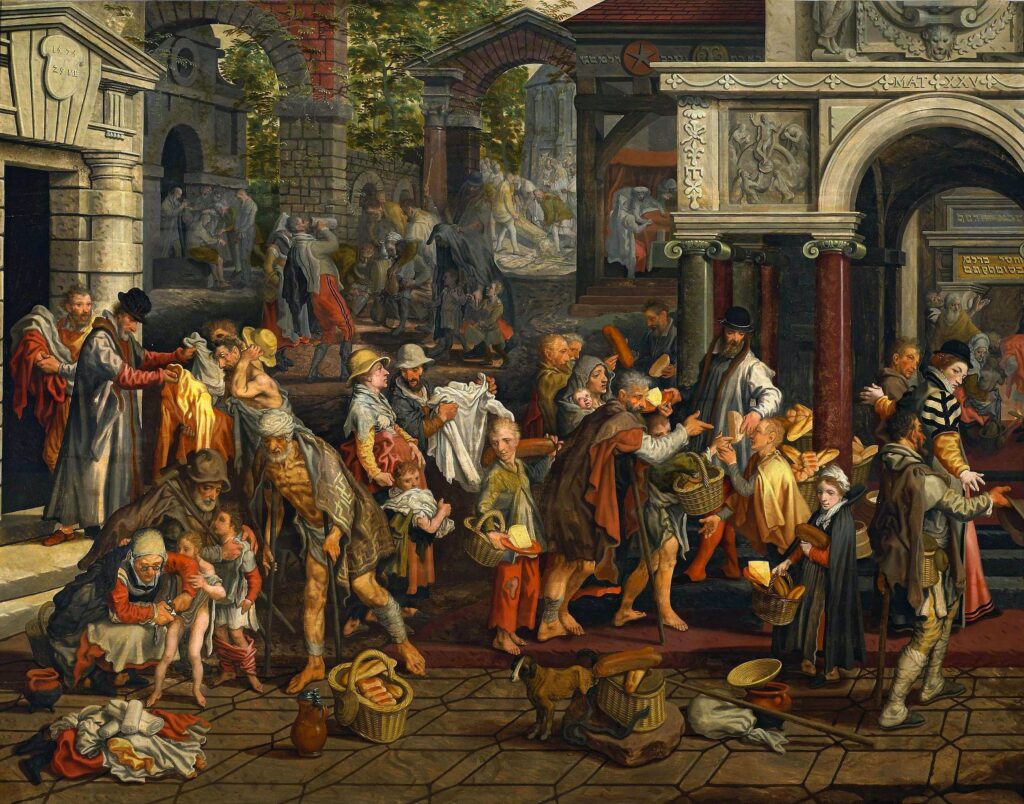
Pieter Aertsen, c 1507/08 – June 2, 1575, was a Dutch painter born in Amsterdam. He worked in Antwerp from about 1535, becoming a master in the Guild of Saint Luke, and returned to Amsterdam around 1556.
Aertsen painted altarpieces as well as large kitchen, market, and peasant scenes. His compositions often place abundant displays of food and household goods in the foreground while relegating a biblical episode to the background. His nephew and pupil Joachim Beuckelaer developed related subjects.
Many of Aertsen’s religious works were destroyed during the iconoclasm of the sixteenth century. His surviving paintings are held by institutions including the Rijksmuseum, the North Carolina Museum of Art, Museum Boijmans Van Beuningen, and the Royal Museums of Fine Arts of Belgium.





Jan Cornelisz Vermeyen
Jan Cornelisz Vermeyen, c 1500–1559, was a Netherlandish painter, draftsman, printmaker and tapestry designer. He was probably trained in the workshop of Jan van Scorel.
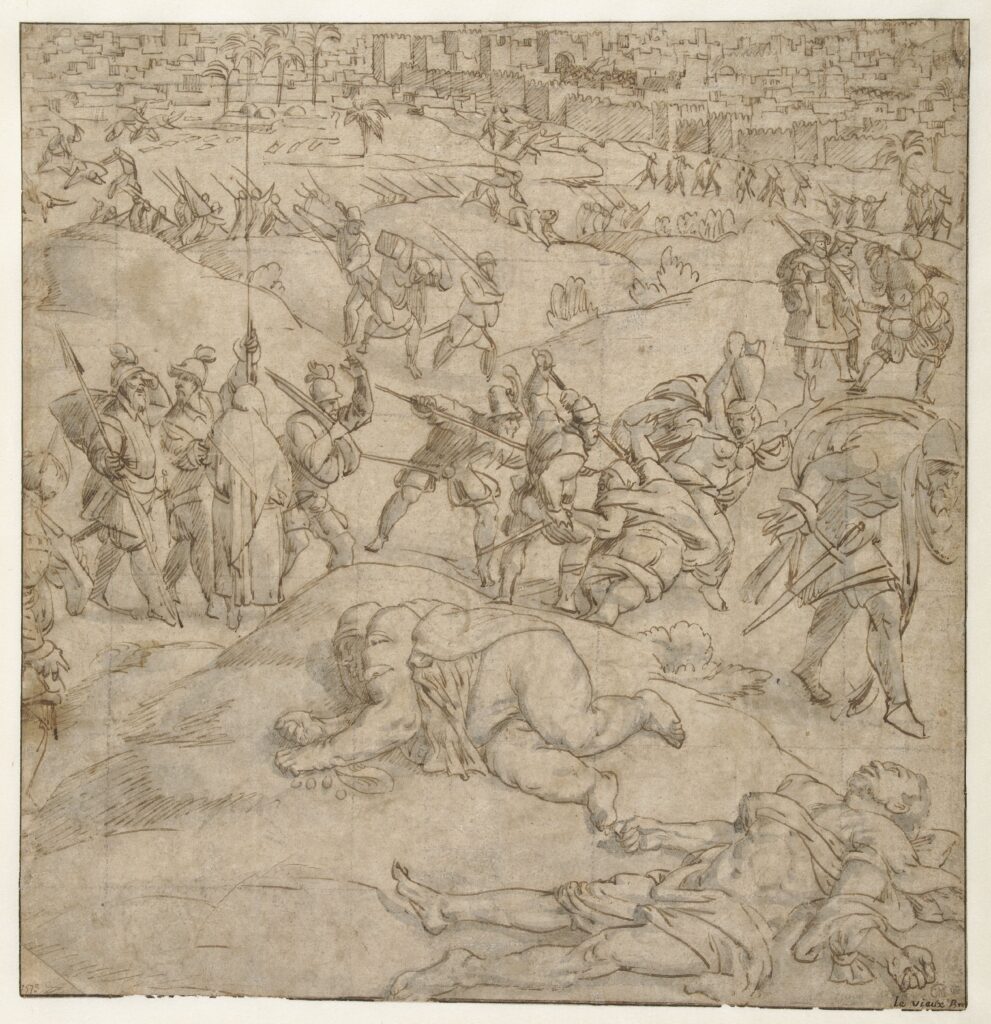
Around 1525, Vermeyen entered the service of Margaret of Austria at Mechelen. He later worked for Mary of Hungary and Emperor Charles V, whom he accompanied on the imperial expedition to Tunis in 1535.
Vermeyen produced portraits, religious paintings, prints and drawings. He is particularly known for his designs recording the Tunis campaign, which were developed into monumental tapestry cartoons for Mary of Hungary.


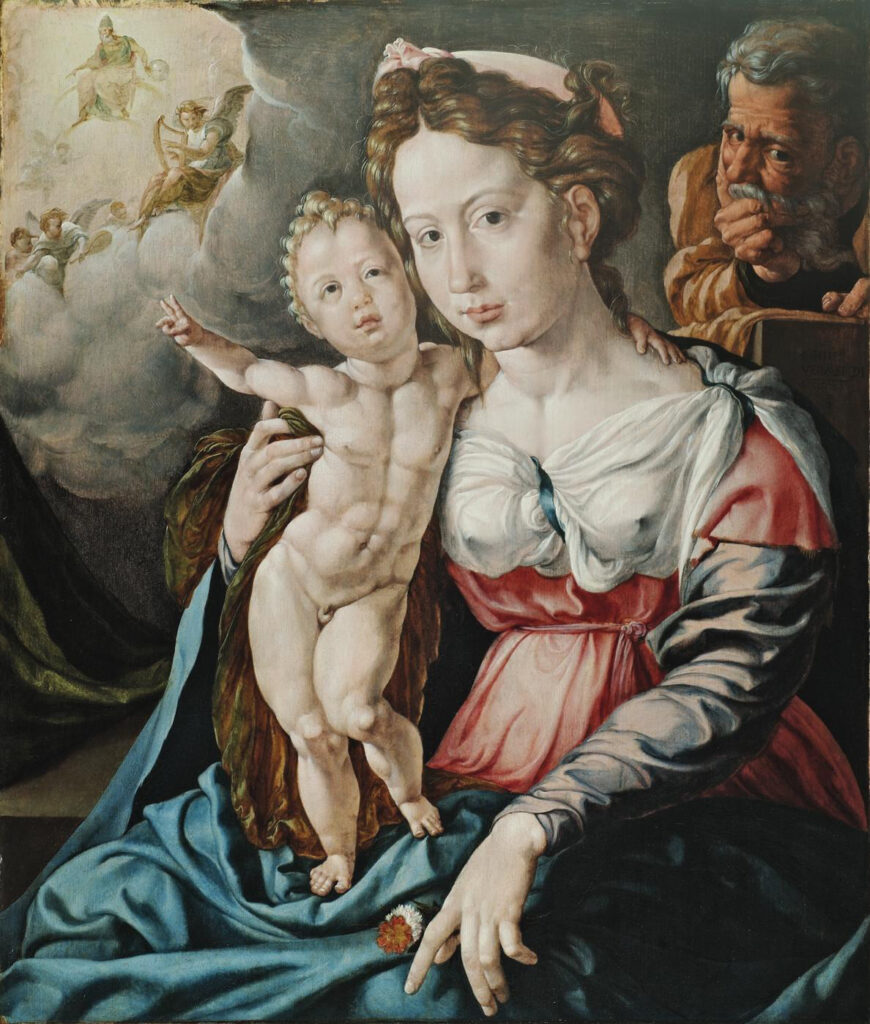







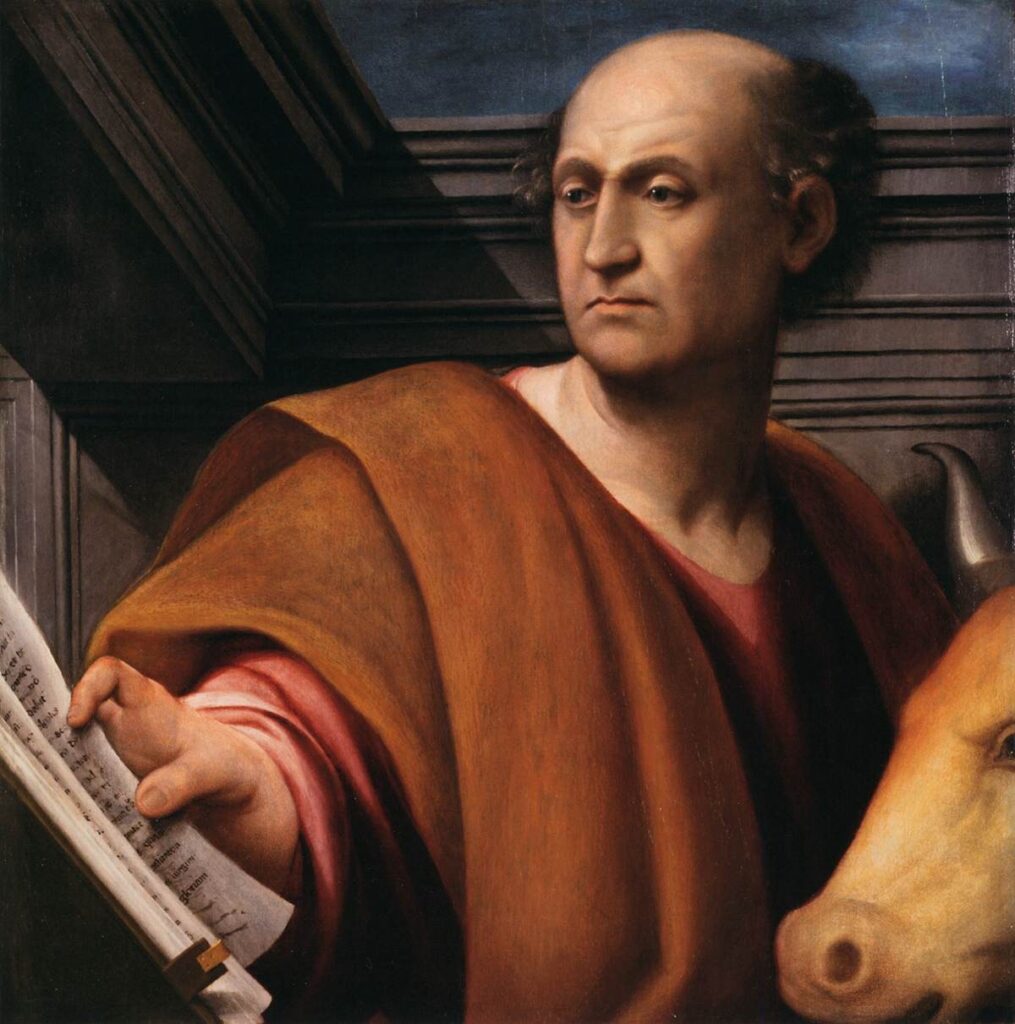
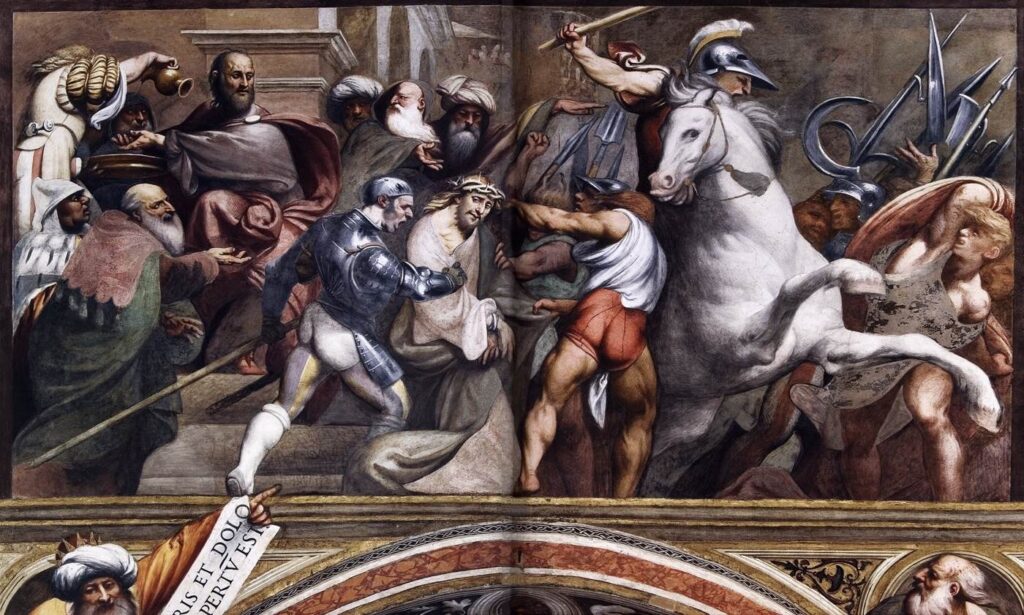
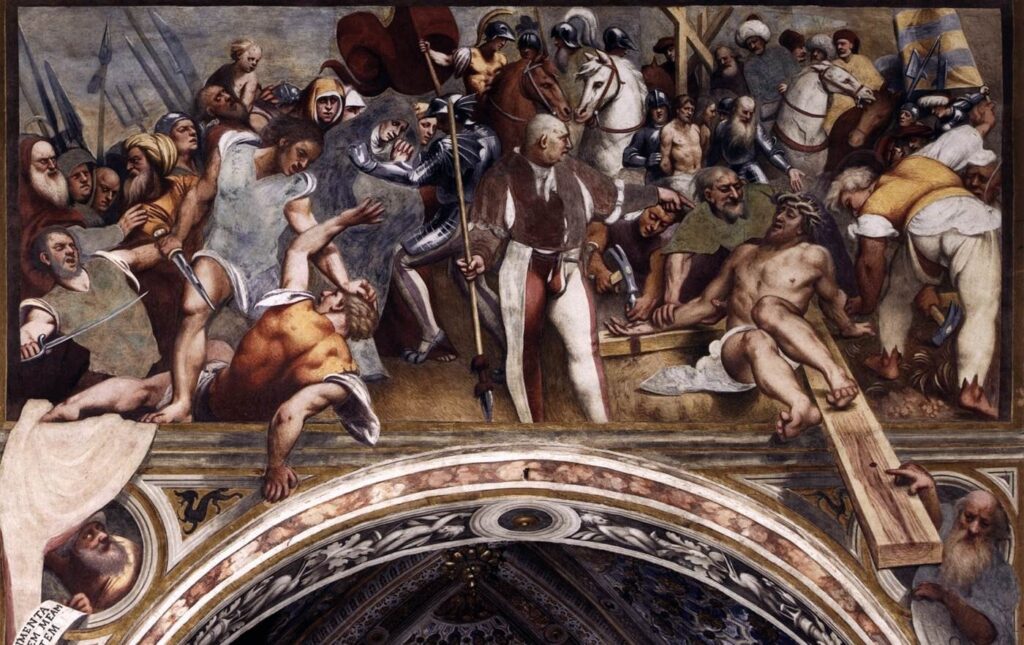
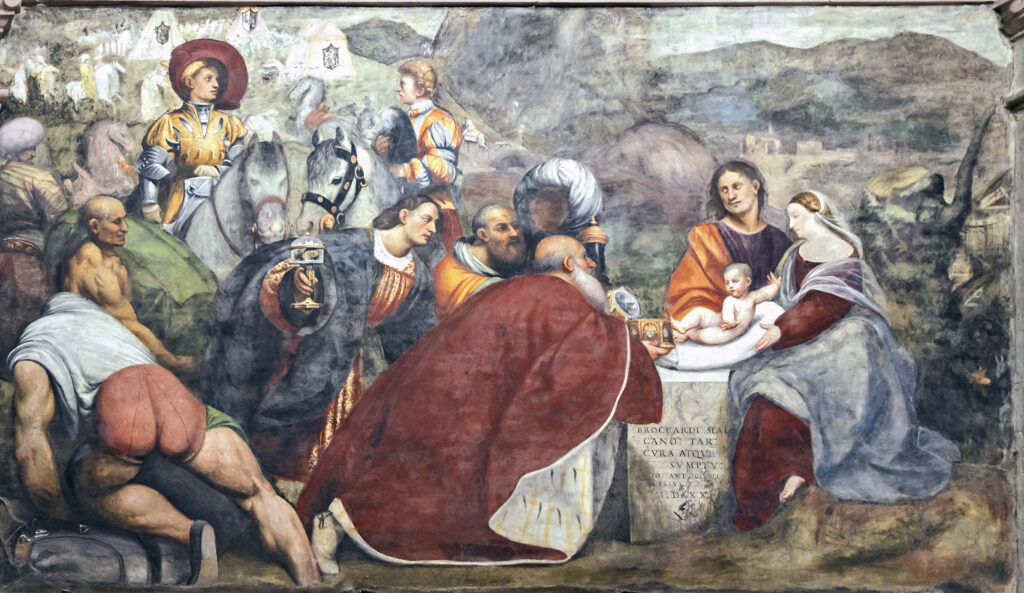
Pordenone
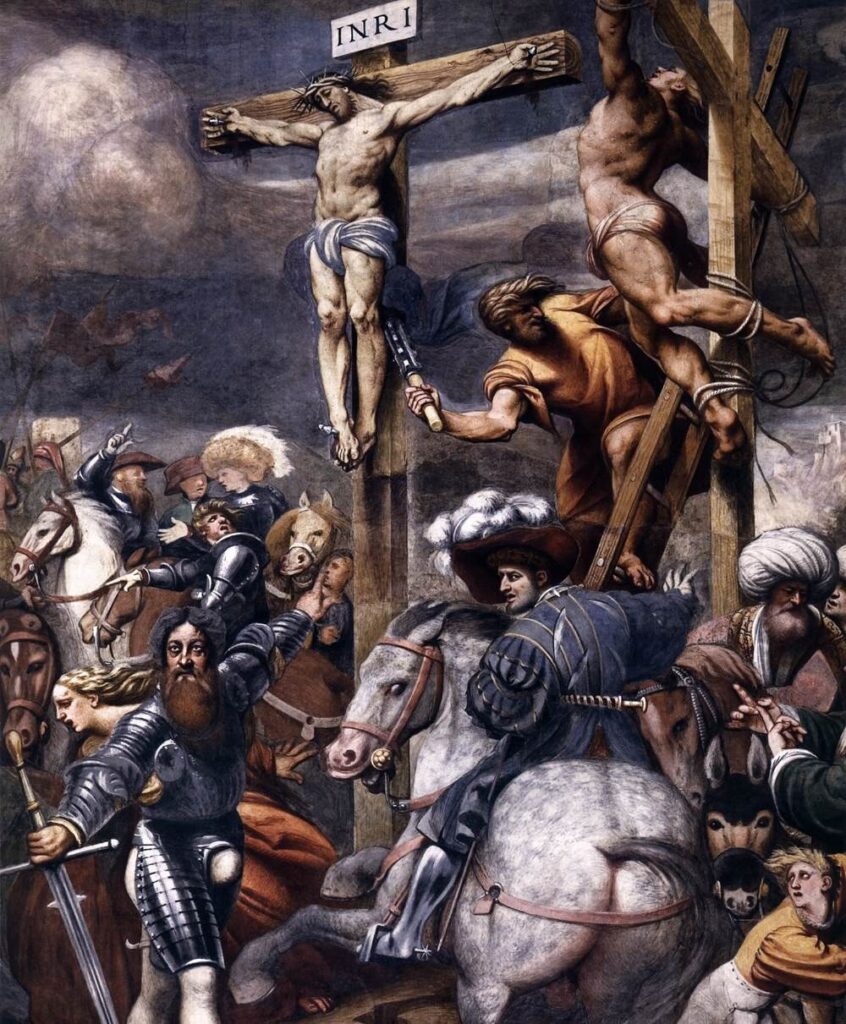
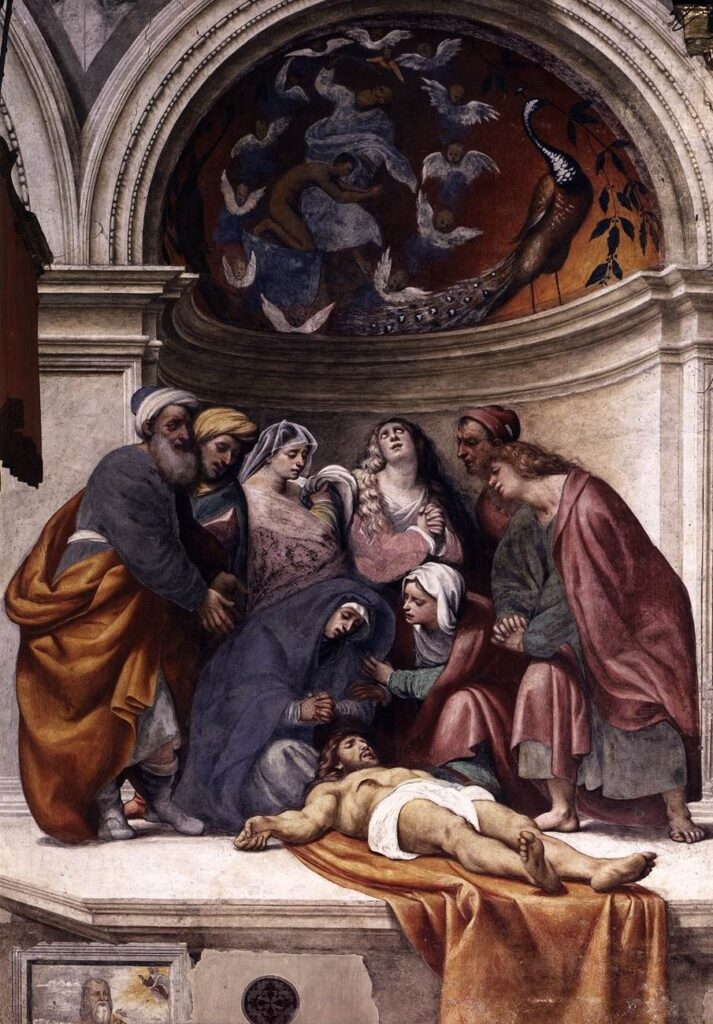
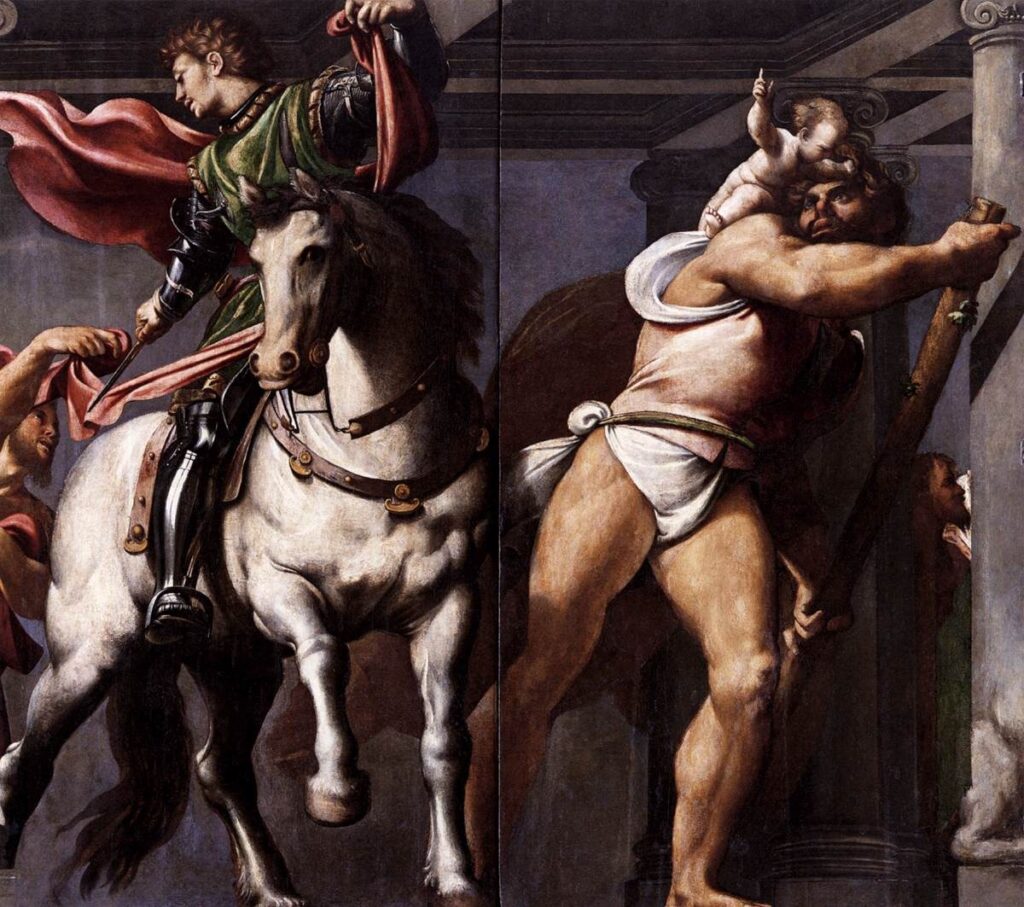
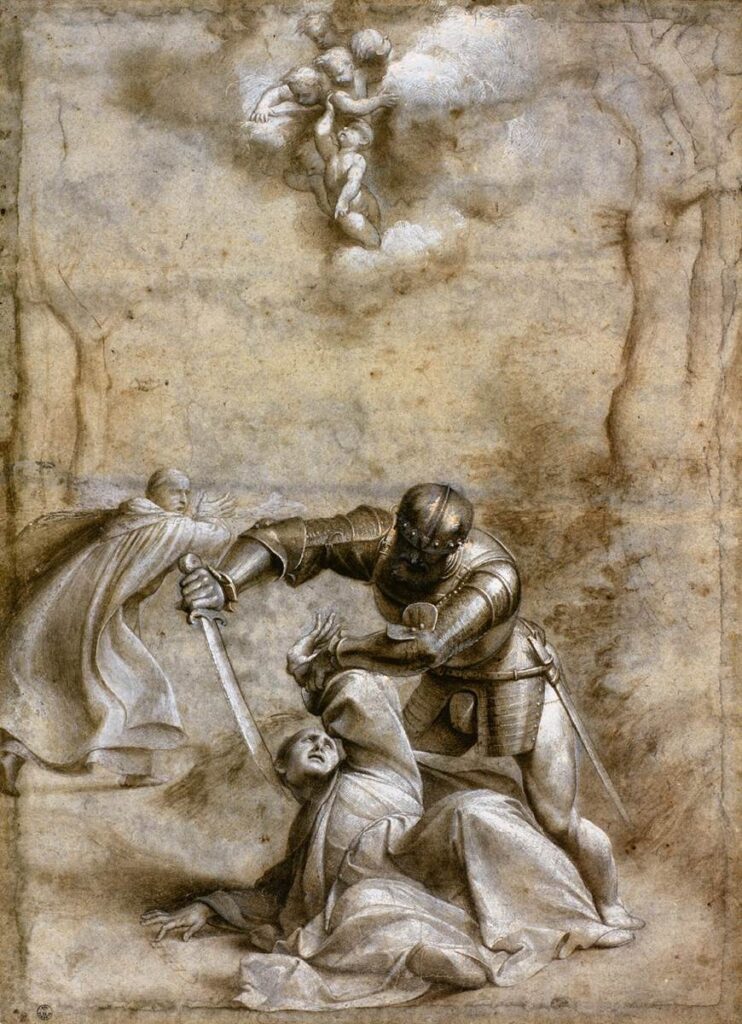
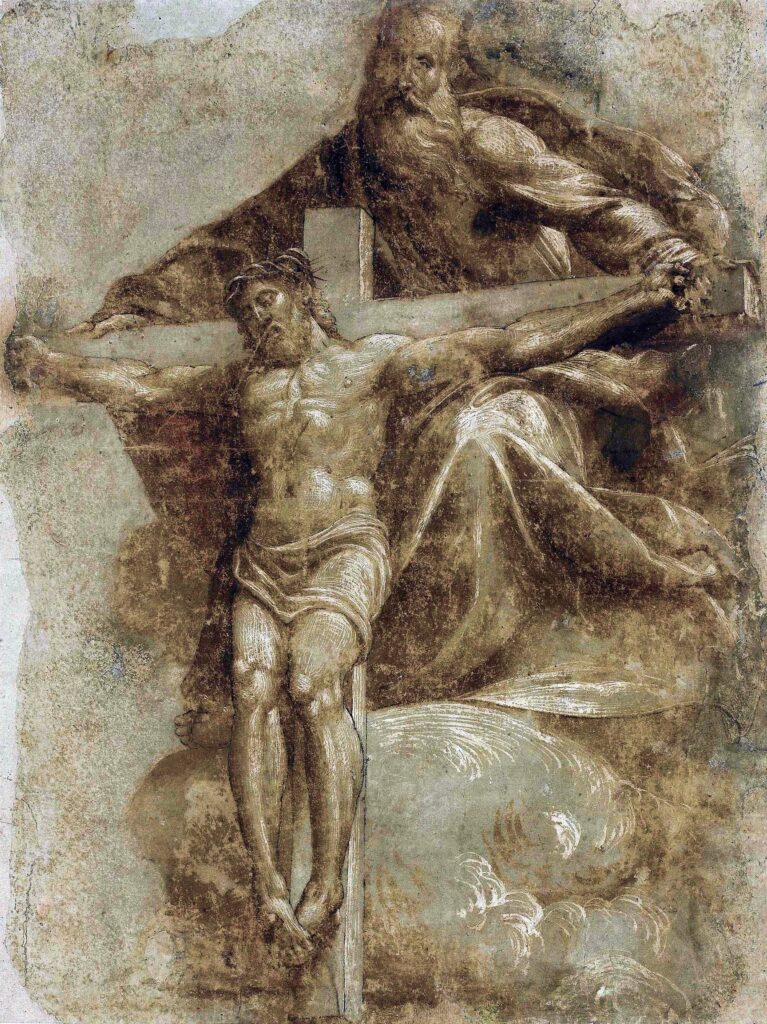
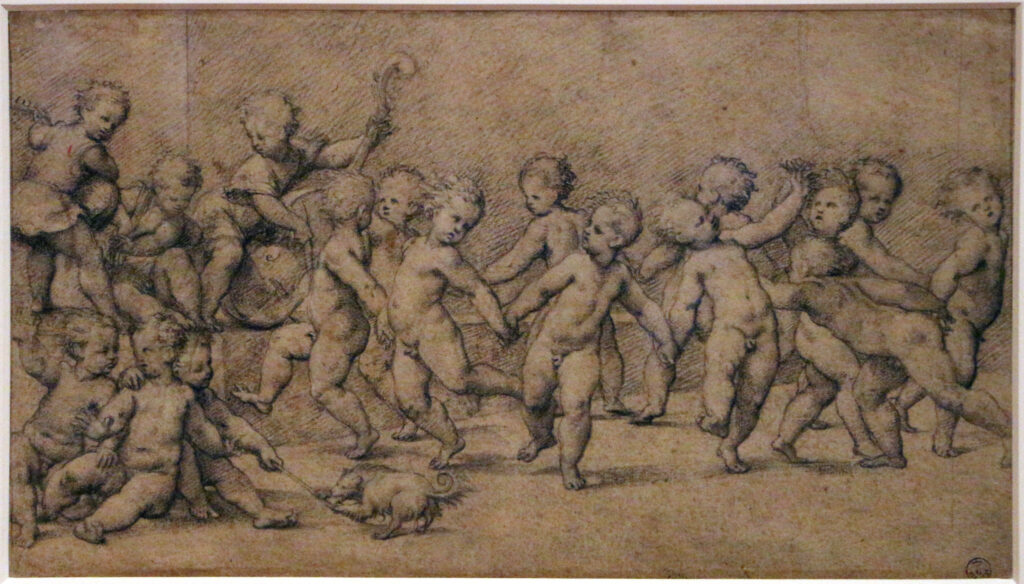
Giovanni Antonio de’ Sacchis, known as Il Pordenone, c 1483–January 14, 1539, was an Italian painter and draughtsman from Pordenone in Friuli. His early formation is undocumented; by the 1510s he was working on altarpieces and frescoes in Friuli and the Veneto.
Pordenone worked in a forceful, illusionistic manner, particularly in fresco. Major commissions included the Passion scenes in Cremona Cathedral, frescoes in the churches of San Rocco in Venice and Santa Maria di Campagna in Piacenza, and paintings and drawings for Venetian patrons.
He worked in Venice during his final years and died in Ferrara in 1539. His paintings, frescoes, and drawings are represented in collections including the Uffizi Gallery, the Museum of Fine Arts, Budapest, and the National Museum in Warsaw.



Gillis van Coninxloo
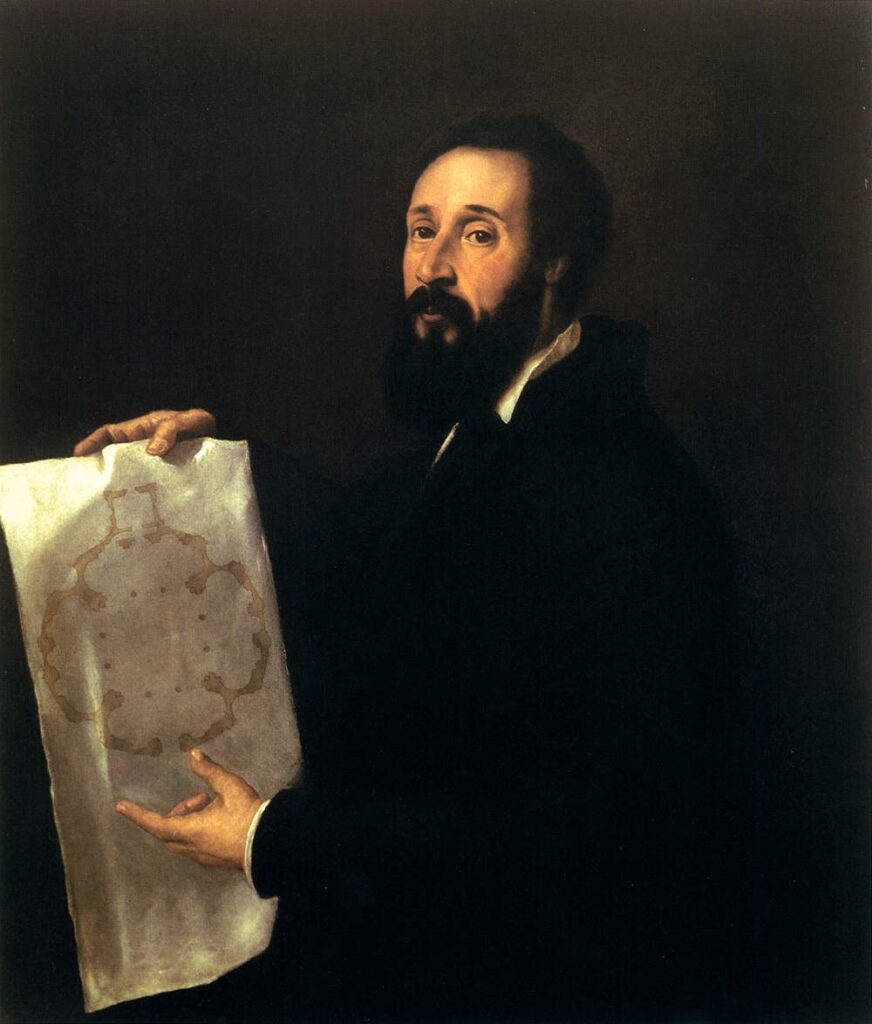
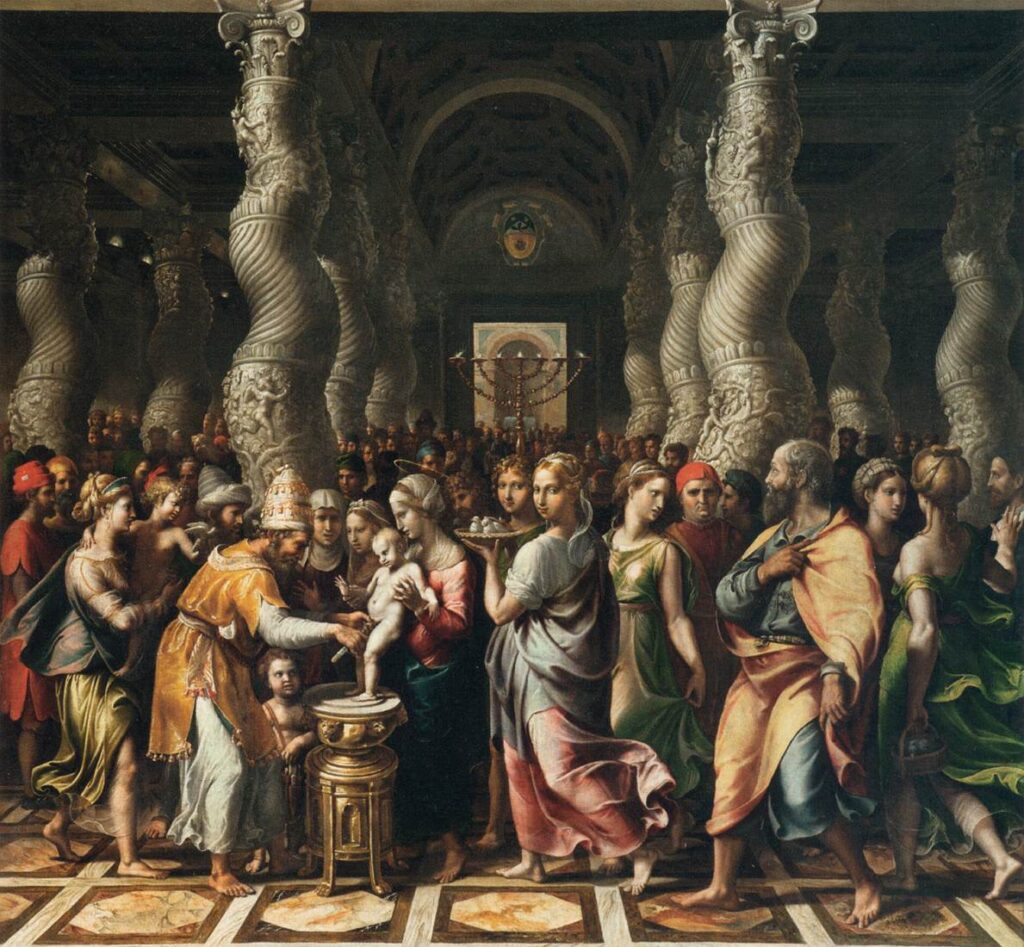
Gillis van Coninxloo, January 24, 1544–January 1607, was a Flemish landscape painter and draftsman. Born into a family of painters in Antwerp, he trained with Pieter Coecke van Aelst, Lenaert Kroes, and Gillis Mostaert, and became a master in the Antwerp Guild of Saint Luke in 1570.
After working in Antwerp, Coninxloo left the city in 1585, lived briefly in Middelburg, and worked in Frankenthal from 1587 to 1595 as a member of the group now called the Frankenthal school. He settled in Amsterdam in 1595; his pupils included Pieter Brueghel the Younger, Willem van den Bundel, and Hercules Segers.
His paintings and drawings are held by the State Hermitage Museum, Kunsthistorisches Museum, Cleveland Museum of Art, Museum Boijmans Van Beuningen, Museo del Prado, and other public collections.







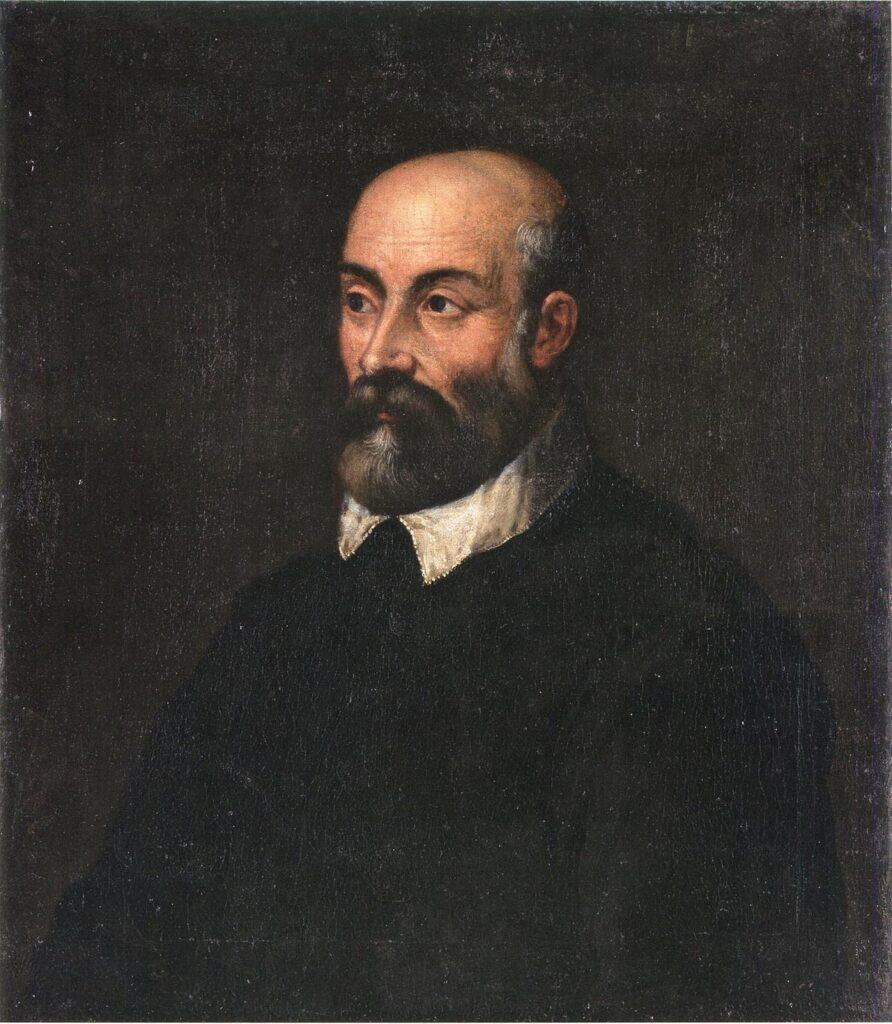
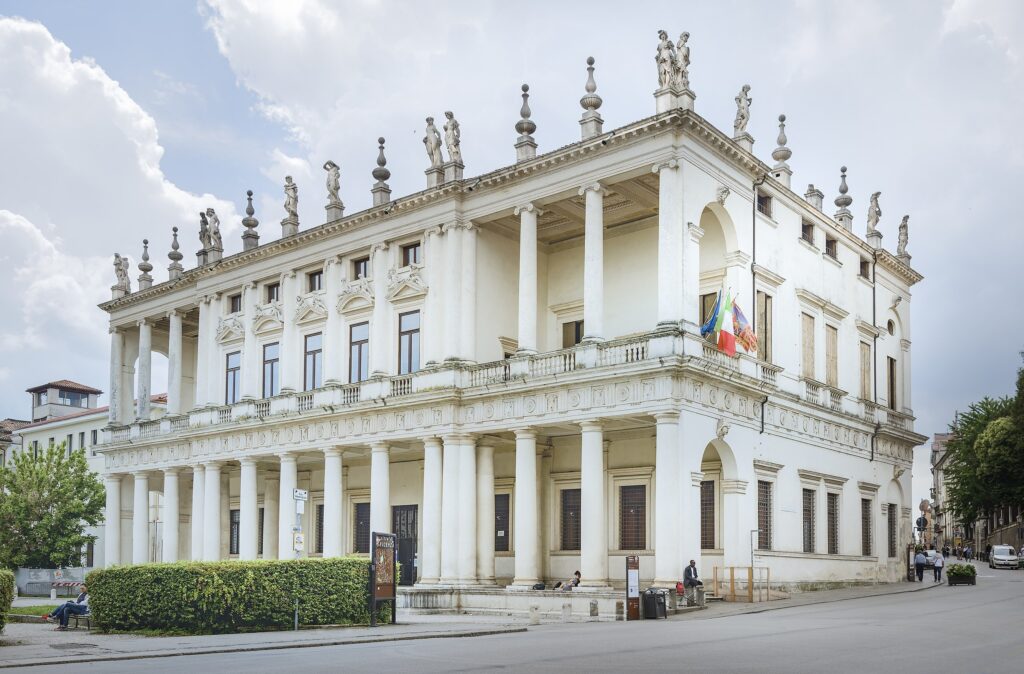
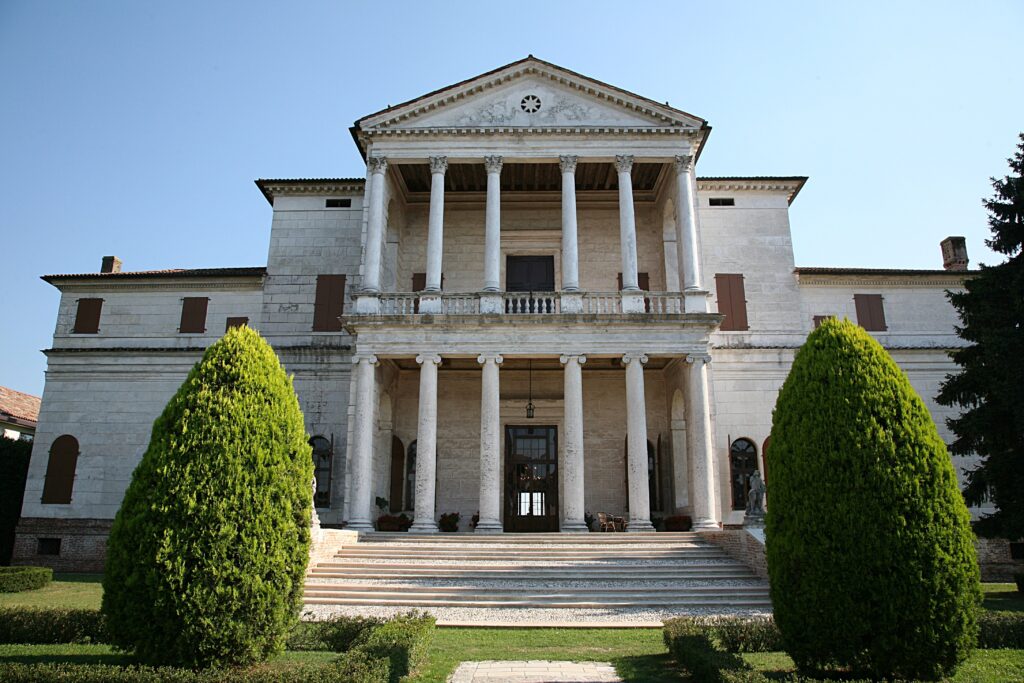
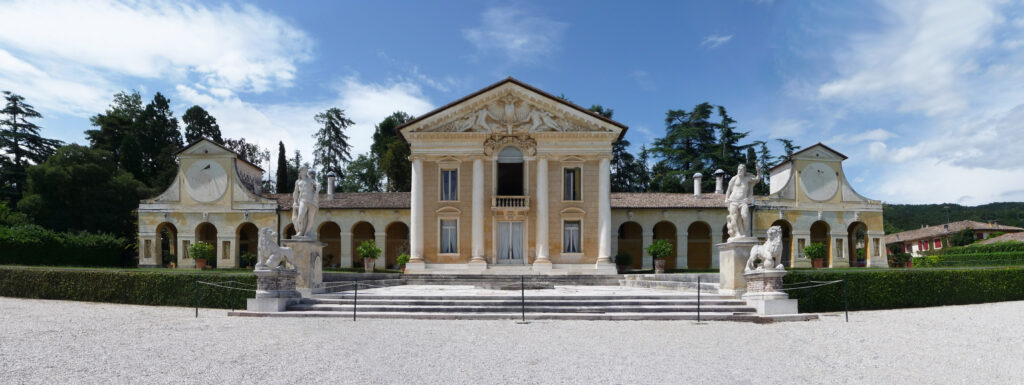
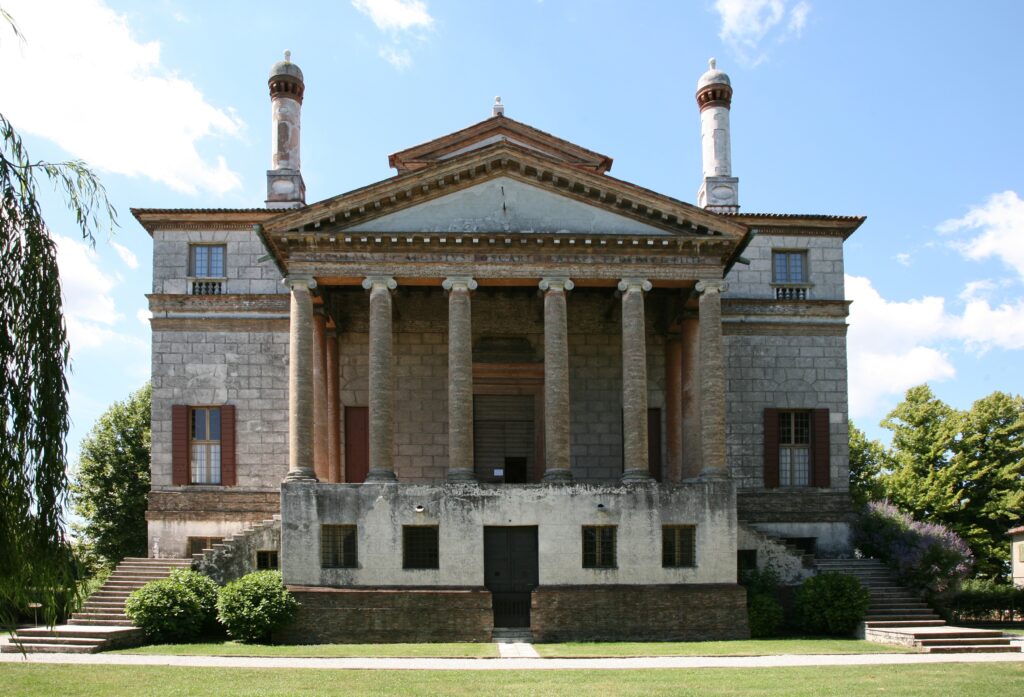
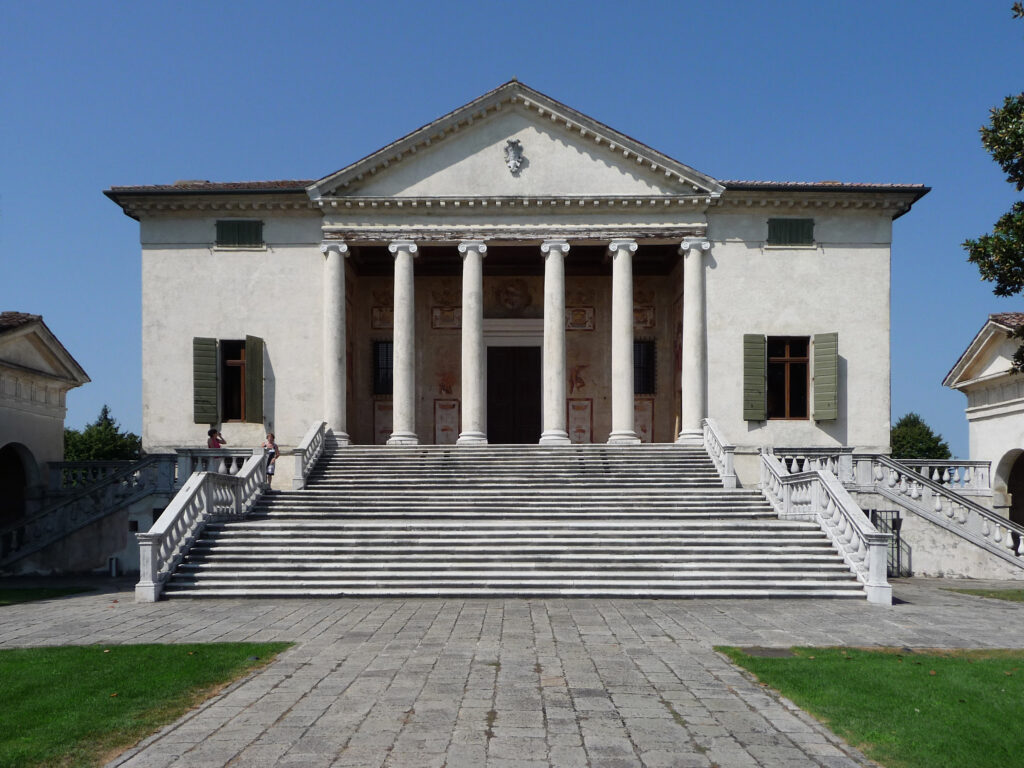
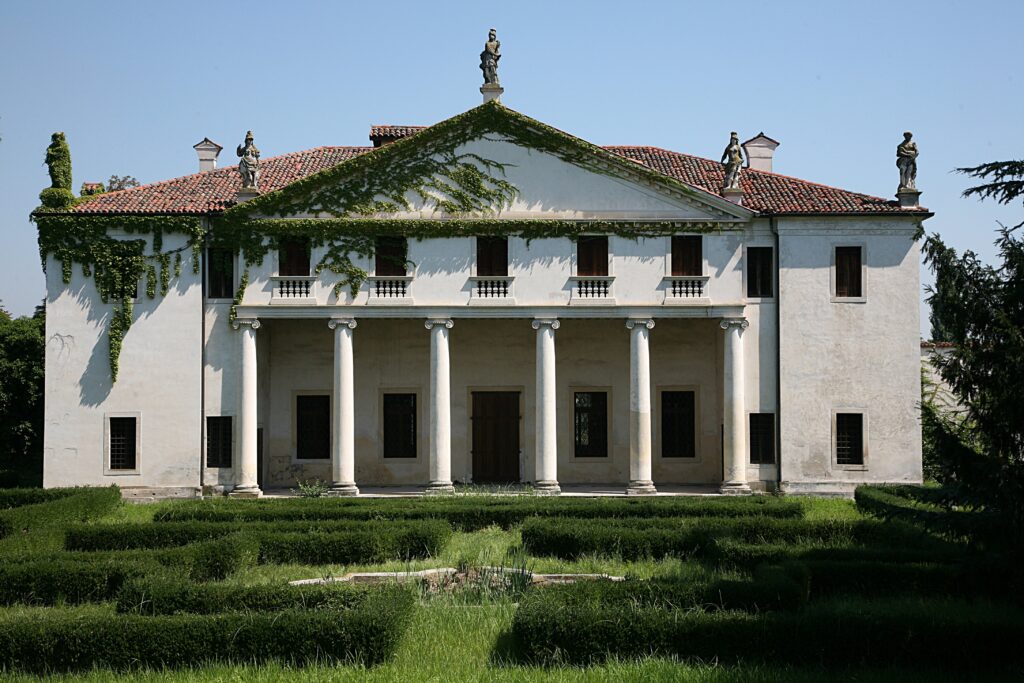
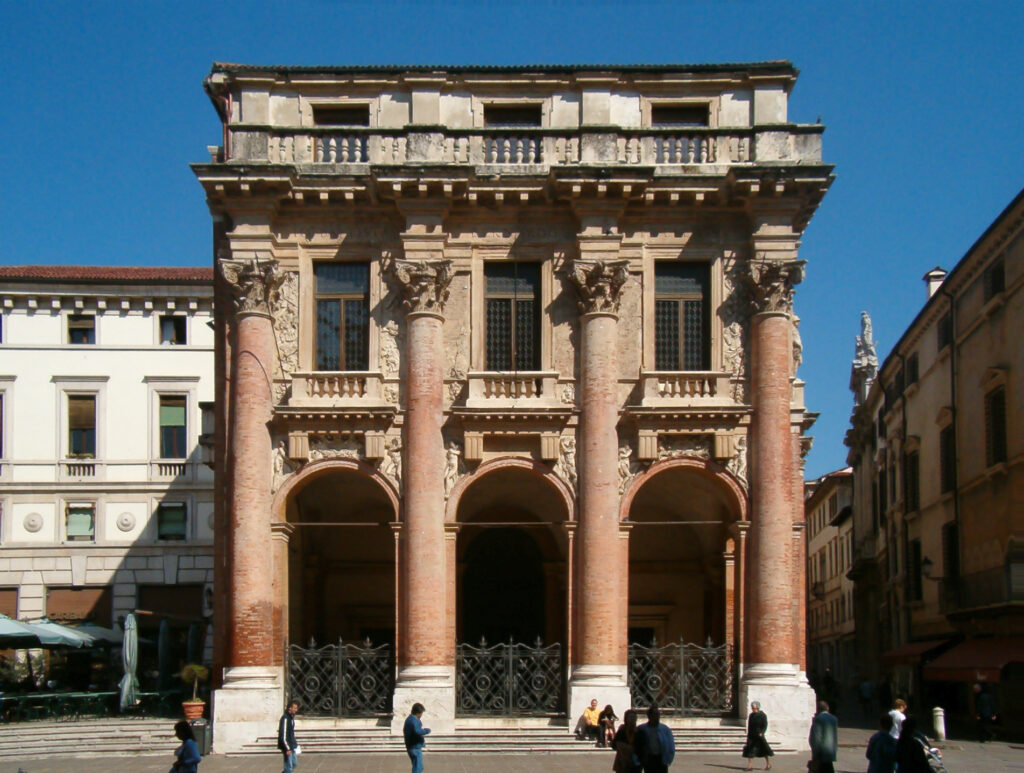
Andrea Palladio
Andrea Palladio, November 30, 1508–August 19, 1580, was an Italian architect born Andrea di Pietro della Gondola in Padua. He trained as a stonecutter in Vicenza and came under the patronage of the humanist Giangiorgio Trissino, who helped shape his education and gave him the name Palladio.
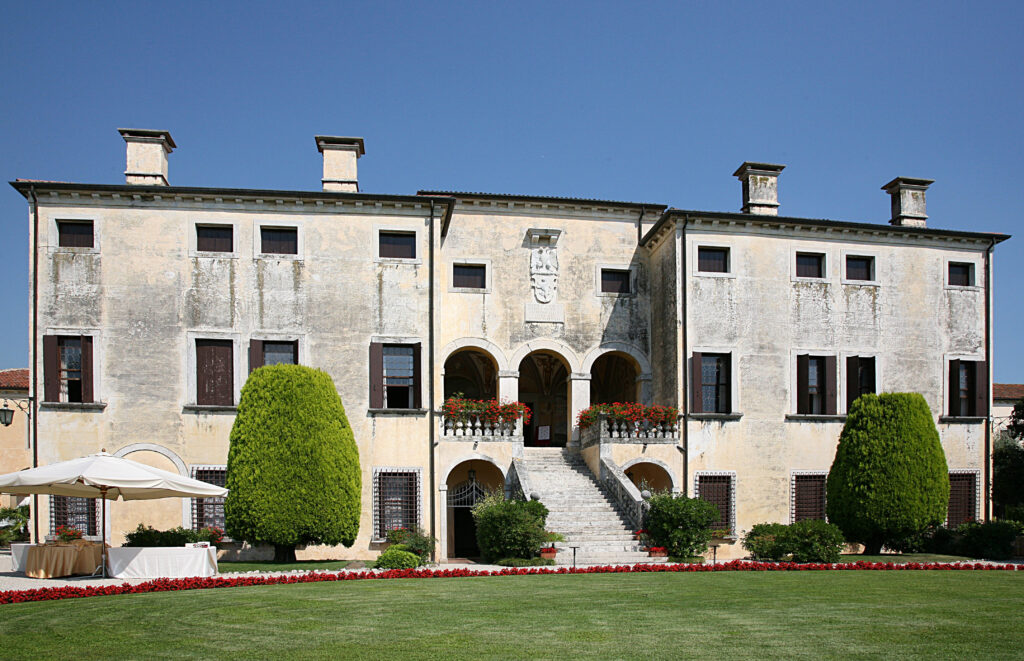
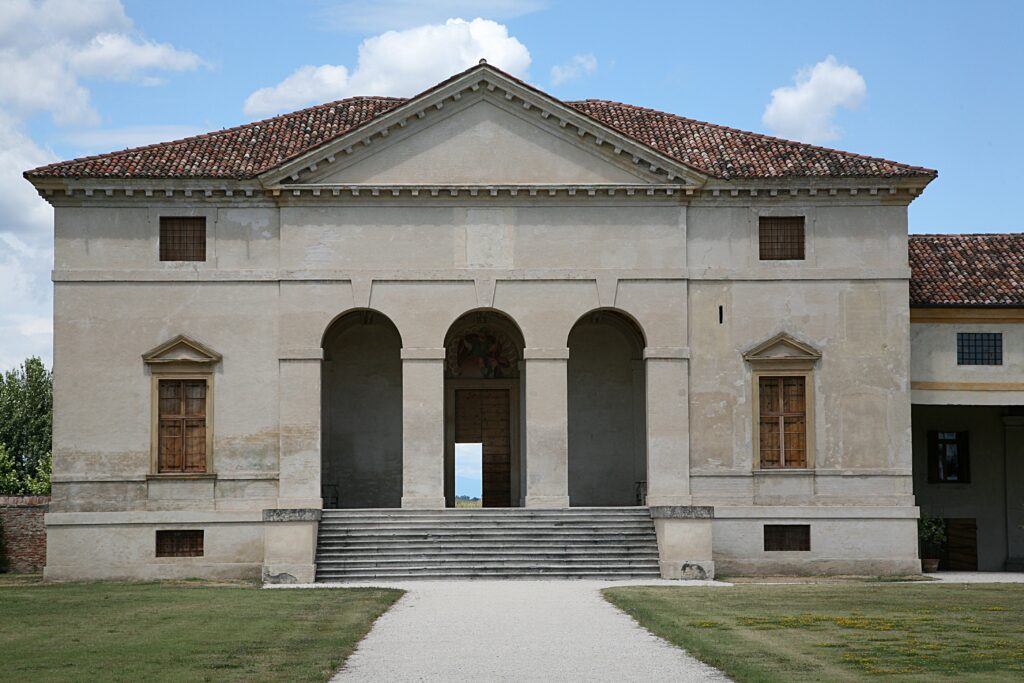
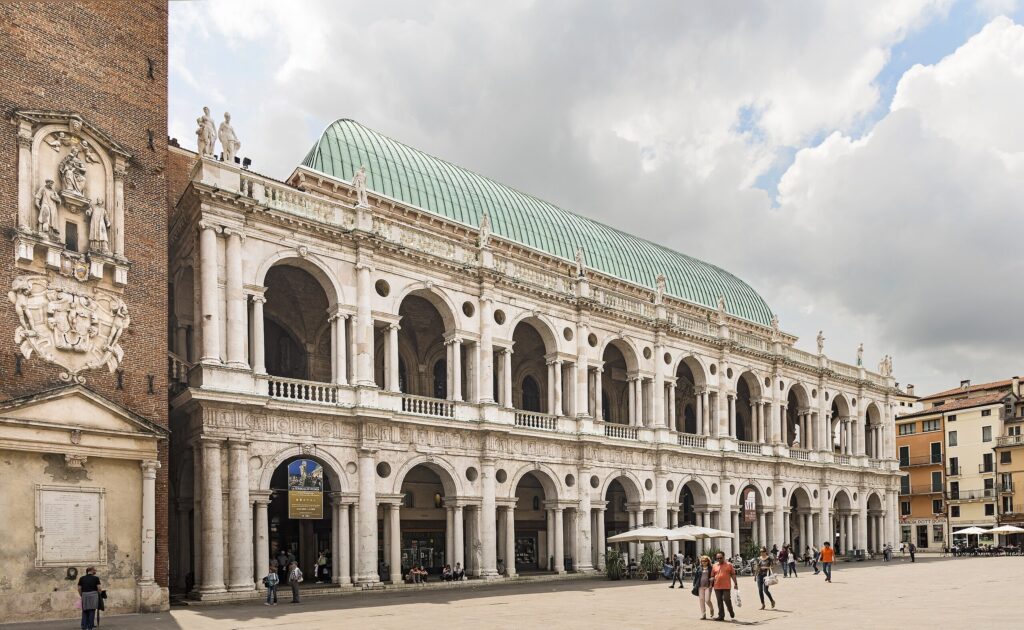
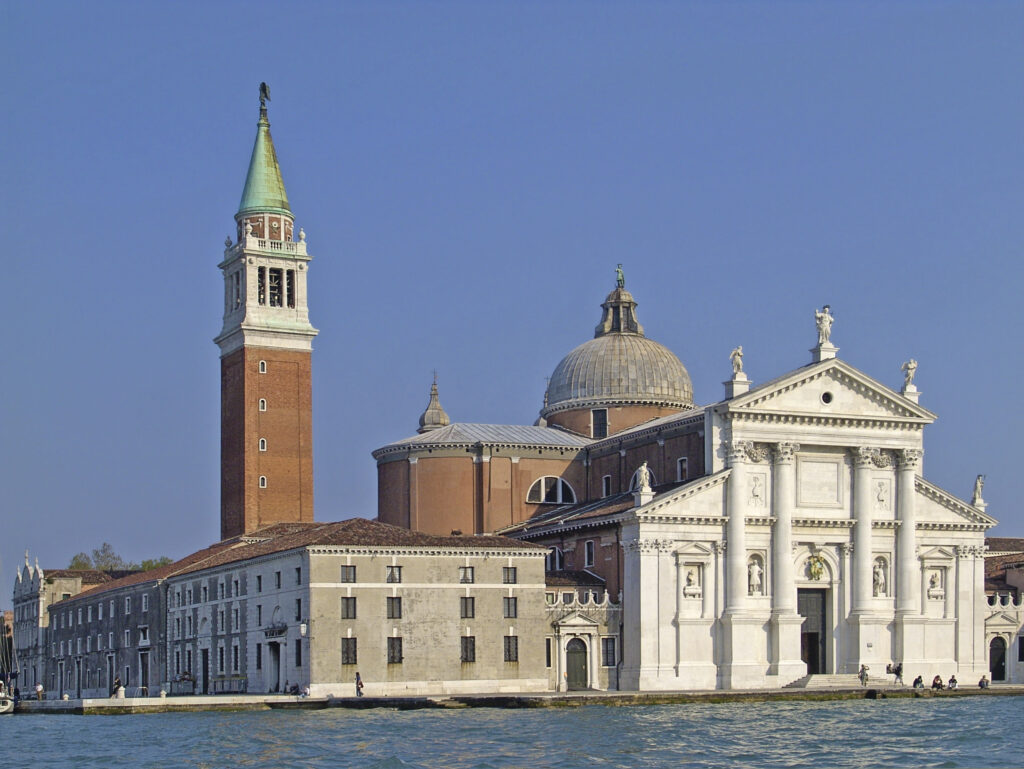
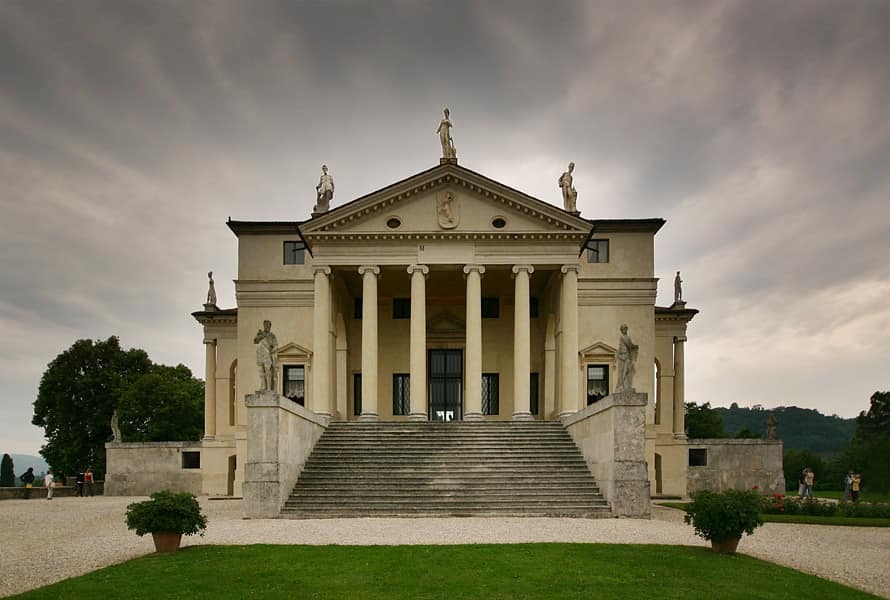
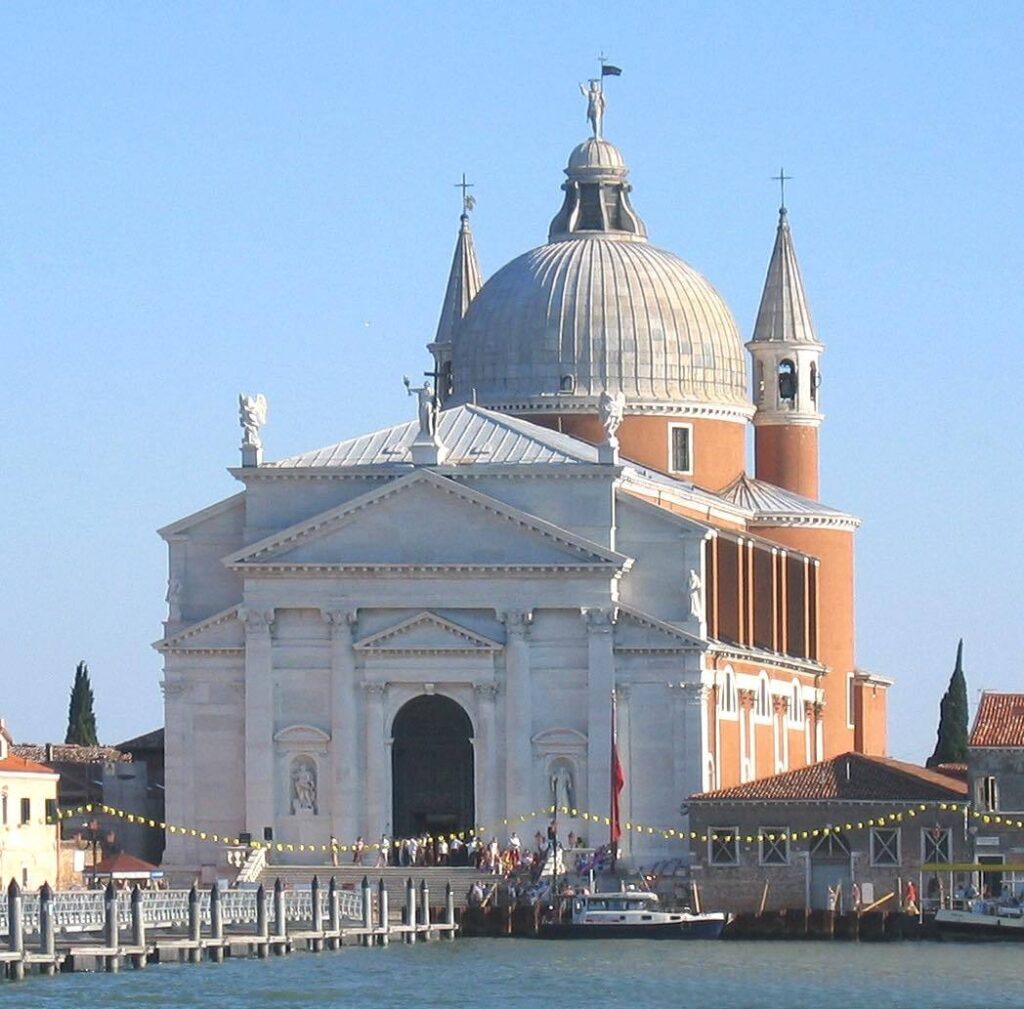
Palladio studied ancient Roman architecture during several visits to Rome and developed a distinctive classical language for villas, palaces, civic buildings, and churches in Vicenza and the Veneto. His principal works include the Basilica Palladiana, Villa Almerico Capra (La Rotonda), Villa Barbaro, San Giorgio Maggiore, and the Church of the Redeemer. In 1570 he published I Quattro Libri dell’Architettura (The Four Books of Architecture).
Palladio died in 1580, probably at Maser. His buildings and published designs shaped Palladianism across Europe and North America and remain central to the study of Renaissance architecture.