Posts in Category: 16th Century
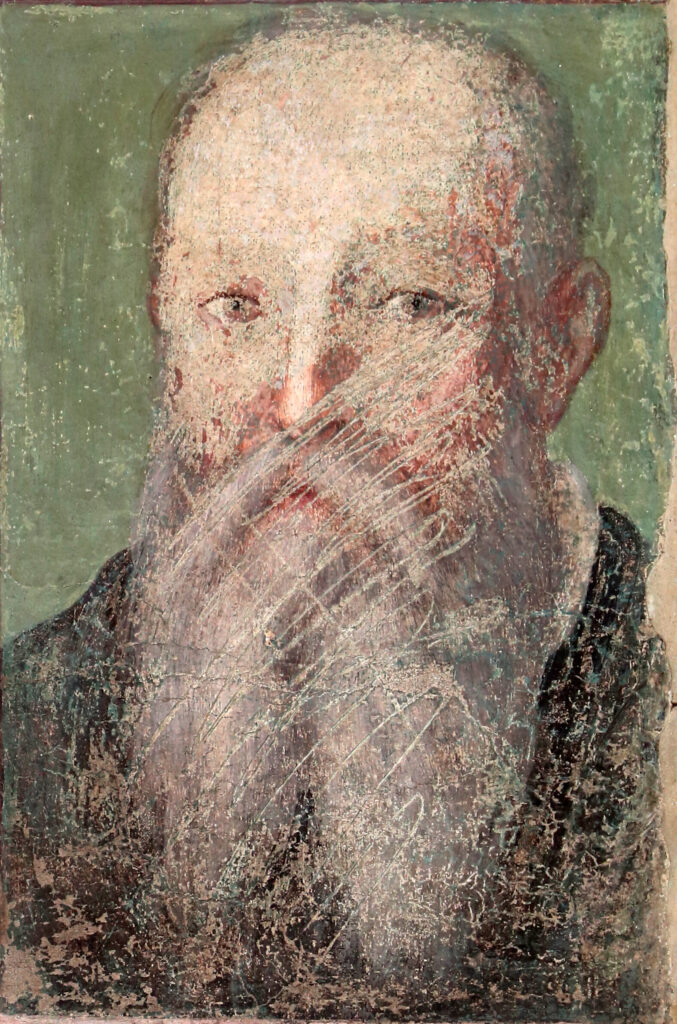
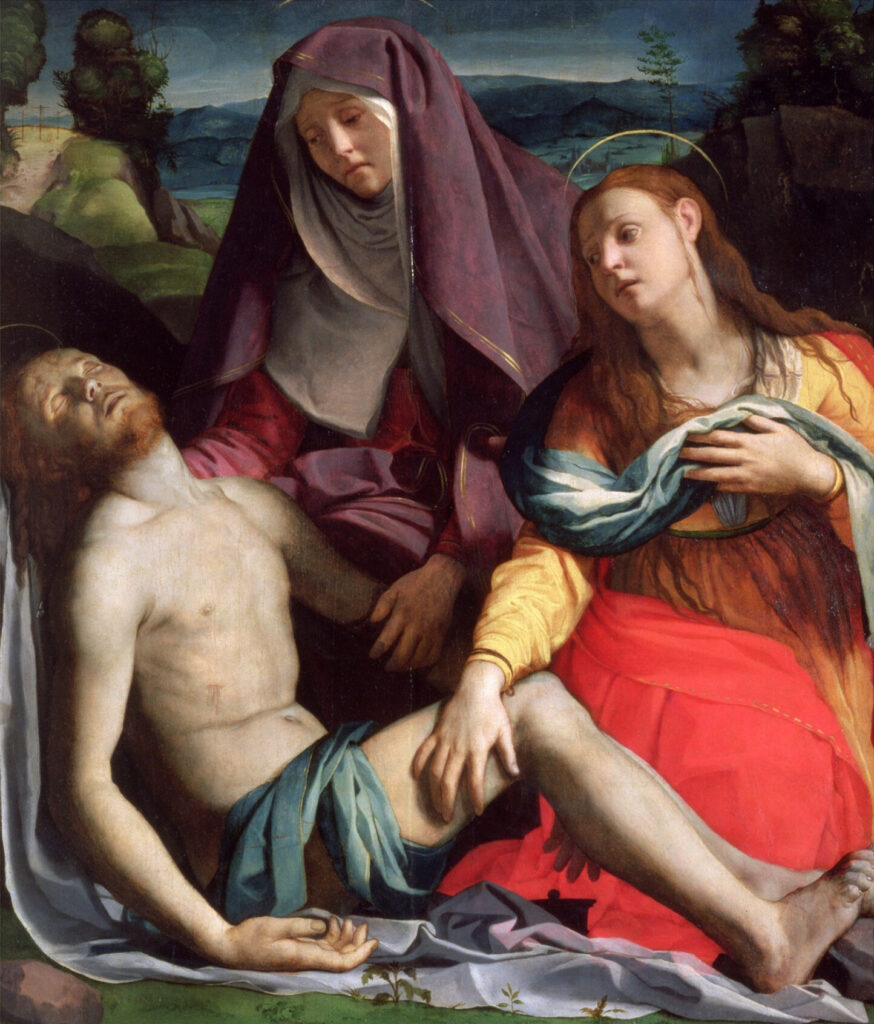
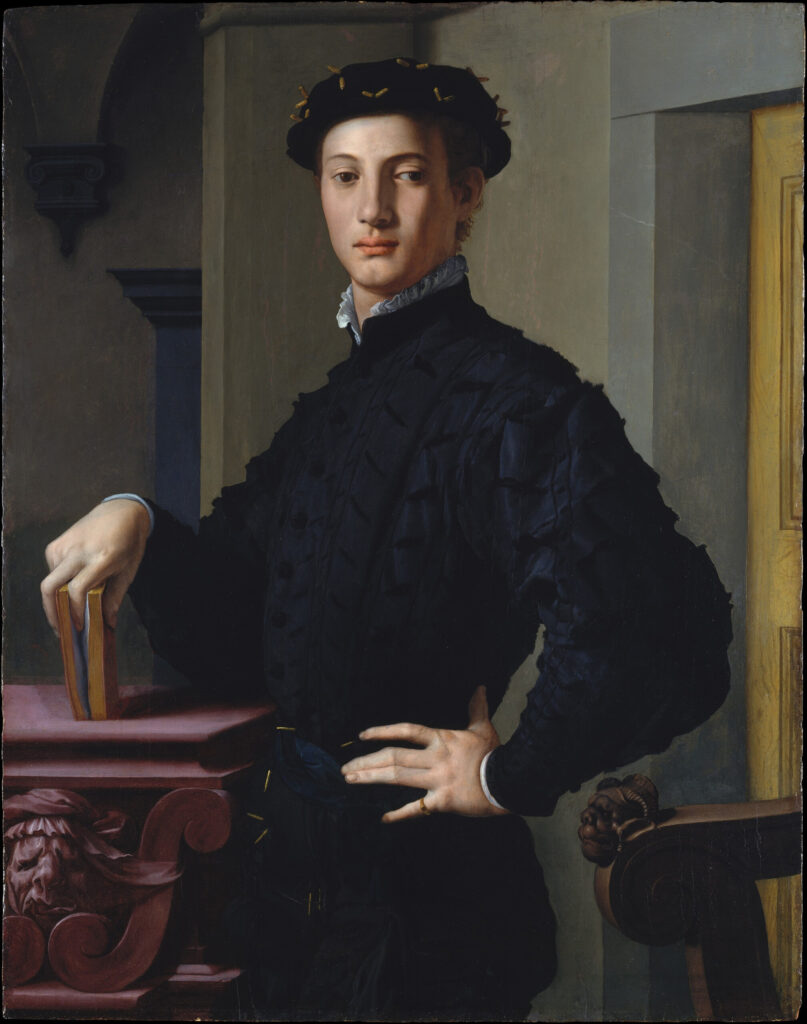
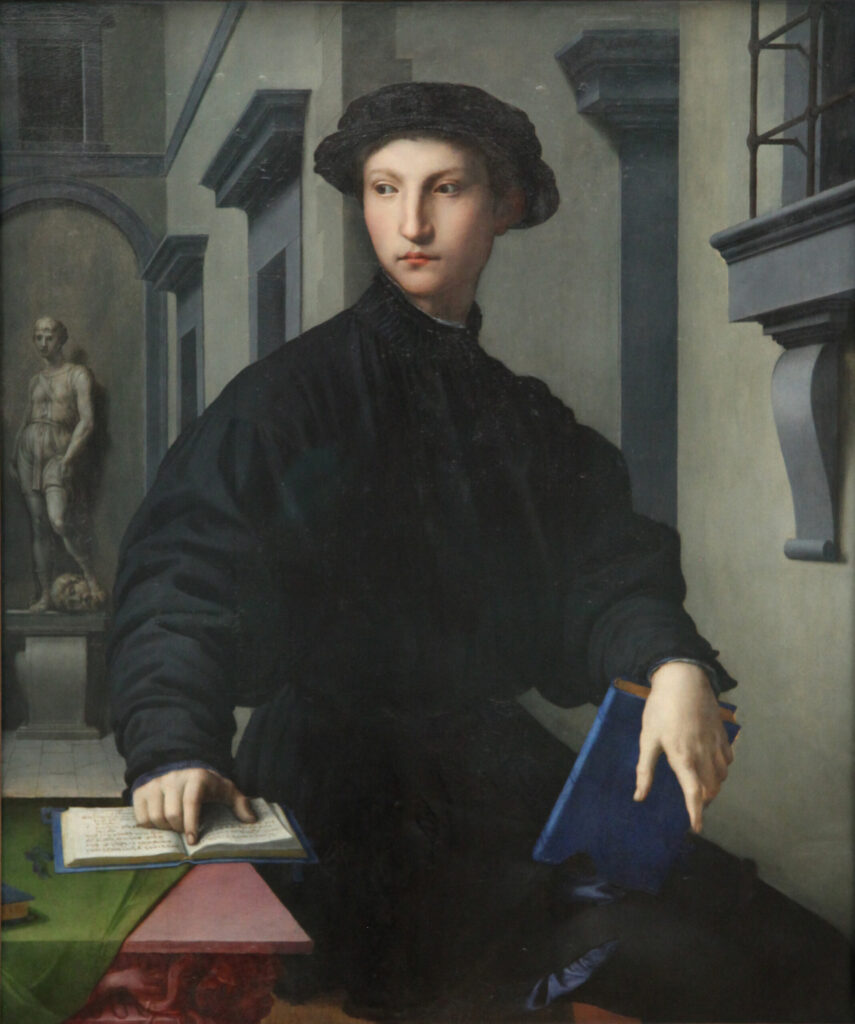
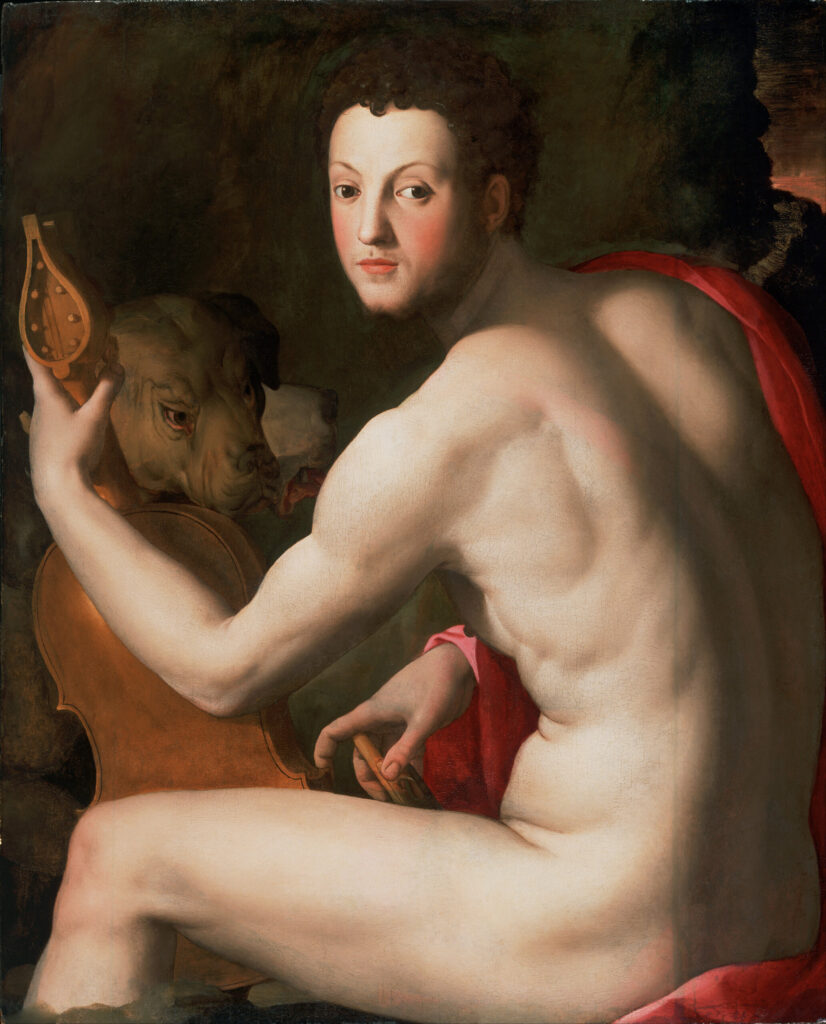
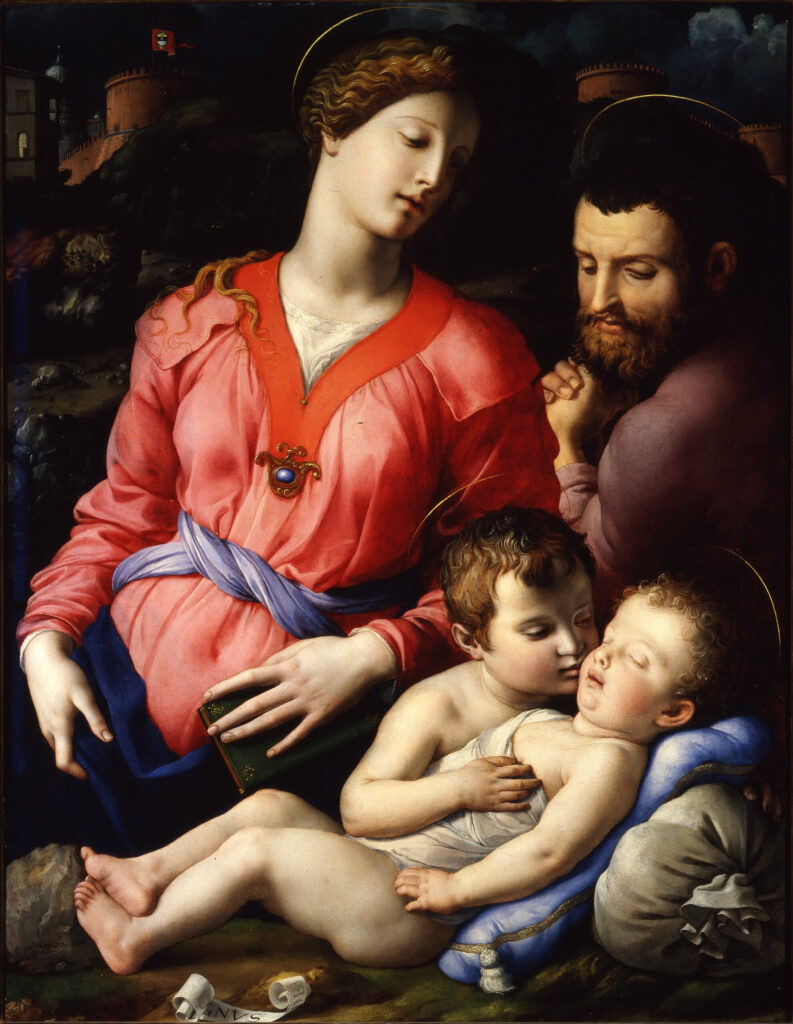
Bronzino
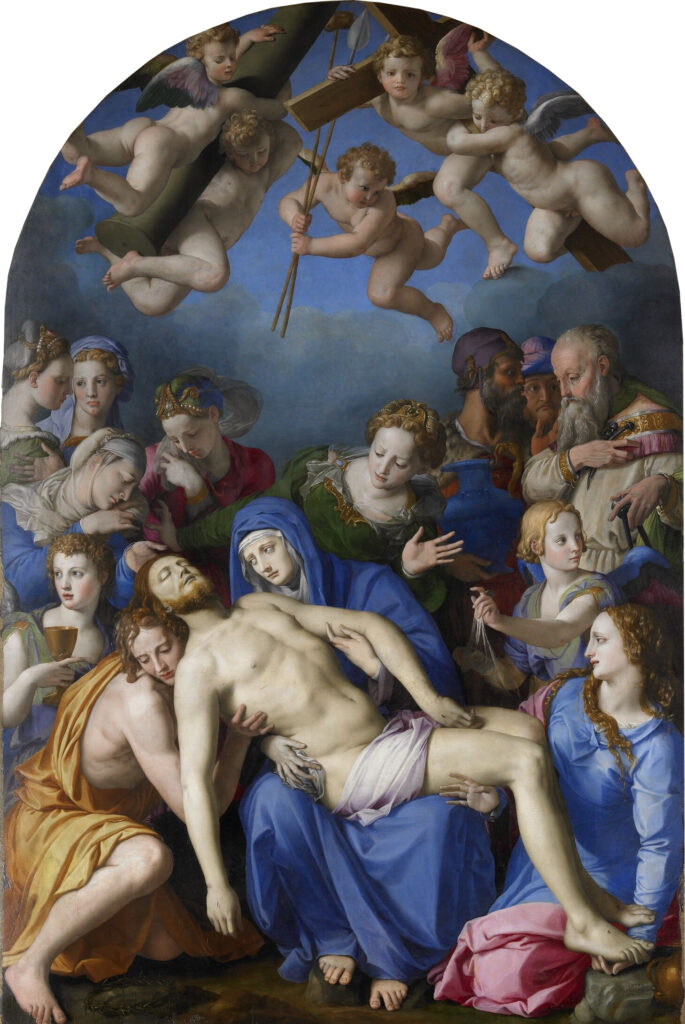
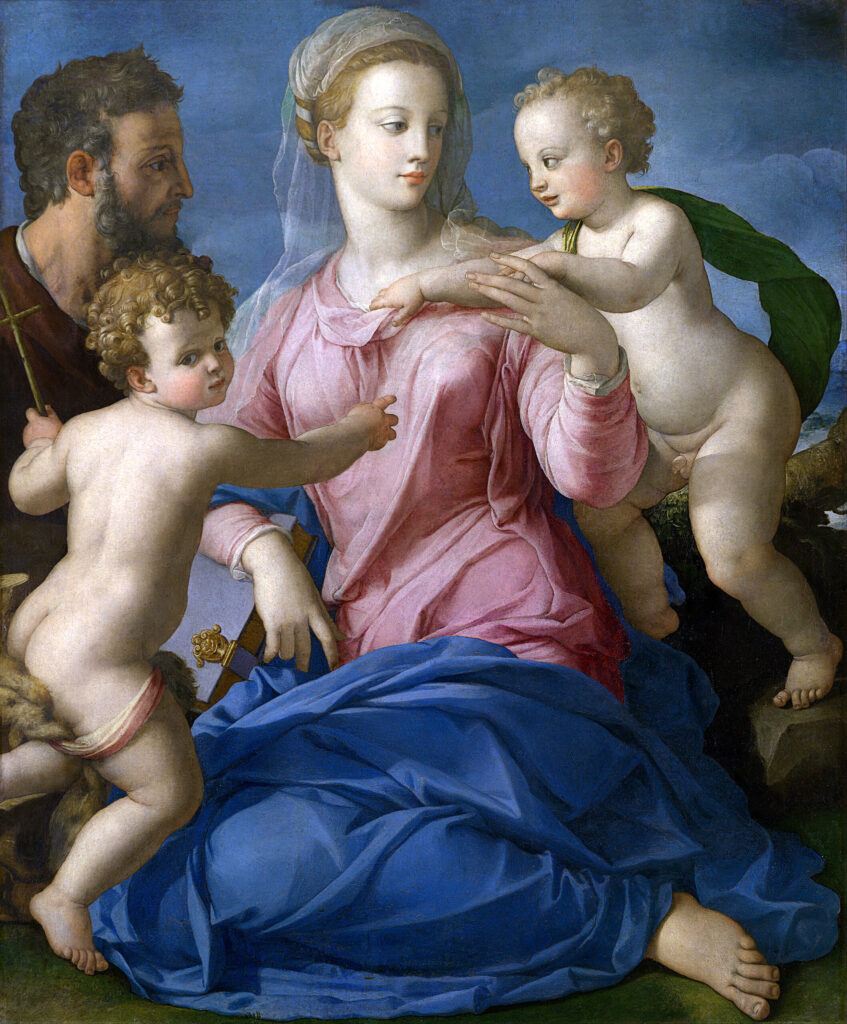
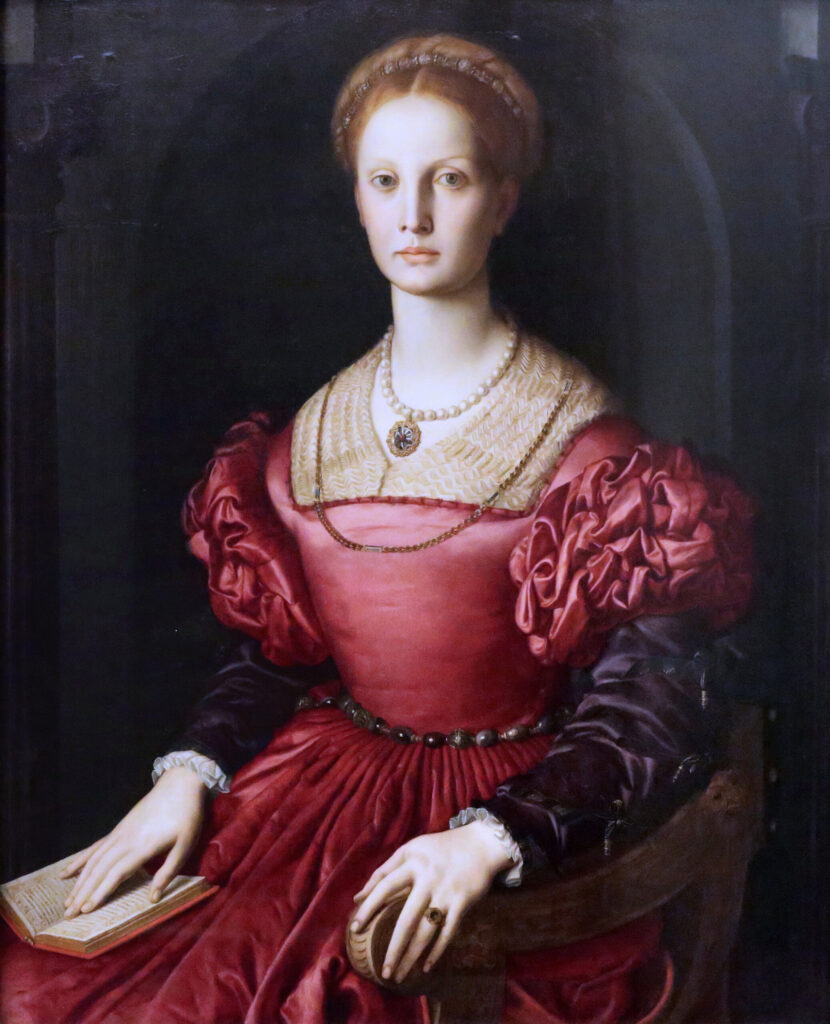
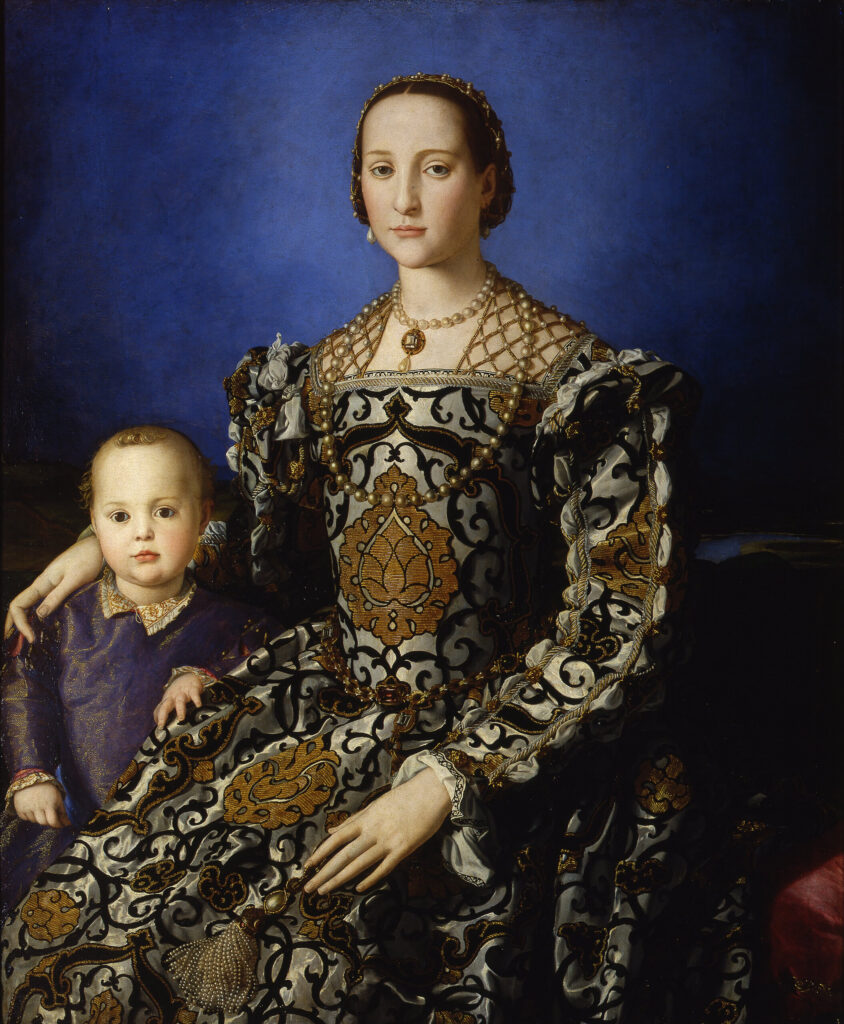
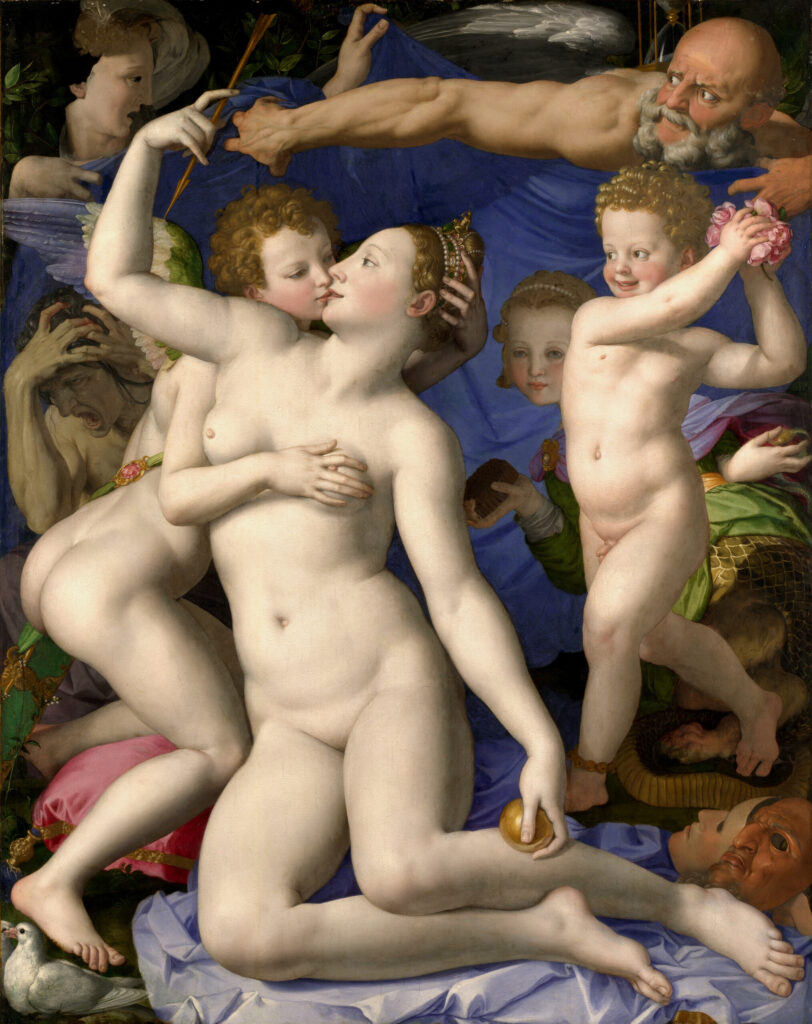
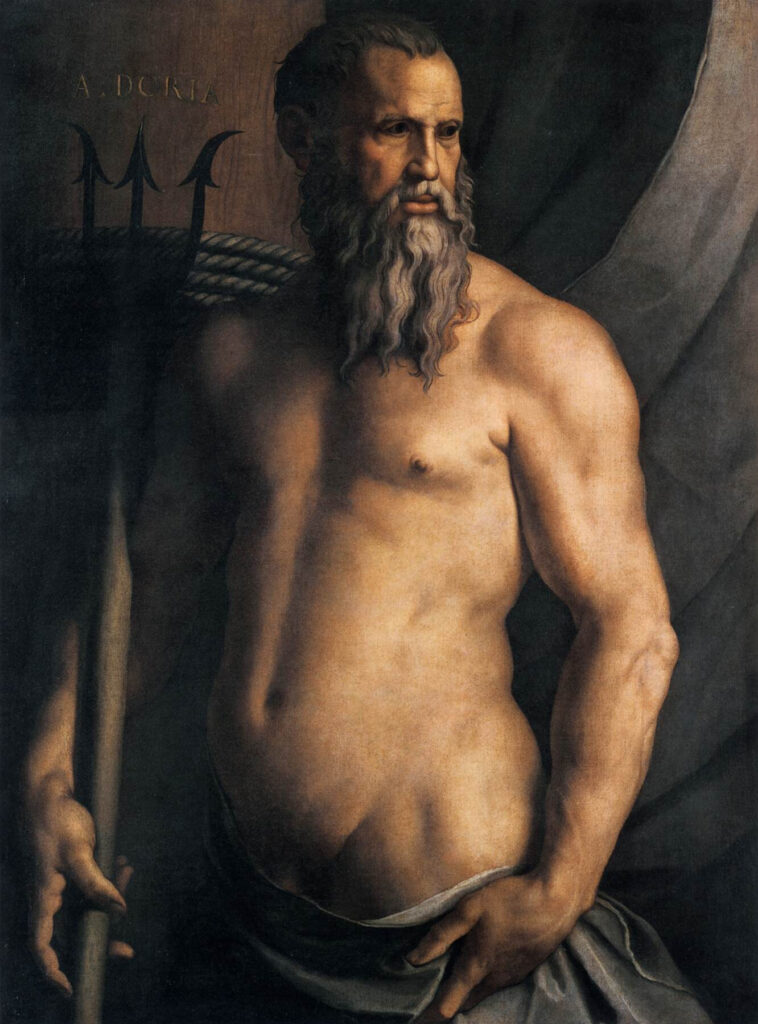
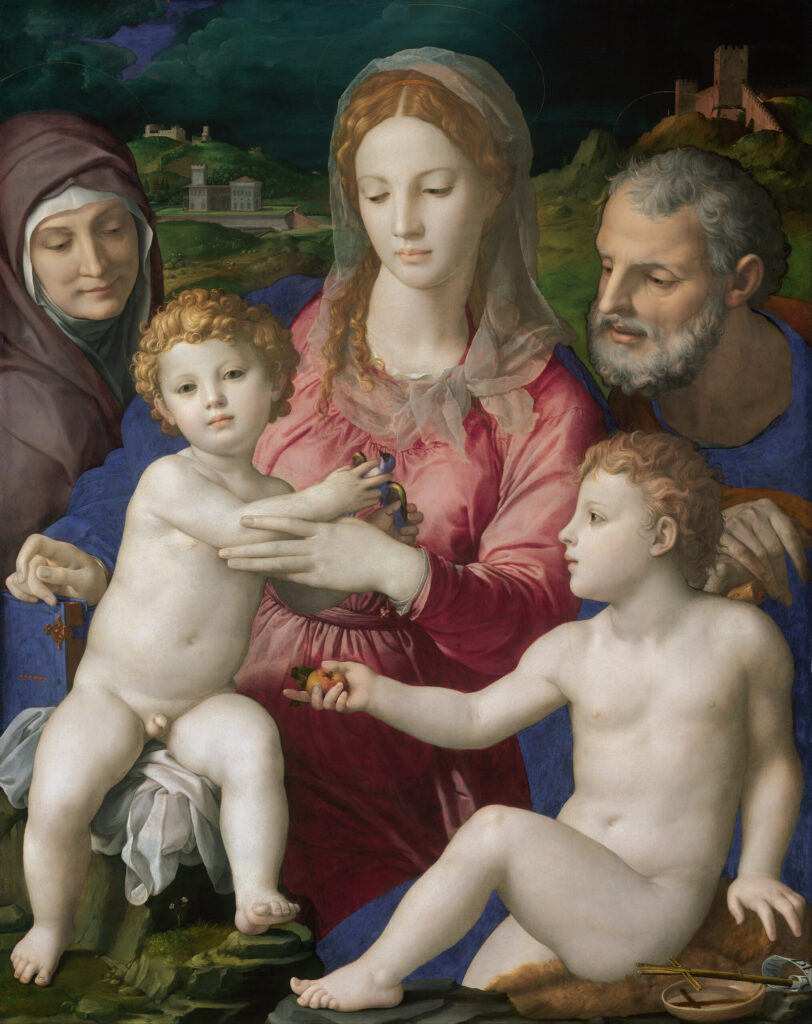
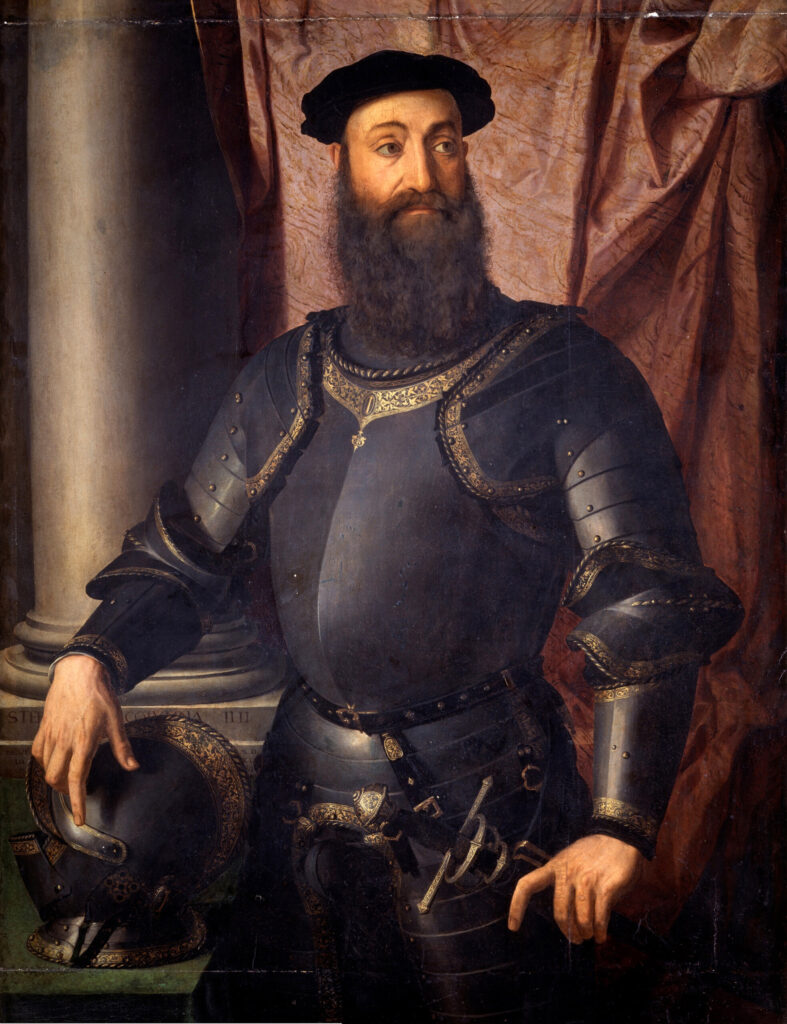
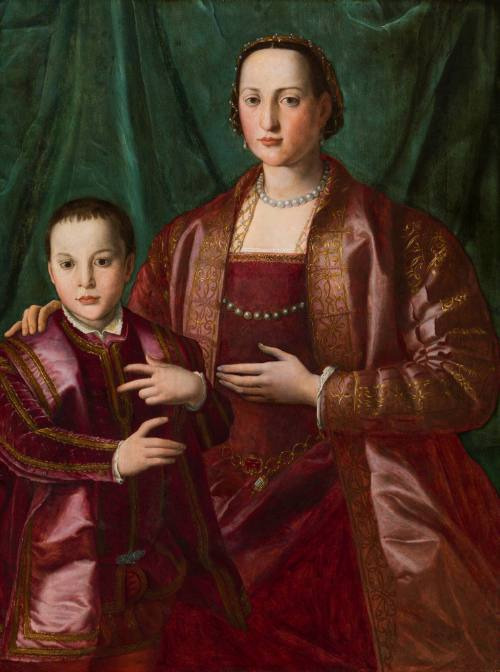
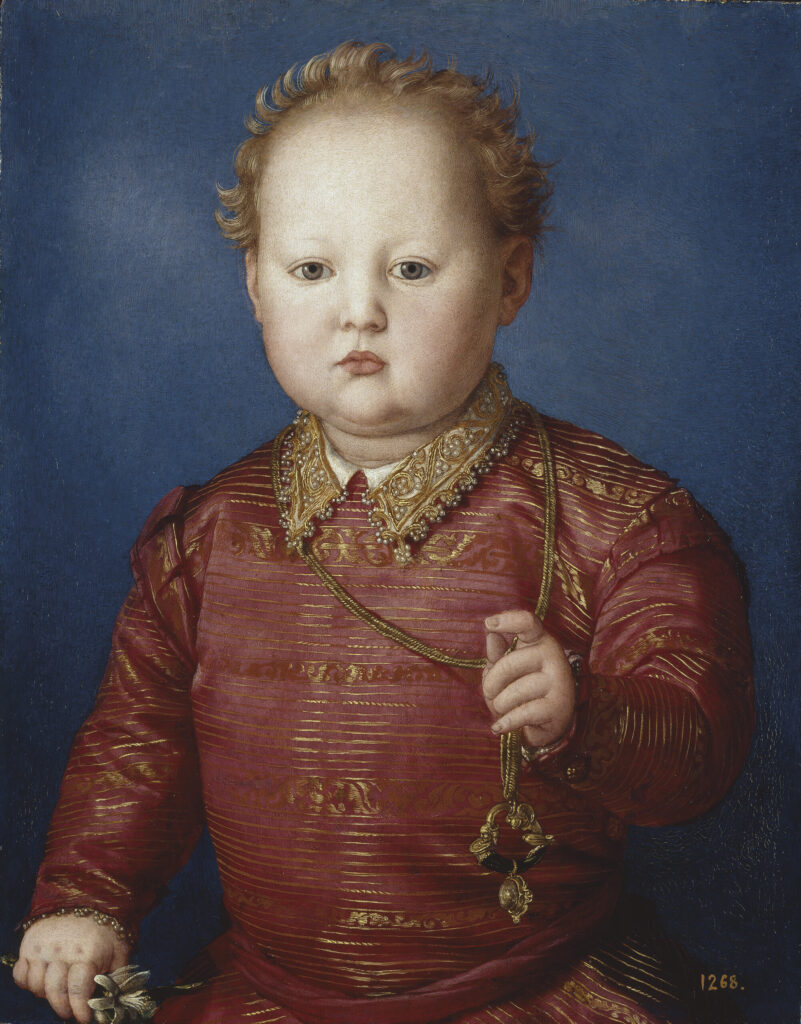
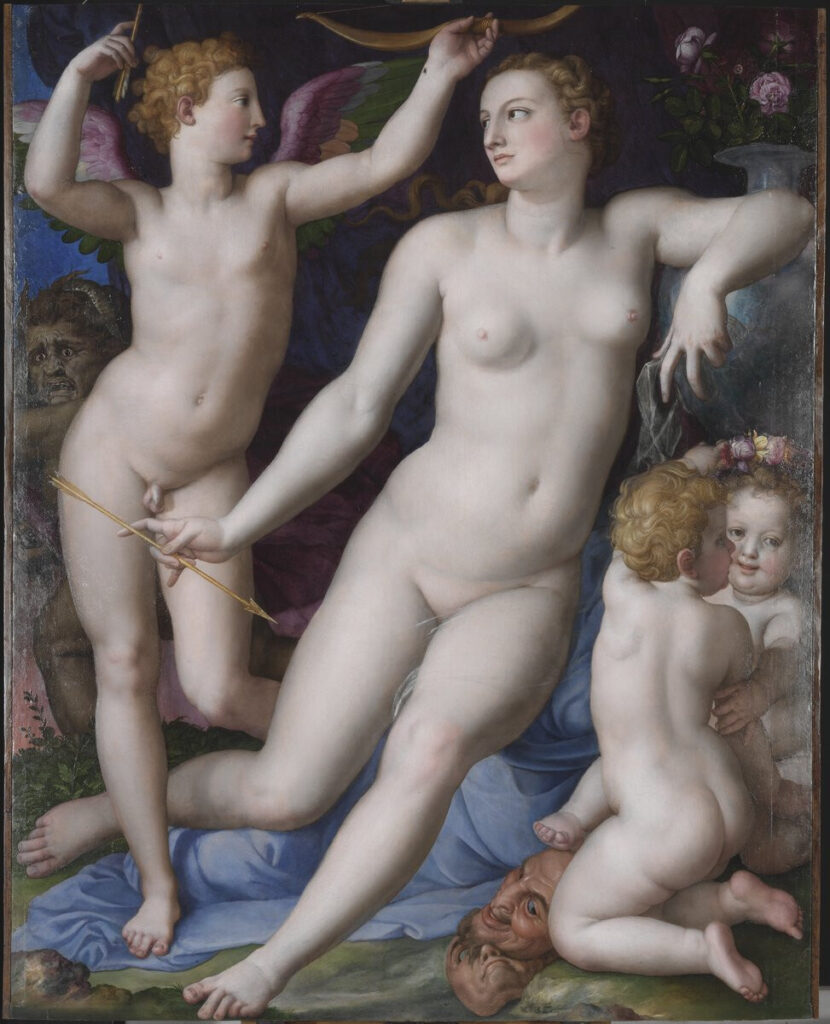
Agnolo Bronzino, November 17, 1503–November 23, 1572, was an Italian painter, draftsman, and poet associated with Florentine Mannerism. Born Agnolo di Cosimo in Monticelli near Florence, he first trained with Raffaellino del Garbo and then with Jacopo Pontormo, who became his principal teacher and collaborator.
Bronzino assisted Pontormo on major commissions and worked briefly at the court of Urbino before establishing his career in Florence. From the late 1530s he served Cosimo I de' Medici and Eleonora di Toledo as a court artist, producing portraits, religious paintings, frescoes, tapestry designs, and works for Medici ceremonies and residences.
Alessandro Allori entered Bronzino’s household and workshop as his pupil and continued his artistic legacy. Bronzino’s paintings and drawings are held by the Uffizi Gallery, National Gallery in London, Metropolitan Museum of Art, Kunsthistorisches Museum, Pinacoteca di Brera, Museo del Prado, and other major collections.
Jacopo Bassano
Jacopo Bassano, born Jacopo dal Ponte around 1510 in Bassano del Grappa, trained first with his painter father, Francesco da Ponte, and then studied in Venice. He was known by the name of his native town.
Bassano returned to Bassano del Grappa and led a family workshop. He painted altarpieces, biblical subjects, landscapes, and portraits, often bringing animals, rural settings, and closely observed natural detail into religious scenes.
He died in 1592. His sons Francesco, Giovanni Battista, Leandro, and Gerolamo continued the workshop and extended the Bassano manner well into the following century.


Lucas Cranach the Younger
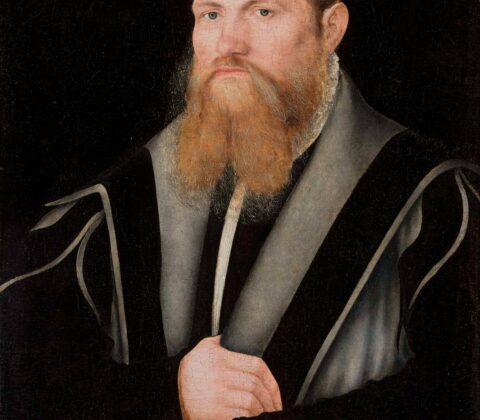
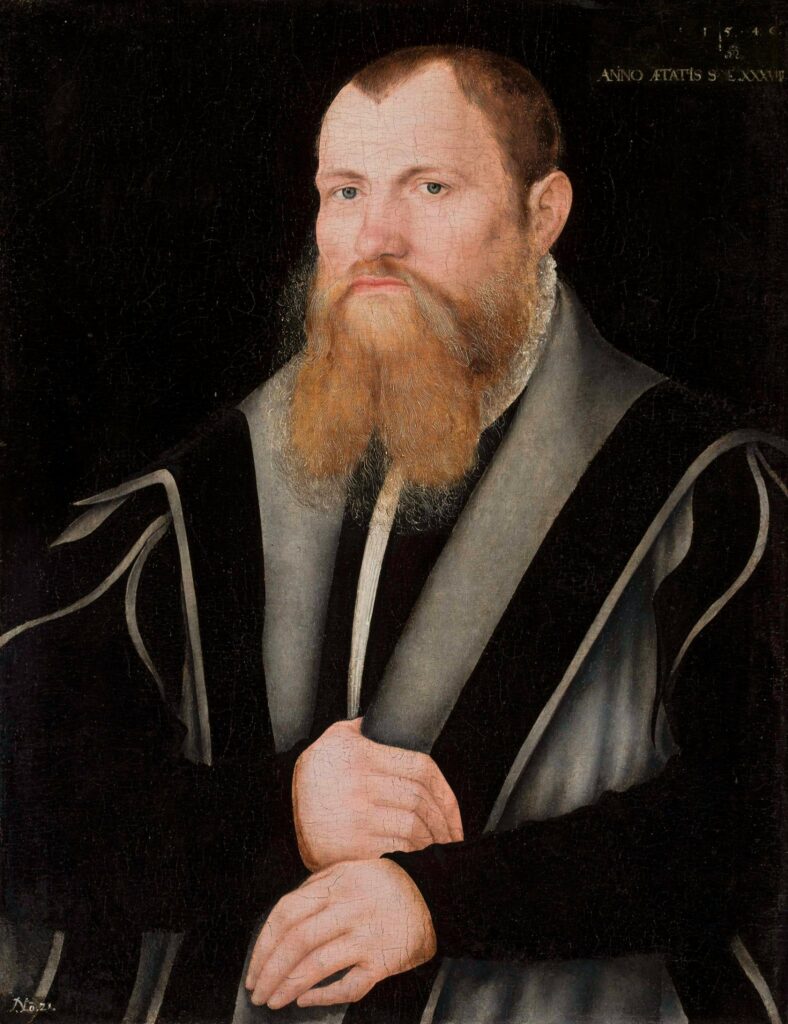
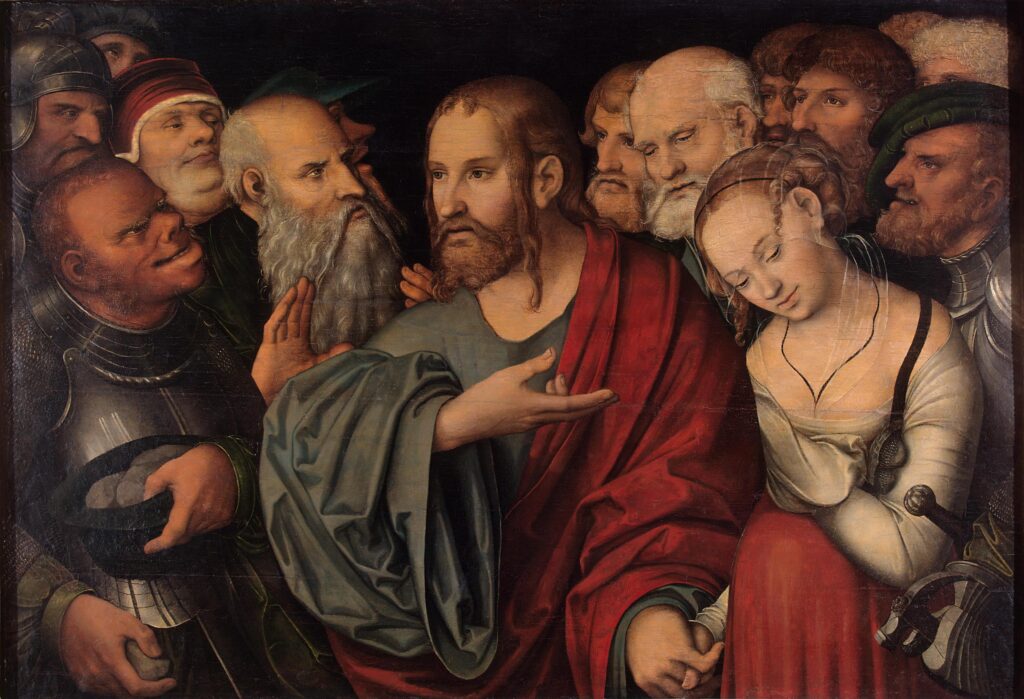
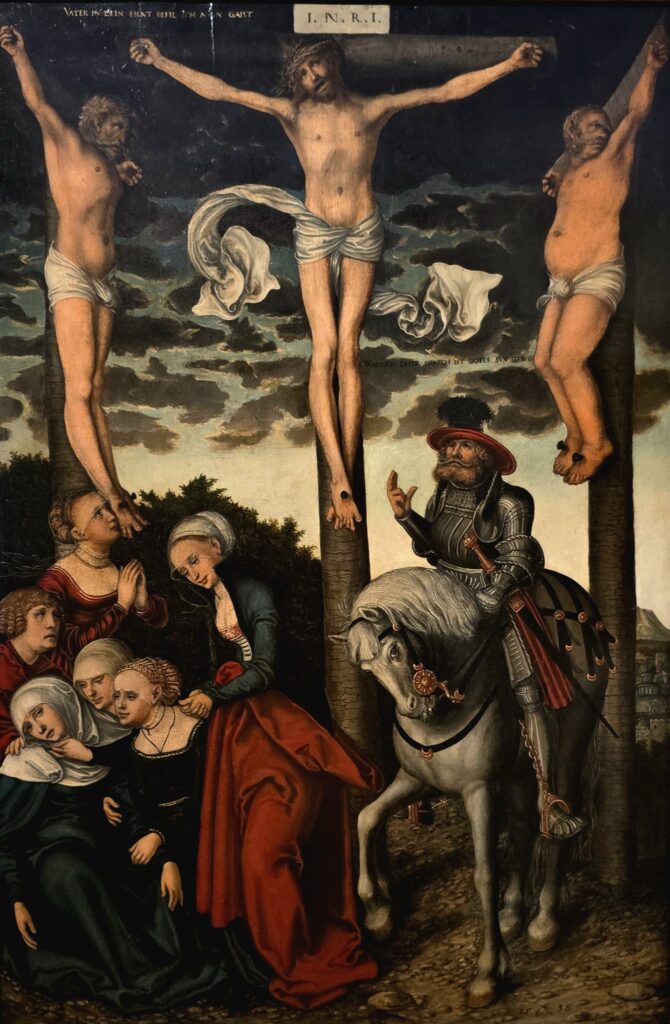
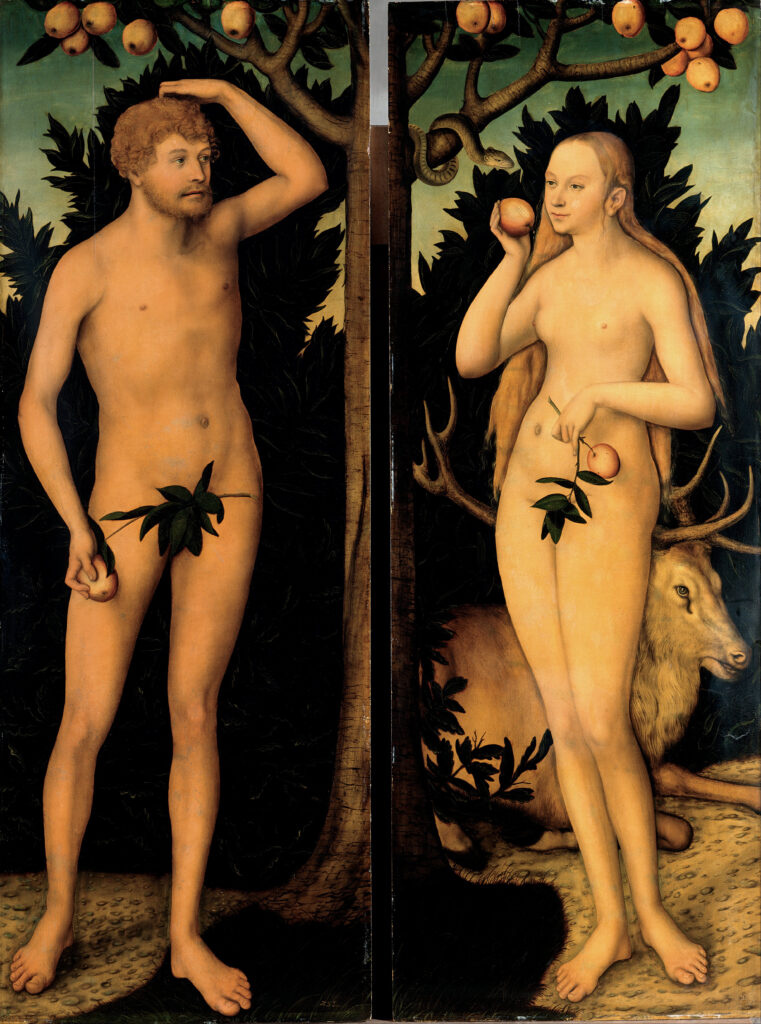
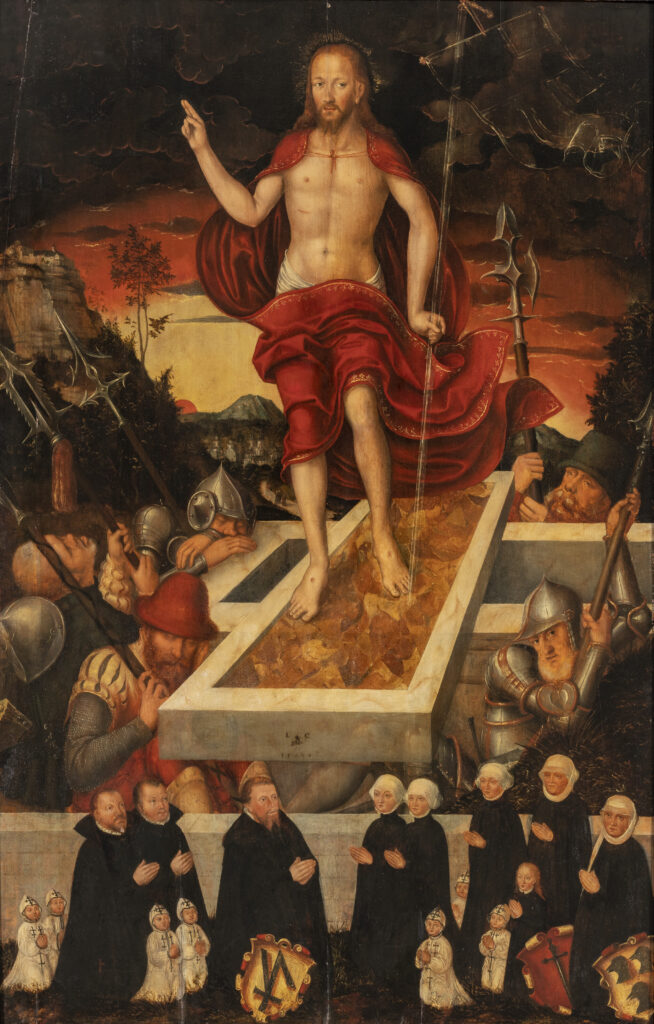
Lucas Cranach the Younger, October 4, 1515 – January 25, 1586, was a German Renaissance painter born in Wittenberg. He trained in the workshop of his father, Lucas Cranach the Elder, alongside his elder brother Hans Cranach.
After Hans’s death in 1537, Cranach assumed greater responsibility in the family workshop and became its head when his father left Wittenberg in 1550. He produced portraits, altarpieces, biblical scenes, and mythological subjects, and continued the workshop’s close association with the Saxon court and the Protestant Reformation.
Cranach also served Wittenberg as a council member, chamberlain, and burgomaster. He died in Wittenberg, and his works are held by institutions including the Dresden State Art Collections, the Kunsthistorisches Museum, the Museum of Fine Arts, Houston, and the National Museum in Warsaw.





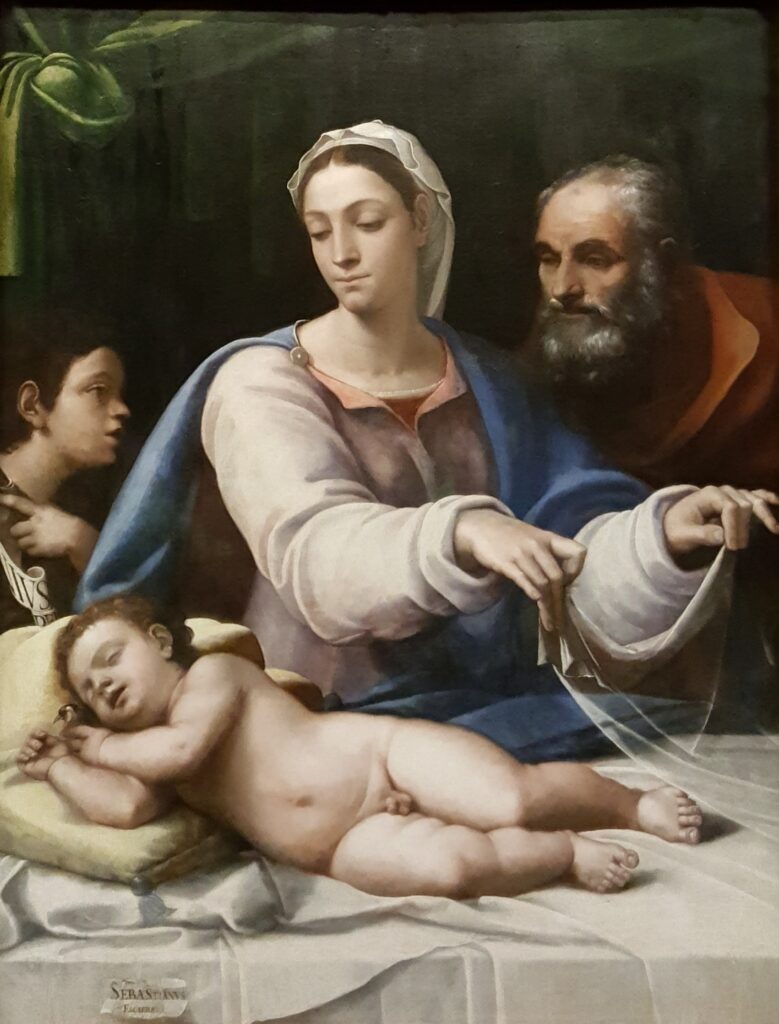
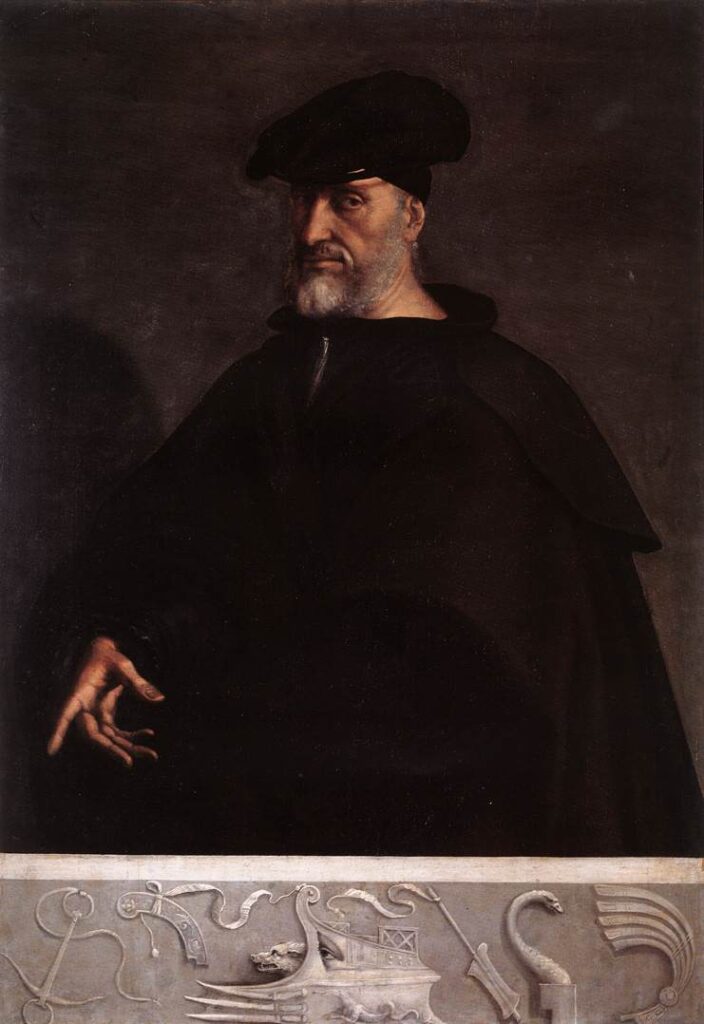
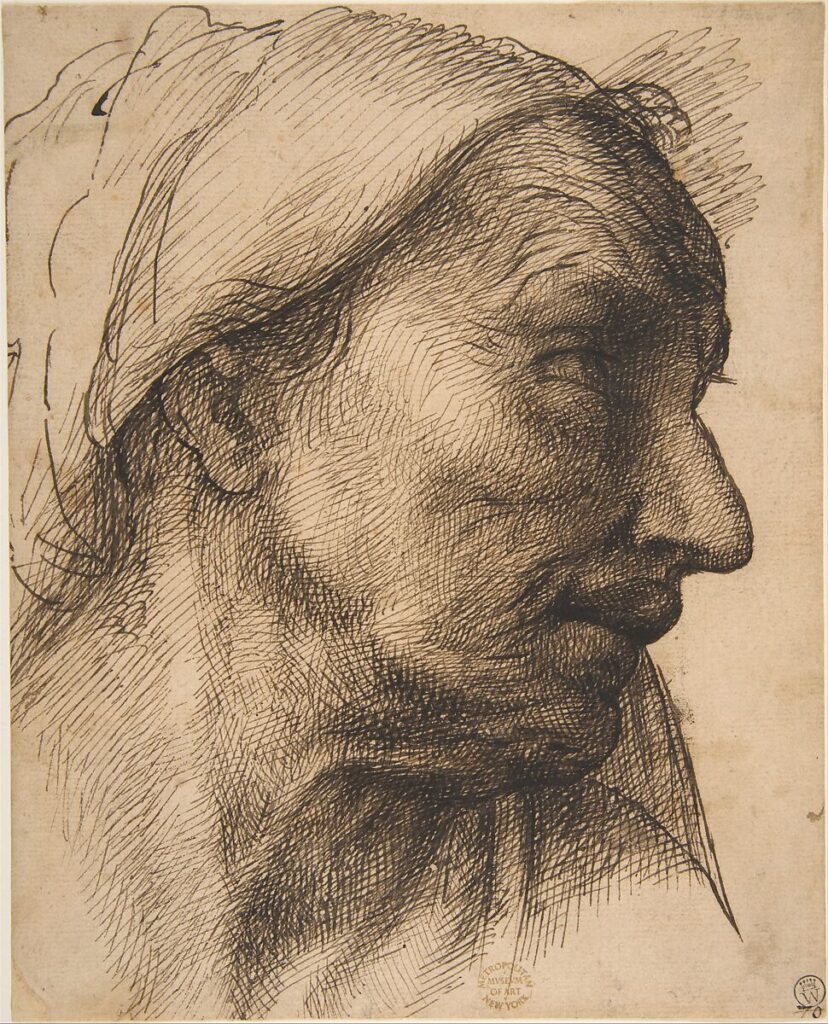
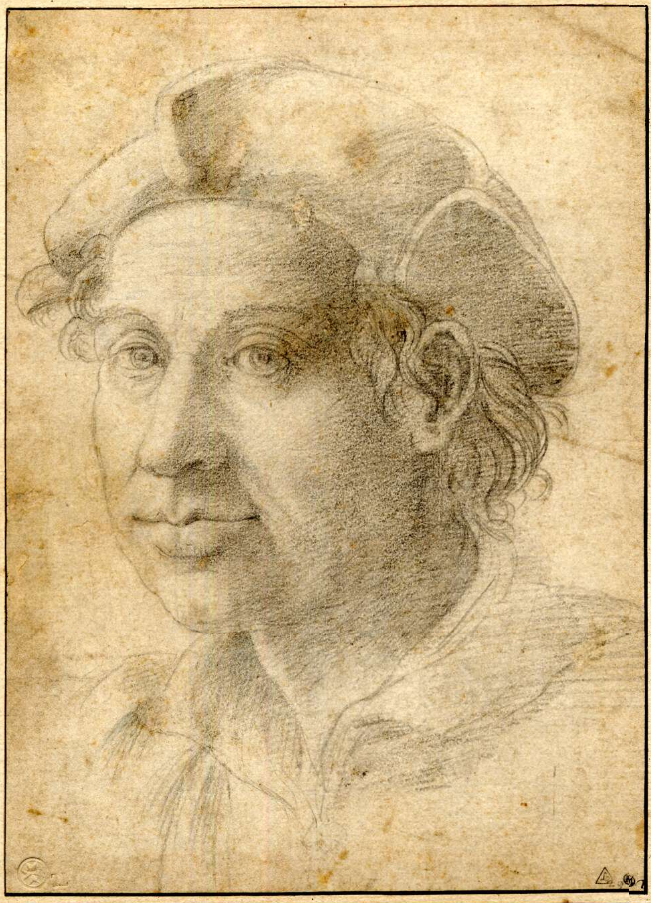
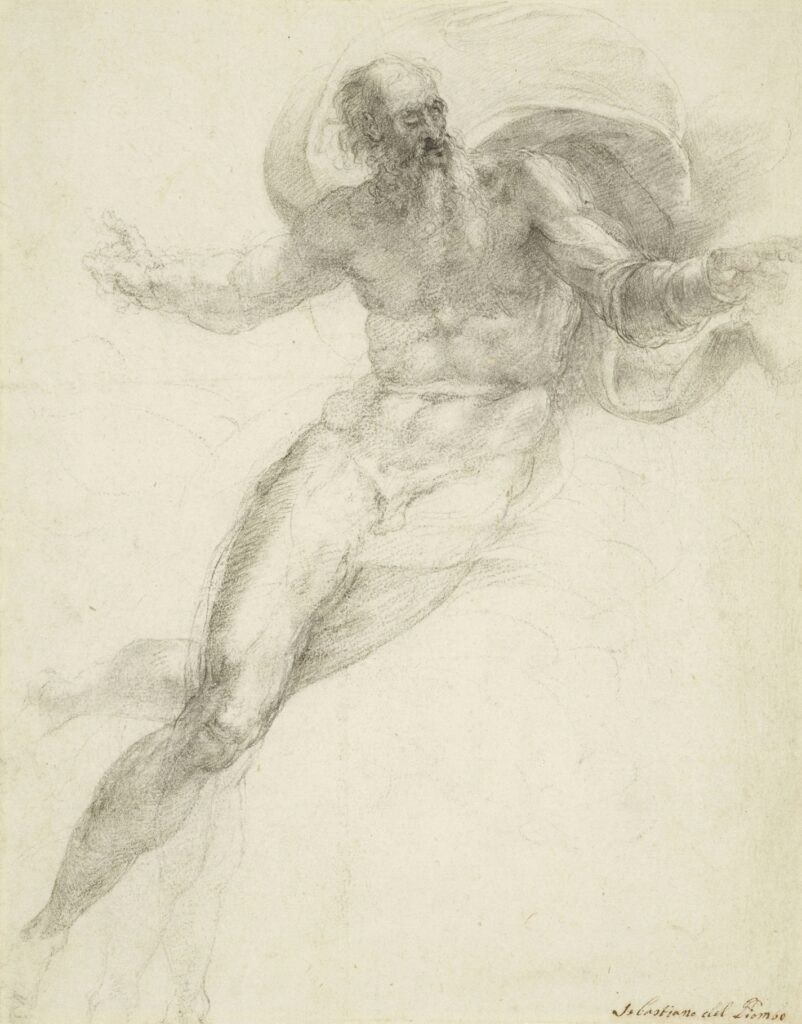
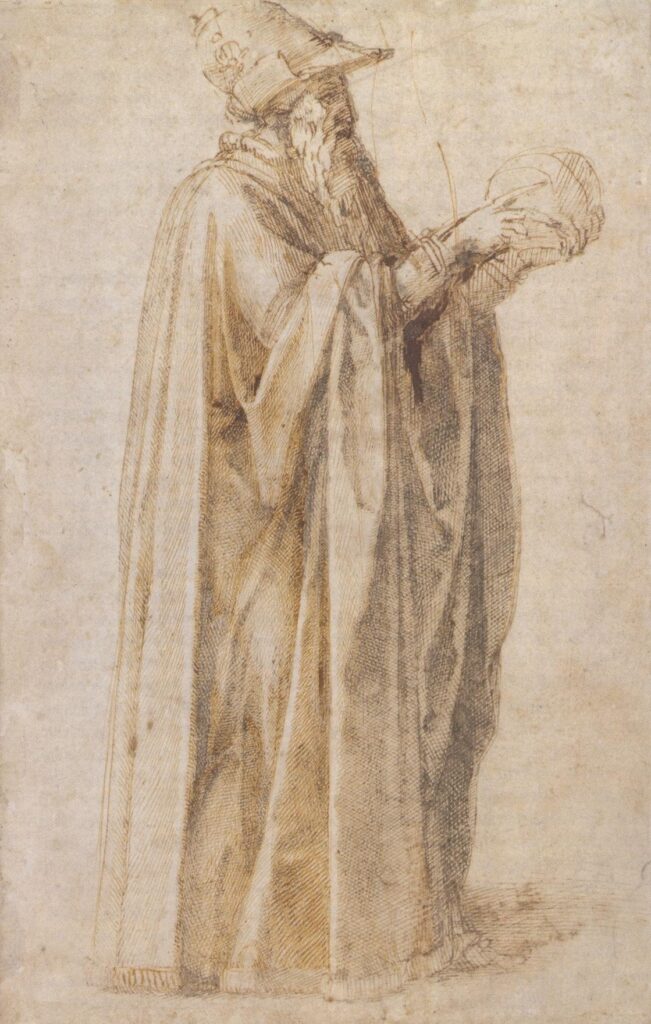
Sebastiano del Piombo
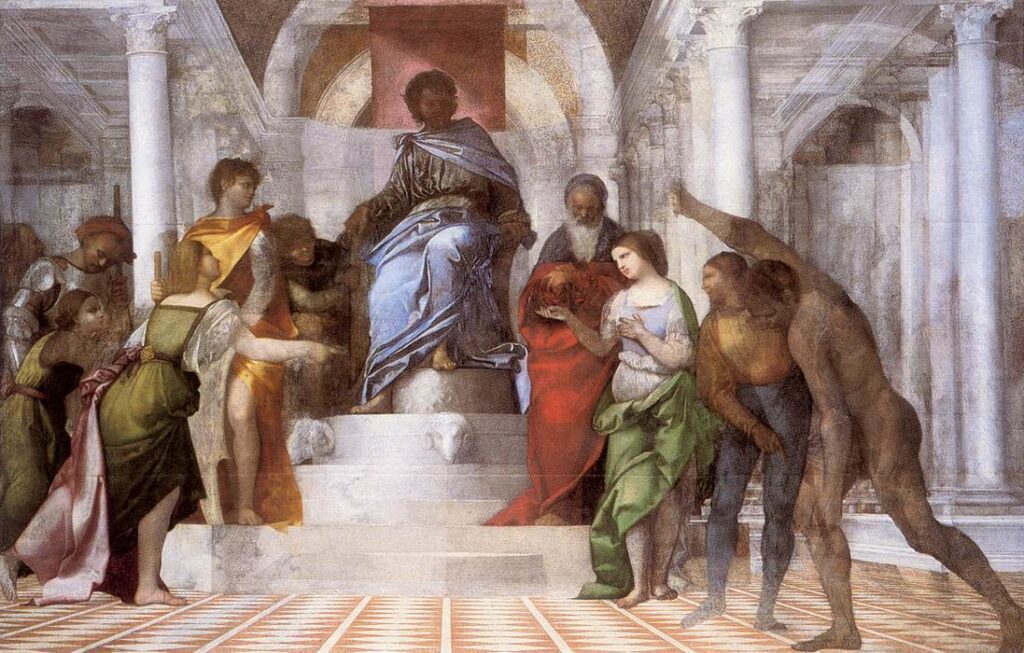
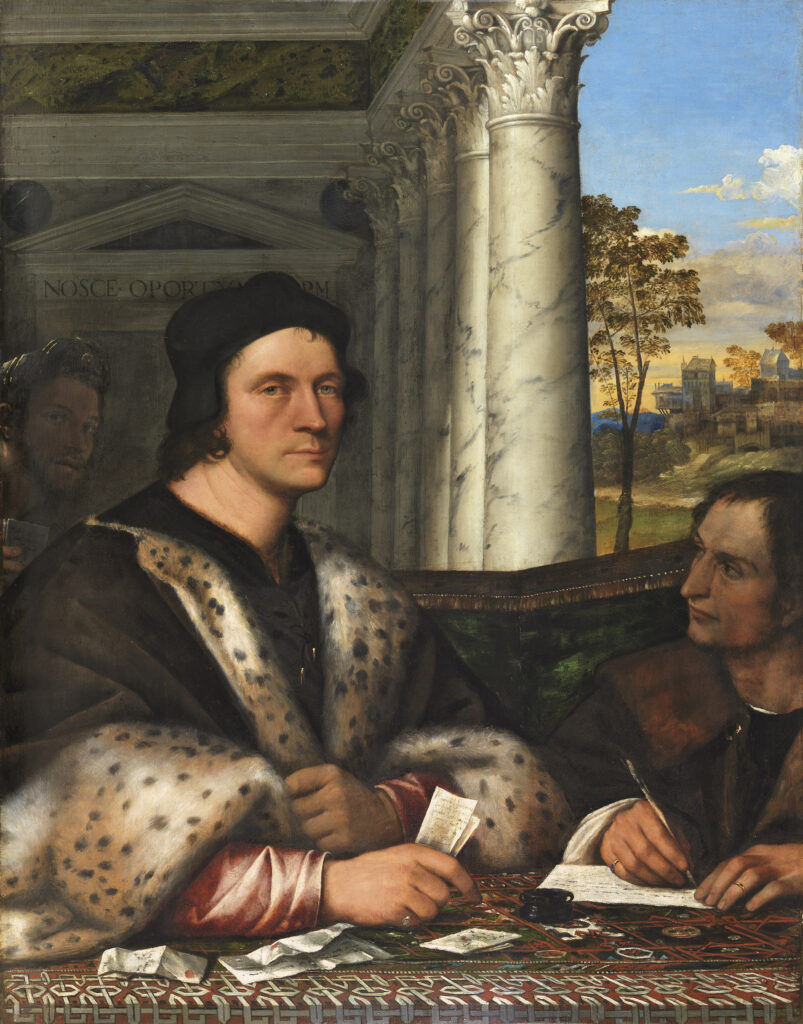
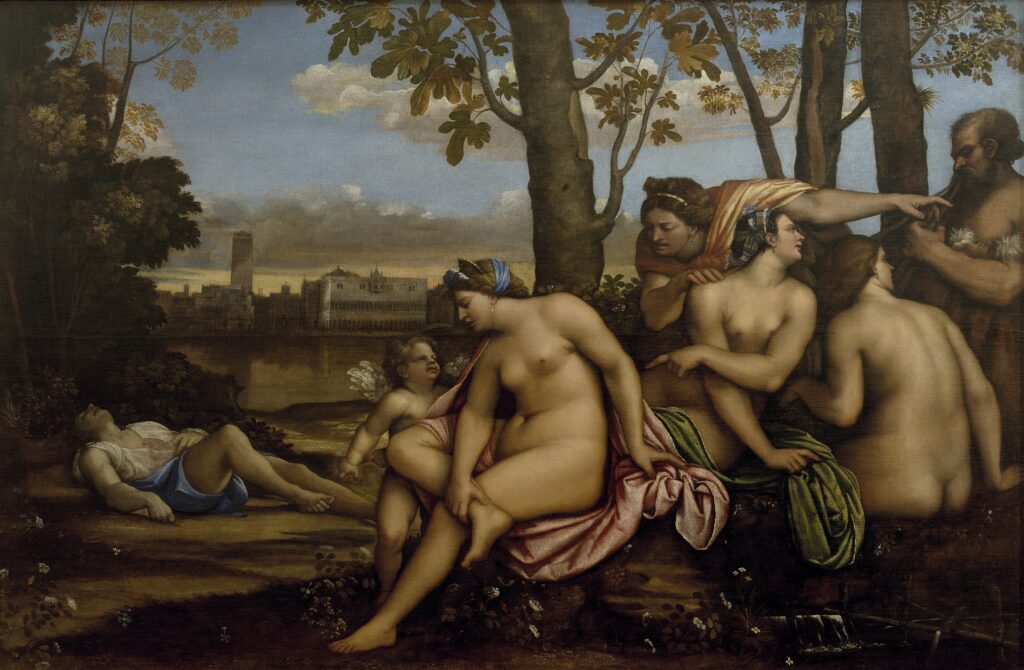
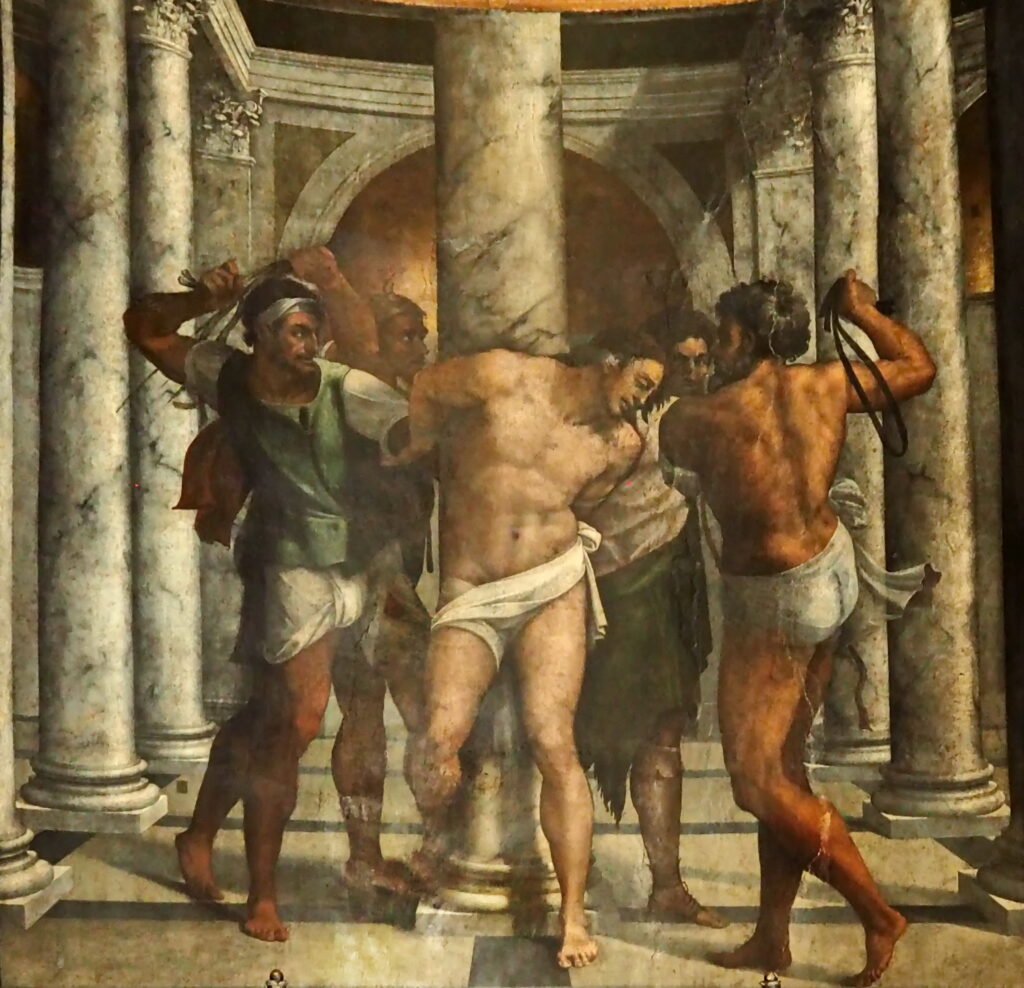
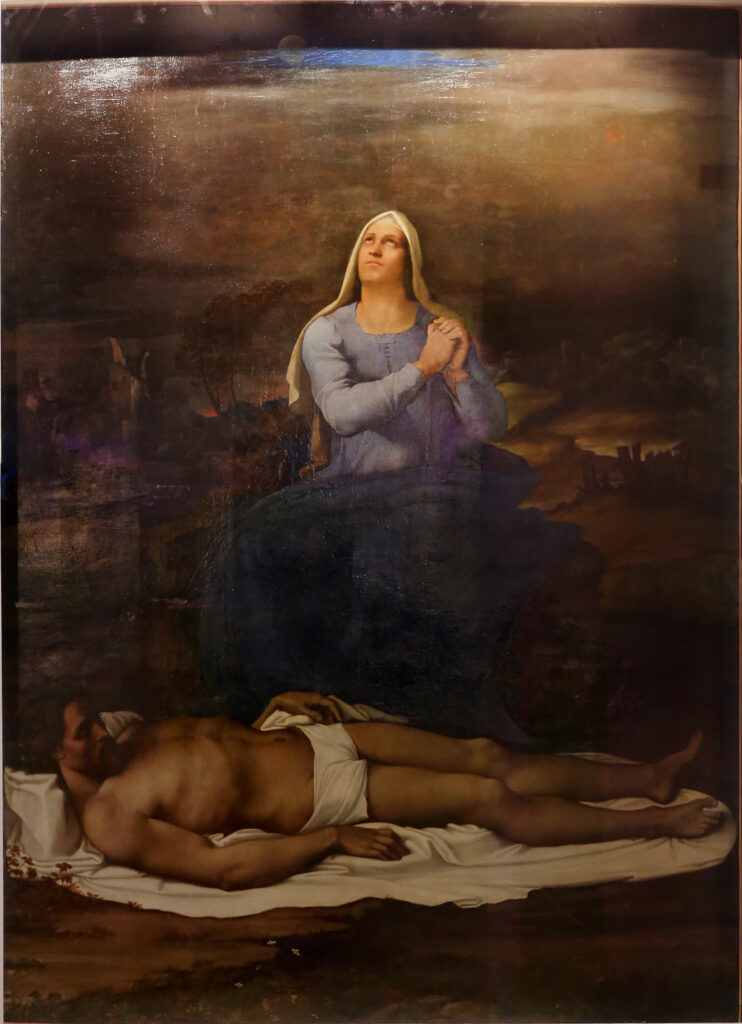
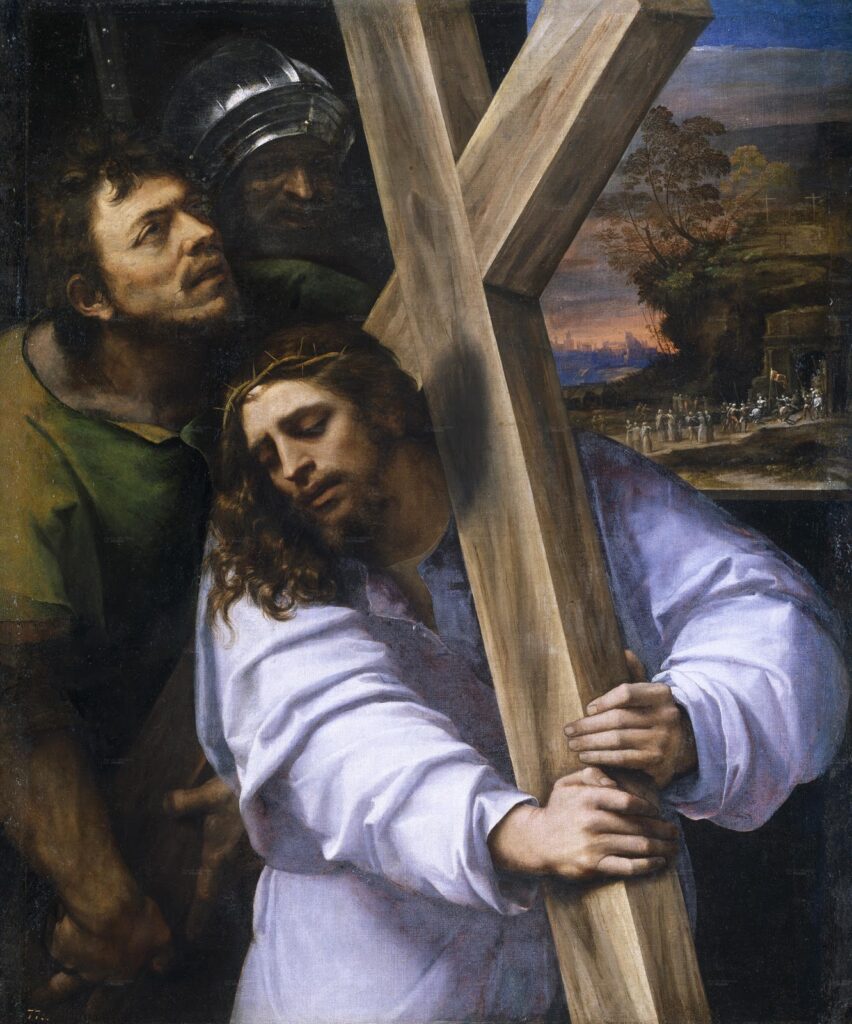
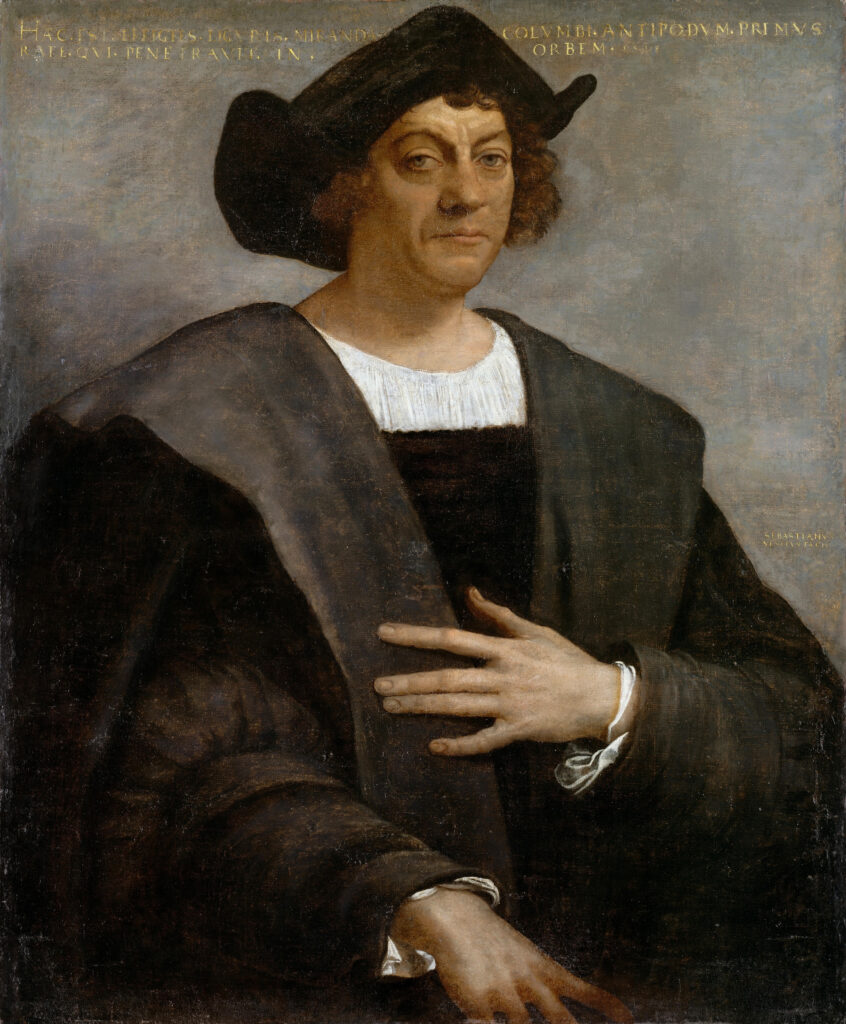
Sebastiano del Piombo, c 1485–June 21, 1547, was an Italian painter born in Venice. He was probably trained with Giovanni Bellini and Giorgione before moving to Rome in 1511 under the patronage of Agostino Chigi.
In Rome, he became close to Michelangelo and developed a distinctive synthesis of Venetian colour and Roman monumentality. He painted religious works and portraits, and in 1531 received the office of Keeper of the Papal Seal, from which his name “del Piombo” derives.
He died in Rome in 1547. His work is represented in collections including the Uffizi Gallery, Museo del Prado, Metropolitan Museum of Art, and National Gallery, London.




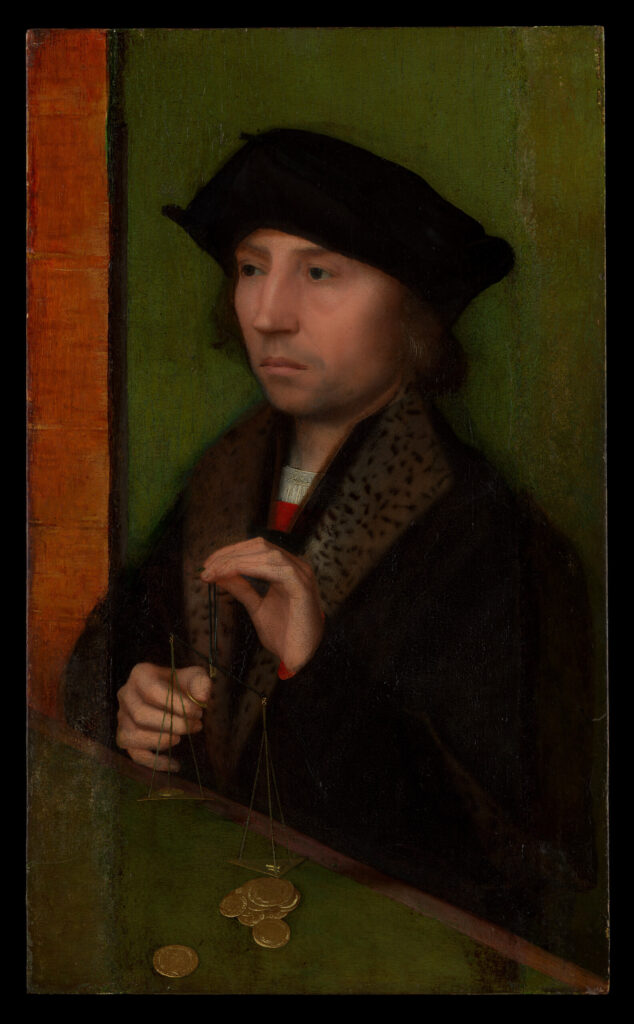
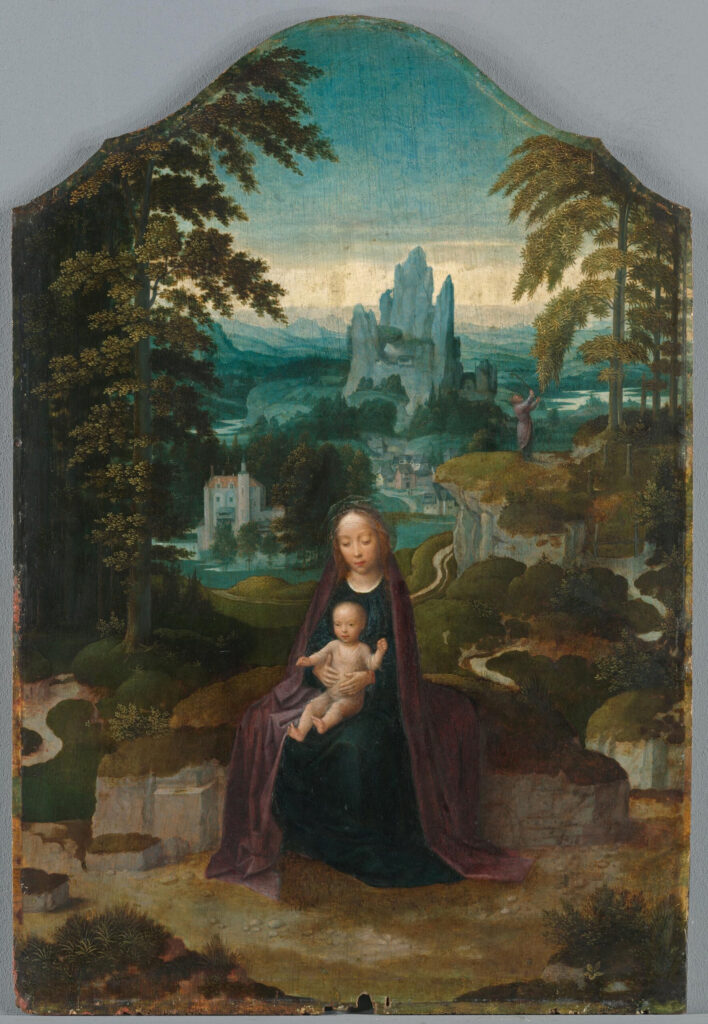
Adriaen Isenbrandt
Adriaen Isenbrandt, c 1485–July 1551, was a Netherlandish painter active in Bruges. His birthplace and early training are not documented; he entered the Bruges painters’ and saddlemakers’ guild as a master in 1510.
An early source associated him with Gerard David, whose workshop and compositions influenced the paintings attributed to Isenbrandt. Isenbrandt repeatedly held offices in the Bruges guild, maintained a workshop, and worked with Albert Cornelis and Lancelot Blondeel on decorations for the 1520 entry of Emperor Charles V into Bruges; Cornelis van Callenberghe is the only documented assistant in his workshop.
Paintings attributed to Isenbrandt are held by the Metropolitan Museum of Art, the National Gallery of Art, the J. Paul Getty Museum, Musea Brugge, the Royal Museums of Fine Arts of Belgium, and the Alte Pinakothek.