Posts in Category: 20th Century







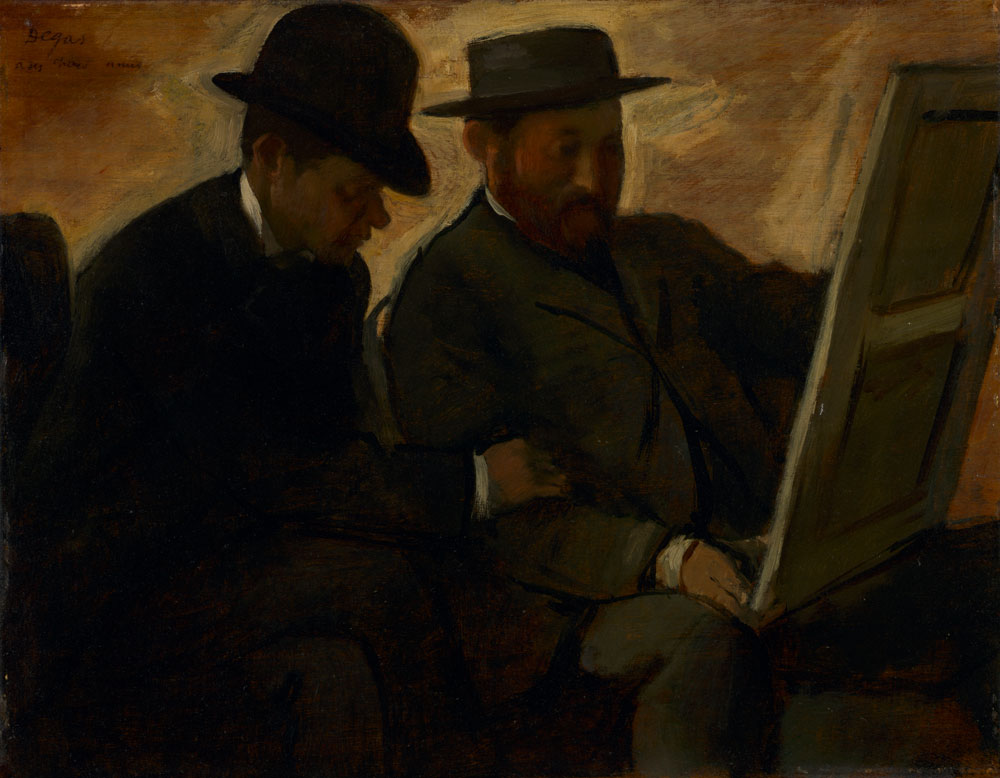
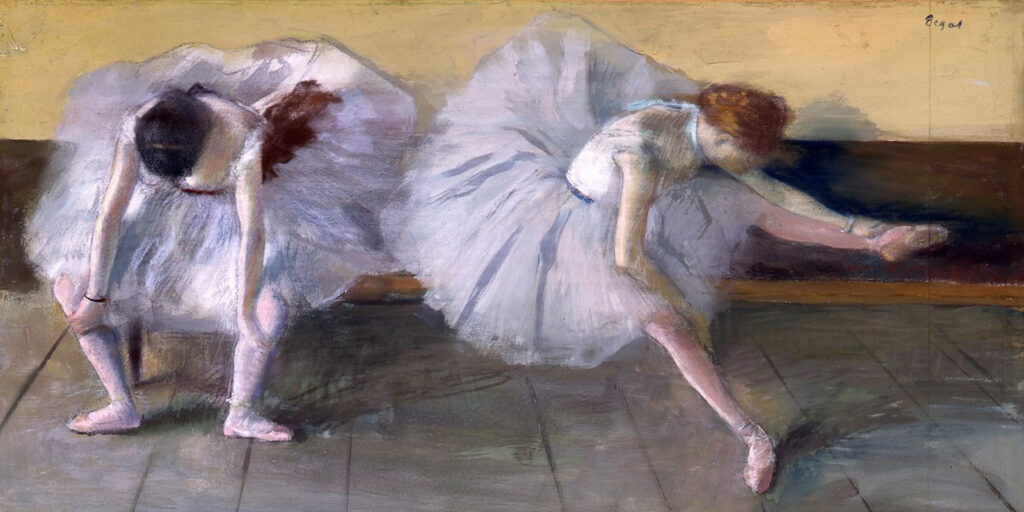
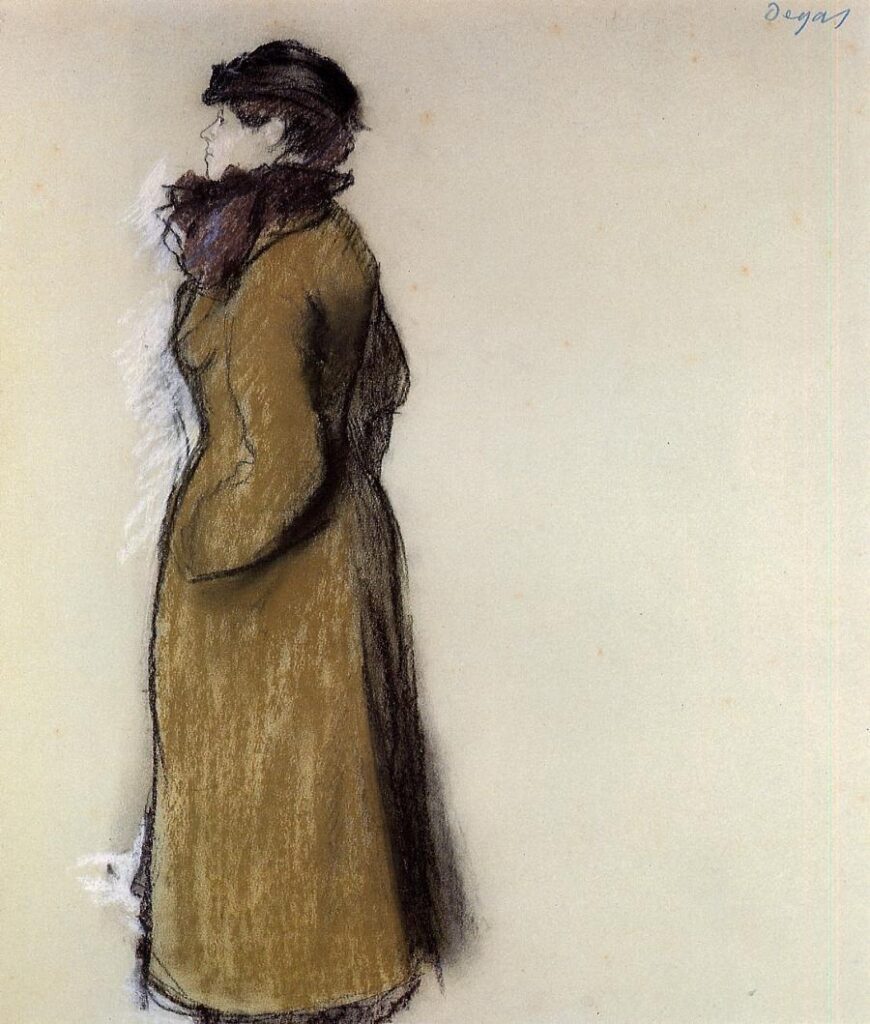
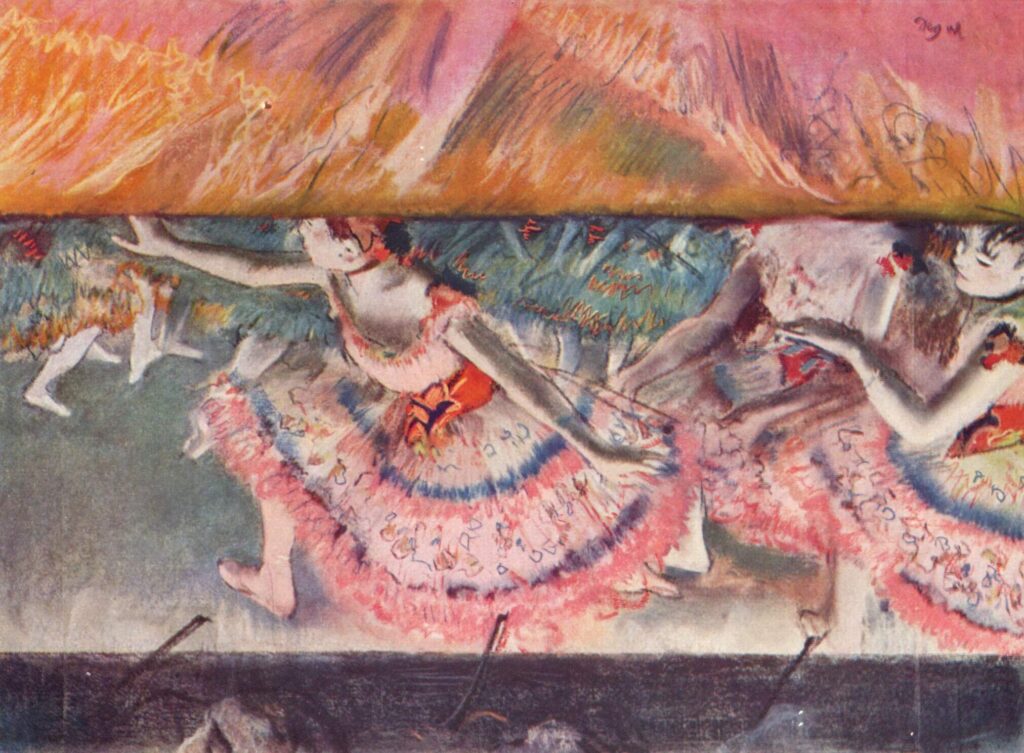
Edgar Degas
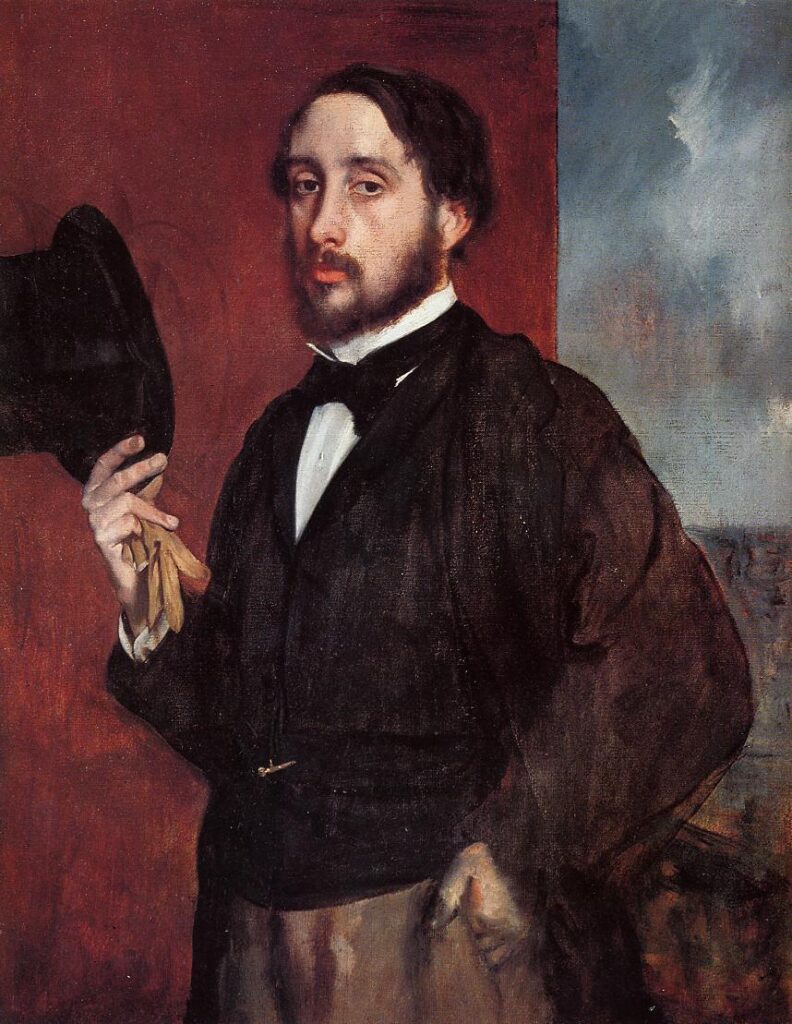
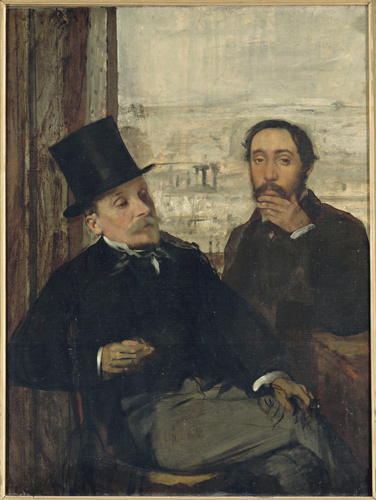
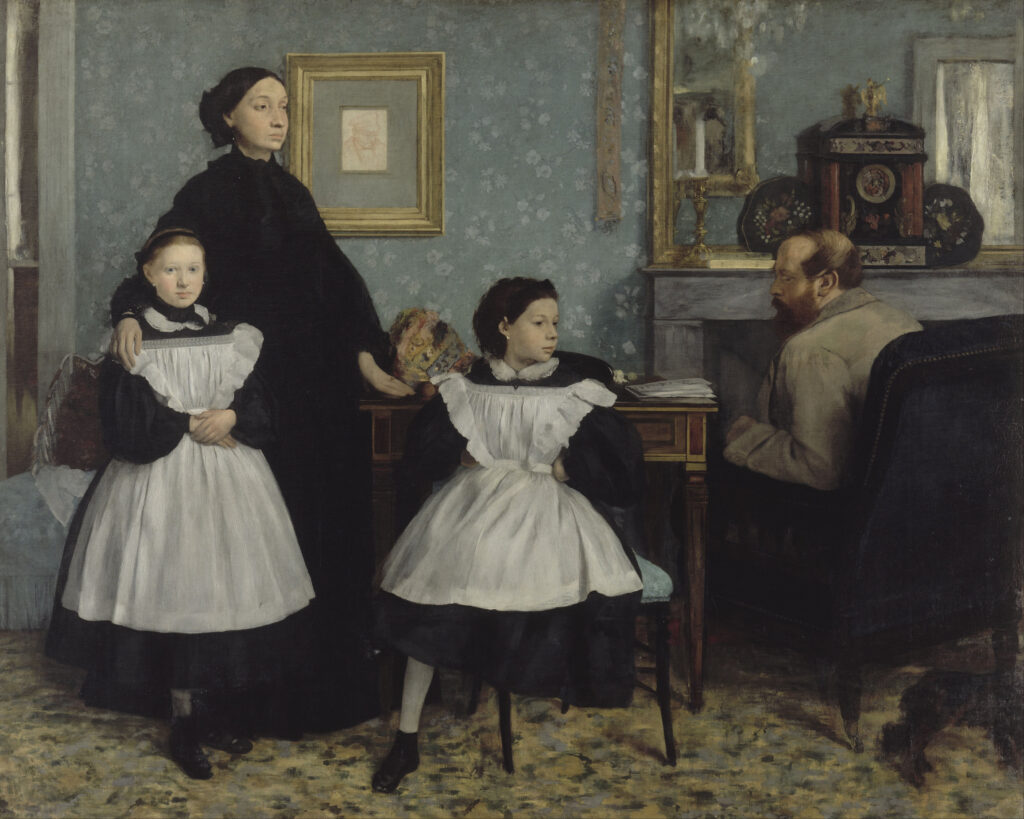
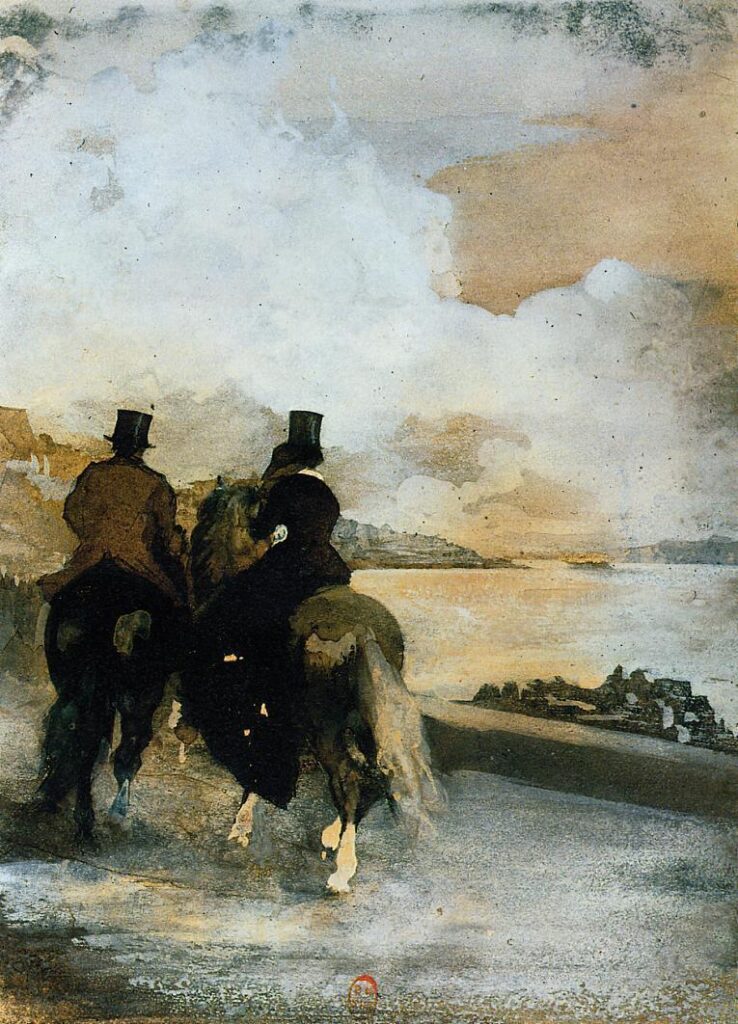
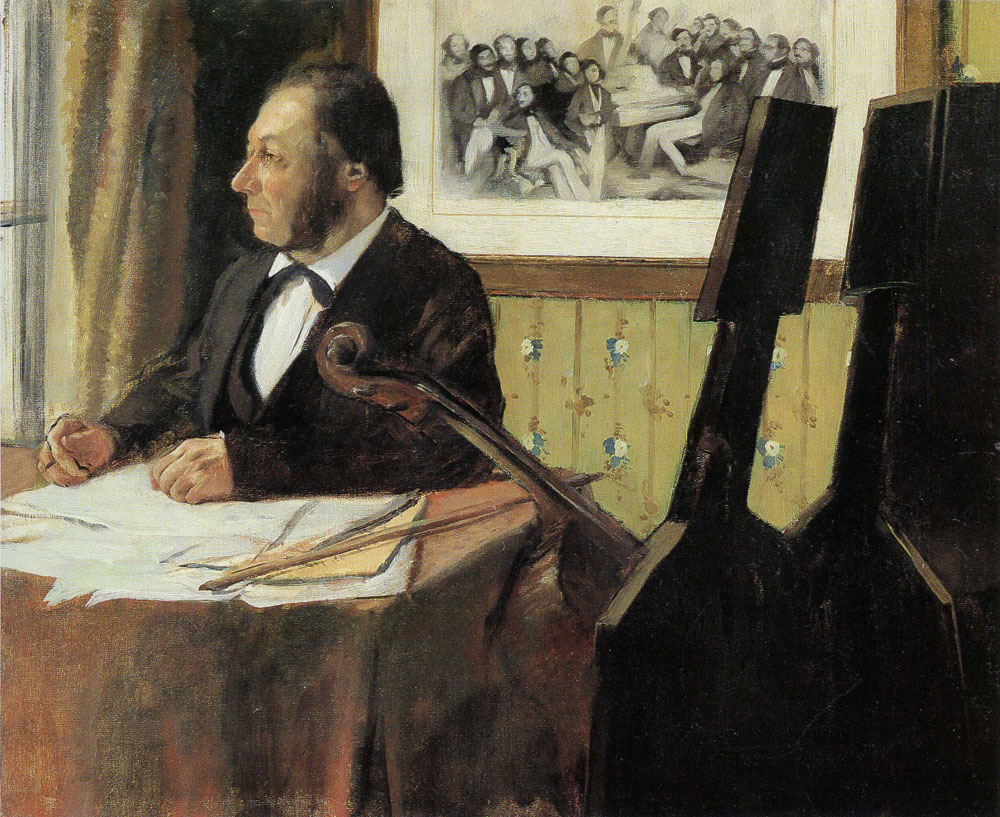
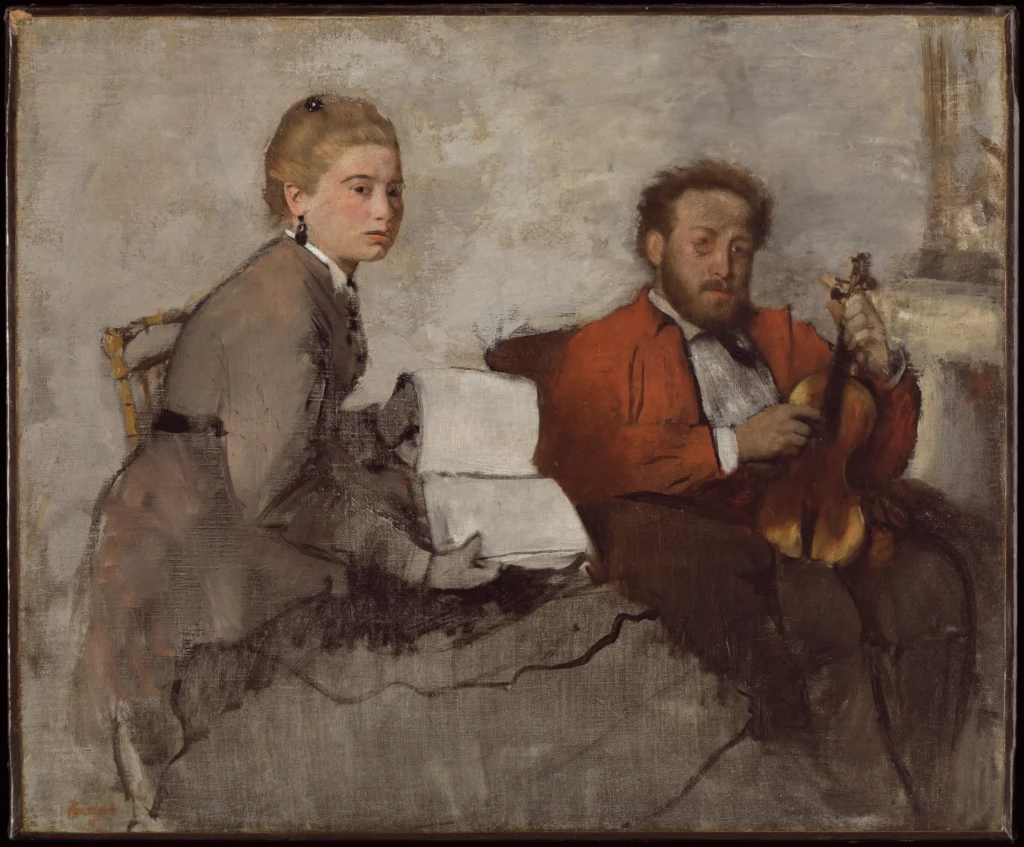
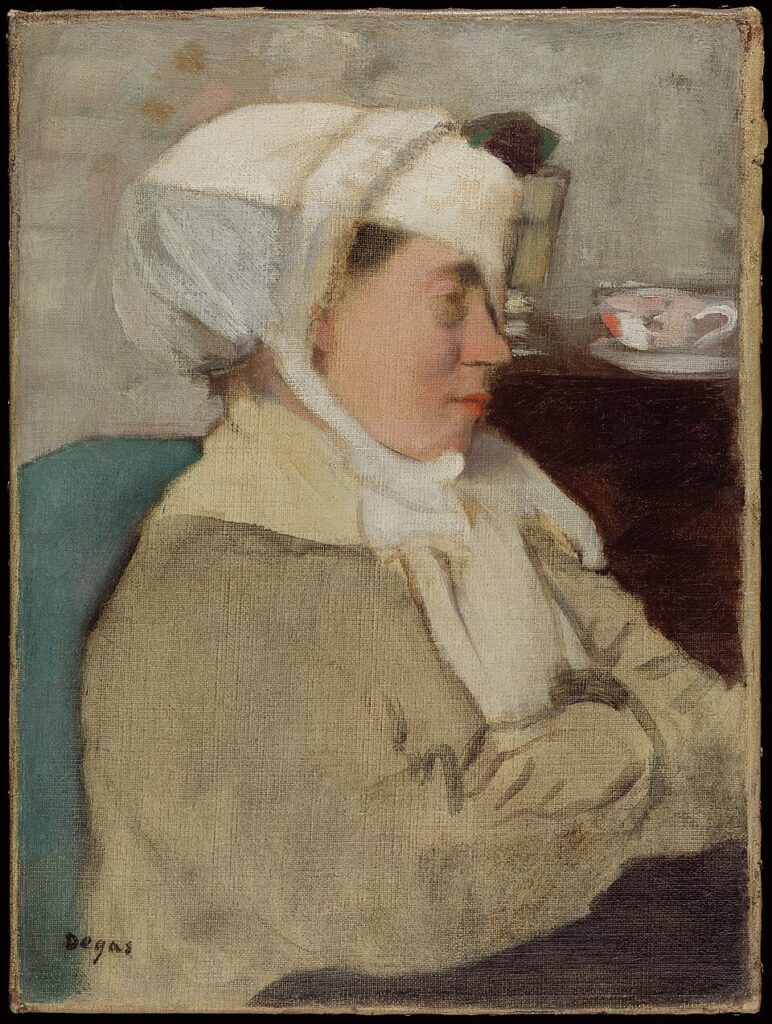
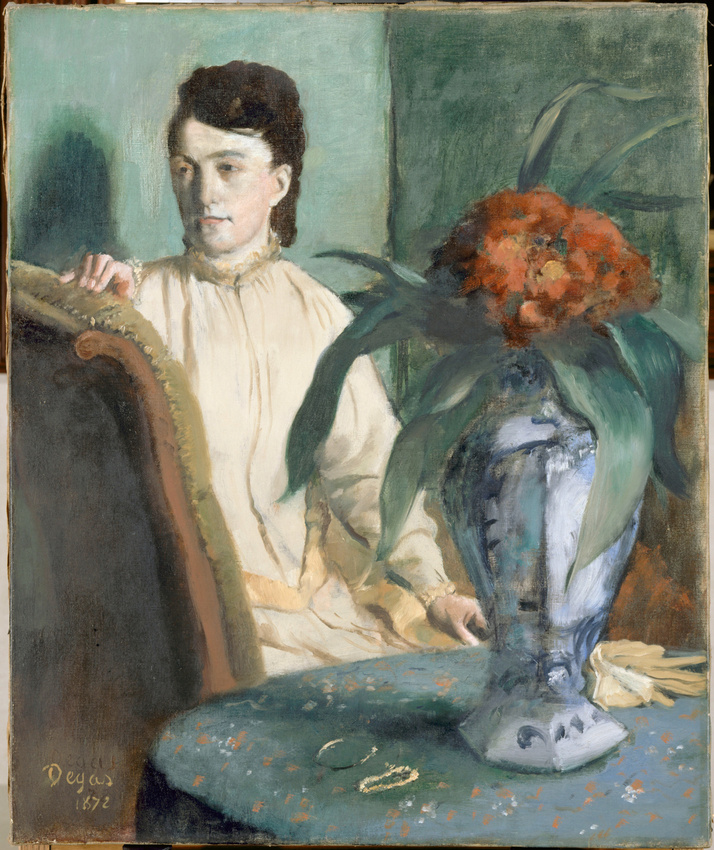
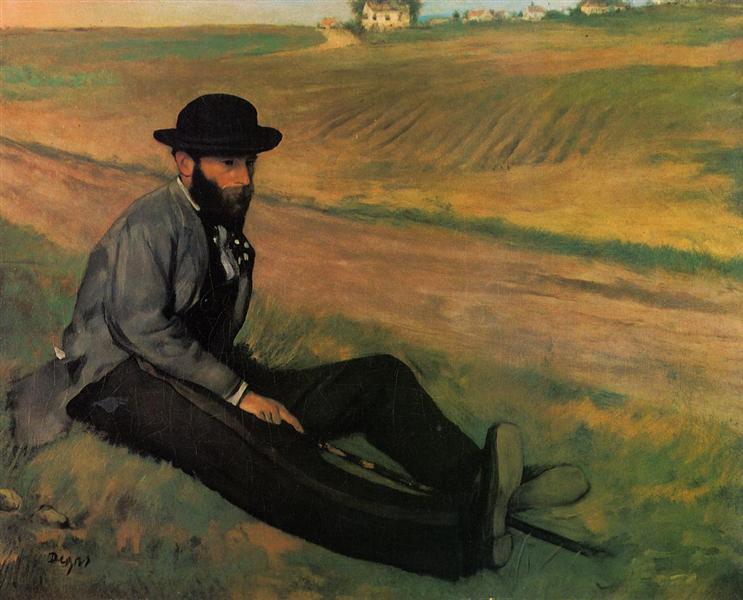
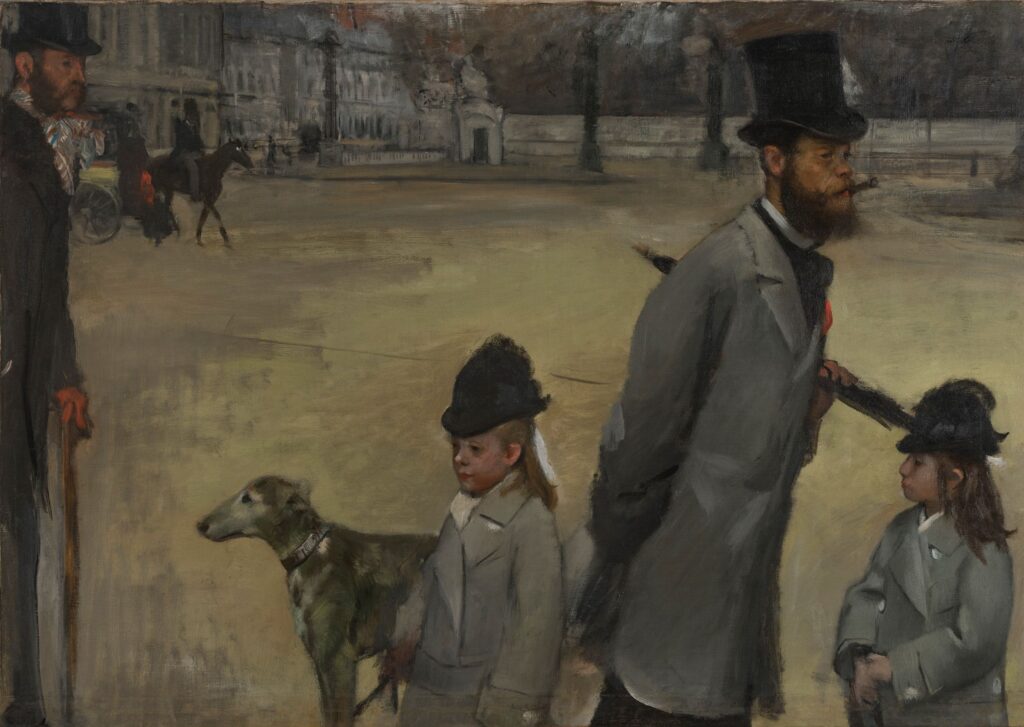
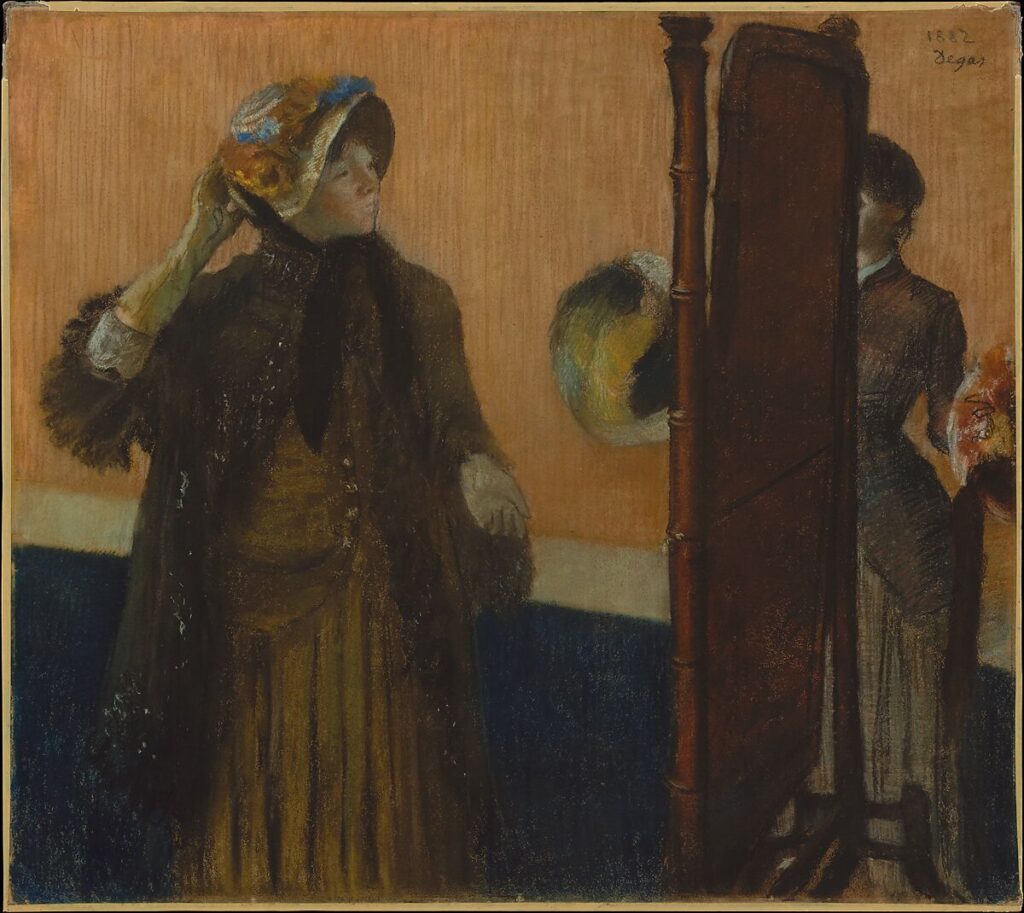
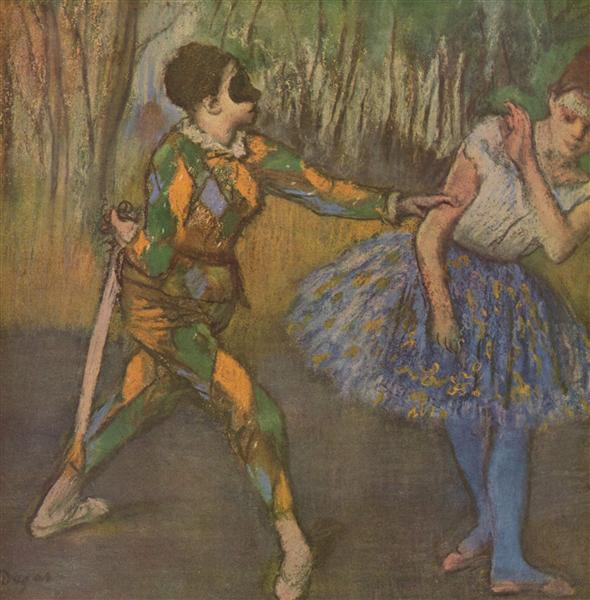
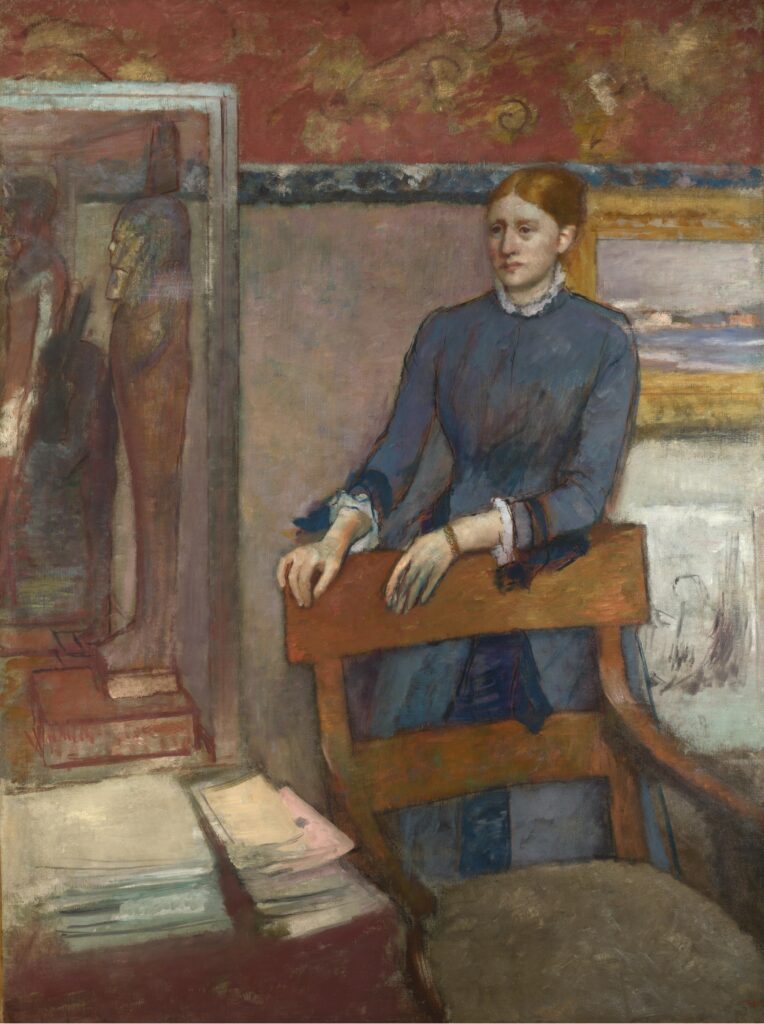
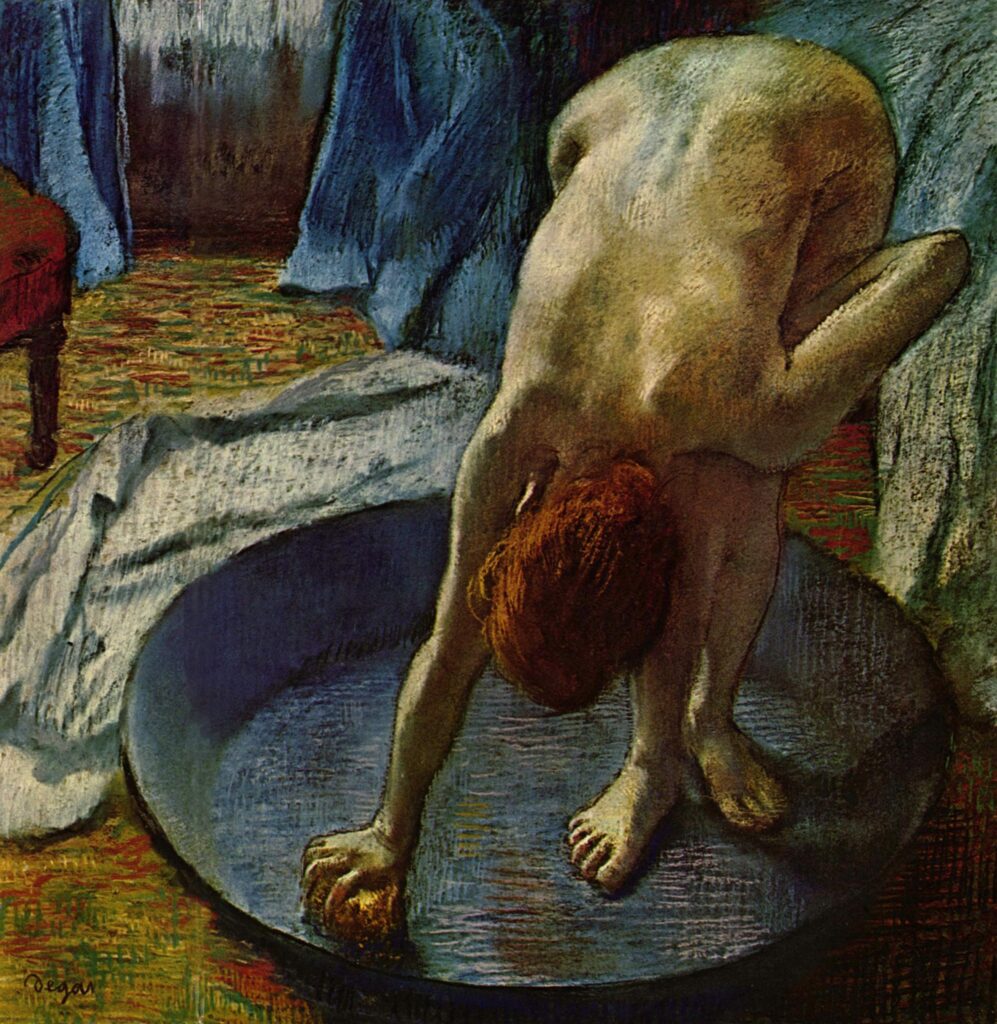
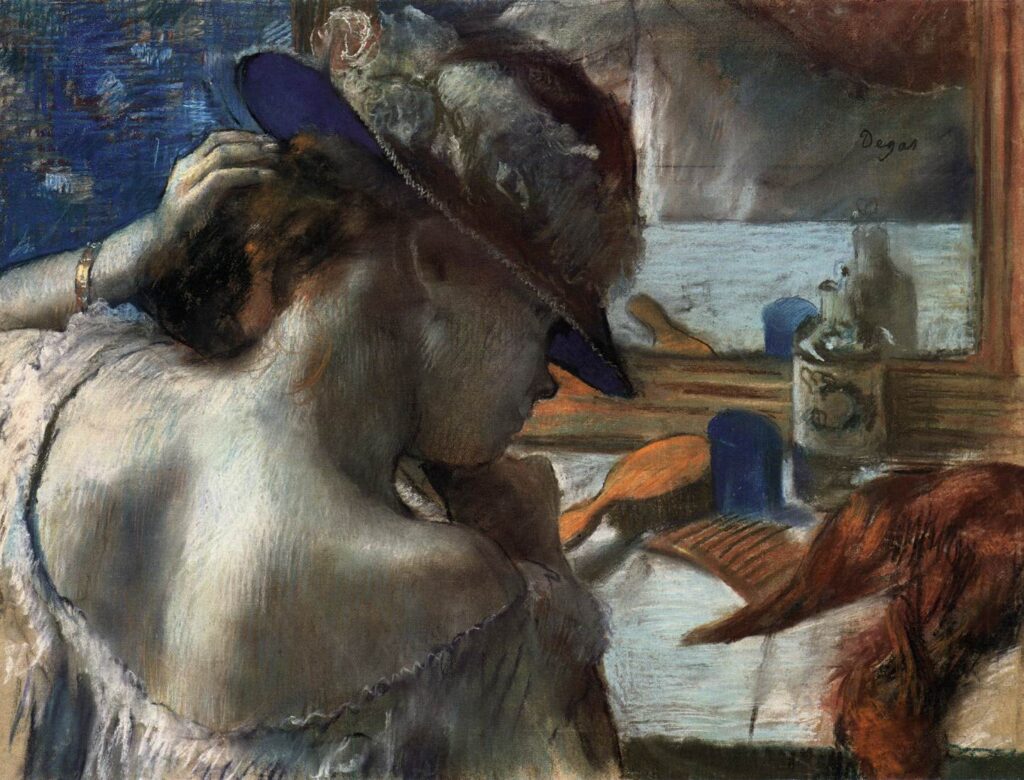
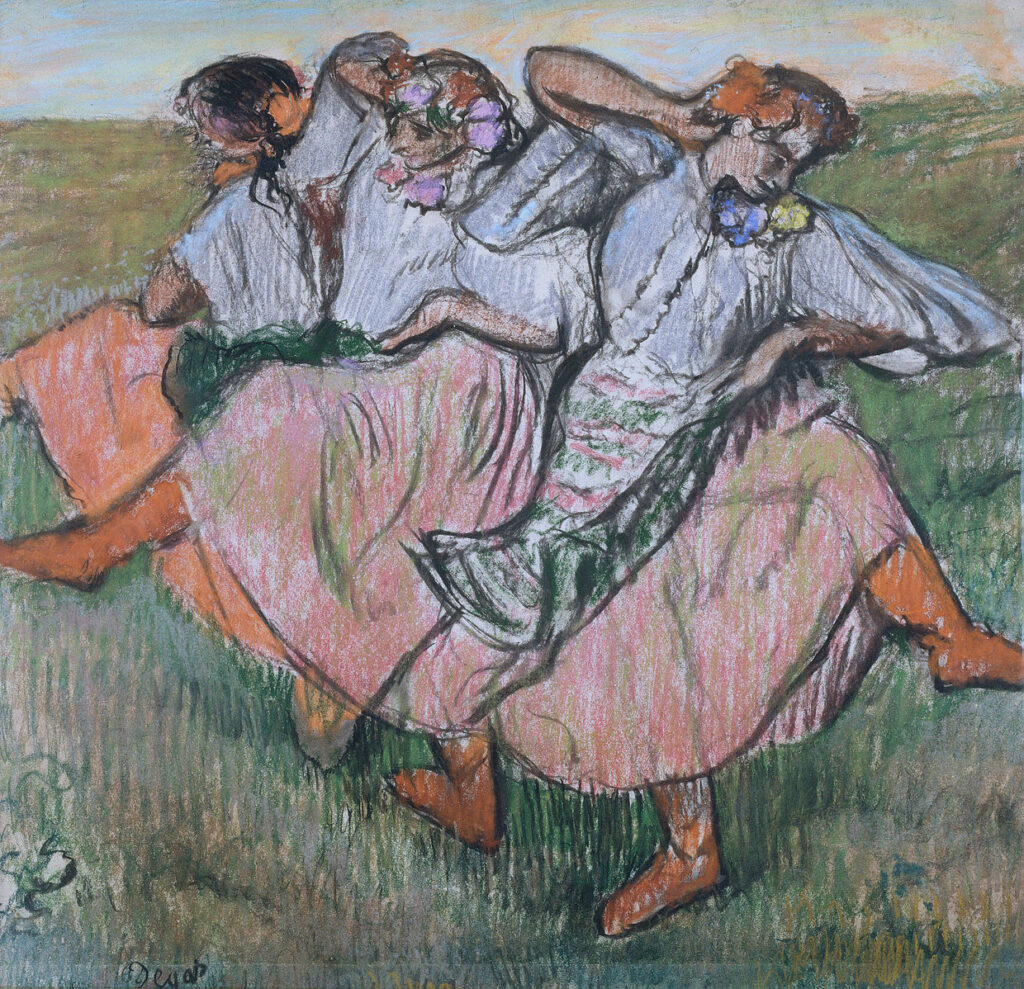
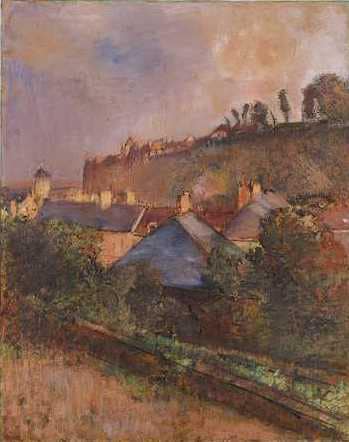
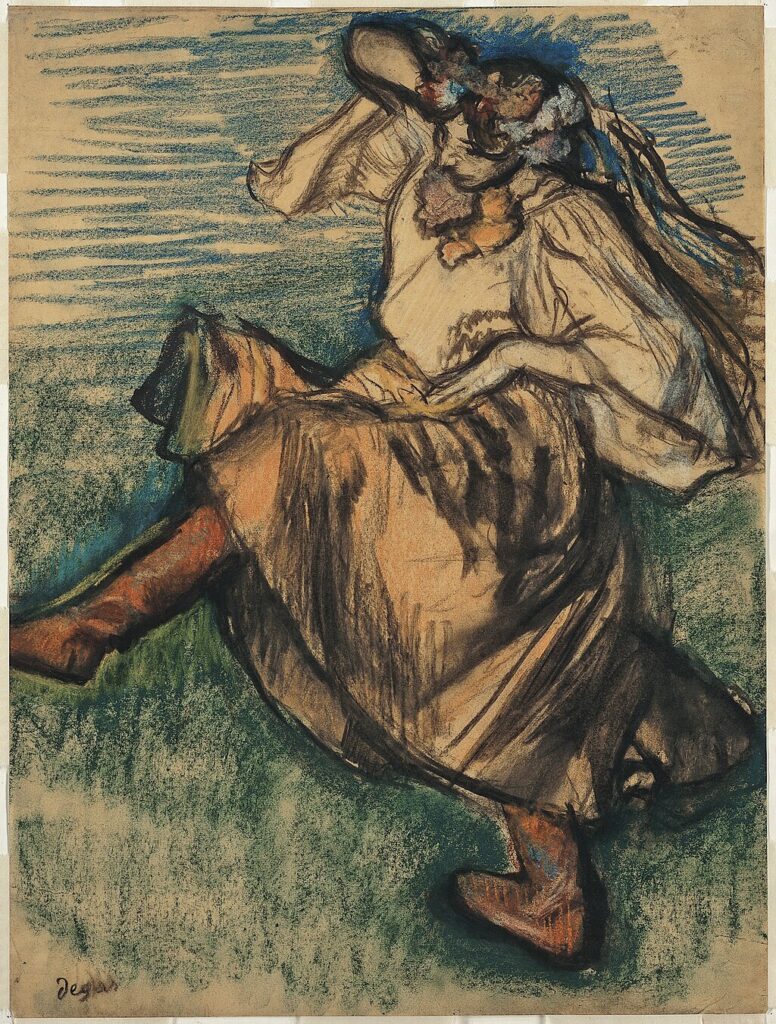
Edgar Degas, July 19, 1834 – September 27, 1917, was a French painter, draftsman, printmaker, sculptor, and photographer associated with the Impressionist movement. Born Hilaire-Germain-Edgar de Gas in Paris, he came from a prosperous banking family with connections in France and Italy. He studied at the Lycée Louis-le-Grand and briefly enrolled in law before turning to art. Degas trained under Louis Lamothe, a pupil of Jean-Auguste-Dominique Ingres, and copied extensively in the Louvre while also studying the works of Renaissance and seventeenth-century masters in Italy. His early ambition was to become a history painter, and his formative years included extended stays in Naples, Rome, and Florence.
Degas worked in oil, pastel, drawing, printmaking, sculpture, and photography. Although associated with the Impressionists and a participant in most of their exhibitions, he maintained an independent position and preferred studio work to outdoor painting. His subjects included ballet dancers, singers, musicians, milliners, laundresses, racehorses, cafés, theaters, and scenes of modern Parisian life, as well as portraits and self-portraits. His art combined rigorous draftsmanship with unusual viewpoints, cropped compositions, and close observation of movement. He was associated with artists including Édouard Manet, Mary Cassatt, Berthe Morisot, Camille Pissarro, Pierre-Auguste Renoir, and Paul Cézanne, while remaining distinct from them in both method and subject matter.
Degas did not maintain a formal teaching studio, but he influenced numerous younger artists through his exhibitions, friendships, and technical innovations, particularly in pastel and printmaking. He was an important supporter and mentor of Mary Cassatt and maintained connections with many artists of the Impressionist circle. His work is held by major collections including the Musée d’Orsay, Metropolitan Museum of Art, National Gallery, Art Institute of Chicago, Hermitage Museum, National Gallery of Art, Museum of Fine Arts, Boston, Detroit Institute of Arts, and many other institutions throughout Europe, North America, and Asia.














Mstislav Dobuzhinsky
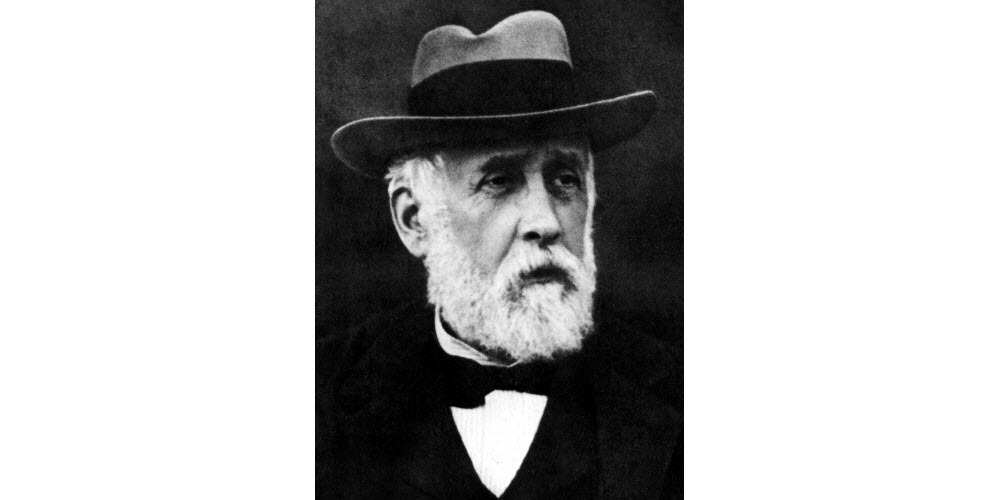
Mstislav Valerianovich Dobuzhinsky, August 2, 1875 – November 20, 1957, was a Lithuanian-born Russian painter, graphic artist, illustrator, theatrical designer, and stage designer associated with the Mir Iskusstva (World of Art) movement. He was born in Novgorod to a family of military physicians and spent much of his youth in Vilnius. He studied law at Saint Petersburg Imperial University while receiving artistic training, later studying in Munich with Anton Ažbe and Simon Hollósy. Returning to Saint Petersburg, he became a central member of Mir Iskusstva alongside Alexandre Benois and Léon Bakst.
Dobuzhinsky became known for highly detailed urban views of Saint Petersburg, Vilnius, and other cities, as well as book illustration, caricature, and theatrical design. His work combined elements of Symbolism, Art Nouveau, and modern urban realism, often depicting architecture and city life with psychological and literary associations. Following the Russian Revolution, he continued to work in Lithuania and later emigrated, living in Europe before settling in the United States, where he remained active as a painter and stage designer.
Dobuzhinsky taught at several institutions in Lithuania and influenced a generation of artists and designers through his work in painting, illustration, and theater. His works are held by major collections including the Tretyakov Gallery, the Russian Museum, the Pushkin State Museum of Fine Arts, the Lithuanian National Museum of Art, the Ashmolean Museum, and numerous museum collections in Lithuania, Russia, Europe, and the United States.


Gustav Klimt
Gustav Klimt, July 14, 1862 – February 6, 1918, was an Austrian painter, draftsman, and decorative artist associated with the Vienna Secession. He was born in Baumgarten, then a suburb of Vienna, the son of the engraver Ernst Klimt. He studied at the Vienna School of Arts and Crafts (Kunstgewerbeschule), where he trained in architectural painting and decoration alongside his brother Ernst Klimt and Franz Matsch. Early in his career he received commissions for murals and decorative schemes in public buildings throughout the Austro-Hungarian Empire.
Klimt’s work includes allegorical paintings, portraits, landscapes, and a large body of drawings. He was a founding member and first president of the Vienna Secession, which promoted modern art independent of the established academic institutions. His style combined elements of Symbolism, Art Nouveau, and Byzantine-inspired ornament. During his so-called Golden Phase he produced many of his best-known portraits and allegorical compositions, while his later work increasingly emphasized landscape painting and freer handling of form and color.
Klimt did not maintain a formal teaching practice and left no organized school of pupils, although his work strongly influenced younger Austrian artists including Egon Schiele and Oskar Kokoschka. His work is held in major collections including the Belvedere Museum, the Leopold Museum, the Albertina, the Museum of Modern Art, and the Neue Galerie New York.


