Posts Tagged: nbd

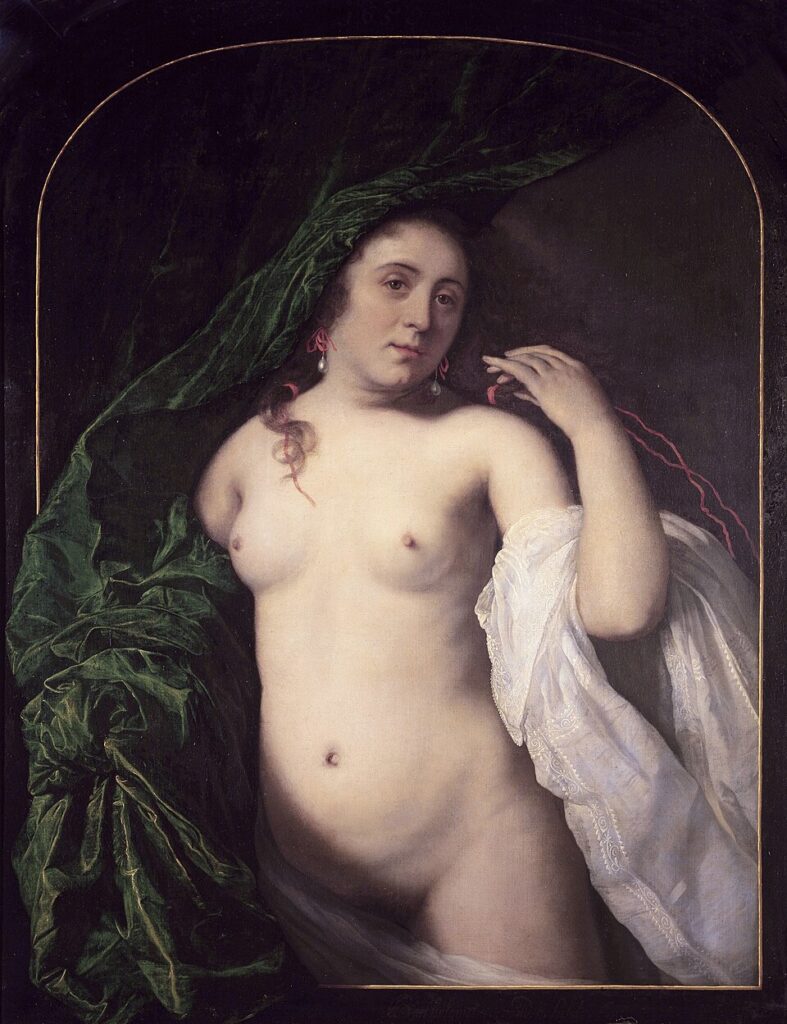
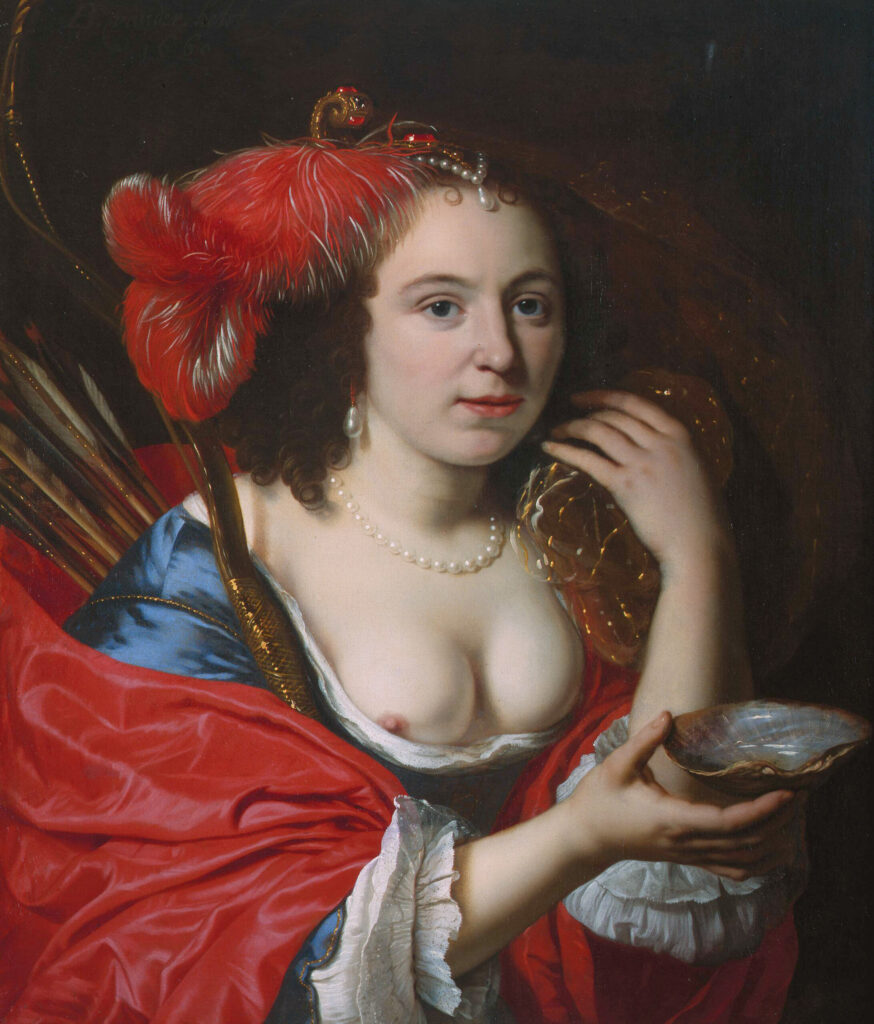
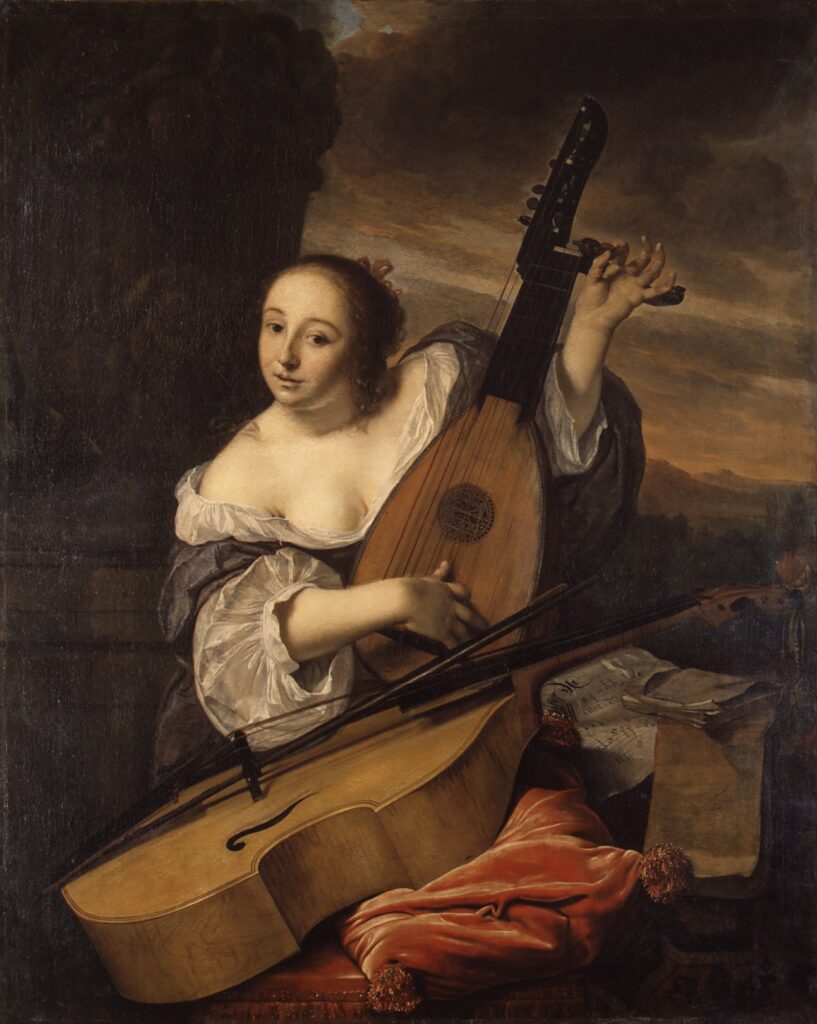
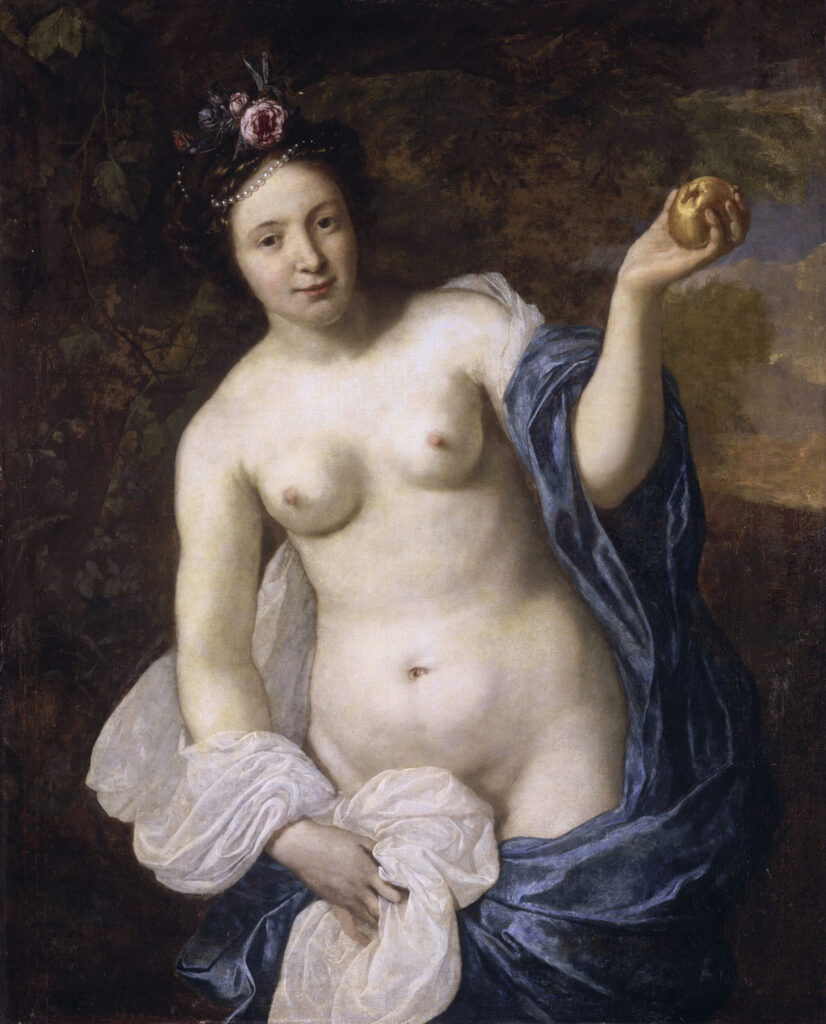
Bartholomeus van der Helst
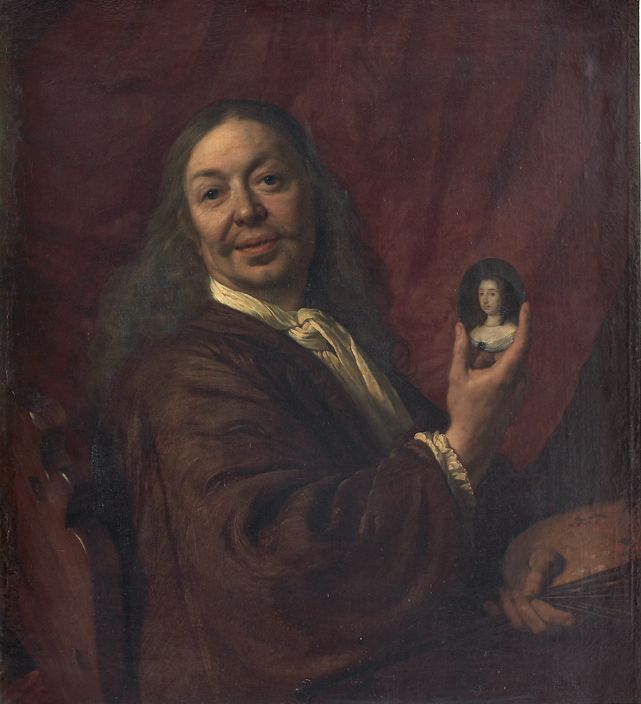
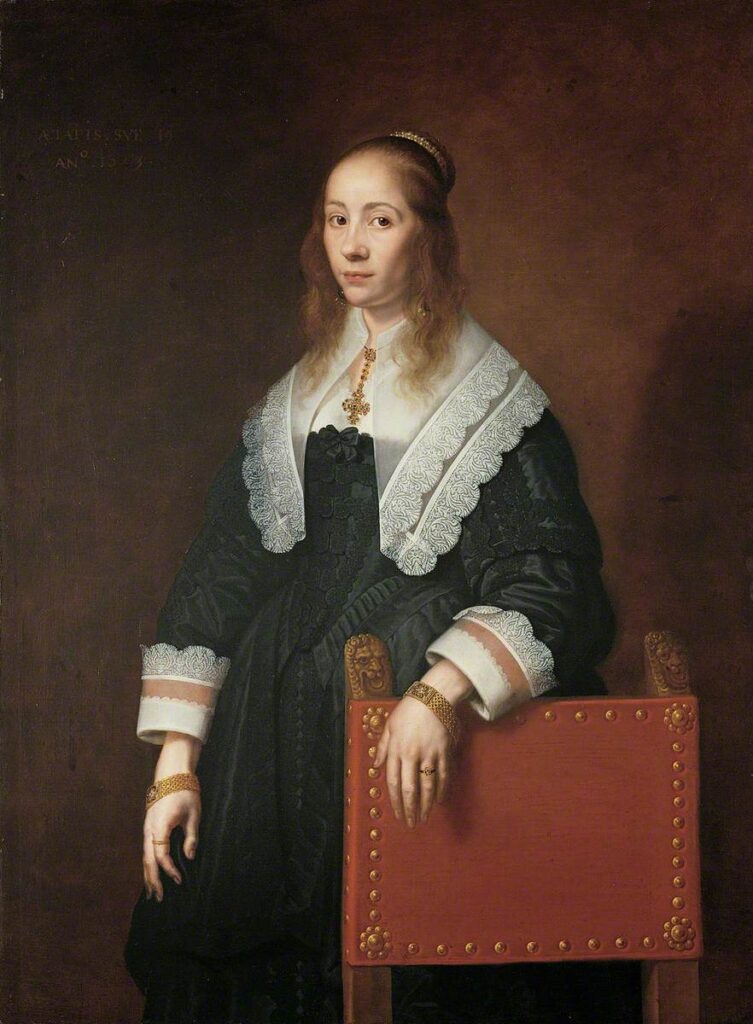
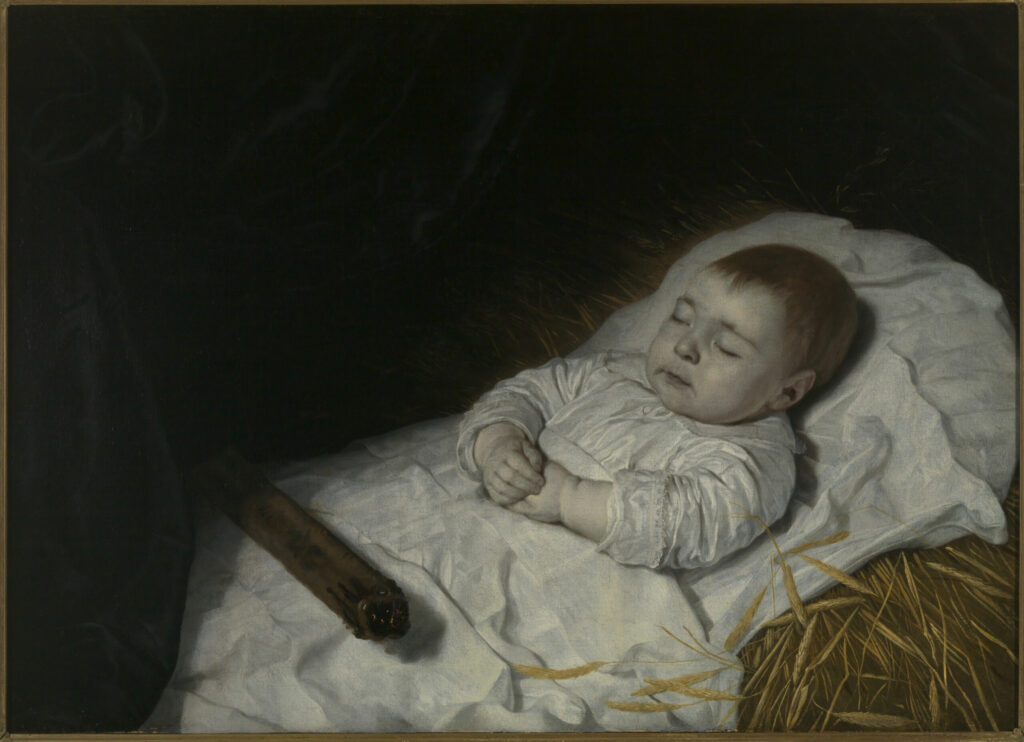
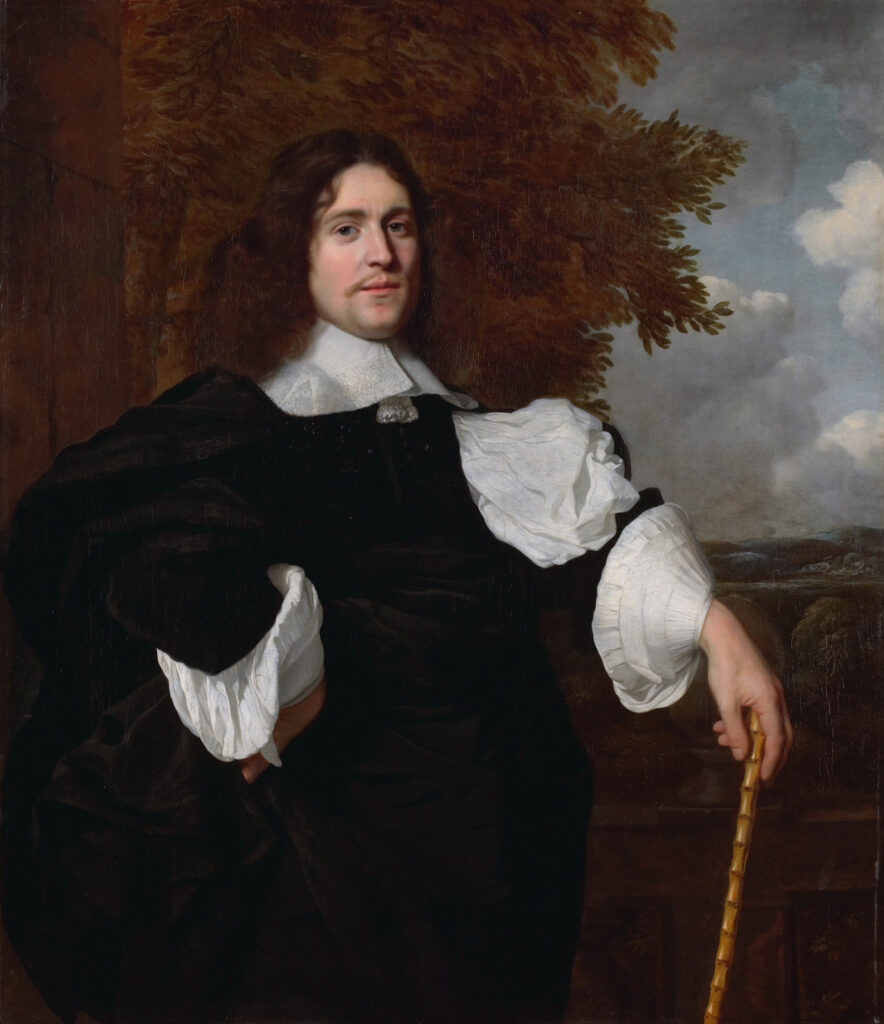
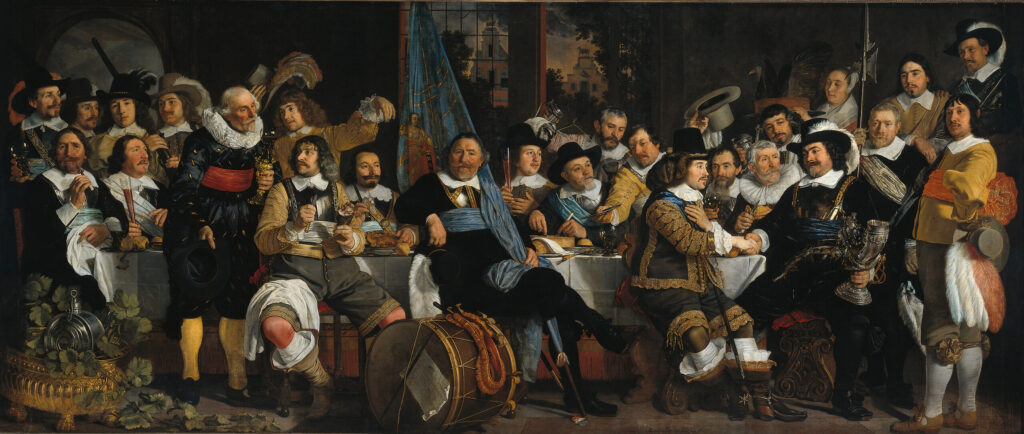
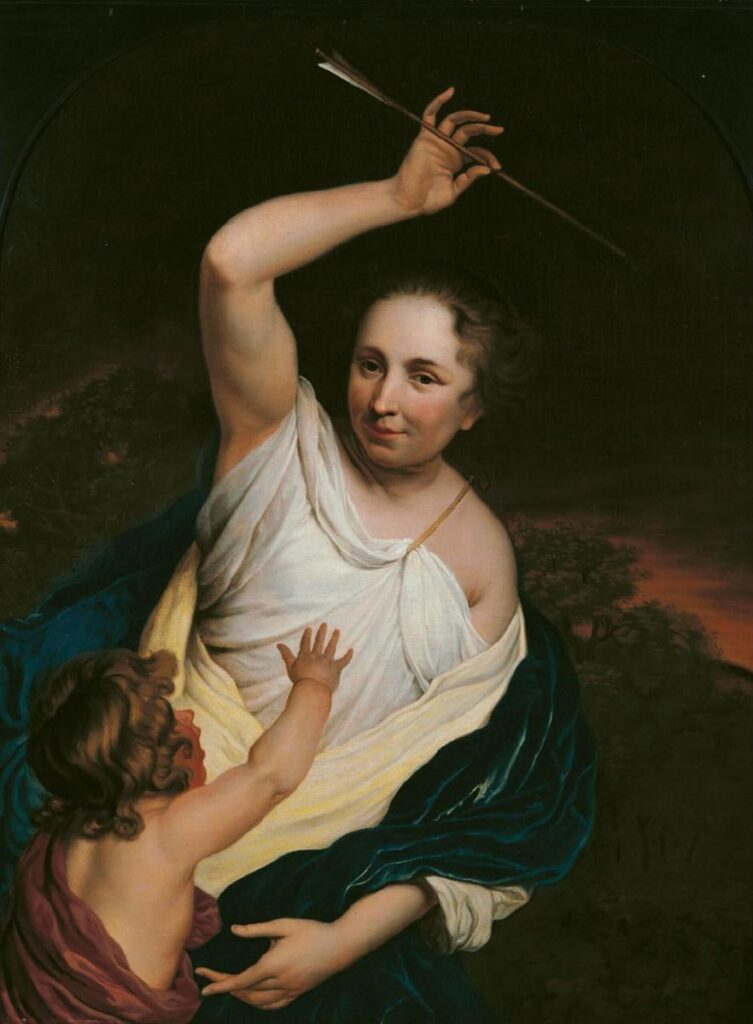
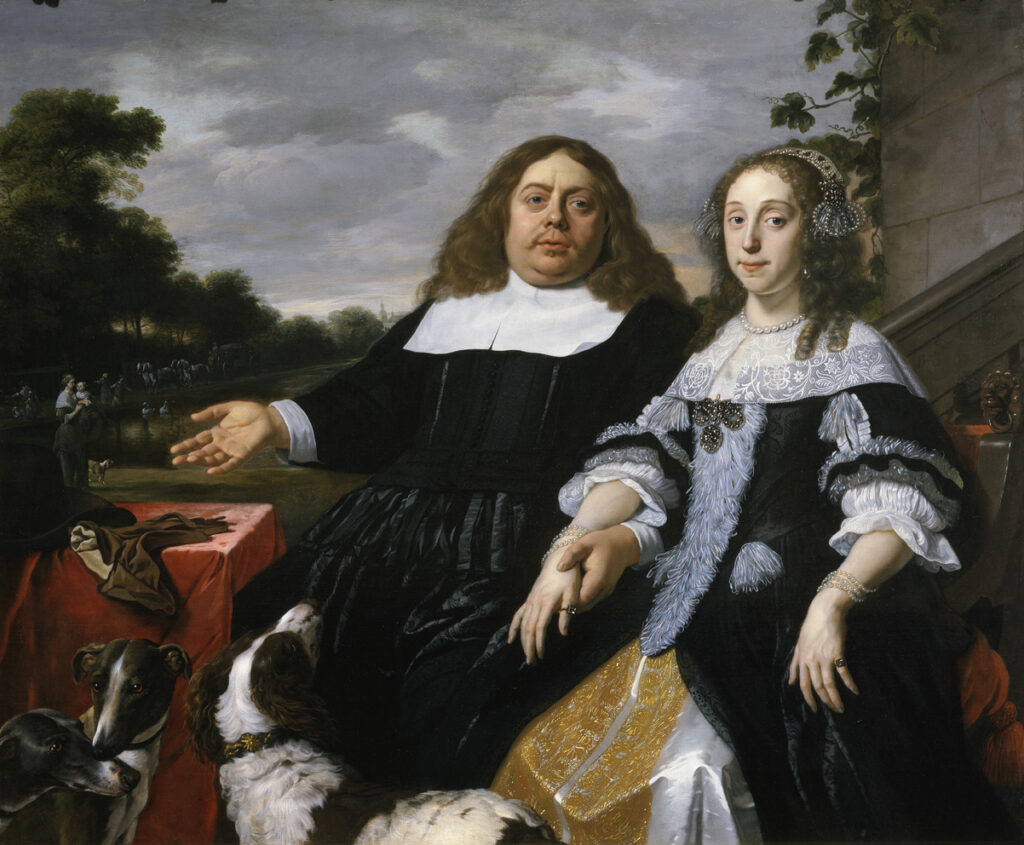
Bartholomeus van der Helst, 1613–December 16, 1670, was a Dutch painter born in Haarlem. He settled in Amsterdam before 1636 and may have trained there with Nicolaes Eliaszoon Pickenoy; his first dated painting is from 1637.
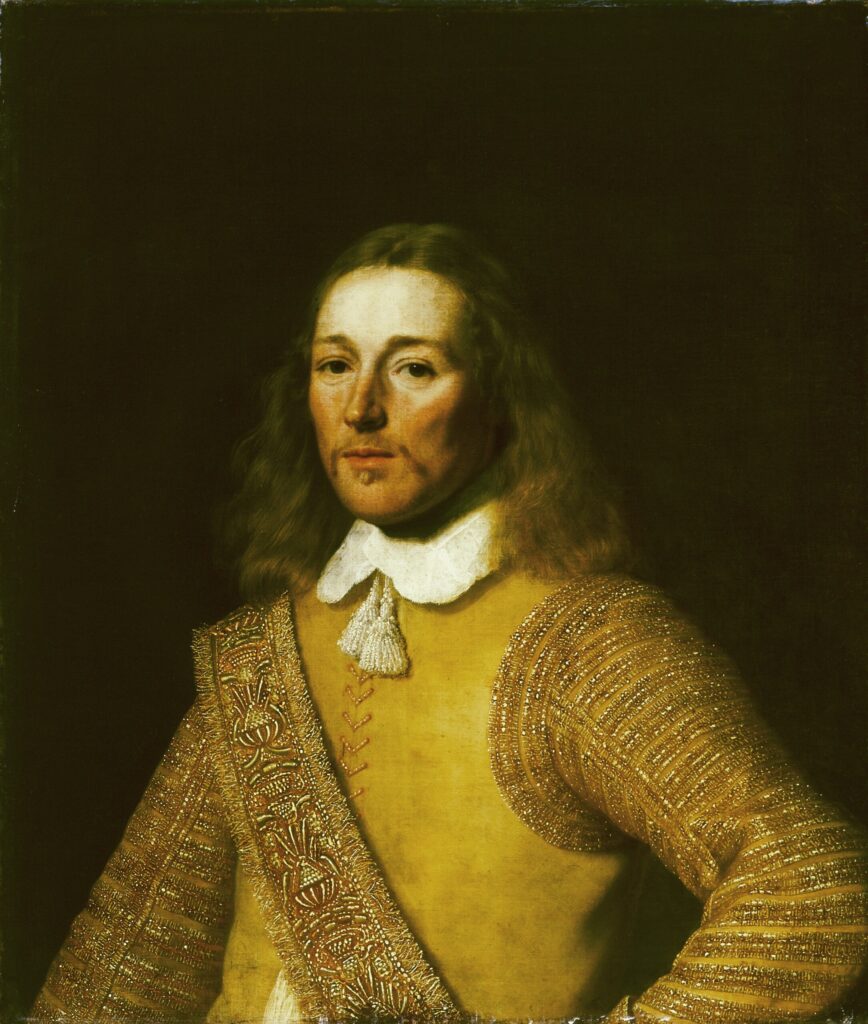
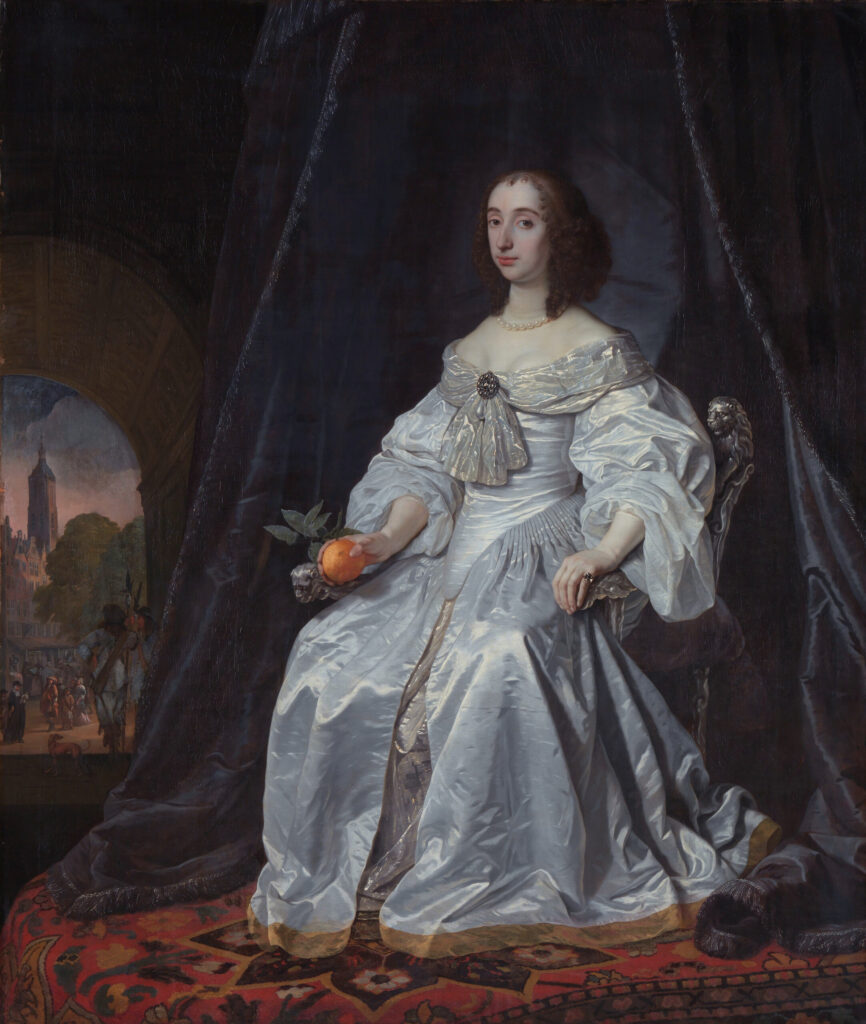
Van der Helst specialized in individual, family and civic-guard portraits for Amsterdam’s governing and mercantile families. His patrons also included members of the stadtholder’s circle, and his pupils included his son Lodewijk van der Helst and Marcus Waltes.
Van der Helst was buried in Amsterdam on December 16, 1670. His paintings are held by the Rijksmuseum, Amsterdam Museum, Louvre Museum, Metropolitan Museum of Art, Uffizi Galleries and other public collections.
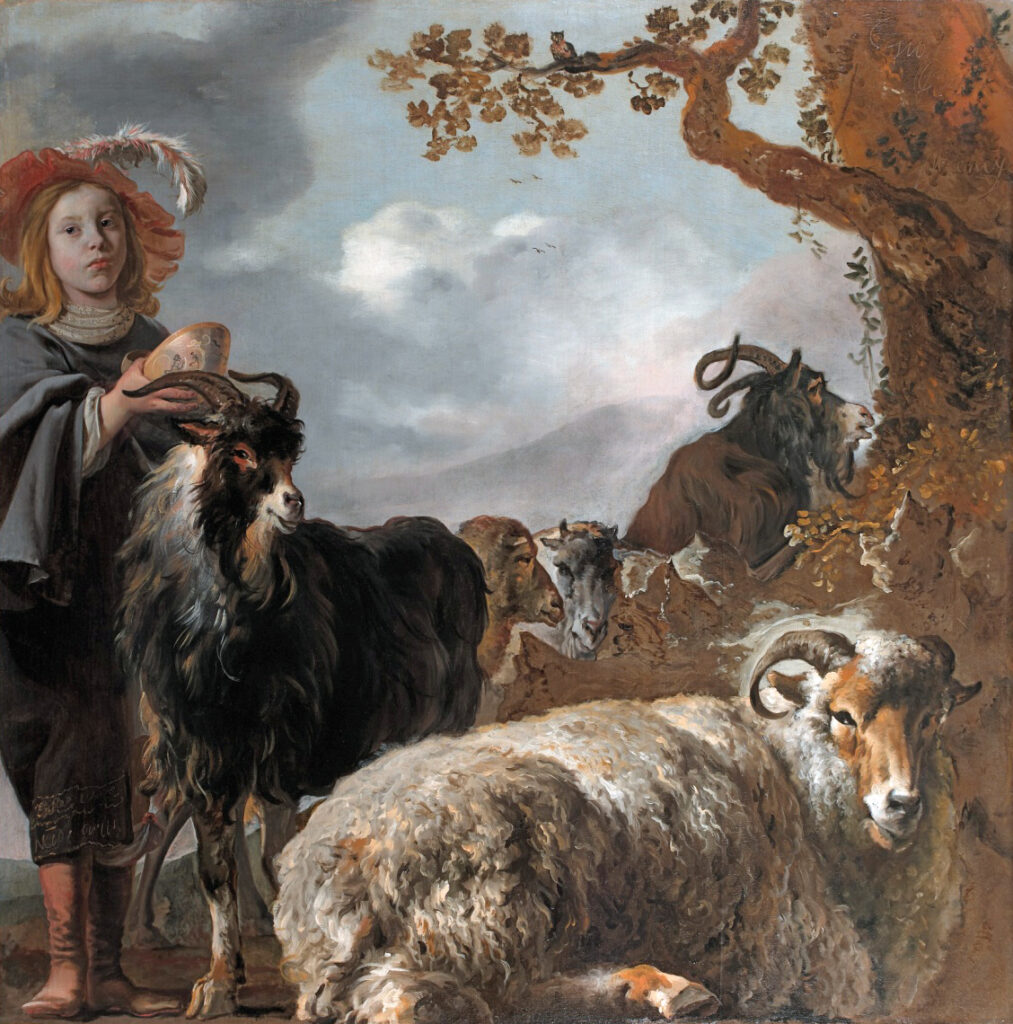
Jacob van Ruisdael
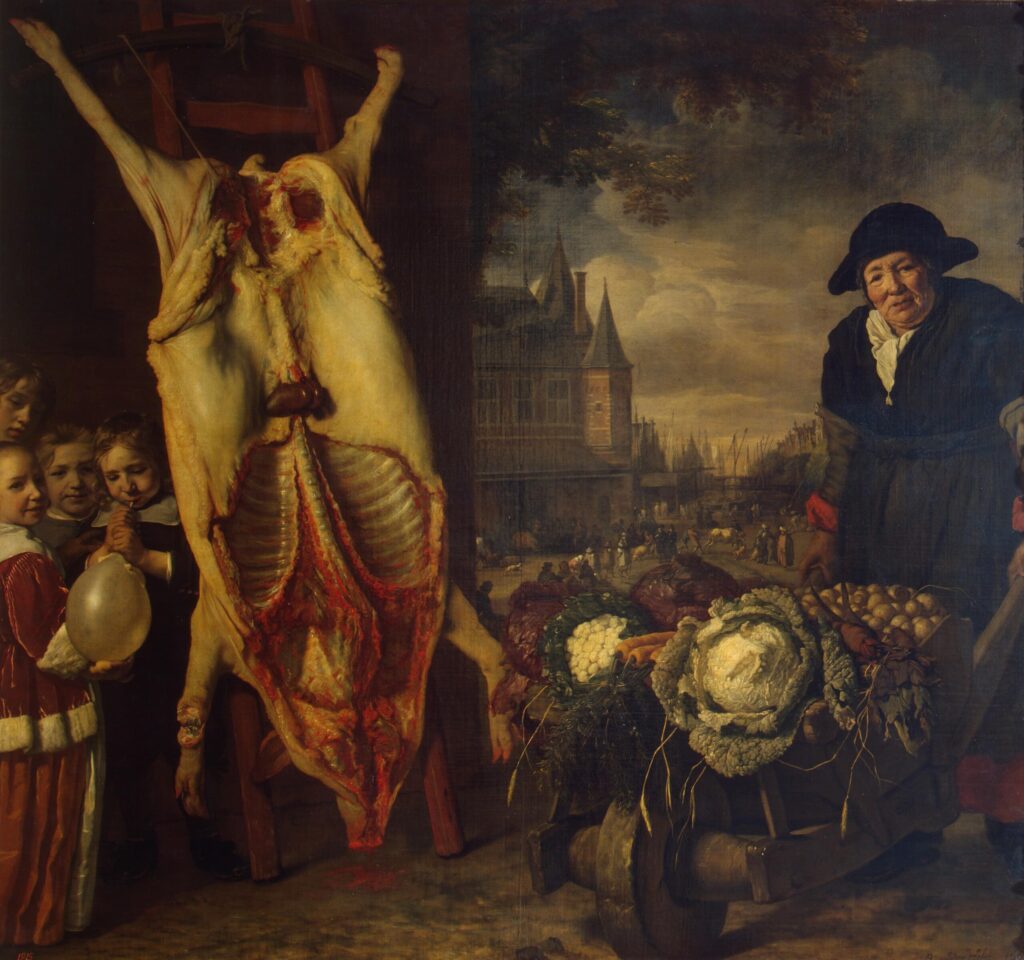
Jacob van Ruisdael, c 1629–March 10, 1682, was a Dutch painter, draftsman, and etcher from Haarlem. He entered the Haarlem Guild of St Luke in 1648 and probably learned painting from his father, Isaack van Ruisdael, and his uncle Salomon van Ruisdael.
During the early 1650s he traveled in Westphalia with Nicolaes Berchem and, about 1656, settled in Amsterdam. He painted landscapes, city views, drawings, and etchings; Meindert Hobbema was his pupil.
Ruisdael died in Amsterdam or Haarlem and was buried in Haarlem in 1682. His works are held by institutions including the Rijksmuseum, the Louvre Museum, The Metropolitan Museum of Art, and the National Gallery of Art.







Jan Gossaert
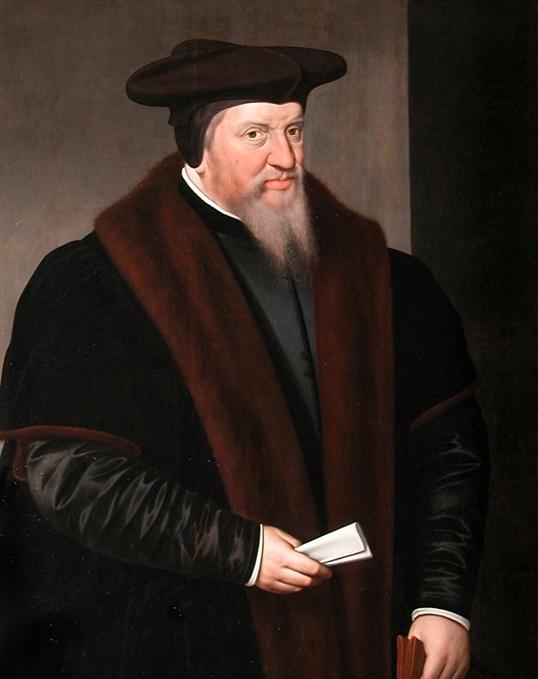
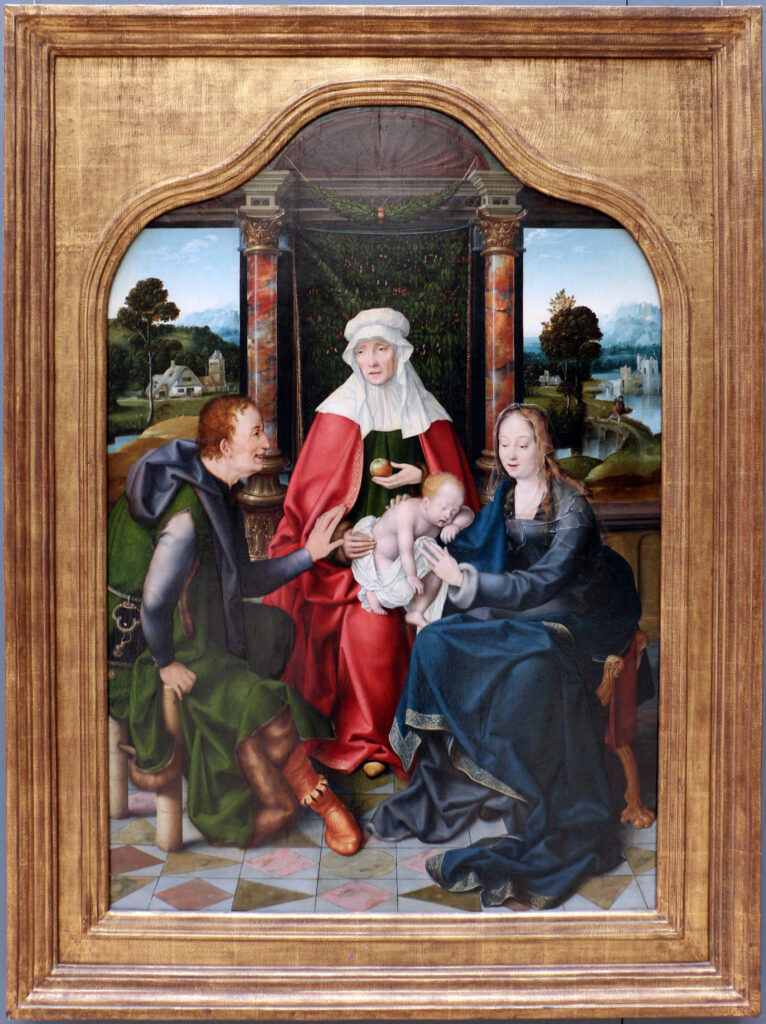
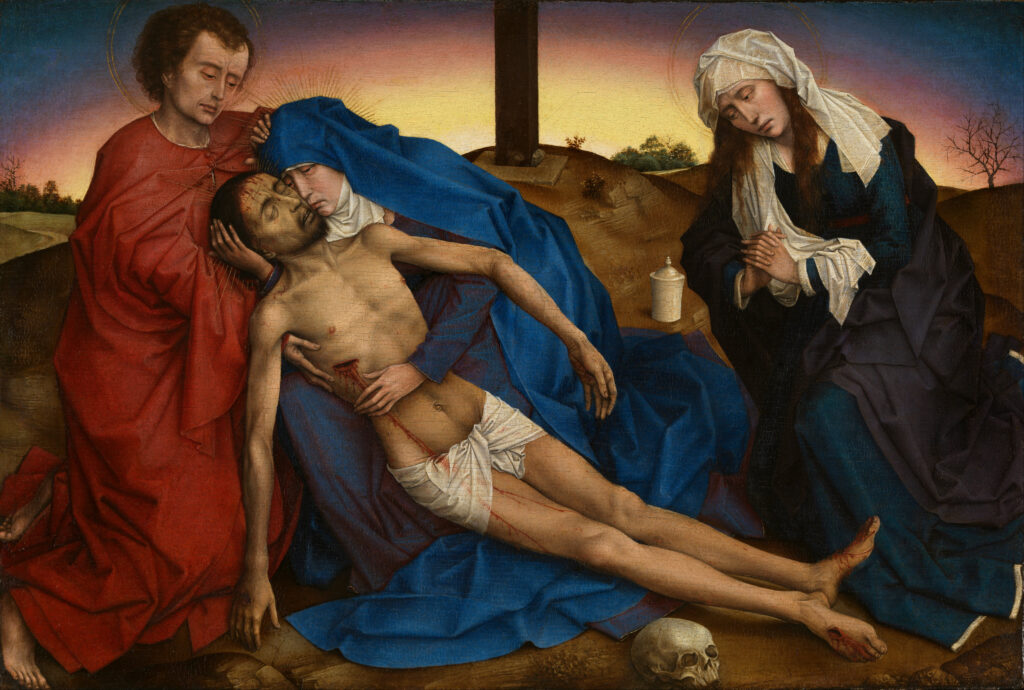
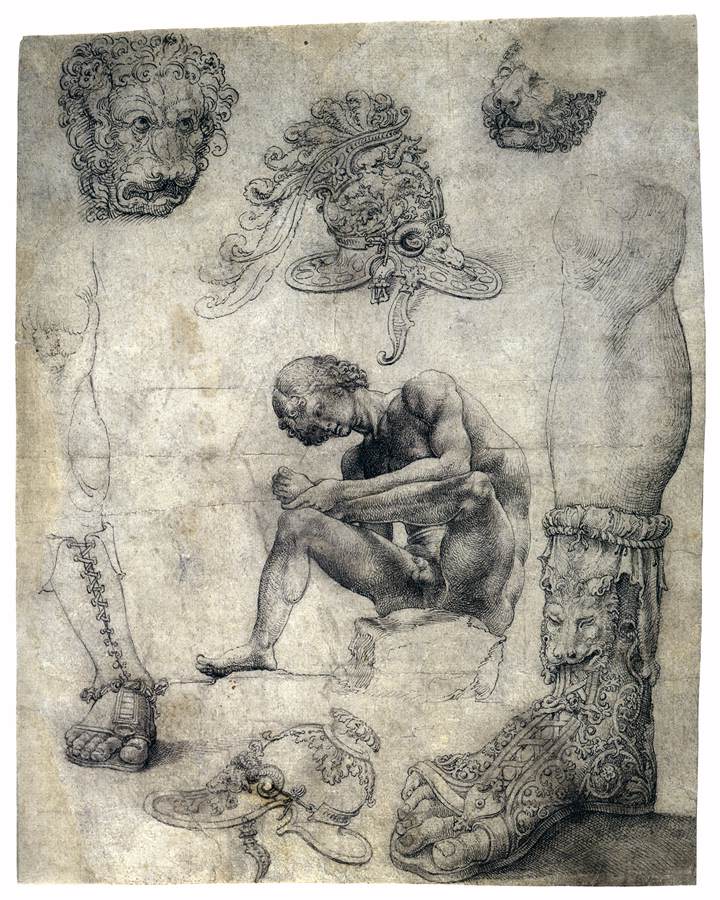
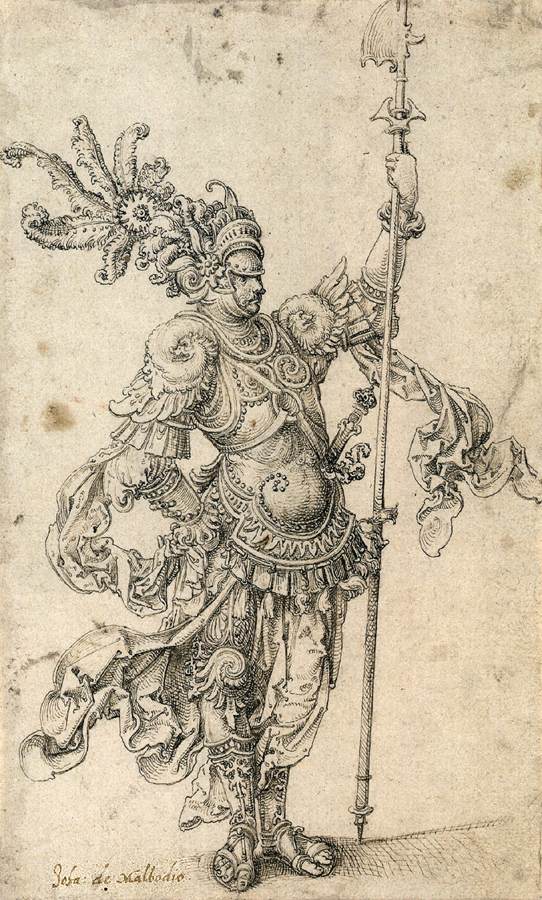
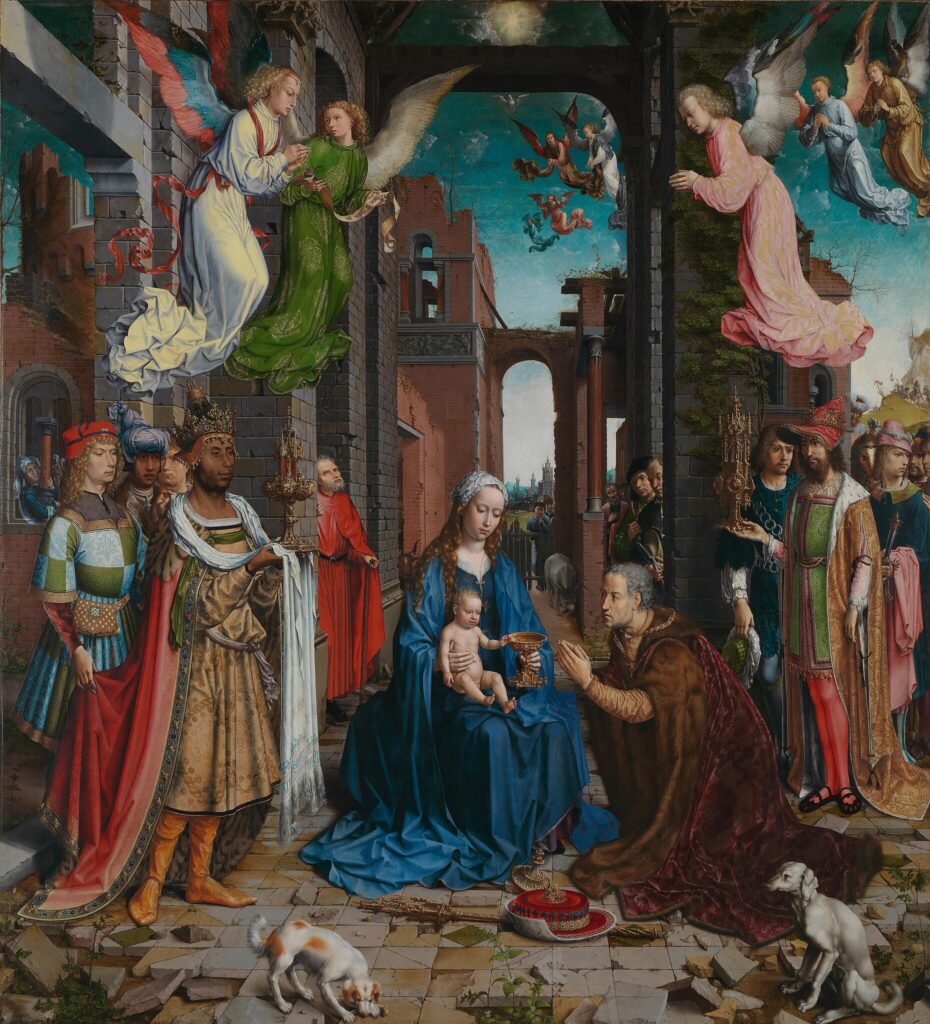
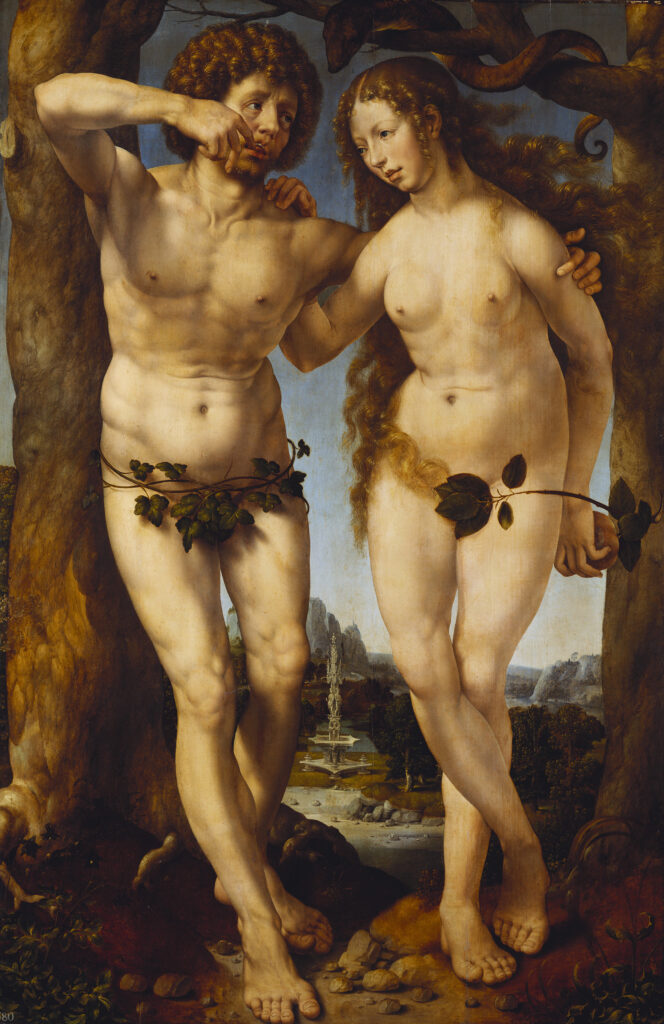
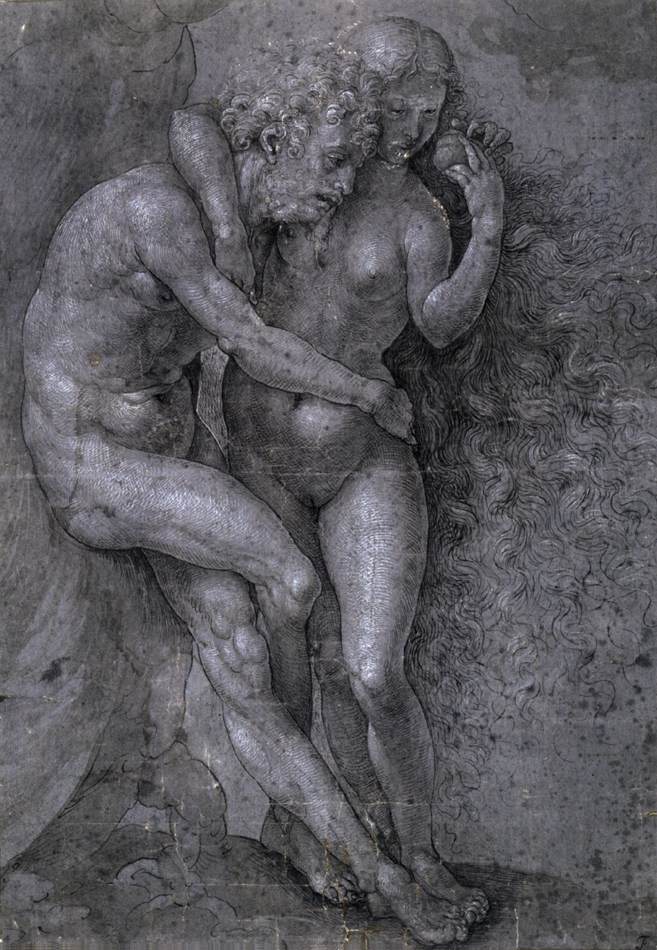
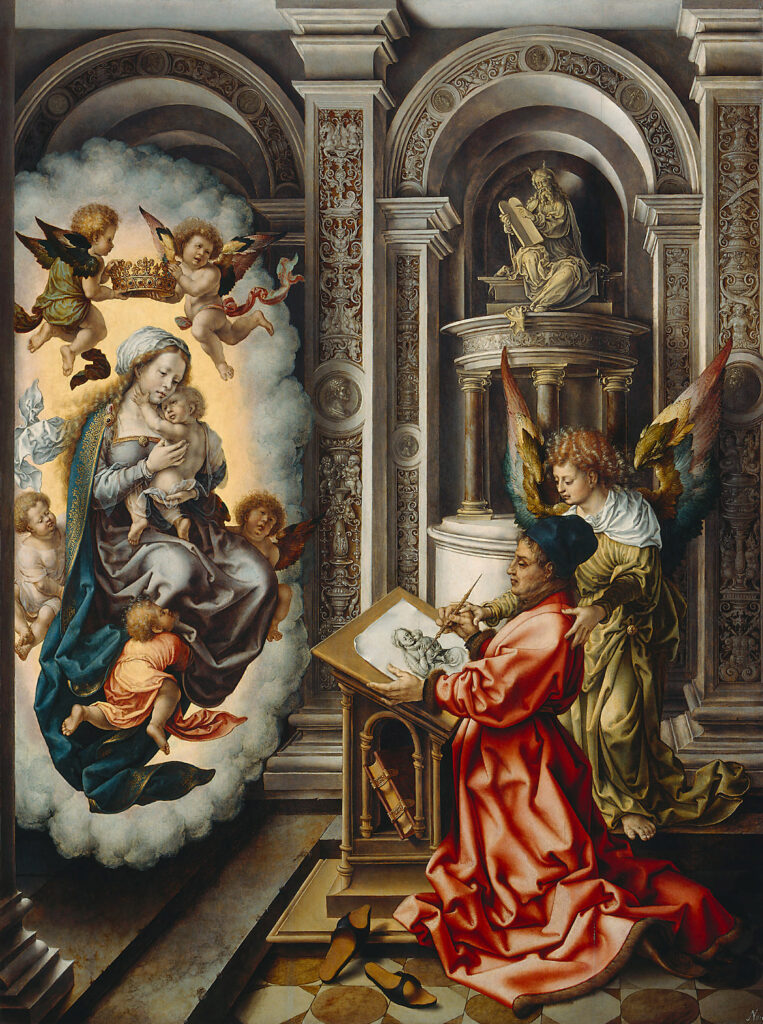
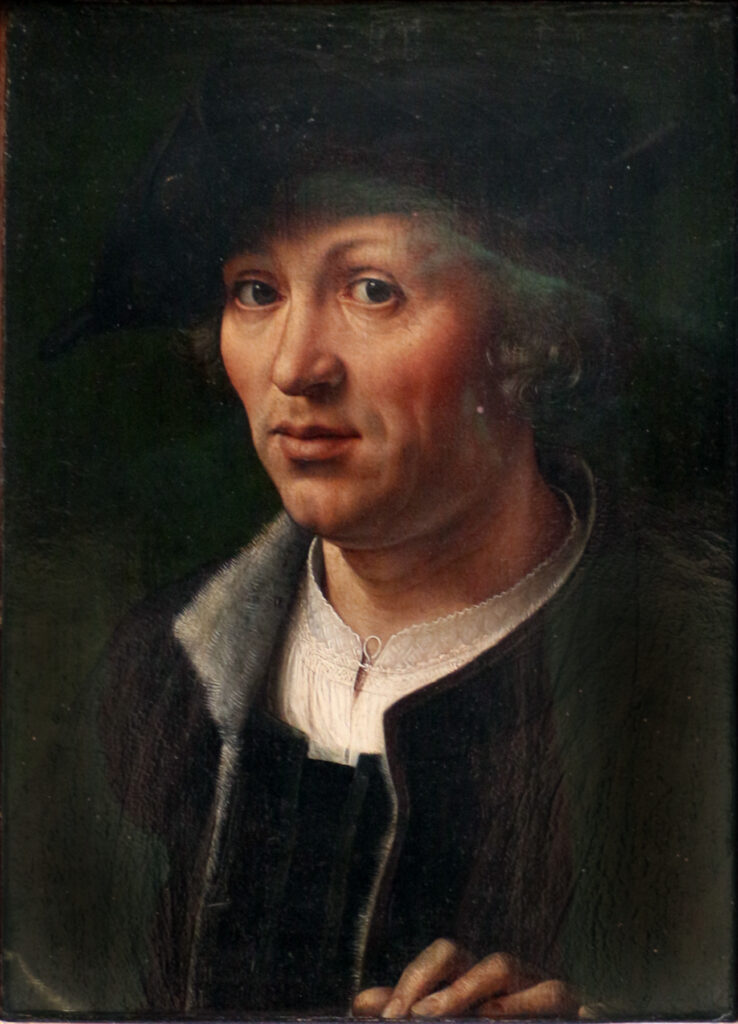
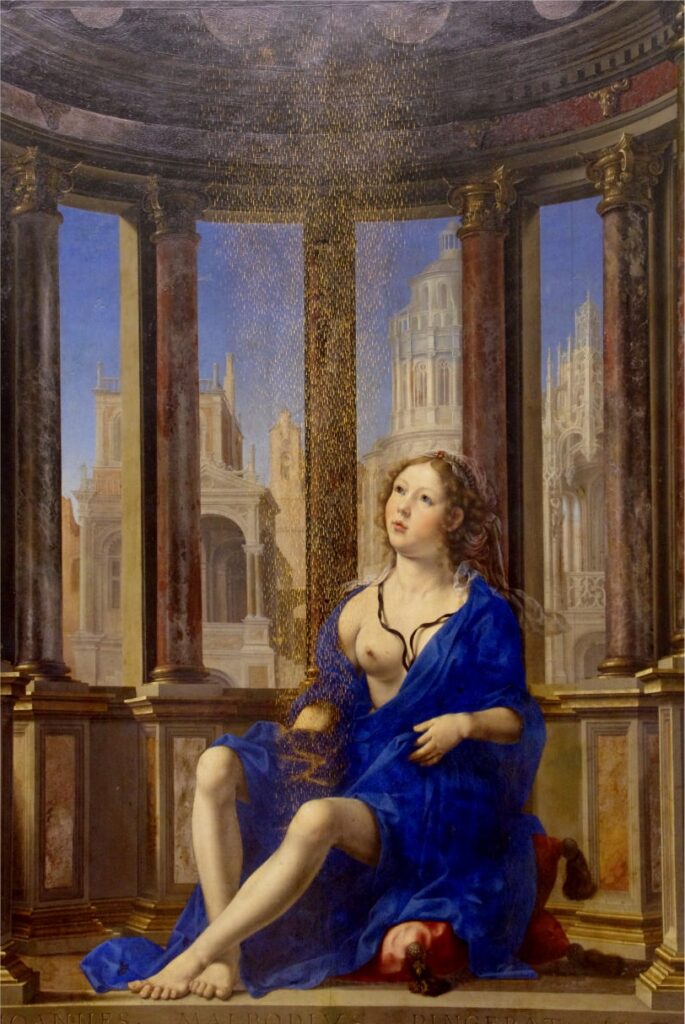
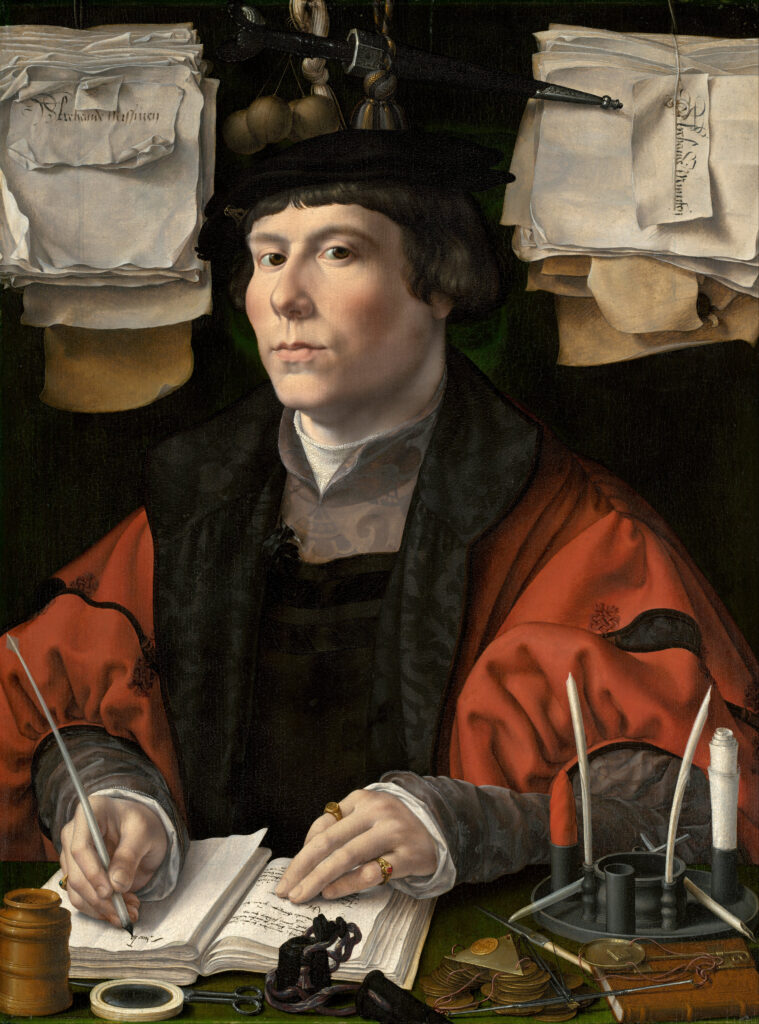
Jan Gossaert, c 1478 – October 1, 1532, was a Netherlandish painter, draftsman, and print designer of the Northern Renaissance. He was probably born in Maubeuge, then in the County of Hainaut, which gave rise to the name “Mabuse” by which he is often known. Little is known of his early training, but he was active in Antwerp by 1503 and became a master in the Guild of Saint Luke. In 1508–1509 he accompanied Philip of Burgundy on a diplomatic mission to Italy, where he studied classical antiquities and Italian Renaissance art firsthand.
Gossaert worked for Philip of Burgundy and other aristocratic patrons in the Low Countries. His paintings include religious subjects, portraits, mythological scenes, and some of the earliest fully developed Renaissance nudes produced north of the Alps. He combined Netherlandish techniques of detailed observation and oil painting with Italianate architecture, classical motifs, and figure types derived from Renaissance models.
He helped introduce Renaissance forms into Netherlandish art and influenced a generation of painters working in the Habsburg Netherlands. His works are held in major collections including the National Gallery, London, the Metropolitan Museum of Art, the Rijksmuseum, the Gemäldegalerie, Berlin, the Prado Museum, and the Royal Museums of Fine Arts of Belgium.






Antonio da Correggio
Antonio Allegri da Correggio, August 1489 – March 5, 1534, was an Italian Renaissance painter active primarily in Parma and the surrounding region of Emilia. Born in Correggio, near Reggio Emilia, he was the son of Pellegrino Allegri. Little documentation survives regarding his early training, but he was probably influenced by the Mantegna tradition through local artists and by the work of Andrea Mantegna. He was later exposed to the art of Leonardo da Vinci and Venetian painting, influences that shaped his mature style.
Correggio is known for religious altarpieces, mythological subjects, portraits, and monumental fresco decorations. His major commissions include the Camera di San Paolo, the church of San Giovanni Evangelista, and the cathedral of Parma, where he developed innovative illusionistic ceiling paintings that became influential throughout the sixteenth and seventeenth centuries. His paintings combine soft modeling, dynamic movement, and complex spatial effects, helping to bridge the High Renaissance and the Baroque.
Although he did not establish a large workshop, his work strongly influenced later artists, particularly Parmese painters such as Parmigianino and later Baroque masters. Important collections of his work are held by the Louvre Museum, the Kunsthistorisches Museum, the Gemäldegalerie, the Gemäldegalerie Alte Meister, the Hermitage Museum, and the Thyssen-Bornemisza Museum, while his fresco cycles remain in Parma.


