Posts Tagged: nbd
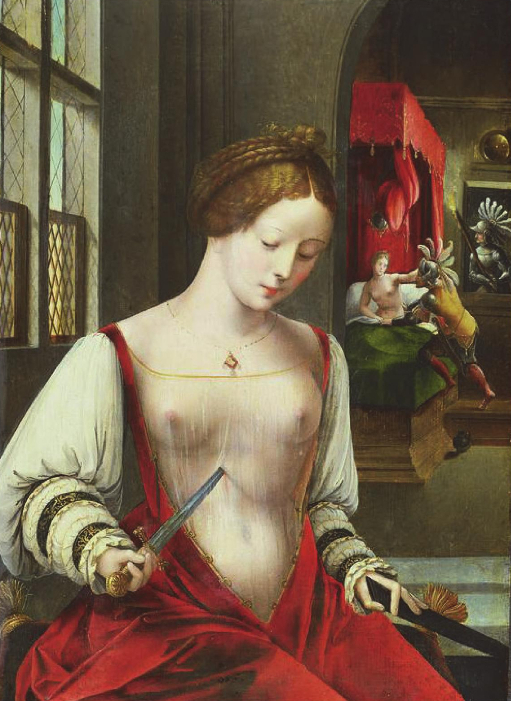
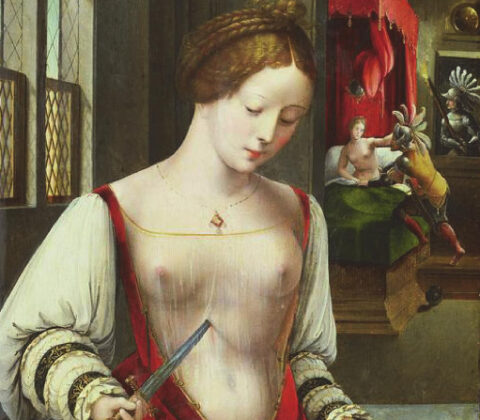
Adriaen Isenbrandt
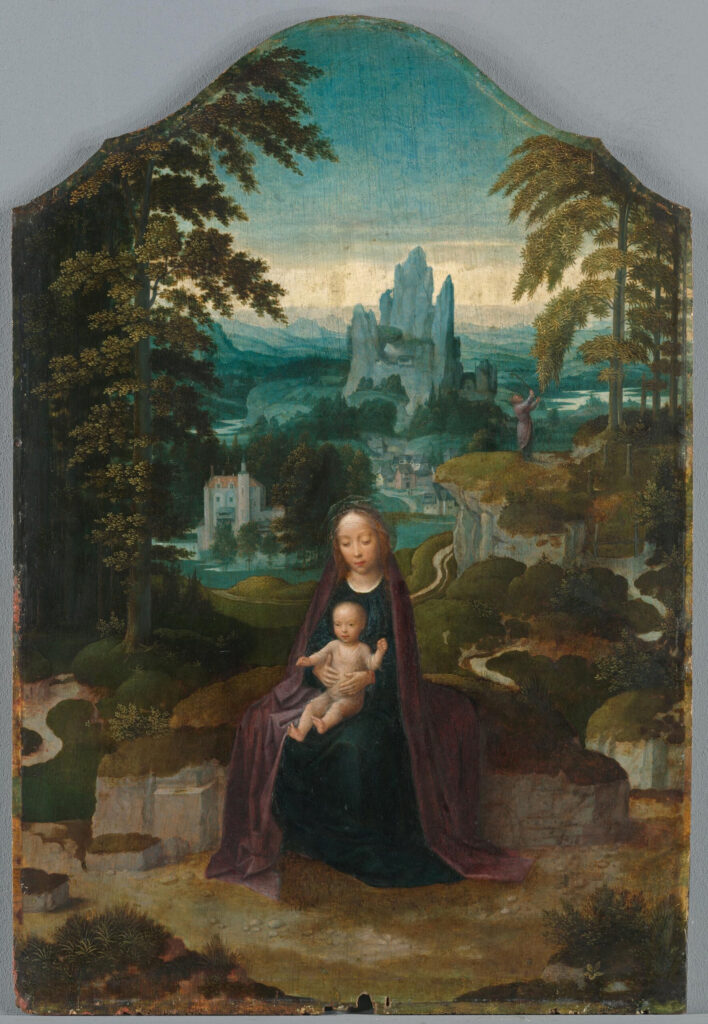
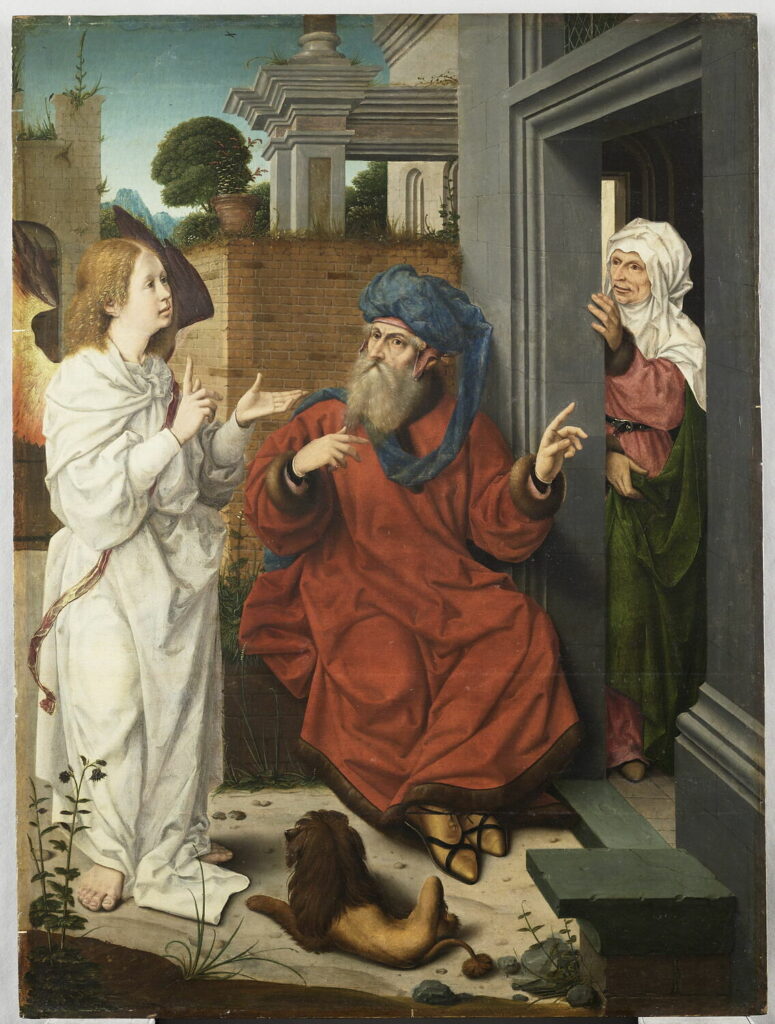
Adriaen Isenbrandt, c 1485–July 1551, was a Netherlandish painter active in Bruges. His birthplace and early training are not documented; he entered the Bruges painters’ and saddlemakers’ guild as a master in 1510.
An early source associated him with Gerard David, whose workshop and compositions influenced the paintings attributed to Isenbrandt. Isenbrandt repeatedly held offices in the Bruges guild, maintained a workshop, and worked with Albert Cornelis and Lancelot Blondeel on decorations for the 1520 entry of Emperor Charles V into Bruges; Cornelis van Callenberghe is the only documented assistant in his workshop.
Paintings attributed to Isenbrandt are held by the Metropolitan Museum of Art, the National Gallery of Art, the J. Paul Getty Museum, Musea Brugge, the Royal Museums of Fine Arts of Belgium, and the Alte Pinakothek.





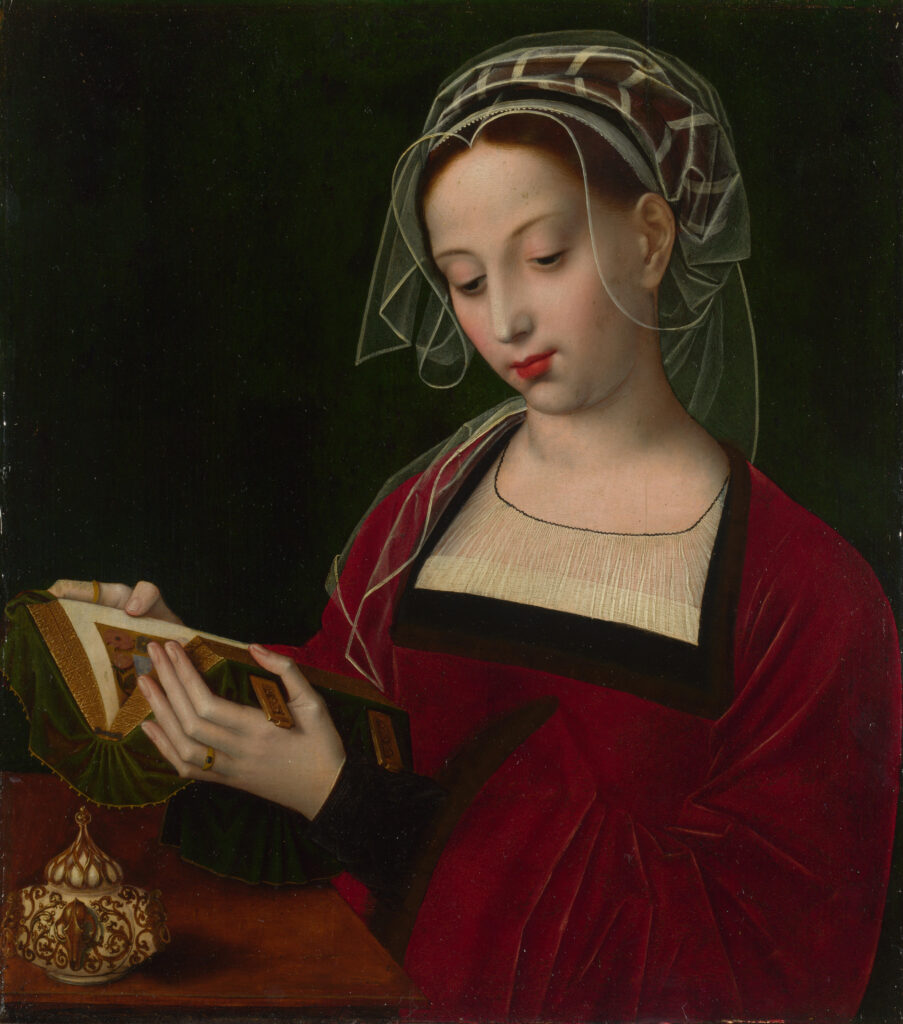
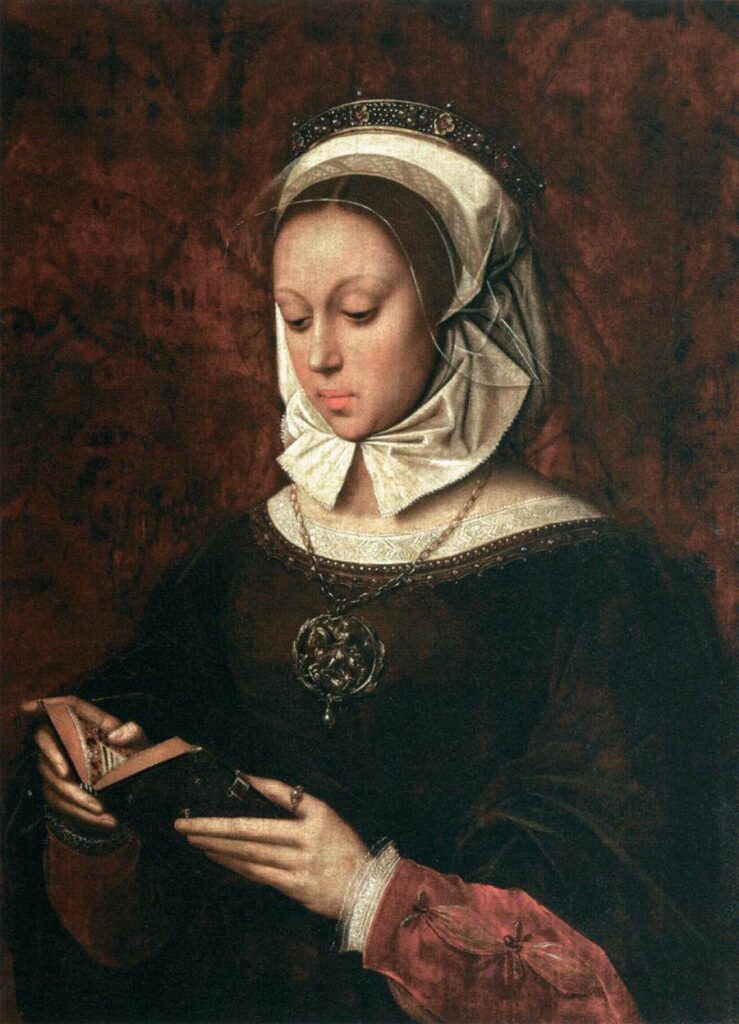
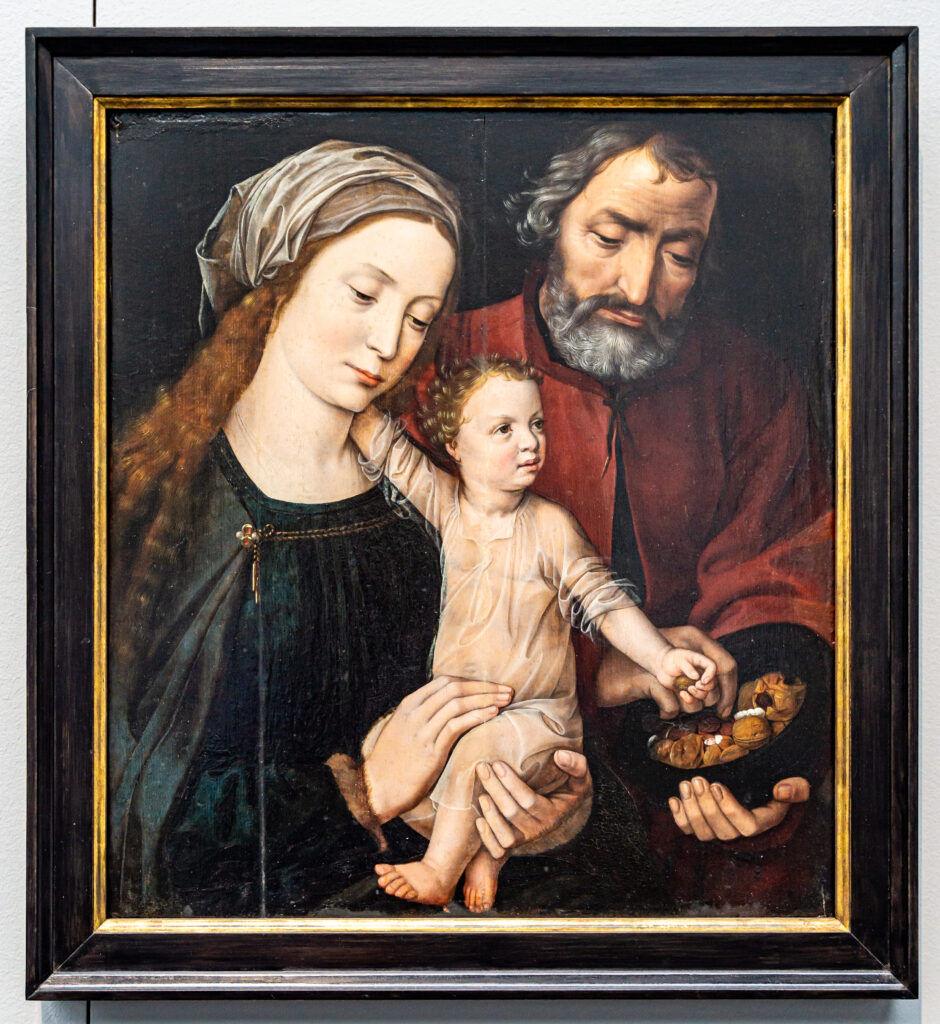
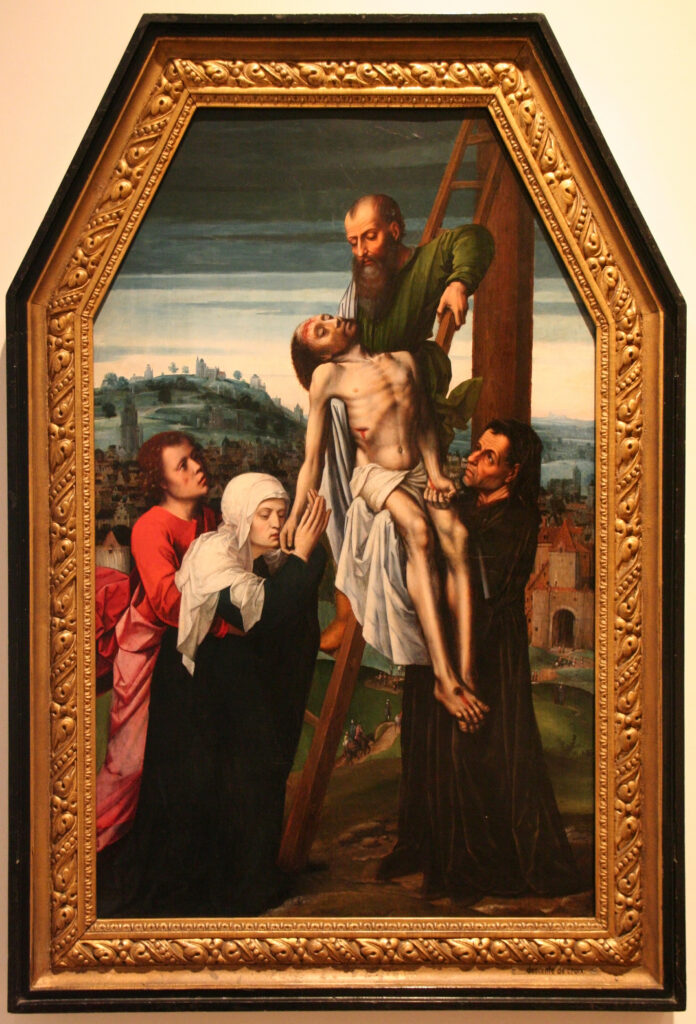
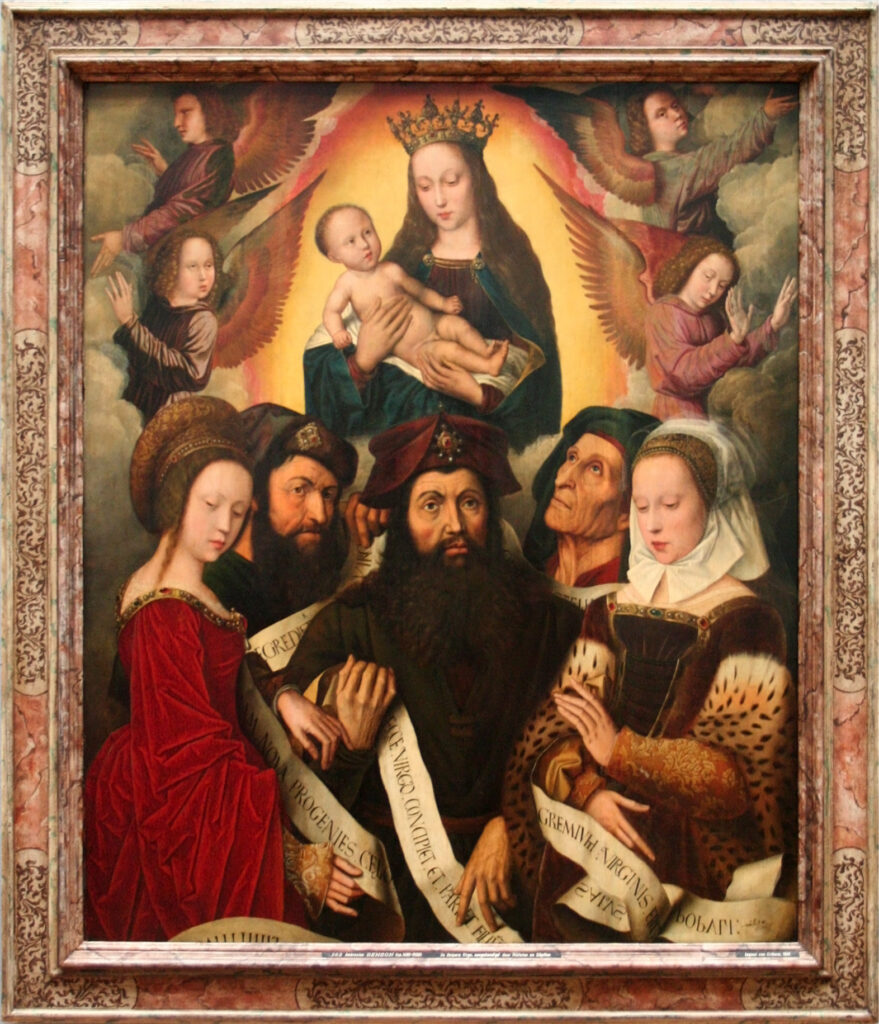
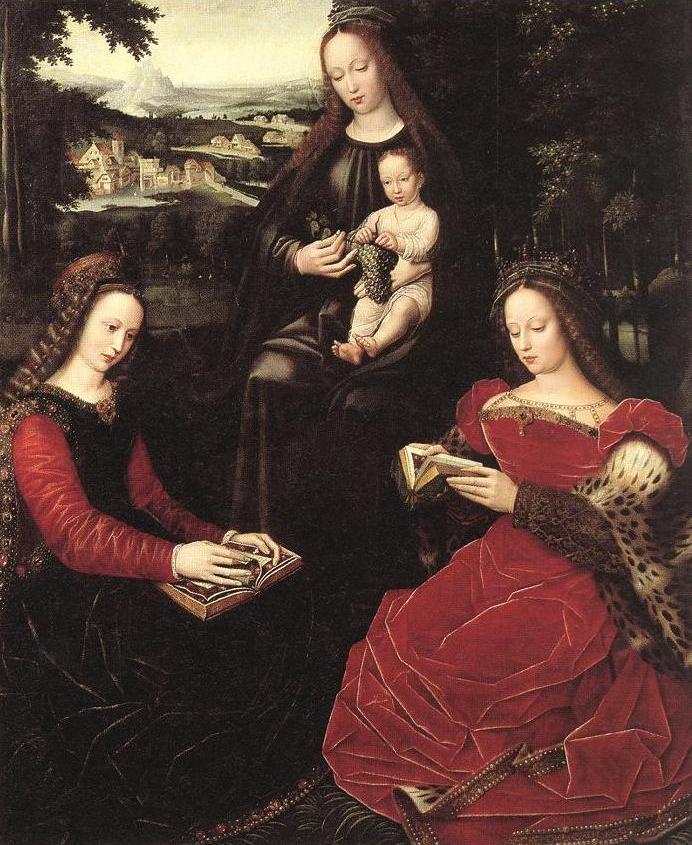
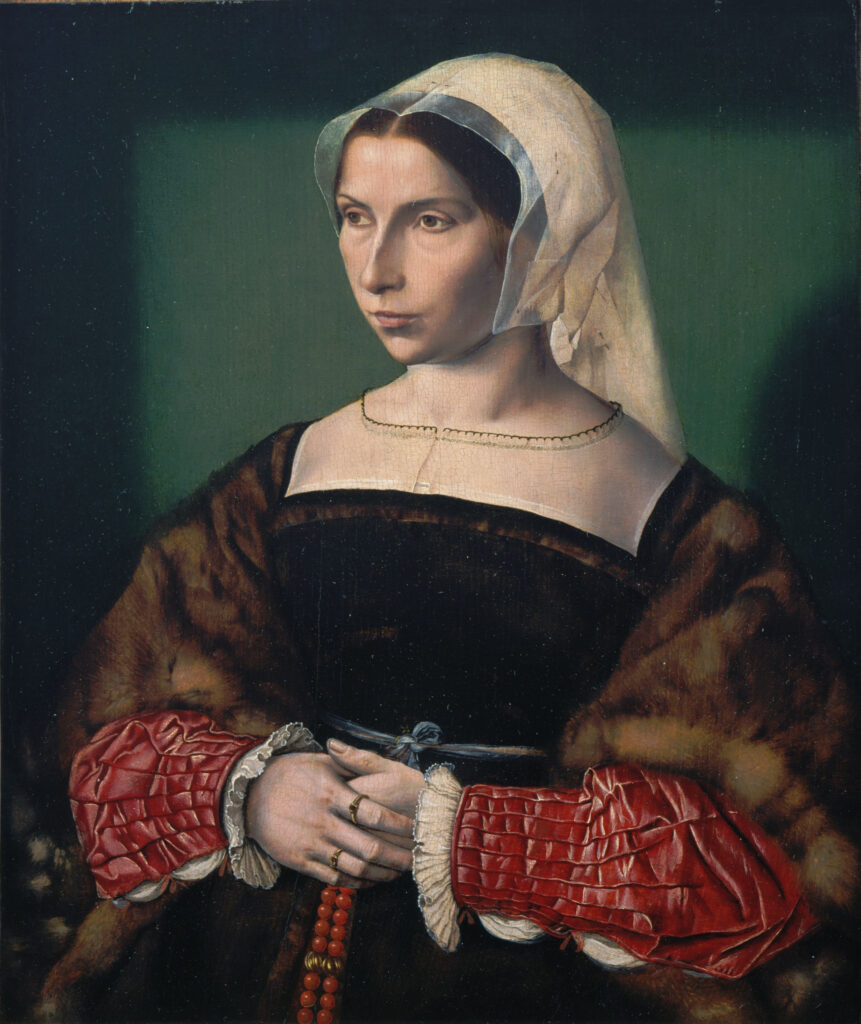
Ambrosius Benson
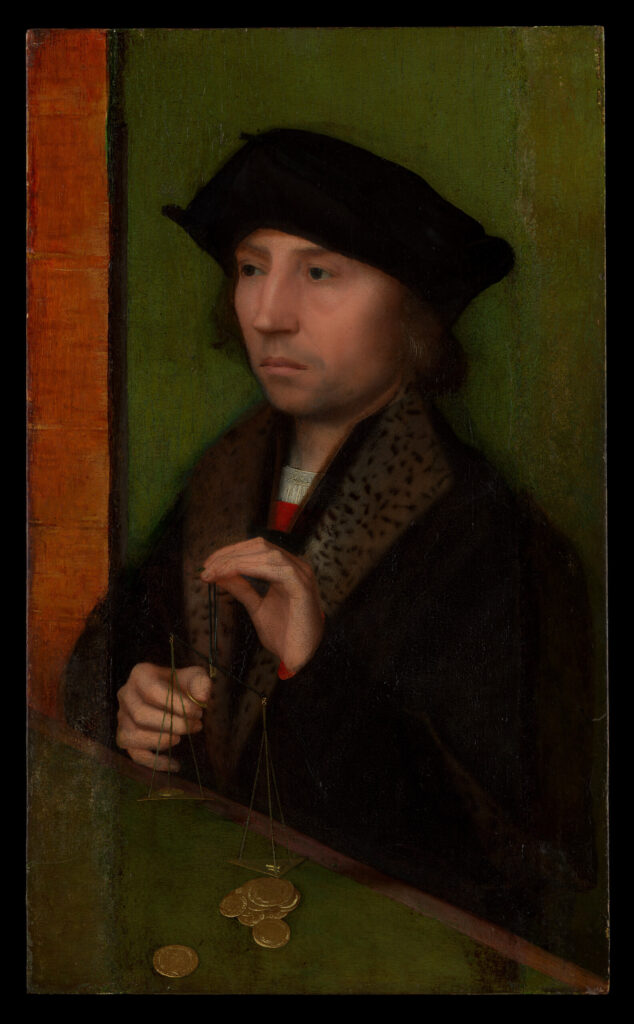
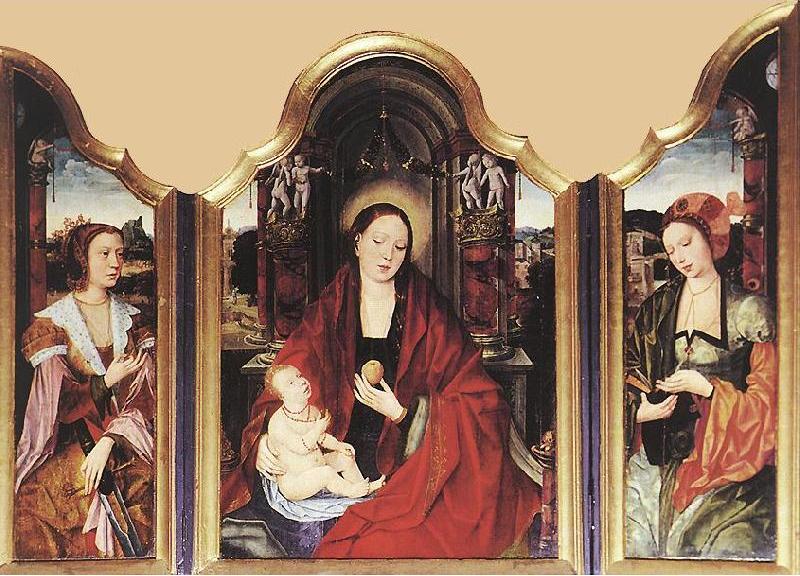
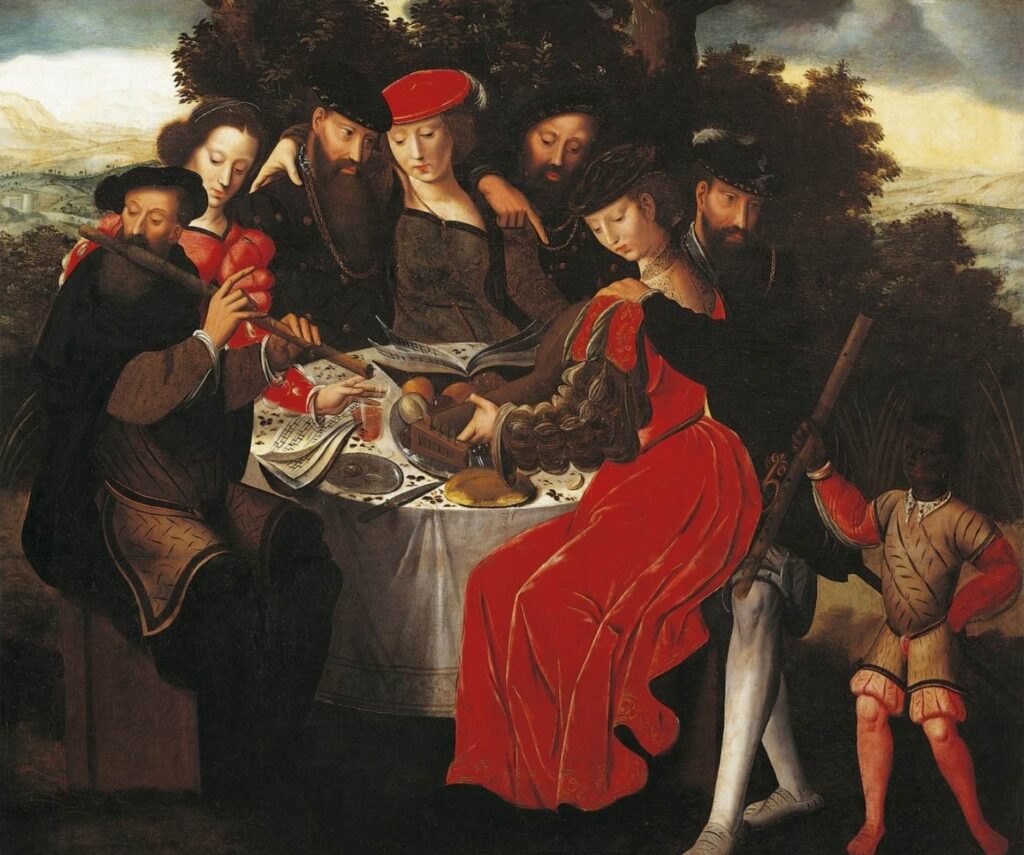
Ambrosius Benson, c 1495 – 1550, was an Italian-born painter who worked in Bruges. He entered the Bruges painters’ guild in 1519 and worked for a time in the workshop of Gerard David.
Benson established a successful workshop and served several terms in the administration of the Bruges guild. He painted religious subjects, portraits, and scenes of music and courtly company, and his sons Willem and Jan also became painters.
Benson remained active in Bruges until his death in 1550. His work is held by collections including the Groeningemuseum, National Gallery, Louvre Museum, Philadelphia Museum of Art, and Saint Louis Art Museum.

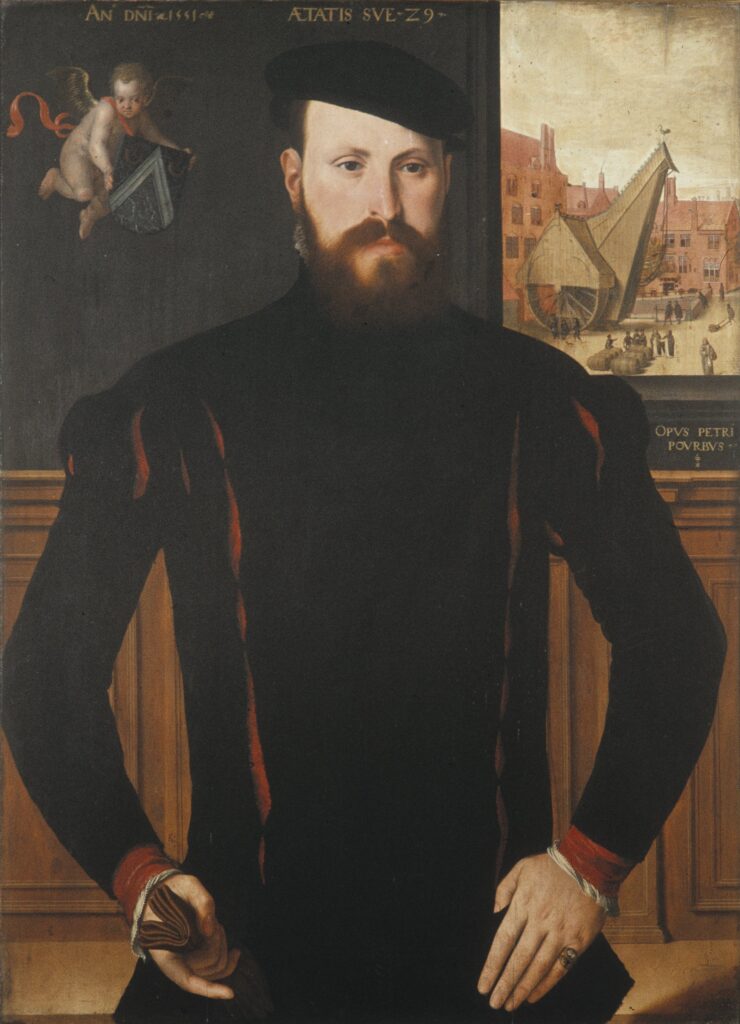
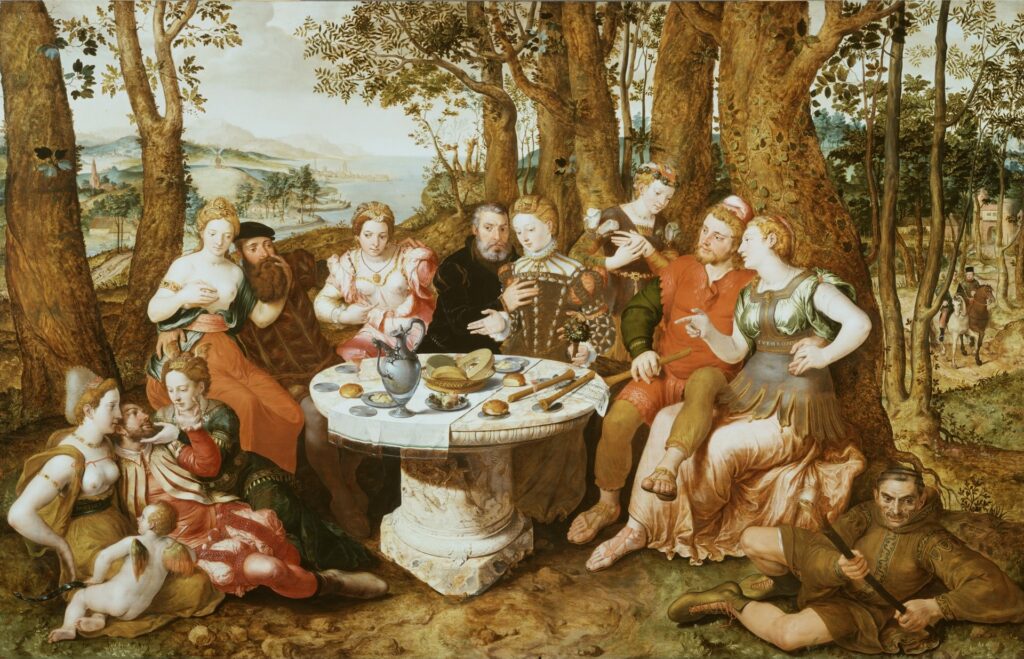
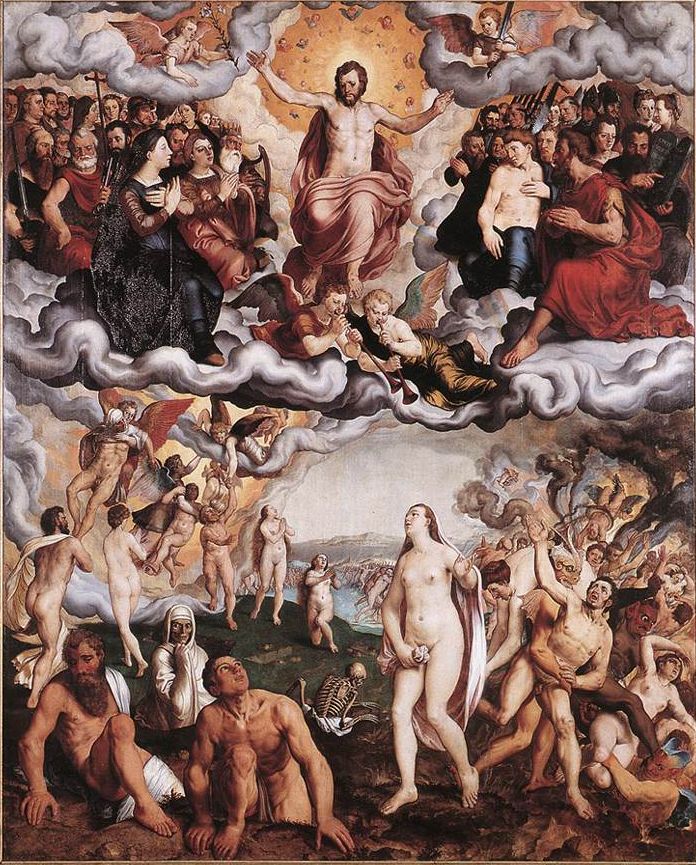
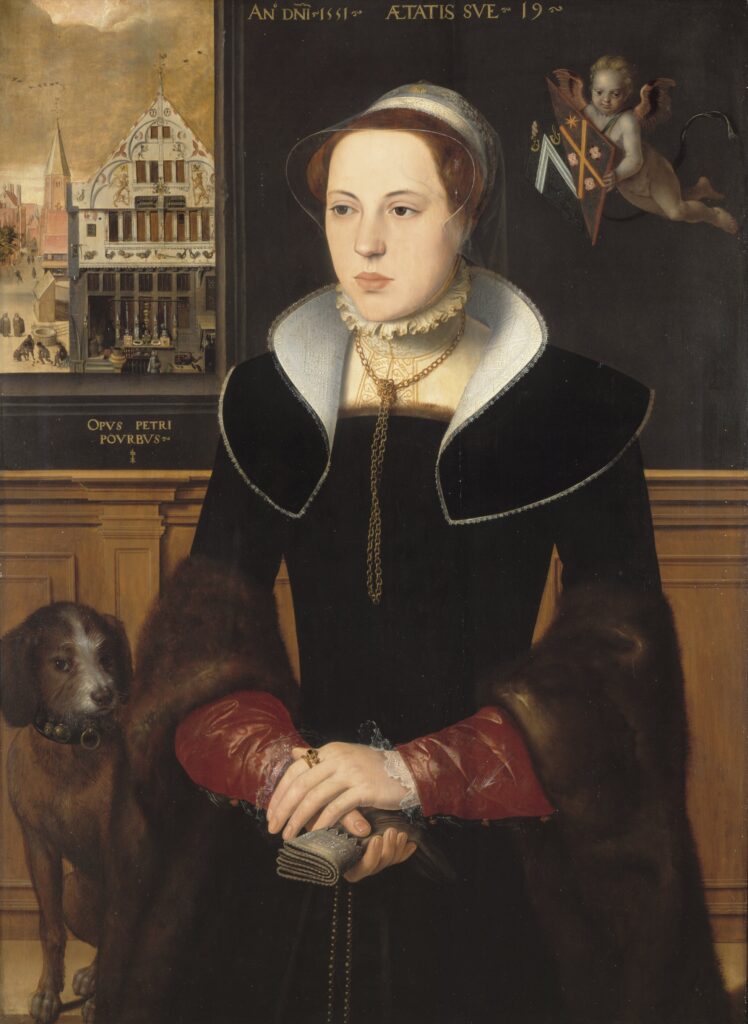
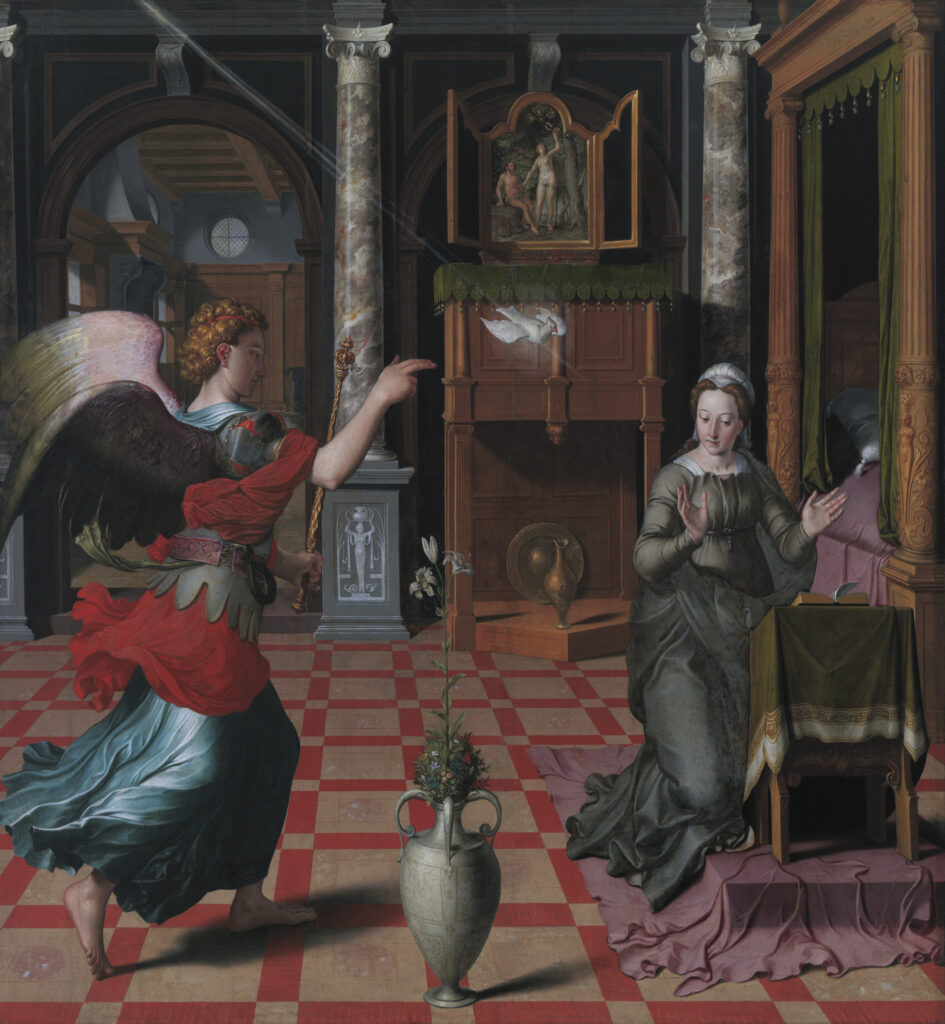
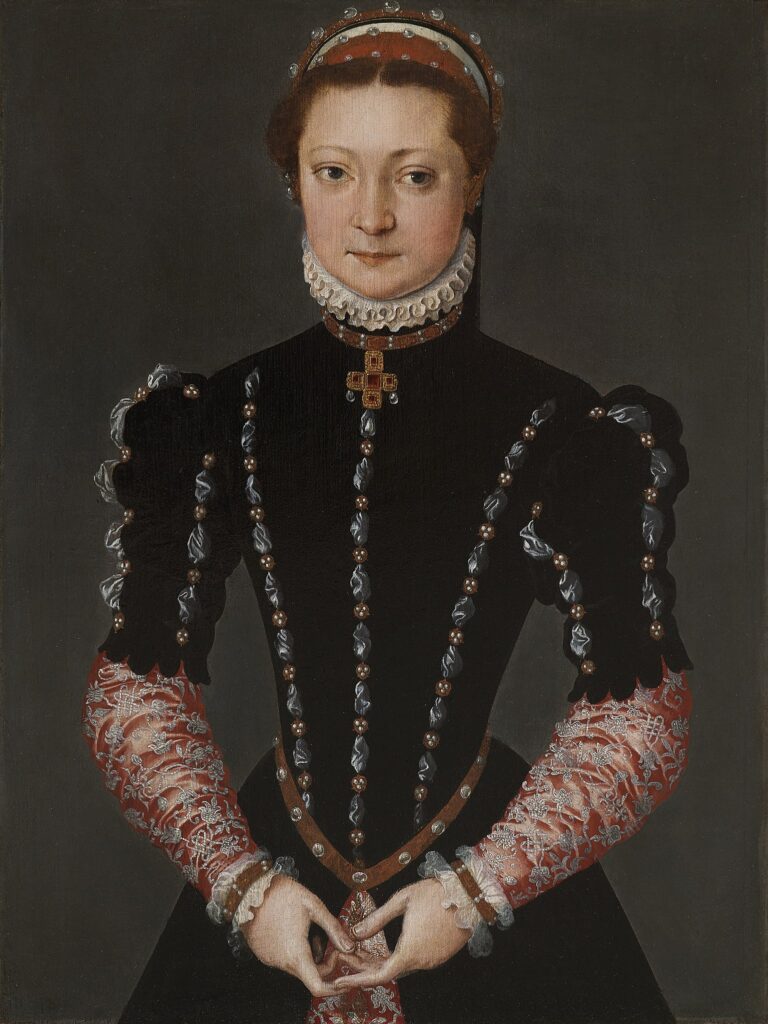
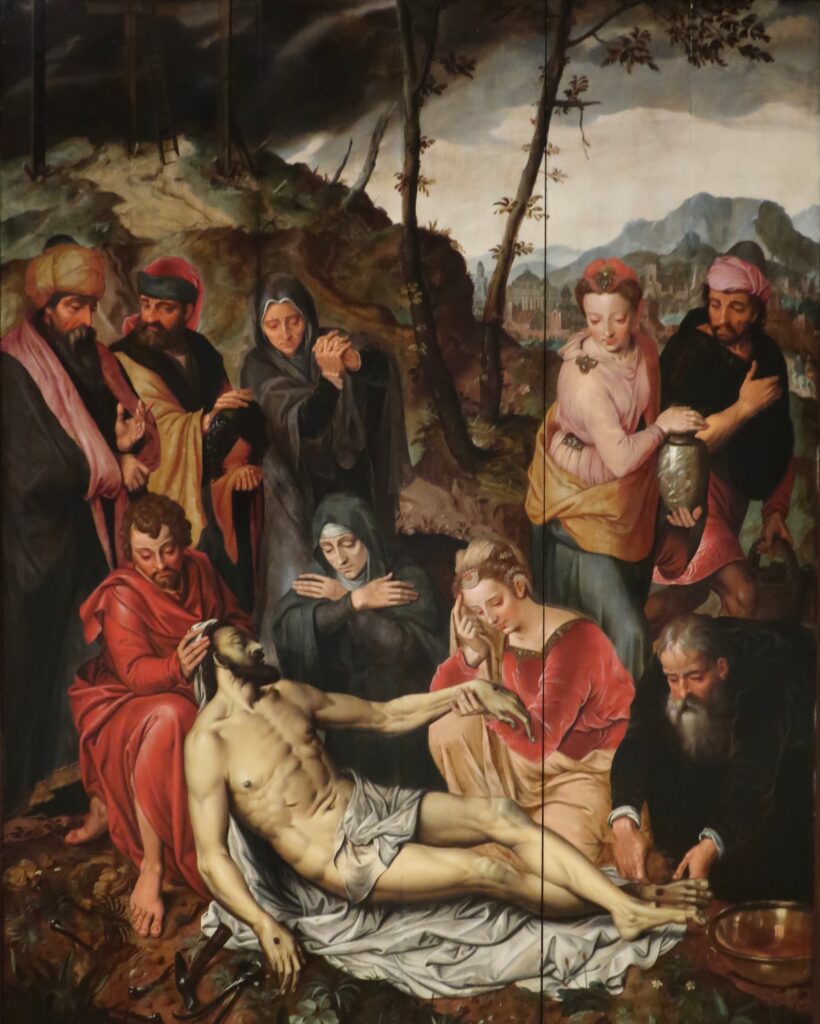
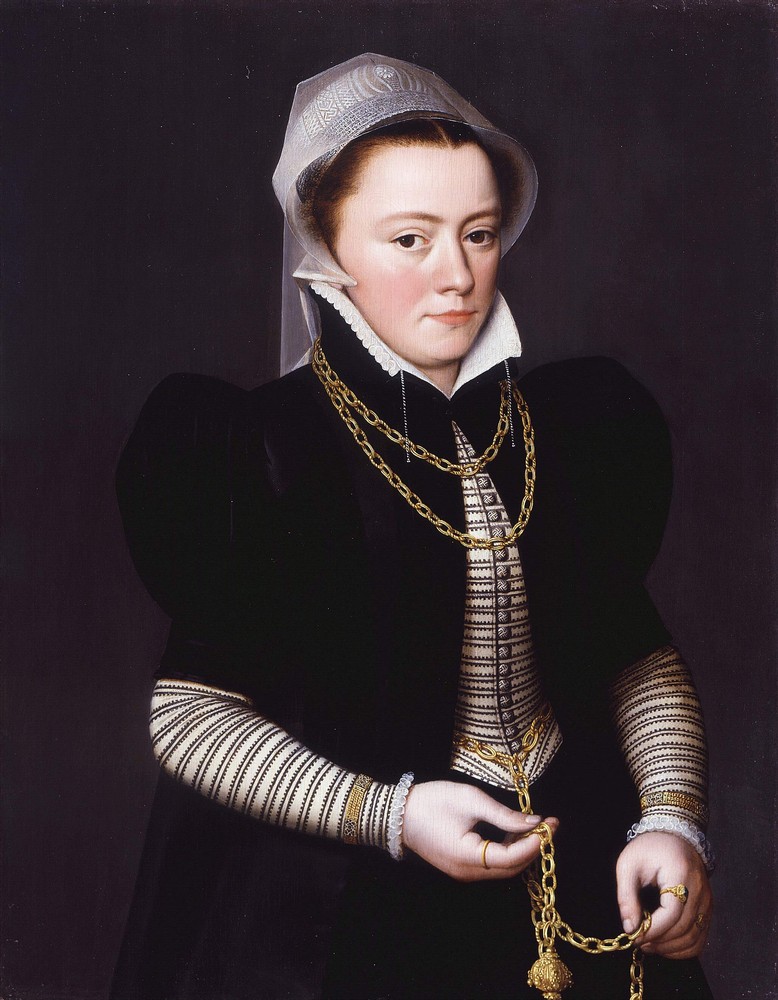
Pieter Pourbus
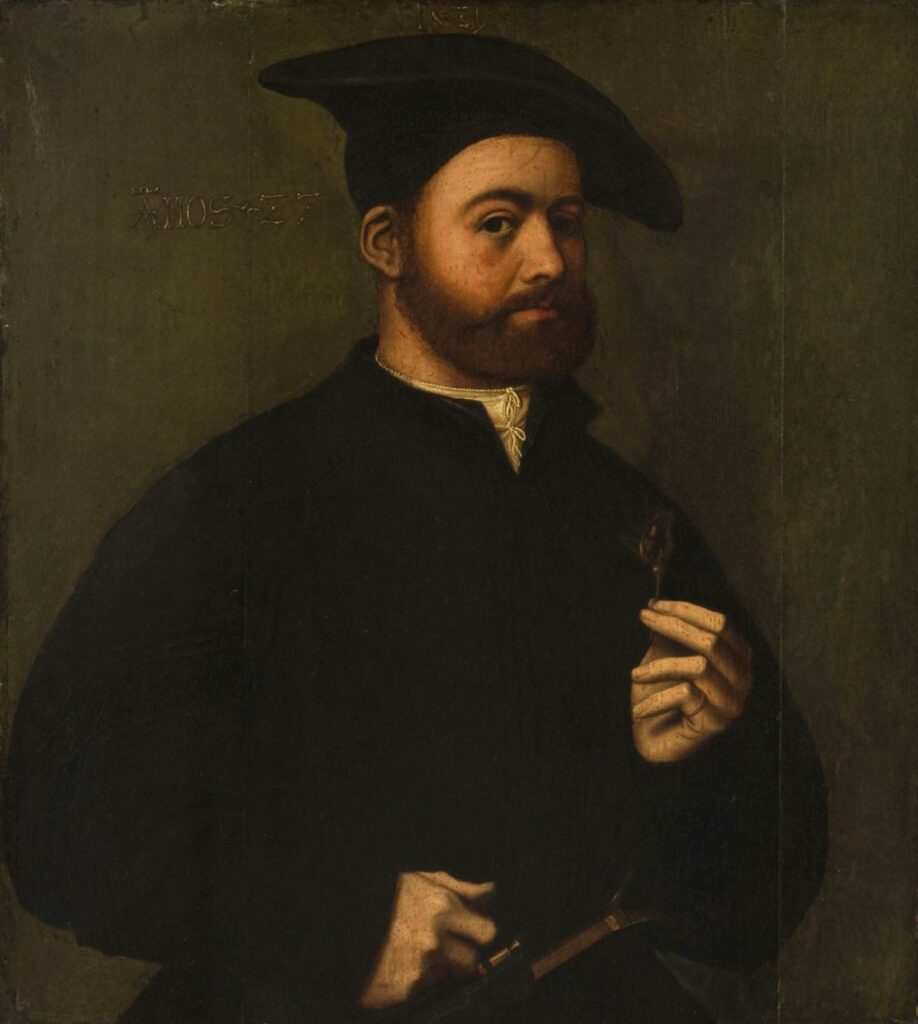
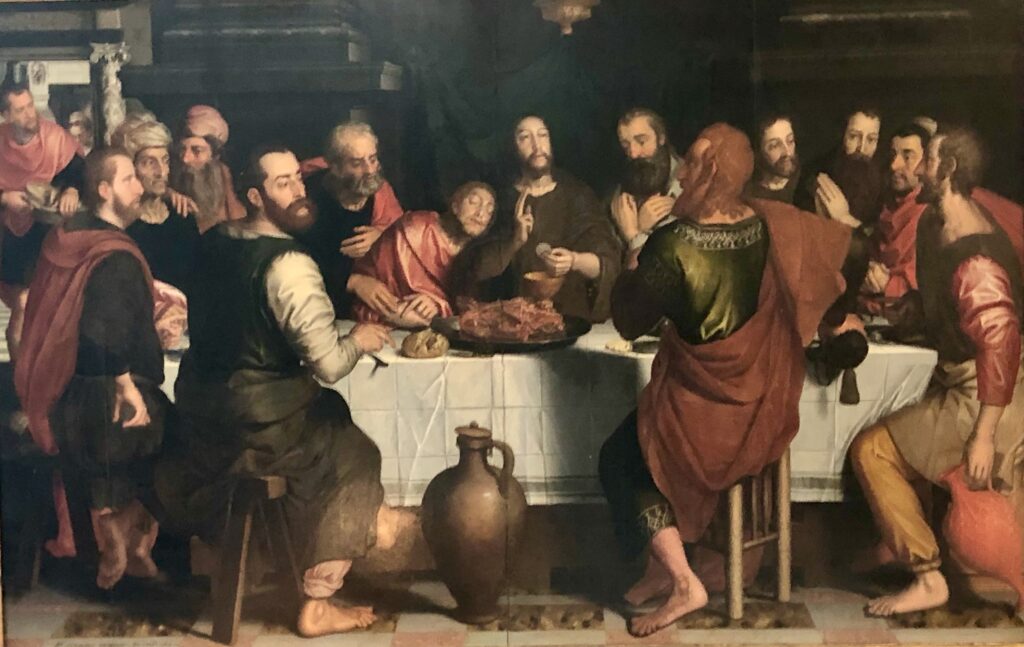
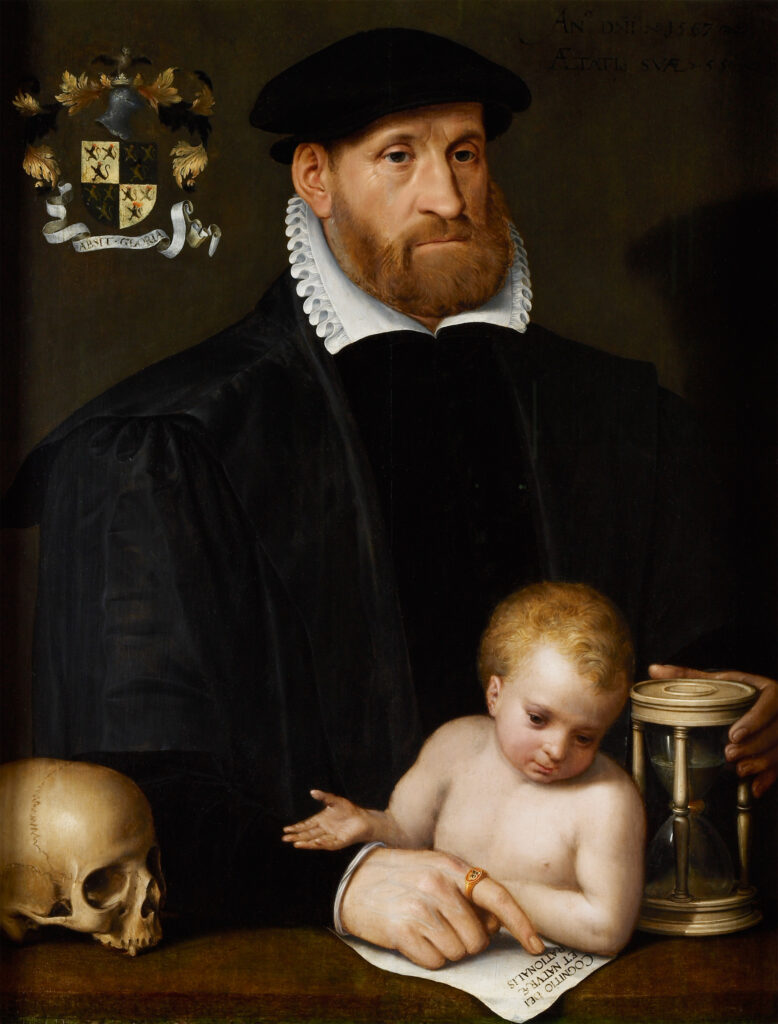
Pieter Pourbus, c 1523 – January 30, 1584, was a Flemish painter, draftsman, and cartographer. He was probably born in Gouda and settled in Bruges by the early 1540s. He became a master in the Bruges Guild of St Luke in 1543 and married Anna Blondeel, daughter of the painter Lanceloot Blondeel.
Pourbus painted portraits, religious works, altarpieces, allegorical subjects, and civic commissions. His work is associated with the Bruges tradition of detailed Netherlandish painting, adapted to mid-sixteenth-century portraiture and religious imagery. He also produced maps and topographical works, including important cartographic commissions for the region around Bruges.
Pourbus’s pupils and workshop connections included his son Frans Pourbus the Elder, who continued the family’s painting tradition. His works are held by the Groeningemuseum, Bruges; Rijksmuseum, Amsterdam; Museum Gouda; The Wallace Collection, London; Museum Mayer van den Bergh, Antwerp; and other public and private collections.


Jan de Bray
Jan de Bray, c 1627 – April 4, 1697, was a Dutch painter, draftsman, and printmaker of the Dutch Golden Age. He was born in Haarlem, the son of the painter, architect, and poet Salomon de Bray and Anna Westerbaen. He trained within his father’s workshop and belonged to a family that included several artists. He spent most of his career in Haarlem, where he became one of the city’s leading portrait and history painters.
De Bray worked in portraiture, civic group portraiture, biblical subjects, mythological scenes, and history painting. His work combines careful drawing, polished surfaces, and an interest in classical subject matter. He painted numerous portraits of Haarlem regents and civic institutions, while also producing ambitious narrative works such as The Discovery of Achilles among the Daughters of Lycomedes and The de Bray Family / The Banquet of Antony and Cleopatra. His family portraits are among the most distinctive works of seventeenth-century Dutch painting.
Later in life de Bray served as dean of the Haarlem Guild of St Luke. His works are held by the Frans Hals Museum, Rijksmuseum, Louvre, Museum Boijmans Van Beuningen, National Museum in Warsaw, Currier Museum of Art, Speed Art Museum, and other public and private collections.


Gentile Bellini
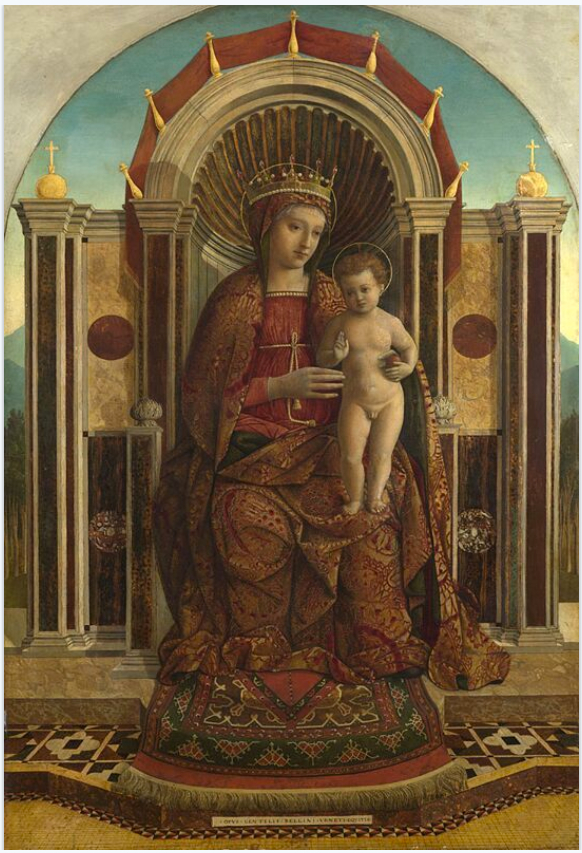
Gentile Bellini, c 1429 – February 23, 1507, was a Venetian painter of the Early Renaissance. He was born in Venice, the son of the painter Jacopo Bellini and brother of Giovanni Bellini. He trained in his father’s workshop, which was one of the leading artistic centers in Venice and helped shape the city’s developing Renaissance style. Gentile worked primarily for the Venetian state, religious confraternities, and prominent civic patrons.
His paintings are known for detailed depictions of public ceremonies, religious processions, and urban life in Venice. In 1479 he was sent by the Venetian Republic to Constantinople, where he worked at the court of Sultan Mehmed II and produced portraits and drawings that became important visual records of Ottoman society. His work combined Venetian traditions of color and pageantry with an unusually strong interest in architecture, costume, and contemporary events. He collaborated at times with Giovanni Bellini and was associated with the generation of Venetian painters that bridged the late Gothic and Renaissance periods.
Gentile maintained an active workshop and contributed to major state commissions in Venice, although he is not chiefly remembered as a teacher. His works are held by institutions including the Gallerie dell’Accademia, National Gallery, Victoria and Albert Museum, Isabella Stewart Gardner Museum, British Museum, and Gemäldegalerie. His paintings and drawings remain important sources for the study of late fifteenth-century Venice and the Ottoman world.






Hendrick ter Brugghen
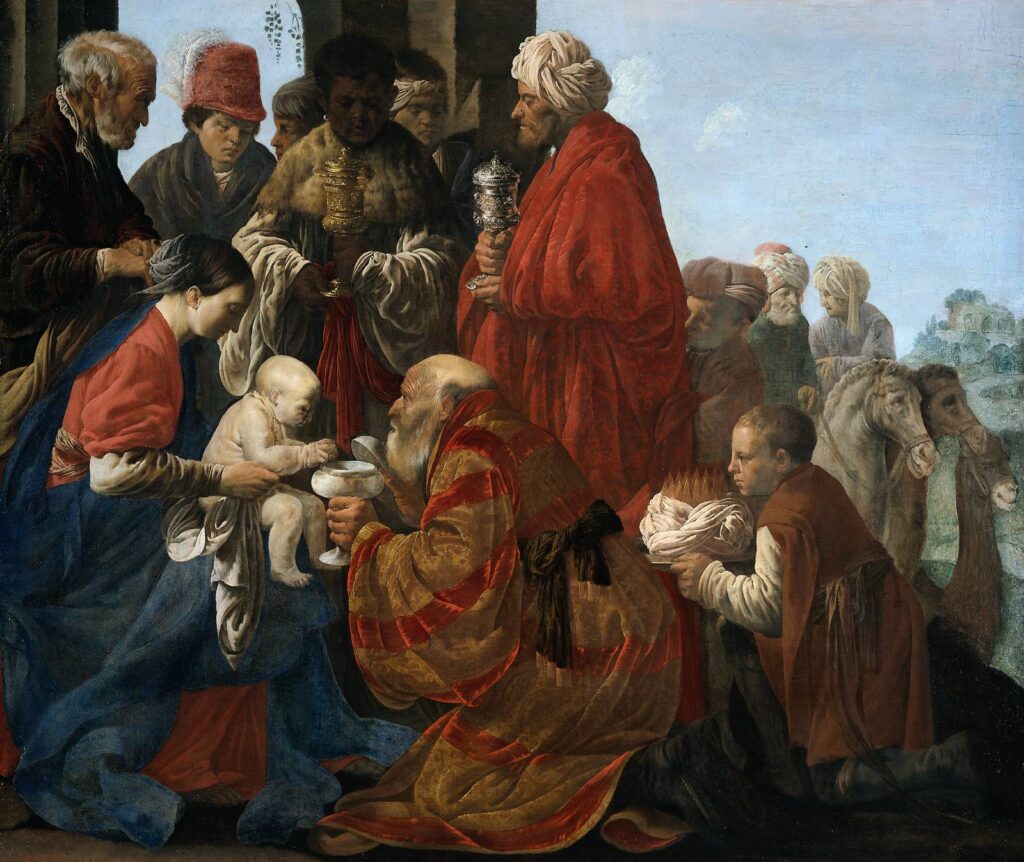
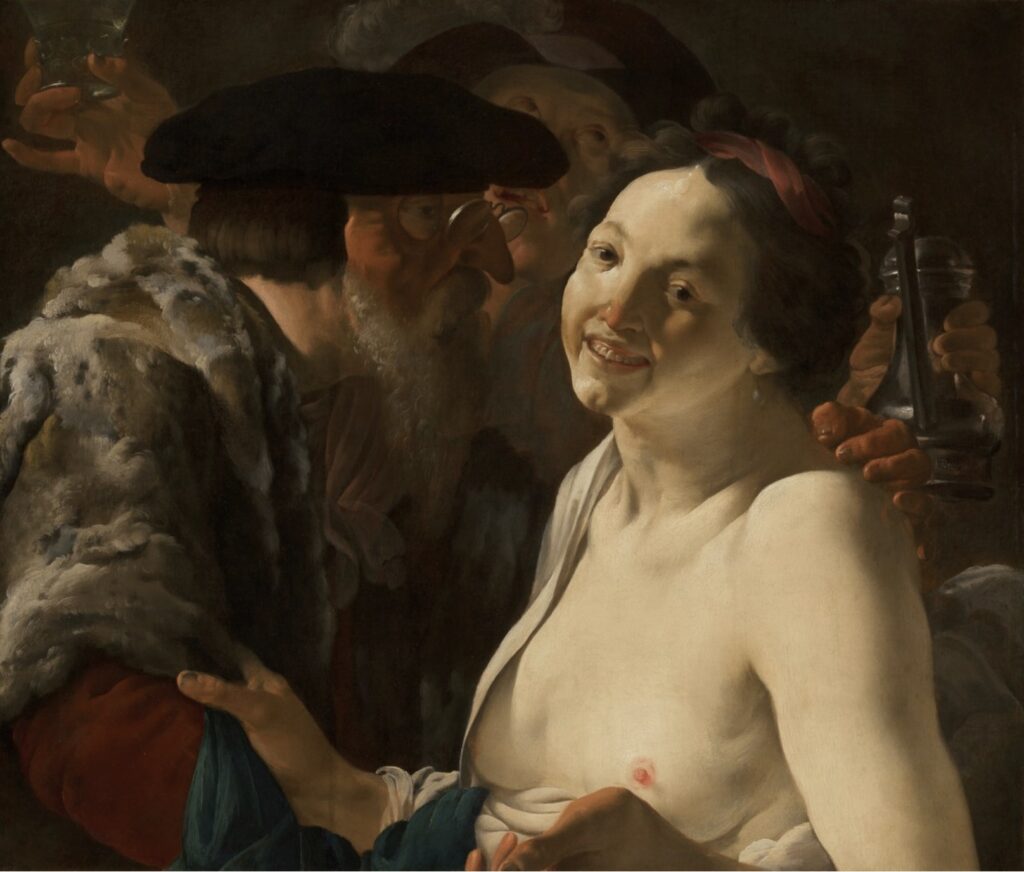
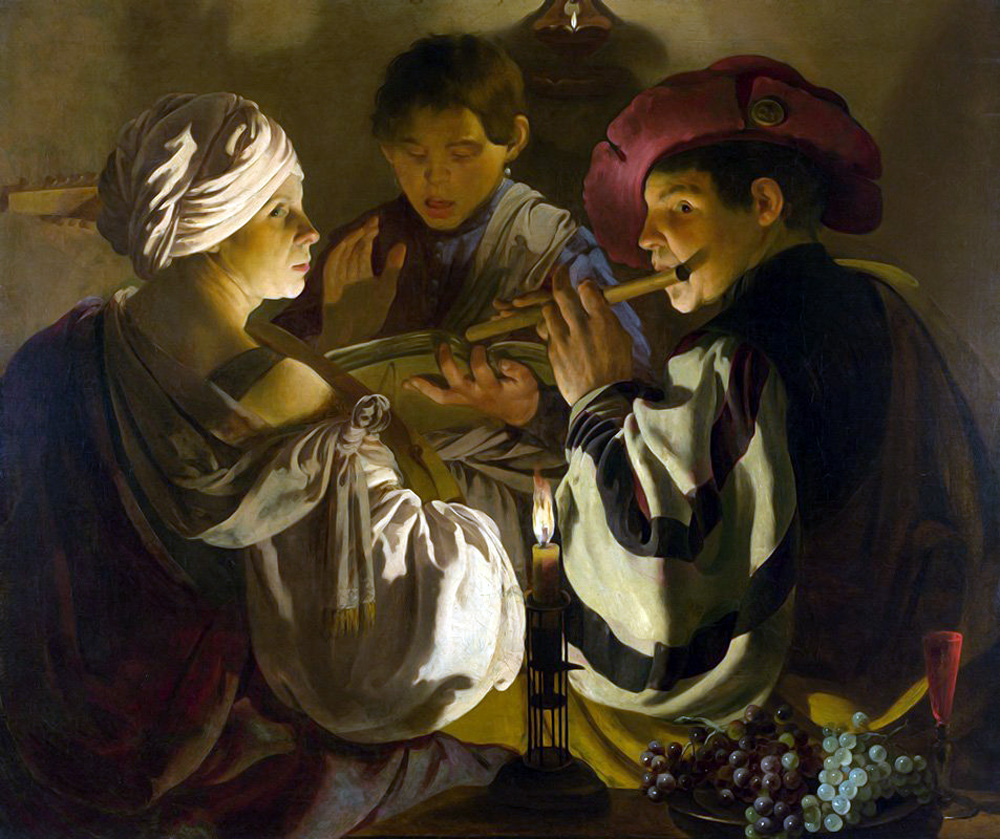
Hendrick ter Brugghen, 1588 – November 1, 1629, was a Dutch painter of religious subjects, genre scenes, musicians, and historical figures. He was probably born in The Hague and was raised in or near Utrecht.
Ter Brugghen studied with Abraham Bloemaert before traveling to Italy, where he spent about a decade and encountered the work of Caravaggio and his followers. He returned to Utrecht by 1615.
Along with Gerrit van Honthorst and Dirck van Baburen, Ter Brugghen became one of the principal Utrecht Caravaggisti. His paintings combine dramatic lighting, closely grouped figures, and direct observation with a distinctive use of pale, clear color. He died in Utrecht.






François Clouet
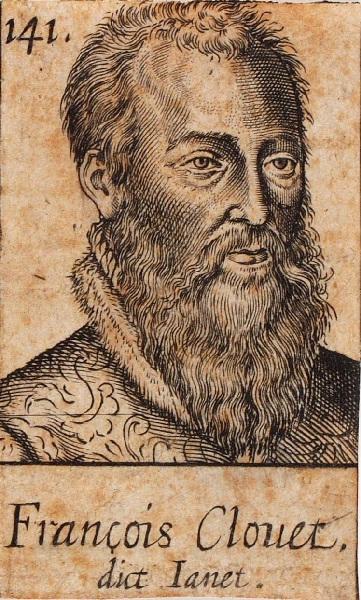
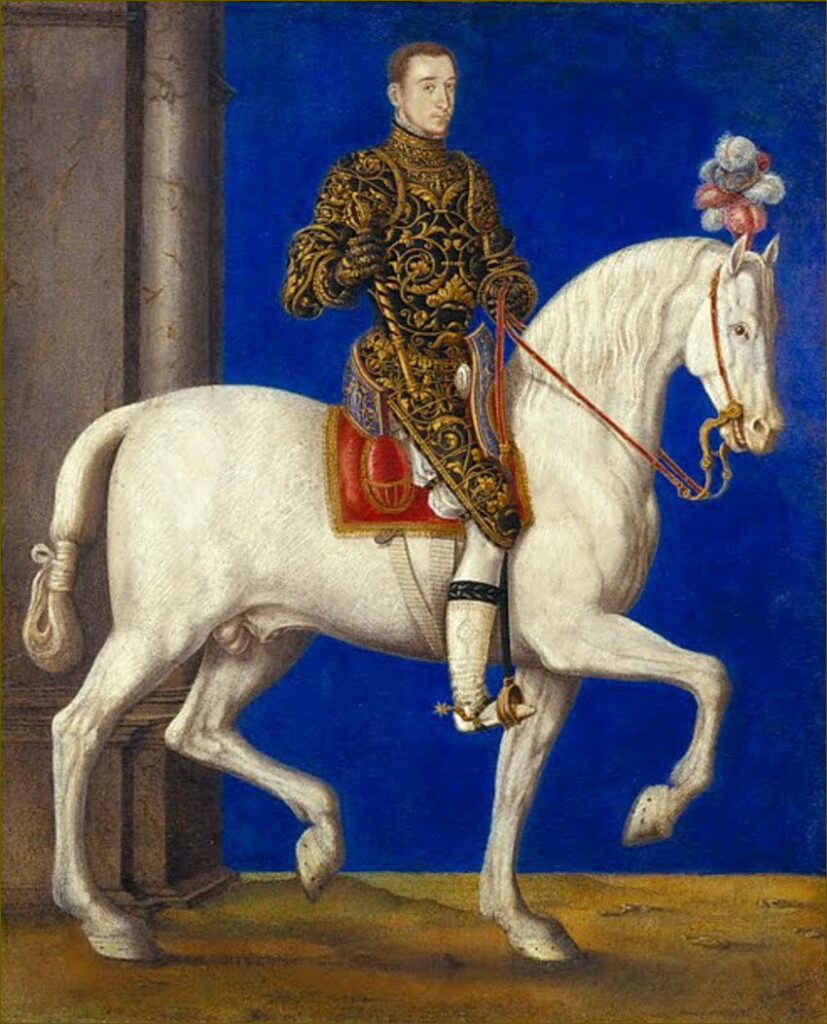
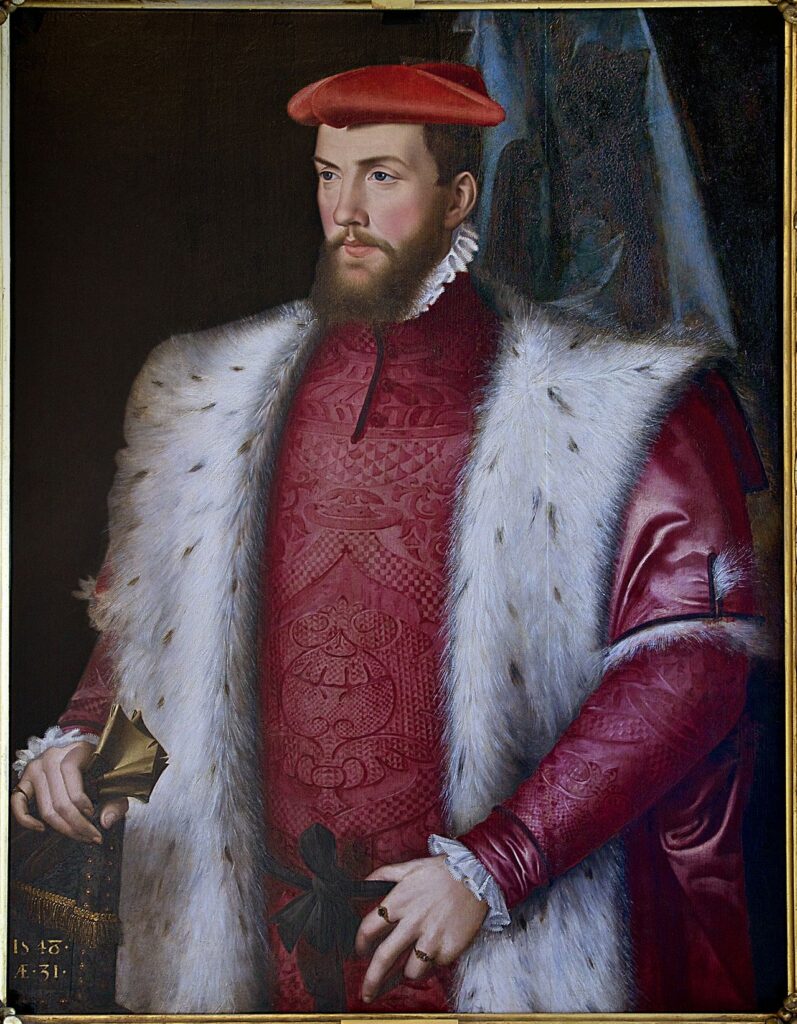
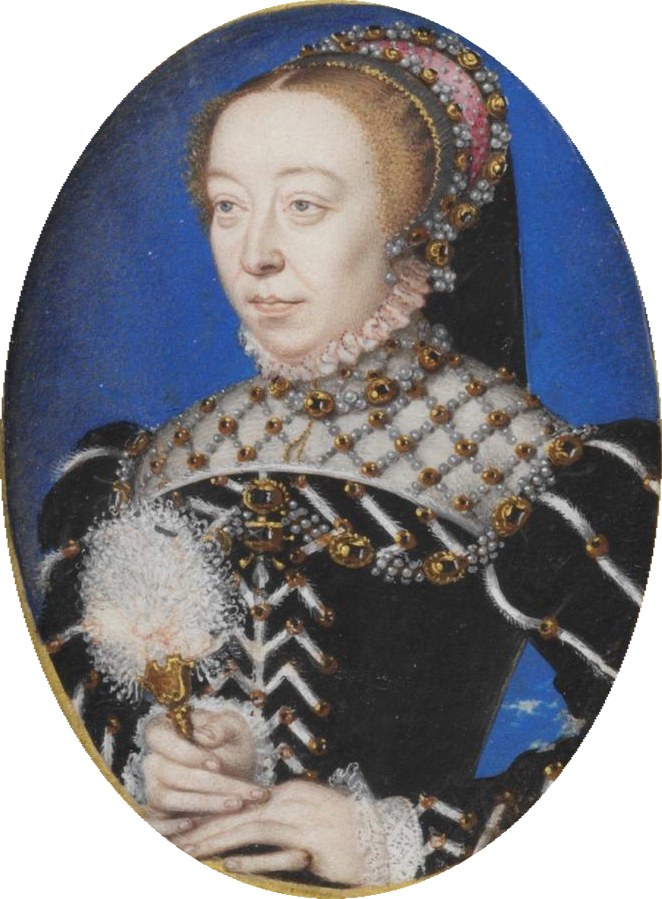
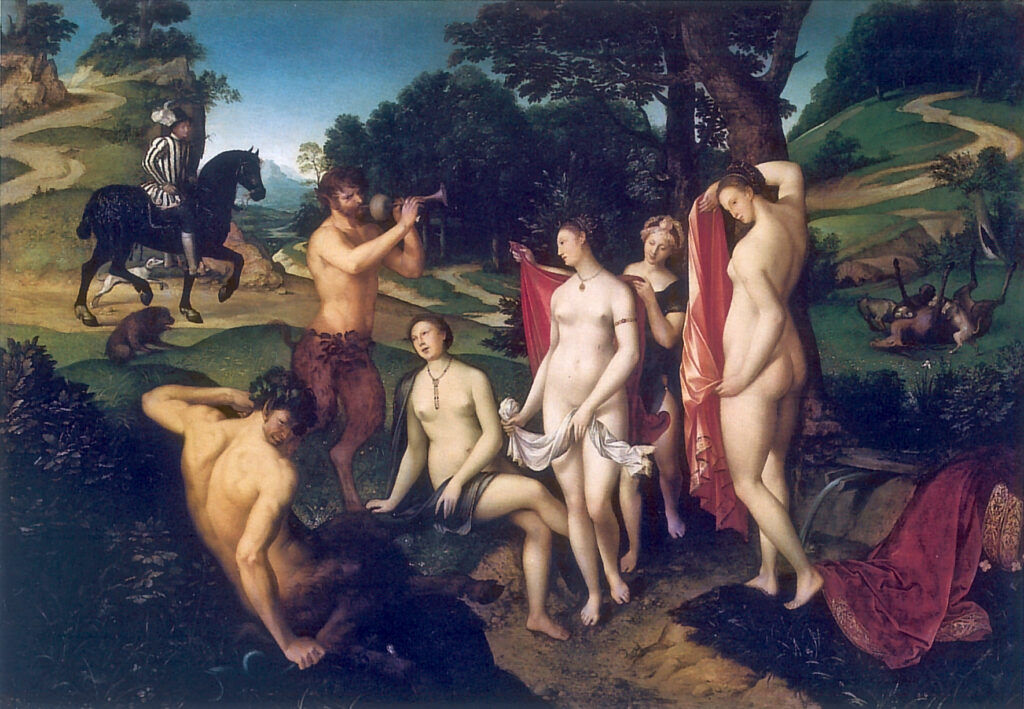
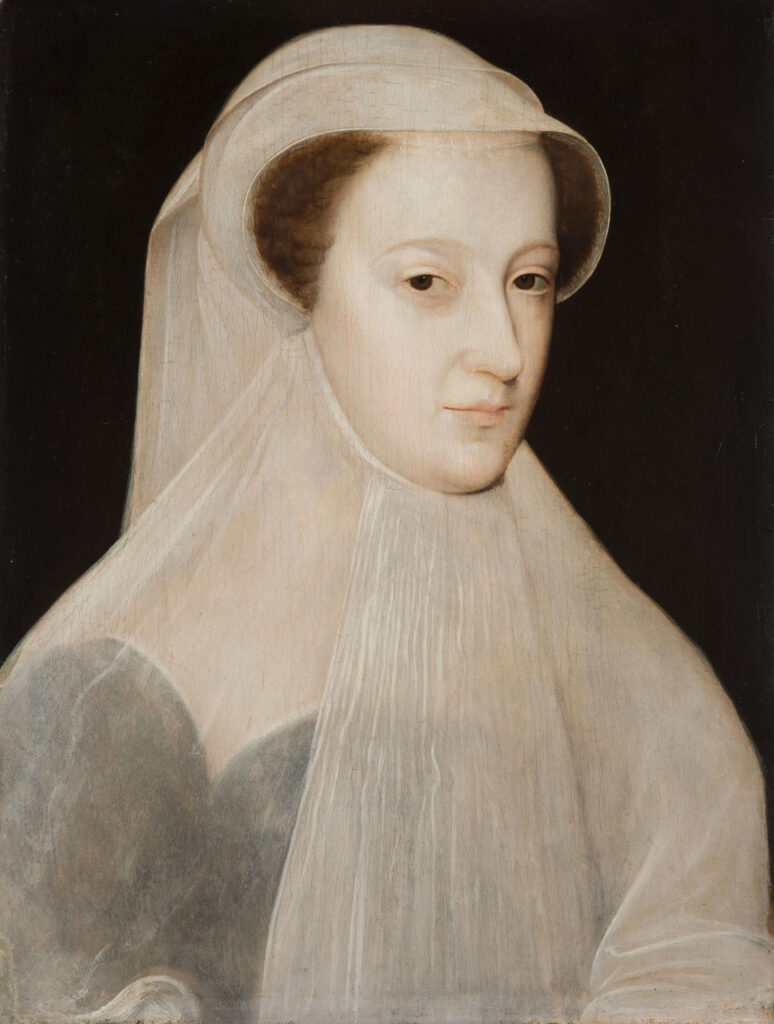
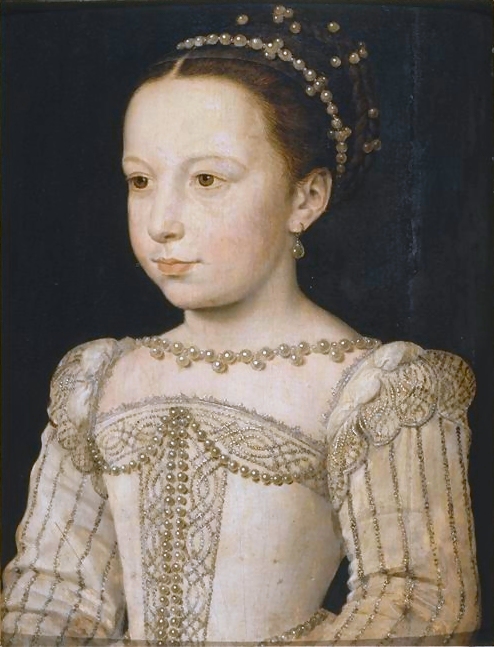
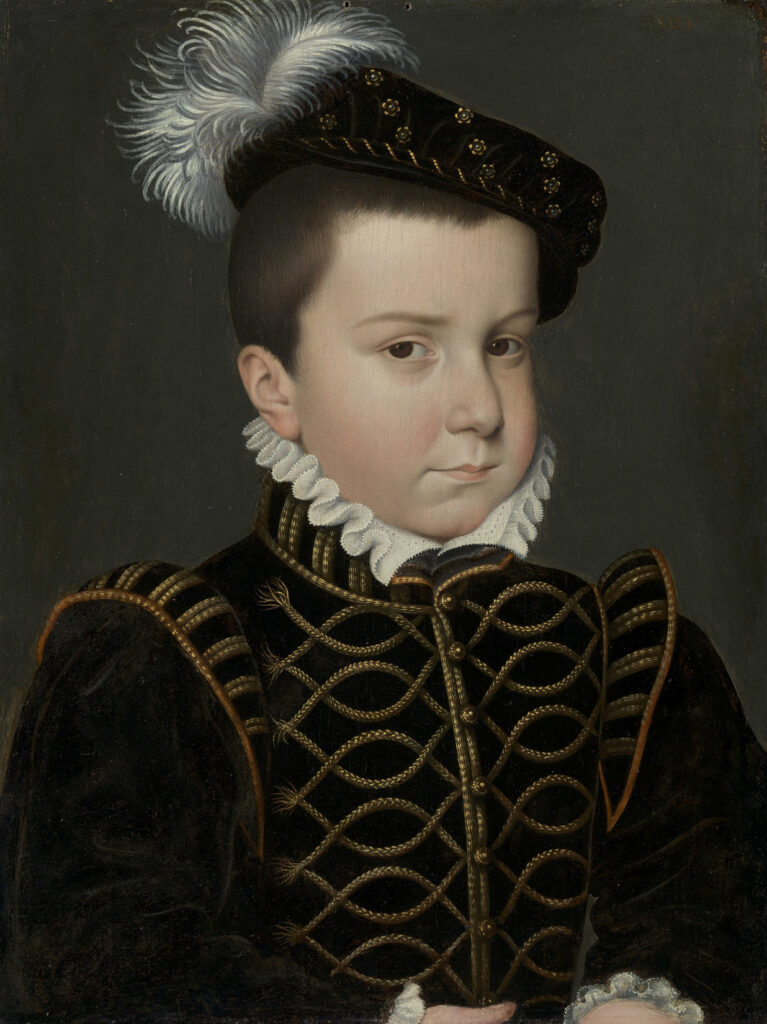
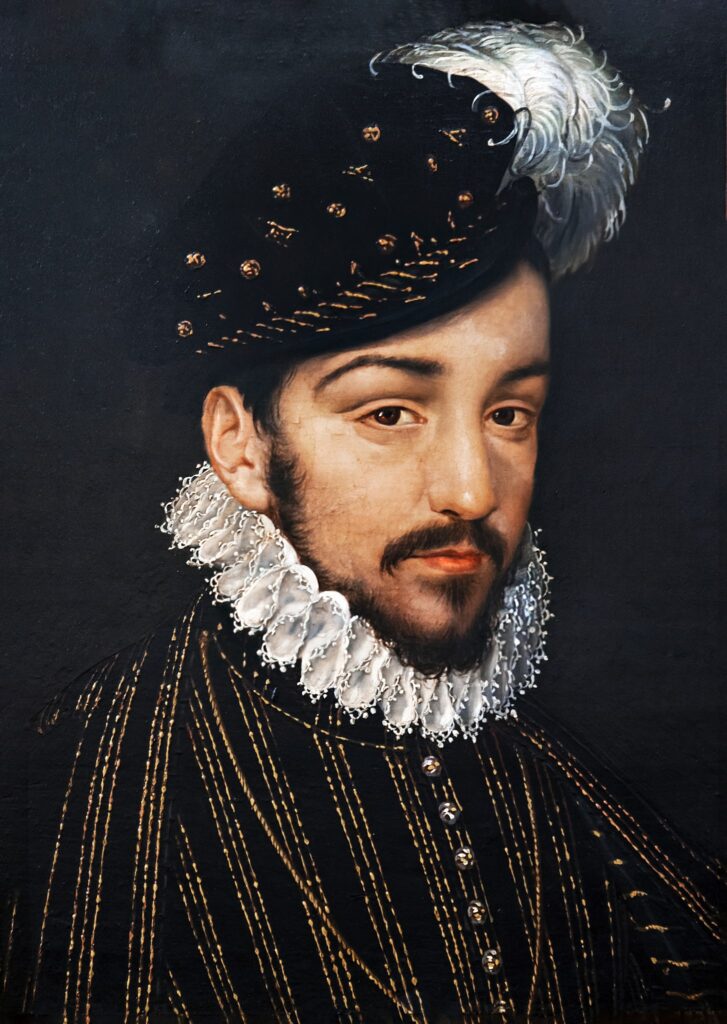
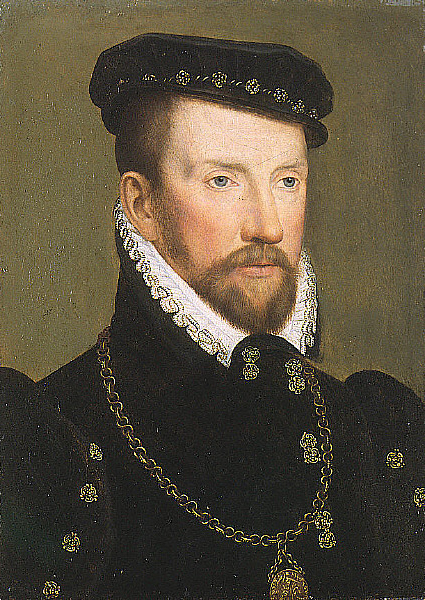
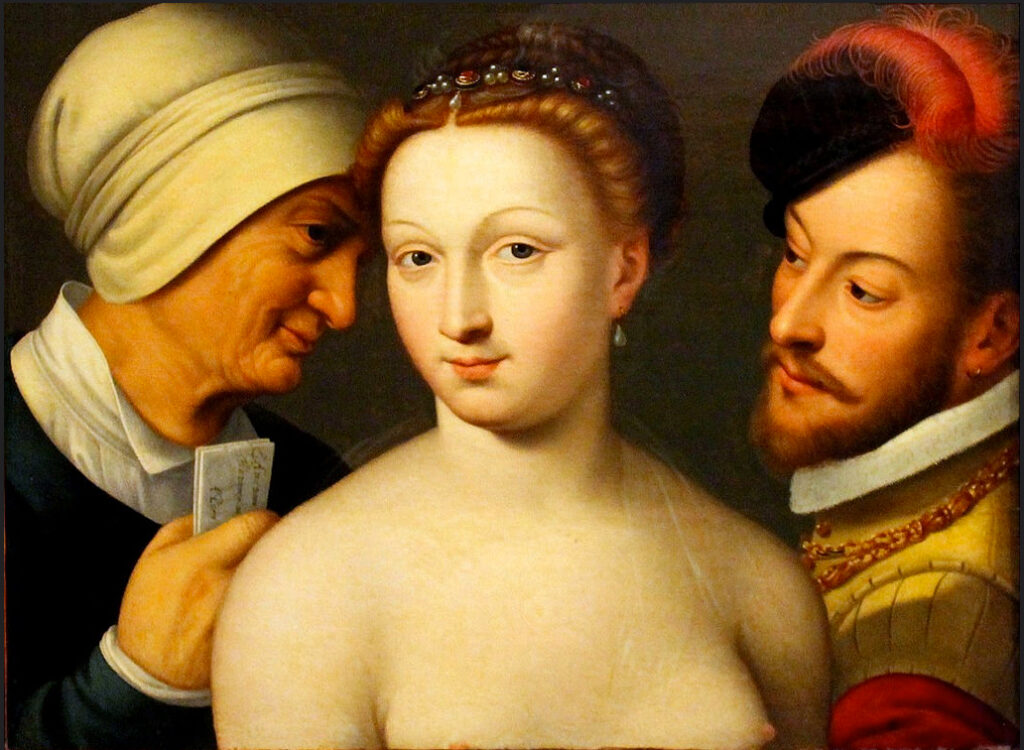
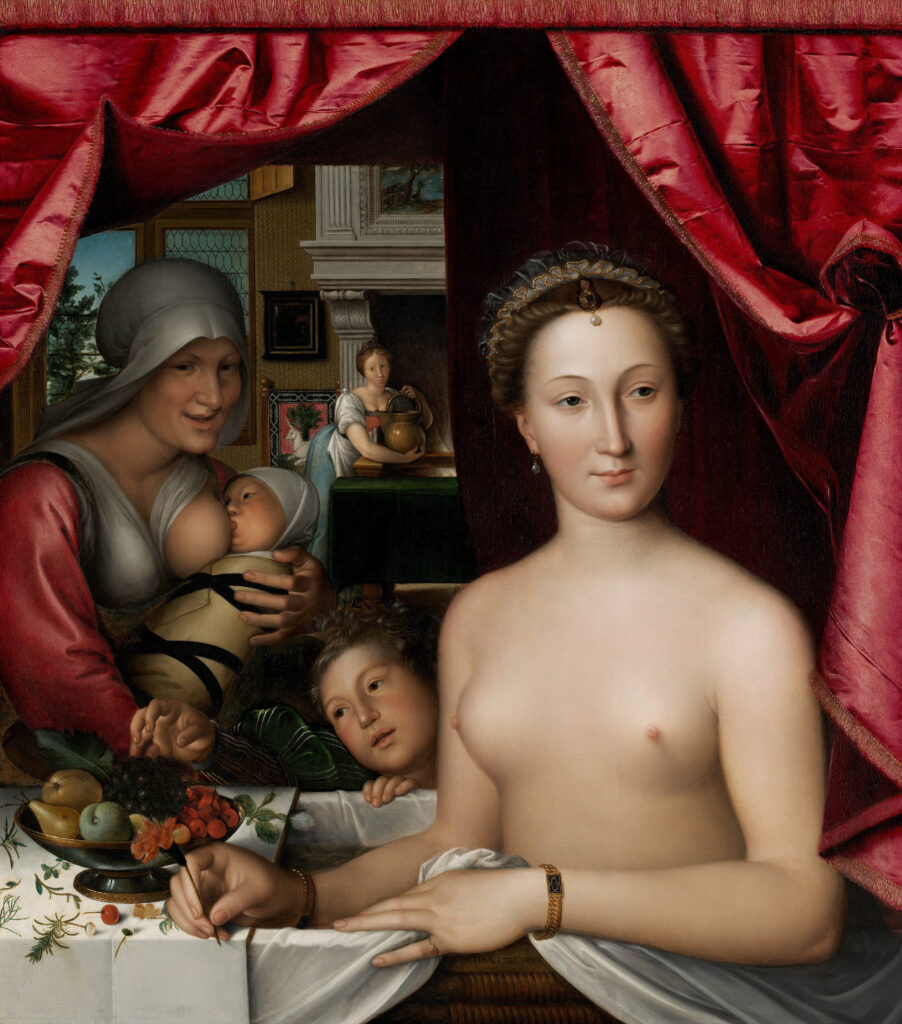
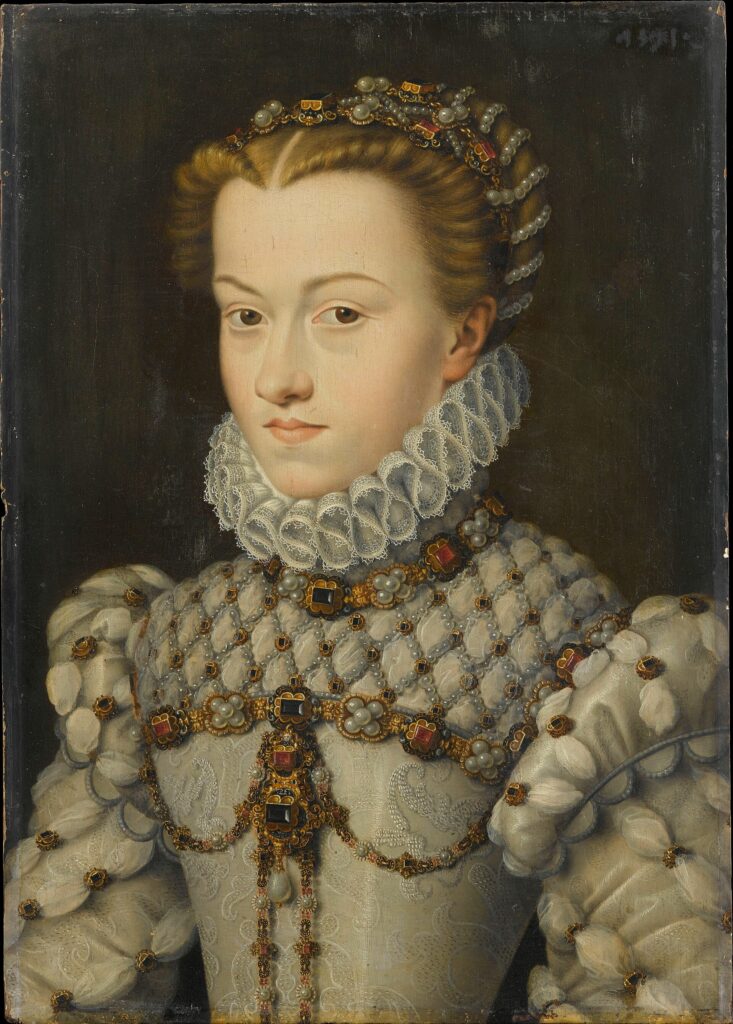
François Clouet, c 1510 – December 22, 1572, was a French painter, draftsman, and miniaturist associated with the Valois court. He was the son of Jean Clouet, whose position as court painter he inherited, and worked for Francis I, Henry II, Francis II, Charles IX, and Catherine de’ Medici.
Clouet specialized in court portraiture, including panel paintings, portrait miniatures, and portrait drawings. His work continued the Franco-Netherlandish portrait tradition established by his father while adapting it to the ceremonial and political culture of sixteenth-century France.
His works and attributed works are held by major collections including the Musée du Louvre, Musée Condé, National Gallery of Art, Royal Collection Trust, Victoria and Albert Museum, Menil Collection, and Bibliothèque nationale de France.
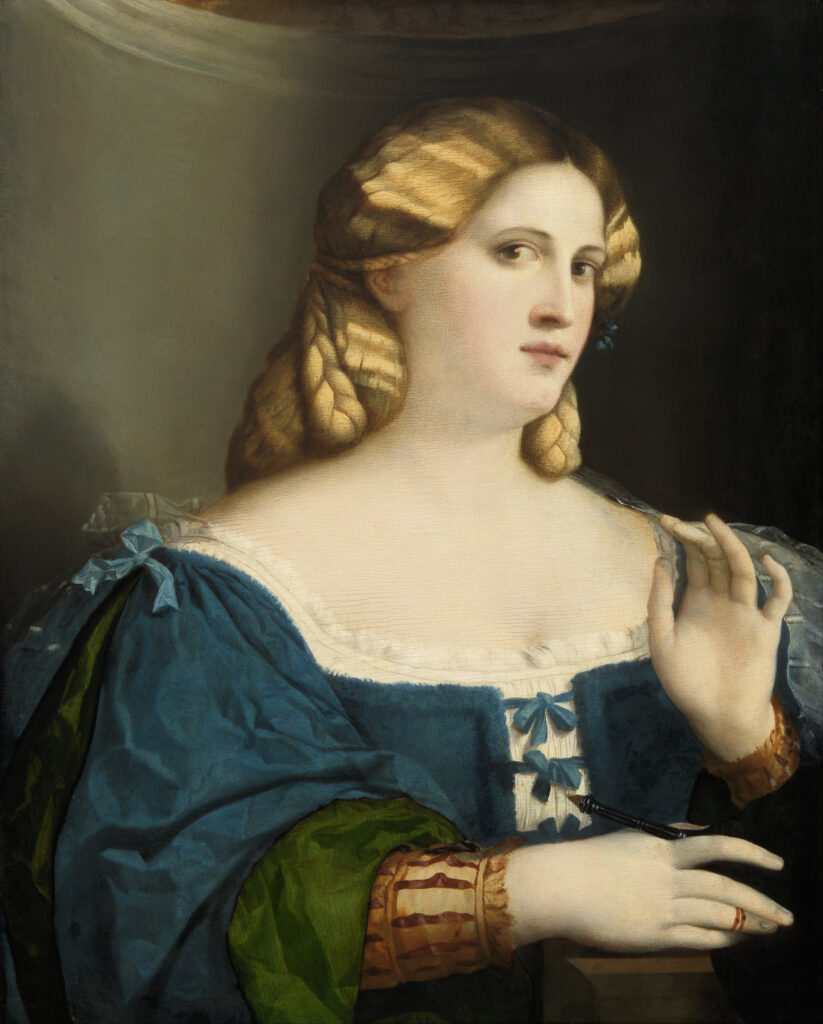
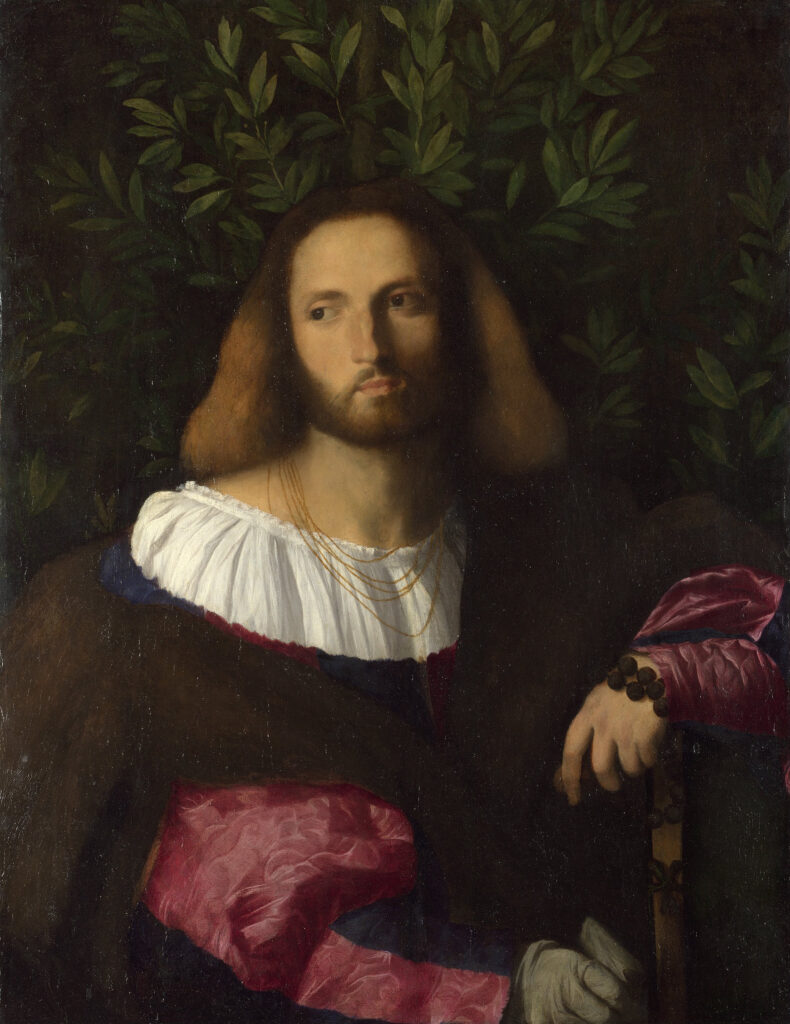
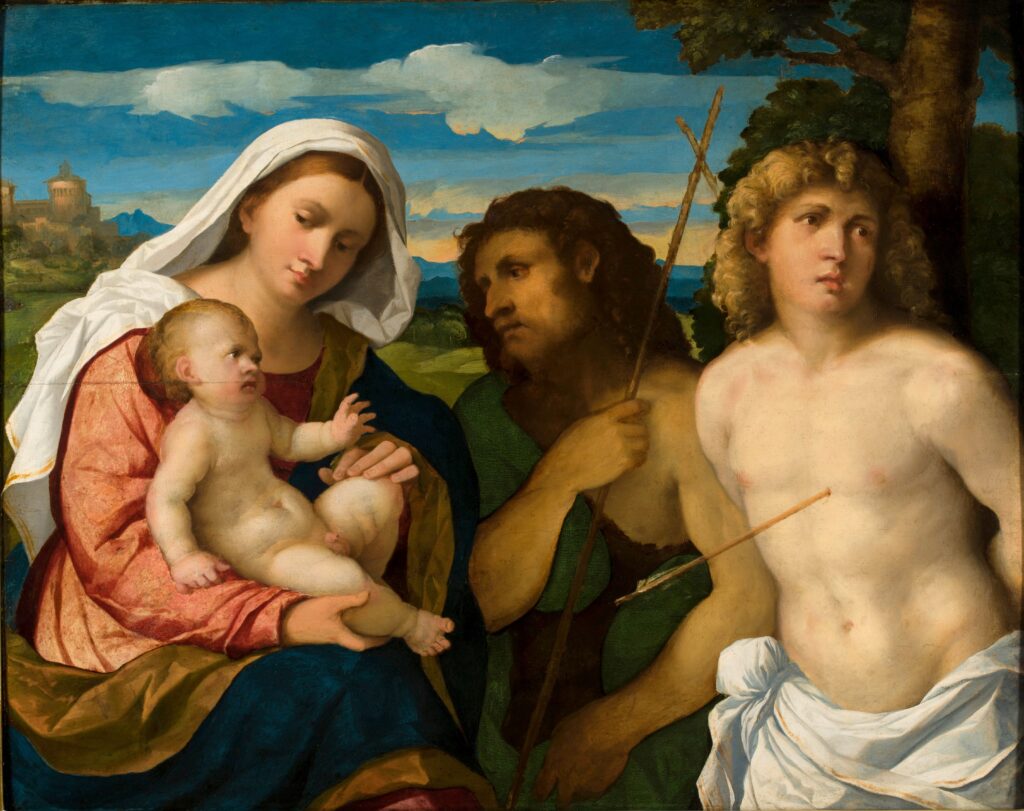
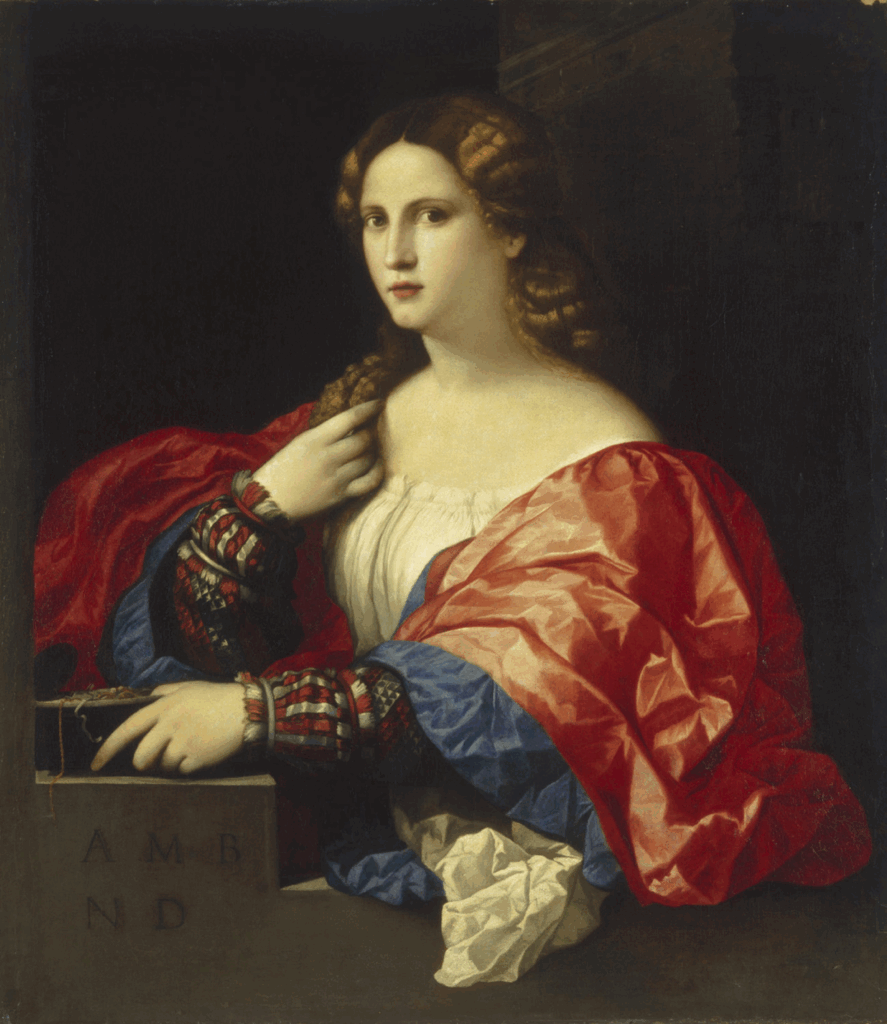
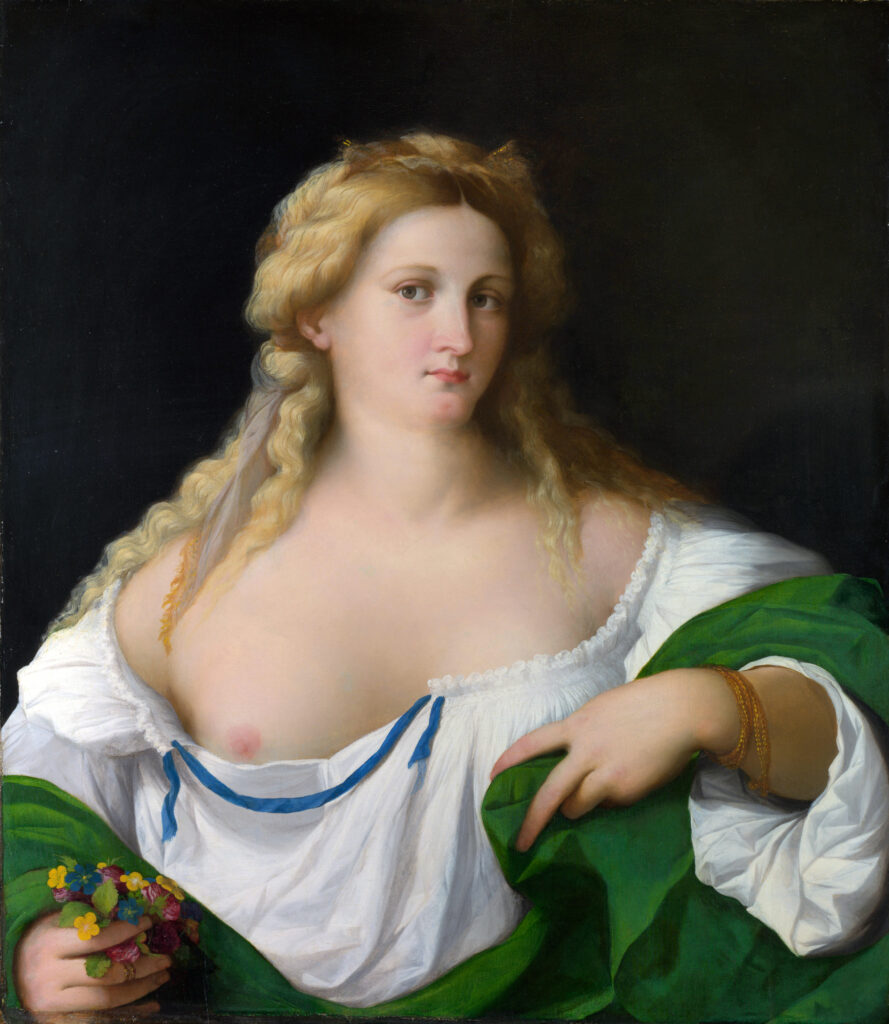
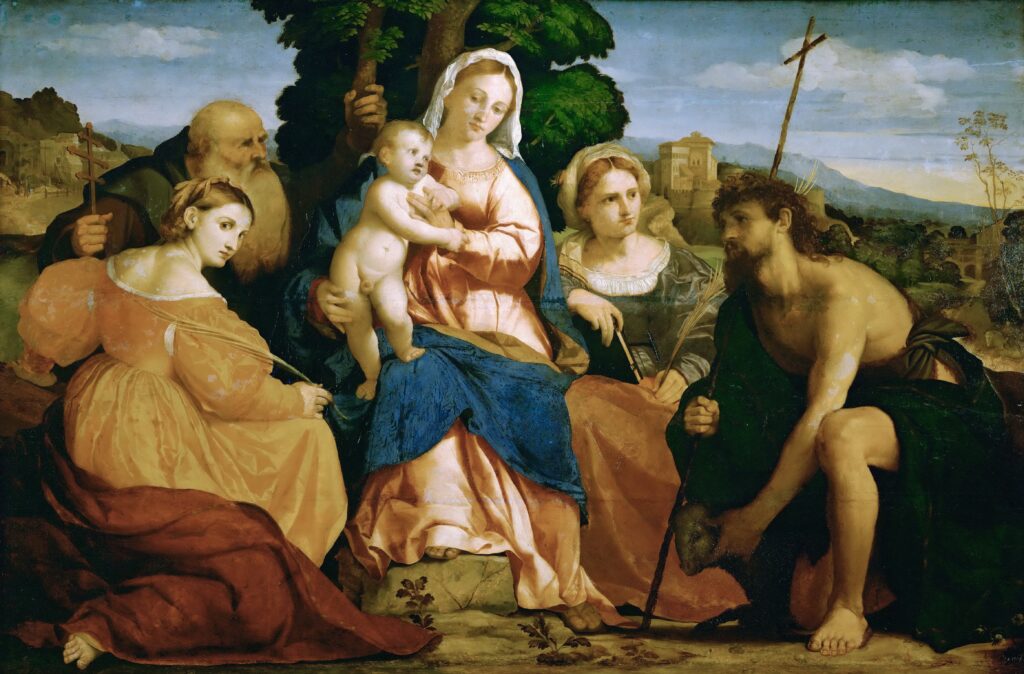
Palma Vecchio
Palma Vecchio was born Jacopo Negretti around 1480 in Serina, near Bergamo. He was established in Venice by 1510 and may have trained with Andrea Previtali or another Bergamasque painter working there.
He became a successful painter of the Venetian Renaissance, specializing in sacred conversations, portraits, and idealized half-length images of women. His work combined Giorgionesque landscape and atmosphere with the rich color and substantial figures associated with Titian and contemporary Venetian painting.
Palma remained active in Venice until his death there in 1528. His paintings were widely admired and collected, and his grandnephew Jacopo Palma the Younger later became a prominent Venetian painter.