Posts in Category: Dutch
Pieter Aertsen
Pieter Aertsen, c 1507/08 – June 2, 1575, was a Dutch painter born in Amsterdam. He worked in Antwerp from about 1535, becoming a master in the Guild of Saint Luke, and returned to Amsterdam around 1556.
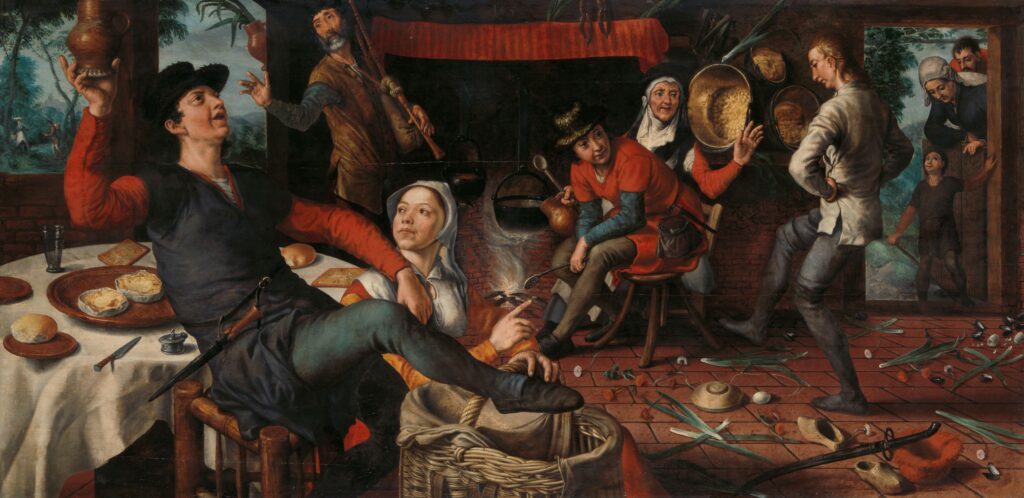
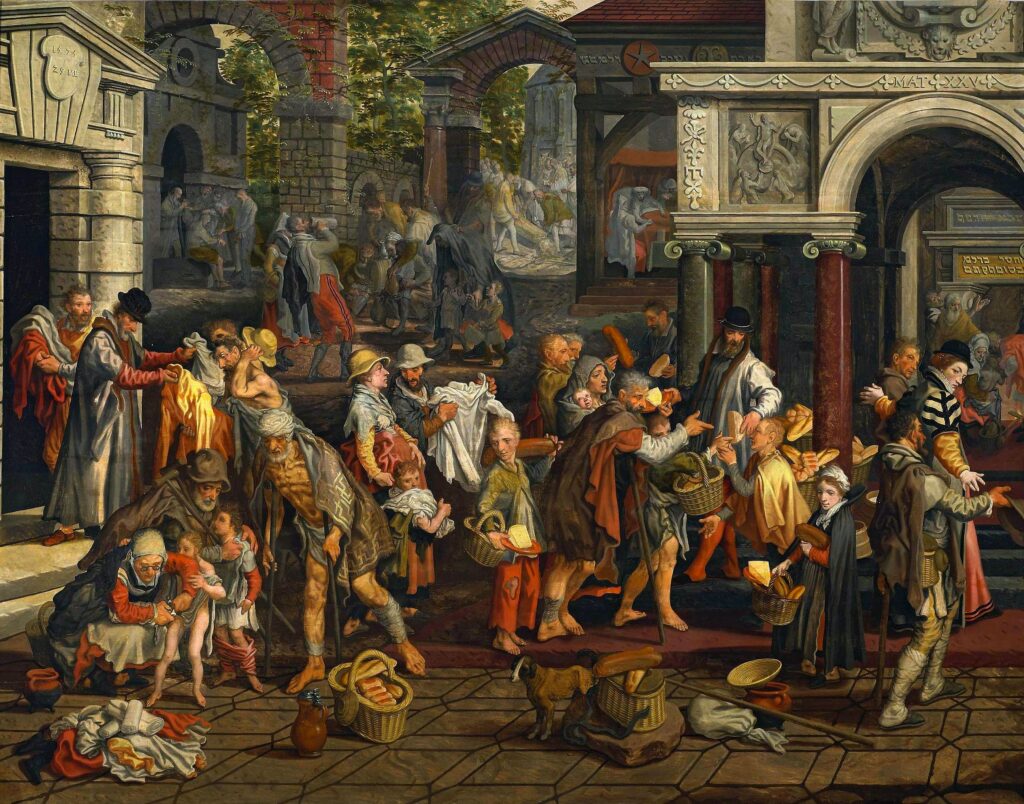
Aertsen painted altarpieces as well as large kitchen, market, and peasant scenes. His compositions often place abundant displays of food and household goods in the foreground while relegating a biblical episode to the background. His nephew and pupil Joachim Beuckelaer developed related subjects.
Many of Aertsen’s religious works were destroyed during the iconoclasm of the sixteenth century. His surviving paintings are held by institutions including the Rijksmuseum, the North Carolina Museum of Art, Museum Boijmans Van Beuningen, and the Royal Museums of Fine Arts of Belgium.





Adam Pynacker
Adam Pynacker, February 15, 1622 – March 28, 1673, was a Dutch painter, draughtsman, and printmaker. Born in Schiedam and buried in Amsterdam, he first worked as a wine merchant, like his father. His formal artistic education and teachers are not documented.
Pynacker was recorded in Delft from 1649 to 1651 and again in 1657, where he was associated with the painter, art dealer, and innkeeper Adam Pick. He worked for the Brandenburg court at Lenzen in 1654 and 1655, married Eva Maria de Geest in 1658, converted to Catholicism, and moved to Amsterdam during the 1660s. He is associated with the Dutch Italianate painters; later sources describe travel in Italy, though surviving documentation does not confirm it. No pupils are documented.
His work is held by the Los Angeles County Museum of Art, Dulwich Picture Gallery, London, Clark Art Institute, Williamstown, Massachusetts, Art Gallery of New South Wales, Sydney, Rijksmuseum, Amsterdam, Nationalmuseum, Stockholm, and Metropolitan Museum of Art, New York


Paulus Potter
Paulus Potter, November 20, 1625–January 17, 1654, was a Dutch painter, draftsman, and printmaker known chiefly for landscapes in which cattle and other animals occupy a central place. He was baptized in Enkhuizen and buried in Amsterdam; his father, Pieter Symonsz Potter, was also a painter.
Potter probably first trained with his father and was recorded in 1642 studying with Jacob de Wet in Haarlem. He became a master in the Delft Guild of Saint Luke in 1646, worked in The Hague from 1649, married Adriana van Balckeneynde in 1650, and moved to Amsterdam in 1652 at the invitation of the physician and civic leader Nicolaes Tulp.
Despite his brief career, Potter produced paintings, drawings, and etchings and was sought by prominent Dutch patrons. Major holdings of his work are in the Mauritshuis, Rijksmuseum, Hermitage Museum, National Gallery, J. Paul Getty Museum, and Museum of Fine Arts, Houston.



Jan Mostaert
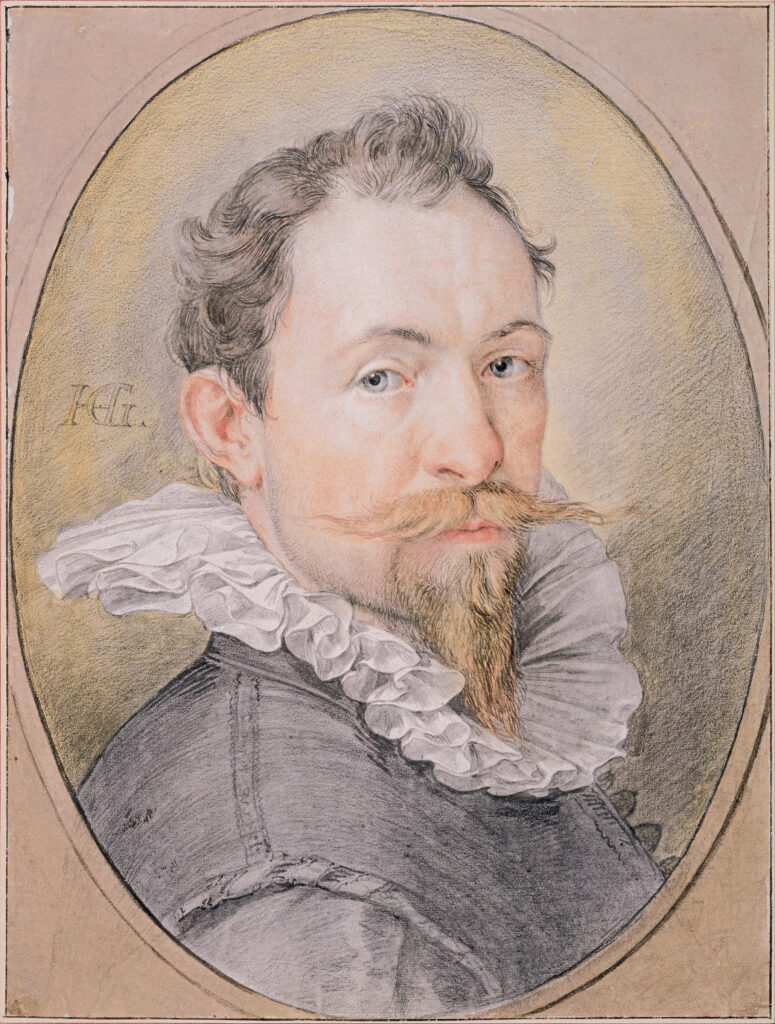
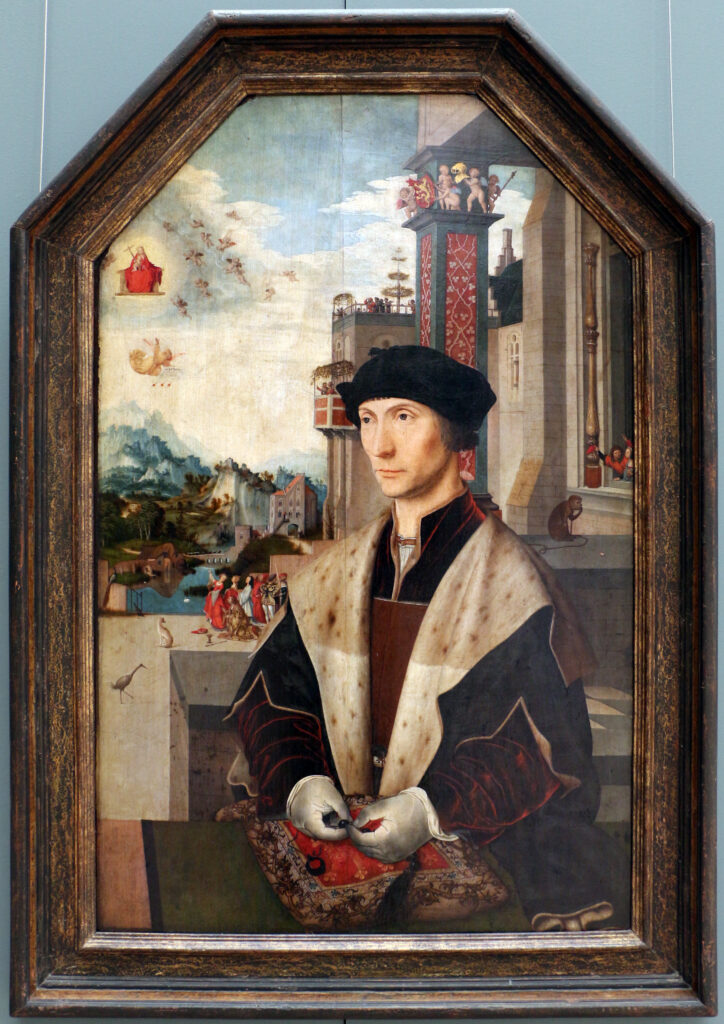
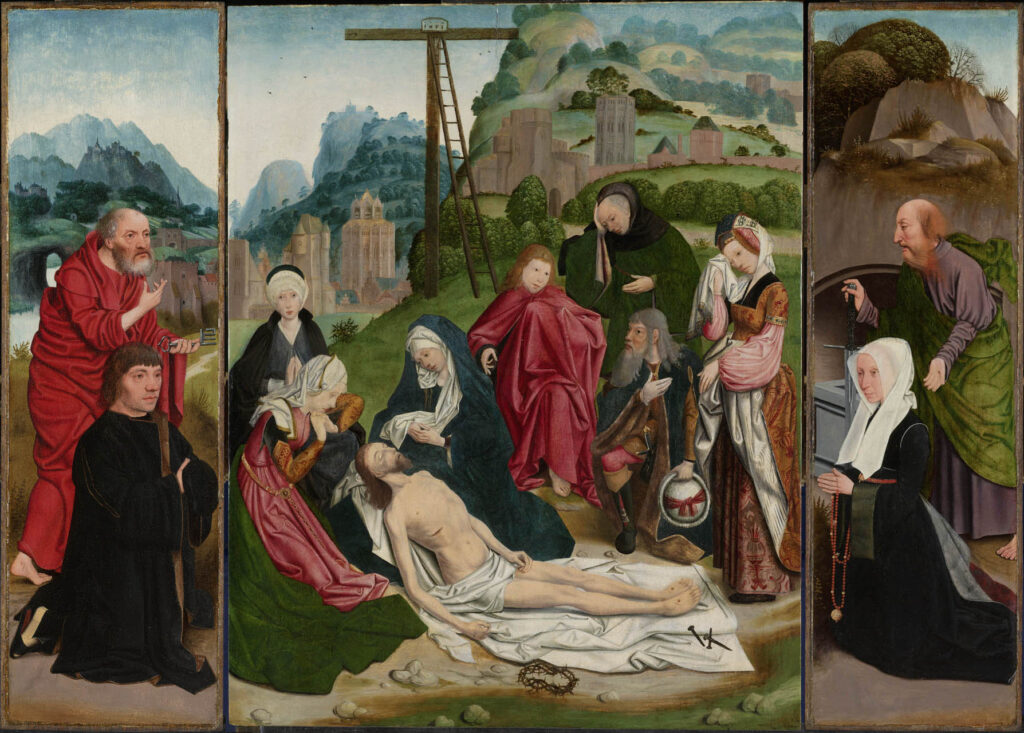
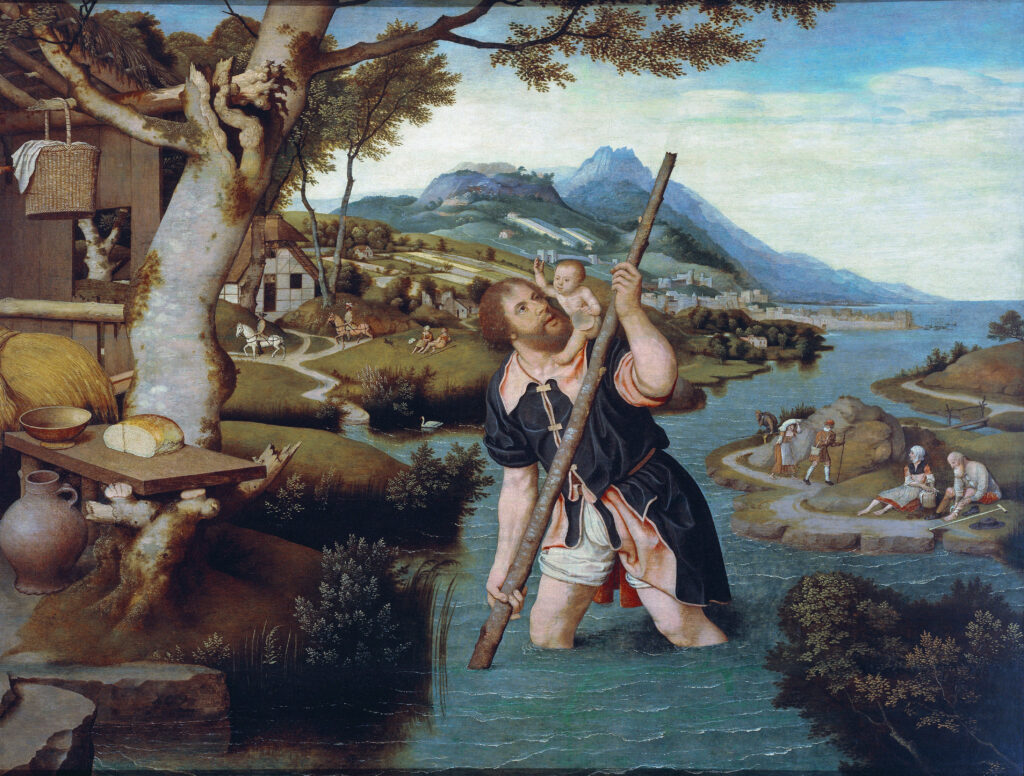
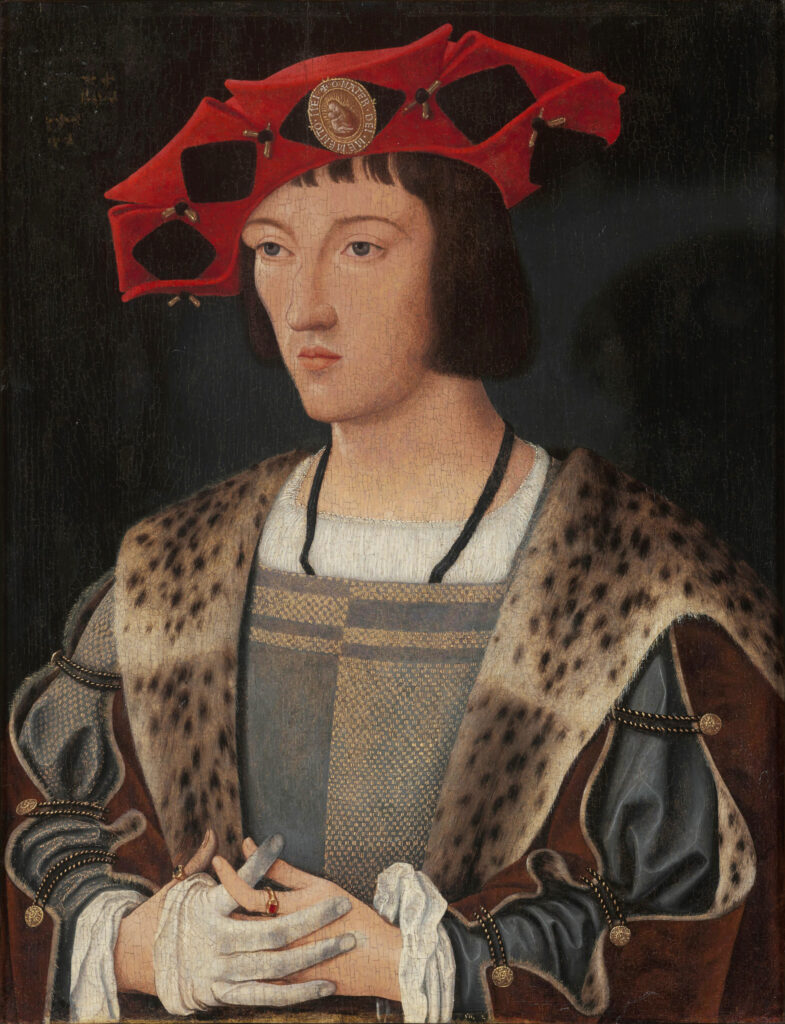
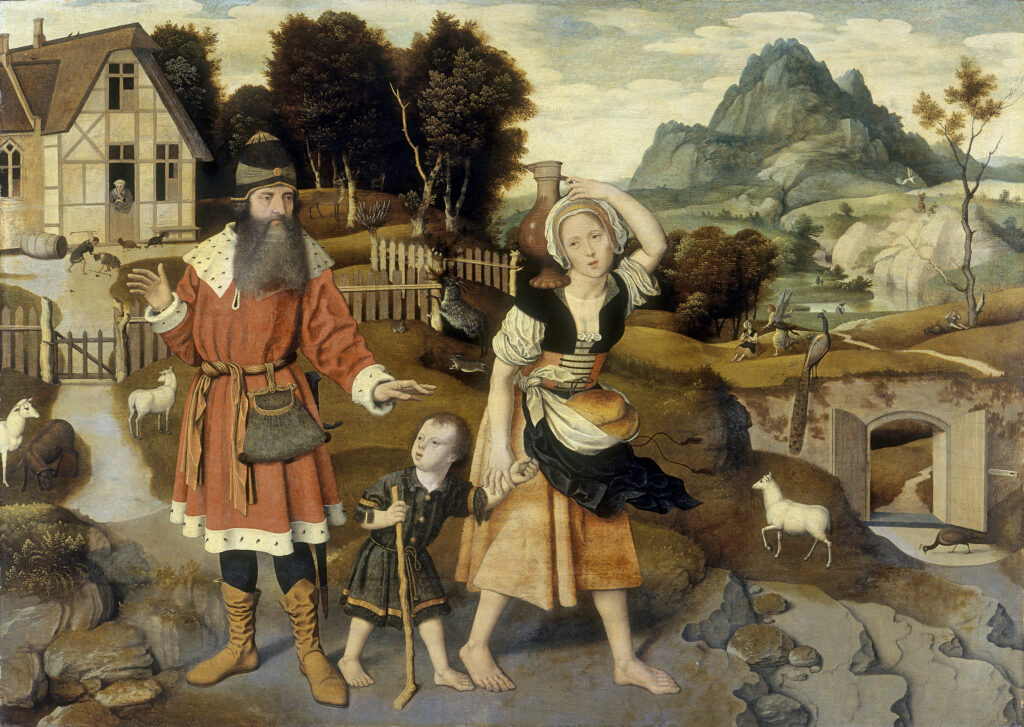
Jan Mostaert, c 1475 – 1552/1553, was a Dutch painter active mainly in Haarlem. He was associated with the late Gothic and early Netherlandish tradition and is thought to have trained in Haarlem, where he became a member of the painters’ guild and later served as dean.
Mostaert painted portraits, religious subjects, and narrative panels. His work is connected with courtly and civic patrons in the northern Netherlands, including Margaret of Austria’s circle. His paintings combine Netherlandish detail with early sixteenth-century figure types, architectural settings, and landscape backgrounds.
His works are held by the Rijksmuseum, Amsterdam; Saint Louis Art Museum; Philadelphia Museum of Art; Thyssen-Bornemisza Museum, Madrid; Royal Museums of Fine Arts of Belgium, Brussels; and Museum Mayer van den Bergh, Antwerp.



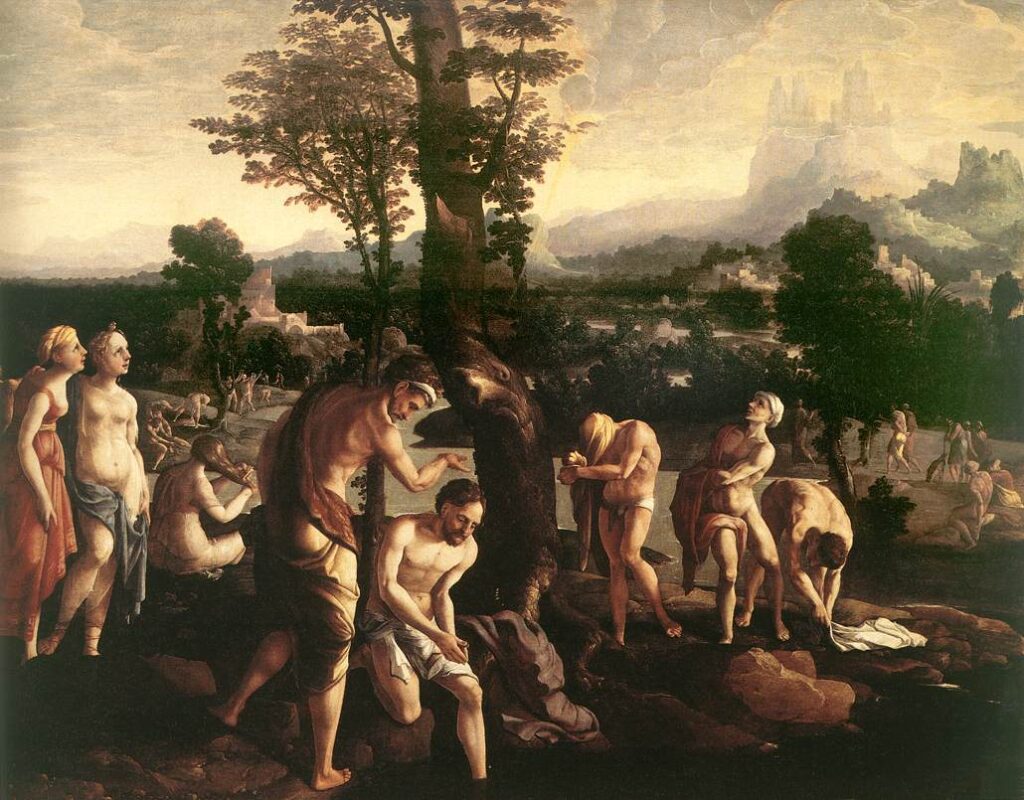
Jan van Scorel
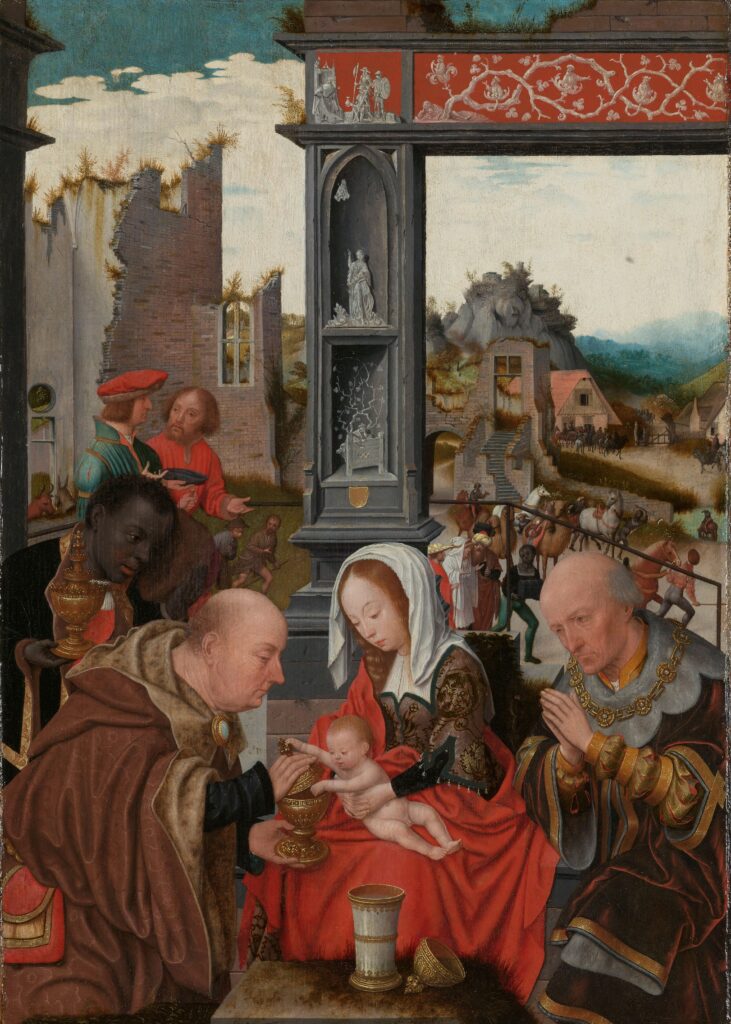
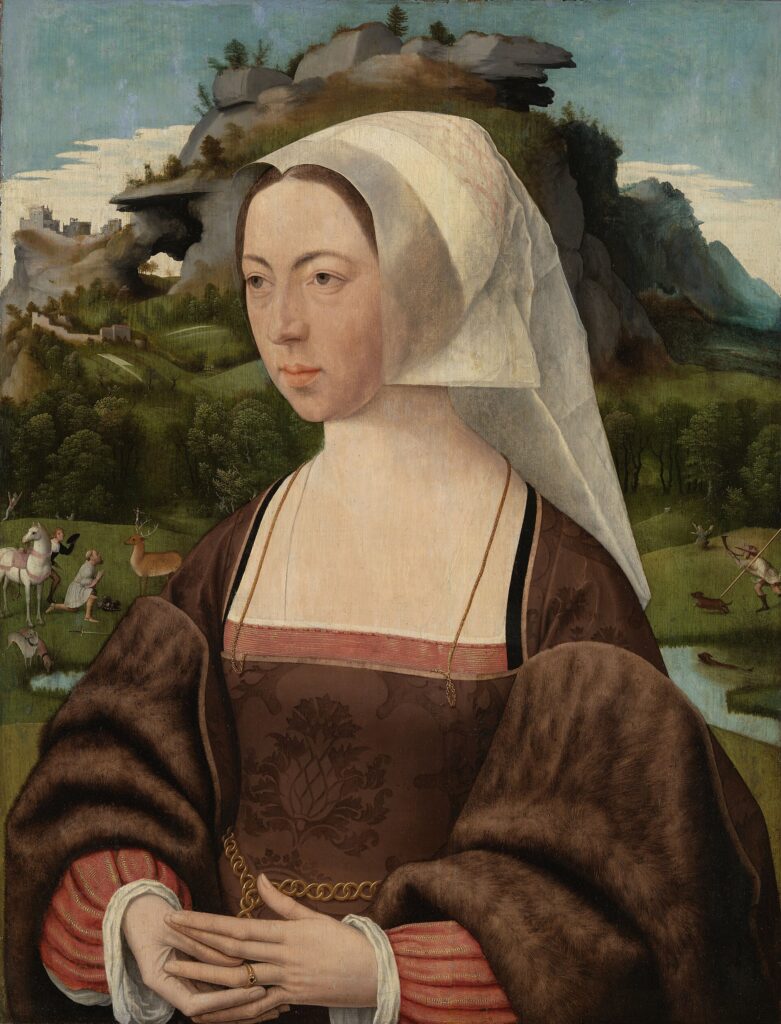
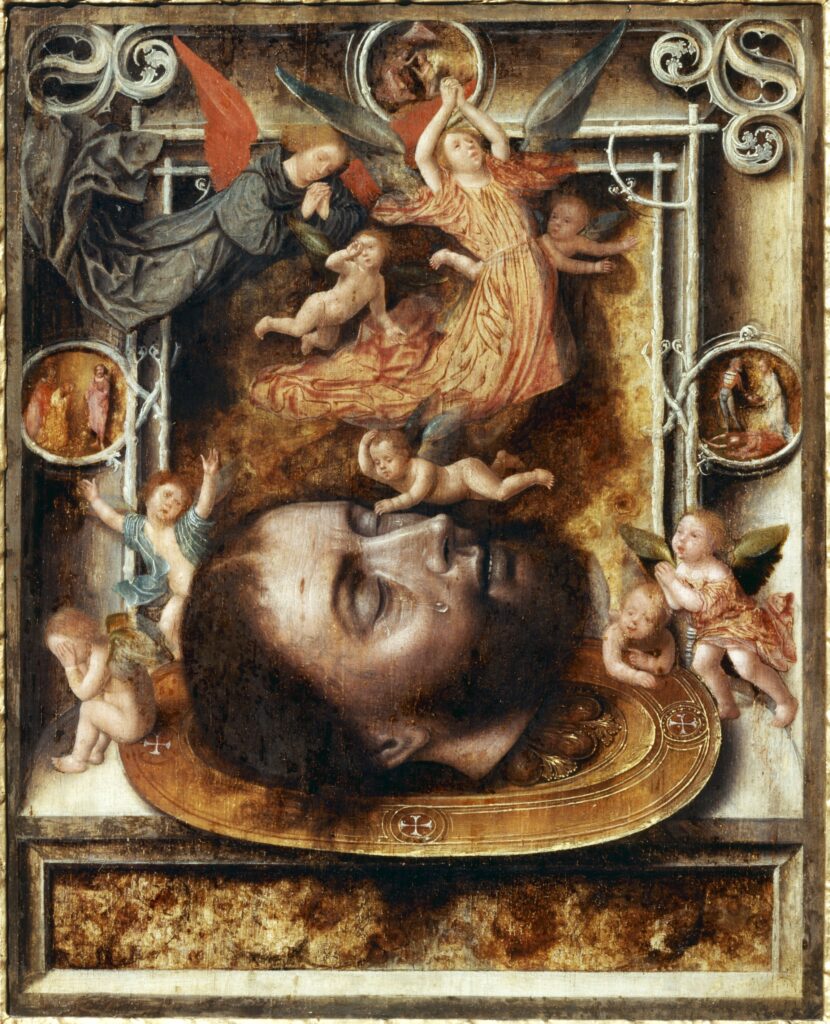
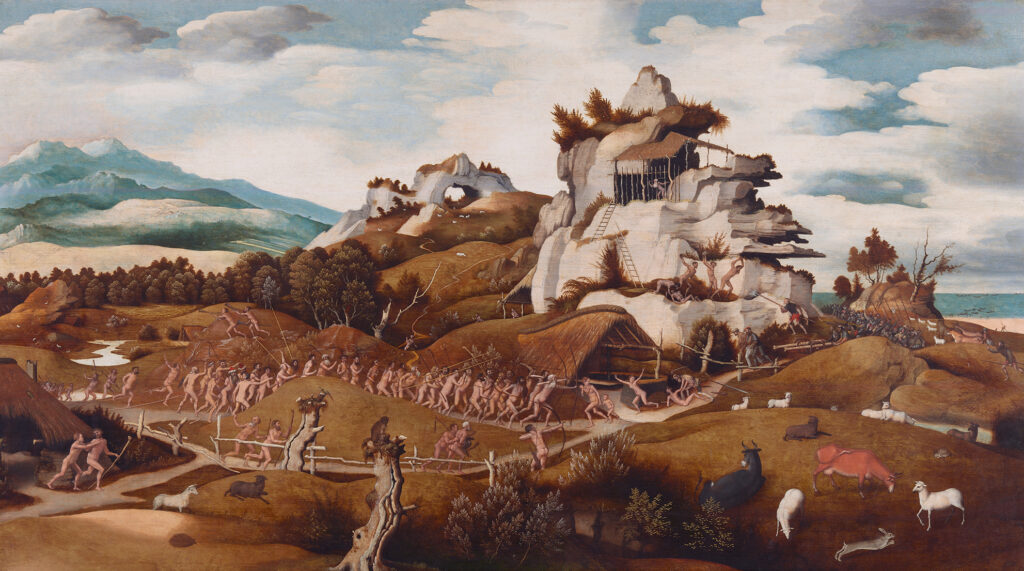
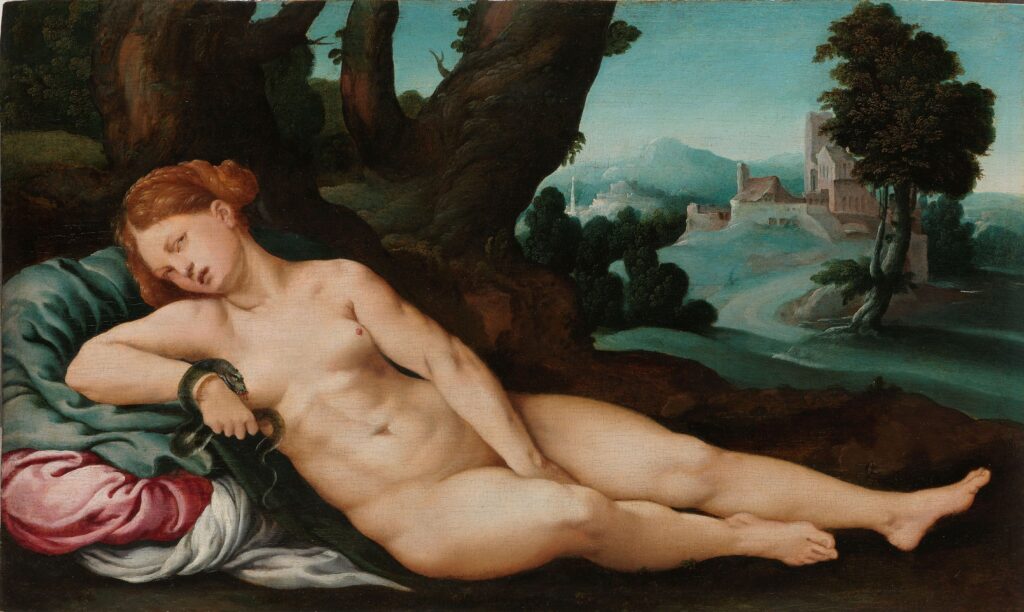
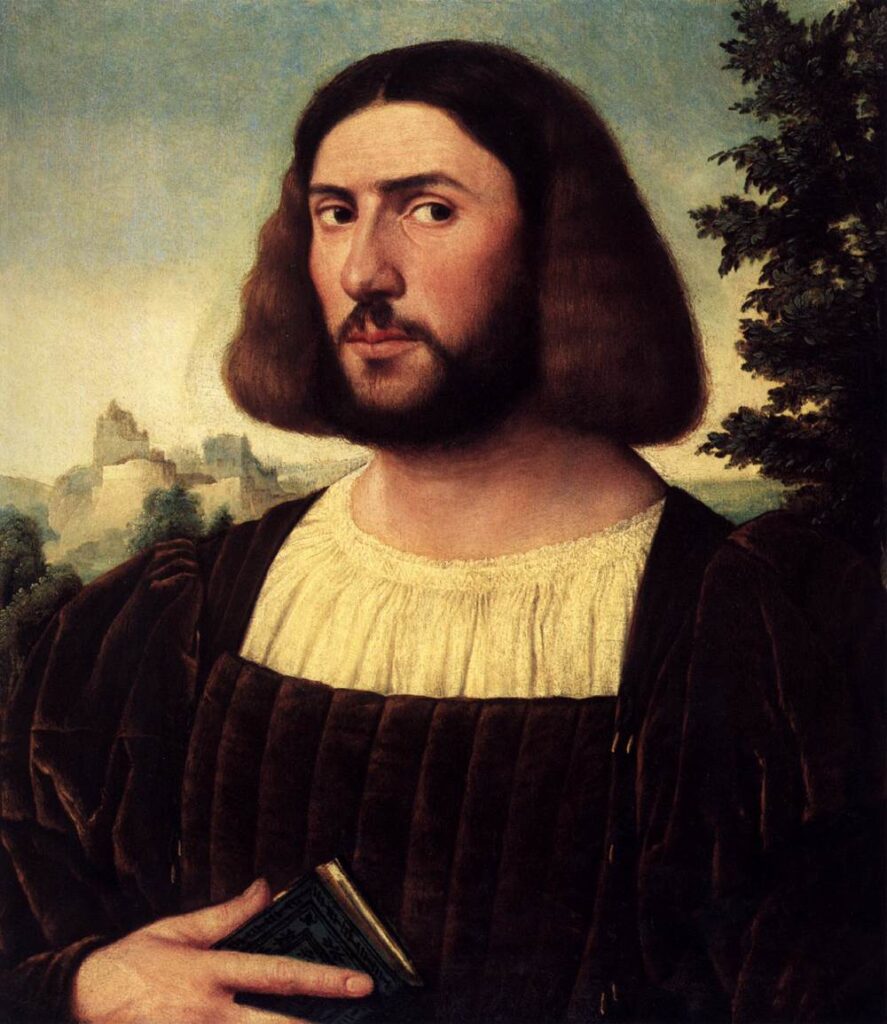
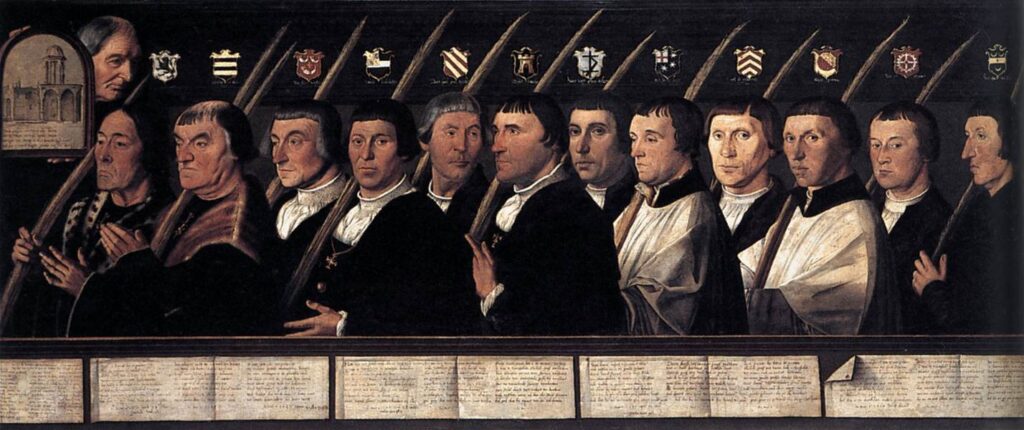
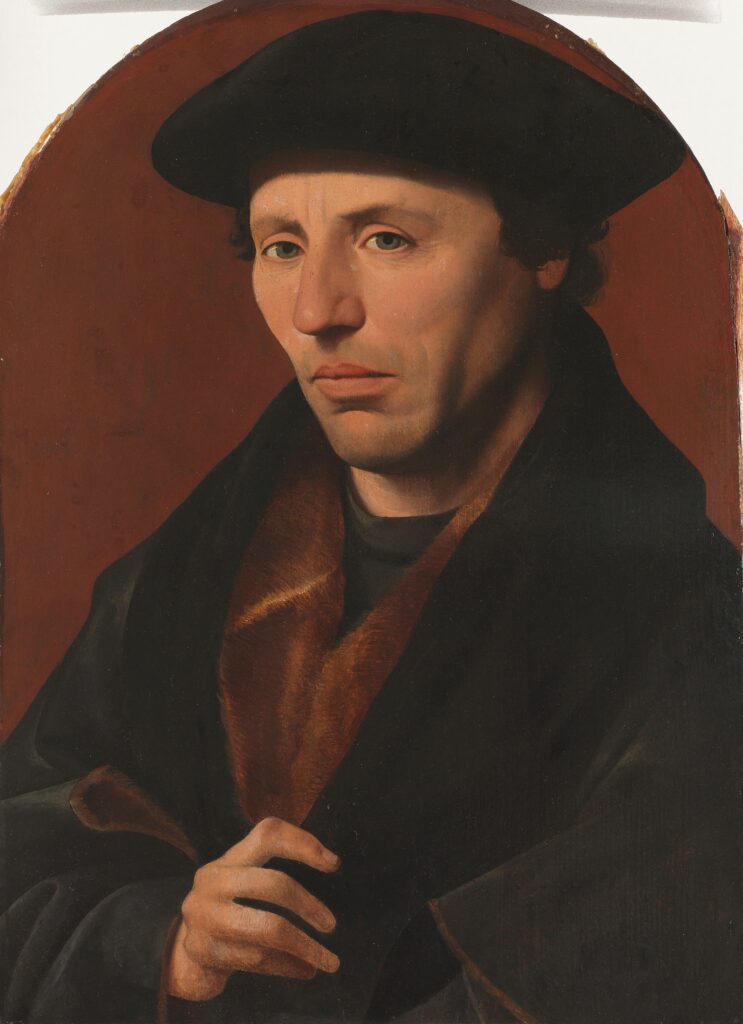
Jan van Scorel, August 1, 1495 – December 6, 1562, was a Dutch painter, draftsman, architect, engineer, and cleric of the Northern Renaissance. Born in Schoorl, North Holland, he trained with several masters in Alkmaar and Amsterdam before traveling extensively through Germany, Austria, Italy, and the Holy Land. During his stay in Rome he entered the circle of Pope Adrian VI and served as curator of the papal antiquities collections in the Belvedere.
Van Scorel became one of the principal transmitters of Italian Renaissance ideas to the Netherlands. His work combined Netherlandish traditions of portraiture and religious painting with influences absorbed from artists such as Raphael and Michelangelo. He painted portraits, altarpieces, mythological subjects, and large group portraits, and was active primarily in Utrecht and Haarlem.
He maintained an influential workshop and helped shape the development of sixteenth-century Dutch painting. Among the artists associated with his circle or influence were Maarten van Heemskerck, Anthonis Mor, and Lambert Sustris. His works are held in major collections including the Rijksmuseum, Frans Hals Museum, Museo del Prado, National Gallery, Gemäldegalerie, and the Museo Nacional Thyssen-Bornemisza.





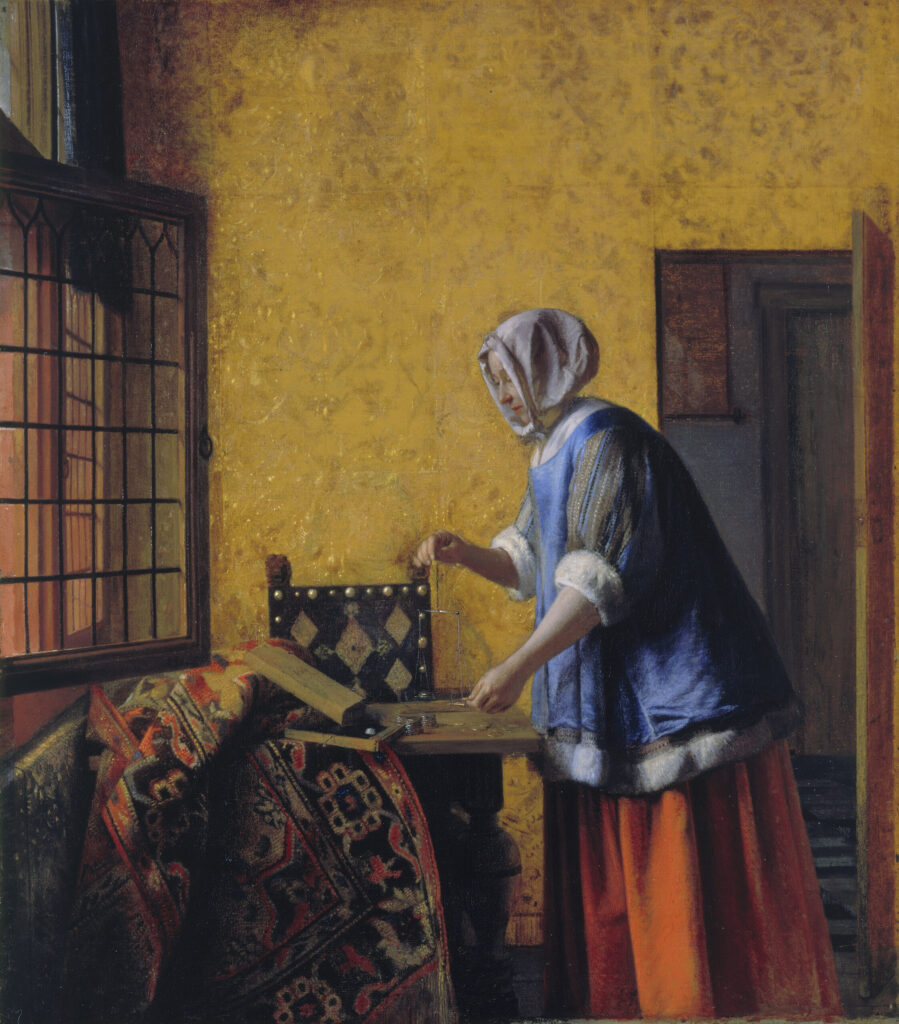
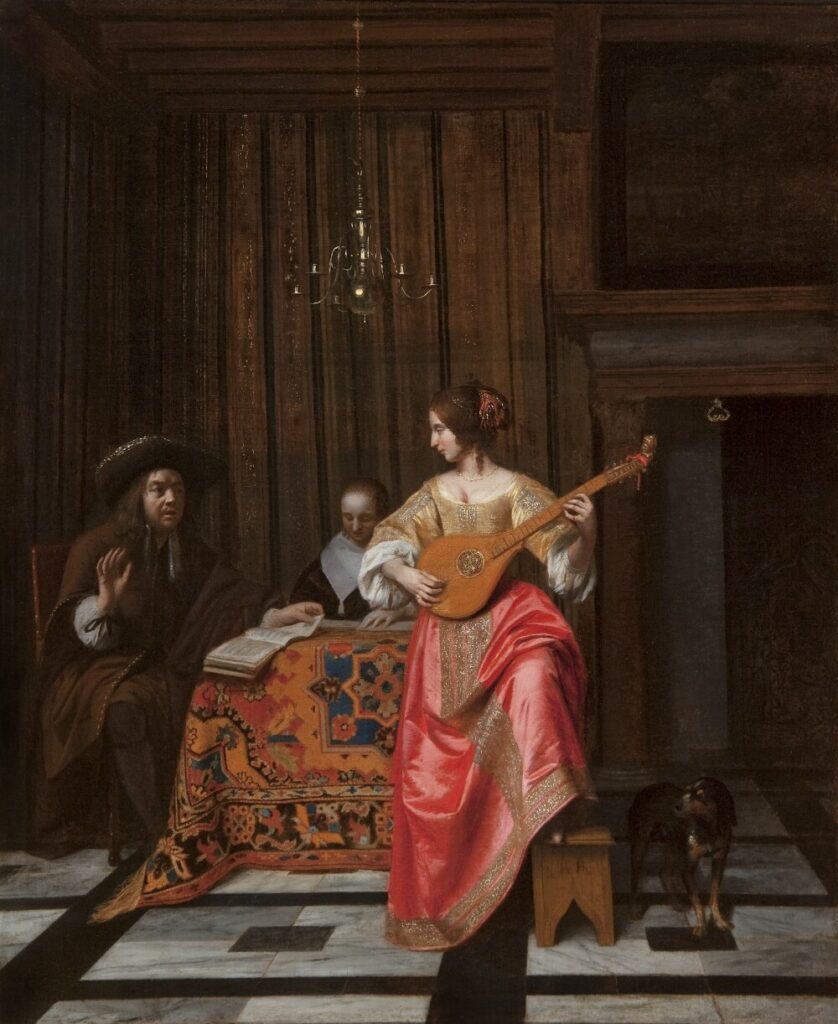
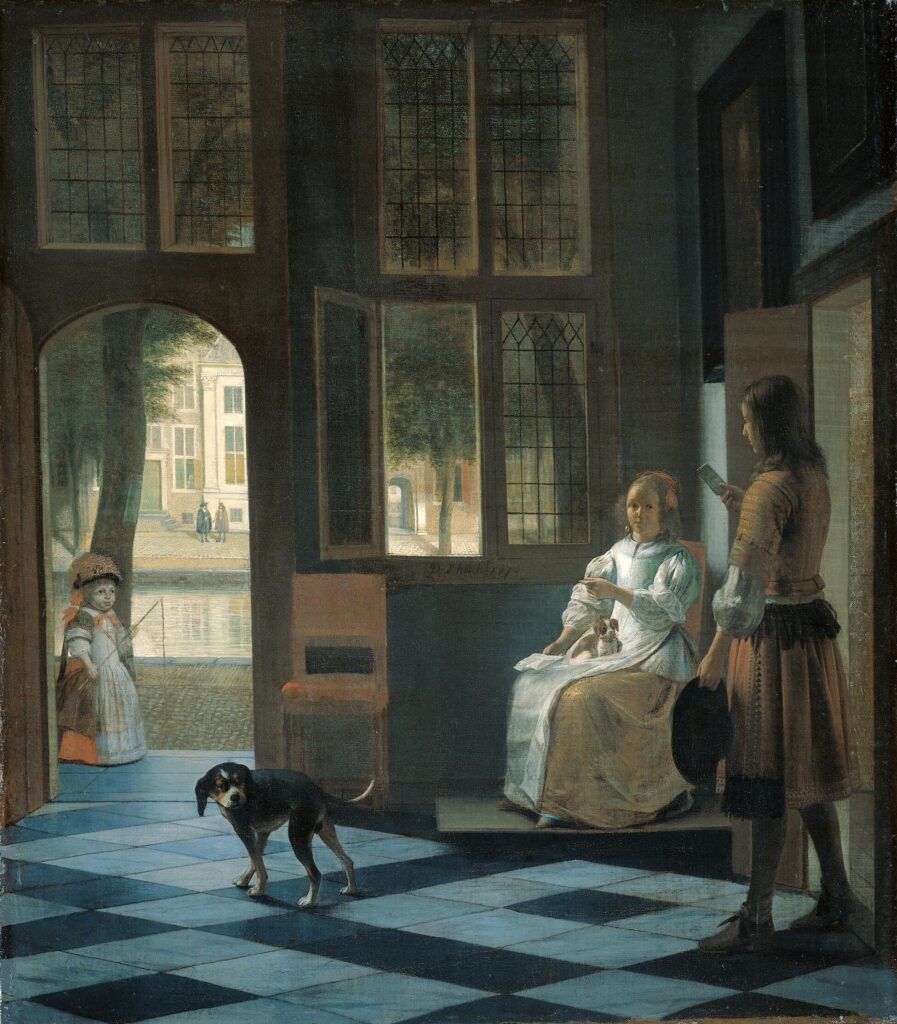
Pieter de Hooch
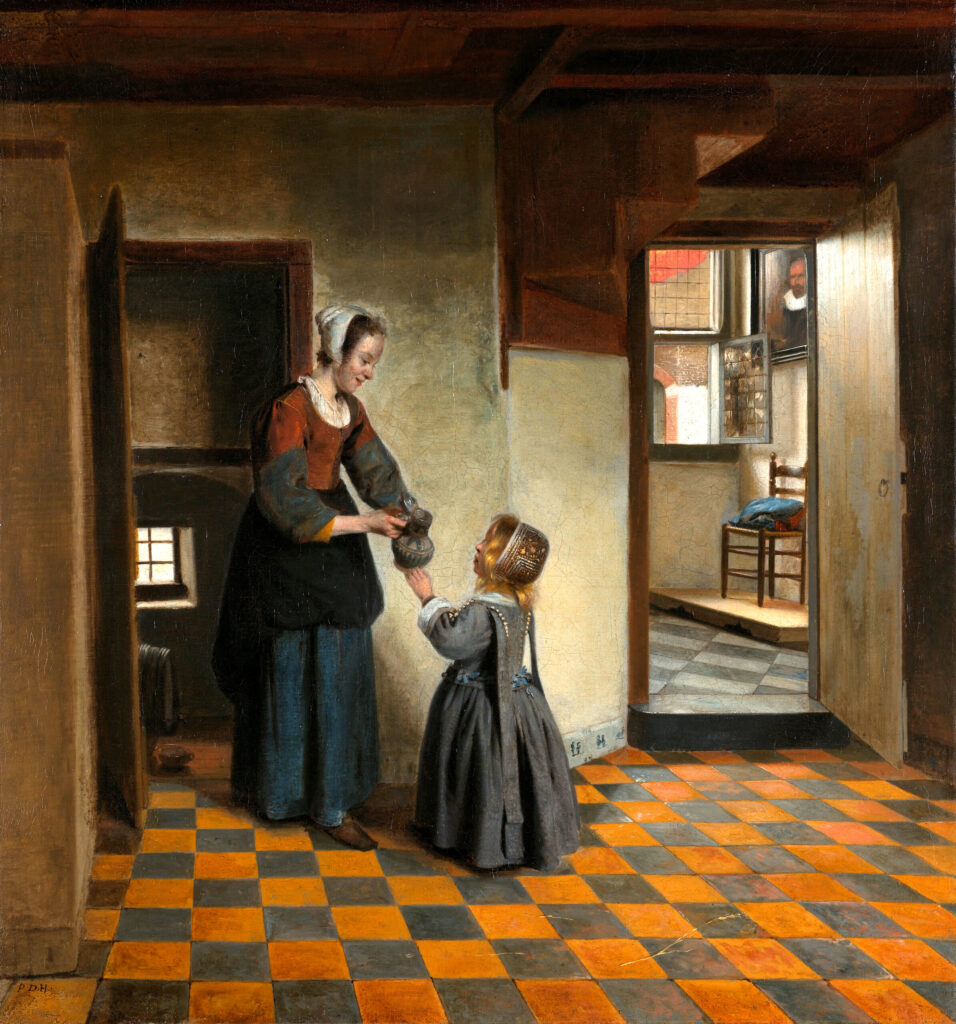
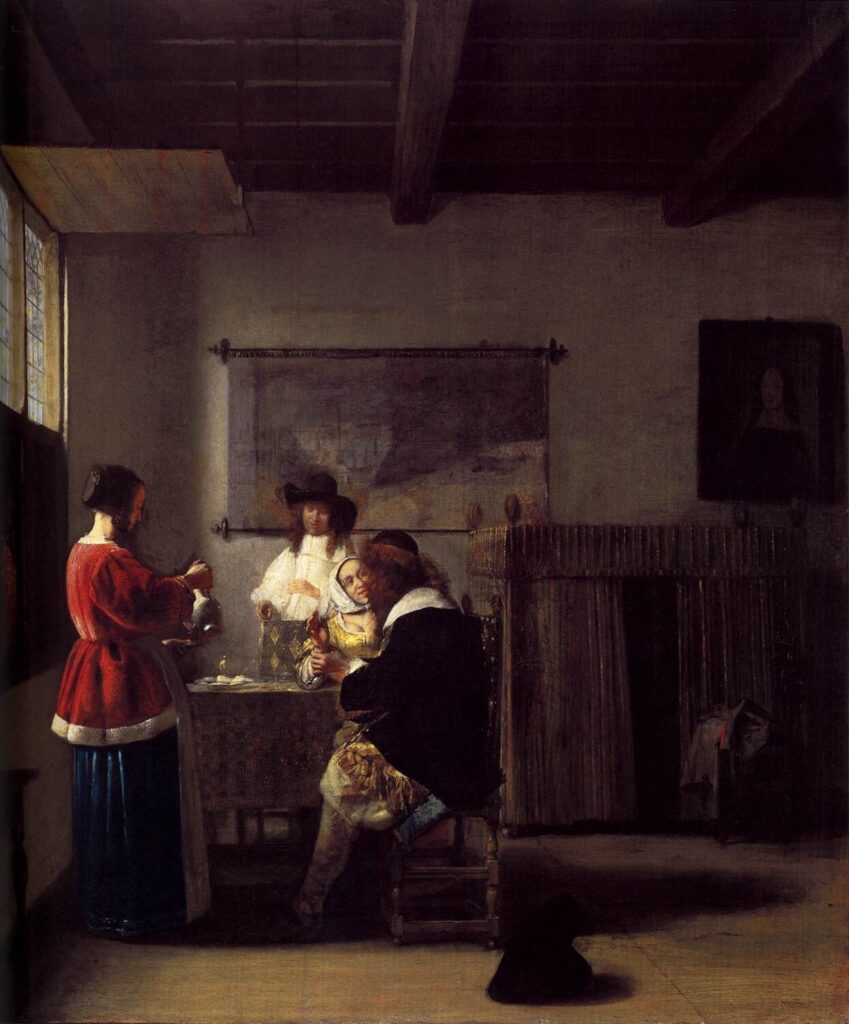
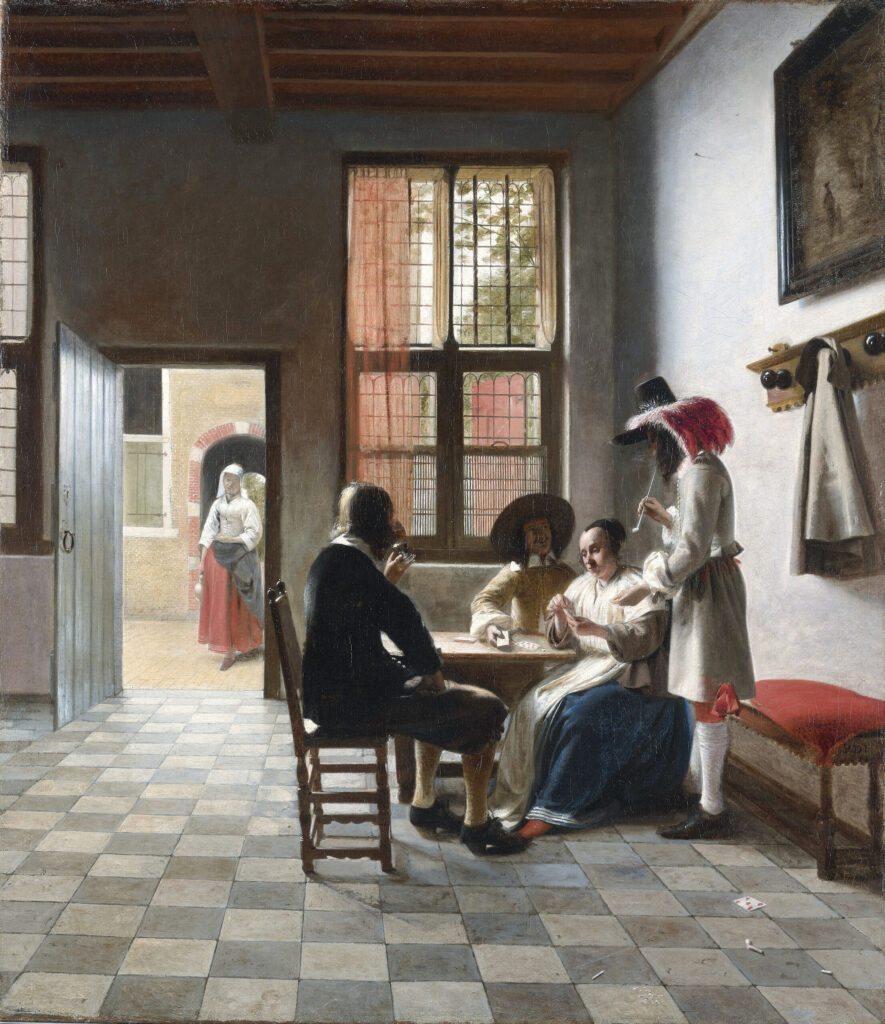
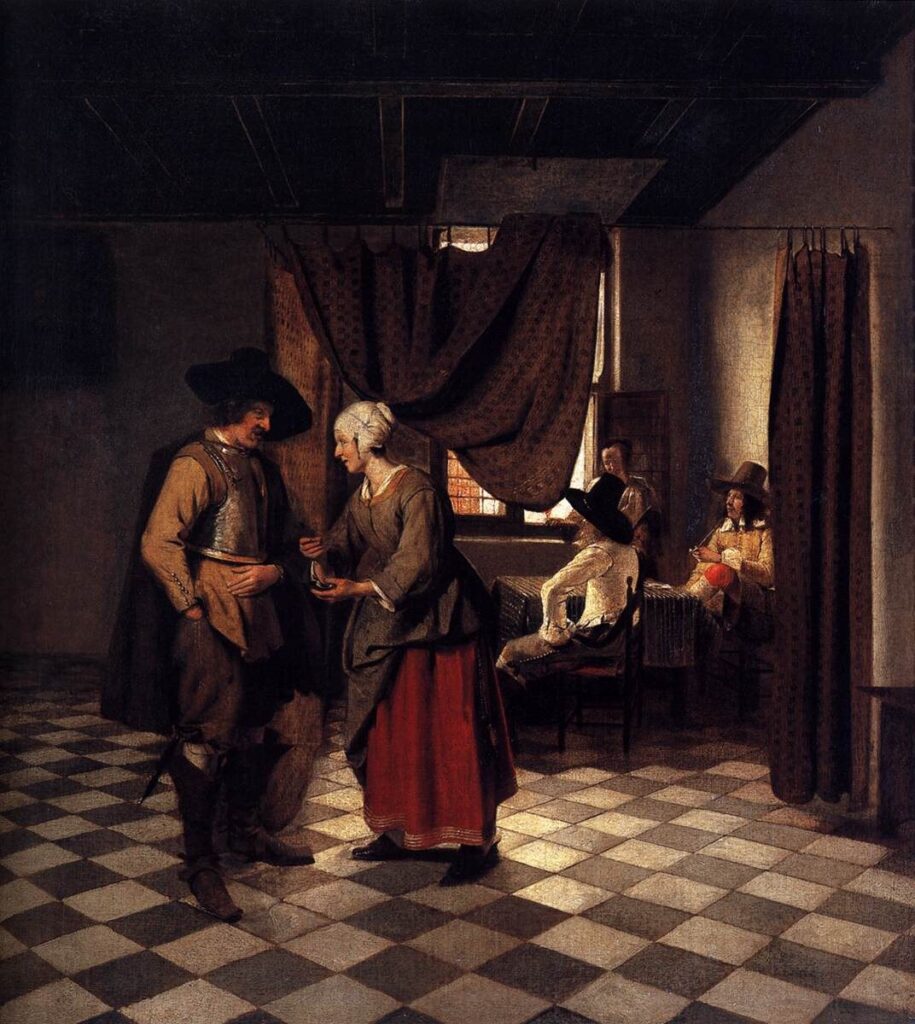
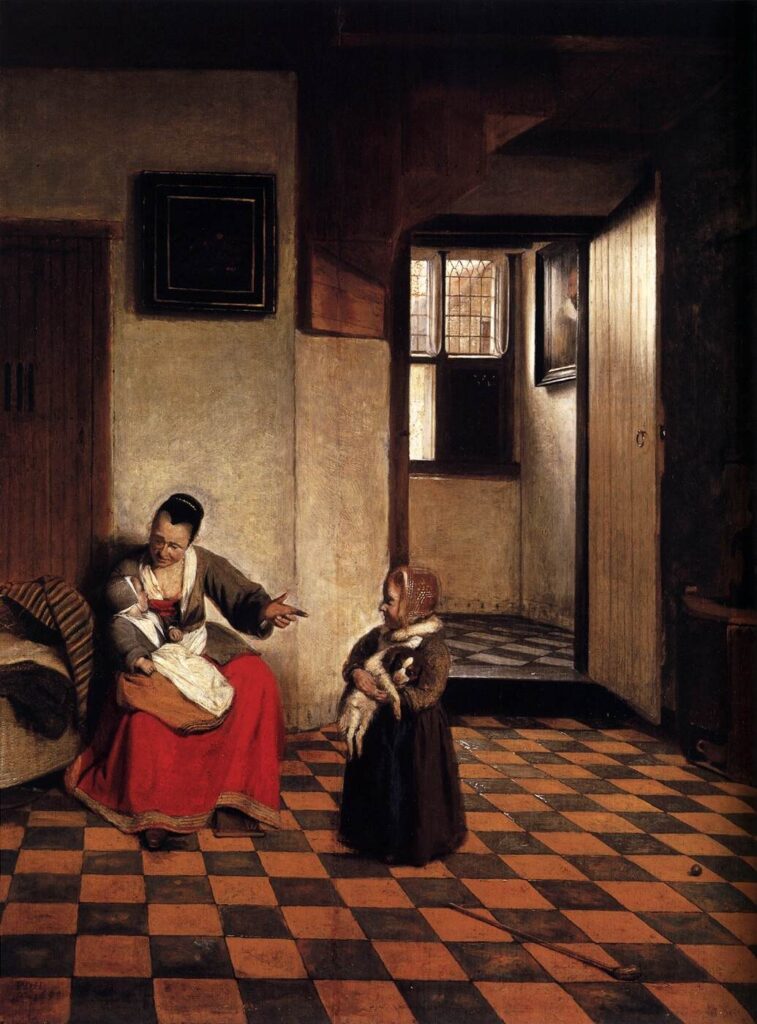
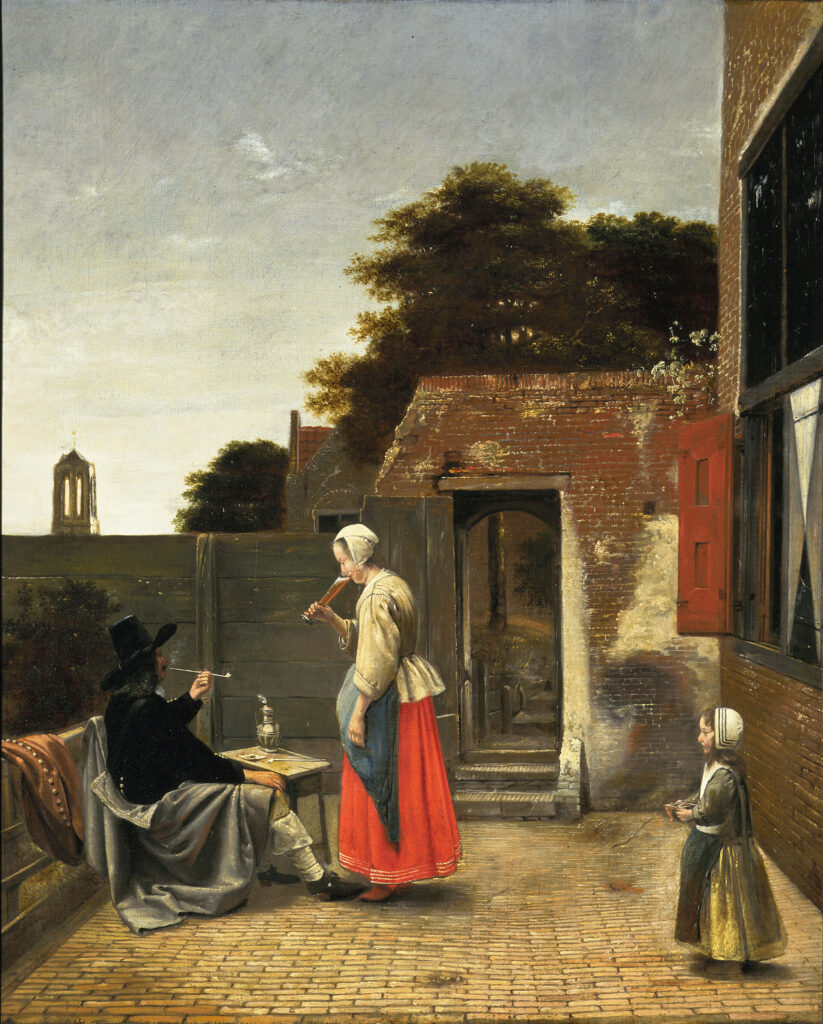
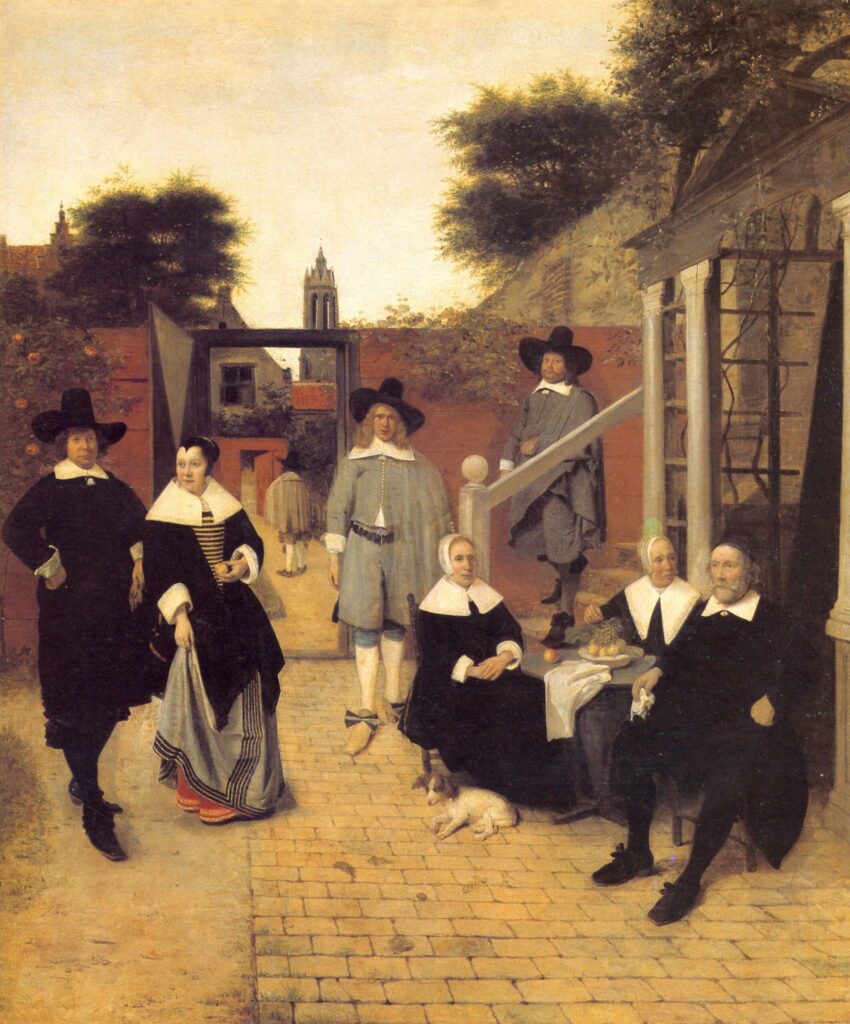
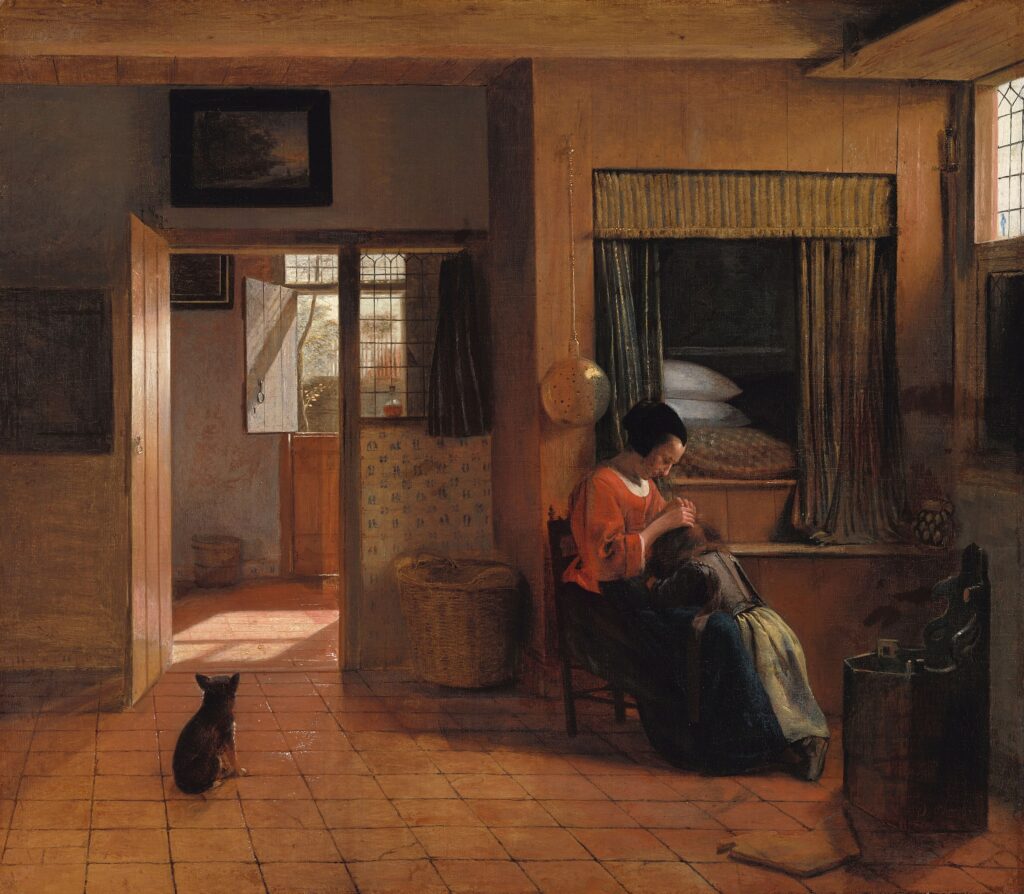
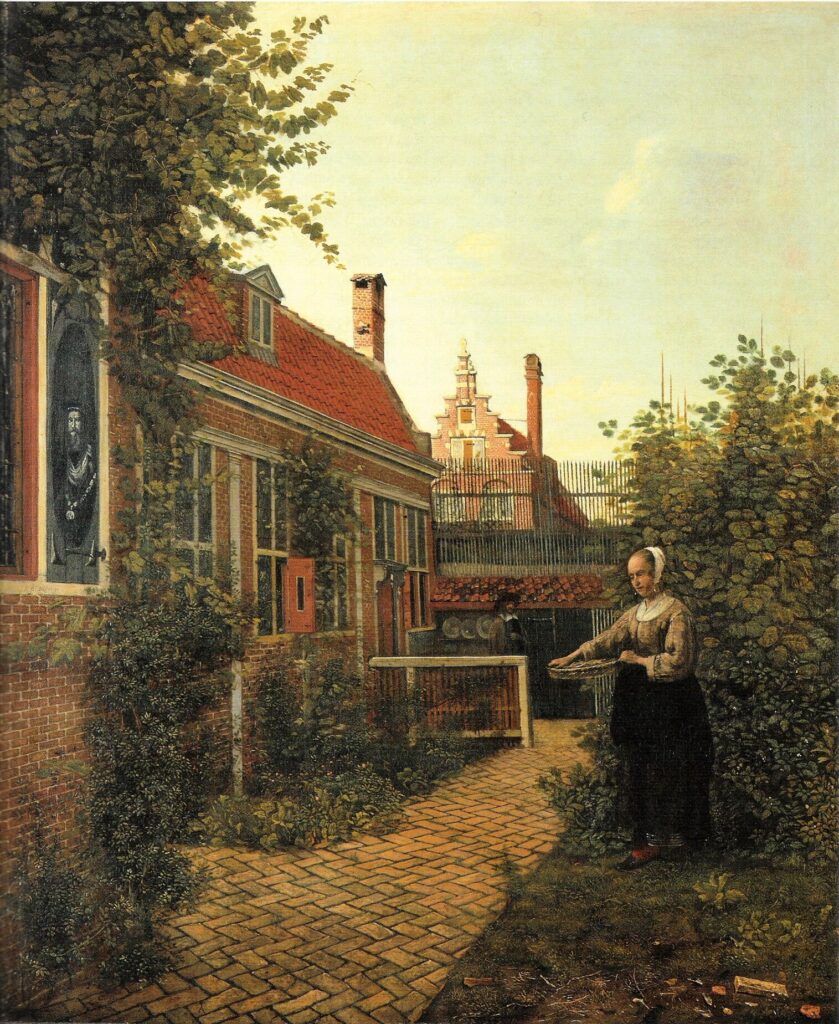
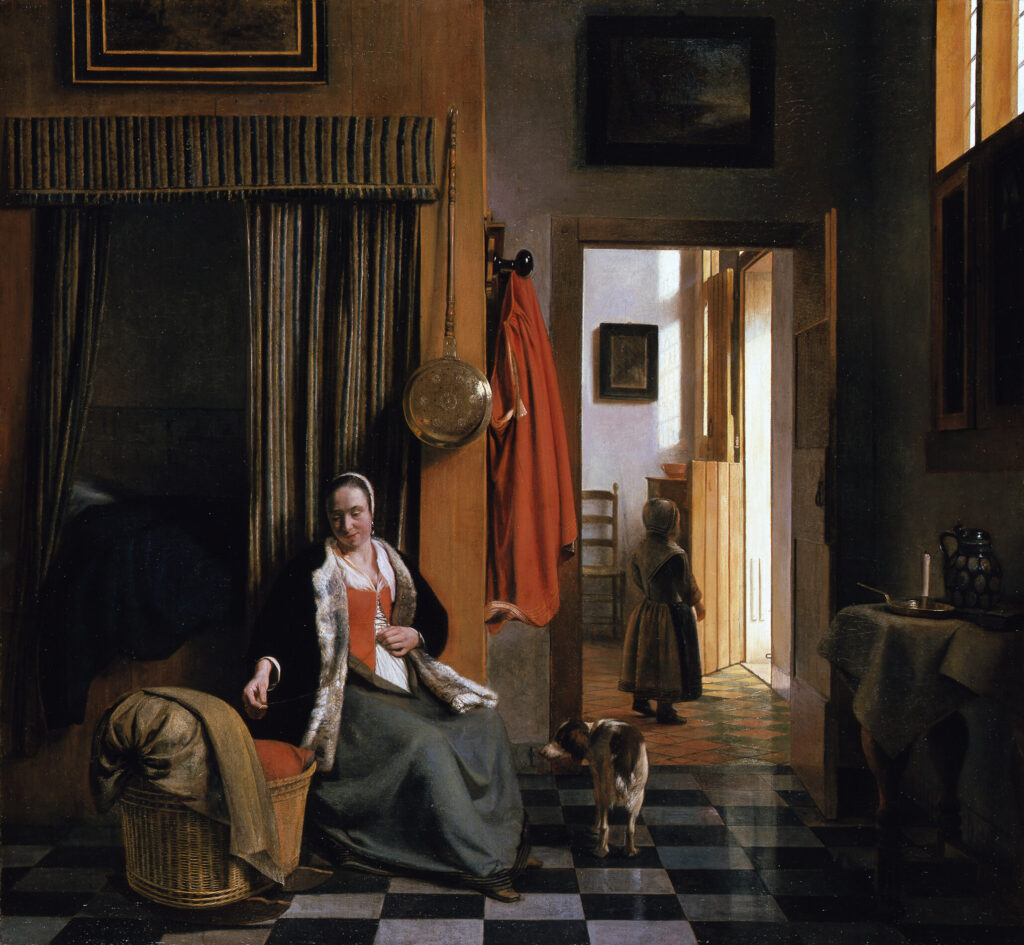
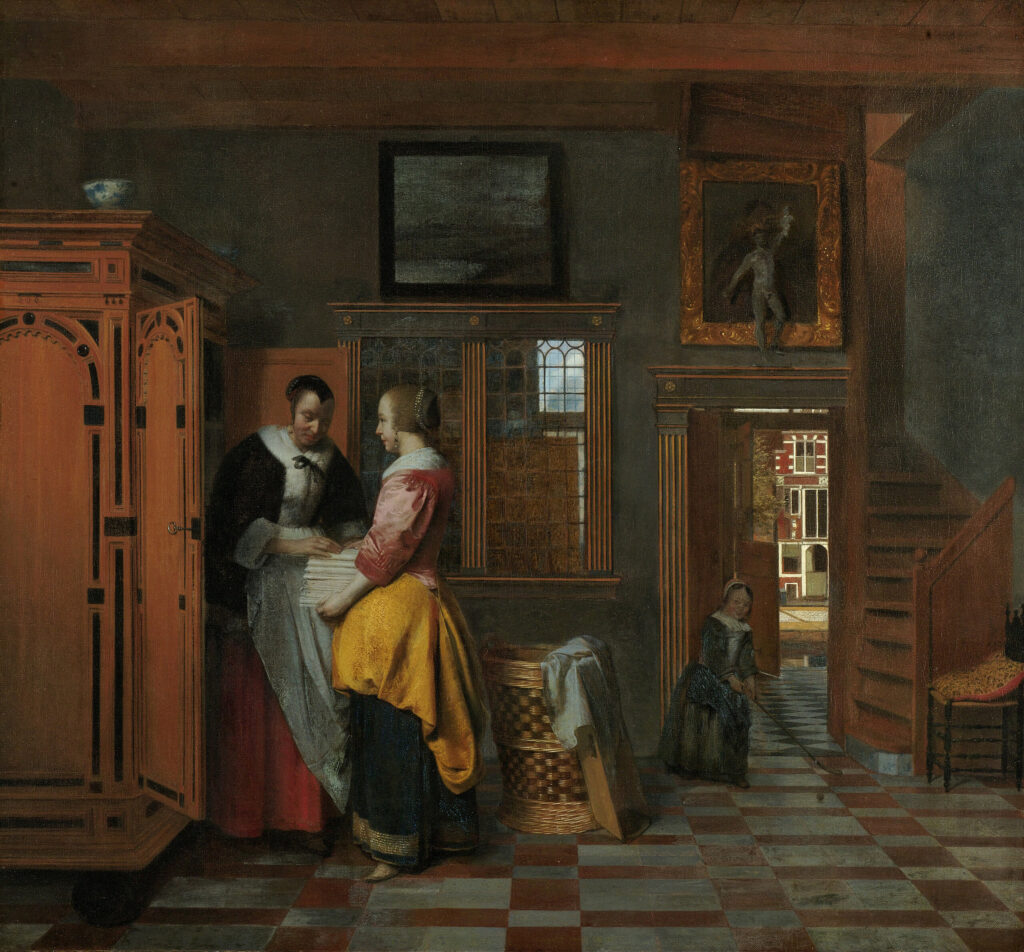
Pieter de Hooch, baptized December 20, 1629–after 1679, was a Dutch painter born in Rotterdam. According to Arnold Houbraken, he trained in Haarlem with the landscape painter Nicolaes Berchem. He worked in Rotterdam before settling in Delft, where he was recorded by 1652 and joined the Guild of Saint Luke in 1655.
De Hooch specialized in domestic interiors, courtyards, guardrooms, and company scenes. His Delft paintings are characterized by carefully constructed perspective, adjoining rooms and courtyards, tiled floors, and natural light. Around 1660 he moved to Amsterdam, where his settings became larger and more elaborate.
De Hooch was last securely documented in Amsterdam in 1679; the date and circumstances of his death remain unknown. His paintings are held by the Rijksmuseum, Metropolitan Museum of Art, Mauritshuis, National Gallery, Royal Collection, Gemäldegalerie, and other major collections.
Lucas van Leyden
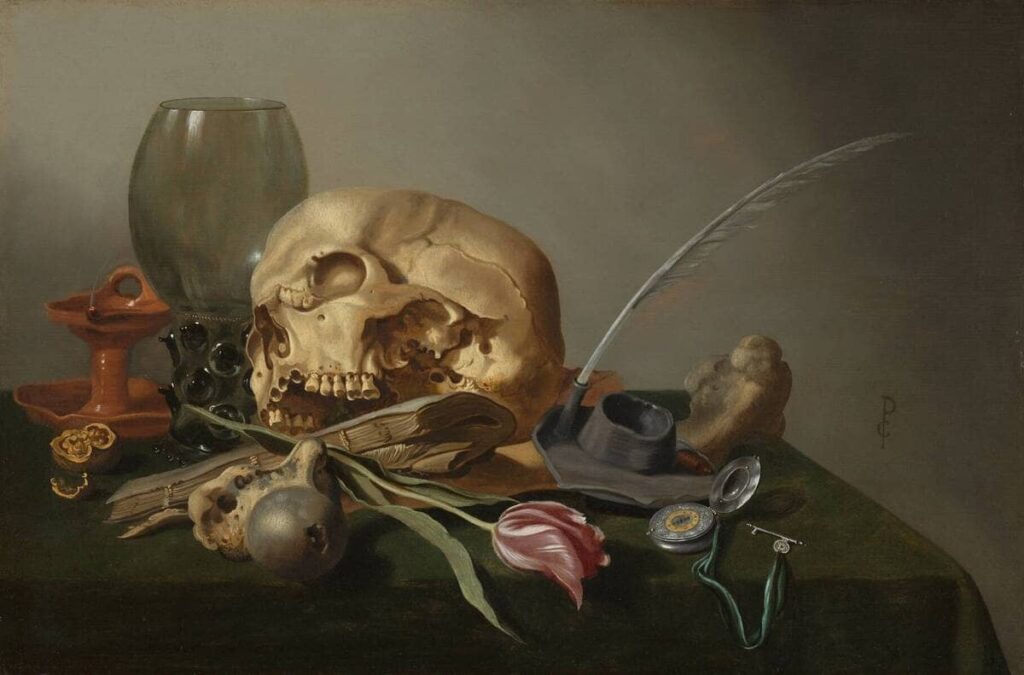
Lucas van Leyden, c 1494 – August 8, 1533, was a Netherlandish painter and printmaker born and active in Leiden. He was the son of the painter Huygh Jacobsz and trained in Leiden.
Van Leyden produced engravings from an early age and also painted portraits, religious subjects, and genre scenes. He met Albrecht Dürer in Antwerp in 1521 and was a leading Netherlandish artist of his generation.
Van Leyden died in Leiden in 1533. His works are held by institutions including the National Gallery, London; Museum De Lakenhal, Leiden; the Rijksmuseum, Amsterdam; the Metropolitan Museum of Art, New York; and the National Gallery of Art, Washington DC.


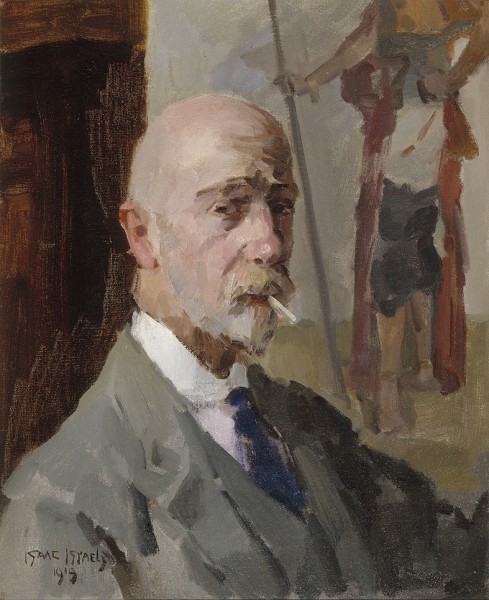
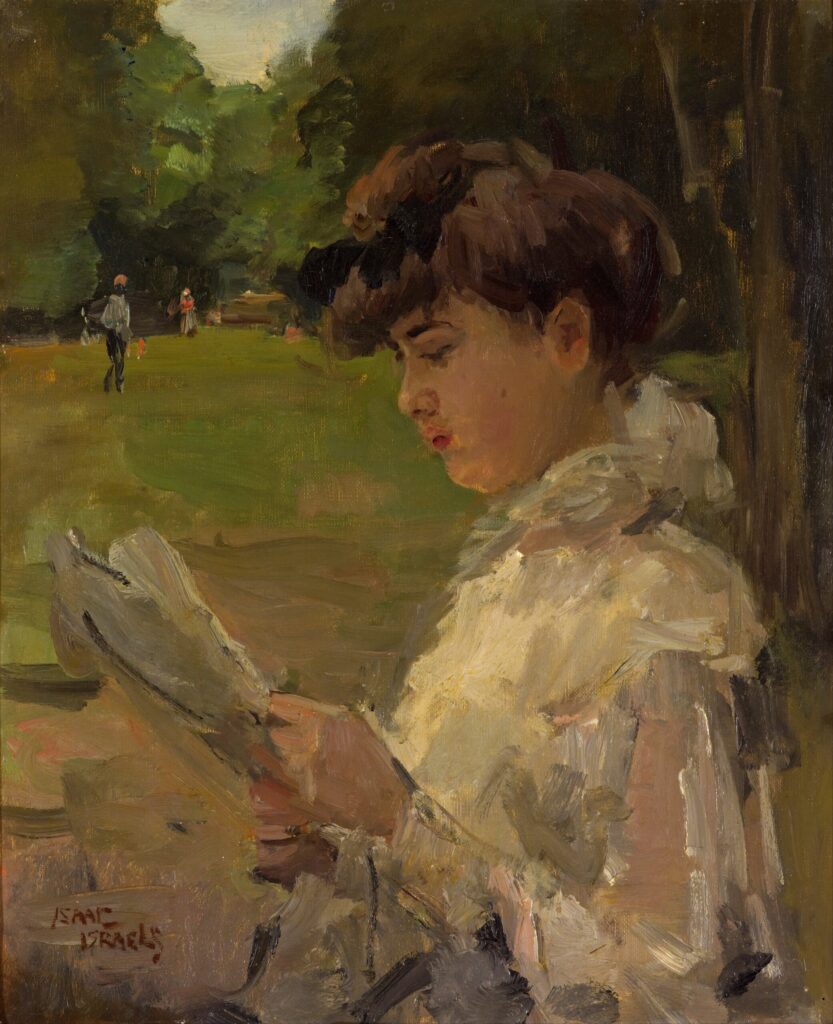
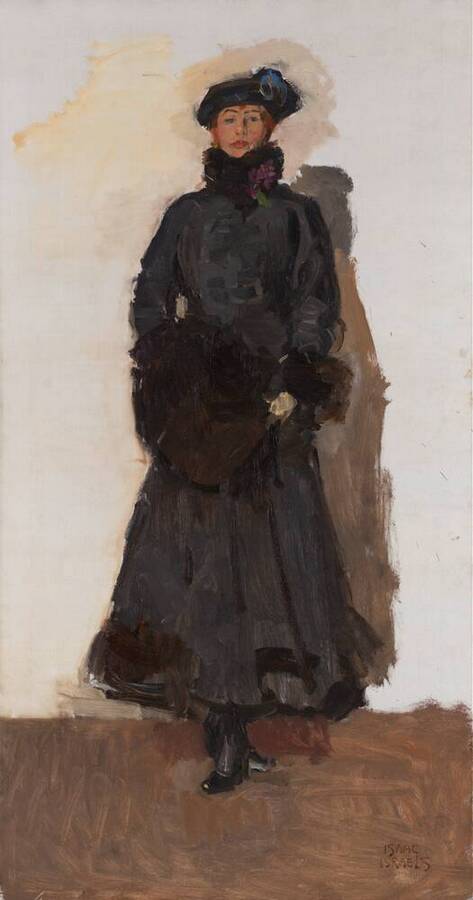
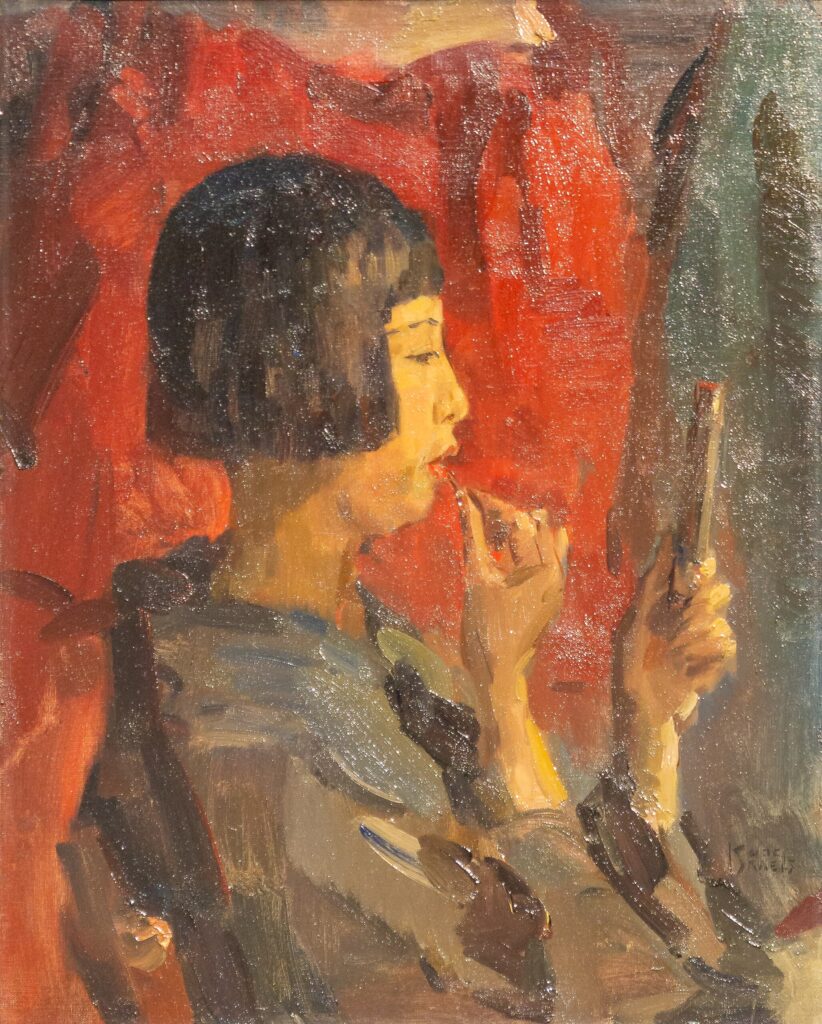
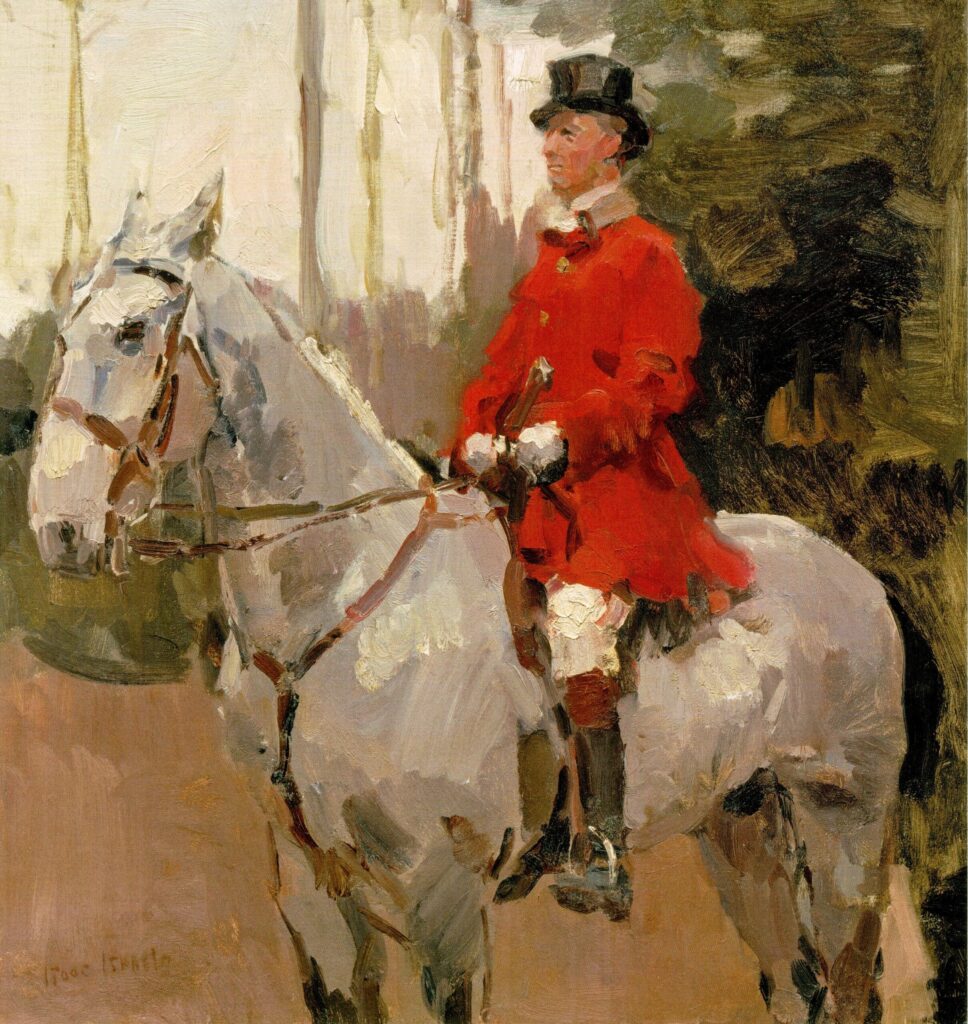
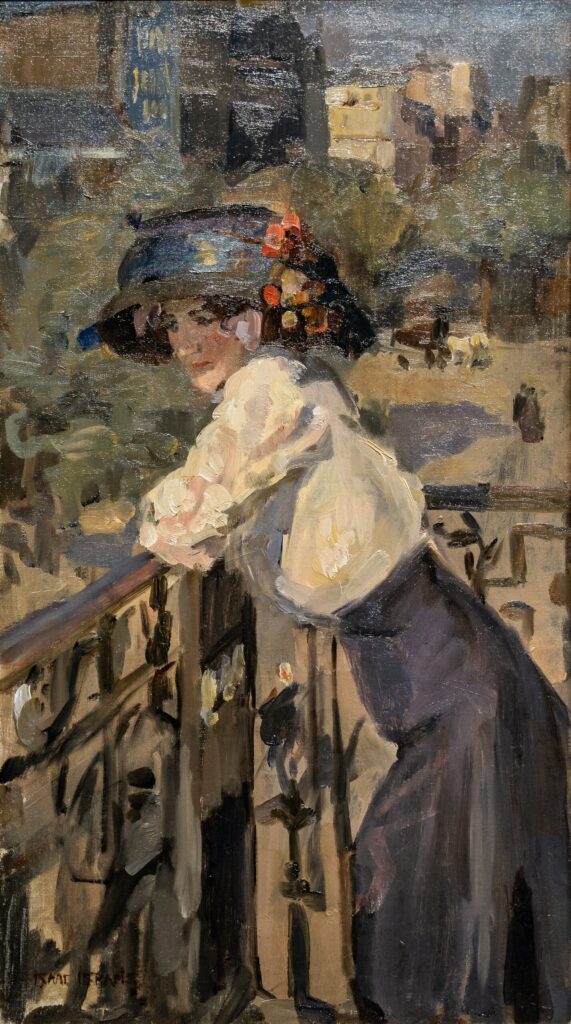
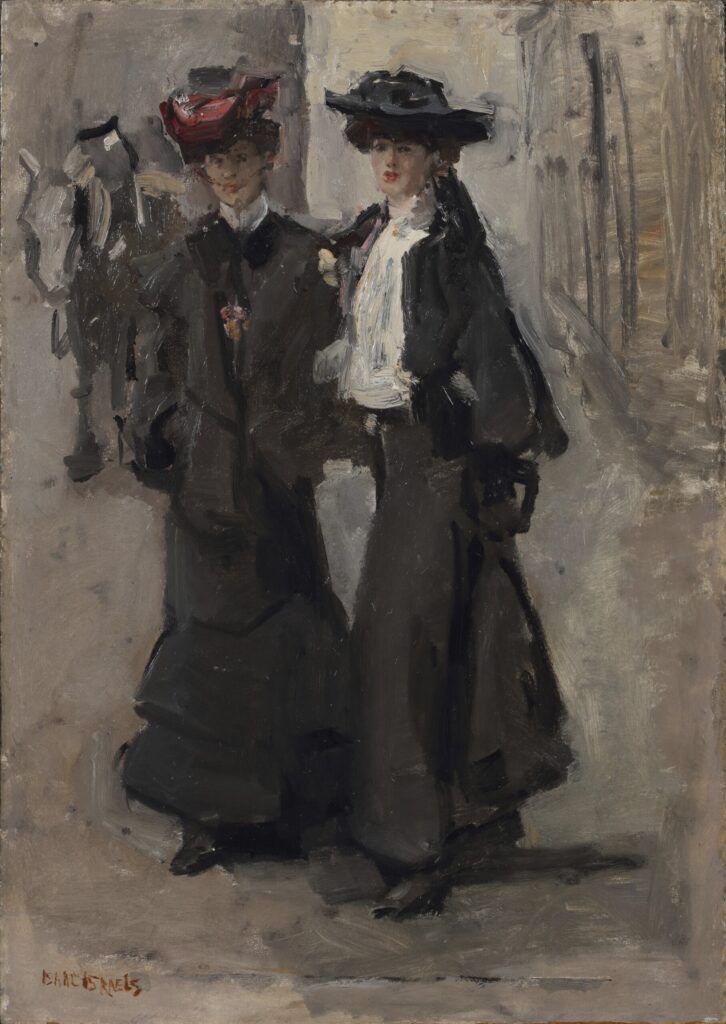
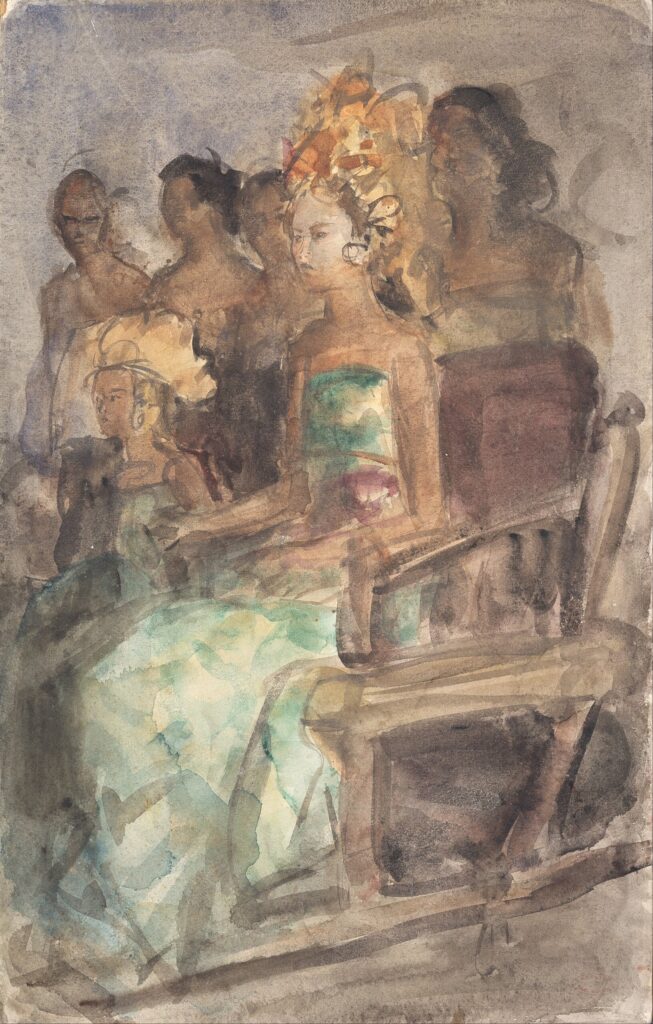
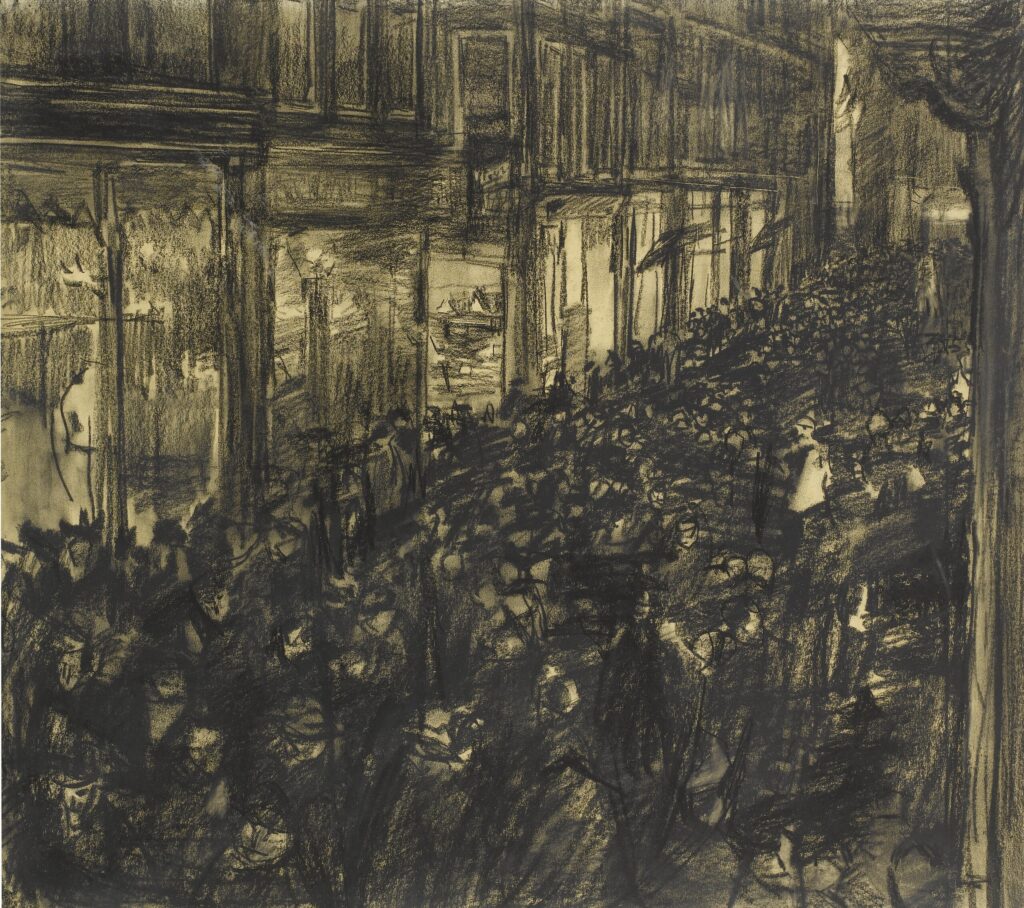
Isaac Israëls
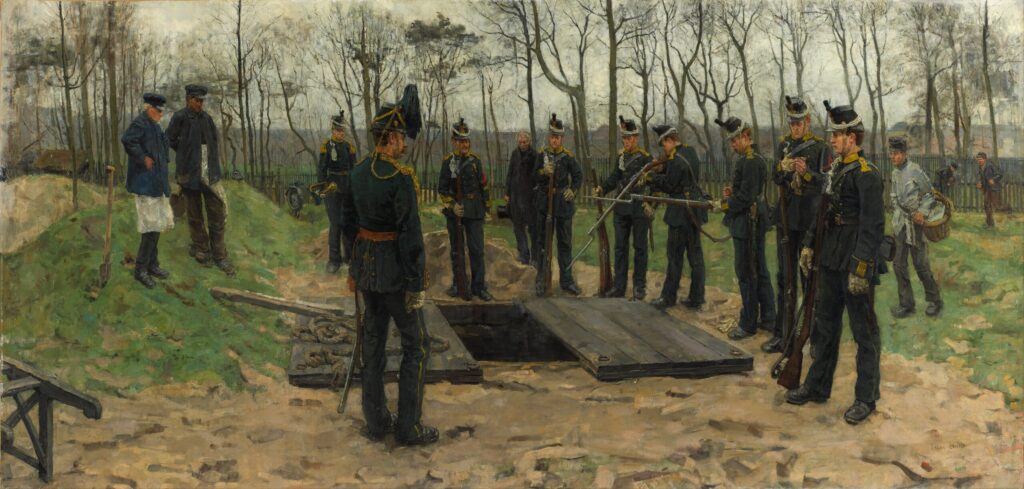
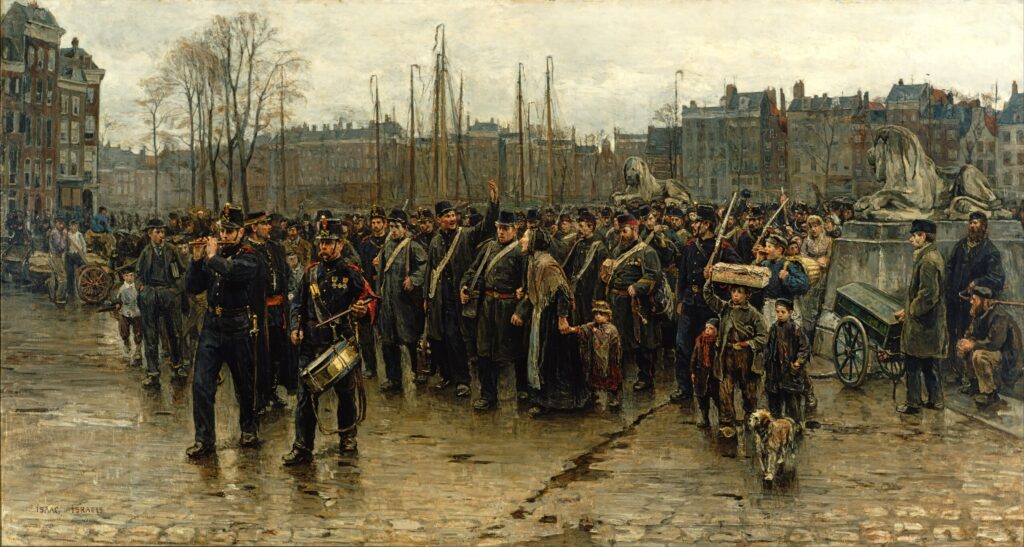
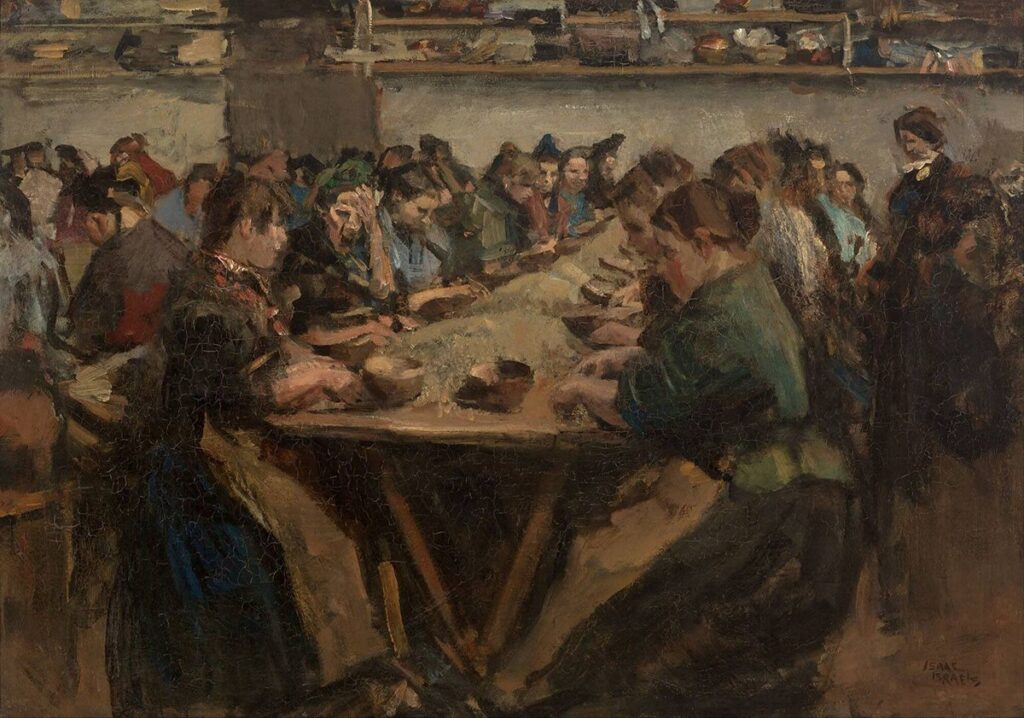
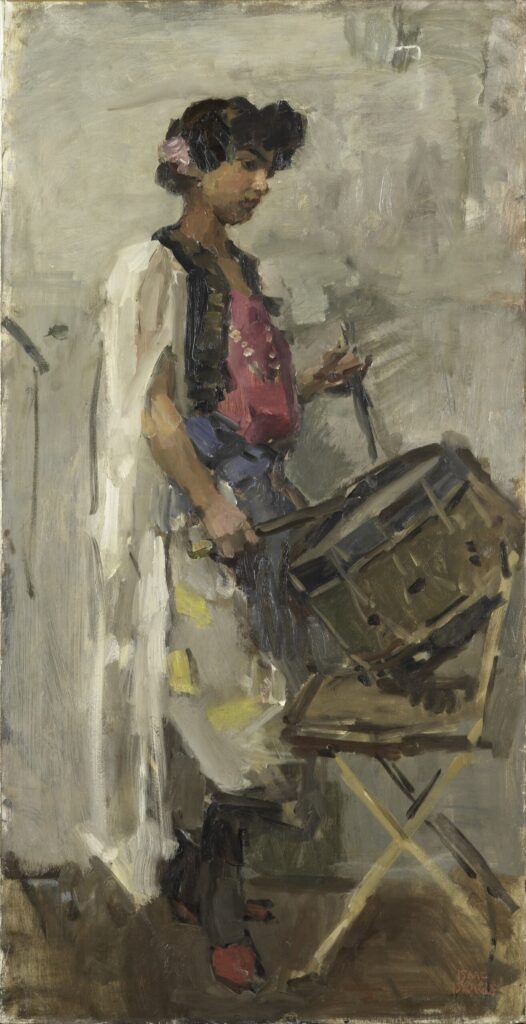
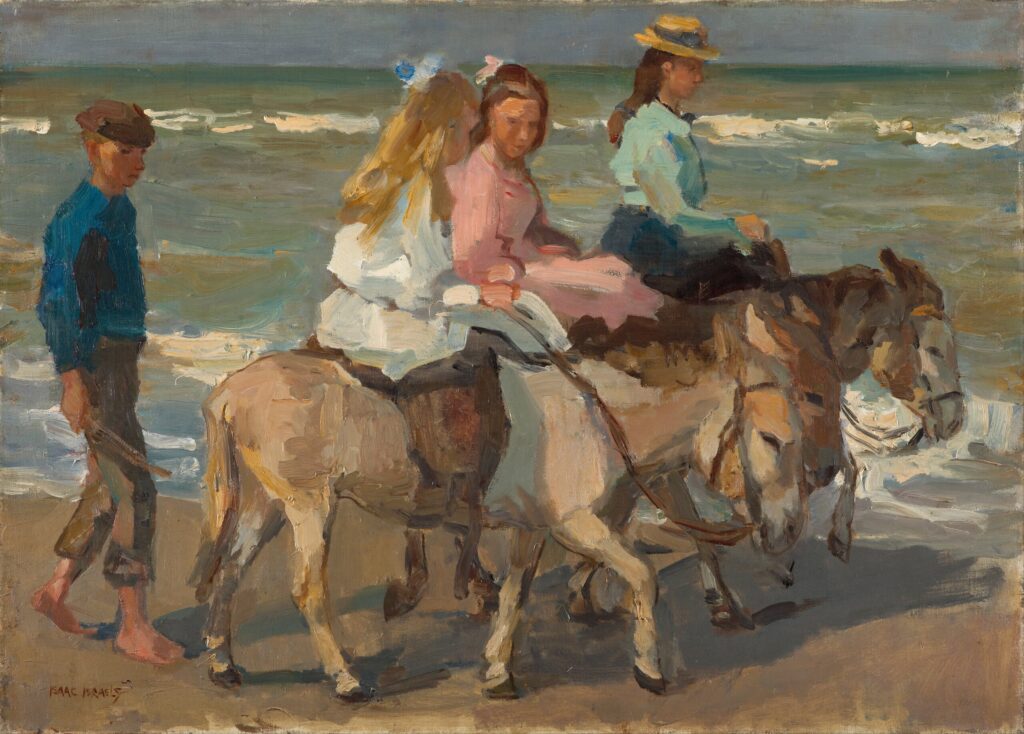
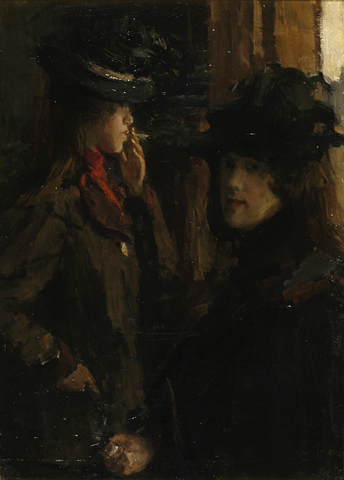
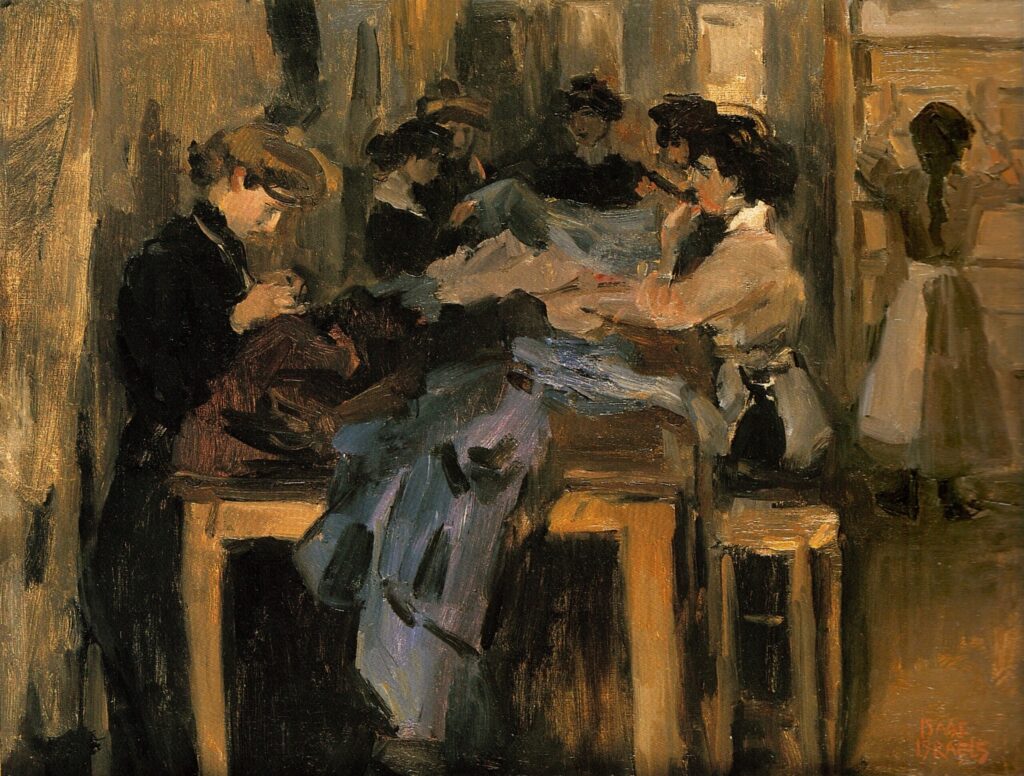
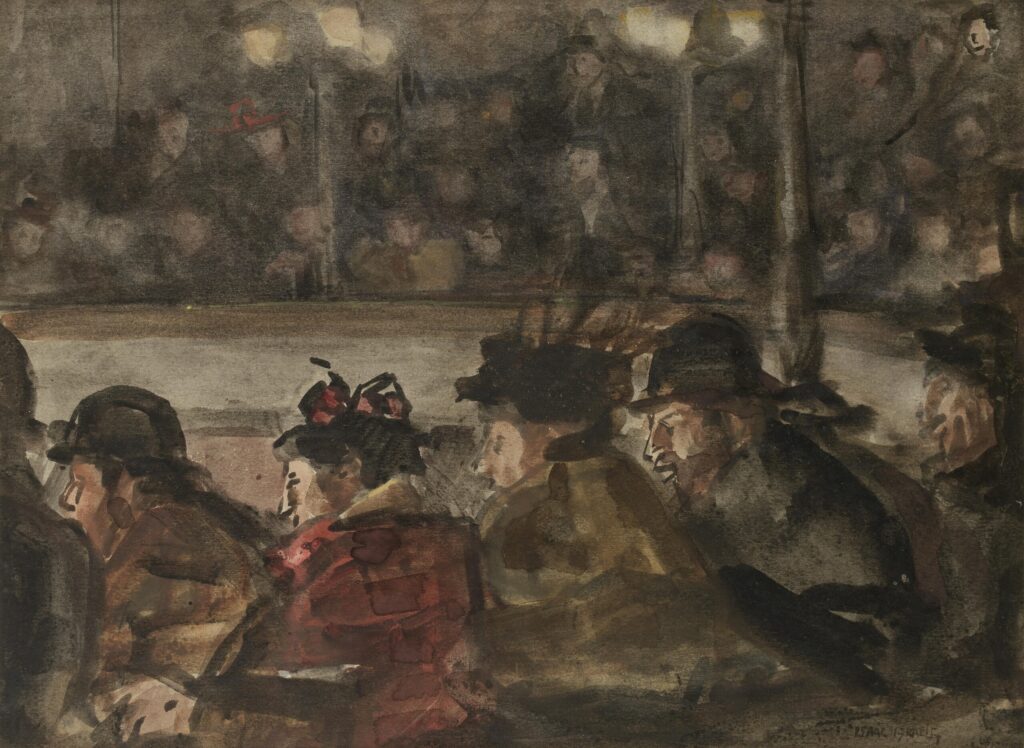
Isaac Israëls, February 3, 1865–October 7, 1934, was a Dutch painter and draftsman associated with Amsterdam Impressionism. Born in Amsterdam and raised in The Hague, he became known for scenes of modern urban life, work, leisure, fashion, portraiture, and travel.
Israëls trained from childhood in the studio of his father, the Hague School painter Jozef Israëls, and attended the Drawing Academy in The Hague. After moving to Amsterdam around 1886, he worked in close contact with George Hendrik Breitner and belonged to the circle of artists and writers known as the Tachtigers.
He worked in The Hague, Amsterdam, Paris, London, and the Dutch East Indies. Principal public collections holding his work include the Rijksmuseum, Kunstmuseum Den Haag, the Kröller-Müller Museum, Museum Boijmans Van Beuningen, Centraal Museum, Singer Laren, and The Mesdag Collection.