Posts in Category: Dutch
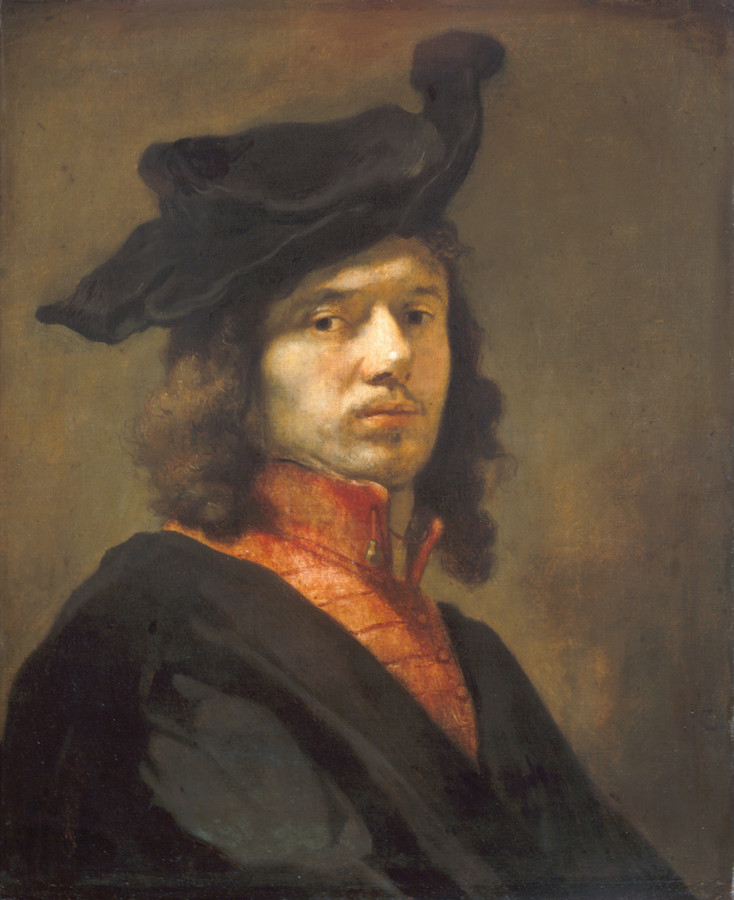
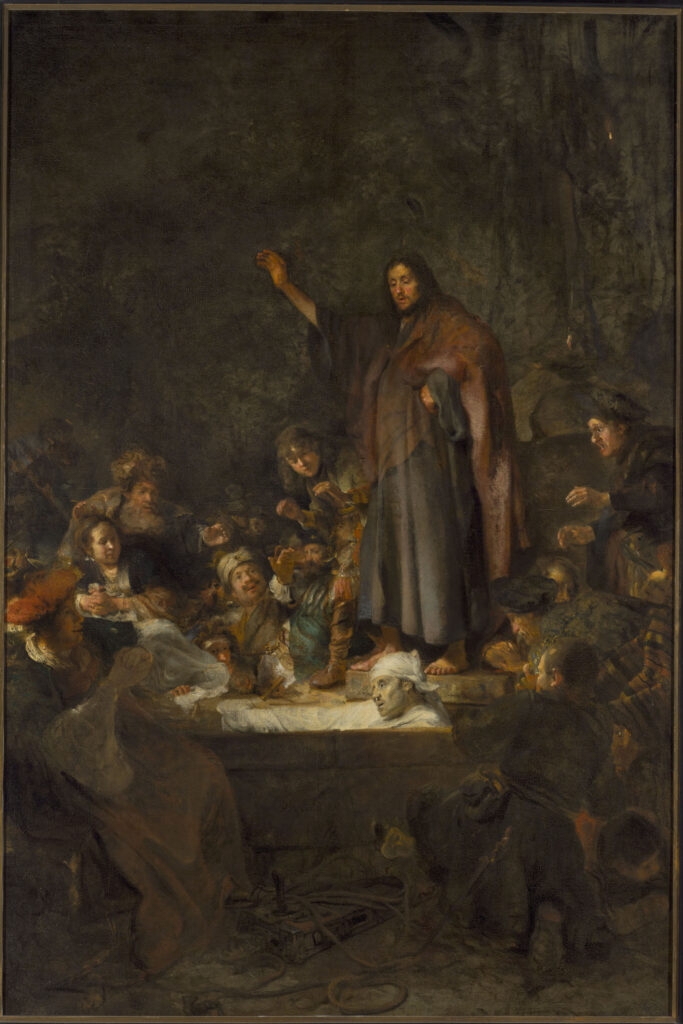
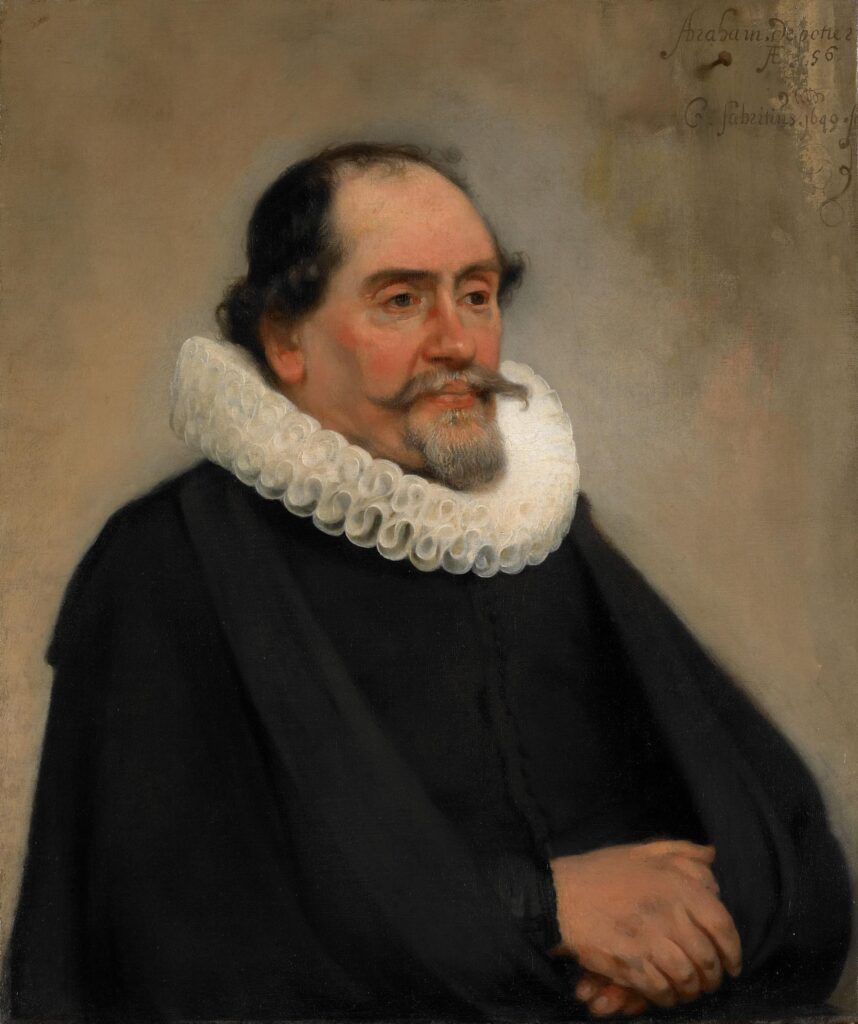
Carel Pietersz. Fabritius
Carel Pietersz. Fabritius, Dutch painter, February 27, 1622 – October 12, 1654








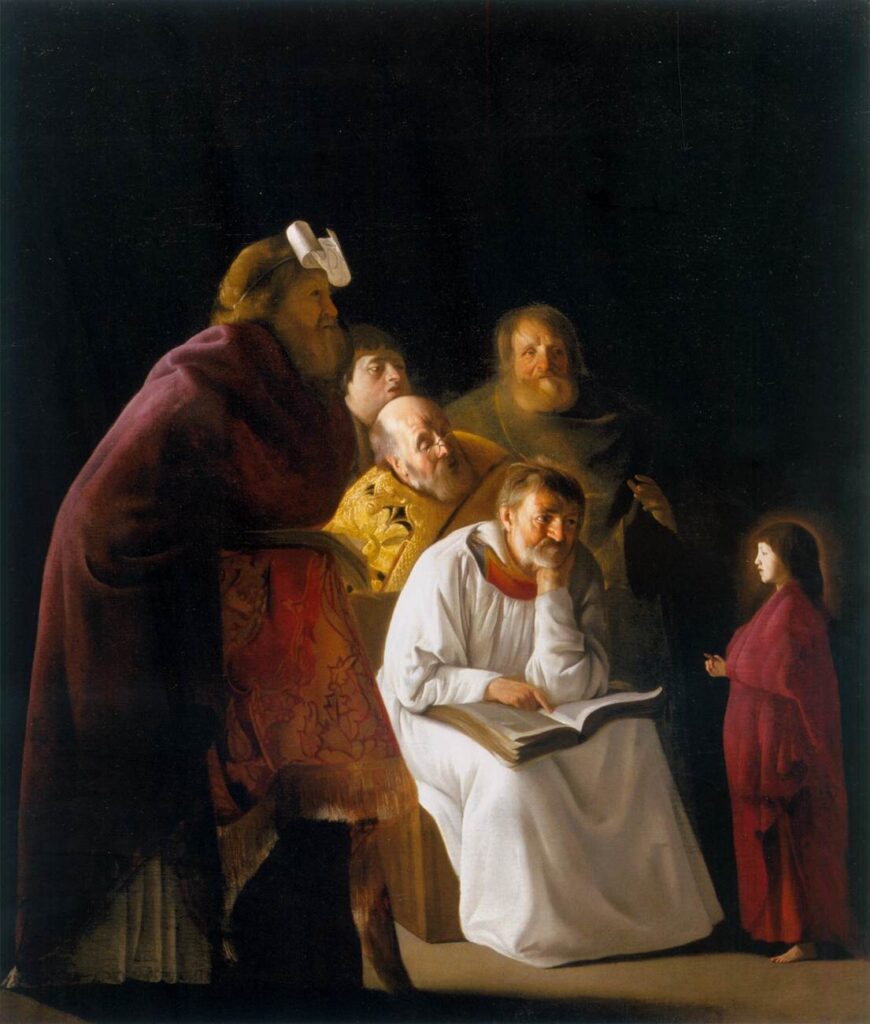
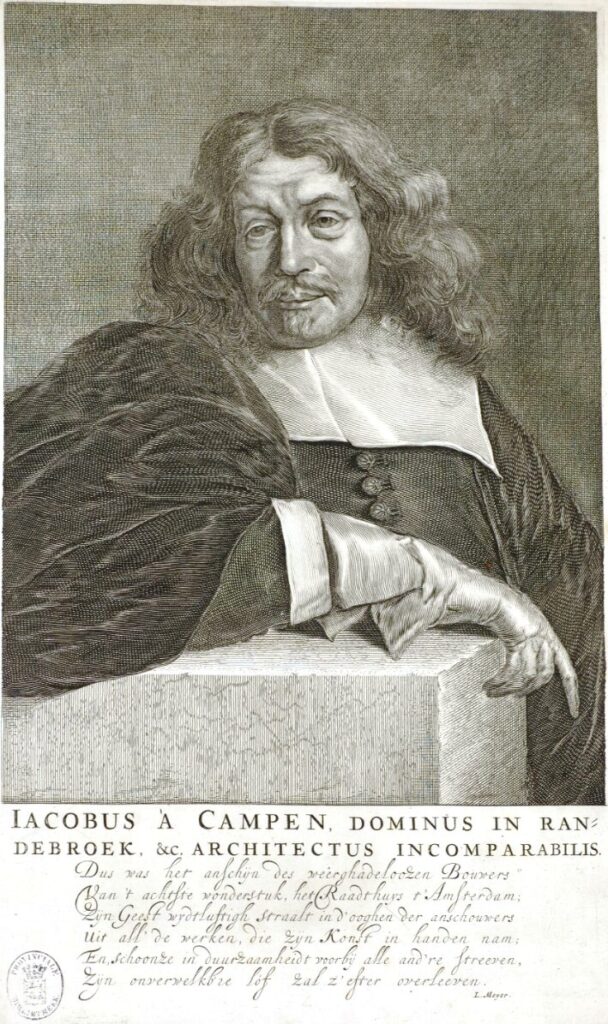
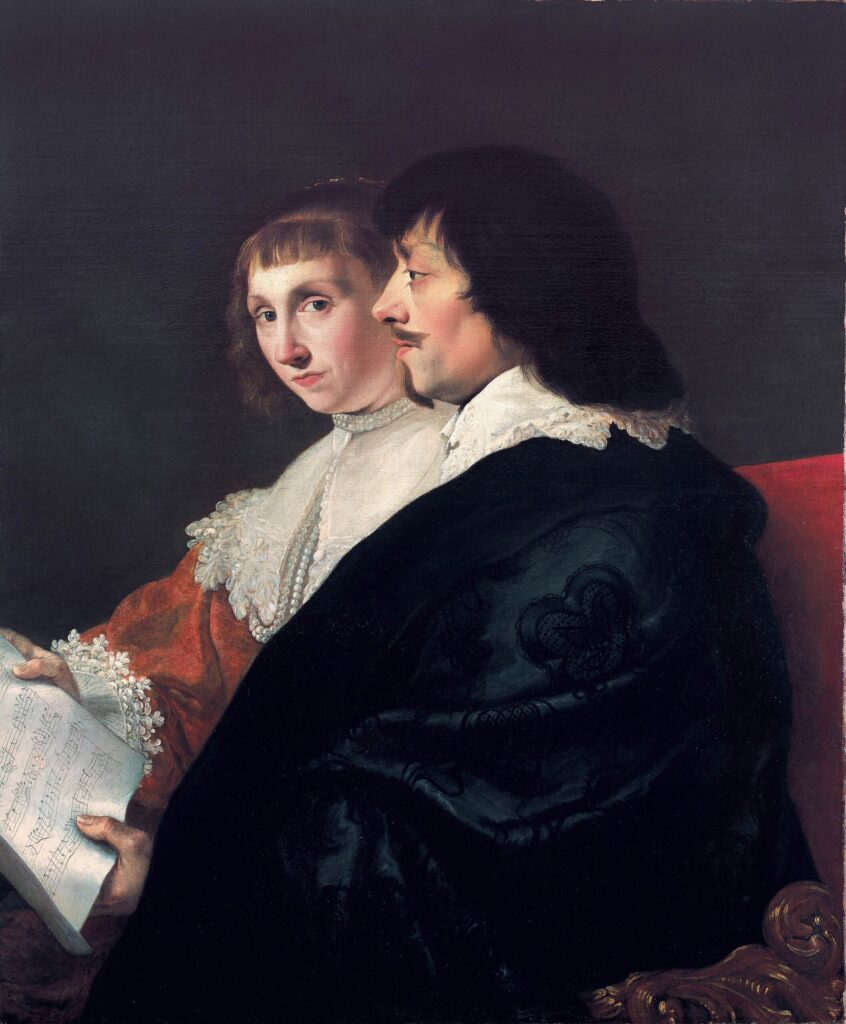
Jacob van Campen
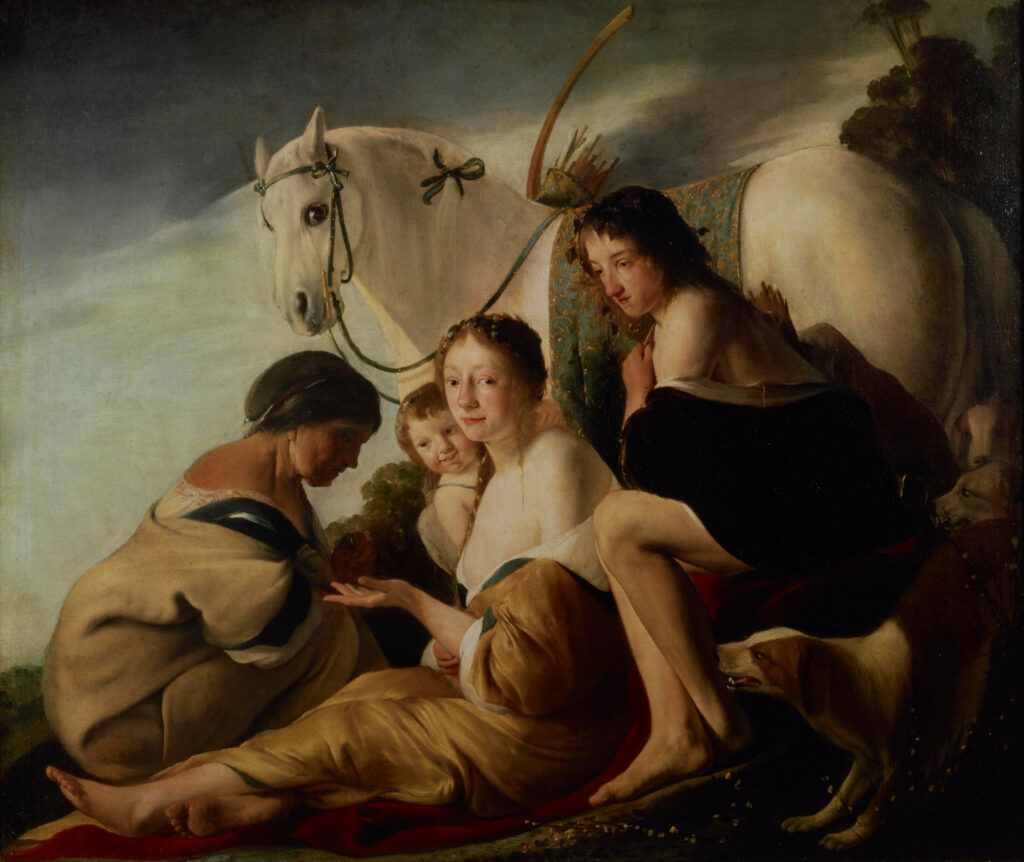
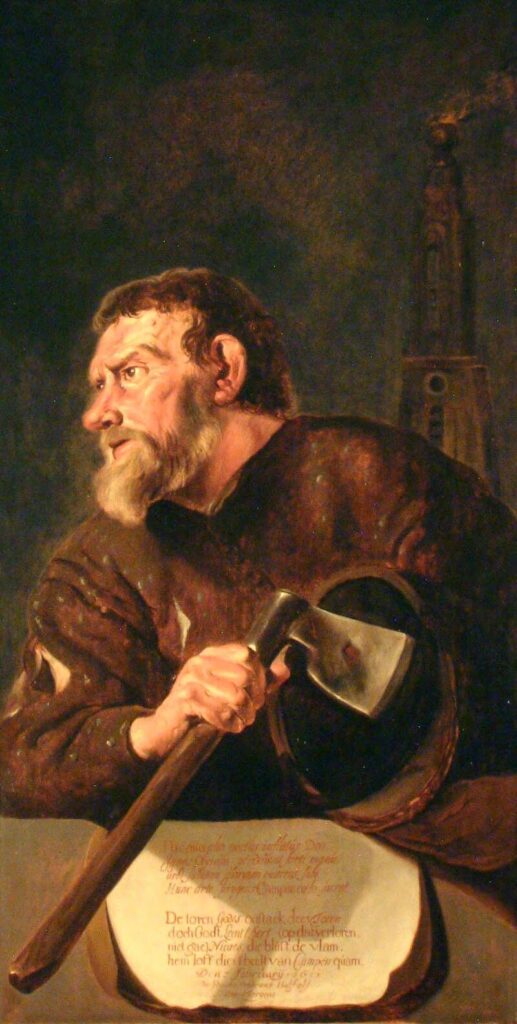
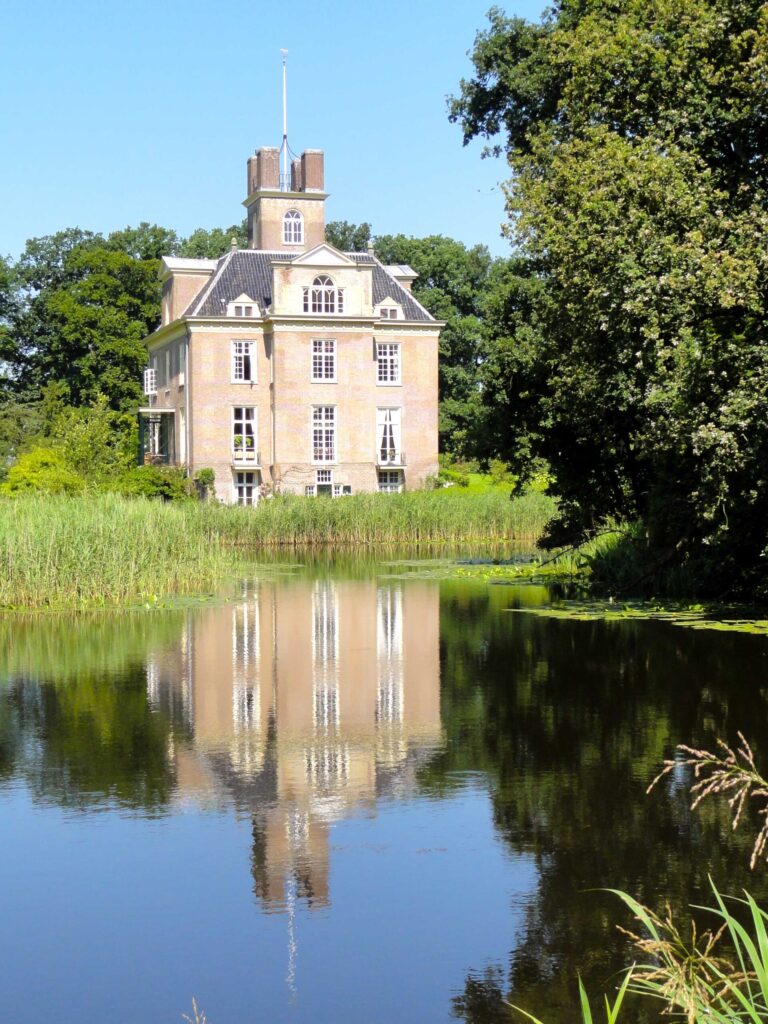
Jacob van Campen, February 2, 1596–September 13, 1657, was a Dutch painter and architect. Born in Haarlem, he entered the city’s Guild of Saint Luke in 1614 and is believed to have studied painting with Frans de Grebber. A period in Italy introduced him to the architecture of Andrea Palladio, Vincenzo Scamozzi, and classical antiquity.
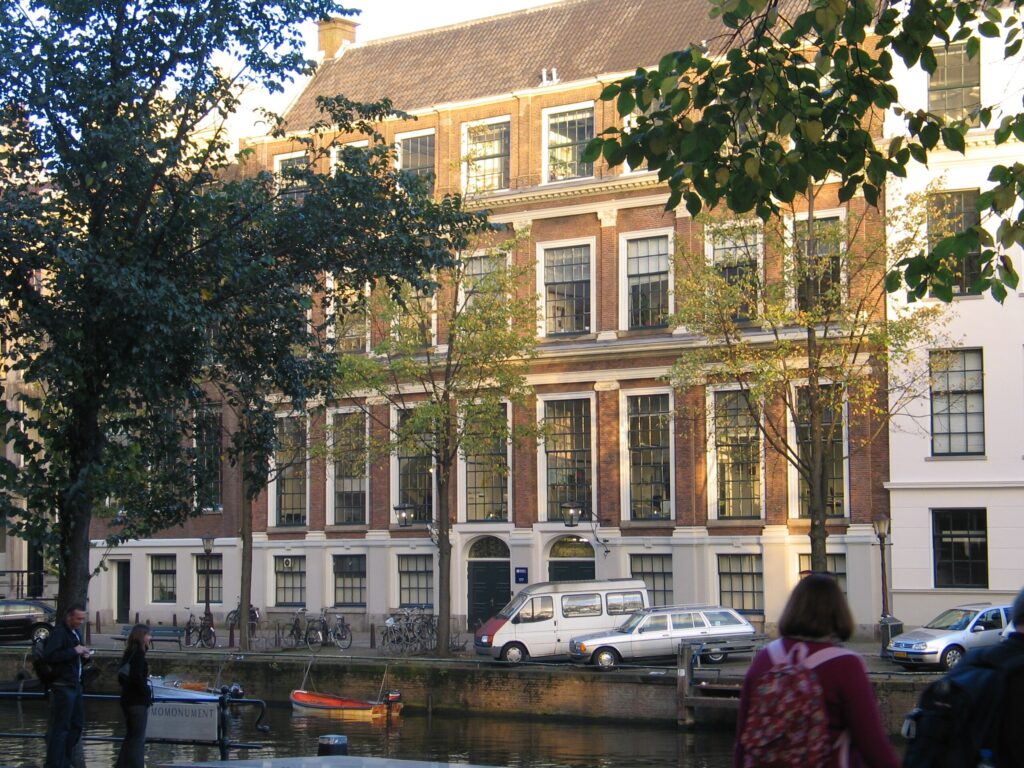
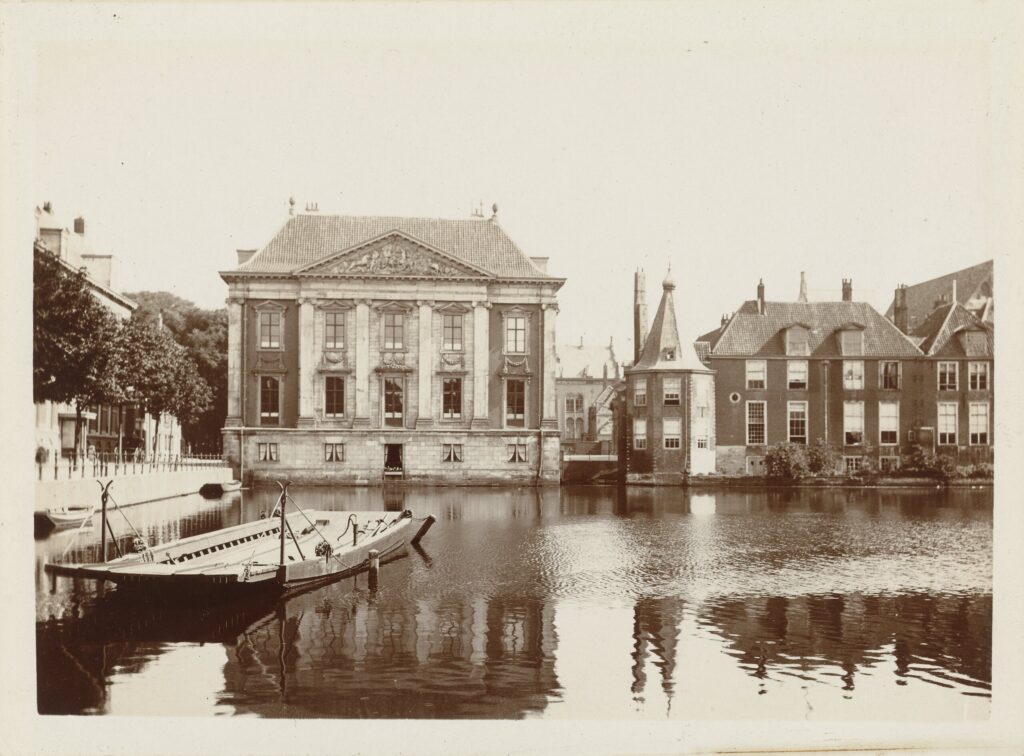
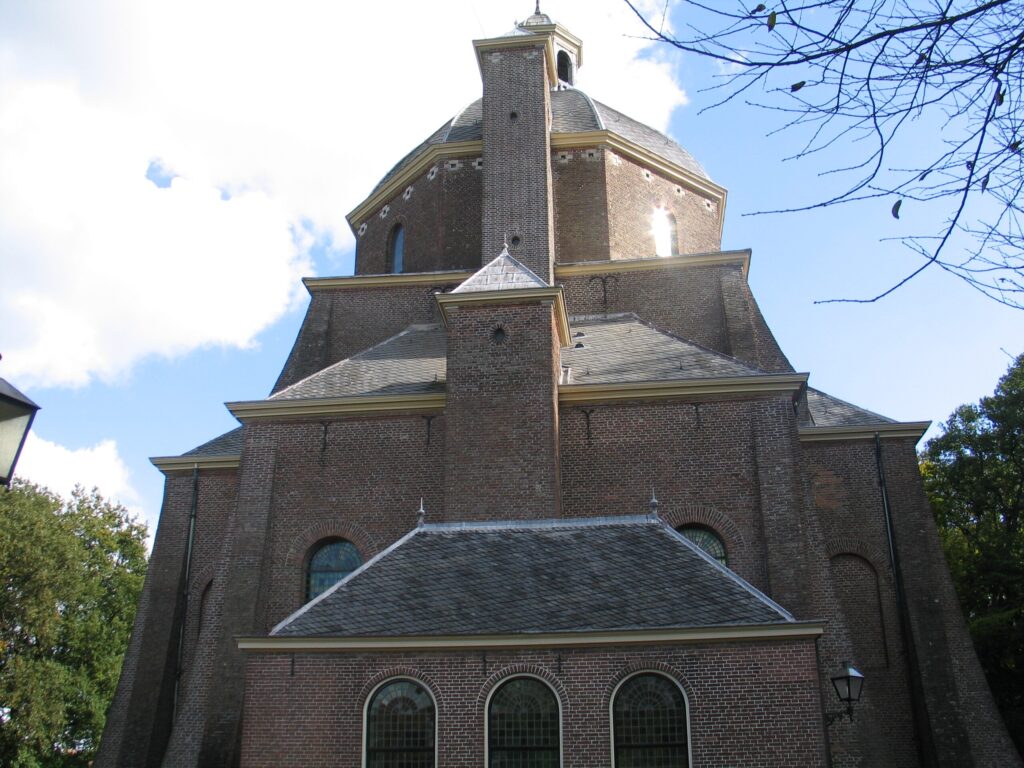
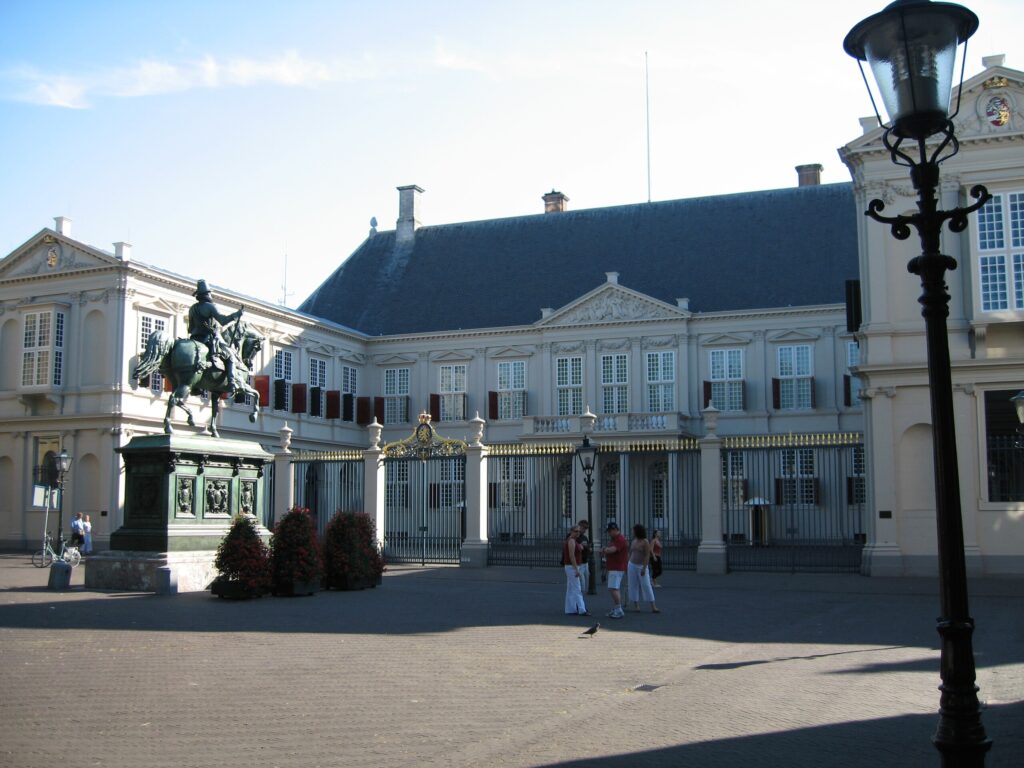
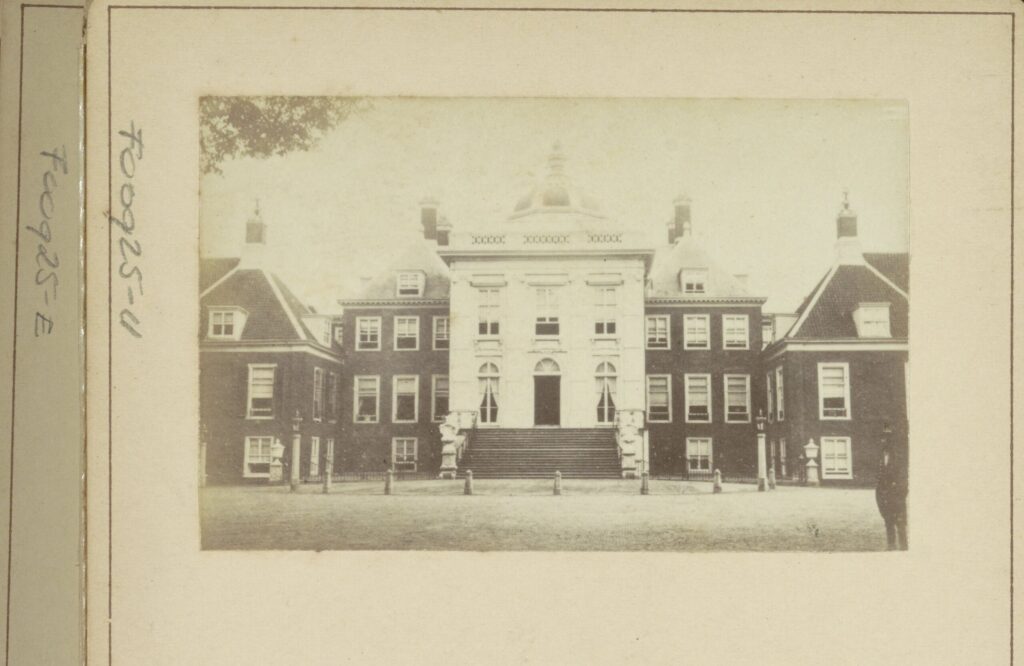
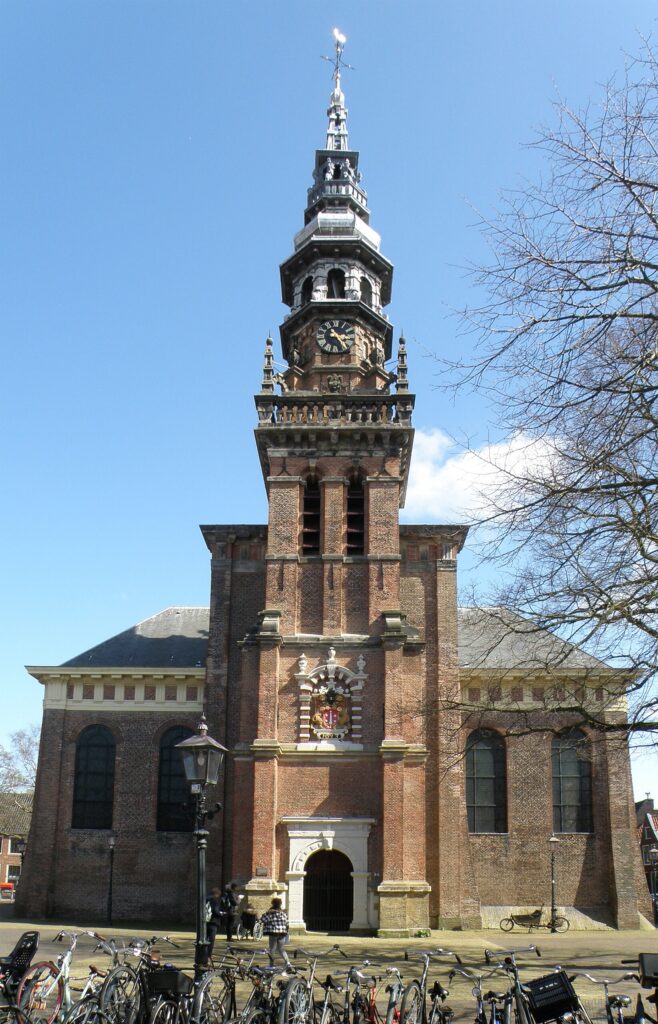
After returning to the Netherlands, Van Campen became a principal founder of Dutch Classicism. He worked with Pieter Post and was associated with Constantijn Huygens; his major architectural projects included the Mauritshuis, Huis ten Bosch Palace, the Nieuwe Kerk in Haarlem, and Amsterdam’s former town hall, now the Royal Palace.
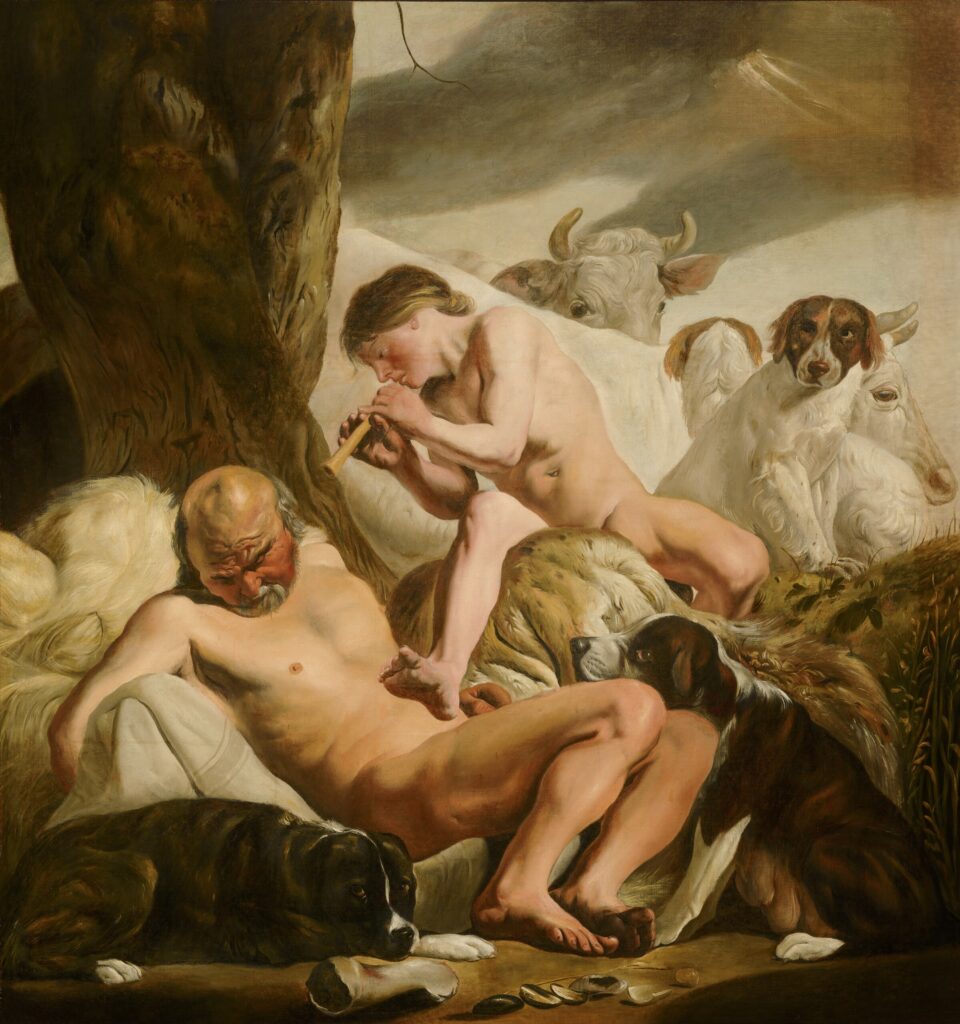
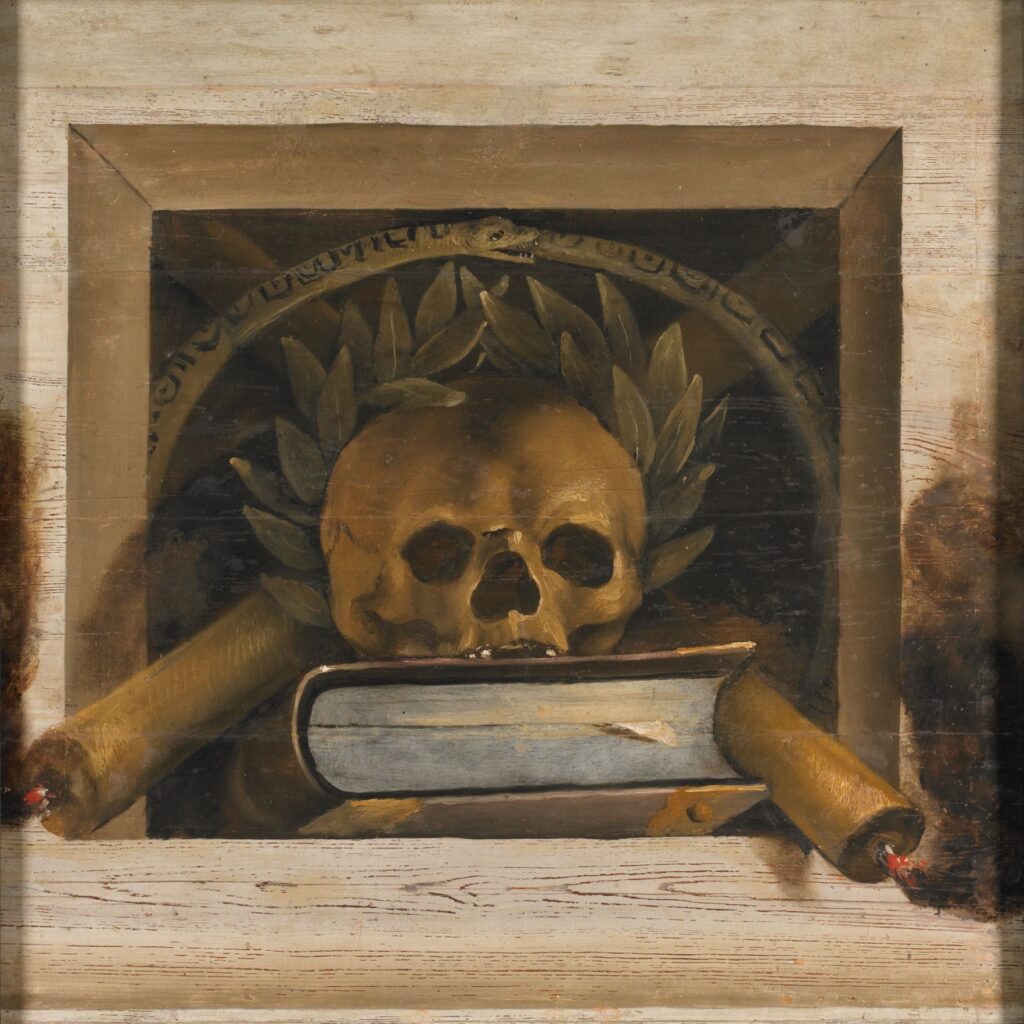
Van Campen also painted portraits, history subjects, and decorative works, including contributions to the Oranjezaal at Huis ten Bosch. Matthias Withoos was among the artists who worked with him. His paintings are held by the Rijksmuseum, the Mauritshuis, and Museum Amersfoort, while many of his buildings remain prominent monuments in the Netherlands.

Jan Steen
Jan Steen, Dutch painter, c 1626 – February 3, 1679


Hendrick Avercamp
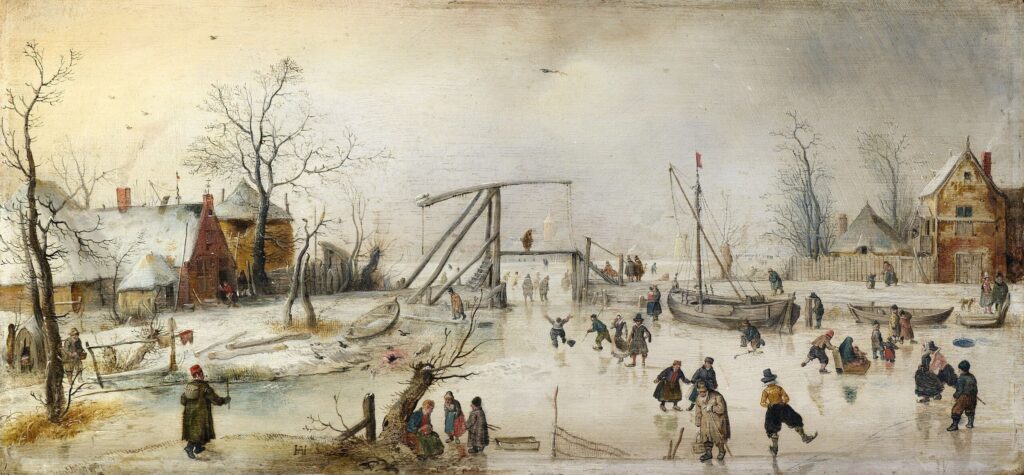
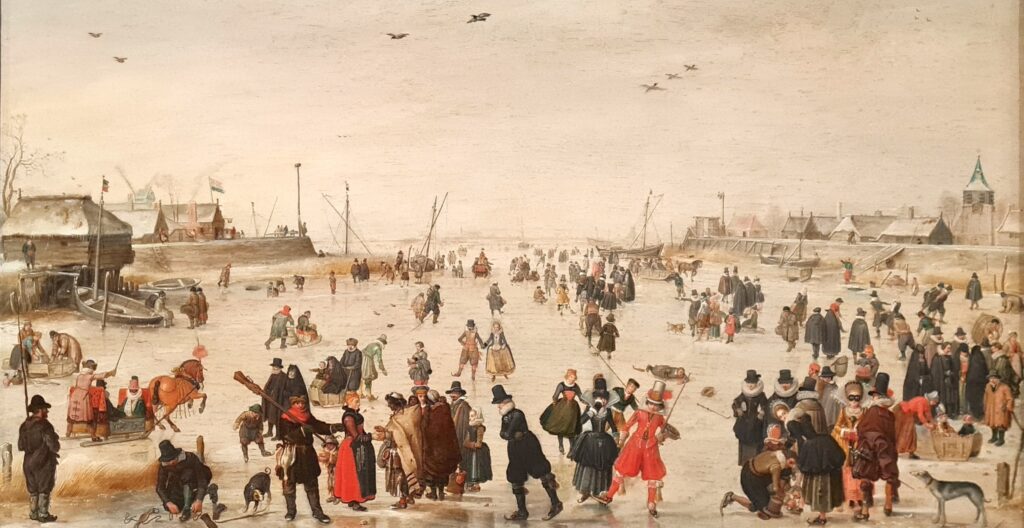
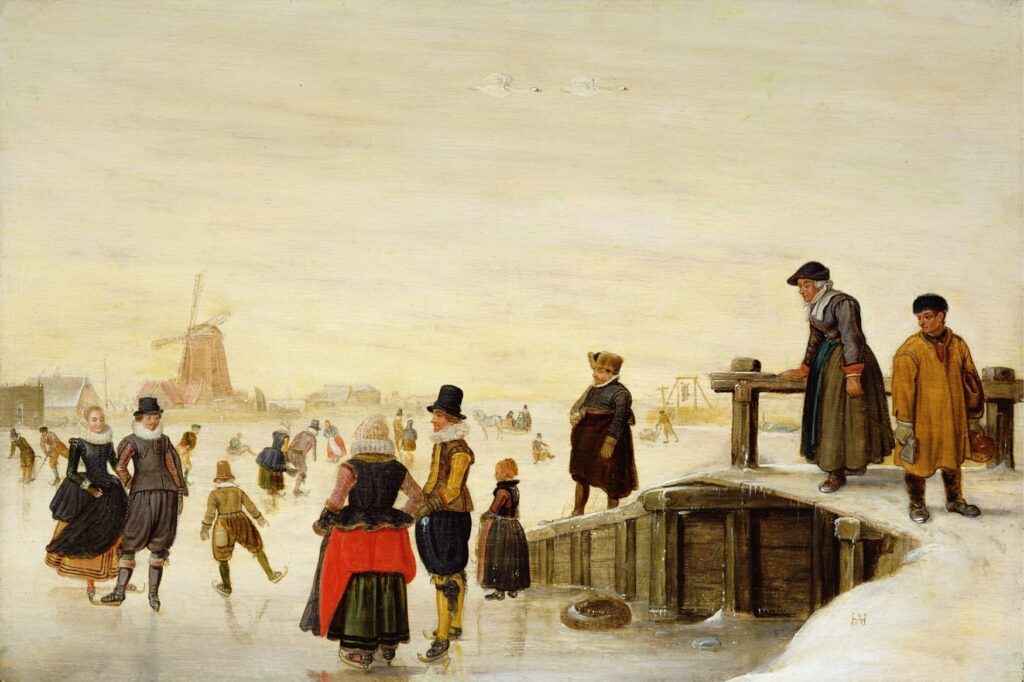
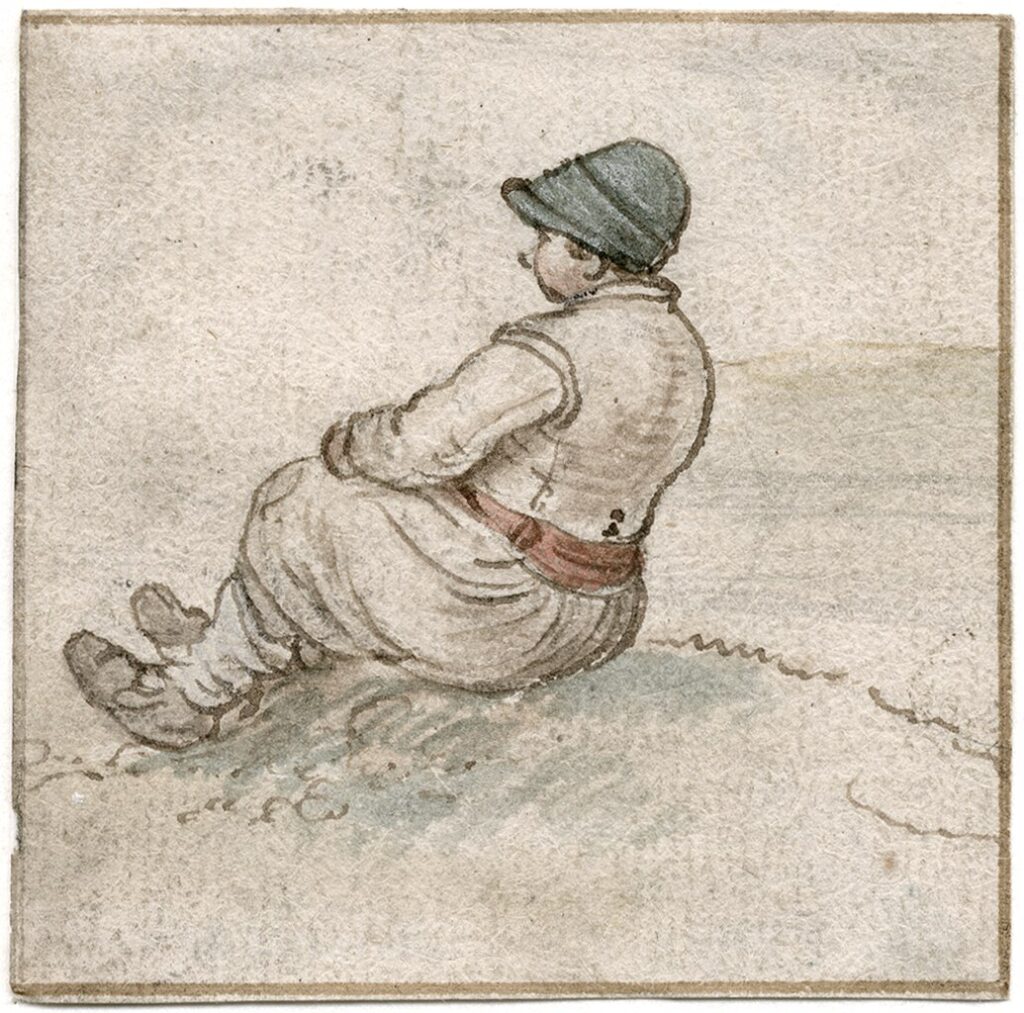
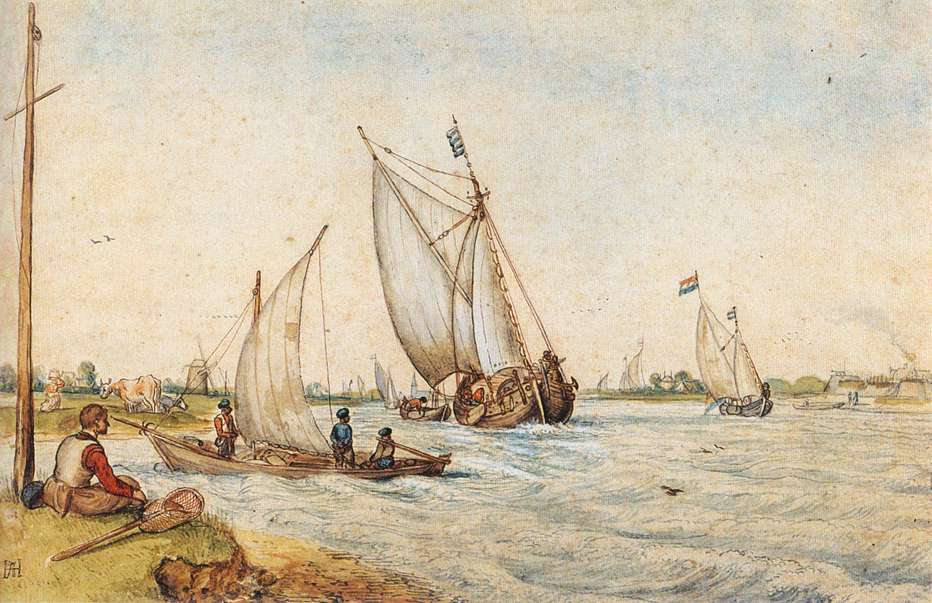
Hendrick Avercamp, January 27, 1585–May 15, 1634, was a Dutch painter and draftsman known for winter landscapes. Born in Amsterdam and raised in Kampen, he was deaf and unable to speak from childhood.
His formal training is not documented with certainty. He probably studied in Amsterdam with the Danish-born painter Pieter Isaacks and was influenced by Flemish landscape traditions before returning to Kampen, where he spent most of his career. His nephew Barent Avercamp continued his manner of painting winter scenes.
Avercamp’s paintings and drawings are held in major collections including the Rijksmuseum, the National Gallery in London, the Mauritshuis, the Kunsthistorisches Museum in Vienna, the National Gallery of Art in Washington, and other European and American museums.






Govert Flinck
Govert Flinck, January 25, 1615 – February 2, 1660, was a Dutch painter of portraits, history paintings, and civic commissions. Born in Cleves, he was first trained by Lambert Jacobsz in Leeuwarden and later worked in Amsterdam, where he became one of Rembrandt’s pupils and adapted Rembrandt’s handling of light, costume, and biblical subject matter.
Flinck painted portraits, tronies, biblical scenes, and large civic works. His early paintings closely follow Rembrandt’s manner, while his later work became smoother and more public in character, suited to Amsterdam regents and civic commissions. He received major commissions for the Amsterdam Town Hall, including The Incorruptible Consul Marcus Curius Dentatus and Solomon Praying for Wisdom.
Flinck’s work is held by the Rijksmuseum, Amsterdam Museum, Louvre, Kelvingrove Art Gallery and Museum, Mauritshuis, Royal Palace Amsterdam, and other public collections.


Abraham Bloemaert
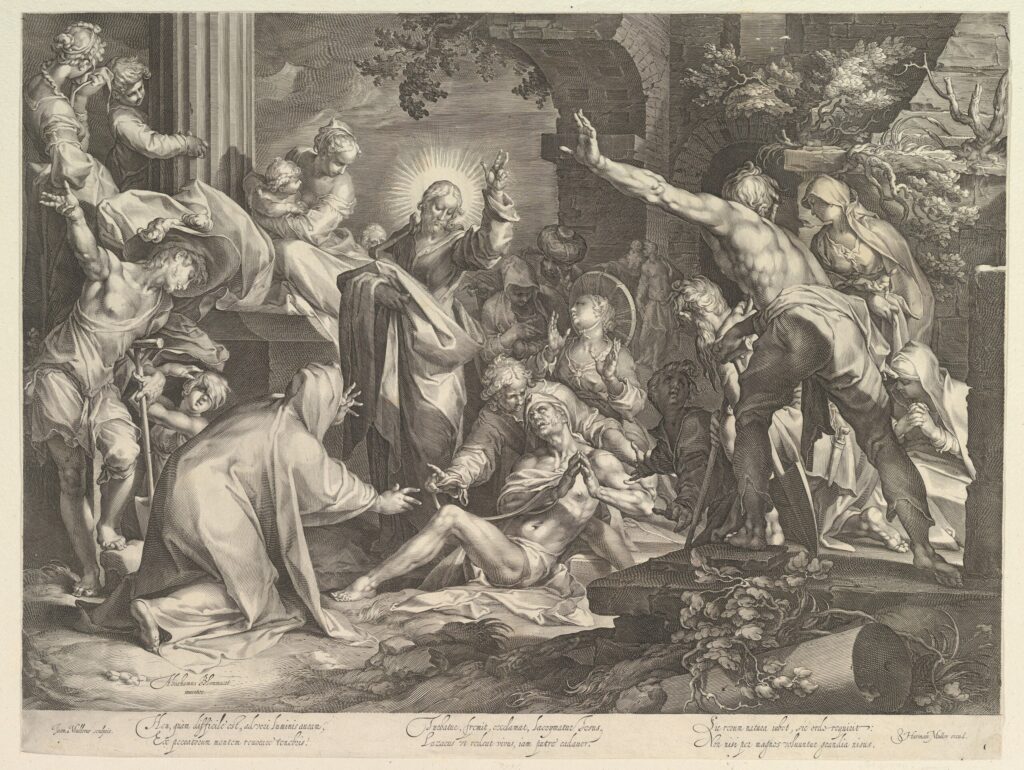
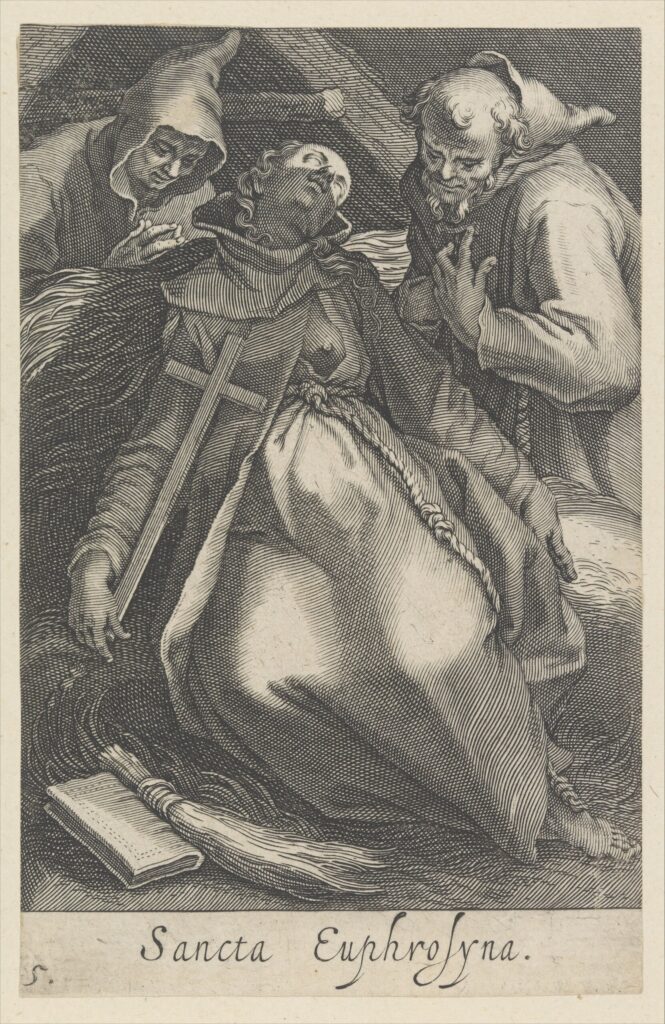
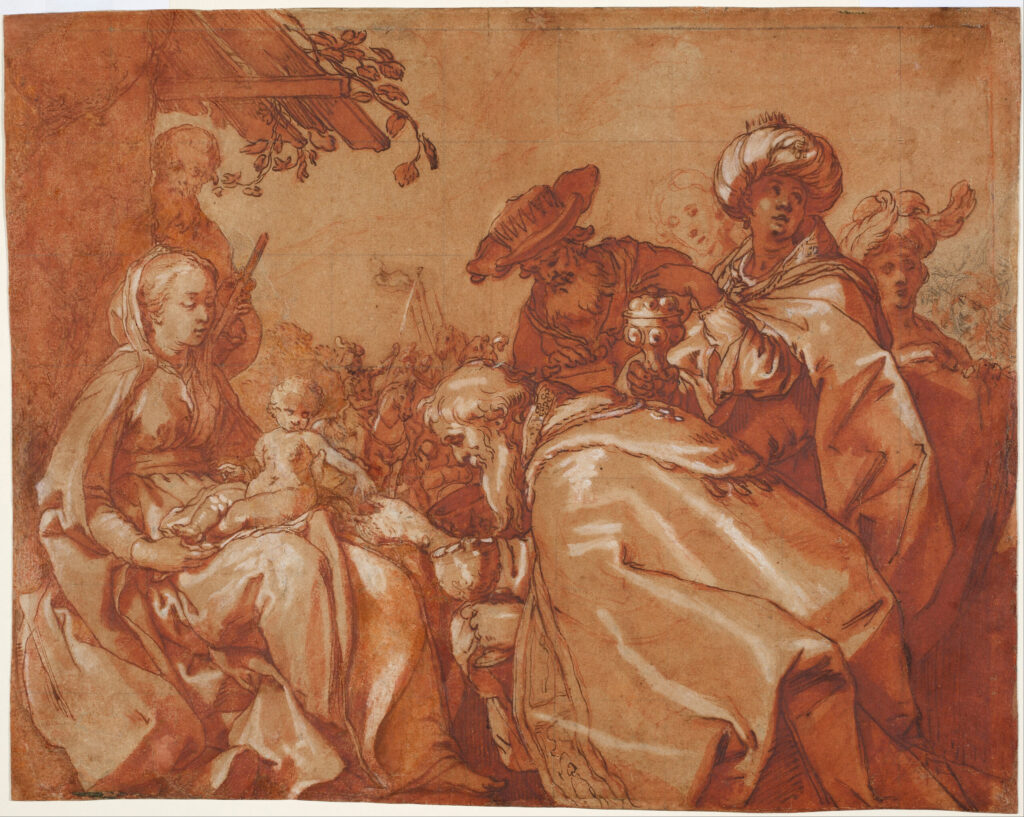
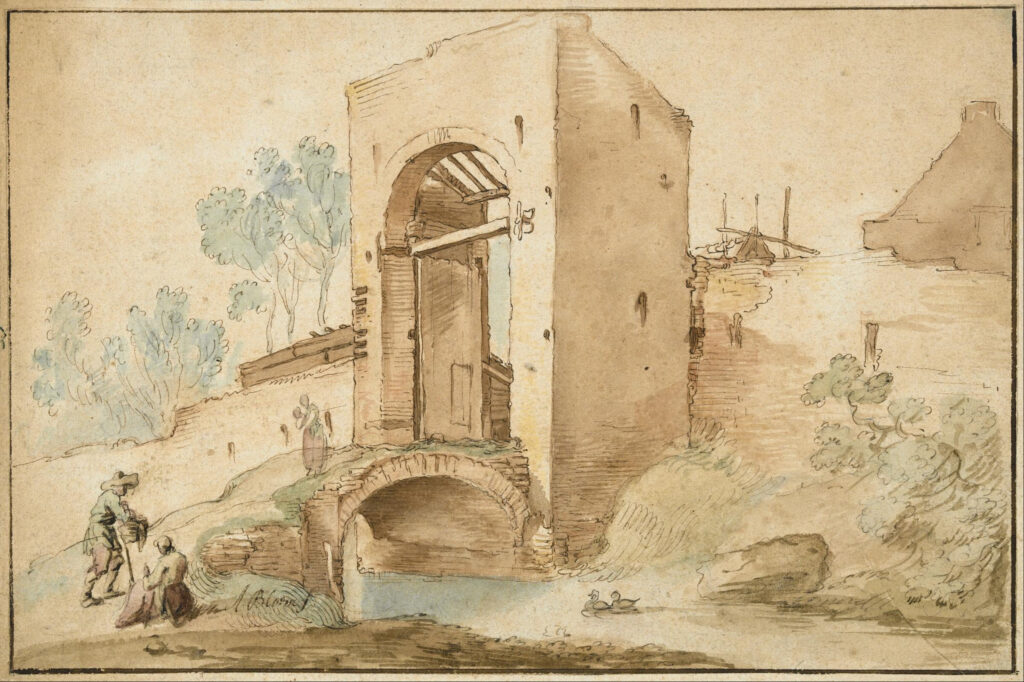
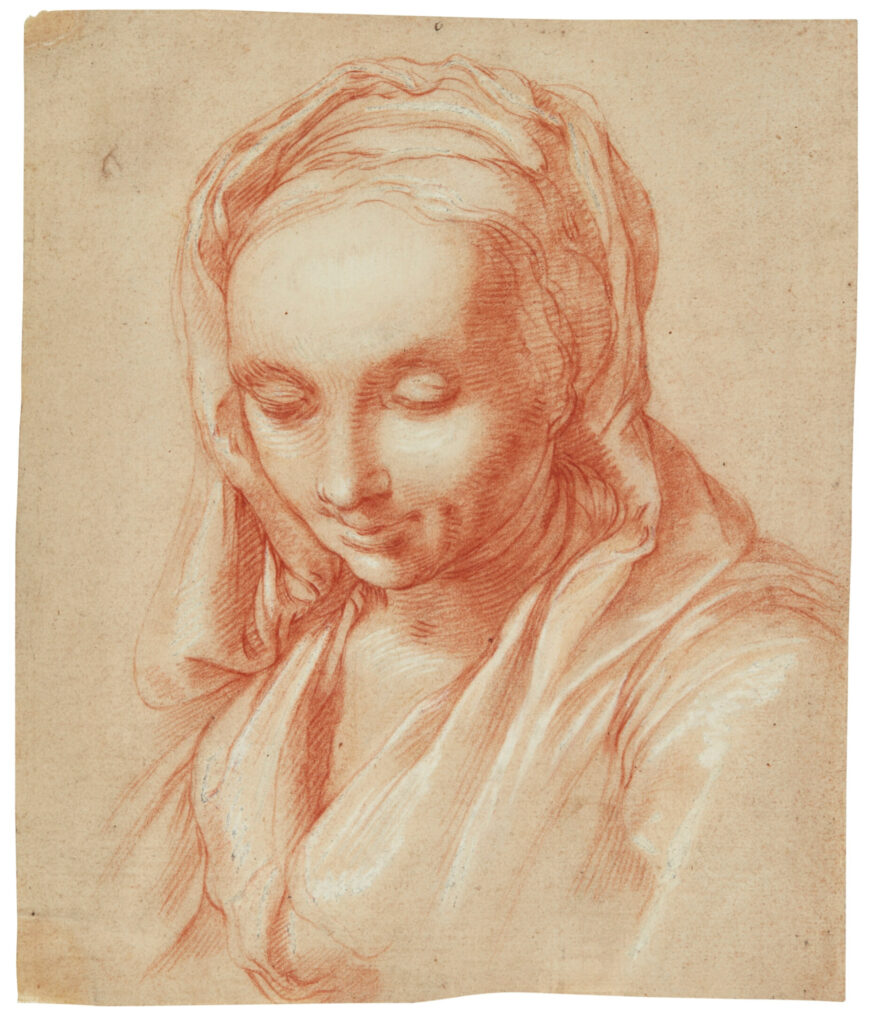
Abraham Bloemaert, December 25, 1566–January 27, 1651, was a Dutch painter, draftsman, and print designer. Born in Gorinchem, he moved with his family to Utrecht in 1575 and trained there with Gerrit Splinter and Joos de Beer before studying in Paris and Fontainebleau, including with Hieronymus Francken.
Bloemaert settled permanently in Utrecht, where he became a leading history painter and a prolific designer of landscapes and devotional images. He served in the painters’ guild and, with Paulus Moreelse, helped establish a drawing academy; his long career moved from late Mannerism toward a more naturalistic Baroque style influenced by the Utrecht Caravaggists.
His pupils included Gerard van Honthorst, Hendrick ter Brugghen, and Cornelis van Poelenburch, as well as his artist sons Hendrick, Cornelis, Adriaen, and Frederik. Bloemaert remained active into old age, and the wide circulation of prints after his designs extended his influence well beyond Utrecht.




Cornelis van Poelenburgh
Cornelis van Poelenburch, 1594/1595 – 1667, was a Dutch painter from Utrecht. By 1610 he was apprenticed to Abraham Bloemaert, and he was first recorded in Rome in 1617.
Poelenburch painted small-scale Italianate landscapes with biblical, mythological, and classical subjects. He worked for Cosimo II de’ Medici in Florence in 1620–1621, later worked at the courts in The Hague, and was appointed court painter to Charles I in 1637.
After living in London from 1637 to 1641, Poelenburch returned to Utrecht, where he died in 1667. His work is represented by institutions including the National Gallery, London; the Rijksmuseum, Amsterdam; the Metropolitan Museum of Art, New York; and the National Gallery of Art, Washington DC.


Meindert Hobbema
Meindert Hobbema, October 31, 1638 – December 7, 1709, was a Dutch landscape painter born and active in Amsterdam. Orphaned as a teenager, he became a pupil of Jacob van Ruisdael by 1655.
Hobbema specialized in wooded landscapes, watermills, cottages, roads, and streams. Most of his surviving paintings date from the late 1650s and 1660s, and his figures were sometimes supplied by other artists, including Adriaen van de Velde.
In 1668 Hobbema married and became a municipal wine gauger, after which his artistic production declined. He died in Amsterdam and is represented in collections including the Rijksmuseum, National Gallery, National Gallery of Art, Mauritshuis, and Frick Collection.


Hercules Seghers
Hercules Seghers, c 1589/1590 – c 1633/1640, was a Dutch painter and printmaker born in Haarlem. He probably trained in Amsterdam with the Flemish landscape painter Gillis van Coninxloo and was admitted to the Haarlem Guild of Saint Luke in 1612.
Seghers worked in Haarlem, Amsterdam, and The Hague. He specialized in landscapes and developed experimental printmaking methods, using colored inks, prepared paper or textiles, and extensive hand coloring to make individual impressions from the same plate.
Seghers was documented in The Hague in 1632 and 1633, but the date and place of his death are uncertain. Rembrandt owned several of his paintings and reworked one of his etched plates; Segers’s works are held by the Rijksmuseum, Mauritshuis, Uffizi Gallery, and other collections.


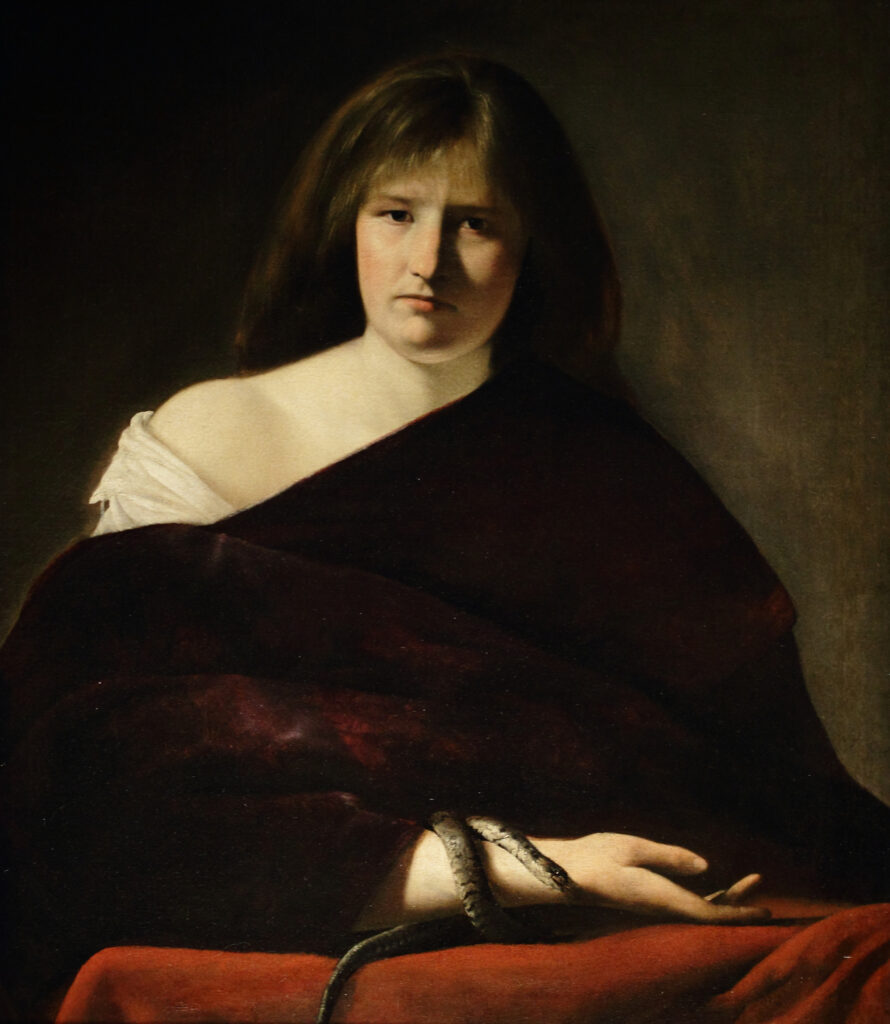
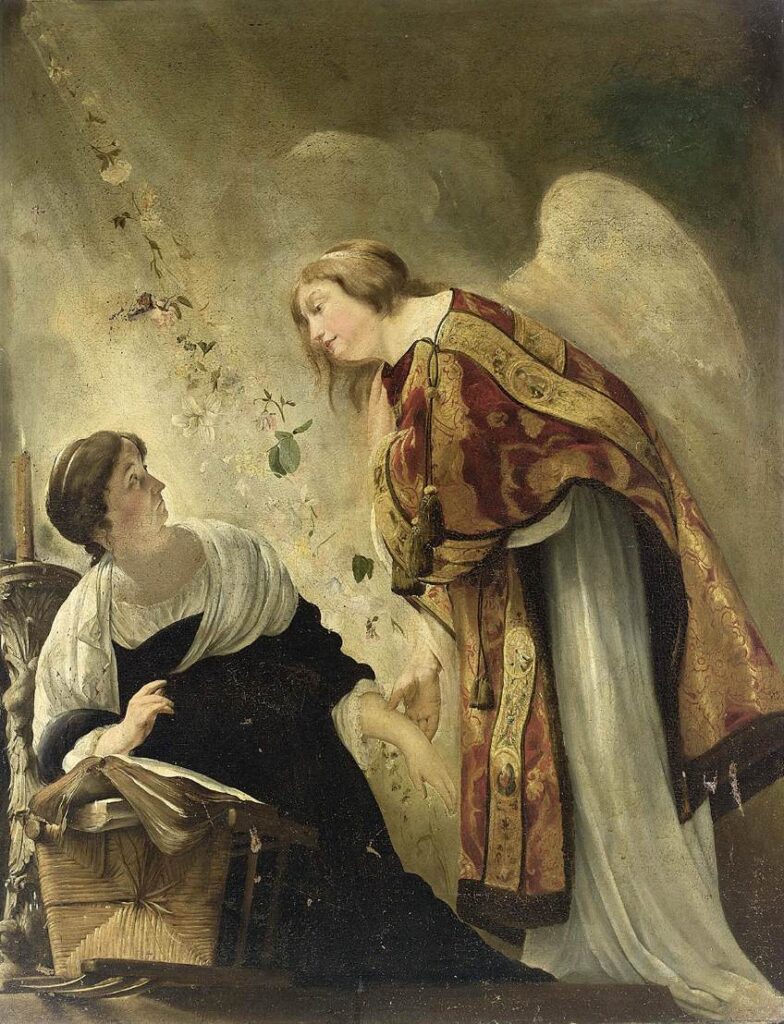
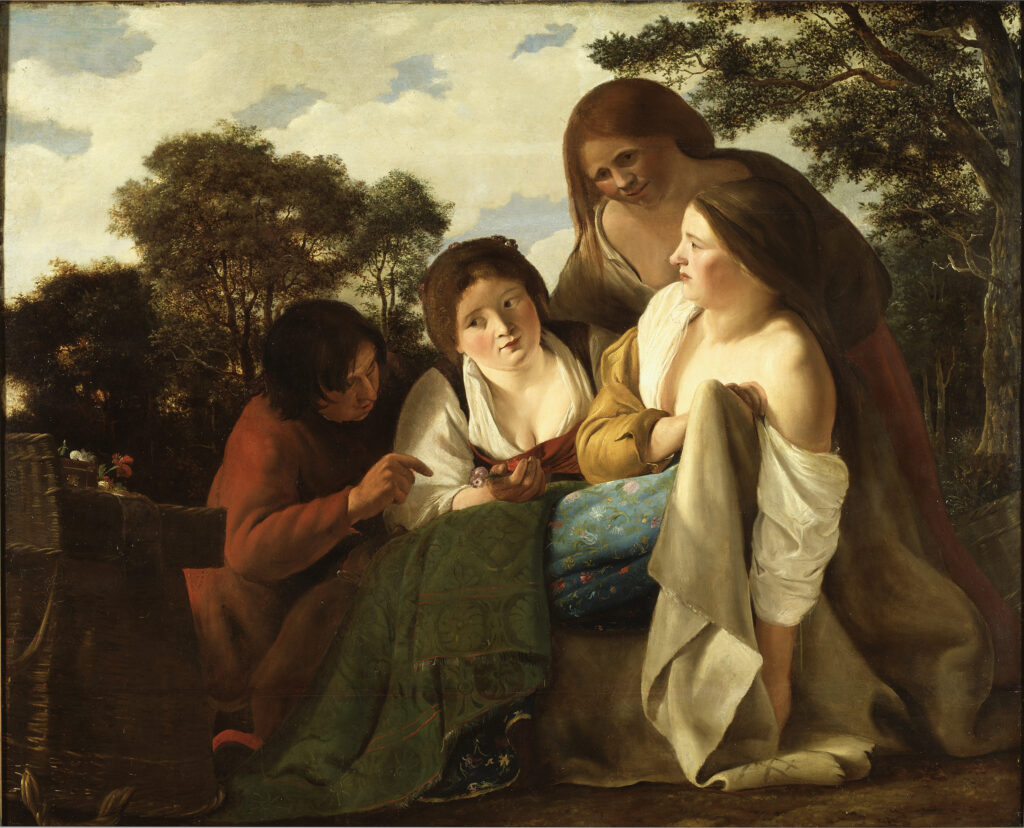
Paulus Bor
Paulus Bor, c 1601–August 10, 1669, was a Dutch painter from Amersfoort. His early training is not documented. He was in Rome in the early 1620s, where he was a founding member of the Bentvueghels, an association of Dutch and Flemish artists, and used the nickname Orlando.
Bor had returned to Amersfoort by 1626 and joined the Brotherhood of Saint Luke. He later worked with Jacob van Campen on paintings for Honselaarsdijk, the palace of Frederik Hendrik. In 1656 he became a regent of the De Armen de Poth almshouse in Amersfoort.
His paintings are held by the Rijksmuseum in Amsterdam, the Metropolitan Museum of Art in New York, the National Gallery of Canada in Ottawa, the Centraal Museum in Utrecht, the Nationalmuseum in Stockholm and the Montreal Museum of Fine Arts.