Posts in Category: Dutch


Jan de Bray
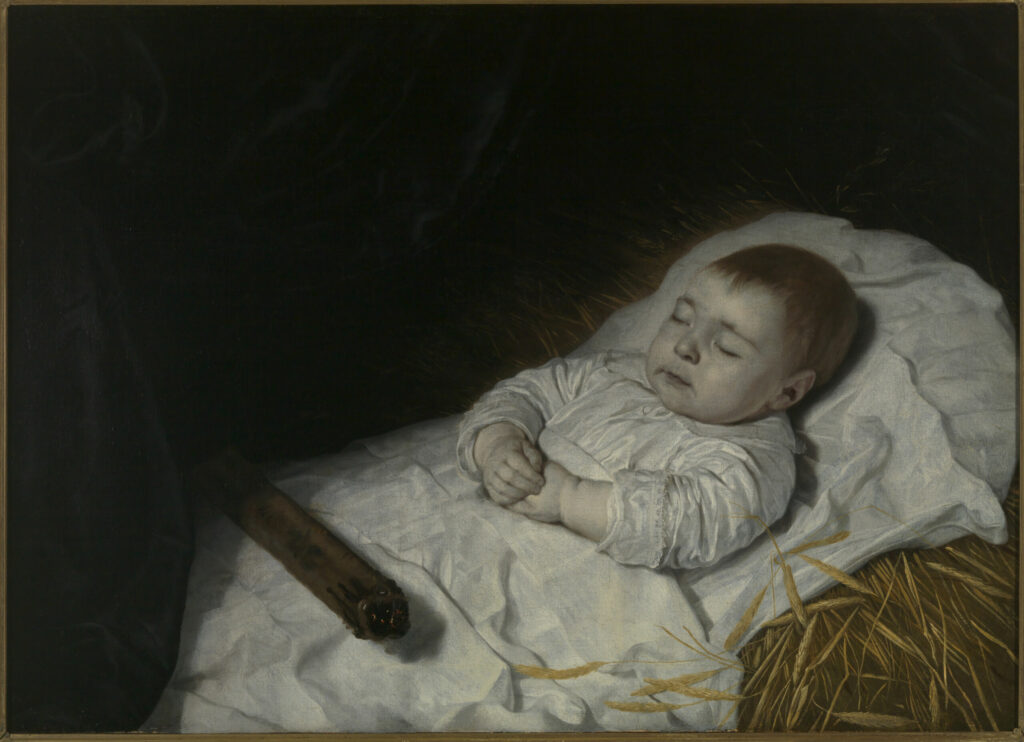
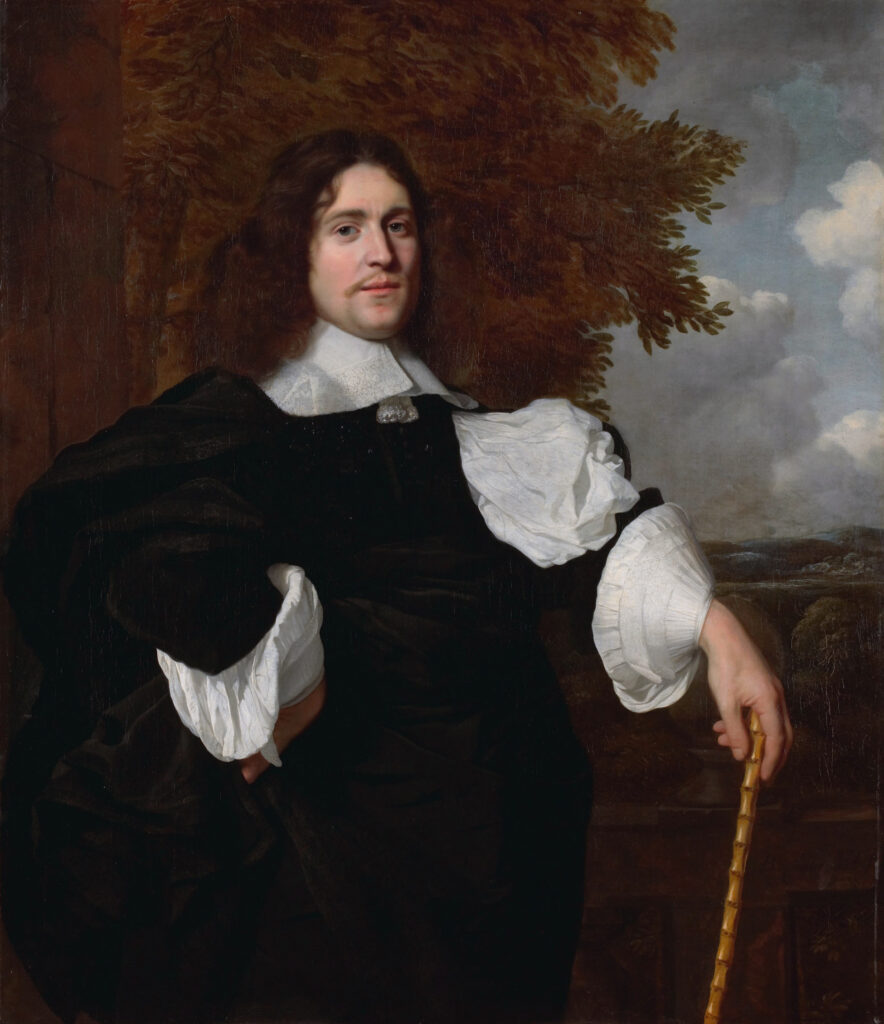
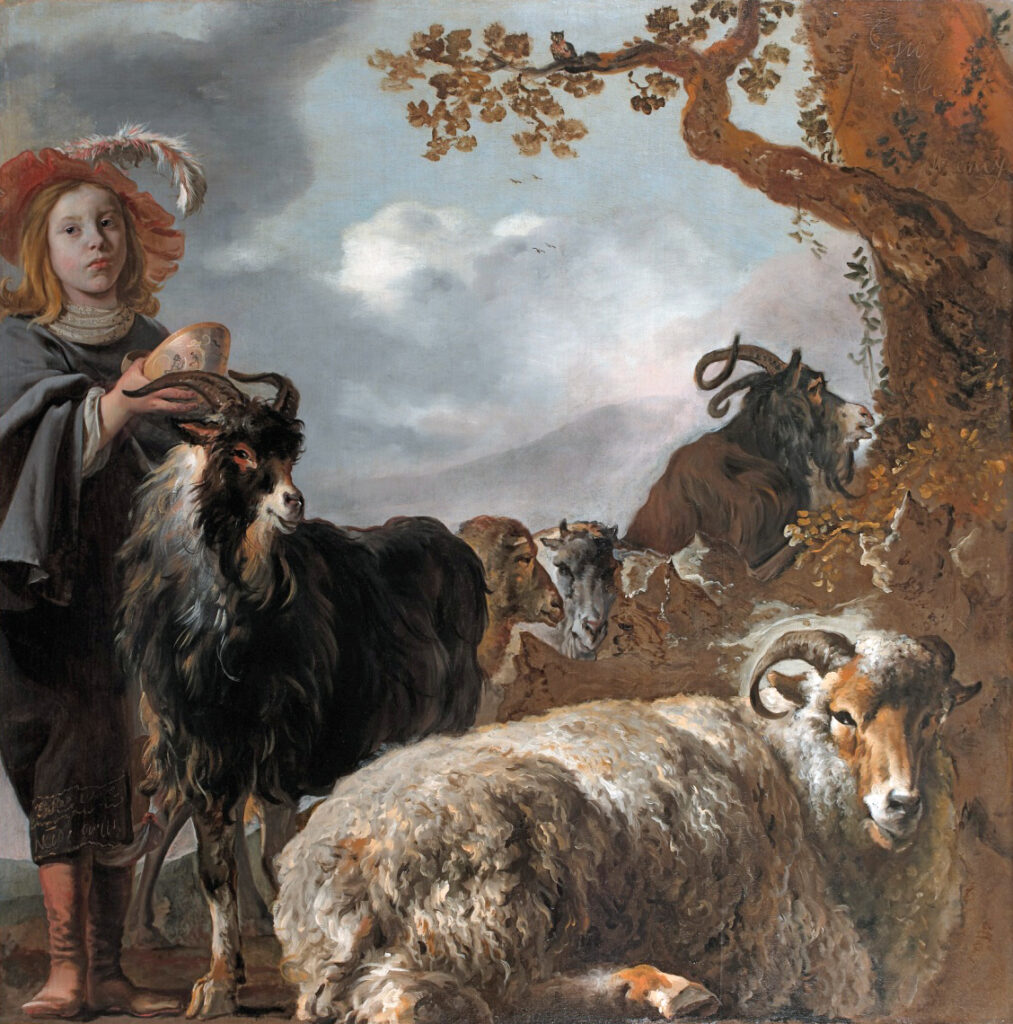
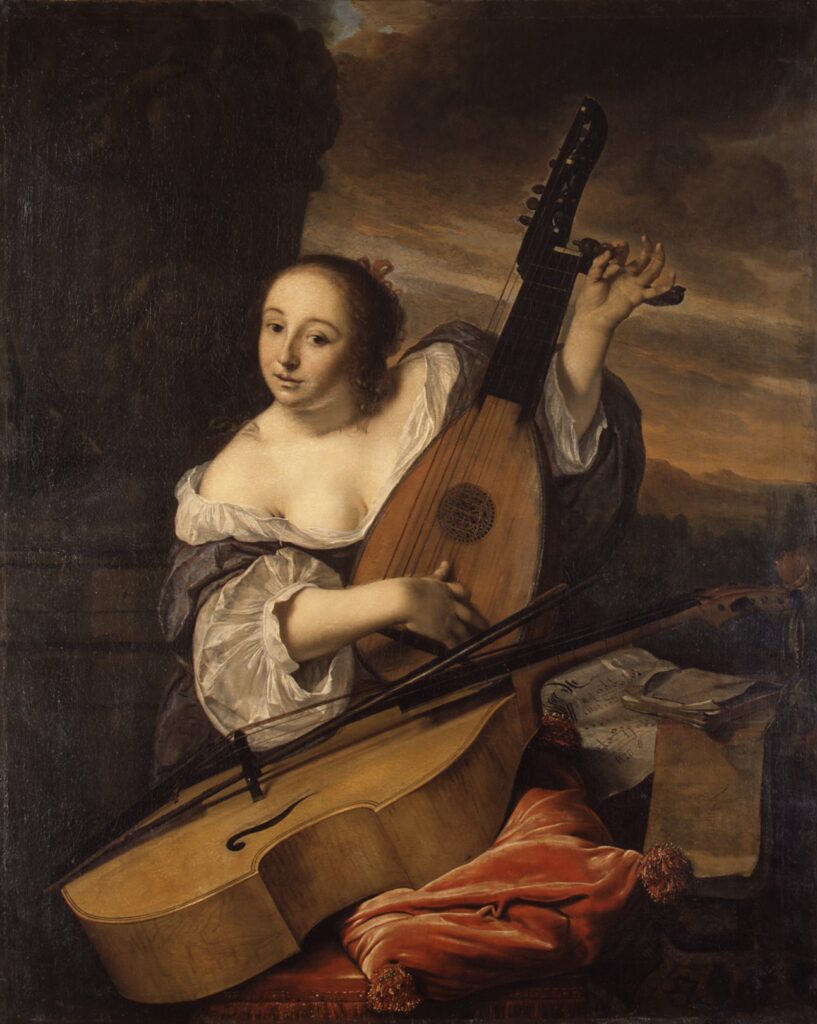
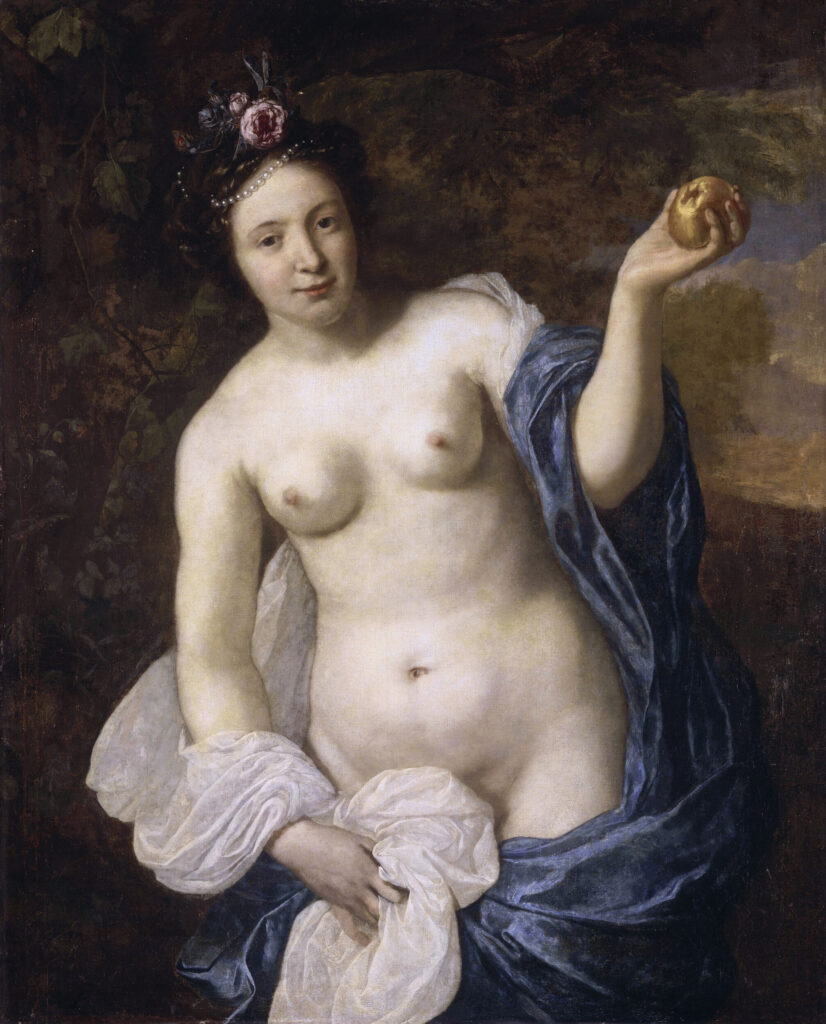
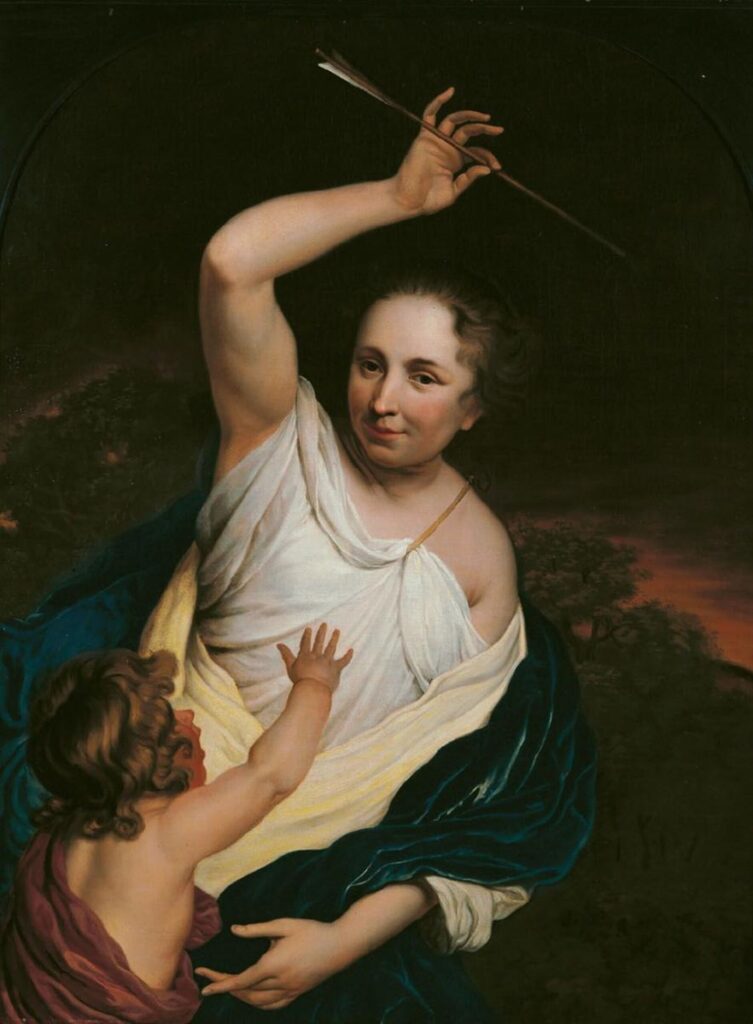
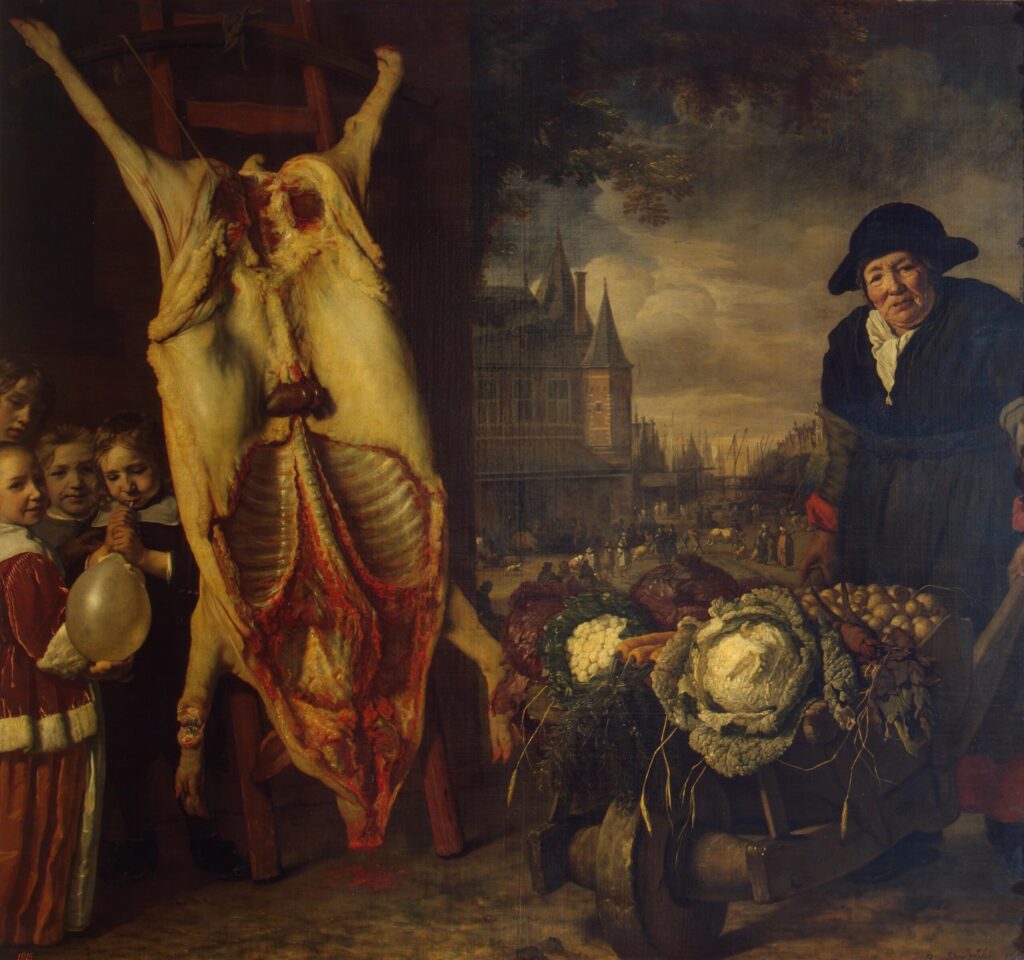
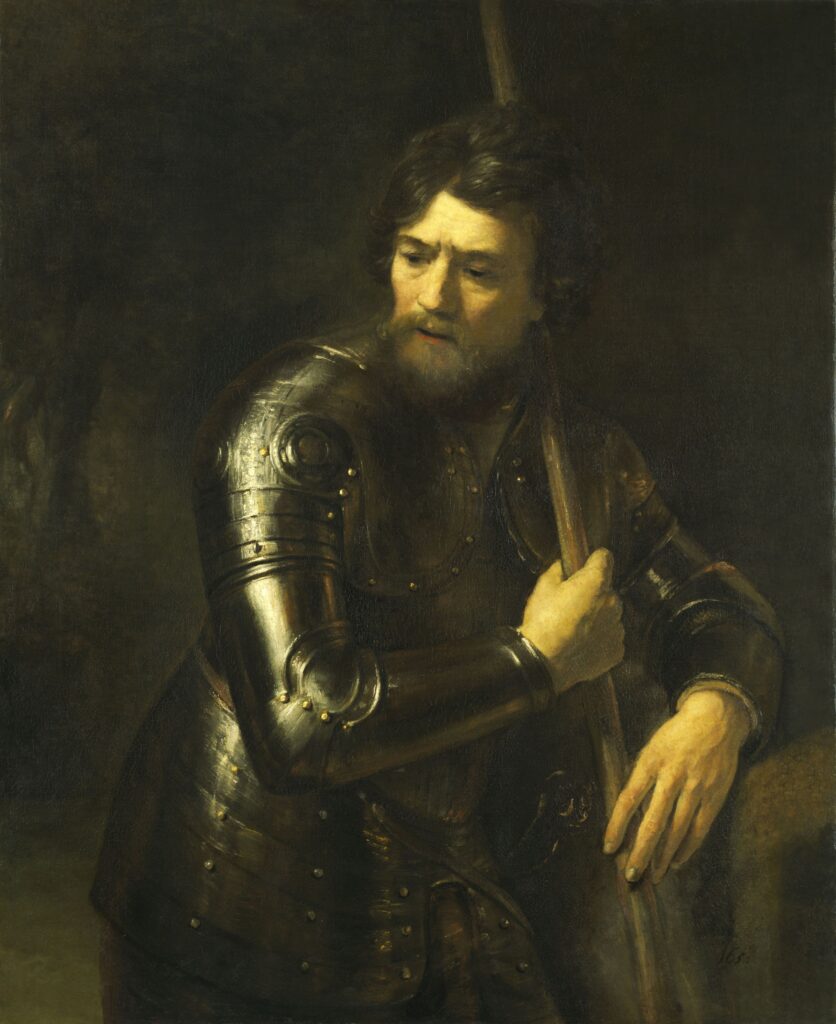
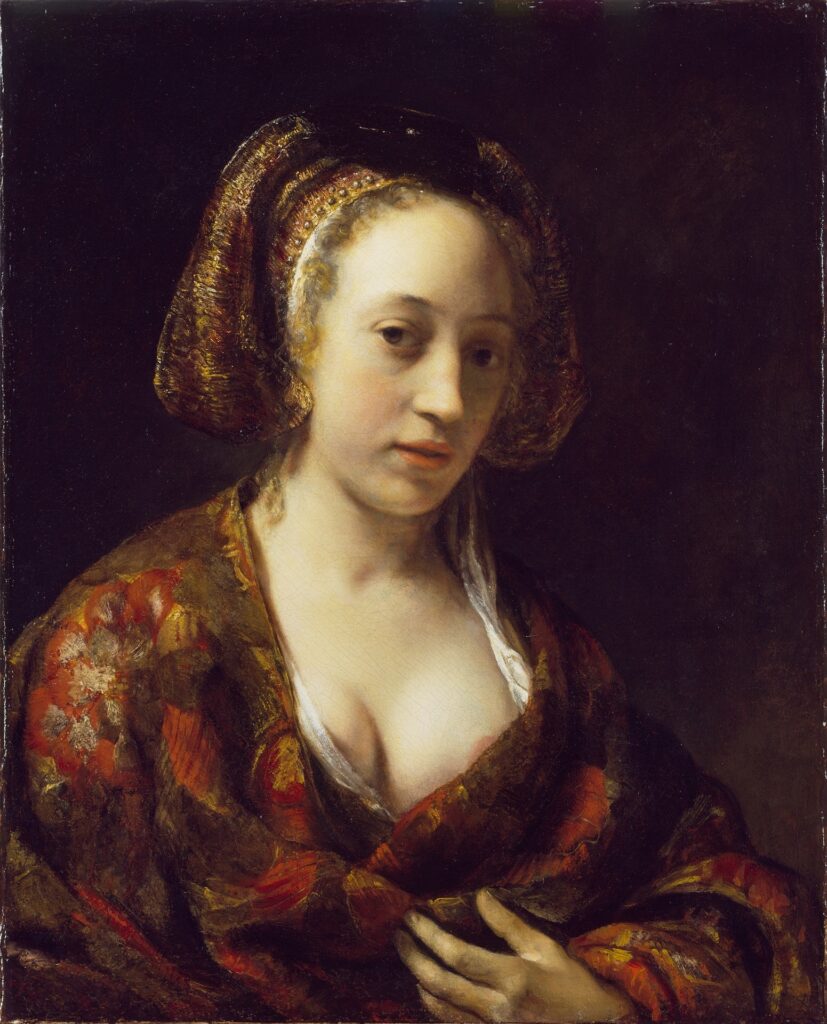
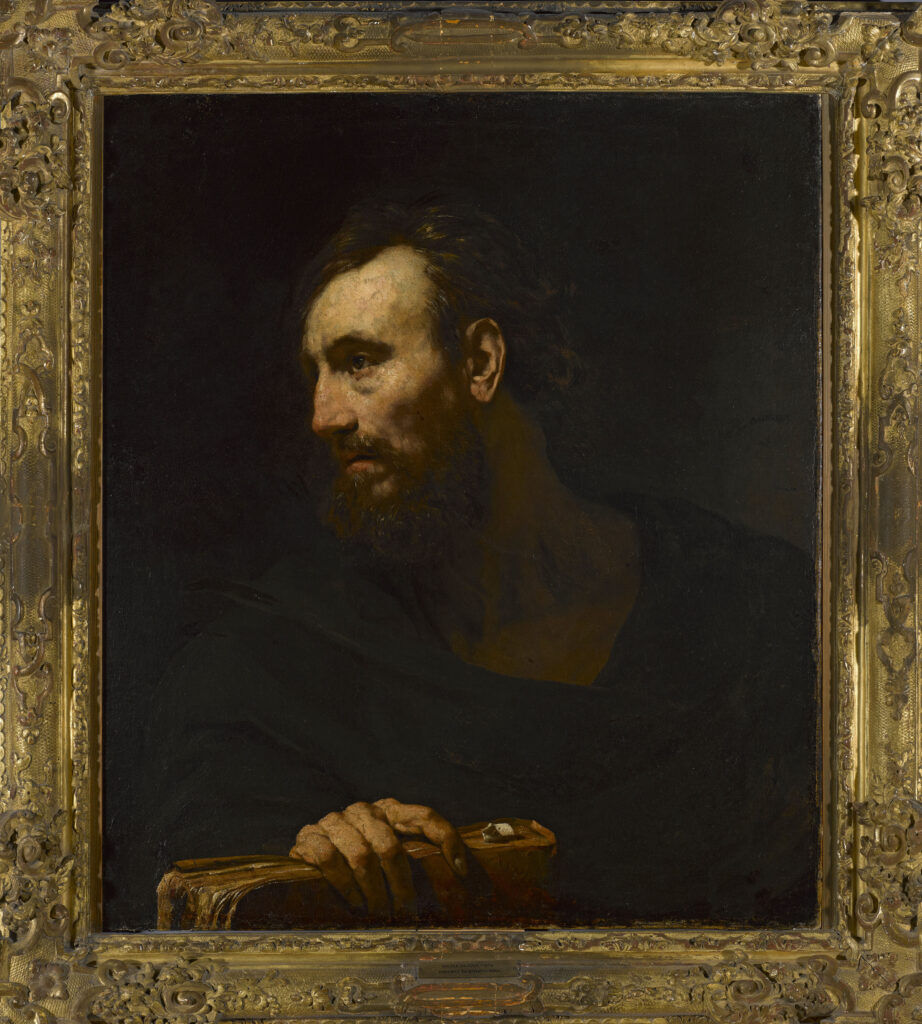
Jan de Bray, c 1627 – April 4, 1697, was a Dutch painter, draftsman, and printmaker of the Dutch Golden Age. He was born in Haarlem, the son of the painter, architect, and poet Salomon de Bray and Anna Westerbaen. He trained within his father’s workshop and belonged to a family that included several artists. He spent most of his career in Haarlem, where he became one of the city’s leading portrait and history painters.
De Bray worked in portraiture, civic group portraiture, biblical subjects, mythological scenes, and history painting. His work combines careful drawing, polished surfaces, and an interest in classical subject matter. He painted numerous portraits of Haarlem regents and civic institutions, while also producing ambitious narrative works such as The Discovery of Achilles among the Daughters of Lycomedes and The de Bray Family / The Banquet of Antony and Cleopatra. His family portraits are among the most distinctive works of seventeenth-century Dutch painting.
Later in life de Bray served as dean of the Haarlem Guild of St Luke. His works are held by the Frans Hals Museum, Rijksmuseum, Louvre, Museum Boijmans Van Beuningen, National Museum in Warsaw, Currier Museum of Art, Speed Art Museum, and other public and private collections.


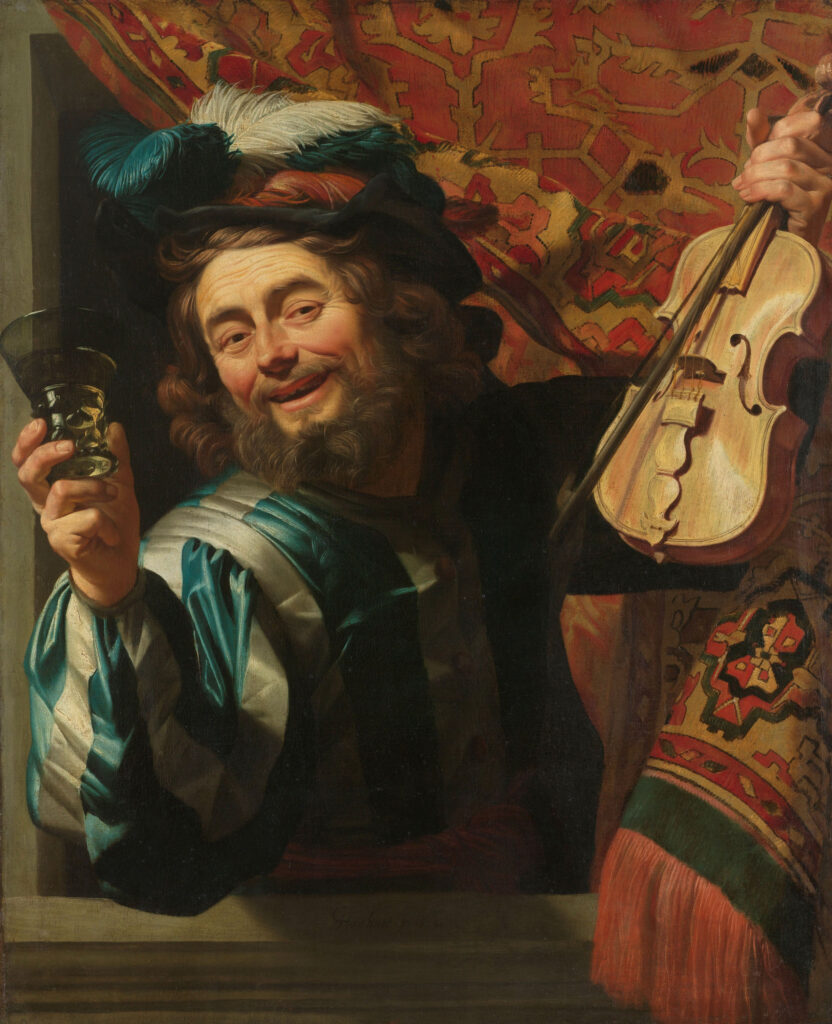
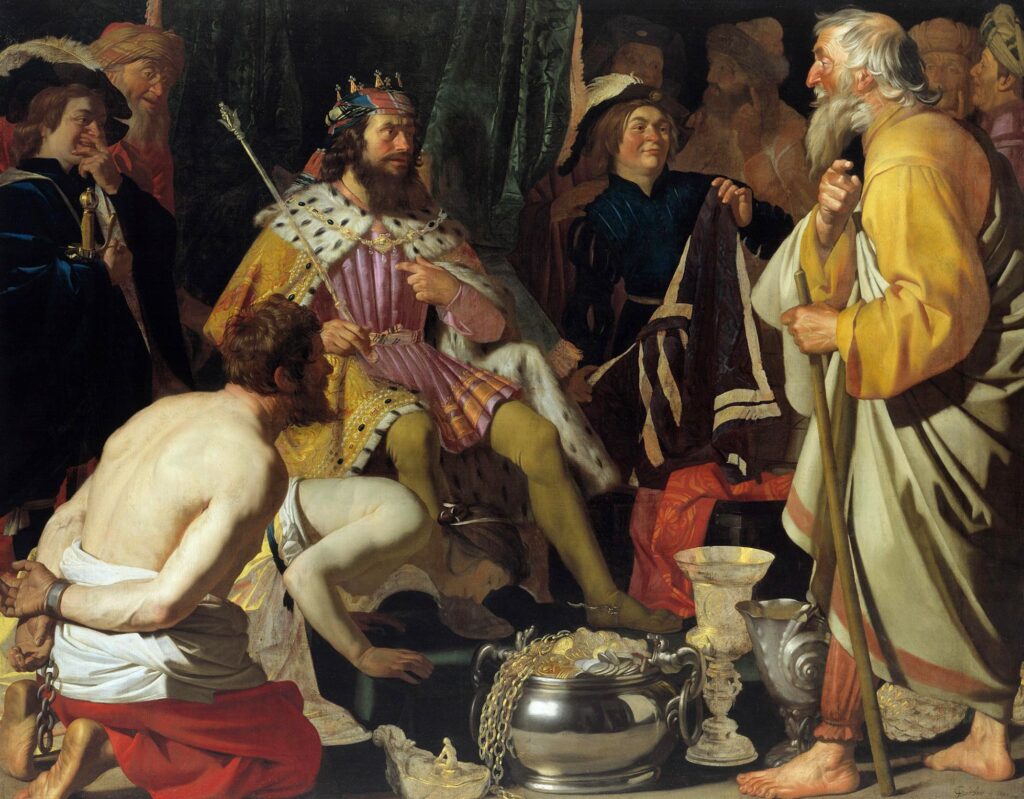
Gerrit van Honthorst
Gerrit van Honthorst, November 4, 1592 – April 27, 1656, was a Dutch painter and draftsman born in Utrecht. He trained with Abraham Bloemaert before traveling to Italy, where he worked in Rome and developed a reputation for paintings illuminated by artificial light under the influence of Caravaggio.
After returning to Utrecht in 1620, Honthorst established a large studio and became a founder of the Utrecht painters’ guild. He worked for patrons including the Orange-Nassau court, Charles I of England, and Christian IV of Denmark, and his pupils included Joachim van Sandrart, Gerard van Kuijl, and Jan Both. His work included religious and genre scenes, musical subjects, and court portraits.
Honthorst worked in The Hague during the later part of his career and returned to Utrecht in 1652, where he died in 1656. His paintings are held by collections including the National Gallery, Rijksmuseum, Centraal Museum, National Gallery of Art, J. Paul Getty Museum, Cleveland Museum of Art, and Los Angeles County Museum of Art.




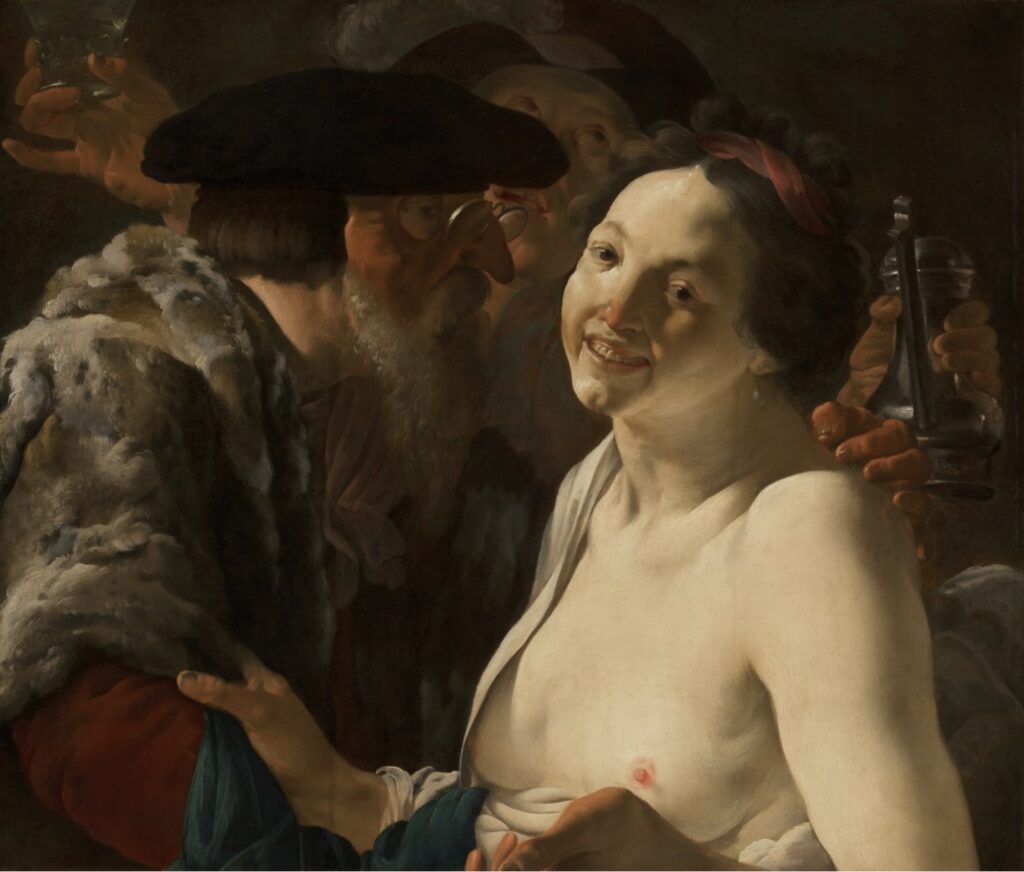
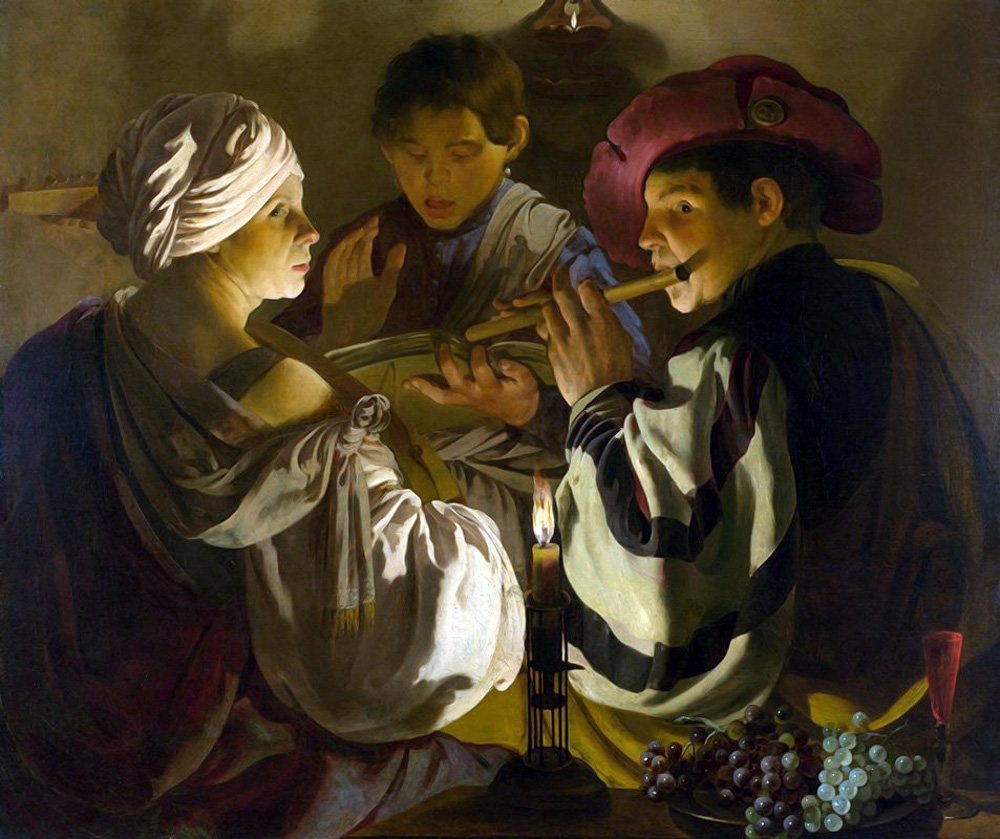
Hendrick ter Brugghen
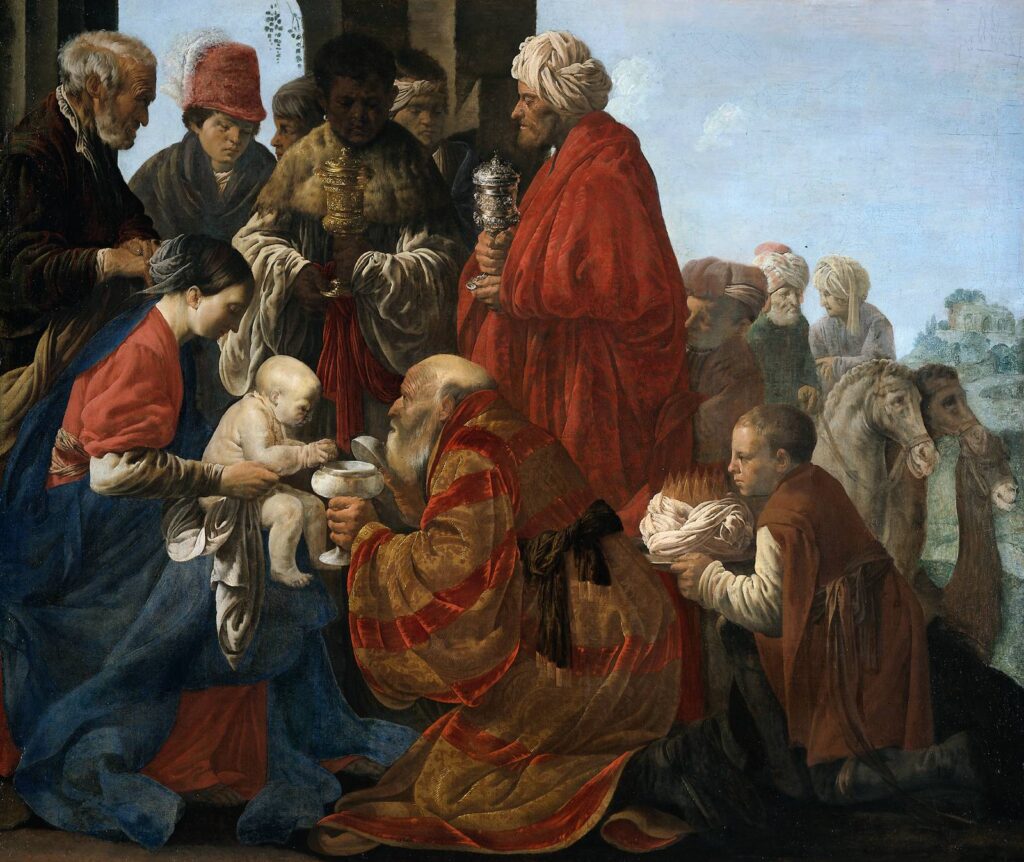
Hendrick ter Brugghen, 1588 – November 1, 1629, was a Dutch painter of religious subjects, genre scenes, musicians, and historical figures. He was probably born in The Hague and was raised in or near Utrecht.
Ter Brugghen studied with Abraham Bloemaert before traveling to Italy, where he spent about a decade and encountered the work of Caravaggio and his followers. He returned to Utrecht by 1615.
Along with Gerrit van Honthorst and Dirck van Baburen, Ter Brugghen became one of the principal Utrecht Caravaggisti. His paintings combine dramatic lighting, closely grouped figures, and direct observation with a distinctive use of pale, clear color. He died in Utrecht.






Jan van Goyen
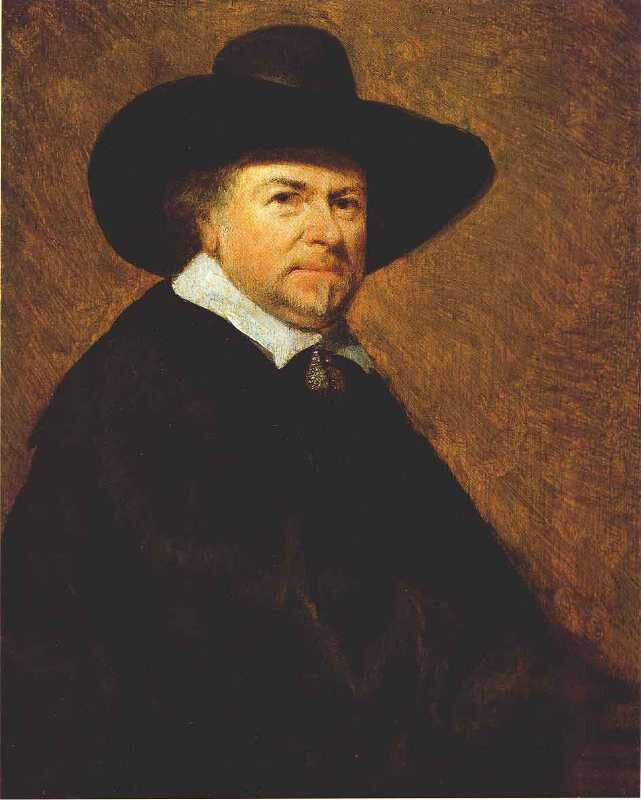
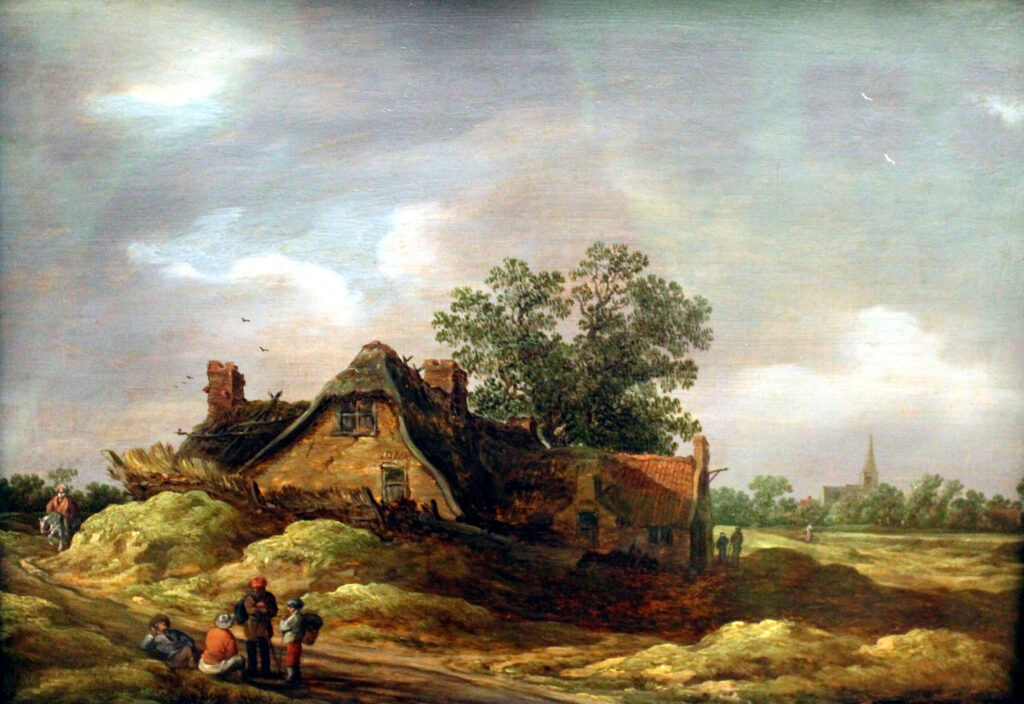
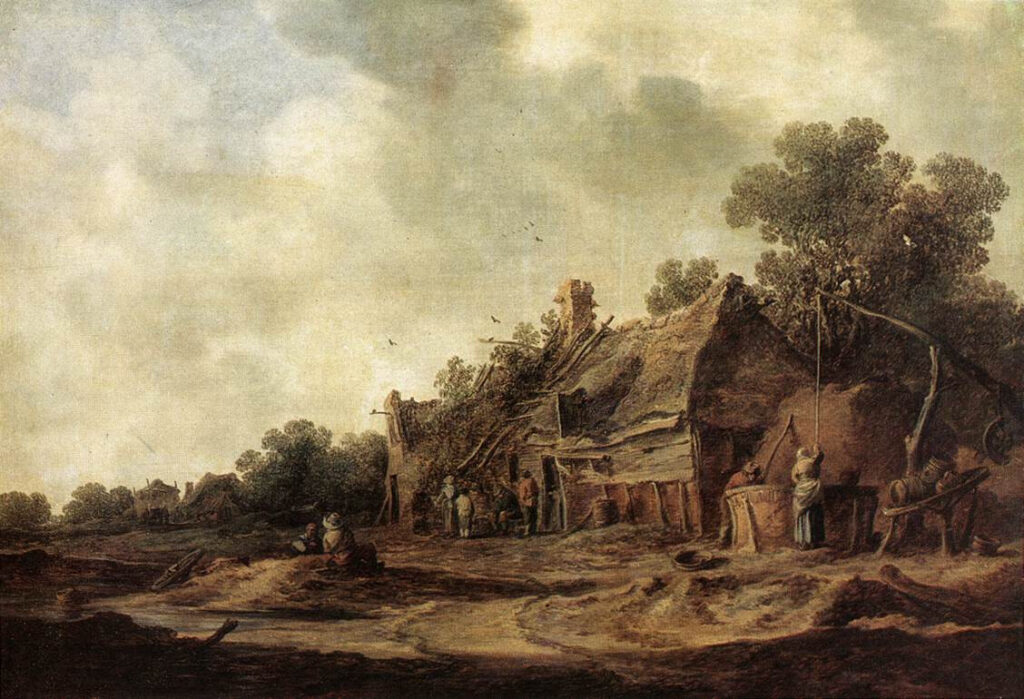
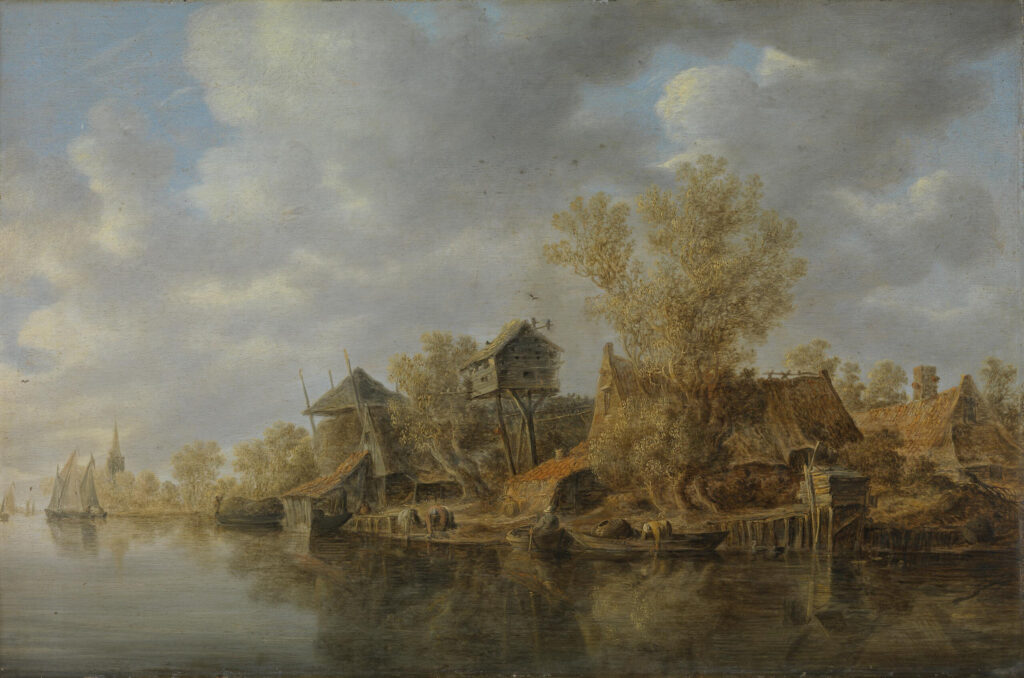
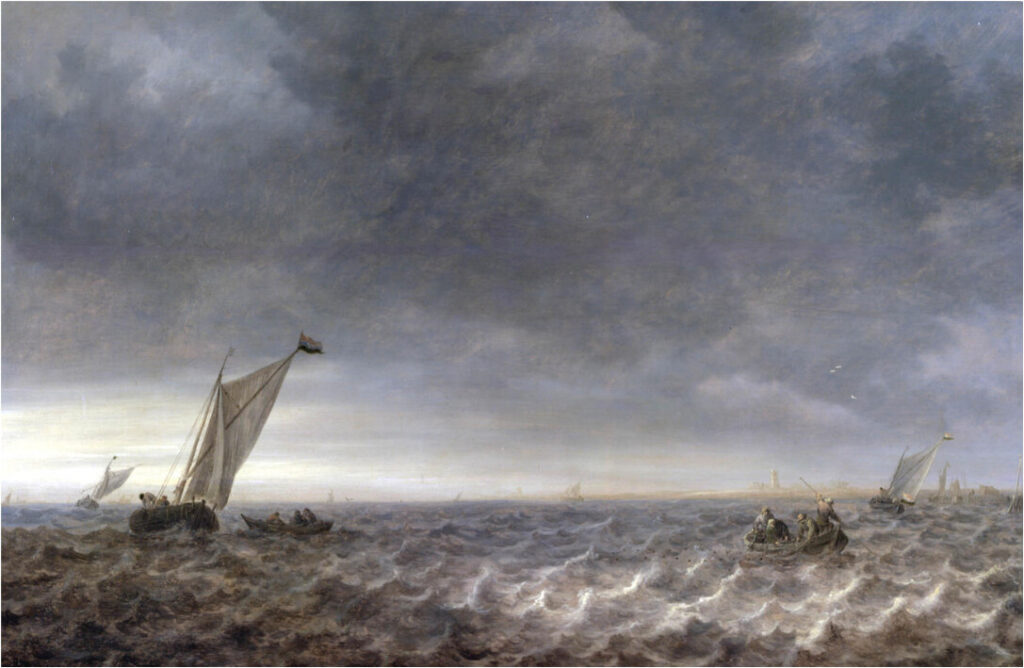
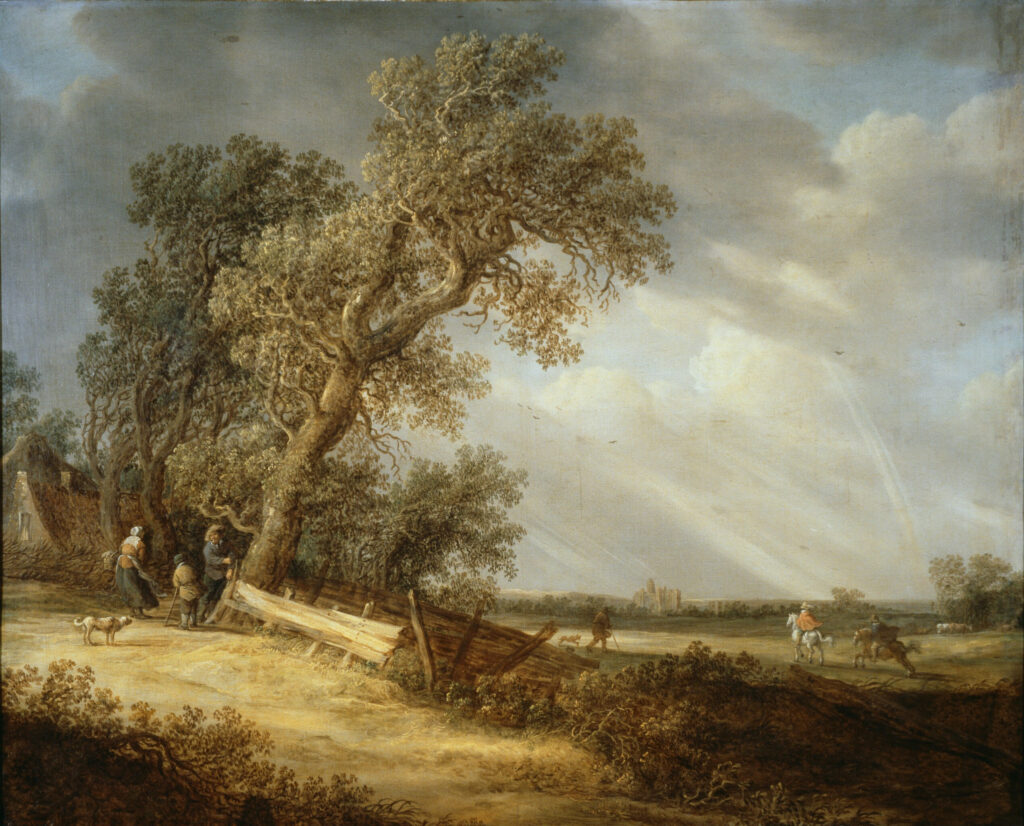
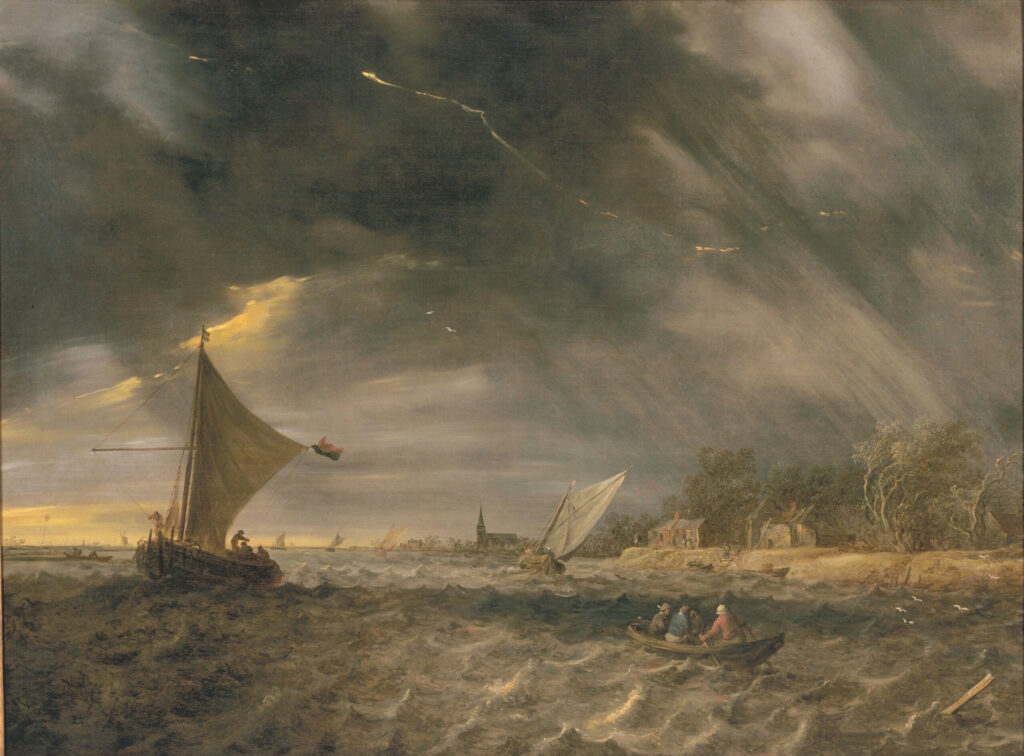
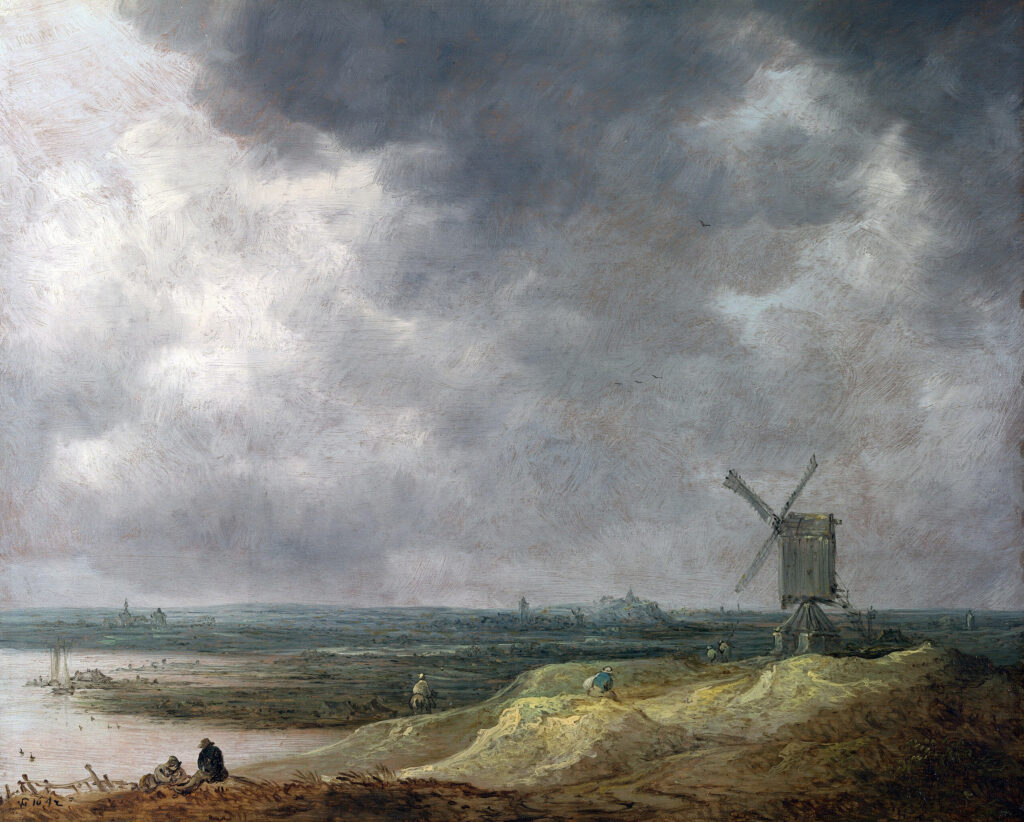
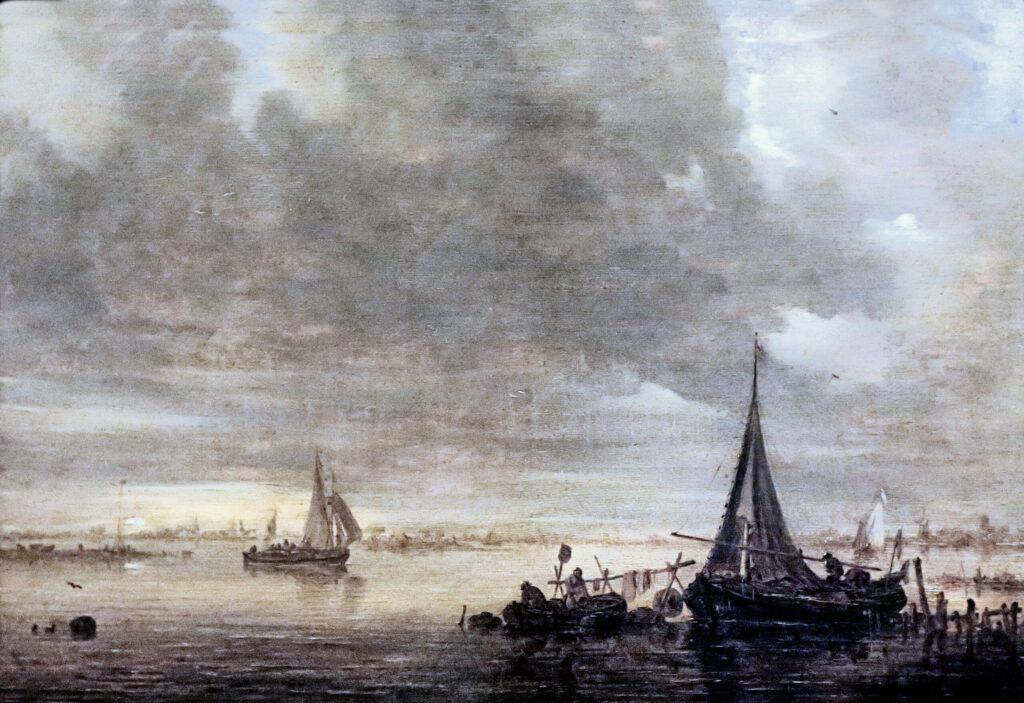
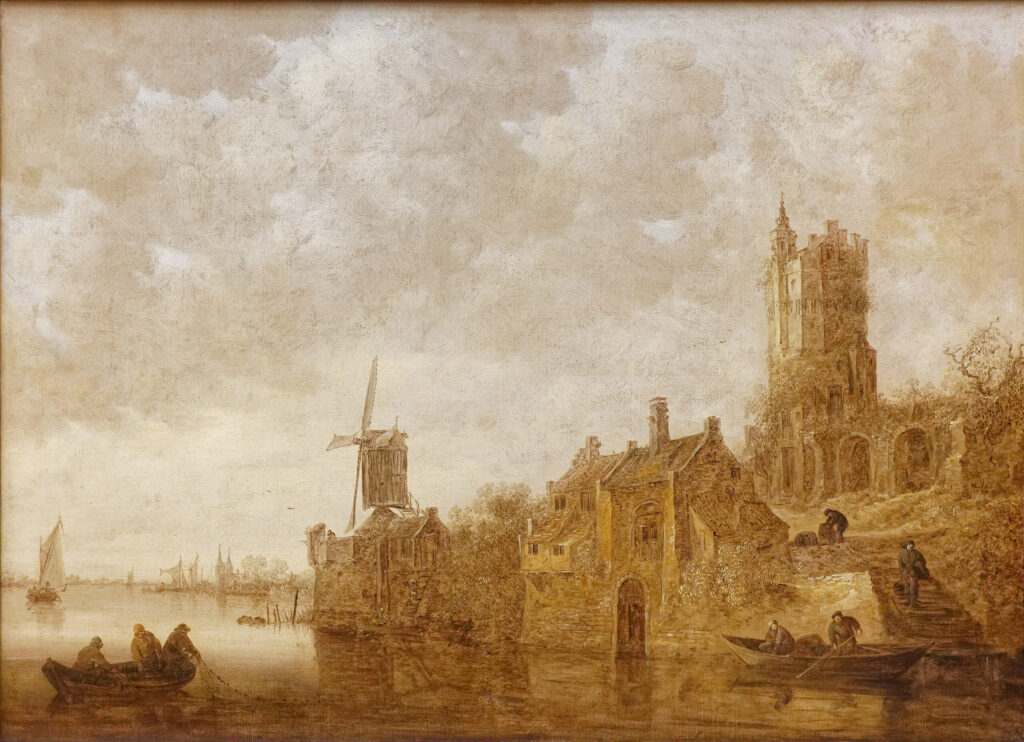
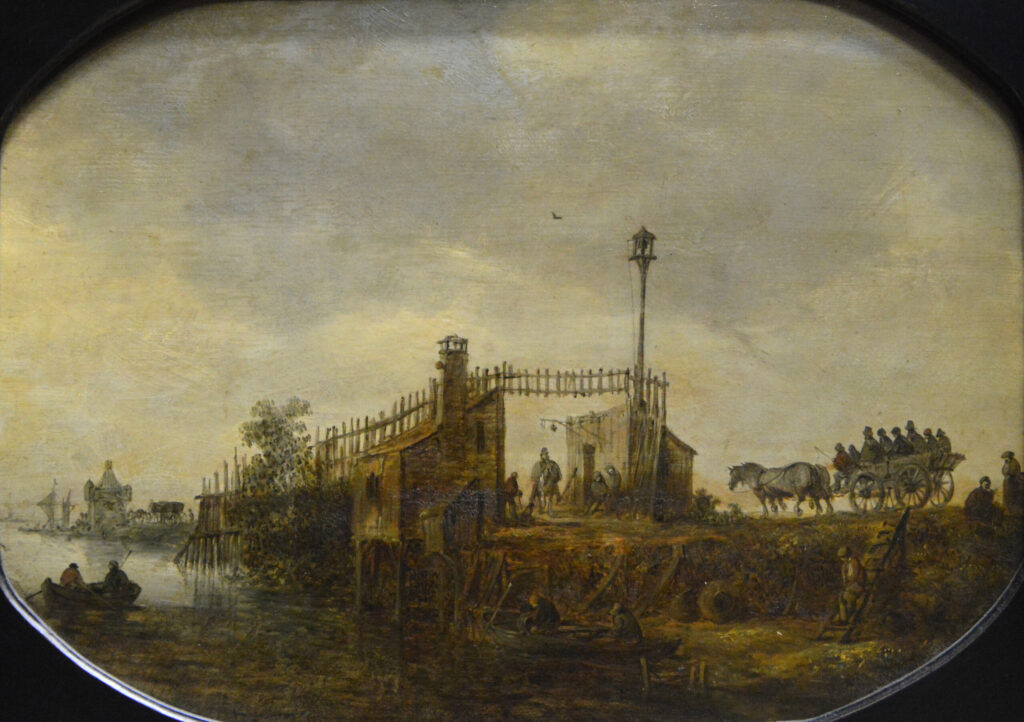
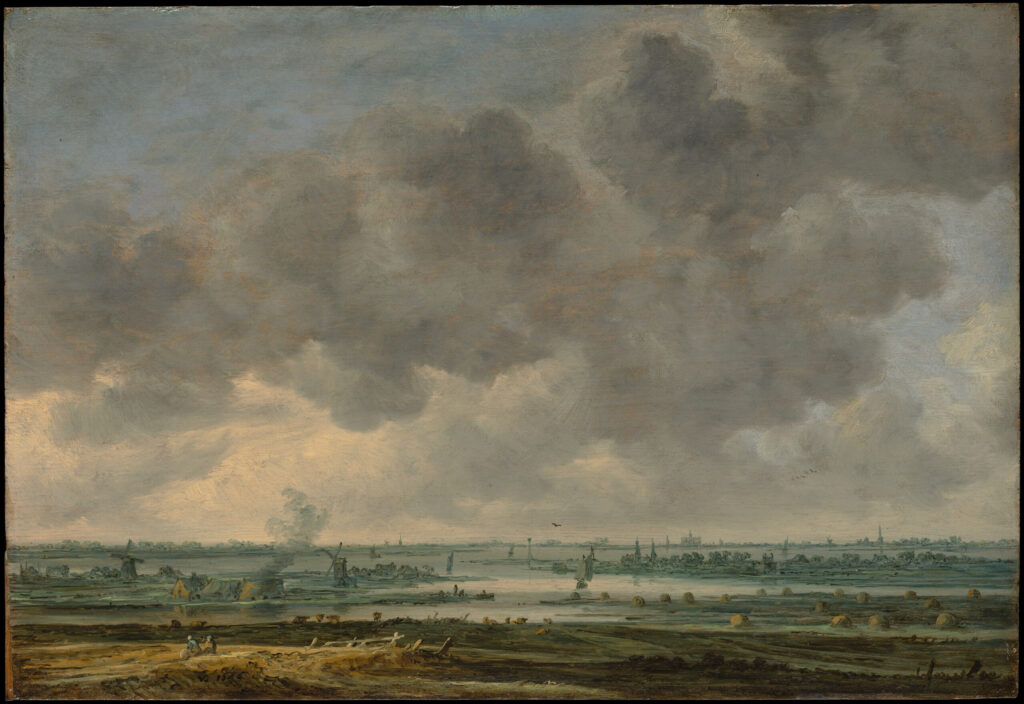
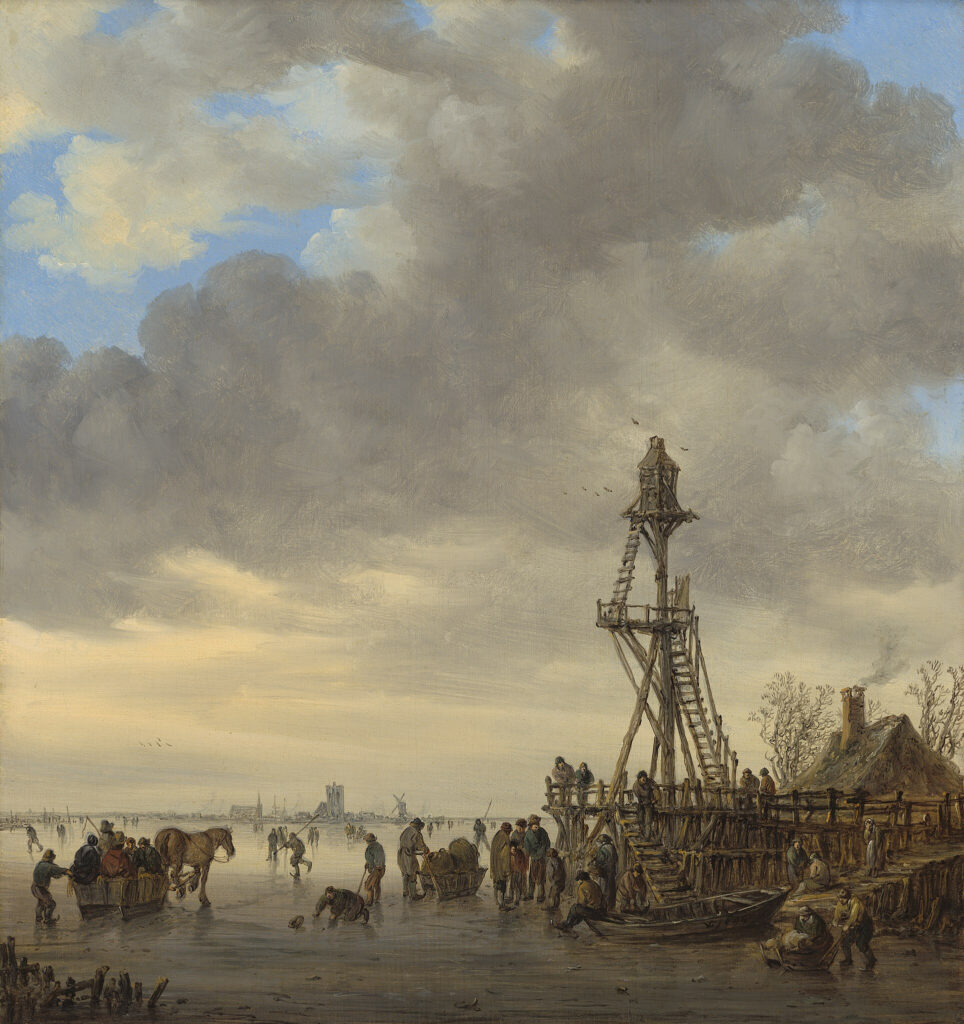
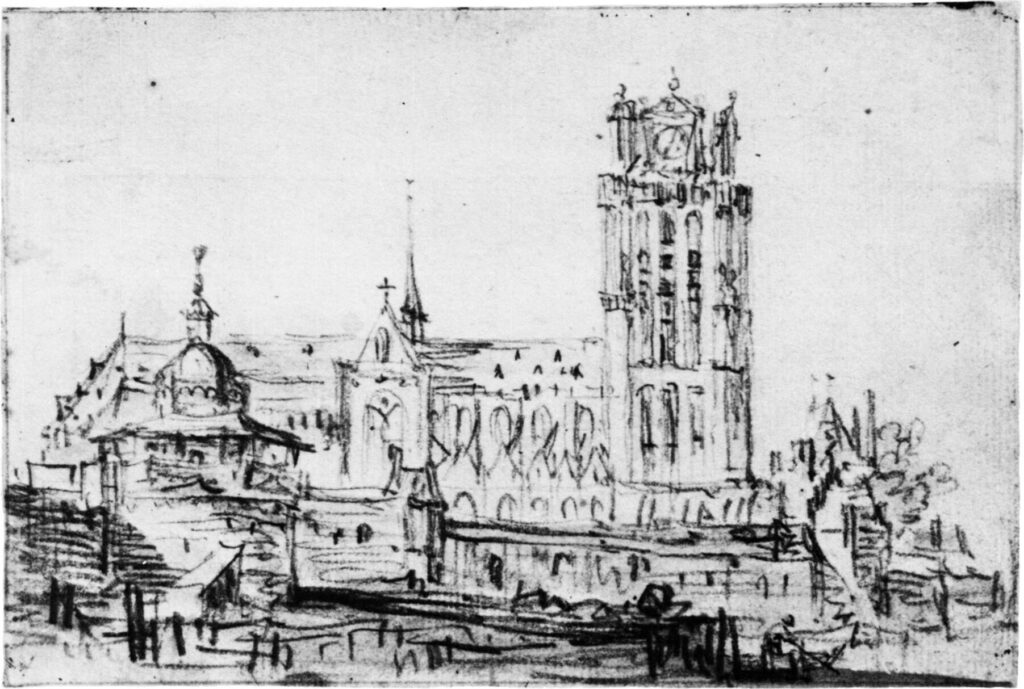
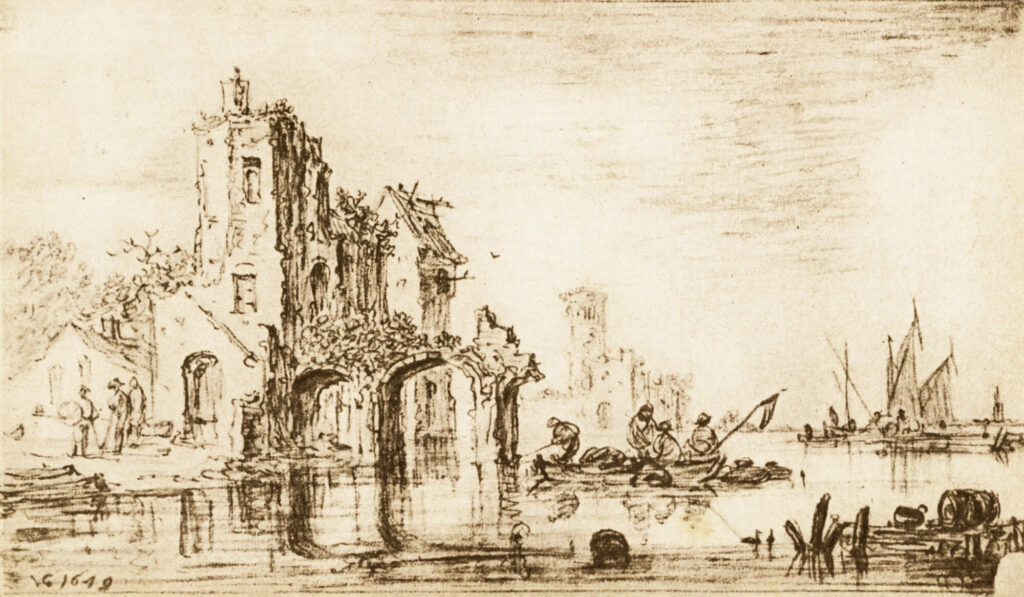
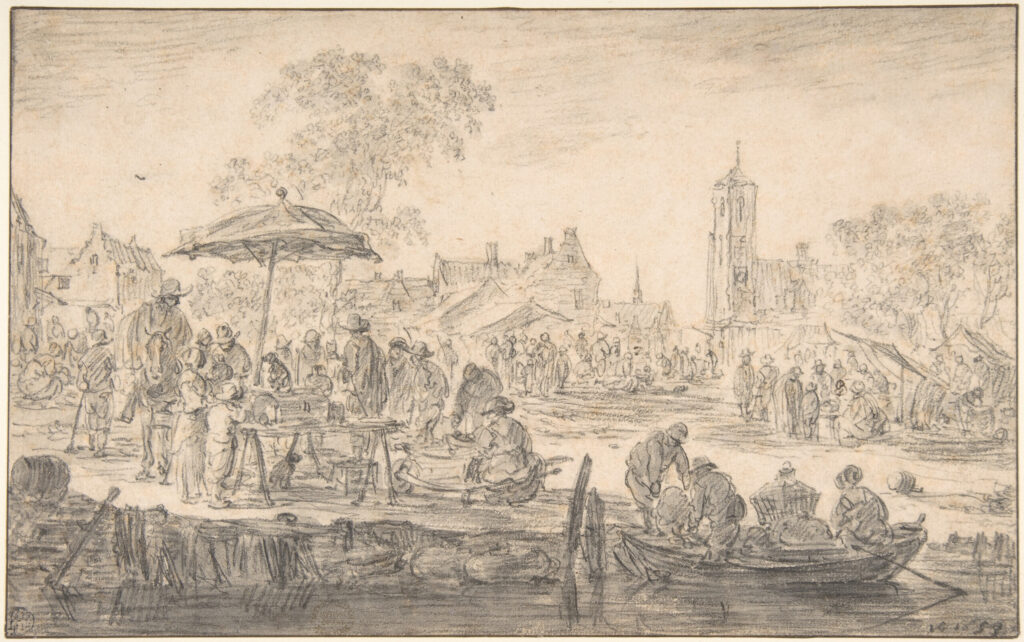
Jan van Goyen, January 13, 1596–April 27, 1656, was a Dutch landscape painter born in Leiden and active principally in Leiden and The Hague.
He trained in Leiden with Coenraet Schilperoort and other local masters, then studied in Haarlem with Esaias van de Velde. He entered the Leiden Guild of Saint Luke in 1618 and settled in The Hague in the early 1630s.
His documented pupils included Nicolaes Berchem, Jan Steen, and Adriaen van der Kabel. His paintings and drawings are held by the Rijksmuseum, Louvre Museum, National Gallery in London, Metropolitan Museum of Art, National Gallery of Art, Alte Pinakothek, and Fine Arts Museums of San Francisco, among other collections.

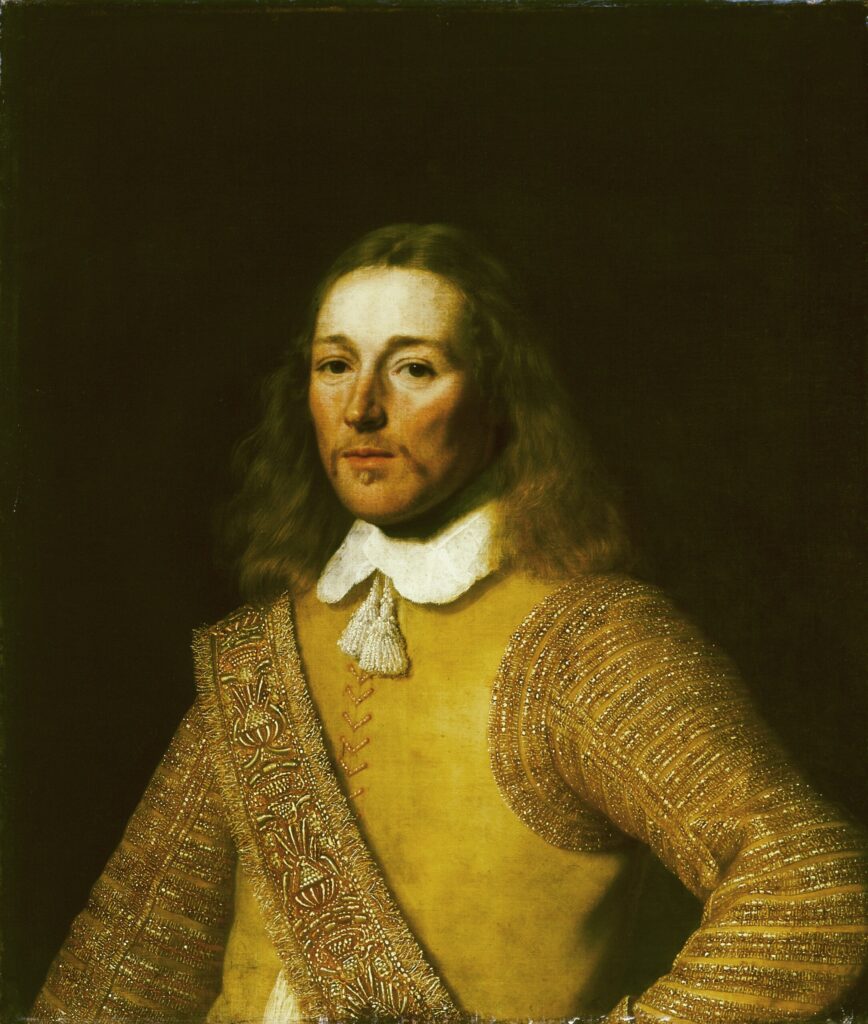
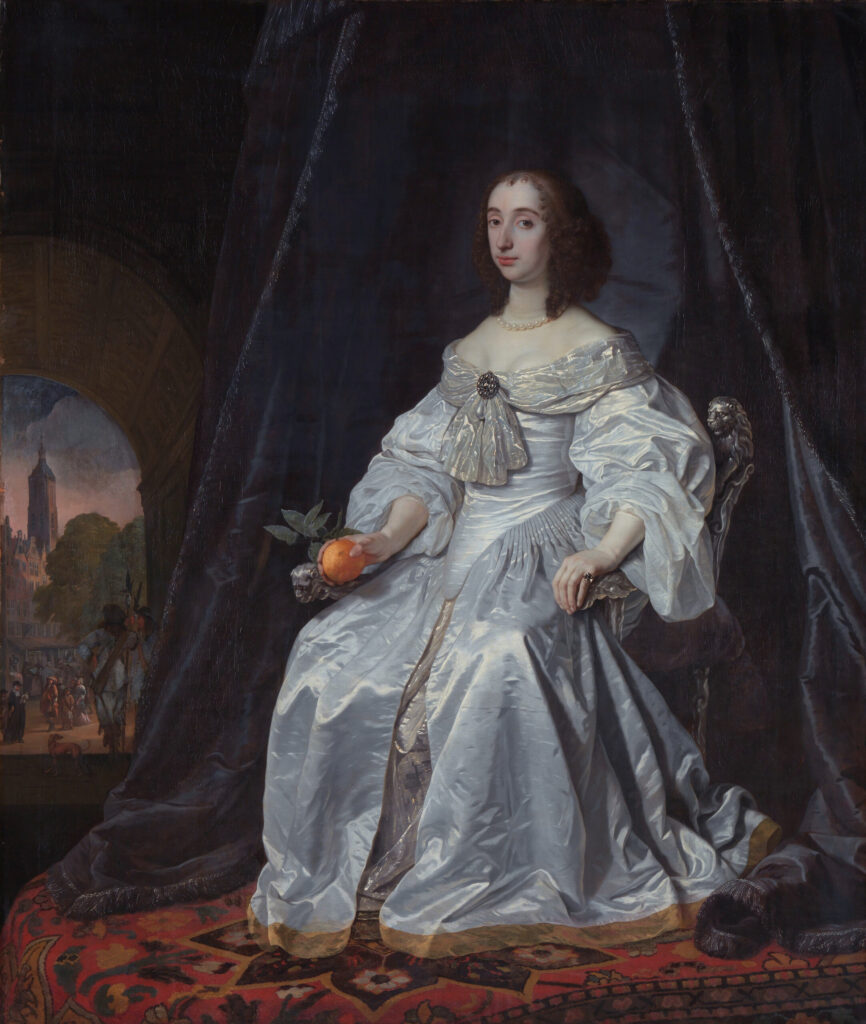
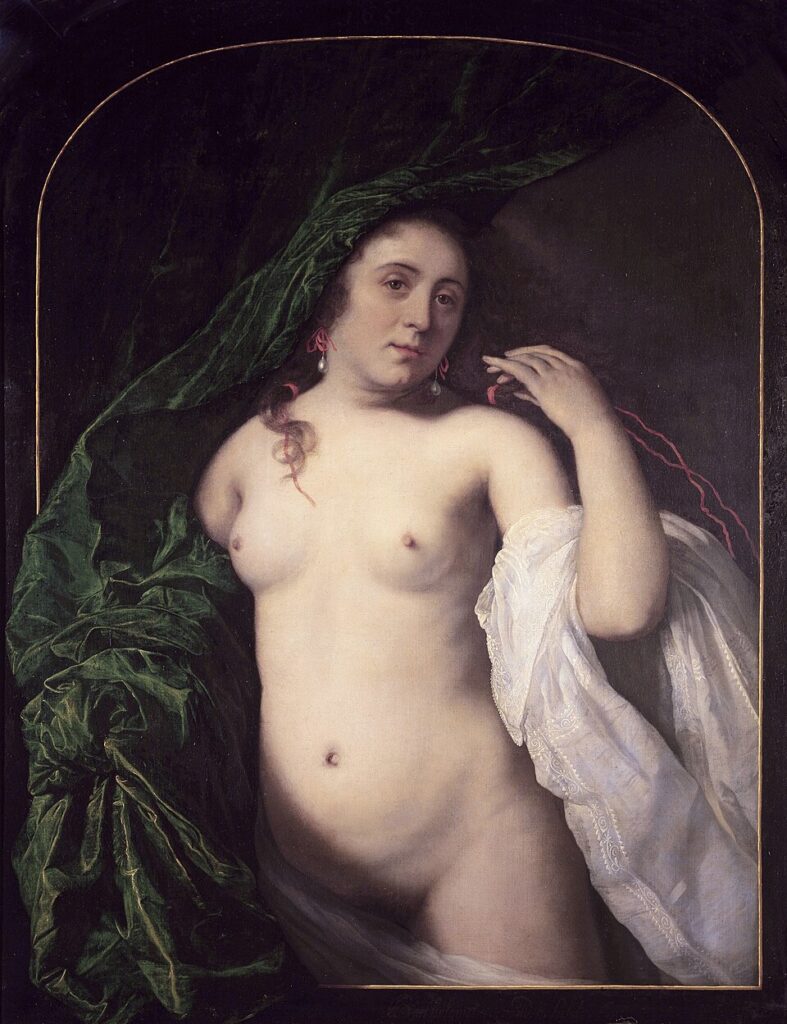
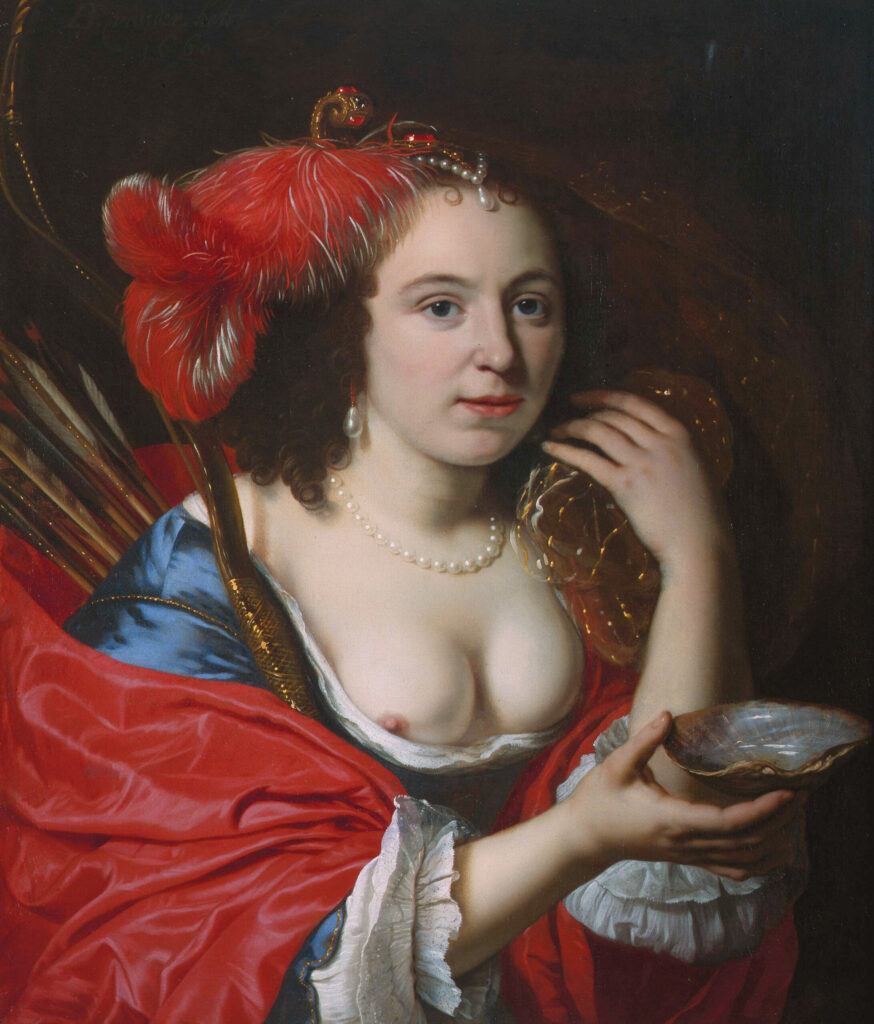
Bartholomeus van der Helst
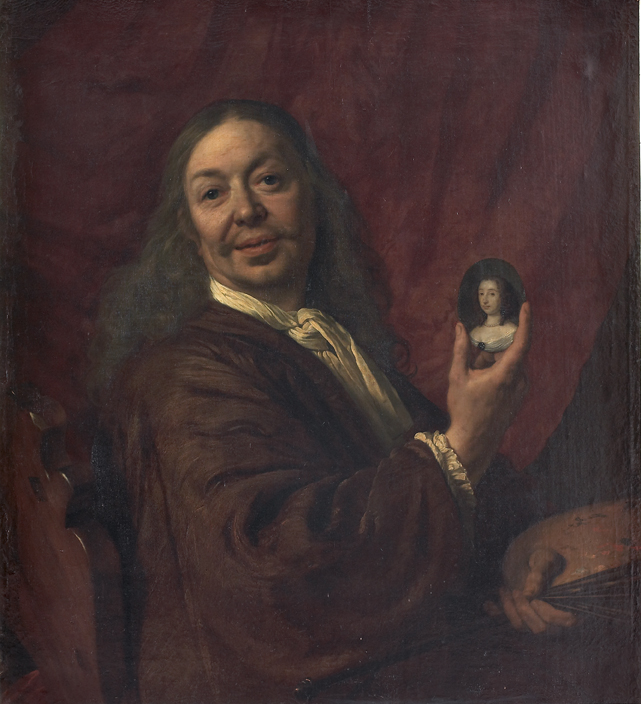
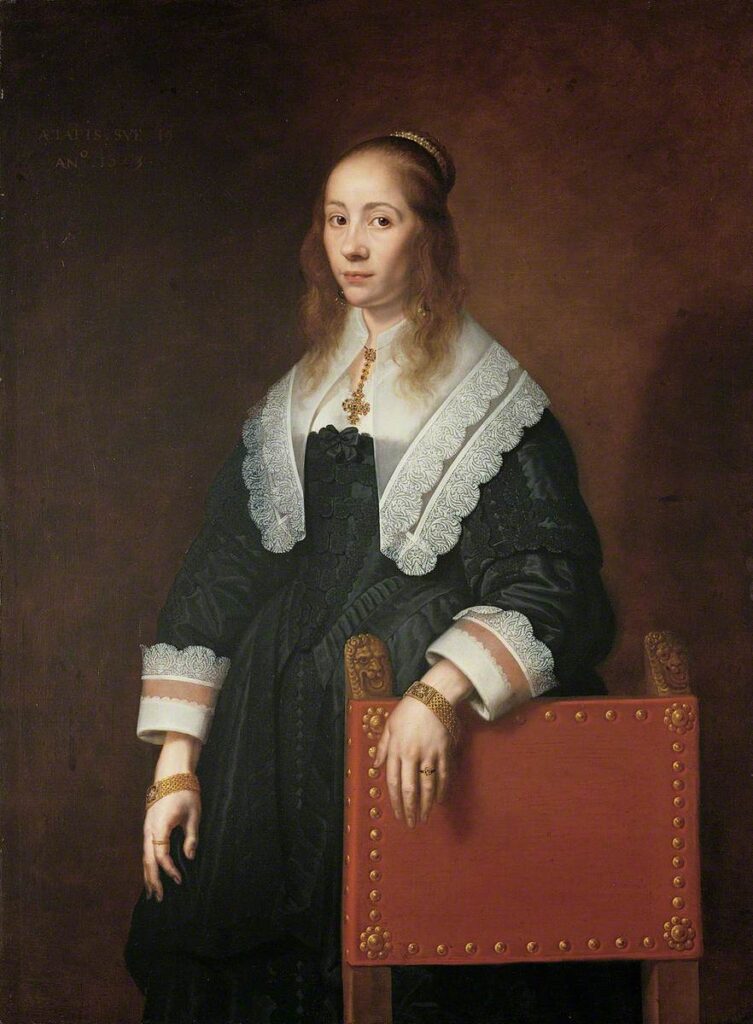
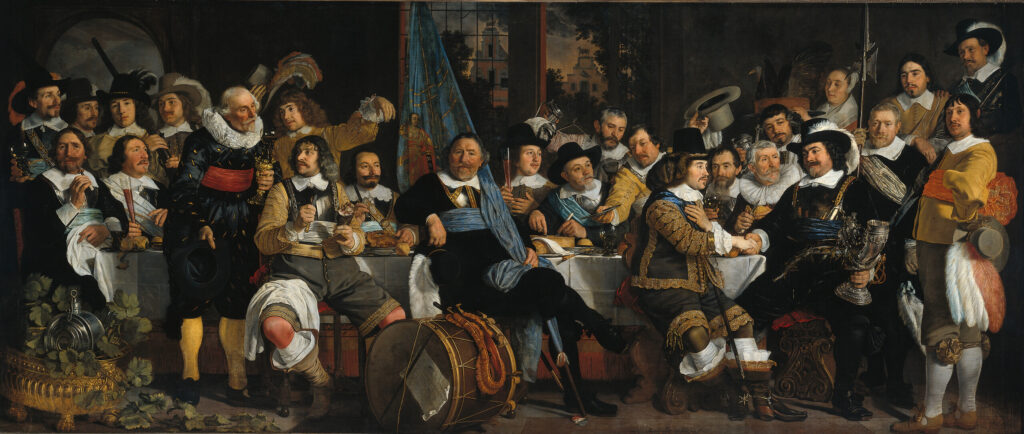
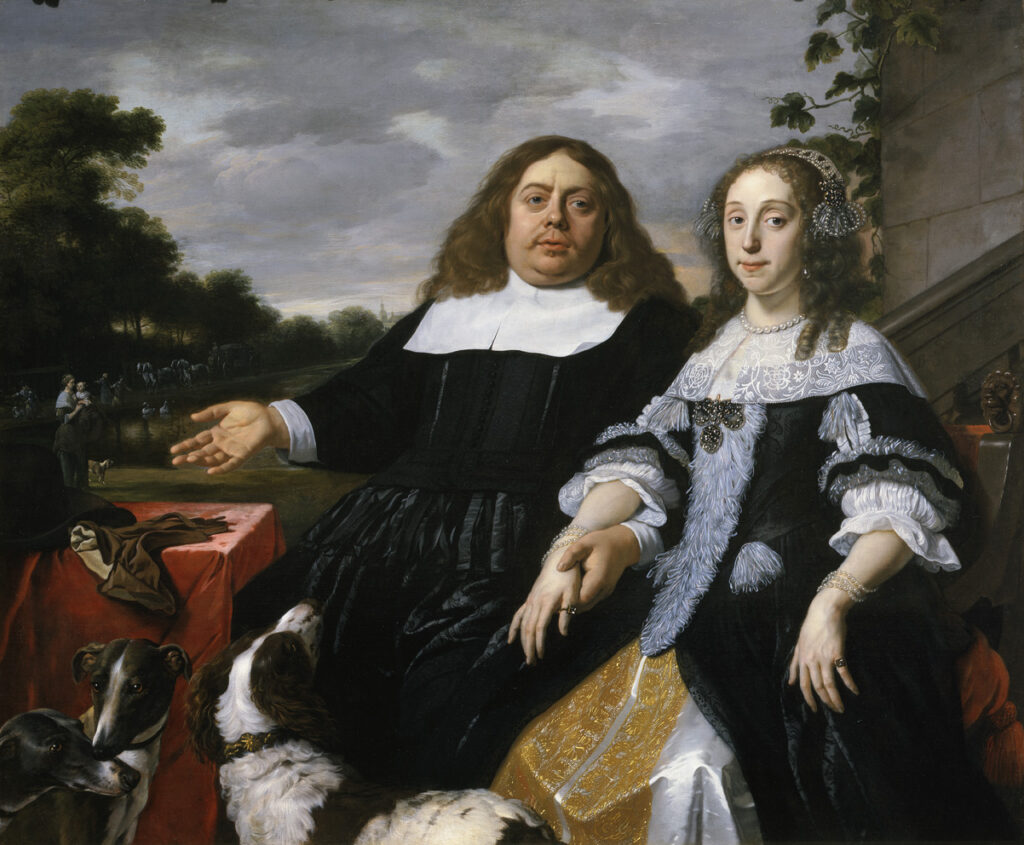
Bartholomeus van der Helst, 1613–December 16, 1670, was a Dutch painter born in Haarlem. He settled in Amsterdam before 1636 and may have trained there with Nicolaes Eliaszoon Pickenoy; his first dated painting is from 1637.
Van der Helst specialized in individual, family and civic-guard portraits for Amsterdam’s governing and mercantile families. His patrons also included members of the stadtholder’s circle, and his pupils included his son Lodewijk van der Helst and Marcus Waltes.
Van der Helst was buried in Amsterdam on December 16, 1670. His paintings are held by the Rijksmuseum, Amsterdam Museum, Louvre Museum, Metropolitan Museum of Art, Uffizi Galleries and other public collections.








Jacob van Ruisdael
Jacob van Ruisdael, c 1629–March 10, 1682, was a Dutch painter, draftsman, and etcher from Haarlem. He entered the Haarlem Guild of St Luke in 1648 and probably learned painting from his father, Isaack van Ruisdael, and his uncle Salomon van Ruisdael.
During the early 1650s he traveled in Westphalia with Nicolaes Berchem and, about 1656, settled in Amsterdam. He painted landscapes, city views, drawings, and etchings; Meindert Hobbema was his pupil.
Ruisdael died in Amsterdam or Haarlem and was buried in Haarlem in 1682. His works are held by institutions including the Rijksmuseum, the Louvre Museum, The Metropolitan Museum of Art, and the National Gallery of Art.


Joachim Wtewael
Joachim Anthonisz Wtewael, August 1566 – August 1, 1638, was a Dutch painter, draftsman, and engraver associated with Northern Mannerism. He was born and spent most of his life in Utrecht. After training in glassmaking and engraving under his father and Josua de Beer, he traveled to Italy and France in the late 1580s while in the service of the Bishop of Saint-Malo. There he encountered the work of the Fontainebleau School and the international Mannerist style, influences that remained central to his art throughout his career.
Wtewael became one of the leading Dutch Mannerist painters of the generation before the rise of naturalism in the Dutch Republic. He is known for religious subjects, mythological scenes, allegories, portraits, and cabinet paintings executed on copper as well as larger works on canvas. His paintings are characterized by complex compositions, vivid color, and elongated figures. Although active during the lifetimes of artists such as Peter Paul Rubens and Rembrandt van Rijn, he retained a highly personal Mannerist style rather than adopting newer Baroque conventions.
In addition to his artistic career, Wtewael was a successful flax merchant and a prominent citizen of Utrecht, serving on the city council. His sons Peter and Jan Wtewael also became painters, though neither achieved his reputation. Today his works are held in major collections including the Louvre Museum, Metropolitan Museum of Art, Mauritshuis, Centraal Museum, Museo Nacional del Prado, and Rijksmuseum.