Posts in Category: 20th Century
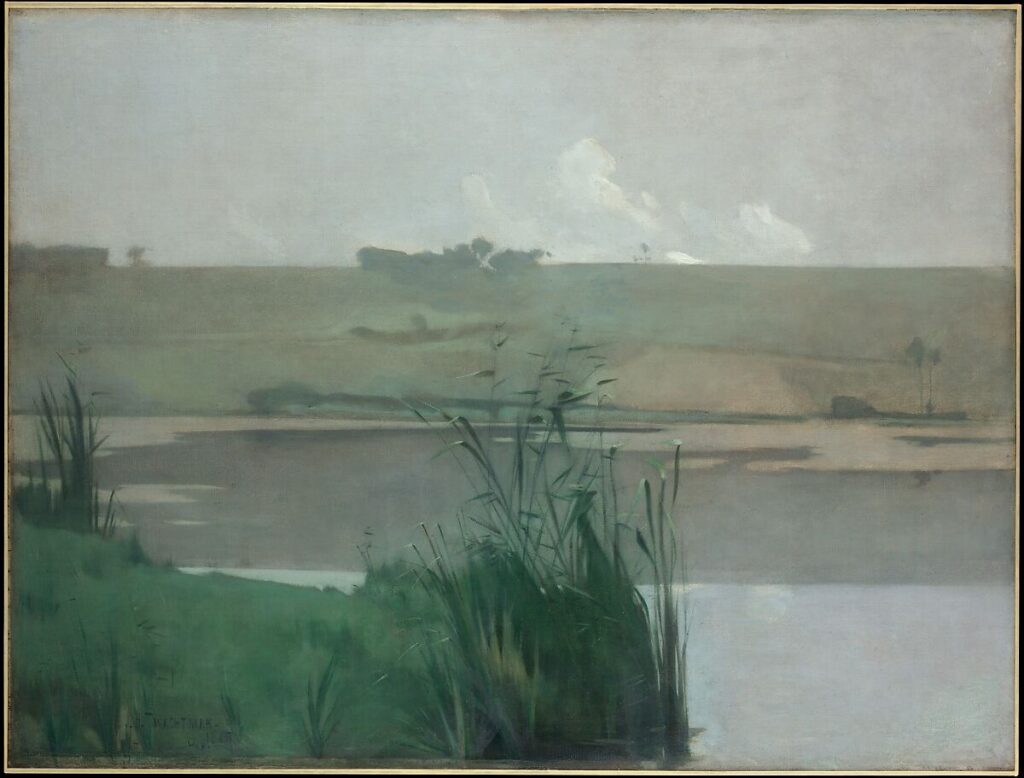
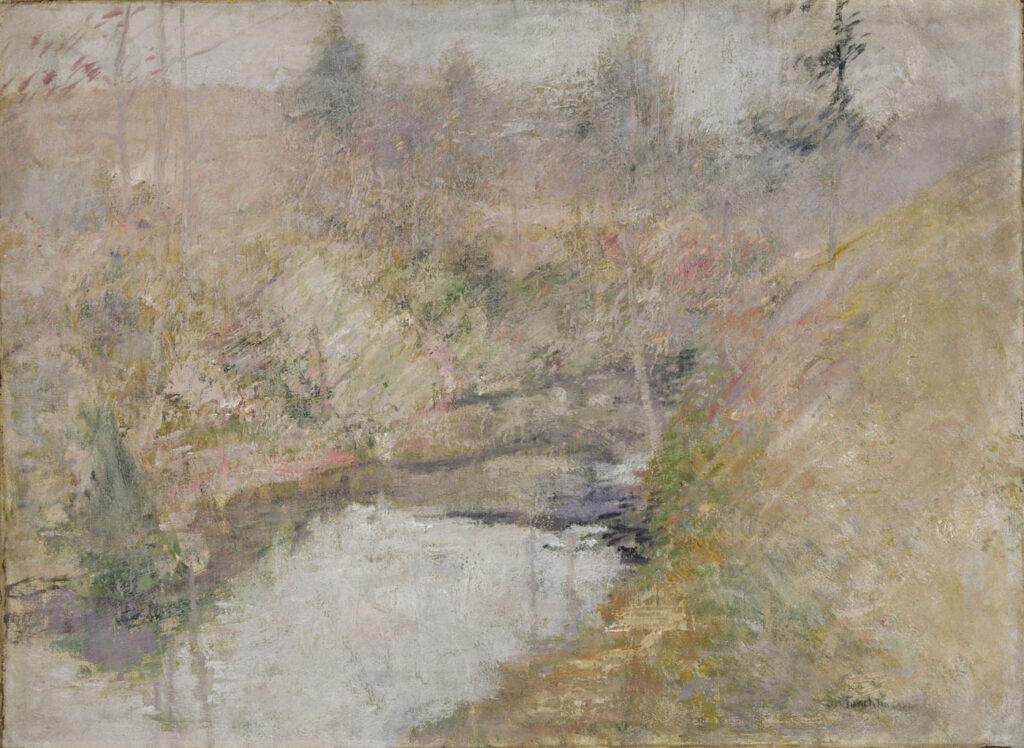
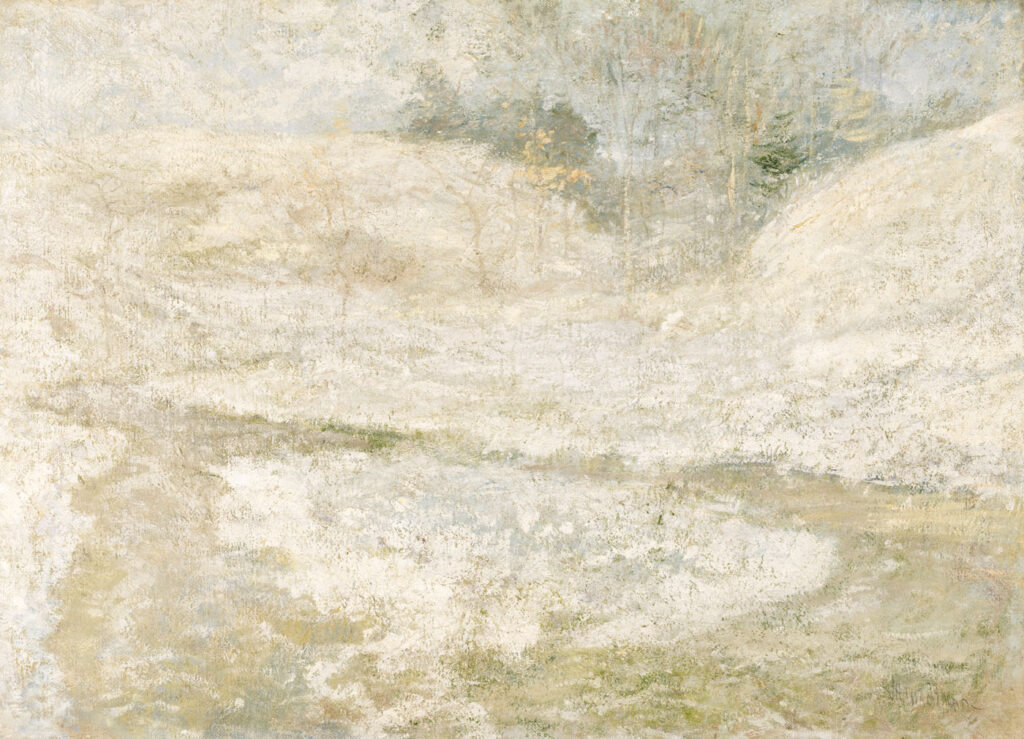
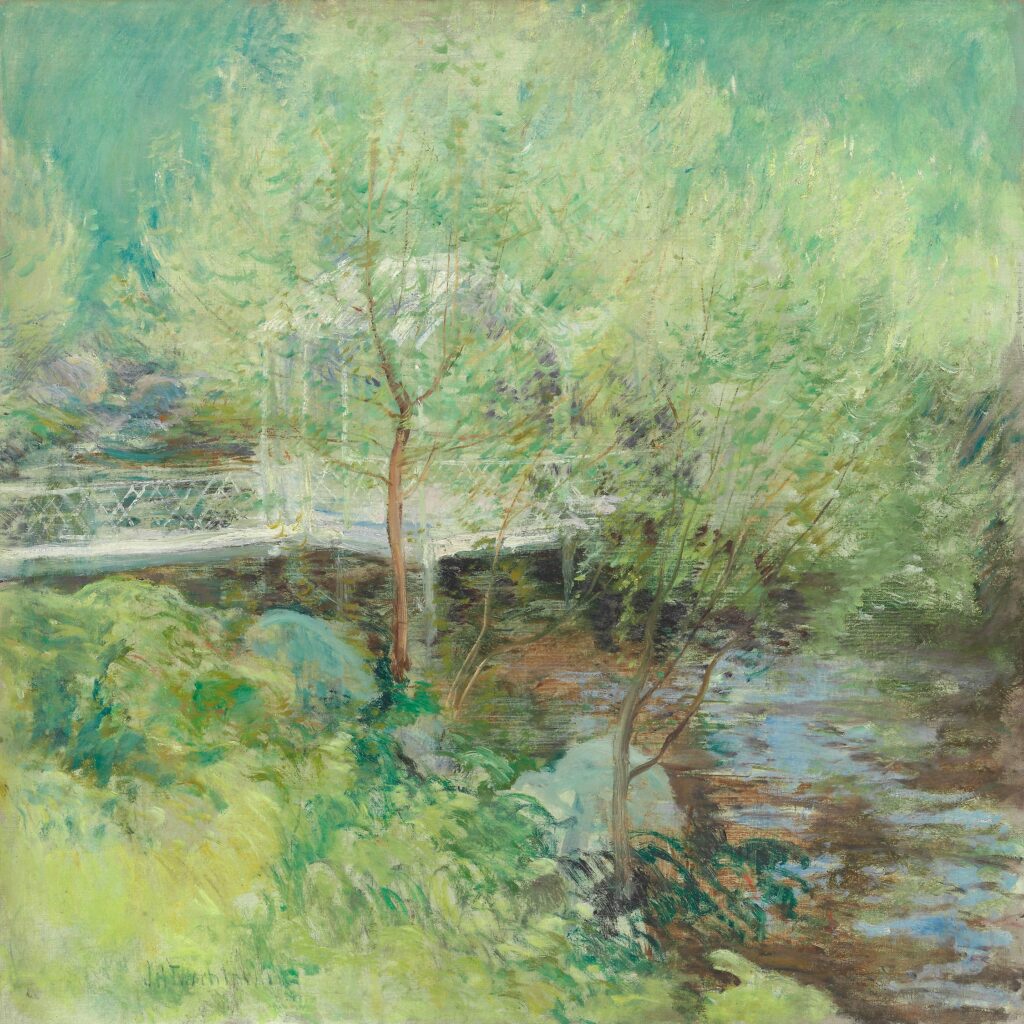
John Henry Twachtman
John Henry Twachtman, August 4, 1853 – August 8, 1902, was an American painter and printmaker associated with American Impressionism and Tonalism. He studied at the Ohio Mechanics Institute, the McMicken School of Design in Cincinnati, the Royal Academy of Fine Arts in Munich, and the Académie Julian in Paris.
Twachtman worked closely with J. Alden Weir and Theodore Robinson, and he was one of The Ten American Painters, the group that separated from the Society of American Artists in 1898. He taught at the Art Students League of New York, where his students included Ernest Lawson and Helen Turner.
His paintings are held by the Metropolitan Museum of Art, the Art Institute of Chicago, the Smithsonian American Art Museum, the National Gallery of Art, the Cincinnati Art Museum, and other major US collections.






Marc Chagall
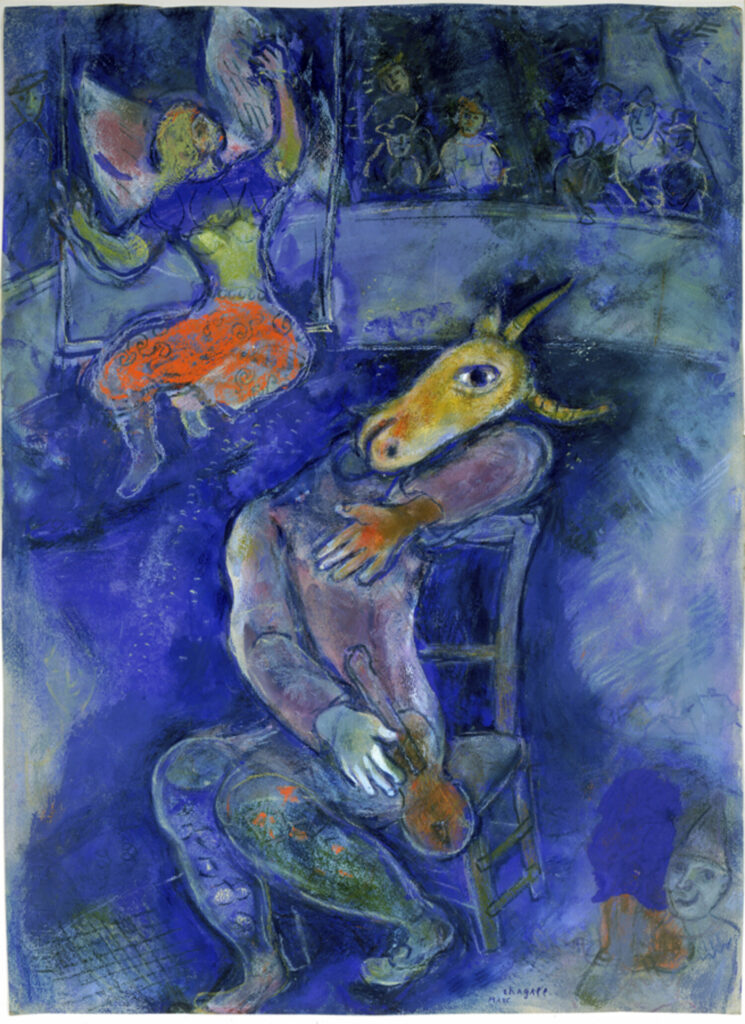
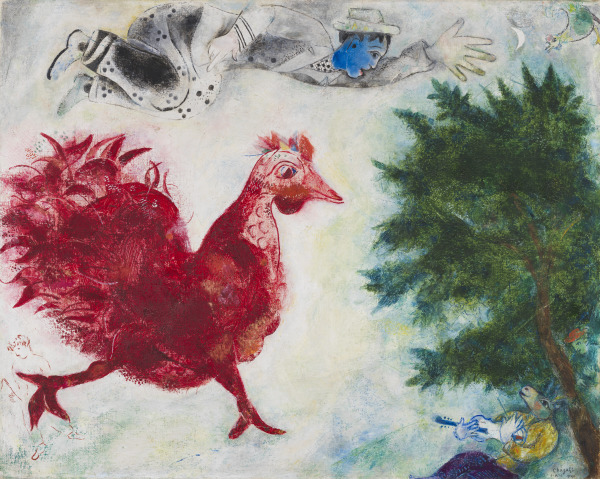
Marc Chagall, Russian-French painter, July 6, 1887 – March 28, 1985.
Chagall was born Moishe Shagal near Vitebsk, then in the Russian Empire, now Belarus. He first studied in Vitebsk with Yehuda Pen, then in Saint Petersburg, and later in Paris at the Académie de La Palette. His teachers and artistic contacts included Pen in Vitebsk and, in Paris, exposure to Cubism, Fauvism, and the wider avant-garde.
Chagall lived in Vitebsk, Saint Petersburg, Paris, Berlin, Moscow, and again Vitebsk before leaving Soviet Russia in 1922. He lived in France for much of his mature career, spent the Second World War years in the United States, and returned to France after the war, eventually settling in the south of France.
His work combines modernist color and form with imagery drawn from Jewish life, Russian village memory, folklore, dreams, lovers, animals, musicians, and biblical themes. His major genres include painting, drawing, printmaking, book illustration, stained glass, tapestry, stage design, and large decorative commissions.
Chagall served briefly as Commissar of Arts for Vitebsk after the Russian Revolution and founded the People’s Art School there. He had major exhibitions in Europe and the United States and later received large public commissions, including stained glass windows and ceiling decorations. He was more important as a founder and artistic leader than as a formal teacher; artists associated with the Vitebsk school included El Lissitzky and Kazimir Malevich.



Adolph von Menzel
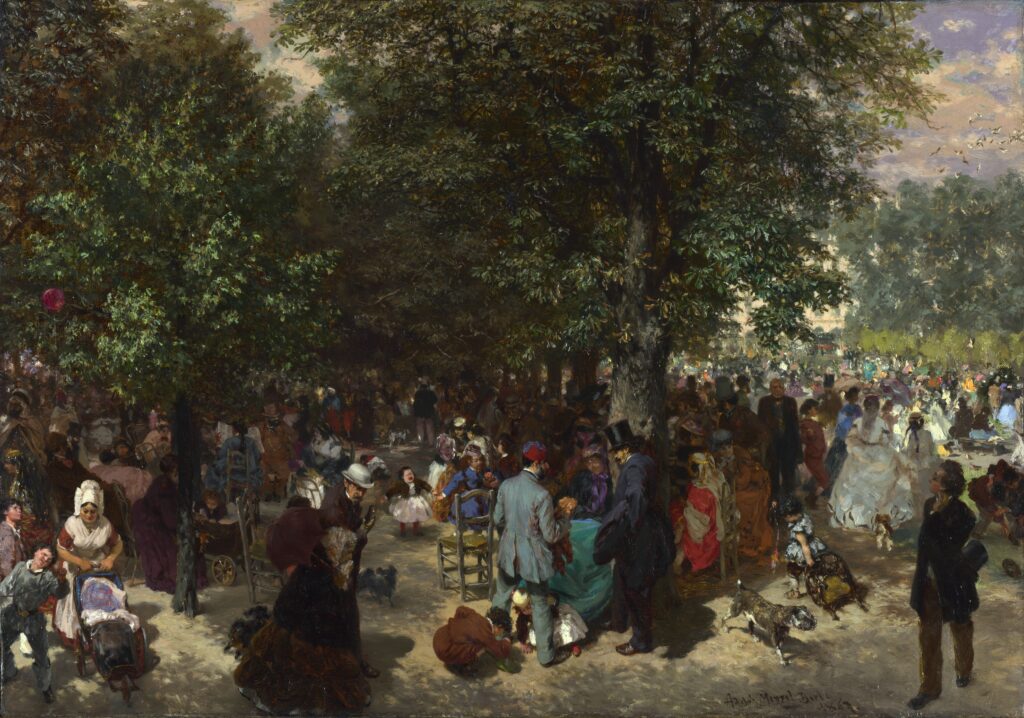
Adolph von Menzel, December 8, 1815–February 9, 1905, was a German painter, draftsman, printmaker, and illustrator. Born in Breslau, he moved with his family to Berlin in 1830 and trained largely outside an academy while working in his father's lithographic workshop.
Menzel first gained wide recognition for his illustrations to Franz Kugler's history of Frederick the Great. He later painted Prussian history, modern urban life, interiors, landscapes, and industrial subjects, while producing thousands of drawings. Major collections of his work are held by the Nationalgalerie in Berlin, Hamburger Kunsthalle, the National Gallery, London, and other European and American museums.
He was ennobled in 1898 and thereafter used the name Adolph von Menzel. Menzel died in Berlin in 1905 and received a state funeral; his work remains central to accounts of nineteenth-century German art and Realism.







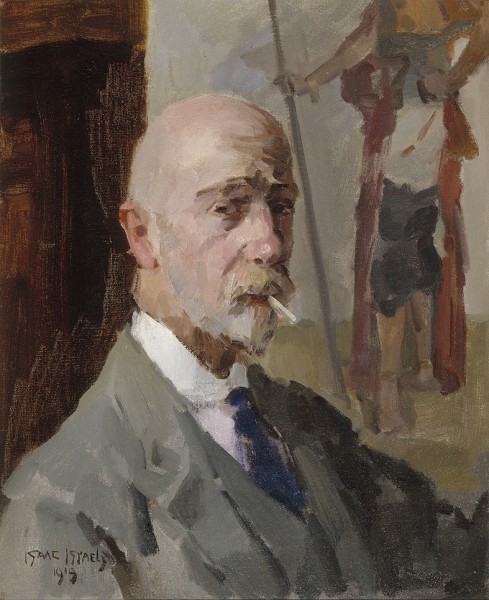
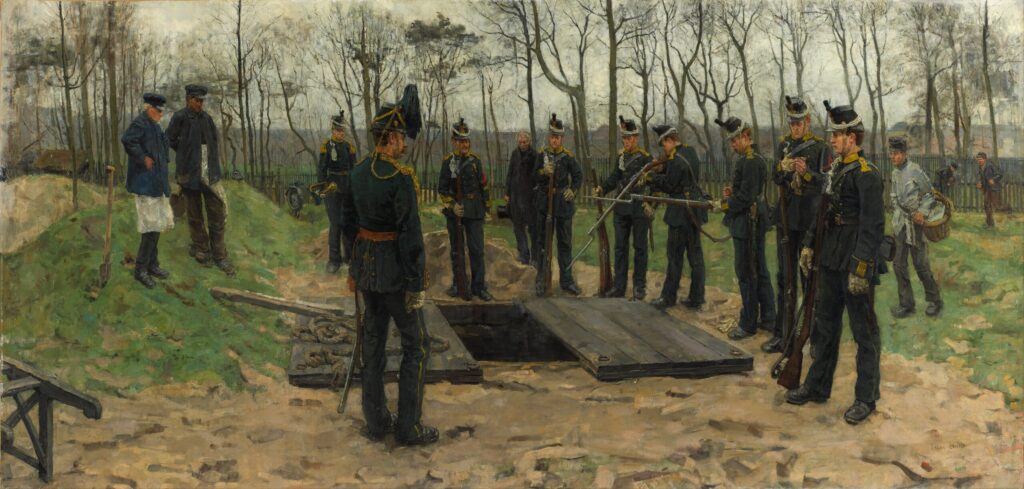
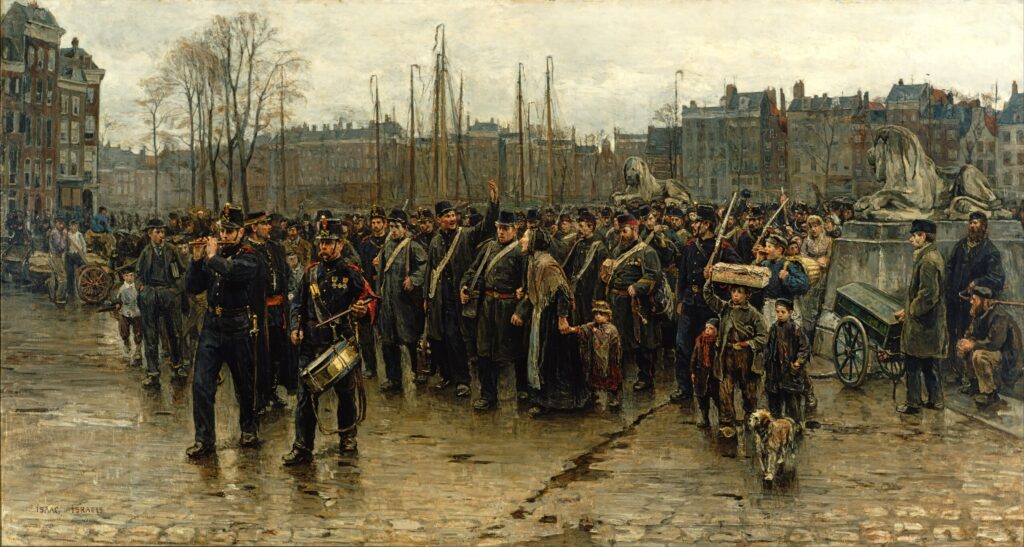
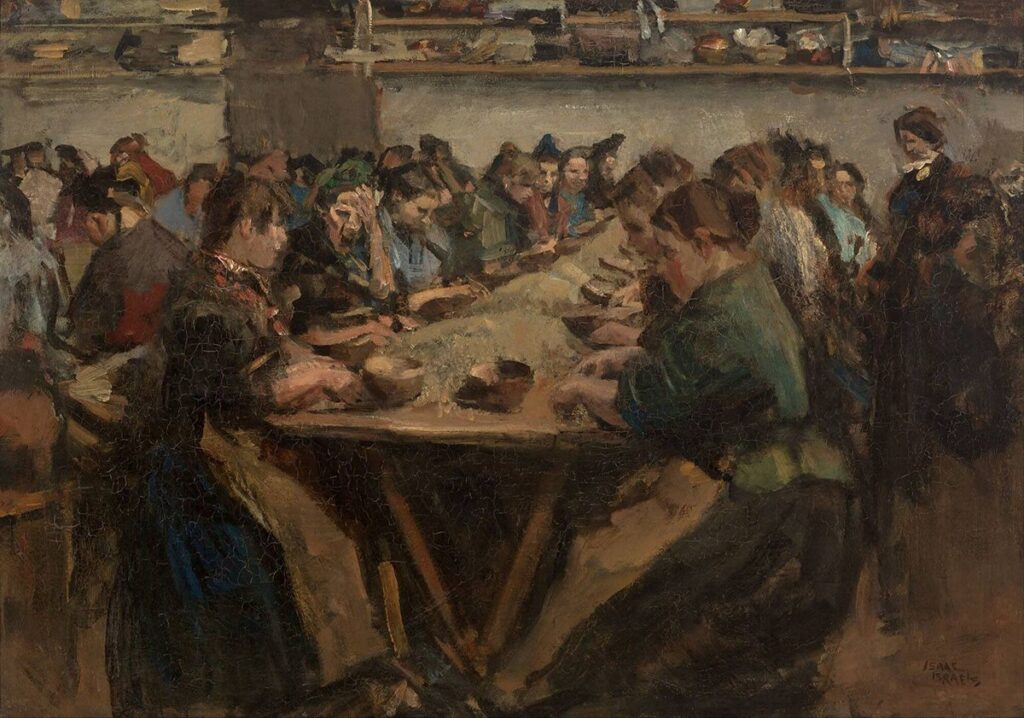
Isaac Israëls
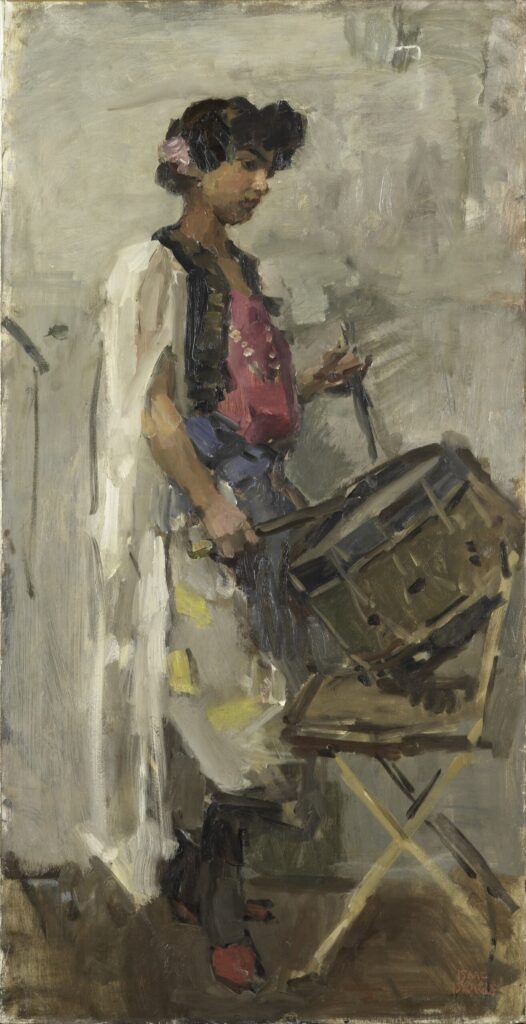
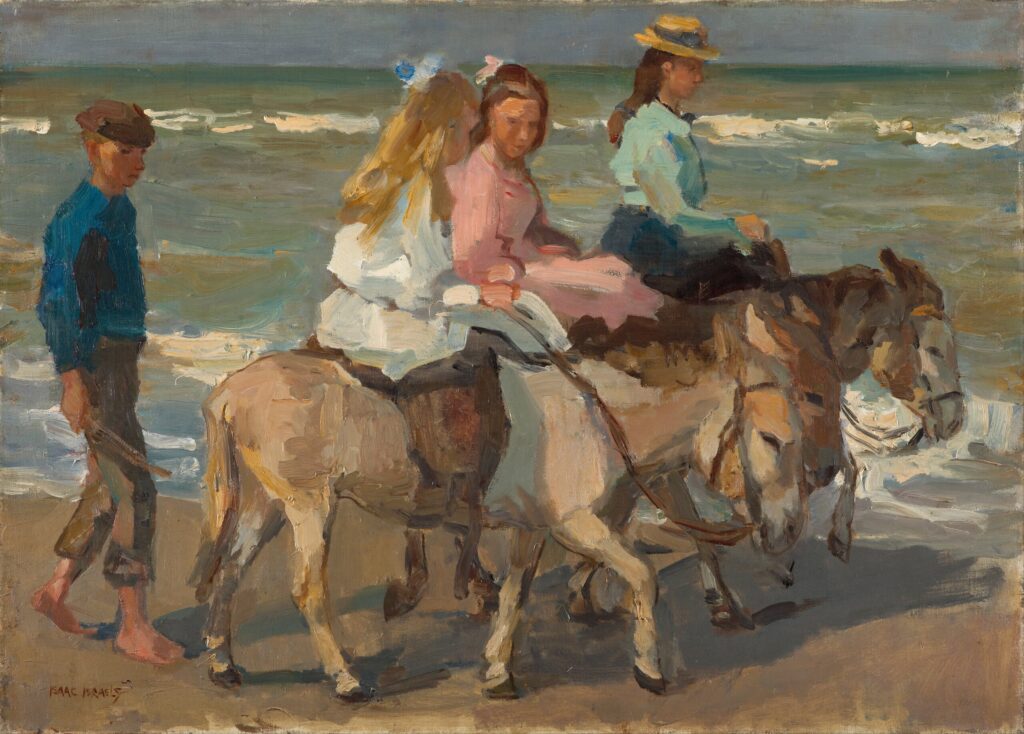
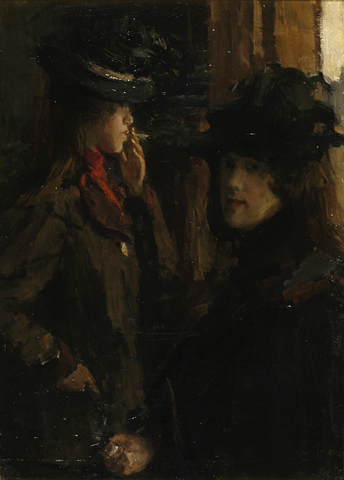
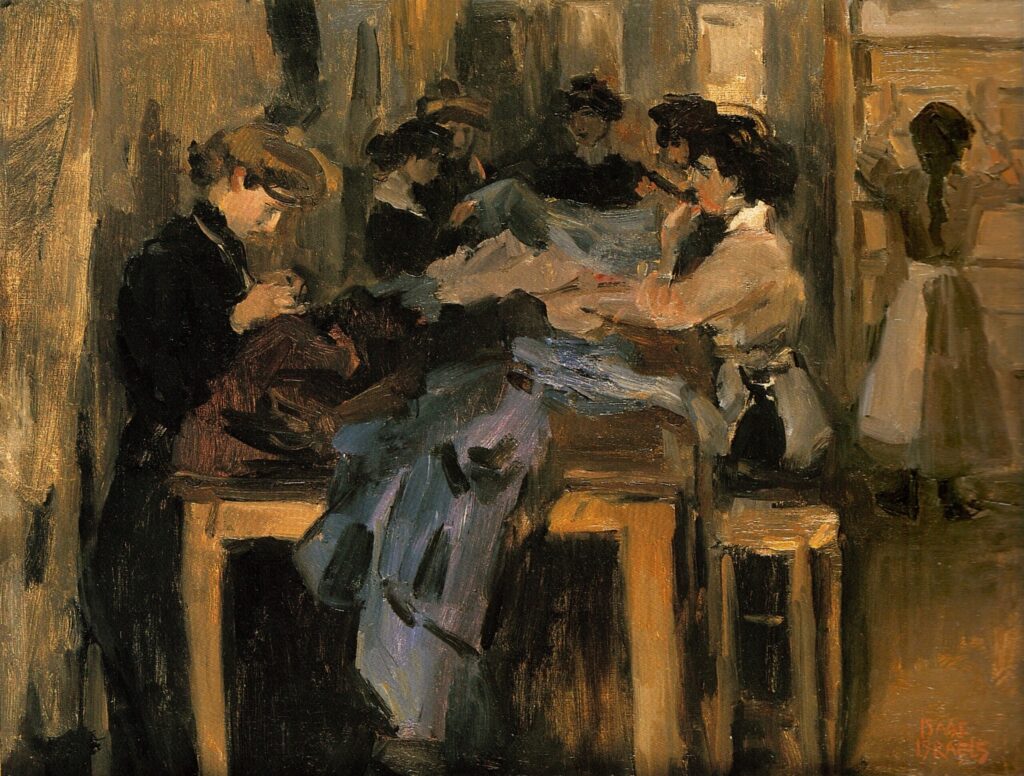
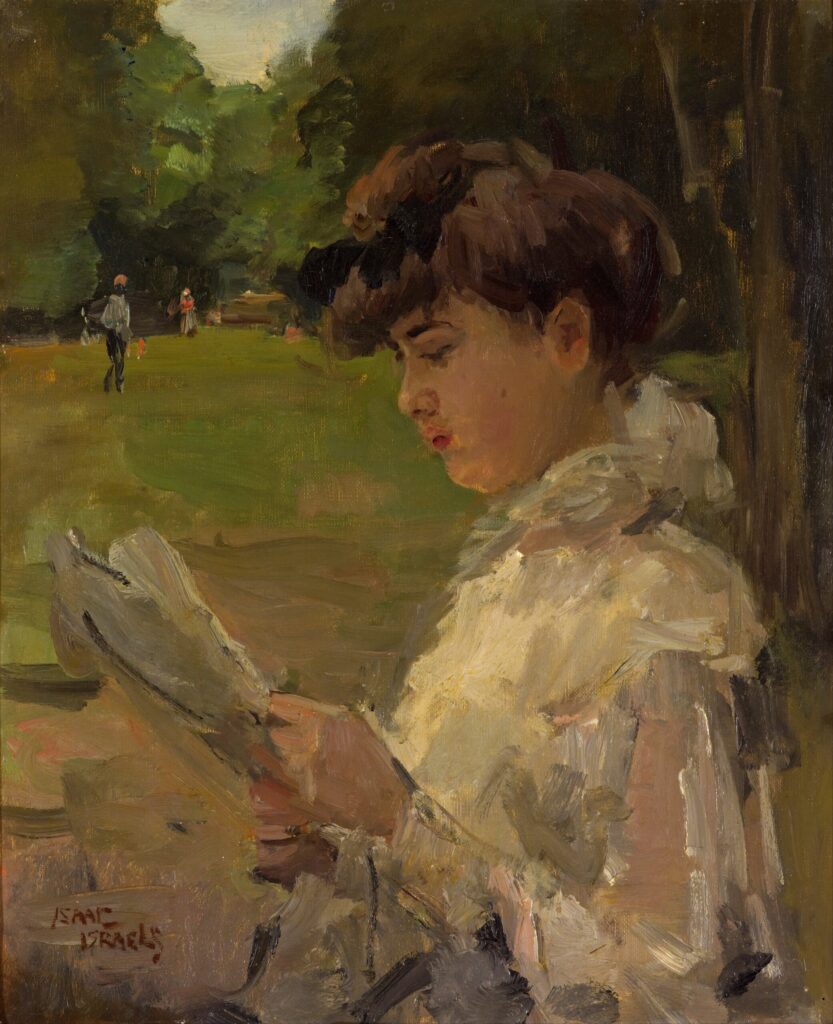
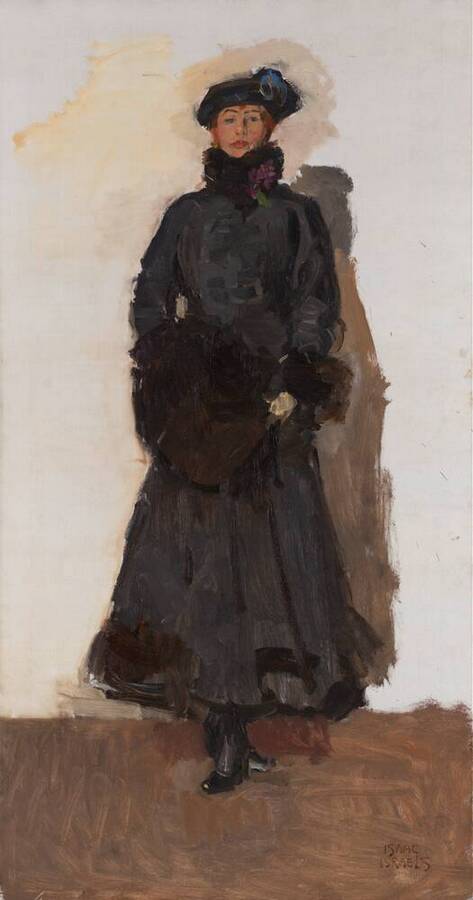
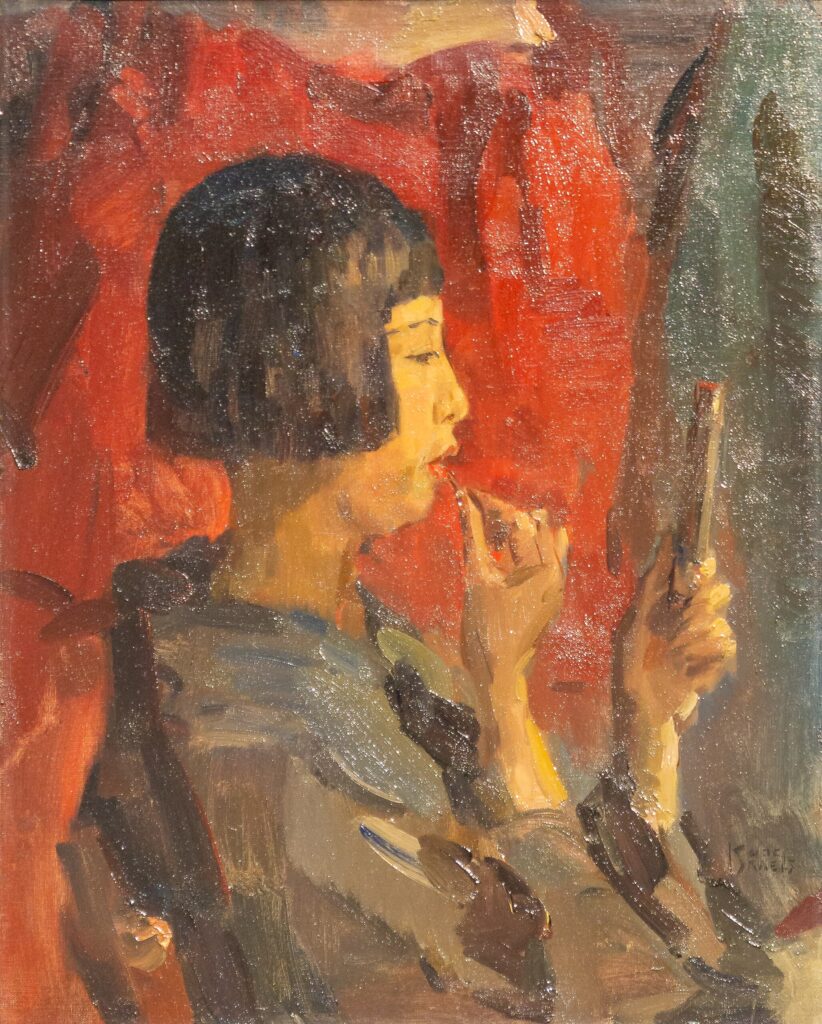
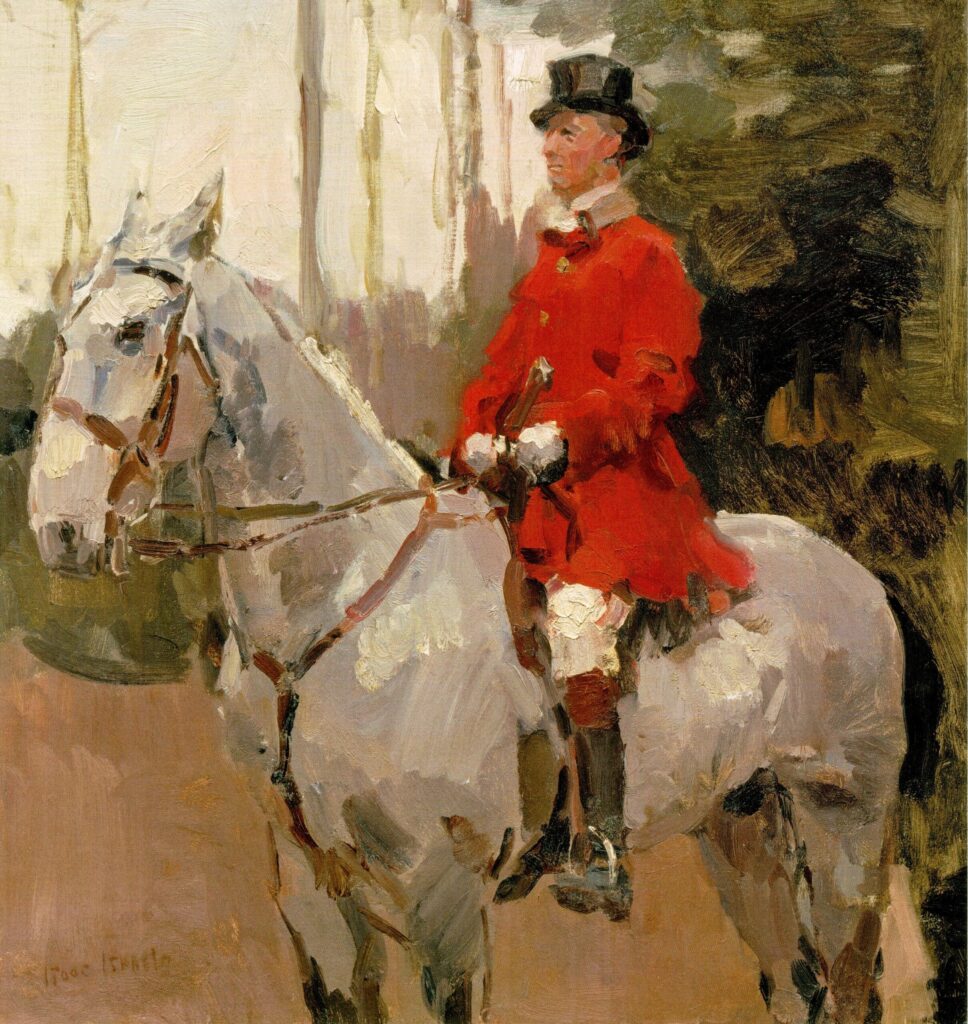
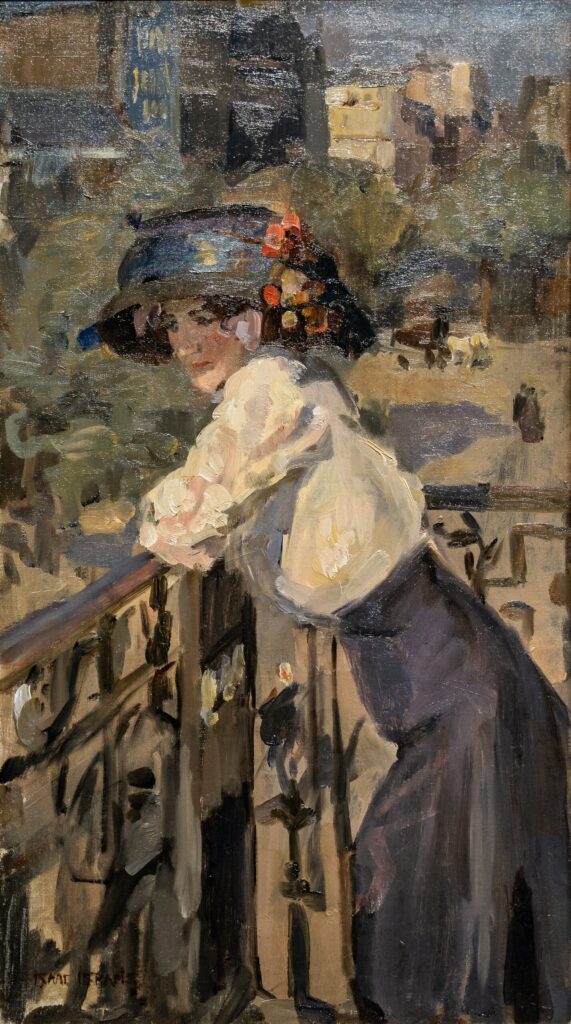
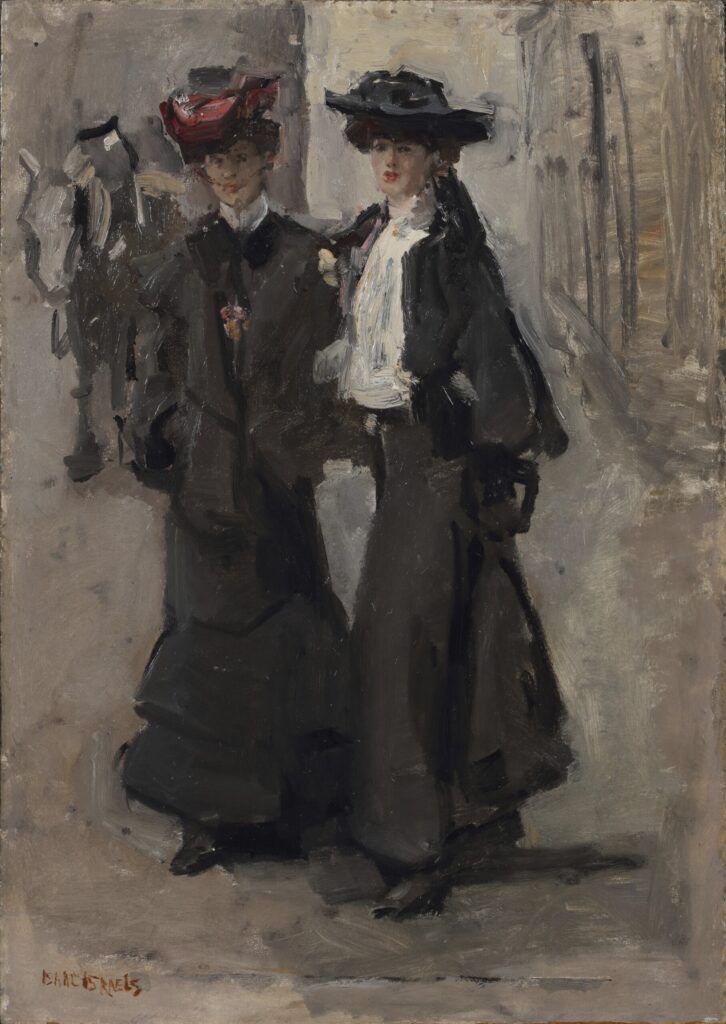
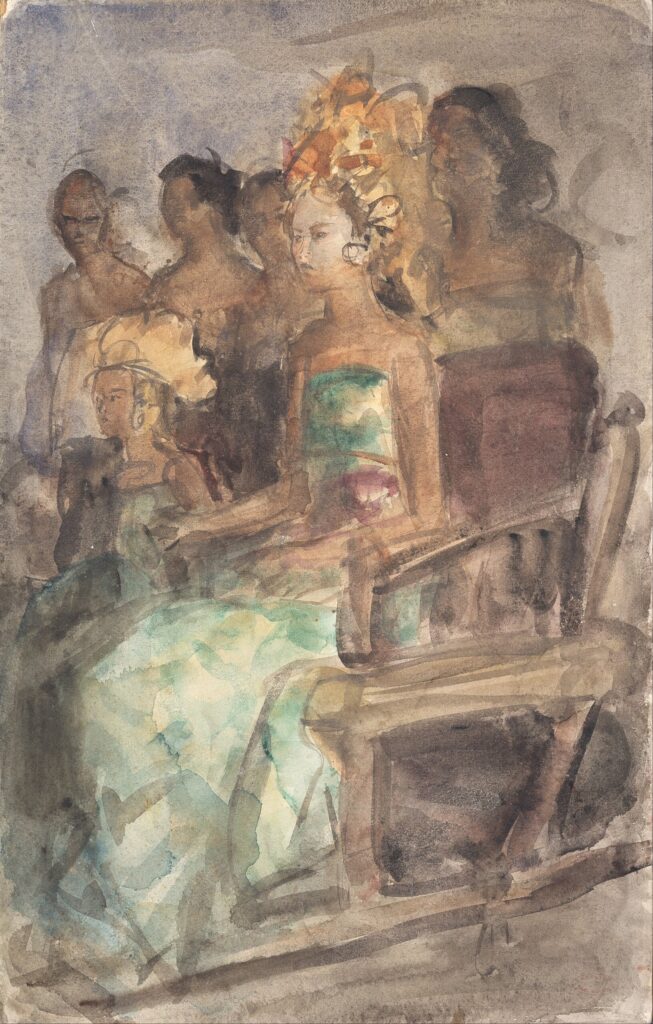
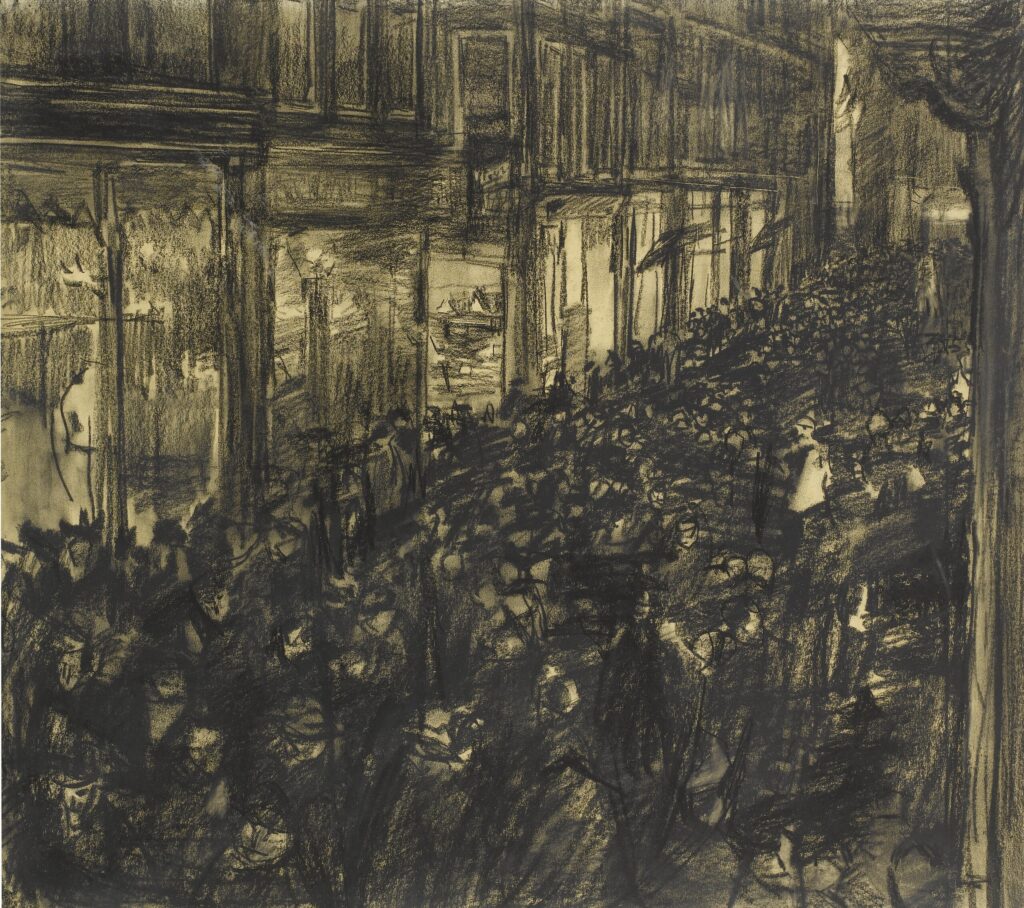
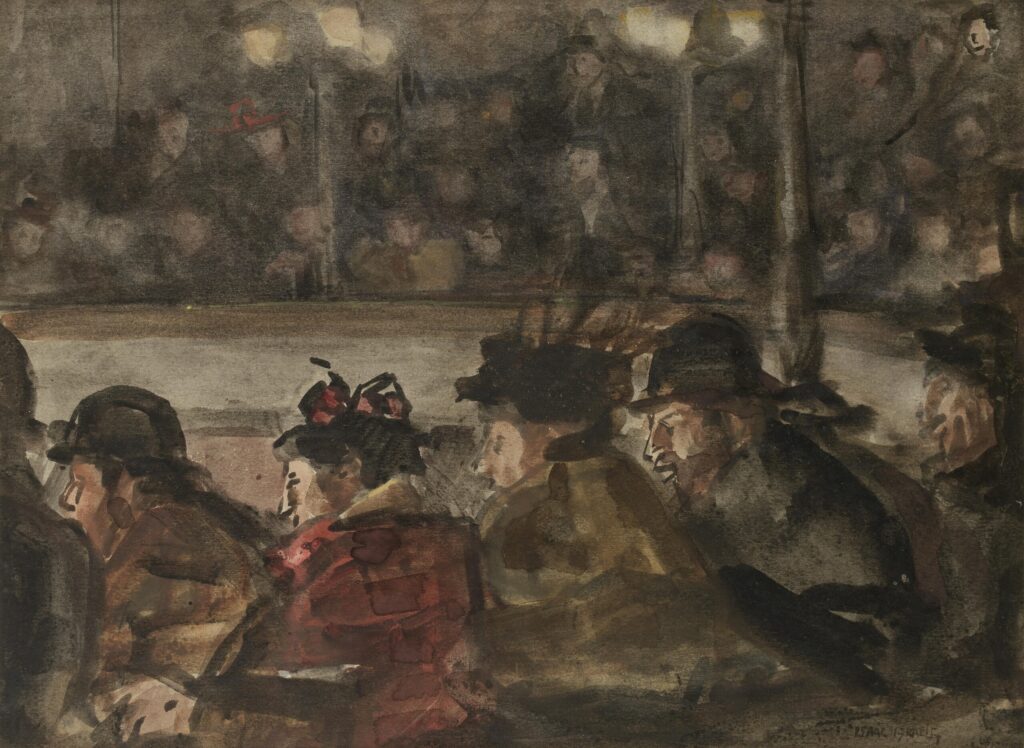
Isaac Israëls, February 3, 1865–October 7, 1934, was a Dutch painter and draftsman associated with Amsterdam Impressionism. Born in Amsterdam and raised in The Hague, he became known for scenes of modern urban life, work, leisure, fashion, portraiture, and travel.
Israëls trained from childhood in the studio of his father, the Hague School painter Jozef Israëls, and attended the Drawing Academy in The Hague. After moving to Amsterdam around 1886, he worked in close contact with George Hendrik Breitner and belonged to the circle of artists and writers known as the Tachtigers.
He worked in The Hague, Amsterdam, Paris, London, and the Dutch East Indies. Principal public collections holding his work include the Rijksmuseum, Kunstmuseum Den Haag, the Kröller-Müller Museum, Museum Boijmans Van Beuningen, Centraal Museum, Singer Laren, and The Mesdag Collection.


Laura Knight
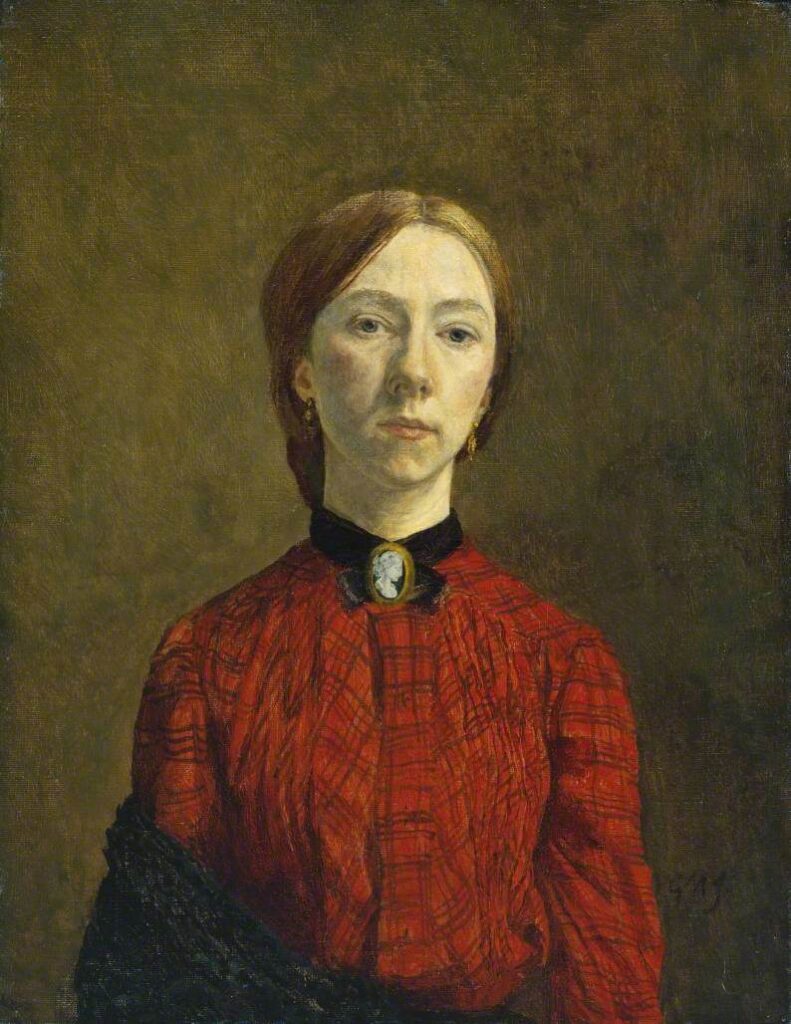
Laura Knight, August 4, 1877 – July 7, 1970, was an English painter and printmaker. She became one of Britain’s most successful artists of the twentieth century, known for portraits, theatrical subjects, landscapes, and scenes of everyday life. In 1936 she became the first woman elected as a full member of the Royal Academy of Arts since its founding in 1768.
Knight studied at the Nottingham School of Art, where she met fellow artist Harold Knight, whom she married in 1903. The couple worked in artists’ colonies at Staithes, Laren in the Netherlands, and Newlyn in Cornwall before settling in London. During both World Wars she received official commissions, producing paintings of military training, industrial workers, and the armed services, including the celebrated wartime painting Ruby Loftus Screwing a Breech-Ring.
Her work frequently depicted performers, dancers, circus artists, gypsies, and backstage theatrical life, alongside portraits and landscapes. Knight was appointed Dame Commander of the Order of the British Empire (DBE) in 1929 and continued exhibiting until late in her career. Her paintings are held in major public collections throughout the United Kingdom and beyond.




Paul Signac
Paul Signac, November 11, 1863–August 15, 1935, was a French painter, watercolorist, printmaker, and writer associated with Neo-Impressionism. Born in Paris, he abandoned architectural studies in 1880 and was largely self-taught, learning through close study of Claude Monet and the other Impressionists.
In 1884 Signac met Georges Seurat and helped develop the Divisionist method of applying separate touches of unmixed color according to optical theory. He was a founder of the Société des Artistes Indépendants that year and served as its president from 1908 until his death. His artistic circle included Seurat, Camille Pissarro, Maximilien Luce, Henri-Edmond Cross, Théo van Rysselberghe, and the critic Félix Fénéon; his encouragement and example also affected younger painters including Henri Matisse.
Signac traveled extensively by sailboat and worked along the Seine, the Atlantic coast, and the Mediterranean, producing paintings, watercolors, drawings, and prints. Major holdings of his work are in the Musée d’Orsay, Metropolitan Museum of Art, Museum of Modern Art, Kröller-Müller Museum, and other public collections in Europe and the United States. He died in Paris on August 15, 1935.


