Posts in Category: 17th Century


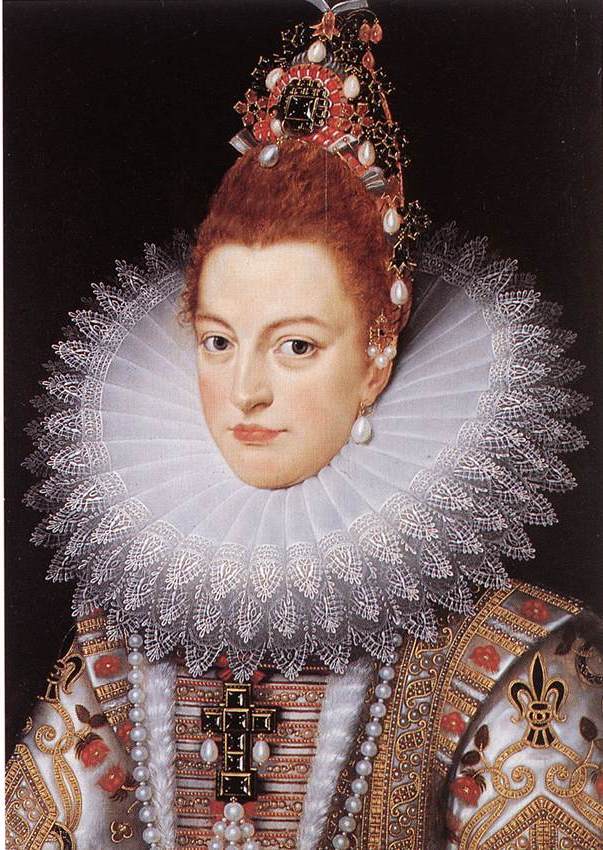
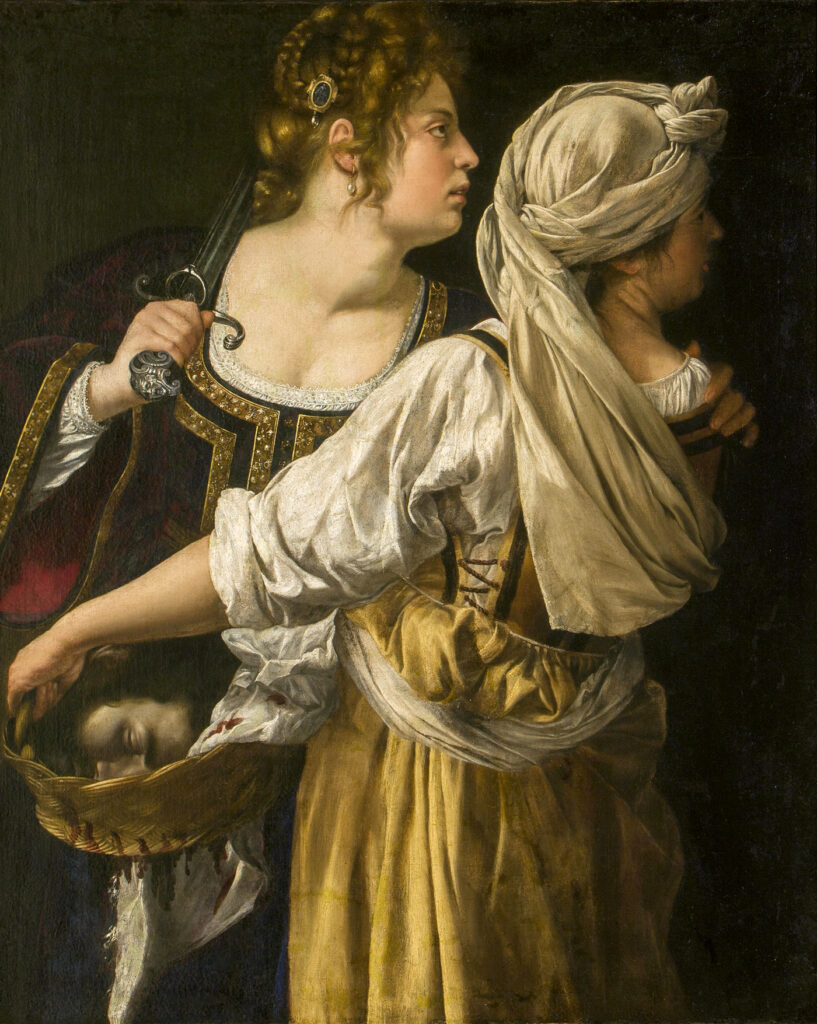
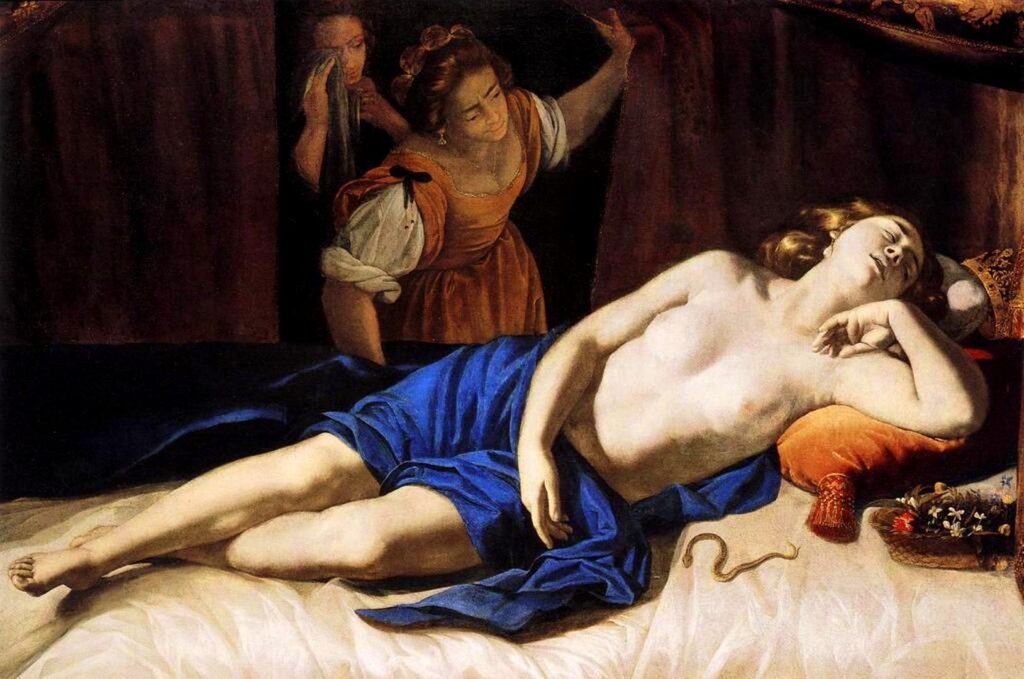
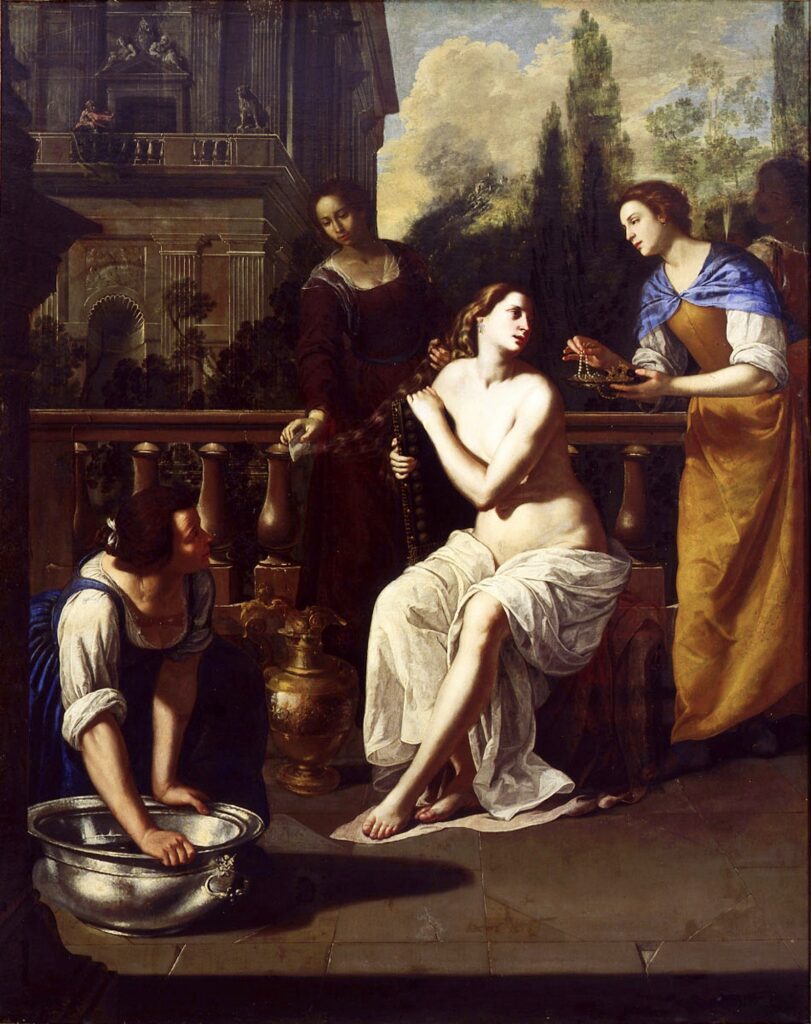
Artemisia Gentileschi
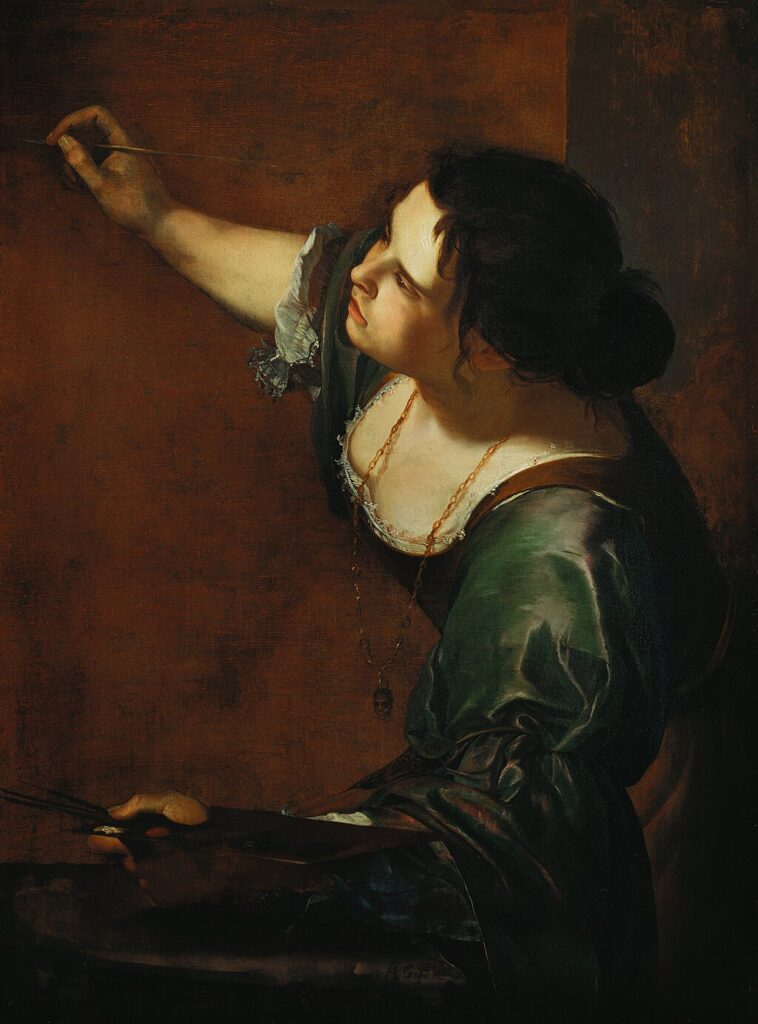
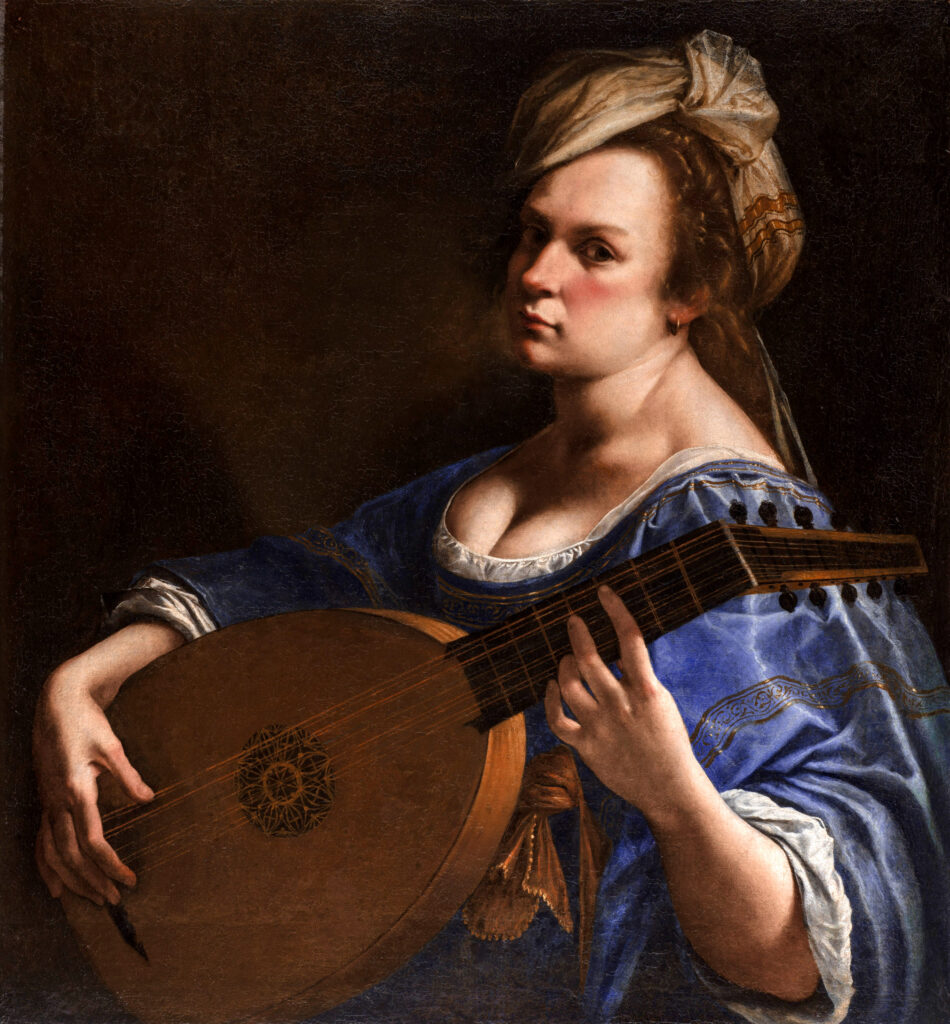
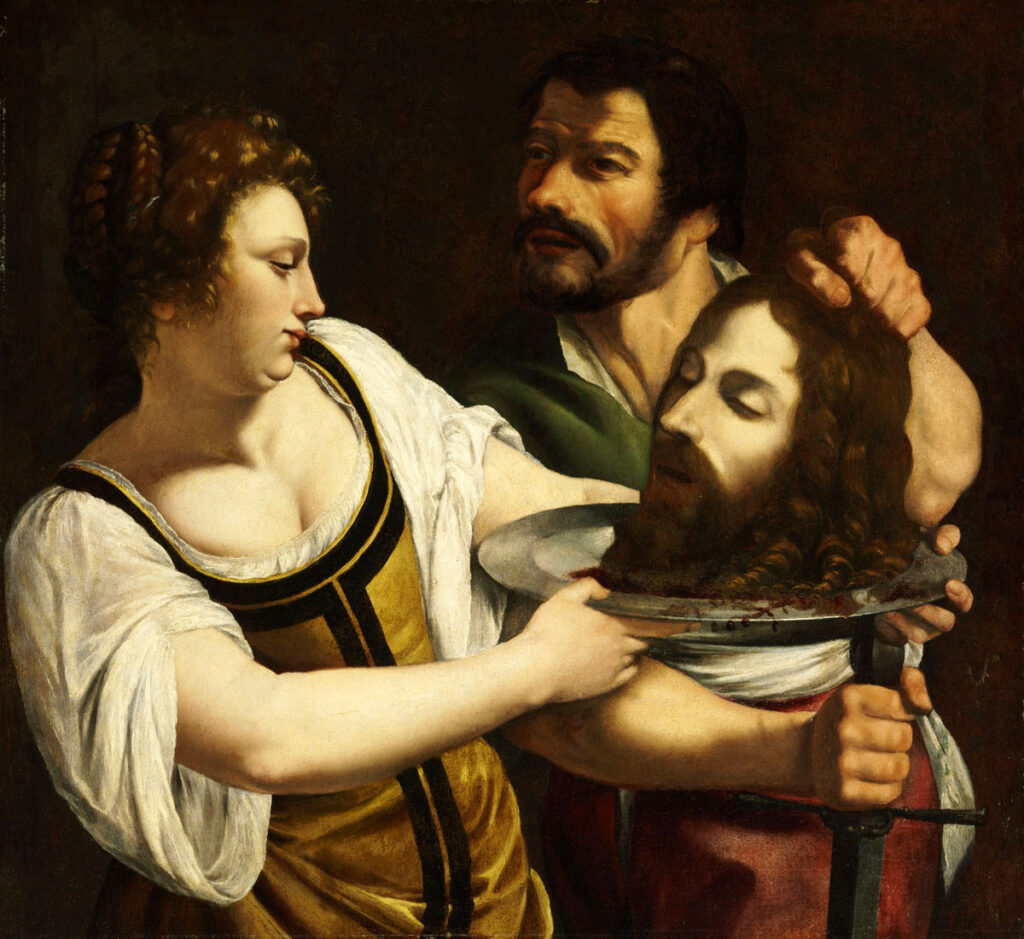
Artemisia Gentileschi, Italian painter, July 8, 1593 – c 1656
Gentileschi was born in Rome and trained in the workshop of her father, Orazio Gentileschi, a painter associated with the Caravaggesque style. Her early formation was shaped by Roman Baroque painting, especially the dramatic lighting and forceful realism associated with Caravaggio and his followers.
She worked first in Rome, then in Florence, where she became the first woman admitted to the Accademia delle Arti del Disegno. She later worked in Rome again, Venice, Naples, and London, where she joined her father at the court of Charles I.
Her work is best known for large-scale biblical, mythological, and historical subjects, often centered on women from scripture or classical history, including Susanna, Judith, Esther, Cleopatra, and Bathsheba. She also painted portraits and self-portraits, including self-representations as allegorical or musical figures.
Her patrons included members of the Medici court in Florence, Cassiano dal Pozzo in Rome, Neapolitan collectors, and the English royal court. No major formal school of pupils is securely associated with her, though she worked with assistants and family members, including her daughter Prudenzia Palmira.







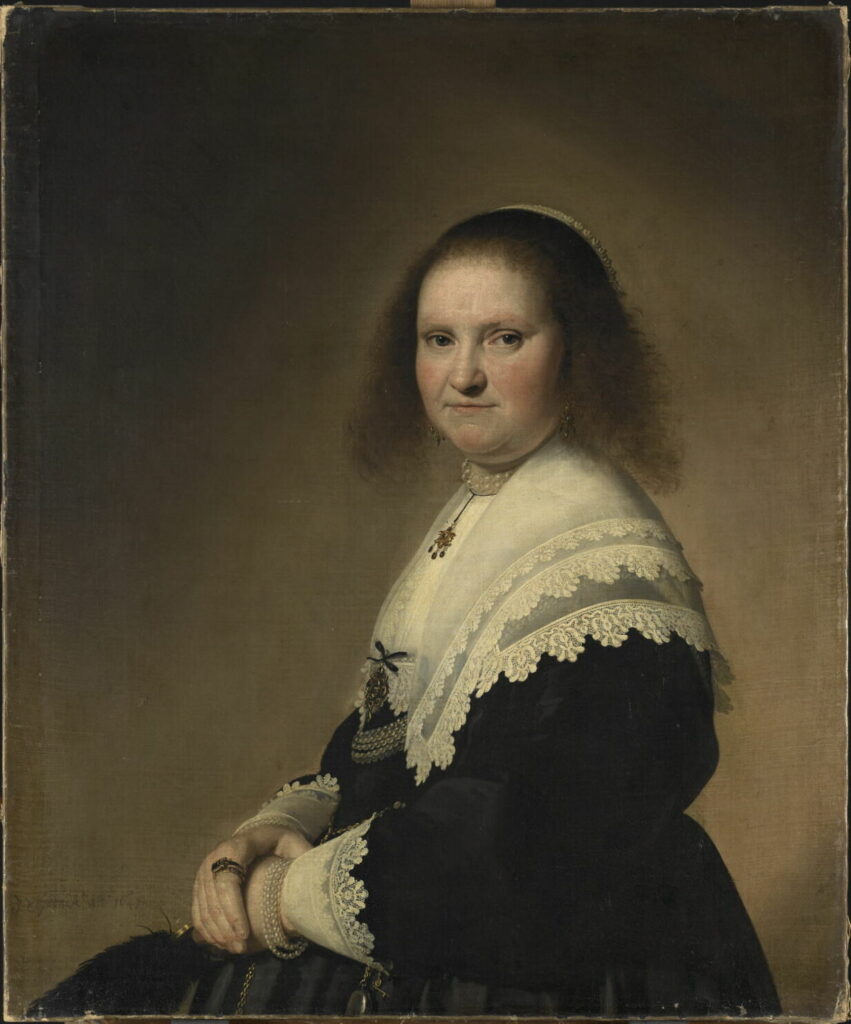
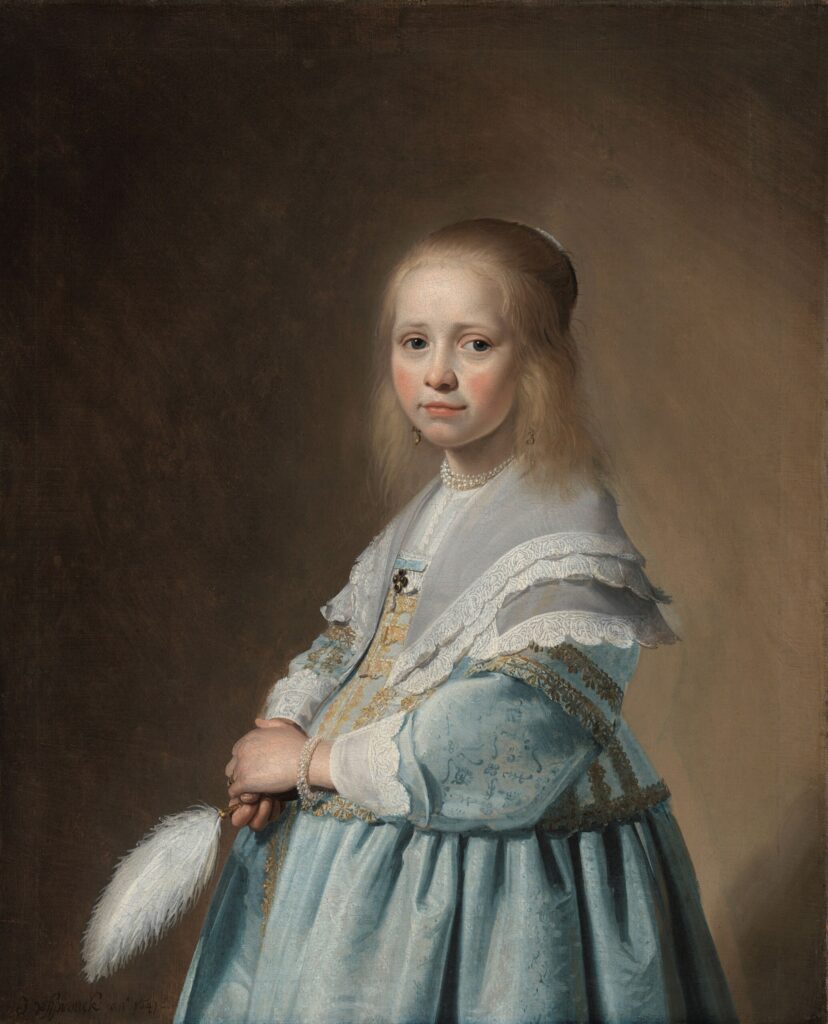
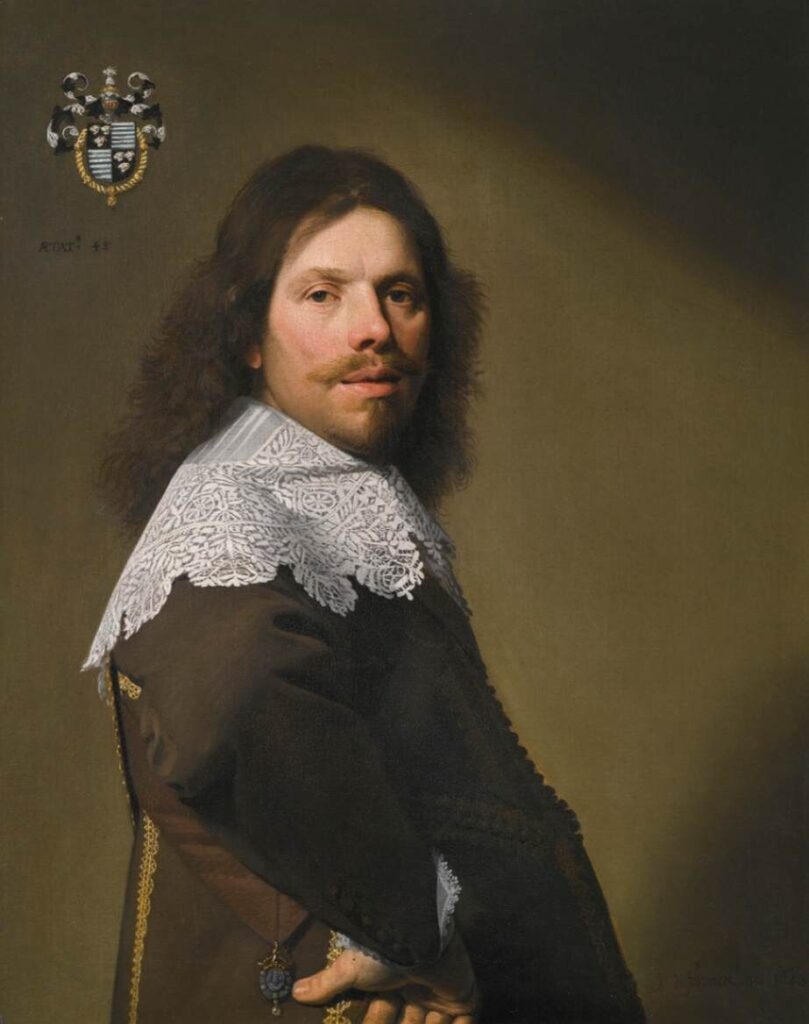
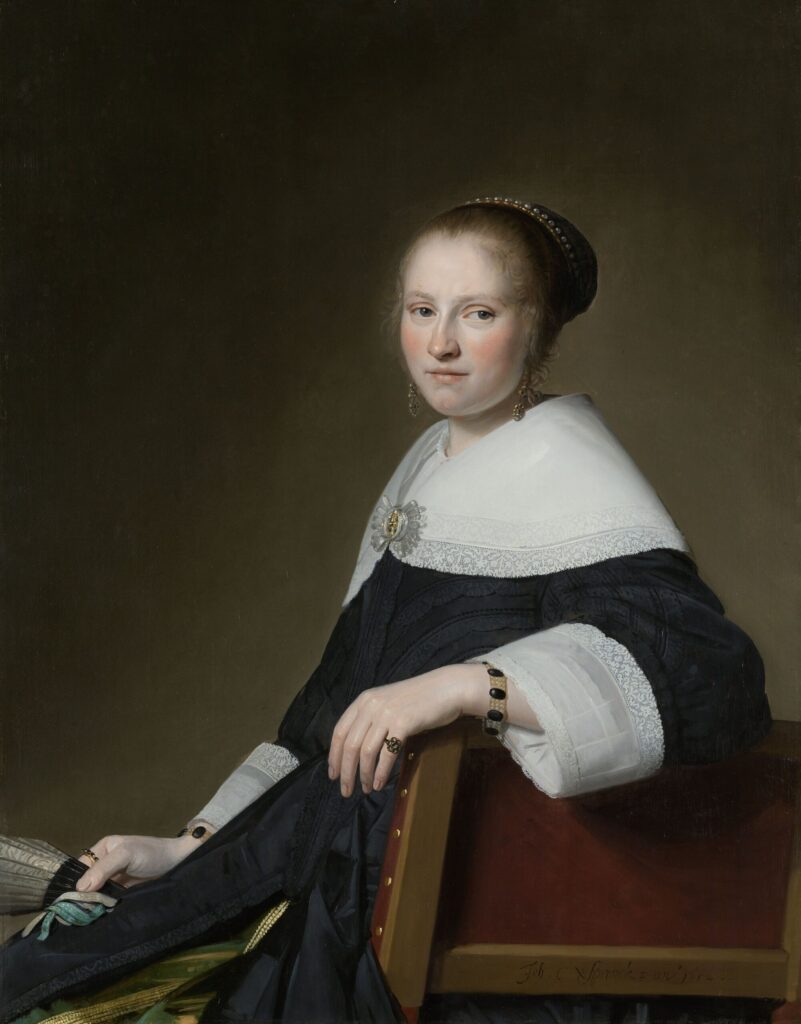
Johannes Cornelisz Verspronck
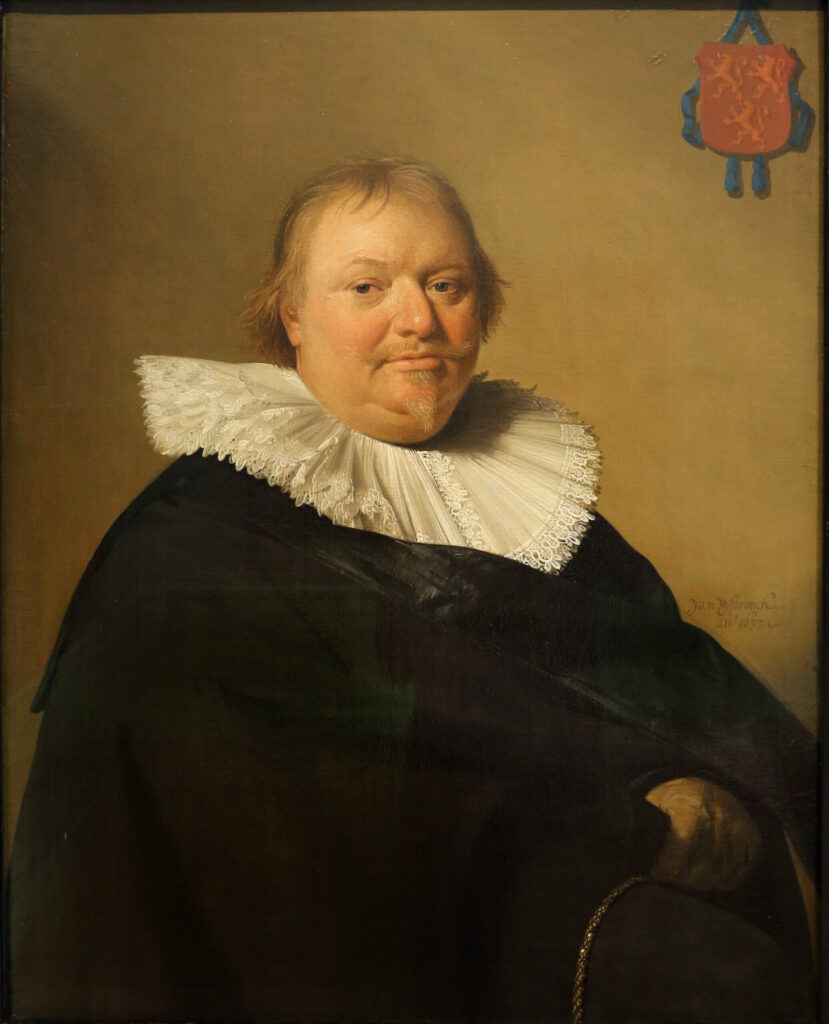
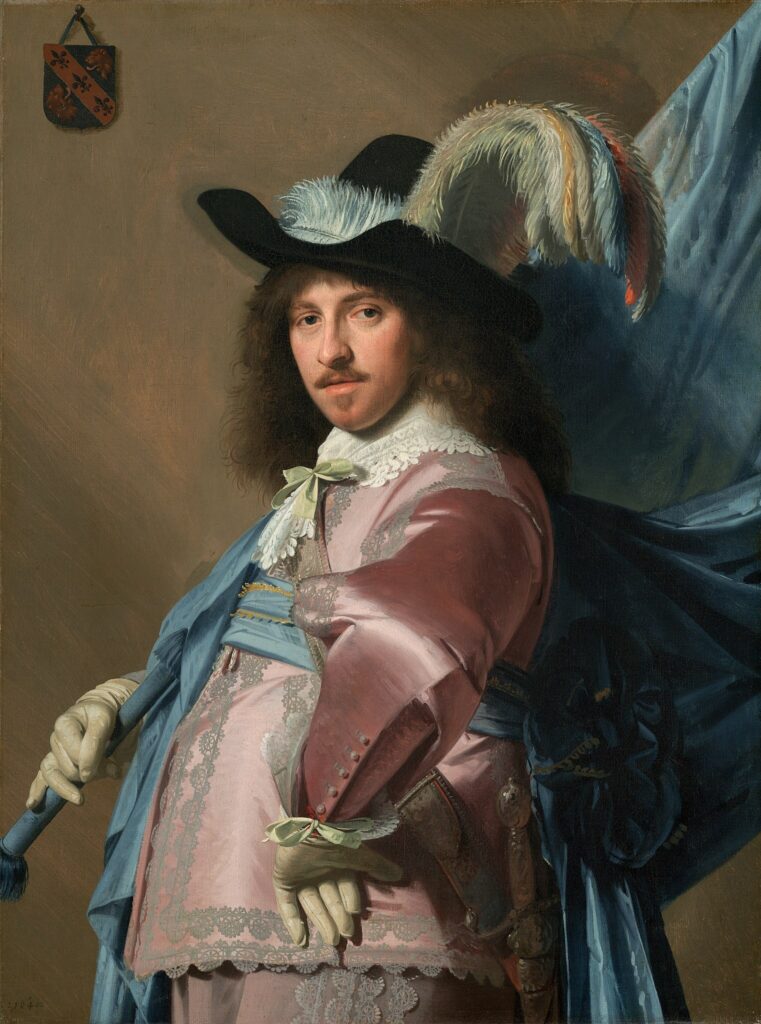
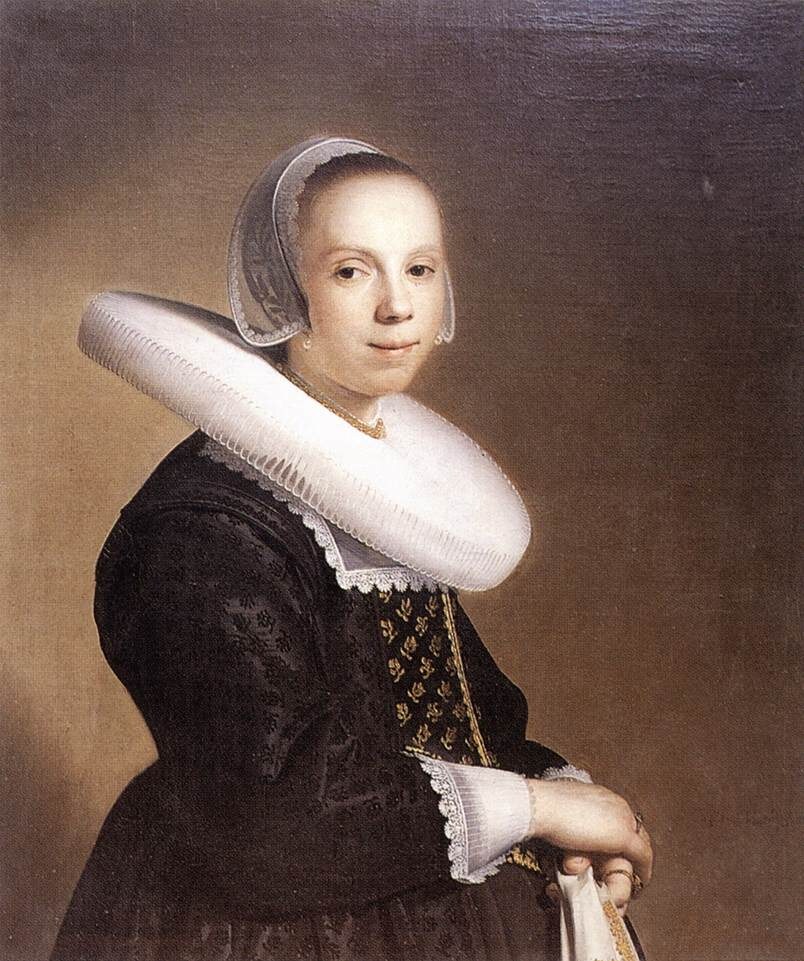
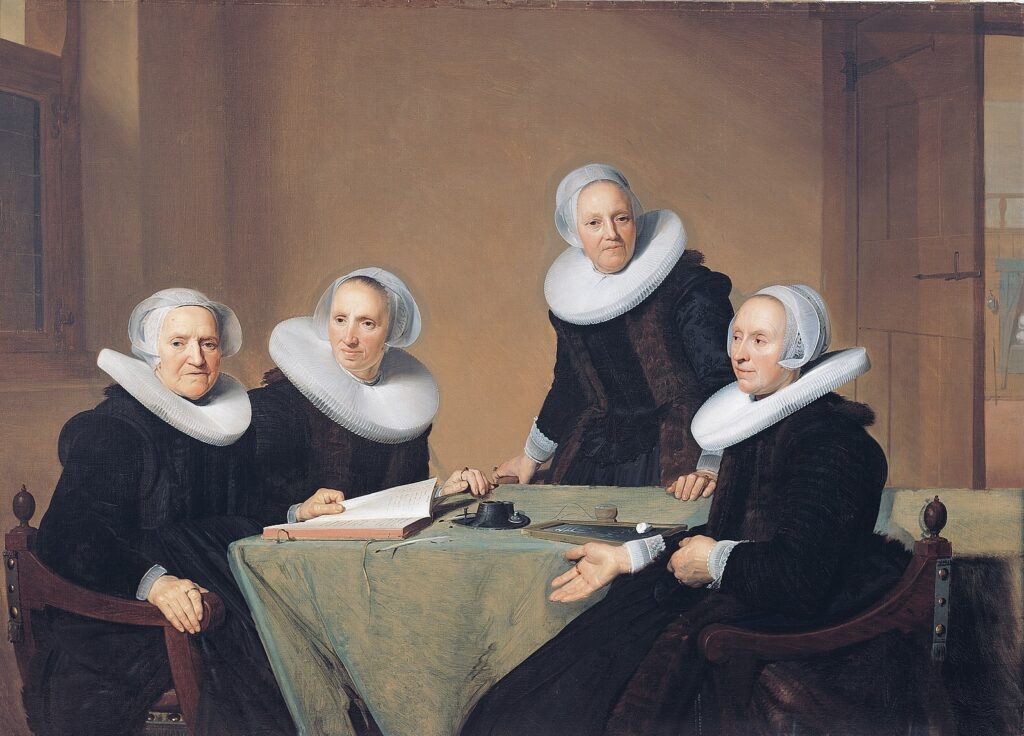
Johannes Cornelisz Verspronck, c 1601–June 1662, was a Dutch painter born and active in Haarlem. He was the son and probably the pupil of the portrait painter Cornelis Engelsz and entered the Haarlem Guild of St Luke in 1632.
Verspronck specialized in portraits and was influenced by the work of Frans Hals. His patrons included members of Haarlem’s Catholic community, civic officials, and charitable institutions; his principal group portraits were commissioned by the St Elisabeth Hospital and the Heilige Geesthuis.
Verspronck continued working in Haarlem until the 1650s and was buried there on June 30, 1662. His paintings are held by the Frans Hals Museum, Rijksmuseum, National Gallery of Art, Louvre Museum, and other public collections.
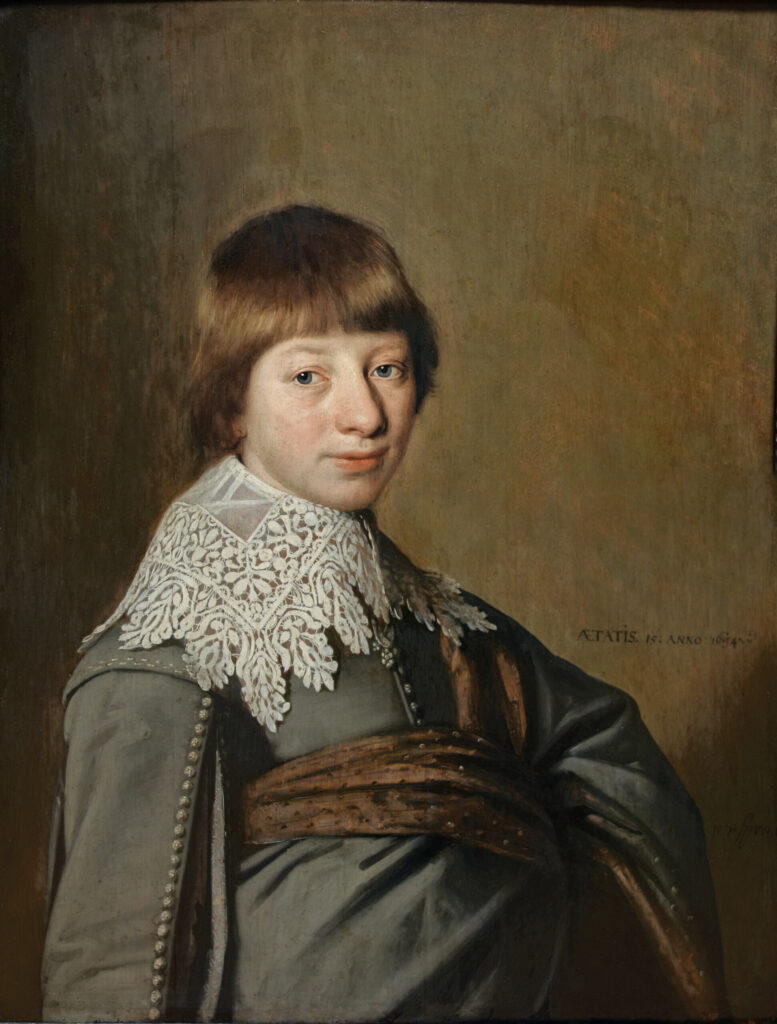


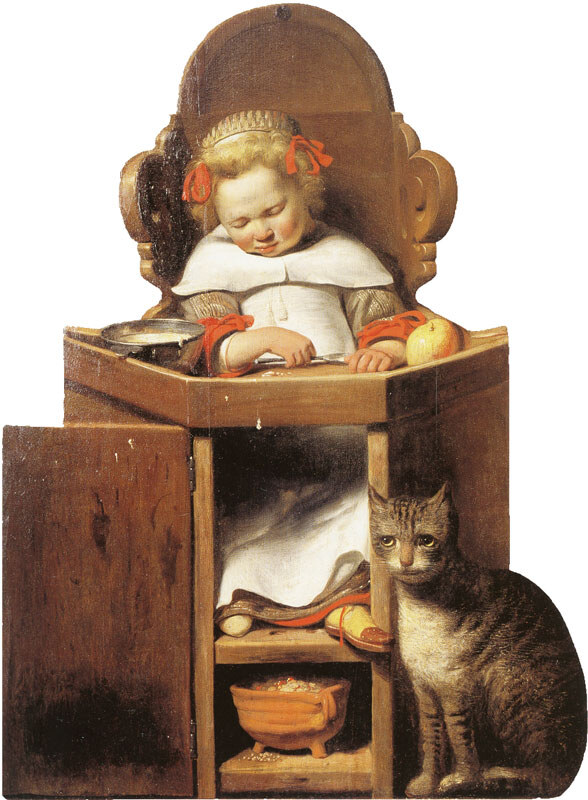
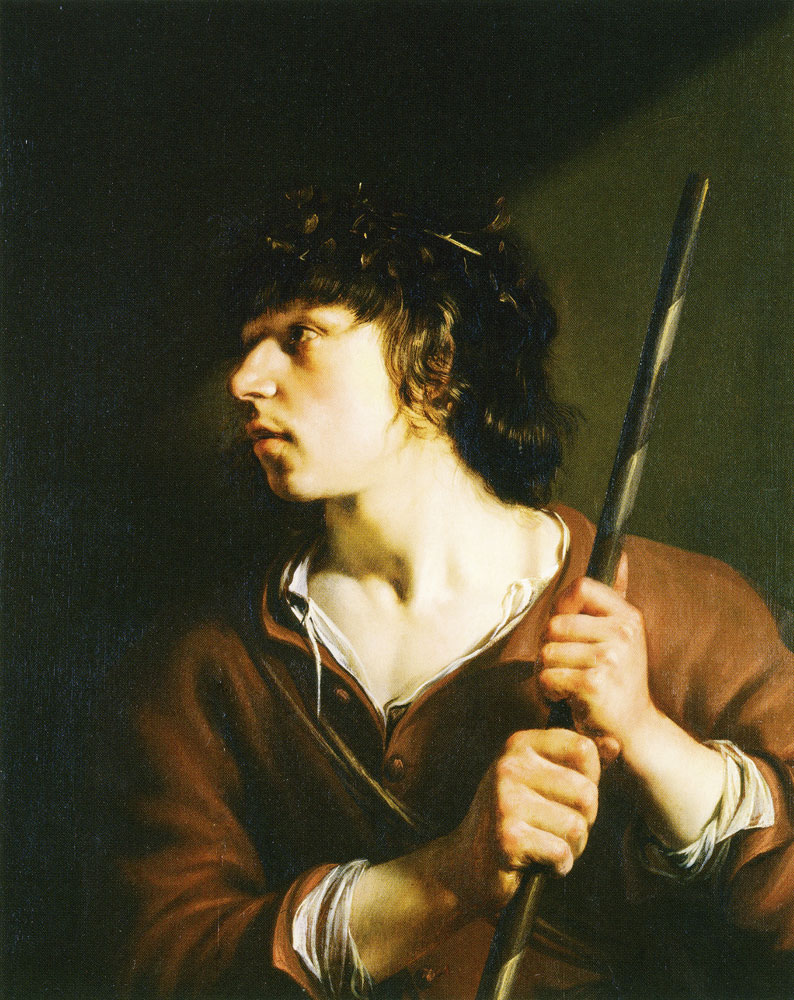
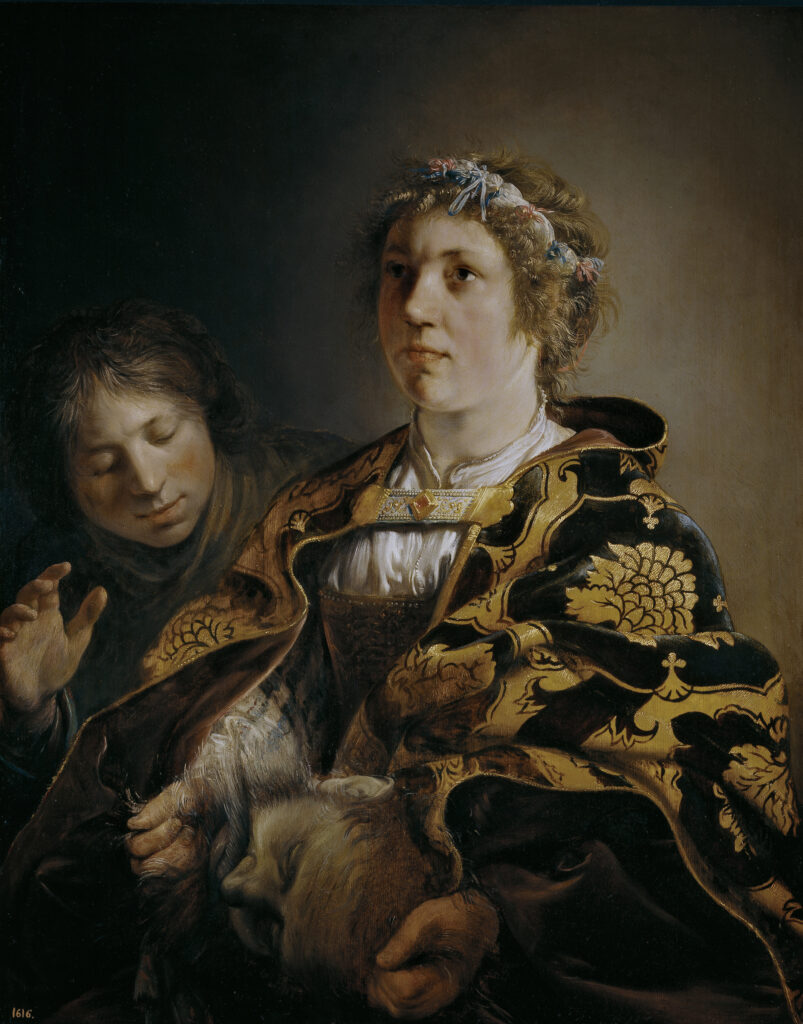
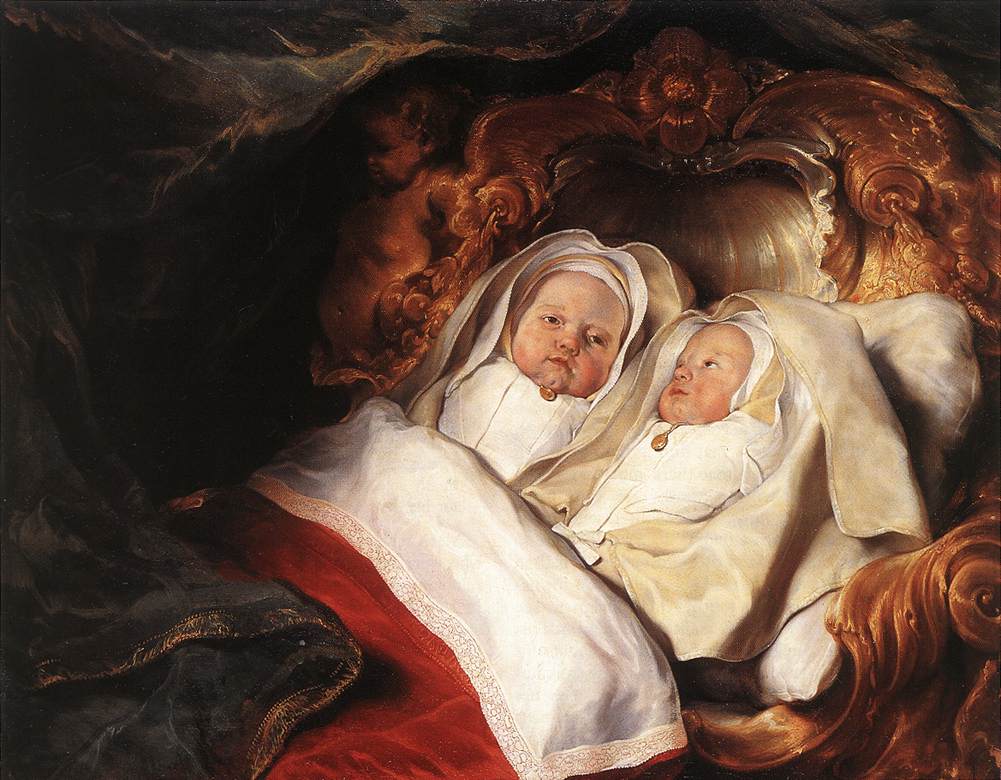
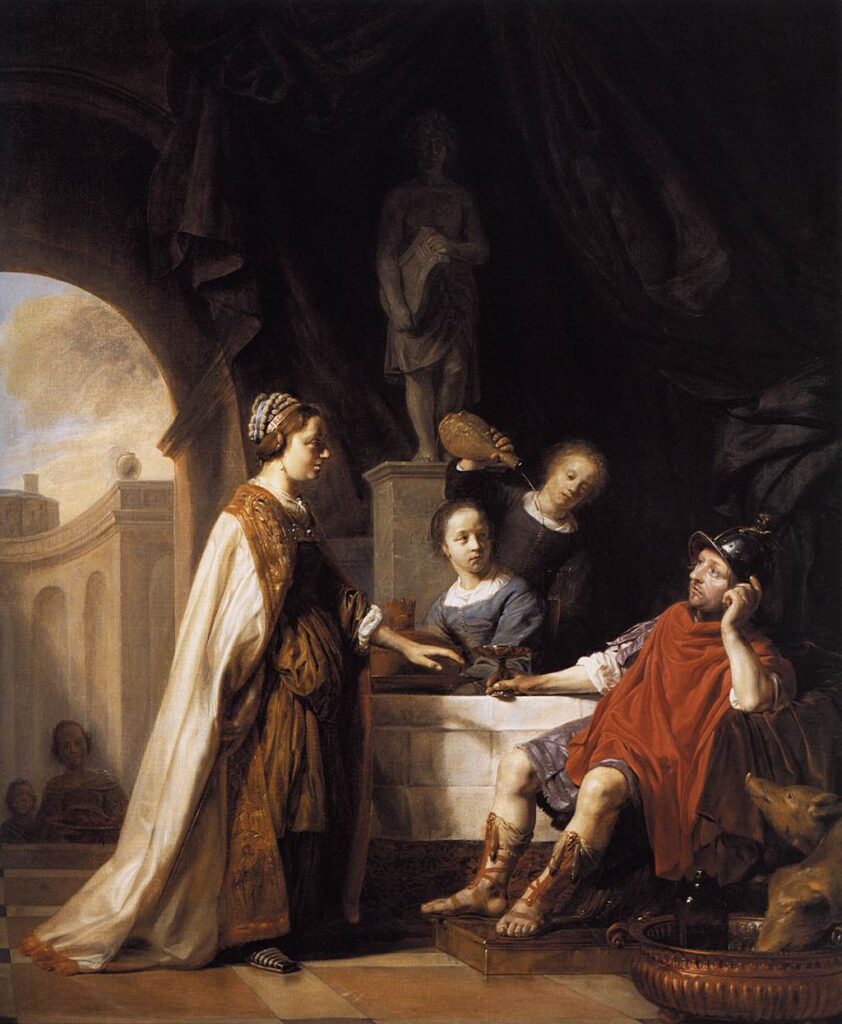
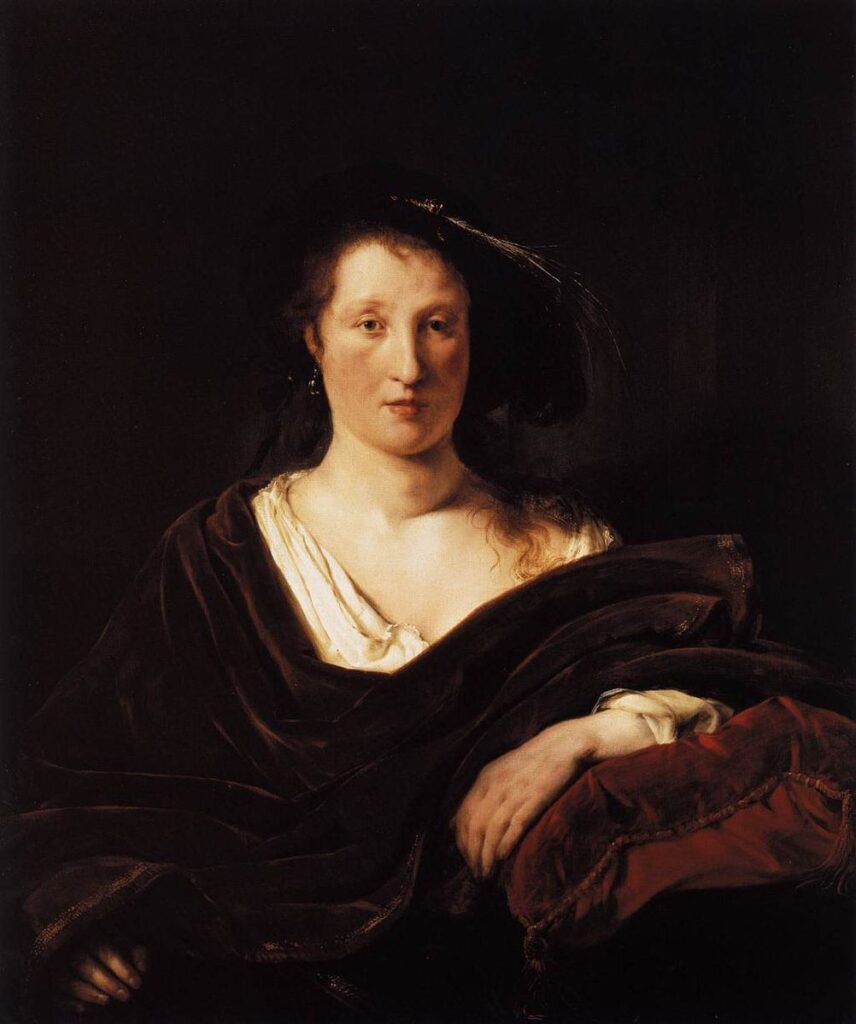
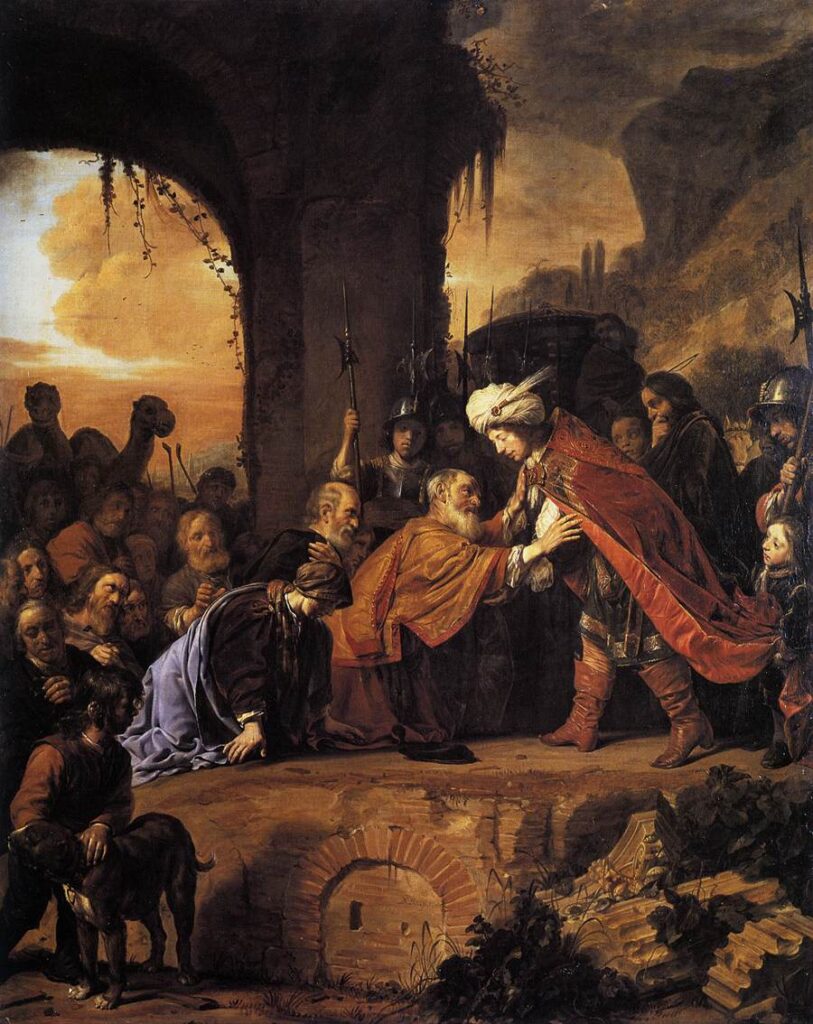
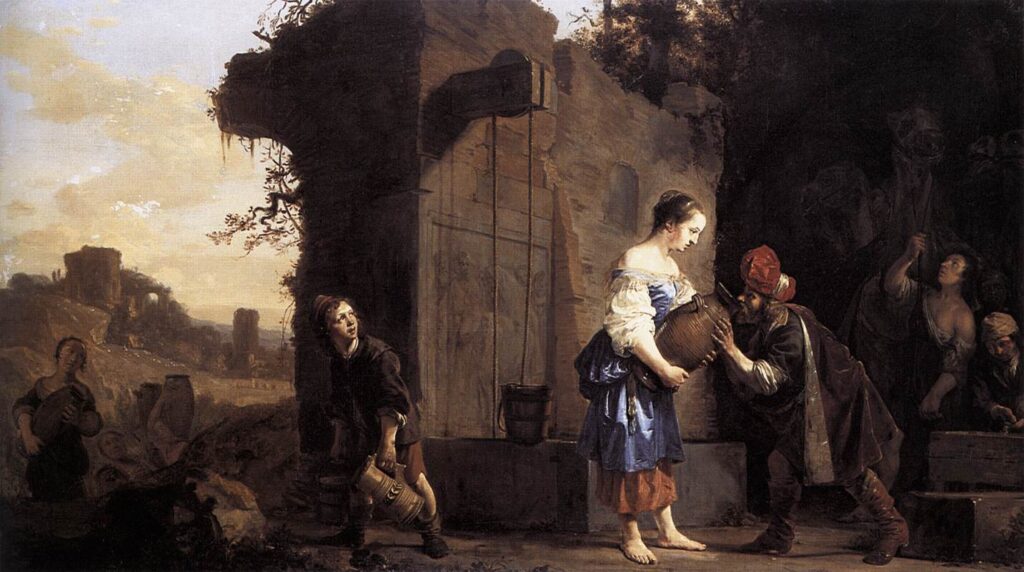
Salomon de Bray
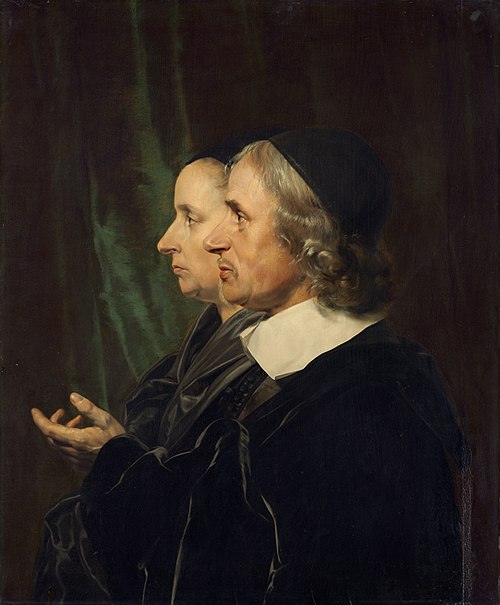
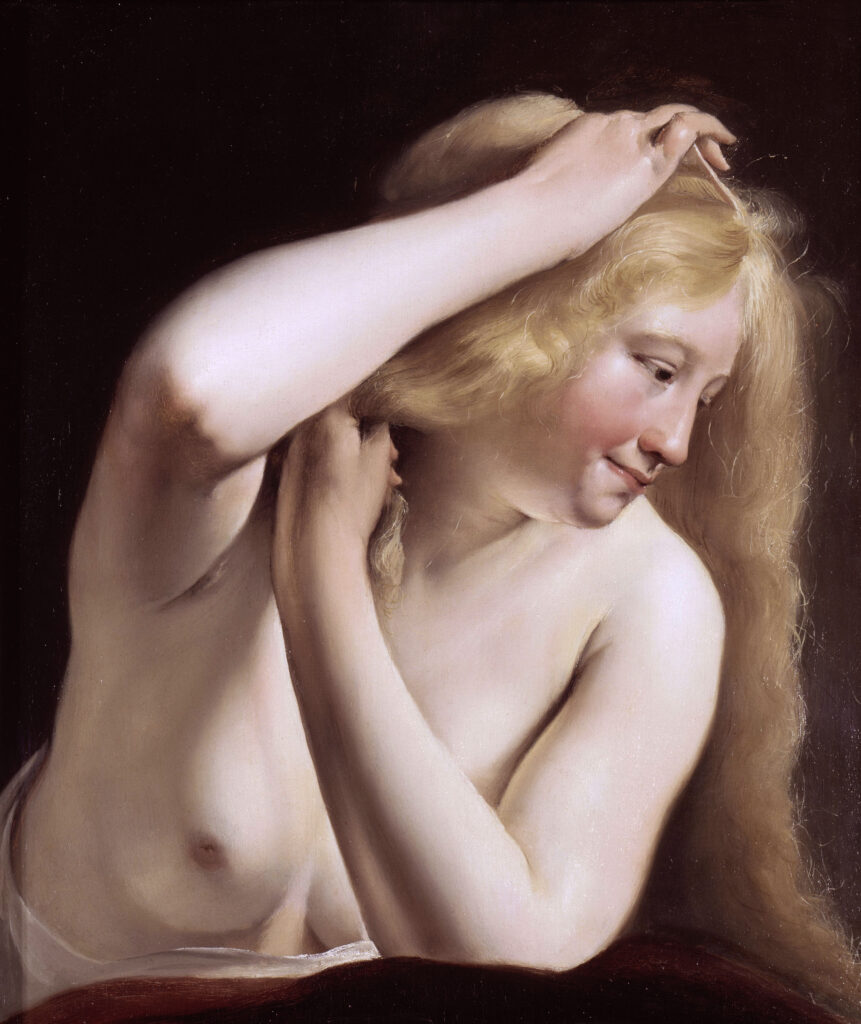
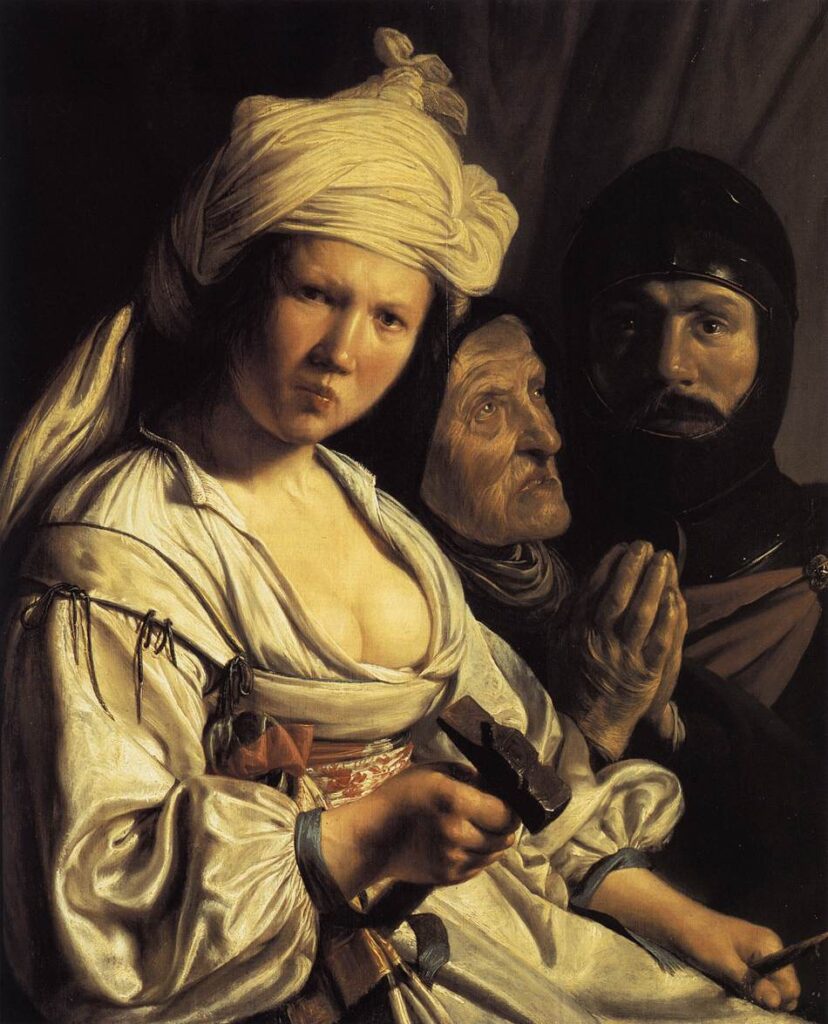
Salomon de Bray, 1597 – May 11, 1664, was a Dutch painter, architect, poet, and designer active in Haarlem during the Dutch Golden Age. Born in Amsterdam, he later settled in Haarlem, where he became a member of the Guild of Saint Luke. His training is not securely documented, but his work shows knowledge of Dutch Mannerist painting and the developing Haarlem classicist style. He was also involved in architectural theory and design, publishing on architecture and working within the broader intellectual and artistic culture of Haarlem.
De Bray painted biblical, mythological, allegorical, portrait, and genre subjects. His figure paintings often use compact compositions, strong modeling, and theatrical lighting, while his portraits and family images connect him to the Haarlem civic and domestic painting tradition. He was associated with Haarlem classicism and with artists including Pieter de Grebber and Caesar van Everdingen. In addition to painting, he wrote poetry and contributed to architectural design, making him part of the wider learned culture of seventeenth-century Haarlem.
Several of de Bray's children became artists, including Jan de Bray, Dirck de Bray, Joseph de Bray, and Jacob de Bray. His work is held by major collections including the Rijksmuseum, Louvre Museum, Museo del Prado, National Gallery of Art, Getty Center, Museum of Fine Arts, Boston, Frans Hals Museum, National Galleries of Scotland, and other European and North American institutions.





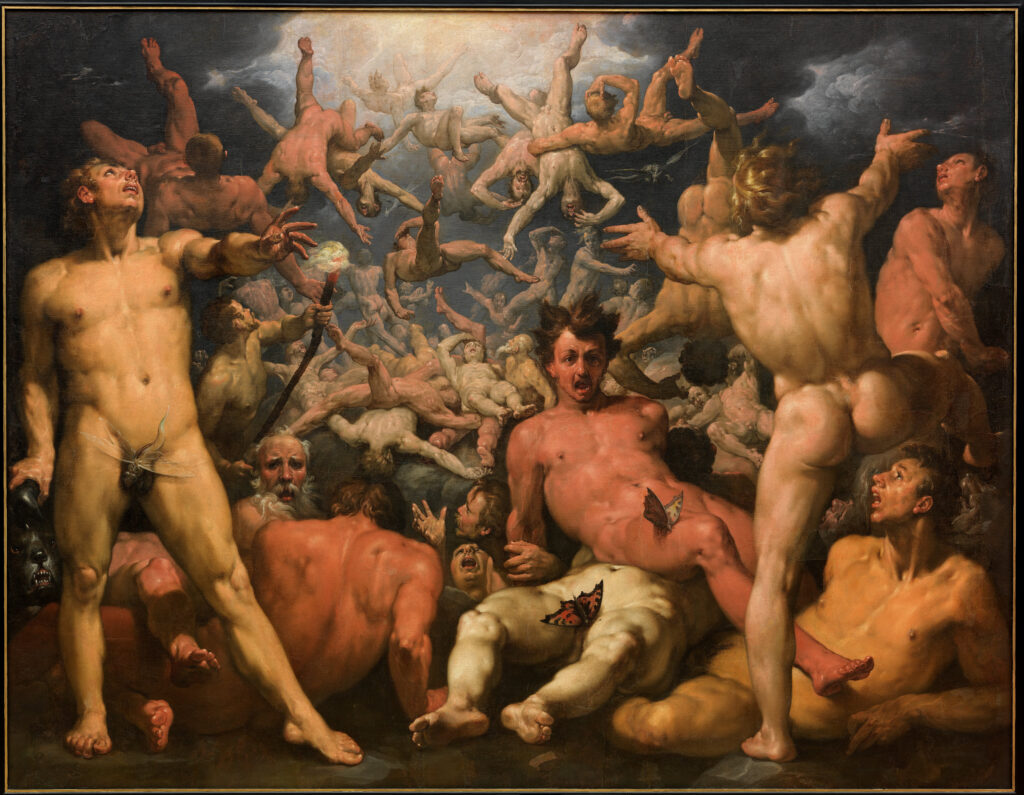

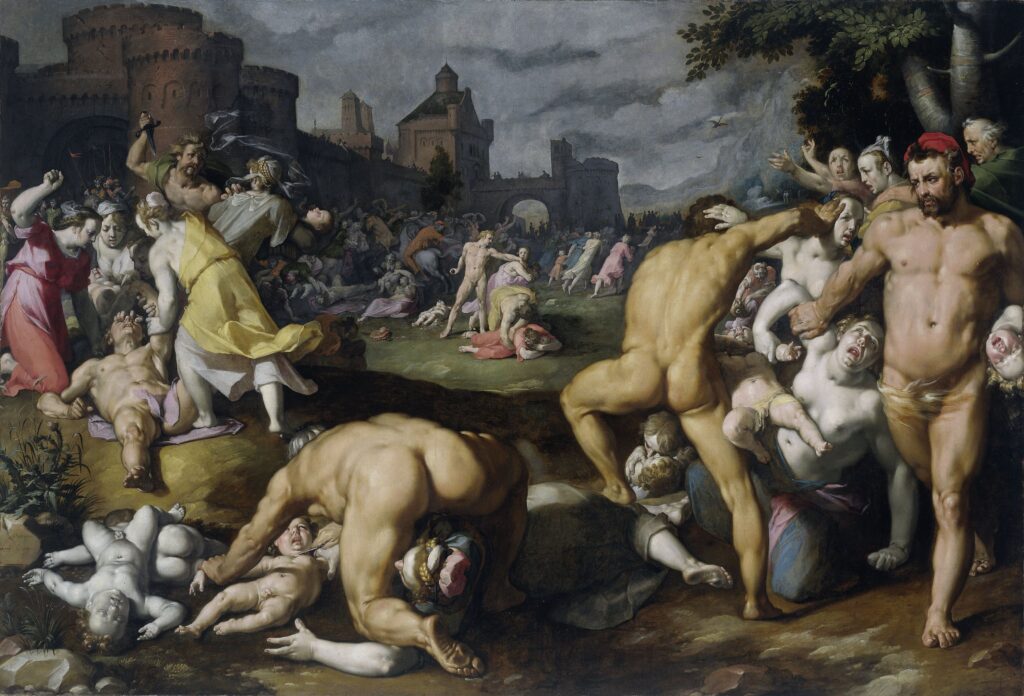


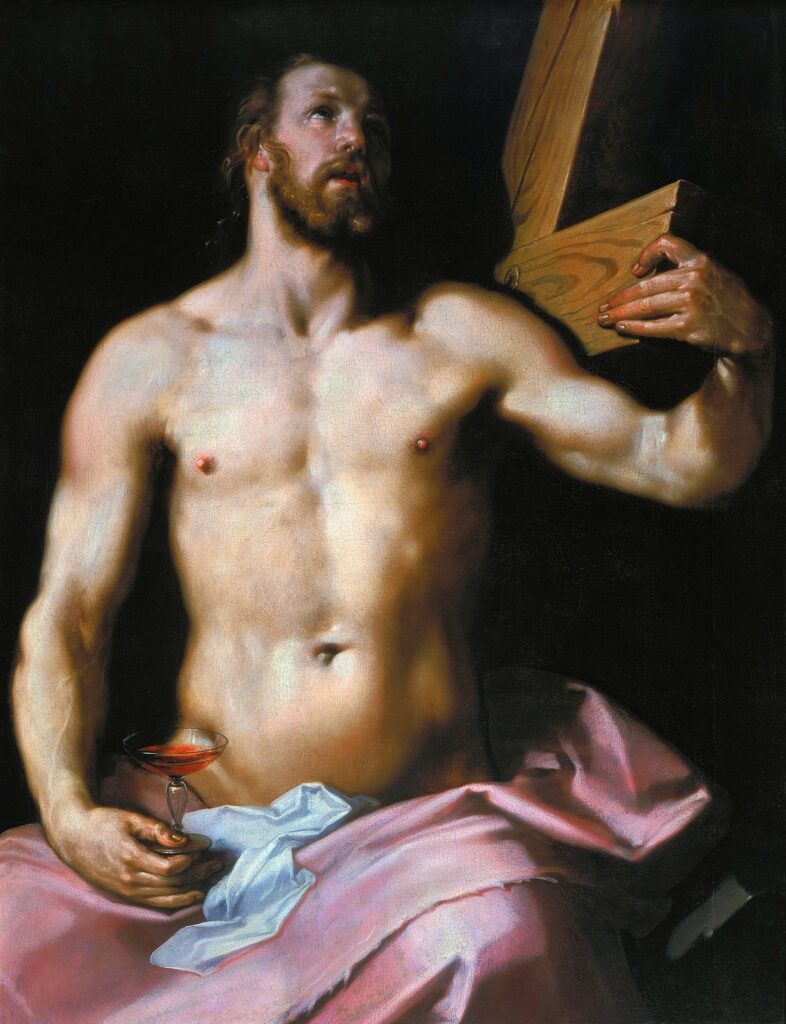

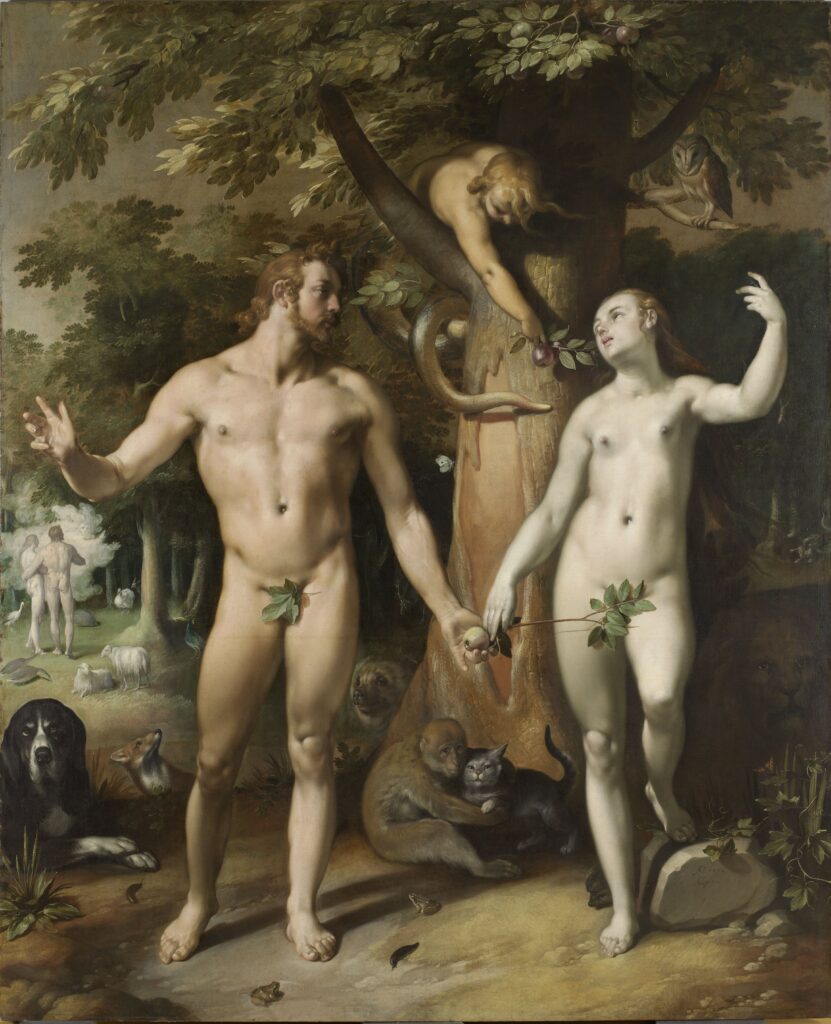
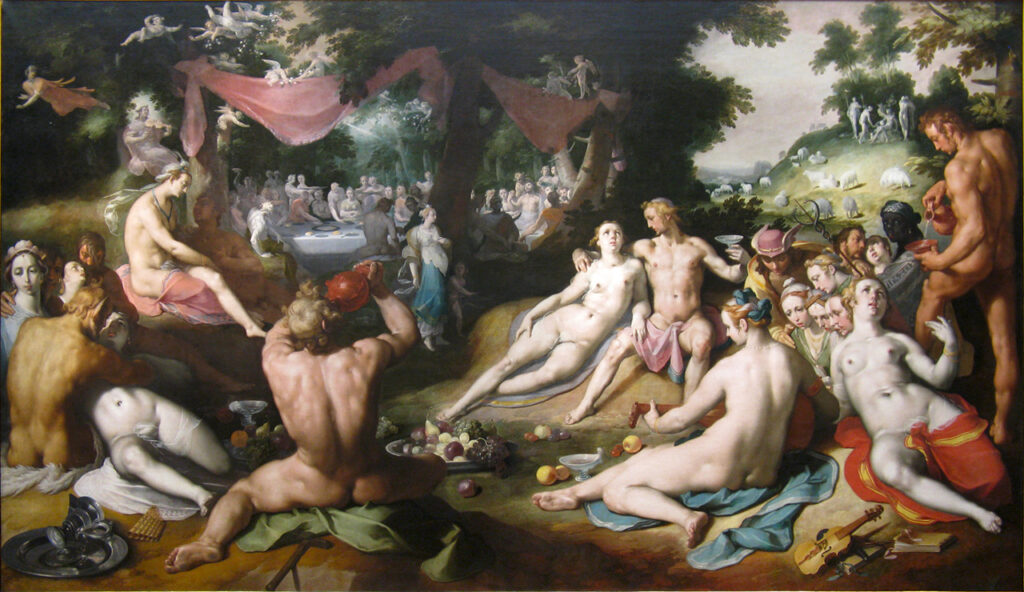
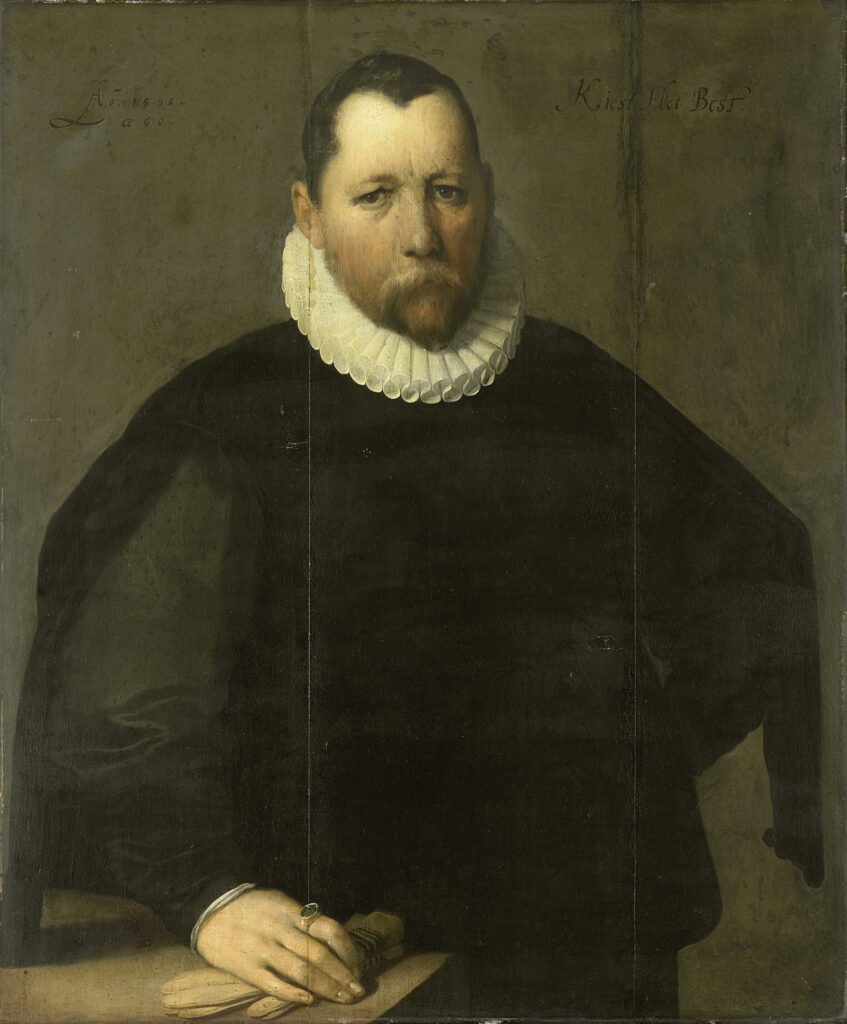


Abraham Janssens
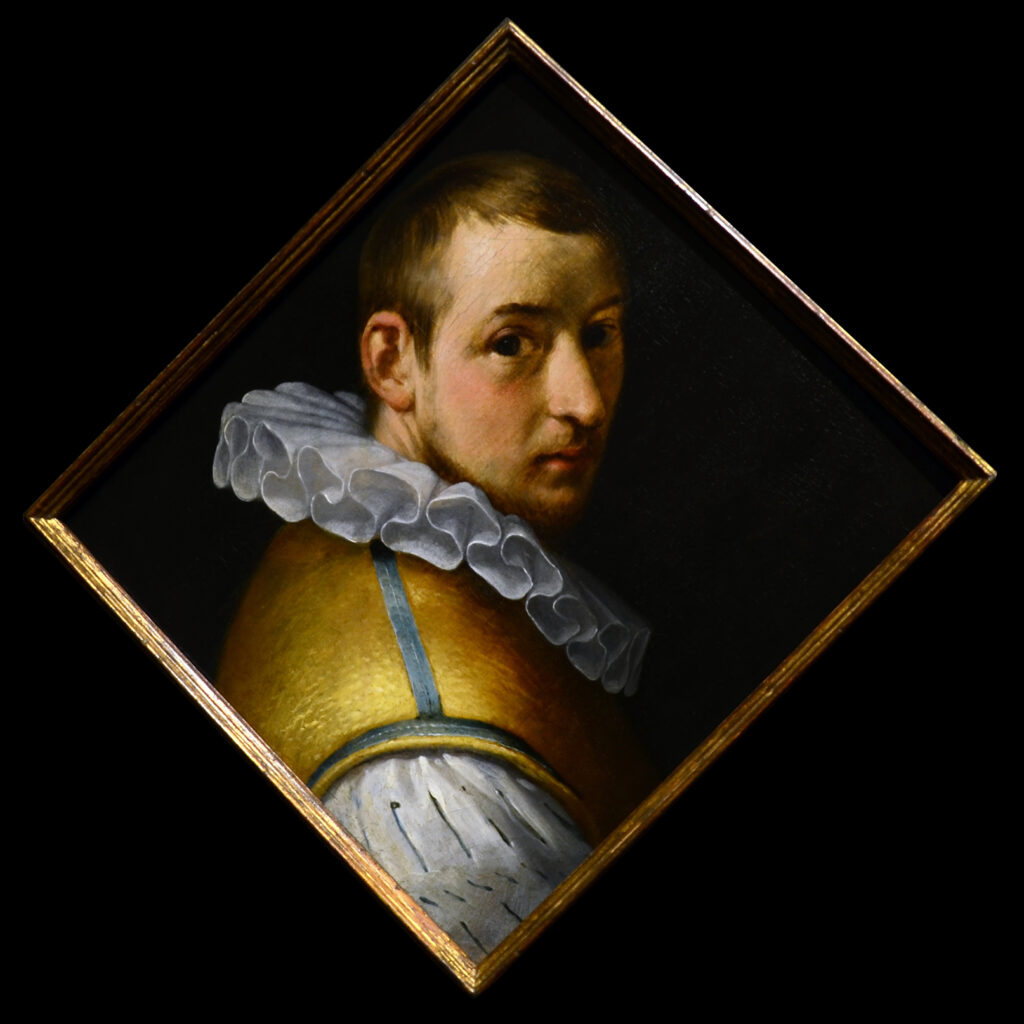
Abraham Janssens, c 1575 – January 25, 1632, was a Flemish painter born and active in Antwerp. He trained with Jan Snellinck, worked in Italy during the 1590s, and became a master in the Antwerp Guild of Saint Luke in 1601–1602.
Janssens specialized in large religious, mythological and allegorical paintings. His work combined late Mannerist traditions with influences from classical sculpture, Raphael and Caravaggio. Before Peter Paul Rubens returned to Antwerp in 1608, Janssens was regarded as the city’s leading history painter.
Janssens served as dean of the Antwerp Guild of Saint Luke in 1607. His pupils included Gerard Seghers, Theodoor Rombouts, Nicolas Régnier, Michele Desubleo and his son Abraham Janssens II.


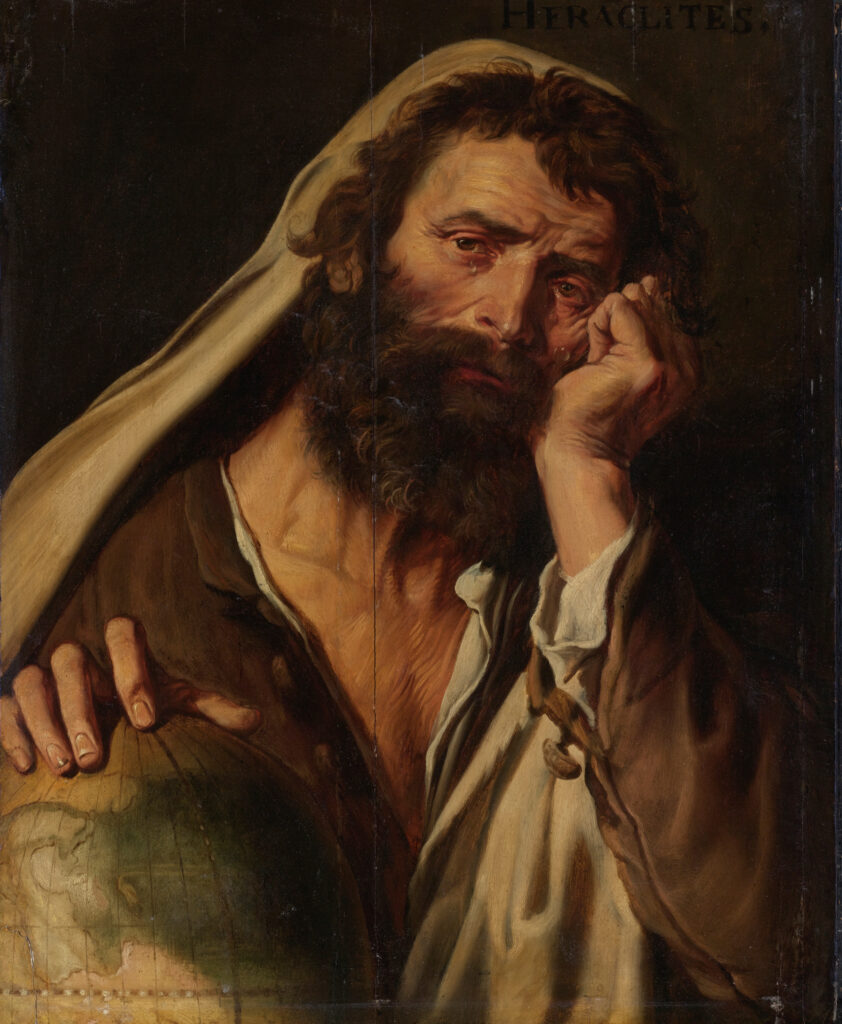


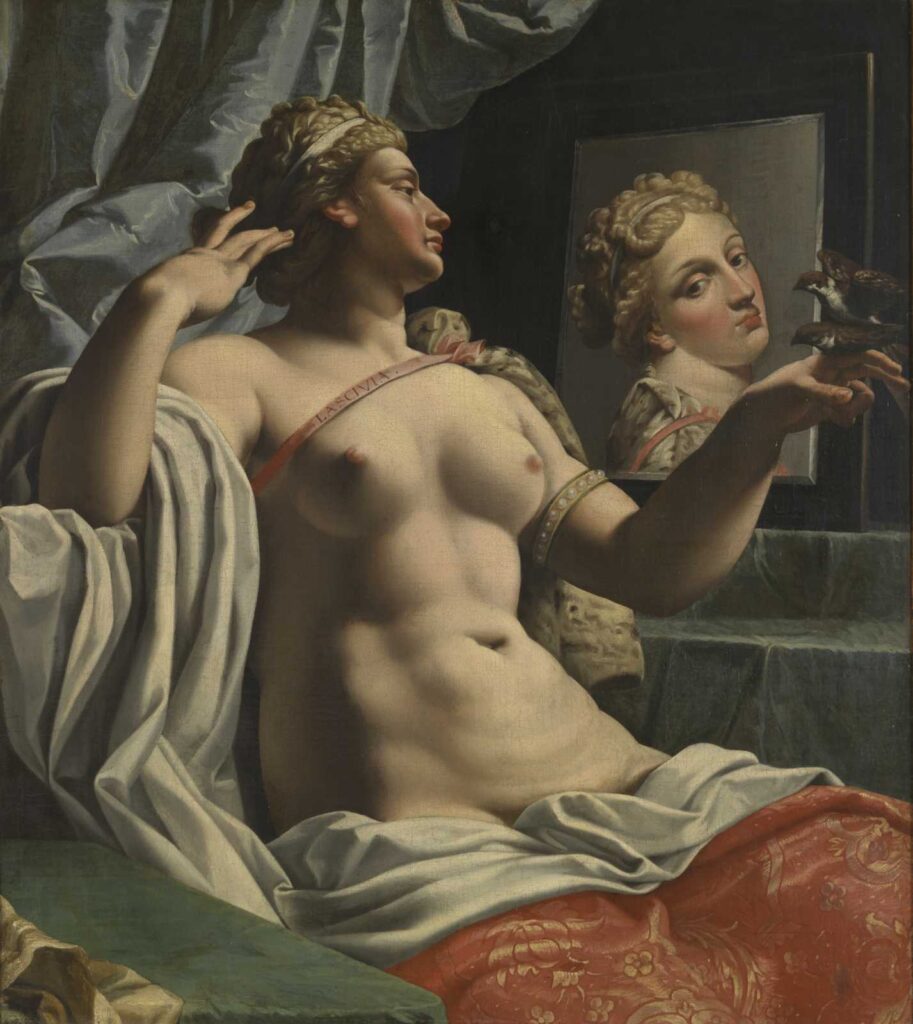













Aelbert Cuyp
Aelbert Cuyp, October 20, 1620 – November 15, 1691, was a Dutch painter born in Dordrecht. He trained with his father, the portrait painter Jacob Gerritsz Cuyp, and worked chiefly in his native city.
Cuyp painted river landscapes, pastoral scenes, animal subjects, and portraits. His mature landscapes combine Dutch topography with warm light and compositional ideas associated with Italianate landscape painting.
After marrying Cornelia Boschman in 1658, Cuyp painted less frequently and held civic and church offices in Dordrecht. His works are held by the National Gallery, the Metropolitan Museum of Art, the National Gallery of Art, the Royal Collection, and other major collections.


