Posts Tagged: nbd






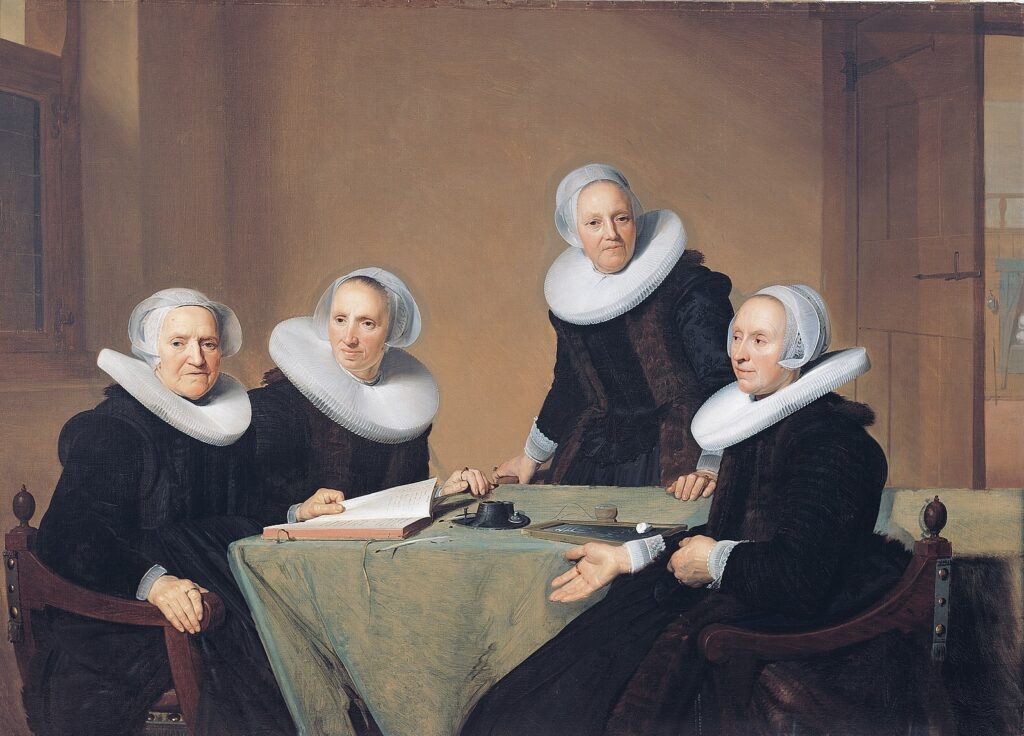
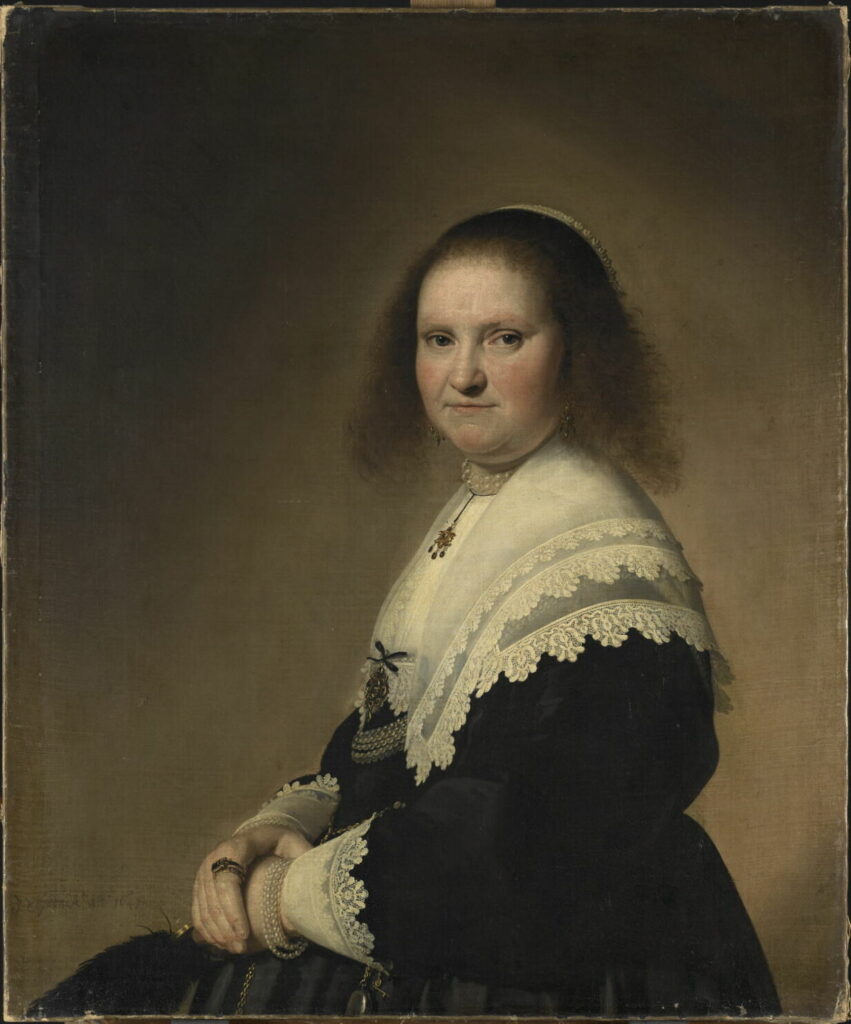
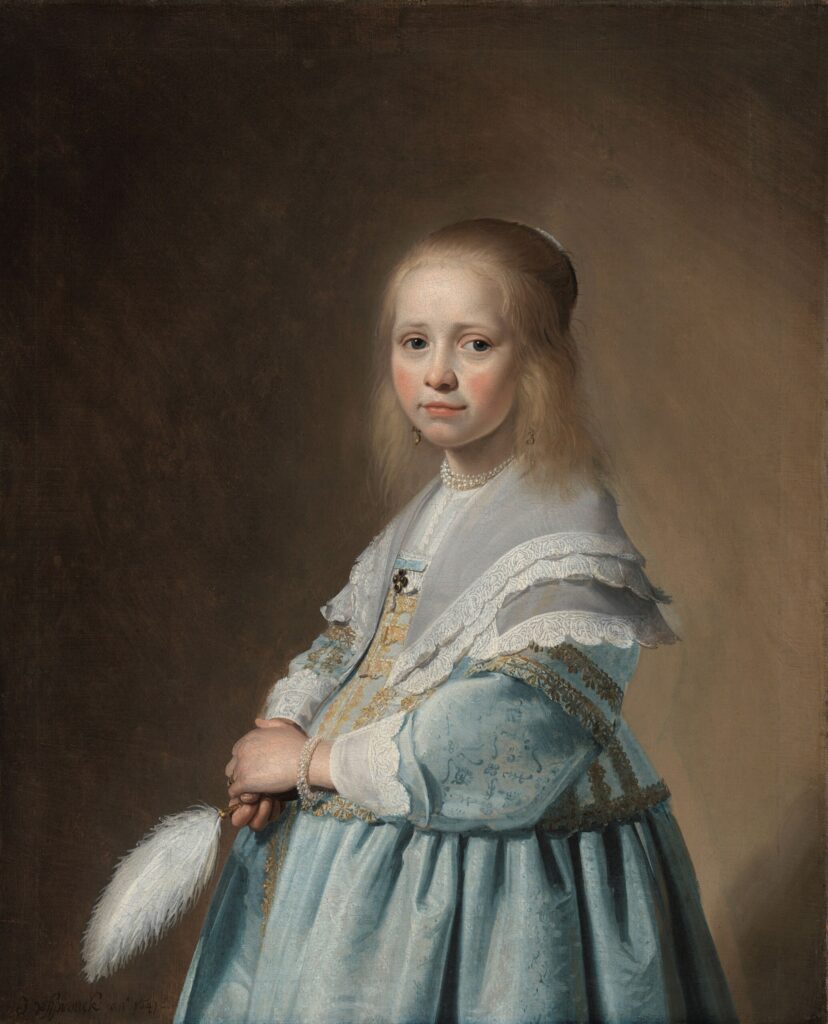
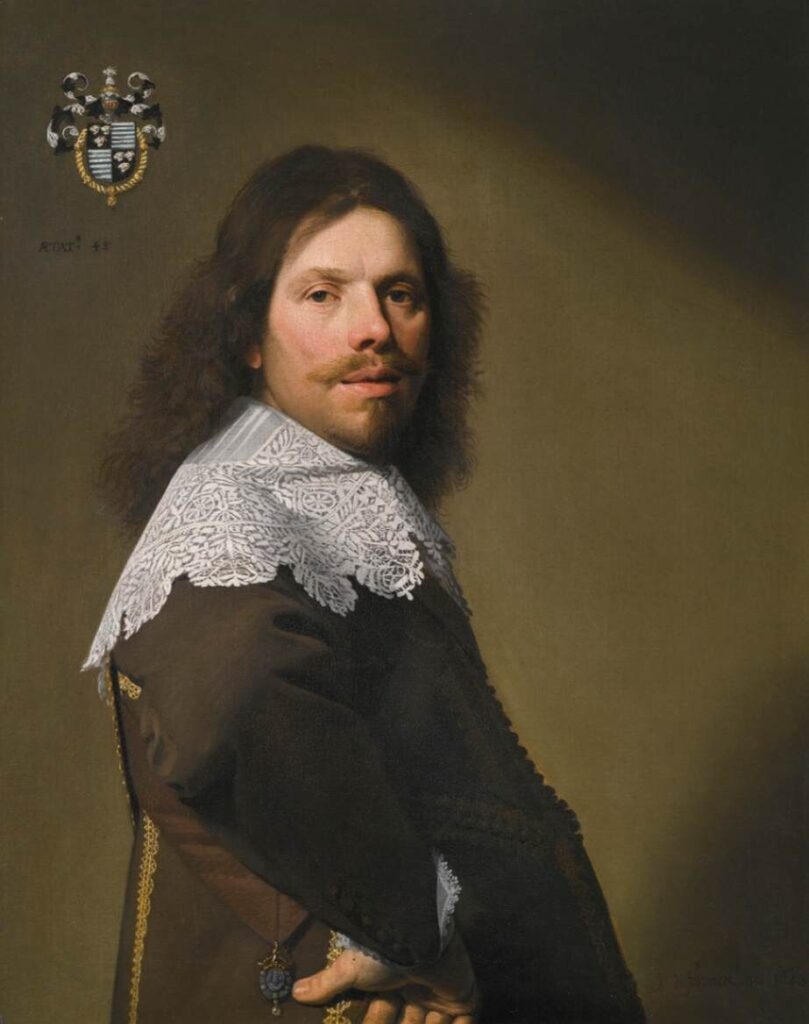
Johannes Cornelisz Verspronck
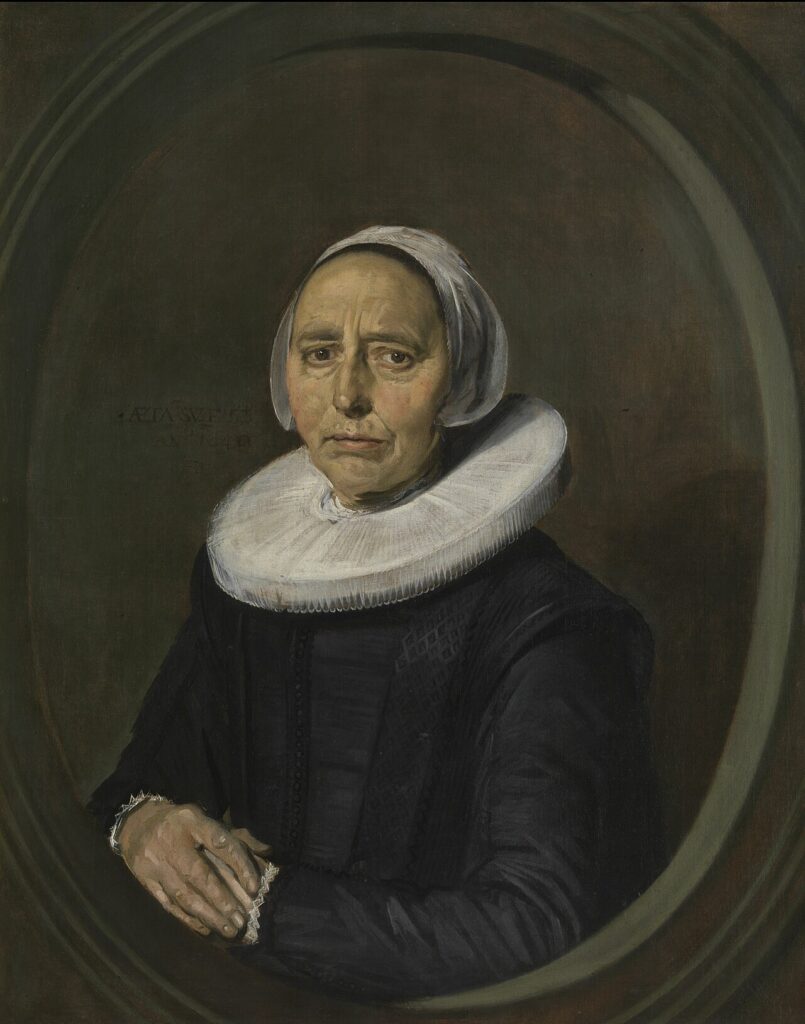
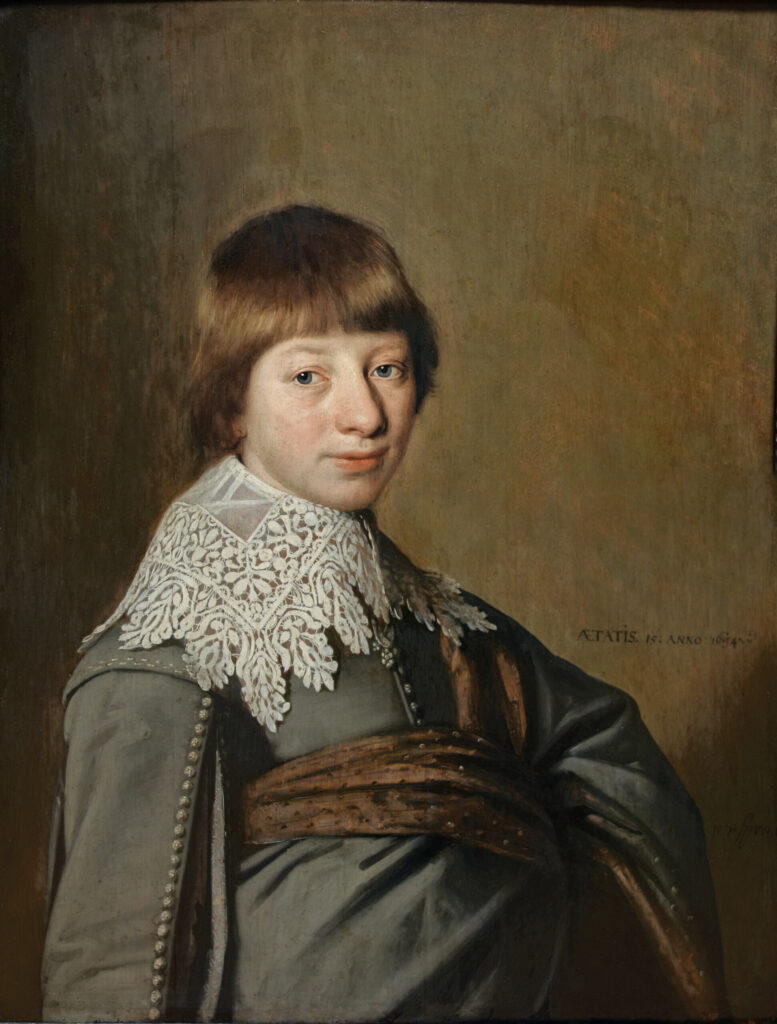
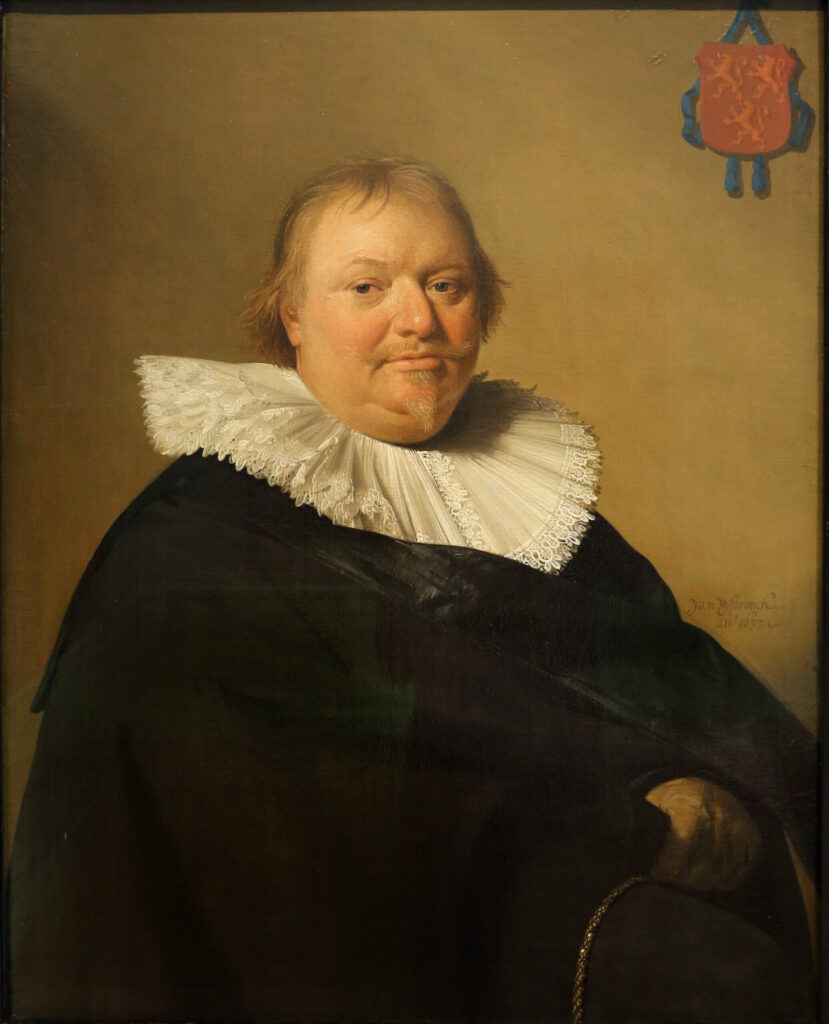
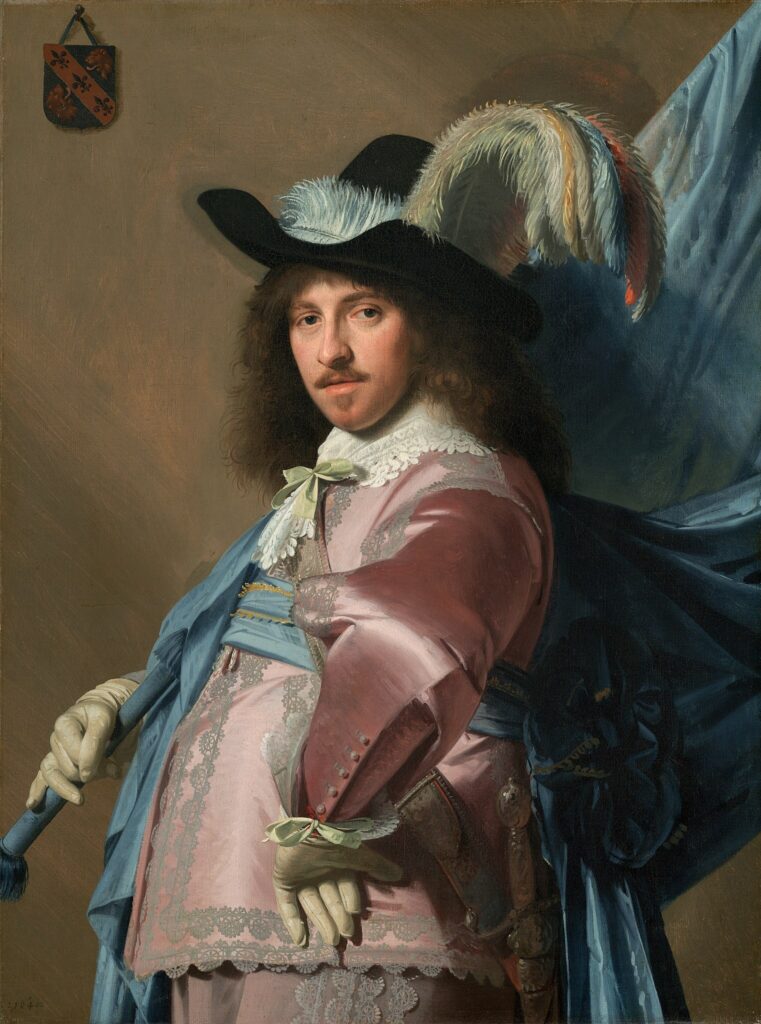
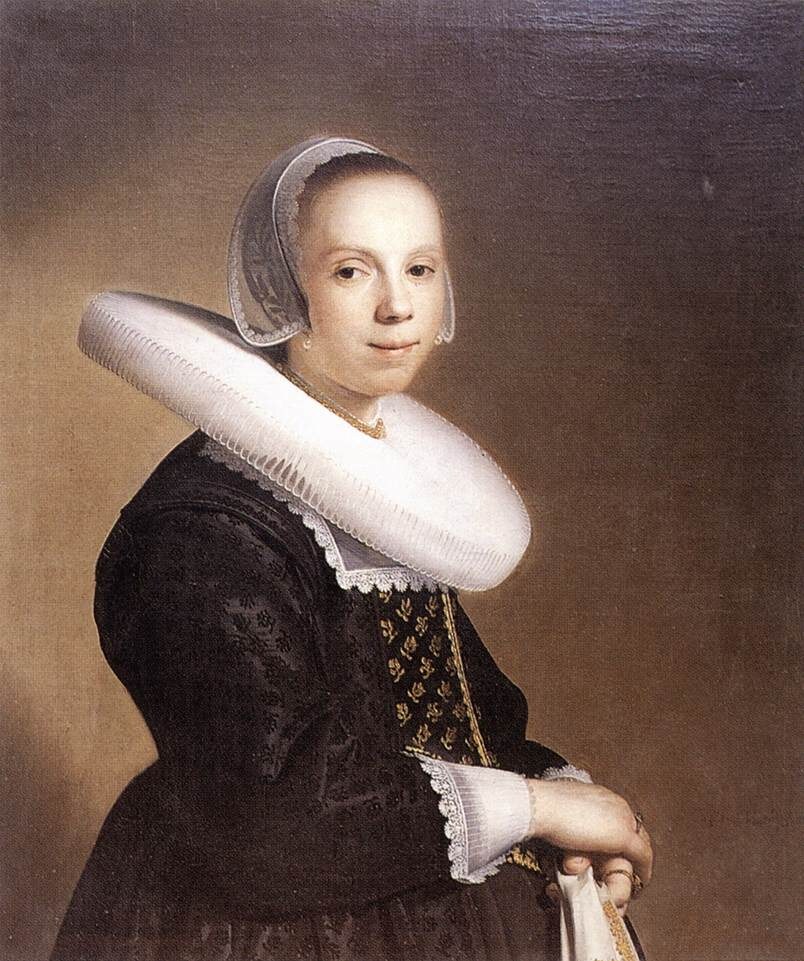
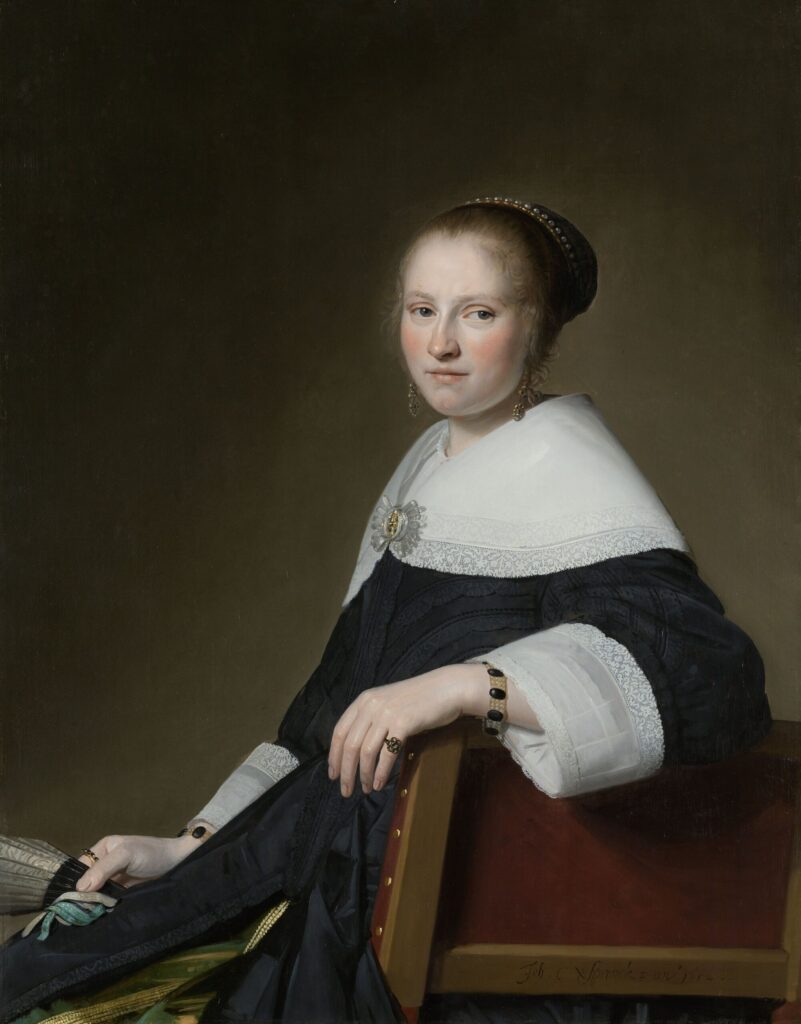
Johannes Cornelisz Verspronck, c 1601–June 1662, was a Dutch painter born and active in Haarlem. He was the son and probably the pupil of the portrait painter Cornelis Engelsz and entered the Haarlem Guild of St Luke in 1632.
Verspronck specialized in portraits and was influenced by the work of Frans Hals. His patrons included members of Haarlem’s Catholic community, civic officials, and charitable institutions; his principal group portraits were commissioned by the St Elisabeth Hospital and the Heilige Geesthuis.
Verspronck continued working in Haarlem until the 1650s and was buried there on June 30, 1662. His paintings are held by the Frans Hals Museum, Rijksmuseum, National Gallery of Art, Louvre Museum, and other public collections.


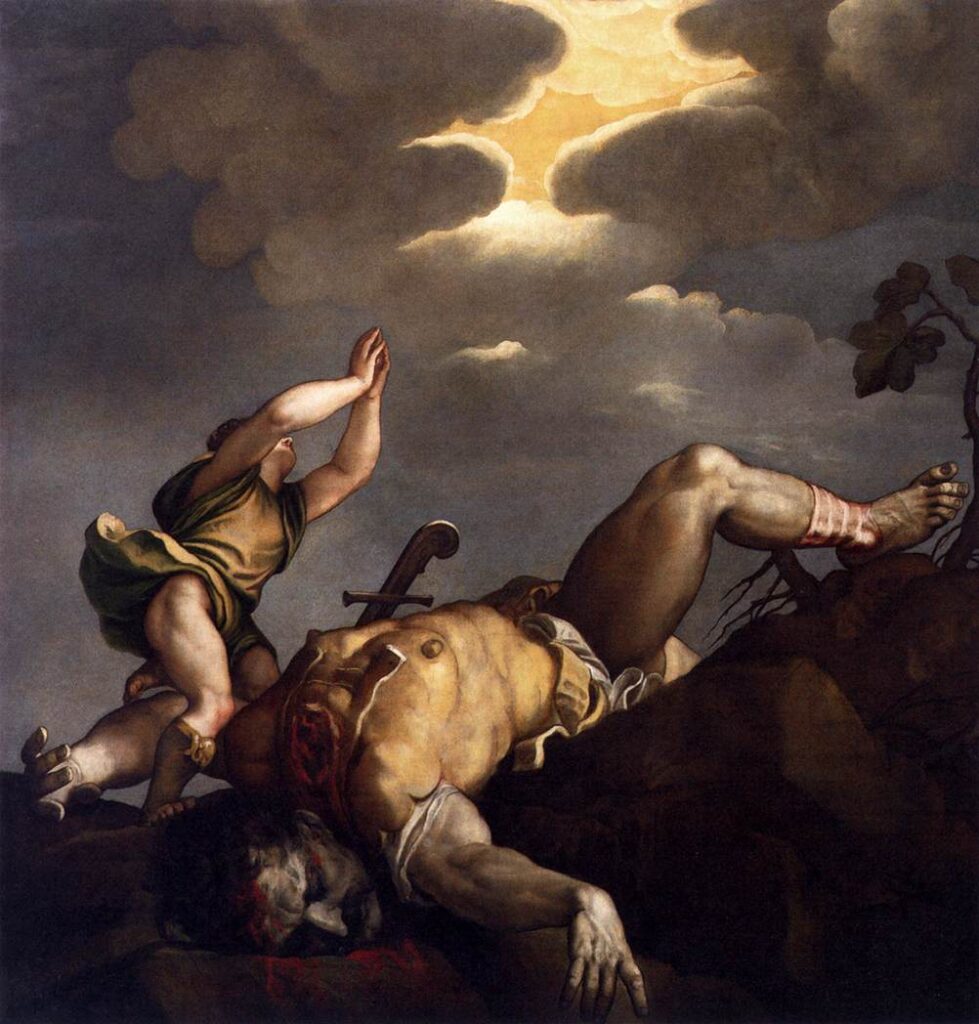
Salomon de Bray
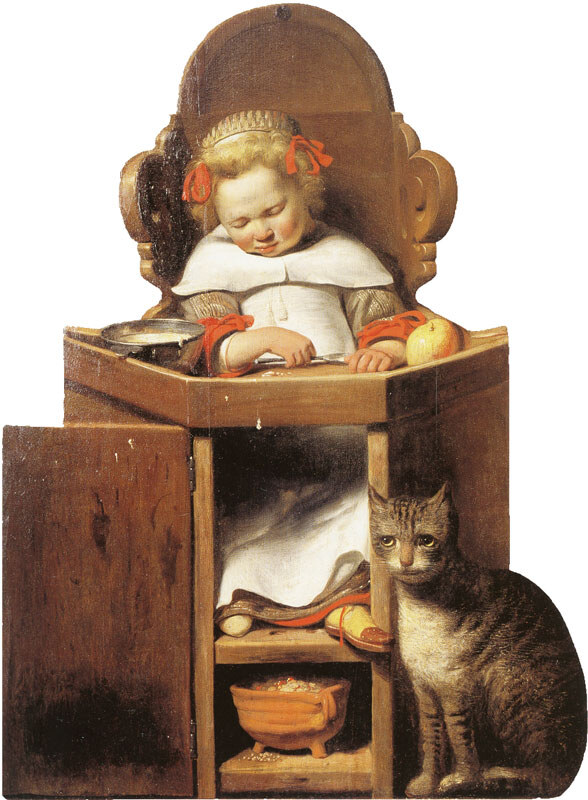
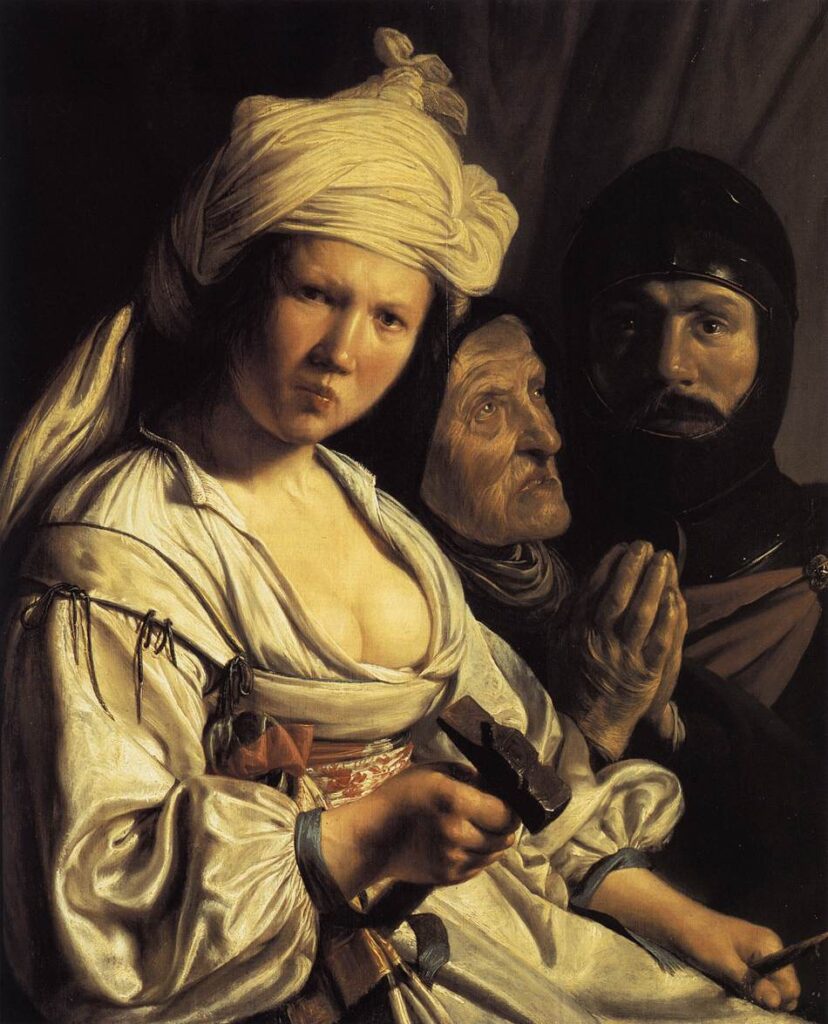
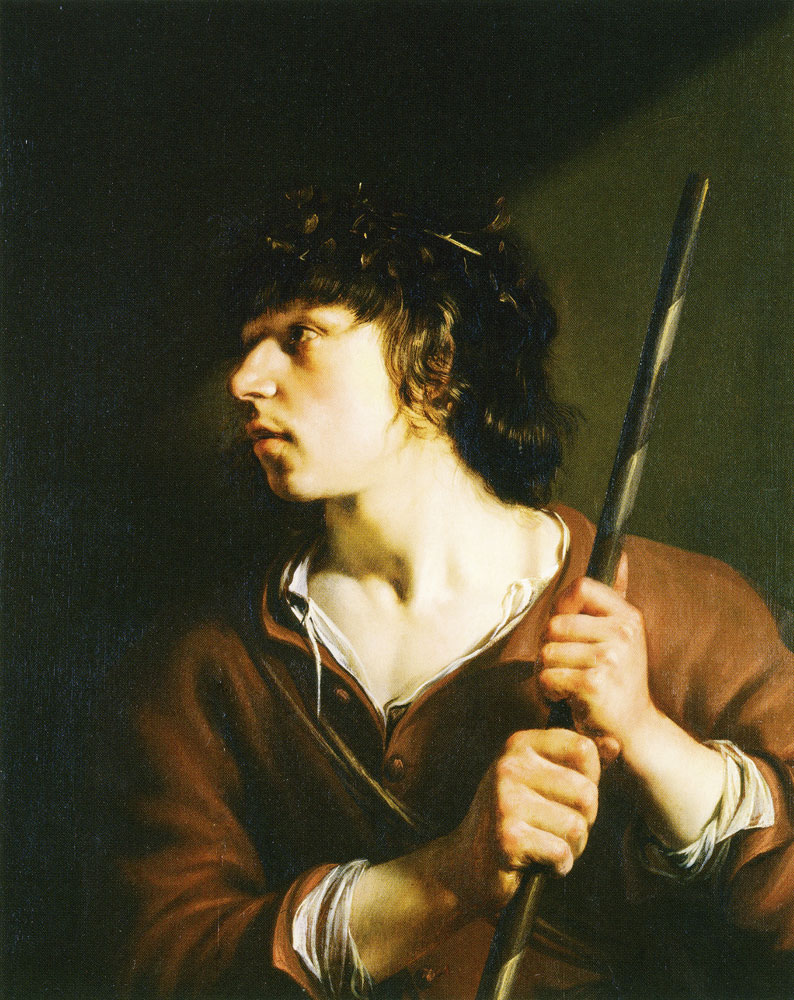
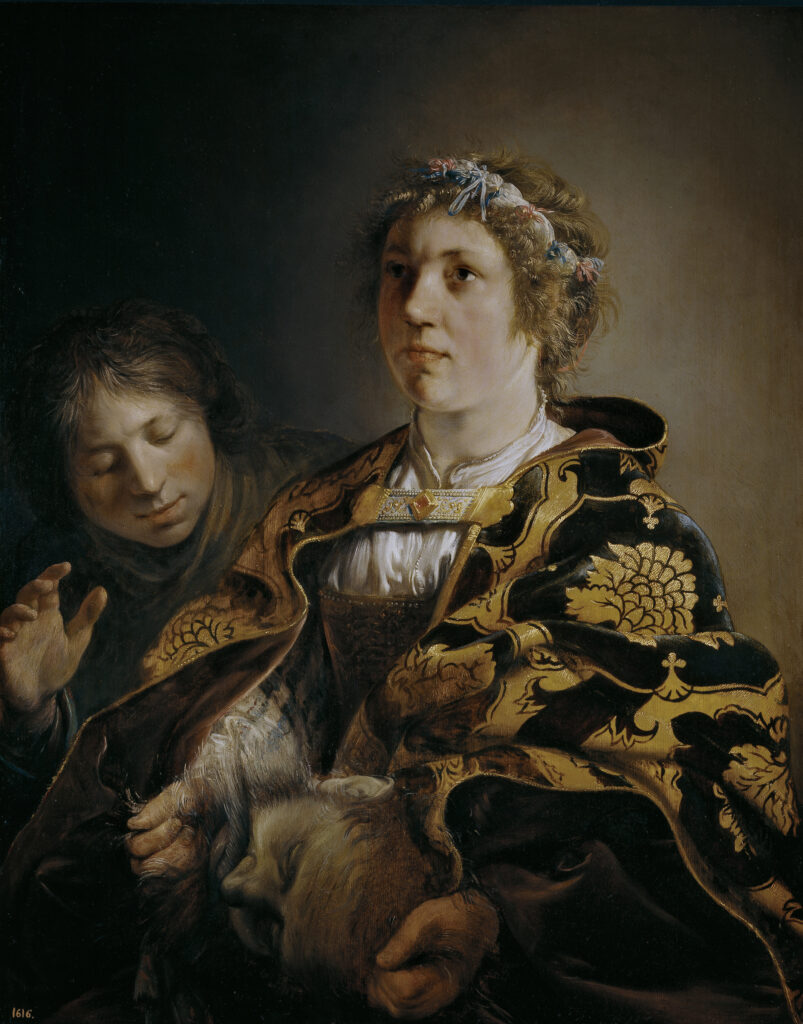
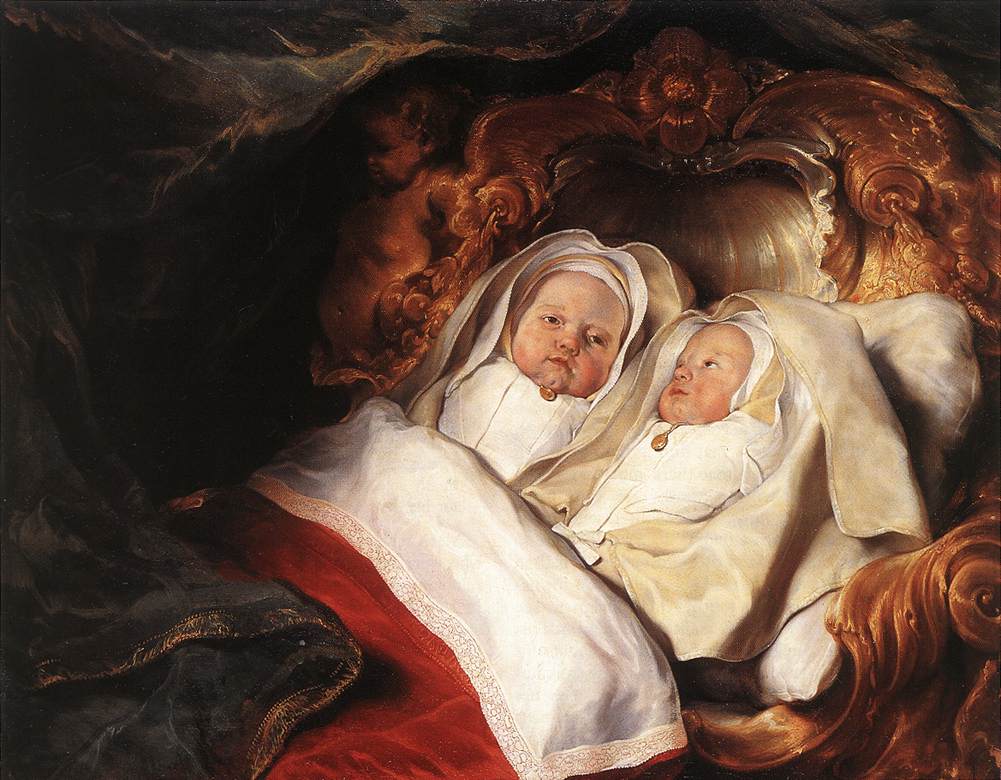
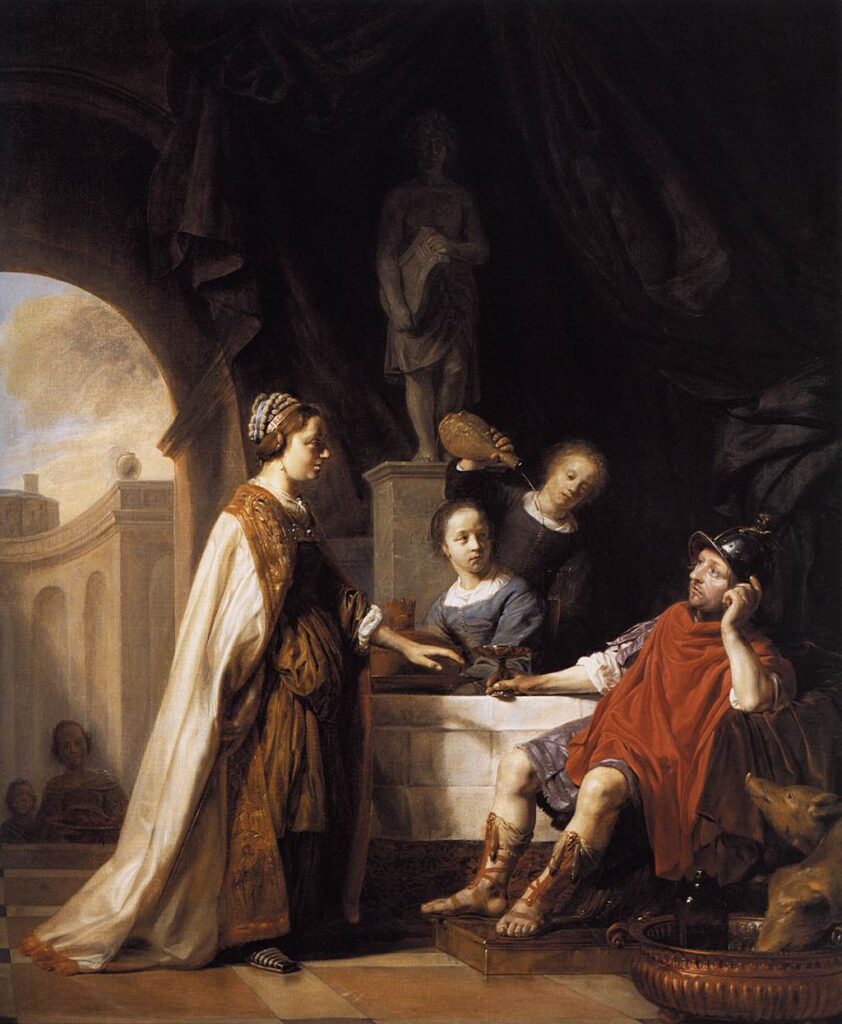
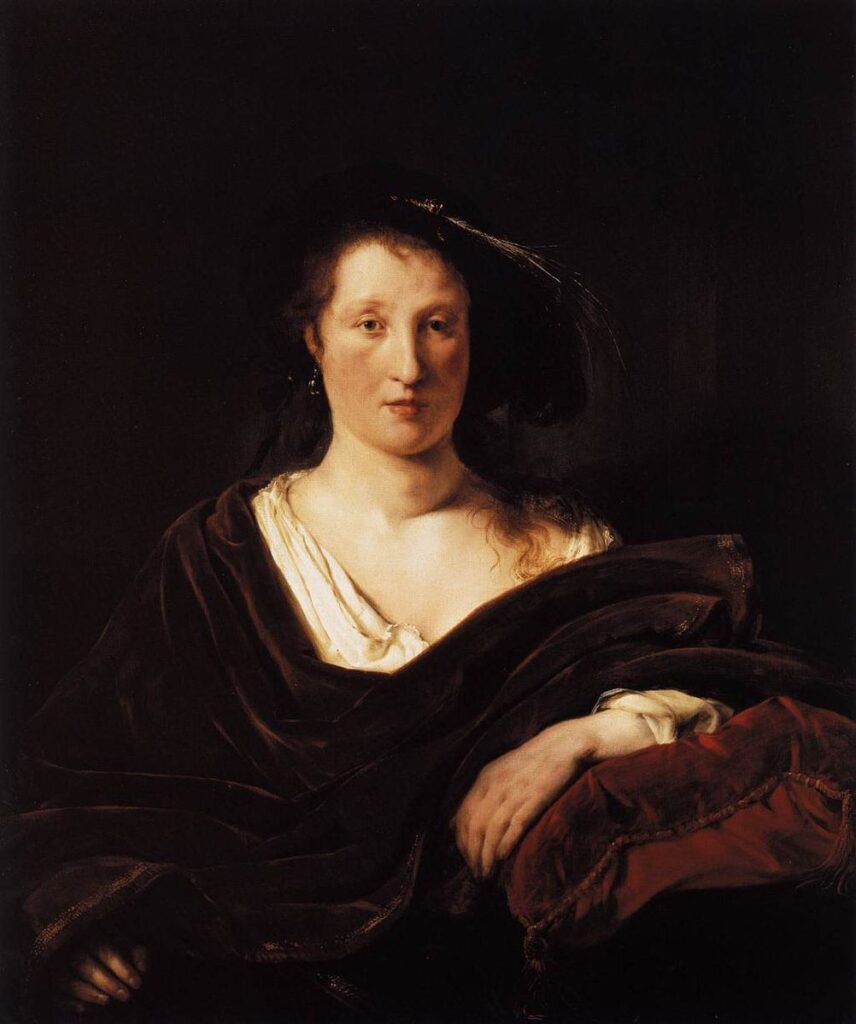
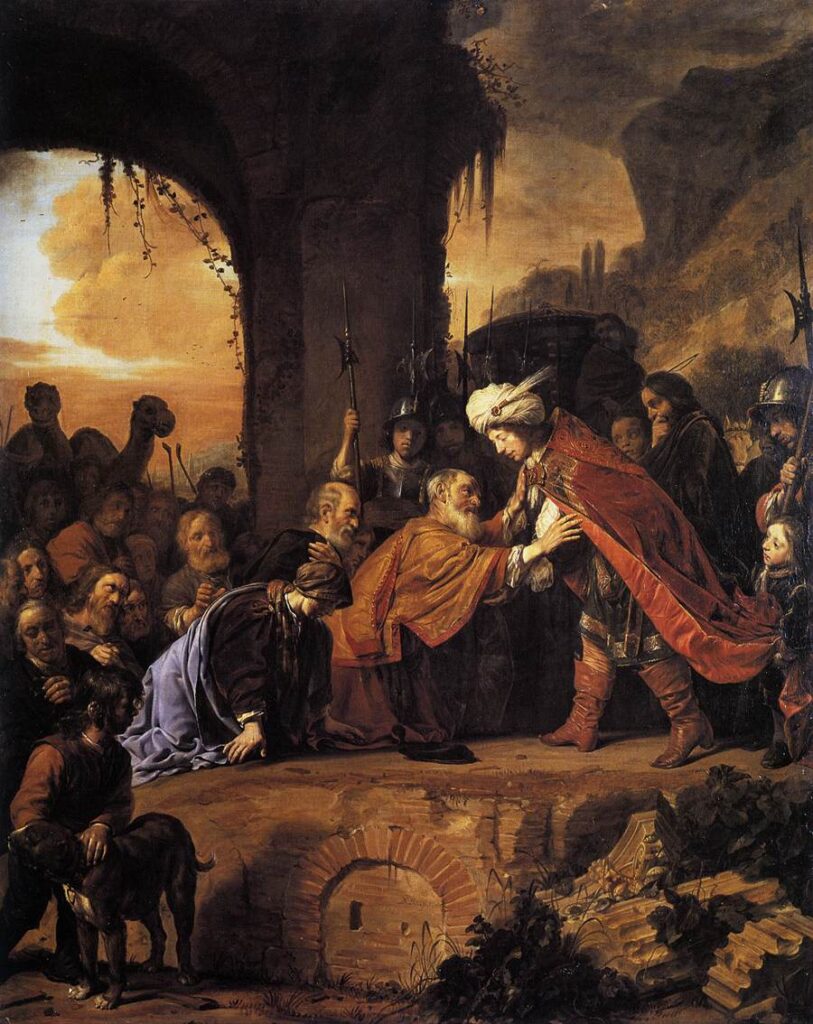
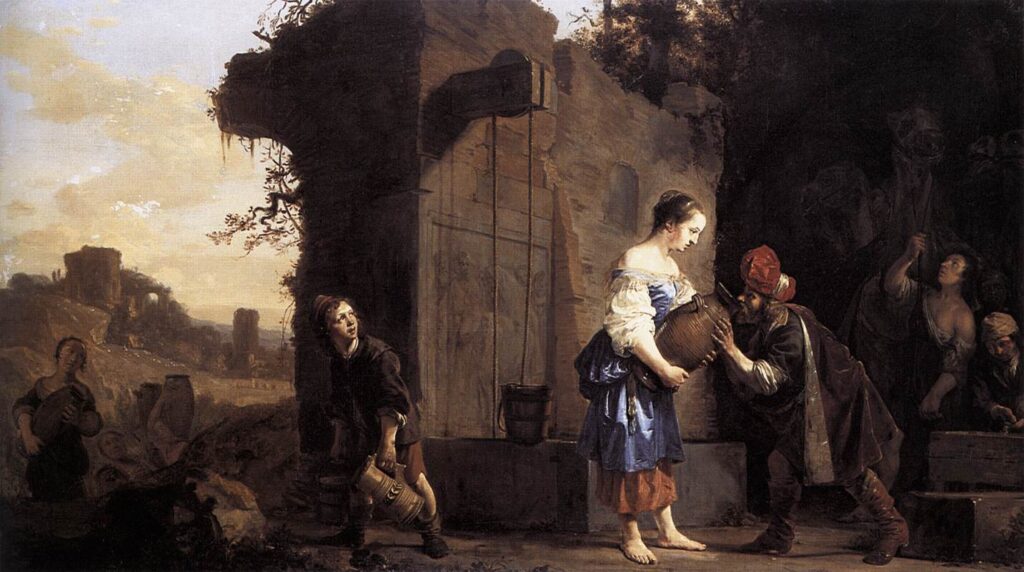
Salomon de Bray, 1597 – May 11, 1664, was a Dutch painter, architect, poet, and designer active in Haarlem during the Dutch Golden Age. Born in Amsterdam, he later settled in Haarlem, where he became a member of the Guild of Saint Luke. His training is not securely documented, but his work shows knowledge of Dutch Mannerist painting and the developing Haarlem classicist style. He was also involved in architectural theory and design, publishing on architecture and working within the broader intellectual and artistic culture of Haarlem.
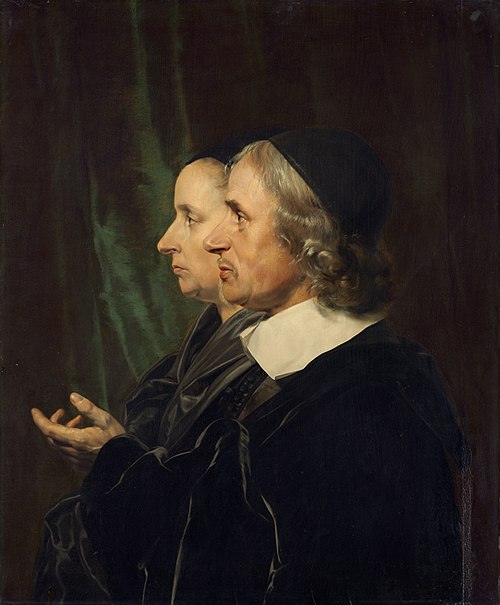
De Bray painted biblical, mythological, allegorical, portrait, and genre subjects. His figure paintings often use compact compositions, strong modeling, and theatrical lighting, while his portraits and family images connect him to the Haarlem civic and domestic painting tradition. He was associated with Haarlem classicism and with artists including Pieter de Grebber and Caesar van Everdingen. In addition to painting, he wrote poetry and contributed to architectural design, making him part of the wider learned culture of seventeenth-century Haarlem.
Several of de Bray's children became artists, including Jan de Bray, Dirck de Bray, Joseph de Bray, and Jacob de Bray. His work is held by major collections including the Rijksmuseum, Louvre Museum, Museo del Prado, National Gallery of Art, Getty Center, Museum of Fine Arts, Boston, Frans Hals Museum, National Galleries of Scotland, and other European and North American institutions.









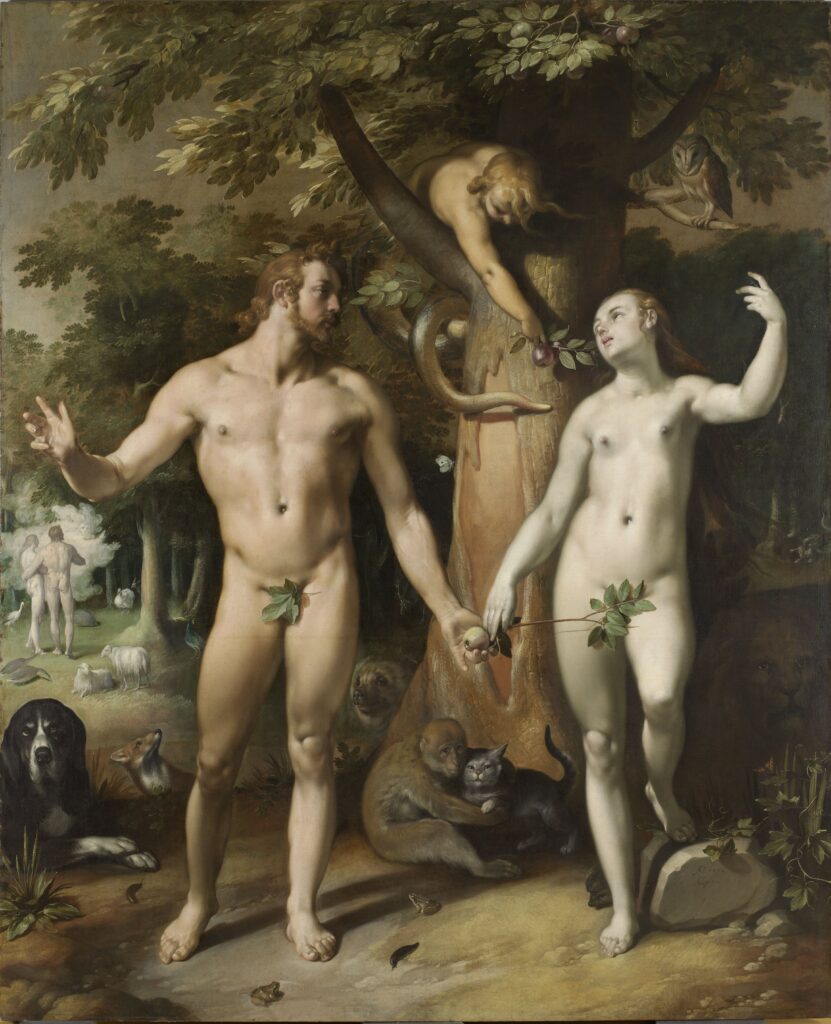
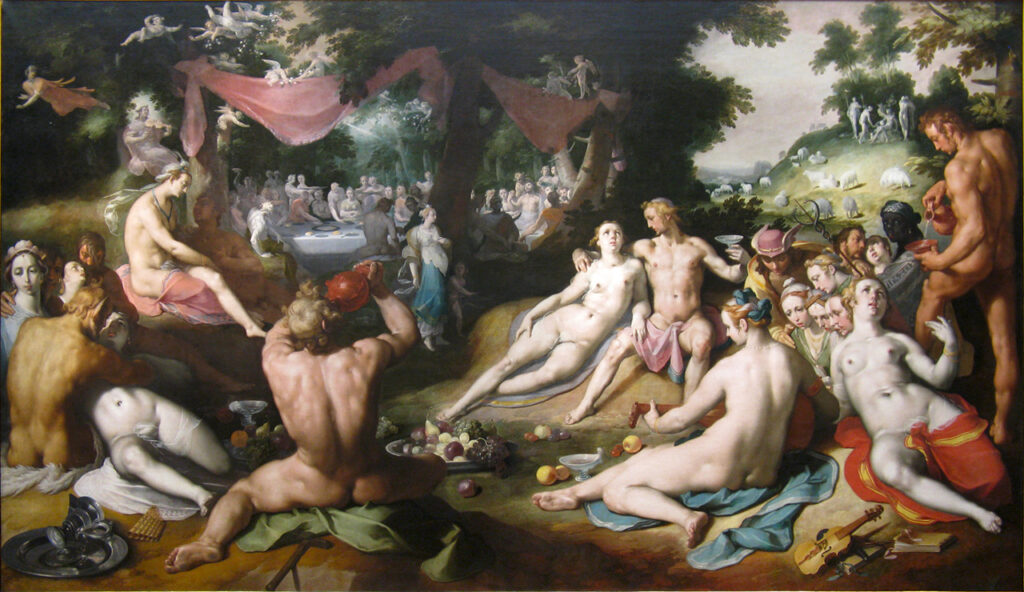
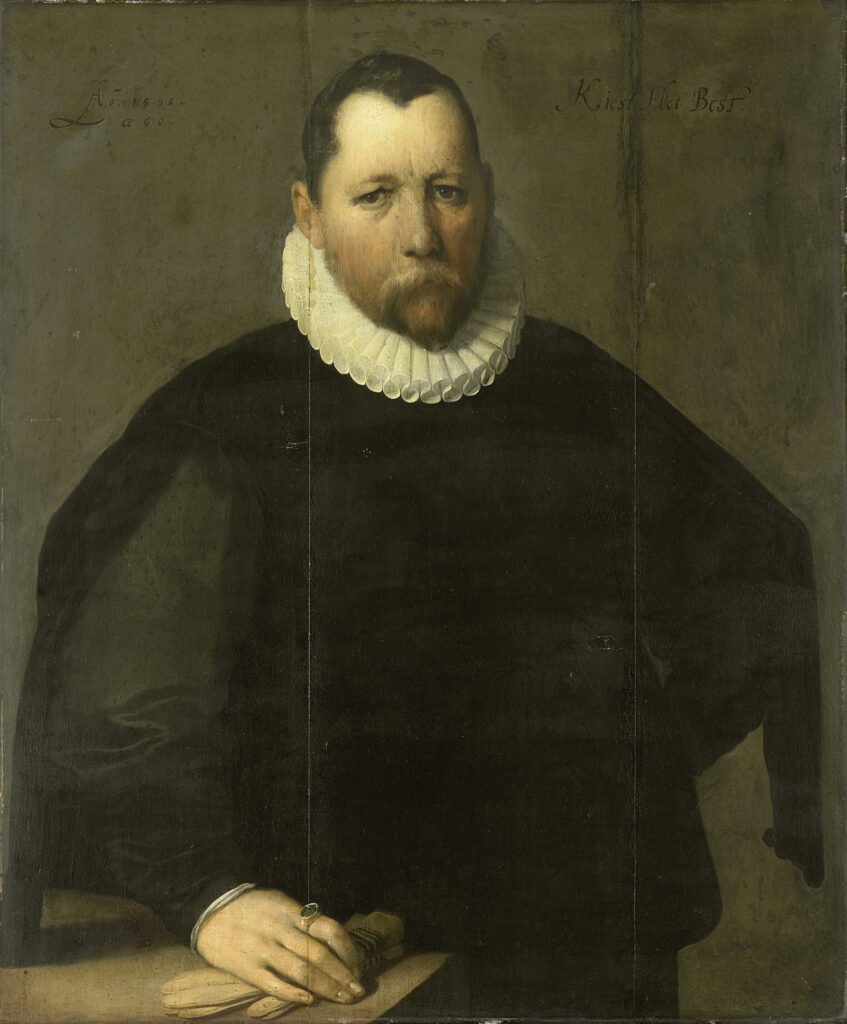


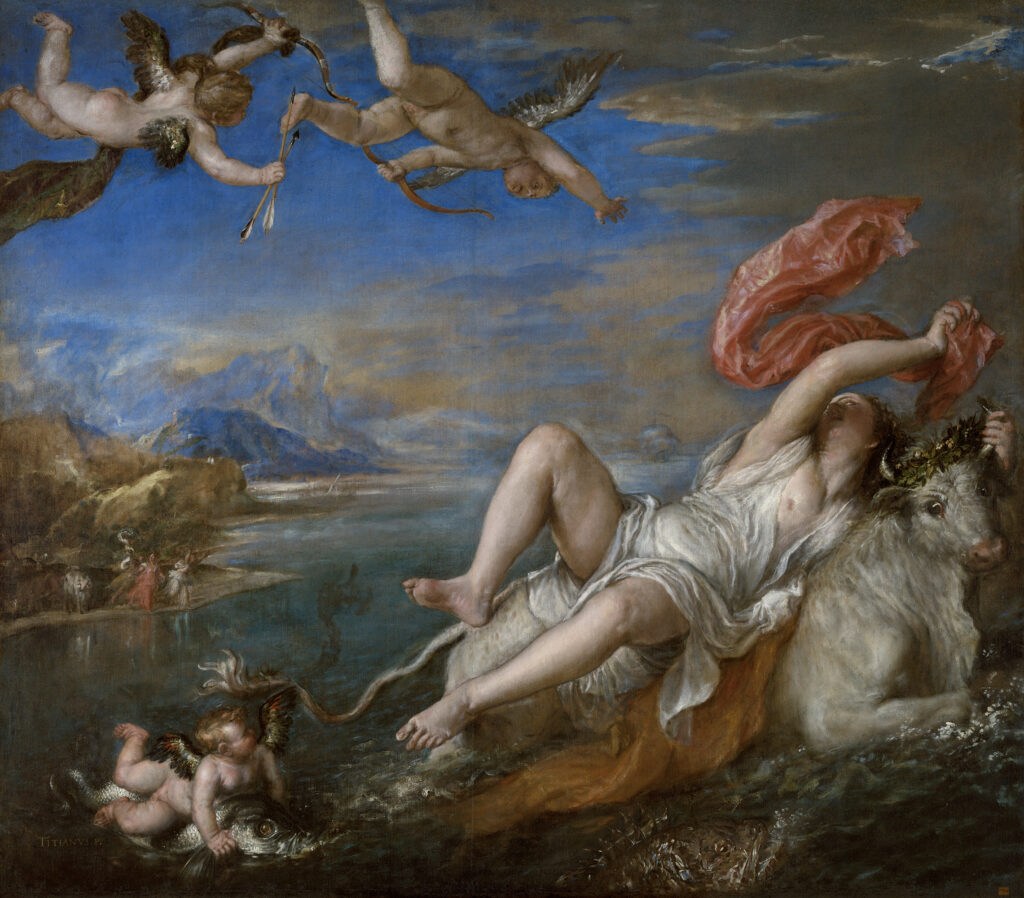
Abraham Janssens
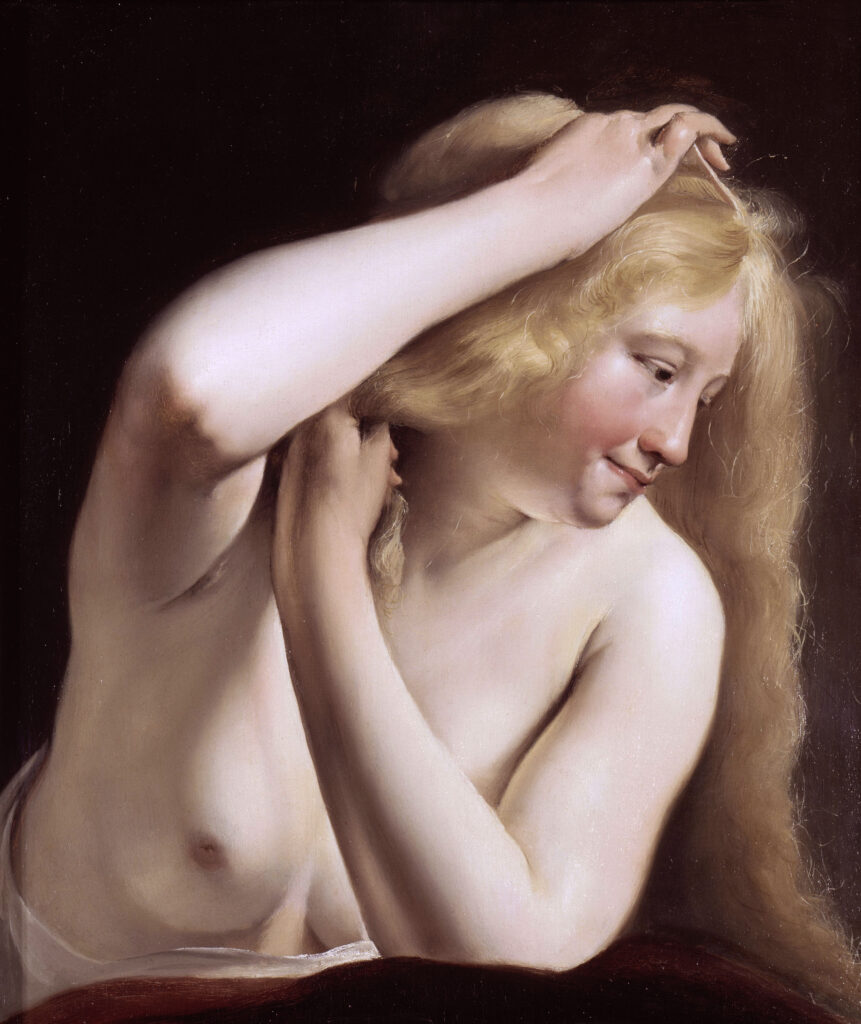
Abraham Janssens, c 1575 – January 25, 1632, was a Flemish painter born and active in Antwerp. He trained with Jan Snellinck, worked in Italy during the 1590s, and became a master in the Antwerp Guild of Saint Luke in 1601–1602.
Janssens specialized in large religious, mythological and allegorical paintings. His work combined late Mannerist traditions with influences from classical sculpture, Raphael and Caravaggio. Before Peter Paul Rubens returned to Antwerp in 1608, Janssens was regarded as the city’s leading history painter.
Janssens served as dean of the Antwerp Guild of Saint Luke in 1607. His pupils included Gerard Seghers, Theodoor Rombouts, Nicolas Régnier, Michele Desubleo and his son Abraham Janssens II.


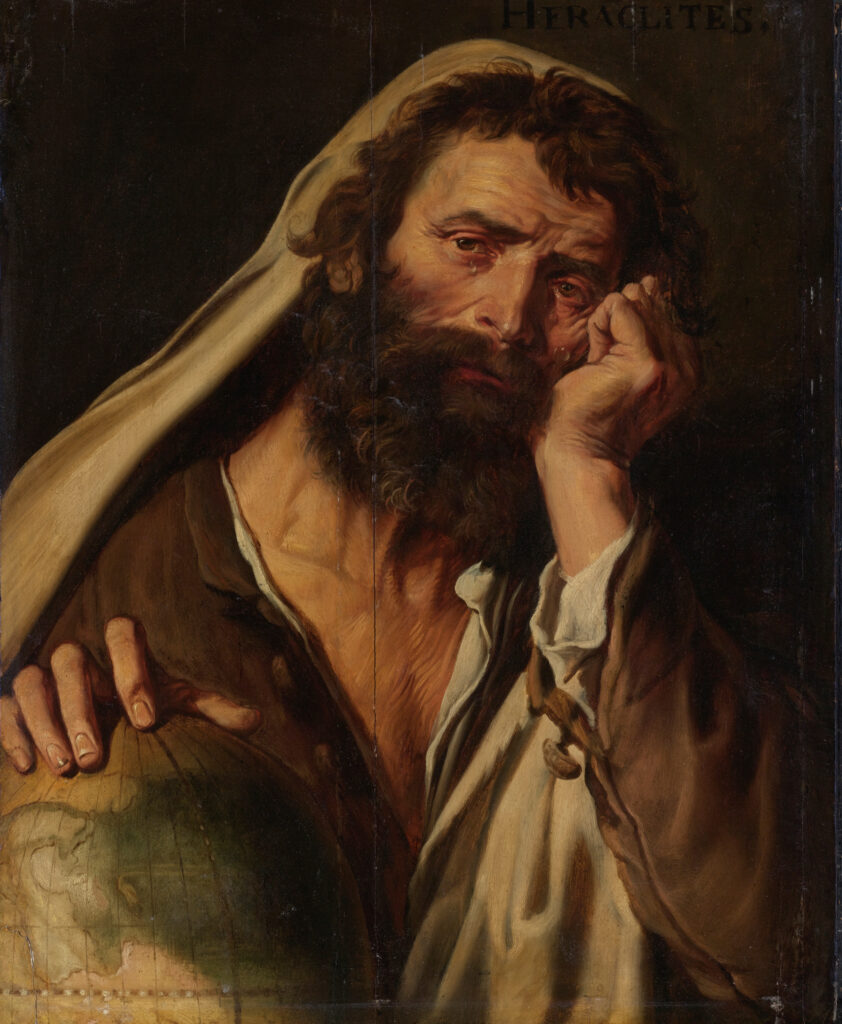


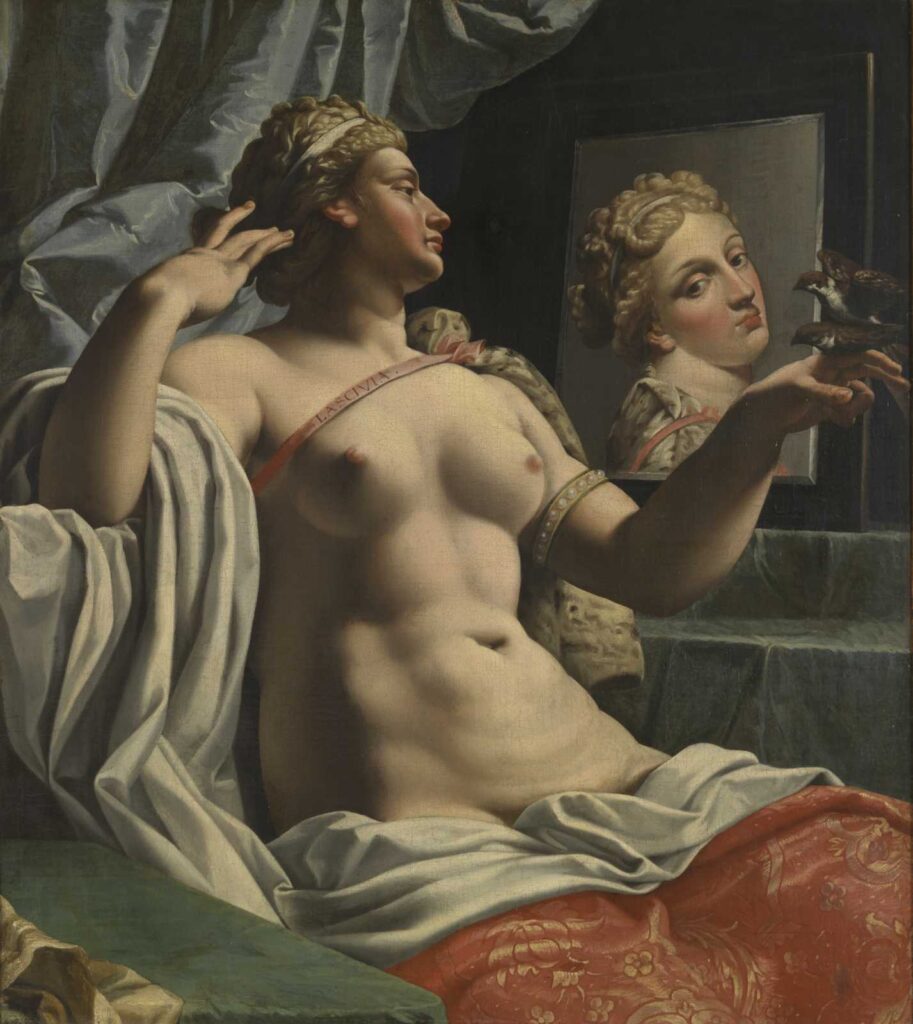
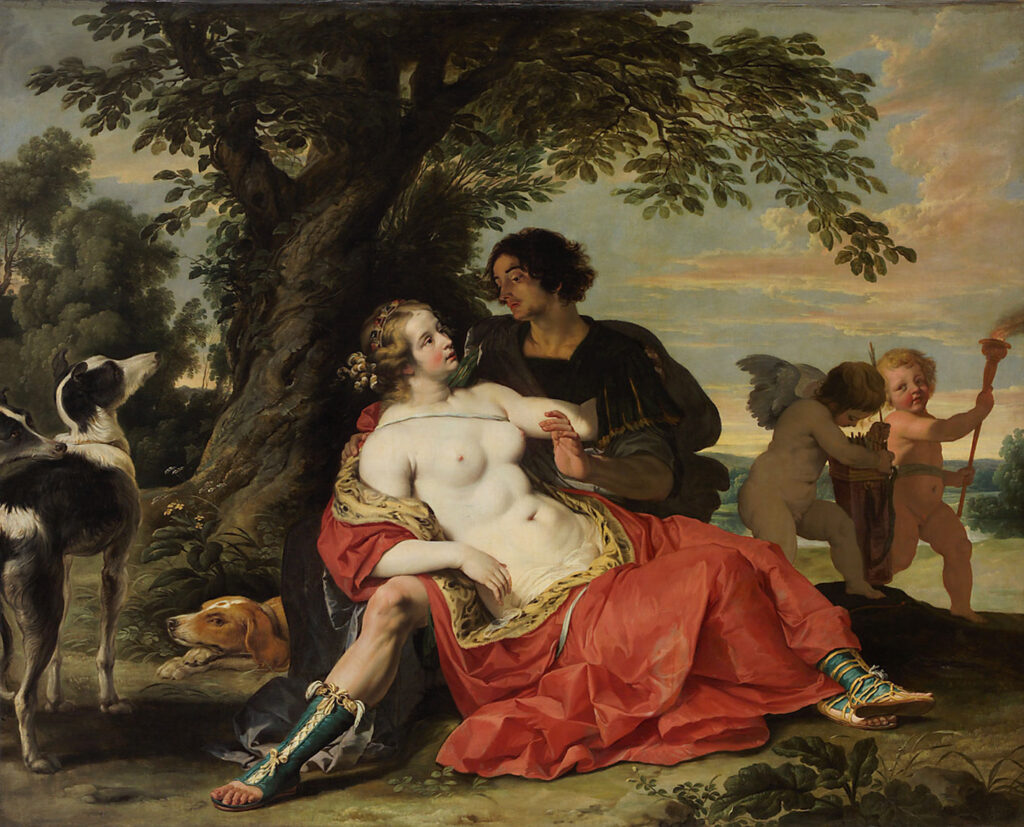

Cornelis de Vos
Cornelis de Vos (October 1584 – May 9, 1651) was a Flemish Baroque painter, draftsman, and art dealer. He was born in Hulst, then in the Spanish Netherlands, and spent nearly all of his career in Antwerp. He became a master in the Guild of Saint Luke in 1608.
De Vos specialized in portraiture, history painting, and genre scenes. He maintained one of Antwerp’s leading portrait studios during the first half of the seventeenth century and received commissions from wealthy merchants, civic officials, and prominent families. He also collaborated with Peter Paul Rubens, Anthony van Dyck, Jan Wildens, and his younger brother Paul de Vos, contributing figures to large collaborative compositions.
His paintings are represented in major museums including the Royal Museums of Fine Arts of Belgium, the Metropolitan Museum of Art, the Louvre Museum, the Museo Nacional del Prado, the Gemäldegalerie in Berlin, and many other public collections.
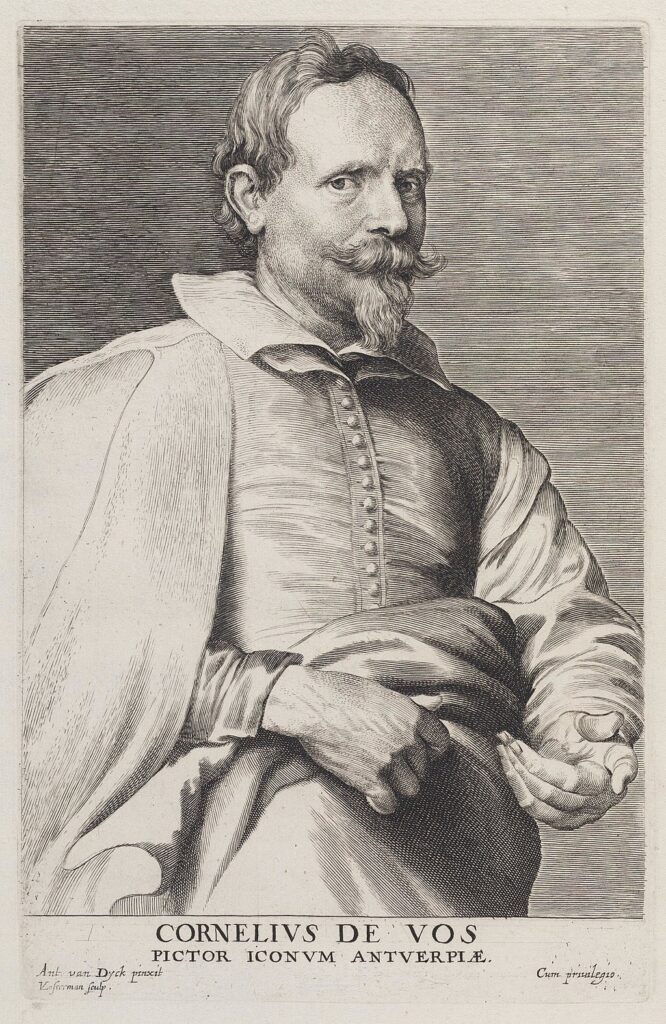


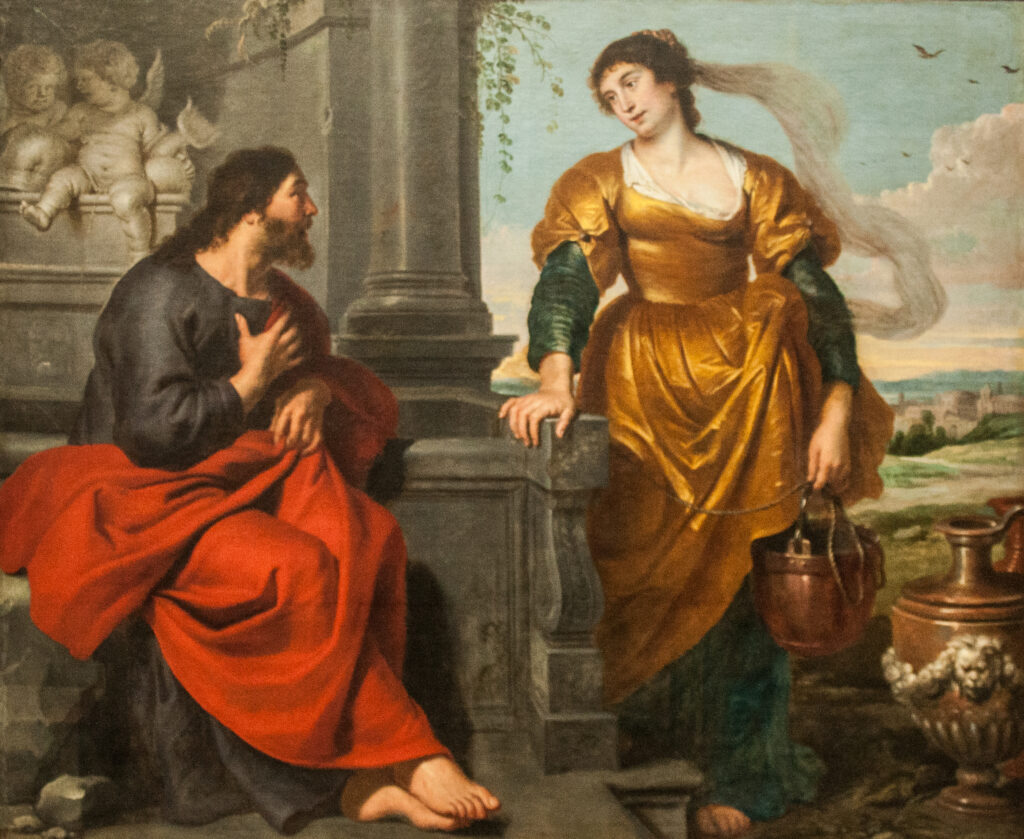


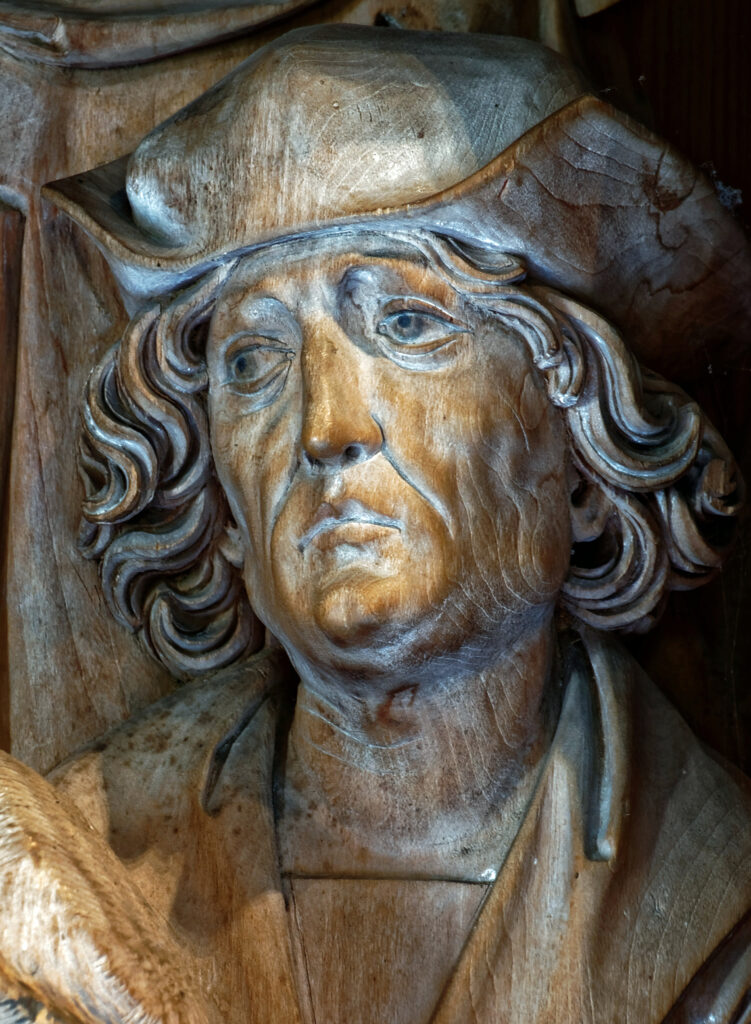
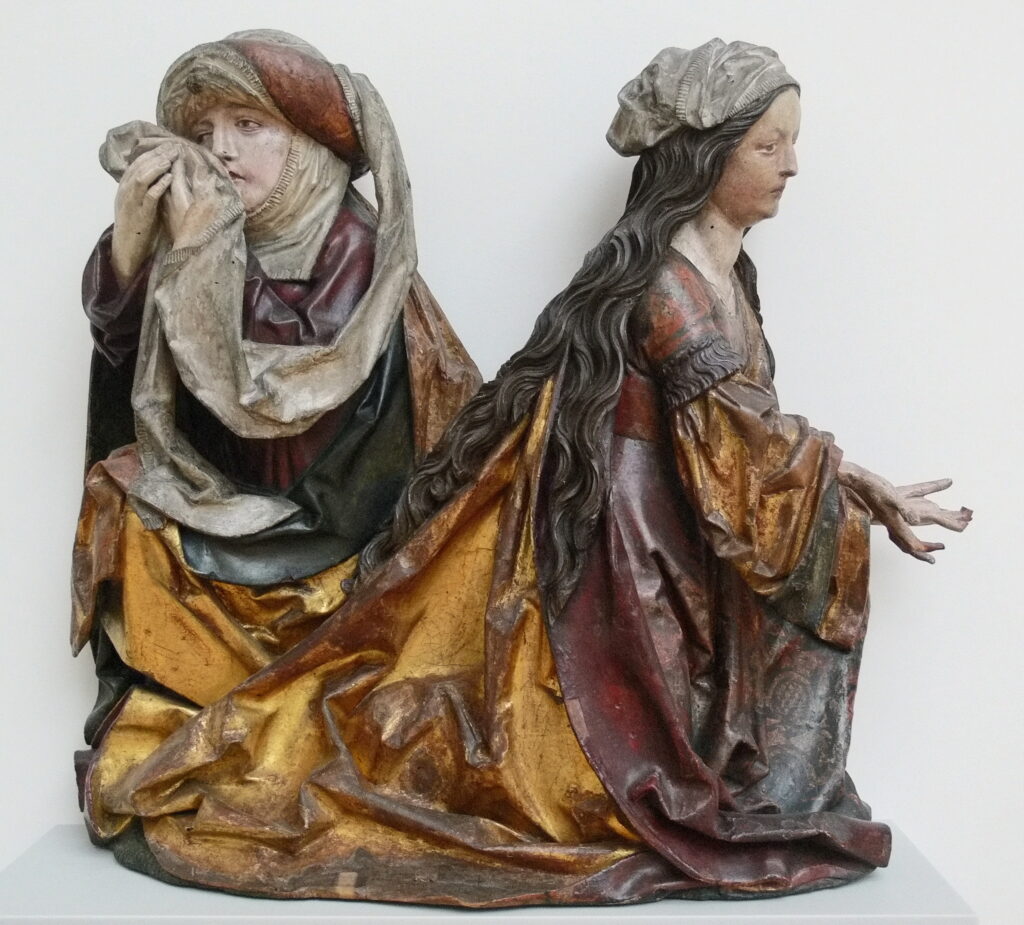
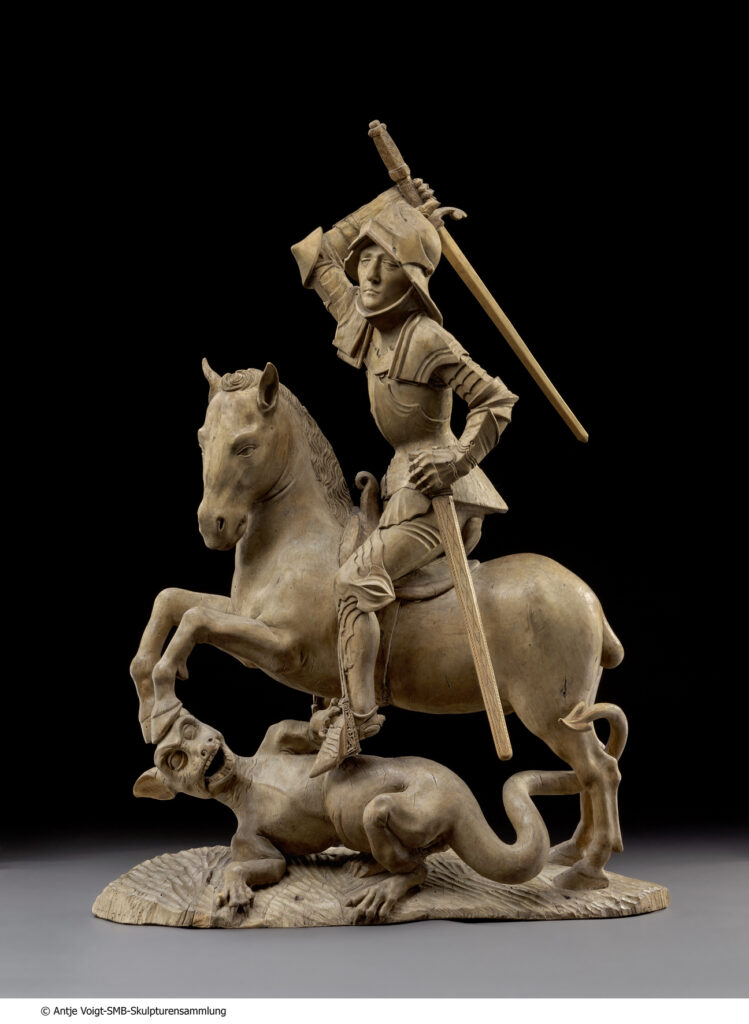
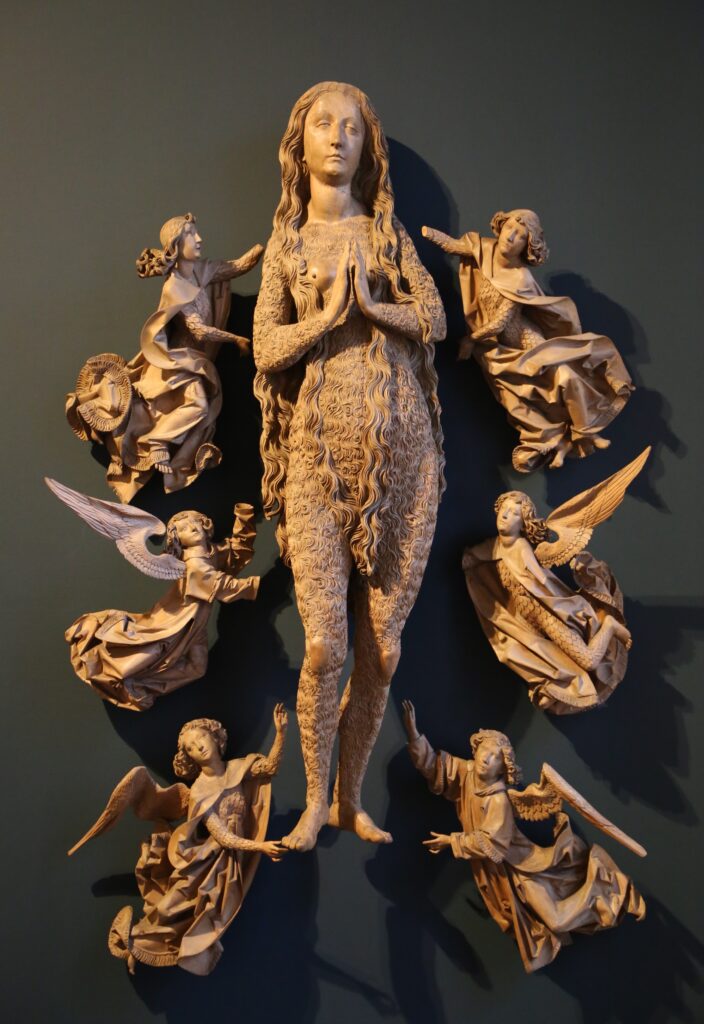
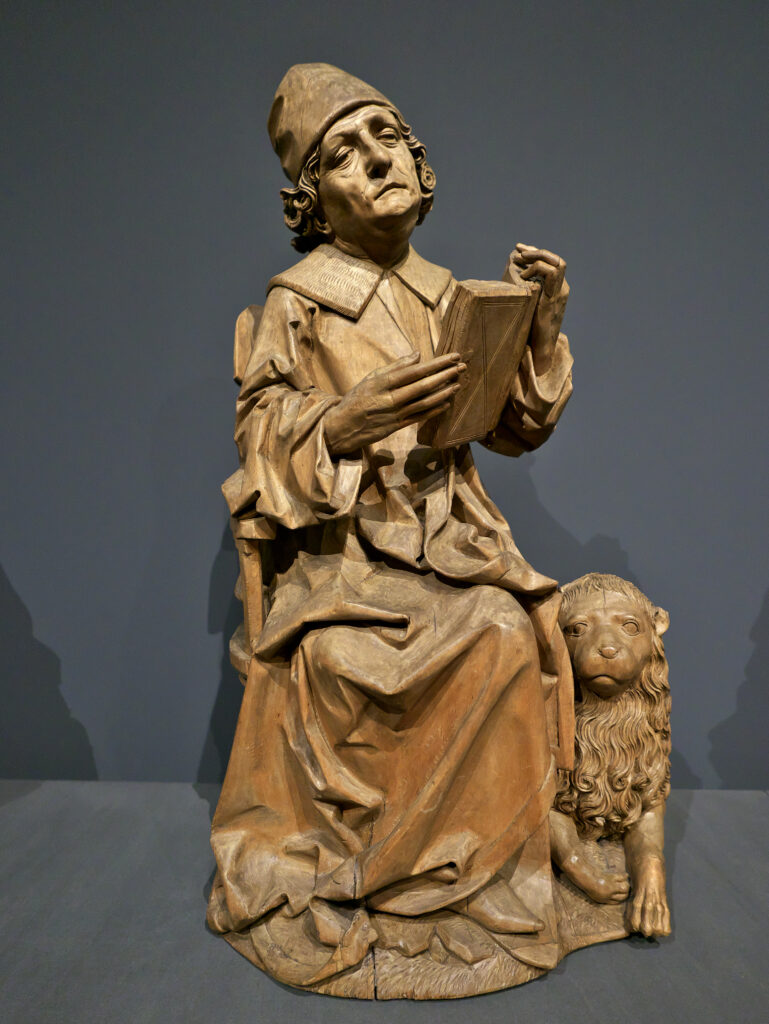
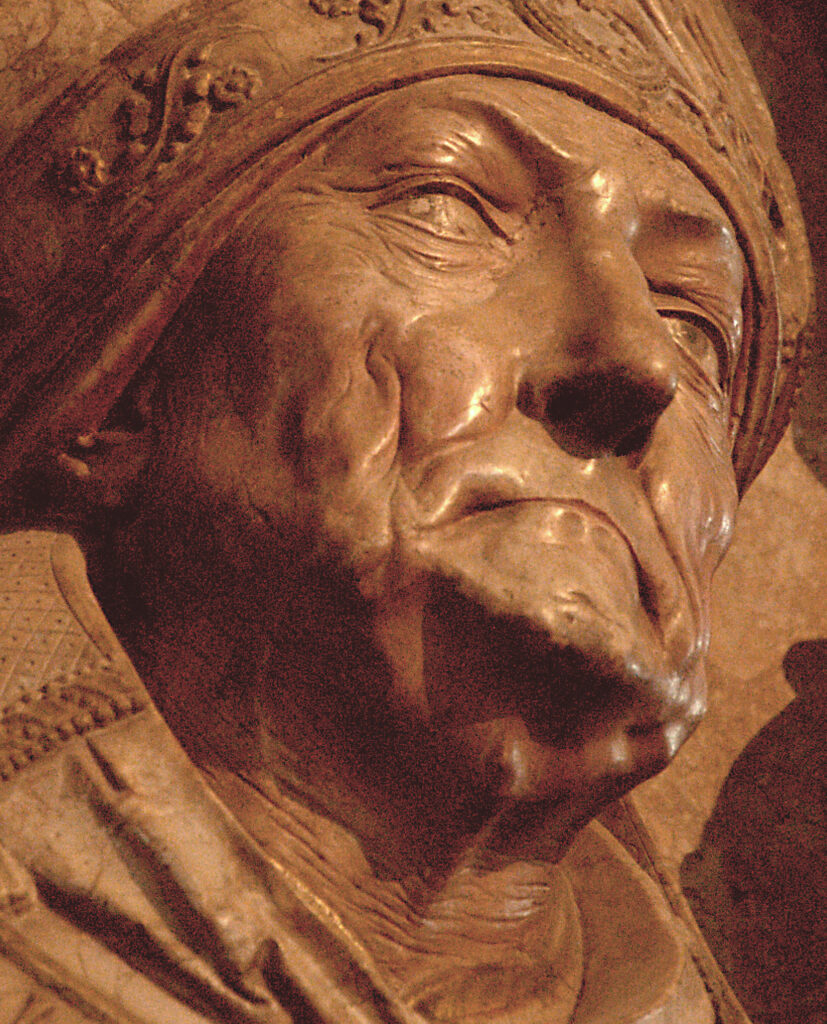
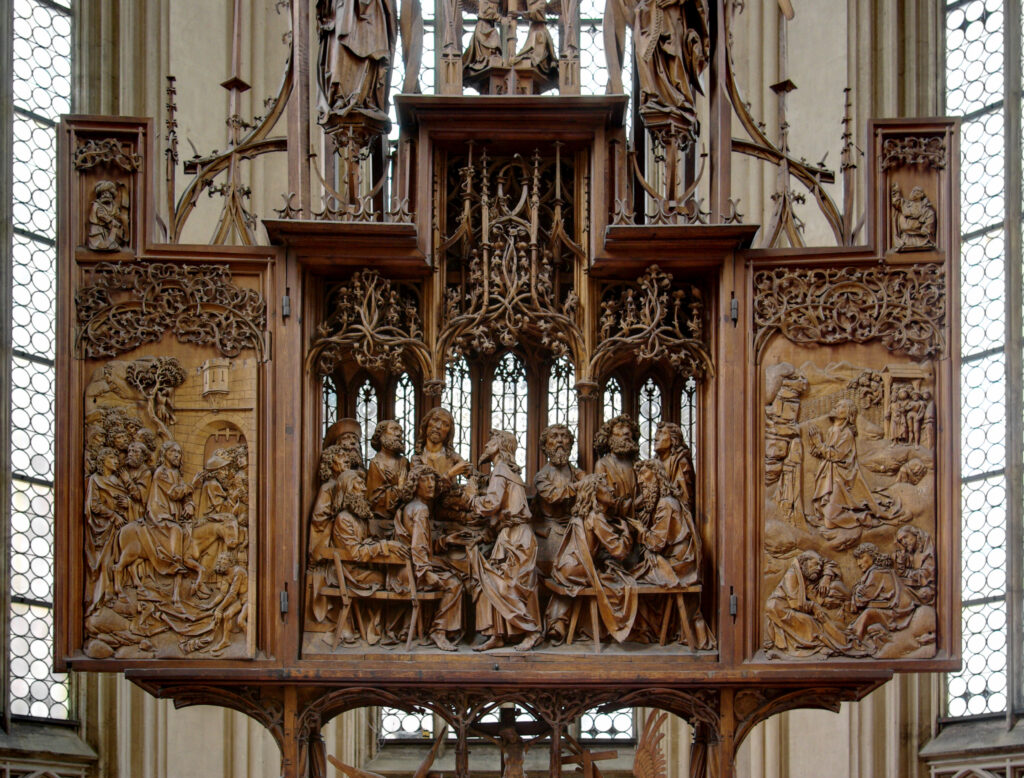
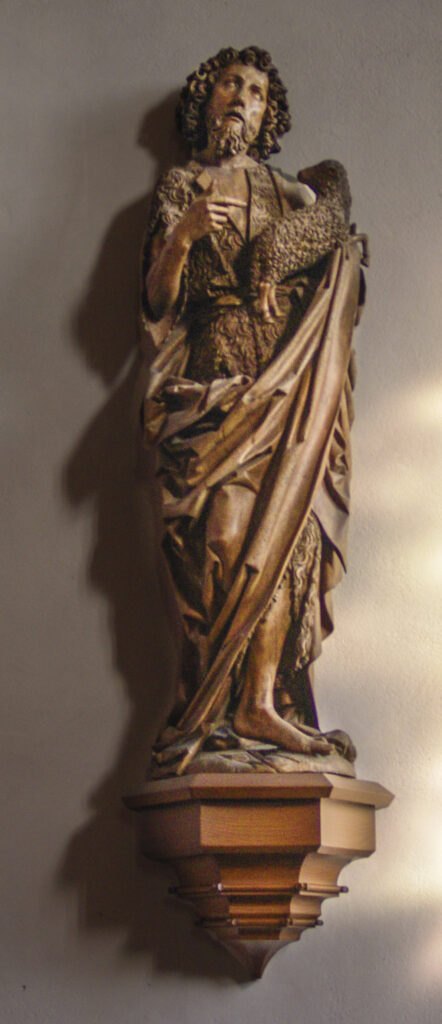
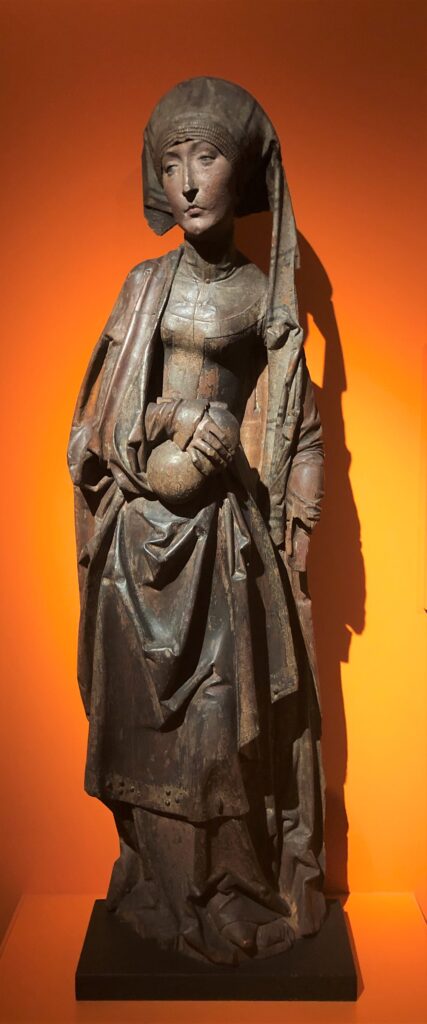
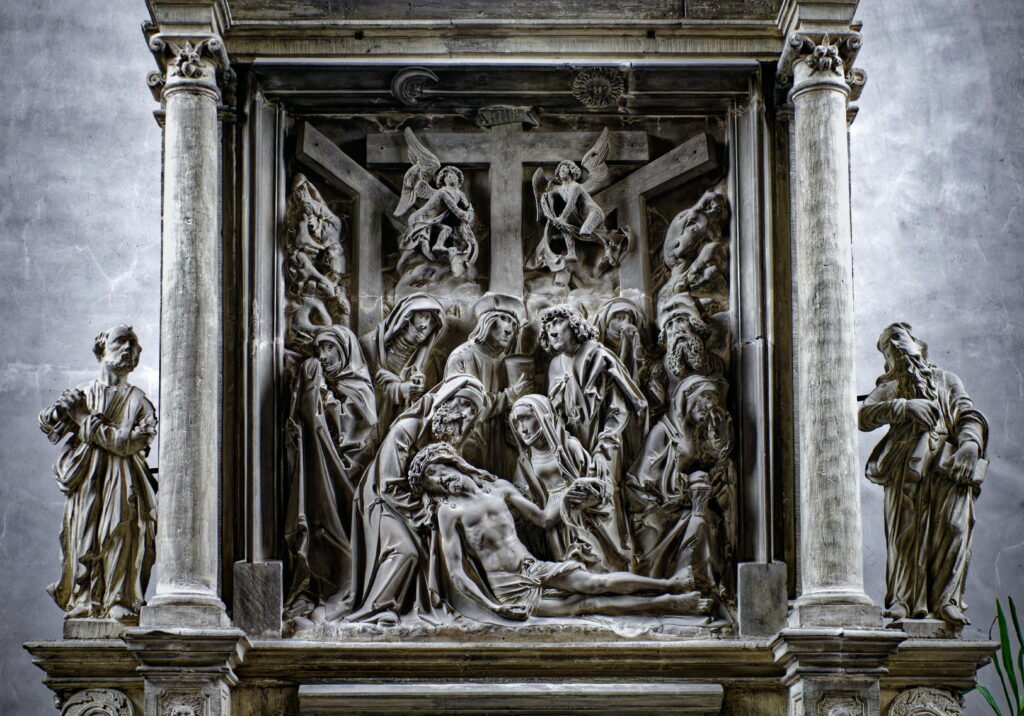
Tilman Riemenschneider
Tilman Riemenschneider, German woodcarver and sculptor, c. 1460 – July 7, 1531






Hans Holbein the Elder
Hans Holbein the Elder, c 1460 – 1524, was a German painter and draftsman active chiefly in Augsburg. He was probably born in Augsburg and became one of the leading painters of the late Gothic and early Renaissance period in southern Germany. His workshop produced altarpieces, devotional panels, portraits, and drawings for Augsburg patrons and religious institutions.
Holbein worked in a style shaped by late Gothic panel painting, Netherlandish realism, and early Renaissance design. His major works include the Grey Passion, the Saint Sebastian Altarpiece, portraits of Augsburg sitters, and drawings in silverpoint and other media. He was the father and teacher of Ambrosius Holbein and Hans Holbein the Younger.
His works are held by the Staatsgalerie Stuttgart, Alte Pinakothek, Gemäldegalerie Berlin, Städel Museum, Museum of Fine Arts Budapest, Condé Museum, Thyssen-Bornemisza Museum, Statens Museum for Kunst, and other European collections.


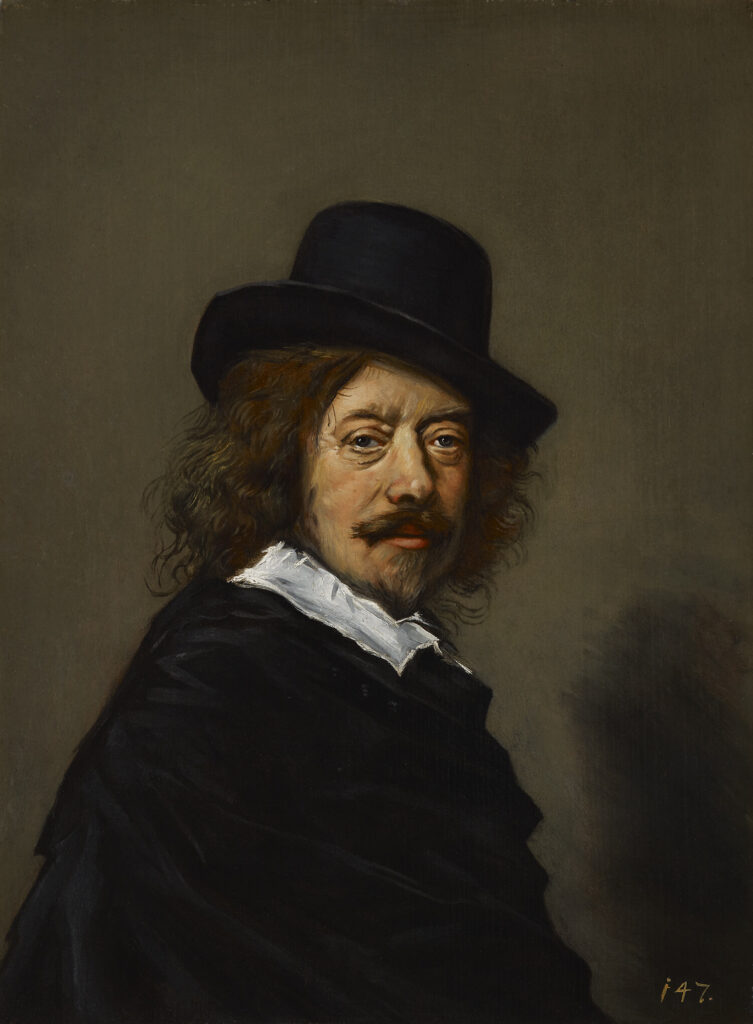
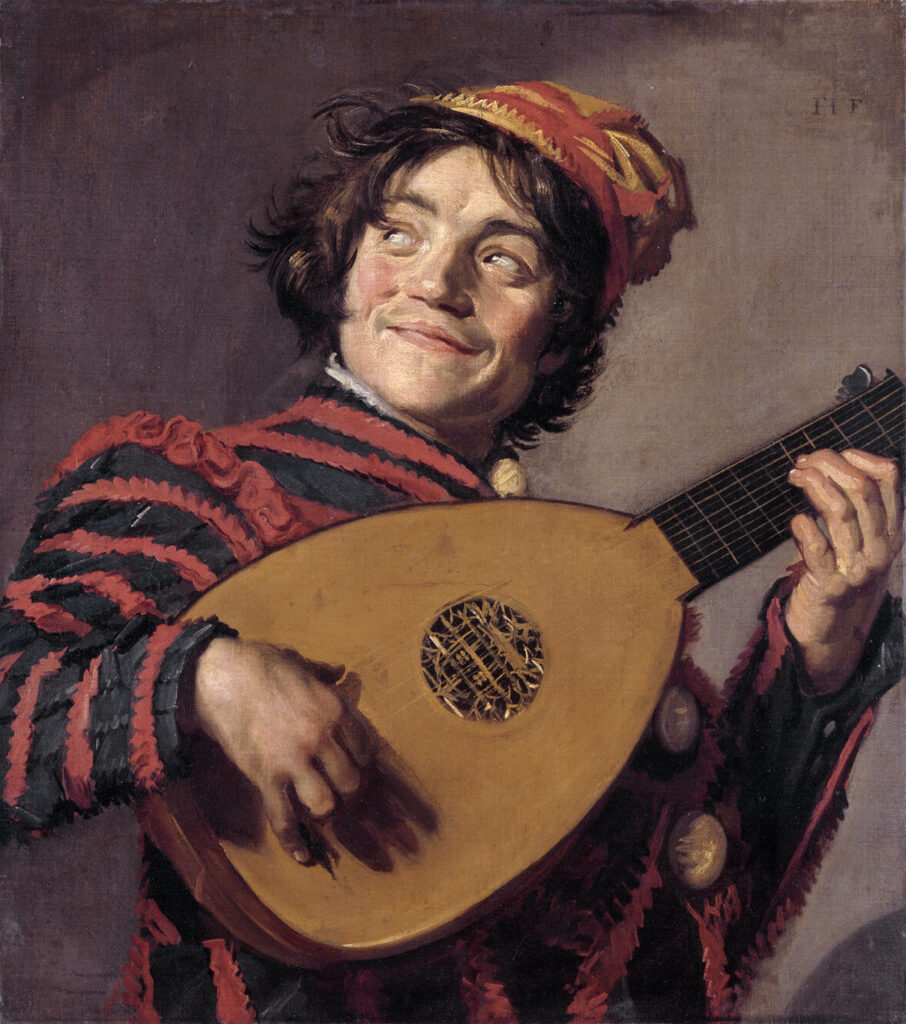
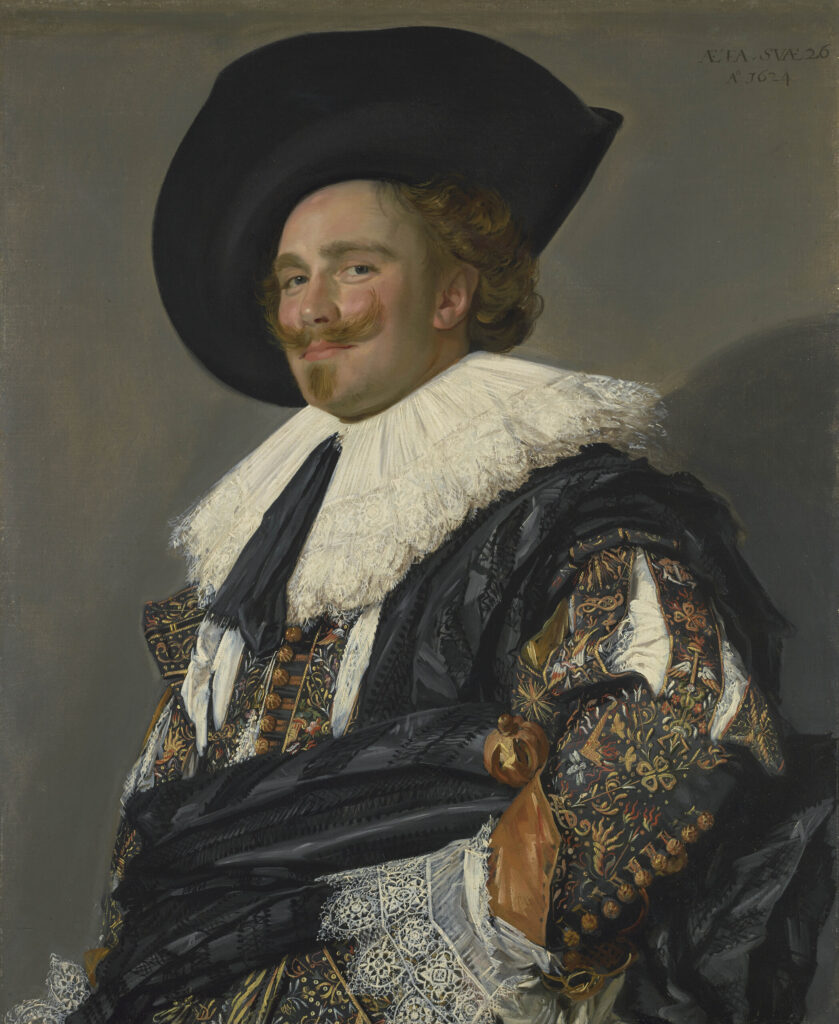
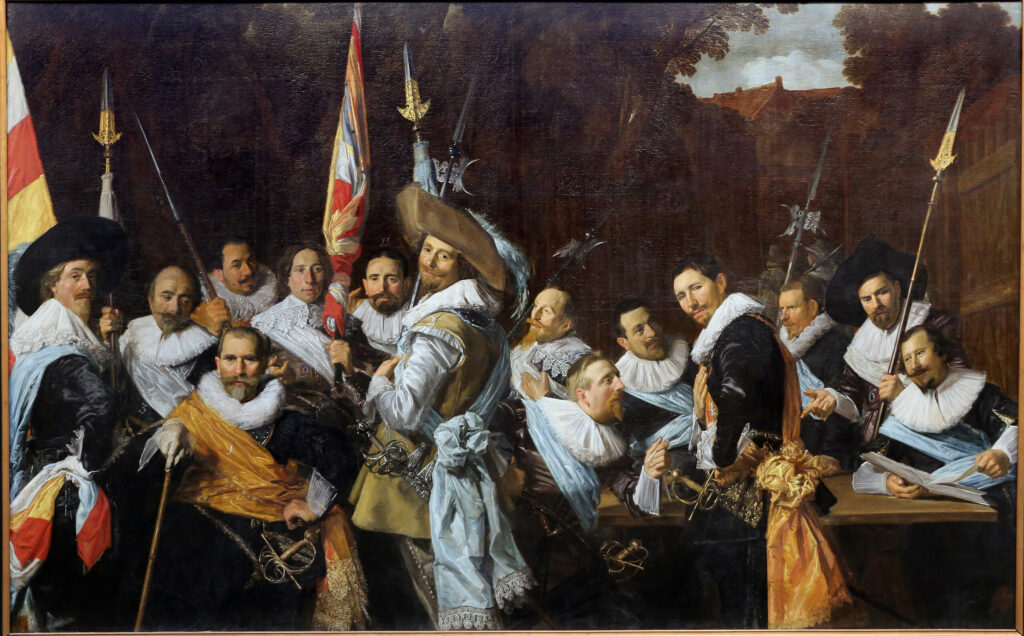
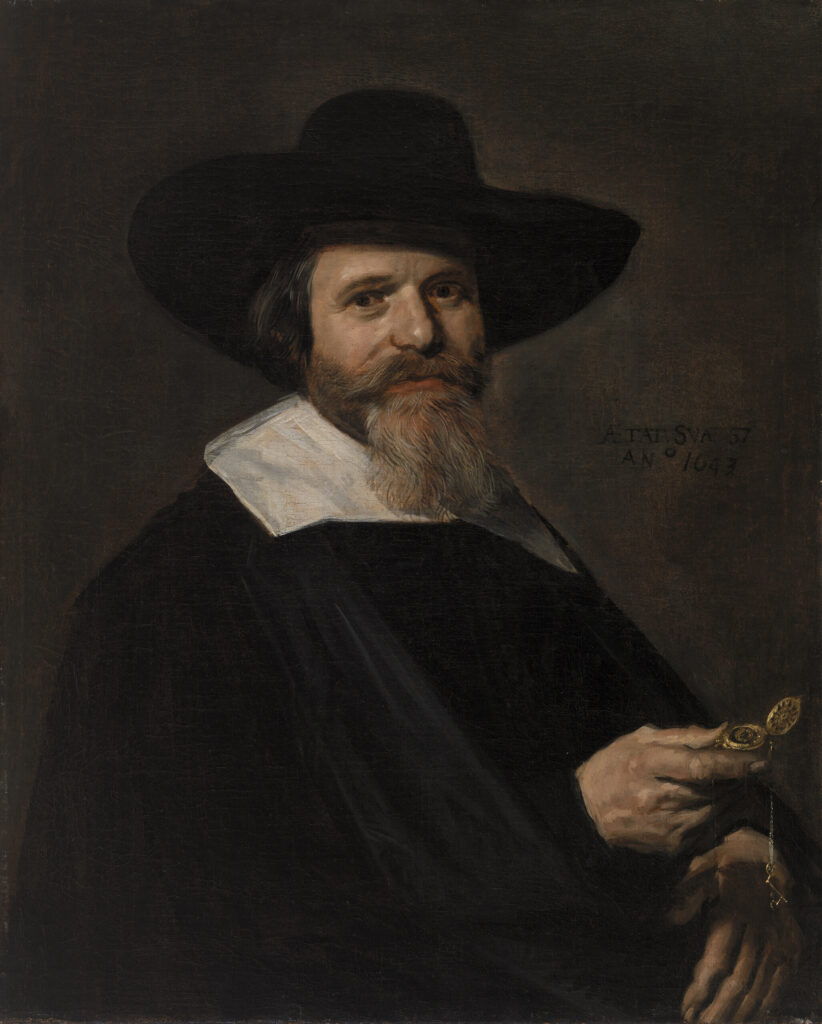
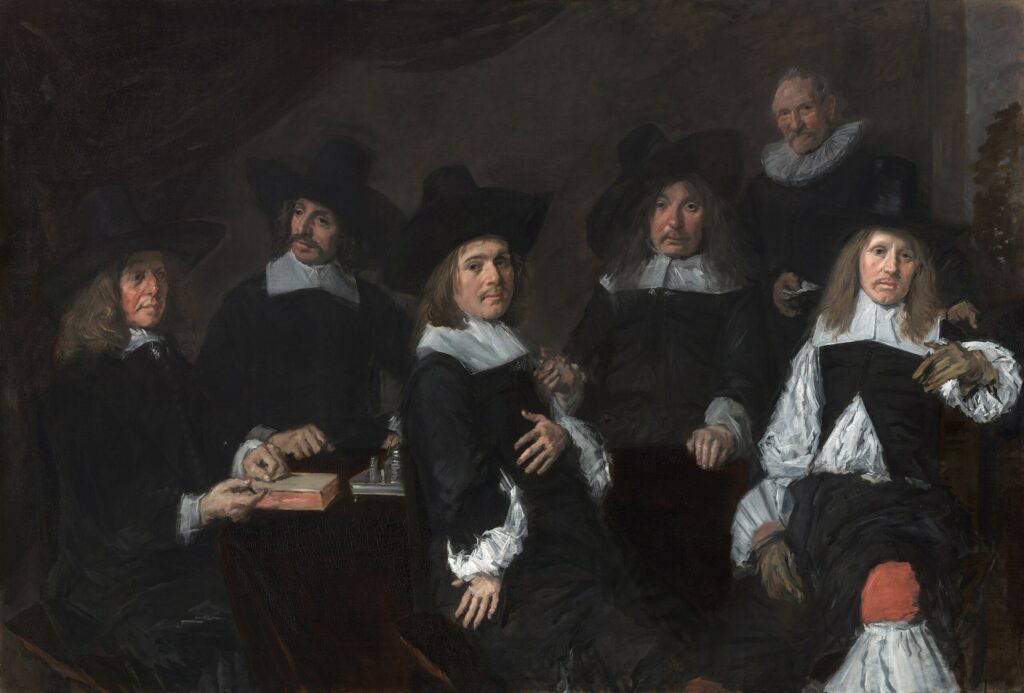
Frans Hals
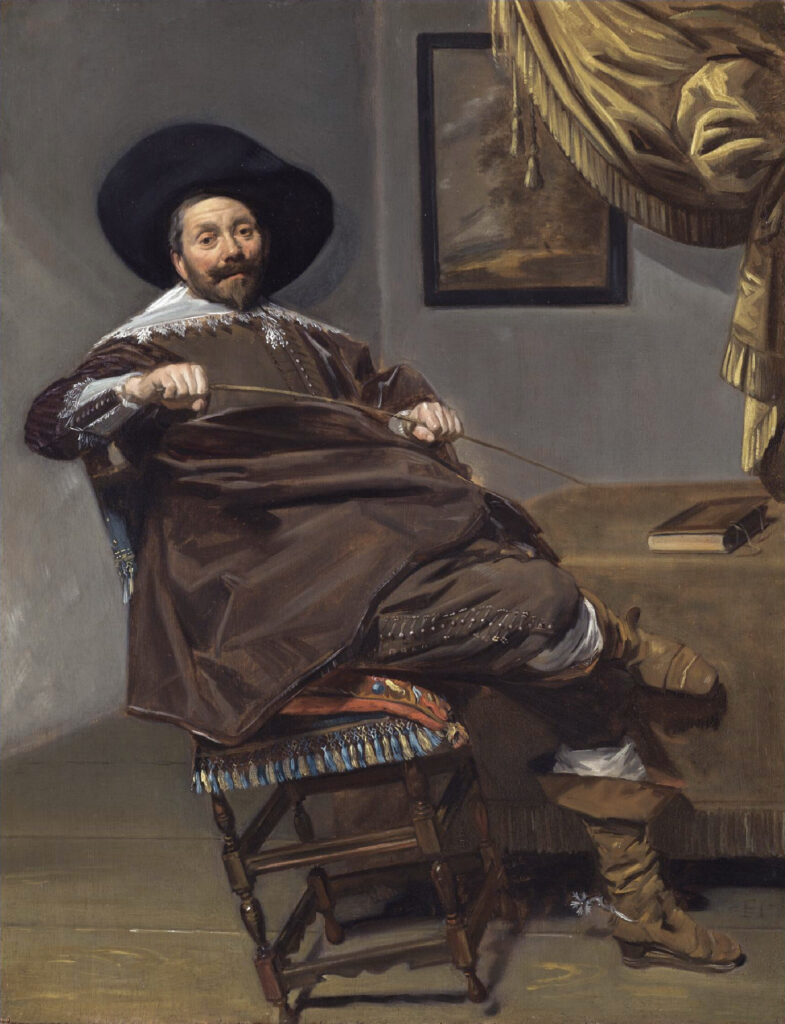
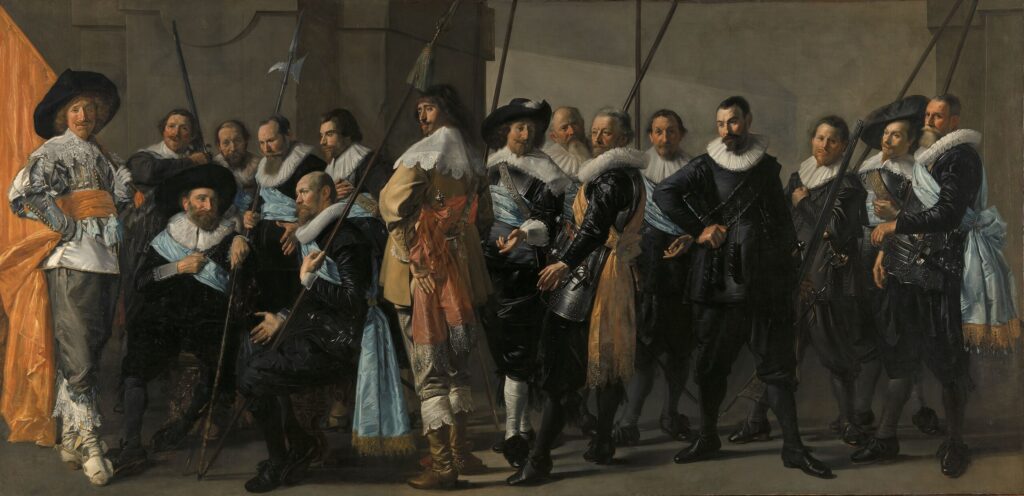
Frans Hals, c 1582–August 26, 1666, was a Dutch painter born in Antwerp and active chiefly in Haarlem. His documented training is uncertain, though the biographer Arnold Houbraken reported that he studied with Karel van Mander. Hals joined Haarlem’s Guild of Saint Luke by 1610.
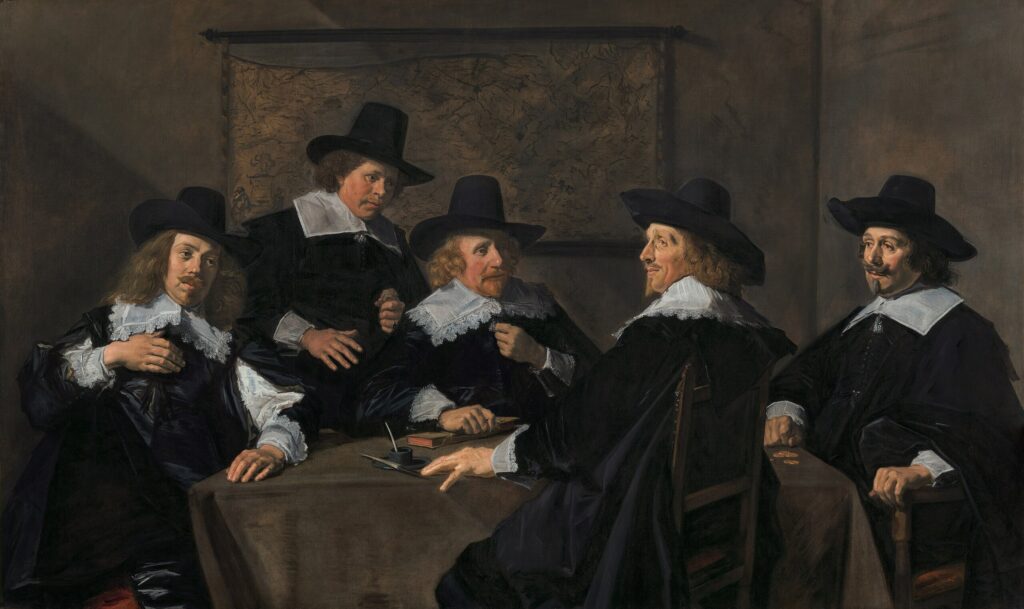
Hals specialized in portraits, civic-guard group portraits, and genre figures. He was associated with Haarlem’s artistic community and served in the Saint George civic guard. His pupils and workshop associates included his sons Harmen, Frans the Younger, Reynier, and Nicolaes Hals; Judith Leyster is also traditionally linked with his circle.
Hals experienced financial difficulties late in life and received municipal assistance from Haarlem. He died there in 1666. His direct brushwork and animated portraiture influenced later painters, and the largest concentration of his civic-guard and regent portraits is preserved at the Frans Hals Museum.