Posts in Category: 16th Century
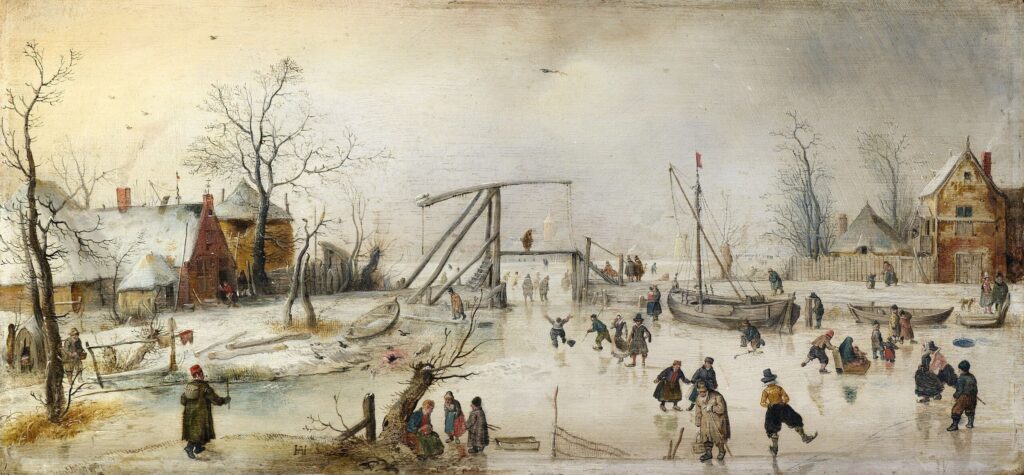
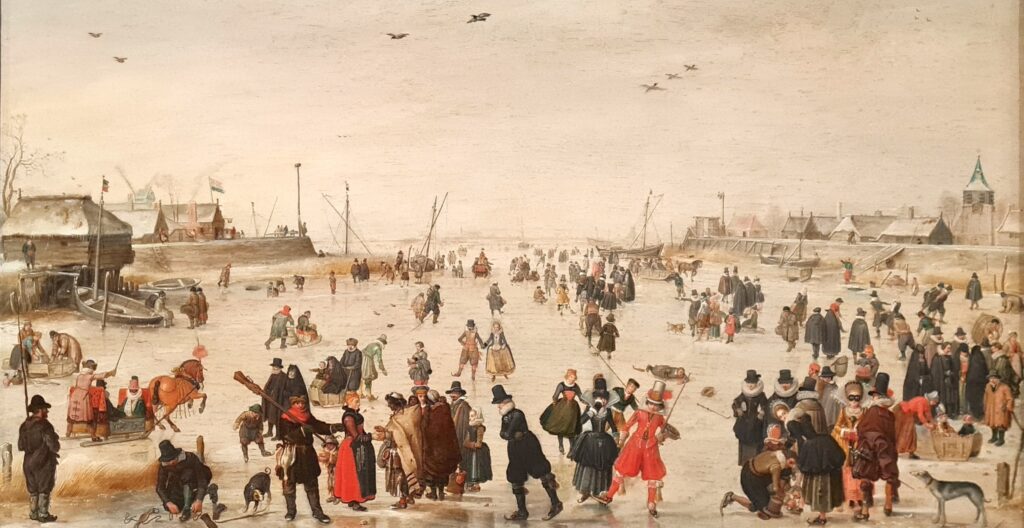
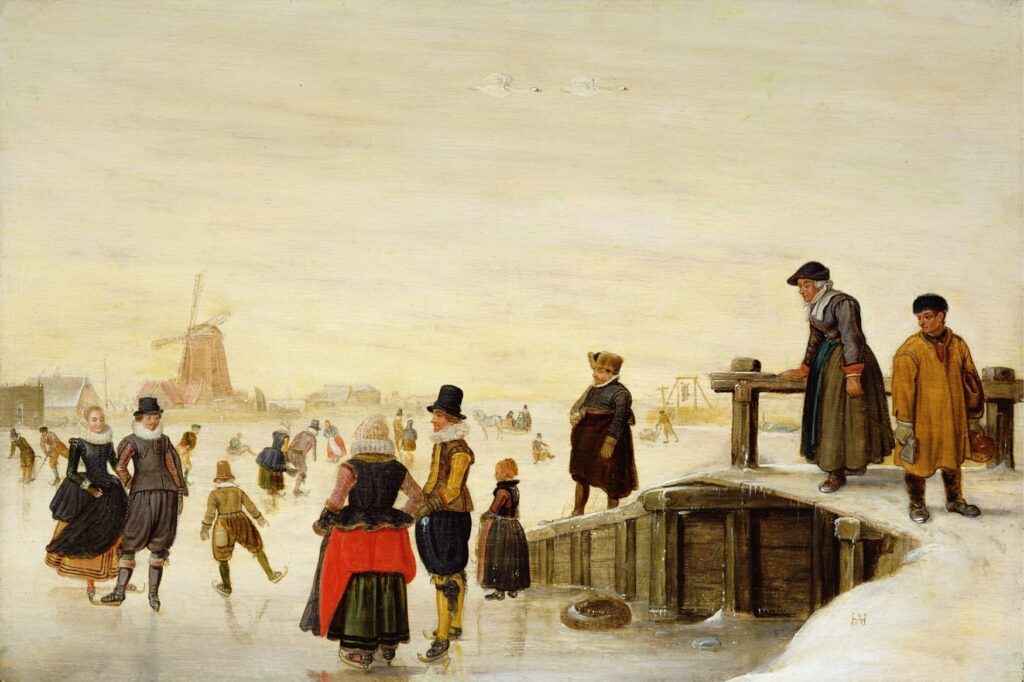
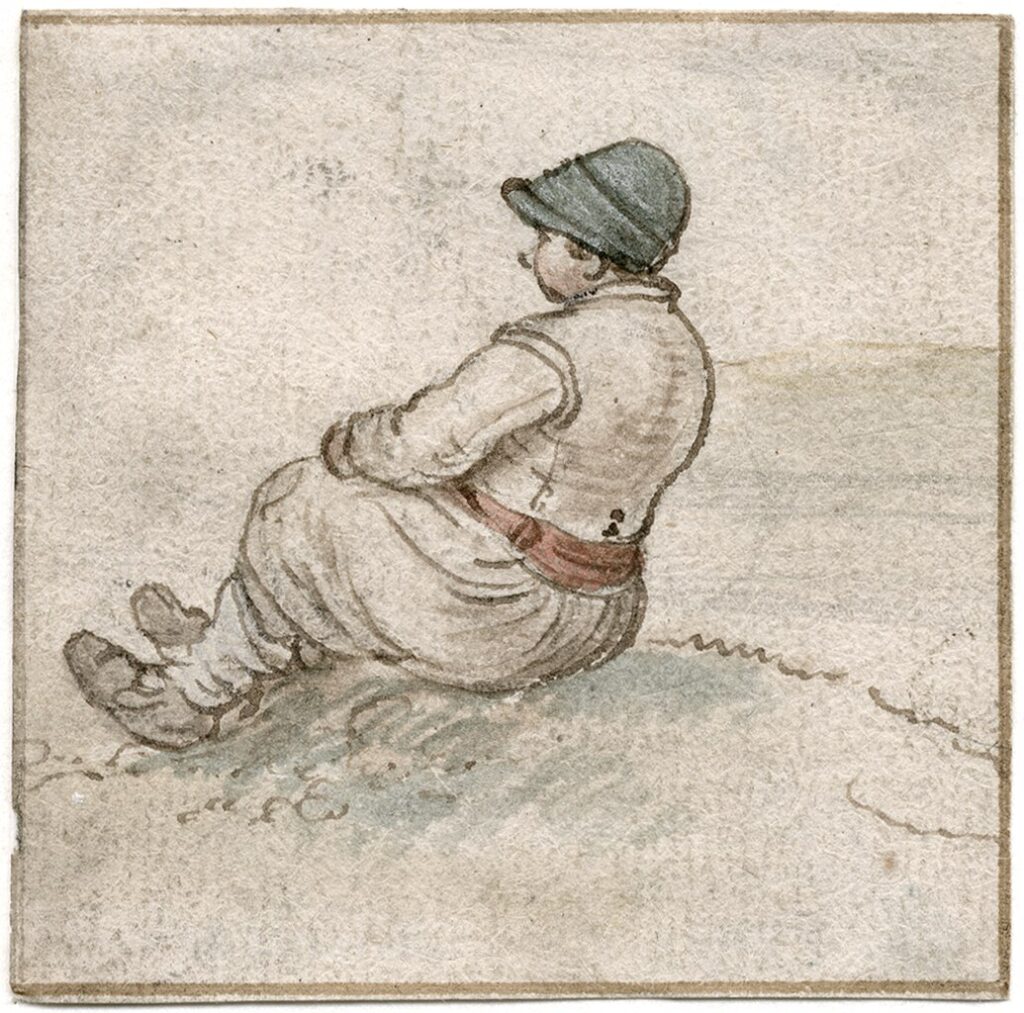
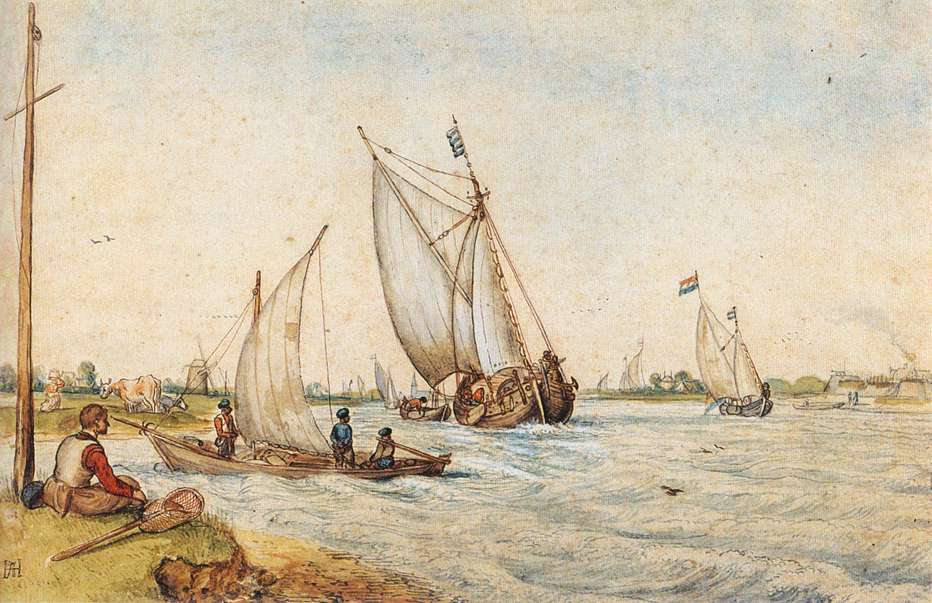
Hendrick Avercamp
Hendrick Avercamp, January 27, 1585–May 15, 1634, was a Dutch painter and draftsman known for winter landscapes. Born in Amsterdam and raised in Kampen, he was deaf and unable to speak from childhood.
His formal training is not documented with certainty. He probably studied in Amsterdam with the Danish-born painter Pieter Isaacks and was influenced by Flemish landscape traditions before returning to Kampen, where he spent most of his career. His nephew Barent Avercamp continued his manner of painting winter scenes.
Avercamp’s paintings and drawings are held in major collections including the Rijksmuseum, the National Gallery in London, the Mauritshuis, the Kunsthistorisches Museum in Vienna, the National Gallery of Art in Washington, and other European and American museums.








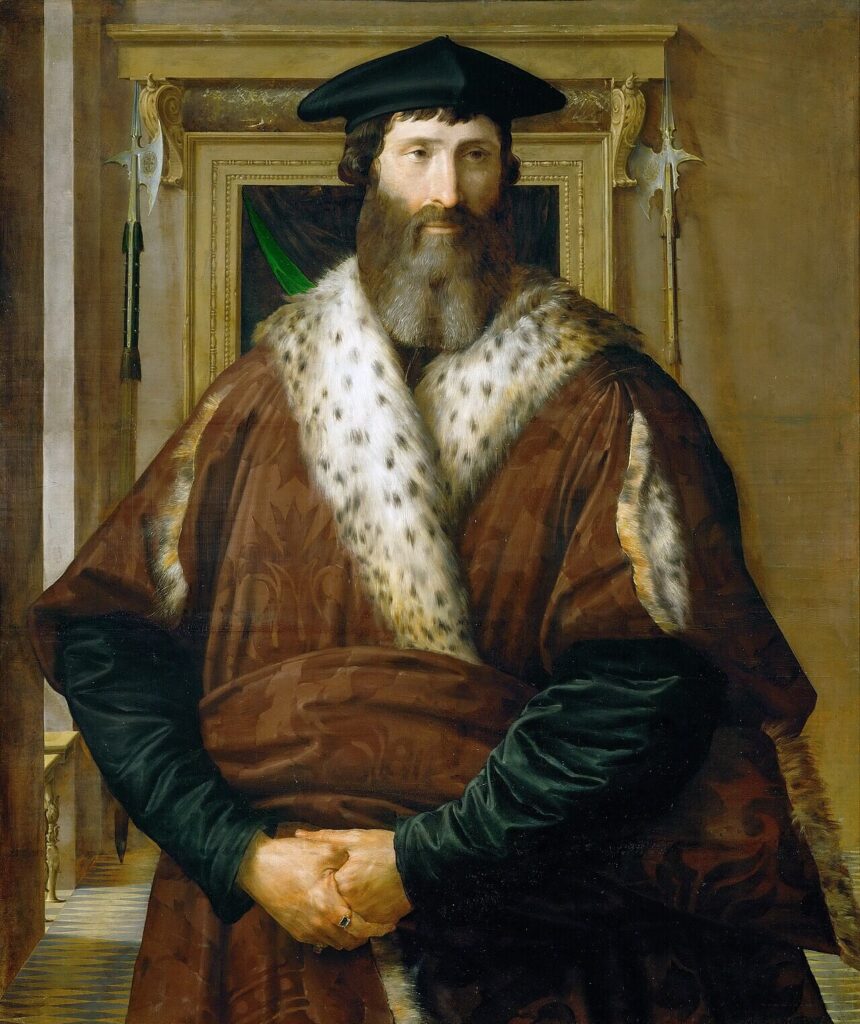
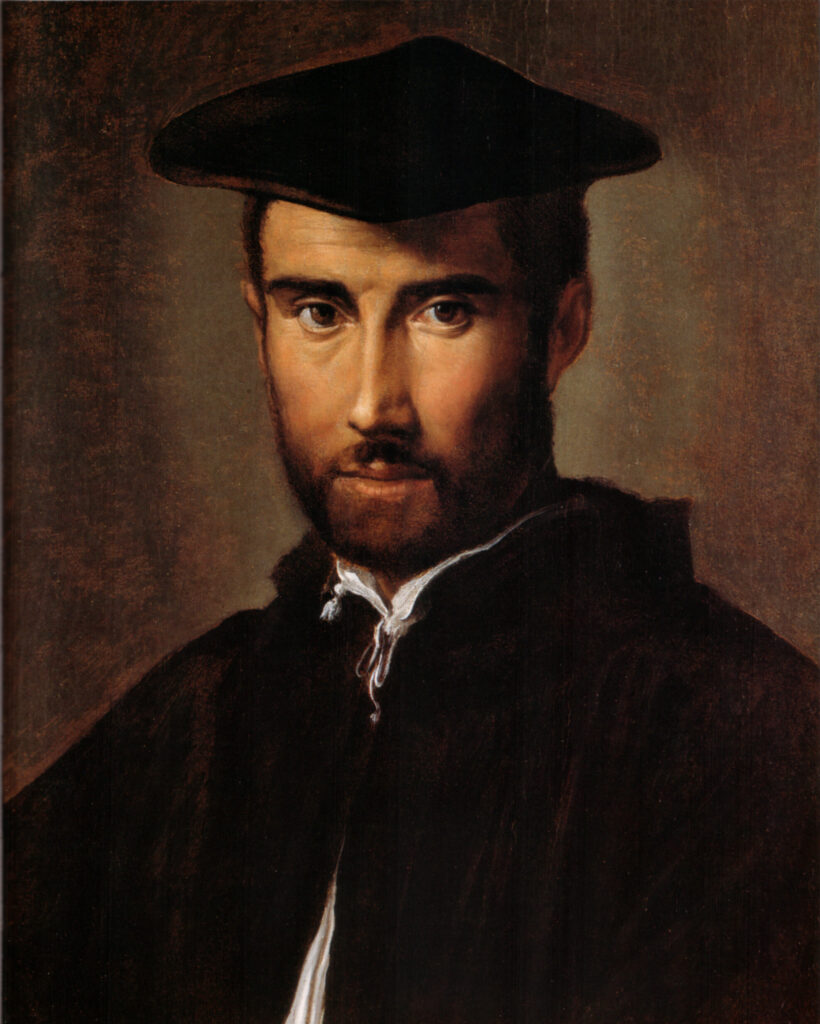
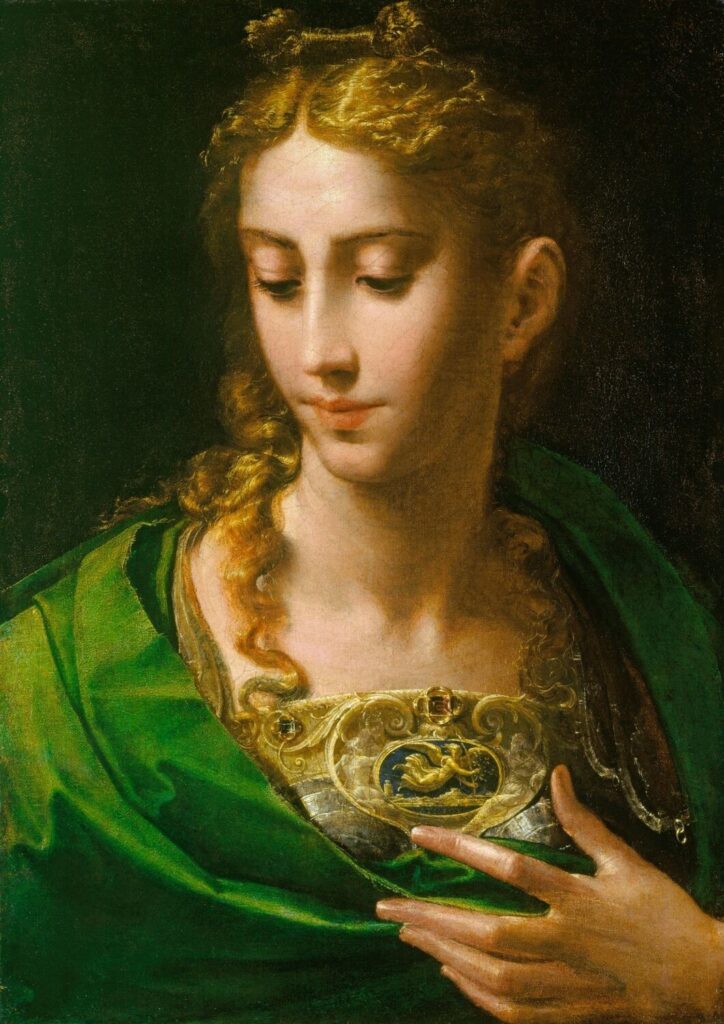
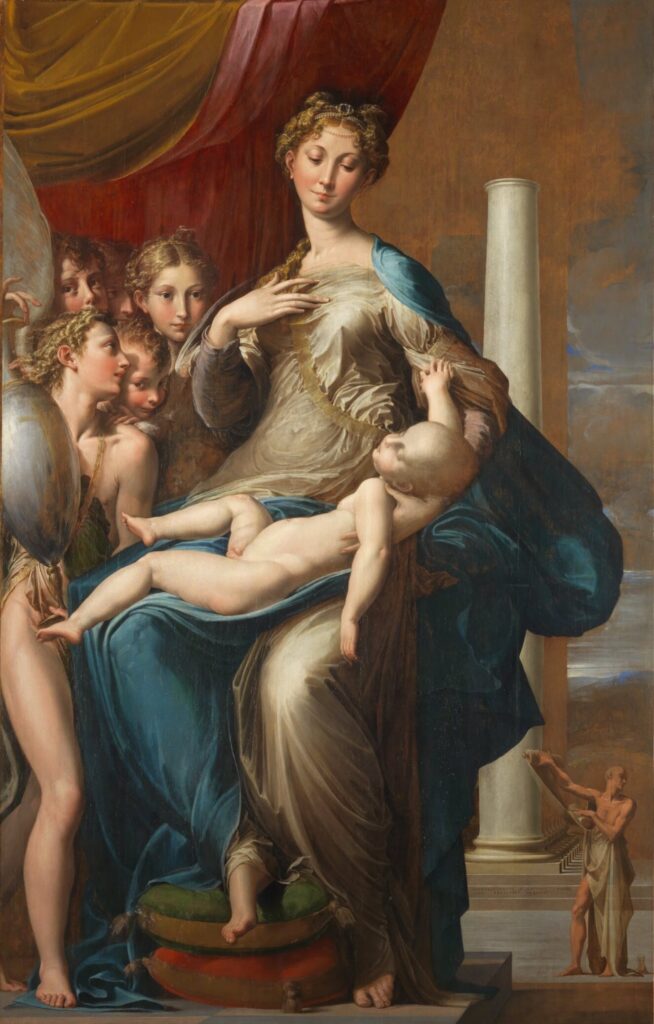
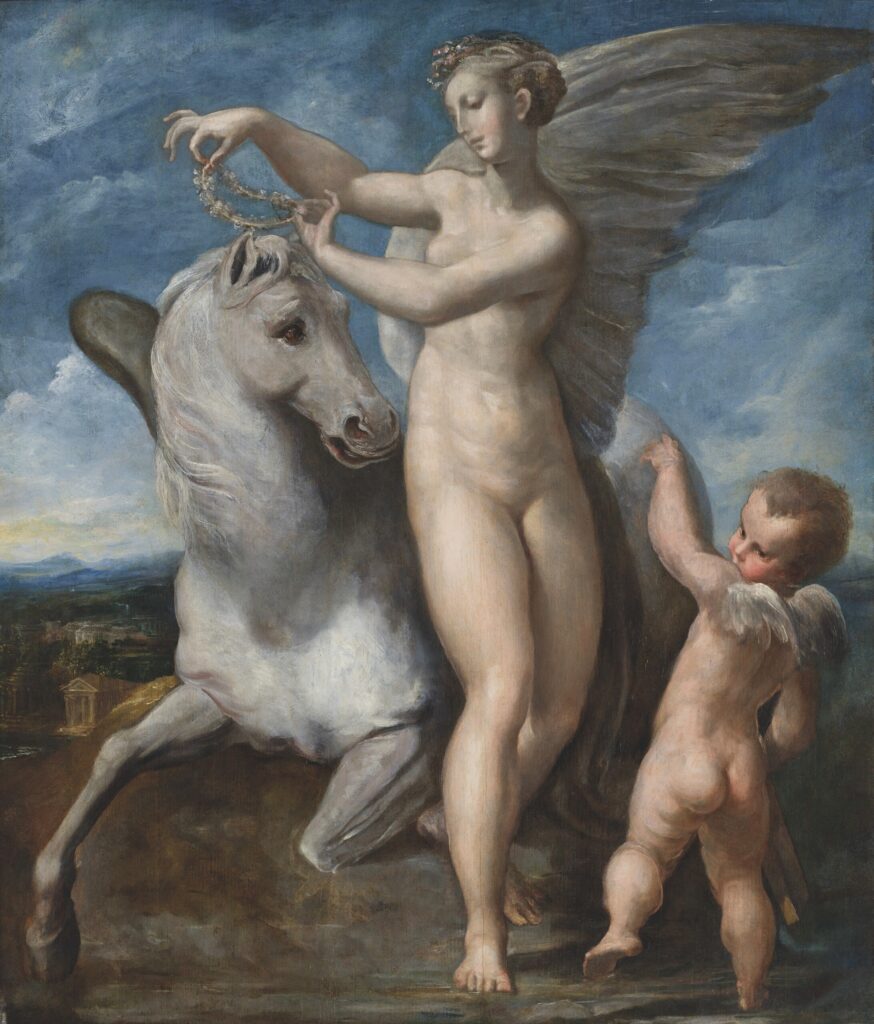
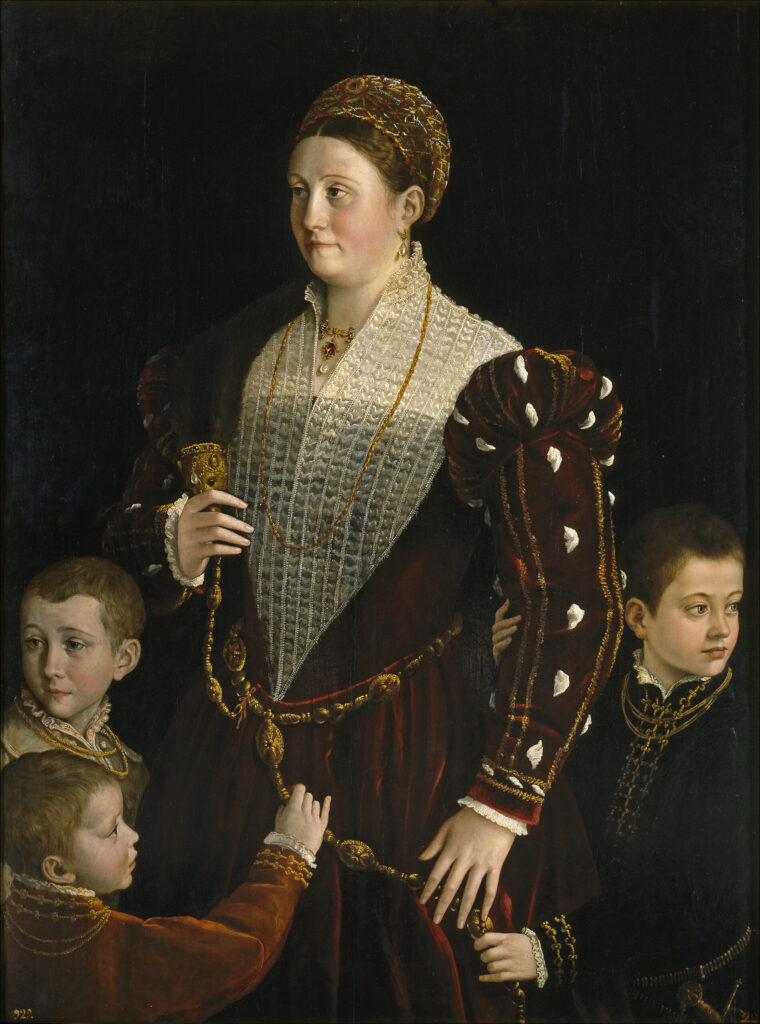
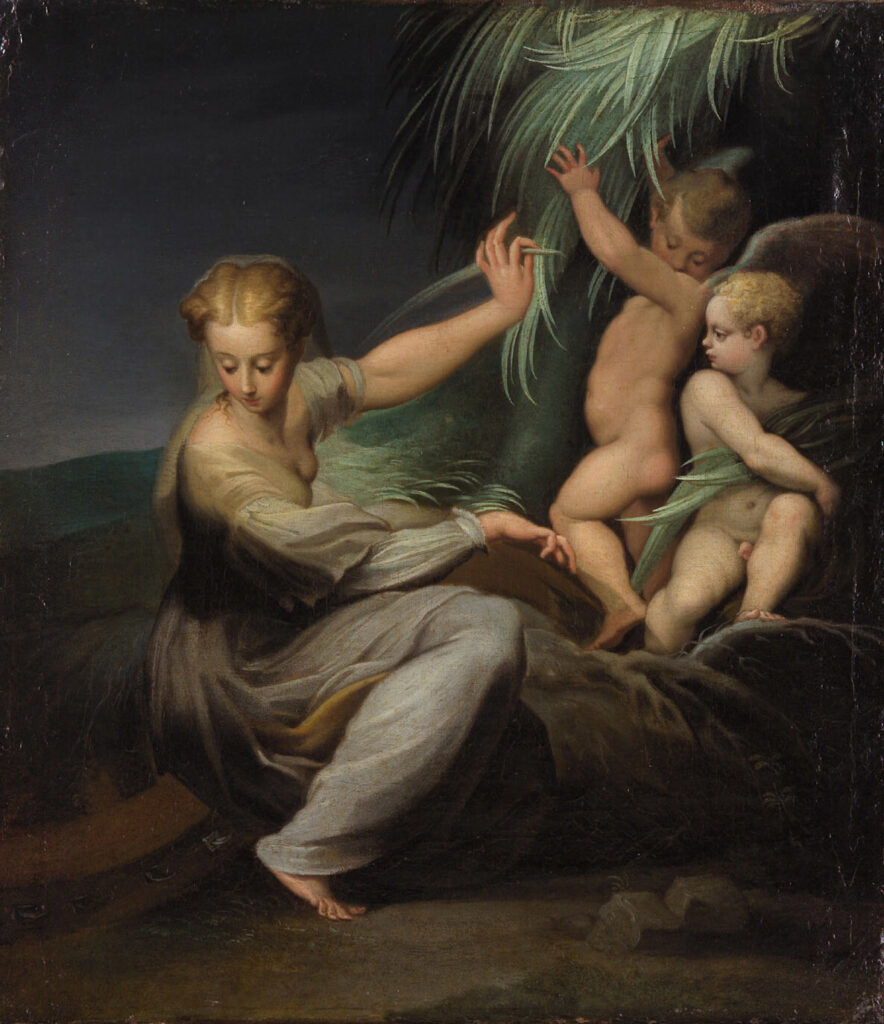
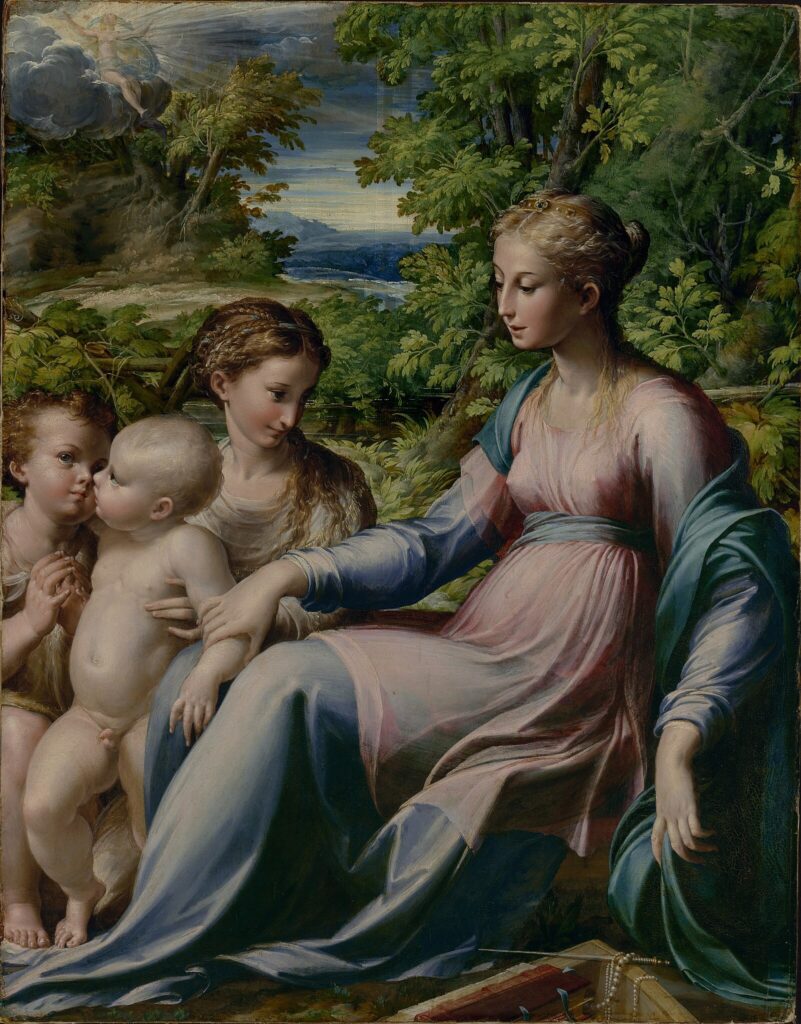
Parmigianino
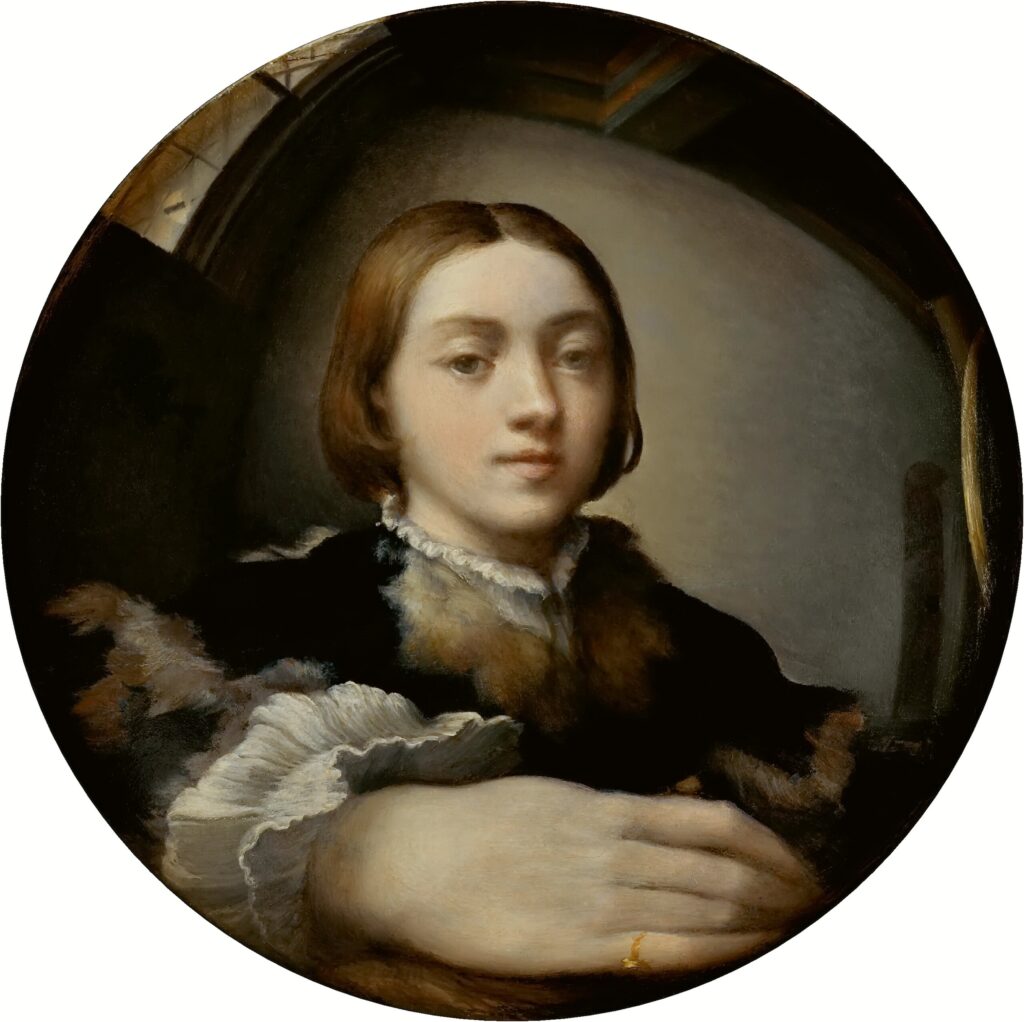
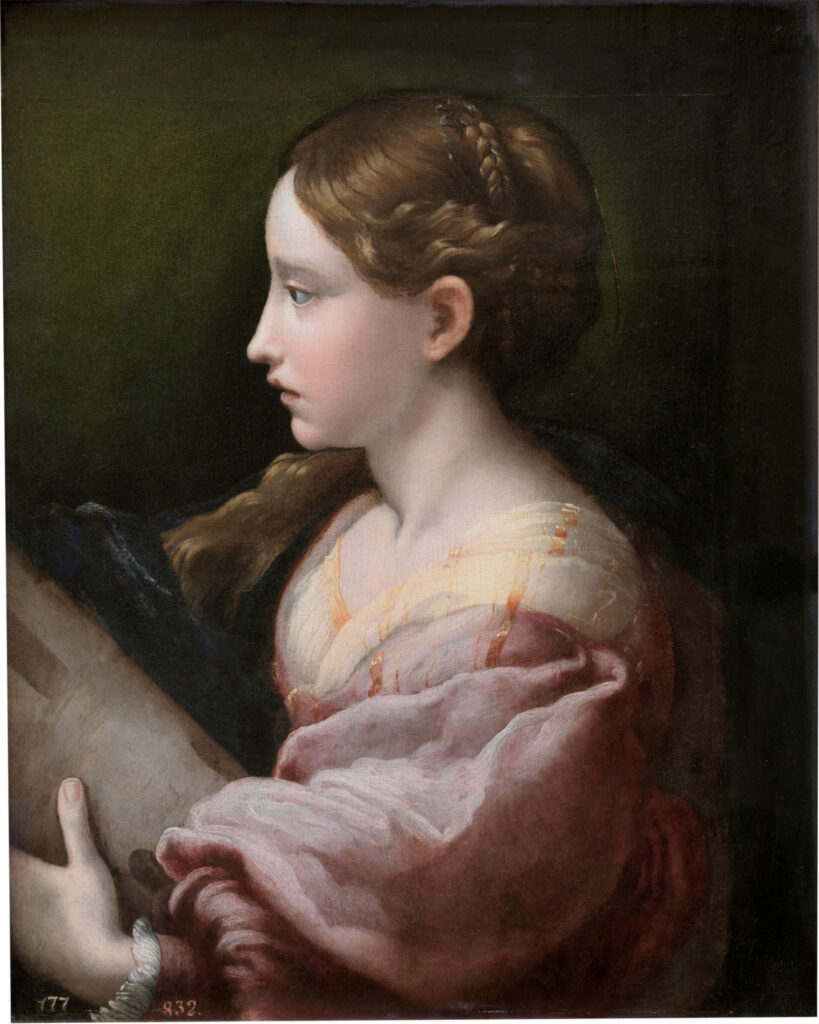
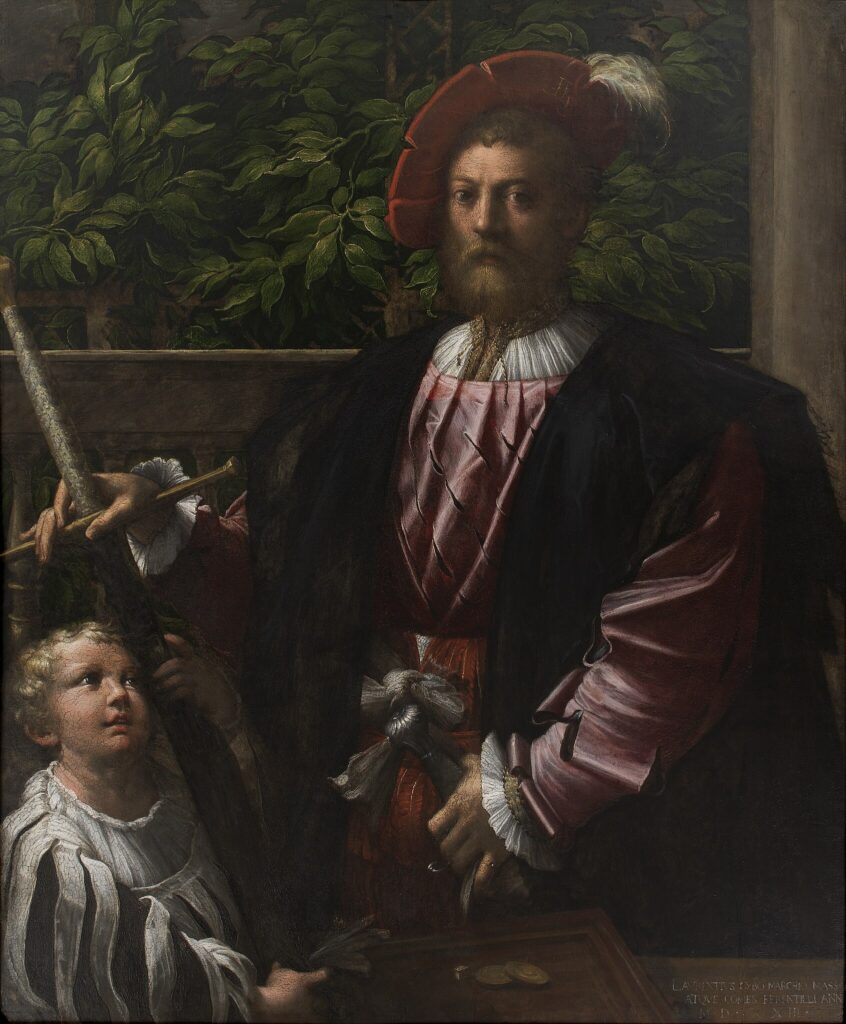
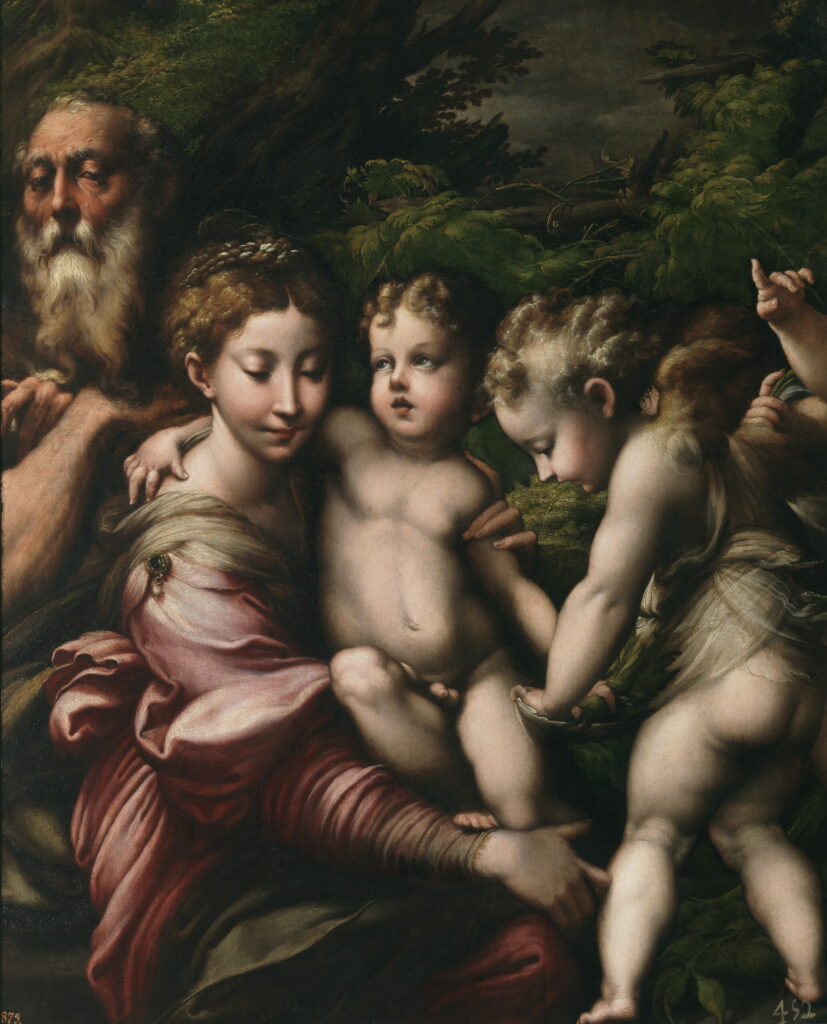
Parmigianino, January 11, 1503–August 24, 1540, was an Italian painter, draftsman, and printmaker born Girolamo Francesco Maria Mazzola in Parma. After his father’s early death, he was raised and trained by his painter uncles Michele and Pier Ilario Mazzola and encountered Correggio’s work in Parma.
He moved to Rome in 1524, studied the work of Raphael and Michelangelo, and became associated with the development of Mannerism. After the Sack of Rome in 1527, he worked in Bologna before returning to Parma, producing portraits, altarpieces, frescoes, drawings, and etchings.
His later projects included the decorations of Santa Maria della Steccata and Madonna and Child with Angels/Madonna with the Long Neck, both unfinished at his death in Casalmaggiore at age thirty-seven. His works are held by the Kunsthistorisches Museum, Museo del Prado, National Gallery, Uffizi Galleries, Royal Collection, and J. Paul Getty Museum.
Abraham Bloemaert
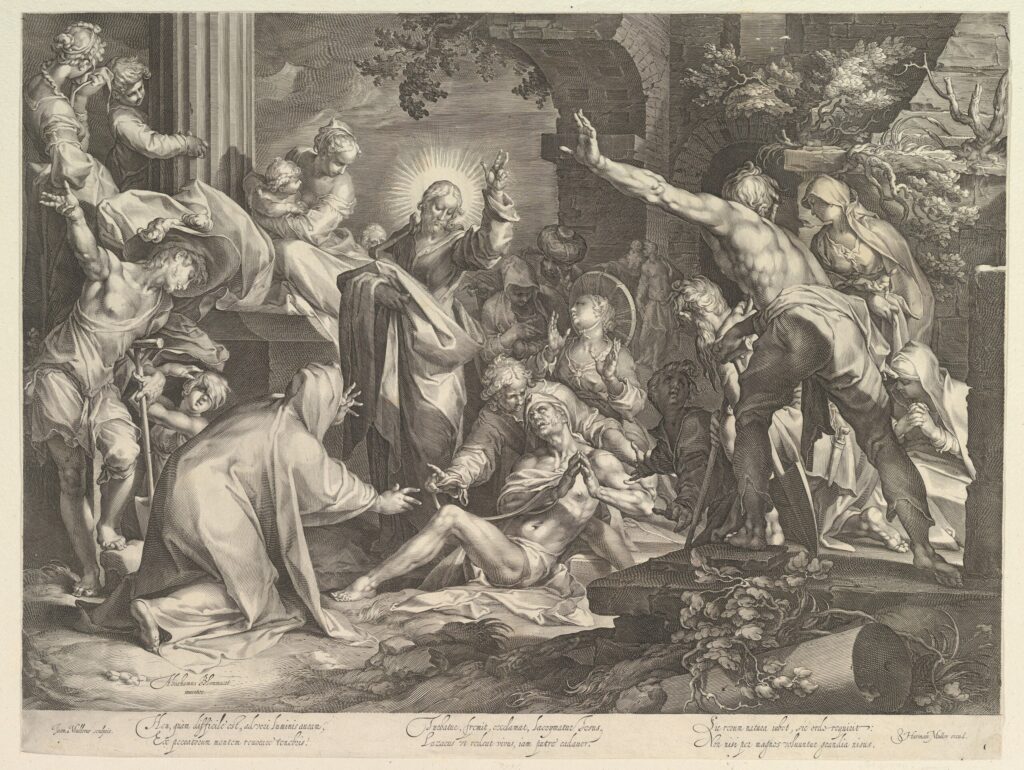
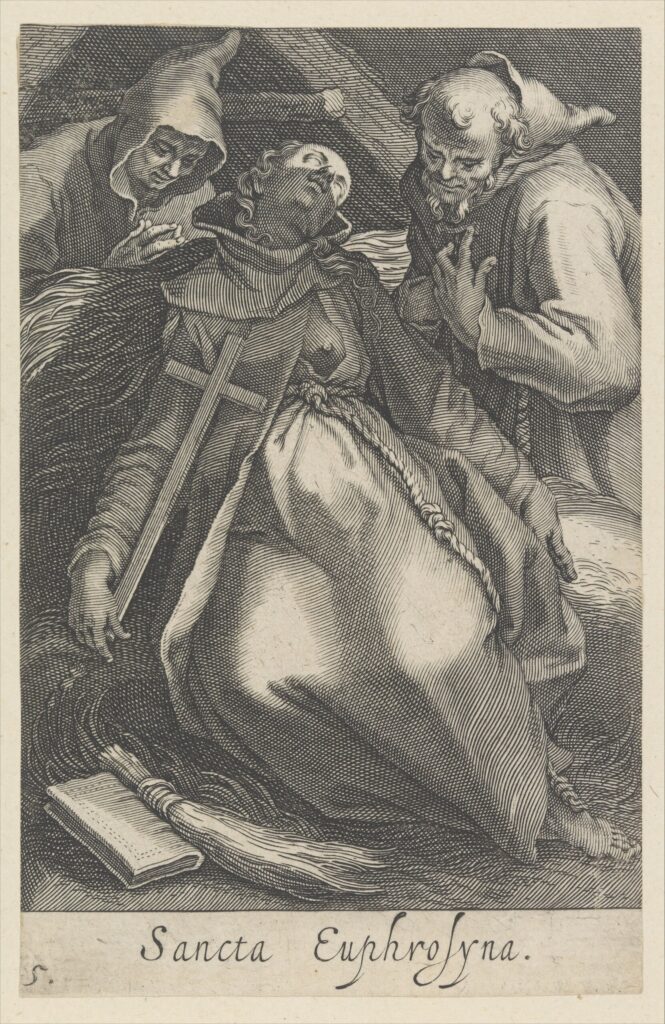
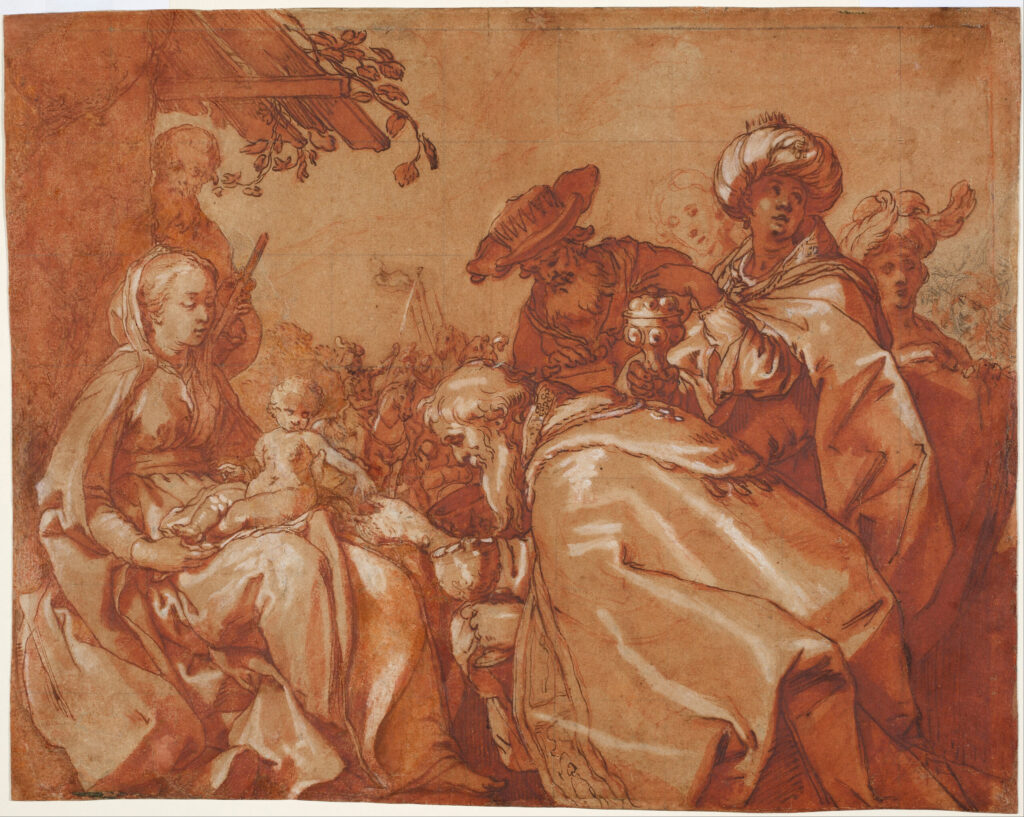
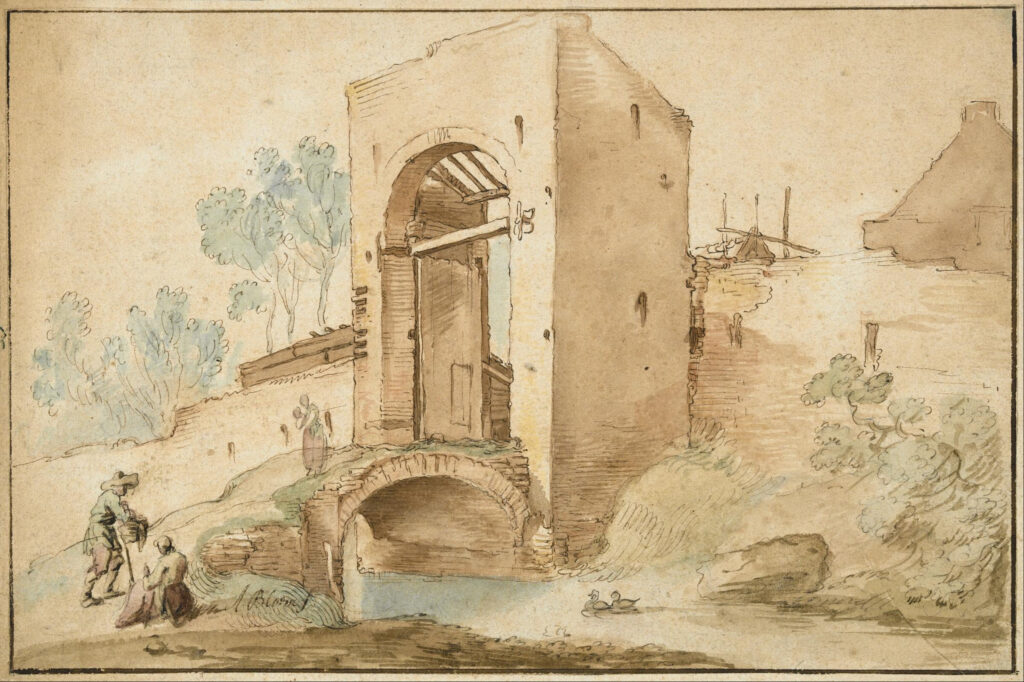
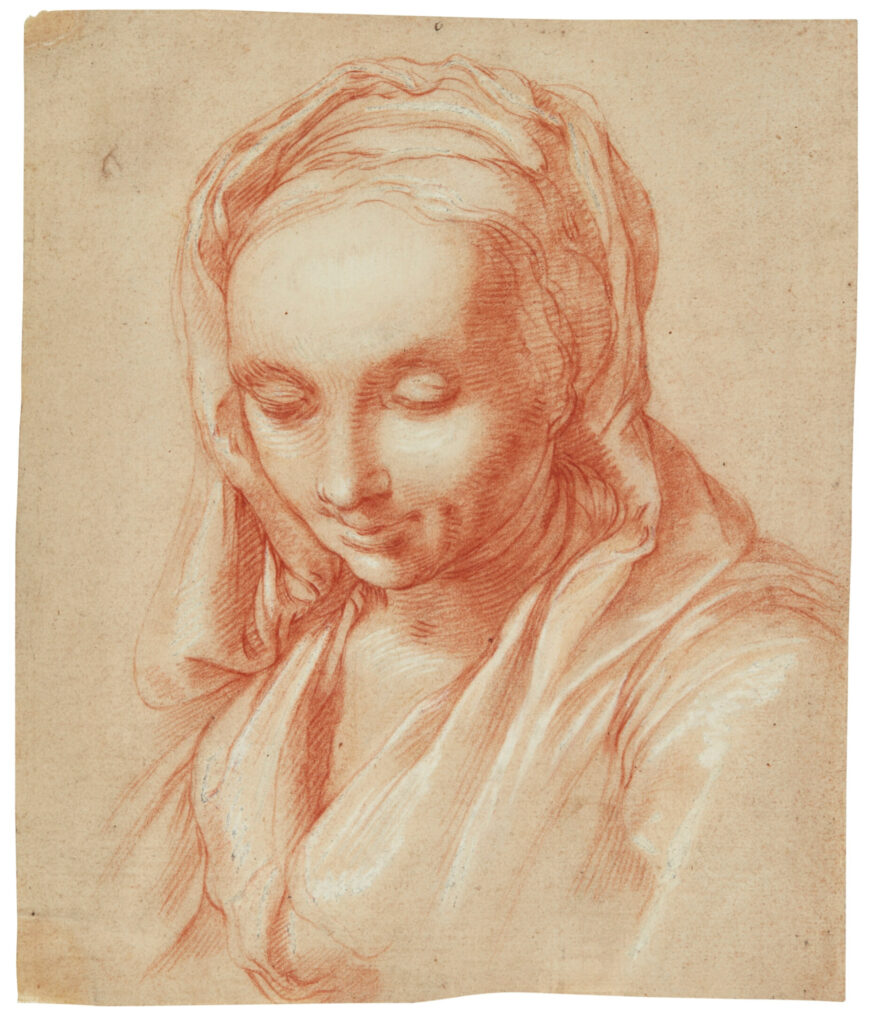
Abraham Bloemaert, December 25, 1566–January 27, 1651, was a Dutch painter, draftsman, and print designer. Born in Gorinchem, he moved with his family to Utrecht in 1575 and trained there with Gerrit Splinter and Joos de Beer before studying in Paris and Fontainebleau, including with Hieronymus Francken.
Bloemaert settled permanently in Utrecht, where he became a leading history painter and a prolific designer of landscapes and devotional images. He served in the painters’ guild and, with Paulus Moreelse, helped establish a drawing academy; his long career moved from late Mannerism toward a more naturalistic Baroque style influenced by the Utrecht Caravaggists.
His pupils included Gerard van Honthorst, Hendrick ter Brugghen, and Cornelis van Poelenburch, as well as his artist sons Hendrick, Cornelis, Adriaen, and Frederik. Bloemaert remained active into old age, and the wide circulation of prints after his designs extended his influence well beyond Utrecht.




John White
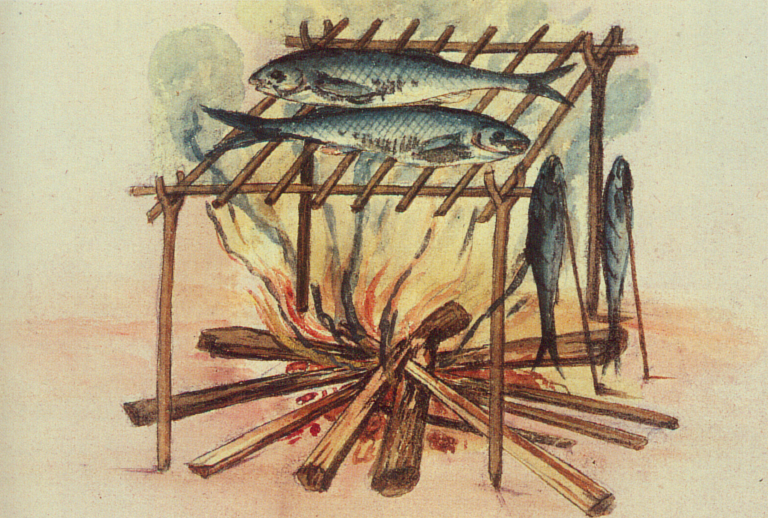
John White, active 1577–1593, was an English artist, mapmaker, explorer, and colonial governor. His early life and artistic training are uncertain, although he may have belonged to London’s Painter-Stainers’ Company.
White may have accompanied Martin Frobisher’s 1577 Arctic voyage and served as artist and mapmaker on the 1585 expedition to Roanoke Island. Working with Thomas Harriot, he made watercolours recording Indigenous people, settlements, ceremonies, foodways, plants, and animals. Theodor de Bry later adapted many of these images as engravings.
White became governor of the Roanoke Colony in 1587. Delayed in England while seeking supplies, he returned in 1590 to find the settlement abandoned. He was last documented in 1593; the principal collection of his surviving watercolours is in the British Museum, London.




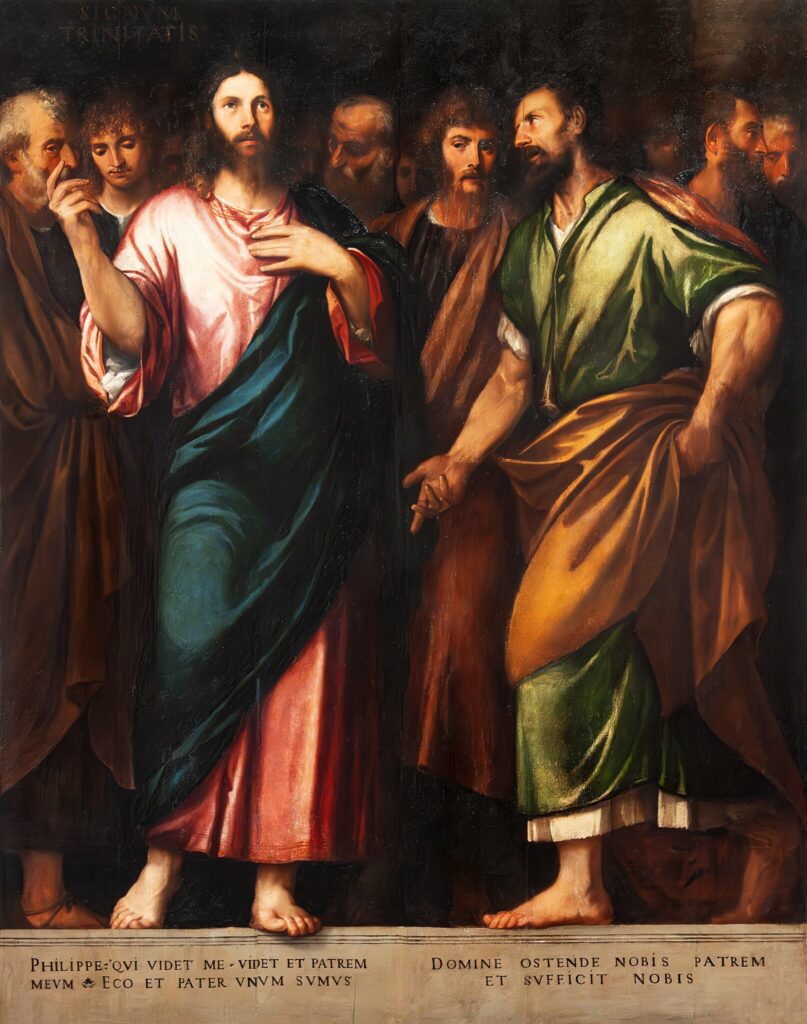
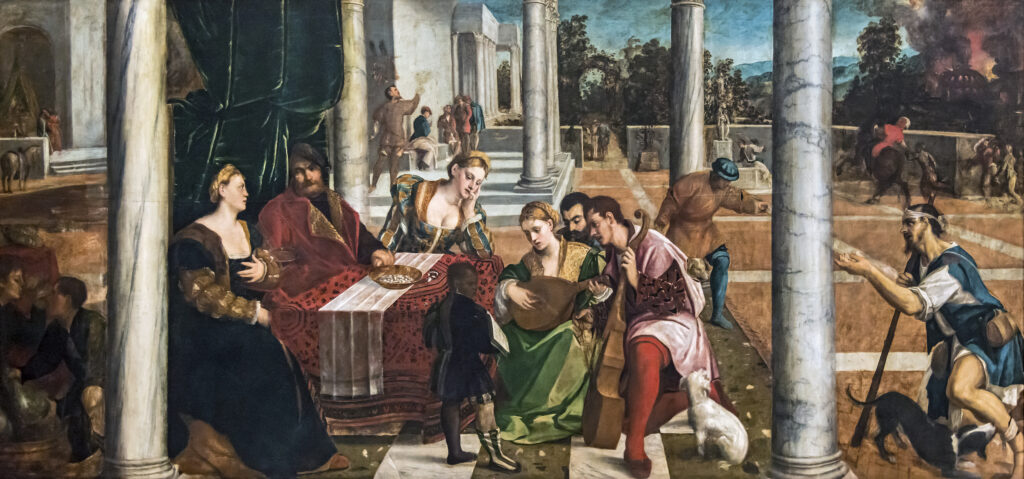
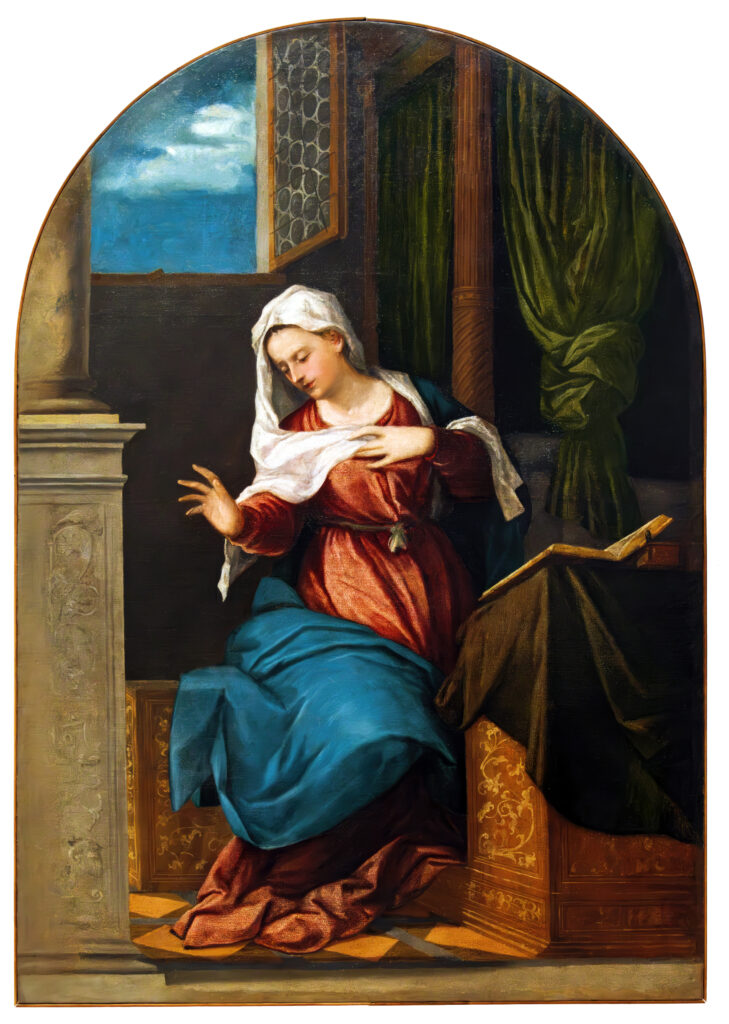
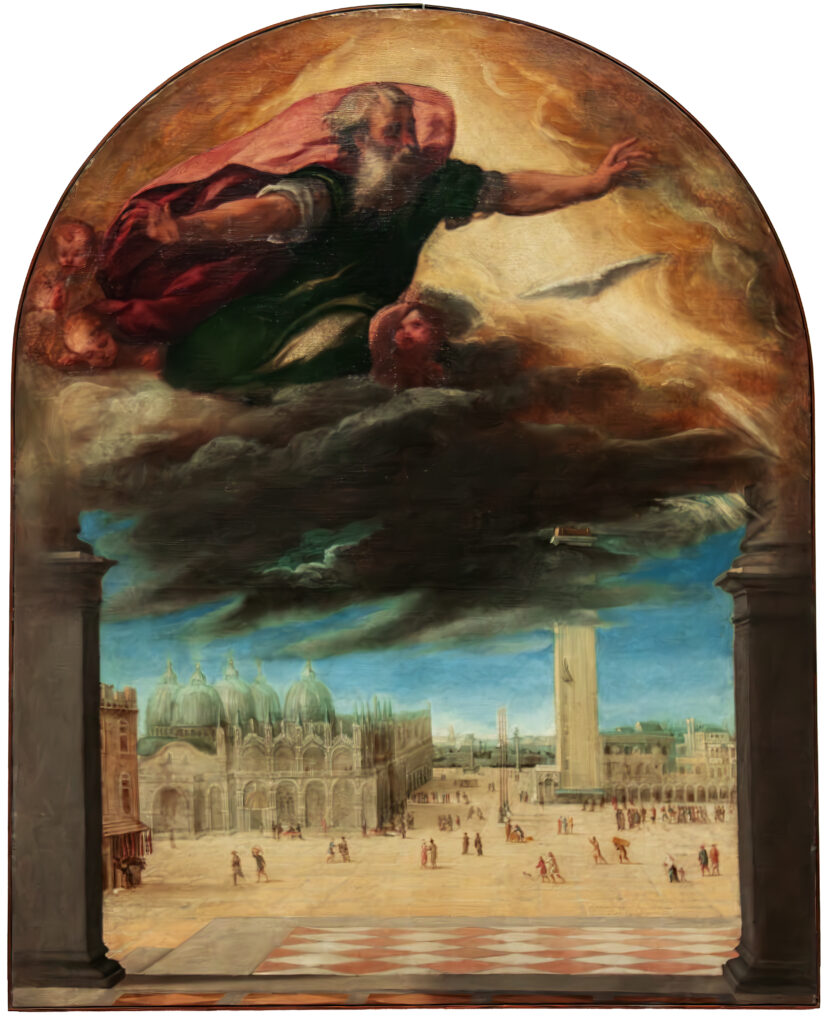
Bonifazio Veronese
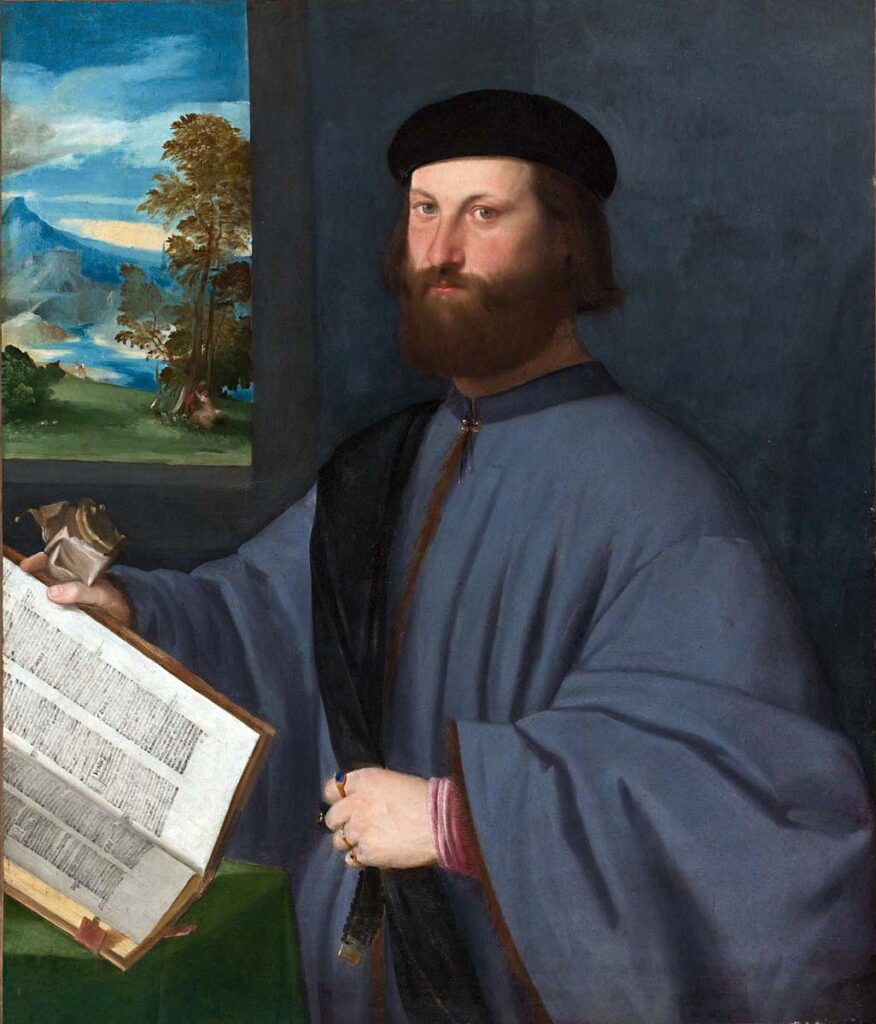
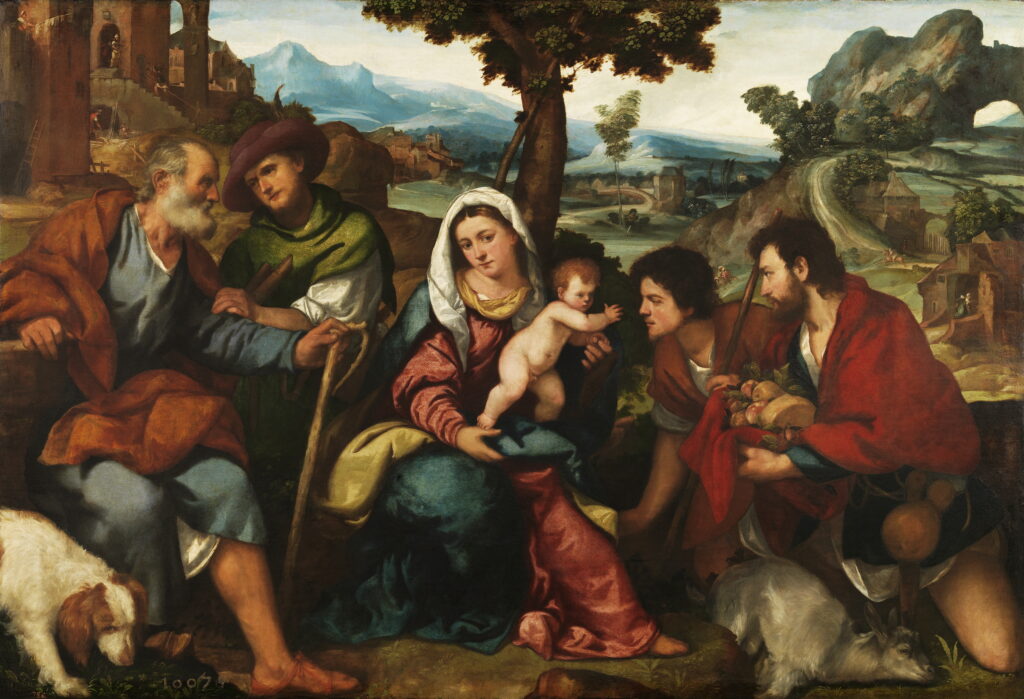
Bonifazio Veronese, c 1487 – October 19, 1553, was an Italian Renaissance painter born Bonifazio de’ Pitati in Verona. His family moved to Venice around 1505, and he is generally believed to have trained in the workshop of Palma Vecchio.
He established a large workshop in Venice and produced altarpieces, devotional paintings, portraits, and large narrative cycles. His work reflects the influence of Palma Vecchio, Giorgione, and Titian; among his principal commissions was the long series painted for the Palazzo dei Camerlenghi.
Bonifazio remained active in Venice until his final years and died there in 1553. His paintings are held by the Gallerie dell’Accademia, Museo del Prado, Louvre Museum, National Gallery in London, and other major collections, and his workshop influenced younger Venetian painters including Andrea Schiavone and Tintoretto.







Francesco Salviati
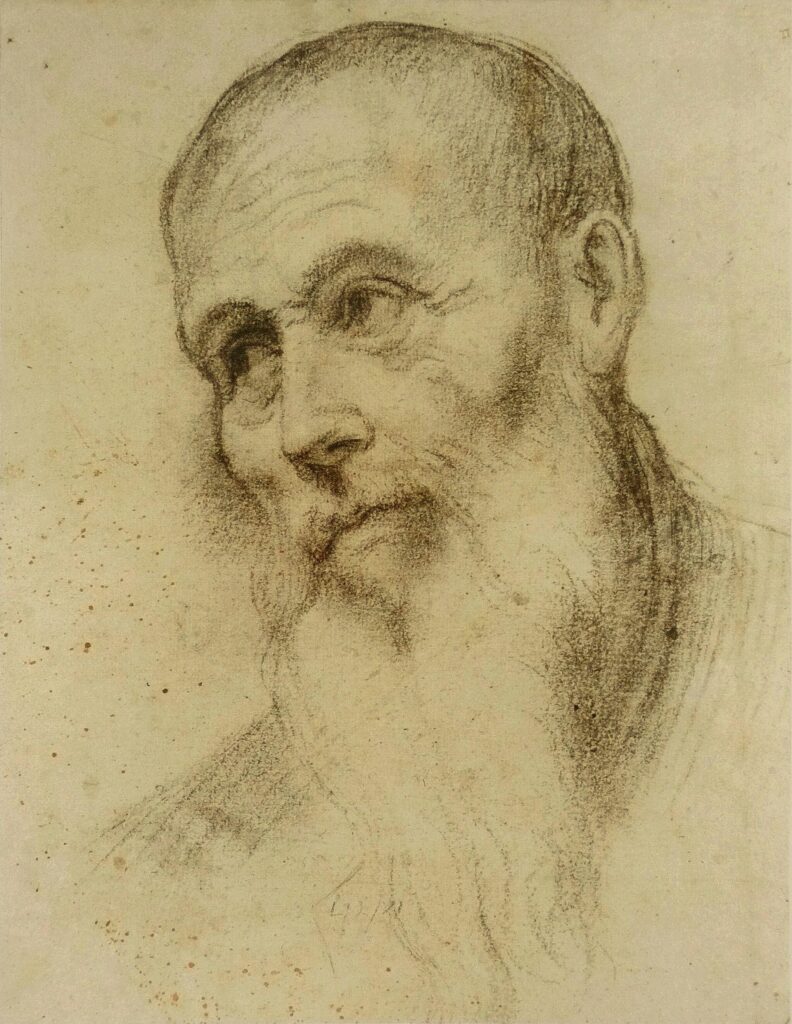
Francesco Salviati, 1510 – November 11, 1563, was an Italian painter and draftsman born Francesco de’ Rossi in Florence. He trained successively with Giuliano Bugiardini, Baccio Bandinelli, Raffaele Brescianino, and Andrea del Sarto, and formed a lasting friendship with Giorgio Vasari.
Salviati went to Rome in 1531 and adopted the name of his patron, Cardinal Giovanni Salviati. He worked in Rome, Florence, Venice, and Bologna, producing fresco cycles, altarpieces, portraits, drawings, and tapestry designs; his principal commissions included decorations in the Palazzo Vecchio in Florence and the Palazzo Farnese in Rome.
Salviati spent much of his later career in Rome and died there in 1563. His works are held by the Uffizi Gallery, Louvre Museum, National Museum of Capodimonte, Morgan Library & Museum, Toledo Museum of Art, and other major collections.




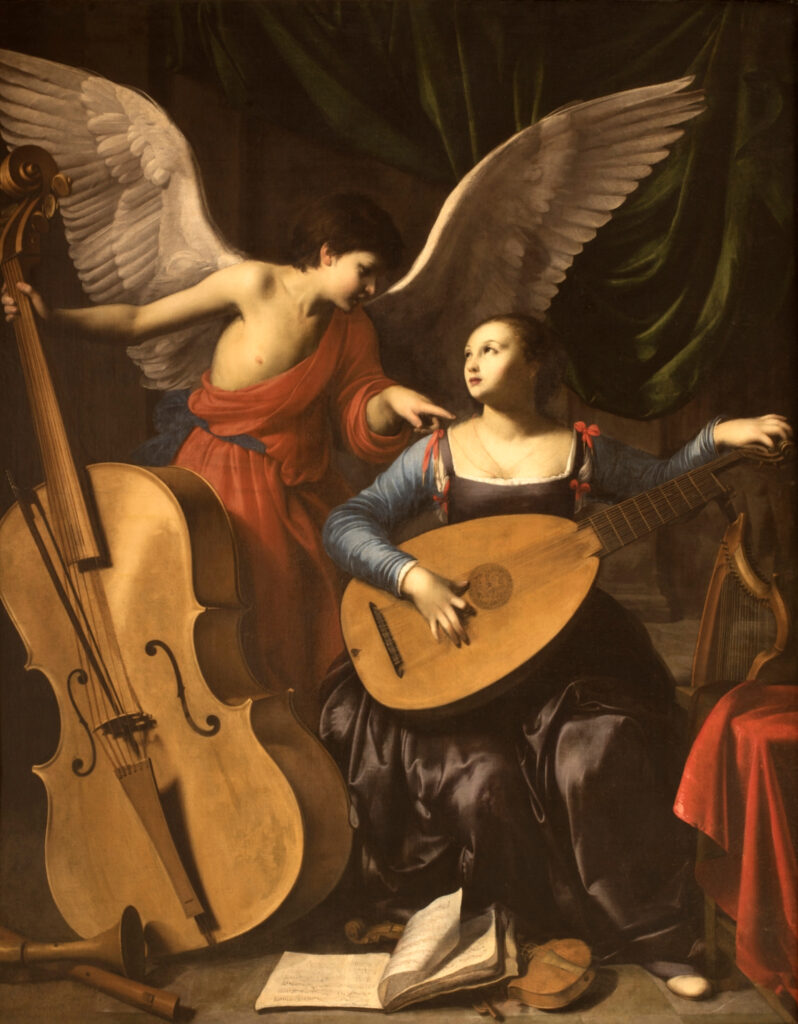
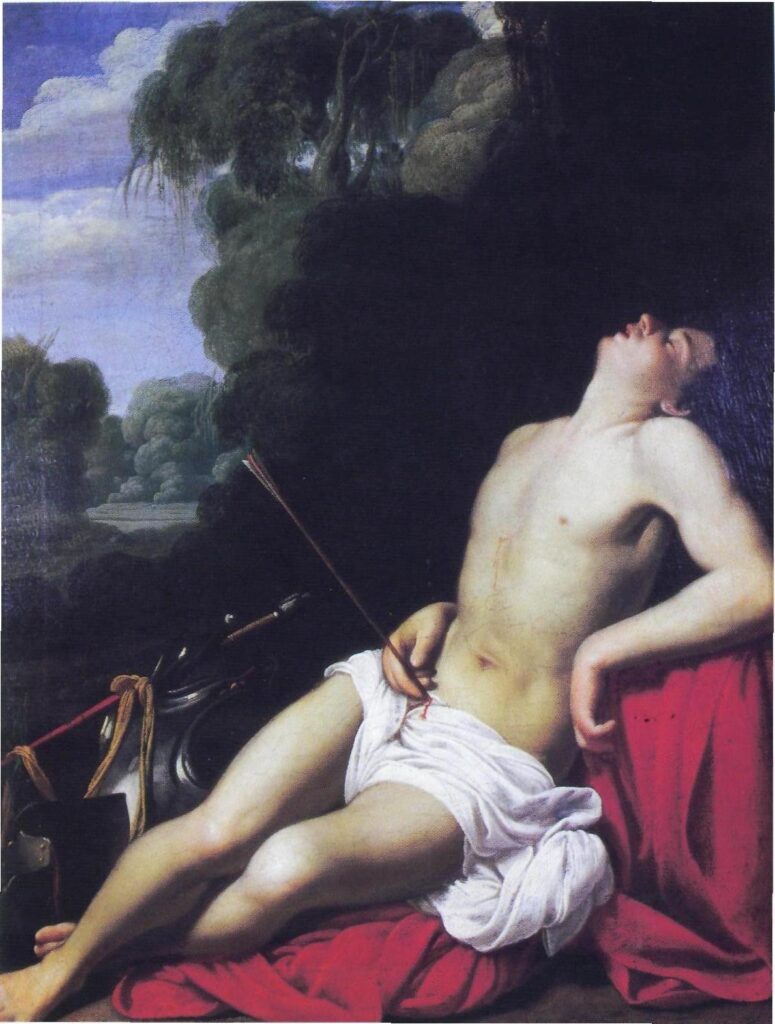
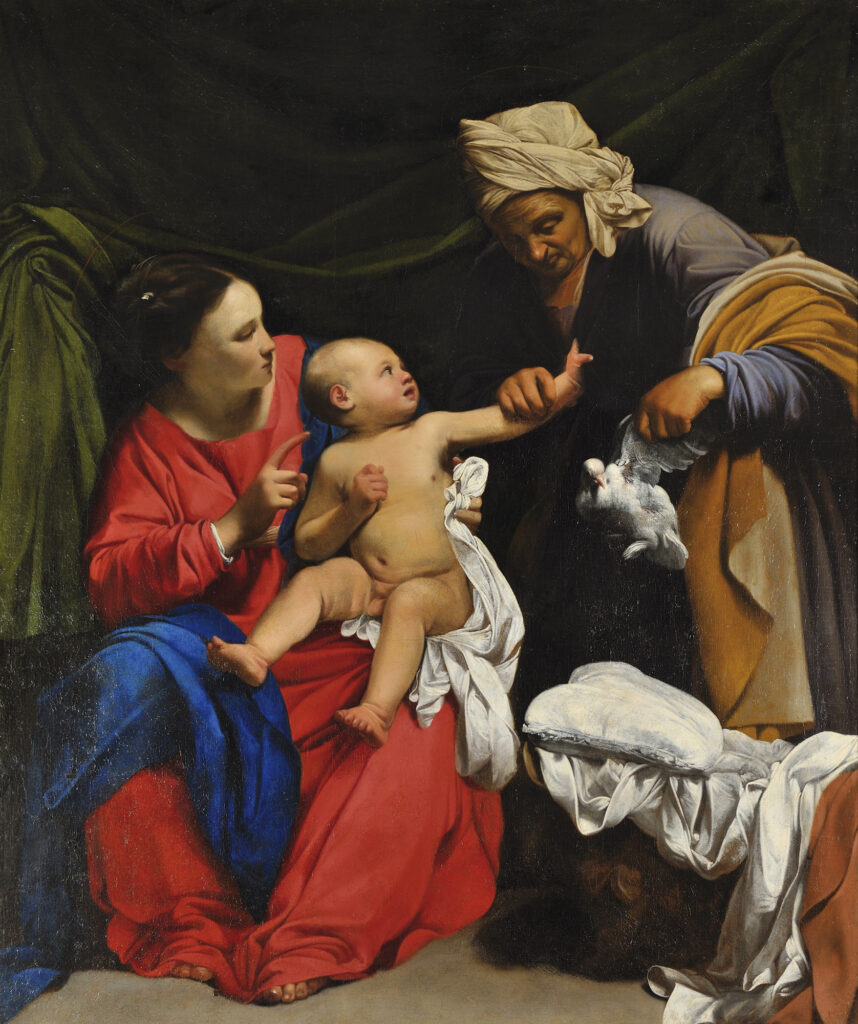
Carlo Saraceni
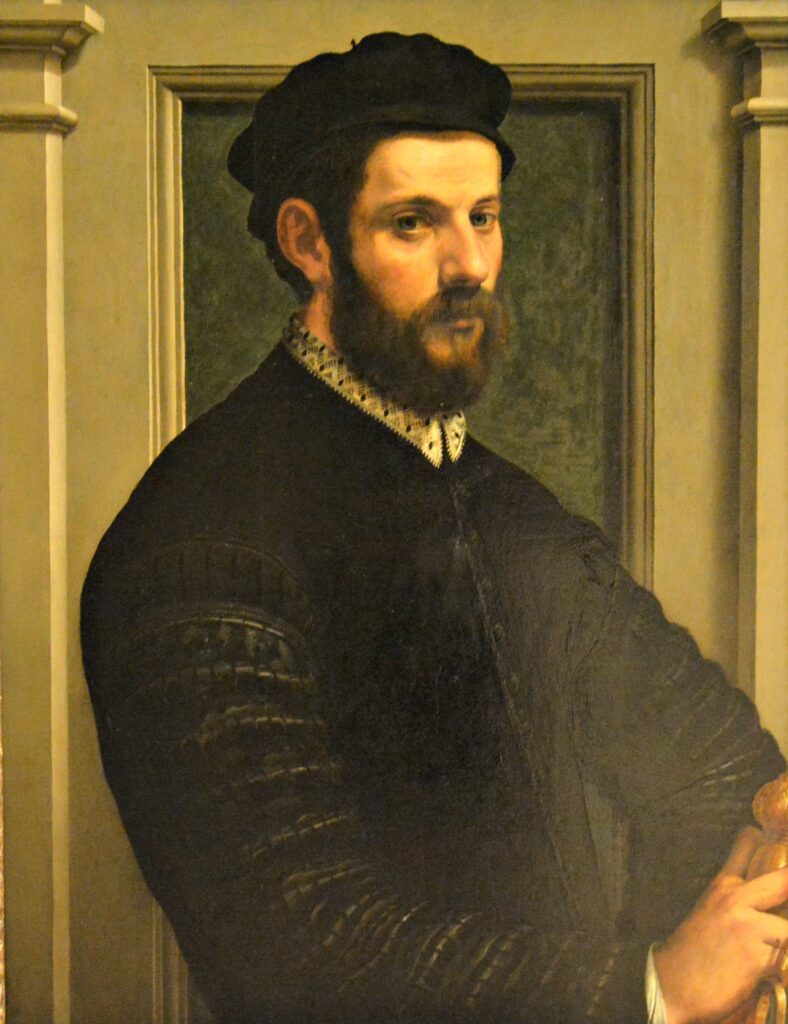
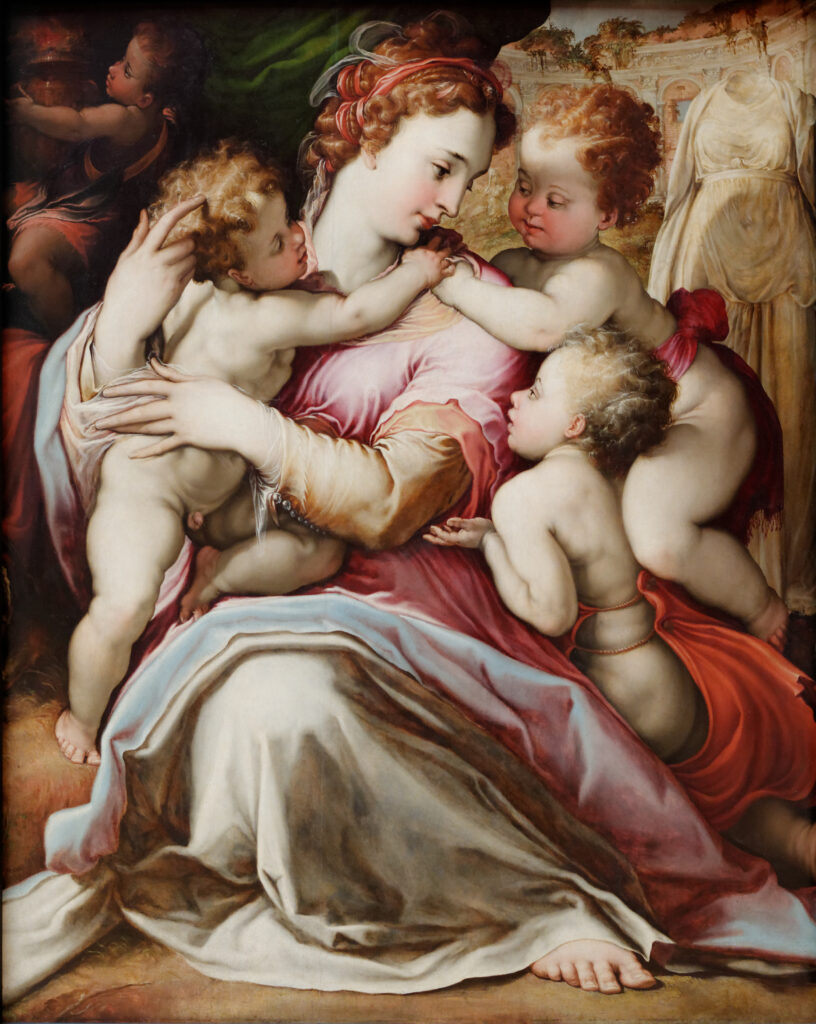
Carlo Saraceni, 1579 – June 16, 1620, was a Venetian painter. He trained in Venice before moving to Rome, probably in 1598, where he came under the influence of Adam Elsheimer, Caravaggio, and Caravaggio’s followers.
Saraceni worked in Rome on small paintings on copper as well as larger canvases. He also worked for the ducal court in Mantua in 1613 and was a member of the Accademia di San Luca in Rome by 1616.
Saraceni returned to Venice about 1619 and died there in 1620. His works are held by institutions including the National Gallery, London; the Alte Pinakothek, Munich; the Kunsthistorisches Museum, Vienna; and the Gallerie dell'Accademia, Venice.