Jean-Baptiste Camille Corot
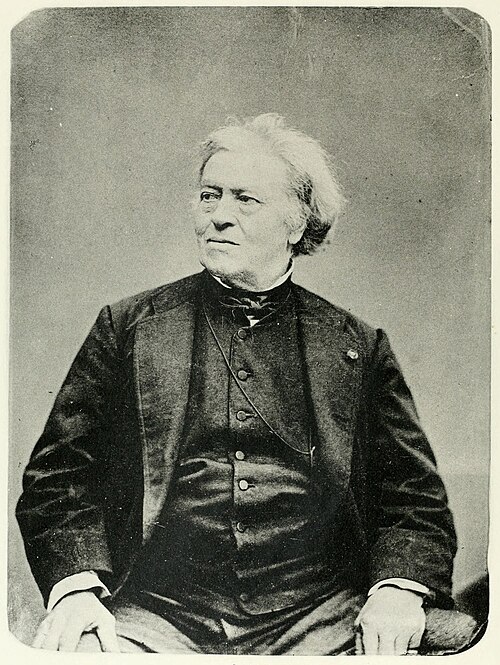
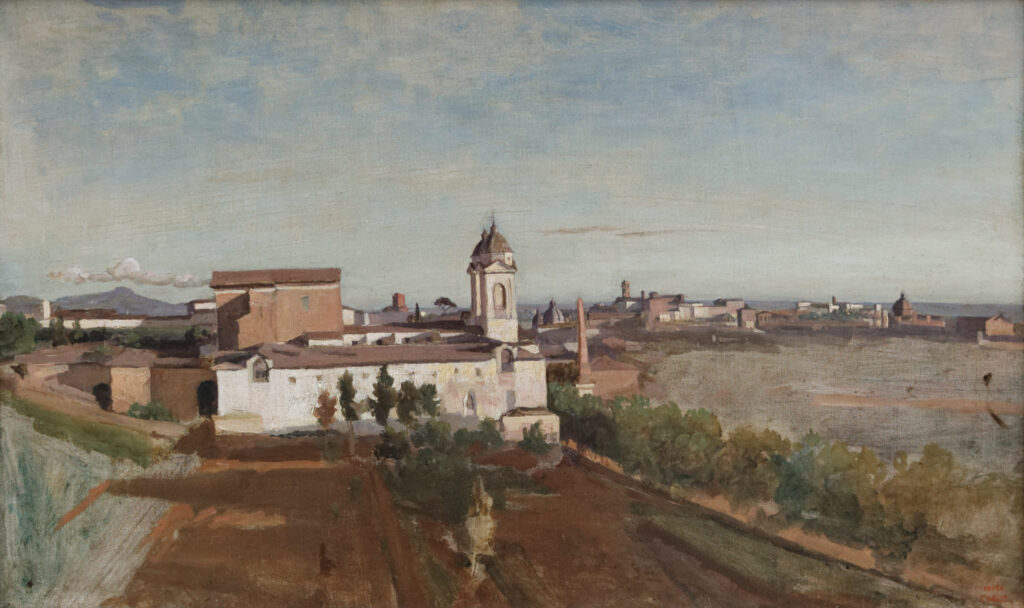
Jean-Baptiste-Camille Corot, July 16, 1796 – February 22, 1875, was a French painter and printmaker associated with the Barbizon School and the development of nineteenth-century landscape painting. Born in Paris, he was the son of prosperous cloth merchants Jacques Corot and Marie-Françoise Oberson. Intended at first for a business career, he worked in the family trade before receiving permission to pursue art. He studied with Achille Etna Michallon and later Jean-Victor Bertin, both heirs to the French classical landscape tradition. Corot made several extended trips to Italy between 1825 and 1843, working in Rome, the Campagna, Venice, and other locations while producing numerous studies from nature.
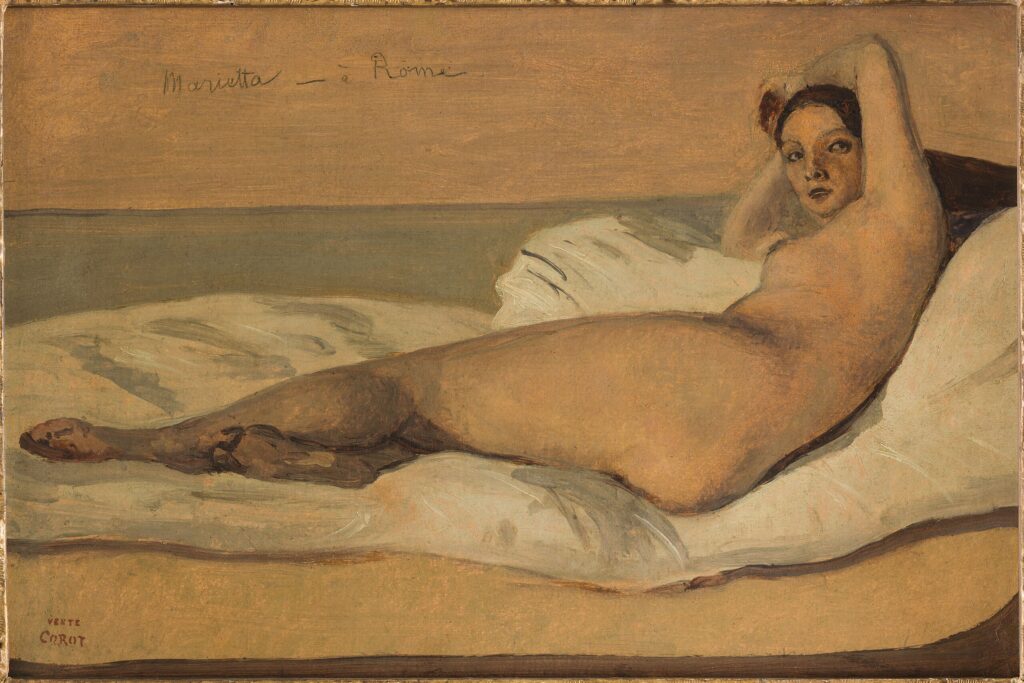
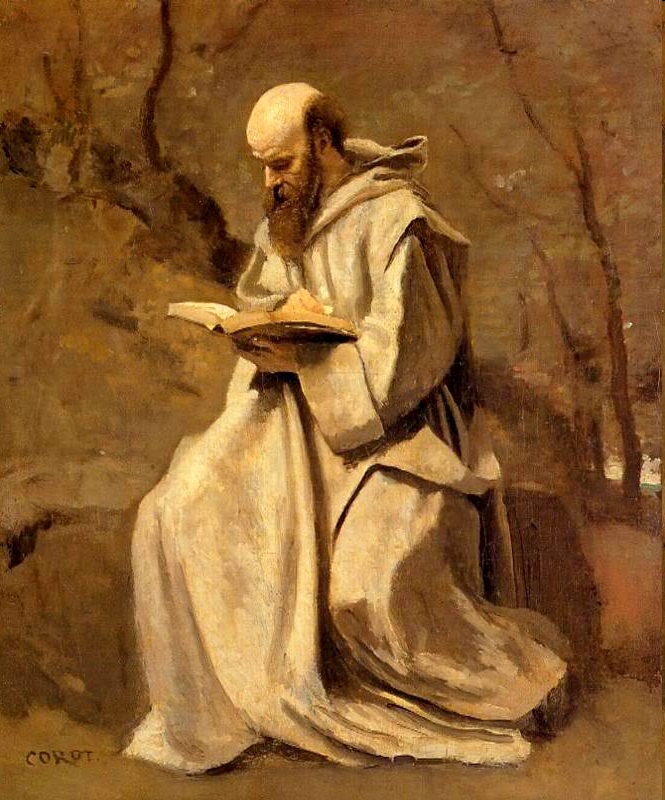
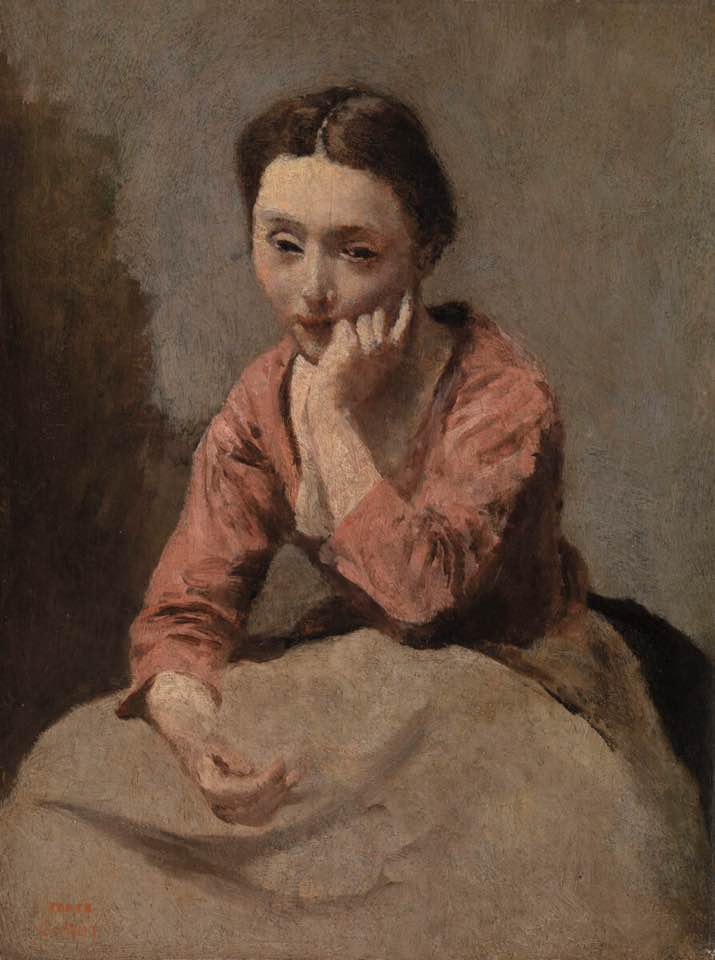
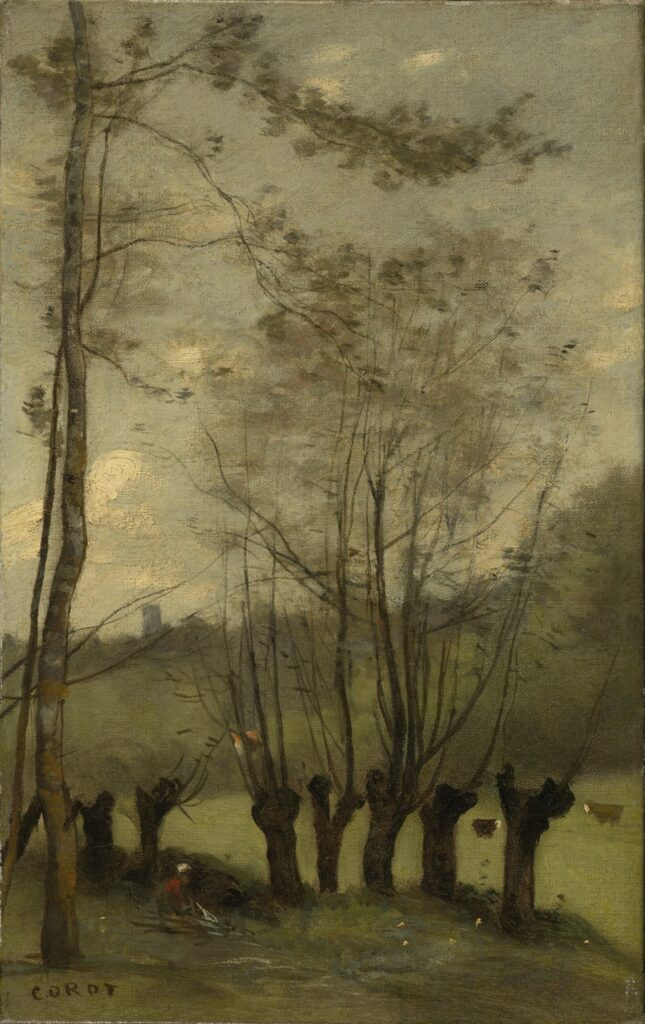
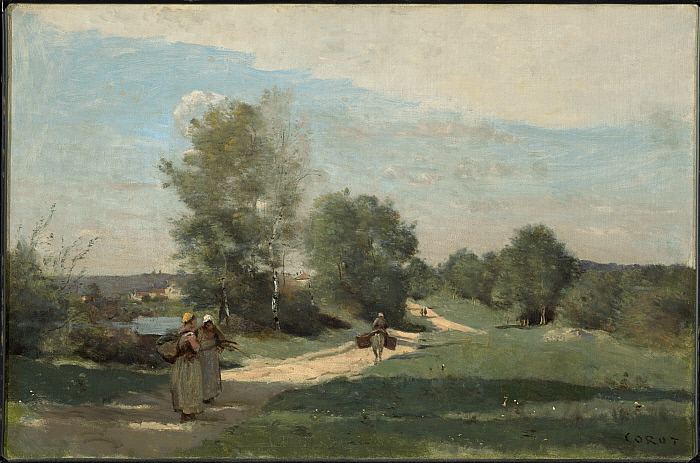
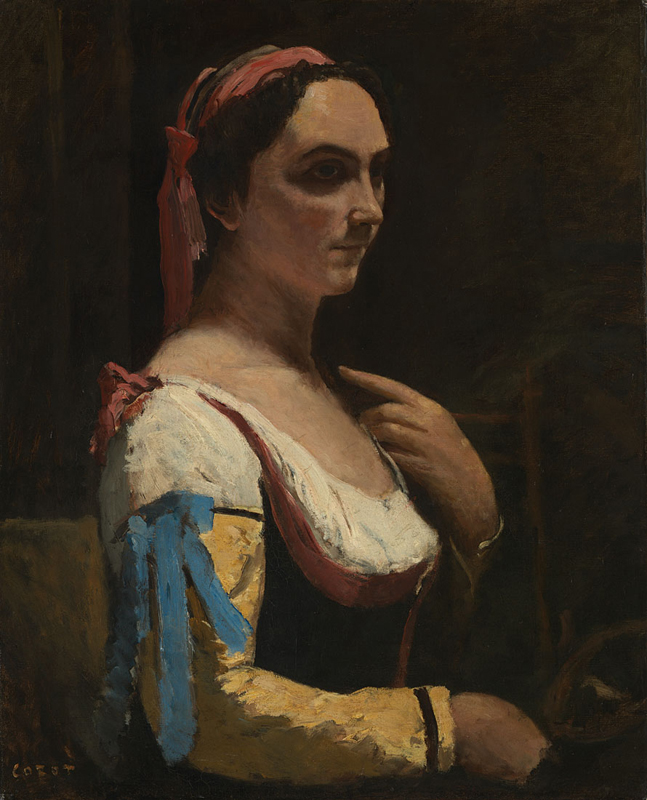
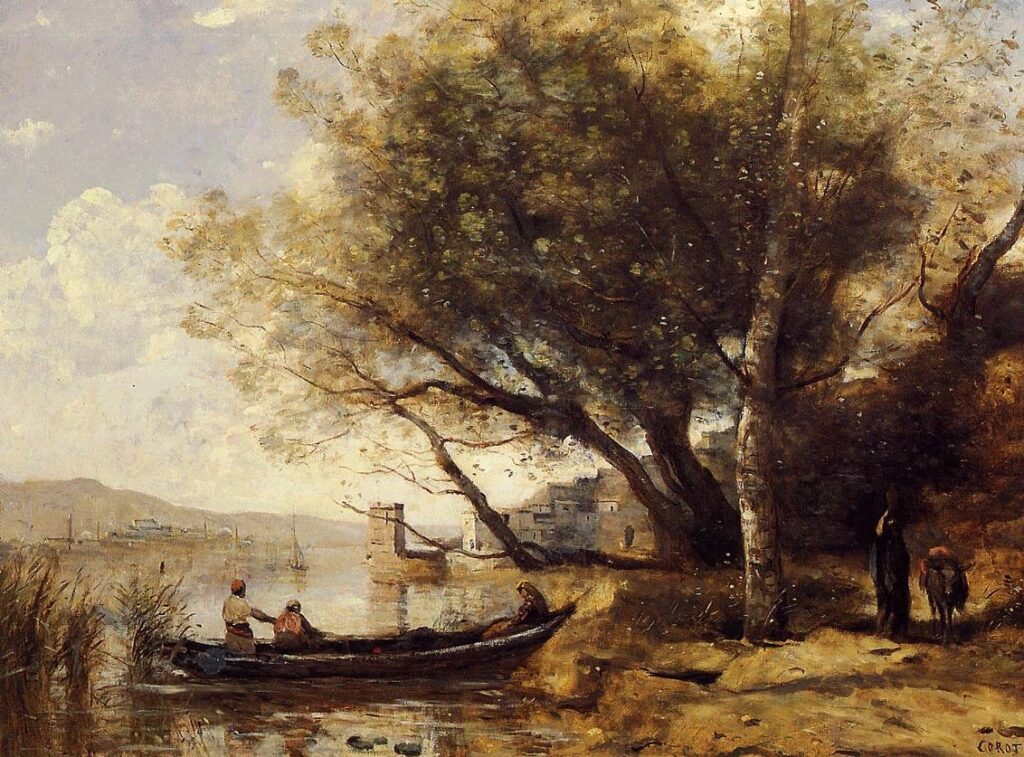
Corot became known for landscapes that combined direct observation with the compositional structure of classical painting. He worked throughout France and Italy, producing views of forests, rivers, villages, parks, and rural roads, as well as figure paintings and portraits in his later years. Although rooted in the classical landscape tradition of Claude Lorrain and Nicolas Poussin, his outdoor studies and handling of light influenced younger artists working toward naturalism and Impressionism. Corot was associated with painters of the Barbizon School, including Théodore Rousseau, Charles-François Daubigny, and Jean-François Millet, while maintaining an independent artistic practice.
Corot exhibited regularly at the Paris Salon and became one of the most respected French painters of his generation. He provided encouragement and practical assistance to younger artists, including Camille Pissarro and Berthe Morisot. His work is held by major collections including the Louvre Museum, Musée d’Orsay, National Gallery, Metropolitan Museum of Art, Clark Art Institute, National Gallery of Art, Thyssen-Bornemisza Museum, and many other institutions in Europe and North America.



Comments are Disabled